1/12
12 Layout Tricks Designers Use to Make Dining Rooms Feel Bigger and Brighter
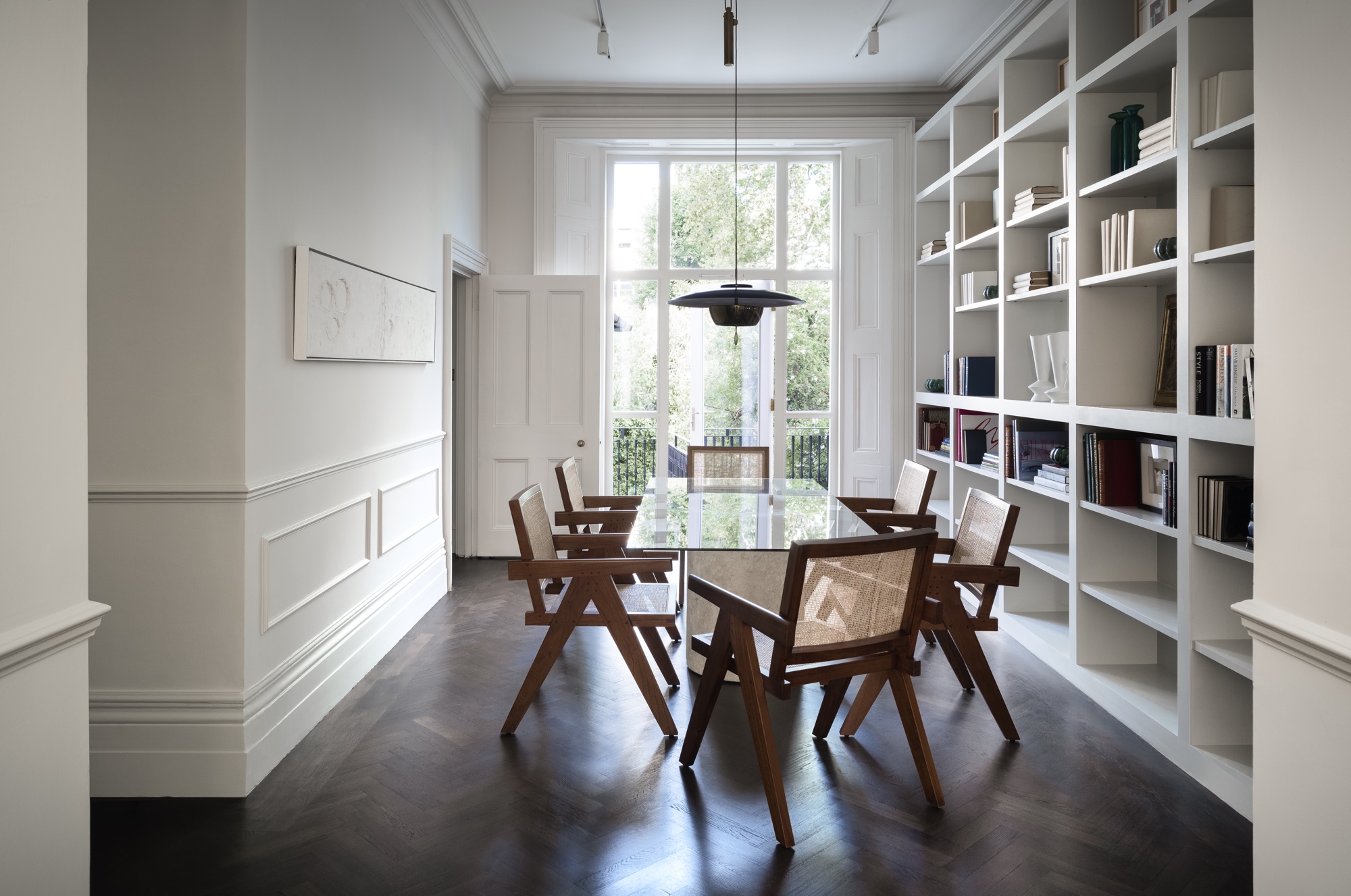
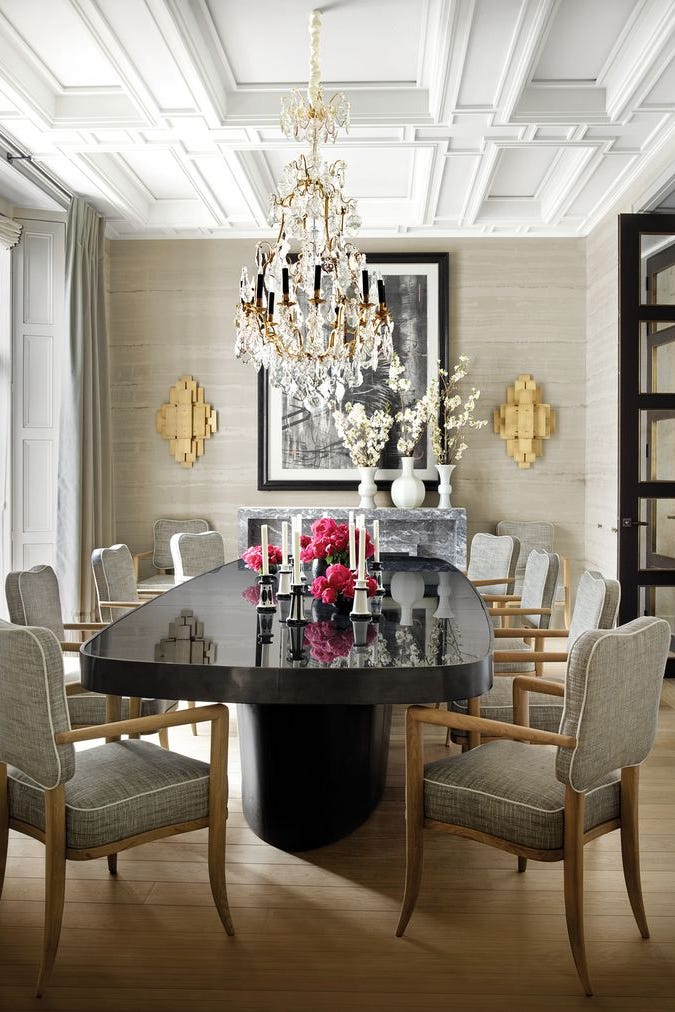
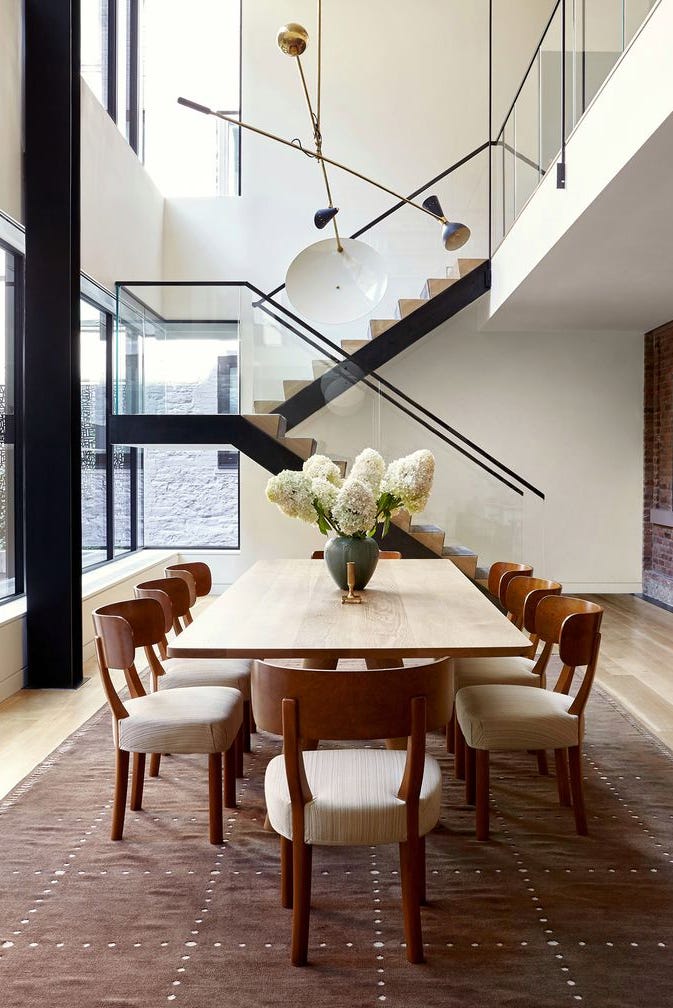
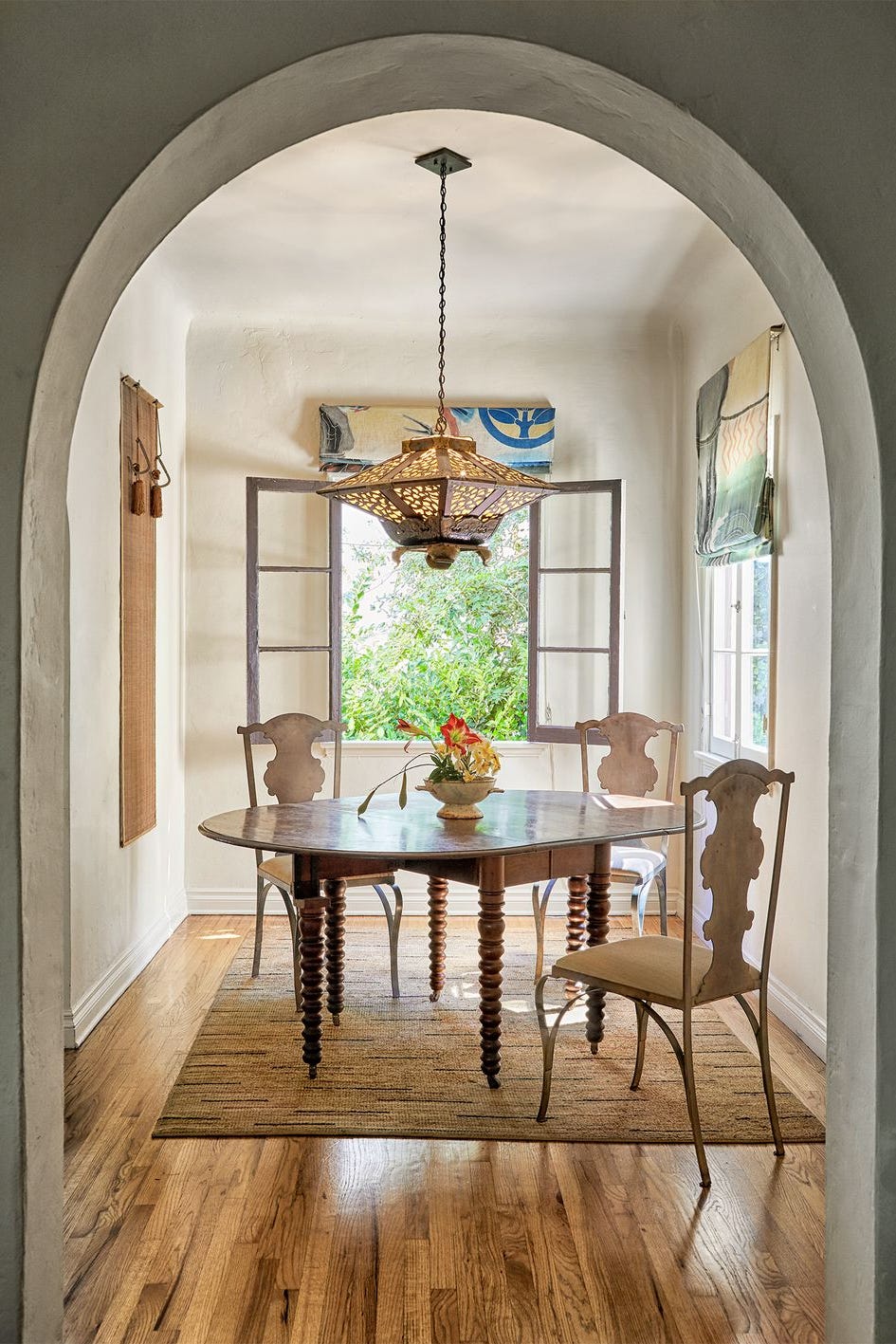
This article explores twelve designer-approved layout tricks and tips for optimizing dining room spaces, whether they are formal dining rooms, open-concept areas, or combined living-dining rooms. The guidance aims to enhance both functionality and aesthetics, making dining rooms feel more spacious and well-lit.
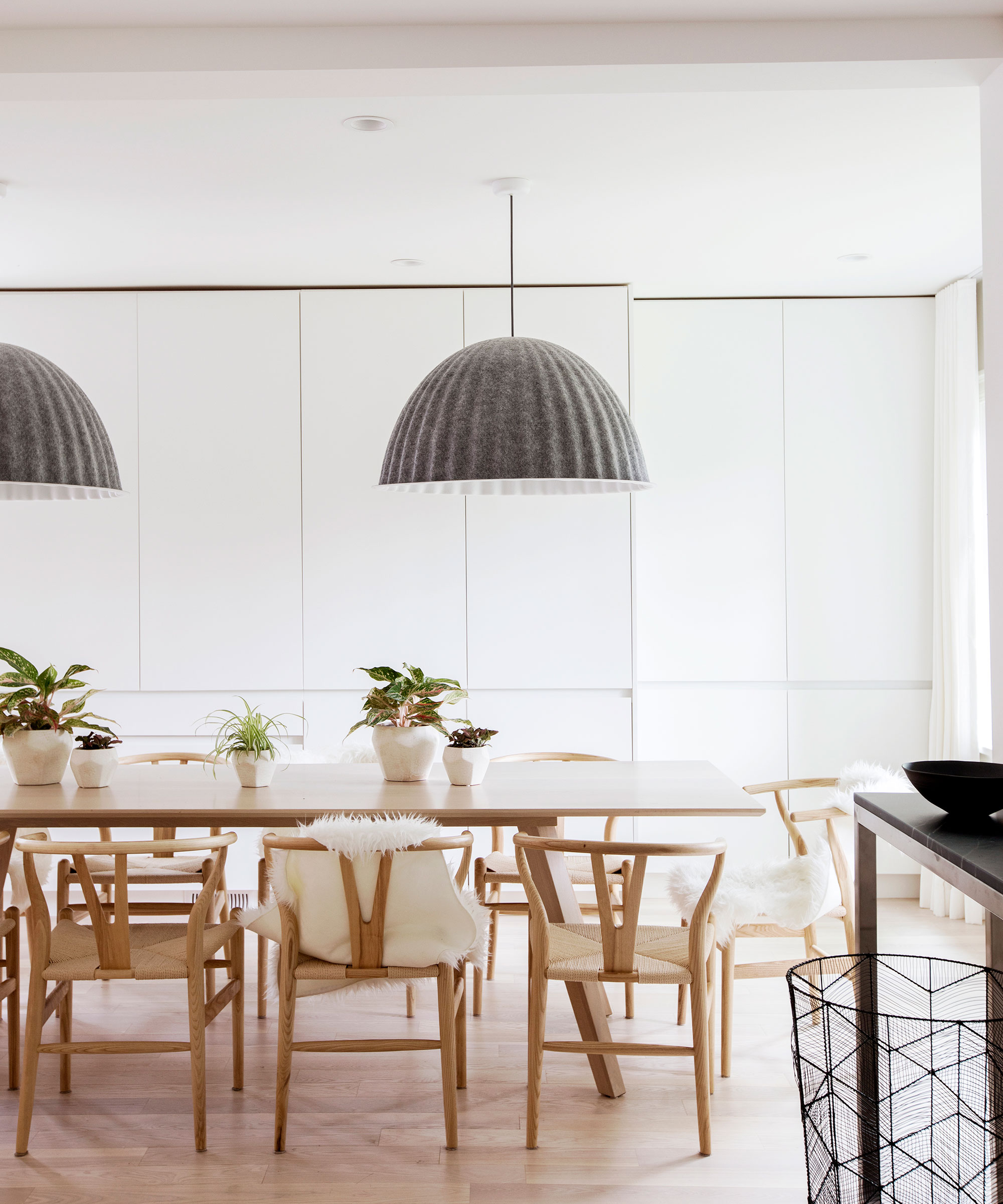
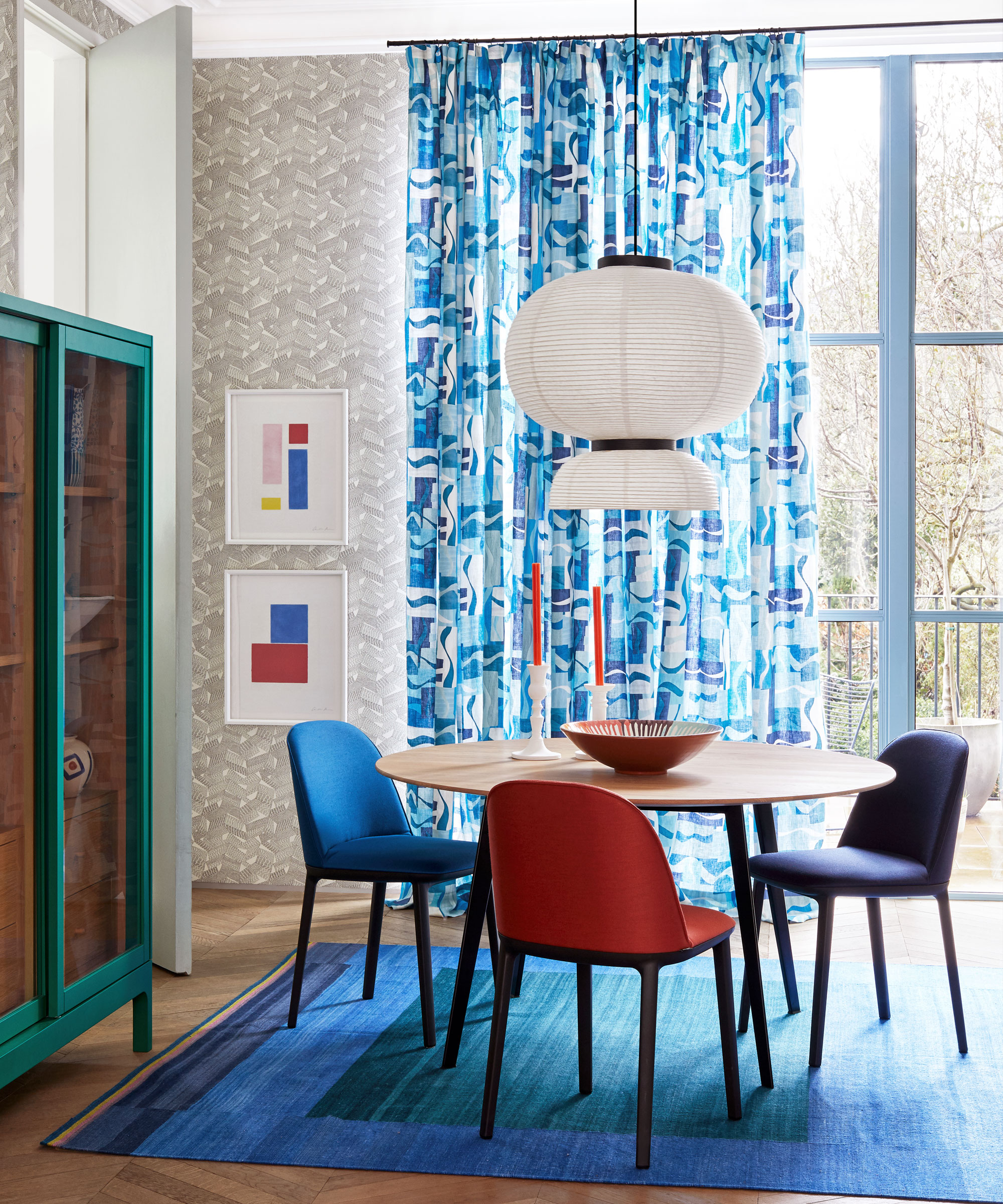
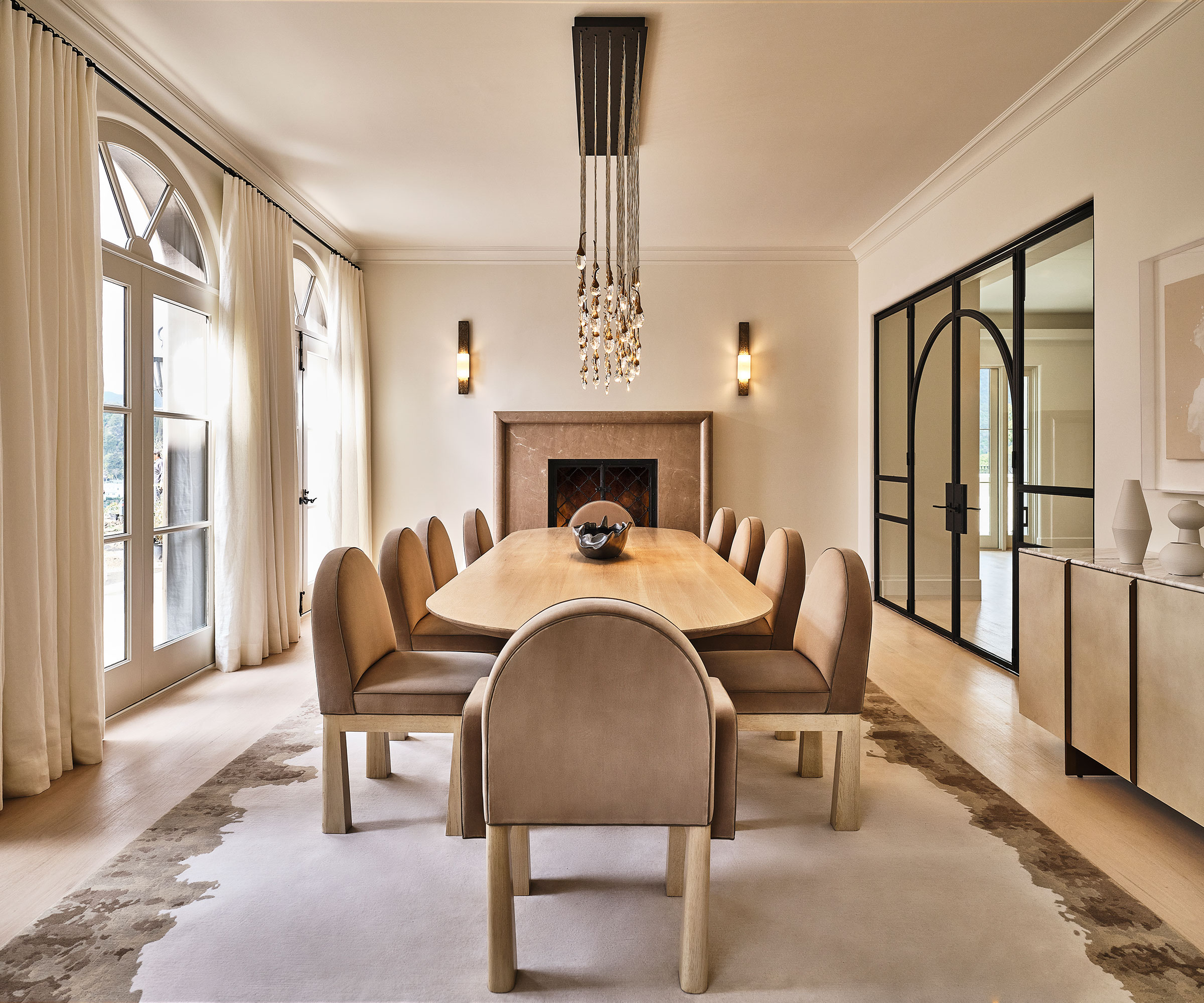
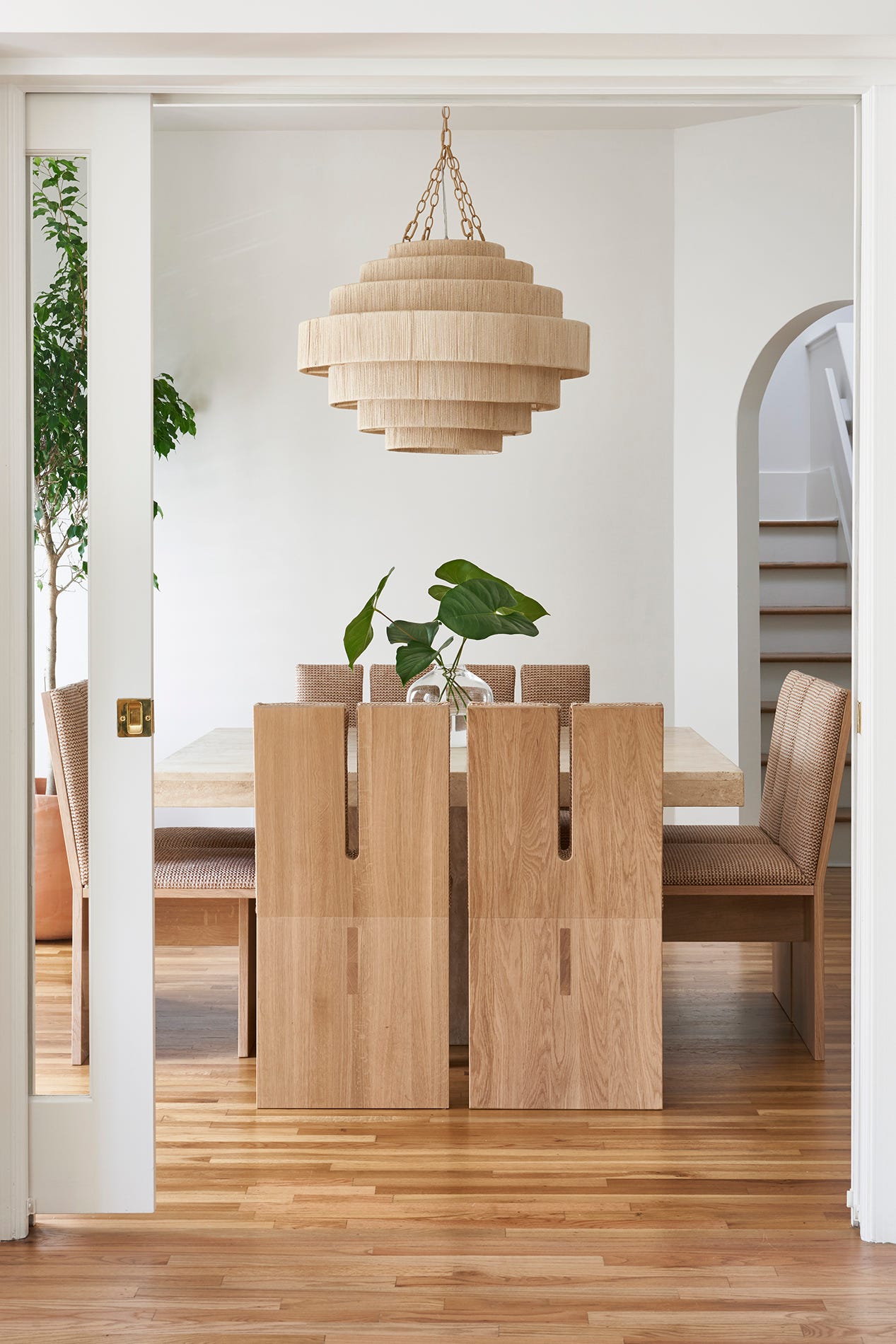
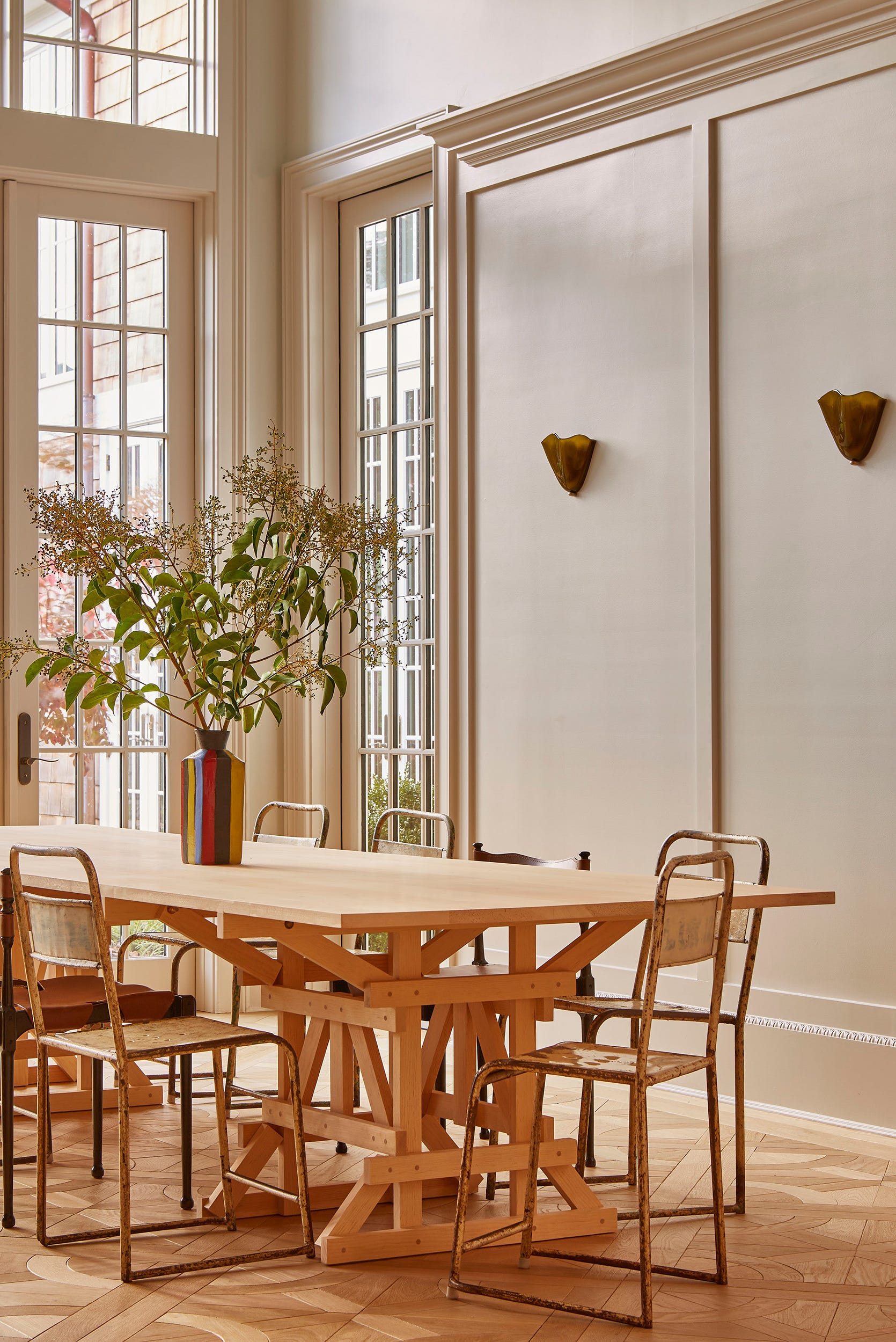
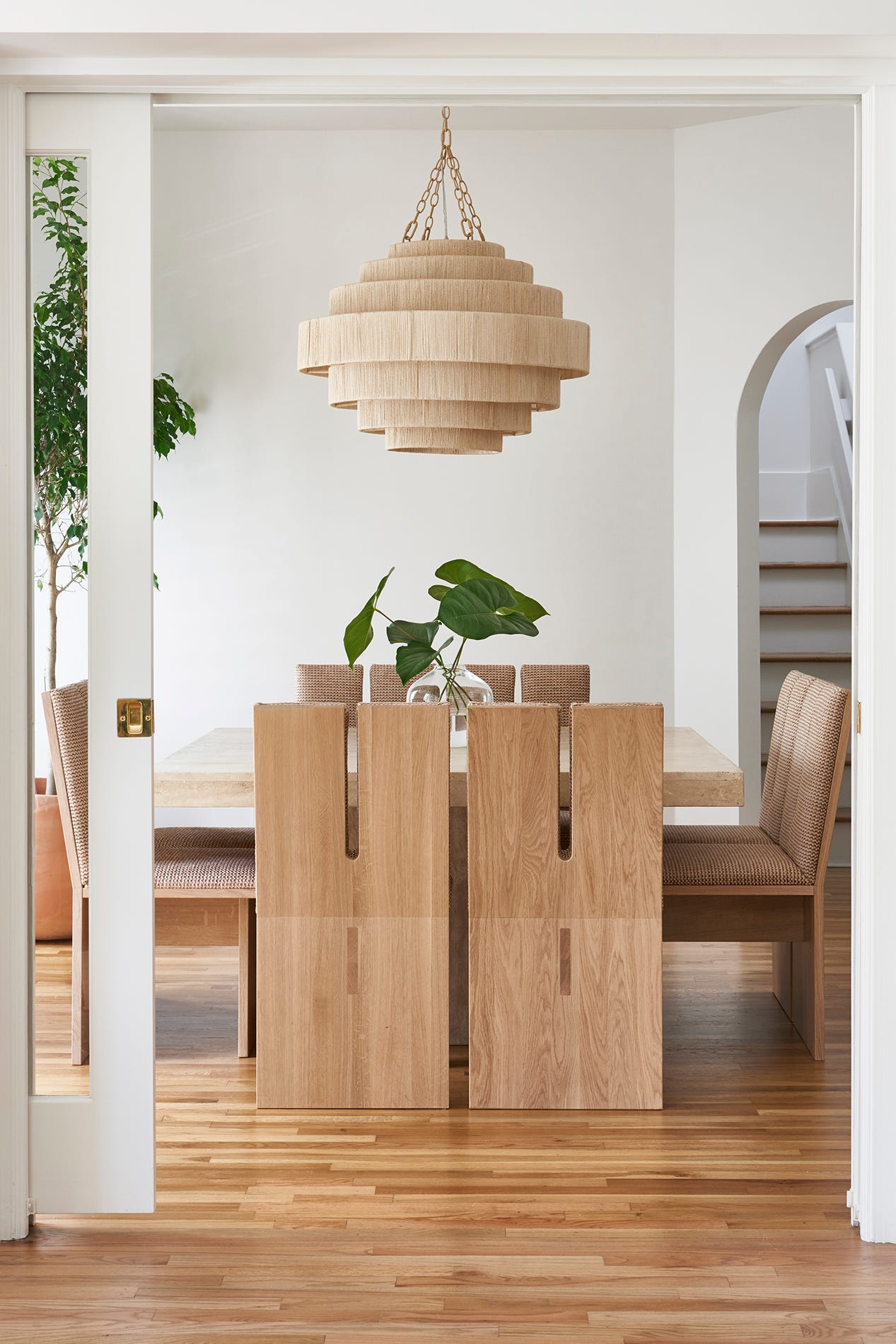
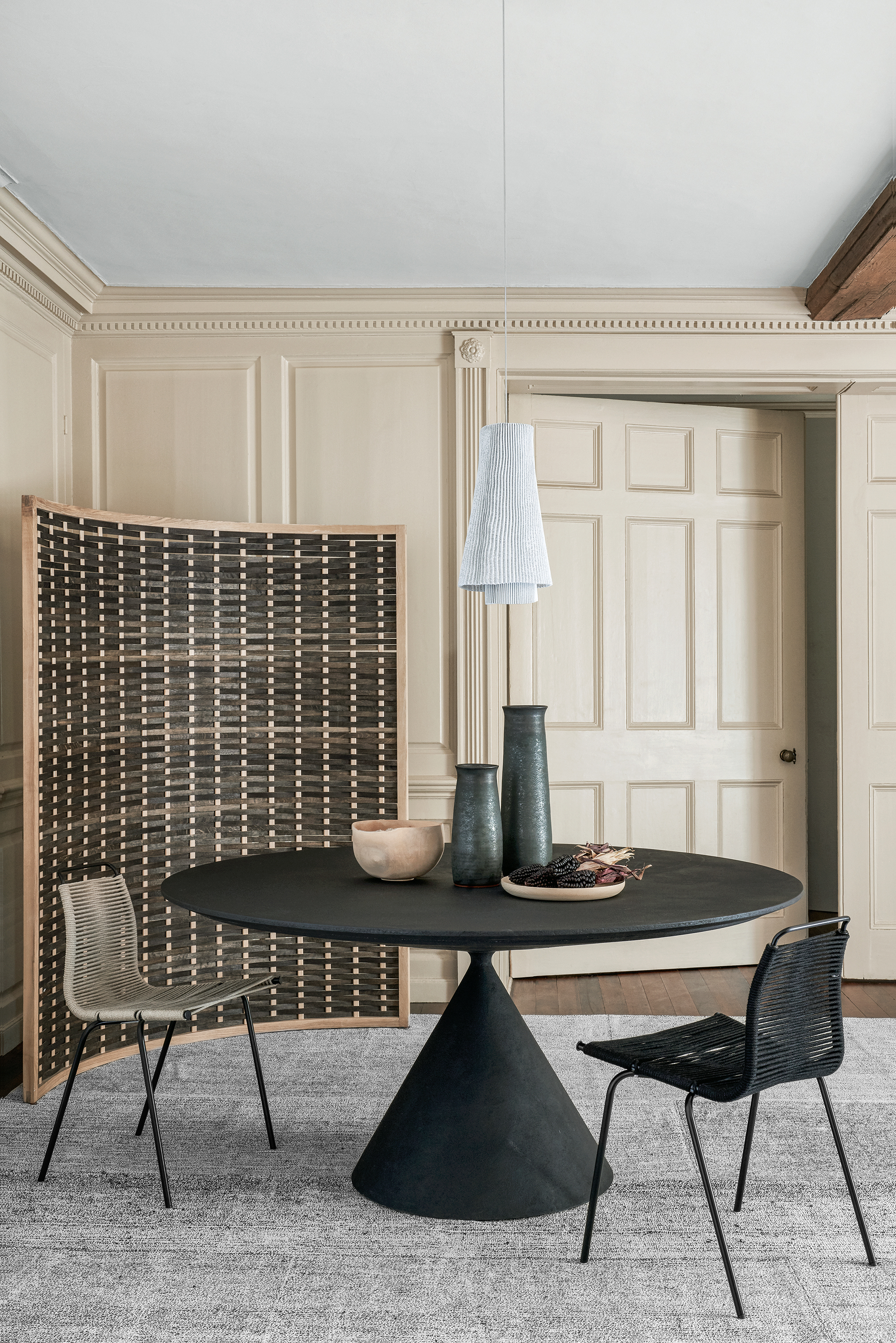
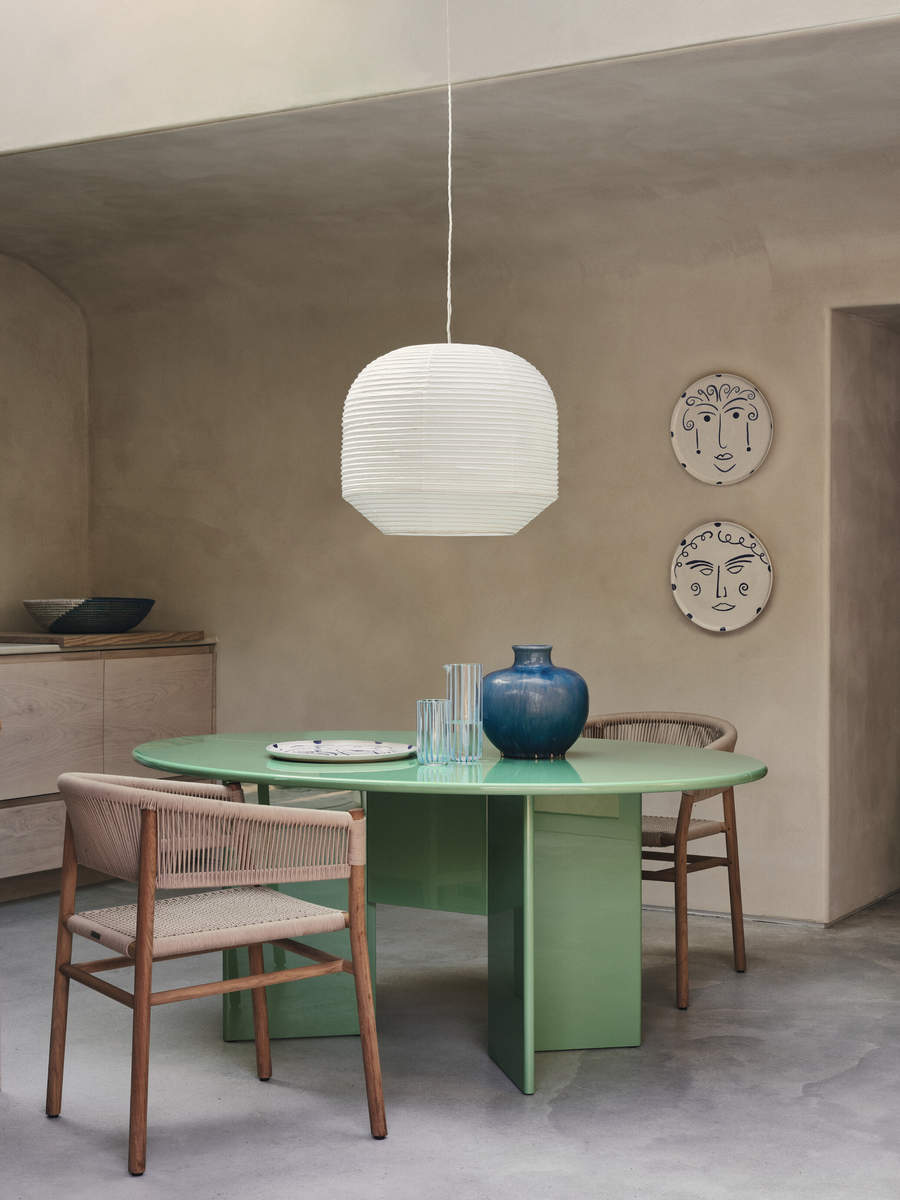
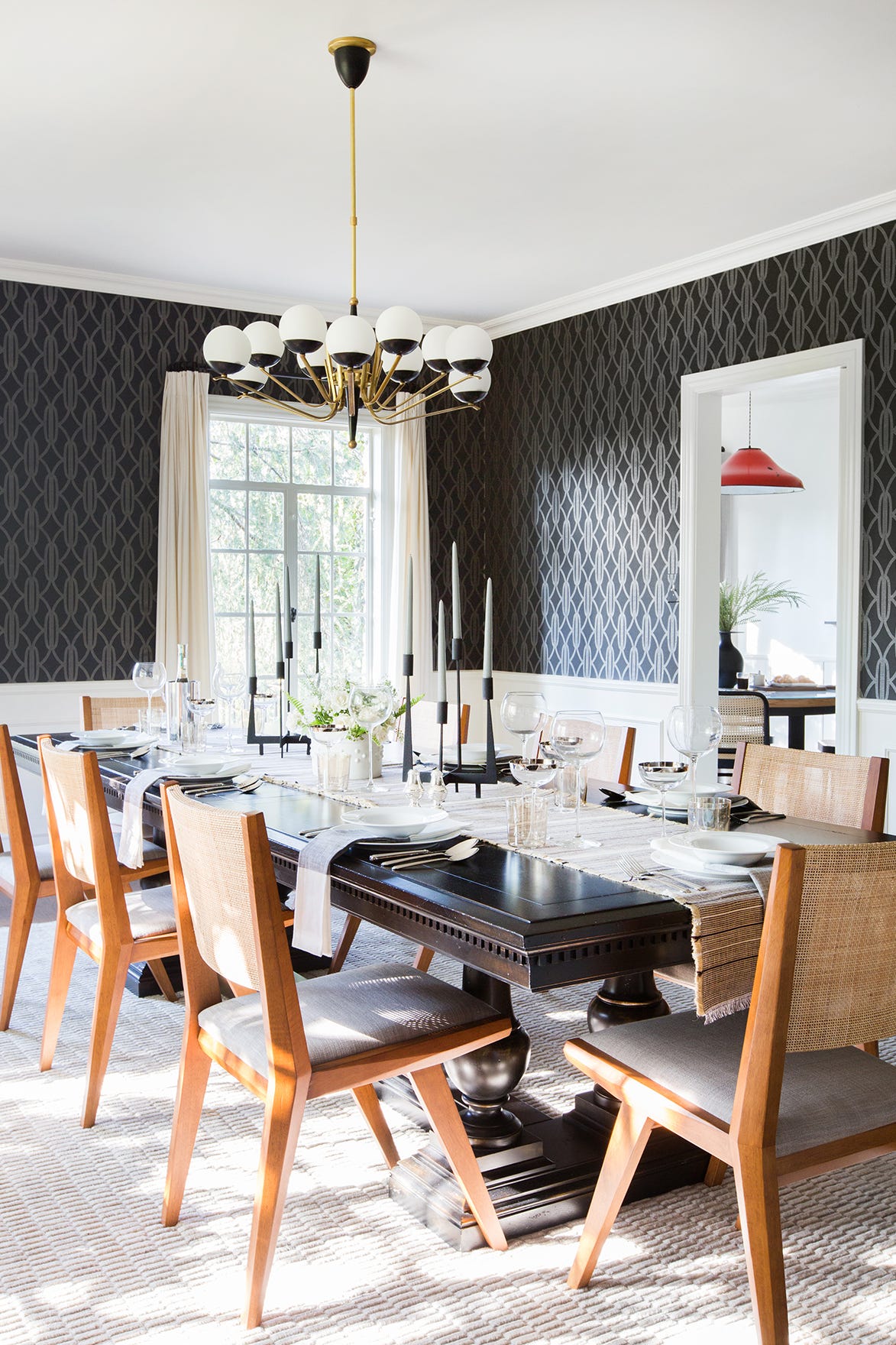
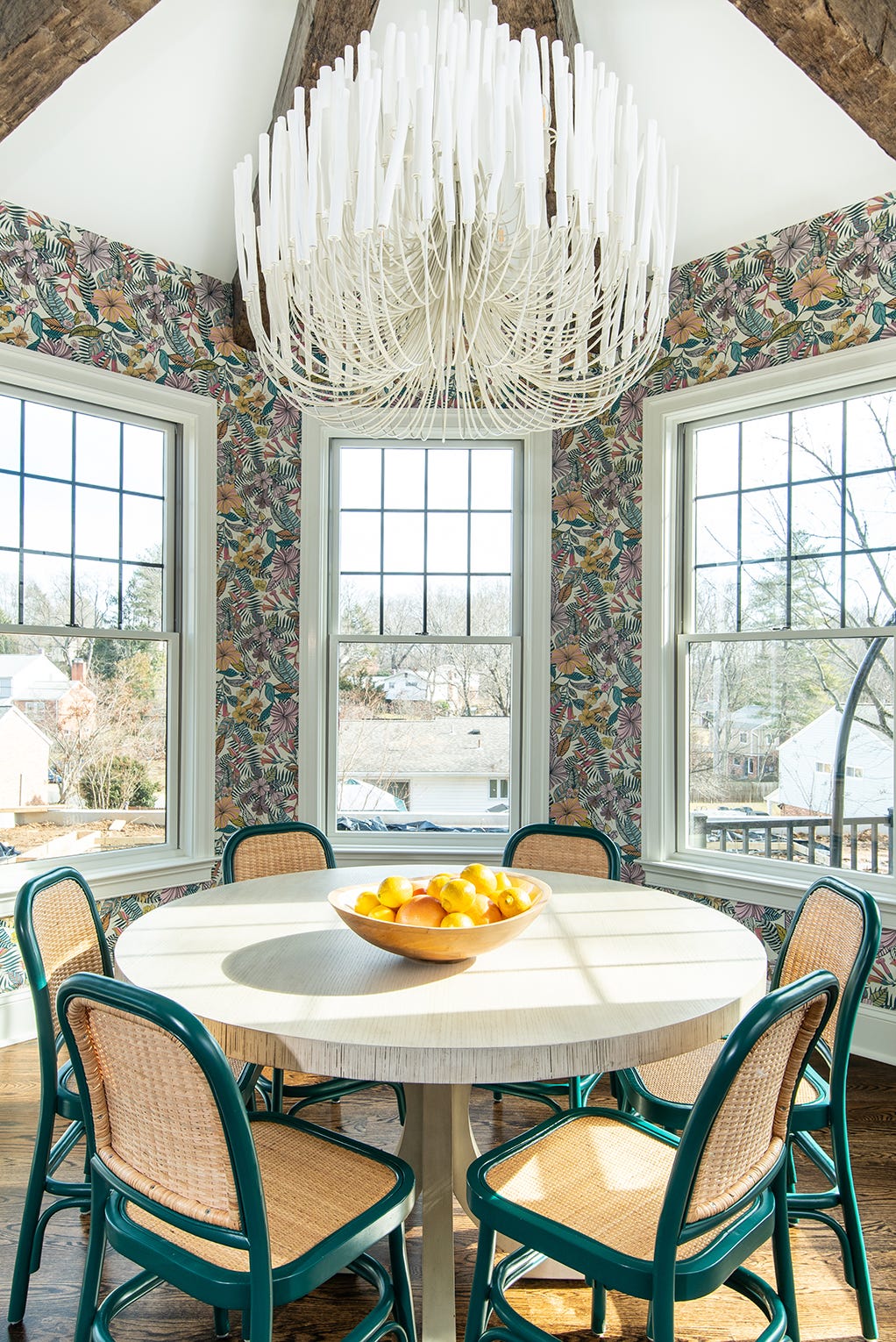
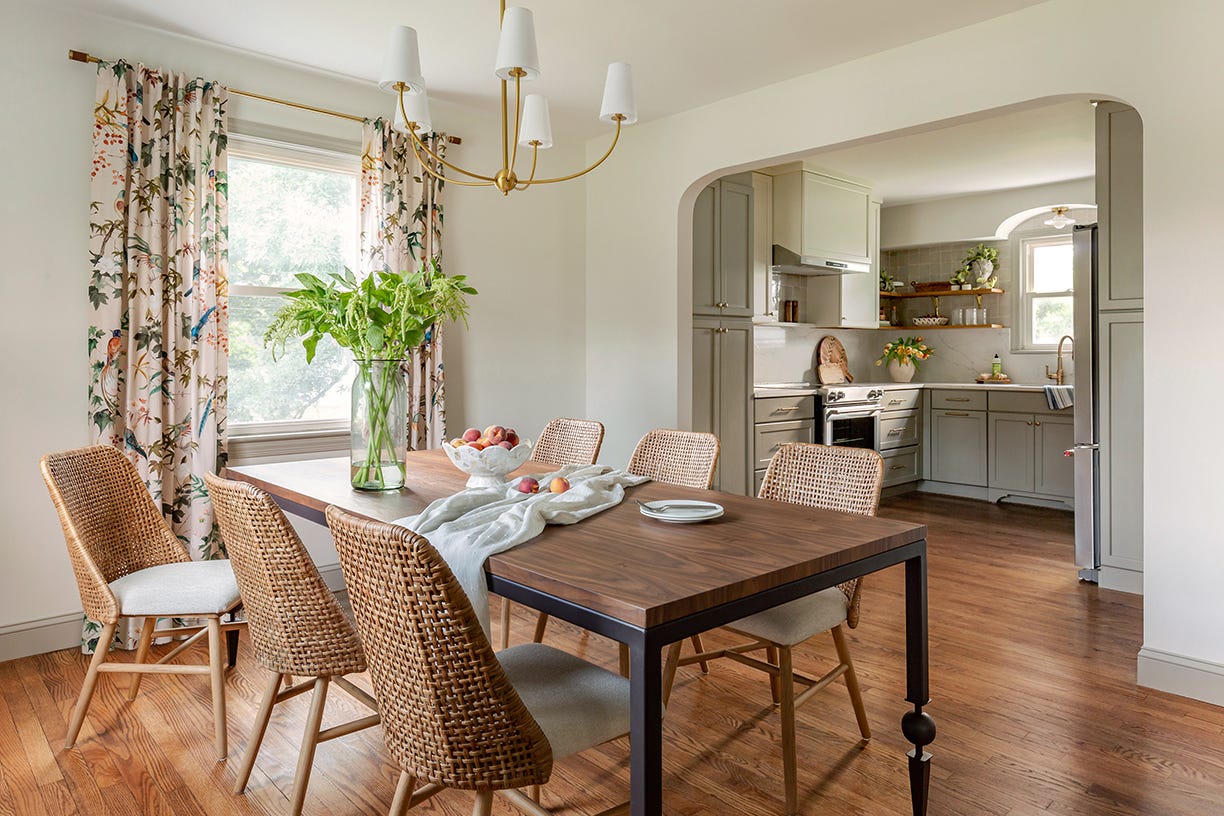
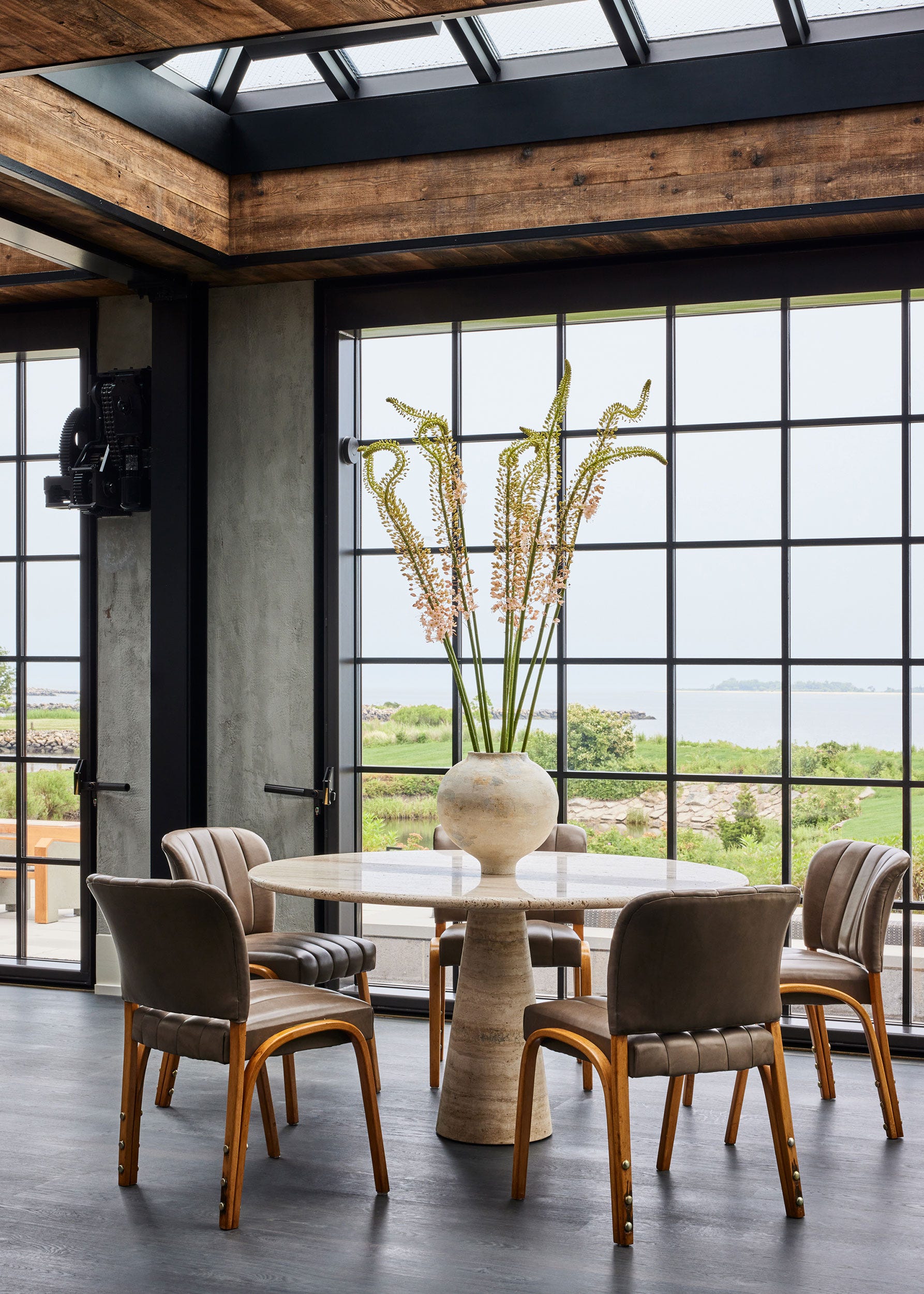
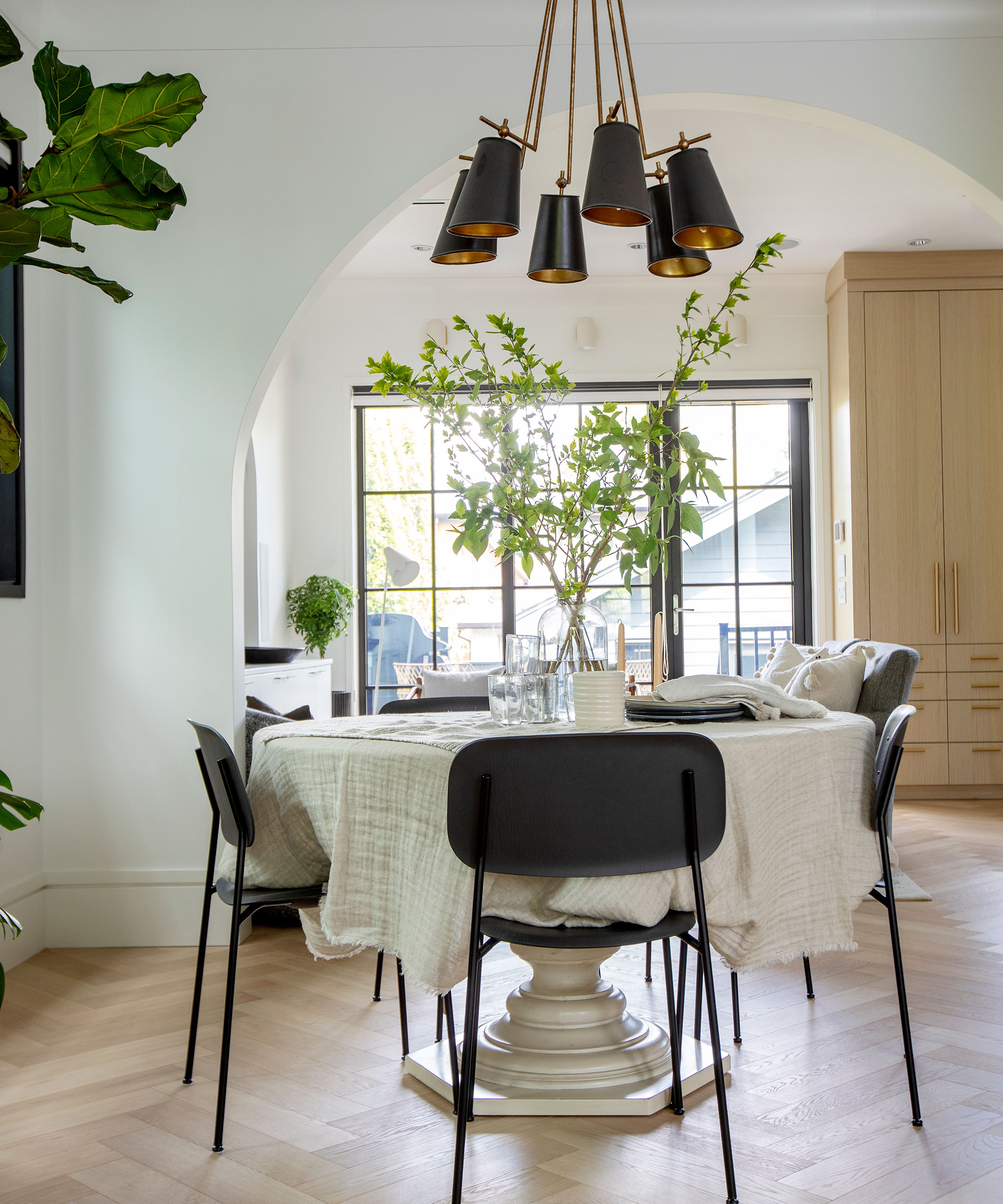
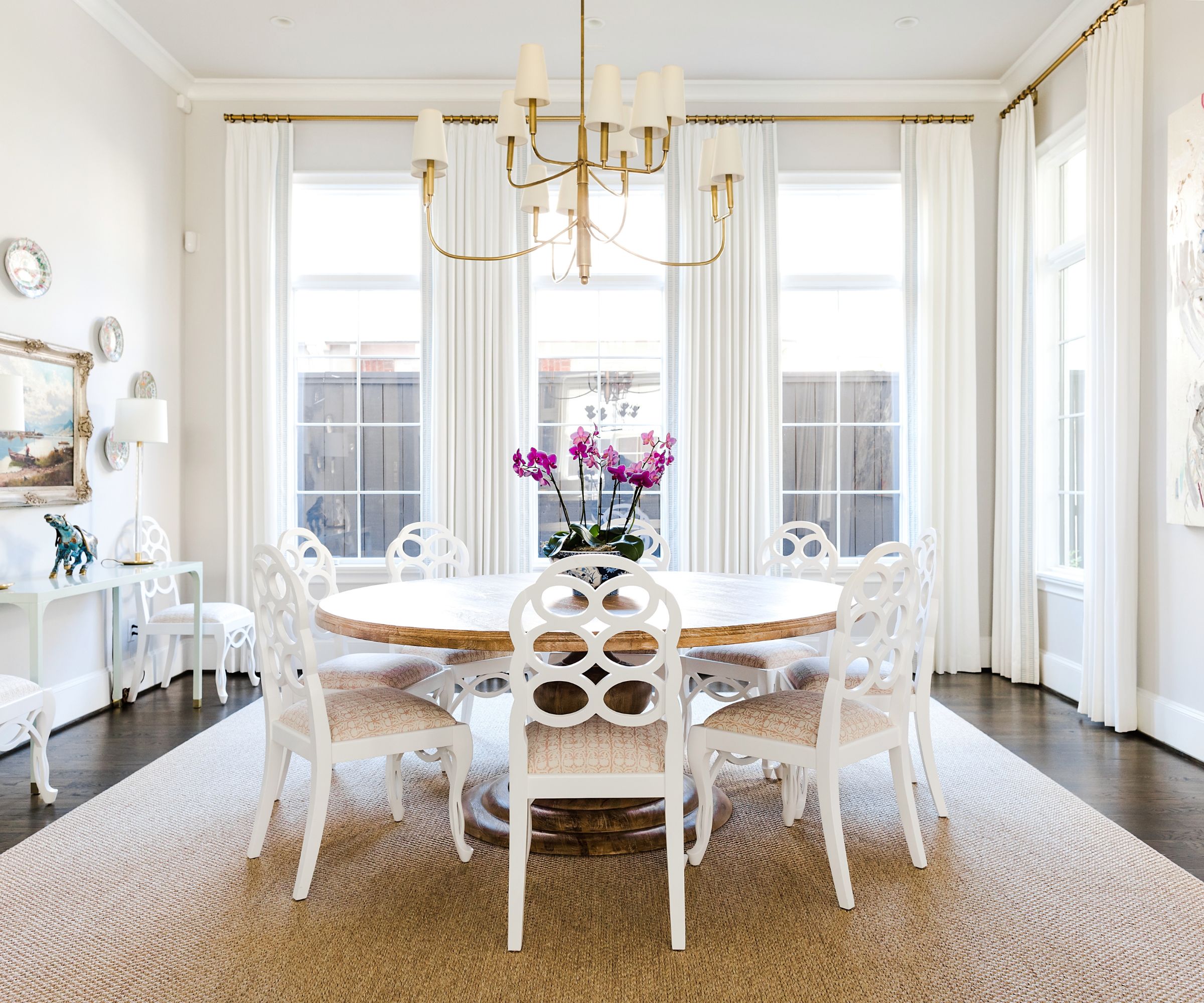
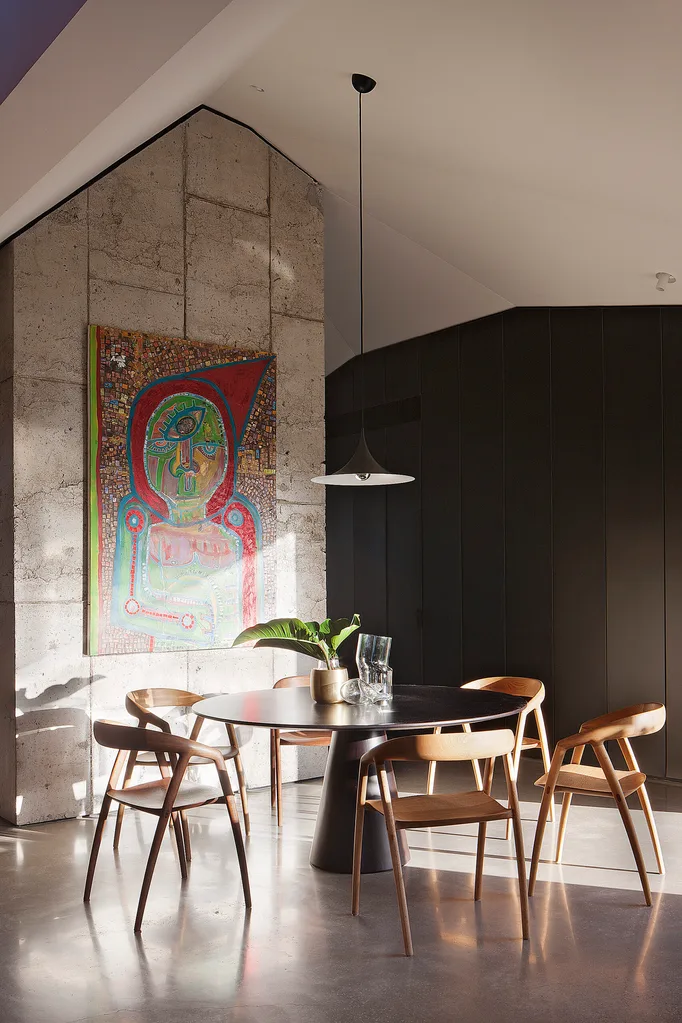
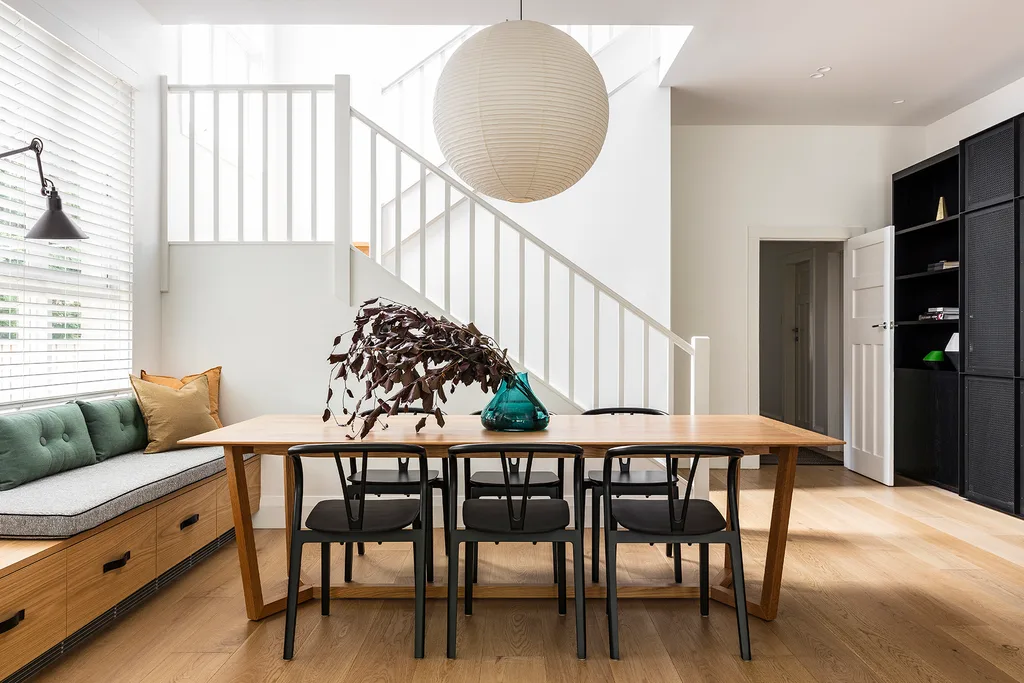
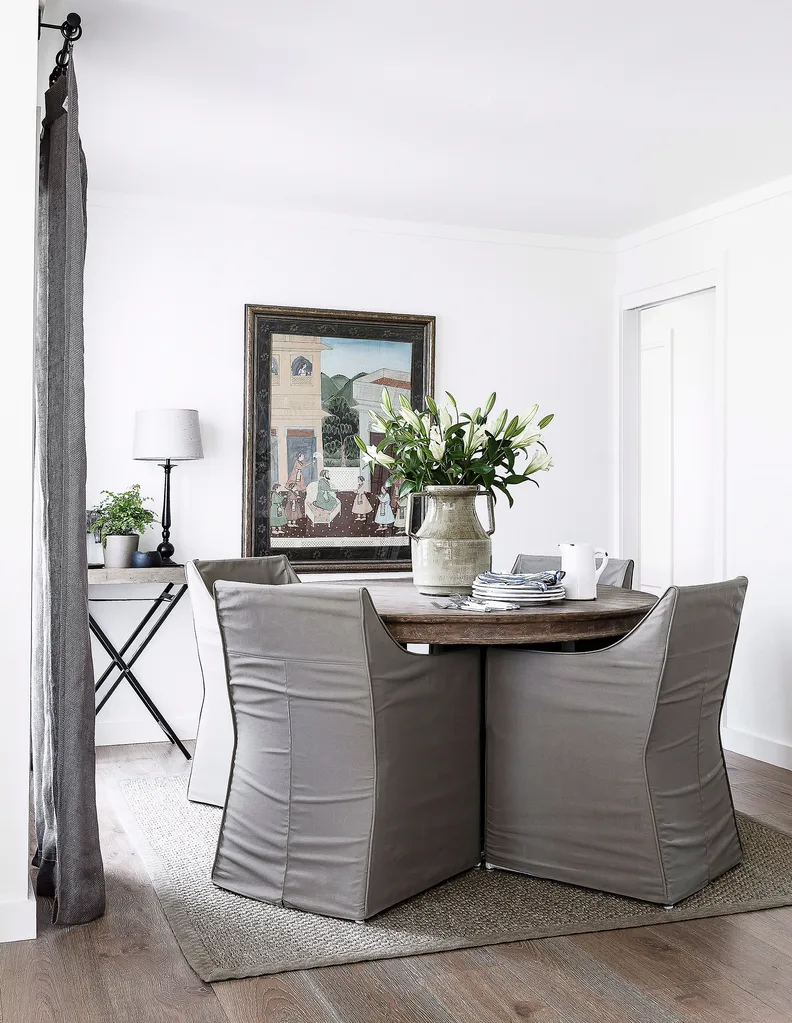
Marie Flanigan, a classically trained architect and interior designer, emphasizes adapting the dining table shape to the room's proportions. For elongated spaces, a rectangular table is recommended, ensuring at least 36 inches of clearance around the table for ease of movement. In contrast, a round table is suggested for square rooms to introduce flow and encourage conversation. Flanigan advises maintaining clear pathways, especially between the dining room and kitchen, to facilitate effortless gatherings.
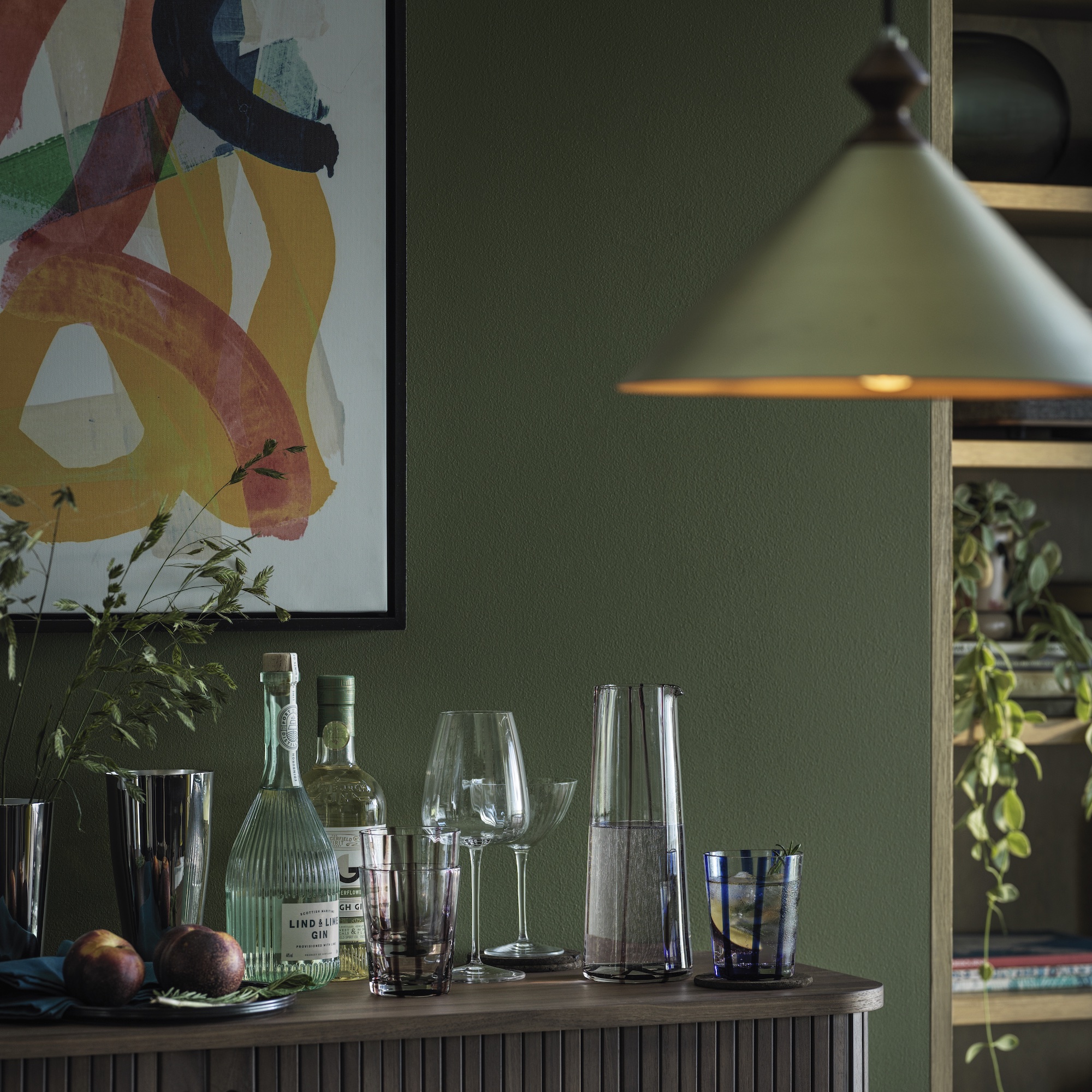
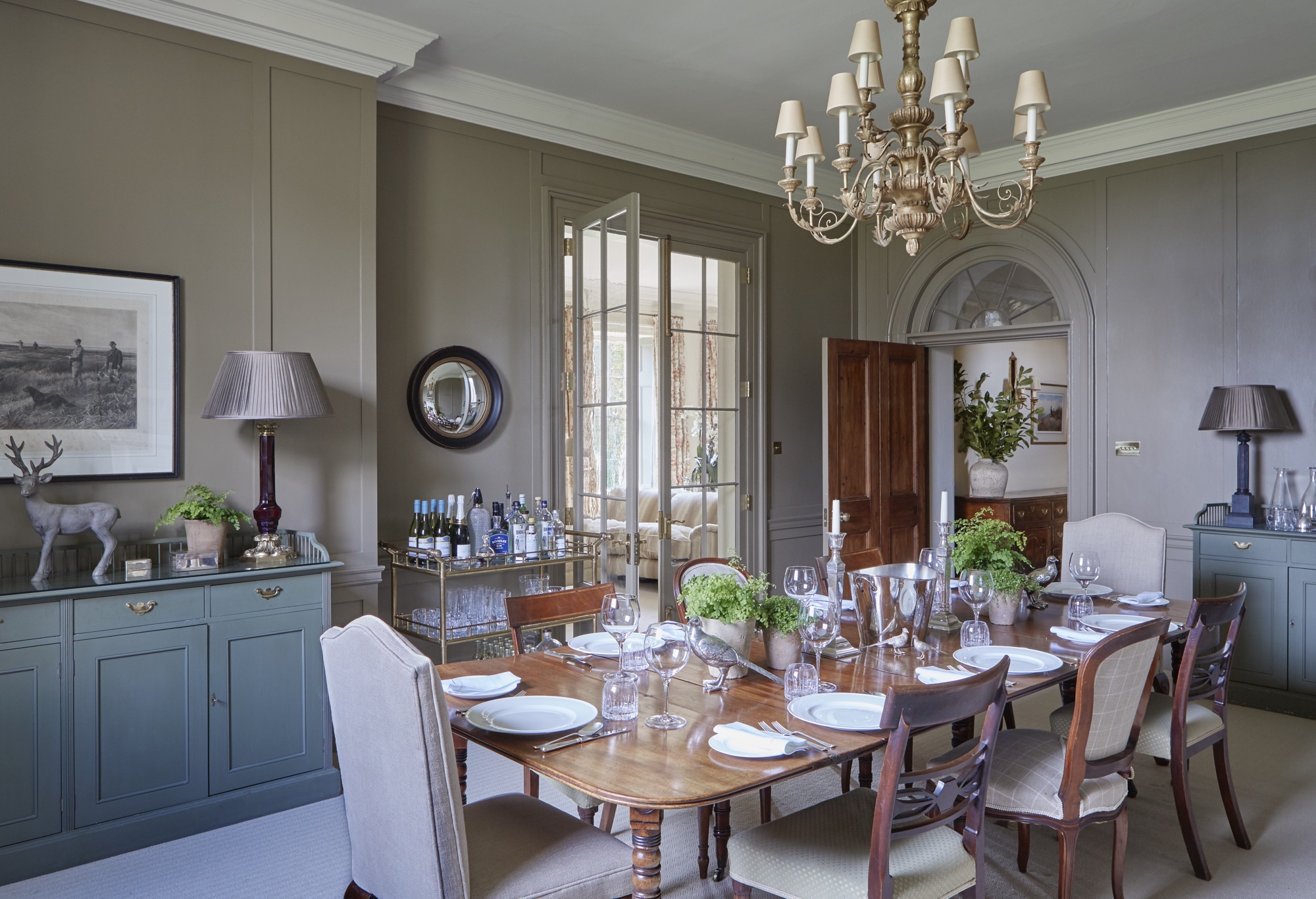
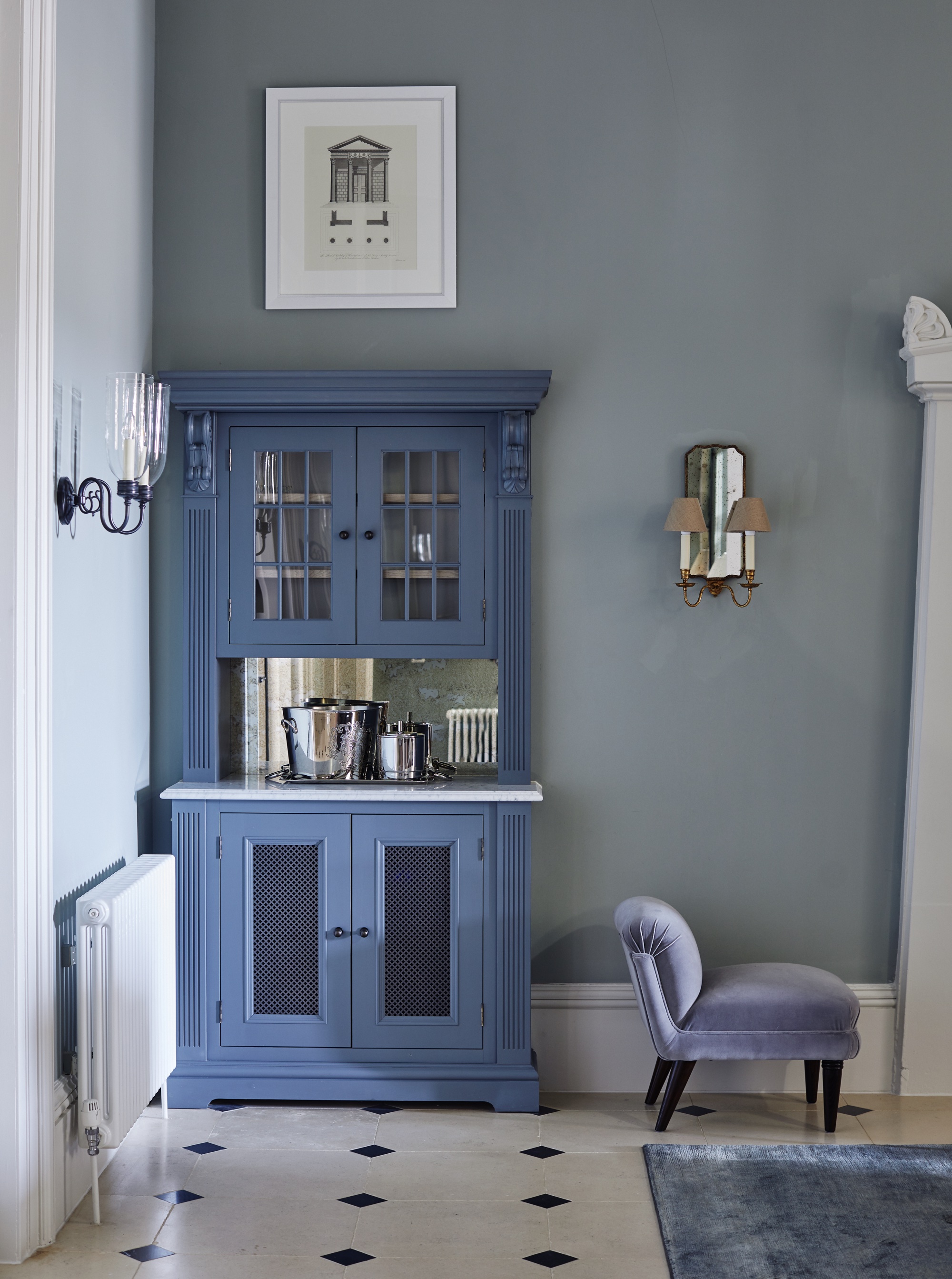
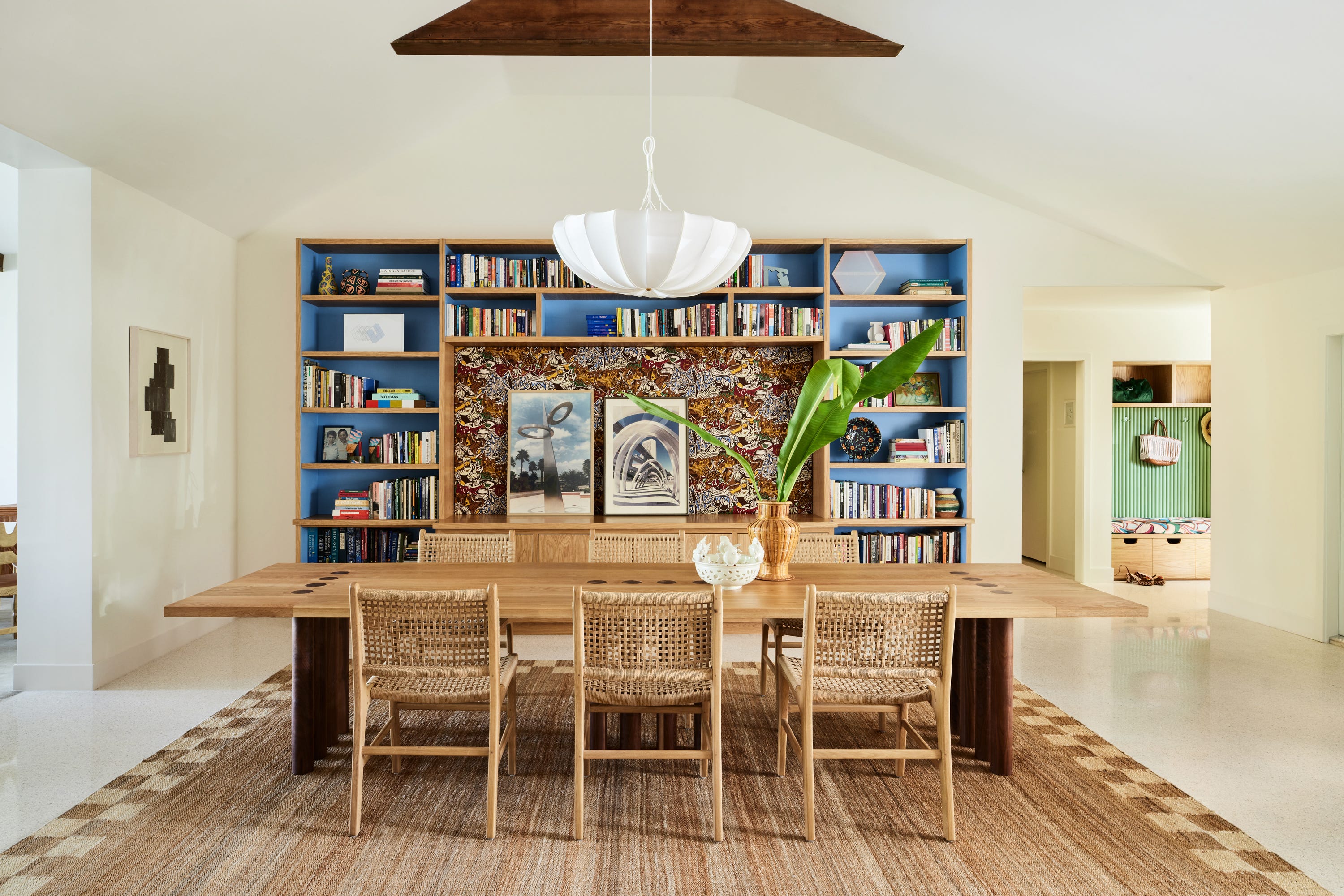
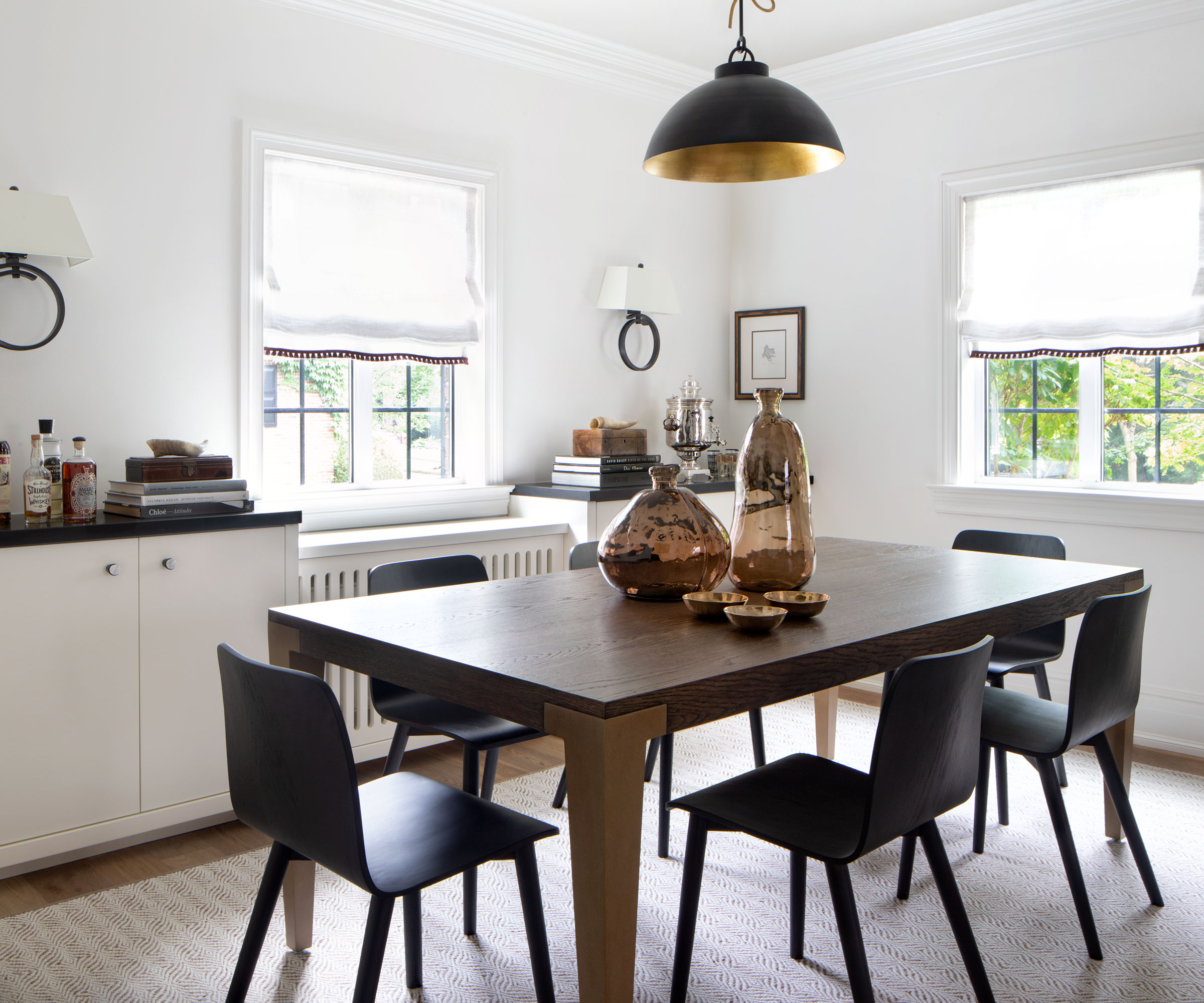
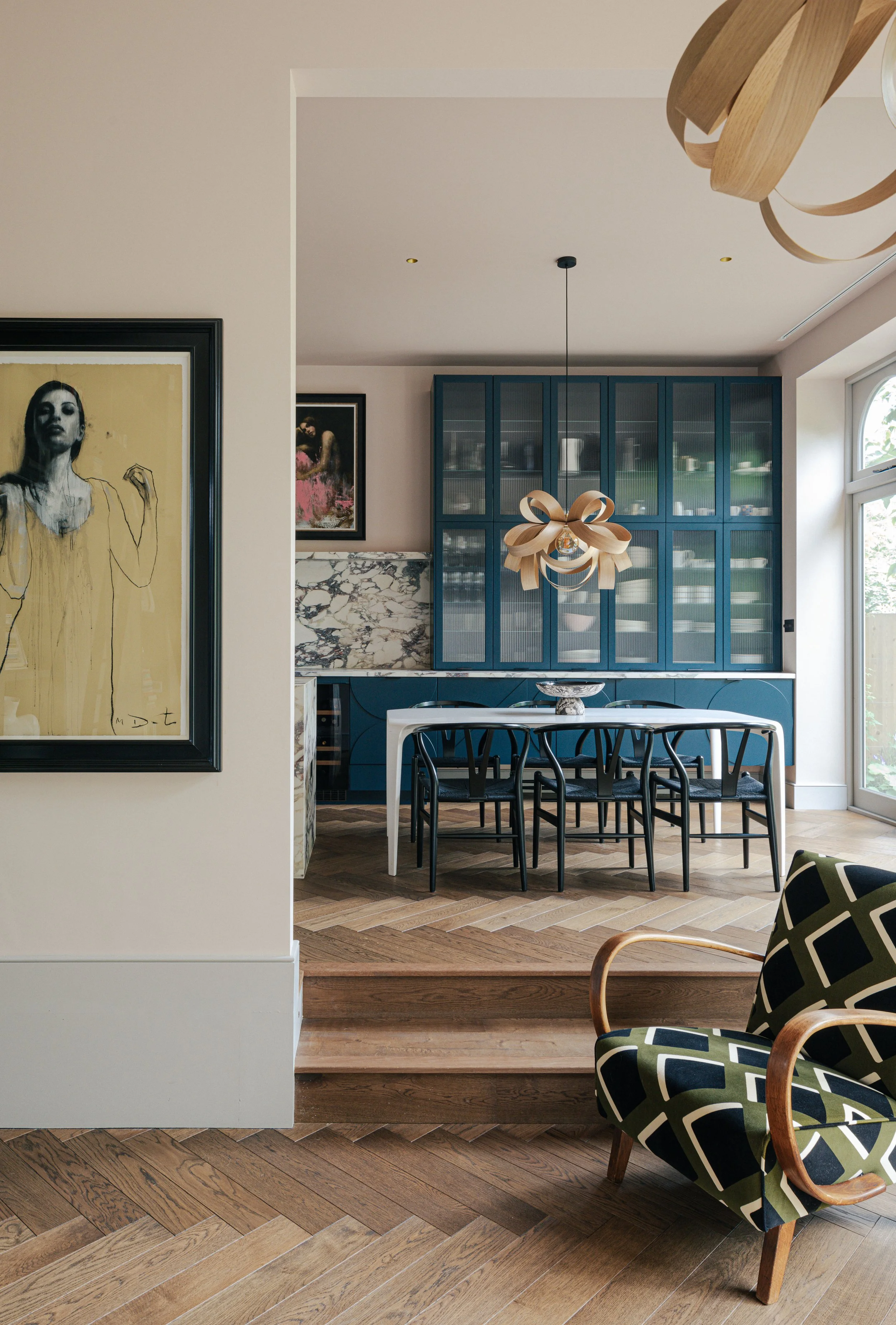
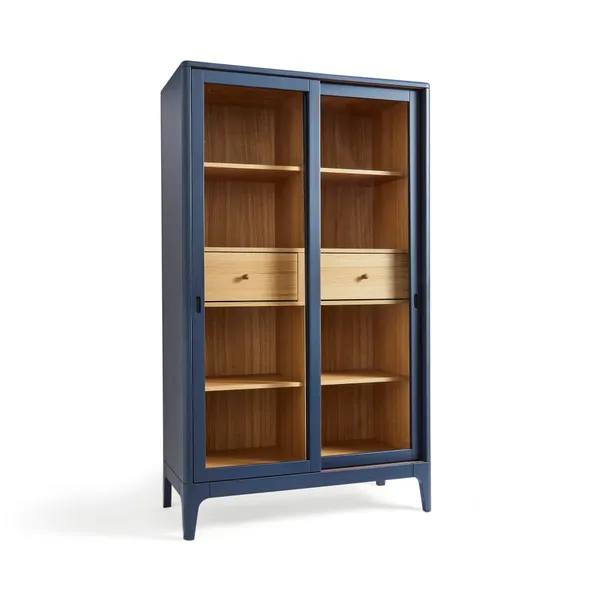
Thoughtful incorporation of storage is also highlighted. Sideboards or credenzas are presented as essential elements for both storage and balancing the room. These pieces should be positioned along a wall to avoid disrupting flow and can be used to display art, lamps, or florals, adding softness and height. For smaller dining rooms, a tall china cabinet placed in a corner can maximize storage without occupying excessive floor space.
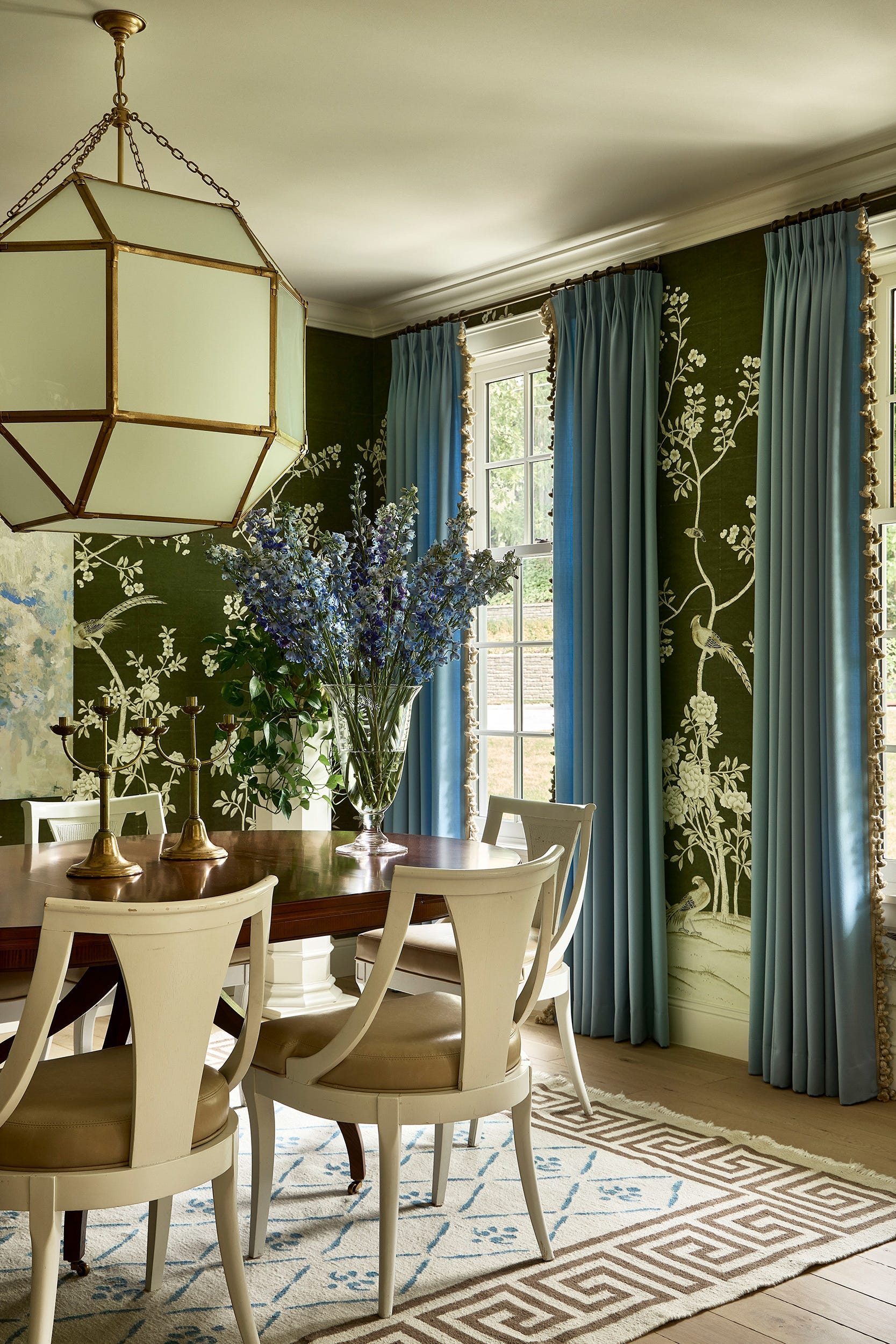
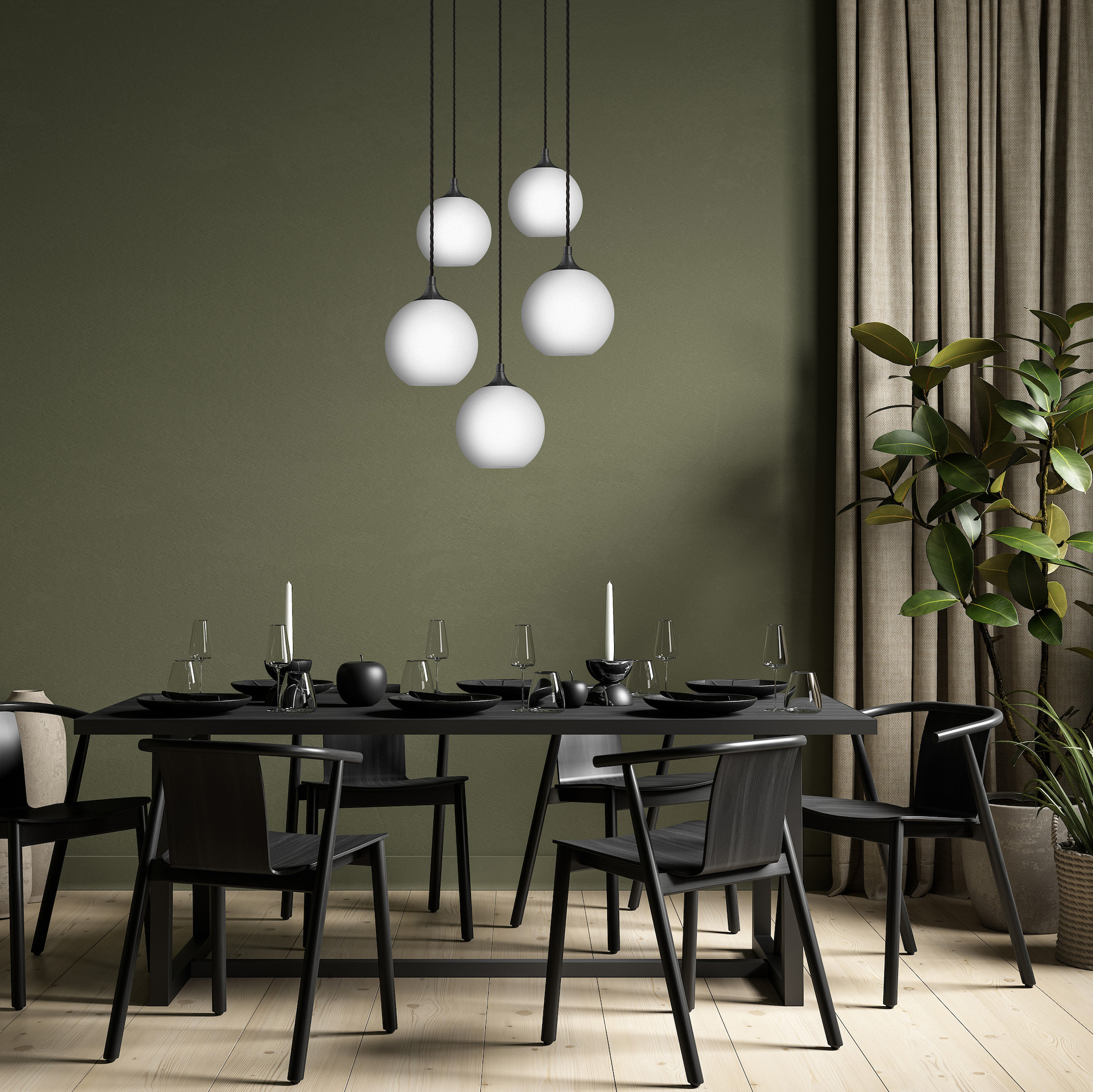
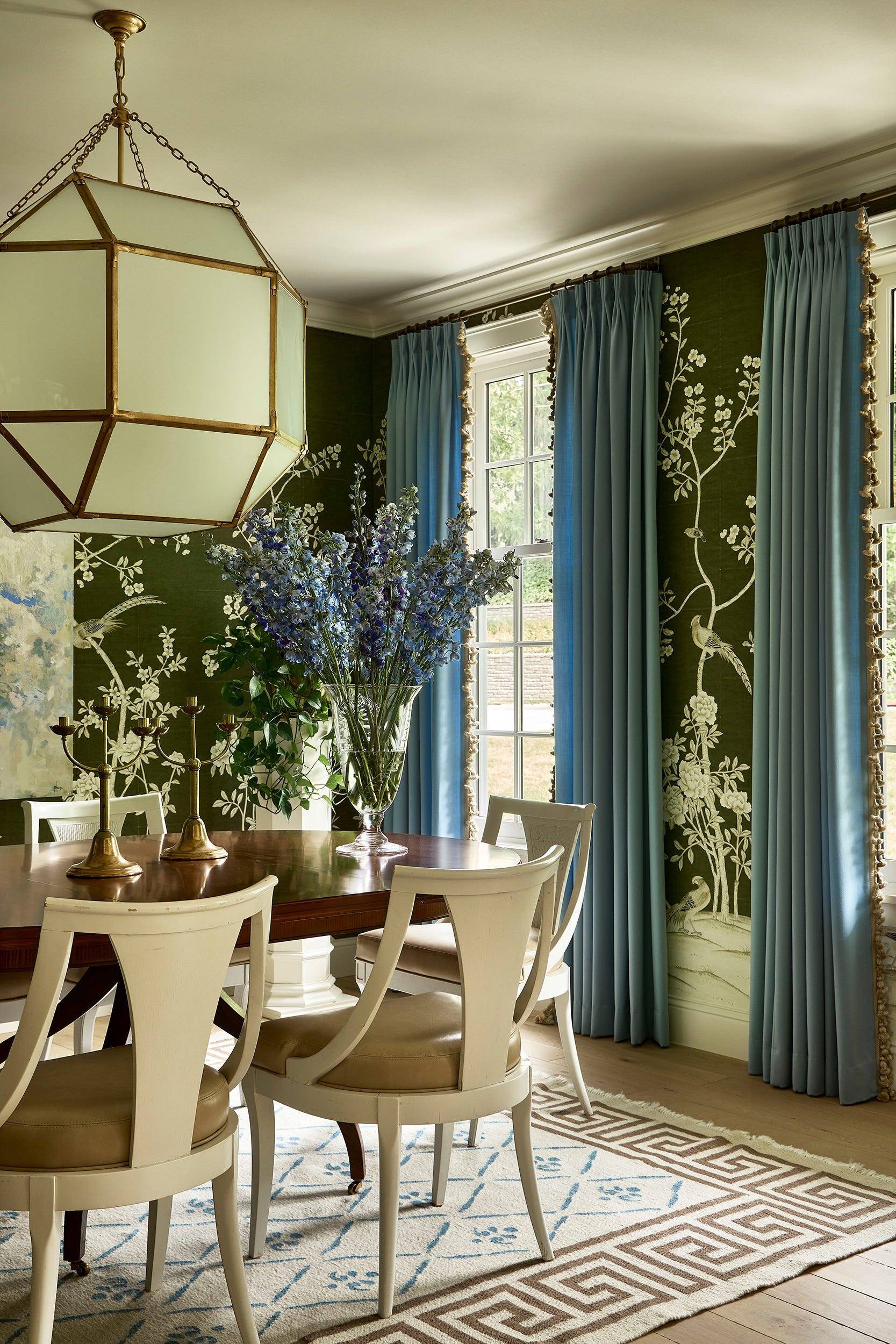
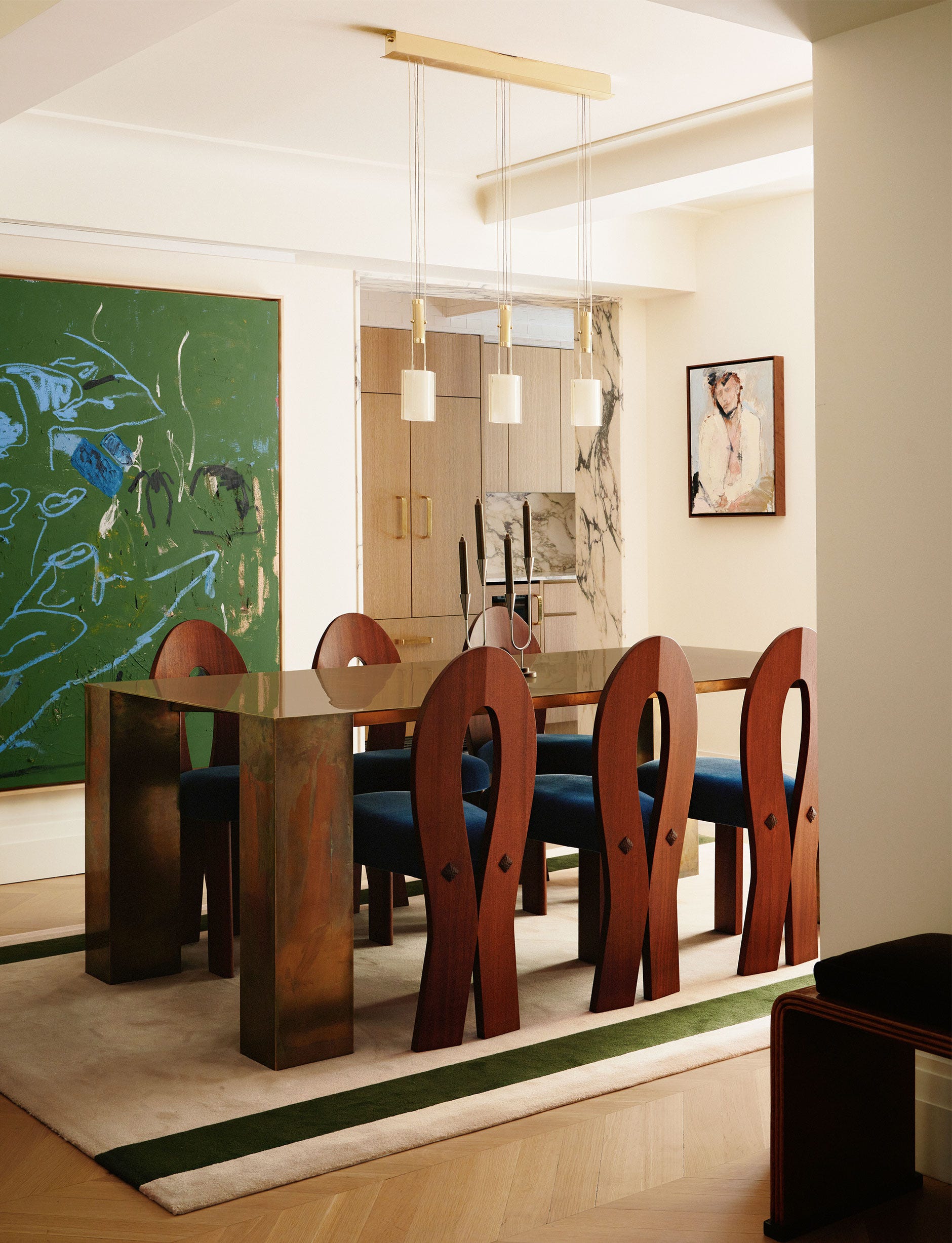
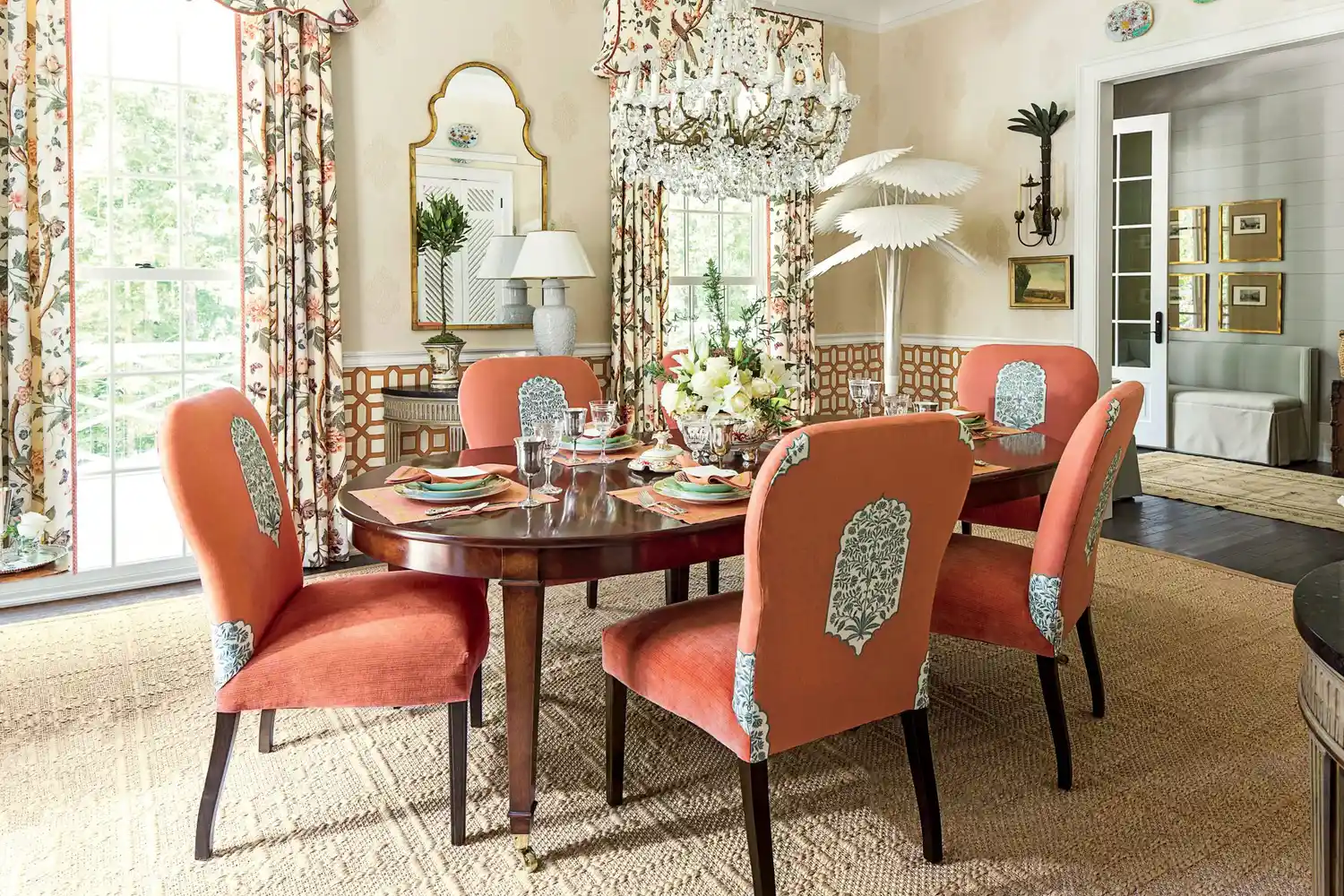
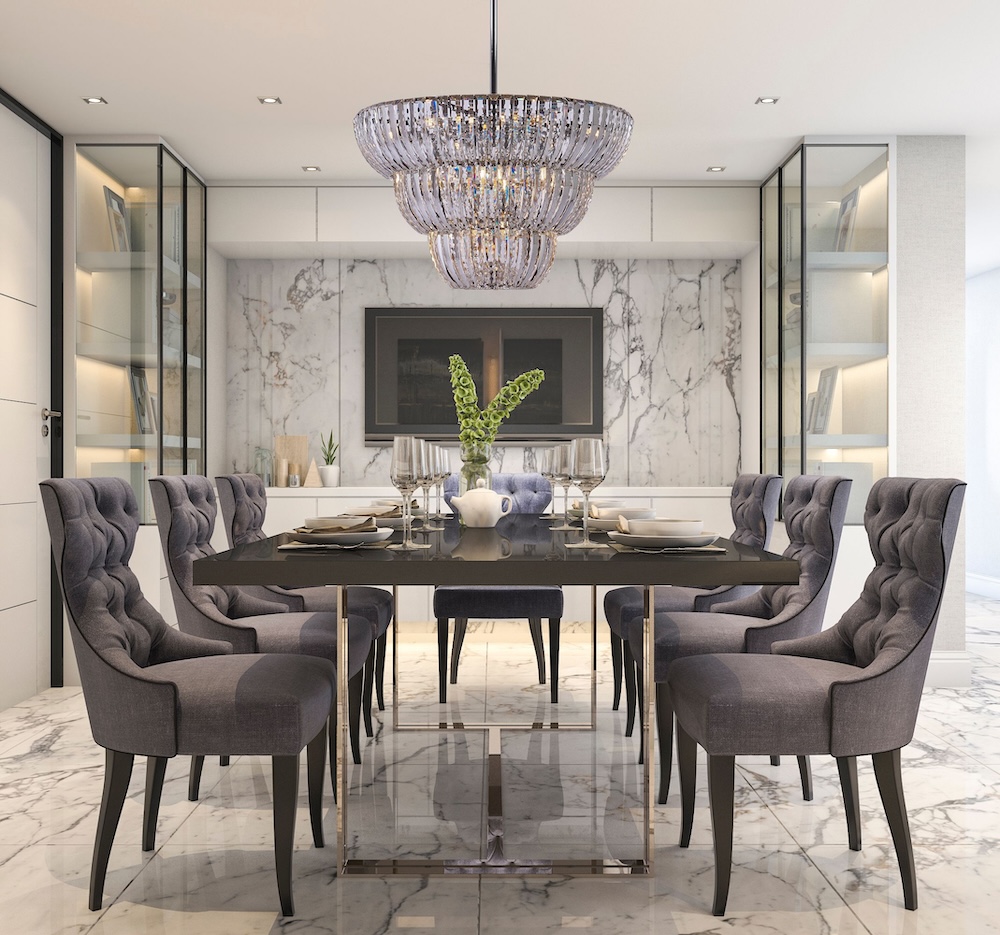
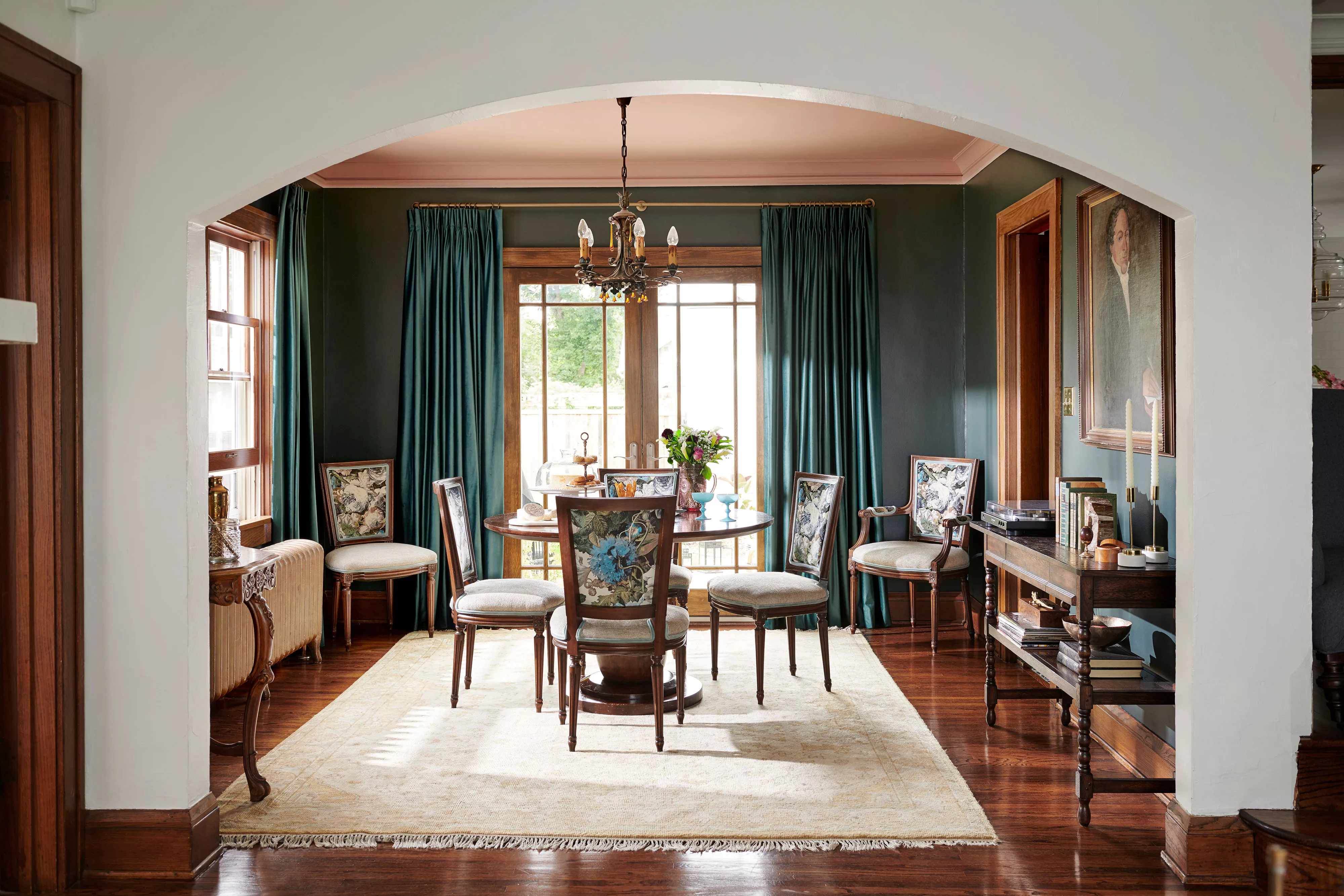
Anchoring the dining area with an area rug is another key tip. The rug helps define the space and adds warmth. The rule of thumb for rug placement is to allow at least 24 inches beyond the table's edge on all sides, ensuring chairs remain on the rug even when pulled out. Layered lighting is crucial for creating a functional layout and a pleasing ambiance. A statement chandelier over the table sets the tone, while sconces or lamps on a sideboard provide dimension and a soft glow, contributing to a well-considered and complete room.
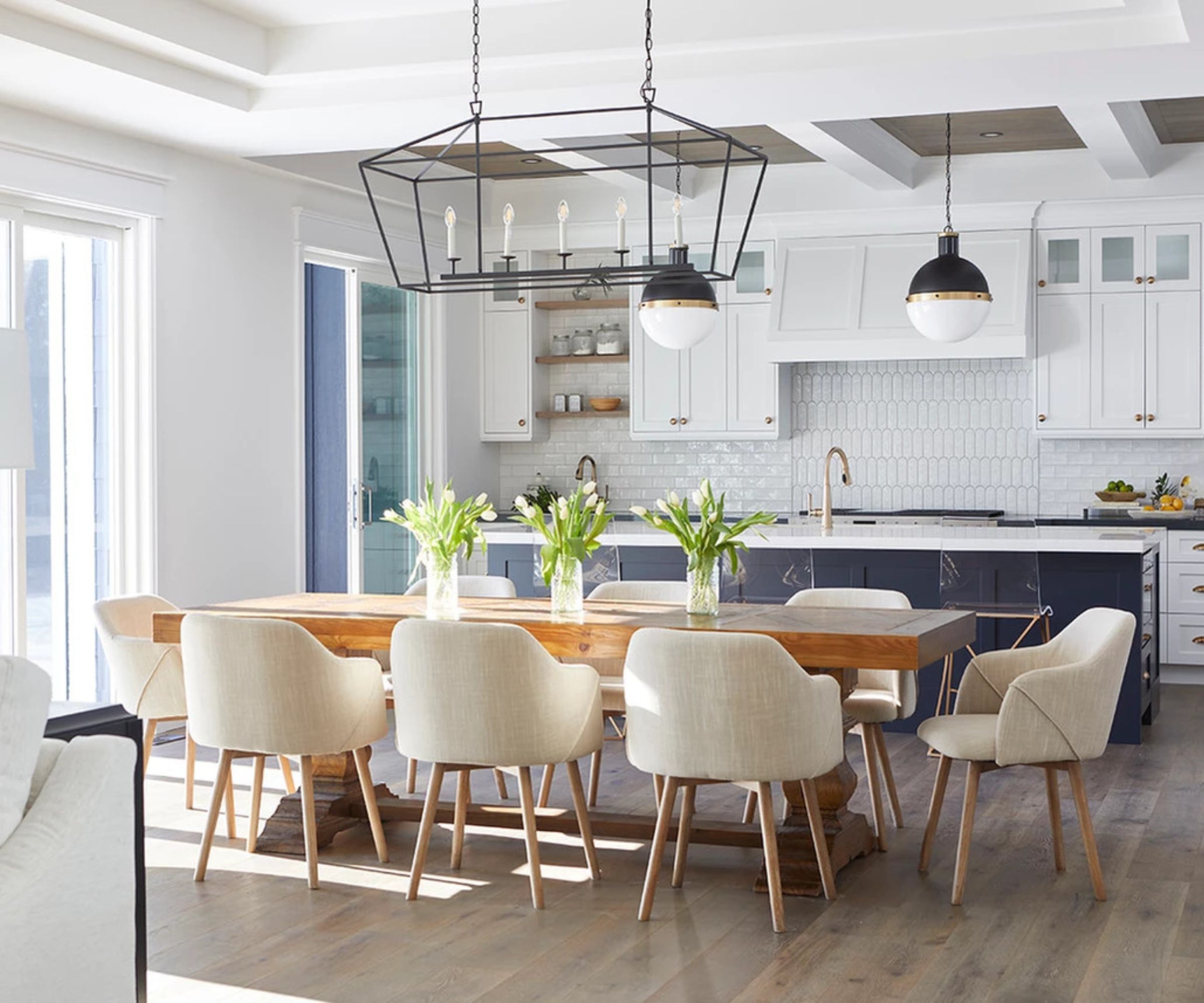
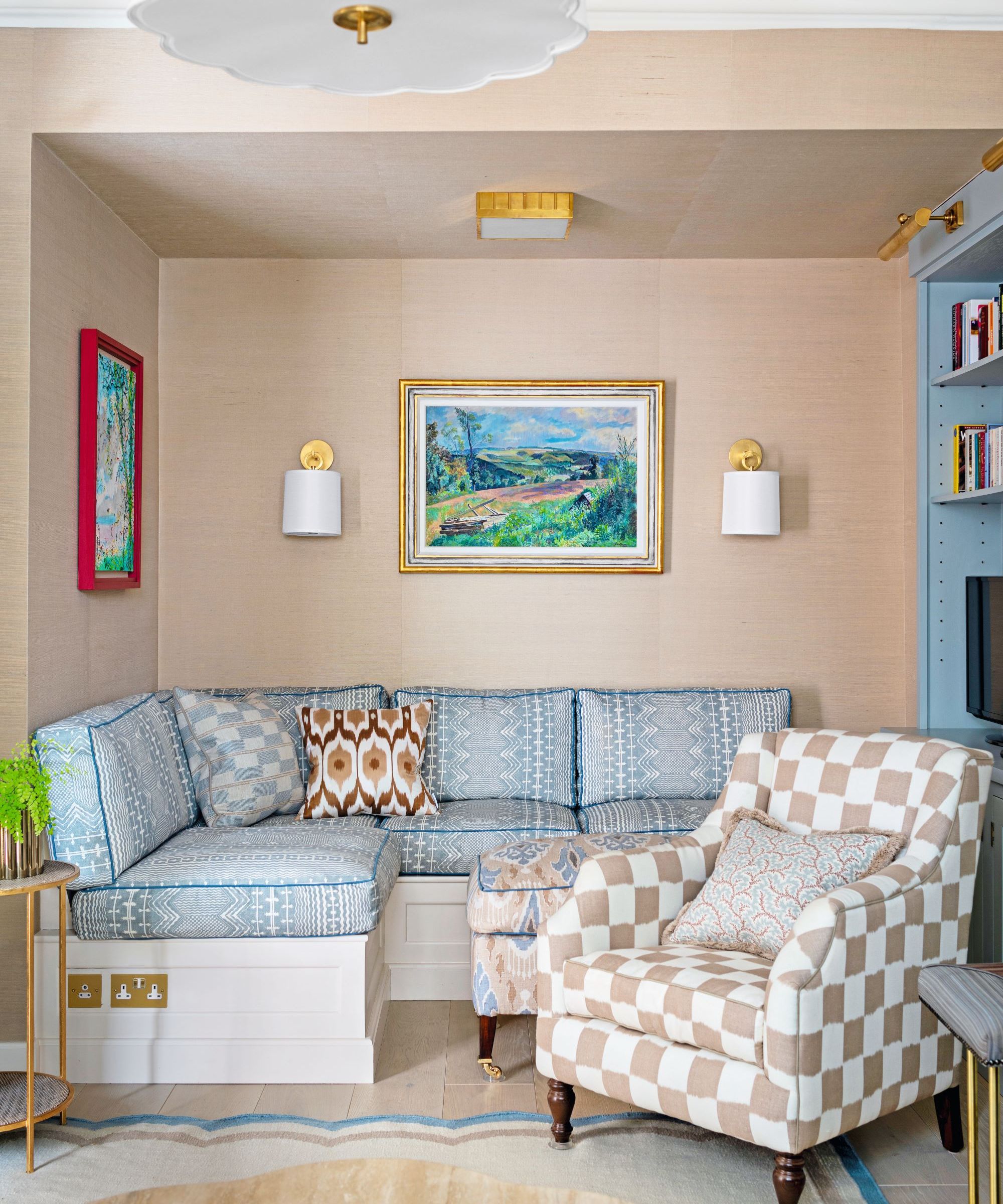
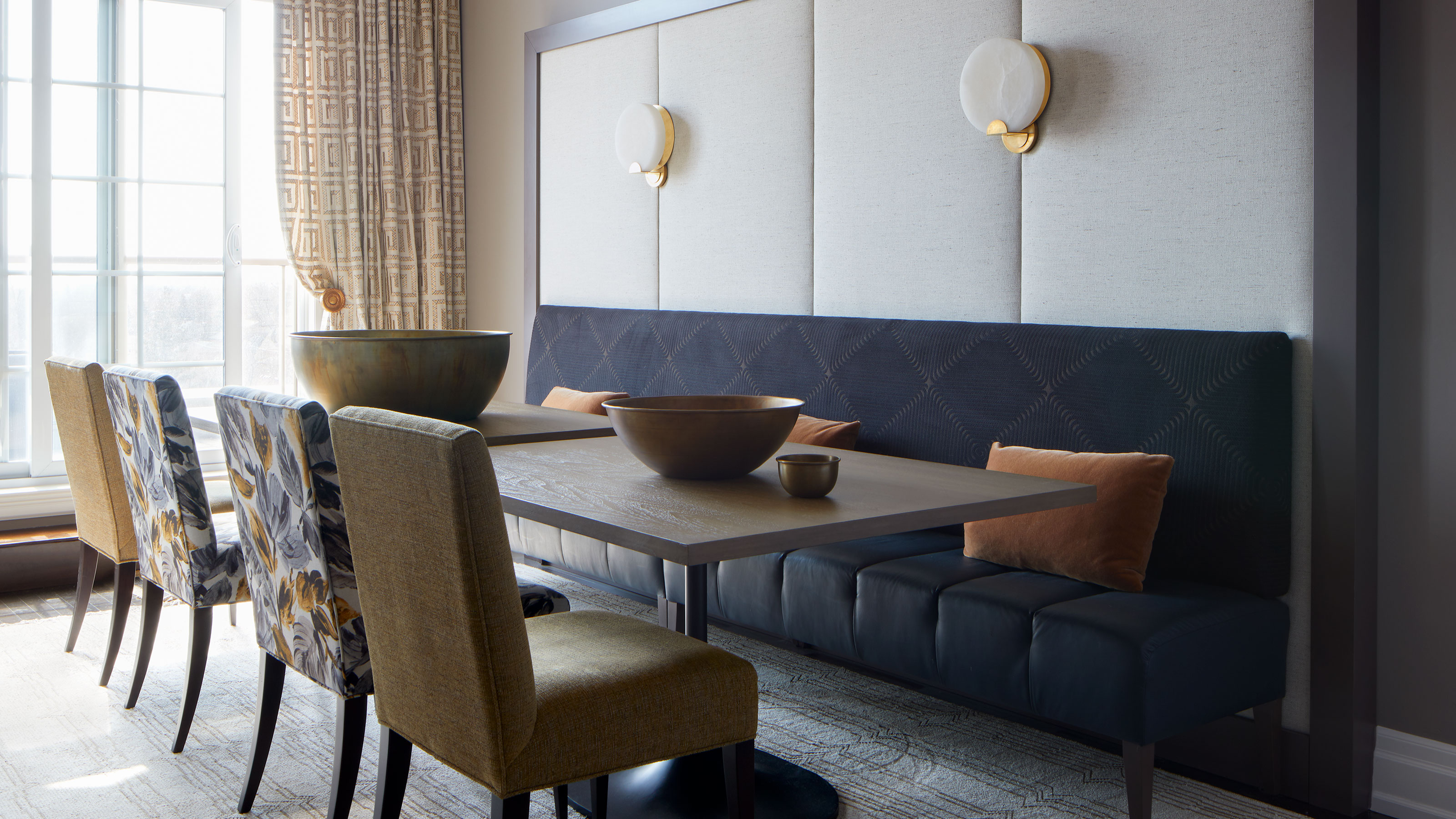
Heidi Feliz-Grimm, a senior designer at O’Hara Interiors, suggests several innovative layouts. For dining rooms with a large window, anchoring the layout around a window seat can create a cozy, dual-purpose space suitable for meals or relaxation. In open-concept kitchens, placing a rectangular dining table perpendicular to the kitchen island can achieve a symmetrical and balanced look, ensuring that light fixtures do not obstruct conversation. For living room-dining room combos, anchoring the table with a standalone bench, particularly a high-backed one against a wall and a backless one facing the living room, can optimize space and reduce visual clutter. In eat-in kitchens, careful attention to the distance between the island and surrounding cabinetry is vital, with a recommended 48 to 50 inches of clearance for comfortable use and appliance access.
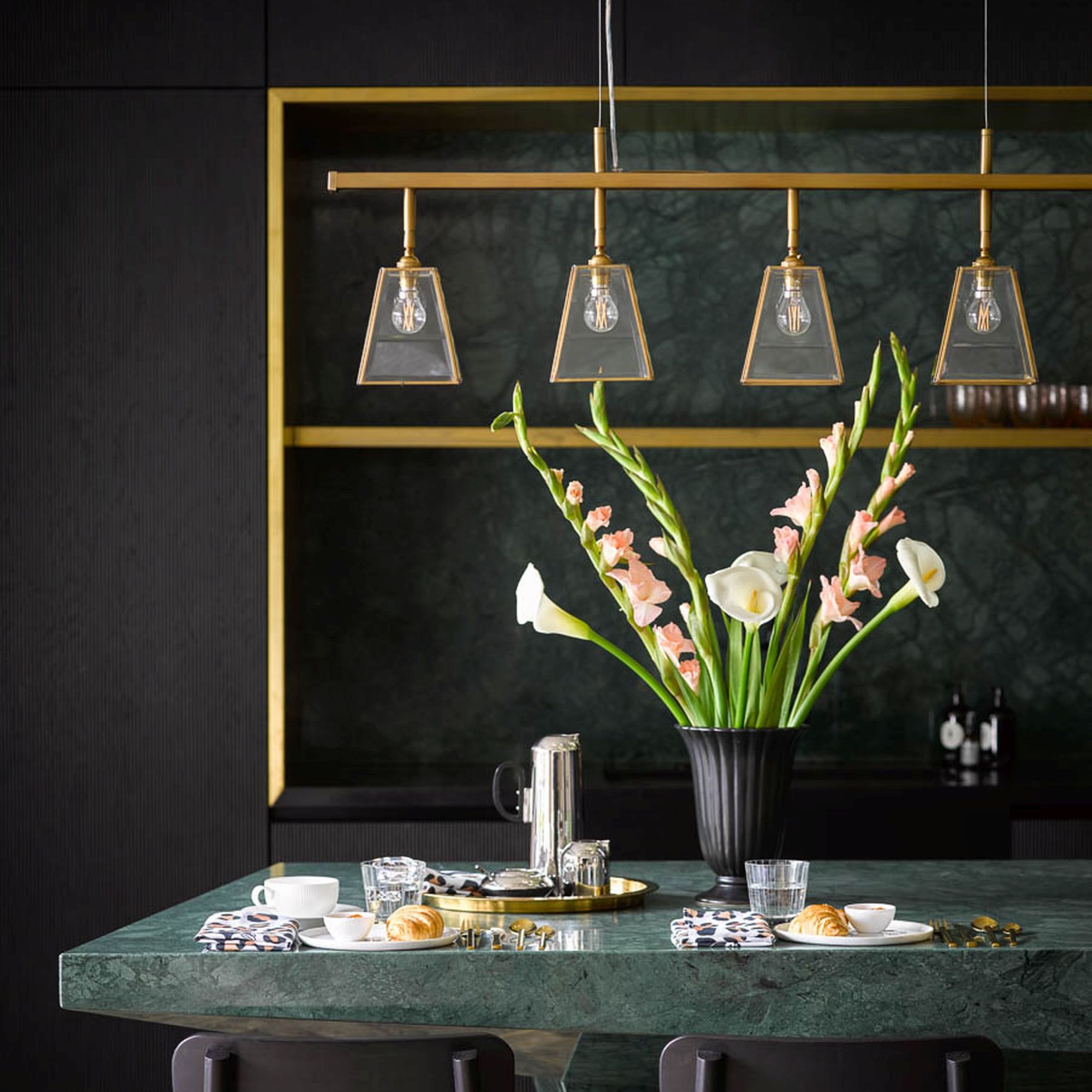
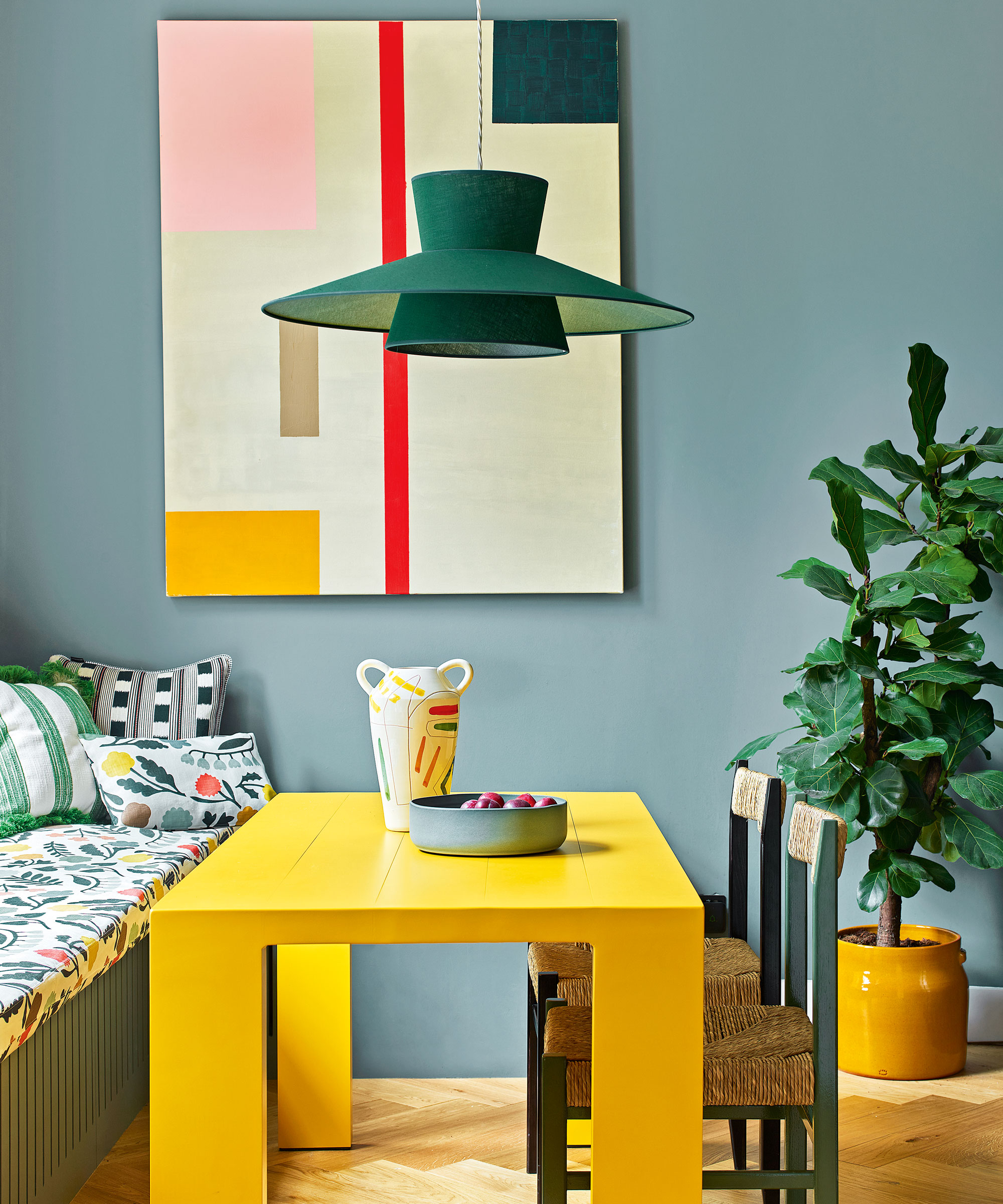
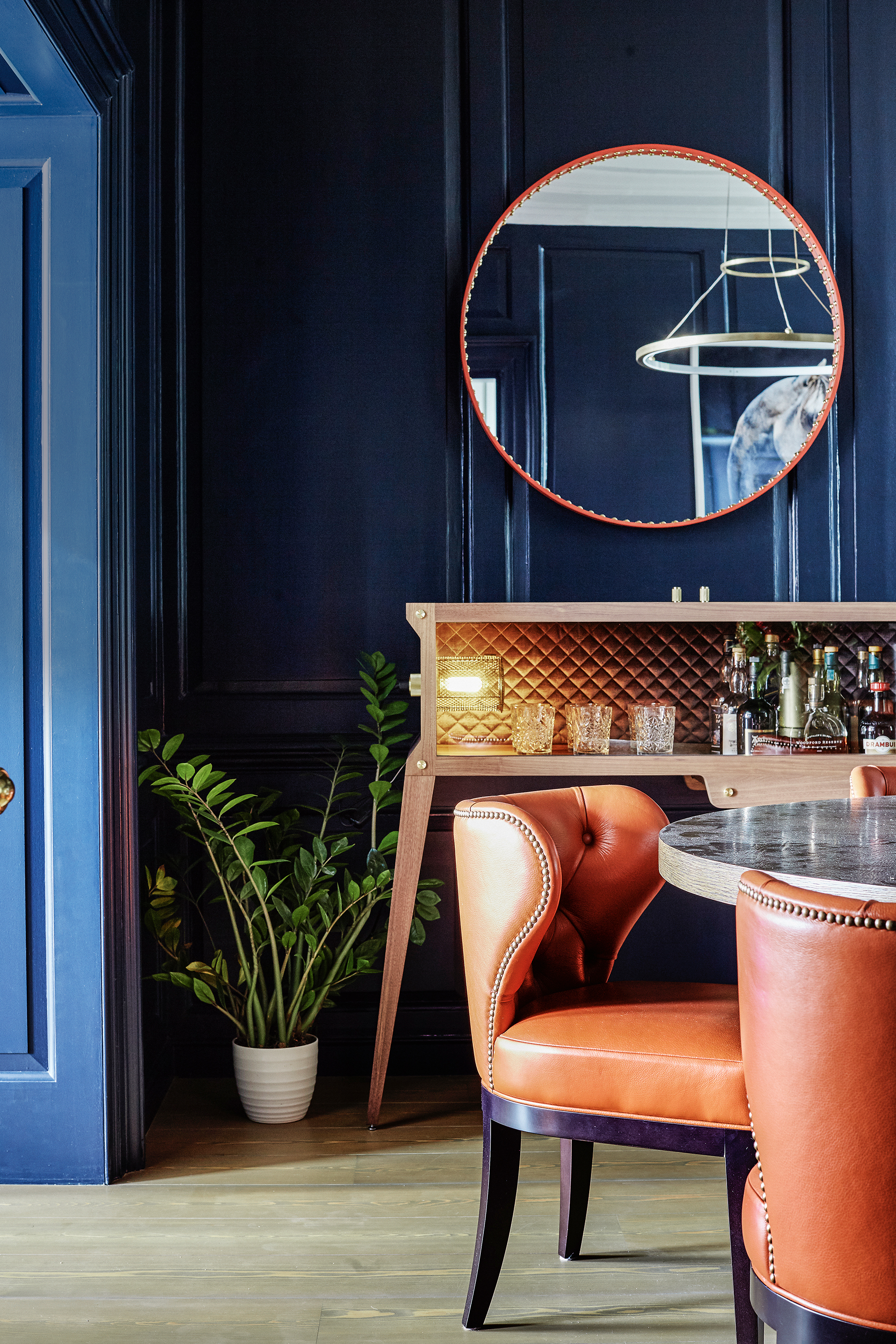
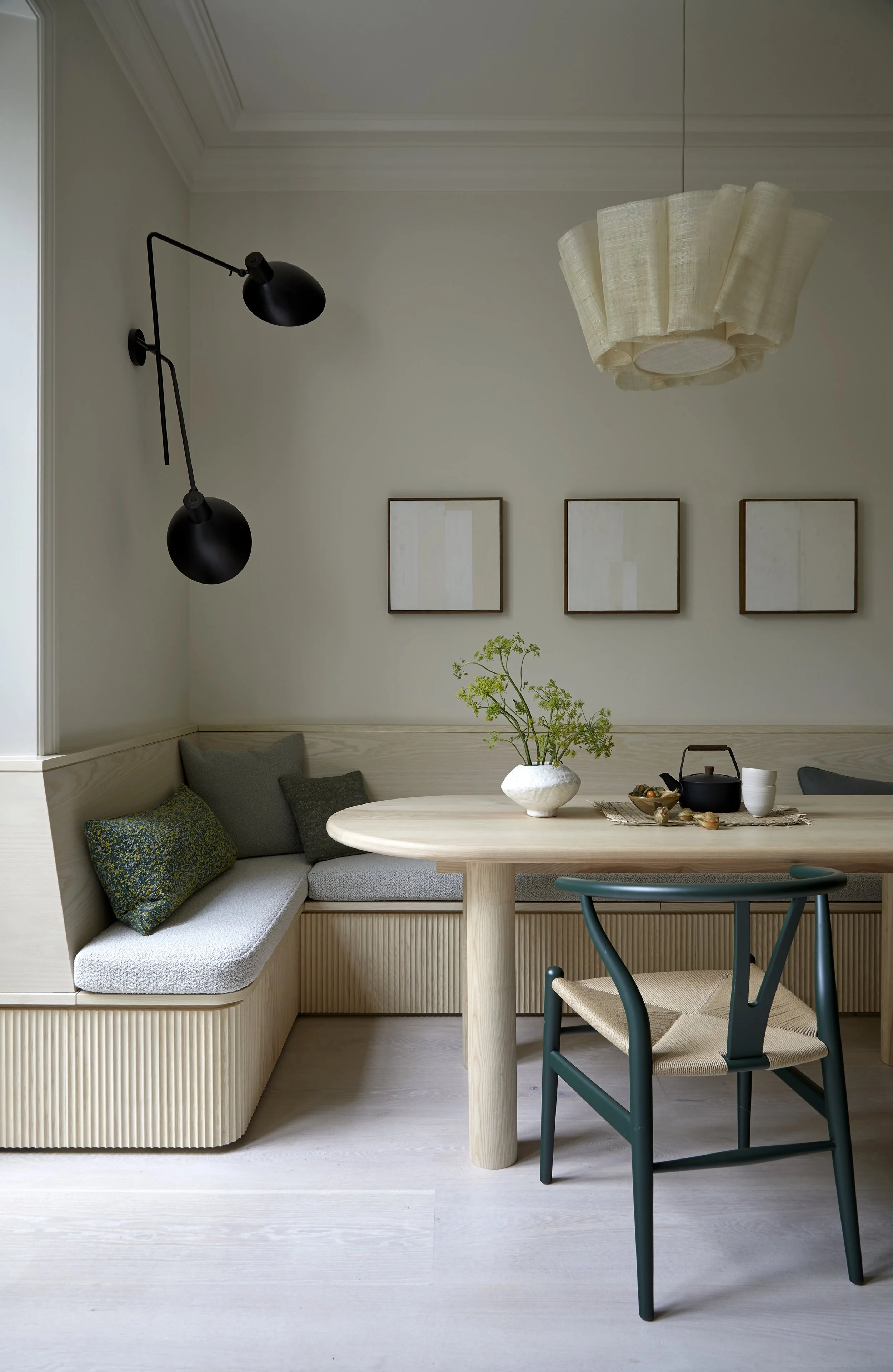
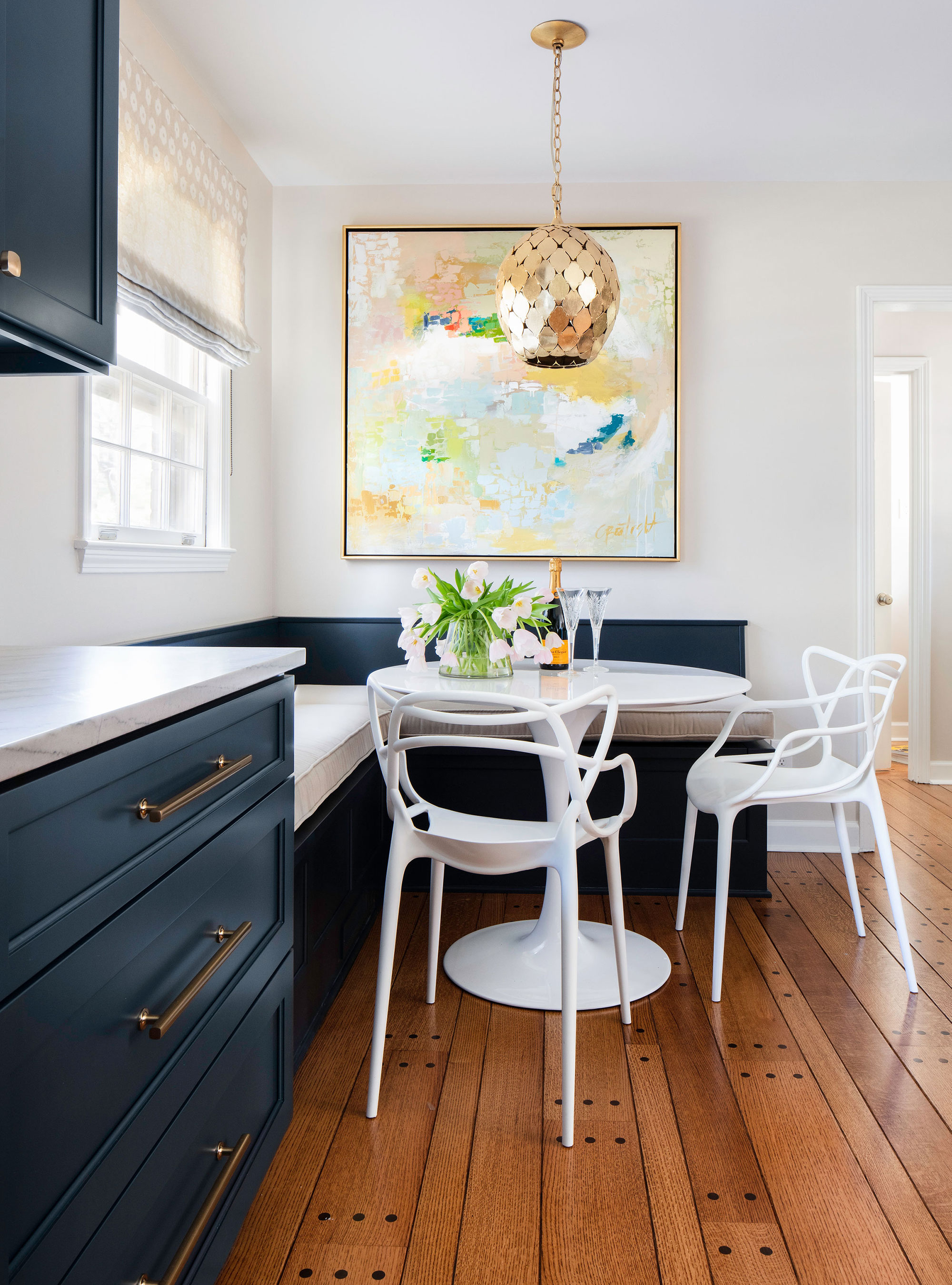
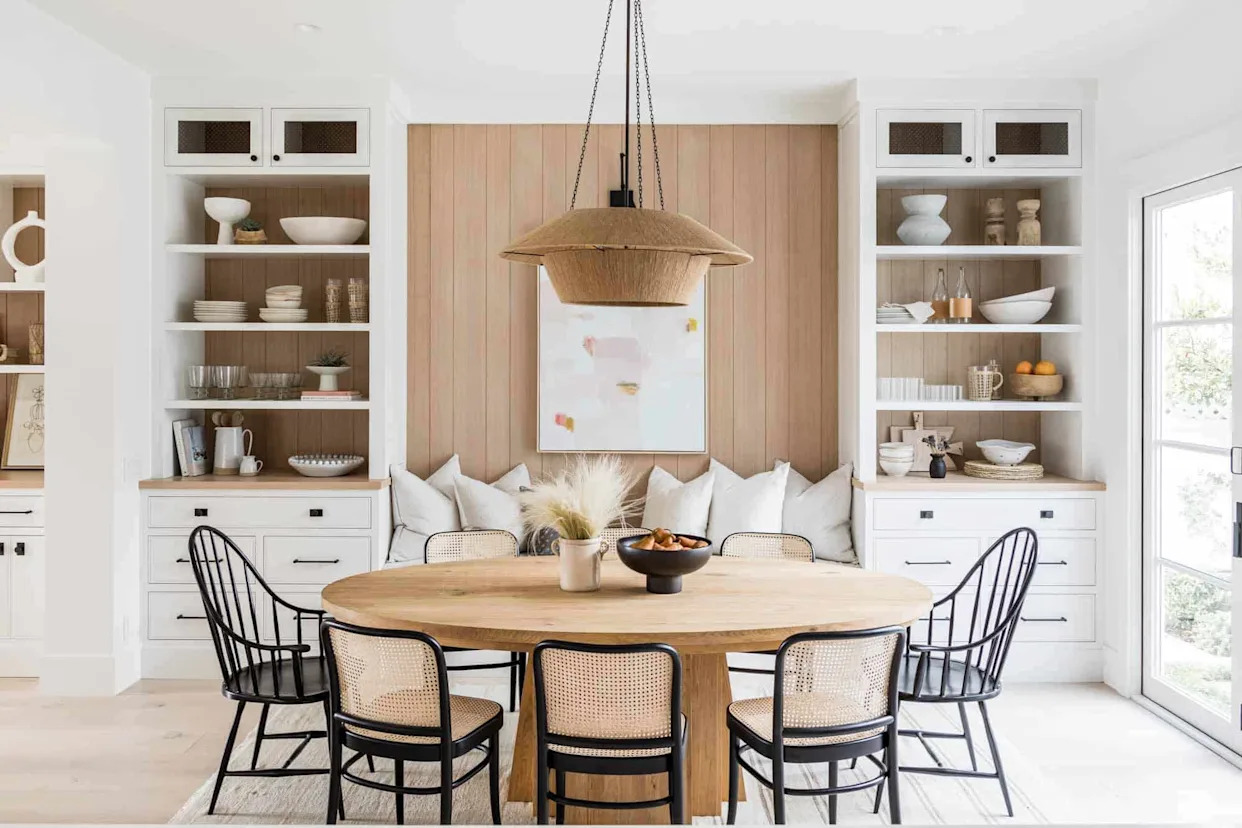
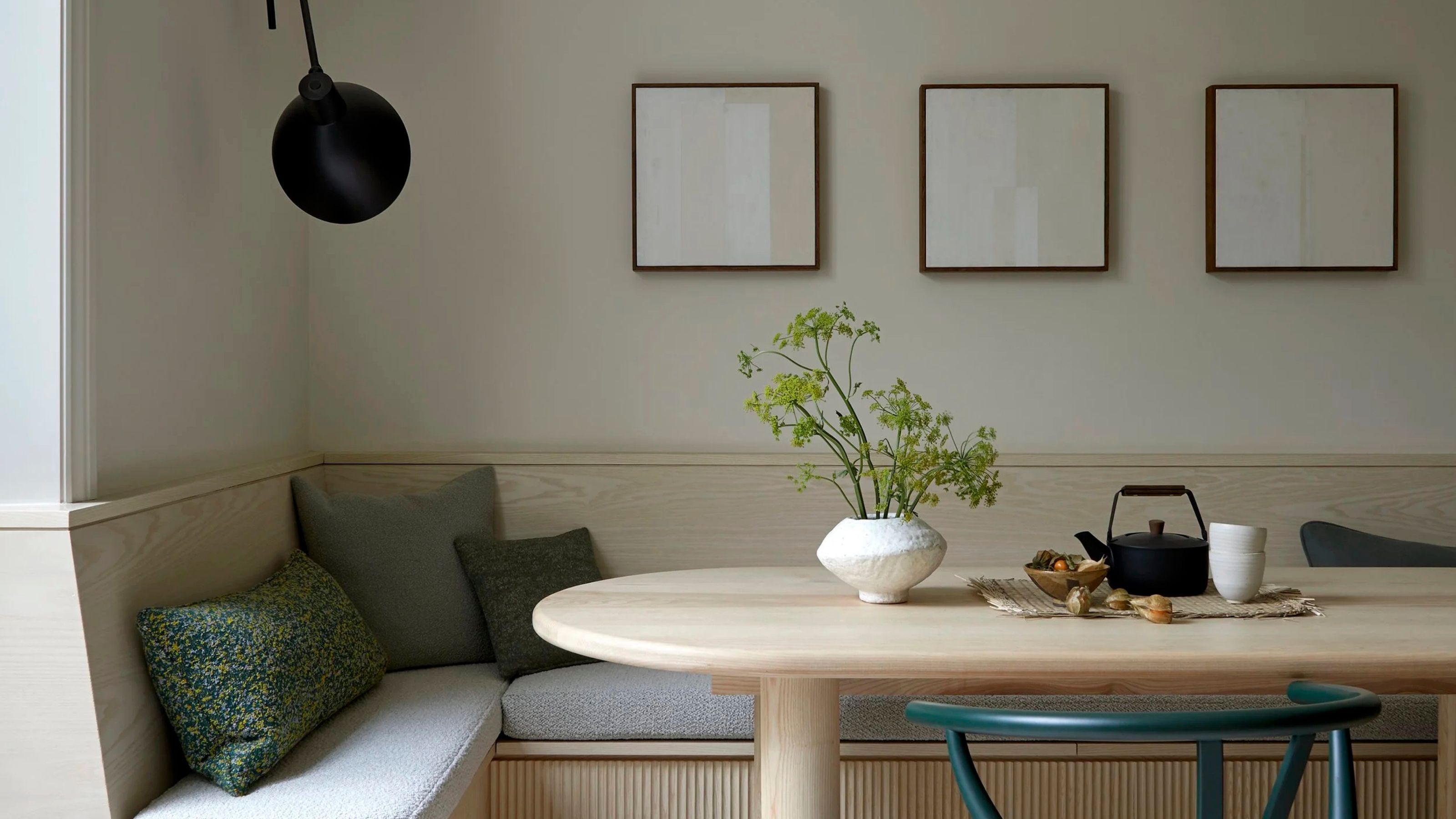
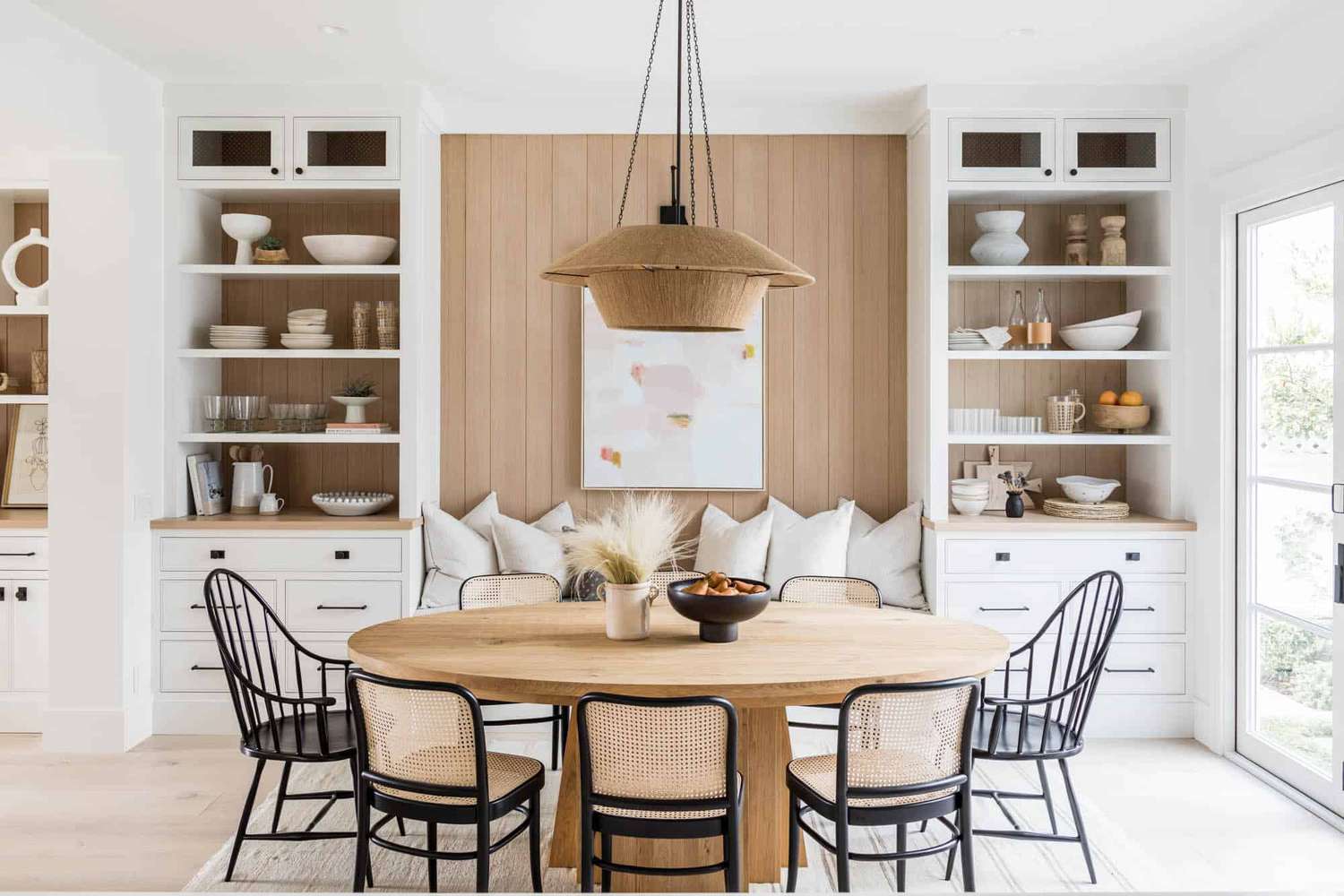
The article also discusses creating focal points. A dining room layout can be anchored by a feature wall, such as a wine wall or home wet bar, with the dining table positioned perpendicularly to the bar for a symmetrical and functional flow. For small or open-plan spaces, an L-shaped dining corner with a built-in banquette and a large pendant light can create a cozy atmosphere. Finally, in very small dining rooms, pushing the dining table against the longest wall can preserve flow and allow for ample circulation space, with the table being pulled out for entertaining as needed. These strategies collectively aim to make dining rooms more inviting, spacious, and brighter.
#DiningRoomDesign #InteriorDesign #SpaceOptimization #HomeDecor #LayoutTricks #LightingDesign #FurnitureArrangement #SmallSpaceSolutions #OpenConceptLiving #DiningRoomDesign #InteriorDesign #SpaceOptimization #HomeDecor #LayoutTricks #LightingDesign #FurnitureArrangement #SmallSpaceSolutions #OpenConceptLiving
0 comment in total
 No comments yet
You may also like
6 tricks designers use to instantly elevate a dining room

Do you need a light over a dining table? Designers offer their expert advice
12 modern dining room décor ideas to impress your guests

6 Easy Ways to Make Any Small Dining Room Look Larger—Instantly

These Designer-Approved Dining Room Ideas Will Elevate ANY Entertaining Space

These Gorgeous Dining Rooms Are Guaranteed to Strike up Conversation

7 Ways To Make A Small Dining Room Feel Bigger, According To Designers
10 Easy-to-Make Dining Room Mistakes That Are Killing the Vibe — And How to Fix Them Before Your Next Dinner Party

Lighting a dining room – expert tips to give mealtimes a glow-up
6 Designer Tips for Showcasing the Dining Room
60 Dining Room Ideas That Will Make You Swear Off TV Dinners

7 designer dining rooms to inspire

12 Layout Tricks Designers Use to Make Dining Rooms Feel Bigger and Brighter
Lighting a dining room – expert tips on how to get it right
7 major dining room layout mistakes to avoid, according to designers
10 things designers do to make rooms look bigger – strategies for success from the experts
How to Style Your Dining Room to Make It Holiday Dinner-Ready, According to Designers
These Dining Room Lighting Ideas Command Attention
RH dining room ideas – 10 ways to recreate a designer space
7 Dining Room Design Mistakes That Could Ruin Your Next Dinner Party