1/9
RH dining room ideas – 10 ways to recreate a designer space
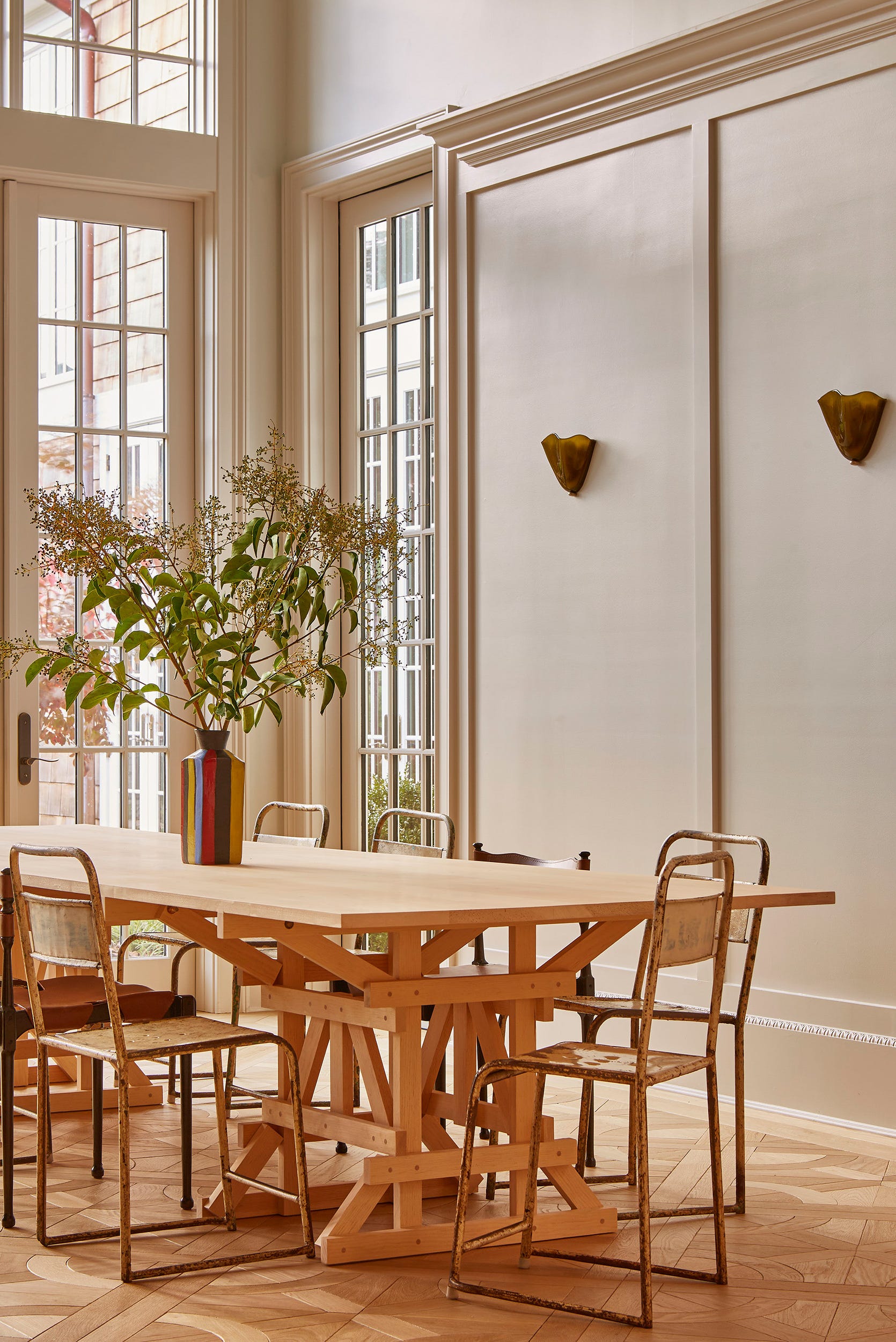
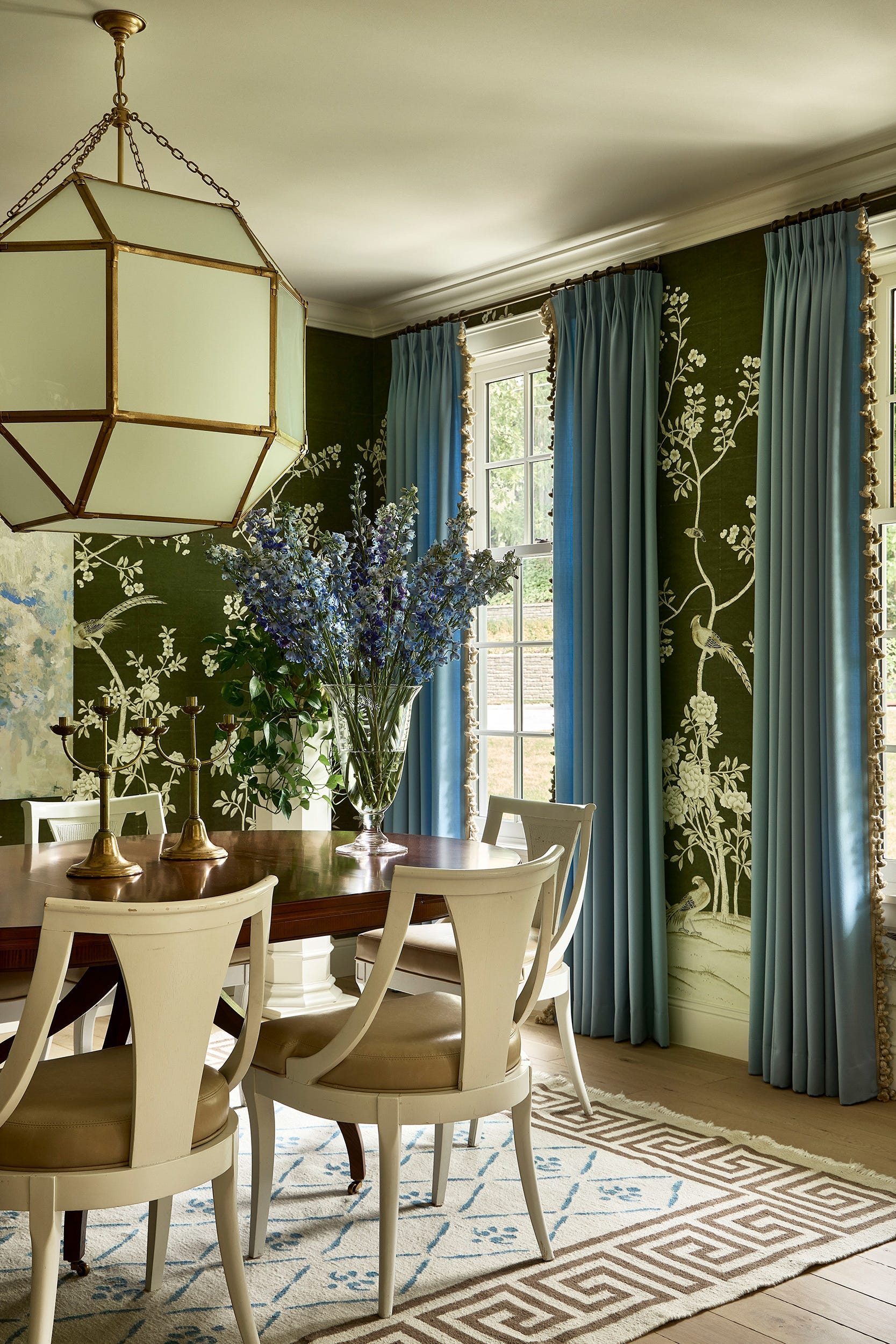
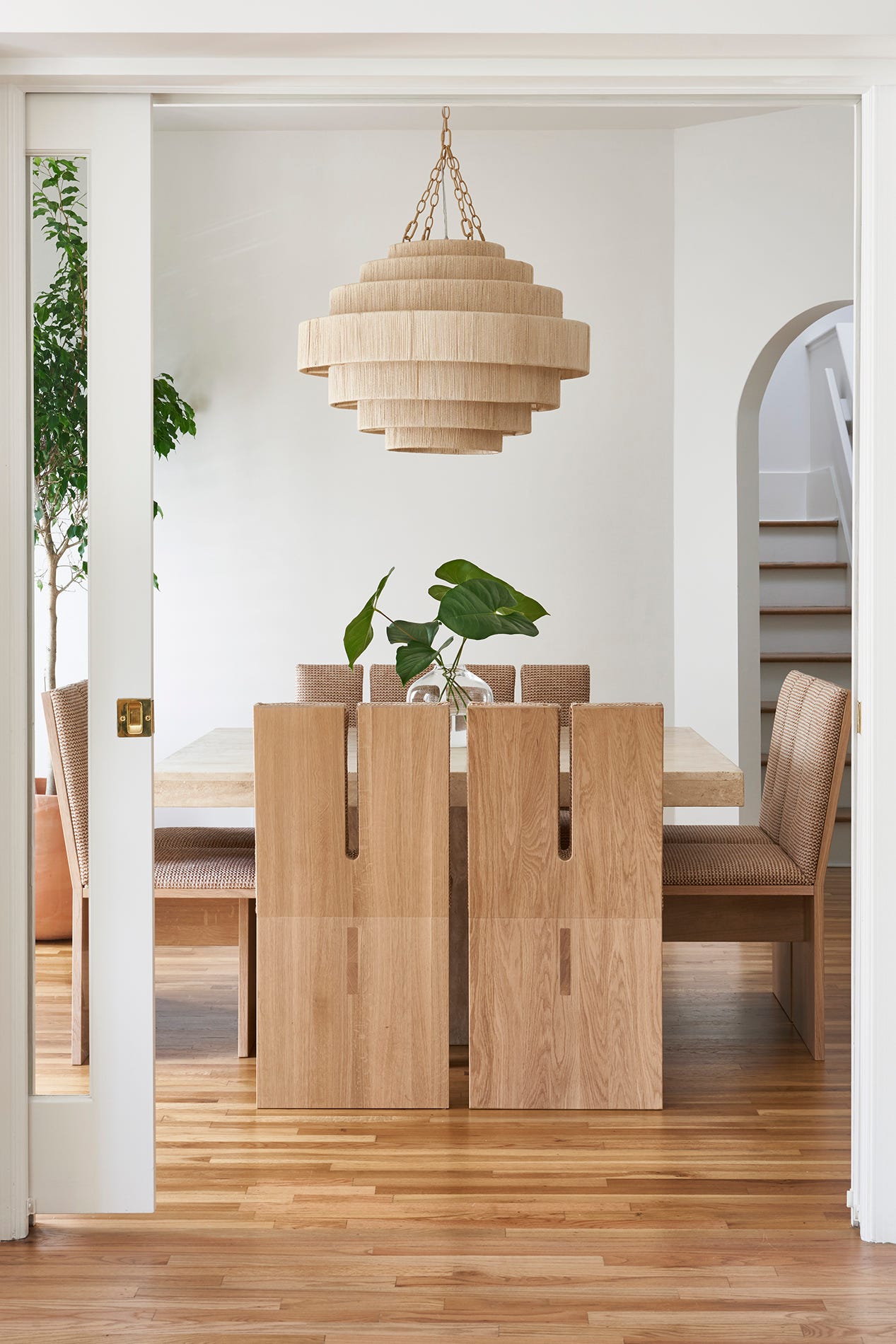
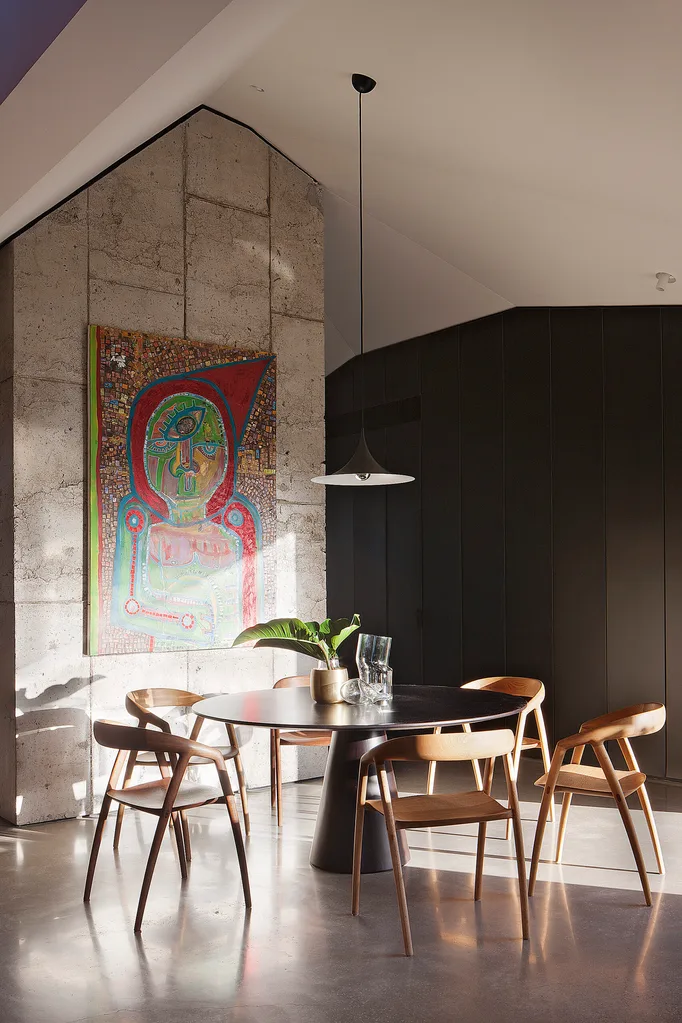
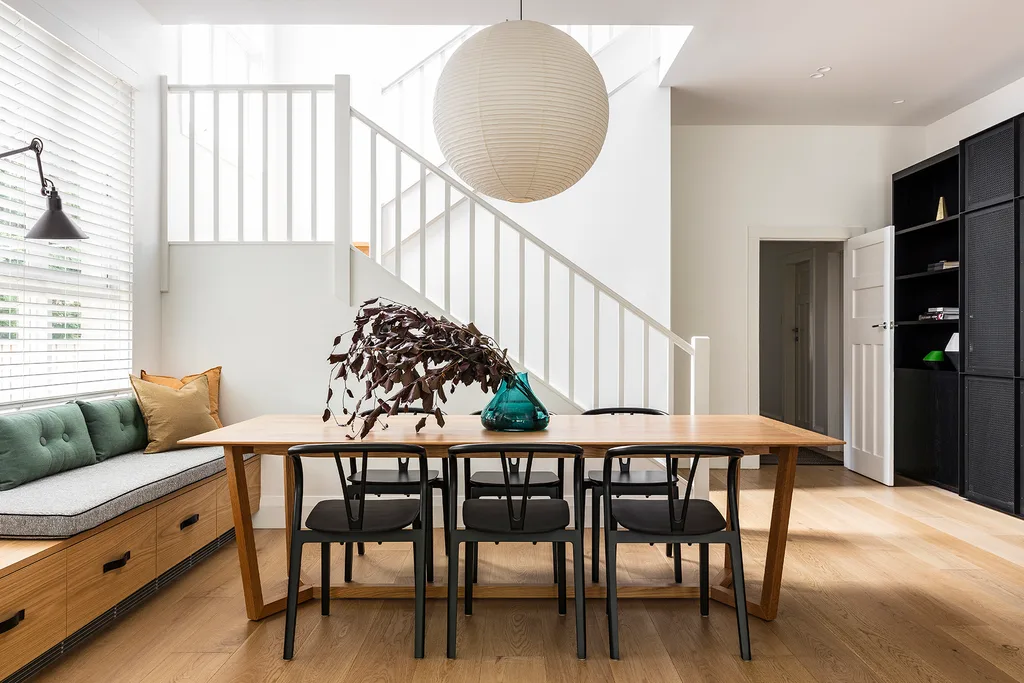
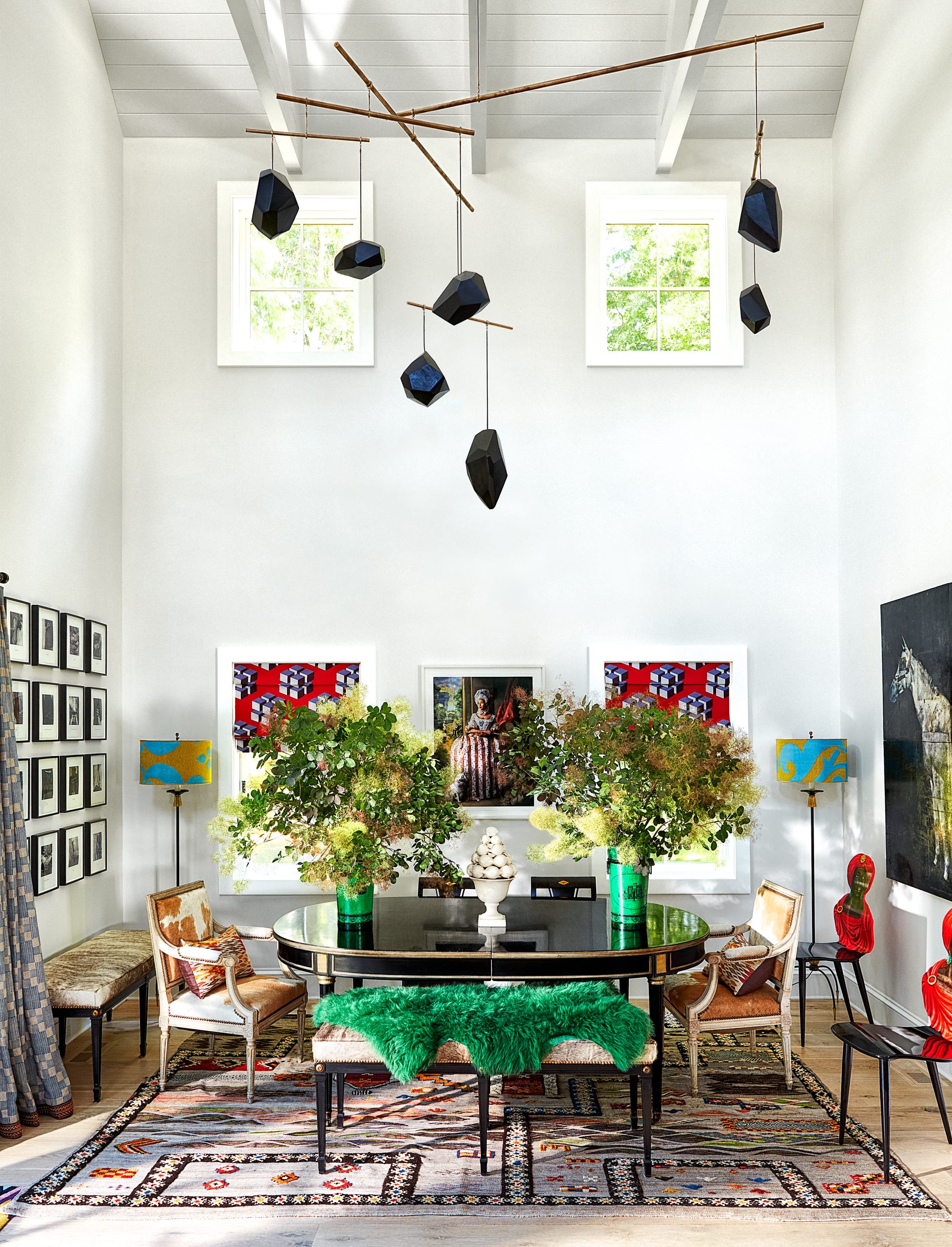
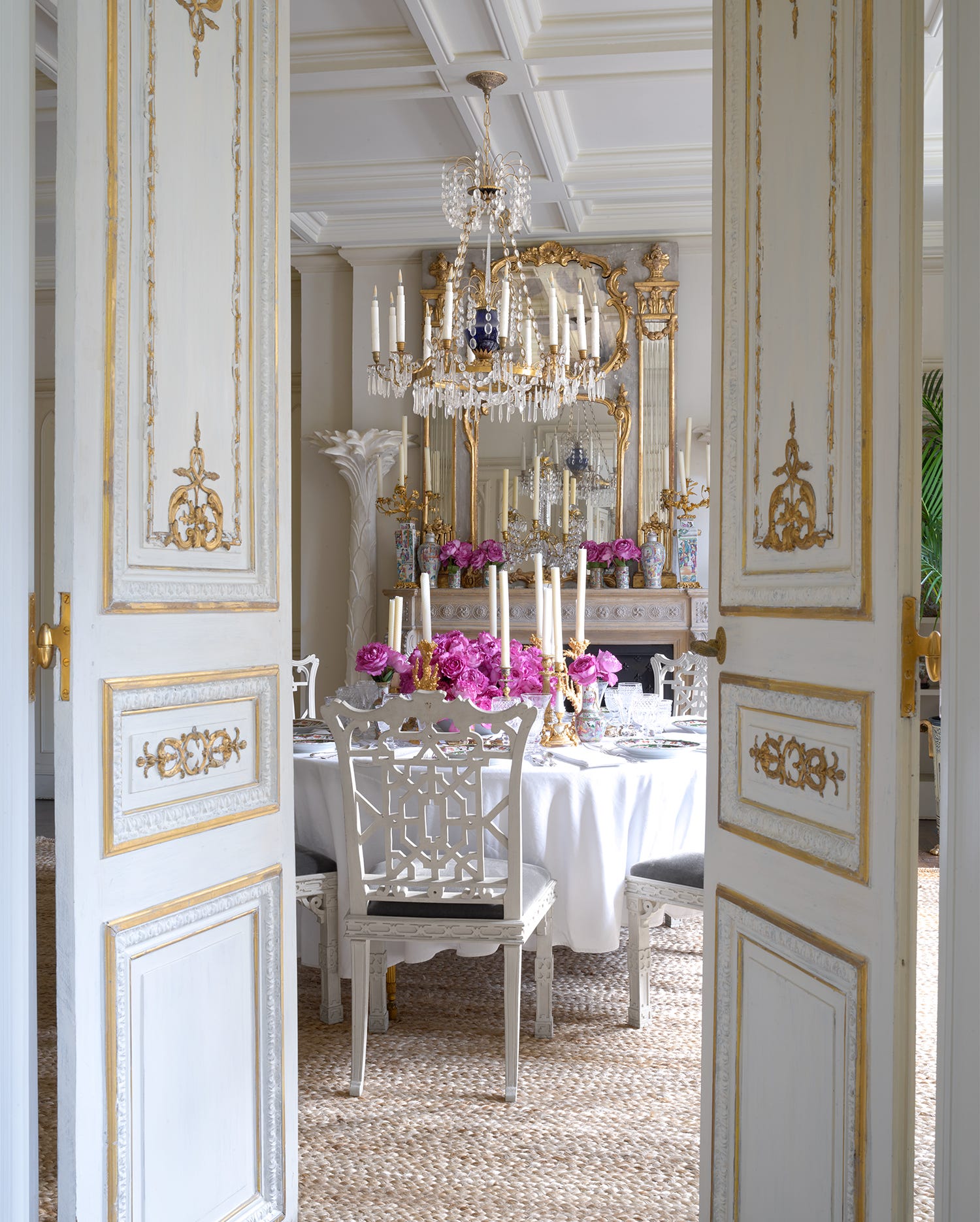
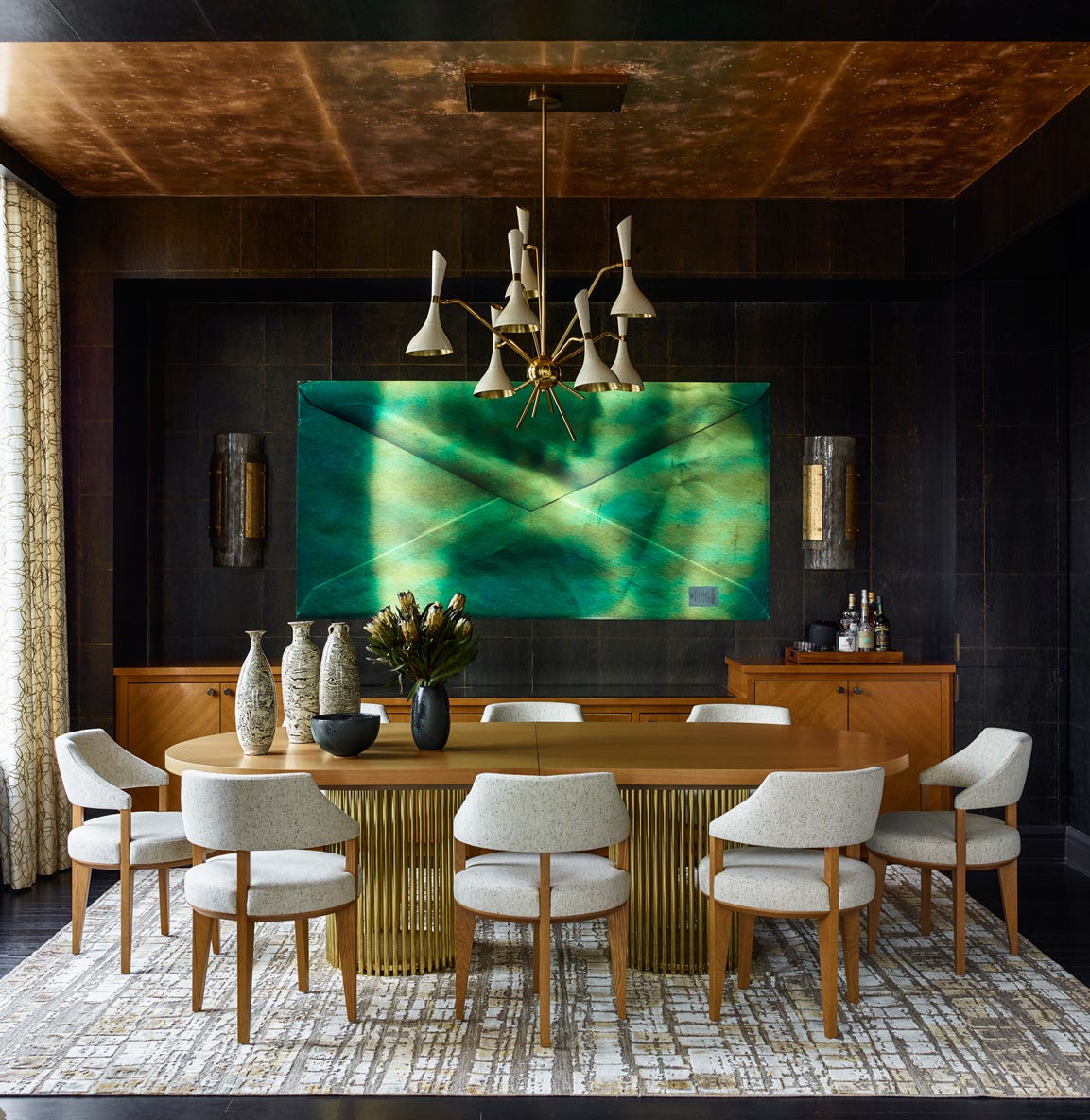
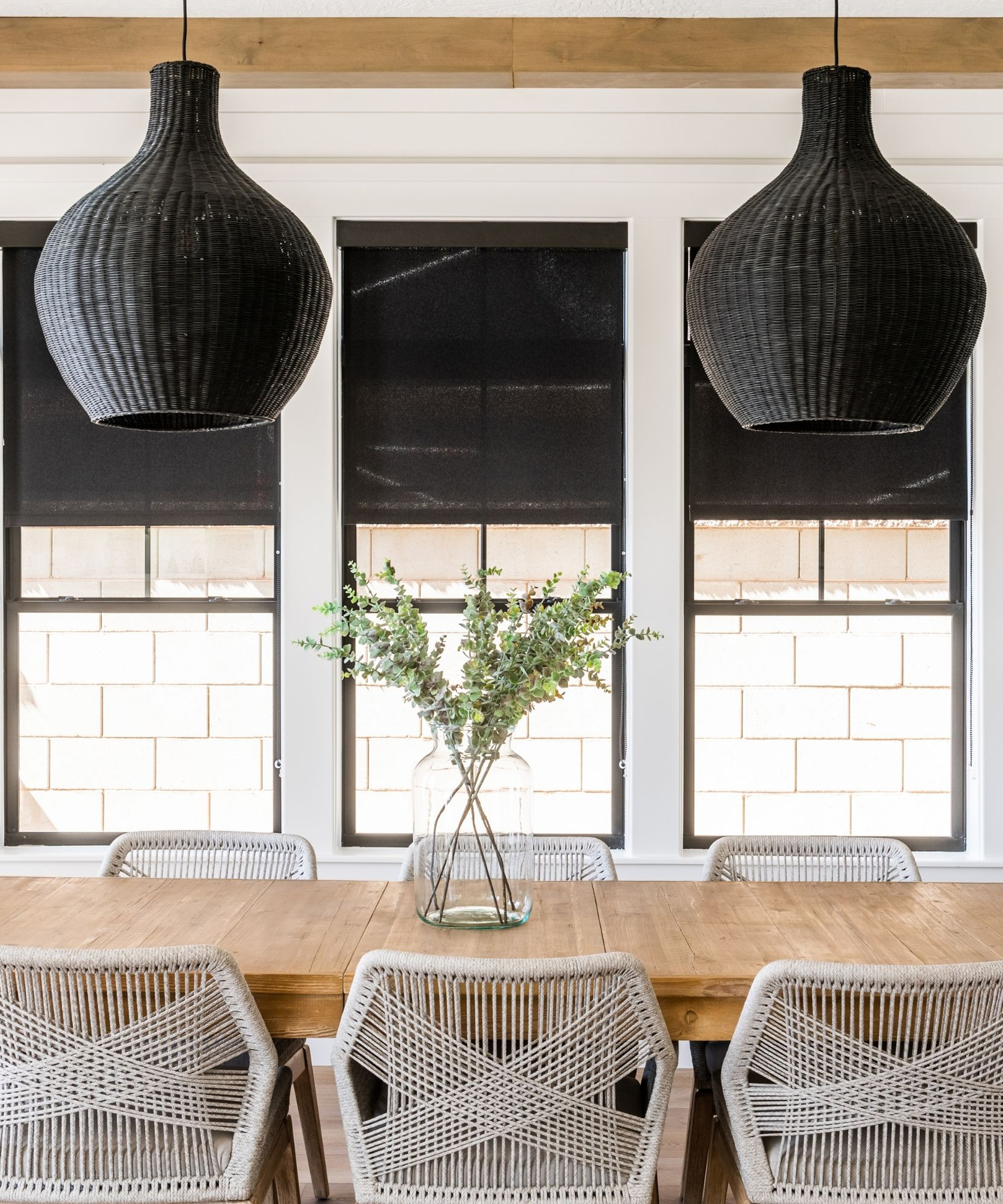
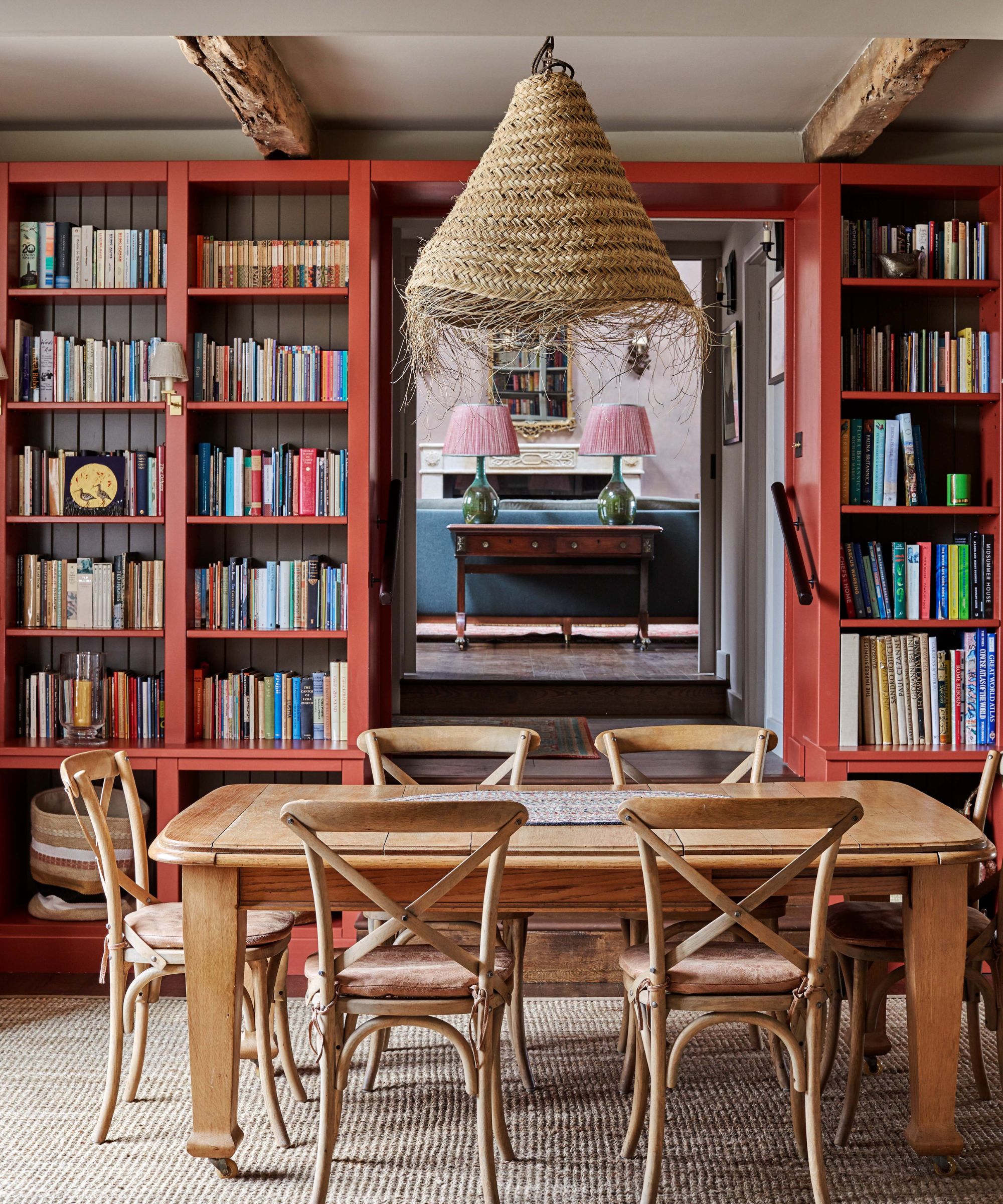
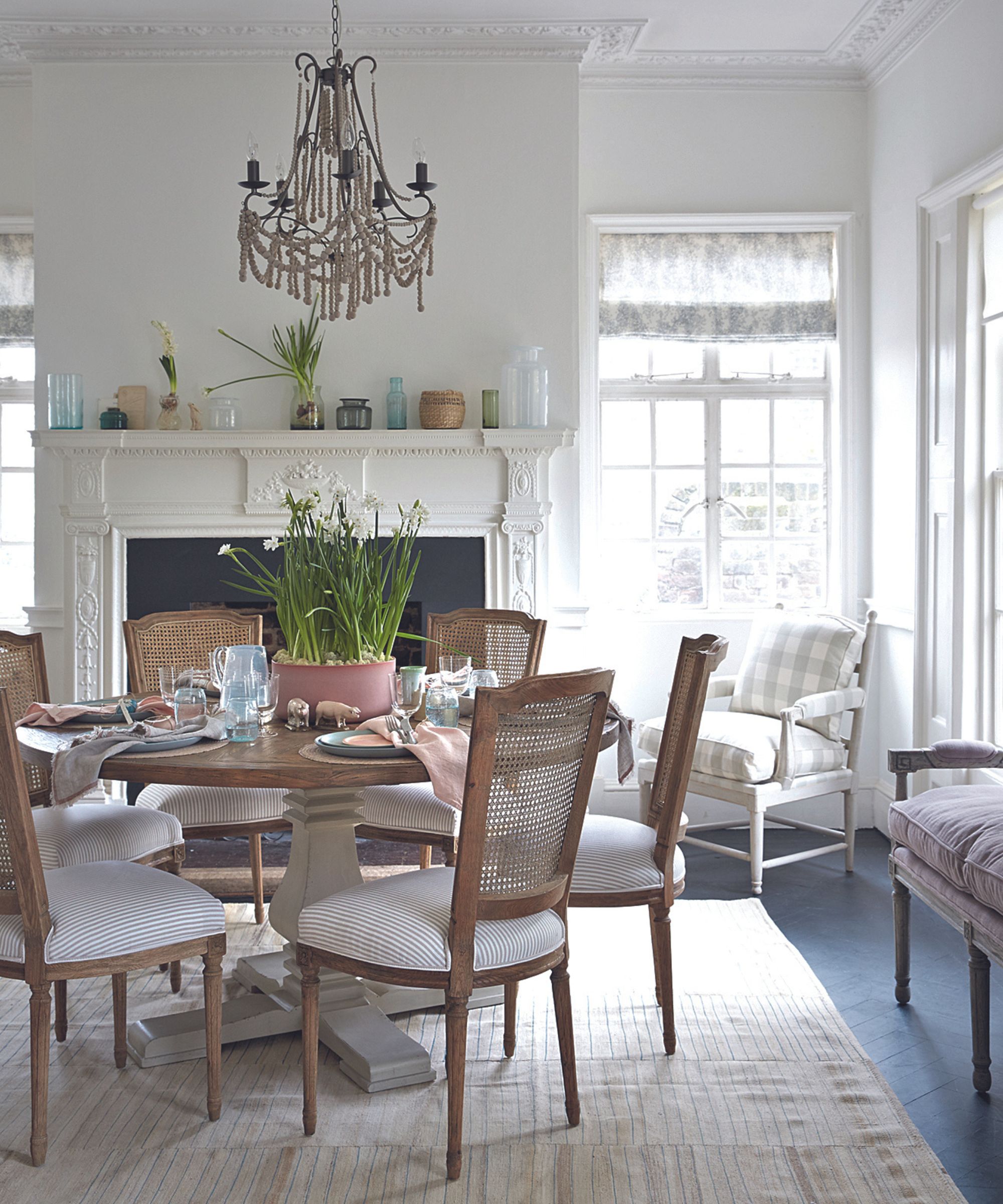
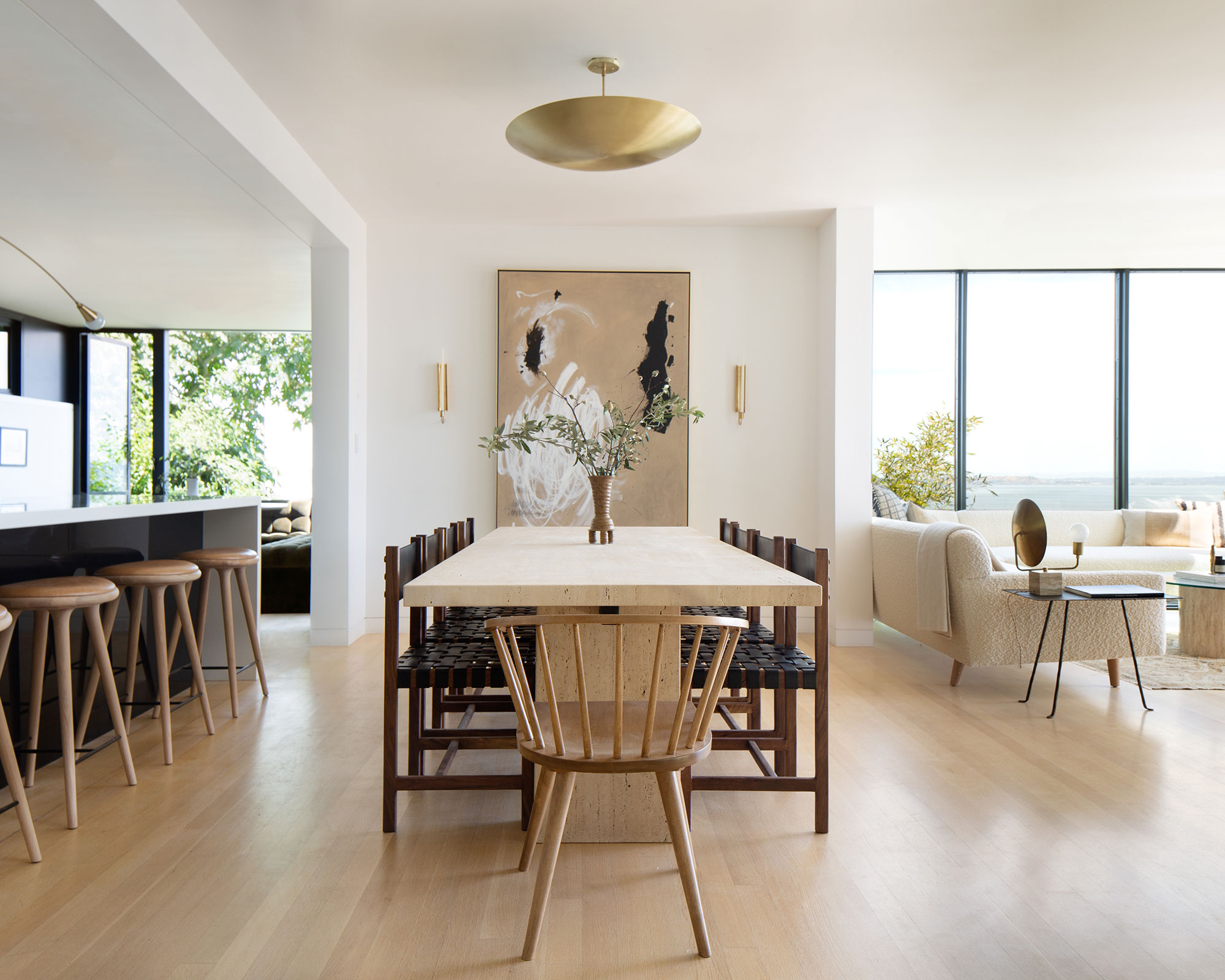
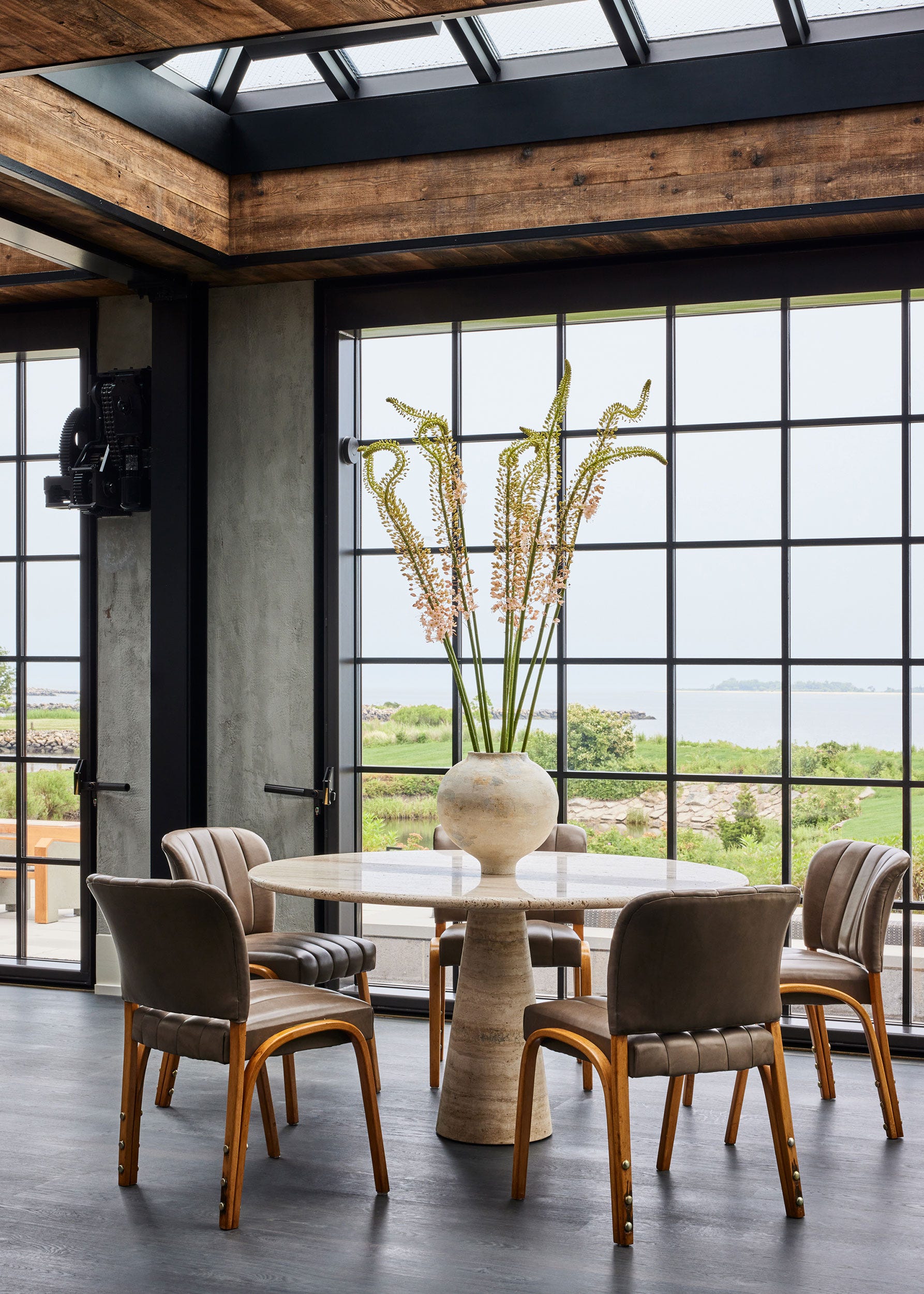
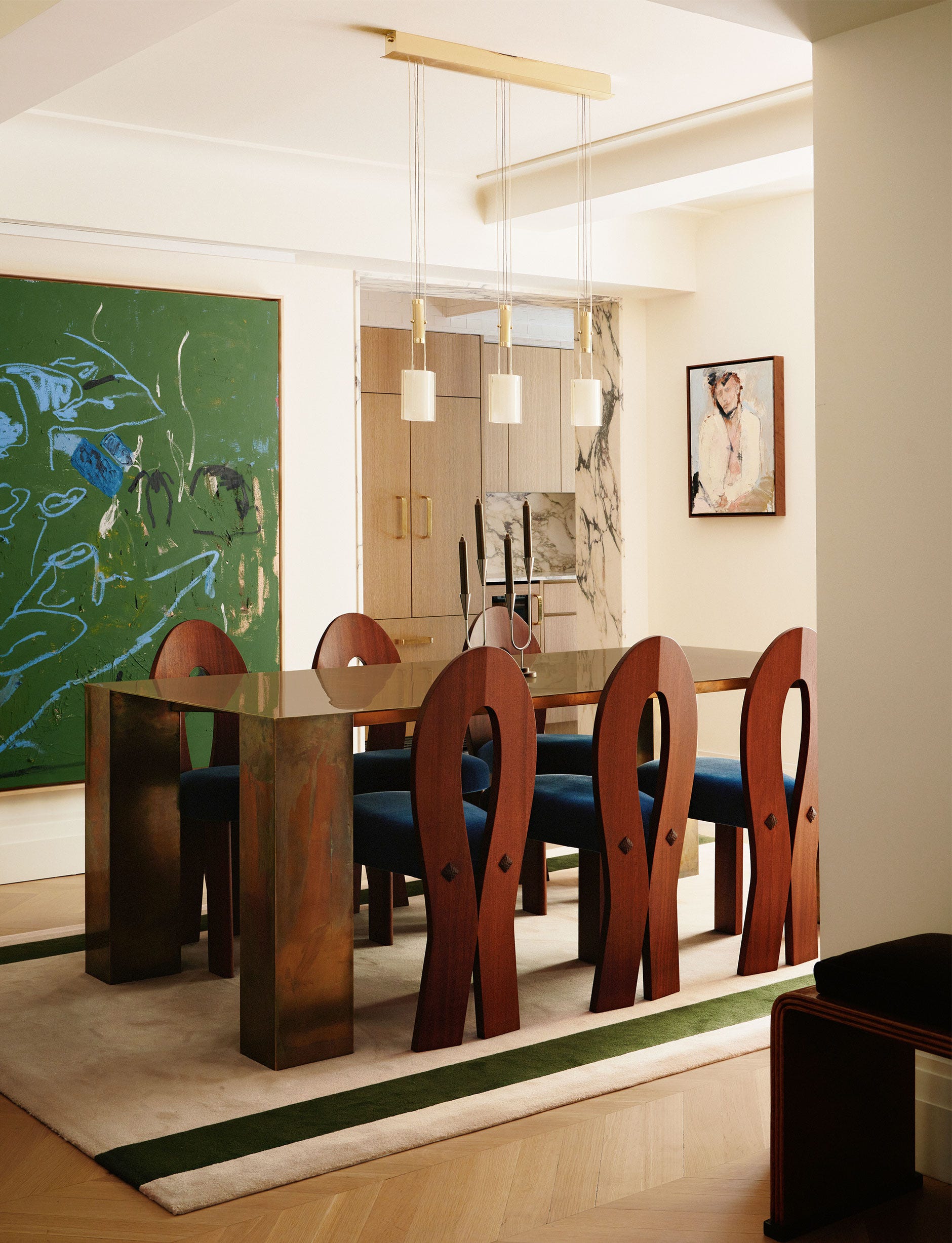
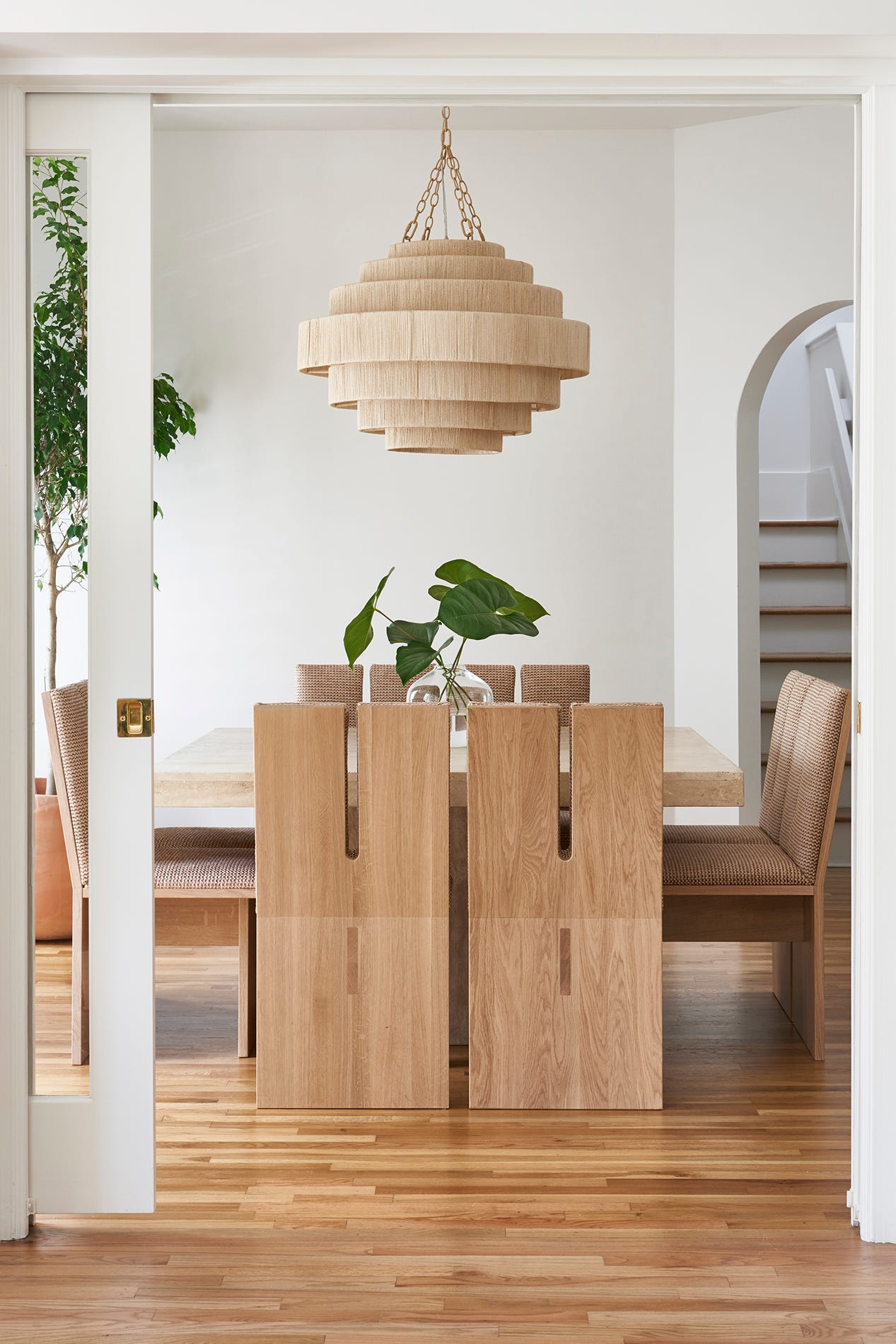
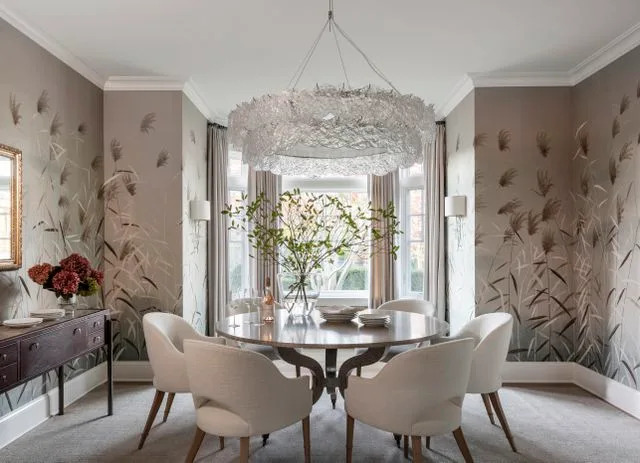
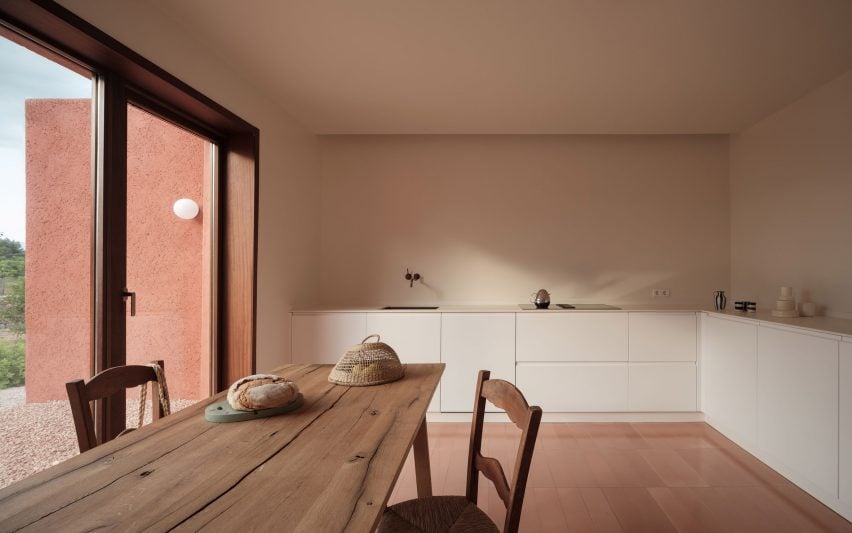
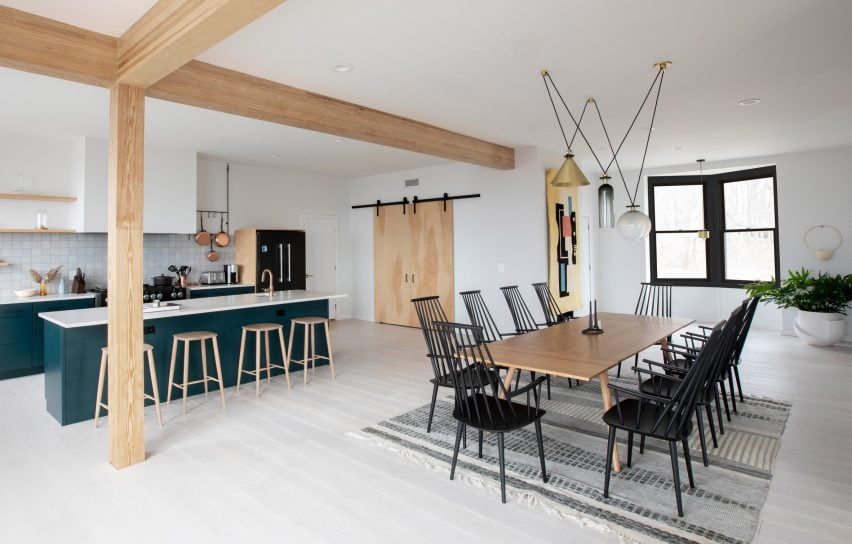
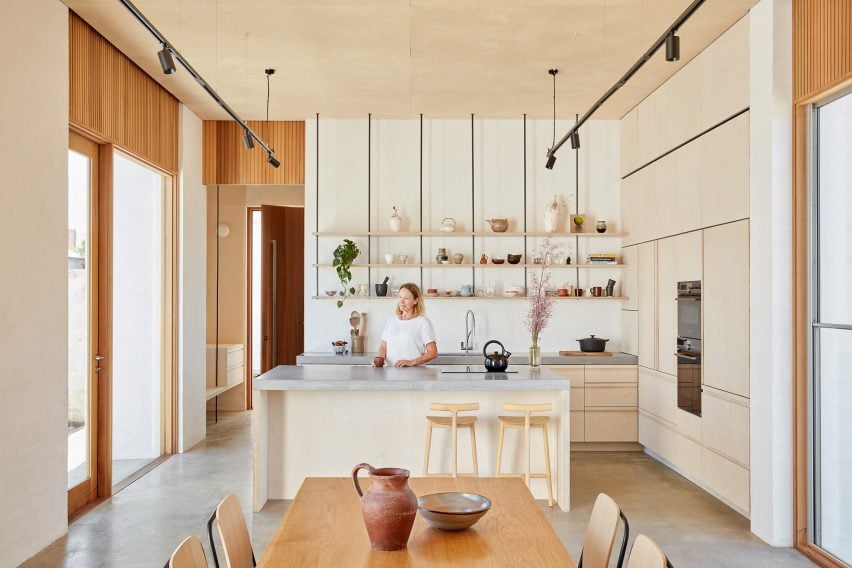
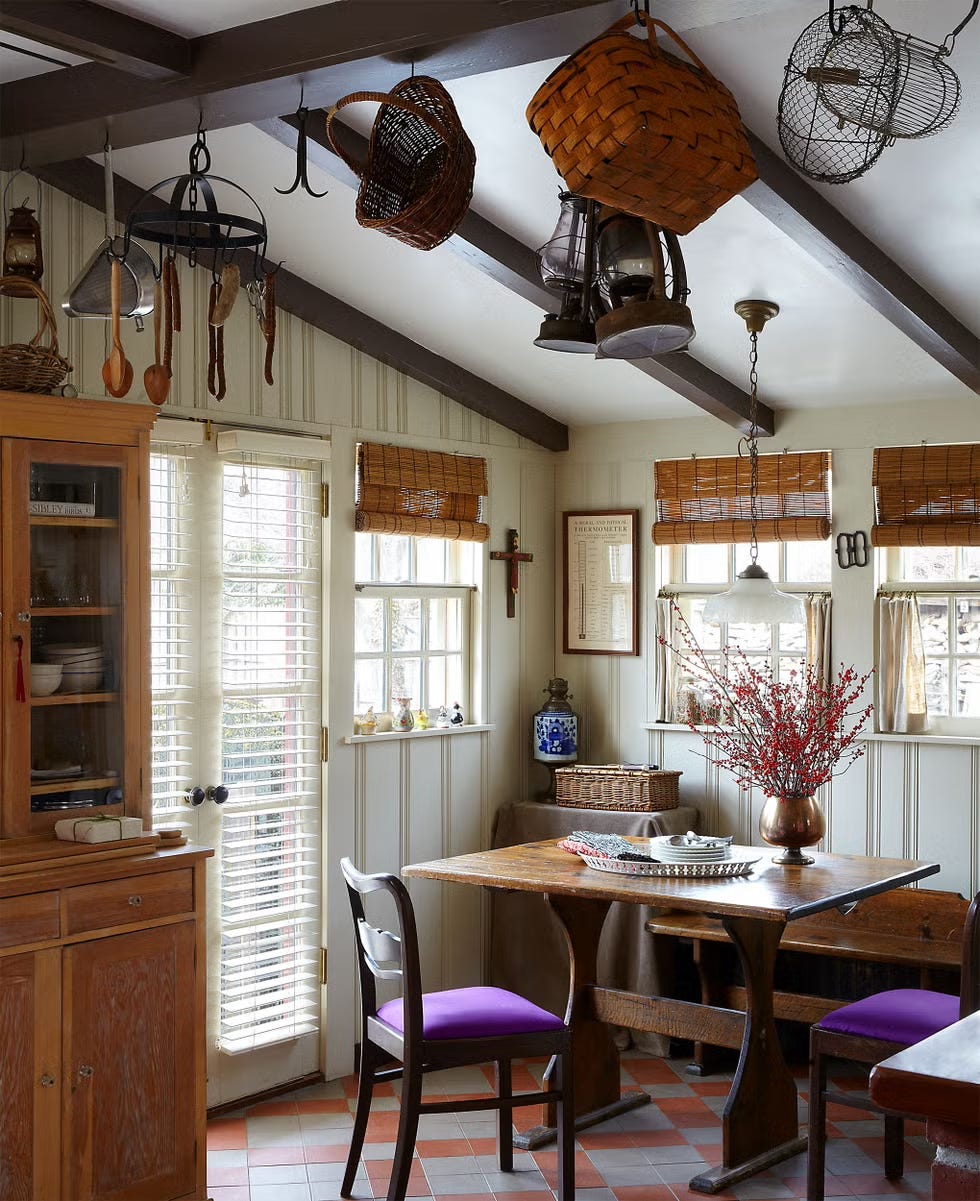
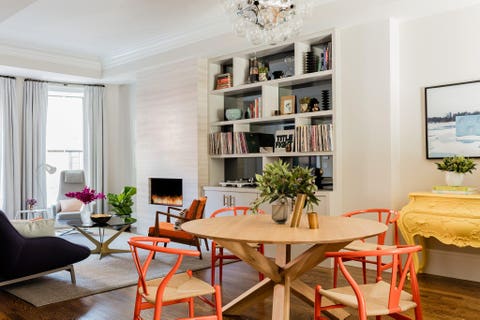
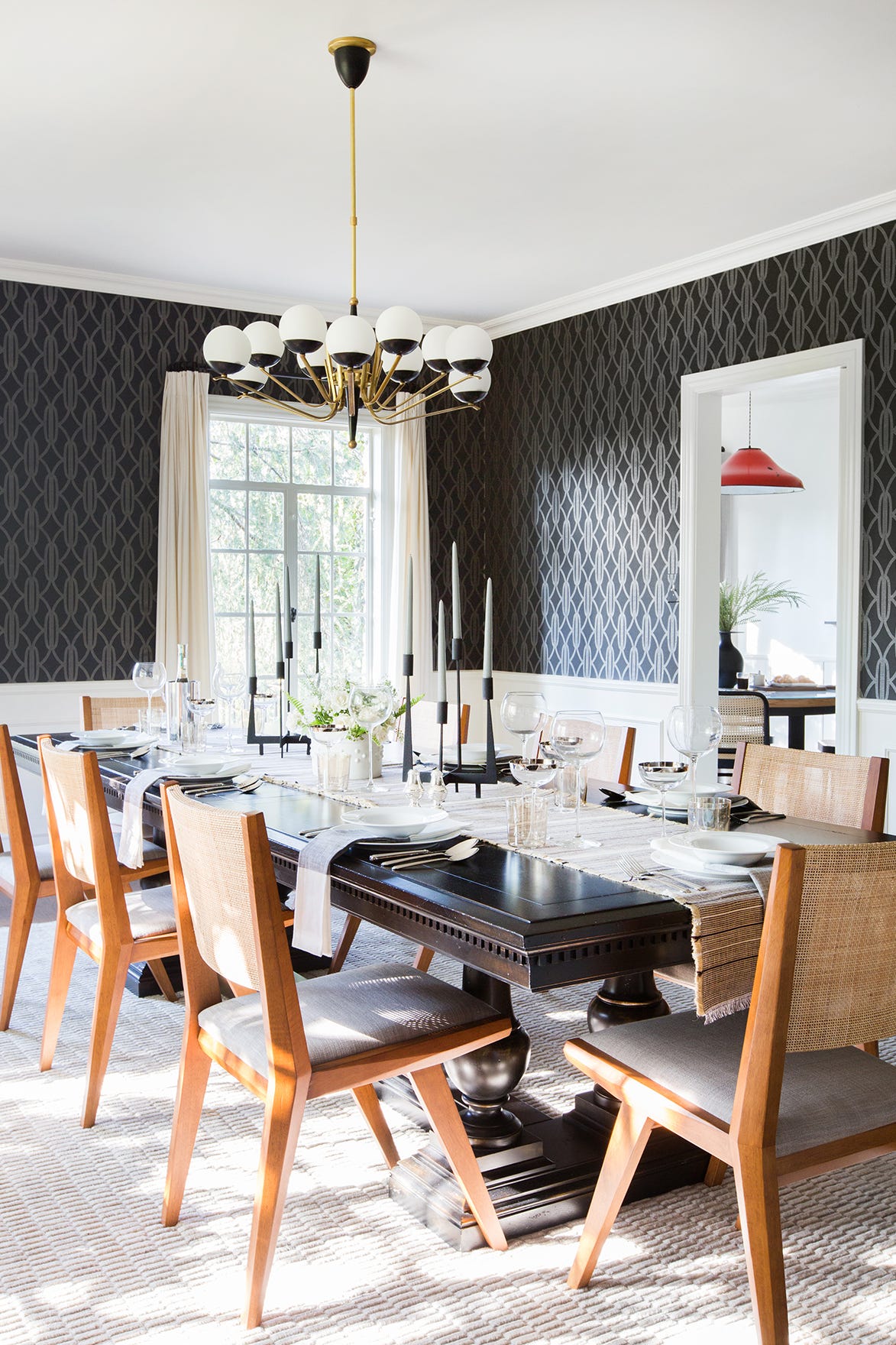
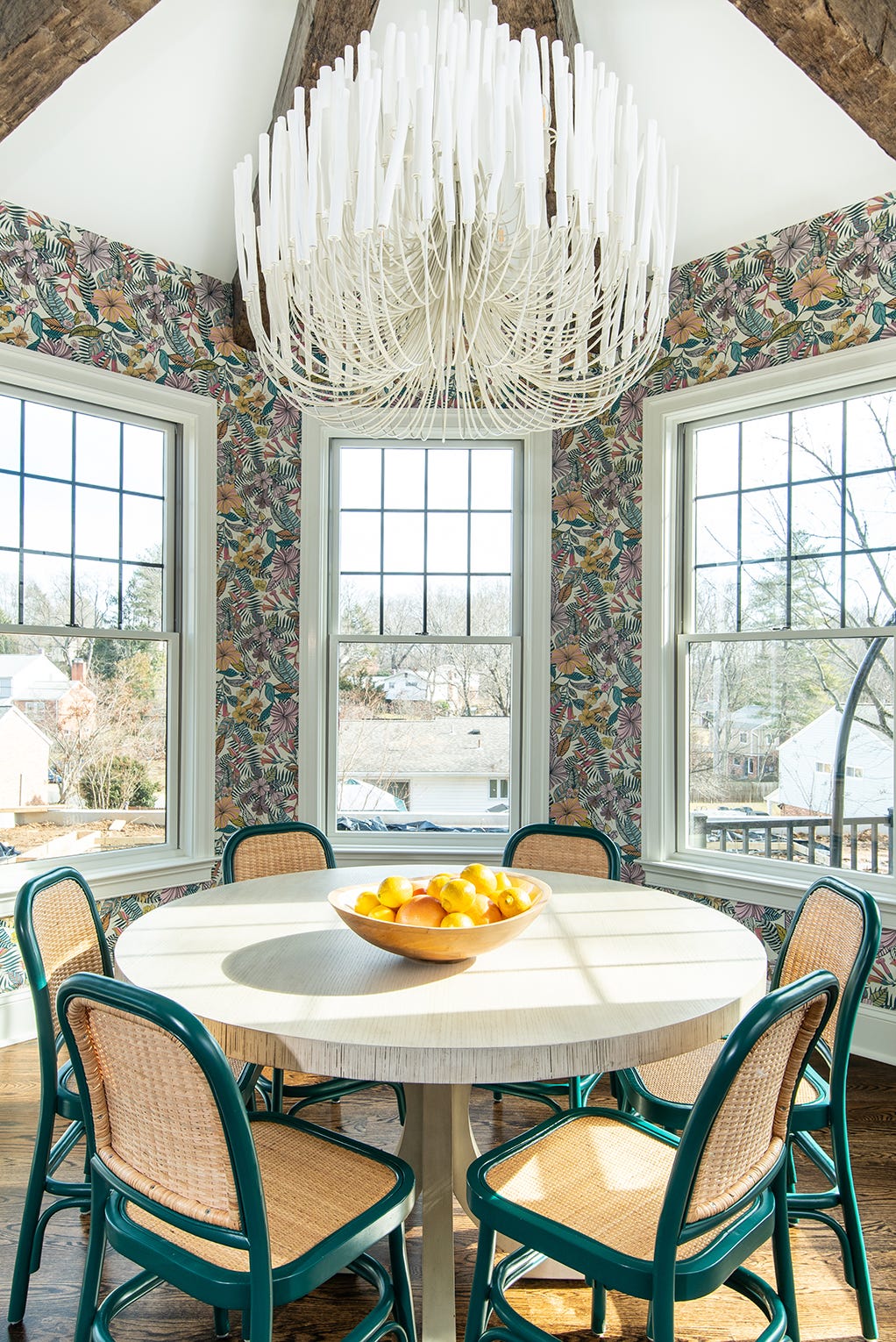
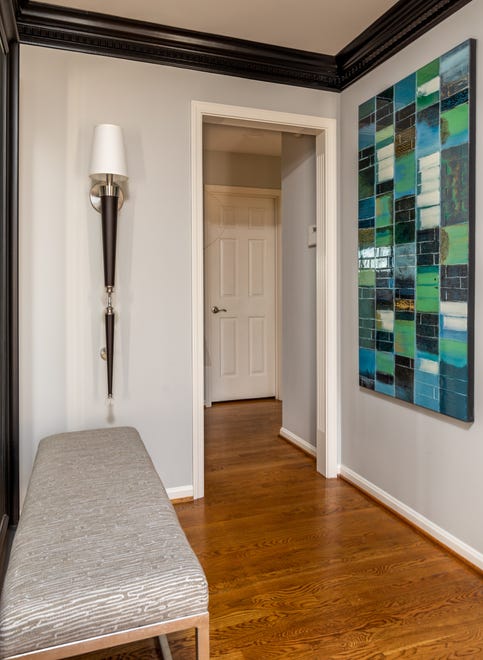
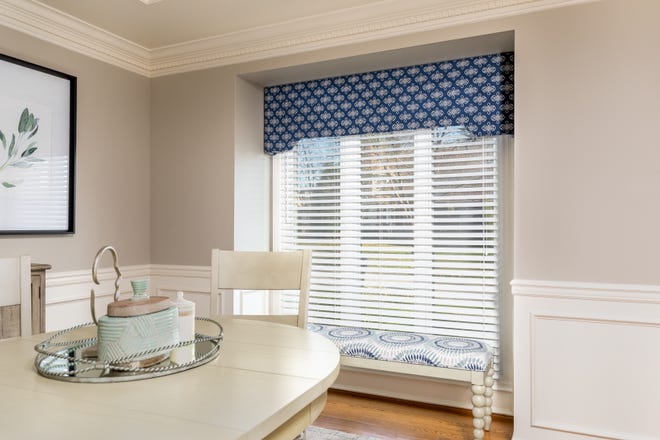
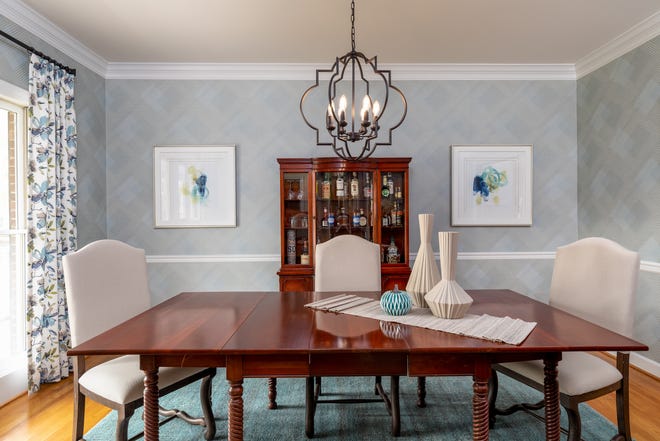
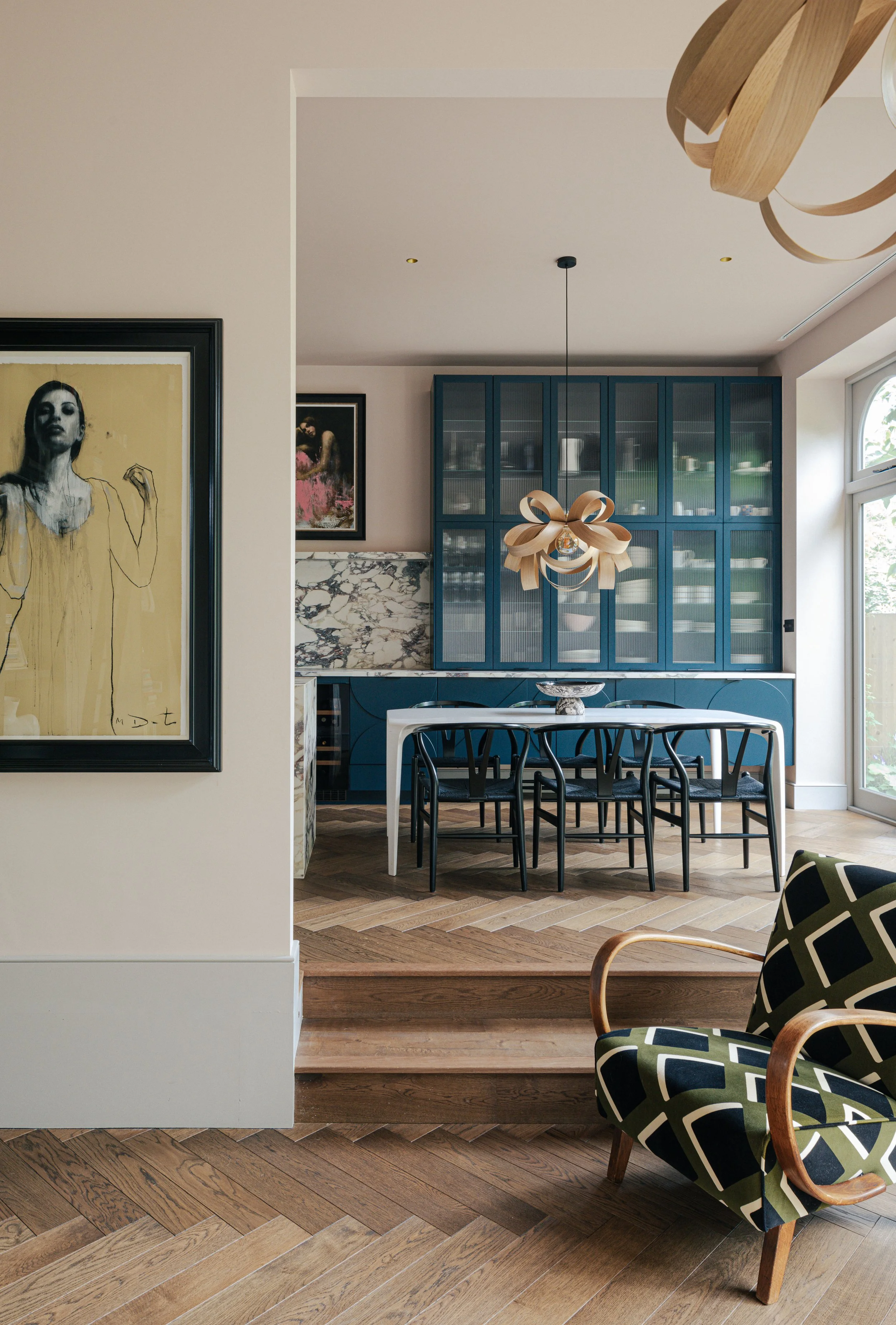
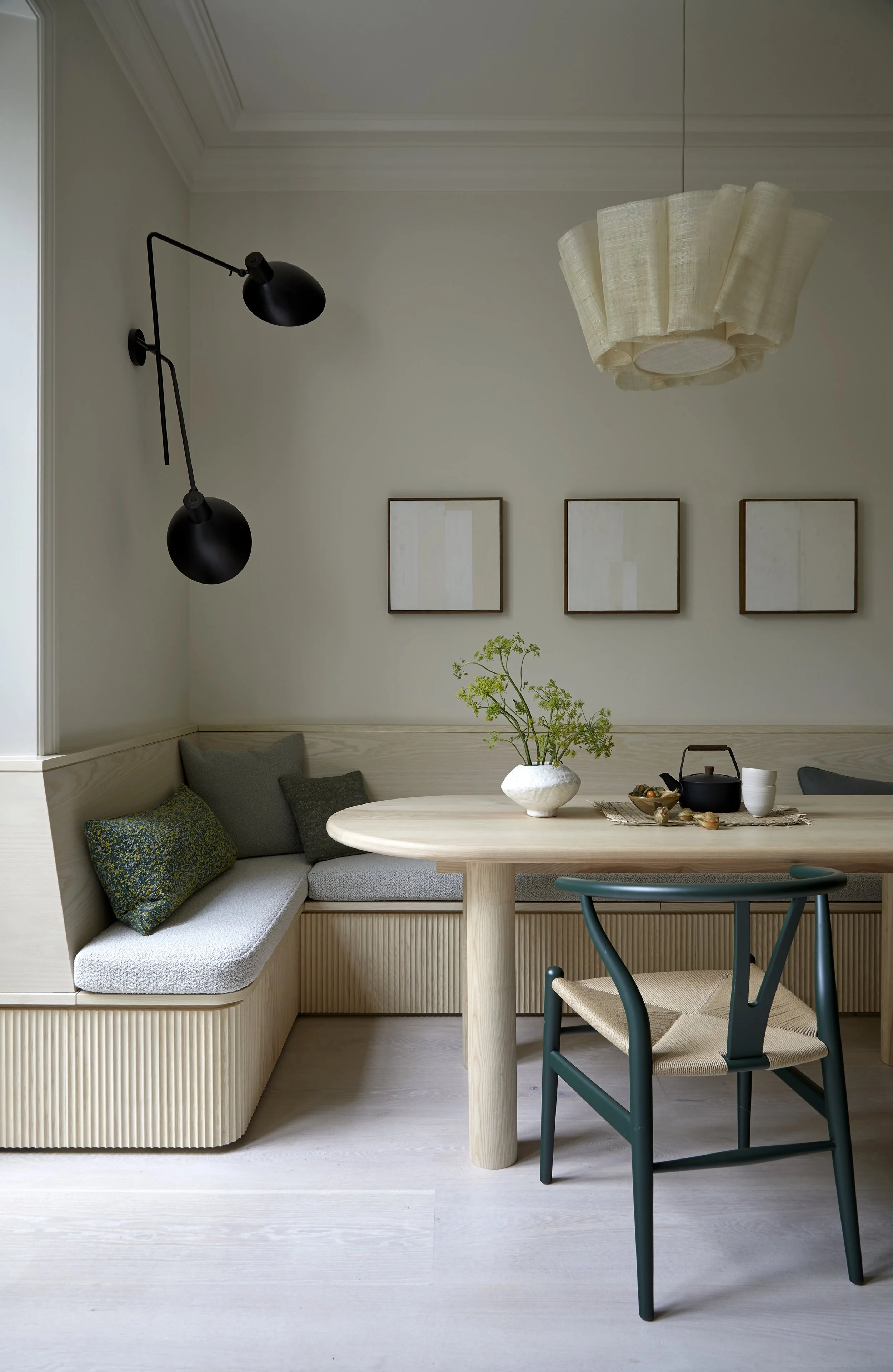
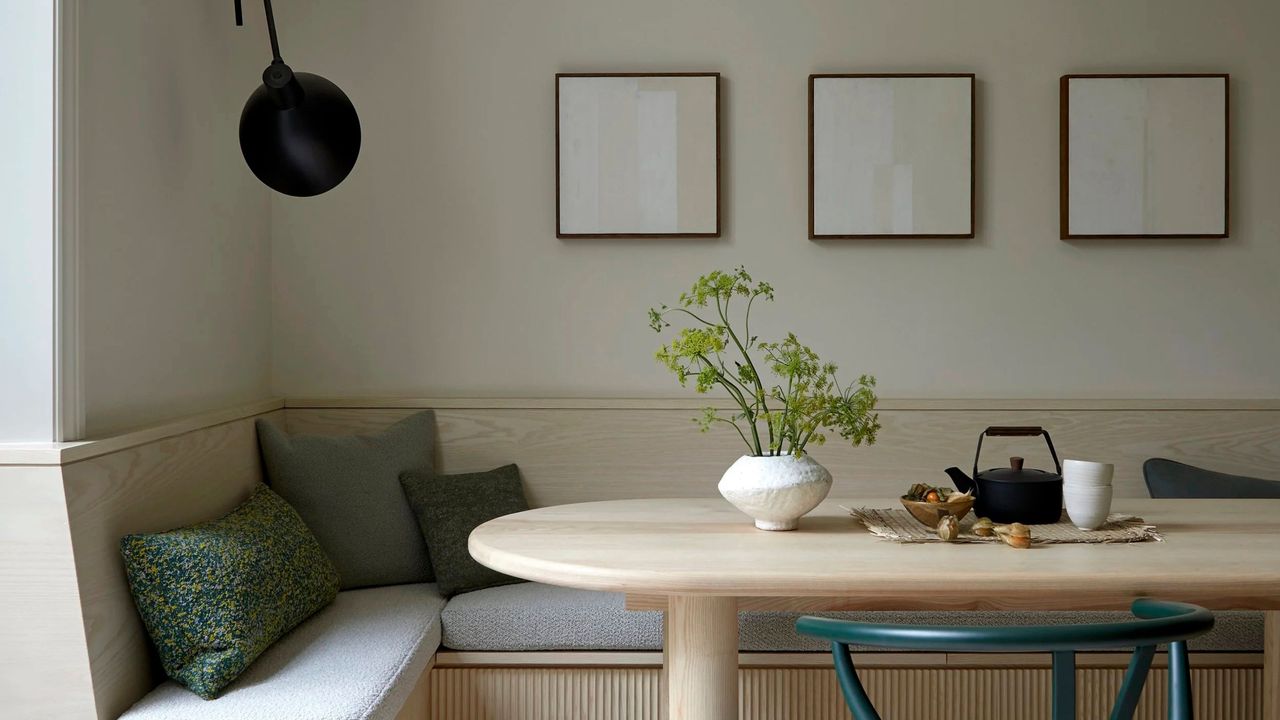
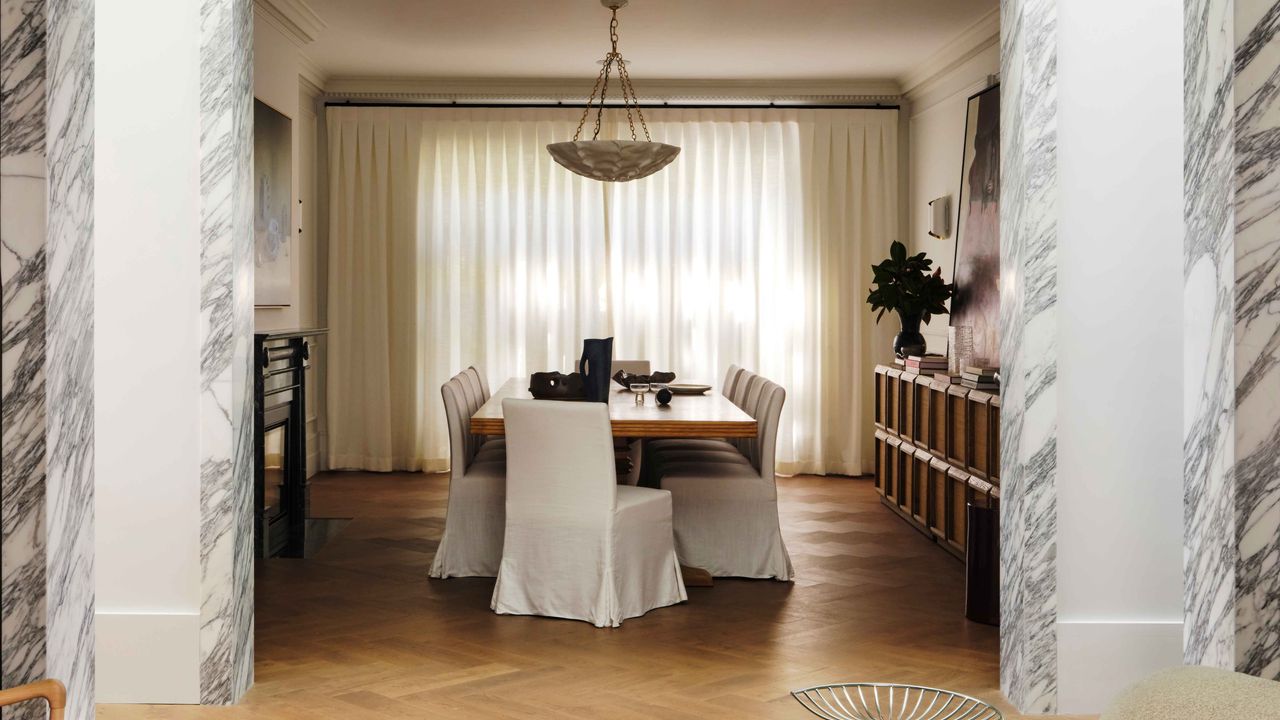
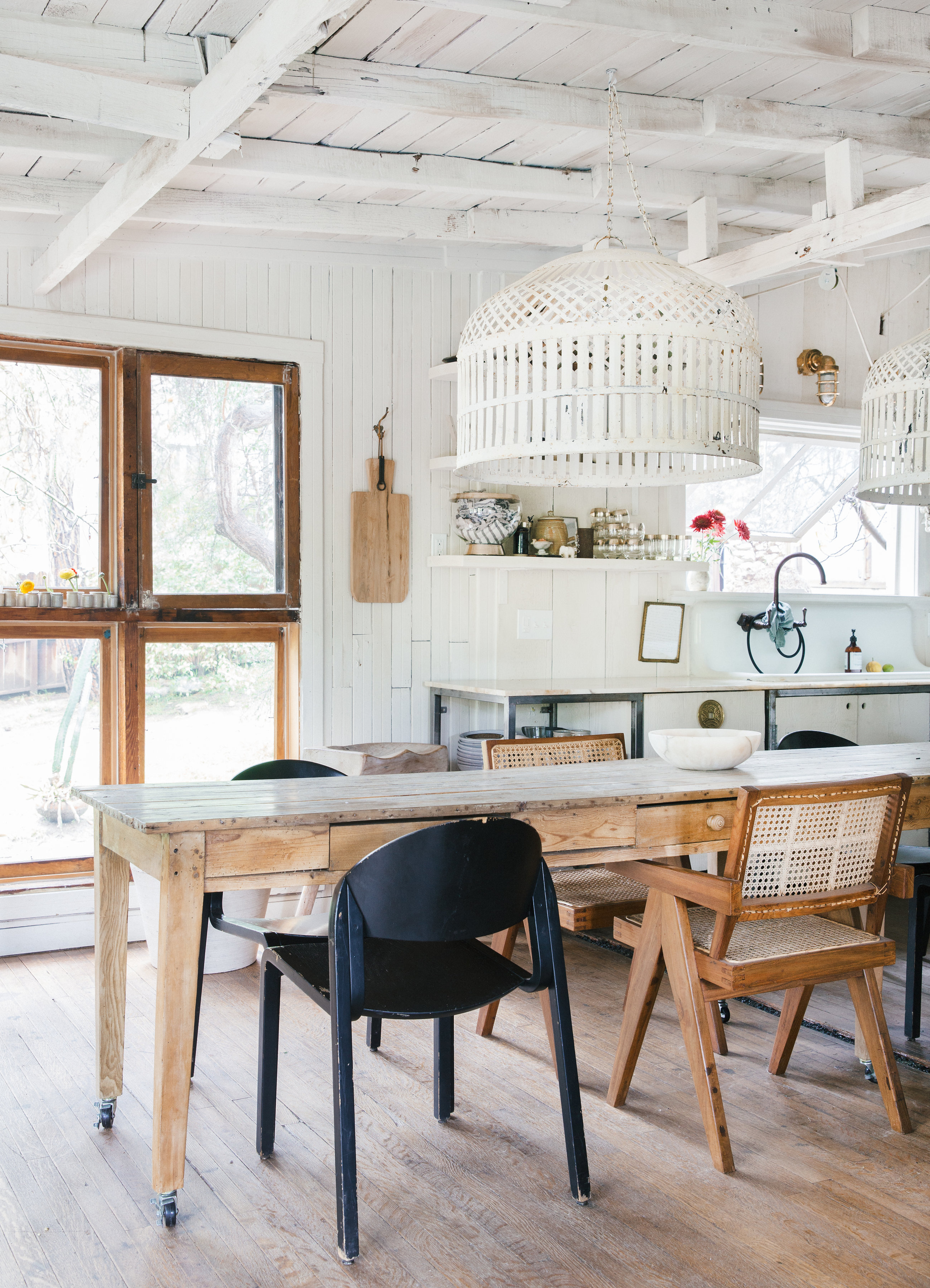
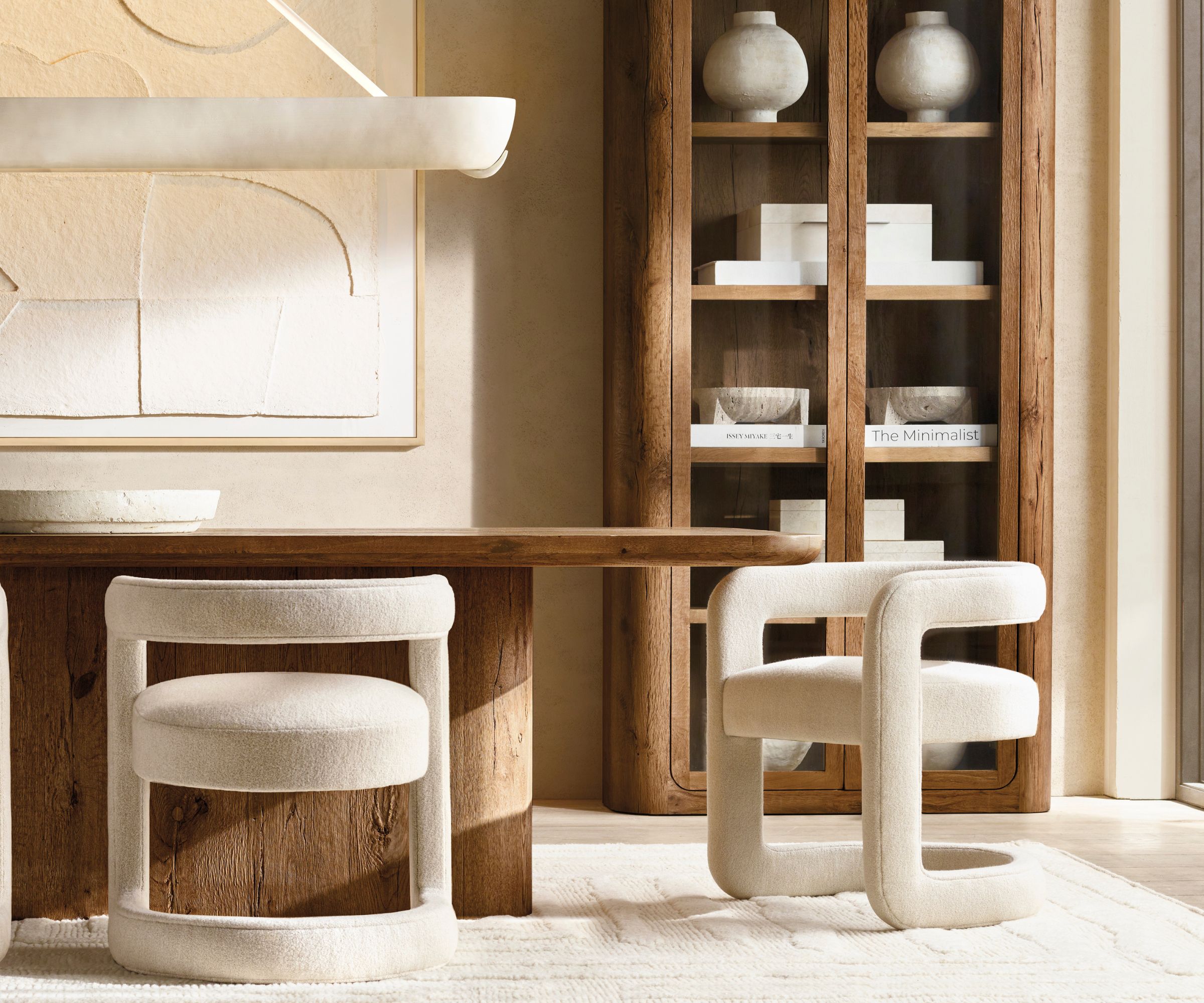
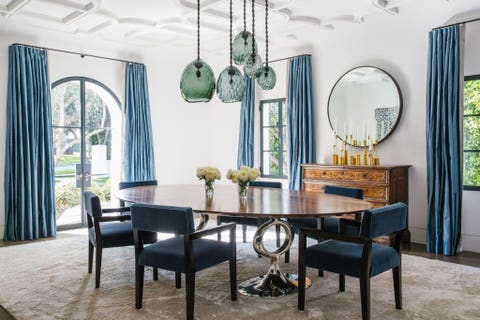
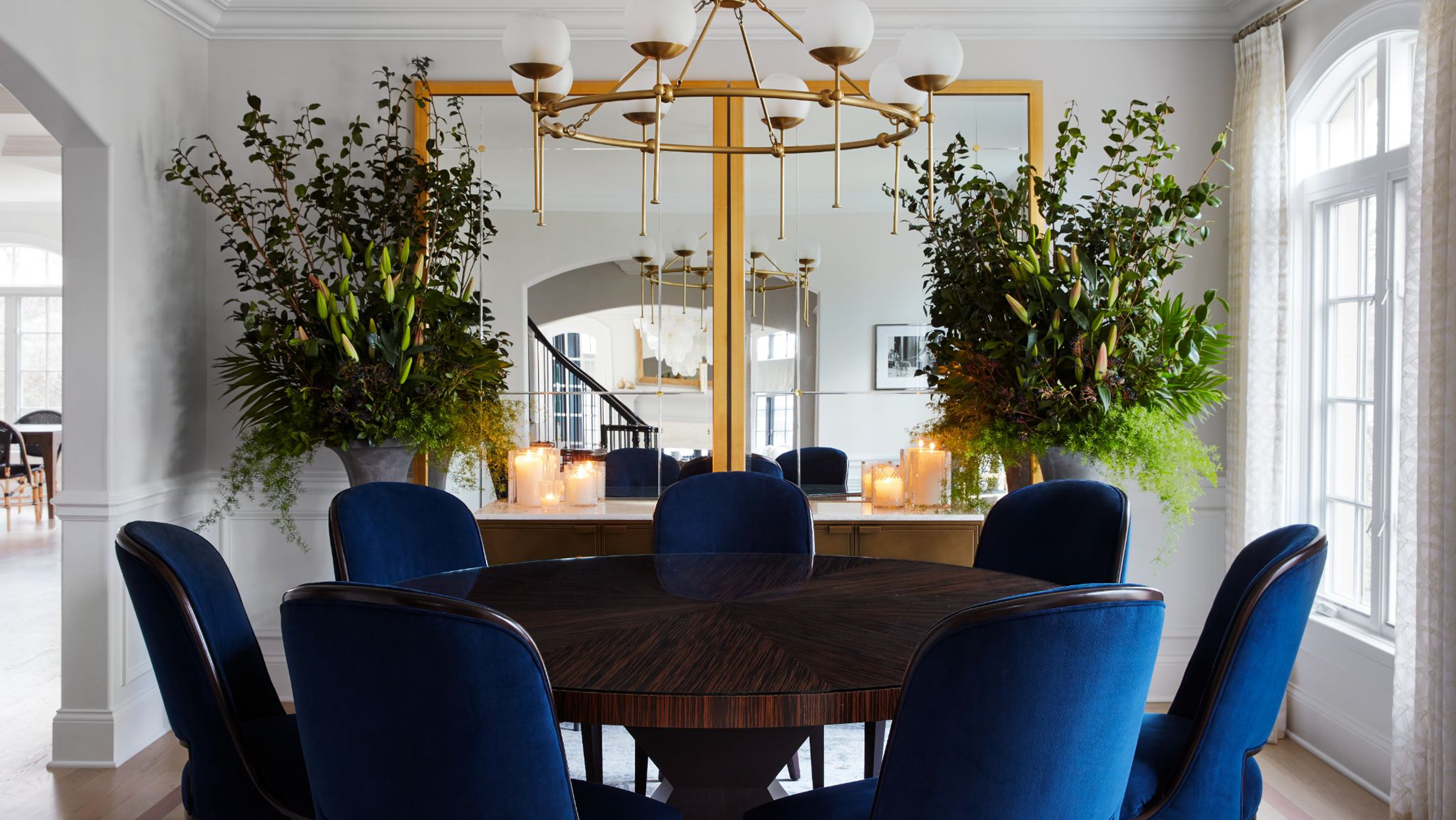
This article explores ten design strategies to create a sophisticated and memorable dining room, drawing inspiration from Restoration Hardware aesthetics and insights from leading interior designers. The primary focus is on transforming the dining space into an inviting area for entertaining, emphasizing both visual appeal and practical functionality. The initial design tip highlights the importance of strategic lighting. Designers stress the necessity of multiple light sources, including statement chandeliers, wall sconces, and even table lamps, to establish an enticing ambiance. A statement light fixture is identified as a crucial focal point that can inject personality and creativity into the room, with some designers suggesting it is more critical for flow than furniture.
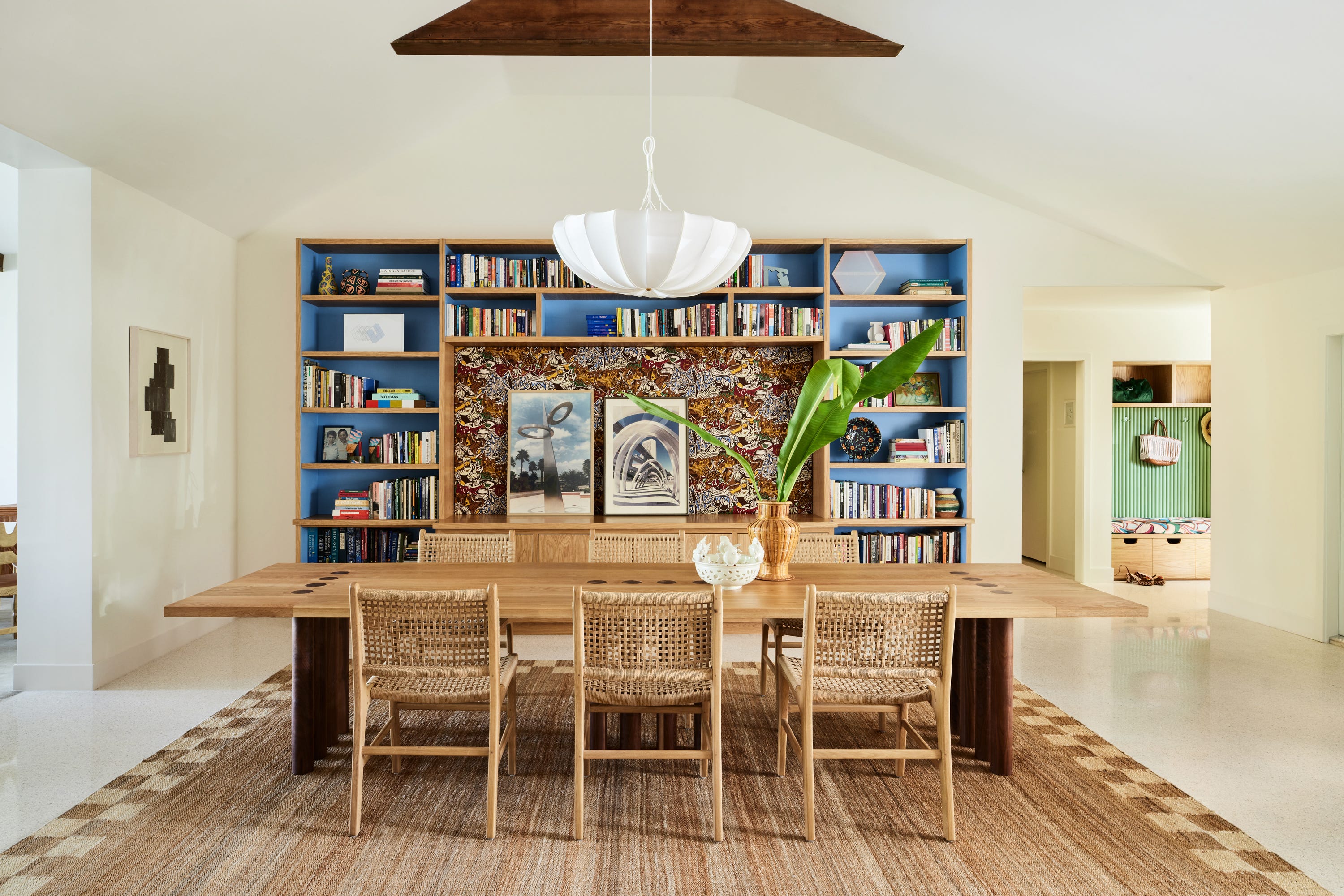
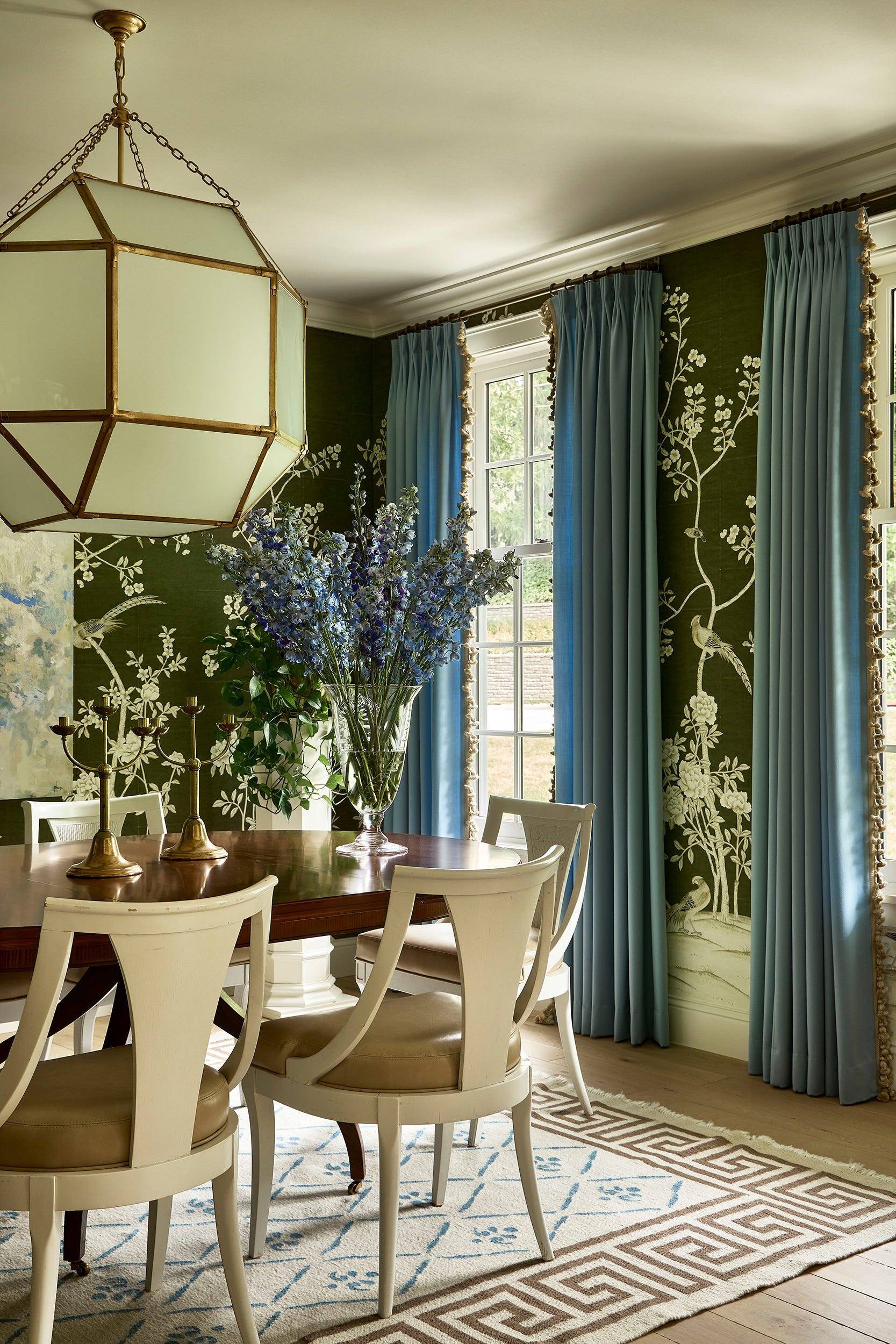
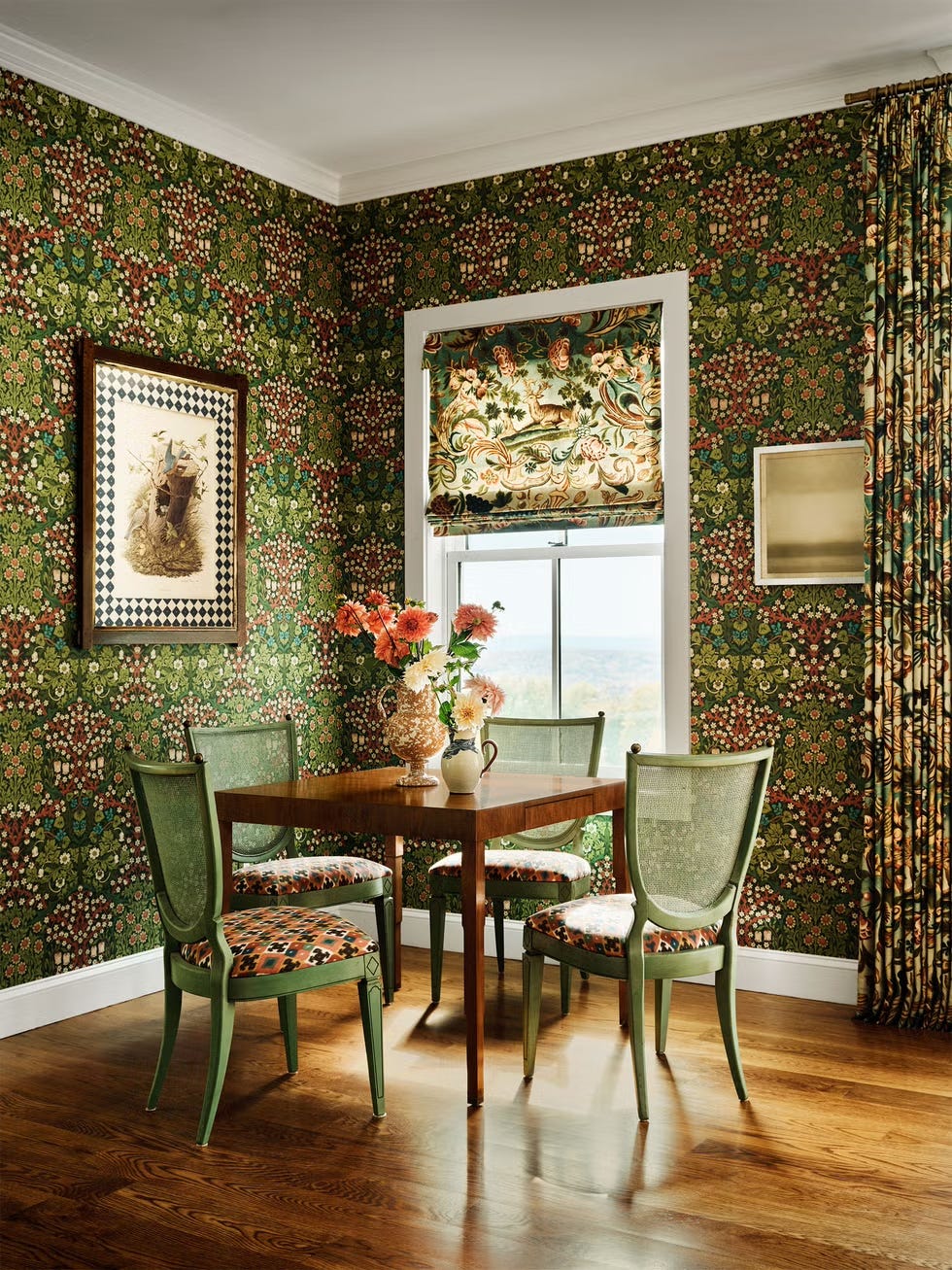
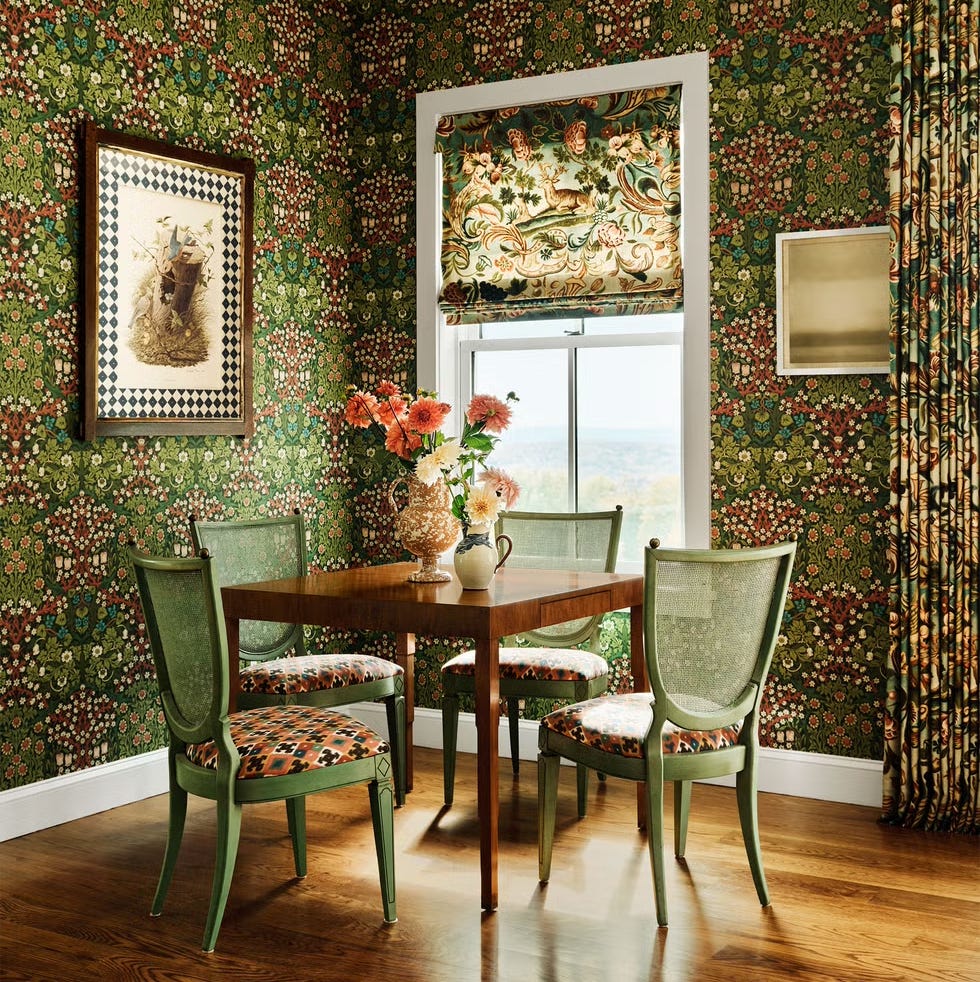
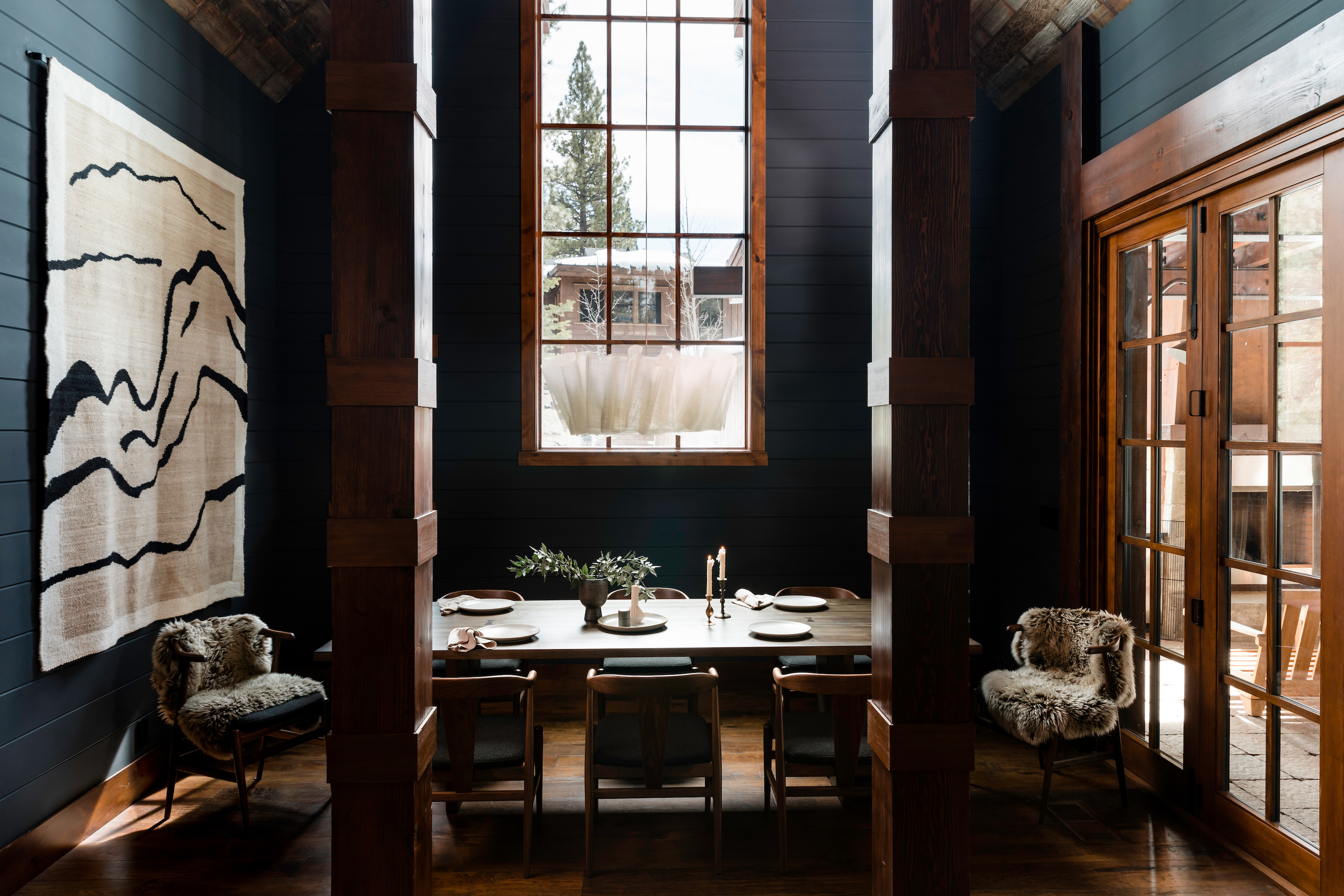
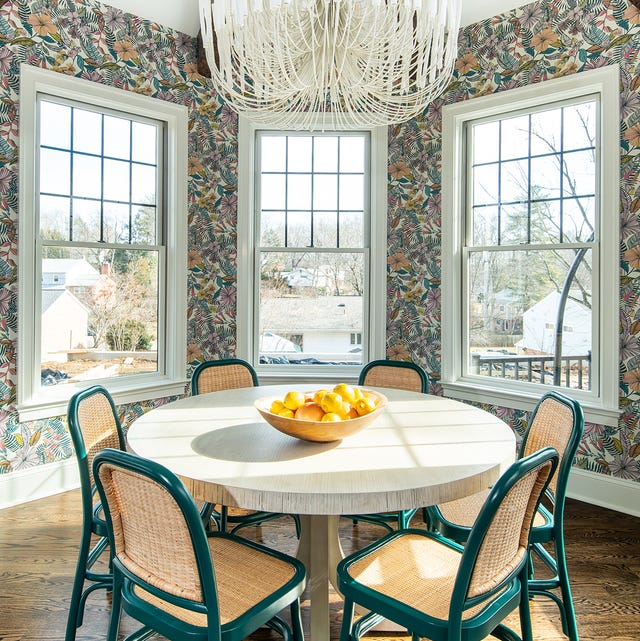
The article then moves on to discuss how to create a captivating visual environment, recommending the harmonious use of art and wallpaper. Designers advocate for bold wallpaper applications, potentially covering entire dining rooms, including ceilings, and layering artwork on top to create dynamic and textured spaces. Wallpaper is presented as a powerful tool for adding texture, pattern, and interest, sometimes serving as the art itself or as a dramatic backdrop. Practicality and flow are underscored as essential considerations in dining room design. The article advises selecting dining tables of appropriate shape and size to accommodate guests comfortably and ensuring sufficient space for movement. Incorporating functional yet stylish storage pieces, such as sideboards, is also suggested to define the dining area and provide showcase opportunities. The integration of bar carts is highlighted as a popular and functional addition for large gatherings.
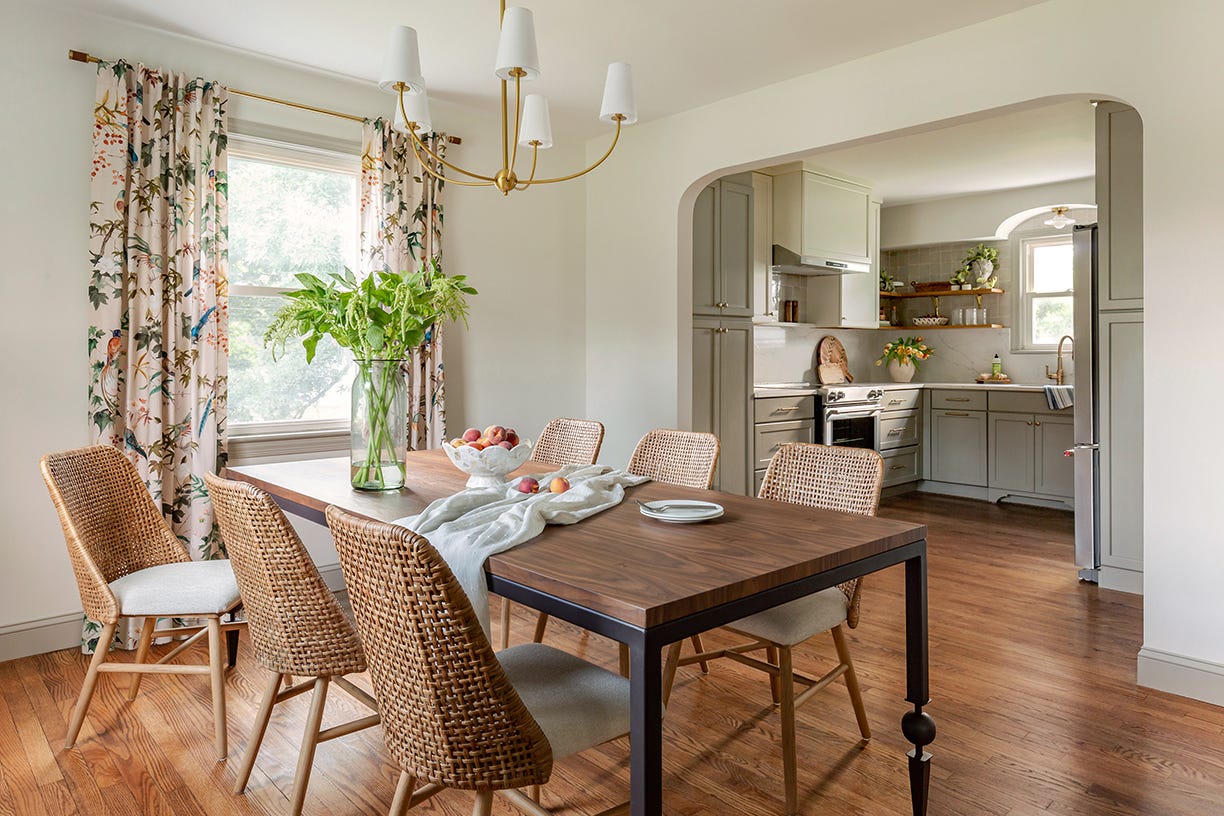
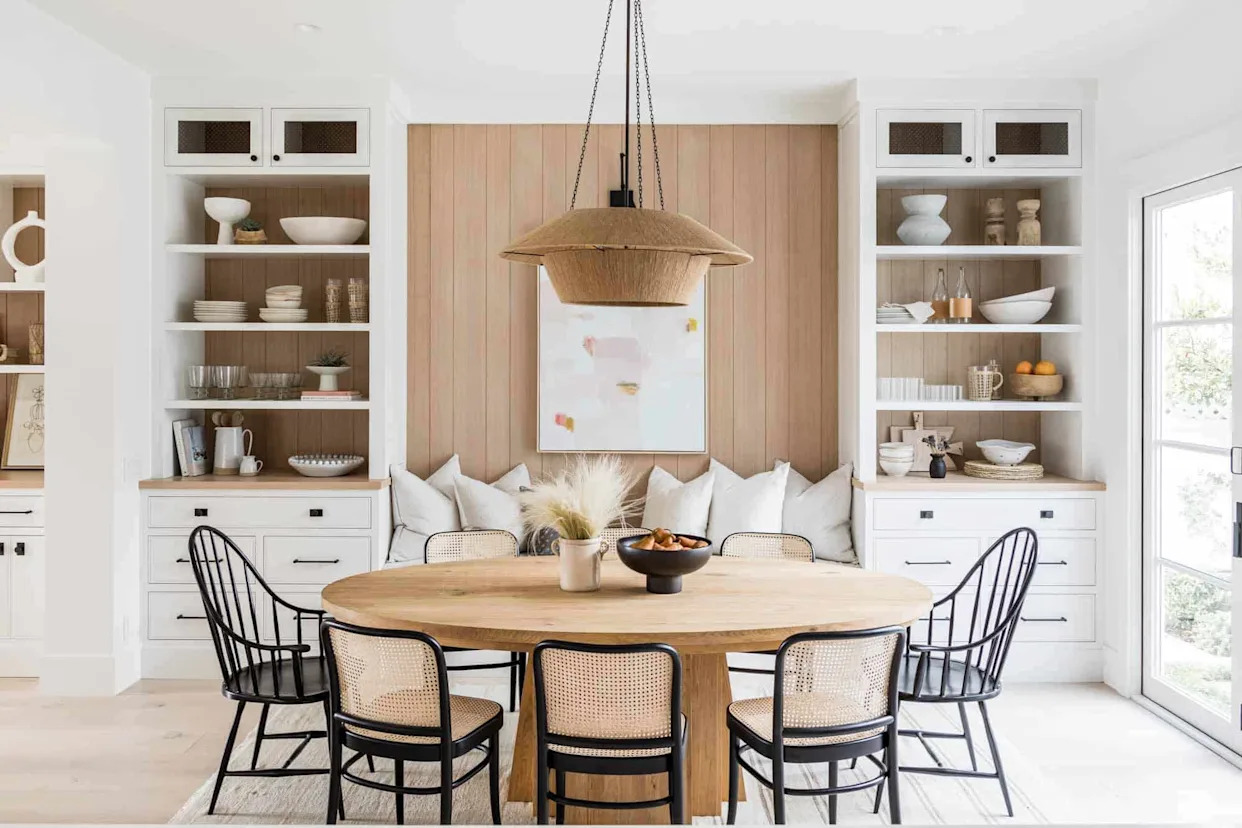
Precise measurements are emphasized for optimal comfort and flow within the dining room. It is recommended to allow ample space behind chairs for comfortable movement and between chairs to avoid crowding. Sideboards are considered indispensable for their practical storage benefits and their ability to define open-concept living and dining spaces through stylish functionality. The selection of the dining table is explored, with various shapes considered. Round tables are often favored for fostering conversation and eye contact, but the ultimate choice should align with the room's primary function, whether for daily family meals or occasional formal events. Proportionate furniture is crucial to maintain good flow, and occasional seating can offer more relaxed options before or after dining.
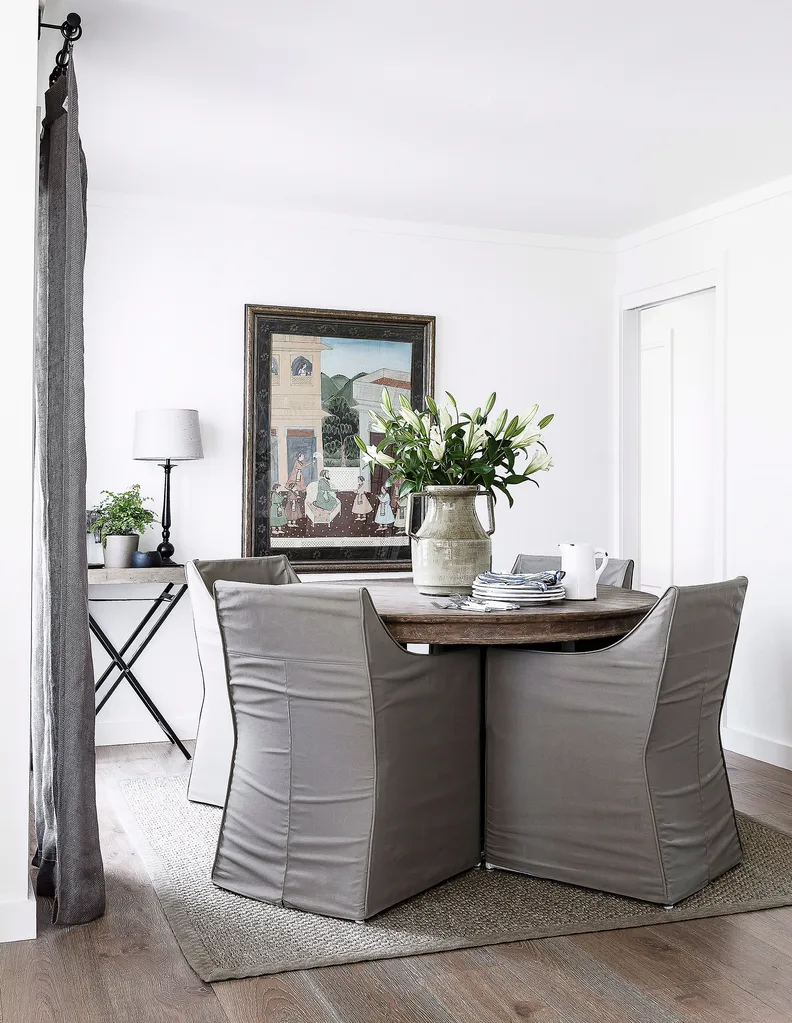
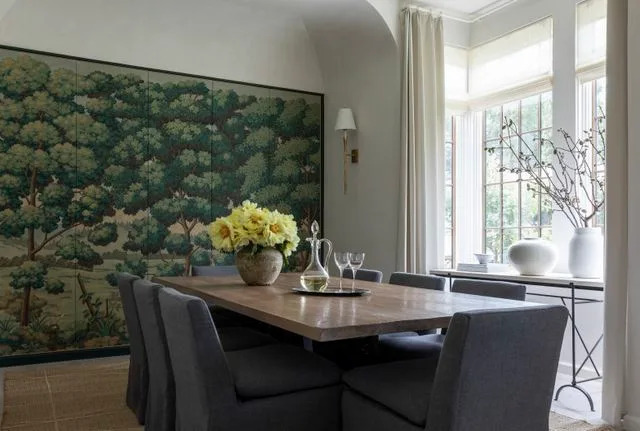
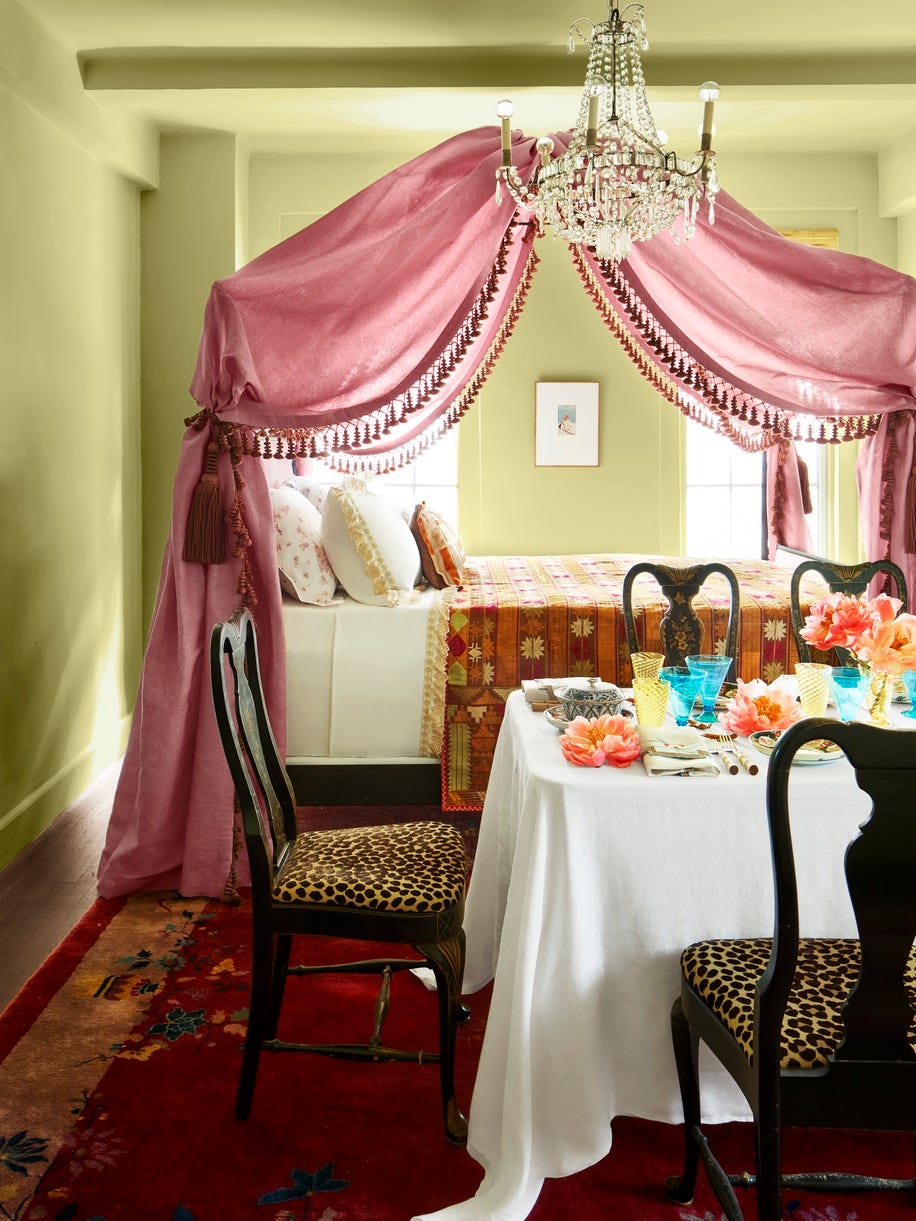
Comfortable dining chairs are presented as a paramount element, encouraging individuals to test chairs for adequate comfort and support. Upholstered or slipcovered chairs are noted for their customization potential through fabric selection. Attention to detail is crucial for enhancing the dining experience. Suggestions include using elegant serving ware, natural stone or brushed metal accents, beautiful dishes, flatware, and linen napkins with stone napkin rings for both formal and informal settings. Table linens and centerpieces are considered vital finishing touches, with advice on developing a deliberate palette for materials and colors and creating sculptural centerpieces or using decorative vases and candles.
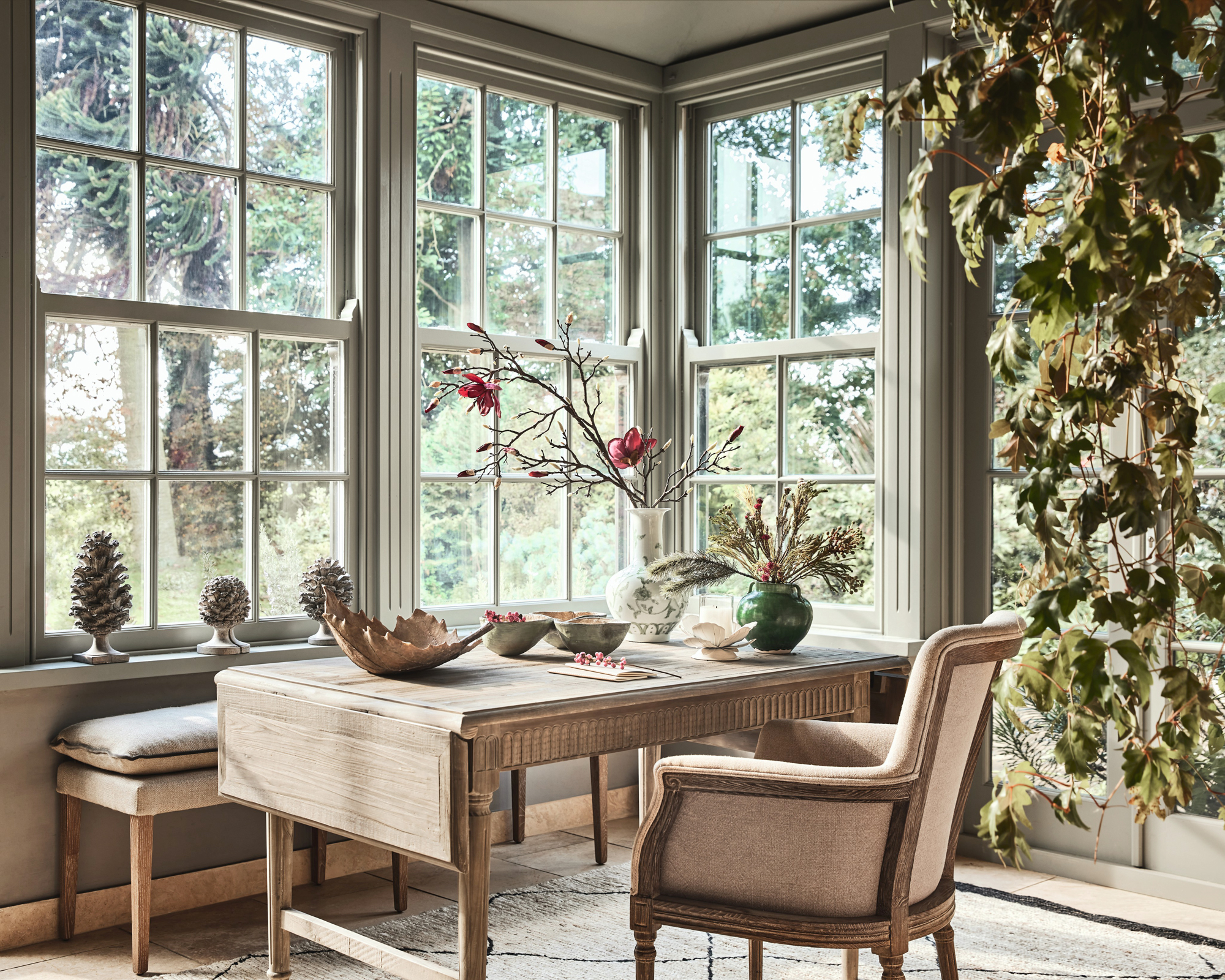
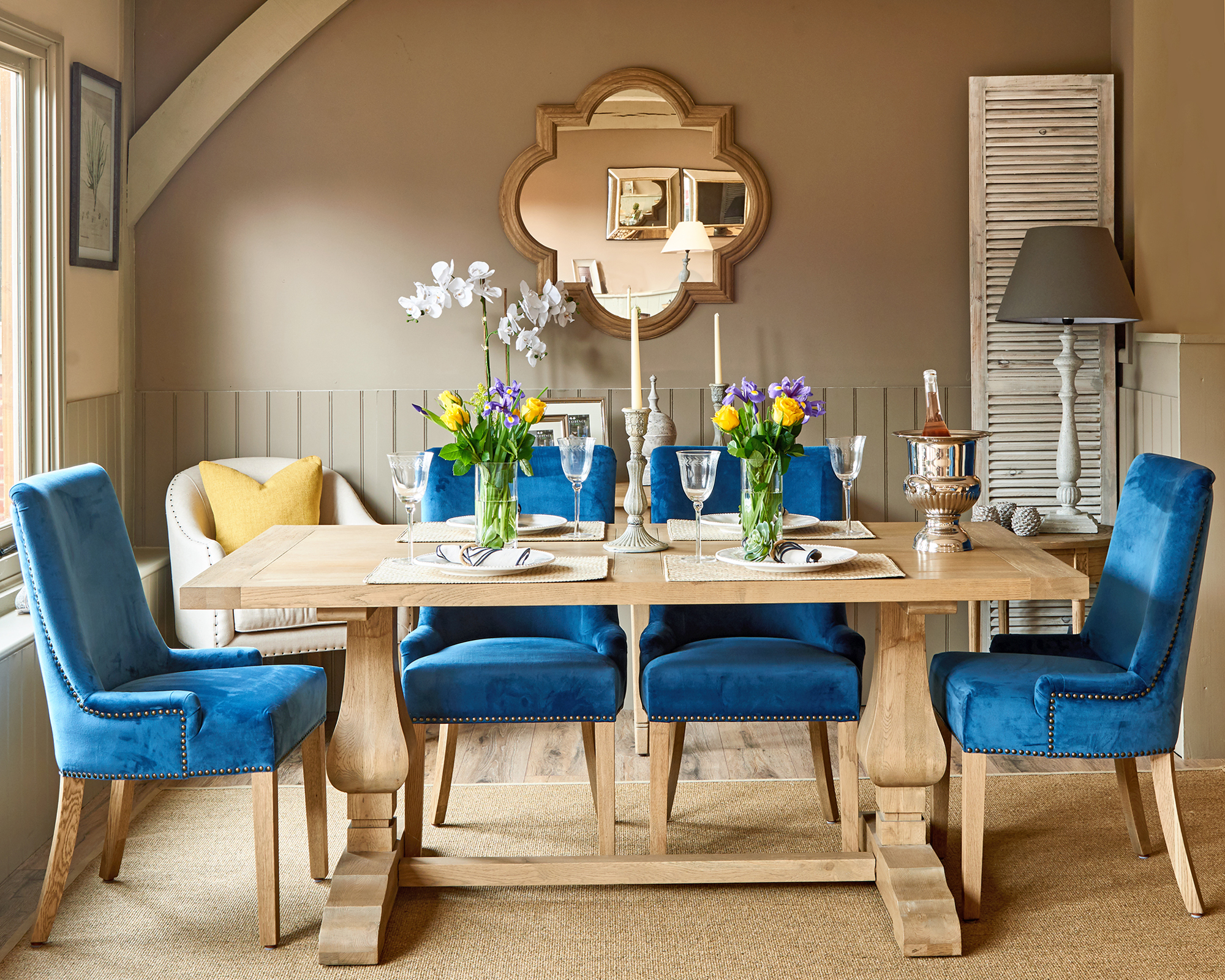
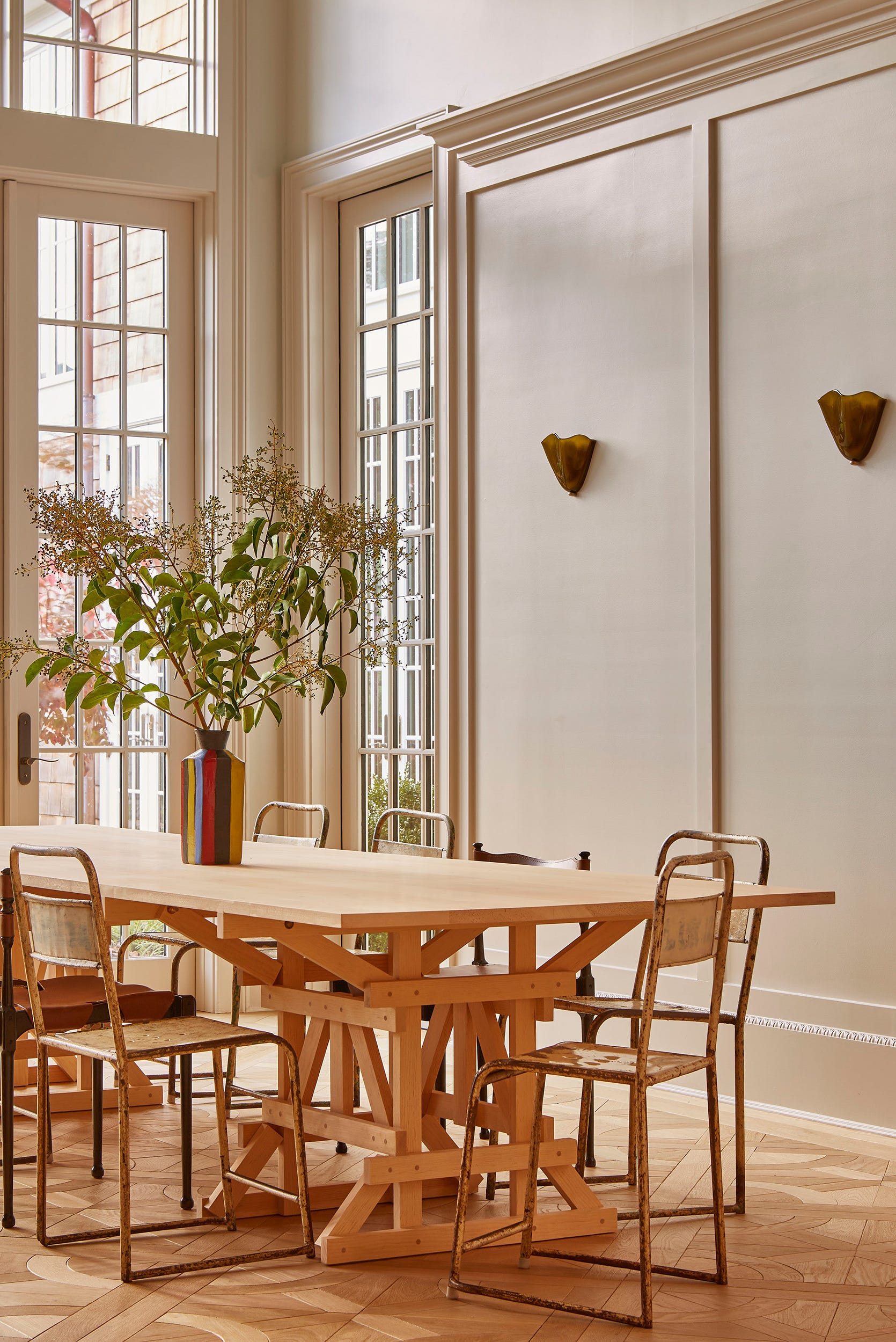
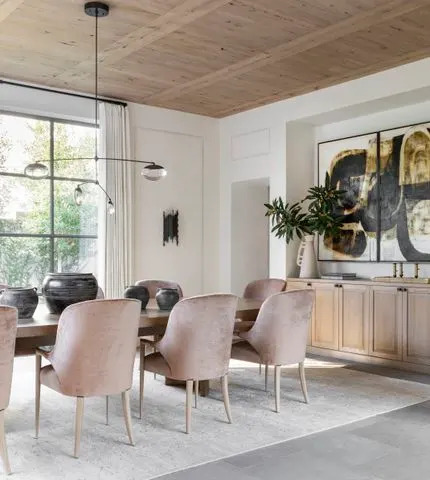
The article encourages taking design risks in the dining room, such as using complementary but different fabrics for chair seats and backs or introducing bold color schemes through upholstery. Mixing and matching styles and materials, such as combining metal-base tables with stone tops and upholstered chairs with wood legs, is advocated for achieving a customized and unique look. The concept of "going to the same party" through customization, like refinishing antique chairs to match a table, ensures cohesion amidst variety. Finally, integrating natural elements like plant life, blooms, and herbs is recommended for their aesthetic appeal and their positive impact on well-being, cleaner air, and a meditative atmosphere, enhancing the dining experience for guests. The importance of material mixing, such as incorporating wood, glass, and metal, is highlighted to create visually curated and thoughtful spaces, ensuring that each piece appears intentionally collected.
#RestorationHardware #DiningRoomDesign #InteriorDesign #HomeDecor #LightingDesign #WallpaperArt #FurnitureSelection #SpacePlanning #MaterialMixing #EntertainingSpaces #RestorationHardware #DiningRoomDesign #InteriorDesign #HomeDecor #LightingDesign #WallpaperArt #FurnitureSelection #SpacePlanning #MaterialMixing #EntertainingSpaces
0 comment in total
 No comments yet
You may also like
These Designer-Approved Dining Room Ideas Will Elevate ANY Entertaining Space

Dining room layout ideas – 6 ways to configure this hardworking space
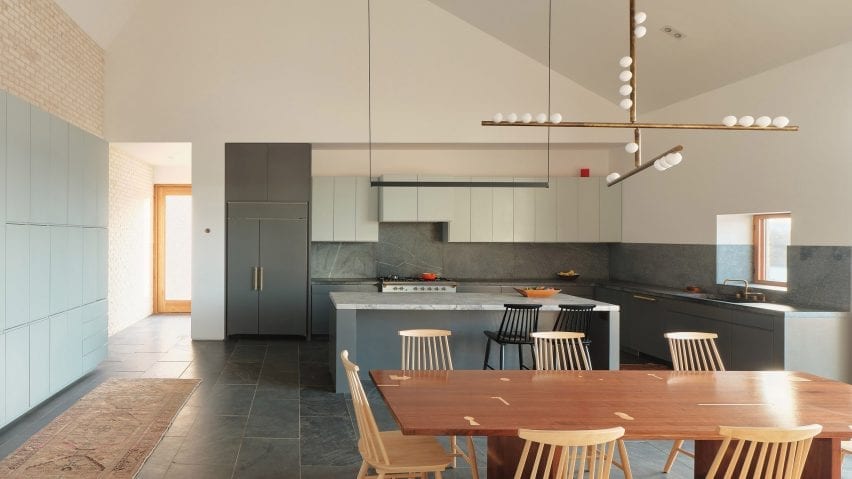
Ten beautiful and practical combined kitchen and dining rooms
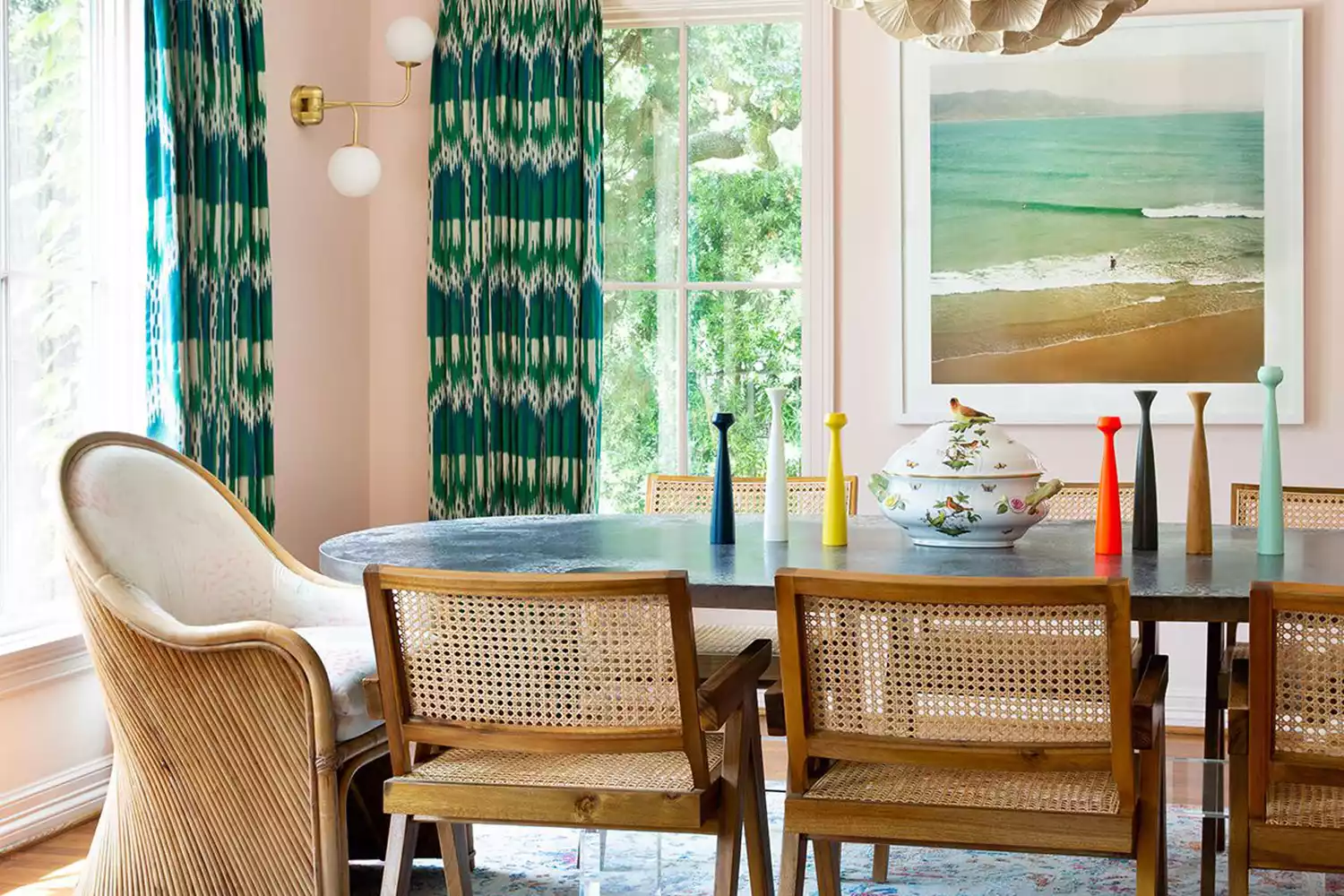
18 Beautiful Dining Room Décor Ideas That Will Inspire You to Entertain More Often

7 designer dining rooms to inspire

60 Dining Room Ideas That Will Make You Swear Off TV Dinners

24 Dining Room Decor Ideas That Help You Create a Space You Actually Want to Eat In
SEE IT: 1 room, 3 ways: three dining rooms we love in Louisville
We Know You Miss Dinner Parties. Here’s Some Inspiration to Tide You Over
6 Designer Tips for Showcasing the Dining Room
20 Dining Room Ideas for Small Spaces
10 Easy-to-Make Dining Room Mistakes That Are Killing the Vibe — And How to Fix Them Before Your Next Dinner Party

Dining Room: Tips and Decorative Inspirations

How to Style Your Dining Room to Make It Holiday Dinner-Ready, According to Designers
10 Unique Dining Table Ideas

Modern farmhouse dining rooms - 10 ways designers create relaxed and welcoming spaces
40 dining room ideas: trends, styles, and advice to inspire an appetite for change

12 Layout Tricks Designers Use to Make Dining Rooms Feel Bigger and Brighter

These Gorgeous Dining Rooms Are Guaranteed to Strike up Conversation

12 Layout Tricks Designers Use to Make Dining Rooms Feel Bigger and Brighter