1/2
Miley Cyrus found the critical balance of color and pattern
Miley Cyrus's Los Angeles residence, a collaboration between her mother Tish Cyrus and designer Mat Sanders, exemplifies a balanced approach to interior design, merging playful maximalism with sophistication. The dining room, in particular, showcases an expert application of layering techniques to achieve a calming yet characterful aesthetic. The design strategy centers on establishing a subtle foundation before introducing bolder patterns and colors.
Cyrus's dining room employs a light blue-gray base, which serves as a neutral canvas that prevents the space from feeling overwhelming despite the incorporation of diverse patterns. This base allows more vibrant elements, such as the rich blue pattern on the dining chairs, to stand out without competing. The open-plan layout of the dining area extends into the entryway, where colorful art books, a prominent houseplant, and a David Bowie print contribute to the overall visual narrative. This thoughtful arrangement demonstrates how to integrate various elements—patterns, prints, and colors—without sacrificing tranquility, effectively challenging the notion that maximalism must be chaotic.
Interior designers often highlight the complexity of layering patterns effectively. Charlotte Thomas, an interior designer specializing in elegantly relaxed home interiors, underscores the importance of a simple, plain wall as the optimal foundation for a layered scheme. She notes that while walls might feature textures like grass cloth or paper-backed linen, they should remain a single color and devoid of patterns. This approach aligns with Cyrus's choice of a gray-blue base, which provides a serene backdrop for the more intricate patterns on the furniture.
Thomas further advises focusing the layered scheme on a single large-scale pattern, such as a floral, geometric, or painterly abstract design, from which the overall color palette is derived. The mood of the room is significantly influenced by the chosen color palette, with Thomas often opting for muted, earthy, and natural tones like greens, blues, browns, dusky pinks, ochre yellows, and creams, especially in period country properties. The key is to manage the quantity of each pattern and color, ensuring that the room does not become visually overwhelming. Ideally, one focal piece with a stand-out pattern or color should be chosen, with other fabric selections serving to balance the scheme and foster a relaxed atmosphere.
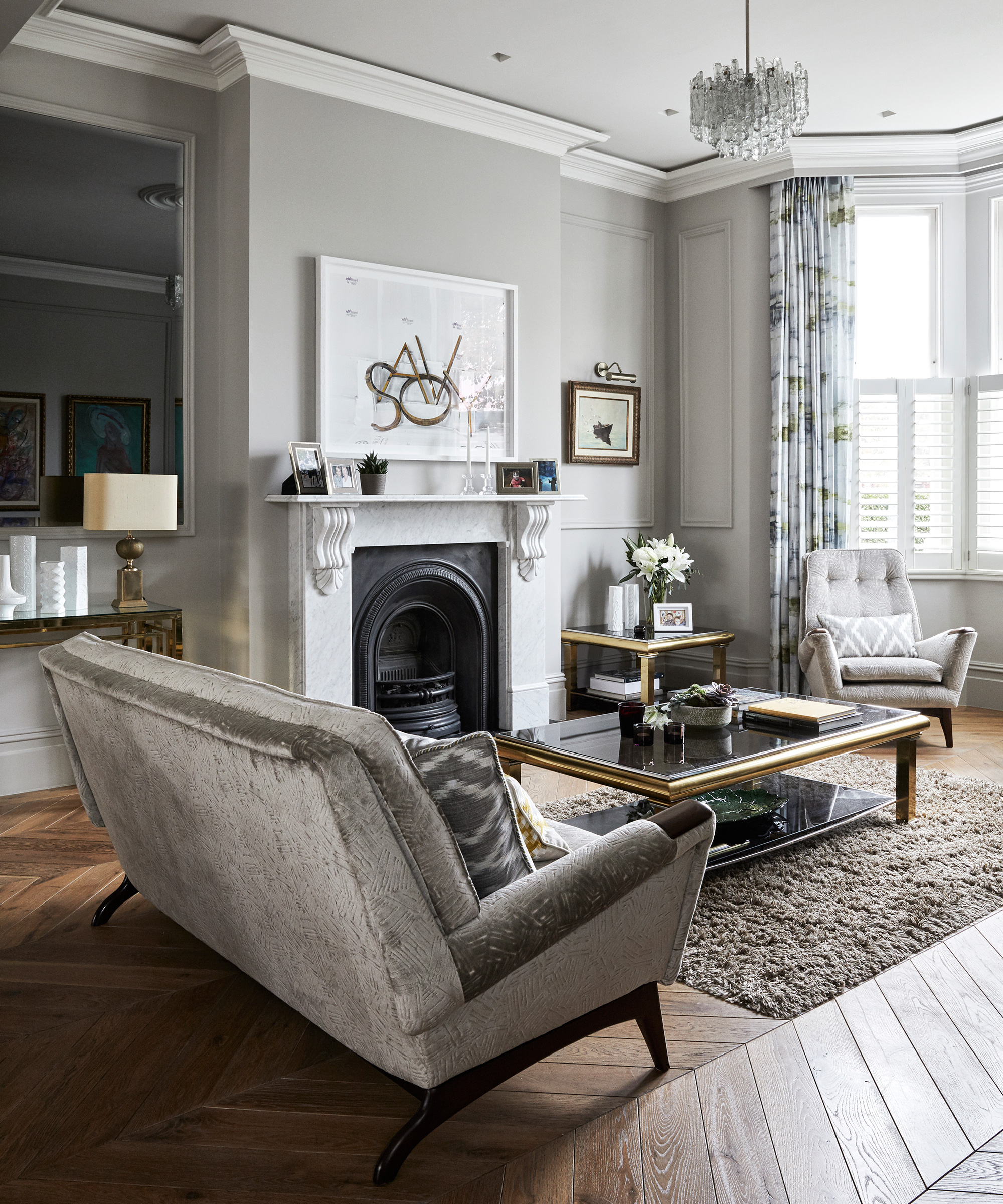
Beyond patterns and colors, incorporating varied textures is crucial for a compelling layered design. In a dining room, this can involve chair covers, table linens, and cushions. In broader living spaces, the possibilities expand to include luxurious materials like cashmere, mohair, alpaca, and velvet, which offer softness and warmth. Contrasting these with rougher textures such as organic linen, grasscloth wallpaper, or rustic wood, as well as cool elements like glass, ceramic, or metal, creates a multi-sensory experience that appeals to both sight and touch. Cyrus's dining room, with its careful curation of these elements, serves as a practical example of these design principles, achieving a sophisticated yet playful environment.
#MileyCyrus #DiningRoomDesign #PatternLayering #InteriorDesign #MaximalistDesign #CelebrityHomes #HomeDecor #ColorPalette #TexturalMixing #MileyCyrus #DiningRoomDesign #PatternLayering #InteriorDesign #MaximalistDesign #CelebrityHomes #HomeDecor #ColorPalette #TexturalMixing
0 comment in total
 No comments yet
You may also like

I didn’t think a black bedroom could feel peaceful – until I saw Miley Cyrus’s surprising space (the secret is in her strategic artwork placement)

Deeper, moody colours and precious jewel tones are in style this year
Color Therapy: Our Favorite Modern Finds Inspired by Yves Klein Blue

Butter yellow is the perfect 'new neutral' that celebrities are decorating with

Miley Cyrus's ultra-chic coffee table styling is the only arrangement you need to follow – it's so personal but replicable (from $30)

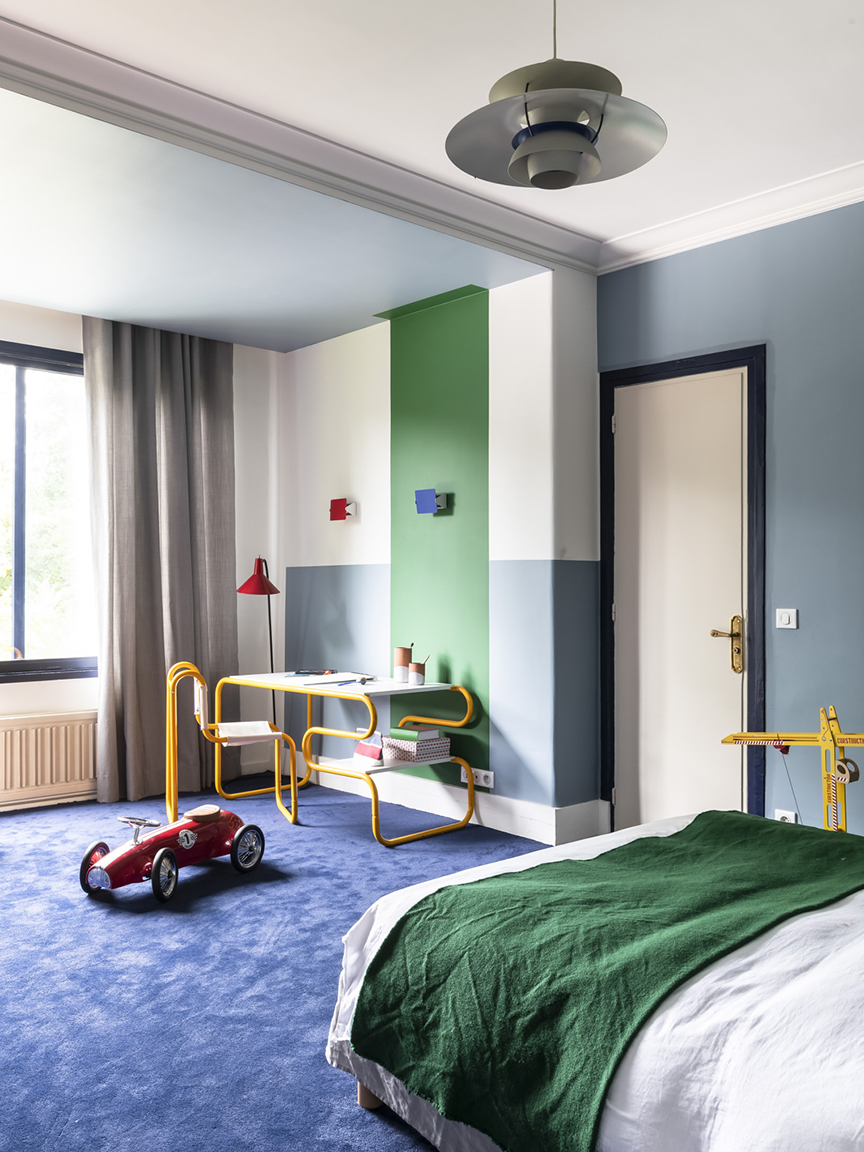
Forget Squiggles—This Parisian Mom Gives Color-Blocking a Sophisticated Spin
Meredith Heron’s vibrant mix of flame-stitched fabrics, ombre rugs and pearlescent paper

Fashion-forward woman injects runway style into new décor


Symmetry Meets Style
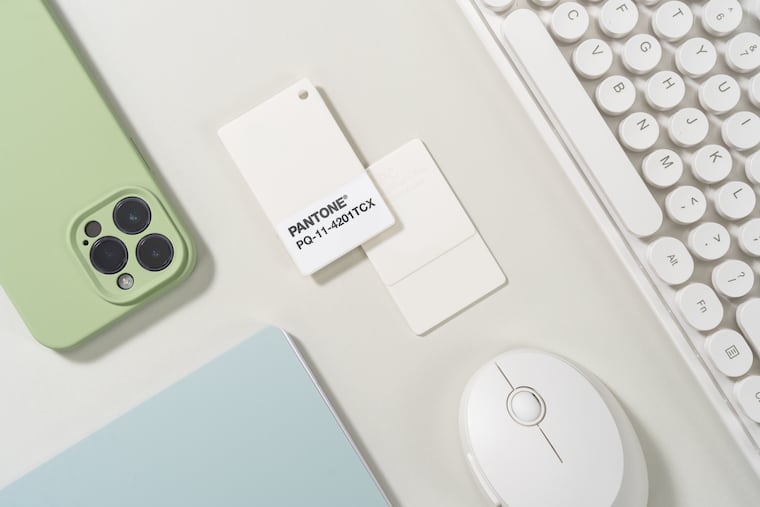
White is the 2026 Pantone Color of the Year. They say the choice isn’t political.
She’s Into Cozy, He’s More Modern—Here’s How Their Designer Found a Colorful Middle Ground

Designer Kelly Wearstler Talks Her New California-Inspired Paint Collection


Miley Cyrus' elevated black and white bookshelf styling presents a pared-back twist on the 'bookshelf wealth' trend – it's bold and elegant
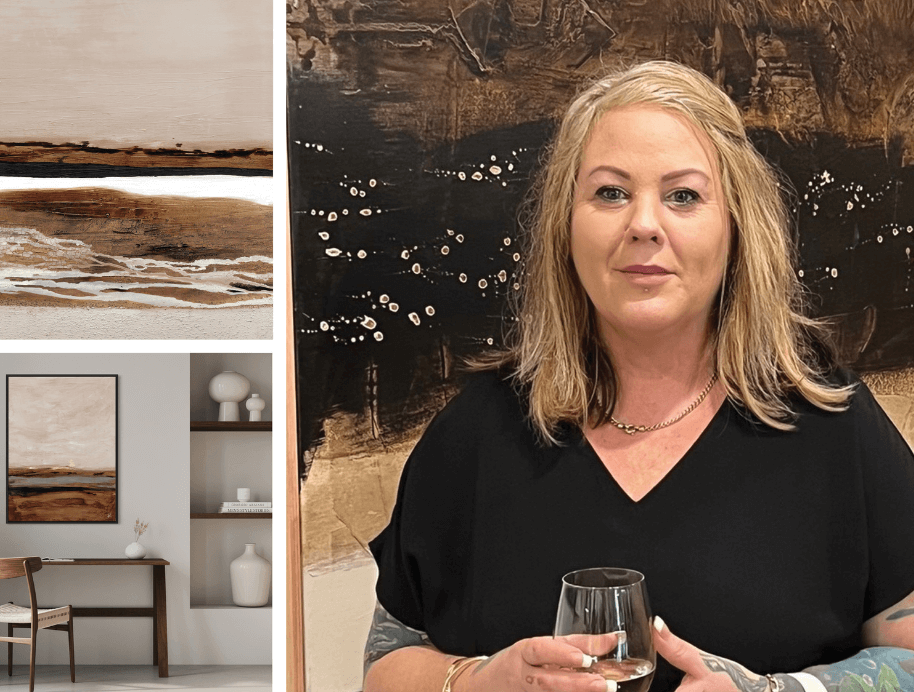
Artist Spotlight | Kylie Daniel

Kylie Jenner's tonal gray family room is a lesson in layering
Pamela Anderson’s Monochromatic Look Proved That Navy Blue Isn’t Just A Work-Ready Color

Symmetry Meets Style
8 Kitchen Trends Designers Predict Will Be Everywhere in 2025


Hailey Bieber's Madonna-Coded Teal and Black Color Combination Will Start an '80s Style Revival


Colour analysis in jewellery: how to choose gems to best suit your look