1/5
How to Design a Backyard That Feels 10 Degrees Cooler
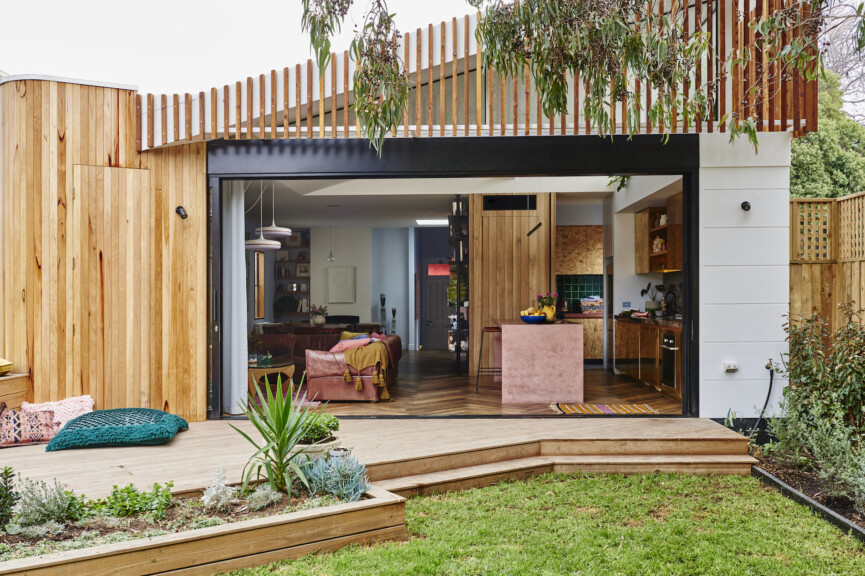
As summer temperatures rise across the Western United States, homeowners can strategically design their backyards to significantly reduce heat, creating a more comfortable outdoor environment without relying on artificial cooling systems. Shannon Porteous, owner and principal designer of Sow Home, a landscape design studio specializing in low-maintenance, Mediterranean-inspired spaces with California native plants, offers seven climate-wise strategies to achieve this. Her design philosophy emphasizes creating sustainable and inviting gardens that are both aesthetically pleasing and functional year-round.
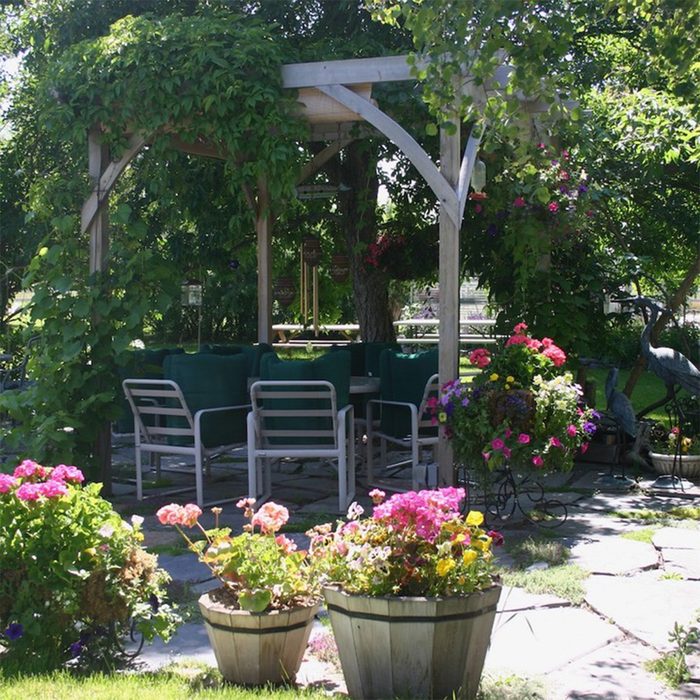
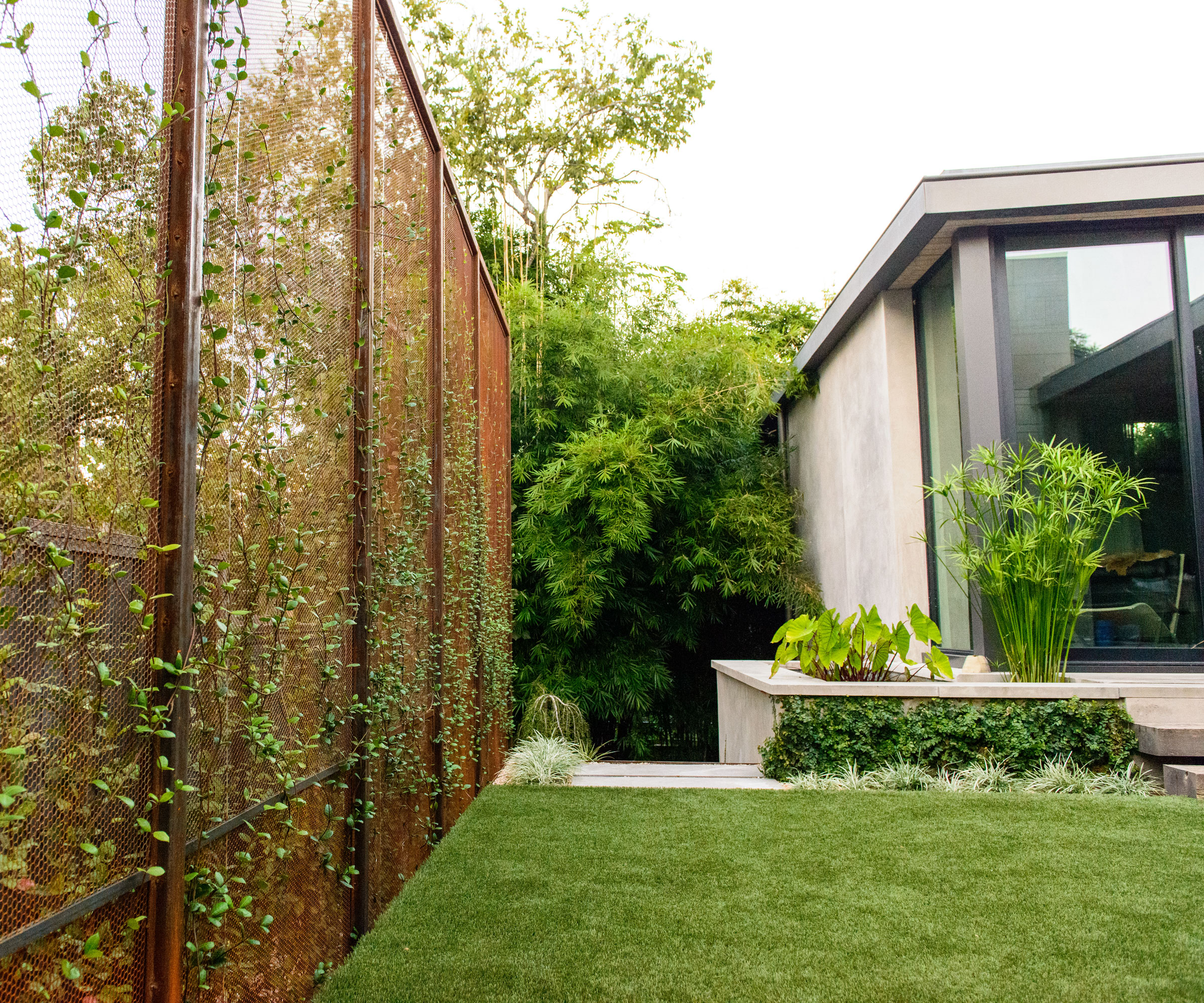
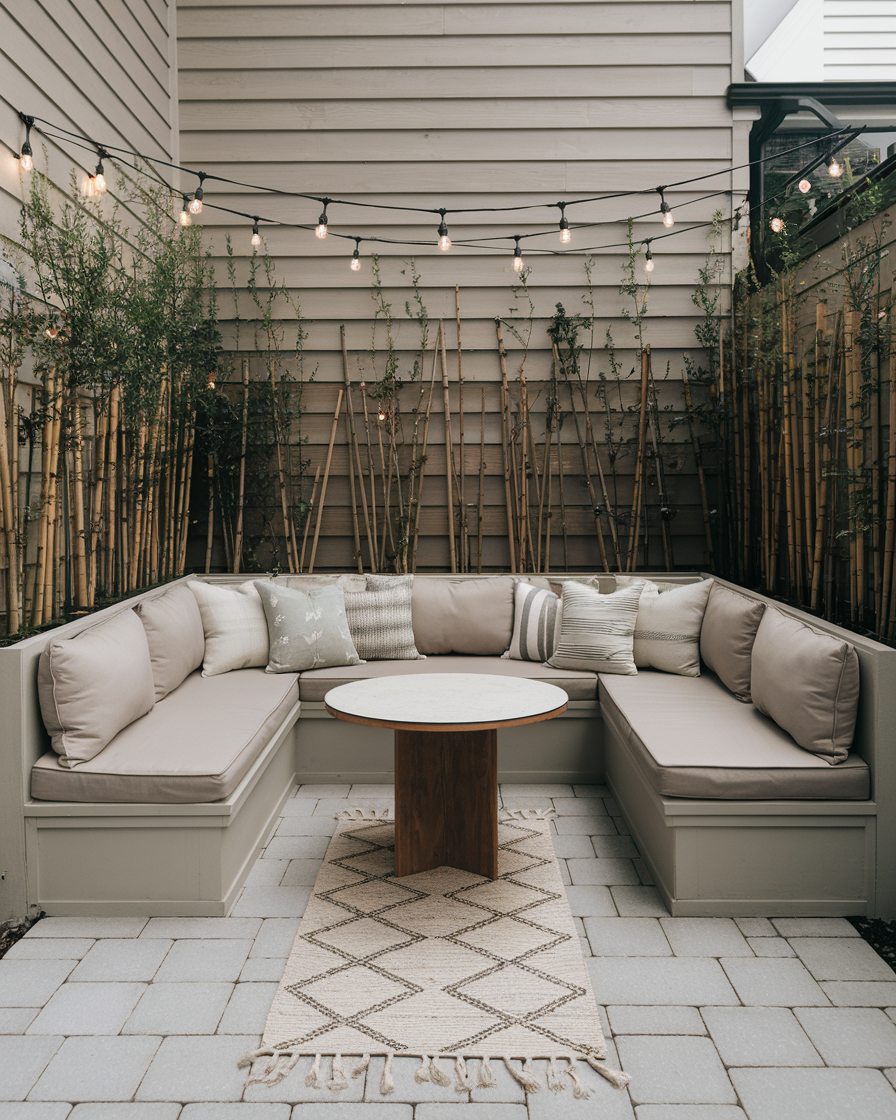
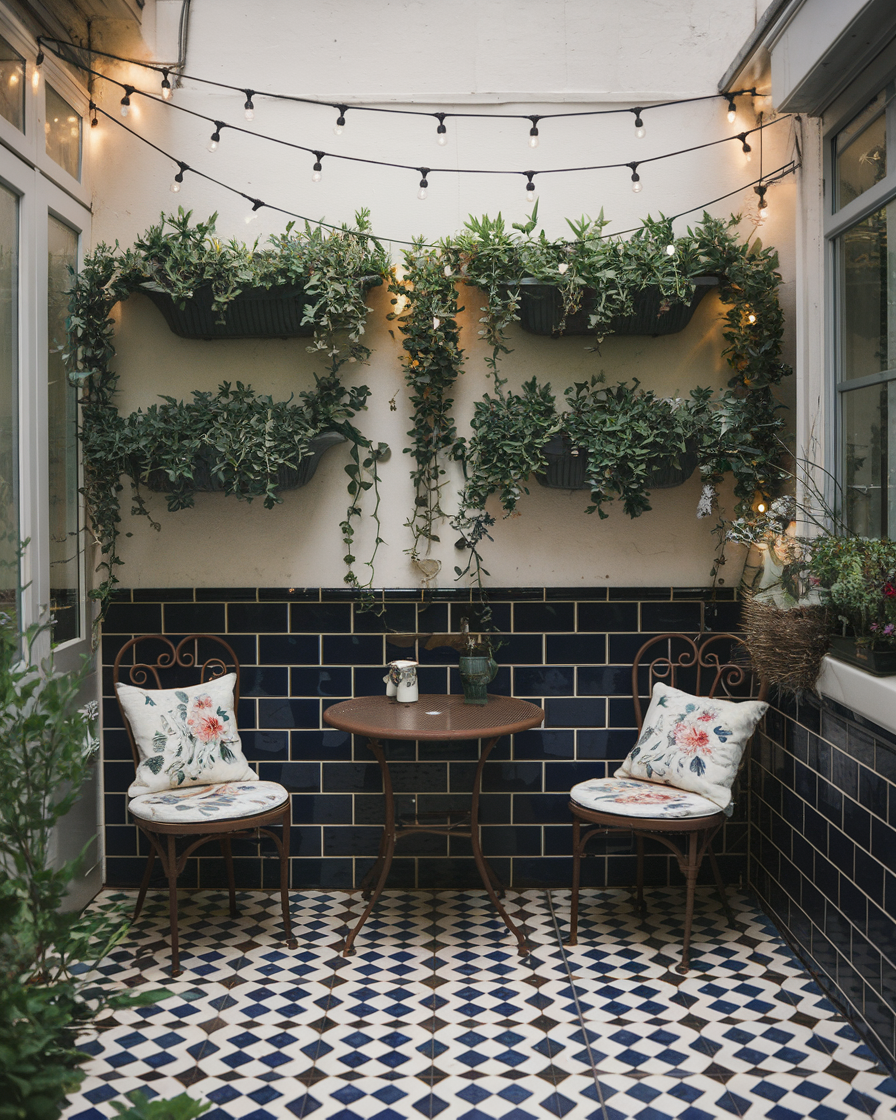
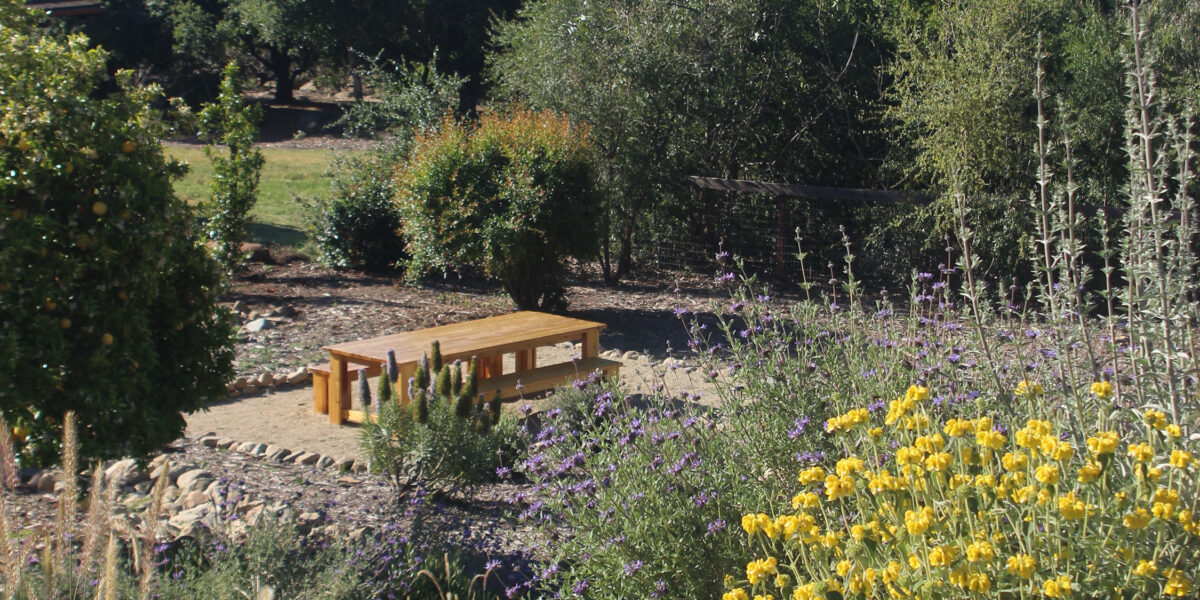
One effective technique is layering green space on multiple levels. This involves using tall canopy trees for overhead shade, mid-level plantings to absorb reflected heat, and dense groundcovers to maintain cooler, moister soil. For Western states, Porteous recommends climate-adapted native plants such as Red Flowering Currant, California Fescue, Yankee Point Ceanothus, and Hummingbird Sage for understory plantings. For vertical interest, vining natives like Island Morning Glory, Pink Honeysuckle, and California Grape are suggested. Even in compact areas, vertical elements like trellises for climbers, container plants on hardscapes, or rain chains can maximize space, provide shade, and enhance cooling along walls and fences.
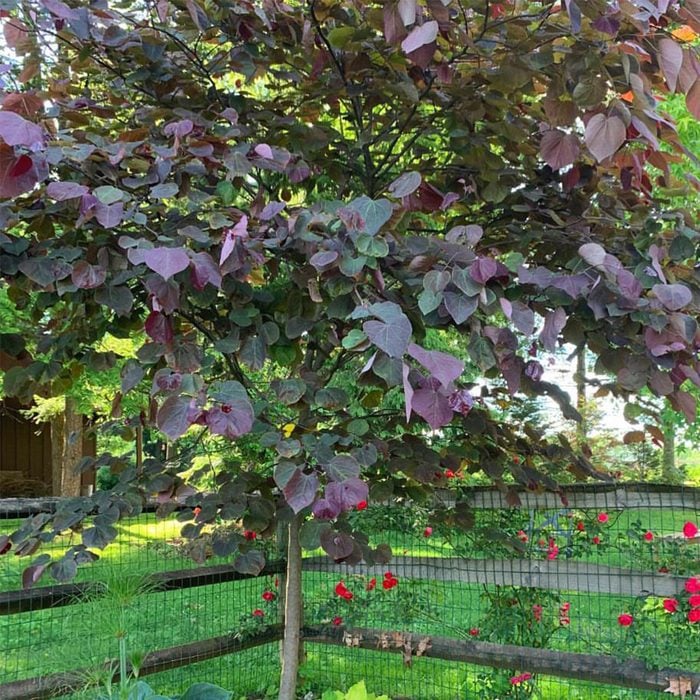
Prioritizing shade on the south-facing side of a property is crucial, as this area typically receives the most direct sun. Porteous advises planting sun-loving evergreen native trees like Coast Live Oak and California Bay Laurel in Southern California for year-round shade with minimal maintenance once established. The choice of tree also depends on space availability and desired experience, with edible options like citrus or avocado for limited spaces, or deciduous trees like Western Redbud if year-round shade isn't a priority.
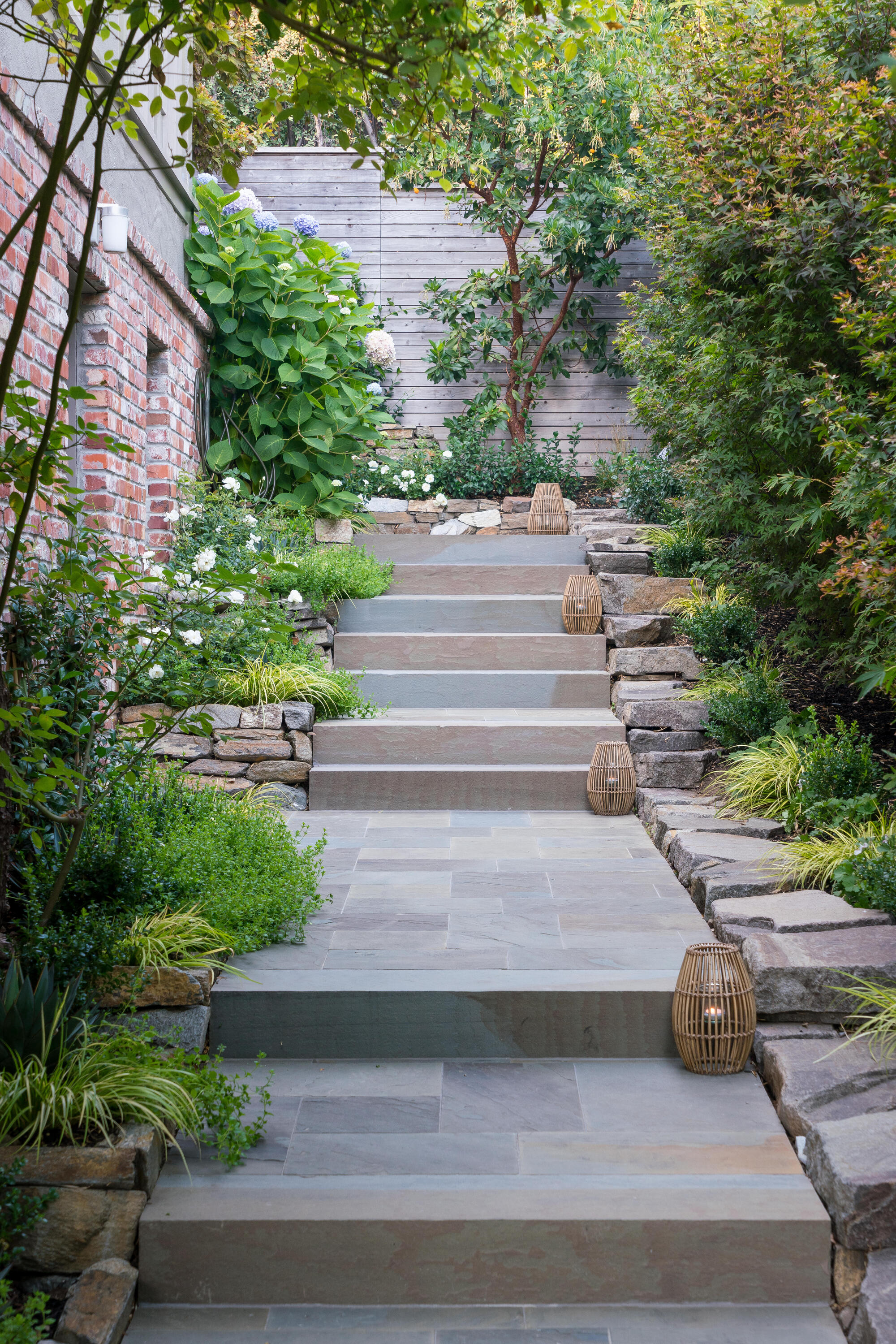
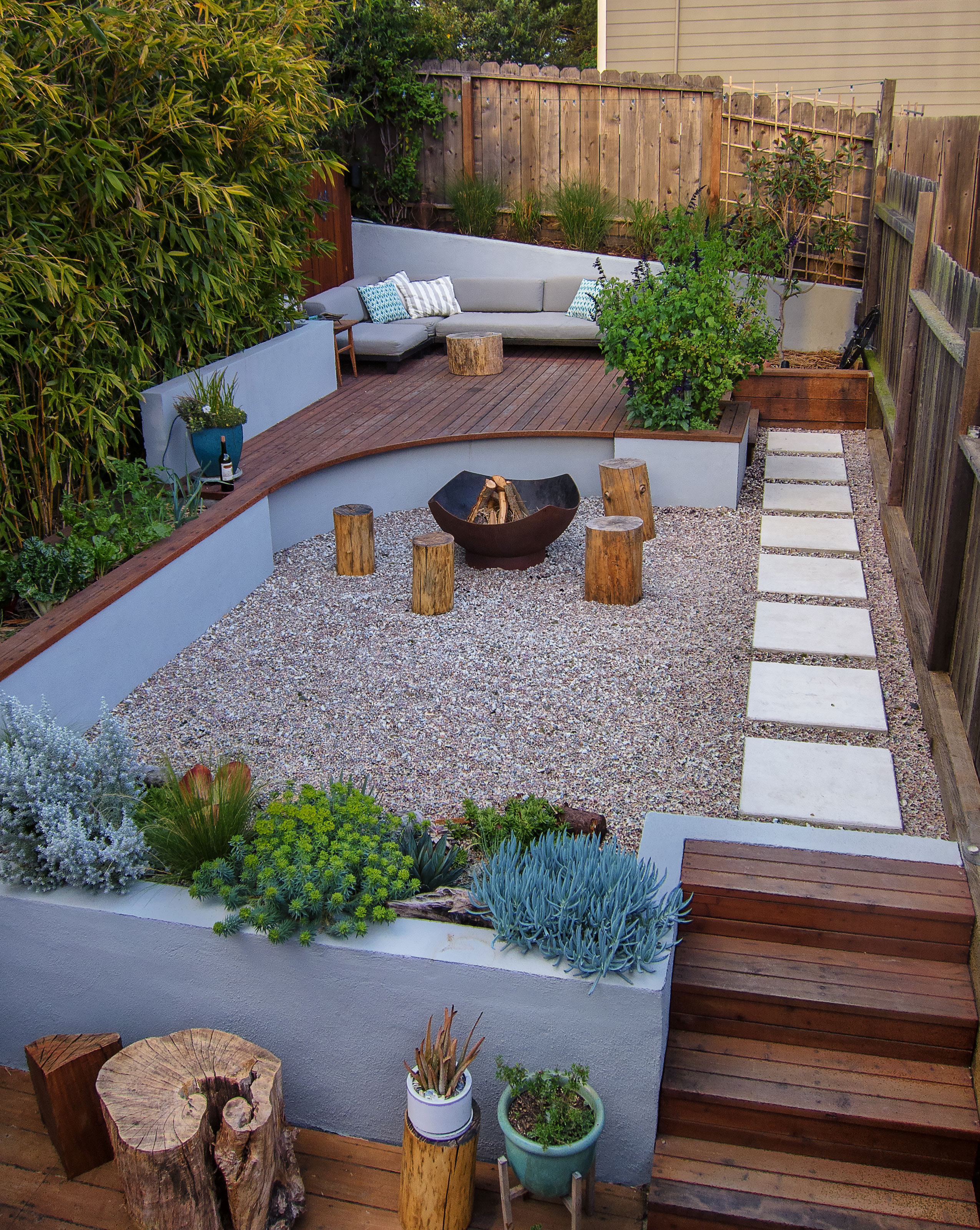
Mulching is another powerful cooling strategy. Organic mulch helps suppress weeds, keep soil cool, retain moisture, and reduce evaporation, contributing to water conservation and overall soil health. In Southern California, Porteous often incorporates local materials like sandstone cobble or boulders for aesthetic and functional purposes, using them for edging, steps, retaining walls, or dry creek beds. Combining organic mulch with drought-tolerant groundcovers such as Dymondia, Carex, or creeping thyme, especially alongside gravel paths, provides a dynamic and effective landscape.
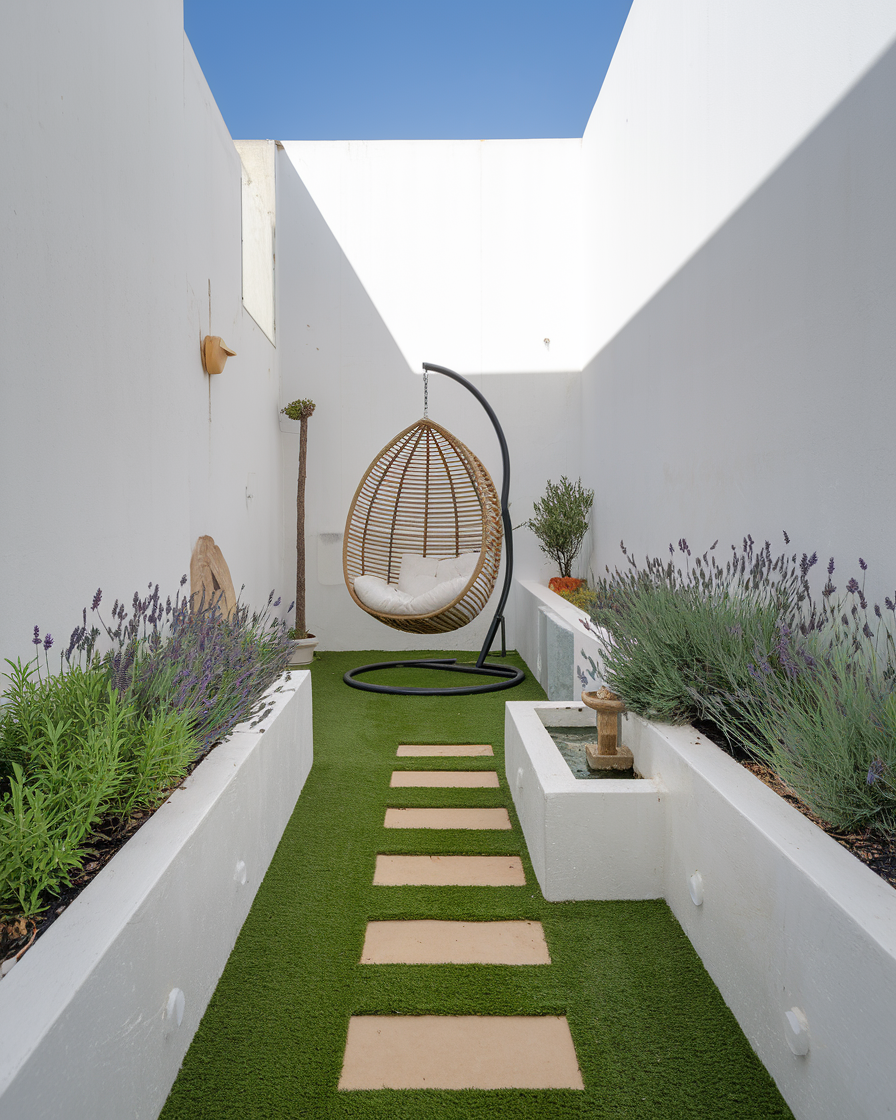
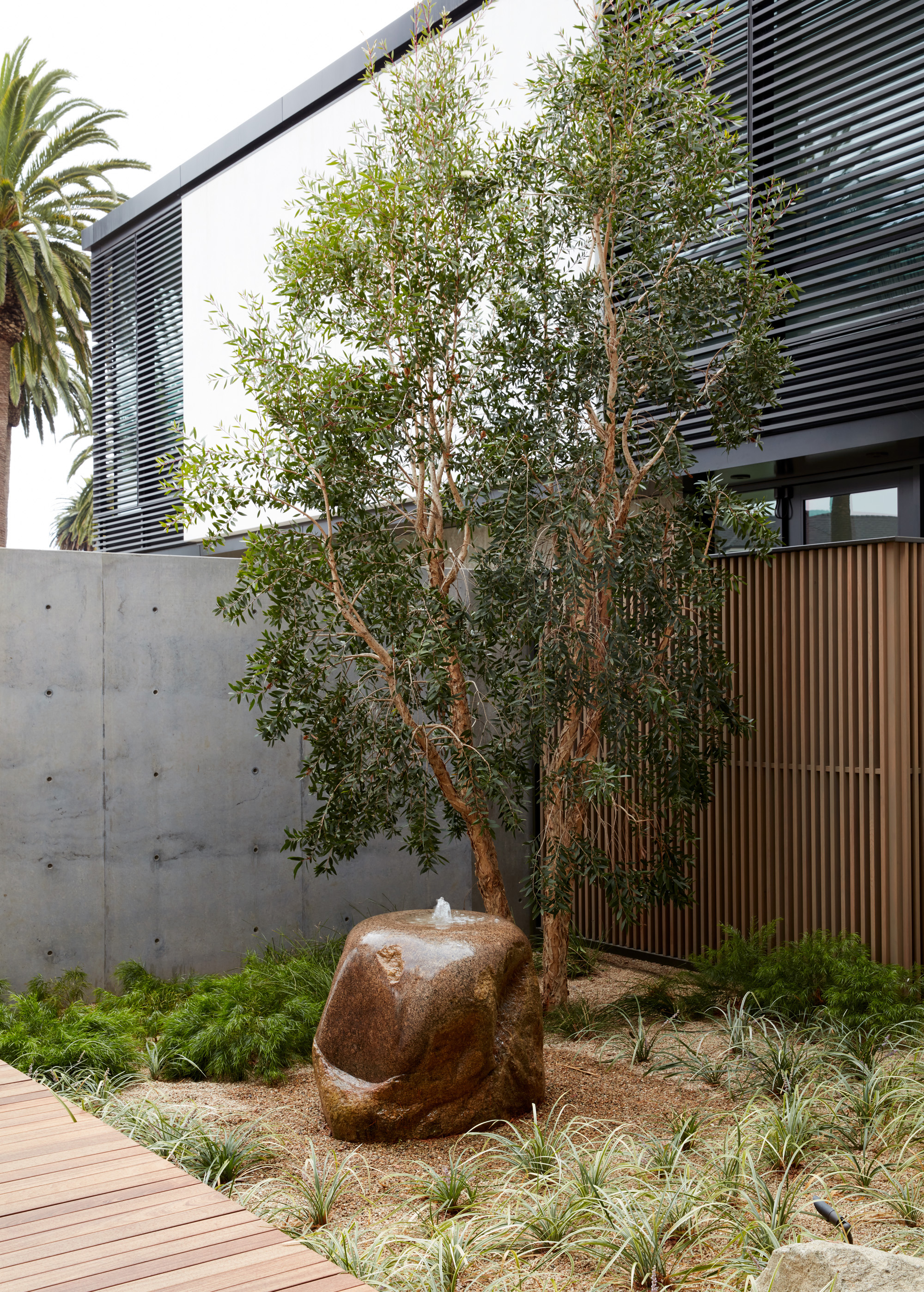
Incorporating a soothing water element, even a small one, can cool the garden and create a tranquil atmosphere. Porteous highlights how water features attract birds and pollinators and encourage relaxation. Options range from rain chains in tight spaces to boulder fountains, limestone troughs, or ceramic bowls with recirculating pumps. Recirculating pumps prevent stagnation and algae, while moving water attracts wildlife. Placing features low to the ground or adding perches makes them more inviting. Locating water features near windows allows residents to enjoy their sounds and observe wildlife from indoors.
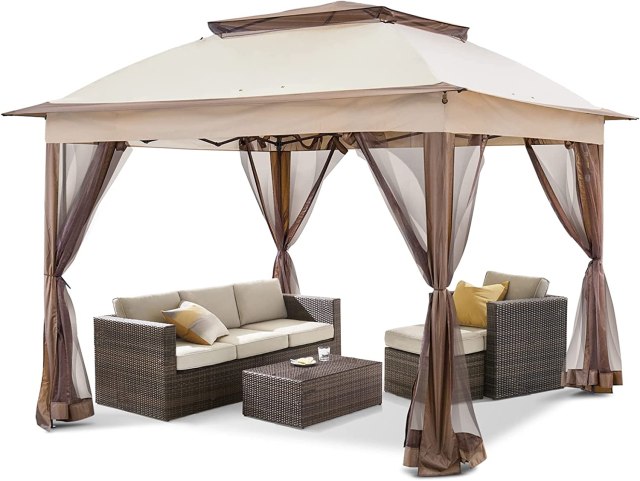
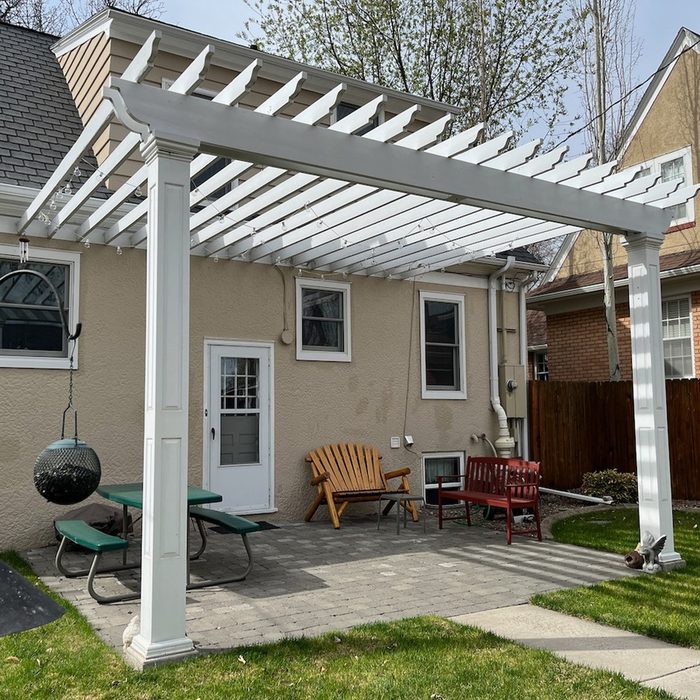
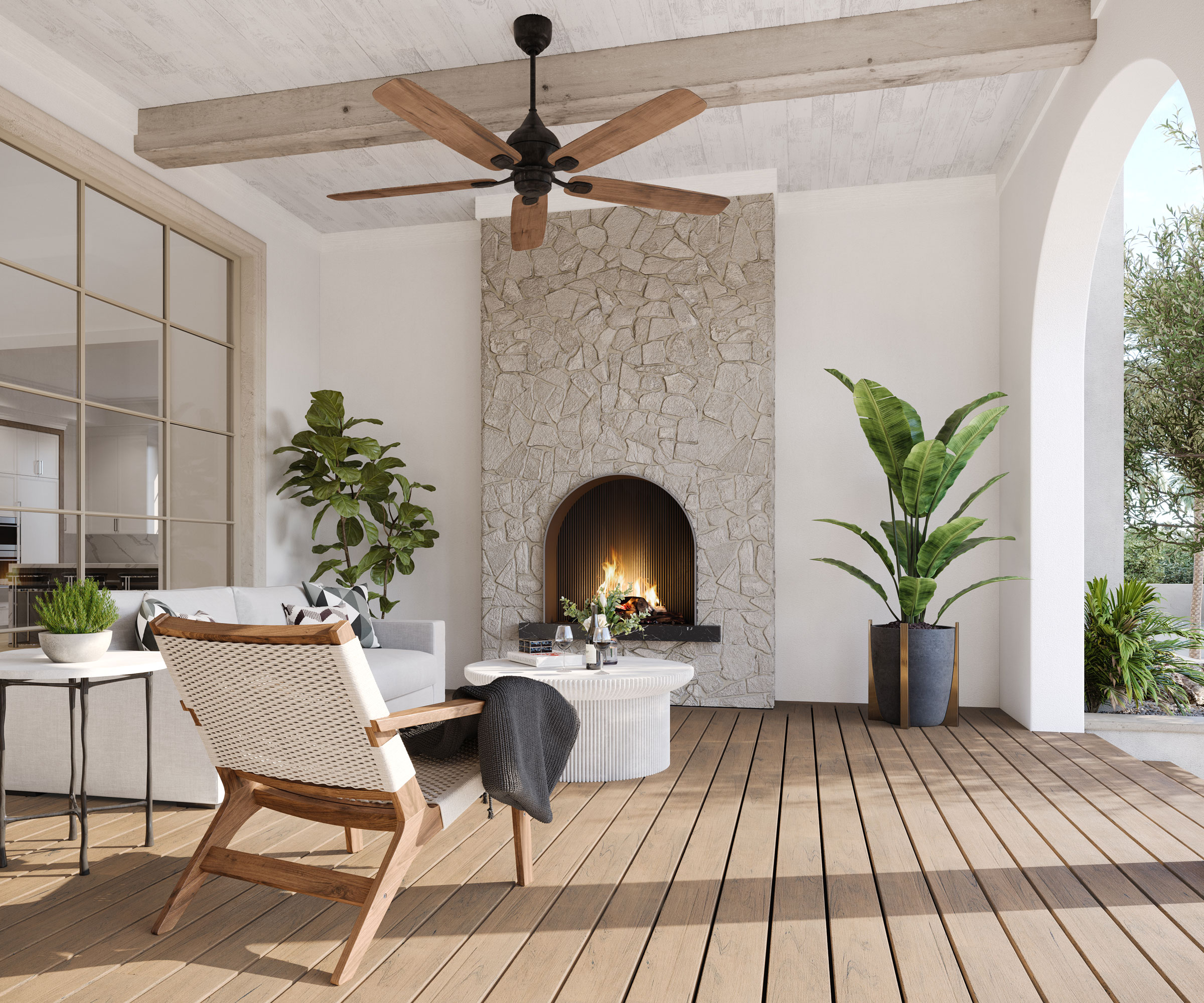
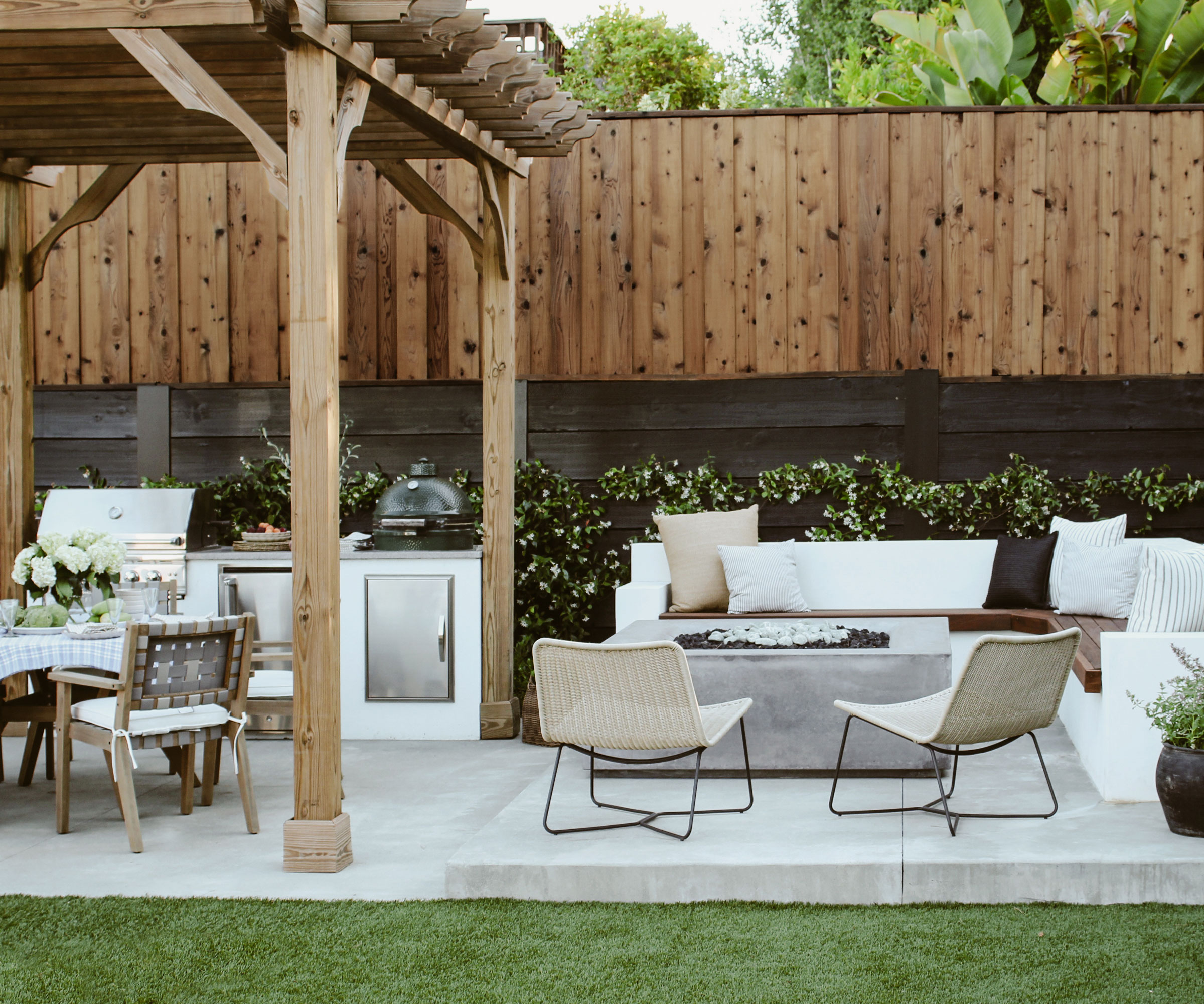
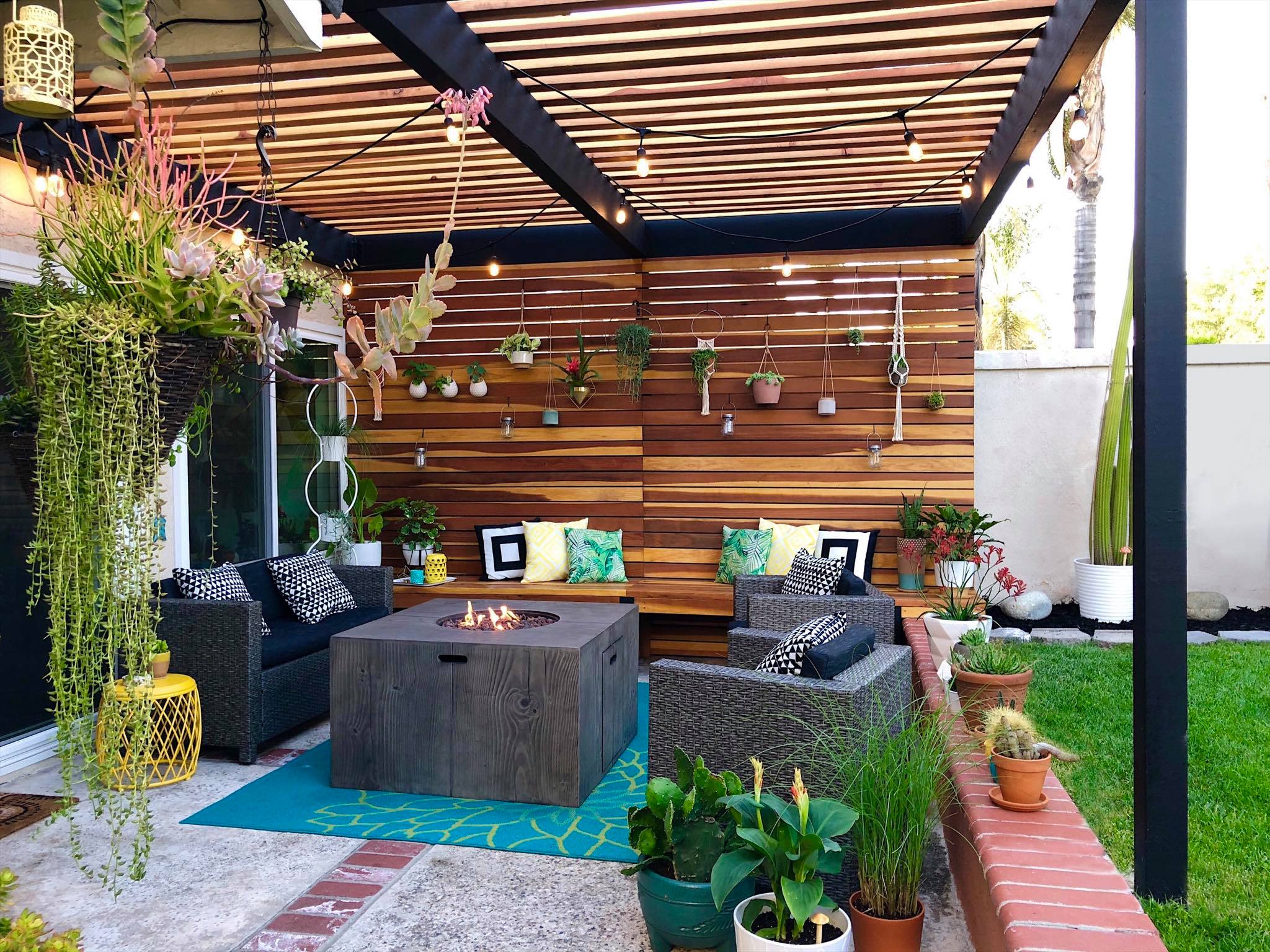
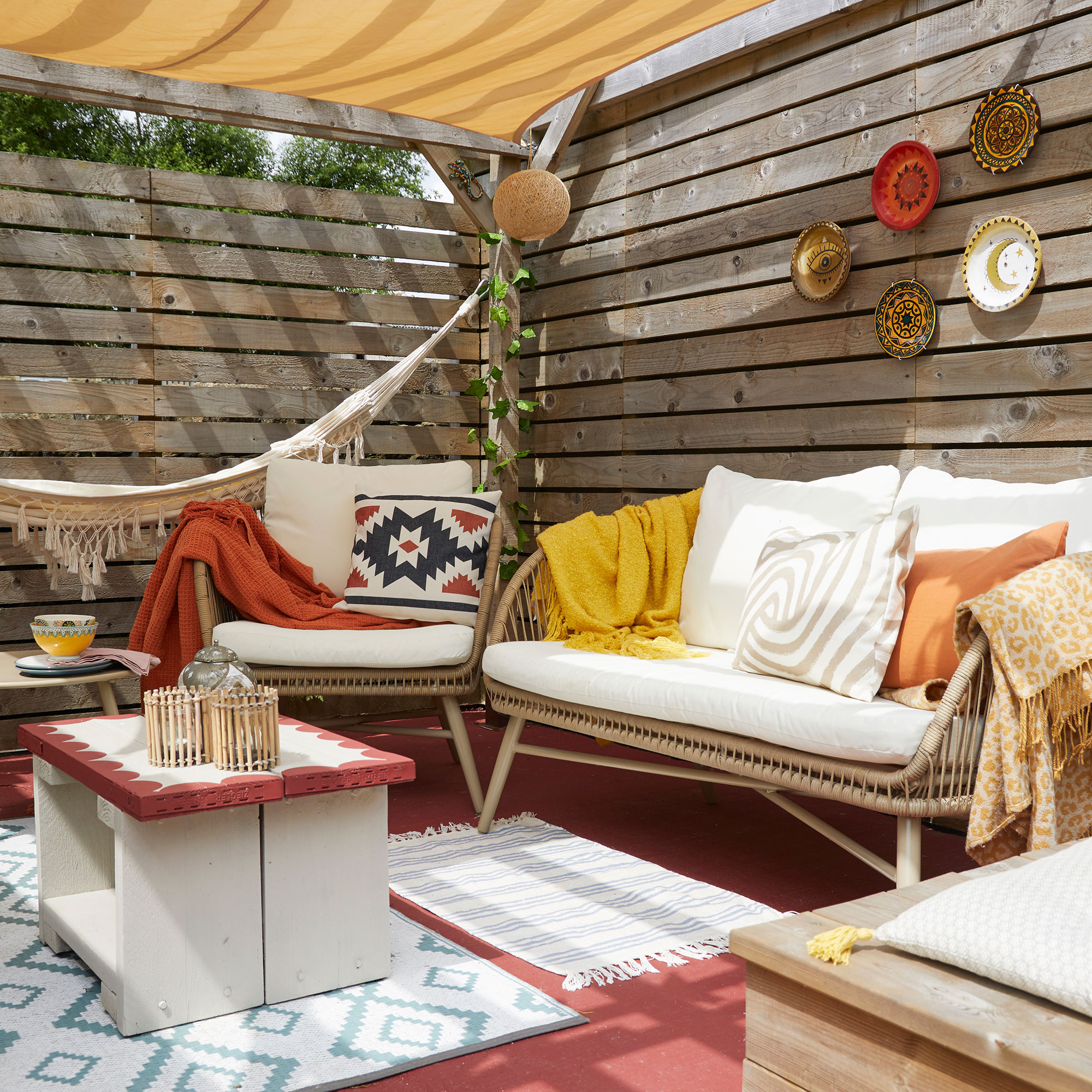
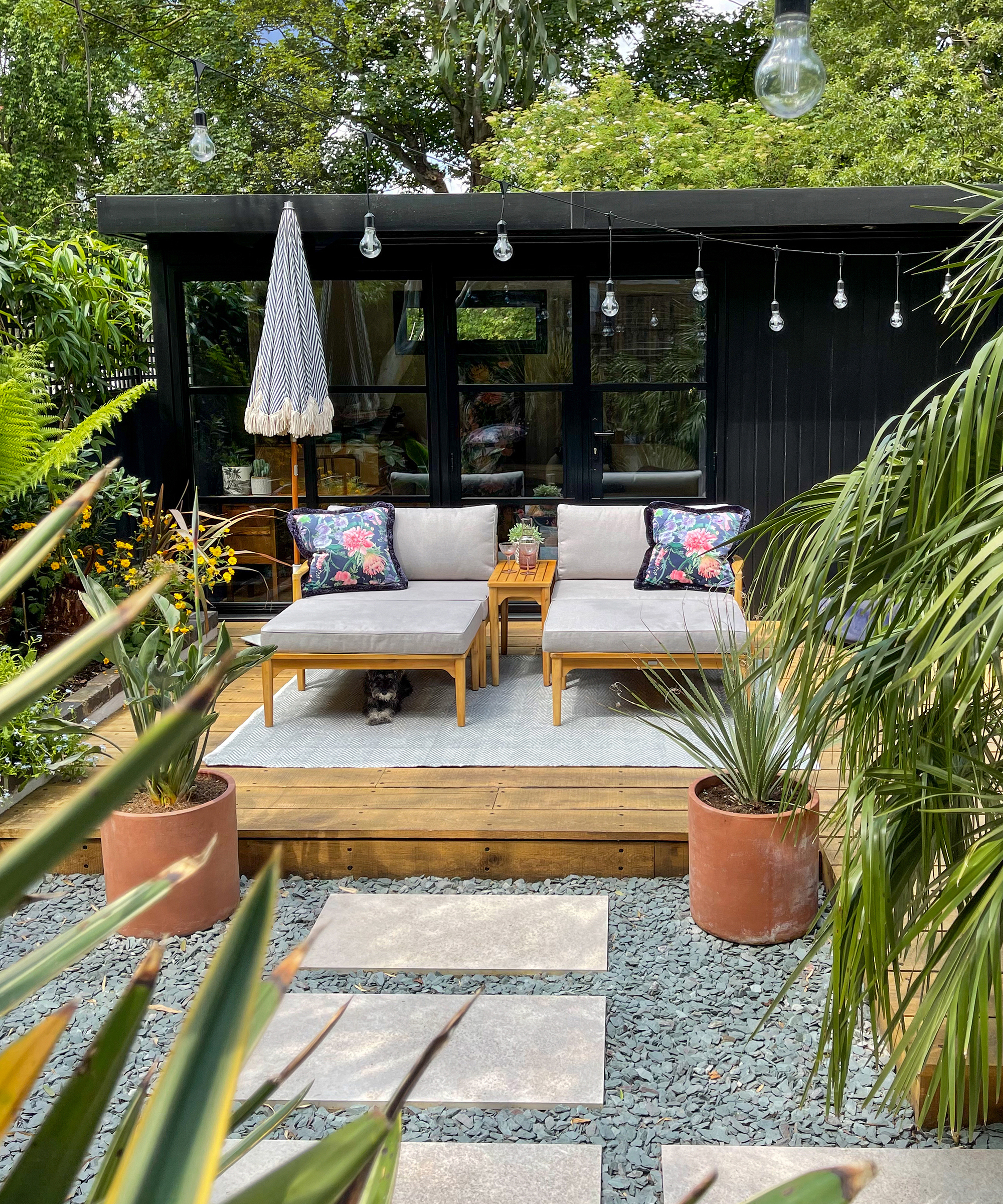
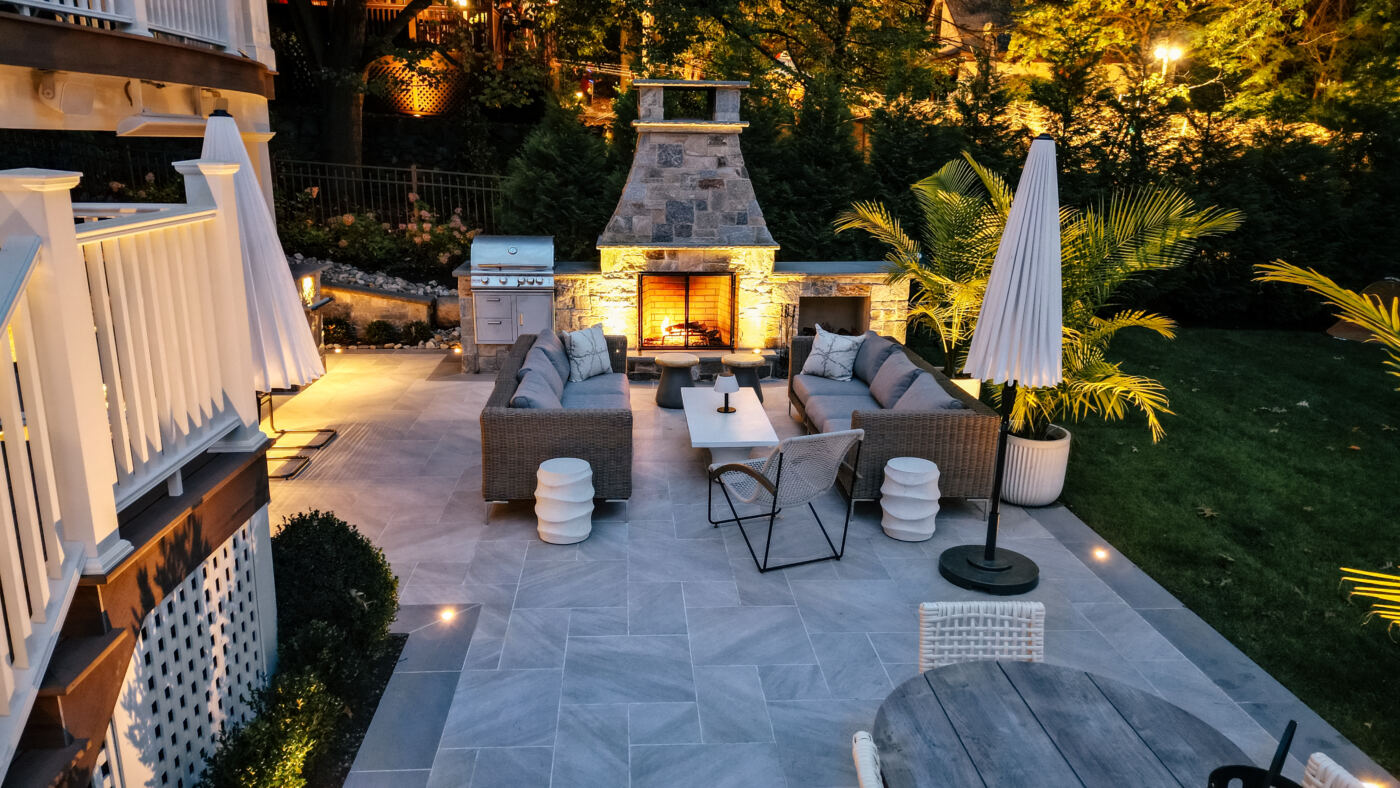
Investing in stylish shade structures is essential for sun protection and design integration. Modern options include customizable umbrellas, shade sails, awnings, and pergolas that complement various home styles. The choice between permanent pergolas and movable umbrellas depends on space, budget, and lifestyle. Pergolas define outdoor rooms, while umbrellas offer flexibility for casual seating. Porteous recommends durable natural materials like stone and teak over synthetic alternatives, as they are more robust and age gracefully.
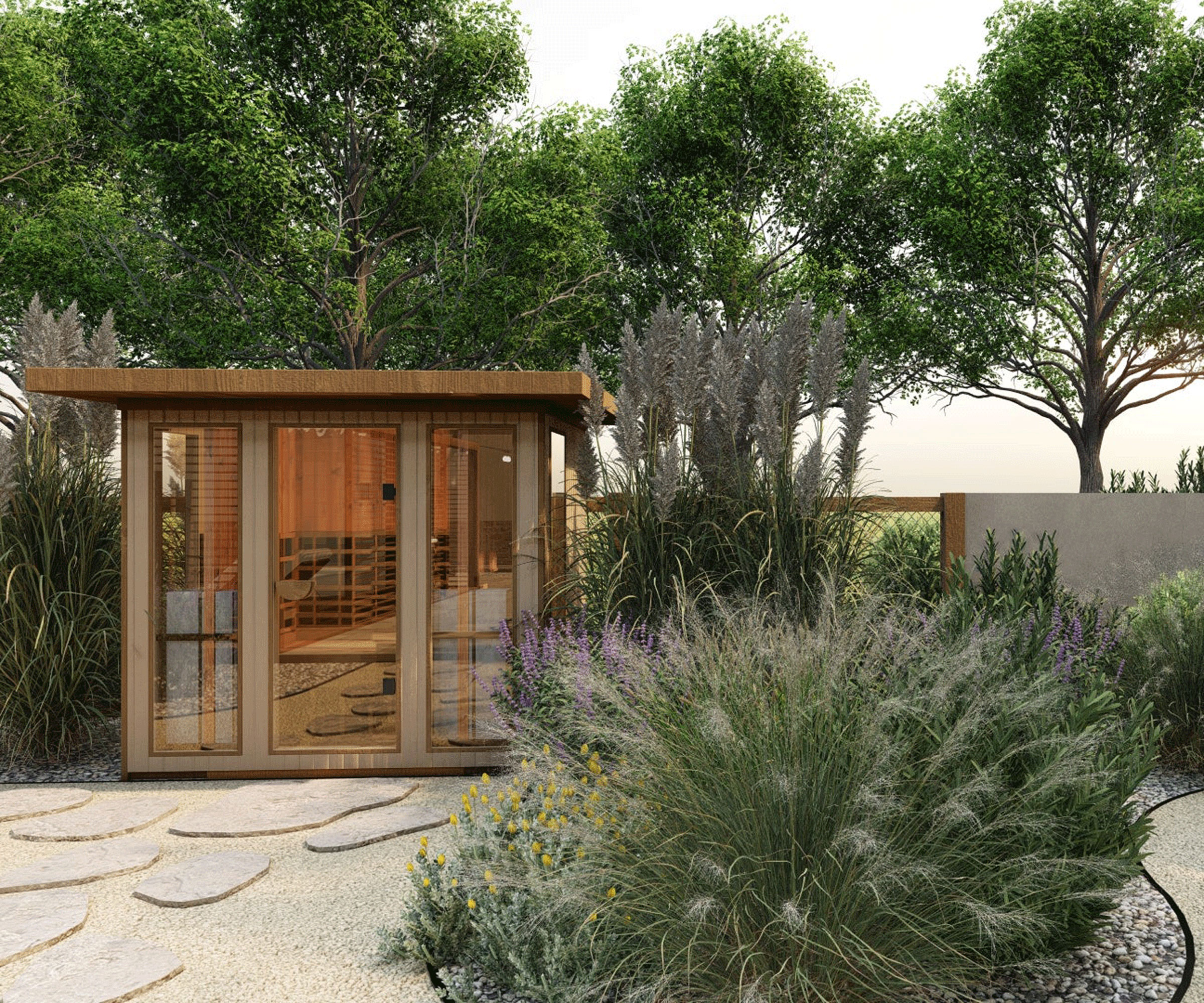
Finally, designing with airflow in mind is vital. Proper plant spacing, considering mature sizes, prevents overcrowding and ensures free air movement. Plants with natural movement, like ornamental grasses, can amplify breezes. Regular pruning also maintains healthy air circulation. Permeable hardscapes, such as stepping stones with softscape, help keep water onsite and cool the soil. Integrating rain barrels supports sustainable water storage and contributes to a cooler microclimate. These combined strategies result in a fresher and more comfortable garden, even during hot weather.
#BackyardDesign #CoolingLandscape #GardenDesign #NativePlants #ShadeStructures #WaterFeatures #Mulching #OutdoorLiving #SustainableGardening #BackyardDesign #CoolingLandscape #GardenDesign #NativePlants #ShadeStructures #WaterFeatures #Mulching #OutdoorLiving #SustainableGardening
0 comment in total
 No comments yet
You may also like
27 Ways to Make Your Backyard the Coolest in the Neighborhood
8 Designer-Approved Tips for Turning a Small Backyard Into an Outdoor Oasis

8 Ways to Turn Your Tiny Back Patio Into a Gorgeous Oasis

How to create a winter-friendly outdoor living space

6 Ways to Create a Cooling Patio in 2024

Townhouse backyard ideas – 10 designer-approved schemes to max out your space

9 Down-Sloped Backyard Ideas That Turn a Tricky Space Into a Showpiece
10 easy DIY landscaping ideas to elevate your backyard

Winter garden ideas – 20 ways to a beautiful winter backyard
13 Big Ideas to Make Your Small Backyard Better

Outdoor Fall Decor Ideas — 7 Ways to Cozy up Your Yard for the Changing Season

10 Awesome Backyard Ideas for Kids
Until Outdoor AC Exists, Here's How to Prep Your Backyard So It Stays Cool All Summer
21 Genius Small Patio Ideas That Make Your Backyard Feel 10x Bigger
This Home’s DIY Backyard Pergola Is One of the Coolest Outdoor Chill Zones We’ve Seen
19 Ways to Make Your Front Porch More Inviting in Winter

How to make a small backyard look bigger – 10 clever ways to max out your space
6 Easy Design Ideas to Add Height to a Backyard That Feels Flat
13 cosy garden ideas to transform your garden into an extra family room this winter
Backyard bliss: Tips for designing a dream outdoor oasis