6 Underrated Designer Tips to Make Any Outdoor Space Look Ten Times Bigger
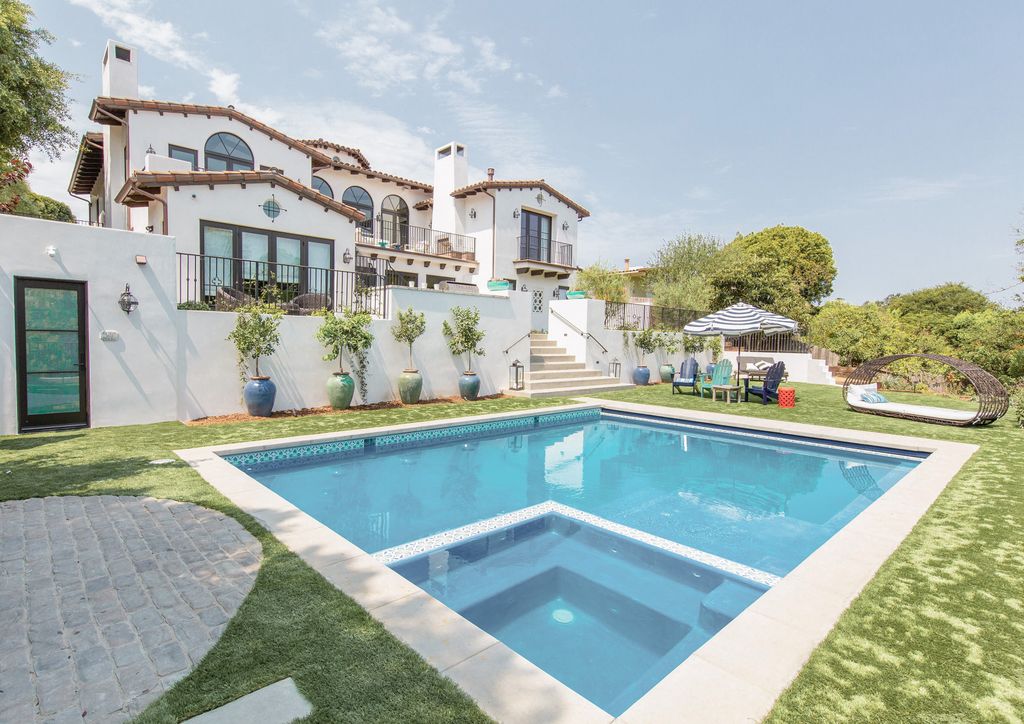
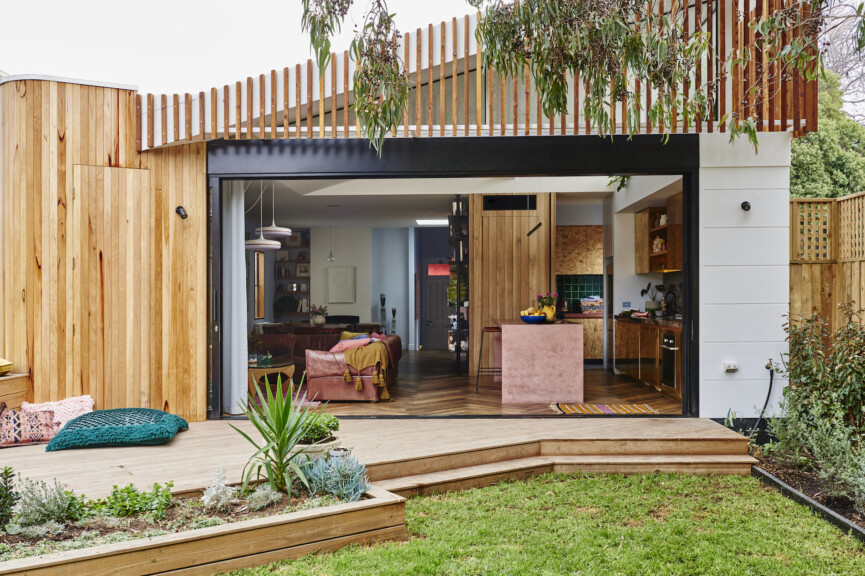
The article explores six design strategies to enhance the perceived size and comfort of small outdoor spaces. With the arrival of pleasant weather, many individuals desire to utilize their patios, balconies, and small yards for relaxation and social activities. However, limited square footage can often make these areas feel cramped and uninviting. This piece gathers insights from landscape designers Nahal Sohbati, co-founder of Topophyla, and Kevin Lenhart, design director at Yardzen, who offer practical advice to maximize the potential of compact outdoor environments.
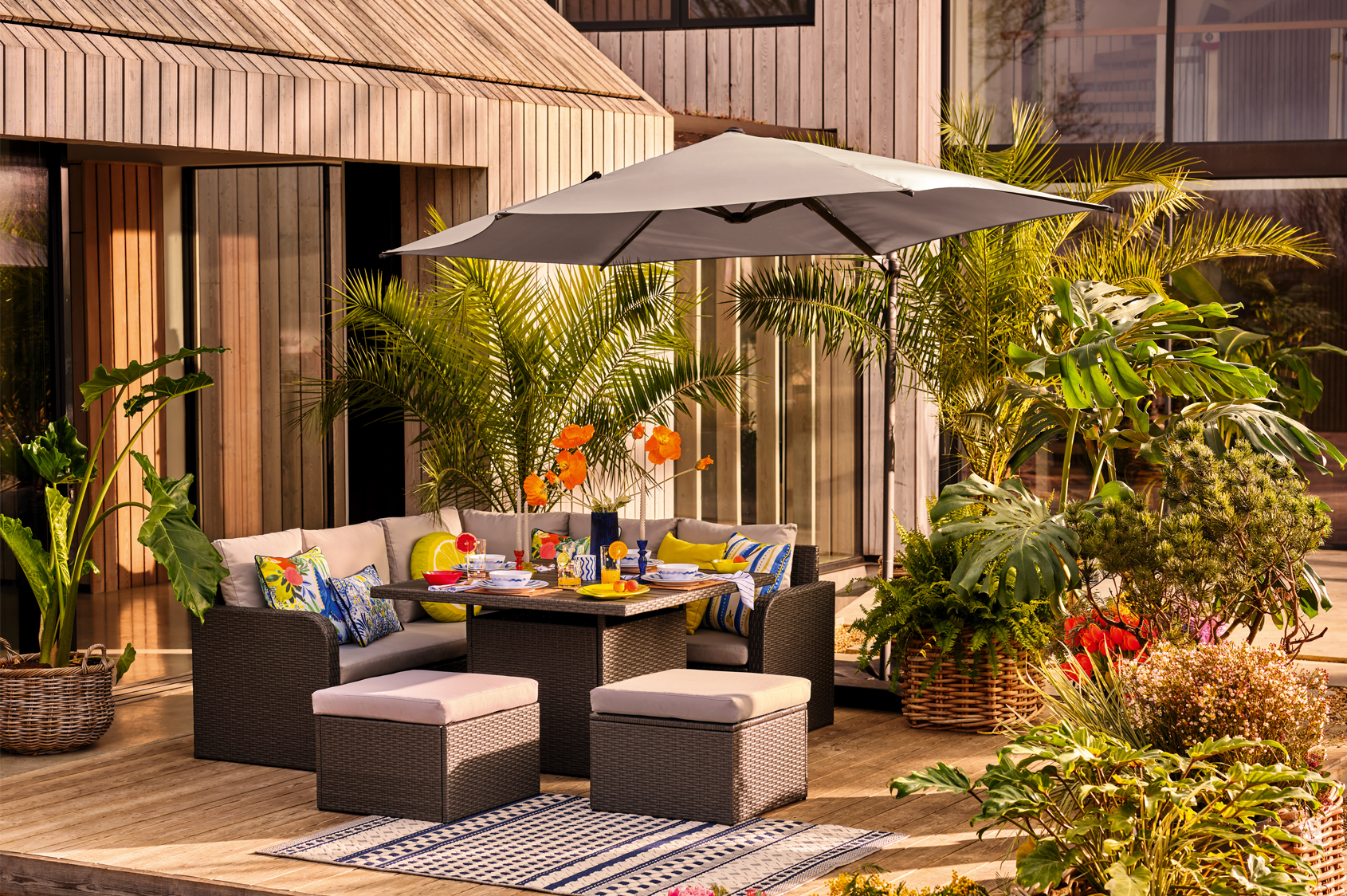
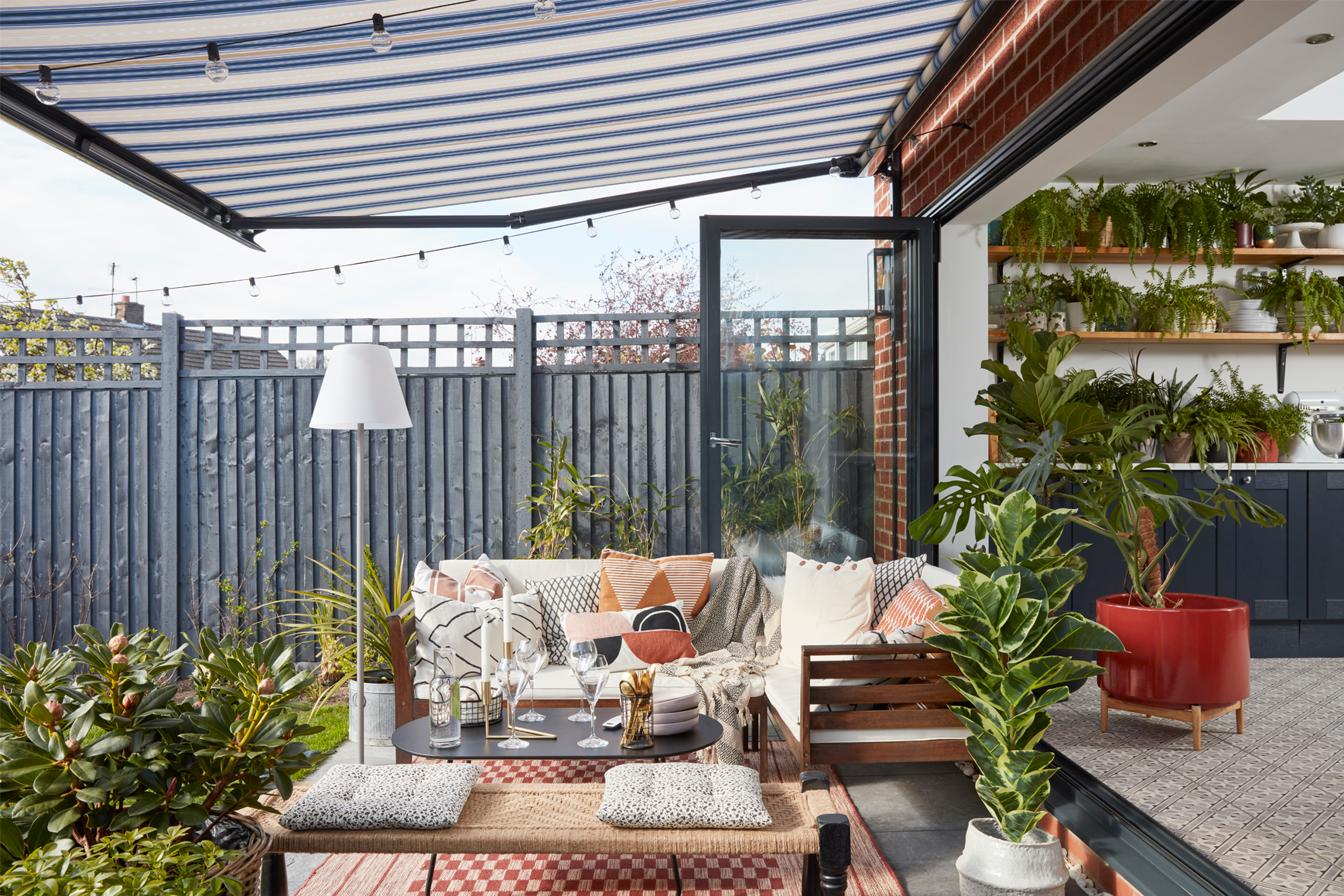
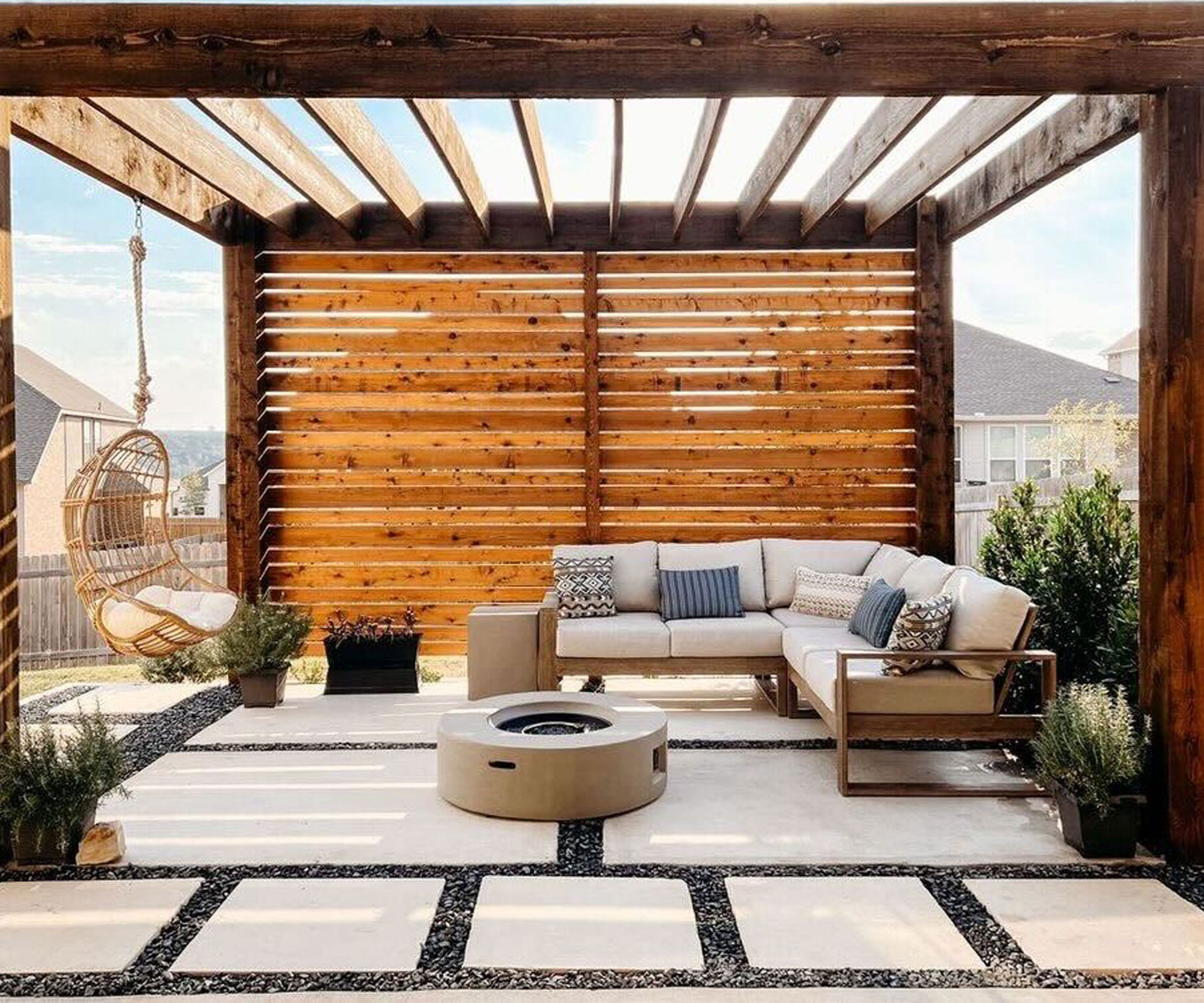
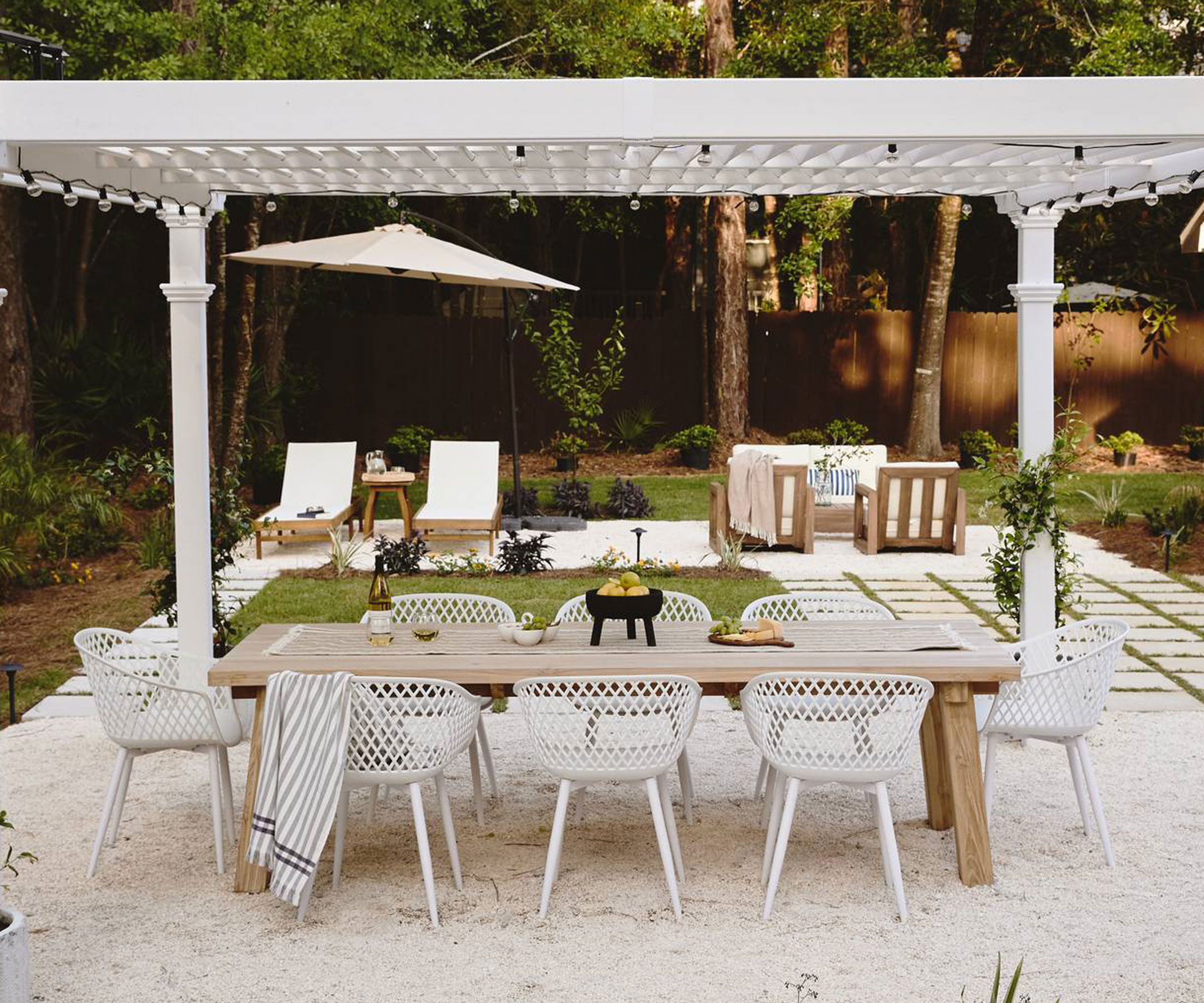
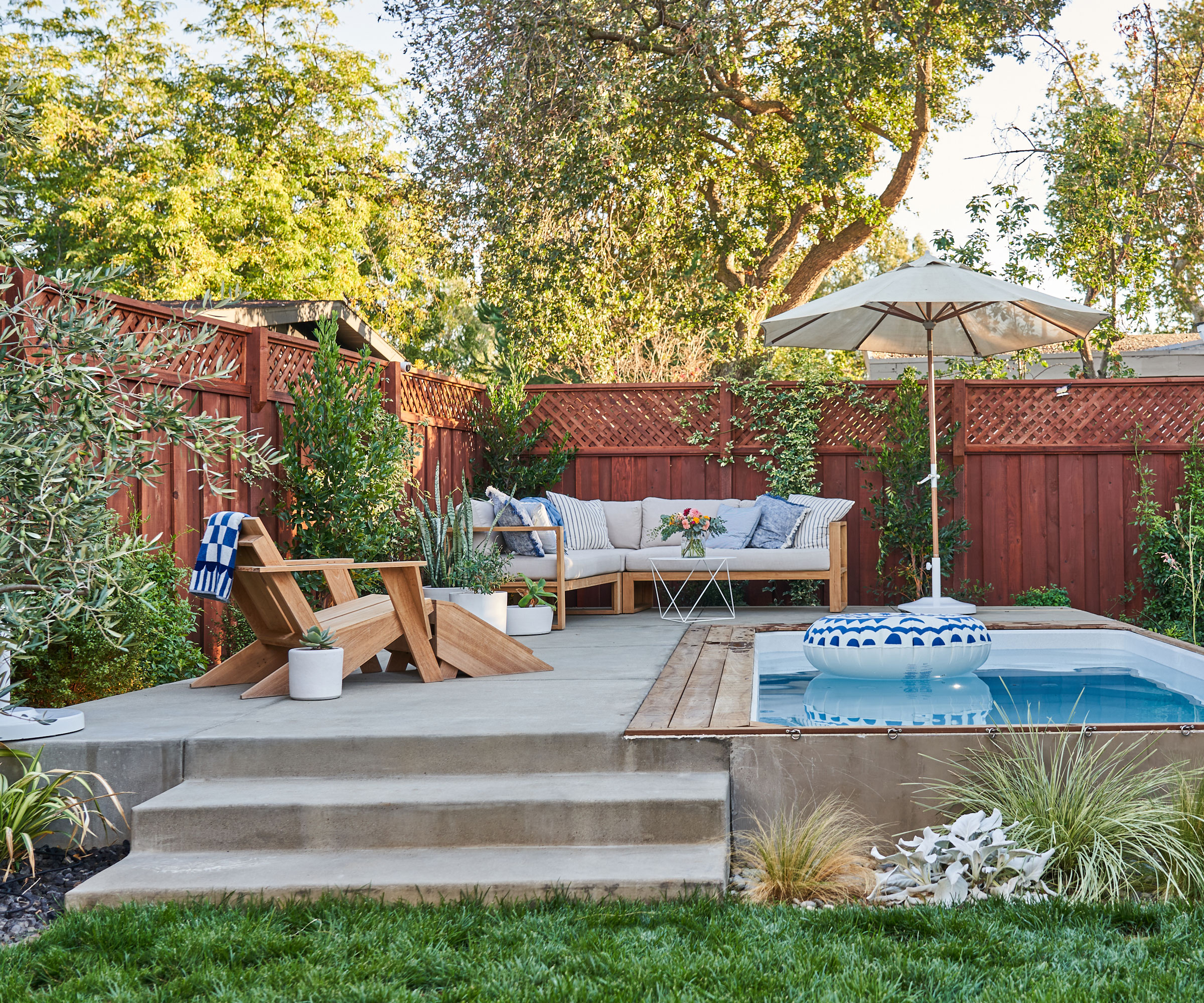
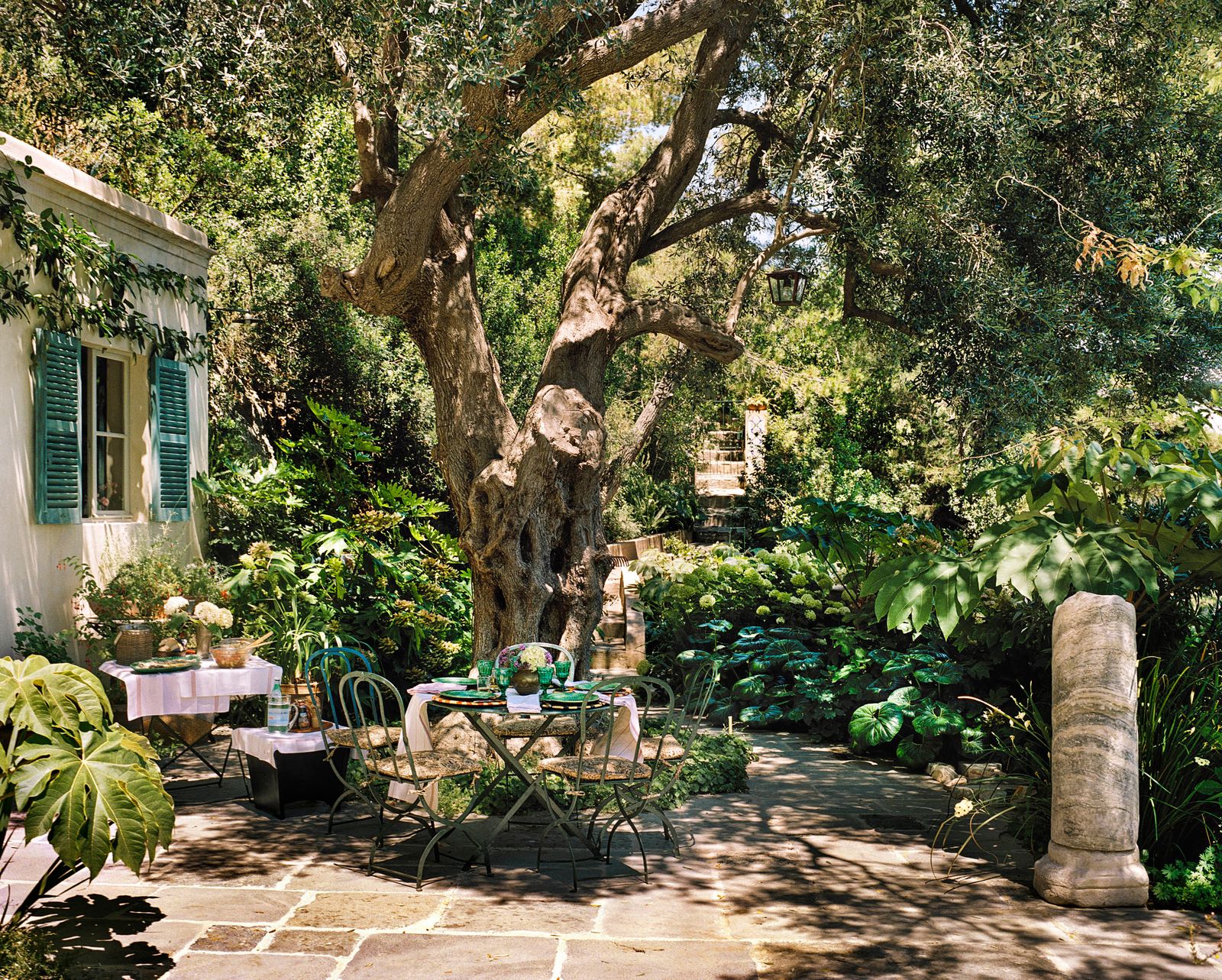
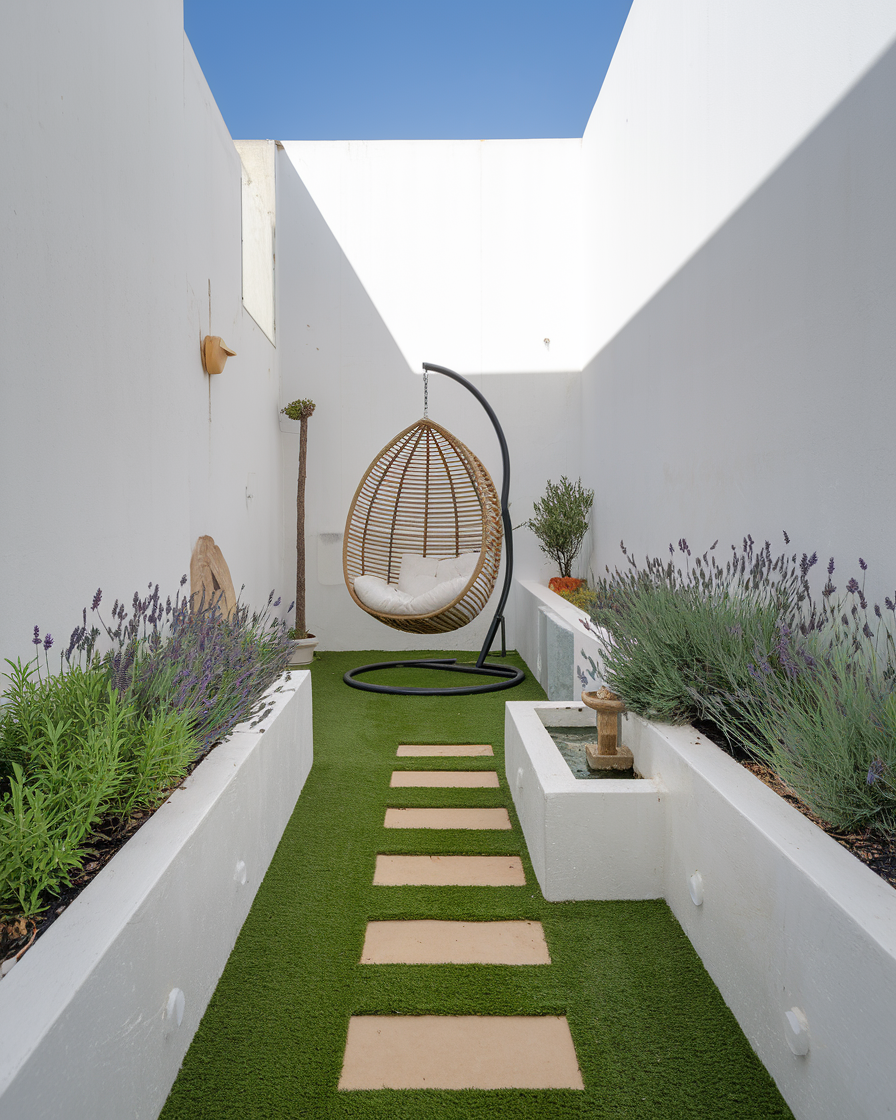
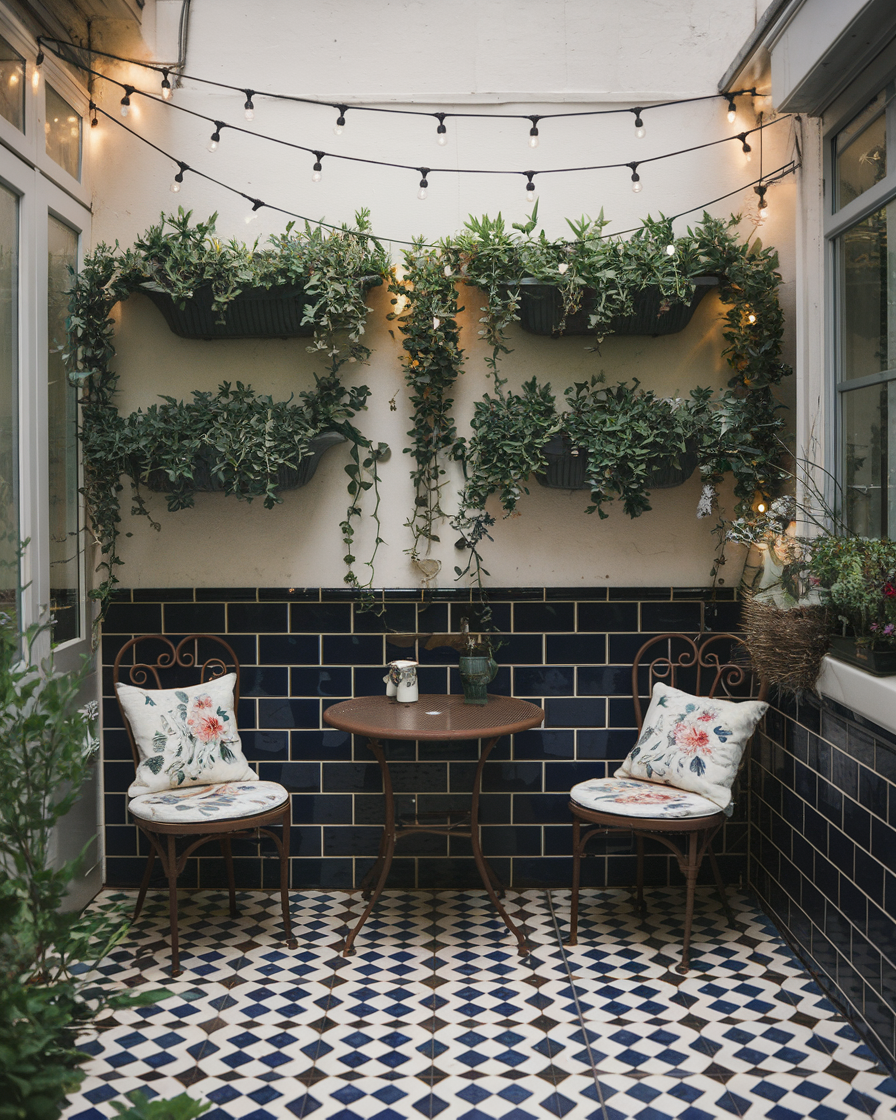
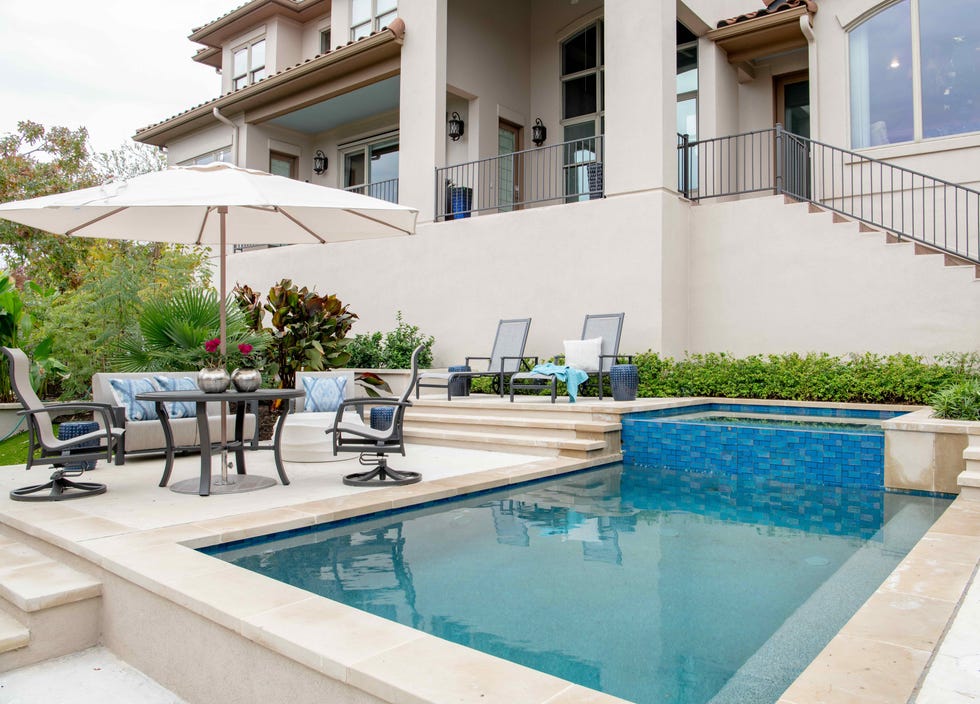
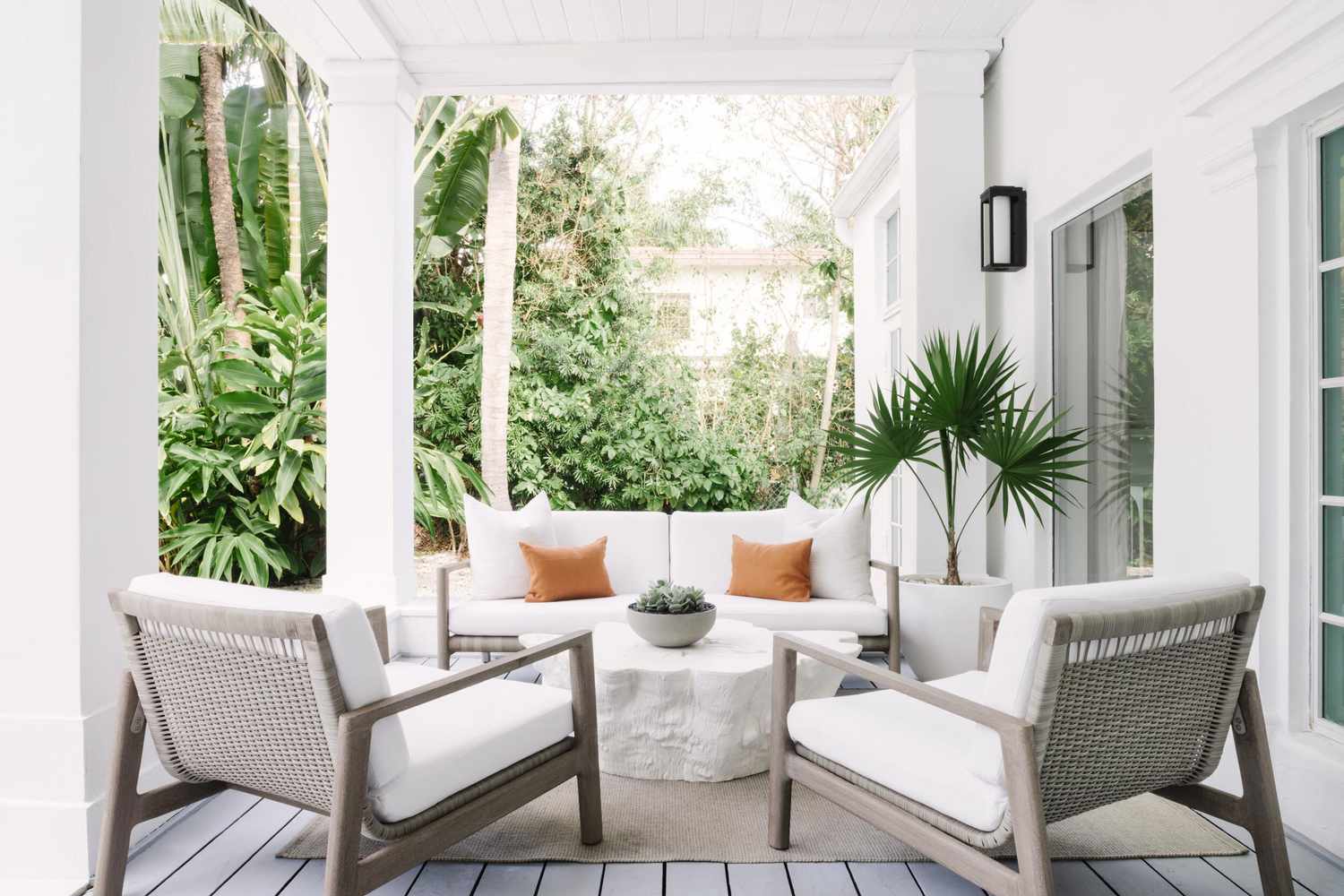
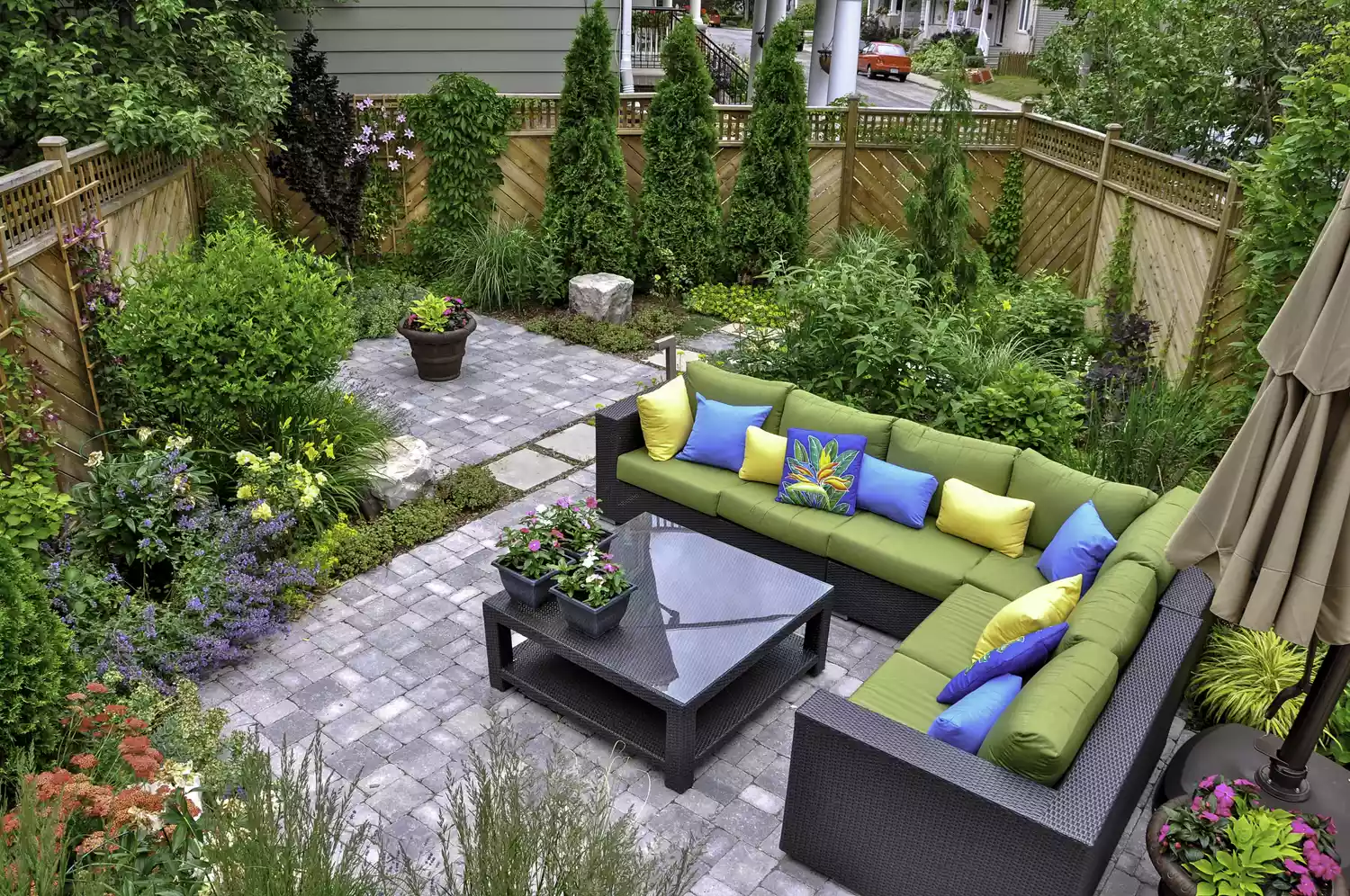
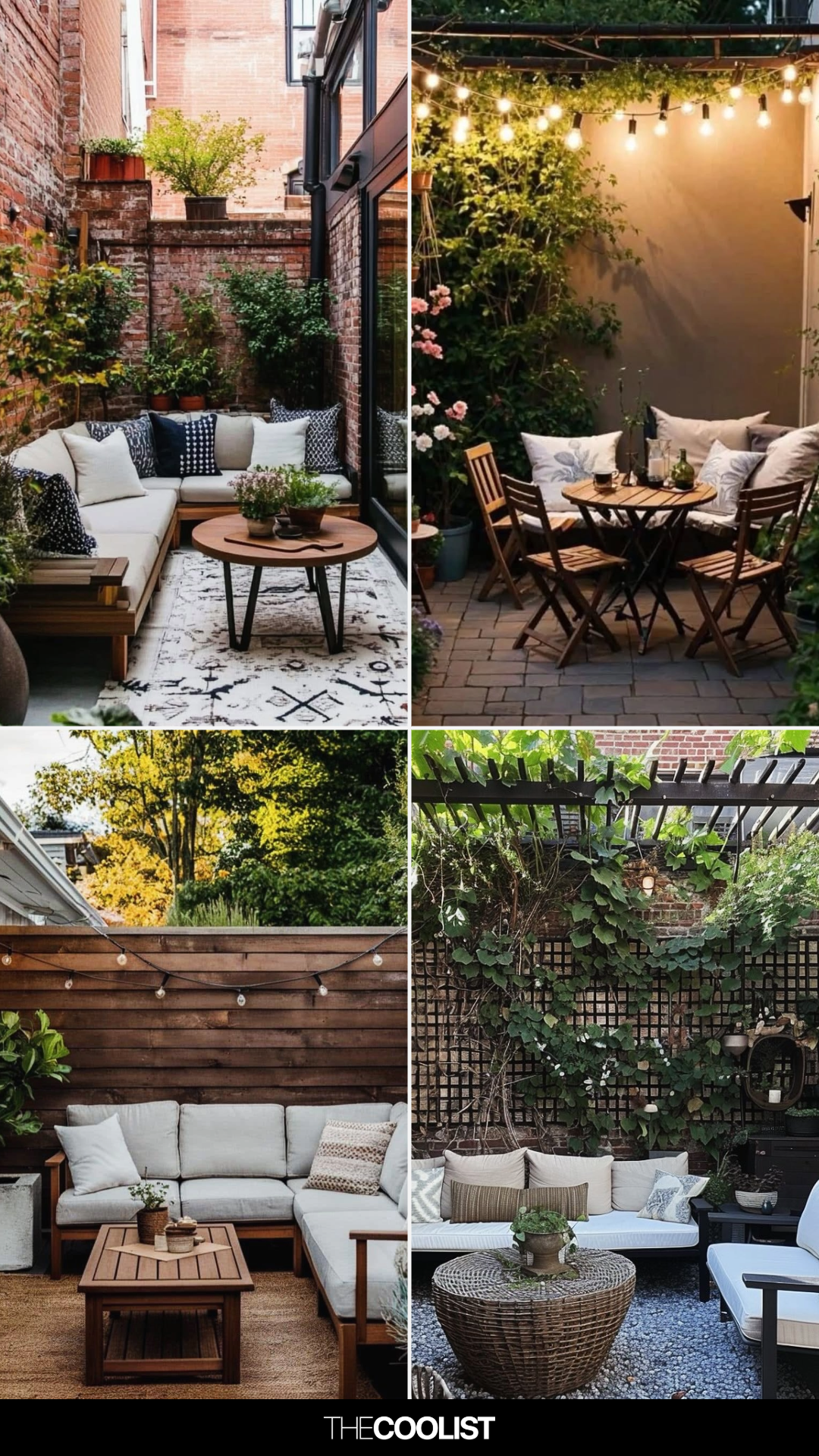
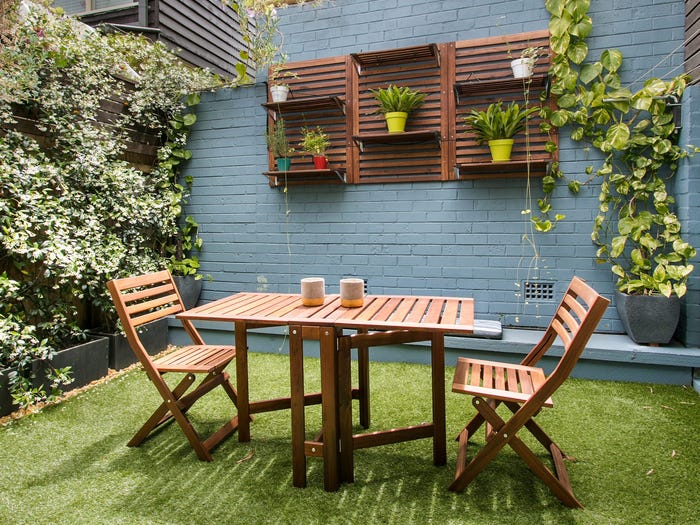
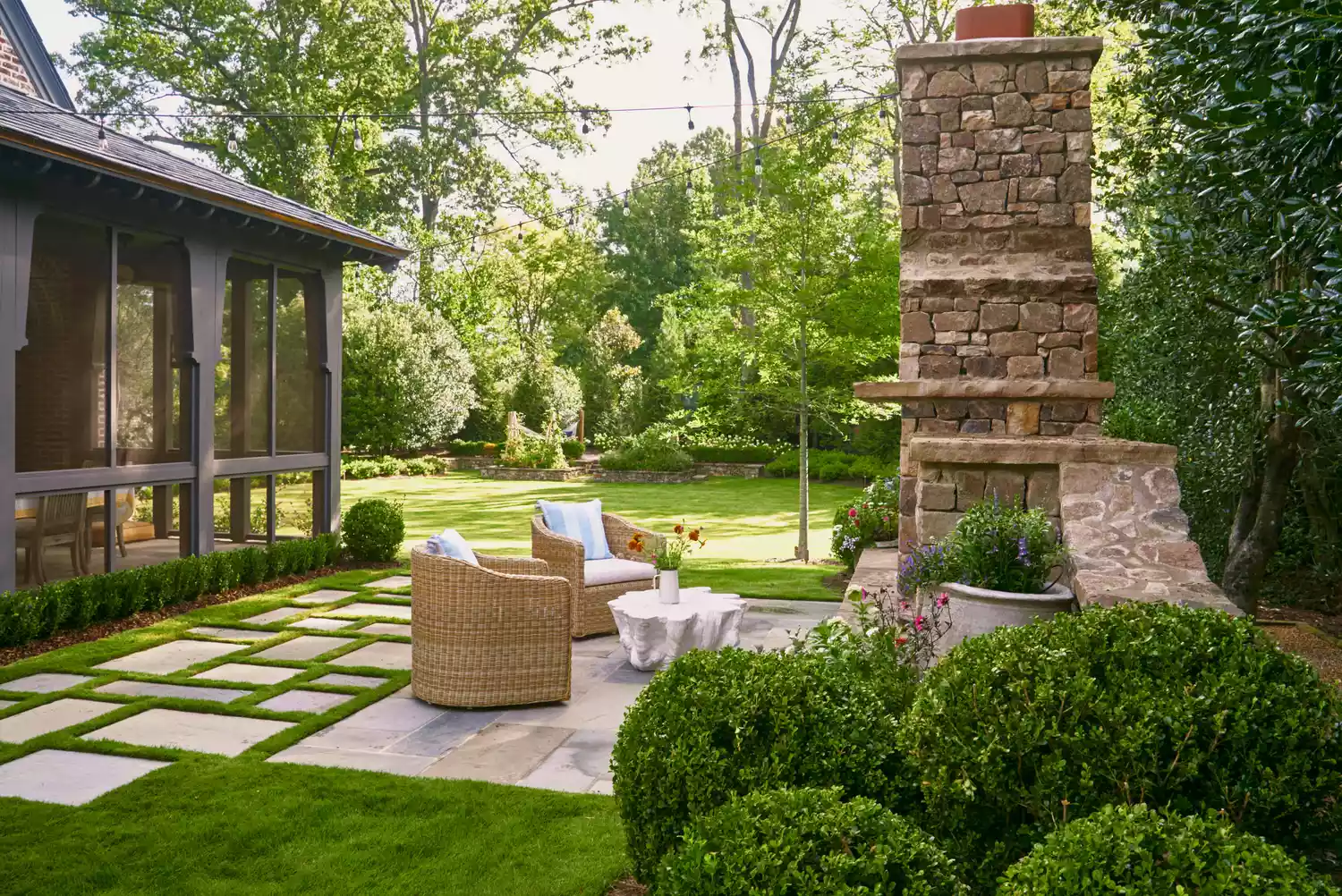
One key tip involves incorporating vertical elements. Taller plants, tree canopies, architectural features like trellises and pergolas, and elevated planters can draw the eye upwards. This strategy creates an illusion of height and depth, making the space feel more voluminous while efficiently utilizing vertical dimensions without expanding the physical footprint. The visual enclosure provided by trees can also foster a sense of intimacy and defined areas within a compact garden.
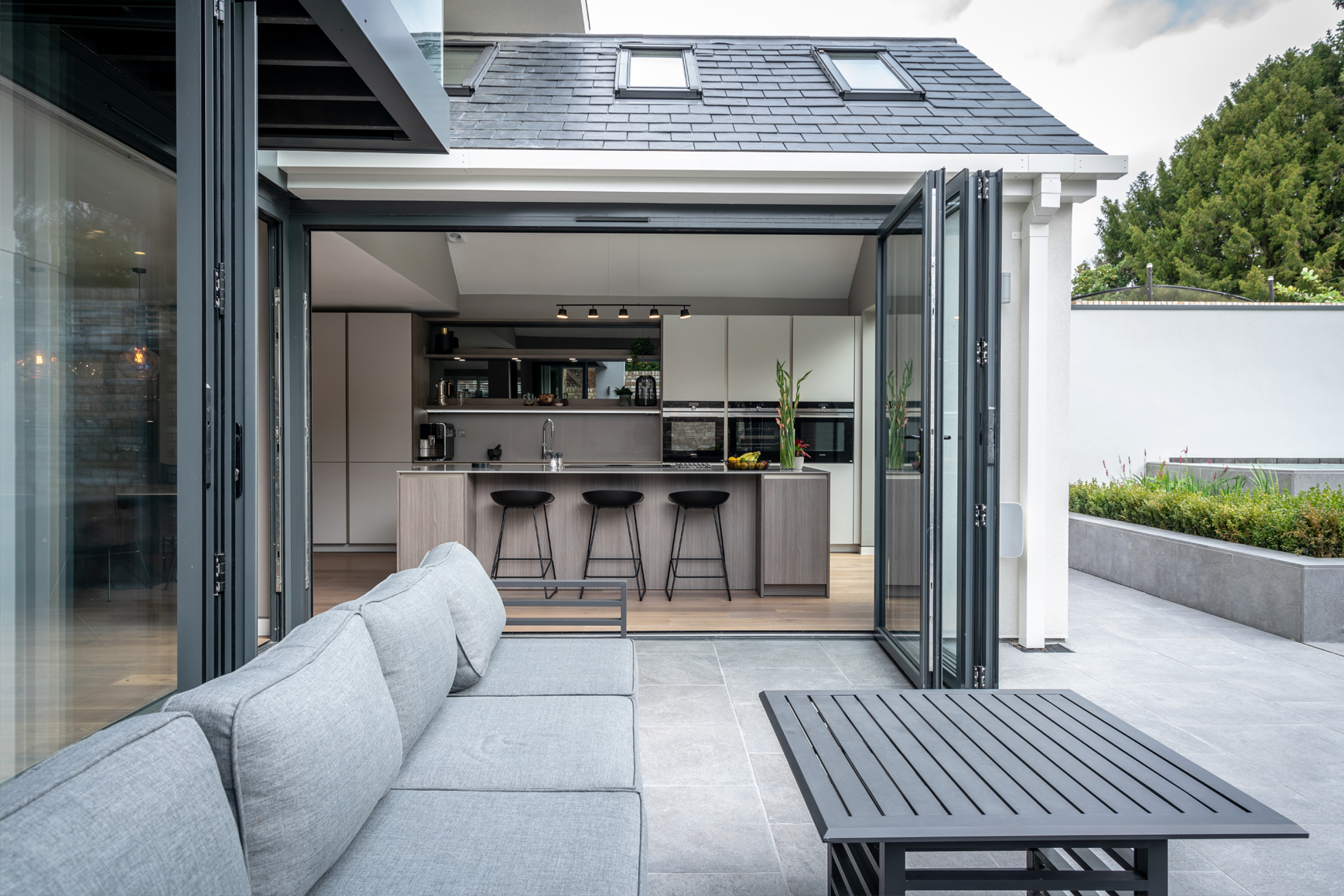
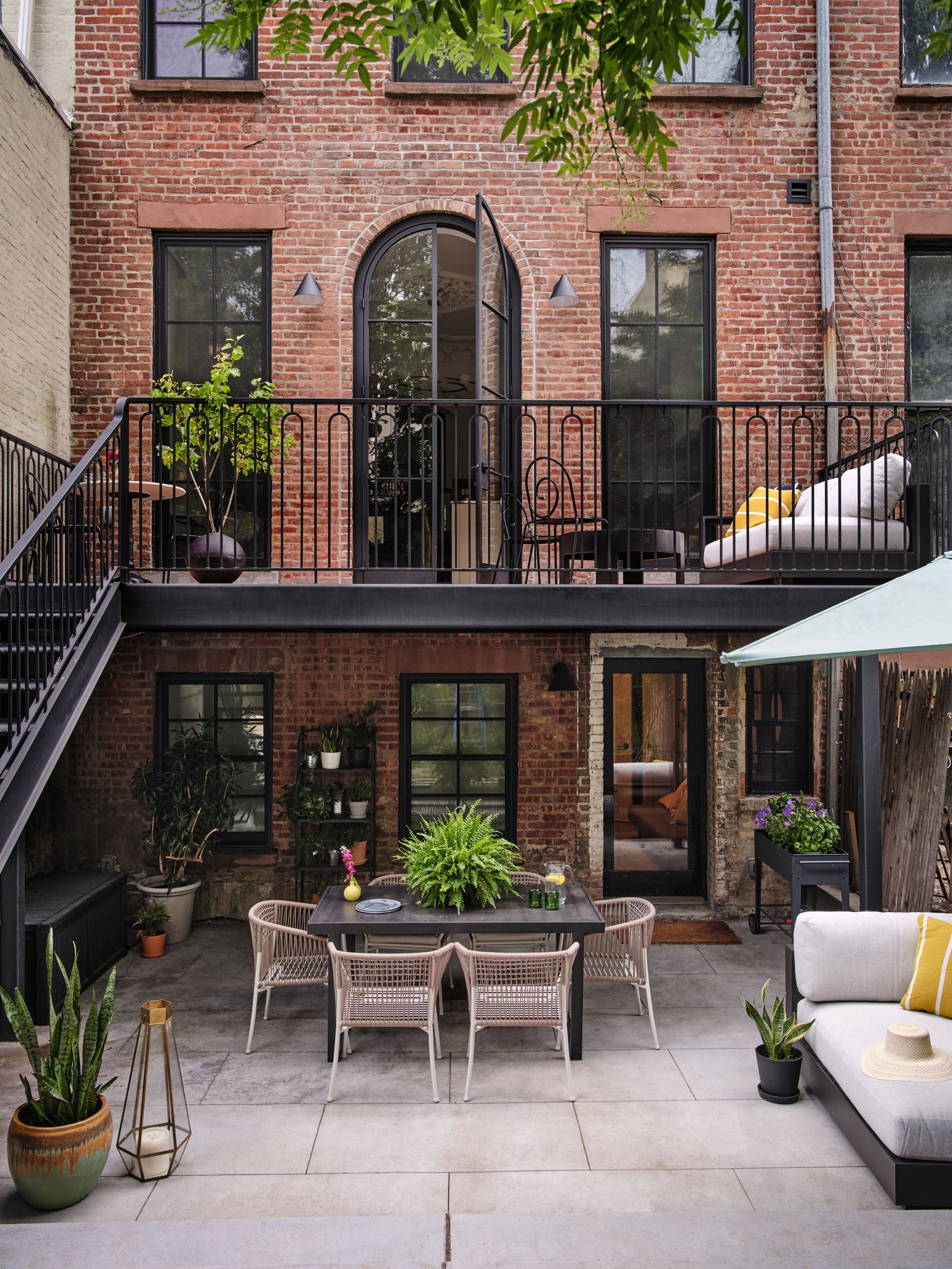
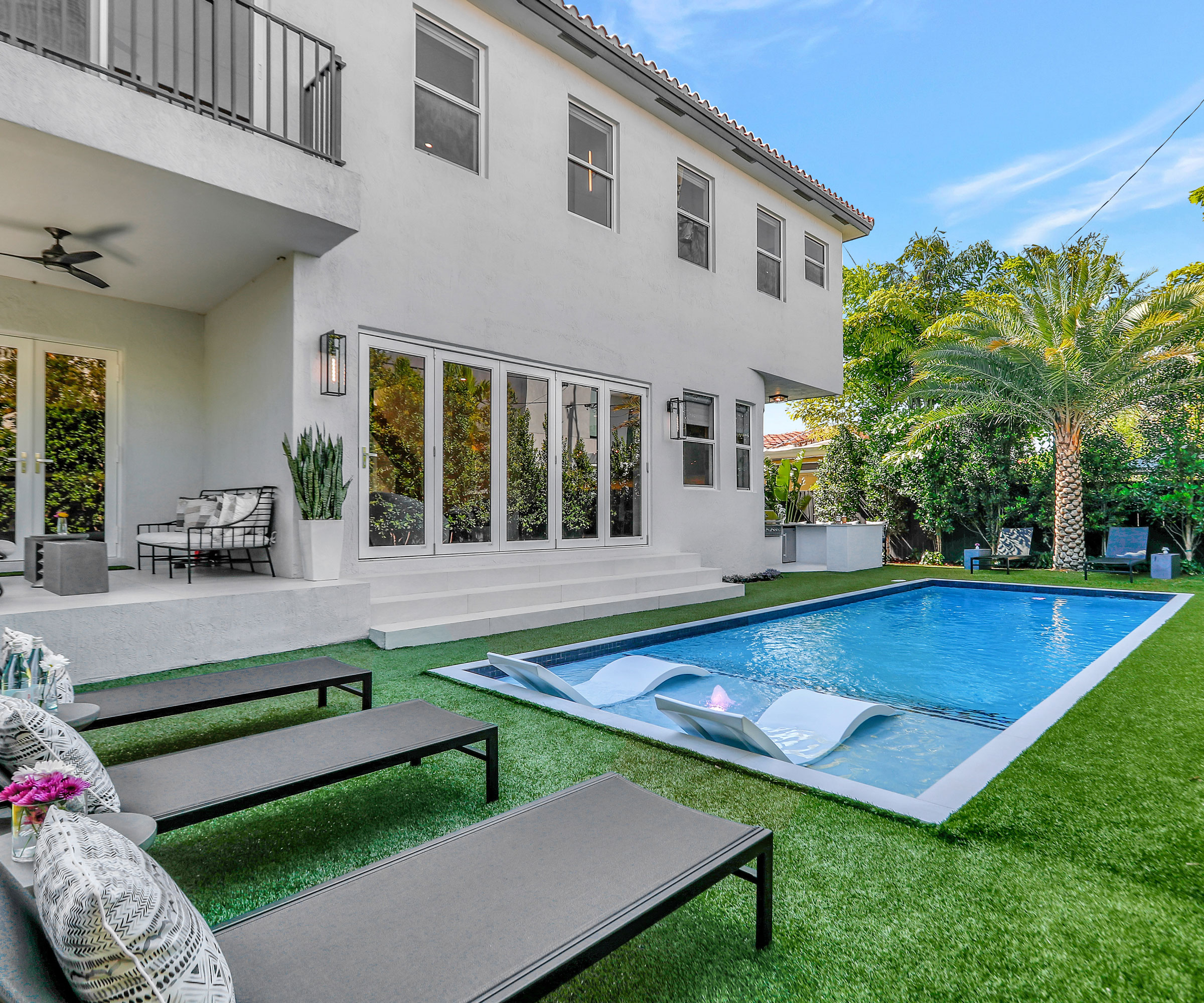
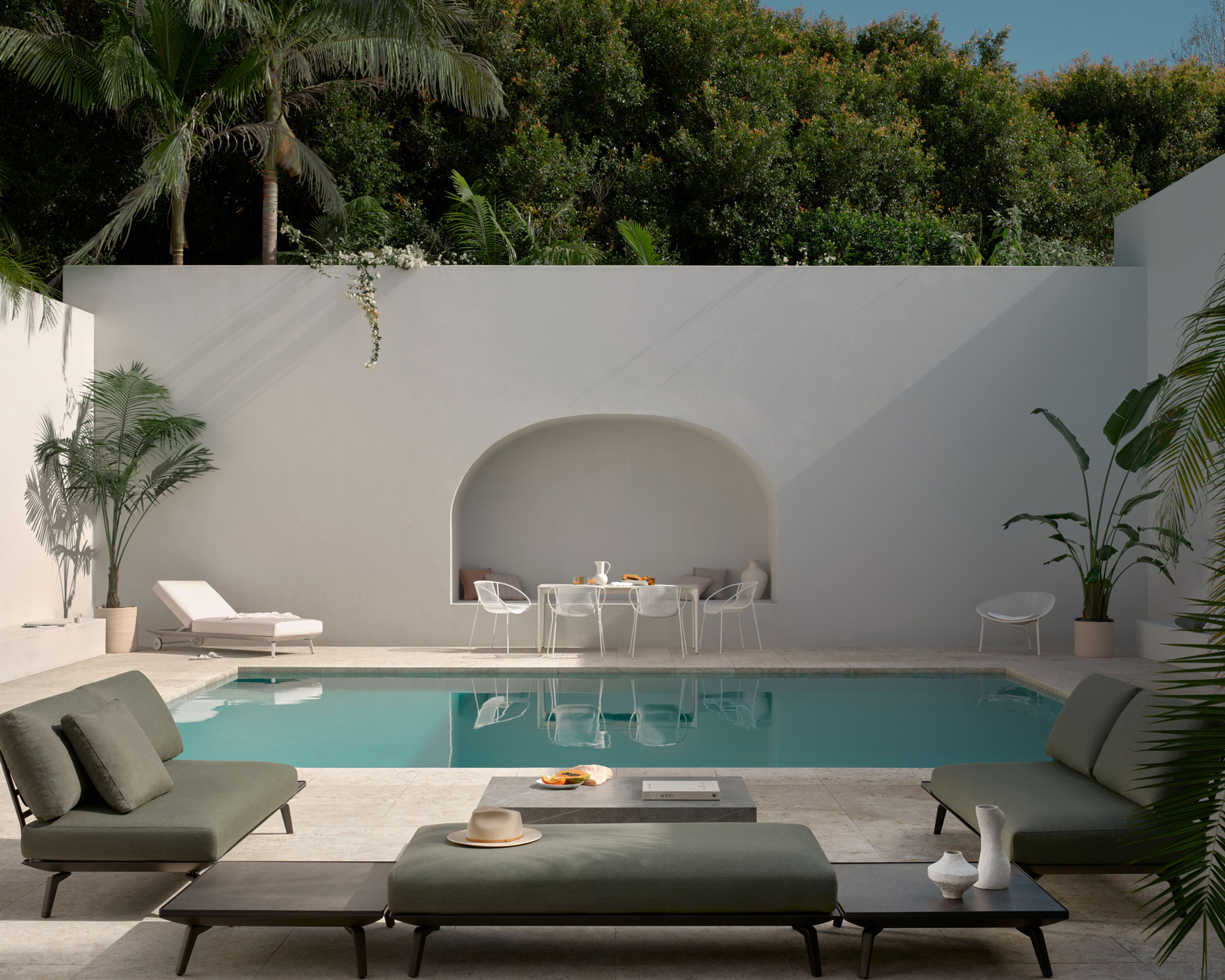
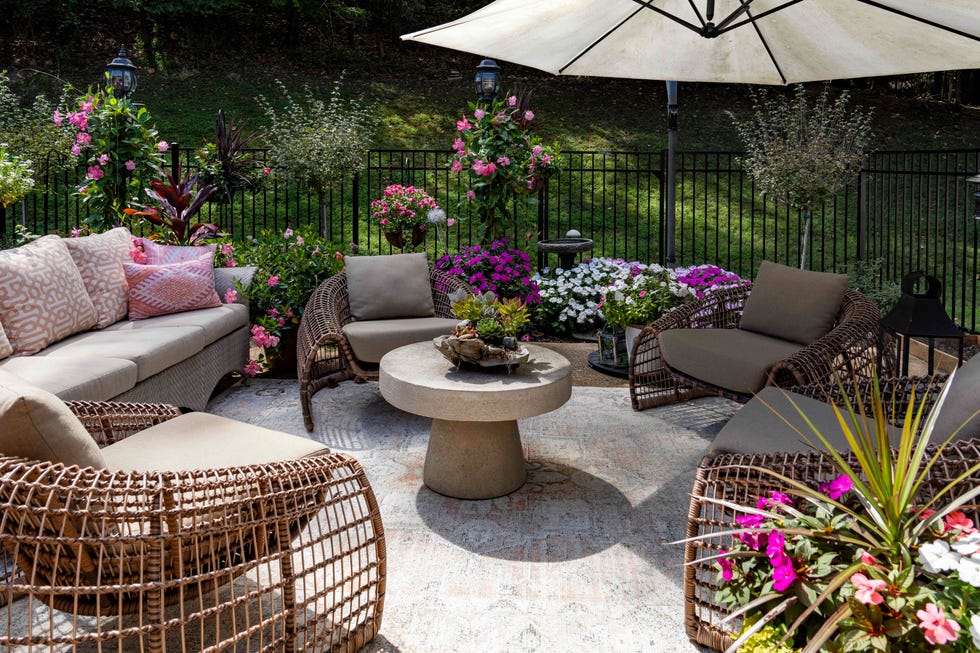
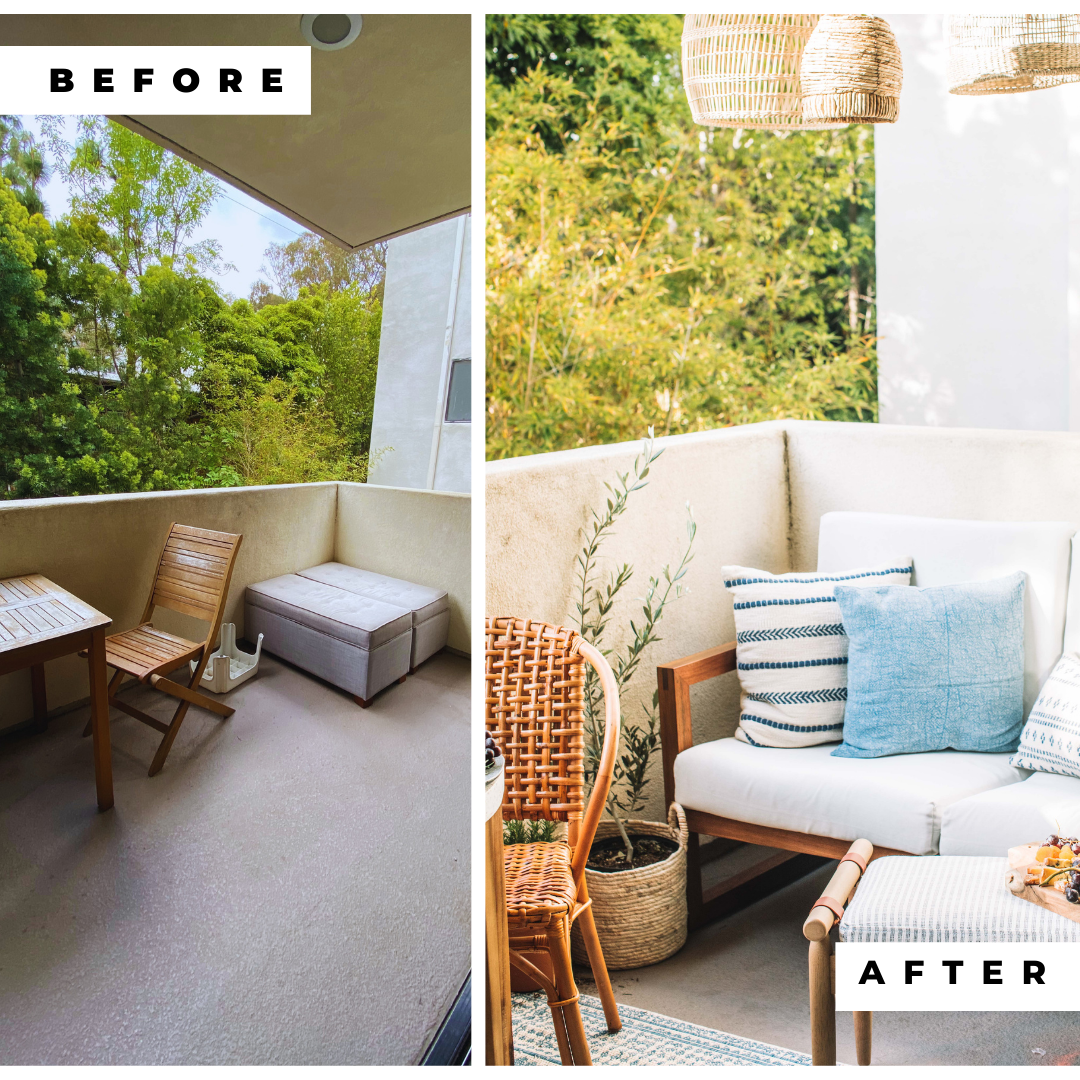
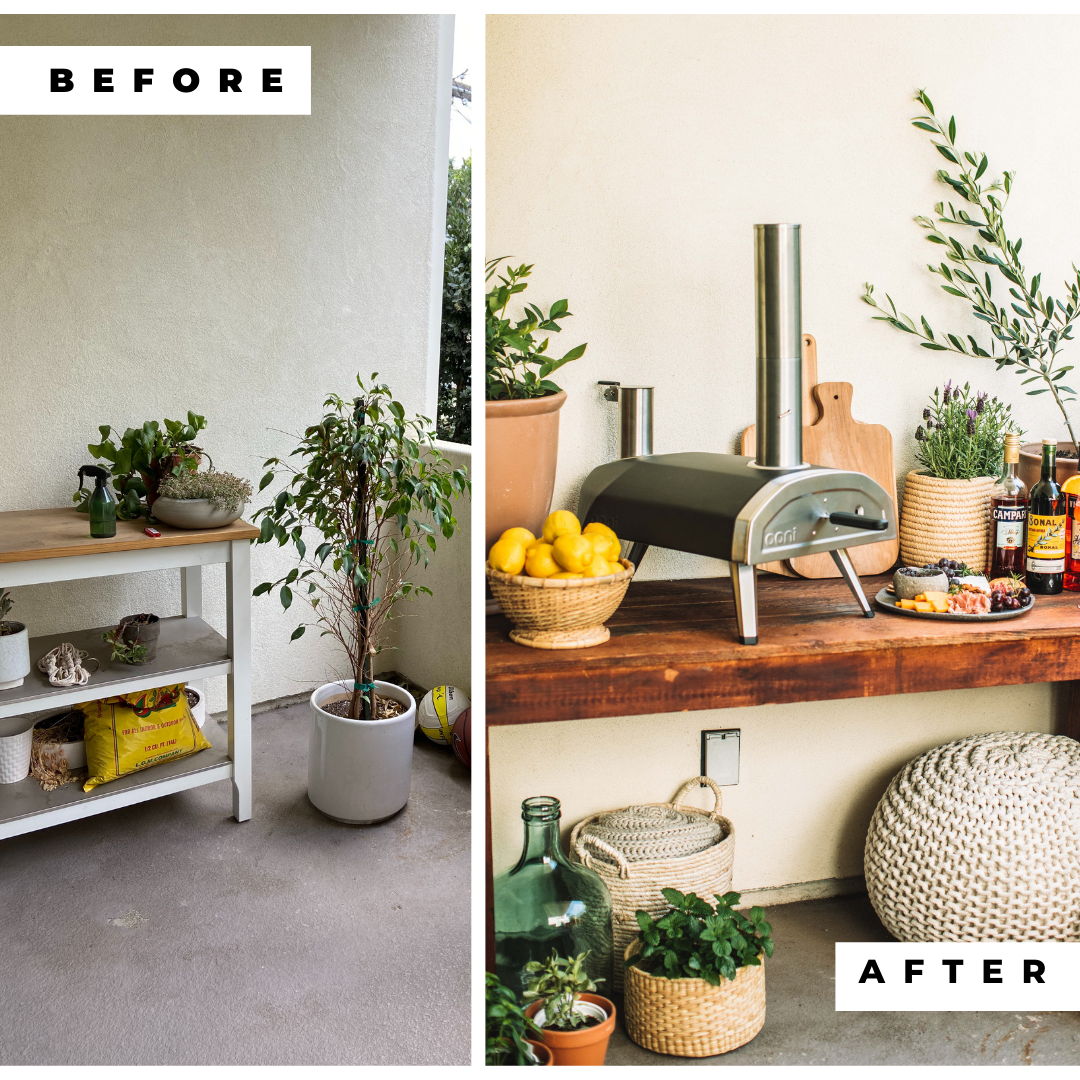
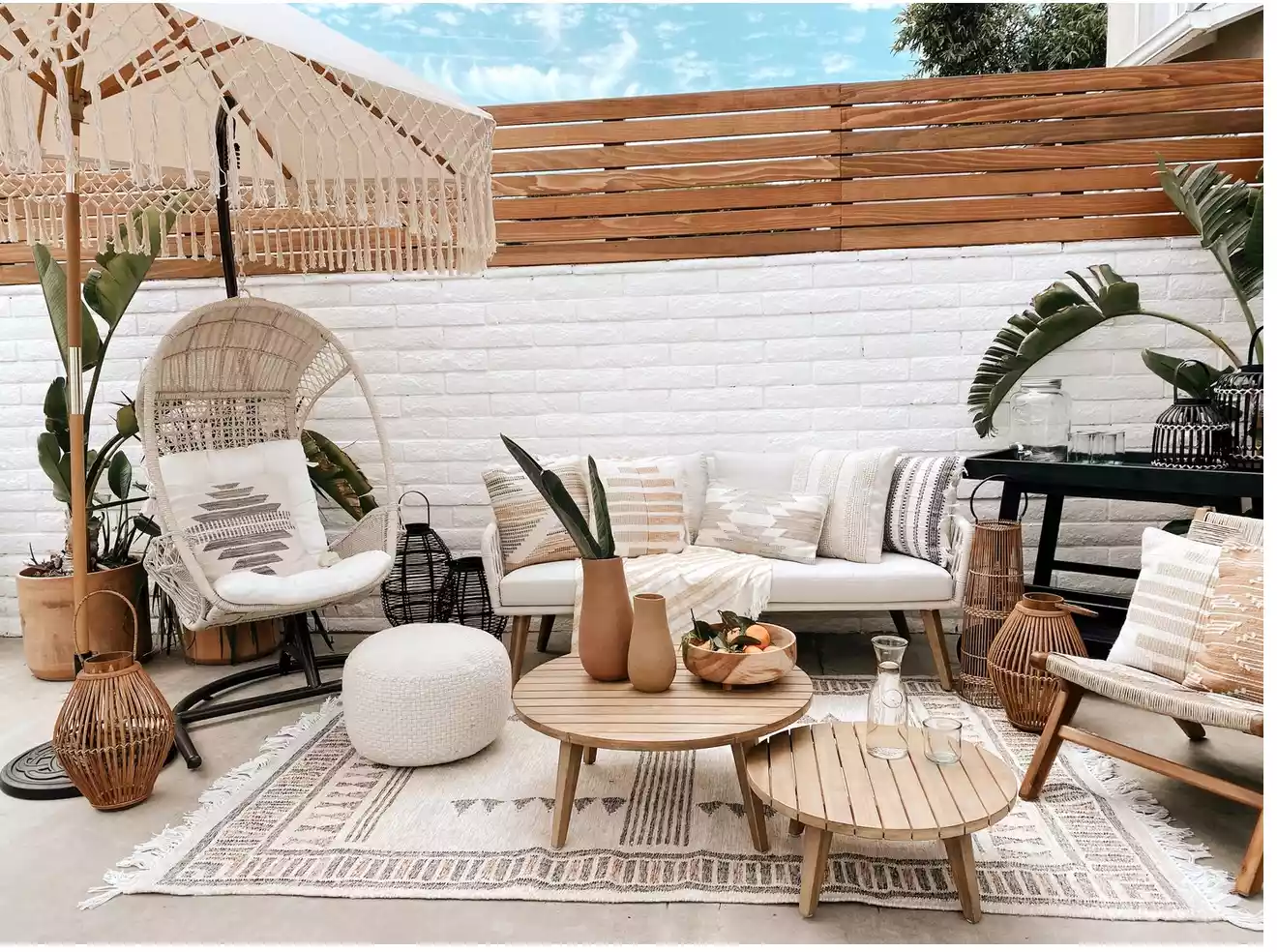
Another effective approach is to maintain a cohesive and light-colored palette. Visual continuity, achieved through consistent materials and colors for flooring, furniture, and planters, reduces clutter and allows the eye to move freely, thereby expanding the perceived openness of the area. Lighter hues, in particular, enhance brightness and contribute to an airy atmosphere. Similarly, layers of lighter-toned foliage in planting designs can add depth and visual interest, making the space appear more expansive.
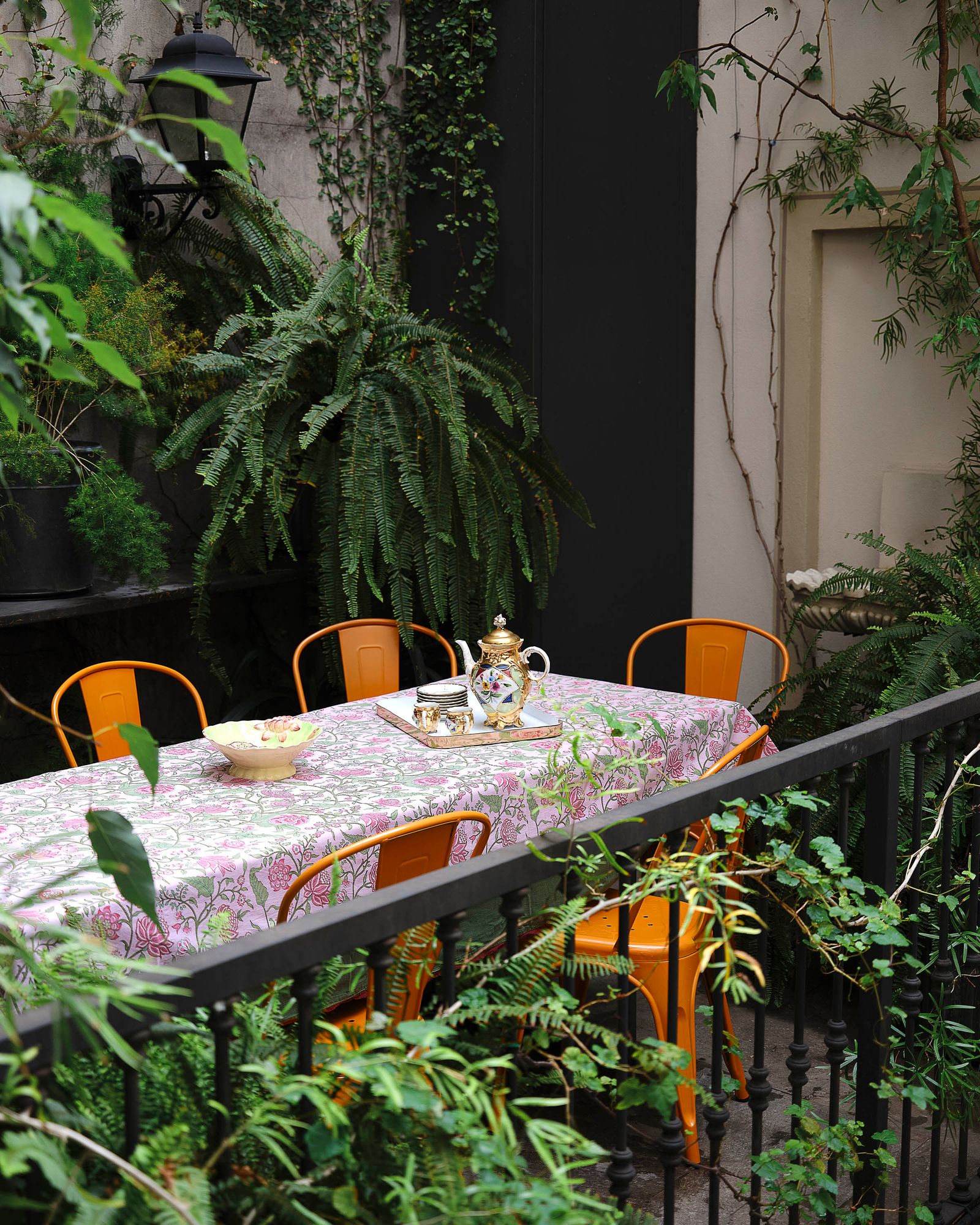
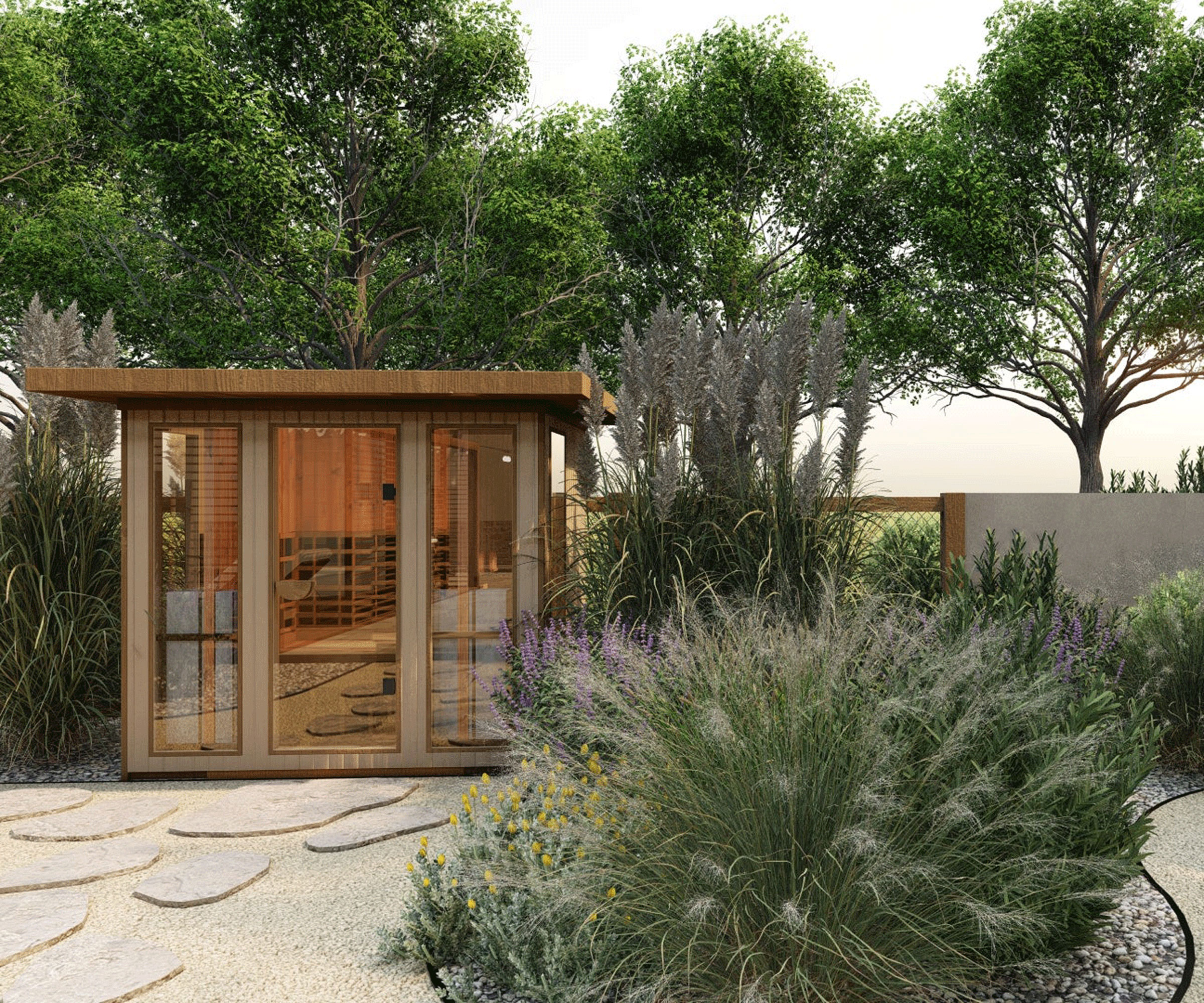
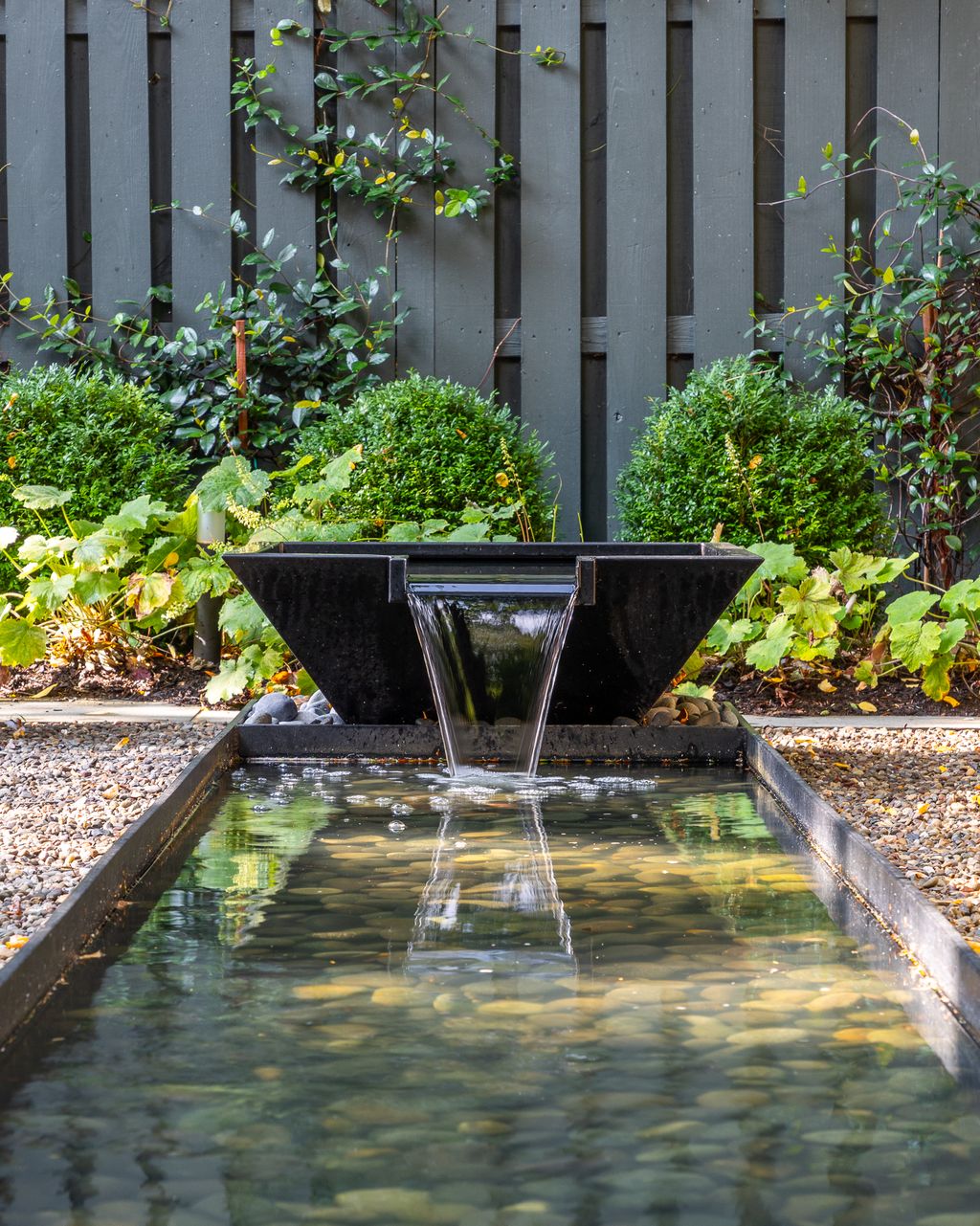
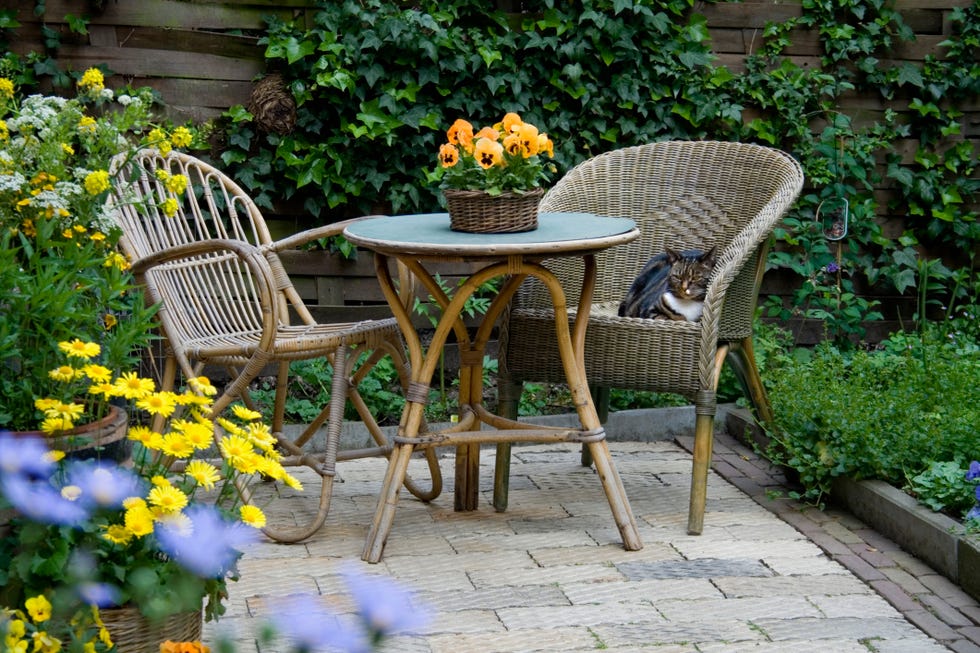
The article also recommends opting for tiered plantings. While furniture colors should be consistent, varying the shapes, textures, sizes, and colors of plants adds richness and dimension, preventing the space from appearing flat or dull. Arranging plants in layers—from low groundcovers to medium shrubs and taller vertical elements—creates depth and guides the eye outward, enhancing the dynamic feel of the garden.
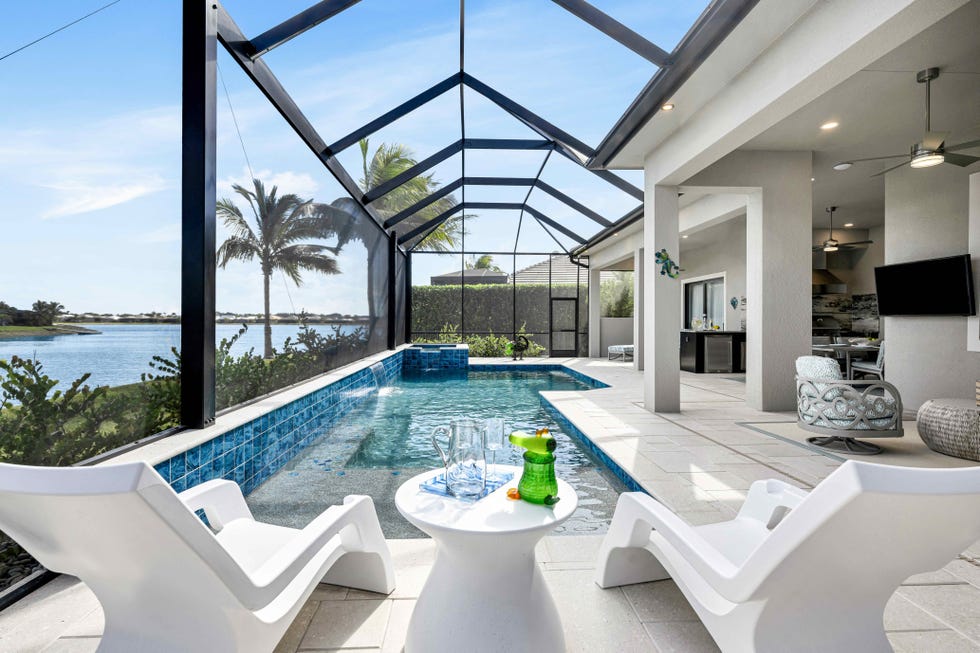
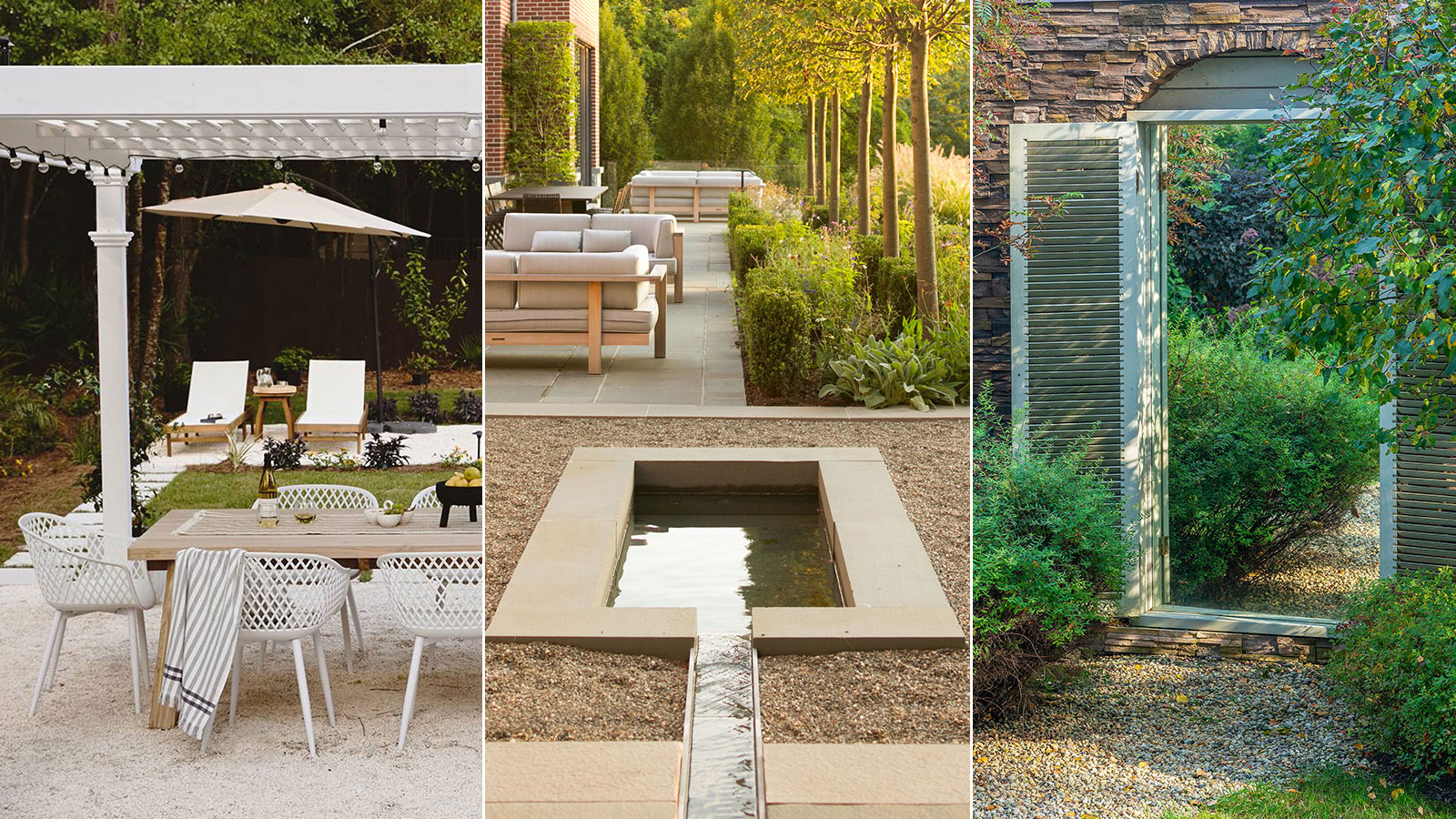
Furthermore, designers suggest looking beyond the immediate boundaries of the outdoor space. If there are appealing views beyond the property, highlighting them through lighter plantings and view-through fencing at the perimeter can create a seamless transition, effectively 'borrowing' the surrounding scenery to visually extend the area. Softening boundaries with trees, vines, or layered hedges blurs the edges and encourages the eye to wander, fostering a more expansive, garden-like experience rather than a confined one.
Incorporating curved pathways is another strategy to create a sense of movement and exploration. Gentle curves in walkways or planting beds trick the brain into perceiving more space, contributing to a feeling of wandering and discovery within the garden or landscaped areas.
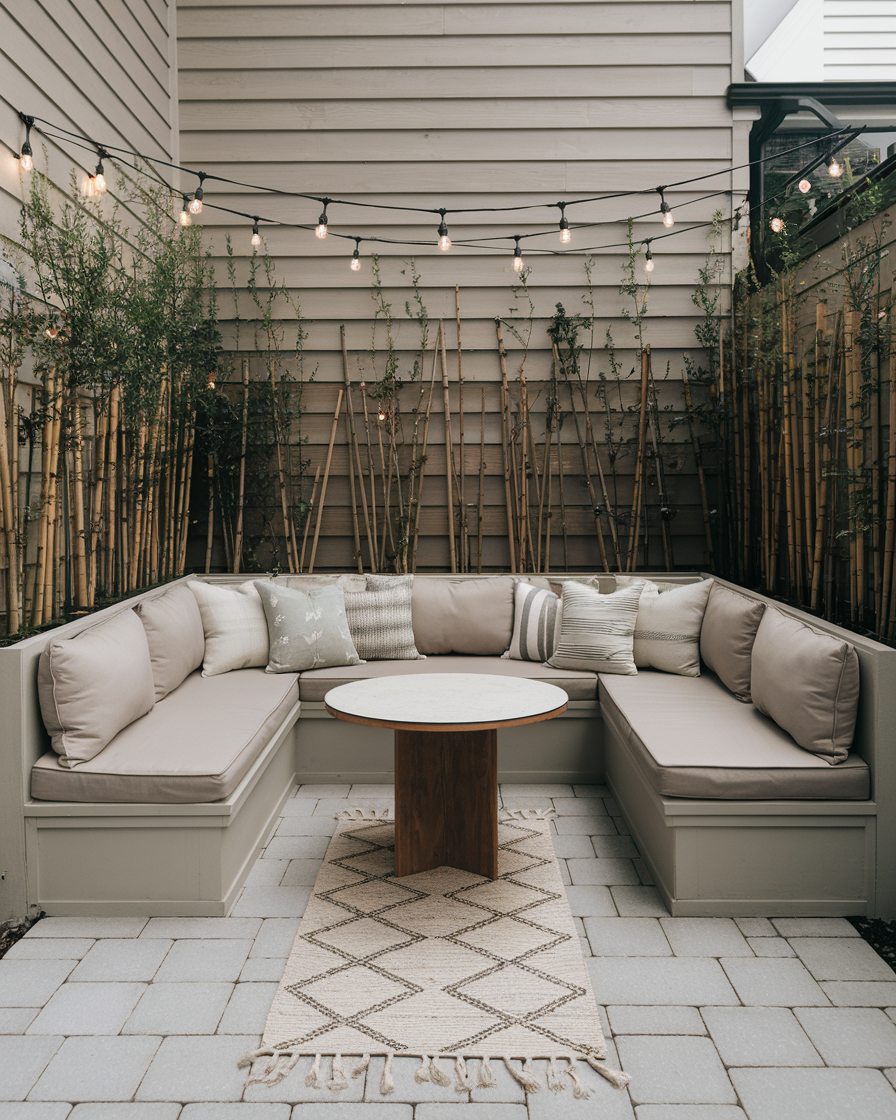
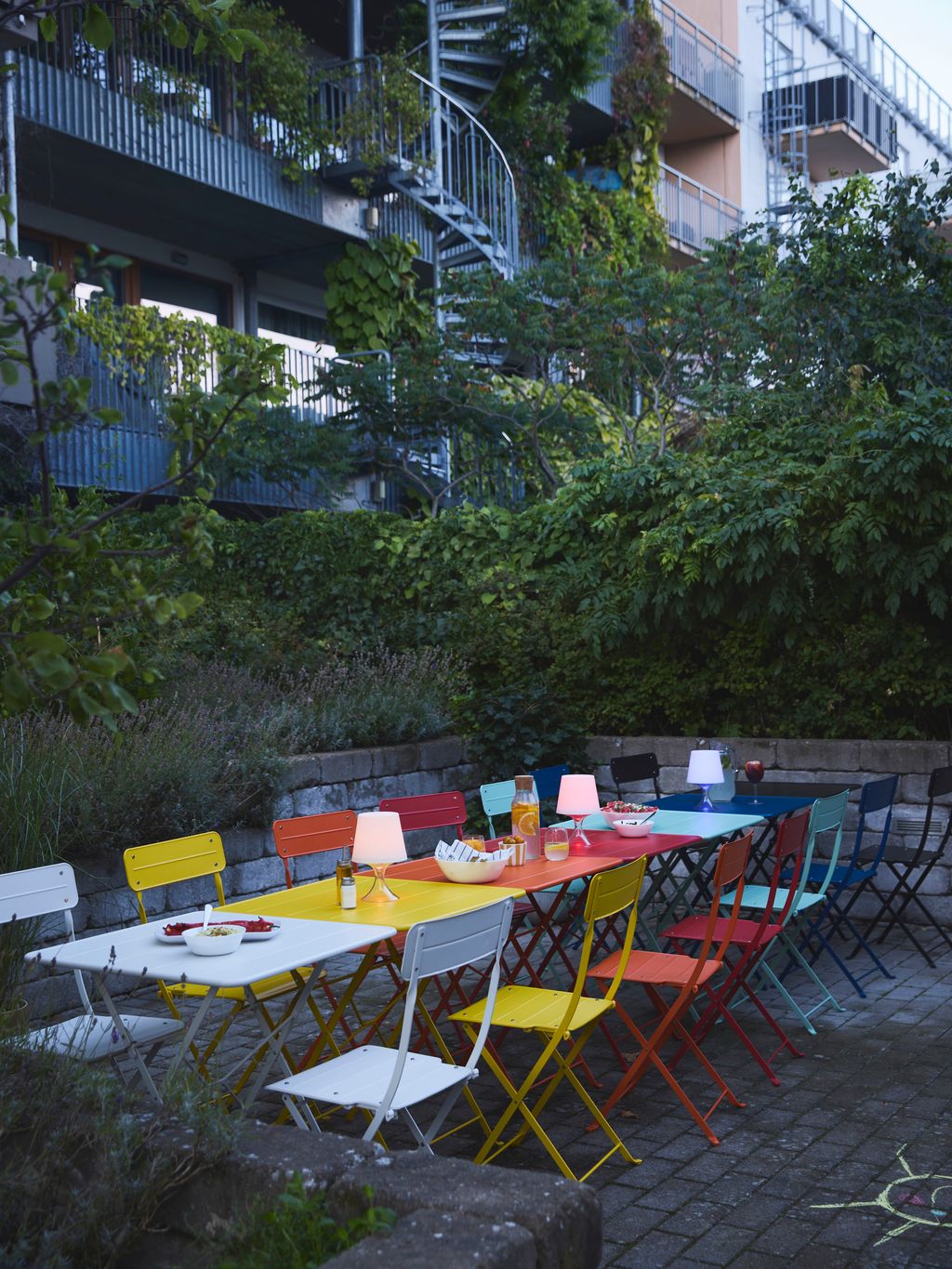
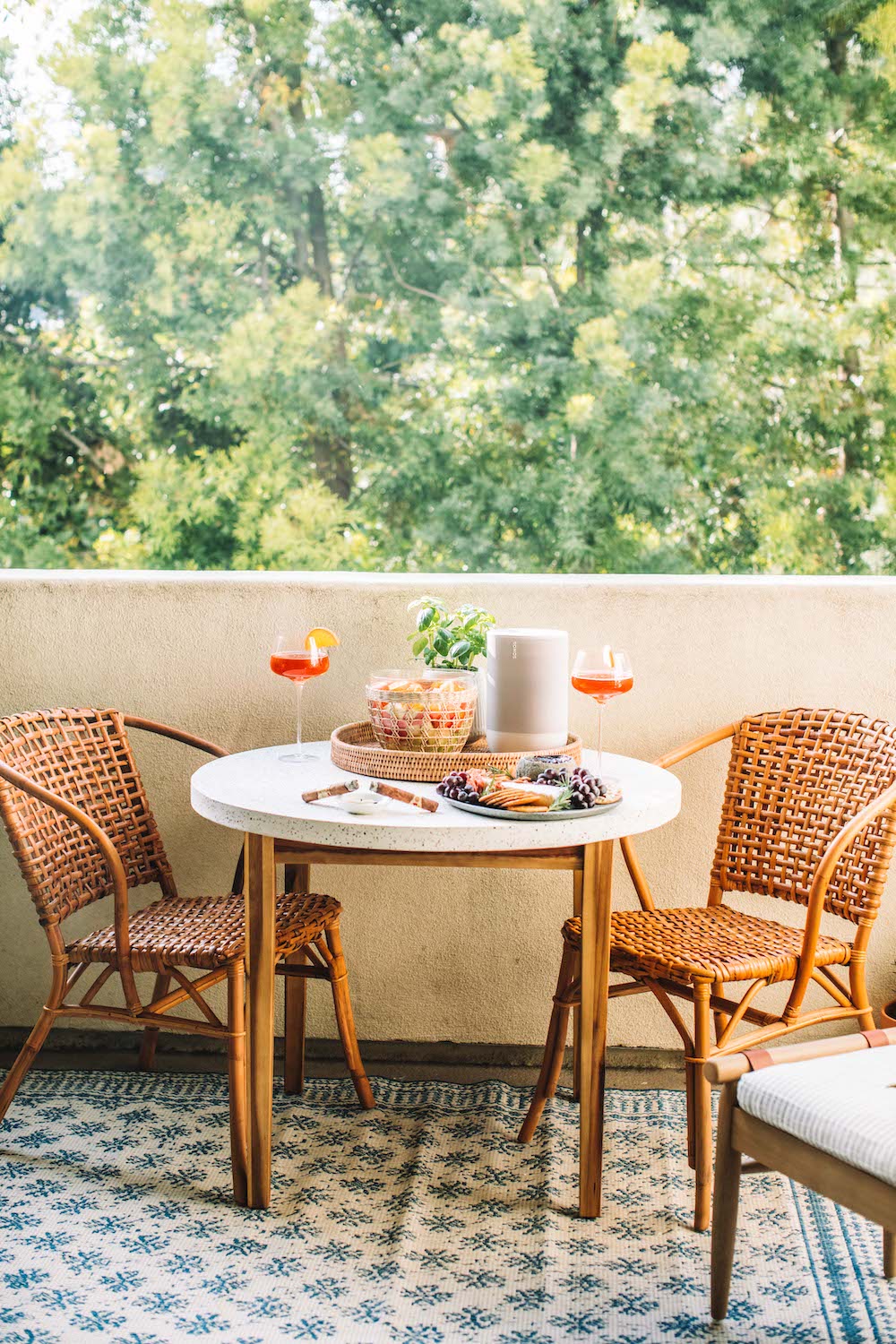
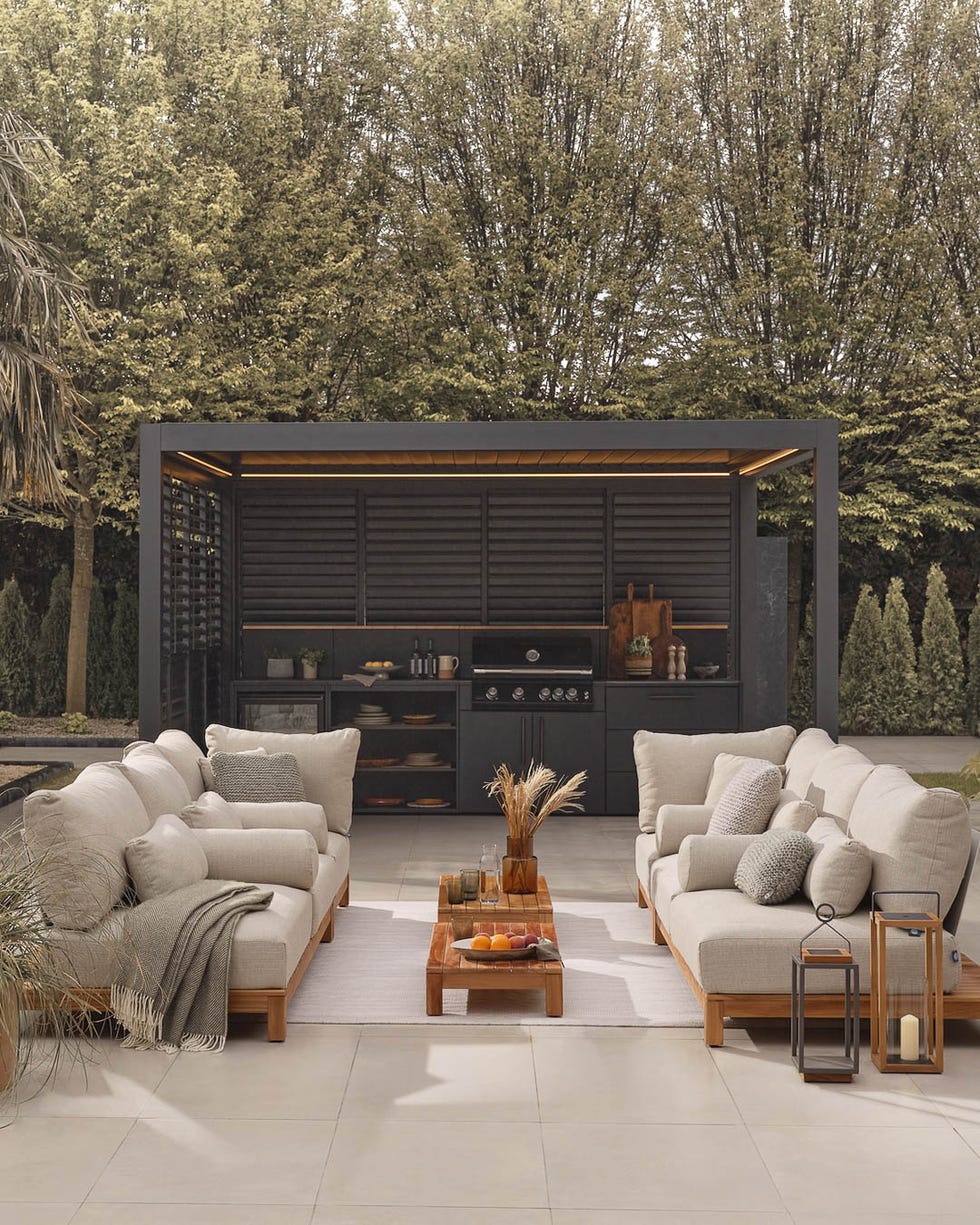
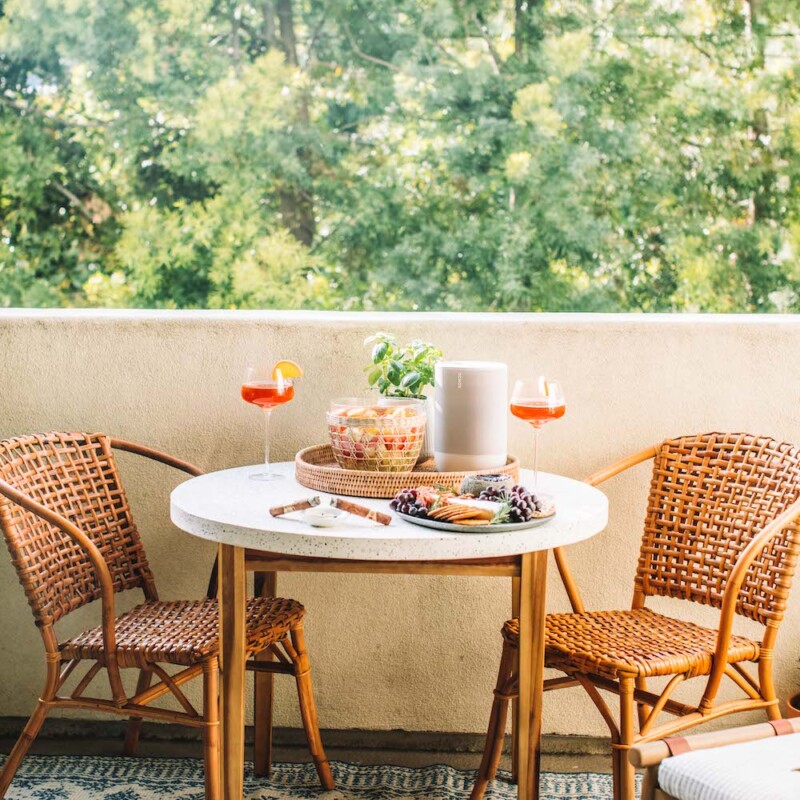
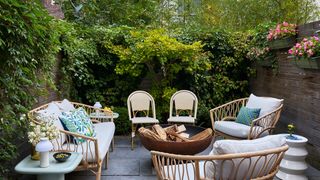
Finally, decorating with lightweight and multifunctional furniture is crucial for small outdoor spaces. Lightweight pieces allow for easy rearrangement and adaptability, catering to different uses and users. Bulky furniture can visually and physically overwhelm small areas, making them feel crowded. Low-profile designs with open frames or slim silhouettes maintain views, while built-in seating or pieces with integrated storage optimize space and provide customized proportions, maximizing utility without creating a cluttered layout.
#OutdoorLiving #SmallSpaces #LandscapeDesign #HomeDecor #GardenDesign #DesignTips #VerticalGardening #OutdoorFurniture #OutdoorLiving #SmallSpaces #LandscapeDesign #HomeDecor #GardenDesign #DesignTips #VerticalGardening #OutdoorFurniture
0 comment in total
 No comments yet
You may also like
6 Underrated Designer Secrets That Instantly Make Any Room Look Better
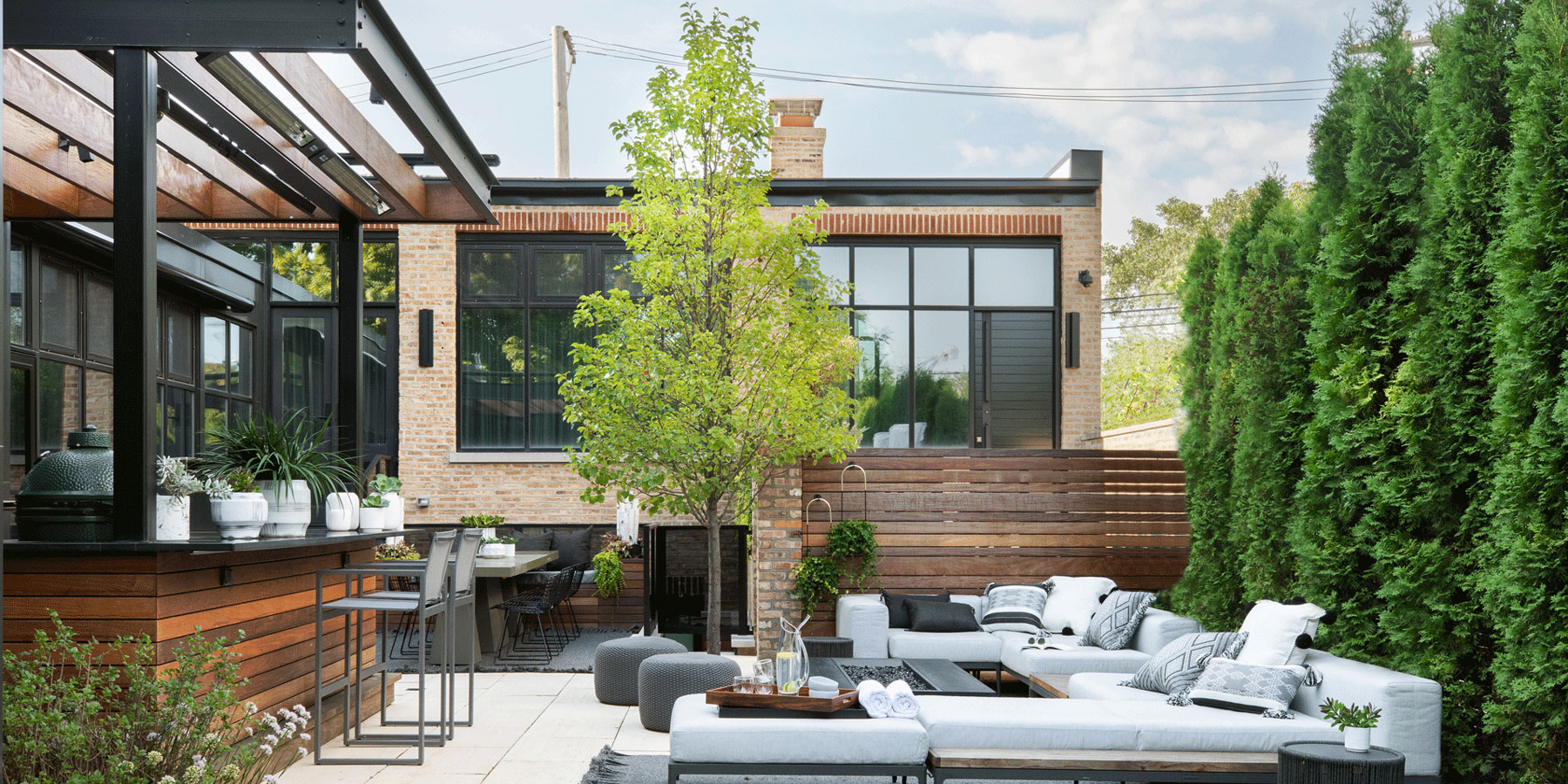
How to make a small backyard look bigger – 10 clever ways to max out your space

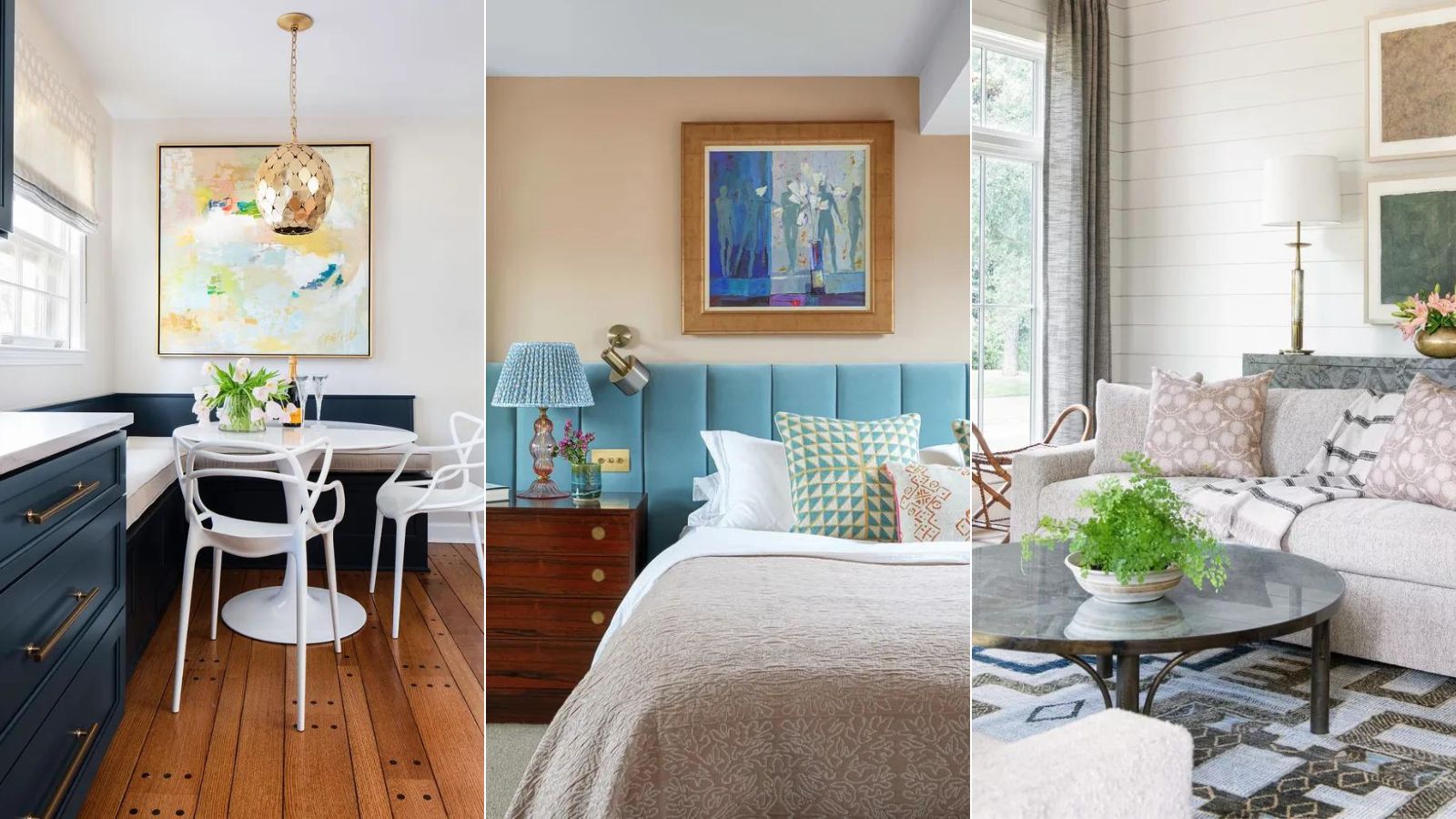
10 things designers do to make rooms look bigger – strategies for success from the experts
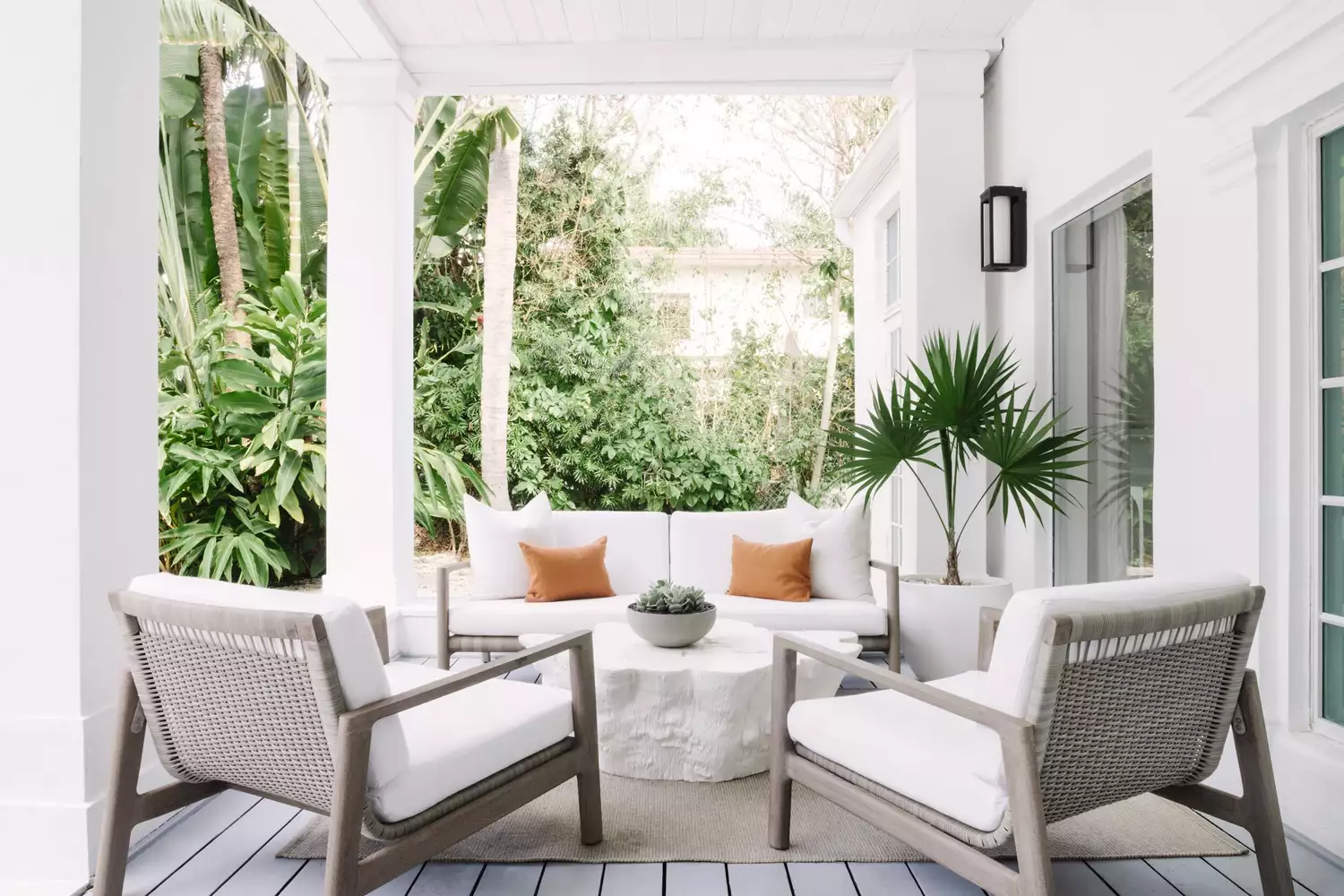
4 Underrated Decorating Tips Designers Always Use to Refresh Their Outdoor Spaces
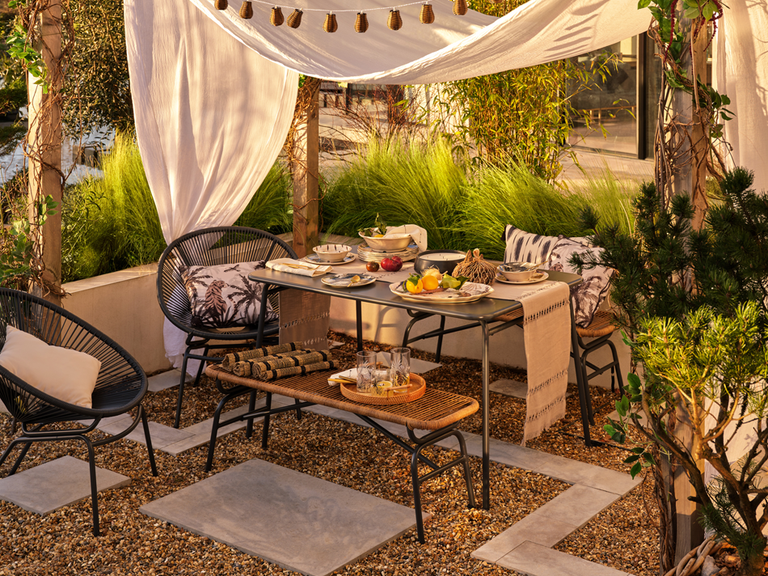
Experts explain how to create extra living space outdoors

21 Genius Small Patio Ideas That Make Your Backyard Feel 10x Bigger
Interior designers share 11 low-cost ways to make a small outdoor space feel bigger
This Easy Upgrade Can Transform Your Outdoor Space

How to make a backyard look bigger – 8 space-enhancing tricks that work every time
7 Secrets For Maximizing Your Outdoor Space, According To Designers
Top design tips to make your home look bigger

6 Small Patio Design Ideas to Make the Most of Your Space

6 Easy Tips for a Stunning Outdoor Space That Designers Always Follow
15 Outdoor Decor Ideas That Will Make a Big Impact

42 Backyard Upgrades That’ll Turn Even The Smallest Space Into An Outdoor Oasis
9 patio decorating ideas to transform your space into an outdoor oasis
How to Style Your Outdoor Space in 5 Easy Steps, According to Interior Designers
8 Designer-Approved Tips for Turning a Small Backyard Into an Outdoor Oasis

Your Deck Is About to Be the Best Room in the House

6 Outdoor Upgrades Designers Never Regret in Any Project