1/20
Gold-Green Marble and Dolce Vita Dolomite Bring the Groove Back to This ’70s Home
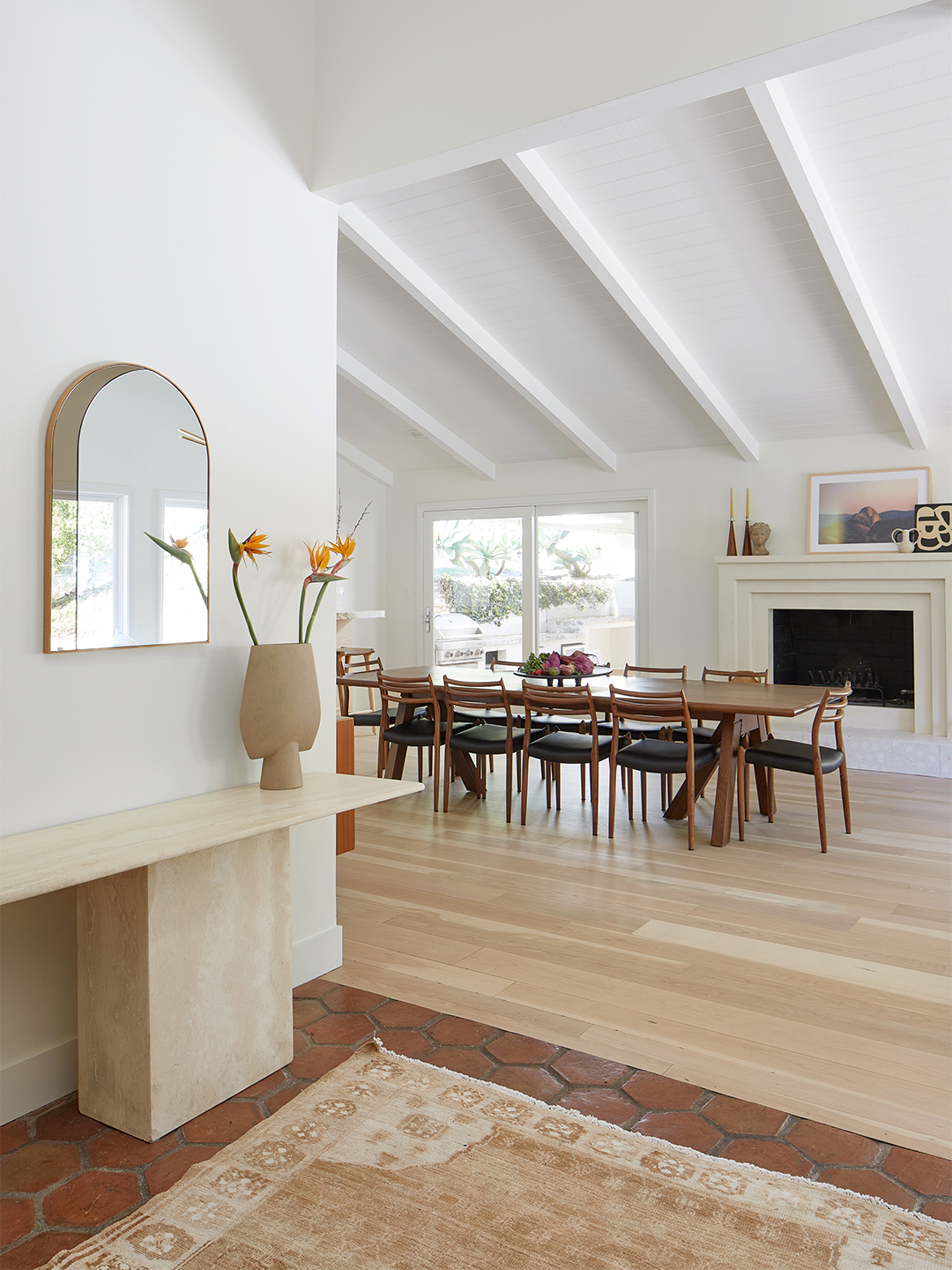
The article details the renovation of a Spanish-style Bel-Air home, focusing on how designer Natalie Myers updated the space while preserving its original 1970s character. A key decision was to retain the existing Saltillo tile floors, which Myers viewed as integral to the home's groovy aesthetic. This choice set the foundation for a cohesive design that integrated both vintage charm and modern elements, a departure from previous design attempts that hadn't fully embraced the home's potential. The clients' willingness to allow Myers to fully integrate her vision enabled a comprehensive transformation.
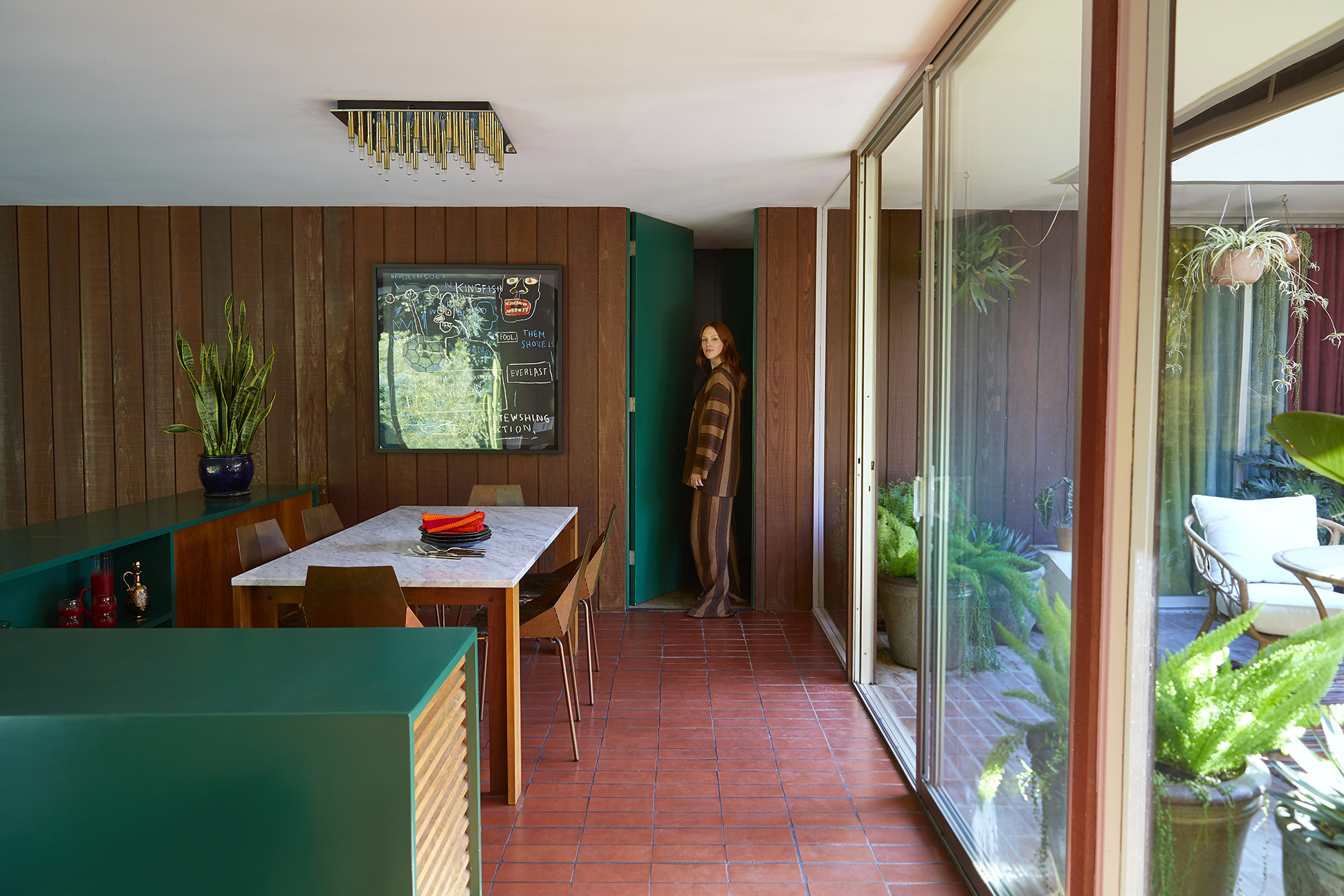
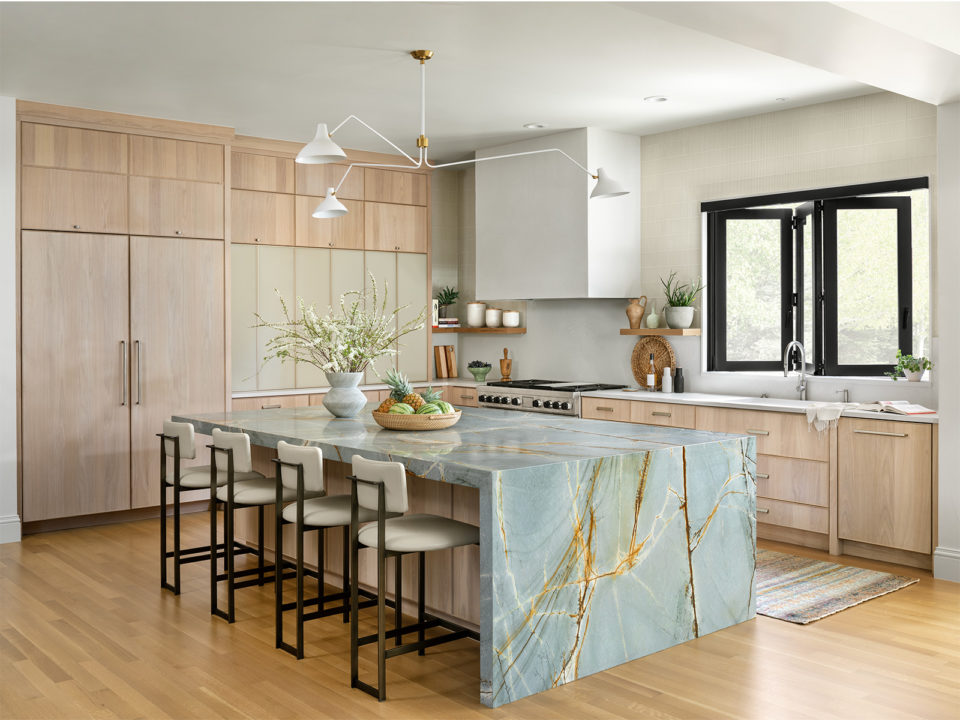
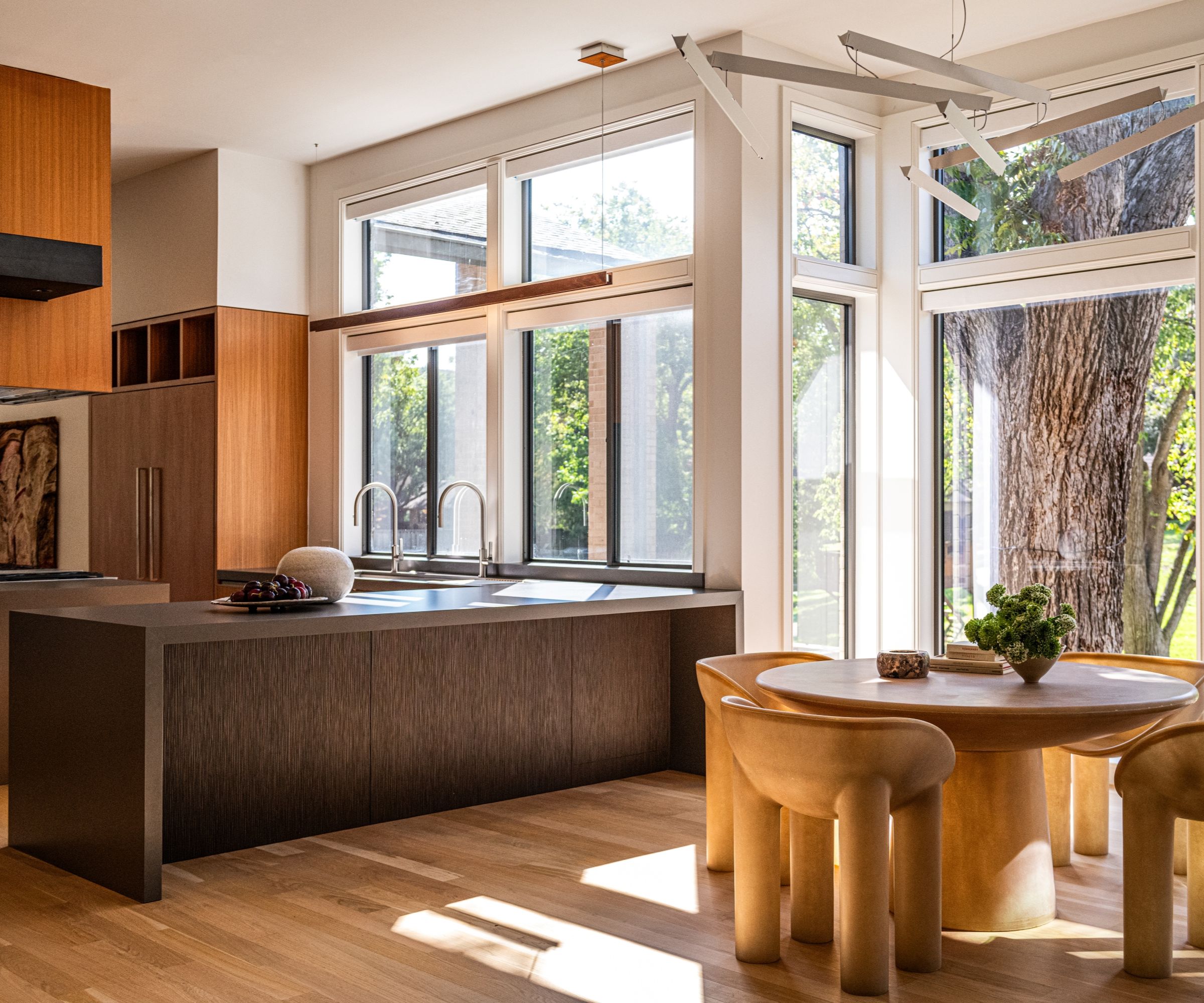
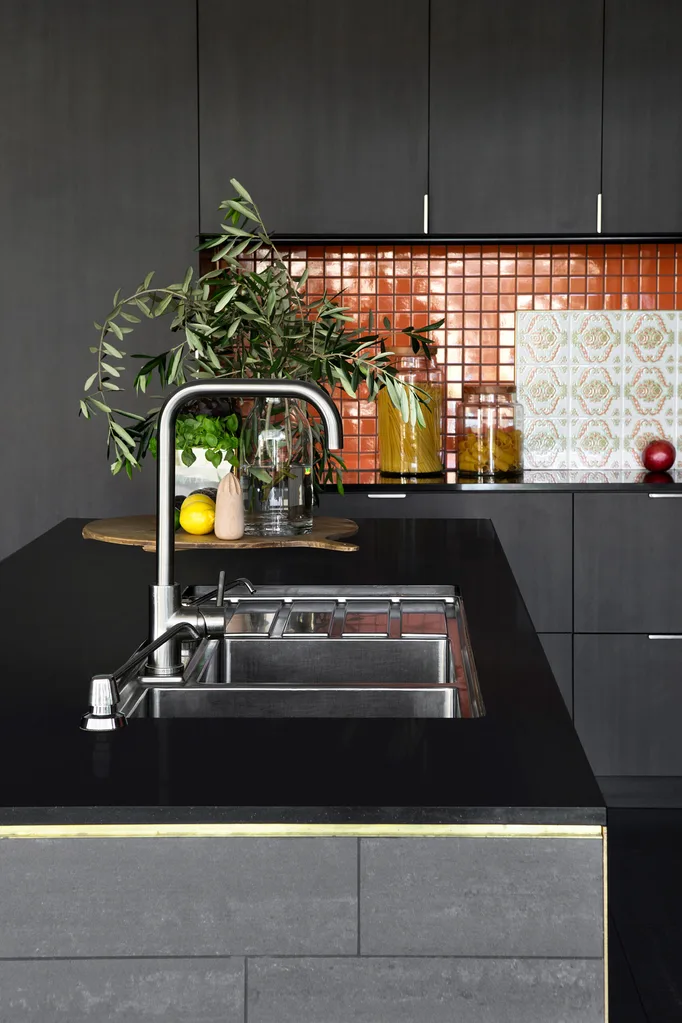
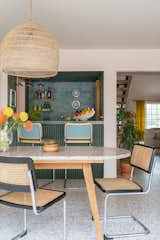
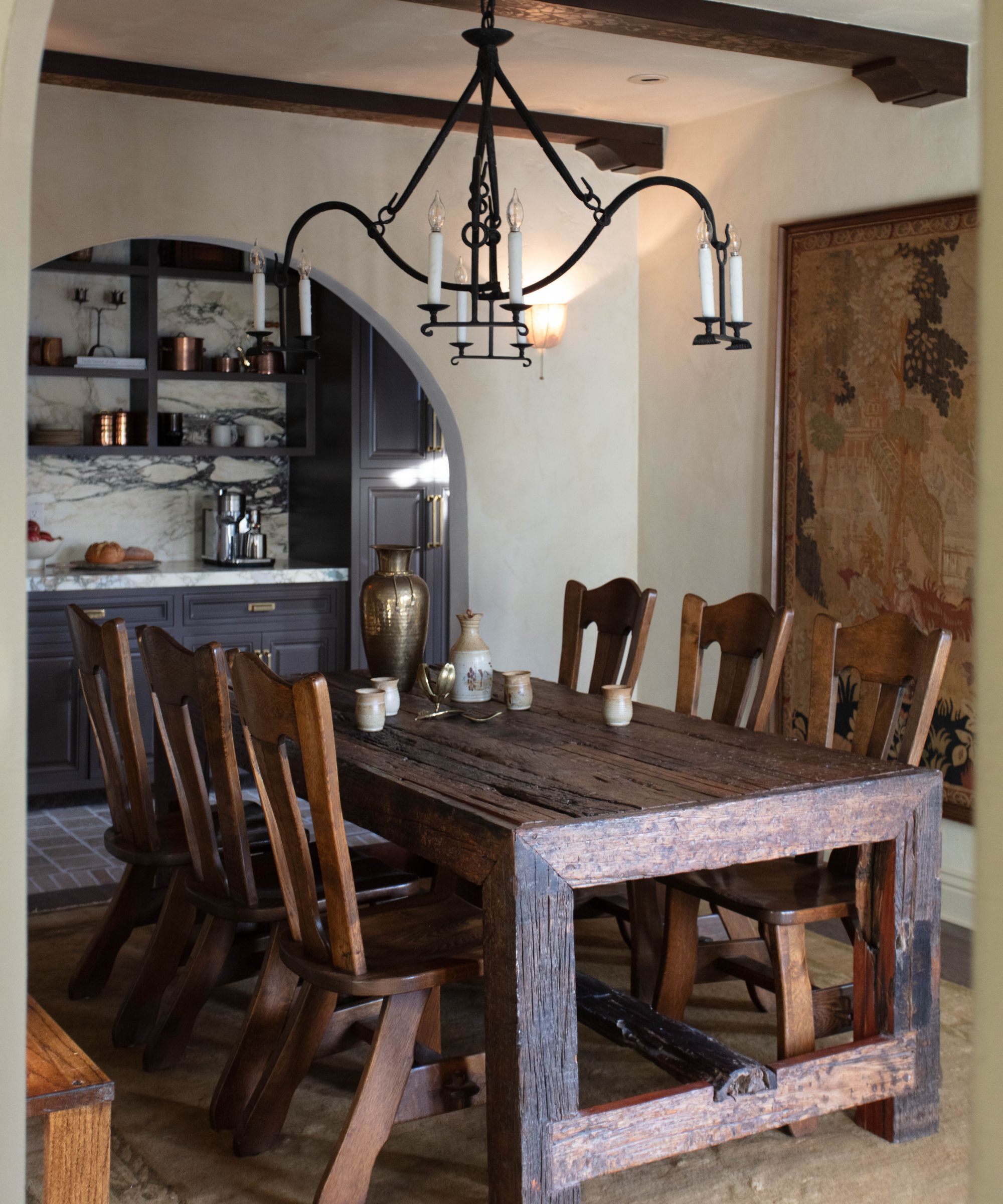
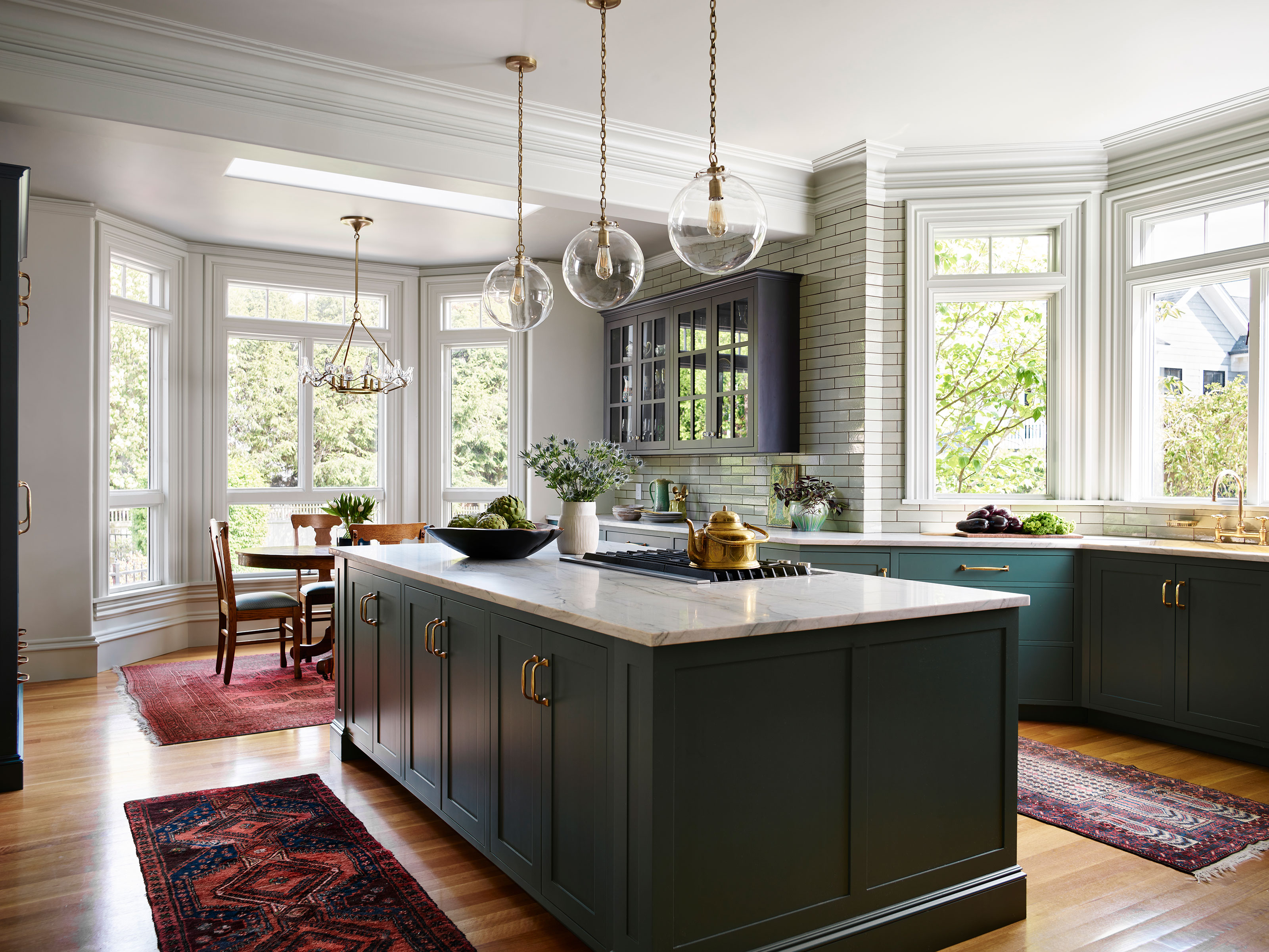
The kitchen renovation was a priority due to the clients' temporary living situation. Myers efficiently updated the kitchen by retaining the solid cabinet boxes but replacing the dated fronts with flat slab doors, painted in Berkshire Beige by Benjamin Moore, a color that shifts between pale green-gray and olive depending on the light. The most striking addition to the kitchen was the Calacatta Macchia Vecchia marble countertops. A minor layout change involved removing the island's overhang seating, deemed impractical for the space. The renovation showcases how strategic material choices can significantly impact a room's aesthetic while working within existing structures.
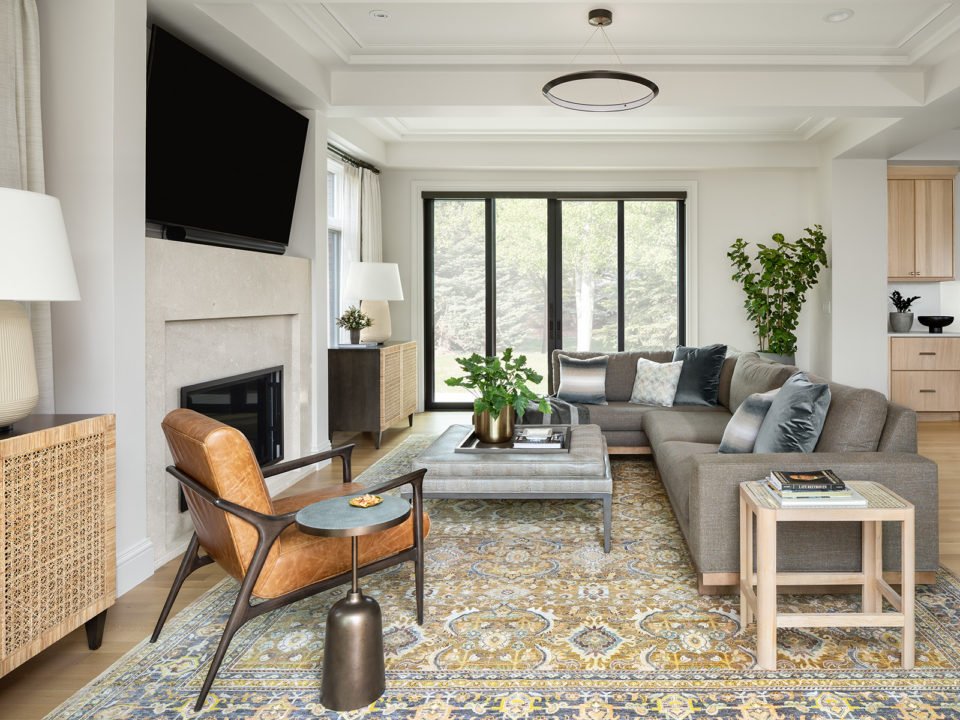
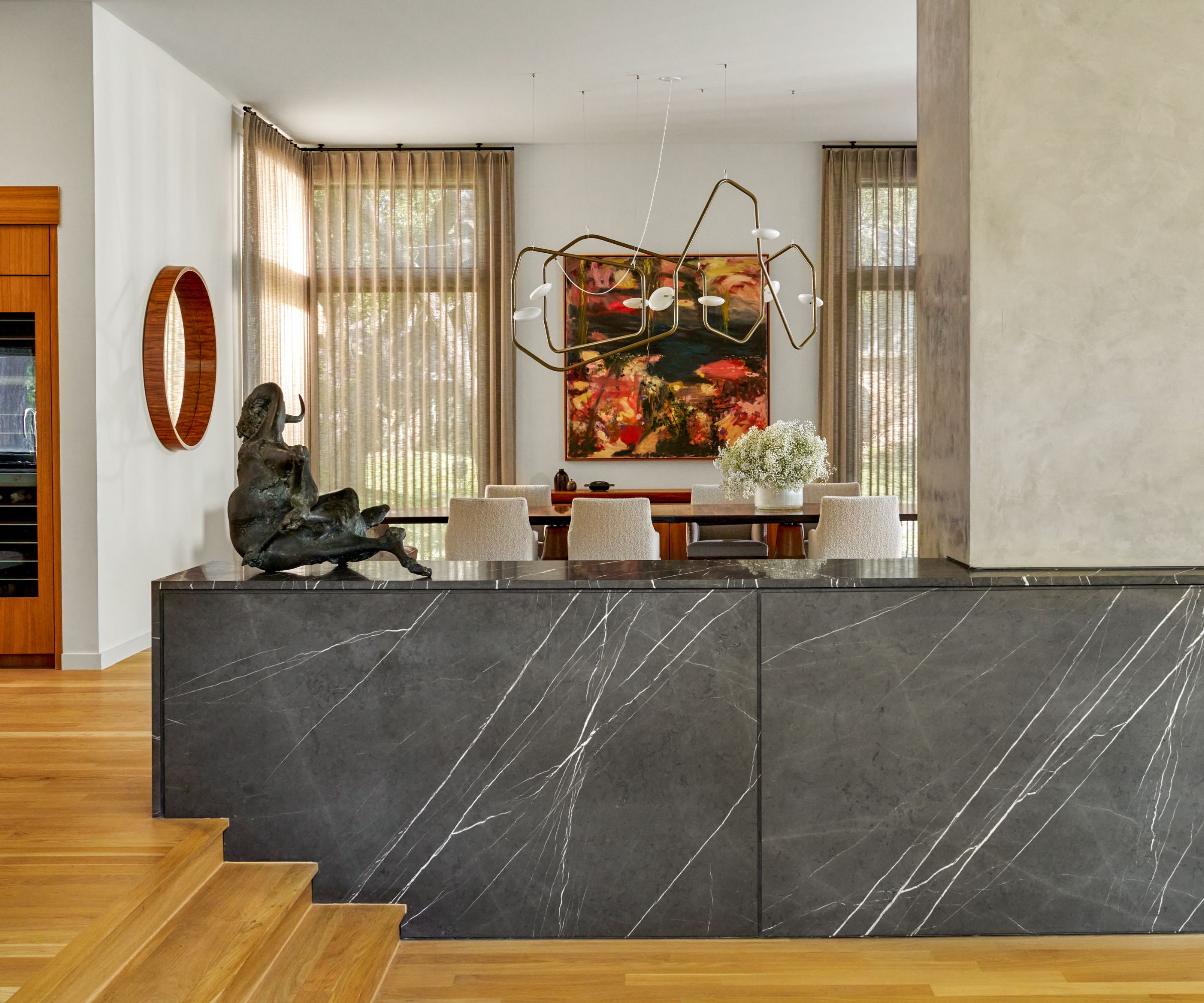
Myers emphasized creating a memorable powder room, eschewing traditional wallpaper for a dramatic Calacatta Viola sink. This decision allowed the unique veining and color of the marble to become the focal point, providing an impactful visual statement in an otherwise minimalist space. Similarly, the living room's existing bar area was enhanced by wrapping it in chunky Dolce Vita dolomite and installing brass shelves, elevating its presence to match the grandeur of the surrounding open-plan space.
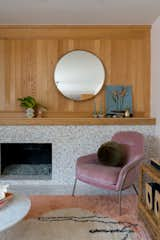
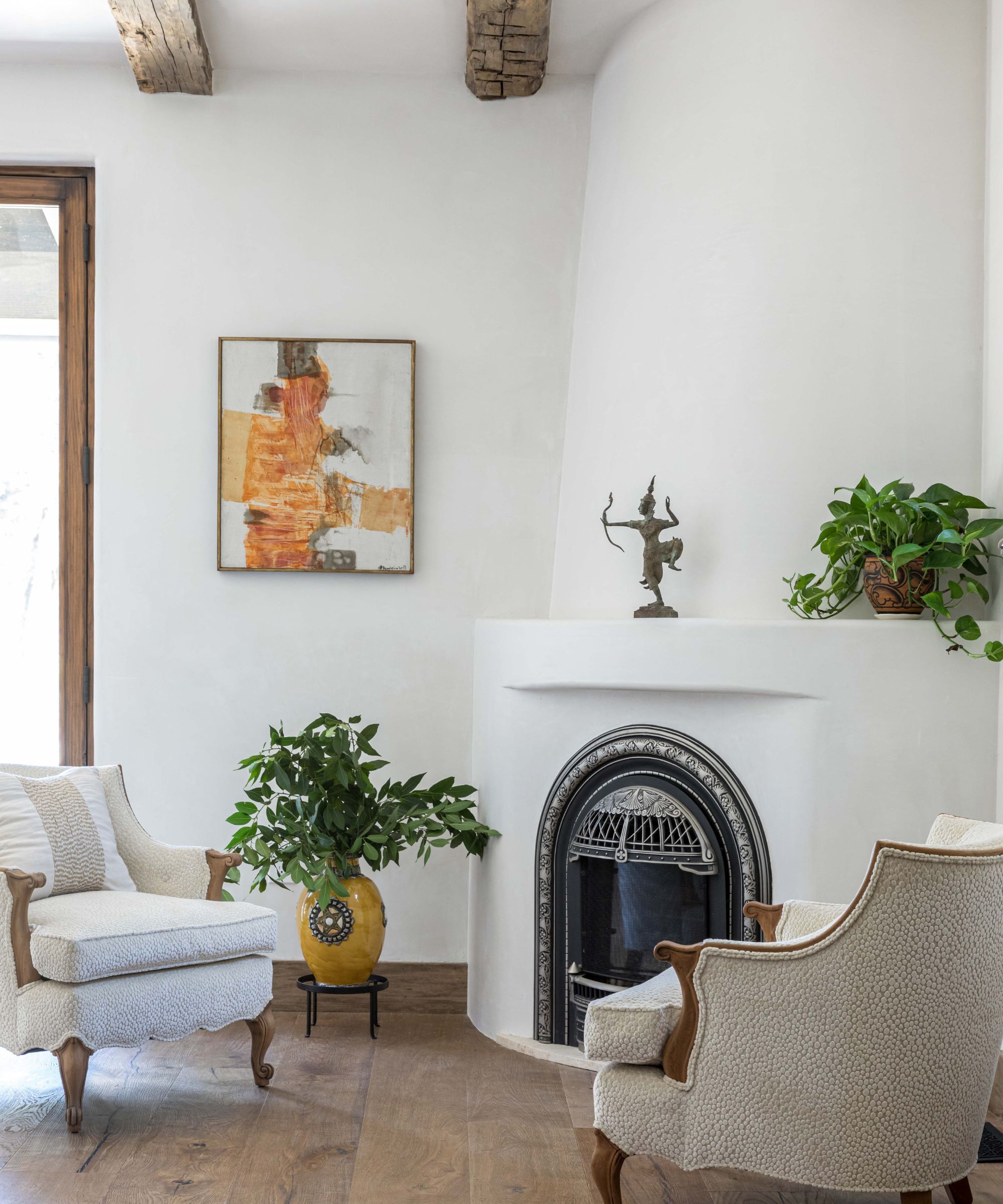
Throughout the home, Myers introduced plaster finishes, drawing inspiration from 1970s Los Angeles architecture. This included replastering a fireplace in the dining room and incorporating a textural abstract painting. The fireplace base was updated with terrazzo tiles from Concrete Collaborative, chosen for their durability against potential chipping from children's activity. The original dark wood floorboards were lightened to achieve a more contemporary feel, while the orange-red doors were stained black, aligning them more appropriately with the Spanish architectural style of the house.
In the main bathroom, a long and narrow space, Myers transformed it from one covered in glass mosaic tile to a vision of oakwood millwork and zellige tiles. She created a gridded pattern on the wall opposite the vanity by alternating 4-by-4 and 2-by-8 tiles. A practical challenge encountered was cutting the glass shower panels around the various bump-outs, indicating the complexities of working with unique tile patterns. For the primary and kids’ bathroom shower niches, leftover marble backsplash from the old kitchen was ingeniously repurposed, offering an affordable yet elegant touch and serving as a subtle nod to the home's previous design iterations.
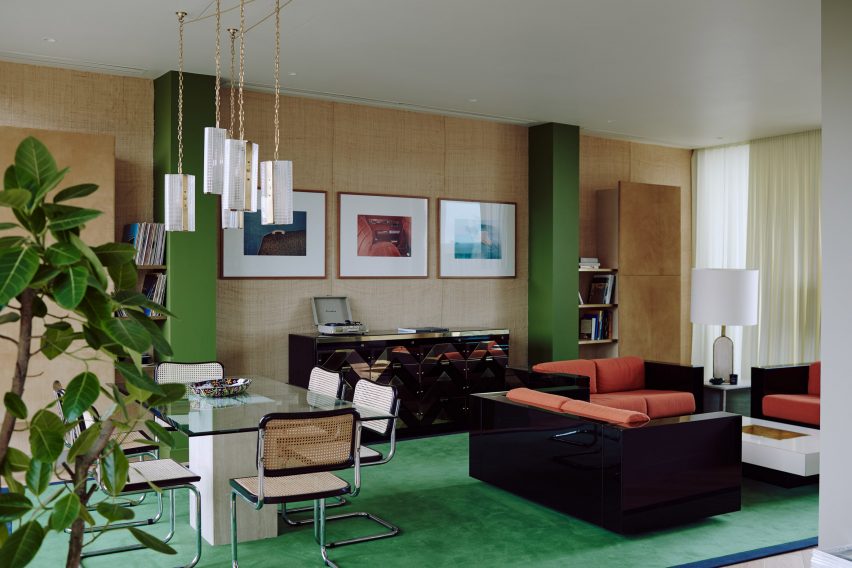
Overall, the renovation successfully blended the home's historical 1970s Spanish roots with modern design sensibilities, largely through thoughtful material selection, color palette choices, and strategic updates to key areas. The designer's approach demonstrates how to respect a home's original character while introducing contemporary elements that enhance both aesthetics and functionality.
#HomeRenovation #InteriorDesign #1970sRevival #SpanishStyleHome #Marble #Dolomite #BeforeAndAfter #KitchenDesign #BathroomDesign #MaterialSelection #HomeRenovation #InteriorDesign #1970sRevival #SpanishStyleHome #Marble #Dolomite #BeforeAndAfter #KitchenDesign #BathroomDesign #MaterialSelection
0 comment in total
 No comments yet
You may also like
Trippy Prints and Jewel Tones Make This L.A. Home's Retro '70s Paneling Look Fresh as Ever

Bold color schemes bring original features to life in this historic home

Embracing the 1970s interior design trend

6 Vintage Design Trends That Are Making a Comeback in 2025, According to Designers
How Pops Of Color And Ample Curves Made A Classic Hilltop Home Into A Stunner


The Insider: New Kitchen, Baths, Decor Add Modern Glamour to Park Slope Limestone

For Sale: A Custom-Designed Home Marries Old and New
This Incredible Renovation of a 1970s California Home Is a Terrazzo Lover’s Dream

70s Color Palettes — 4 Formulas That Work for Homes Today

A Warm Holiday Home Starts with Natural Stone
Photos: Kelley and Brian Duncan's 'Fore-ever Home'
Packed with classic neutrals and pops of warming colour, this new build oozes country-style charm
6 Decor Trends From The '70s That Are Making A Comeback
The Wedge(wood) House Breathes New Life Into a 1970s Classic
Drawing inspiration from modernist icons, this home rises organically from its landscape

The Spanish revival trend will add instant charm to any style of home – this is how designers create the look
A once "unattractive" 1970s home takes a leap with colour and soaring ceilings
Naturals, neutrals, vibrant artworks and vintage classics make a strong statement in this modernist home
Eight decadent living rooms with 1970s-style furnishings
A Historic Home Gets A Modern Update With The Color Drenching Trend: 'Gorgeous'