1/9
8 Stunning Paint Trends To Keep Your Home's Interior Fresh In 2025
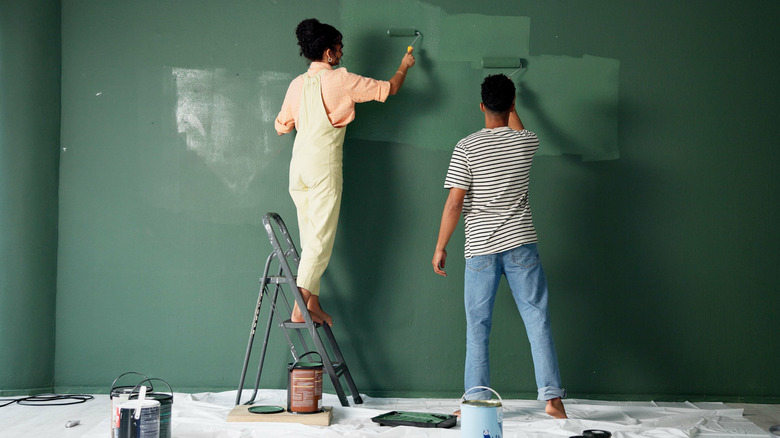
Repainting a living space is an accessible and cost-effective method to update its style, offering a less permanent way to engage with design trends compared to more significant, expensive renovations like new flooring or tiling. For 2025, several paint trends are emerging that promise to revitalize home interiors. These trends, highlighted by House Digest's in-house design expert and Journal of Design History board member Sarah Bilotta, focus on practical yet aesthetically pleasing approaches that are likely to have lasting appeal.
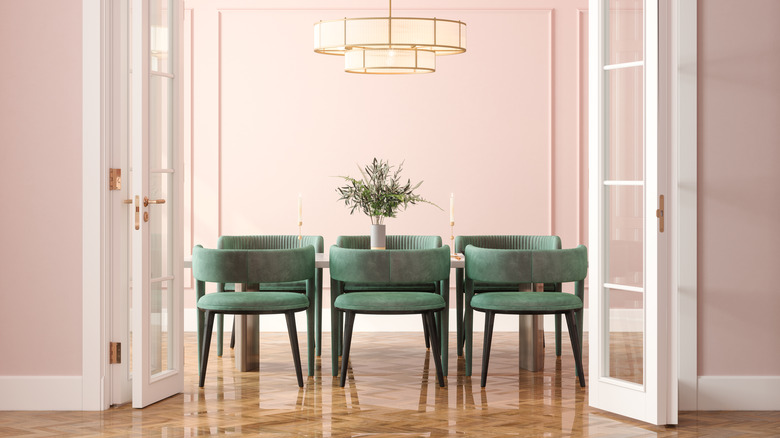
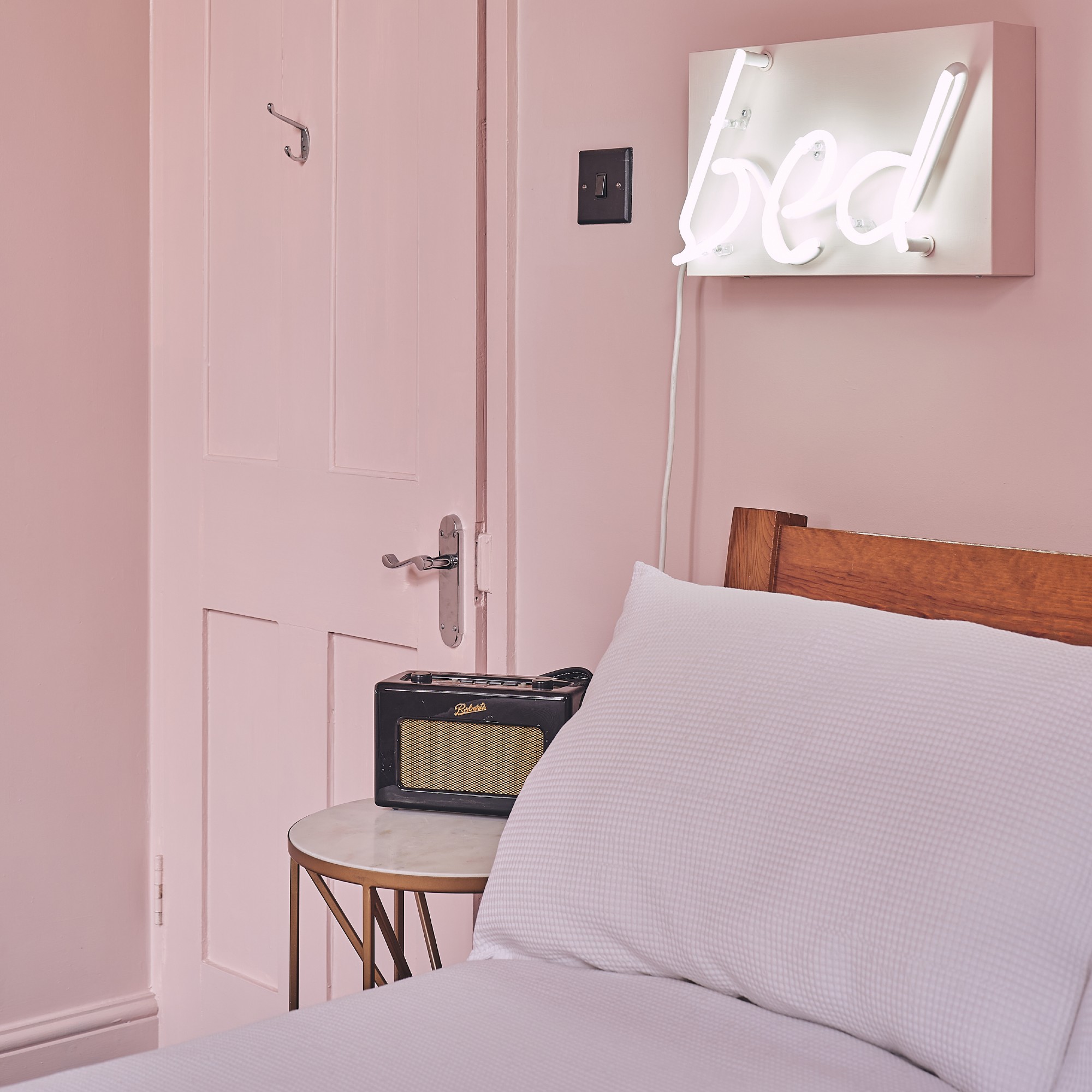
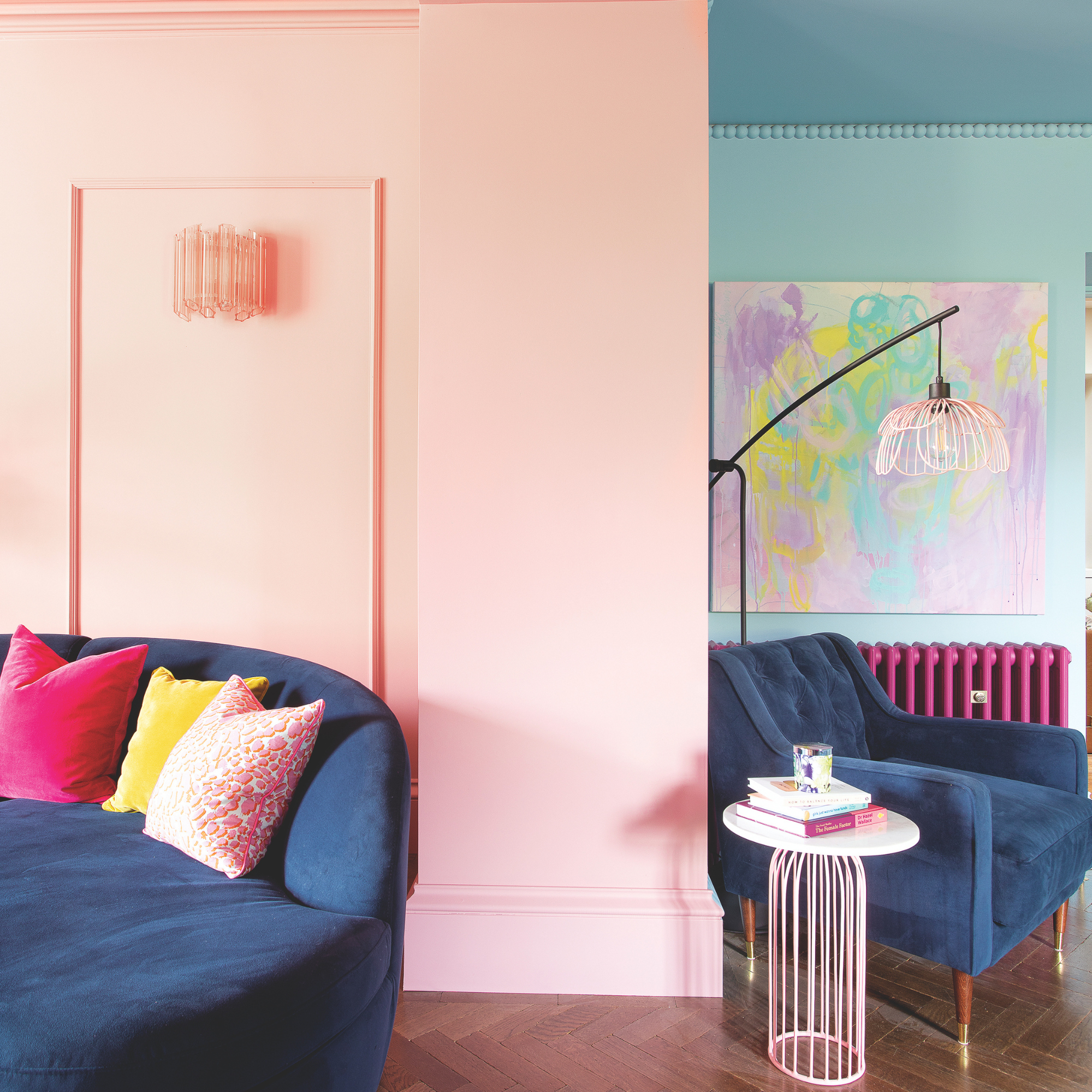
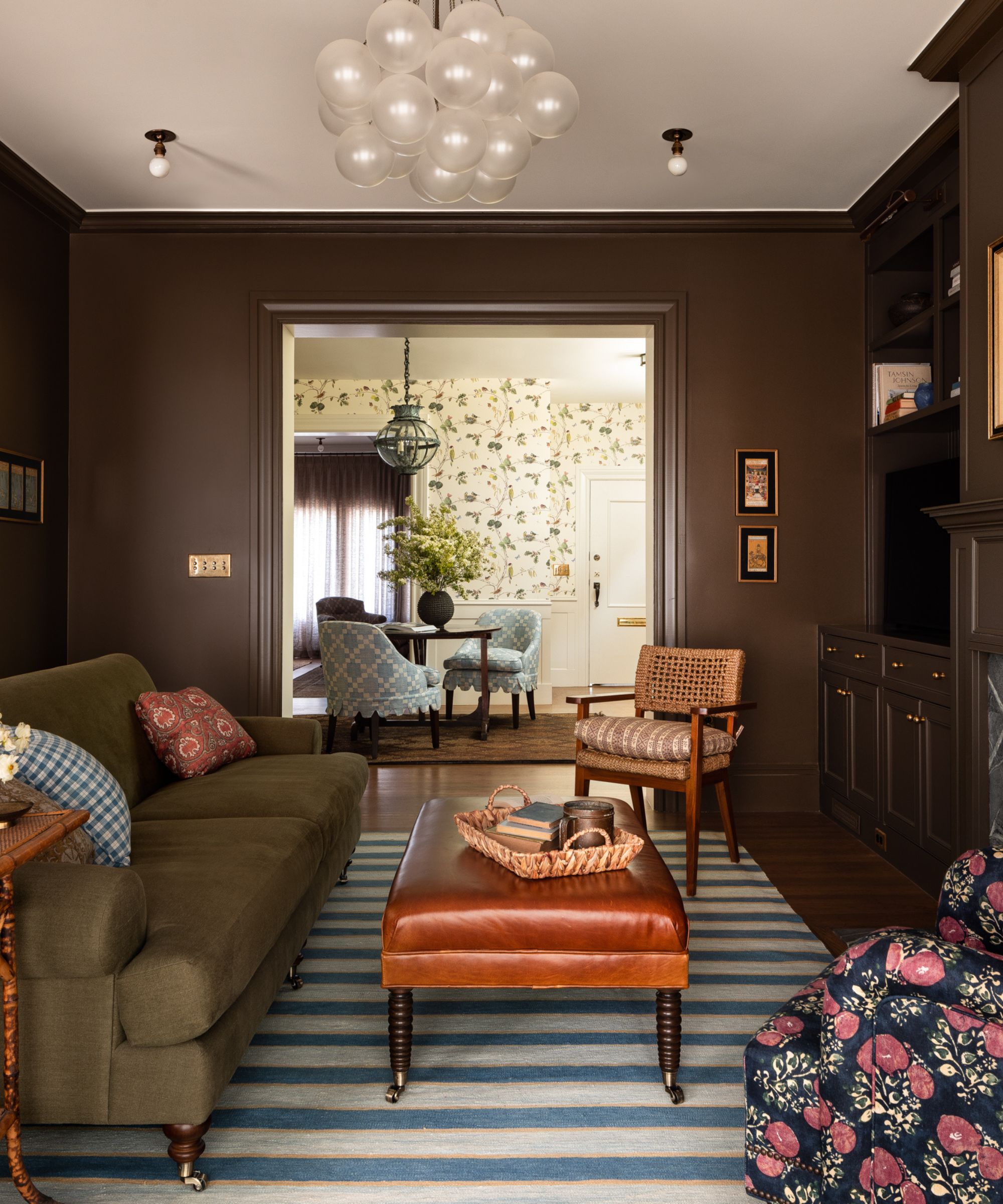
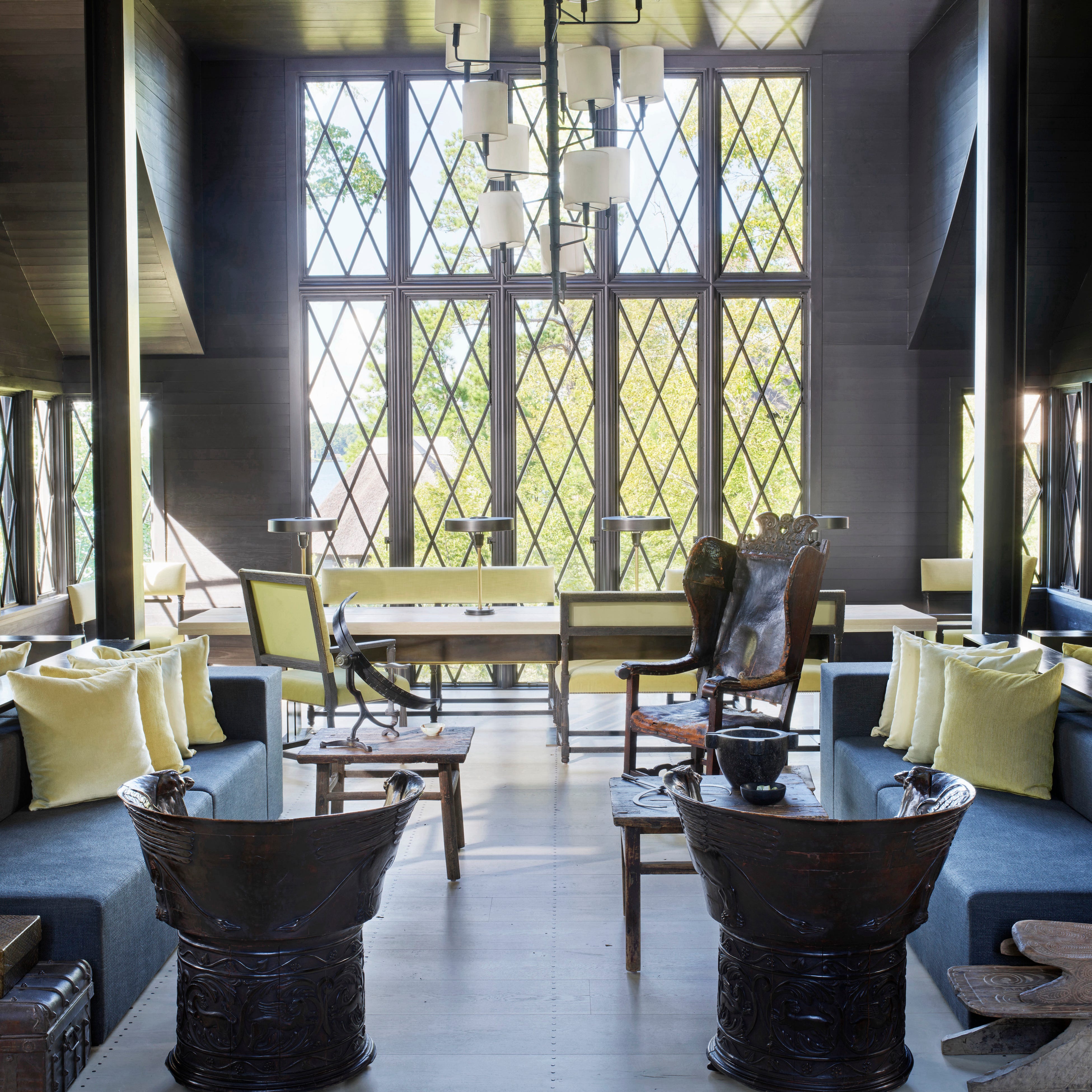
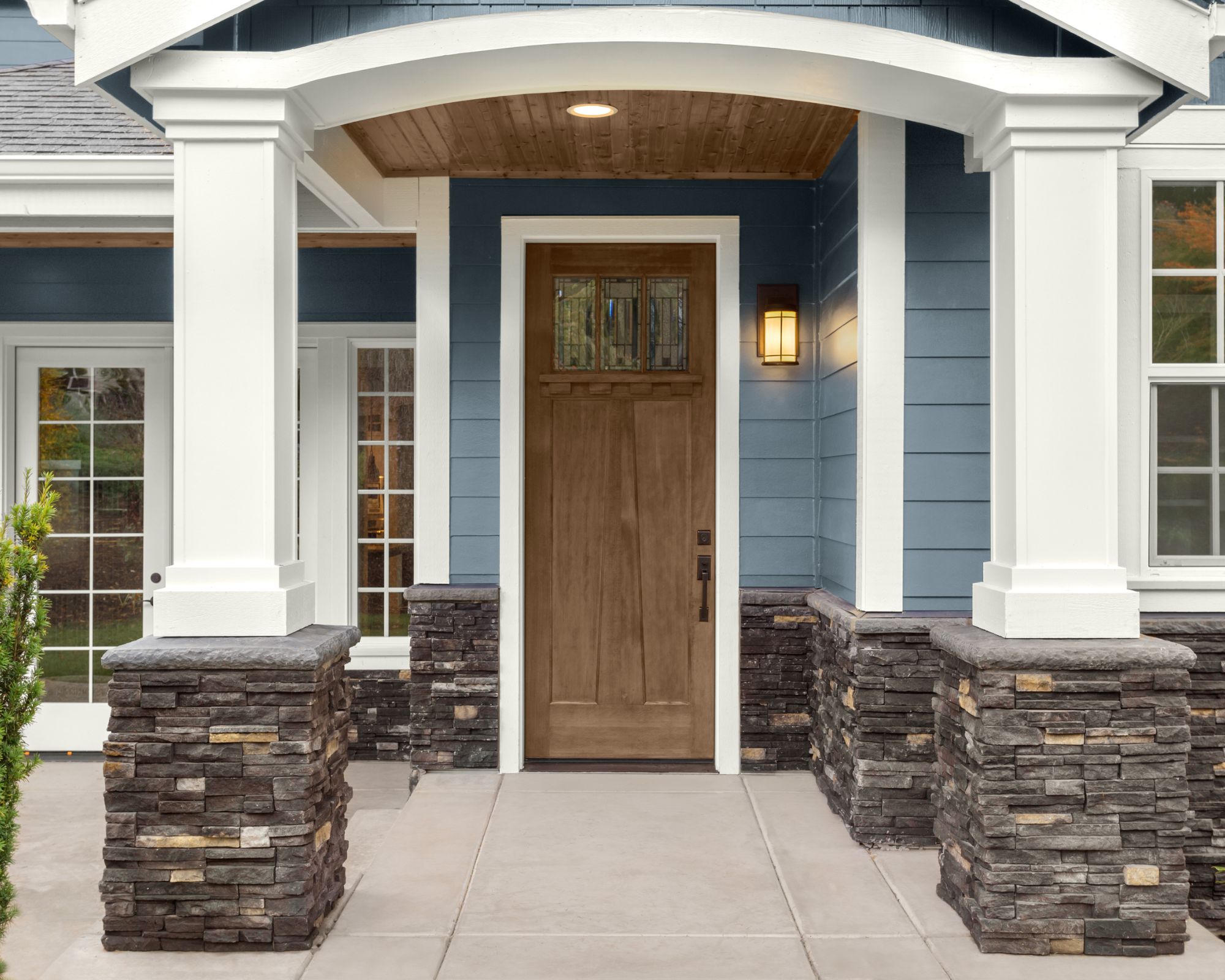
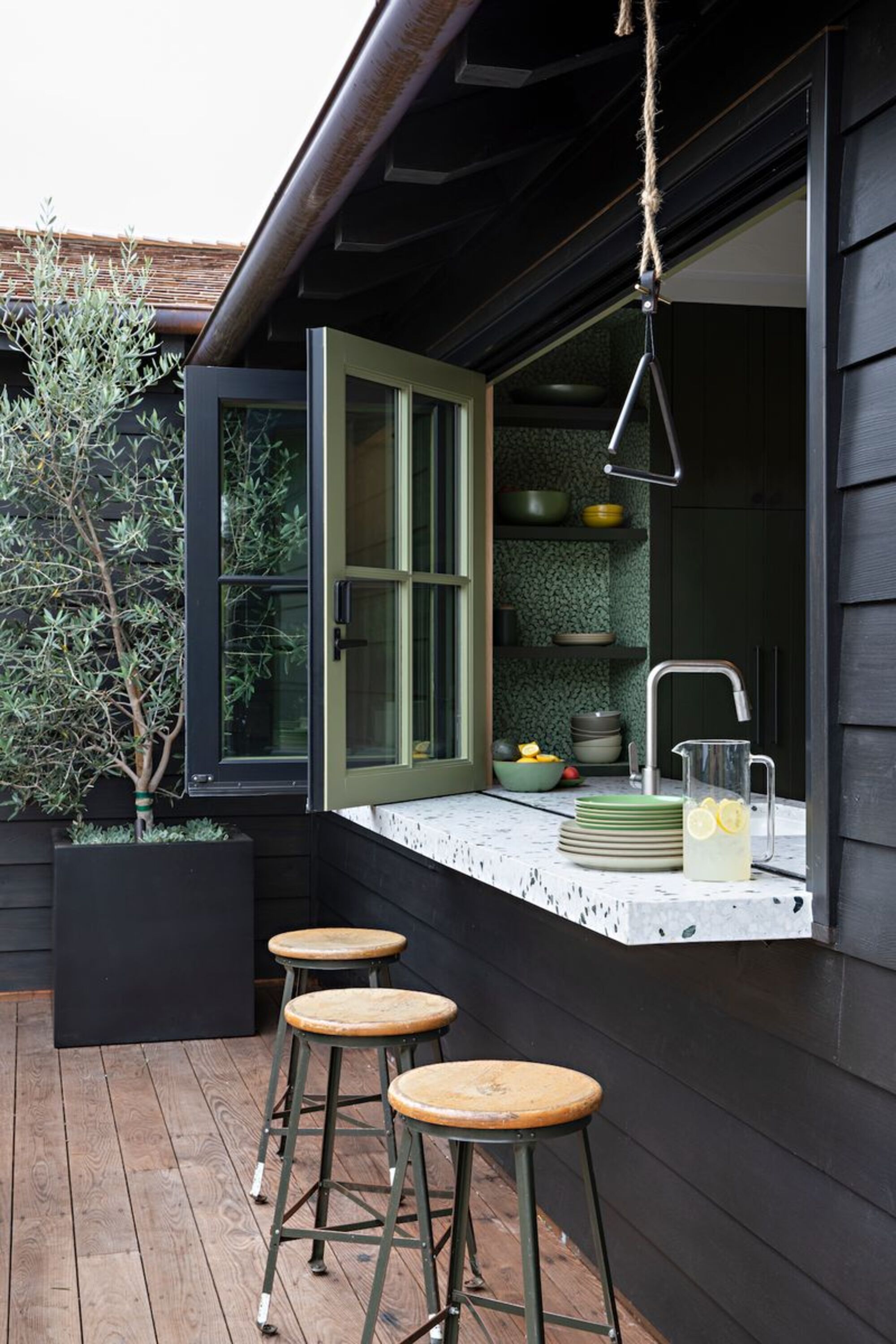
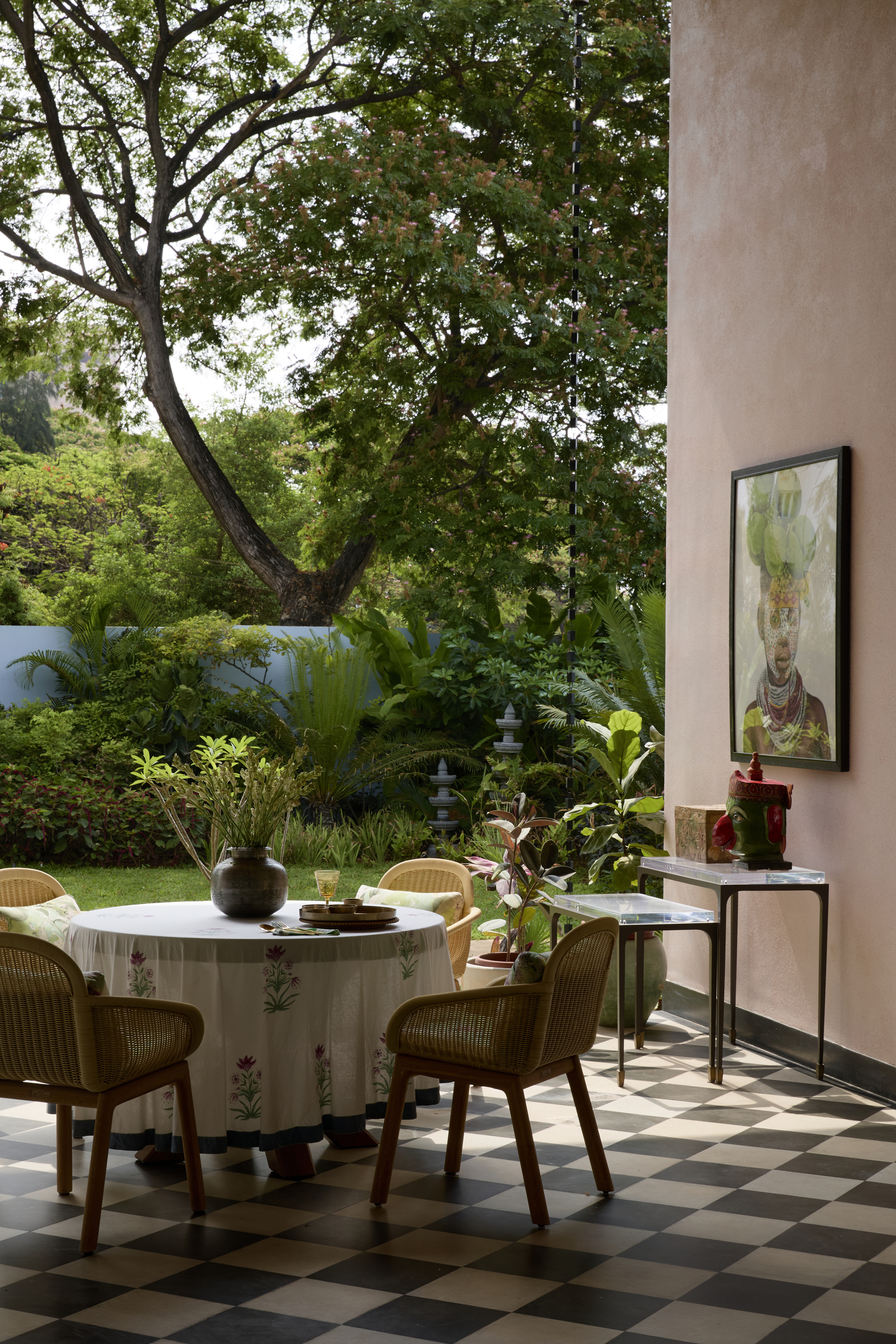
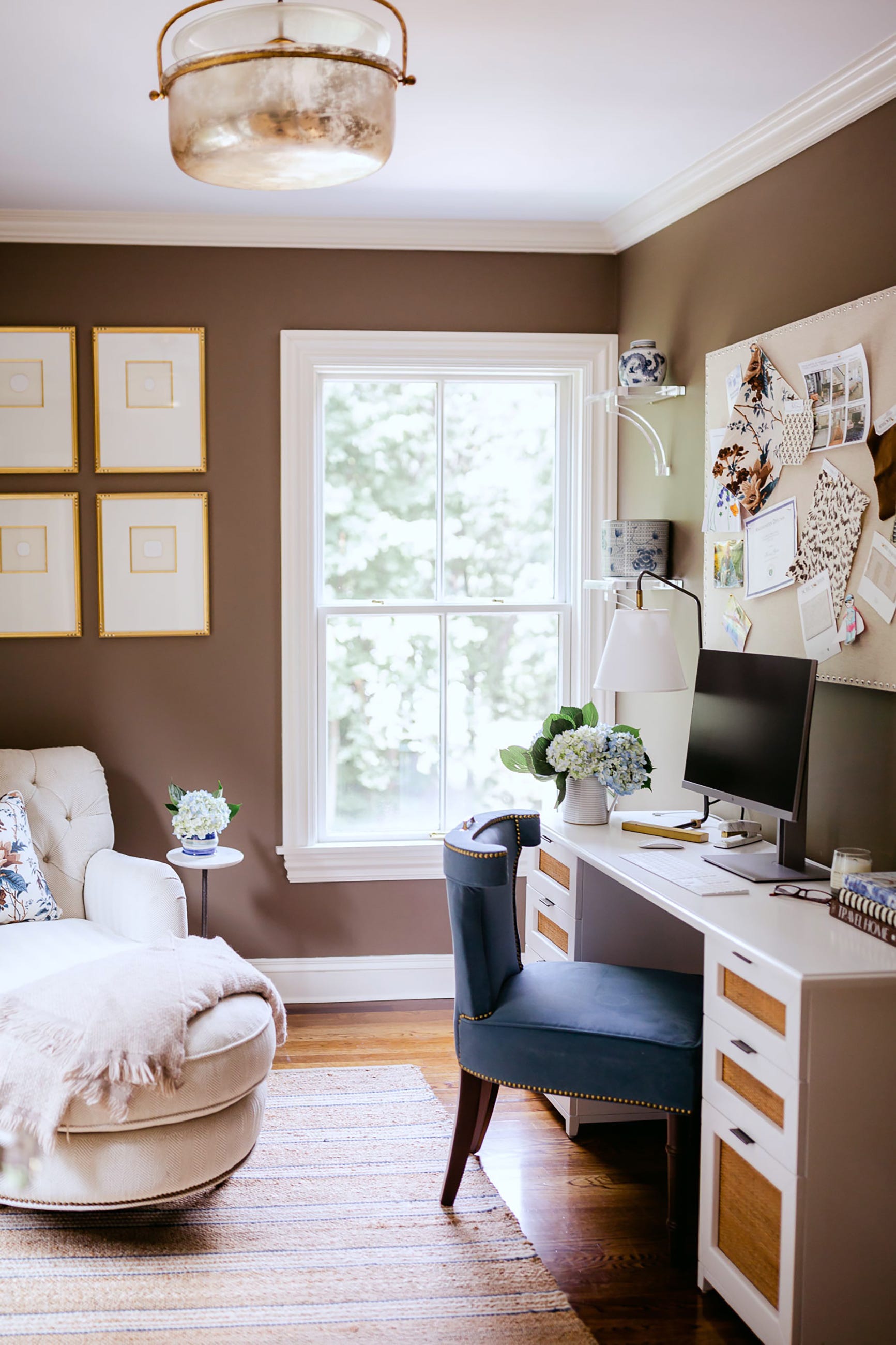
One significant trend involves contrasting trim. Moving away from the once-dominant all-white aesthetic, designers are reintroducing classic pairings of dark trim with light walls or vice versa. This approach transforms trim, such as door frames, baseboards, and crown molding, from functional elements into decorative features, adding visual interest to a room. While bold contrasts are an option, even subtle variations like white trim against colored walls can elevate a space beyond a monochromatic scheme.
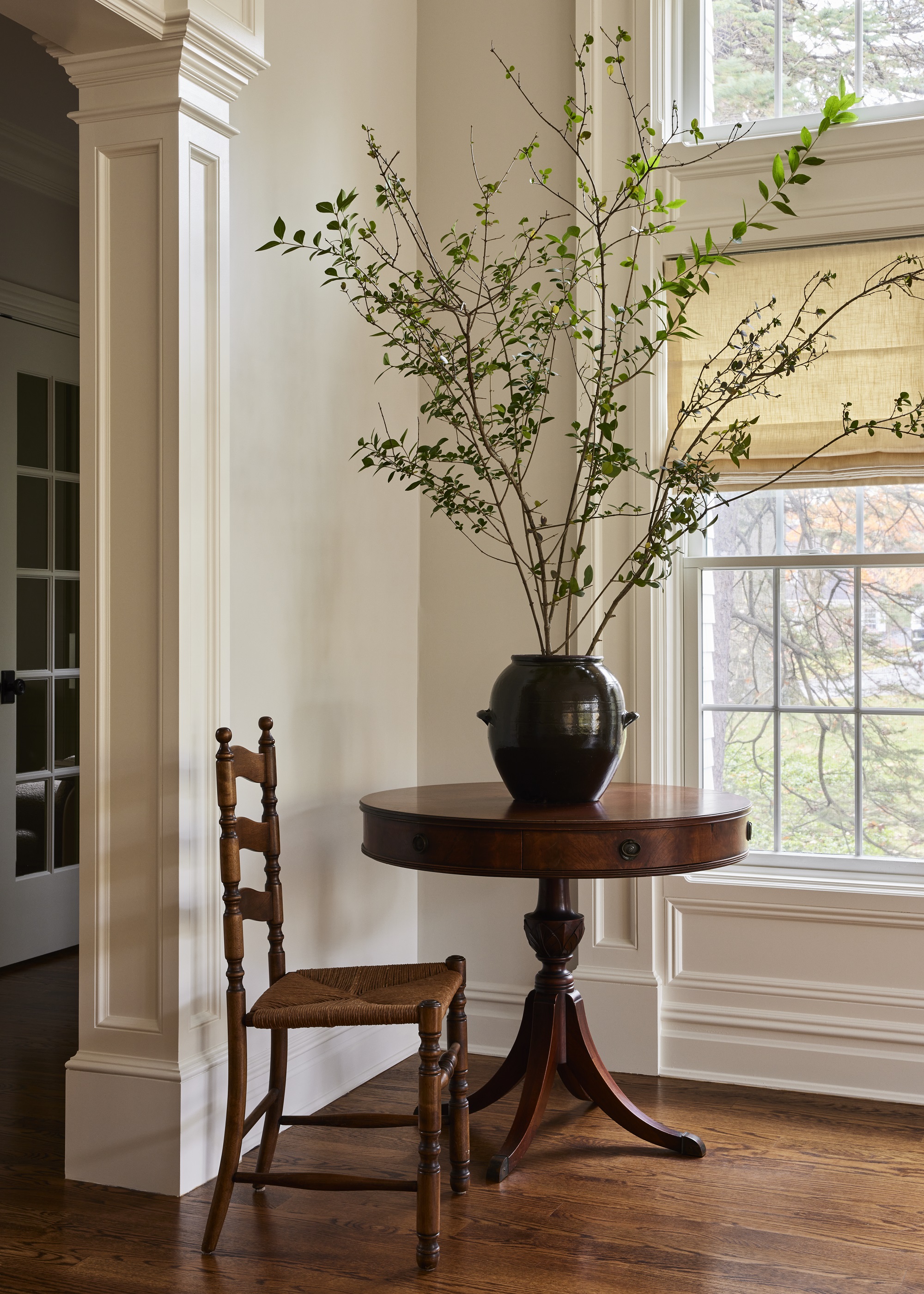
Another re-emerging trend is the use of natural wood trim. After a period of decline in popularity, natural wood trim is making a comeback, influenced by styles like modern farmhouse and Scandinavian-inspired contemporary aesthetics. This resurgence is partly driven by a desire to move beyond minimalist, all-white interiors, with many homeowners now seeking more vibrant and dynamic designs. The natural grain of wood offers this desired visual richness, and its unaltered form also appeals to eco-conscious individuals.
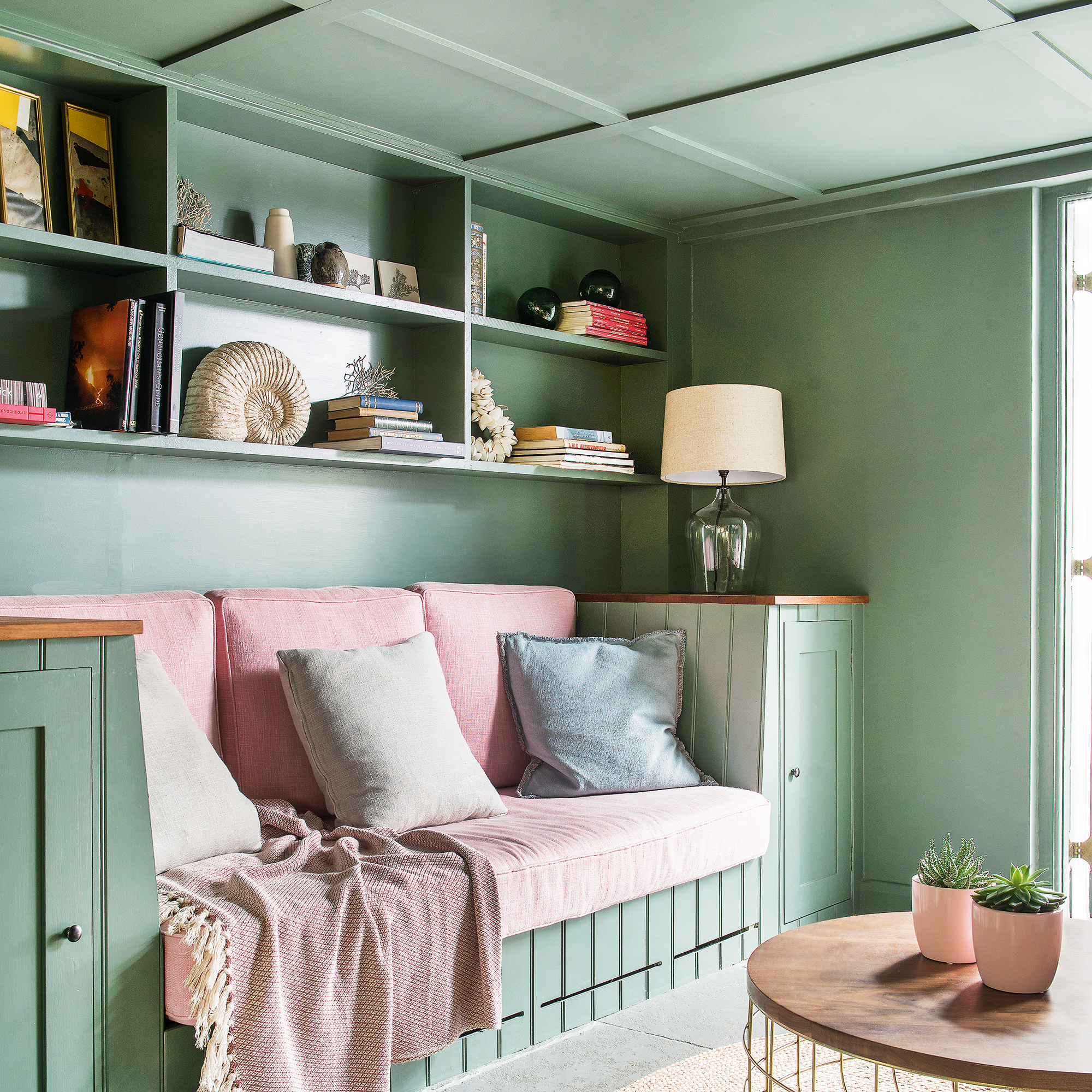
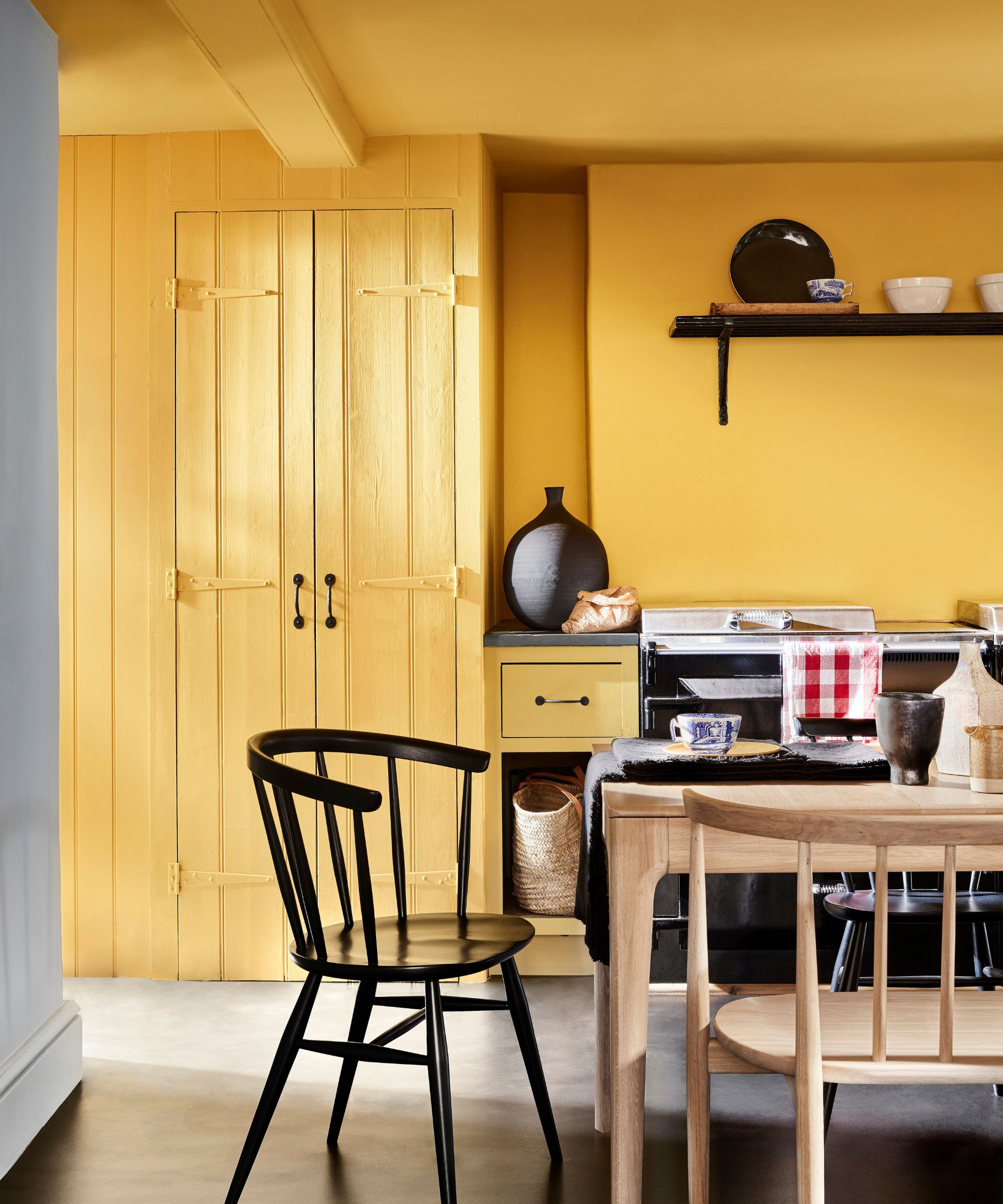
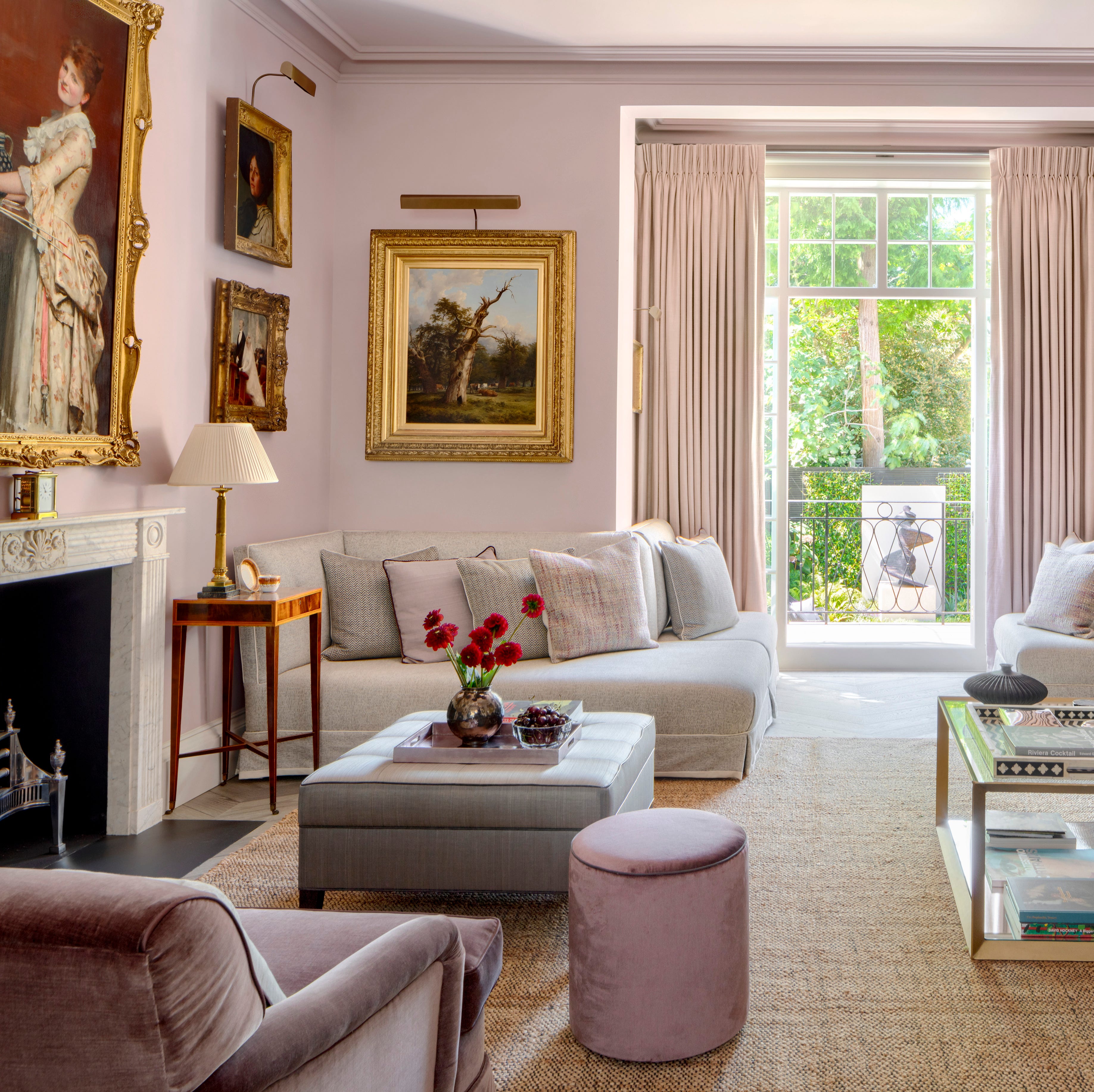
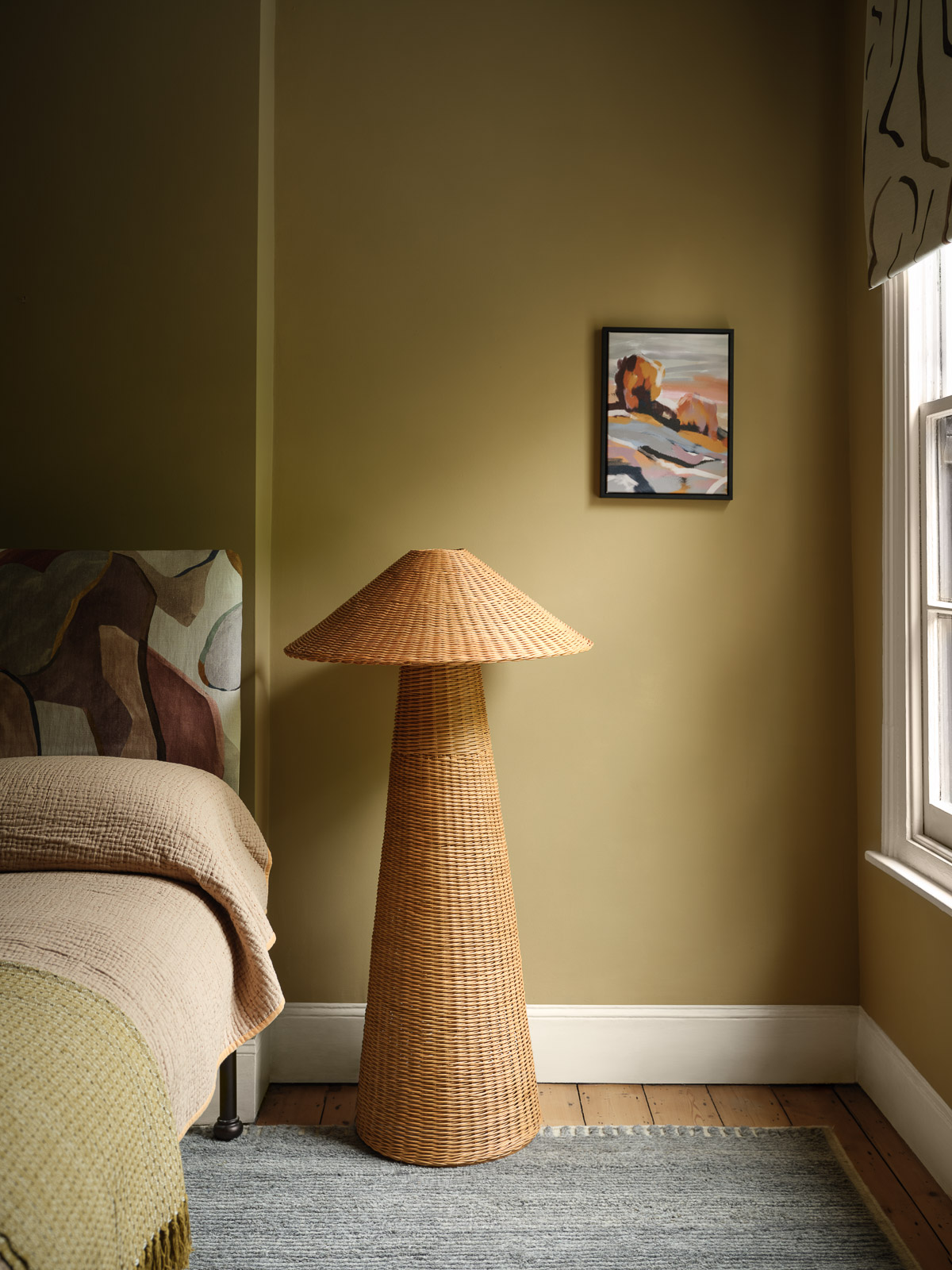
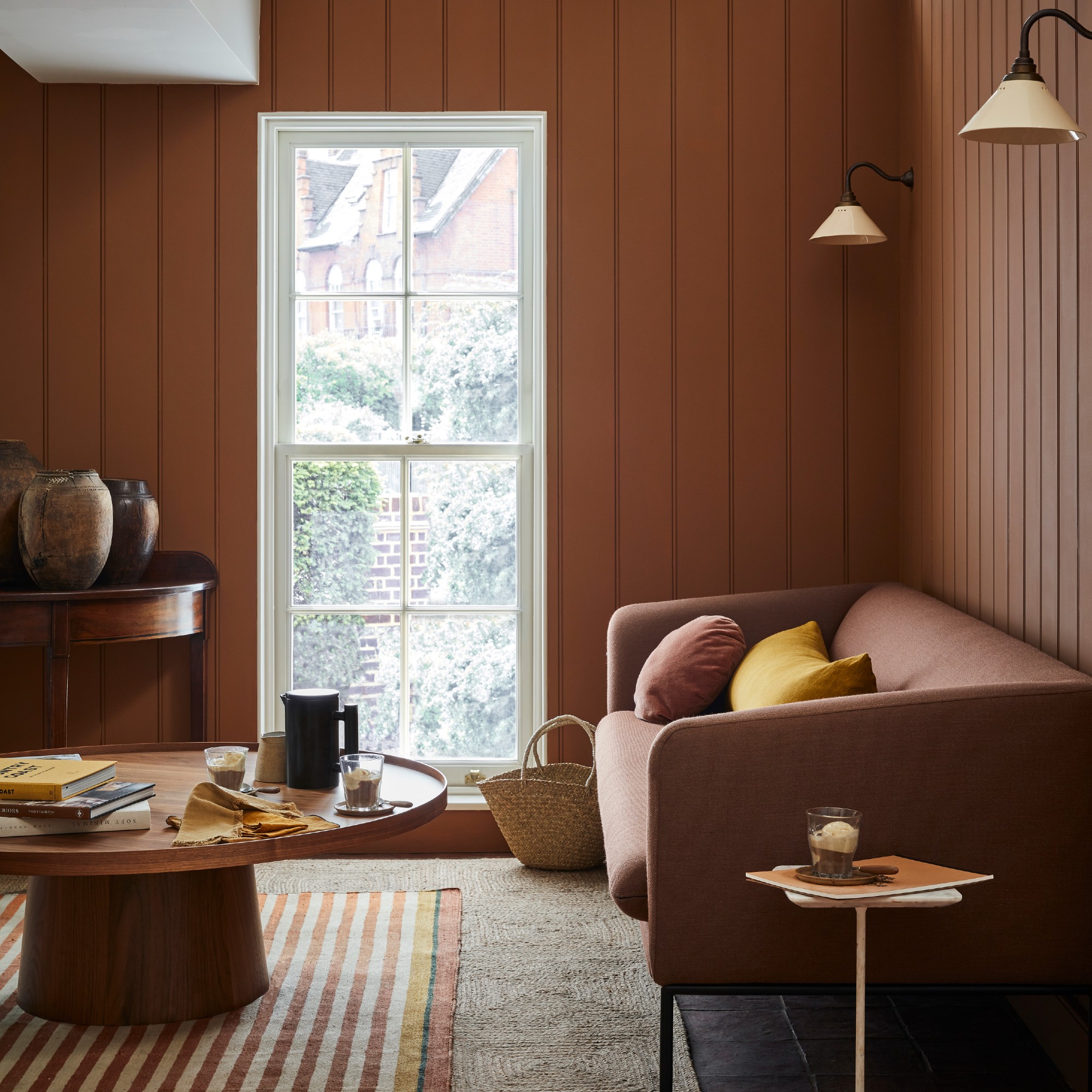
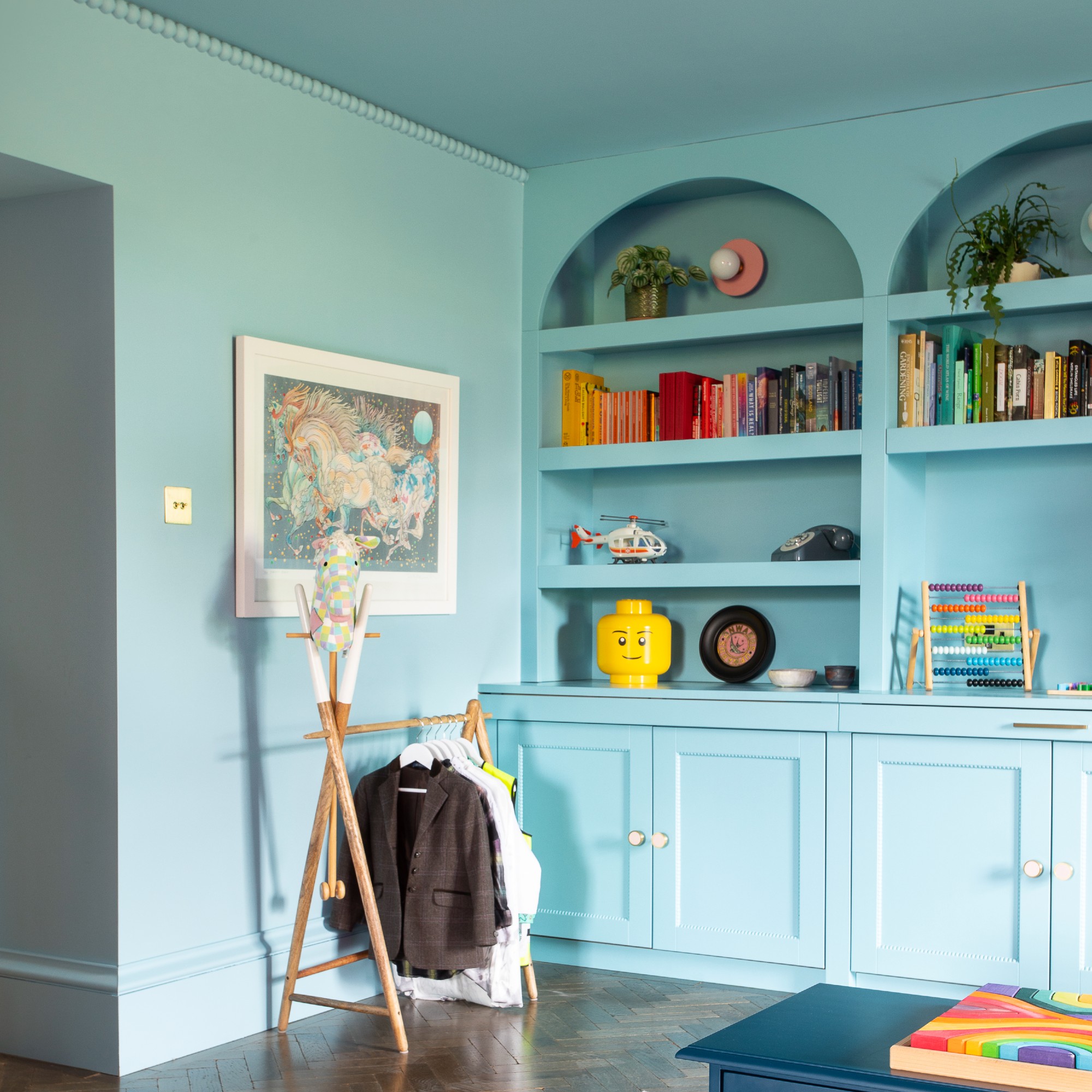
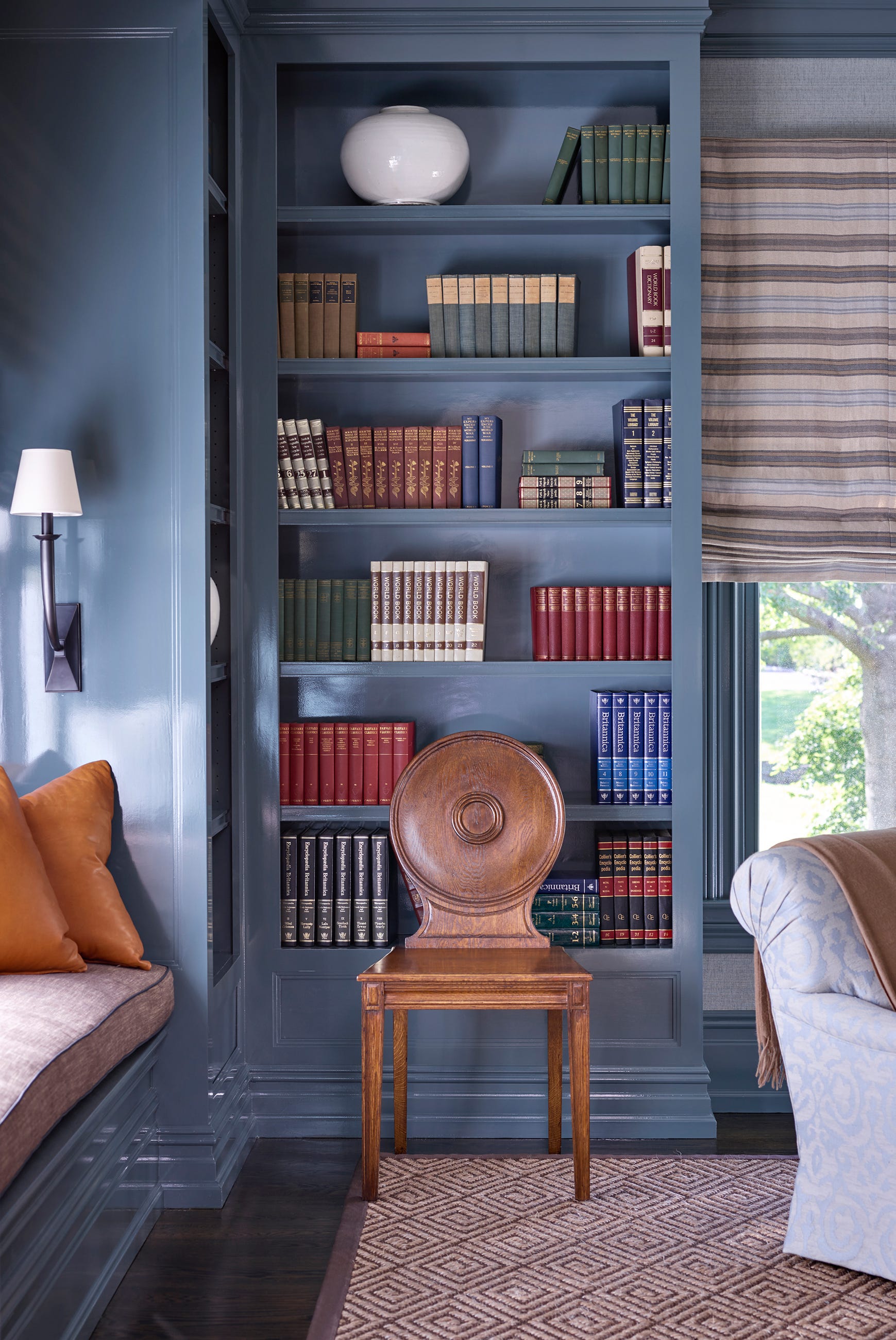
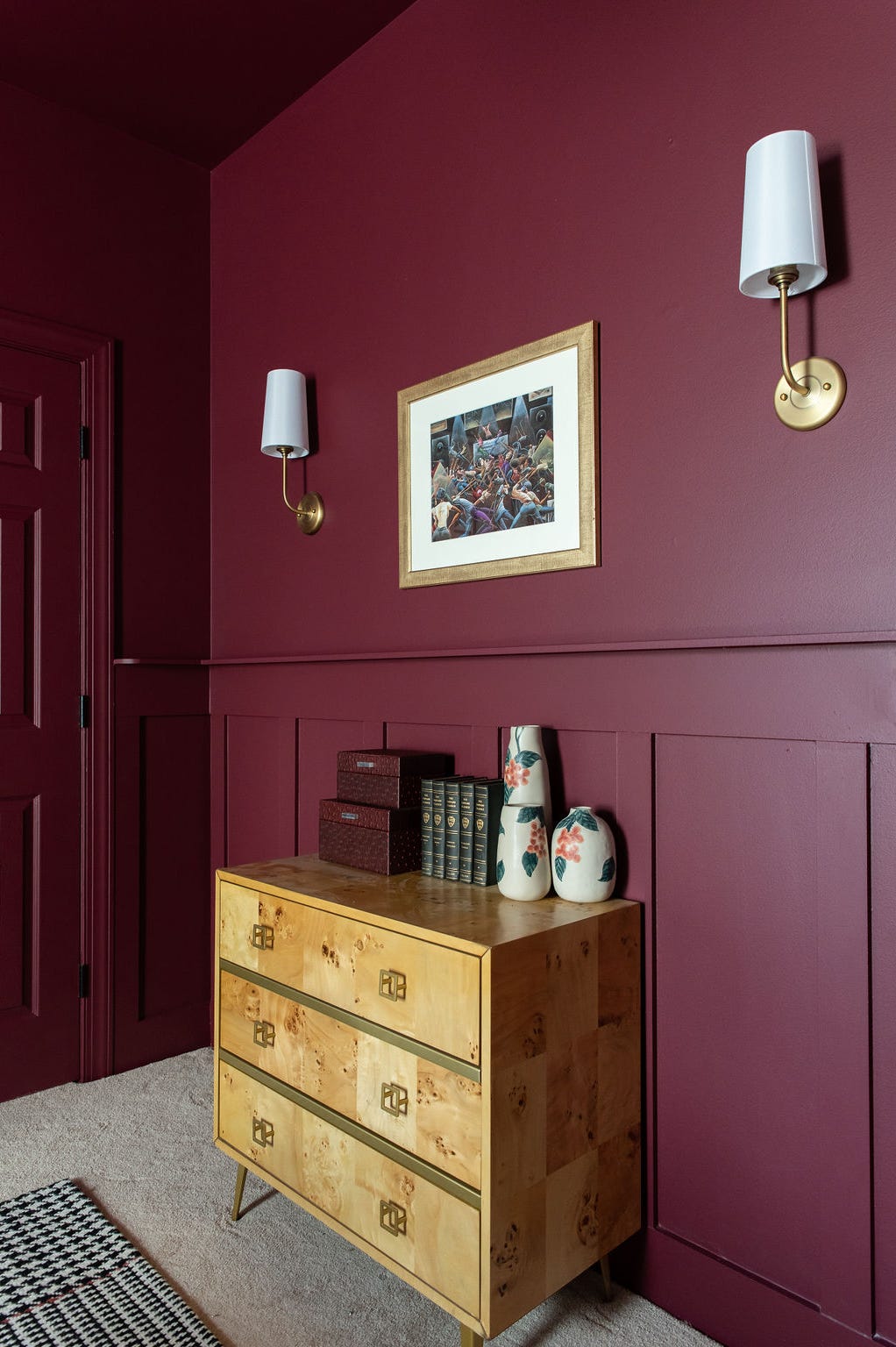
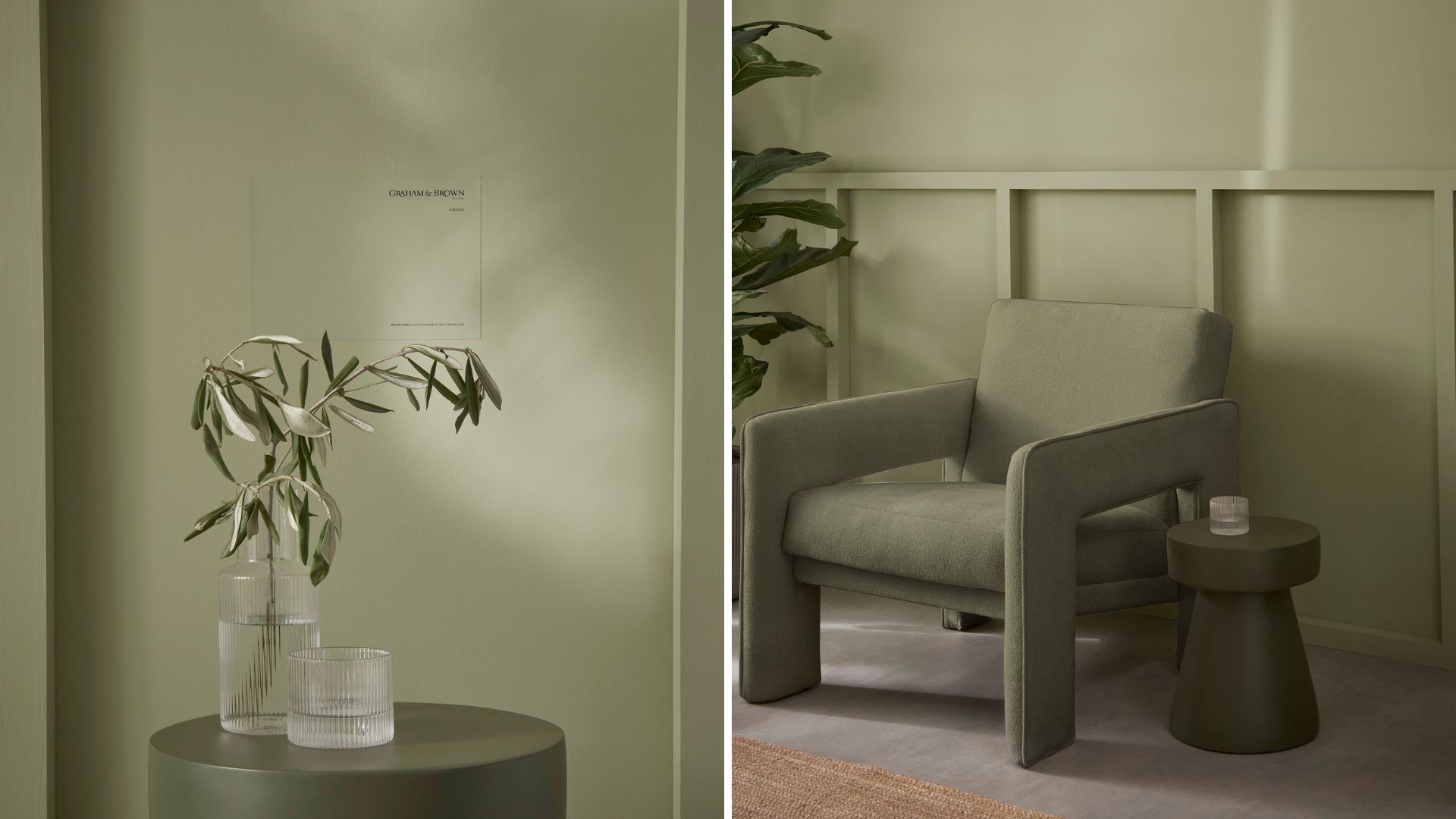
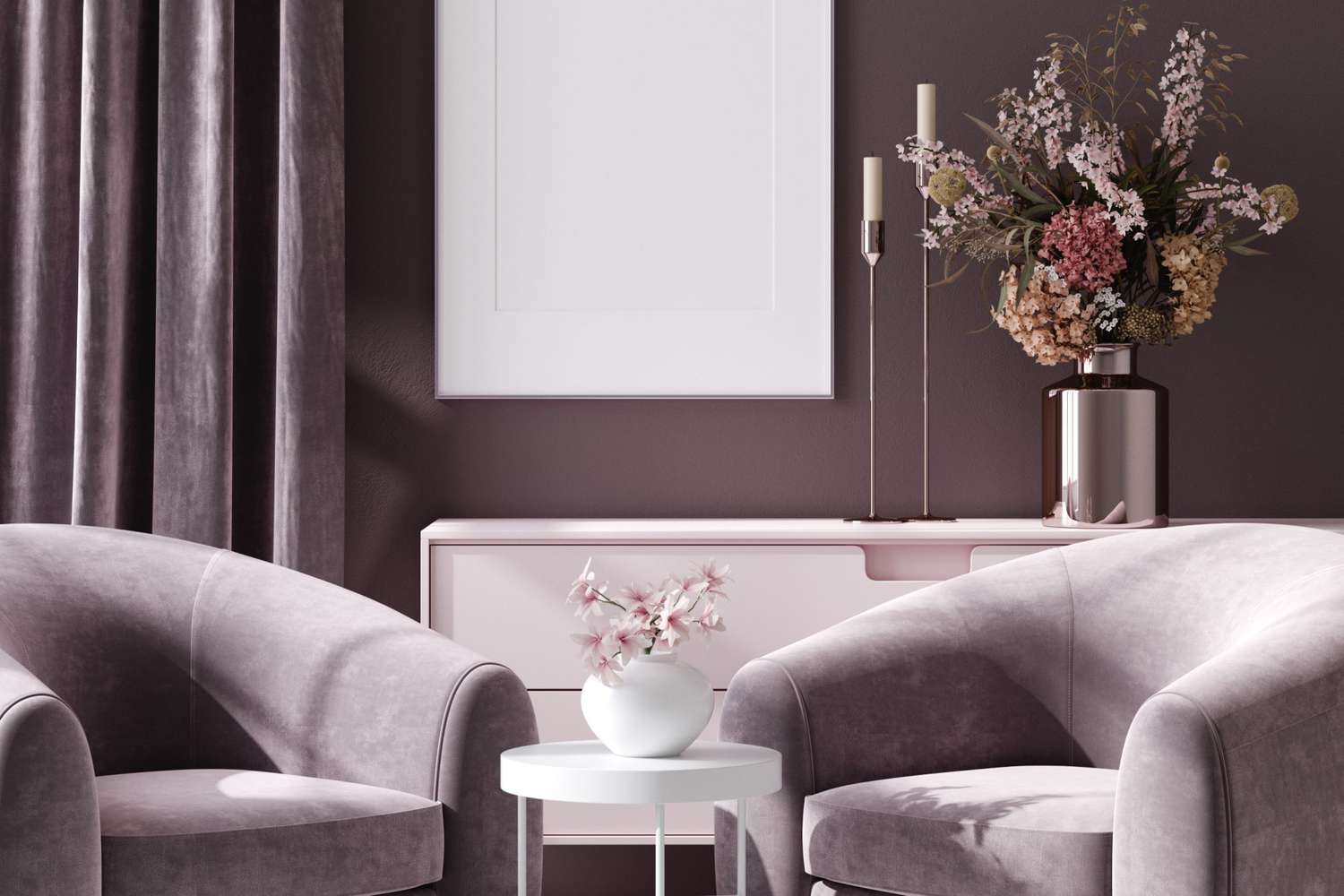
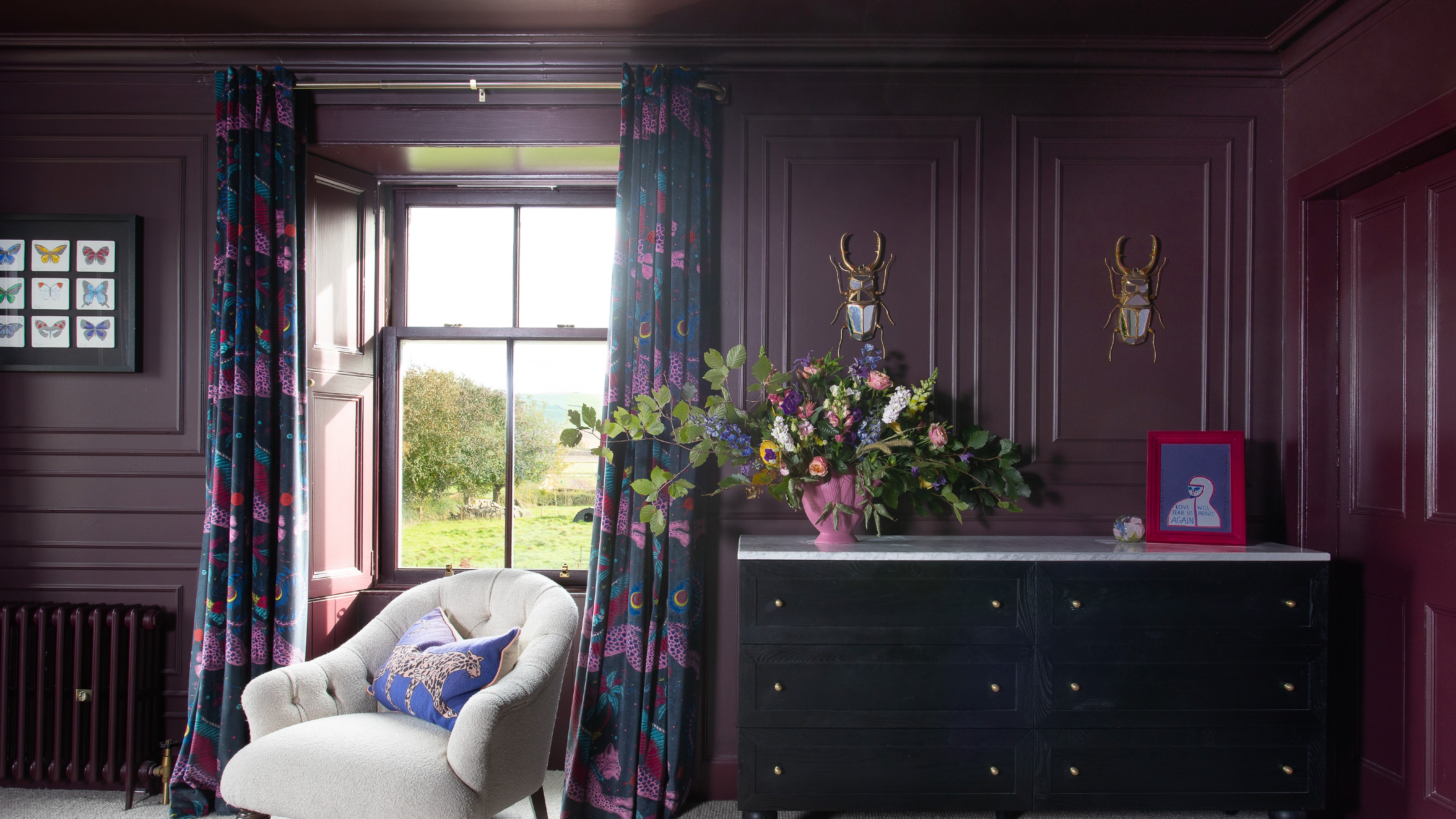
Color drenching, a technique where a single color is applied to multiple surfaces within a space—including walls, ceilings, and even furniture—remains popular. For 2025, a variation involves painting decor items, such as picture frames, to match the walls. This creates a stronger connection between design elements, adding depth and a sense of completeness to a room by seamlessly integrating decorative accents into the overall color scheme.
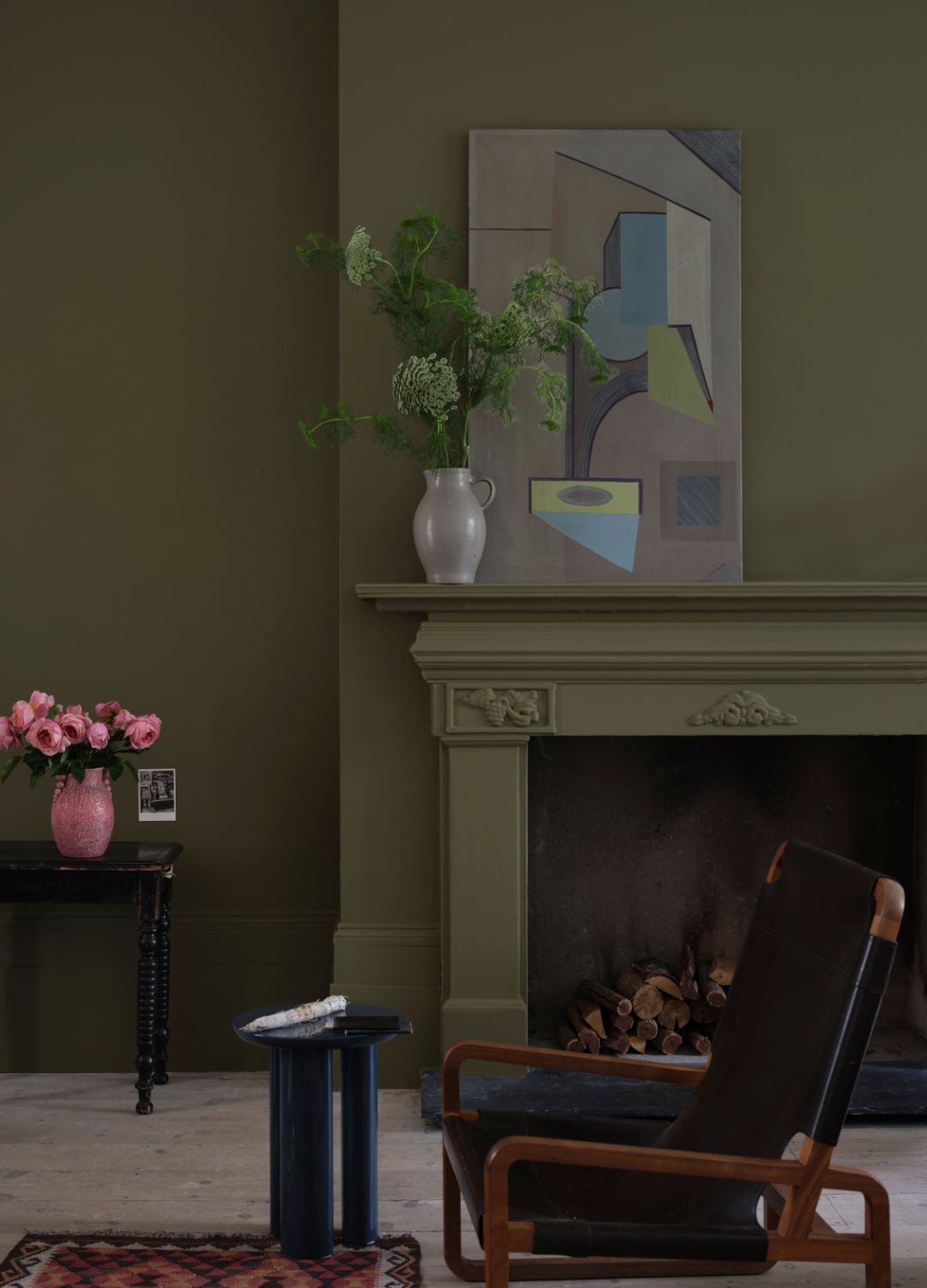
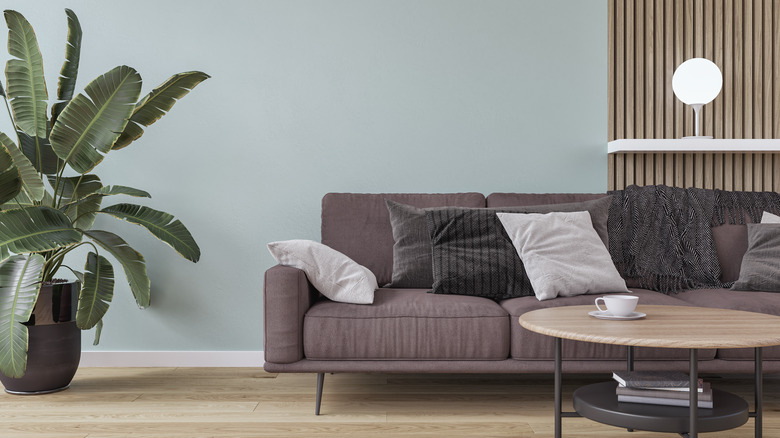
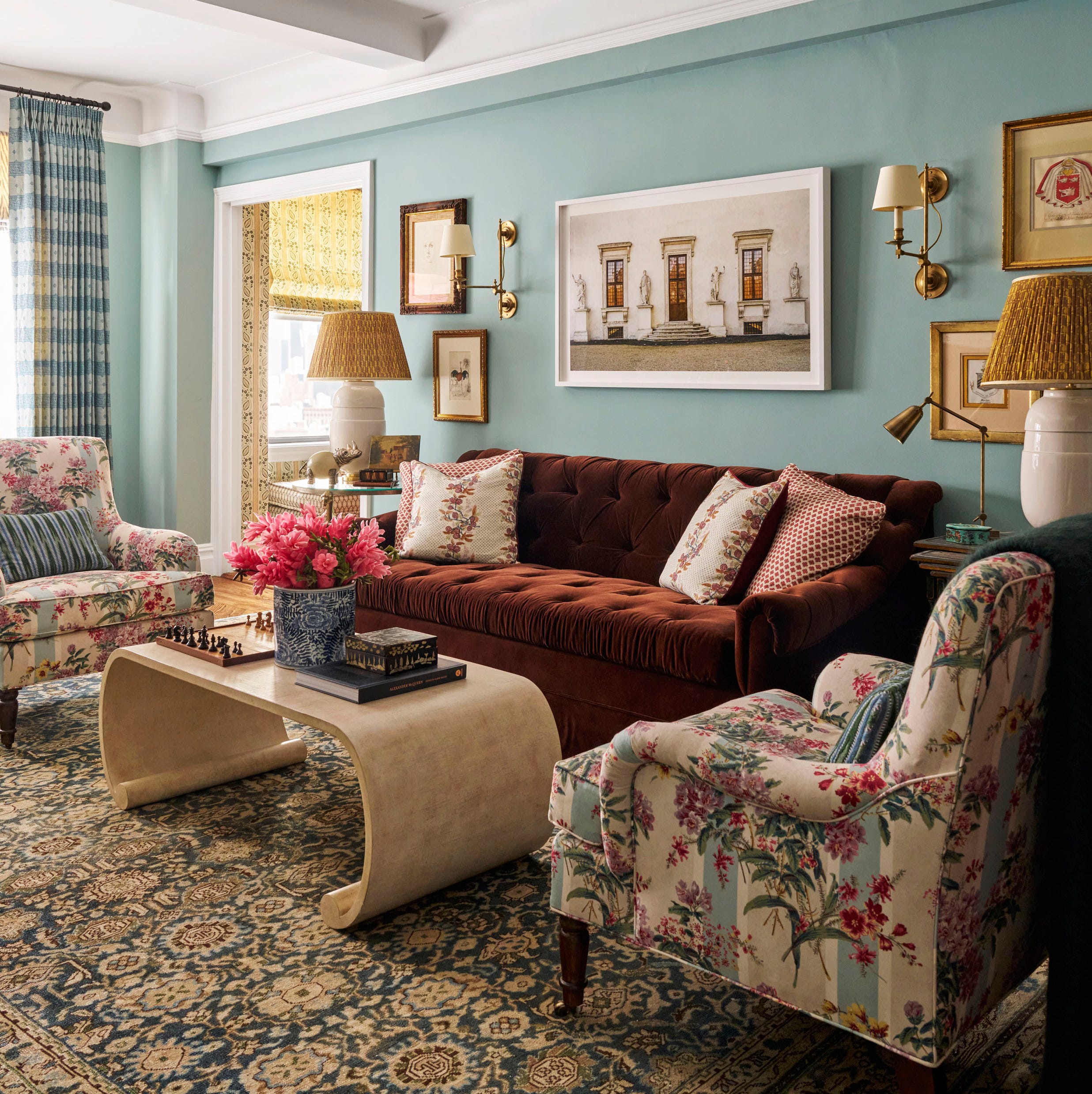
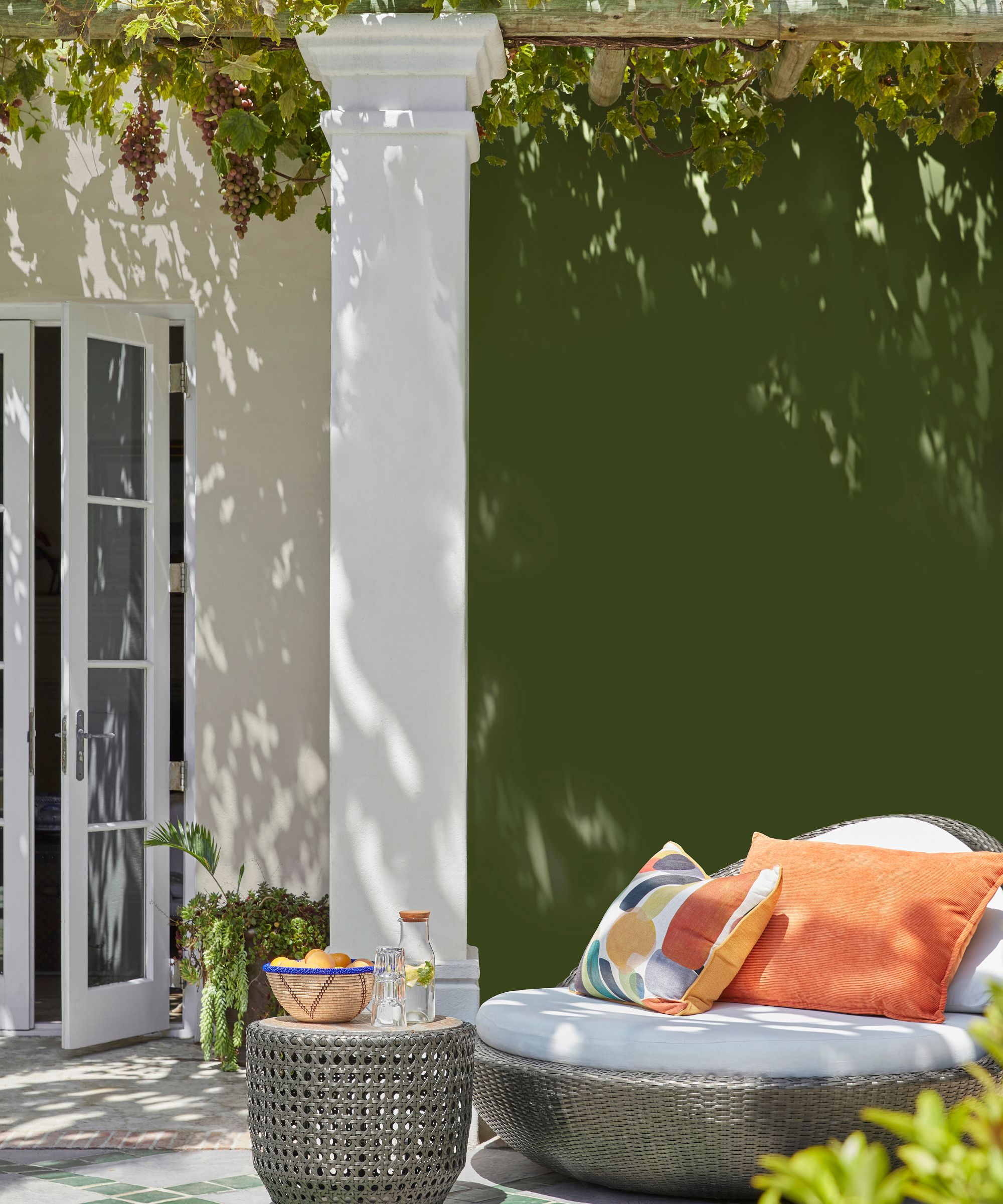
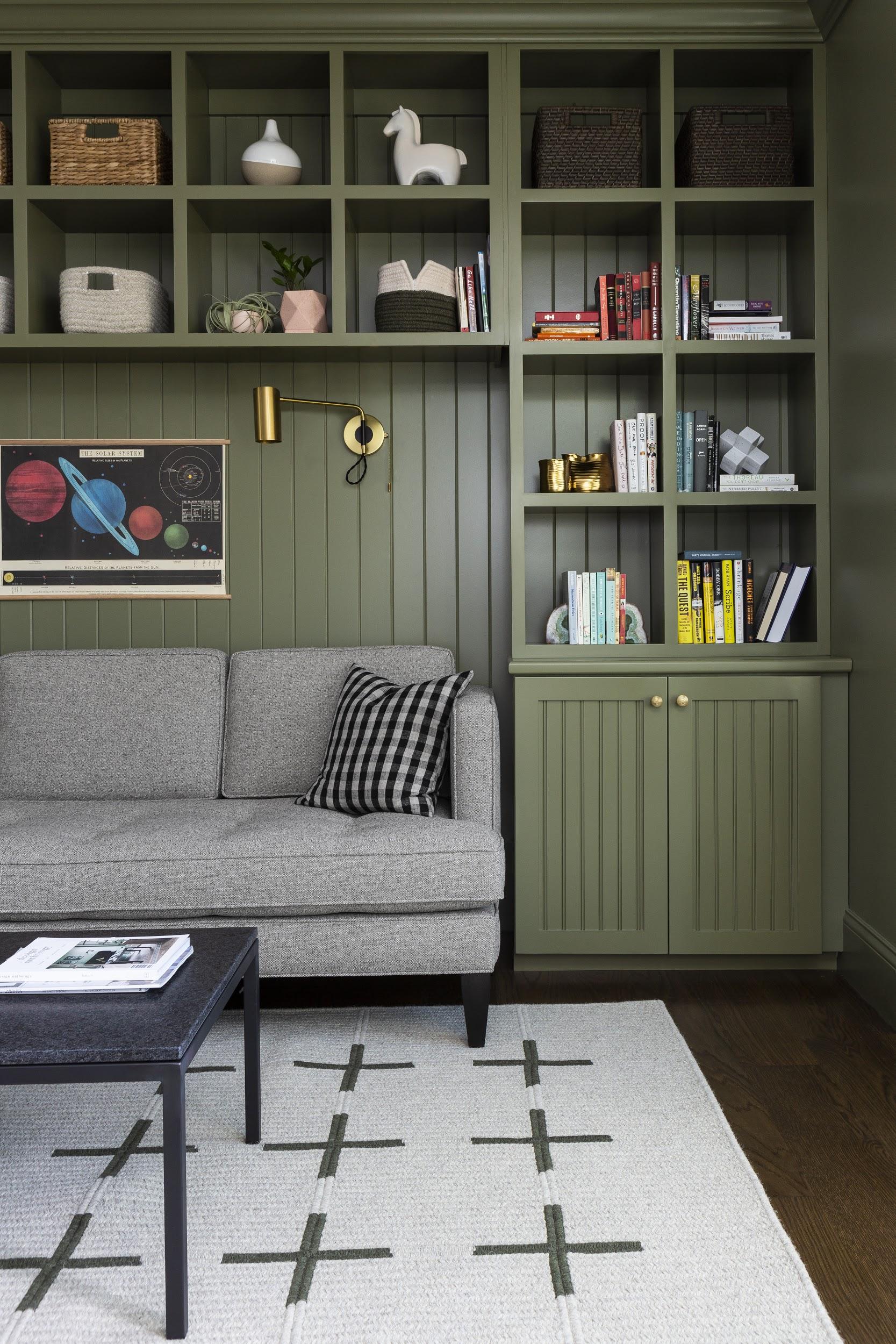
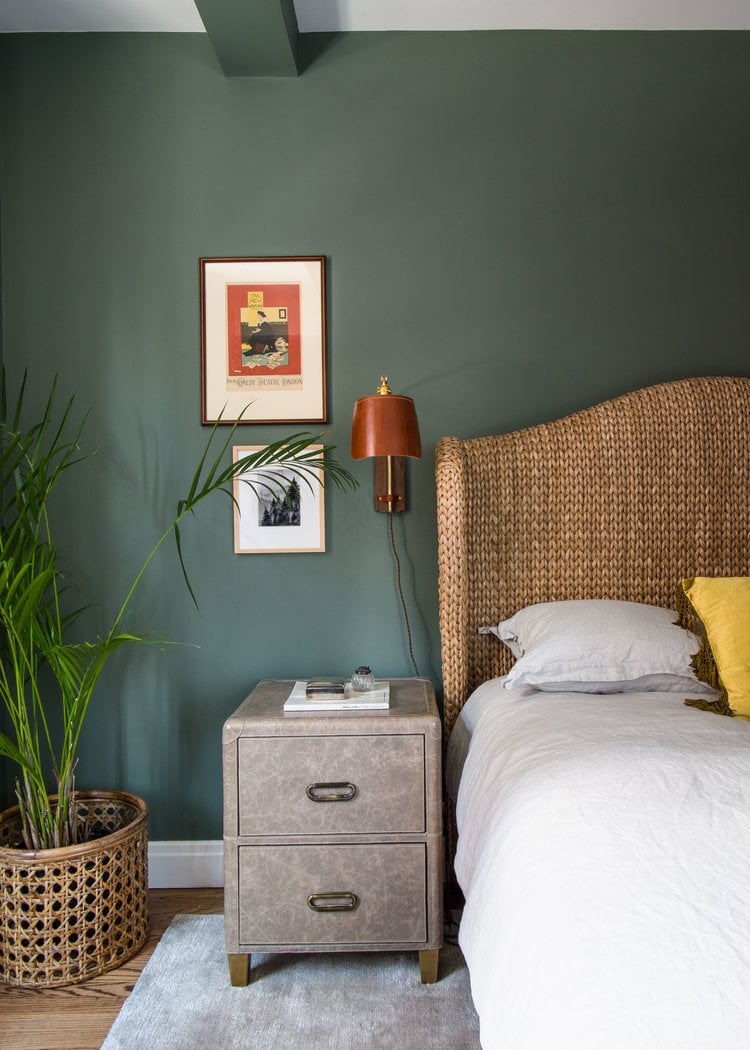
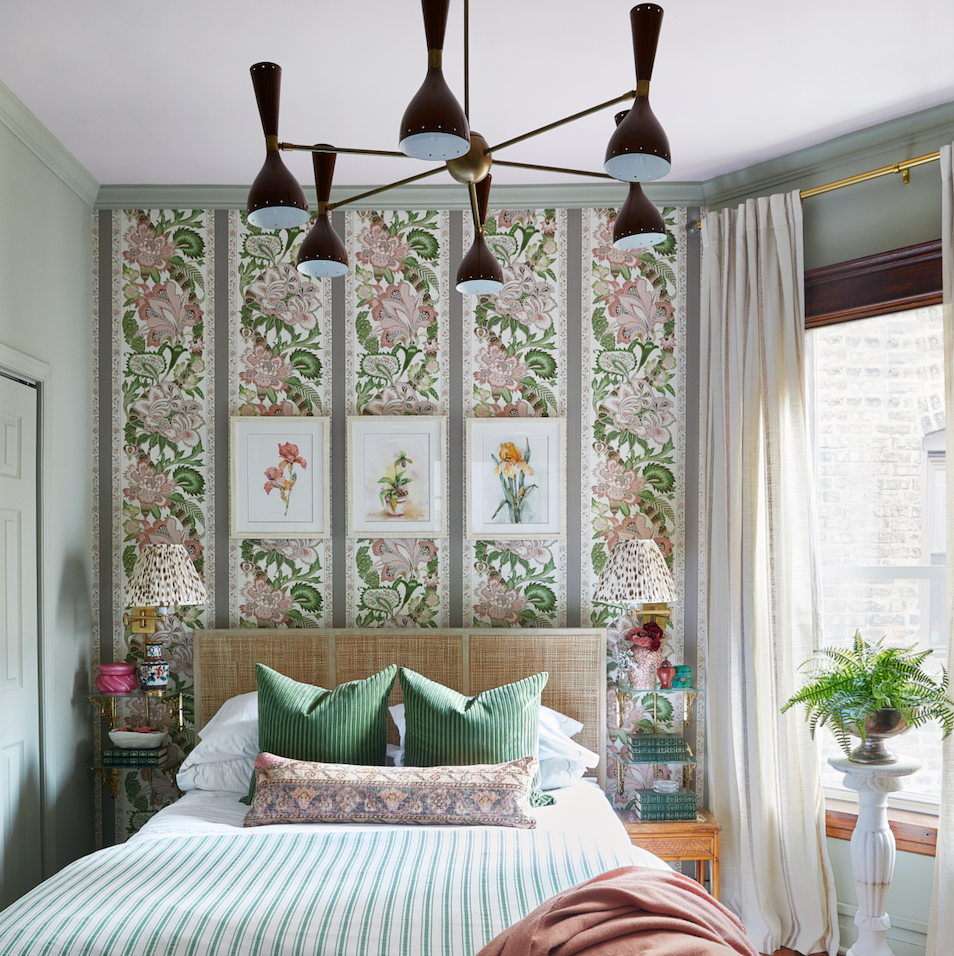
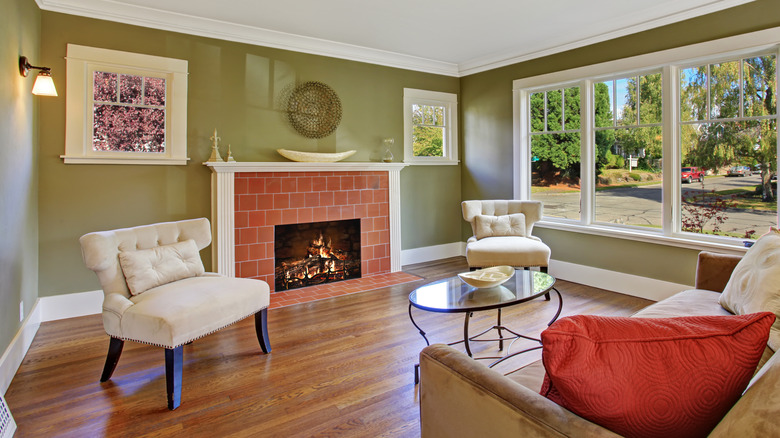
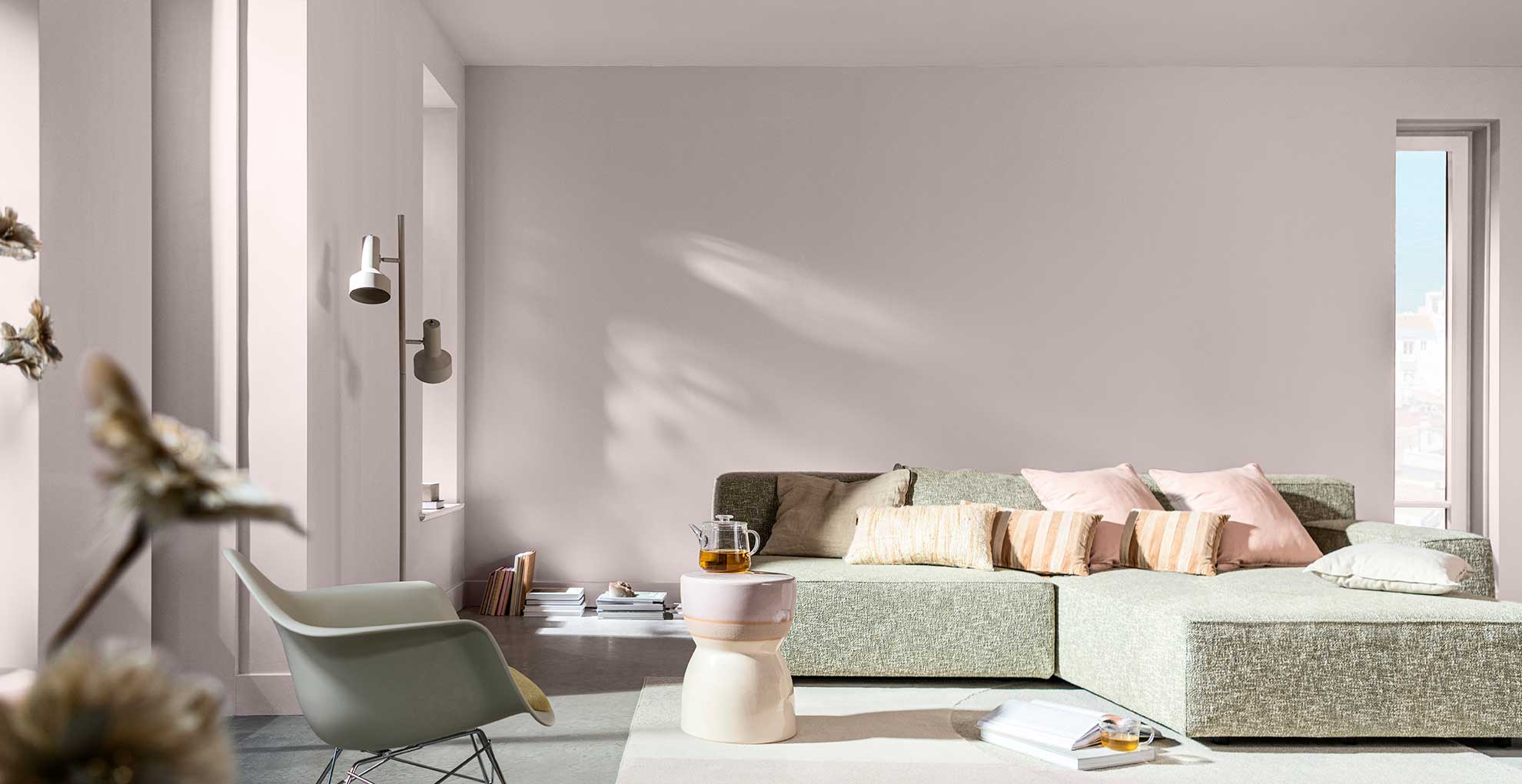
A cohesive paint palette throughout the entire home is also gaining traction. Instead of using disparate bold colors in each room or sticking to uniform neutrals, this trend suggests employing different hues of the same color family across various spaces. For instance, different shades of green, like soft sage in living areas and a darker pine green in a master bedroom, can create a harmonious flow while still allowing for individual room character. This approach provides a unified aesthetic that is both colorful and serene, offering a sophisticated alternative to a patchwork of varied designs.
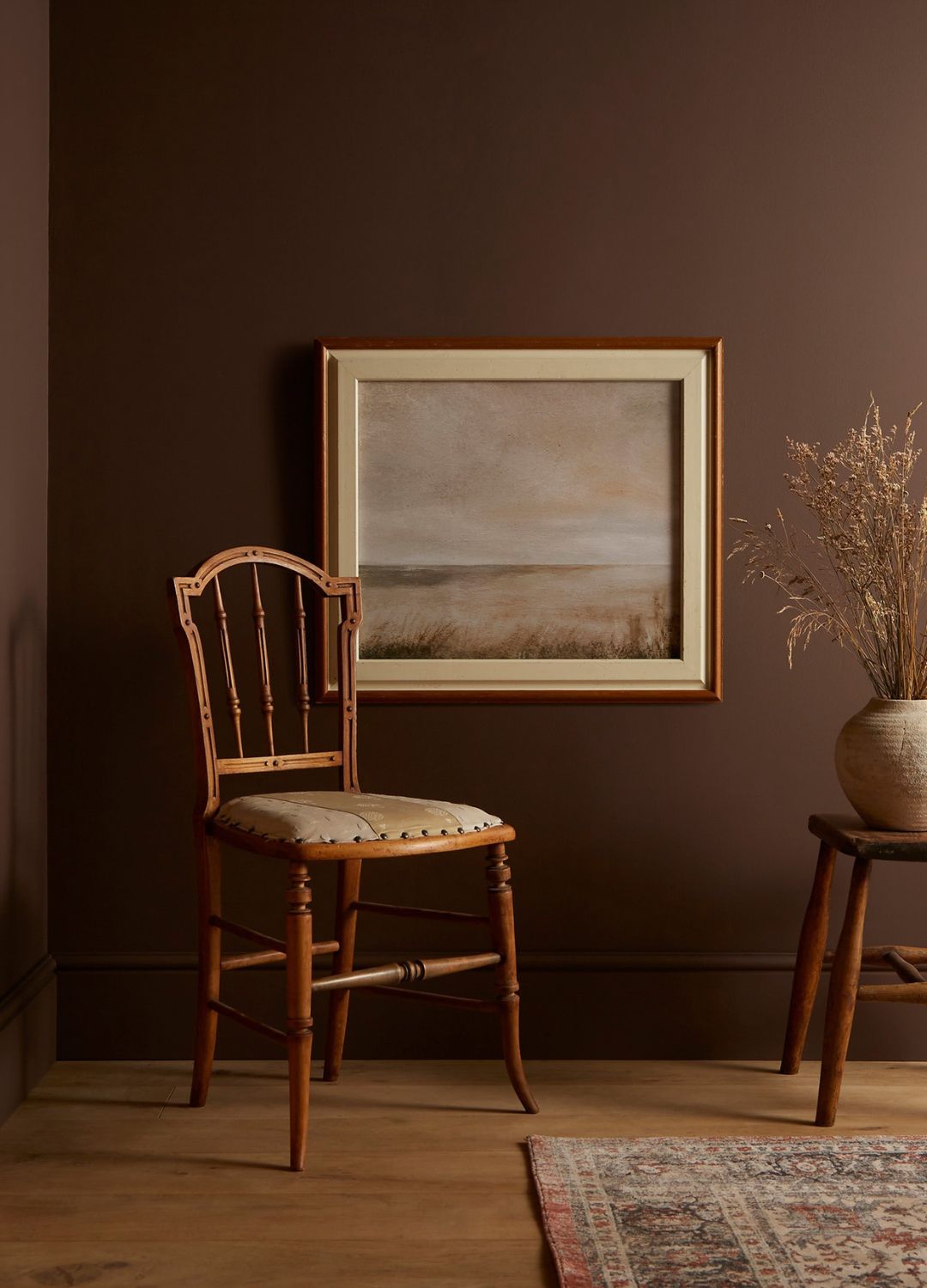
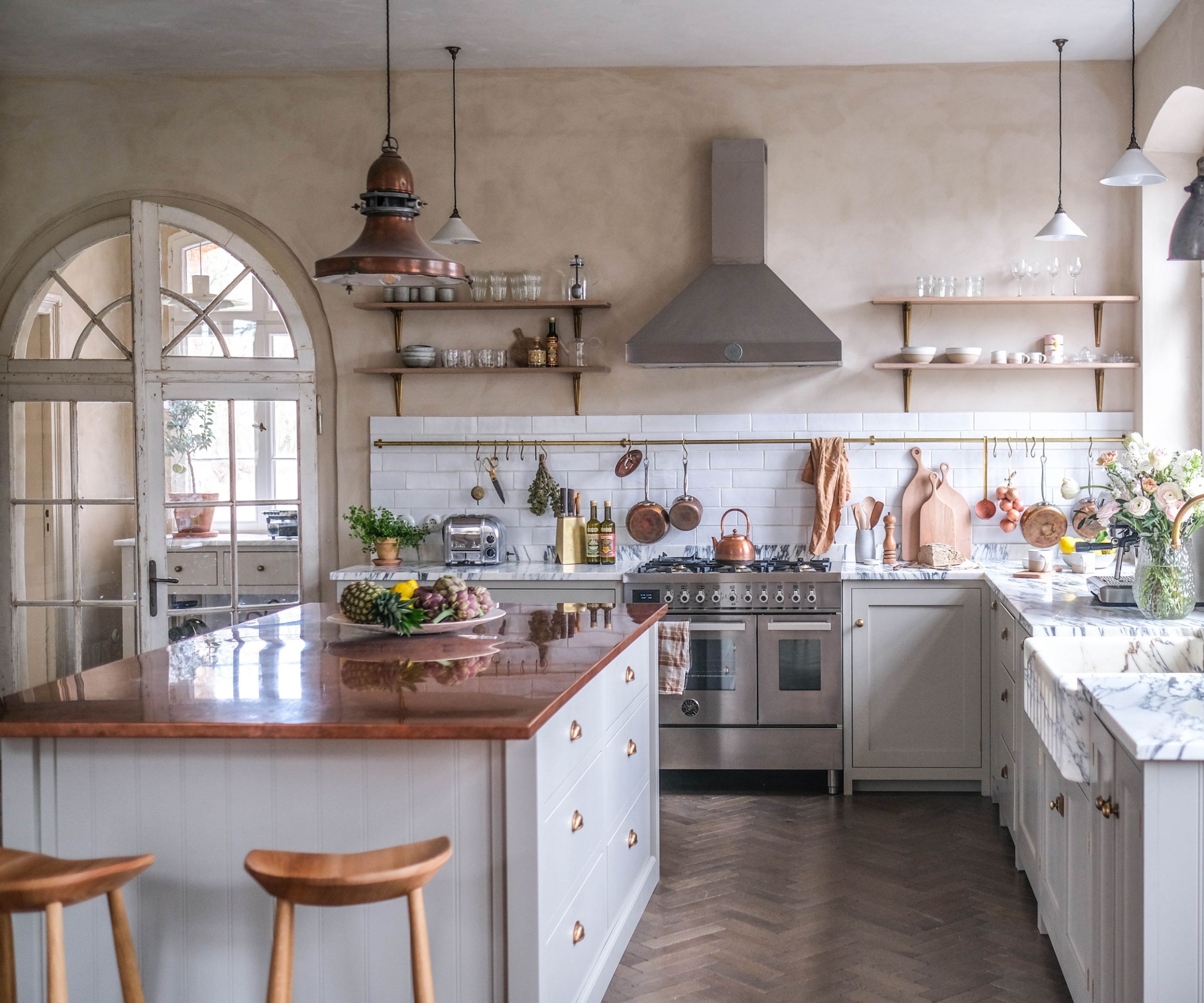
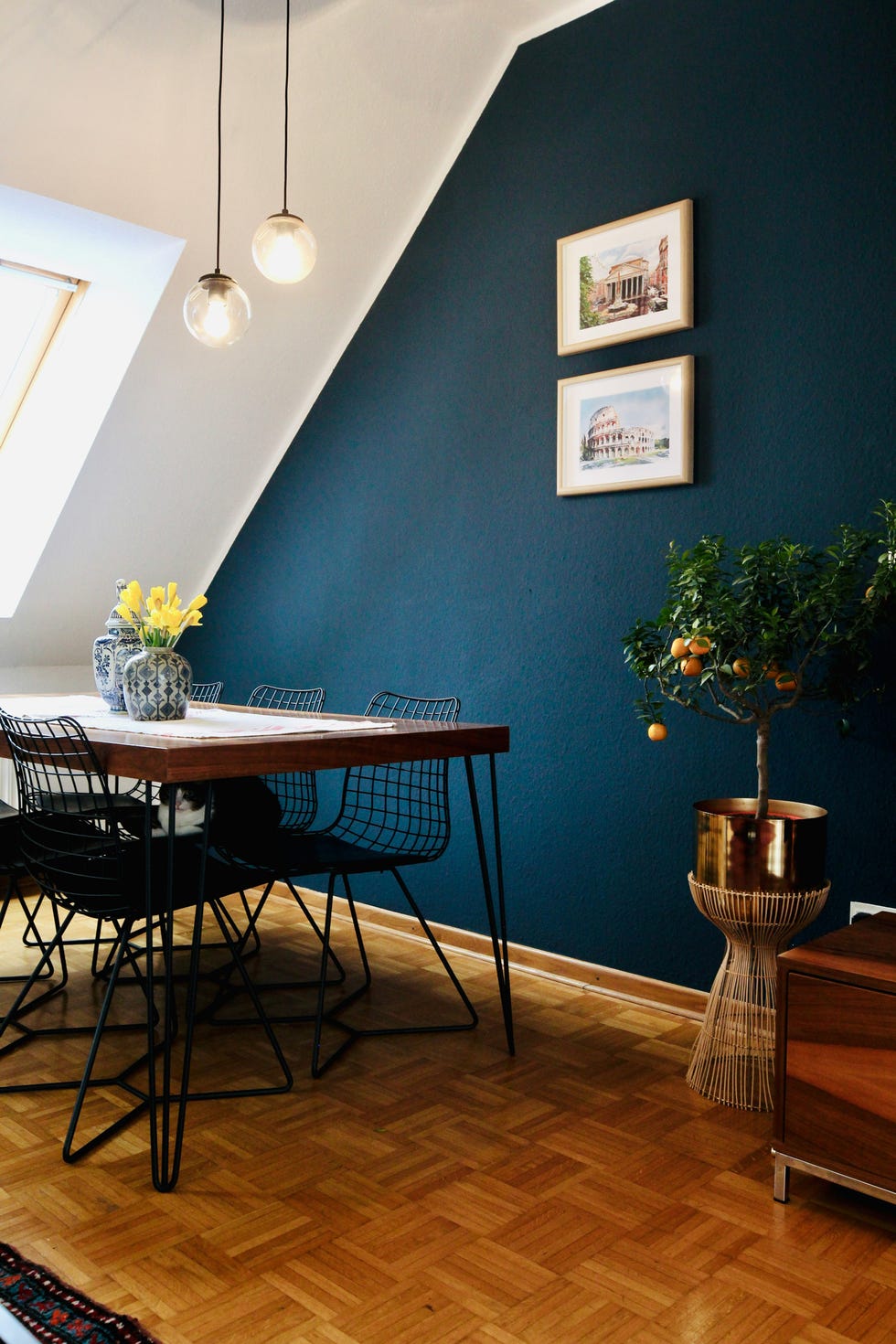
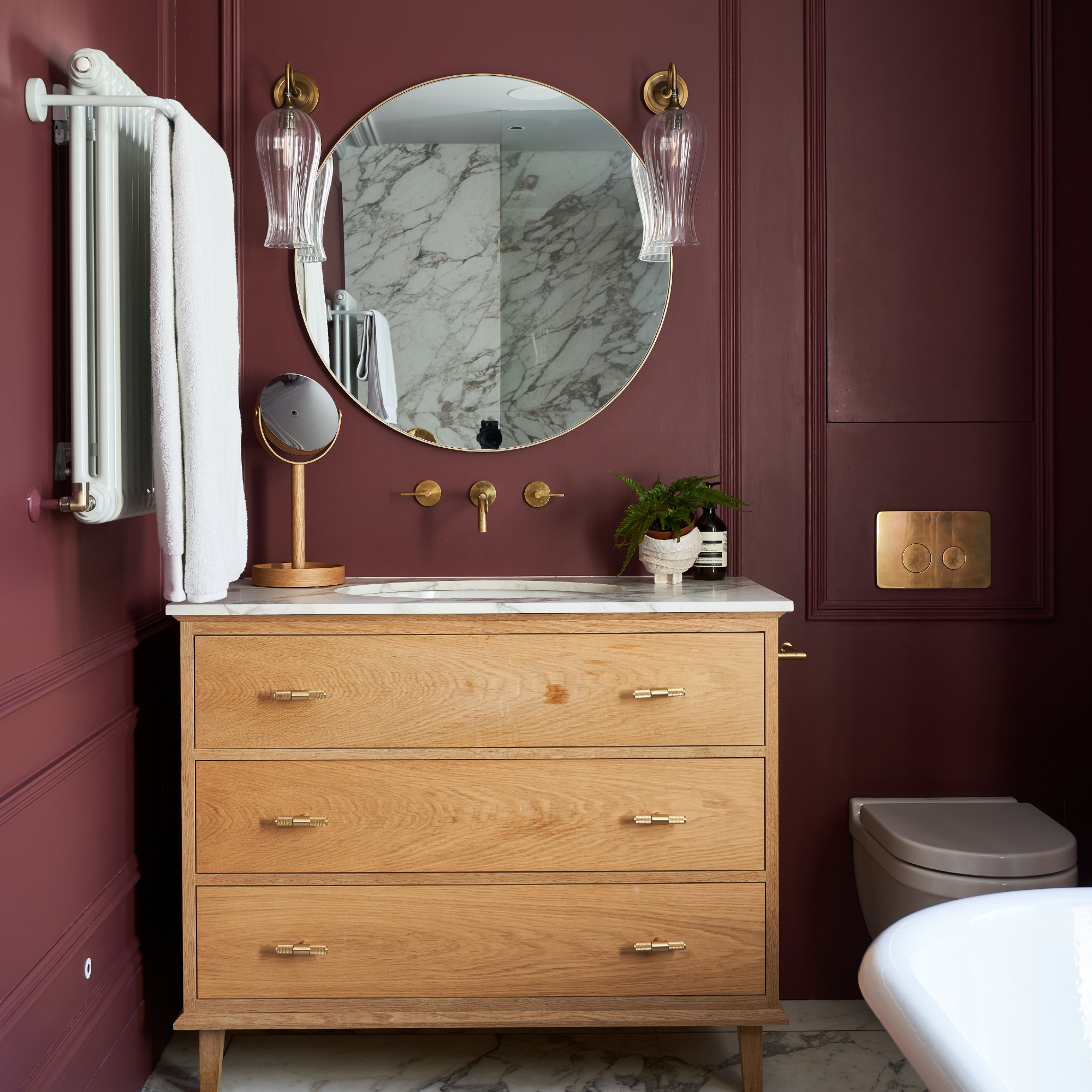
Inspiration for wall colors can also be drawn from the fixed features of a room. This method involves identifying undertones in existing elements, such as the gray veins in marble or deep brown knots in pine floors, and selecting paint colors that complement these features. This approach ensures that the chosen paint color integrates seamlessly with the room's inherent palette, enhancing the overall look rather than creating discord. It encourages homeowners to embrace darker shades, as long as they resonate with existing elements, to achieve a cohesive result without overwhelming the space.
Stenciling is another trend making a comeback, moving beyond children's rooms to create full-wall patterns that emulate wallpaper. With renewed interest in DIY and inspiration from platforms like TikTok, stencils allow for personalized touches and intricate designs. Techniques such as mixing texturing agents into paint can add dimension and interest to stenciled walls, offering a subtle way to enhance a room's visual texture without resorting to dramatic color combinations.
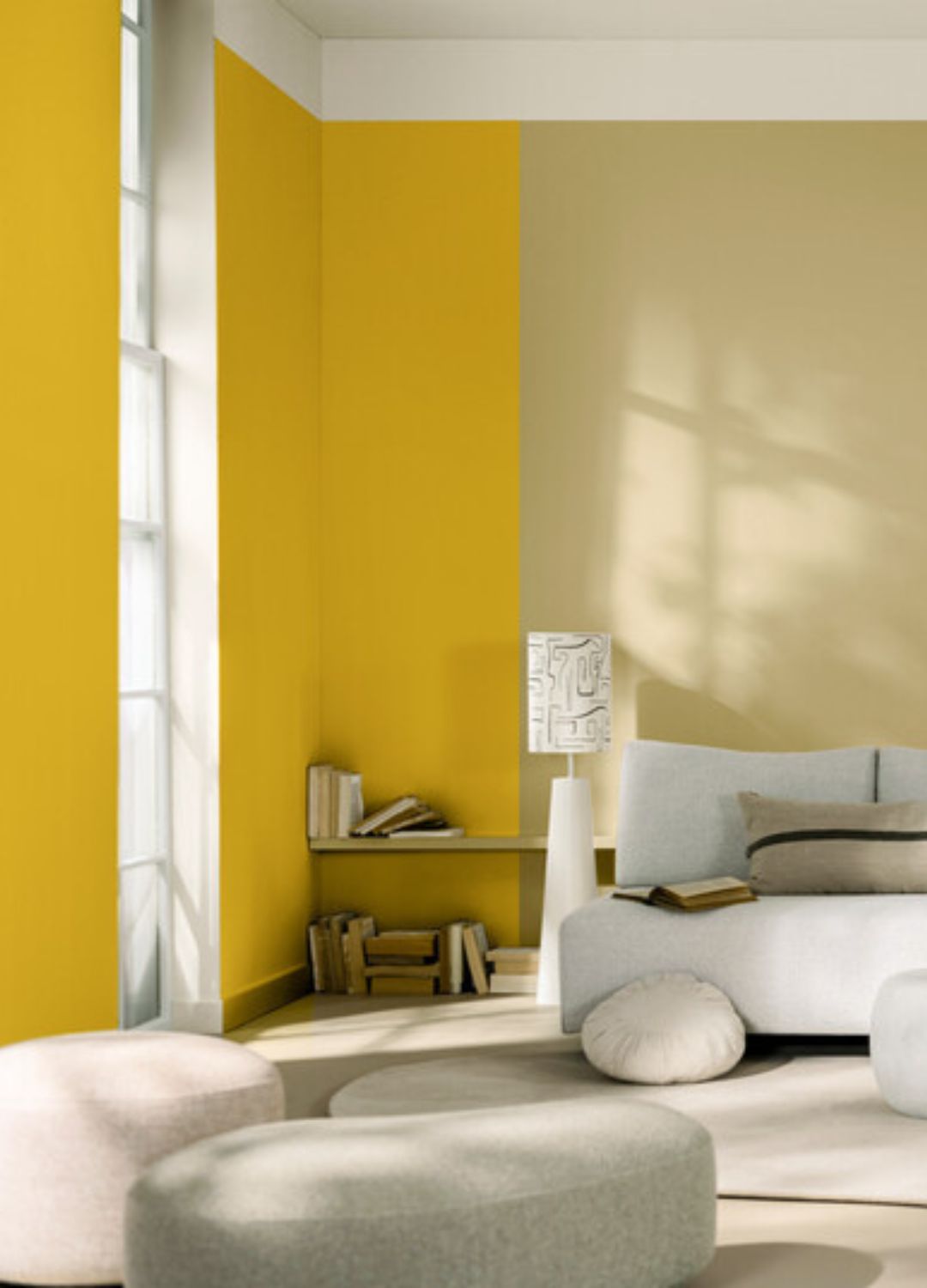
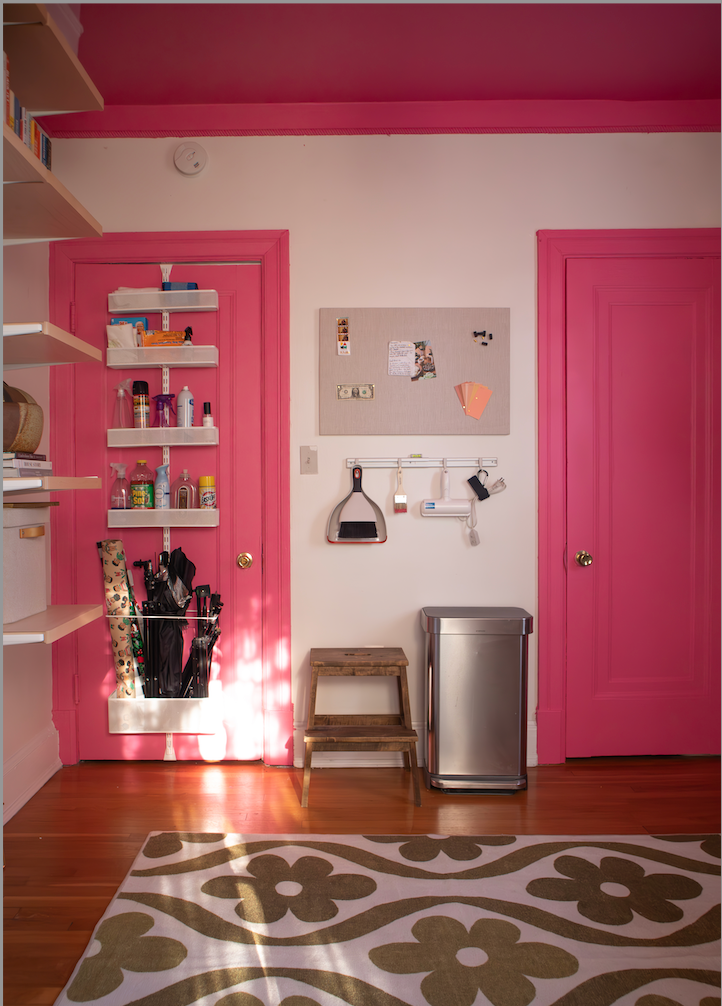
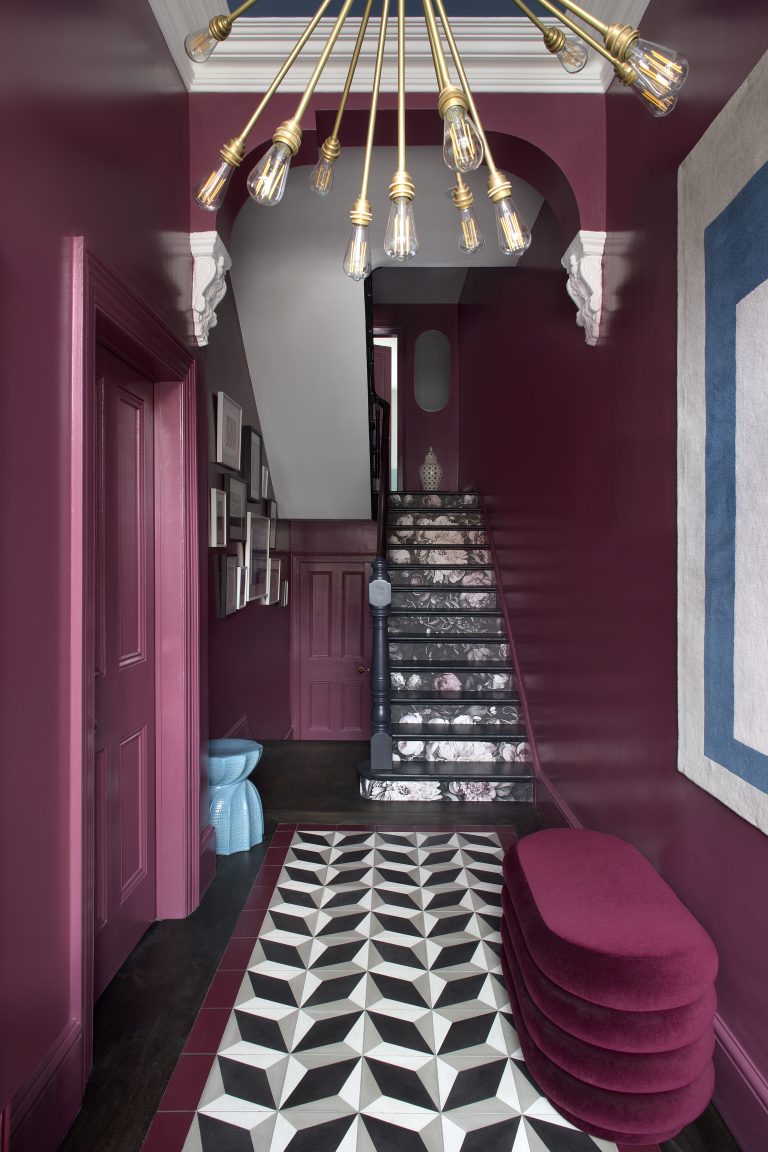
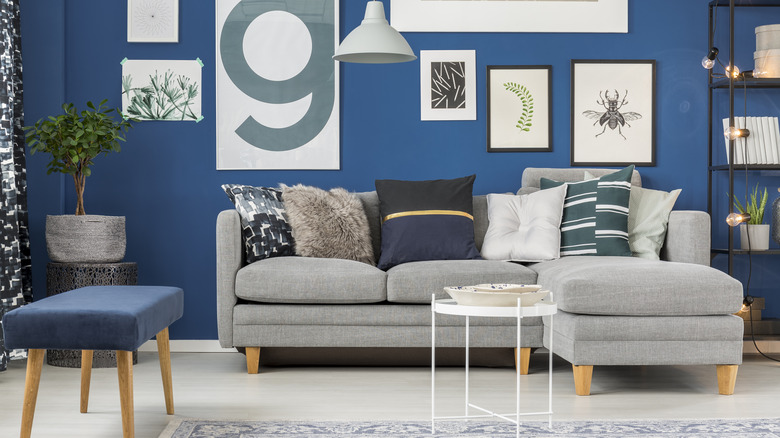
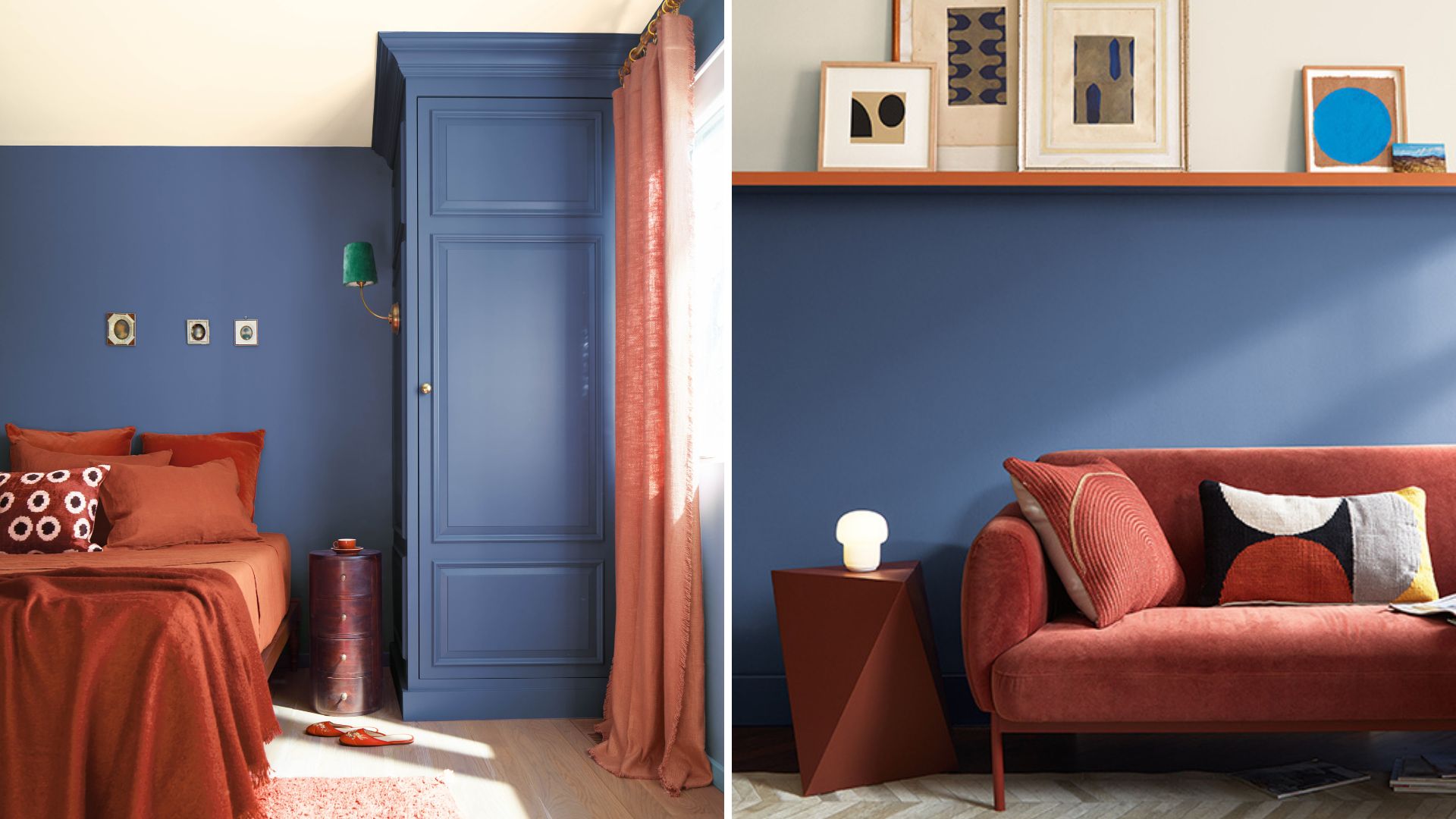
Double drenching, a newer and bolder application of color drenching, involves painting walls, trim, doors, and ceilings in two slightly contrasting but complementary colors, such as navy blue and royal blue. This technique adds unexpected depth and boldness, transforming even functional elements like doors into design statements. While currently prominent in luxury design publications and dramatic spaces like entryways, its broader adoption by the average homeowner remains to be seen.
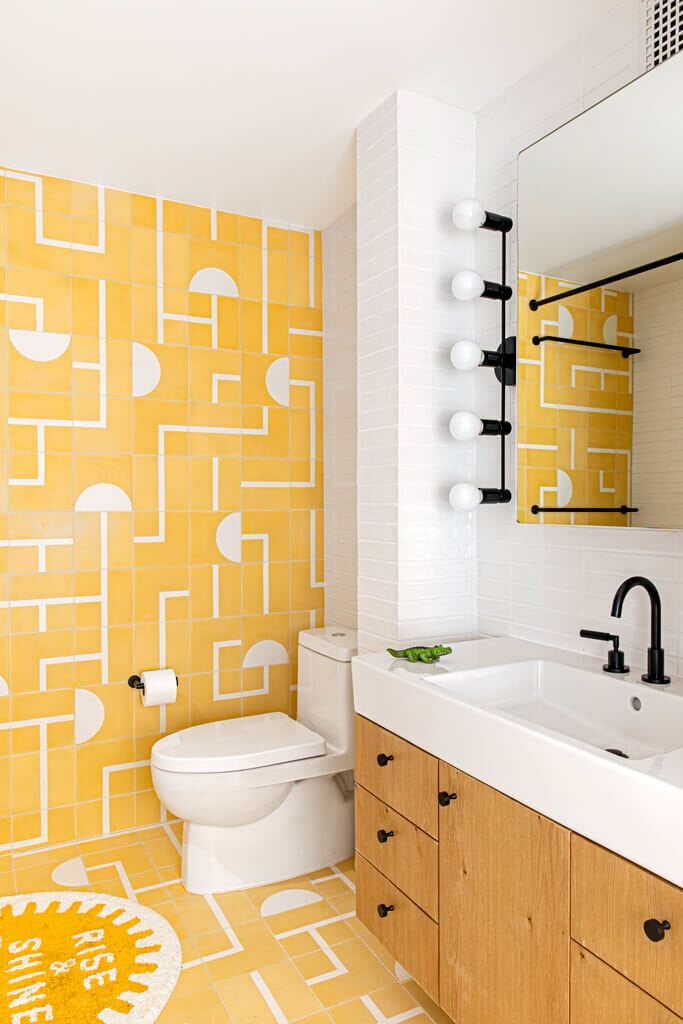
Finally, painting bathroom surfaces beyond just the walls is becoming popular, particularly for updating shower tiles. Instead of traditional white or cream, homeowners are opting for full-bodied, darker colors. However, it is crucial to use epoxy paint for any surfaces that will get wet, as the improved formulas of these paints offer enhanced strength and water resistance, preventing bubbling or peeling. This allows for a less permanent and more fun approach to bathroom renovation.
#PaintTrends #InteriorDesign #HomeDecor #ColorDrenching #NaturalWoodTrim #CohesivePalette #Stenciling #DoubleDrenching #BathroomRenovation #PaintTrends #InteriorDesign #HomeDecor #ColorDrenching #NaturalWoodTrim #CohesivePalette #Stenciling #DoubleDrenching #BathroomRenovation
0 comment in total
 No comments yet
You may also like
Interior paint colour trends 2025: 10 hues you'll be seeing everywhere this year

Designers Swear By These 65 Living Room Paint Colors

These 5 Paint Color Trends Will Be Everywhere in 2024, According to Interior Designers
Every 2025 Color of the Year We Know So Far—and Inspiration for How to Use Each in Your Home

Once-Trendy Paint Colors That Will Make Your Home Look Dated In 2025
Exterior paint trends 2025 – 8 stylish color ideas for the outside of your home


Freshen Up Your DMV Home with 2025's Top Interior Paint Colour

Interior Paint Color Trends You Should Know About In 2021

Is colour drenching still on trend for 2025? Experts reveal how the popular paint trend is evolving in the new year
7 Interior Paint Color Trends You'll See Everywhere In 2025
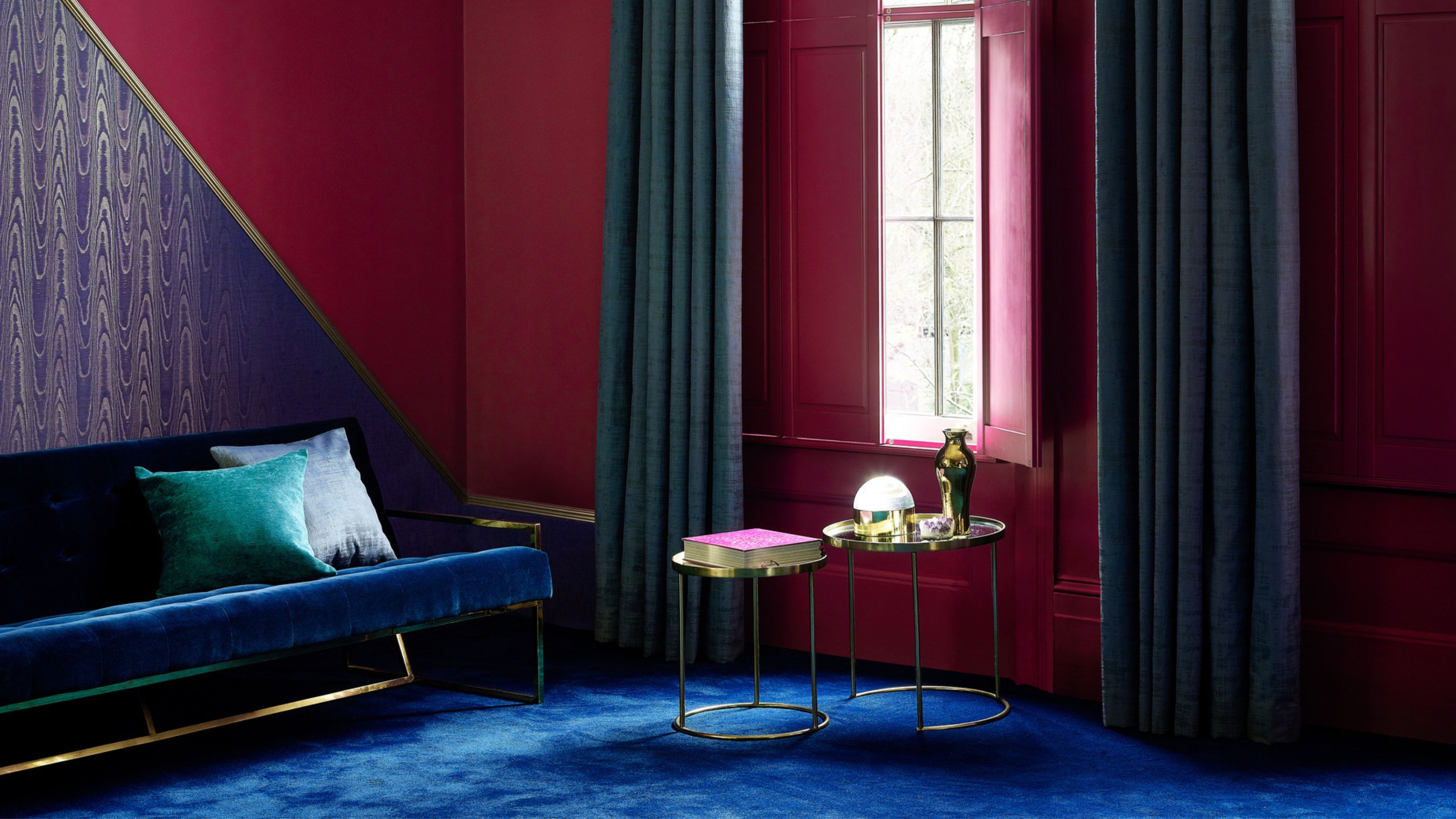
5 Paint Colors Going Out of Style in 2025 — And What You Should Replace Them With Before Then

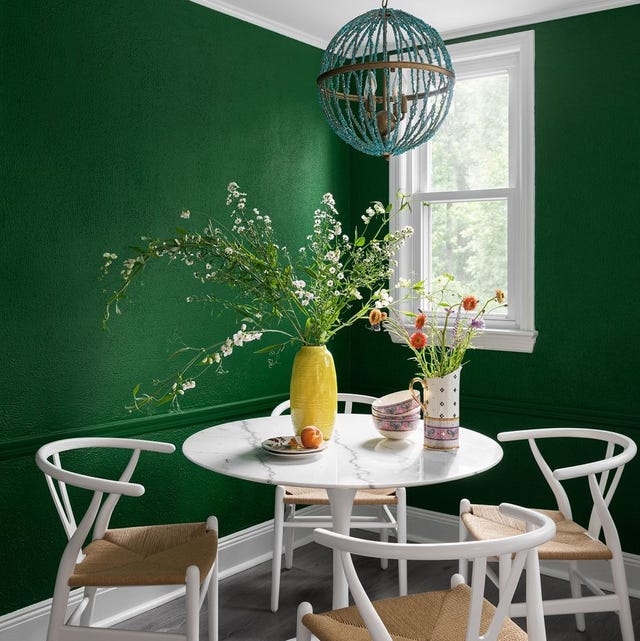
The Interior Paint Colors You'll Be Seeing Everywhere in 2024

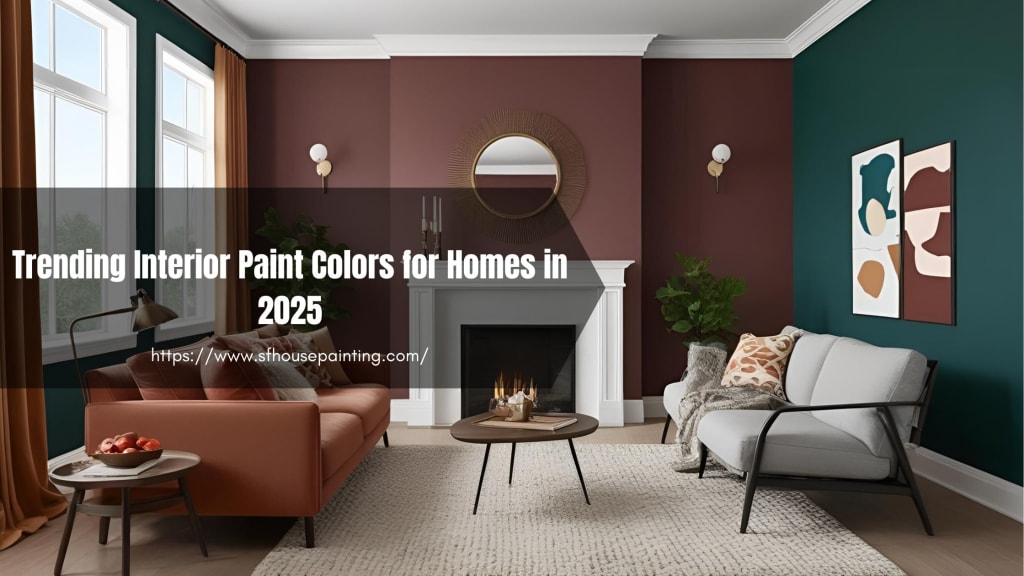
Trending Interior Paint Colors for Homes in 2025
The Best Furniture Paint of 2025

Please, No More 'Builder Beige' — Discover the Most Outdated Exterior Paint Colors in 2025
Interior Paint Colour Trends 2024: 14 influential shades to inspire our homes

The biggest paint trends of 2025 – 17 stylish ways to decorate with paint, according to designers
These 13 Paint Color Trends for 2021 Will Give Your Home a Fresh Look

Paint trends 2025 – the 9 shades, colour schemes and paint techniques you’ll be obsessed with this year
5 Paint Colors That Are Out for 2025, According to Interior Designers