1/10
Is colour drenching a bedroom a good idea? 7 rooms that prove it is
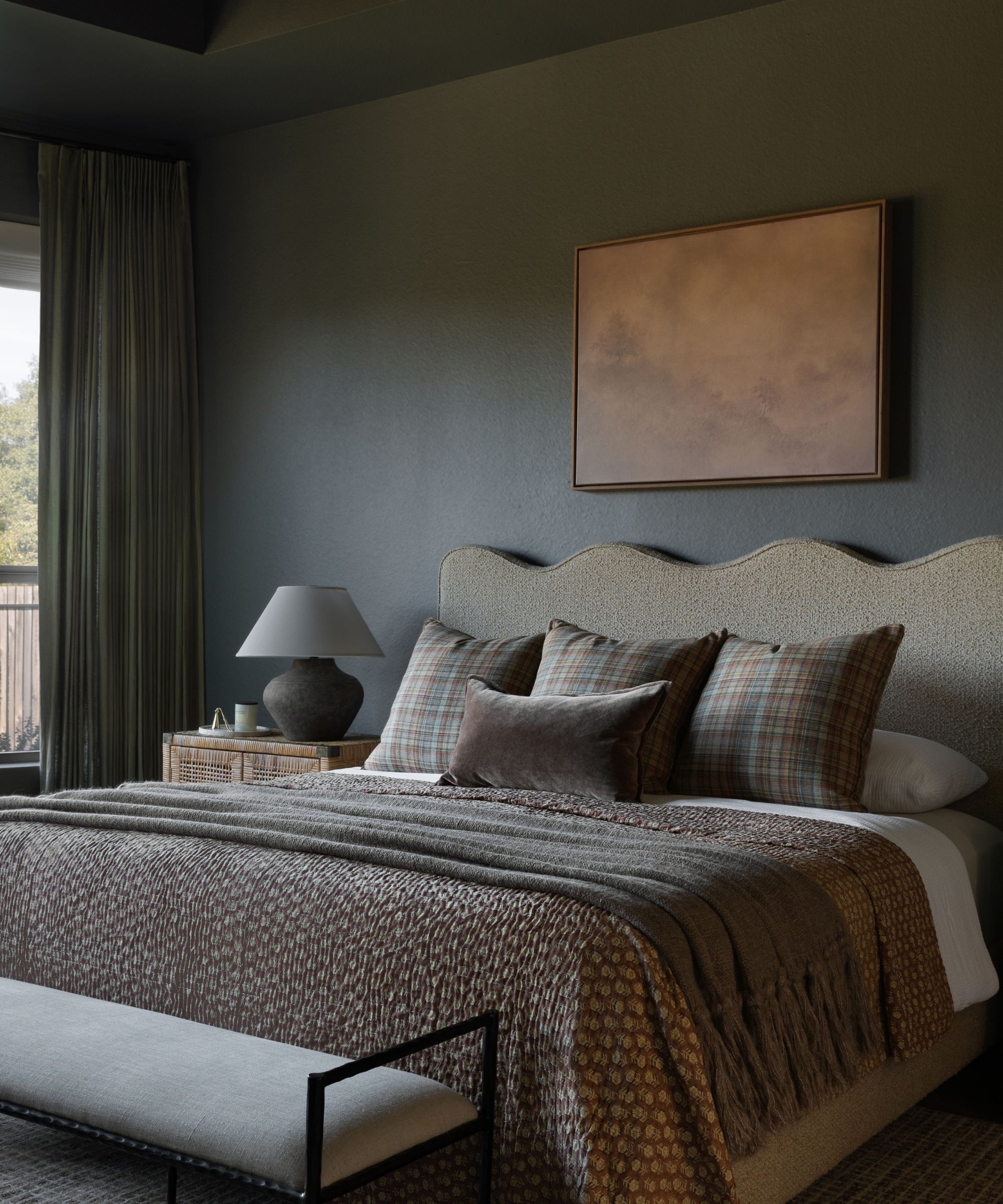
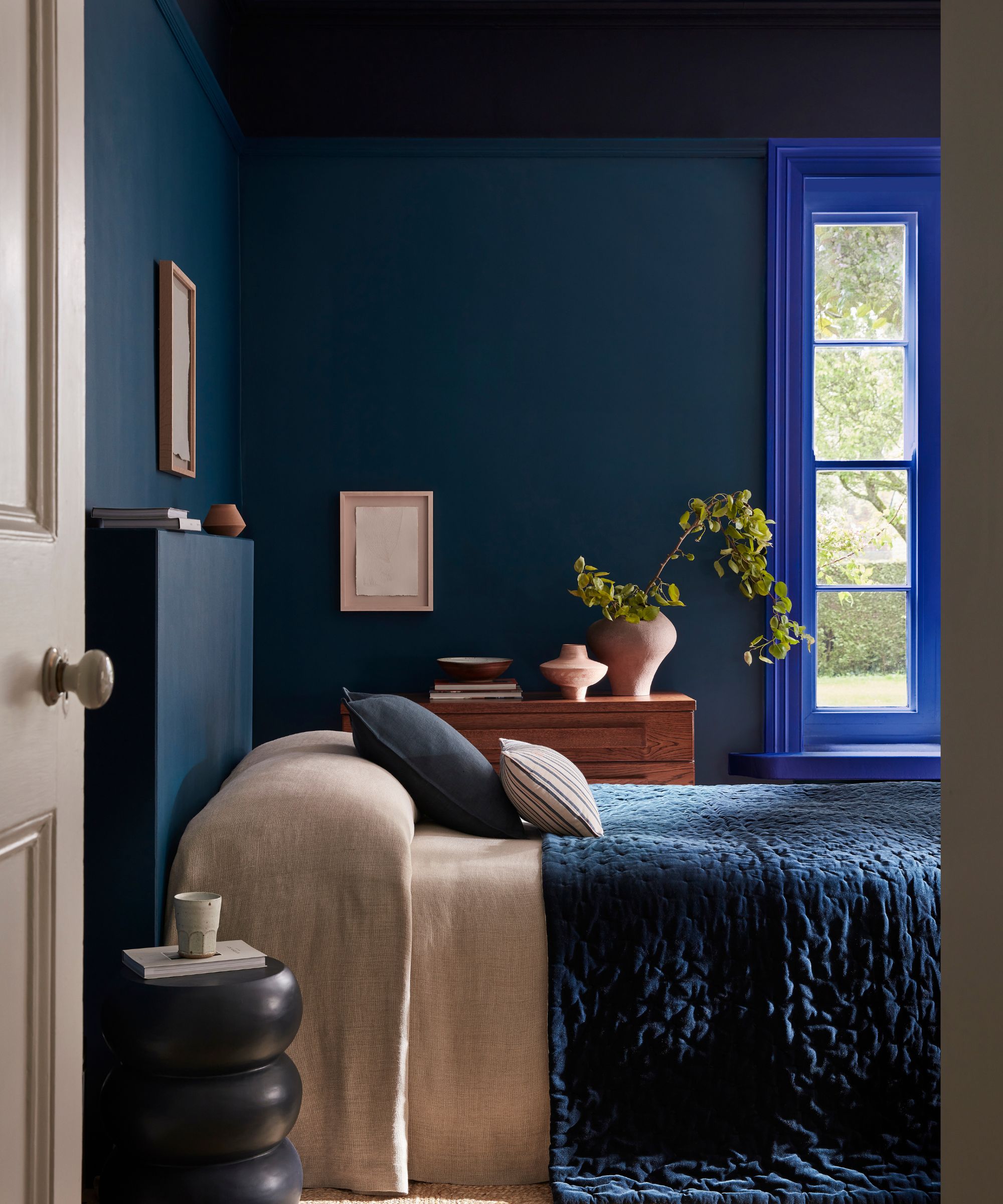
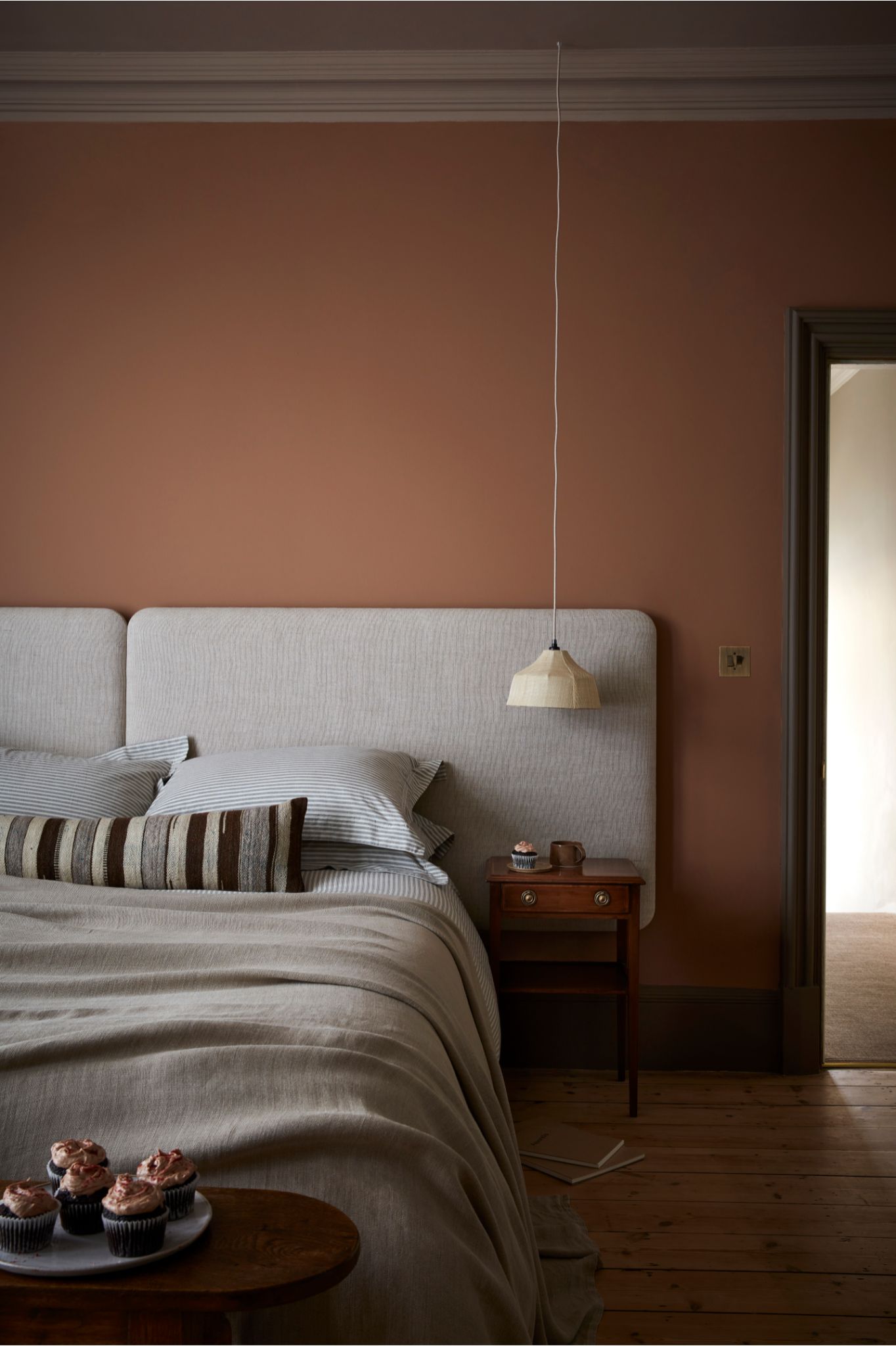
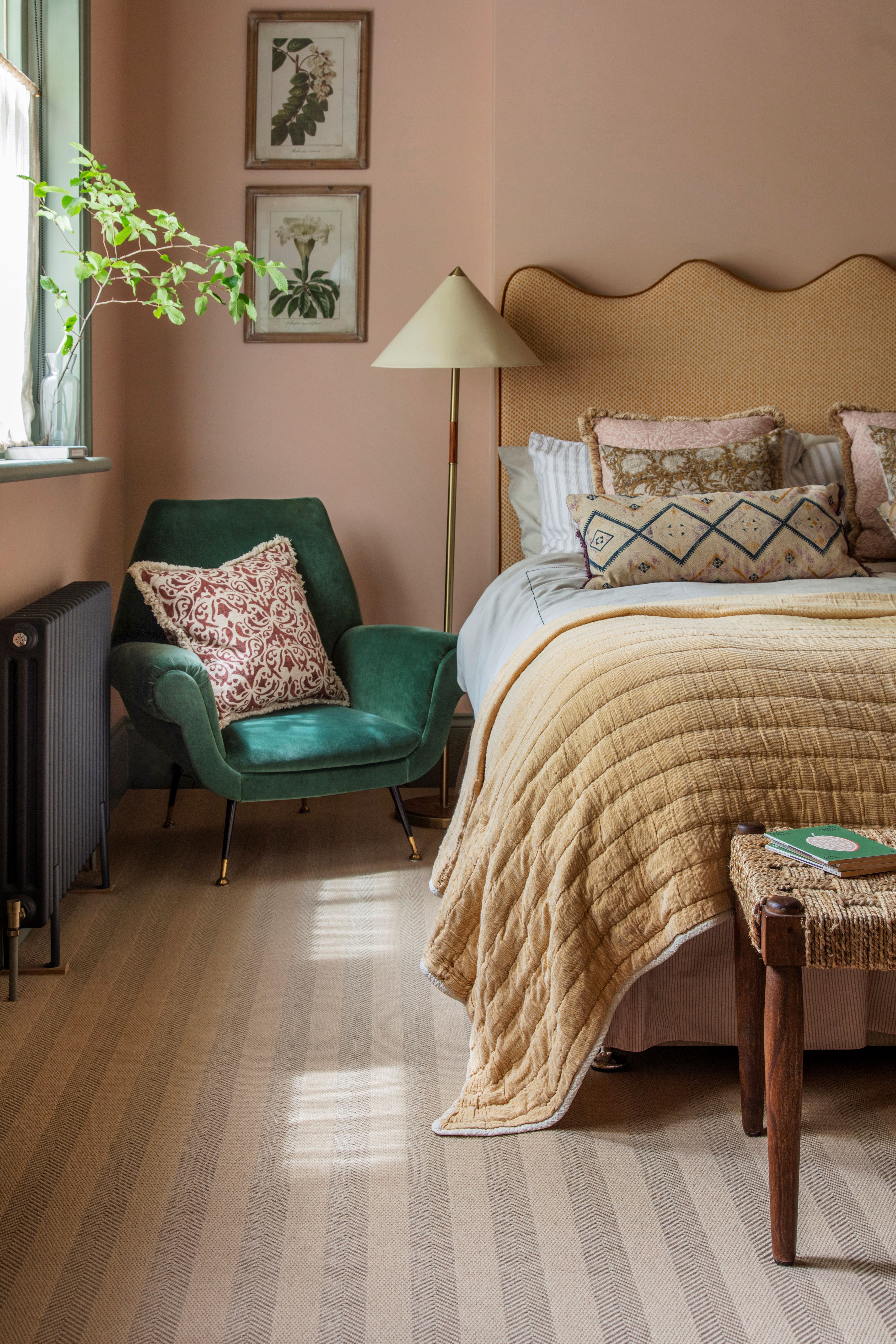
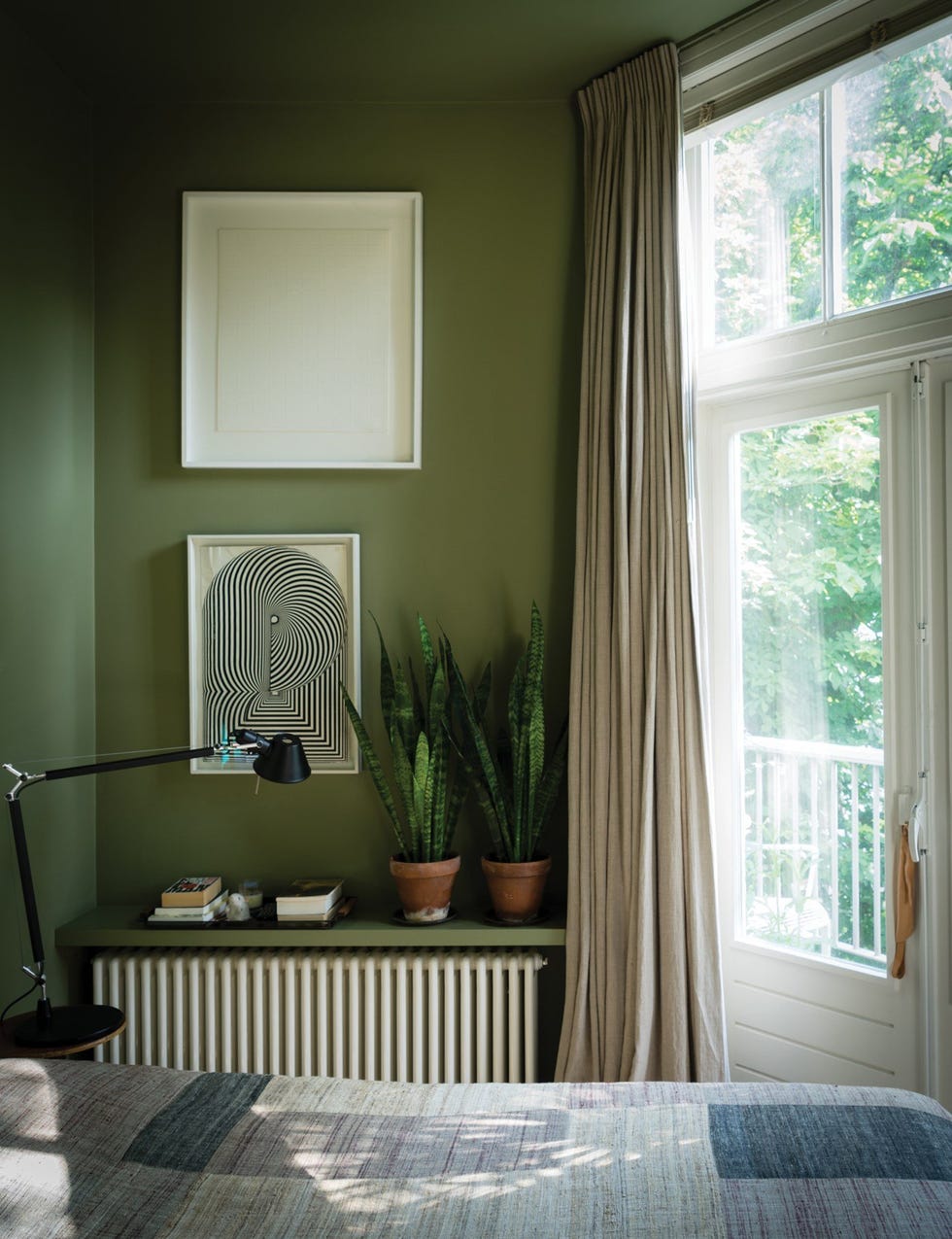
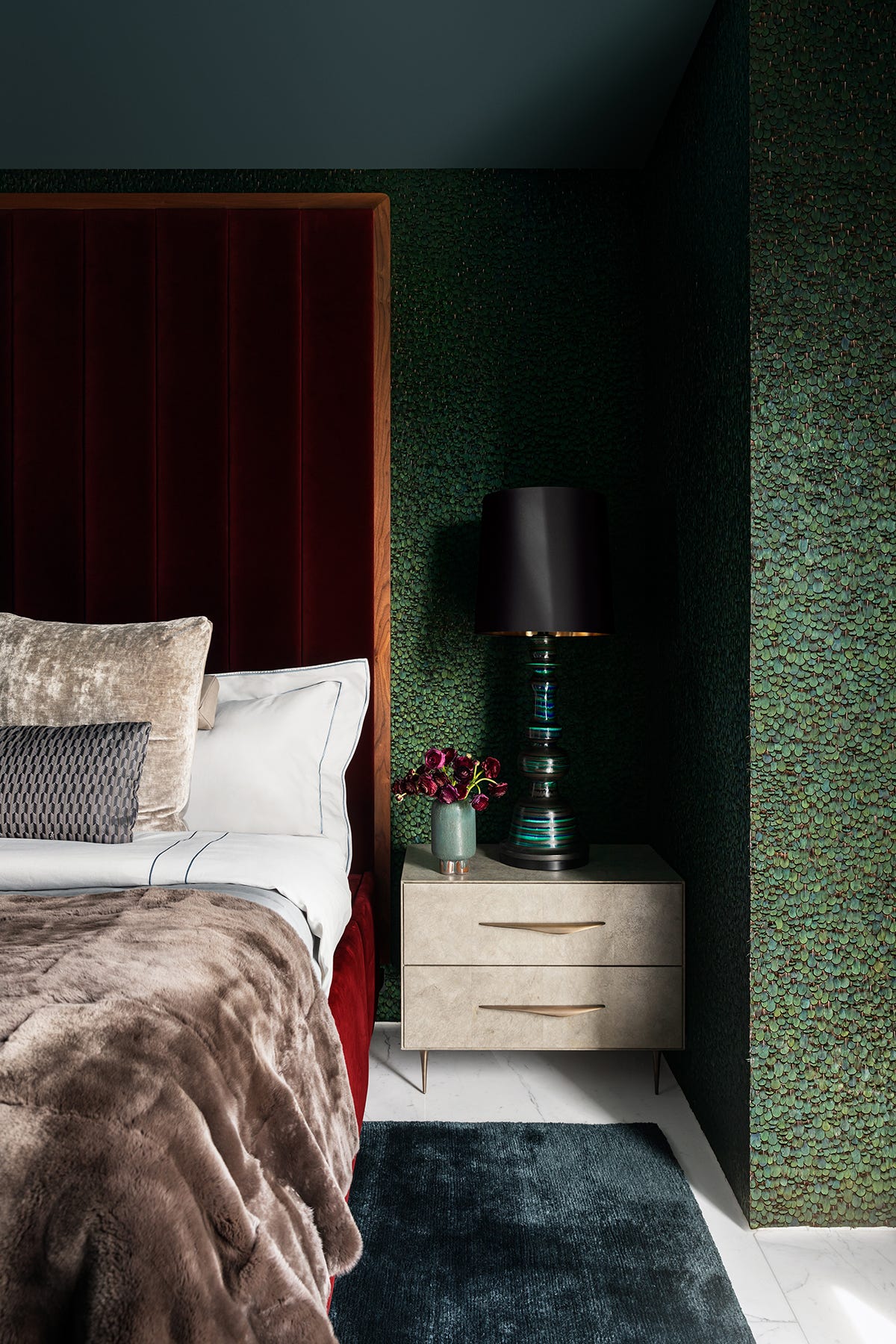
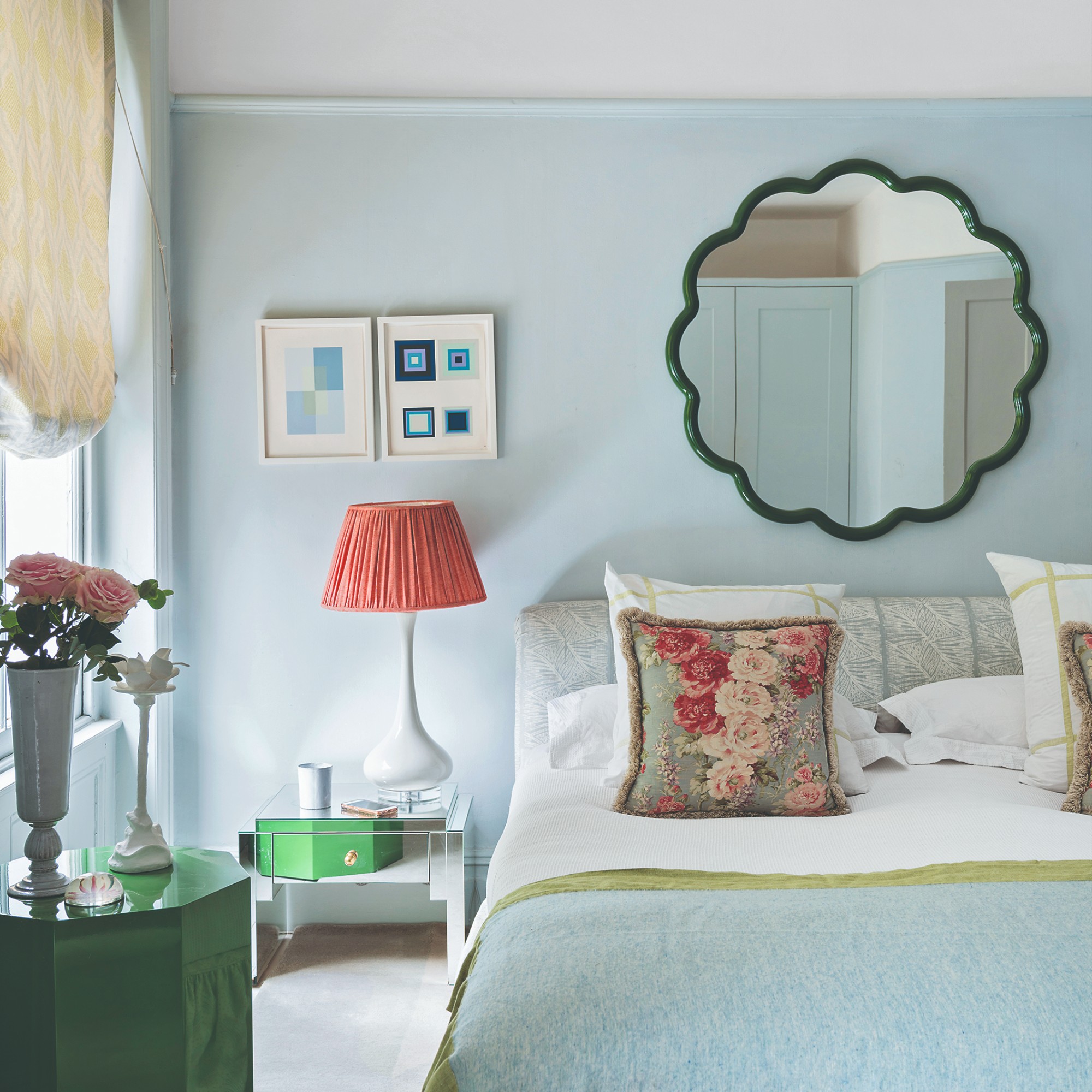
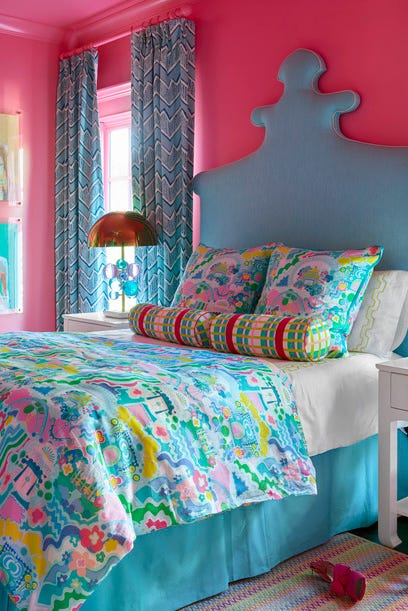
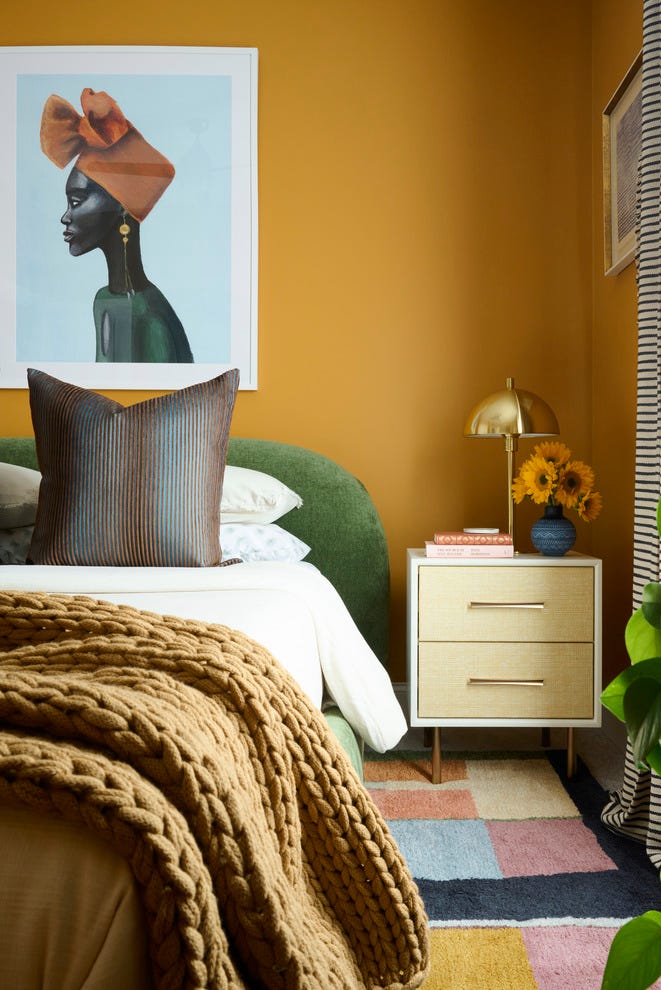
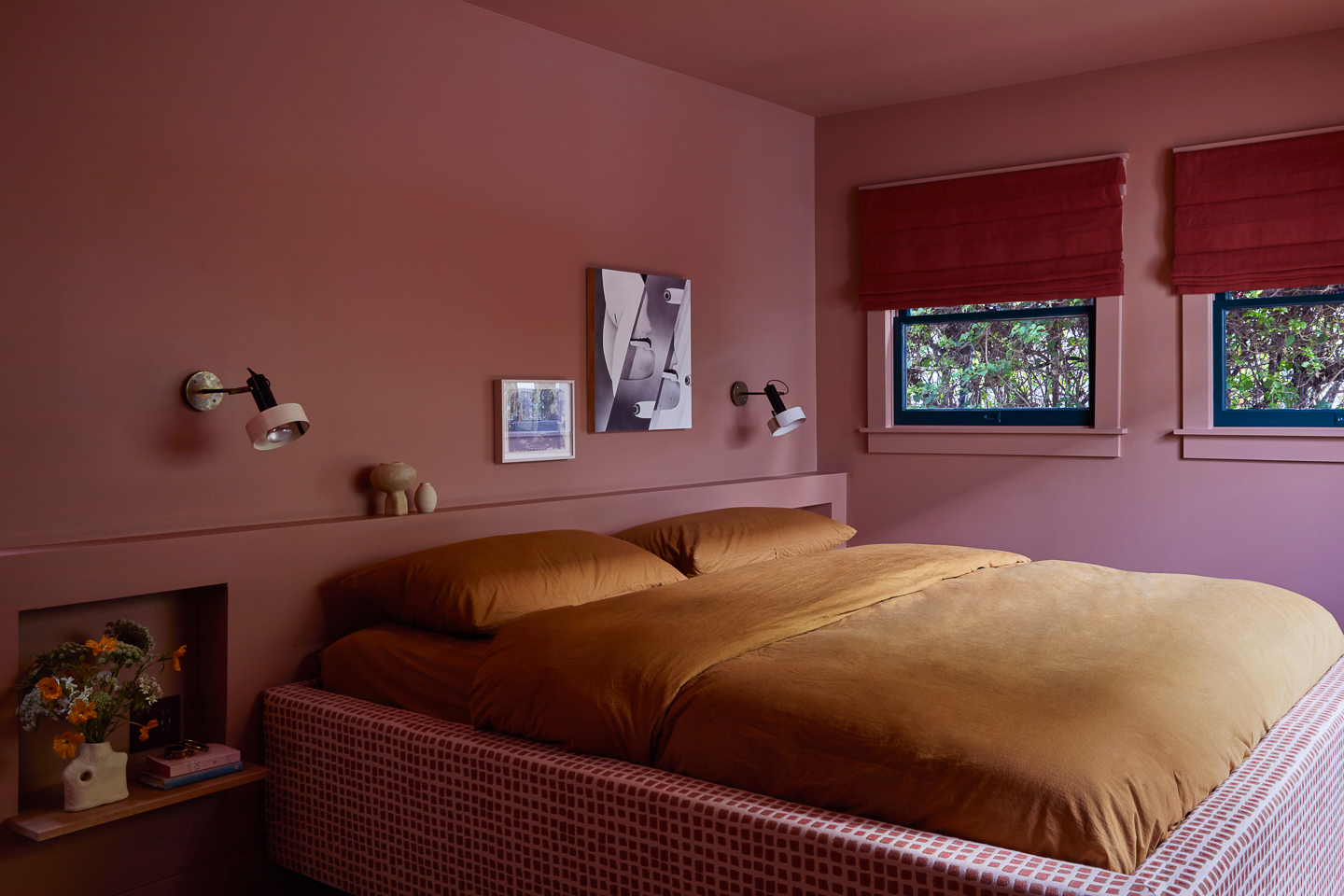
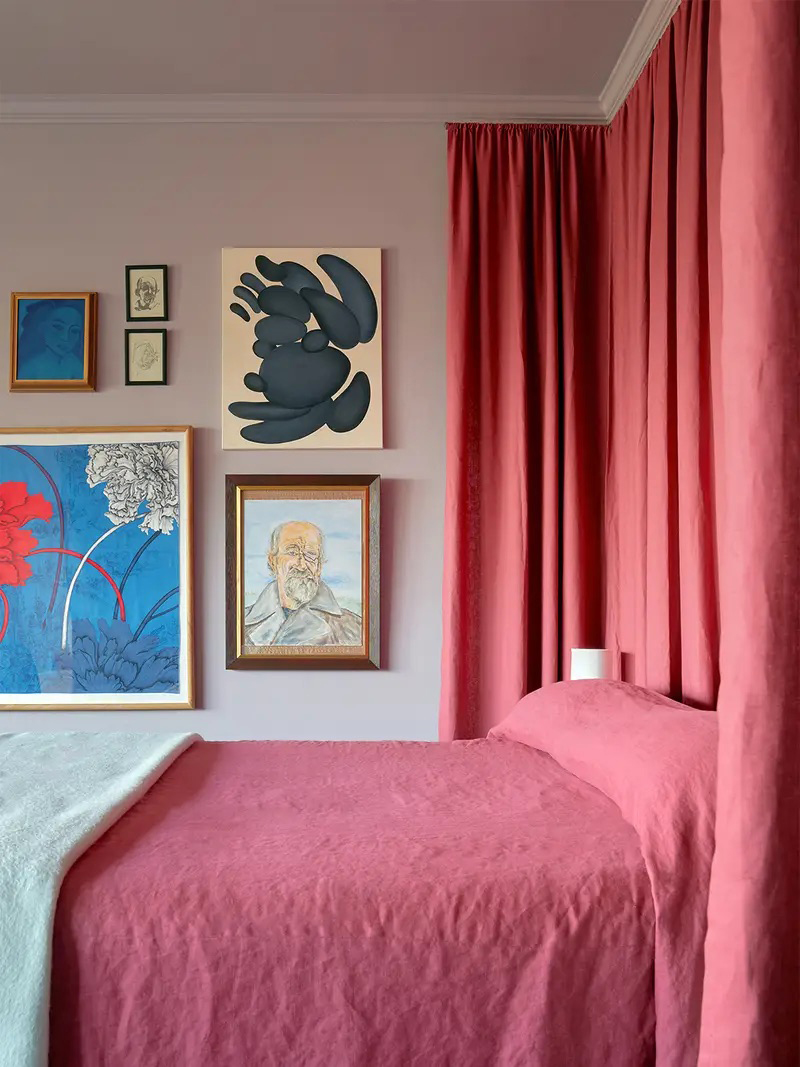
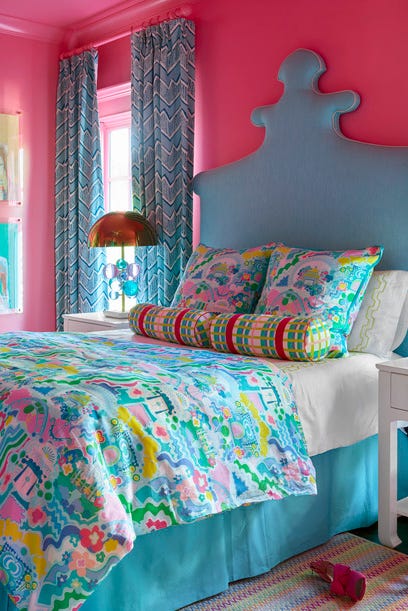
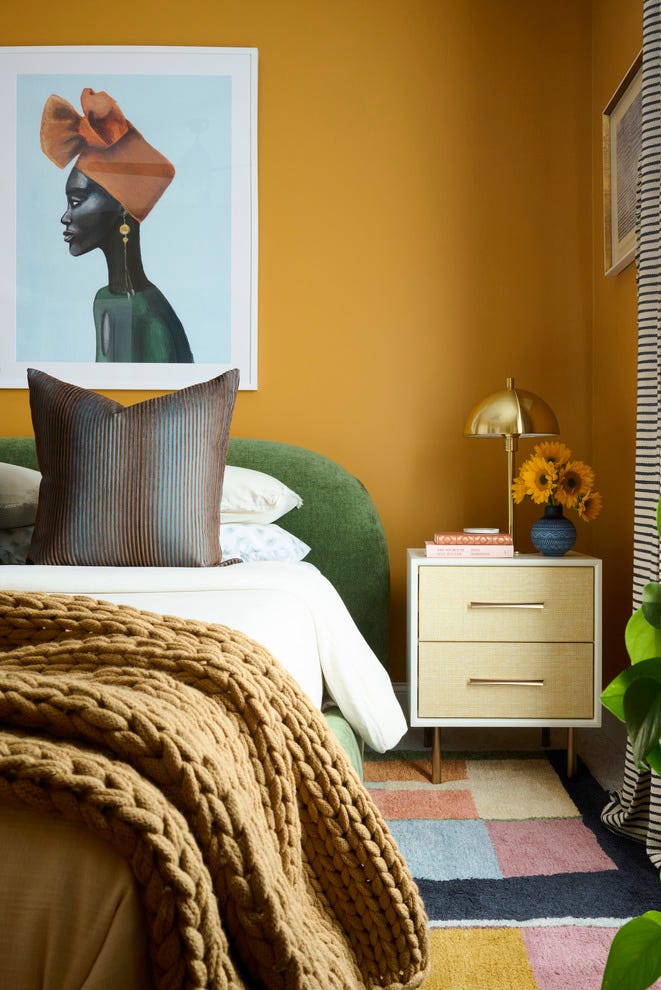
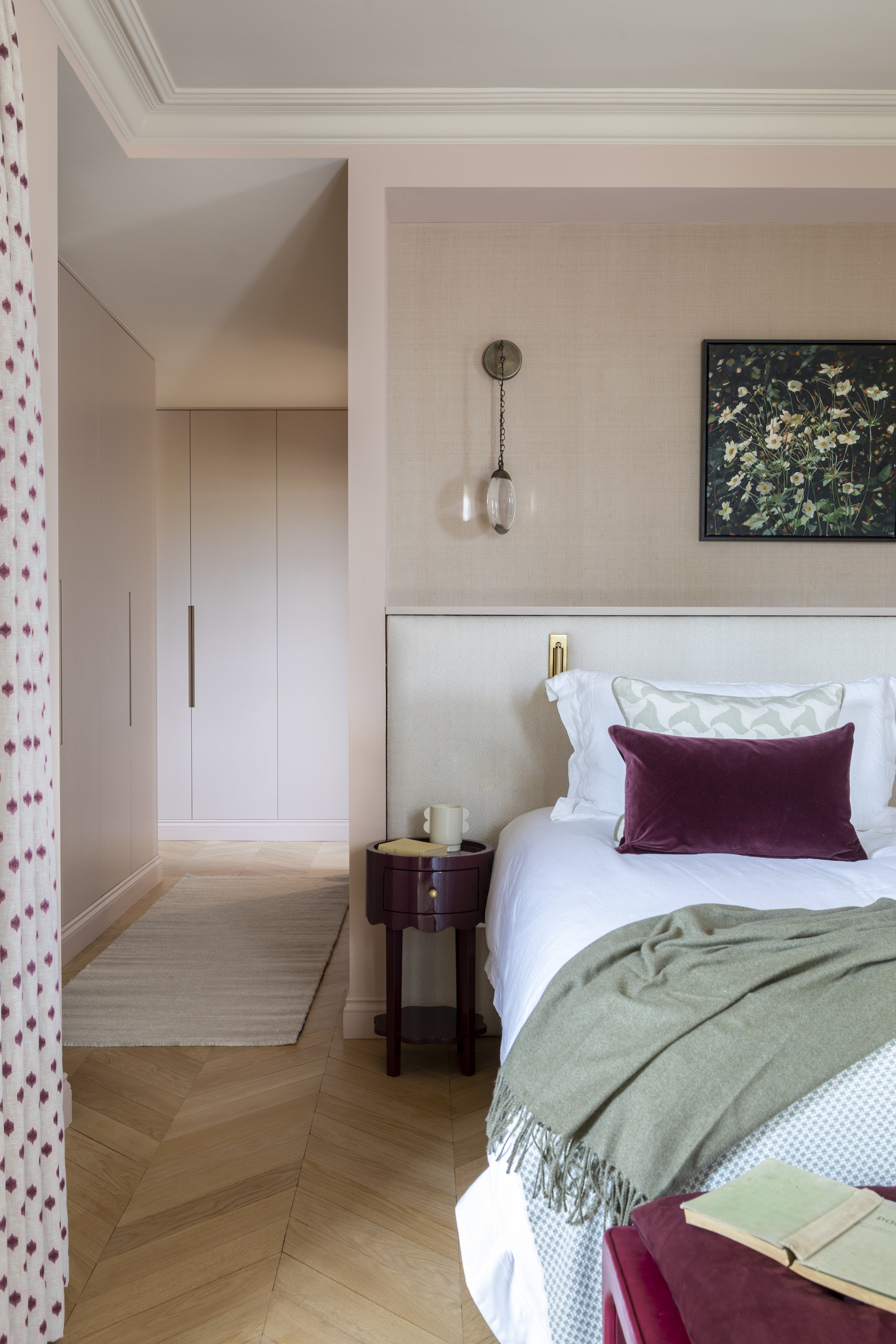
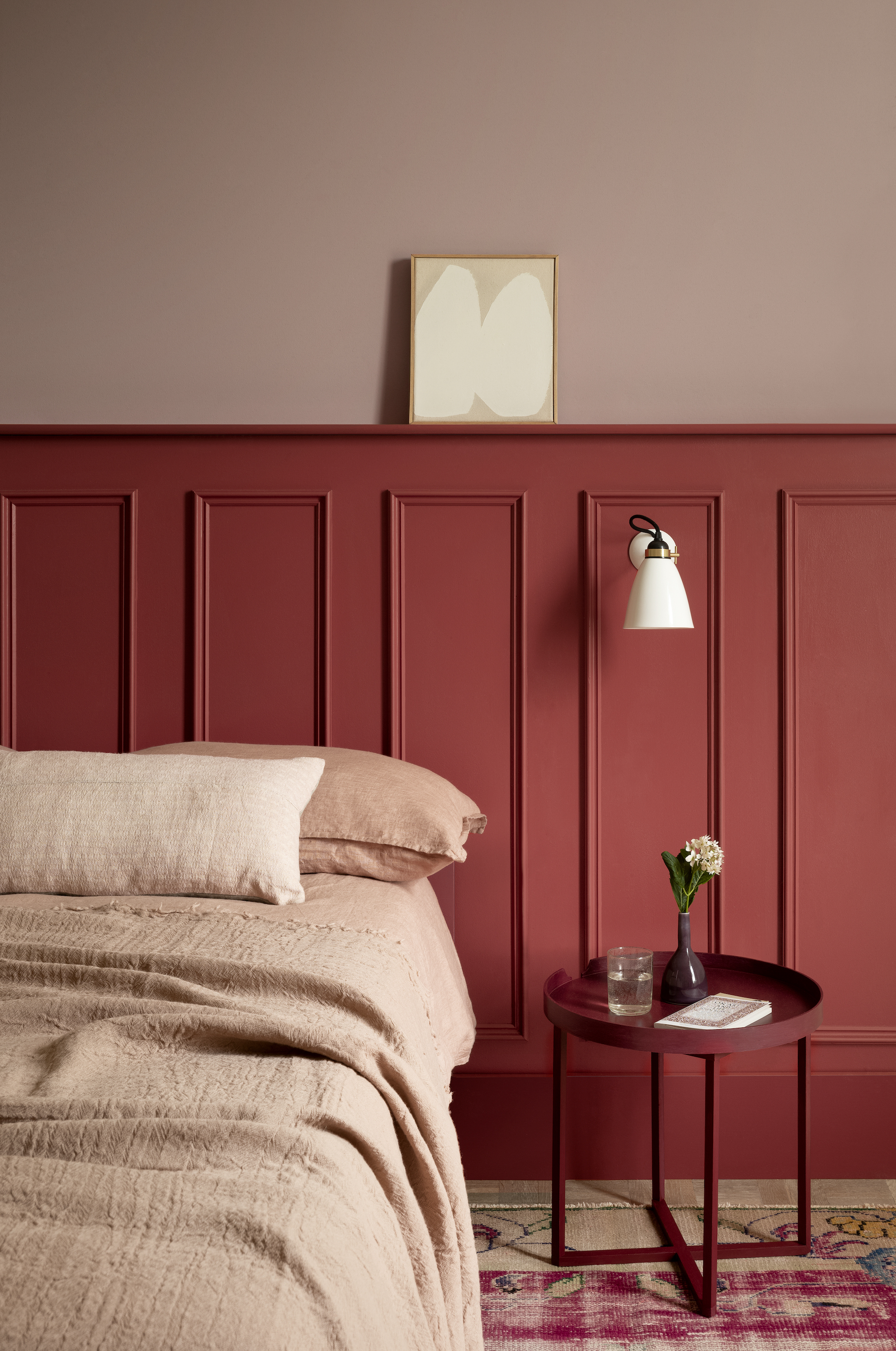
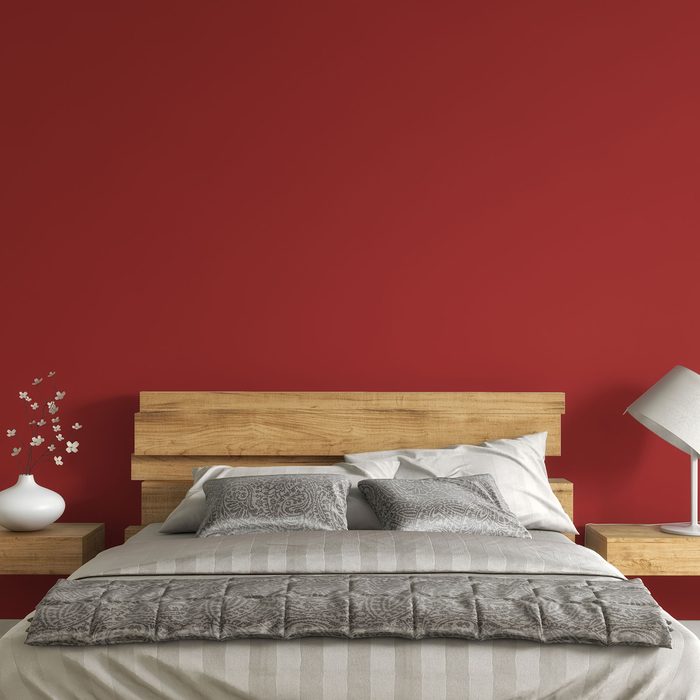
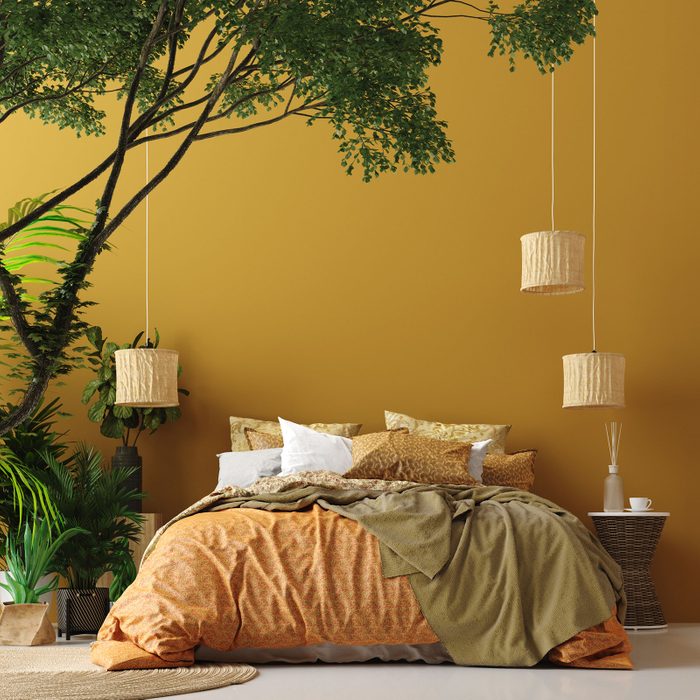
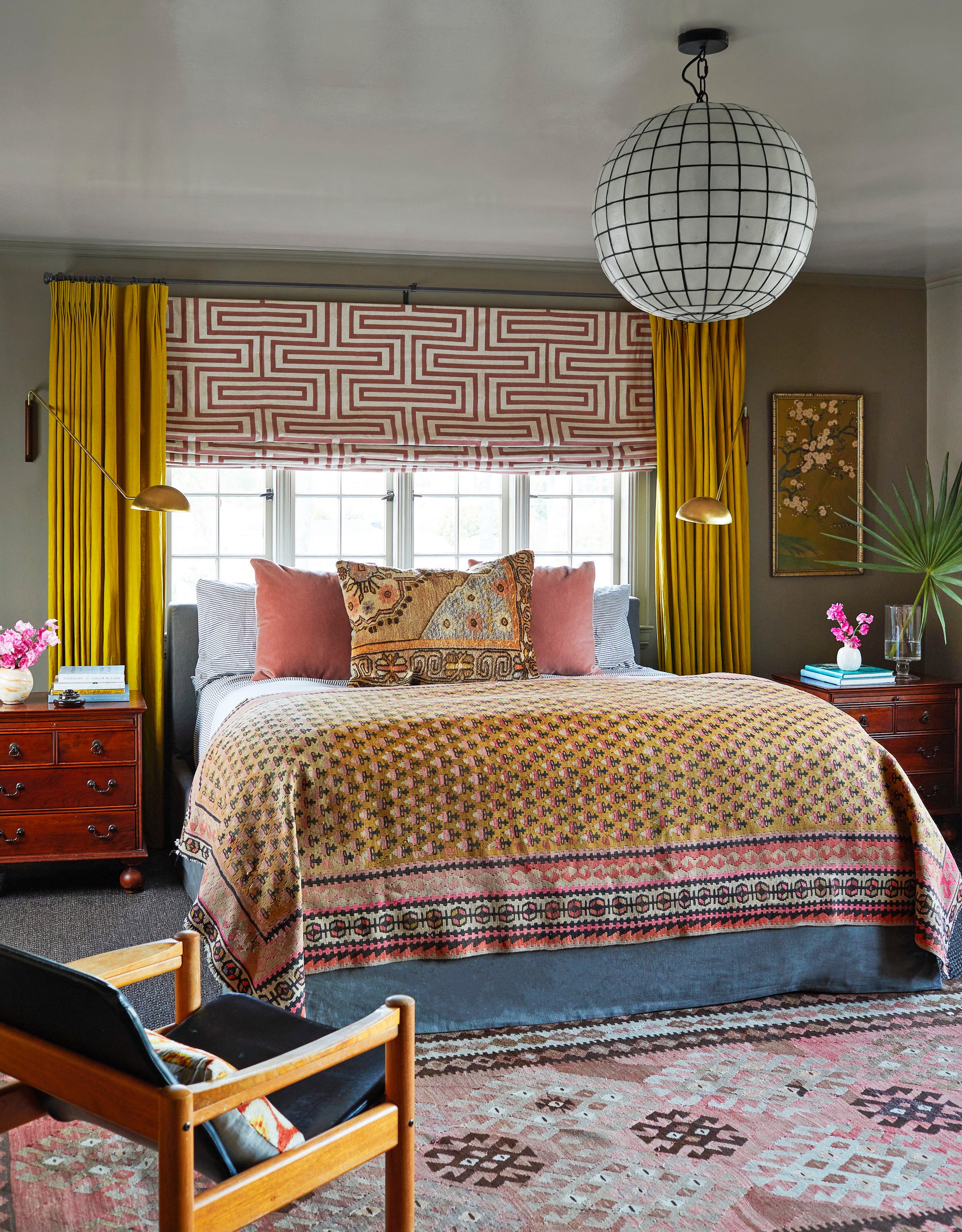
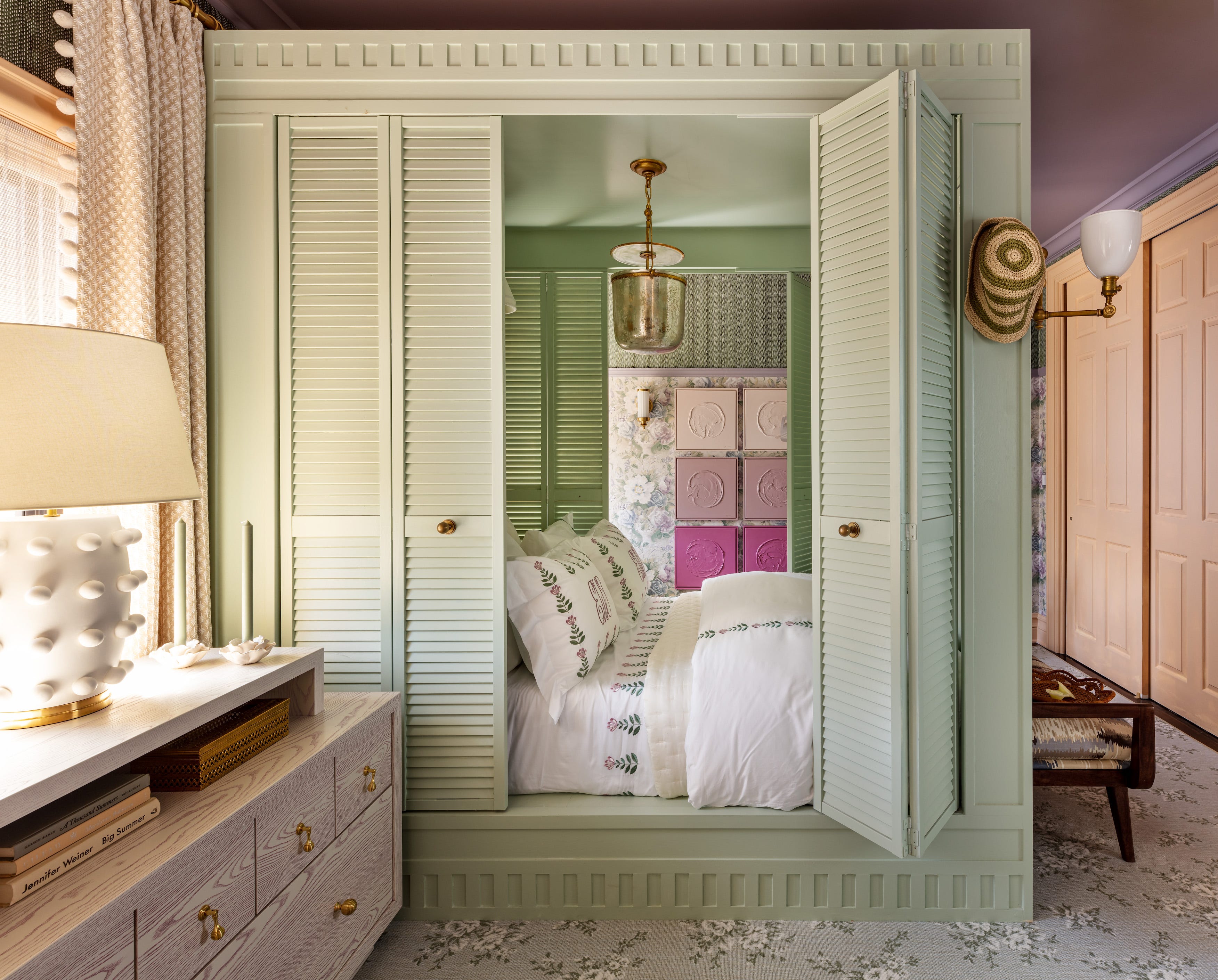
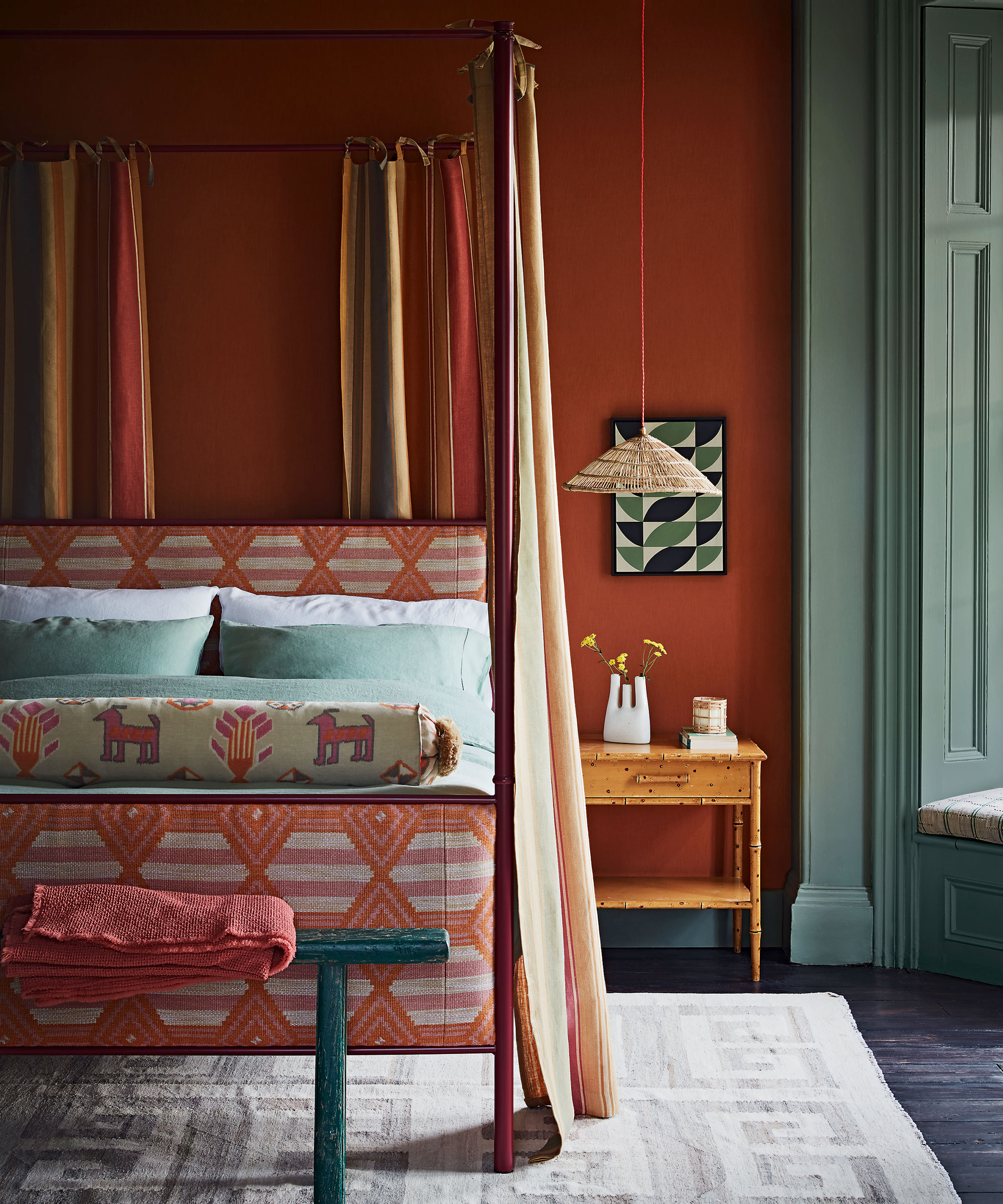
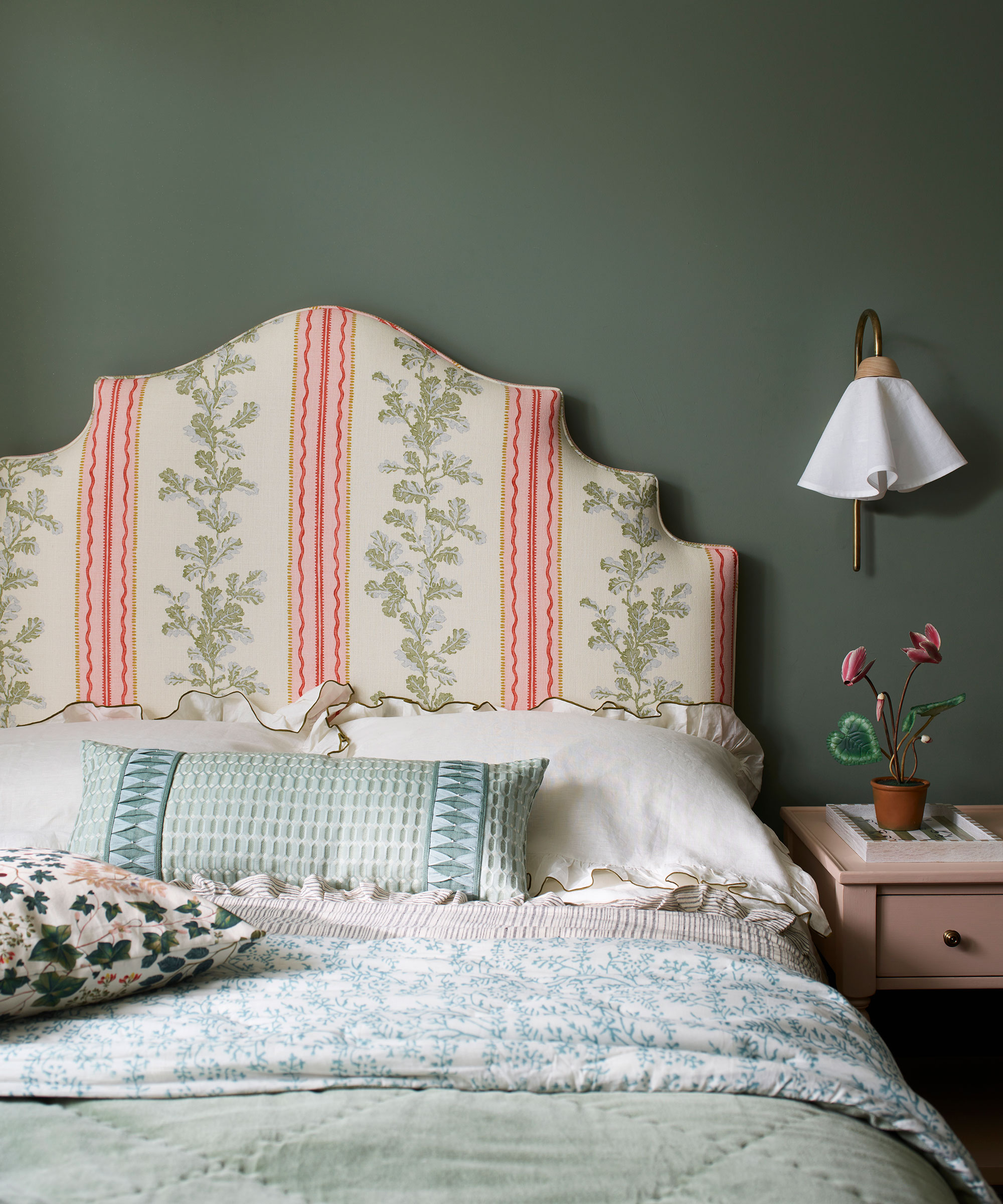
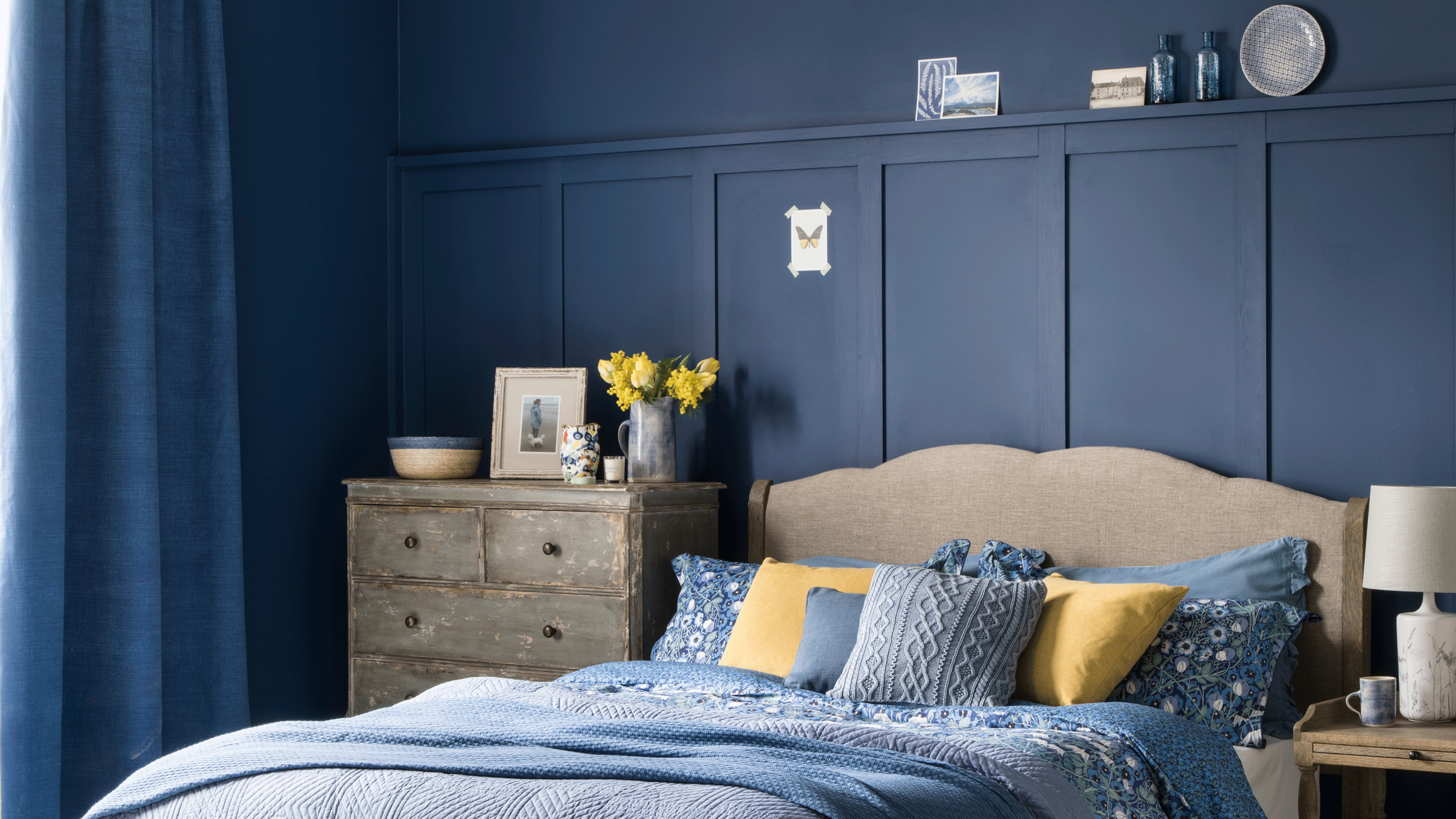
The practice of 'colour drenching' in bedrooms involves painting walls, ceilings, woodwork, and even radiators in a single, immersive hue, creating a cohesive and enveloping atmosphere. This design approach eliminates visual breaks, making the space feel limitless and cosseting, and generating a 'wow factor' through its unexpected and impactful effect. Marianne Shillingford, Creative Director & Colour Expert at Dulux, emphasizes its transformative potential in turning a bedroom into a peaceful retreat that reflects personal style.
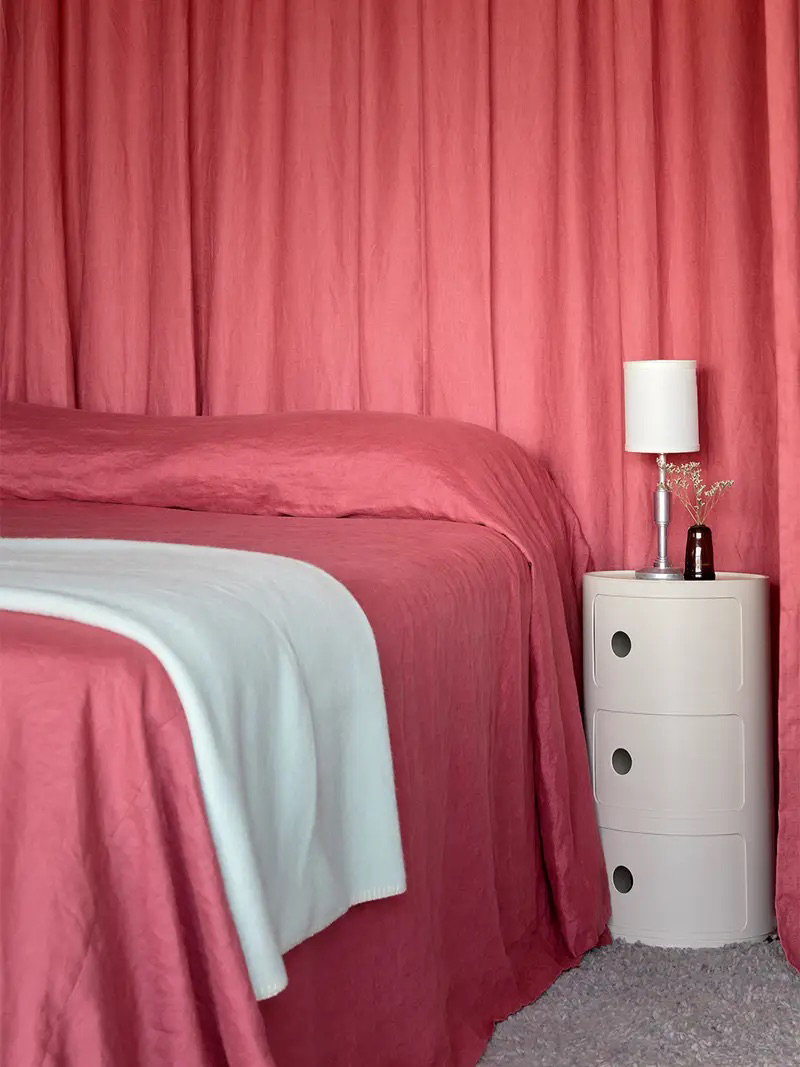
One significant benefit of colour drenching is its ability to create a cohesive sanctuary. Emma Bestley, Co-founder of YesColours, notes that enveloping a room in one colour instantly instills a sense of calm and relaxation by reducing 'visual noise' from competing trims, patterns, and contrasts. This allows the brain to unwind, especially before sleep. The technique's versatility ensures it adapts well to bedrooms of any shape or size, transforming them into immersive sanctuaries, while subtle textural elements like panelling can add interest without disrupting the serene aesthetic.
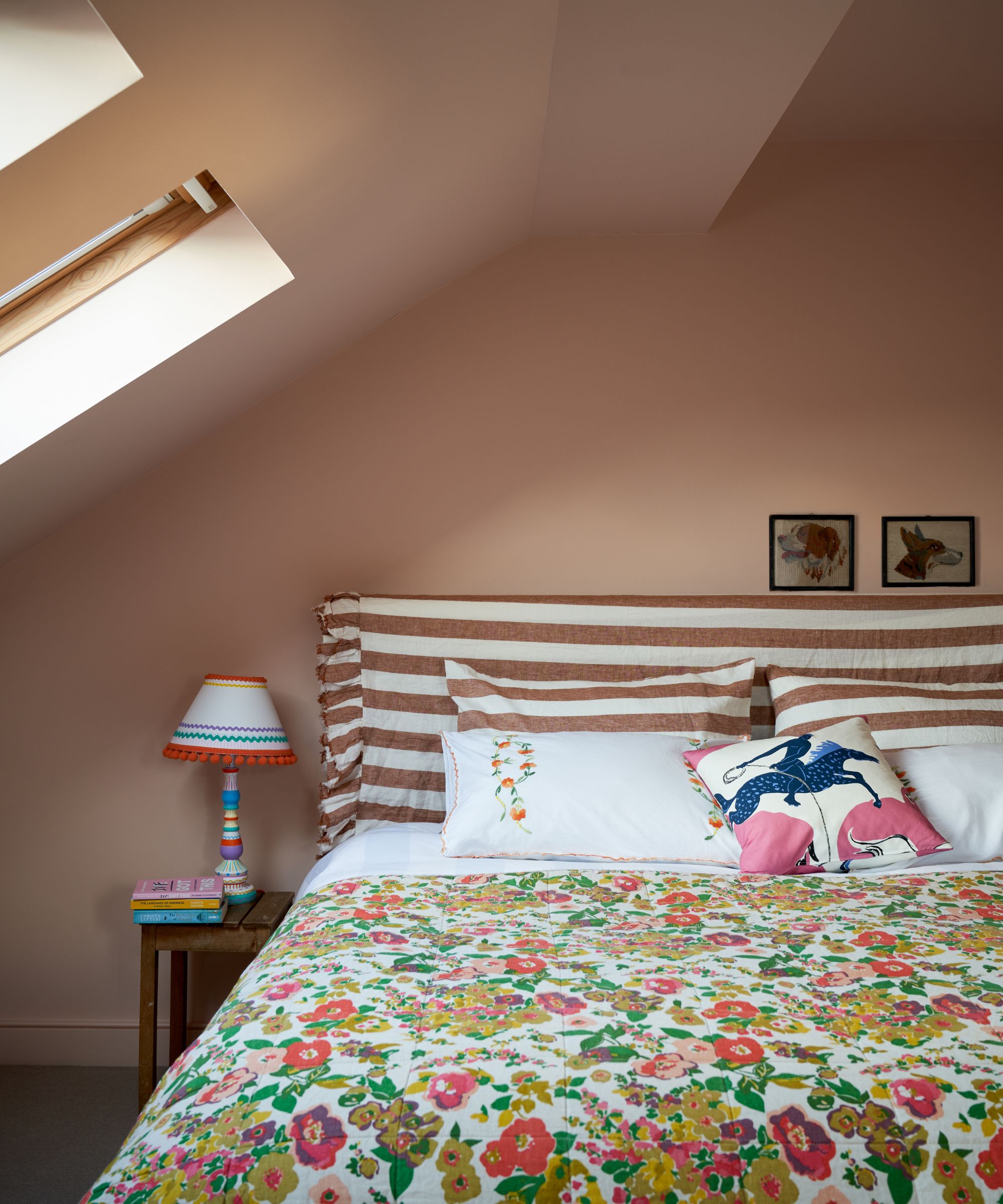
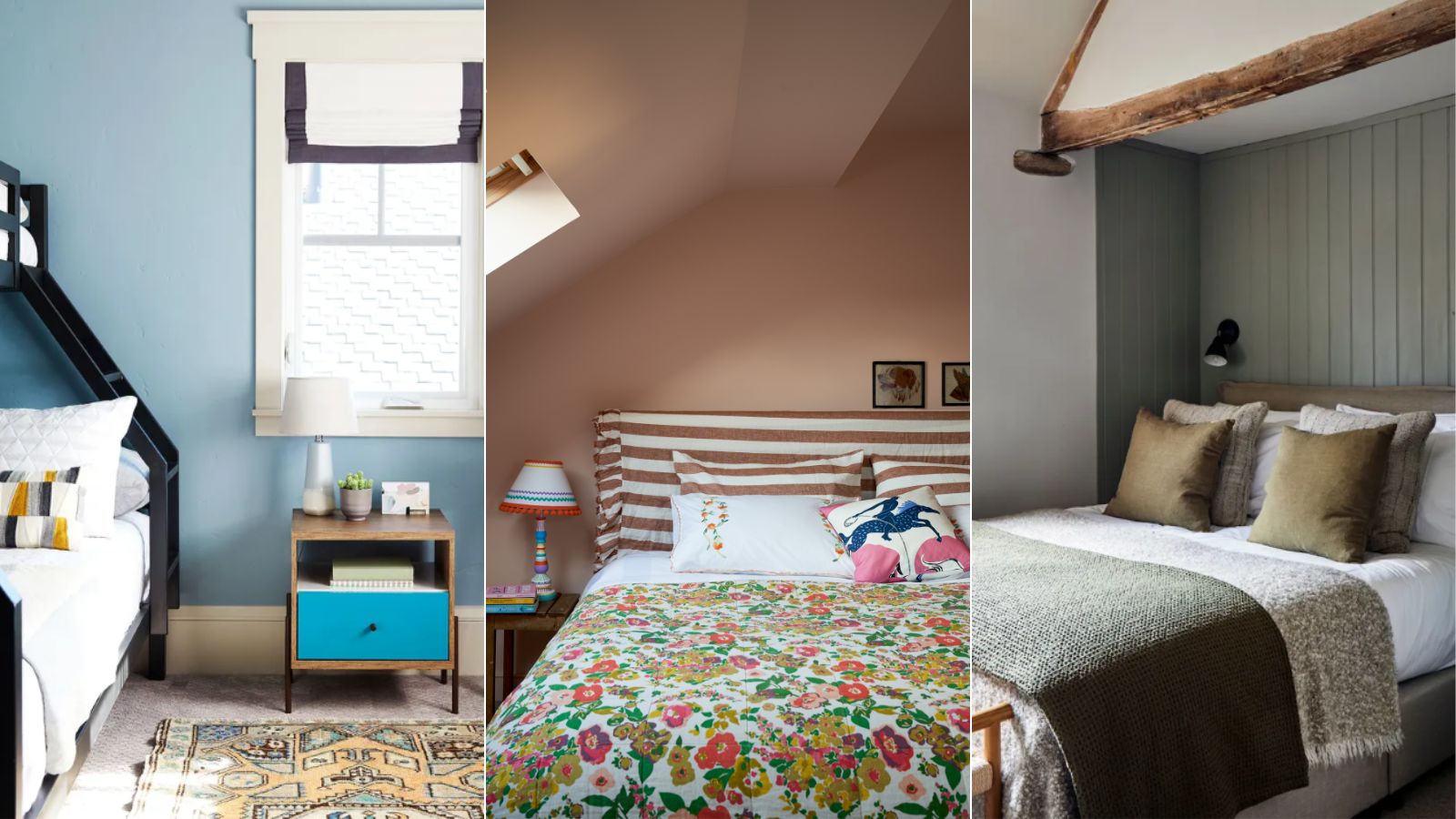
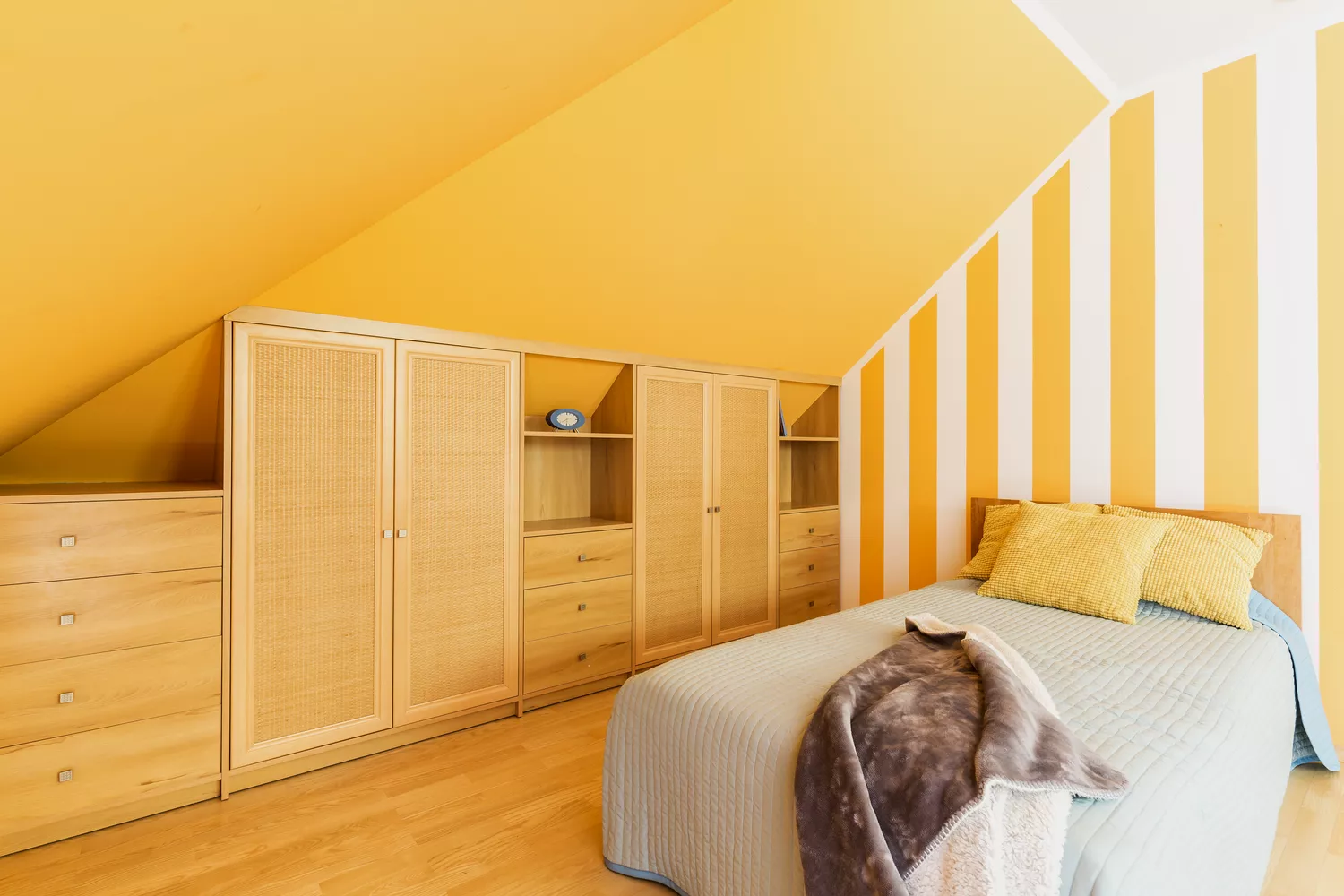
Colour drenching is also effective in solving spatial issues, particularly in small or awkwardly shaped bedrooms. Carrying the wall colour onto the ceiling can create an illusion of a more expansive space and higher ceilings, making architectural anomalies like sloped ceilings appear as desirable features rather than drawbacks. Patrick O'Donnell, Brand Ambassador for Farrow & Ball, highlights how this continuity of colour minimizes distractions and maximizes the sense of space. Additionally, painting elements like tongue-and-groove feature walls in the same hue maintains a calm and understated look, preventing overcrowding in smaller rooms.
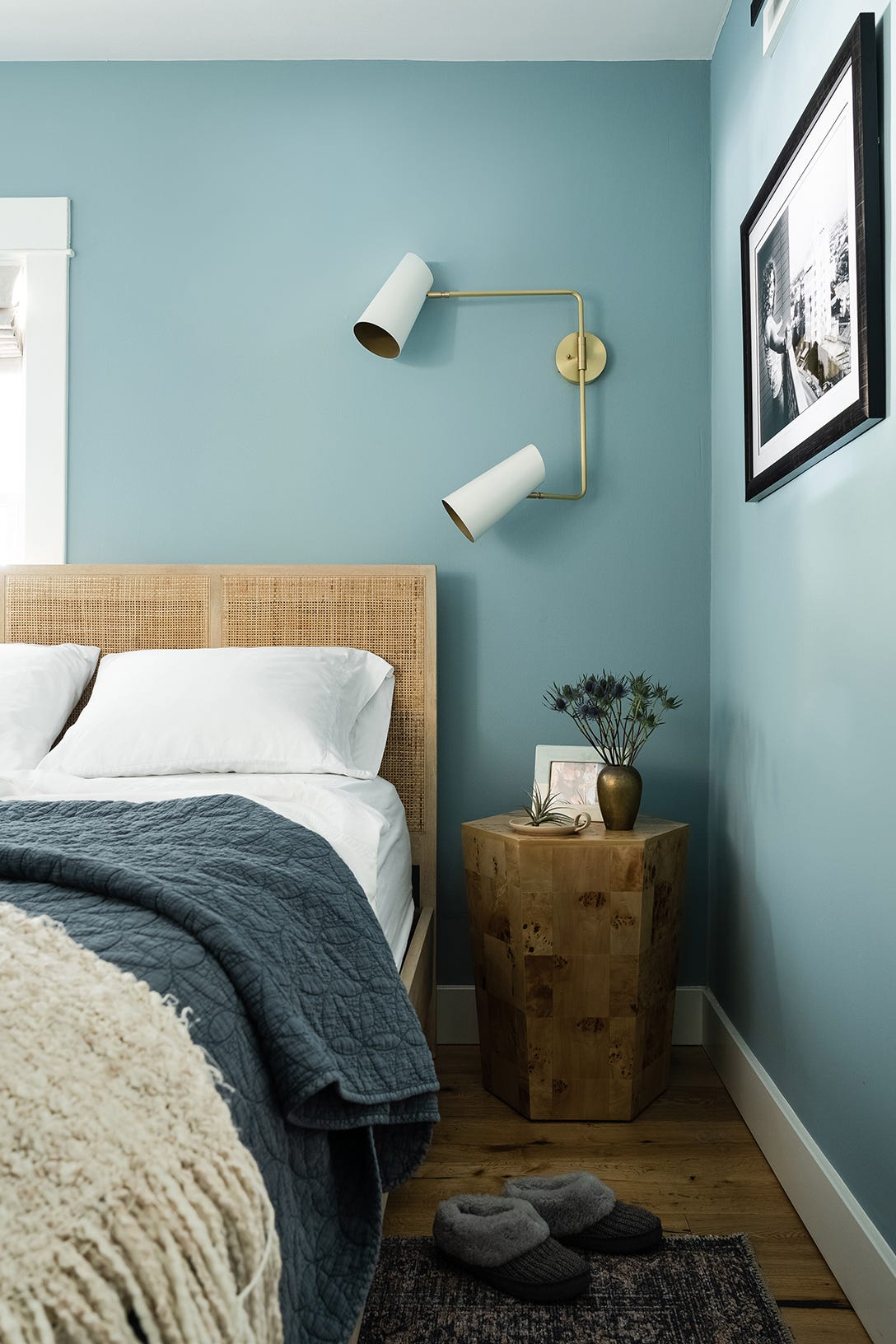
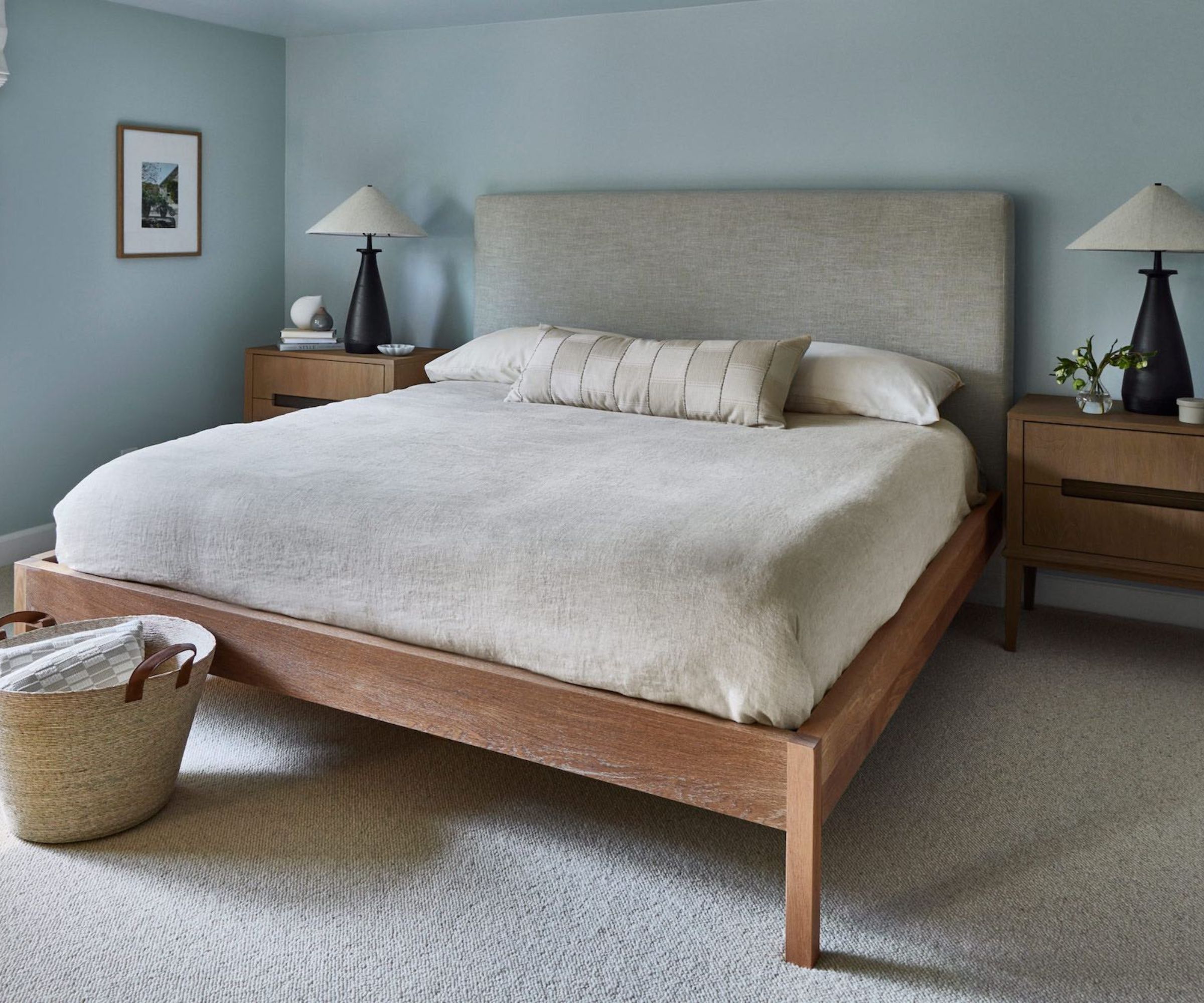
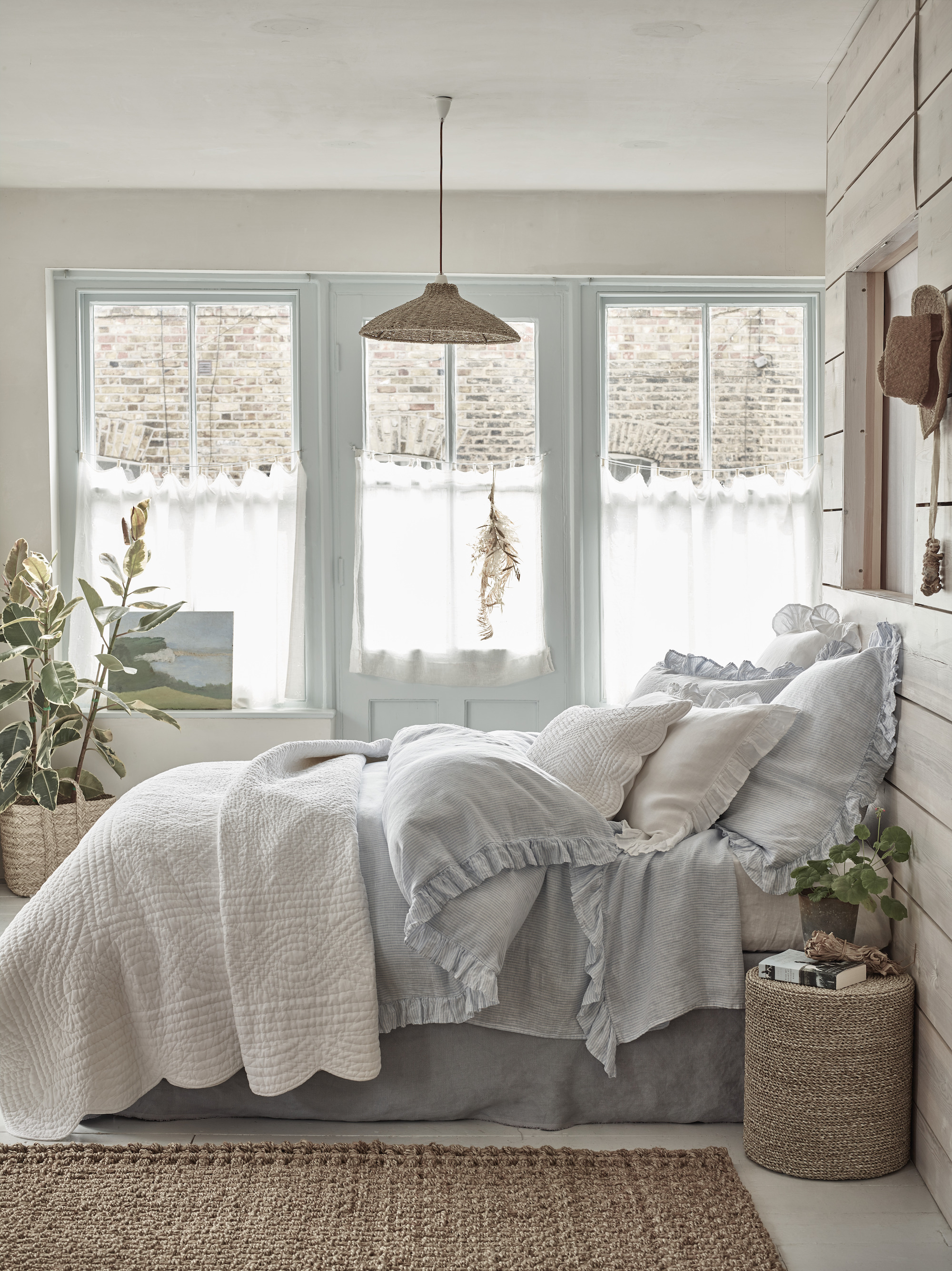
The technique can significantly promote better sleep. By selecting the appropriate shade, a colour-drenched bedroom becomes a tranquil haven. Marianne Shillingford explains that a cohesive colour environment fosters calm and unity, crucial for restful sleep. Shades like Dulux’s Tranquil Dawn, a pale green that shifts with lighting, are excellent for creating a serene and soothing atmosphere. Chromotherapy supports this by suggesting that soft blues and greens, with their cool wavelengths, can slow heart rates and reduce tension, making them ideal choices for those seeking to improve sleep quality or alleviate insomnia.
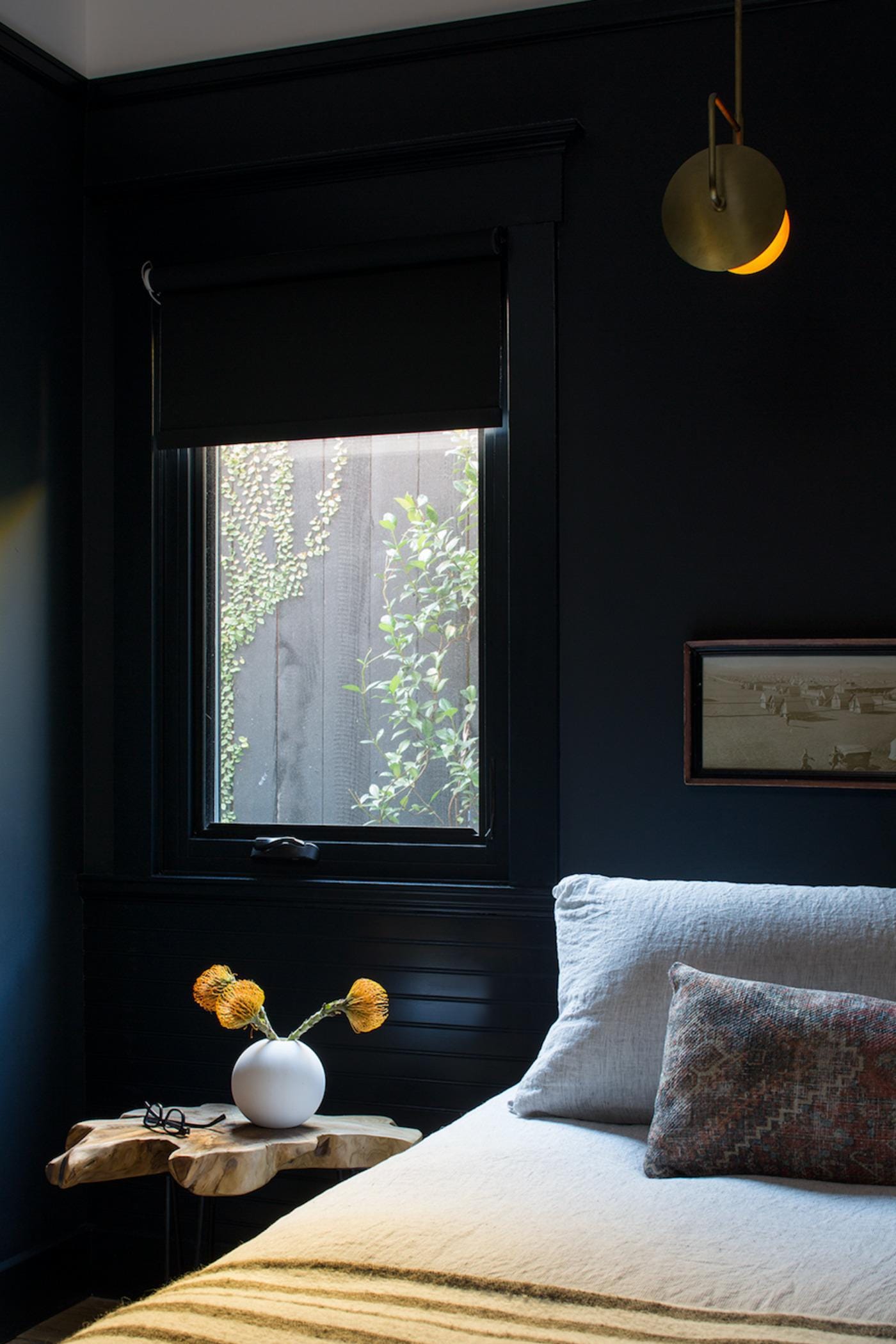
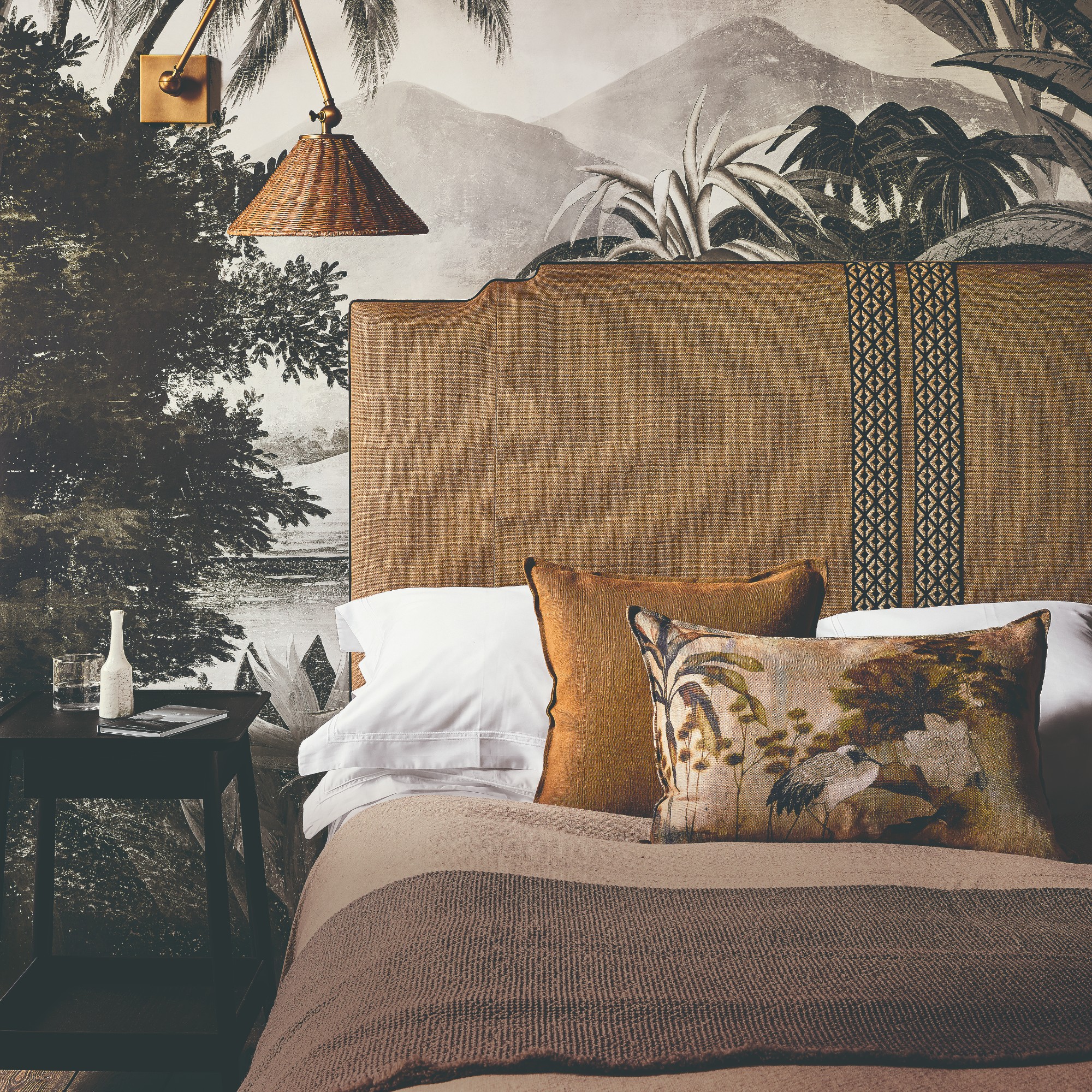
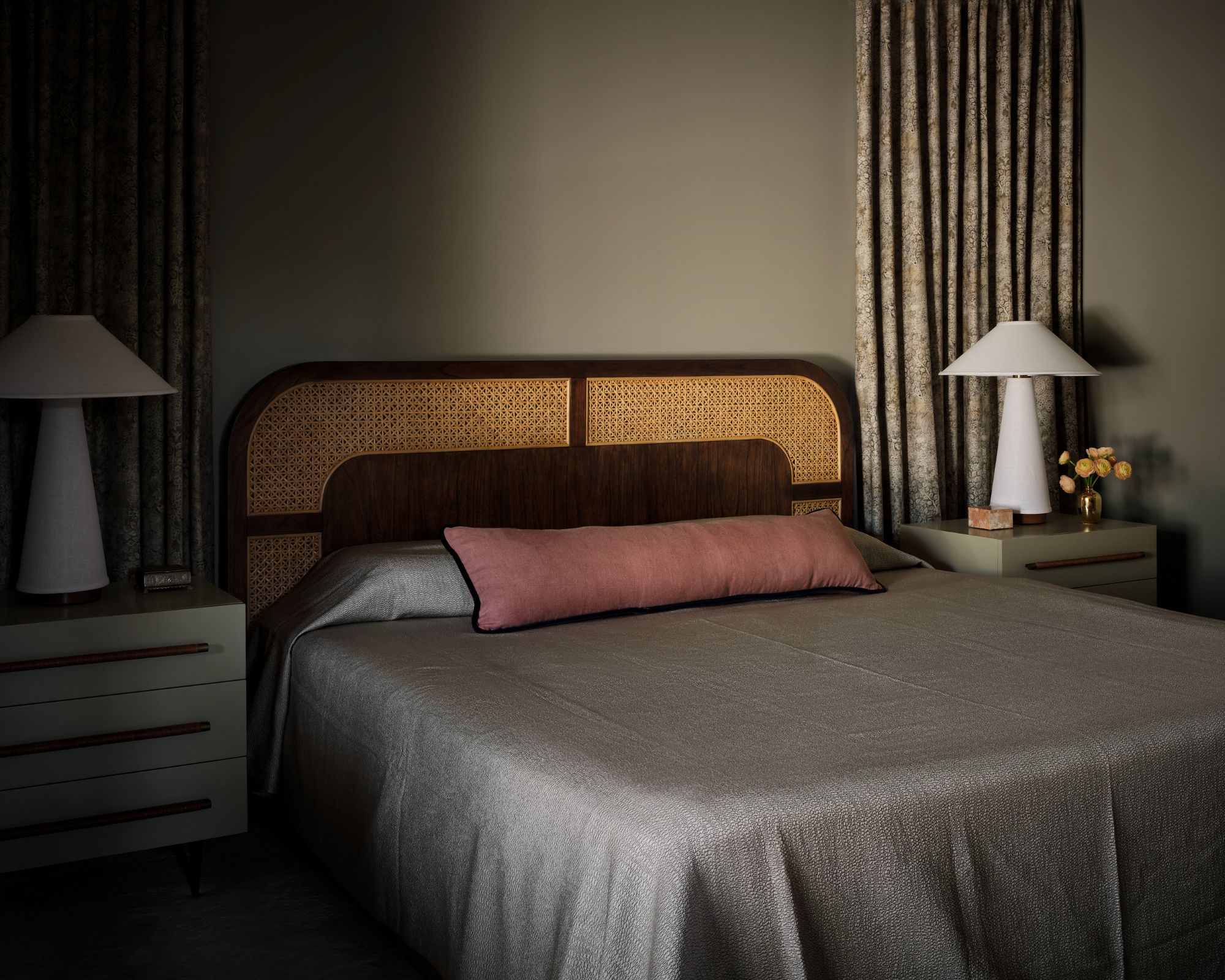
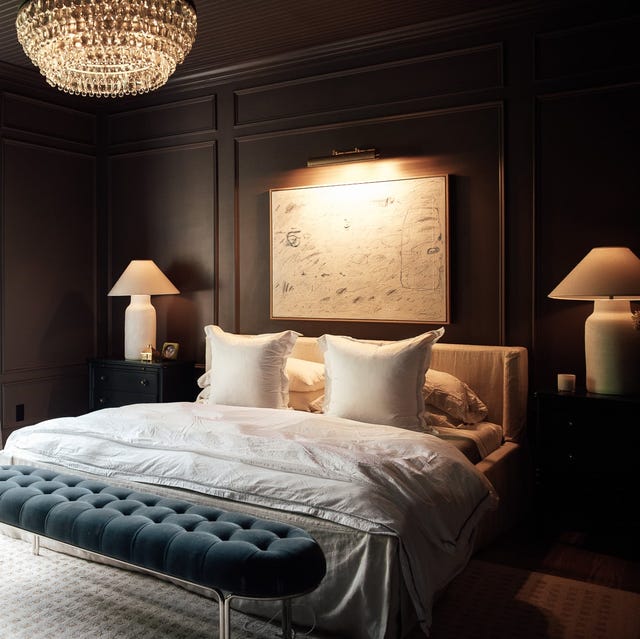
Colour drenching simplifies the decorating process, especially for individuals who struggle with choosing accent colours or coordinating palettes. It eliminates the need to meticulously plan complementary tones, allowing decorators to focus on selecting a single, perfect shade. Anna Hill, Brand Director and Colour Consultant at Fenwick & Tilbrook, points out that painting in one continuous colour, without cutting around ceilings or skirting boards, is quicker and more budget-friendly. This simplified approach also makes styling easier, as furniture, textiles, and artwork can be layered without disrupting a complex colour scheme. The consistent backdrop allows for bolder choices in other elements, as demonstrated by dramatic black-drenched bedrooms that achieve a sophisticated look through varying sheens.
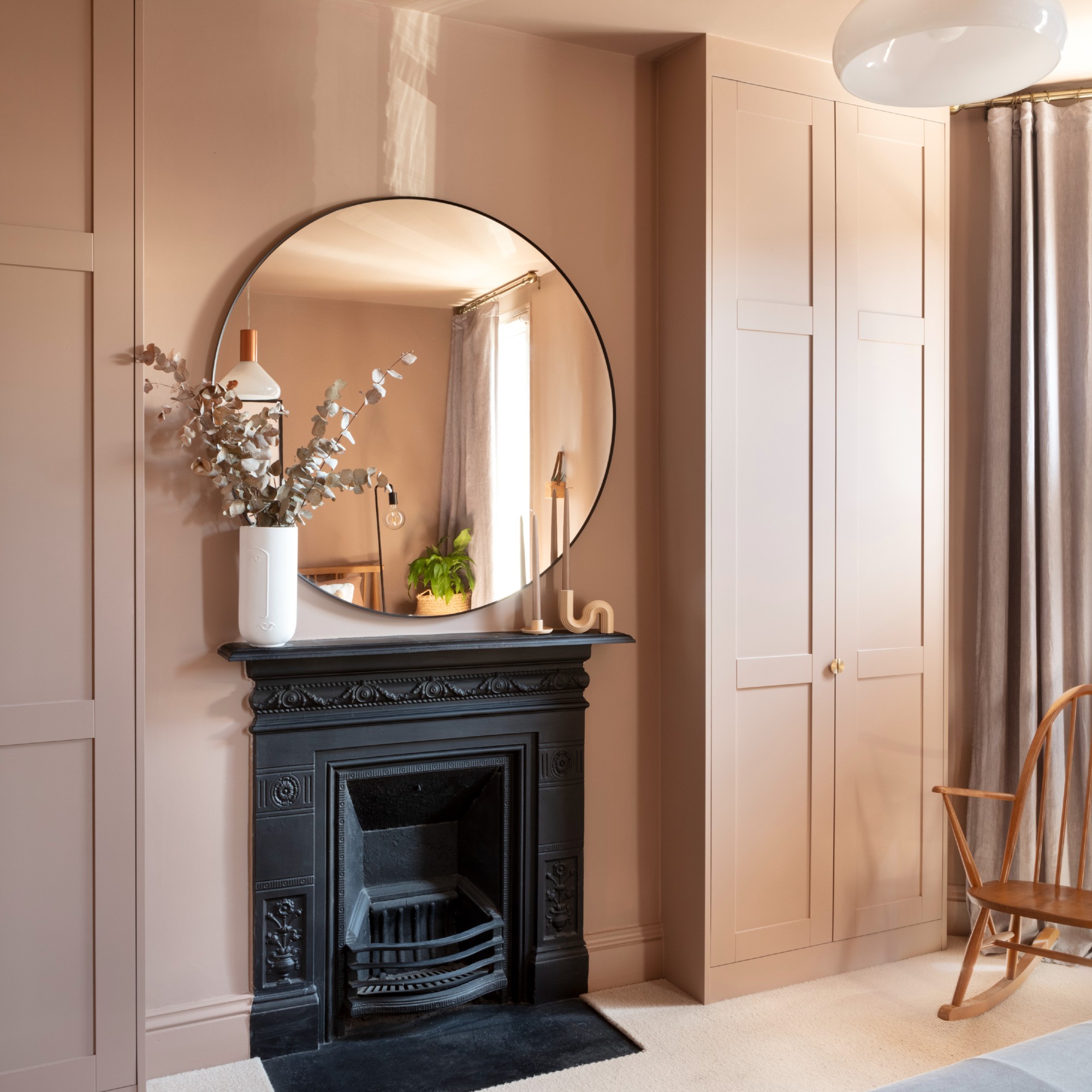
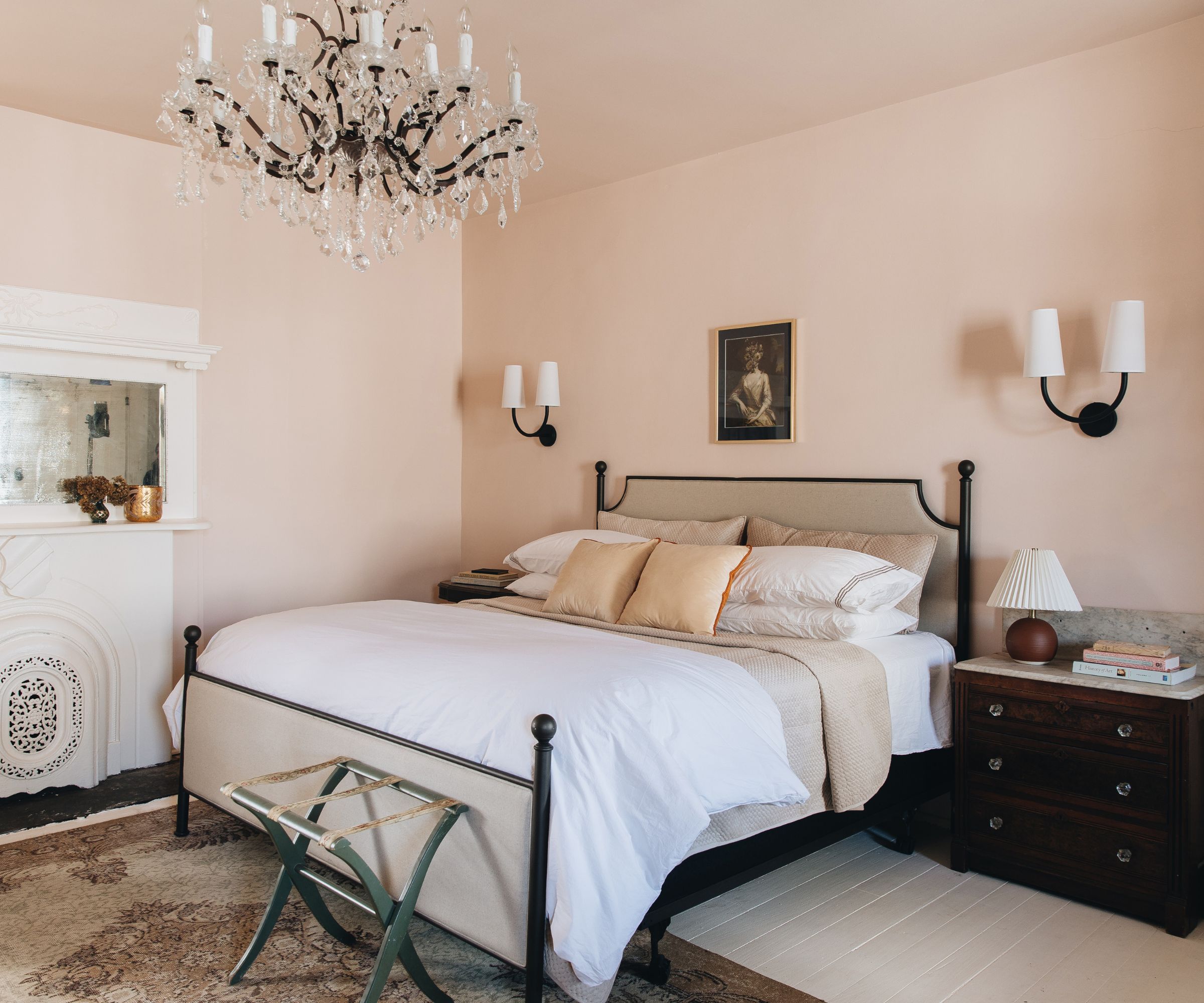
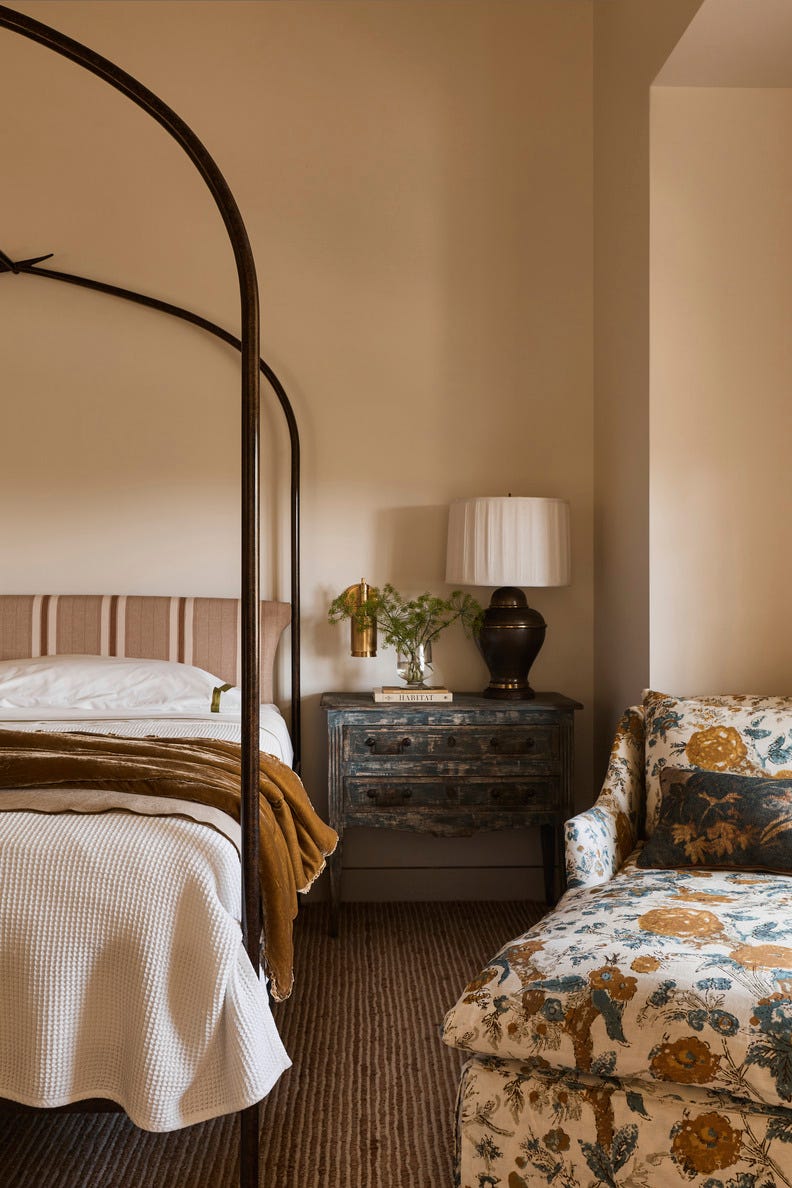
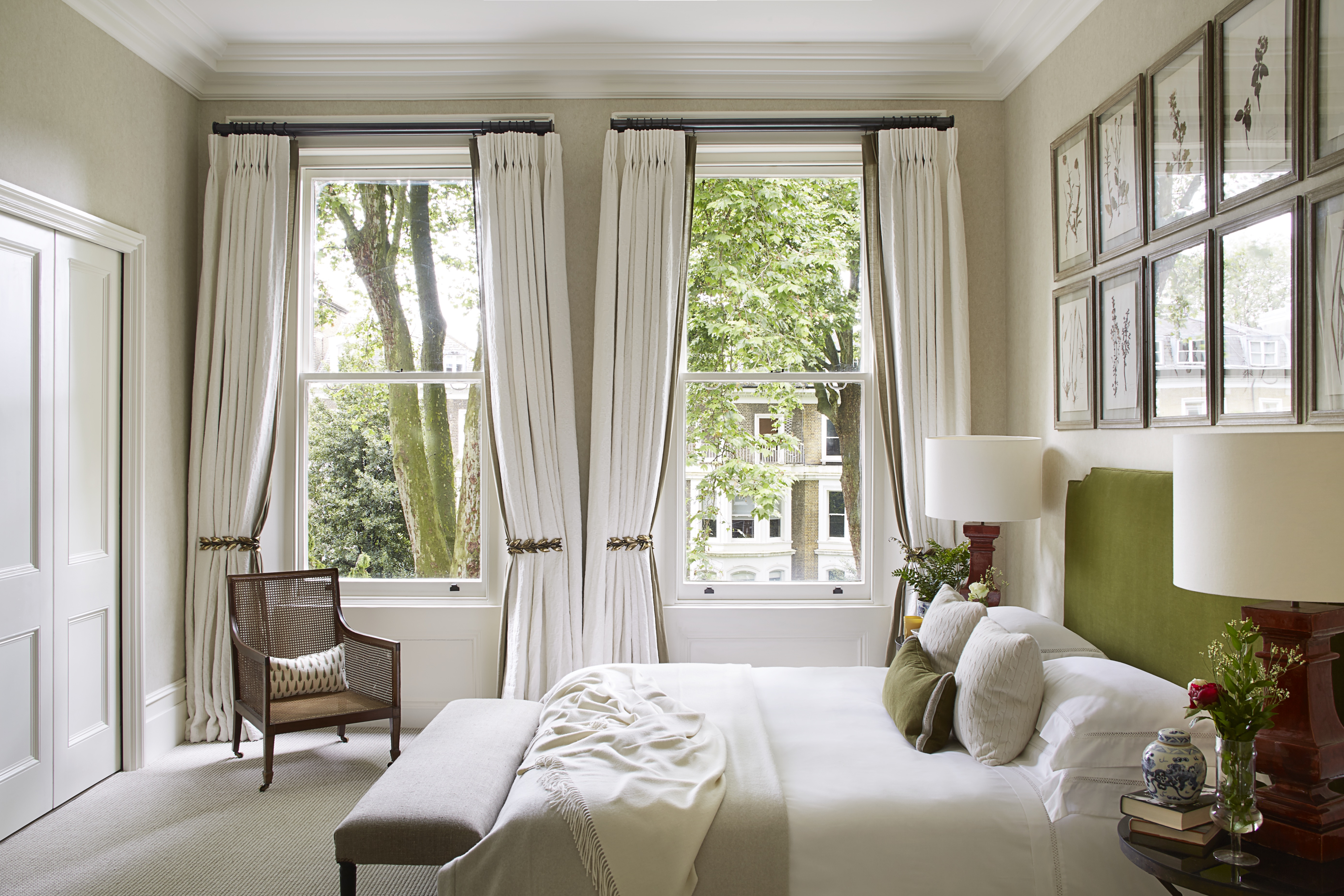
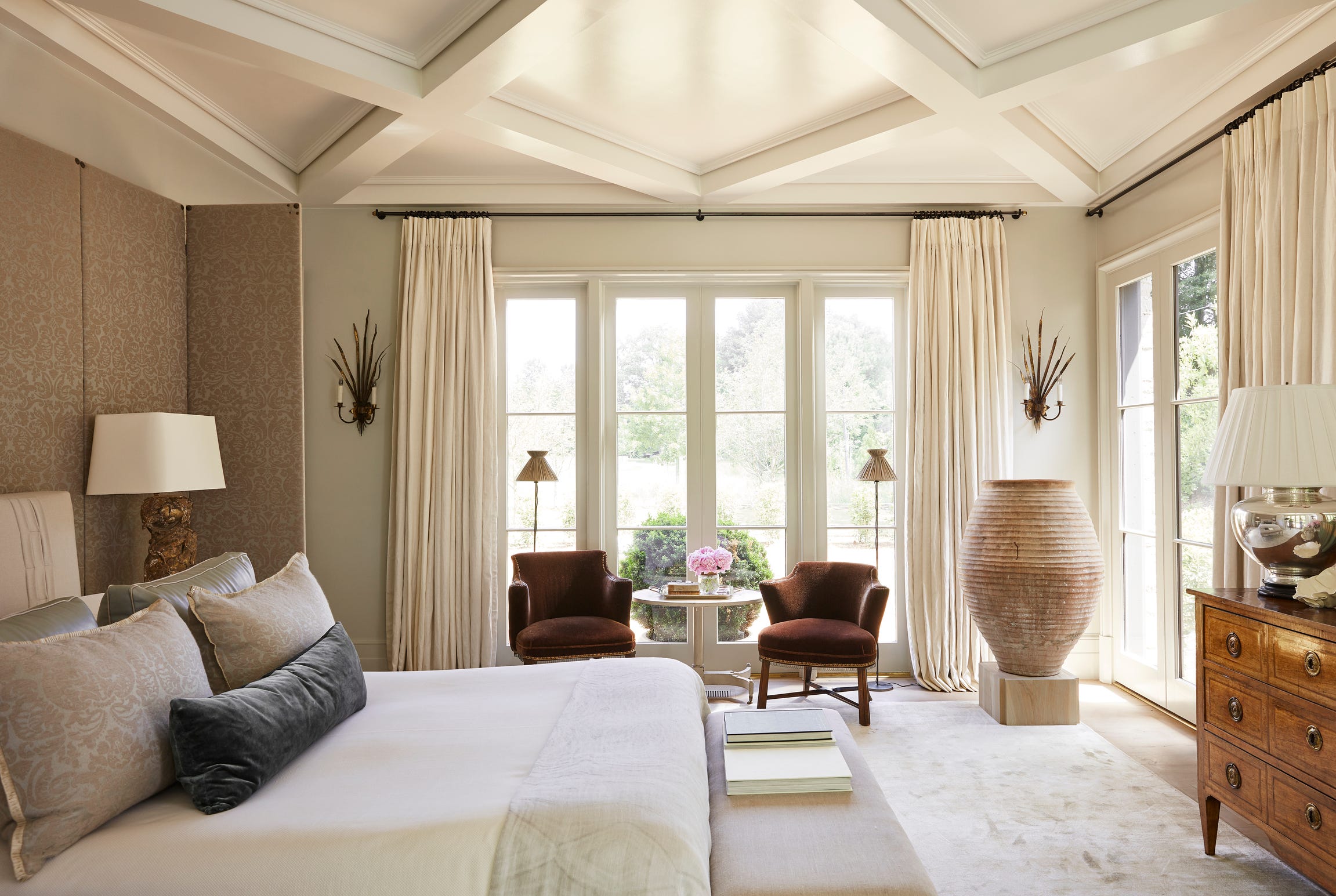
Furthermore, colour drenching accentuates architectural features. By unifying the entire space in a single hue, the eye is naturally drawn to and highlights details such as pitched ceilings, mouldings, and fireplaces. Sophie Chapman of The Vawdrey House exemplifies this by using decorative beading on ceilings and walls, painted in the same stone tone, to create both a feeling of grandeur and a cocooning effect. This method ensures cohesion while subtly amplifying intrinsic design elements, making them stand out in light relief rather than being lost in a busy scheme.
Finally, colour drenching can potentially increase property value by creating an intentionally designed, modern, and fashionable interior. A well-executed colour-drenched bedroom, particularly in a universally flattering neutral or muted pastel, can appear high-end and spacious, attracting potential buyers. Anna Hill advises choosing shades that complement existing elements and considering natural light, as lighter colours tend to make rooms feel bigger and brighter. Such rooms are likely to receive more viewings on property listings. The approach also encourages creativity, building confidence for experimenting with complementary materials, accents, or DIY projects, and can serve as a gateway to more advanced techniques like 'double drenching' which introduces multiple tonal partners for added visual interest and depth.
#ColorDrenching #BedroomDesign #InteriorDesign #HomeDecor #PaintTrends #SpatialOptimization #SleepSanctuary #ArchitecturalFeatures #PropertyValue #ColorDrenching #BedroomDesign #InteriorDesign #HomeDecor #PaintTrends #SpatialOptimization #SleepSanctuary #ArchitecturalFeatures #PropertyValue
0 comment in total
 No comments yet
You may also like
5 rooms that prove color drenching your bedroom is a good idea
18 dreamy bedroom colour ideas to create a rest-promoting, stylish space
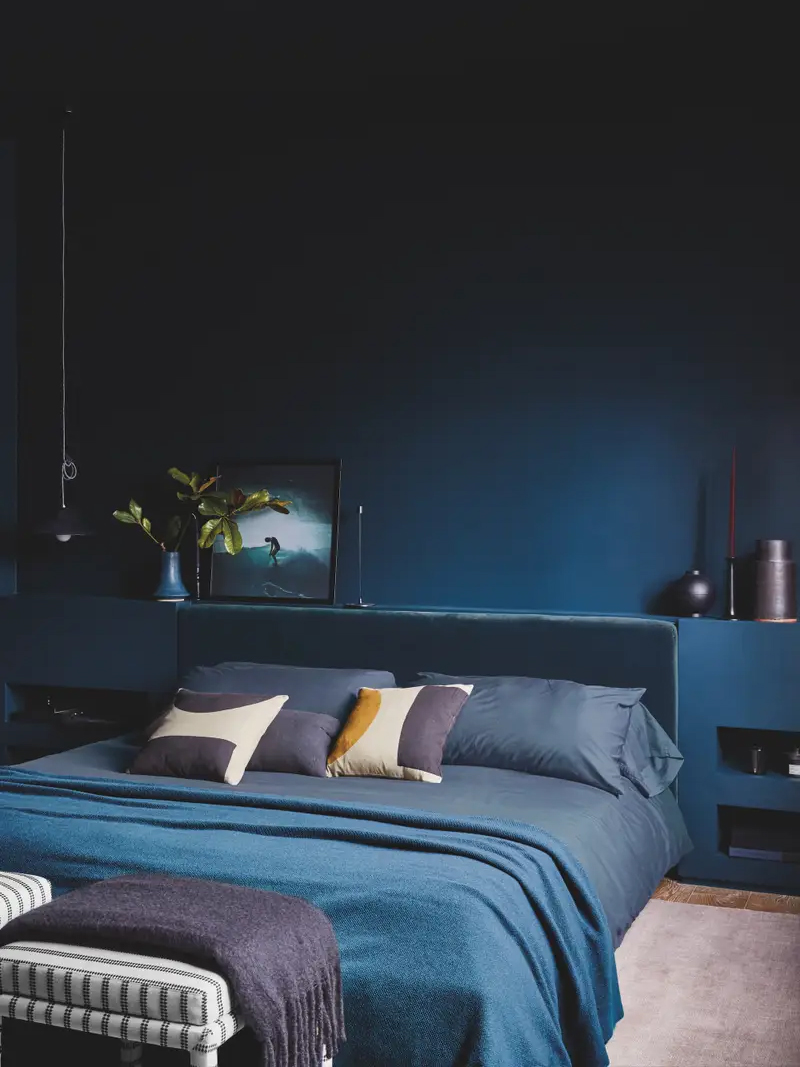
The Paint Trend That’s Arguably Helping Us Sleep Better

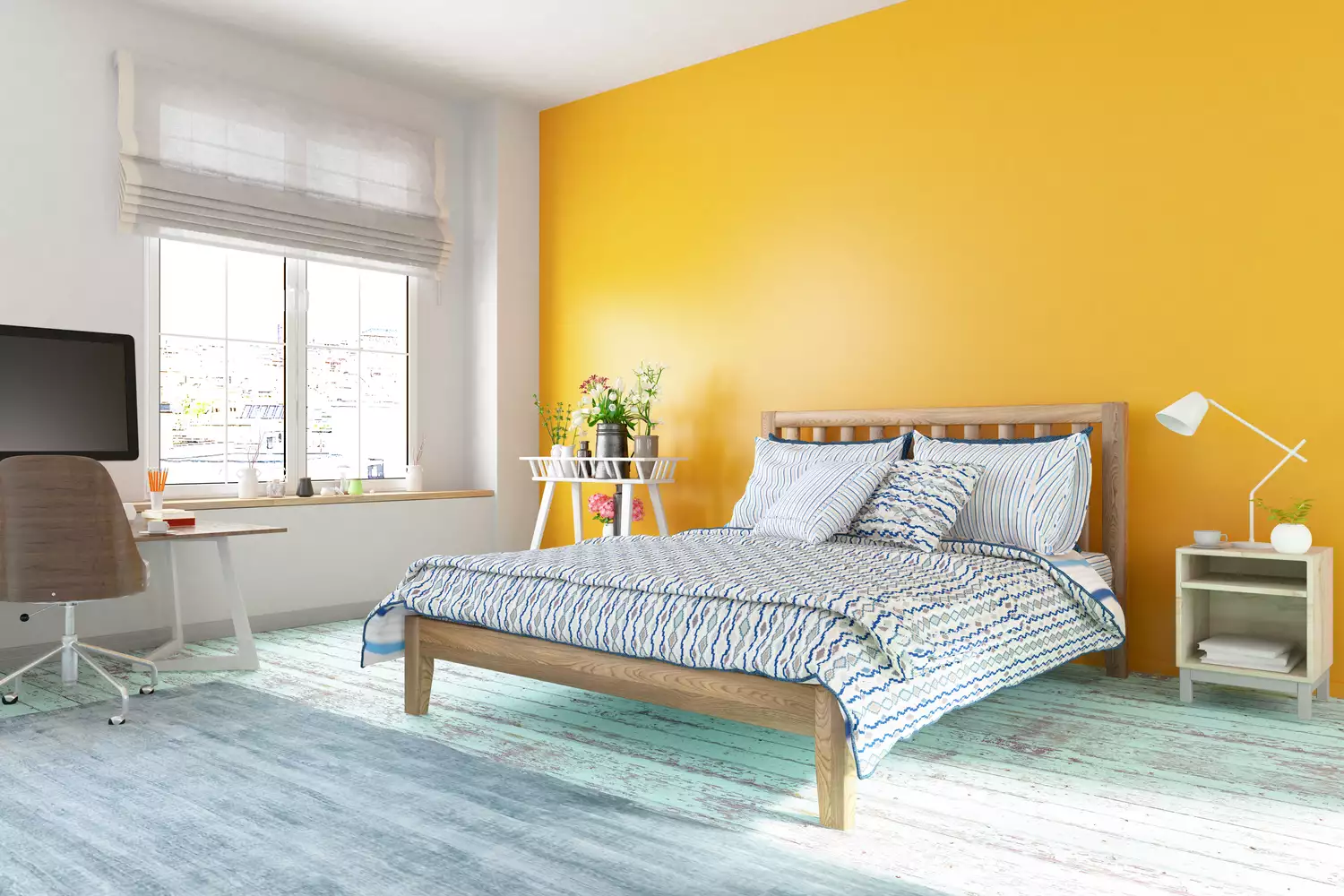
6 Paint Colors You Should Never Use in Your Bedroom, According to Interior Designers
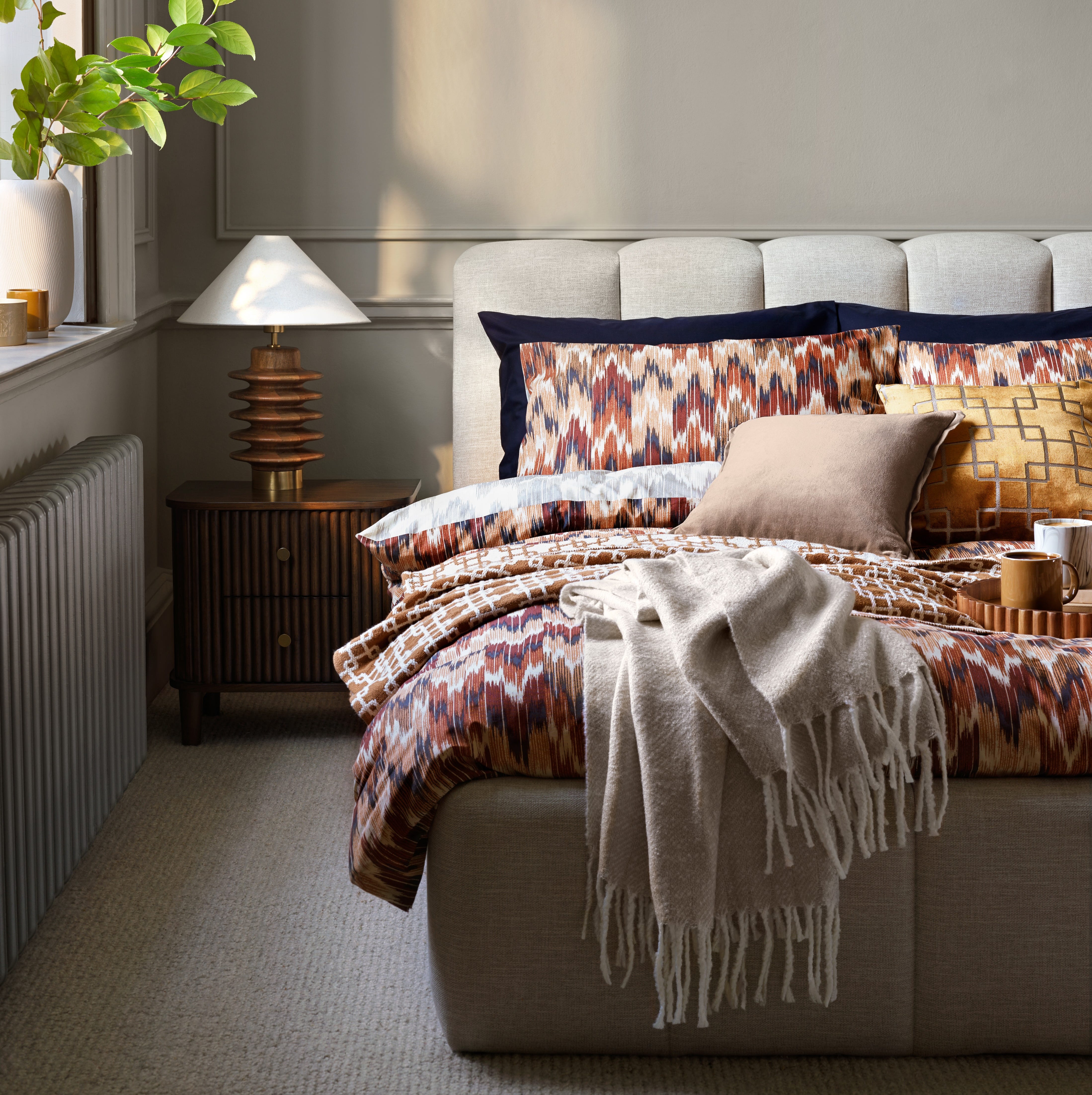
16 beautiful bedroom colour ideas and how to use them

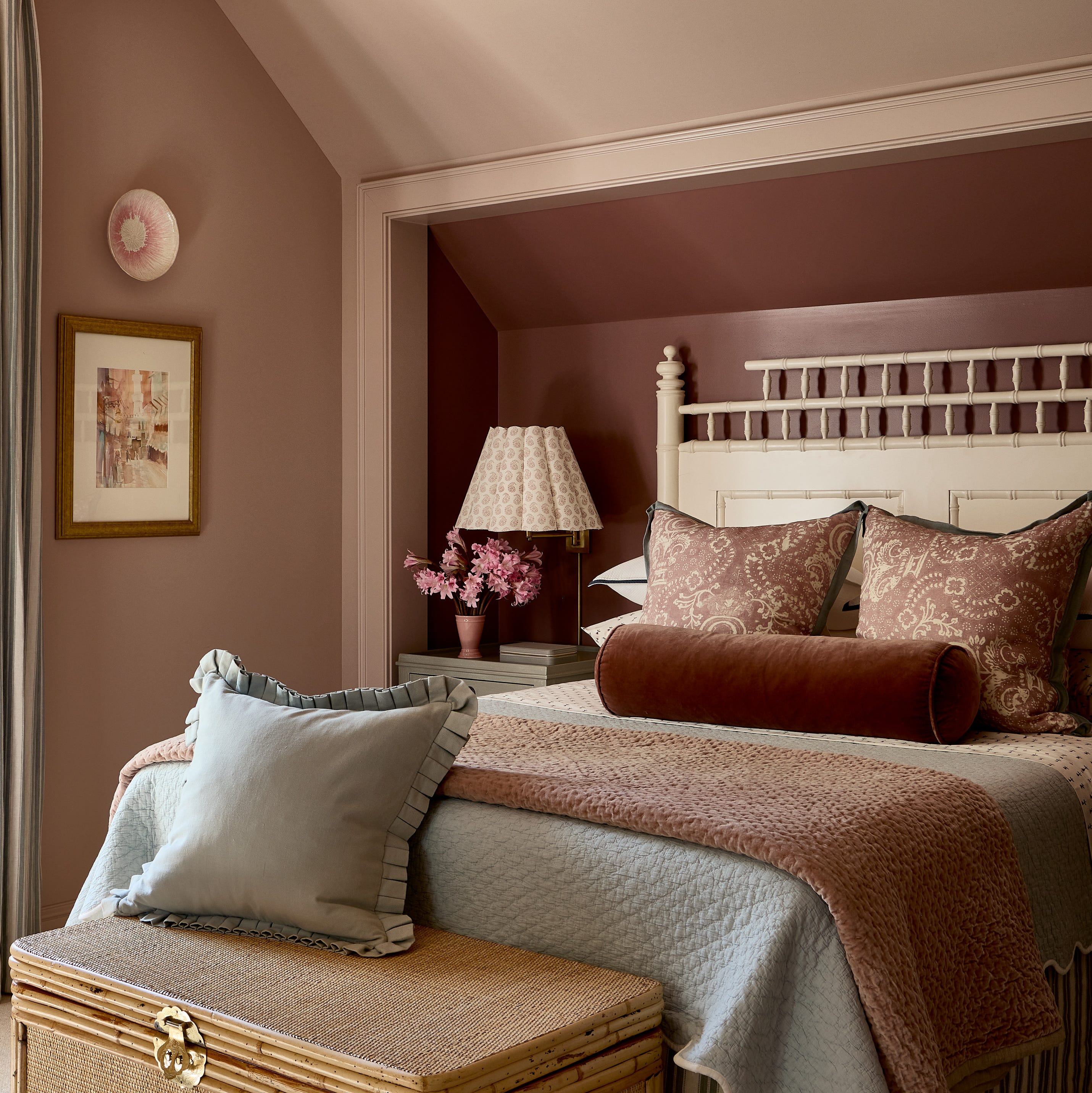
Designer-Approved Bedroom Paint Colors That'll Help You Wake Up Happier
20 Bedroom Color Schemes for a Cozy and Calm Sleep Sanctuary, All Picked by Designers

These Are the Top Bedroom Colors of 2024

The Best Bedroom Colors to Help You Sleep (And Wake Up Happy)

Standout Bedroom Paint Color Ideas for a Space That's Uniquely Yours

You Can Wake Up HAPPIER Just by Painting Your Bedroom—Here Are the Colors Designers Love
These Beautiful Paint Colors Will Make You Want to Switch Up Your Bedroom Right Now

12 Color Drenching Ideas for Bedrooms That Add Wall-to-Wall Ambience
Best Bedroom Colors for Sleep

5 colors that will make your bedroom feel calmer, according to designers
6 bedroom paint colors going out of style for 2024 – and the colors to use instead
We've Rounded Up the Best Bedroom Paint Colors — No Matter Your Style

10 designers on the bedroom colors they always recommend
Bedroom ideas for women – 9 ways to create the ultimate luxury retreat

5 Paint Colors You Should Never Use In A Bedroom, According to Designers