Wait, Is Your Living Room Actually a Drawing Room? Designers Explain the Difference
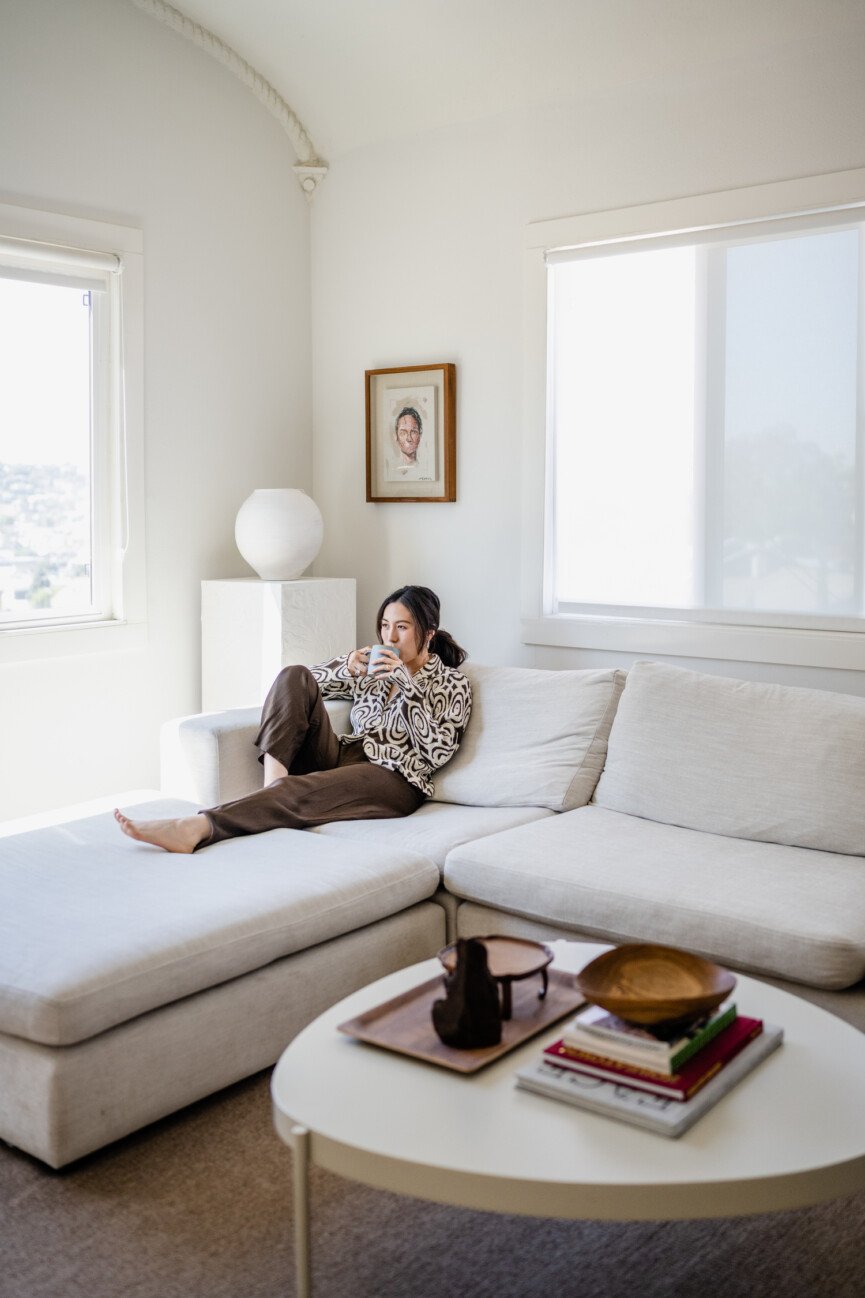
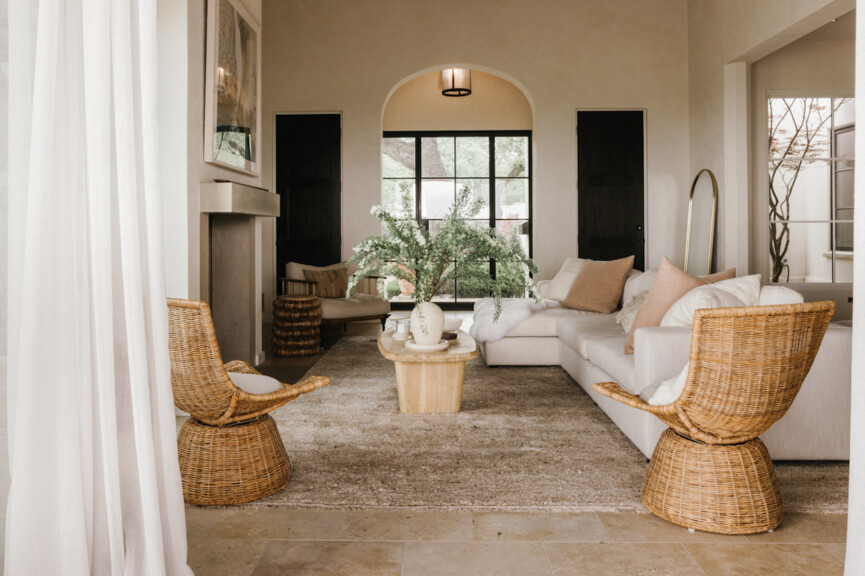
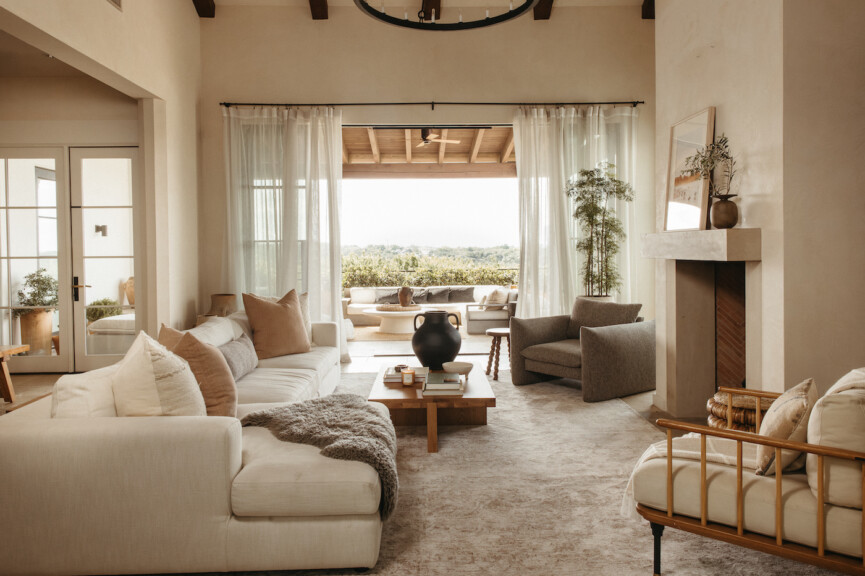
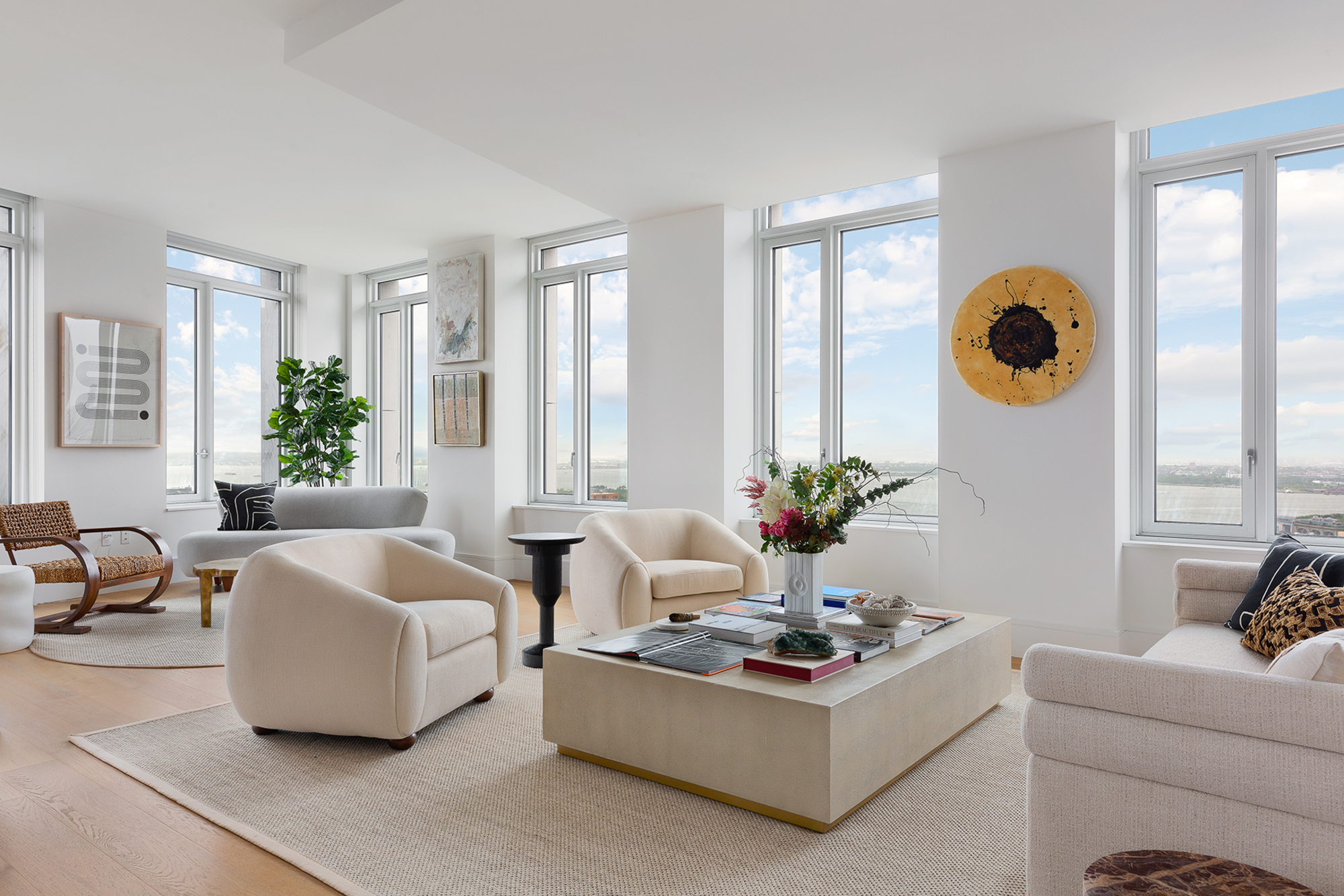
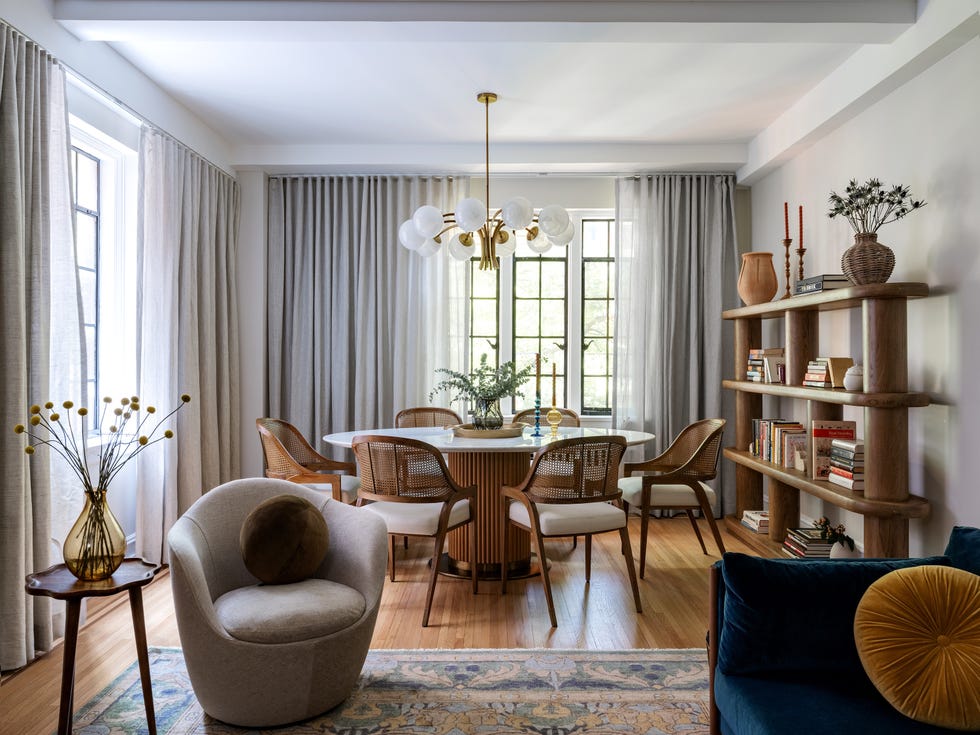
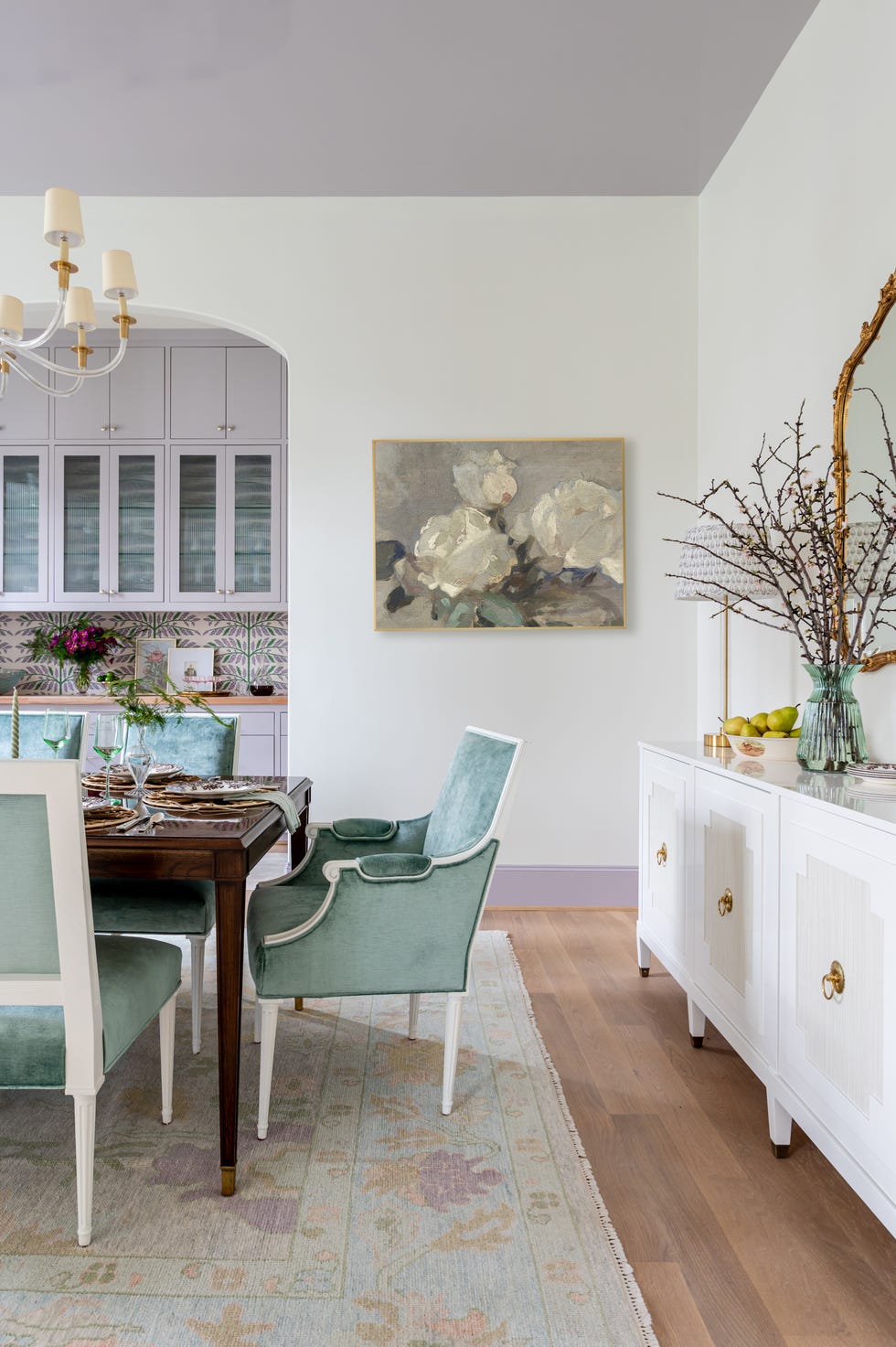
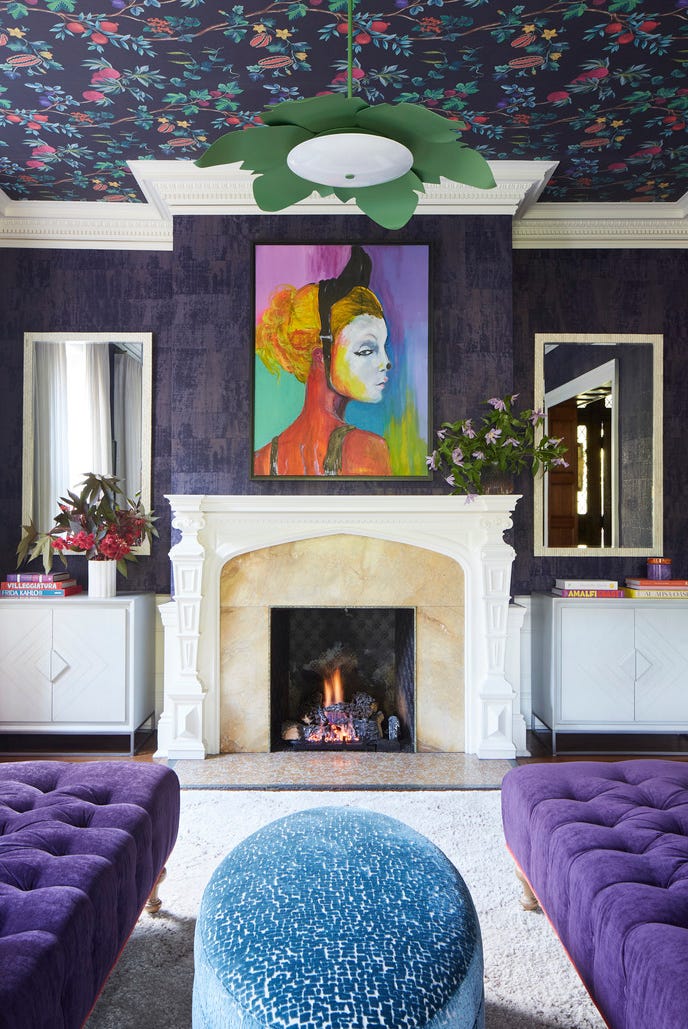
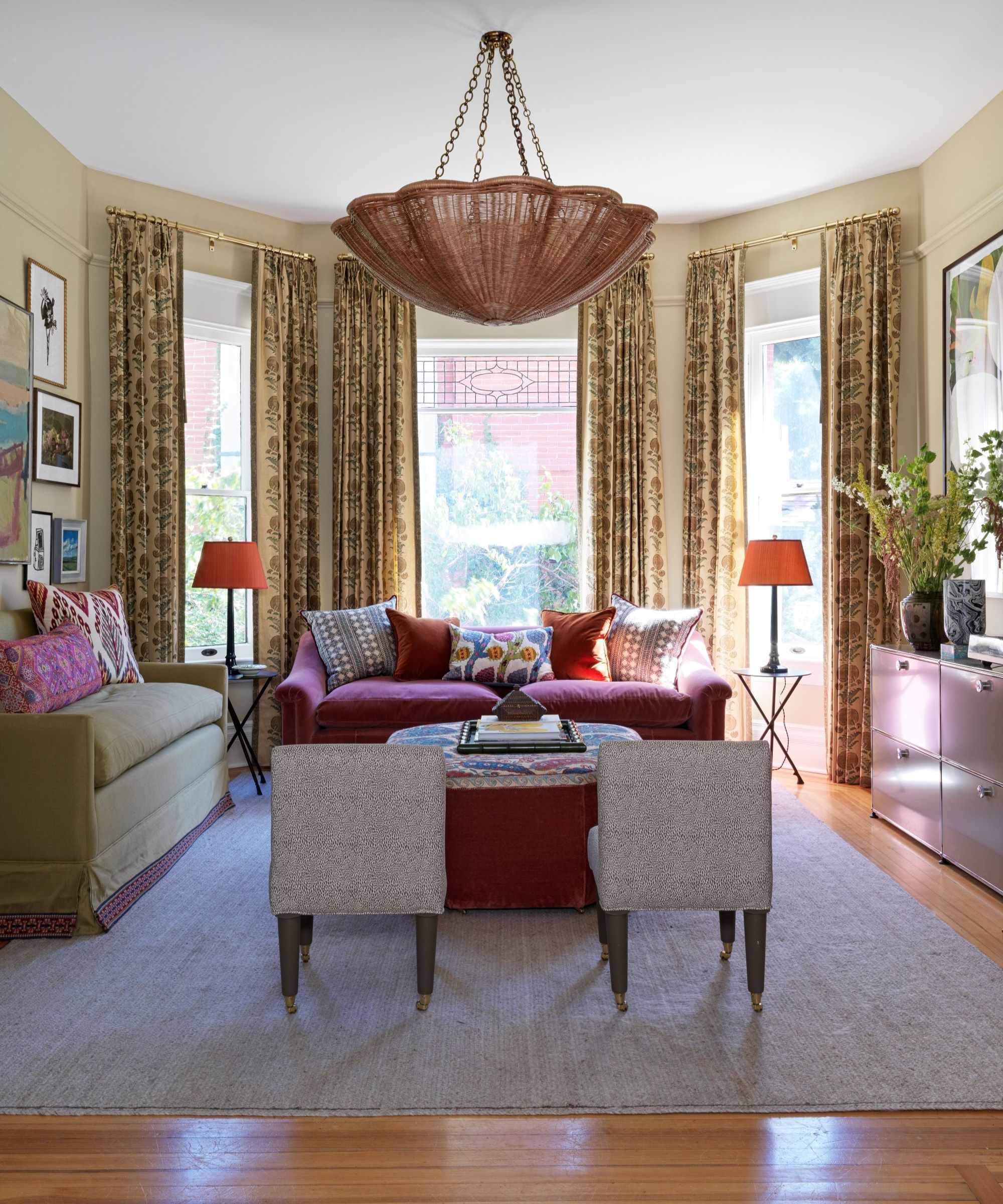
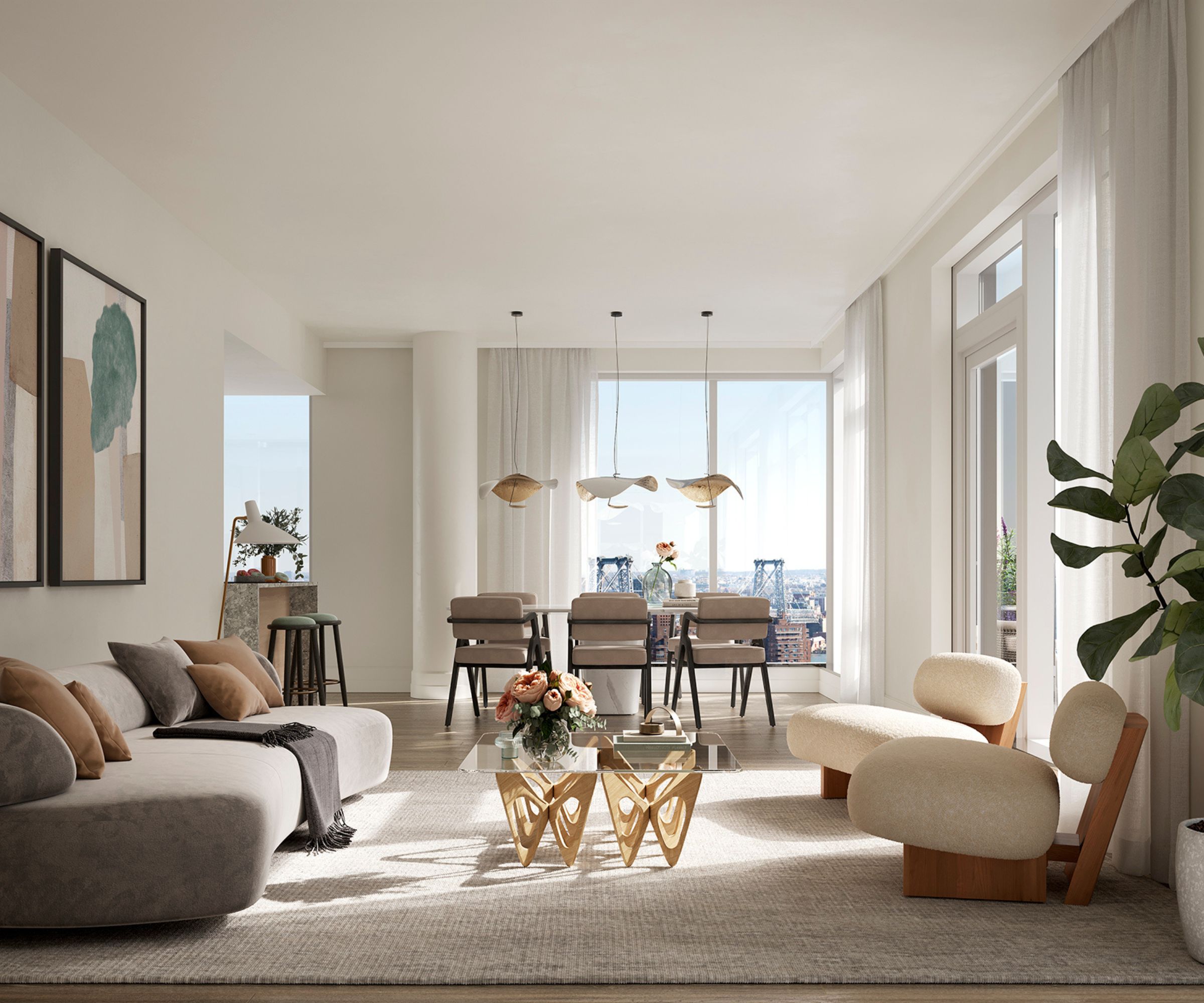
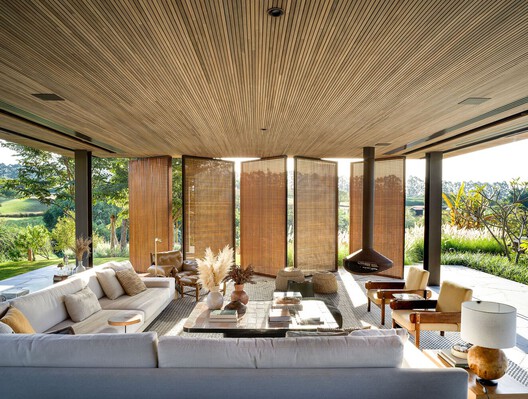
The terms drawing room, living room, and den are often used interchangeably, but historically and in contemporary design, they refer to distinct spaces with different purposes and decor styles. Understanding these distinctions can help homeowners design their spaces more effectively. Drawing rooms originated in the 16th century as “withdrawing rooms,” where guests would retreat after dinner for conversation and relaxation. These rooms were traditionally designed to showcase wealth and opulence, featuring luxurious furnishings and elaborate decor. While still found in some traditional or very large homes, modern drawing rooms serve as occasional-use spaces for formal entertaining or special events, maintaining a refined and elegant aesthetic.
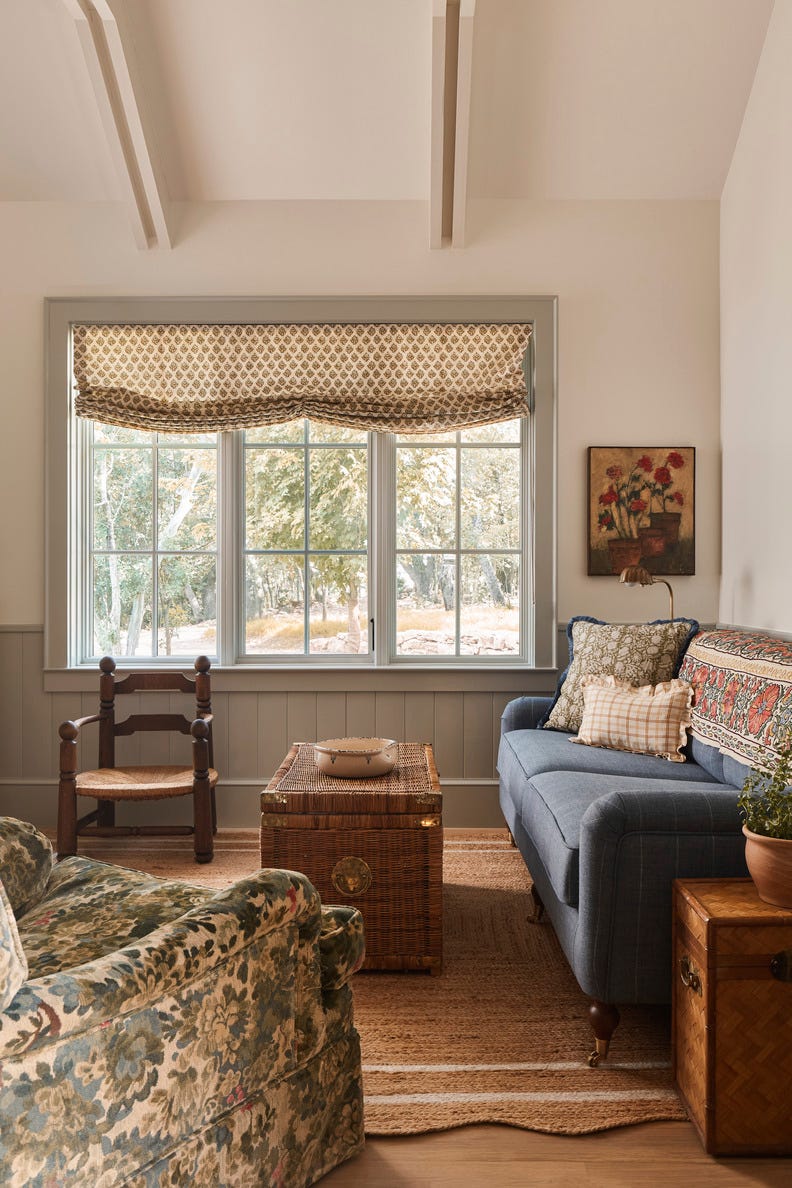
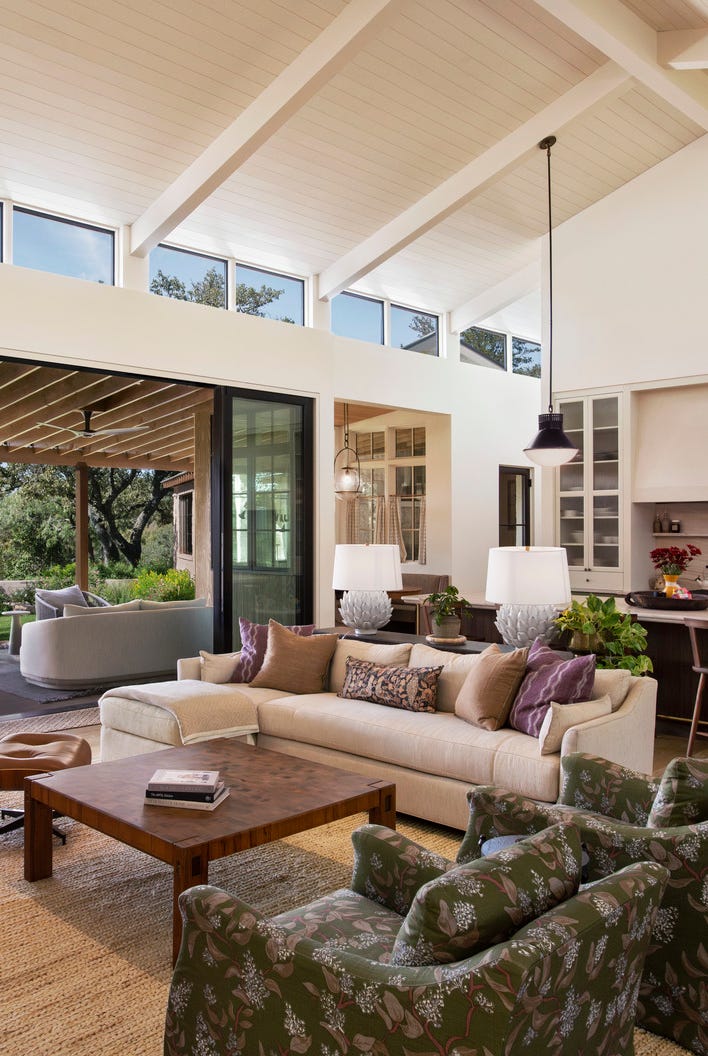
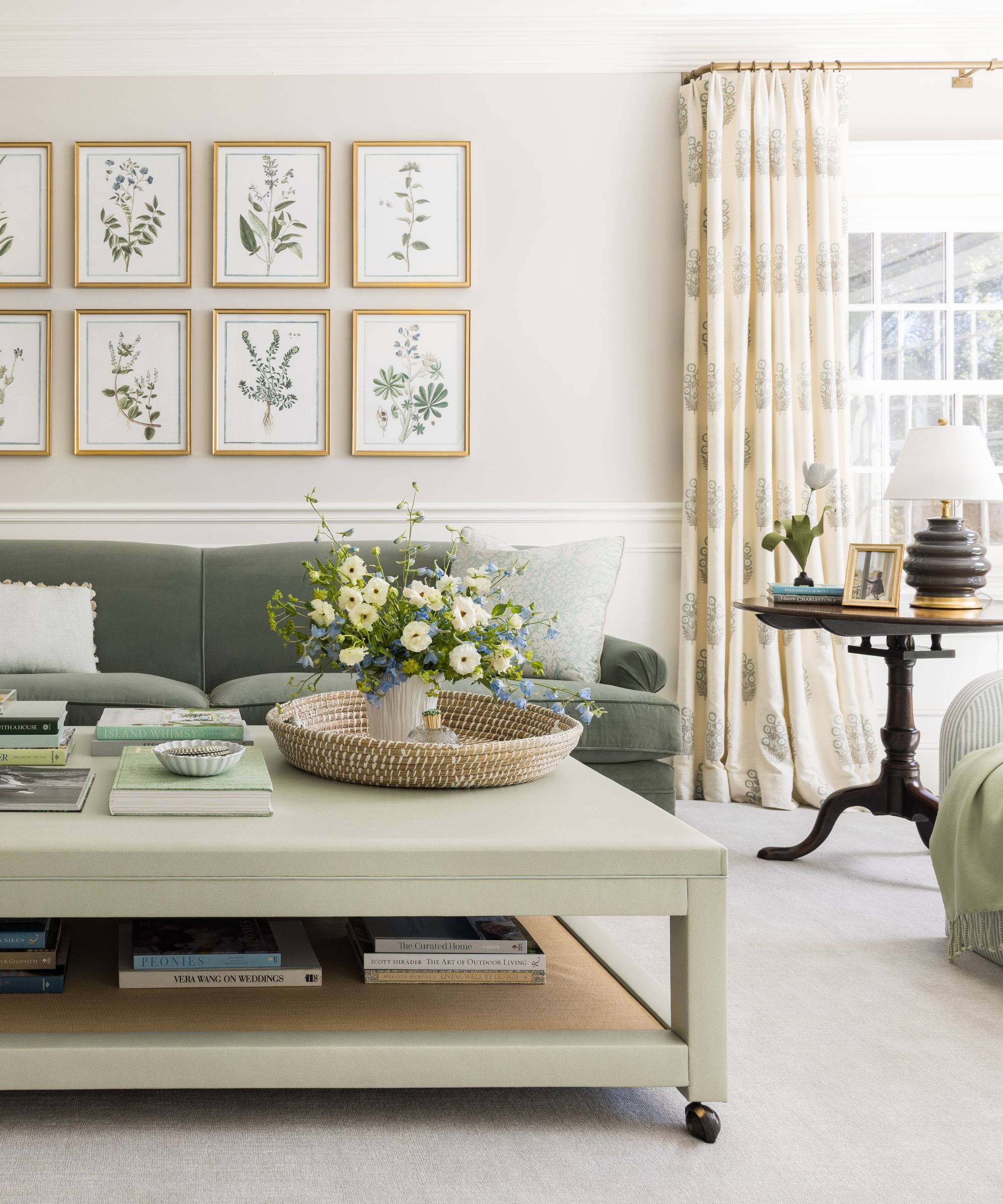
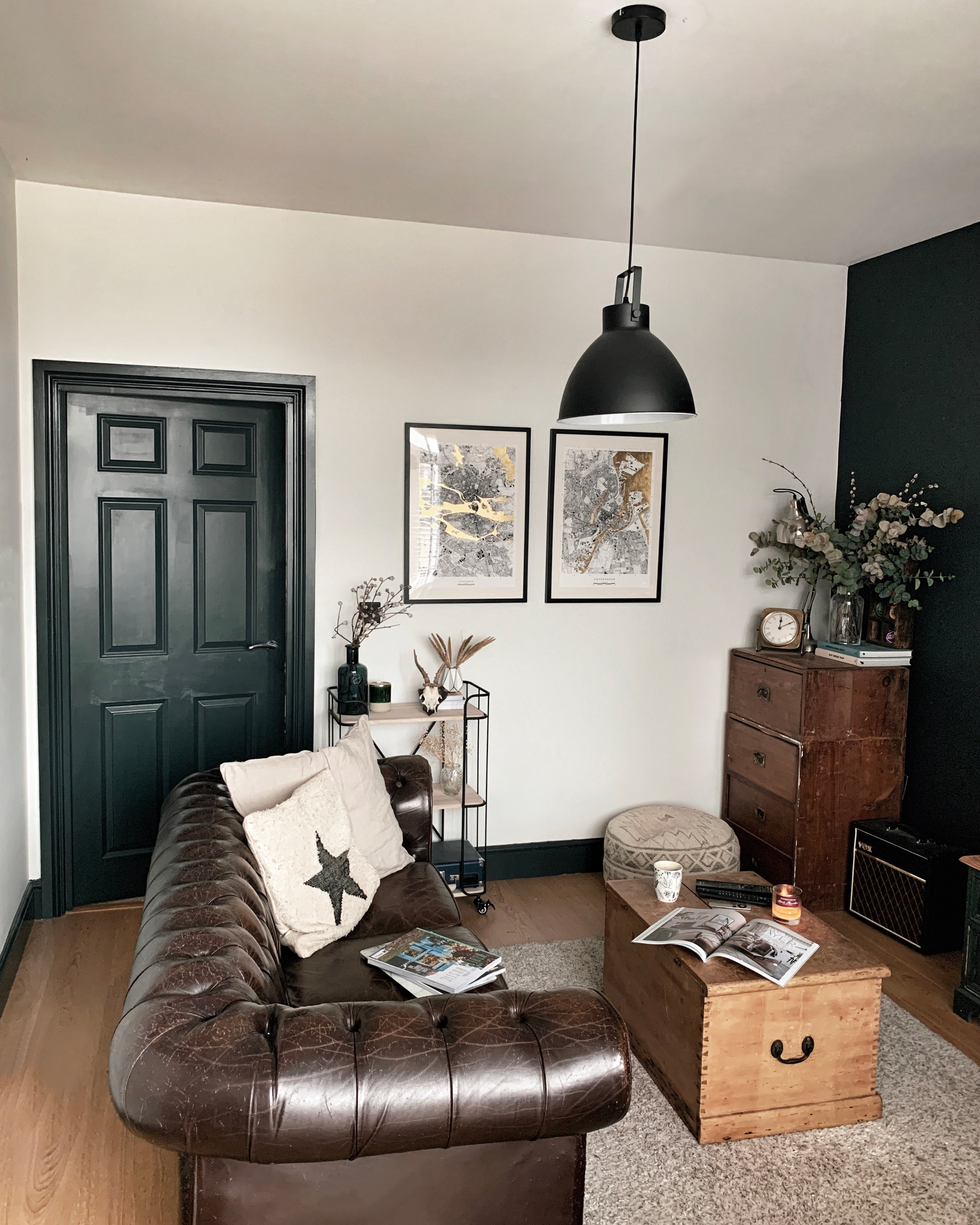
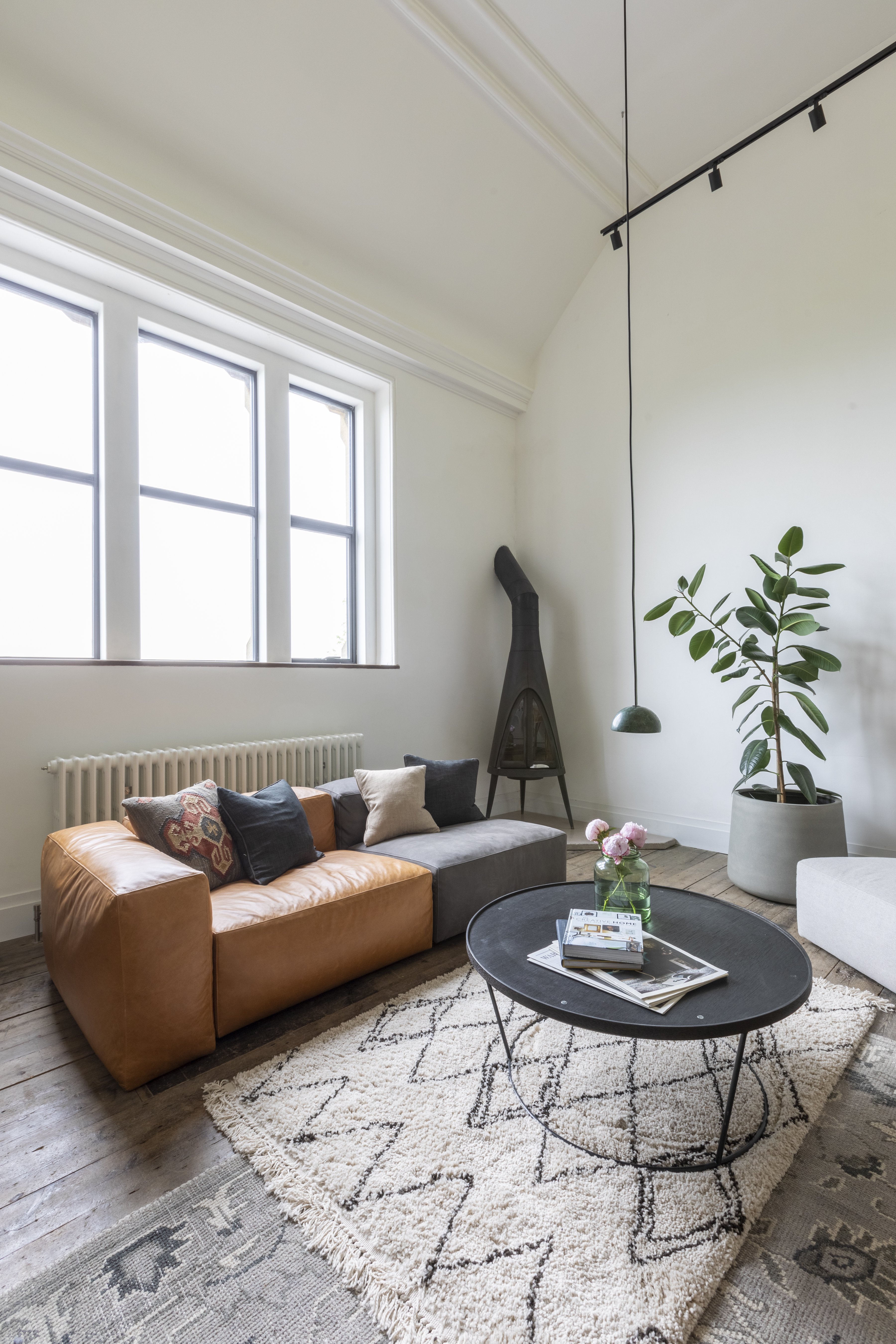
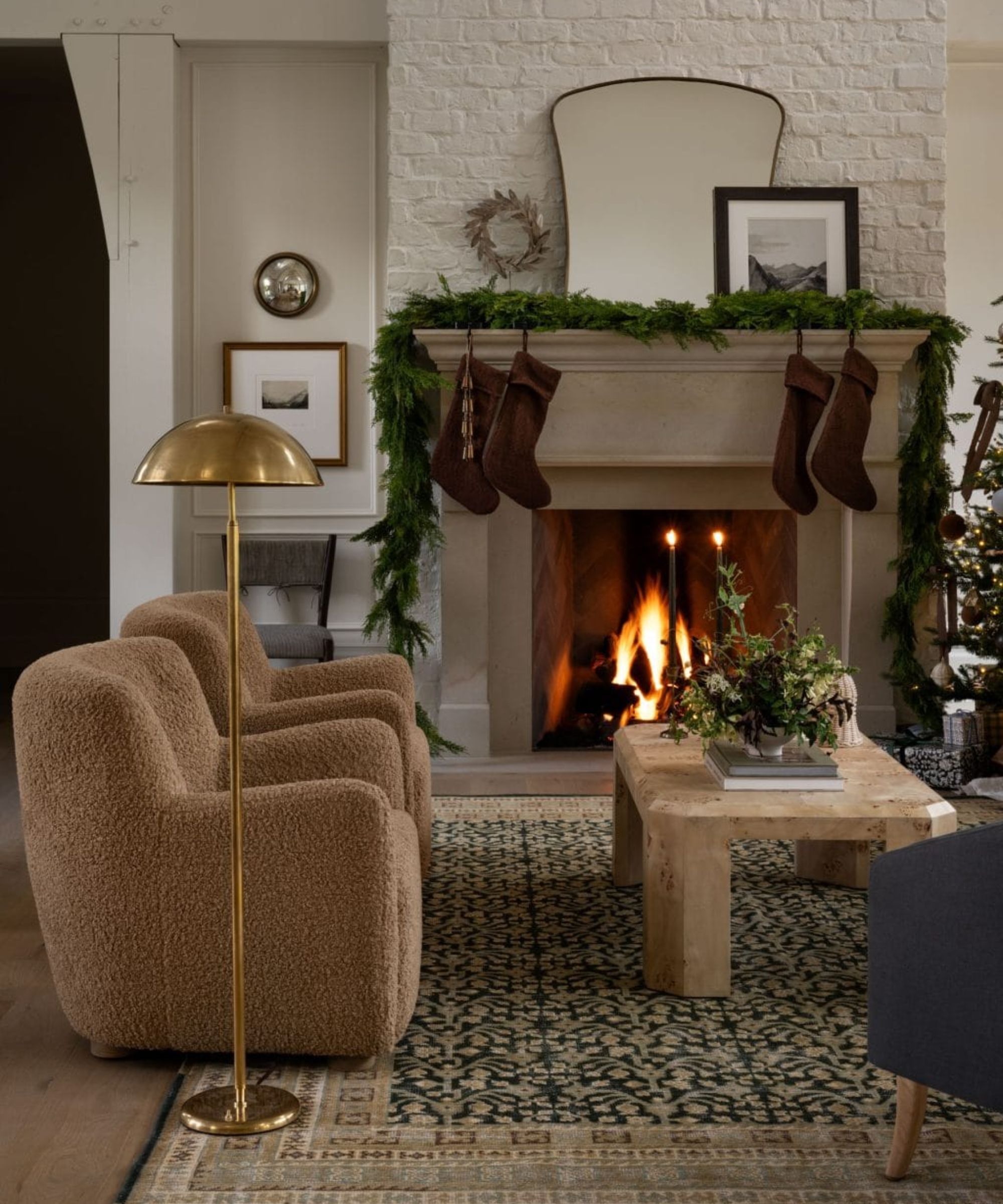
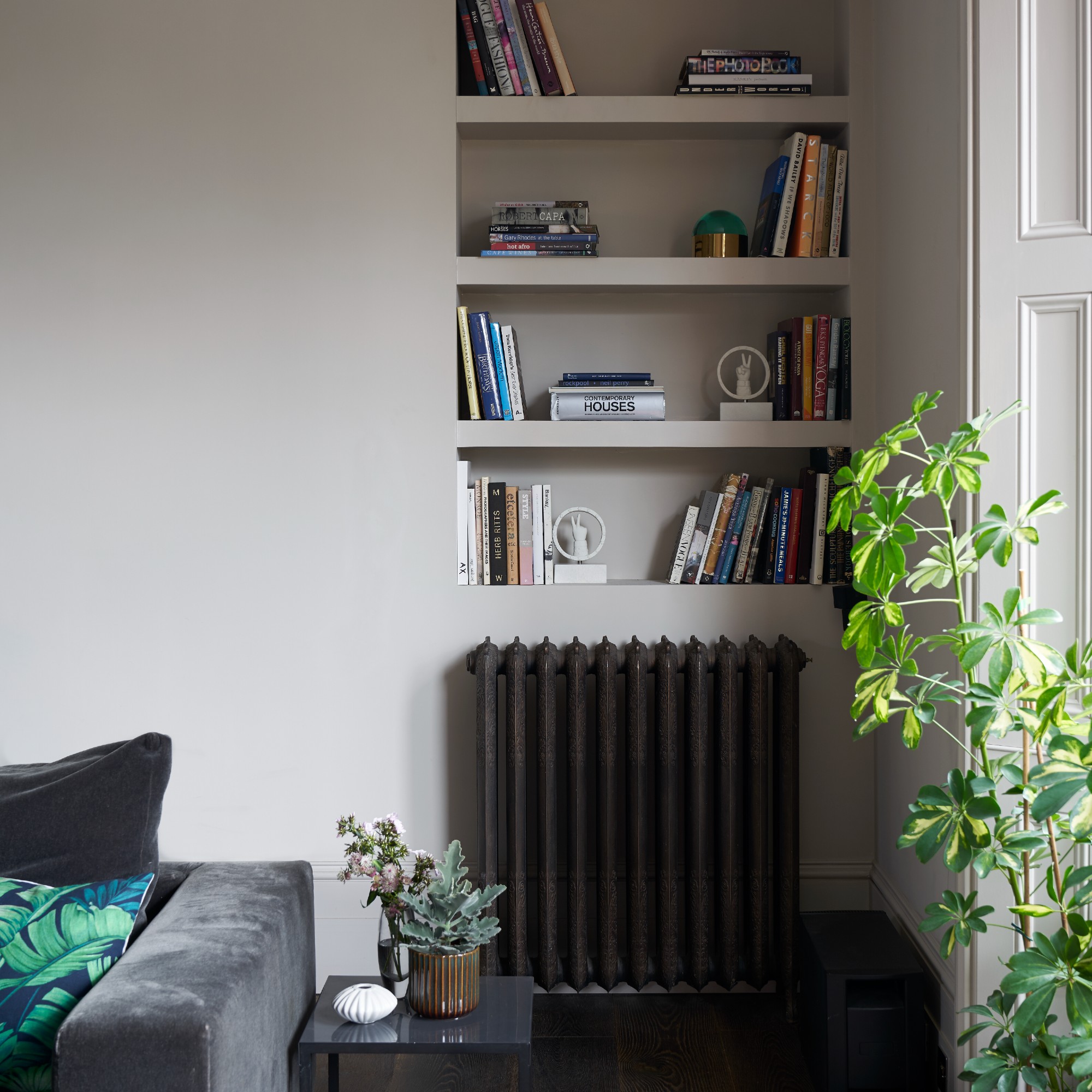
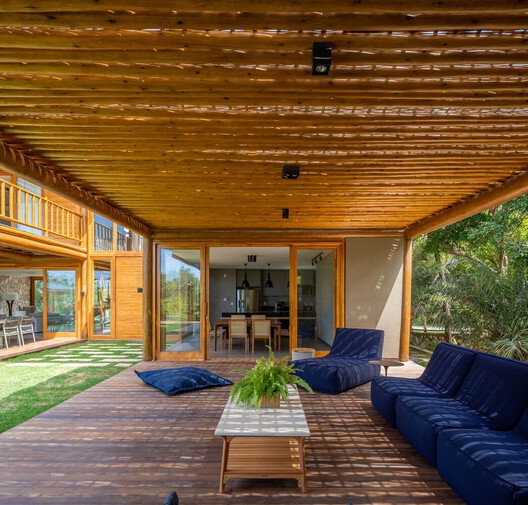
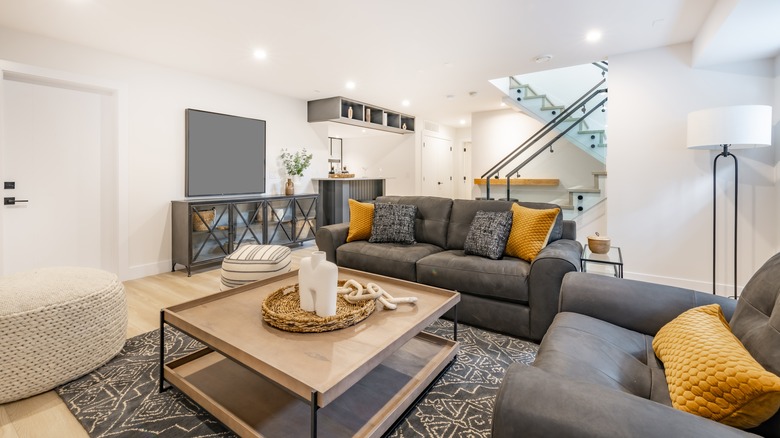
In contrast, a living room is a more casual space intended for everyday use and informal gatherings. It is the central hub for families to relax, spend time together, and entertain guests casually. Due to its frequent use, living rooms prioritize comfort and durability in their design, often featuring comfortable seating and practical surfaces. A den, typically the smallest of the three, functions as a cozy and functional retreat. It can be a dedicated space for reading, working, watching television, or pursuing hobbies. Dens are often multi-purpose rooms, offering a private, comfortable escape for winding down or entertaining close friends. The decor in a den usually emphasizes comfort and can be more personal and relaxed than a living room.
Interior designers Shelley Hammon and Leigh Herr emphasize these differences. Hammon notes that drawing rooms were historical "elegant social hubs" decorated to display wealth, a purpose that still influences their formal, occasional use today. Herr differentiates living rooms as casual, everyday spaces, and dens as cozy, functional retreats for reading or work, highlighting that each room's function dictates its design. While the drawing room leans towards aesthetics and luxury, the living room balances comfort with everyday functionality, and the den focuses on coziness and personal use.
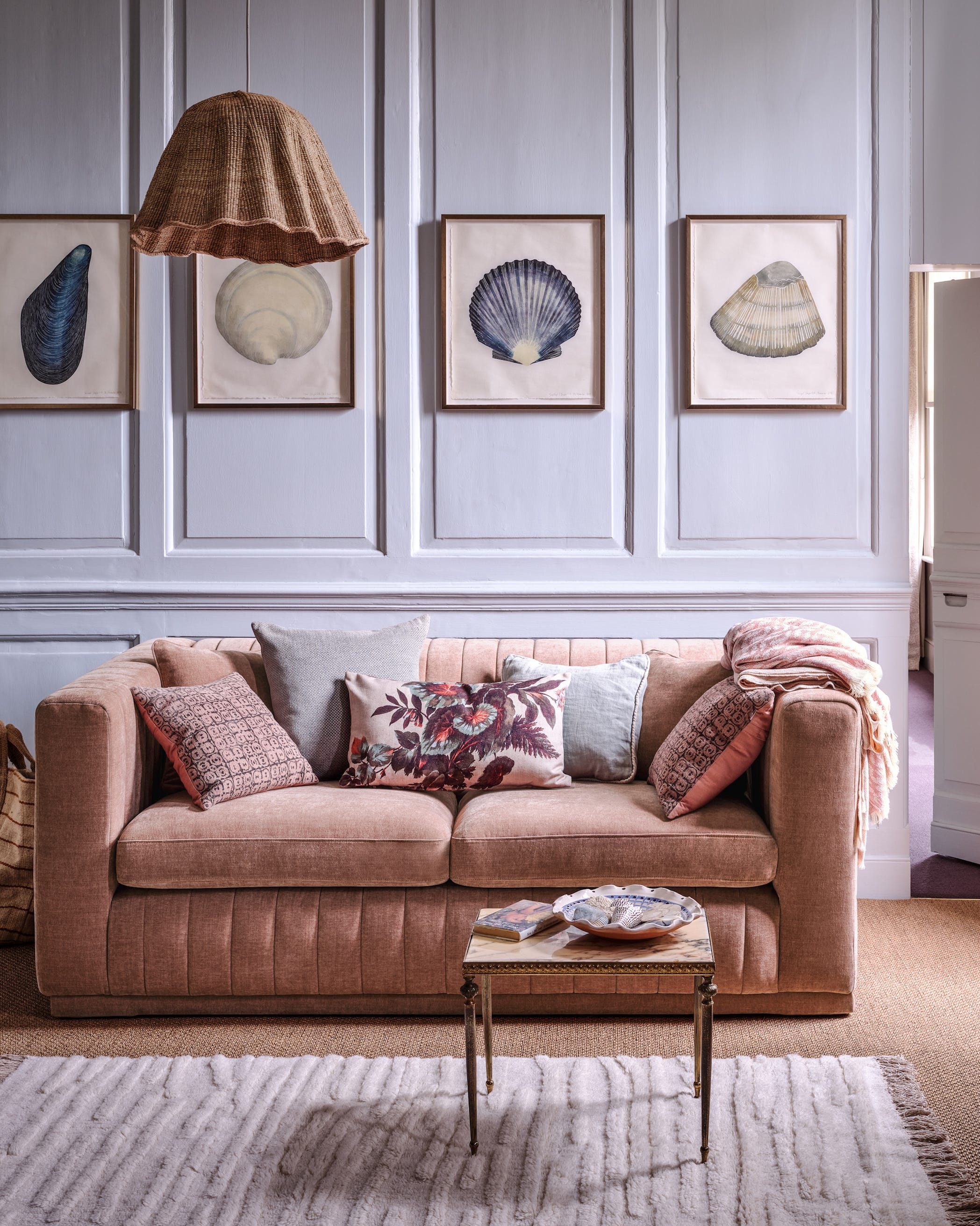
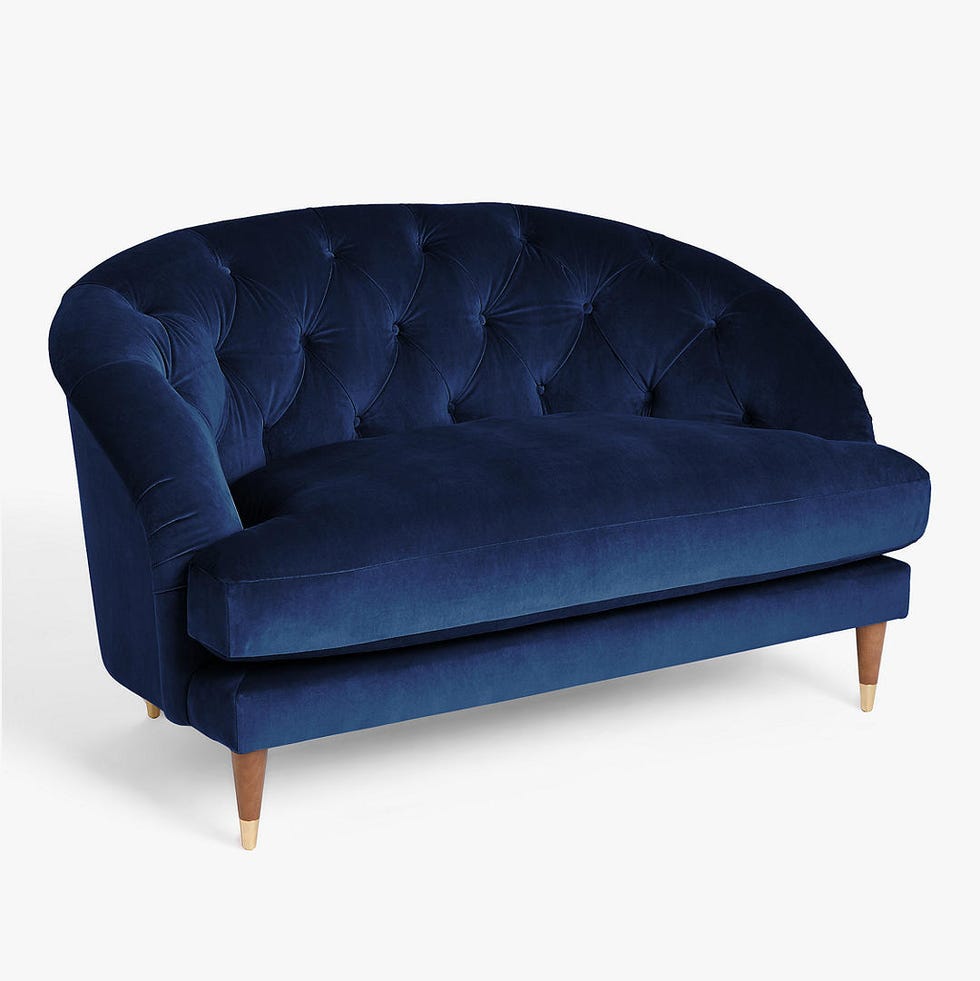
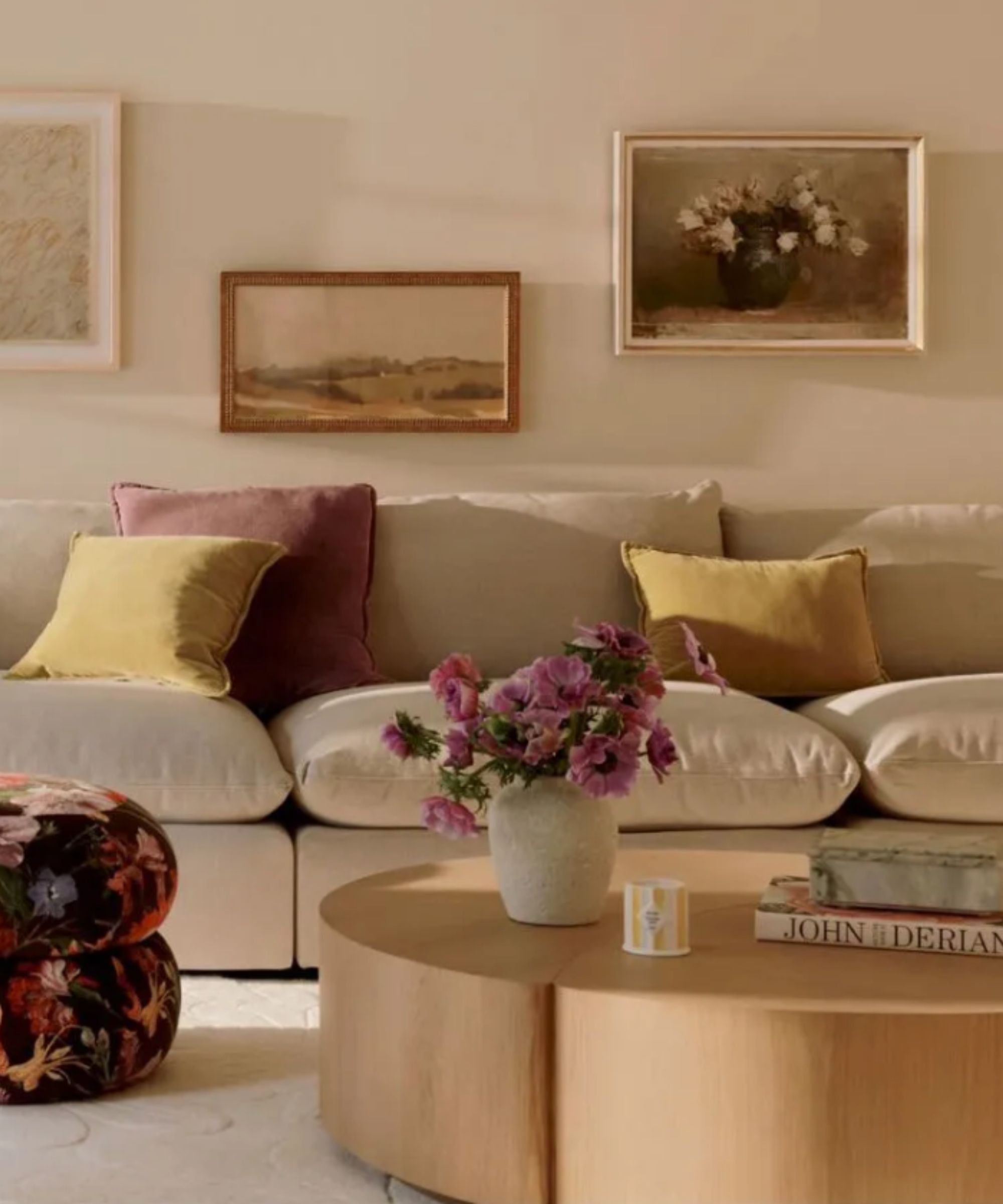
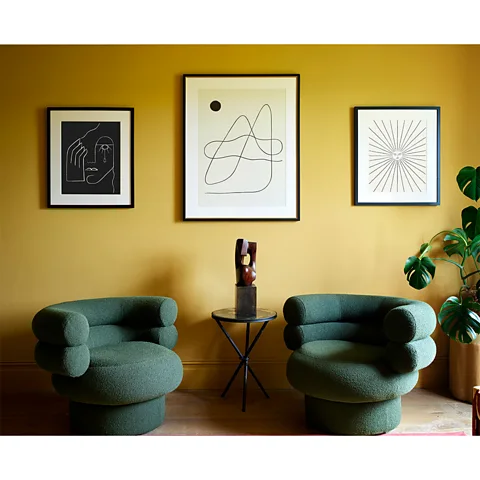
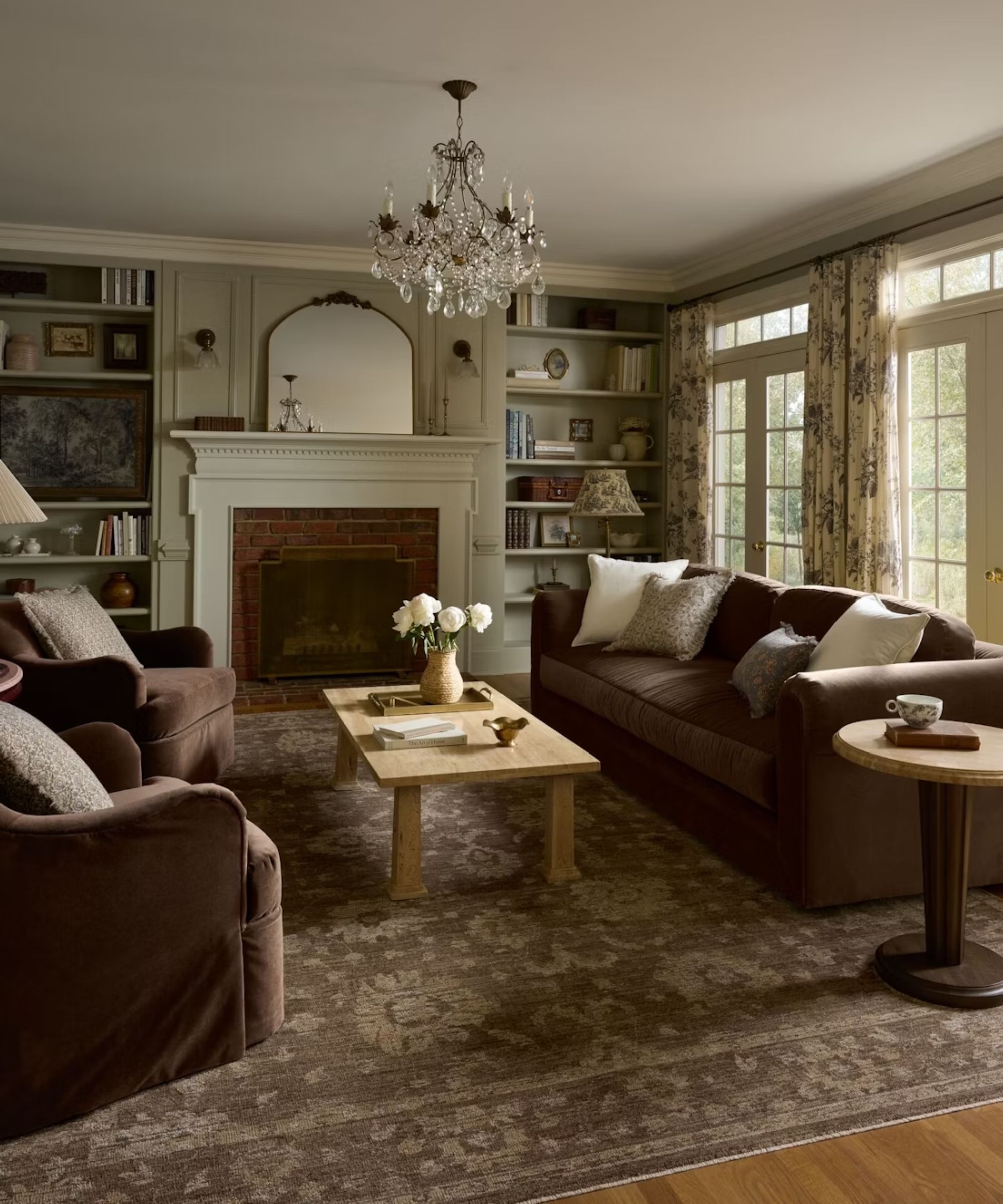
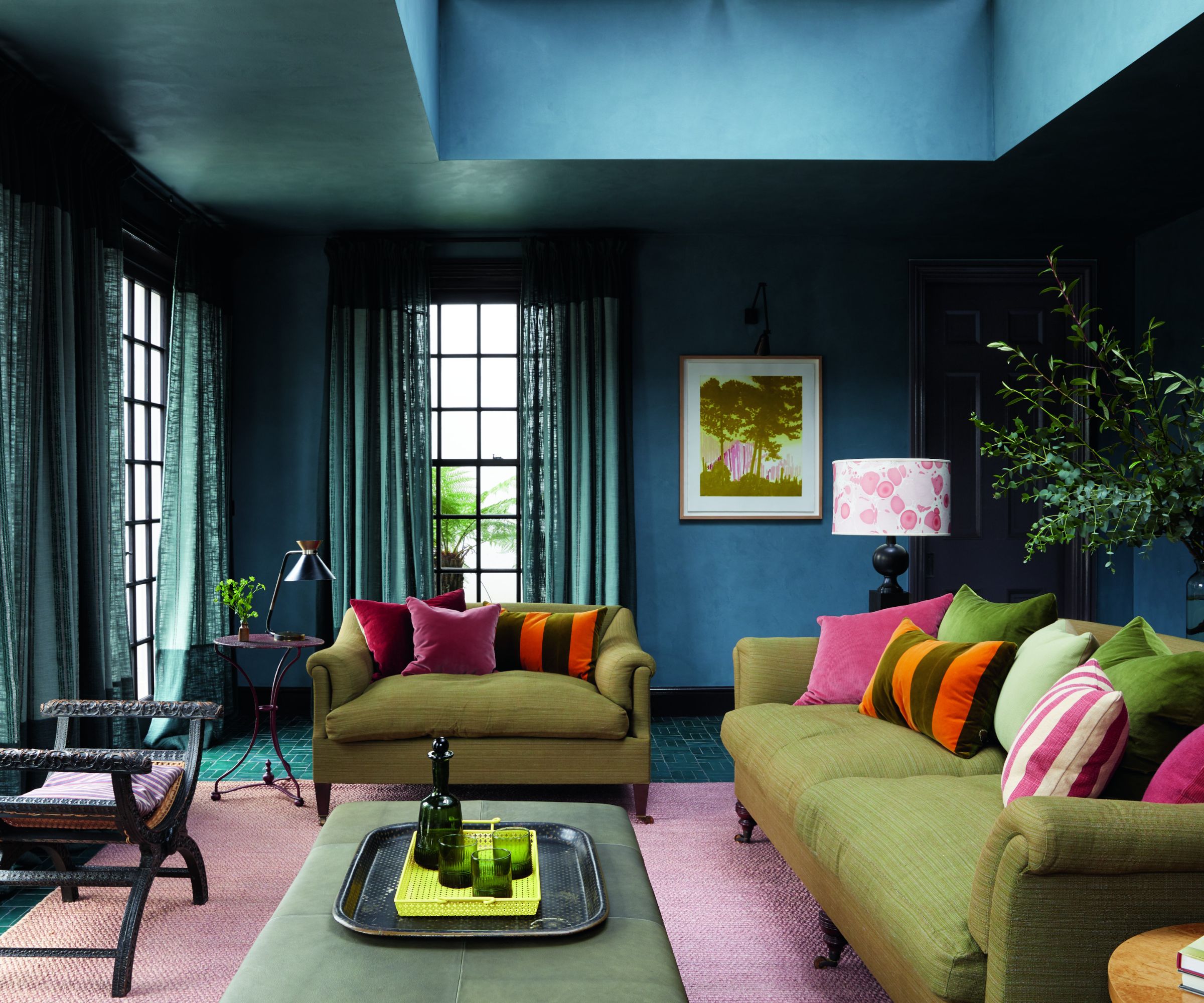
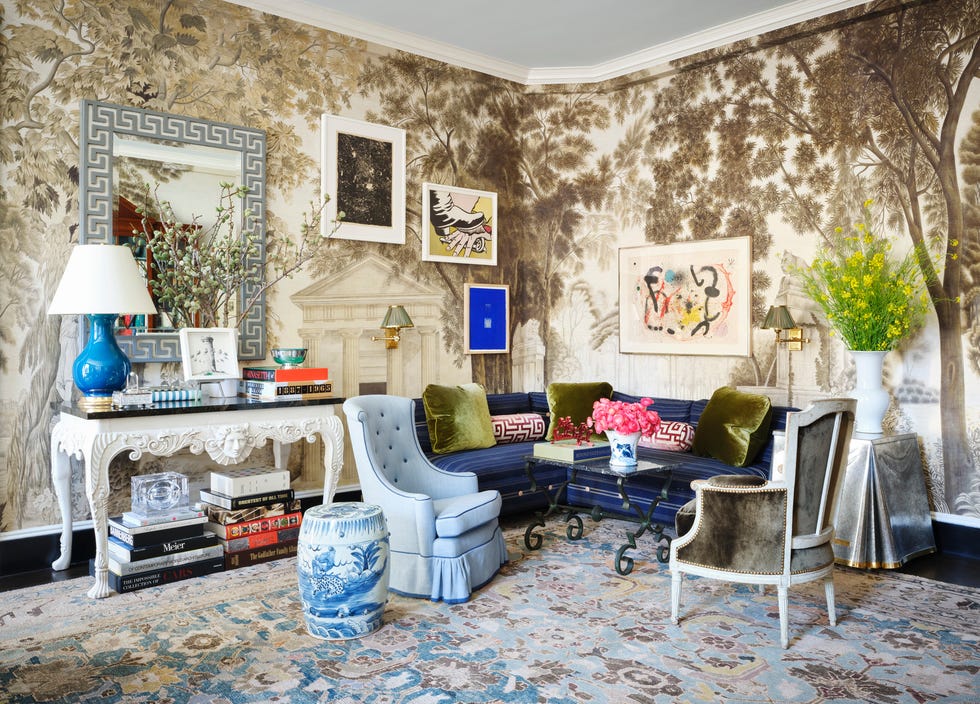
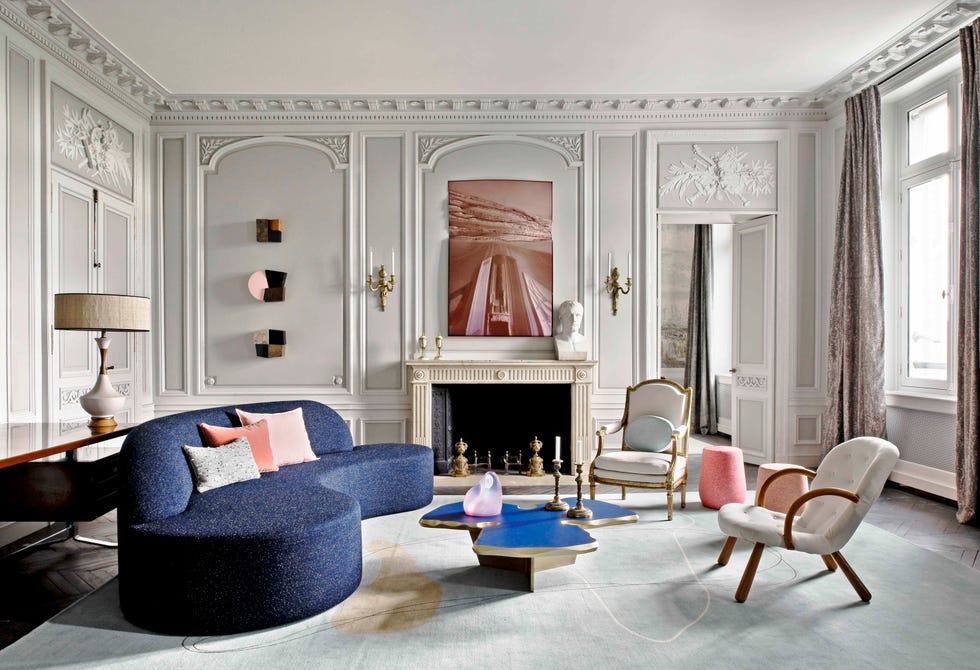
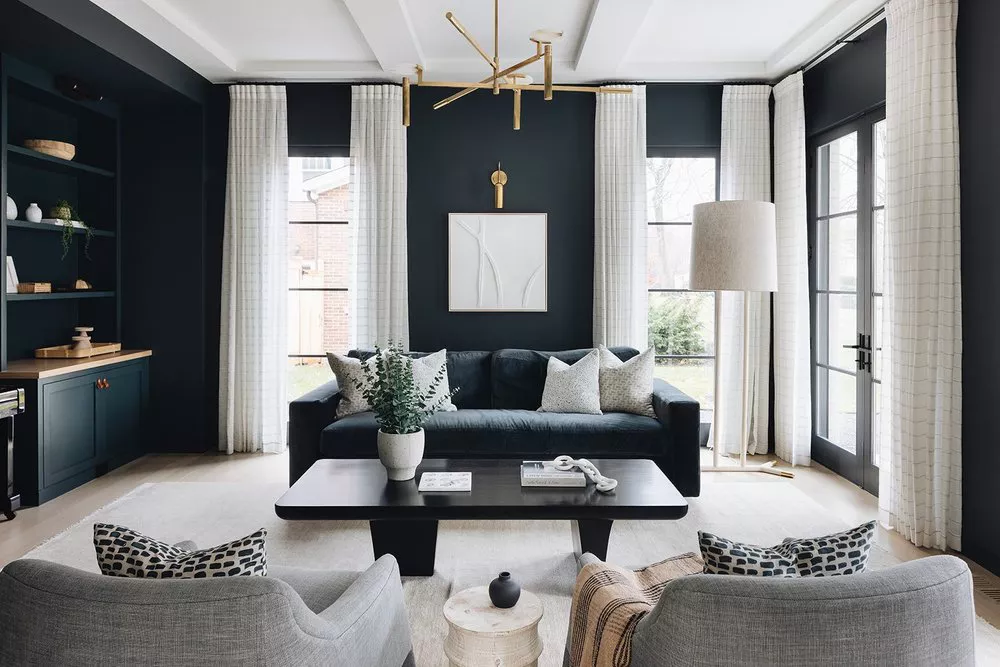
When styling a drawing room, several key design principles can be applied. Given their infrequent use and formal nature, aesthetics can take precedence over extreme comfort. Incorporating luxurious fabrics such as velvet and silk, not only on furniture but also in drapes and accents, enhances the room's elevated look. A statement light fixture, often a crystal chandelier, serves as a central feature, contributing to the opulent atmosphere. Opting for timeless classic furniture pieces like upright sofas, wingback chairs, and plush ottomans reinforces the formal and elegant feel. Despite their formality, drawing rooms should also reflect personal style through art, antique collections, or family heirlooms, adding character without sacrificing sophistication. Crucially, while formal, a drawing room should not feel stuffy; the layout should facilitate easy conversation and welcome guests, ensuring it remains an inviting space for social interaction.
#HomeDesign #InteriorDesign #LivingRoom #DrawingRoom #Den #DecoratingTips #DesignStyles #HomeDecor #HomeDesign #InteriorDesign #LivingRoom #DrawingRoom #Den #DecoratingTips #DesignStyles #HomeDecor
0 comment in total
 No comments yet
You may also like
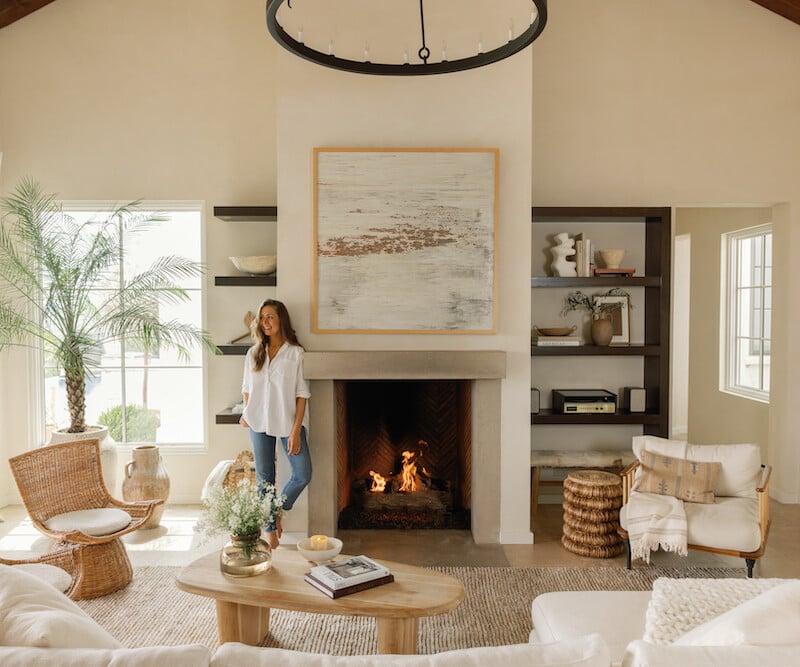
How to Fix the Most Common Living Room Layout Mistakes

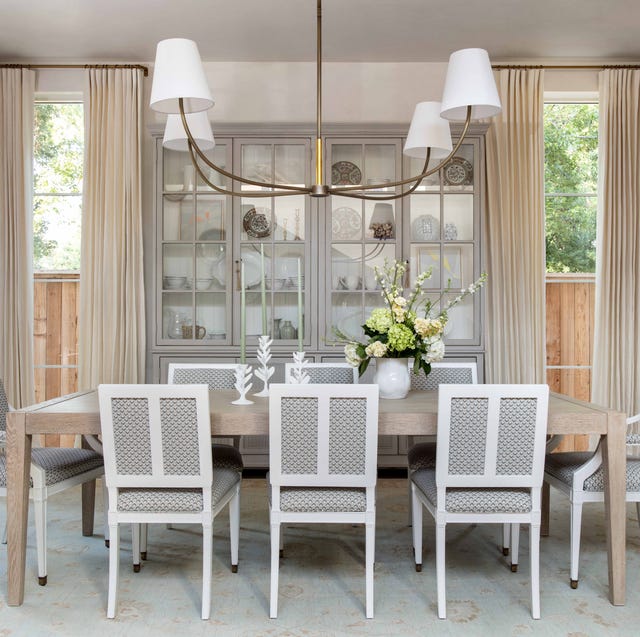
Is the Formal Dining Room Over? Designers Share Their Honest Take

How to transform your home with art
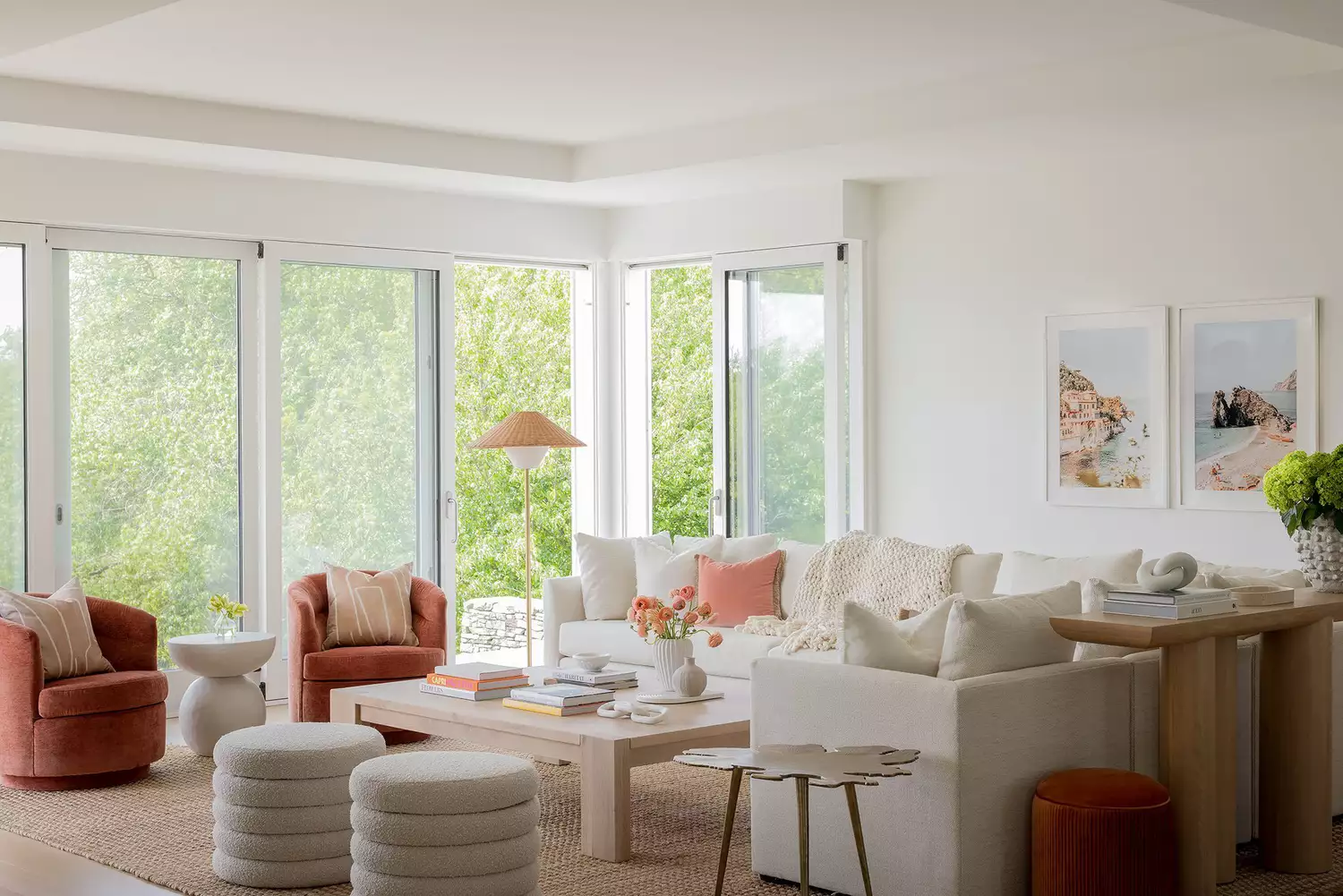
What's the Difference Between Family Rooms and Living Rooms? Turns Out There Are Many
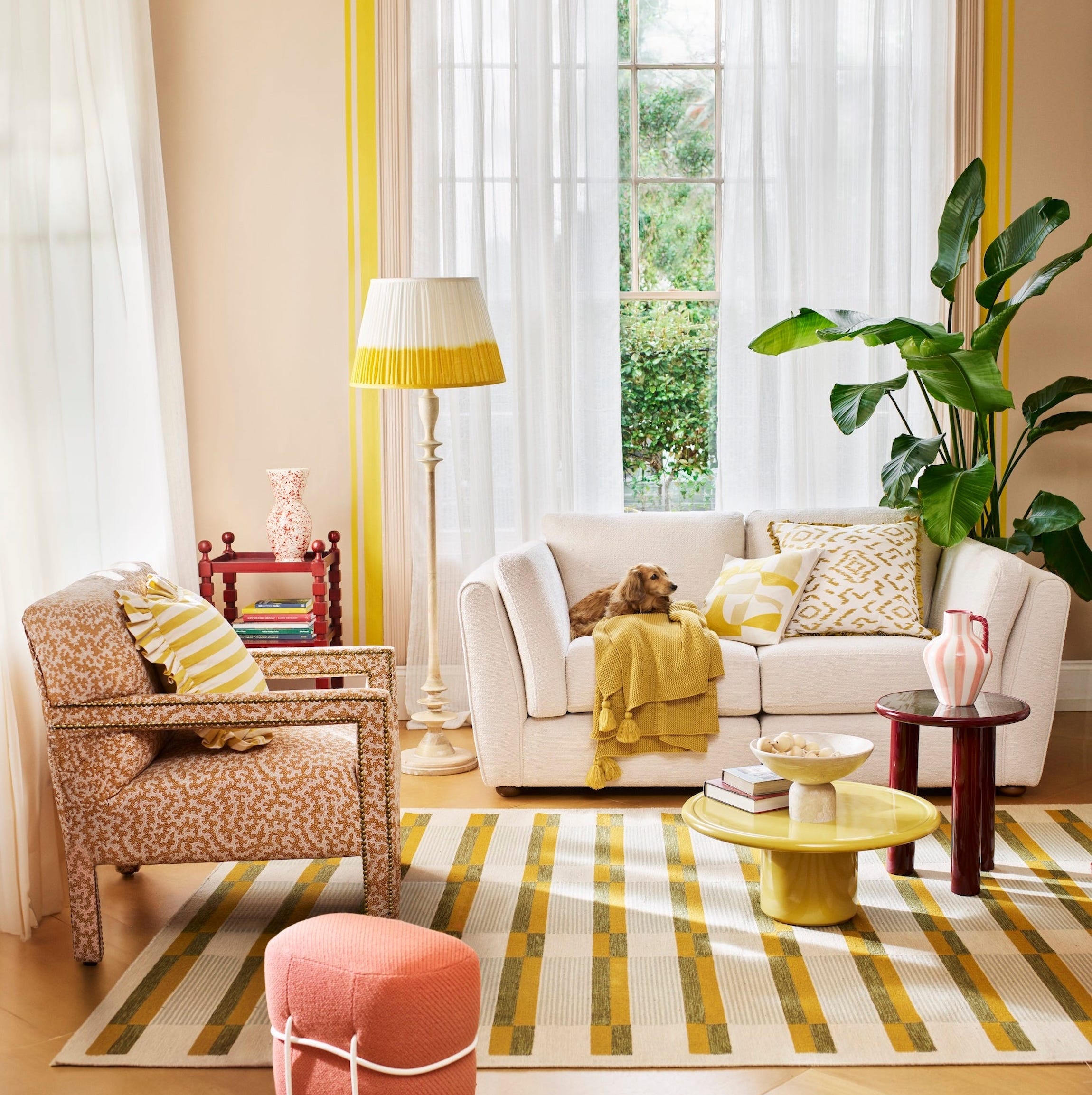
5 Living Room Design Mistakes You Didn't Know You Were Making

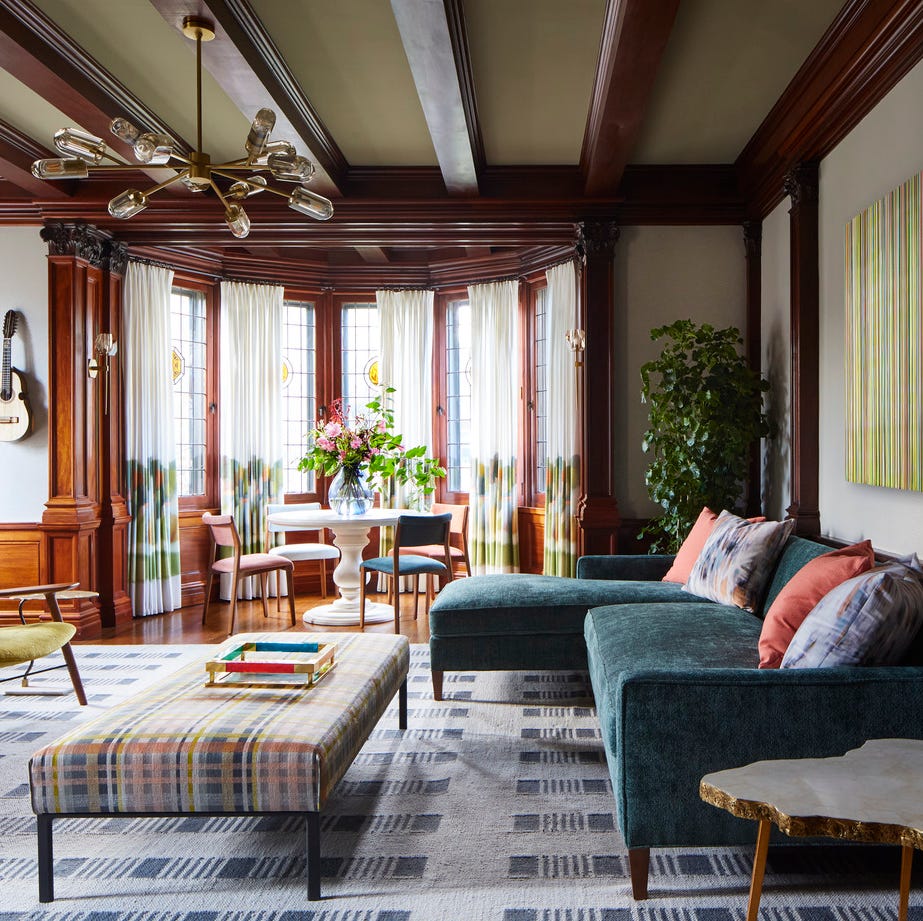
Easy Ways to Transform Your Living Room Into a Space You LOVE
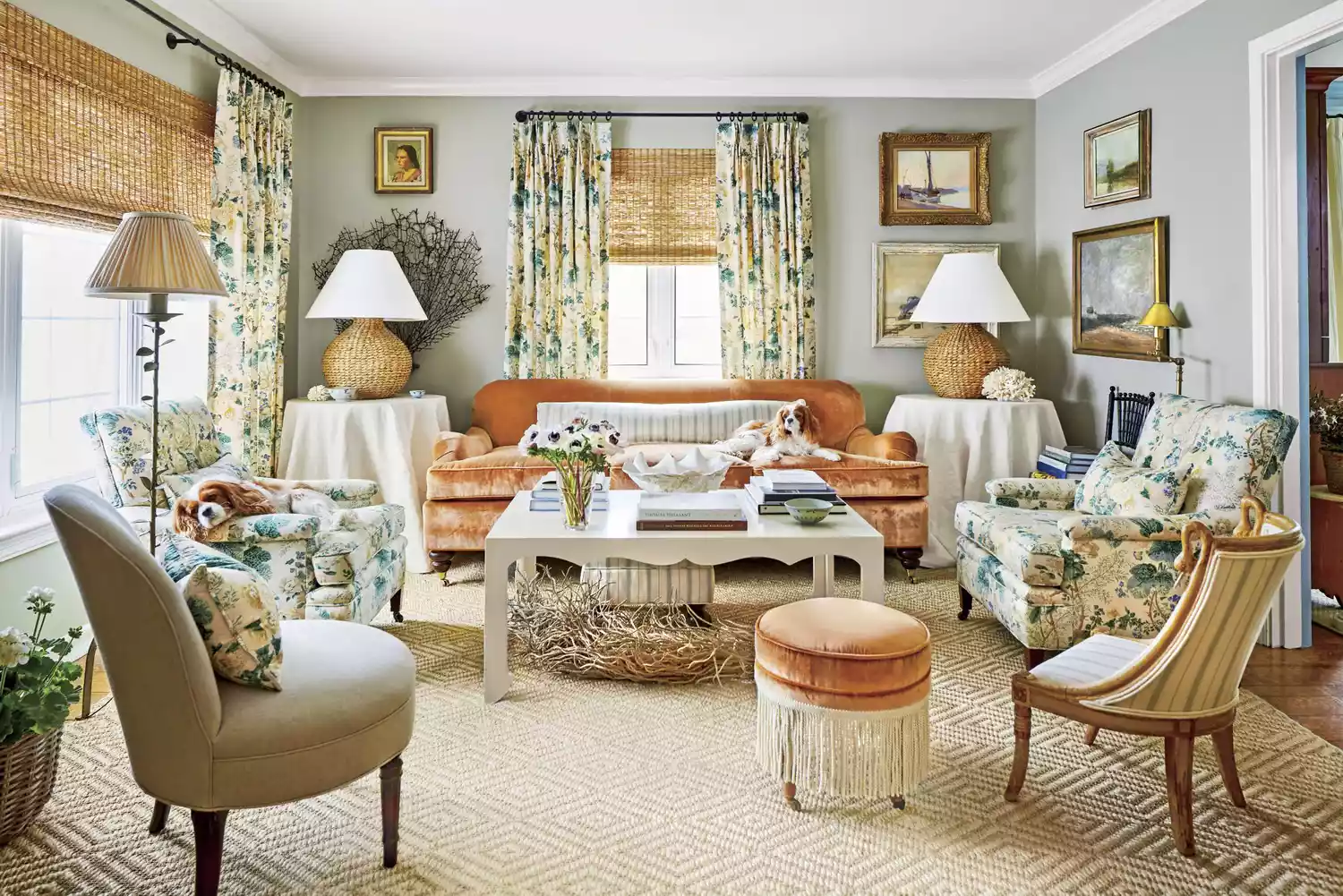
4 Things In Your Living Room Guests Notice Immediately
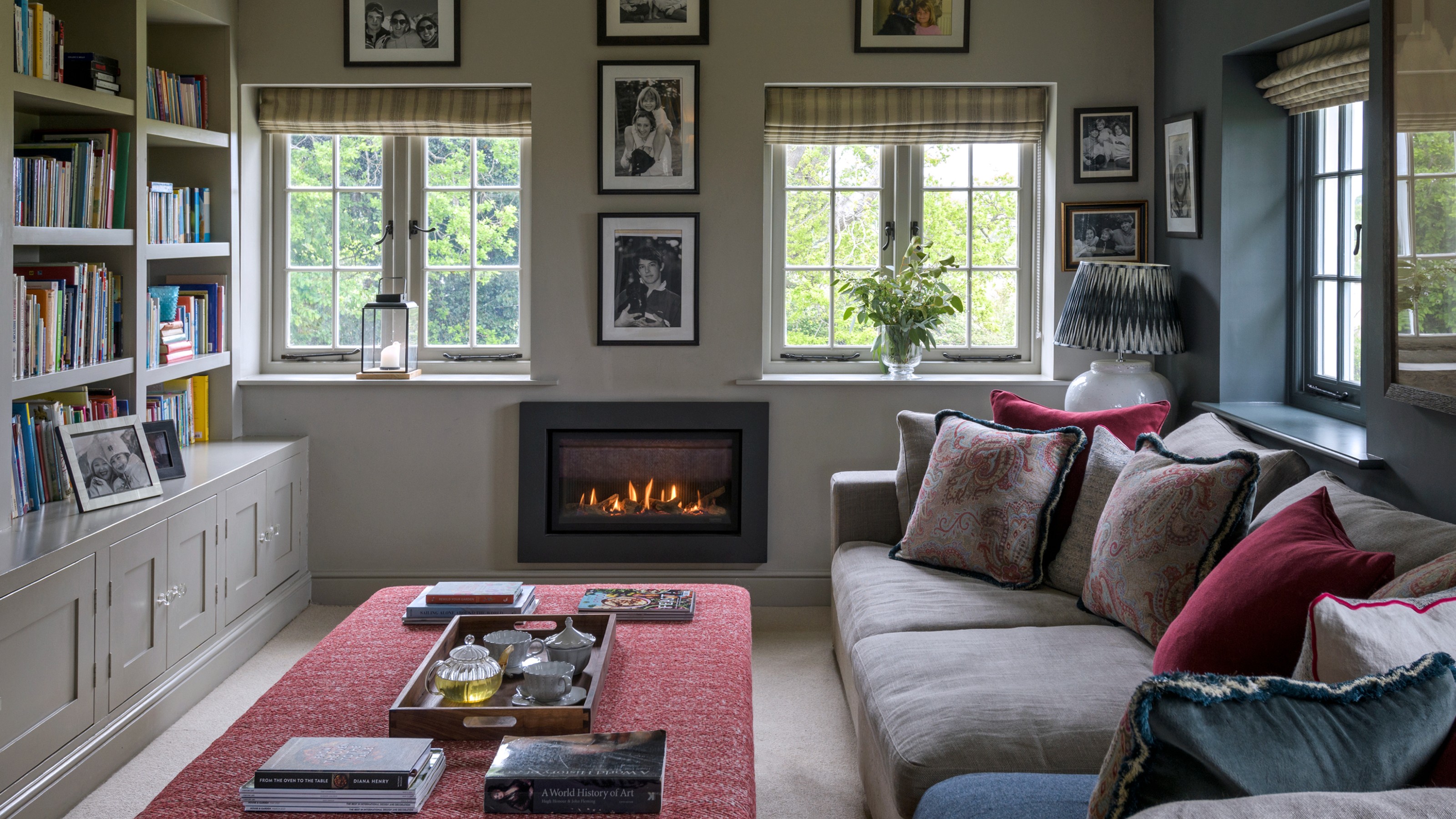
How to brighten a dark living room – 6 ways to make a dingy lounge feel light and airy
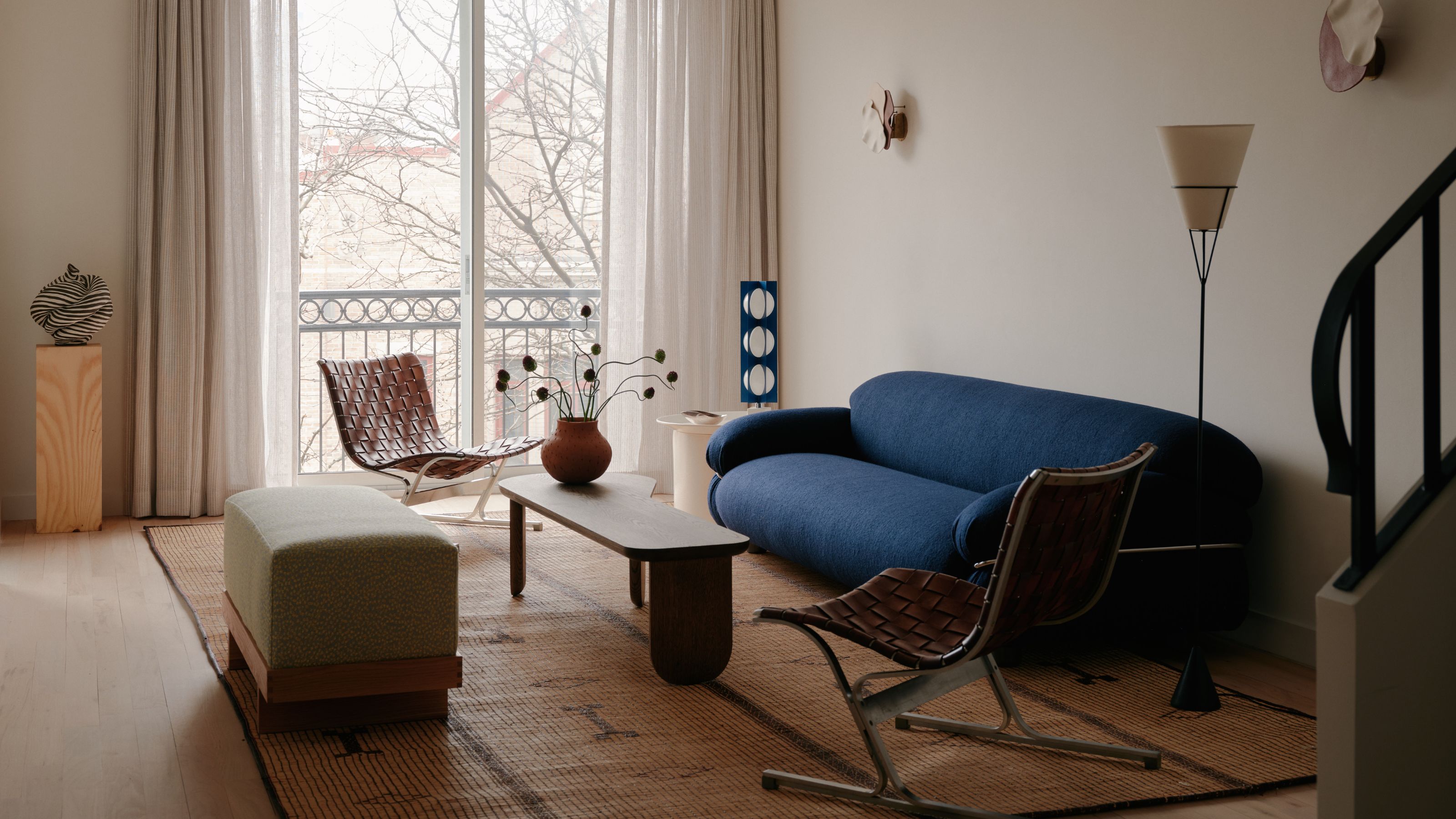
9 Times Designers Made Awkward Living Rooms Work — And the Secrets Behind How They Did It

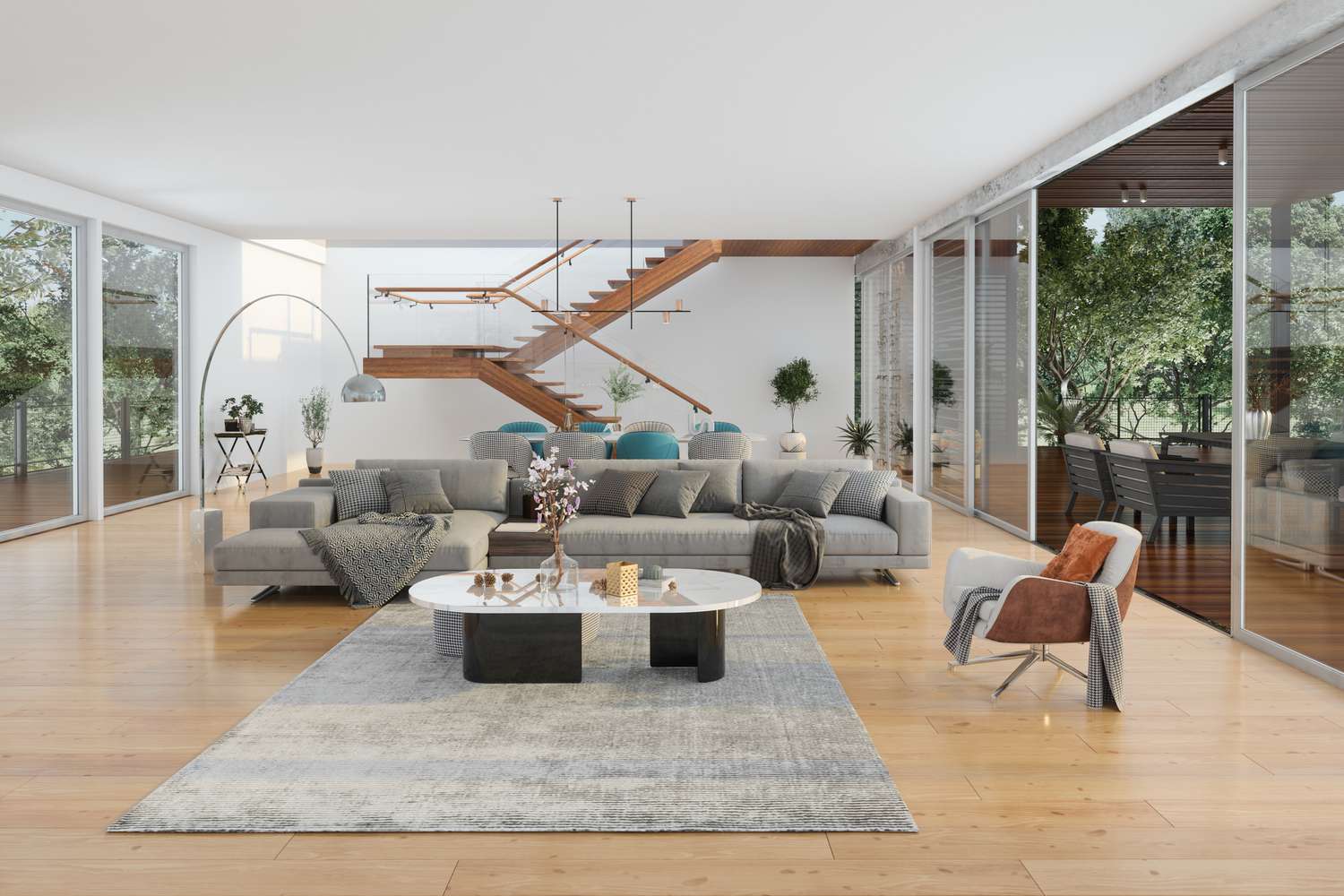
6 Awkward Living Room Layouts That You Should Fix ASAP—and How to Do It
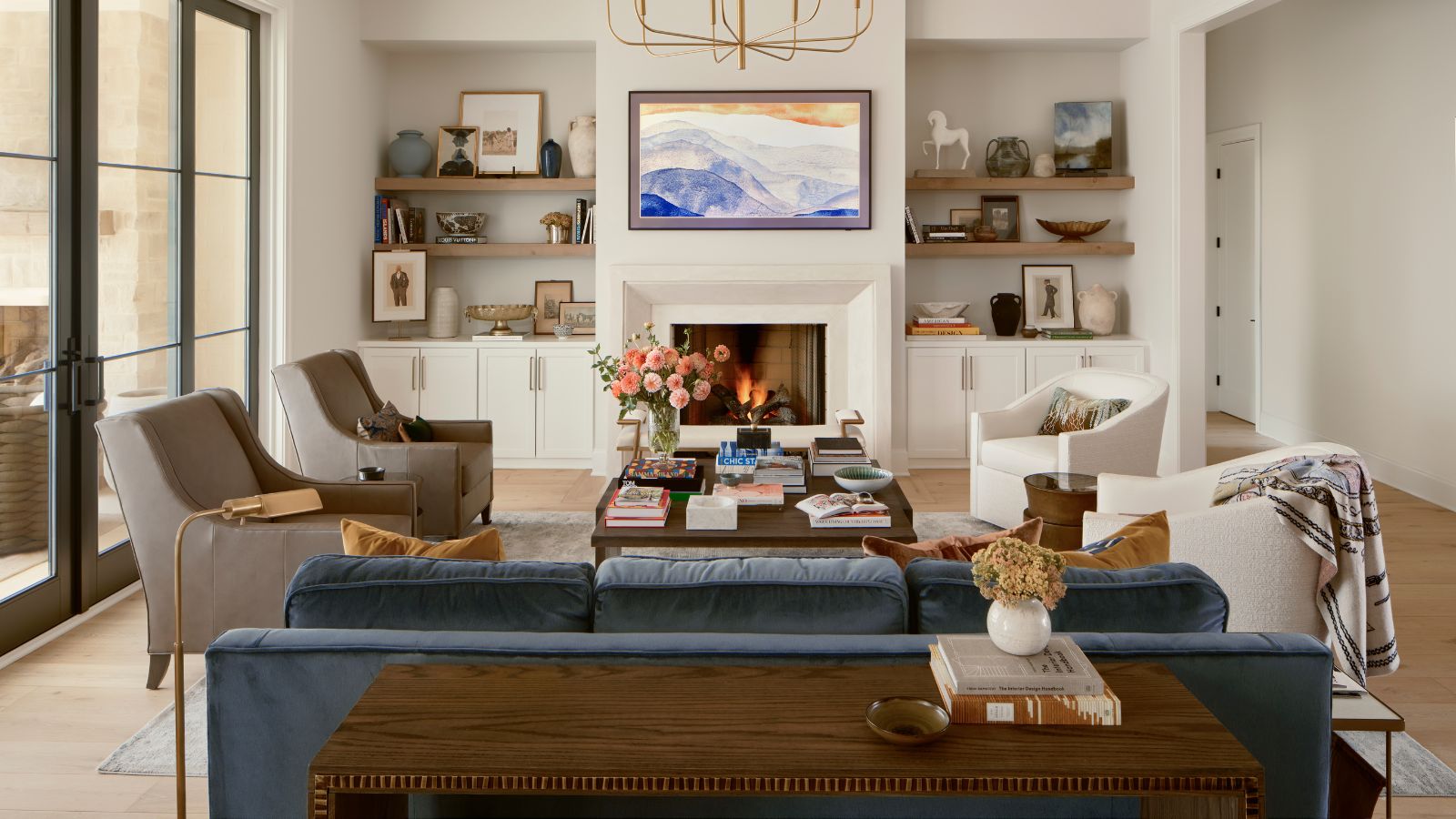
The Unexpected Living Room Seating Designers Swear By

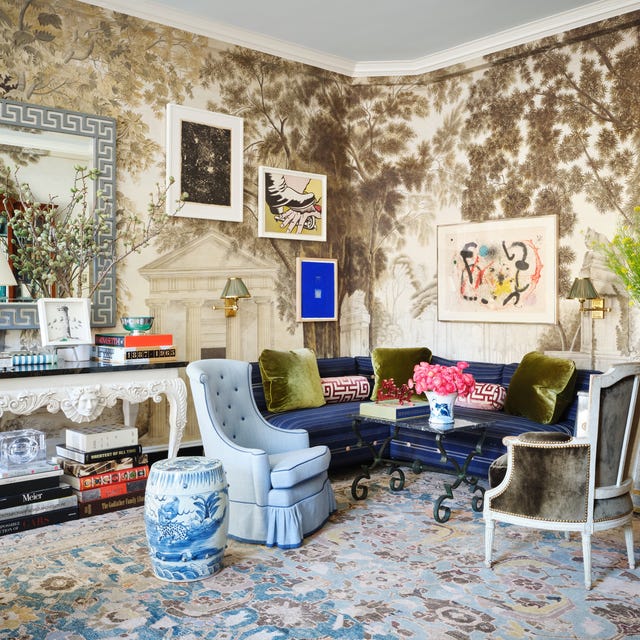
Designers Predict These 6 Living Room Trends Will Be Everywhere in 2026

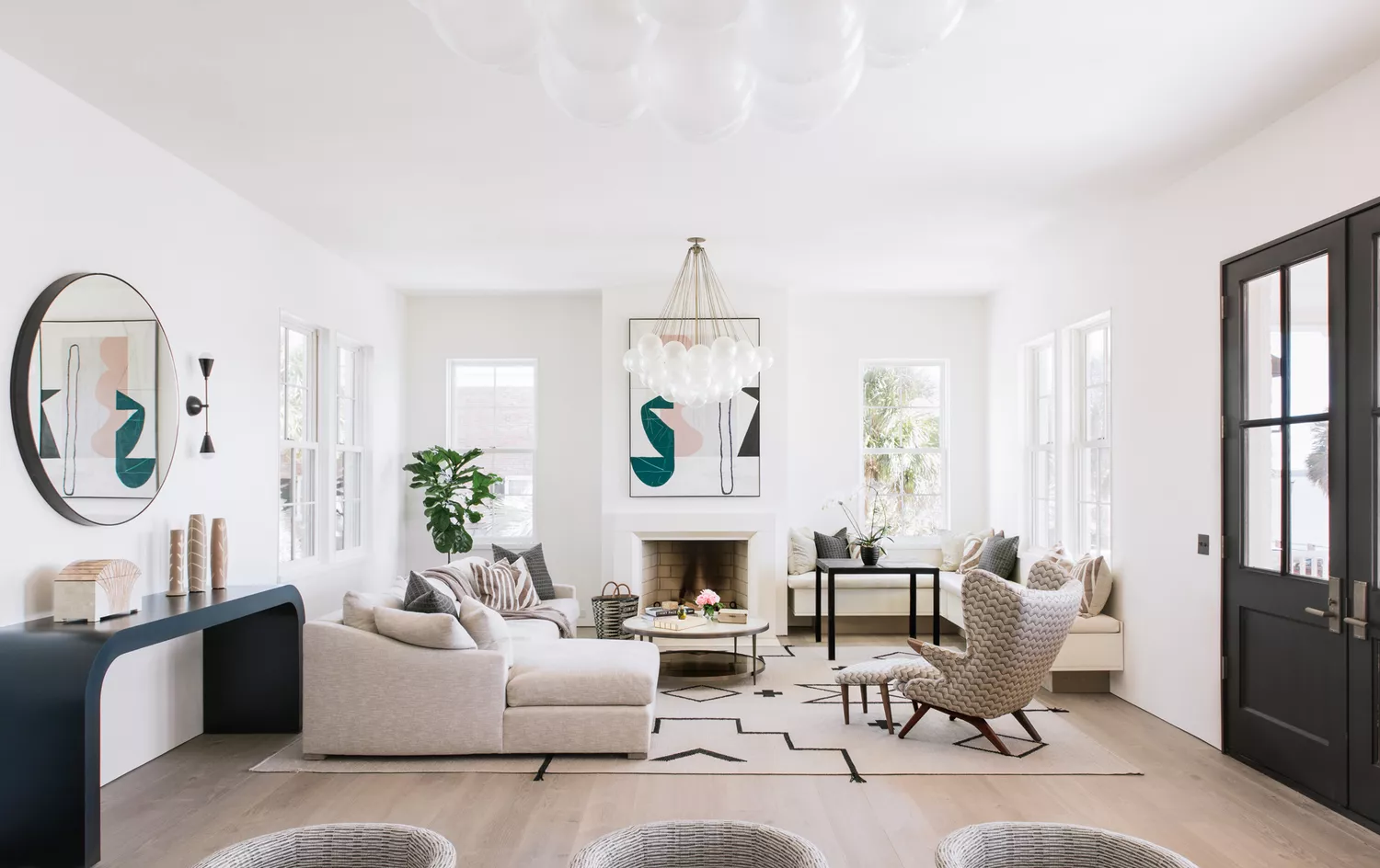
The Difference Between a Family Room and Living Room—Plus, Designer Tips for Styling Them
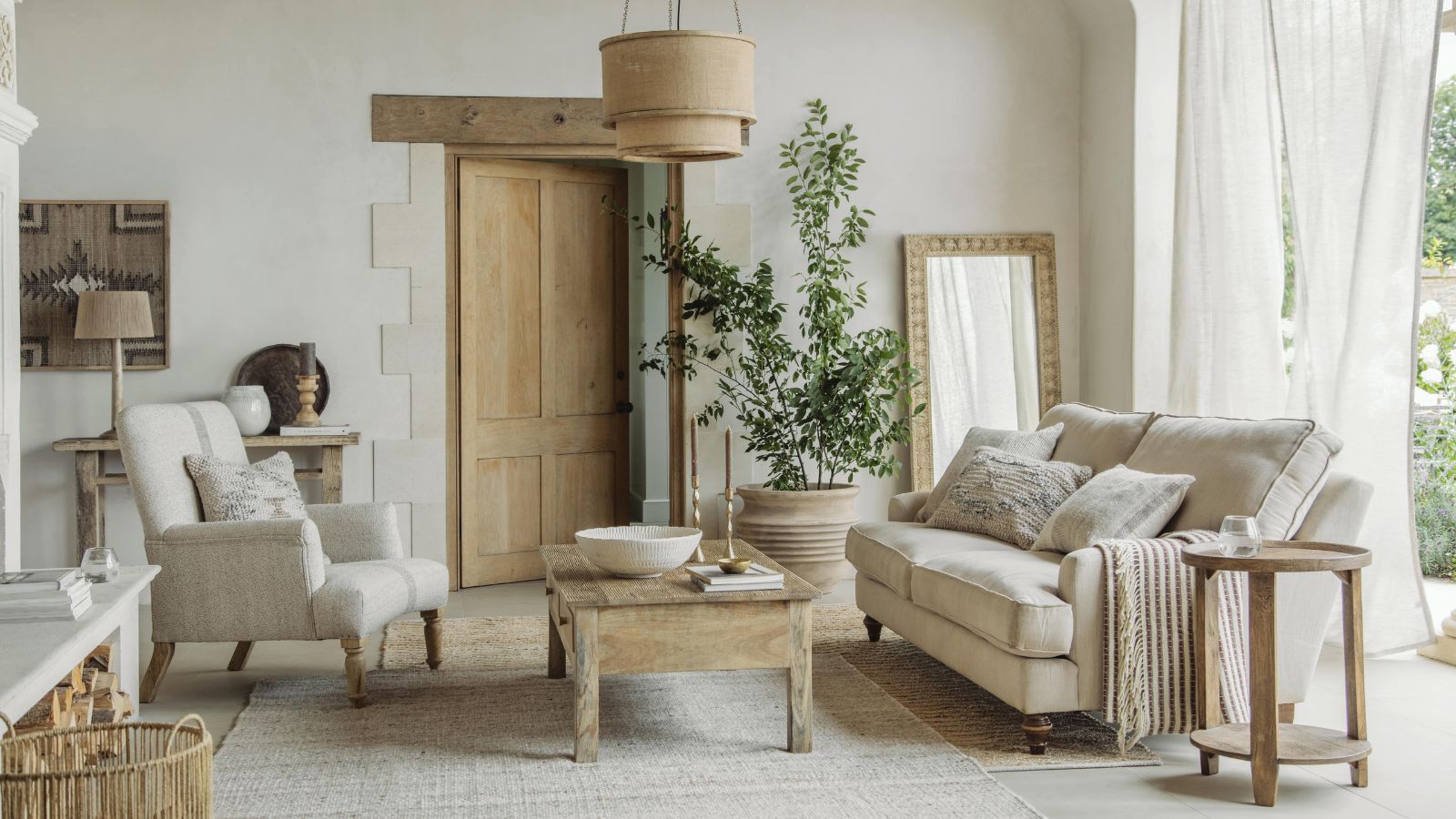
A guide to living room clearances, measurements, and spacing
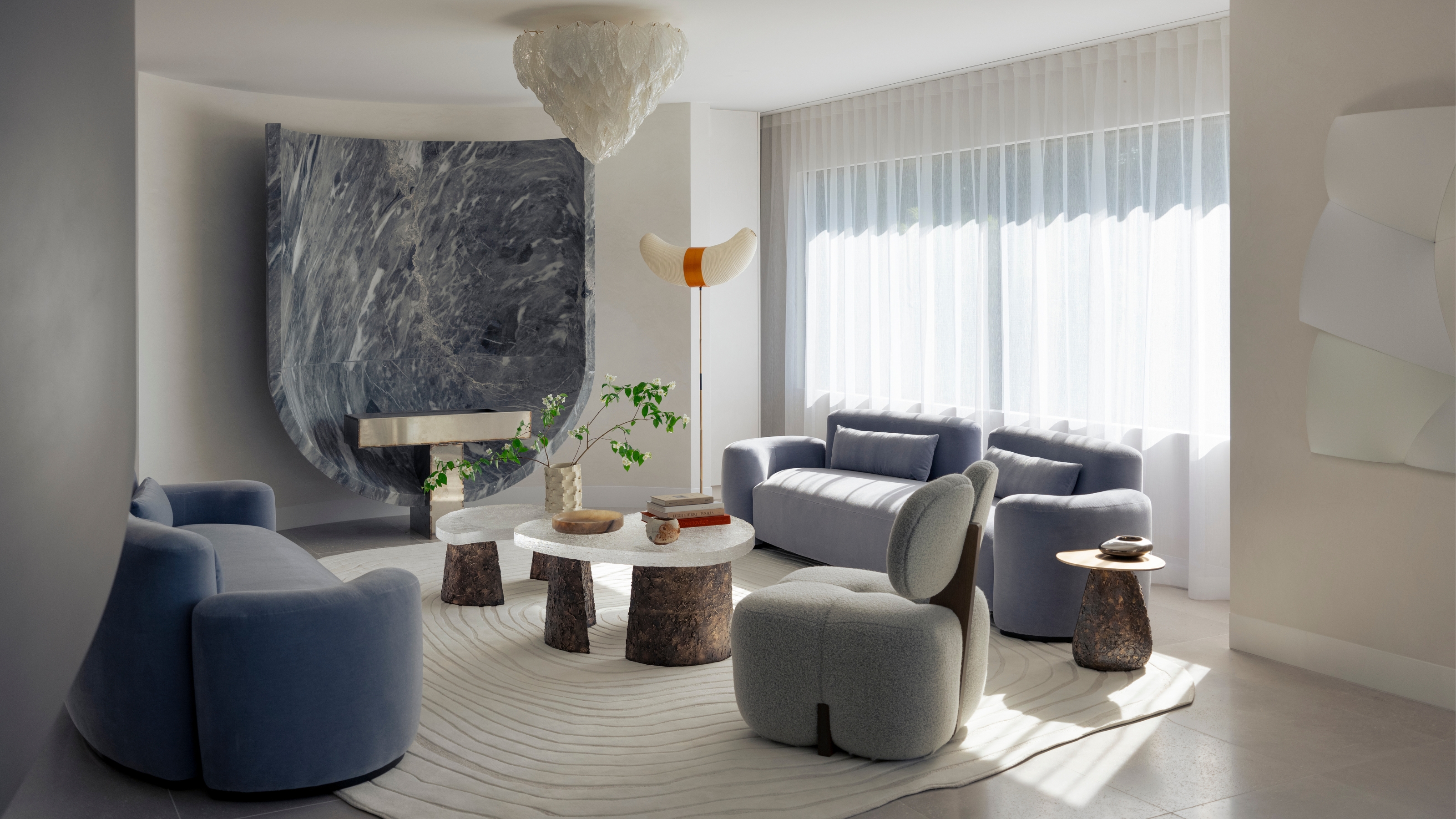
If You Don't Know the '18-Inch Seating Rule', It's What Could Be Making Your Living Room Feel Cramped, Unwelcoming, and Uncomfortable
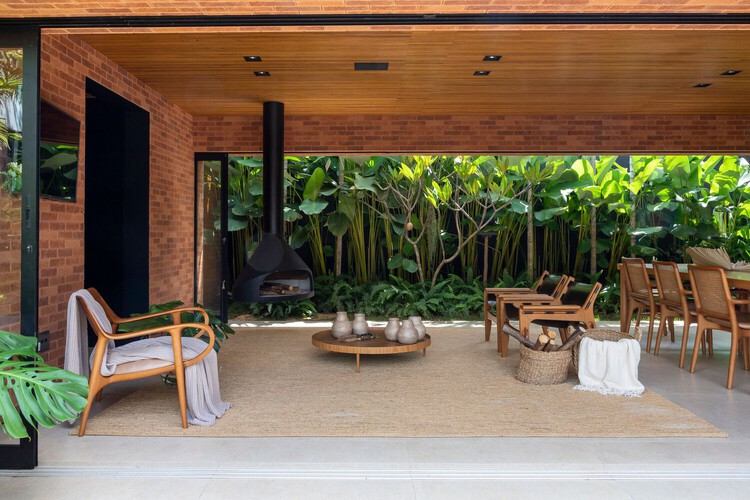
15 Open Living Rooms that Connect Inside and Outside

Design experts on their living room decor ideas

Where to spend and where to save when planning a living room according to designers

Dream living room upgrades homeowners always come to regret – according to the experts
Is A Basement Living Room An Interior Design Faux Pas? The Property Brothers Weigh In