1/4
In The Design Studio: The ABCs of Kitchen Cabinets, Part 2
This article, part of the "In The Design Studio" series, offers a comprehensive guide to understanding kitchen cabinet construction materials and quality indicators. It delves into the primary materials used in cabinet manufacturing, starting with solid wood, which is characterized by its continuous piece of timber. While often used for face frames and, in higher-end lines, for drawer boxes and rollouts, true solid wood construction throughout a cabinet is less common. The discussion then moves to plywood, an engineered wood product made from multiple thin layers of wood glued together, offering enhanced stability. Plywood is frequently employed in custom and high-end cabinets for boxes and shelving, and is a popular upgrade in mid-level lines for increased longevity.
The article also examines particle board, an economical engineered wood composed of wood chips and particles bonded with adhesive. Although cost-effective, particle board is susceptible to water damage, which can lead to disintegration, making it less suitable for wet environments. Following this, Medium Density Fiberboard (MDF) is introduced as another engineered wood product, notable for its finer texture, greater density, and weight compared to particle board. MDF is often utilized for cabinet doors, shelves, and boxes, particularly in pre-fabricated vanity cabinets and painted applications due to its smooth finish and lack of wood grain.
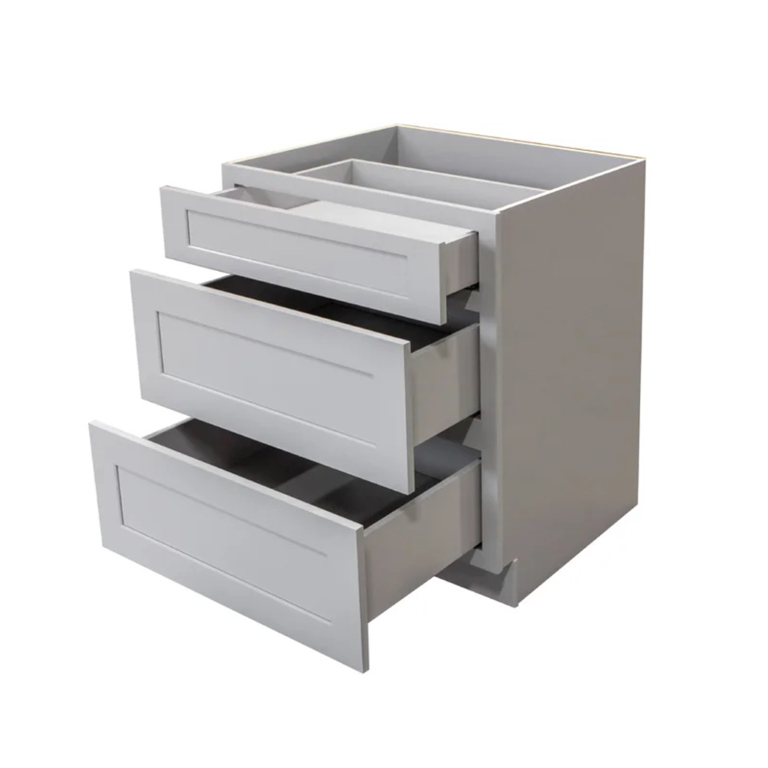
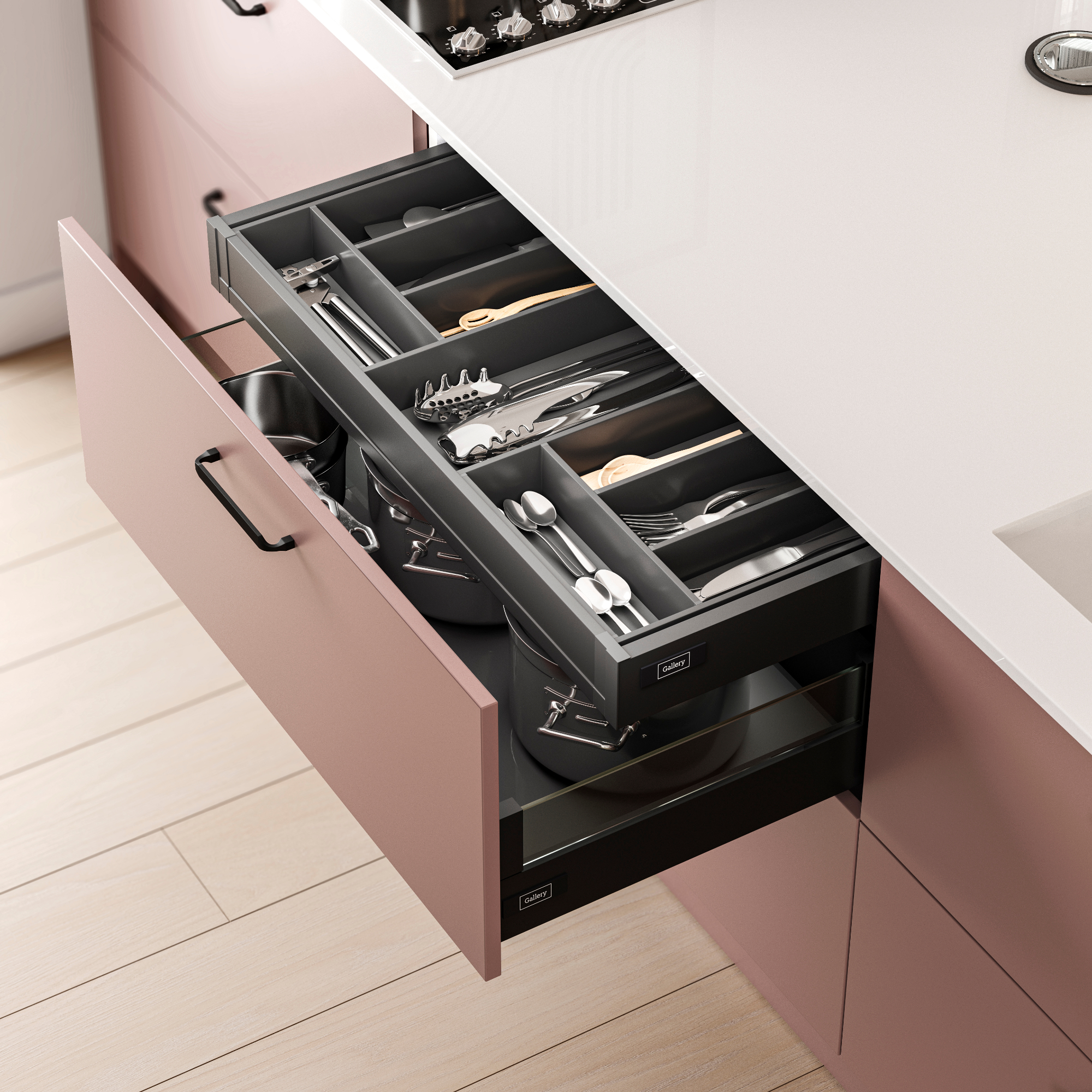
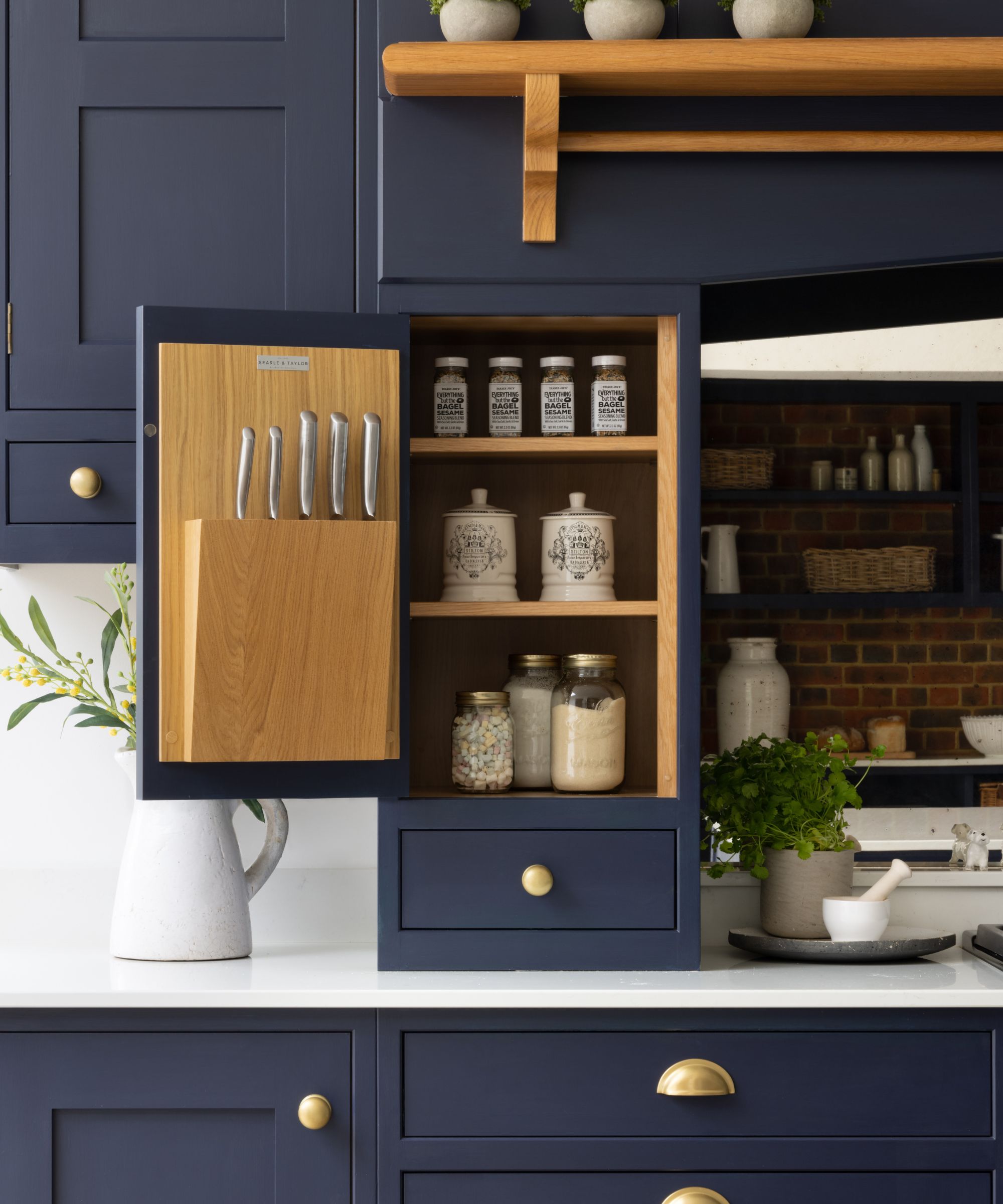
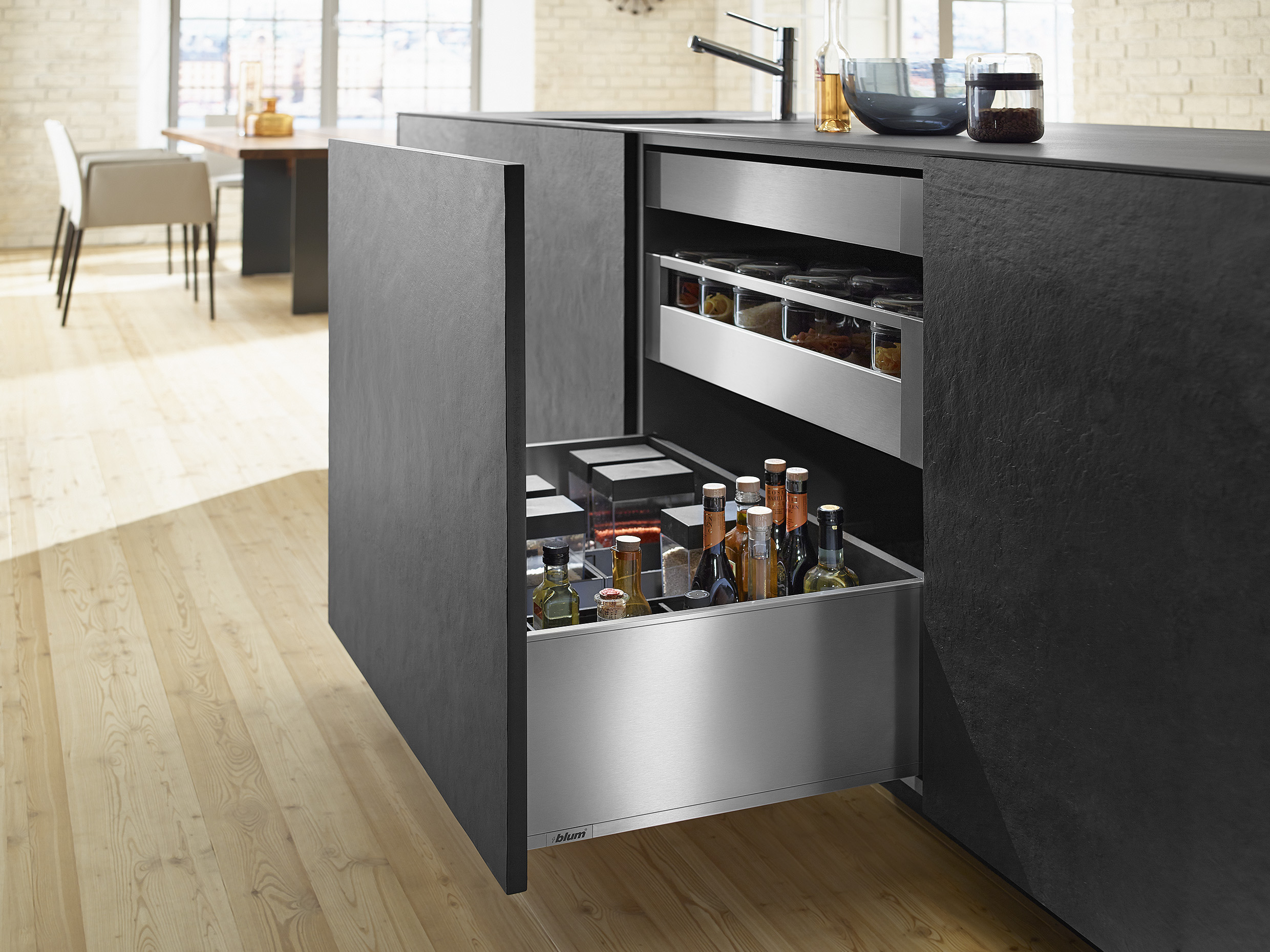
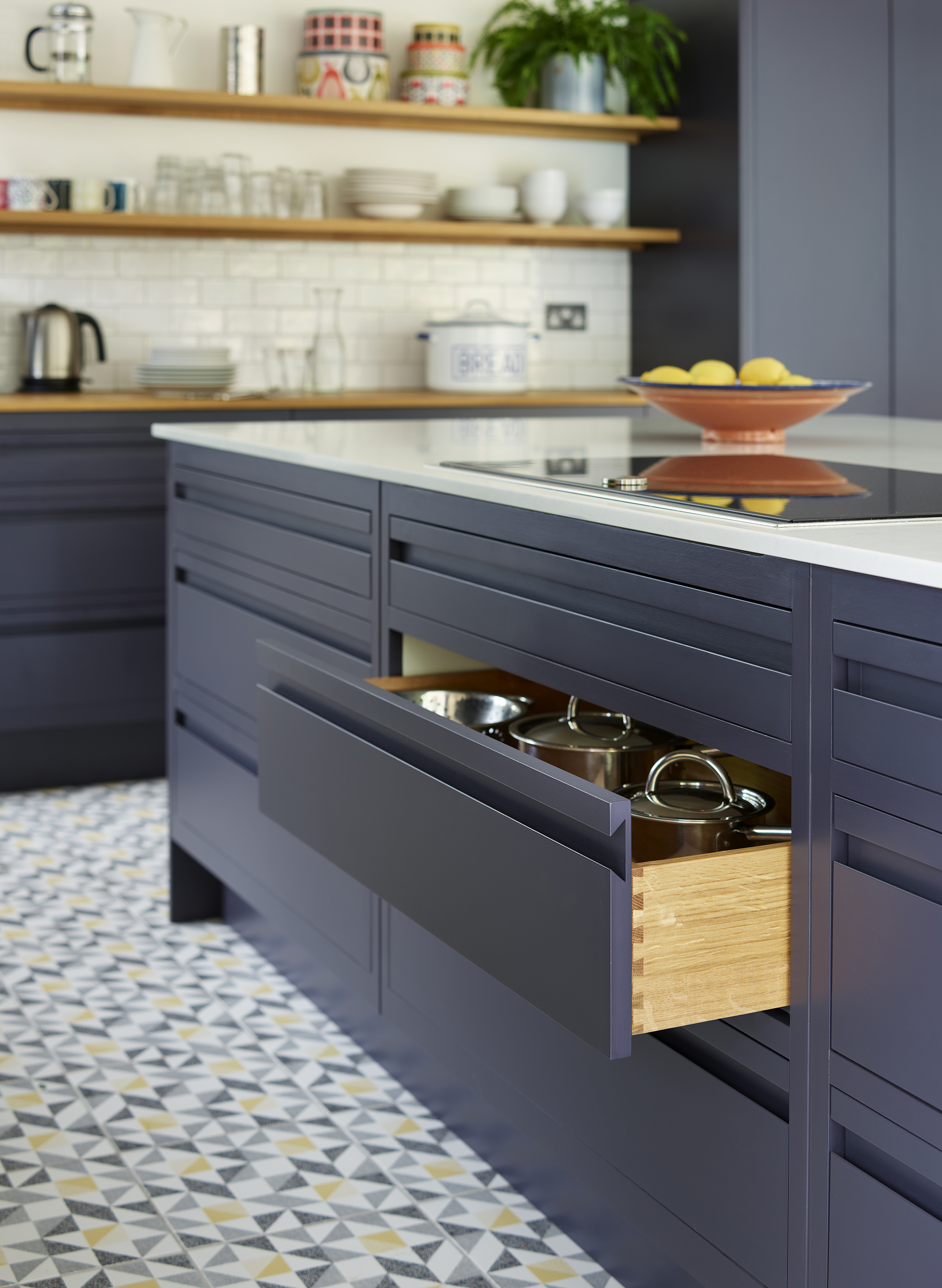
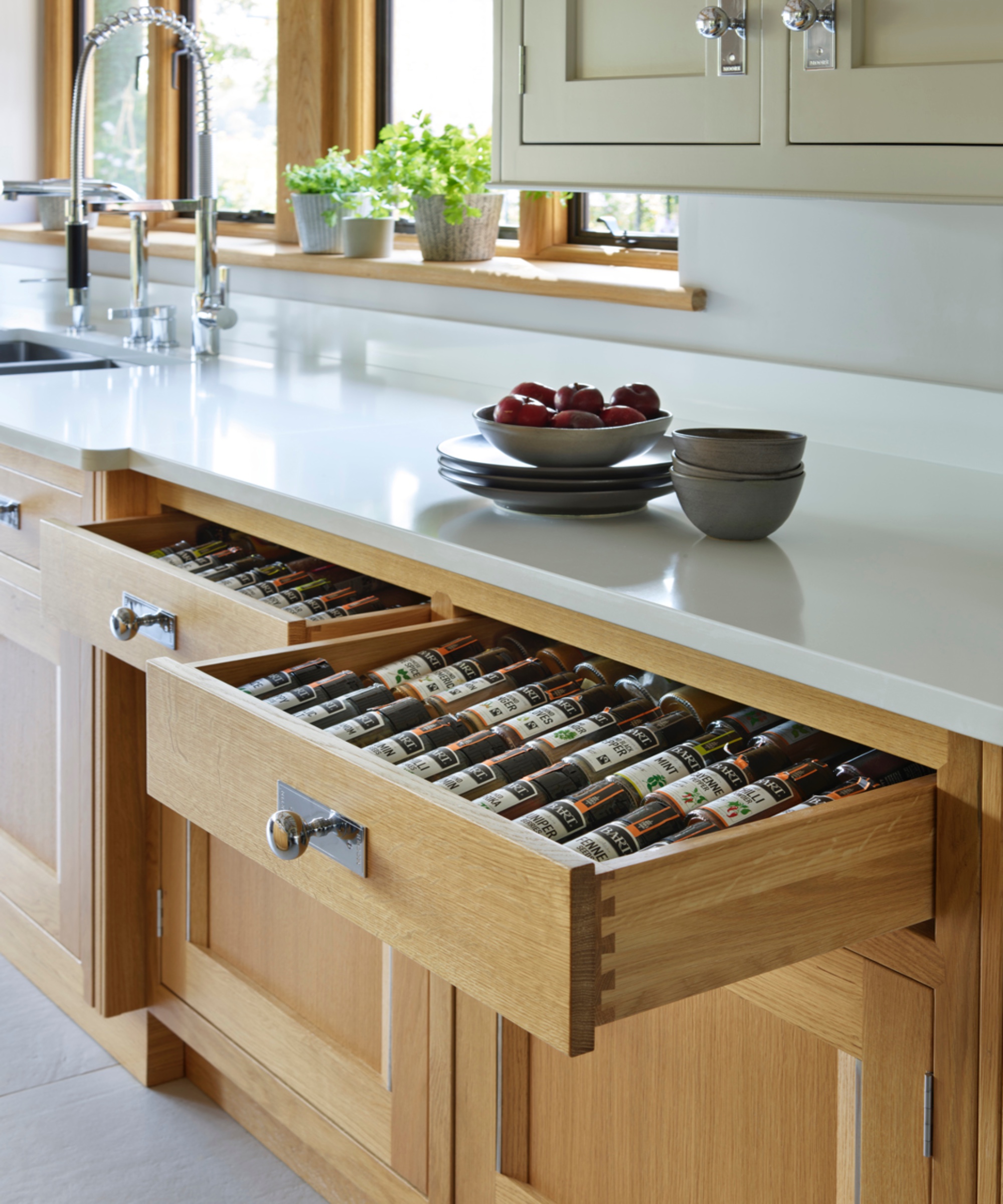
After detailing the various construction materials, the article shifts its focus to identifying high-quality cabinets. It emphasizes that top-tier kitchen cabinets are built similarly to fine furniture. Key quality indicators include a ¾-inch solid hardwood front frame for framed cabinets and a box construction made from at least ½-inch plywood. Shelving should also be plywood for superior stability. Drawer boxes and rollouts are ideally crafted from solid wood with undermount glides, often featuring dovetail corner construction rather than relying on glue or staples. These glides are designed for maximum support, typically accommodating at least 100 pounds of weight.
Finally, the article highlights the importance of the finishing process, advising consumers to inquire about the manufacturer's methods for applying finishes to ensure durability. It also stresses the necessity of understanding the warranty coverage, including its duration, as many high-end cabinet lines provide a lifetime warranty on both the finish and components. The article concludes by encouraging readers to seek professional assistance if they are still uncertain about selecting the right cabinets for their needs.
#KitchenCabinets #CabinetMaterials #SolidWood #Plywood #ParticleBoard #MDF #CabinetConstruction #KitchenDesign #HomeImprovement #KitchenCabinets #CabinetMaterials #SolidWood #Plywood #ParticleBoard #MDF #CabinetConstruction #KitchenDesign #HomeImprovement
0 comment in total
 No comments yet
You may also like
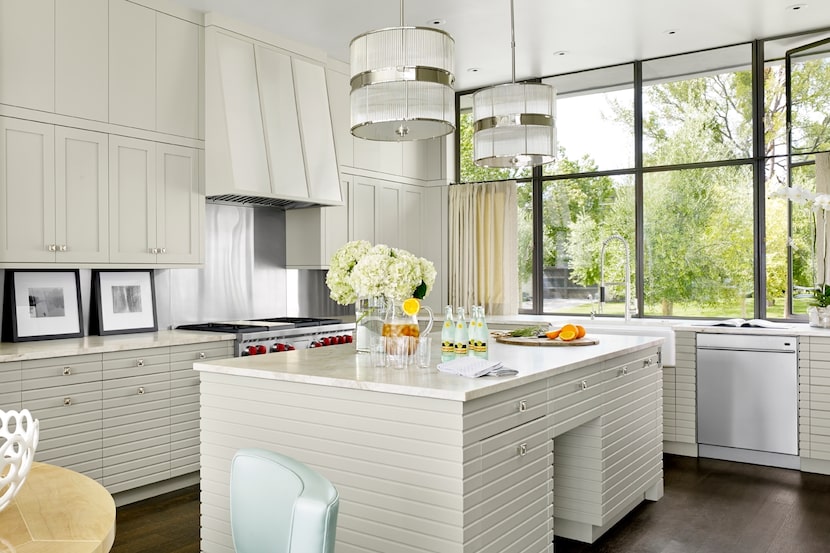
Skip the cookie-cutter cabinets and add pops of personality with these designer ideas

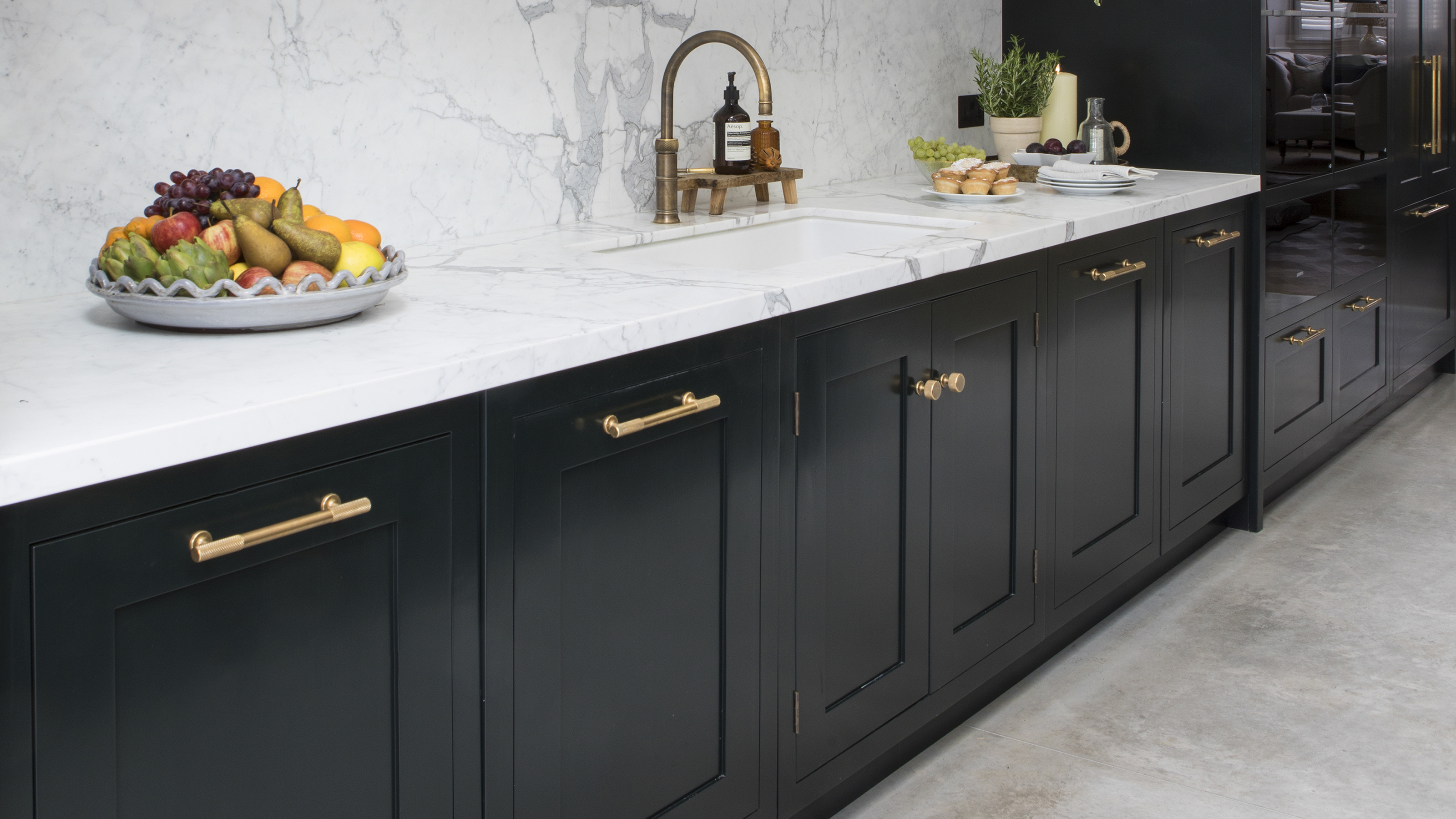
Kitchen drawers vs cabinets - which should you choose?
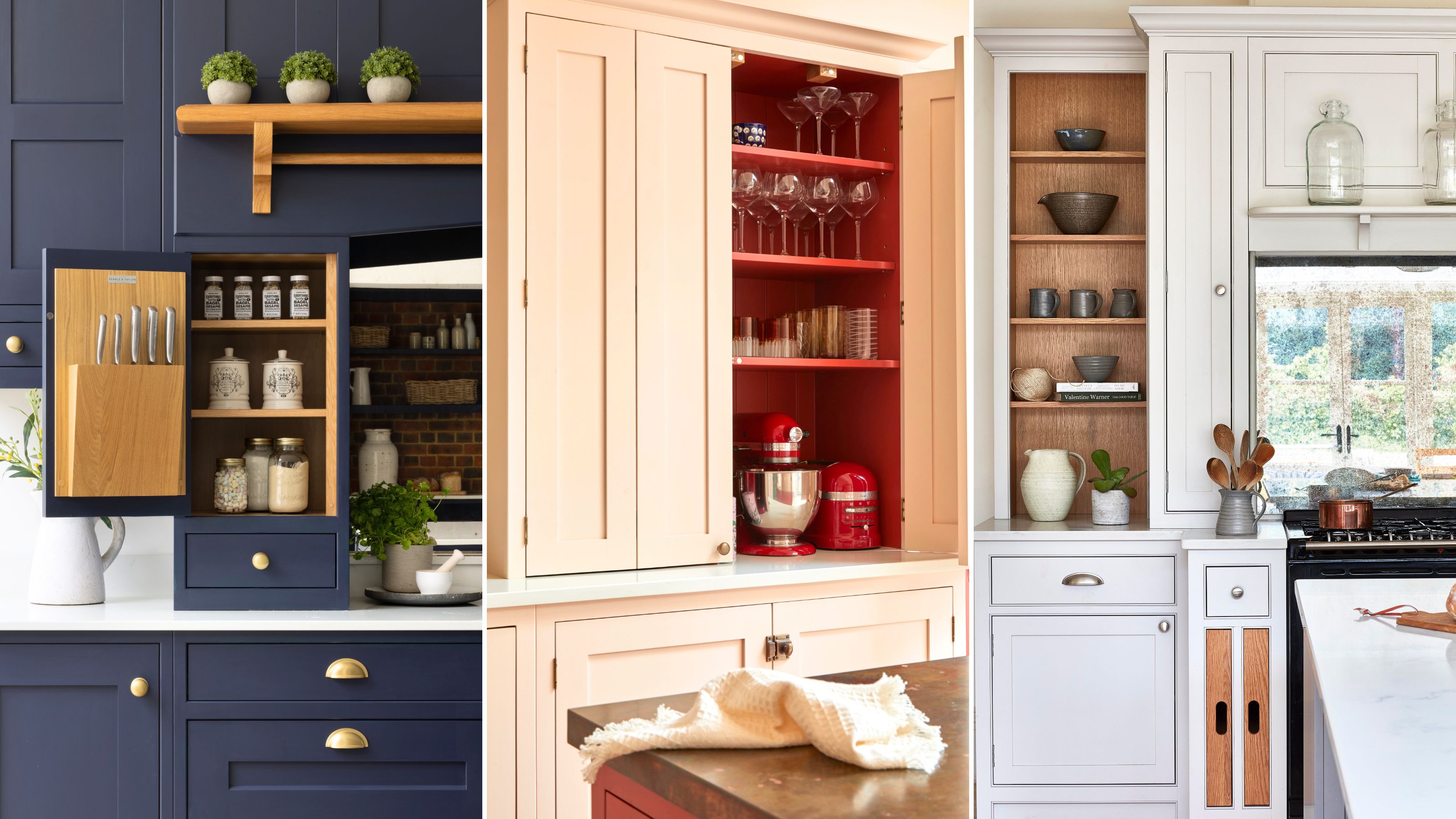
7 outdated kitchen cabinet trends to close the door on — and what to pick instead

10 'Mix and Match' Cabinet Ideas That Will Make Your Kitchen Look So Much More Interesting

You NEED This Simple Thing To Double Your Kitchen Cabinet Space

Before You Take Your Kitchen Cabinets Up to the Ceiling, Consider This Overlooked Addition

5 Kitchen Cabinet Details to Avoid If You Don't Want Your Space to Look Old-Fashioned
9 best places to buy kitchen cabinet hardware
The Best Kitchen Cabinet Brands, According to Designers and DIYers
10 'Mix and Match' Cabinet Ideas That Will Make Your Kitchen Look So Much More Interesting

The Block’s kitchen cabinetry styles decoded

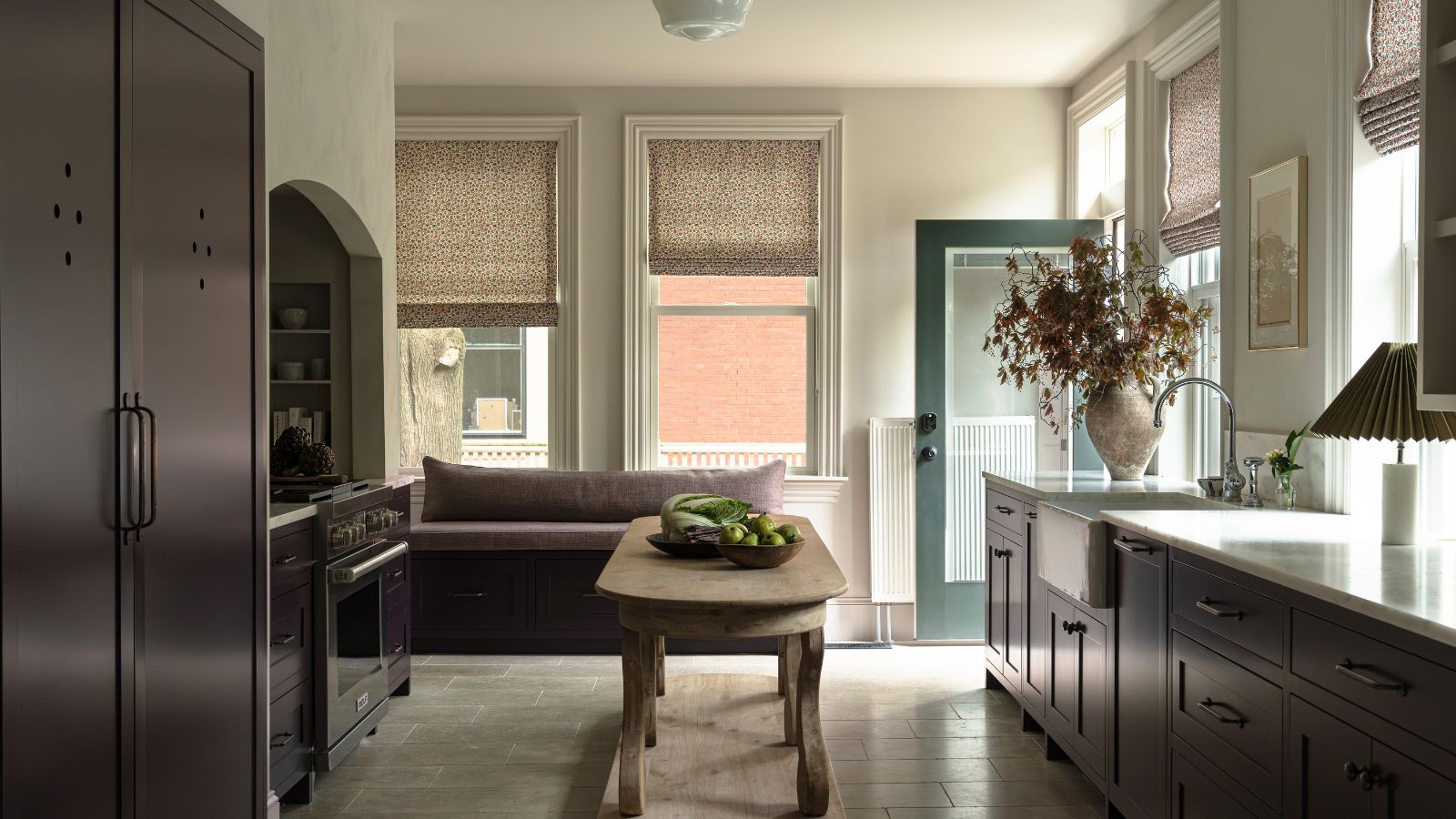
This Traditional Kitchen Detail is Making an Unexpected Comeback This Year

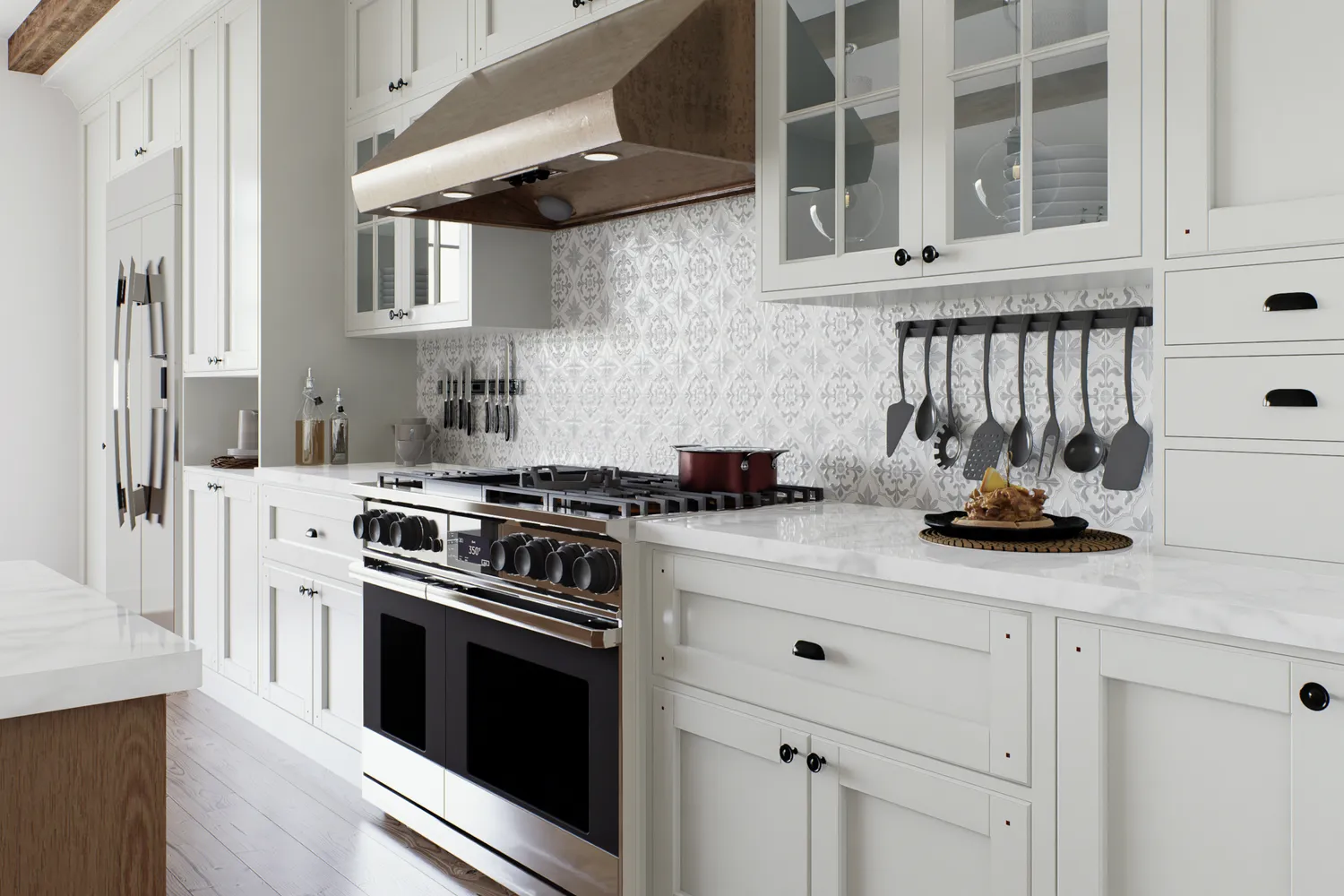
4 Kitchen Cabinet Trends That Are More Trouble Than They’re Worth

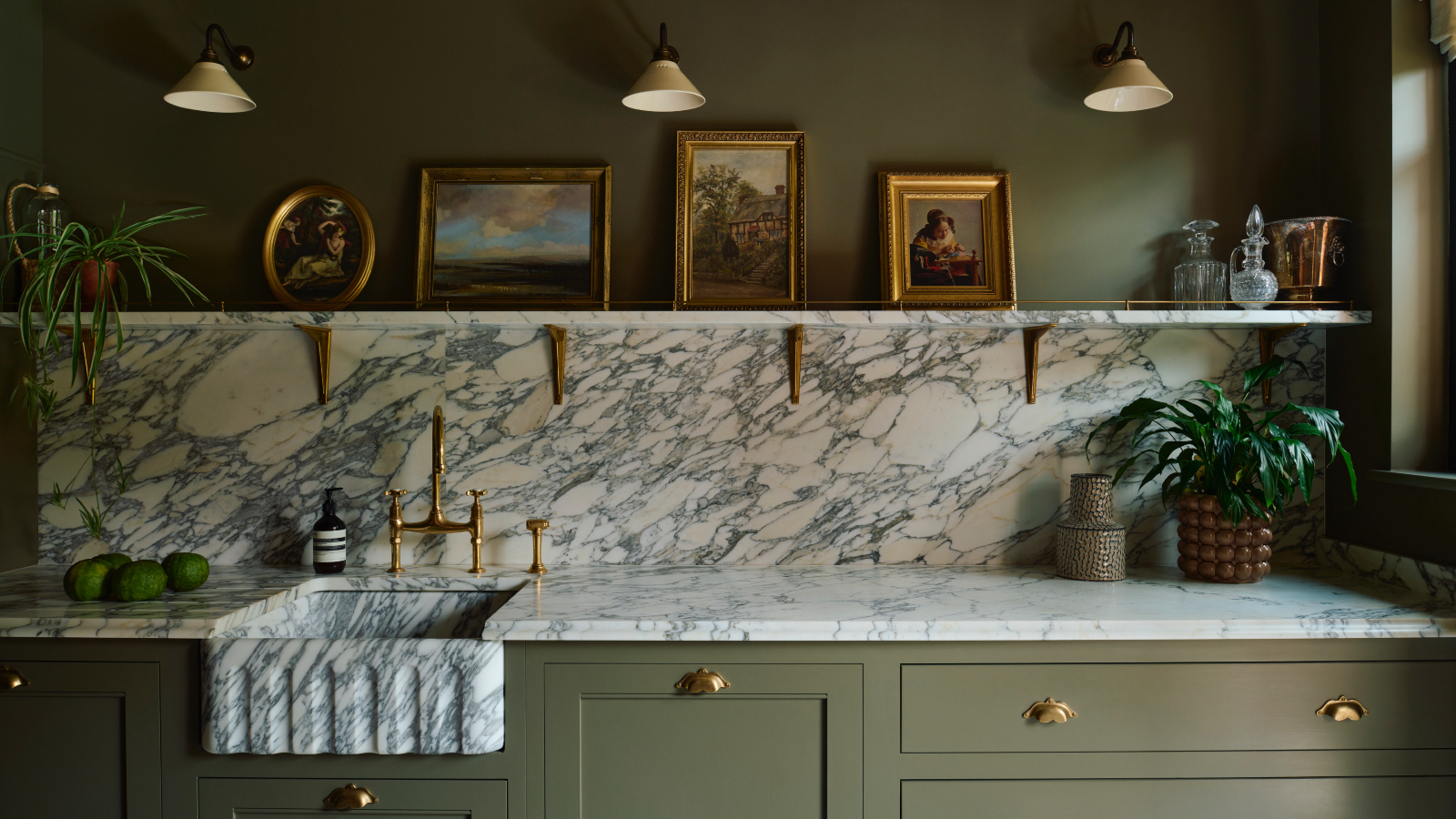
Where's the best place to buy kitchen cabinet hardware? A kitchen editor's top recommendations for every style and budget
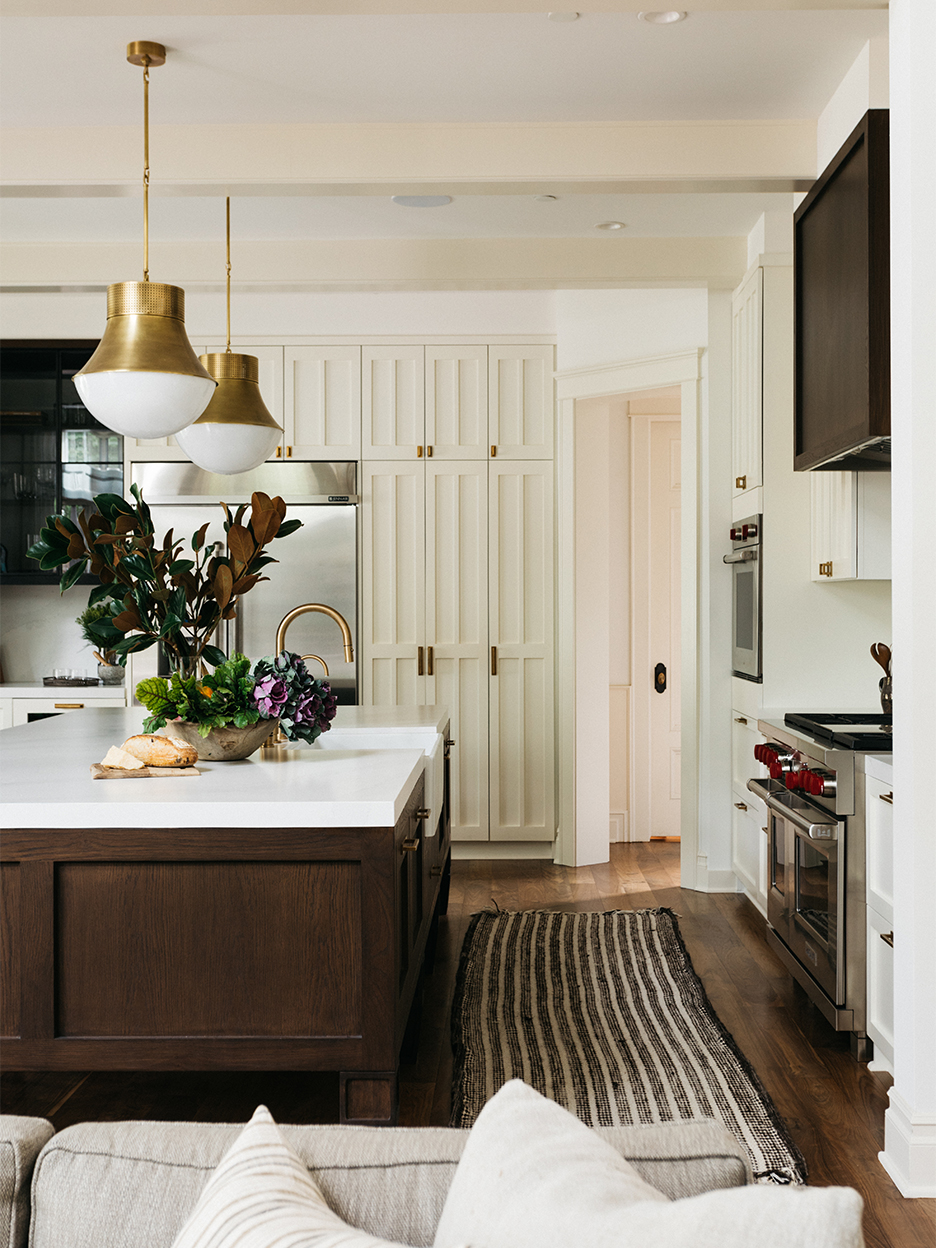
3 Kitchen Cabinet Styles Are Better Than 1—Give This Craftsman-Inspired Trio a Try


What are your kitchen design must-haves?
The Best Hardware for Every Kind of Kitchen Cabinet, Period
5 Upper Kitchen Cabinet Designs to Fuel Your Reno Dreams
Is it better to have doors or drawers in a kitchen? The experts advise
5 Outdated Kitchen Cabinet Trends That Interior Designers Say You Should Skip