1/7
Window Pros Break Down Six Styles
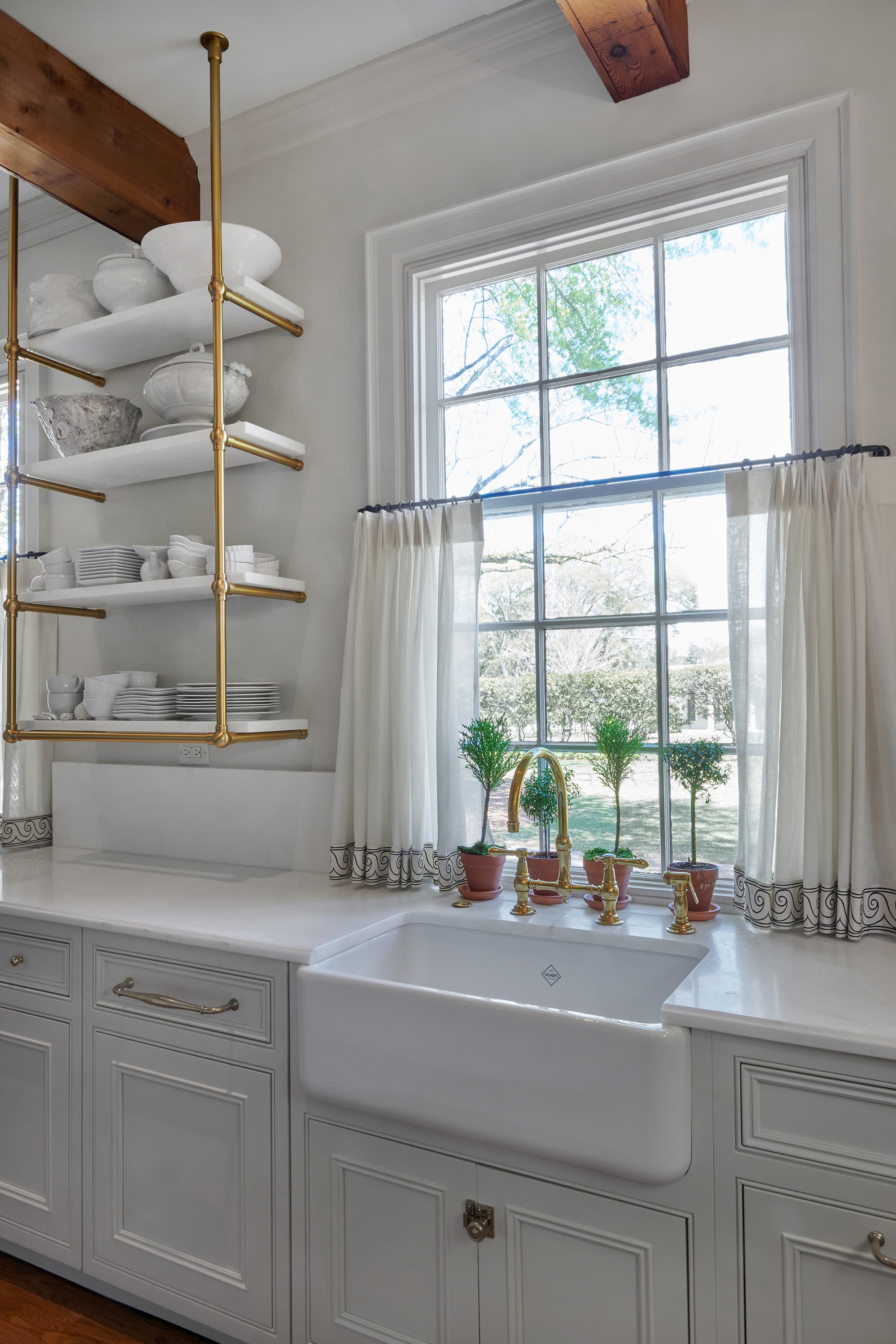
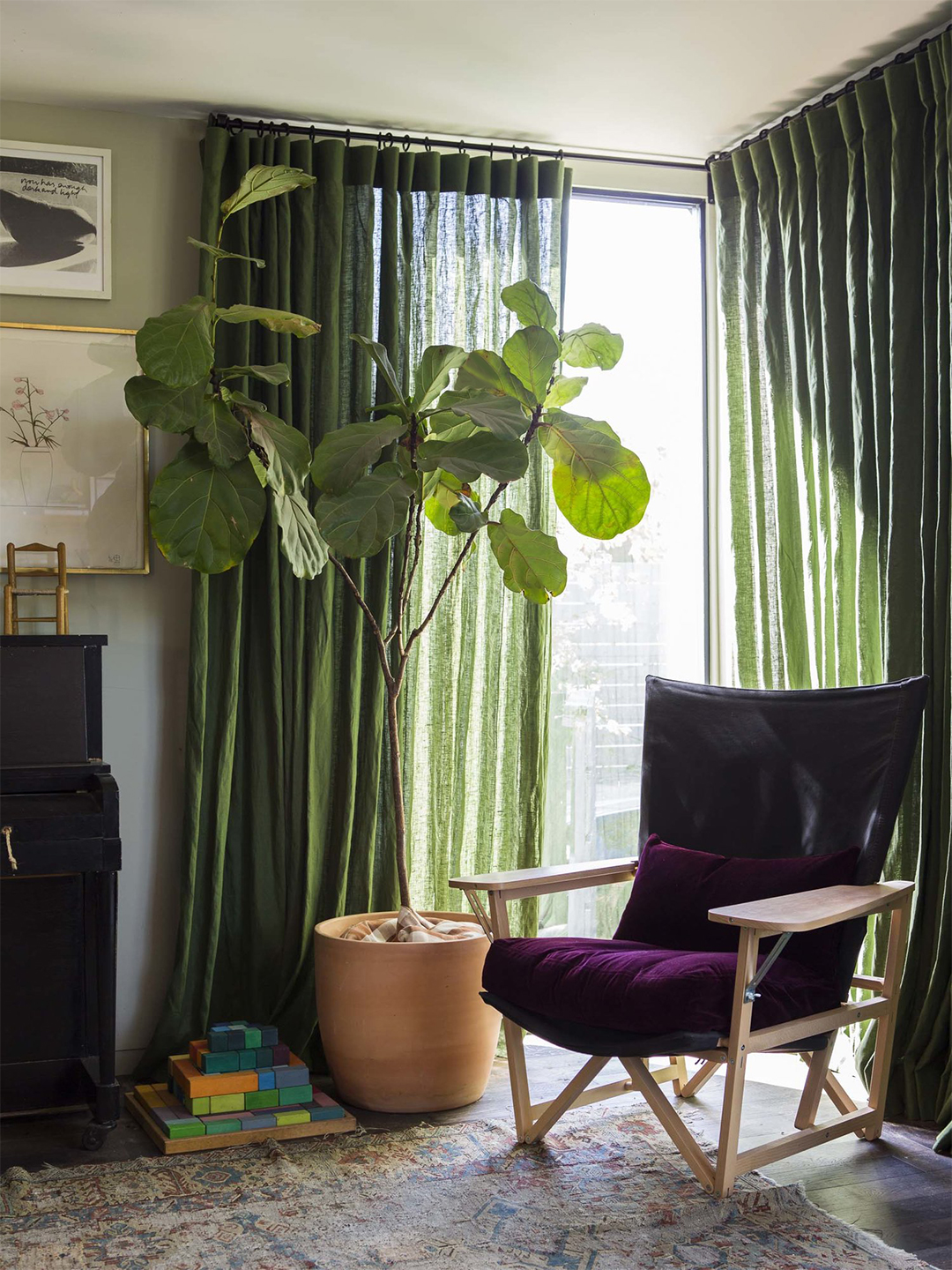
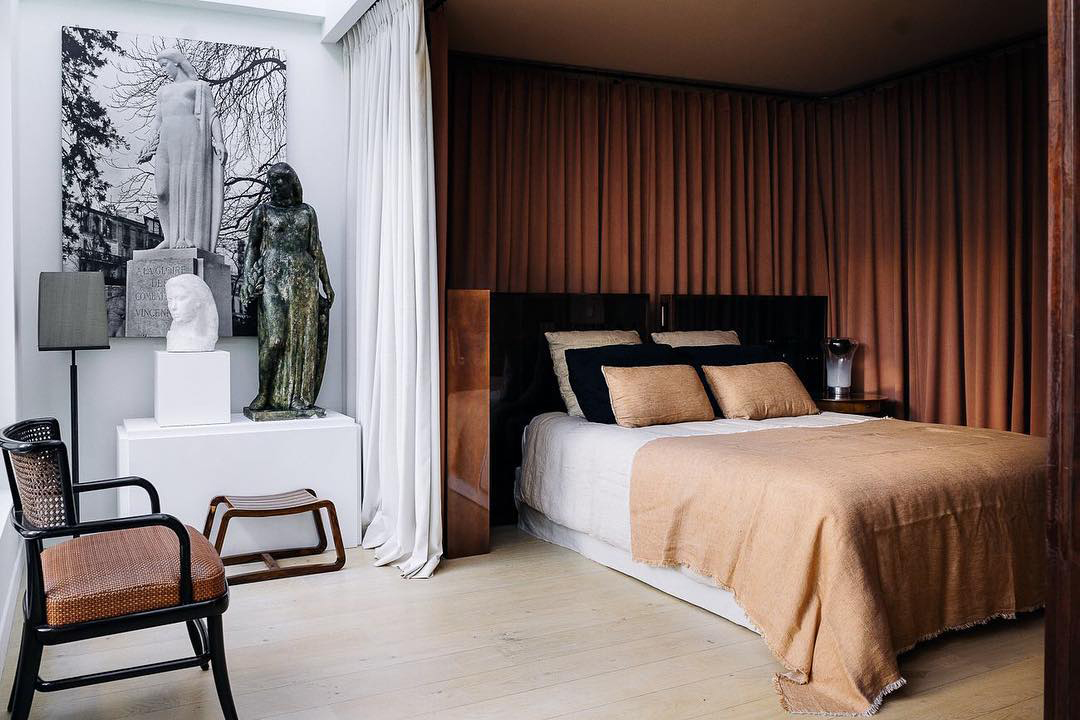
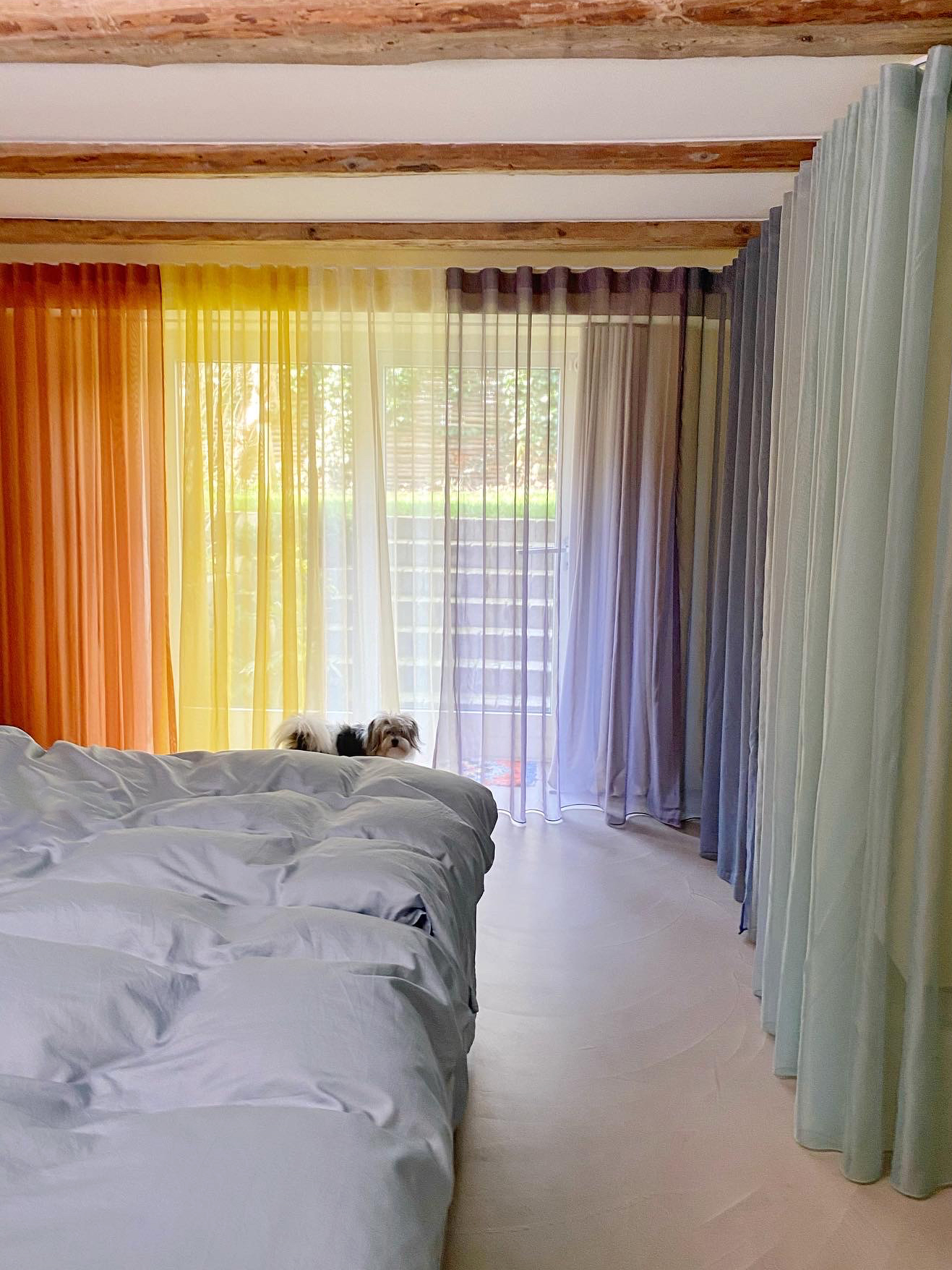
The transition into fall often highlights the inefficiencies of a home's windows, particularly through drafts that can lead to increased energy consumption and discomfort. This period is opportune for considering window replacement, not only for energy savings but also for enhancing a home's aesthetic appeal. The selection of window styles should align with the architectural characteristics of the house to achieve an optimal look. Tim Folger, vice president of sales at Integrity Windows & Doors, and Harley Magden, co-founder of Window Nation, provide insights into six distinct window styles, detailing their features and suitability for various applications.
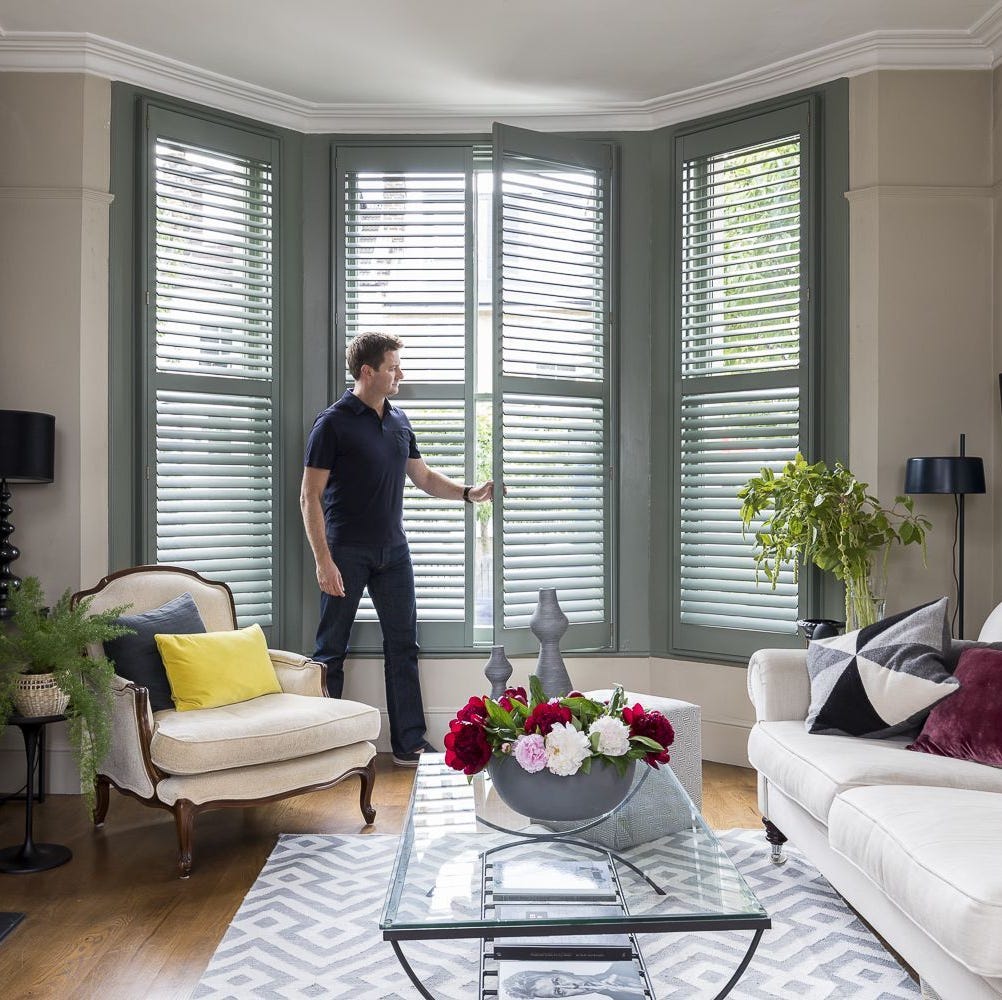
Awning windows are characterized by their short, wide design and a top hinge, allowing them to open outward from the bottom. This design makes them ideal for environments prone to rain, as they can remain open for ventilation without allowing water ingress. They are frequently installed above picture windows, which are stationary. Bay and garden windows, while more expensive, offer a unique visual protrusion from the house's exterior. Bay windows can provide additional seating, whereas garden windows, essentially glass boxes, create a greenhouse-like space for plants, maximizing light exposure.
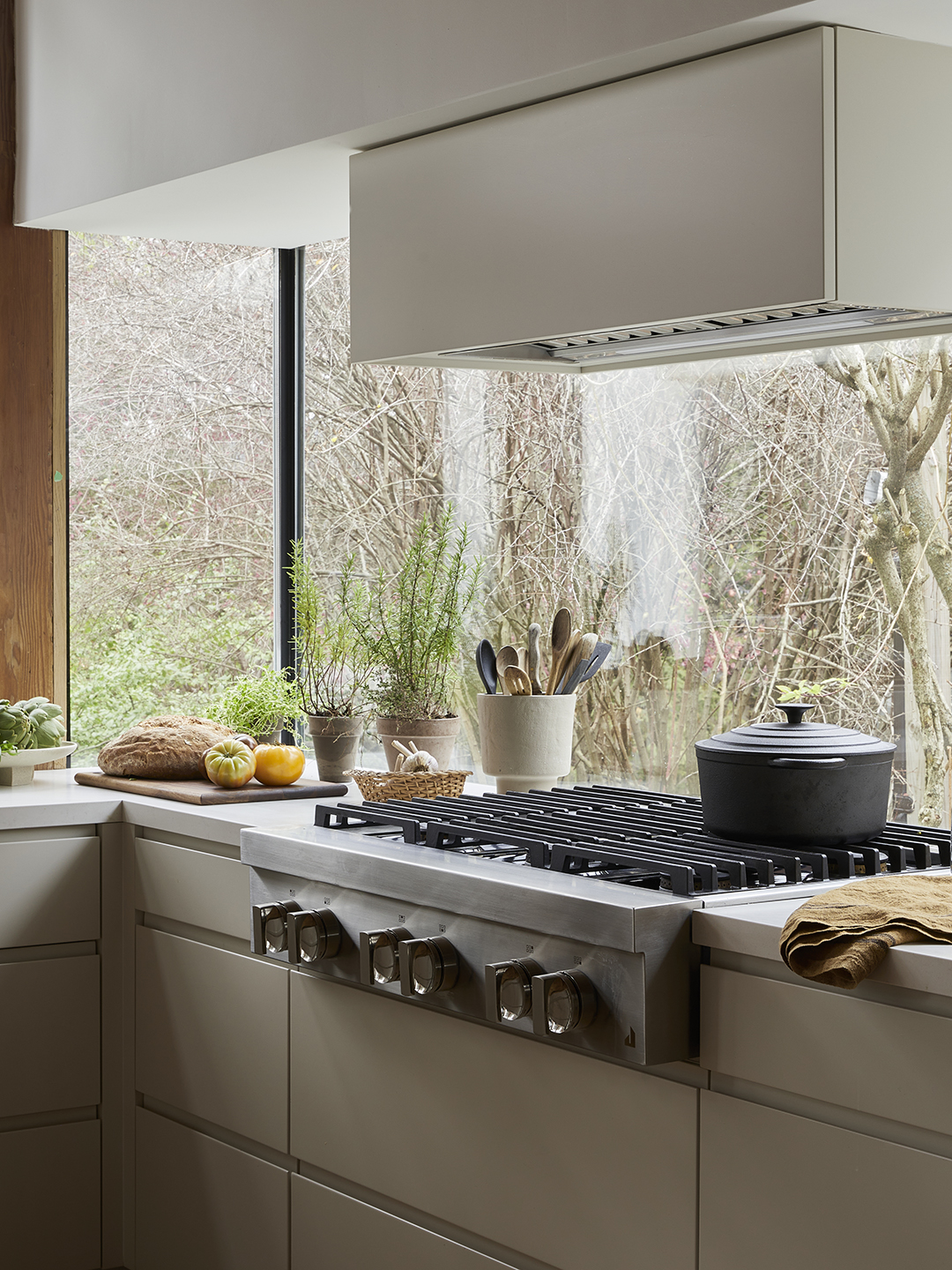
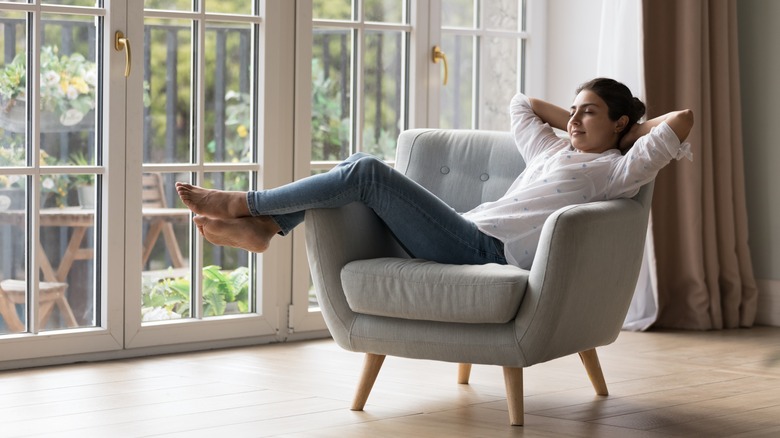
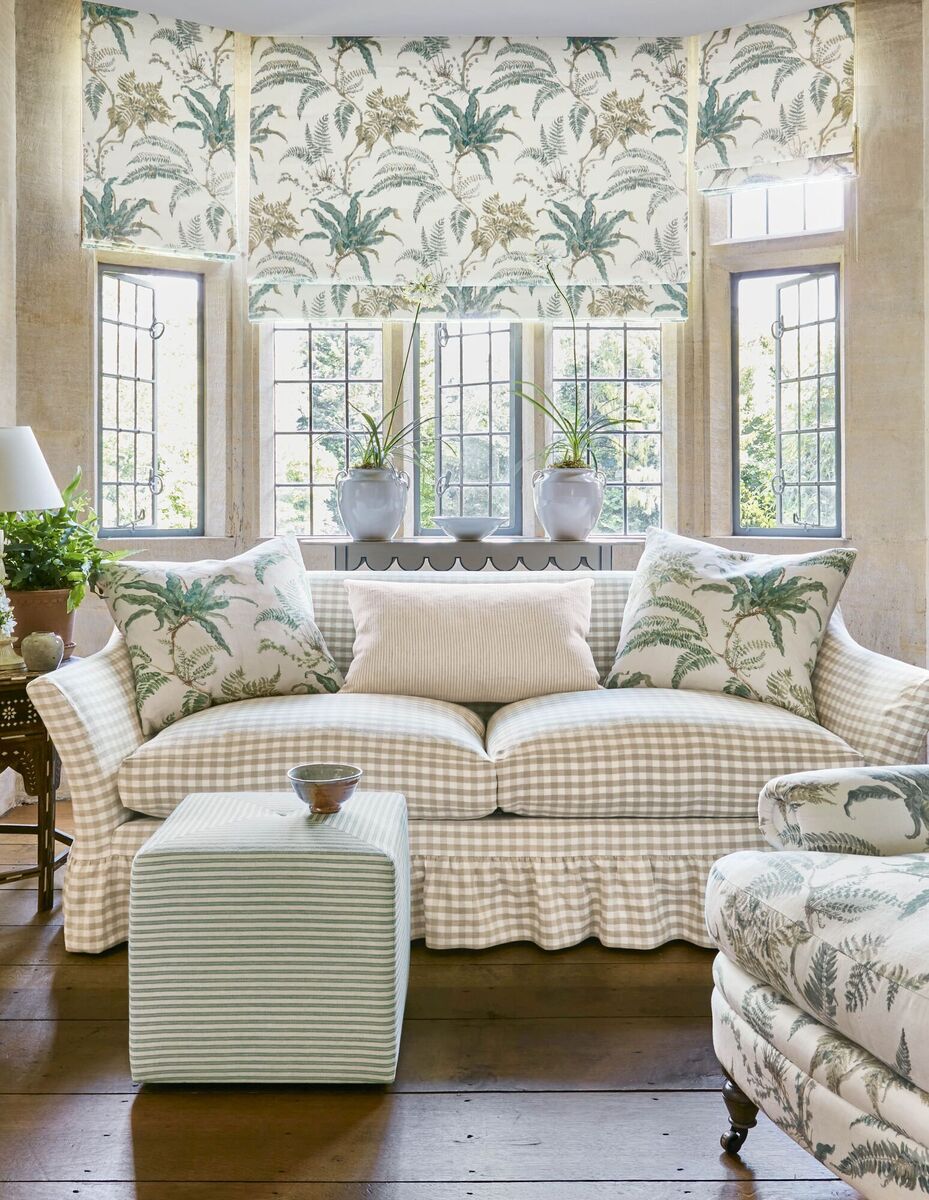
Casement windows are typically taller than they are wide and pivot outward from a side hinge, offering substantial fresh air exposure. Their unobstructed glass panes make them suitable for decorative grid patterns, enhancing visual appeal, and they are particularly well-suited for rooms with scenic views. However, their design may not complement all architectural styles, being particularly fitting for homes like those in the Tudor style. Double-hung tilt-in windows feature both top and bottom sashes that move vertically and tilt inward, facilitating easy cleaning and improved airflow. These windows are practical for older homes lacking central air conditioning, as they can accommodate window AC units, and they integrate well with other window types, often flanking a central picture window.
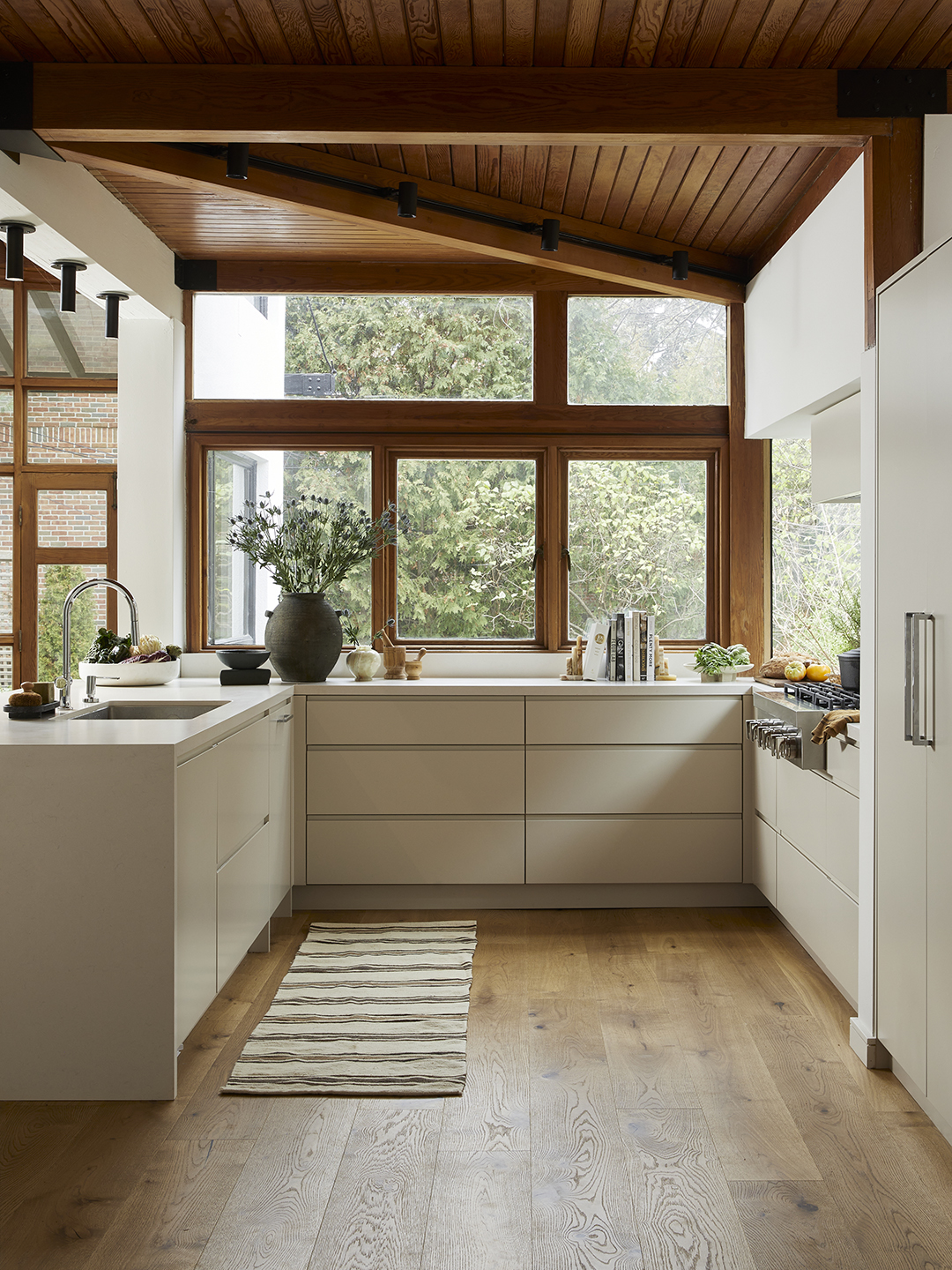
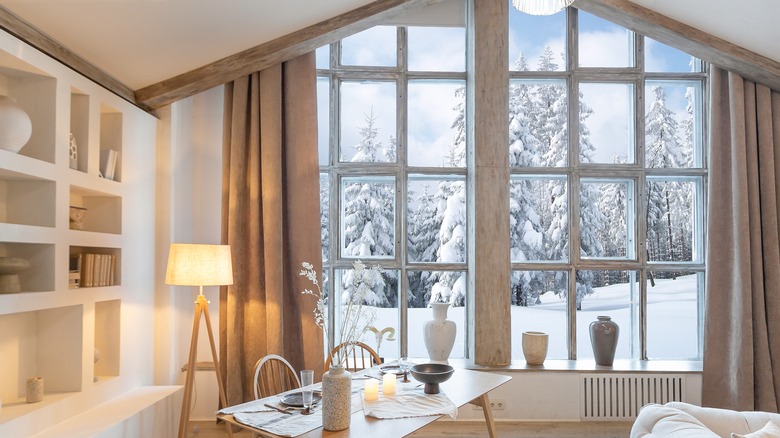
Picture windows are non-opening and are designed to maximize natural light and offer unobstructed views, creating a modern, minimalist aesthetic. They are often combined with other operable window styles to provide ventilation while maintaining their primary function of light and view. Decorative grids can be added to these windows for visual interest, especially on traditional colonial homes, often prioritizing curb appeal on the front of the house. Sliding windows operate horizontally and are typically wider than they are tall, making them a common choice for ranch-style homes or properties with a more horizontal architectural emphasis. However, they are generally considered less energy-efficient and can be more challenging to clean compared to other window styles, as their sashes must be lifted out for proper maintenance.
#WindowStyles #HomeImprovement #EnergyEfficiency #HomeAesthetics #WindowInstallation #ArchitecturalDesign #HomeRenovation #WindowStyles #HomeImprovement #EnergyEfficiency #HomeAesthetics #WindowInstallation #ArchitecturalDesign #HomeRenovation
0 comment in total
 No comments yet
You may also like
D-FW designers reveal the do’s and don’ts of window treatments

An Interior Design Expert Explains How To Style Your Windows To Make Them Look Bigger

Curtain call: How to choose window treatments
6 Window Treatment Trends That Are Going Out of Style (and What to Do Instead)

6 window treatment trends that interior designers swear by for a quick and easy update

How to dress a window - three design experts explain how to plan the perfect window dressing

6 Ways to Choose the Right Window Designs for Your Home


Window blinds, shutters and curtains: top trends for 2017

Trend alert: 4 window treatments ruling interiors right now

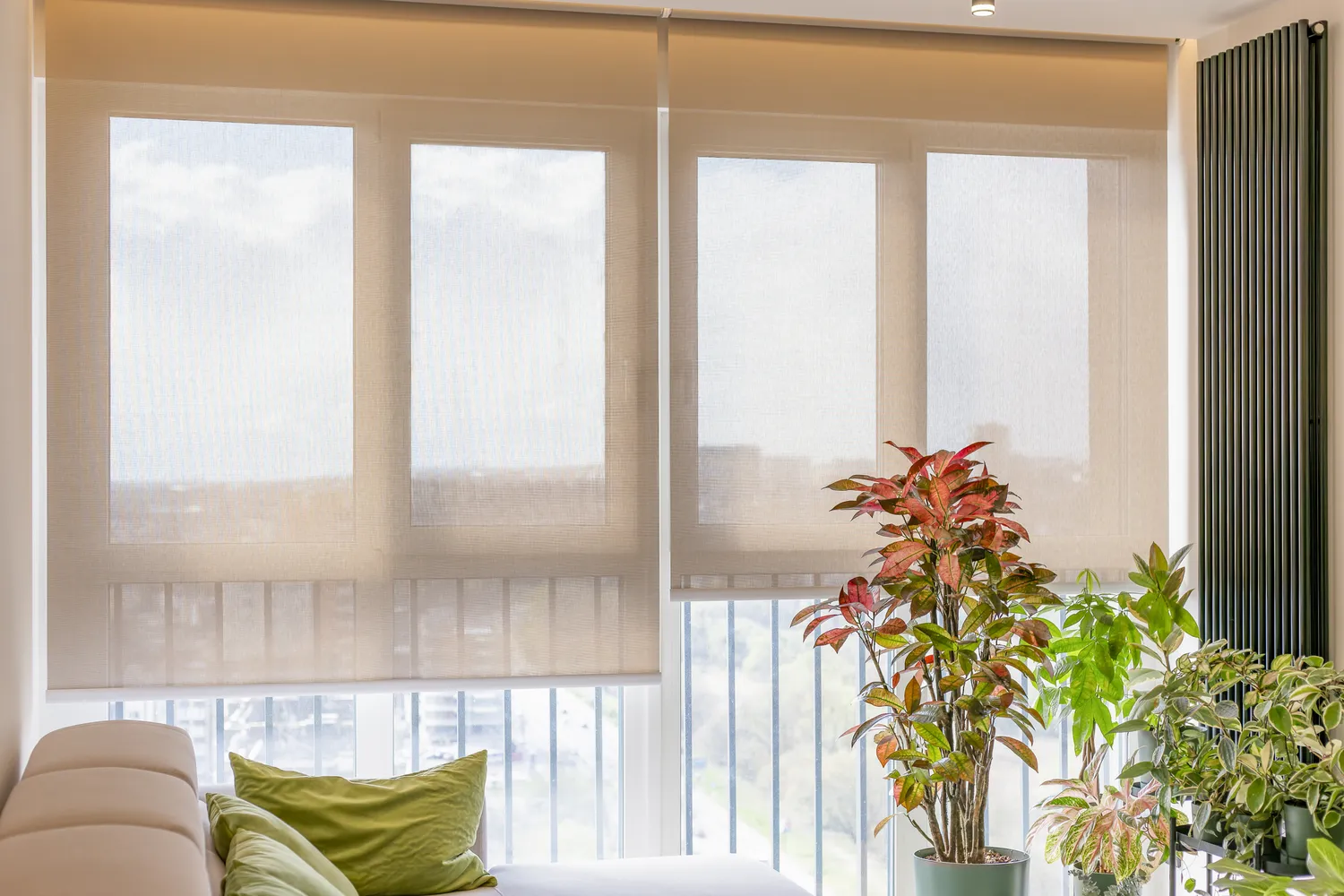
6 Outdated Window Treatments Interior Designers Are Tired of Seeing
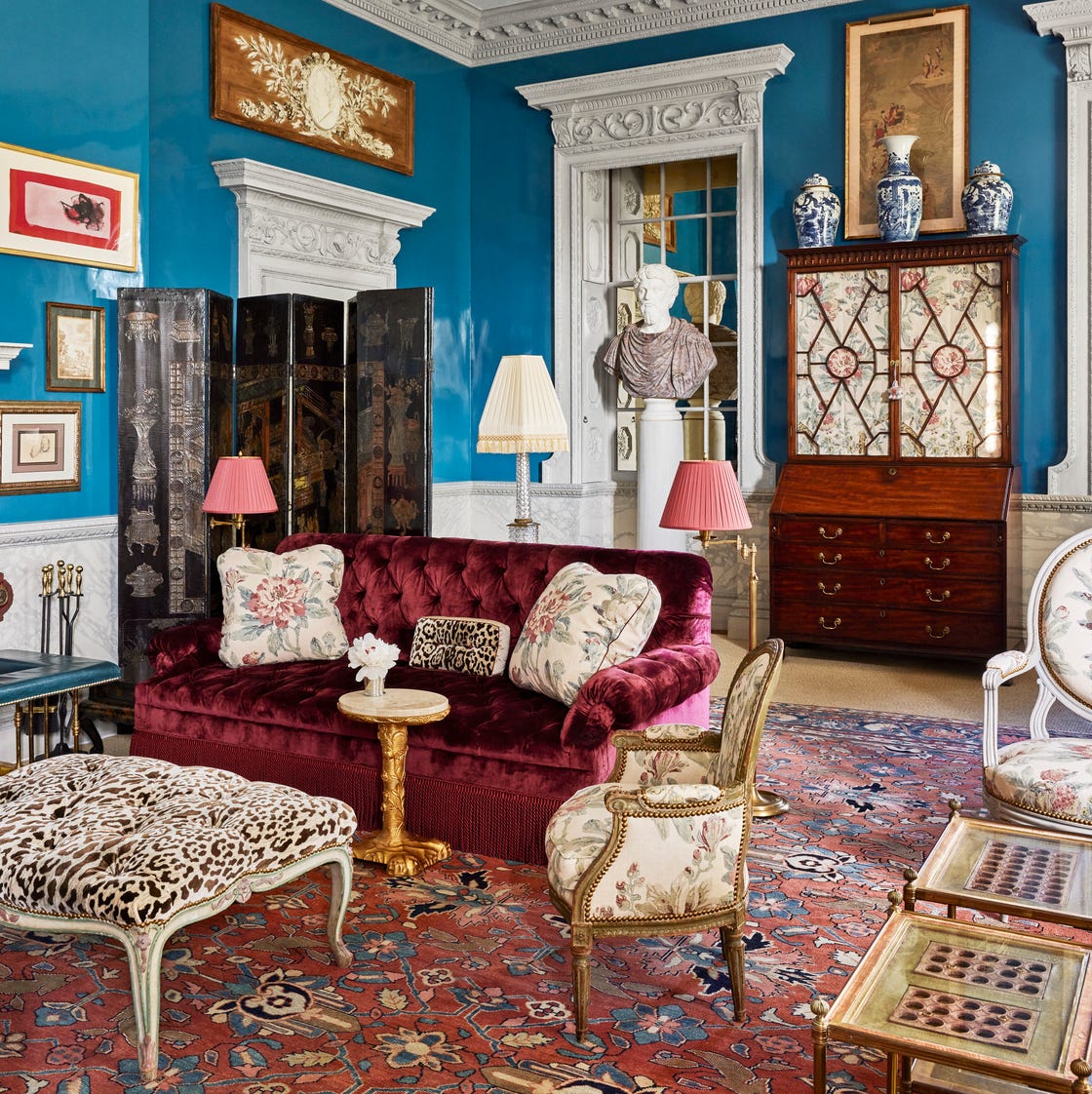
6 Game-Changing Window Treatment Ideas from the Kips Bay Show House
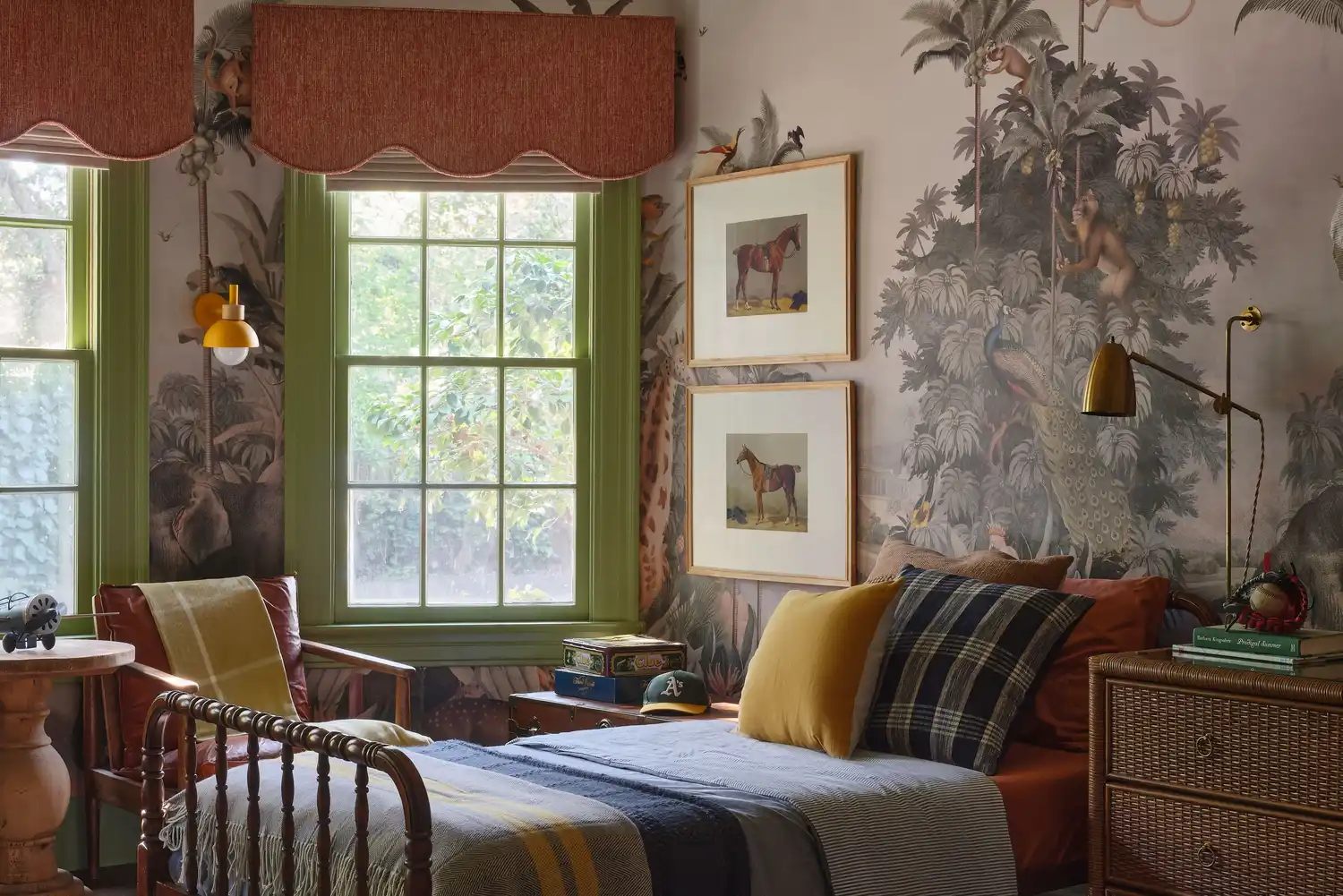
6 Paint Color Duos Designers Can't Get Enough of This Fall

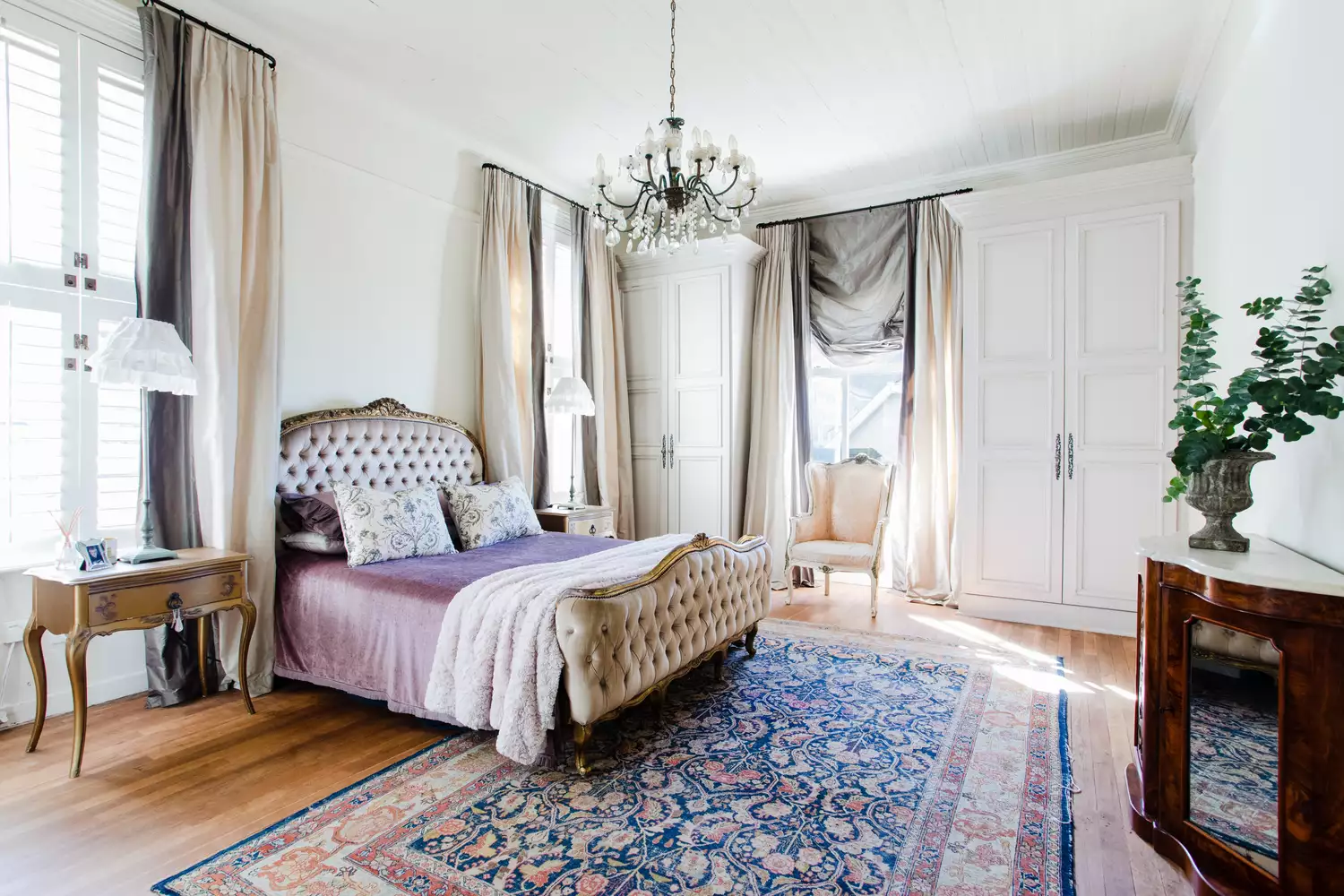
6 Window Treatments That Instantly Make a Room Look "Tacky," Designers Say

We Asked 6 Designers Their Favorite Way to Dress Up a Kitchen Window, and They Did Not Disappoint
Clear Choice Windows

Wilsonart Adds 6 Solid Surface Designs to Timeless Luxury Collection

Awkwardly Placed Windows Are No Match for These Designer Tricks

Why You Should Be Extending Your Drapes Beyond the Window Frame
George Clarke's top tips on choosing the perfect window treatments for your space

Window Dressing