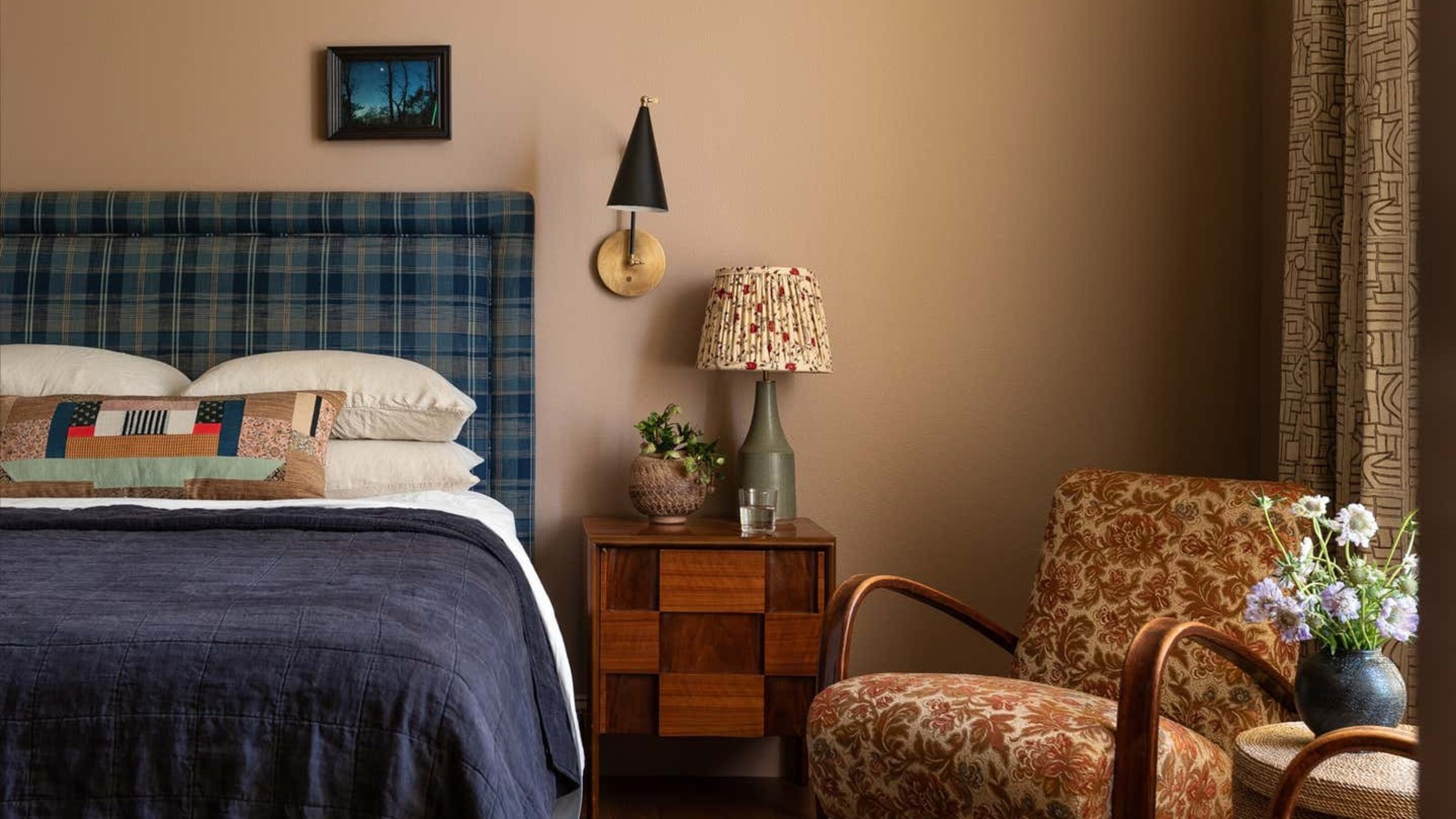
1/18
17 bedroom lighting ideas that make for a soothing nighttime sanctuary
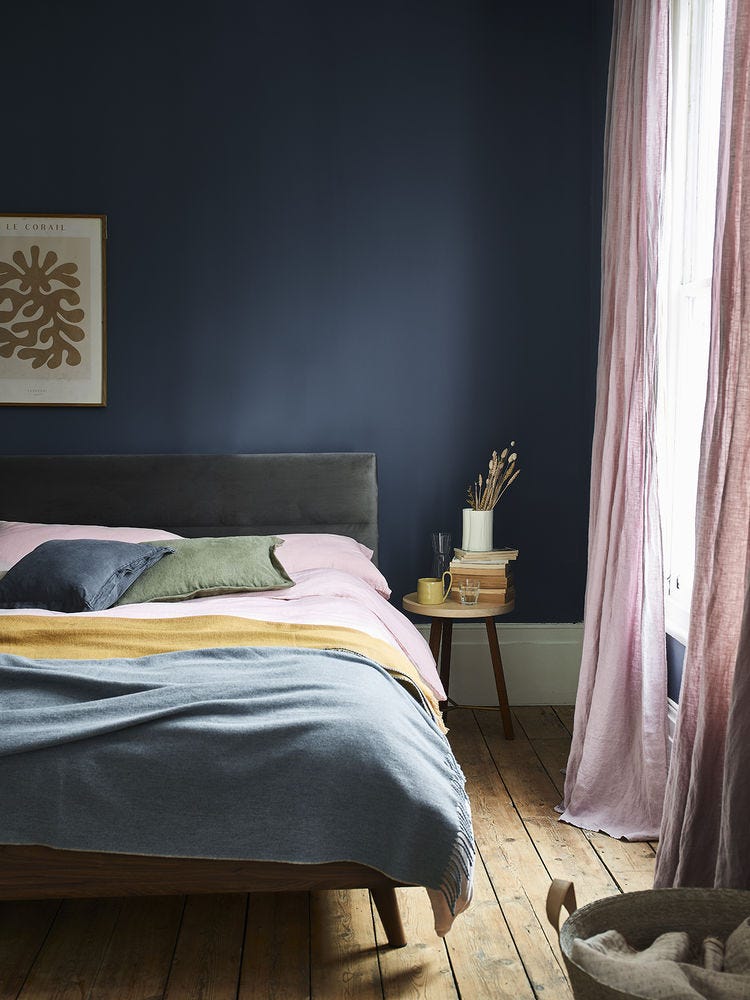
Achieving the right bedroom lighting is crucial for creating a serene and restful environment. Lighting plays a significant role in setting the mood and acts as a decorative element, much like wall color or furniture. Improper lighting can make a bedroom feel stark, overly bright, and unsuitable for relaxation. Emma Deterding, founder and creative director at Kelling Designs and KD Loves, emphasizes the substantial impact of lighting, both when on and off, suggesting a mindful approach to lighting design throughout the home to align with desired moods. With numerous options available, from floor lamps to sconces and chandeliers, selecting the appropriate lighting for a bedroom can be challenging.
Designers recommend several innovative approaches to bedroom lighting. One suggestion is to replace traditional bedside lamps with hanging pendants. This not only frees up space on bedside tables but also adds an elegant touch. Beata Heuman's design, for instance, incorporates a reflective mirror behind the pendant to amplify its glow. Dimmer switches are highly recommended for pendants to allow for flexible lighting, offering brighter illumination for tasks like getting dressed and softer ambient light for bedtime.
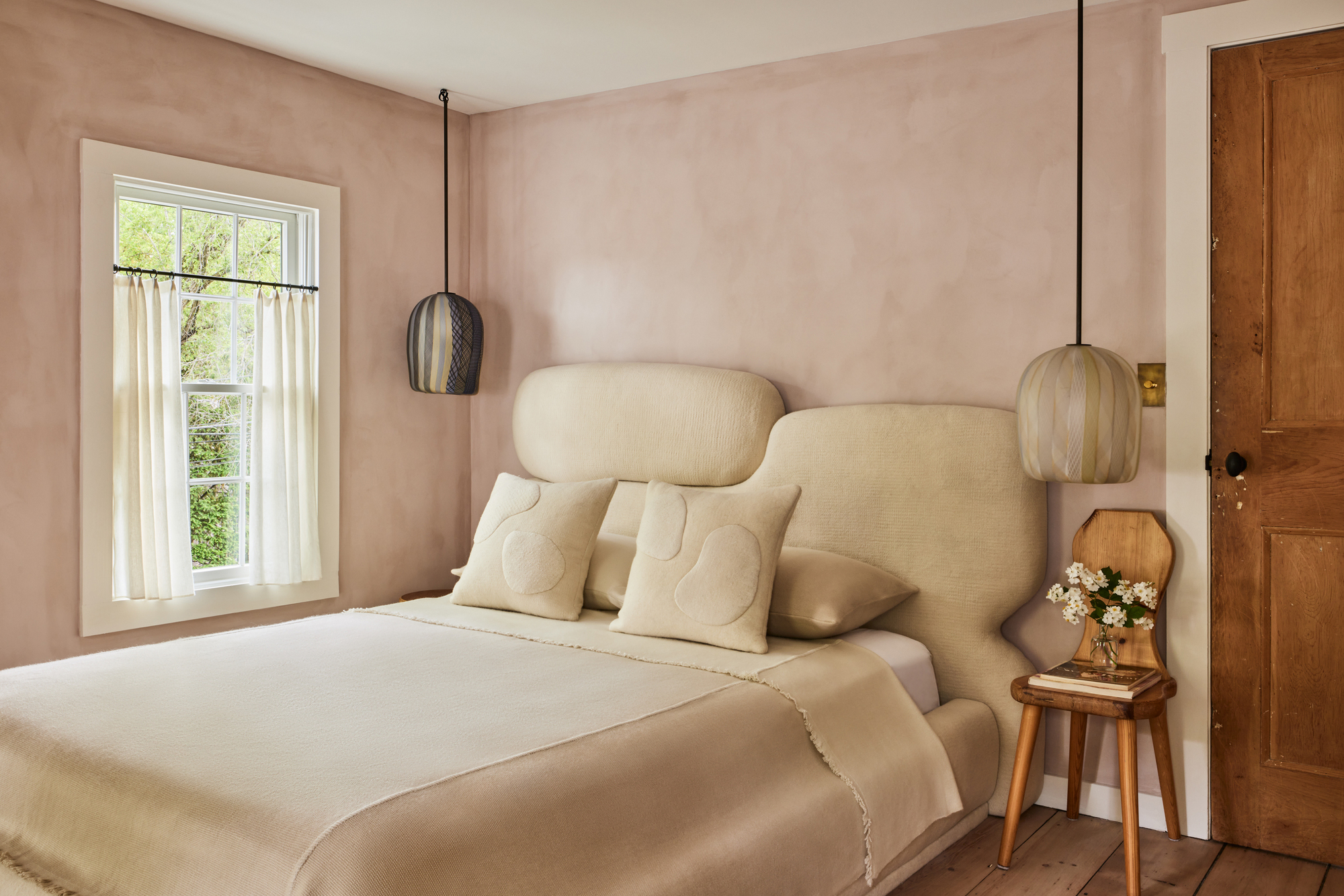
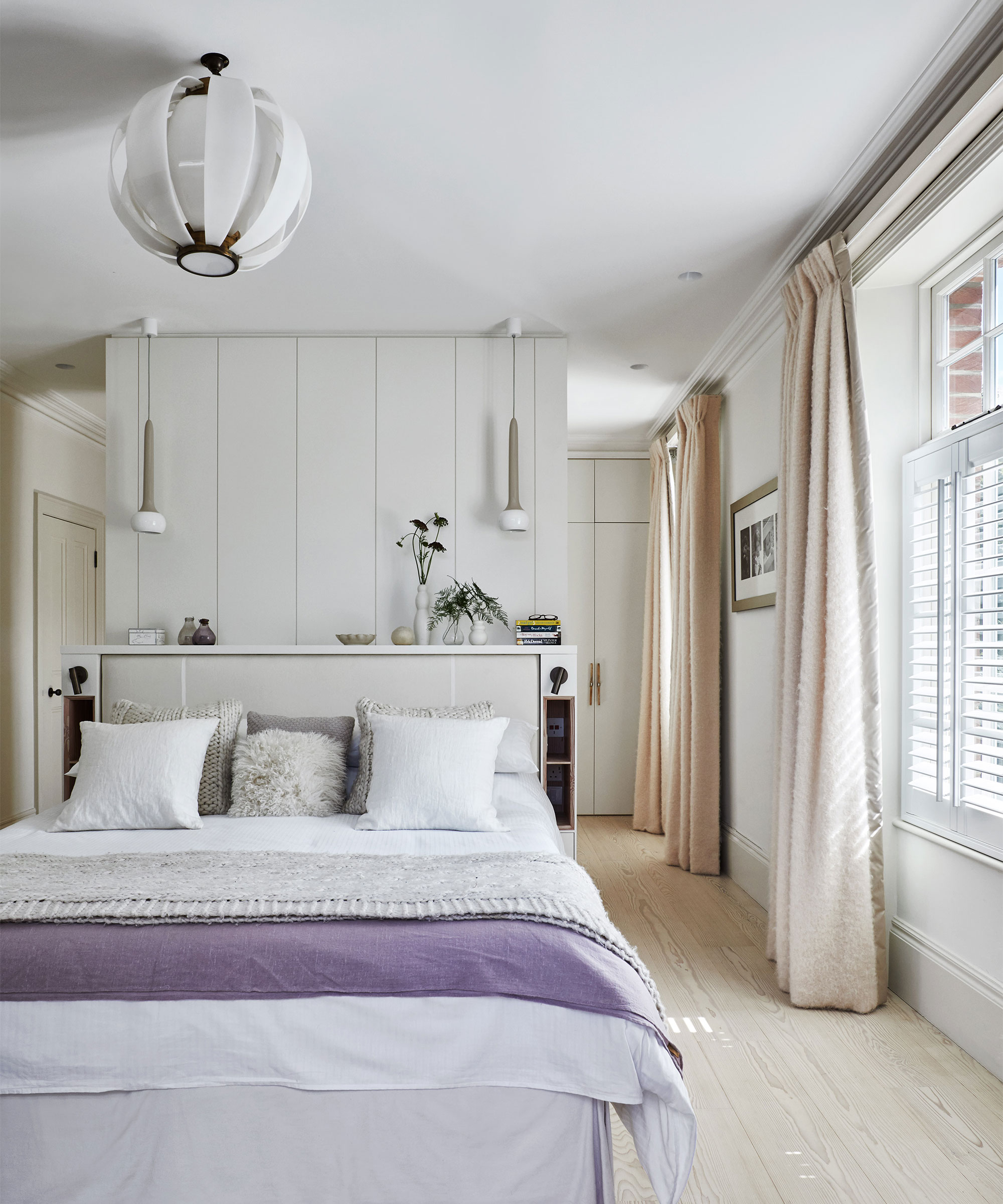
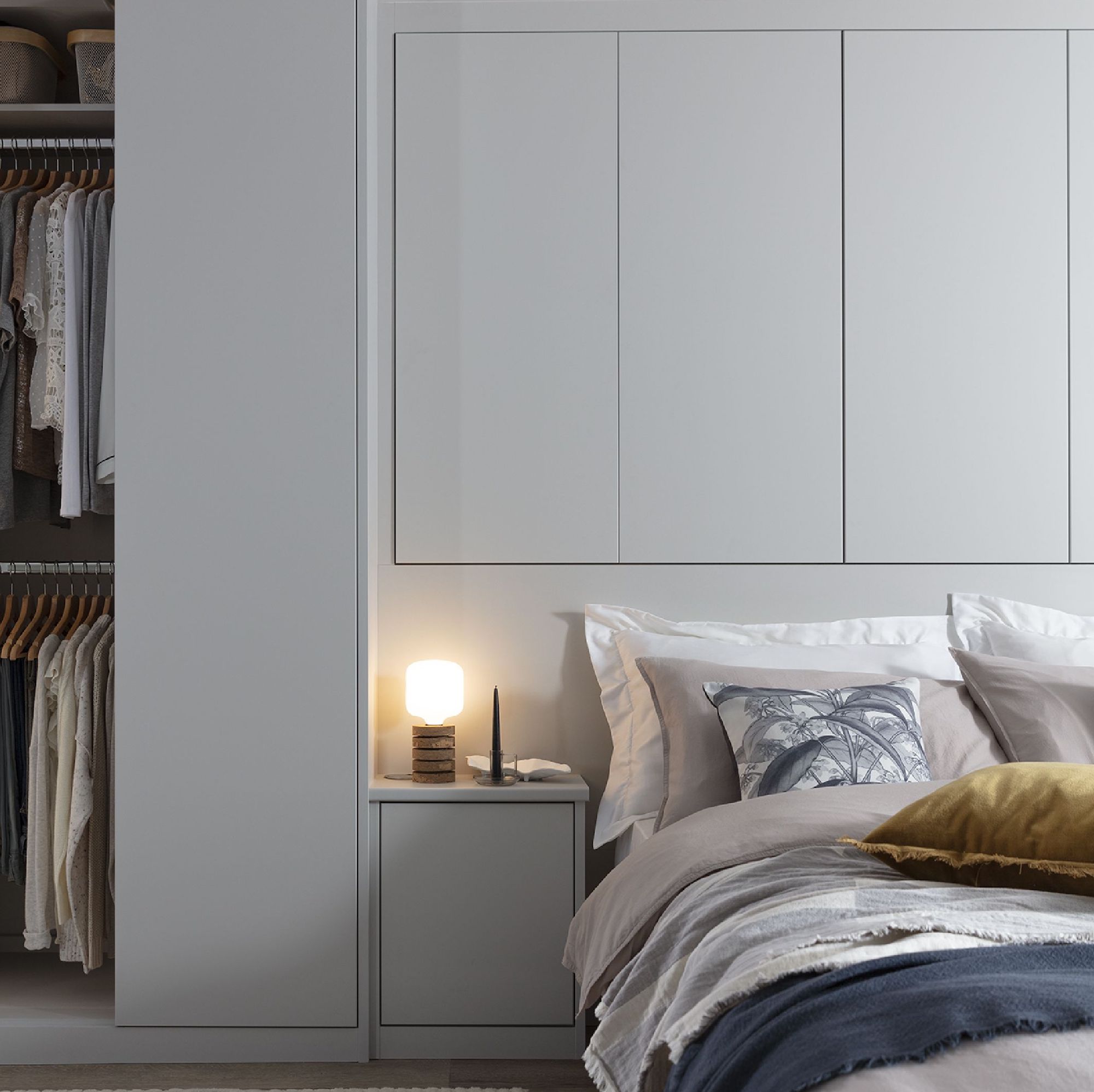
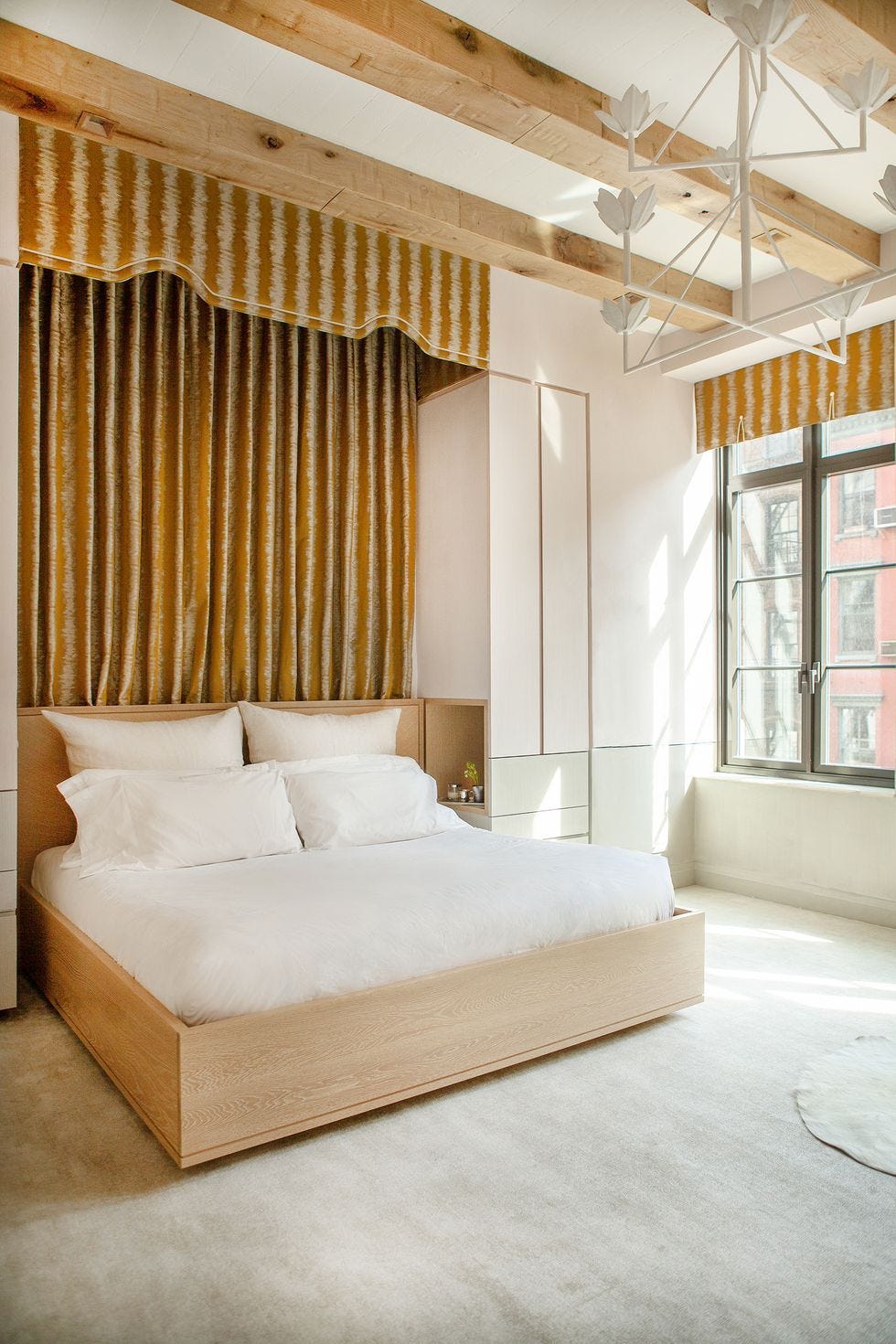
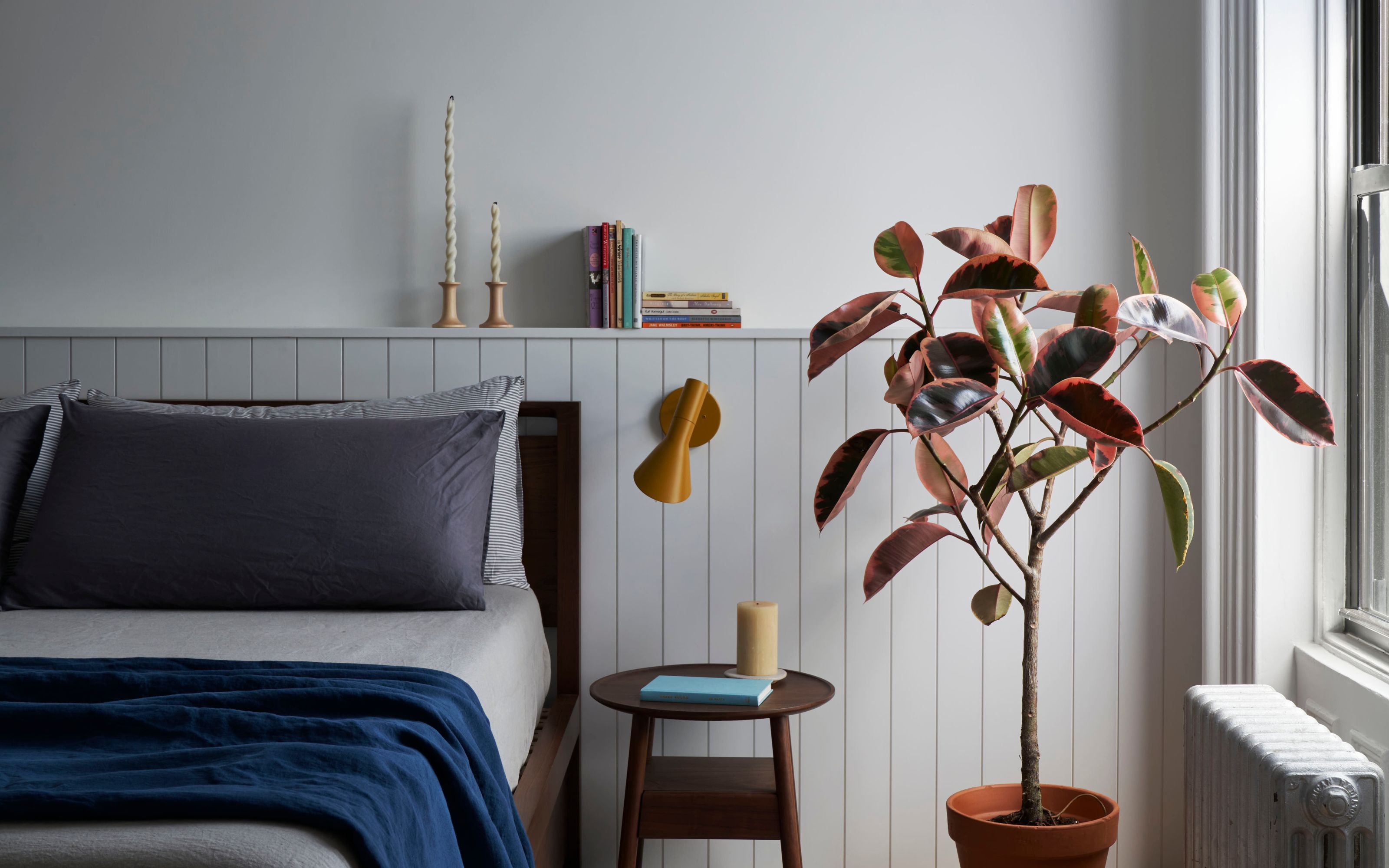
Another innovative idea involves integrating lighting directly into the headboard. This creates a high-tech and aesthetically pleasing focal point. Home Studios' design for a Brooklyn townhouse features a custom built-in headboard with integrated lighting and bedside tables, showcasing how a muted palette combined with clever shapes can create a sophisticated beige bedroom that is far from bland.
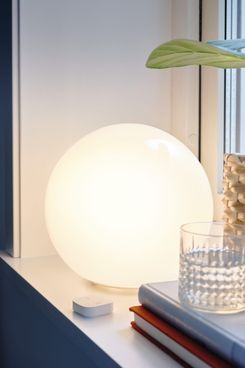
LED lighting offers a subtle yet effective way to illuminate a bedroom without harshness. Concealed LEDs under cornicing or along the floor can provide a soft glow. Beyond energy efficiency, LED lighting can be used structurally, like a halo, to draw attention to key features such as the bed. Versatile lamps that can function as both table lamps and wall sconces are also gaining popularity. These frosted, often dimmable, lamps provide a warm glow and can be moved around to suit different needs, reflecting a desire for flexible interiors.
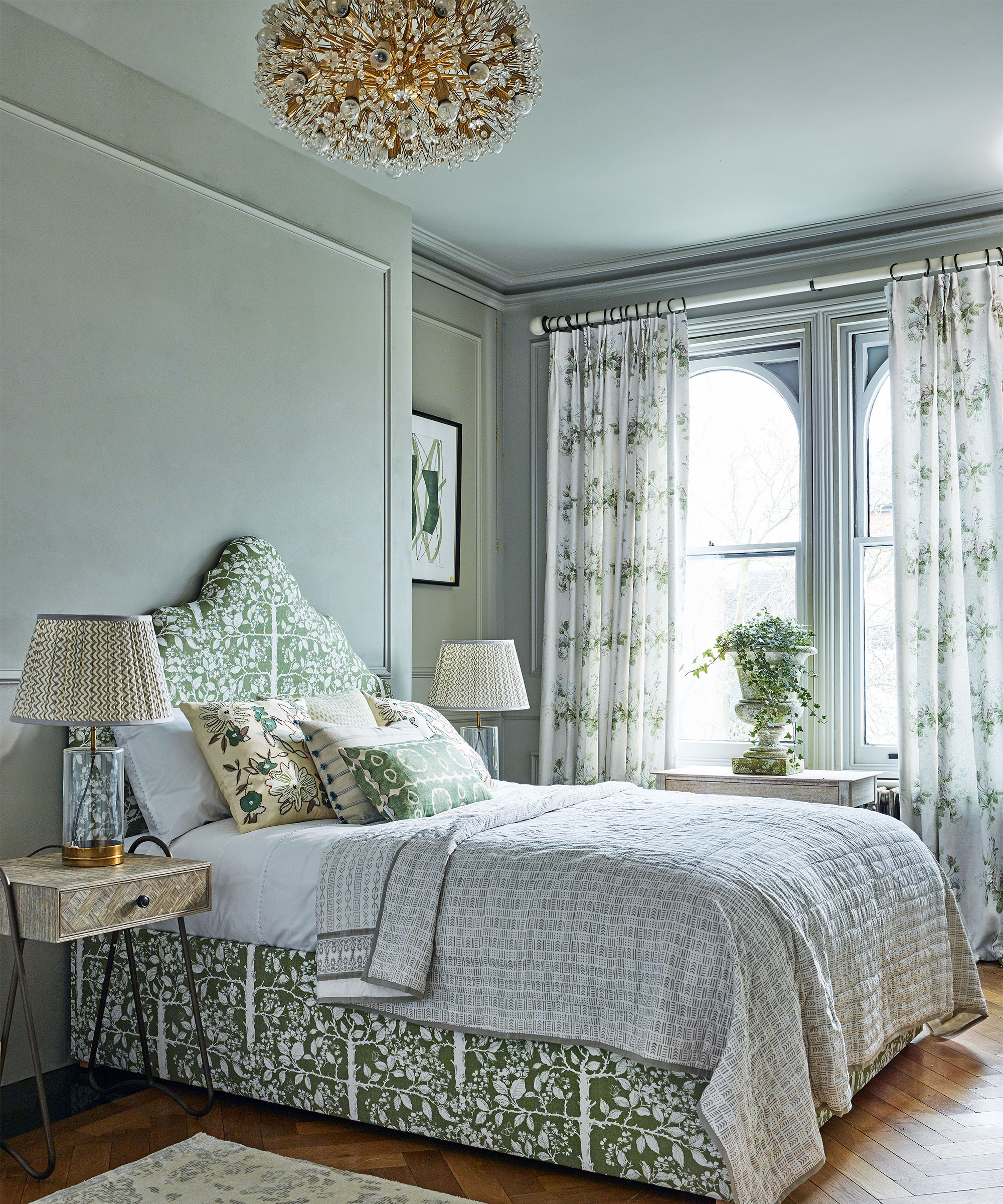
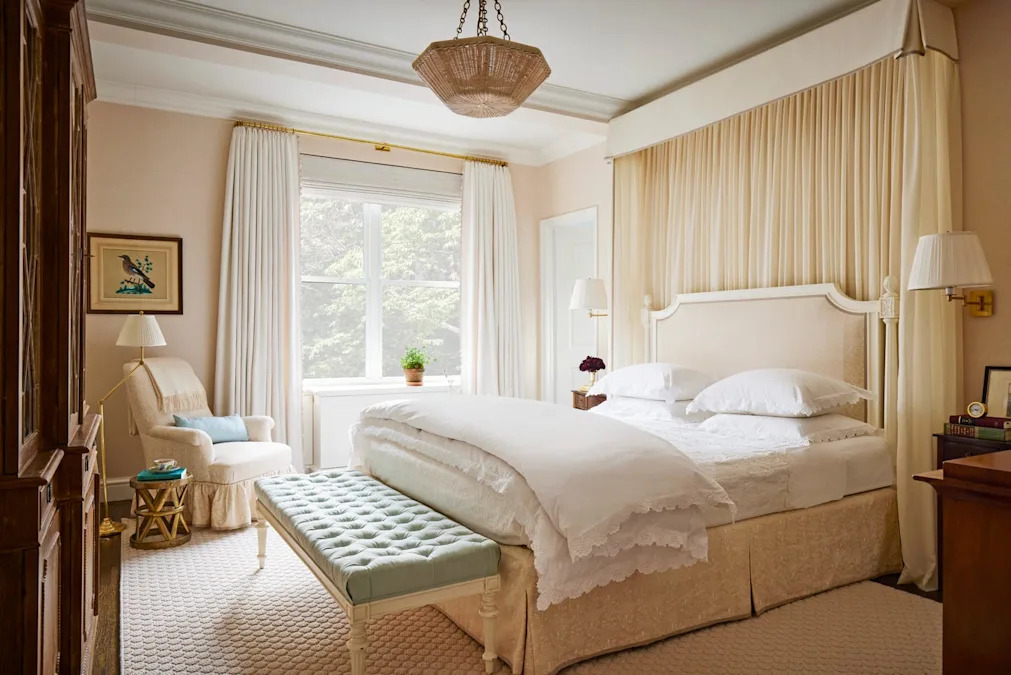
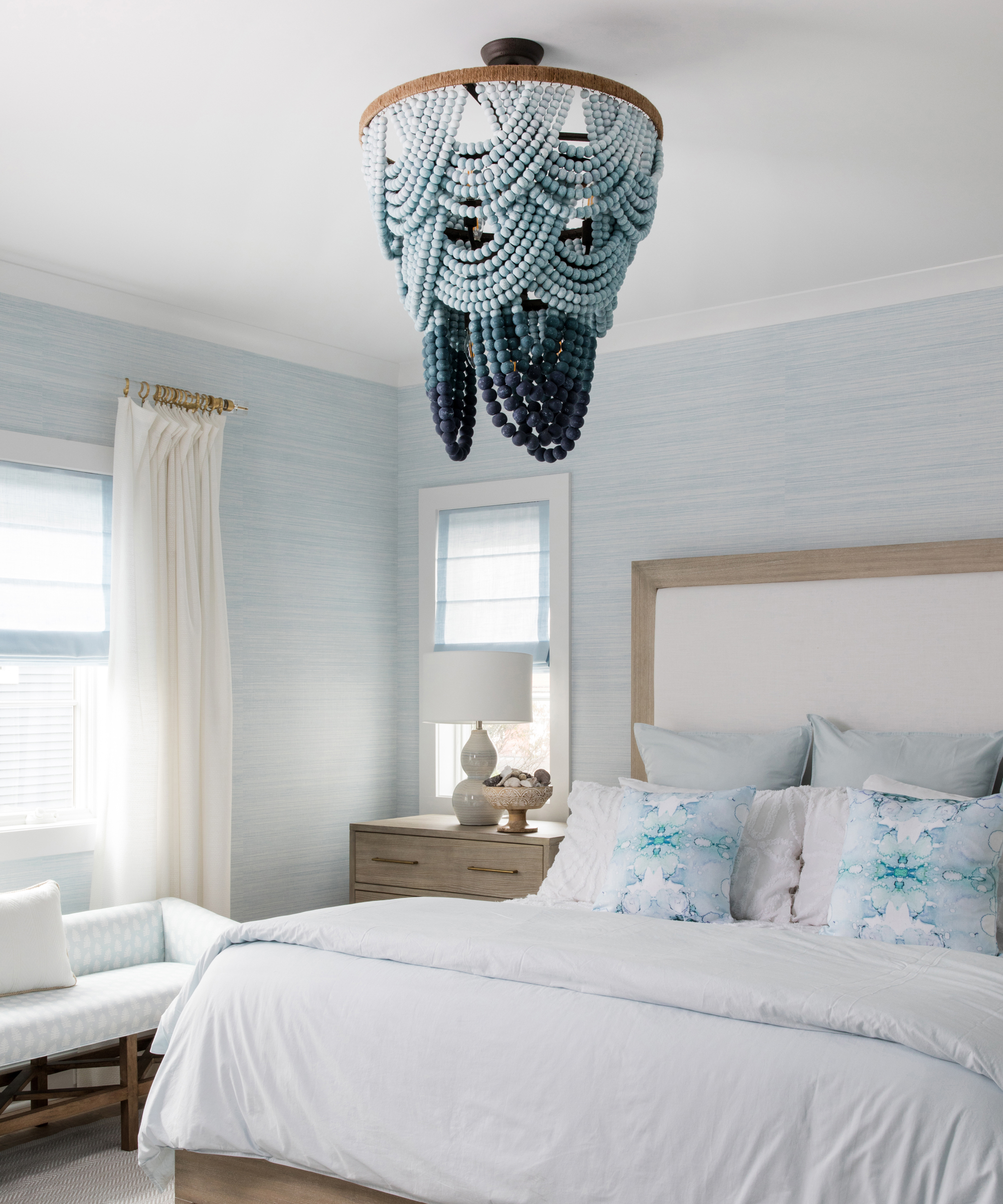
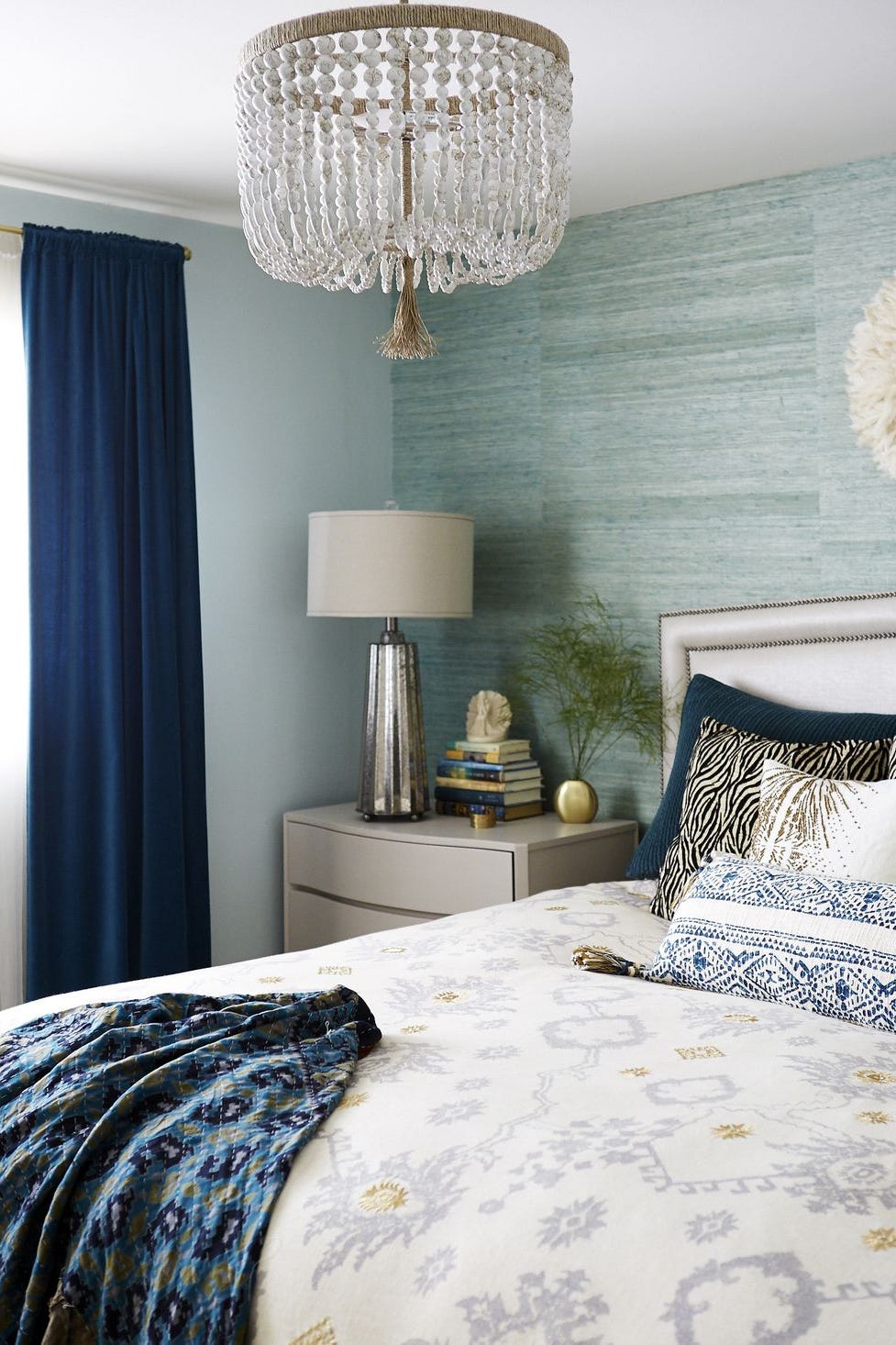
Layering lighting is essential to incorporate task, ambient, and accent lighting effectively. This involves starting with a main ceiling light that provides sufficient general illumination, ideally with a dimmer switch to adjust the mood. Statement pendants in various materials can serve as a focal point. Ben Marshall, creative director of Hudson Valley Lighting, suggests using elegant chandeliers for ambient lighting and decorative value, even in modern, minimalist spaces. For bedrooms with lower ceilings, flush mounts or semi-flush mounts can offer a playful touch while still providing a base layer of light.
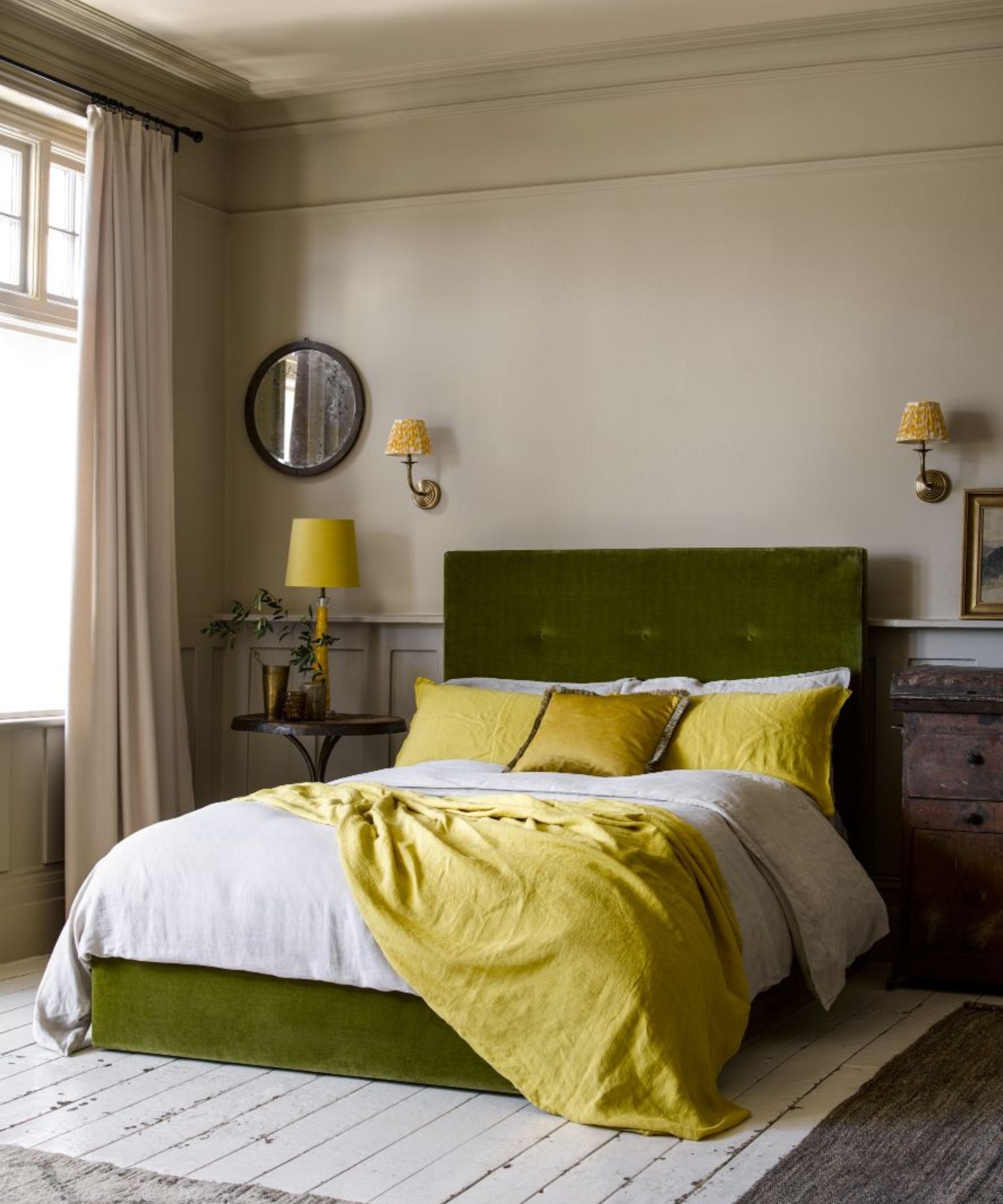
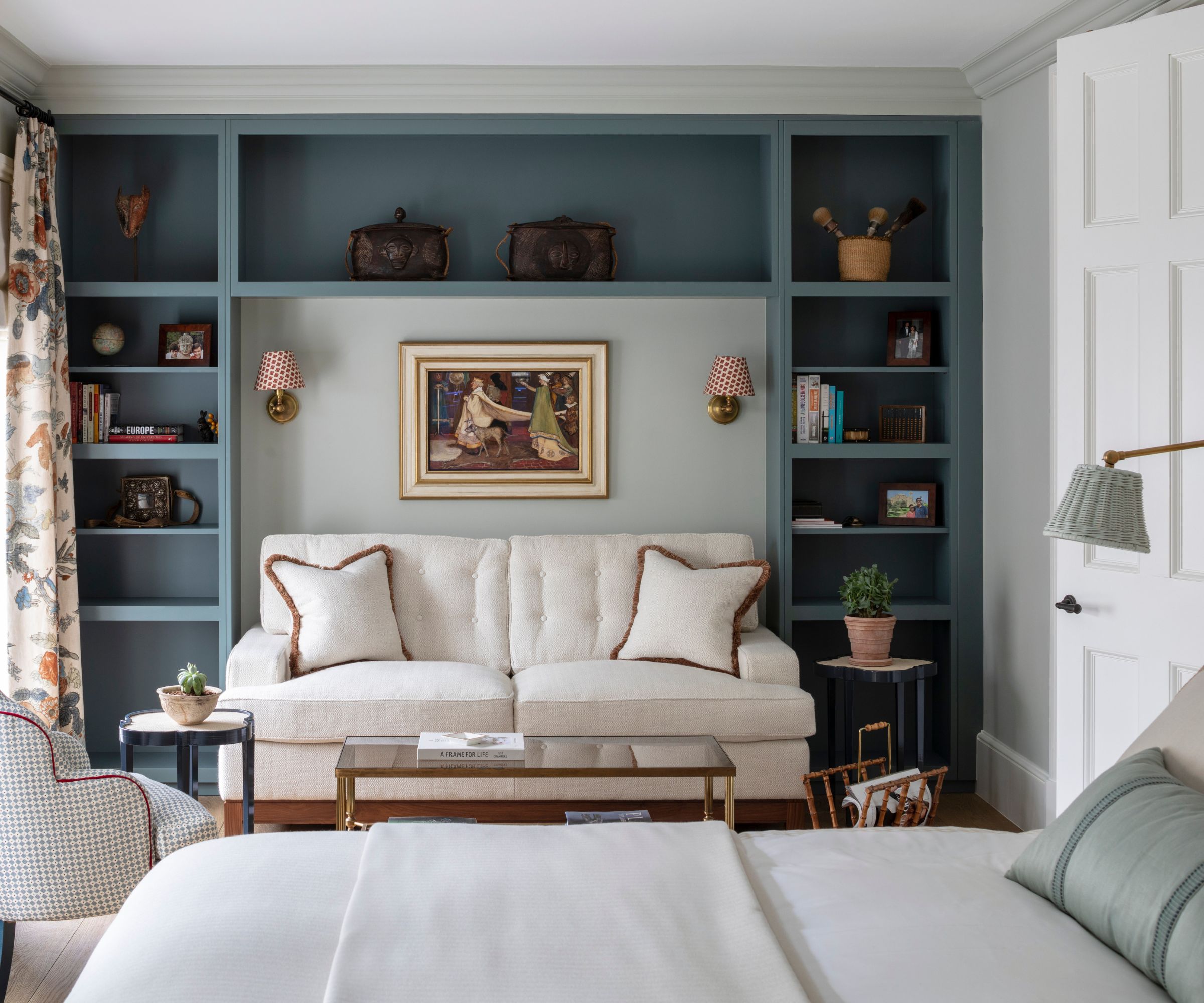
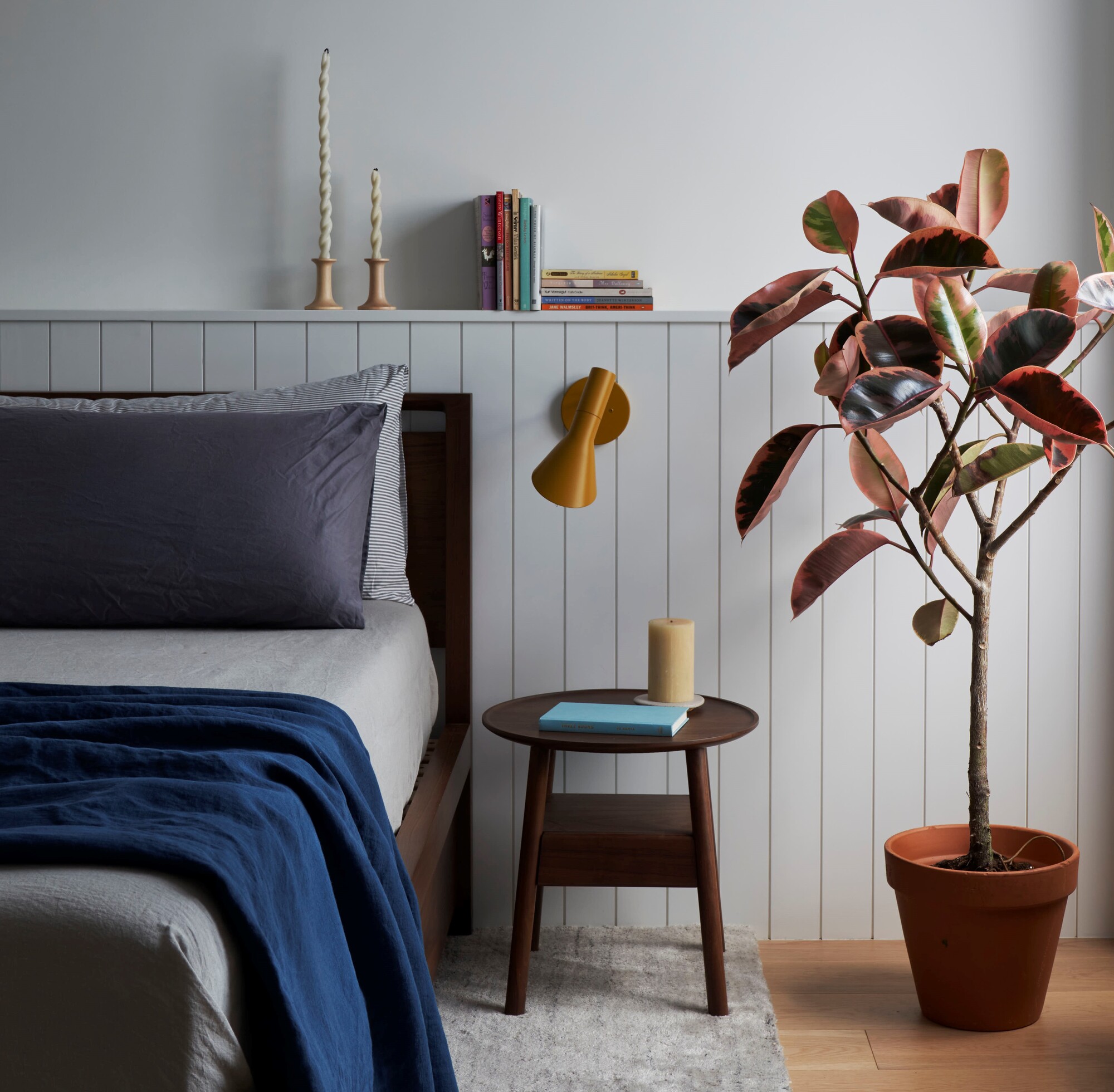
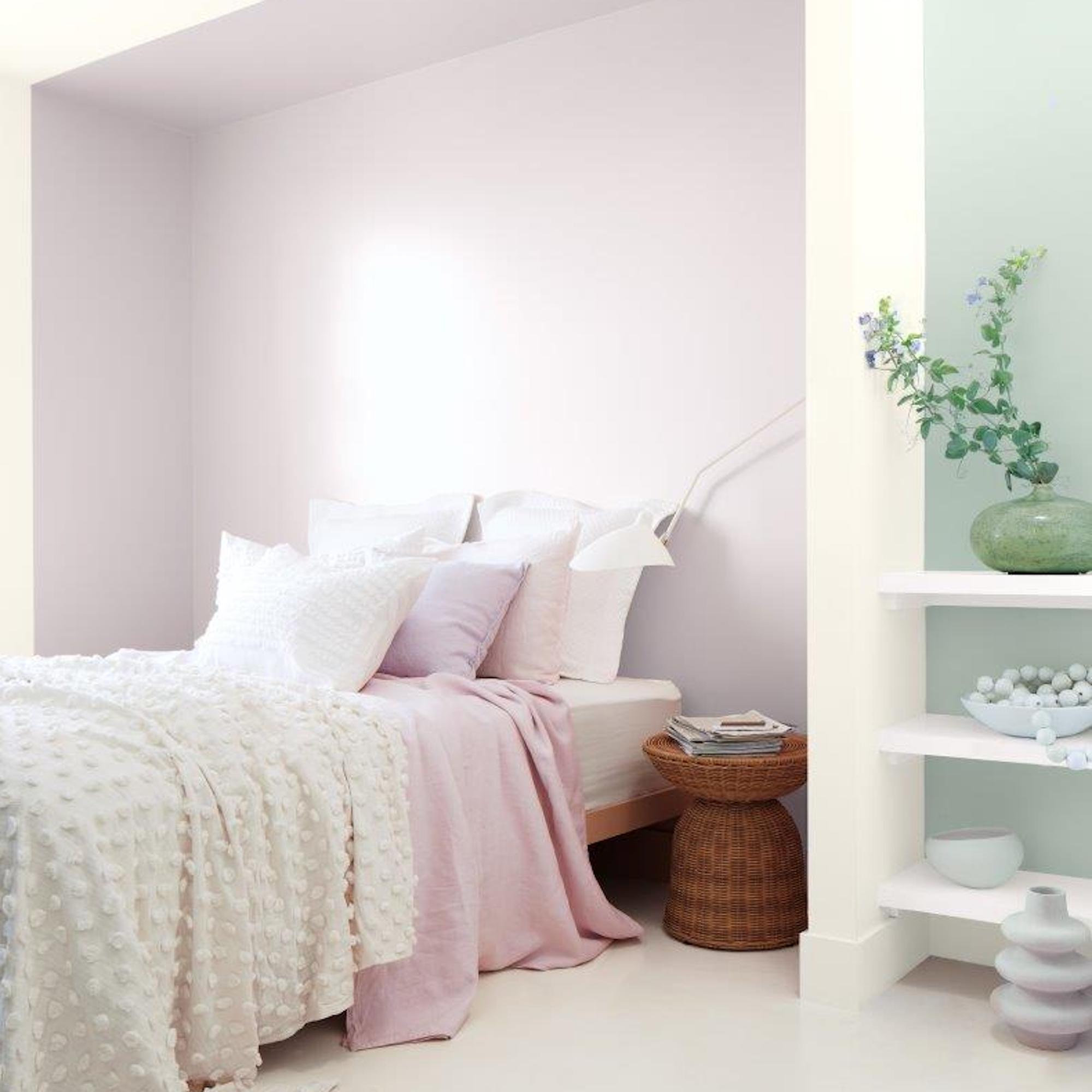
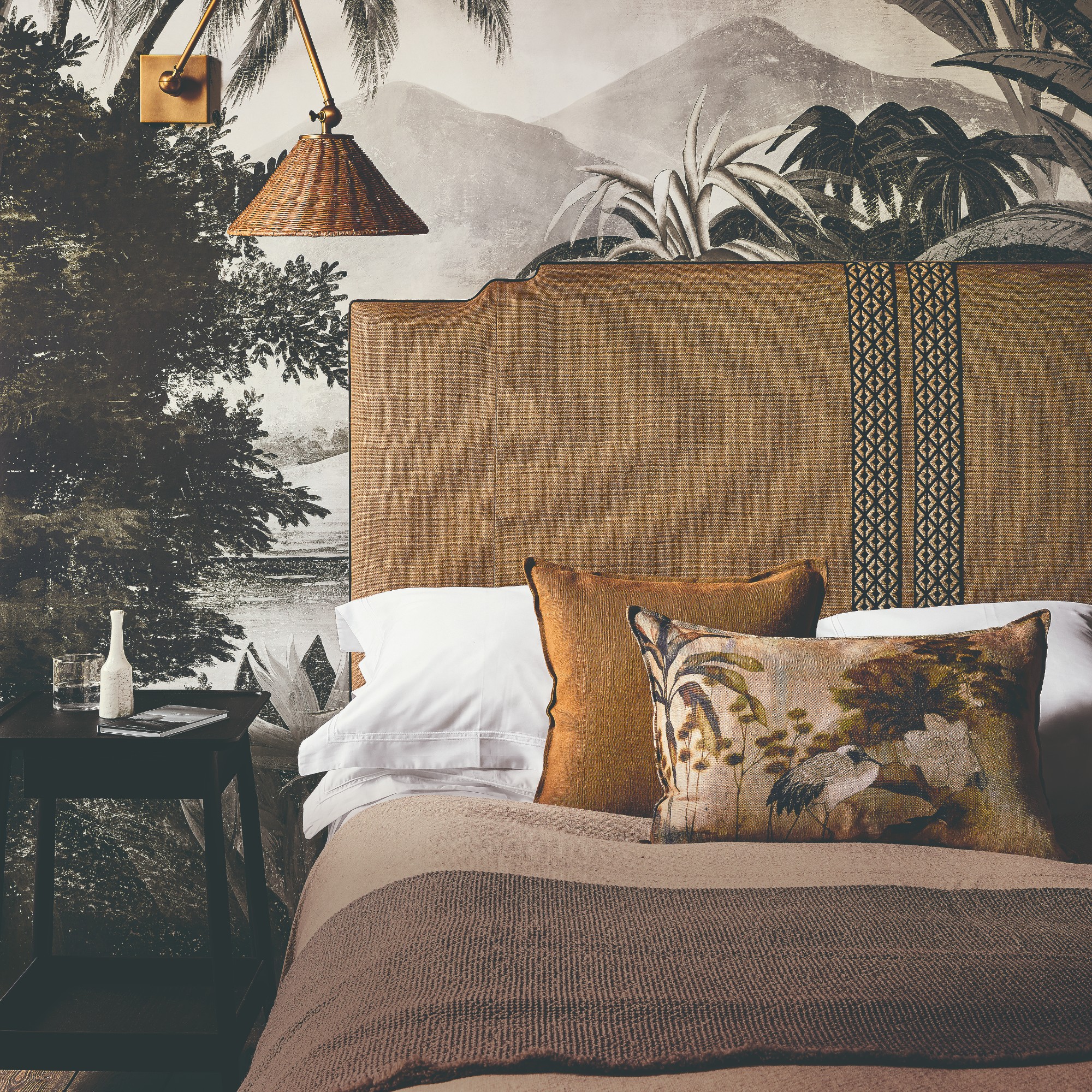
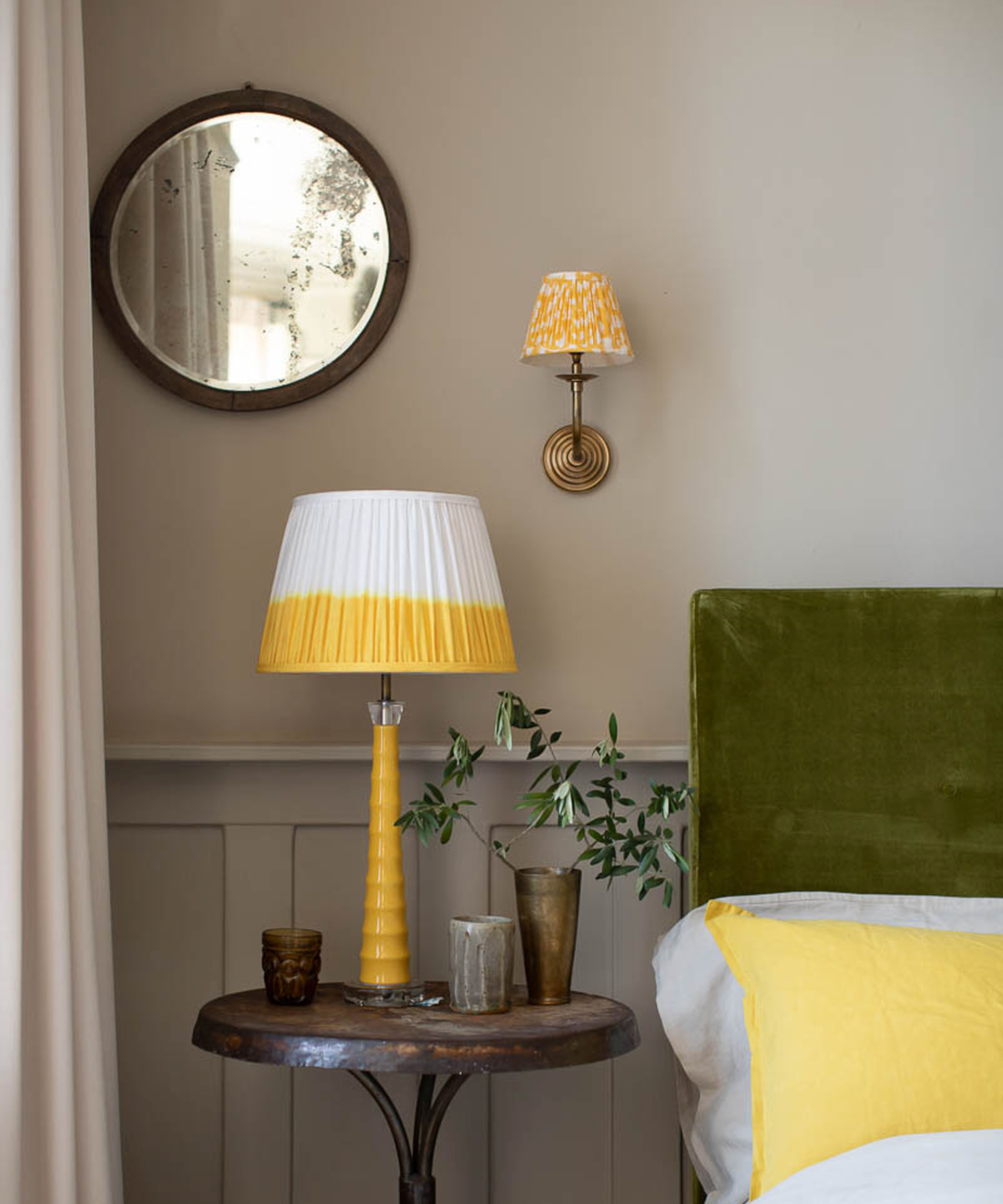
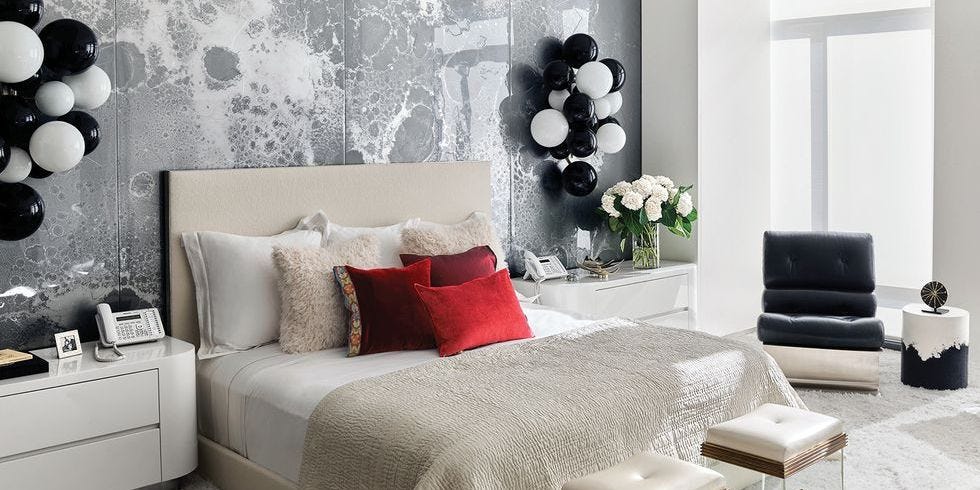
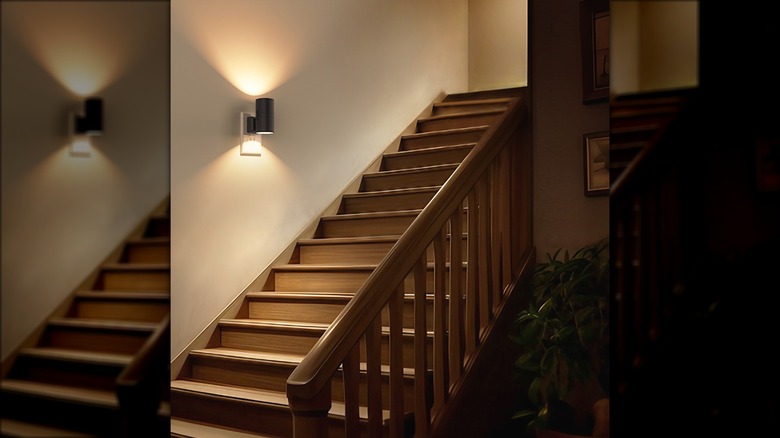
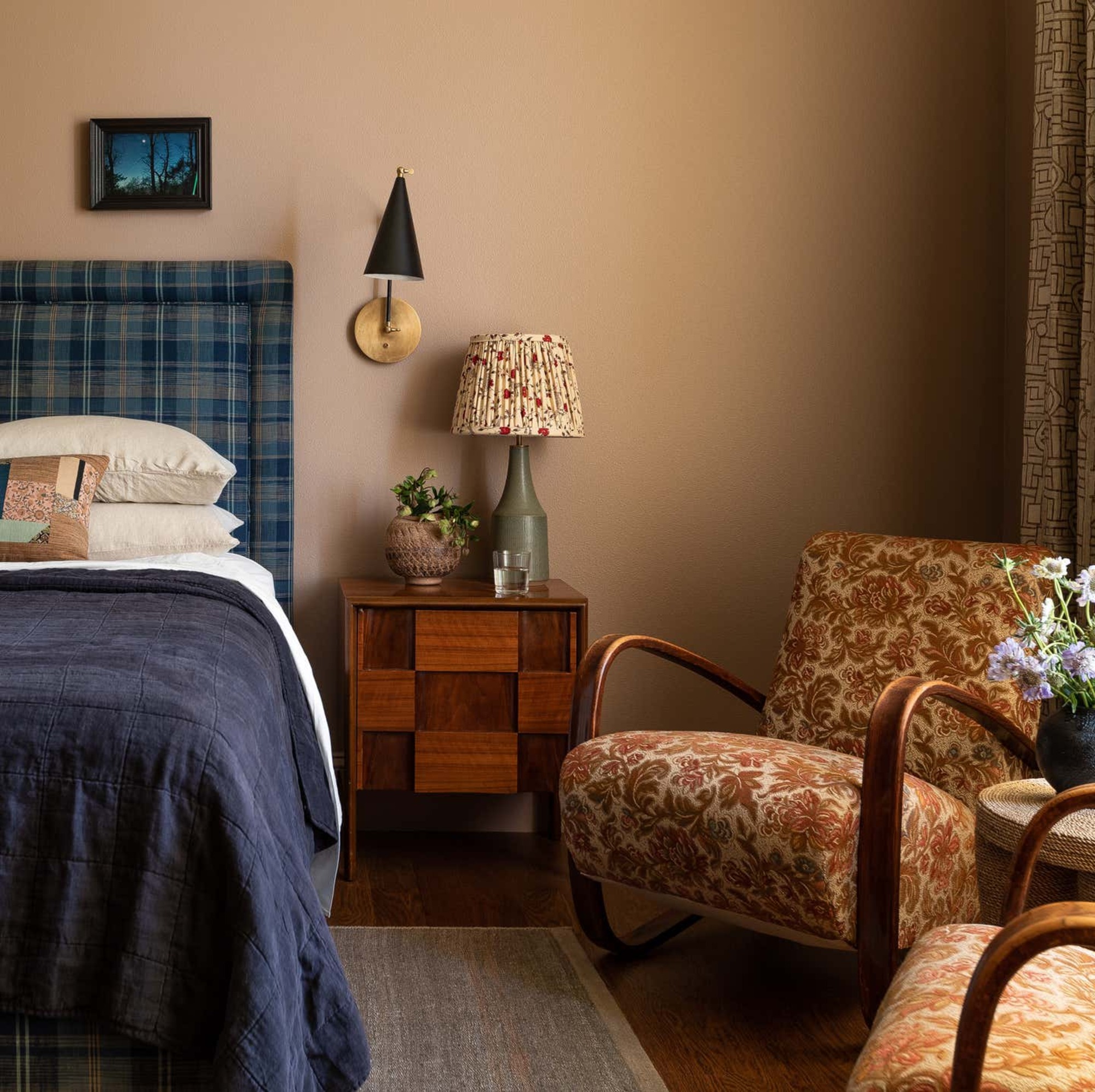
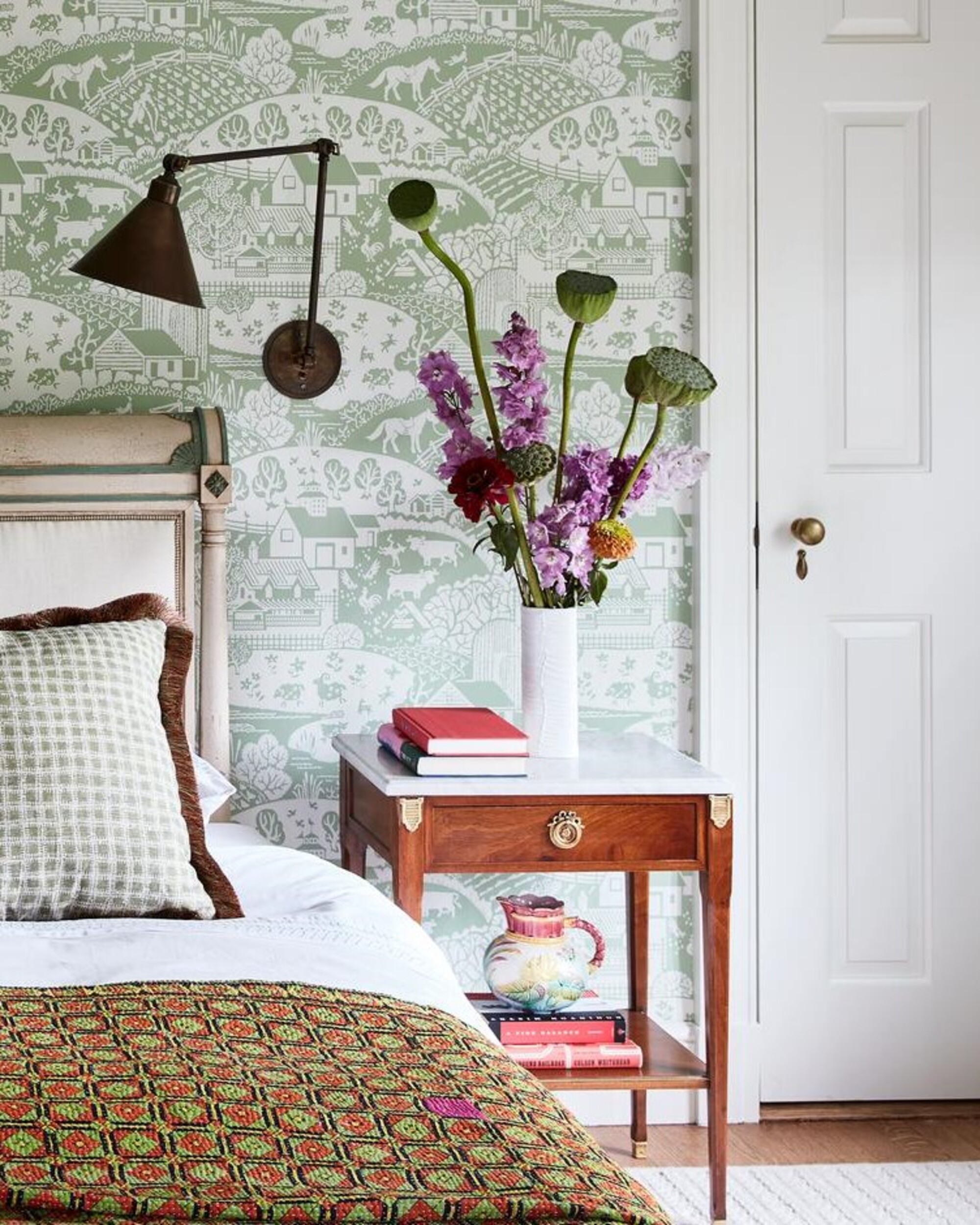
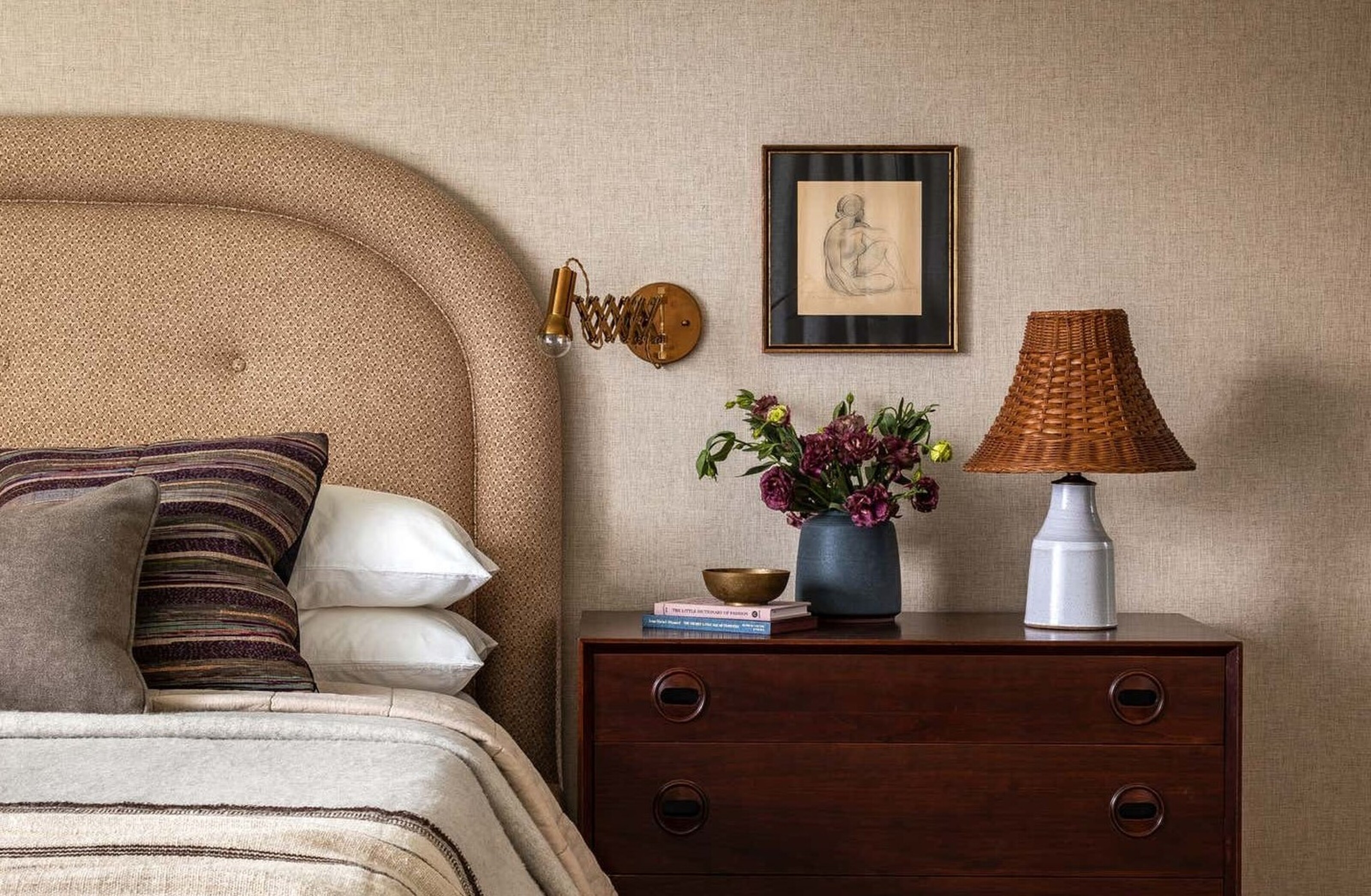
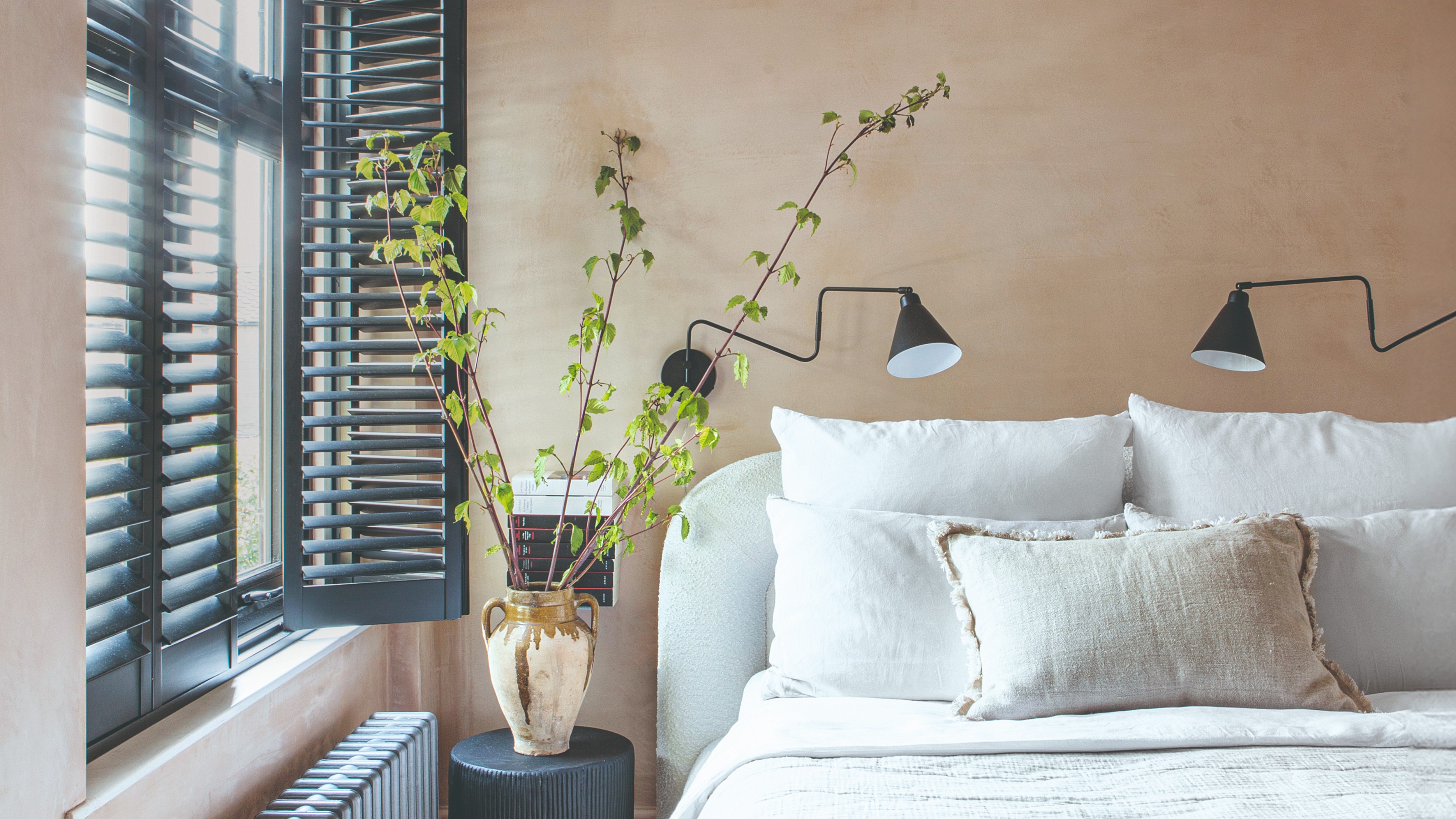
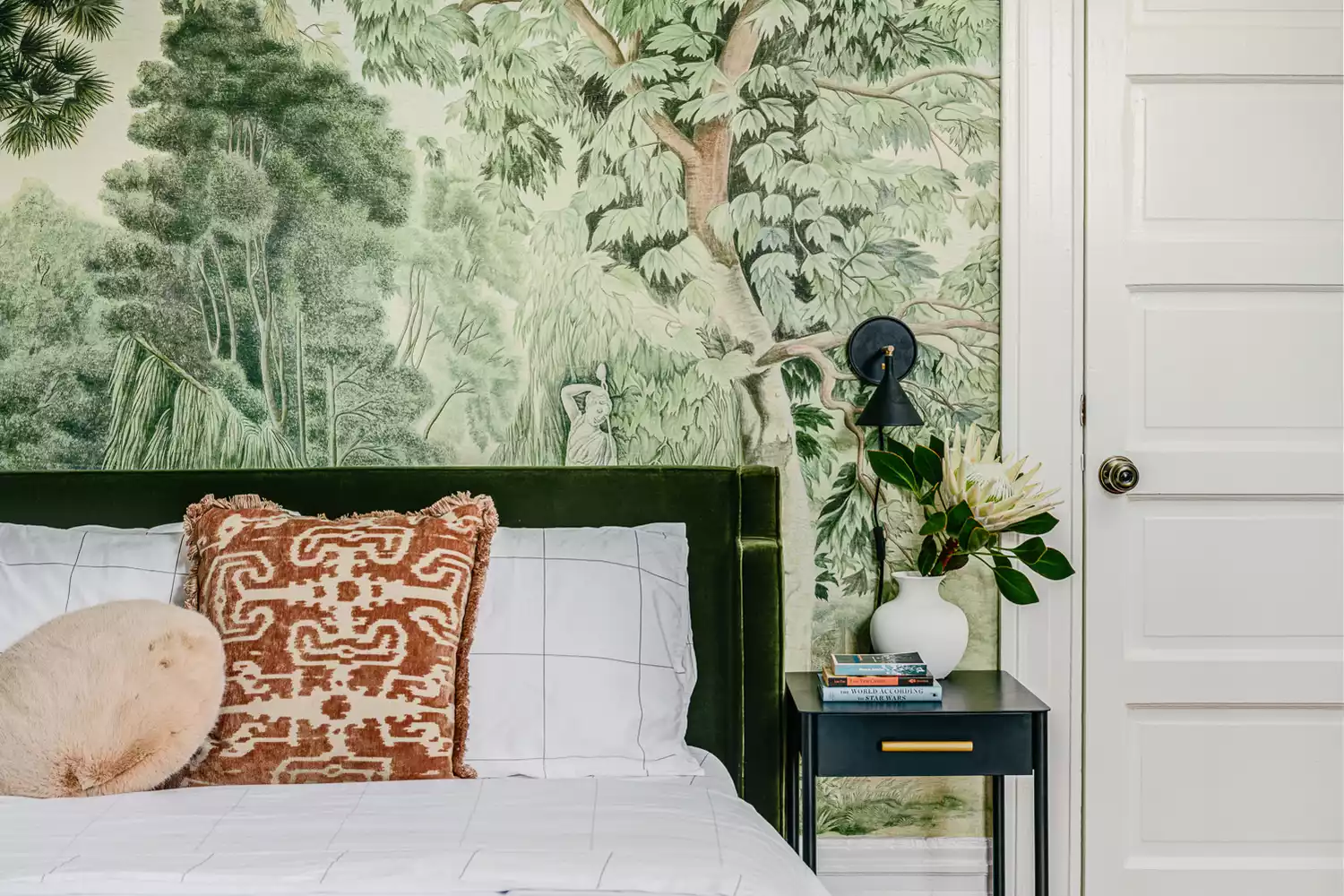
Wall-mounted lights are ideal for small bedrooms where space is limited, preventing cluttered bedside surfaces. They can add a modern edge, as seen in a plaster pink bedroom with sculptural glass wall lights. Sconces are particularly practical for compact spaces, offering easy control from the bed. Oversized pendant lighting can make a bold statement without overwhelming a neutral room, especially when using natural materials like rattan. Incorporating natural textures such as cane, rattan, or seagrass into lampshades adds softness and warmth, complementing rustic or layered interiors.
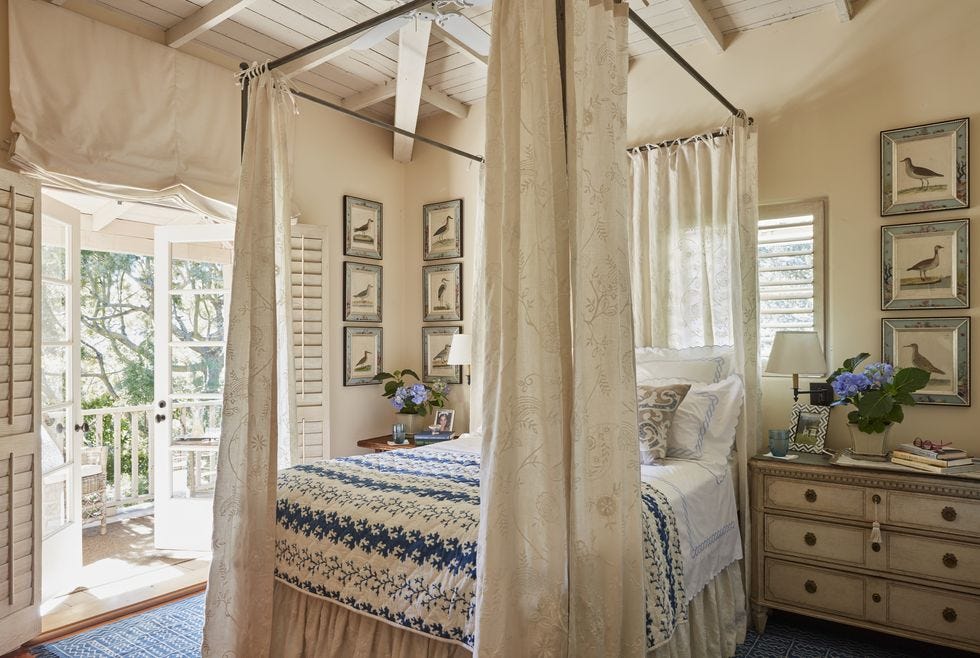
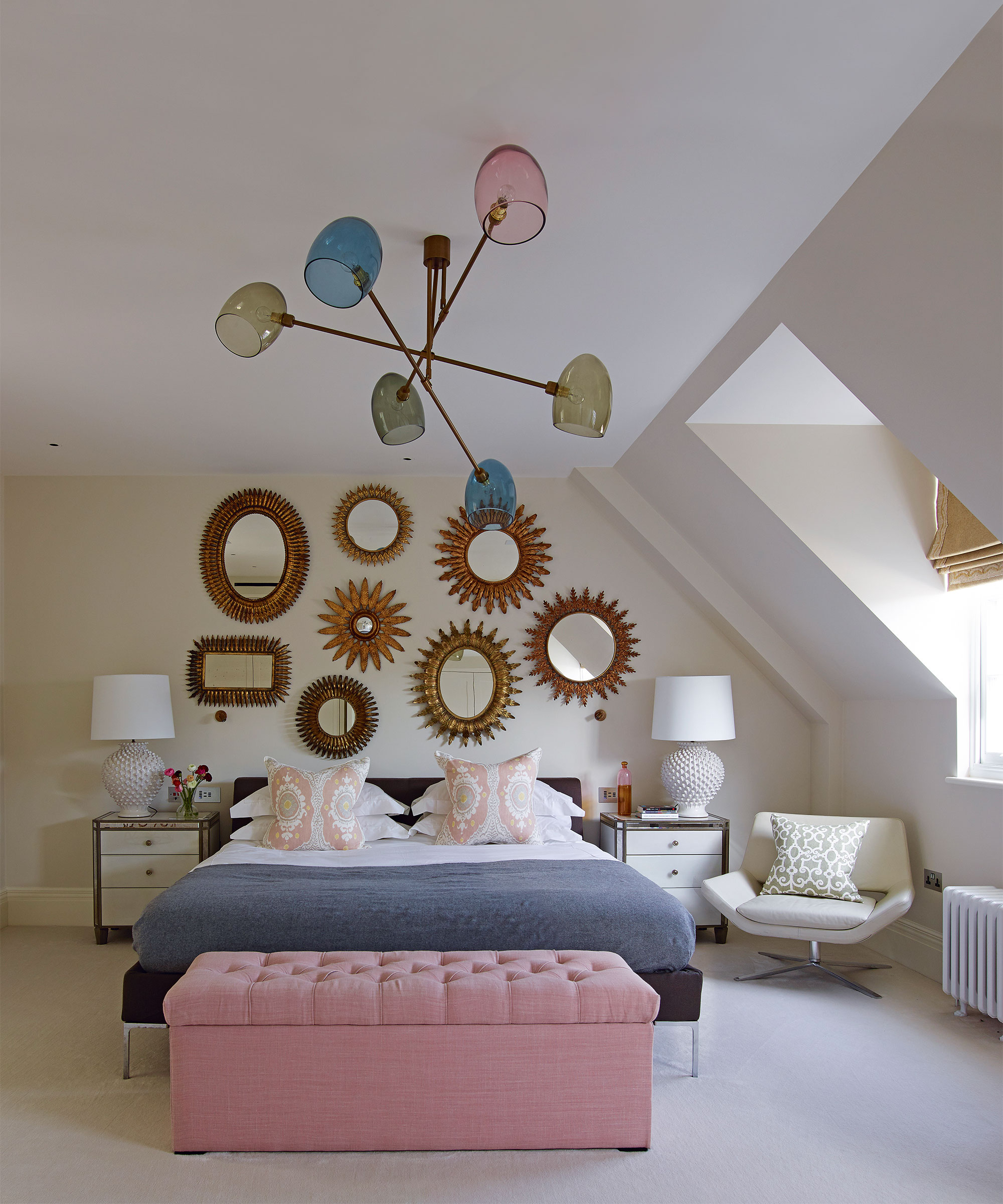
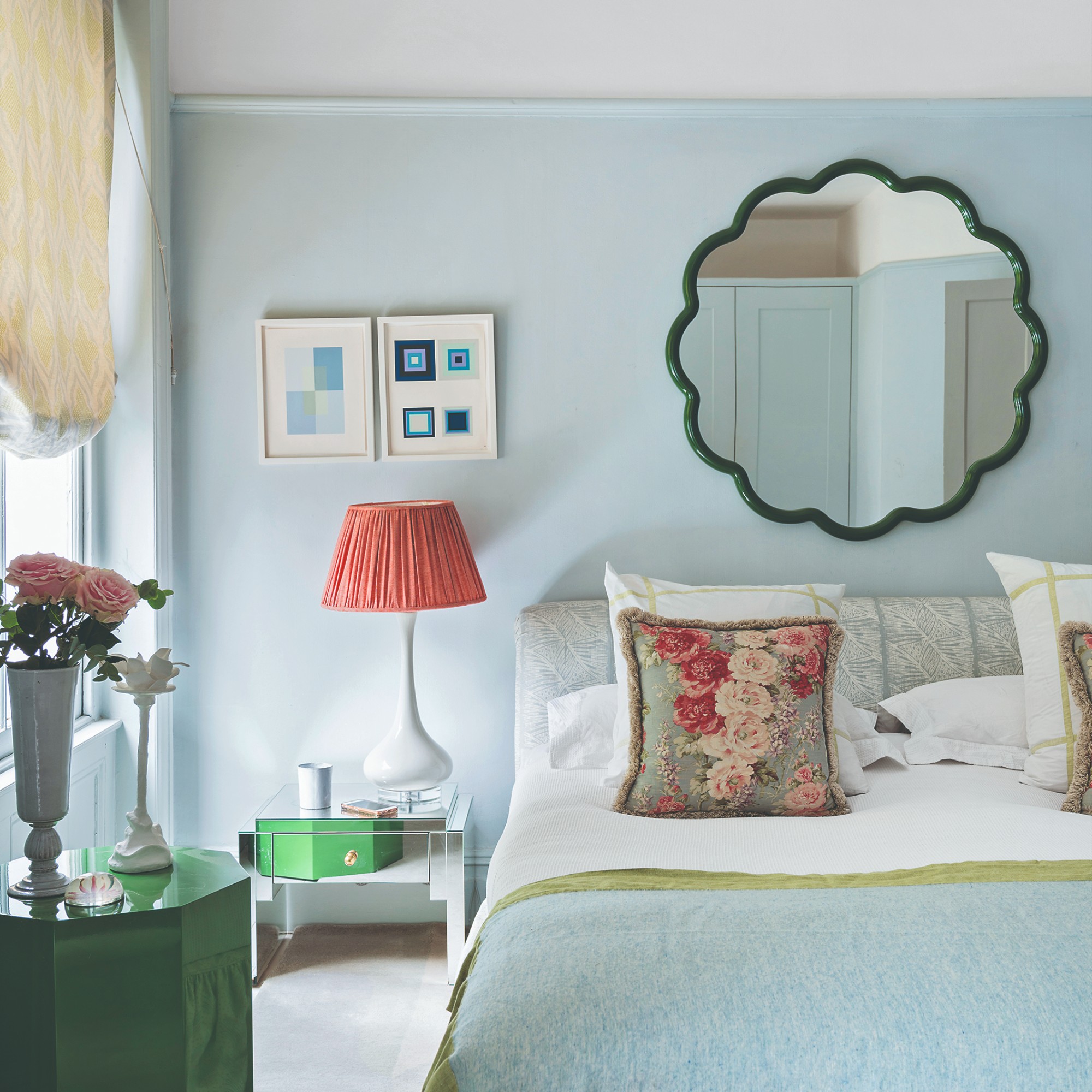
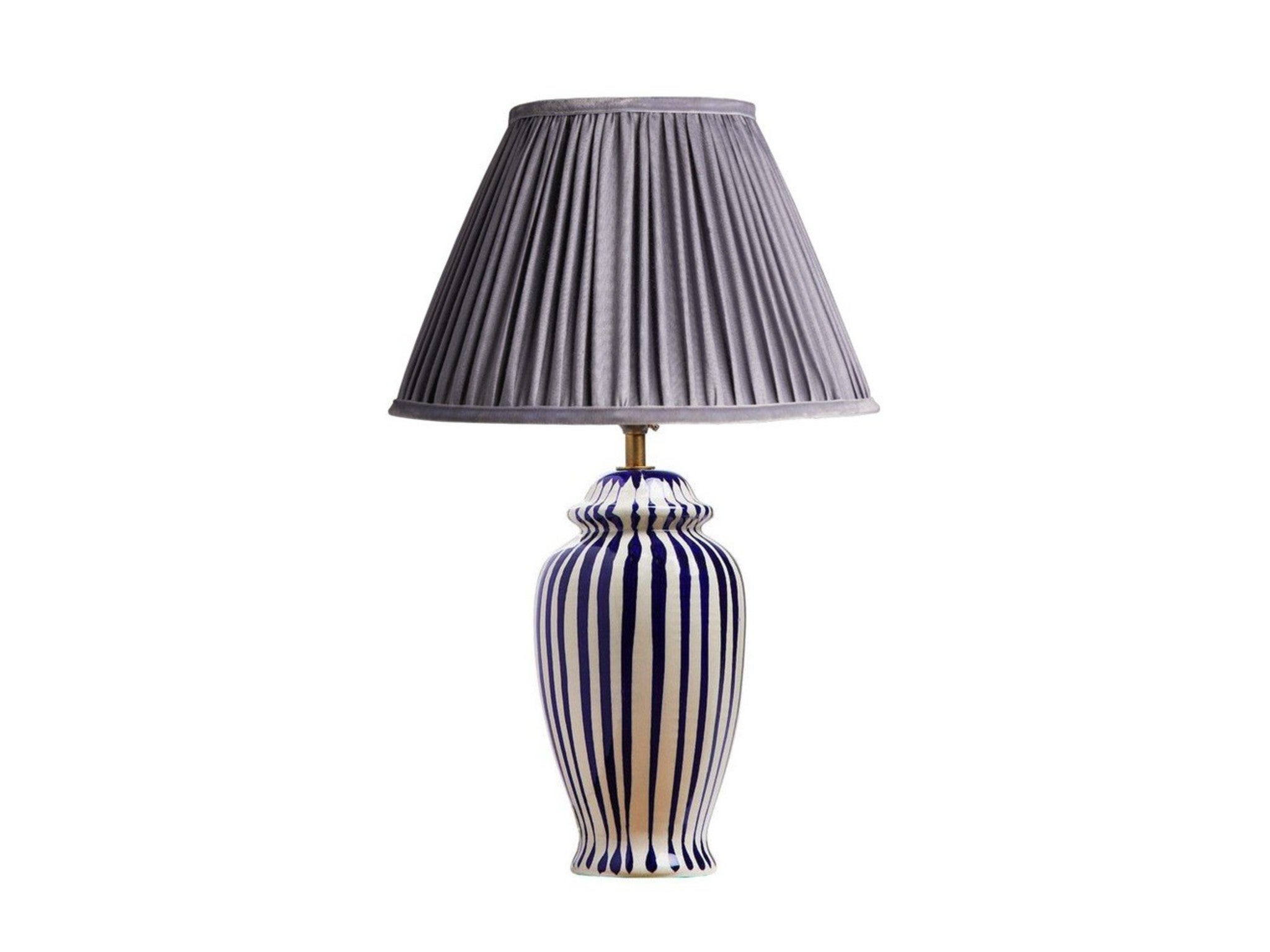
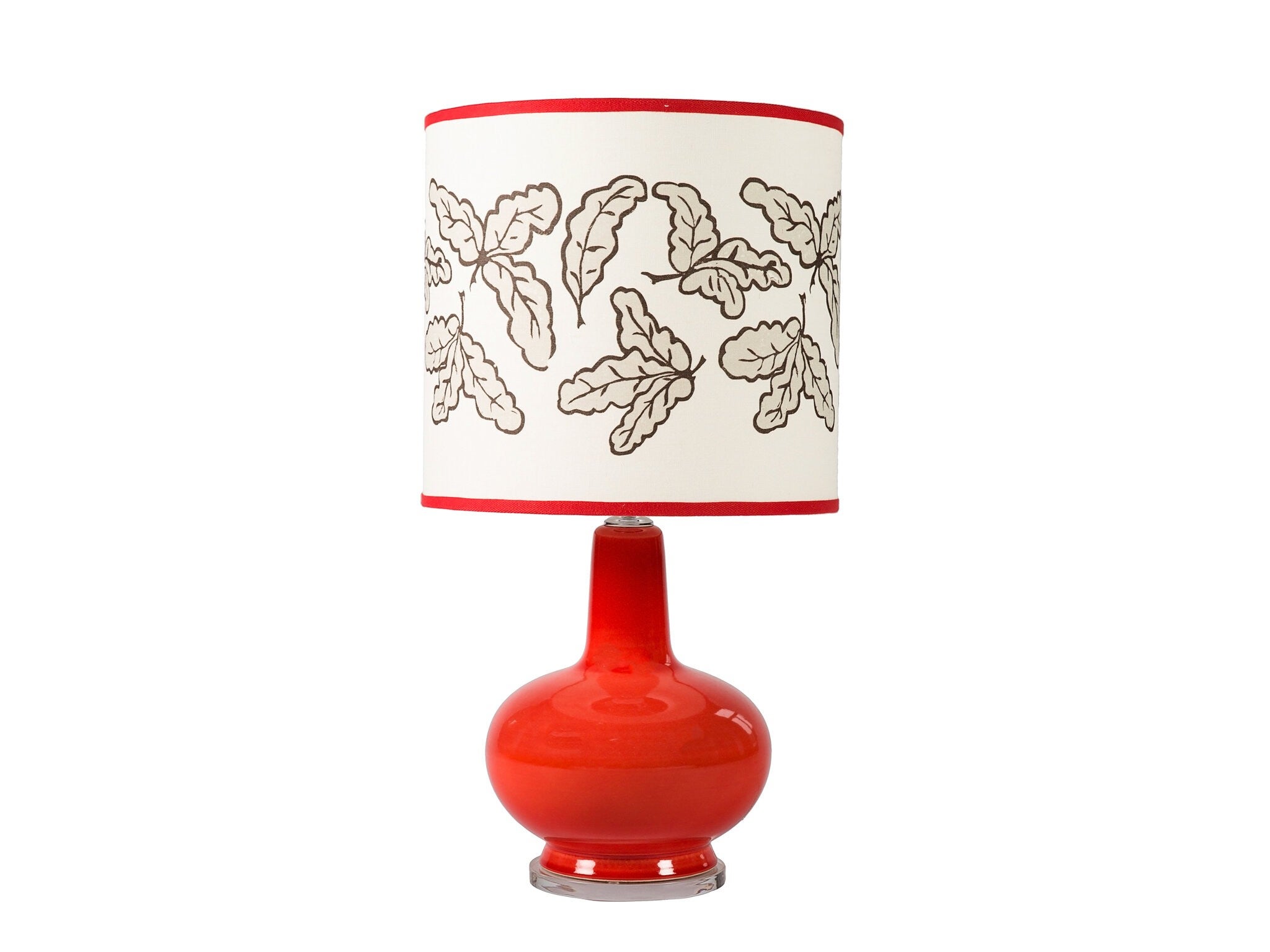
Statement bedside lamps are crucial, providing task, ambient, and accent lighting. Designer Emma Deterding advises selecting a pair of matching, oversized table lamps with beautiful lampshades to add a warm glow and personality. Hanging ceiling lights in groups at varying heights, especially globe pendants, can create a dramatic effect. Accent lighting, often overlooked, is vital for creating a soft, all-over glow. Sconces and picture lights can highlight artwork or furniture, and in dressing areas, they can double as task lighting.
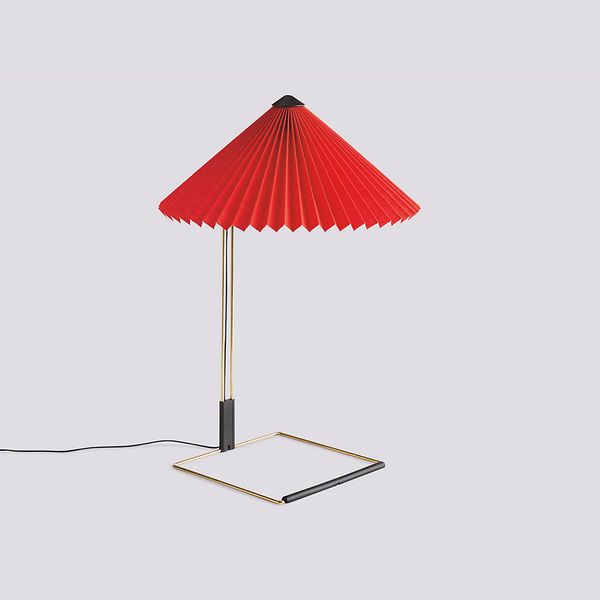
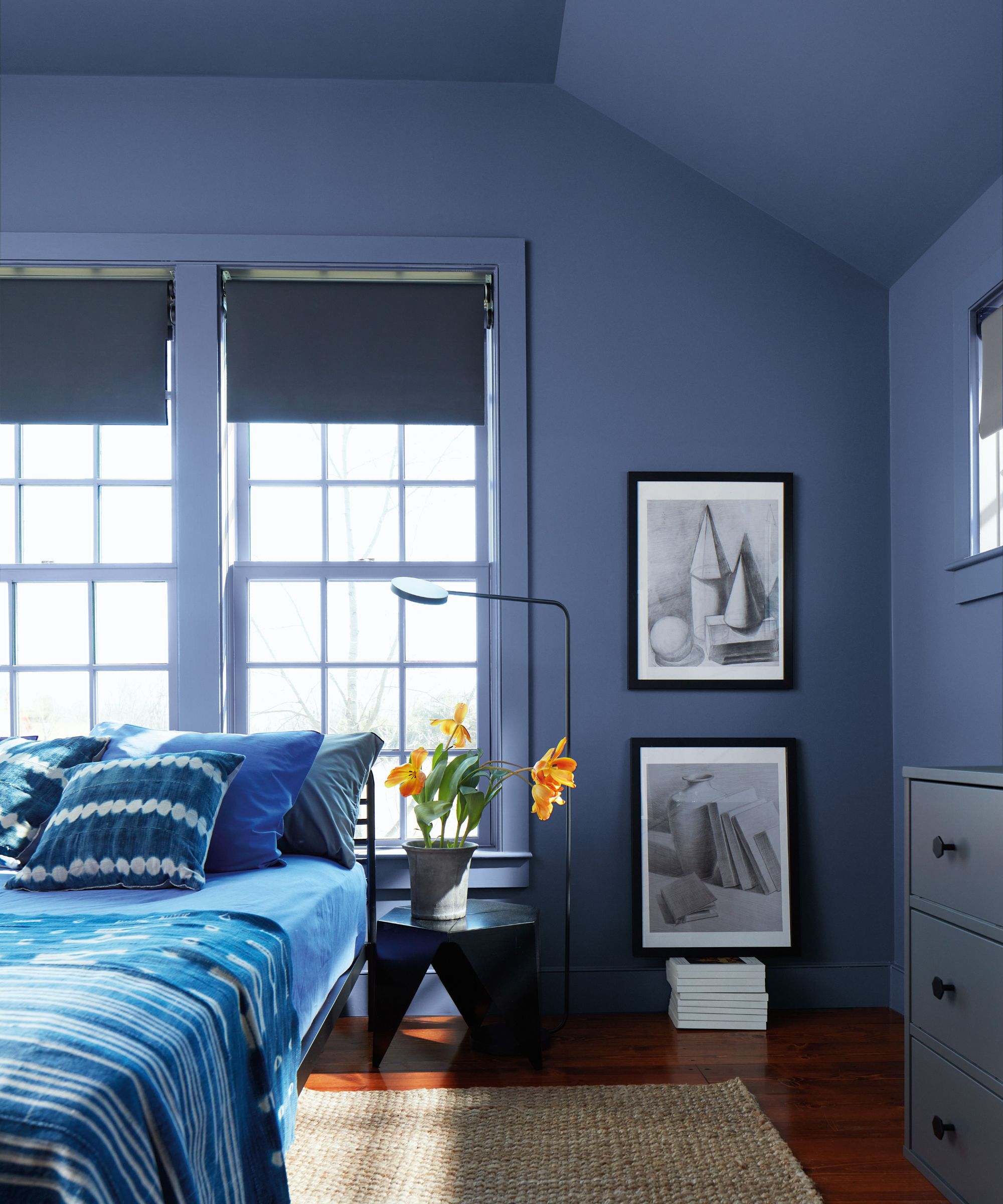
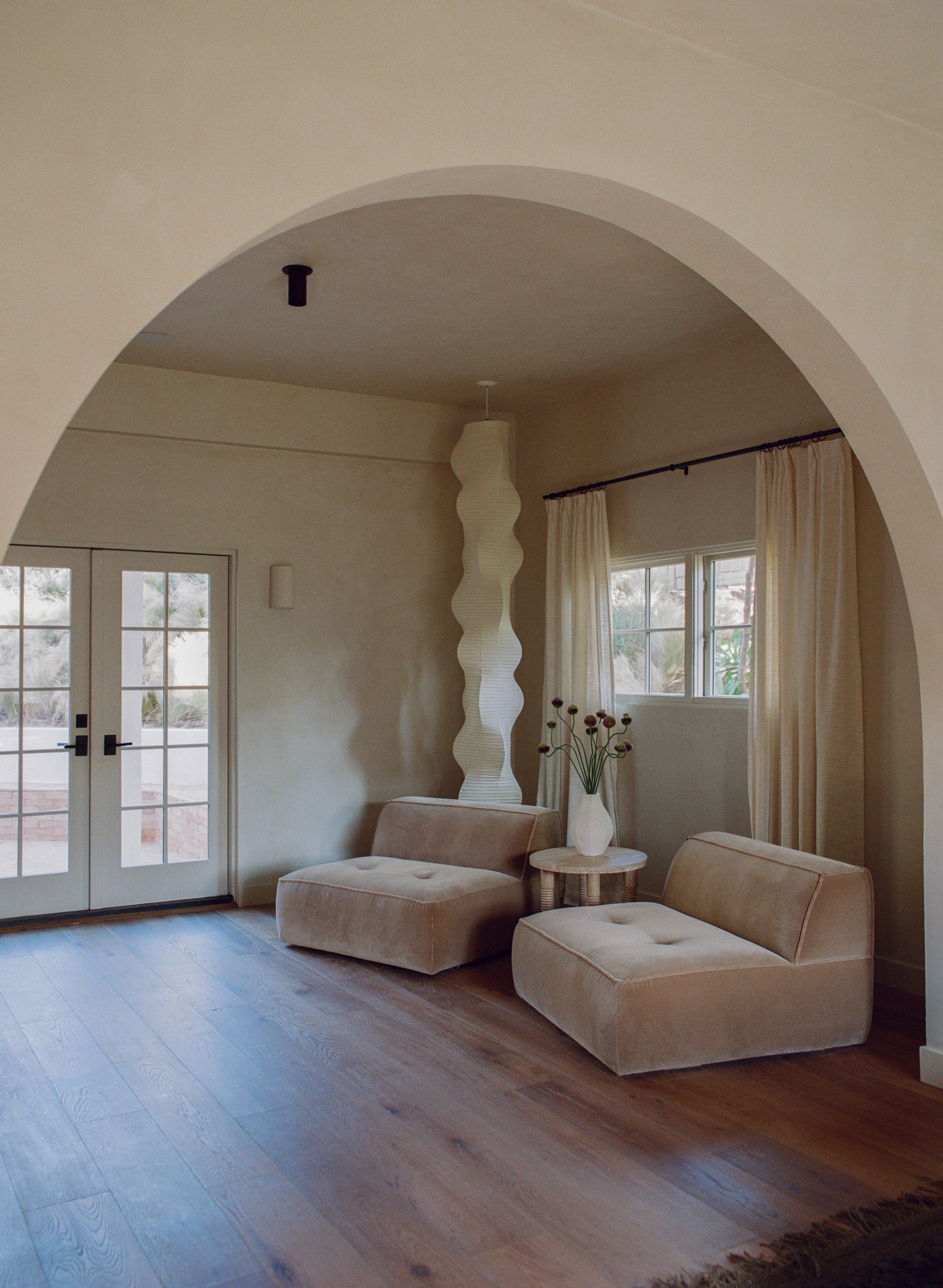
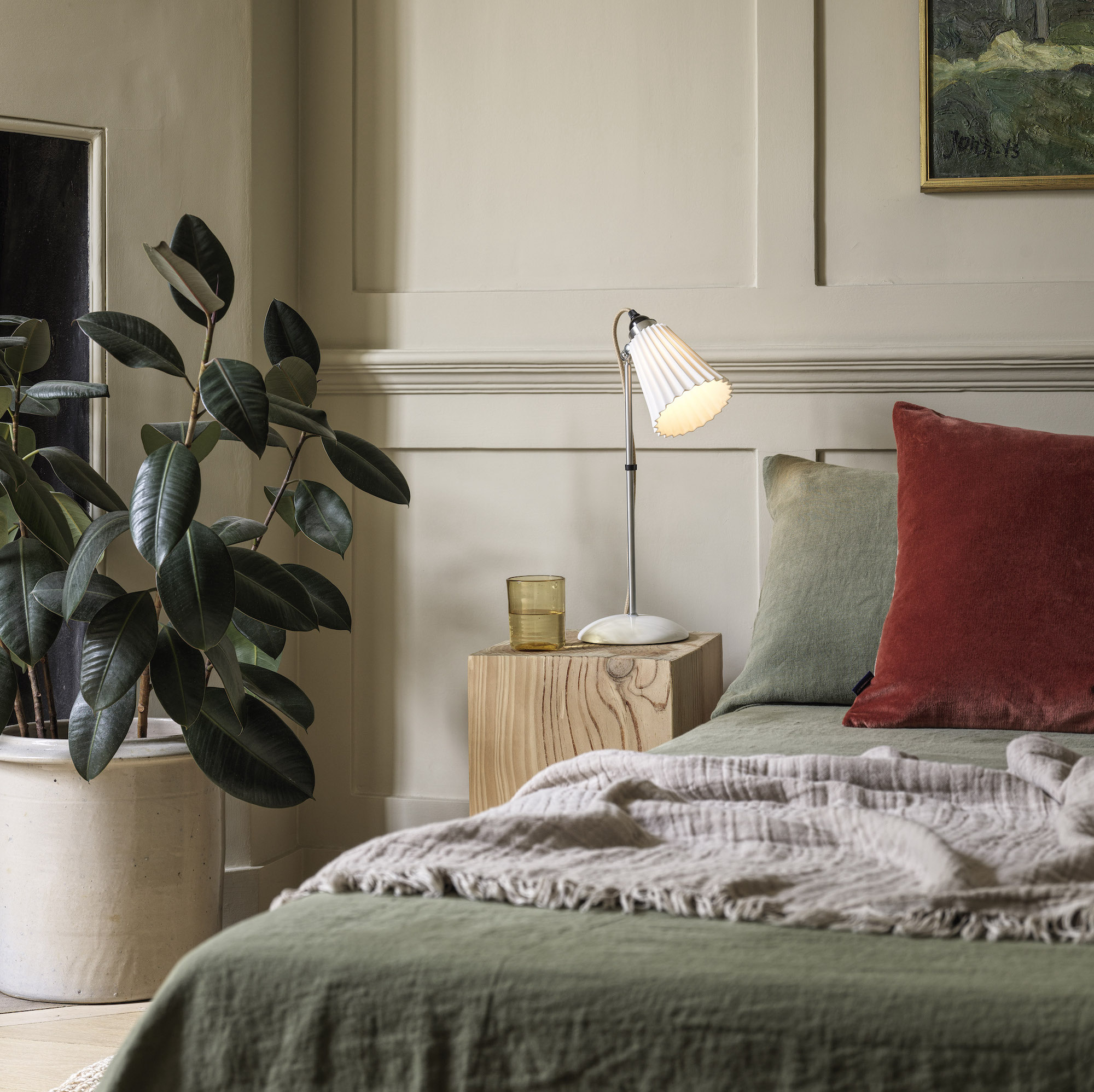
Floor lamps are excellent for creating pools of light in corners, enhancing the coziness of a bedroom. When choosing a floor lamp, it is important to select a shade that diffuses light gently rather than creating a harsh spotlight. Replacing traditional fixtures with oversized lanterns can introduce an unexpected yet modern bohemian feel, particularly with fabric elements that add softness. Fabric lighting, as Jo Plismy recommends, contributes to a romantic and tranquil atmosphere, with soft folds and tonal shades. Exposed bulbs, when carefully chosen for a warm tint and dimmable functionality, can offer a minimalist yet impactful statement.
Finally, practical considerations like switch options are essential. Rob Lessmann, founder of Design'd Living, suggests incorporating three-point switching for all lights, allowing control from the bedside, the door upon entry, and a main control panel for all secondary lights. Regarding the number of lights, Niki Wright, founder of Lights and Lamps, advises a minimum of two (ceiling light and bedside lamp/pendant) but no maximum, emphasizing soft, dimmable lighting for mood creation. The brightness of bedroom lighting depends on the desired function, with dimmer switches being the most adaptable solution. For technical precision, bedroom lighting typically requires 10-20 lumens per square foot, a measurement common for modern LED bulbs, according to Pooky's lighting experts.
#BedroomLighting #InteriorDesign #HomeDecor #LightingDesign #ModernBedroom #AmbientLighting #TaskLighting #AccentLighting #DesignerTips #BedroomLighting #InteriorDesign #HomeDecor #LightingDesign #ModernBedroom #AmbientLighting #TaskLighting #AccentLighting #DesignerTips
0 comment in total
 No comments yet
You may also like
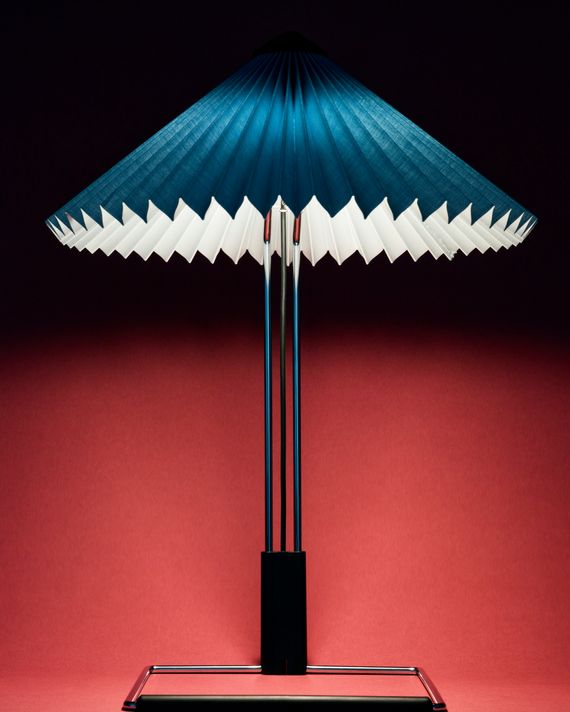
The 17 Very Best Bedside Lights
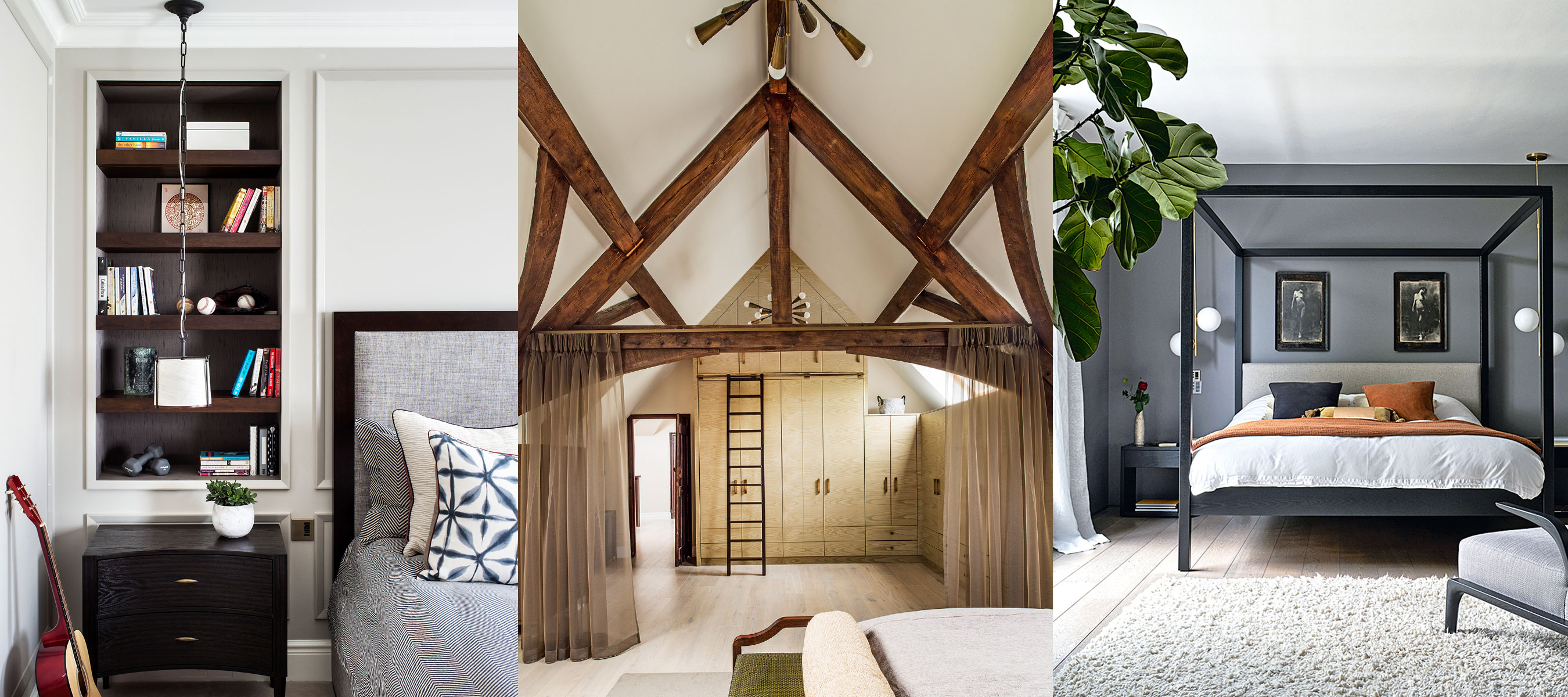
Bedroom ceiling light ideas – 15 ways to brighten up your sleep space

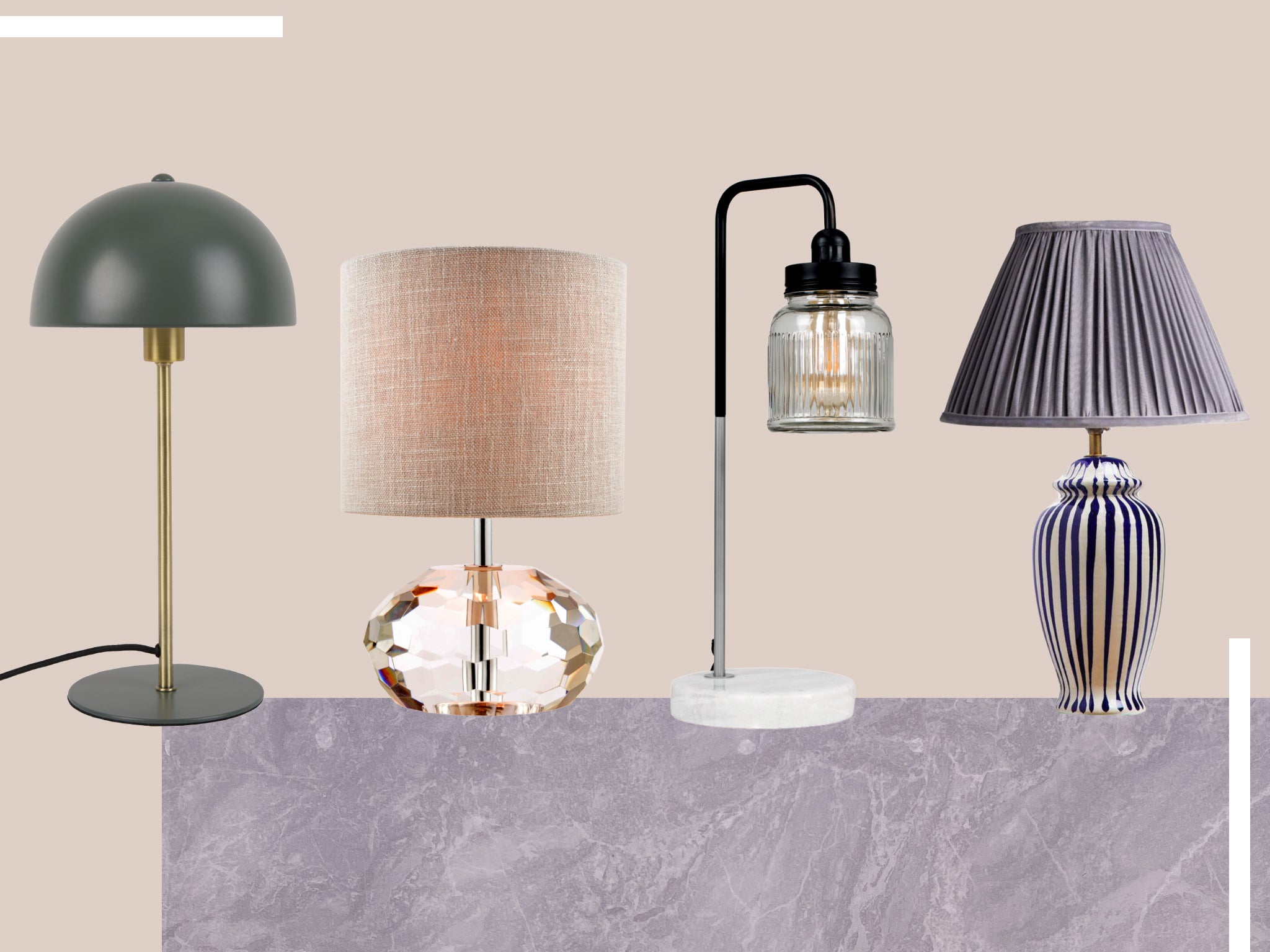
9 best bedside lamps for brightening up your bedroom
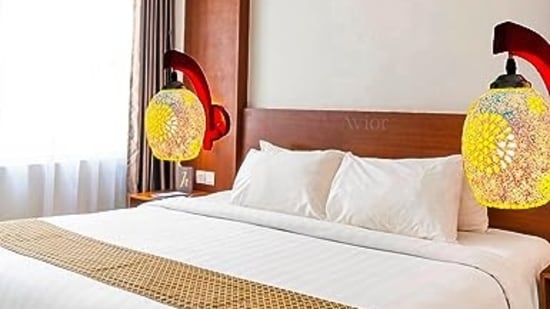
Bedroom decor lights: 10 picks for amazing makeover | Hindustan Times

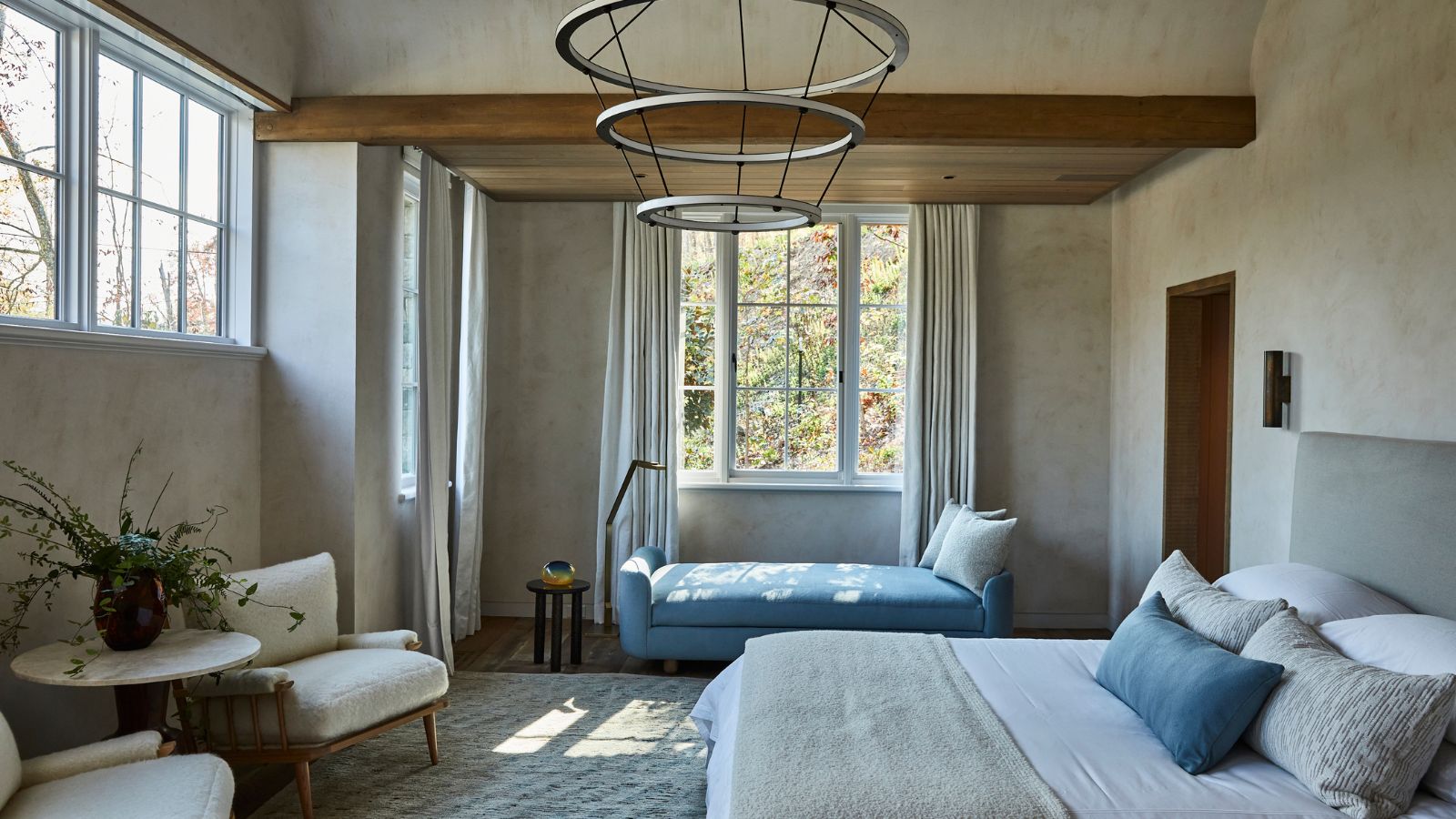
Bedroom lighting ideas – 18 unique and stylish ways to light your sleep space
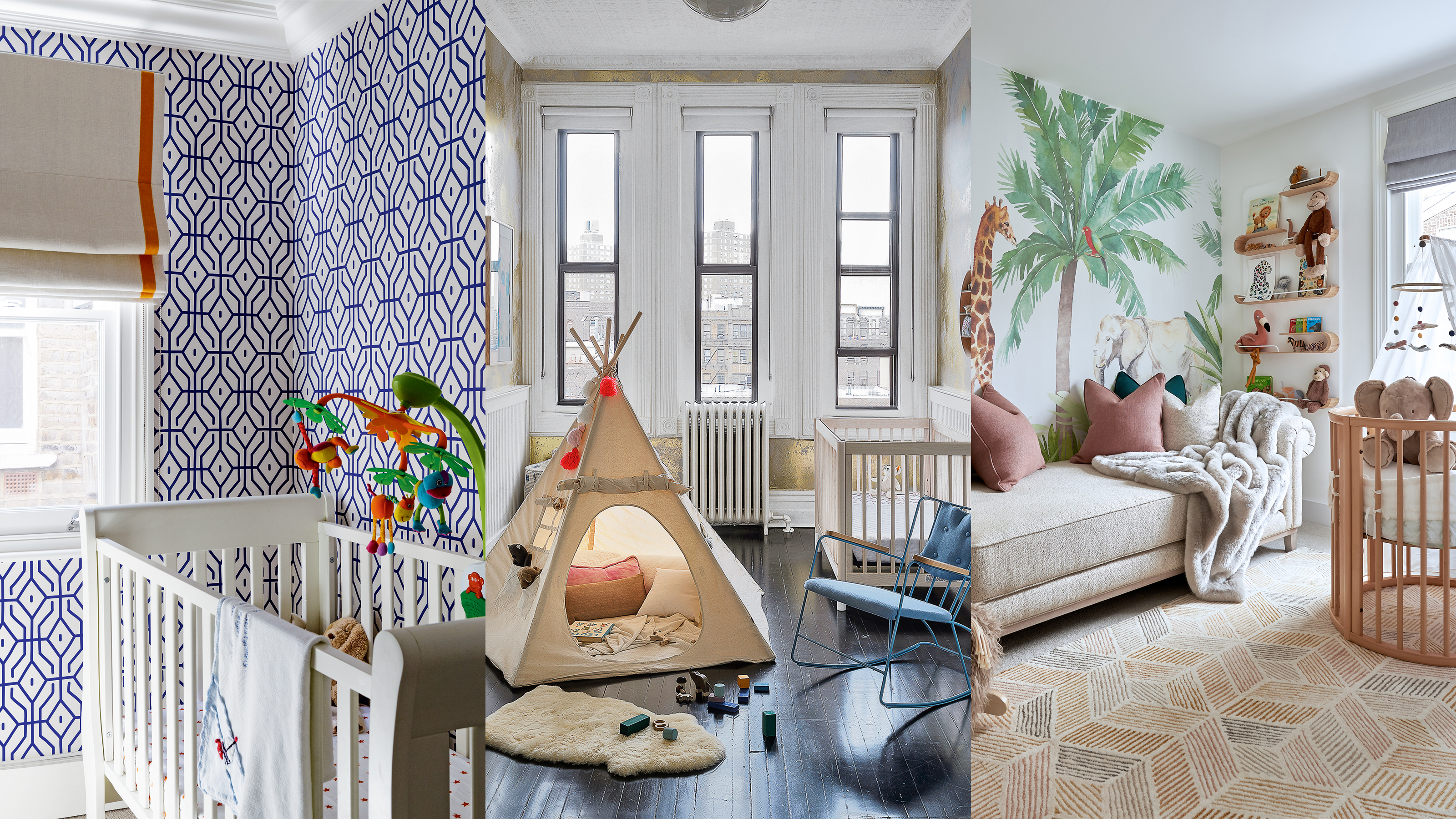
Baby boy nursery ideas – 17 tips for creating a soothing sleep space
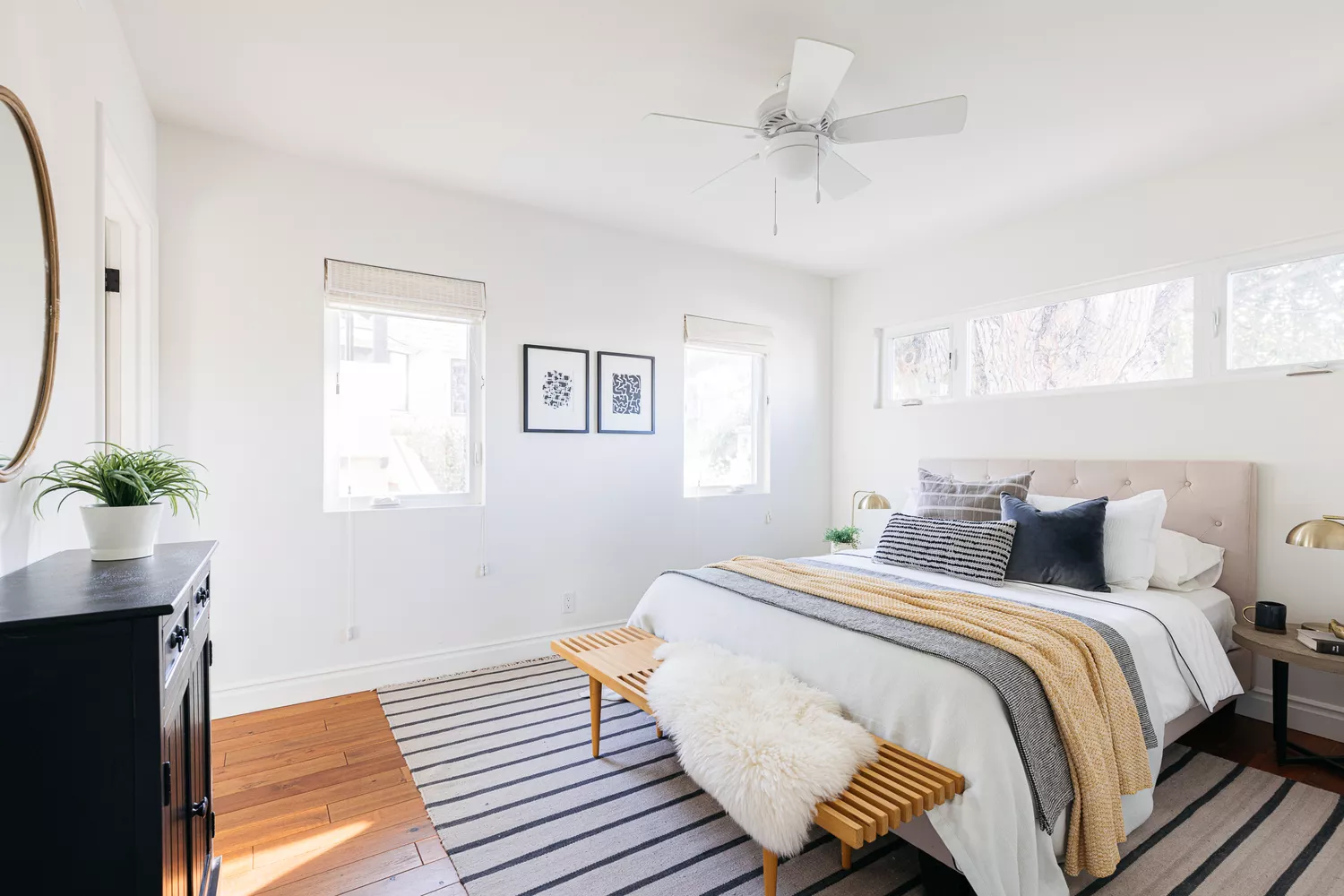
26 Calm Bedroom Ideas for a Restful Night's Sleep

18 Attractive Night Lights That Won't Ruin Your Home's Aesthetic
28 Designer Lighting Ideas for Creating an Idyllic Bedroom Glow in 2023

16 Relaxing Bedroom Decor Ideas to Make Your Sleep Space as Serene as Possible

13 dark bedroom ideas for a dramatic and cocooning space

Bedroom Christmas light ideas – 16 festive lighting looks

27 Bedroom Lighting Ideas That Add Style and Ambience
Calm bedroom ideas – 11 style tricks to create a soothing sanctuary

32 bedroom lighting ideas to illuminate your space like a dream

I tried this 5 step guide to restyle my nightstand – and it's seriously elevated my bedside set-up
How can I make my bedroom lighting feel cozier? 8 tricks designers use that make for dreamy sleep spaces
18 dreamy bedroom colour ideas to create a rest-promoting, stylish space
These Lighting Ideas Will Transform Your Bedroom
20 Bedroom Color Schemes for a Cozy and Calm Sleep Sanctuary, All Picked by Designers