1/10
11 Blue Dining Room Ideas That Prove This Palette Is the Restful Shade You Want for Entertaining
The article explores the versatile use of blue in dining room designs, offering eleven distinct ideas to incorporate this color effectively. While color psychology suggests warm colors stimulate appetite and blue might suppress it, blue offers benefits such as lowering heart rate and blood pressure, making it ideal for creating a relaxing and inviting dining space. The piece highlights various approaches to decorating with blue, moving beyond simple wall paint to more nuanced design choices.
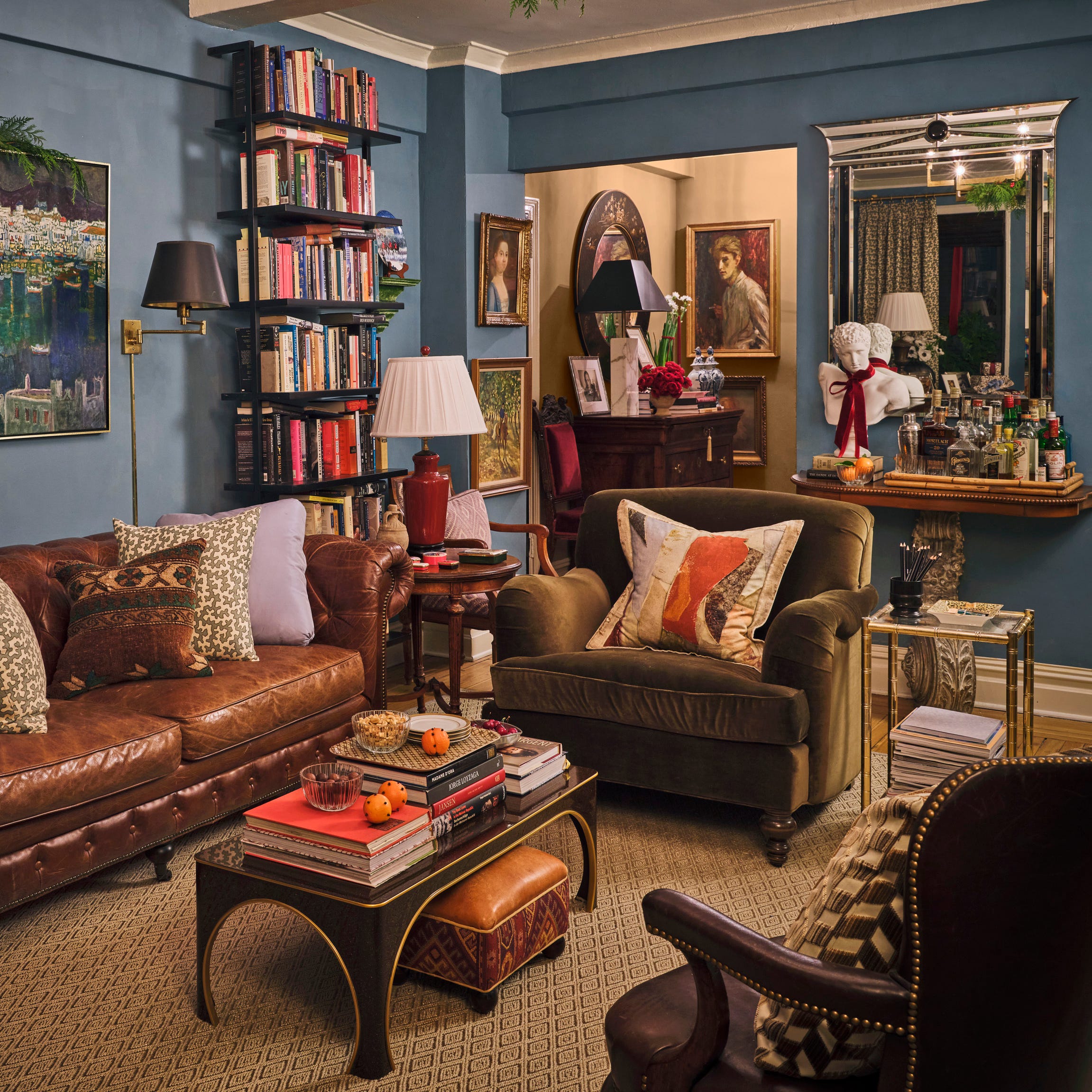
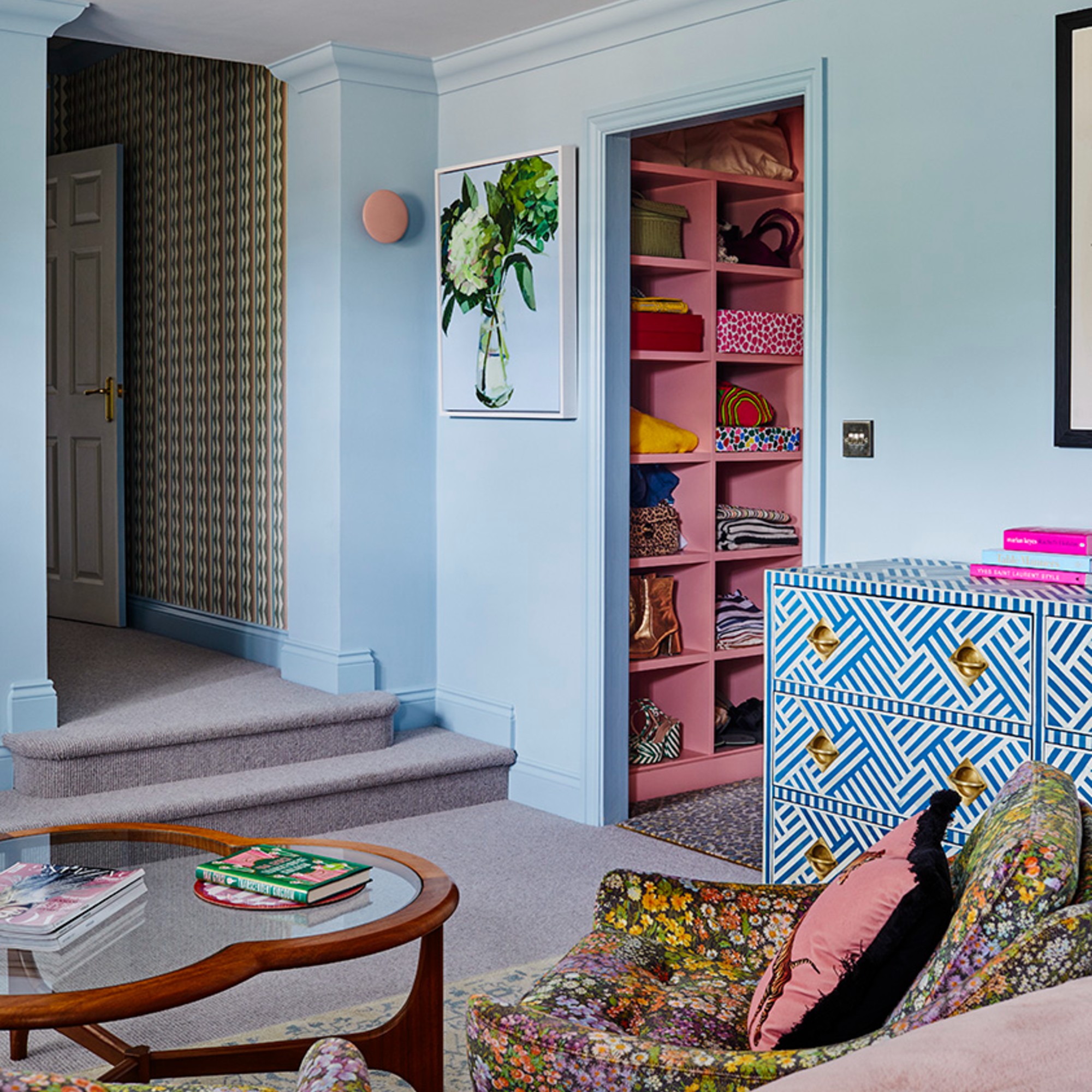
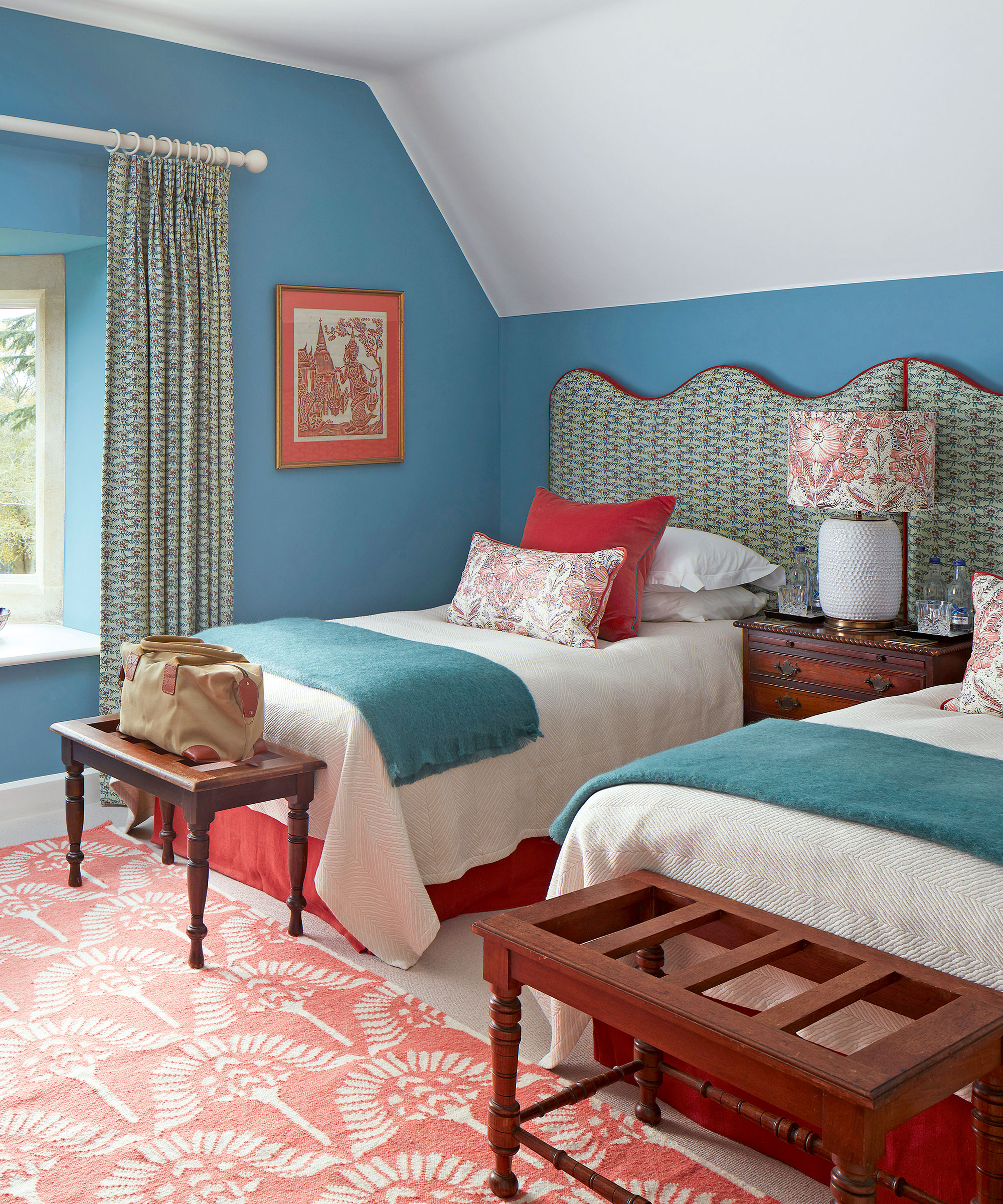
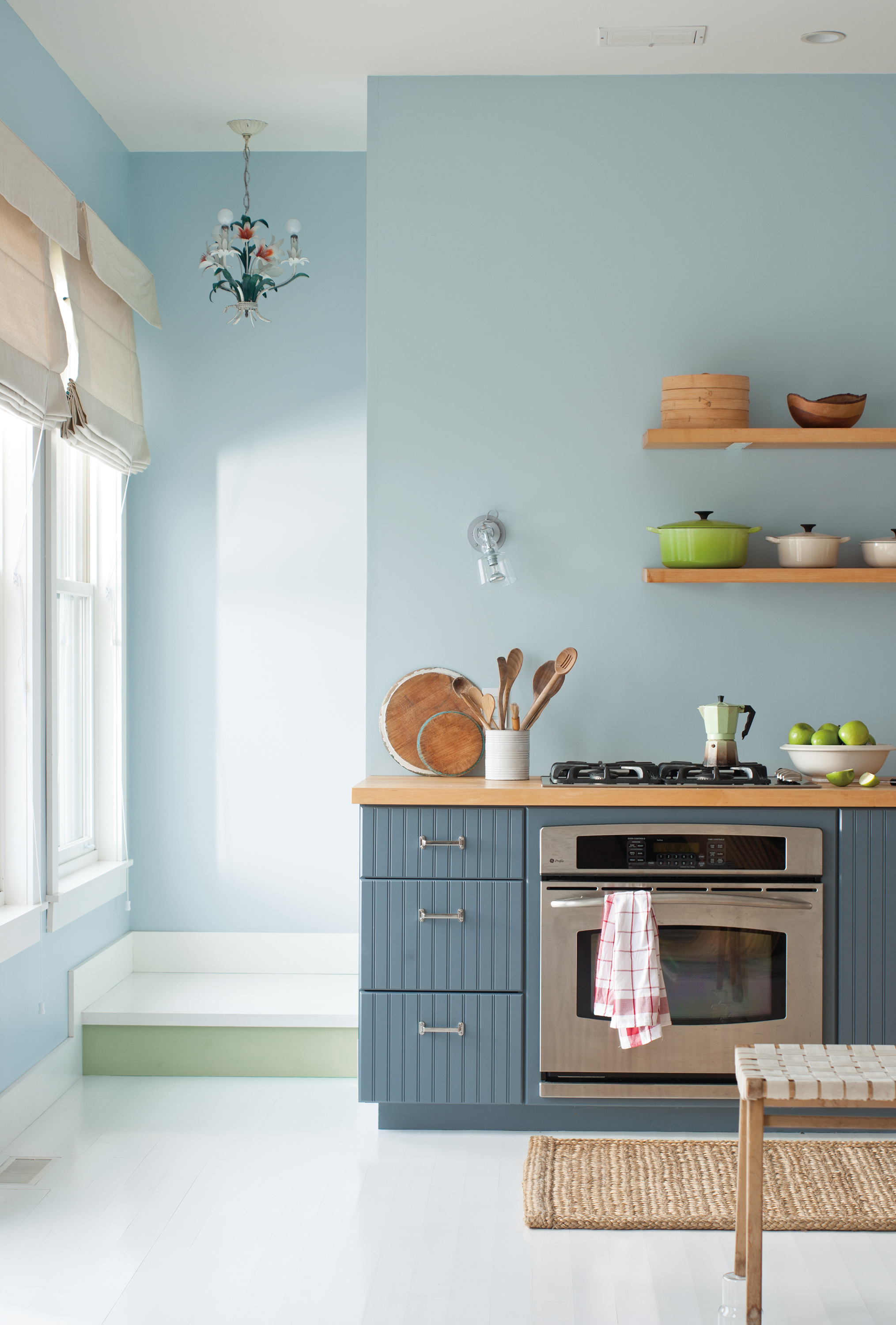
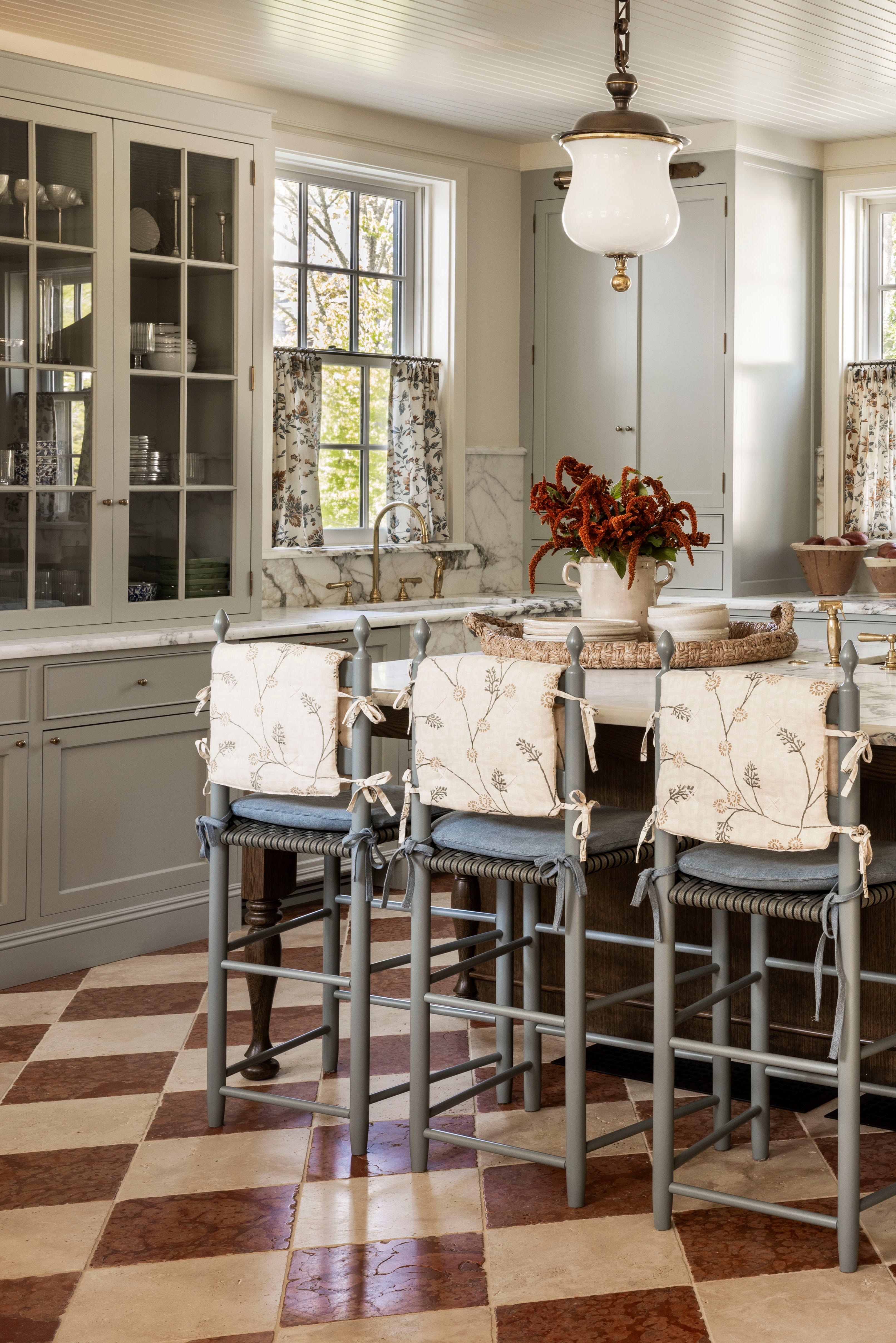
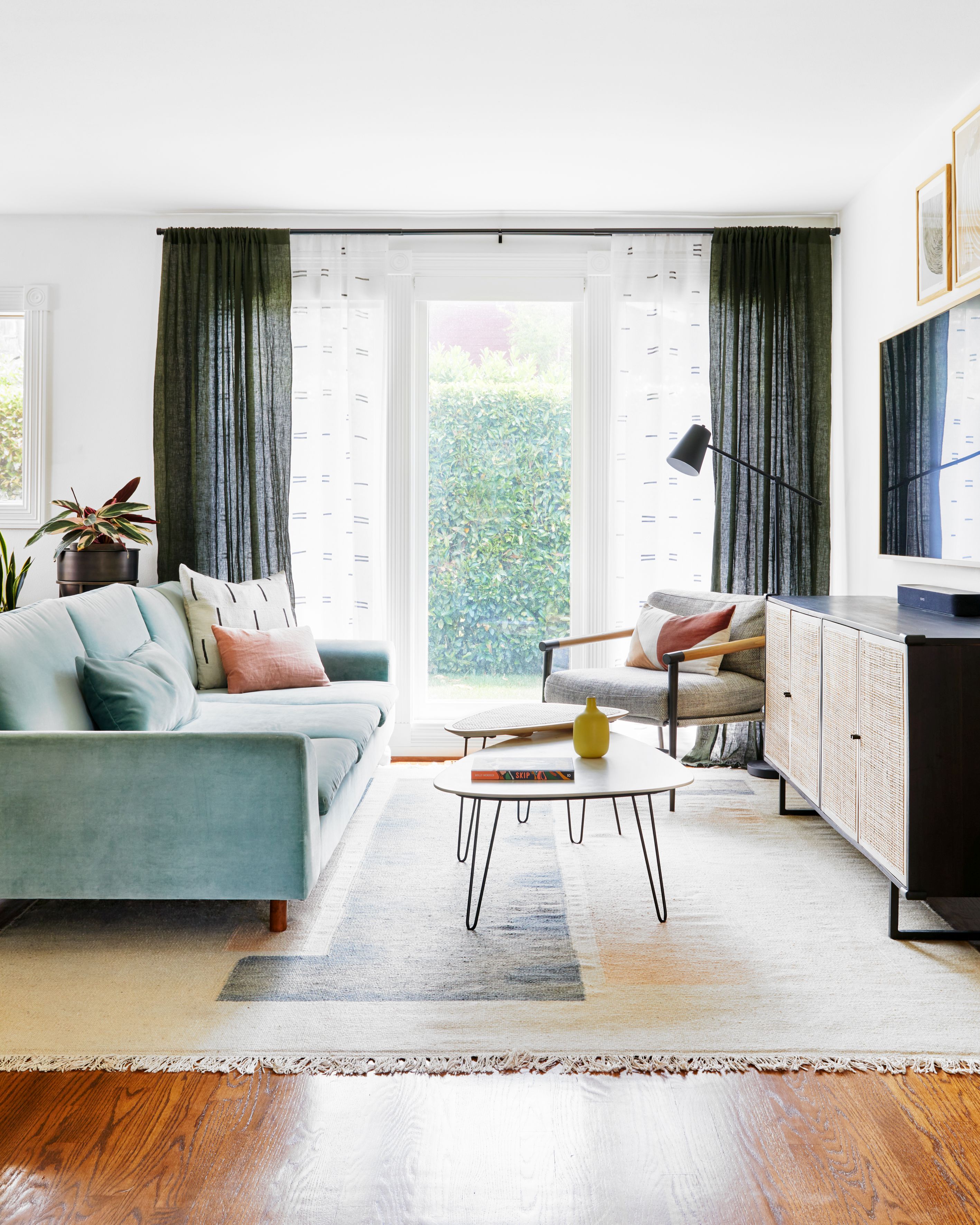
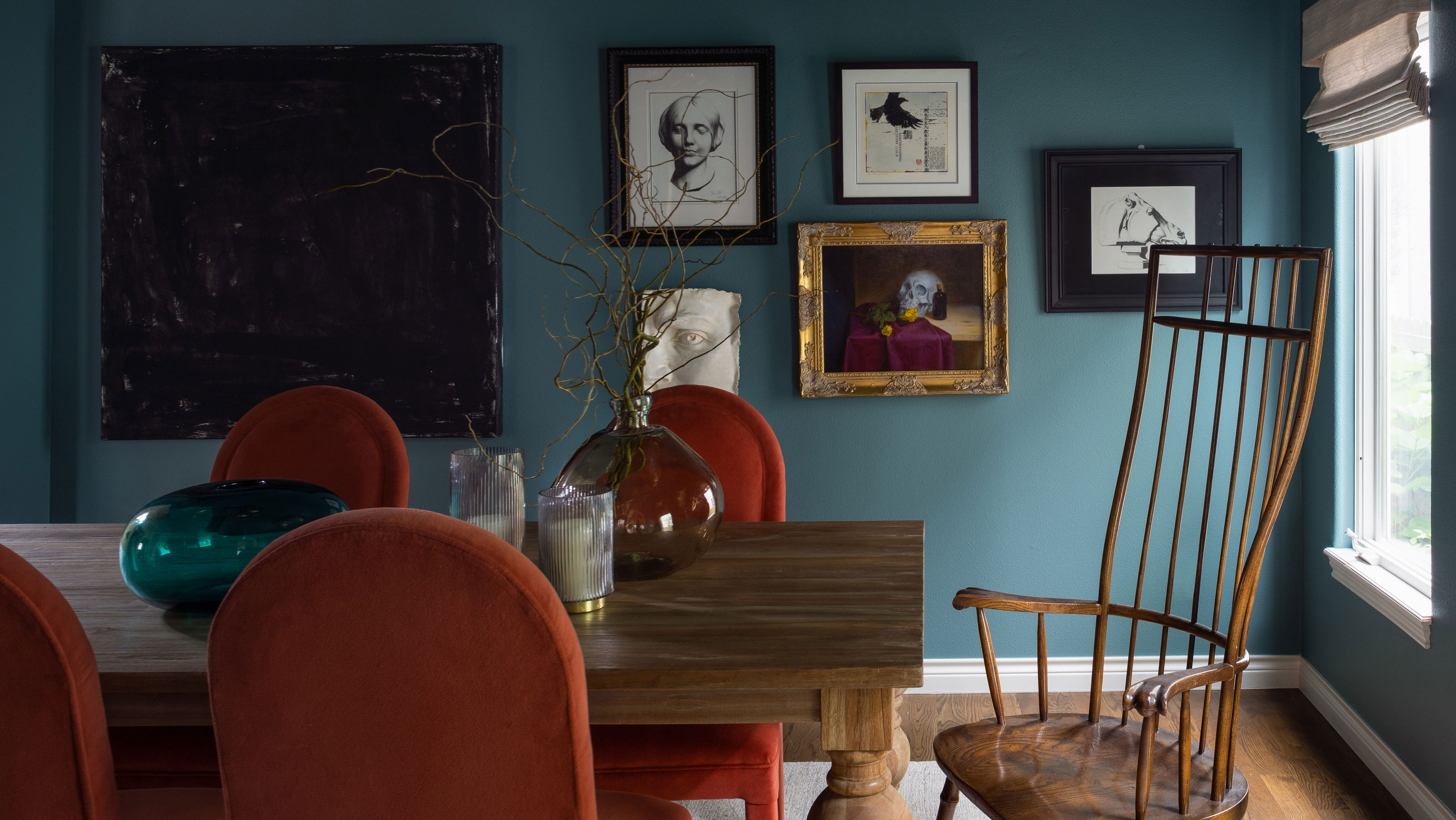
One recommendation is to pair blue with complementary colors to introduce warmth. For instance, combining blue with rust accents, brass, and wood can create a cozy and welcoming atmosphere, as demonstrated by designers using color theory to balance the coolness of blue with rich, grounding tones. For breakfast areas, a fresher, more uplifting blue palette, possibly combined with mint green, can deliver both energy and calm, making the space suitable for morning meals.
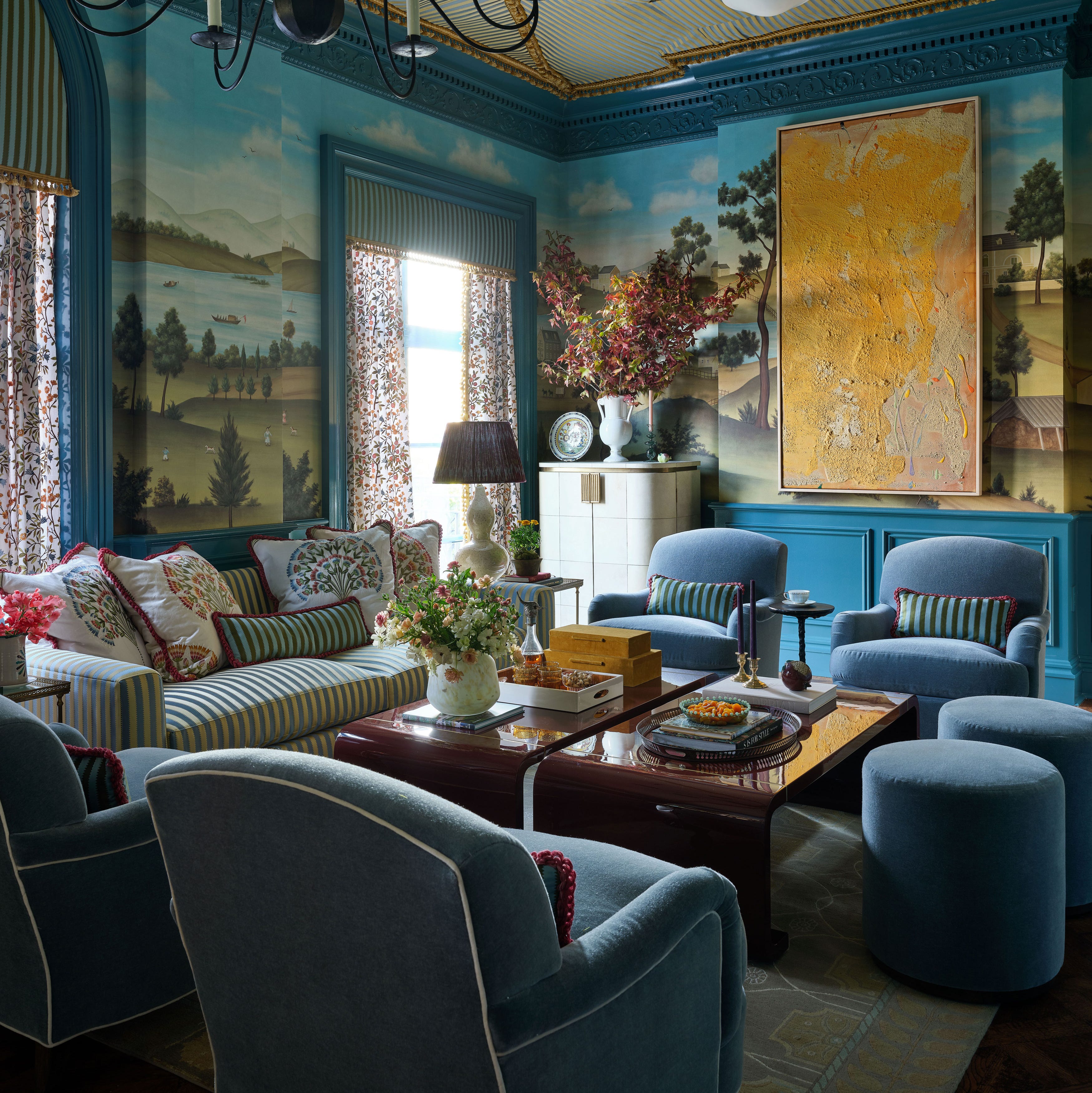
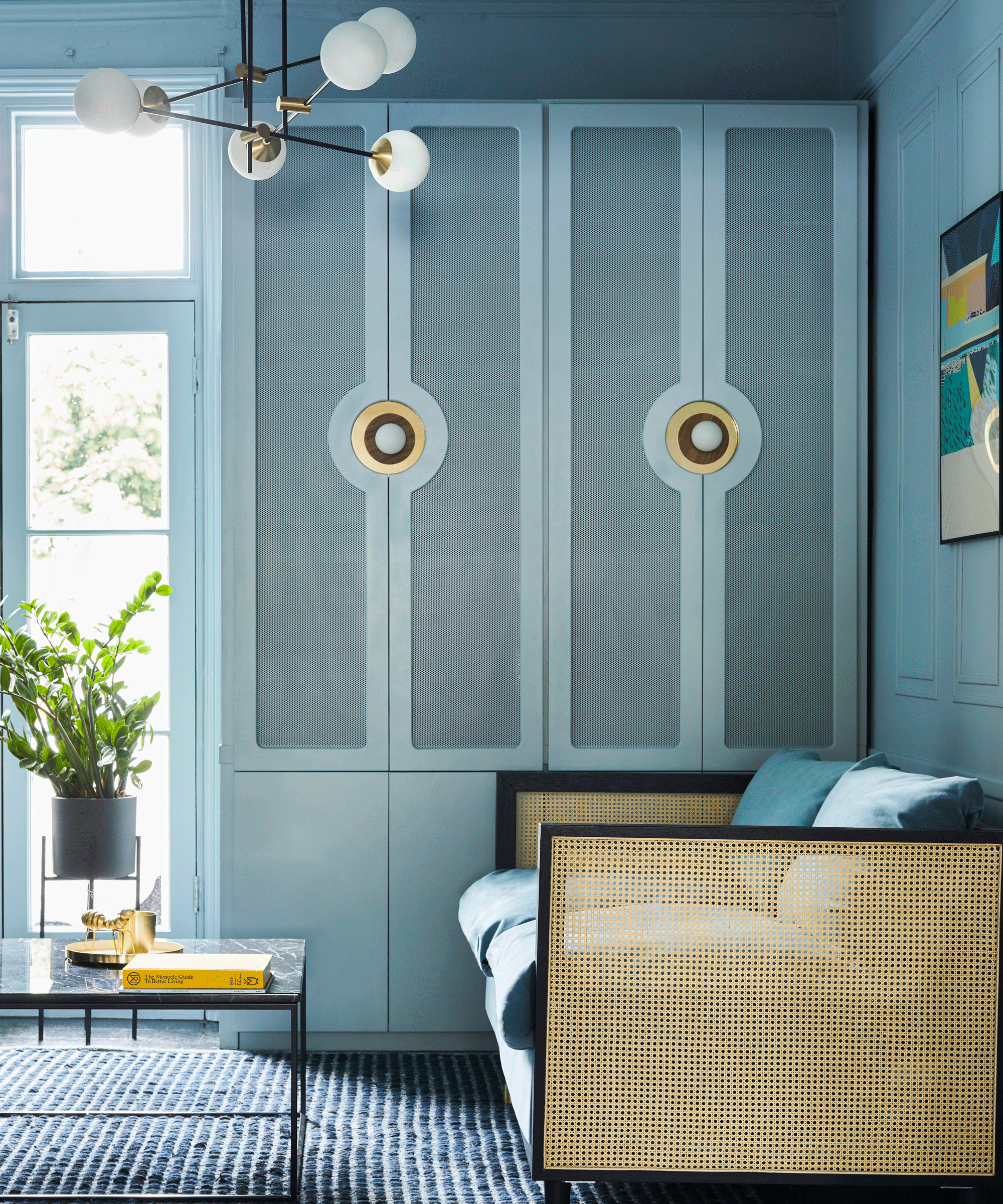
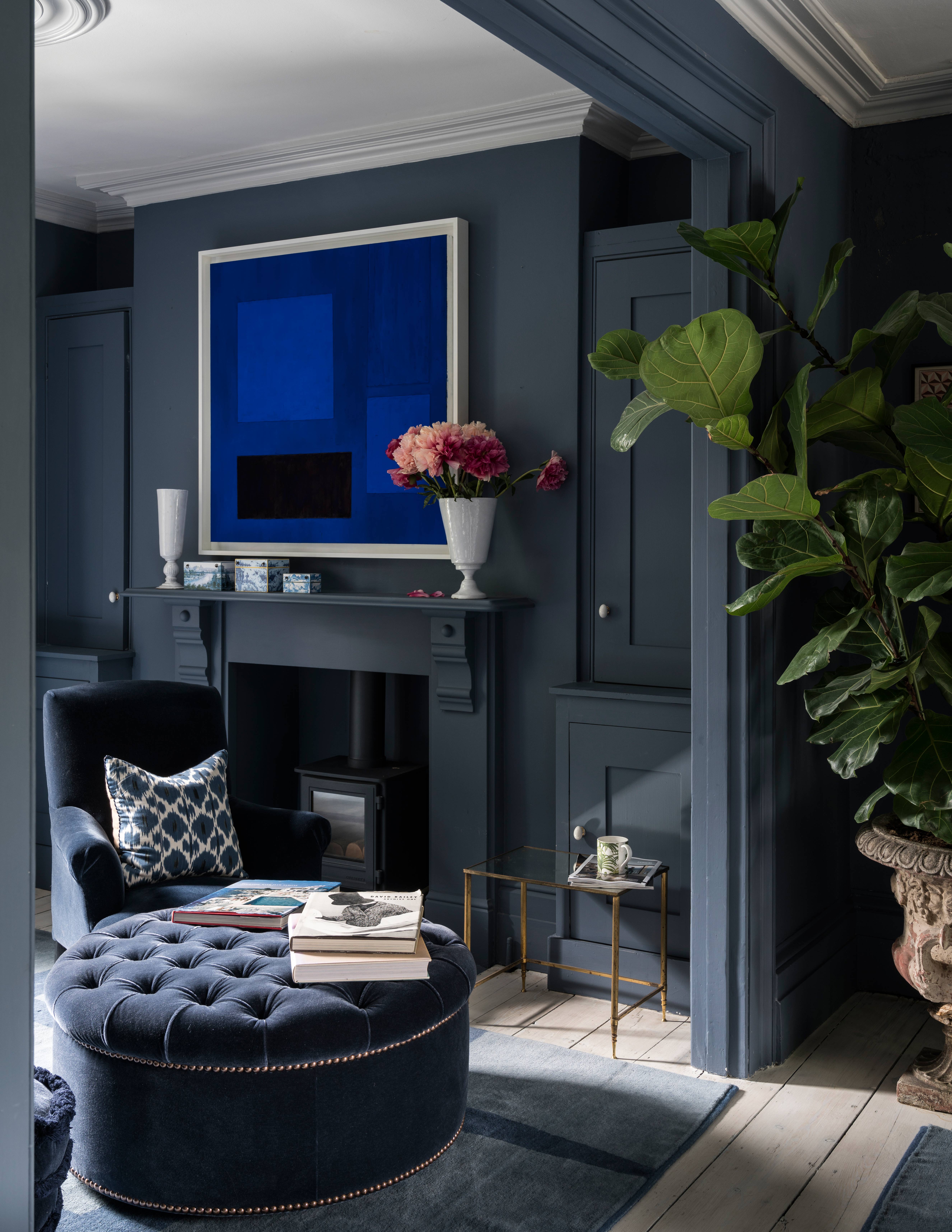
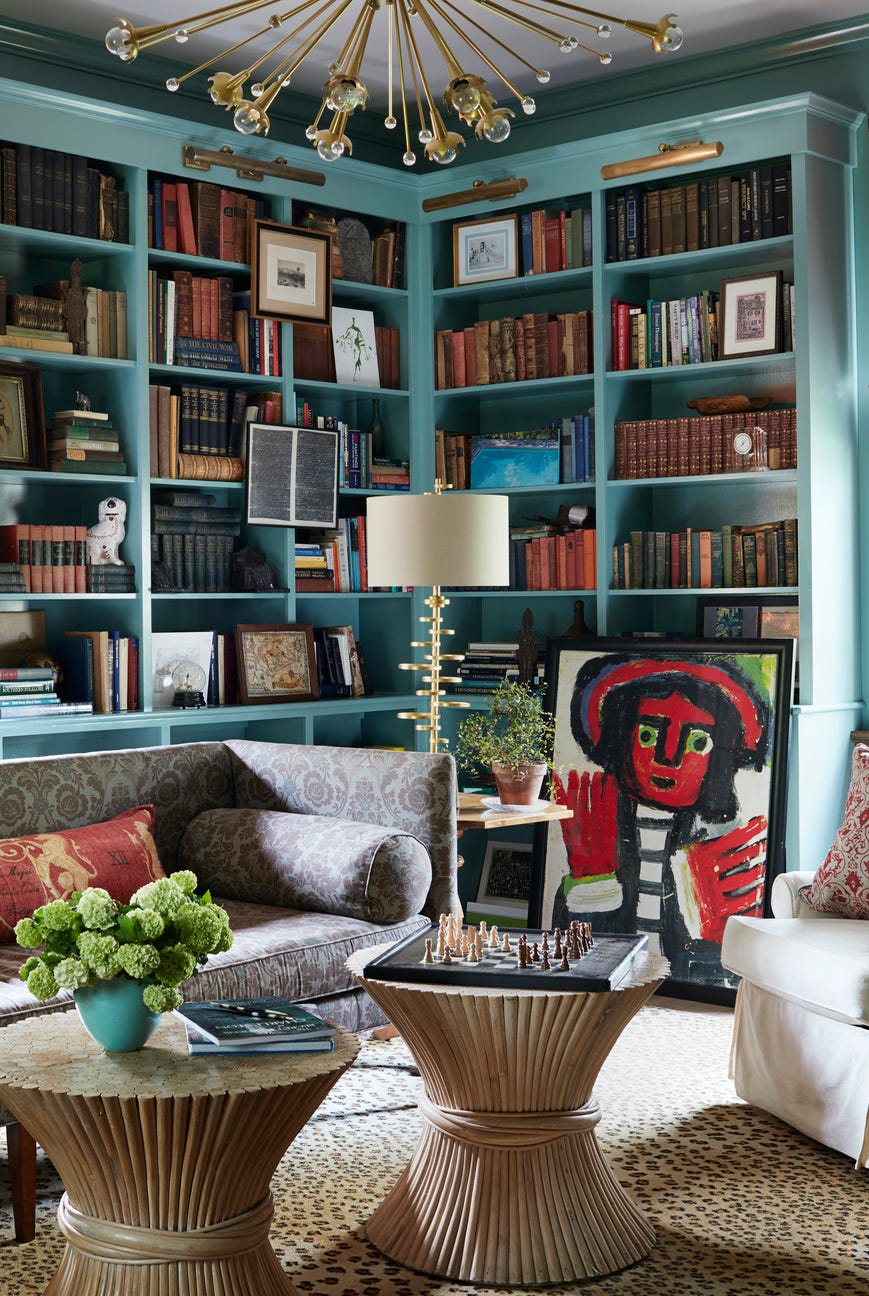
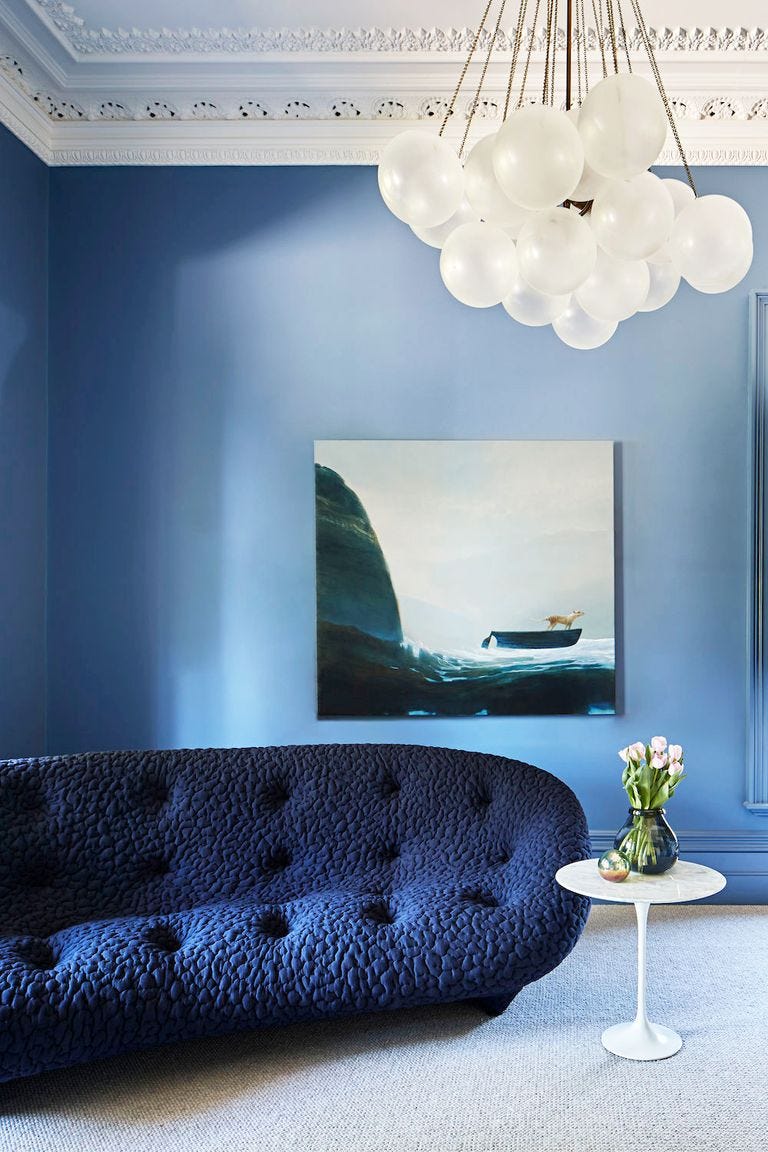
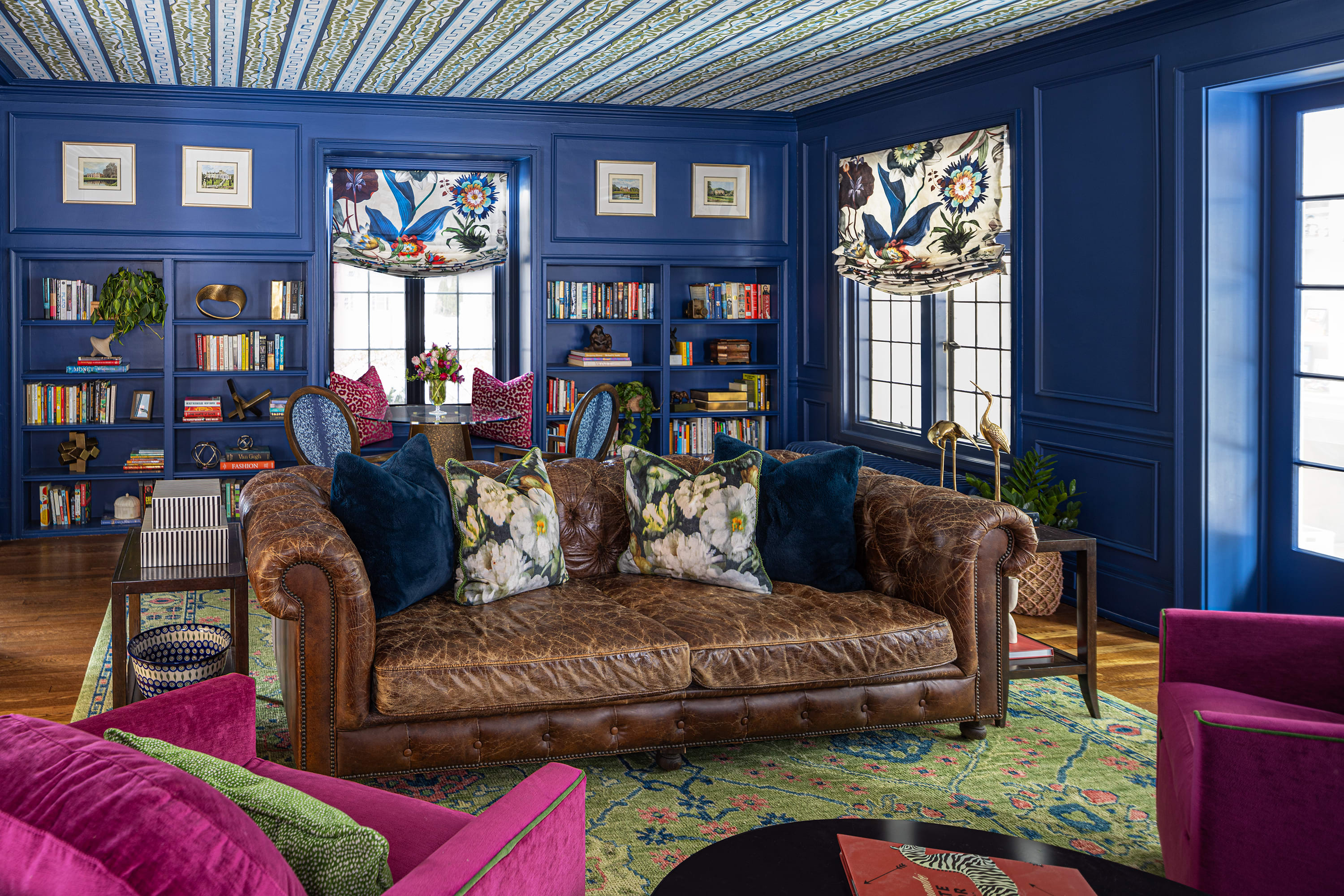
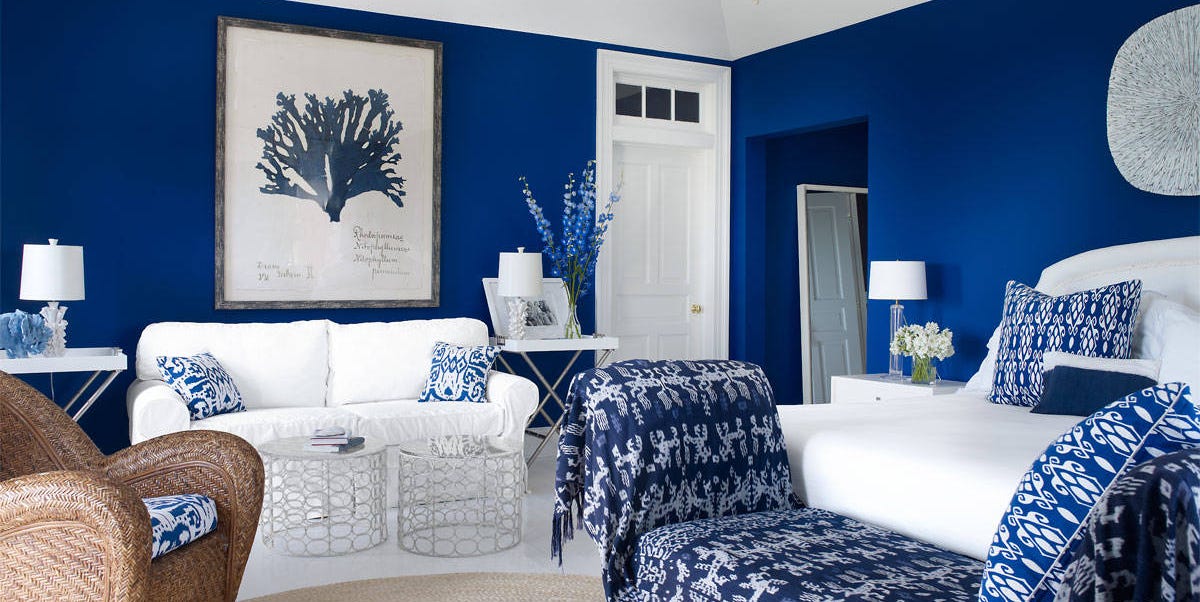
The article also advocates for color drenching in blue, especially in dining rooms used for entertaining. This technique involves painting walls, doors, furniture, ceilings, and trim in a bold blue shade to create depth and highlight architectural details like crown molding. A monochromatic blue approach can also make accent colors, such as pink, stand out more prominently. For spaces with ample natural light, a feature wall with blue-black cork wallpaper can create a dramatic and intimate dining experience, enhanced by warm wall lighting and luxurious velvet chairs.
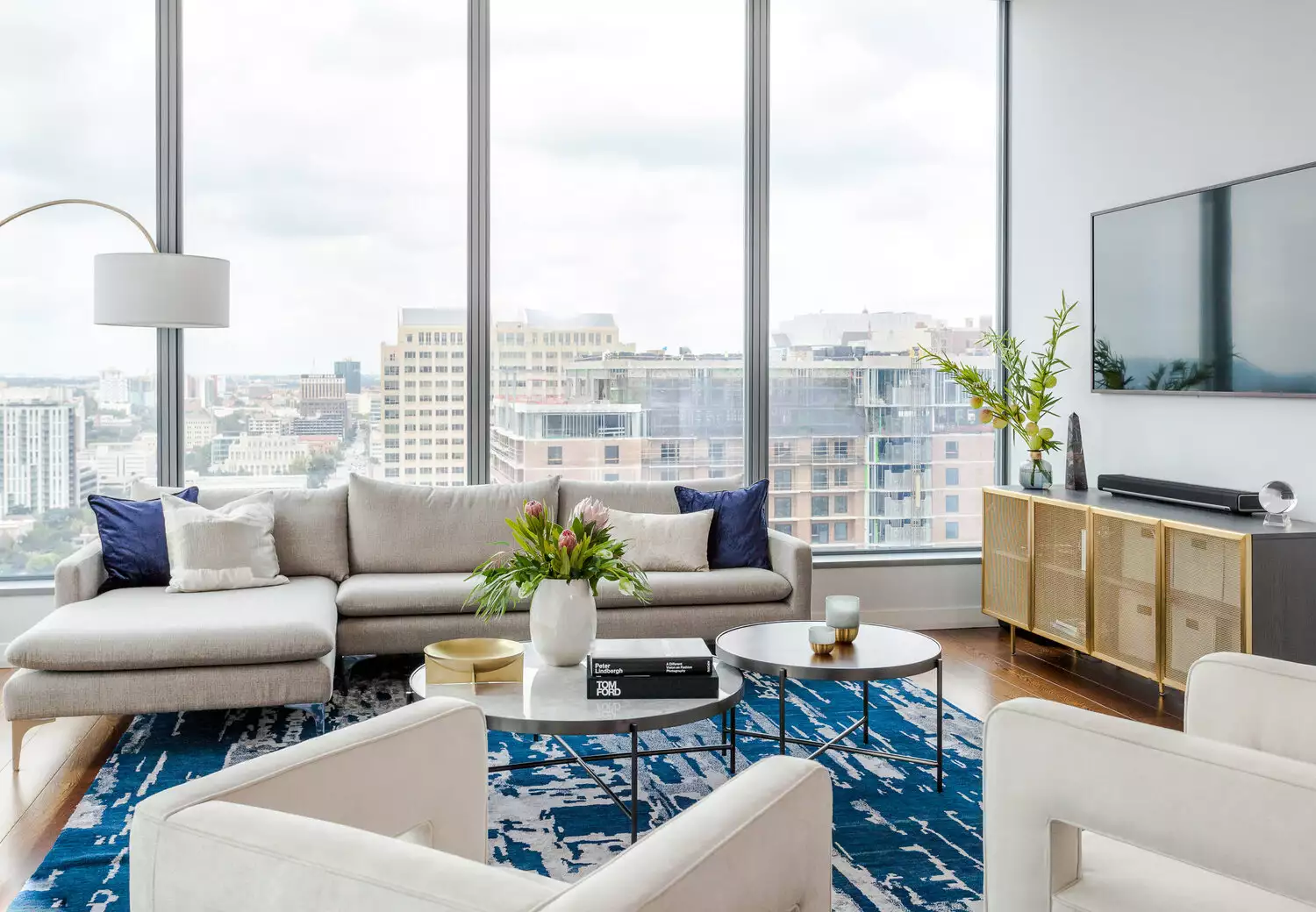
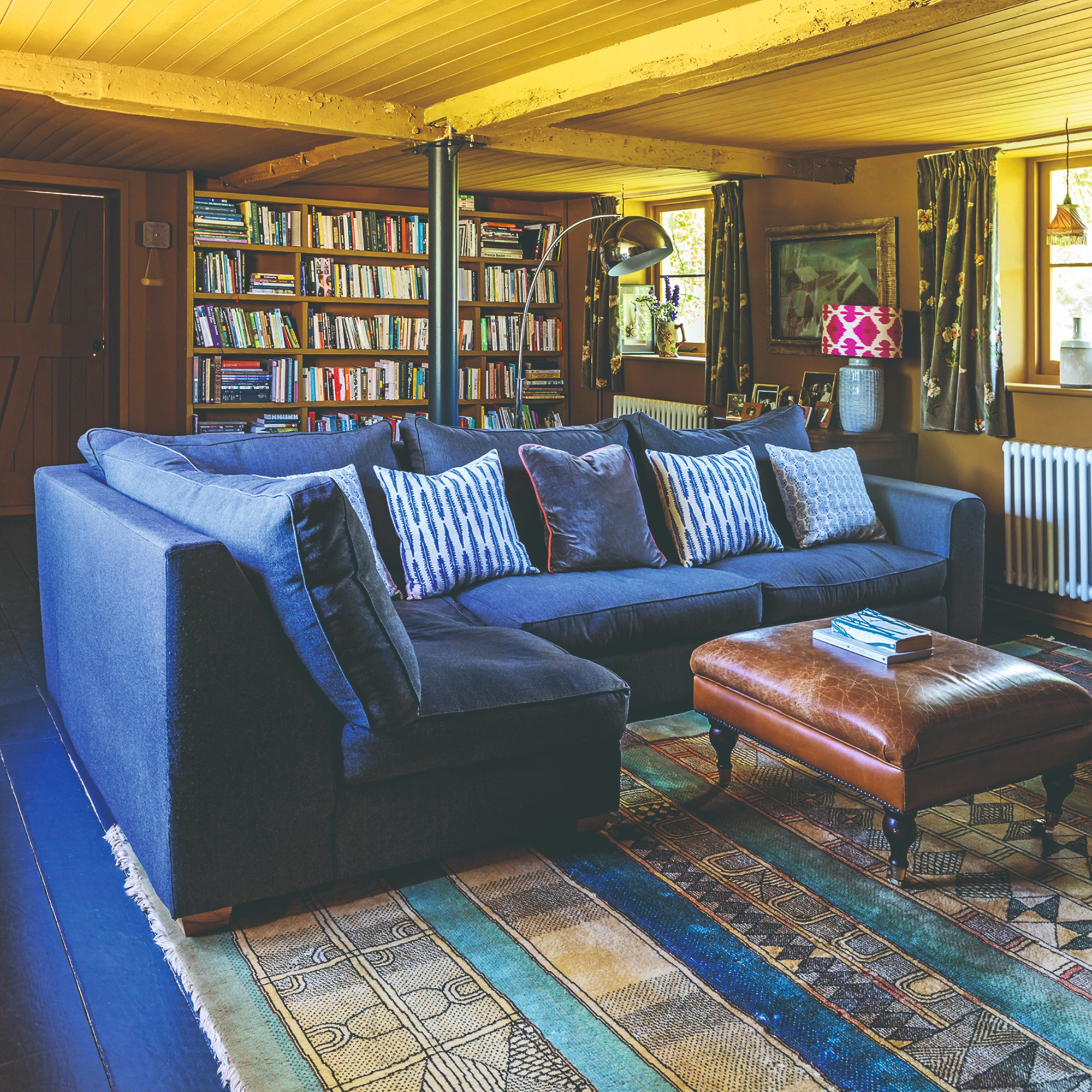
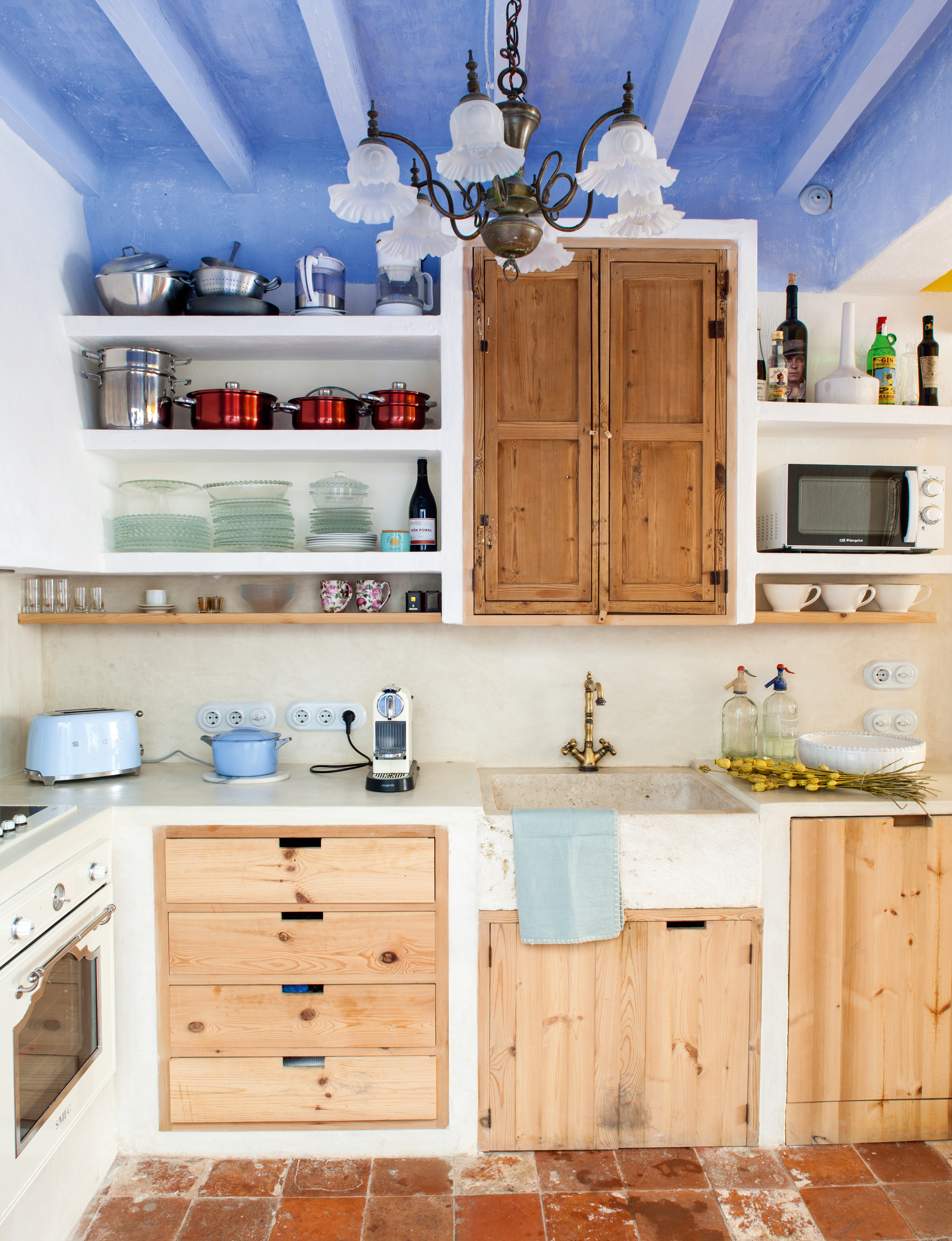
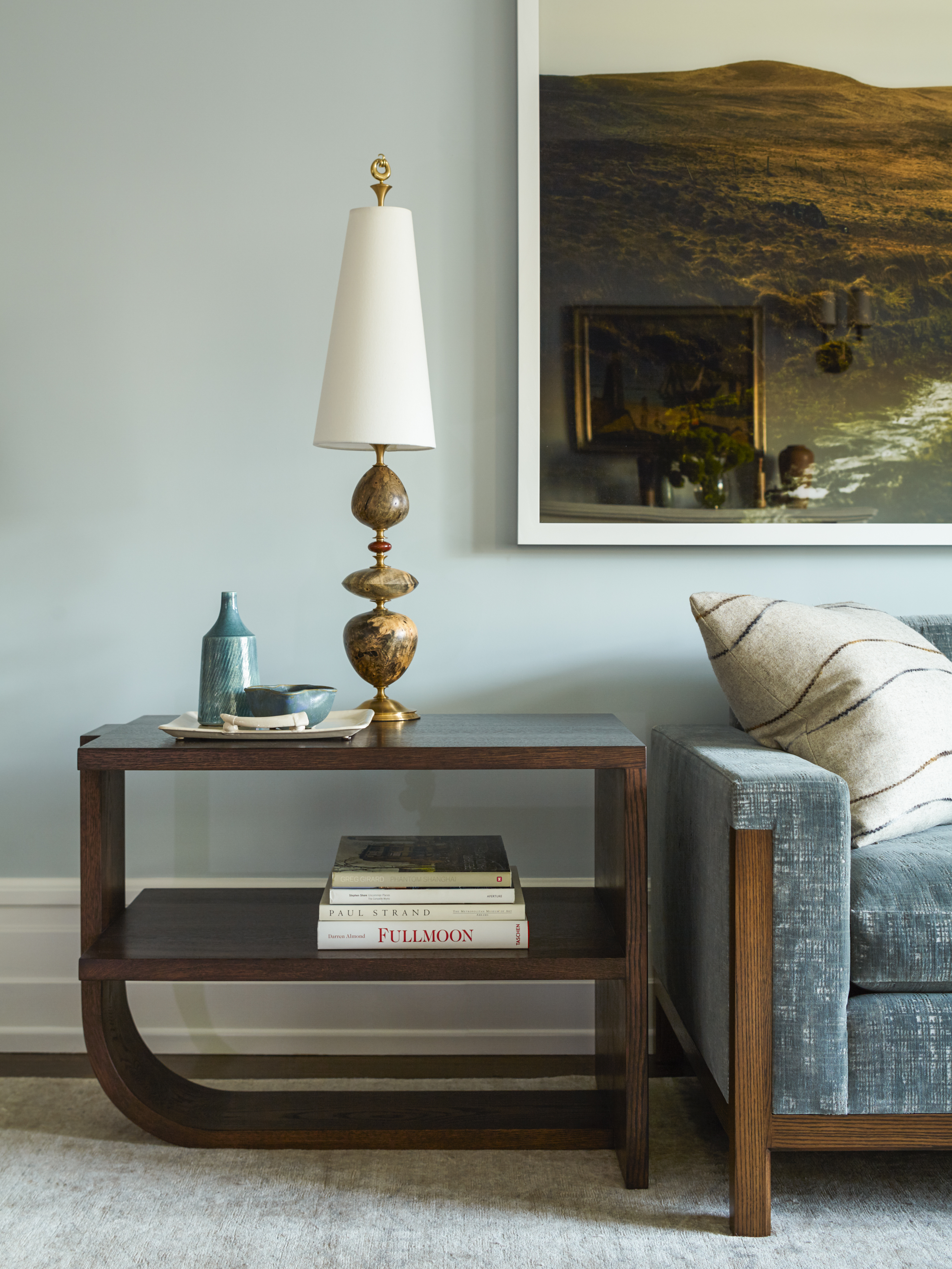
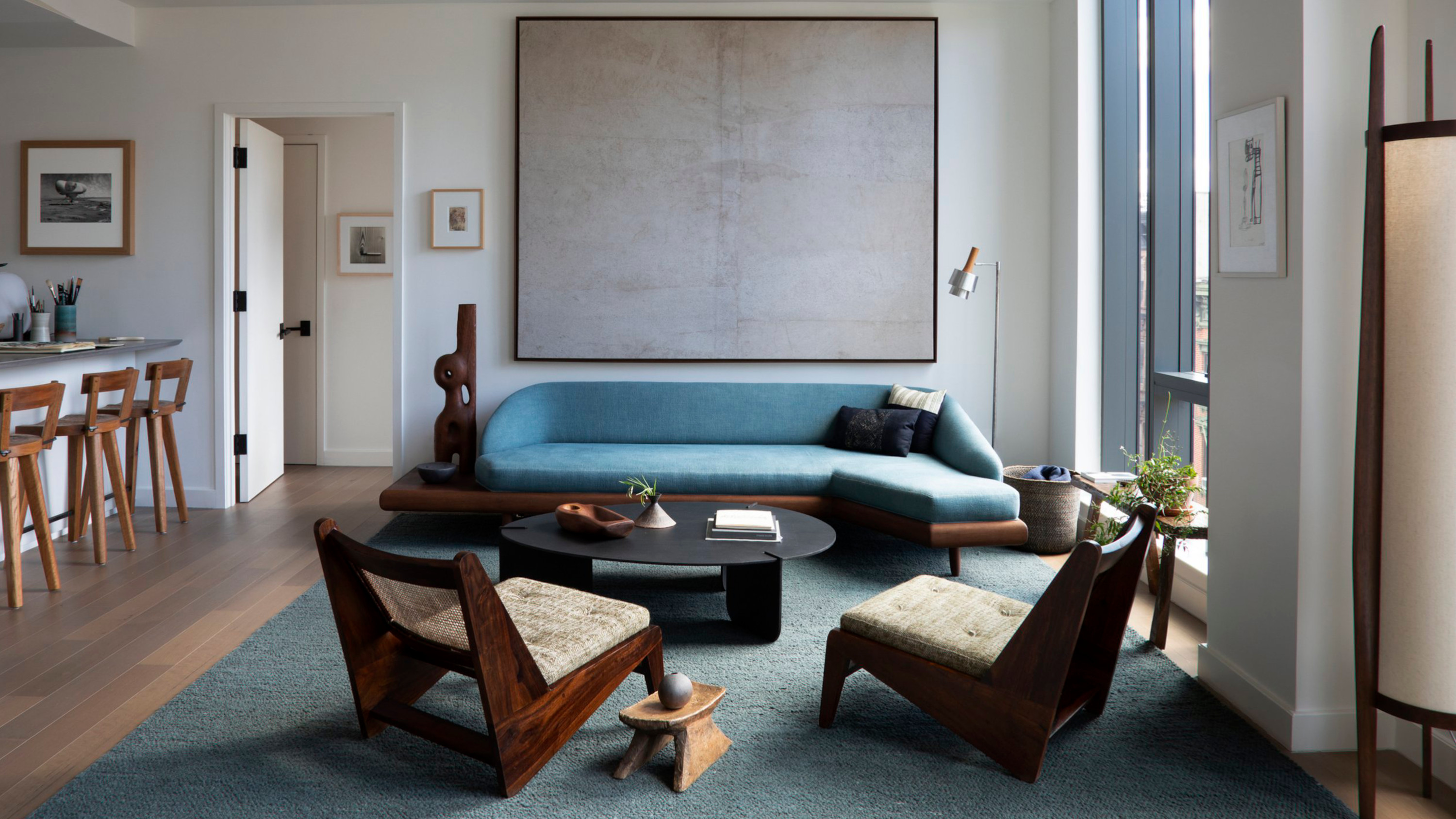
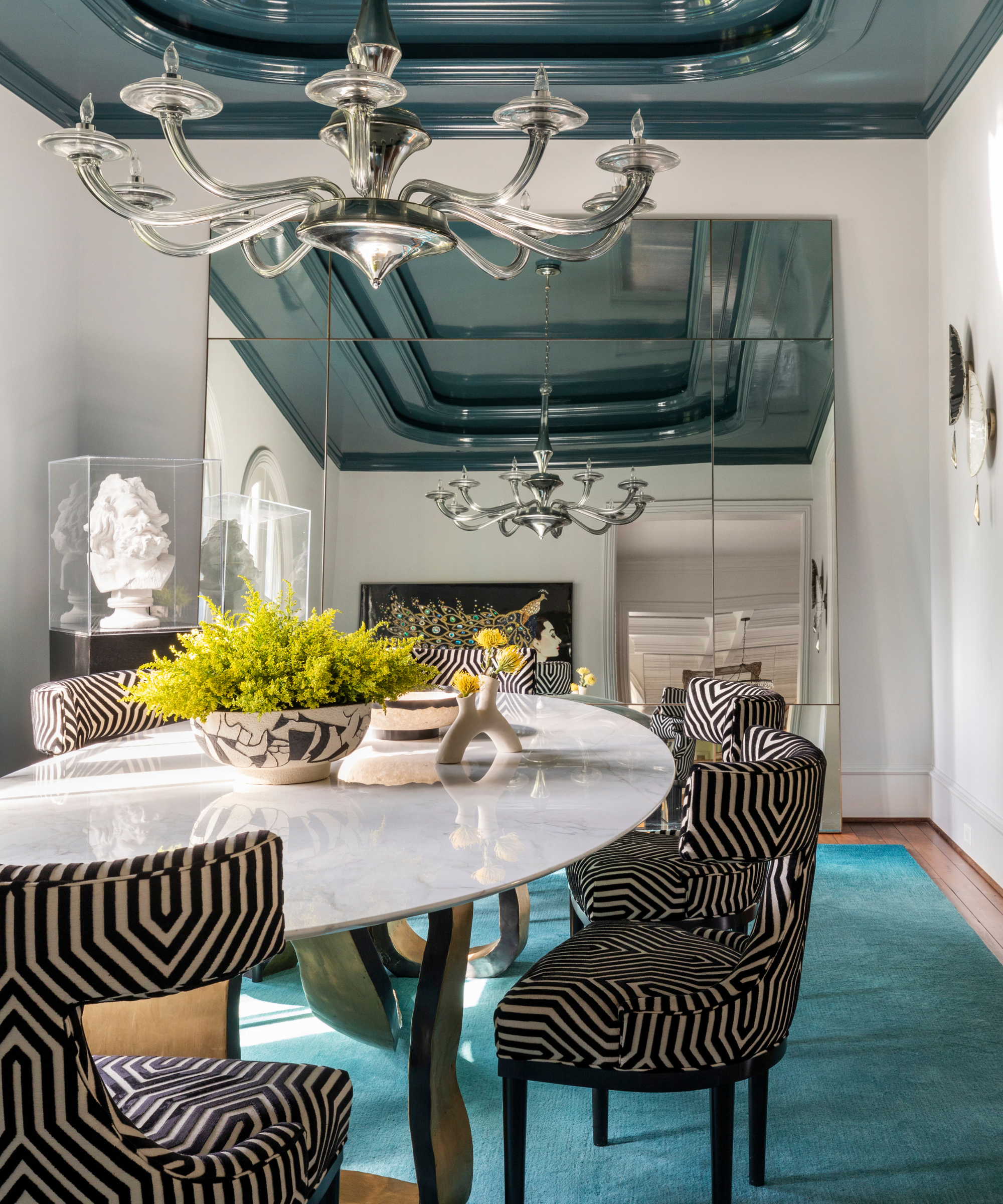
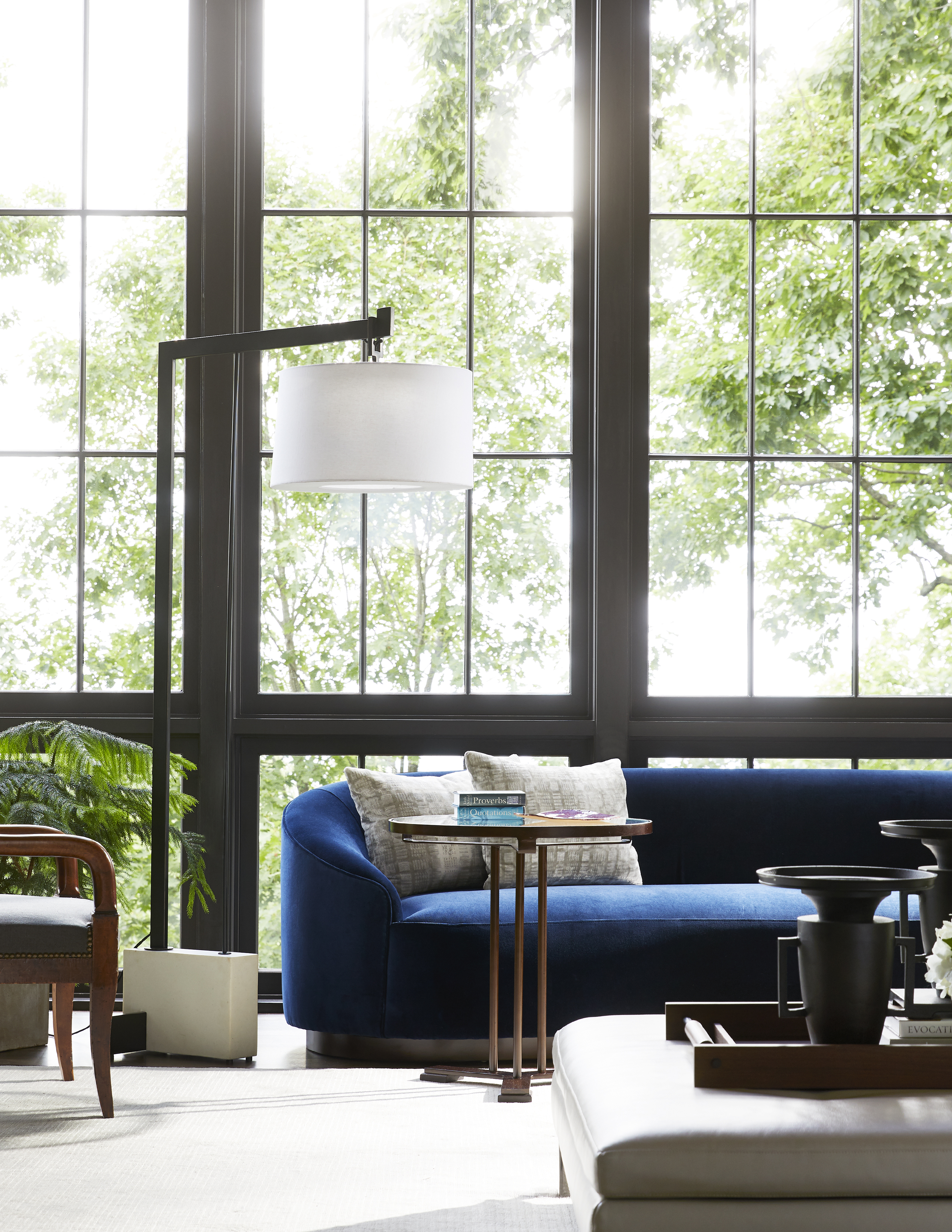
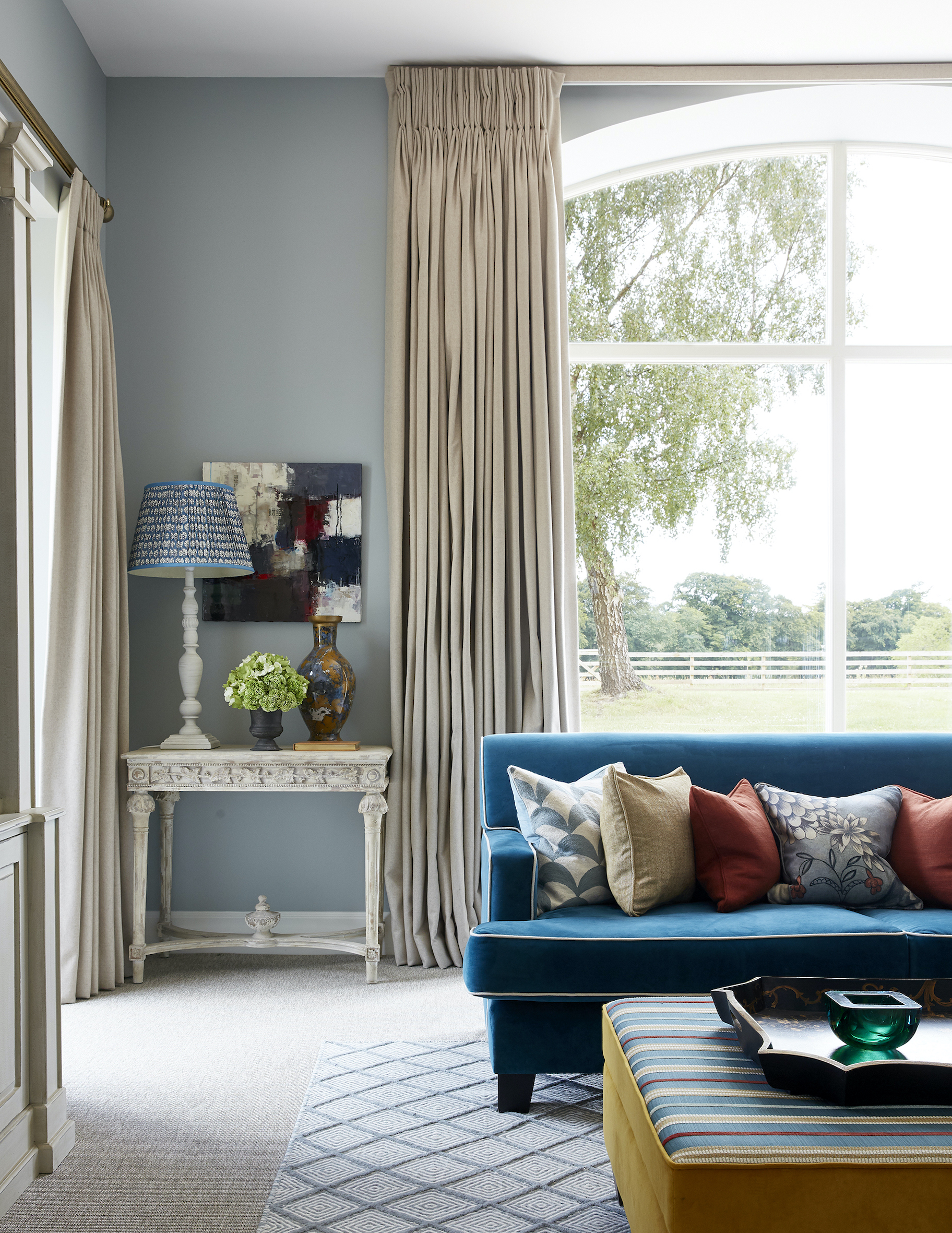
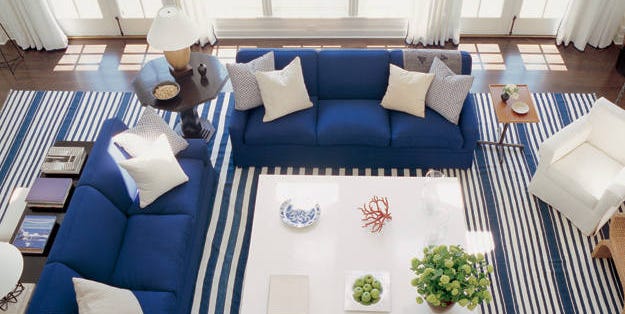
Incorporating blue into upholstery is another effective strategy for those who prefer not to paint an entire room. This allows for a cool blue accent in an otherwise neutral space, with textiles like tweed-boucle and leather in navy blue contributing to a sophisticated and tailored look. In open-concept living areas, a painted blue ceiling can help define the dining space, creating a sense of separation and intimacy by visually lowering the ceiling height.
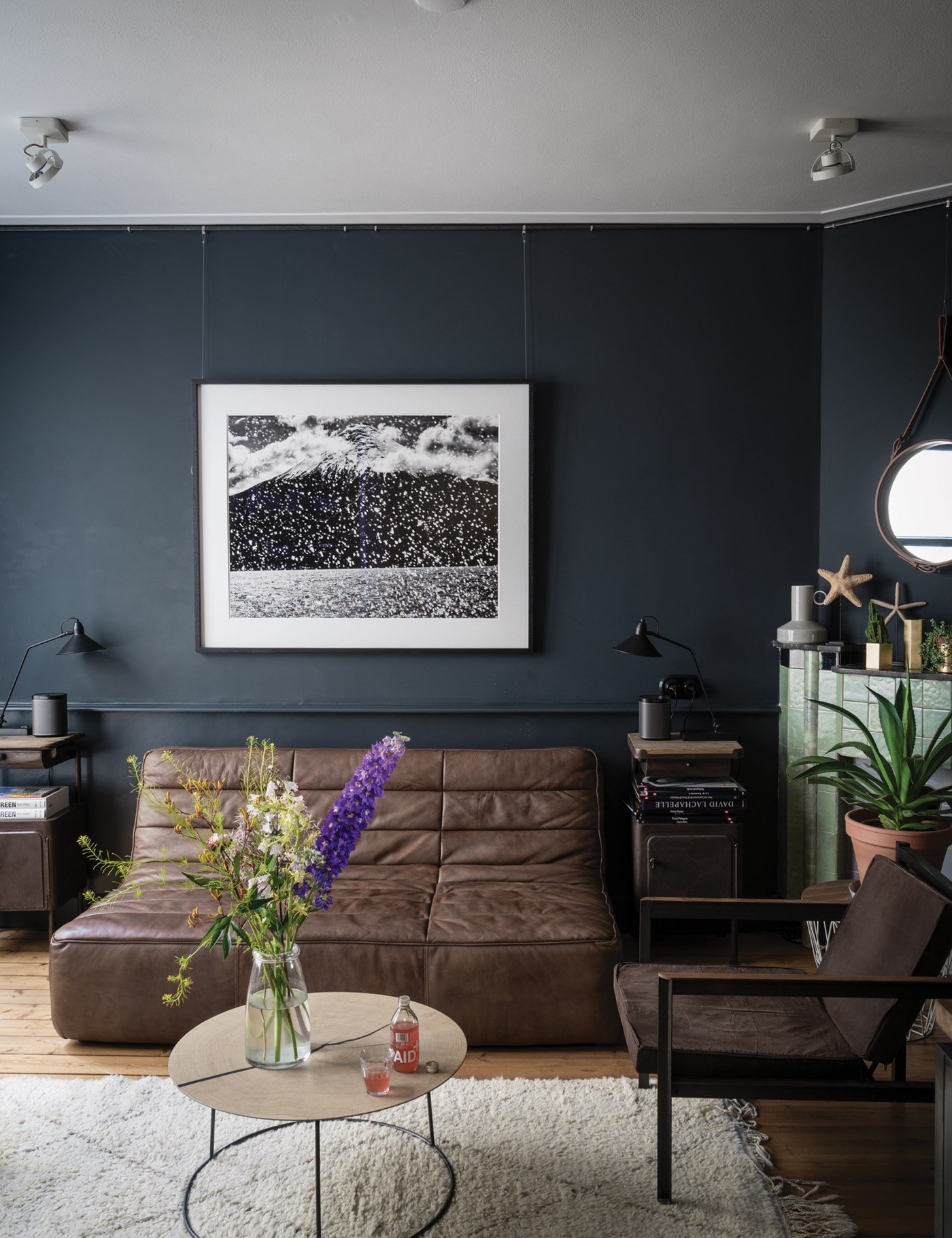
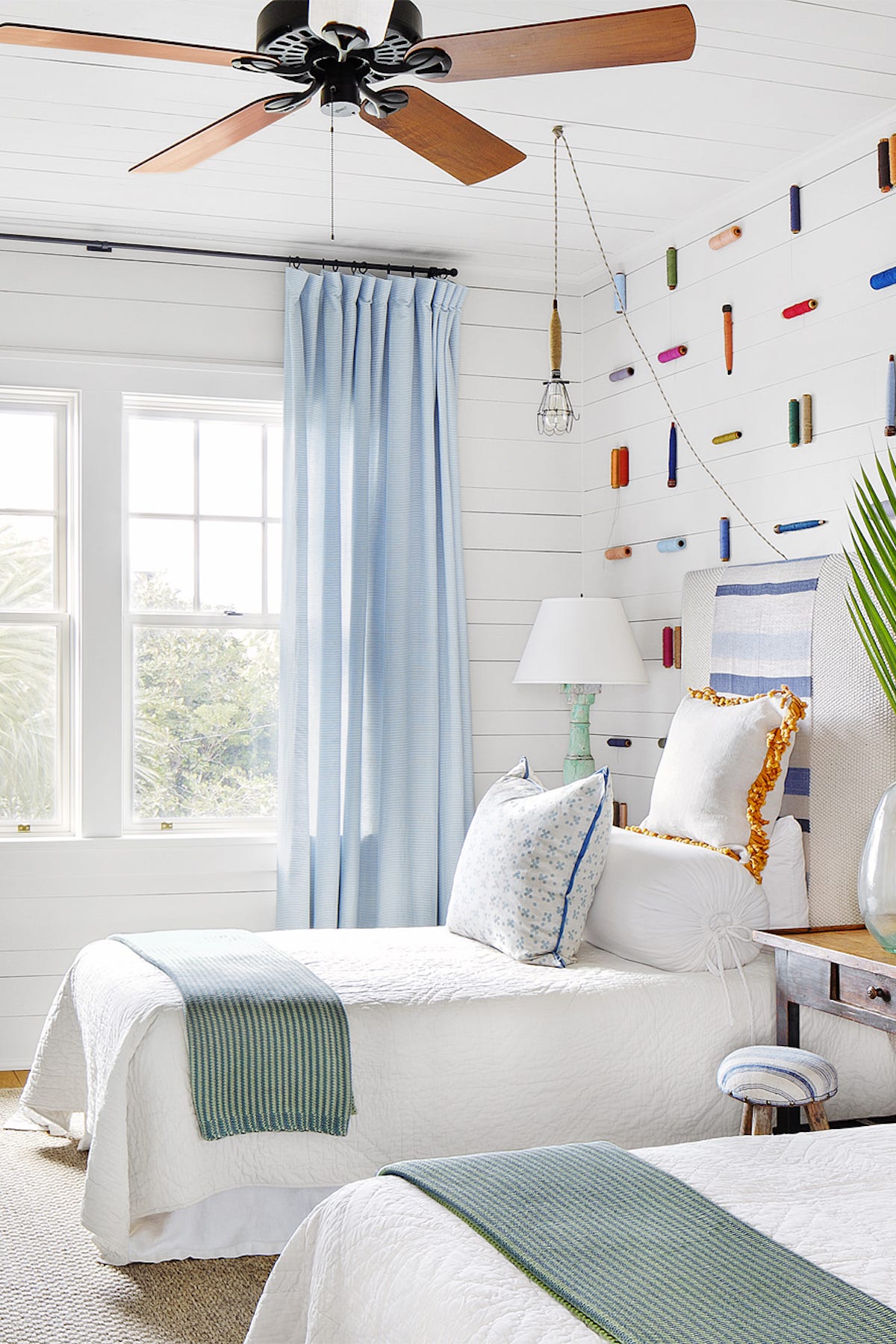
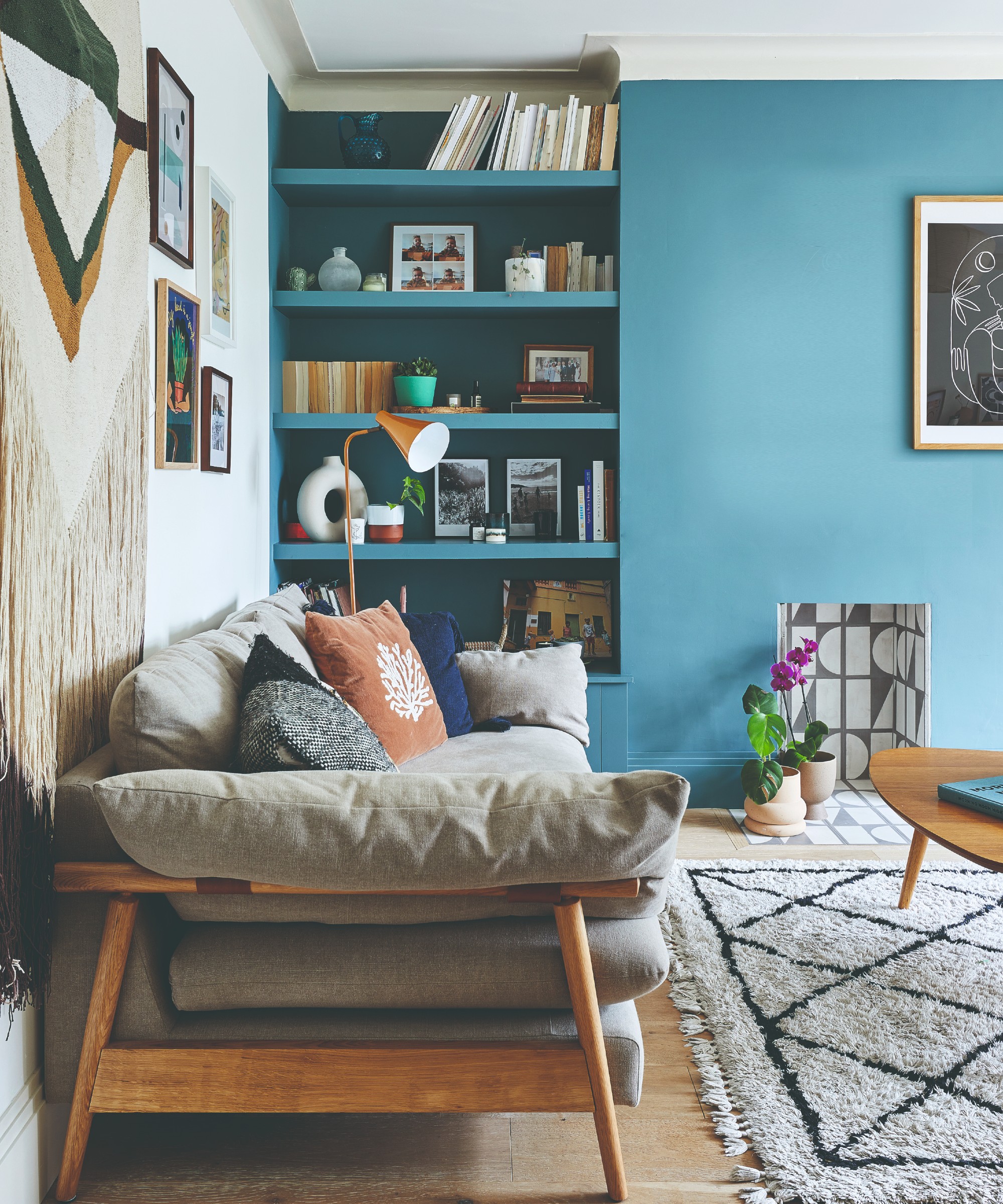
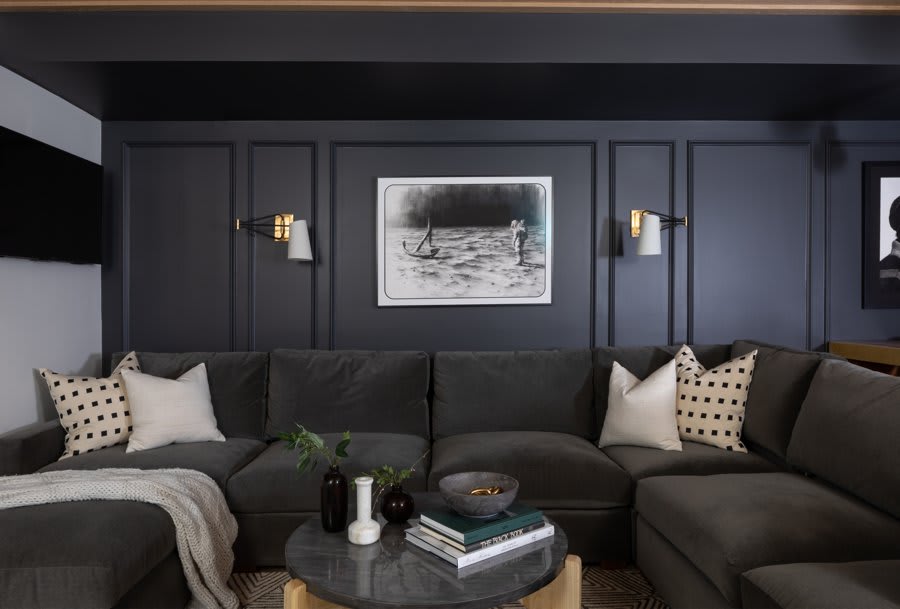
Certain gray-blue shades can function as a grounding neutral, providing a sophisticated base for more intricate design elements like black-and-white wall murals or detailed molding. This approach allows other colors and textures, such as honey, yellow, and gold, to be tied together, fostering a warm and cozy atmosphere. For those aiming for a coastal aesthetic, light blue paired with nautical-inspired decor such as oars and striped tableware can evoke a seaside ambiance without being overtly themed.
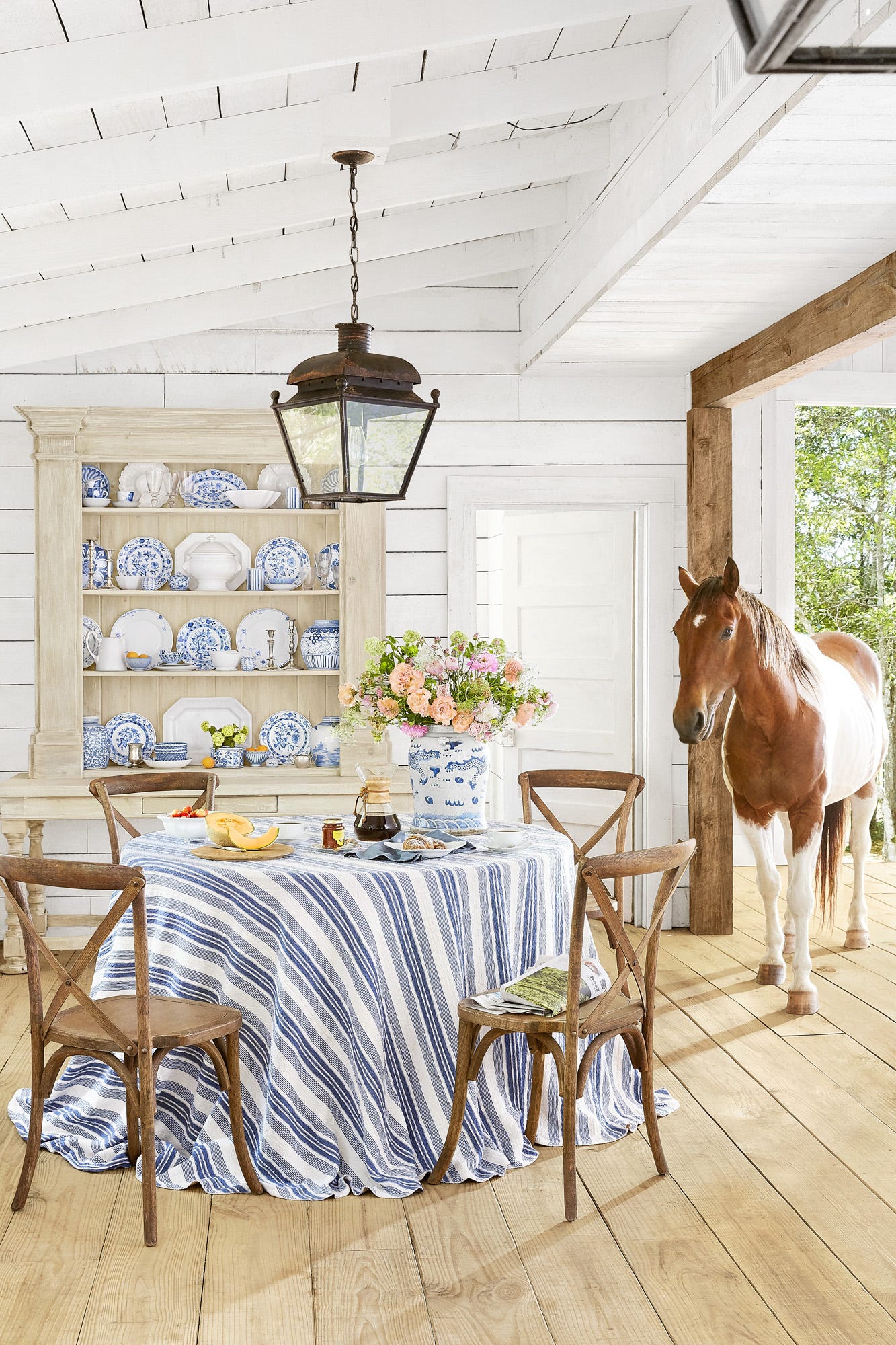
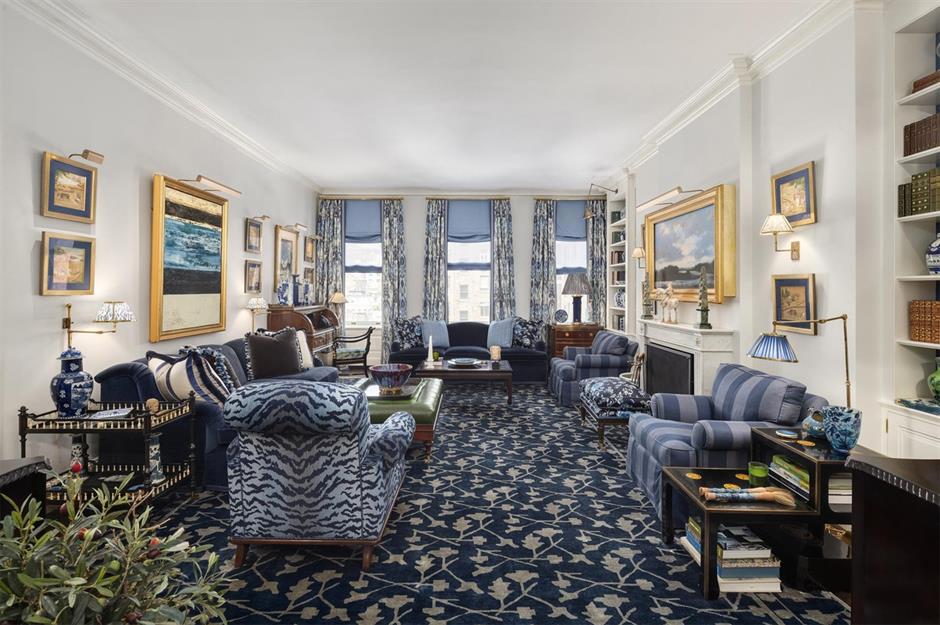
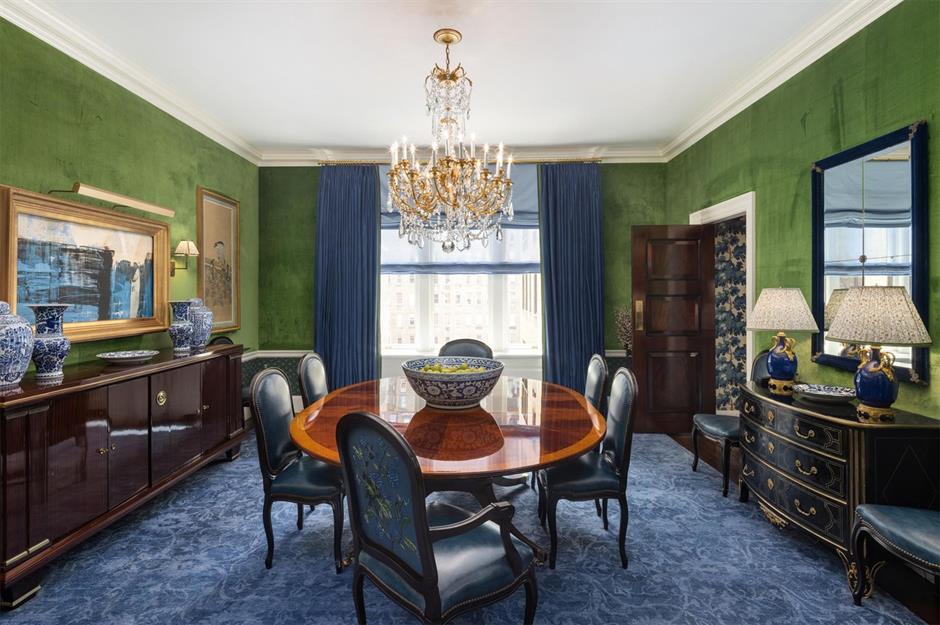
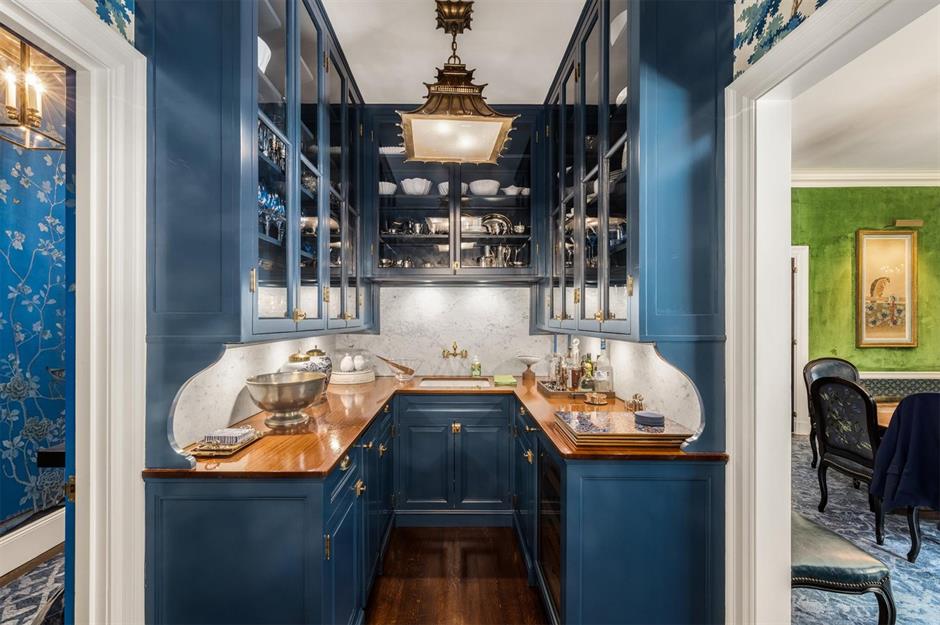
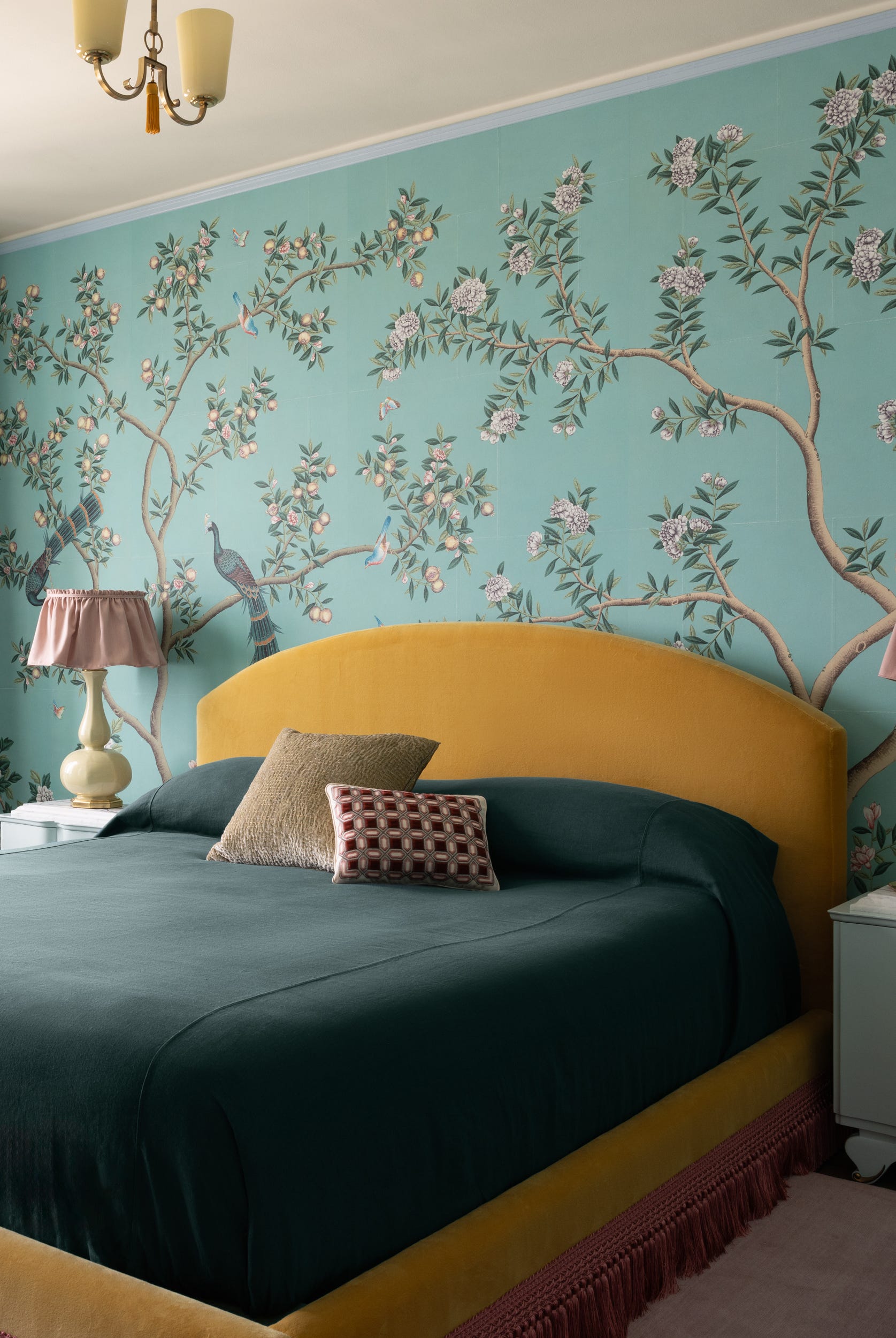
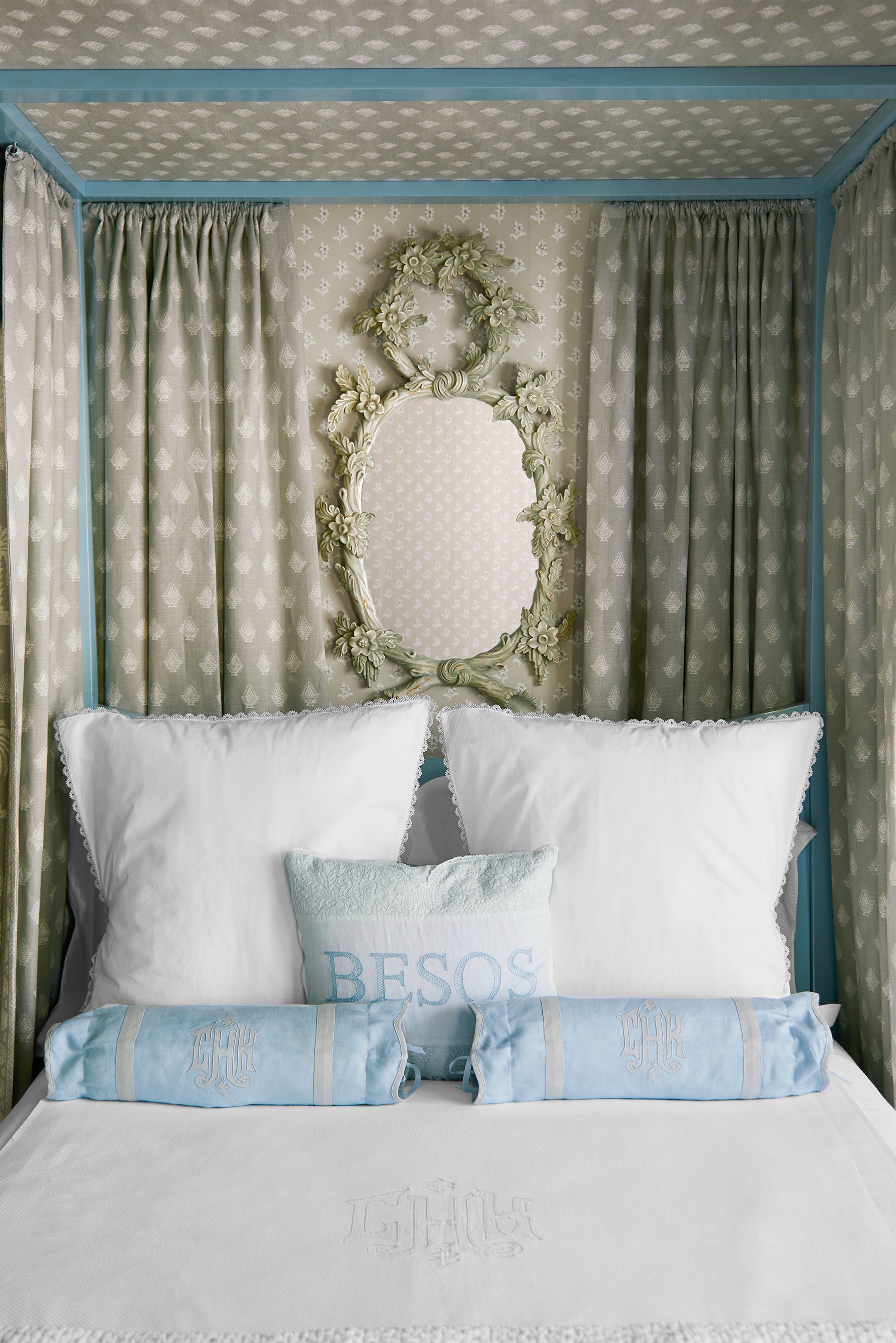
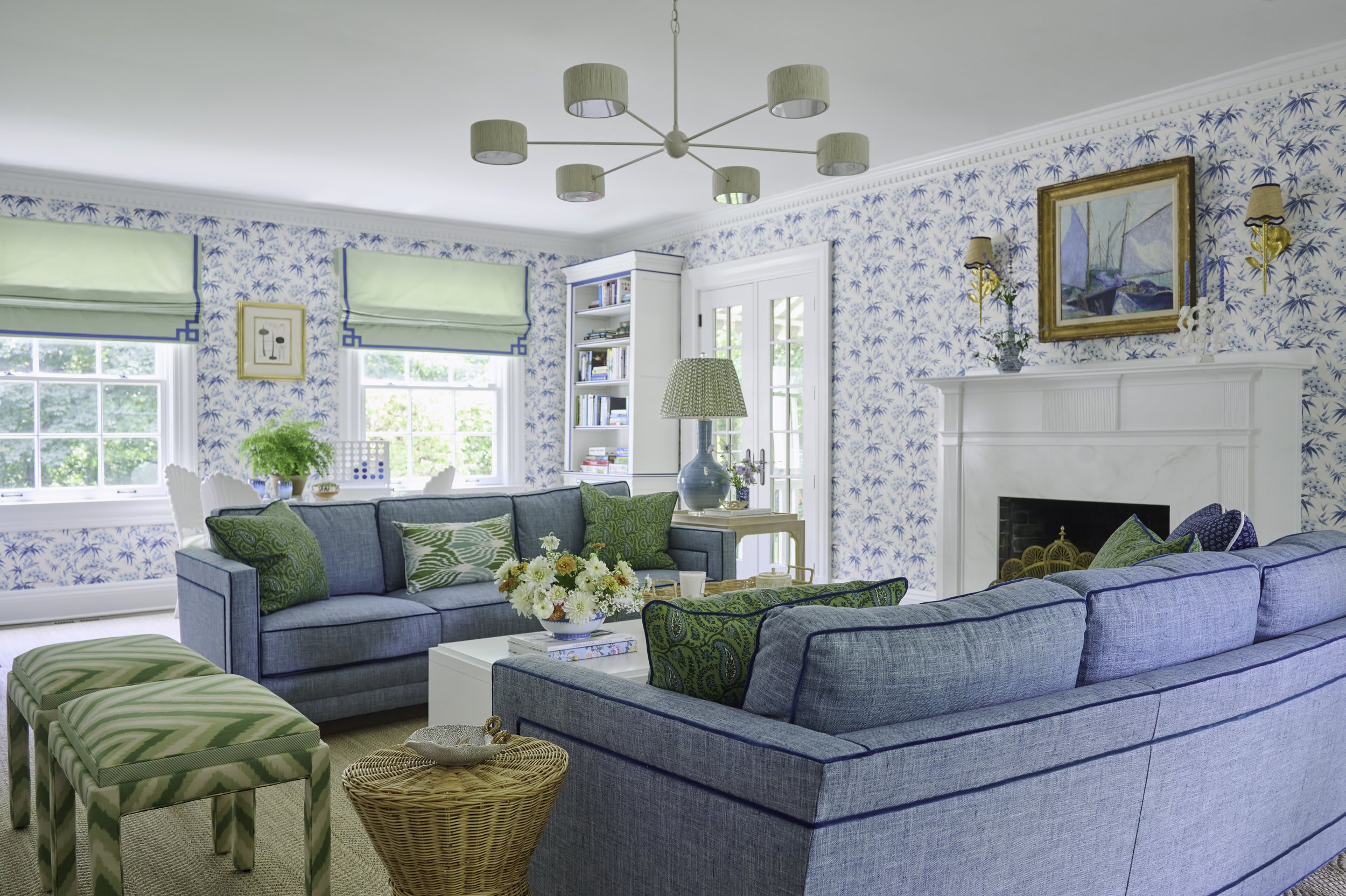
Finally, the article suggests using blue to layer in patterns, as seen in formal blue and white dining rooms that combine vintage furniture with intricate wallpapers and fabrics. This classical approach creates a bright, airy space while balancing formality with modern elements. Matching textiles, such as custom upholstered dining chairs and drapery in varying shades of blue and green, can also create a cohesive and vibrant aesthetic, further enhanced by abstract landscape artwork. Ultimately, blue is presented as a timeless and versatile color that can fit any decoration theme, offering countless shades to combine with other colors and textures effectively.
#DiningRoomIdeas #BlueInteriors #ColorPsychology #InteriorDesign #HomeDecor #ColorDrenching #AccentWalls #UpholsteryDesign #CoastalDecor #DiningRoomIdeas #BlueInteriors #ColorPsychology #InteriorDesign #HomeDecor #ColorDrenching #AccentWalls #UpholsteryDesign #CoastalDecor
0 comment in total
 No comments yet
You may also like
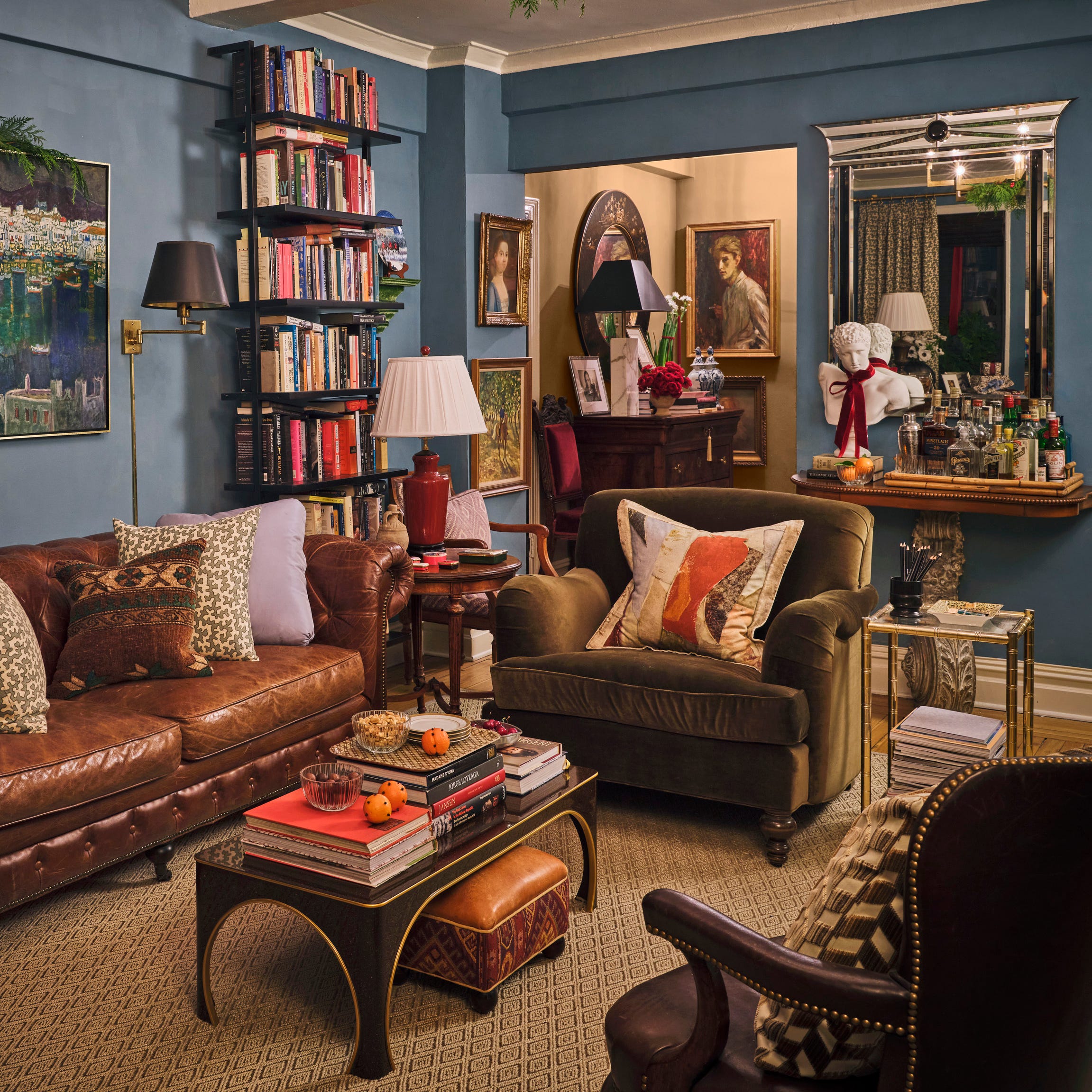
Designers Swear By These 11 Dark Blue Paint Colors for Chic and Moody Spaces

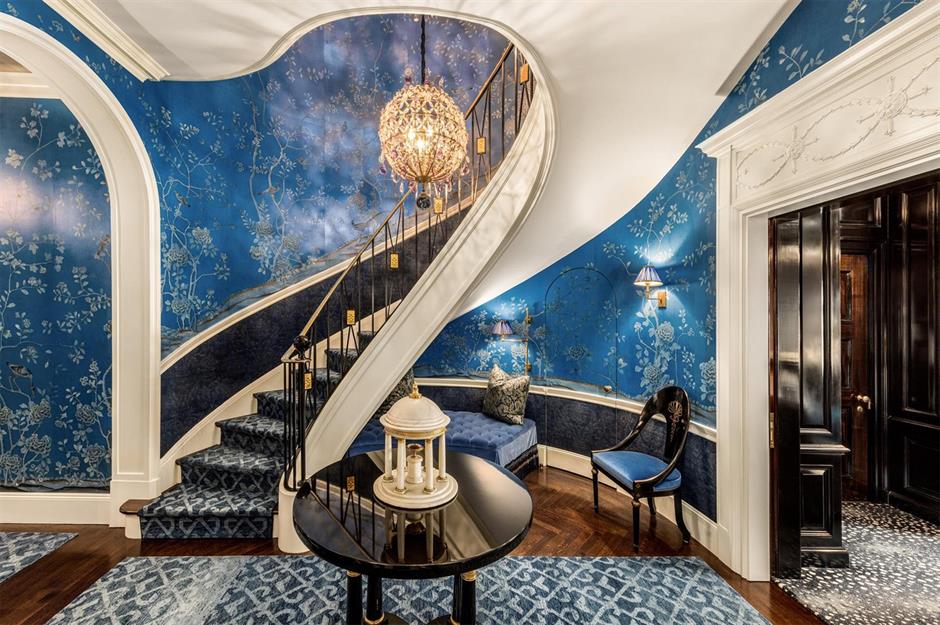
Beautiful blue decorating ideas for every room | loveproperty.com
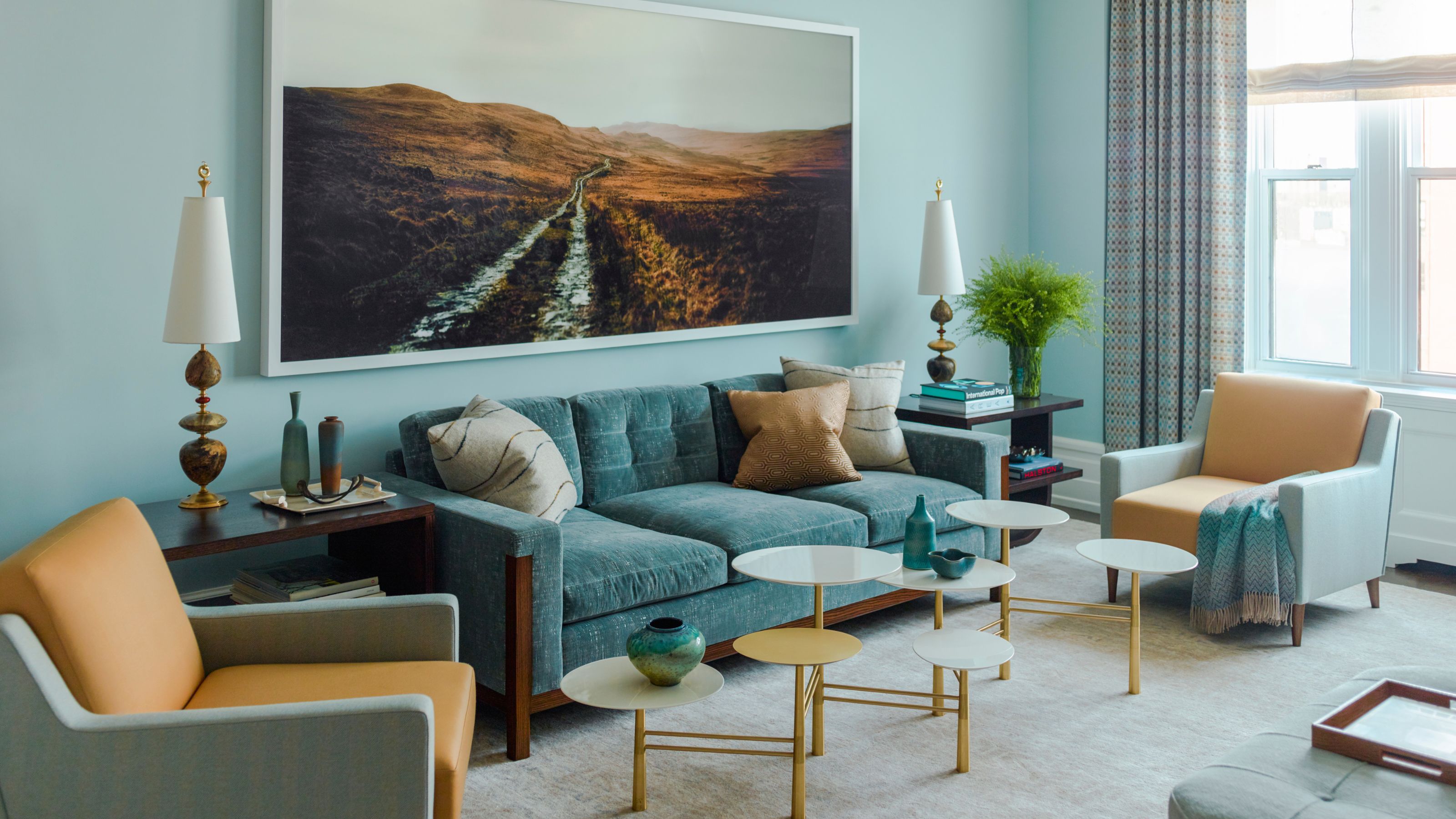
6 Light Blue Living Rooms That Find the Perfect Balance Between Cool and Cozy
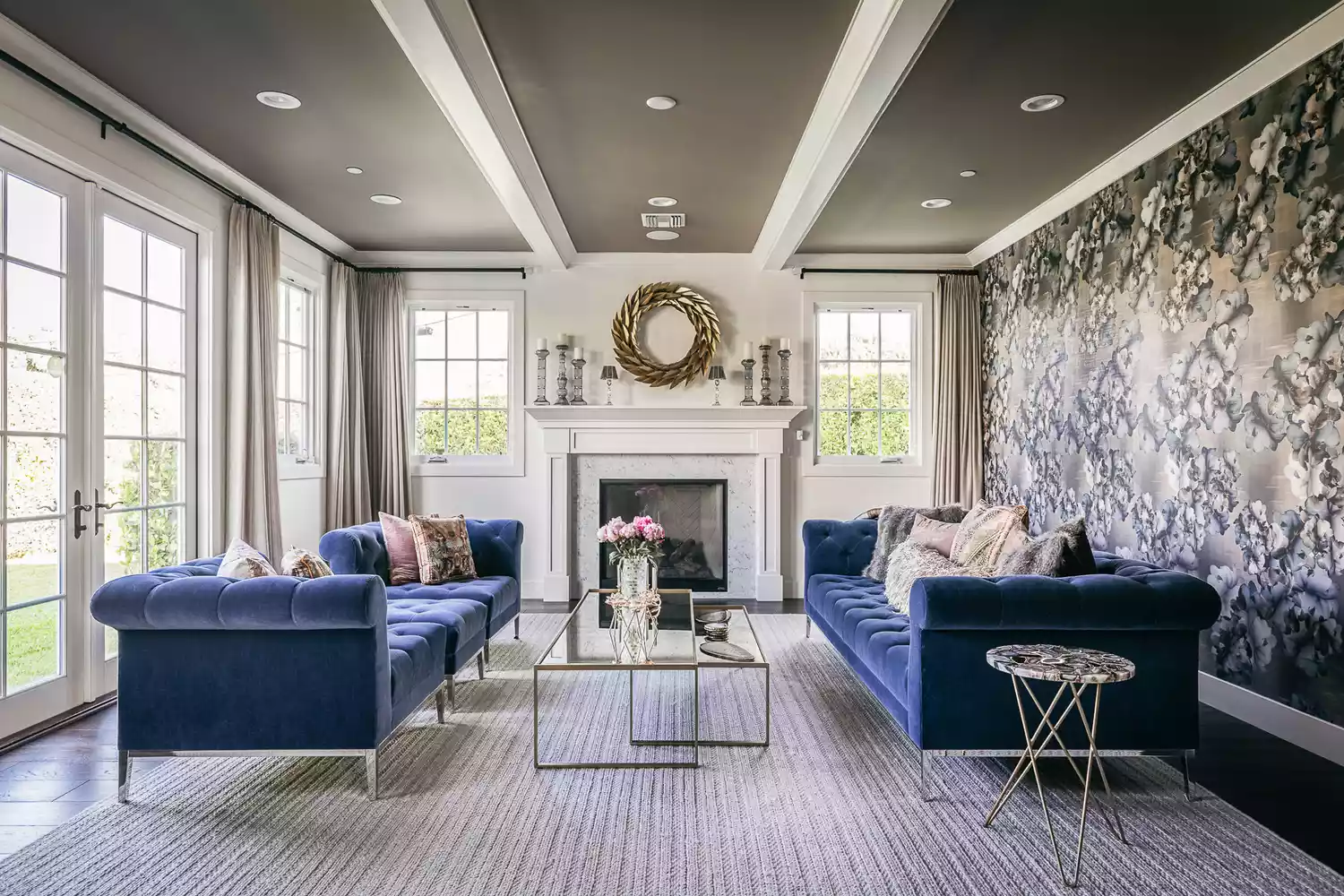
47 Relaxing Blue Living Room Ideas for Every Style

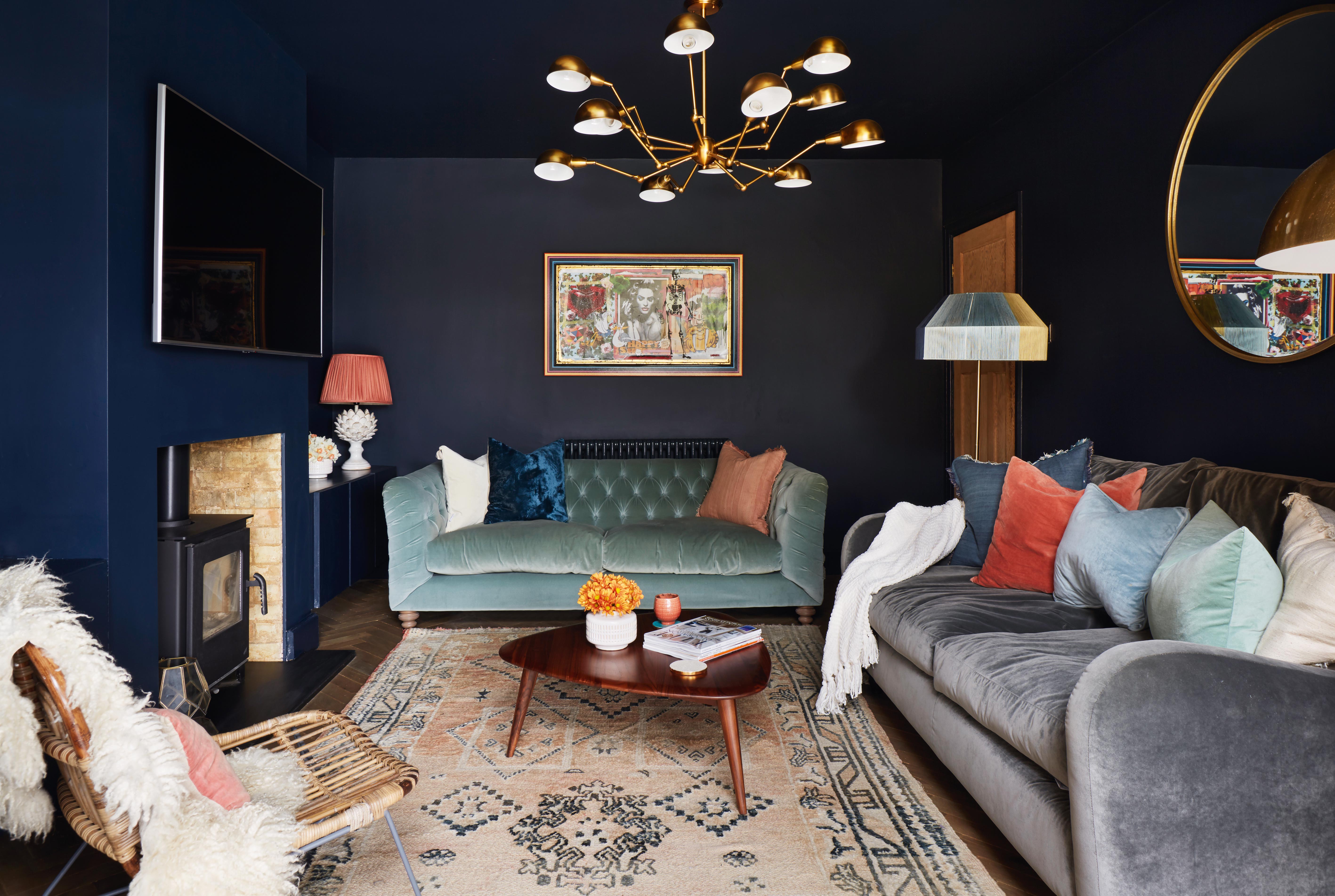
11 blue living room ideas to show to how to work with this on trend hue

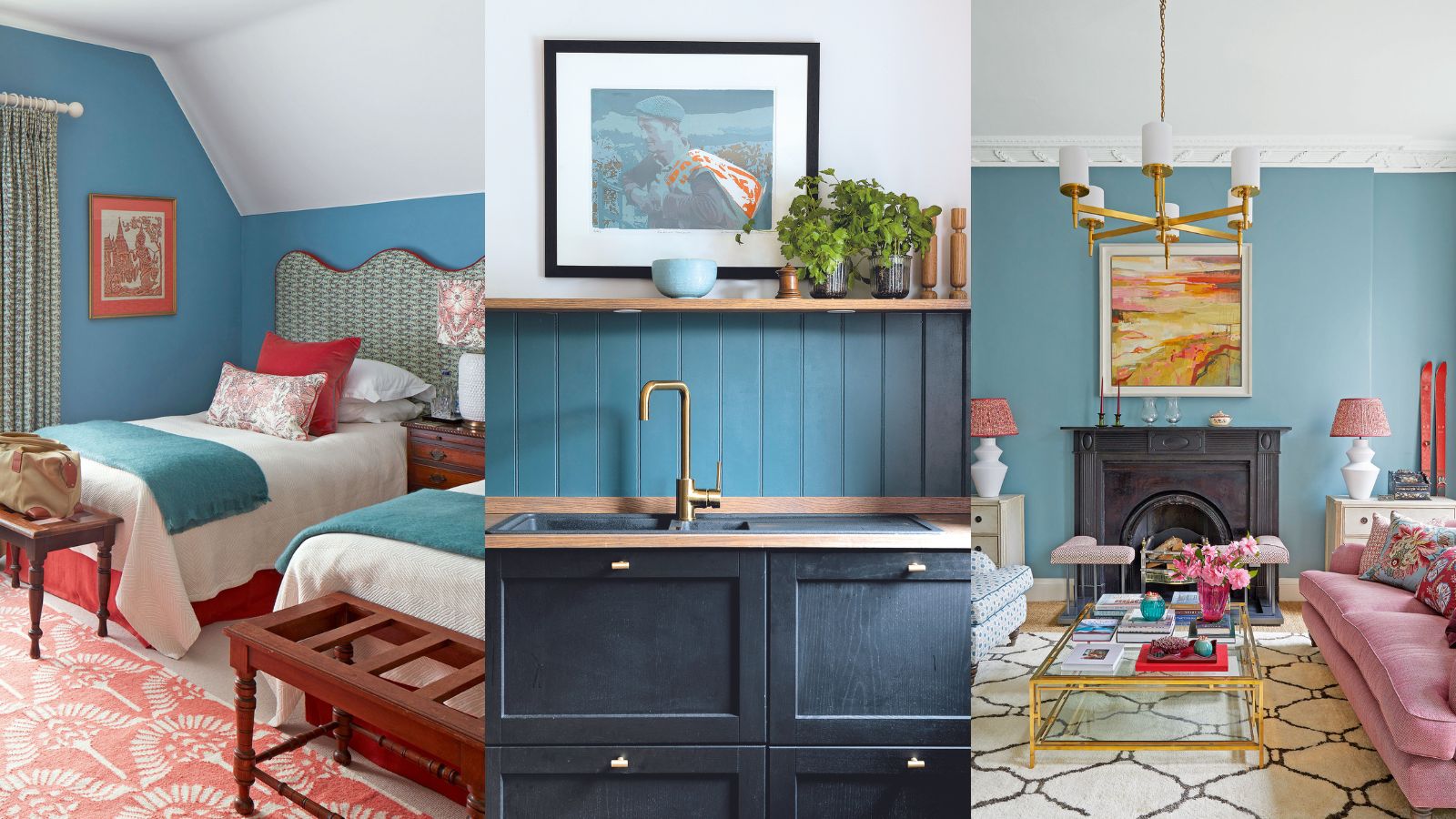
Blue room ideas – 27 timeless and fresh ways to use blue at home

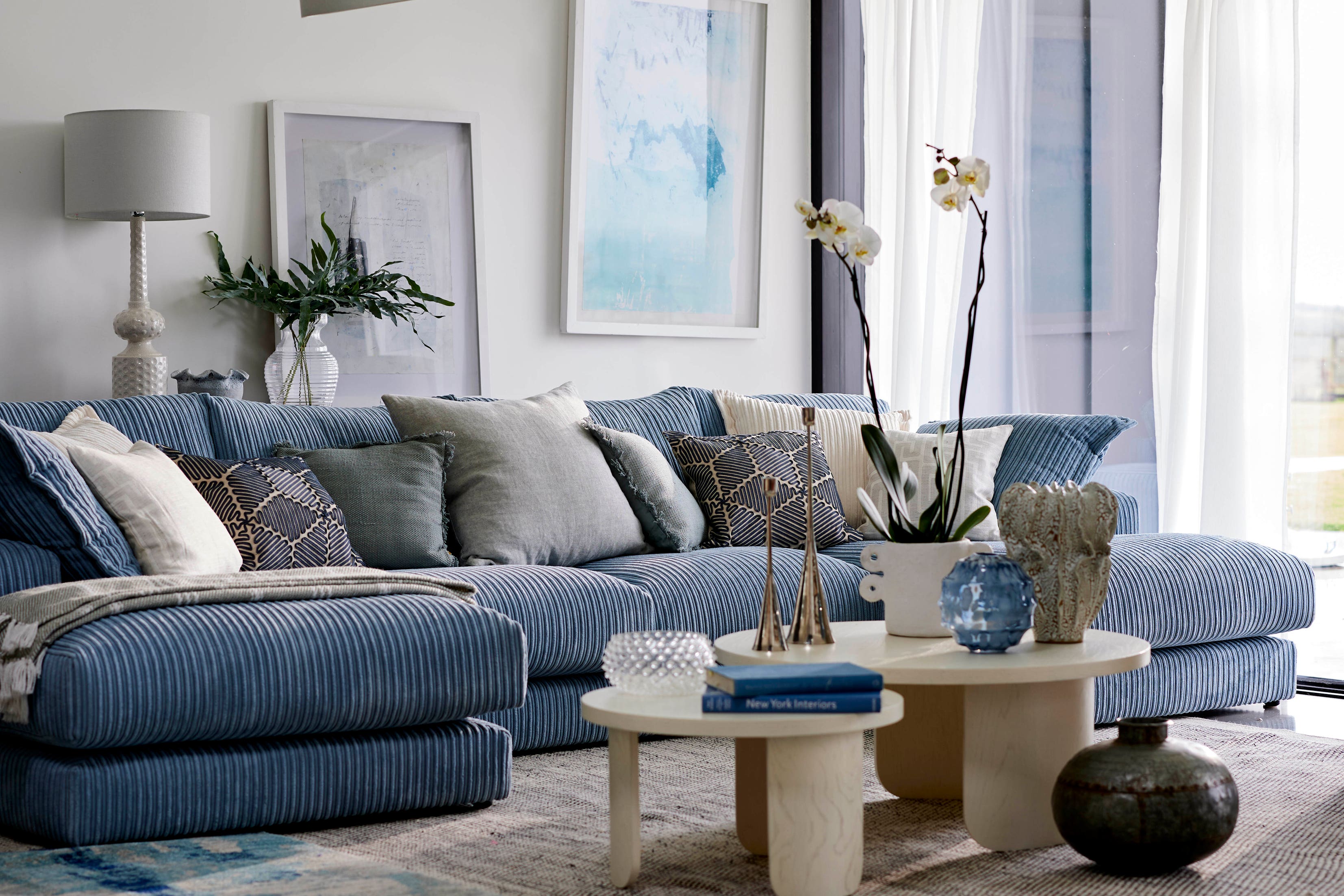
9 must-have brilliant blue homewares and decor
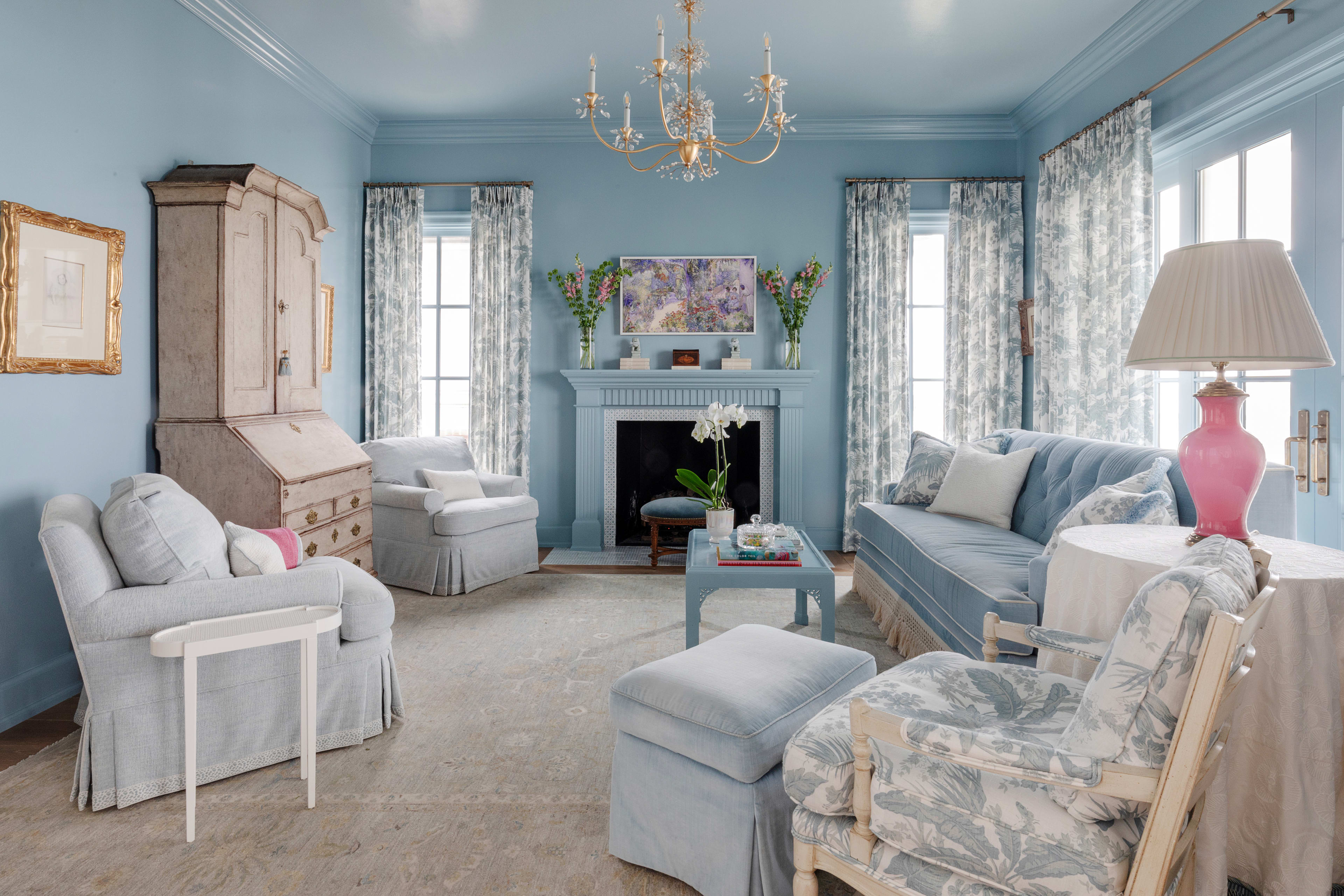
17 Blue Living Rooms So Stunning, You’ll Want to Redecorate Tonight
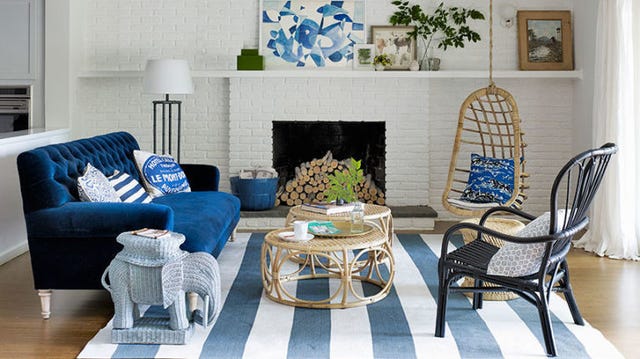
25 Reasons Why Blue Is the Best Color for Decorating Your Home
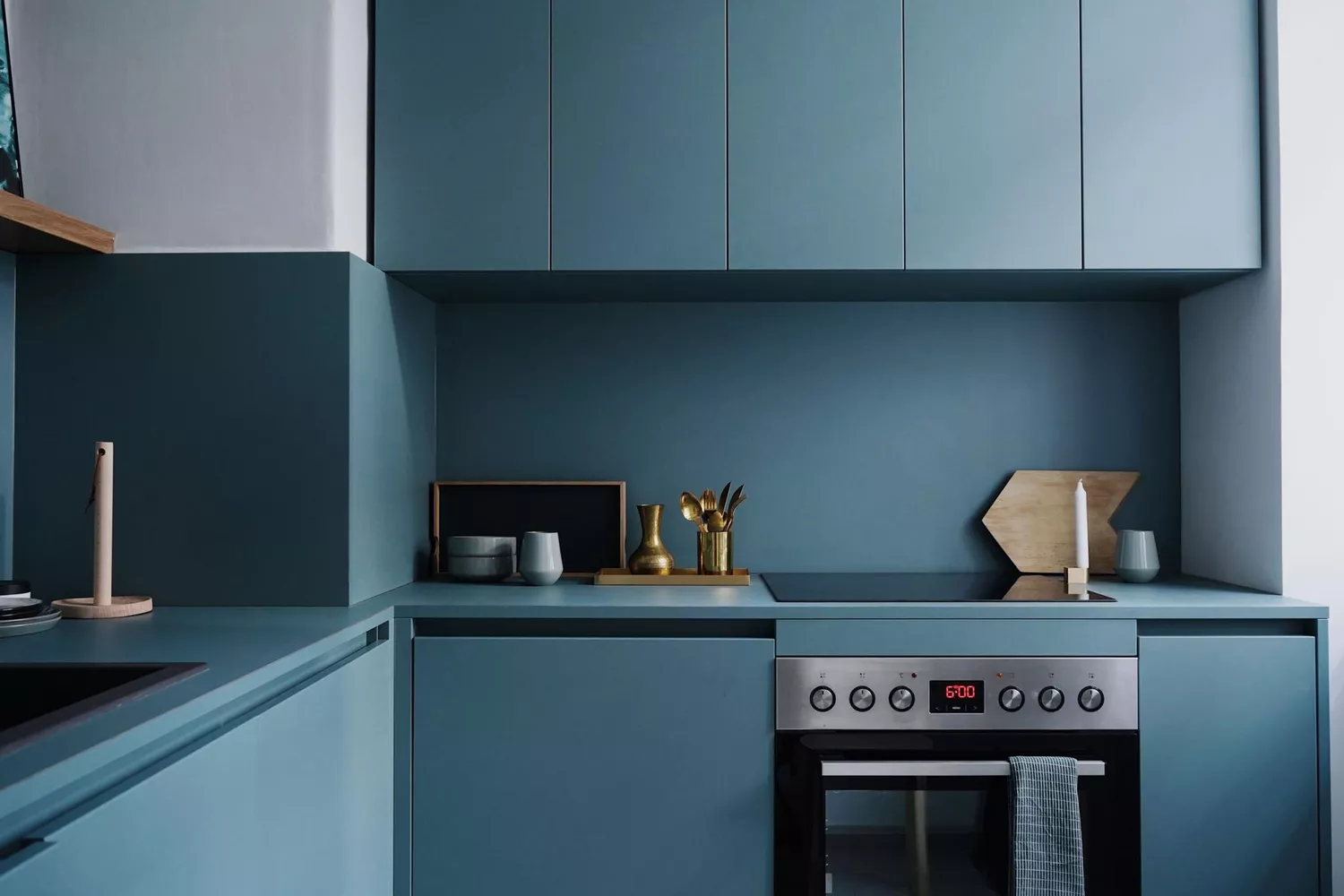
47 Stunning Blue Room Ideas for Every Style
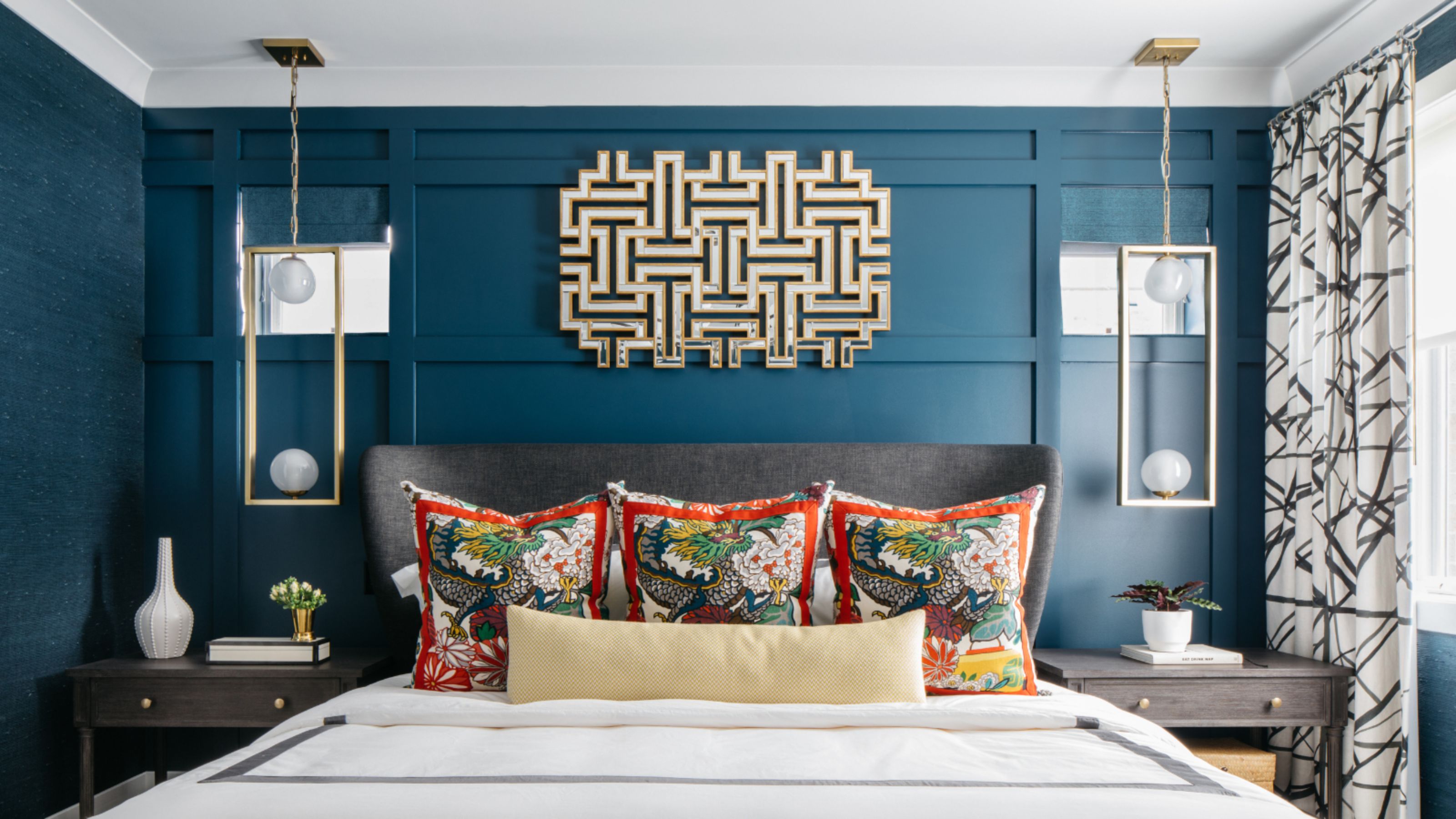
What Is the Most Expensive-Looking Blue? 7 Specific Shades to Paint Walls That Will Always Elevate Your Home
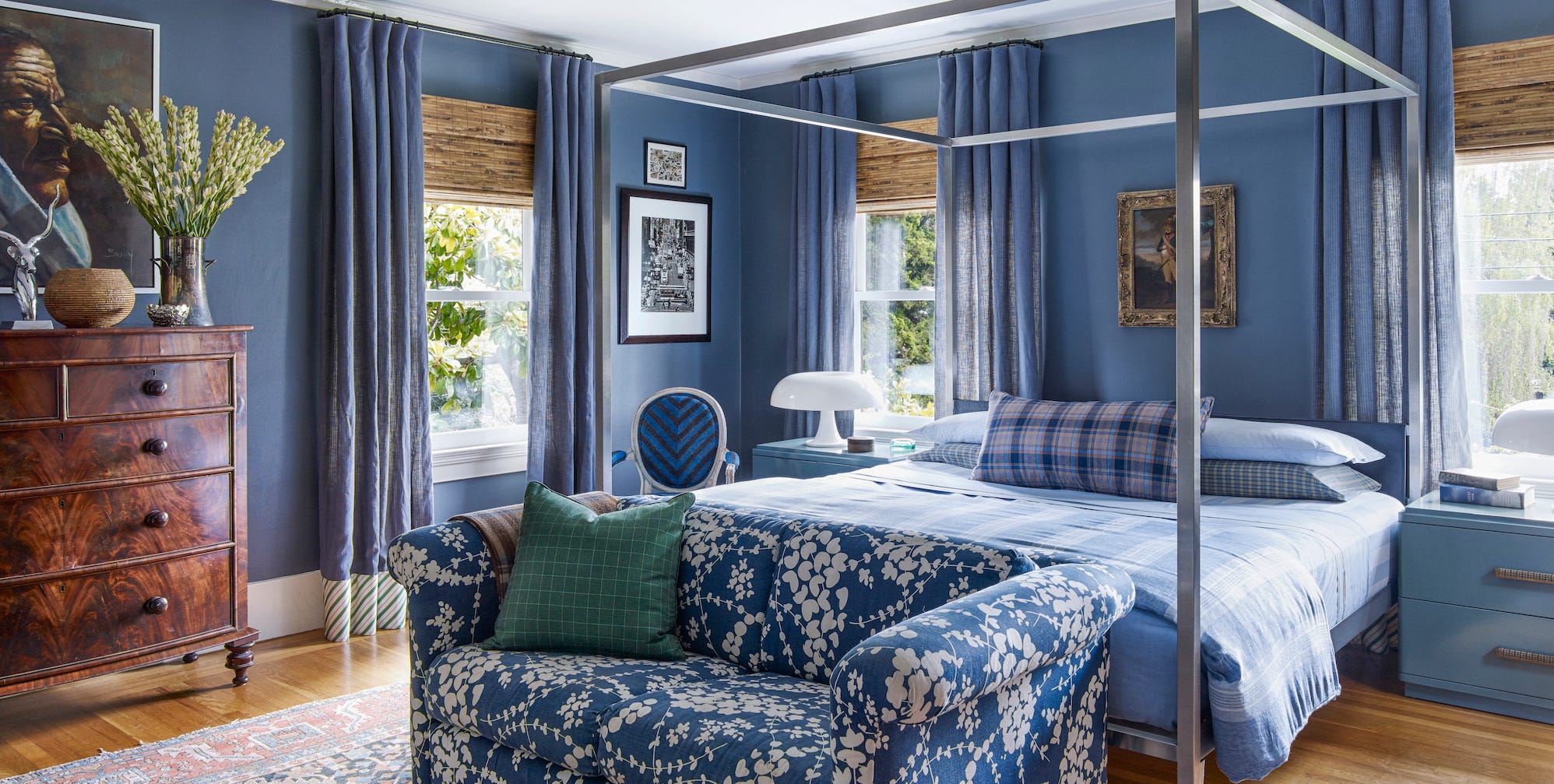
Give Your Home a Tranquil Makeover With the Color Blue

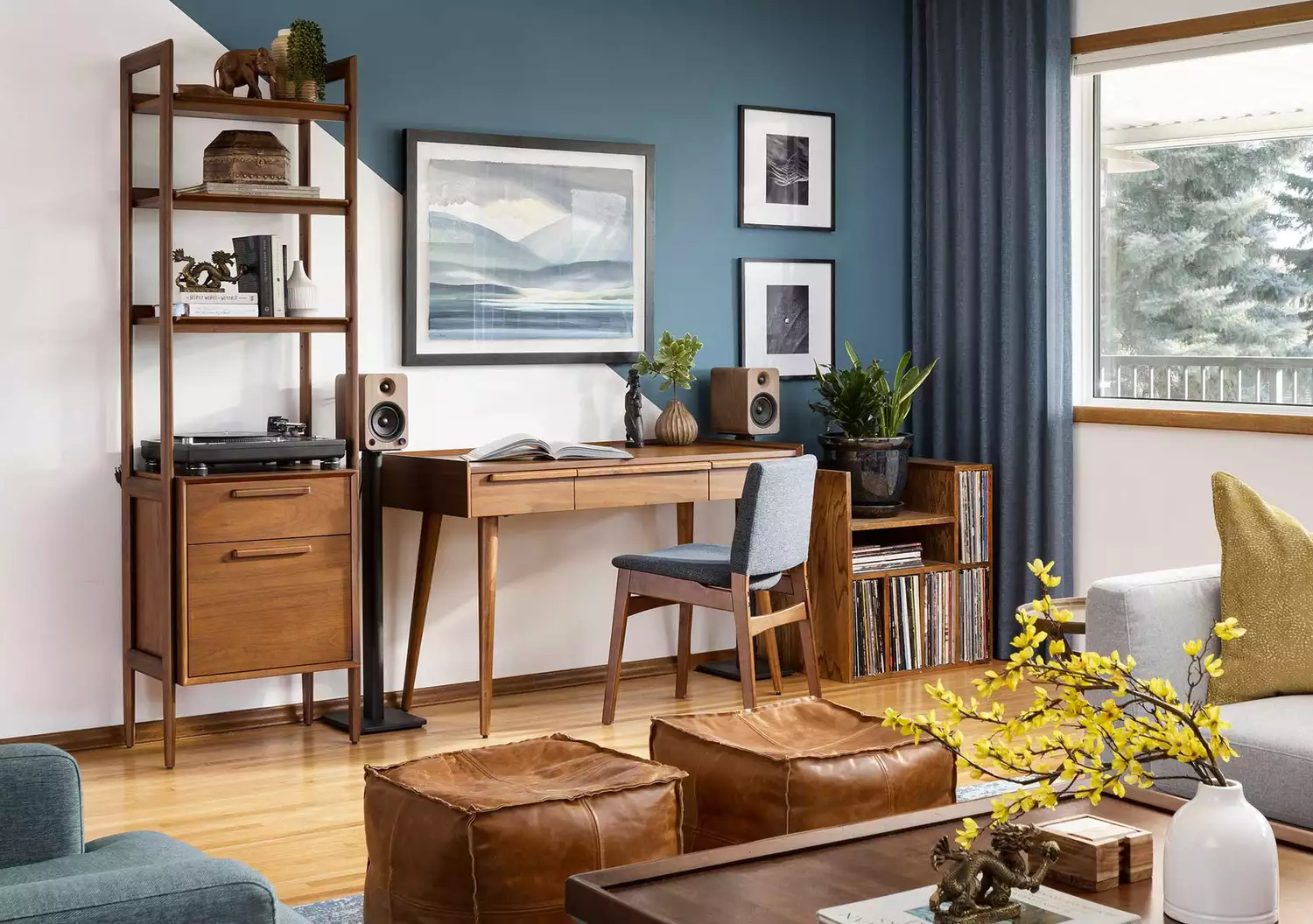
These 10 Colors Always Look Beautiful With Blue
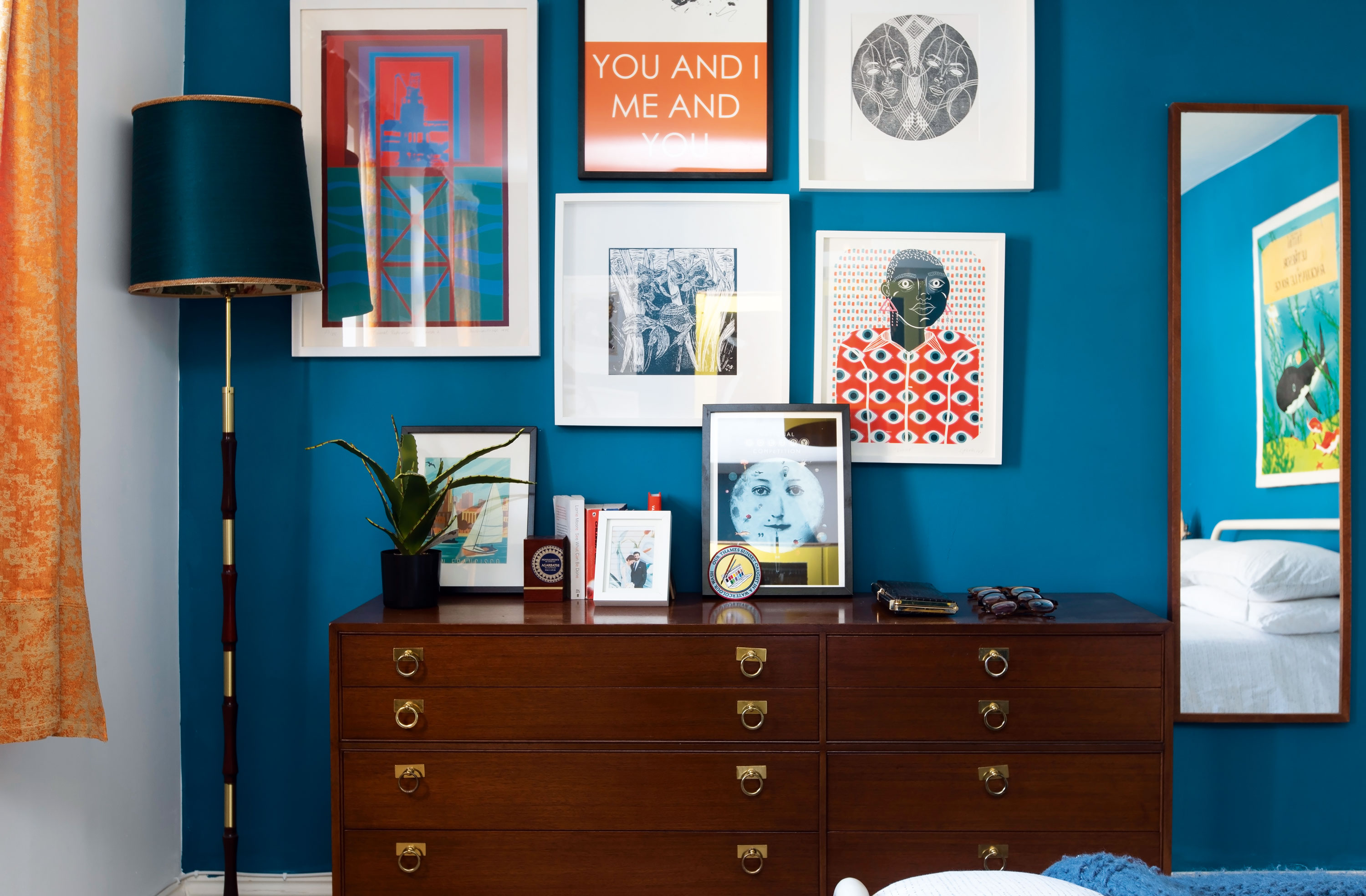
Feeling blue about your current space (figuratively)?

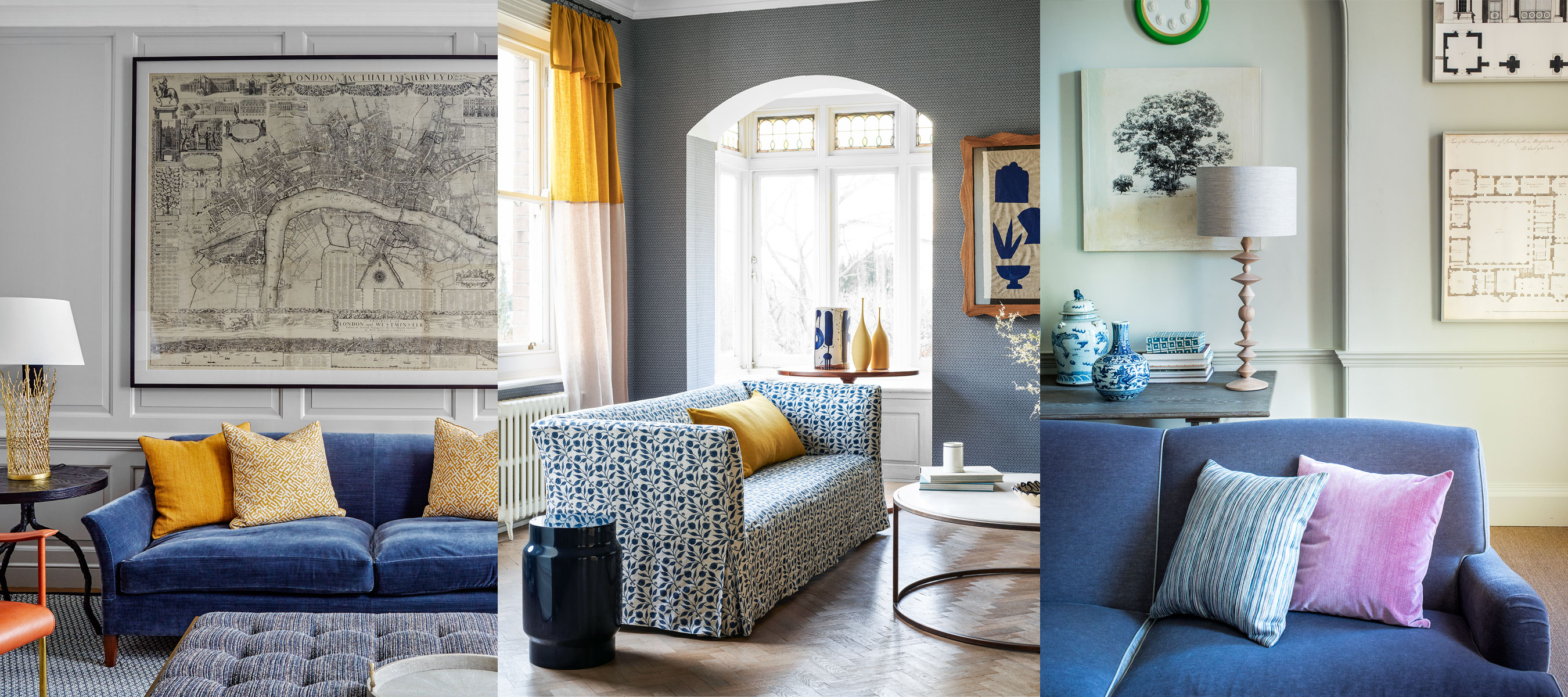
Blue couch living room ideas – 10 ways to complement this standout color
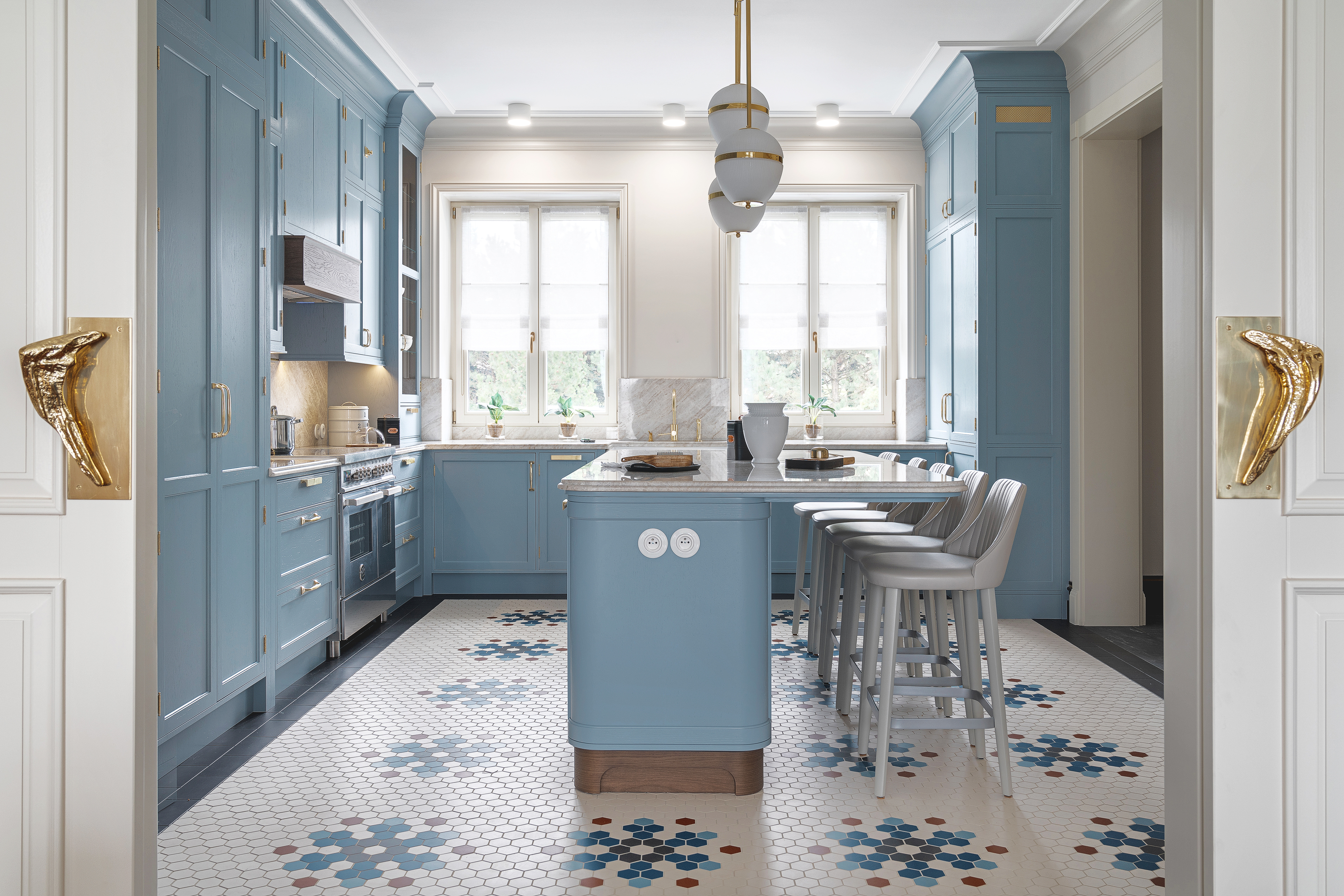
16 Blue Kitchen Ideas That Celebrate This Timeless Shade to Its Very Best
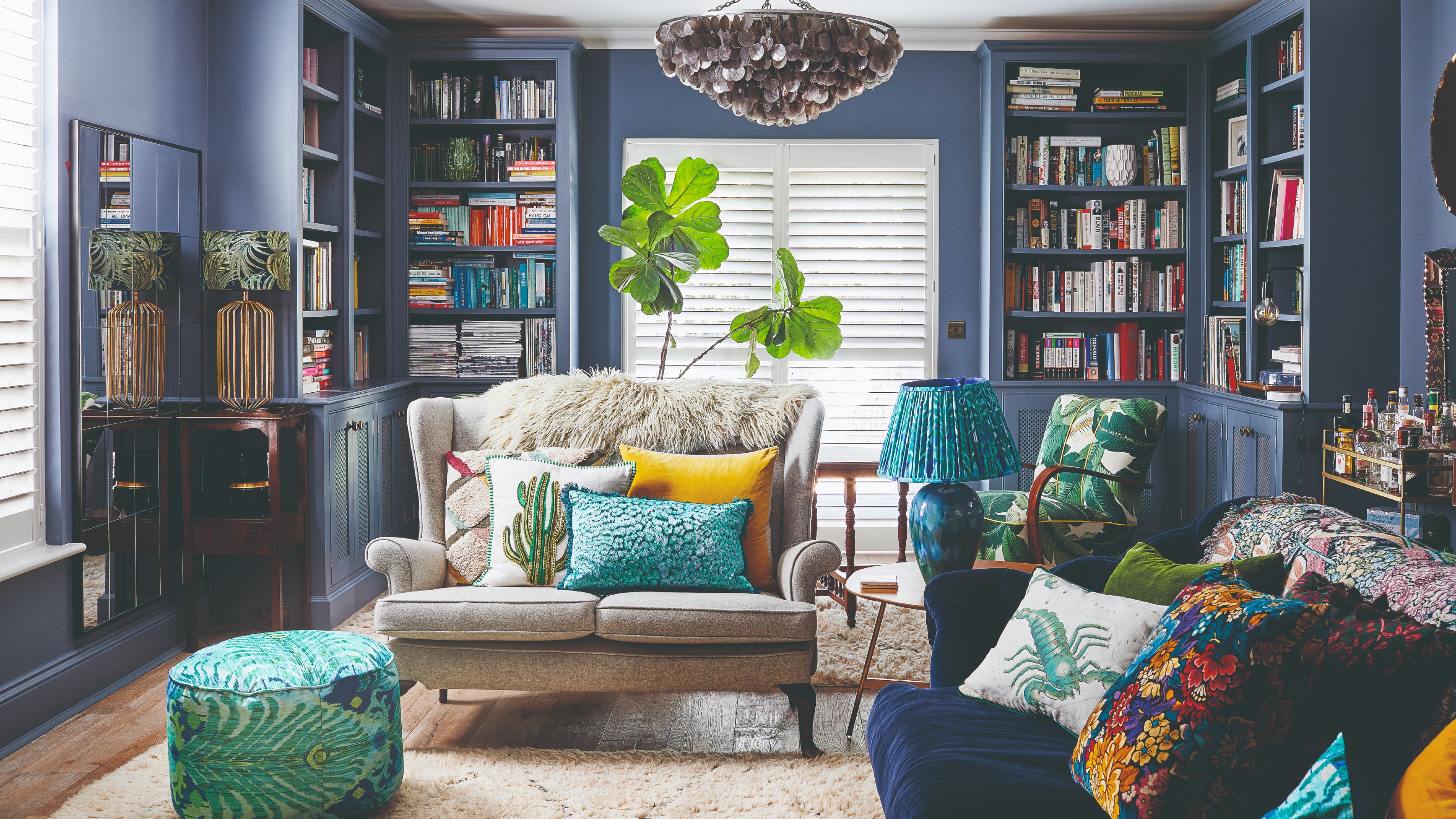
Blue is one of the UK’s most popular living room colours – this is how to elevate your lounge with the timeless hue
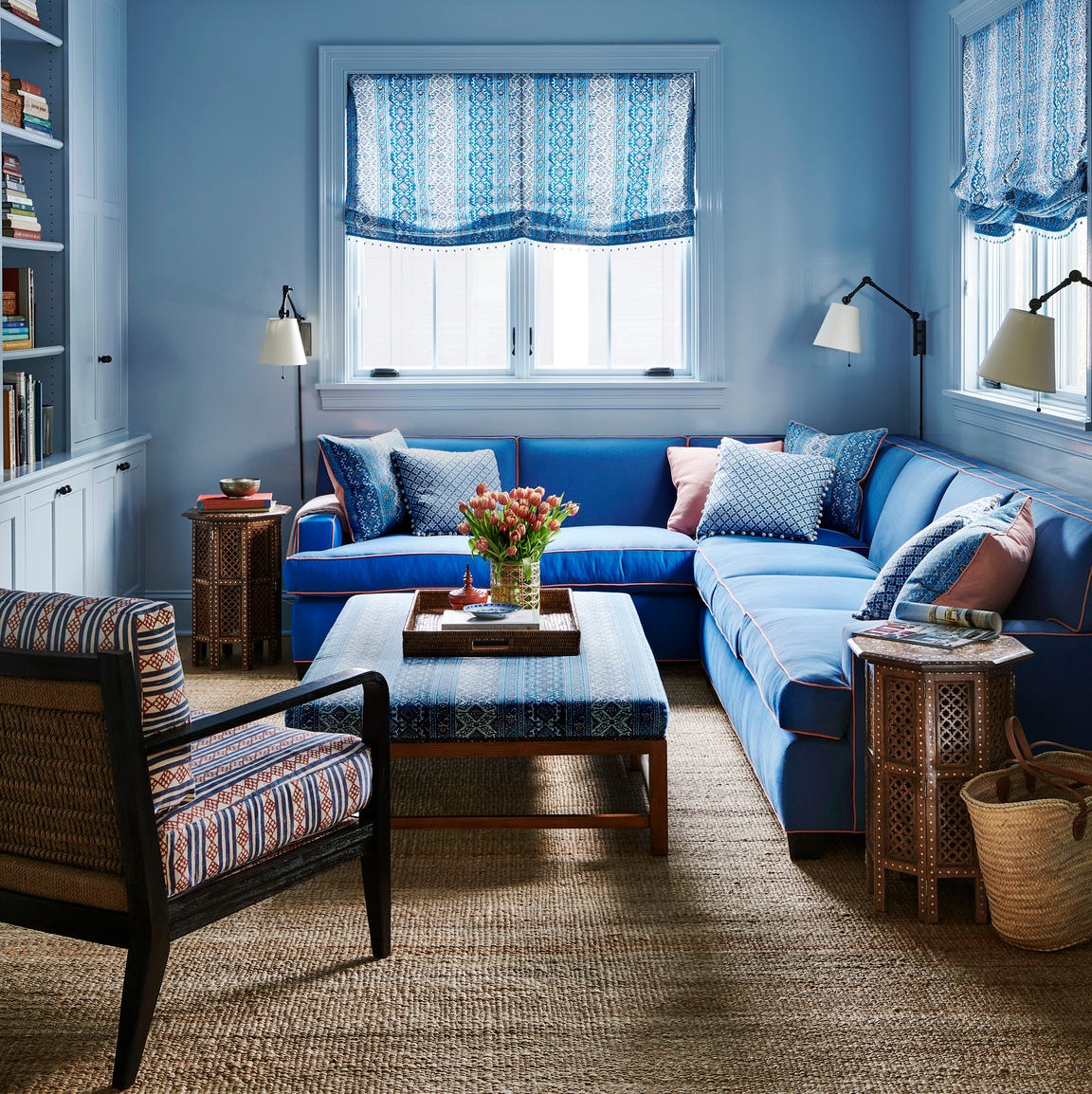
Designers LOVE Pairing These Unexpected Colors With This One Timeless Hue
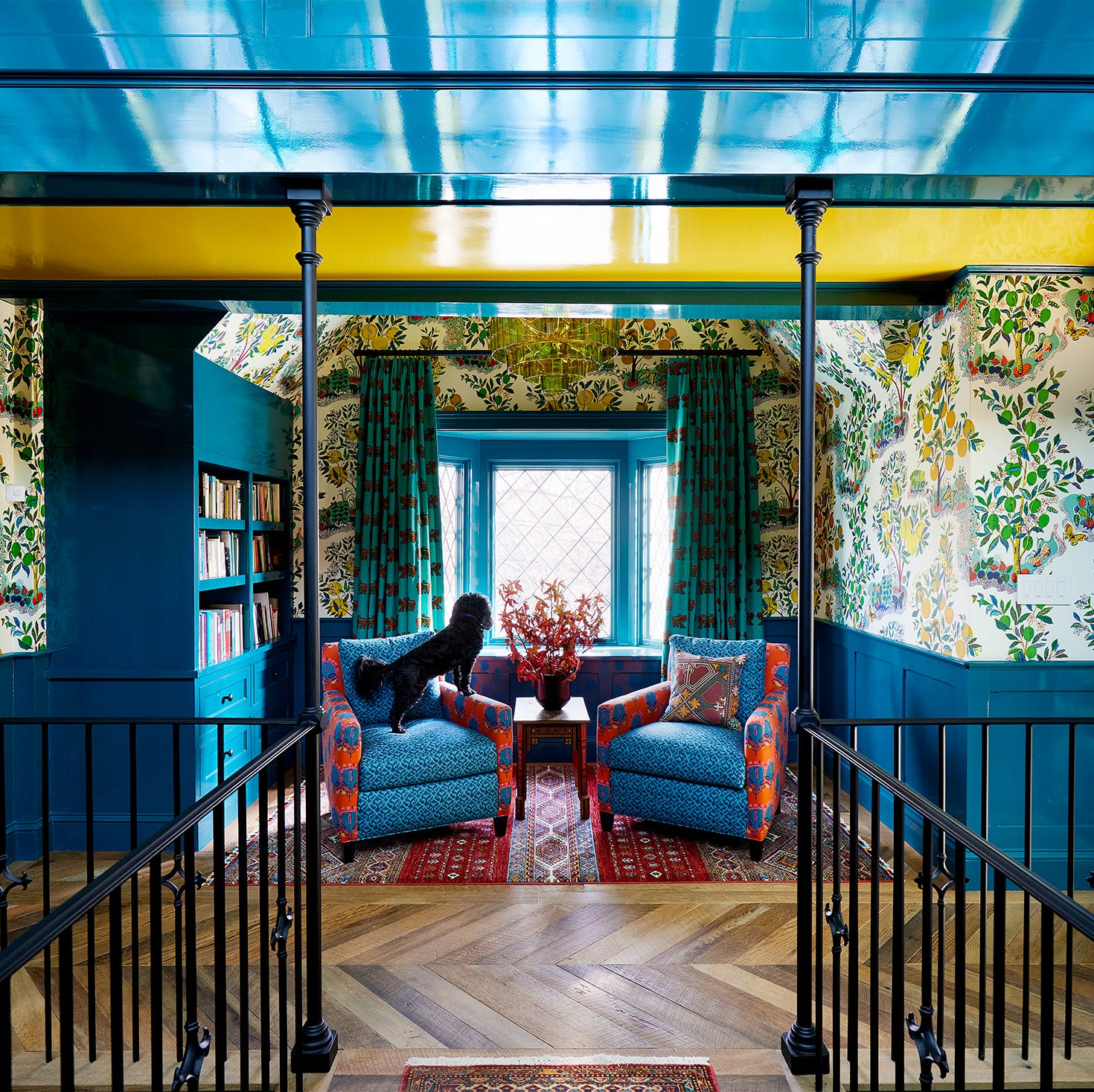
45 Blue Rooms That Prove It's the Most Amazing Color in the Rainbow
The Best Light-Blue Paint Colors for Every Room, According to Designers