10 of the Prettiest Purple Paint Colors to Upgrade Any Room
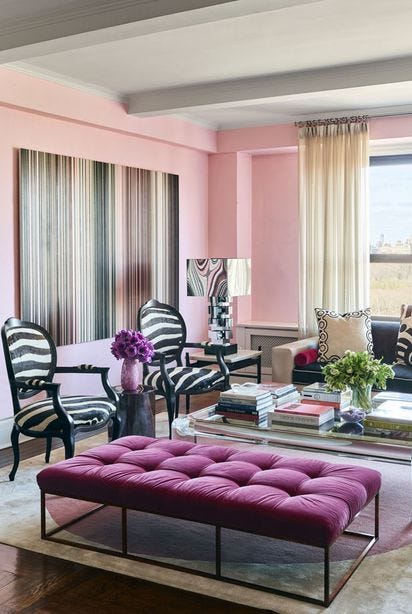
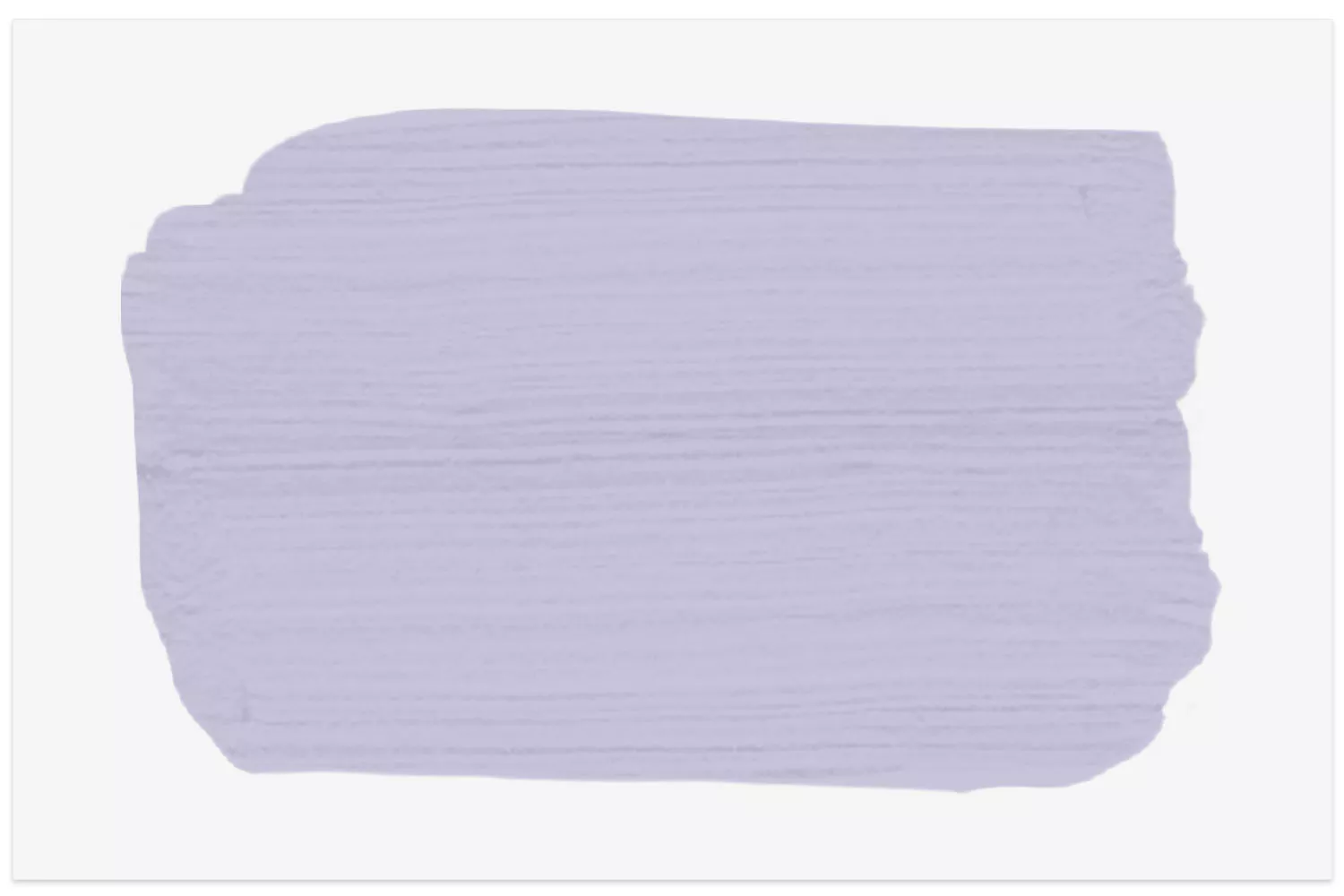
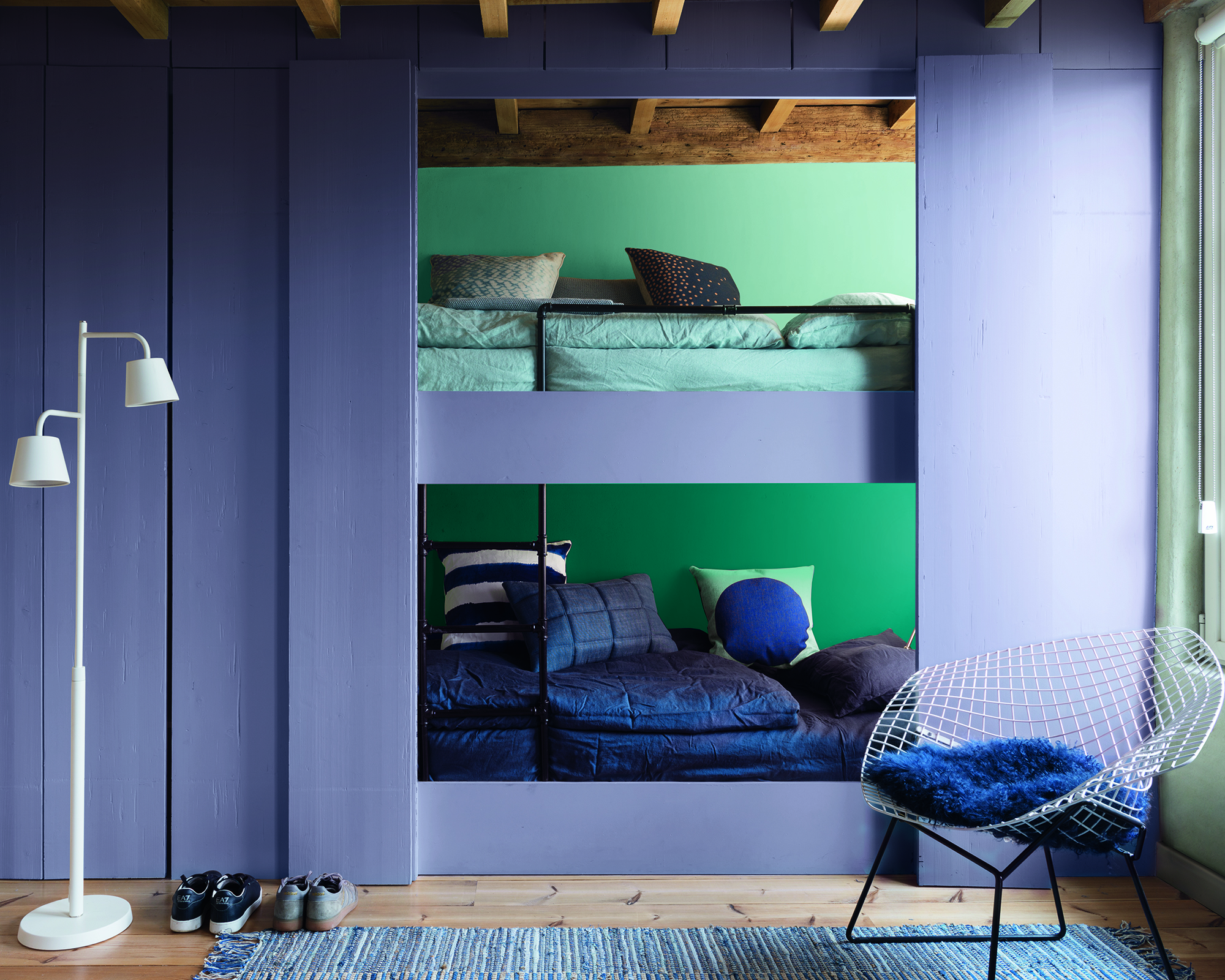
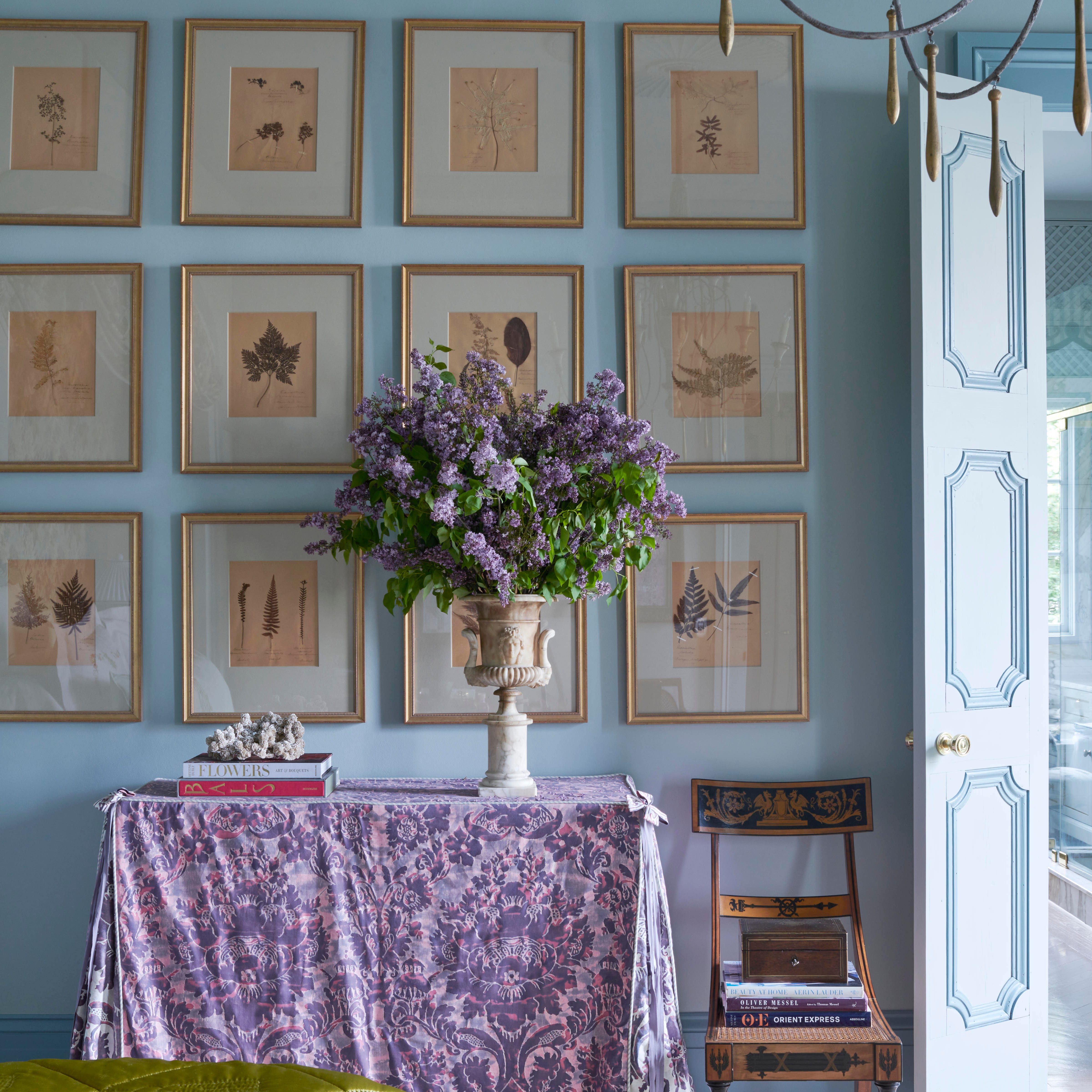
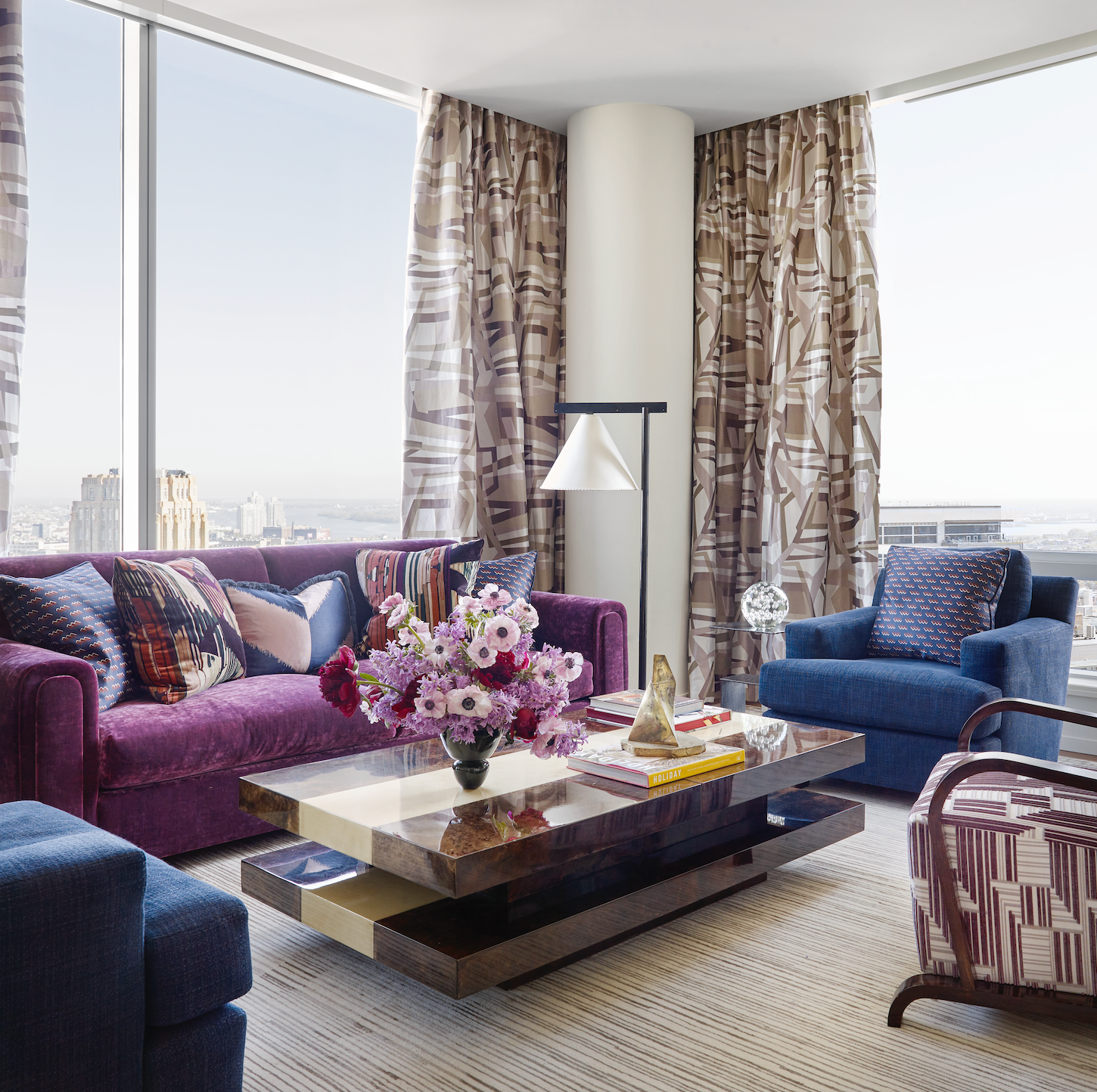
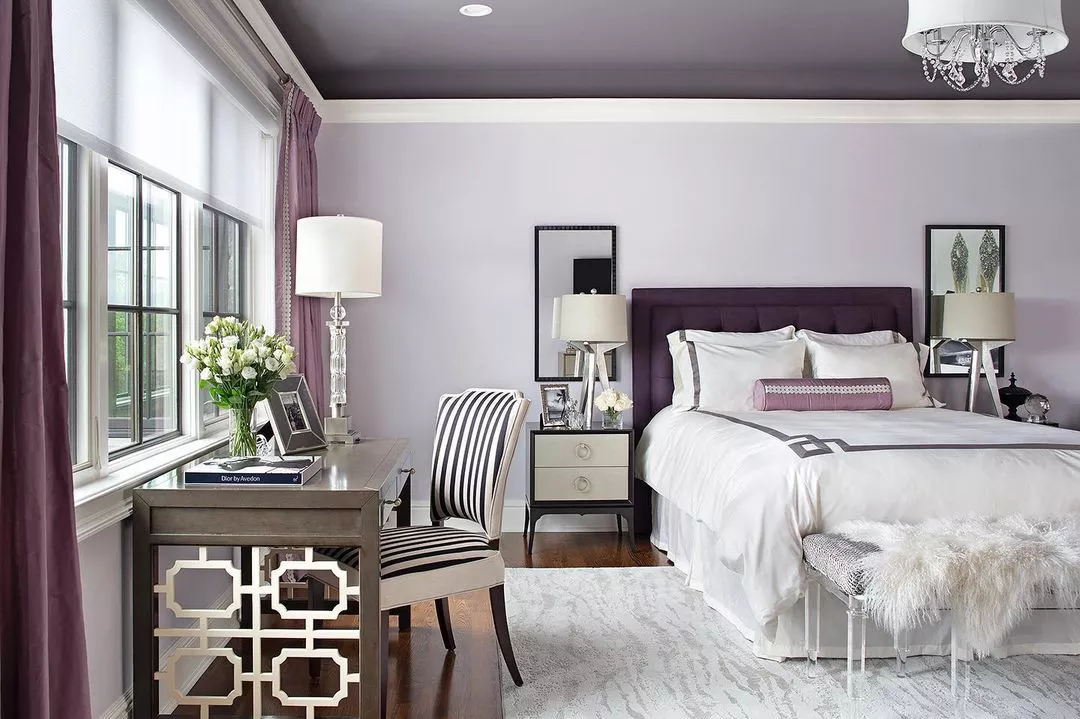
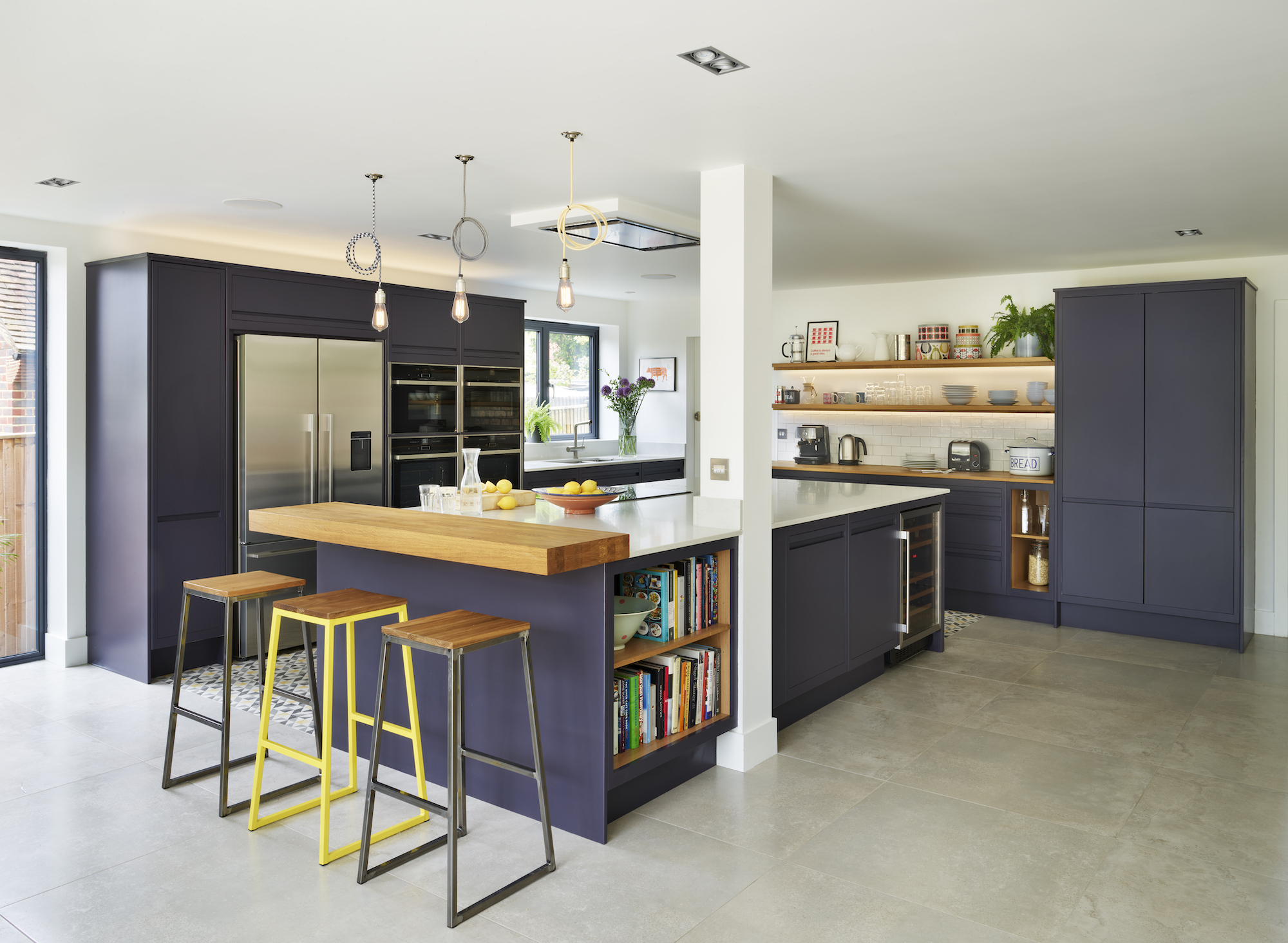
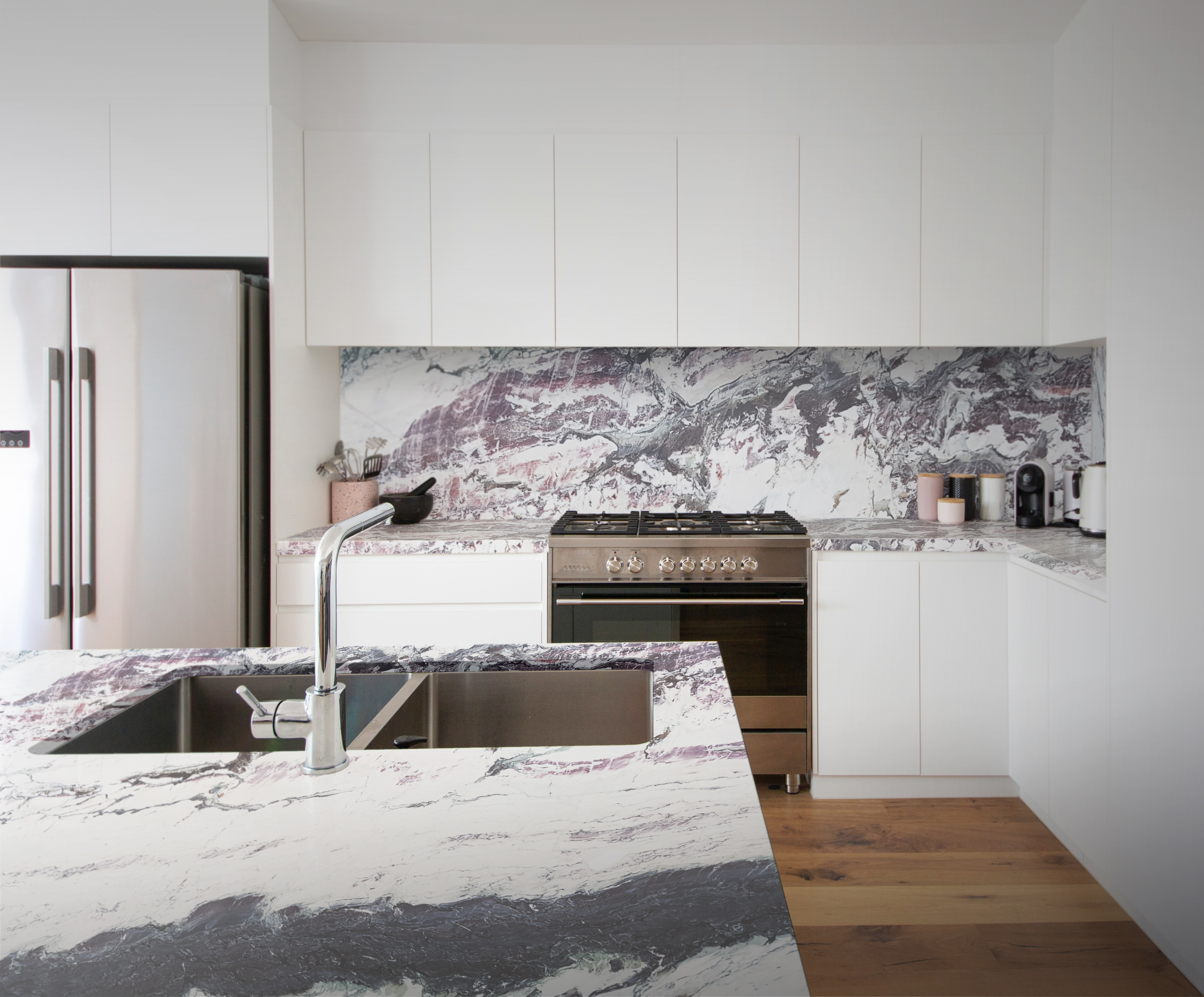
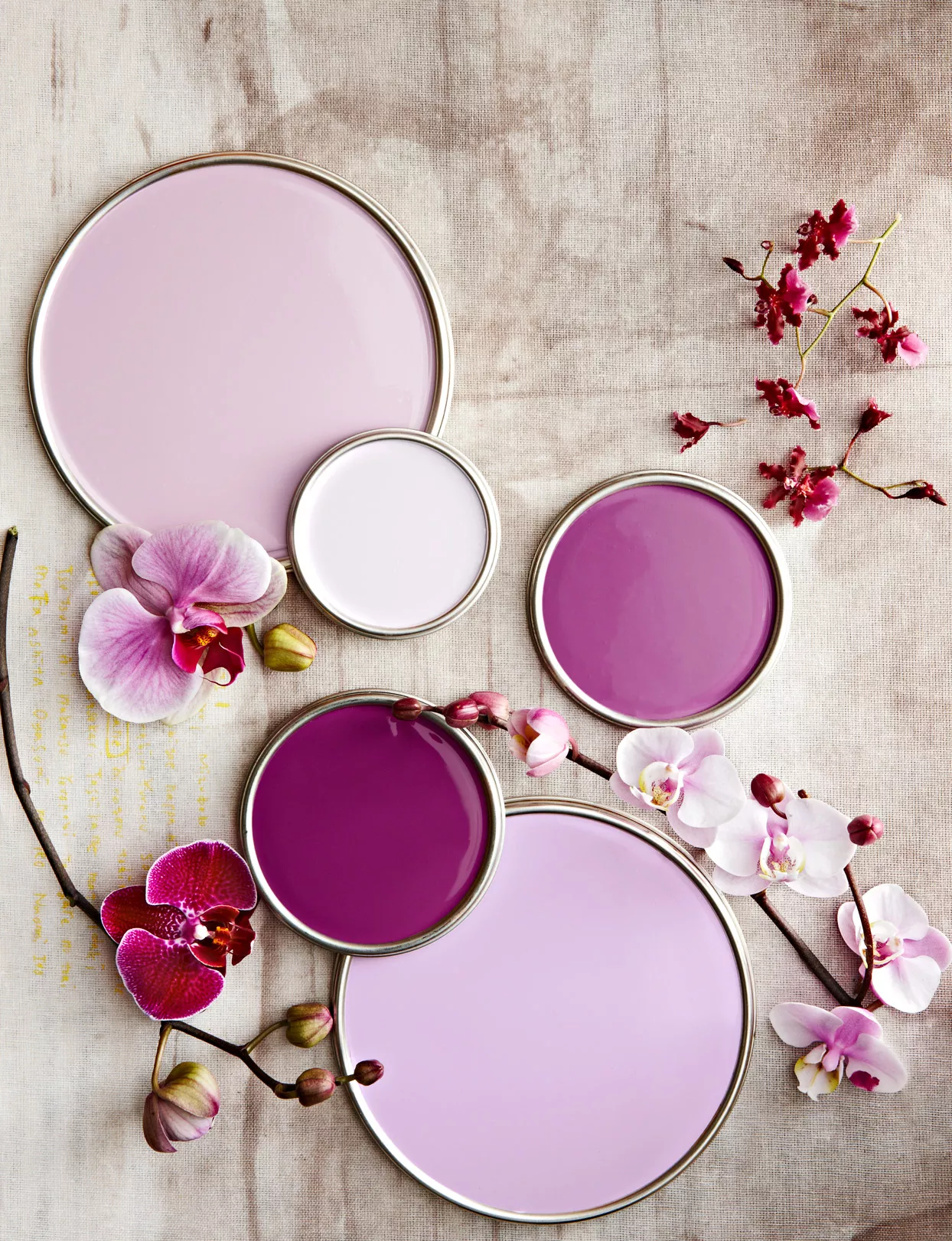
Purple paint colors offer a versatile palette for interior design, ranging from delicate, romantic tints to rich, powerful shades. San Francisco designer Kelly Berg highlights the adaptability of violet hues, noting that their softer variations evoke romance, while deeper tones convey richness and strength. The selection of a purple shade can influence the mood of a room; for instance, a lavender space can achieve a more subtle aesthetic with the addition of elements like black-and-white photography, industrial pieces, and streamlined furniture. The color purple's versatility stems from its composition of red and blue. The exact hue shifts depending on the ratio of these primary colors. A higher proportion of blue results in a cooler color, exemplified by brilliant amethyst purples. Interior designer Liz Caan cautions against incorporating too much red, as it can lead to mauve, advising to stay on the cooler, blue side for a refreshing feel.
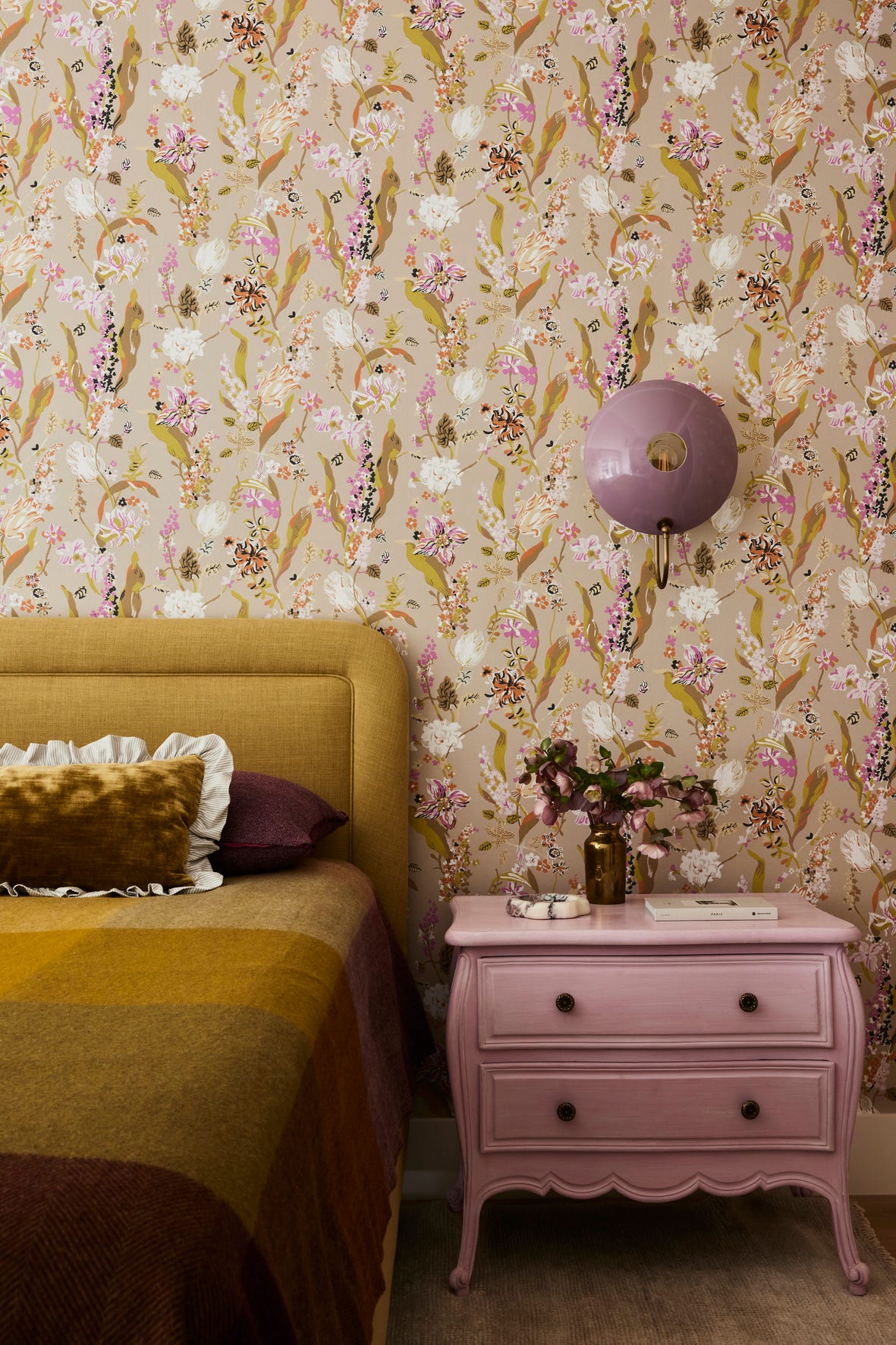
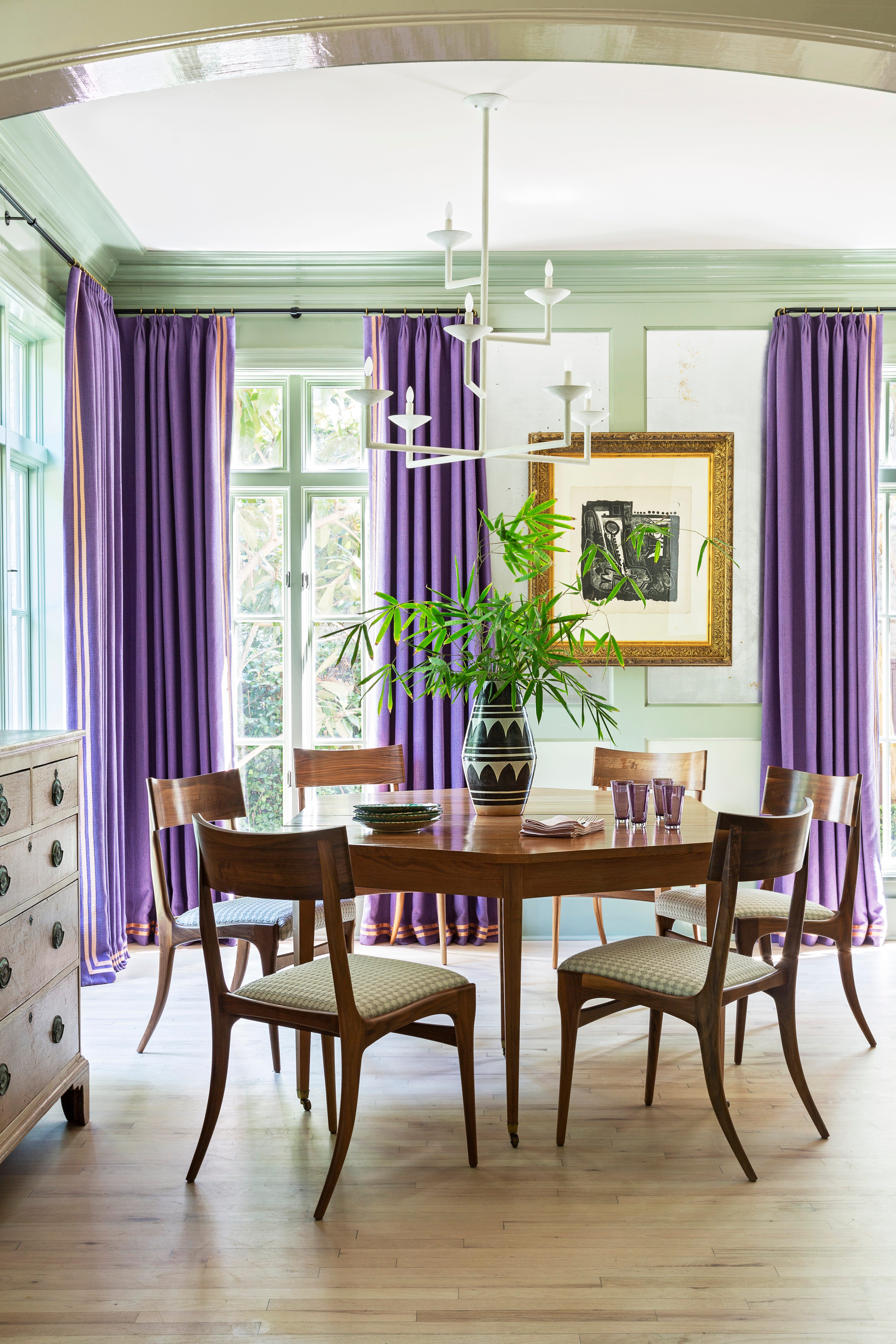
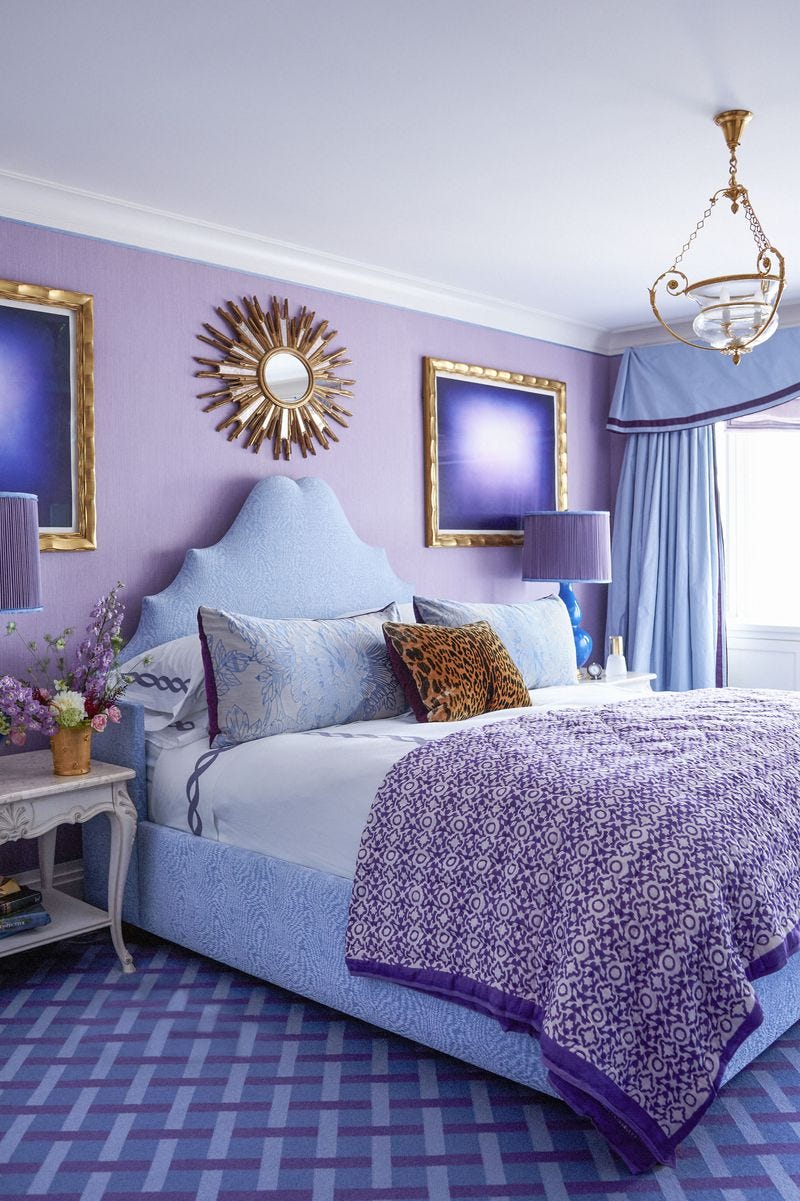
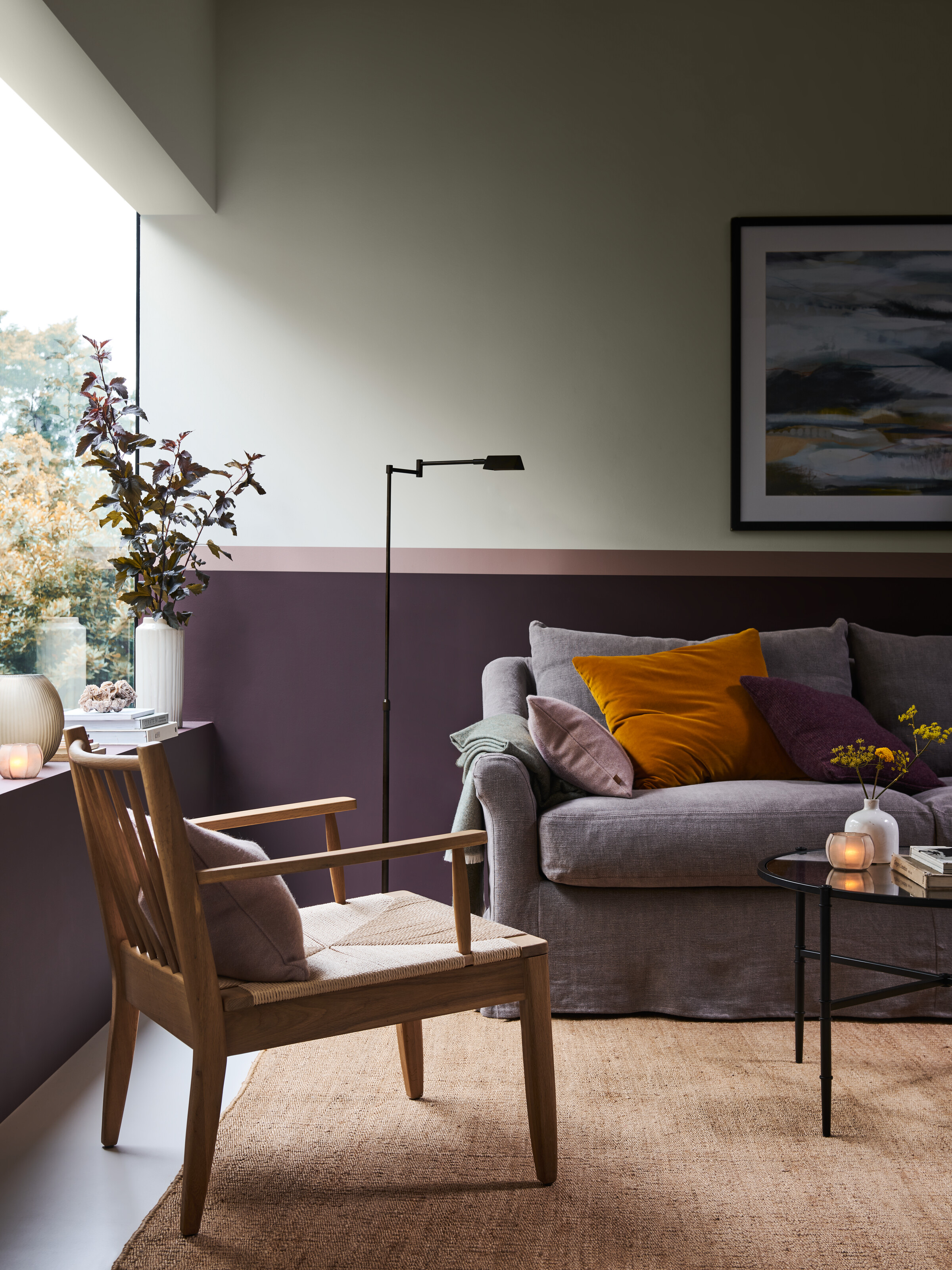
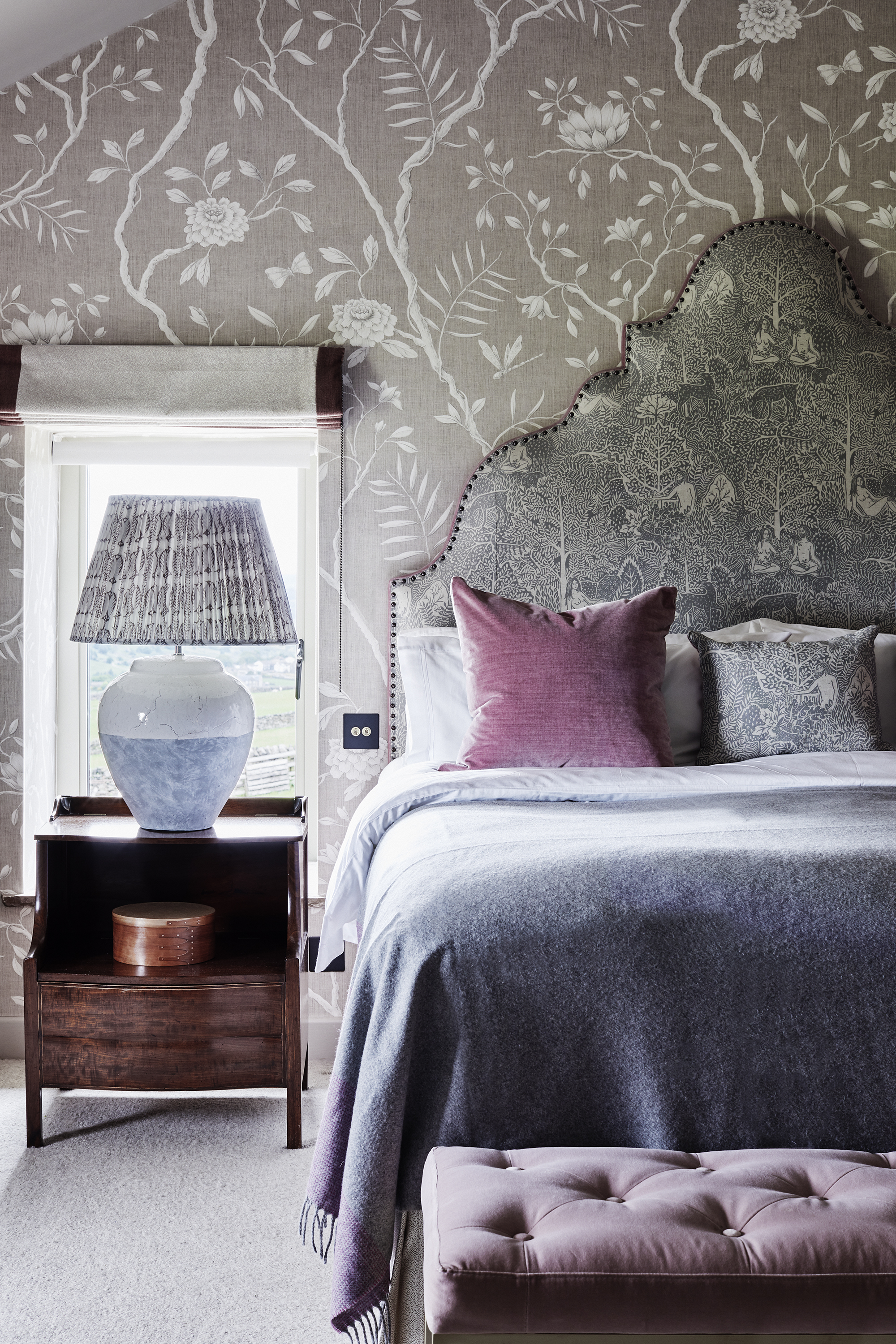
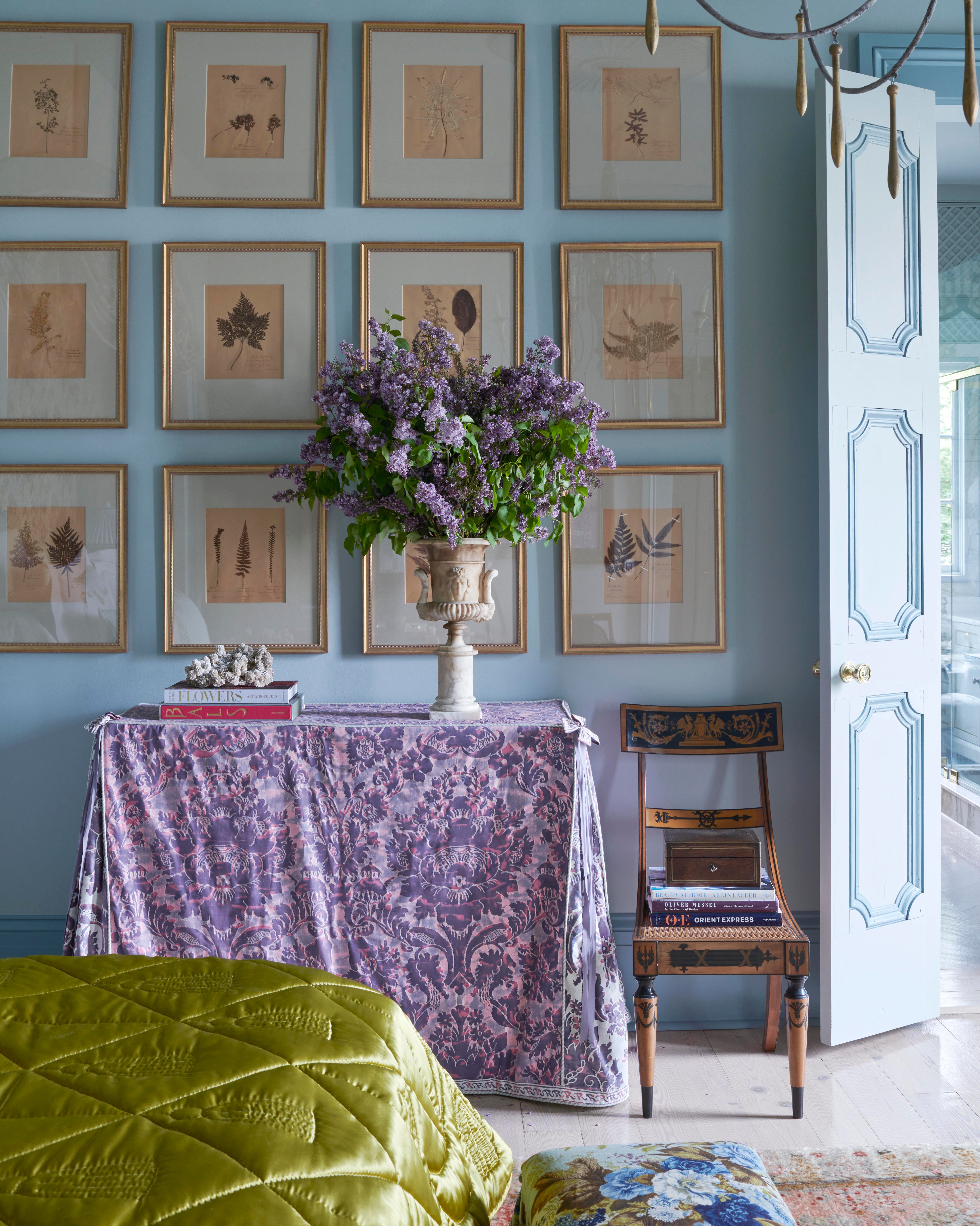
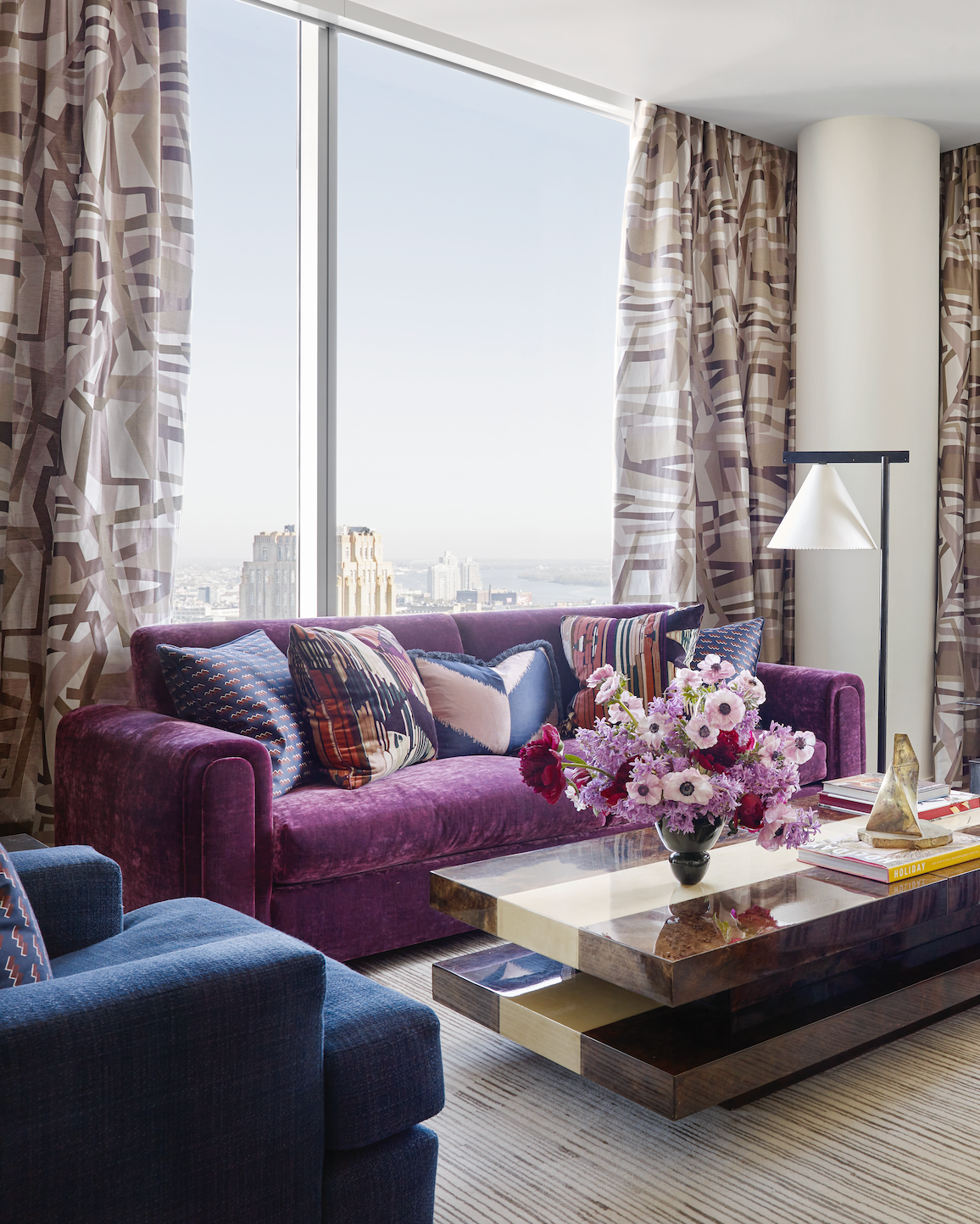
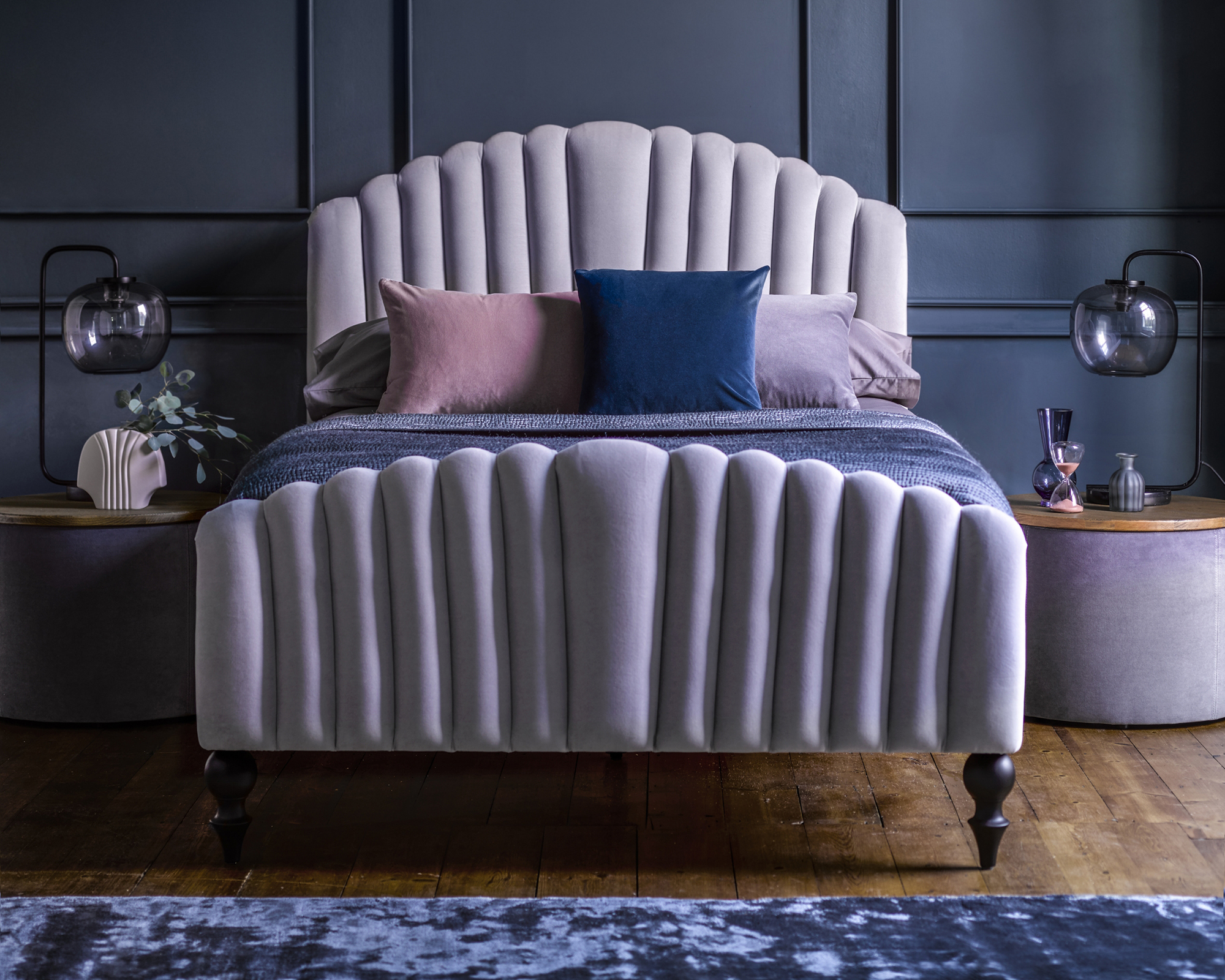
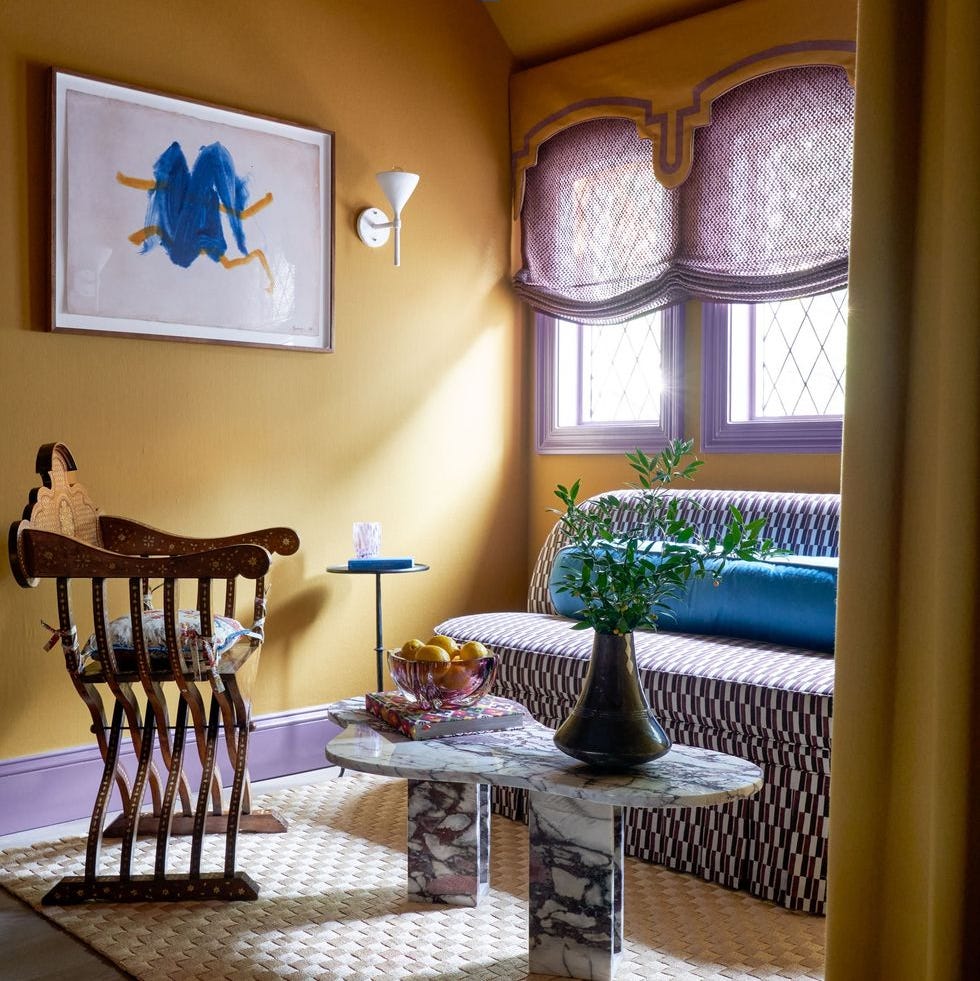
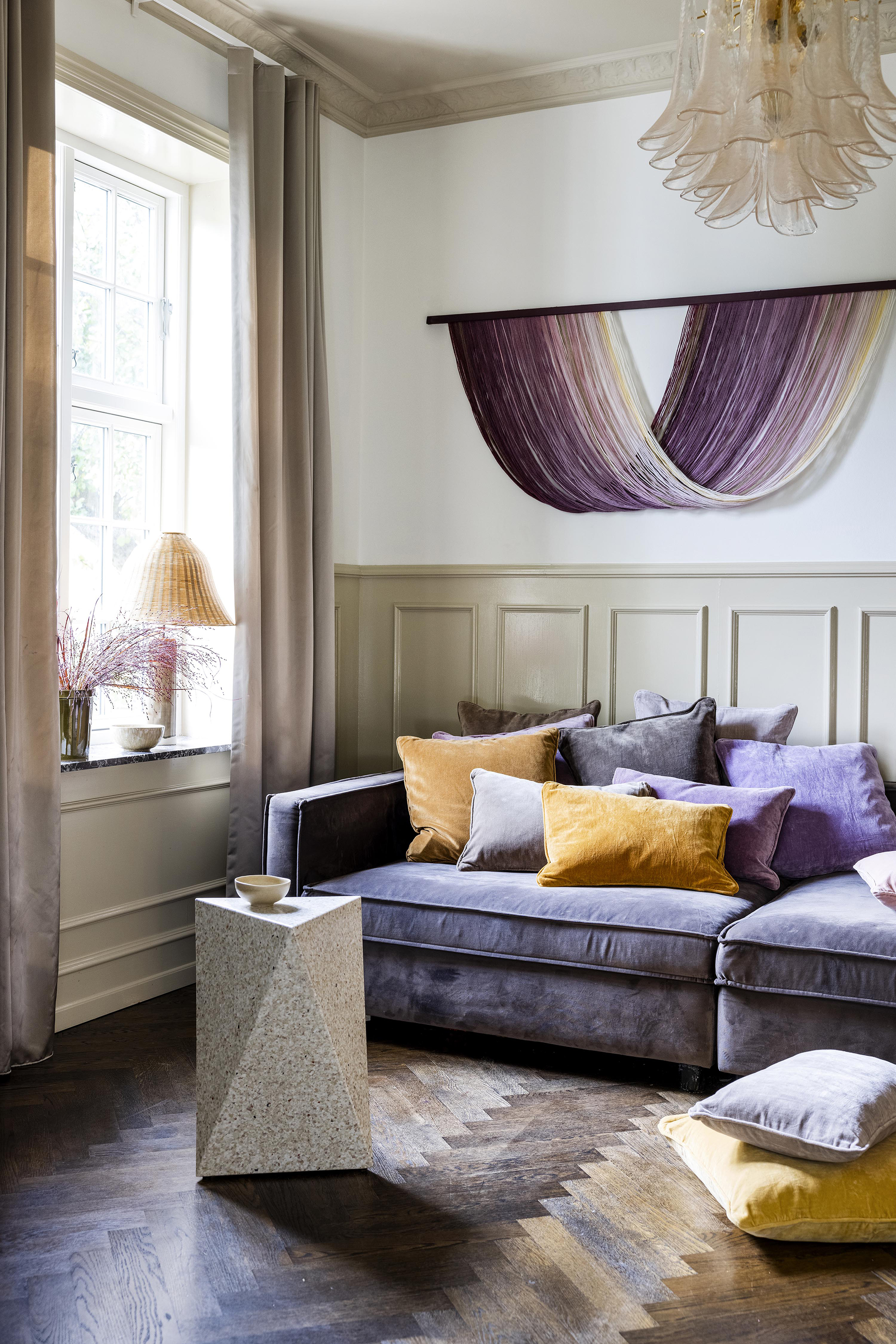
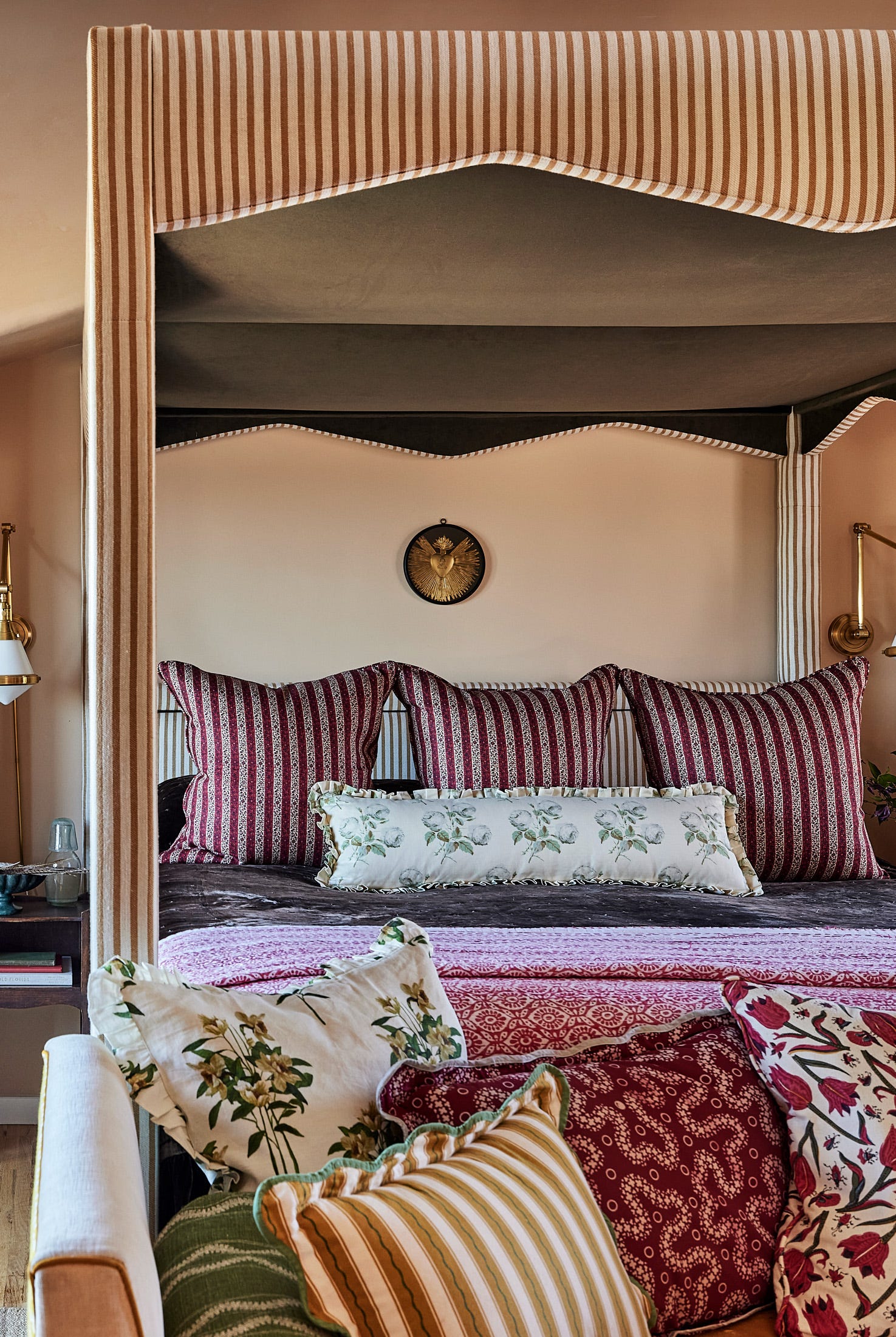
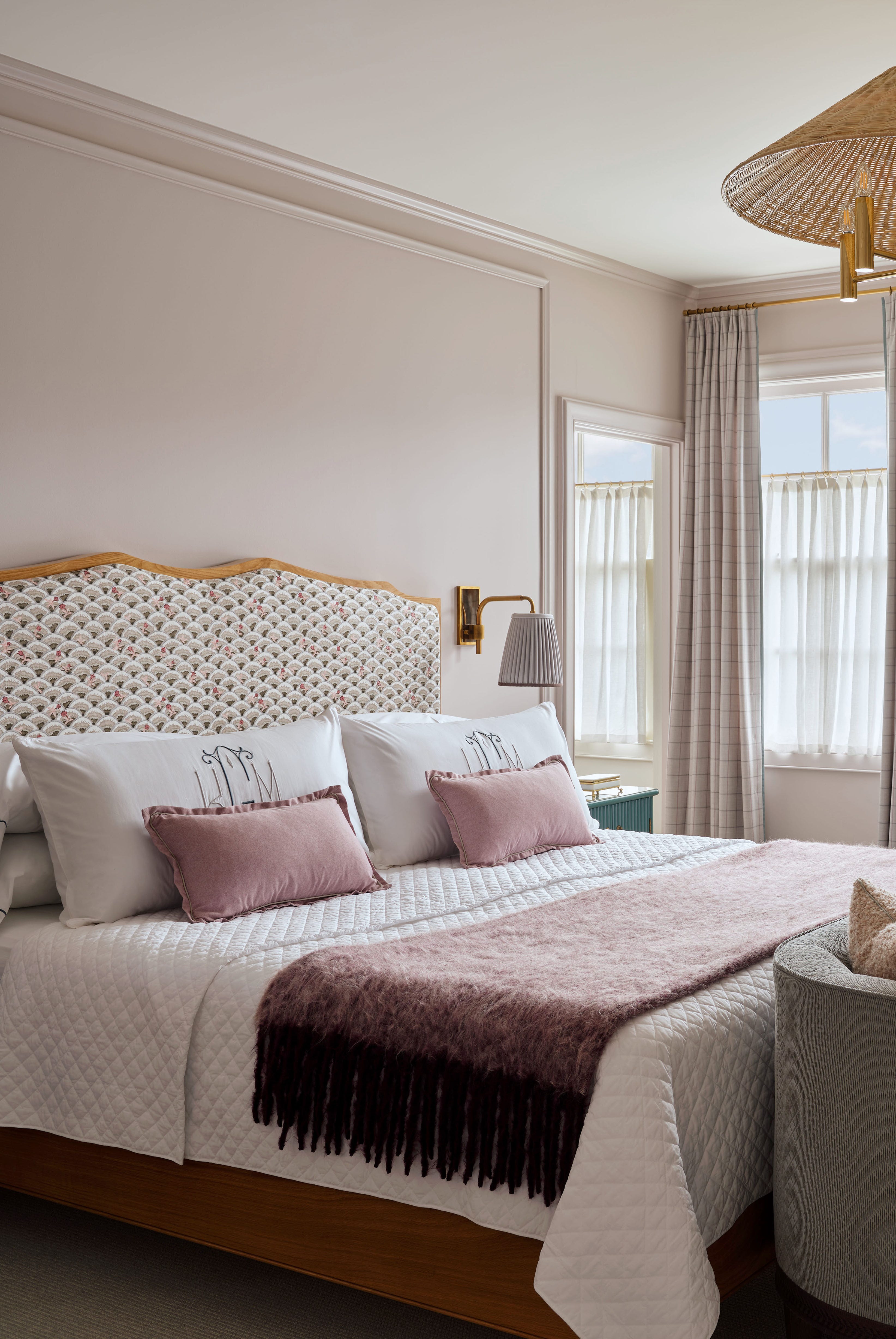
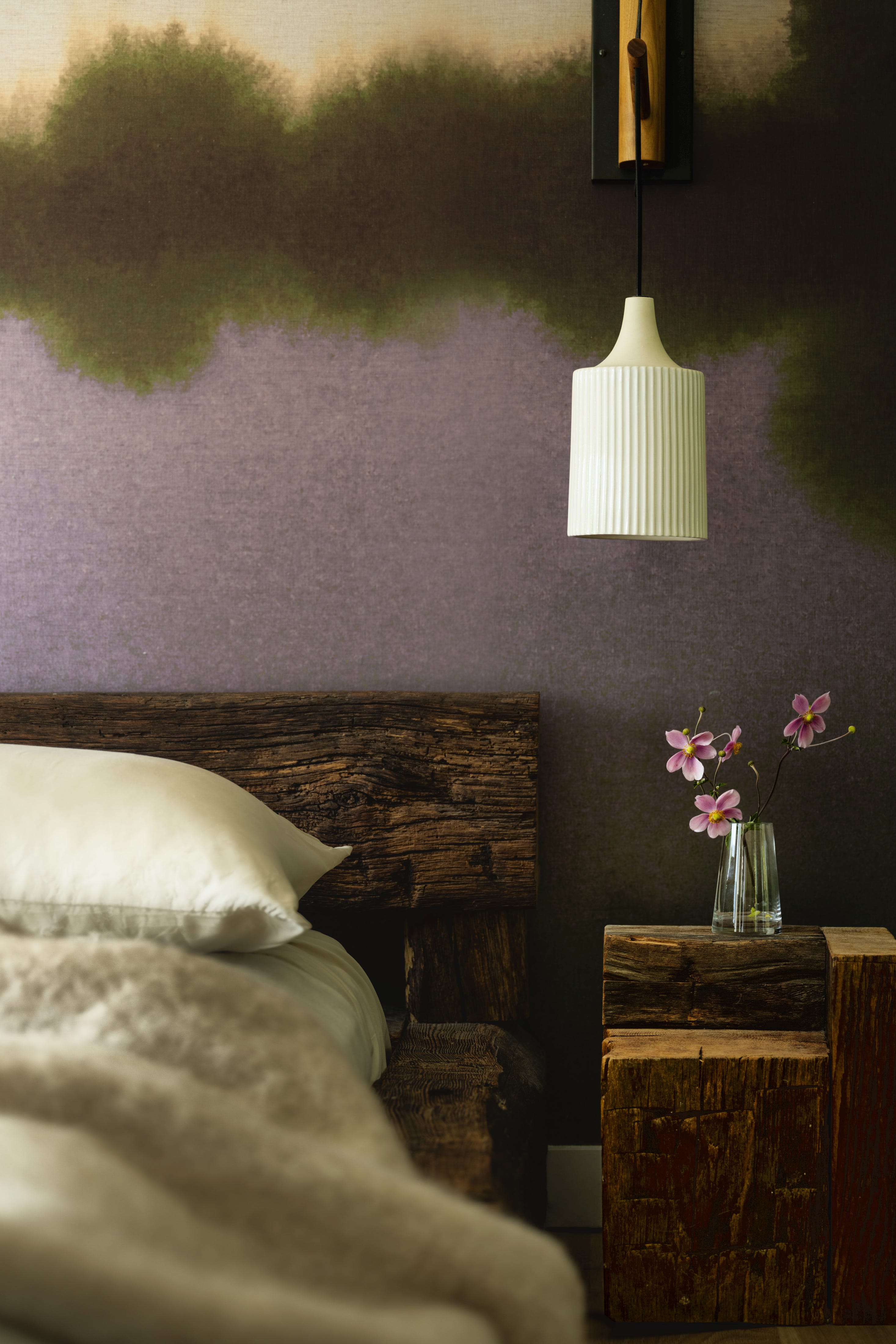
Environmental factors like the time of day and natural light exposure significantly impact how purple paint appears in a room. It is recommended to apply a paint sample to a wall and observe it throughout the day to understand its shifting appearance before committing to painting an entire room. For those seeking a dramatic effect, pairing a saturated purple with yellow creates a complementary color scheme. As purple and yellow are opposite on the color wheel, their combination generates dynamic energy and draws attention. Alternatively, if a full room commitment to purple is too daunting, the color can be effectively utilized as an accent. In a bedroom, a block of lavender behind the bed can highlight the sleeping area, especially when balanced with sweet pink and golden yellow accents.
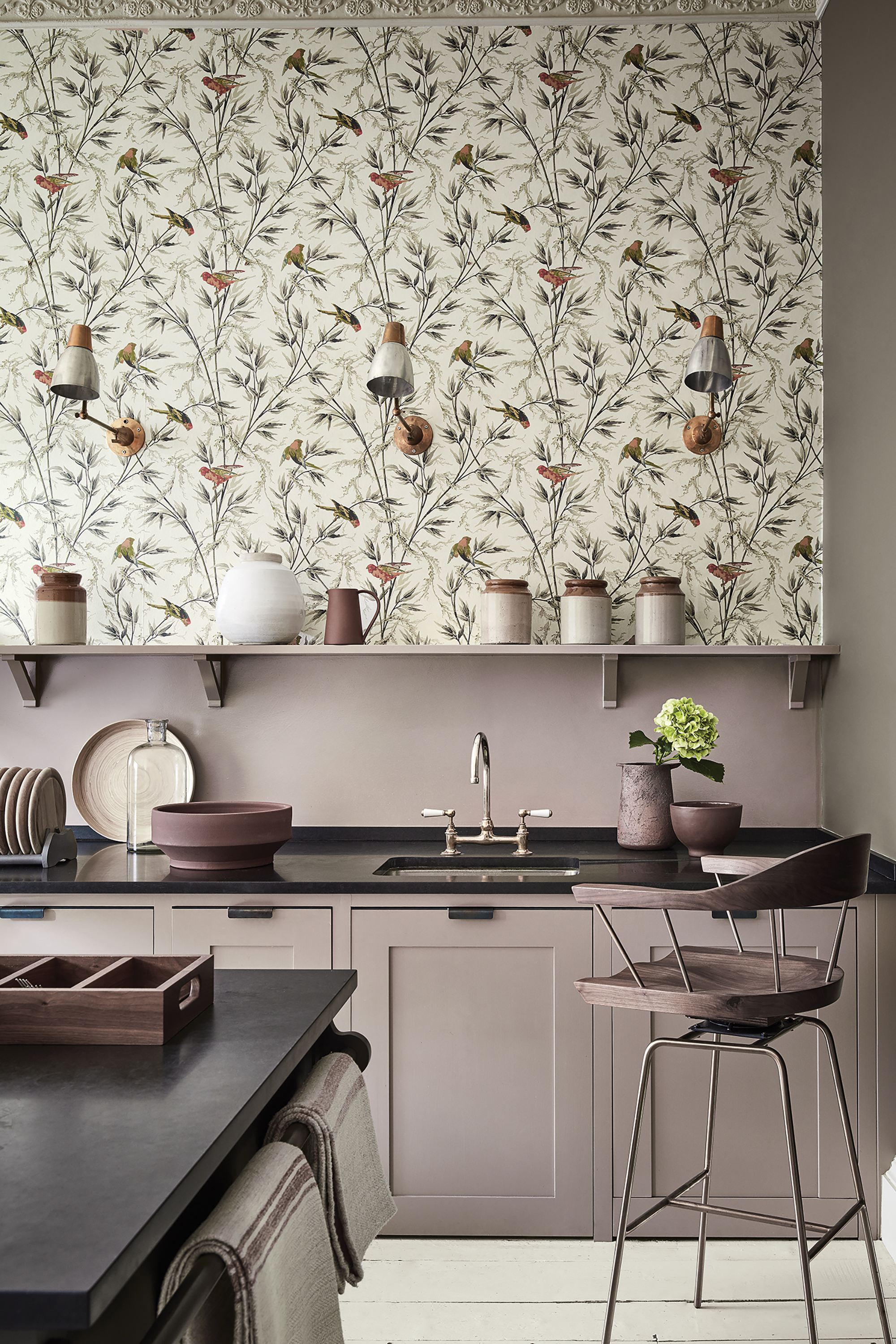
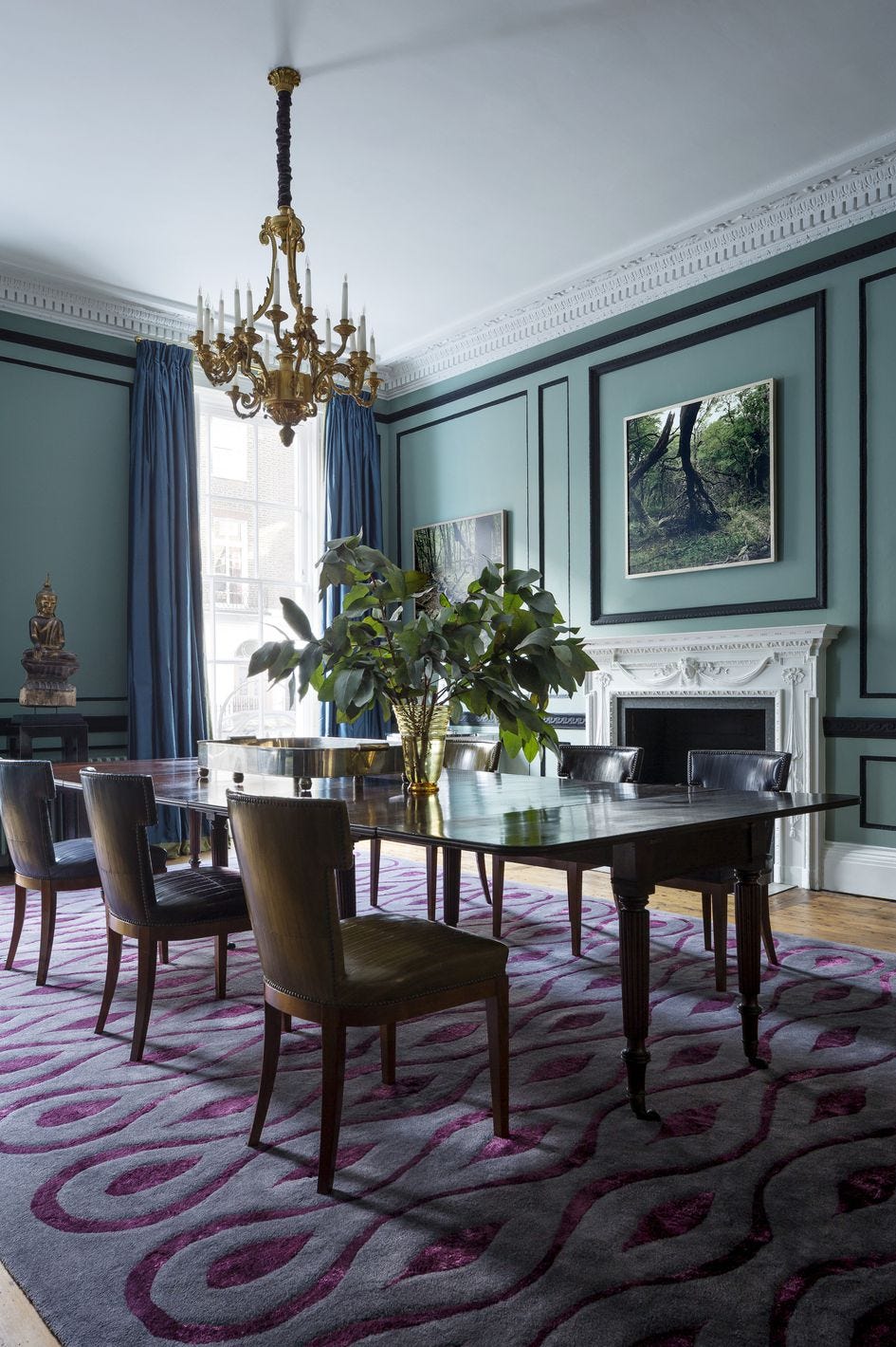
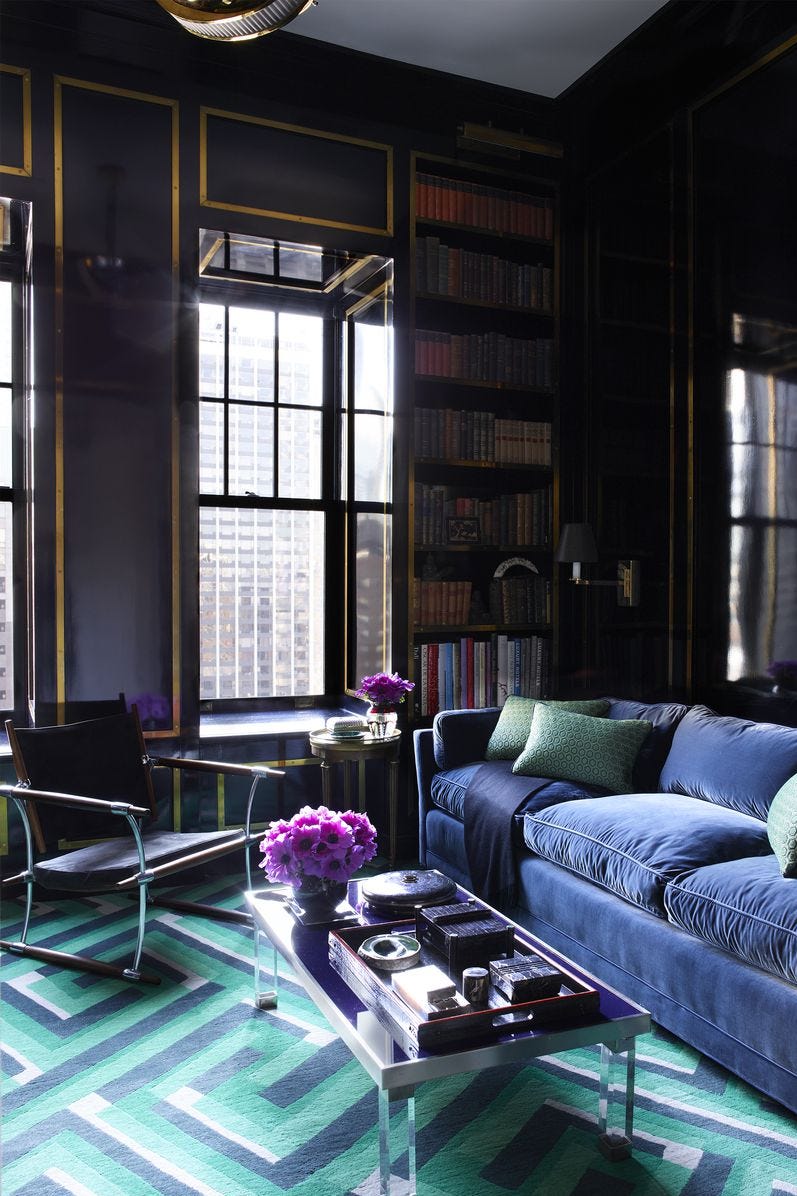
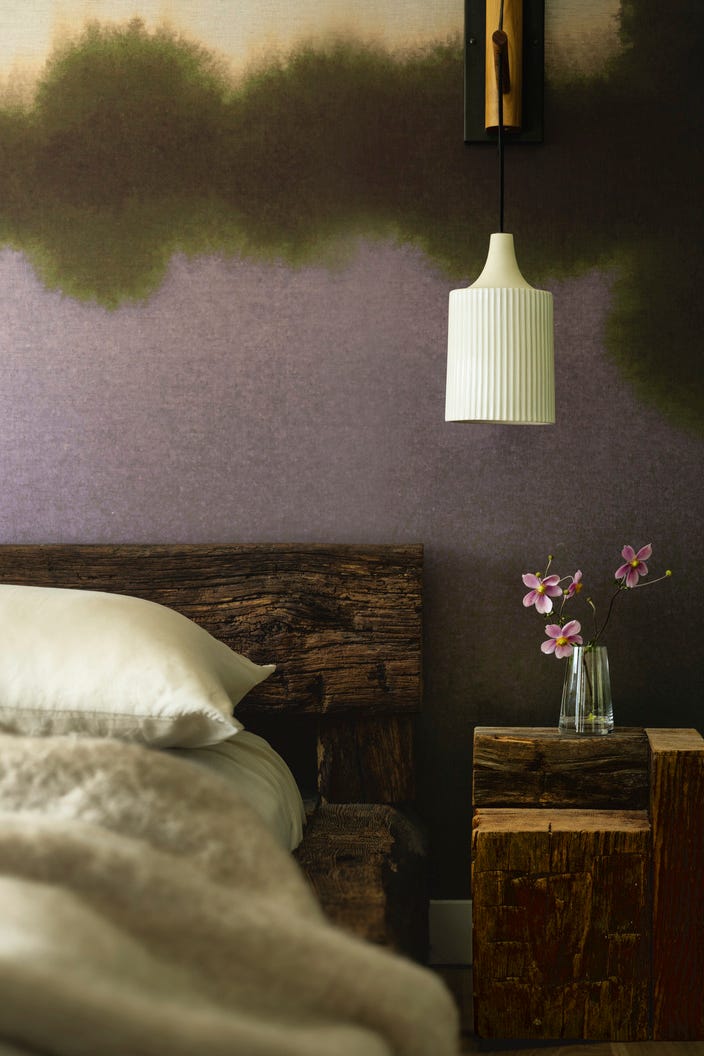
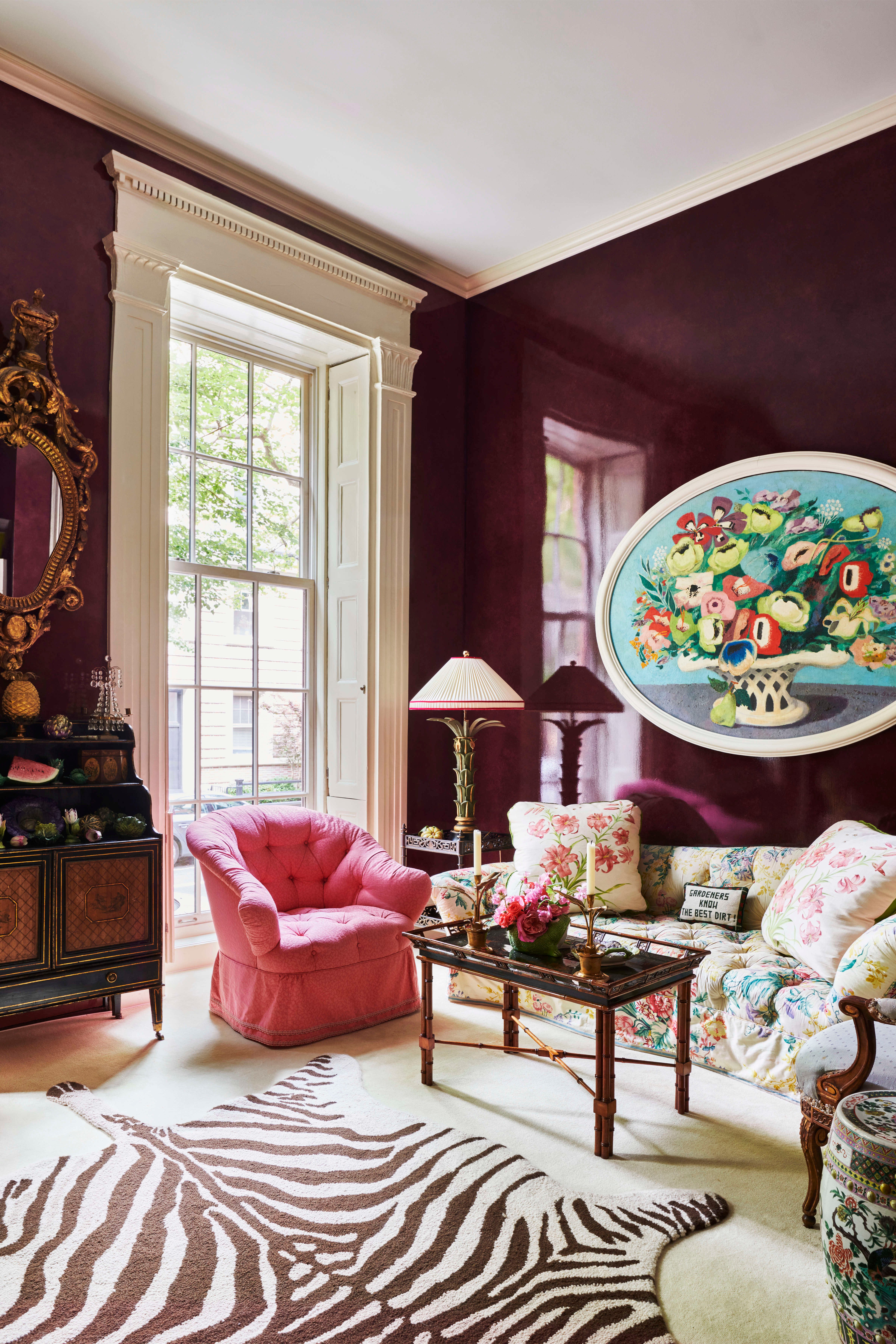
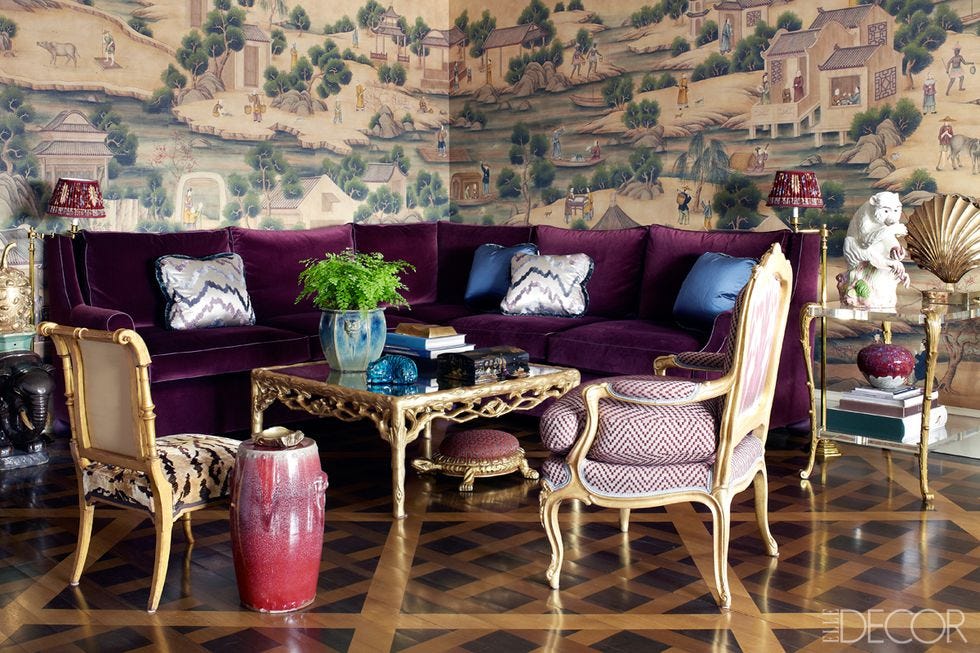
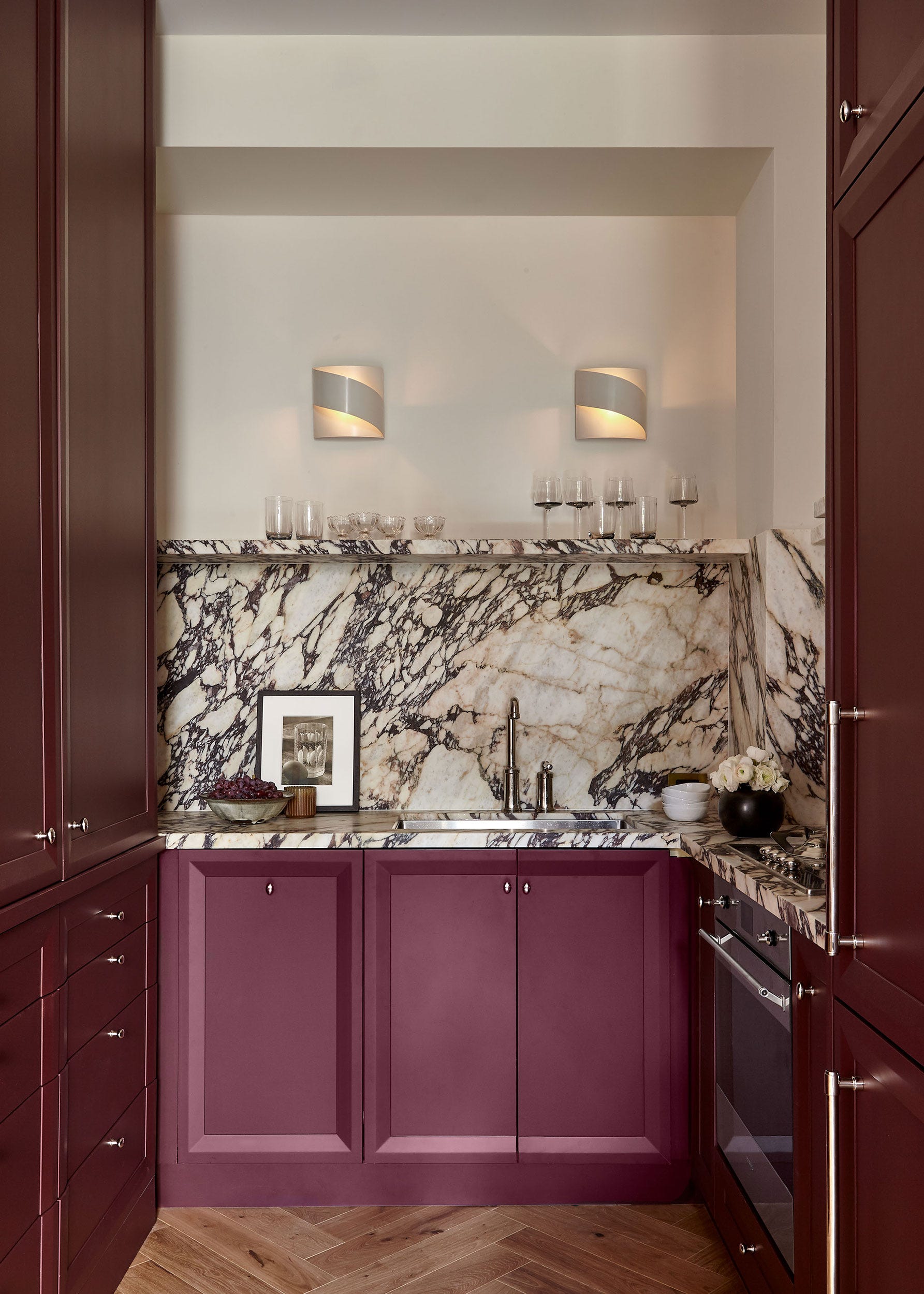
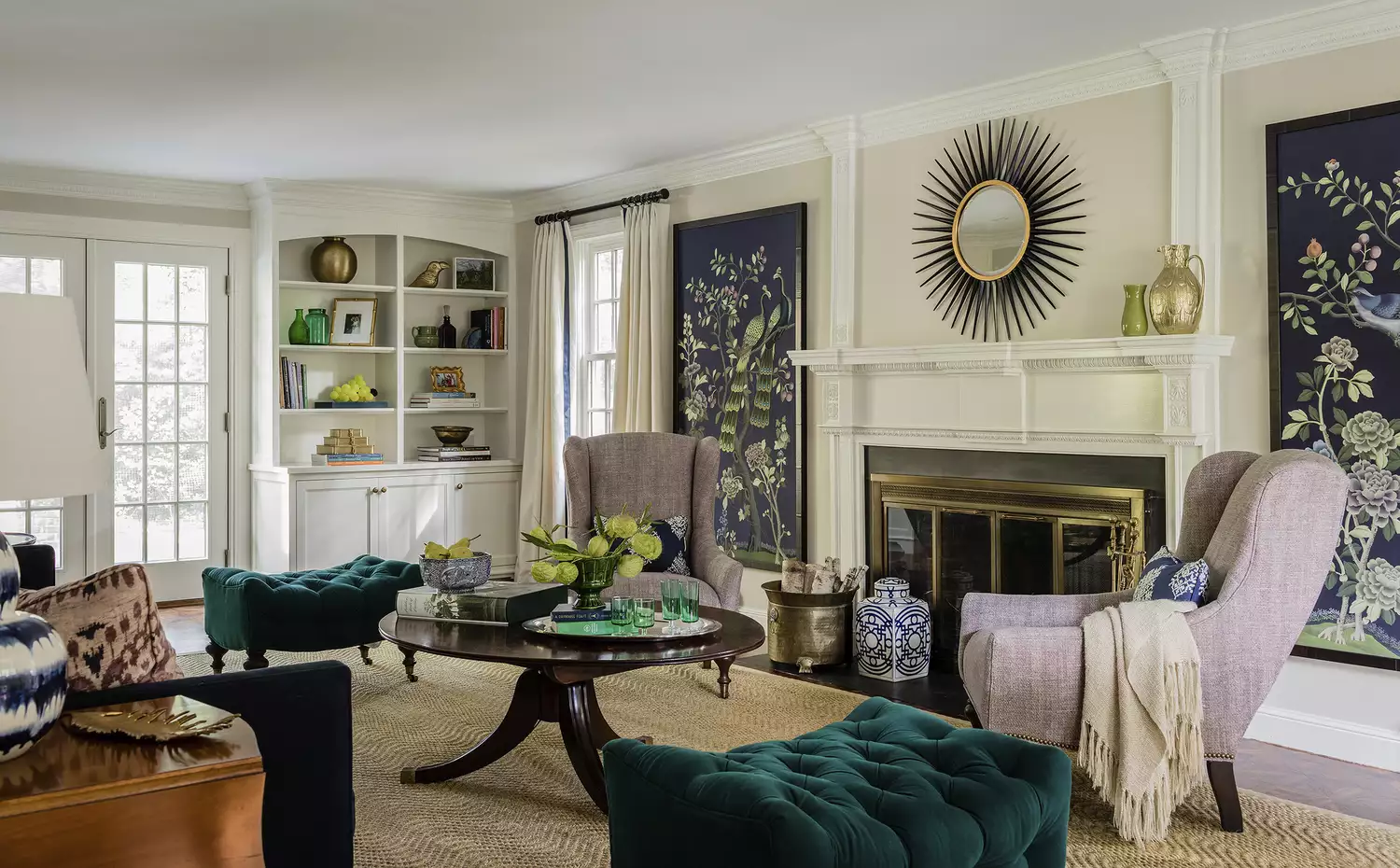
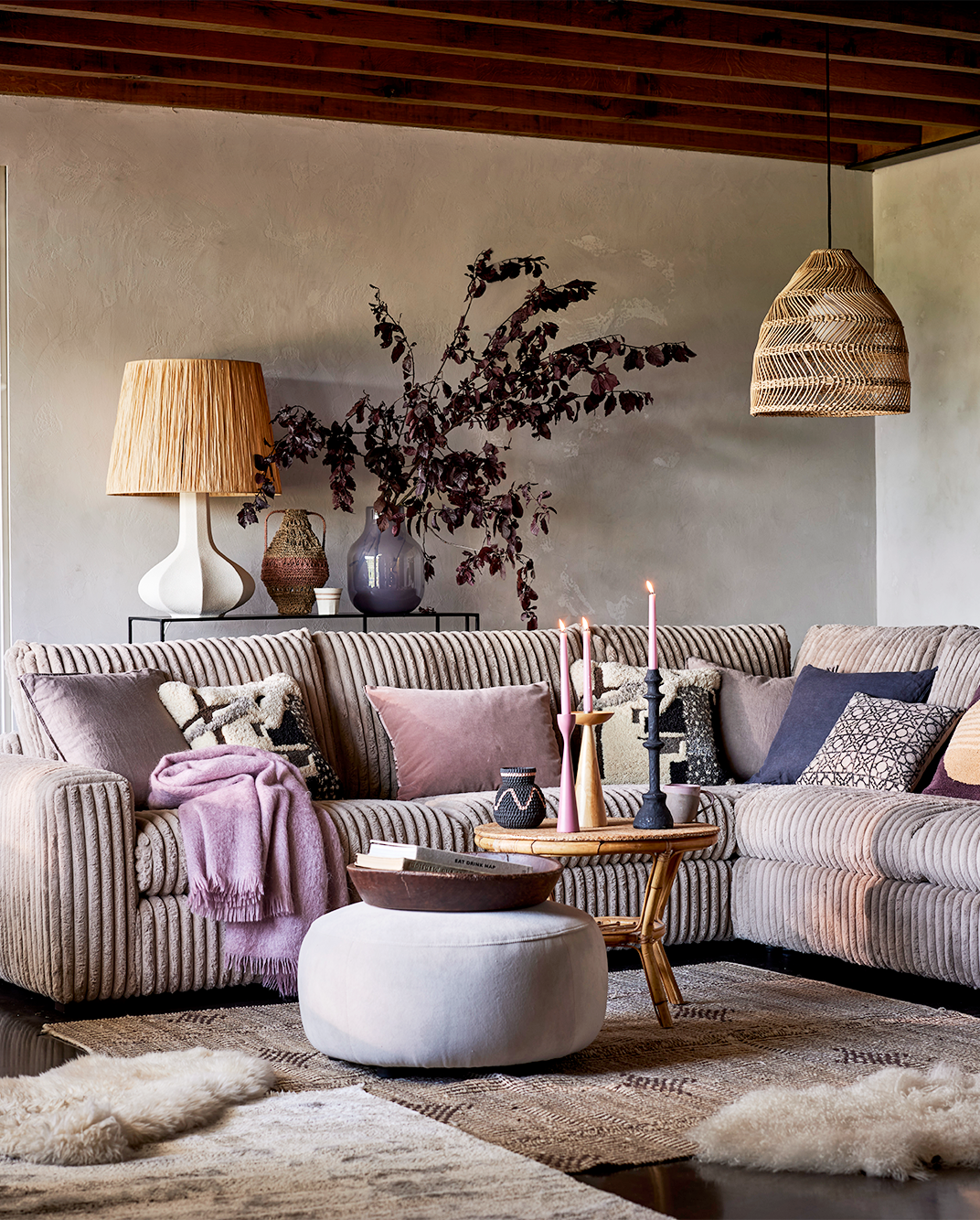
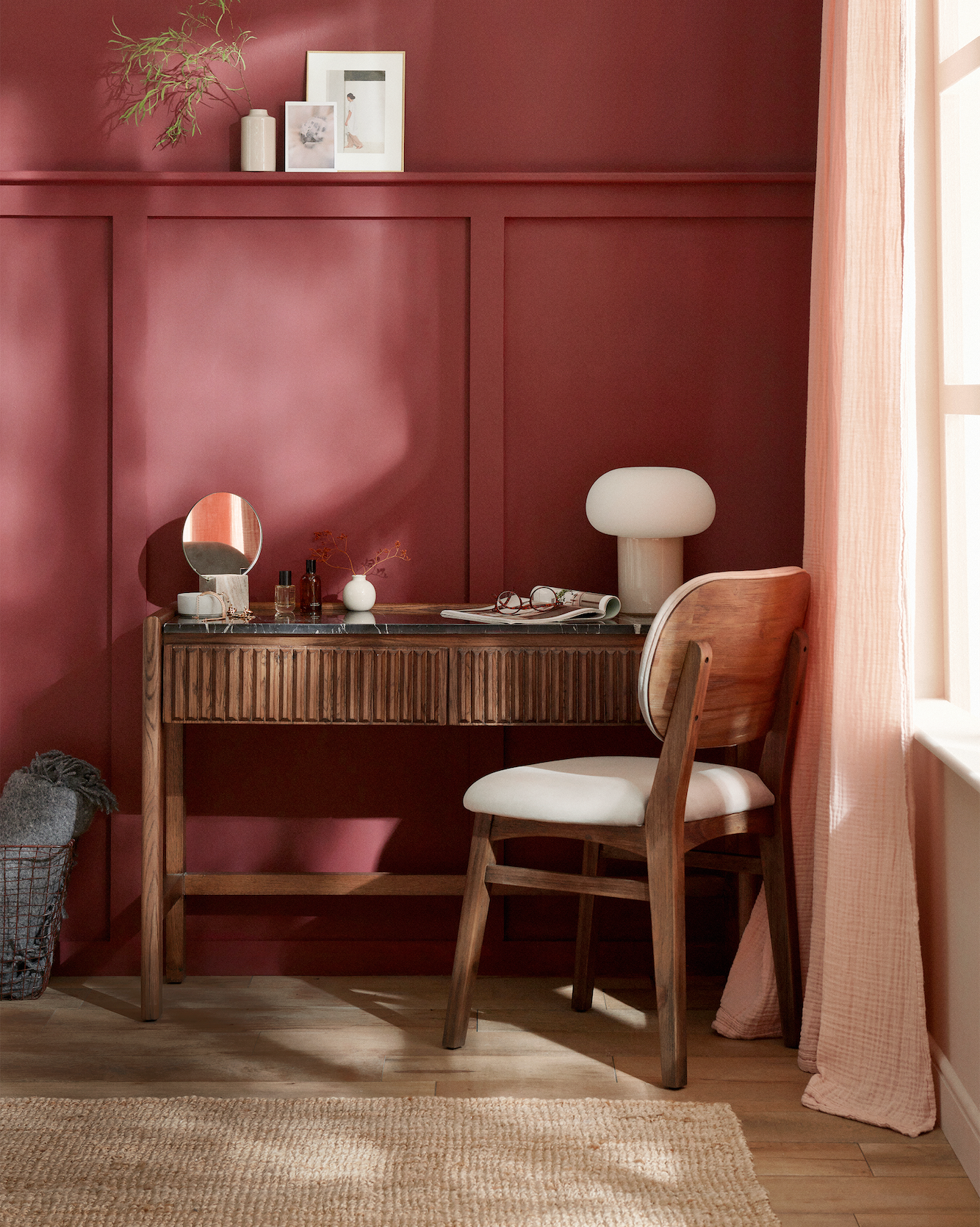
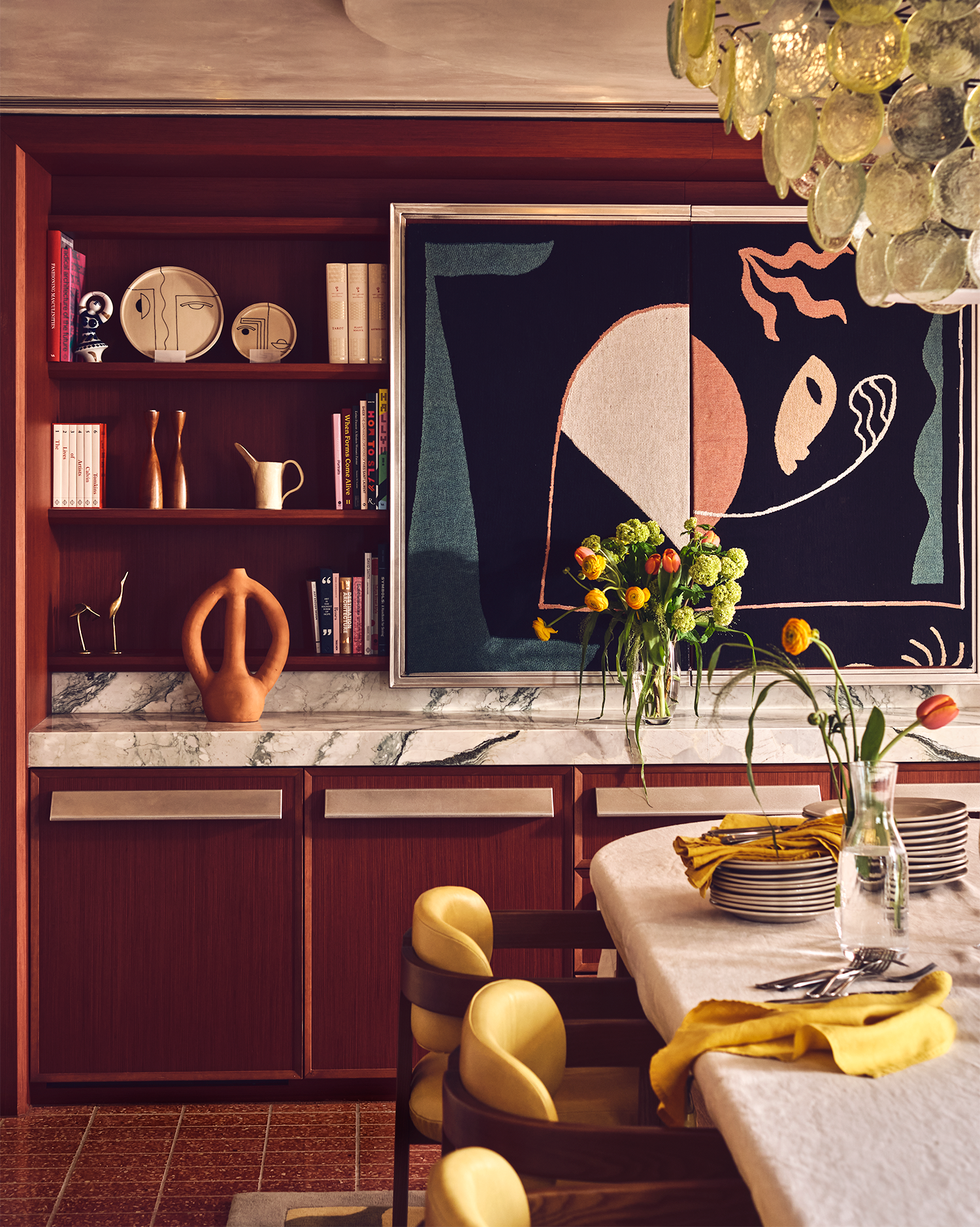
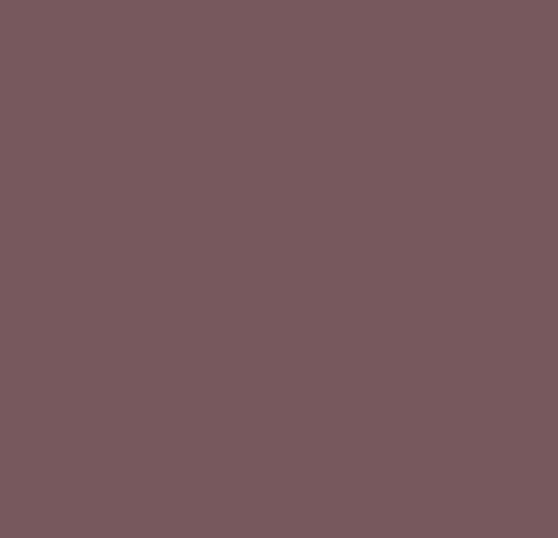
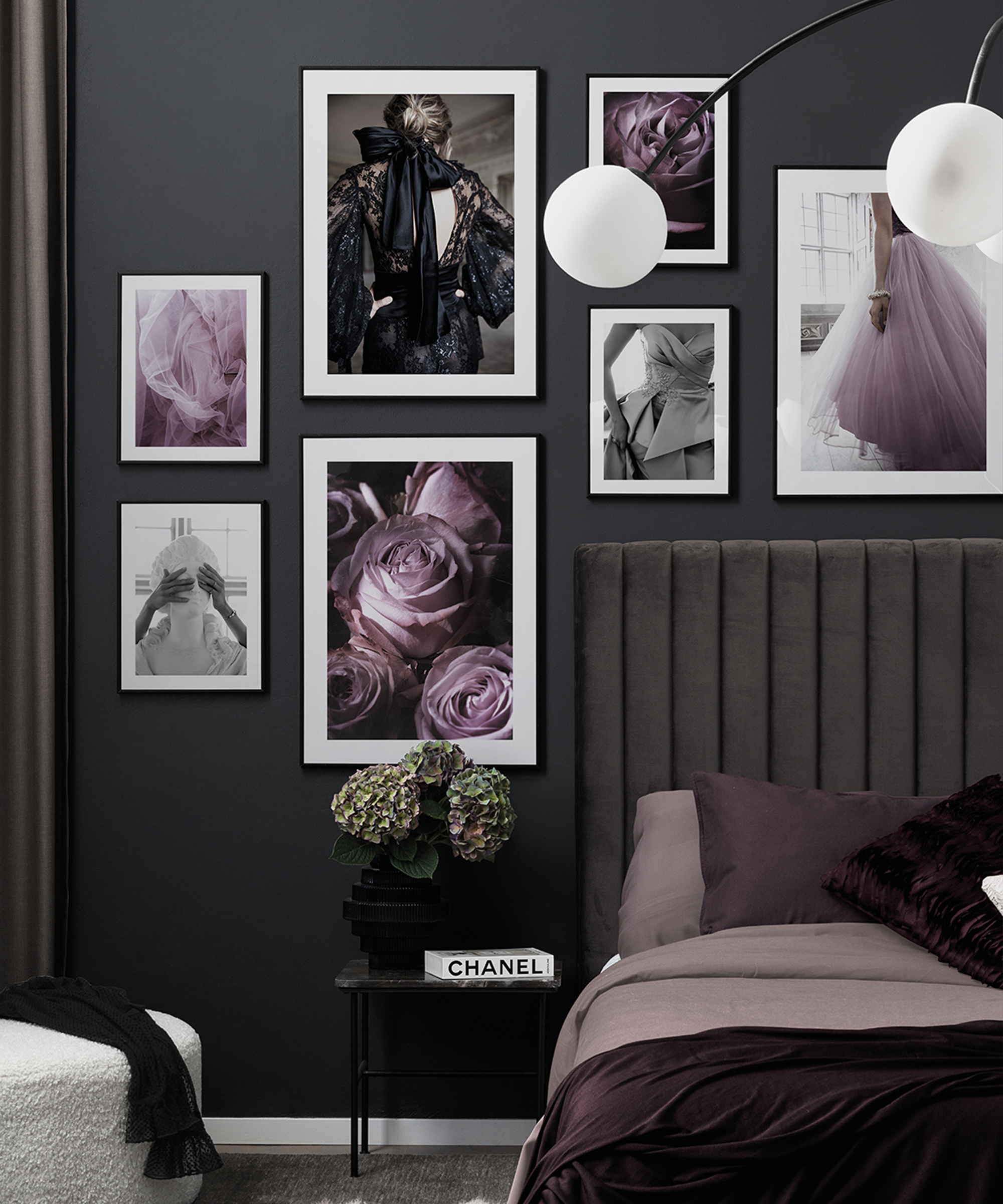
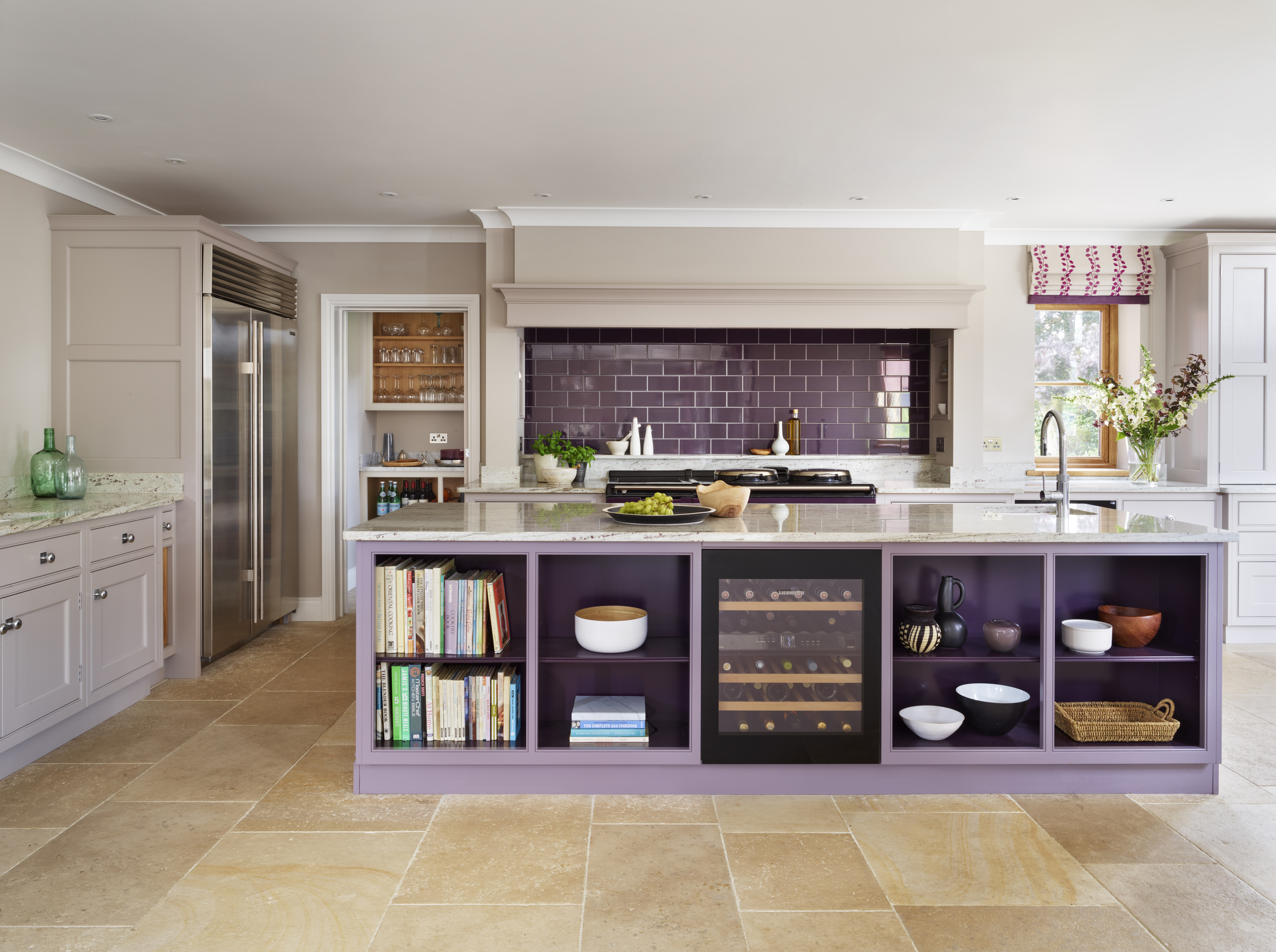
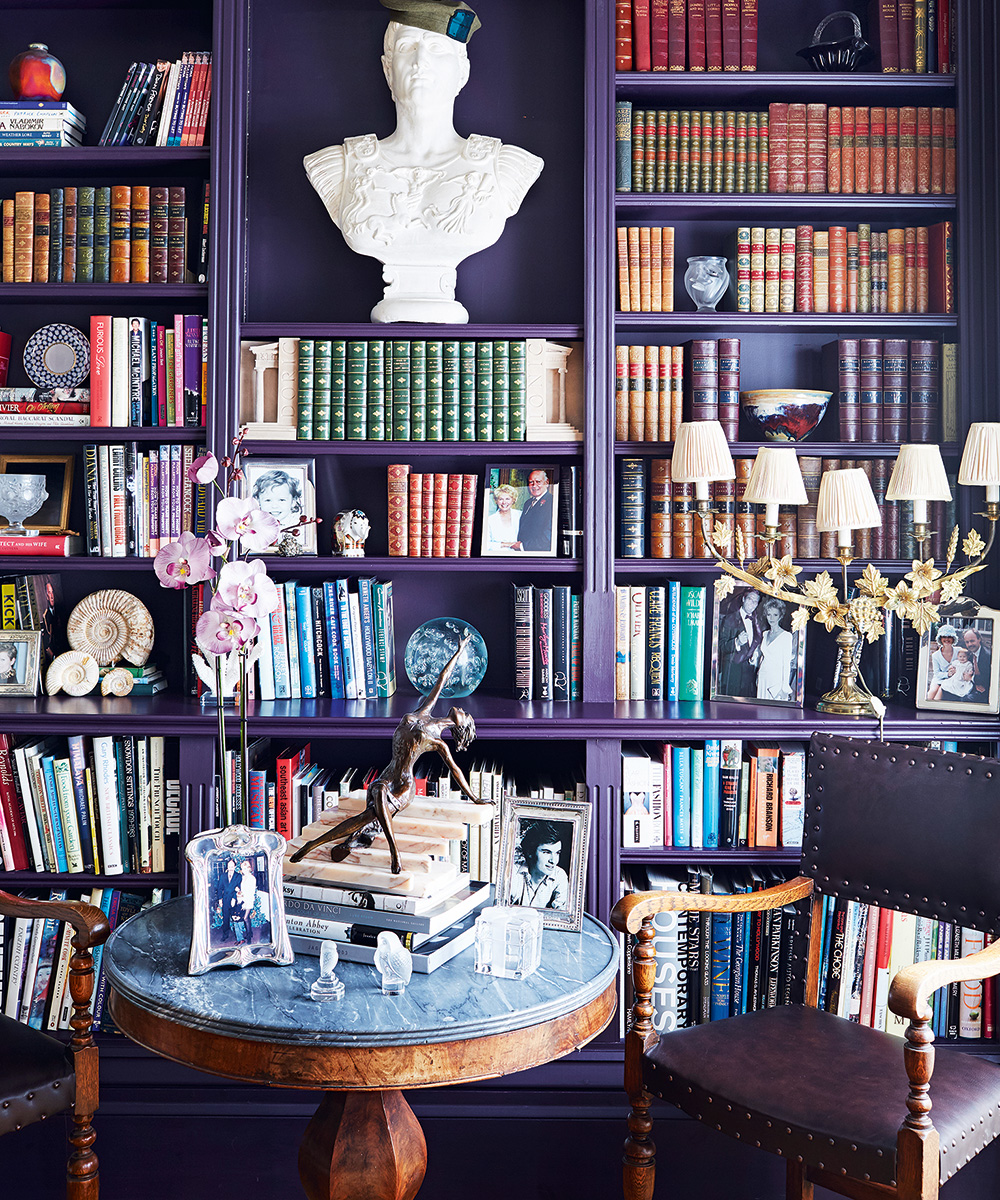
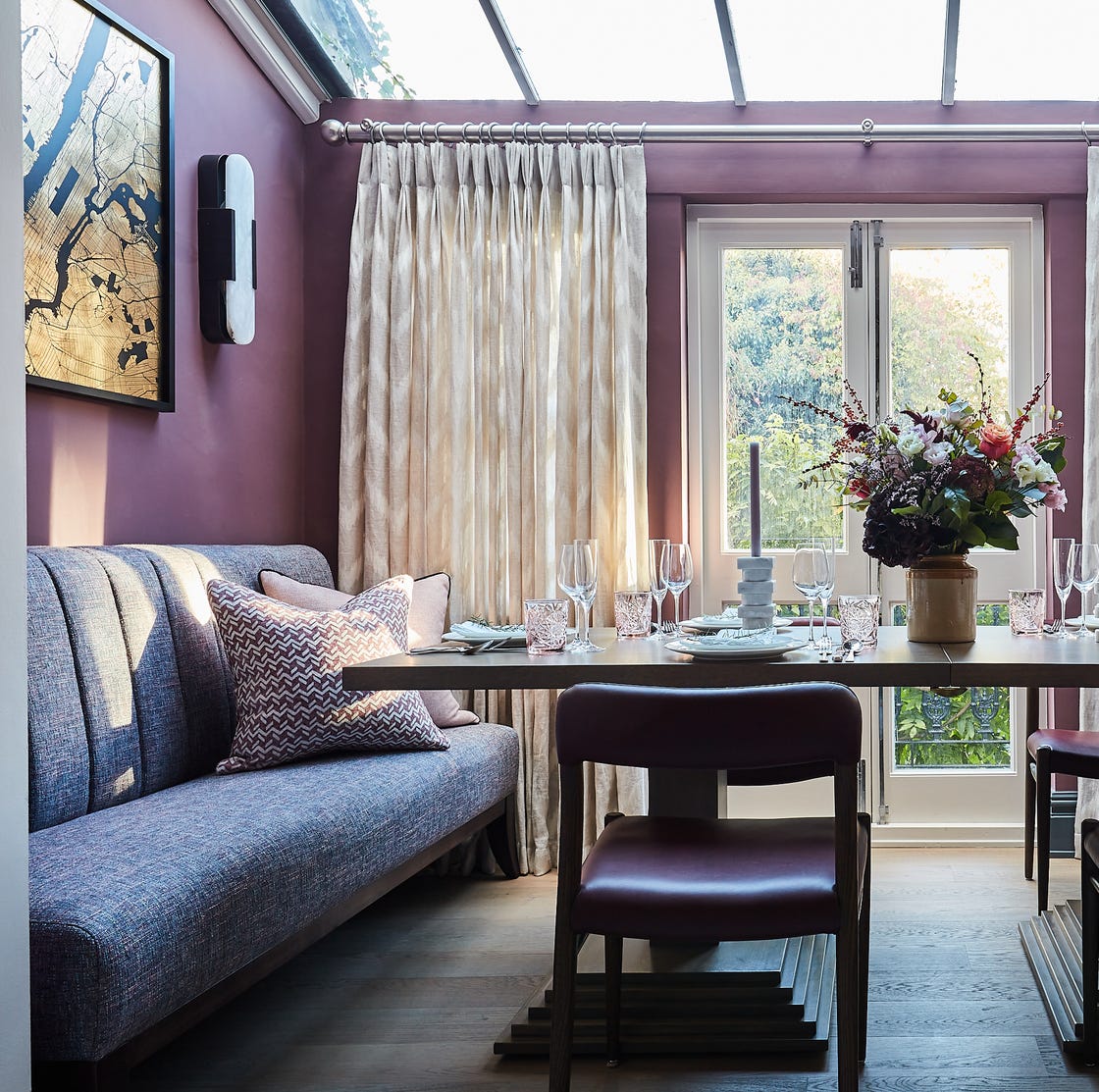
Deep, saturated purples, akin to fine wines, can be used in spaces where red might traditionally be applied. In dining rooms, a Bordeaux shade with warm undertones can create a rich, traditional, and cozy atmosphere, particularly when complemented by warm red draperies and creamy whites. Another approach to integrating bold colors is to select neutrals with subtle undertones of the desired color. A gray with purple undertones can be elevated with warm, pale yellows and mossy green accents, while plum accents can further emphasize the wall's purple hints. Mauve, a more subdued purple, offers a gentle yet impactful presence, especially when used on multiple walls. Its effect can be enhanced by incorporating deeper and stronger versions of the color through lamps or pillows, with smooth surfaces and nature-inspired pieces serving as ideal accents.
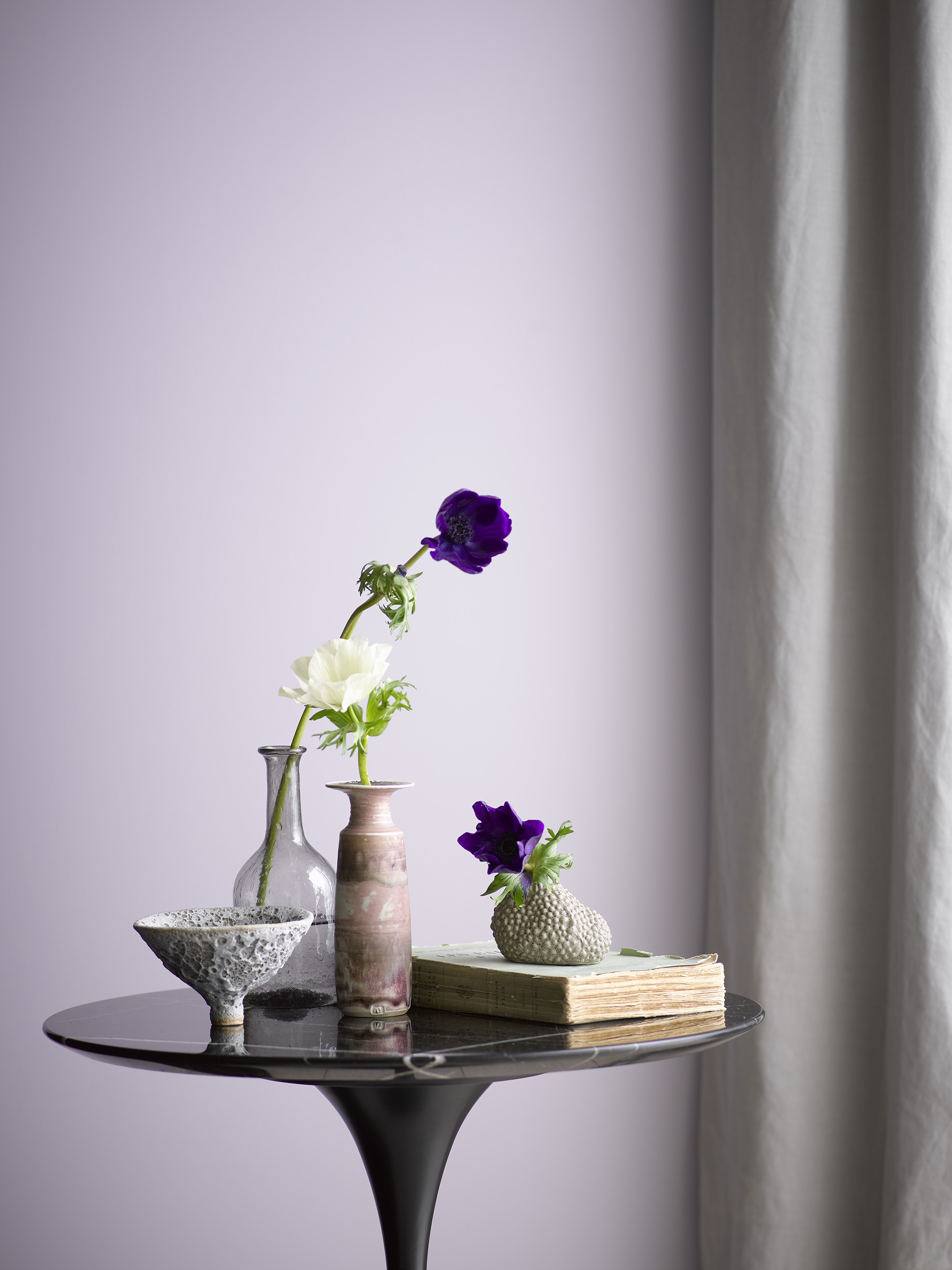
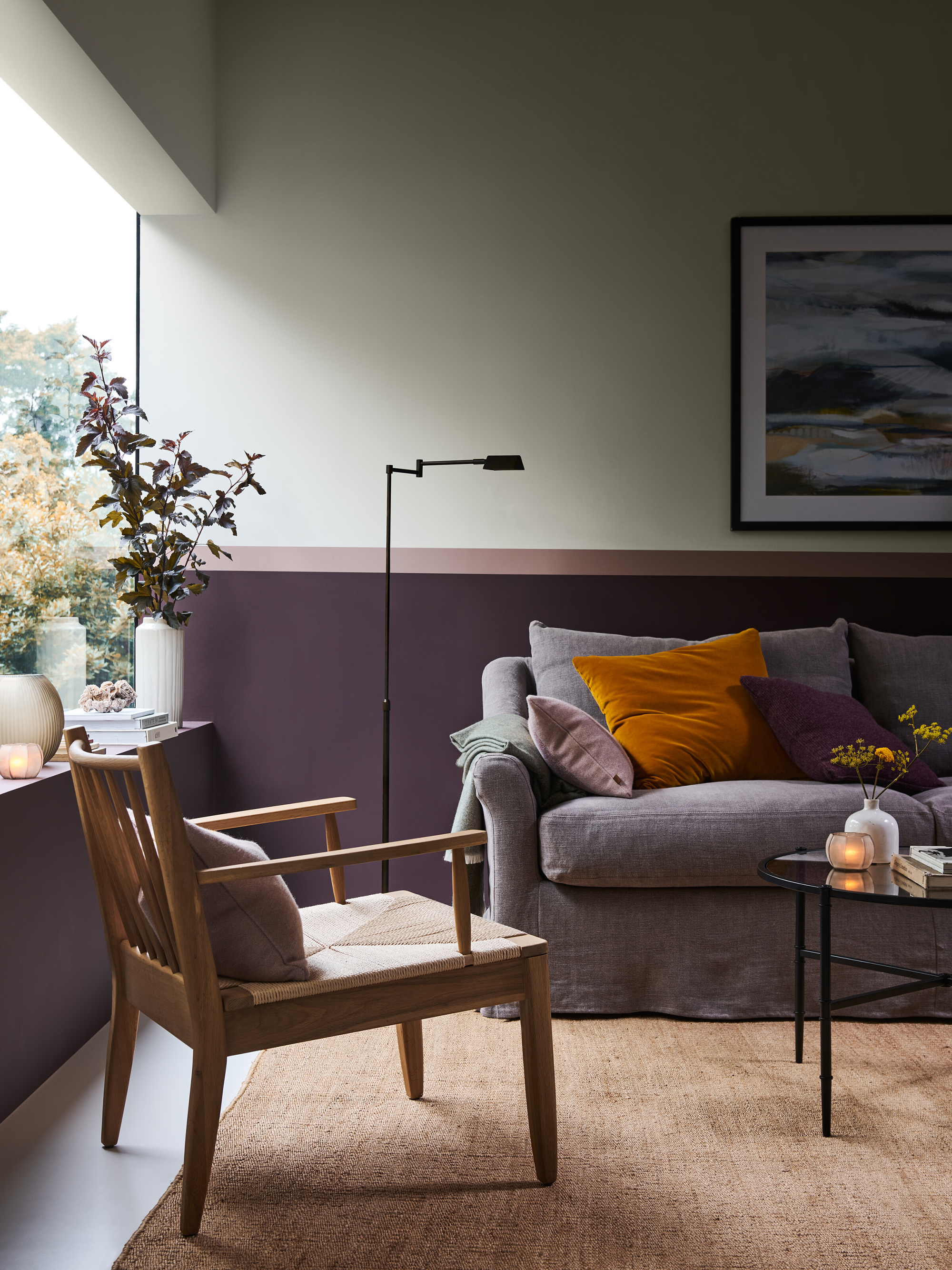
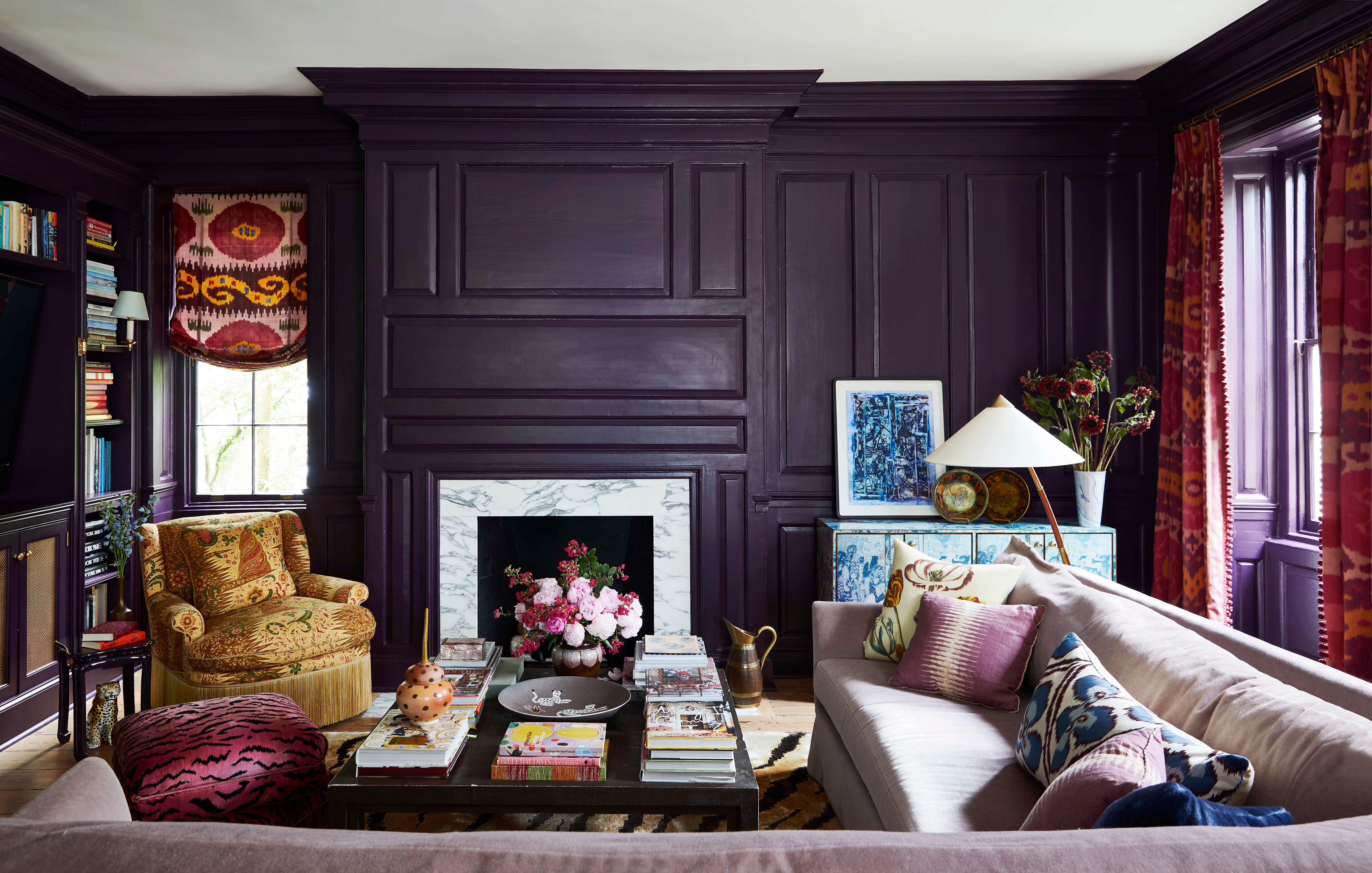
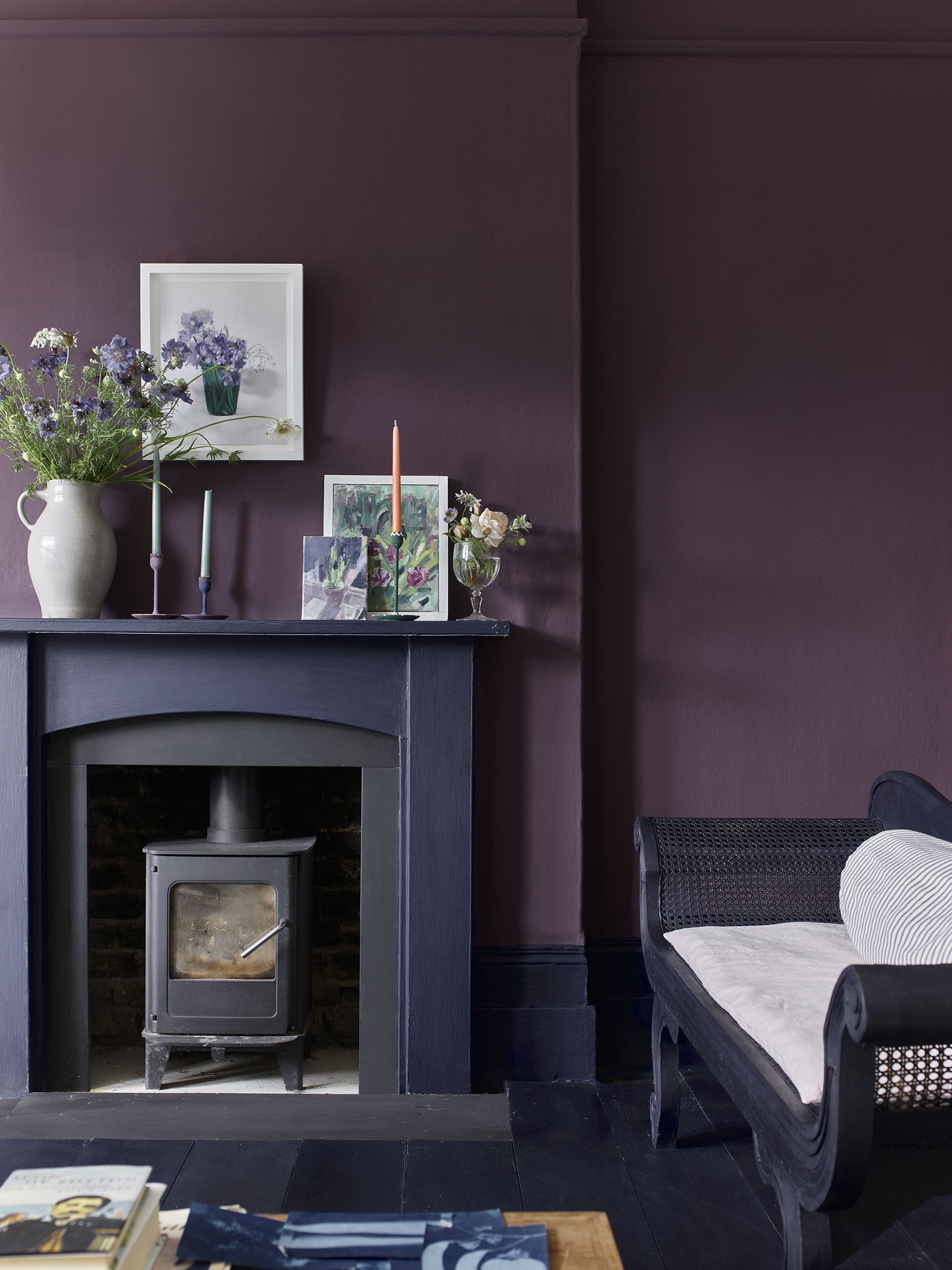
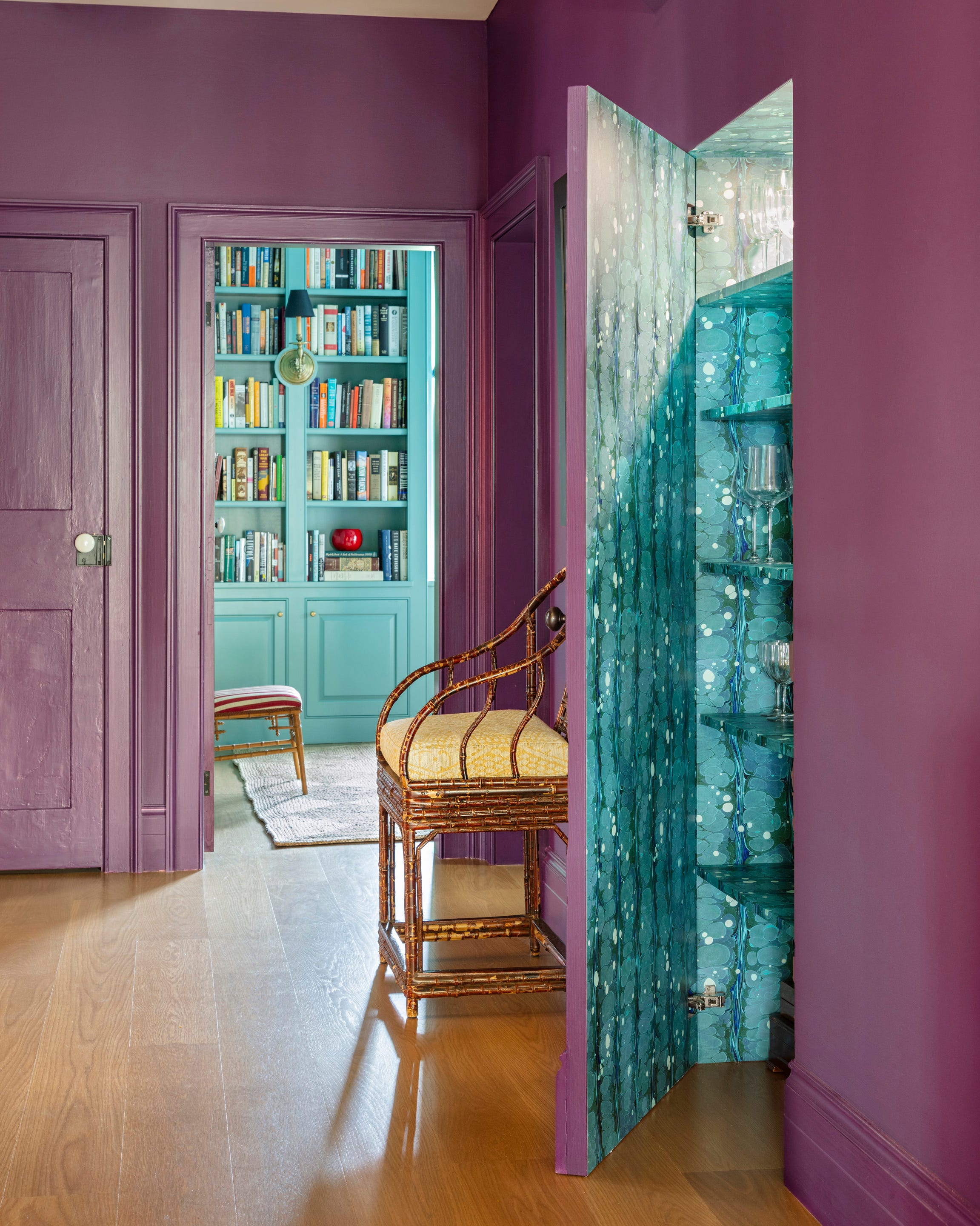
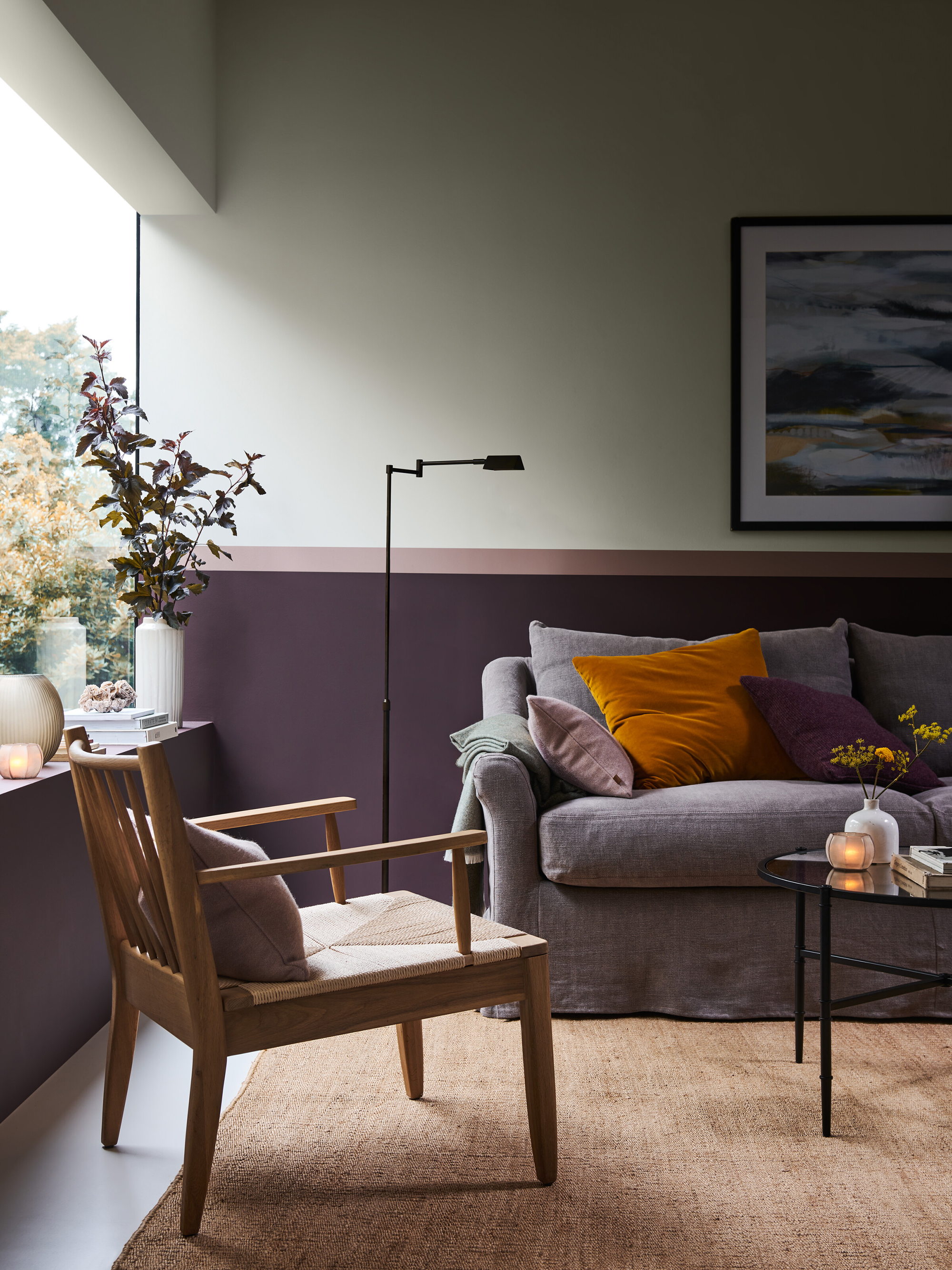
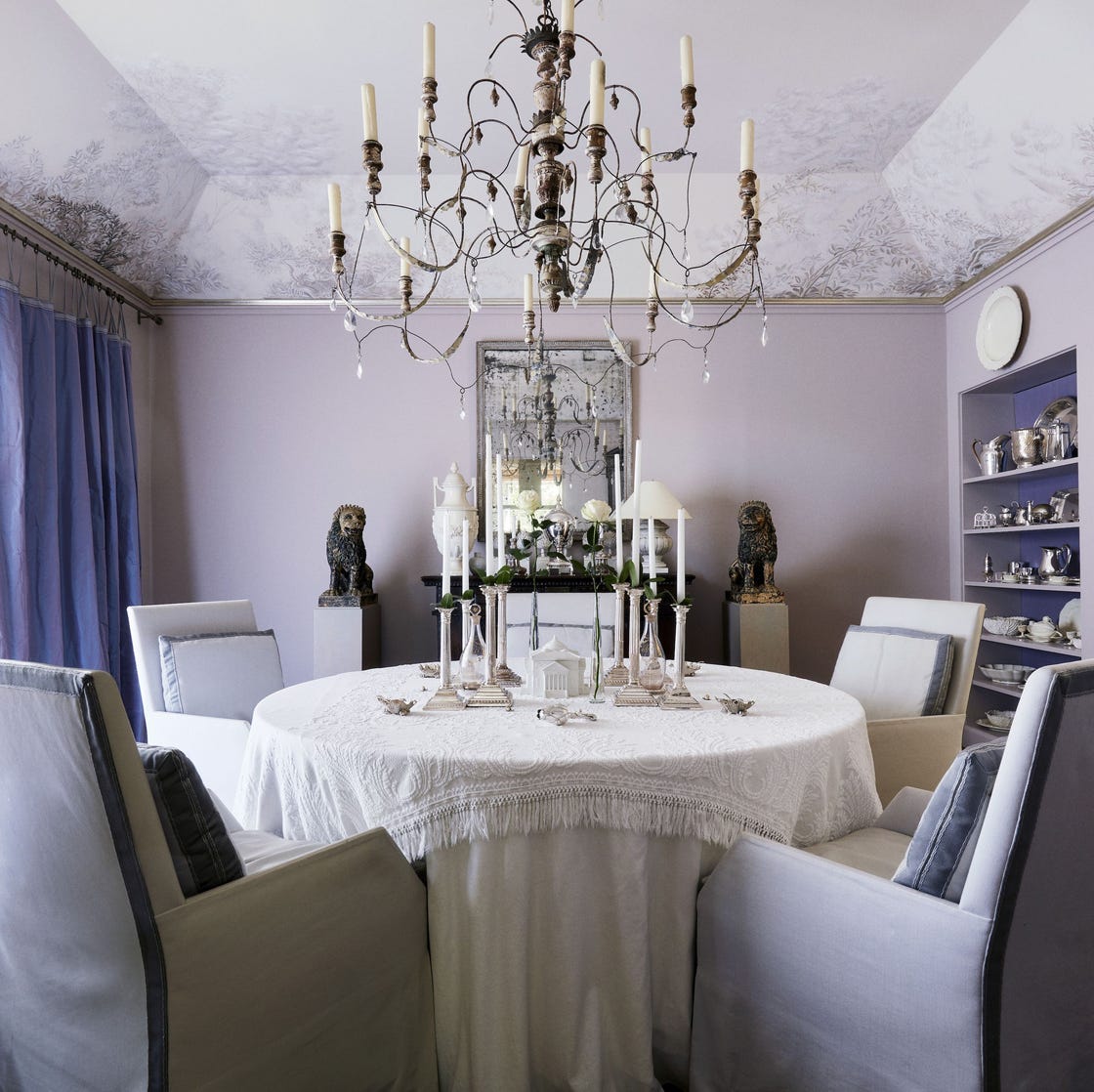
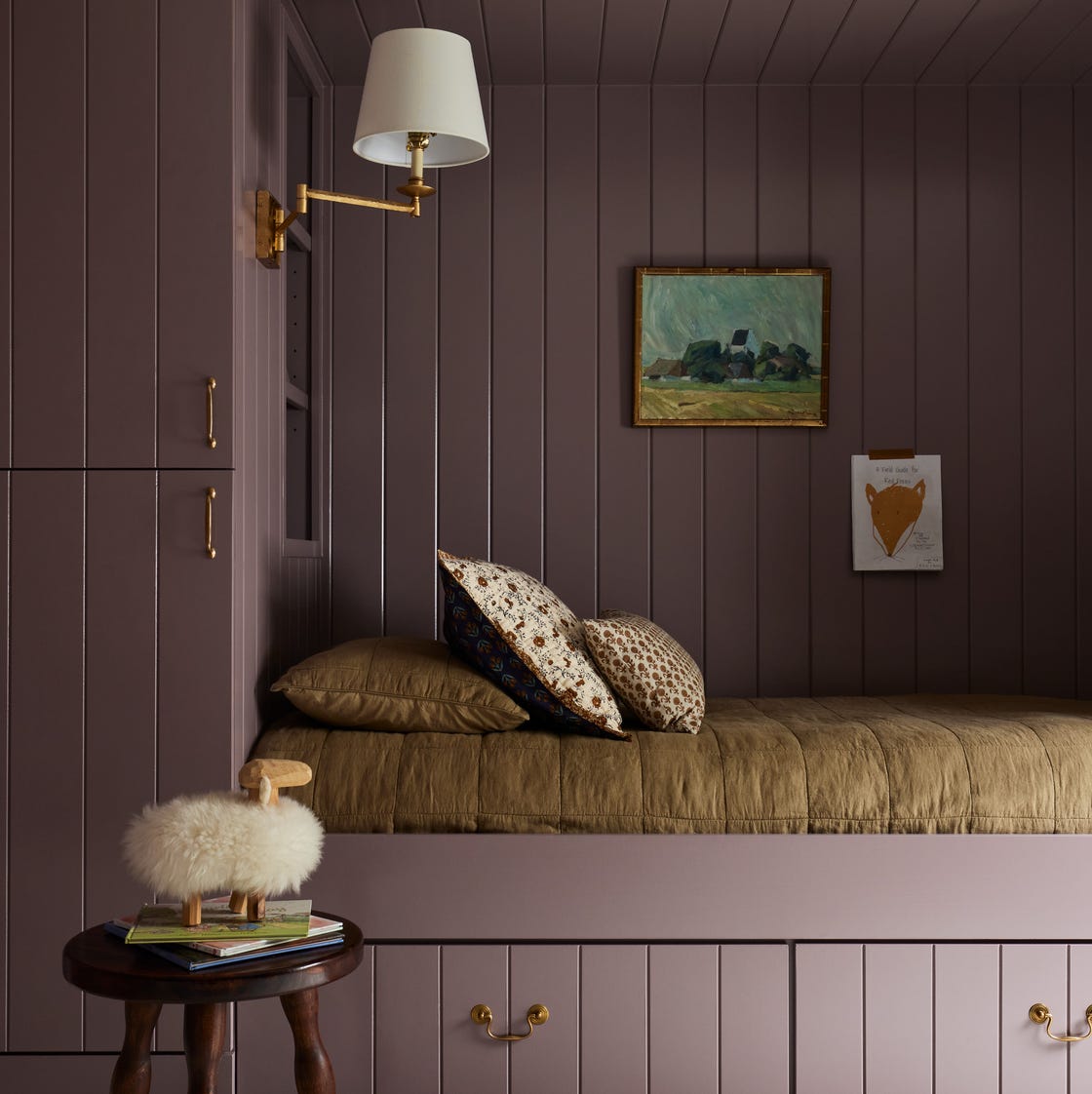
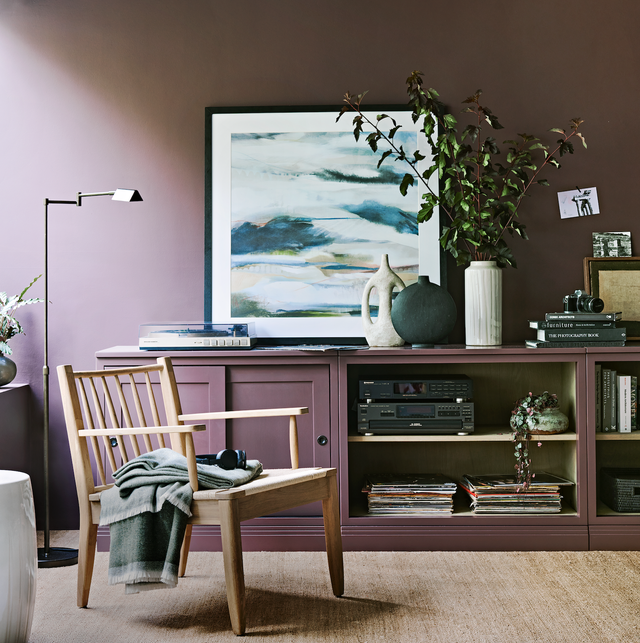
Pale purples thrive in natural light, particularly when contrasted with clean white elements, creating a fresh and pristine ambiance. Trendy chrome accents can further enhance the style, contributing to a polished look. For a dreamy purple hue, a rich purple-brown, such as a raisin shade, can make a statement without overwhelming the space, especially when balanced with crisp white and pale green accents and a simple white ceiling.
Beyond aesthetics, purple can positively influence mood, promoting relaxation and tranquility, similar to blue. Research suggests that colors in a home can boost mood and foster a sense of well-being. Purple's calming properties make it a suitable choice for bedrooms, potentially contributing to better sleep and reduced stress, and it is associated with introspection and calm, according to Mental Health America.
#PurplePaintColors #InteriorDesign #ColorPsychology #HomeDecor #PaintSelection #MoodEnhancement #AccentWalls #ComplementaryColors #PurplePaintColors #InteriorDesign #ColorPsychology #HomeDecor #PaintSelection #MoodEnhancement #AccentWalls #ComplementaryColors
0 comment in total
 No comments yet
You may also like
Purple room ideas – 10 ways to use this on-trend color

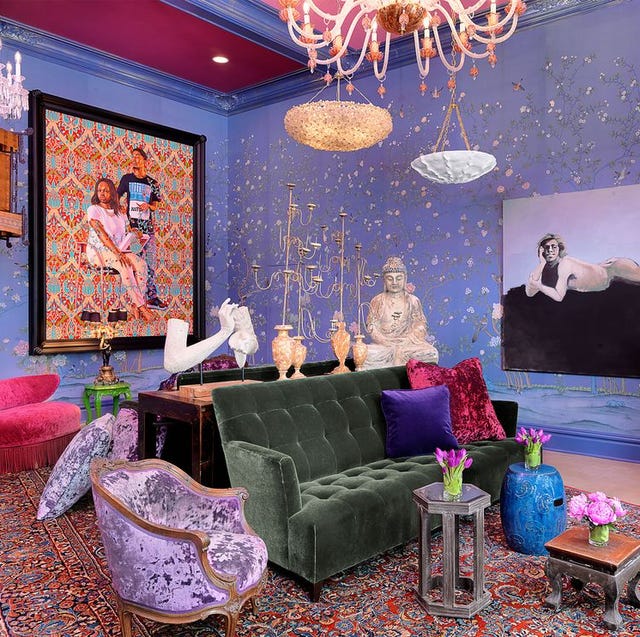
Decorating with Purple? Here Are the Best Colors to Pair with It 💜
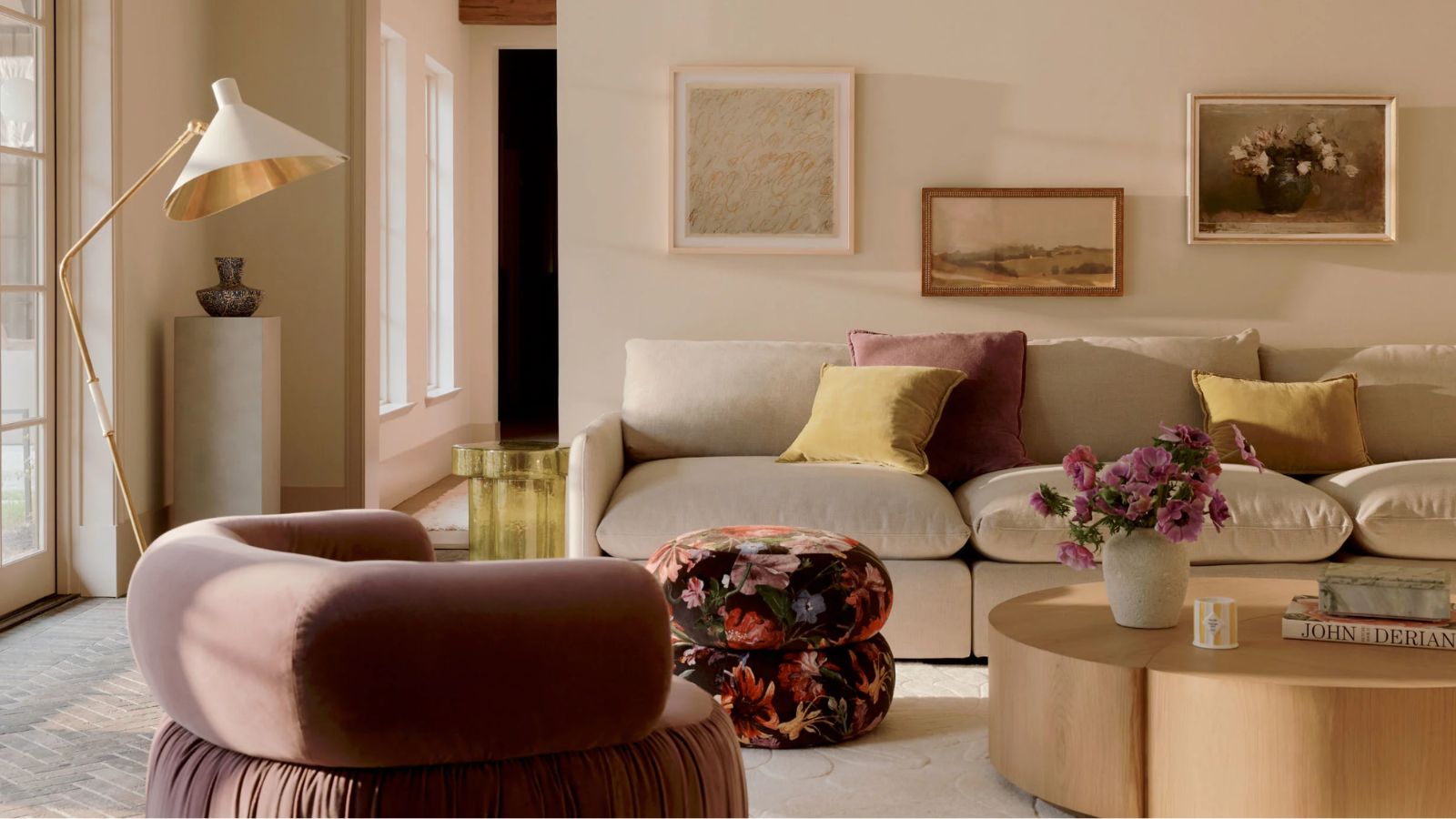
I vowed I'd never be convinced to use purple in my home but these 9 chic home decor finds have me tempted
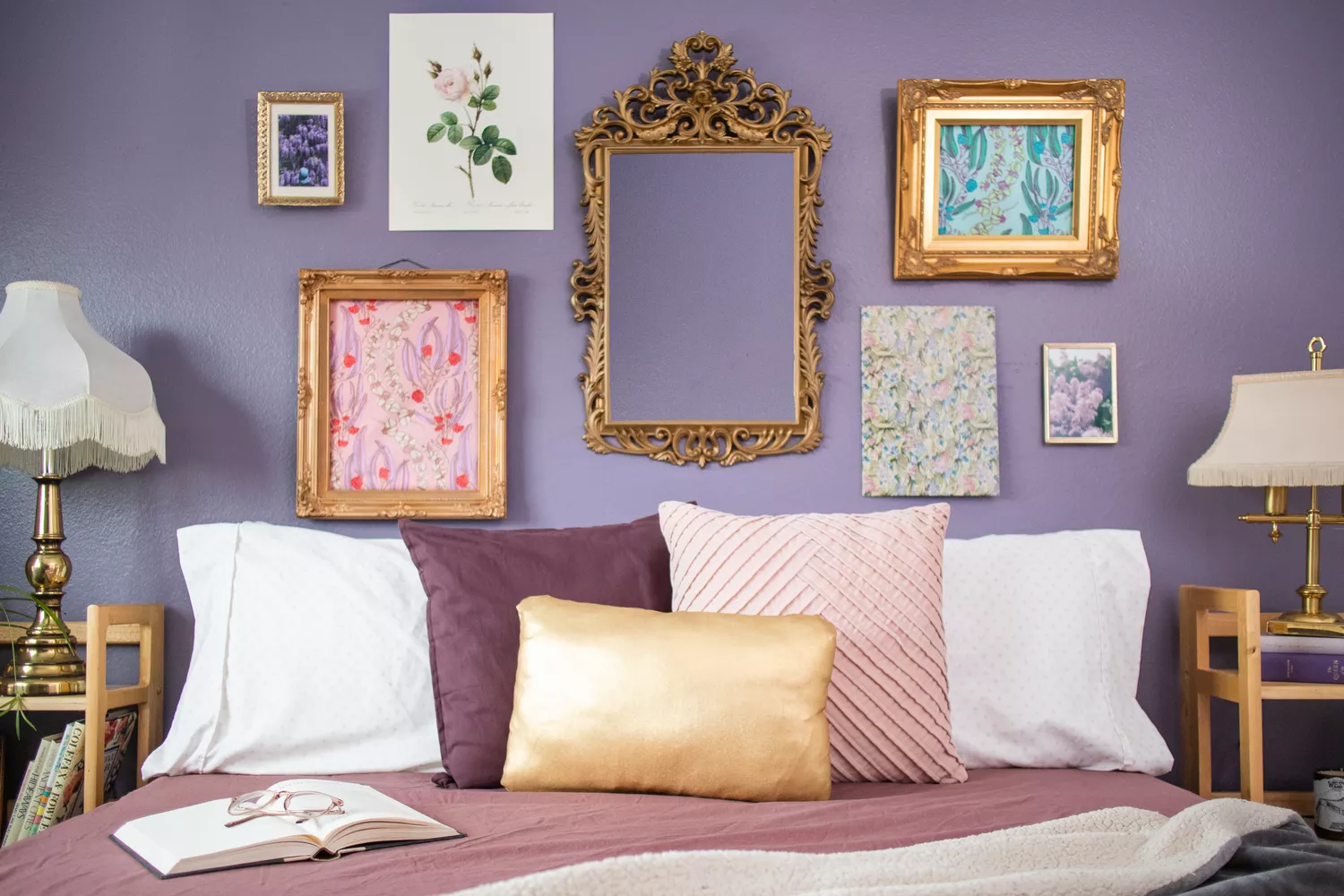
These 25 Dreamy Purple Bedrooms Make Our Hearts Sing

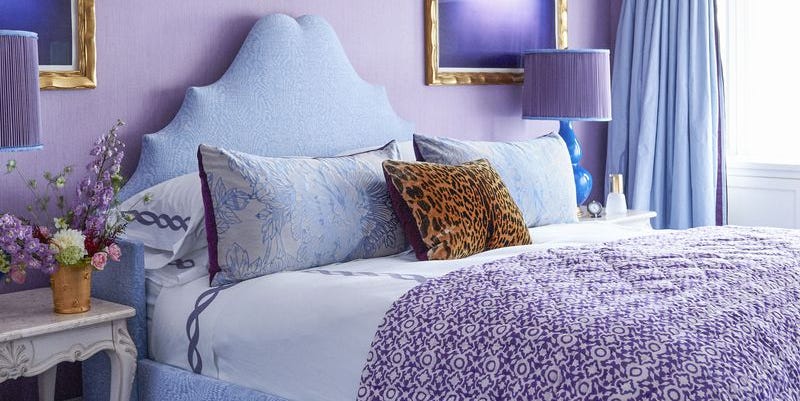
25 Rooms That Will Convince You Of The Power Of Purple
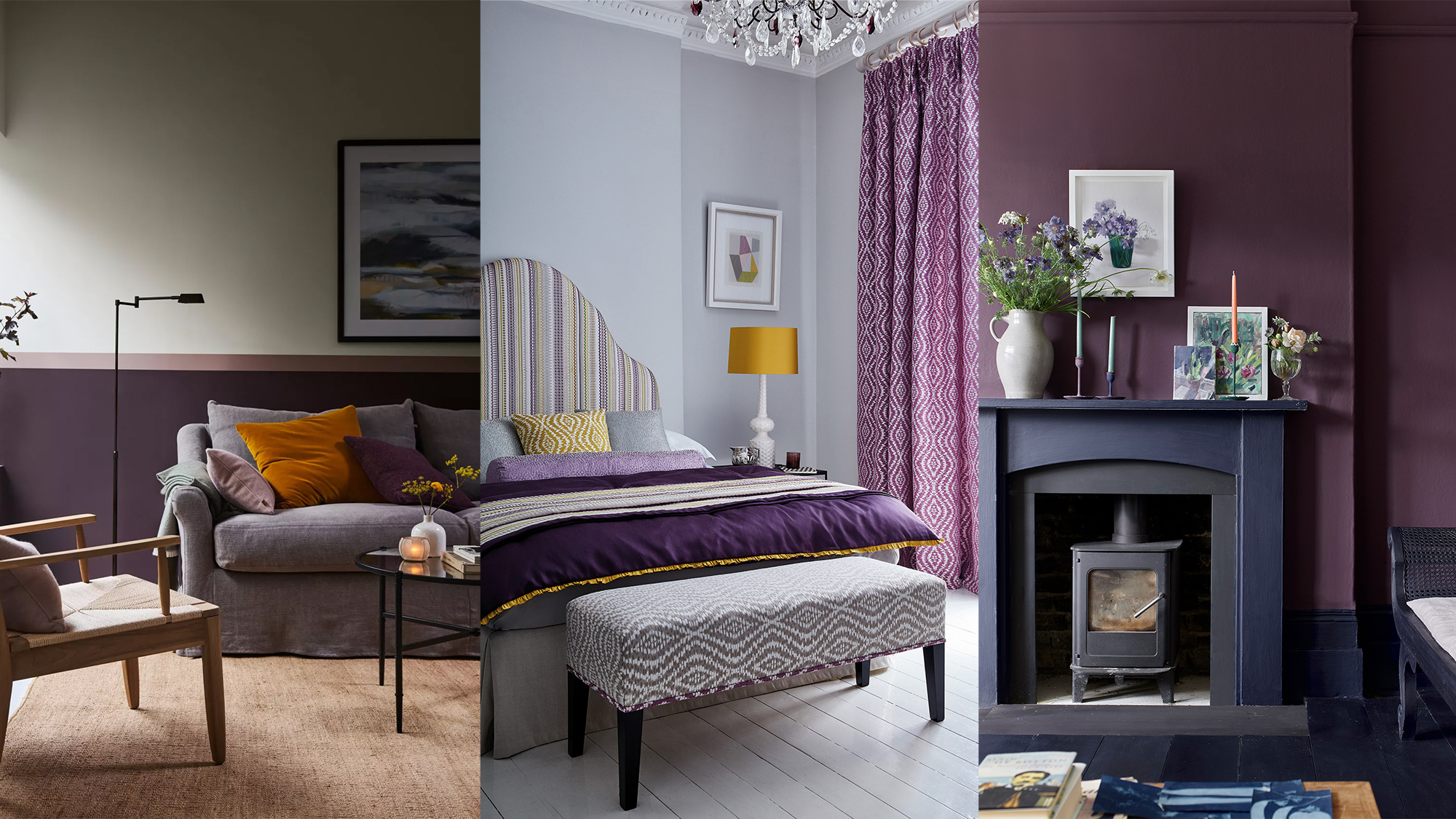
Decorating with purple – 10 ways to use this versatile shade
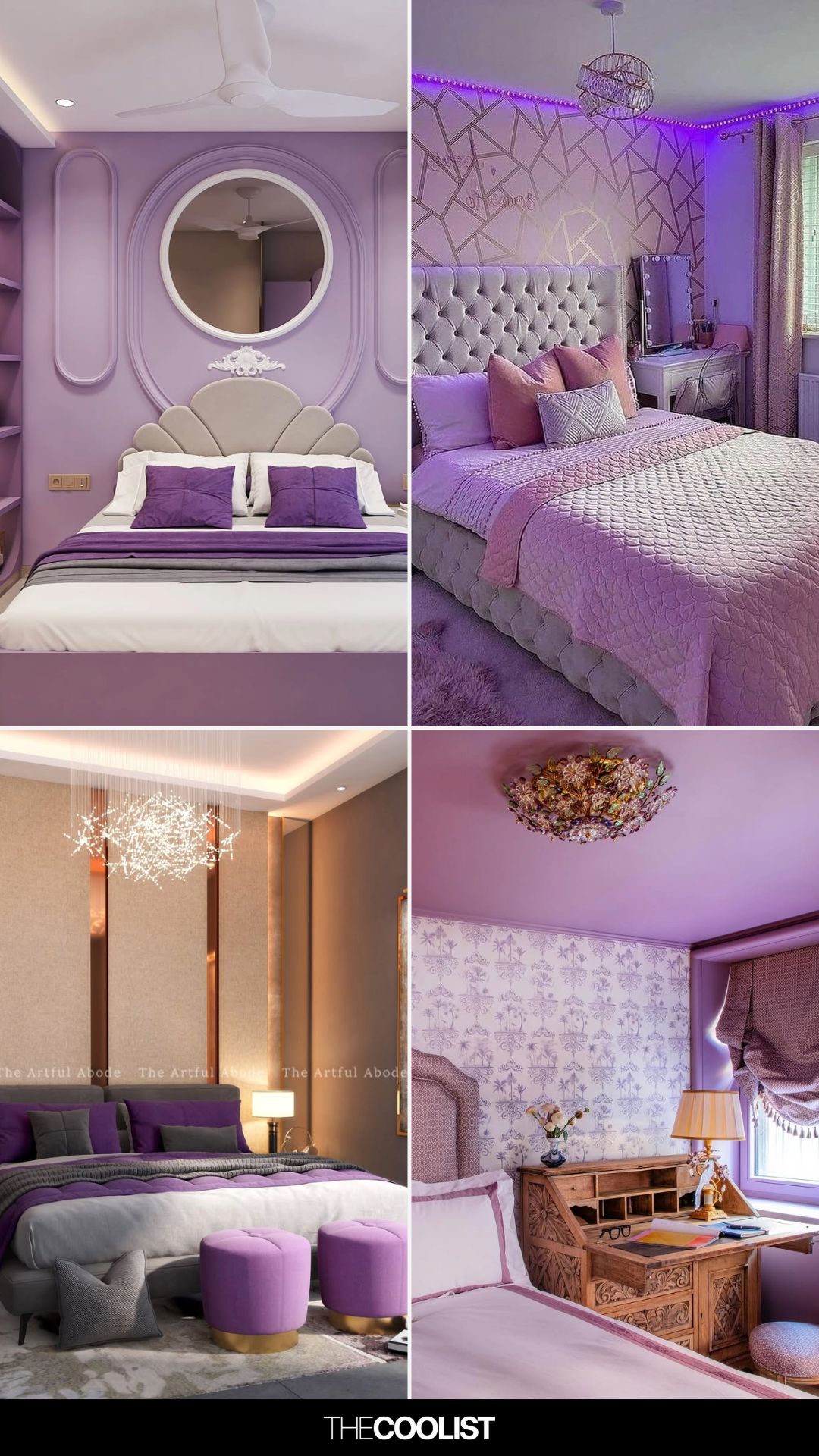
23 Purple Bedroom Ideas That Add Elegance and Drama to Your Space
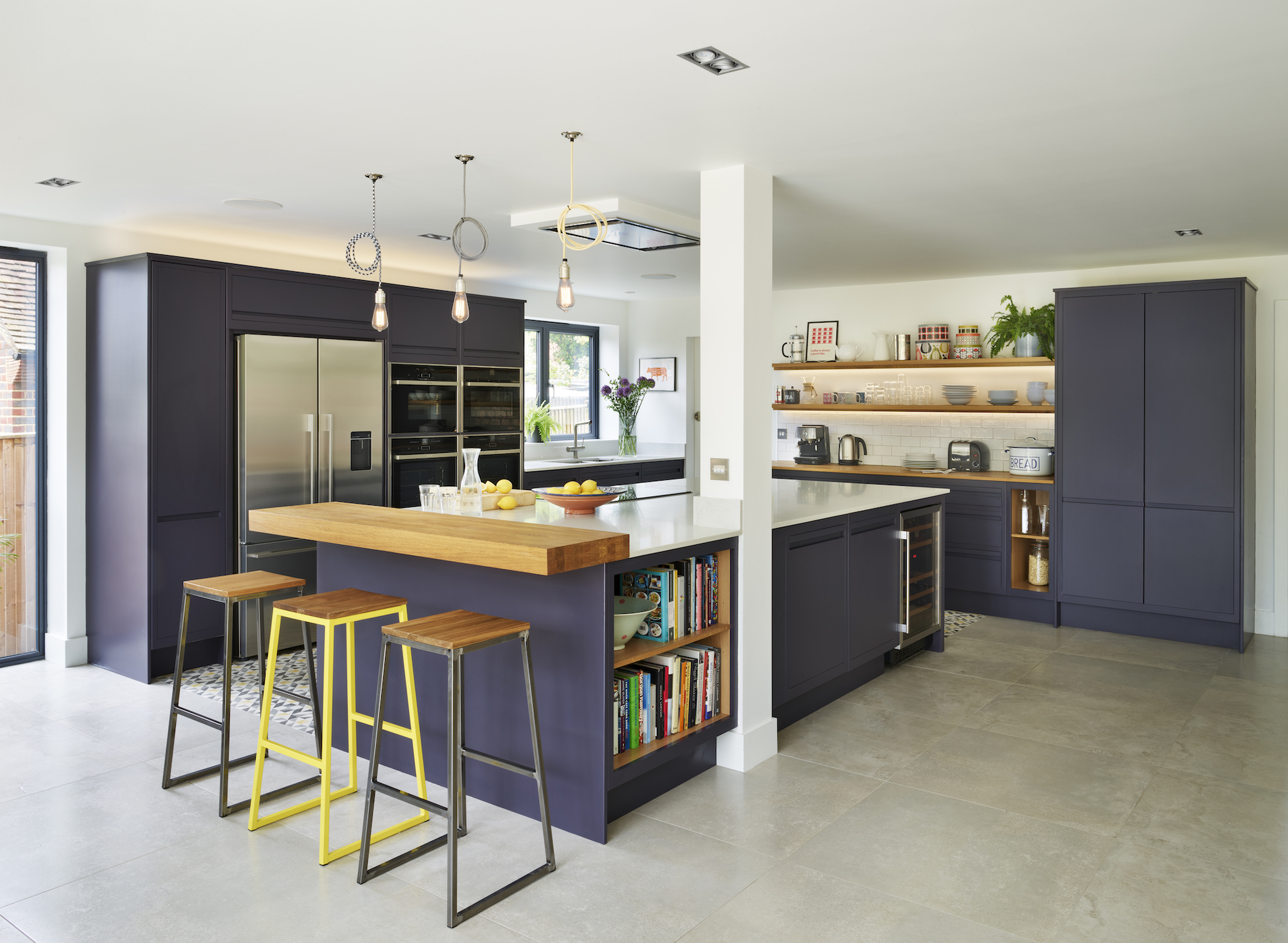
10 purple kitchen ideas that will add flair to your space

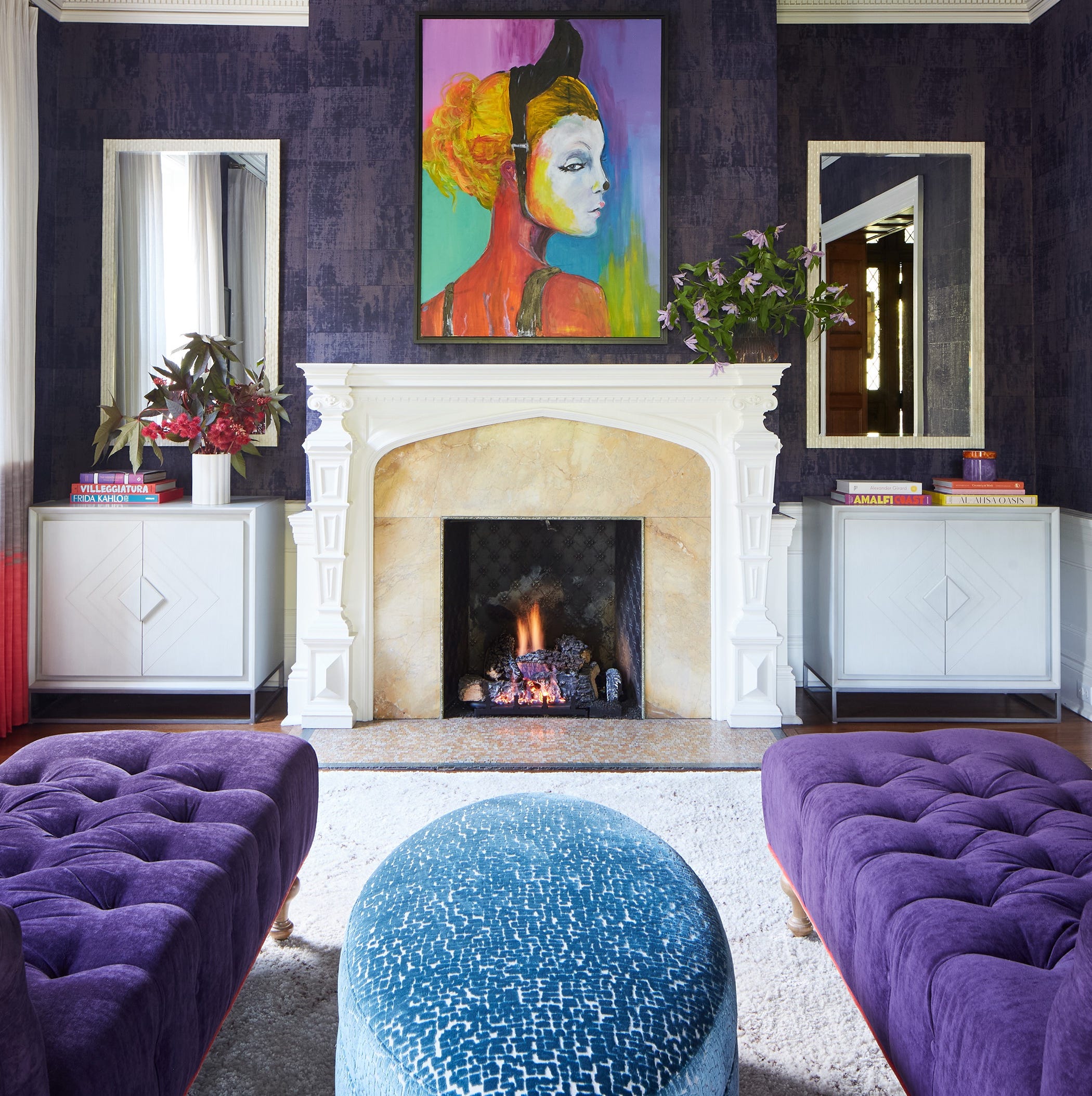
Designers LOVE Pairing These Unexpected Colors With This Sophisticated Hue

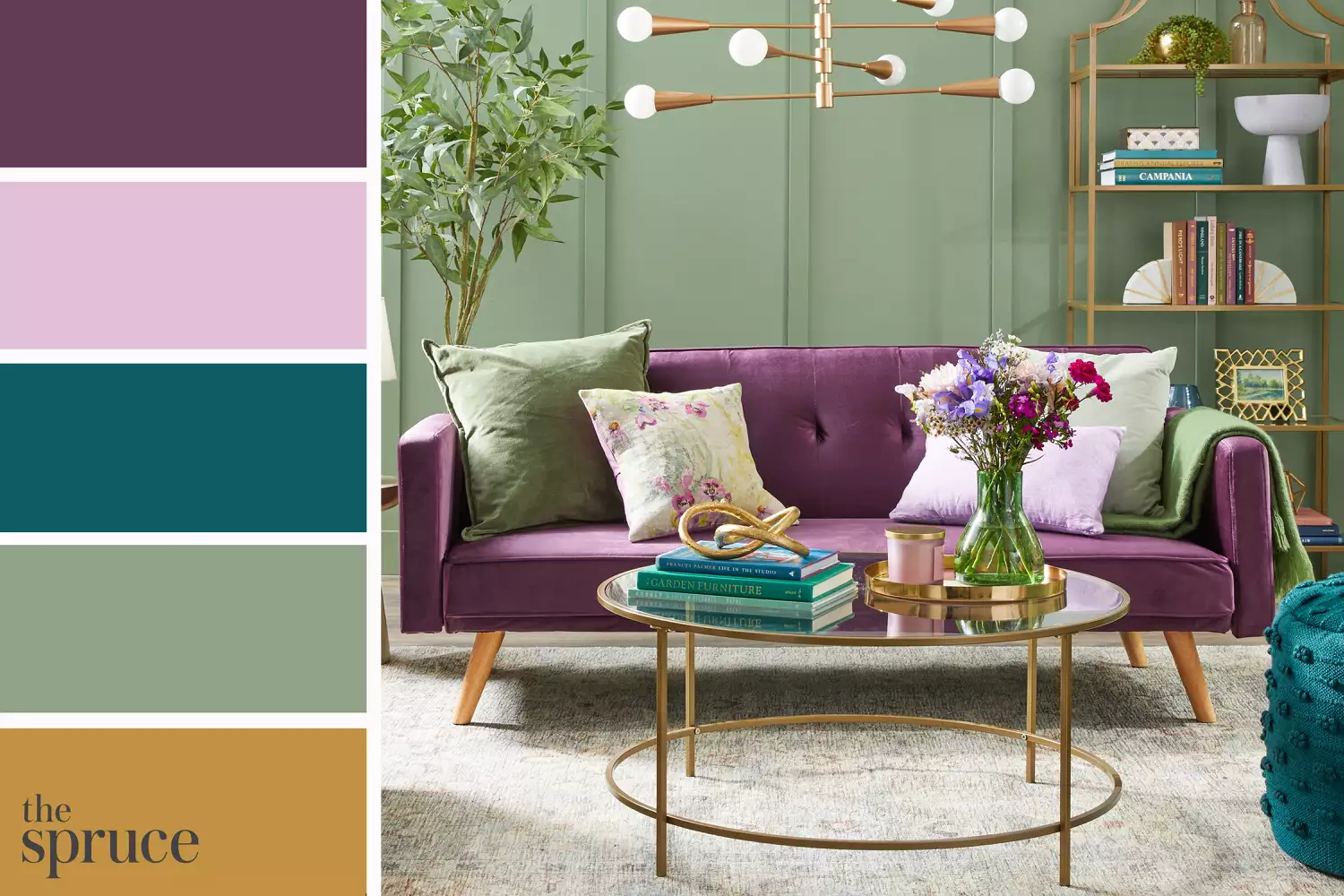
Pair Purple With Any of These Complementary Hues
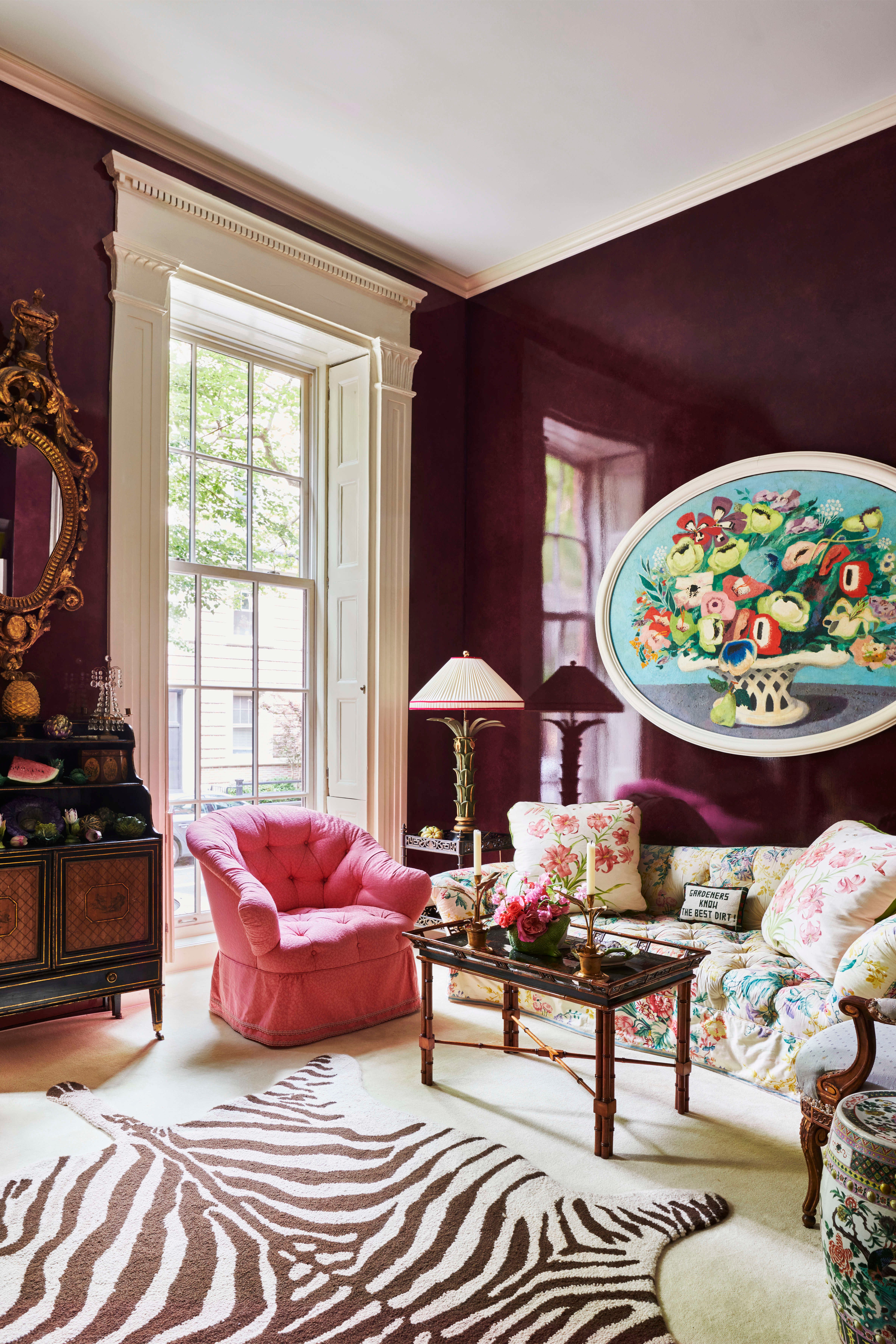
Top Designers Reveal the 16 Best Purple Paint Colors They Absolutely Swear By

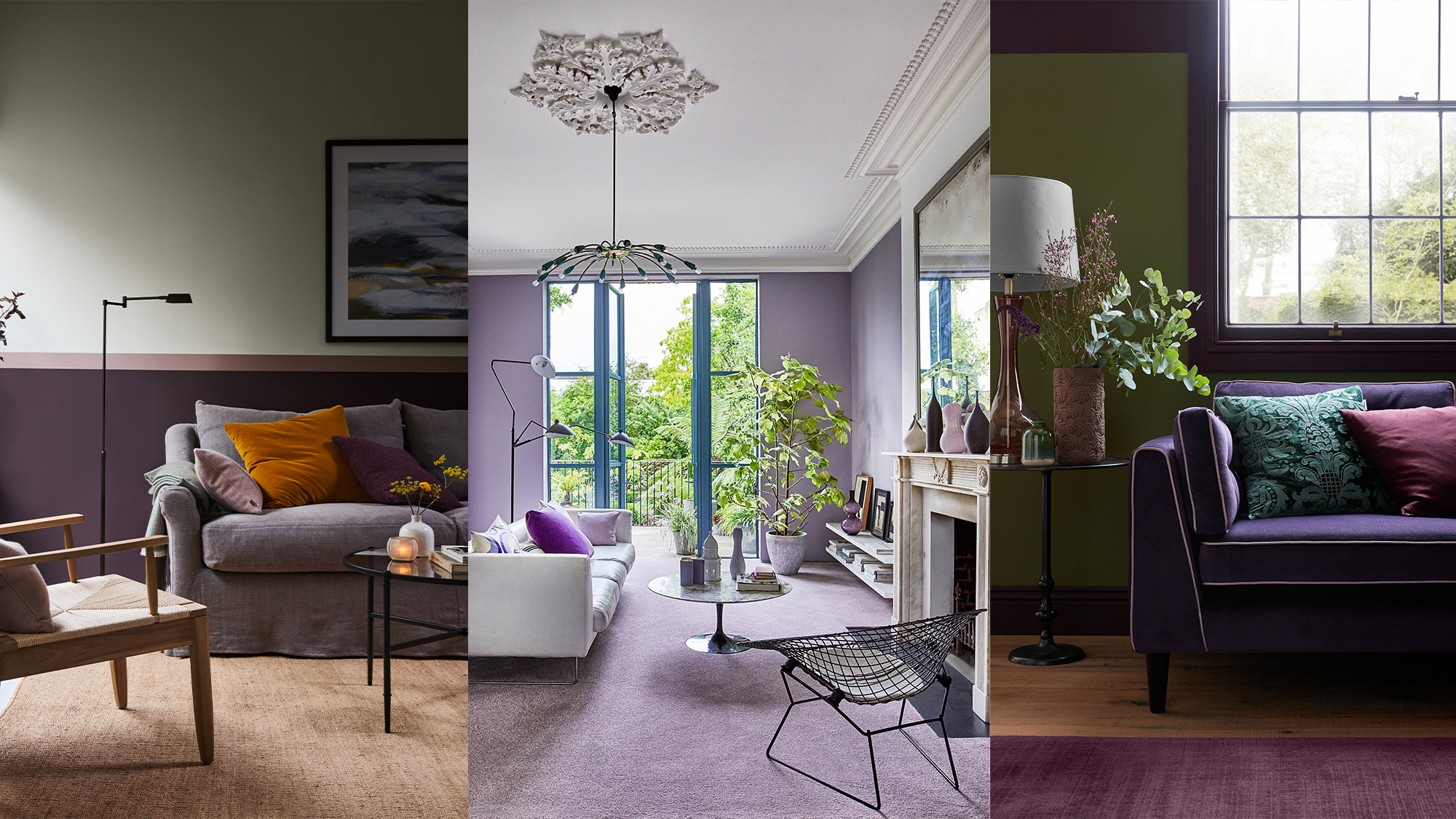
Purple living room ideas – 11 ways to use this on-trend color
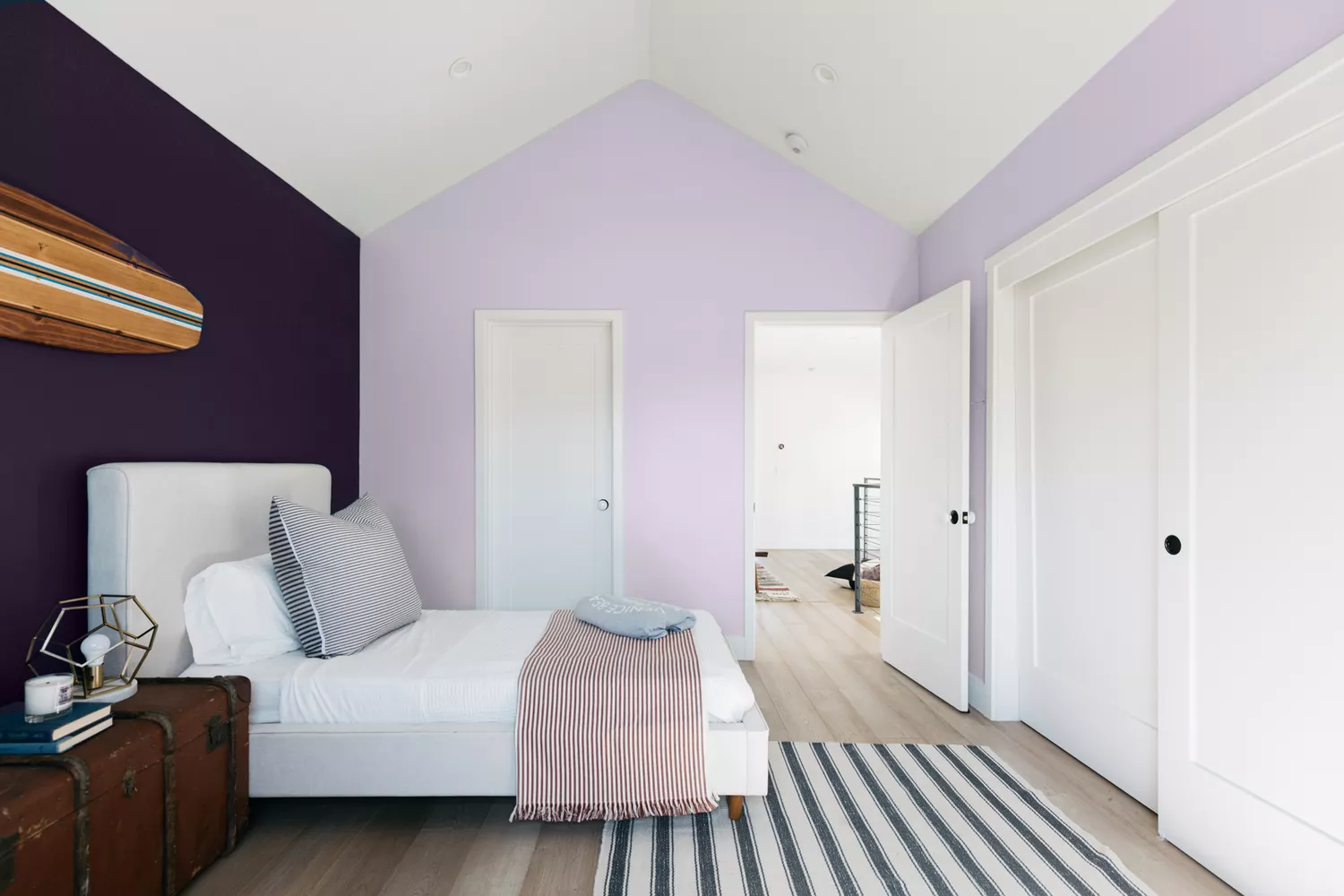
12 Best Purple Paint Colors for Bedrooms
Interior Designers Swear by Pairing These 20 Colors with Purple for a Major Statement

Purple bedroom ideas: 11 designs that prove lilac and plum aren't granny or glum

This "Controversial" Bedroom Color Is a Designer Favorite—Here's Why

These 12 Elegant Rooms Prove You Can Decorate with Purple Effortlessly

Decorating With Purple: 9 On-Trend Ways To Use This Versatile Shade At Home
The 19 Best Colors to Pair with Purple, According to Designers
The 10 Best Warm Paint Colors For A Cozy Home