1/2
These 10 Colors Are Perfect Complements to Sage Green in Your Home
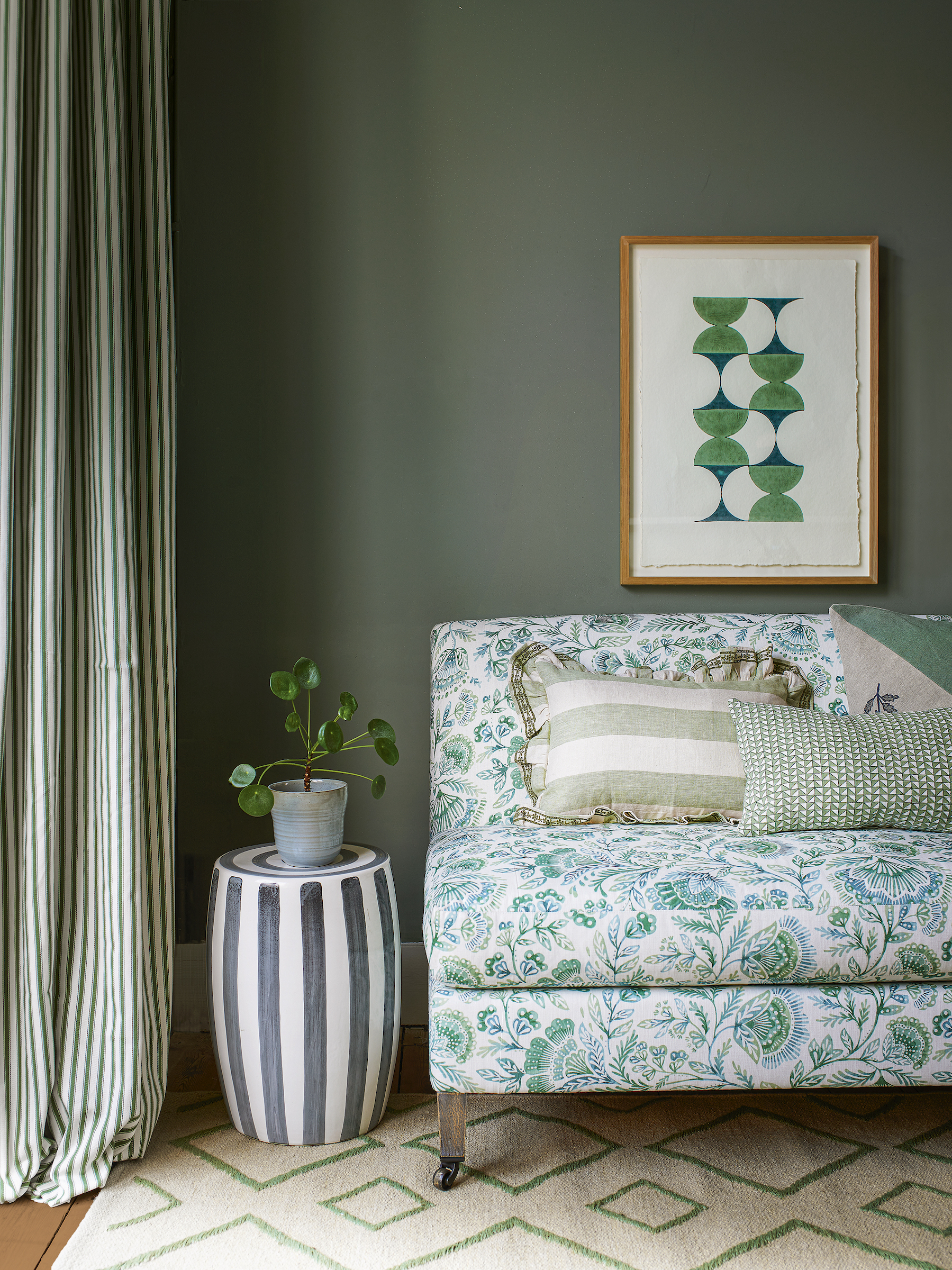
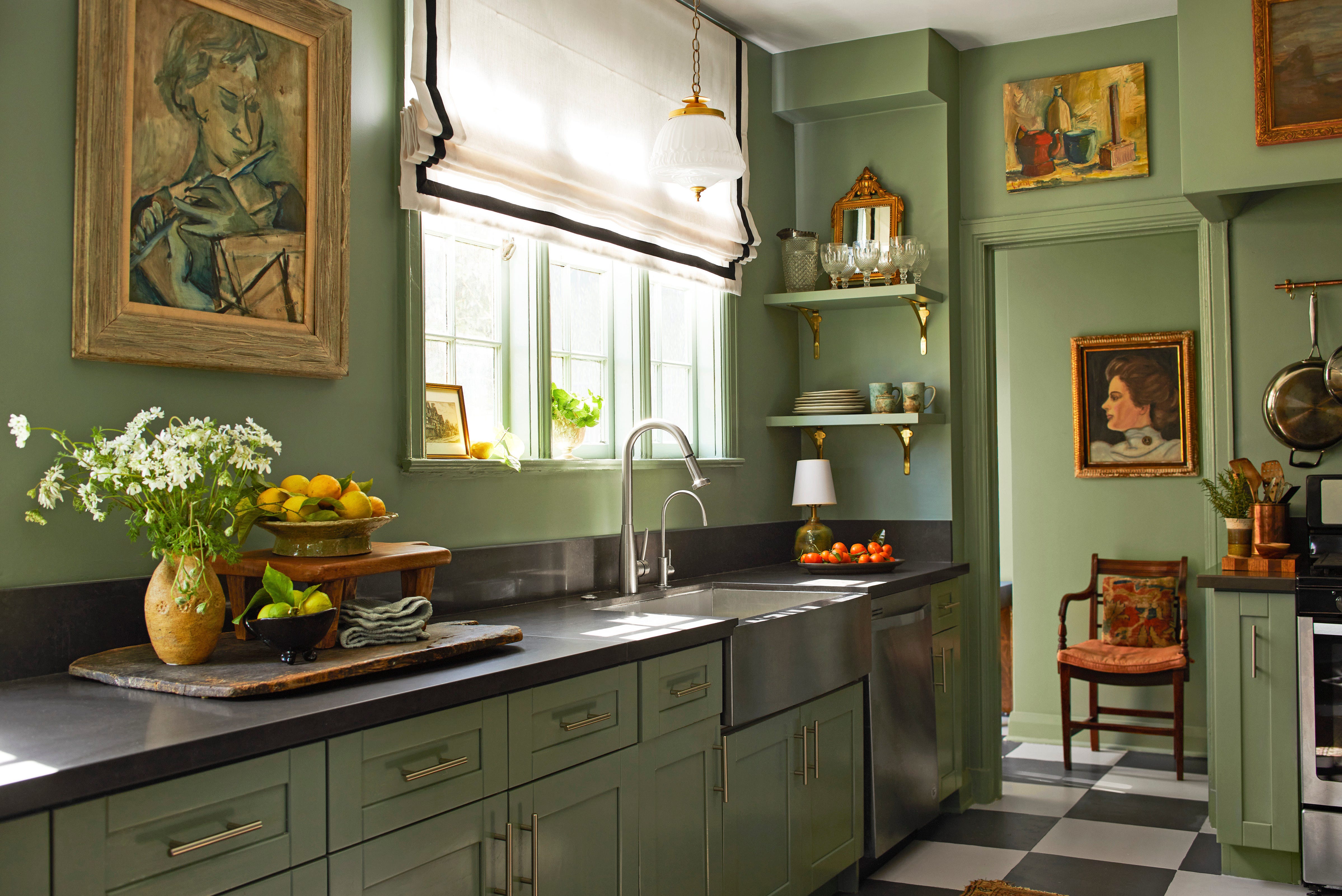
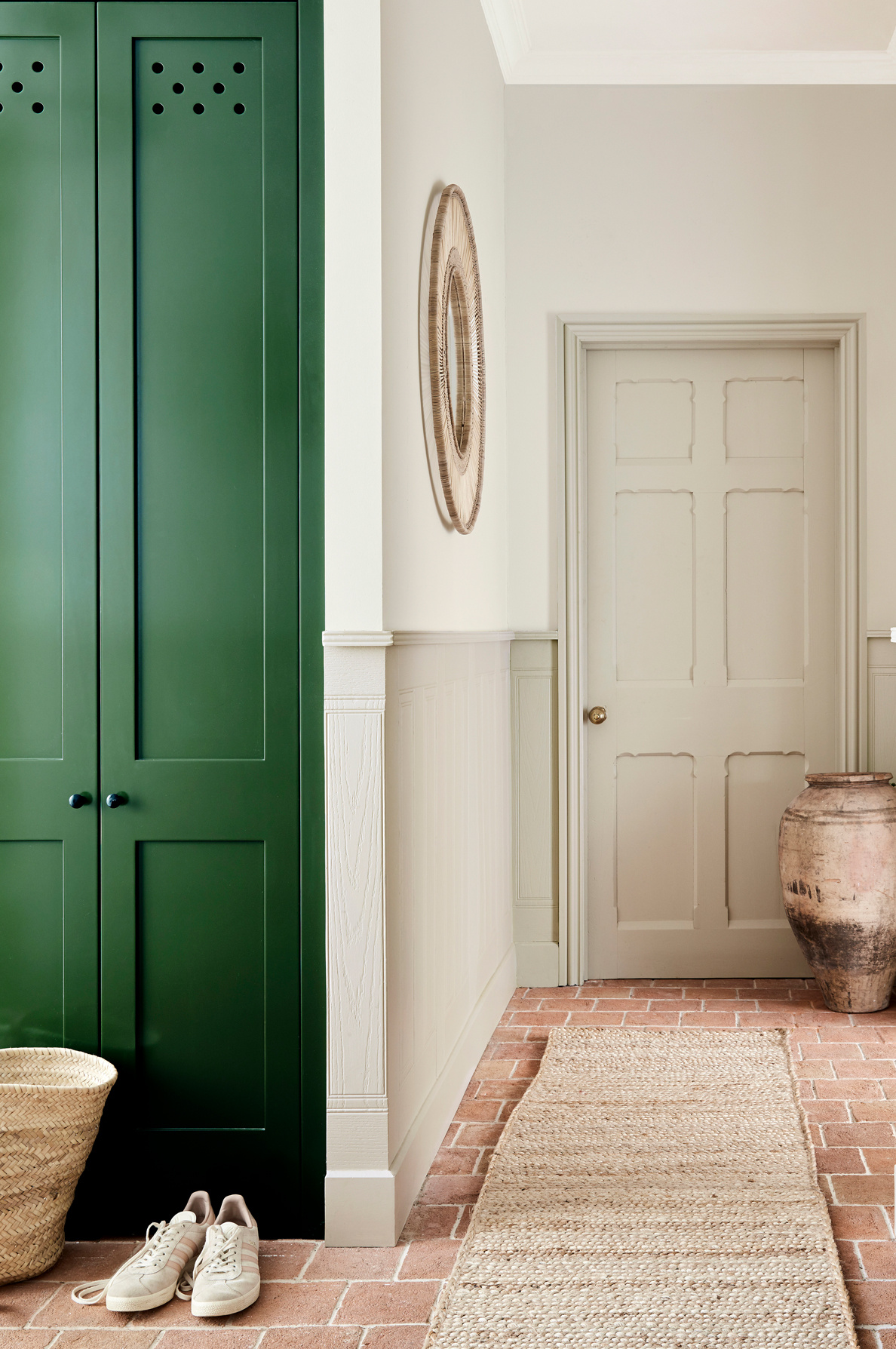
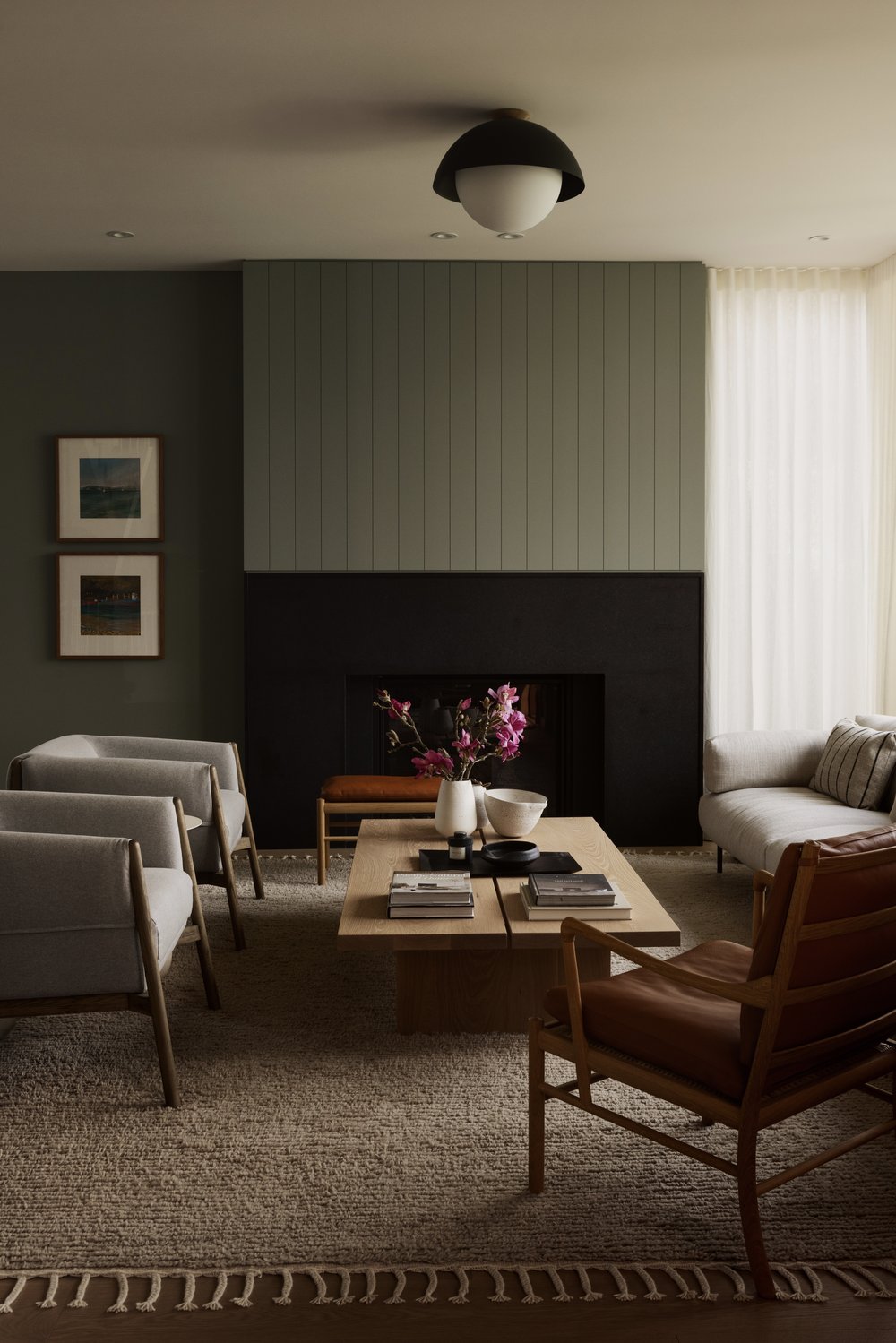
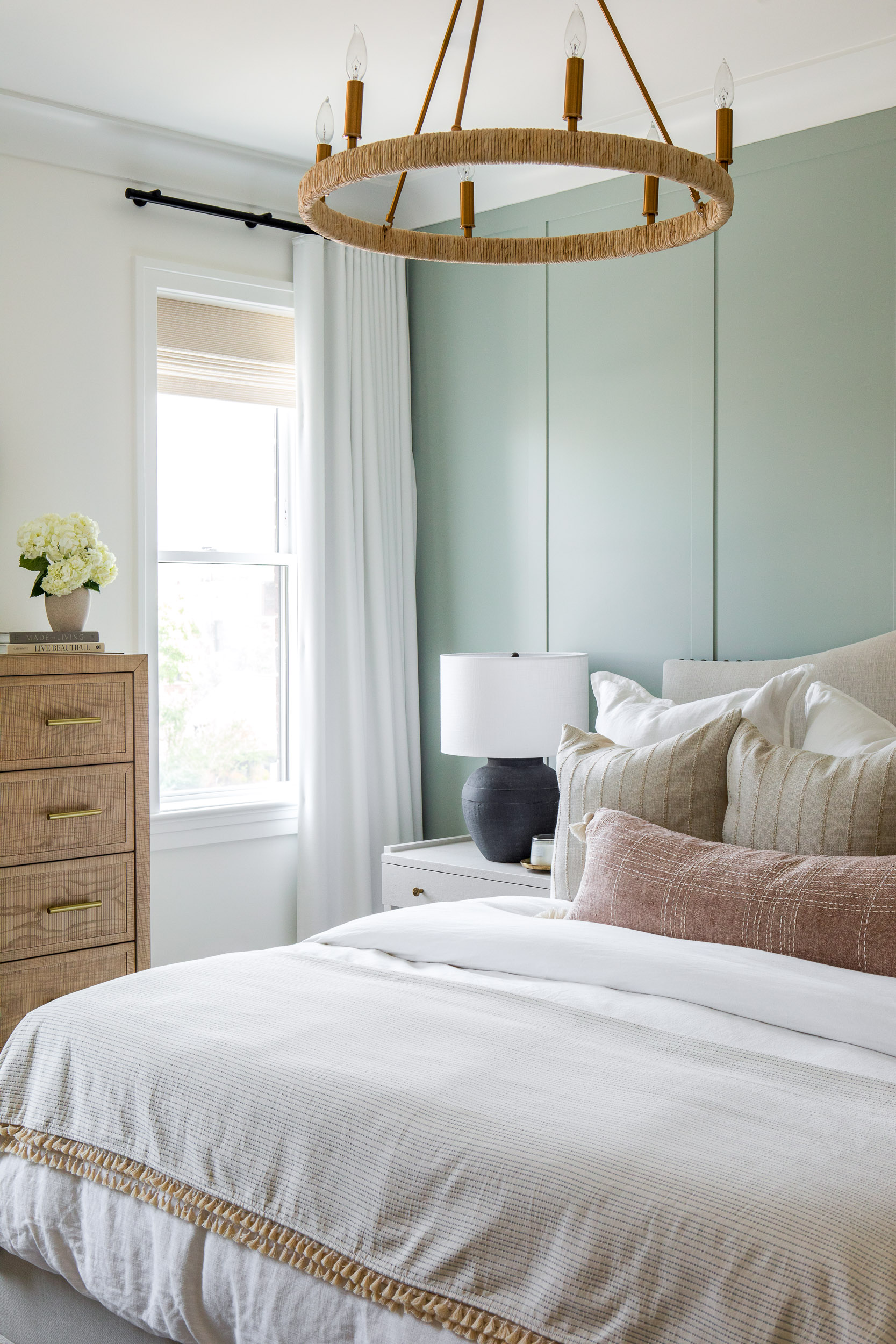
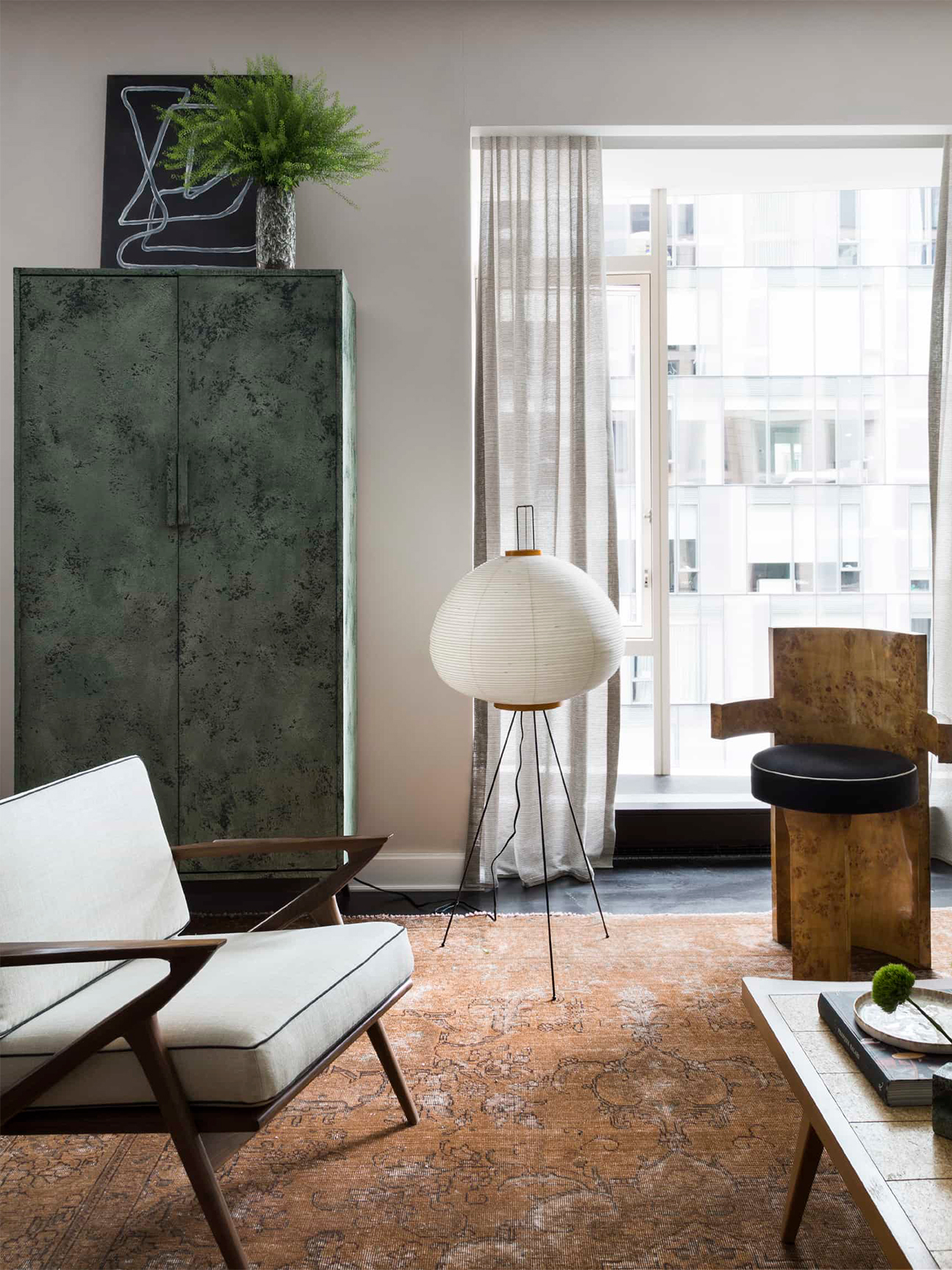
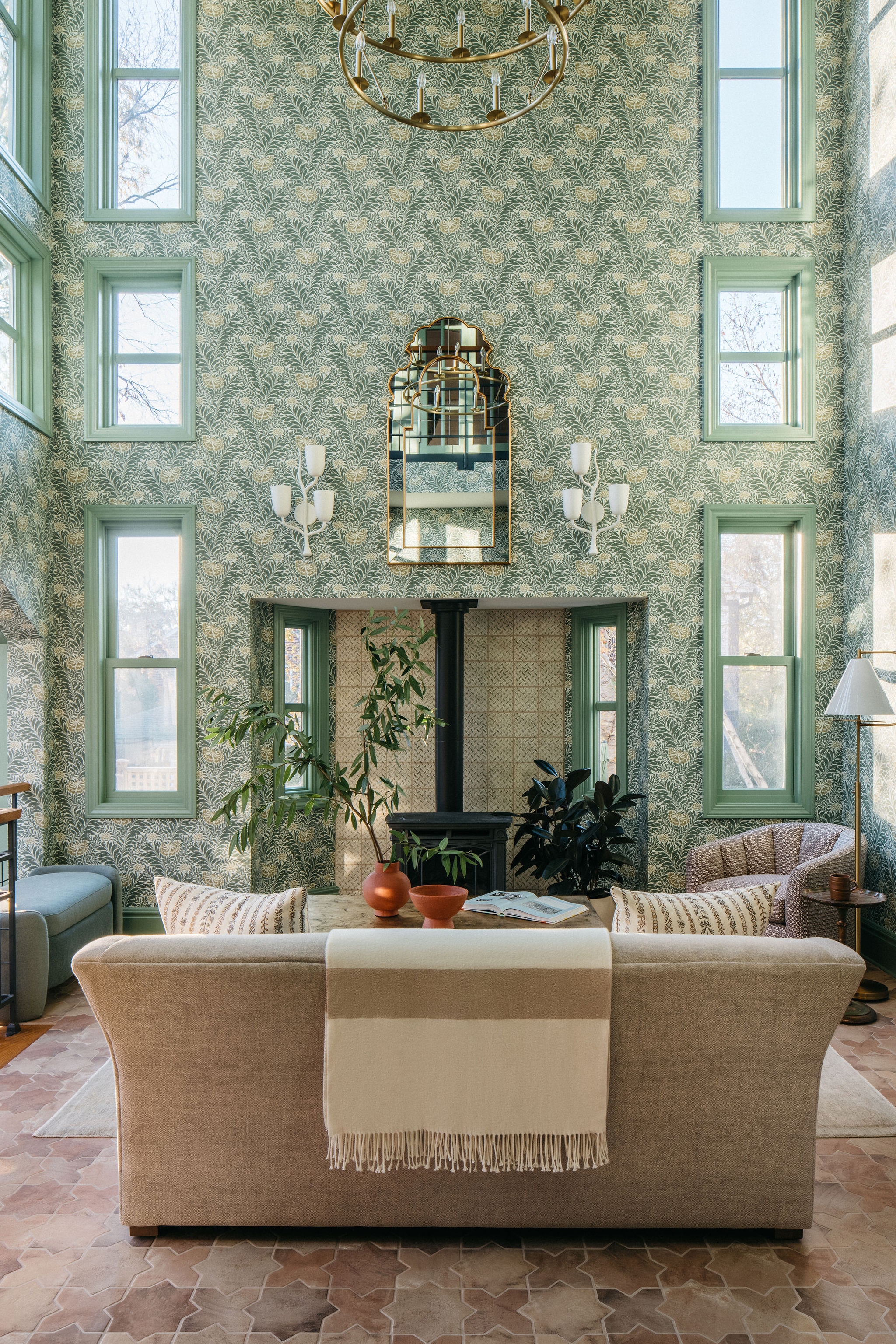
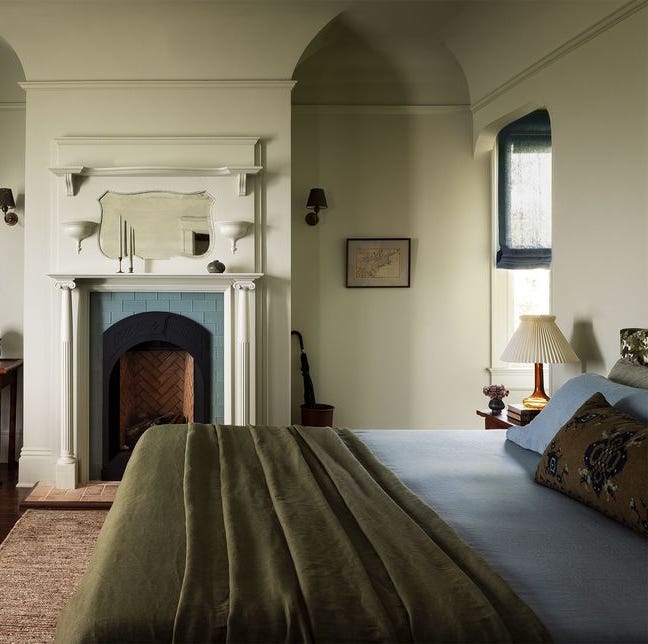
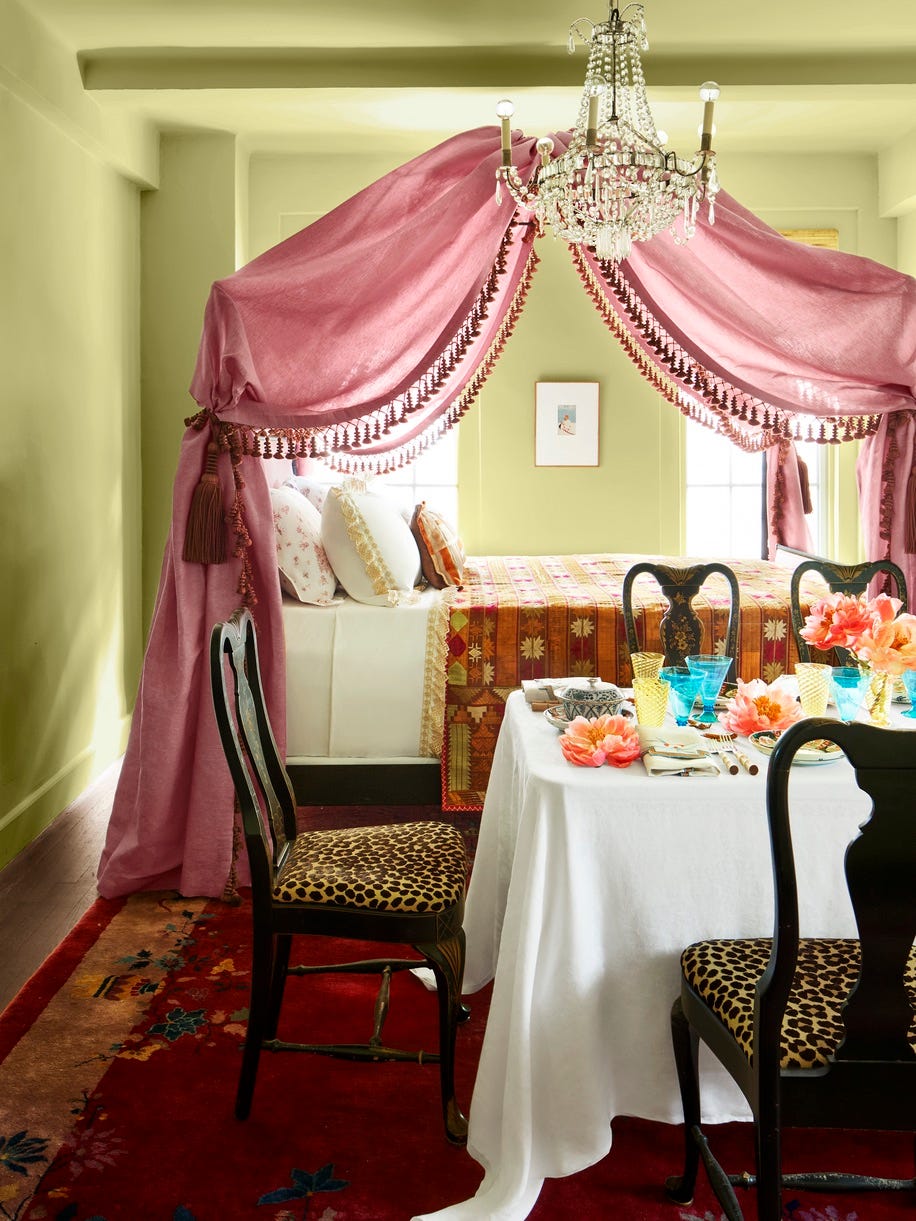
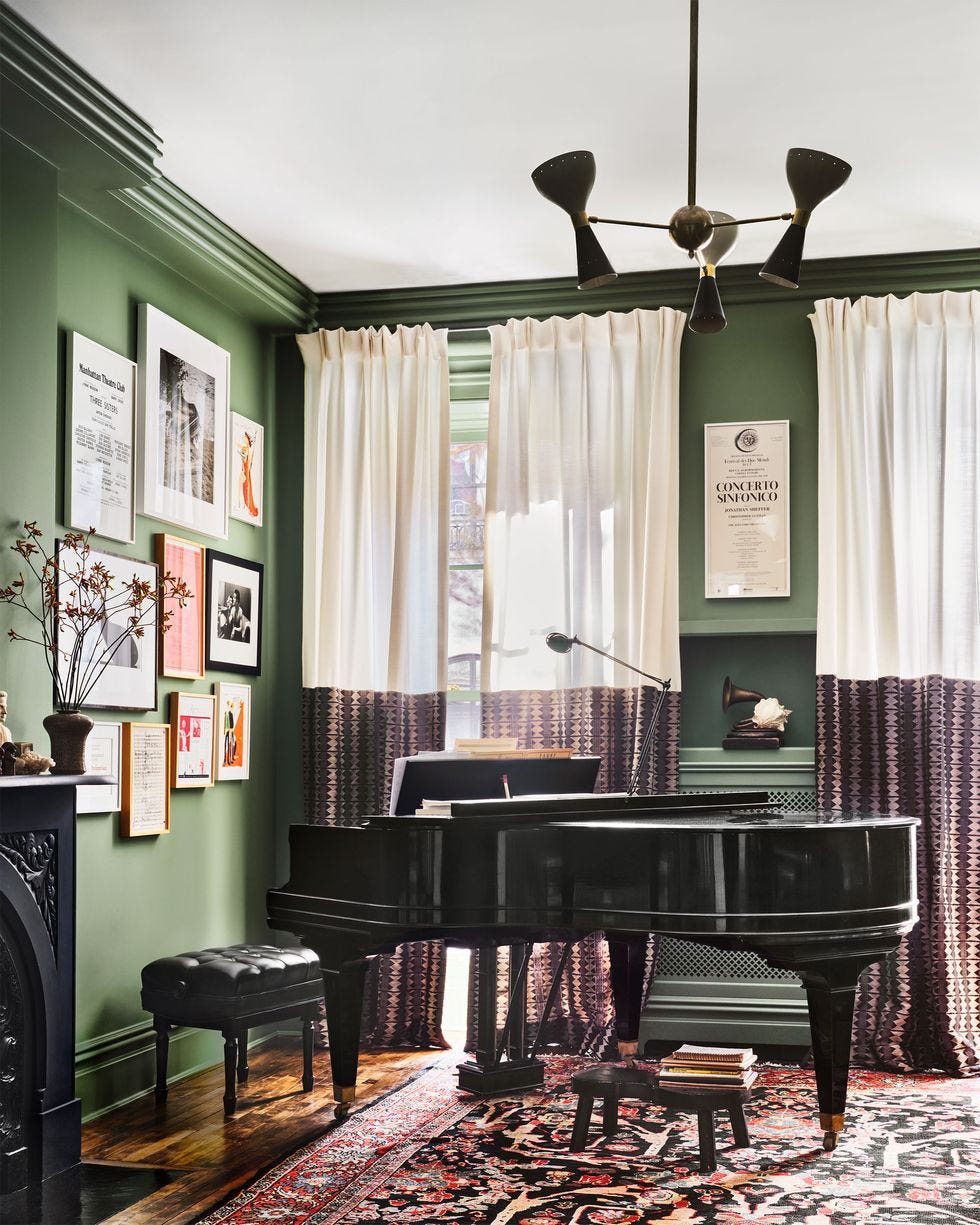
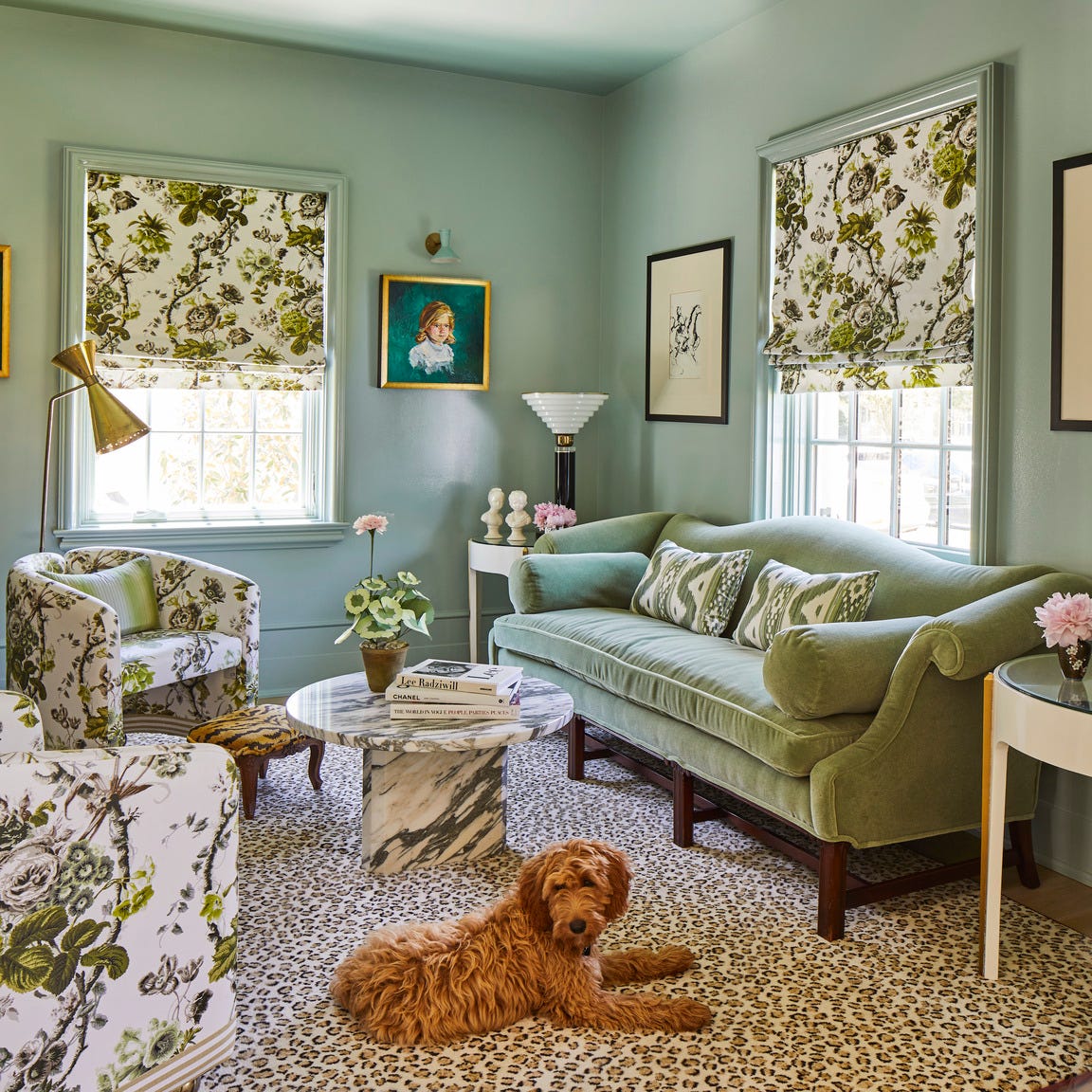
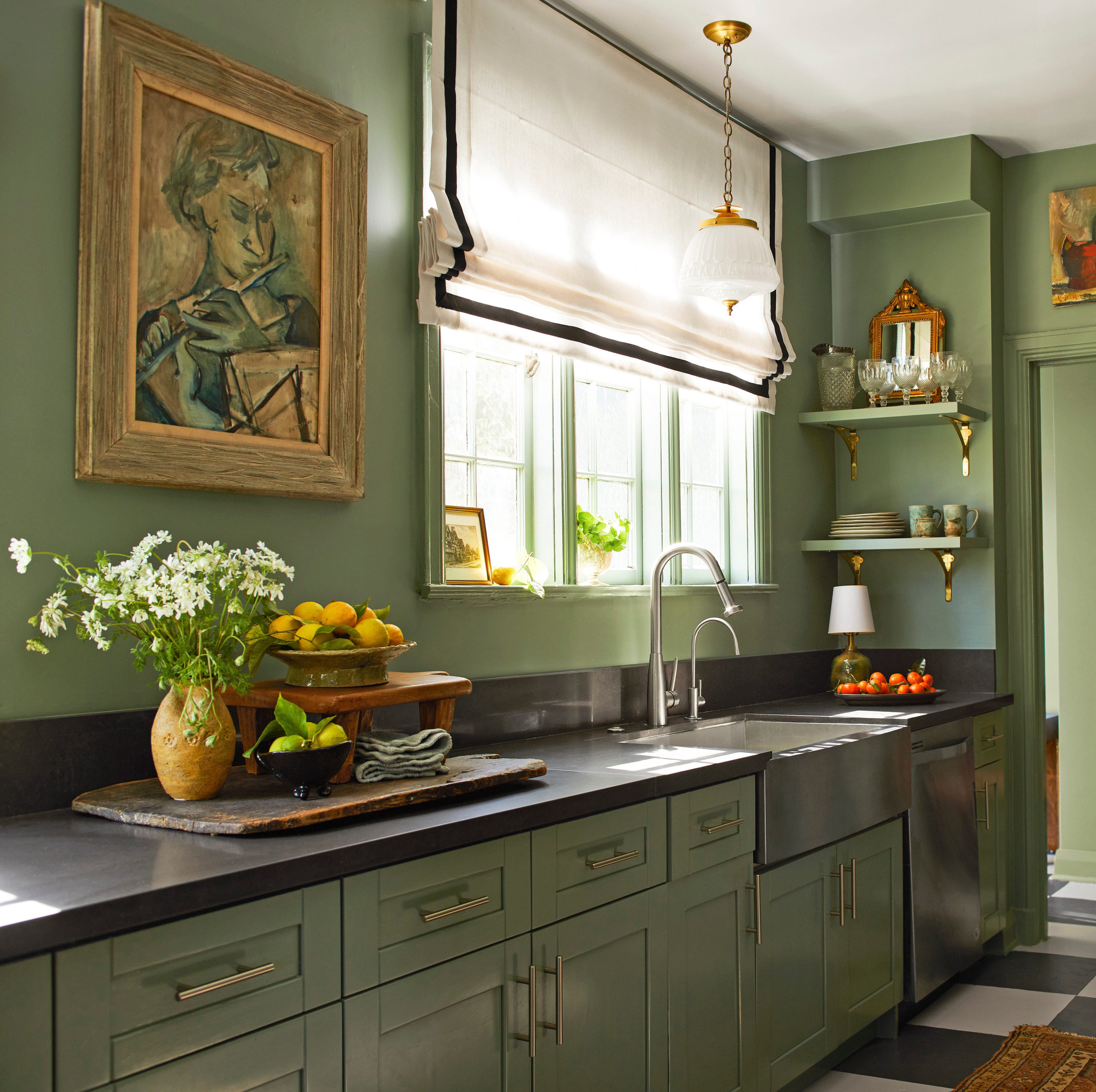
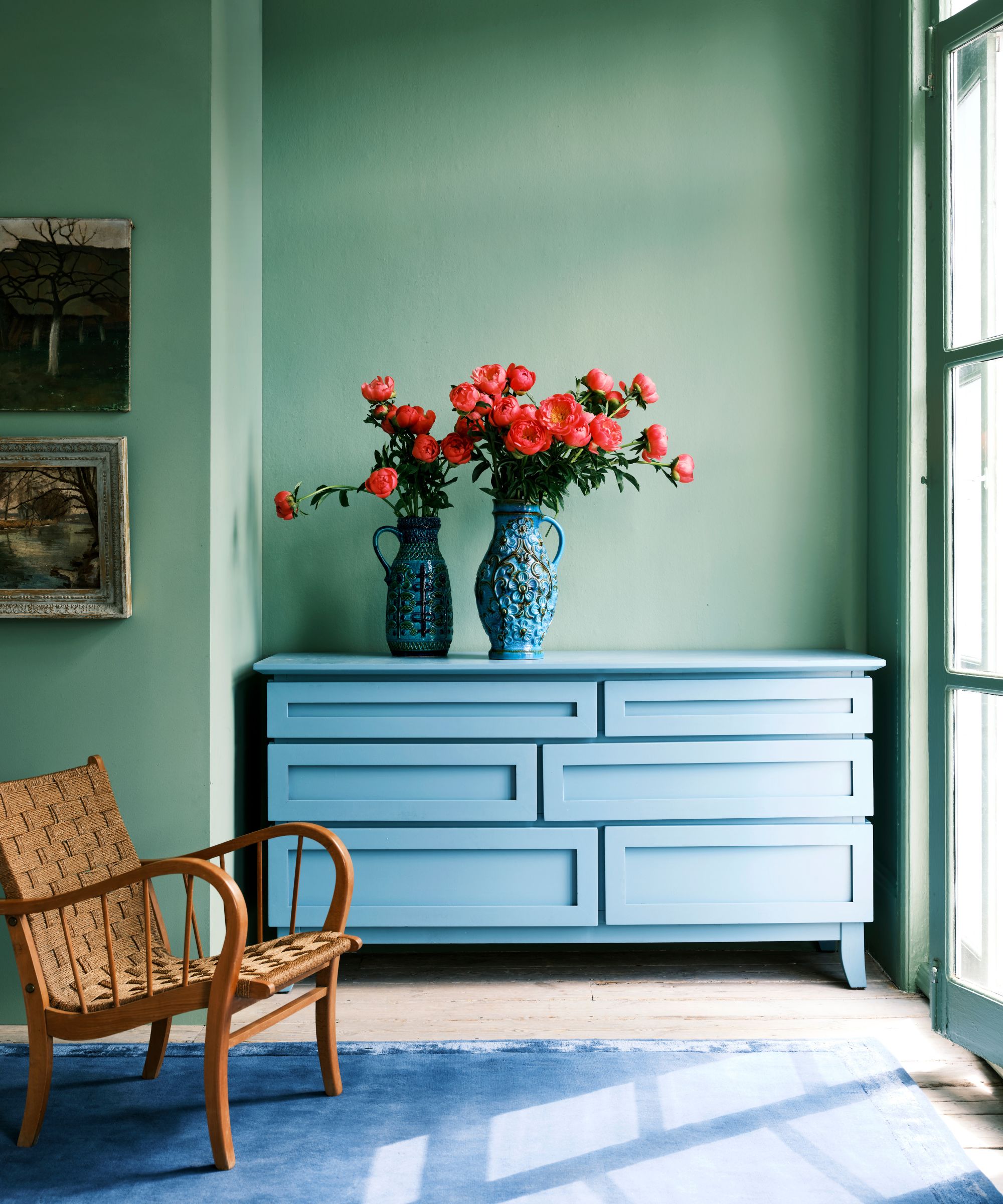
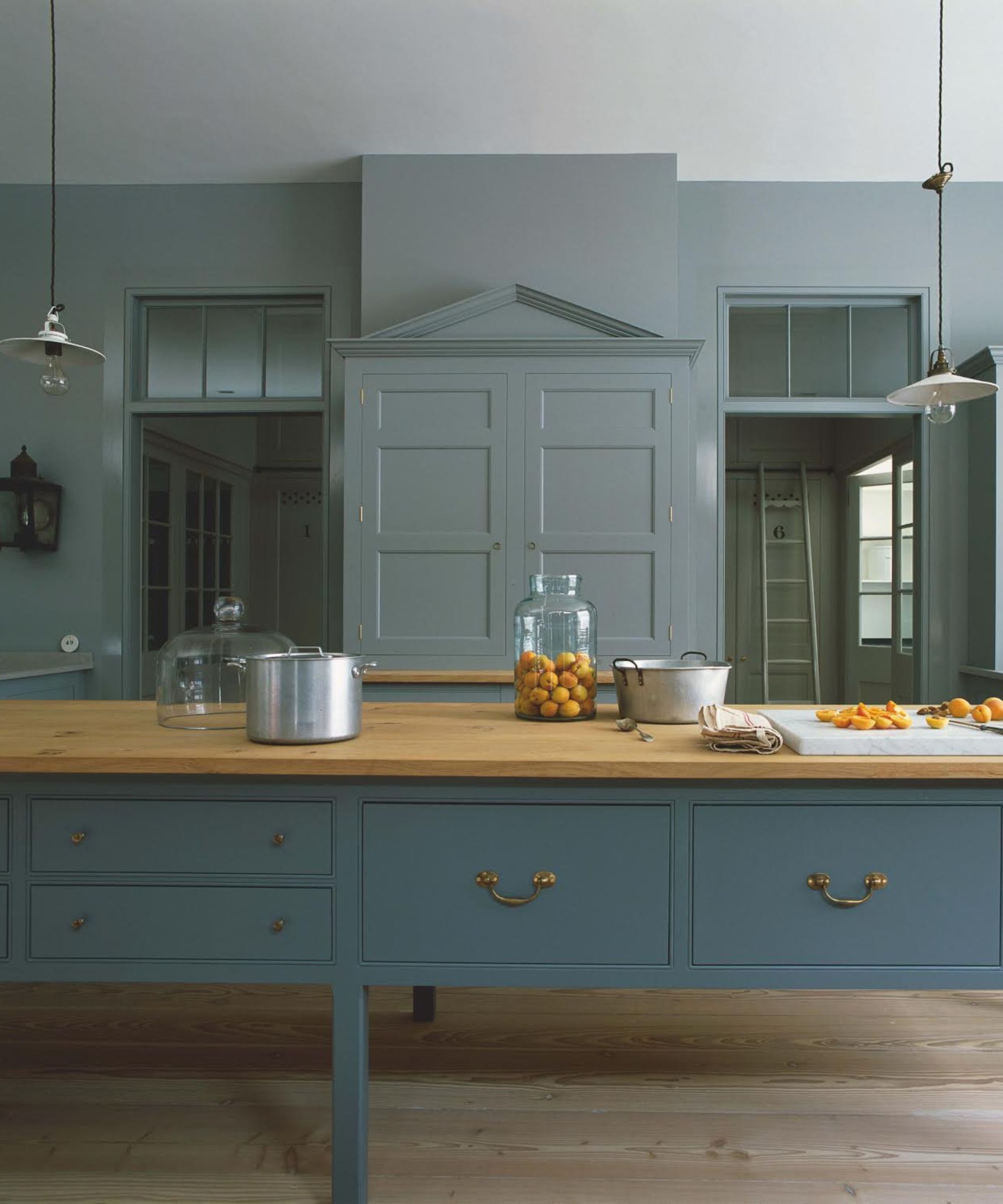
Sage green is presented as a highly versatile and popular color choice in home decor, capable of complementing various design styles, particularly in spaces like kitchens. The article offers ten distinct color pairings to inspire homeowners looking to integrate sage green into their interiors, catering to both serene and bold aesthetic preferences.
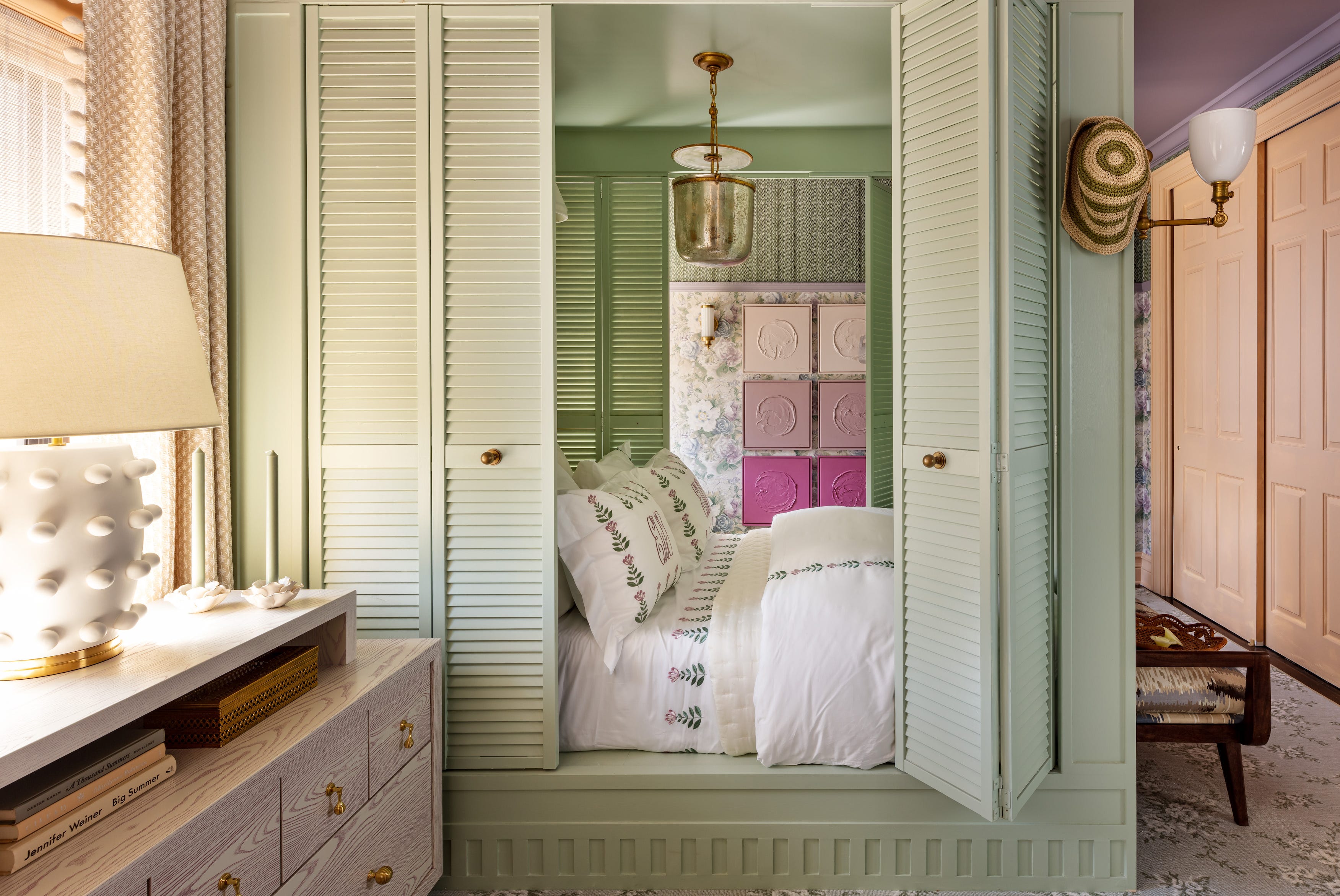
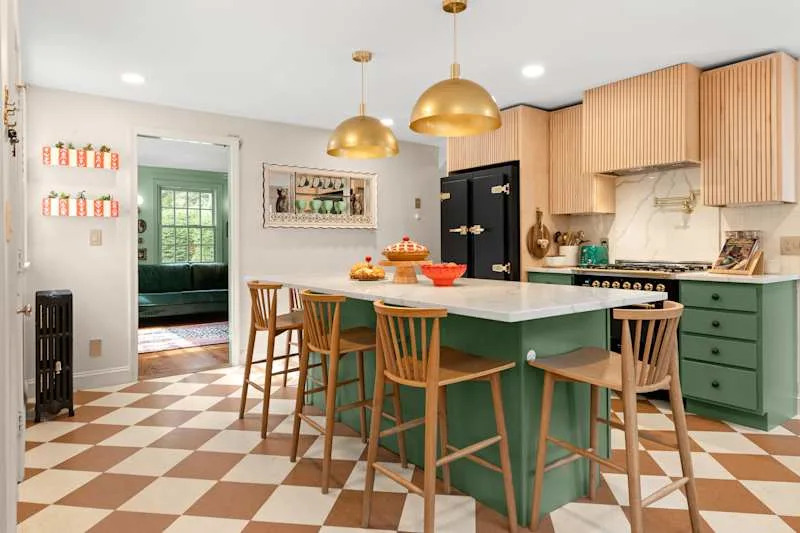
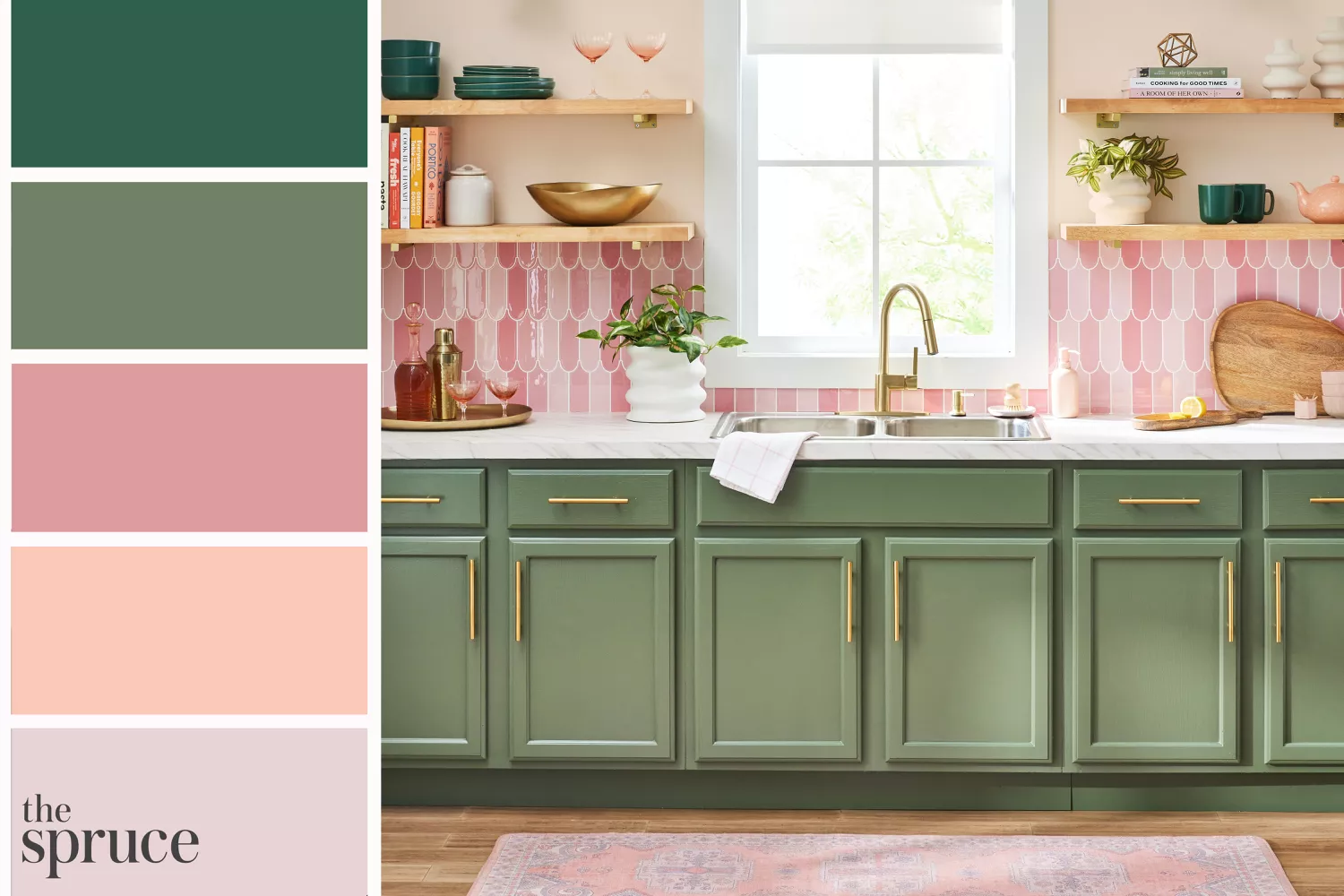
The first pairing suggests combining sage green with pink, a combination that can be playful yet sophisticated. While often associated with nurseries, this duo can enliven areas such as kitchens or dining spaces, creating a cheerful atmosphere. The article highlights an example of a kitchen using a rose-colored paint with sage green accents.
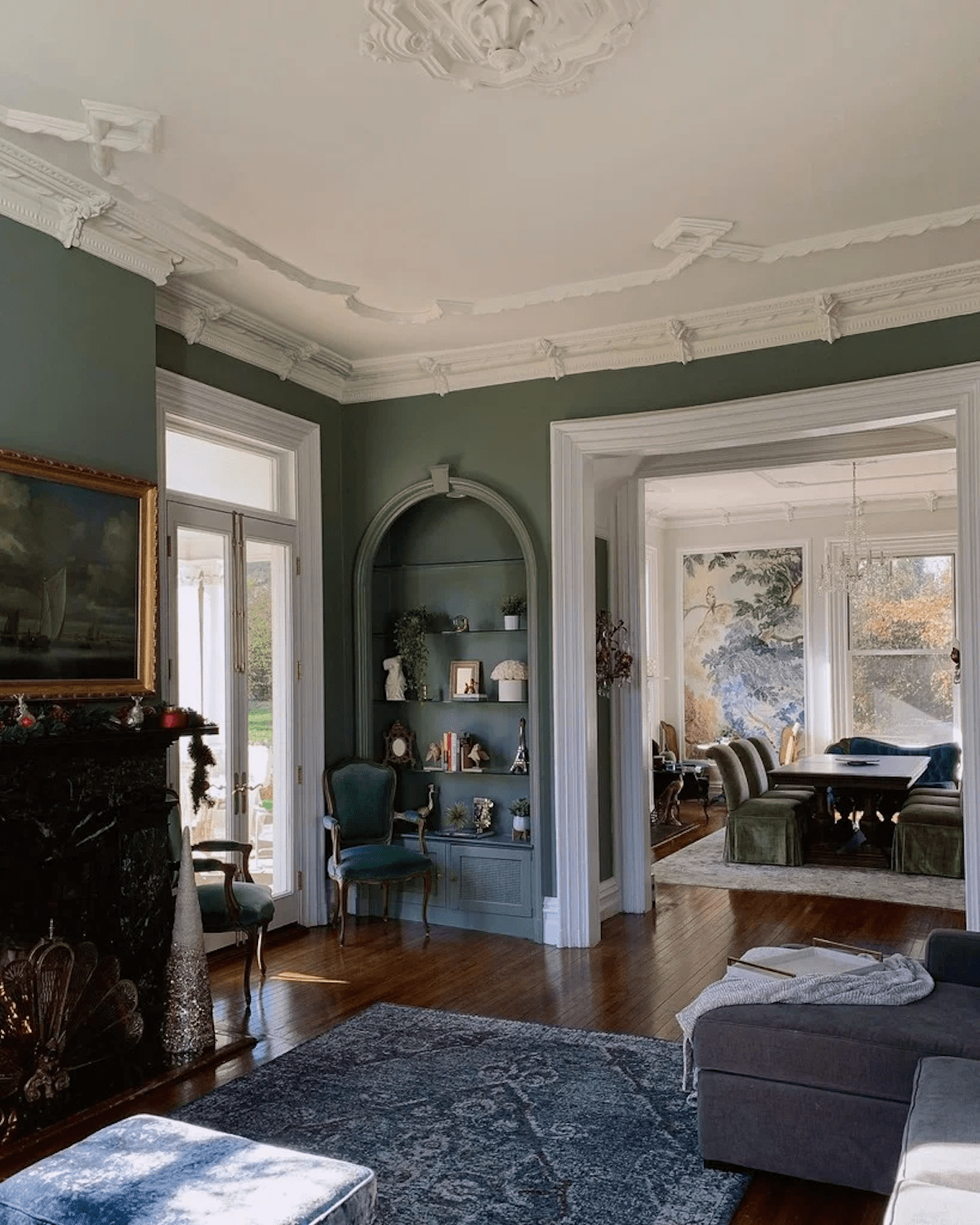
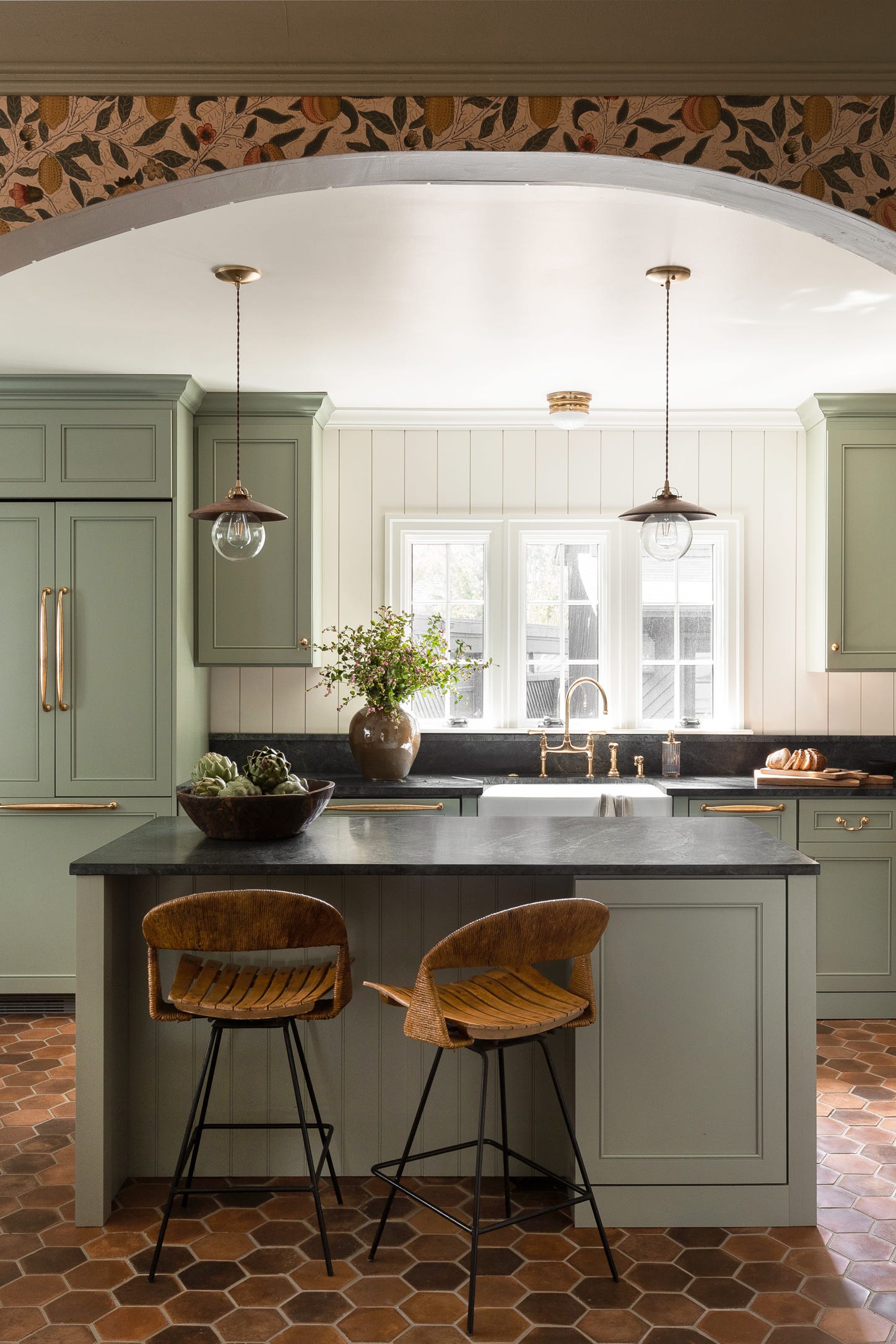
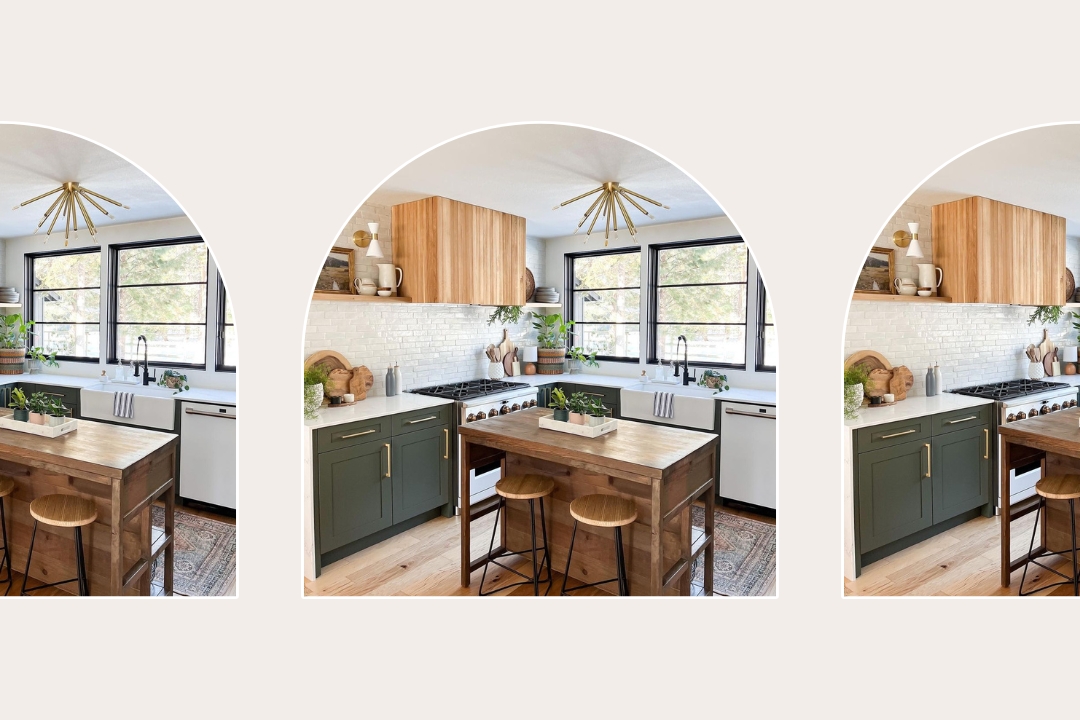
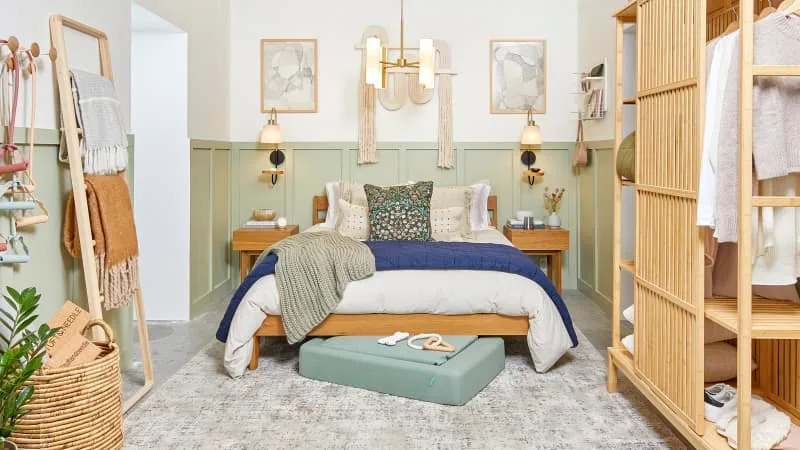
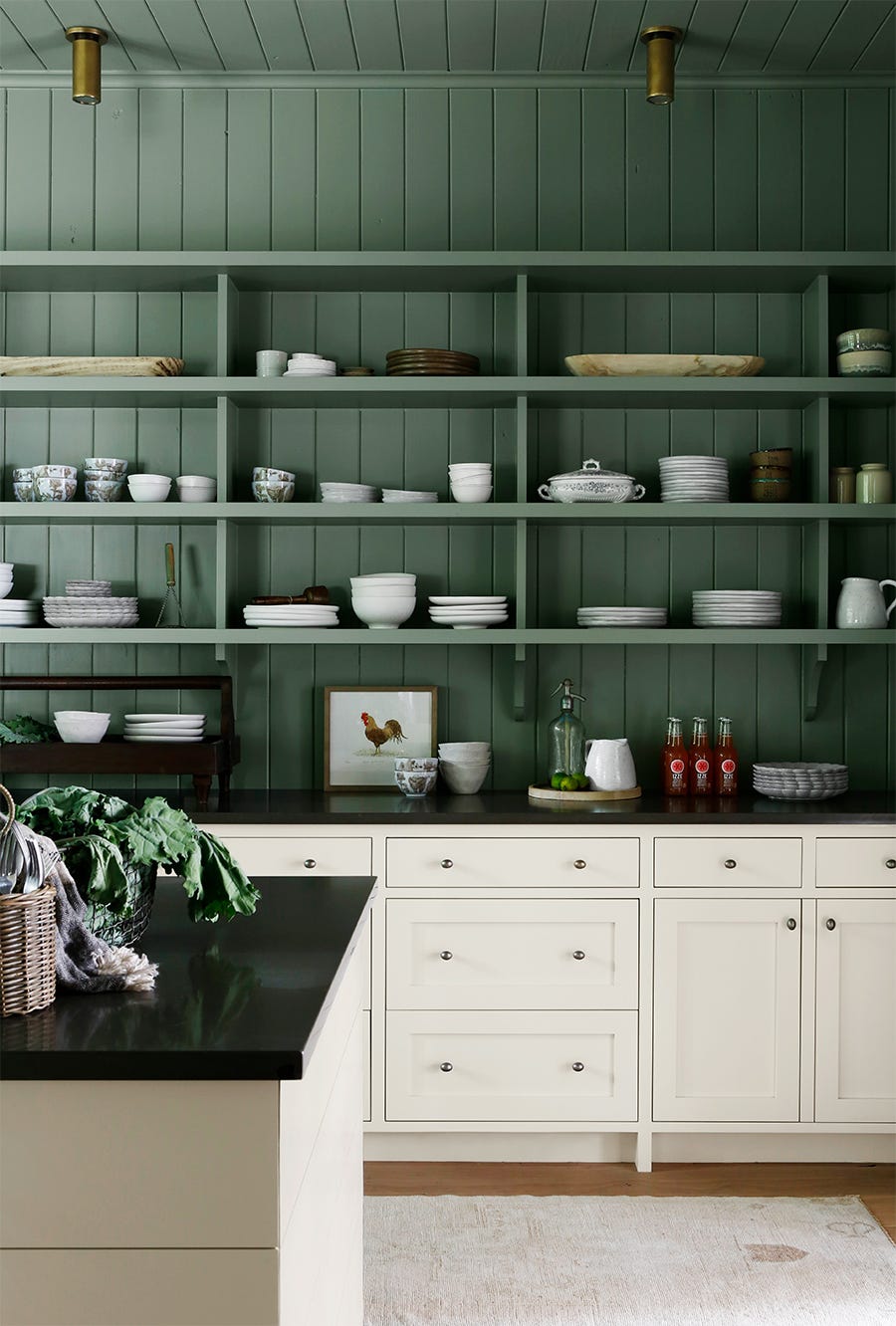
Next, sage green and white are introduced as a classic and cozy combination, ideal for achieving a cottage-style charm. This pairing is easy to implement in any room, with options like leaving door frames white or adding architectural details such as beadboard, board and batten, or molding to enhance contrast and flair.
For a more vibrant and tropical feel, the article recommends pairing sage green with orange. This combination is suggested for beach houses or tropical-themed spaces, particularly in bedrooms, where orange pillows and bed skirts can add a pop of color while sage walls maintain a soothing ambiance.
Sage green also harmonizes well with gray, offering a range of possibilities from dark to light shades. The article illustrates this with a bedroom featuring a sage and gray bed set against an exposed brick wall, emphasizing the flexibility of gray tones.
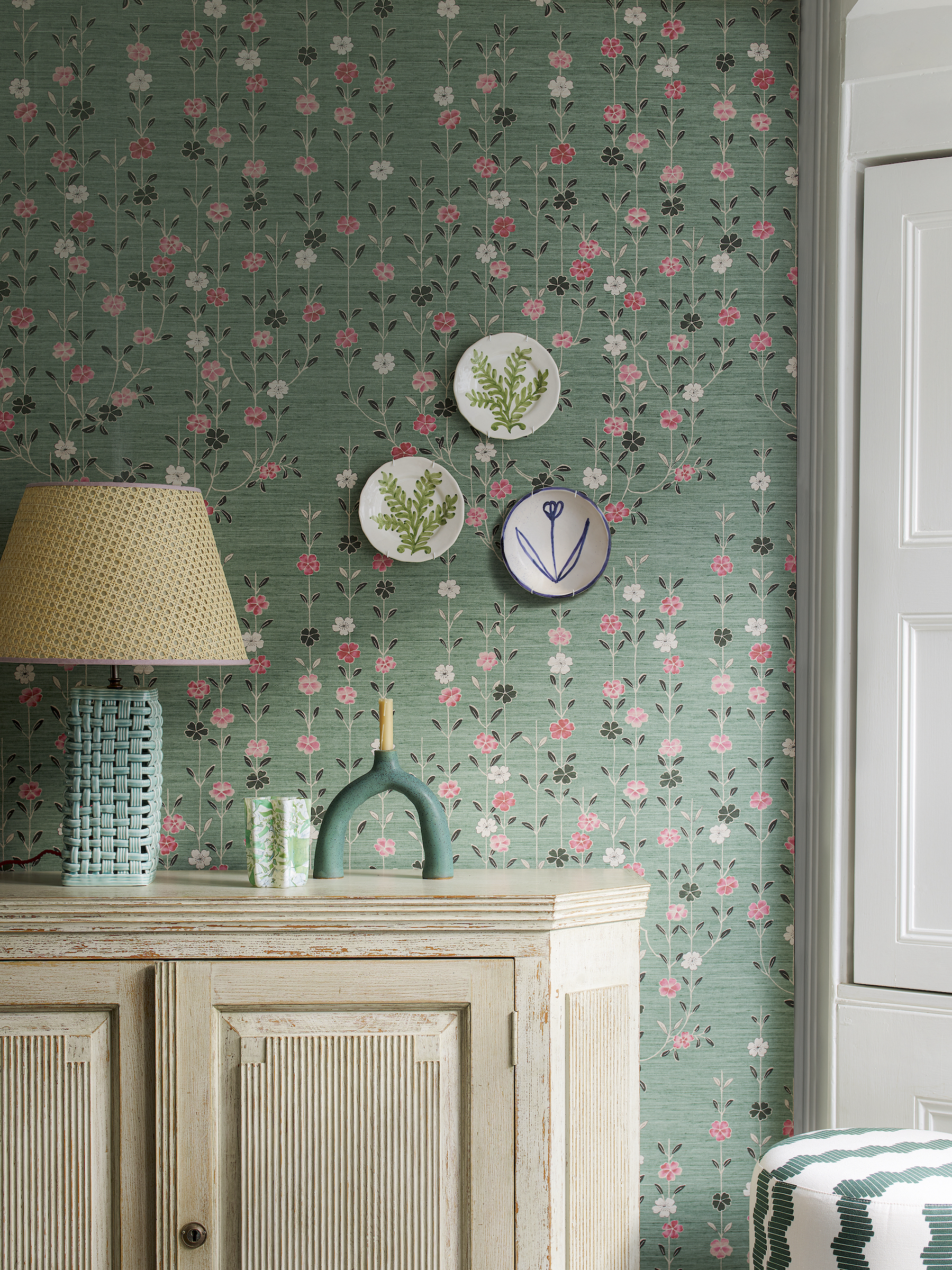
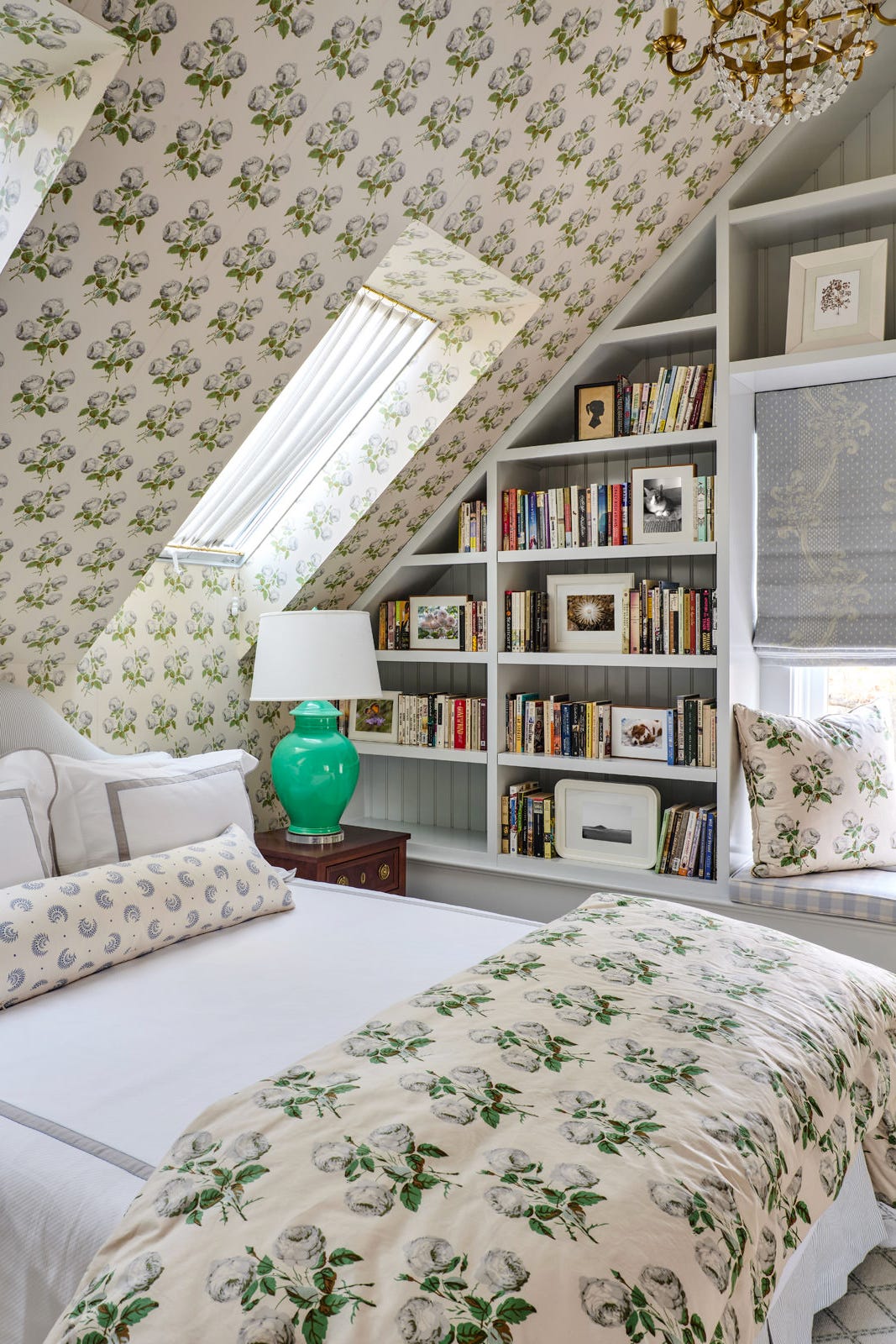
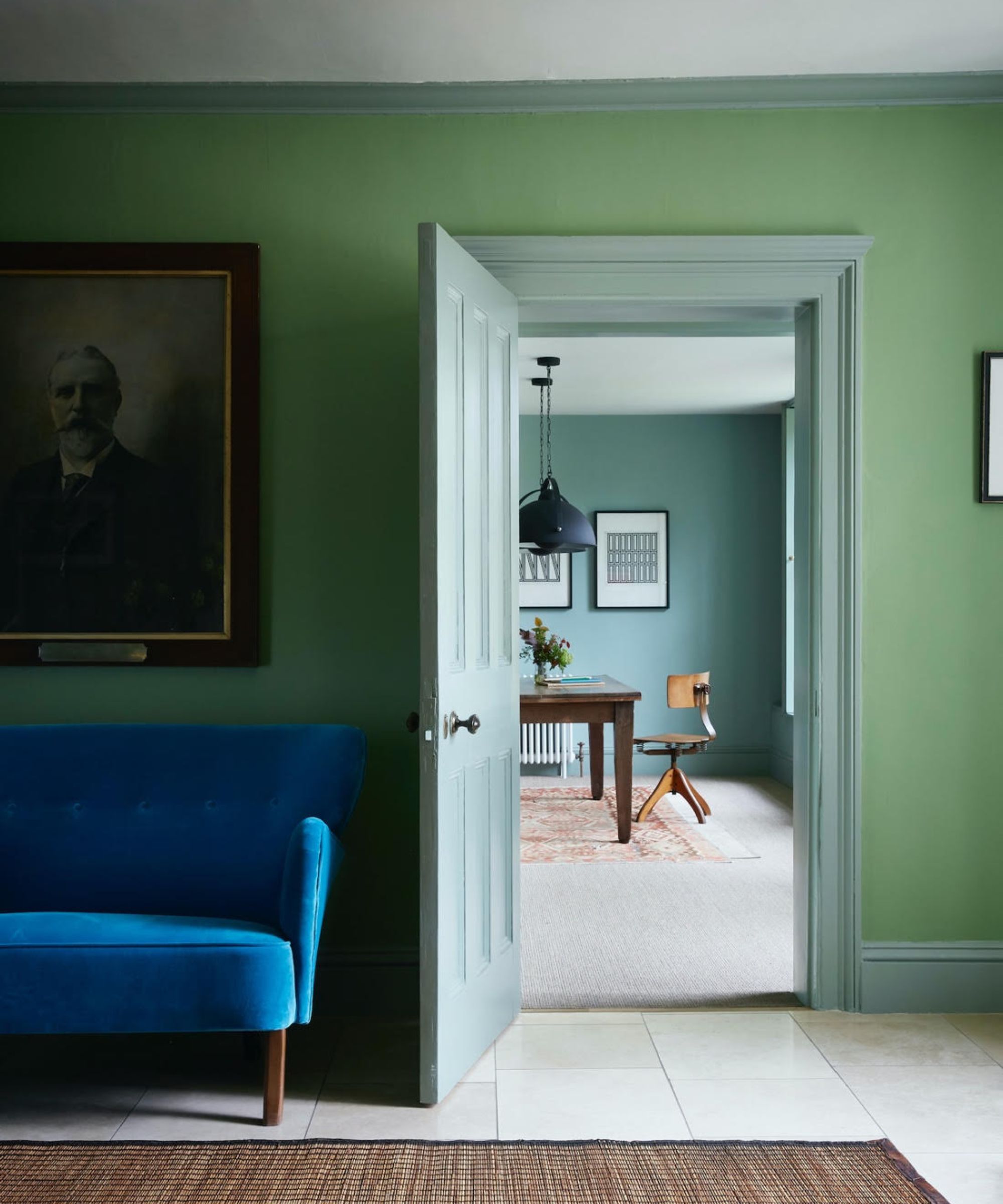
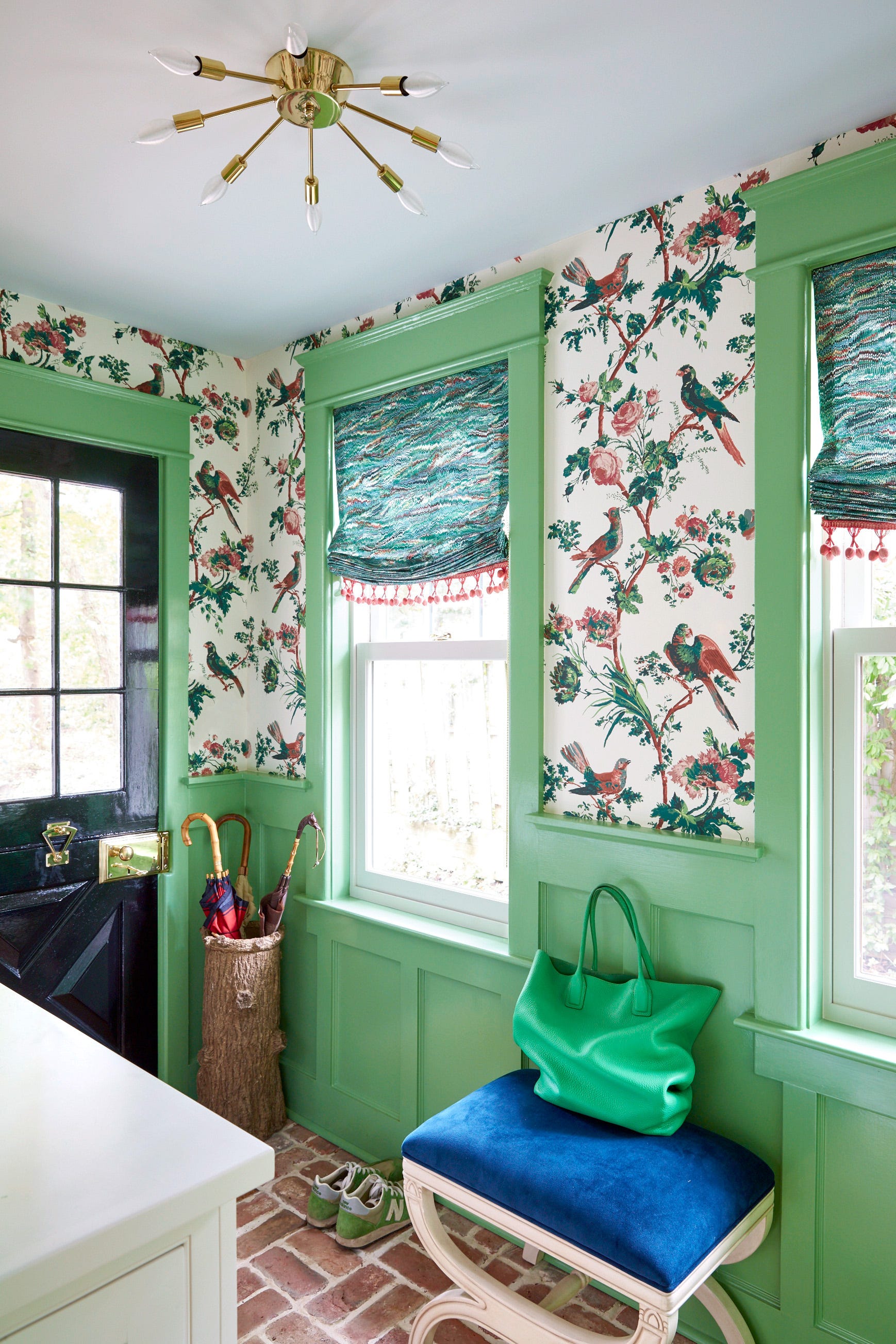
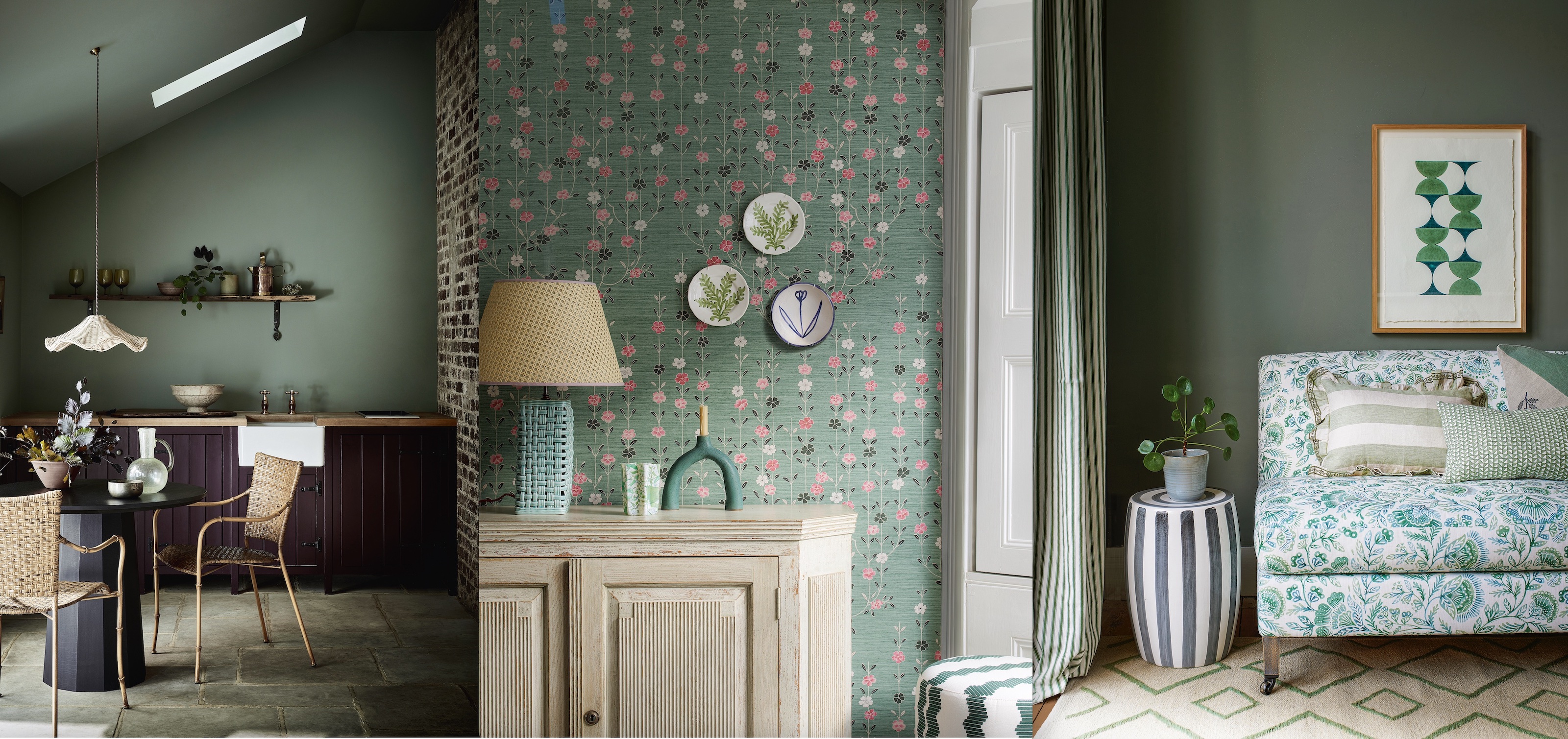
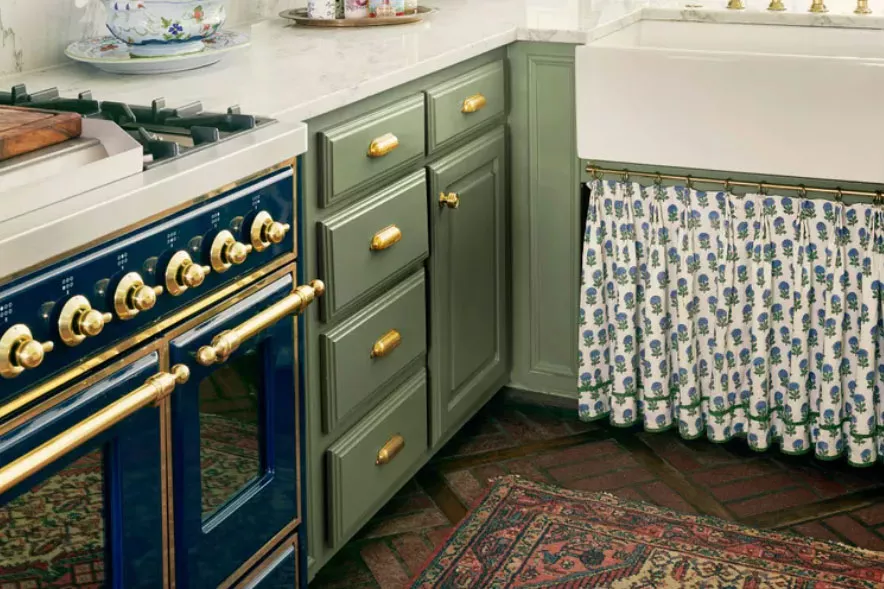
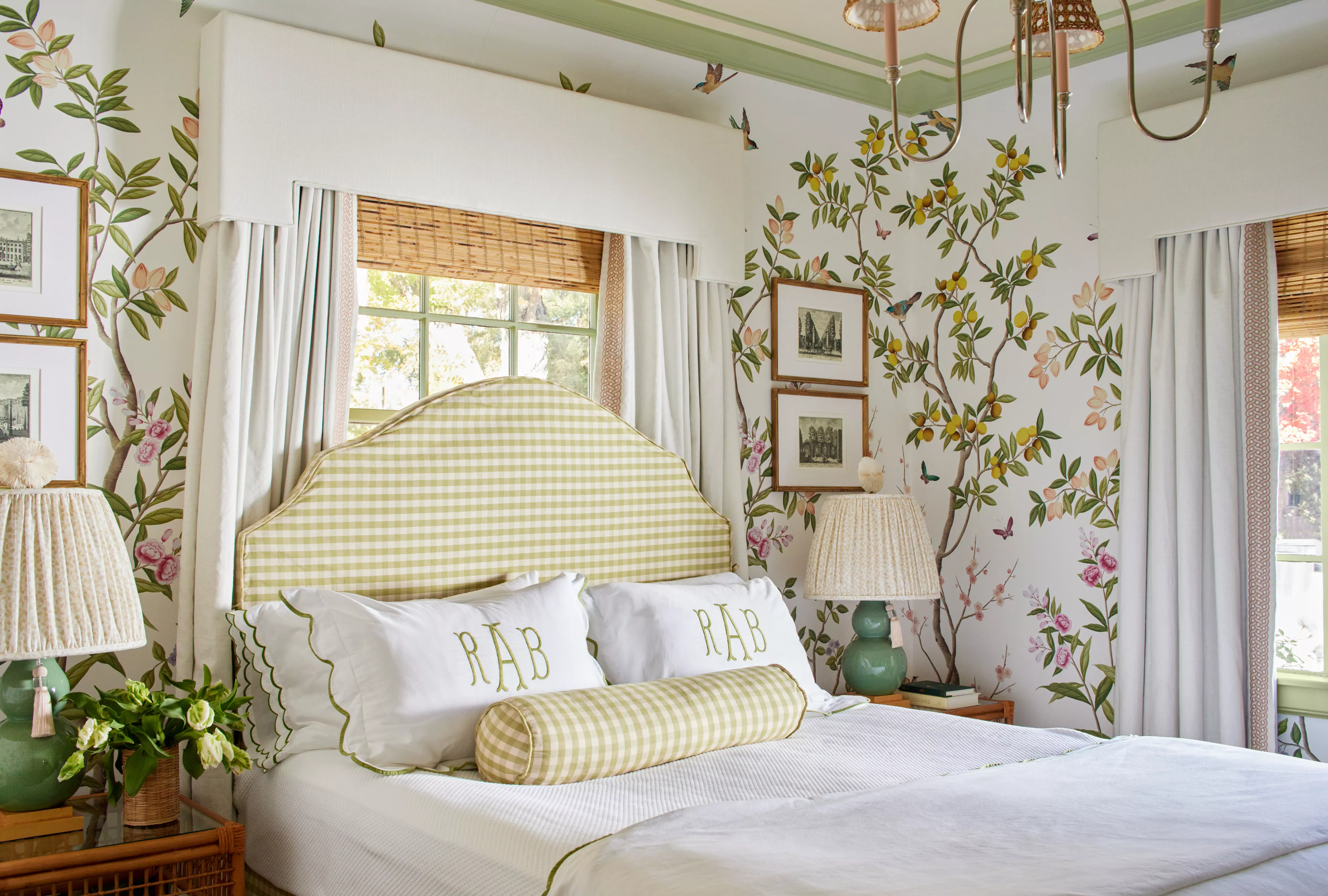
A whimsical approach involves combining sage green with blue, often seen in patterned wallpapers that also incorporate shades of pink. This nature-inspired trio is particularly suitable for bathrooms, adding a fresh and lively touch.
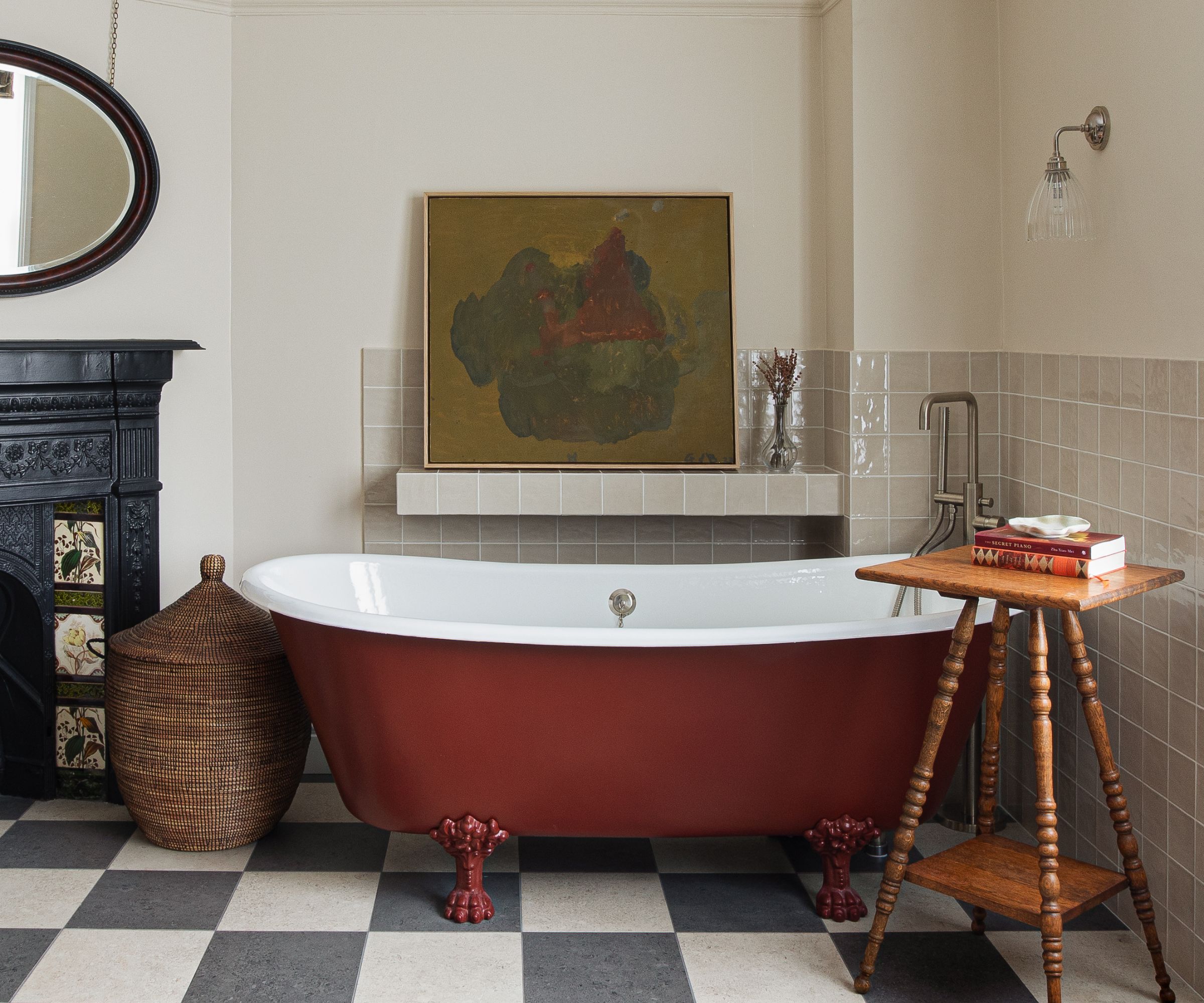
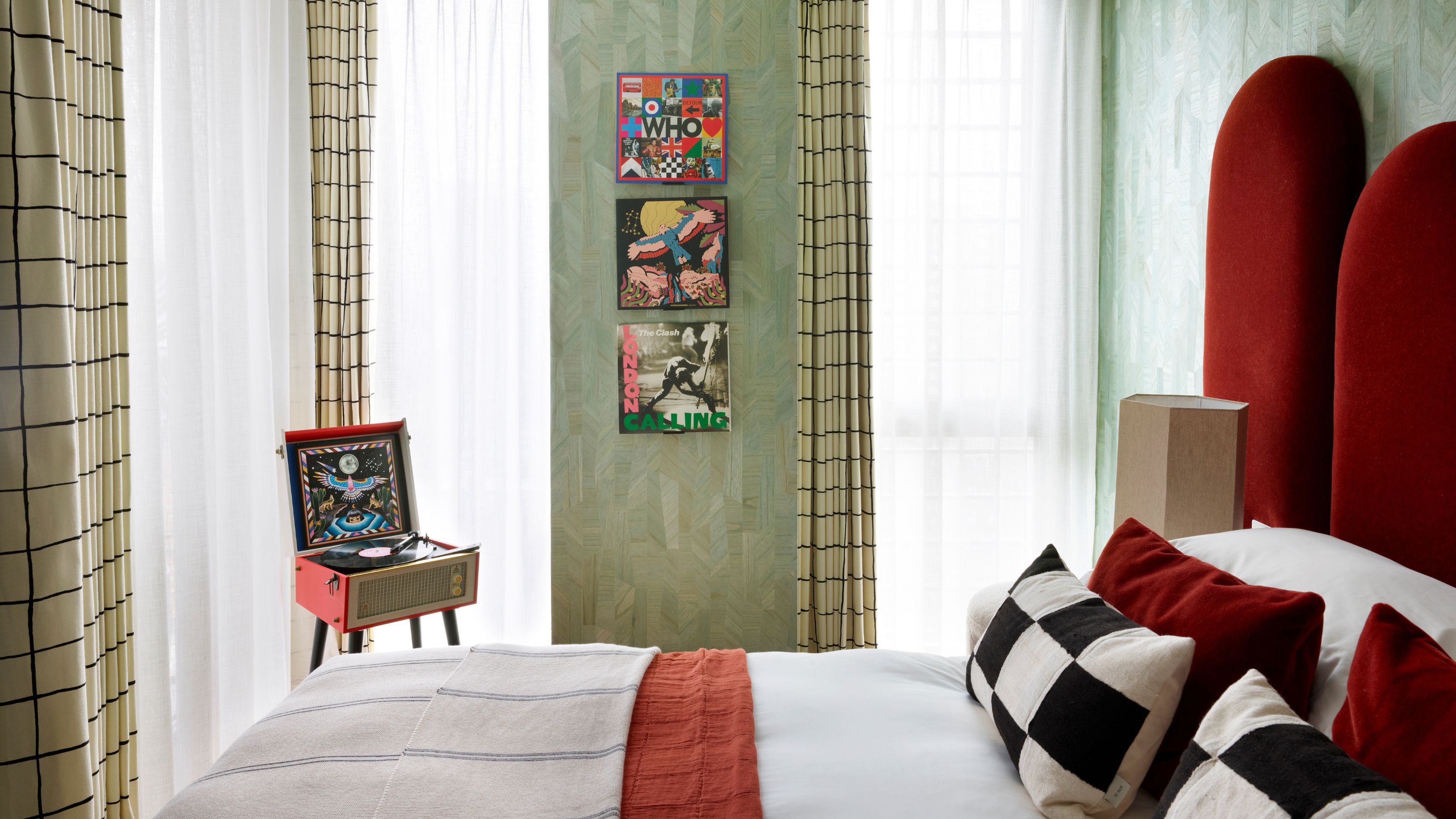
For those seeking a bolder statement, sage green can be paired with red. The article showcases a sophisticated diner-like setup with a large red dining bench against sage green wallpaper, demonstrating that this combination can be chic and unexpected rather than merely holiday-themed.
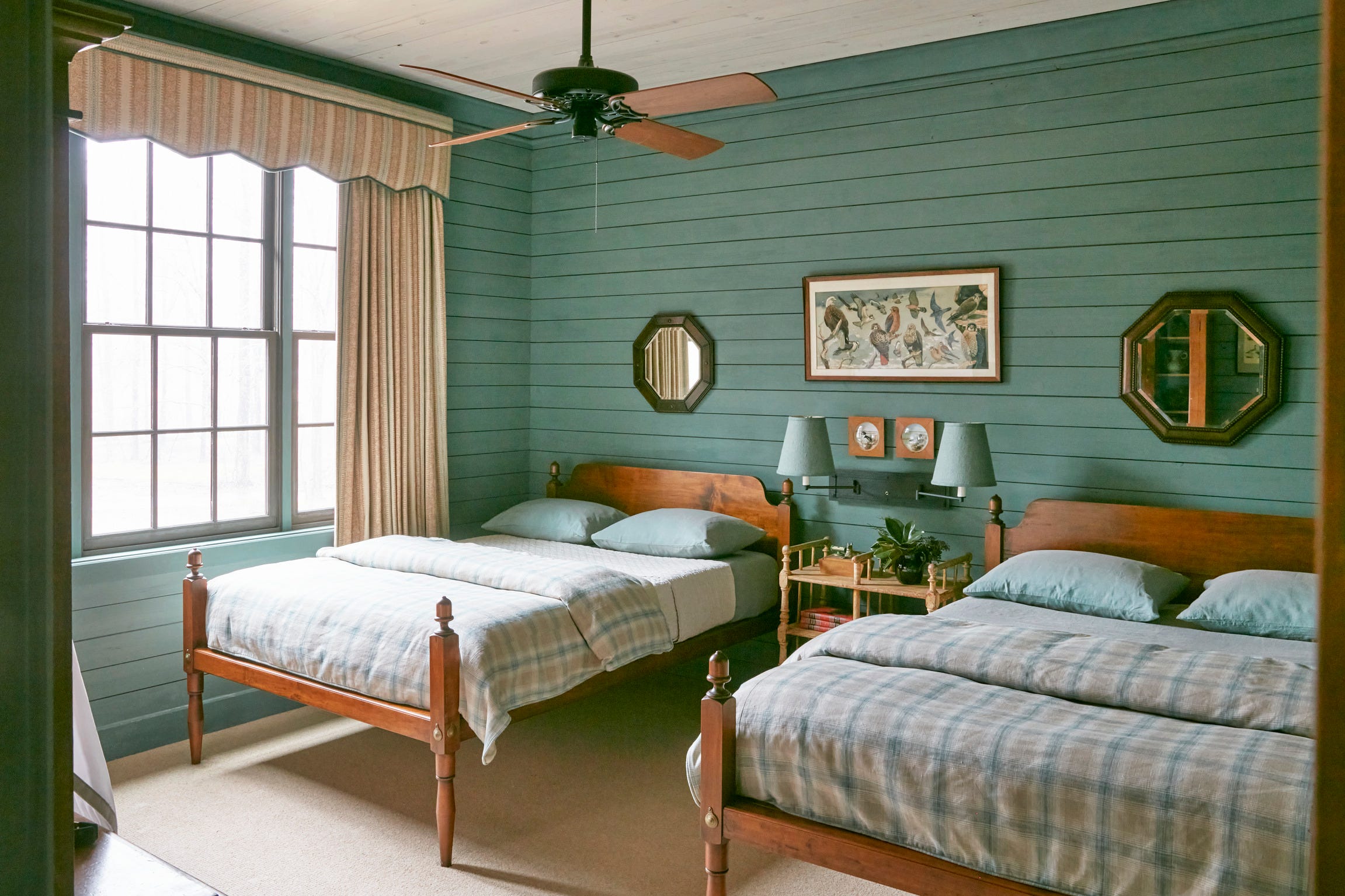
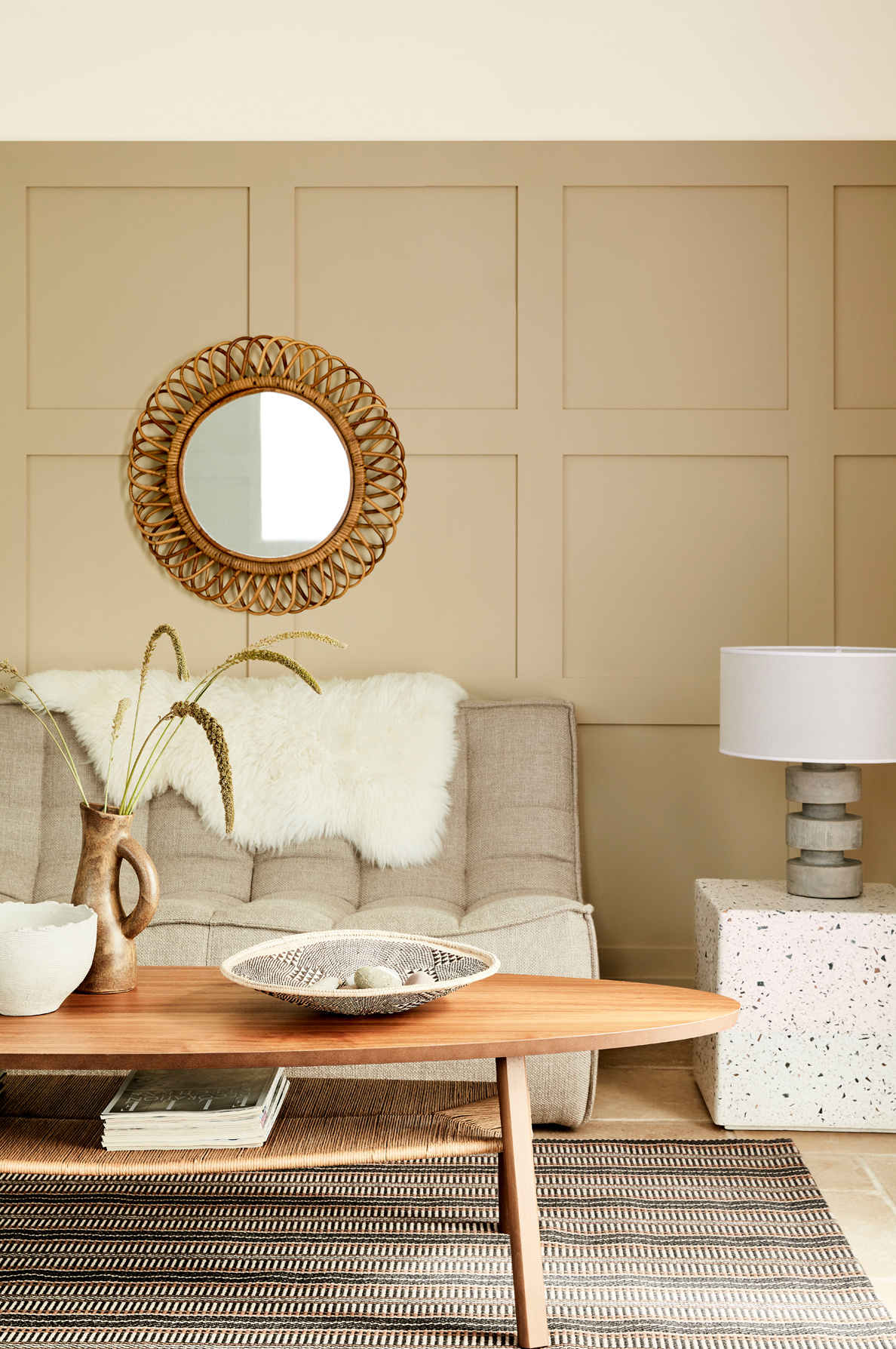
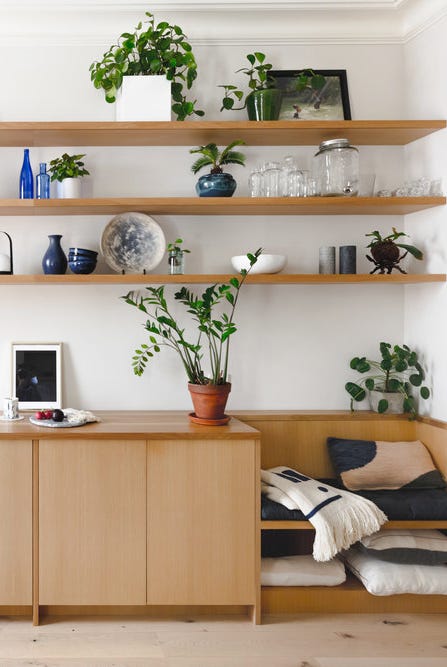
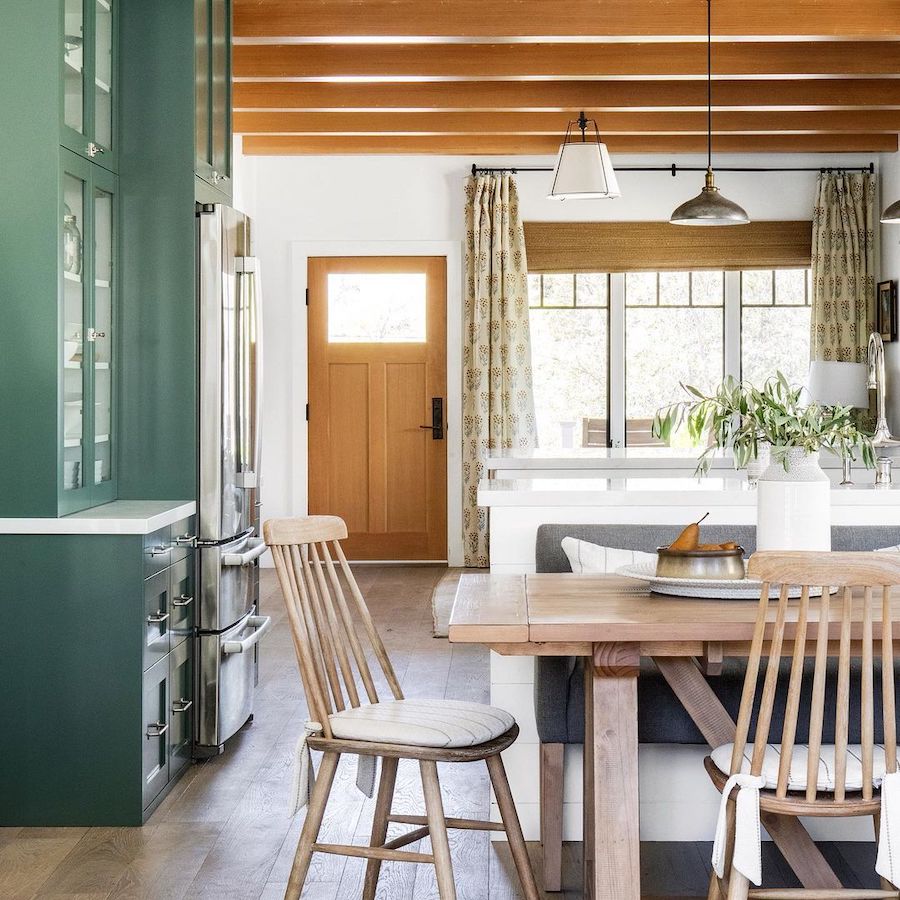
Natural wood tones are presented as a timeless companion to sage green, working well with both traditional and mid-century modern styles. The article features a calming bedroom where a sage bedspread complements wooden furniture, illustrating that sage green can be effectively incorporated through textiles without wall paint.
Cream is another excellent choice, especially for exteriors. The article describes a home with sage paneling accented by cream detailing, suggesting that cream, bordering on beige, enhances sage green's appeal on house facades.
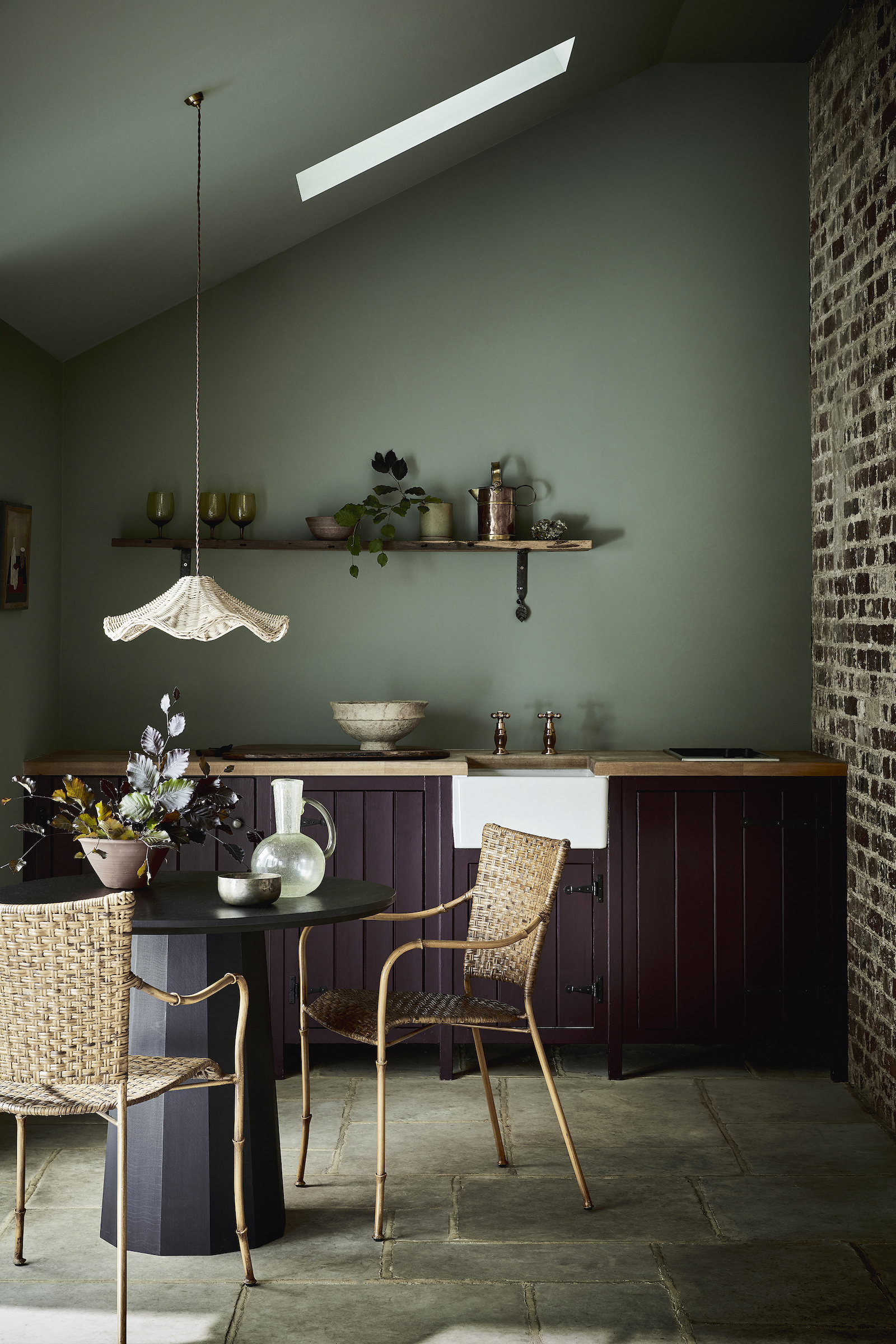
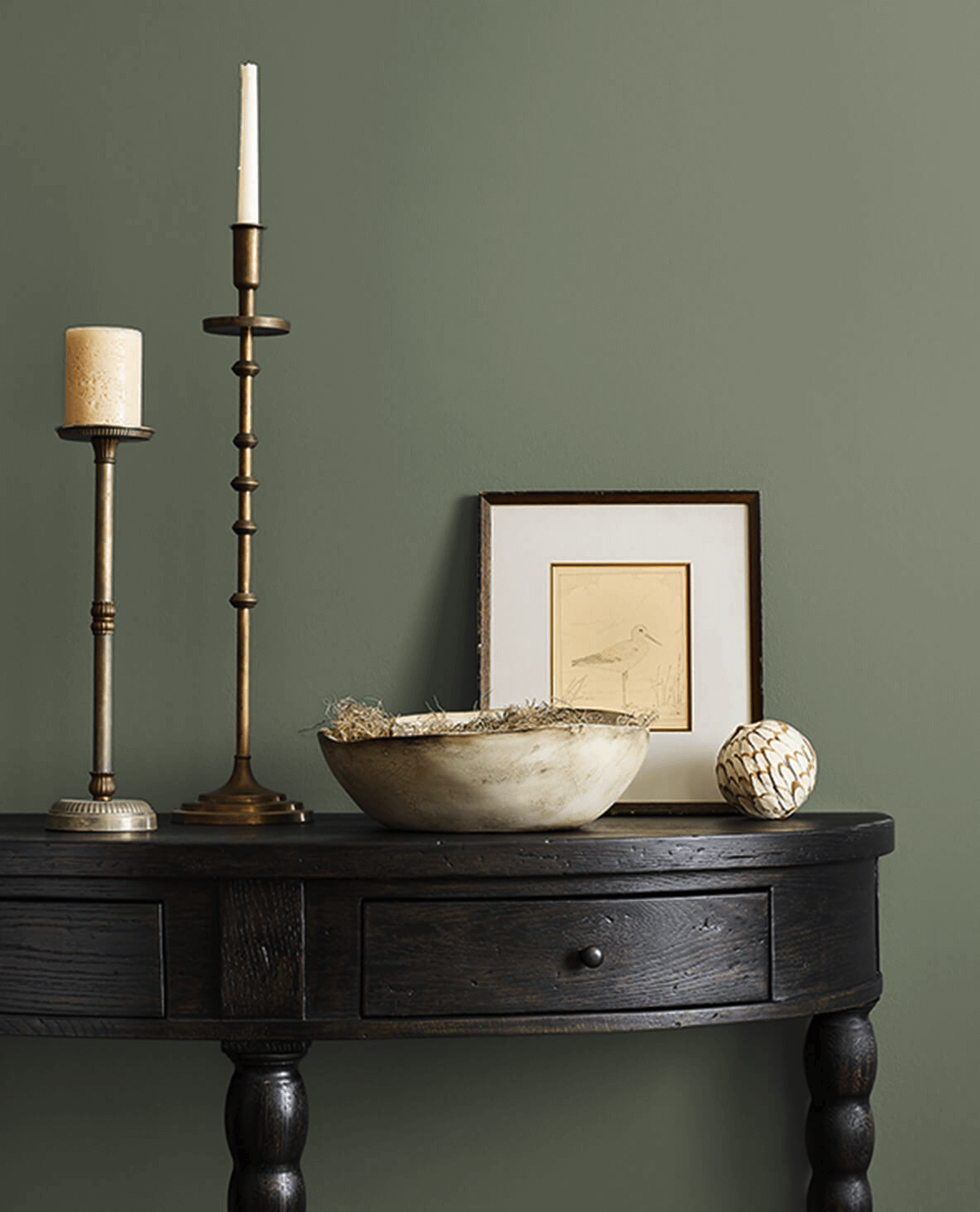
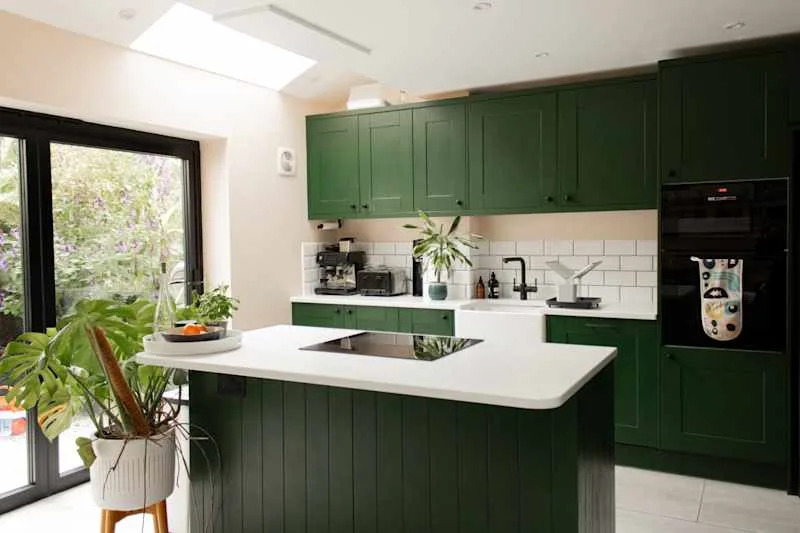
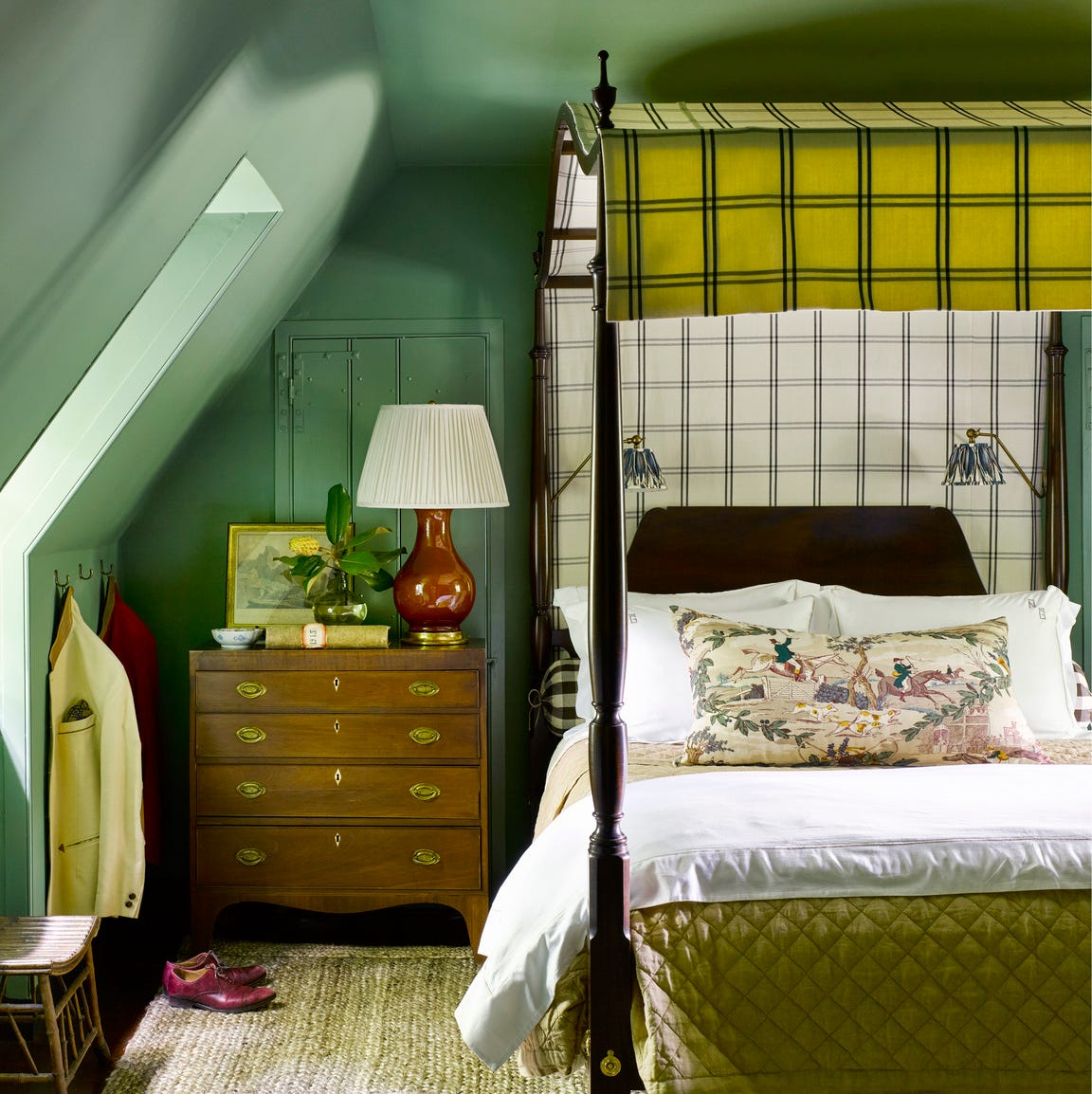
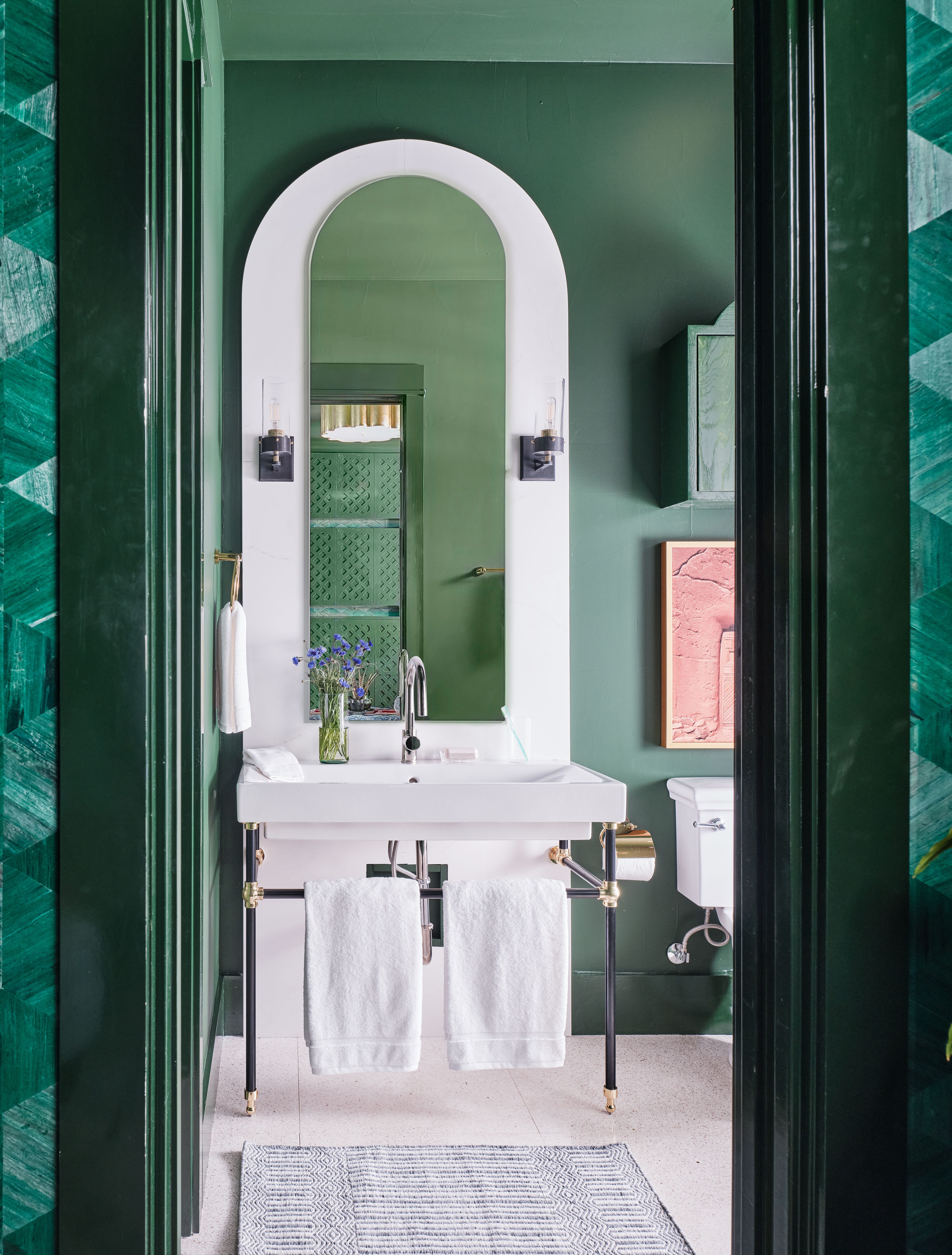
Finally, the article explores the combination of sage green with brown, suggesting that dark sage and moody brown accents can create a cozy, cabin-like retreat, especially when enhanced with terracotta red touches. For a modern aesthetic, sage green with black is recommended, as shown in a bathroom with sage green floor tiles beautifully contrasting black accent pieces.
The article concludes with general tips for decorating with sage green, including using warm accents to liven up its cool tone, layering different shades of green for depth, pairing it with natural materials for tranquility, and adding contrast with complementary colors like lilac. It also suggests incorporating molding for added dimension. Popular sage green paint colors like Saybrook Sage by Benjamin Moore, Contented by Sherwin-Williams, and Lichen by Farrow & Ball are mentioned, along with advice against pairing sage green and red too heavily to avoid a holiday theme, despite the potential for sophistication.
#SageGreen #ColorPairing #HomeDecor #InteriorDesign #DesignTips #ColorSchemes #RoomDecor #DecoratingIdeas #SageGreen #ColorPairing #HomeDecor #InteriorDesign #DesignTips #ColorSchemes #RoomDecor #DecoratingIdeas
0 comment in total
 No comments yet
You may also like
What colors go with sage green? Pairing and accenting tips from design experts

10 Sage Green Decorating Ideas That Feel Very 2020

Here's How to Decorate With Green So It Actually Looks Chic

The ‘New Neutral’ Paint Color Everyone Is Adding To Their Homes In 2025, According To Designers
Designers Swear By These 11 Sage Green Paint Colors

What Colors Go With Light Green — 10 Combinations That Can Calm, Temper, and Even Energize a Space

17 Green Paint Colors for Every Room, From Soothing Sage to Electric Emerald
15 Lush Green Paint Colors to Invigorate Any Space

The 10 Best Little Greene Paint Colors For Your Home, as Chosen by Interior Designers
17 Green Paint Colors for Every Room in Your Home, From Soothing Sage to Electric Emerald

This Home Decor Trend Has Proved It’s Here to Stay—Here’s Why We Can’t Get Enough
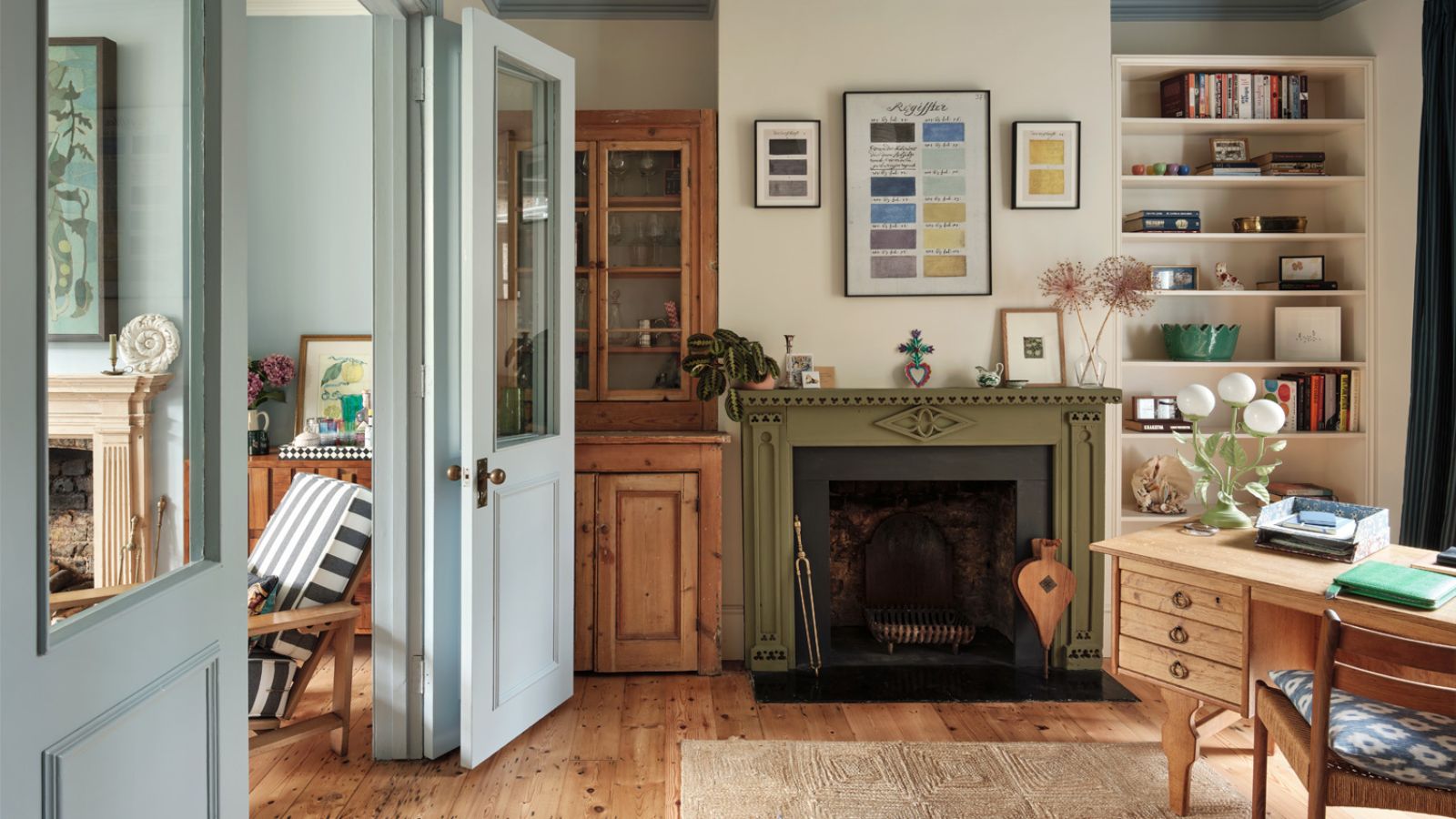
'I am seeing this unexpected color combination everywhere' – here's why designers love the 'should never be seen together' pairing of sage green and pale blue
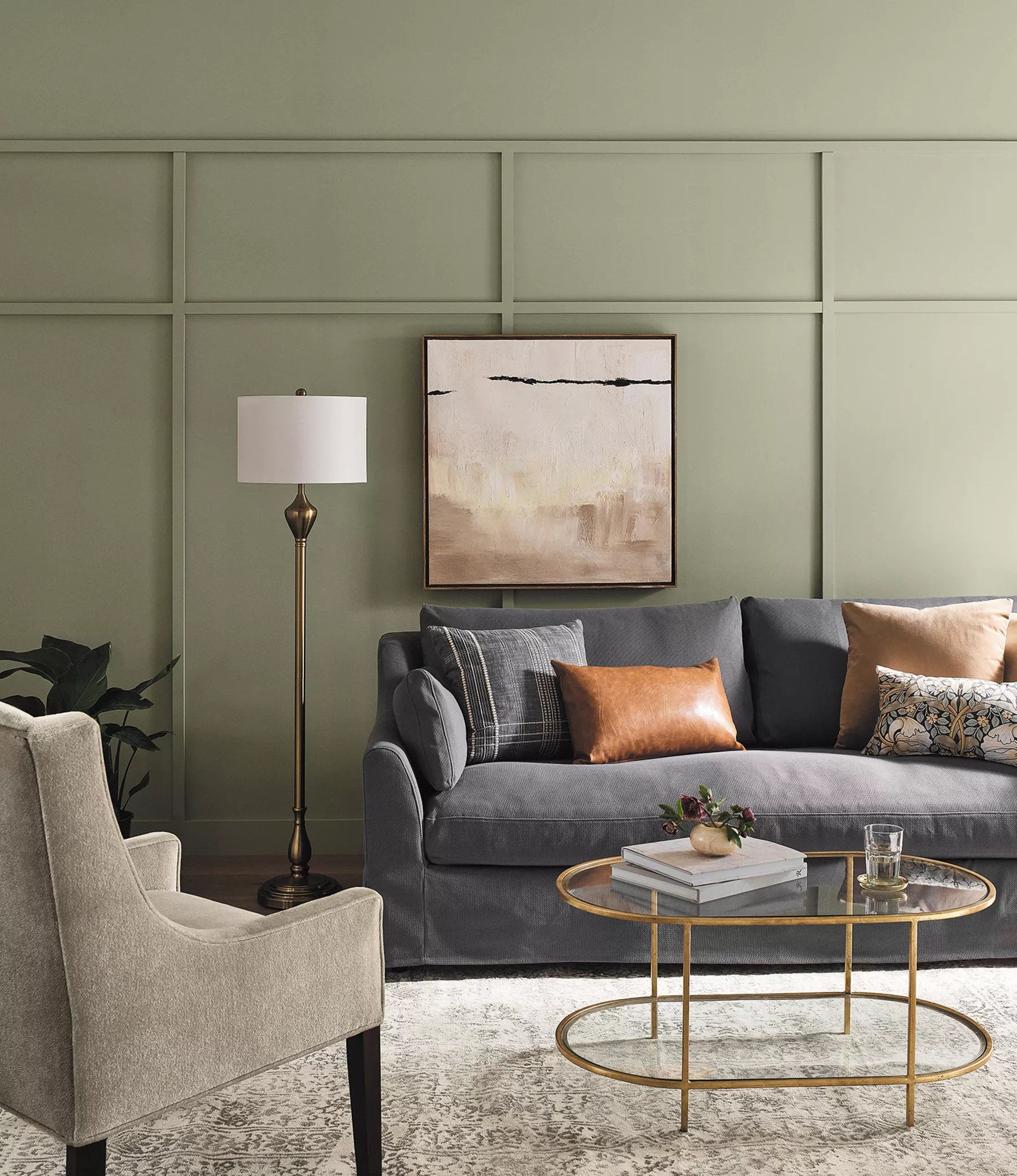
15 Best Sage Green Paint Colors for Every Room

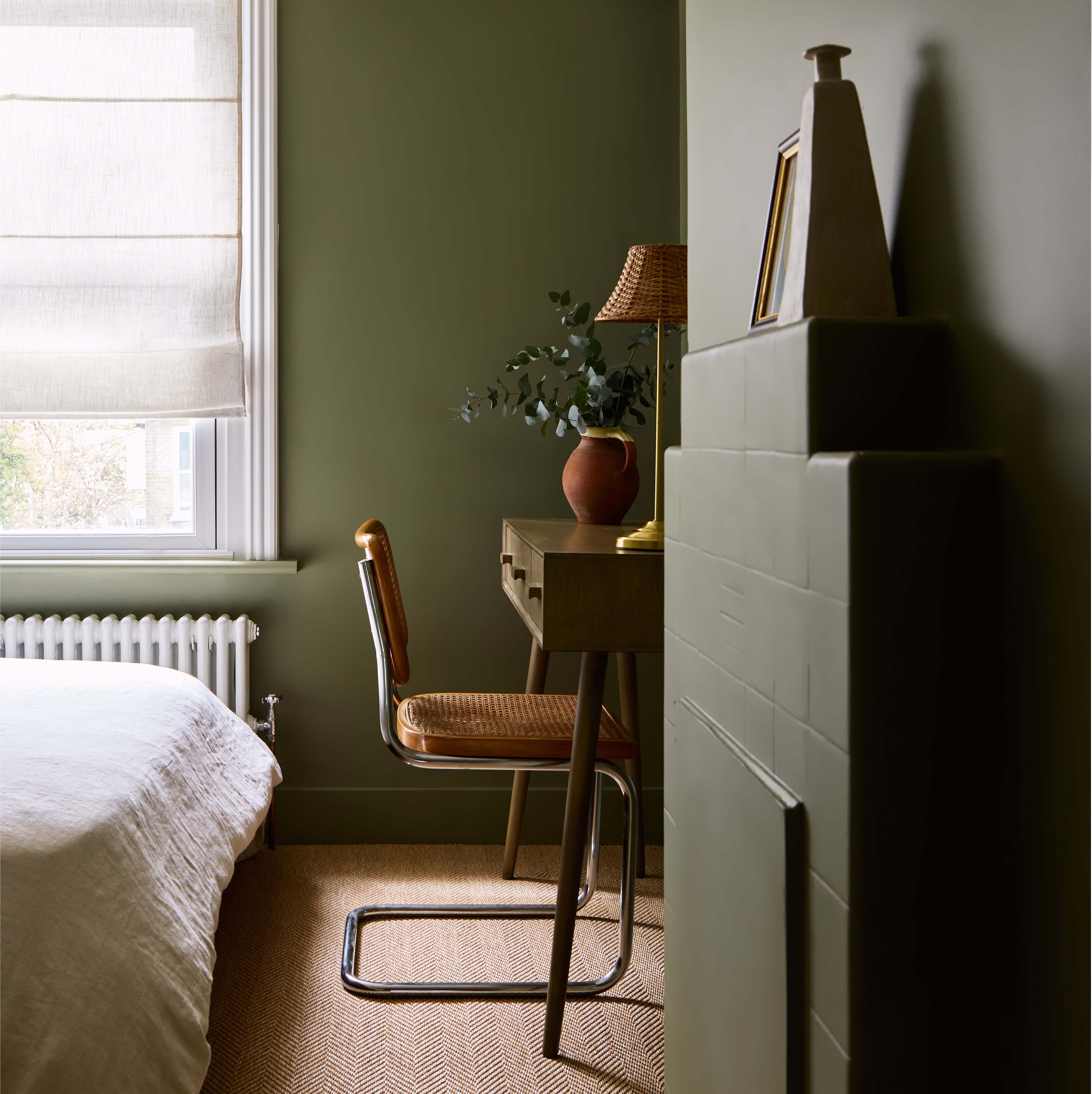
40 Relaxing Rooms That Showcase the Timelessness of Sage Green Paint
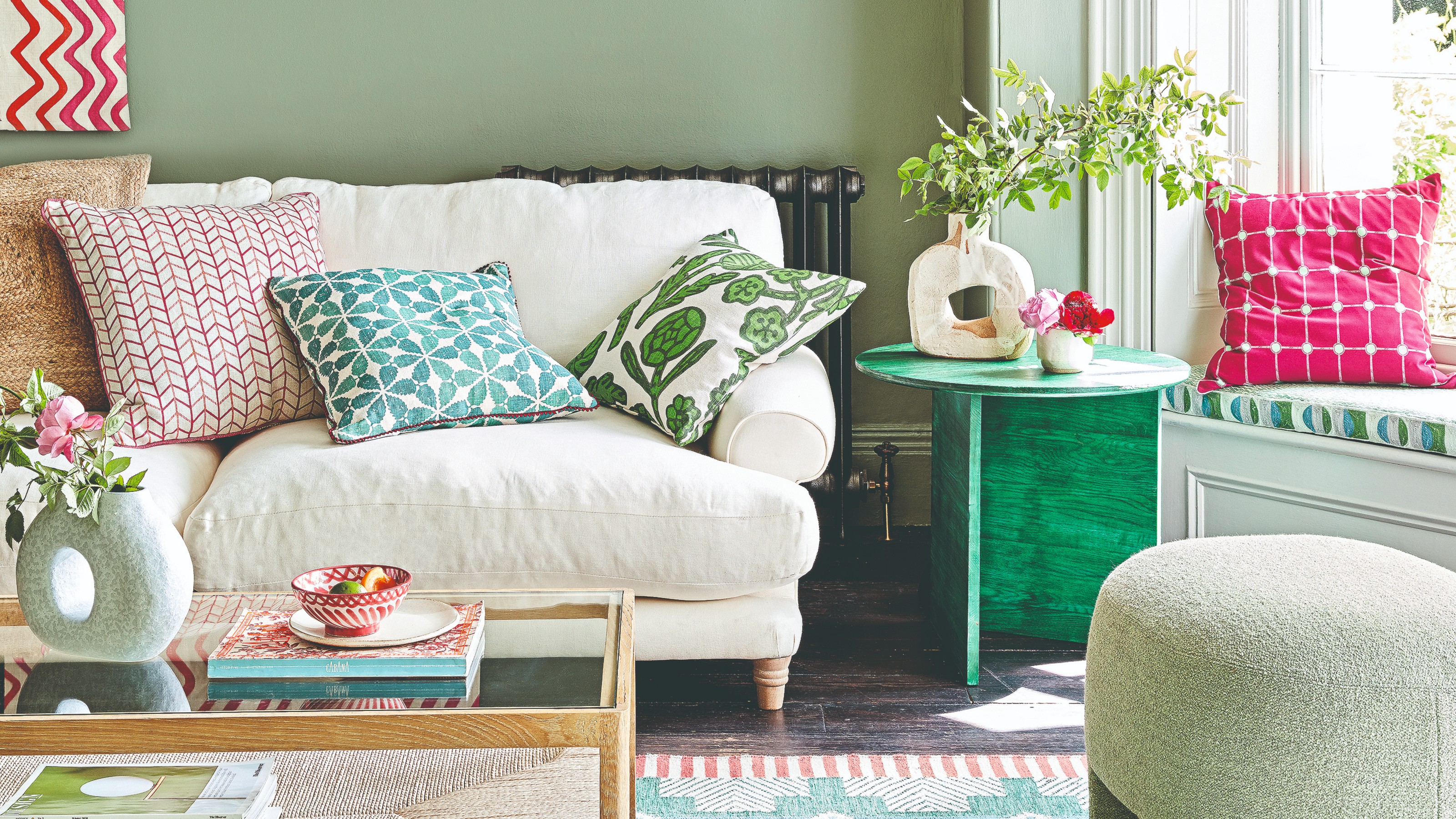
Green living room ideas – 19 stylish ways to inject this soothing, nature-inspired colour into your lounge
There Are Only Certain Green Paint Colors That Can Bring a Room to Life
10 Sage Green Room Ideas That Ooze Serenity, Sophistication, and Style
19 of the Best Green Paint Colors for Any Room in Your Home

These 13 Green Paint Colors Are the Best We’ve Ever Seen

51 Green Color Schemes Perfect for Living Rooms, Bedrooms, and More