Today's Twist on Classic Colonial Style Is Fresher Than Ever—Here's How to Get the Look
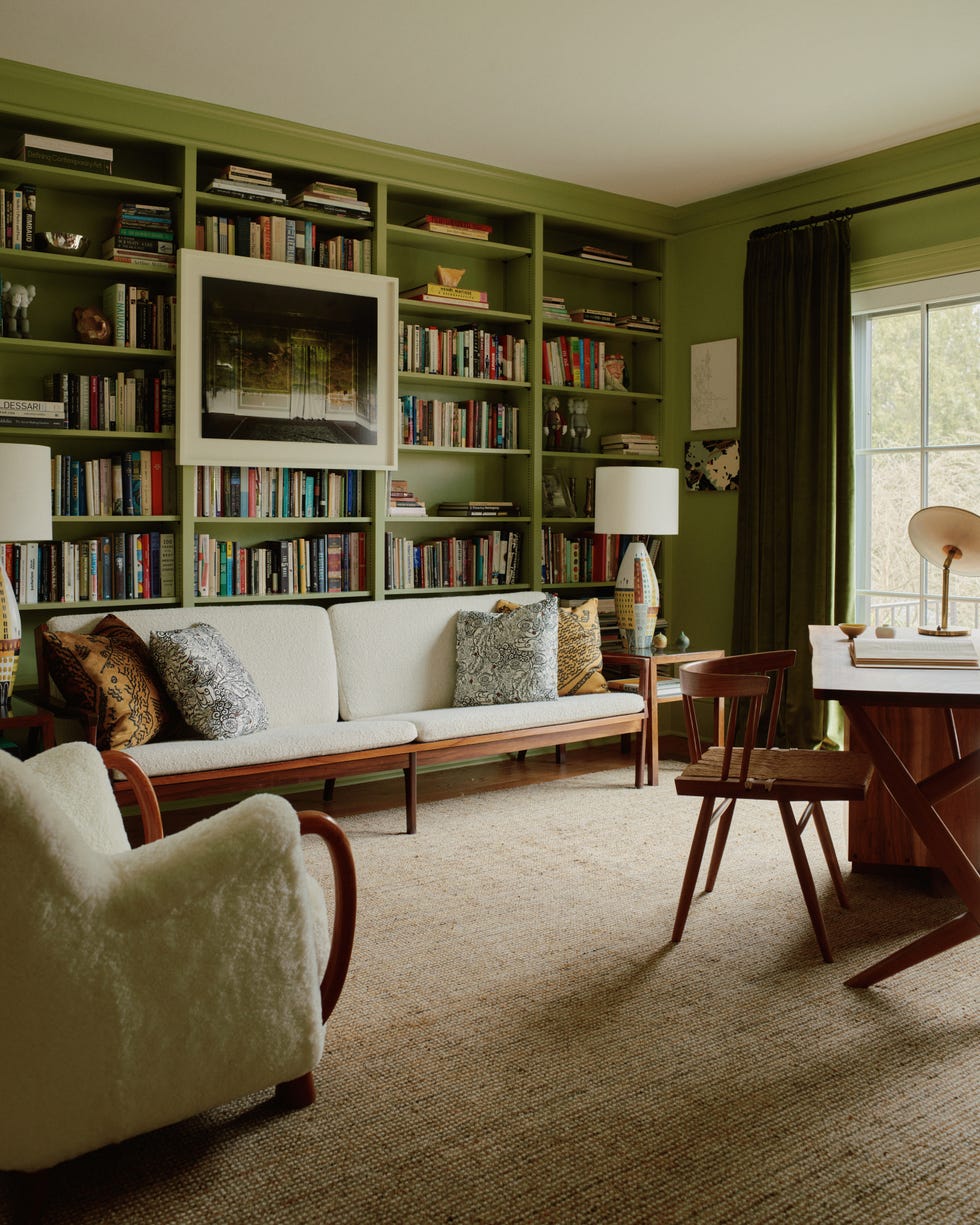
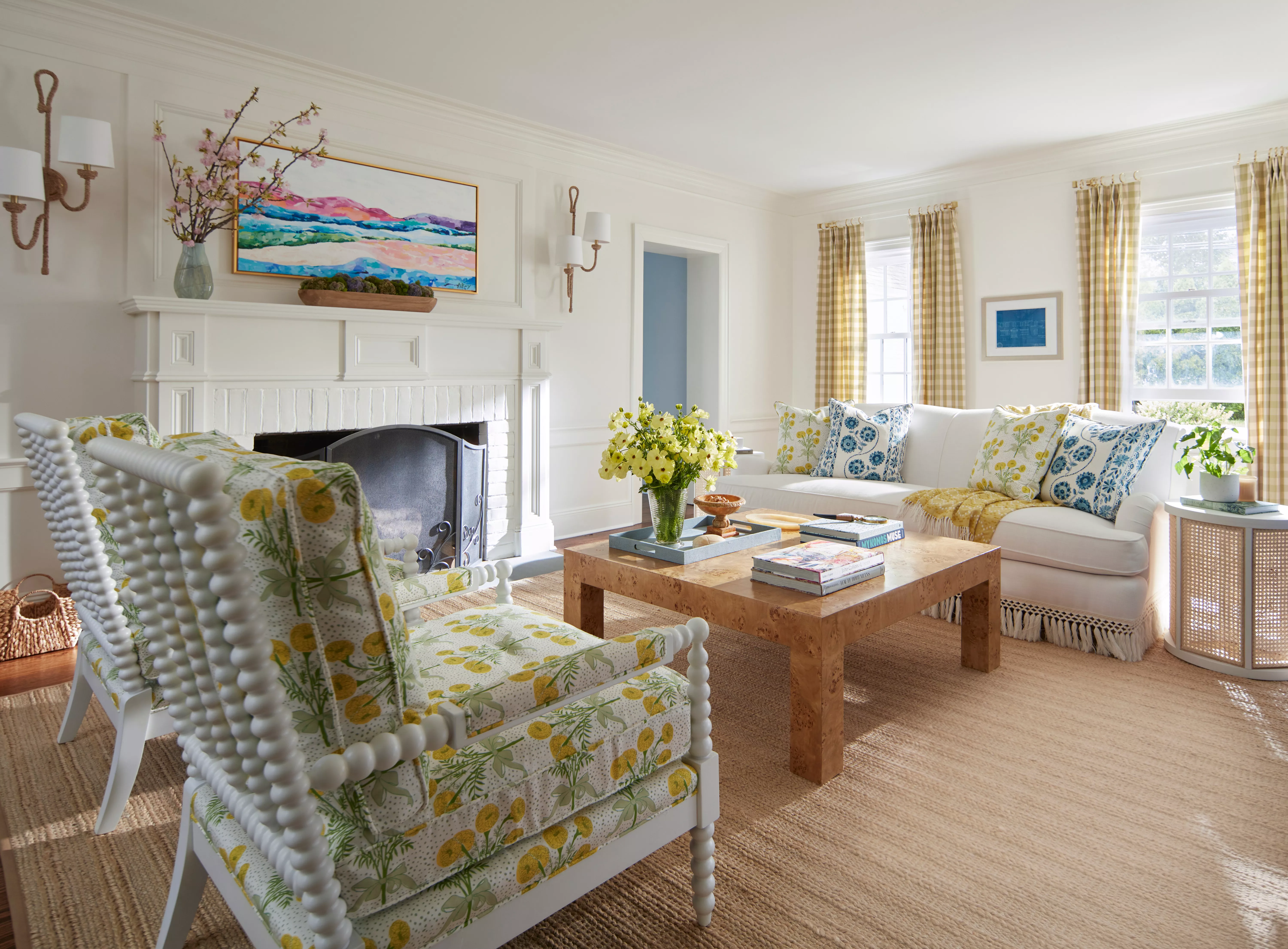
The article explores the modern Colonial interior design style, a contemporary interpretation of traditional Colonial aesthetics. This trending style was identified as the second most searched design style in the previous year, according to Google's data. Modern Colonial design effectively merges classic architectural components with modern functionalities and amenities, while upholding the fundamental character of the Colonial style.
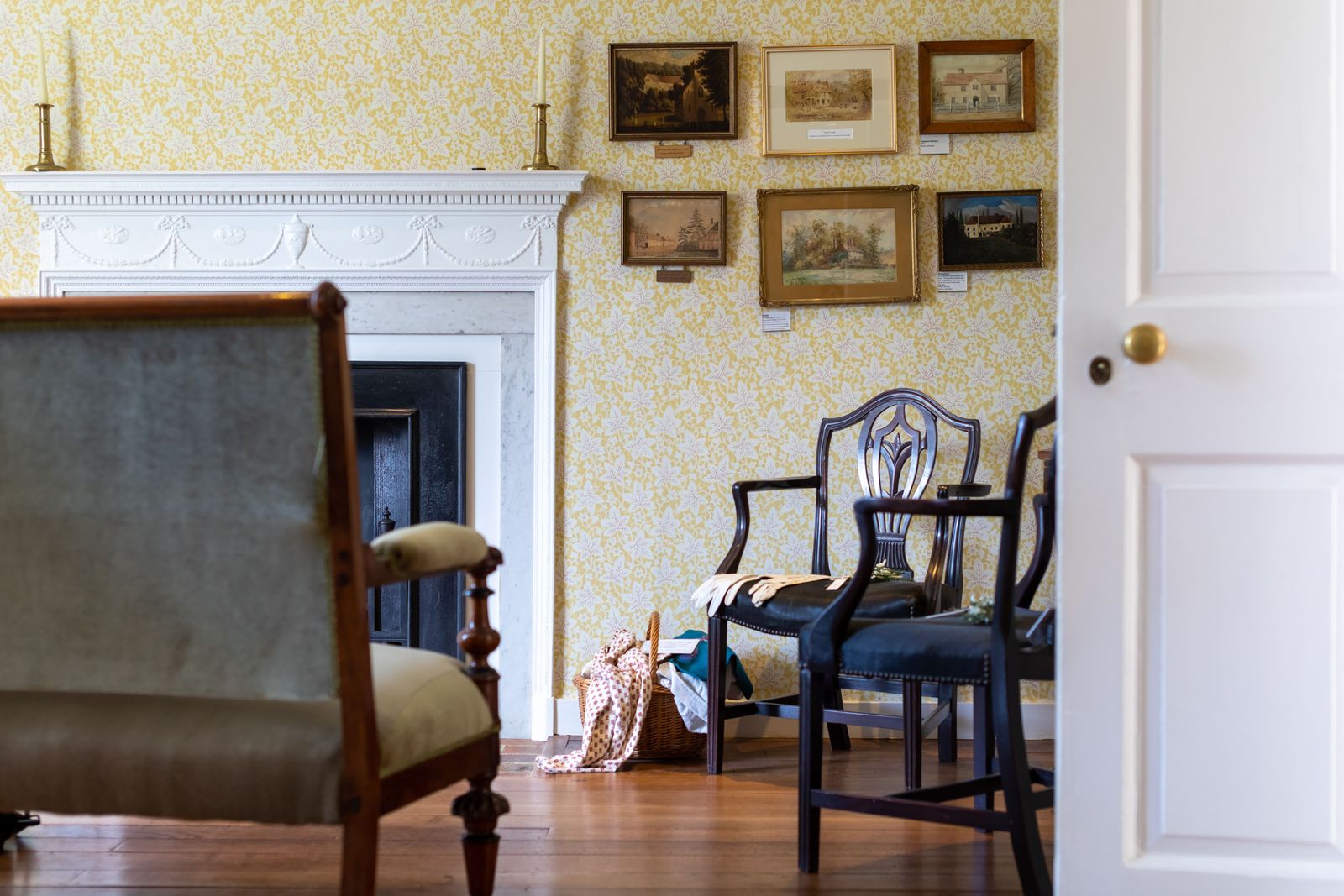
Historically, original Colonial homes, particularly from the 17th and 18th centuries in the American colonies, were characterized by their simplicity, lack of elaborate fittings, and rustic charm. Later, in the 19th century, the Colonial Revival movement introduced more formal and highly adorned interiors, a stark contrast to their predecessors. The current resurgence of modern Colonial style is seen as a response to a shift away from overly sleek interior designs towards more traditional styles, yet it is adapted to suit contemporary lifestyles. It is described as a refined and functional design that incorporates traditional home elements, making it less formal and more comfortable than earlier Colonial styles. This transitional style emphasizes warm color palettes and layered textures, providing visual interest without being overly decorative.
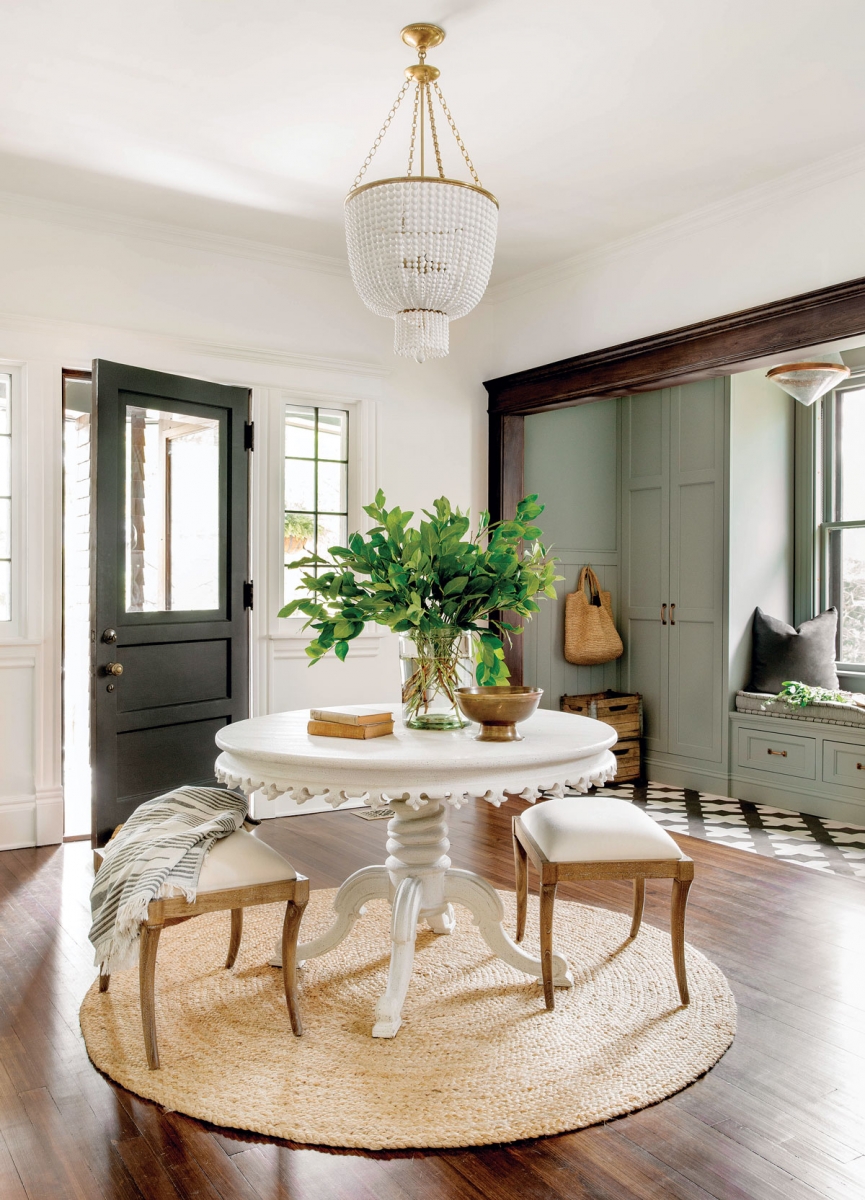
Key elements distinguish modern Colonial from its traditional counterparts. The style is defined by a blend of traditional Colonial elegance with a modern, minimalist touch, influencing everything from decor and furnishings to floor plans. However, it is crucial to avoid an excessively modern approach, such as all-white rooms, contemporary trim work, boxy designs, or overly neutral palettes, as the style aims to maintain charm and sophistication with a timeless and comfortable feel.
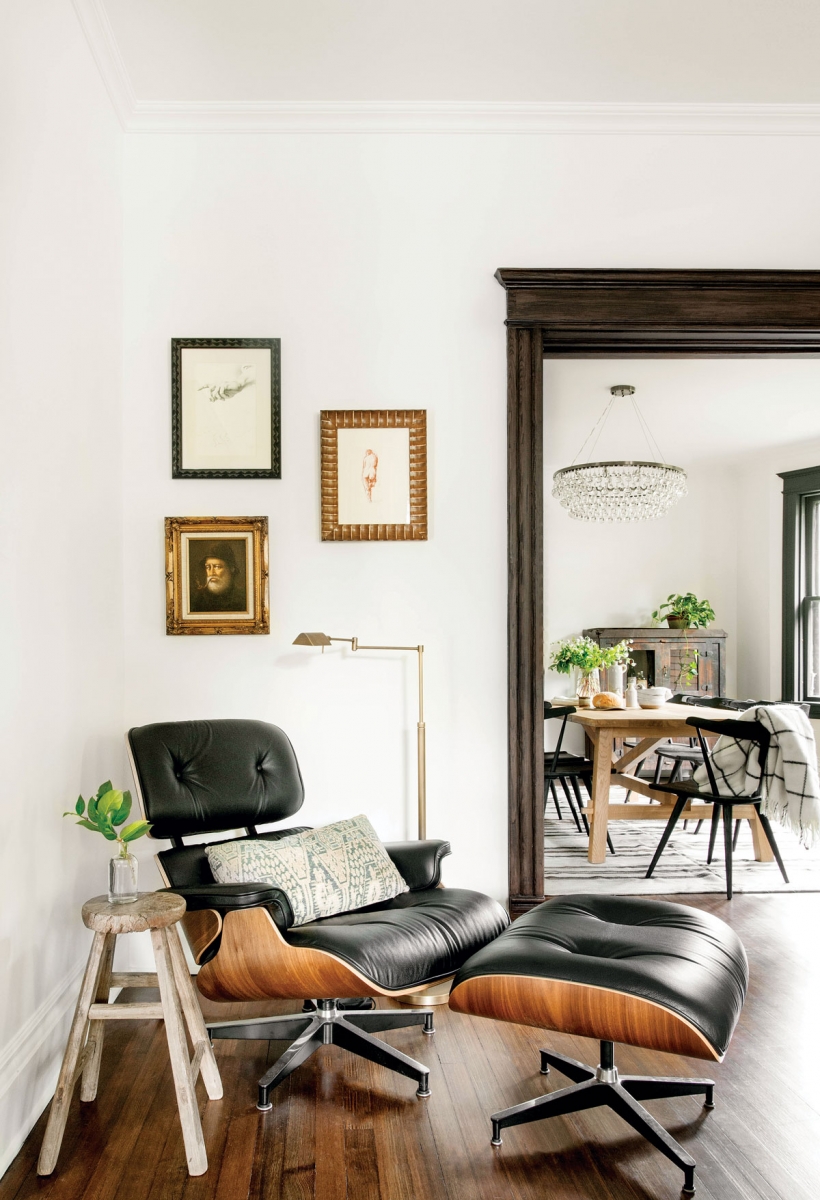
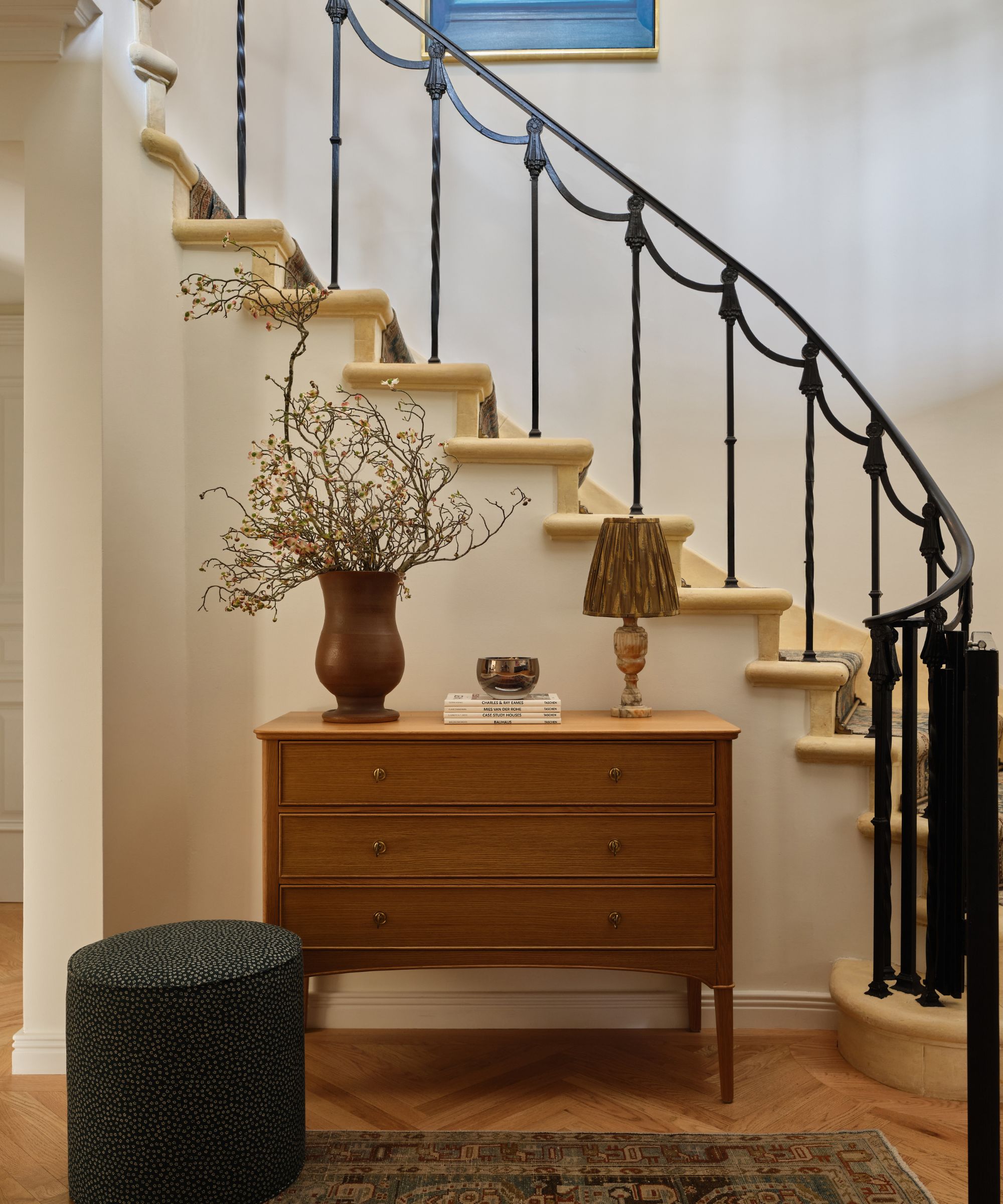
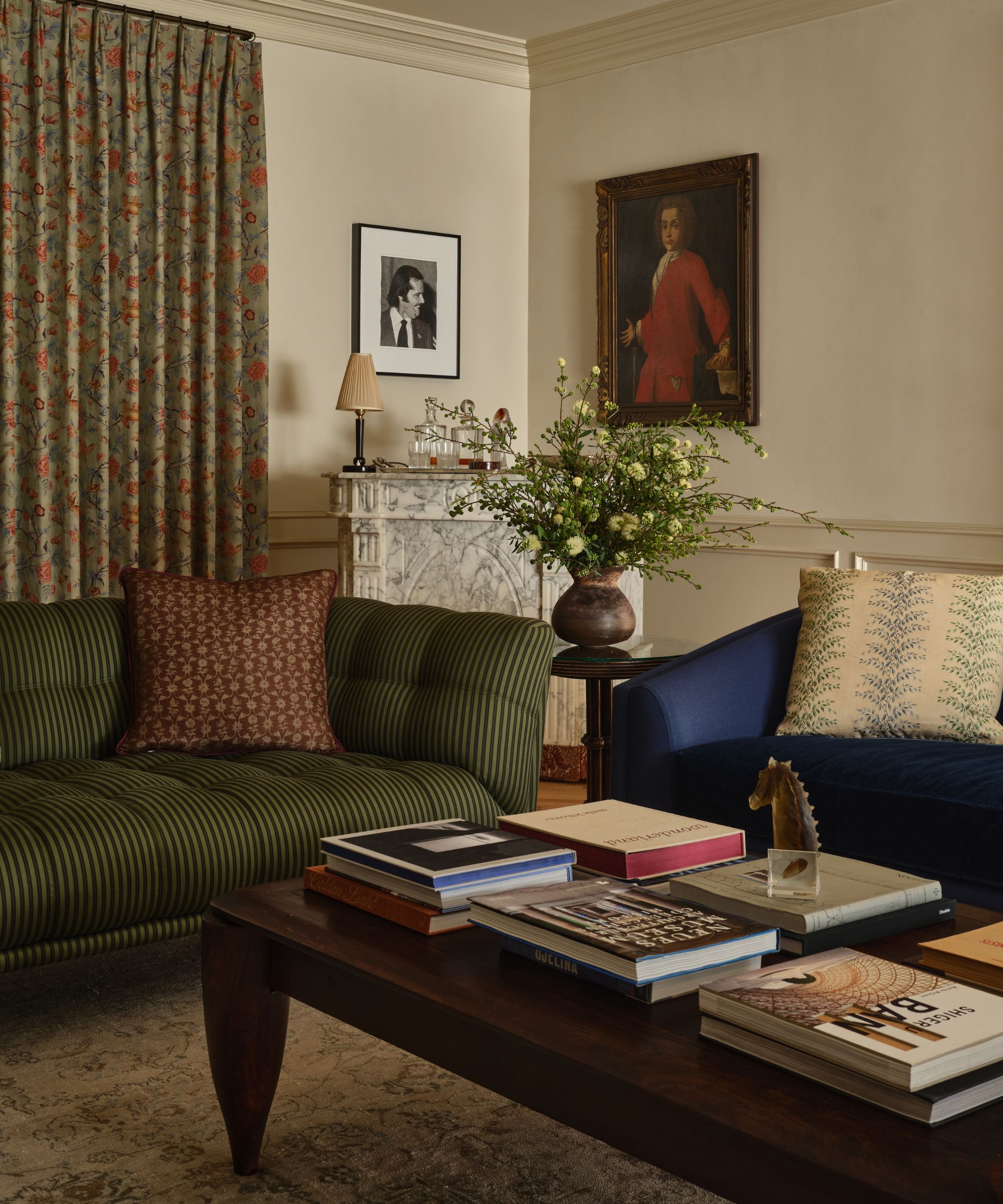
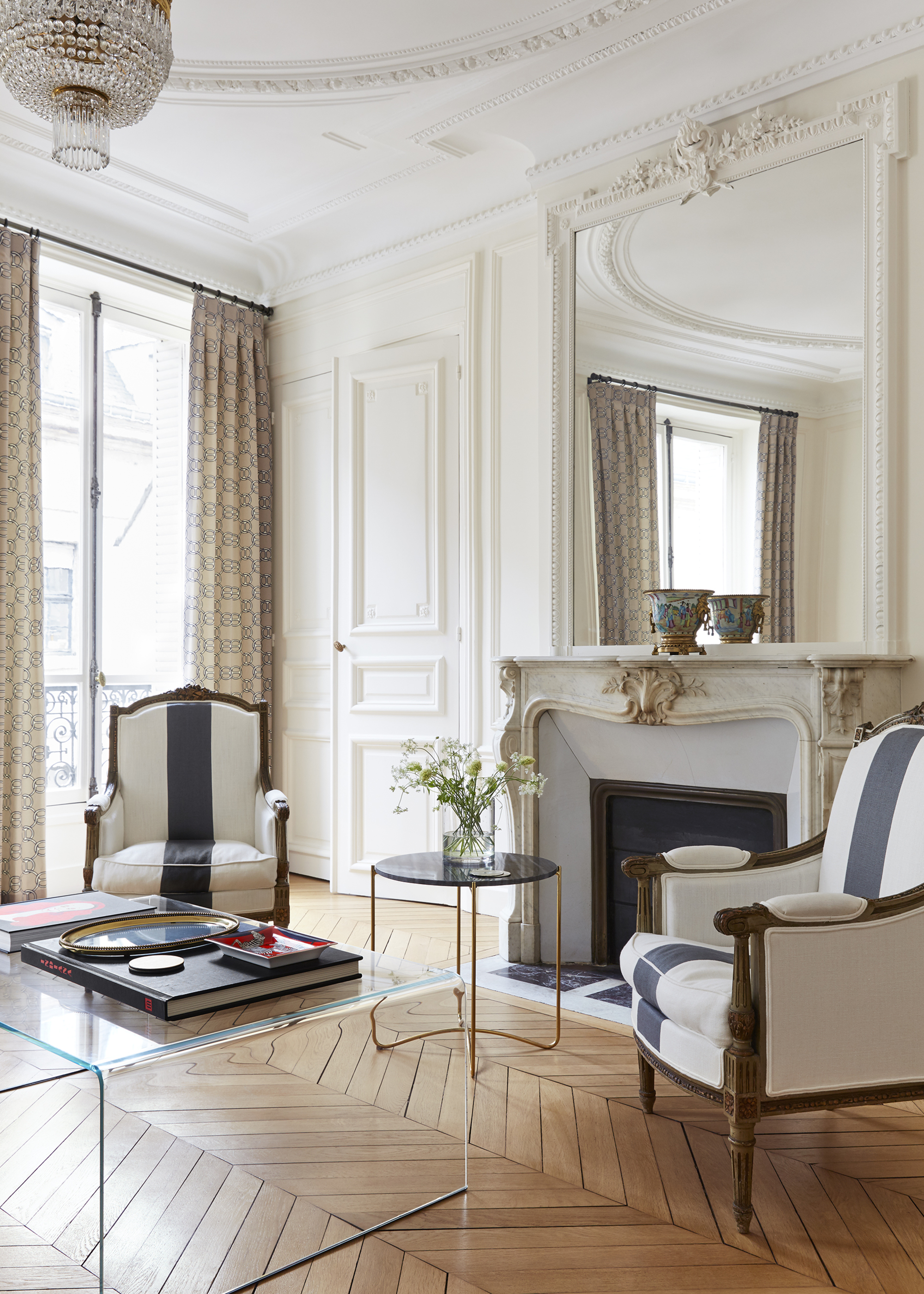
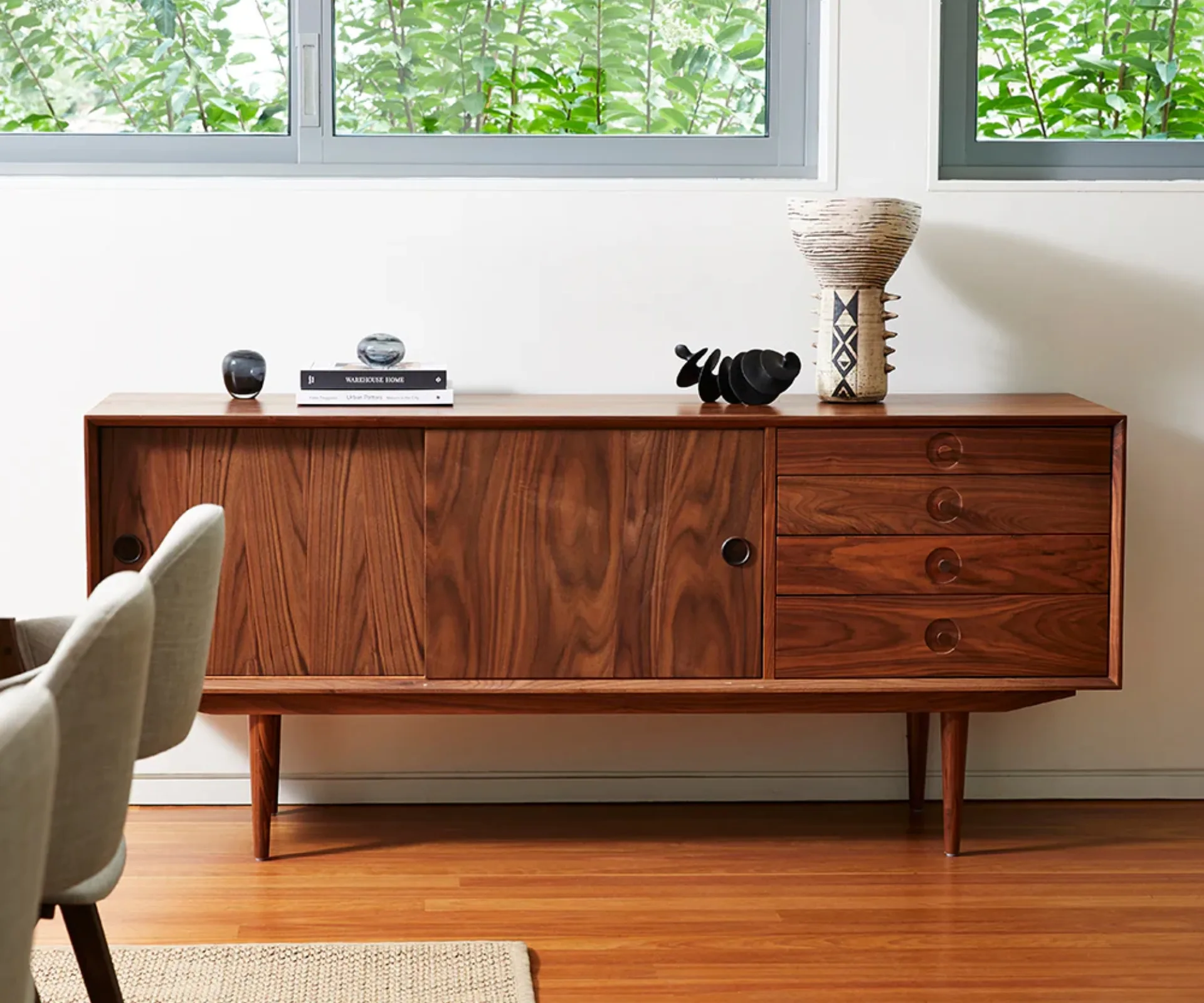
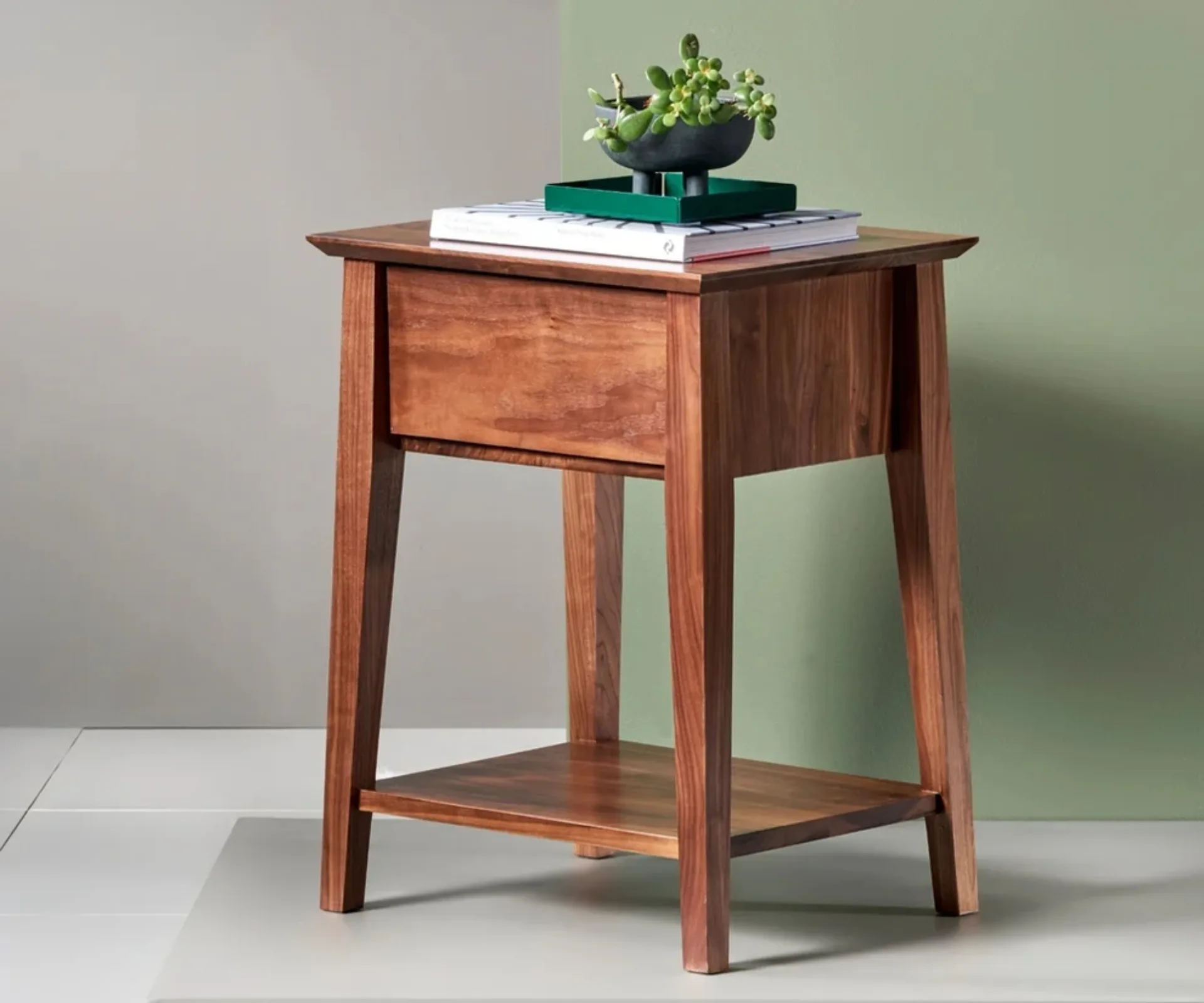
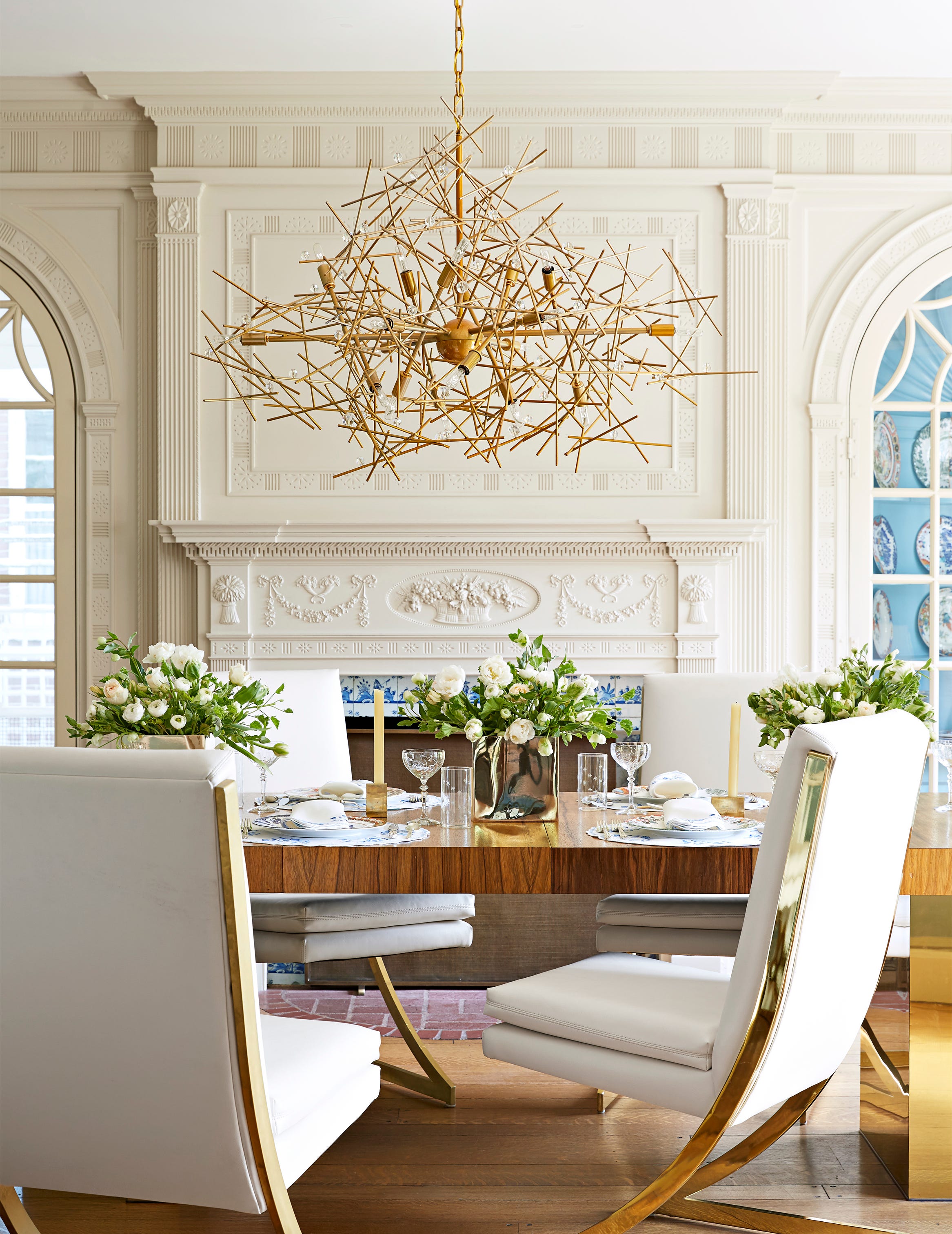
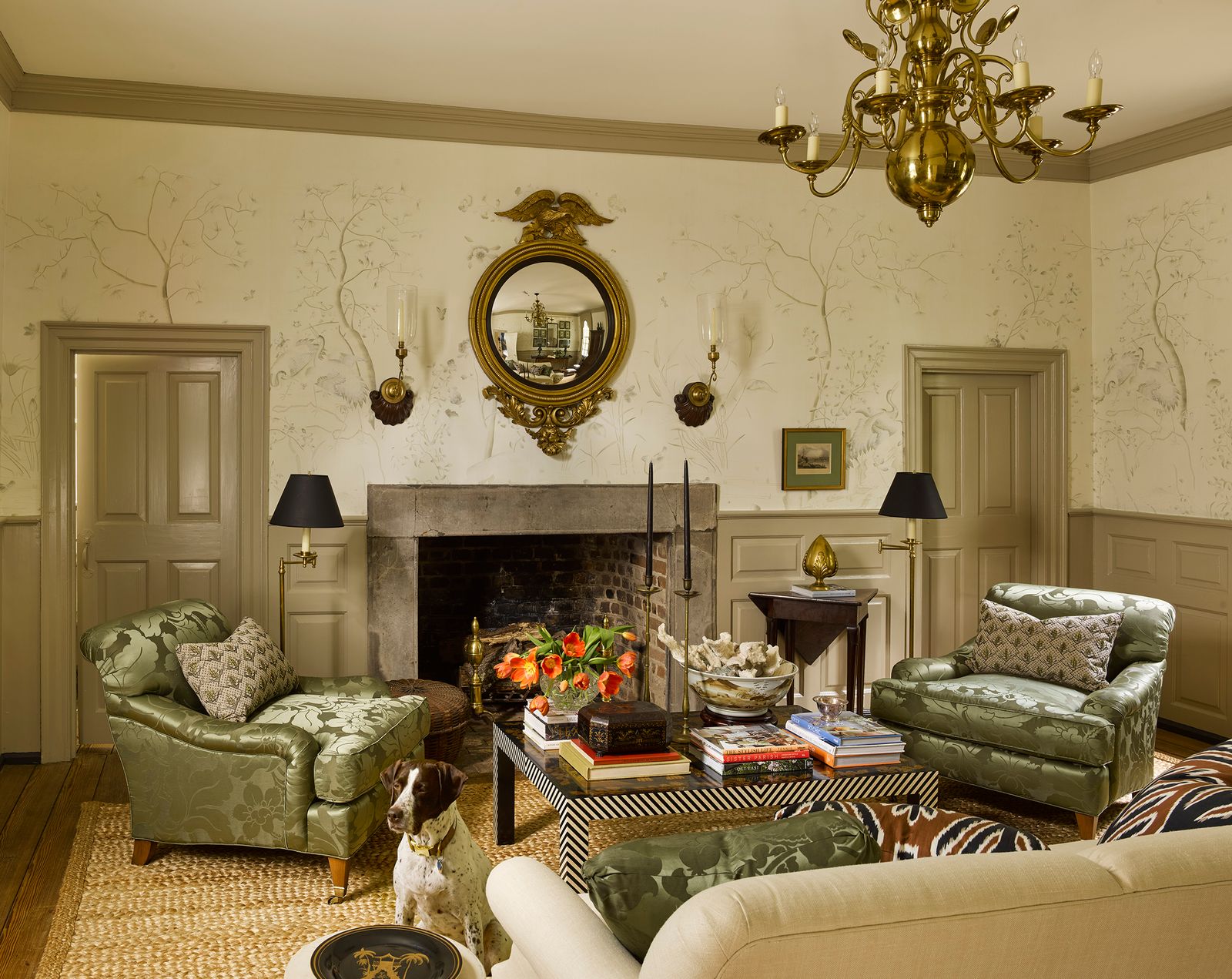
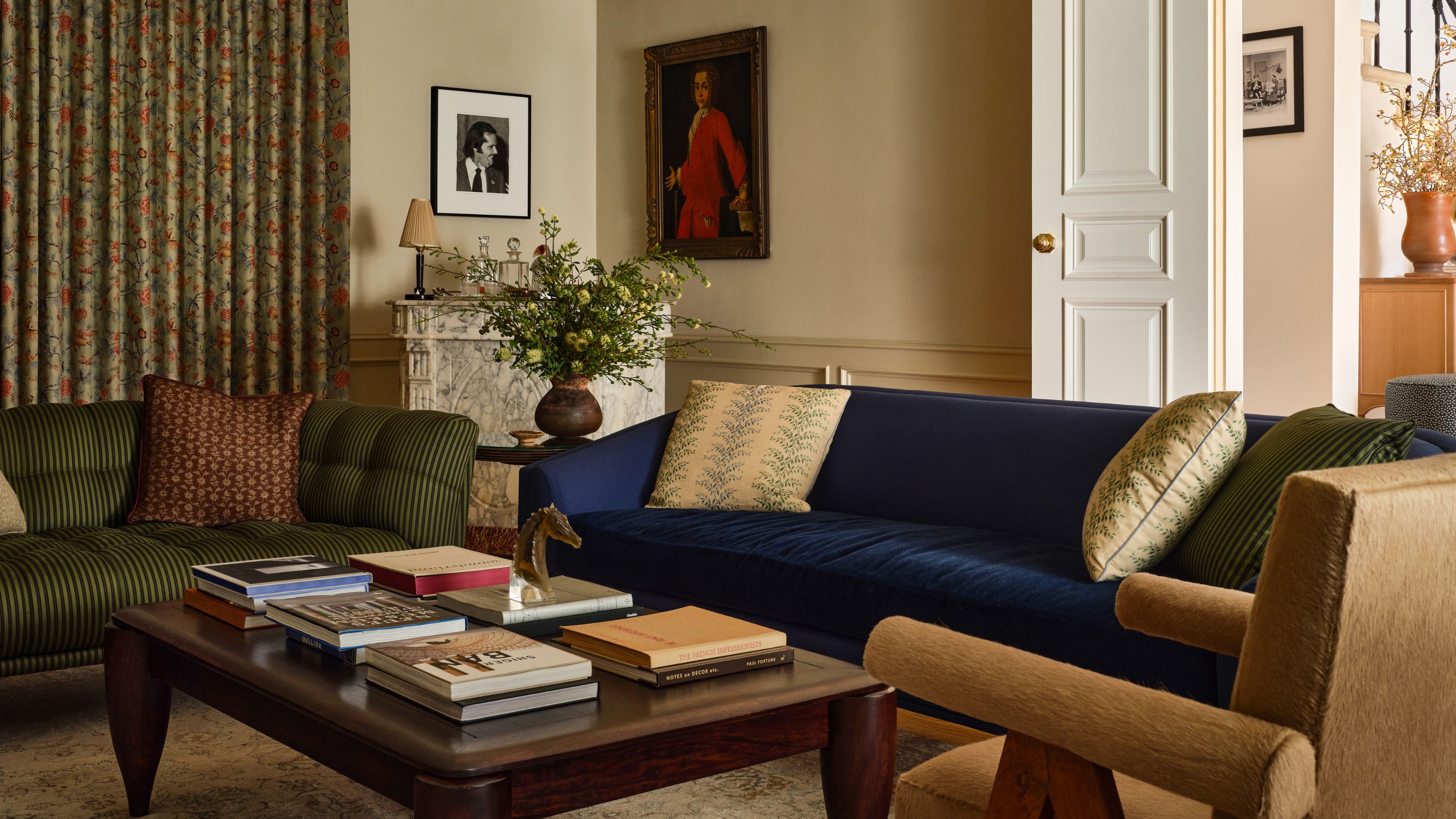
Furnishings in modern Colonial design are notably pared-back, reflecting the simplicity of early Colonial homes rather than the ornate designs of the Colonial Revival. Furniture typically features clean lines, an elegant appearance, and a lack of intricate details. Symmetry, a foundational aspect of Colonial architecture, remains important in modern Colonial interiors, applied to furniture arrangements and artwork alike.
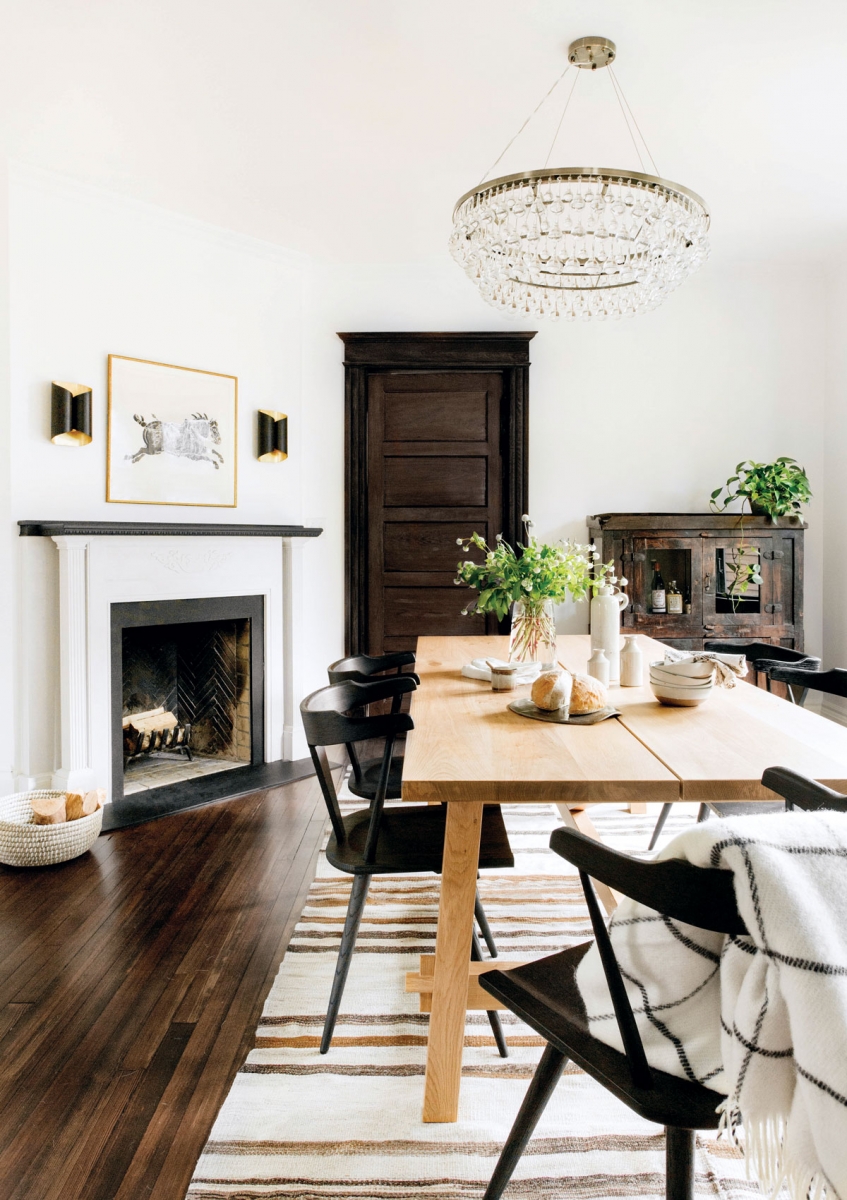
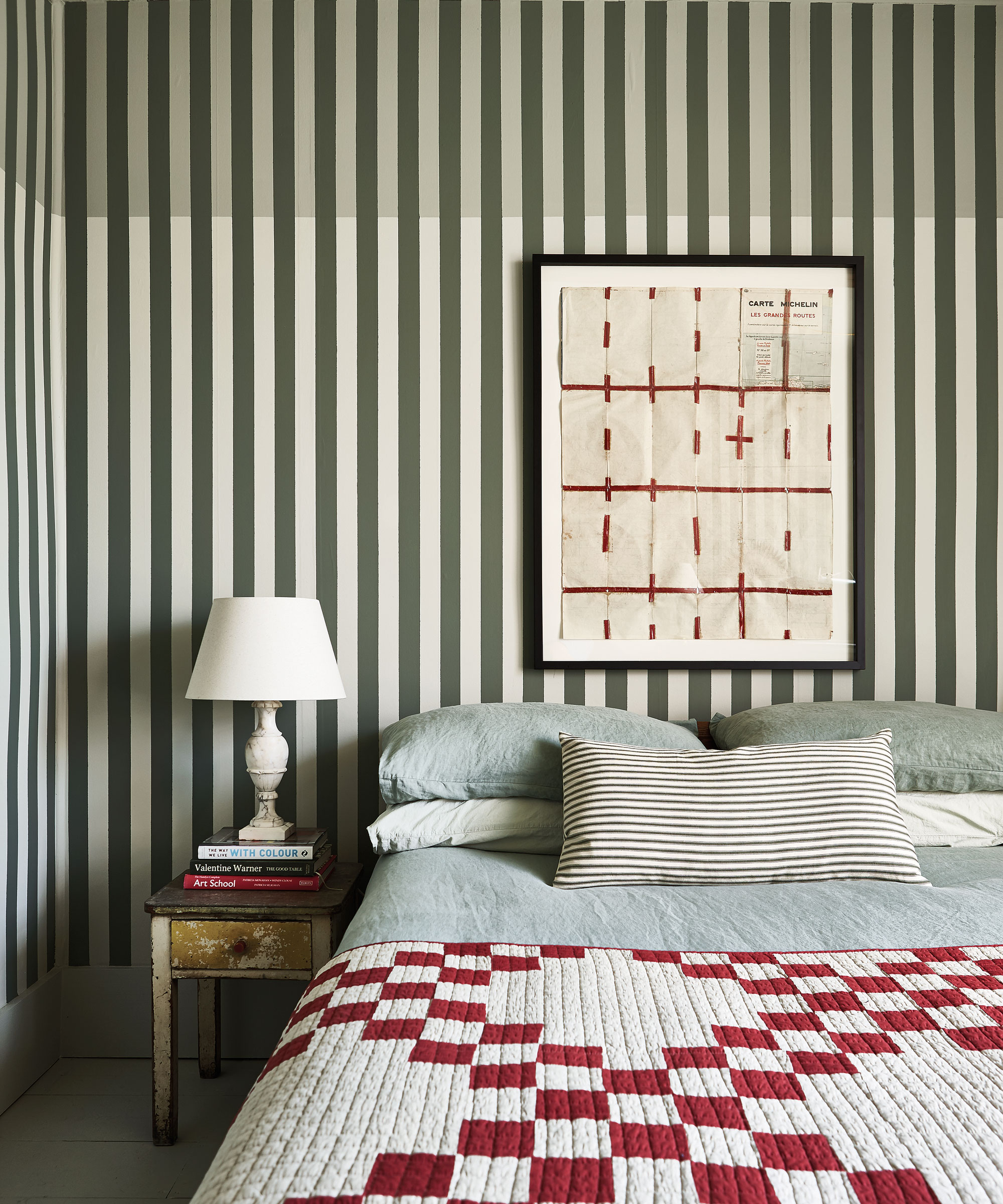
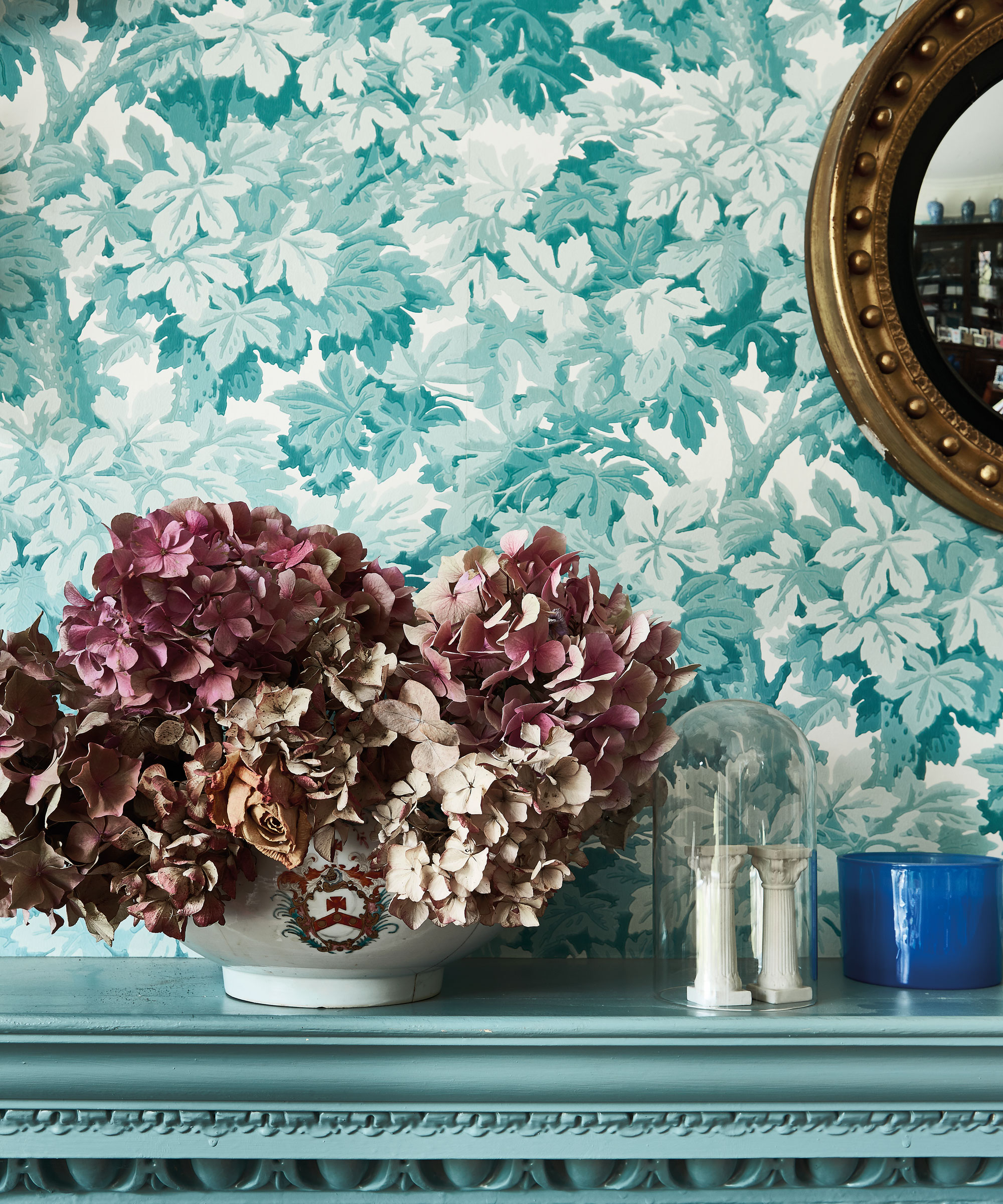
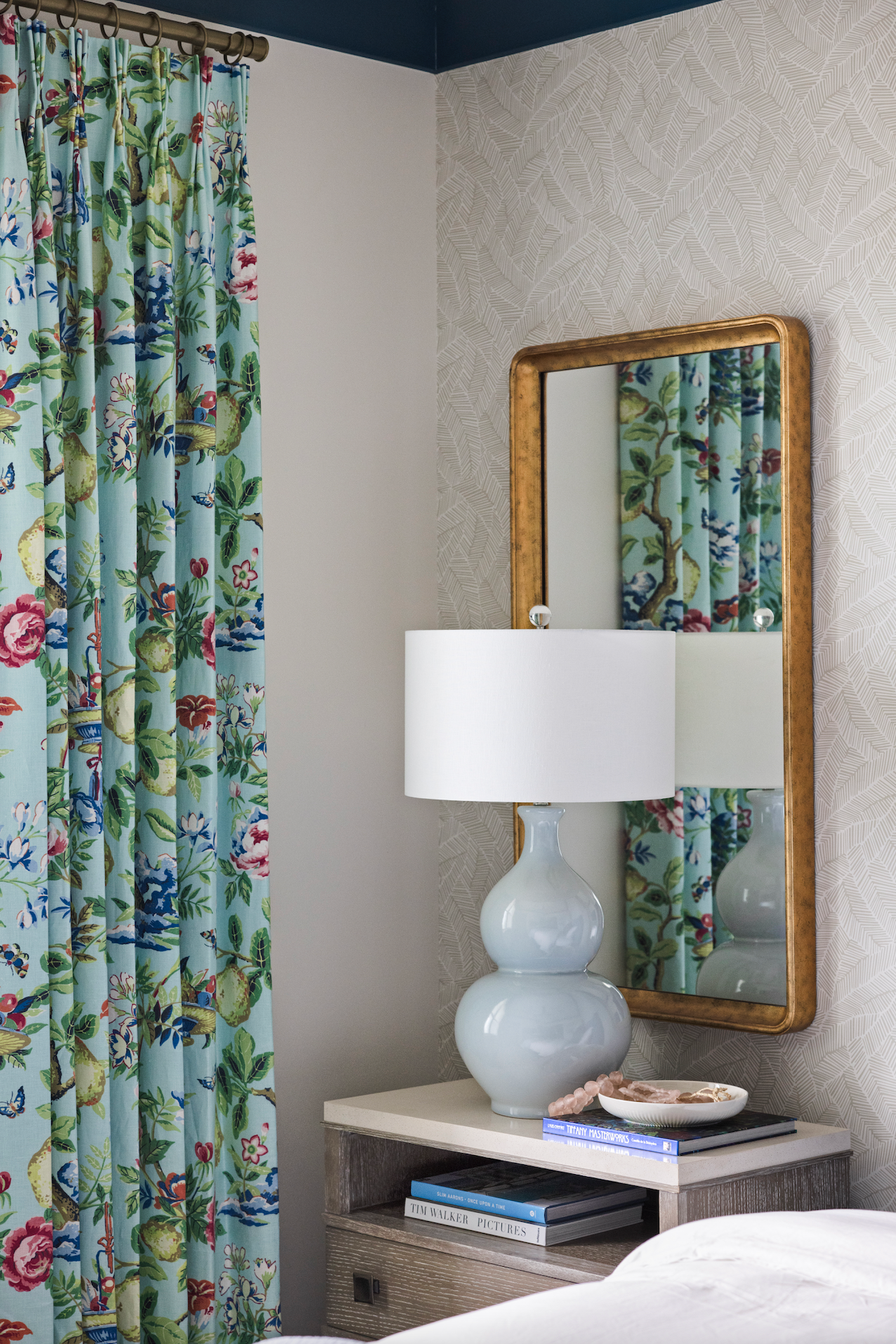
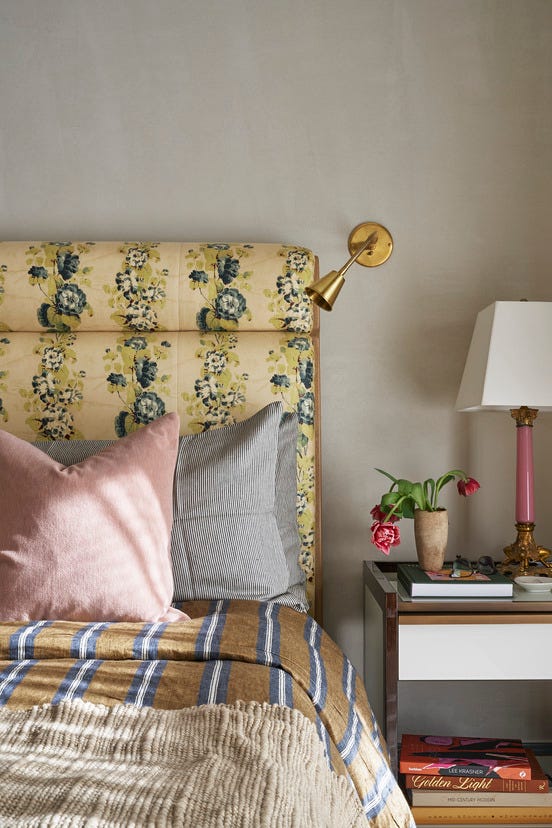
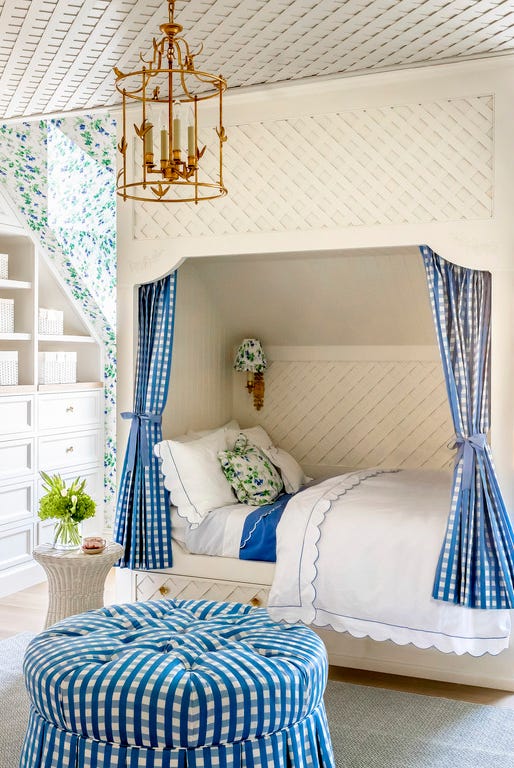
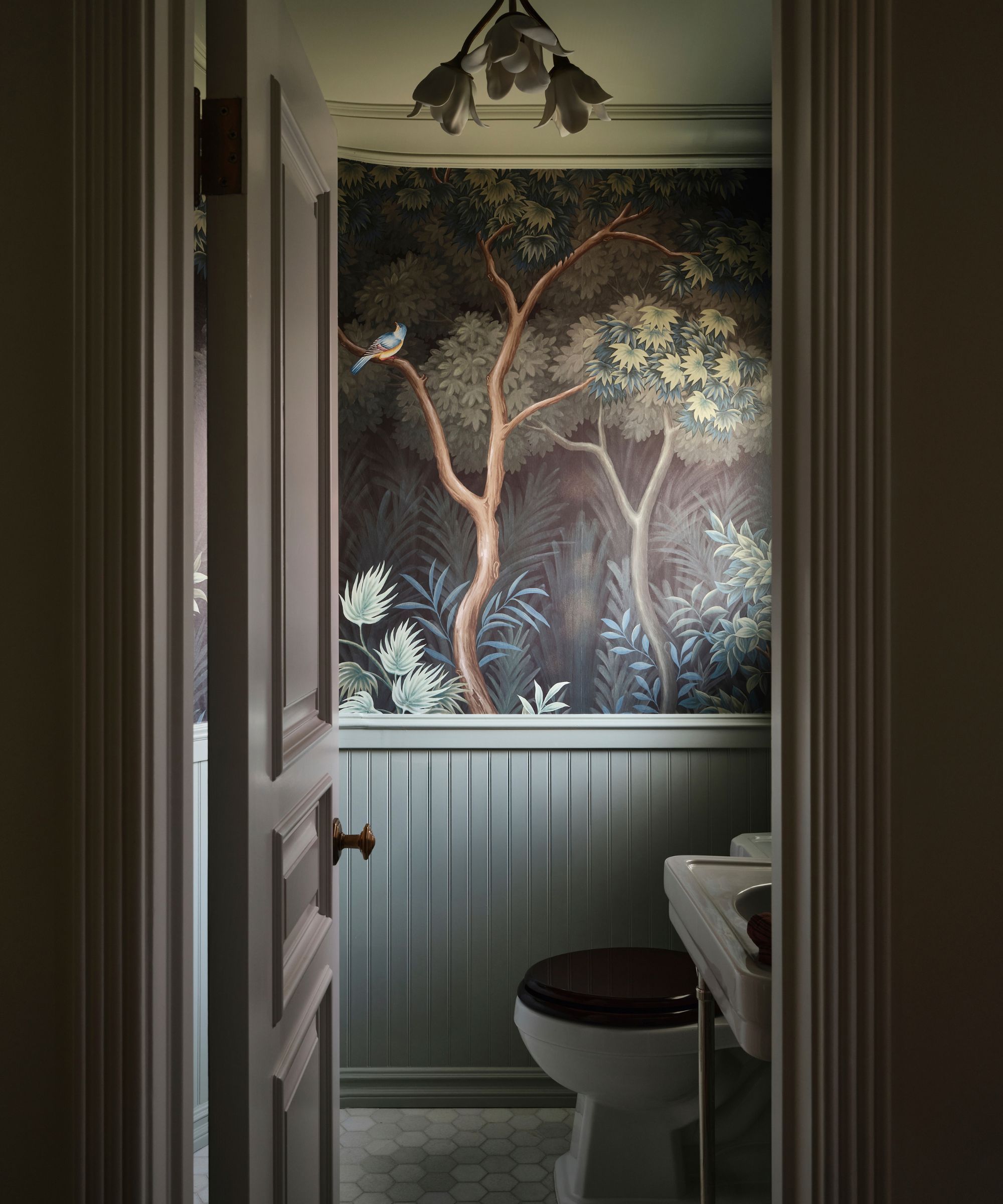
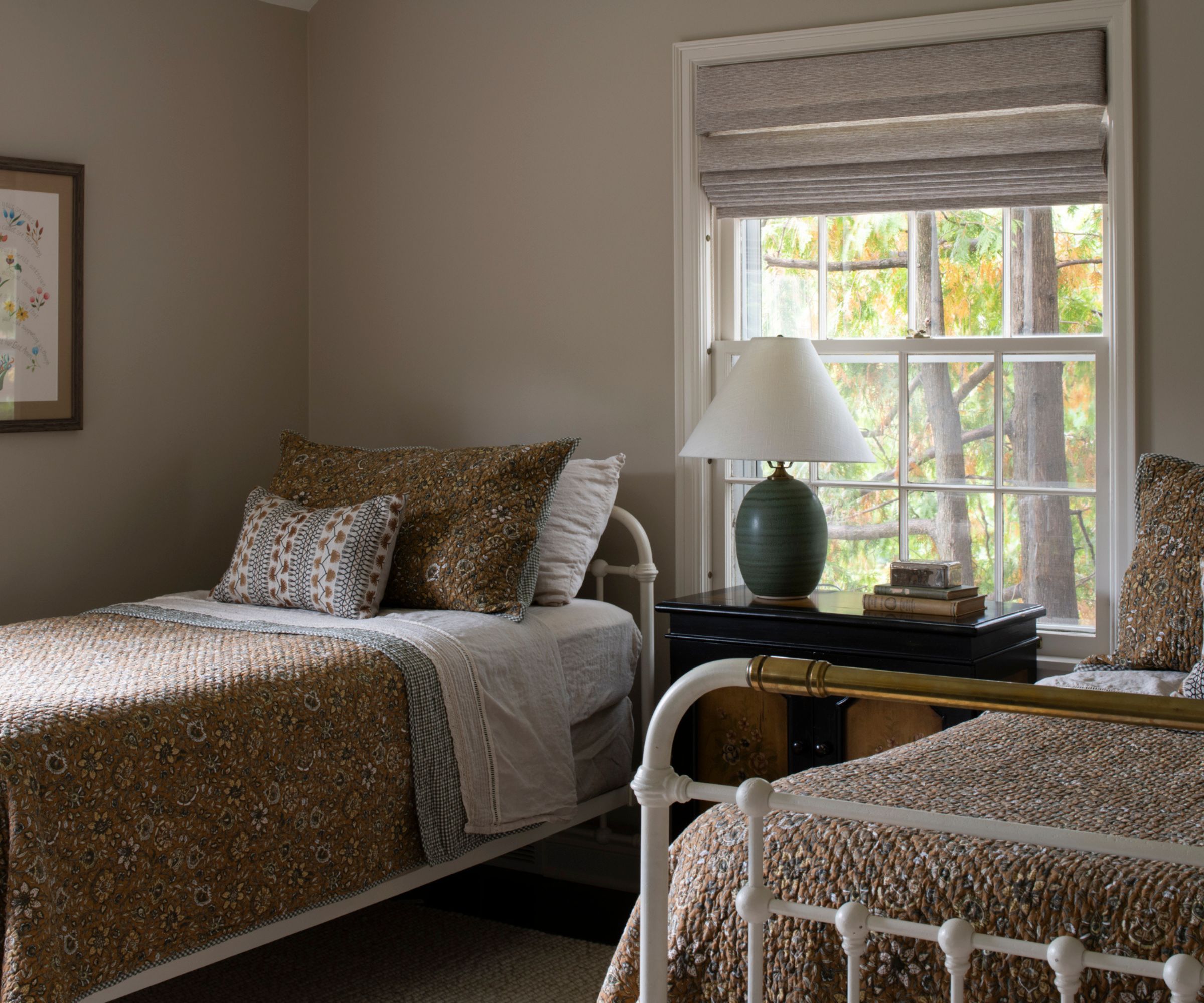
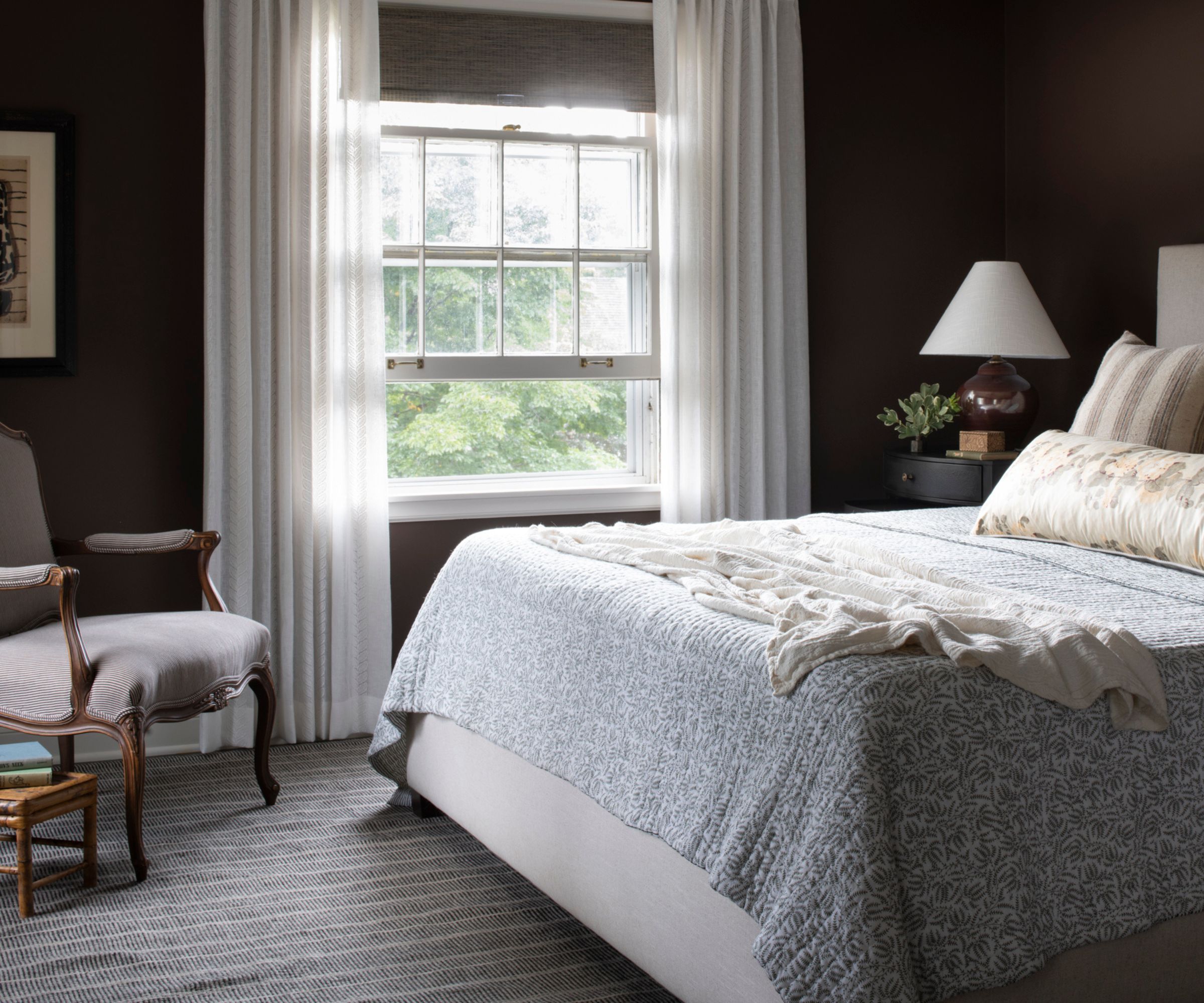
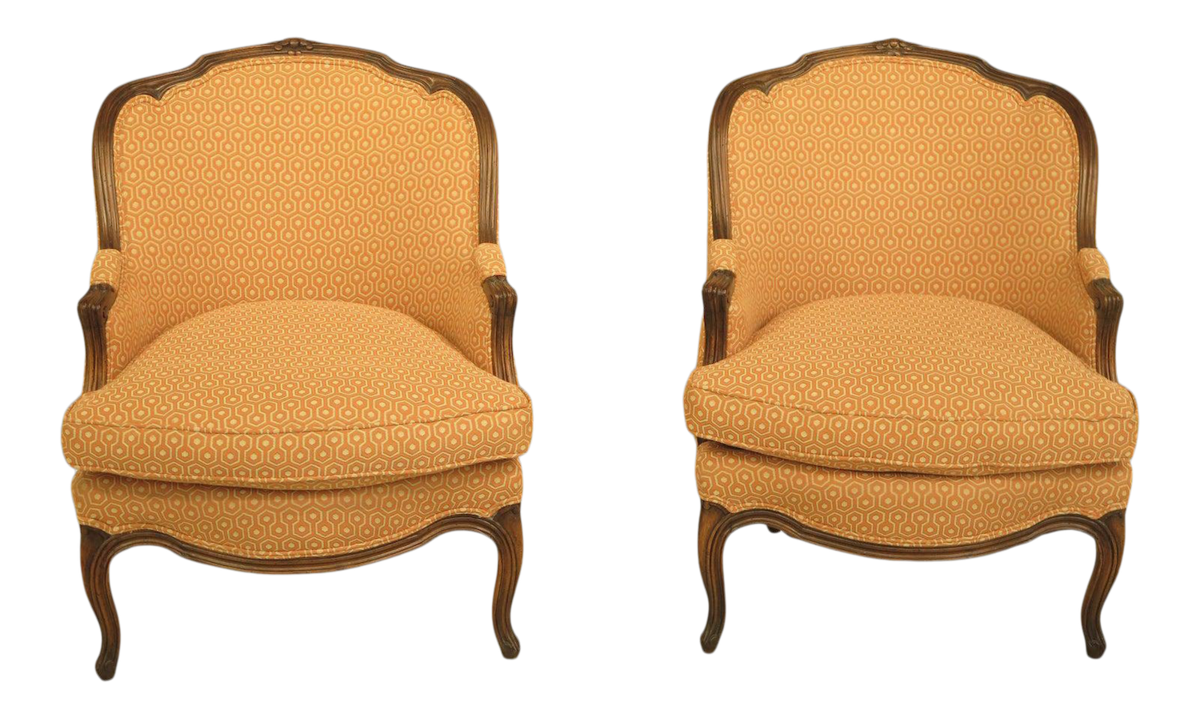
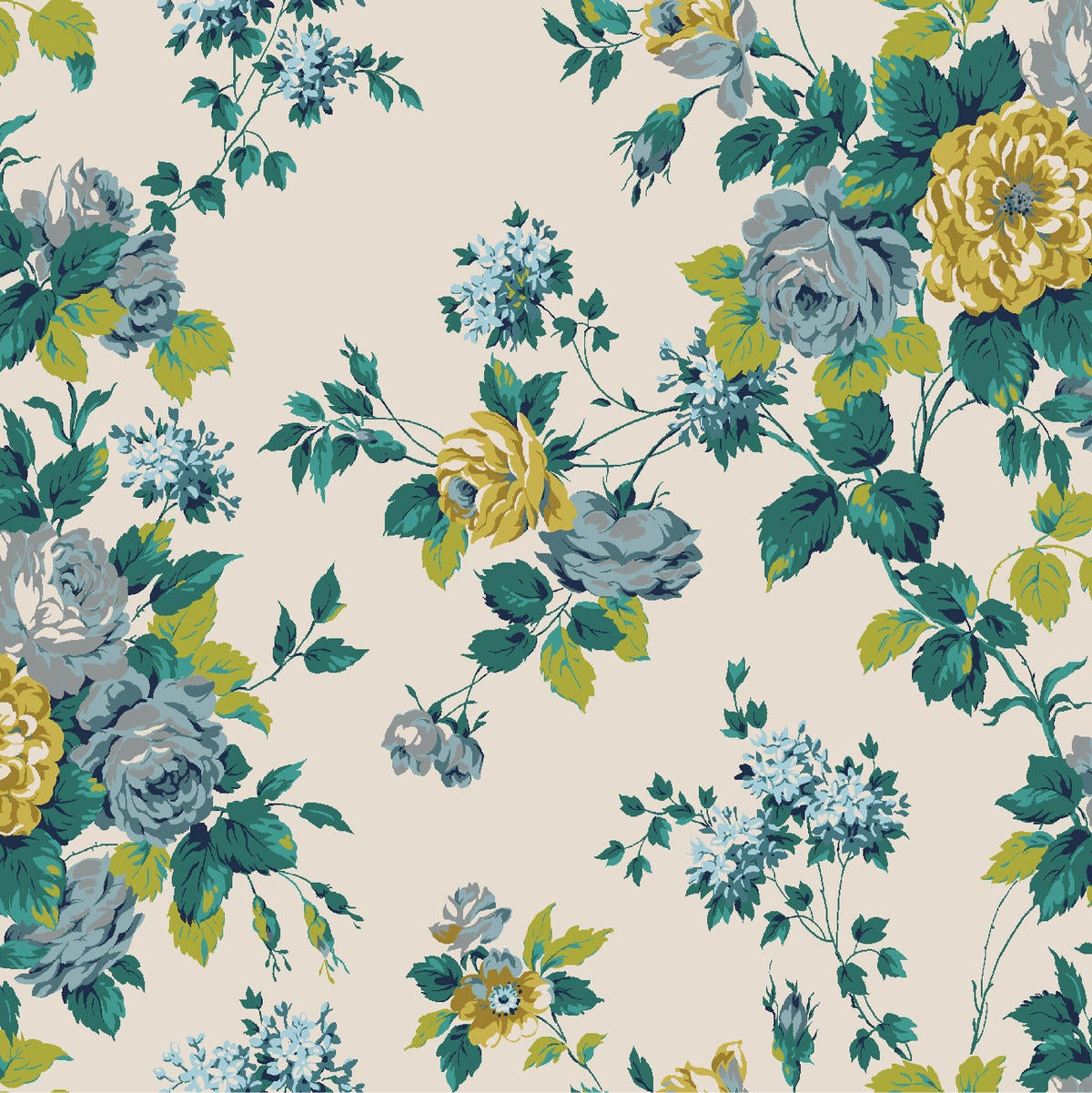
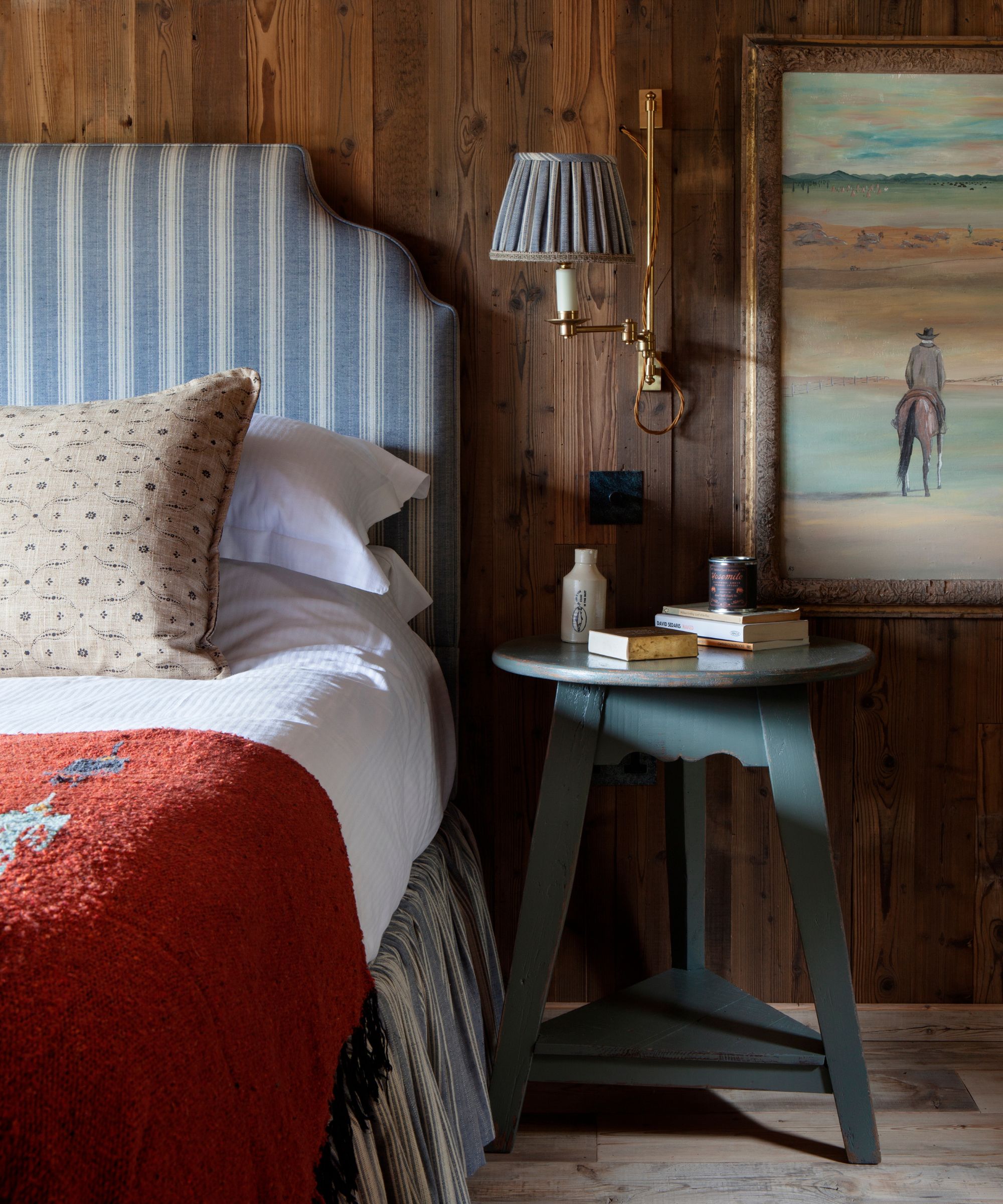
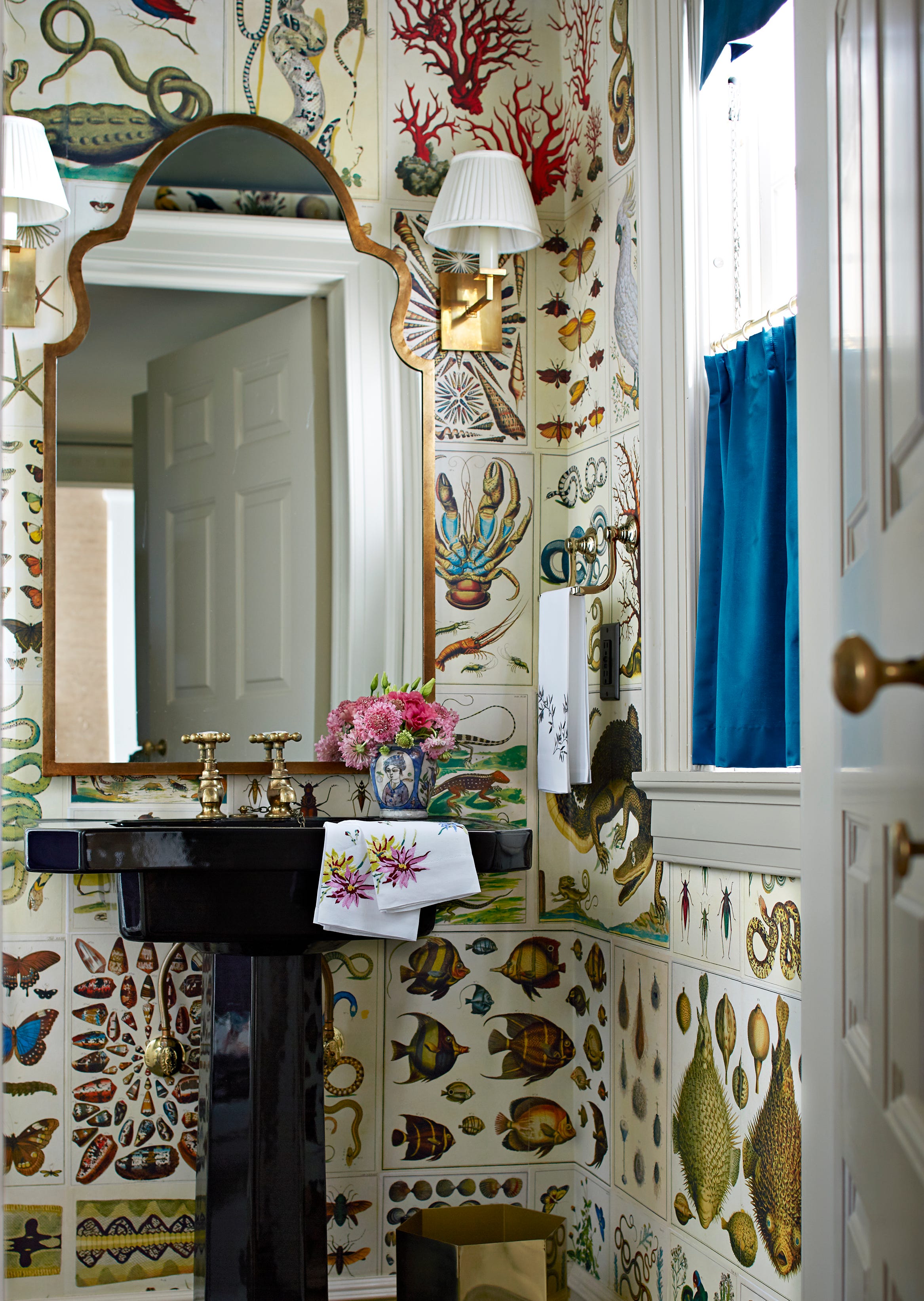
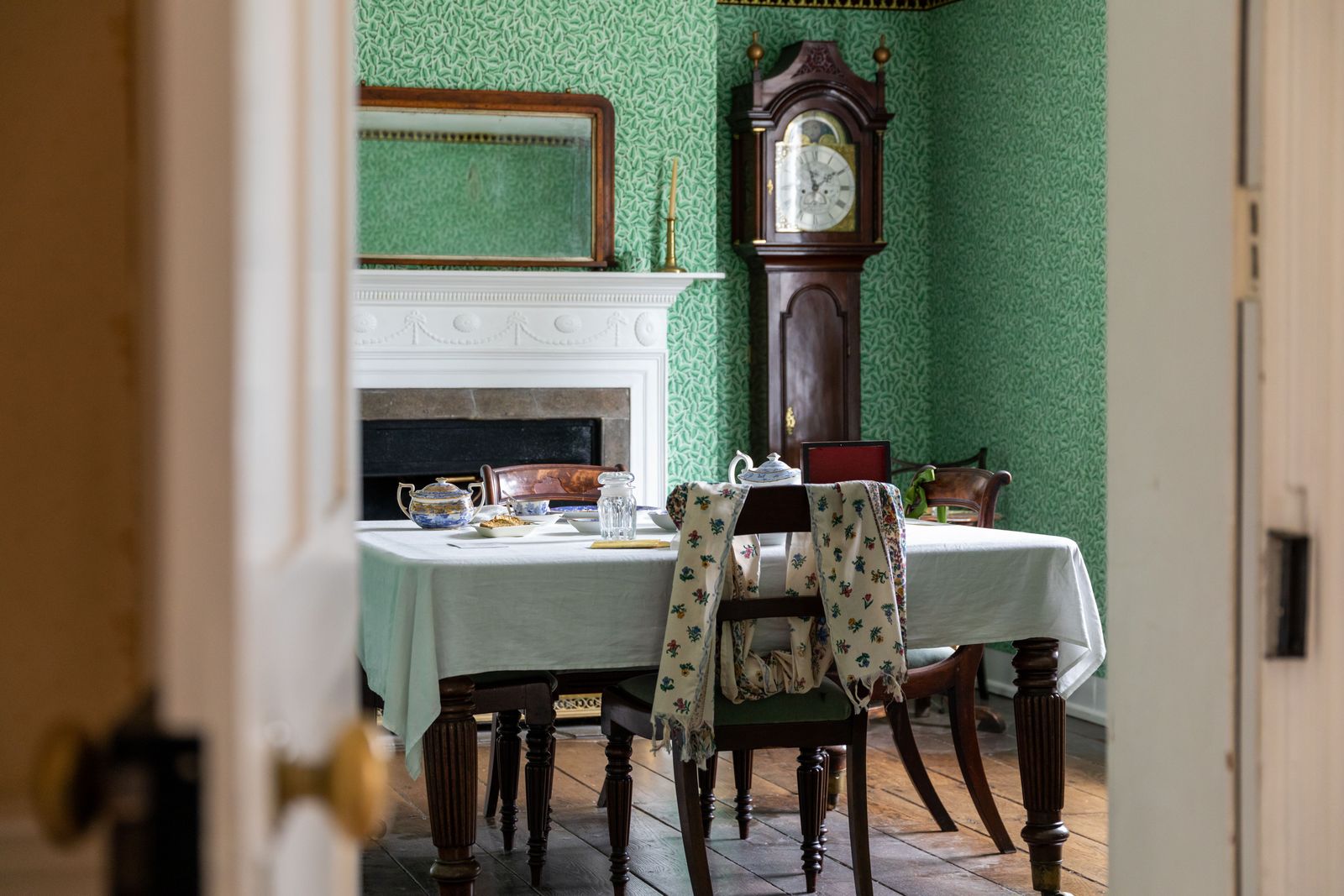
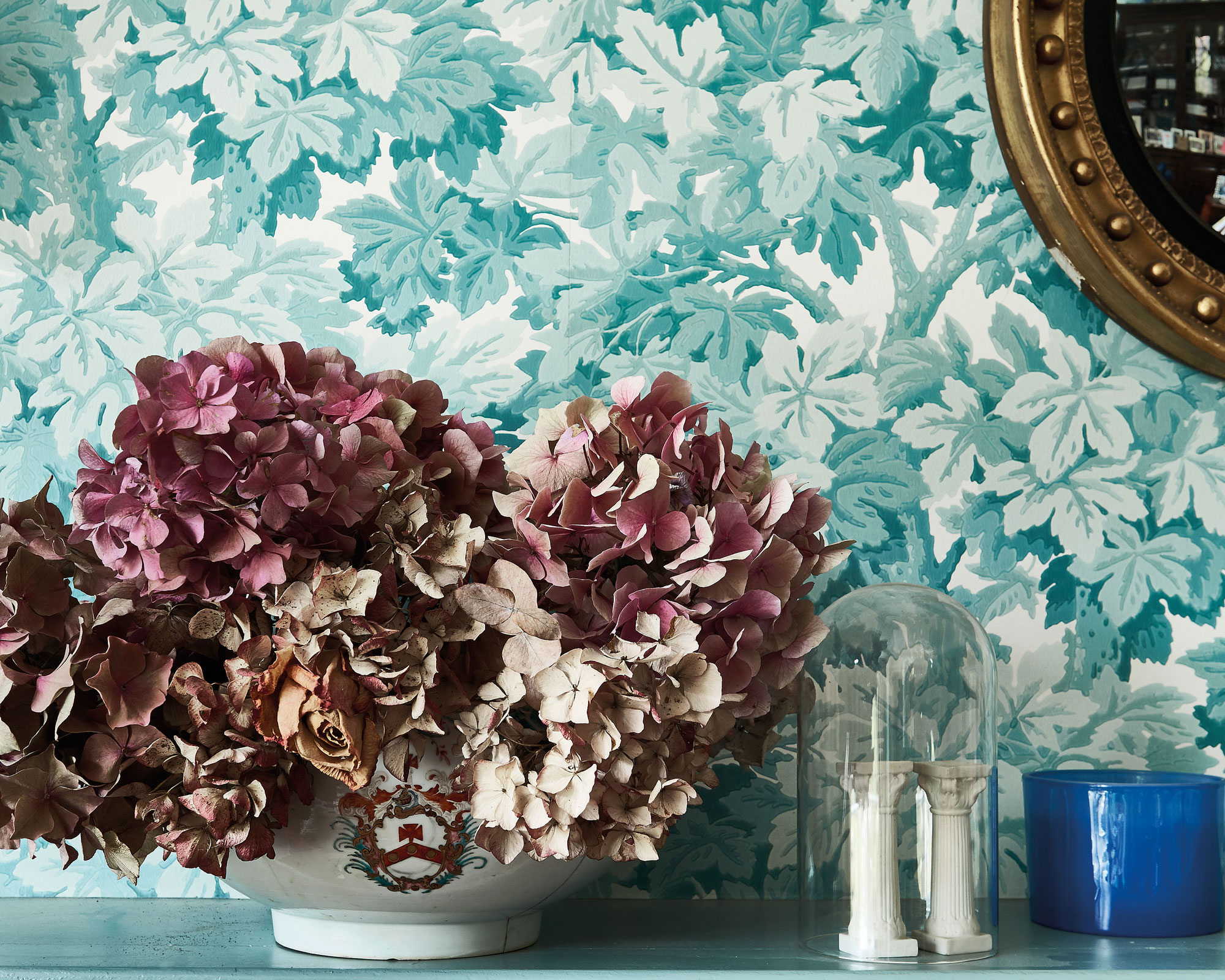
For soft furnishings, modern Colonial incorporates lighter upholstery, rich leather elements, and updated traditional patterns. Billowy and embellished accents are minimized, favoring cleaner lines in window treatments with less fullness and simpler pinch pleat styles. Rugs, which traditionally add warmth and pattern, are chosen for their traditional essence but with bolder colors or burnout patterns. Similarly, wallpapers can feature classic patterns in contemporary colors and scales. The style also encourages mixing simple and luxurious fabrics like linen and velvet, with stripes or subtle florals being acceptable.
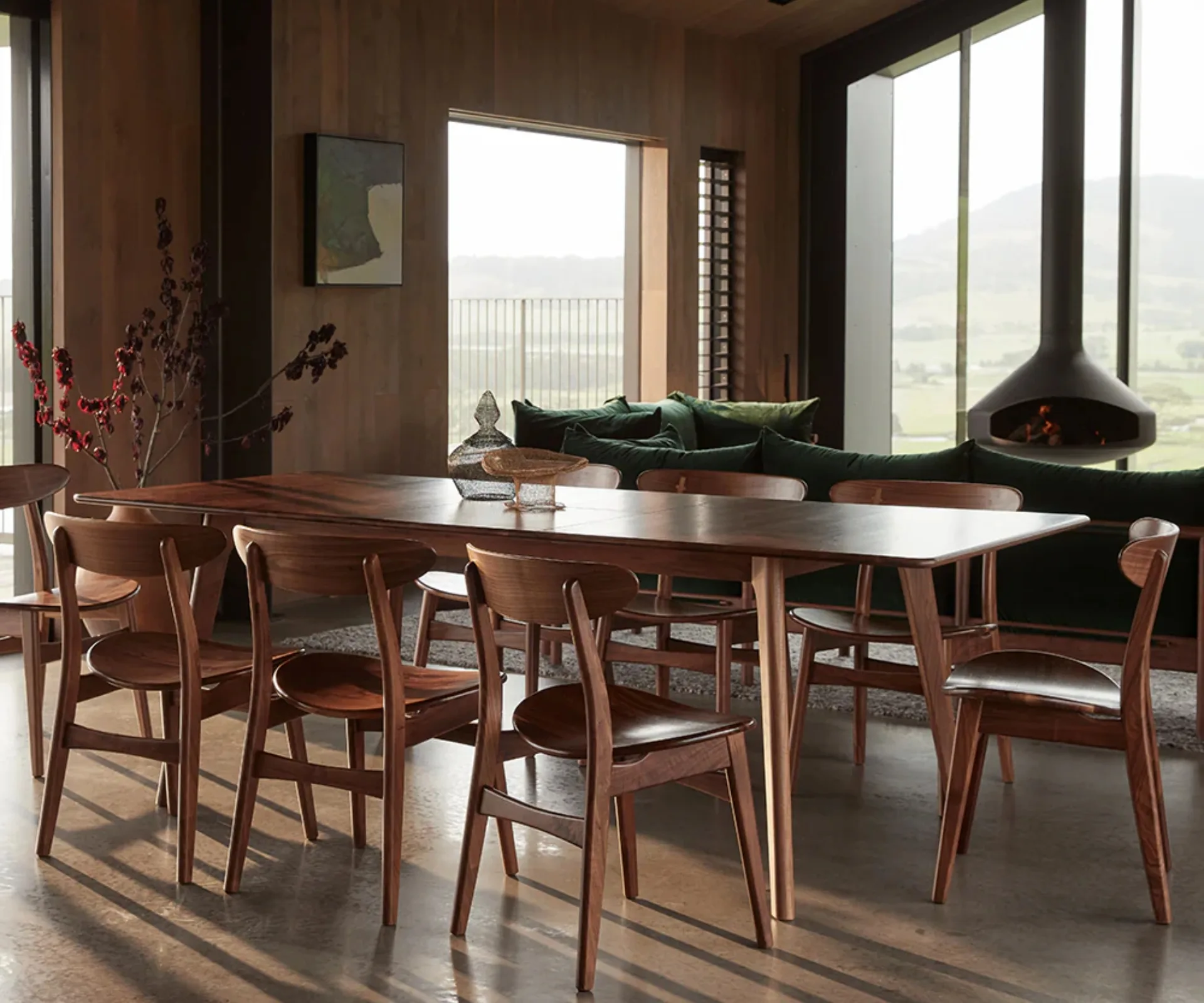
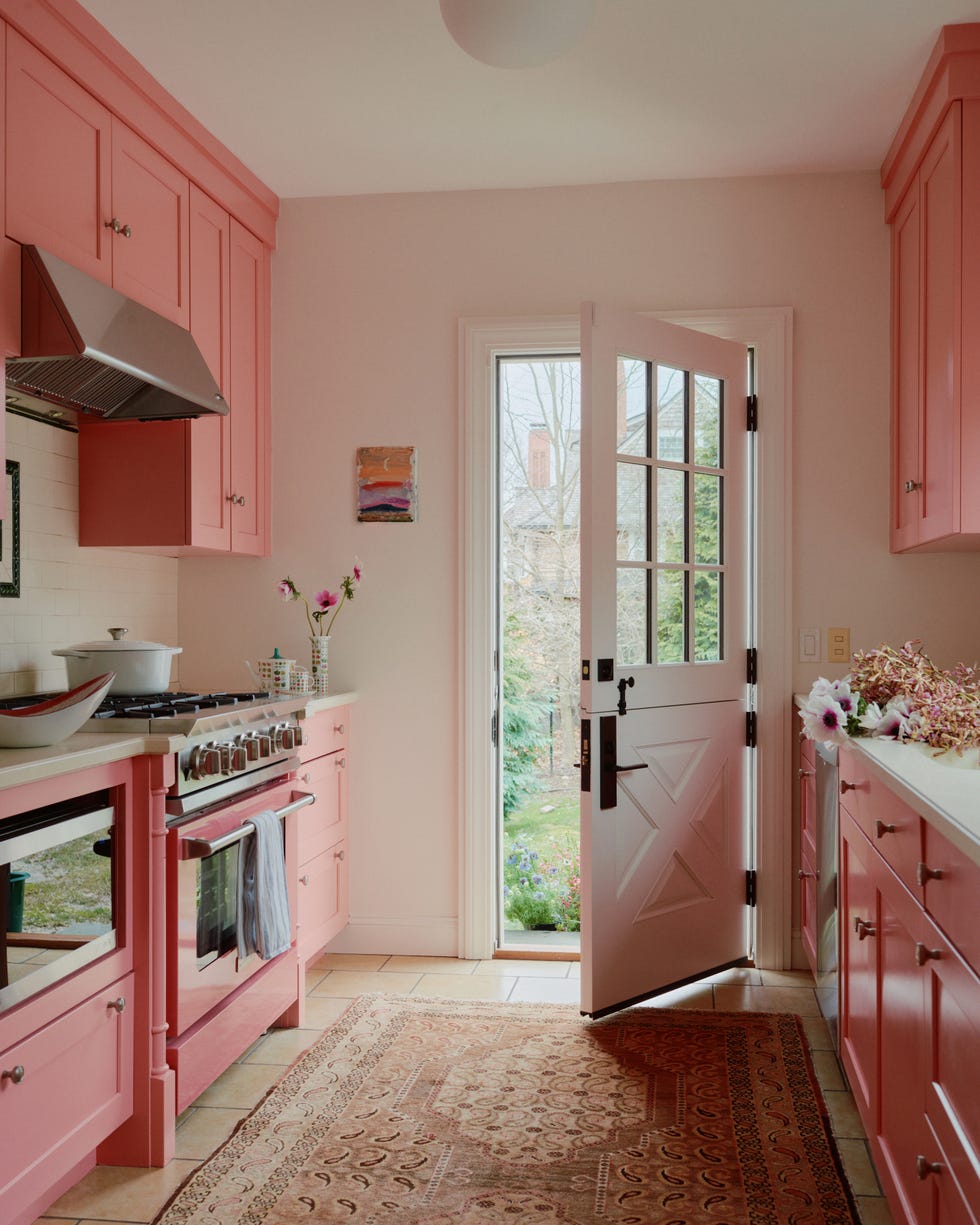
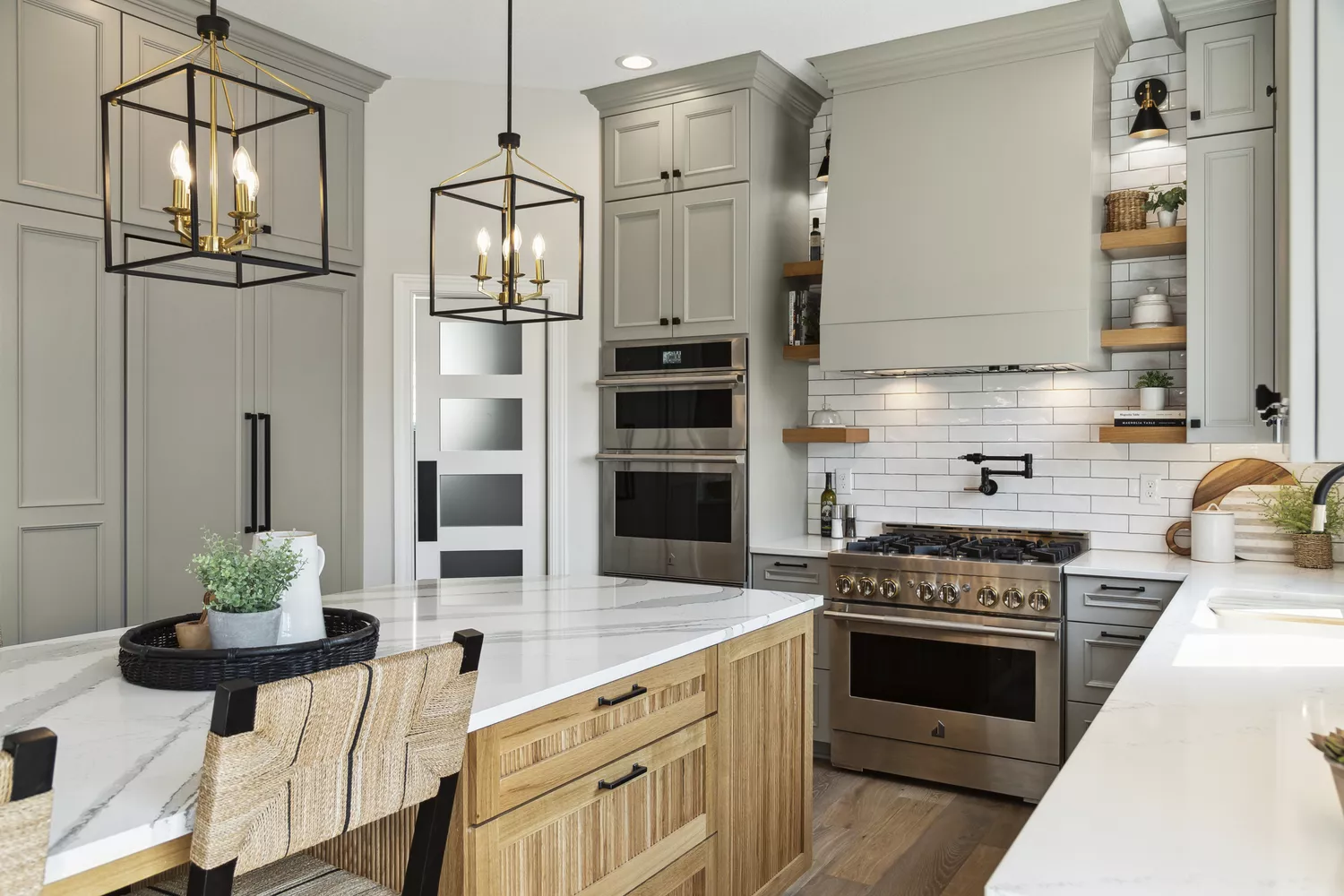
Color palettes in modern Colonial spaces gravitate towards warm, neutral, natural, and earthy tones, a departure from the deep blues, greens, golds, and reds prevalent in traditional Colonial palettes. Suggested colors include whites, grays, and soft blues, balanced with natural wood tones such as walnut or mahogany.
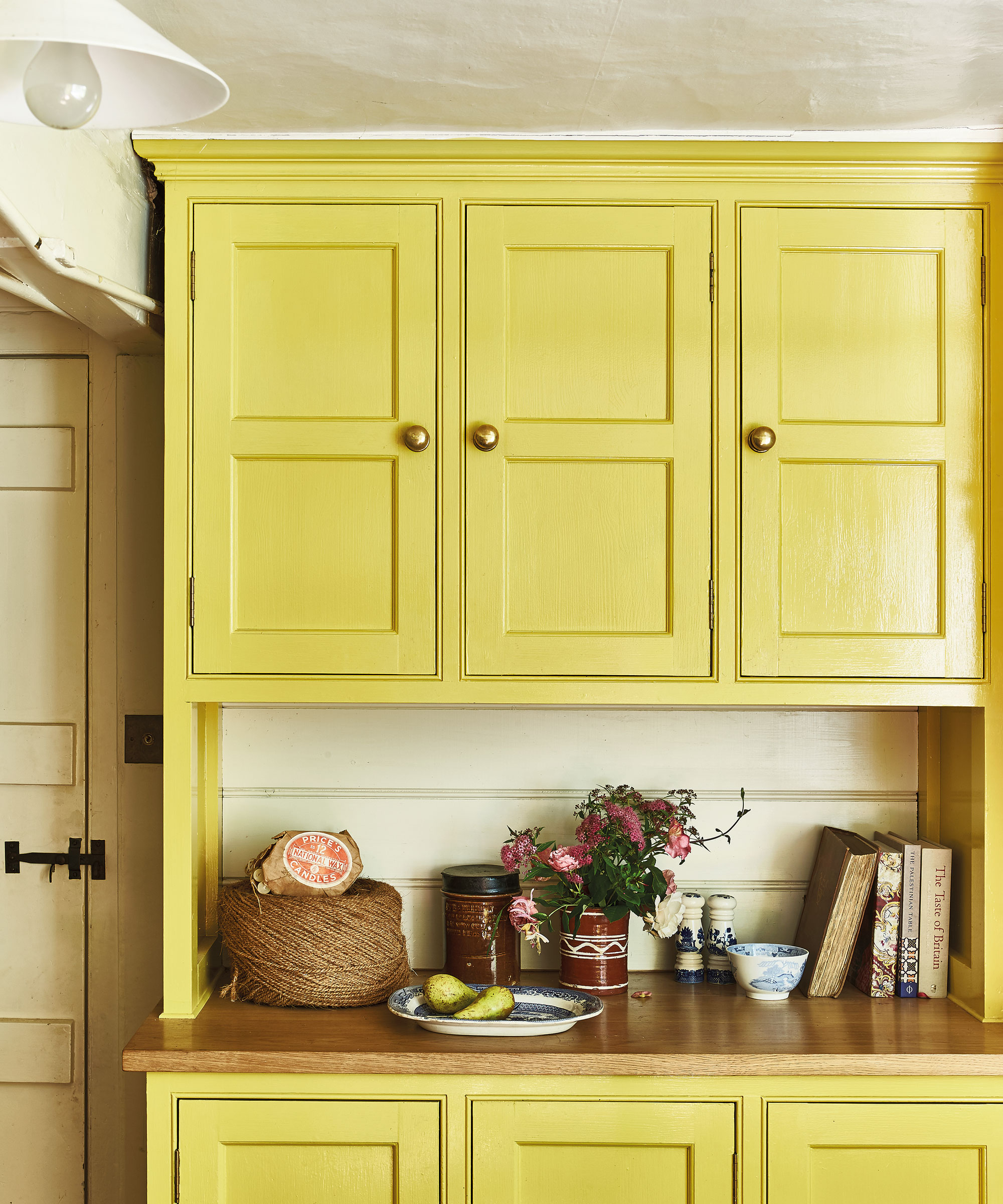
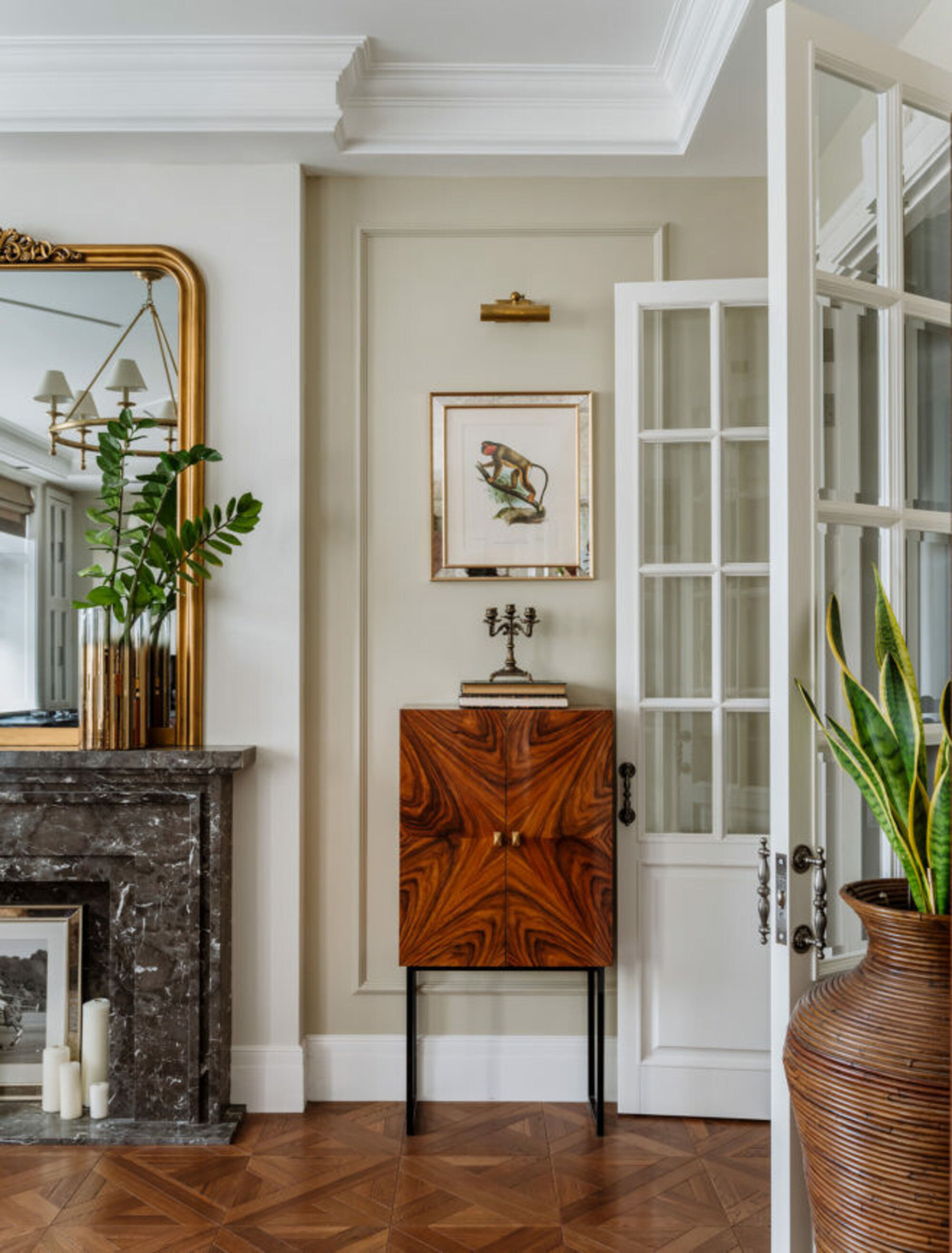
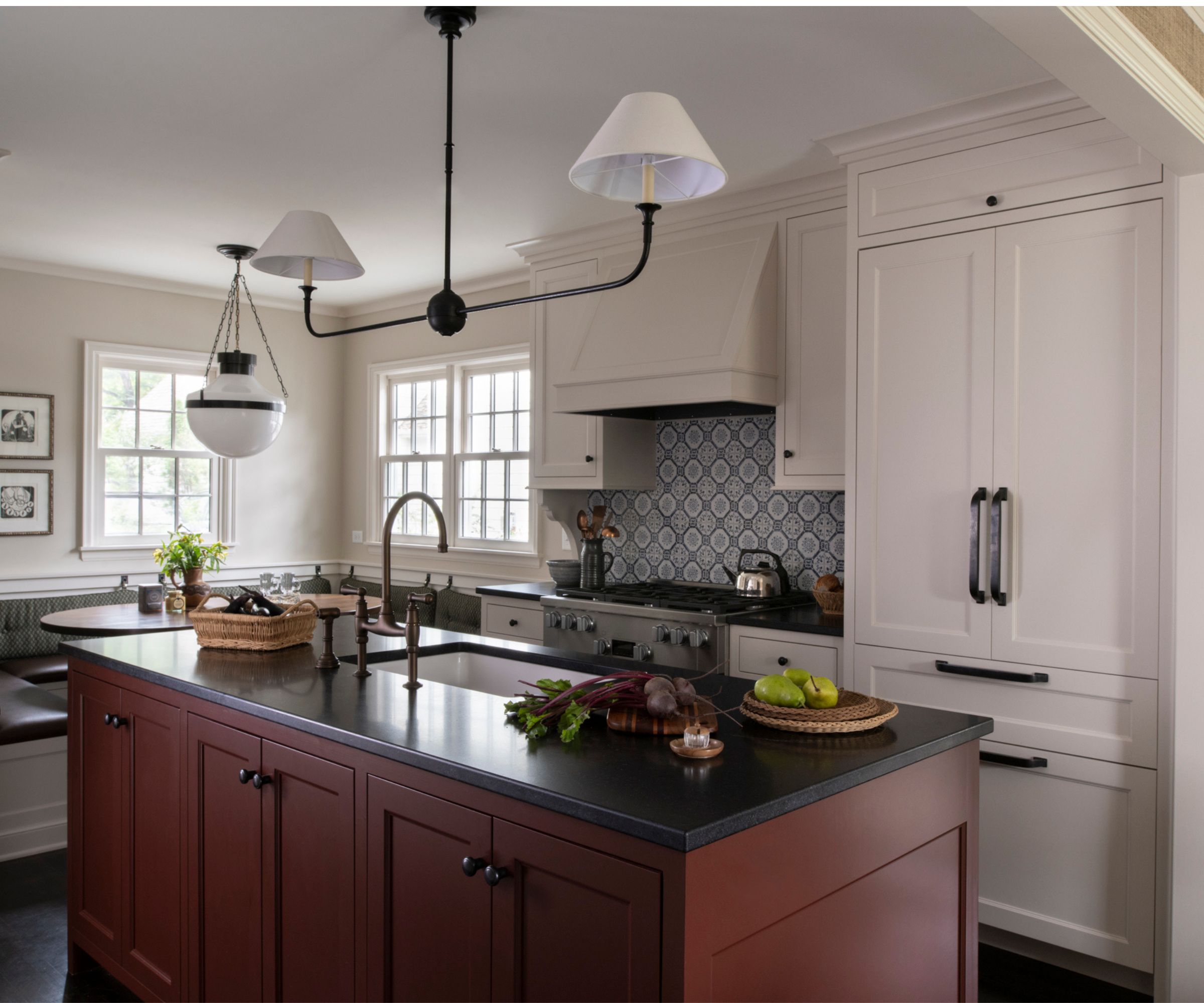
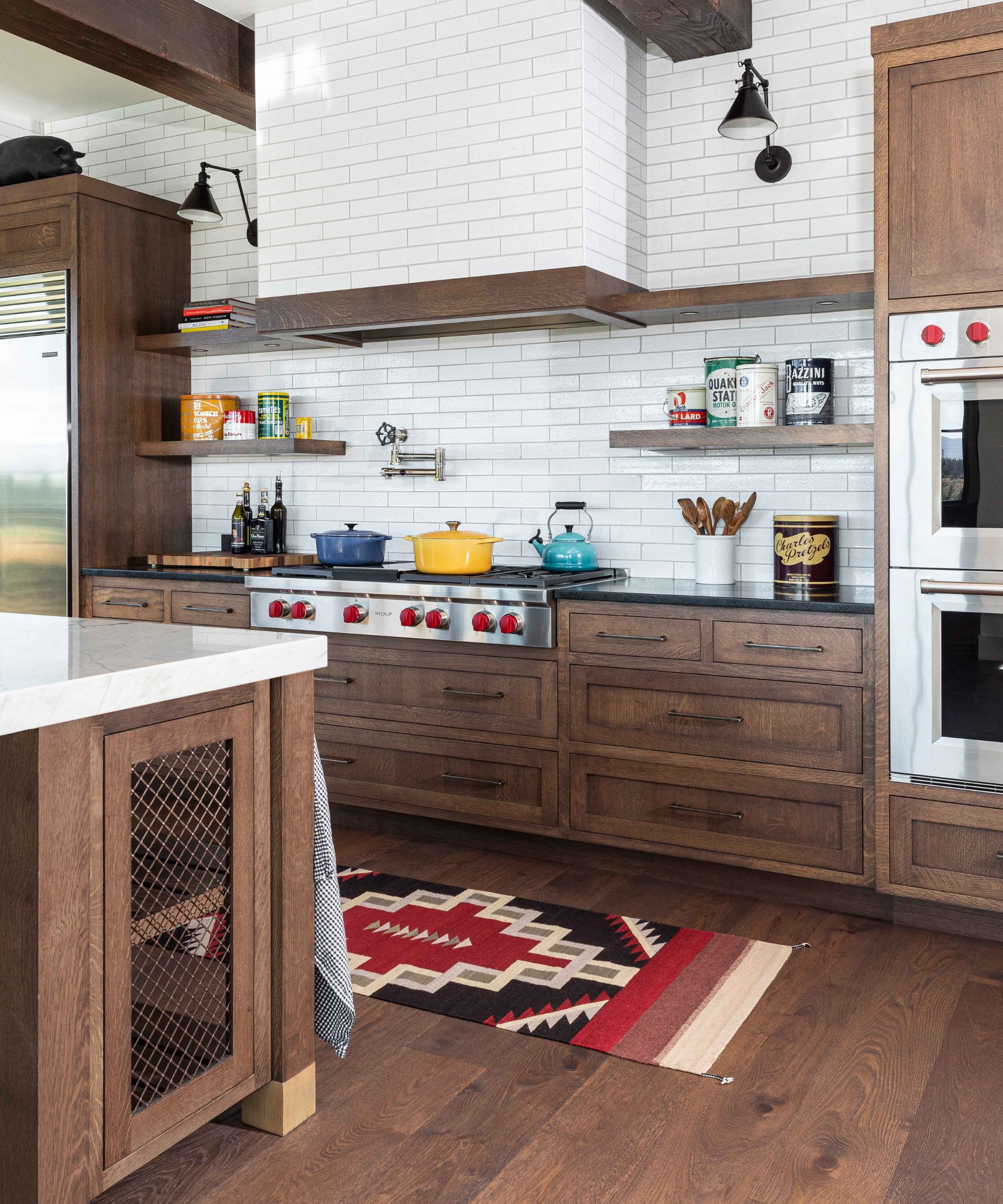
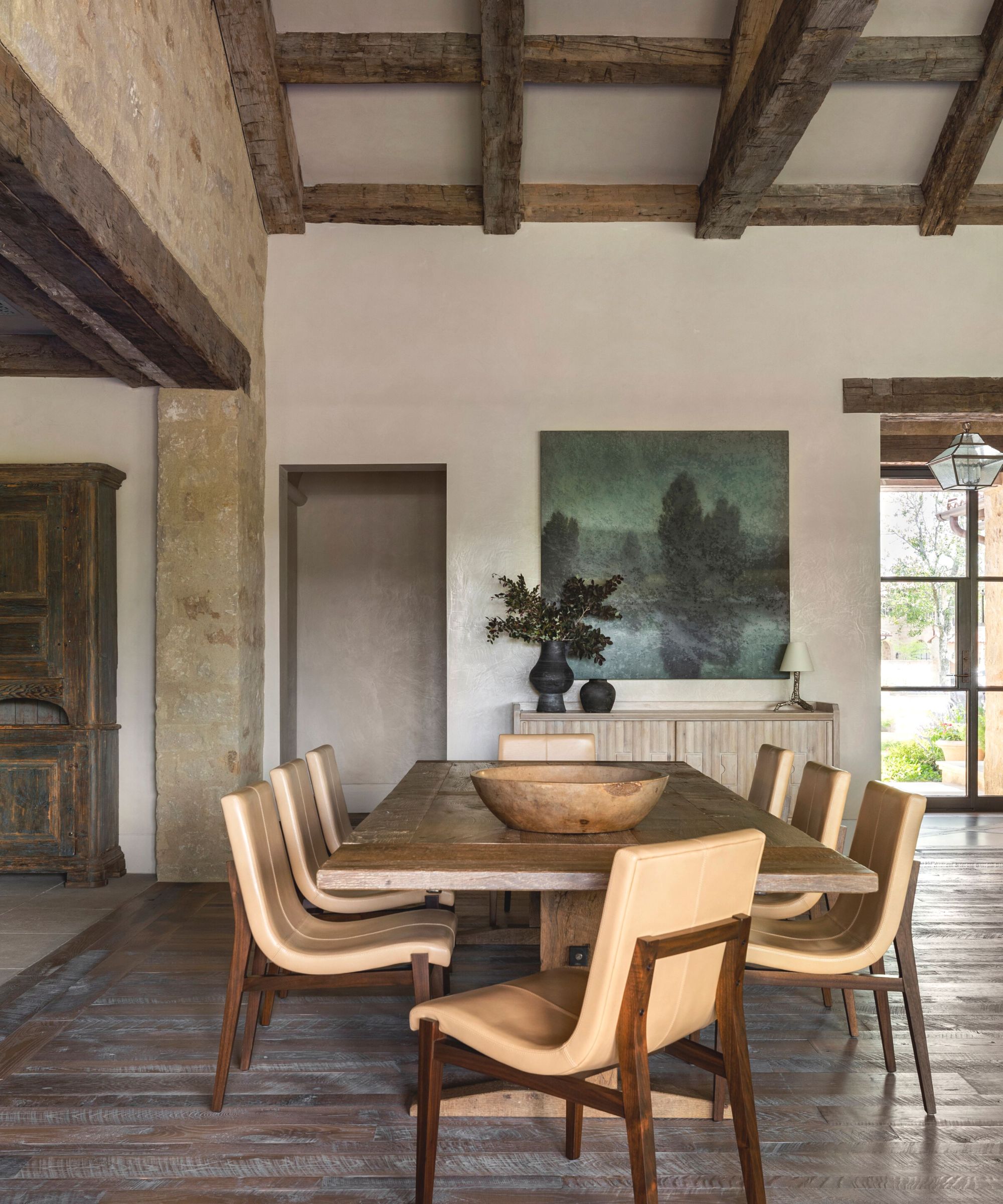
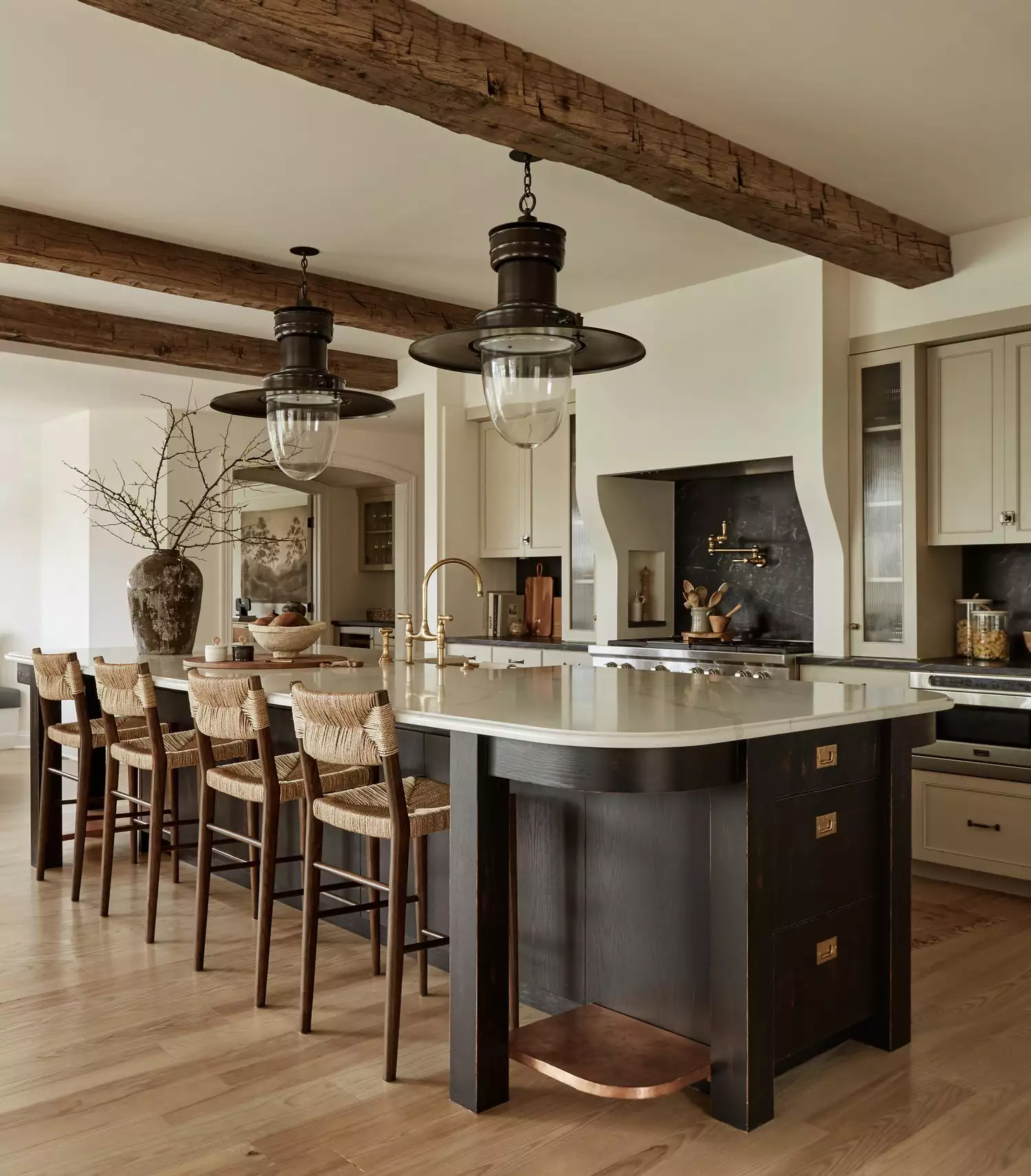
Wood accents are a signature component, appearing in furnishings and floors. While early Colonial interiors utilized rustic woods and beams, the modern Colonial style maintains a refined use of wood, primarily for millwork and accents rather than extensive use in furniture. Trimwork, including baseboards, window casings, crown molding, and chair rails, is an essential feature that connects the home to the Colonial aesthetic. Modern Colonial casework and trim are characterized by cleaner, simpler lines and lighter finishes and colors.
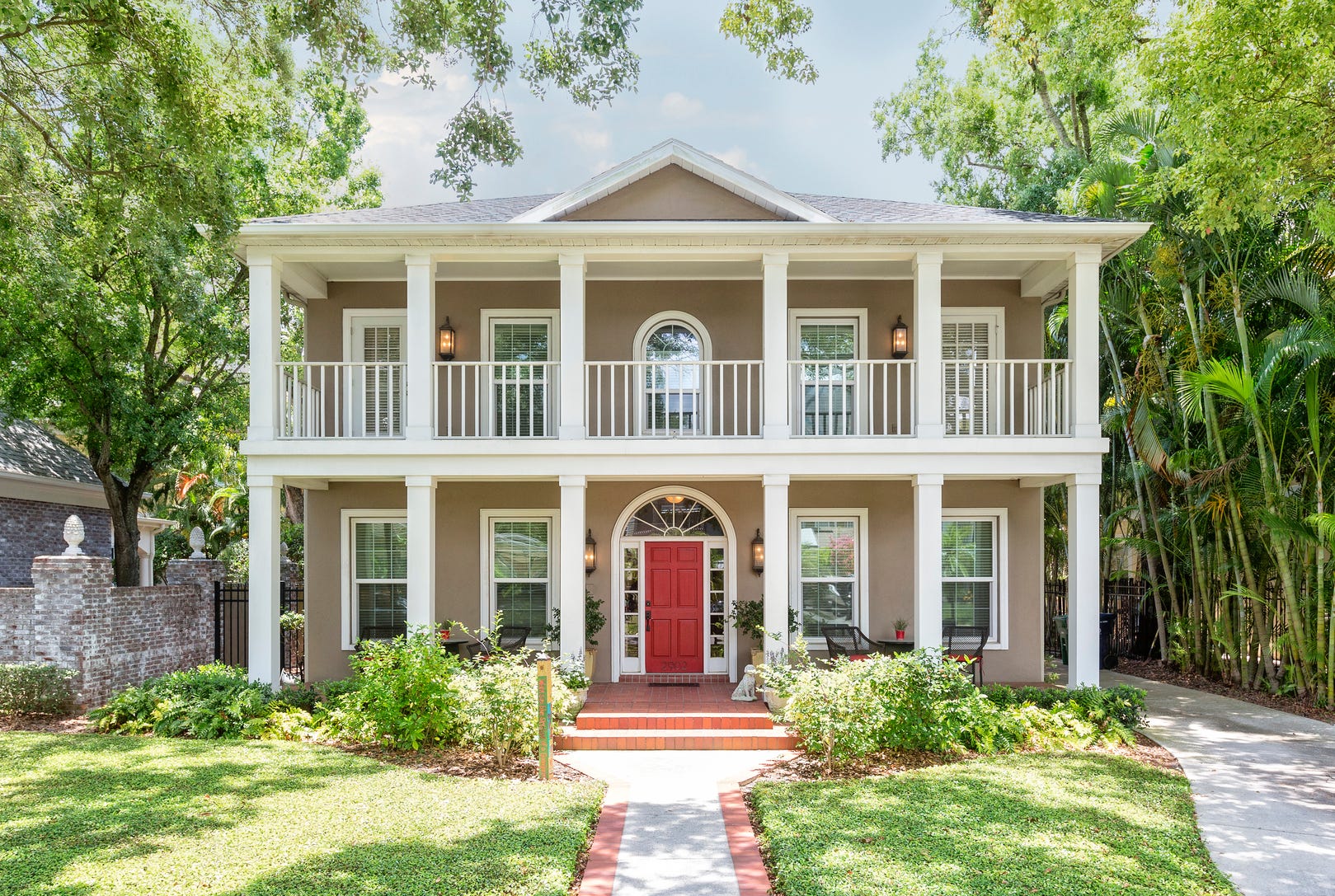
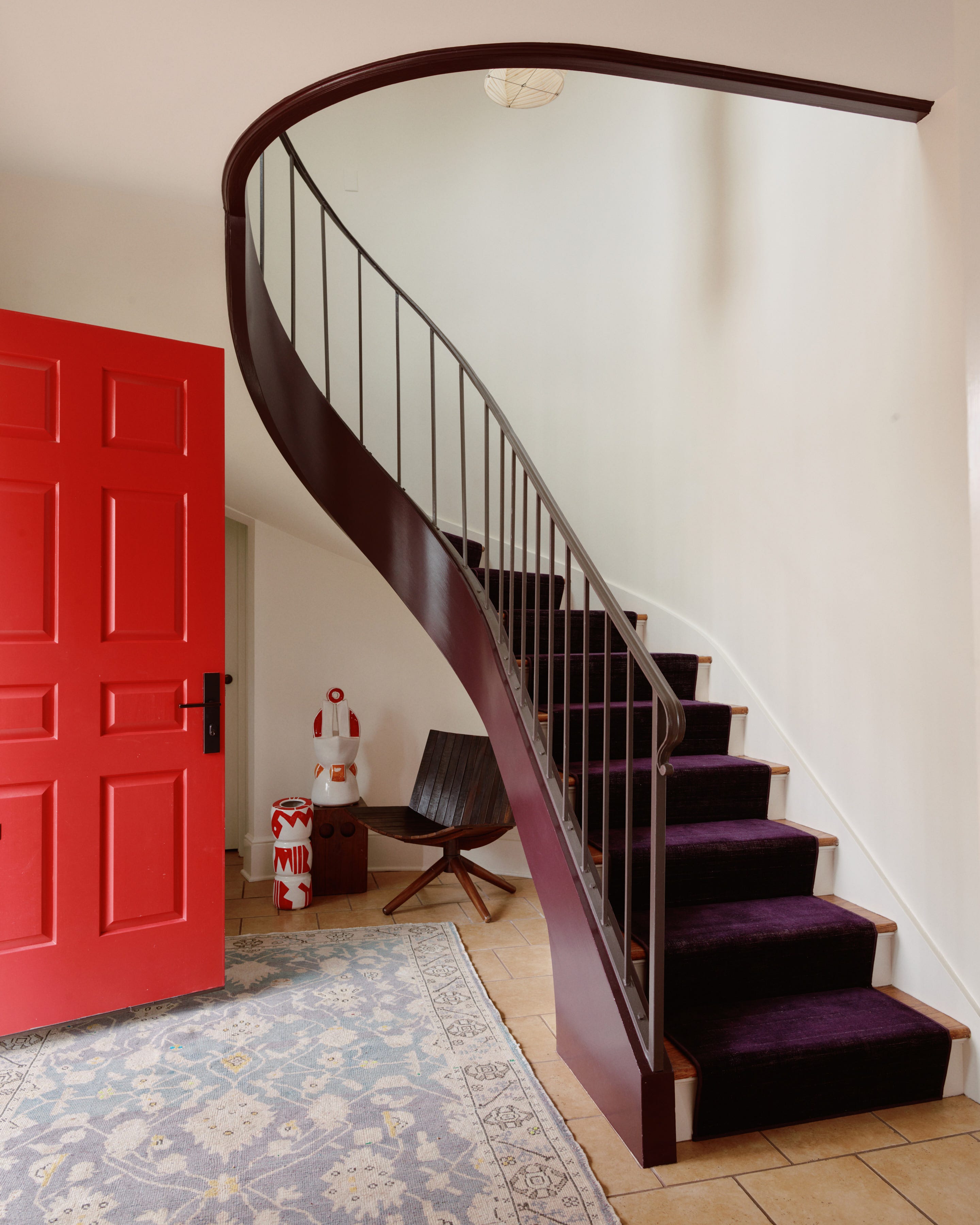
Structurally, modern Colonial homes prioritize natural light and more open interior spaces, a significant evolution from historic styles with smaller windows and more enclosed rooms. This focus on natural light and open floor plans bridges the gap between traditional Colonial architecture and contemporary functional needs, enhancing the overall comfort and appeal of the style.
#ModernColonialStyle #InteriorDesign #HomeDecor #ColonialRevival #TransitionalStyle #HomeTrends #ArchitecturalElements #DecorStyles #HomeInteriors #ModernColonialStyle #InteriorDesign #HomeDecor #ColonialRevival #TransitionalStyle #HomeTrends #ArchitecturalElements #DecorStyles #HomeInteriors
0 comment in total
 No comments yet
You may also like
Natural Elements and Glam Give New Life to a Victorian Colonial Revival


A Colonial-Style Home Gets a Second Life Without Losing Its Charm

How to do mid-century modern style in 5 easy steps

These Colonial Kitchen Designs Radiate Warmth and Comfort—Here's How to Get the Look

Modern heritage style – 5 ways to get the look

A 1940s Colonial Revival Where Color and Pattern Mix With Old and New to Create a Truly Transitional Family Home
The Latest Home Decor Trend Will Bring Old World Charm To Your Space
Old-World Style Meets Modern Sentiments in These Flecked Surfaces

10 Easy Ways to Incorporate This Old-Guard Style Into Your Space


Classic Elegance Meets Modern Practicality

9 fresh ways to try the grandmillennial decor trend

Historical Wallpapers and Fabrics Have Never Felt More Contemporary
This Is Not Your Grandma’s Country Decor: Today's Rustic Style Puts a Modern Twist on a Design Staple
Crown Molding Ideas — 8 Ways to Make This Traditional Flourish Feel Modern

Rich Ranch is the latest take on Western style – here's how to get the rugged-meets-upscale look
With Happy Pinks, Greens, and Blues, a Designer Totally Transformed a Quirky Colonial Revival
12 Ways to Master the Modern Rustic Look
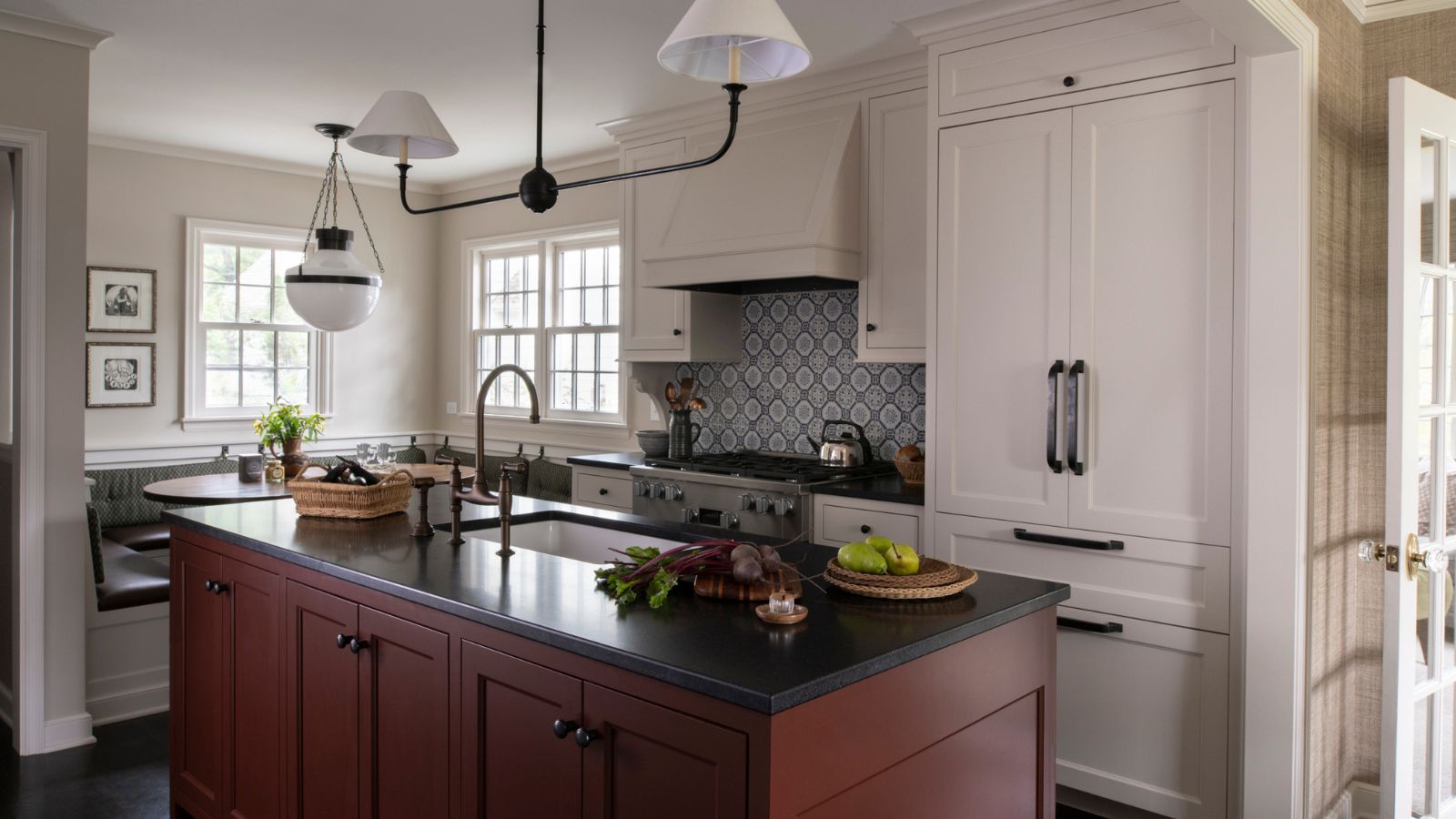
The mission was to 'stay true to the era, but add a healthy dose of casual charm' in this Colonial home that is full of unexpected features – including a kitchen cabinet detail you'll want to copy
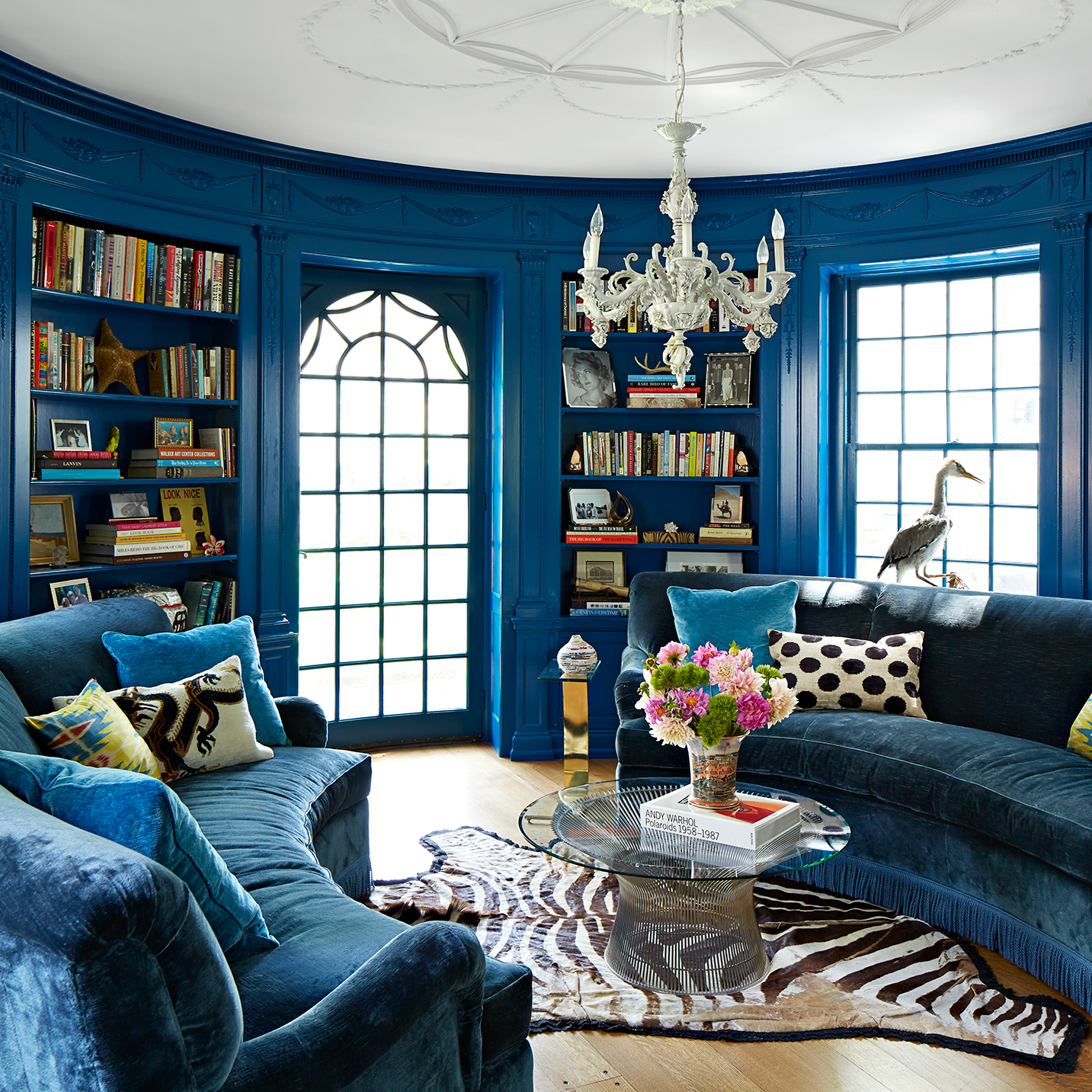
What Exactly Is a Colonial Revival Home?

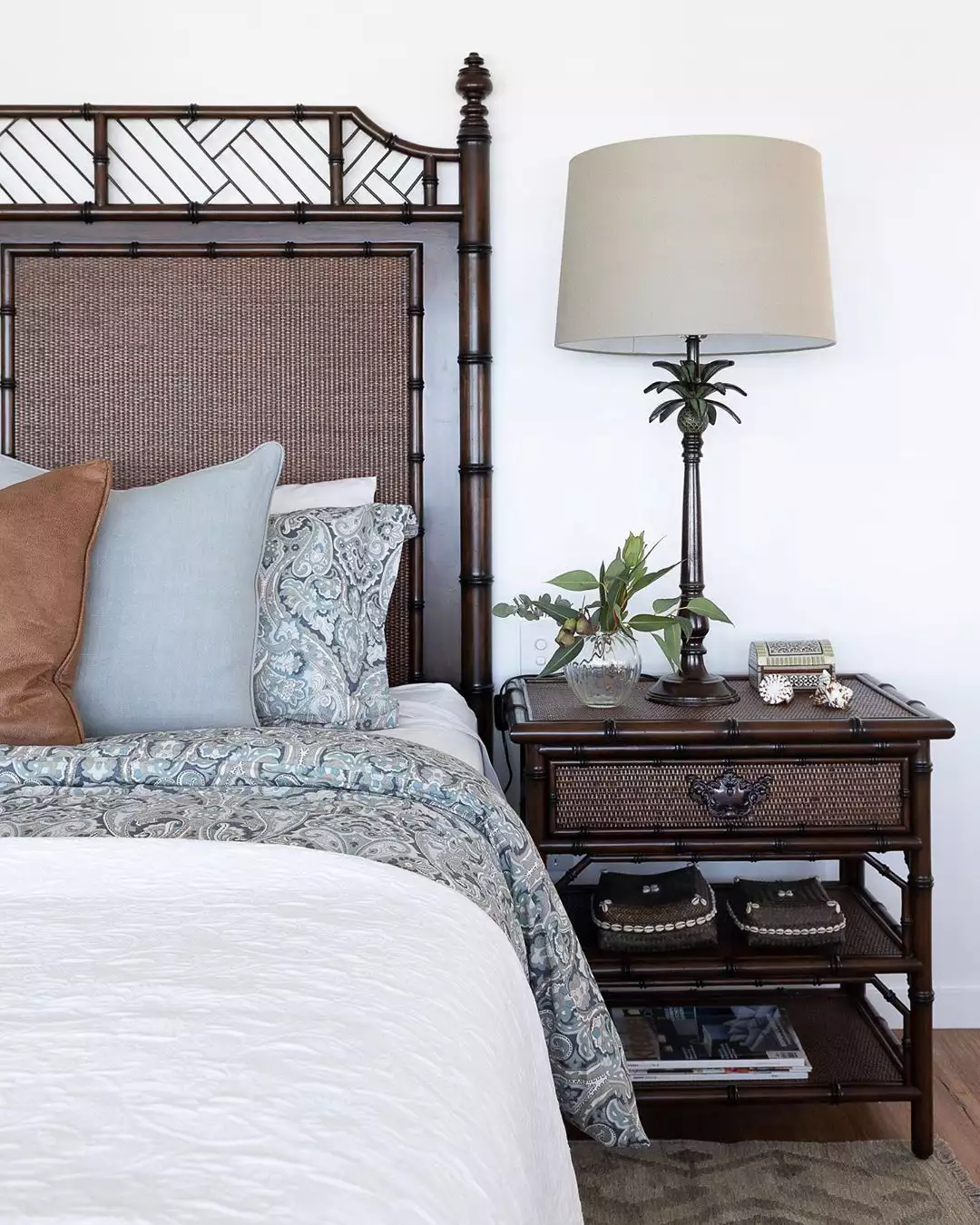
What Is British Colonial Style?