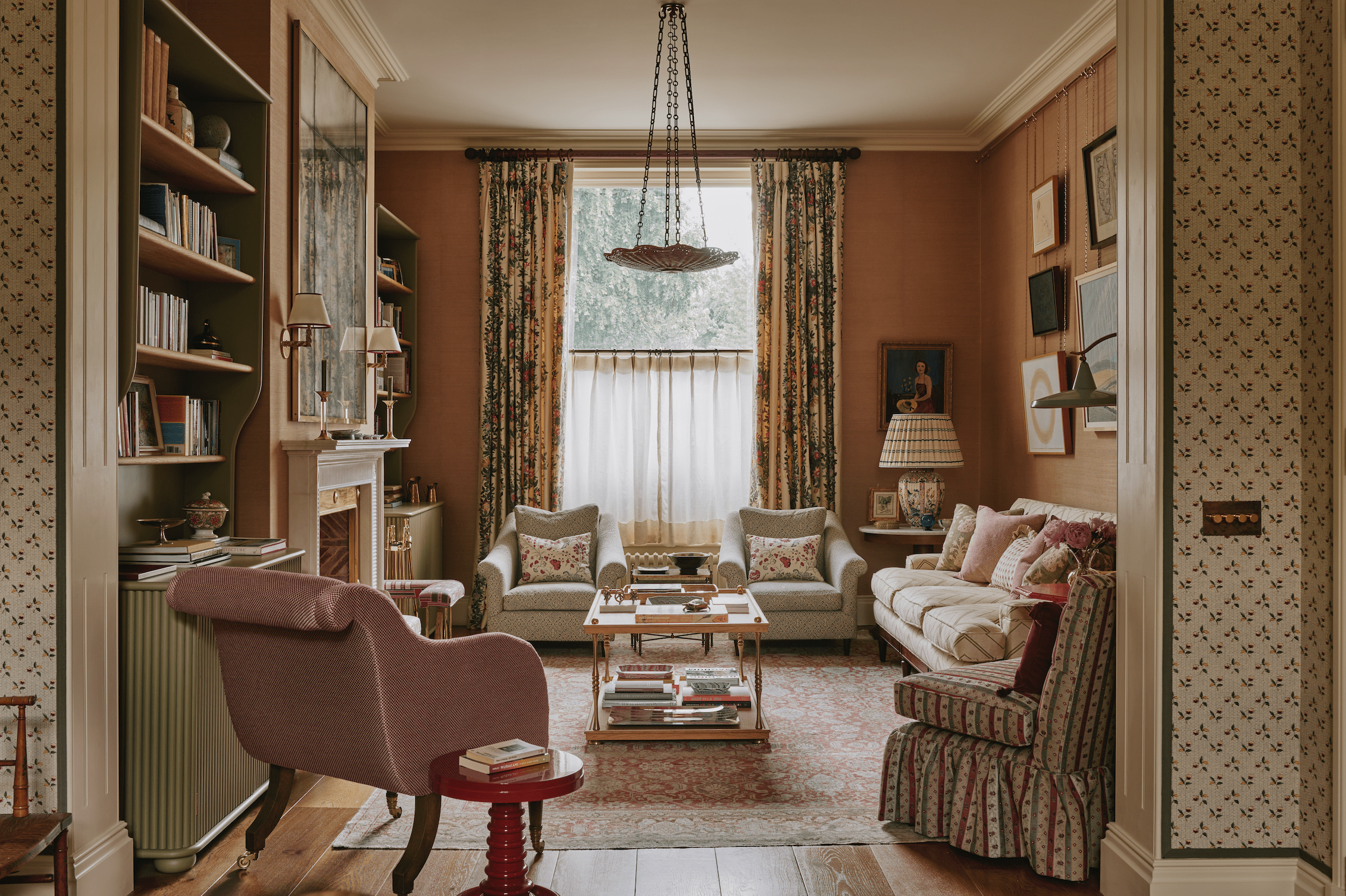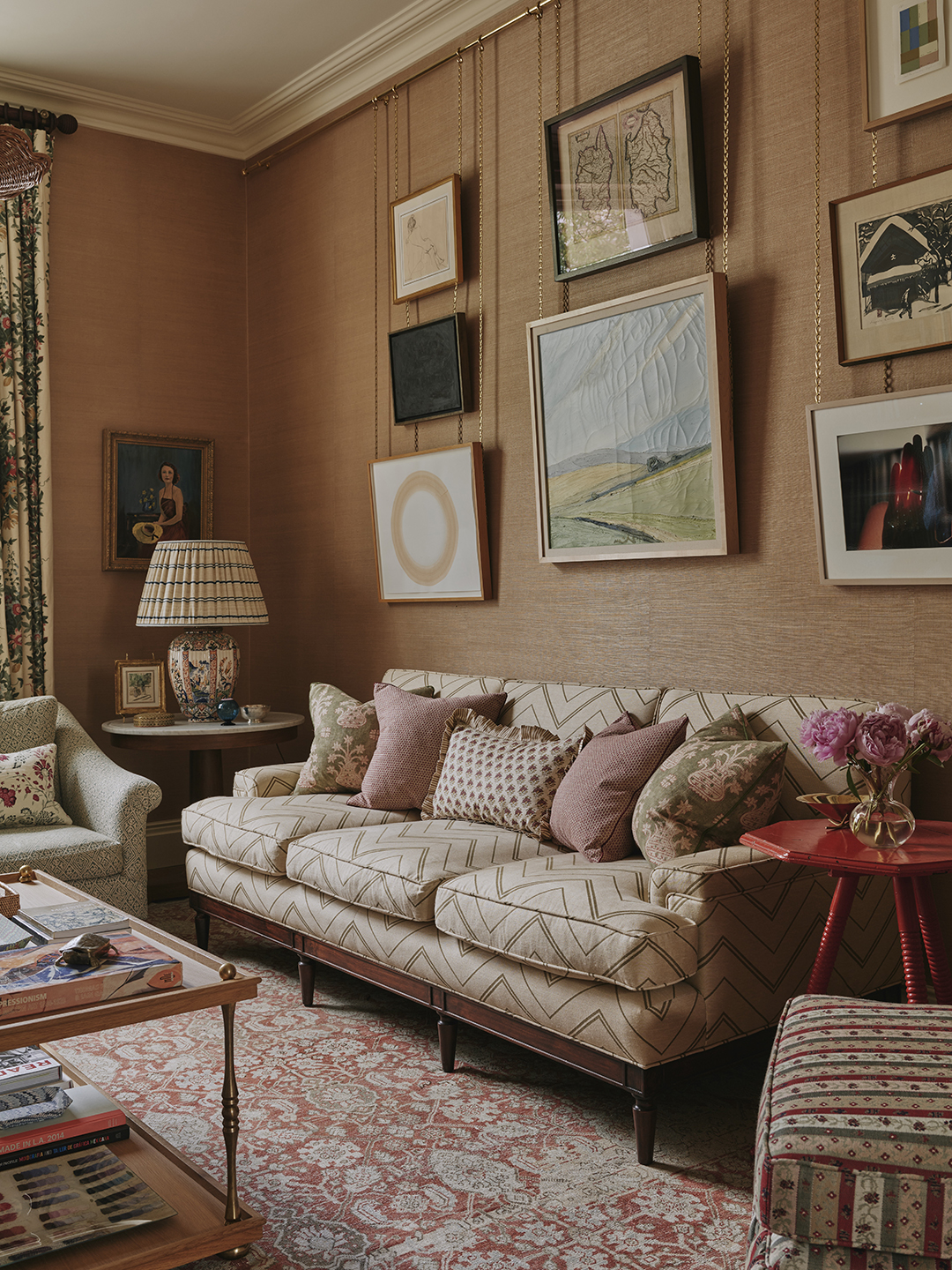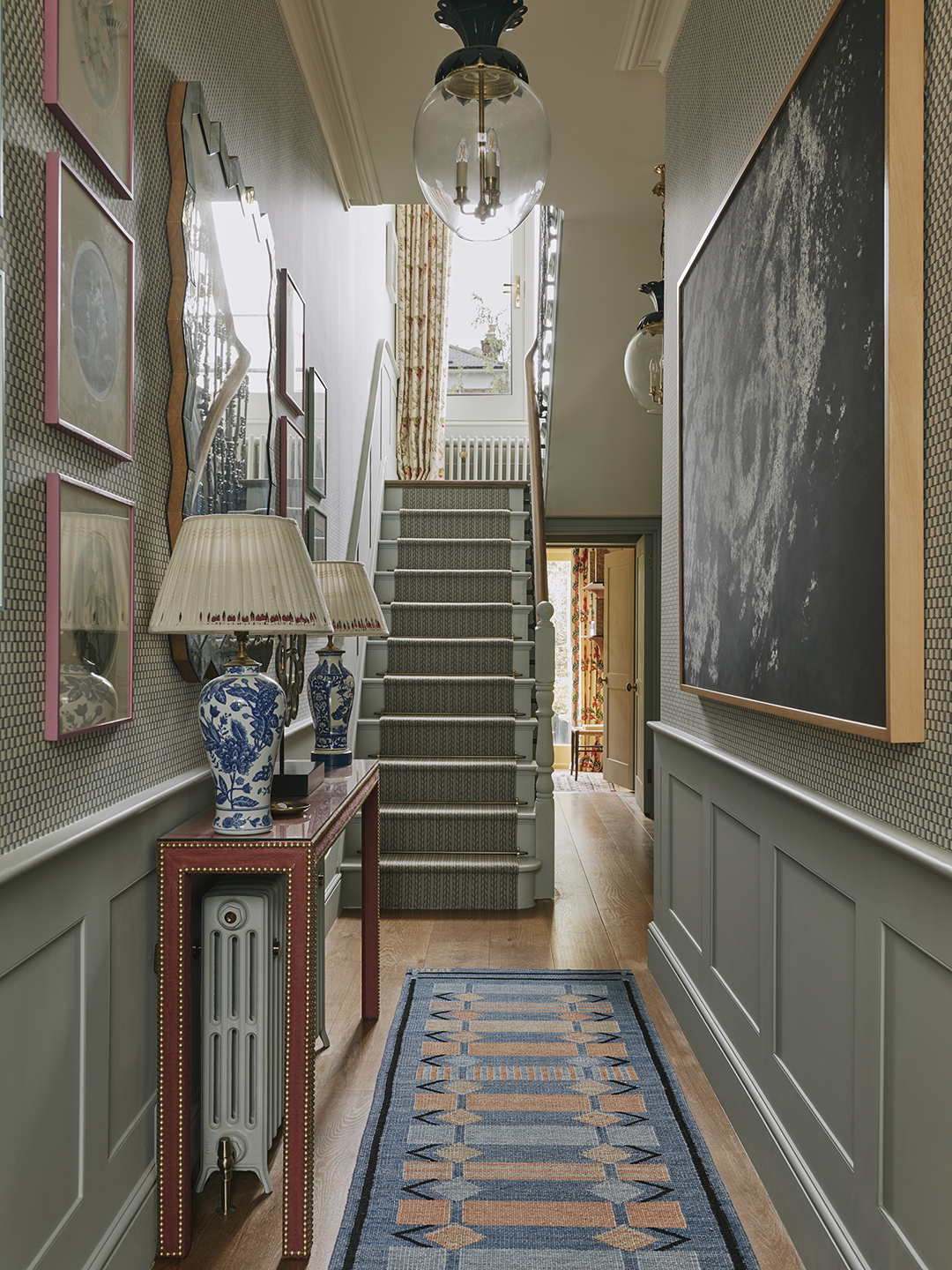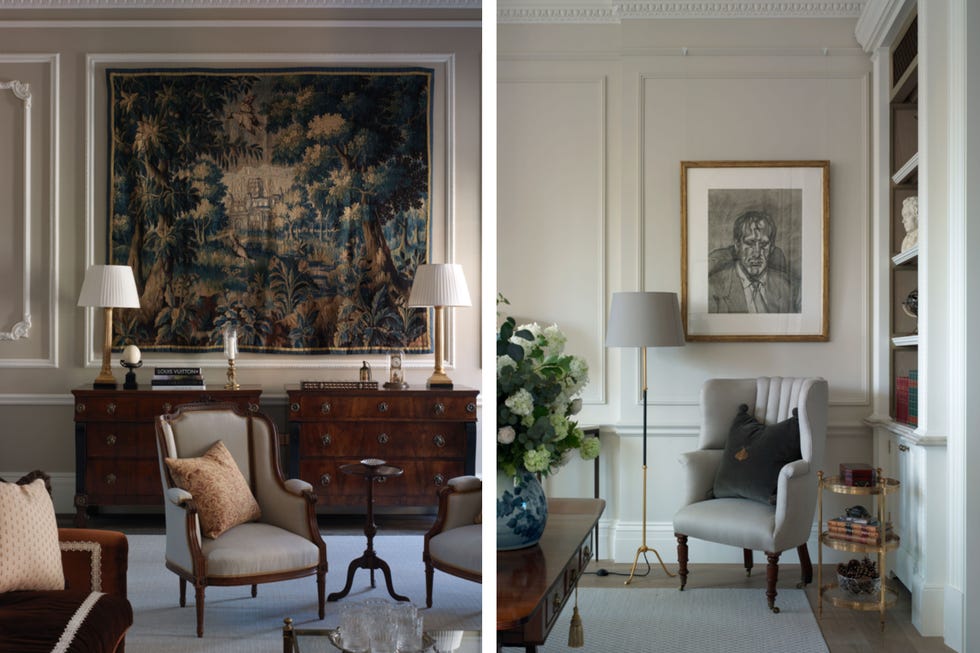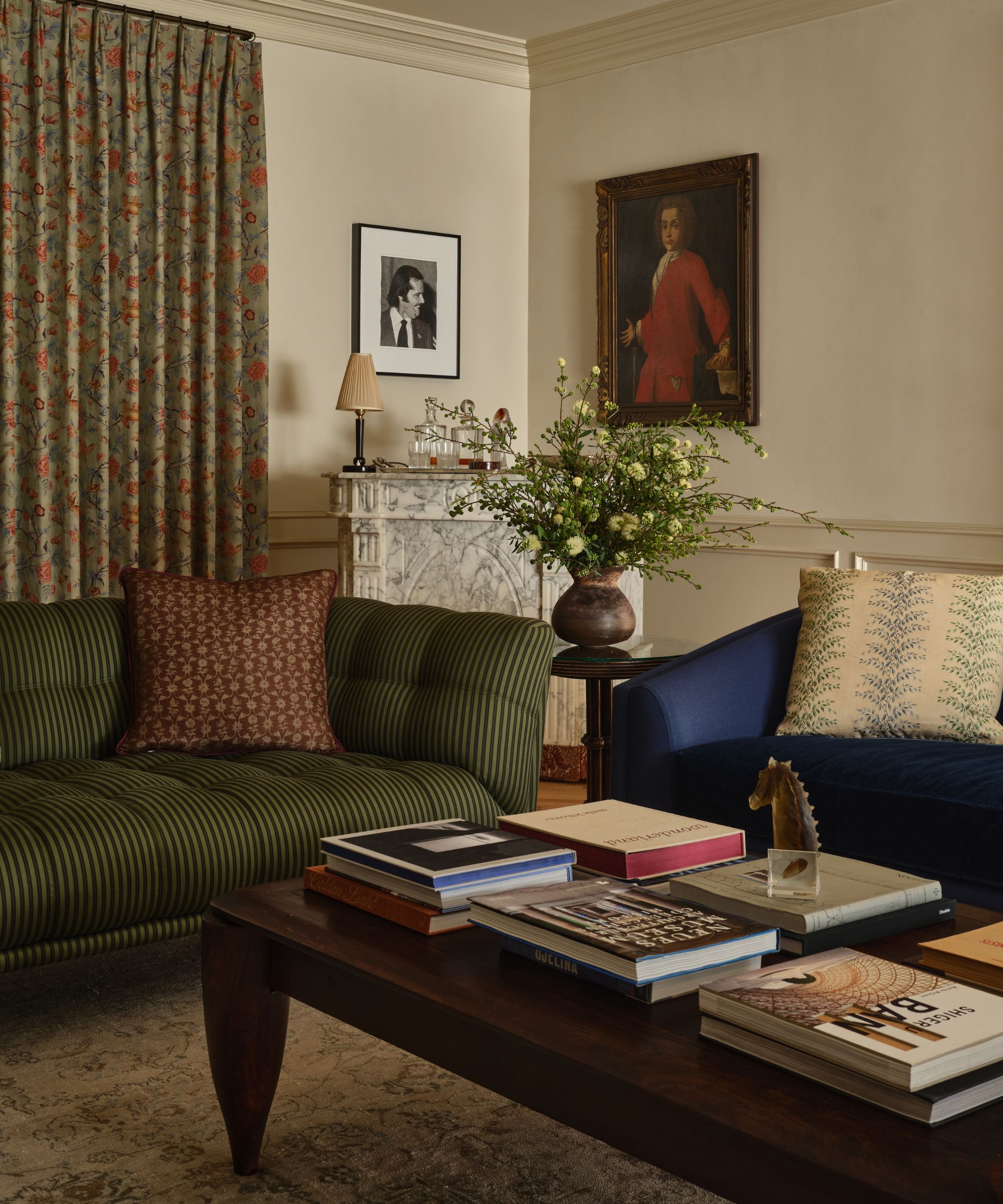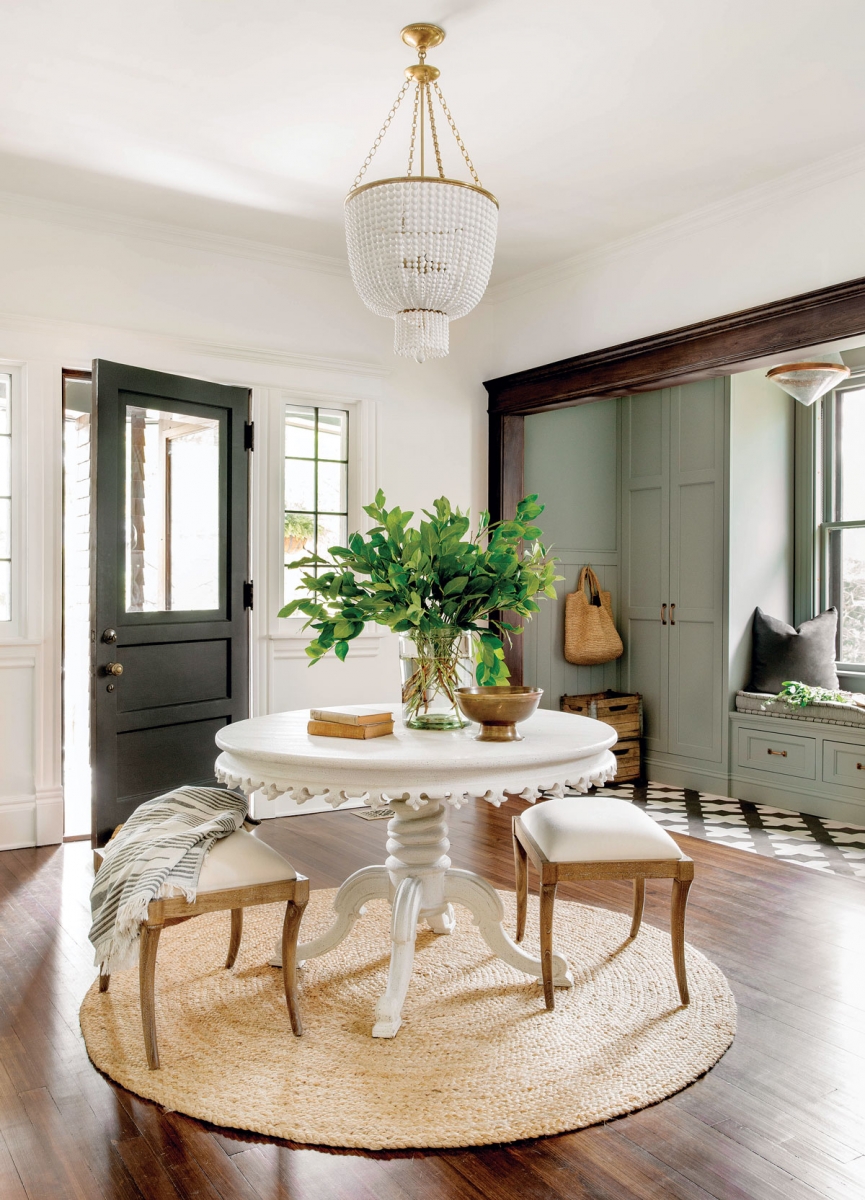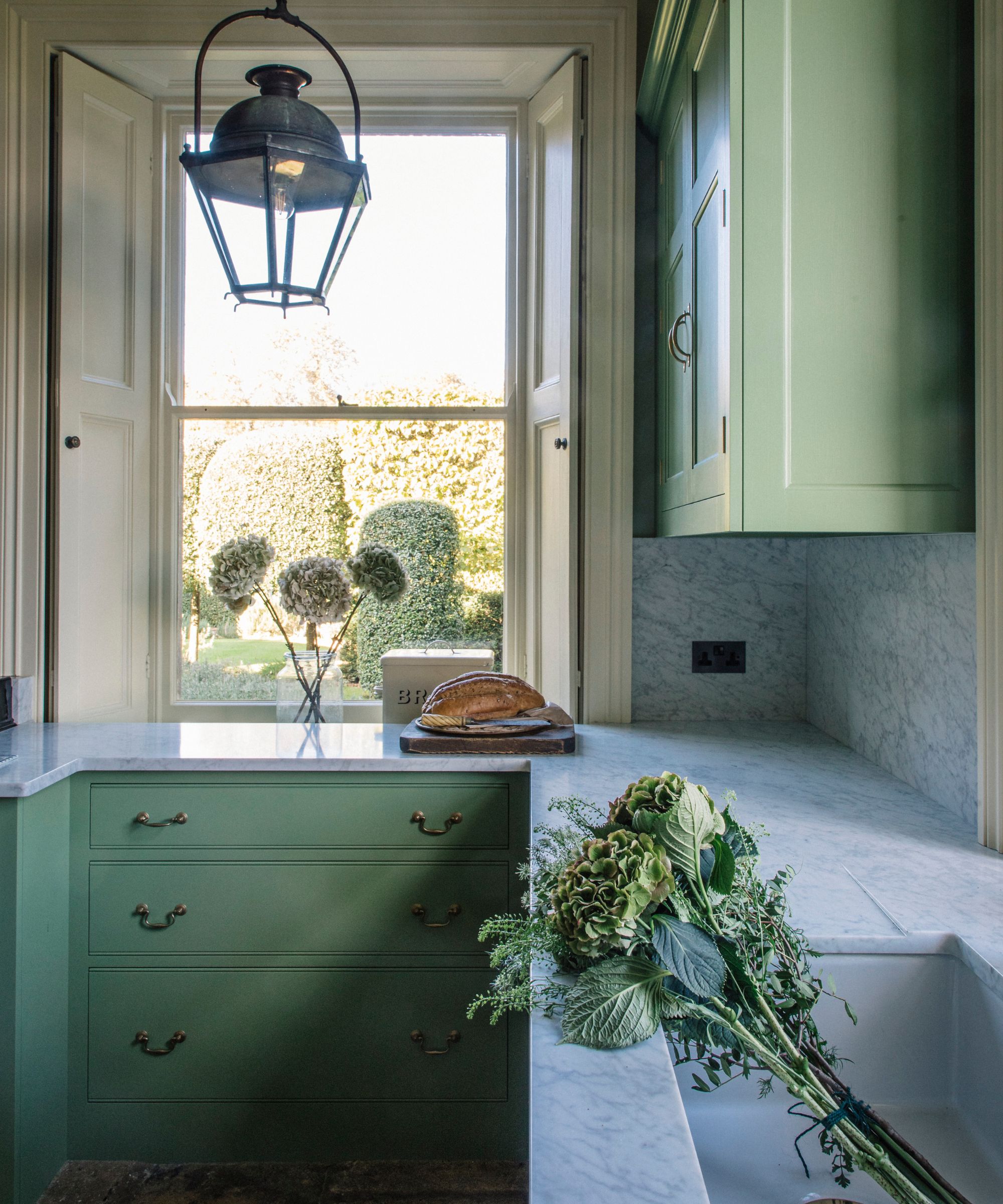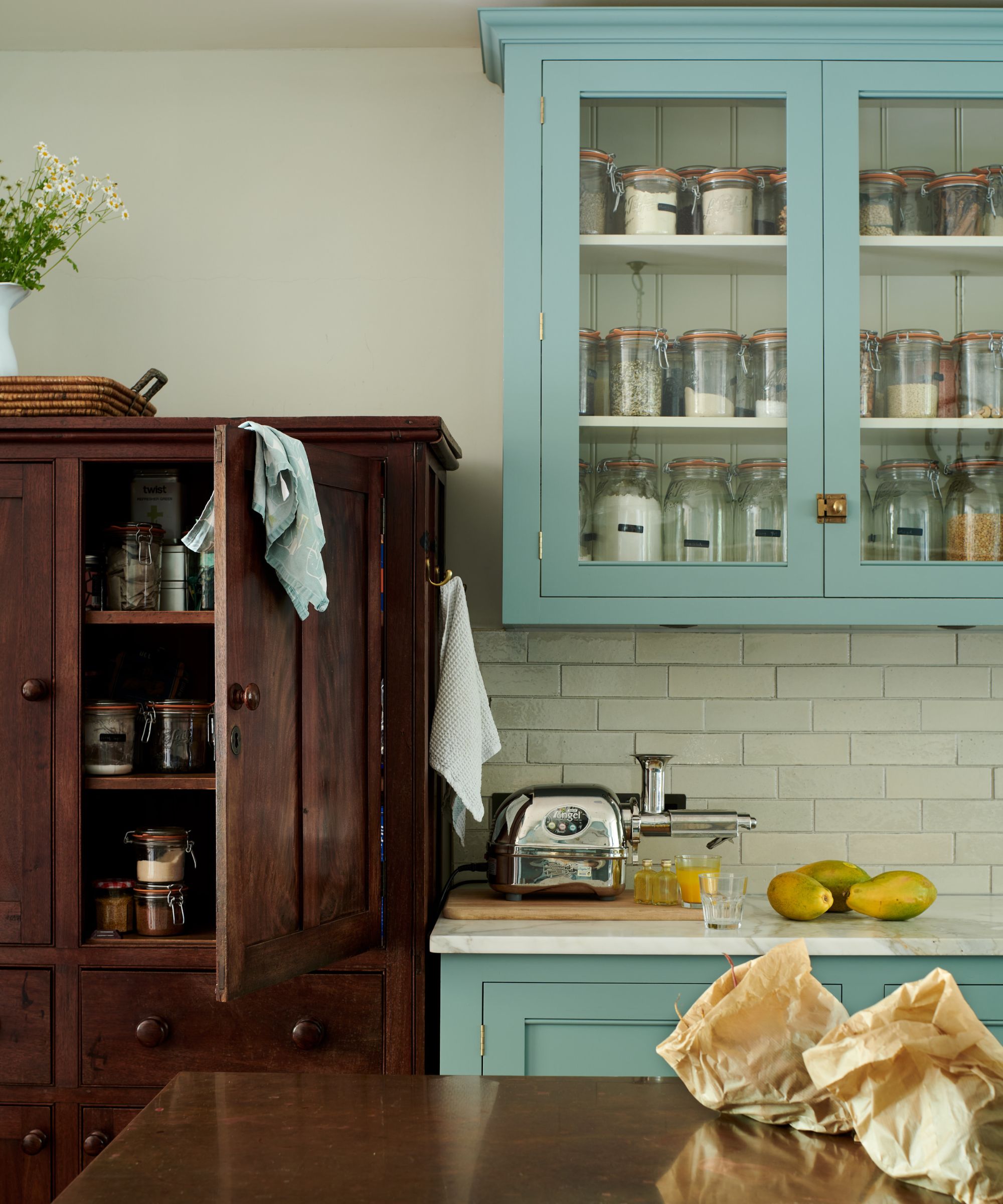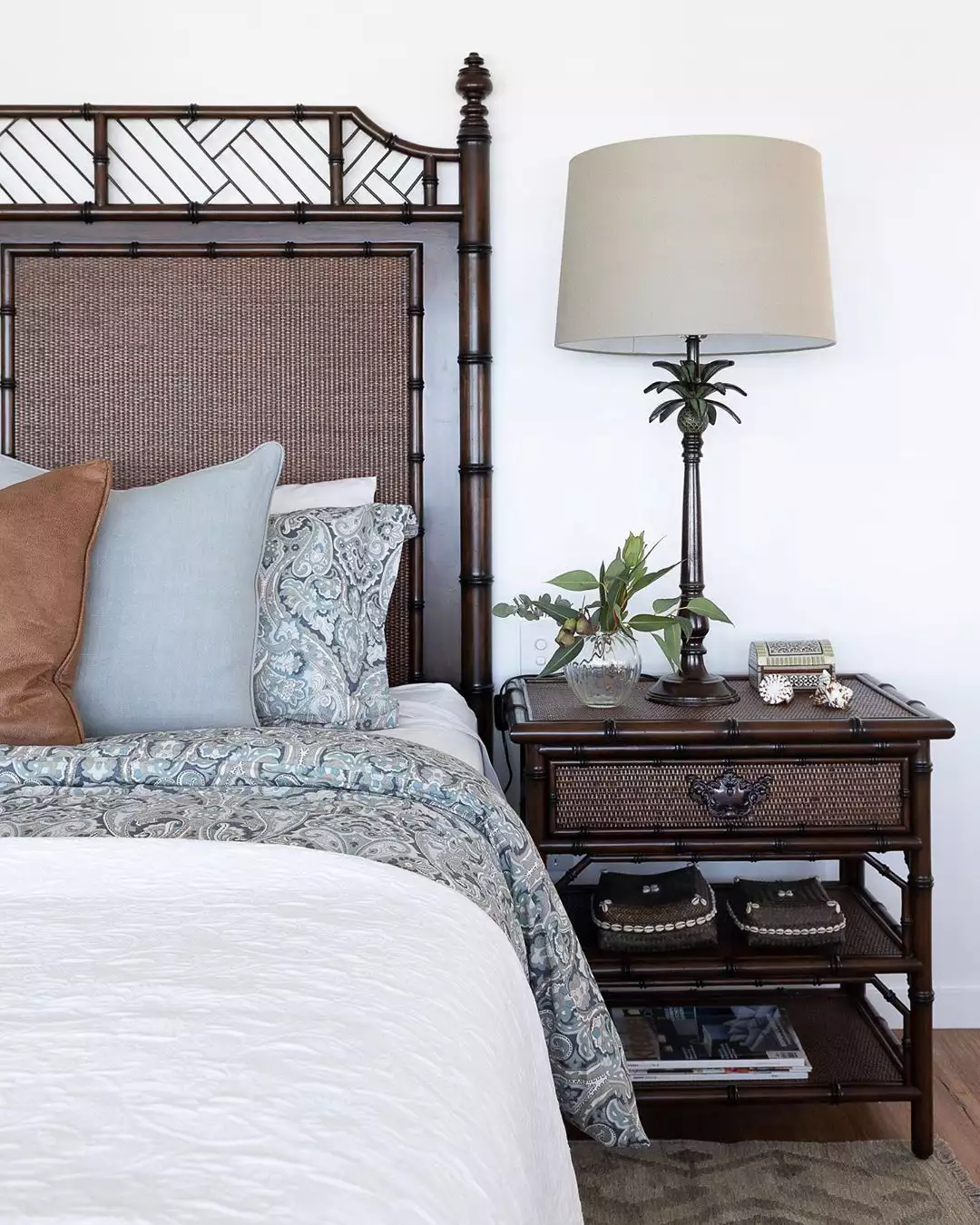
What Is British Colonial Style?
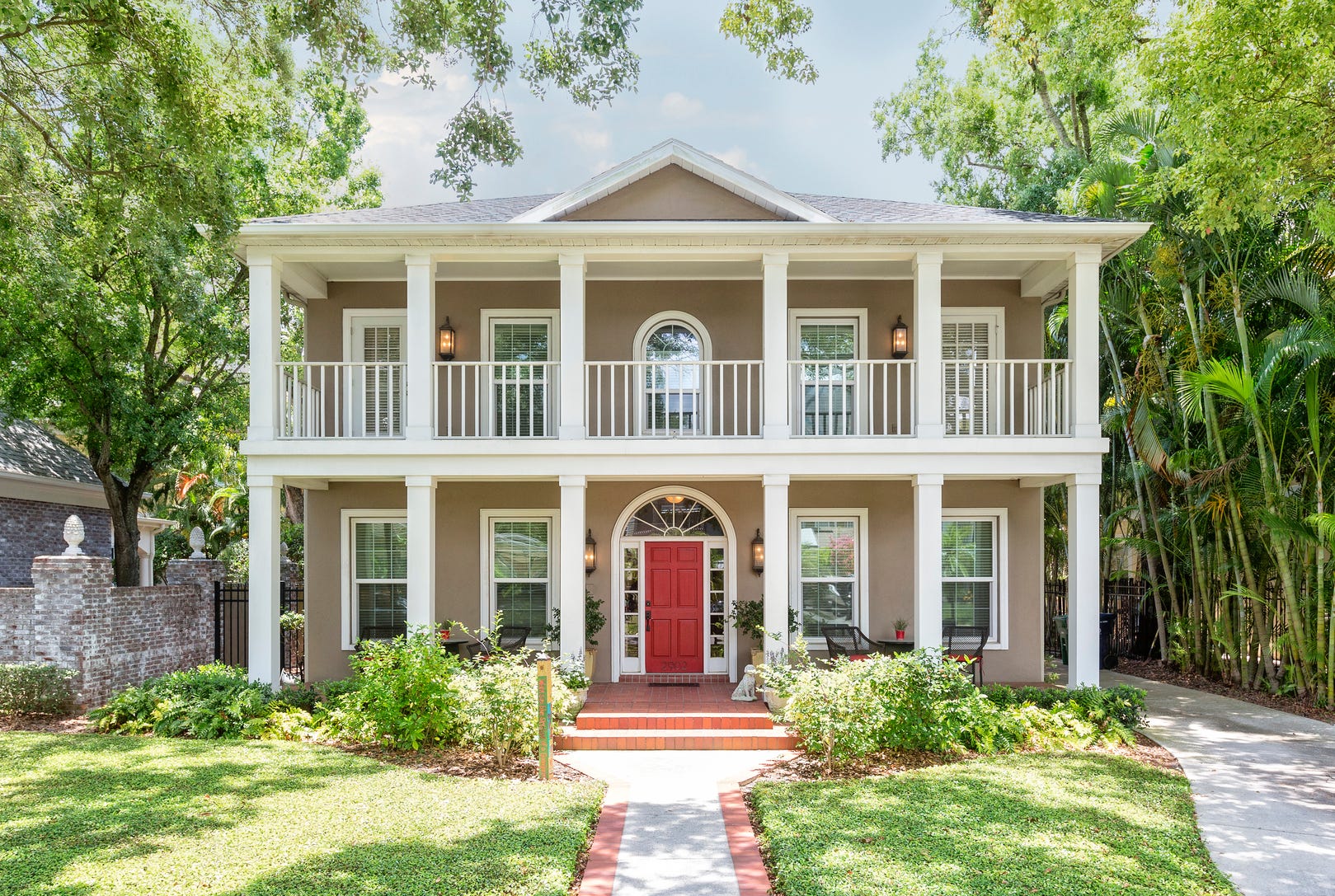
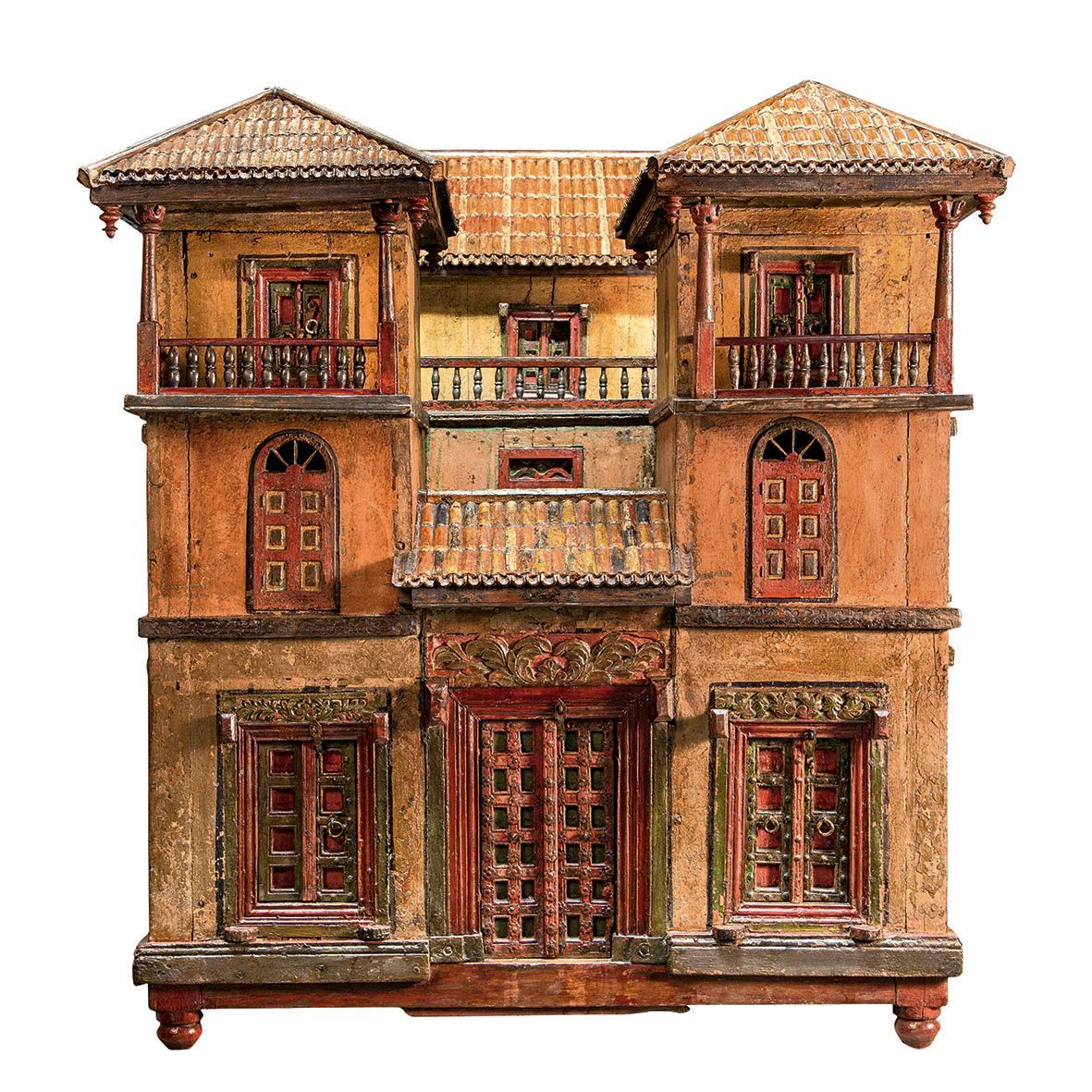
British Colonial style emerged between the 16th and 18th centuries, during the height of the British Empire's global expansion. This interior design aesthetic is a blend of traditional Victorian design principles and influences from the materials and traditions of colonized regions in Africa, India, and the Caribbean. While the style is celebrated for its eclectic appeal, it's important to acknowledge its historical context, which involved the subjugation and exploitation of native populations and resources by the British crown. This historical backdrop is a crucial aspect to consider when appreciating the aesthetic.
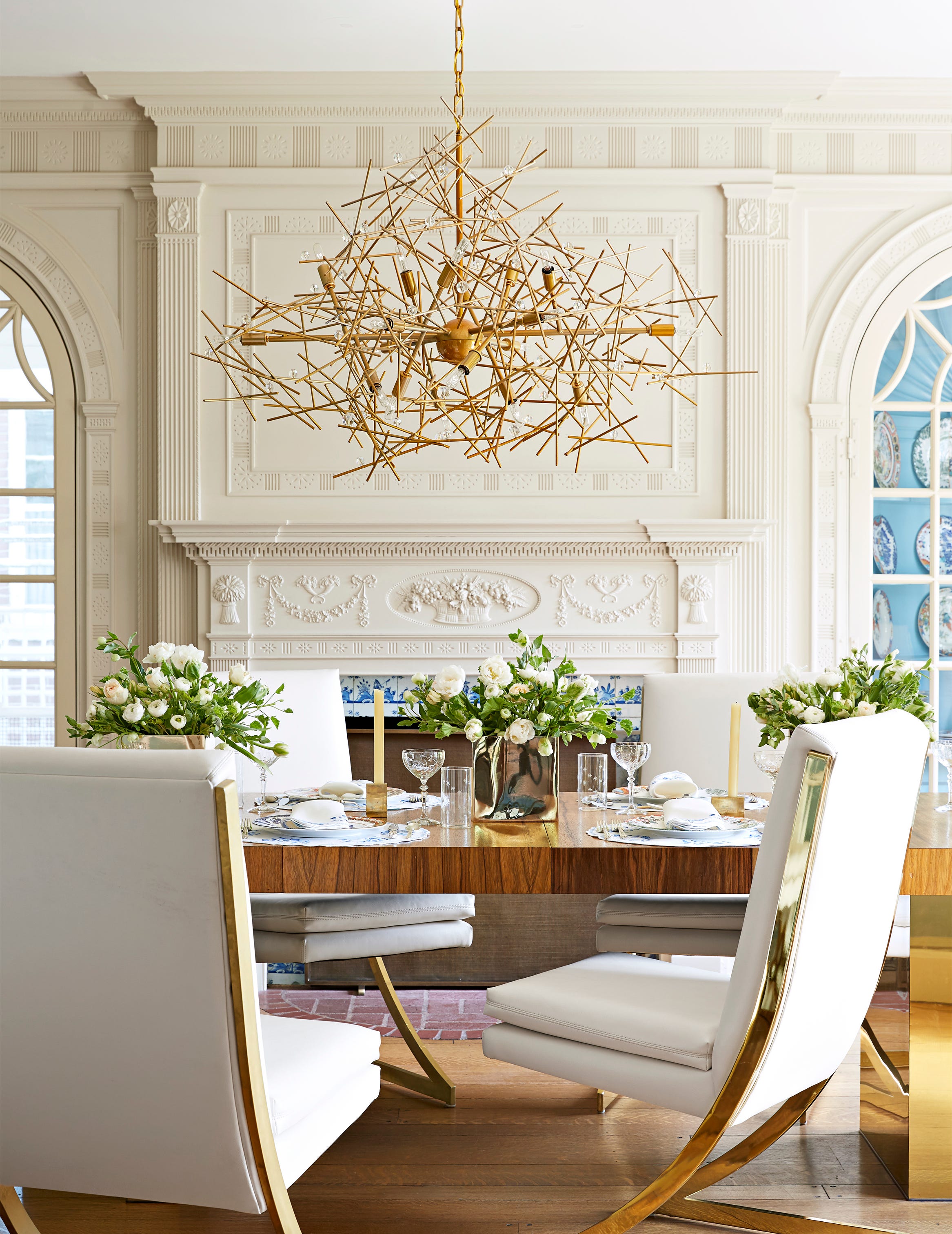
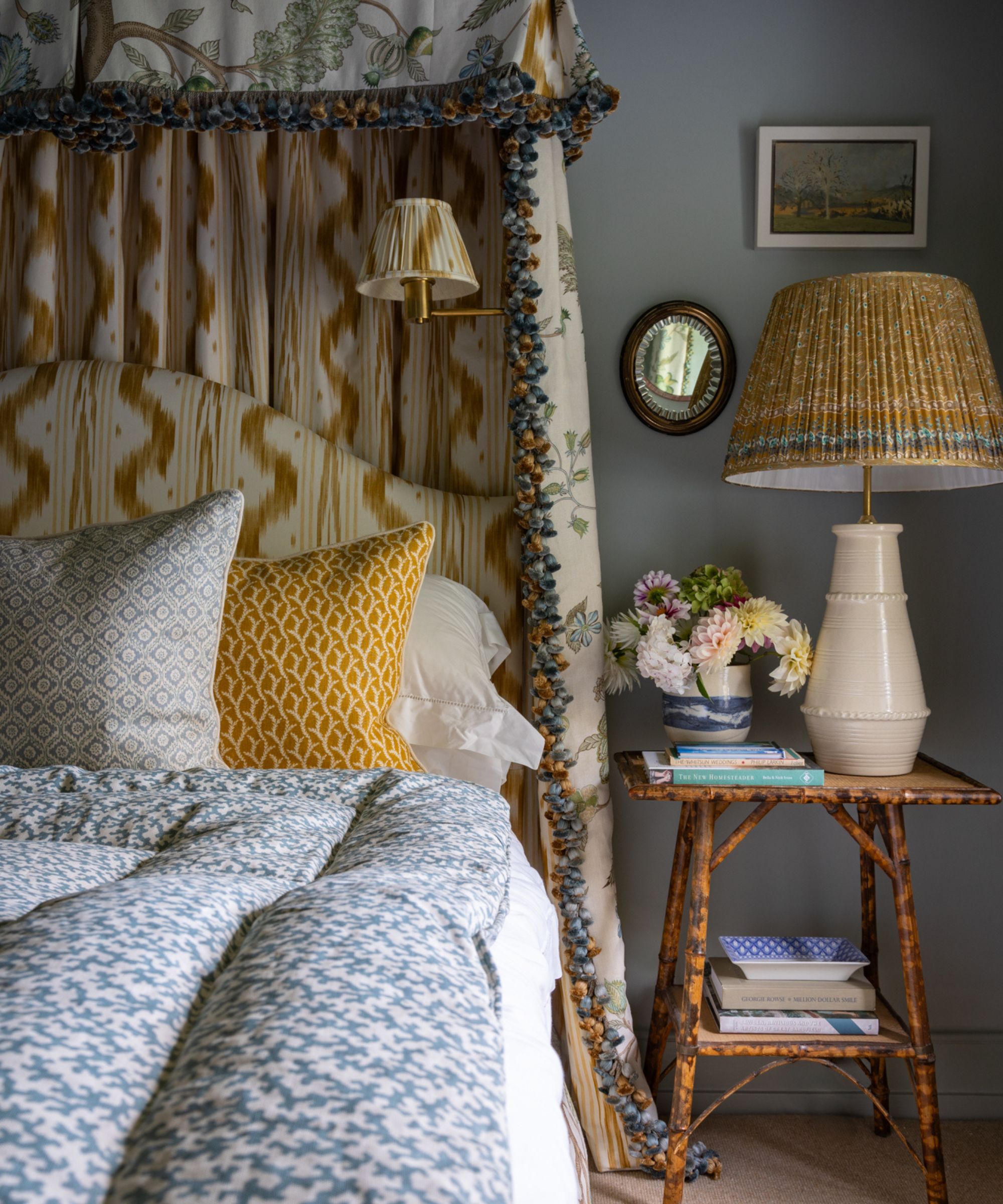
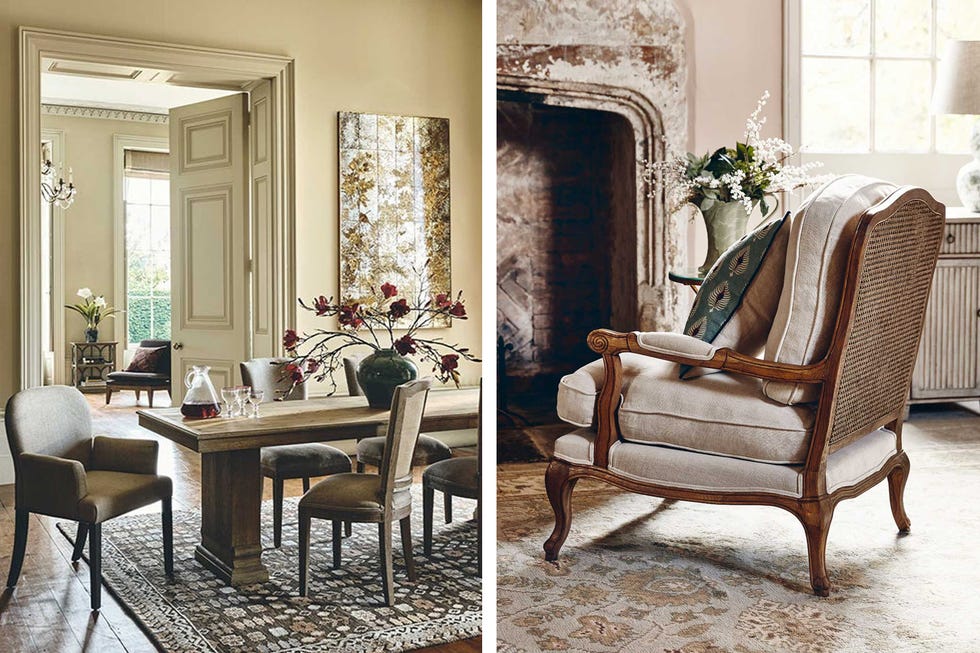
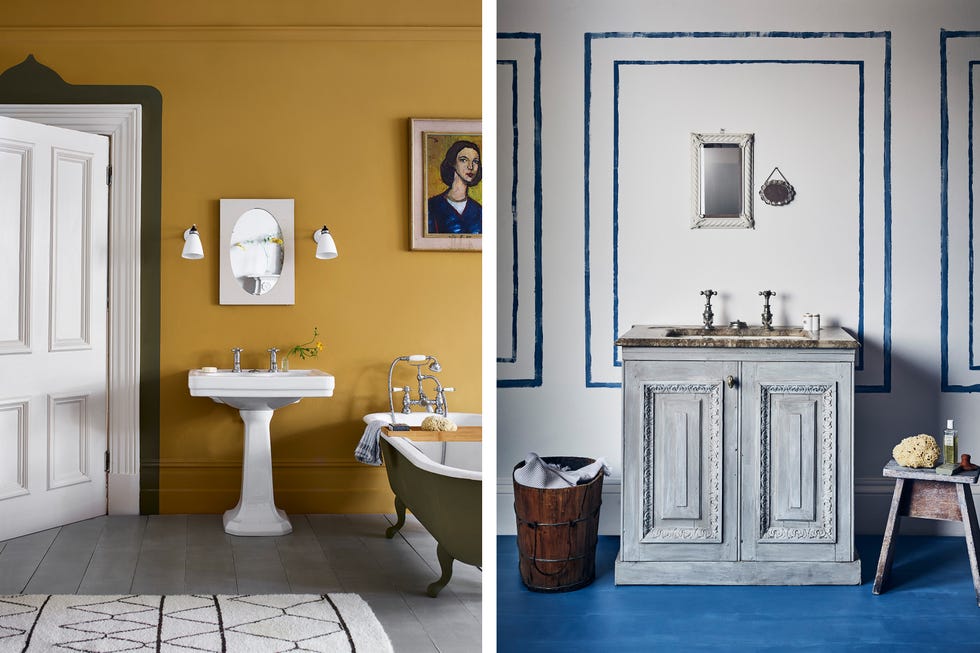
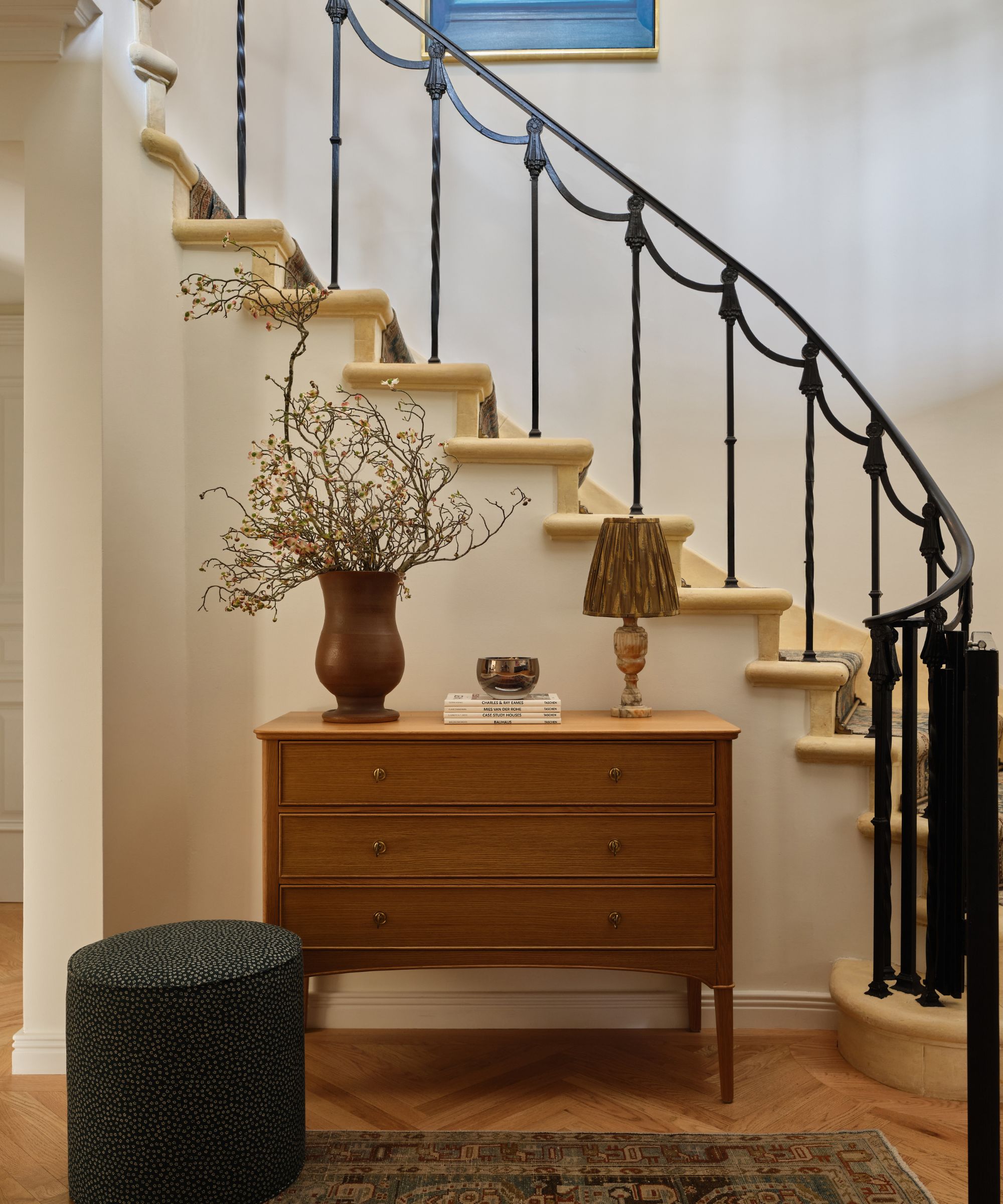
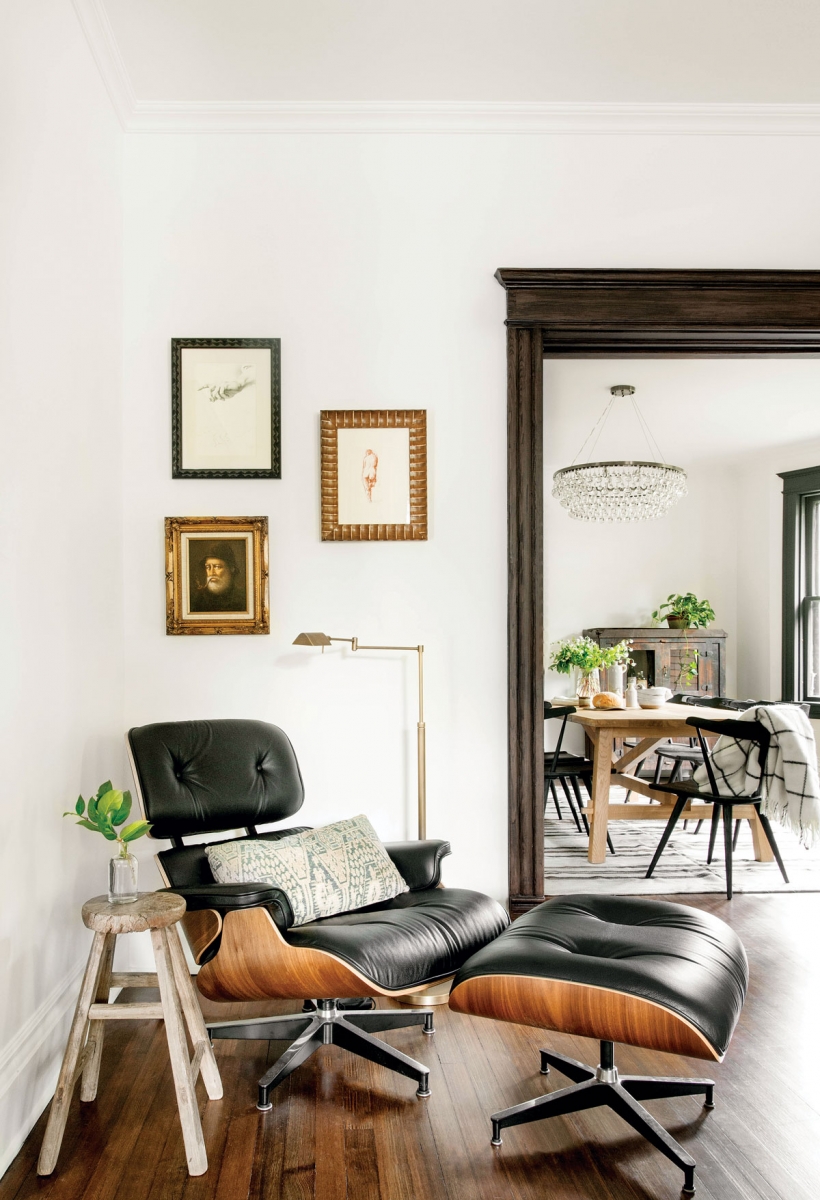
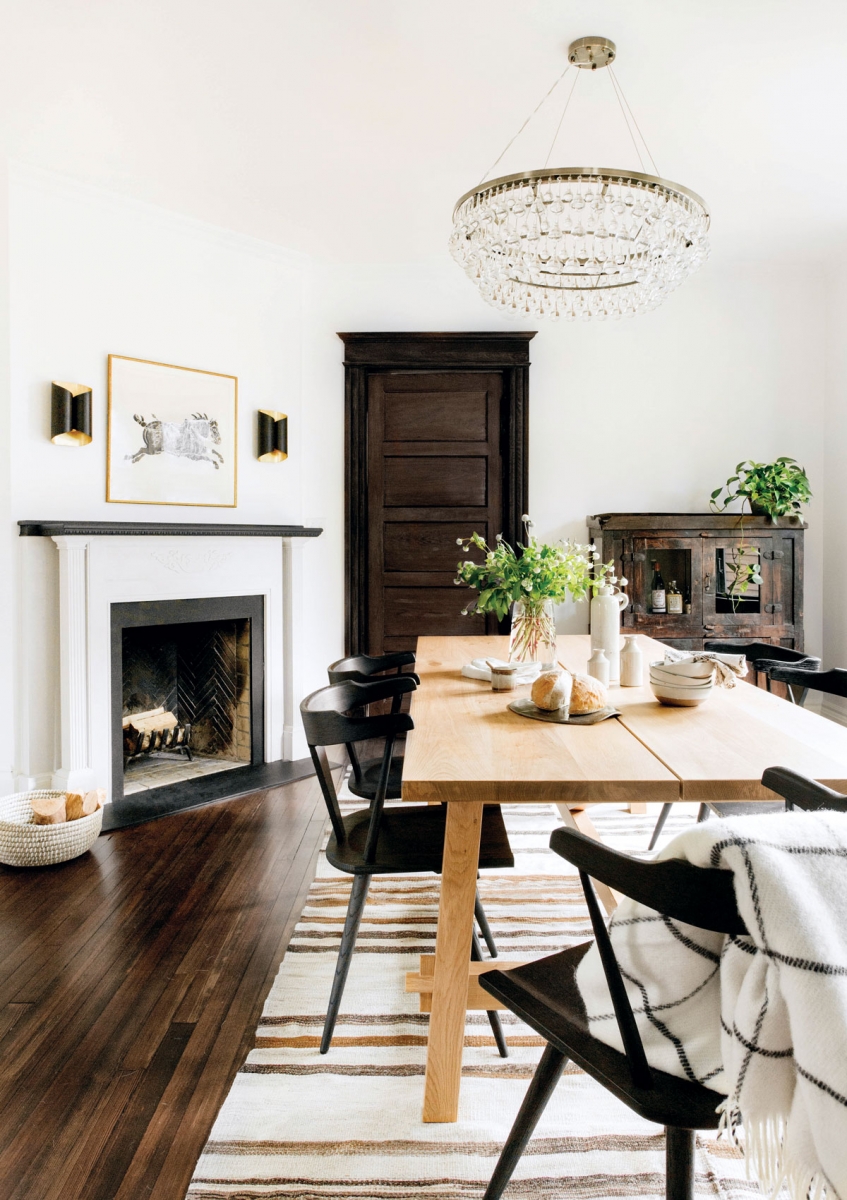
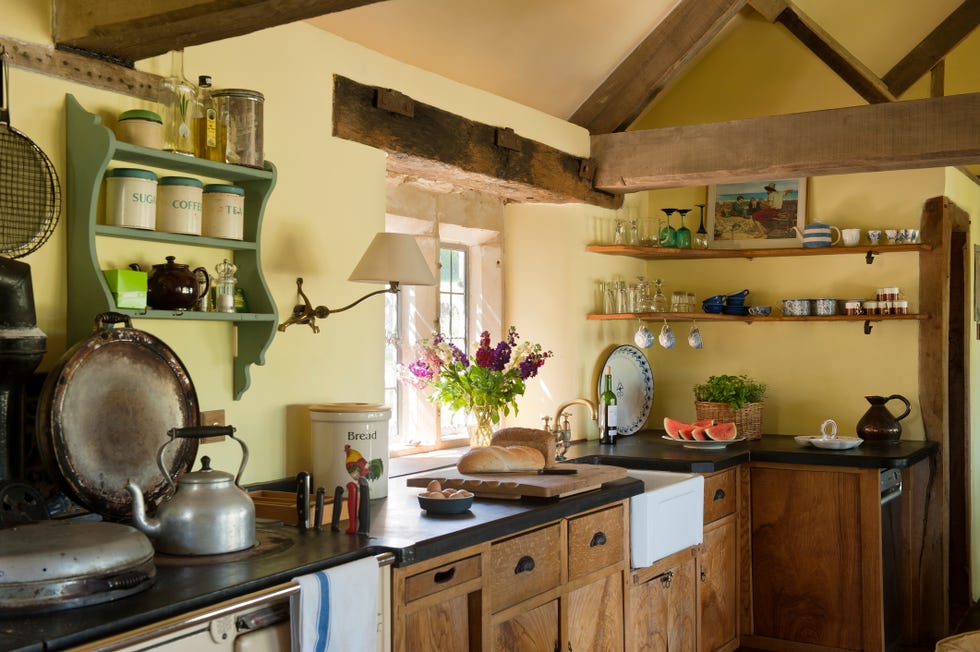
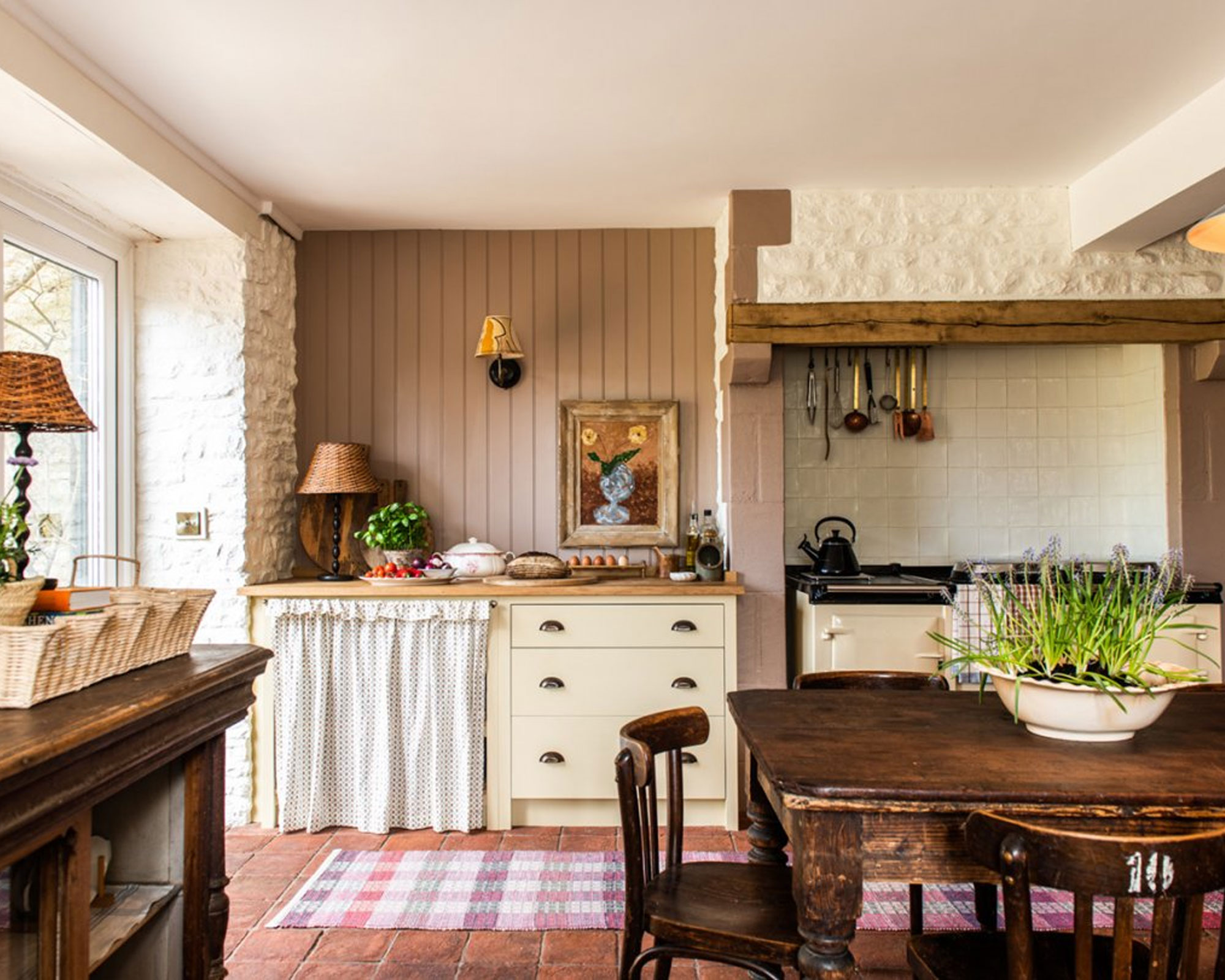
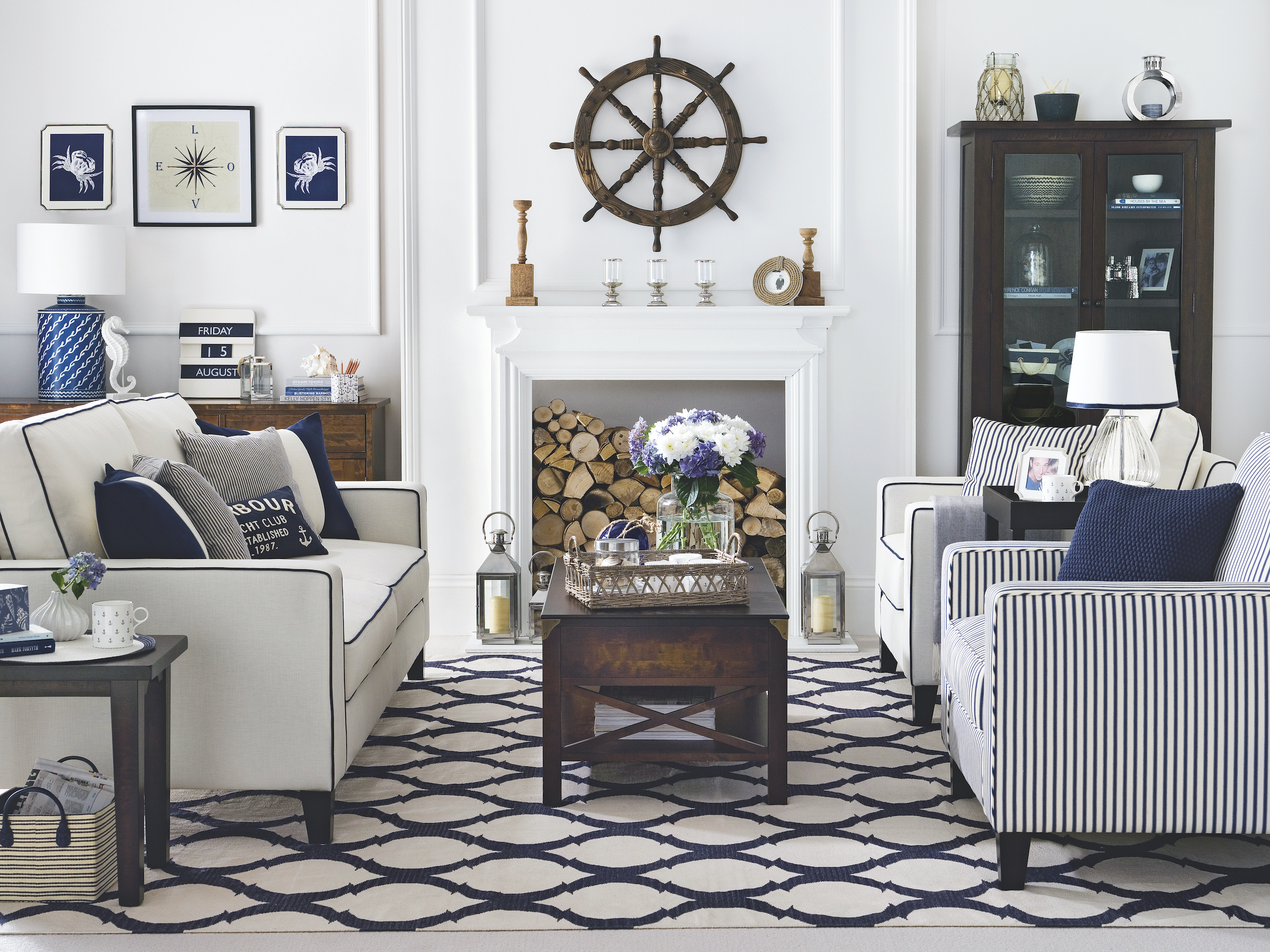
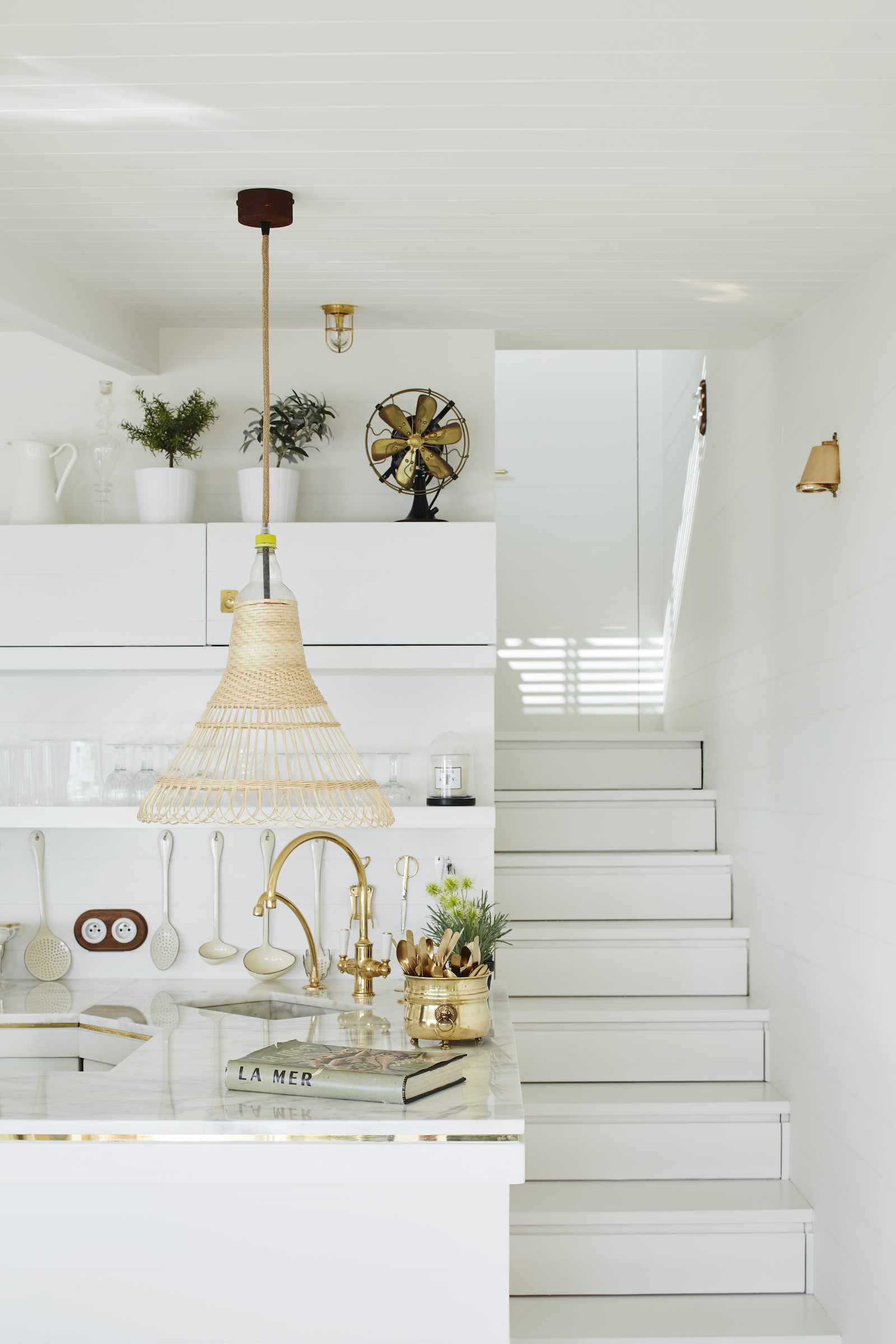
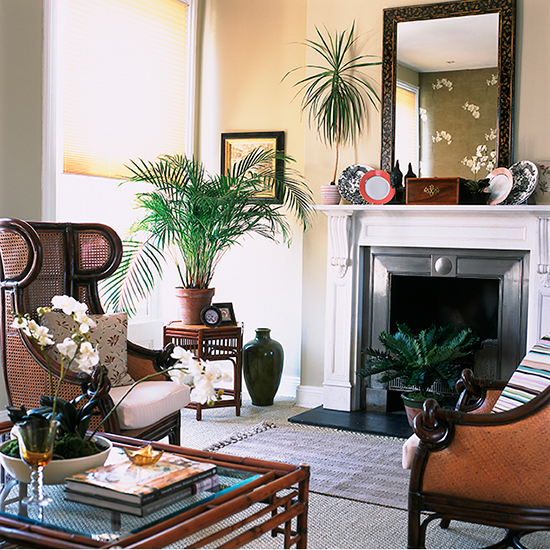
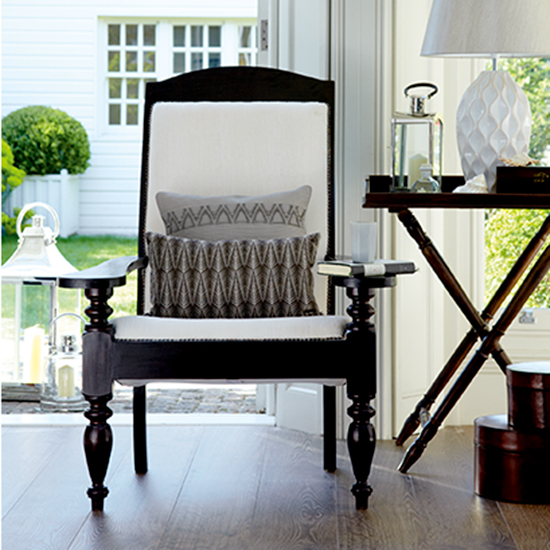
The core elements of British Colonial decor are characterized by a striking contrast between light and dark tones. Whitewashed walls, typically painted in soft white, and sheer, billowy fabrics for windows are used to create an airy, cool atmosphere, mimicking a tropical oasis. These light elements are balanced with dark accents, such as stained timber floors and furniture crafted from native woods like teak or mahogany. Plantation shutters and classic four-poster beds are quintessential features that enhance this contrasting aesthetic.
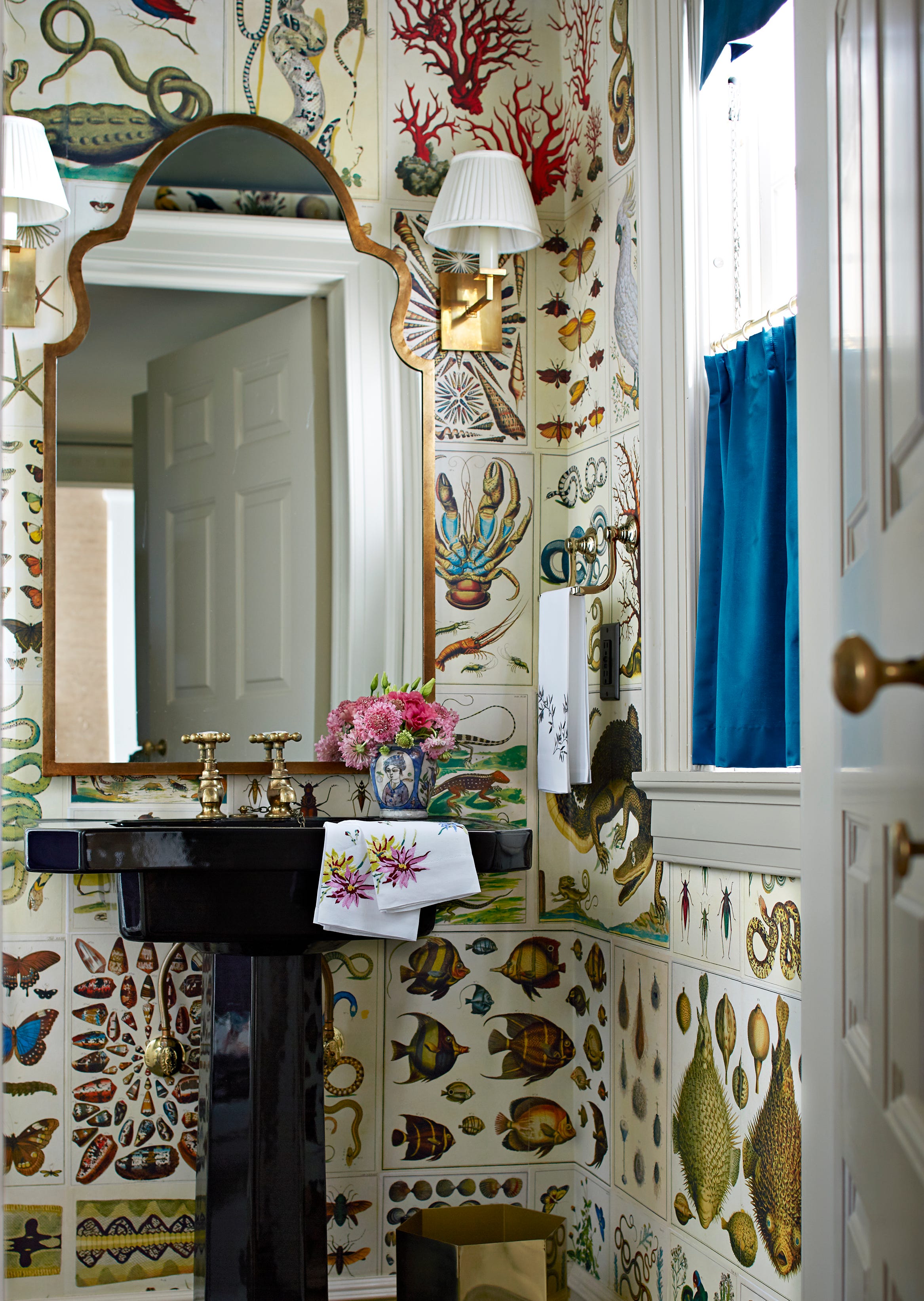
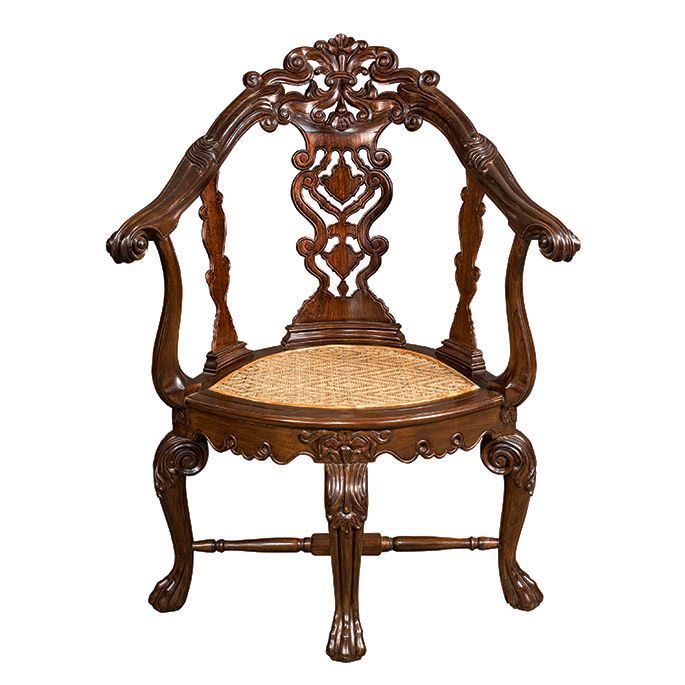
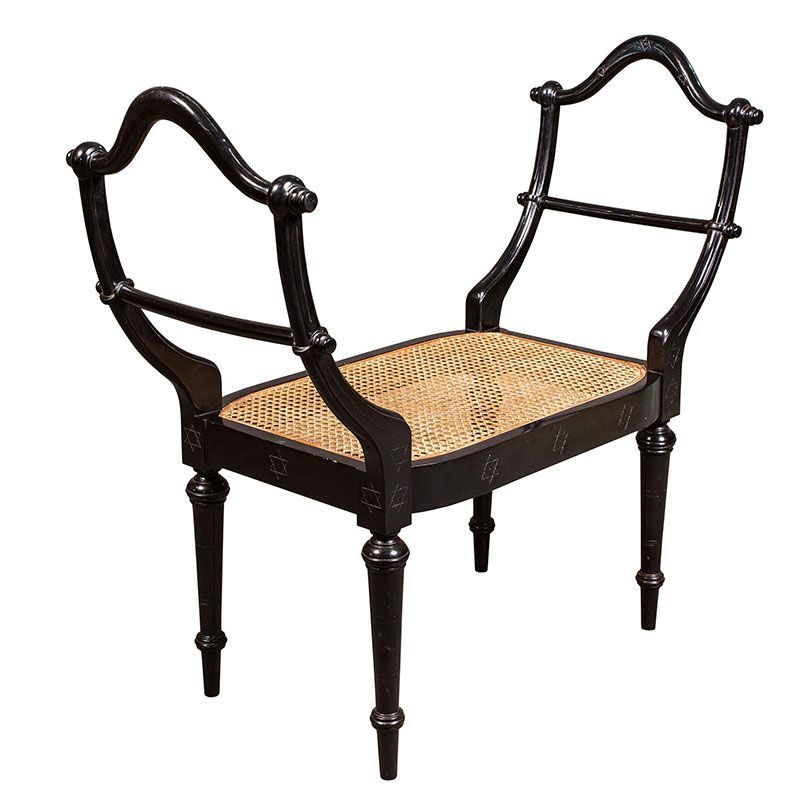
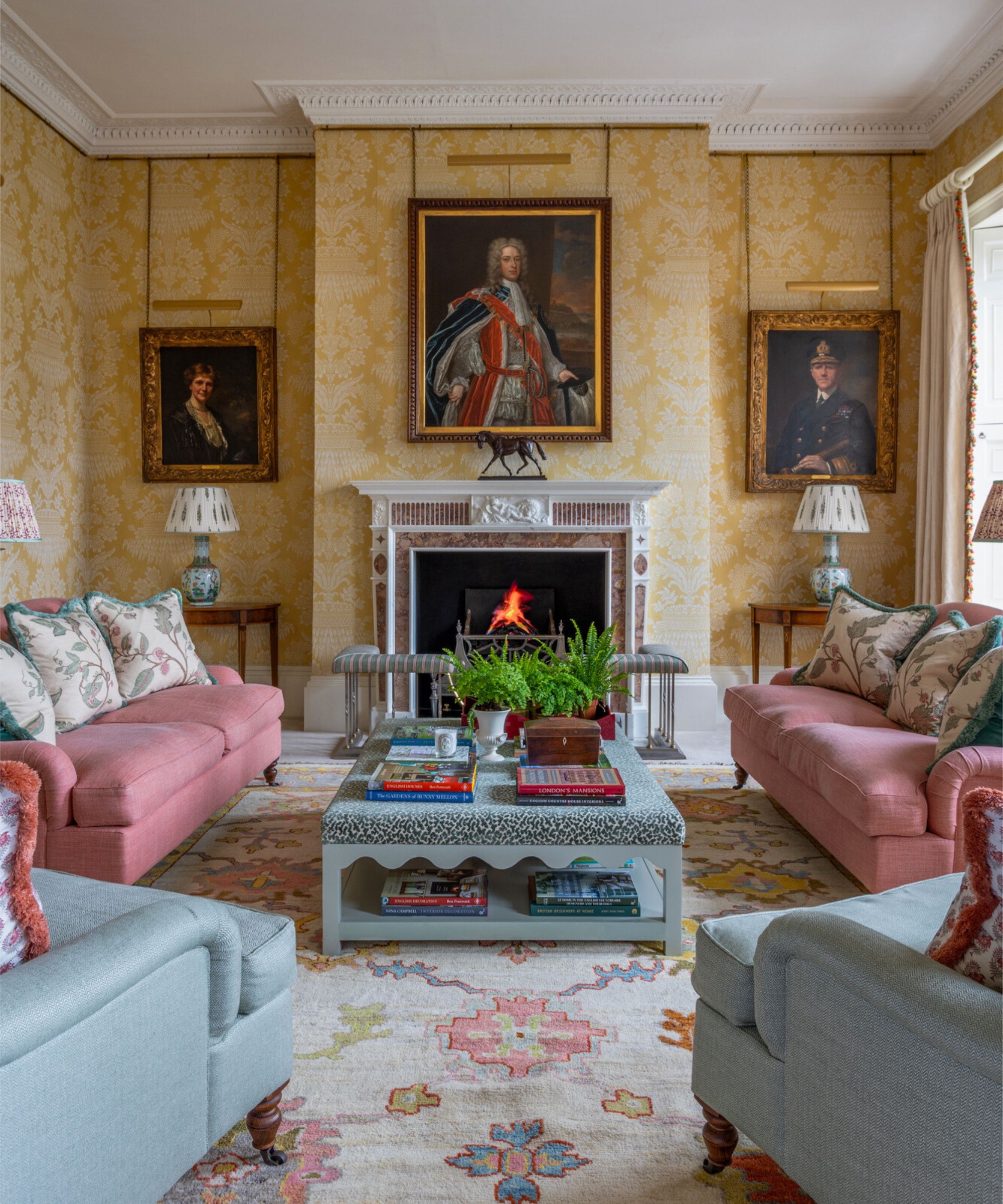
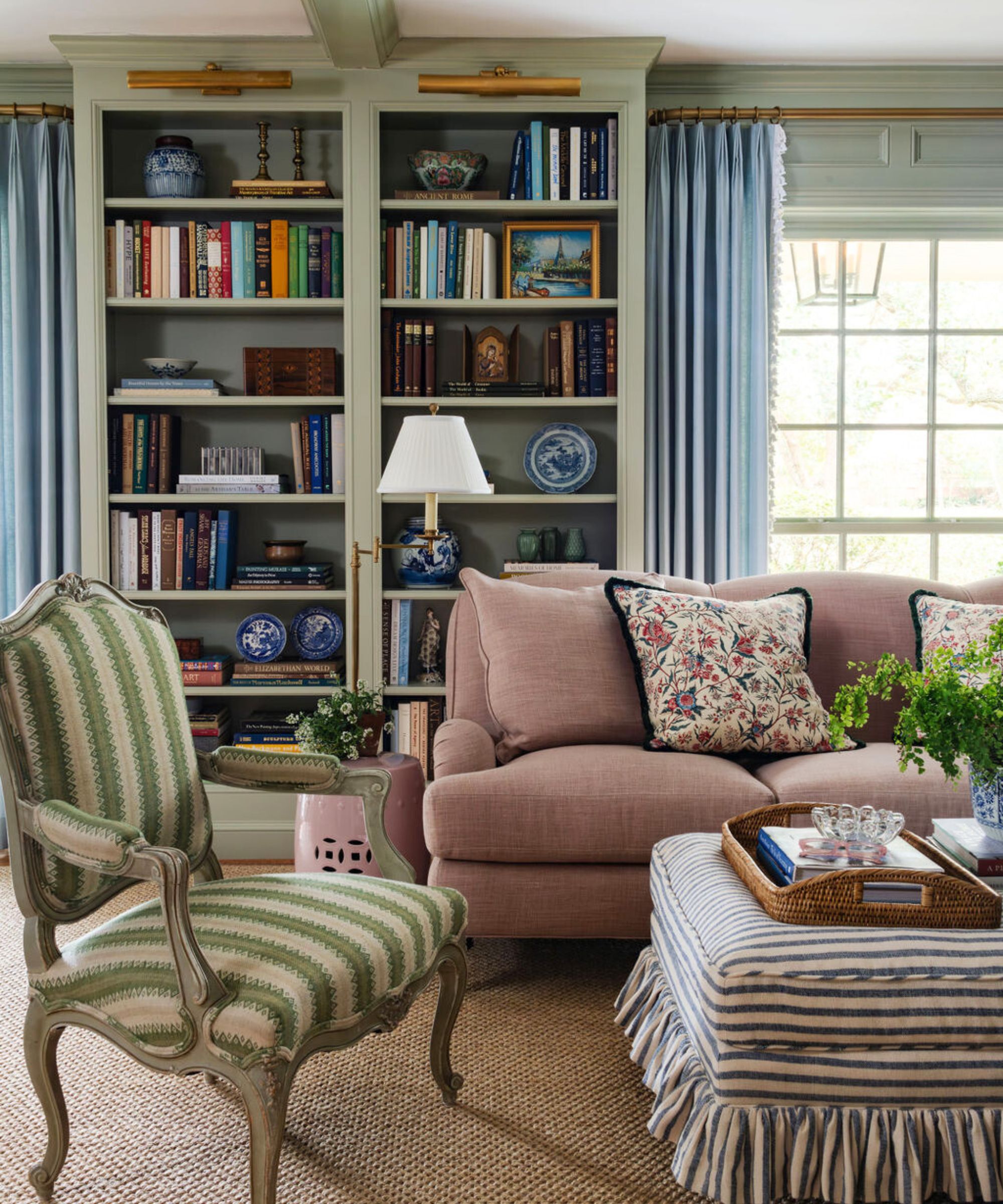
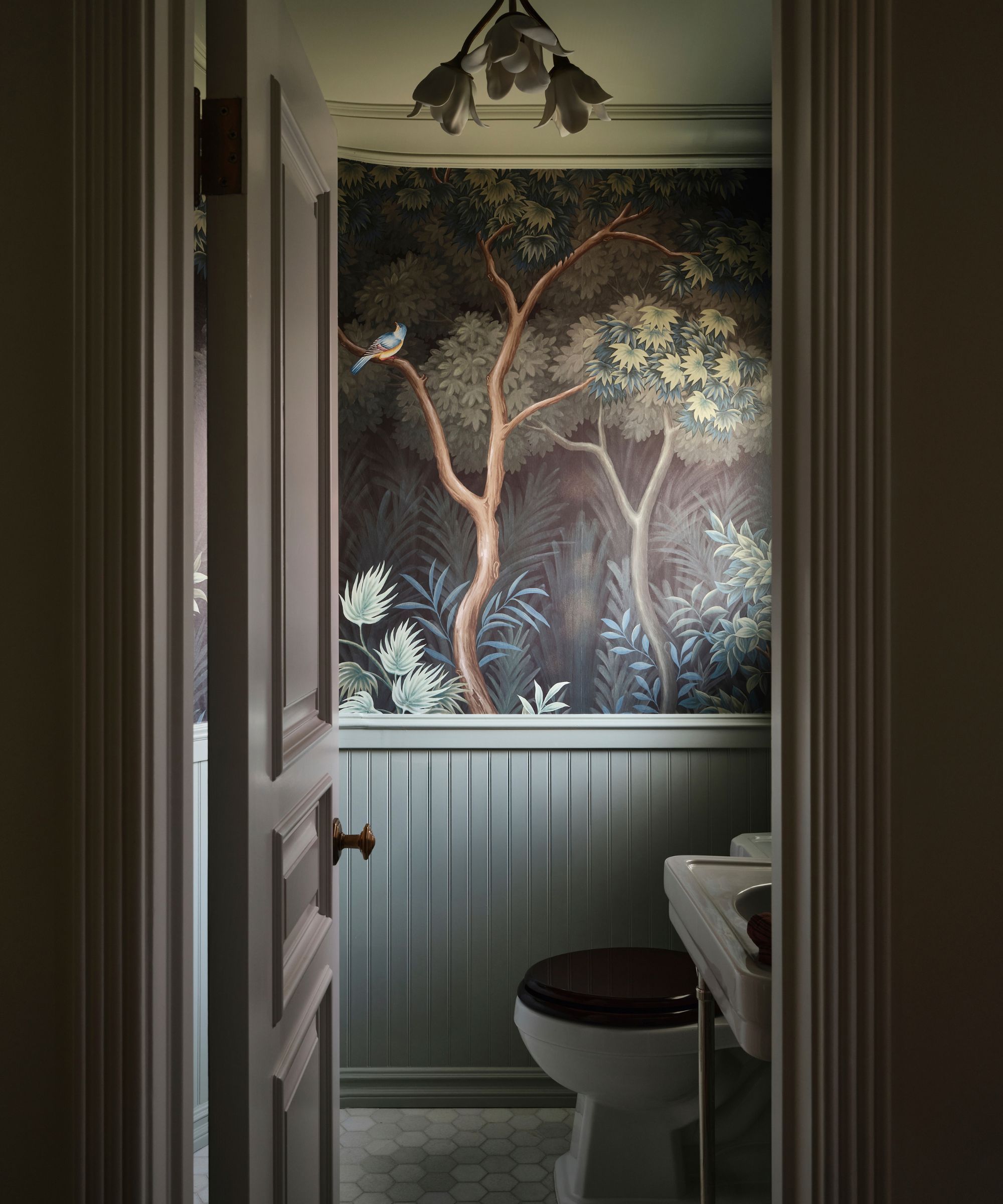
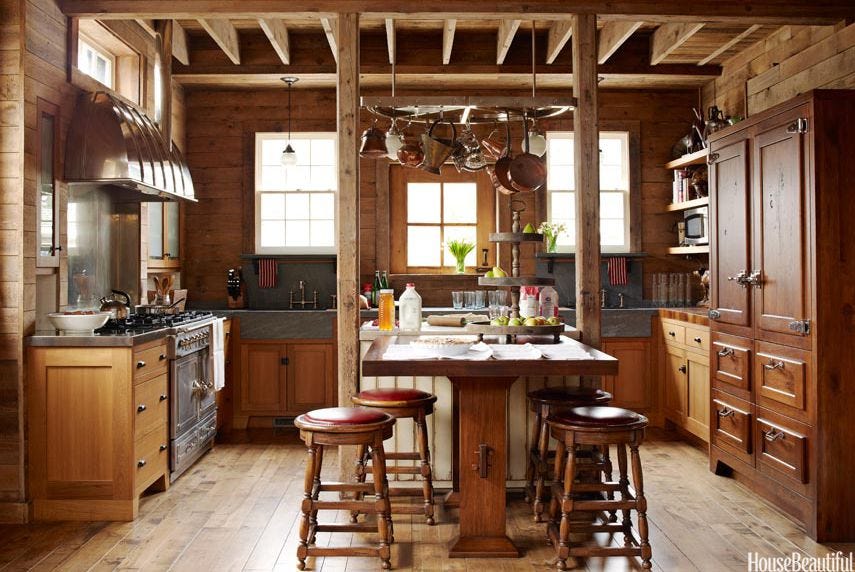
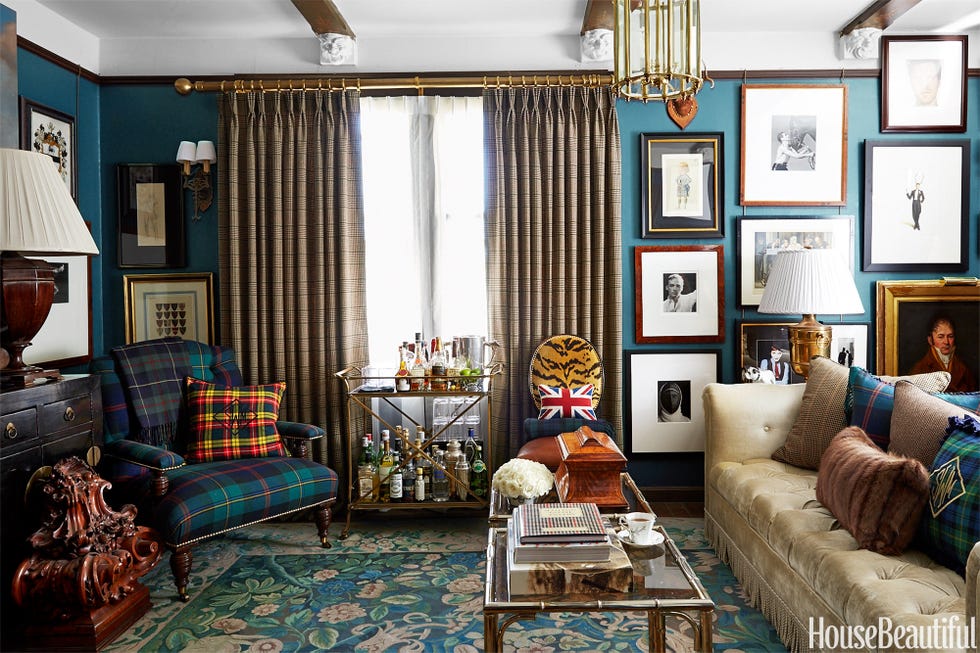
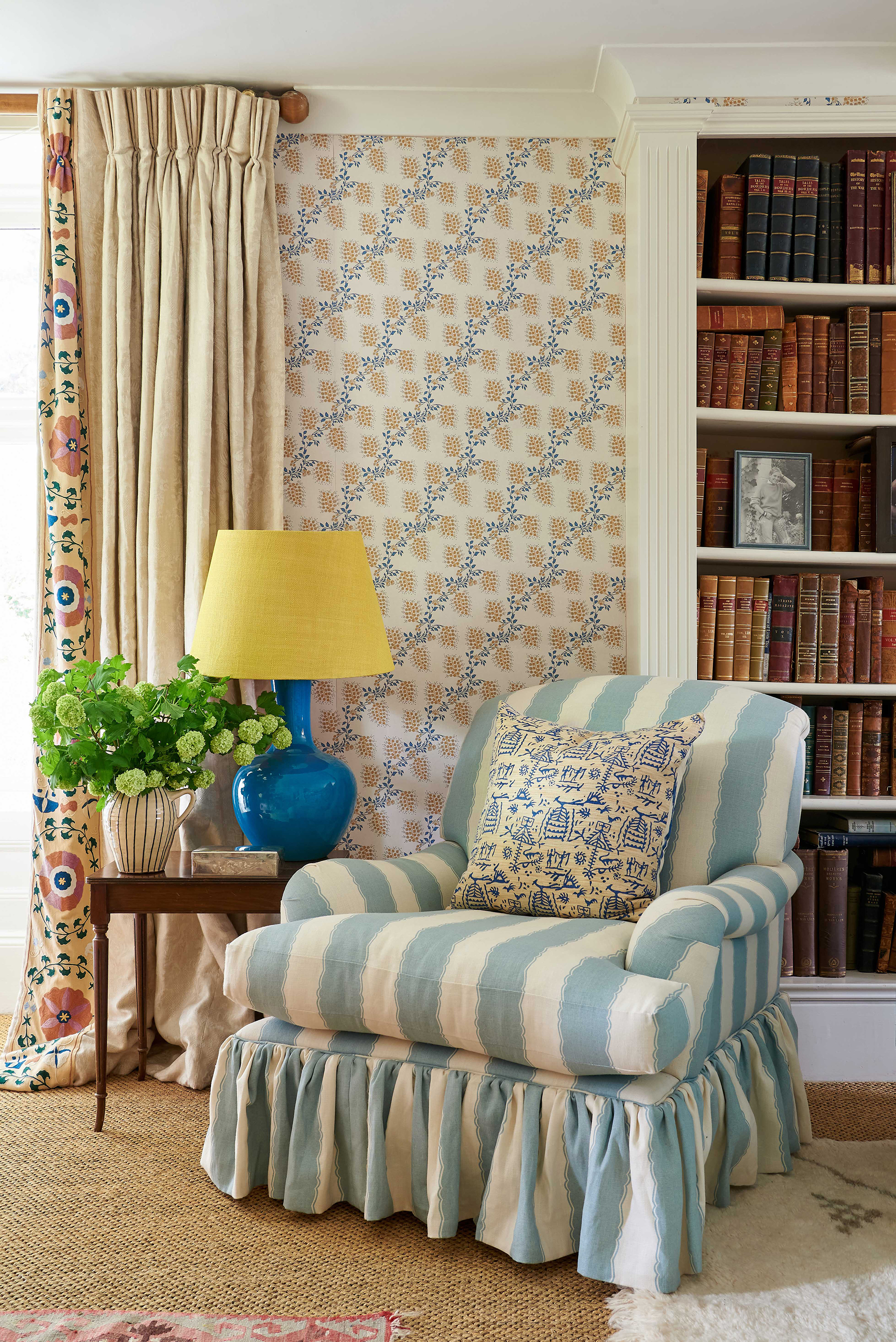
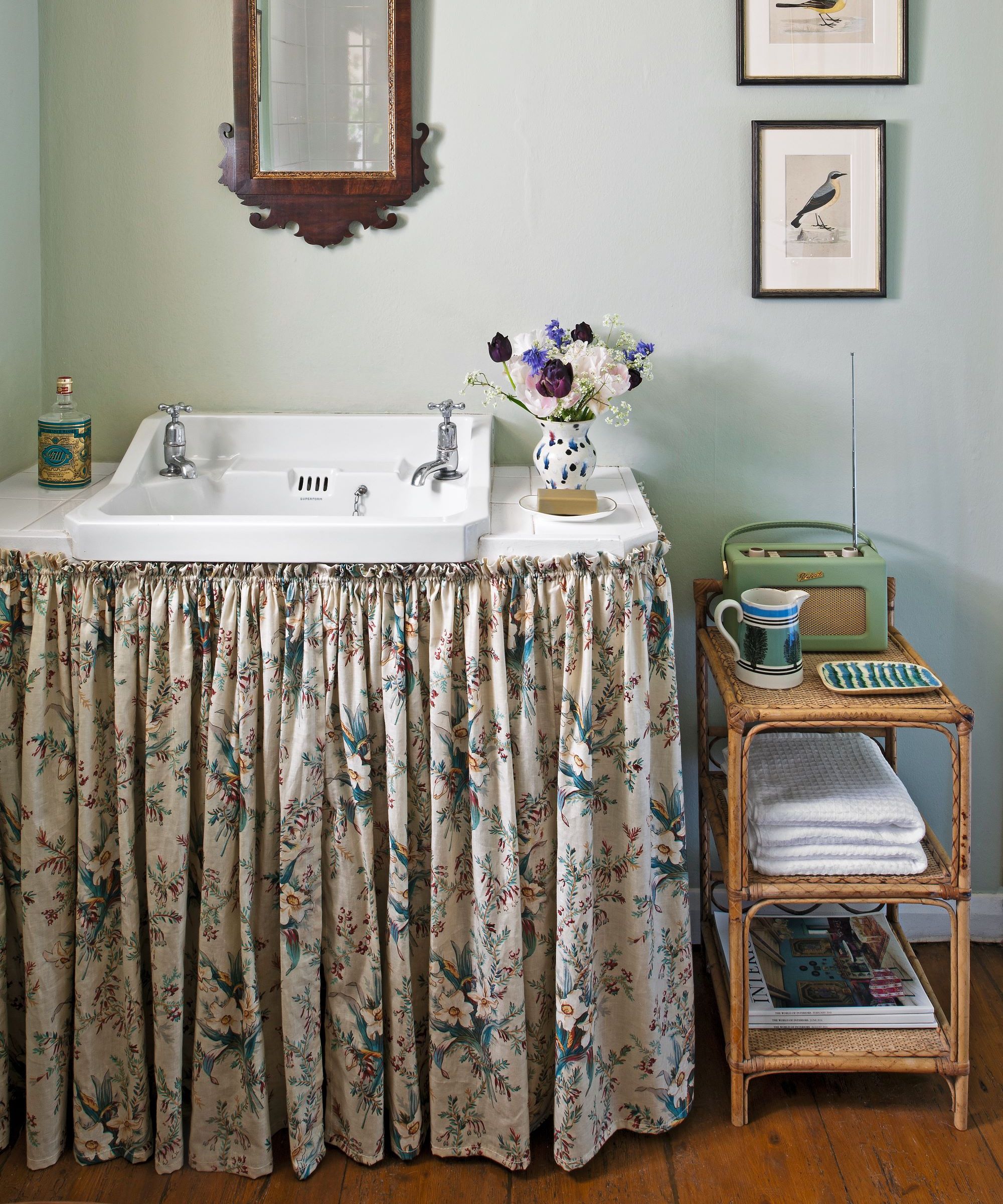
Materials such as rattan and bamboo are frequently incorporated, adding texture and reflecting the use of local resources from the colonies. Portable furniture, like collapsible writing tables, also became popular due to the transient nature of colonial life. The style further integrates global influences through unique accessories, distinctive prints, and eclectic fabrics gathered from world travels, which often included patterns and motifs inspired by Asian, Caribbean, and African cultures. Natural elements play a significant role, with an emphasis on palms, ferns, and other plant life to bring a sense of the tropical environment indoors.
Contemporary decorating trends, such as the use of botanical prints and abundant greenery, align well with the British Colonial approach, further emphasizing the blend of natural and refined elements. The enduring popularity of this style is attributed to its sophisticated yet versatile nature, offering a less formal alternative to purely Victorian designs. However, embracing this style also means acknowledging the complex and often harsh realities of the British Empire's colonial past, including instances of famine and violence in colonized territories. Understanding this history enriches the appreciation of the style, allowing for a more informed and mindful approach to its adoption.
#BritishColonialStyle #HomeDecor #InteriorDesign #ColonialismHistory #EclecticDecor #TropicalDesign #VictorianInfluence #GlobalInspiredDecor #BritishColonialStyle #HomeDecor #InteriorDesign #ColonialismHistory #EclecticDecor #TropicalDesign #VictorianInfluence #GlobalInspiredDecor
0 comment in total
 No comments yet
You may also like
What Exactly Is a Colonial Revival Home?

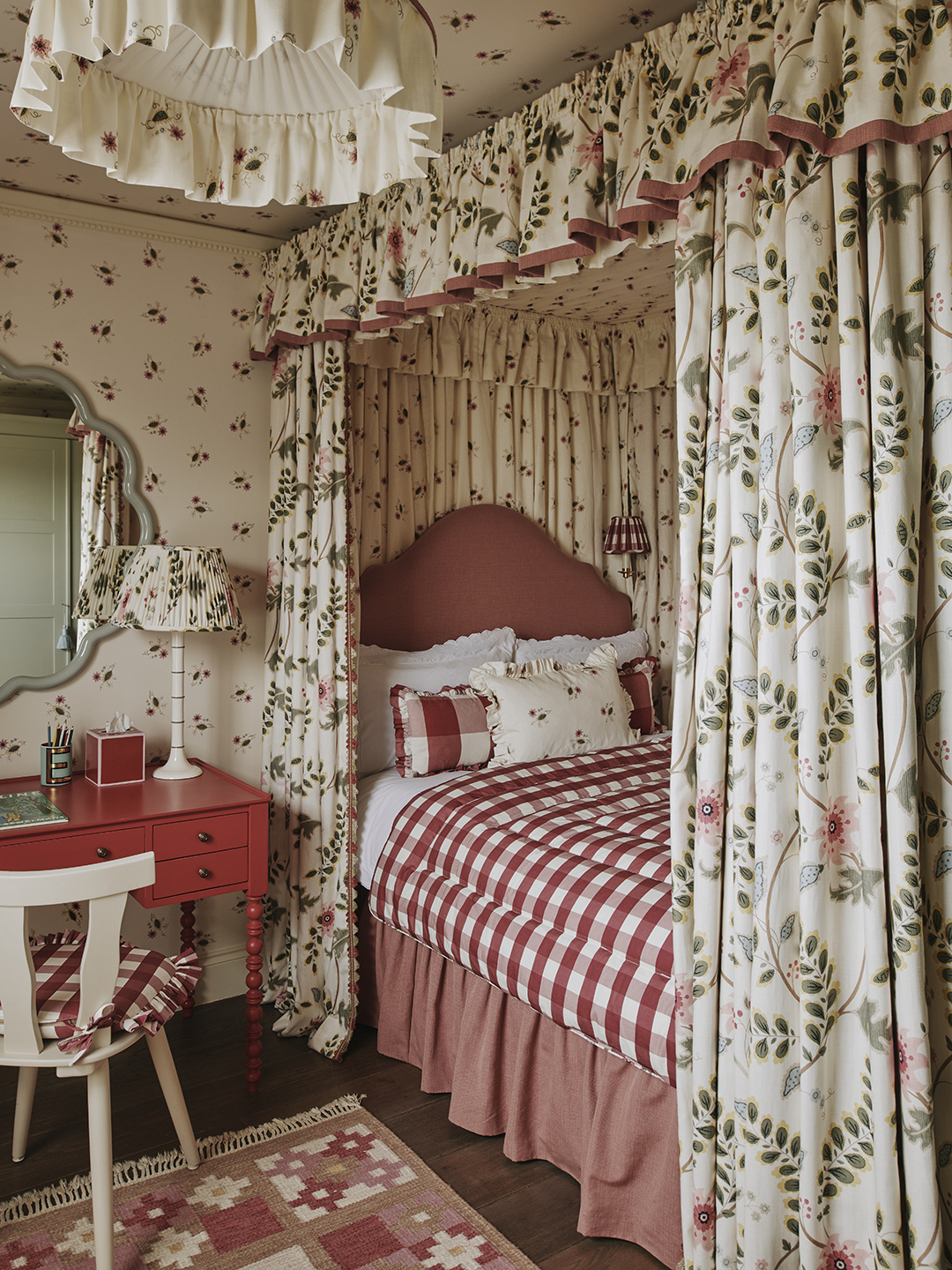
This Joyful London Home Is Where Britishcore Style Is Heading

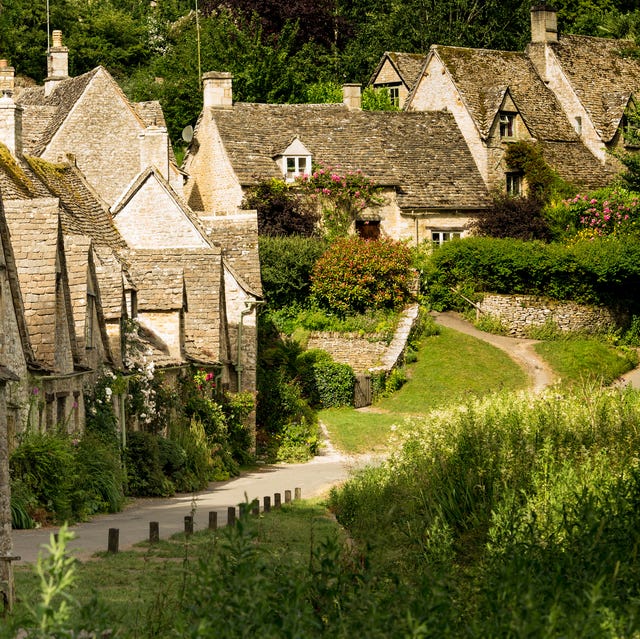
Why We Love English Country Style—and Why It's So Hard to Get the Look
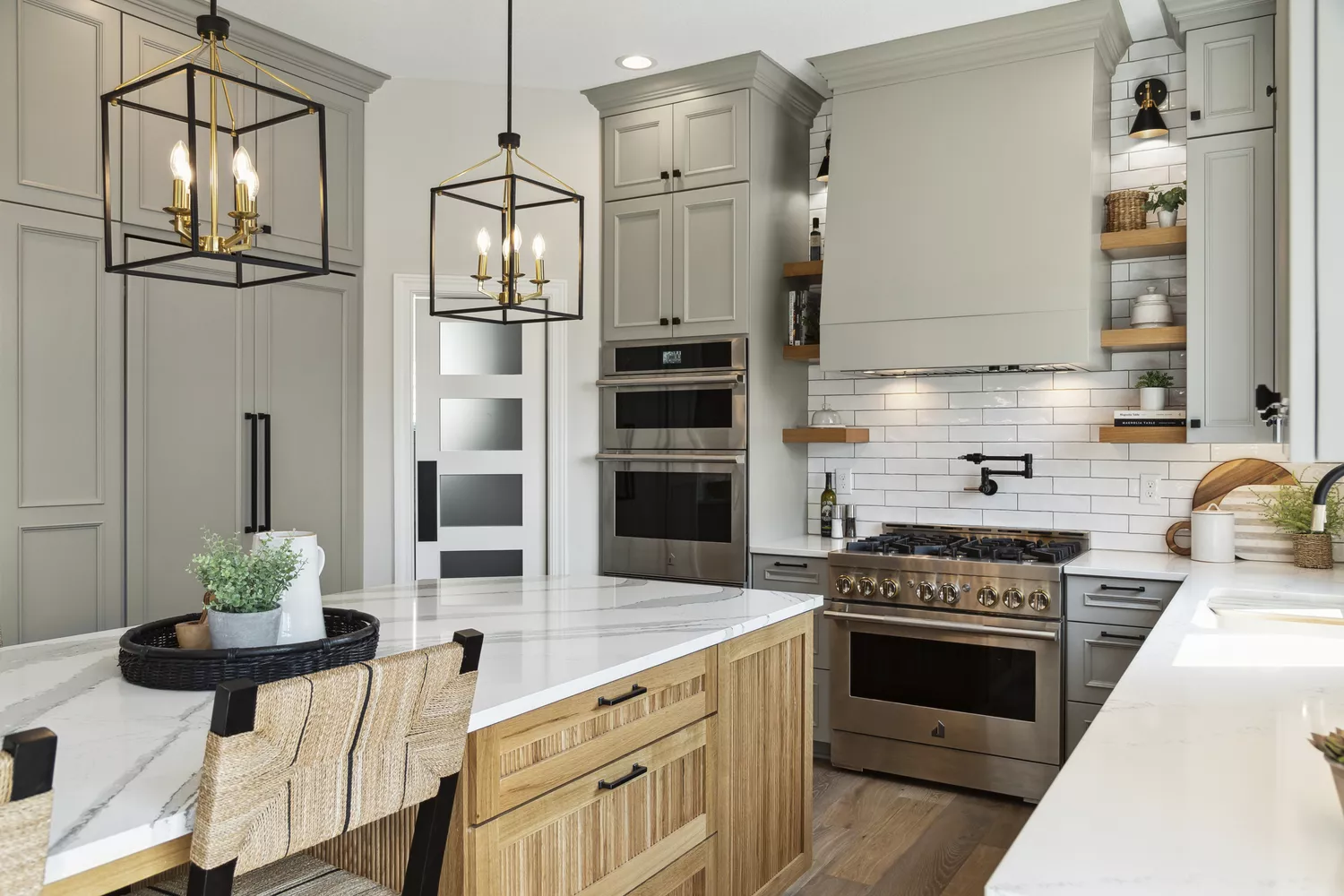
These Colonial Kitchen Designs Radiate Warmth and Comfort—Here's How to Get the Look
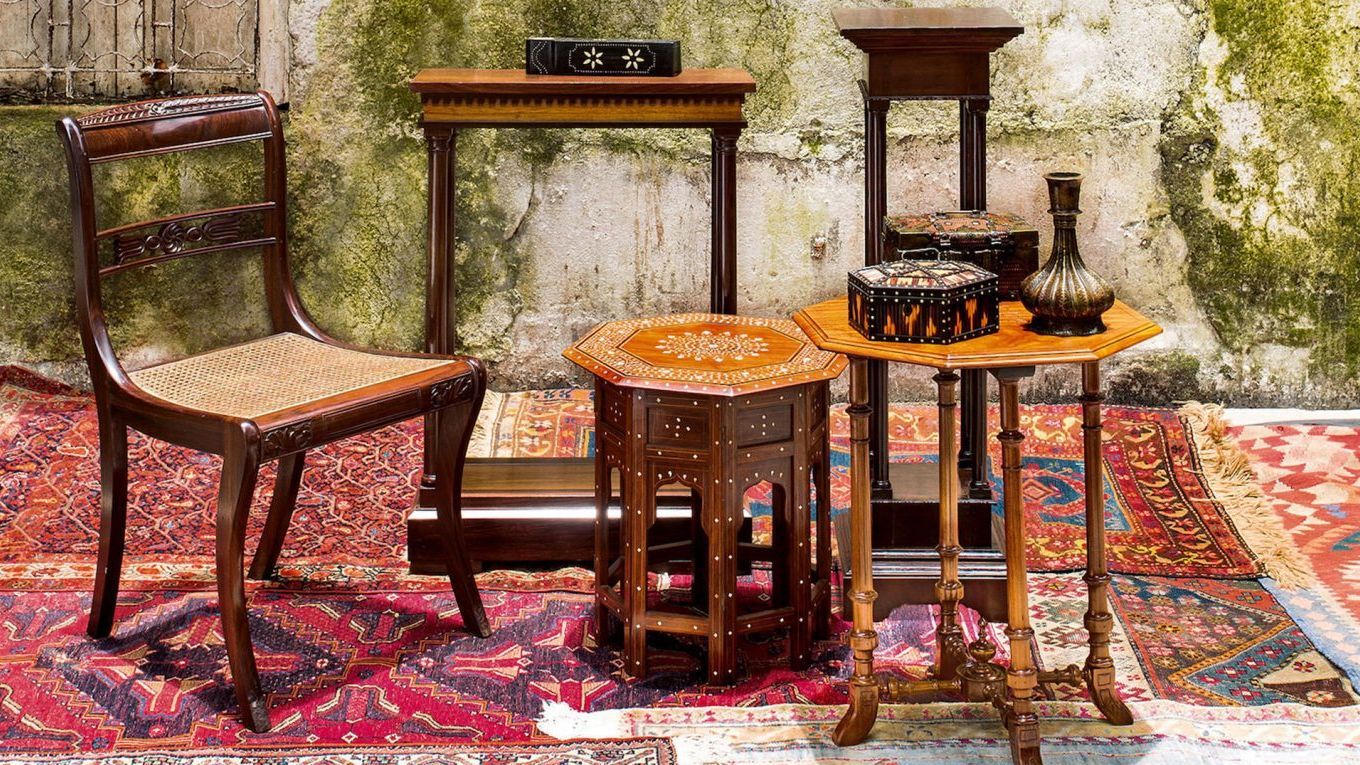
Here’s why colonial furniture is still coveted by design enthusiasts

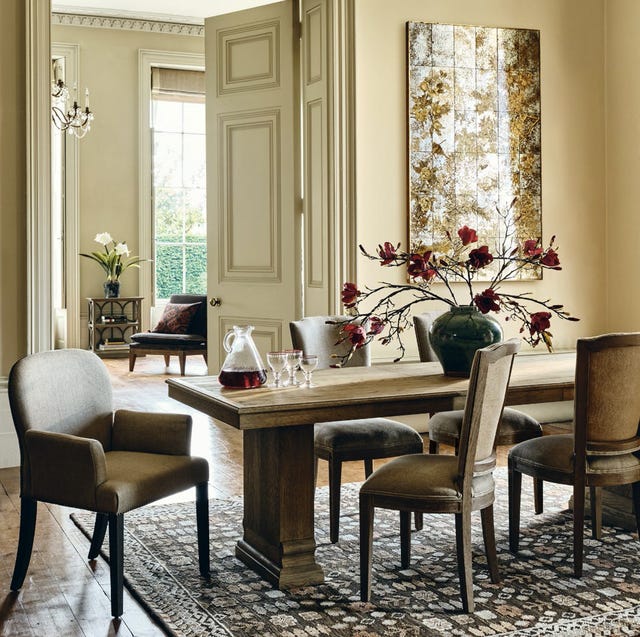
Get the stately home look: Design ideas inspired by traditional English interiors
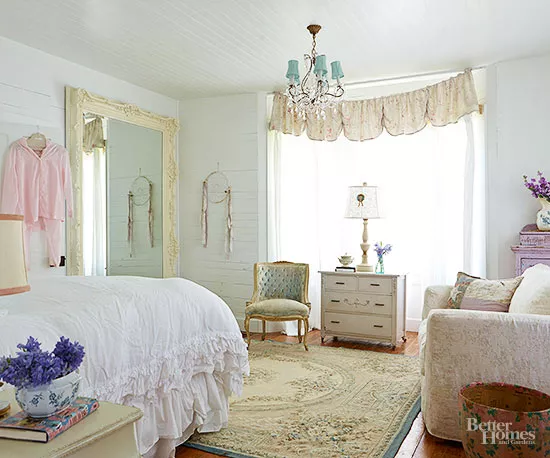
28 English Cottage Style Ideas to Enchant Your Inner Jane Austen

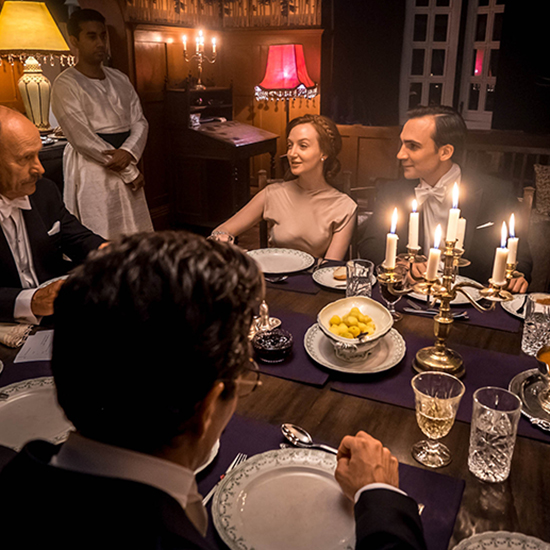
5 simple steps to the colonial-cool look of Indian Summers
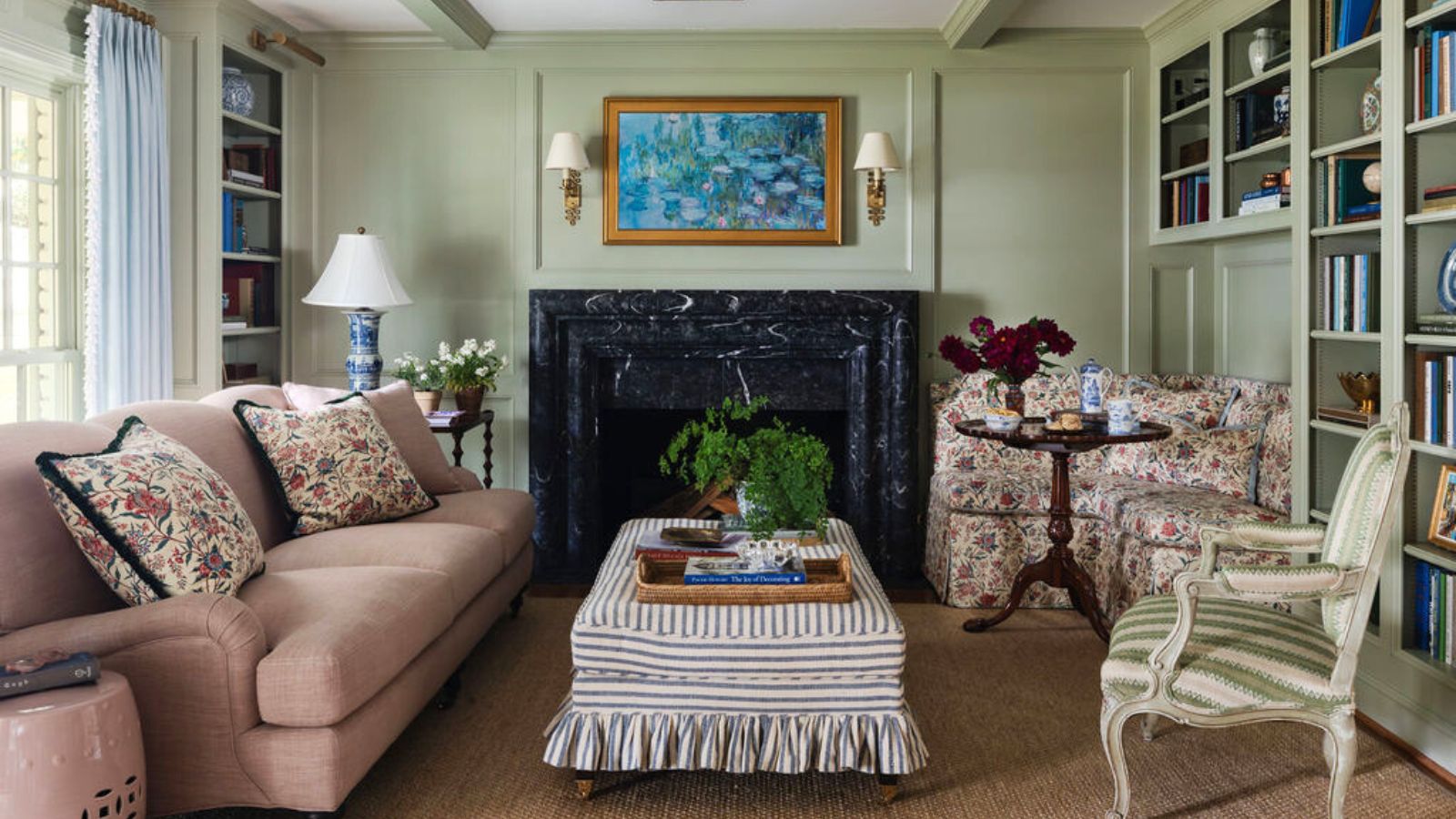
British interior design trends - 10 ways to embrace quintessential British style
What Is French Colonial Architecture?
How to recreate an English cottage style, no matter what style of home you live in

The Cozy Kitchen Style That's Replacing Modern Farmhouse
Today's Twist on Classic Colonial Style Is Fresher Than Ever—Here's How to Get the Look
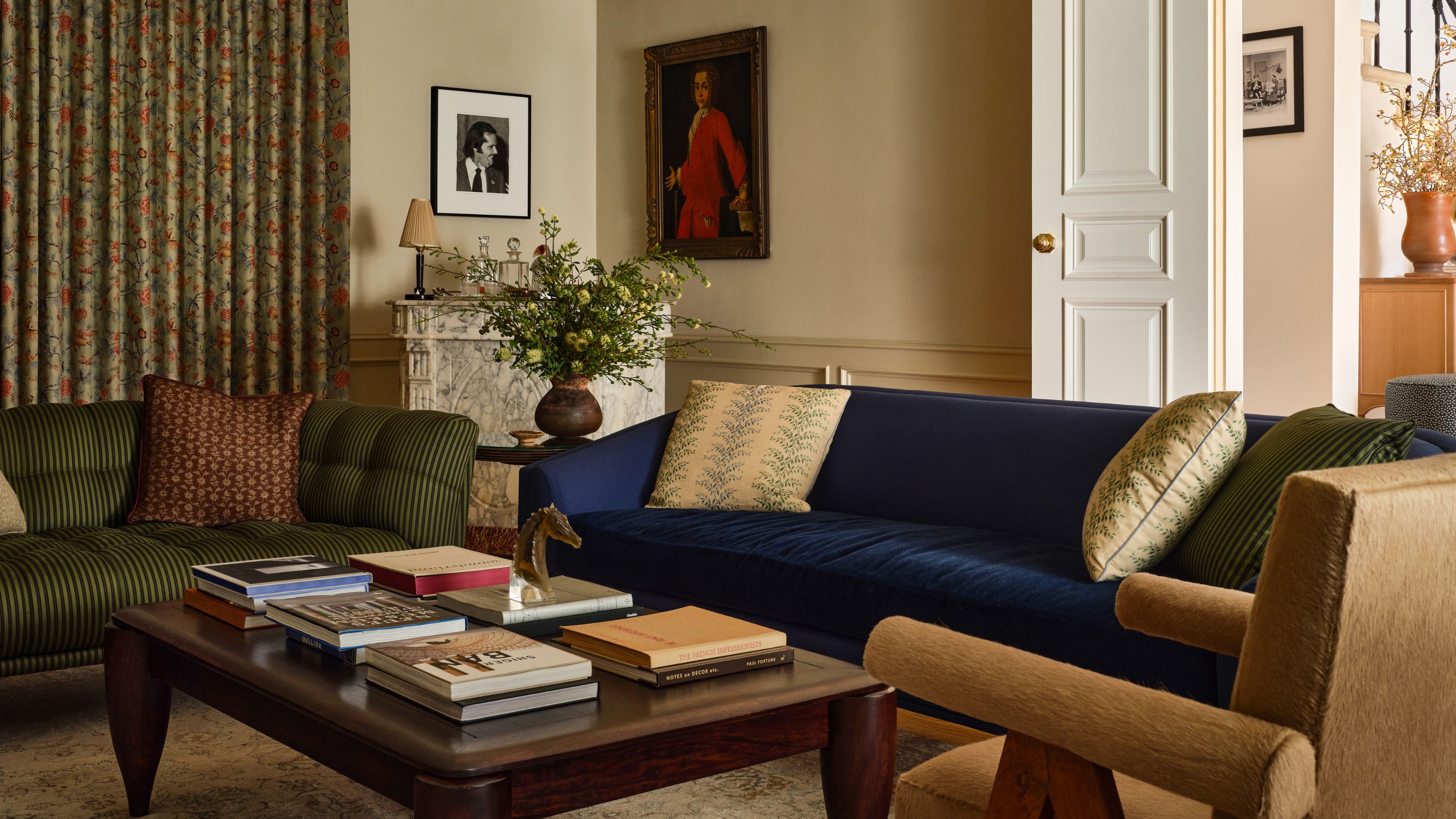
A 1940s Colonial Revival Where Color and Pattern Mix With Old and New to Create a Truly Transitional Family Home

Saxons to Stormzy: Nine radical moments that defined their era

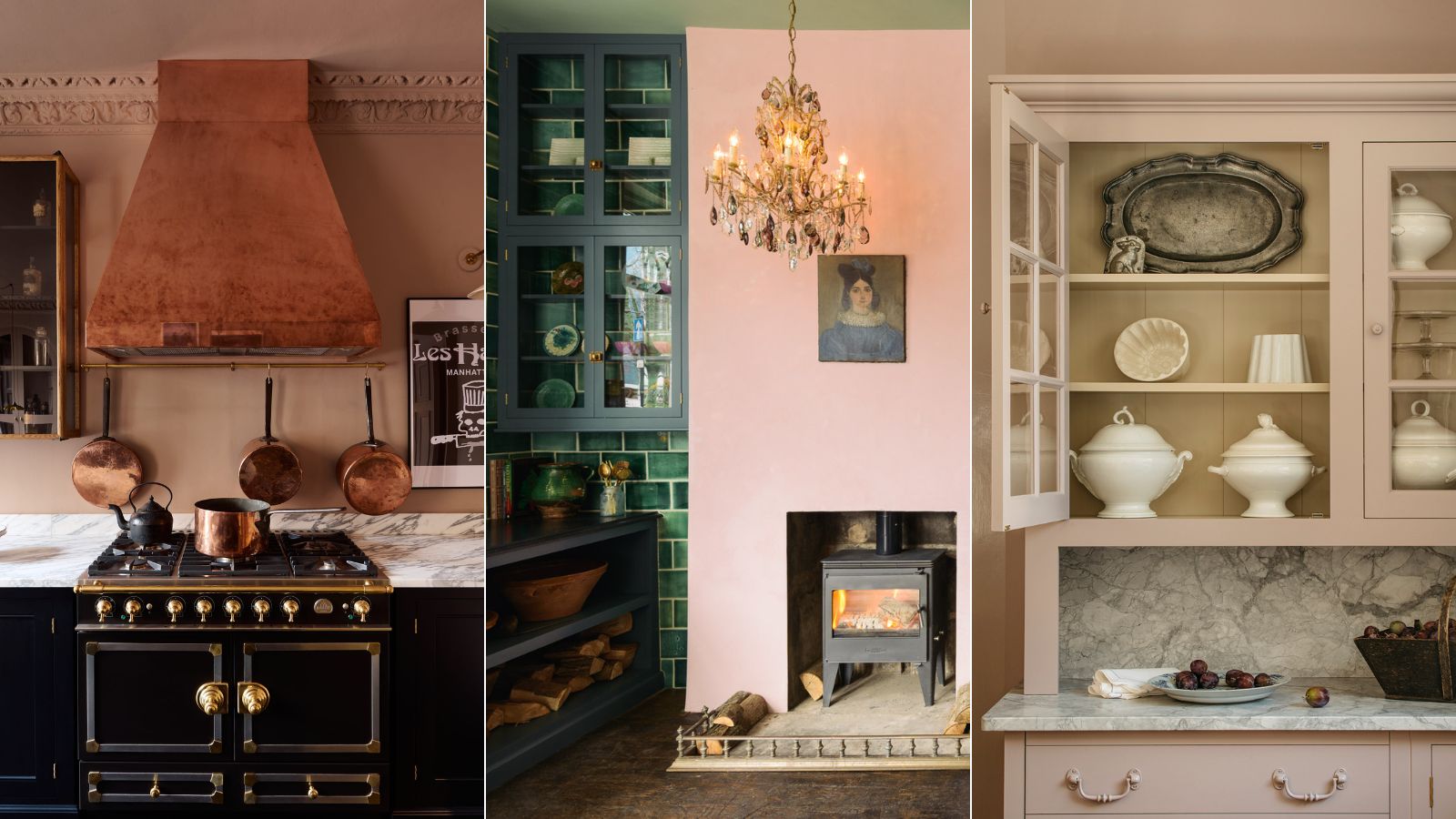
What is an English kitchen? Interior designers share how to get this classic, cozy style at home
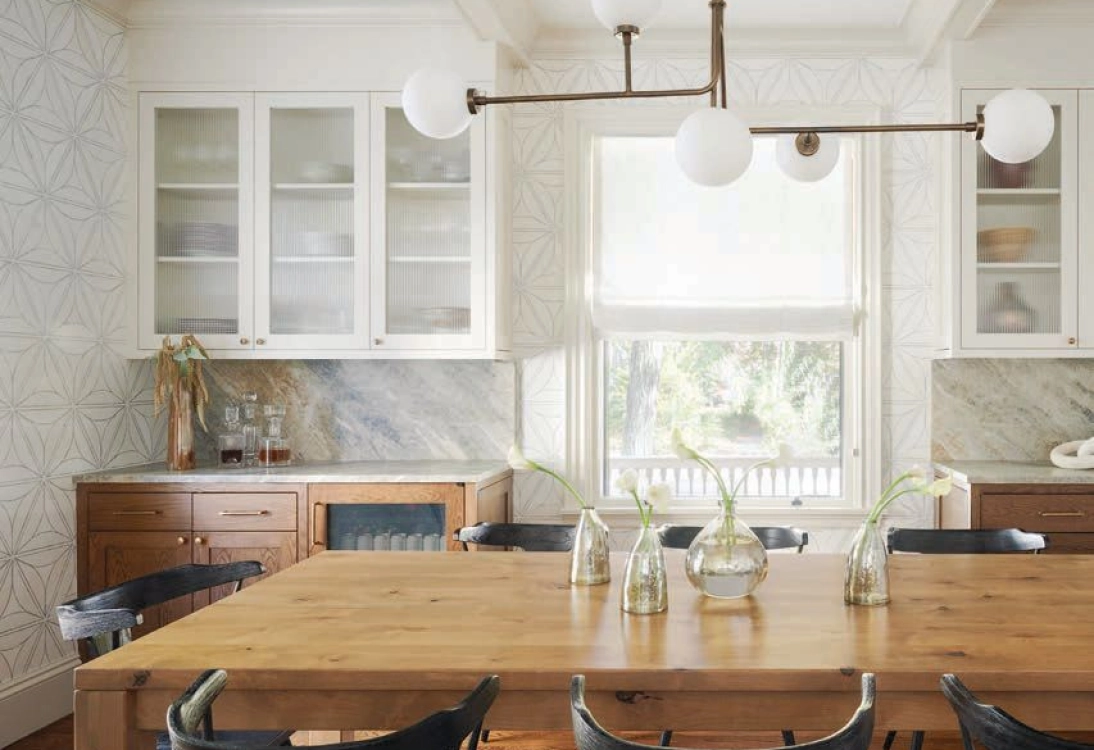
Custom Colonial Home Design: Maximizing Space & Style
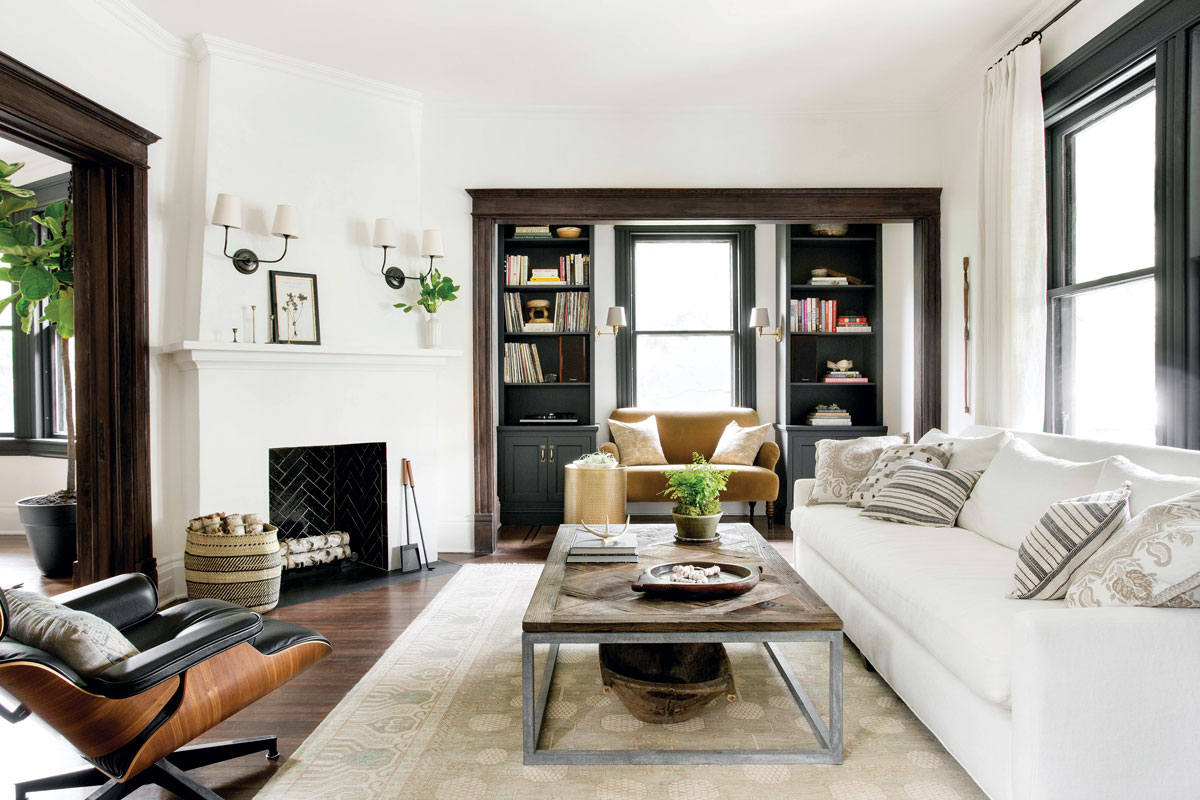
Natural Elements and Glam Give New Life to a Victorian Colonial Revival

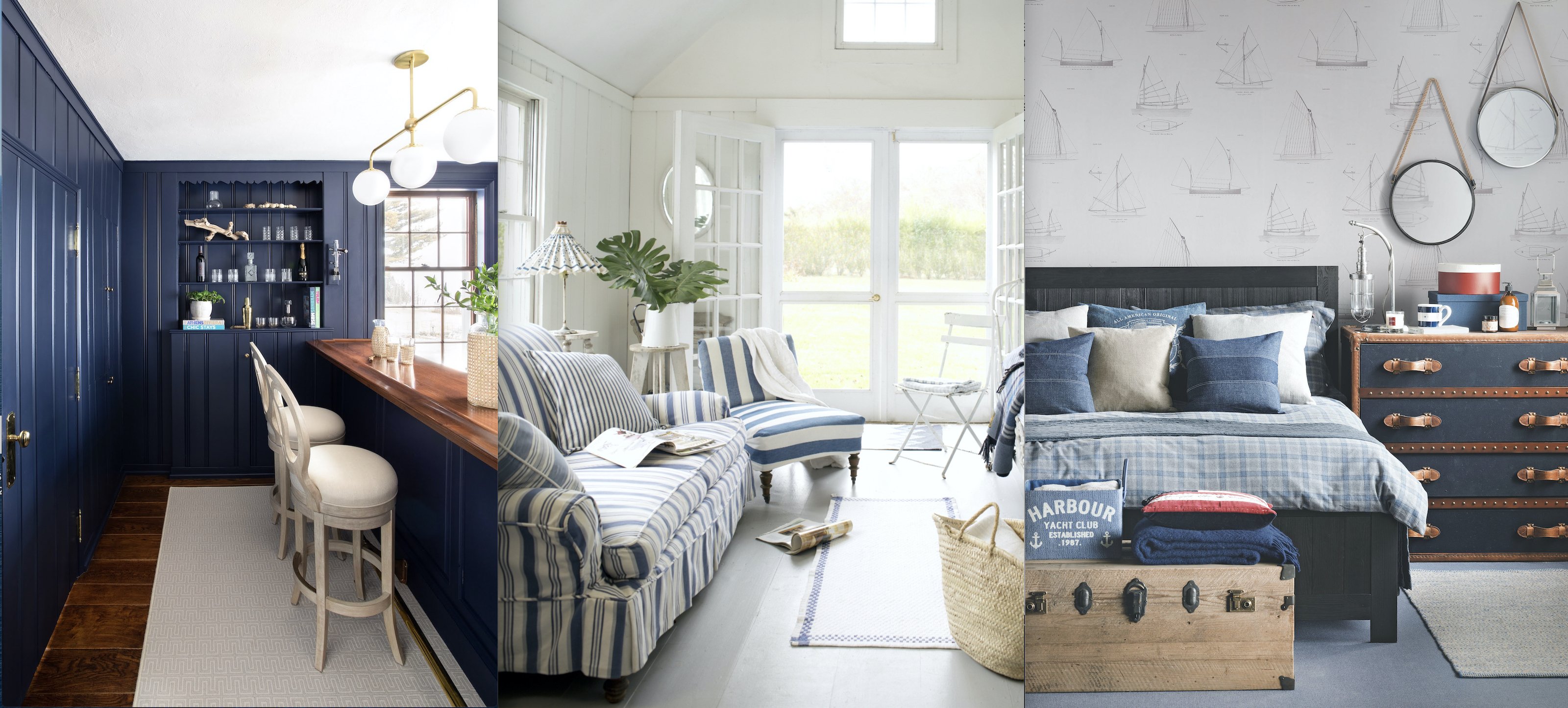
New England coastal style – the look and how to get it
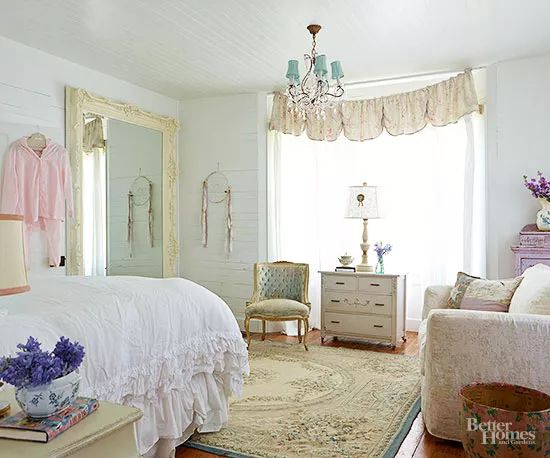
28 English Cottage Style Ideas to Charm Your Inner Jane Austen