1/13
Designer-Approved Advice for Creating a Dreamy At-Home Coffee Bar
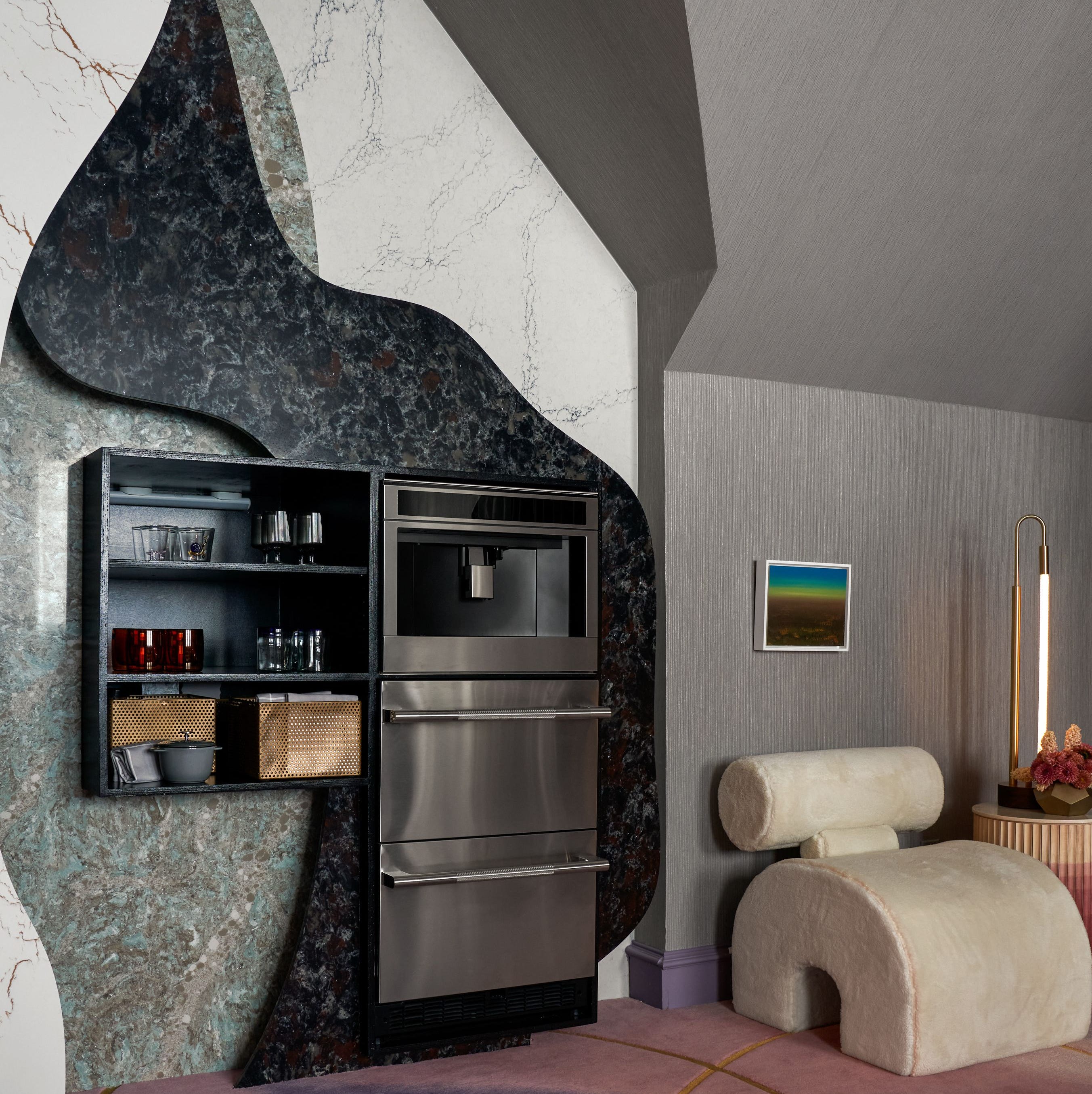
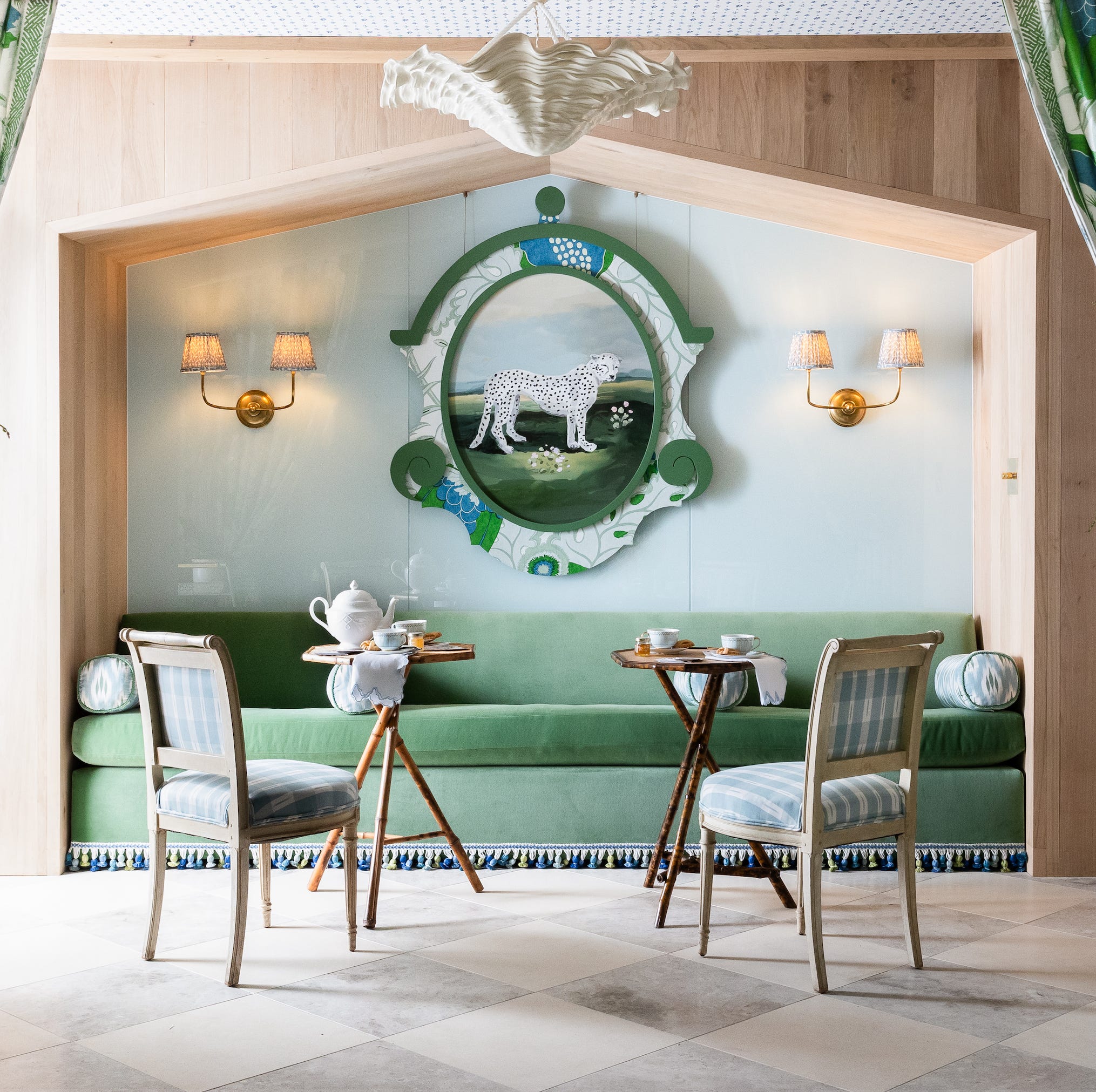
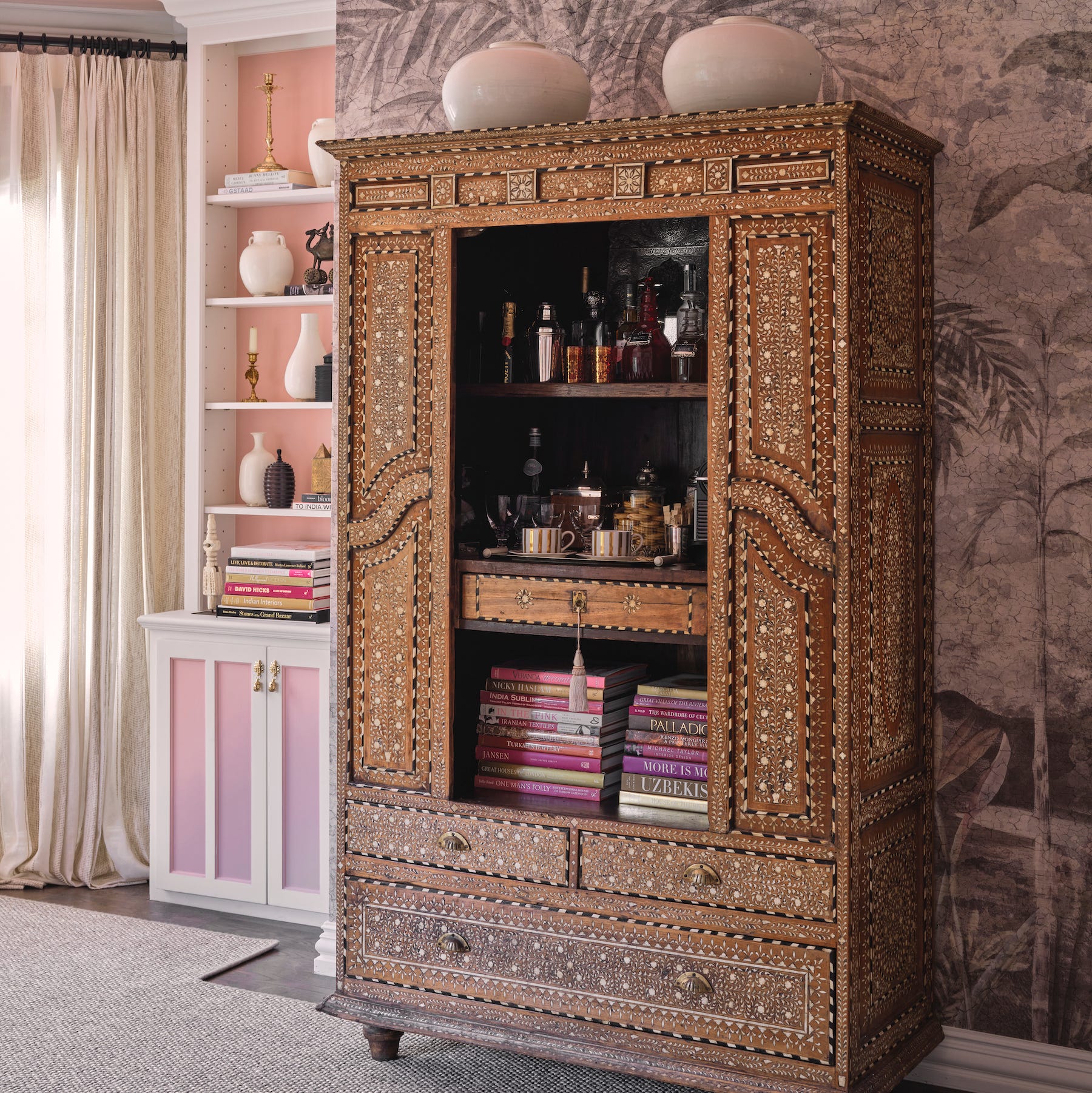
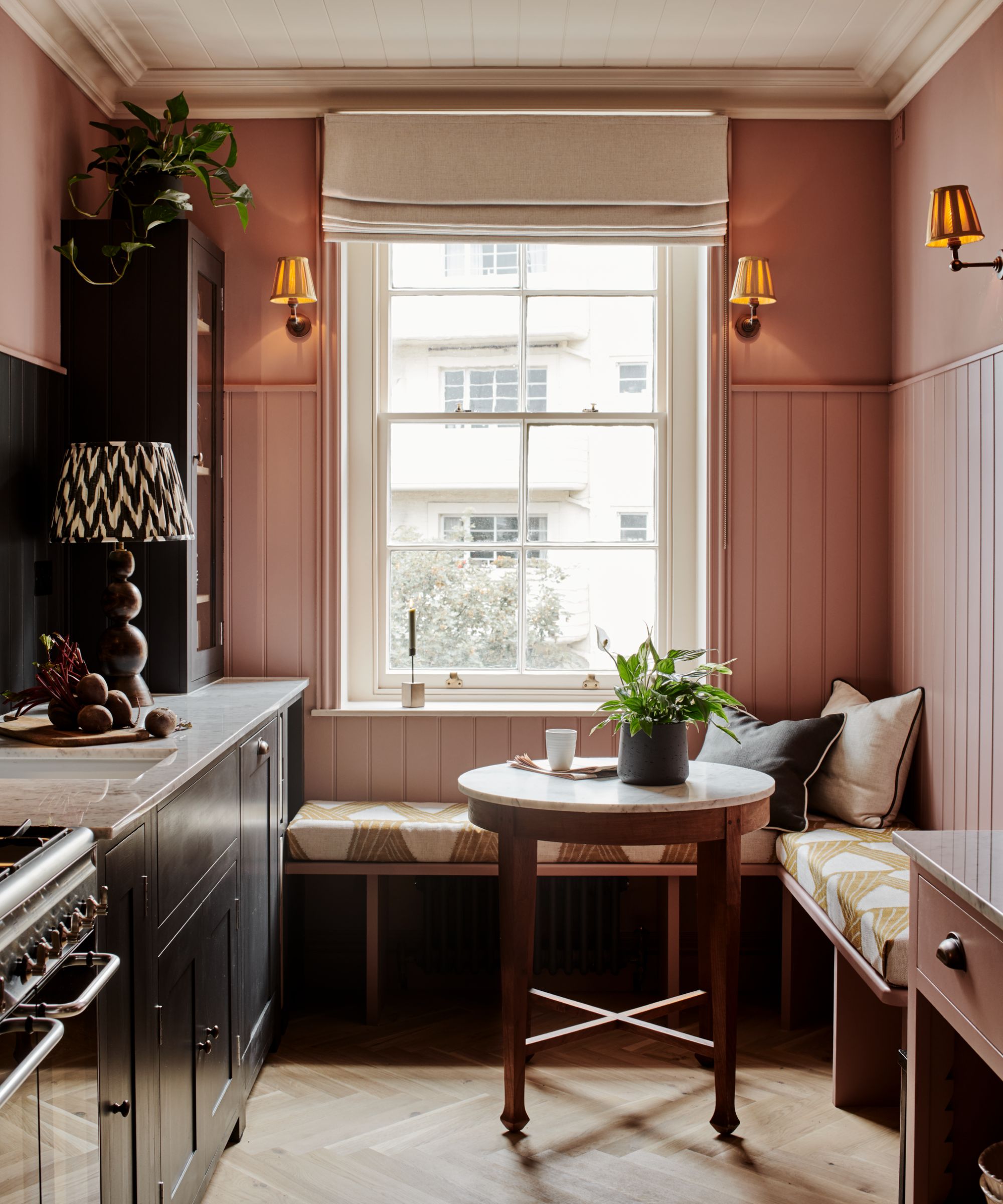
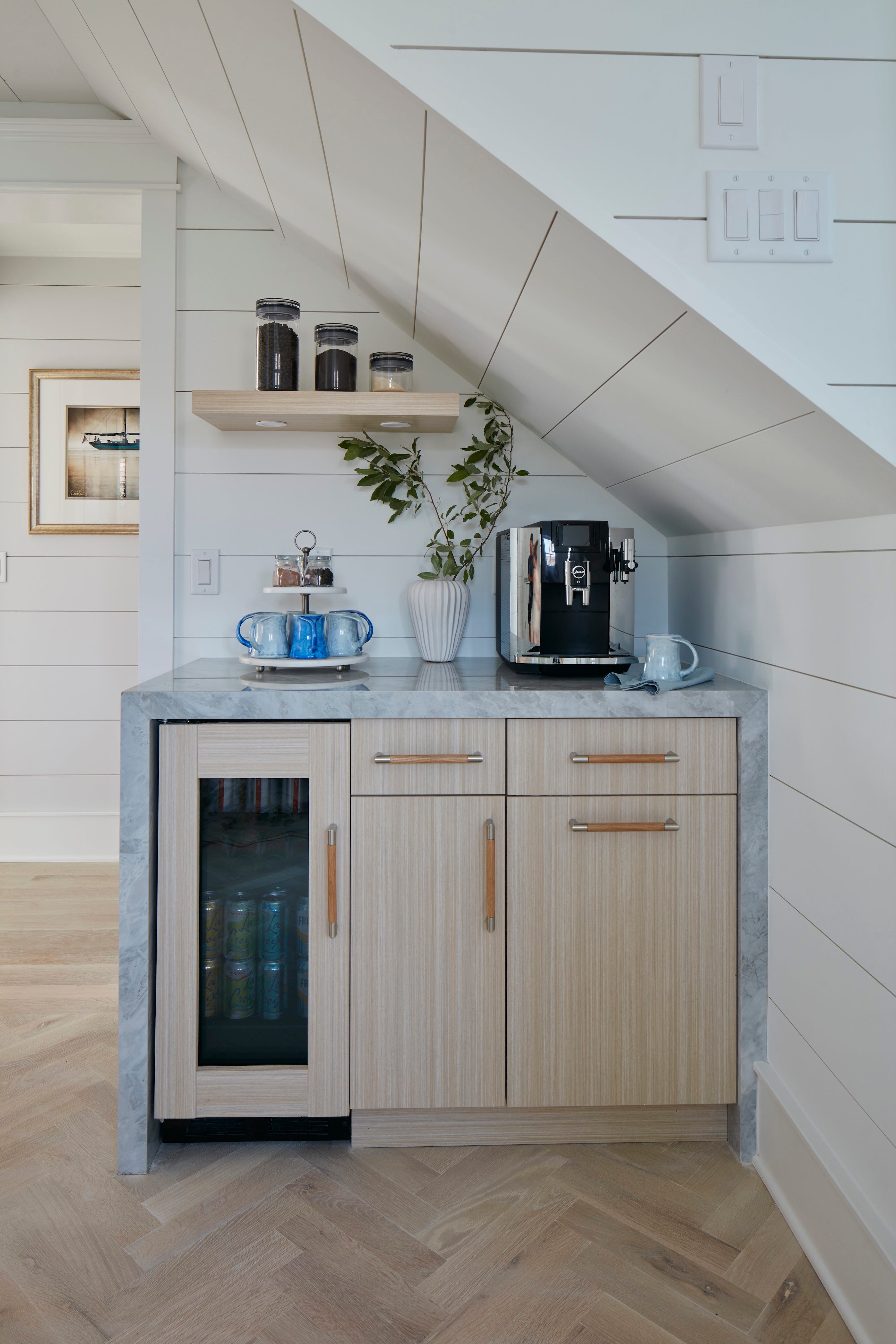
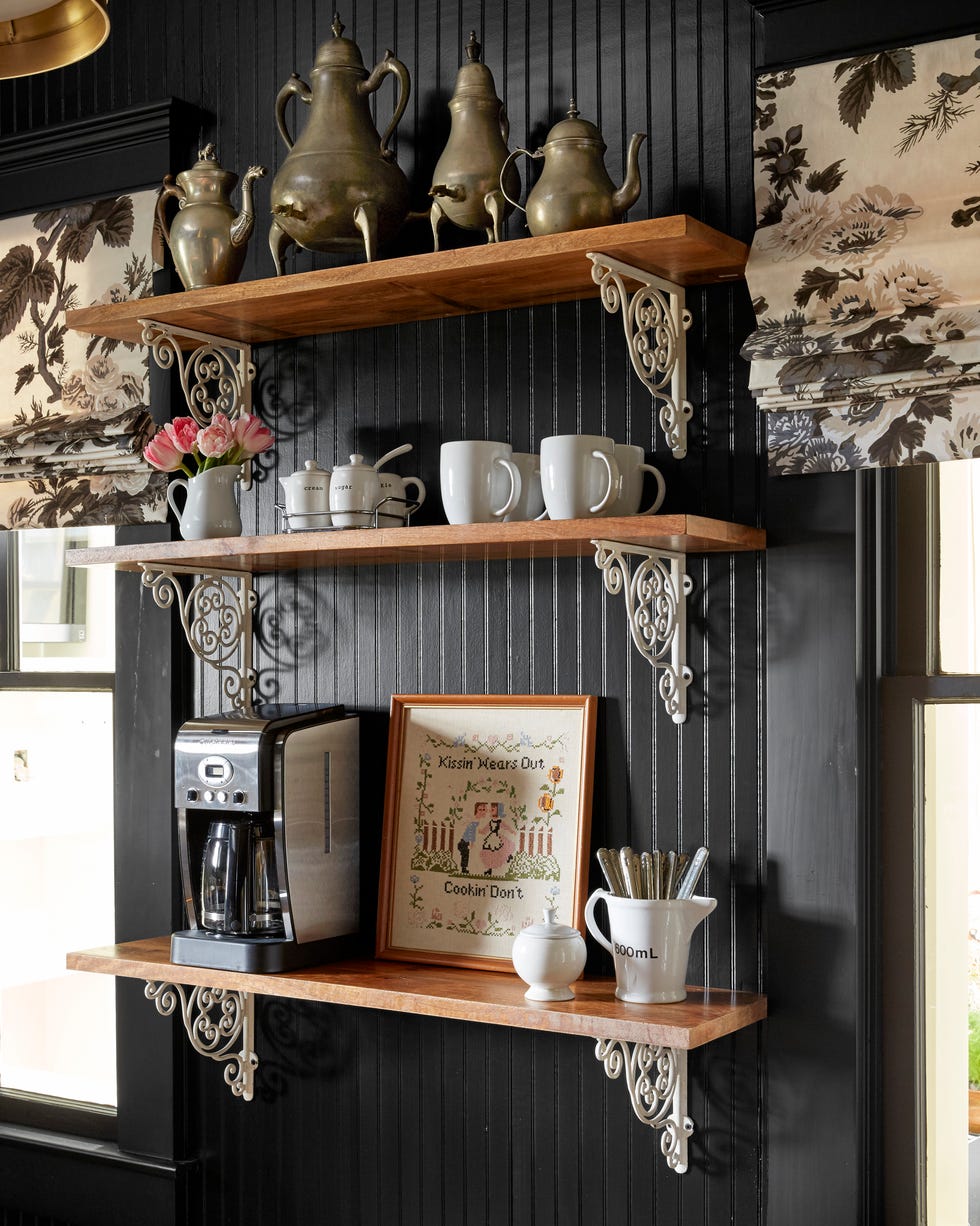
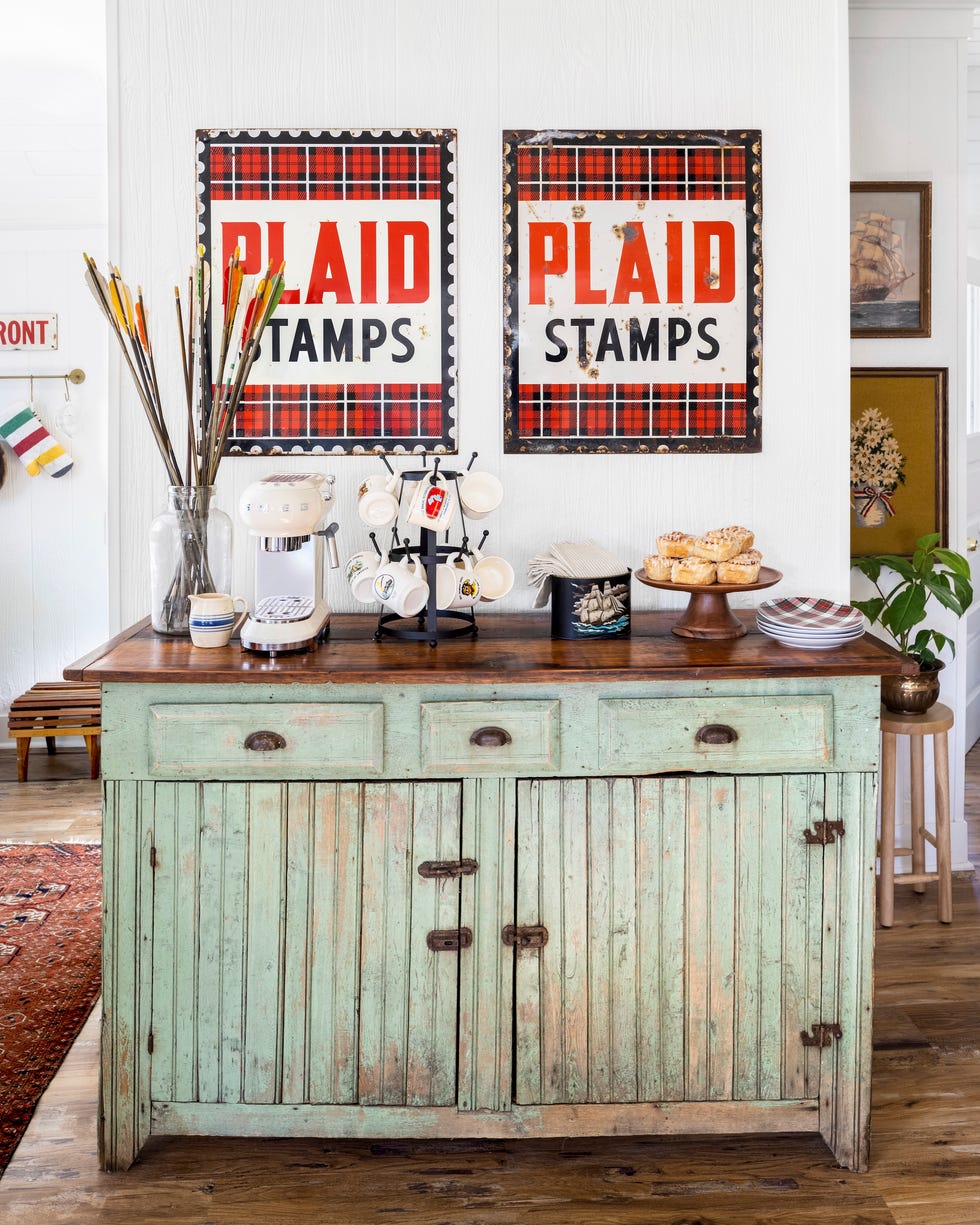
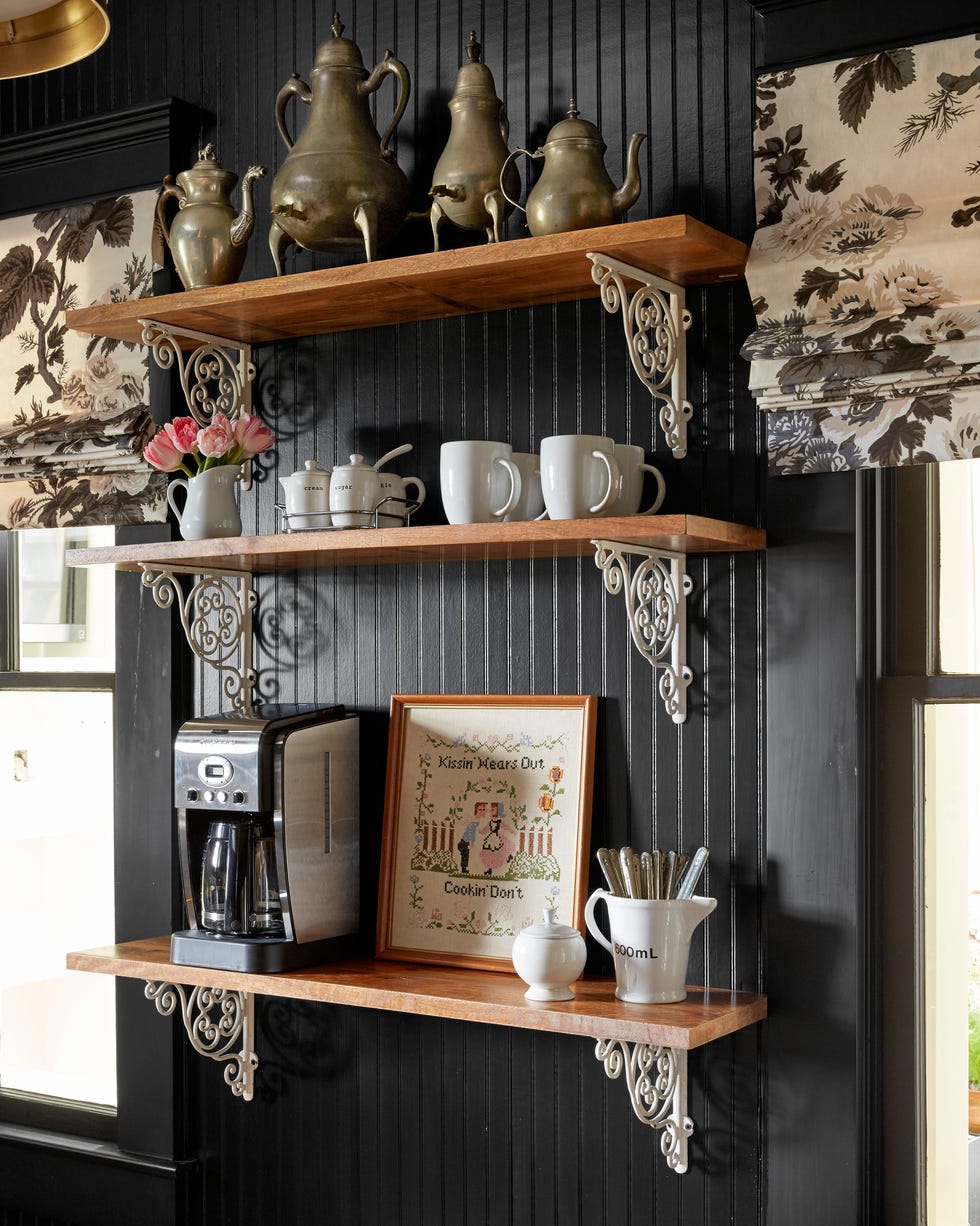
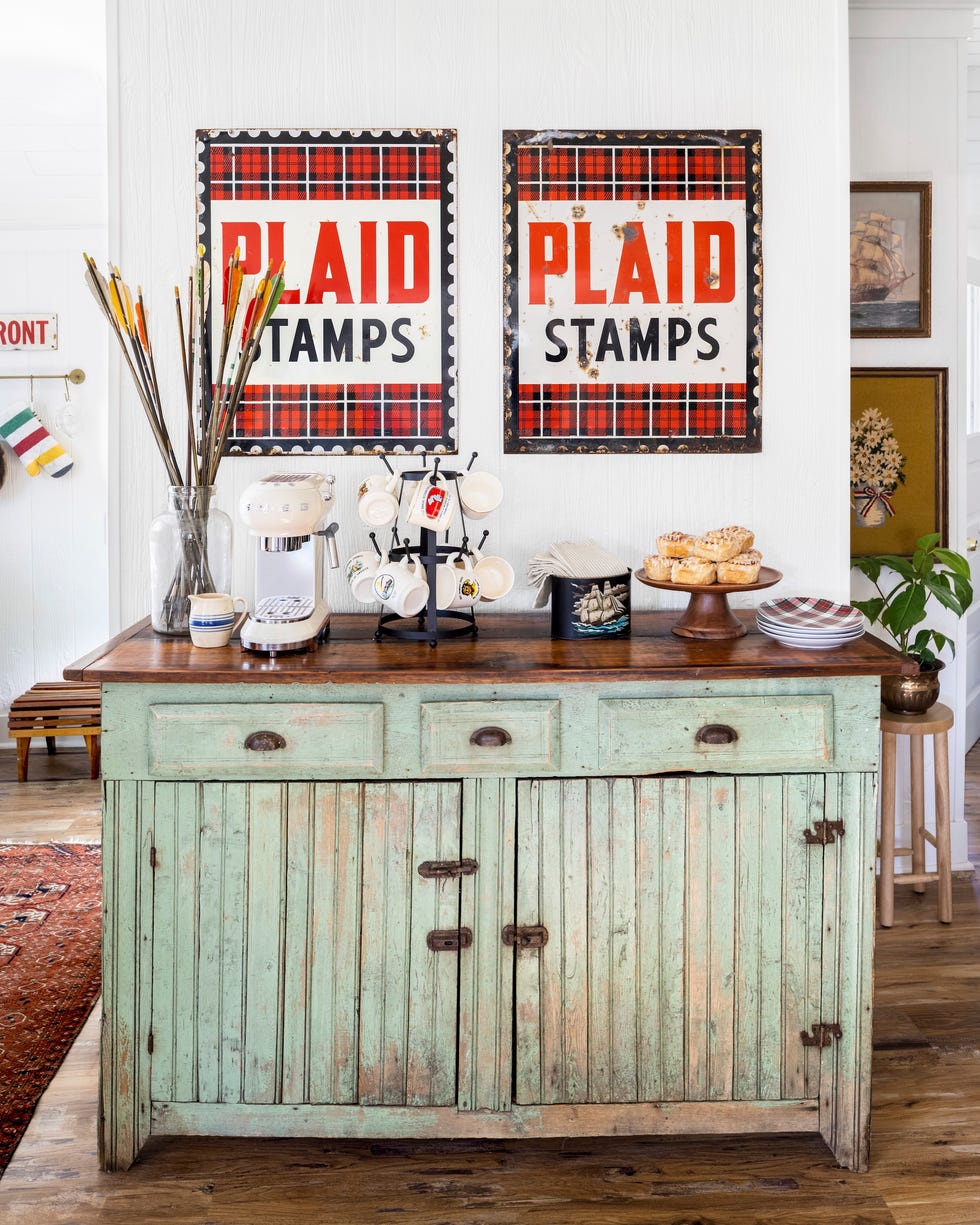
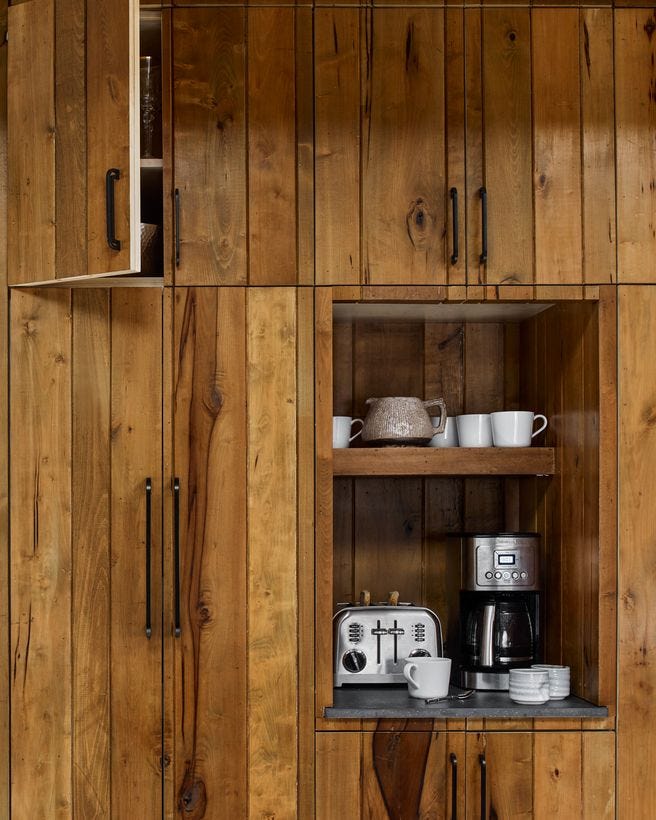
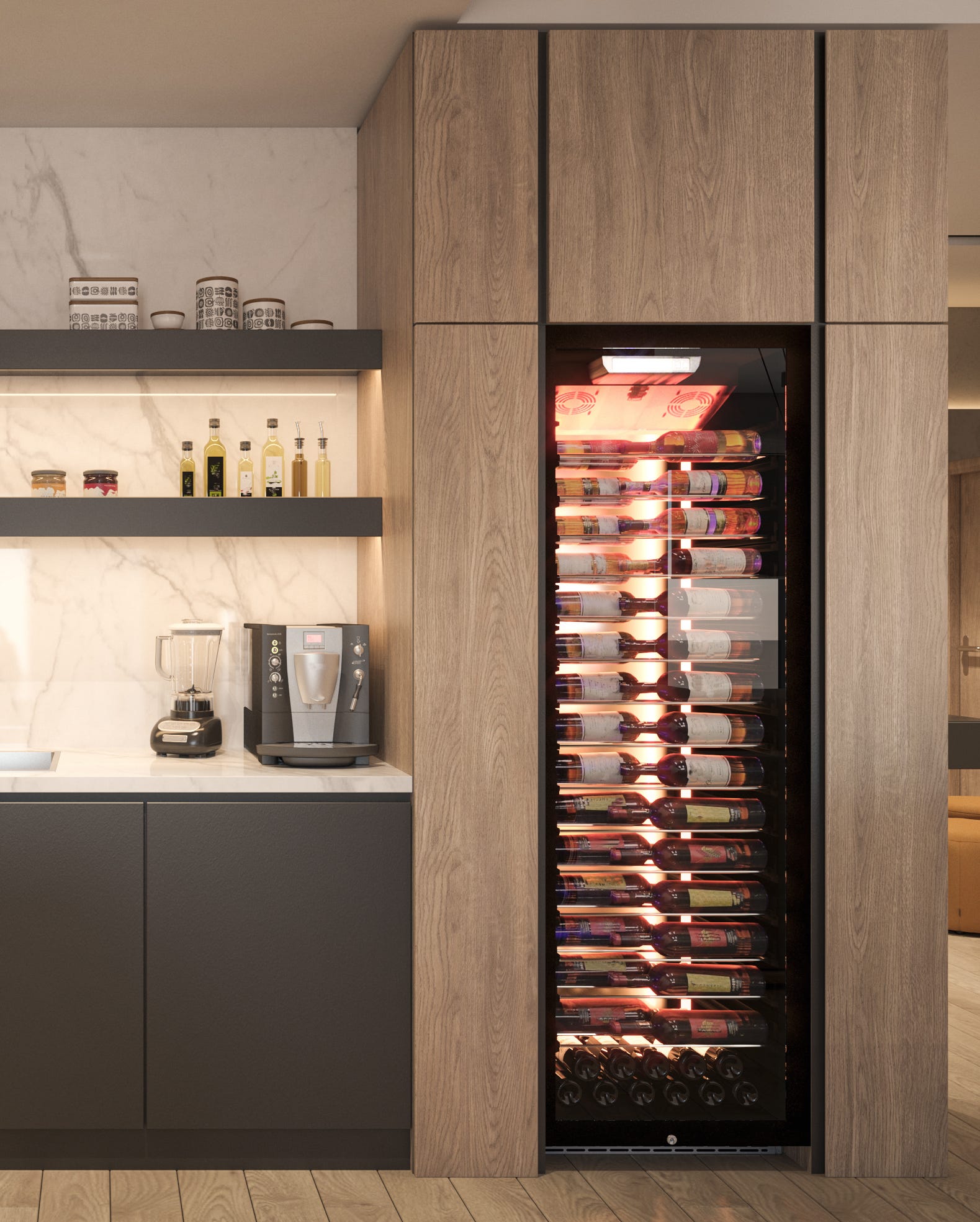
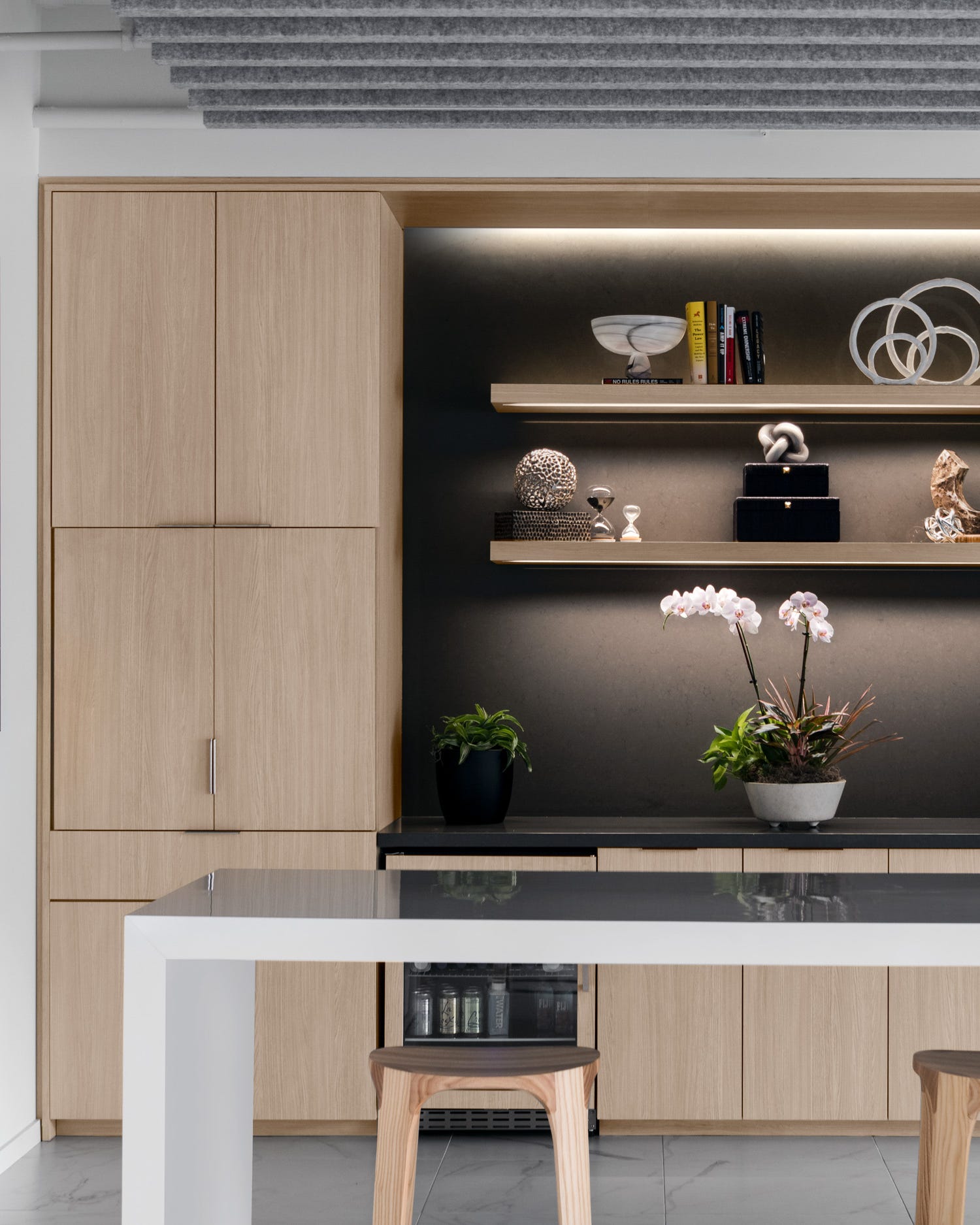
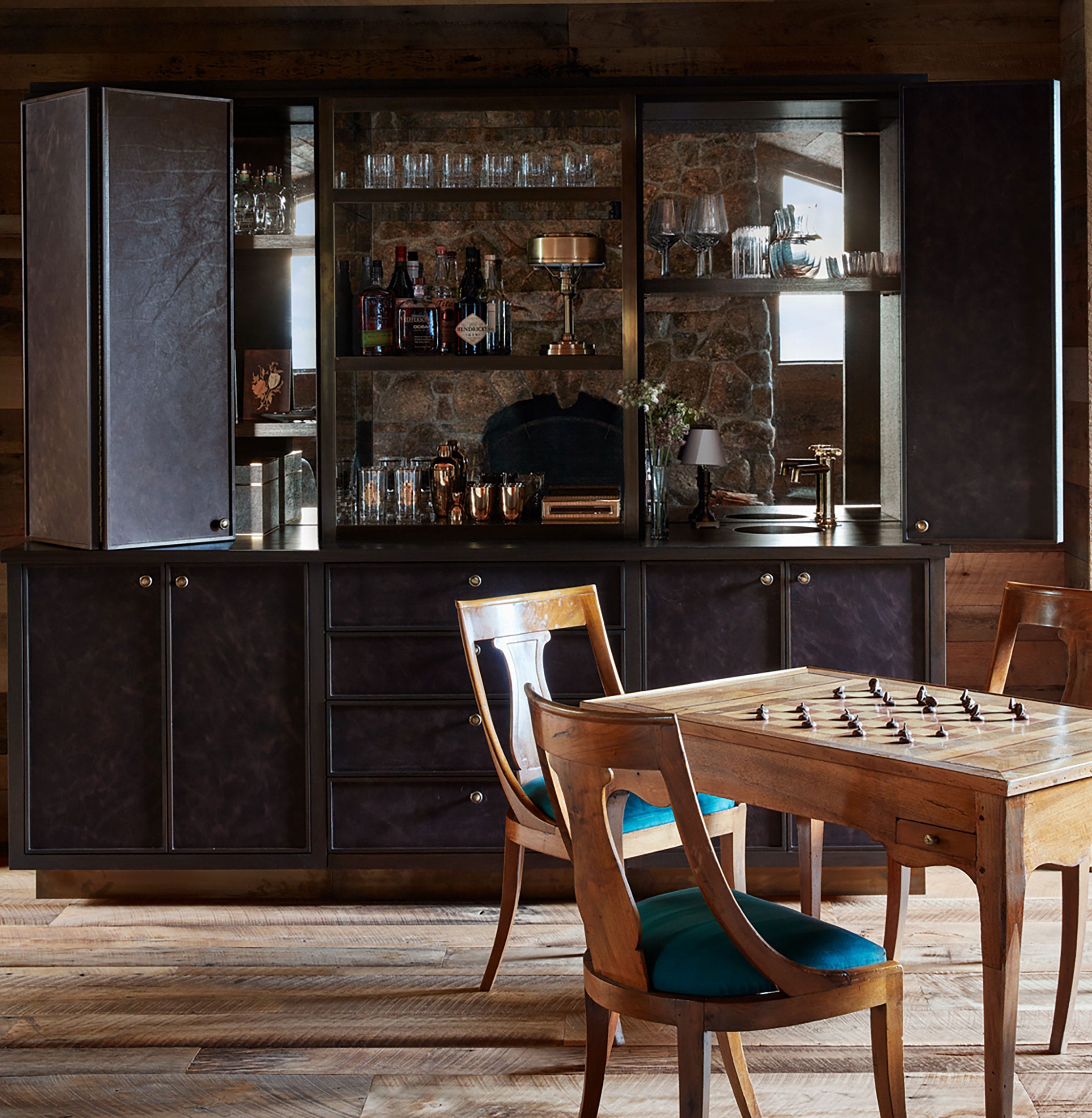
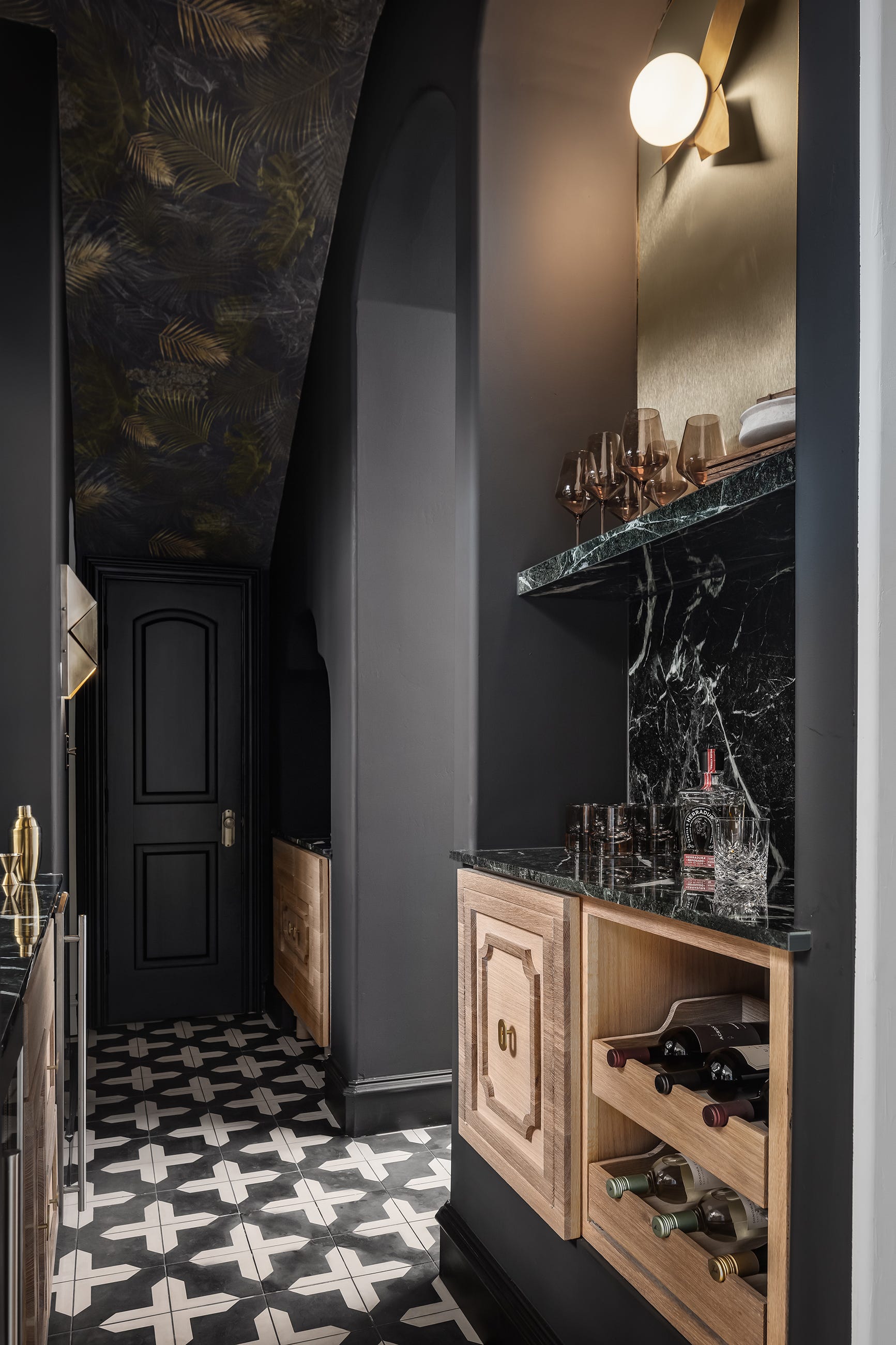
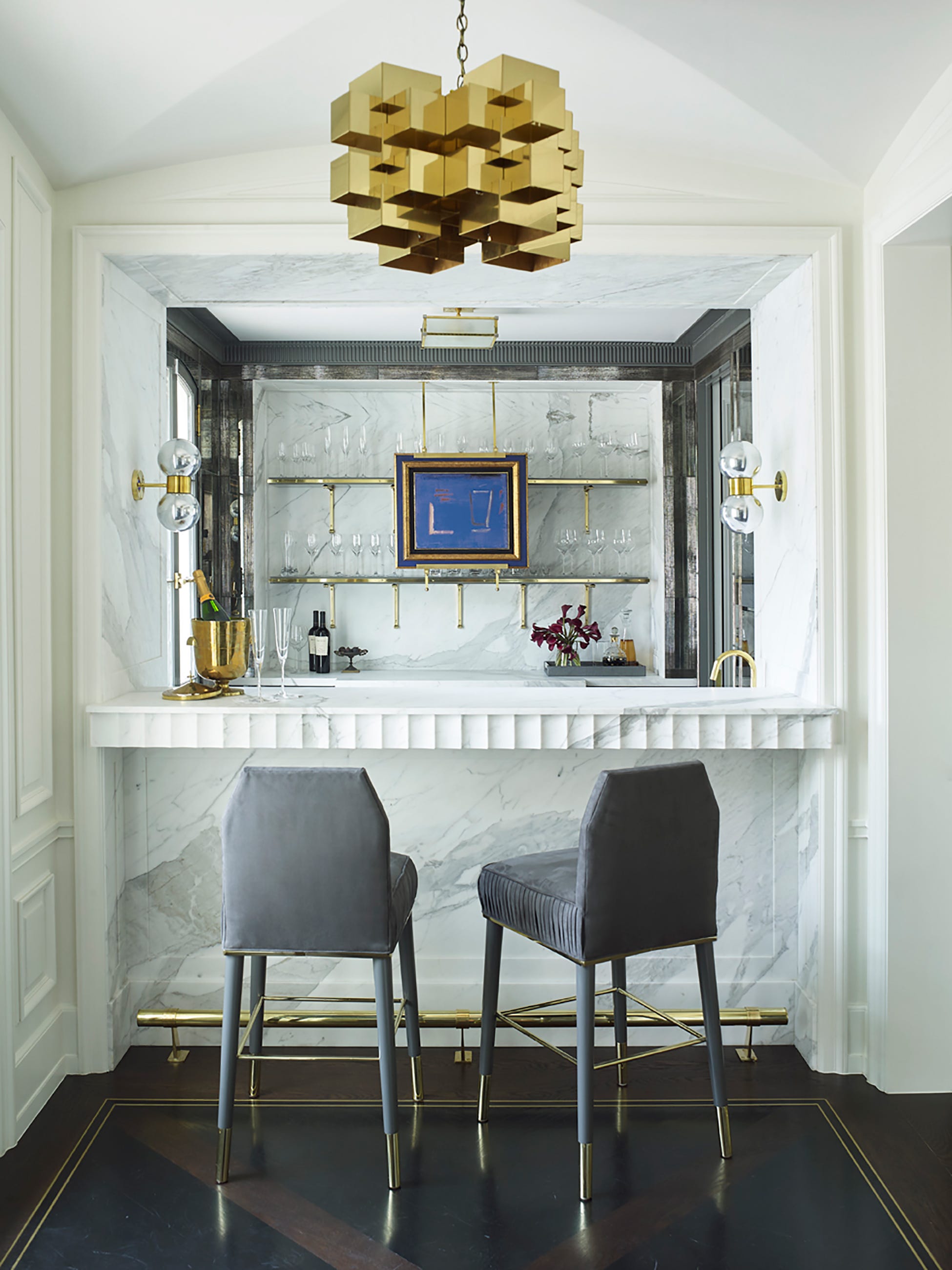
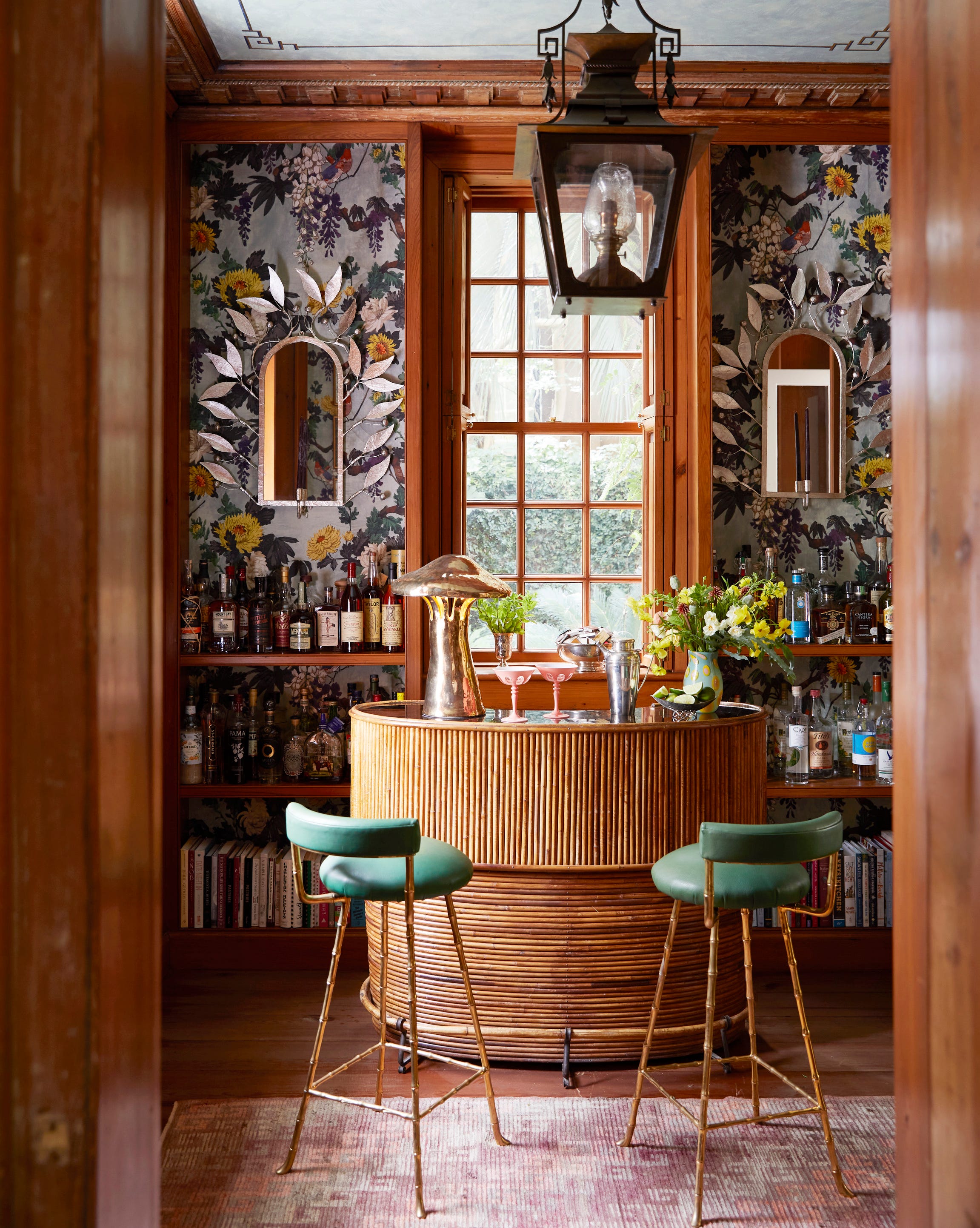
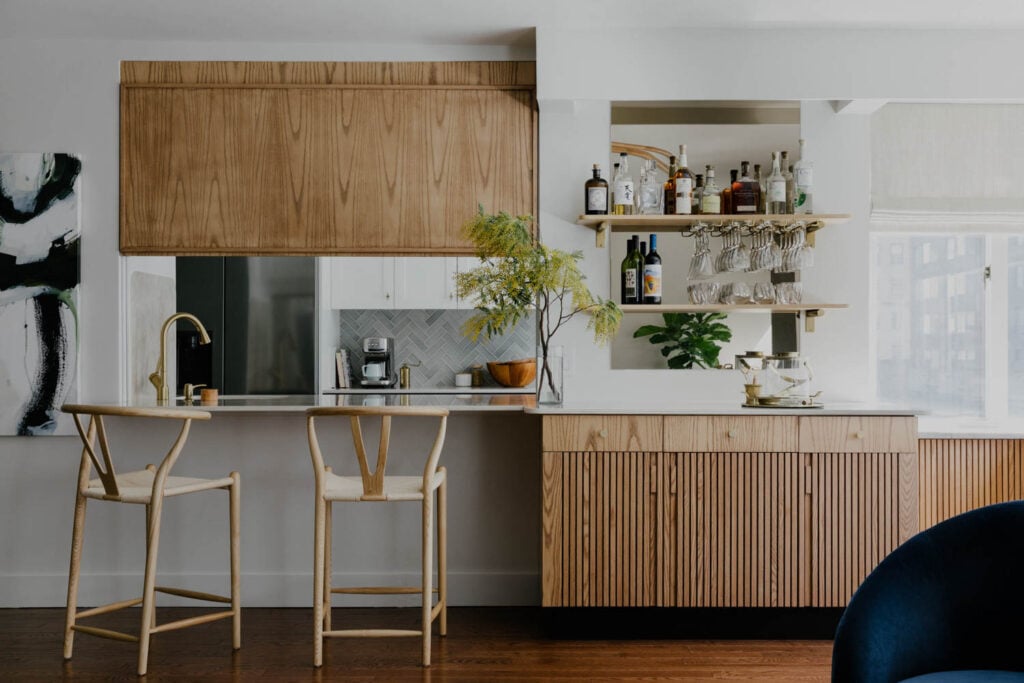
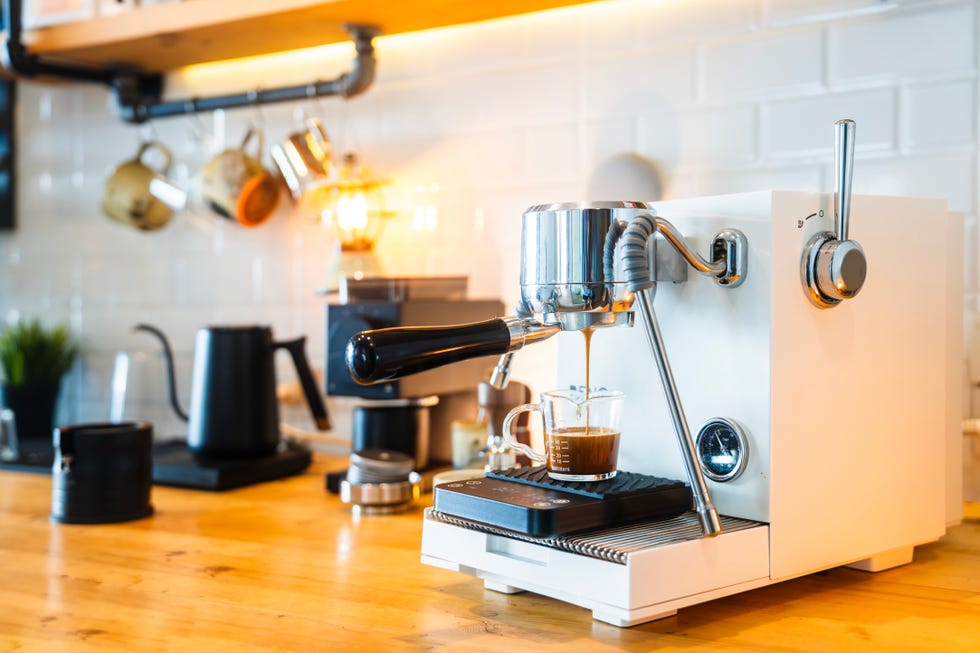
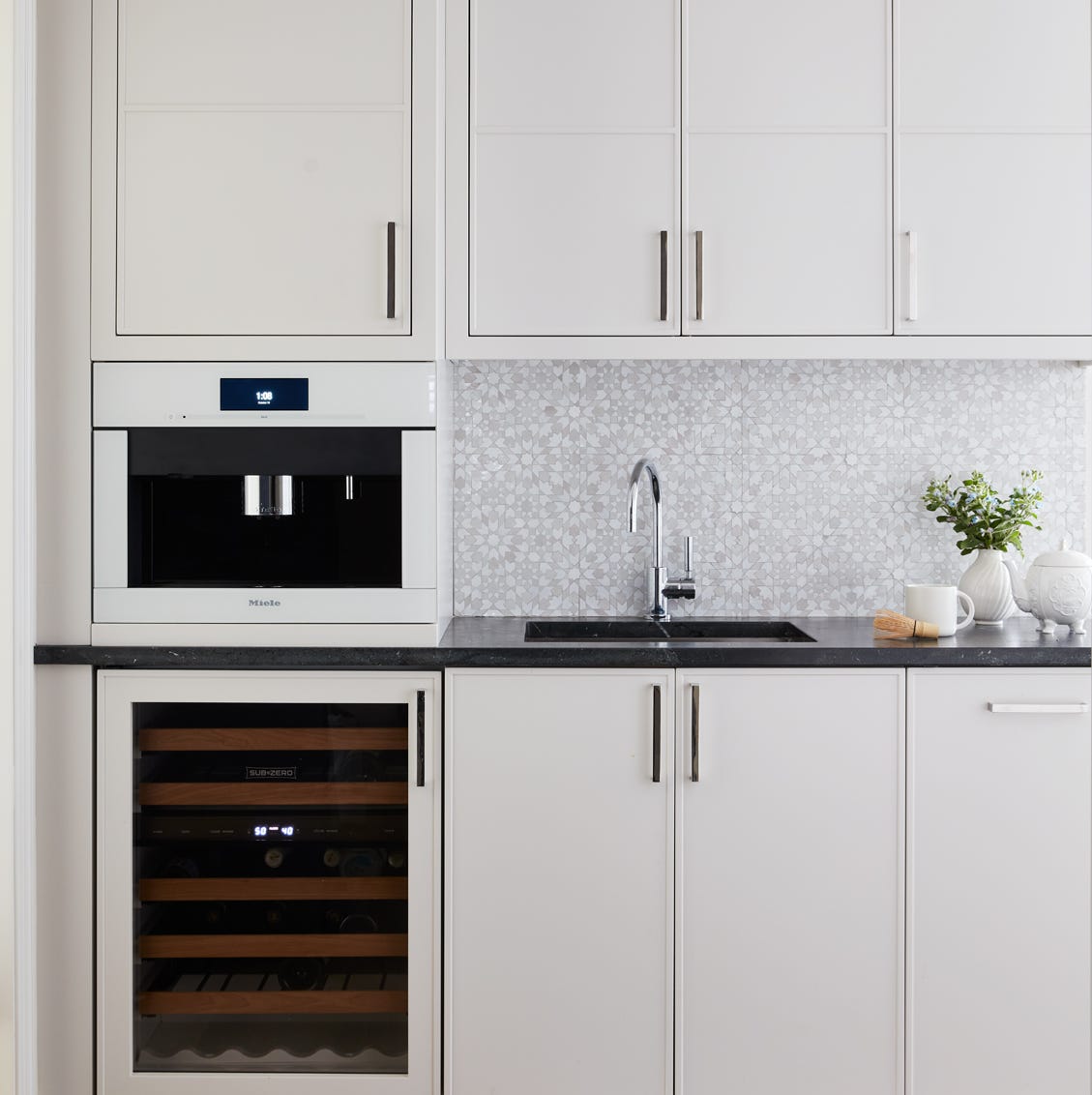
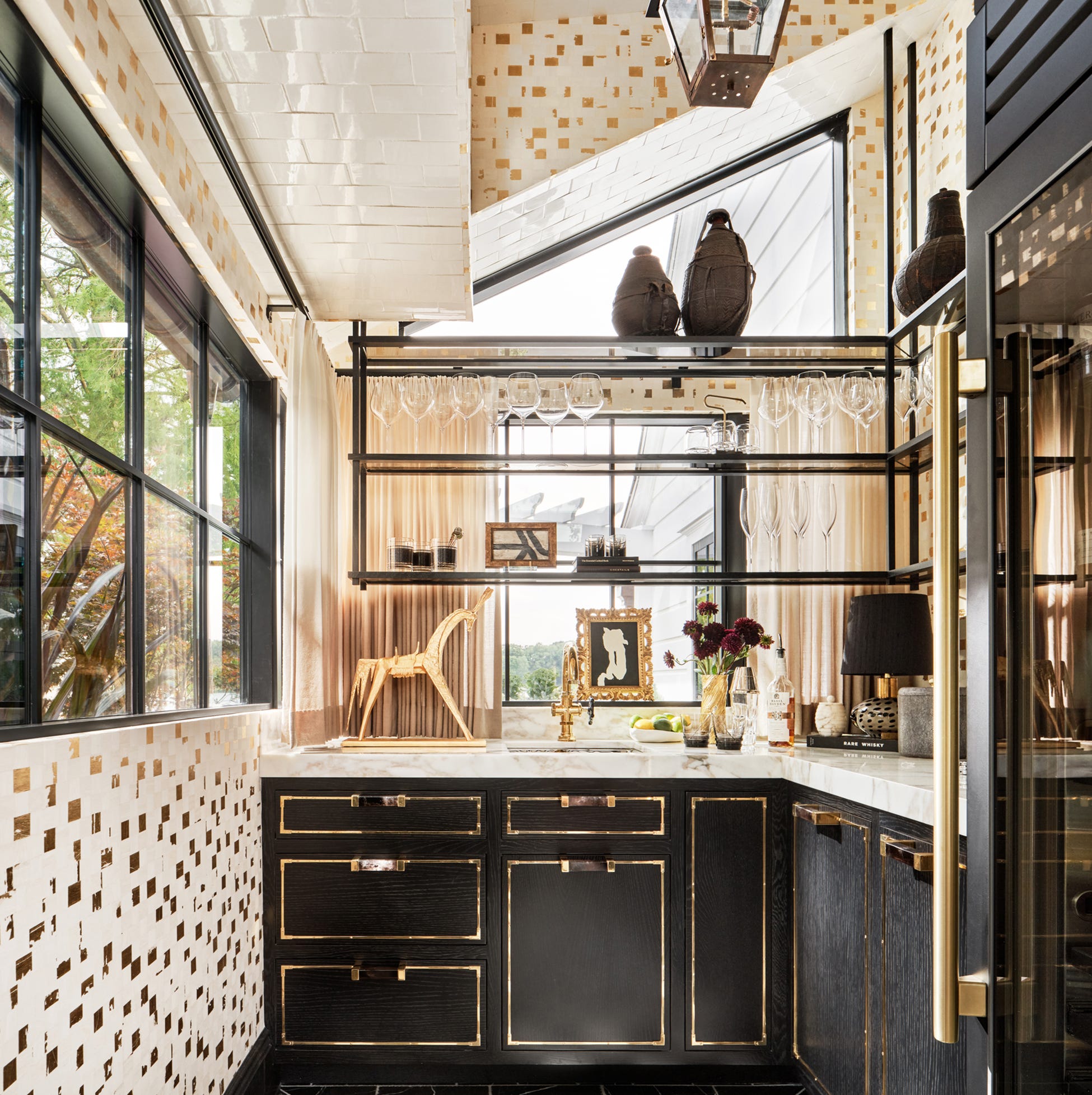
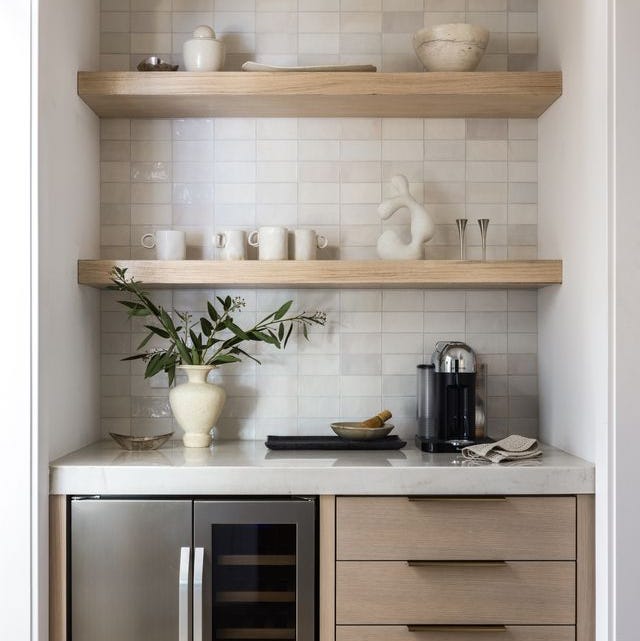
The article explores the growing trend of creating at-home coffee bars, acknowledging the kitchen's renewed role as the heart of the home due to changes in living patterns. It provides six tips for designing an idyllic coffee station, regardless of available space. The first tip emphasizes assessing available space, suggesting that a coffee bar doesn't necessarily require a large kitchen. Options range from utilizing a cozy sitting room, home office, hallway closet, or bedroom, to incorporating a bookcase or bar cart. For those with more space, the article highlights the potential for a fully equipped coffee bar, referencing designer Young Huh's use of integrated Miele coffee machines in a secondary kitchen, complete with a wine fridge for added functionality. Another example features designer Marie Flanigan's transformation of a guest house closet into a stylish and hidden coffee bar, catering to guests' needs while maintaining the bedroom's tranquility.
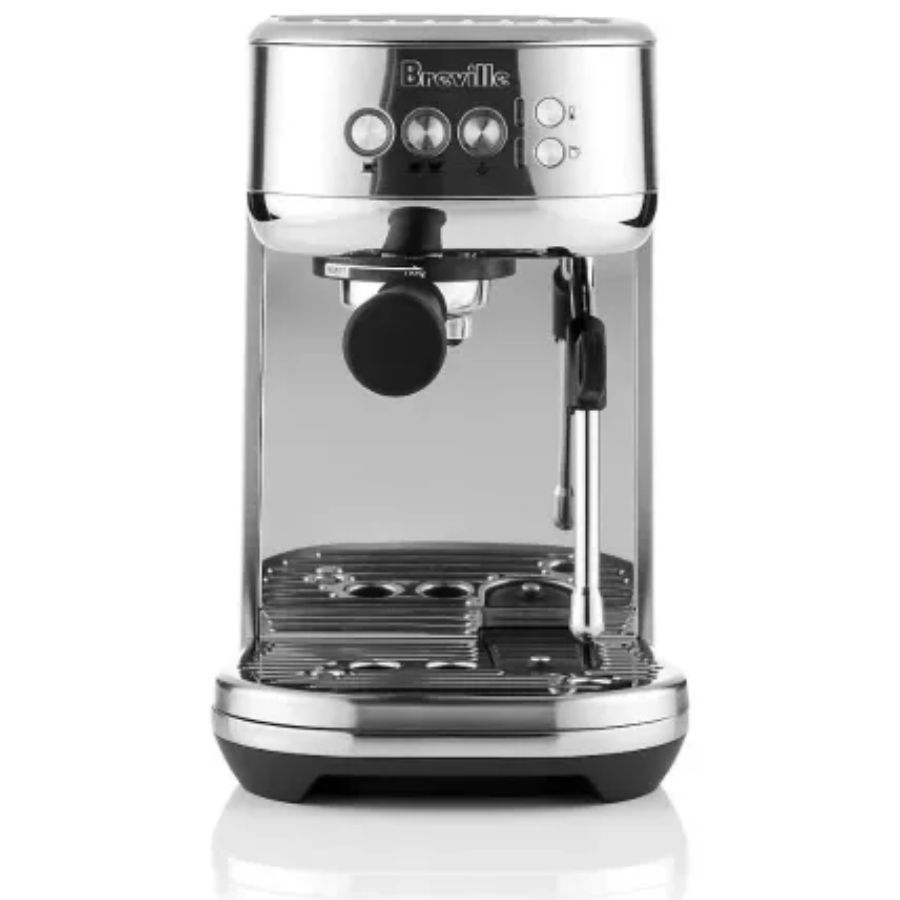
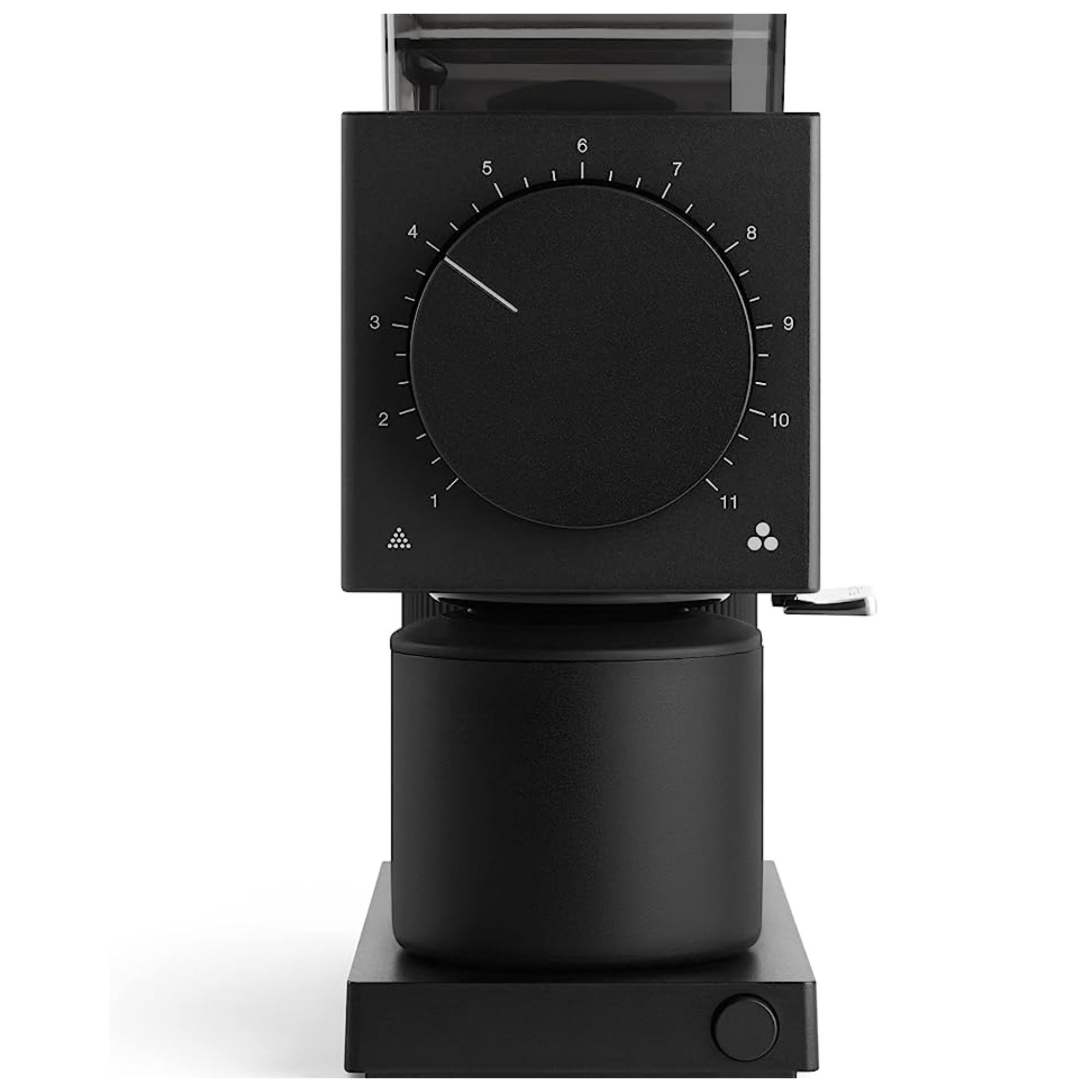
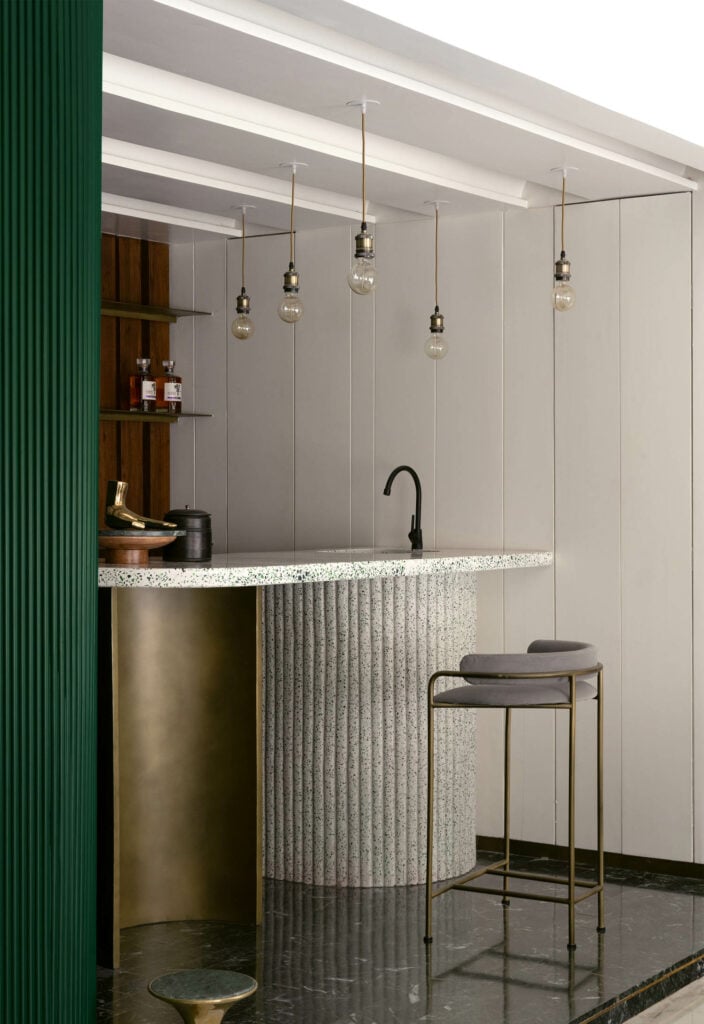
The second tip focuses on investing in the right tools. Depending on one's preferred beverage, essential tools include a chic coffee maker, such as high-tech Miele machines that can make multiple lattes or cappuccinos simultaneously, or simpler options like a French press. For those seeking design-centric tools, designer Gillian Segal recommends espresso makers, pour-over stands, and drip coffee vessels from SSENSE. Stefani Stein suggests Bodum coffee grinders for ease and Fellow's electric kettles for stylish pour-overs. The article also mentions the value of installing a small bar sink with a filtered-water faucet for easier preparation and cleanup, ensuring better-tasting coffee.
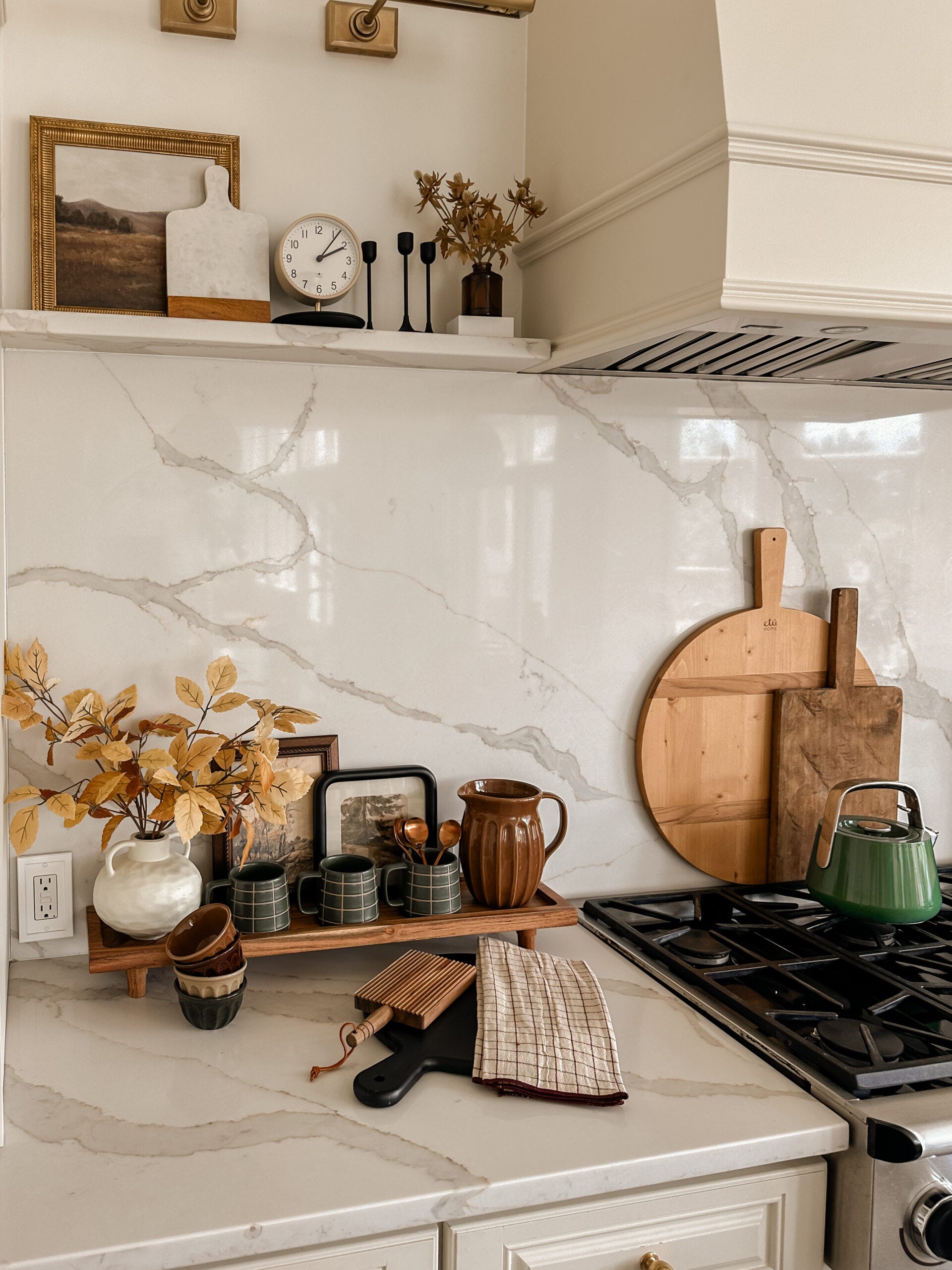
The third tip covers organization, recommending trays, bins, and baskets to keep the coffee bar tidy and functional, whether it's hidden or on display. Designer Sarah Stacey suggests using a tray to centralize items, making them easily accessible and creating a hotel-like organized feel. She also advises personalizing the space with unique items like vintage lidded dishes for sugar. Monelle Totah's approach involves using a tray with glass jars for ingredients and displaying hand-glazed mugs.
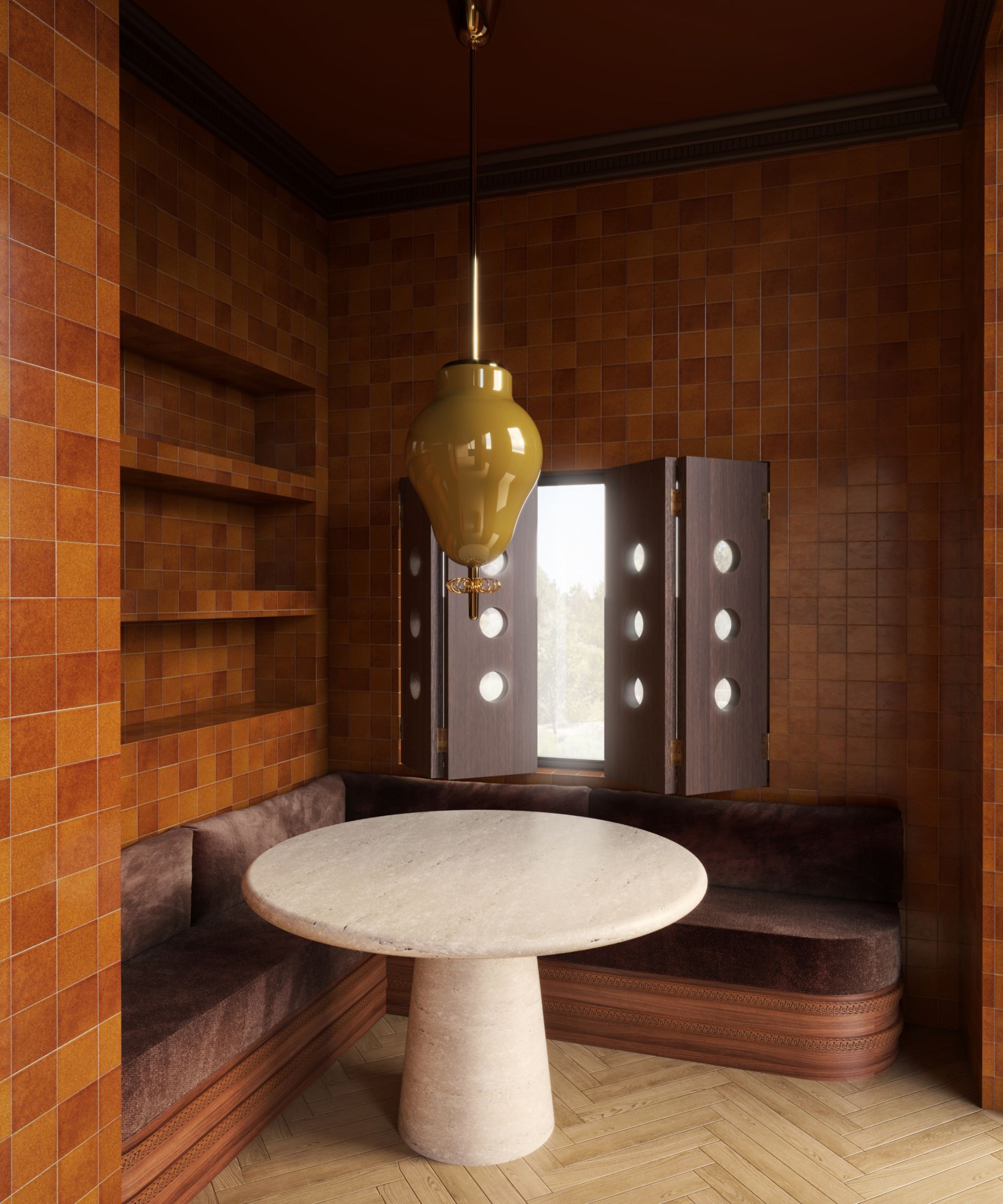
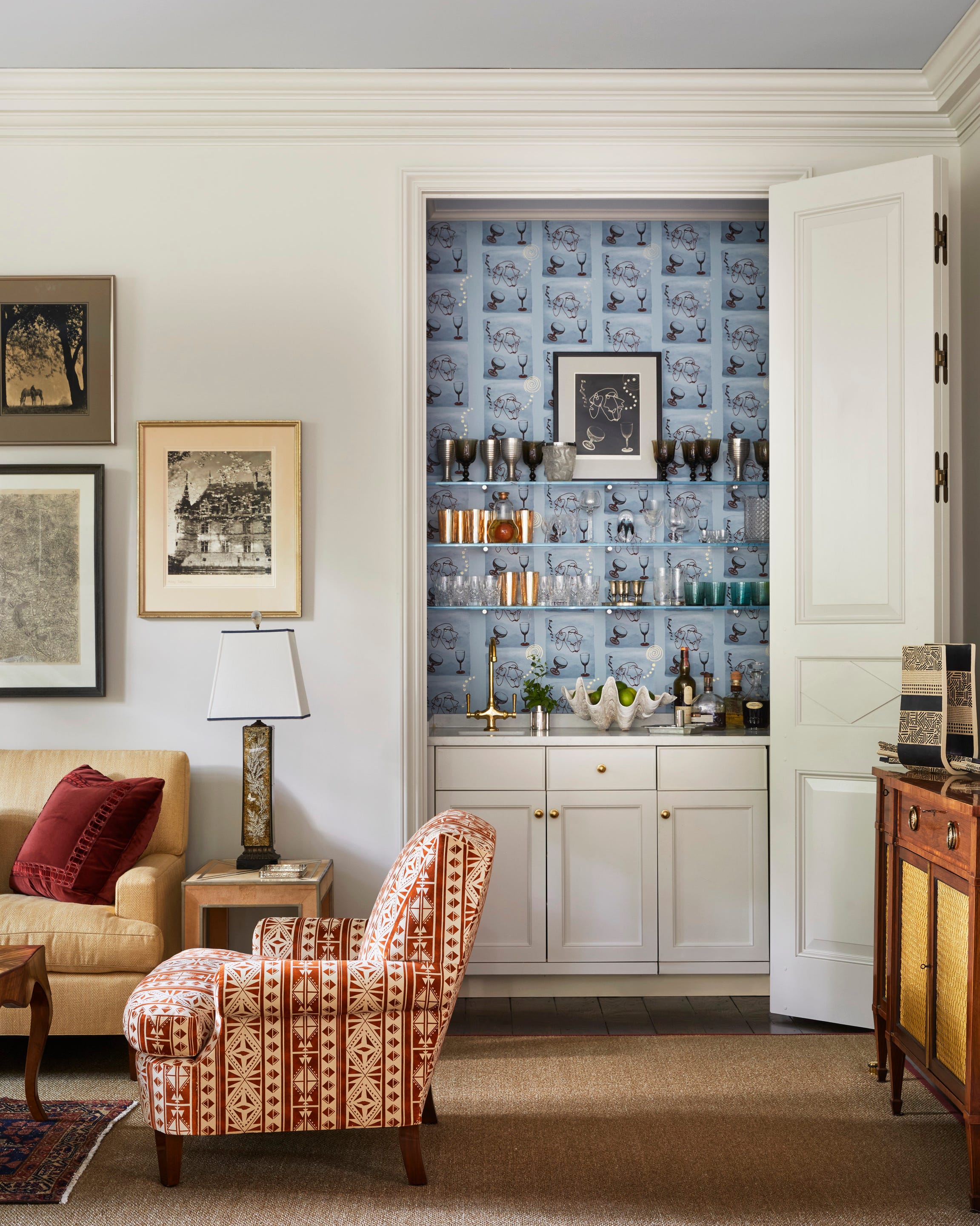
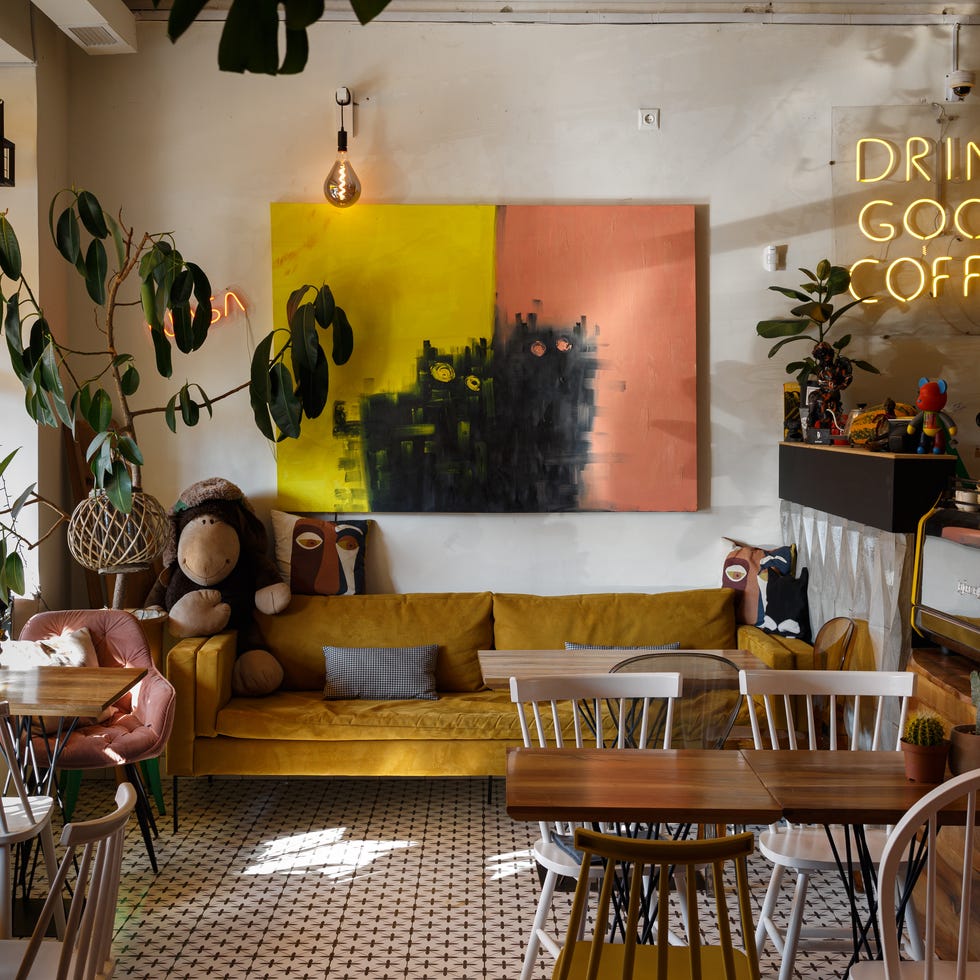
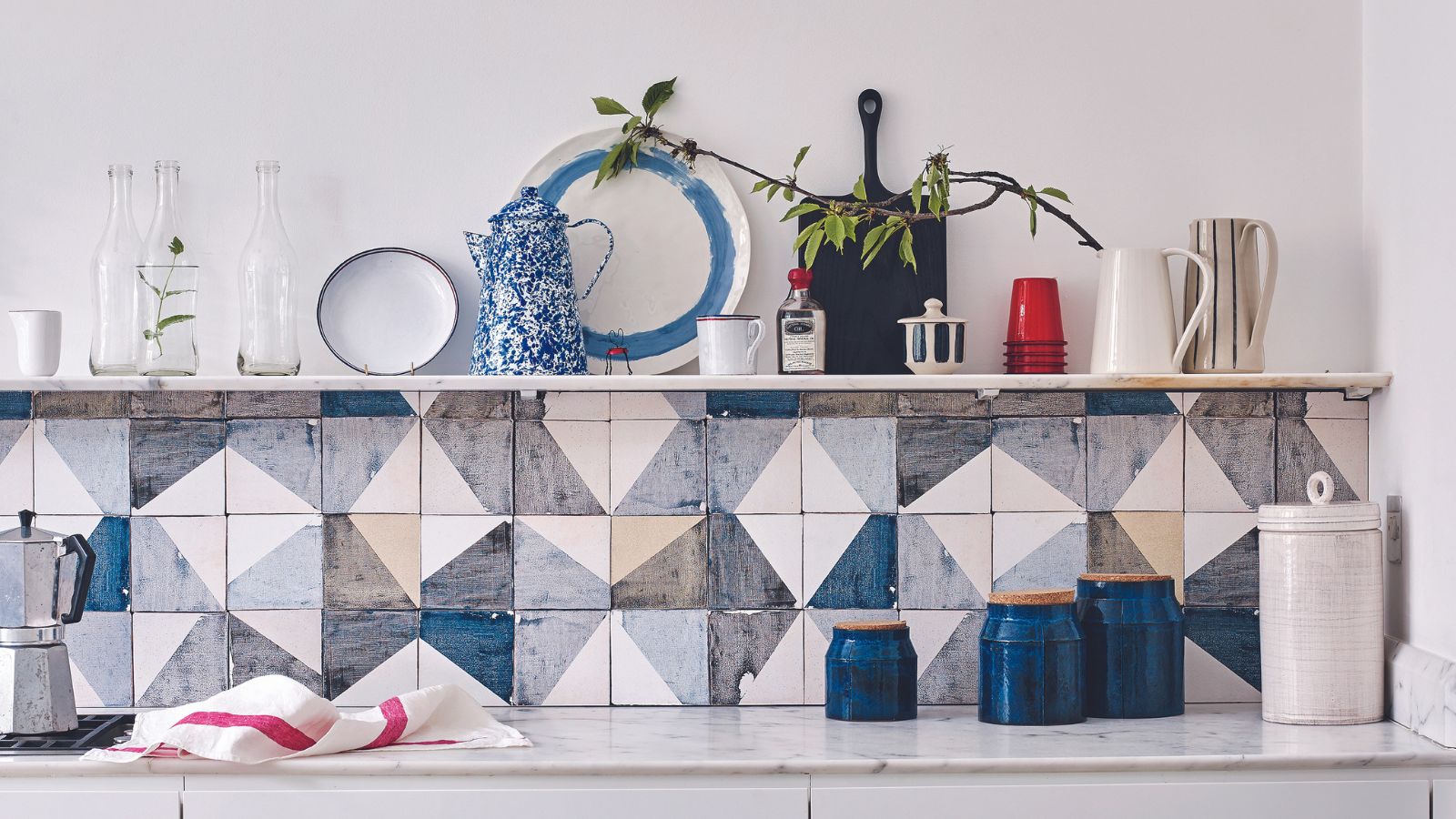
Next, the article emphasizes upgrading mugs, stressing the importance of choosing comfortable, appropriately sized mugs. Designer Stefani Stein favors Japanese ceramic mugs for their delicate yet warm feel. The fifth tip encourages infusing personality into the coffee station. While many coffee tools are stainless steel or glass, the environment can be made vibrant with bolder colors or patterns through tile or wallpaper. Tiffany Piotrowski suggests this approach for a coffee nook, even for a single kitchen cabinet. Gray Walker's coffee bar exemplifies this with artwork, flowers, and a colorful tray.
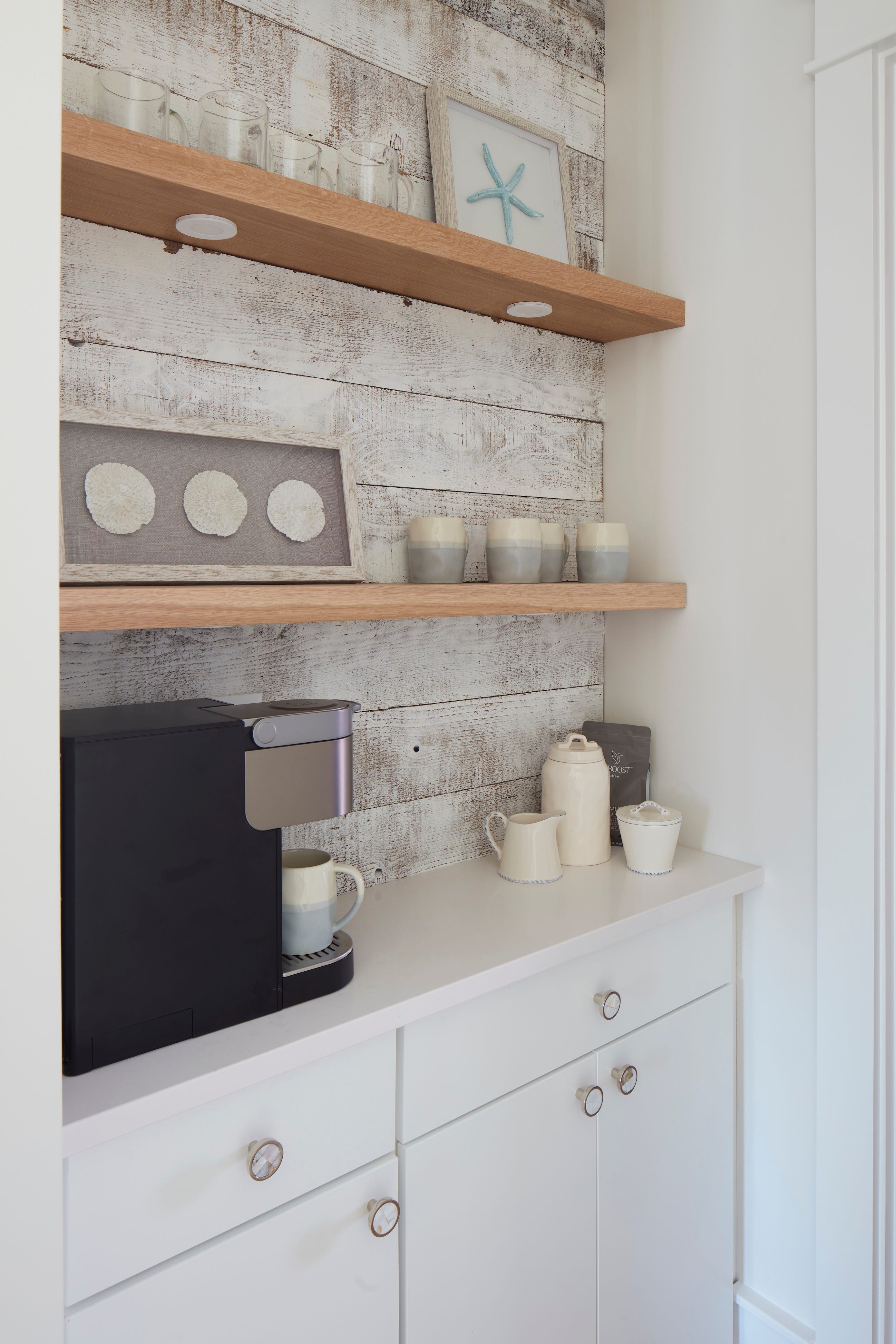
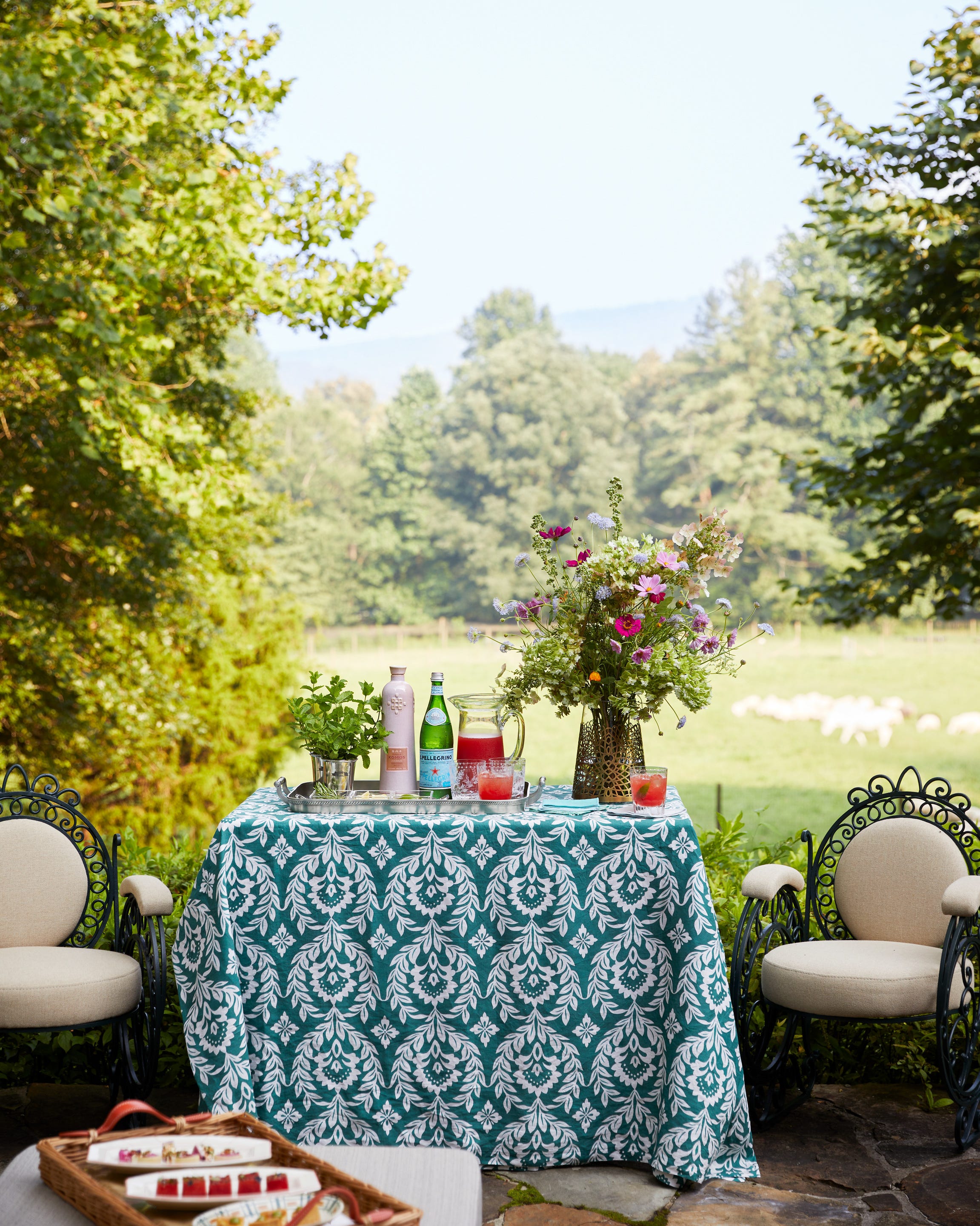
Finally, the article advises considering accessibility for guests. Keith Smythe Meacham’s guest-ready coffee bar features a Keurig with pods stored in a handwoven basket, alongside lovely mugs and small vessels for milk and sugar, all arranged on a tray. The article also suggests using a tray to expand the coffee bar's reach to more accessible areas for guests. Casa Felix's Vero Torres and Marta Galaz recommend having beautiful cocktail napkins on hand, allowing guests to comfortably move around the house with their beverages. The article concludes by noting that creating an at-home coffee bar can be a rewarding project, offering long-term enjoyment.
#HomeCoffeeBar #KitchenDesign #InteriorDecorating #CoffeeStation #HomeOrganization #DesignerTips #HomeEntertaining #PersonalizedSpace #HomeCoffeeBar #KitchenDesign #InteriorDecorating #CoffeeStation #HomeOrganization #DesignerTips #HomeEntertaining #PersonalizedSpace
0 comment in total
 No comments yet
You may also like
The Ultimate Designer-Approved Guide to Building the Best At-Home Bar

You'll Love Having a Coffee Bar in Your Kitchen

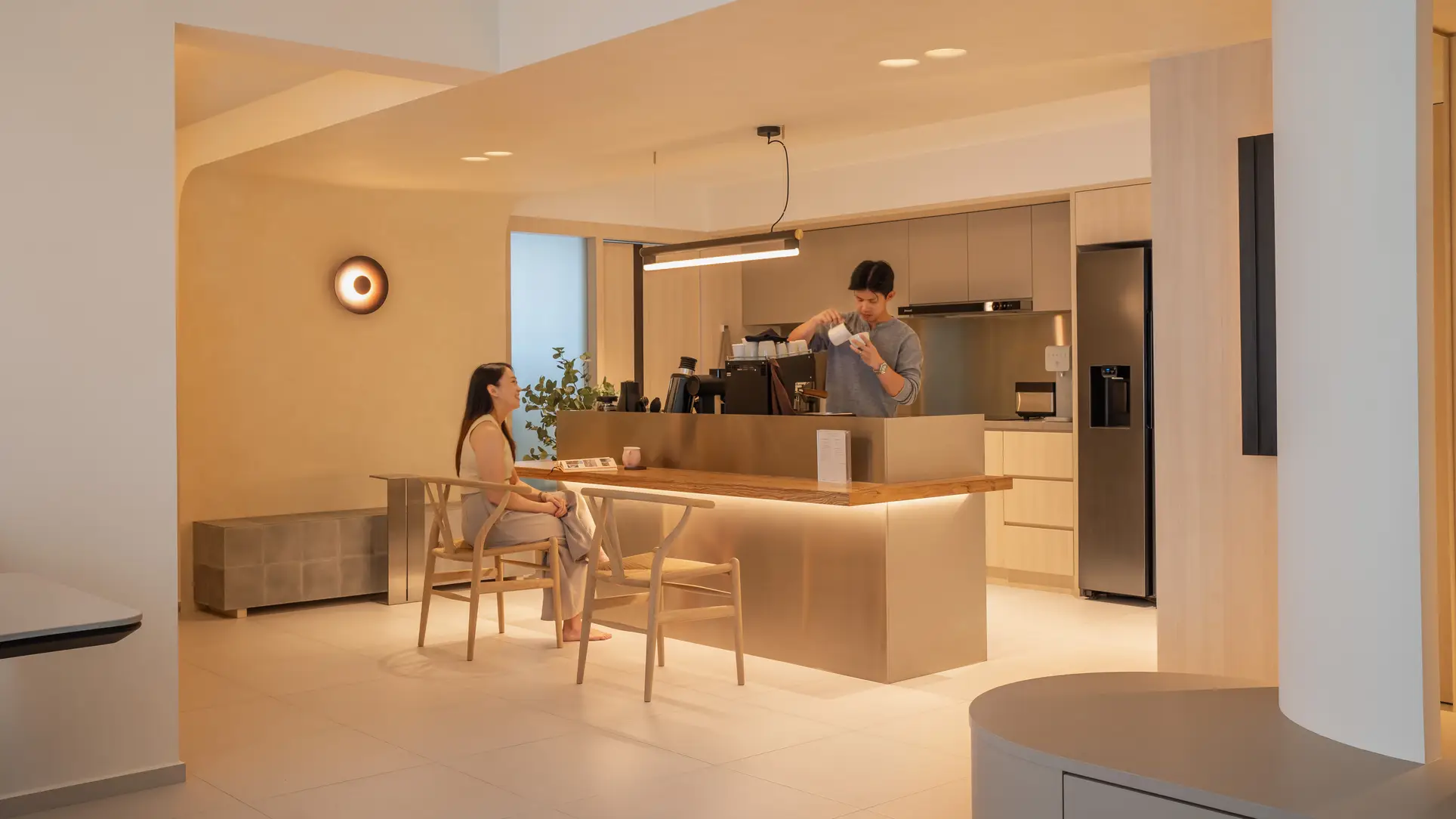
Inside A Cosy Home Cafe Designed With A Unique Coffee Bar
The 8 Best Coffee-Table Books You’ll Find in an Interior Designer’s Home

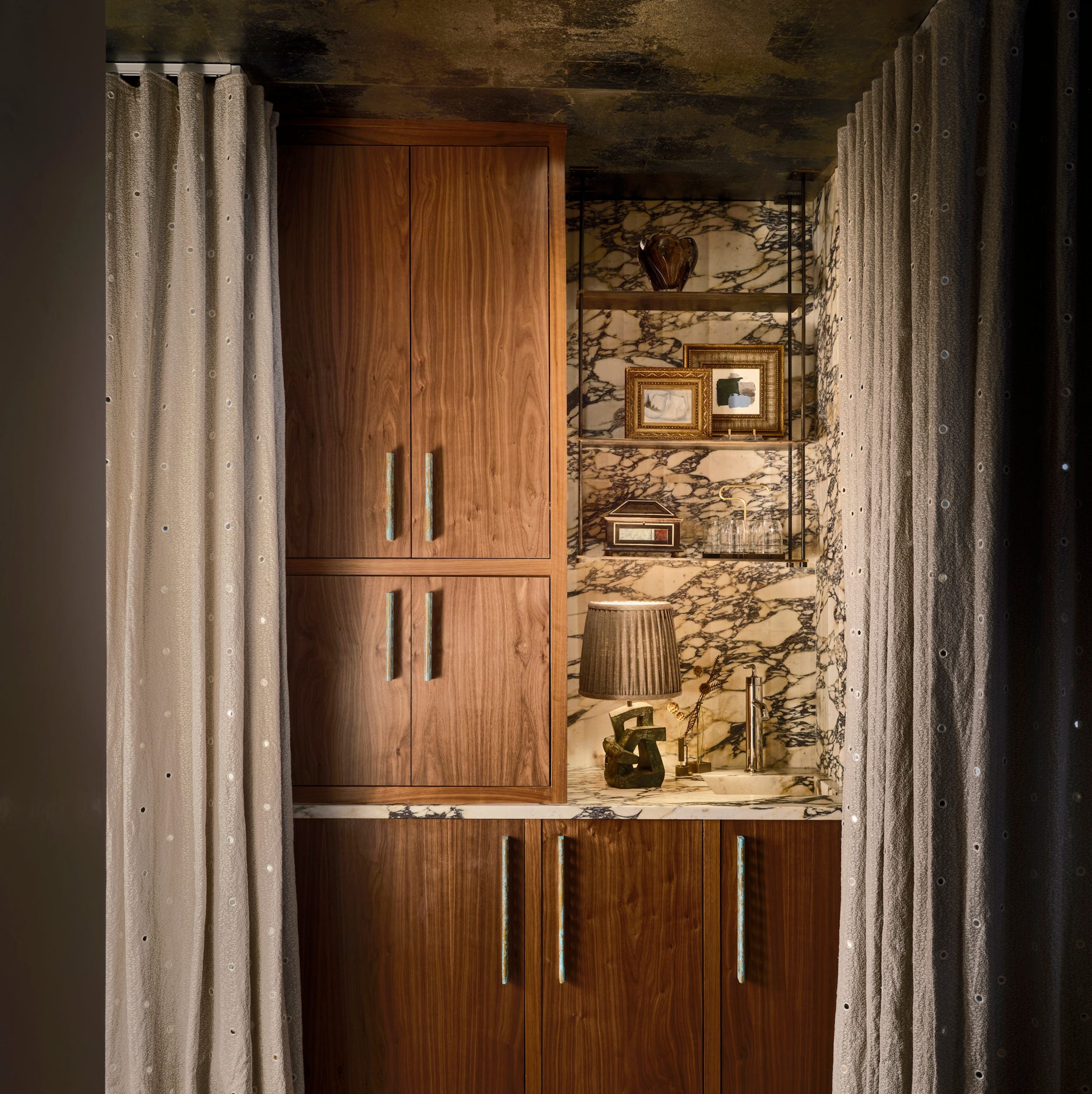
The 20 Best Coffee Bar Ideas for an Elevated Morning Routine

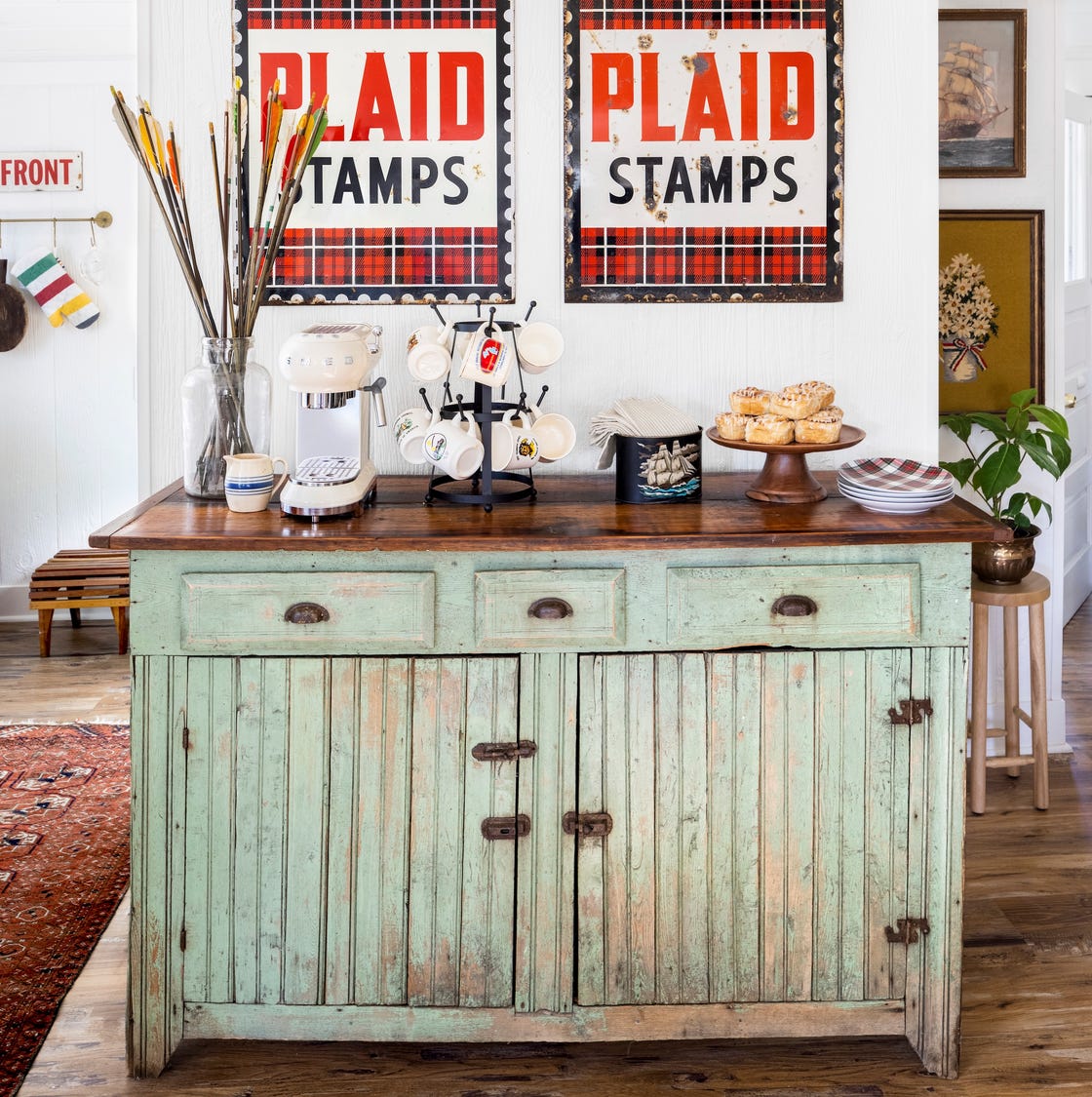
These Cute Home Coffee Bar Ideas Are the Ultimate Morning Pick-me-up
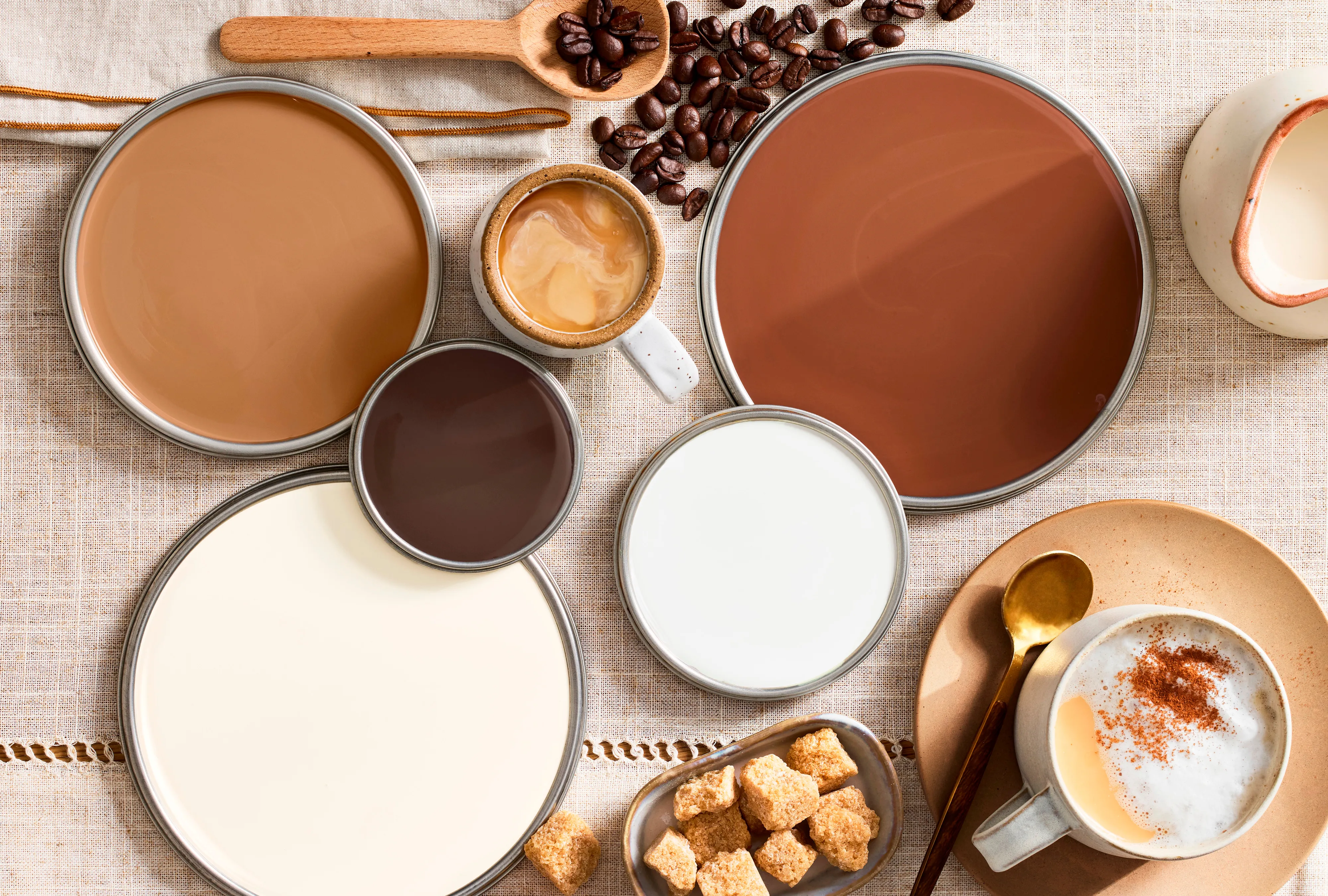
Designers Swear by This Coffee-Inspired Palette for Creating a Cozier Home

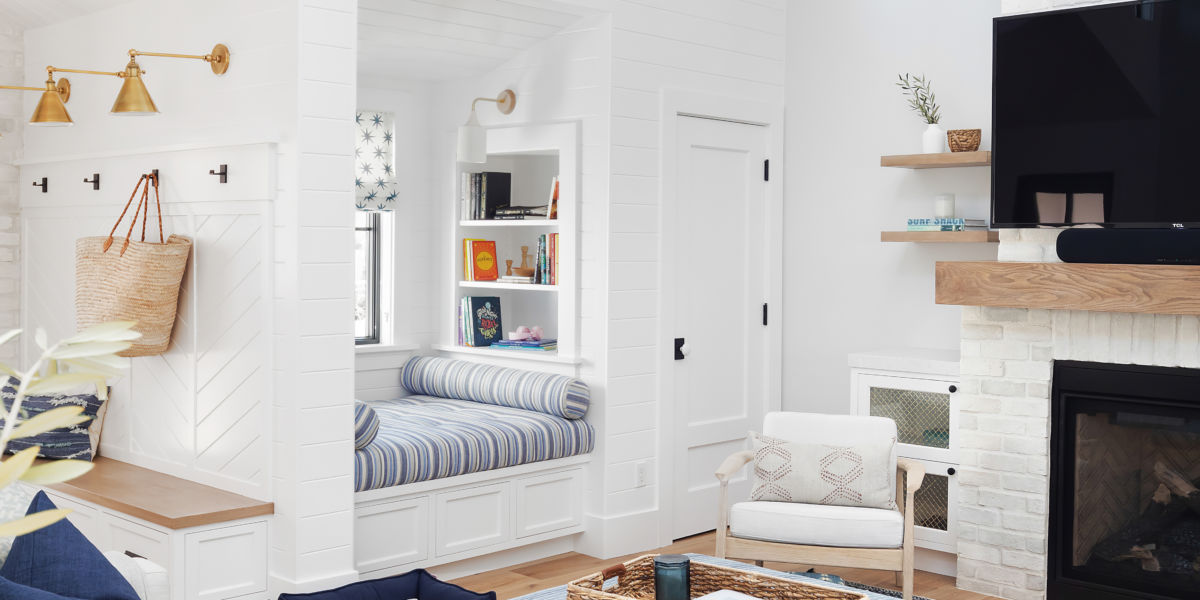
Design a Better Built-in, from Reading Nooks to Coffee Corners
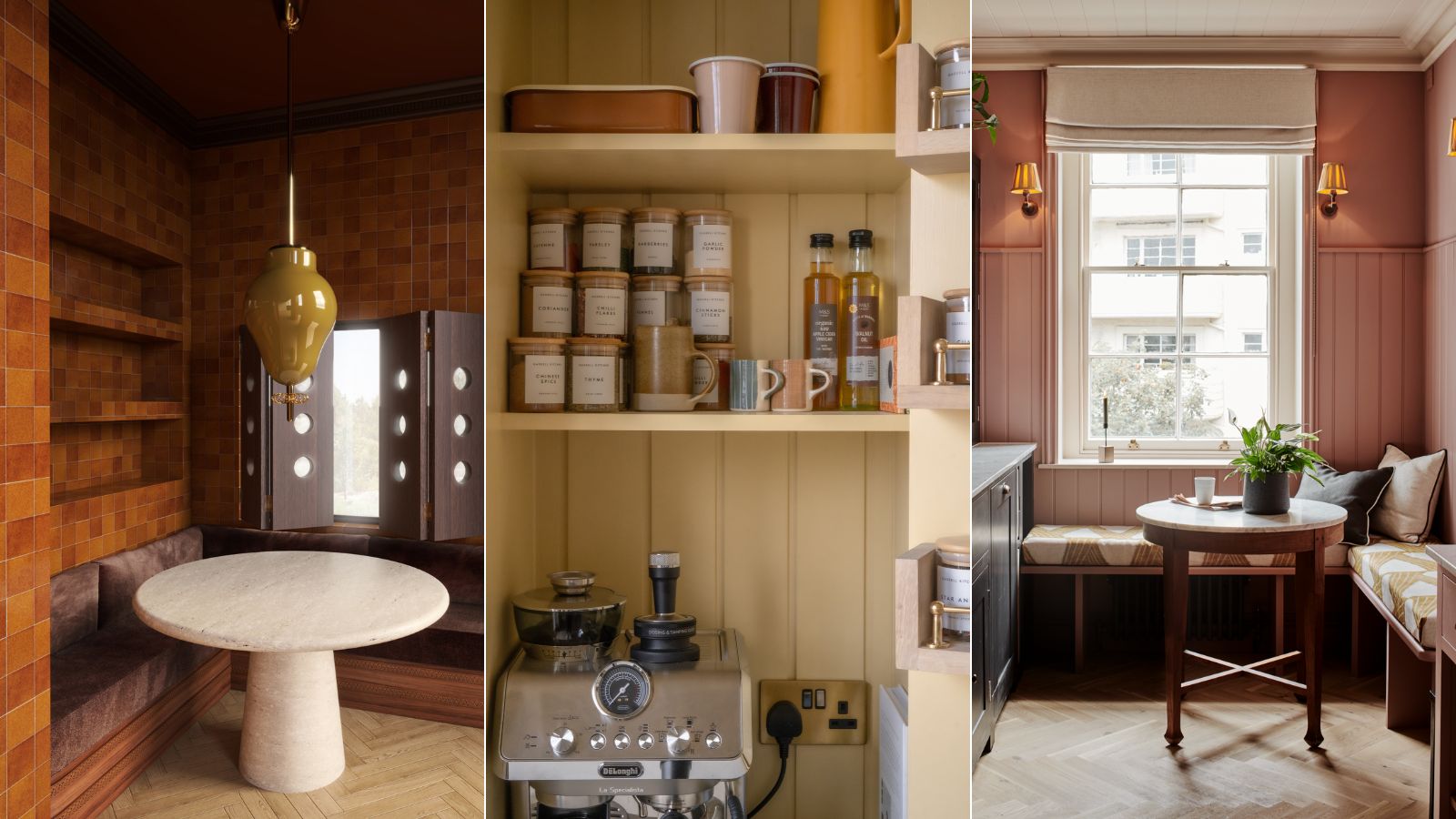
How to carve out a cafe-style coffee nook in your home, according to interior designers

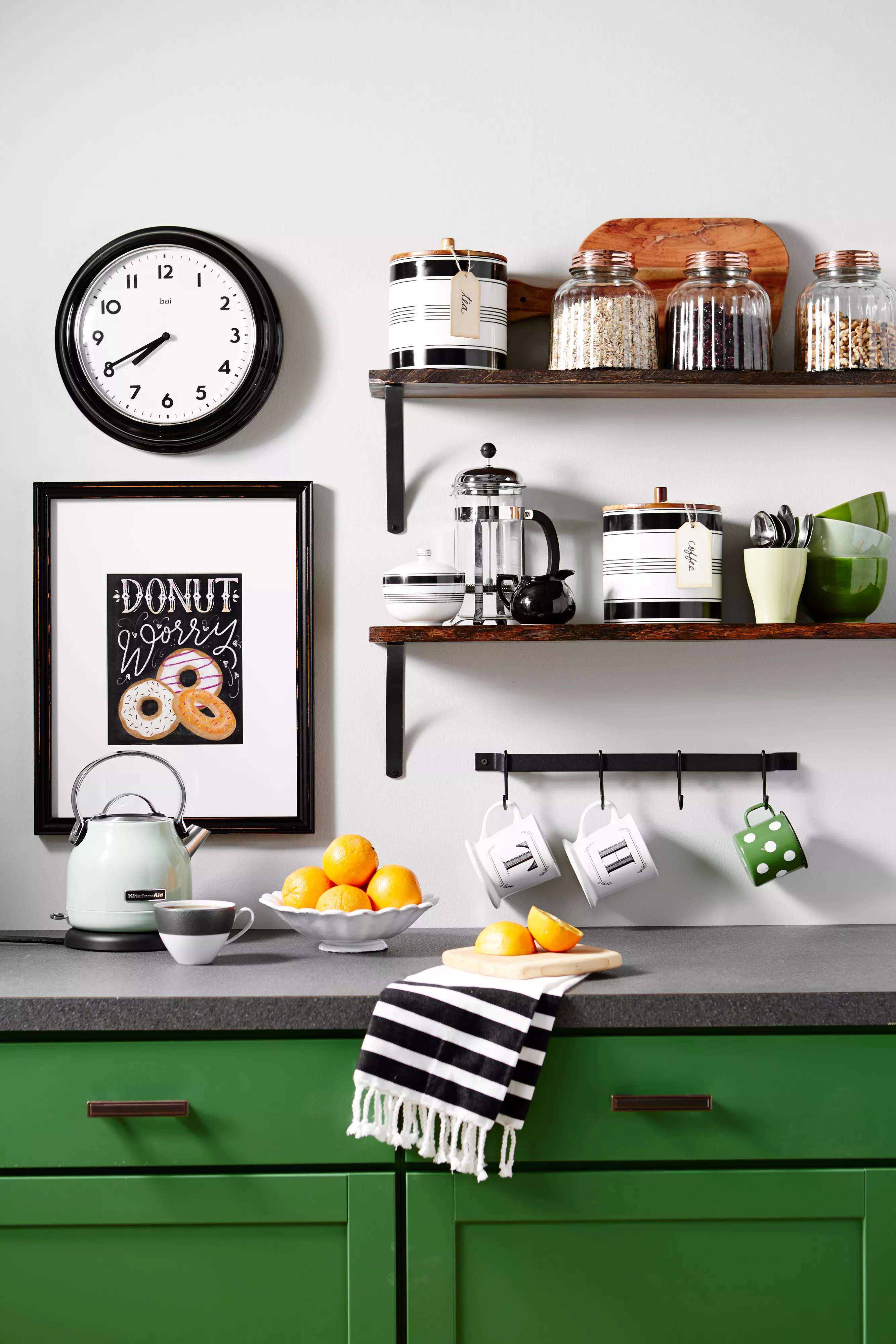
36+ At-Home Coffee Station Ideas for the Ultimate Café Experience
How This Designer Created a Home Bar That Rivals Any Speakeasy

10 Tasteful Home Bar Designs Worthy of a Bottle of Bubbly

40 Beautiful Coffee Bar Ideas for the Perfect Morning Routine
Yes, You Do Need a Cute Coffee Bar at Home
These 30 Home Bar Ideas Are the Epitome of Class
Café Core Is the Next Big Design Trend—Here’s How to Get the Look
These coffee bar essentials will transform your kitchen into your own personal café
17 Designer-Approved Modern Coffee Bar Ideas We're Loving a LATTE
These Chic Home Bar Ideas Will Get You Ready for Your Next Cocktail Party
How To Arrange And Style Coffee Table Books, According To Designers