Why Plaster Finishes Are Trending Right Now (Plus 5 Types to Know)
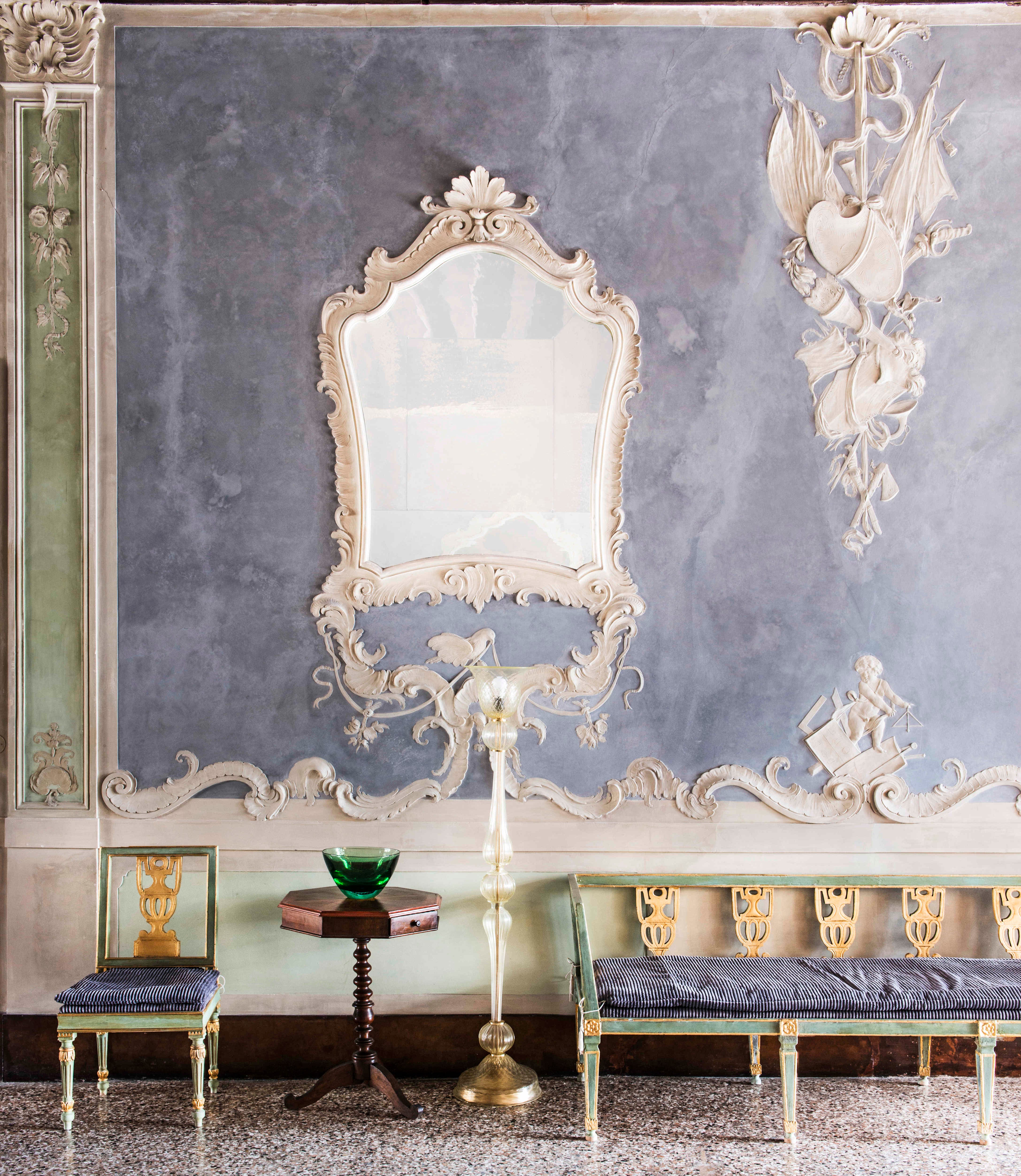
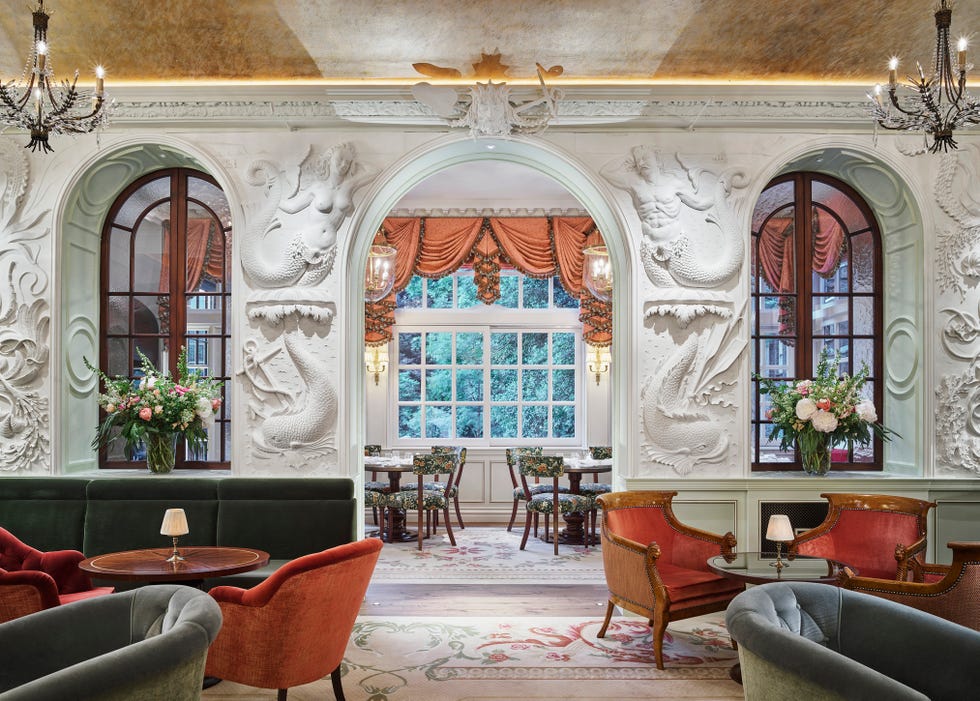
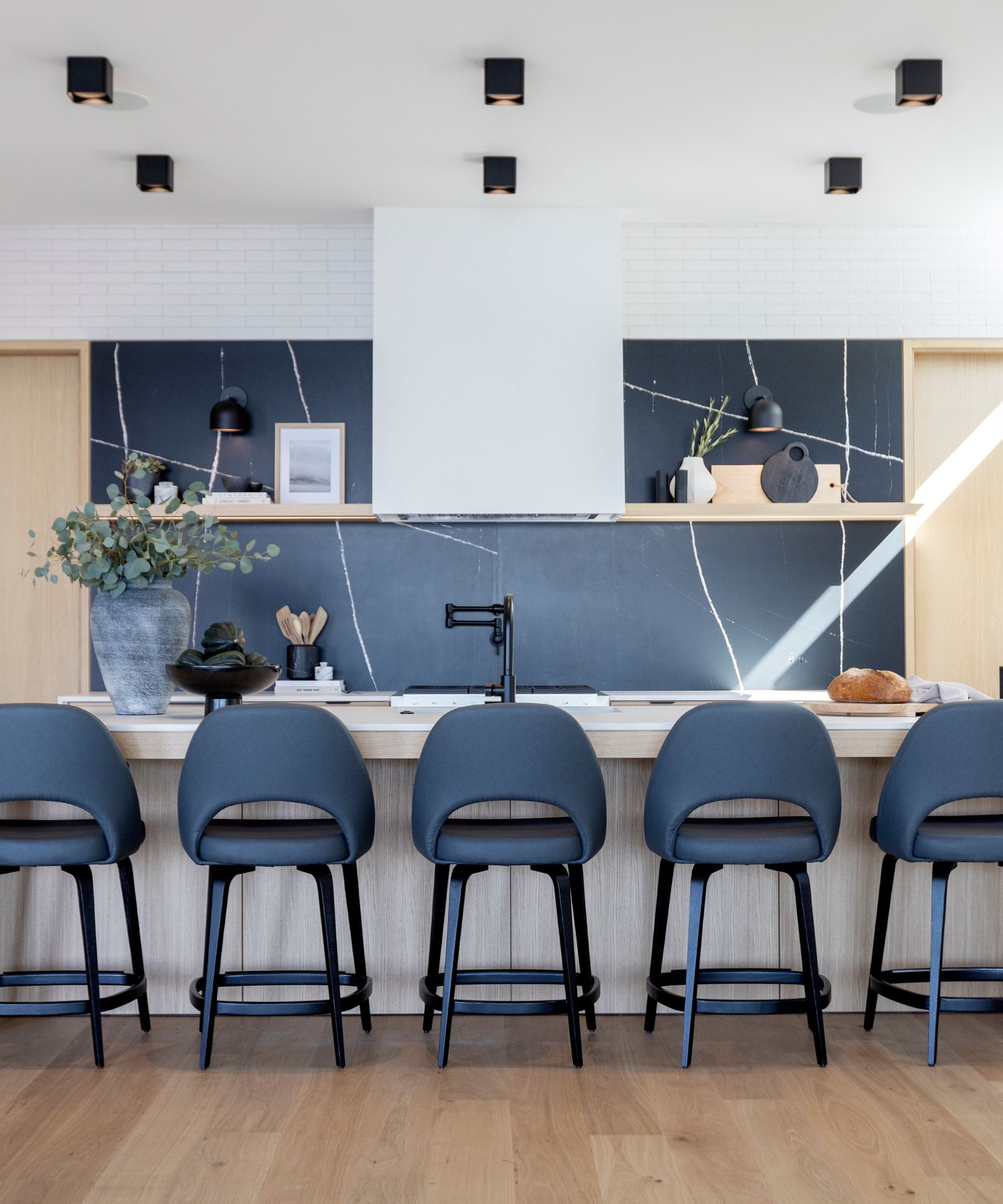
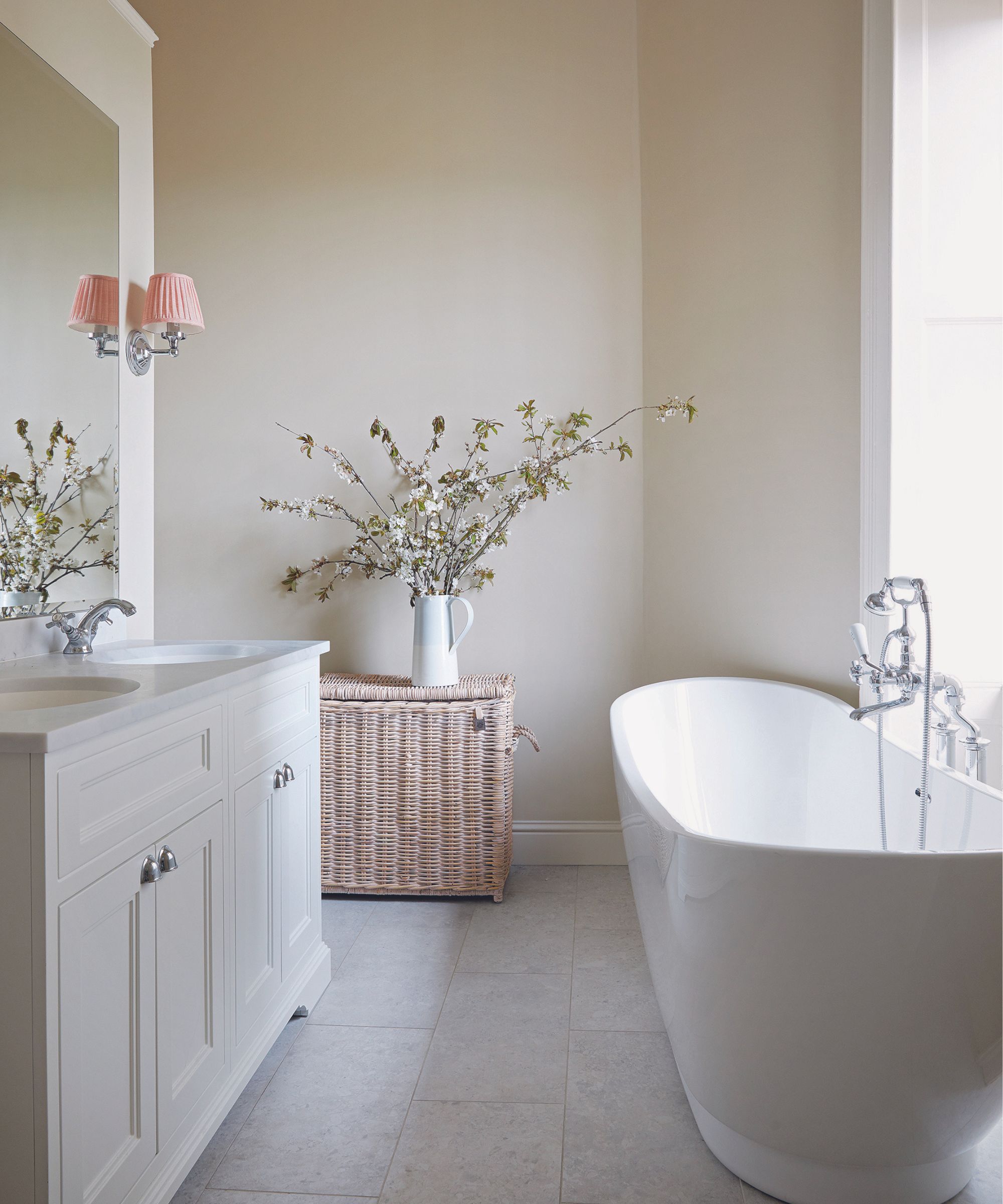
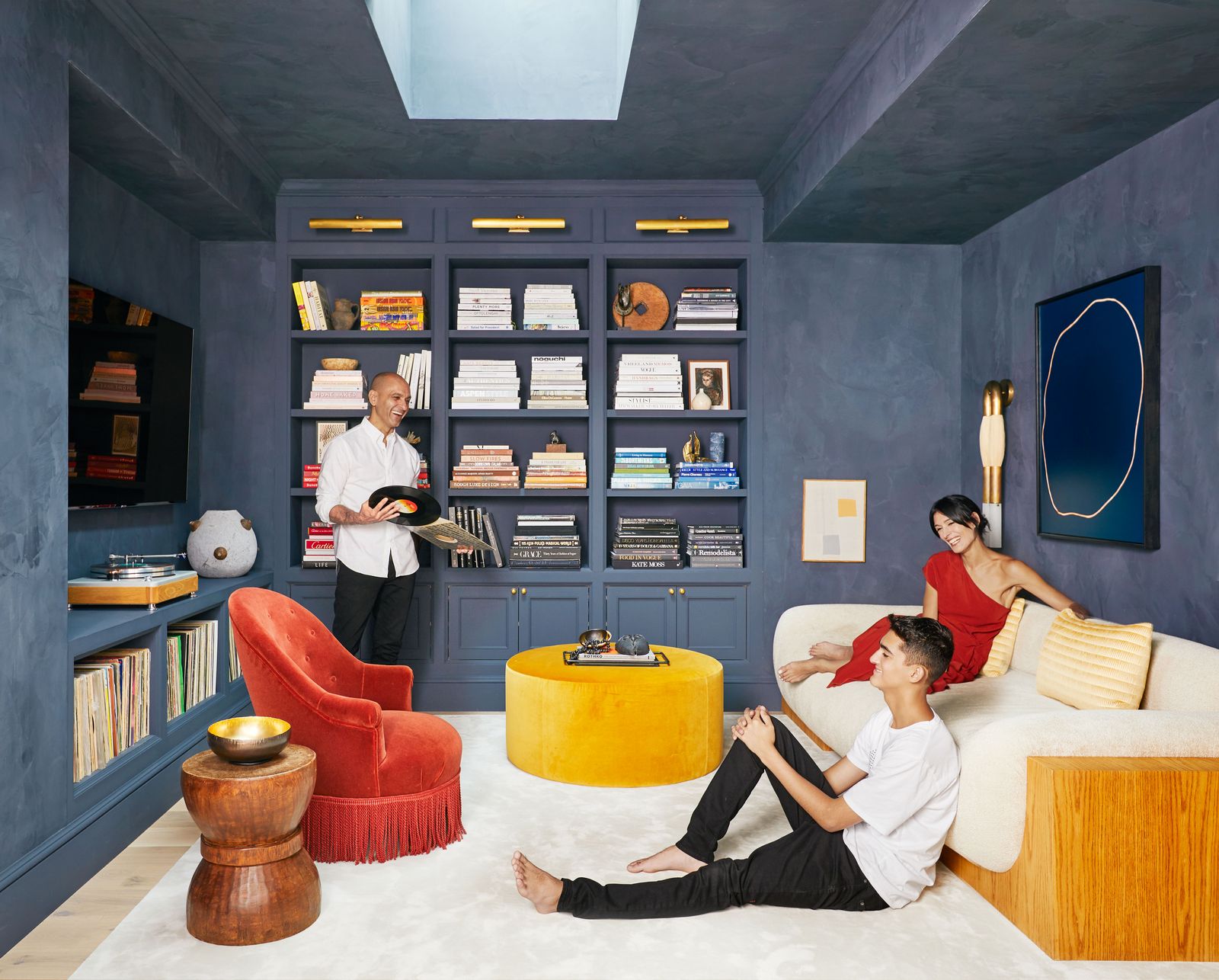
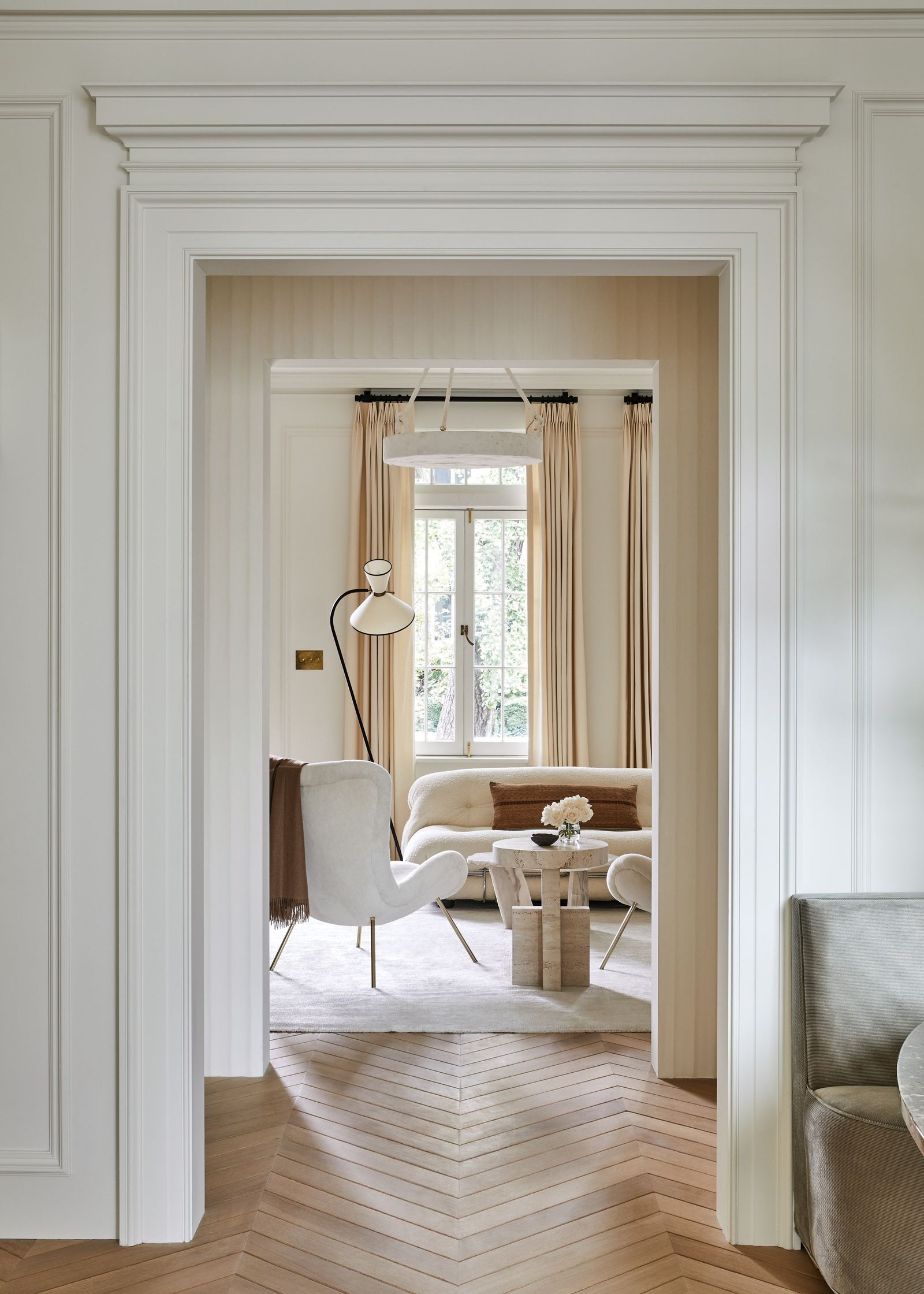
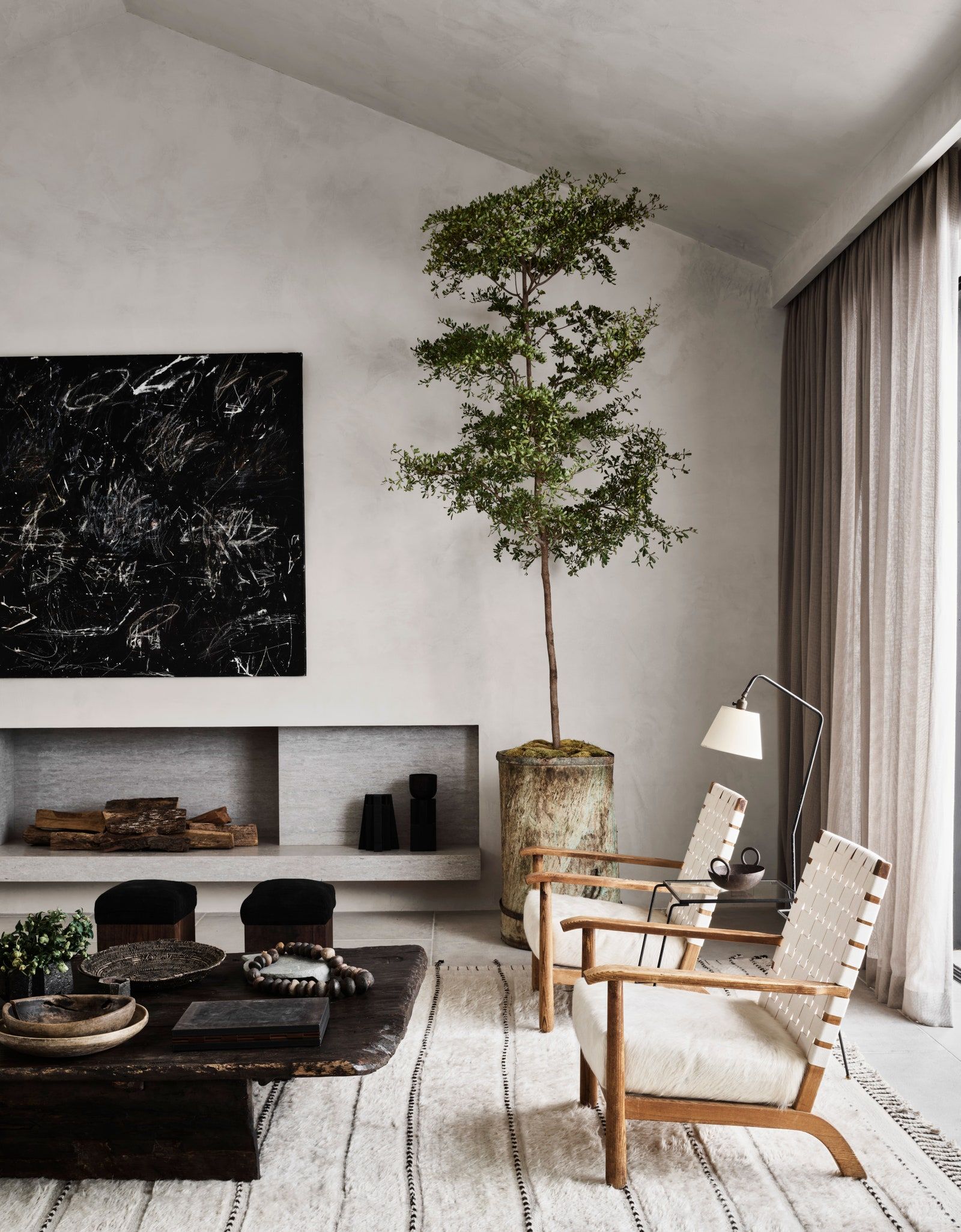
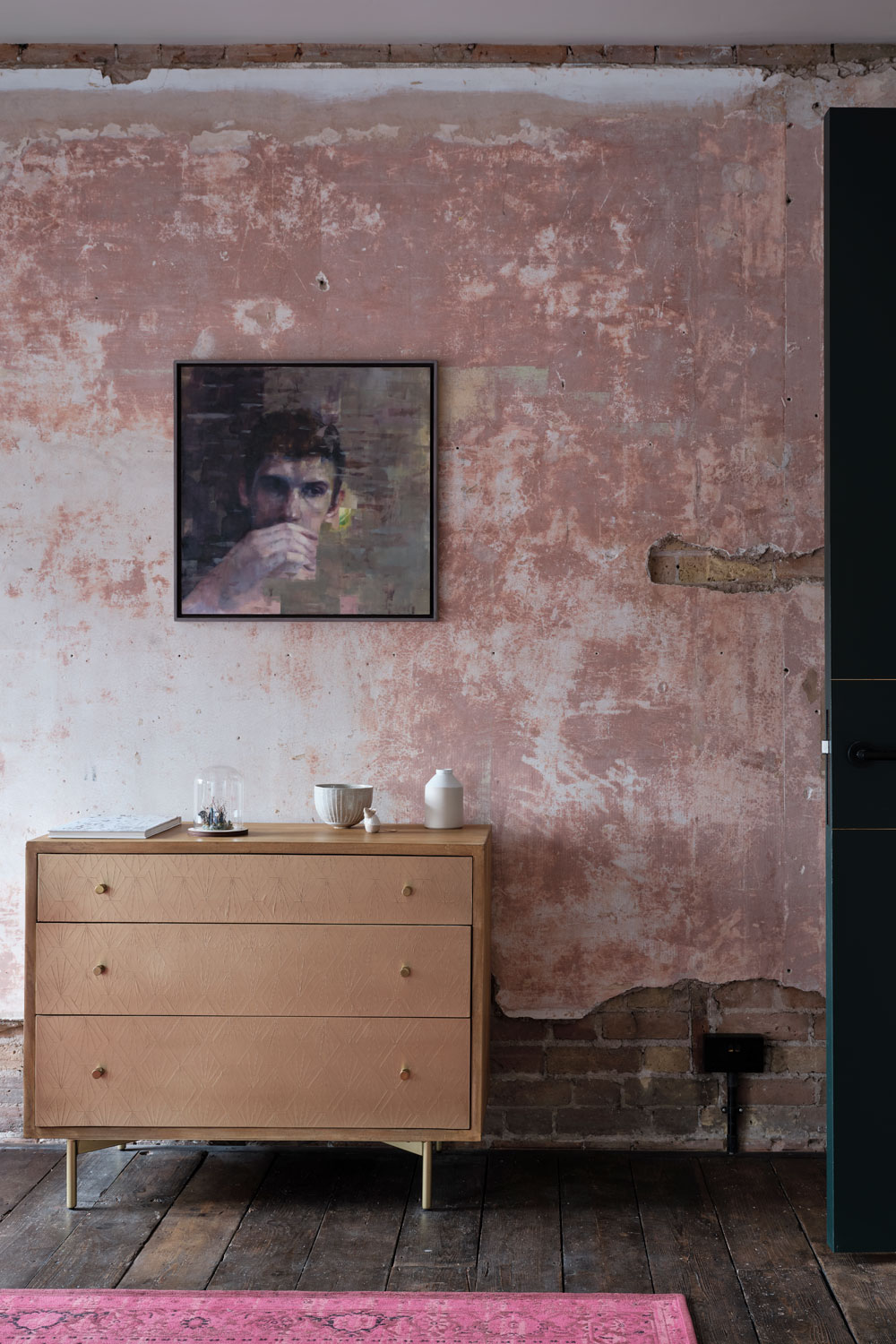
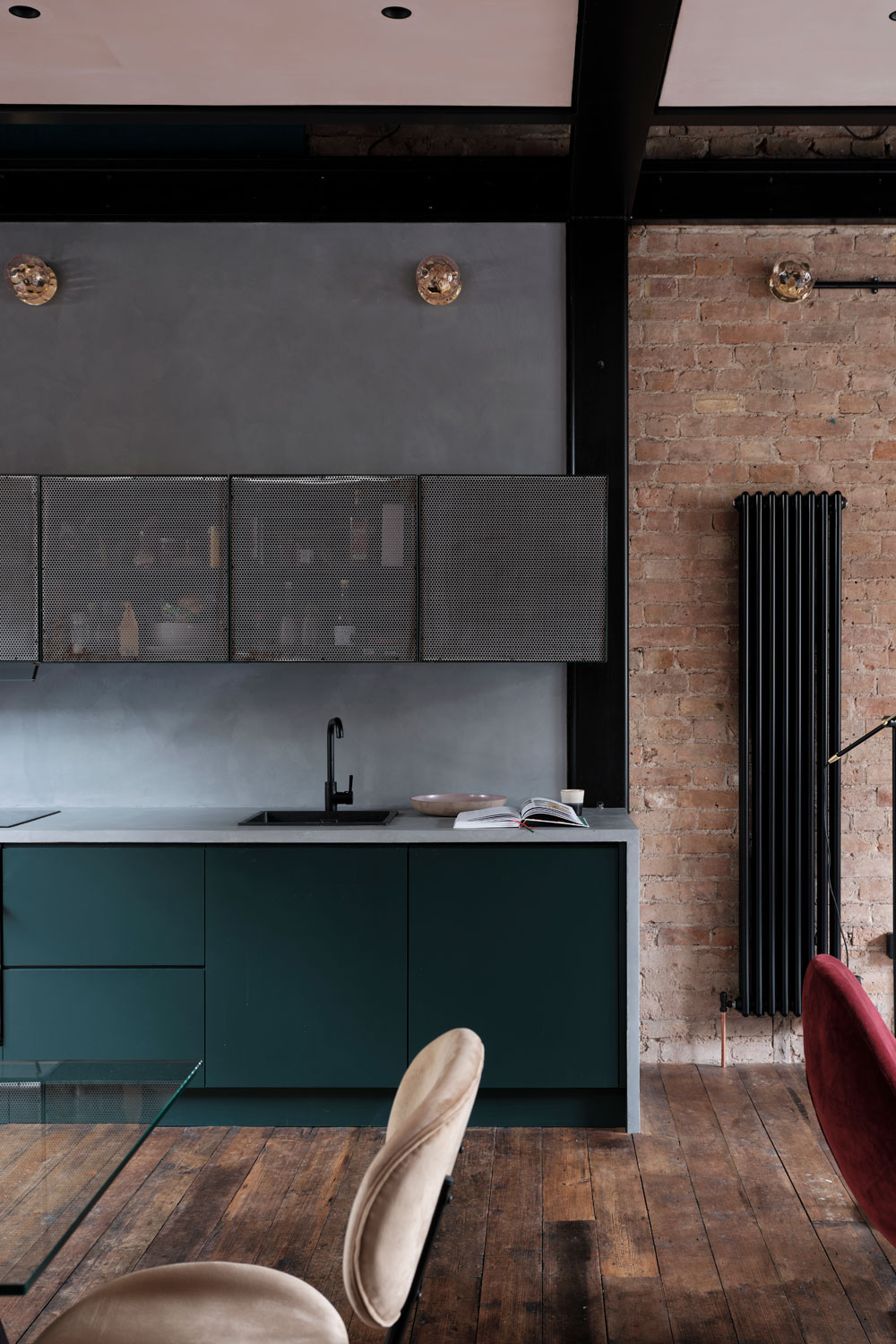
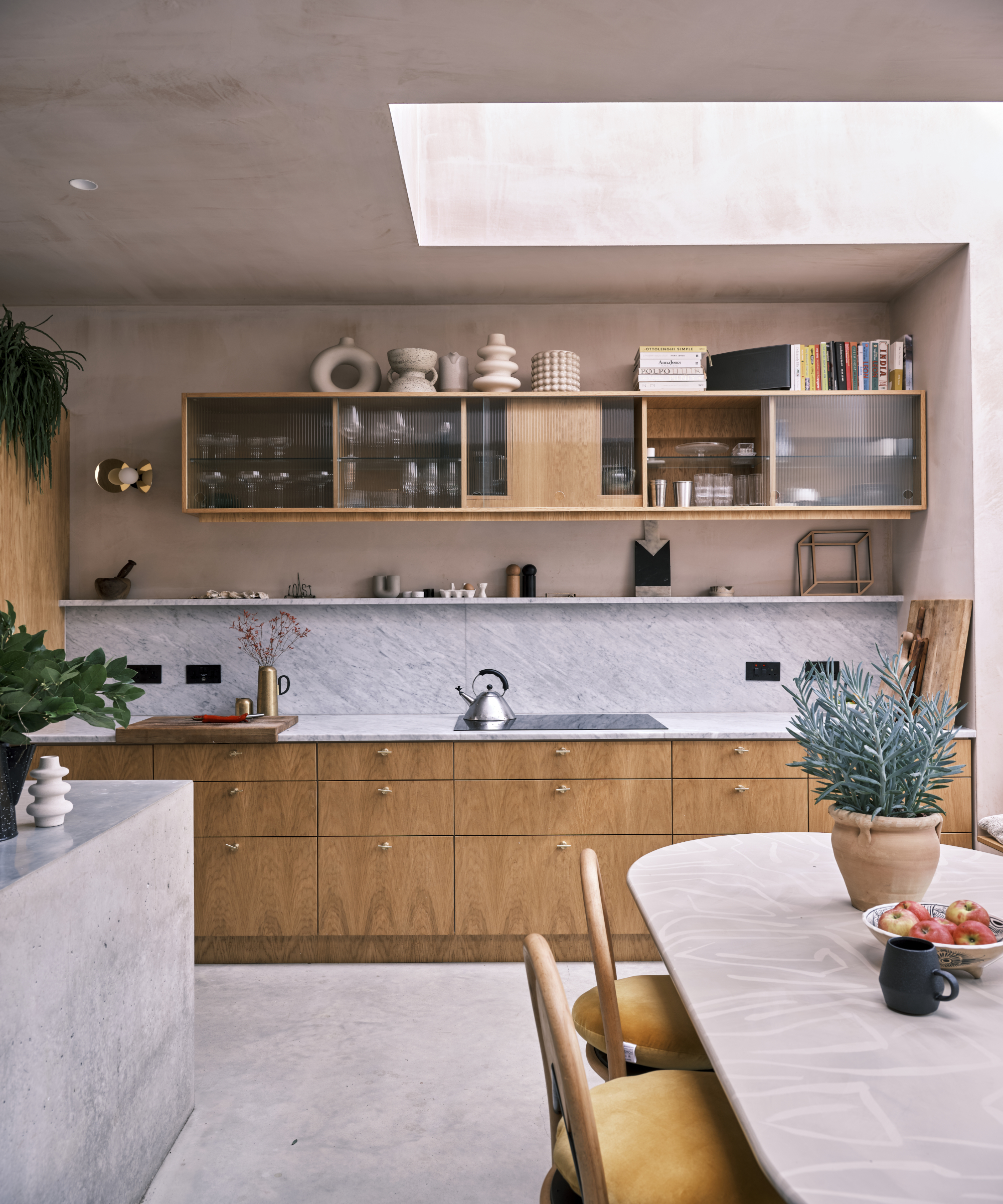
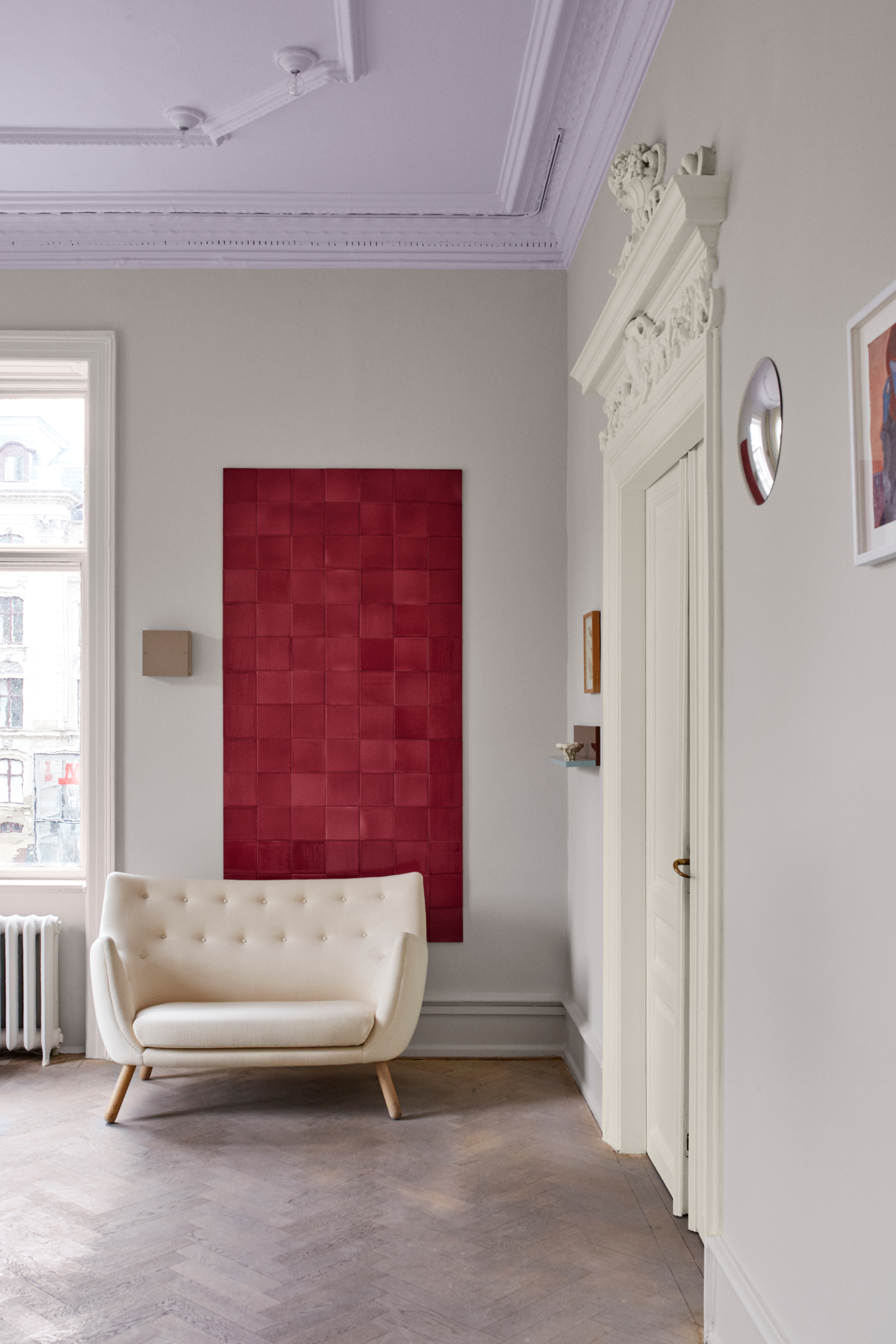
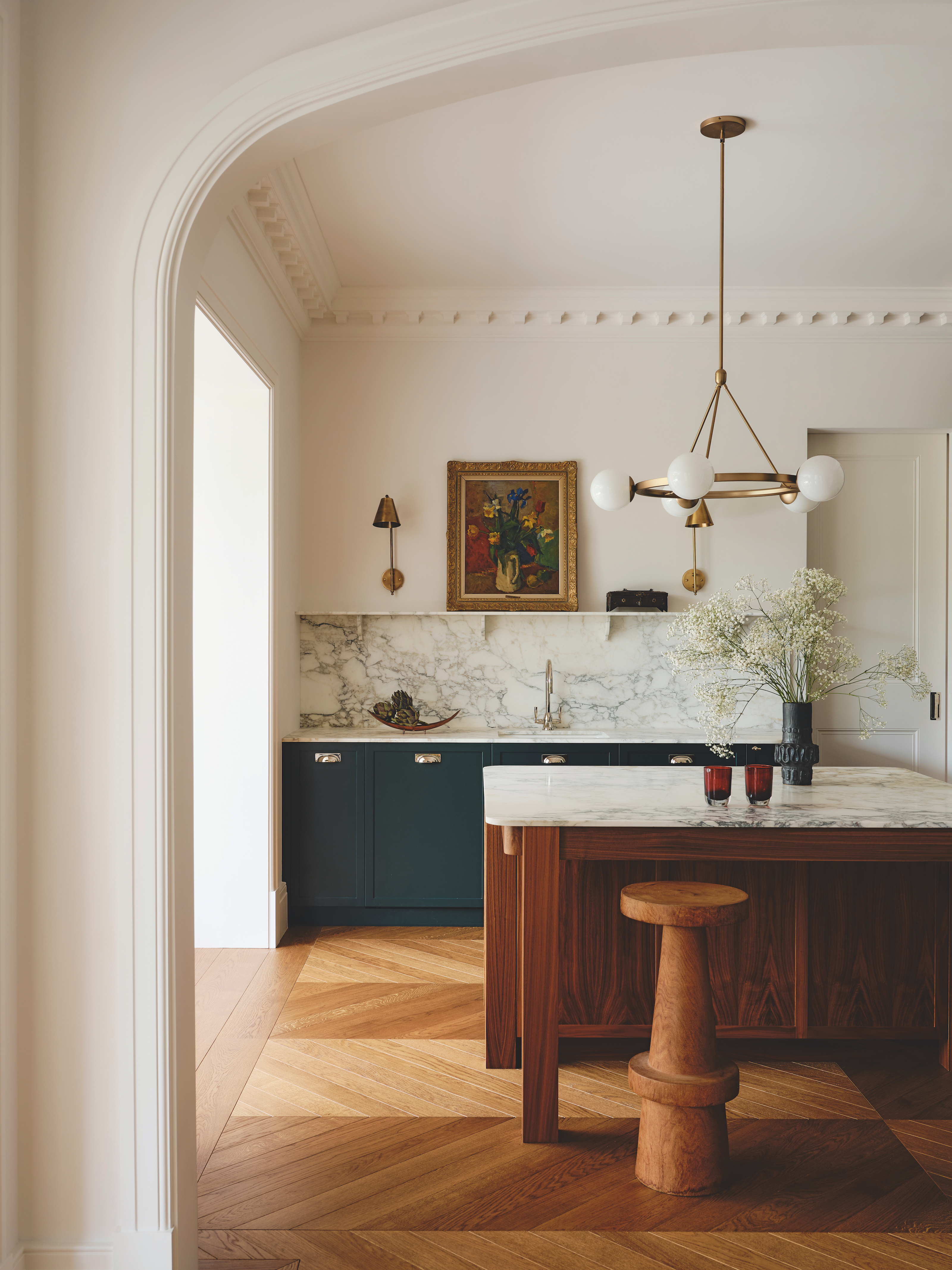
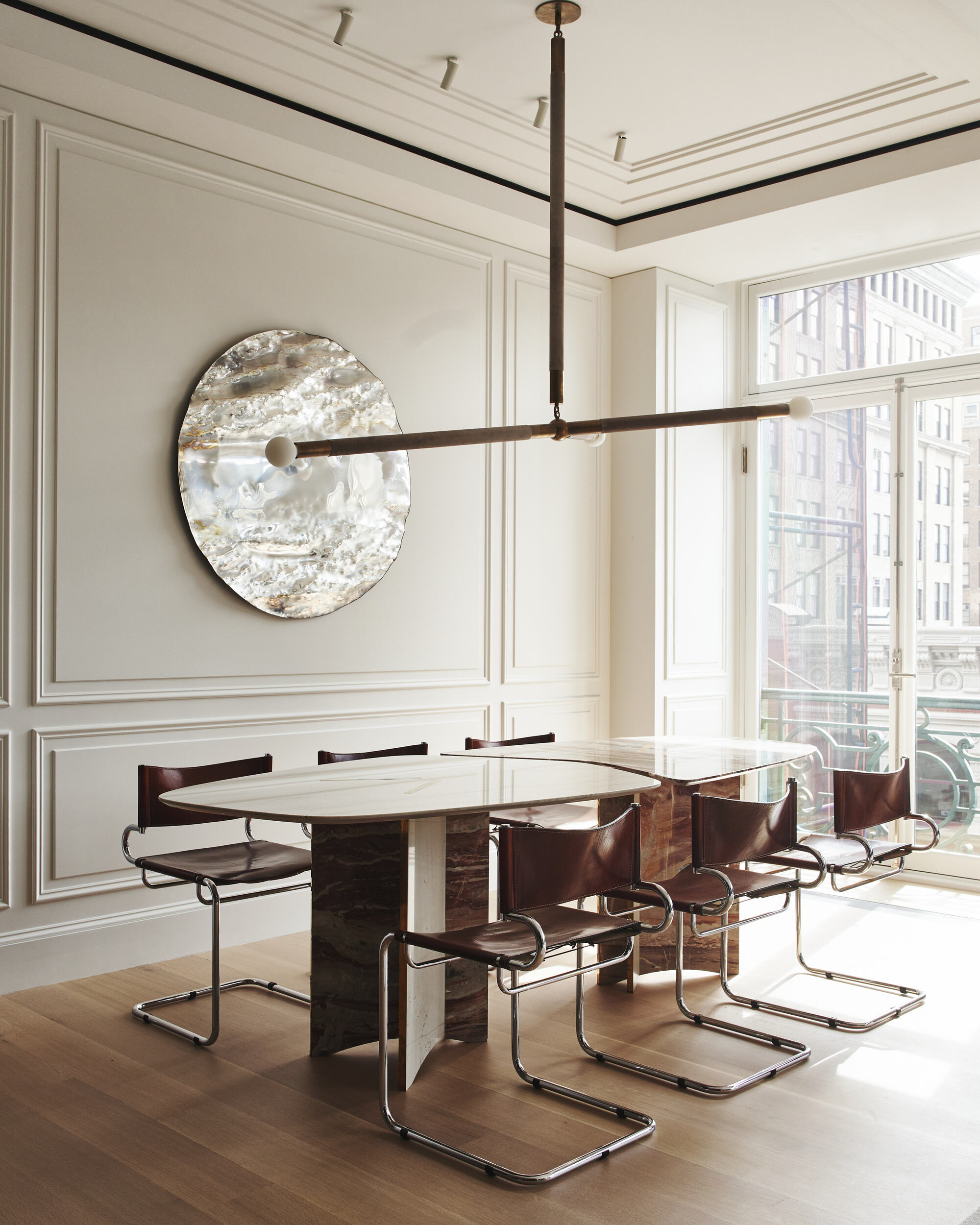
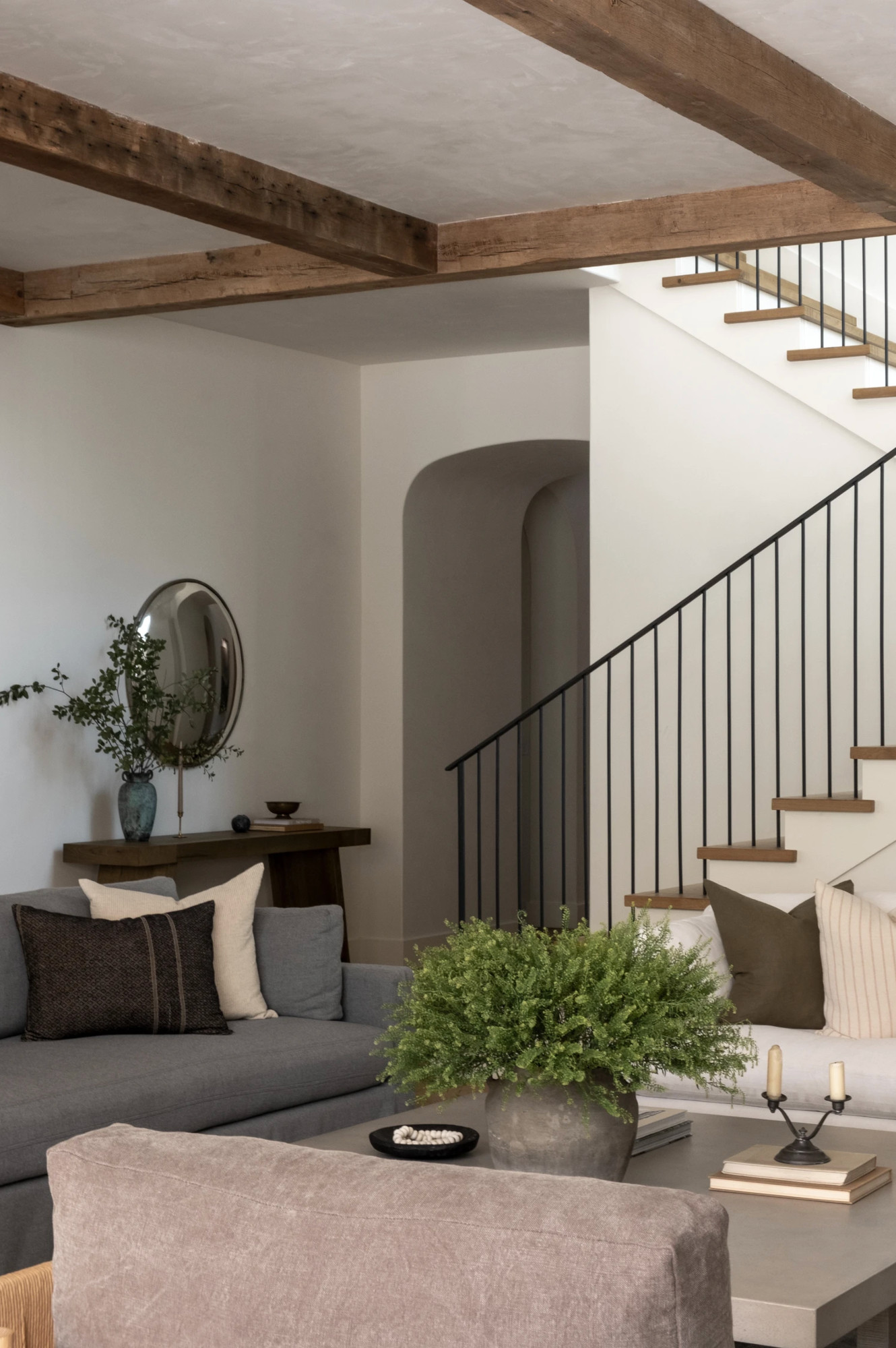
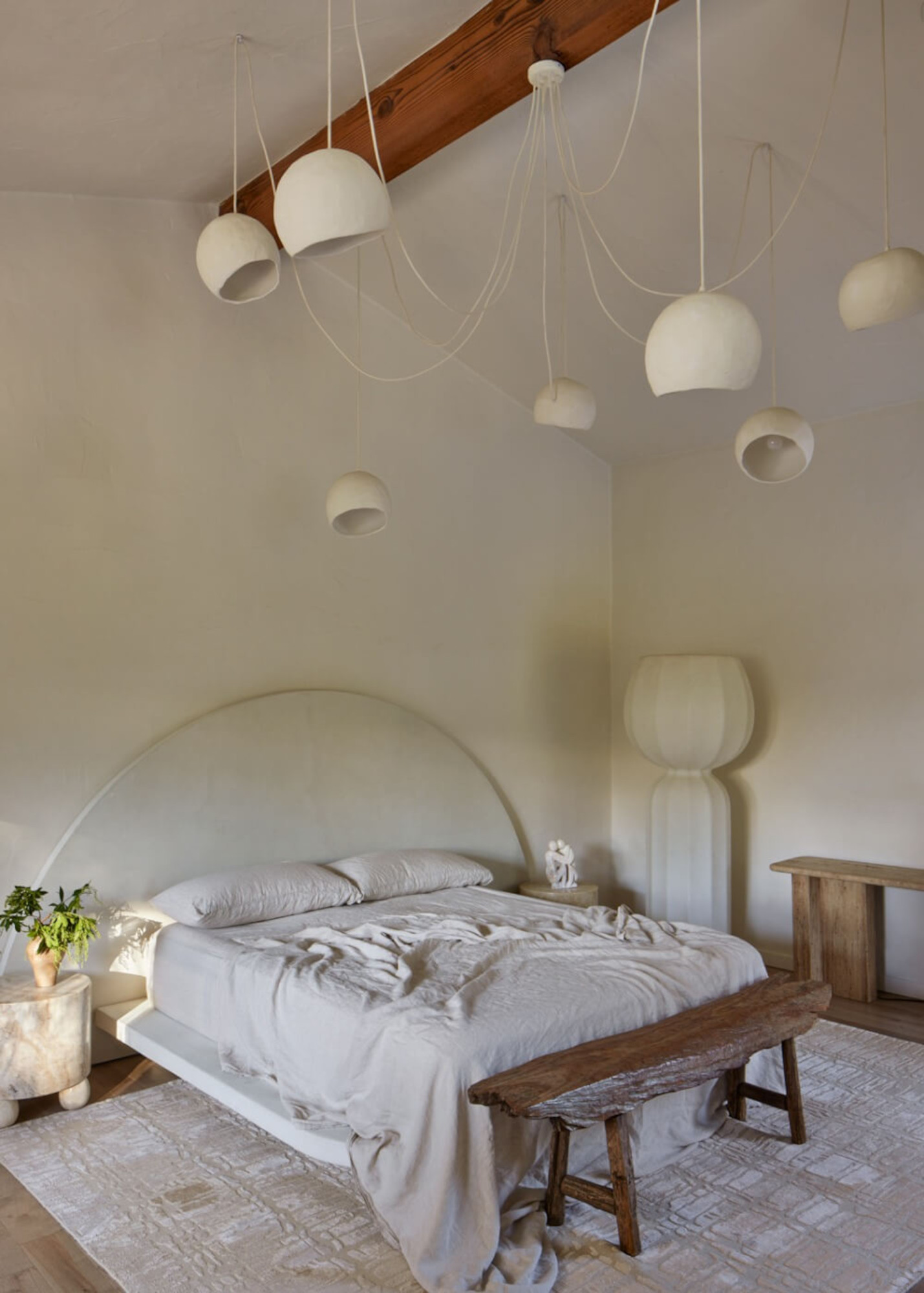
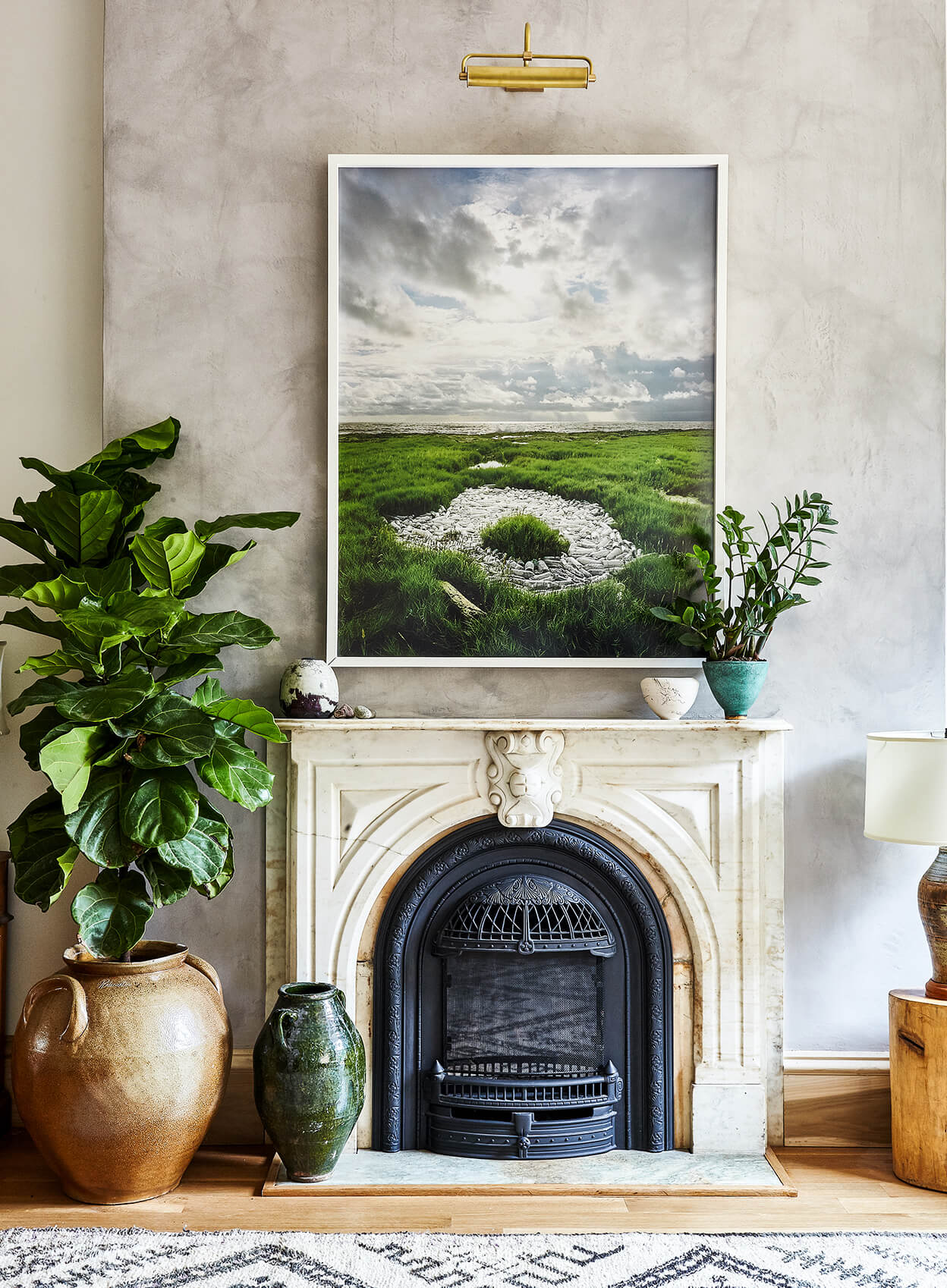
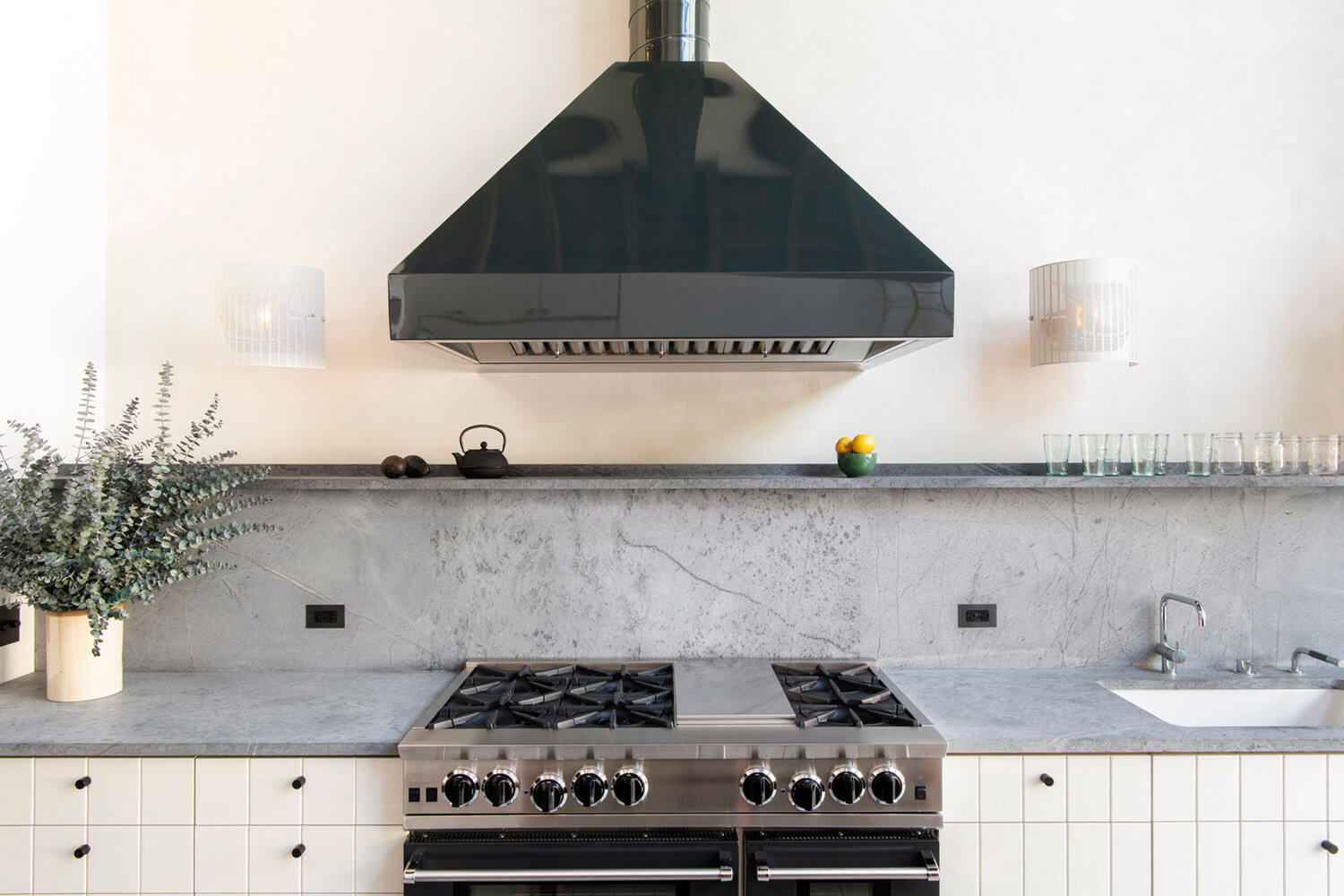
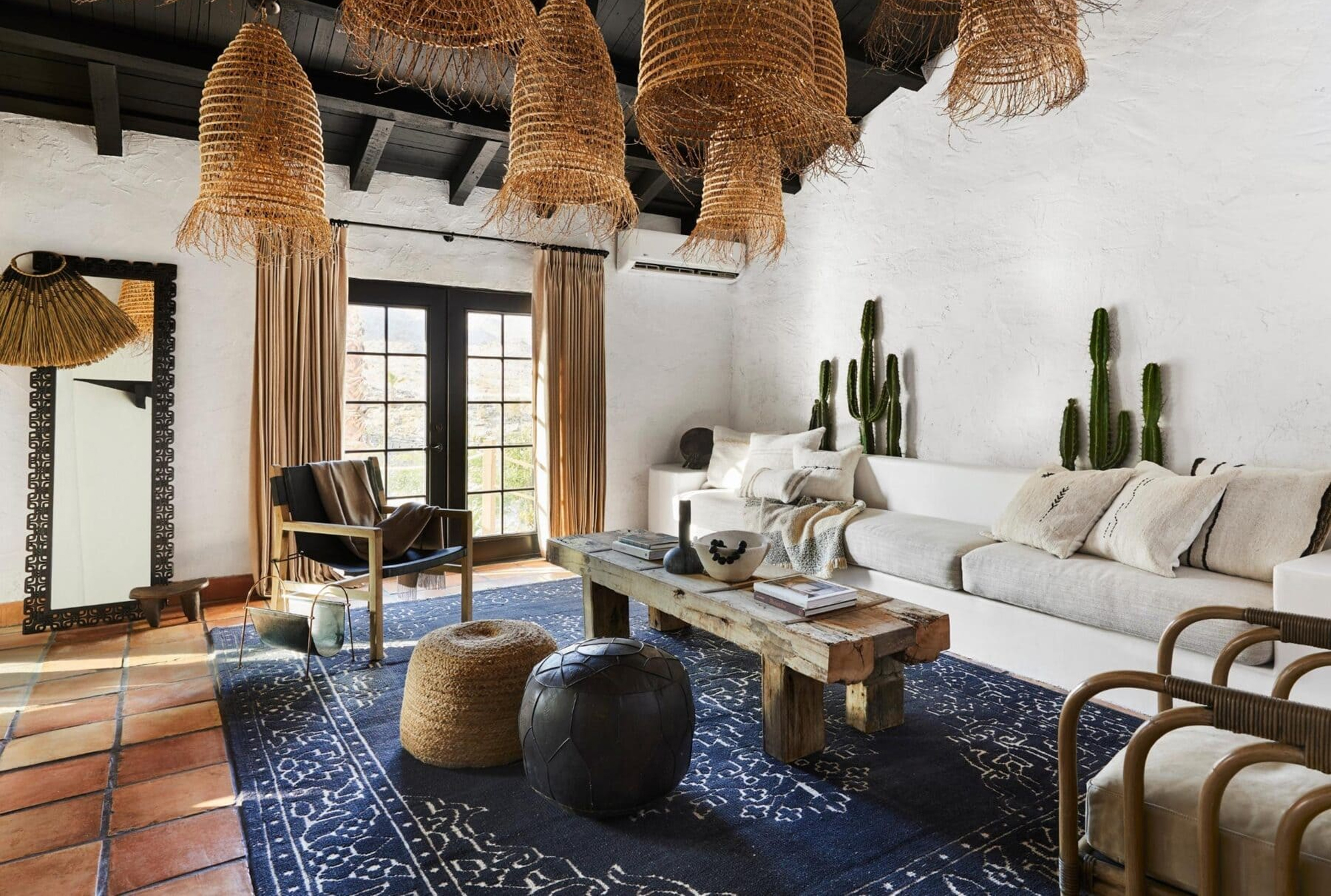
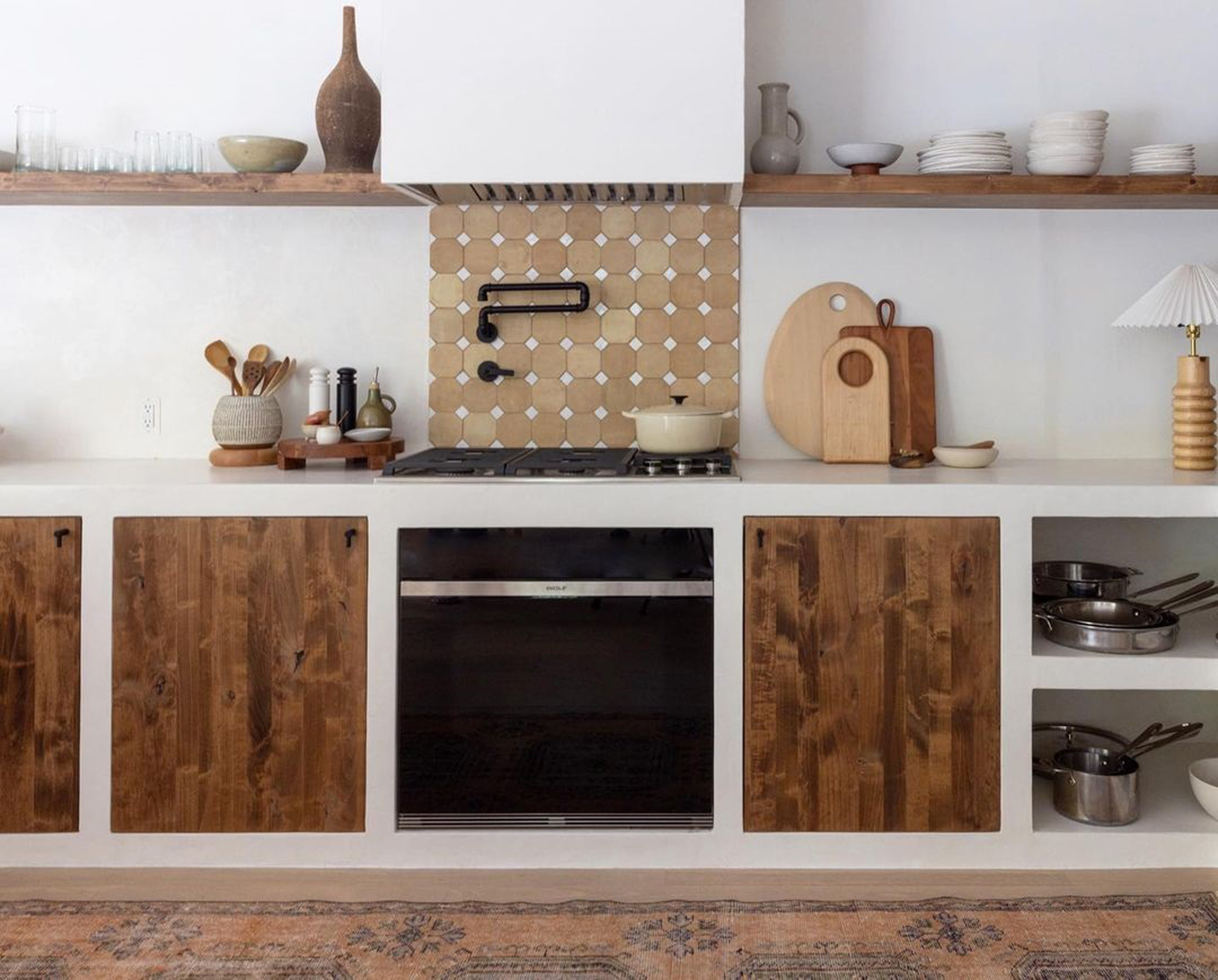
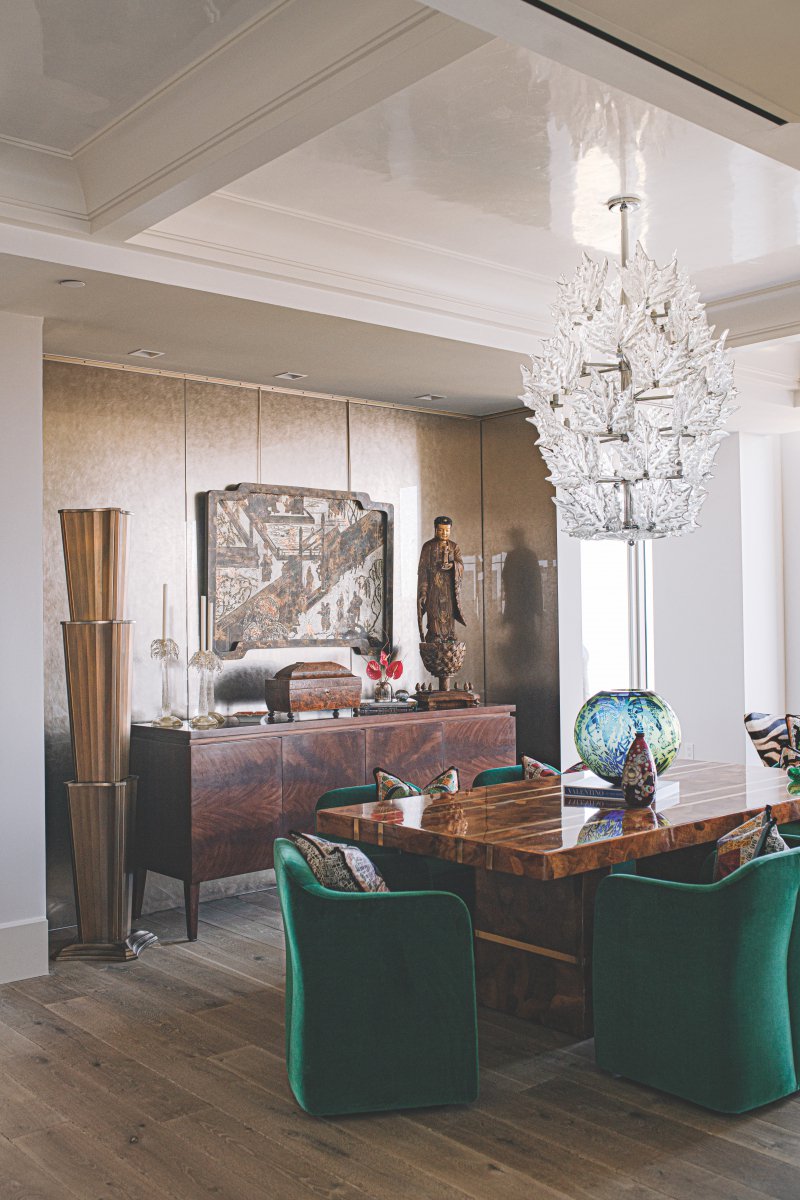
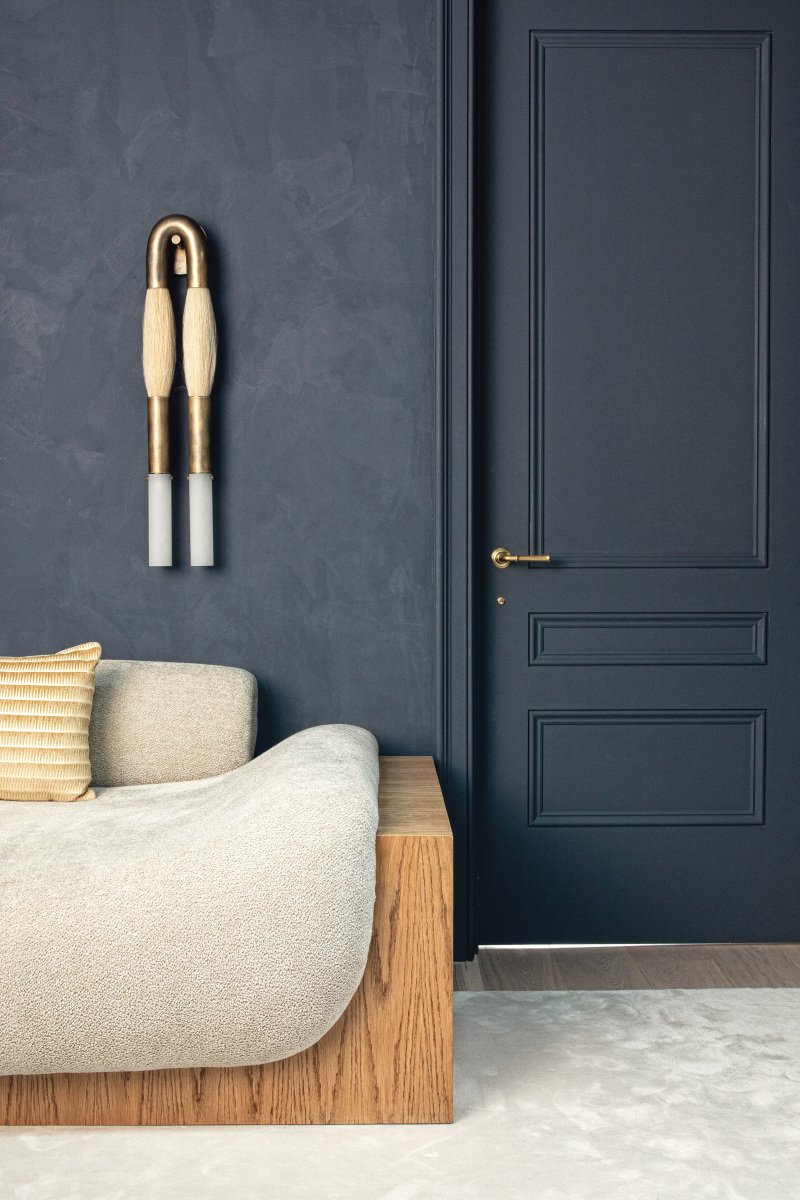
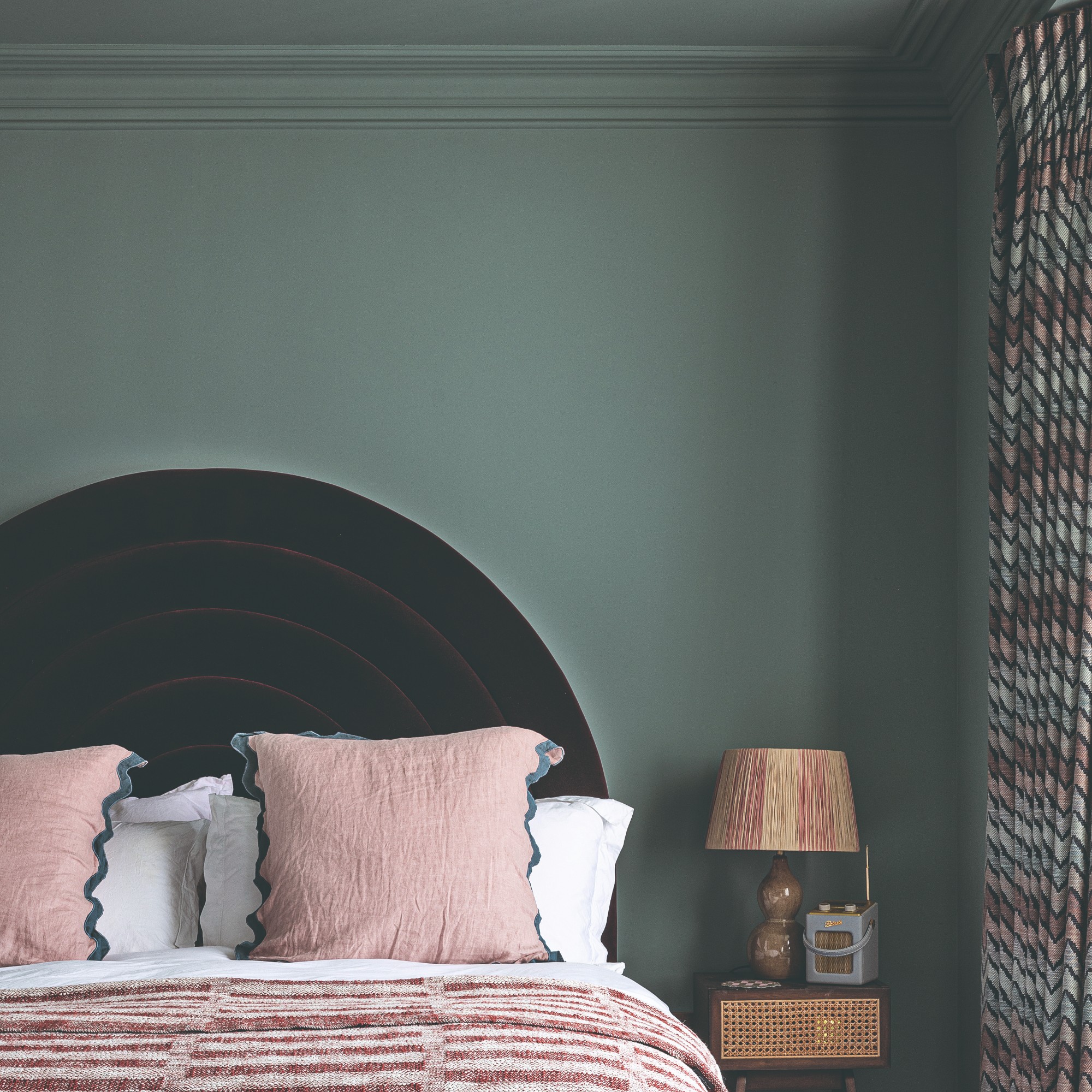
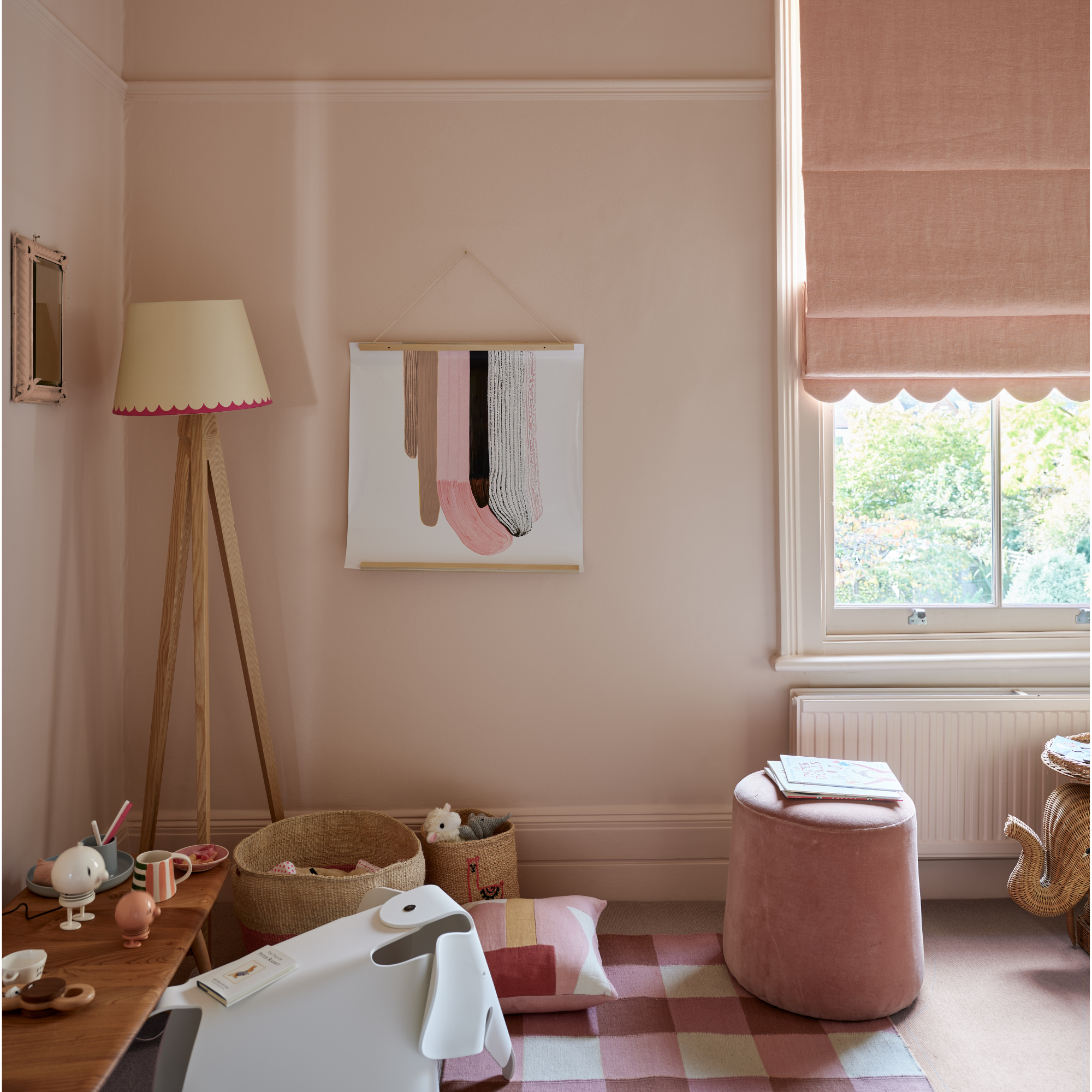
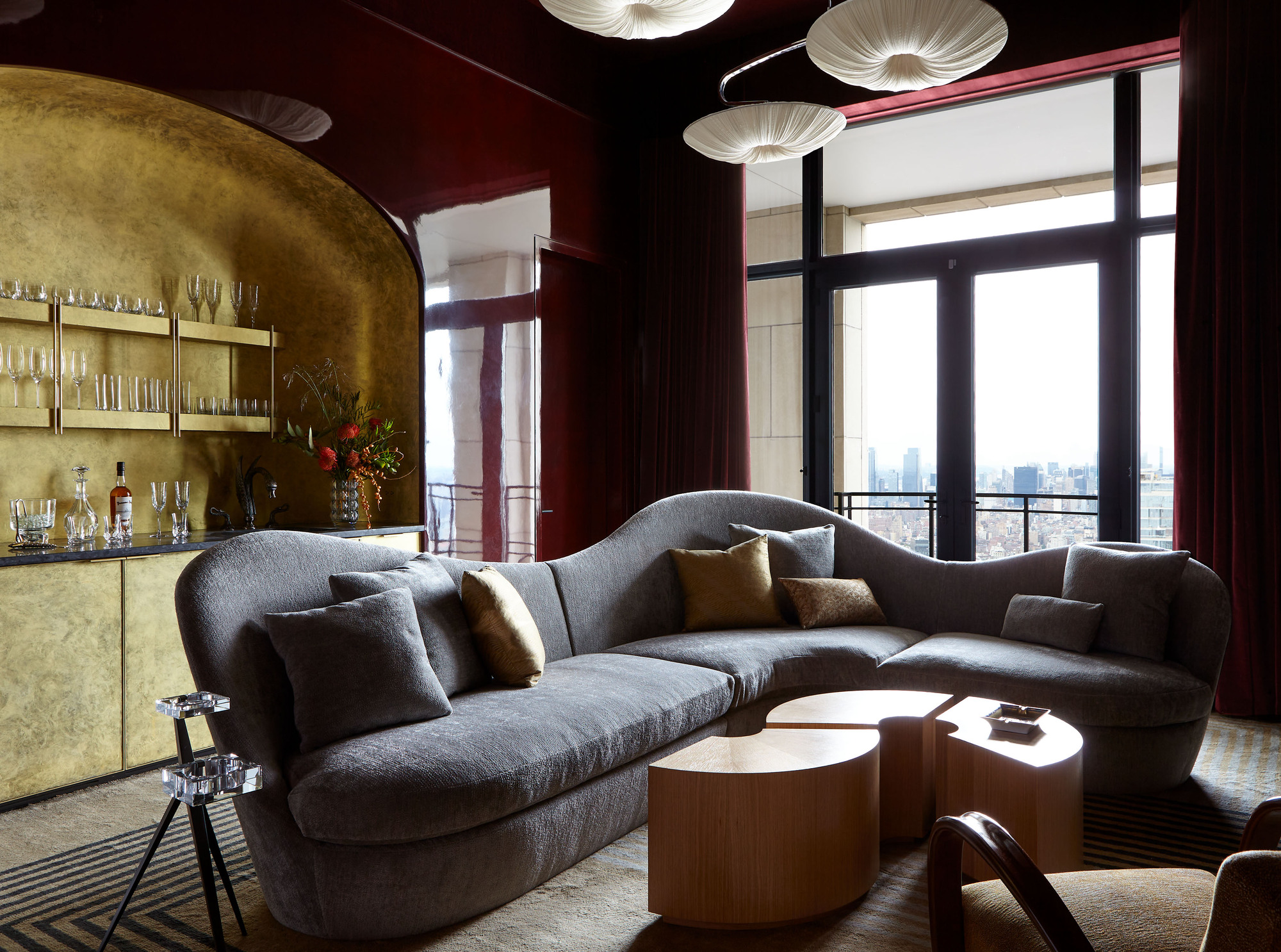
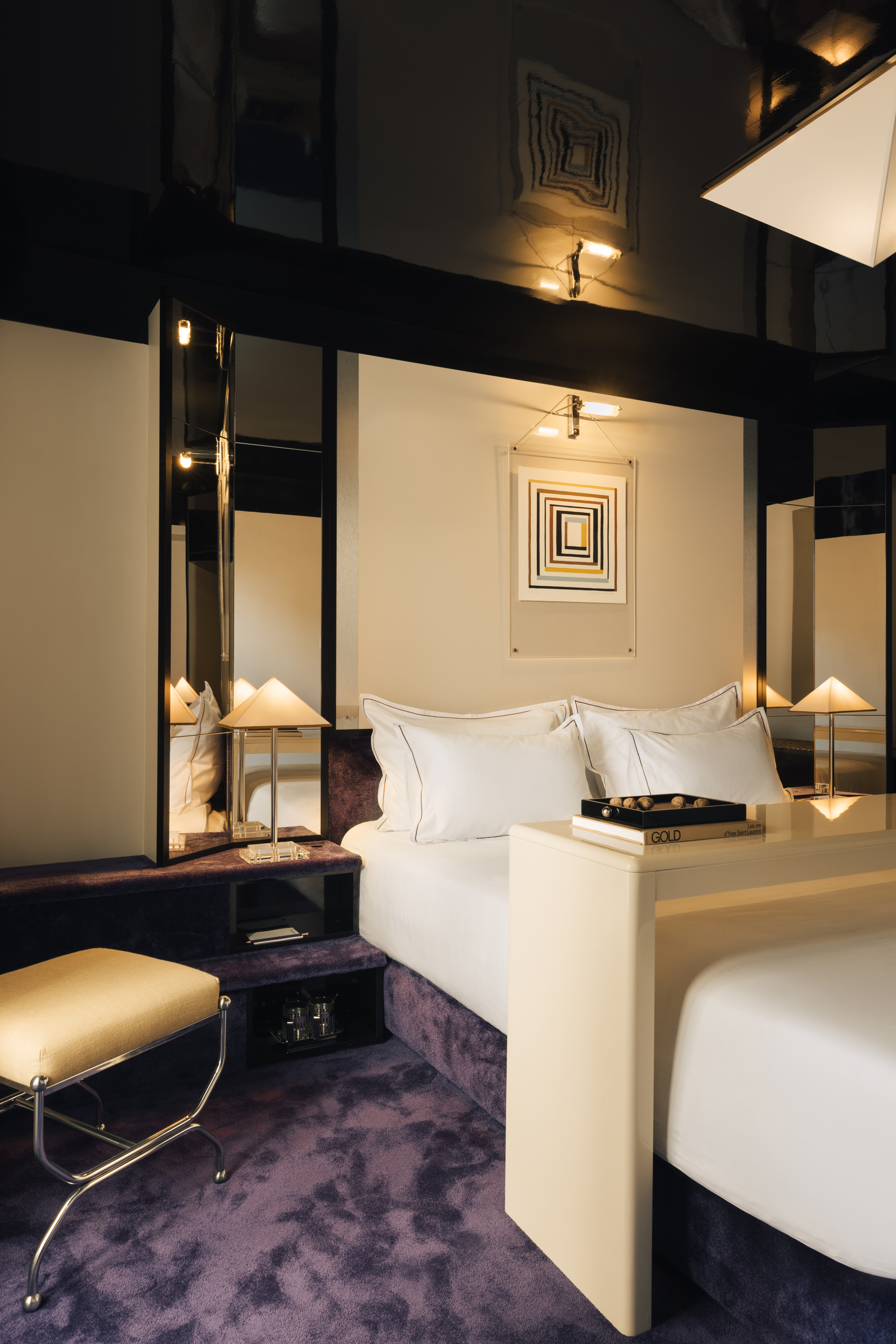
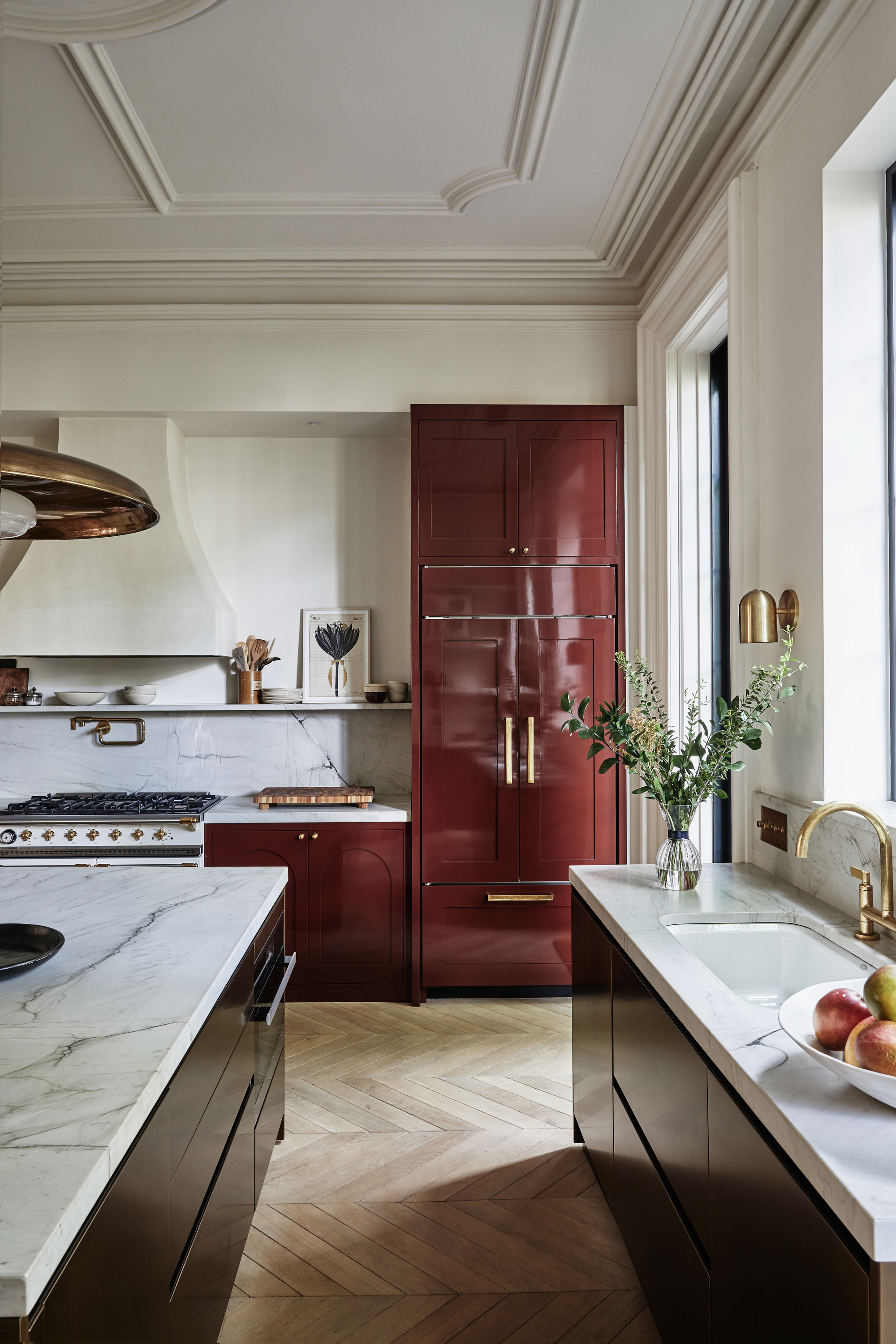
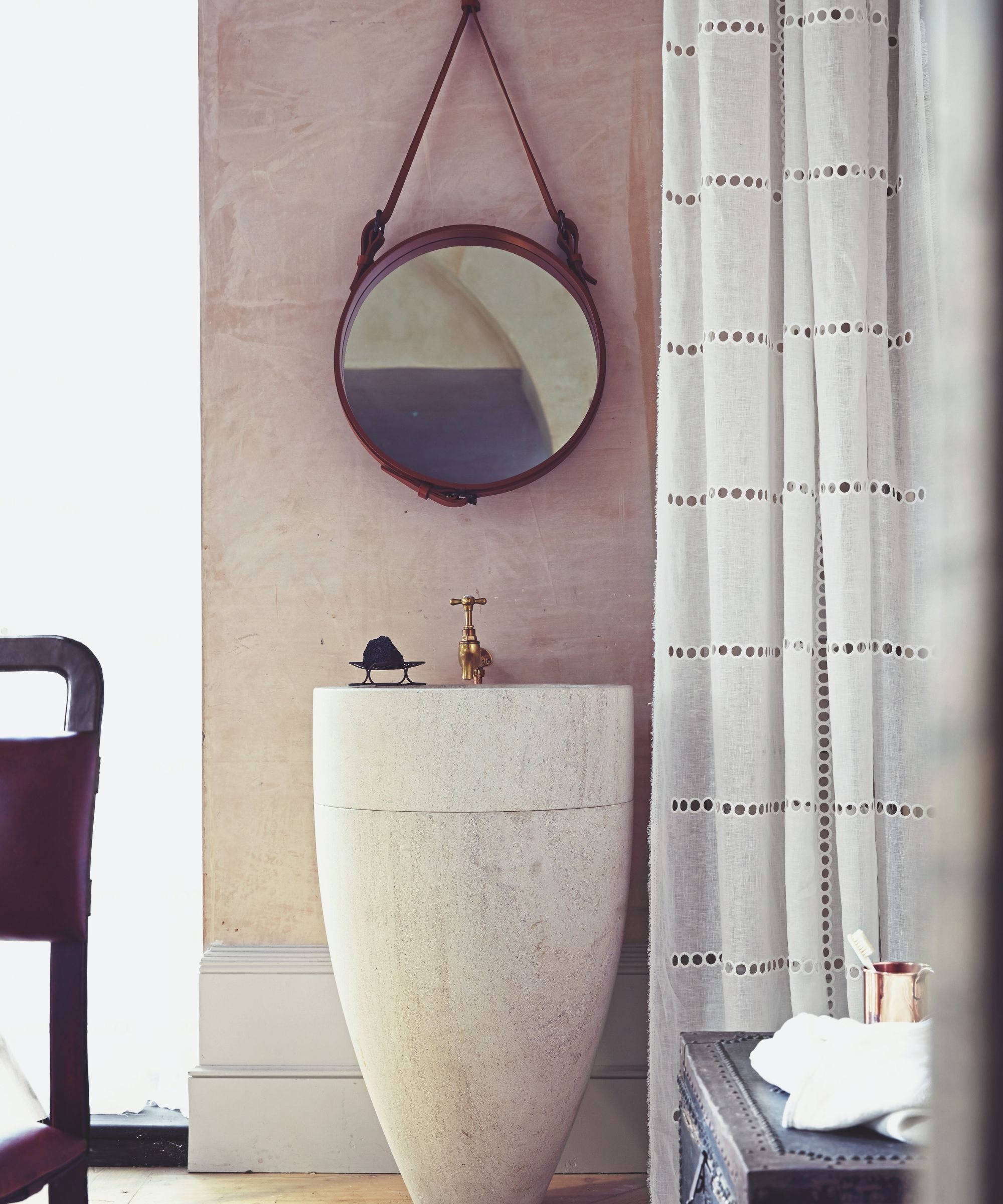
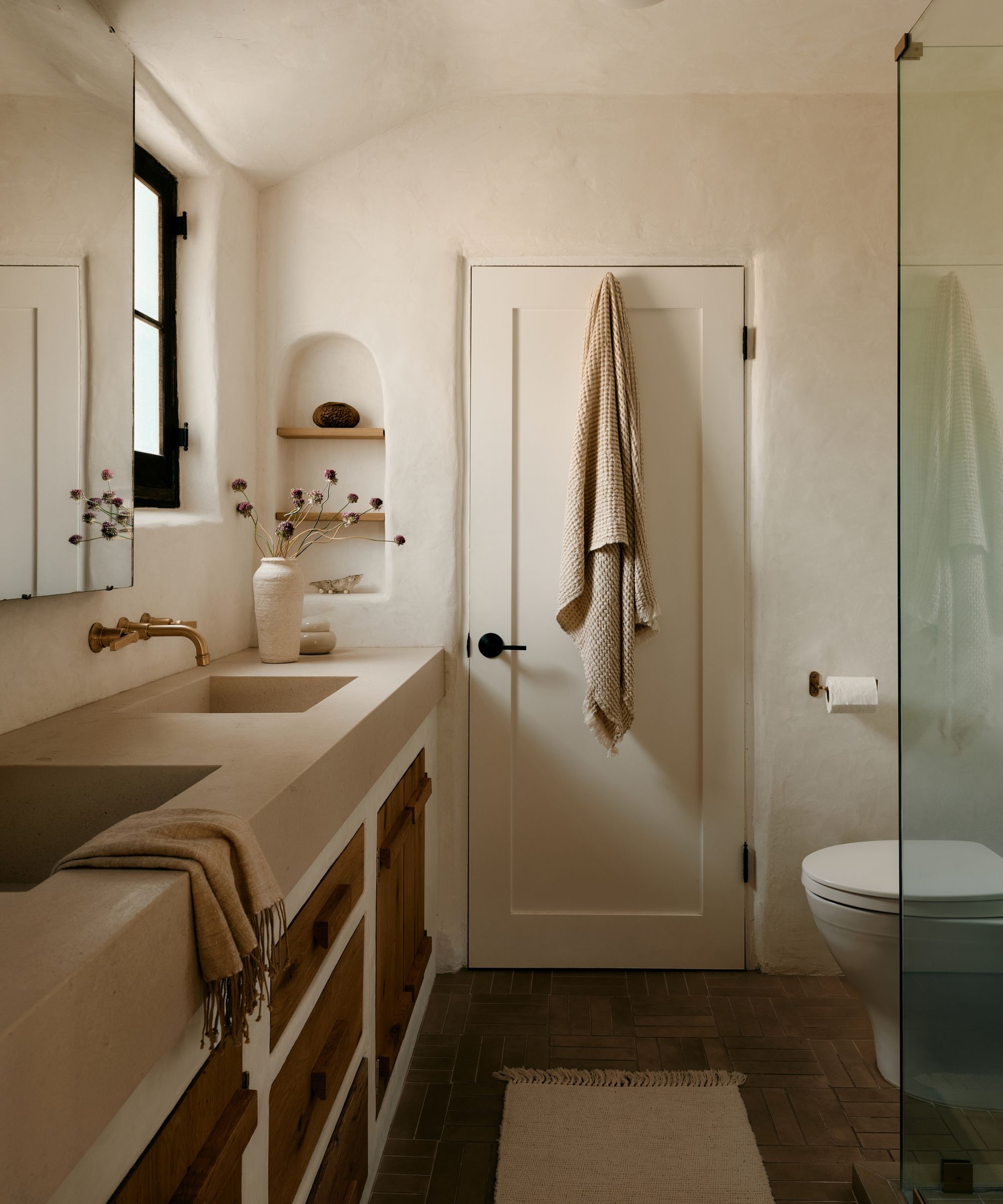
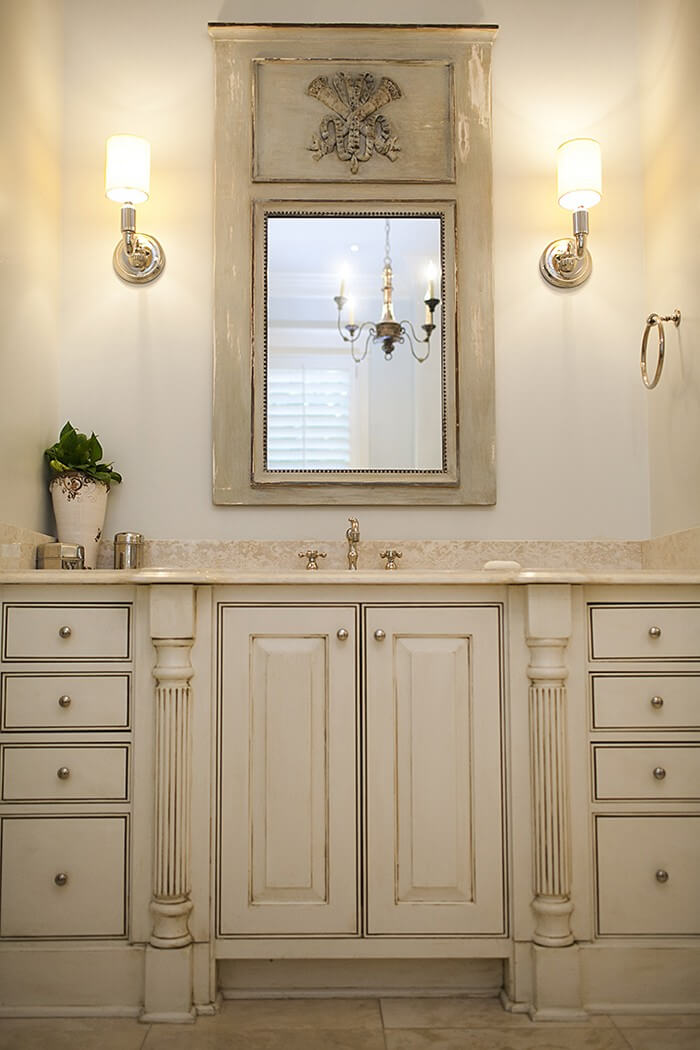
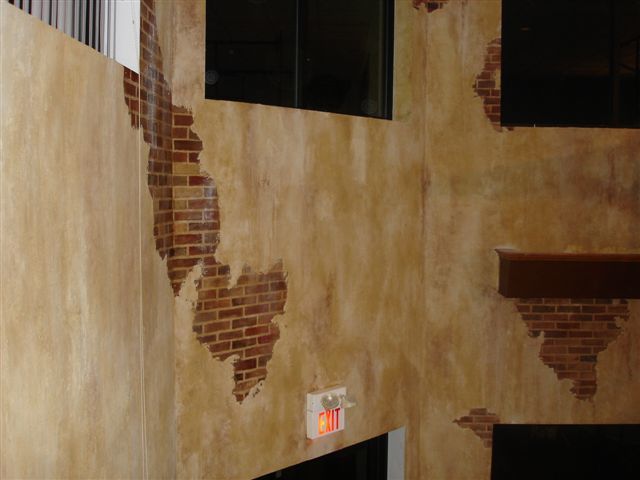
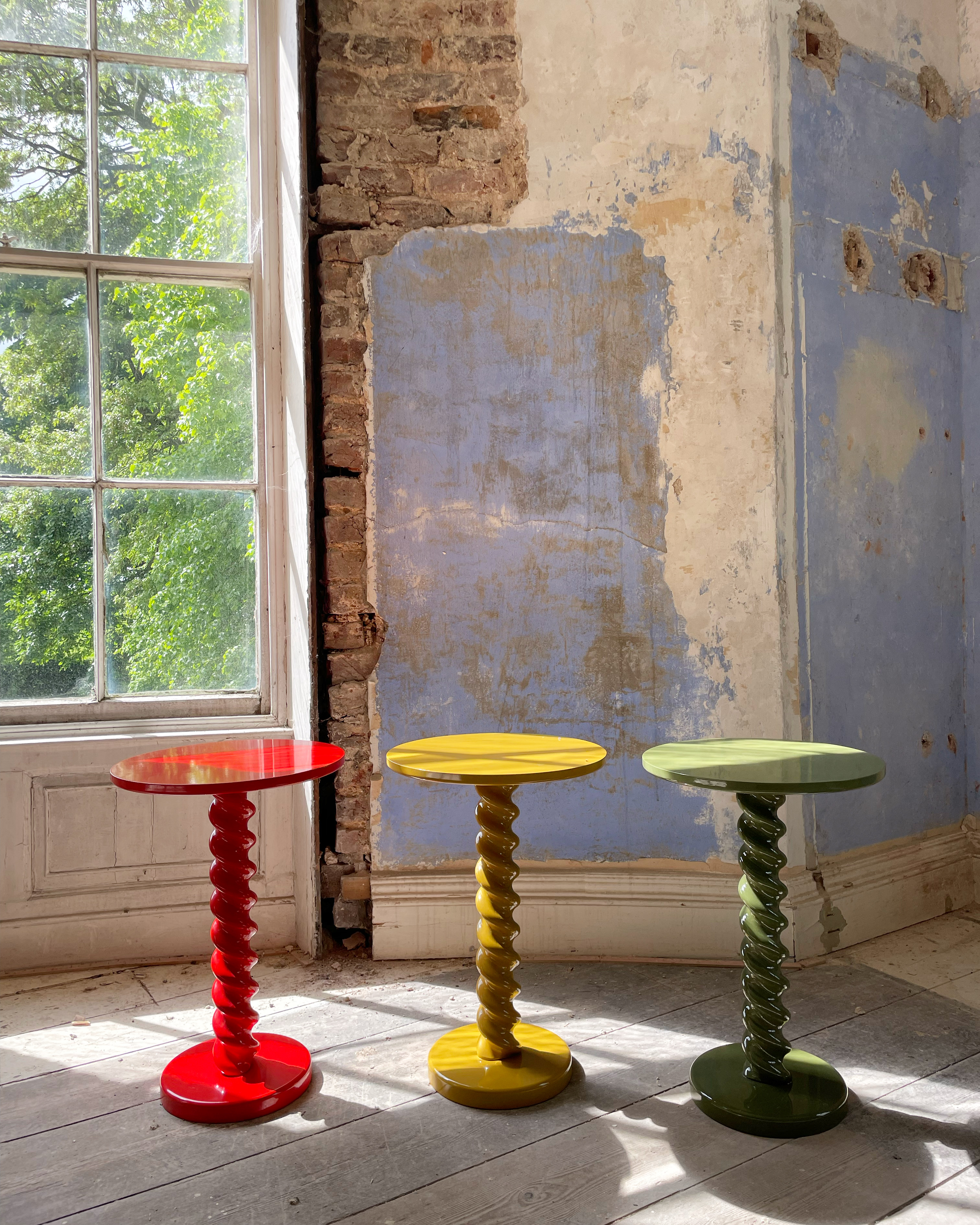
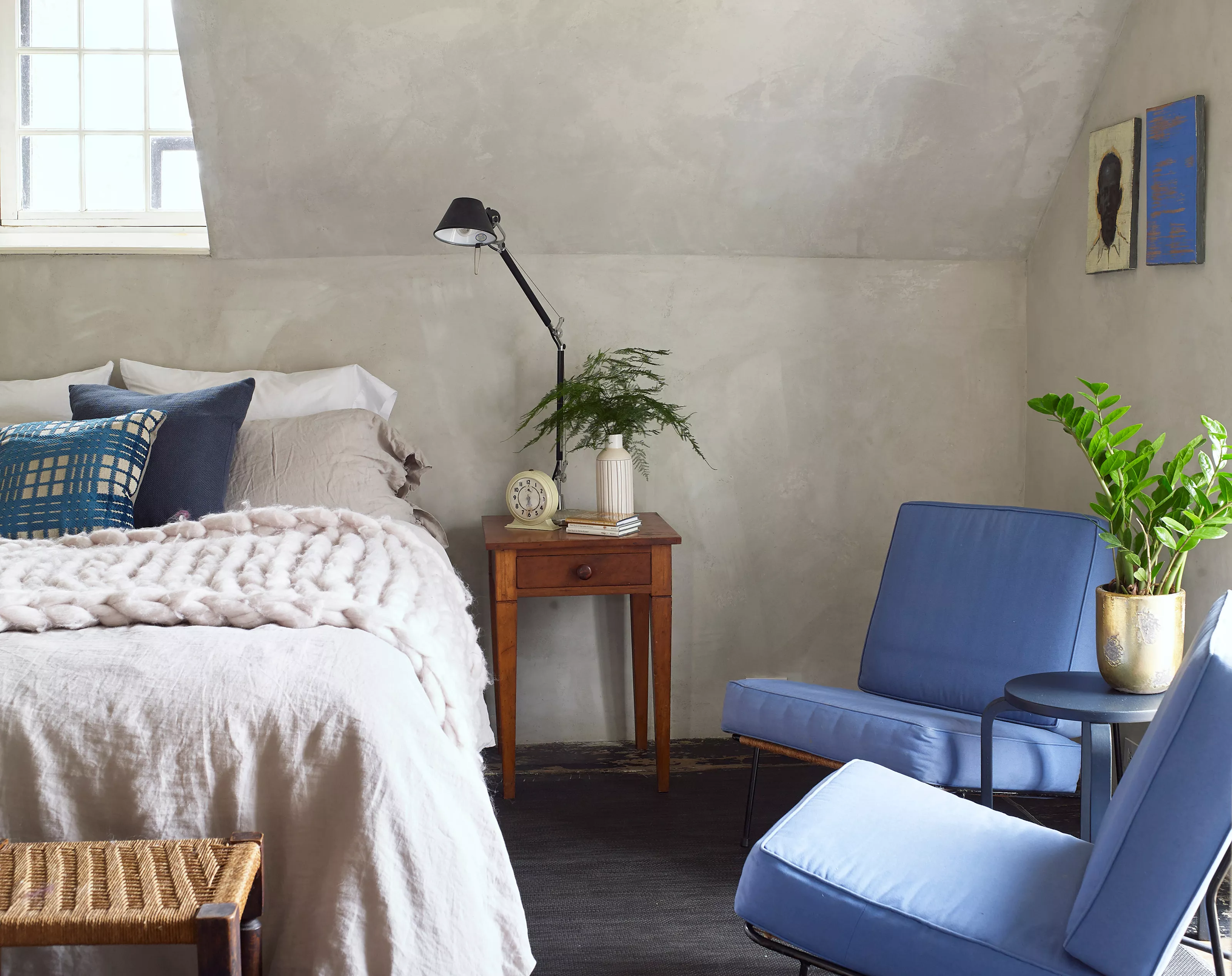
Plaster, a classic building material, is experiencing a significant resurgence in home decorating, moving beyond its traditional role to become a versatile design element for walls, kitchen range hoods, fireplace surrounds, and even light fixtures in various rooms. This trend highlights plaster's depth, luminescence, and durability, offering a dramatic effect even in minimalist spaces. Understanding the different types of plaster and their applications is crucial for anyone considering this material for a renovation project.
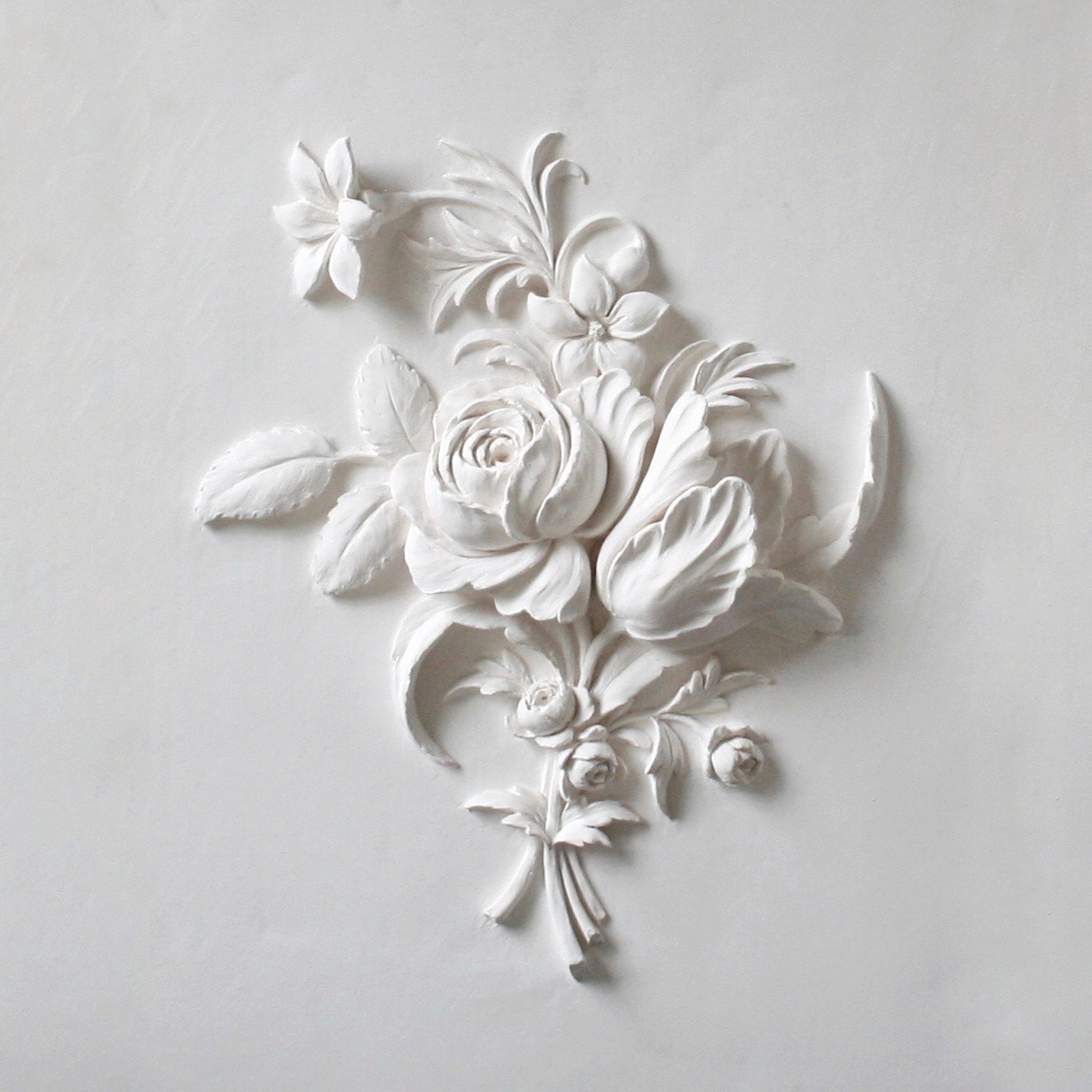
Plaster is generally made from lime, gypsum, or cement, mixed with water, and applied to surfaces to create a smooth or subtly textured yet durable finish. It is thicker than drywall, providing superior air and sound insulation, and can also be molded for decorative trims and elements. The primary distinction lies between lime plaster and gypsum plaster.
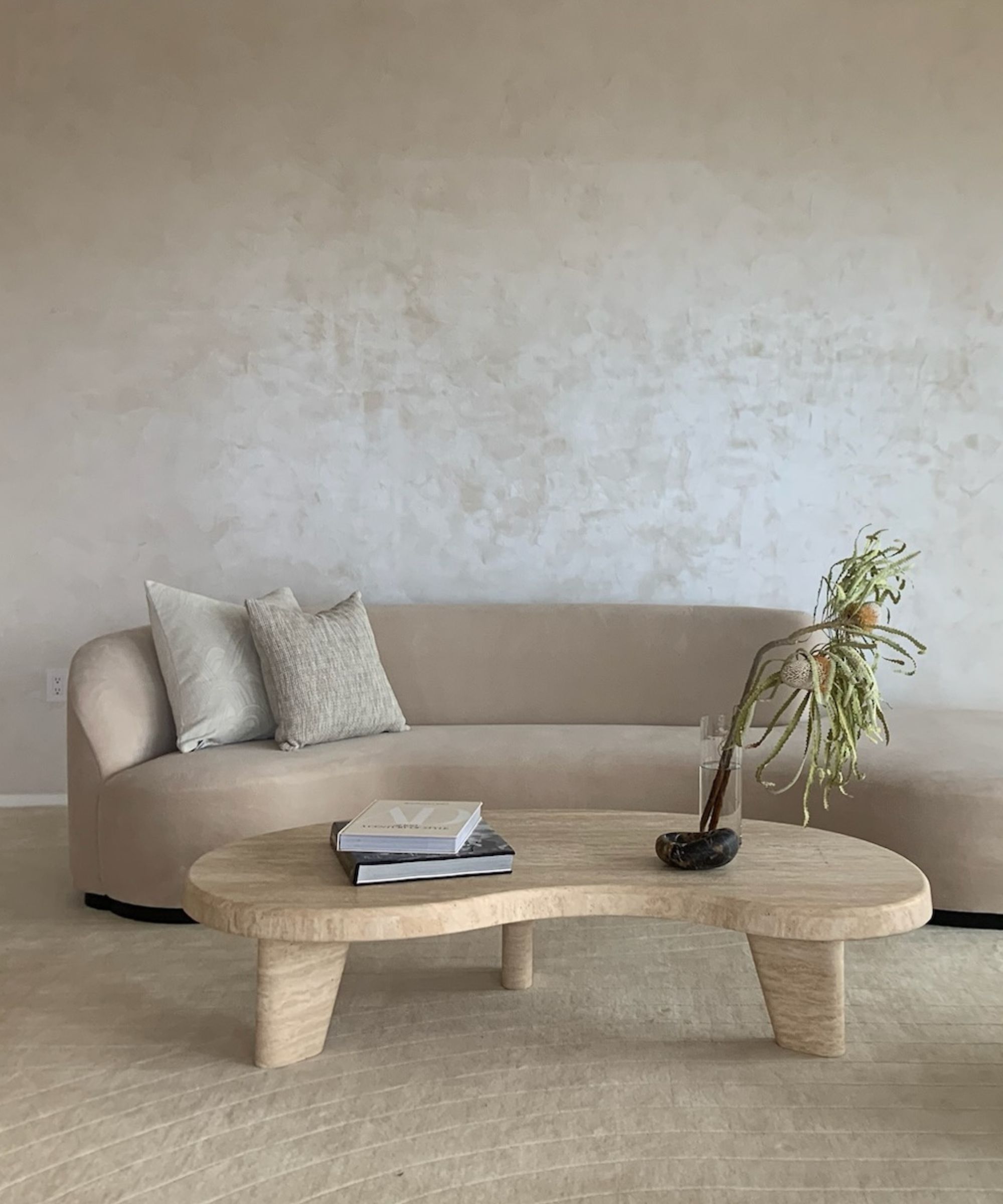
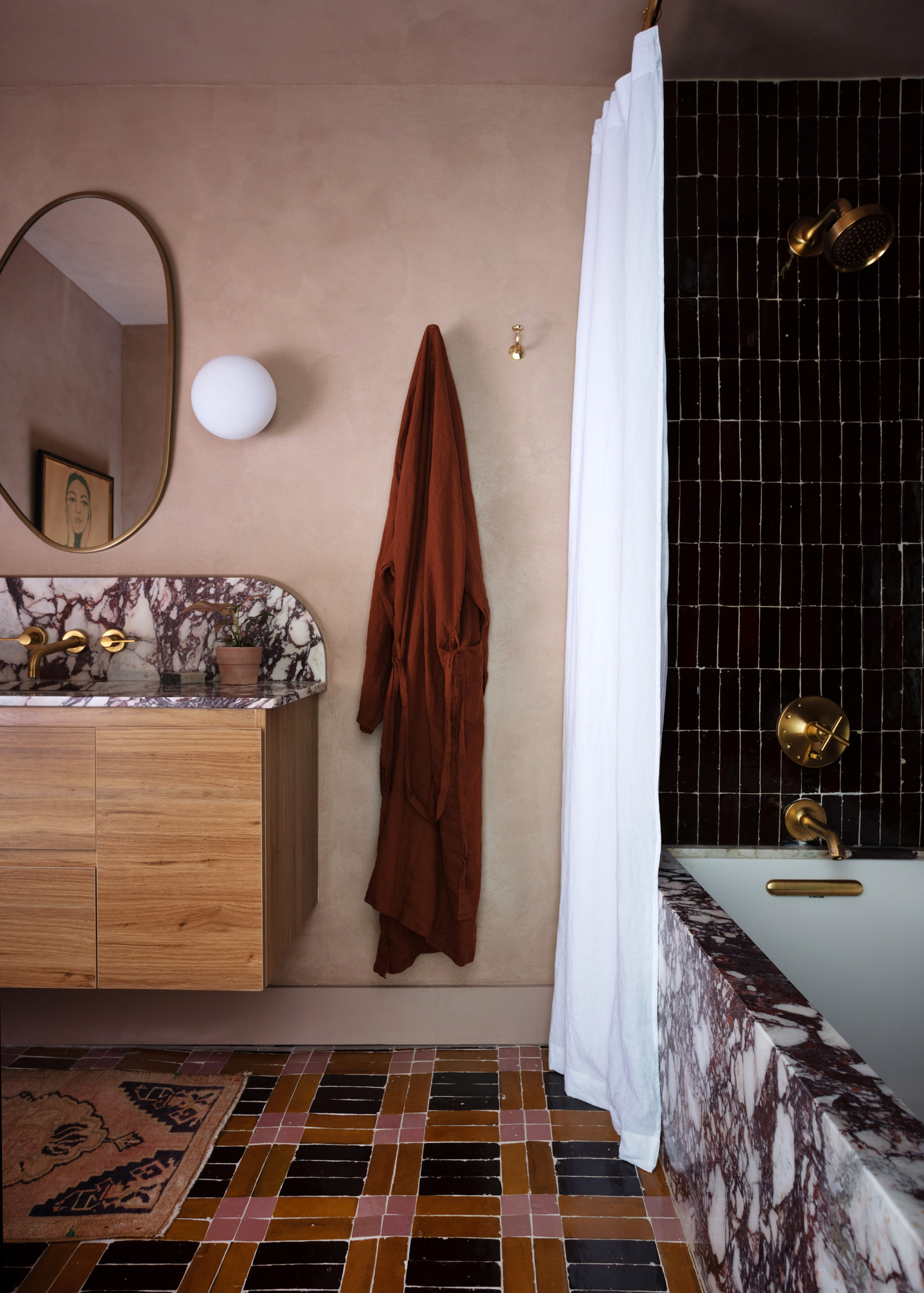
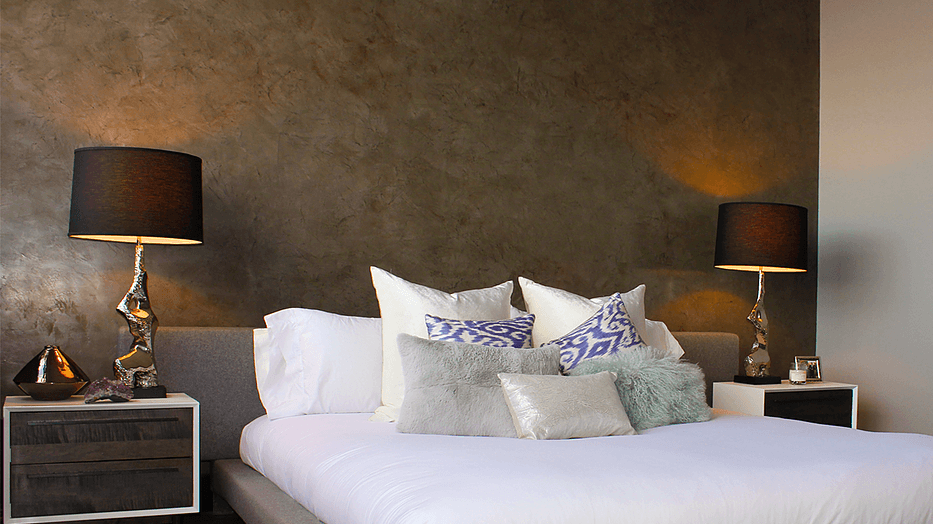
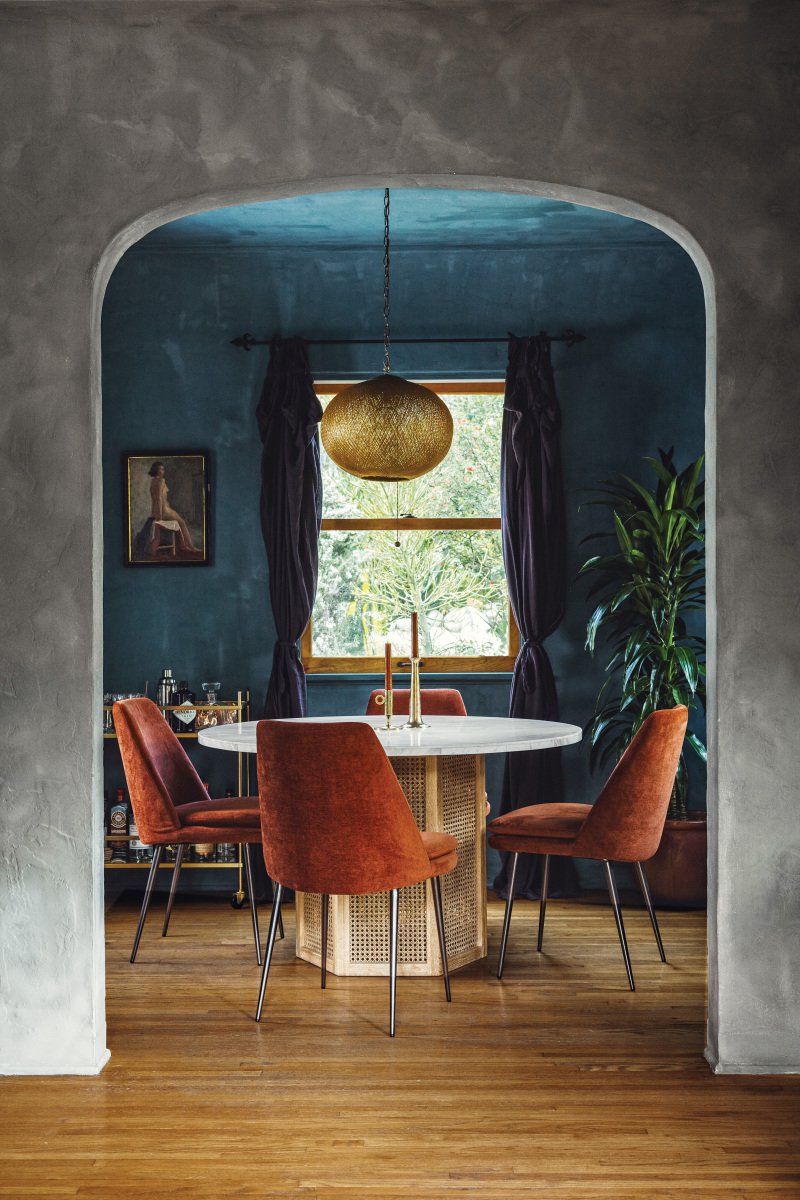
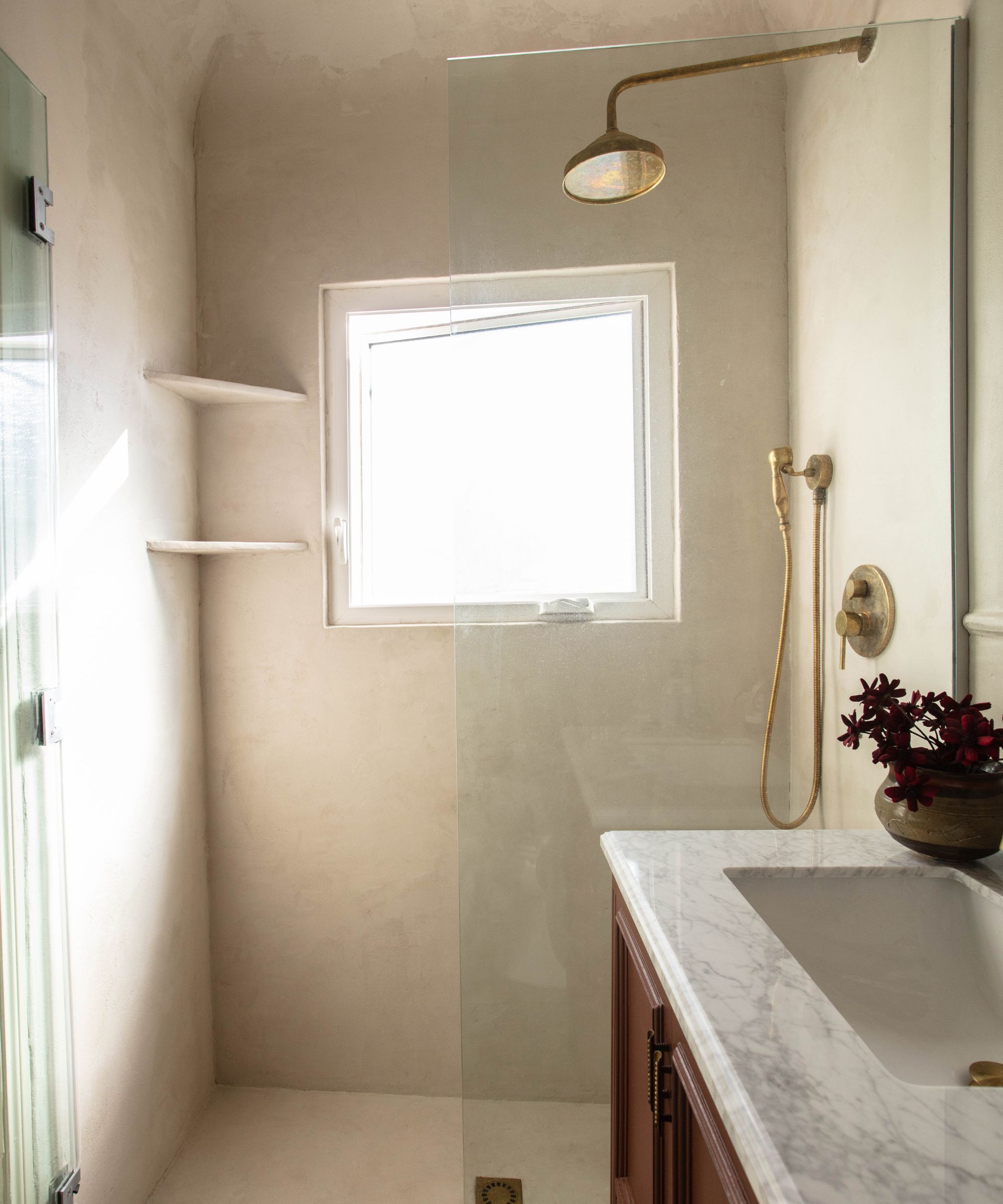
Lime plaster, a traditional material used for centuries, is composed of lime (crushed limestone or chalk), water, and sand. Its key advantages include exceptional durability, breathability—which prevents moisture buildup and supports healthy indoor air quality—and flexibility, allowing it to adapt to structural settling without cracking. Several lime plaster finishes are popular, each offering distinct visual and textural qualities. Venetian plaster, made from slaked lime and marble dust or chips, offers a polished, luminous finish with visual depth created by layered application. Installers can burnish layers to customize the sheen. Marmorino, while also a lime and marble dust mixture, provides a matte, natural stone-like finish, customizable in texture through application strokes. Tadelakt, originating from Morocco, is renowned for its smooth, shiny, and completely waterproof properties, making it ideal for bathrooms, pools, and architectural details due to its resistance to bacteria and mold. Lime wash, though technically a paint, is a budget-friendly, DIY-able option that mimics plaster's appearance. Made from crushed burned limestone, natural pigments, and water, it is zero-VOC and creates a mottled, color-shifting effect. It's applied in quick, overlapping 'X' strokes and can be used on various surfaces, often requiring a special prep coat or sealer for durability in high-traffic areas.
Gypsum plaster, while lacking the breathability of lime plaster, offers affordability and faster application and drying times. It is best suited for dry spaces and provides a smooth, modern finish. Roman clay is a notable gypsum-based finish, providing a soft, organic, and stone-like texture with a mottled appearance. This ultralow-VOC paste is applied in layers with a putty knife, allowing for variations in smoothness or a stucco-like finish. Plastic joint knives are recommended for lighter colors to avoid marks. A final coat can be left as is for a slight sheen or sealed for additional shine and protection in high-traffic areas. Walls should generally be prepared with a stain-blocking primer, although Roman clay can be applied directly over flat matte paint if the surface is in good condition and not a contrasting color. The renewed interest in plaster underscores a desire for natural, textured, and durable finishes in contemporary home design.
#Plaster #HomeDecorating #InteriorDesign #LimePlaster #GypsumPlaster #VenetianPlaster #Marmorino #Tadelakt #RomanClay #LimeWash #WallFinishes #Plaster #HomeDecorating #InteriorDesign #LimePlaster #GypsumPlaster #VenetianPlaster #Marmorino #Tadelakt #RomanClay #LimeWash #WallFinishes
0 comment in total
 No comments yet
You may also like
A Look at Plasterwork, One of the Industry's Most Timeless and Long-Standing Design Trends

5 Questions on Decorative Plasterwork You Need to Ask Before Specifying It in 2025 — Answered by Interior Designers

These Waterproof, Decorative Panels Are Essential for Stylish Southwest Florida Home Decor

A guide to wall finishes: wallpaper, plaster, and more
How to use plaster to add character to any style of home – 7 designers share their favorite looks

What Paint Finish is Replacing Limewash? This is the Richly Textured Alternative Designers Are Using on Walls Now
The Art of Plaster
Interior Design Trends for 2017
Plaster Walls—a Signature of Warm Modernist Interiors—Are Having a Moment

Forget Single Painted Accent Walls: This Stunning Trend Is Taking Over

What paint finish is best for walls and ceilings?
Faux Painting Revisited

Why Plaster Walls Are So Popular, Plus 3 Ways to Get the Look

From Tints to Tadelakt, Special Plaster Finishes Polish Brownstone Renovations
This Outdated Paint Trend is now Predicted to Return — Designers Love its "Fun, Eye-Catching Glamor"
Move Over Matte — Our Style Editor Breaks Down the Lacquer Trend Glossing Every Inch of Our Homes
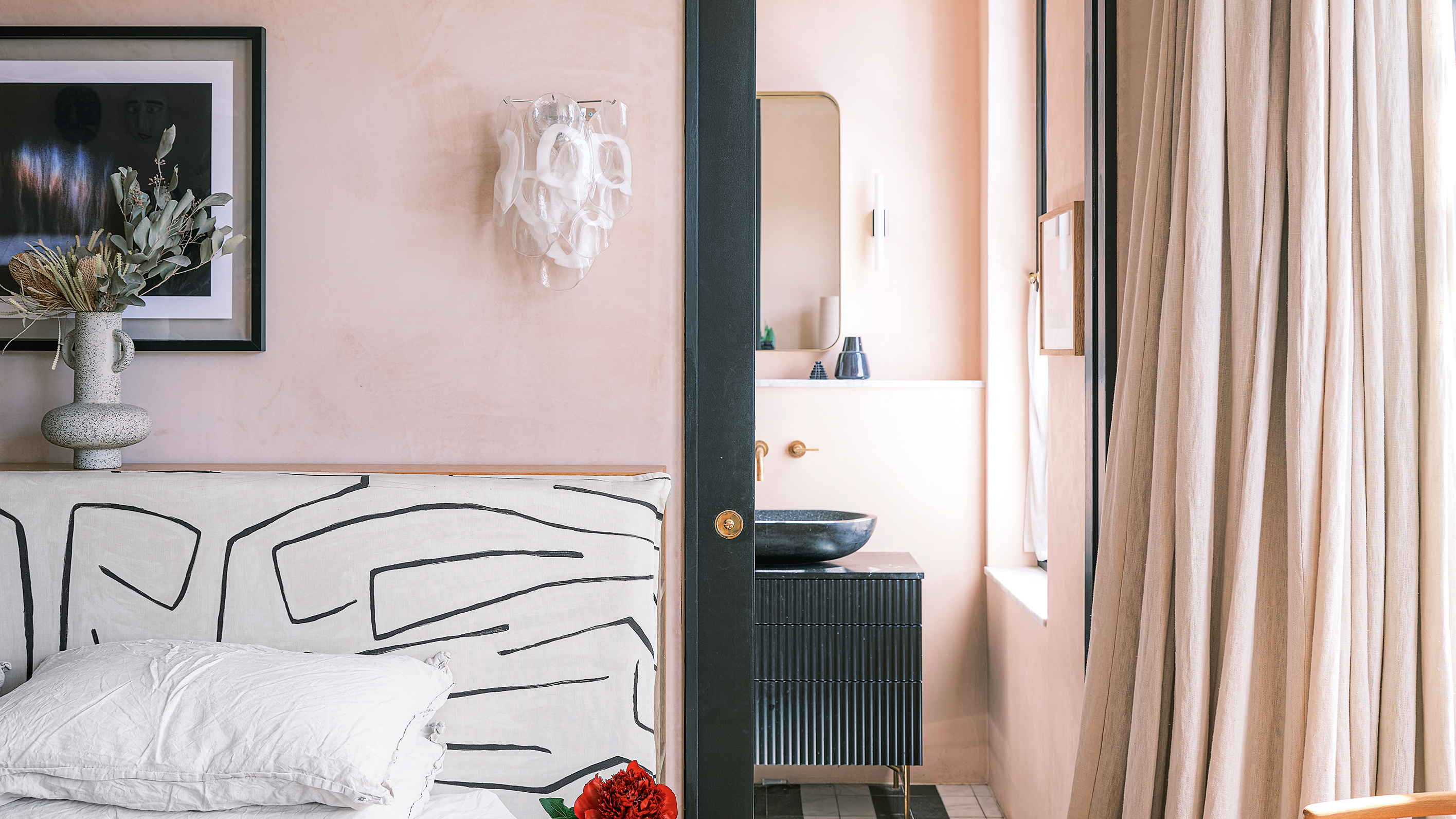
How to create plaster effect walls – the modern rustic trend everyone's trying
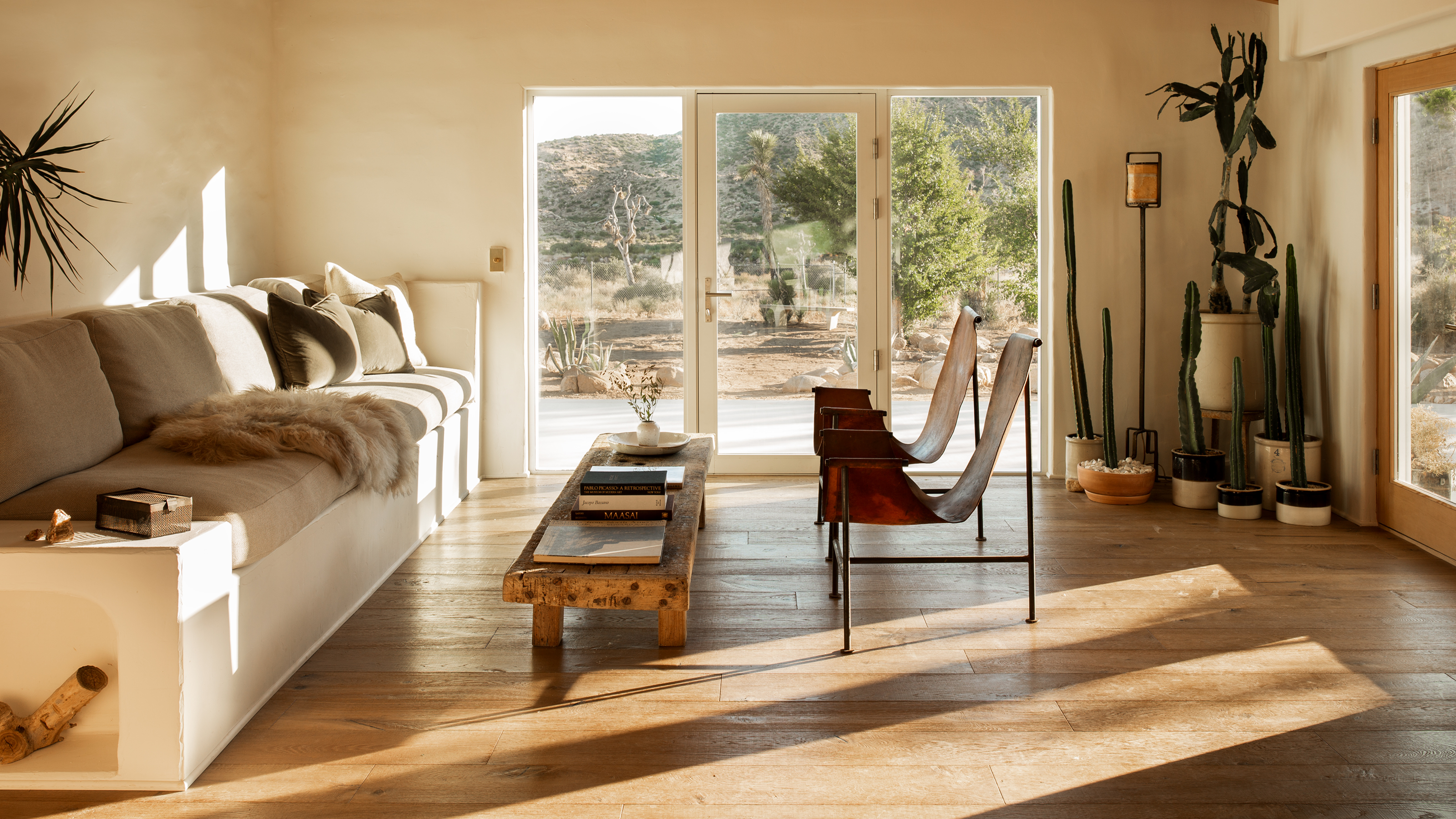
Designers say this 'plastered-in' decor trend will bring a serene feel to every room in the house
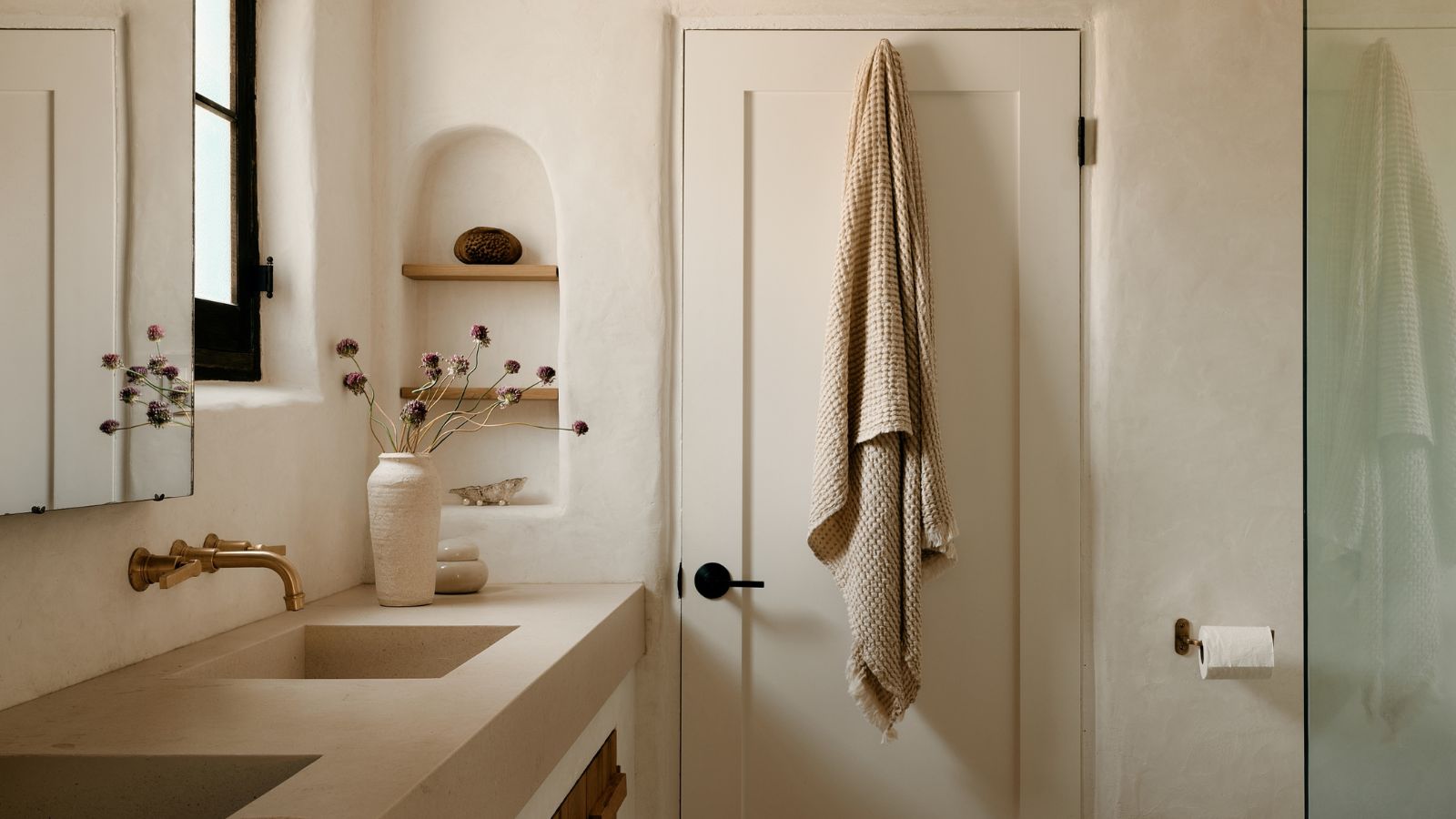
5 plaster bathroom ideas for an organic, textural scheme

5 different paint finishes, from flat to high-gloss, and when to use them