1/6
5 plaster bathroom ideas for an organic, textural scheme
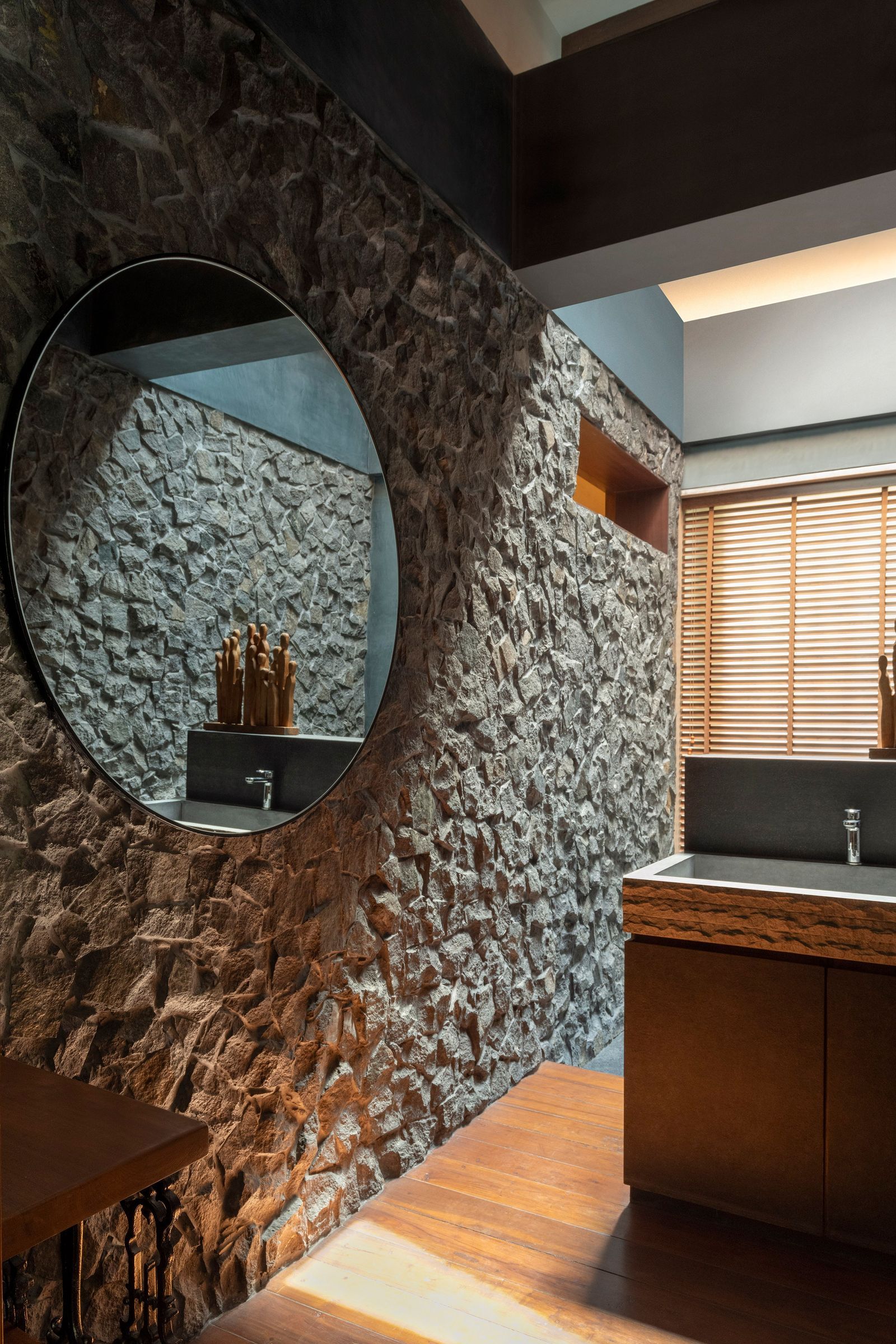
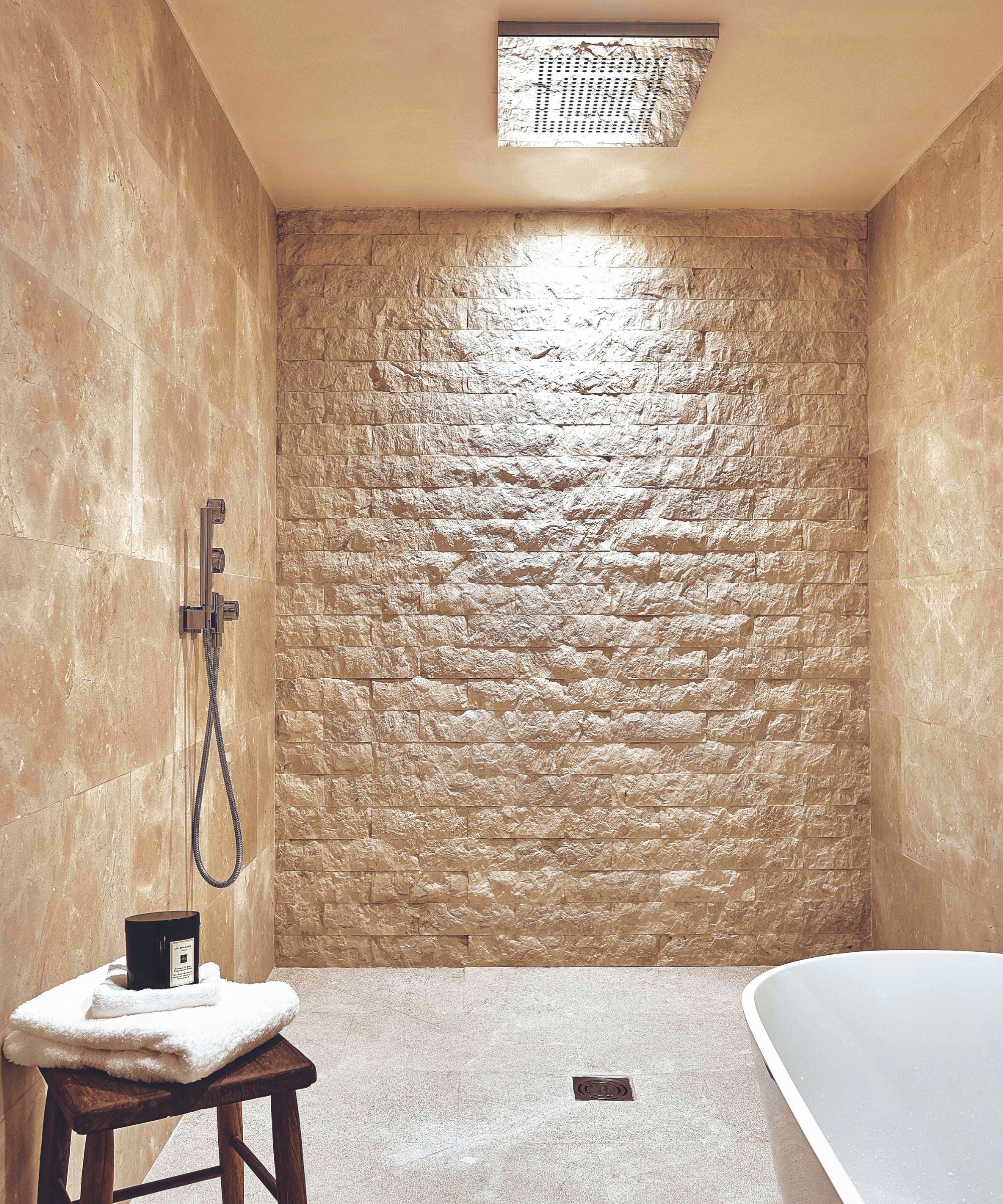
This article explores the rising popularity of plaster bathrooms, highlighting their warmth, texture, and visual interest as a refreshing alternative to traditionally flat bathroom designs. It emphasizes that plaster finishes can revitalize a space by adding an organic feel and depth. The discussion delves into various approaches designers employ to integrate plaster into bathroom schemes, from embracing its tactile qualities to utilizing it to create specific aesthetic styles.
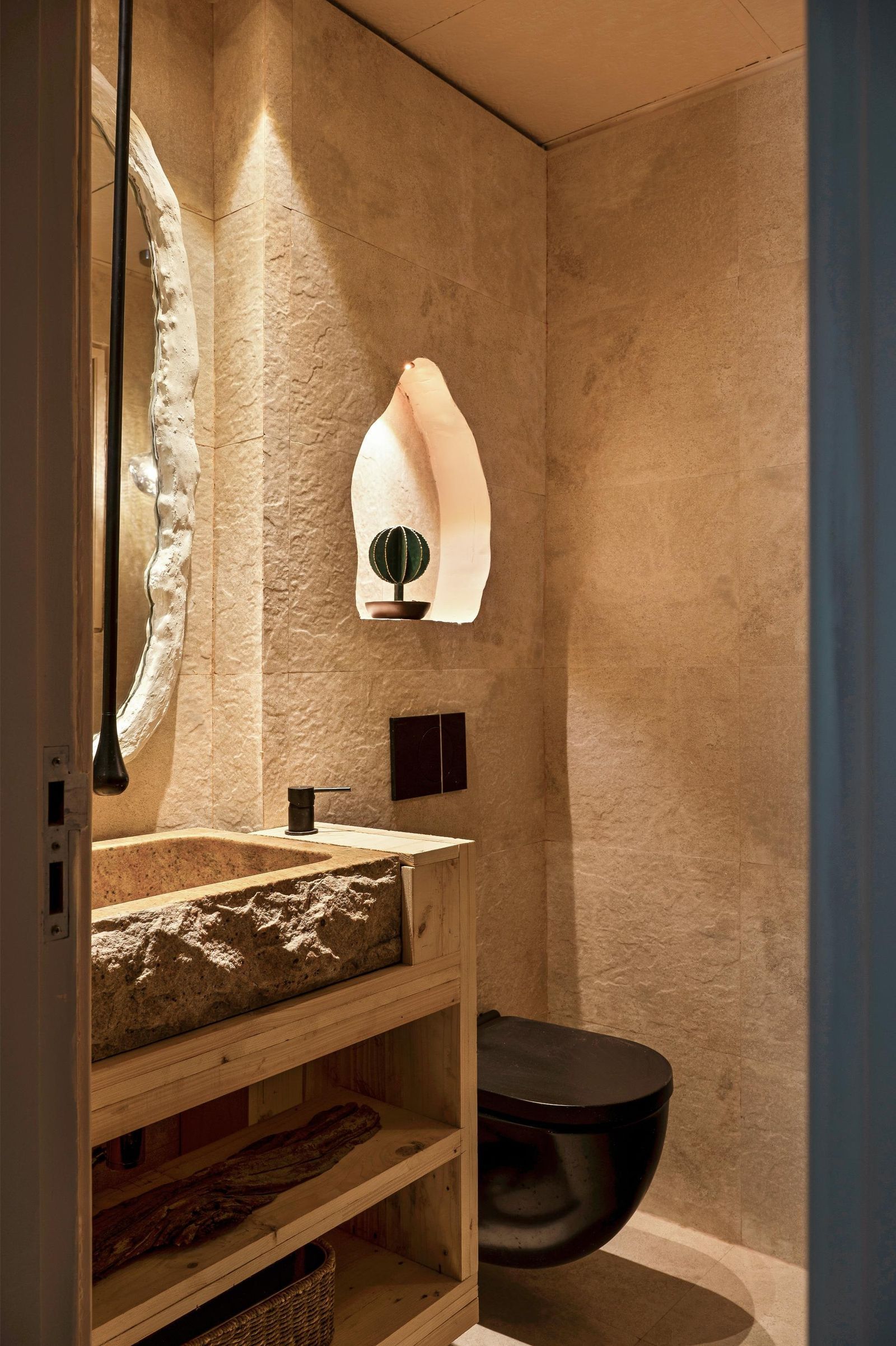
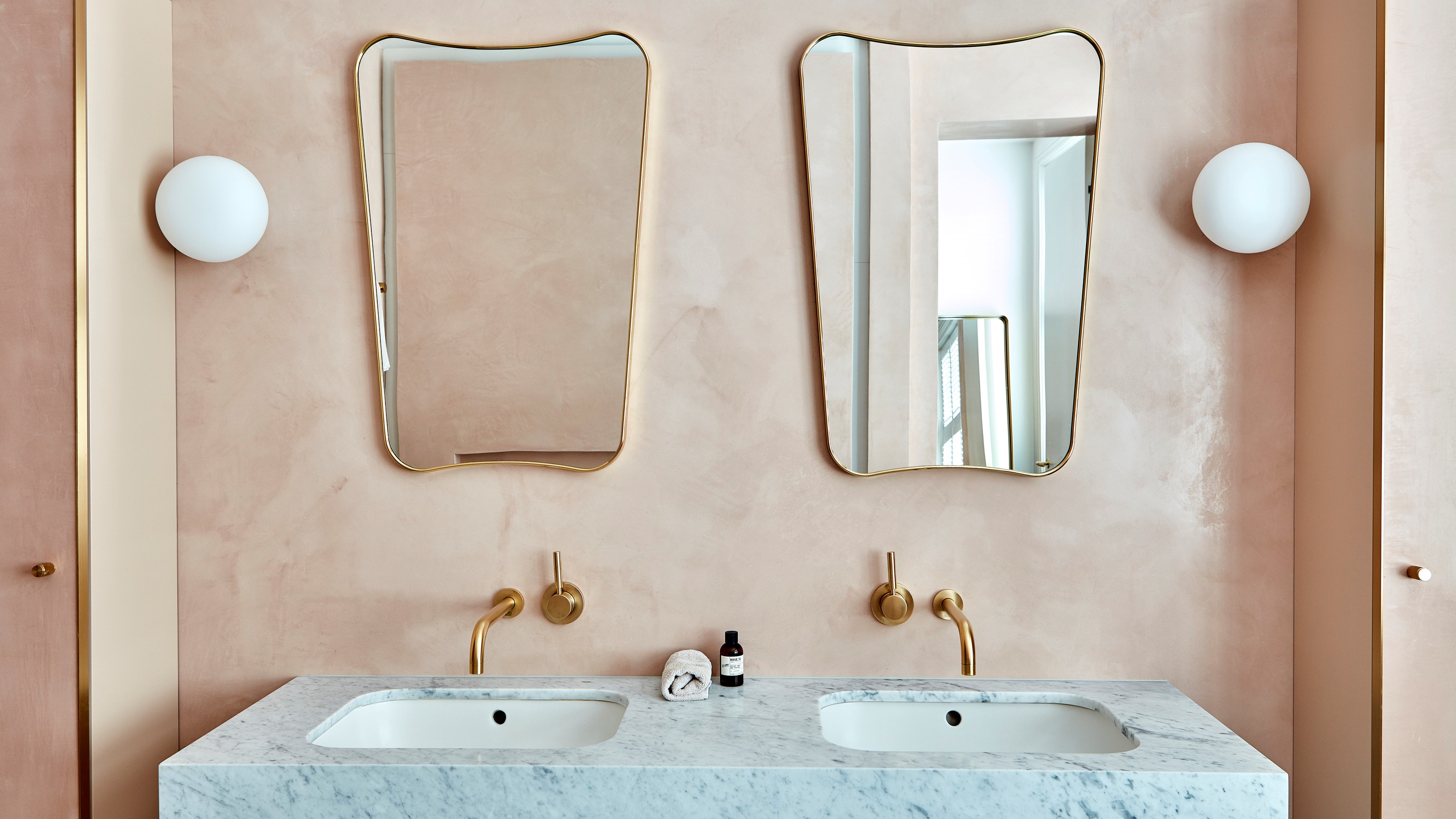
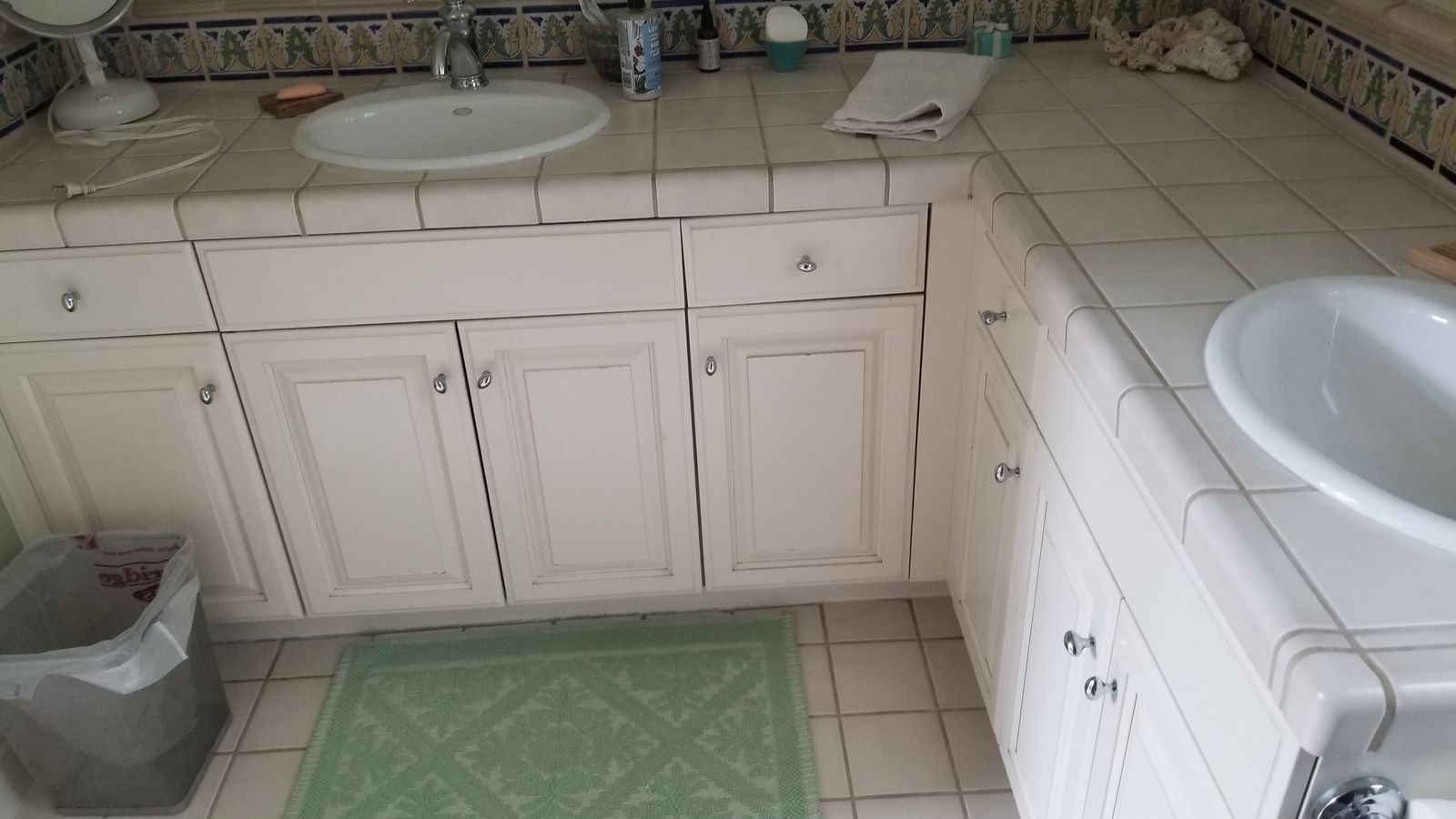
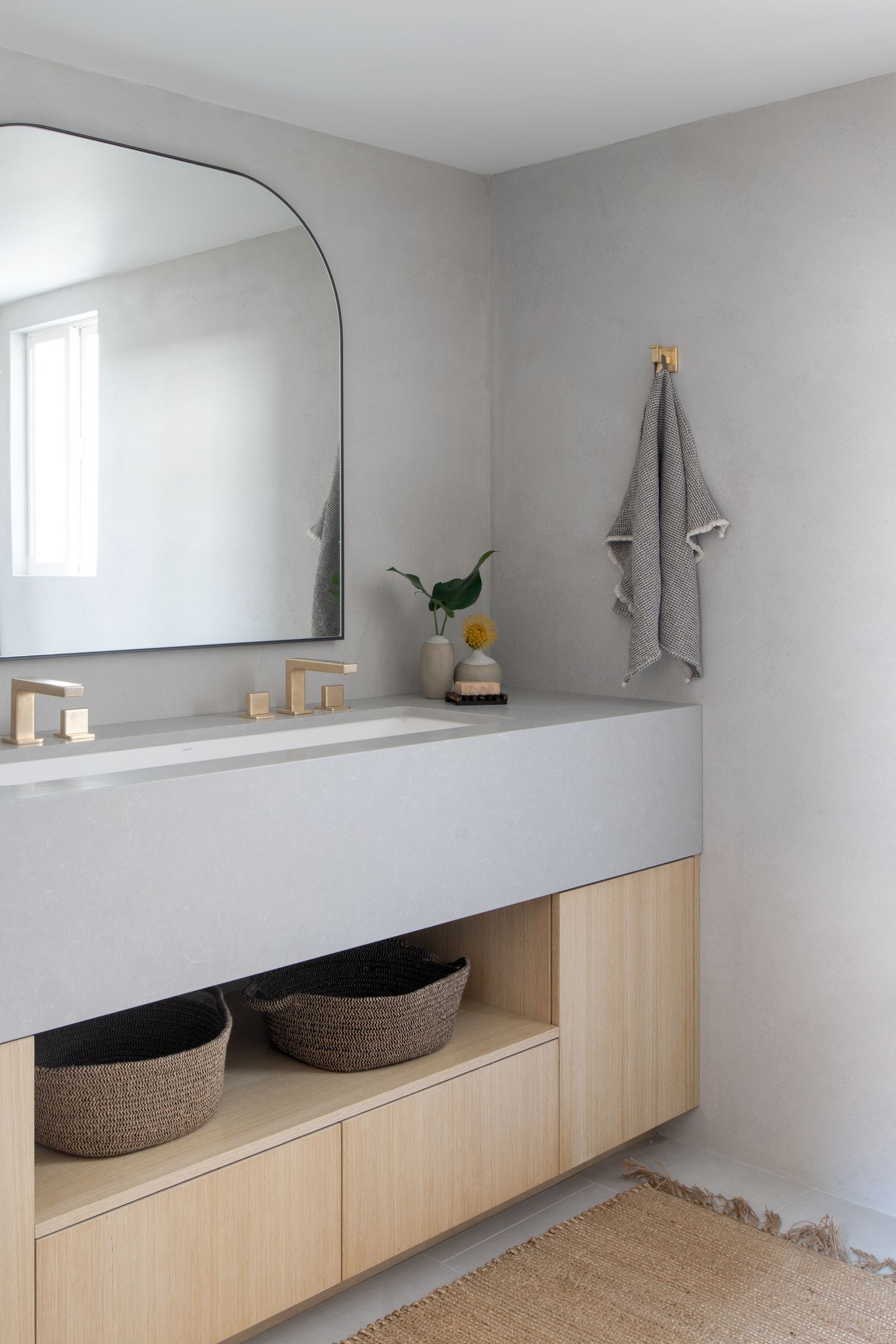
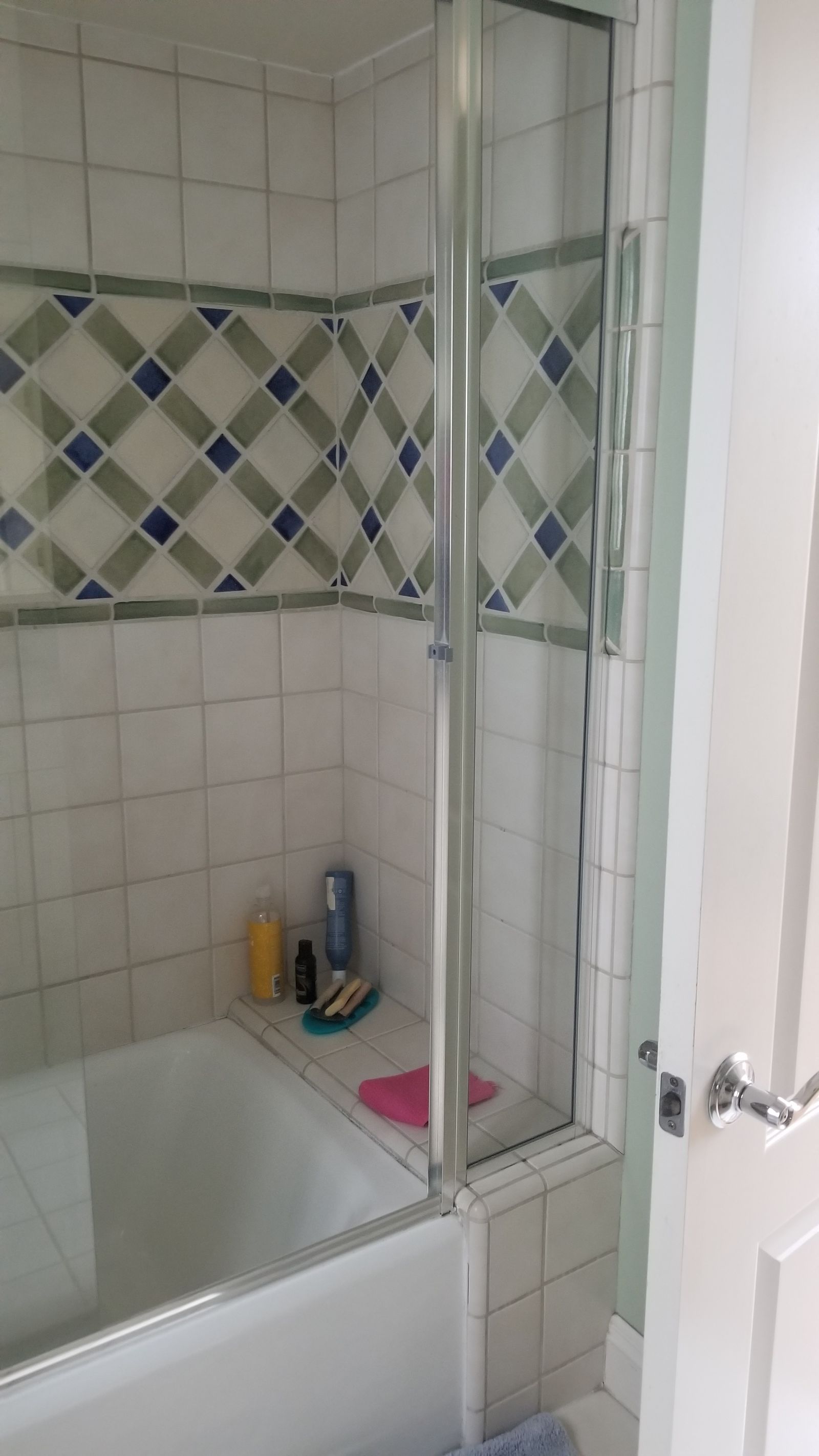
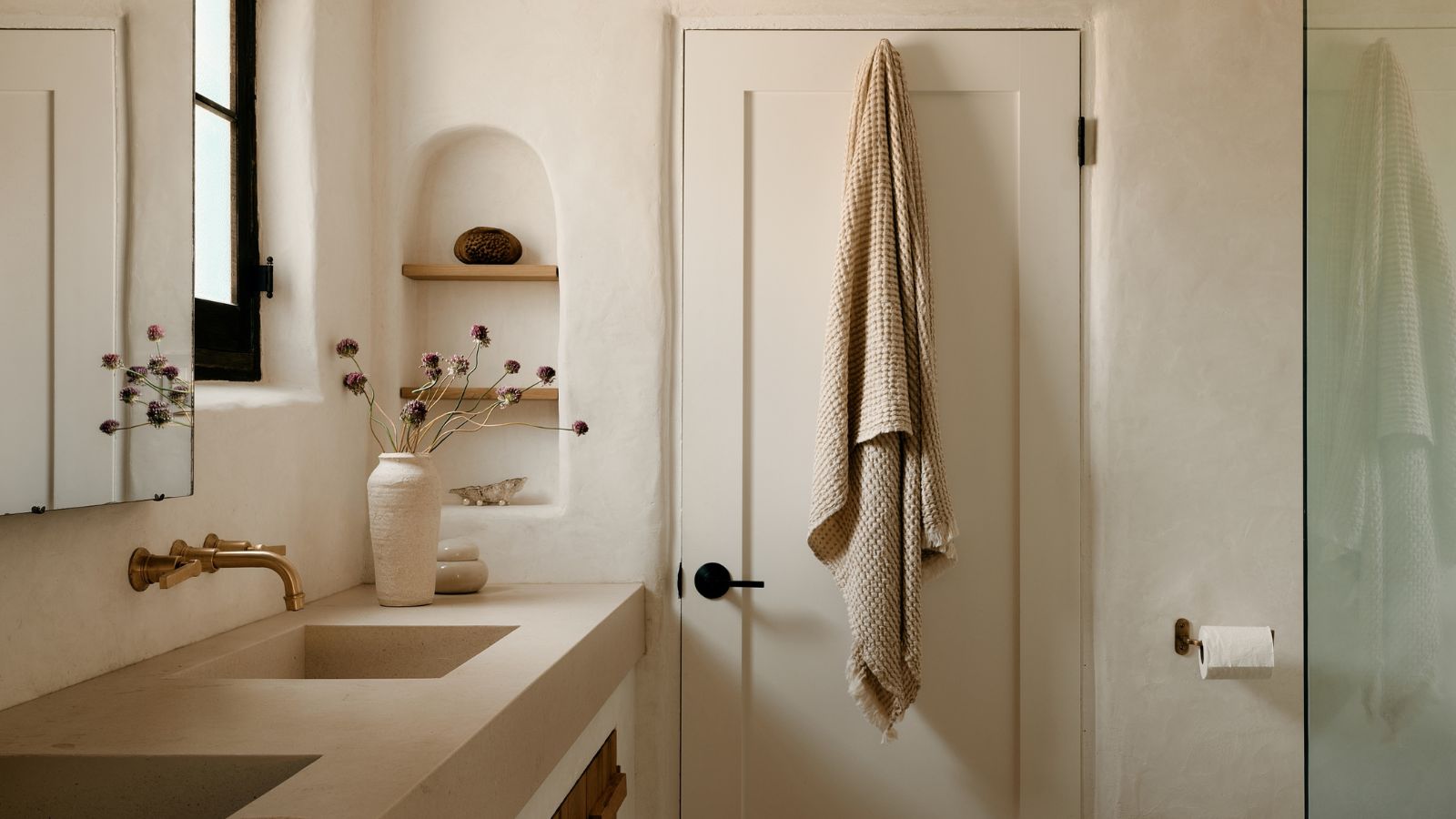
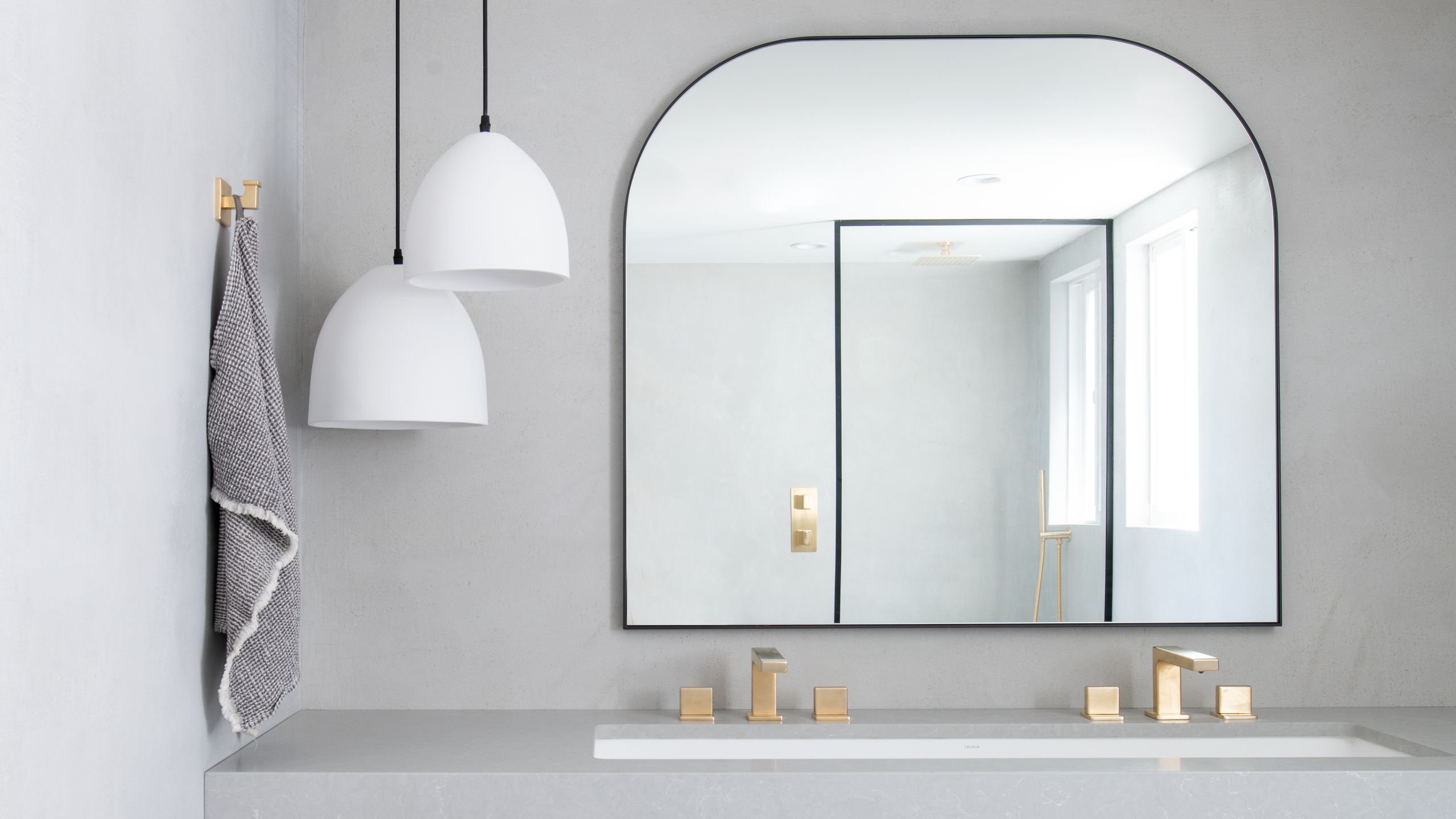
One approach is the "plaster-drench" technique, where an entire bathroom, including walls, ceilings, and shower areas, is enveloped in plaster. This method creates a seamless, cohesive look, making the space appear as if it were carved from a single block. Drew Michael Scott of Lone Fox Home exemplifies this by transforming a roommate's bathroom with water-based, waterproof Concretta plaster in Westwood Beige, evoking a Spanish Revival charm. This technique ensures a visually intriguing and durable finish that maintains its pristine appearance over time.
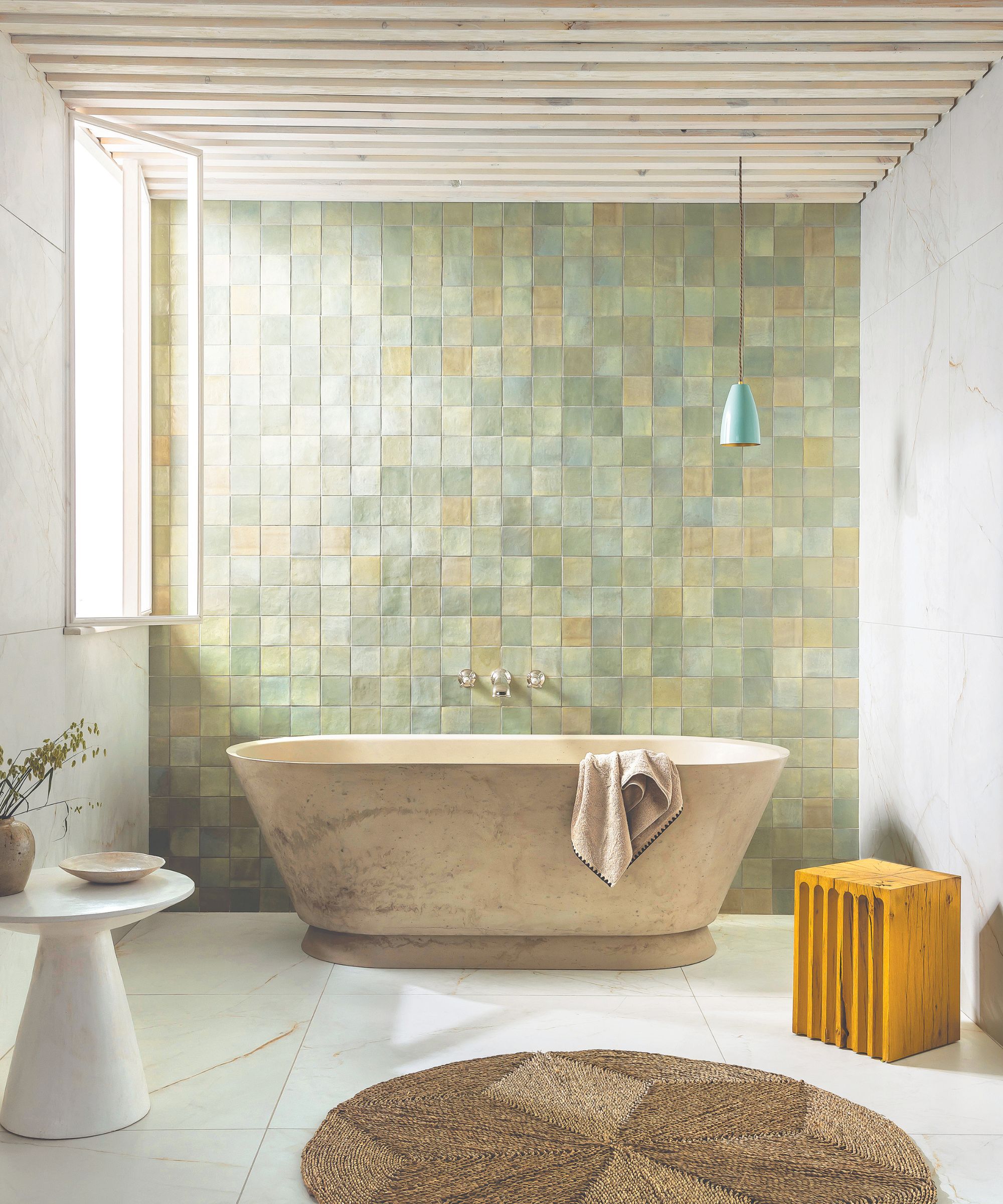
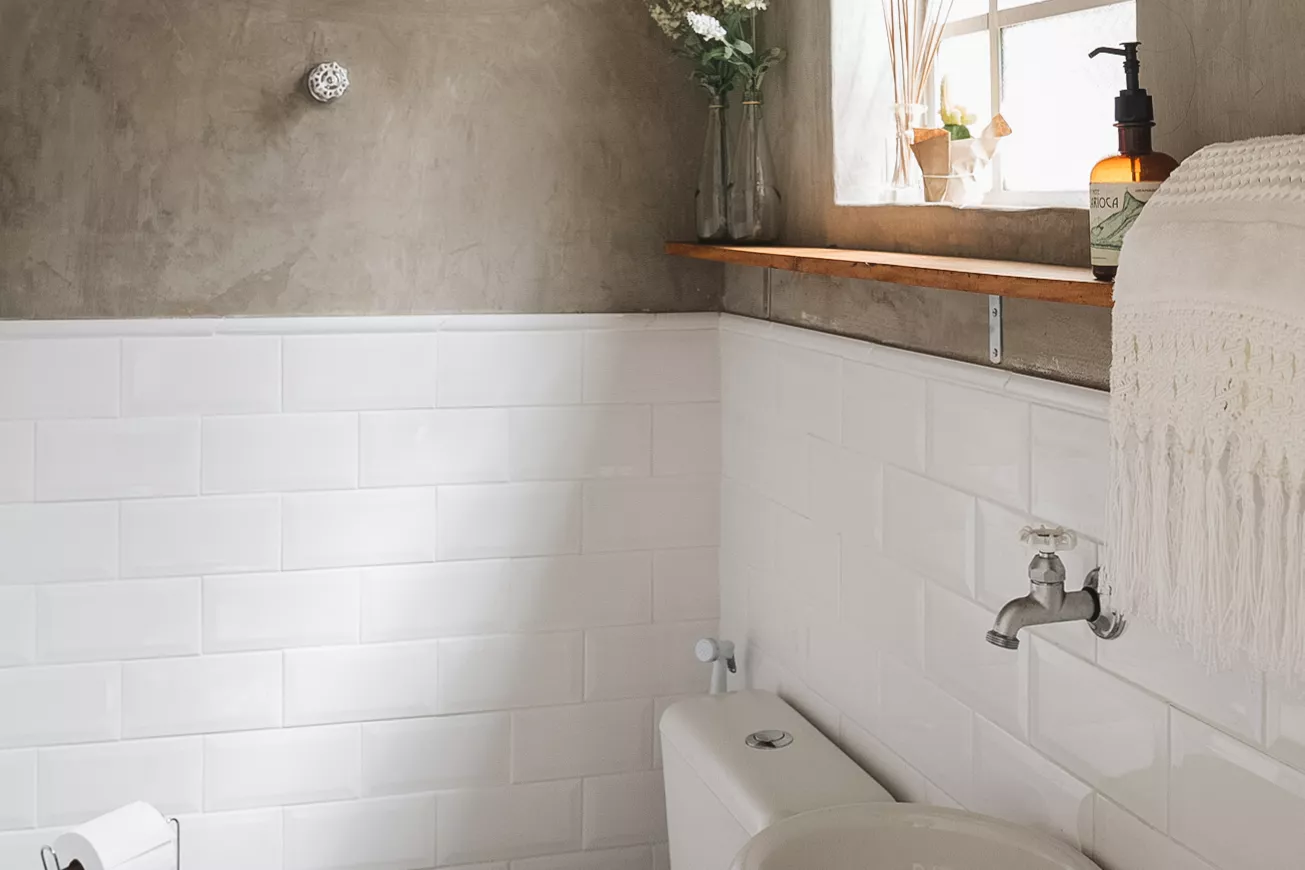
Another method involves layering plaster walls with other organic textures to enhance visual interest. The article suggests pairing plaster with tactile elements like stone statement sinks or organic cotton shower curtains. This combination results in a timeless and engaging space, reminiscent of traditional Venetian bathrooms, as noted by Leigh Price, co-director at Real Tiles & Bathrooms. The subtle texture of plaster serves as a versatile backdrop that complements various materials and prevents the bathroom from feeling sterile.
Plaster is also integral to creating authentic Adobe-style spaces, where it contributes to a warm, earthy, and tactile aesthetic. Interior designer Sarah West explains that plaster or limewash walls are fundamental to setting the tone for this design style. Her remodel of an organic neutral small bathroom, featuring light-toned plaster on walls, ceilings, and vanity areas, showcases how this finish can create a soft, soothing, and culturally authentic environment that honors the home's heritage.
The article further introduces Tadelakt plaster, a lime-based plaster originating from Morocco, known for its water-resistant properties and striking appearance. This type of plaster adds a unique texture, making it a favorite among designers. The use of deeper-toned Tadelakt, for instance, can create a moody yet visually appealing bathroom vanity area, offering both durability and aesthetic value. Products like Vasari Lime Plaster & Paint are highlighted for their quality and color options.
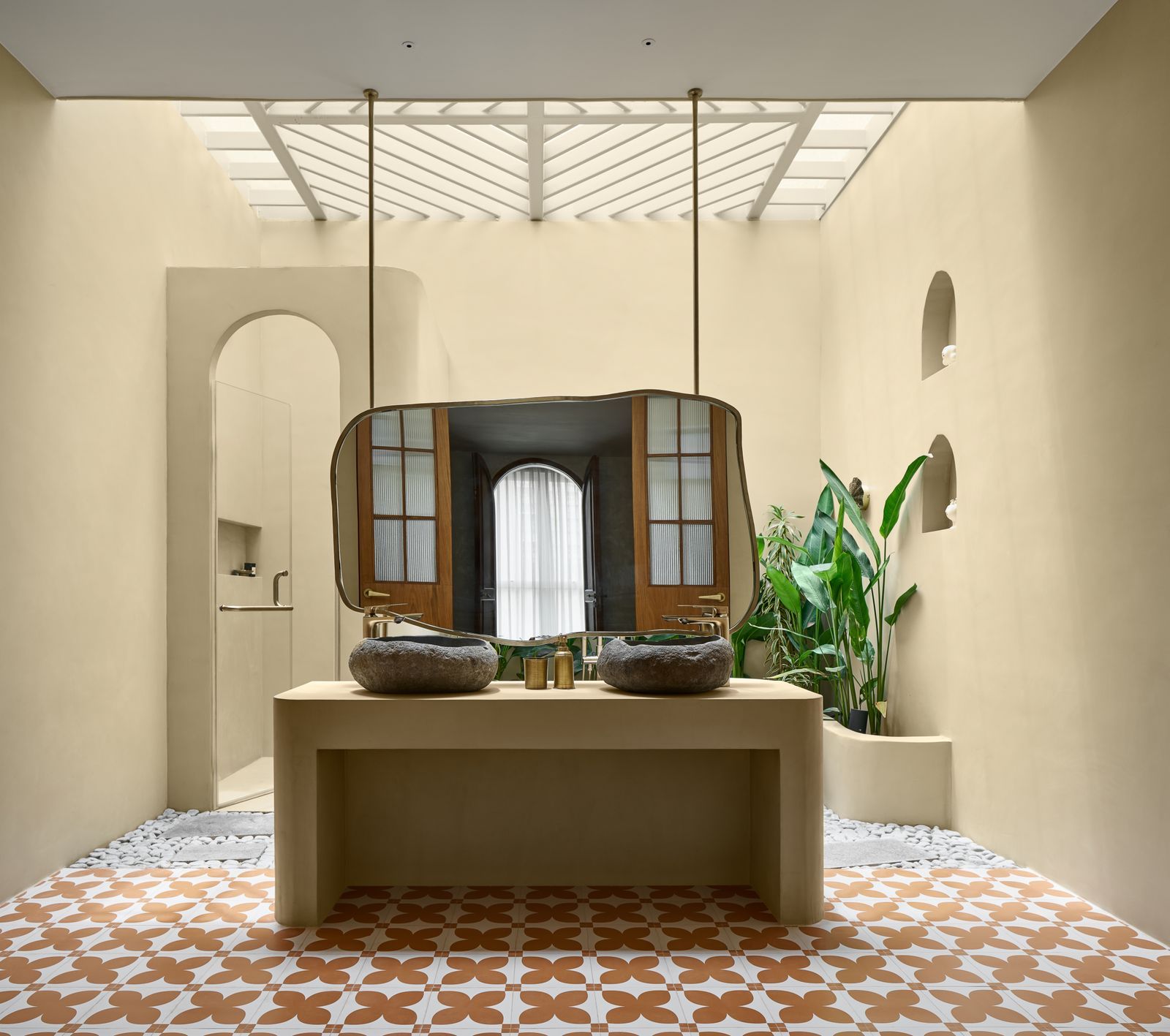
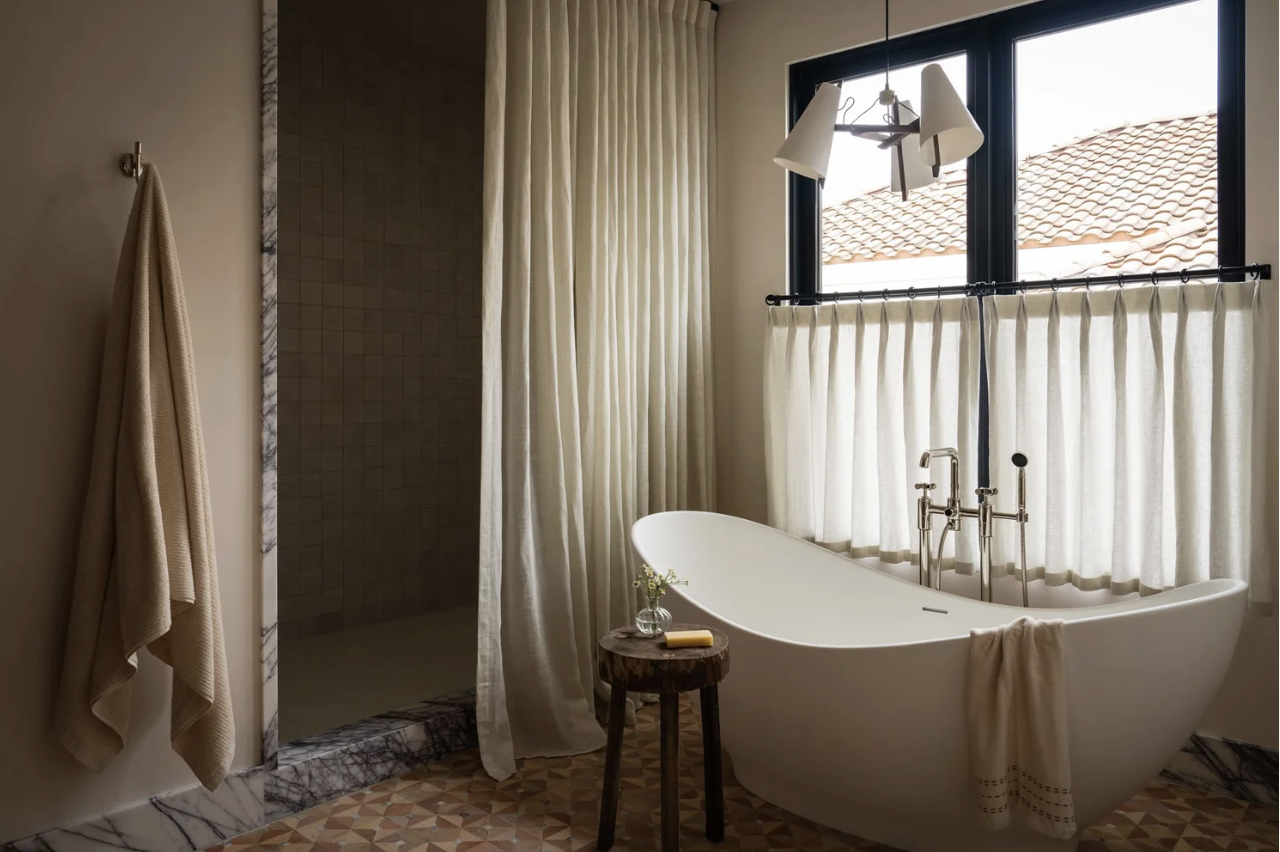
Finally, plaster is presented as an ideal material for achieving a modern Mediterranean bathroom style. This aesthetic, currently trending, combines timeless neutrals and natural materials to produce warm, textural spaces. Plaster effectively meets both the neutral and textural requirements, instantly adding warmth without overwhelming the design. An example demonstrates how plaster walls, patterned tiles, and terracotta flooring harmoniously blend to create a tranquil, inviting, and stylish Mediterranean-inspired bathroom, where plaster serves as an anchoring element that unifies diverse materials.
The article concludes by reiterating the benefits of plaster bathrooms, emphasizing their warmth, organic style, and beautiful texture. It advises readers to ensure the plaster chosen is suitable for bathroom environments due to water resistance requirements. It also suggests combining plaster with other materials like bathroom tiles or contrasting colors to achieve varied and personalized looks. #PlasterBathroom #InteriorDesign #OrganicFinish #BathroomTrends #TadelaktPlaster #MediterraneanStyle #AdobeStyle #HomeDecor #RenovationIdeas
0 comment in total
 No comments yet
You may also like
5 earthy bathroom designs that embody textural charm

6 captivating bathroom designs that spotlight earthy materials
5 biophilic bathrooms that invite the beauty of nature indoors
These Bathroom Tile Trends Will Be Everywhere in 2025, According to Interior Designers
Textured bathroom wall ideas – 10 ways to create interest with imaginative treatments
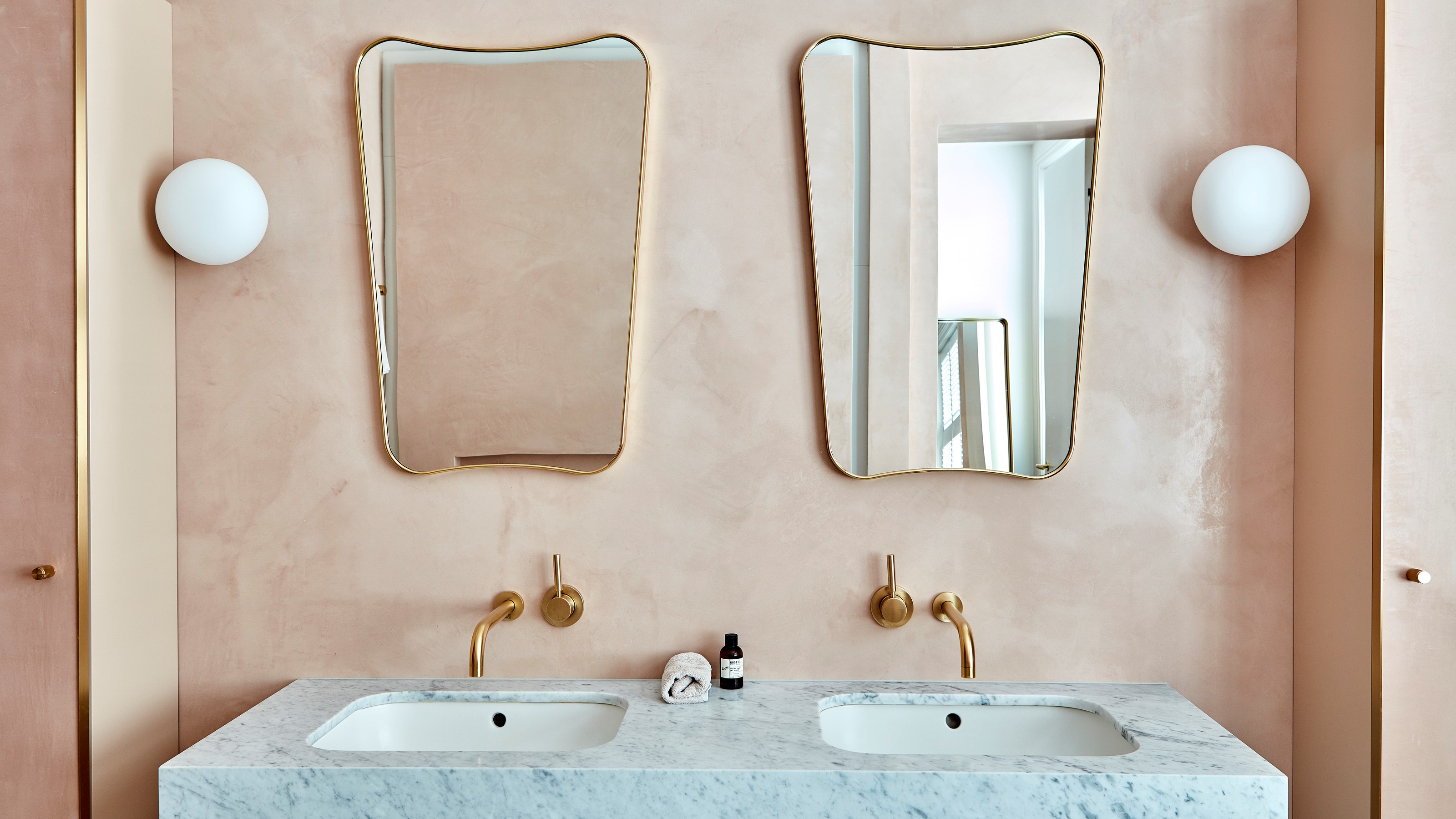
If you want to bring on-trend texture to bathroom walls, these 6 ideas are your best options say interior designers

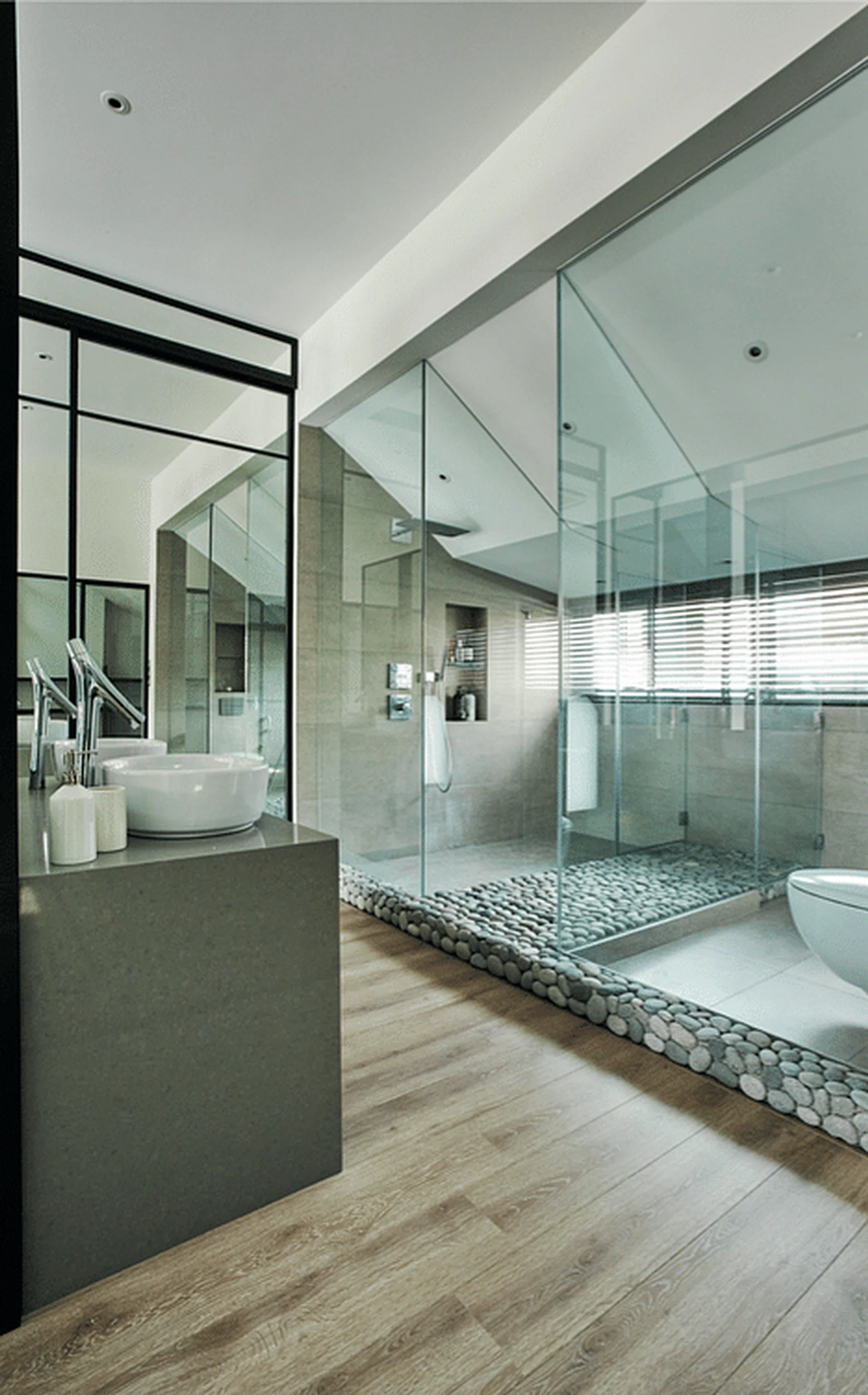
5 open-concept bathroom designs you'd want in your home
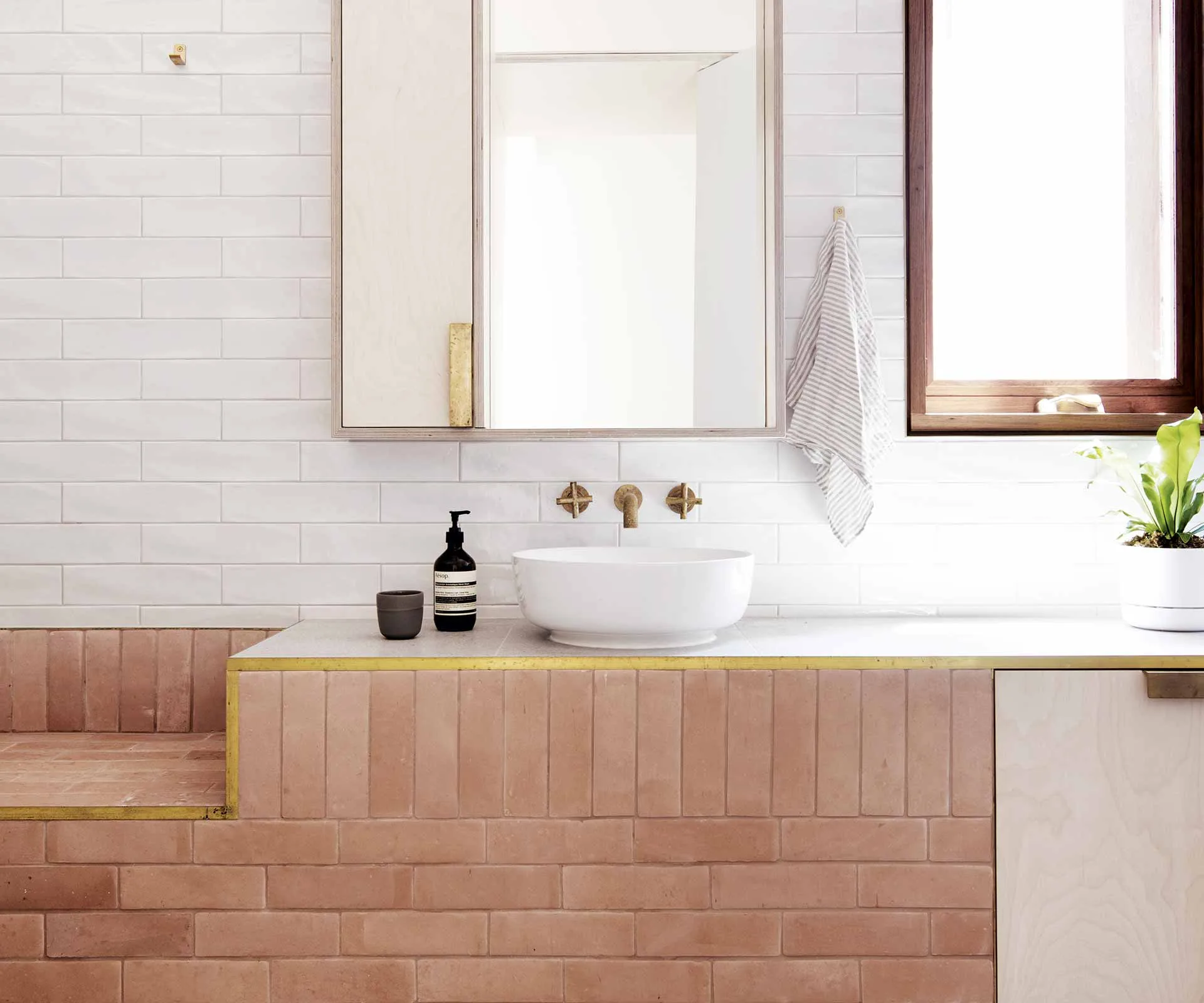
6 bathroom decor ideas that will inspire a cosmetic makeover

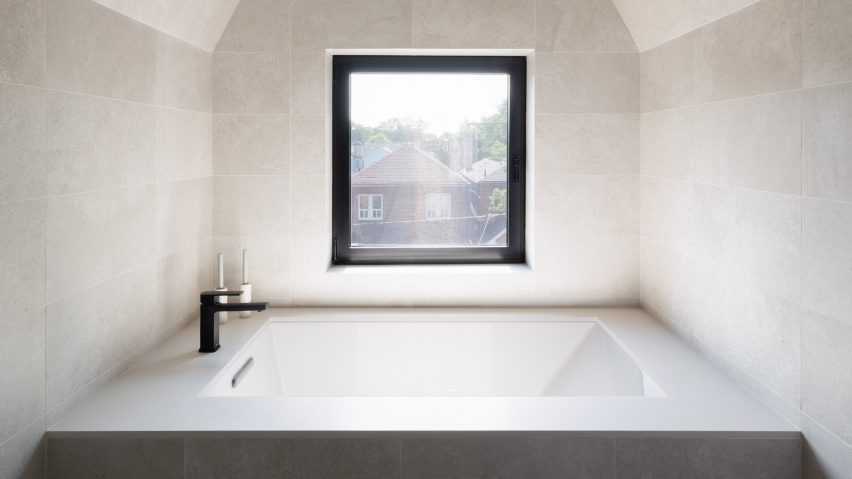
Twelve contemporary bathrooms with a spa-like feel
25 Organic Modern Bathroom Ideas for 2026 That Designers Reach for When Modern Feels Empty

5 updates to give your bathroom an influencer-approved aesthetic

These Are the Bathroom Trends That Will Dominate in 2022

These Are the 5 Best Bathroom Wall Options
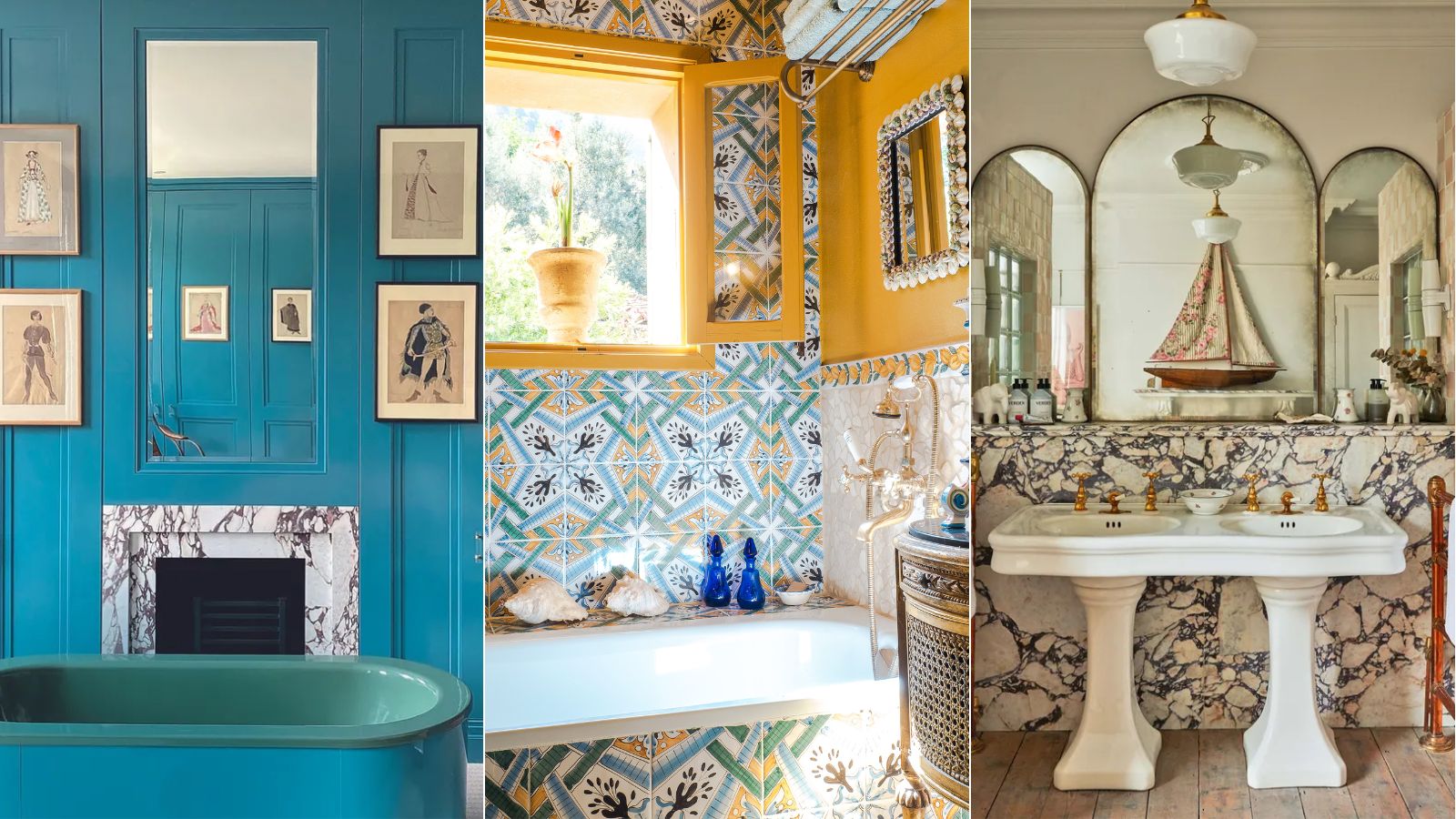
5 ways to create a maximalist bathroom for an eclectic look that remains functional
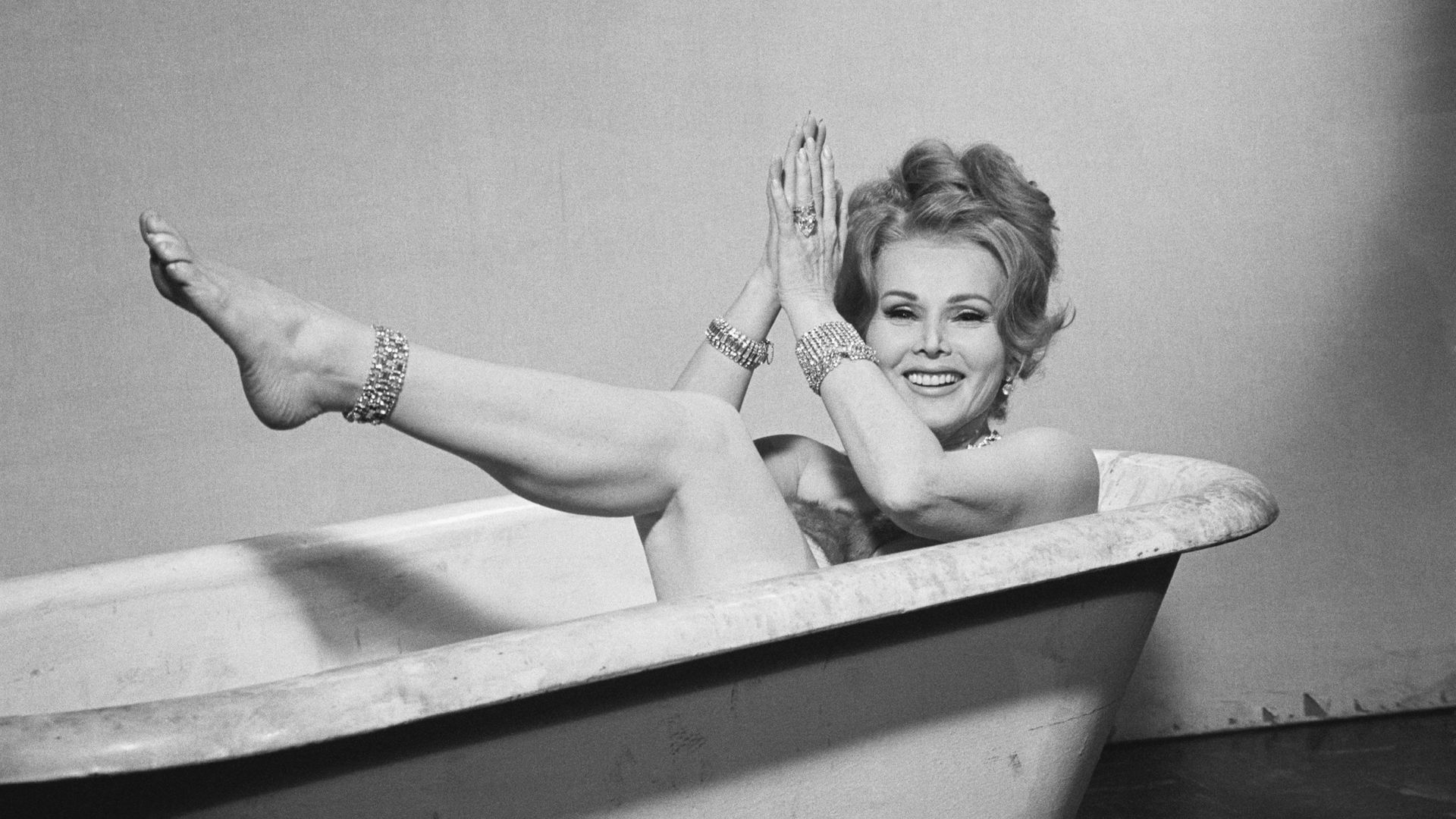
5 updates to give your bathroom an influencer-approved aesthetic

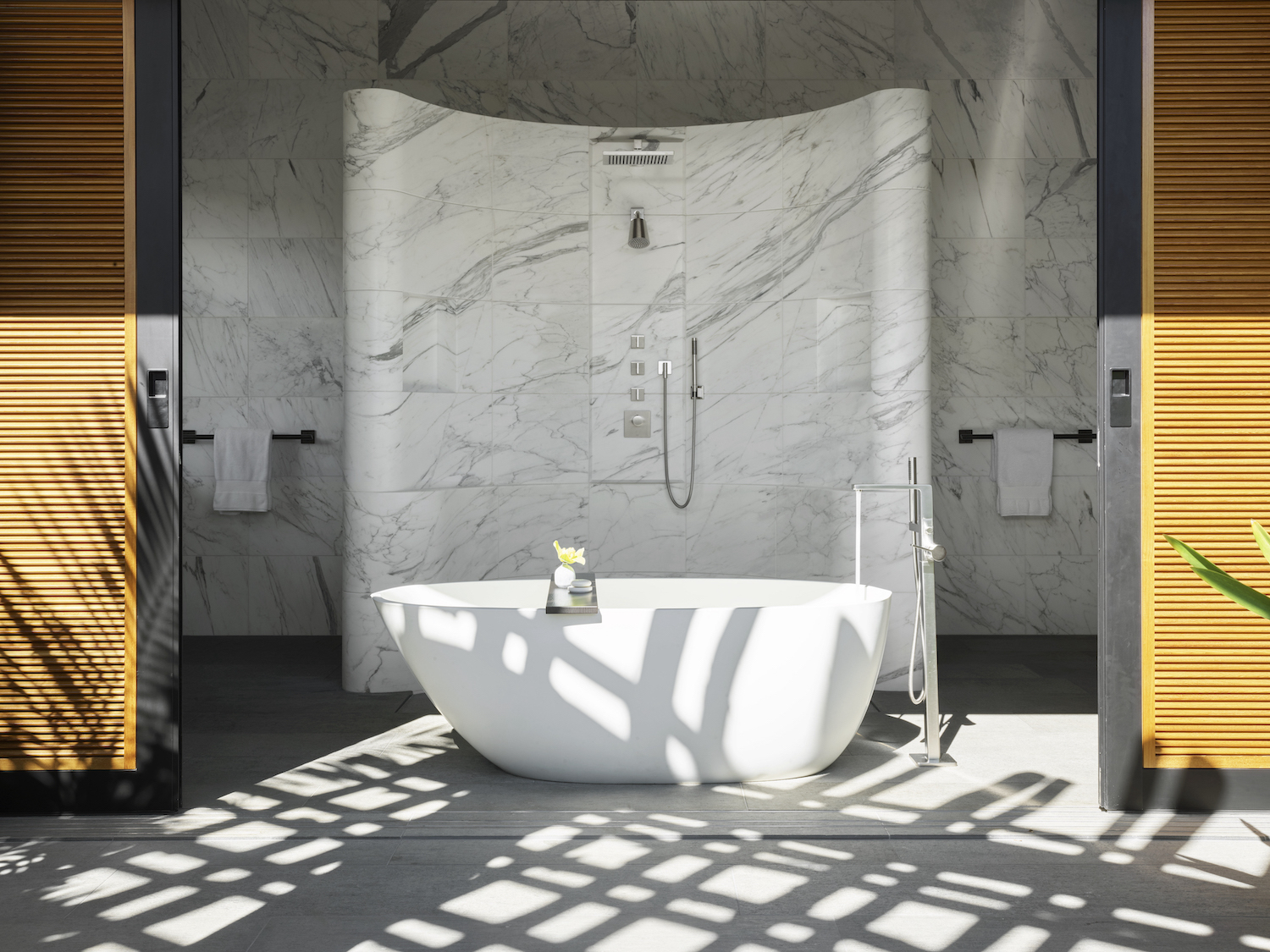
9 color palettes for minimalist bathrooms - instantly relaxing looks that feel elegant and expensive
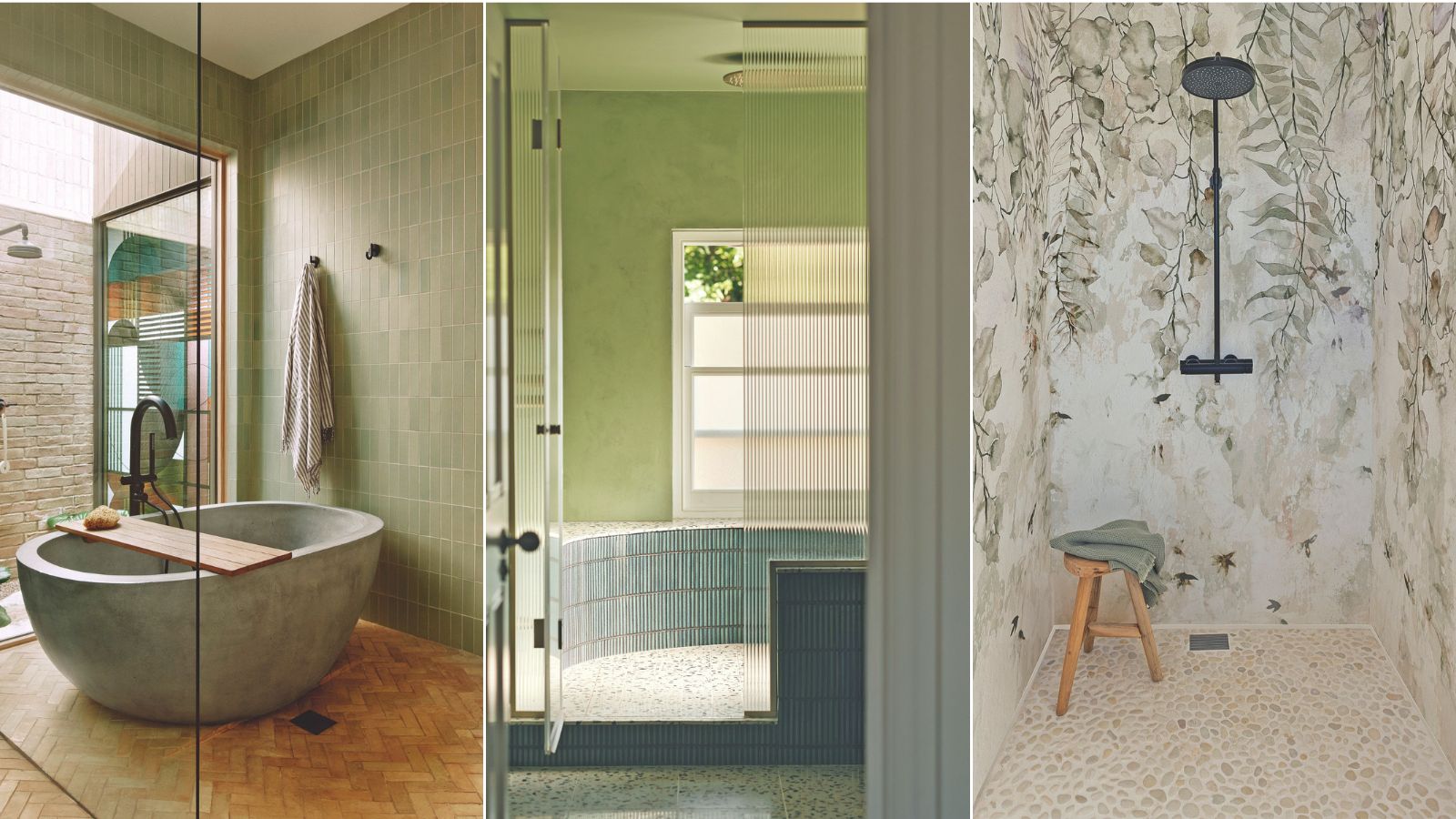
5 nature-inspired bathrooms that nail the biophilic trend
Plaster Walls Are the Secret to This Sleek Bathroom Transformation

Patterned bathroom ideas – 10 perfectly patterned wash spaces
6 Bathroom Trends Designers Are Loving for 2026 (And You Will Too)