6 Eco-Friendly Wall Finishes and Why Designers Love Them
This article explores six eco-friendly wall finishes favored by designers for their ability to add depth, character, and texture to interior spaces, moving beyond conventional flat paint. These finishes, ranging from easy-to-apply options to more labor-intensive treatments, incorporate natural ingredients like lime, ground marble, and milk protein, and often boast low or zero VOC content.
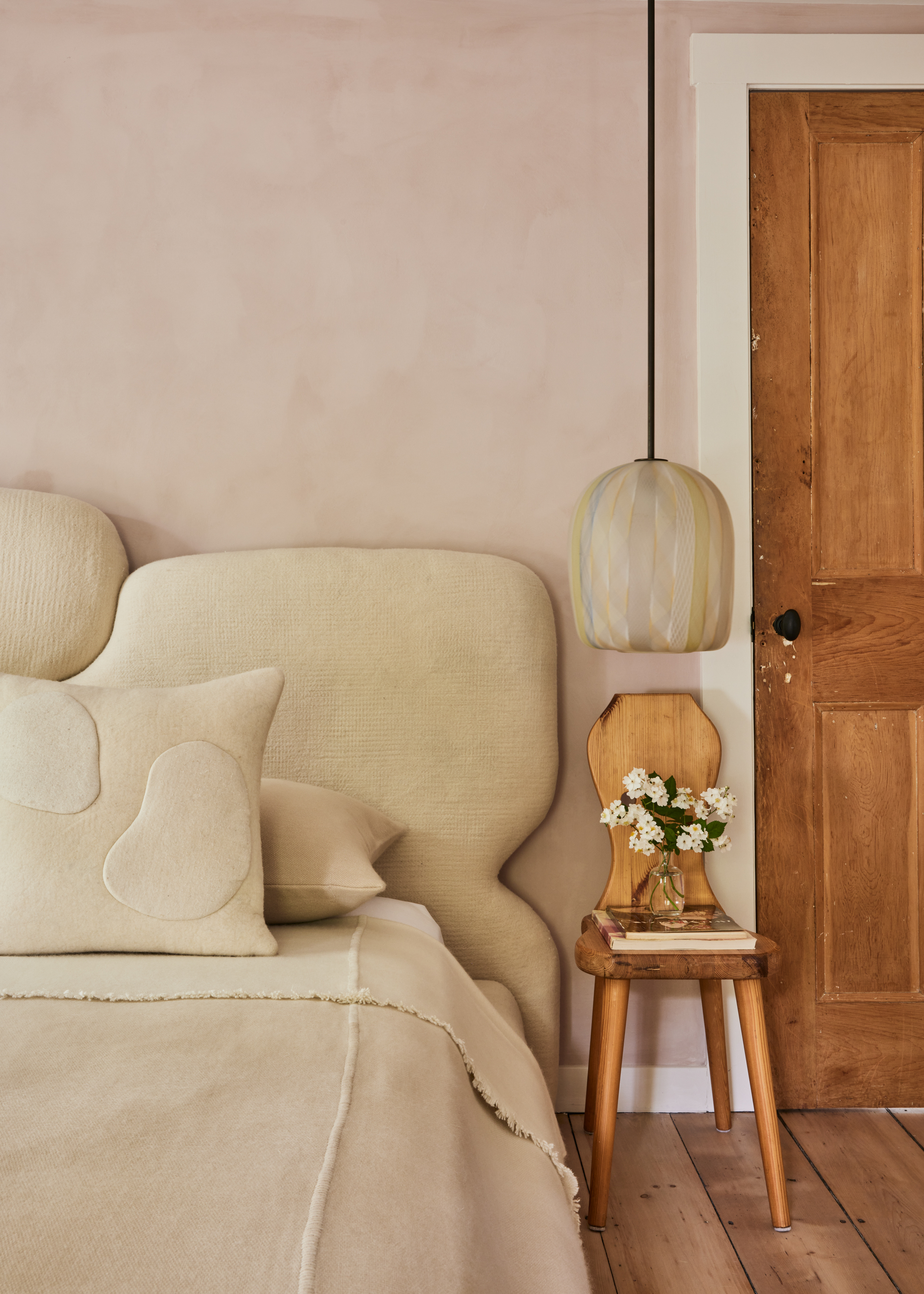
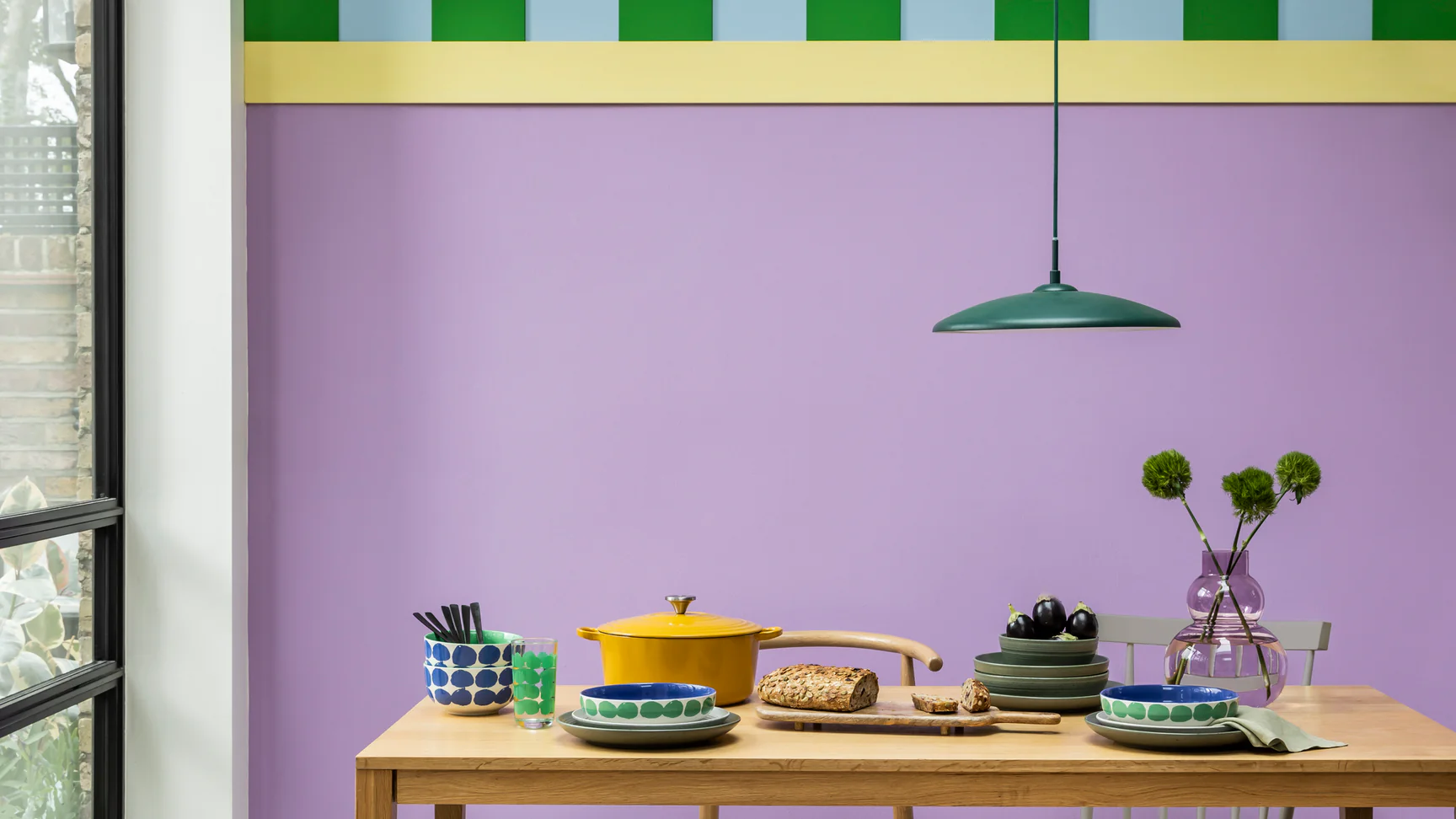
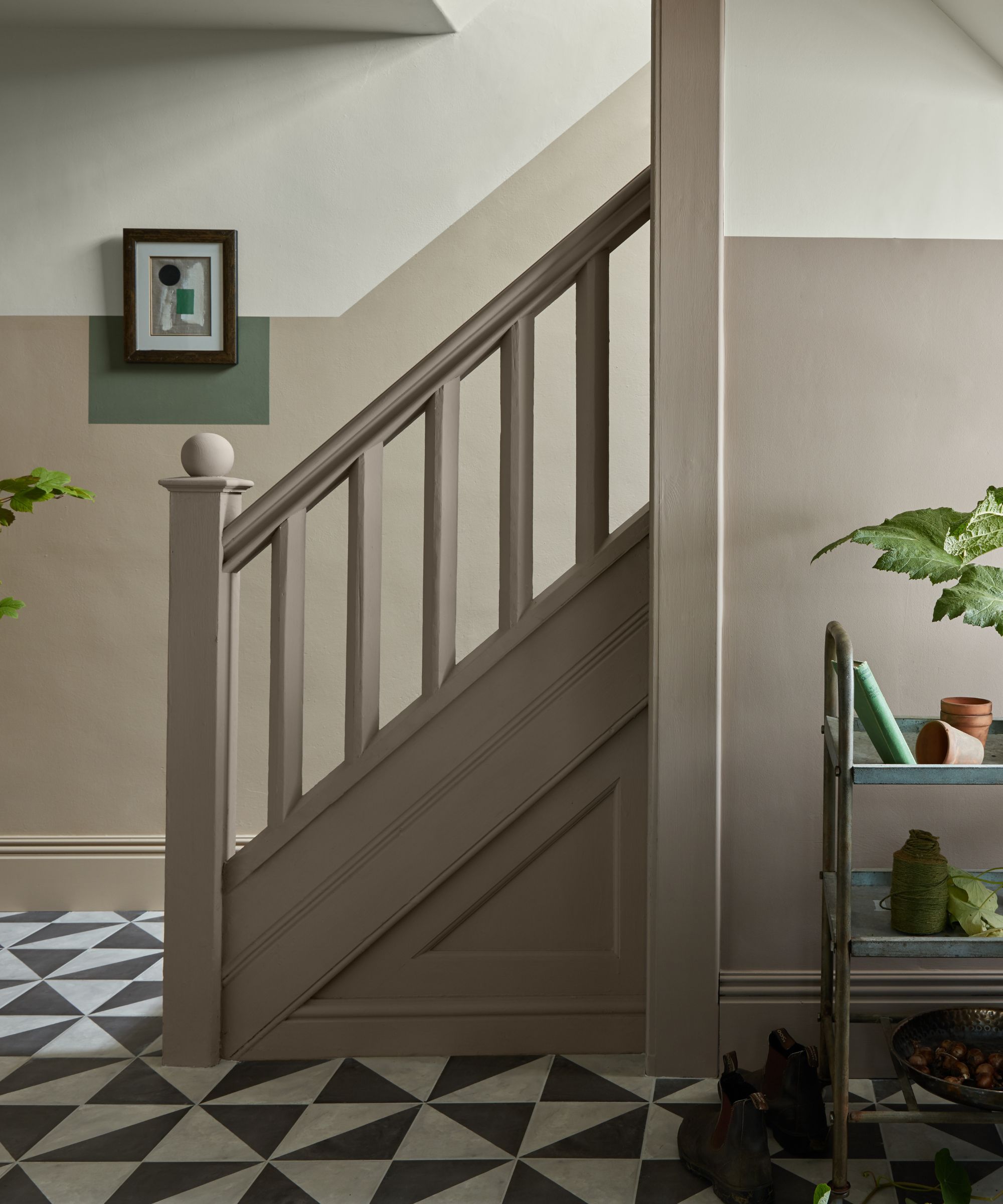
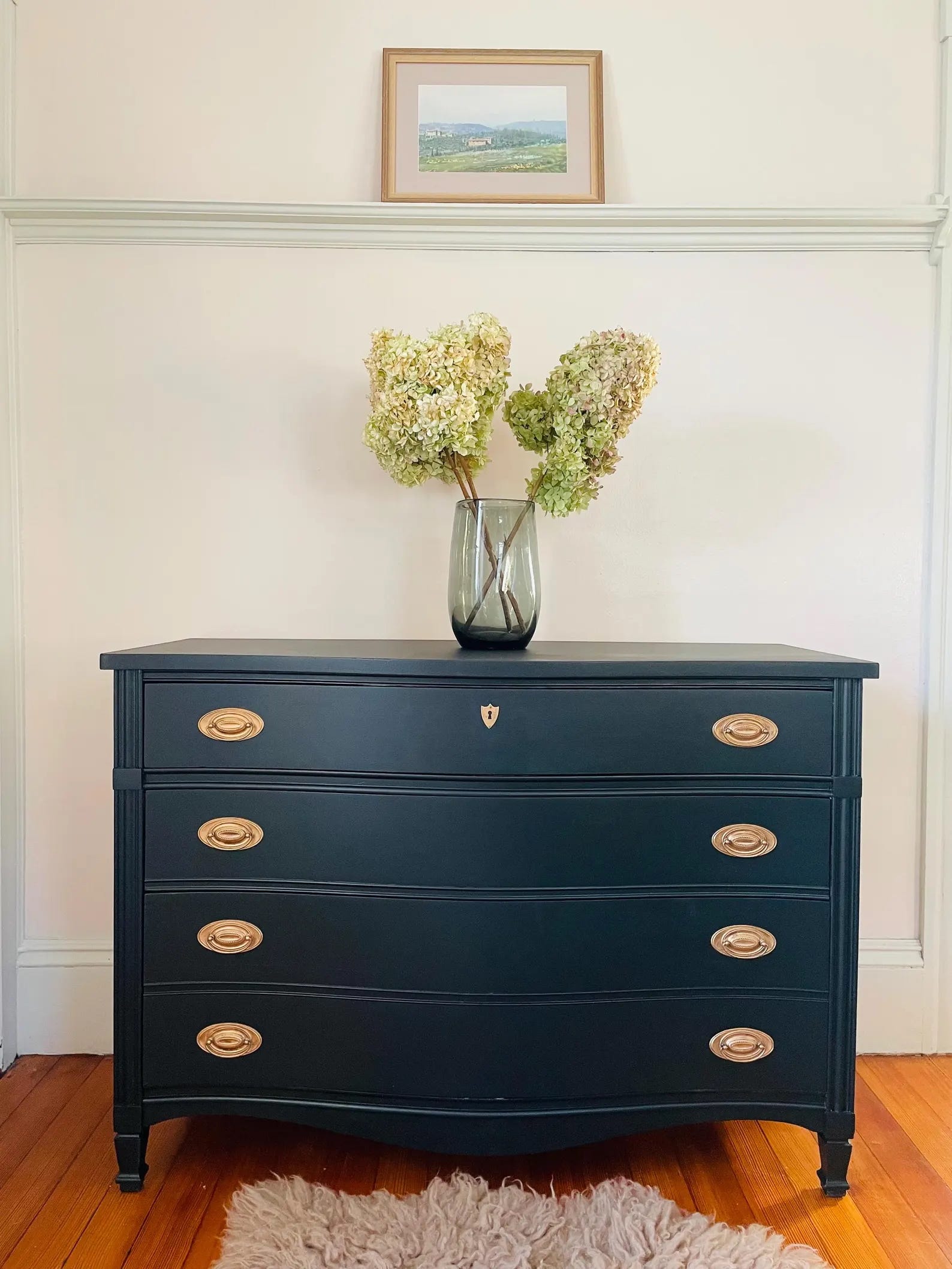
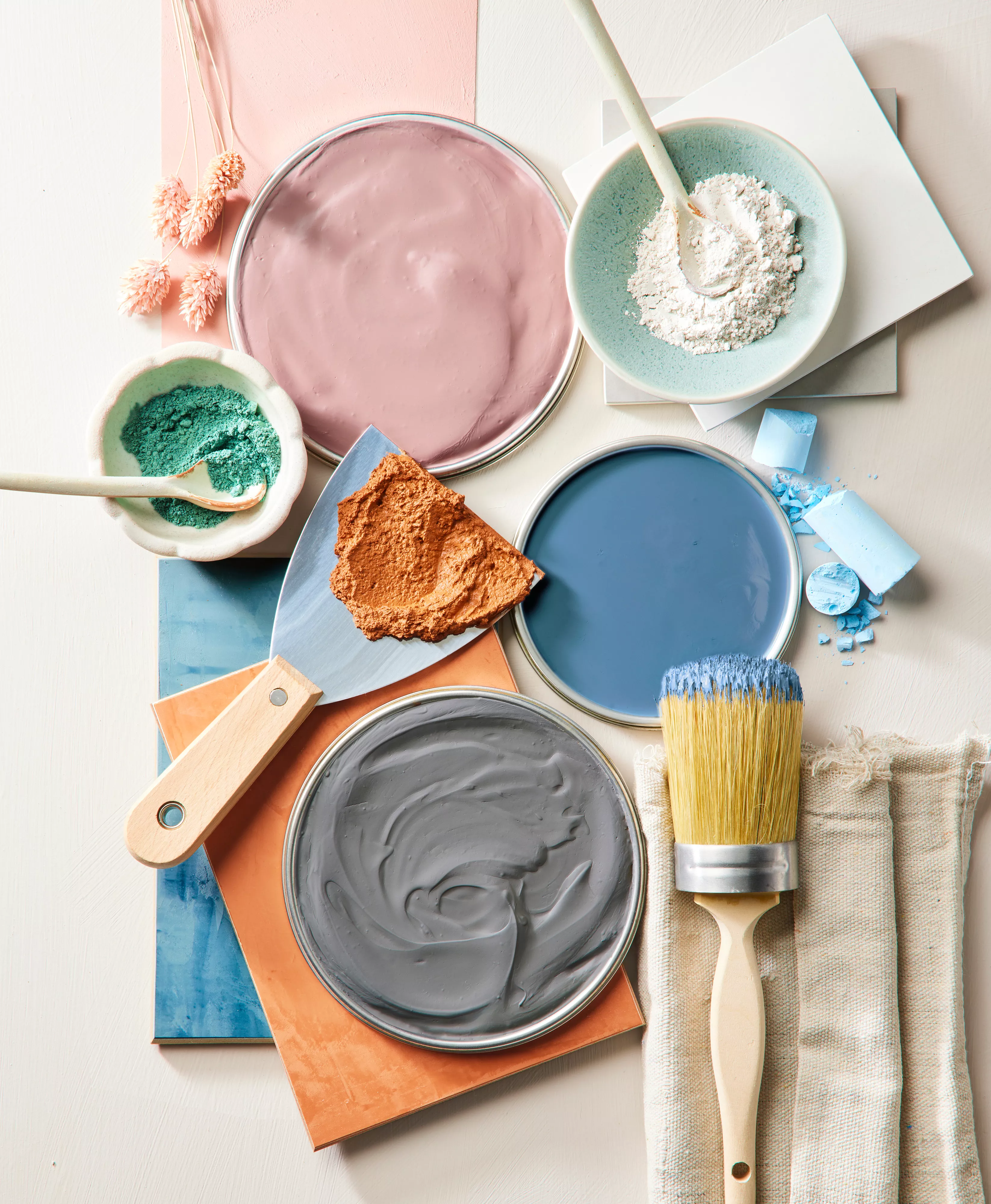
The first finish, Chalk-Finish Paint, is a non-toxic, water-based formula with low VOCs, made from calcium carbonate, pigments, and water. It dries to a soft, matte, chalky finish and is known for its thick consistency, which covers various surfaces with minimal preparation. While it can be left uncoated for a distressed look, sealing it with a special paint-on wax protects the surface, deepens the color, and makes walls wipeable. This creates a smooth, even surface that can hide wood grain for a modern aesthetic.
Limewash, the second option, is a zero-VOC finish made from crushed burned limestone, natural pigments, and water. It creates a weathered appearance and changes color depending on the light due to crystal formation upon curing. Applied with quick cross strokes, it produces a mottled effect, offering movement and visual interest. It adheres well to porous surfaces like brick and stucco, but nonporous or new drywall requires a special lime prep coat, and sealing is recommended for high-traffic areas.
Milk Paint, a zero-VOC, nearly matte finish, consists of casein (milk protein), calcium carbonate, pigments, and other natural ingredients. It provides a subtle, velvety sheen, and its tendency to crack or chip without a top coat can create a desirable distressed, antique look. Available as a powder to be mixed with water, it allows for custom color blending and varied applications, from a thin wash to thick, even coverage. It requires little to no sanding or priming on porous surfaces, though a bonding agent may be needed for painted or sealed surfaces.
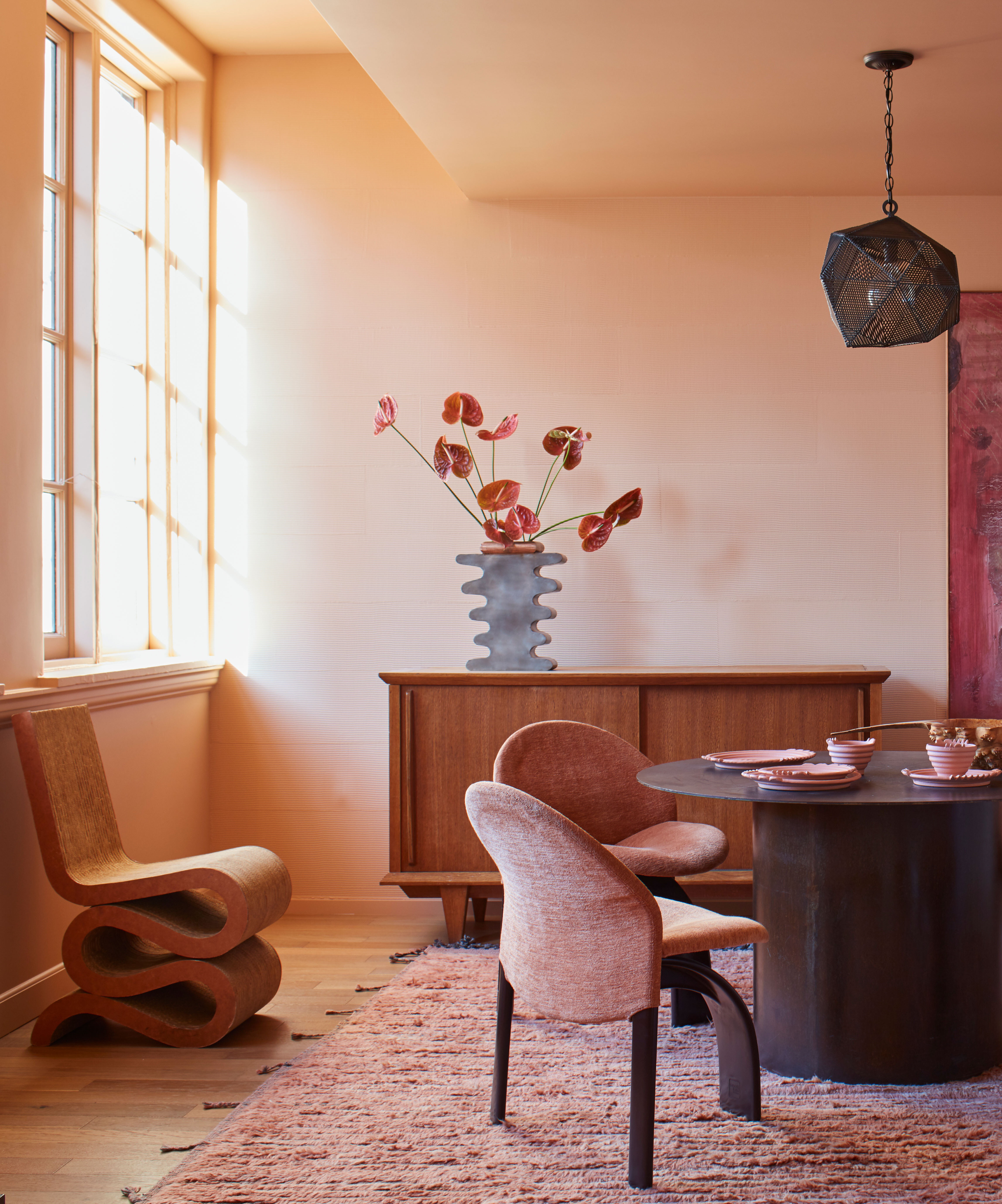
Venetian Plaster, also known as lime plaster, is an ancient, low-VOC finish composed of limestone and/or marble dust, calcium carbonate, pigments, and water. Applied in multiple thin layers with a trowel, it creates a durable, architectural, marble-like surface that can also absorb sound. A primer is necessary for proper adhesion, and a wax top coat or sealer can be applied for extra luster, protection, and water resistance.
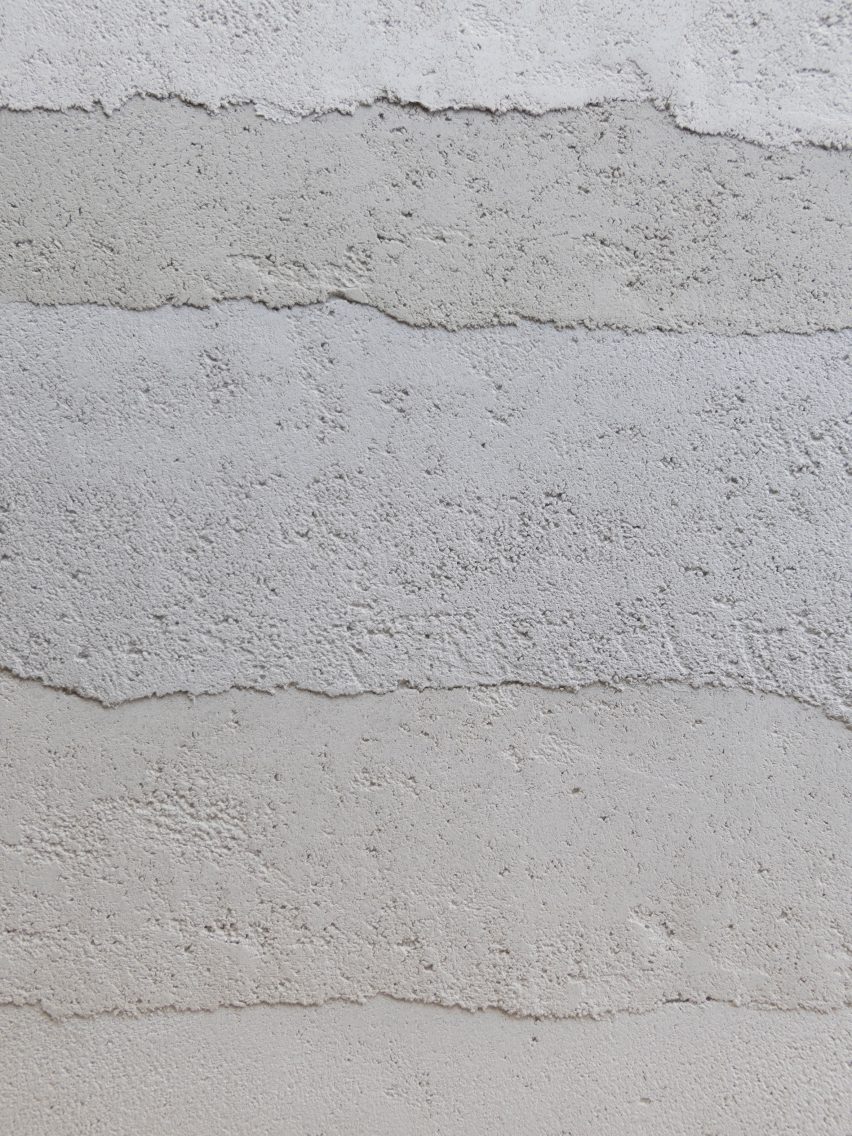
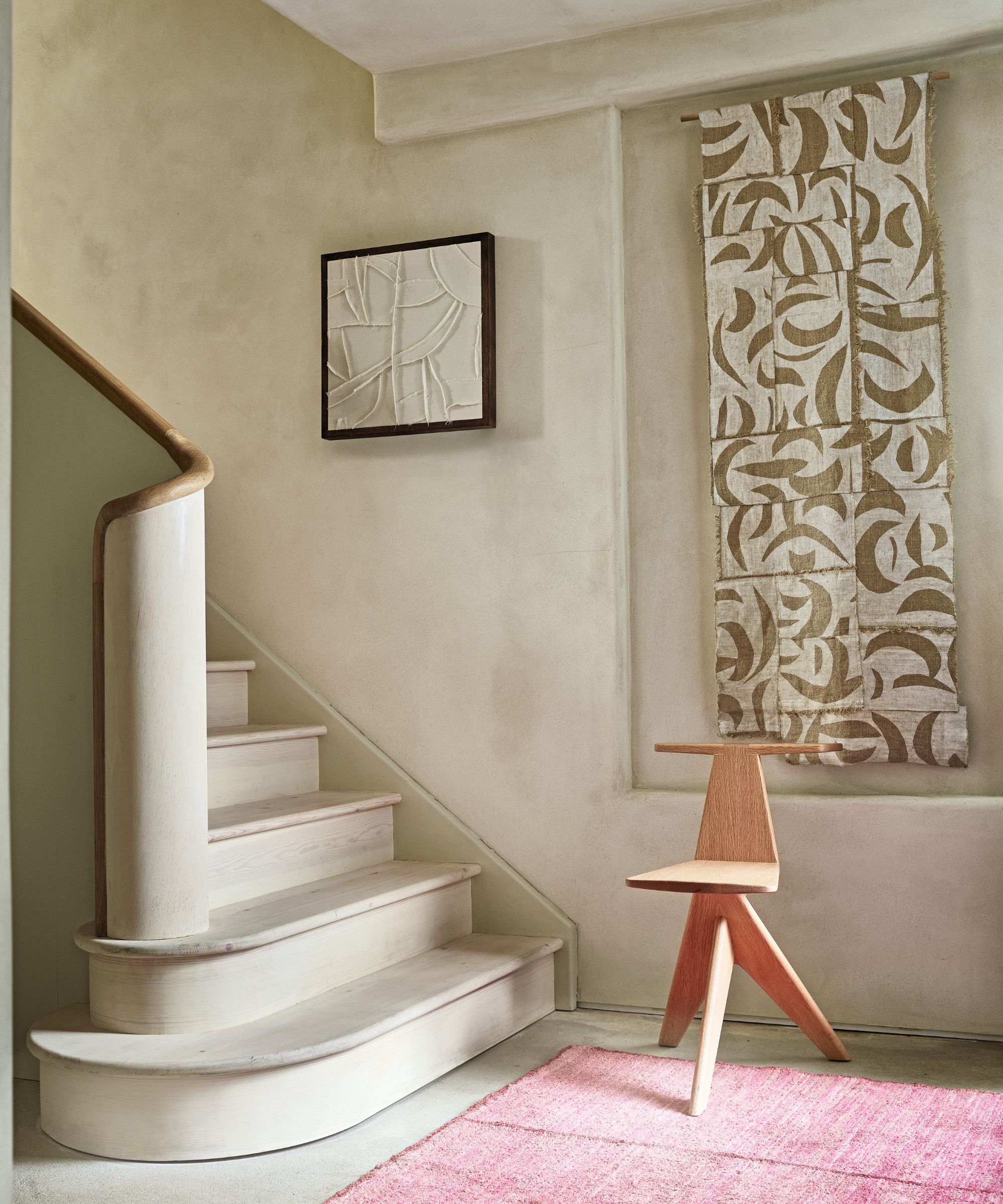
Roman Clay is an ultra-low-VOC gypsum plaster-based paste that dries with a mottled, stonelike texture and a soft, tactile feel. It is similar to Venetian plaster but offers a more organic quality, creating warmth, texture, and coziness. Applied in layers with a putty knife, it allows for varied finishes, from smooth modern looks to textured stucco-like effects. A stain-blocking primer is generally recommended, and sealing is advisable for high-traffic areas.
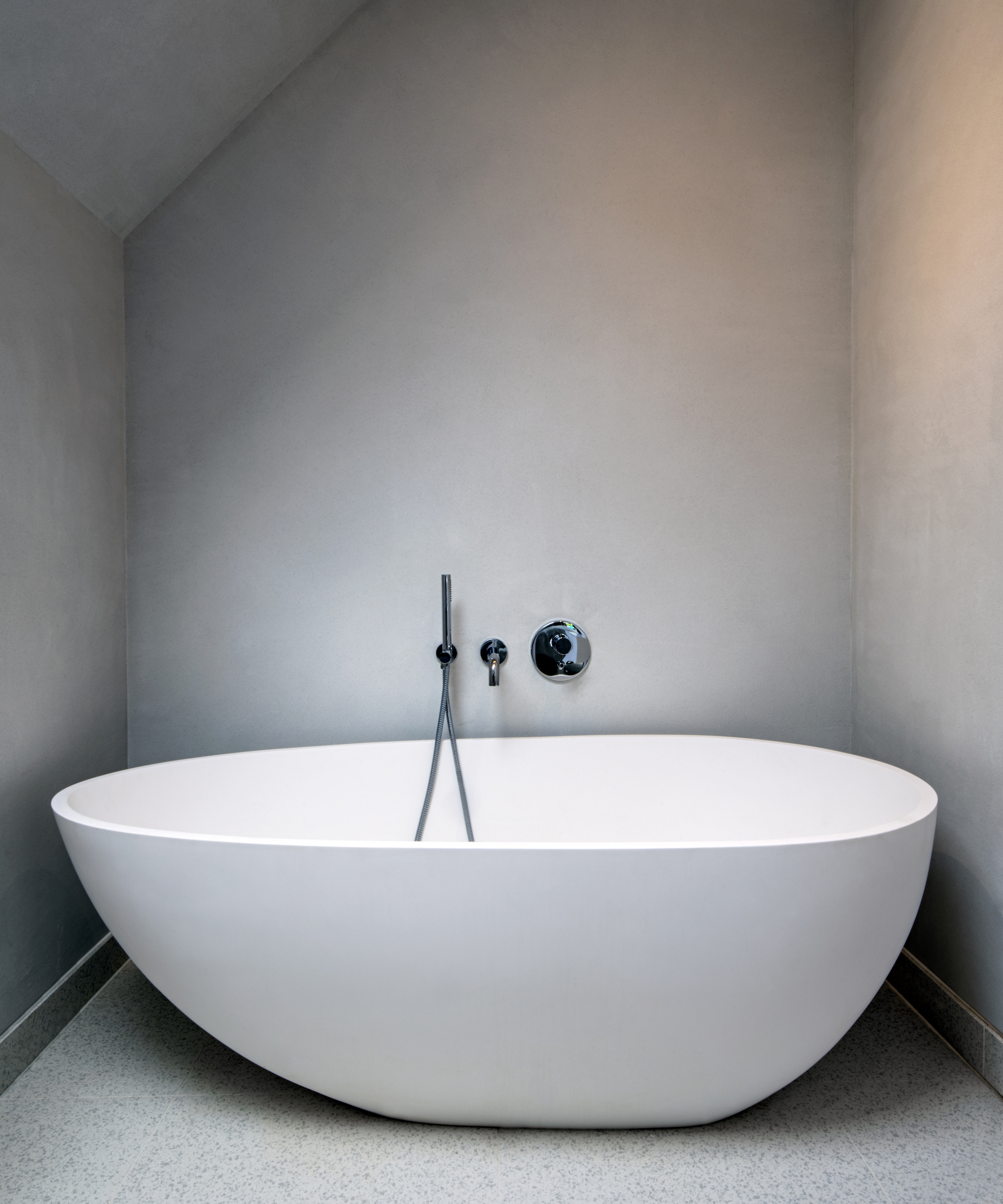
Finally, Tadelakt, a traditional Moroccan finish made from lime, marble, clay, and other natural materials, is low-VOC and waterproof. Historically made by rubbing olive oil soap into lime plaster, modern versions come as a powder mixed with water and applied with a trowel. It provides a glossy, smooth finish with less visual movement than other plasters, making it an excellent, mold-resistant alternative to tile for wet areas like shower walls. Tadelakt requires sealing with wax or soap, and due to its complex application, professional consultation is often advised.
#EcoFriendlyFinishes #WallTreatments #InteriorDesign #ChalkPaint #Limewash #MilkPaint #VenetianPlaster #RomanClay #Tadelakt #EcoFriendlyFinishes #WallTreatments #InteriorDesign #ChalkPaint #Limewash #MilkPaint #VenetianPlaster #RomanClay #Tadelakt
0 comment in total
 No comments yet
You may also like
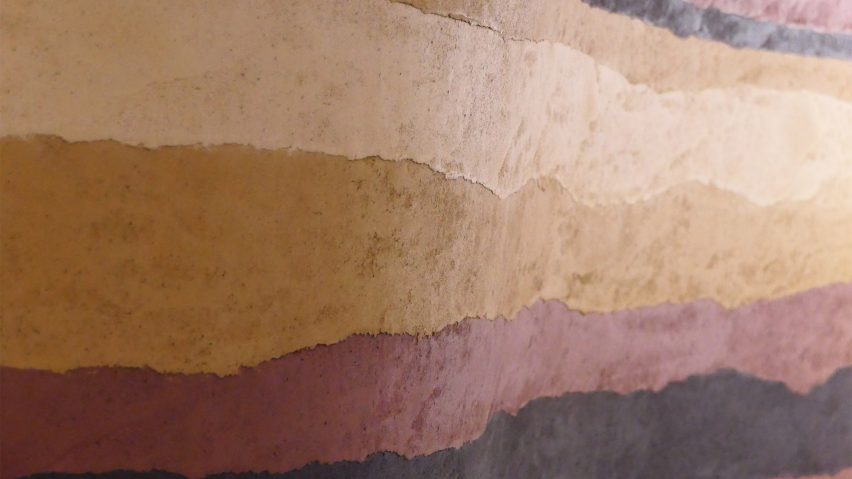
Armourcoat creates durable clay wall covering as "ecological alternative to paint"

Eco-Friendly Home Decor: Sustainable and Chic Ideas for 2023

Luxury living goes green: Eco-friendly homes are now the latest trend in sustainable living

The Importance of Eco-Friendly Paint for Your Home

I Just Found Out That Wall Finishes Can Reduce the Air Quality in Your Home — Here's 5 Options That Don't

Sustainable Interior Design Trends for 2024: Embracing Eco-Friendly Living

Timeless Eco-Friendly Home Decor for a Sustainable Living
Redecorating? Get Some Gorgeous Pieces From These Sustainable Furniture Brands

11 Chic Alternatives to Vinyl Wallcoverings

11 of the Best Eco-Friendly Interior Paints on the Market

9 sustainable features you should consider for your eco-friendly remodel
Forget painting your walls grey, it’s time to sparkle
Wall cladding made from corn cob waste brings sustainable construction materials

Eco decor – 10 beautiful, sustainably-designed room ideas

28 wall panelling ideas to add depth and character to any room in your home
10 Sustainable Homes That Prove Interior Design Can Be Just as Easy on the Eye as It Is on the Earth
Where Can I Buy Eco-Friendly Paint? 7 Brands Making Beautiful Colors That Don't Cost the Earth
Designers Are Loving Cork for Textured, Planet-Friendly Schemes – These 6 Homes Nail the Look
A Digestible Guide to Greenwashing in Interior Design — What It Is, What It's Not, and How to Avoid It
The Best Luxury Paint Brands