1/5
How to create an exposed brick feature wall or fireplace - and clean and maintain it like an expert
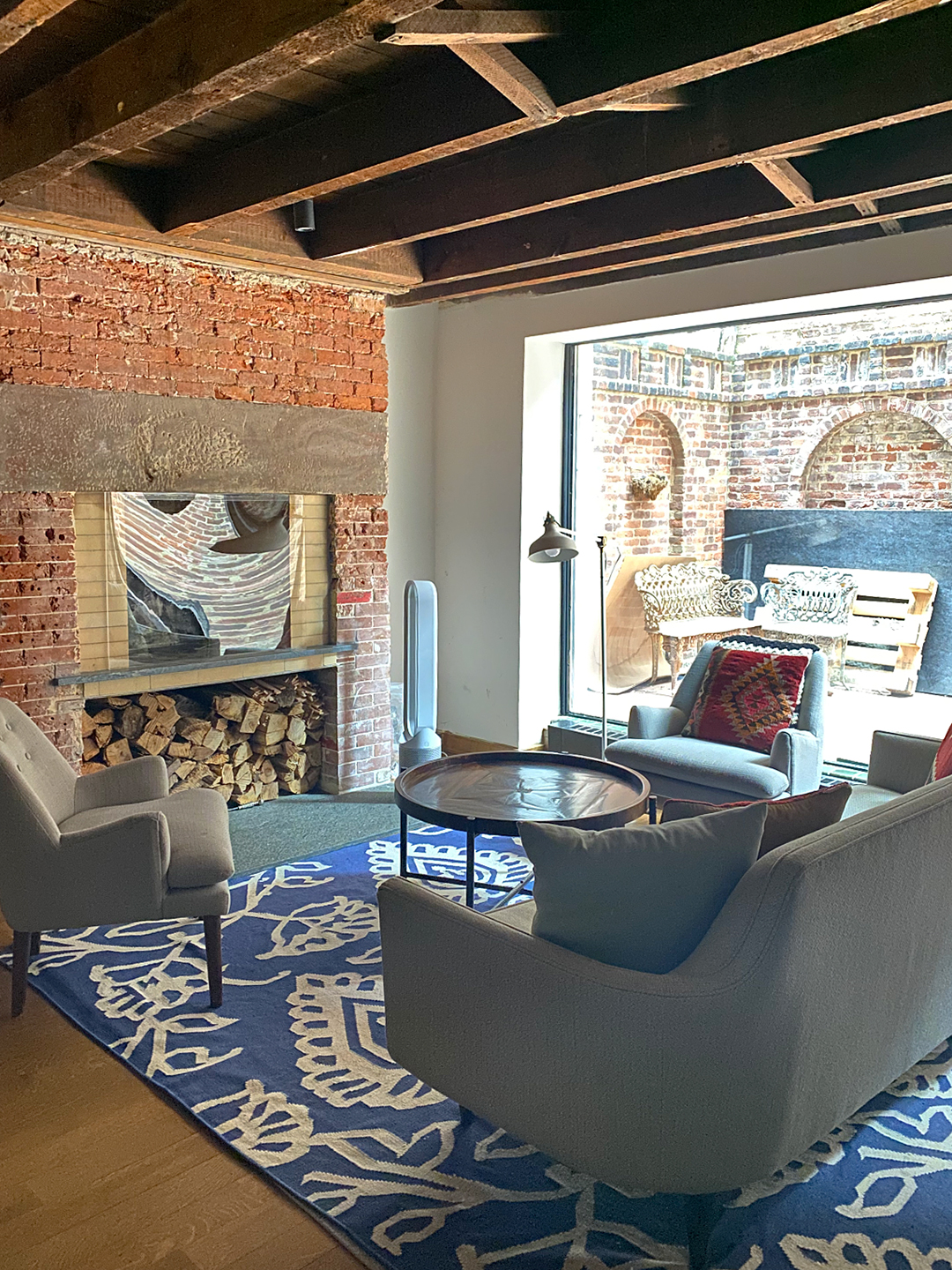
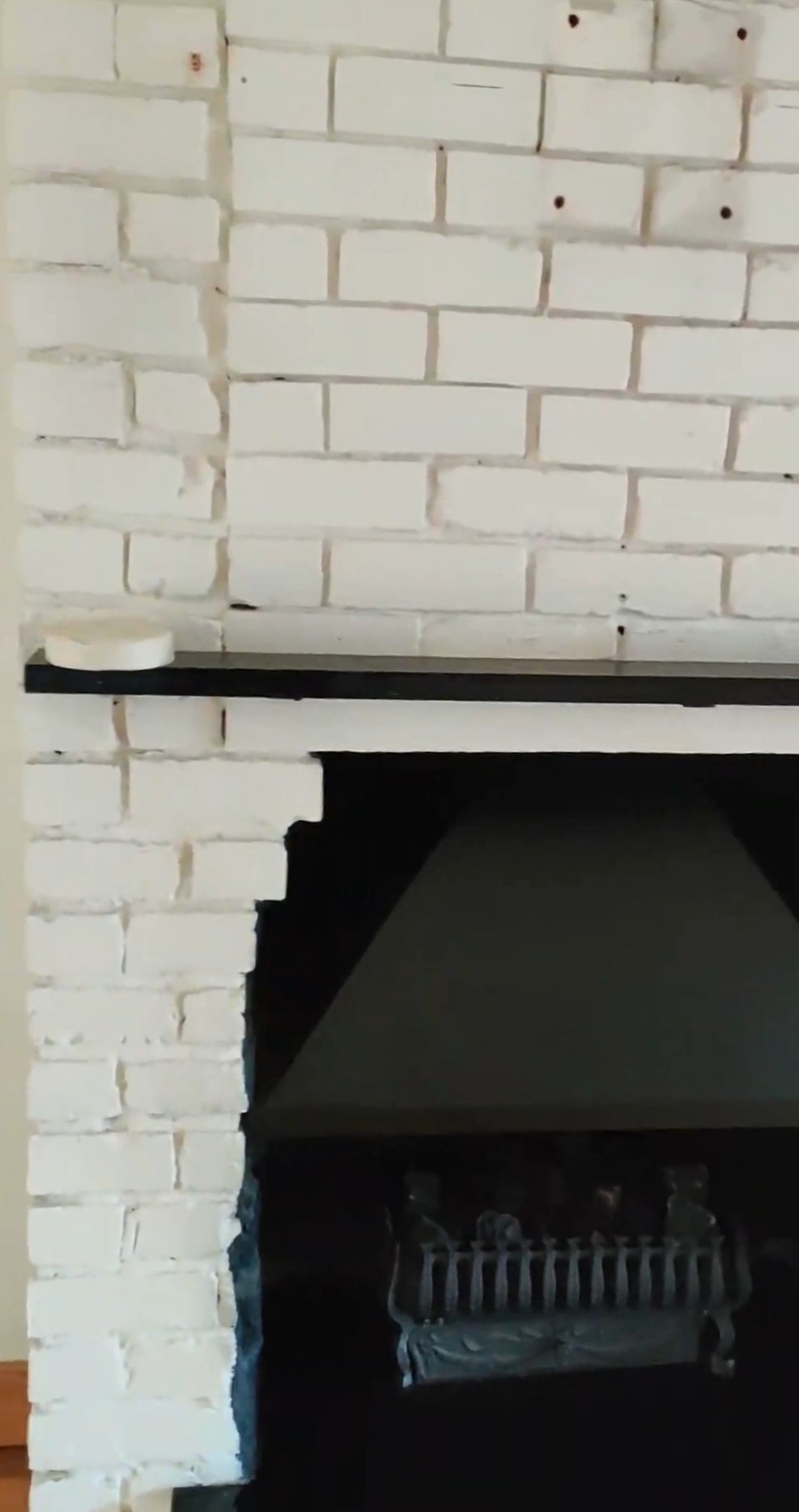
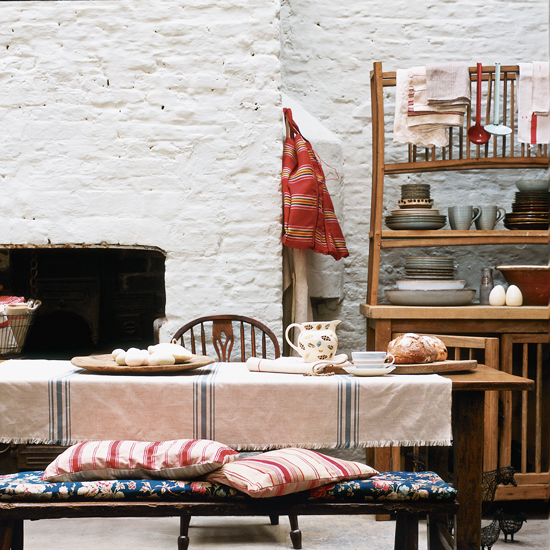
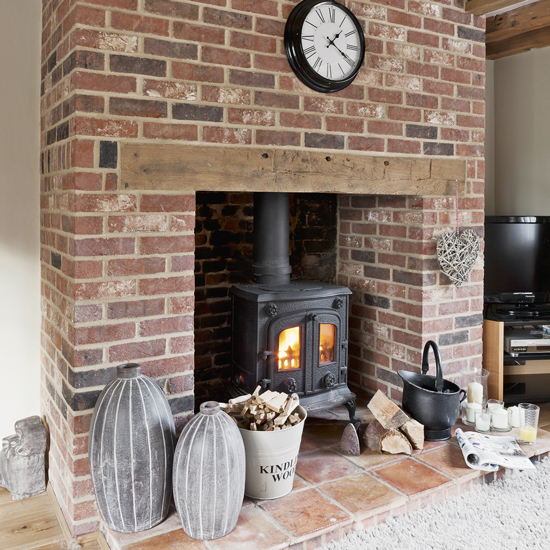
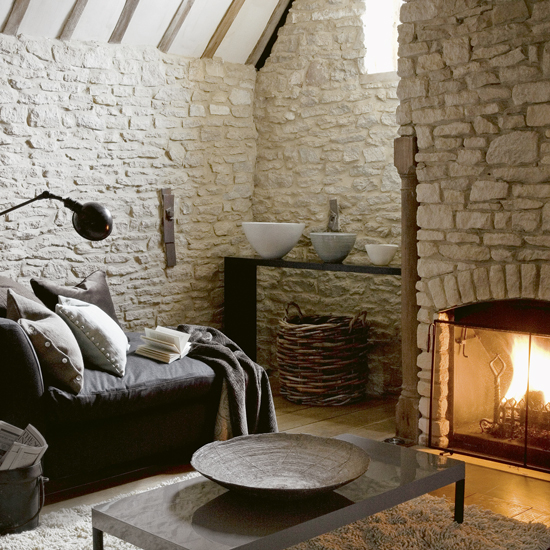
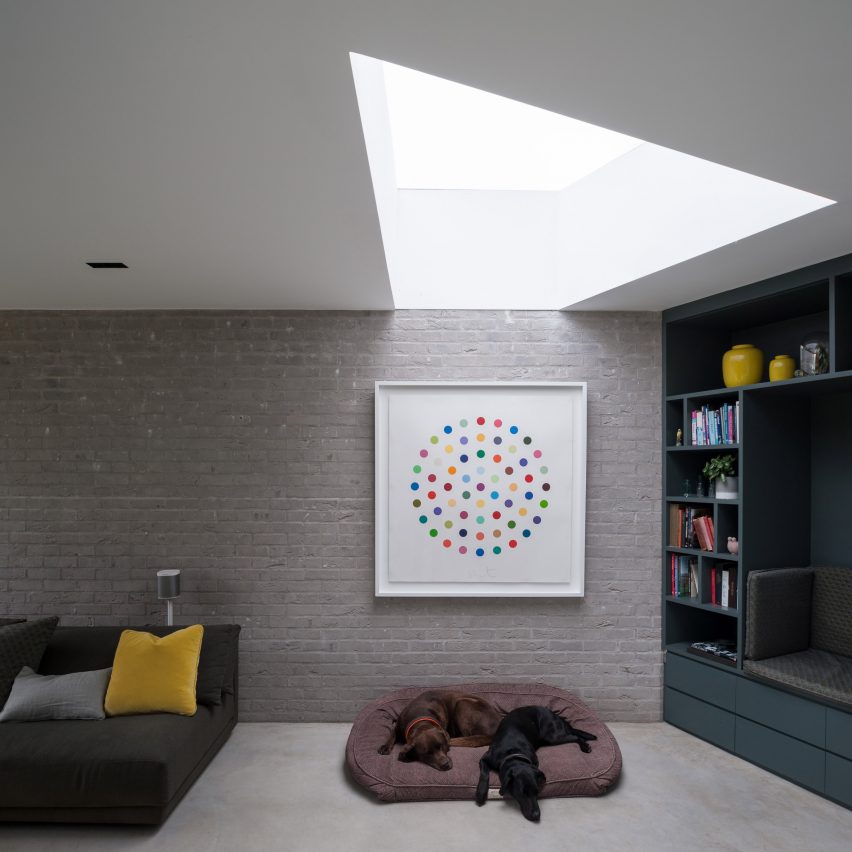
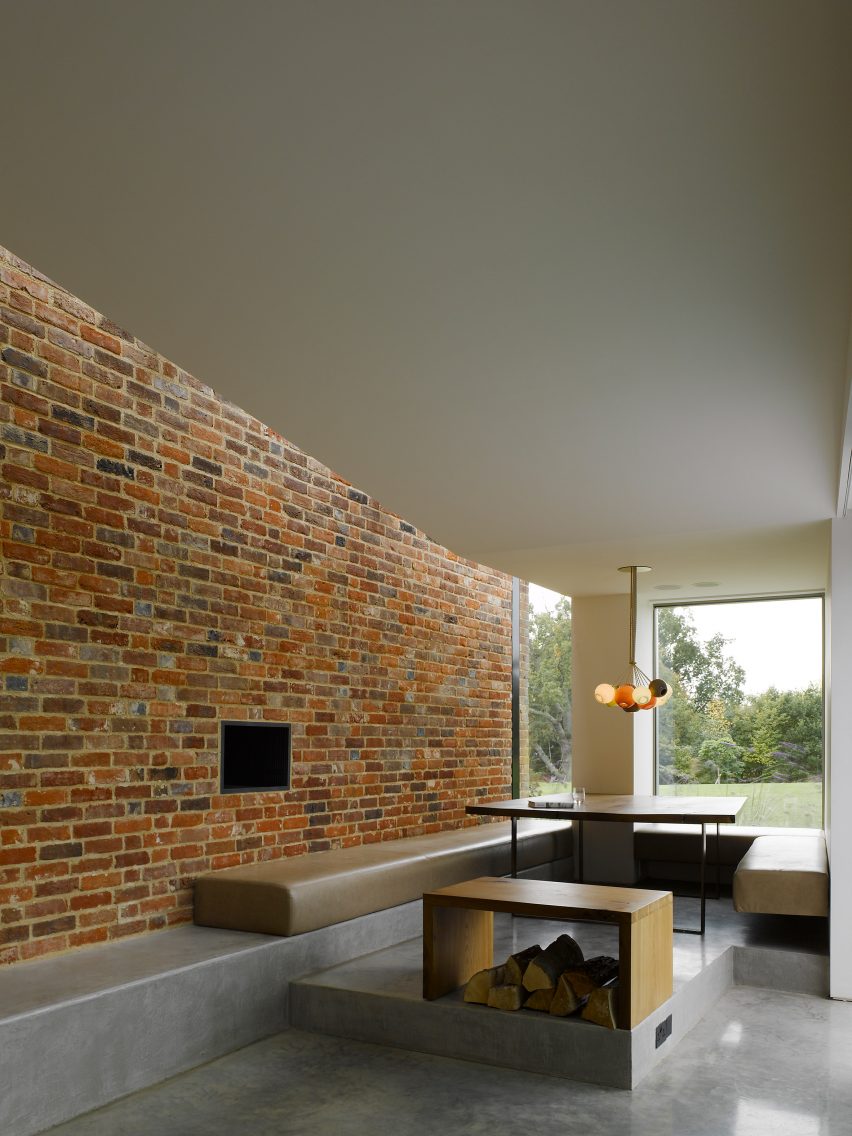
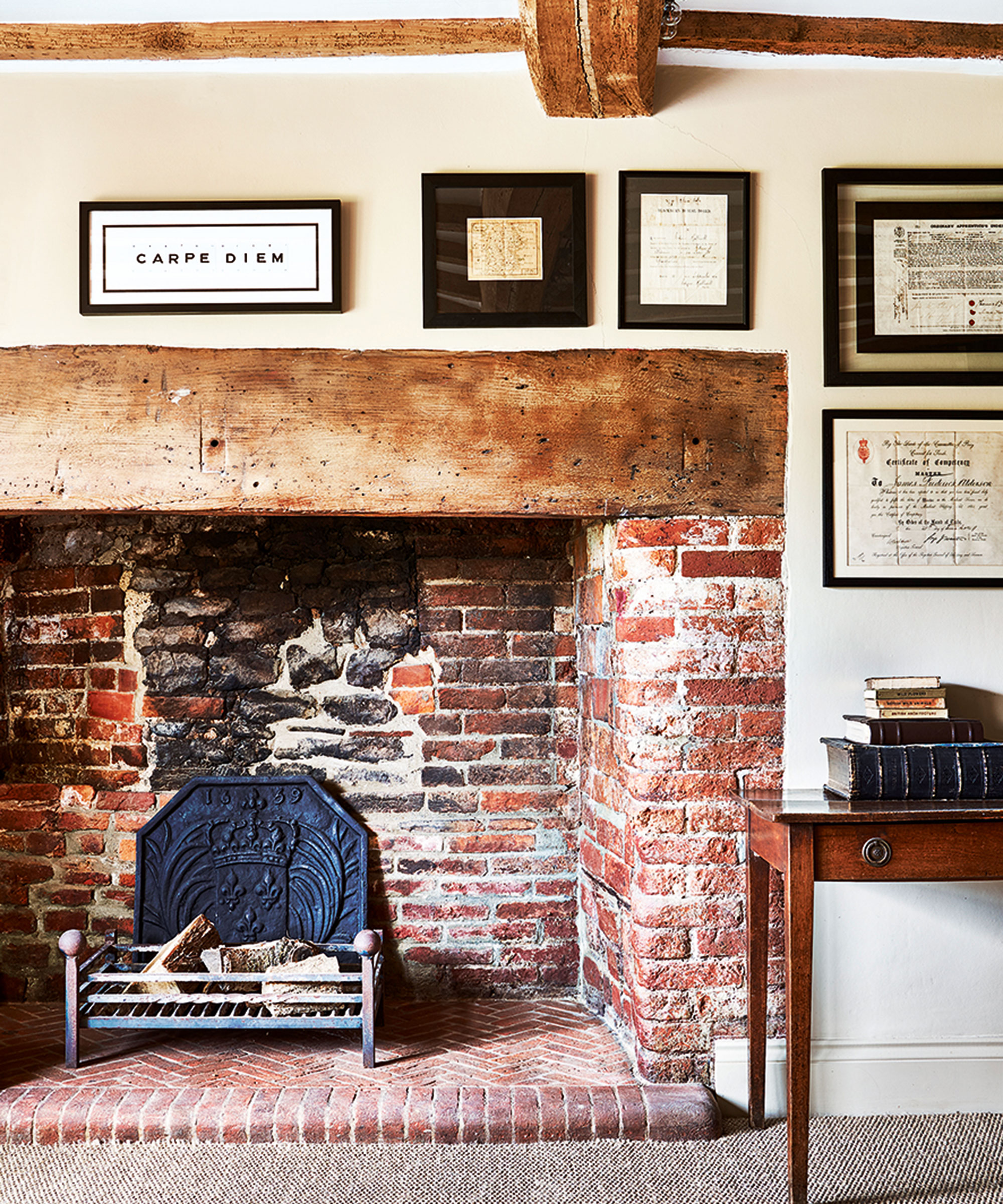
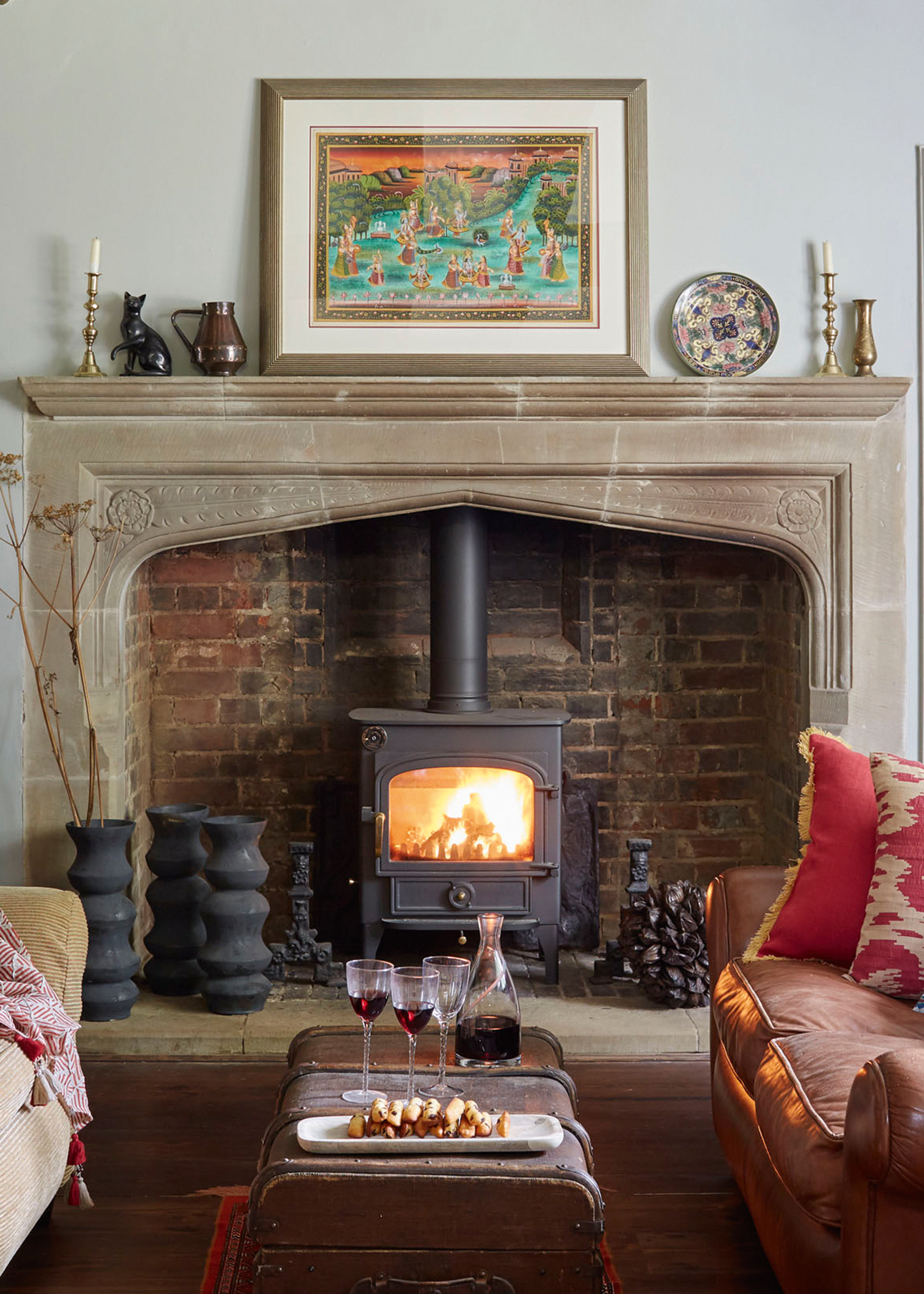
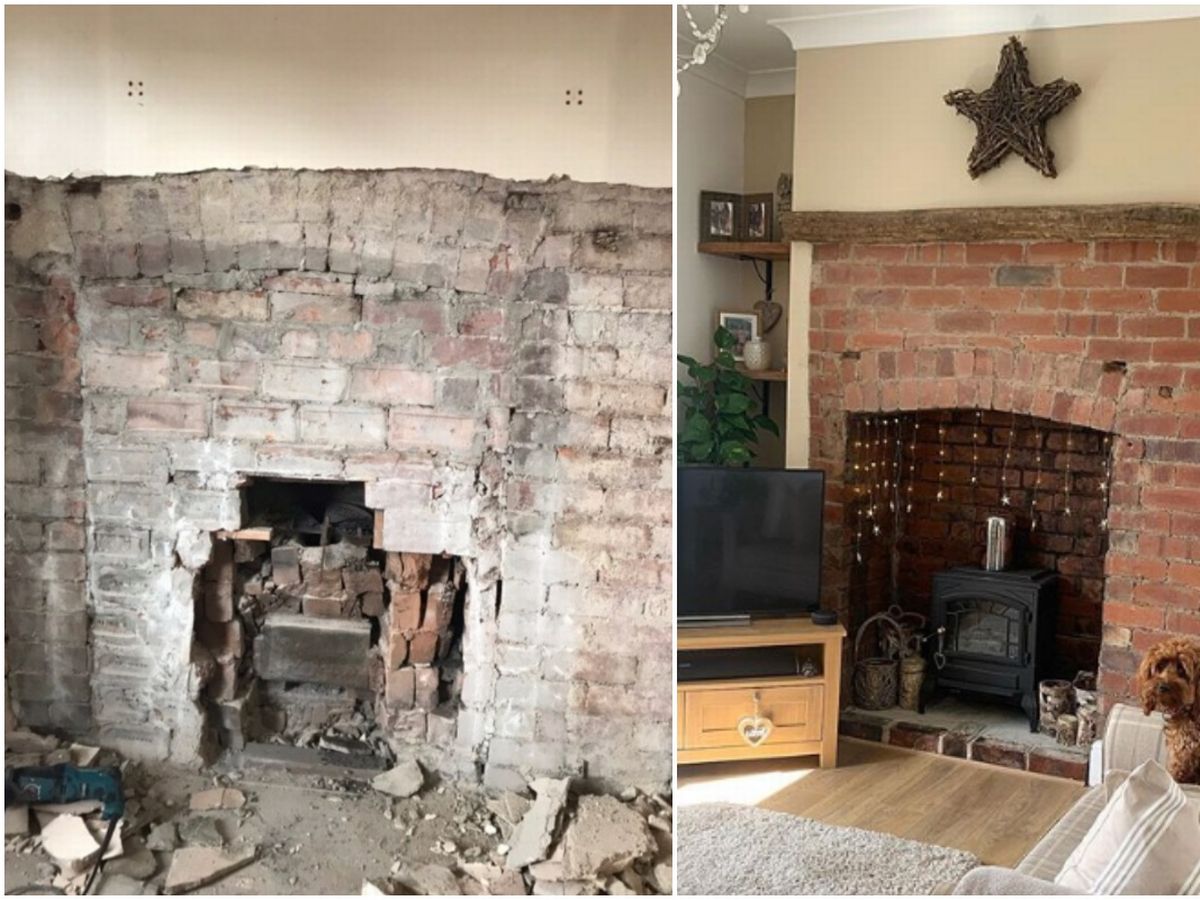
Homeowners are increasingly embracing DIY projects to enhance their living spaces, particularly by exposing brickwork to add character to older properties. Data indicates a significant rise in online searches for 'exposing brickwall' (up 132% year-on-year) and 'exposed brick fireplace' (up 136% year-on-year), highlighting a growing trend. This article provides a comprehensive eight-step guide, advised by DIY expert Lisa Evans from MyJobQuote, on how to safely and effectively transform a fireplace or wall into an exposed brick feature.
Before commencing the project, it is crucial to prioritize safety by wearing protective gear such as goggles, a respirator/dust mask, and gloves. The first step involves carefully examining the condition of the brickwork to be exposed. This can be done by chipping away a small, inconspicuous piece of plaster with a chisel or knife. If the underlying brick is intact and retains its original color, the project can proceed. However, if the brick appears damaged or crumbly, professional consultation is recommended.
The subsequent steps outline the practical process: protecting the surrounding floor area with sheeting to prevent damage and simplify cleanup, followed by the systematic removal of plaster using a masonry chisel and hammer. Stubborn sections of plaster can be tackled with a sharp knife. After the bulk of the plaster is off, a wire brush should be used to remove any remaining small bits of plaster and sediment from the exposed wall. Once the wall is clear, a mild detergent should be spread over the brickwork and left for 5-10 minutes before being wiped away with a wet sponge. The final step involves applying one or two coats of brick sealant to protect the newly exposed surface.
Lisa Evans emphasizes the importance of planning and patience. She estimates that exposing brickwork around a standard fireplace and chimney breast (5ft W x 9ft H) typically takes 6-8 hours, including the cleanup. Homeowners are cautioned against rushing the process or being overly aggressive with tools, as this can damage the underlying brickwork. It is also advised to thoroughly clean all dust and debris before applying sealant, as airborne particles can adhere to the drying sealant.
For ongoing maintenance, exposed brickwork should be cleaned with warm water and a mild detergent. Any dirt or marks can be scrubbed with a sponge. An annual application of brick sealant is recommended to help preserve the wall. Furthermore, homeowners should be mindful that bricks absorb moisture. If the mortar between bricks shows signs of crumbling or cracking, repointing the area is necessary. Similarly, if the bricks themselves appear damaged, they will need to be replaced.
#HomeDesign #DIYProjects #ExposedBrick #FireplaceRenovation #HomeImprovement #InteriorDesign #BrickworkMaintenance #HomeDecoration #HomeDesign #DIYProjects #ExposedBrick #FireplaceRenovation #HomeImprovement #InteriorDesign #BrickworkMaintenance #HomeDecoration
0 comment in total
 No comments yet
You may also like

A Homeowner’s Guide to Maintaining and Restoring a Brick Facade

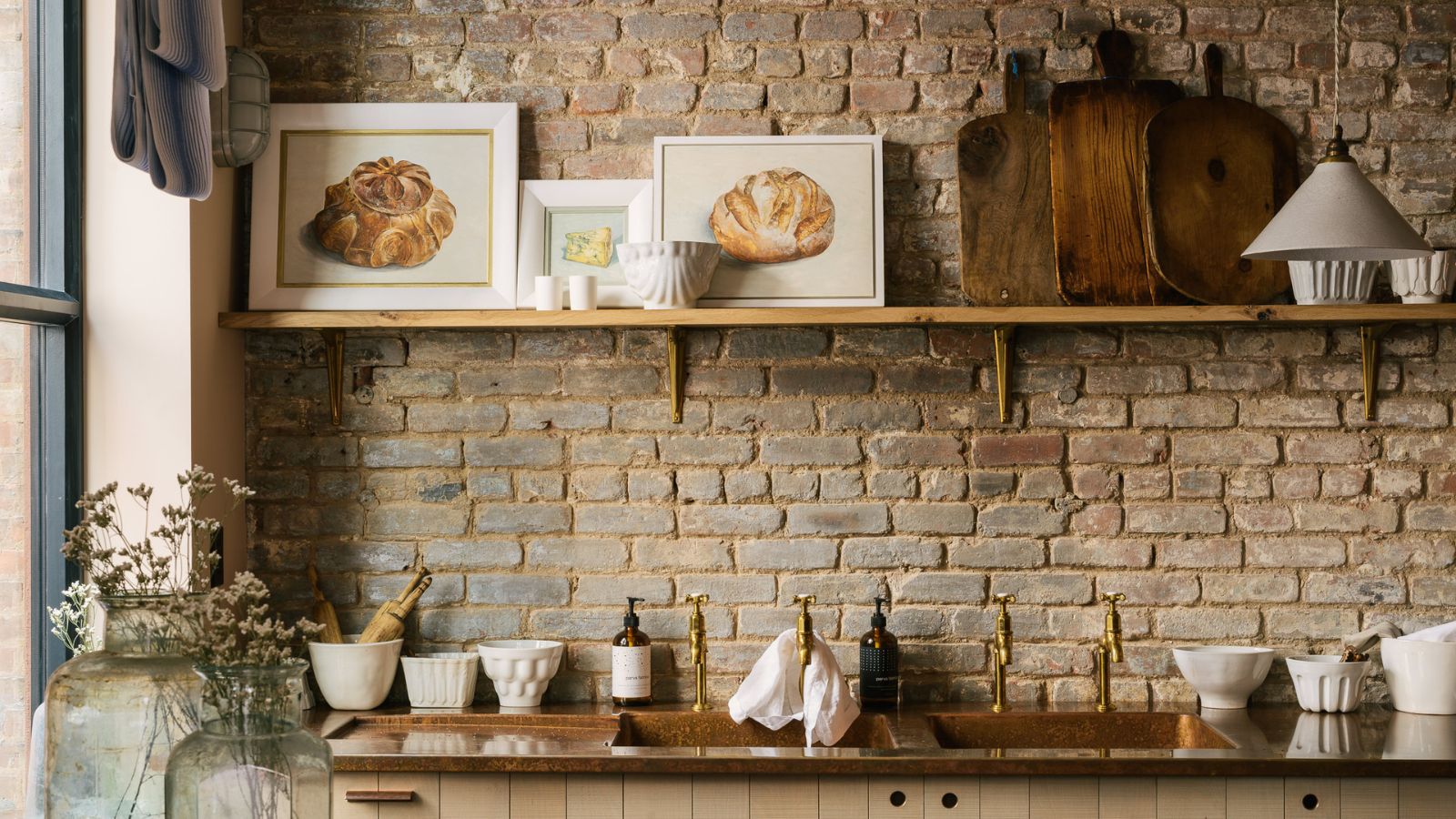
Is exposed brick still on trend? Designers debate whether this 'timeless' look really is a classic

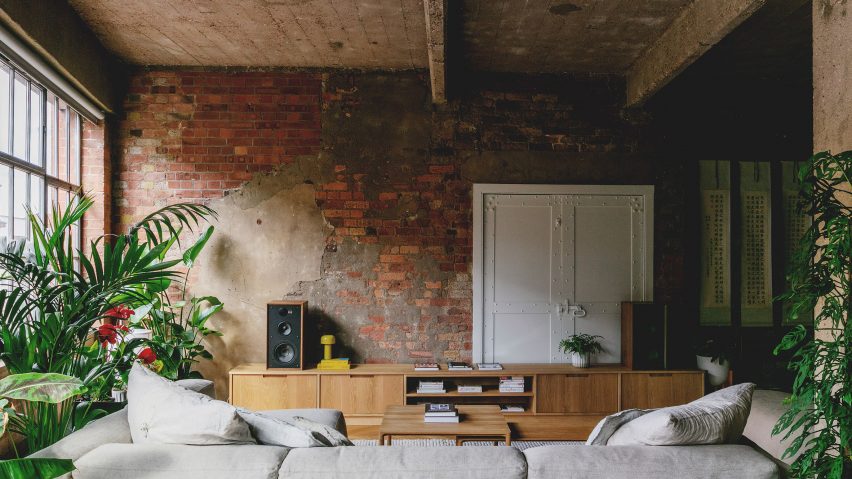
Ten homes where exposed brickwork creates textured interiors
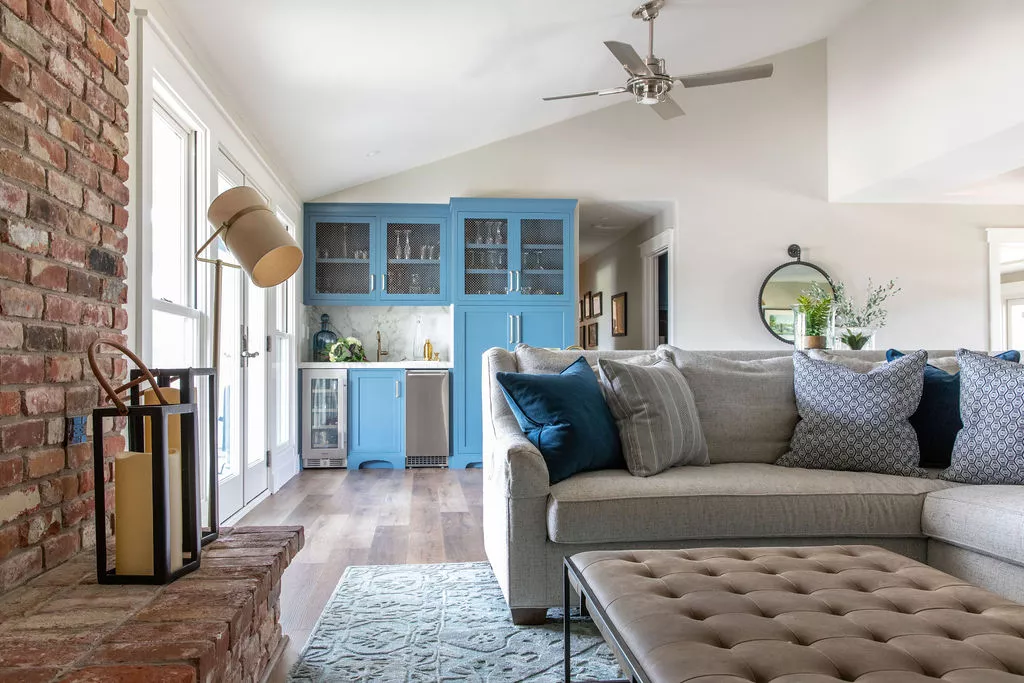
5 Reasons You Should Think Twice Before Painting Brick, Pros Say

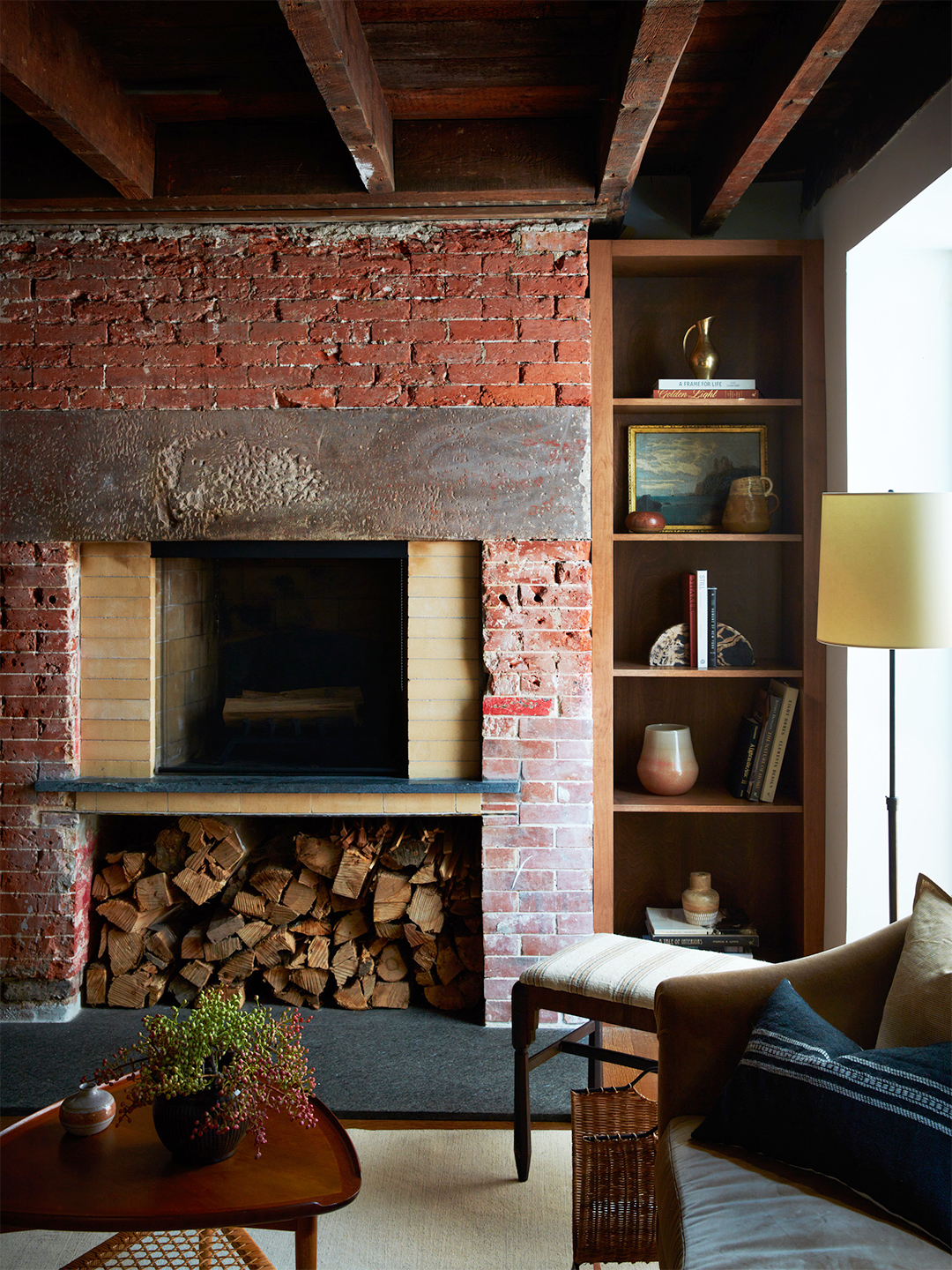
The Number-One Rule of Decorating a Space With Exposed Brick

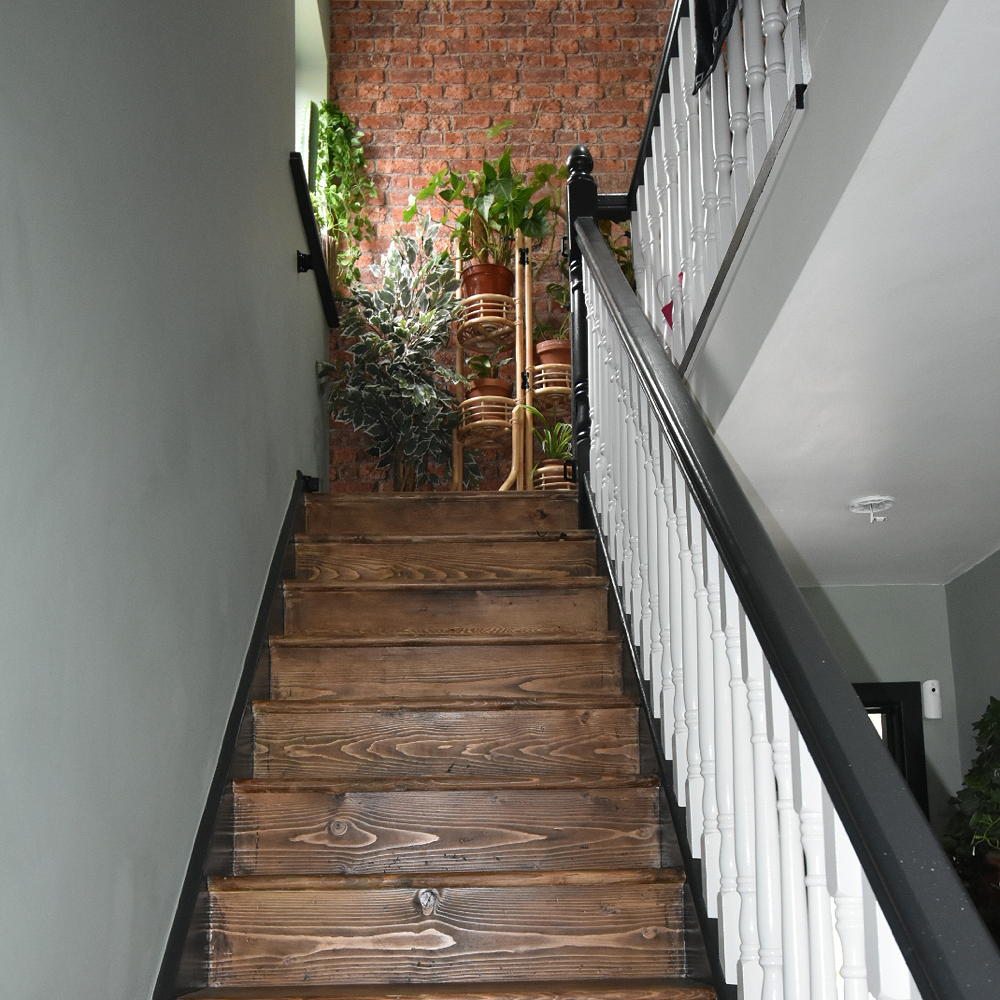
Fake exposed brick with wallpaper – see this savvy homeowner's trick

How to incorporate a brick wall in your home
Top tips to create a feature wall

How to tile over a brick fireplace – An inexpensive DIY job with dramatic results


How to Clean Brick on Your Interior and Exterior Surfaces

How to clean a fireplace – these expert tips will keep your fireplace looking its best

Brick Patio Ideas Don’t Have to Be Boring—Peep These 5 Outdoor Spaces

10 Ways to Update an Exposed Brick Wall—Beyond Just Painting It
‘It’s a tough lesson to learn’ – brick homeowners must complete this outdoor maintenance task to avoid costly repairs and structural failure

Acme Brick, Tile and Stone – El Paso
Monroe
7 beautifully exposed walls for your country home
Statement bricks are the latest design trend


Ten buildings animated by expressive brick facades
Designing brick veneer for loadbearing exterior walls