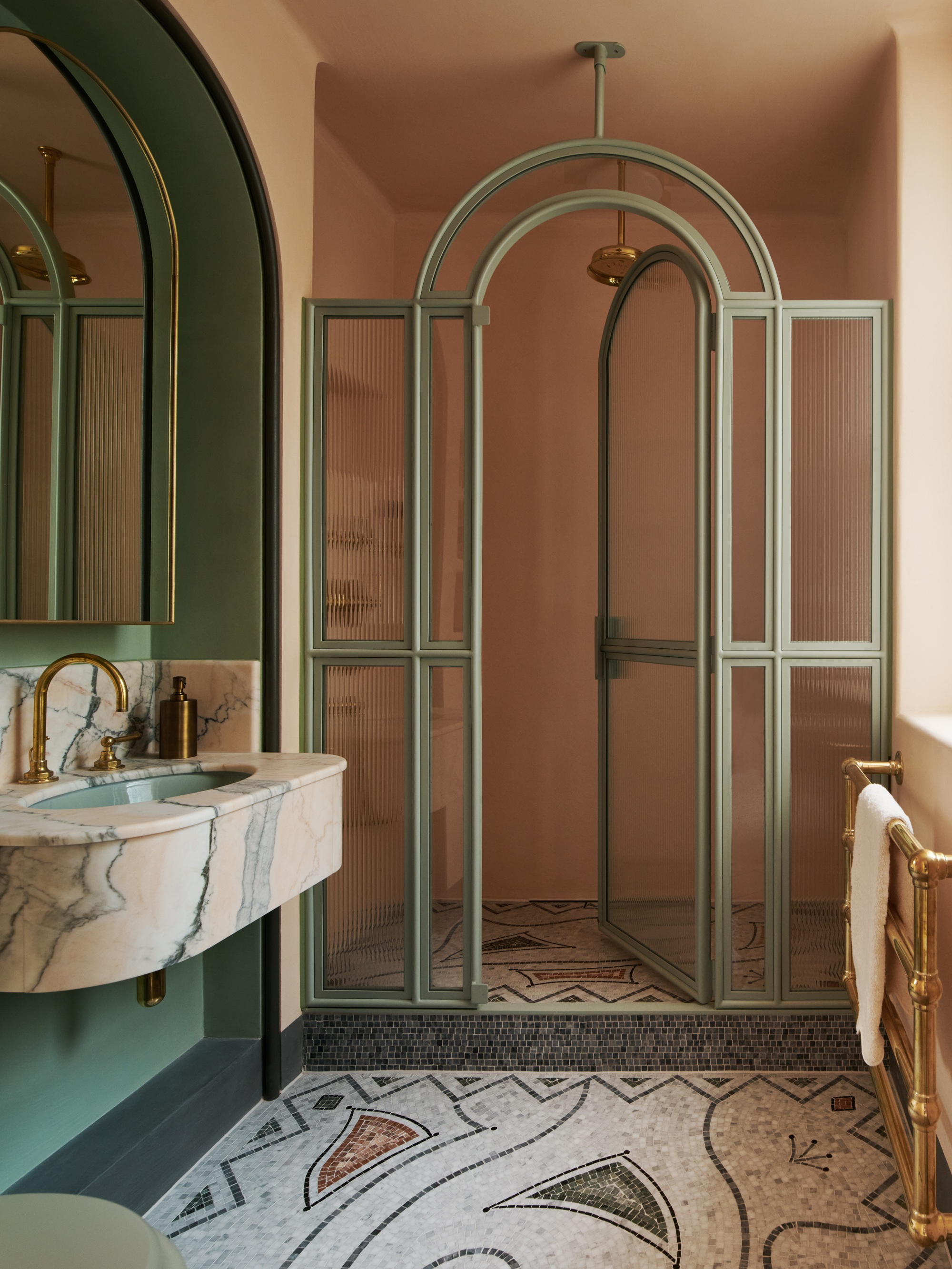
1/3
Glitz, glamour and Gatsby? Not quite. Here’s why the Art Deco movement is darker than you think
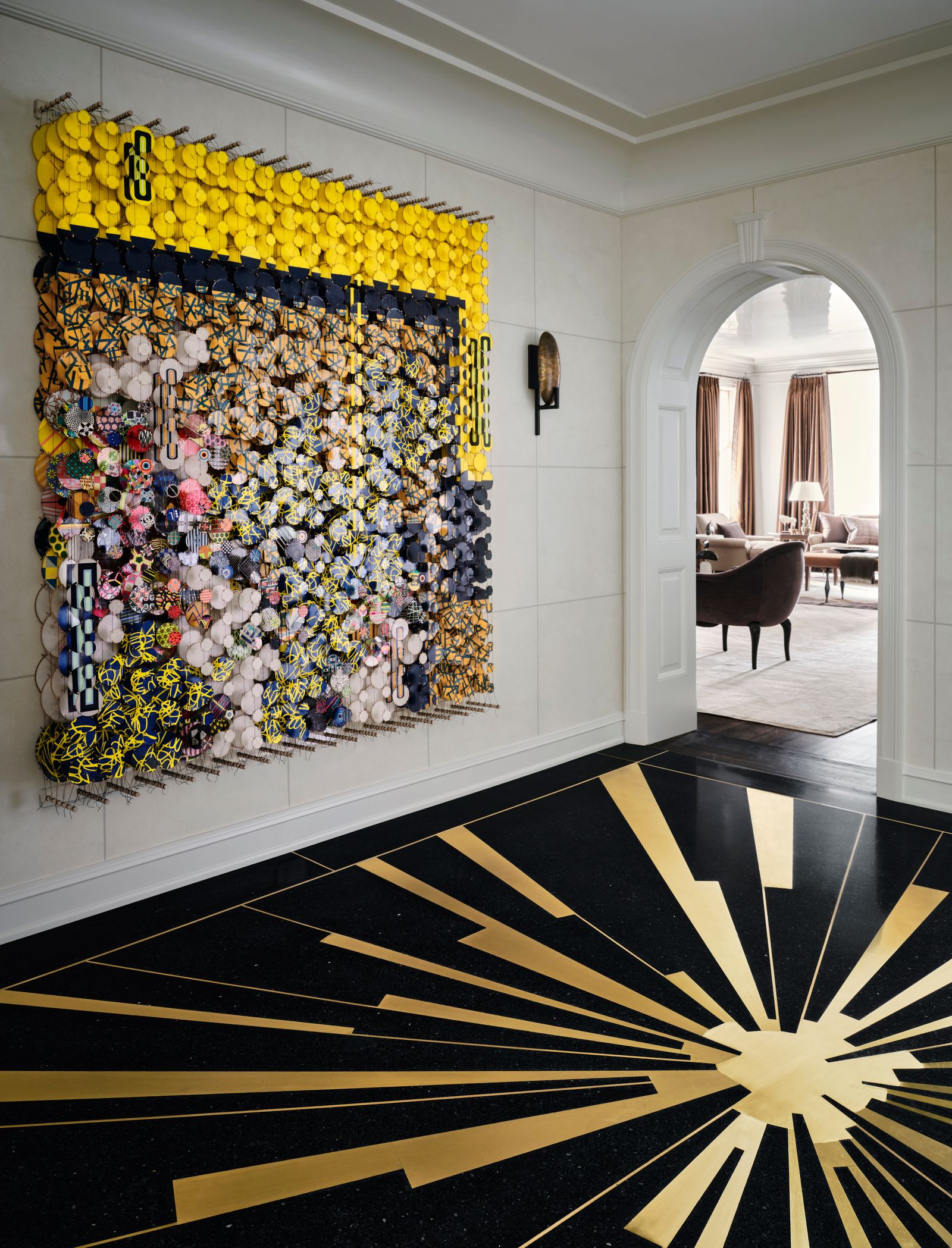
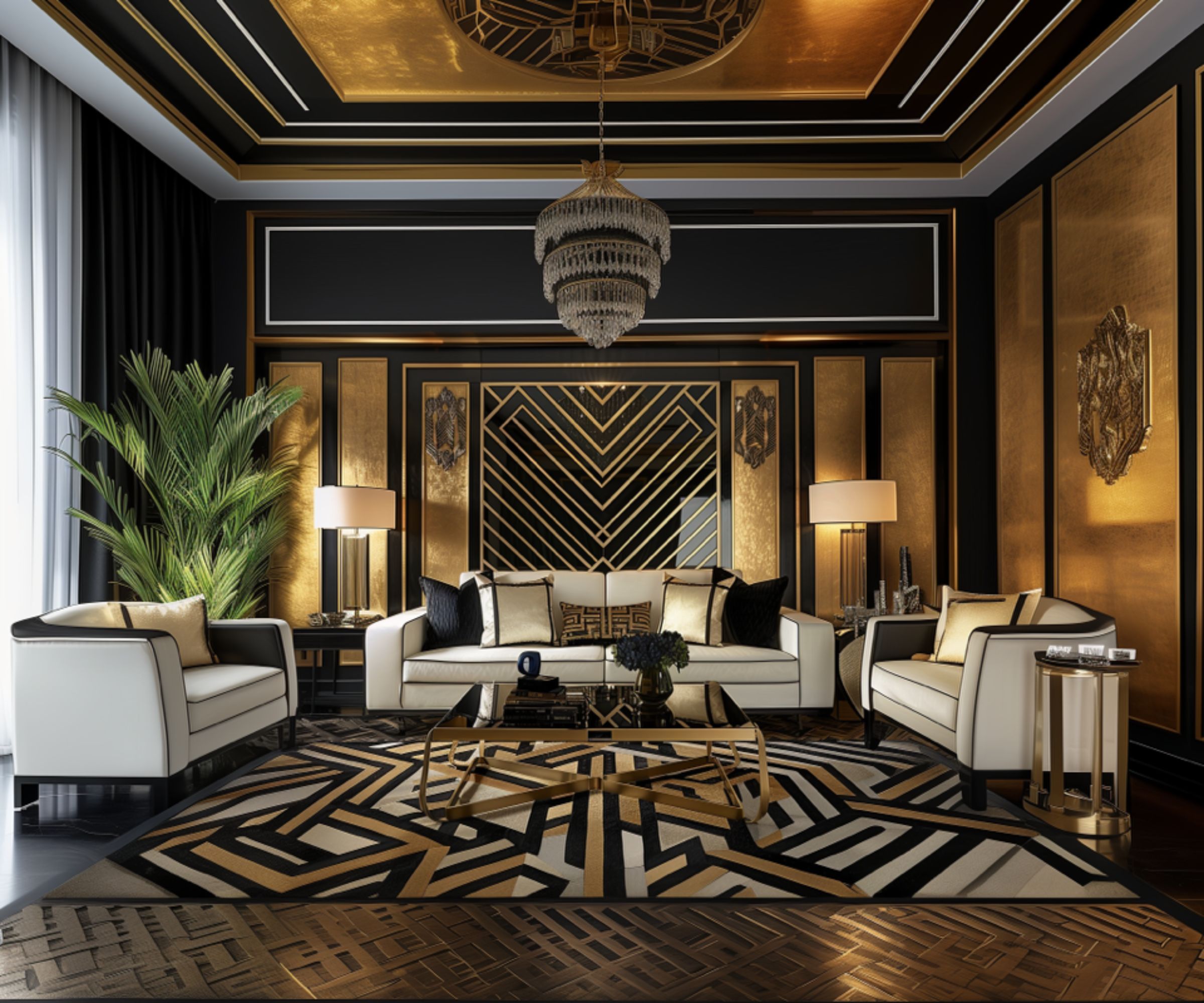
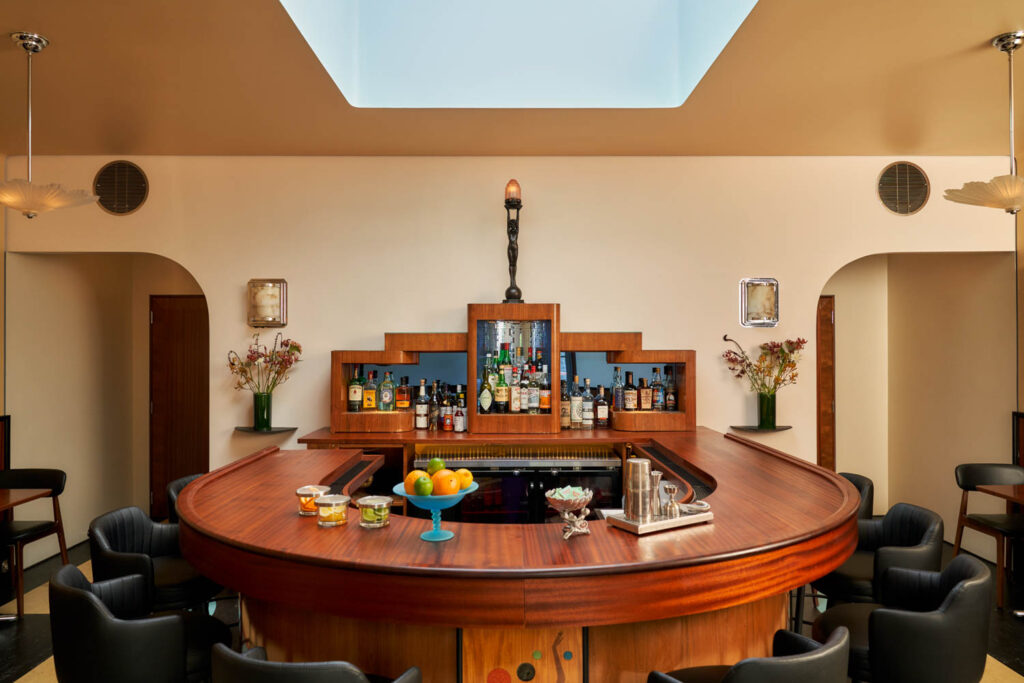
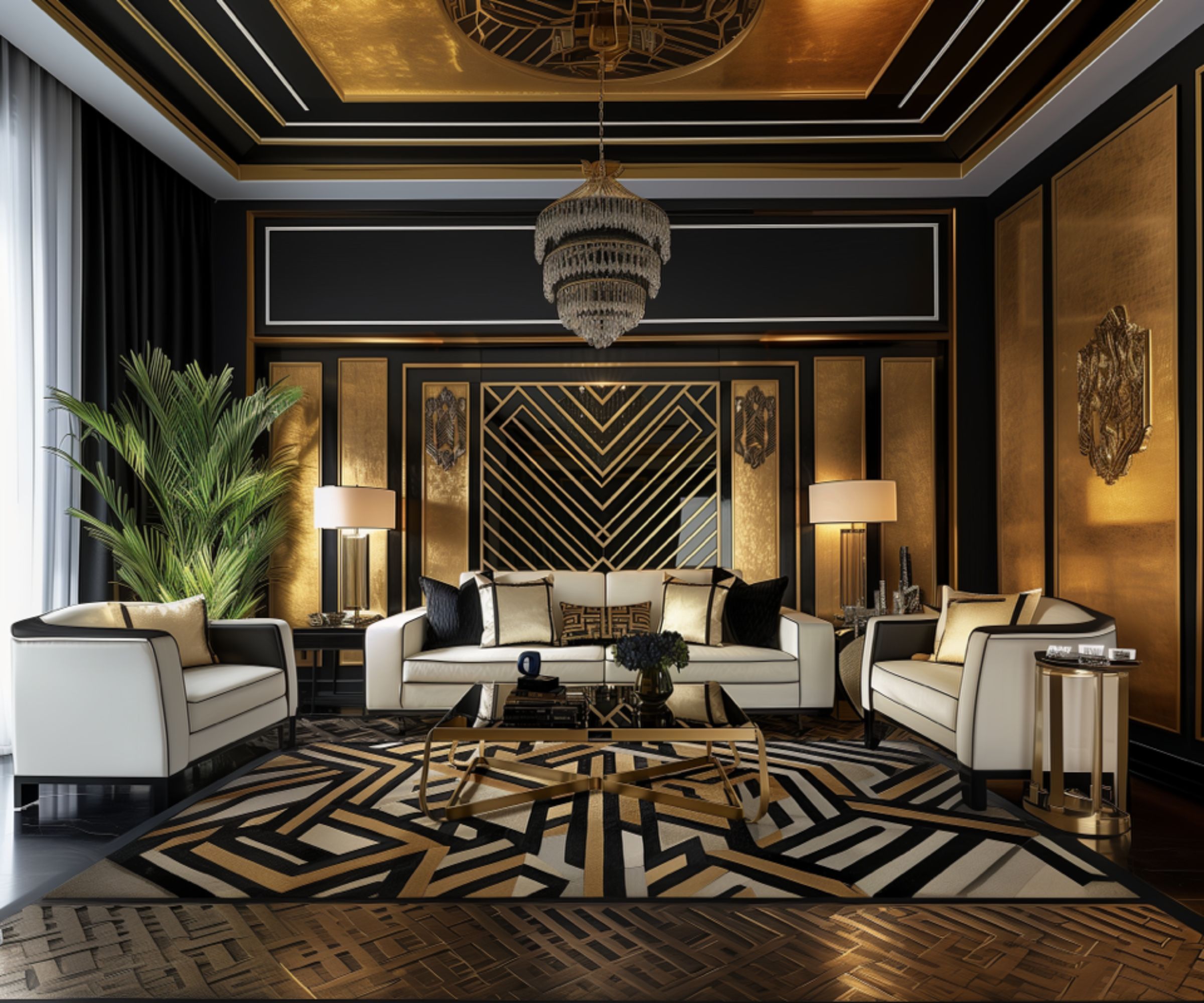
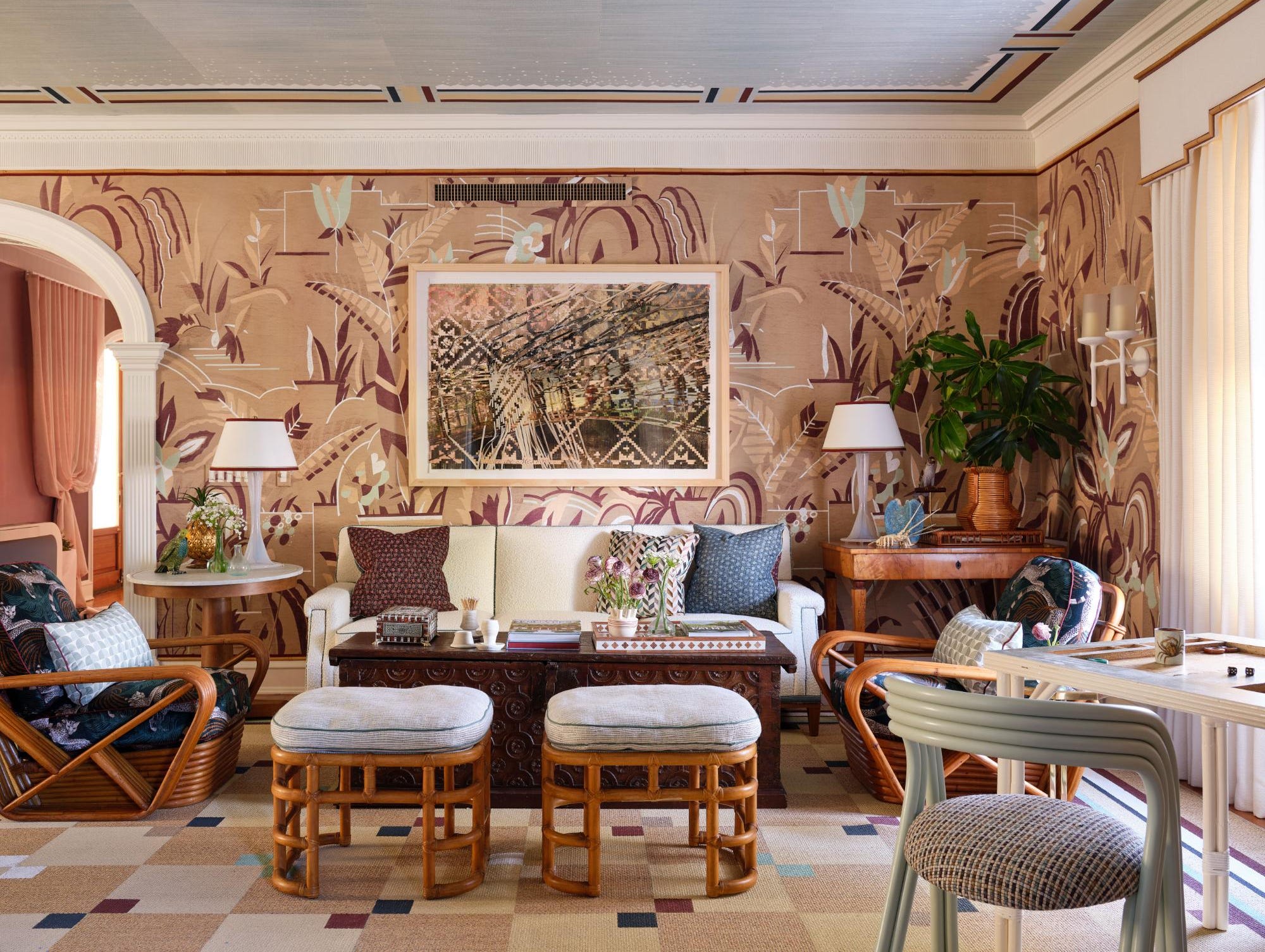
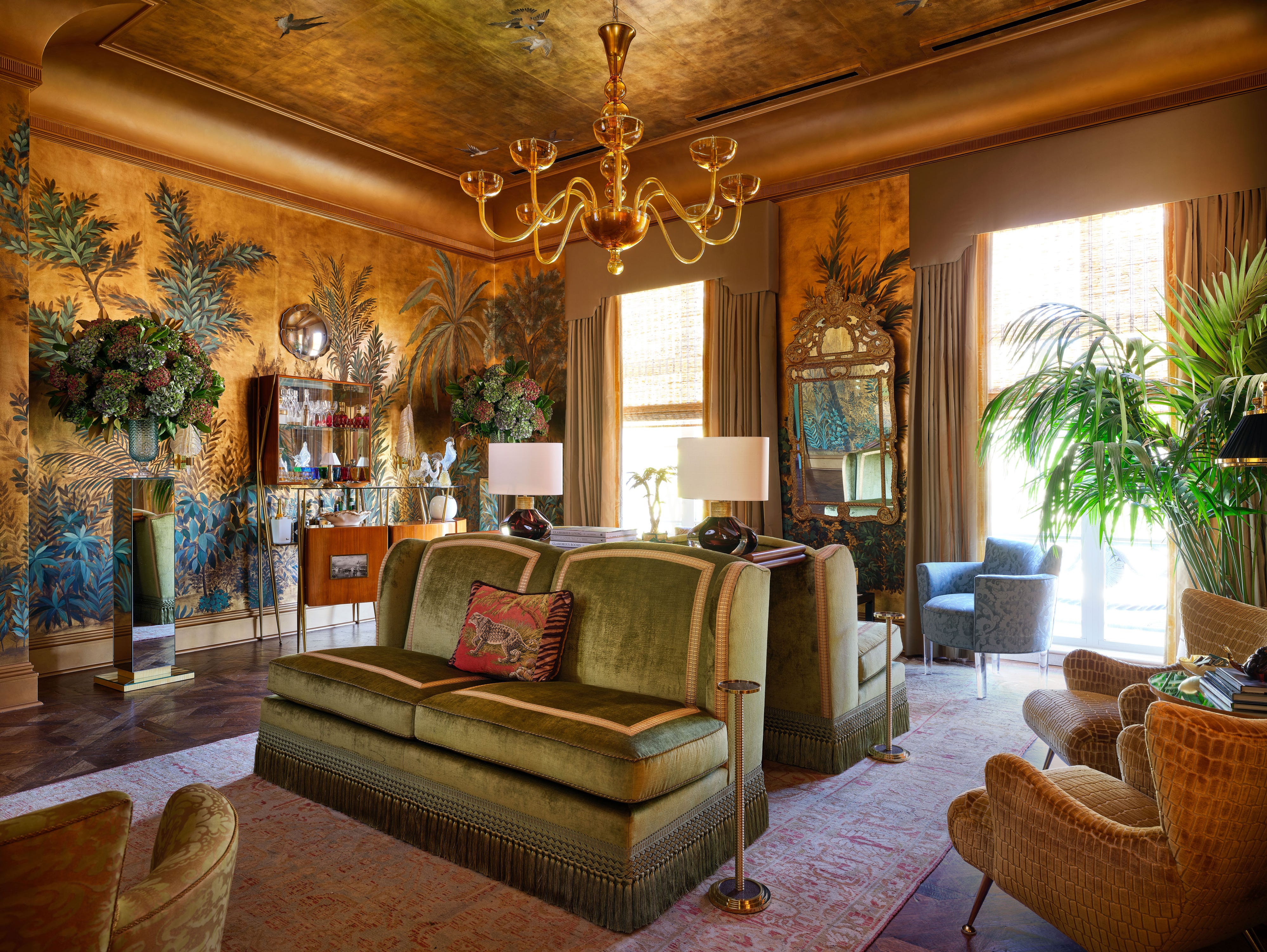
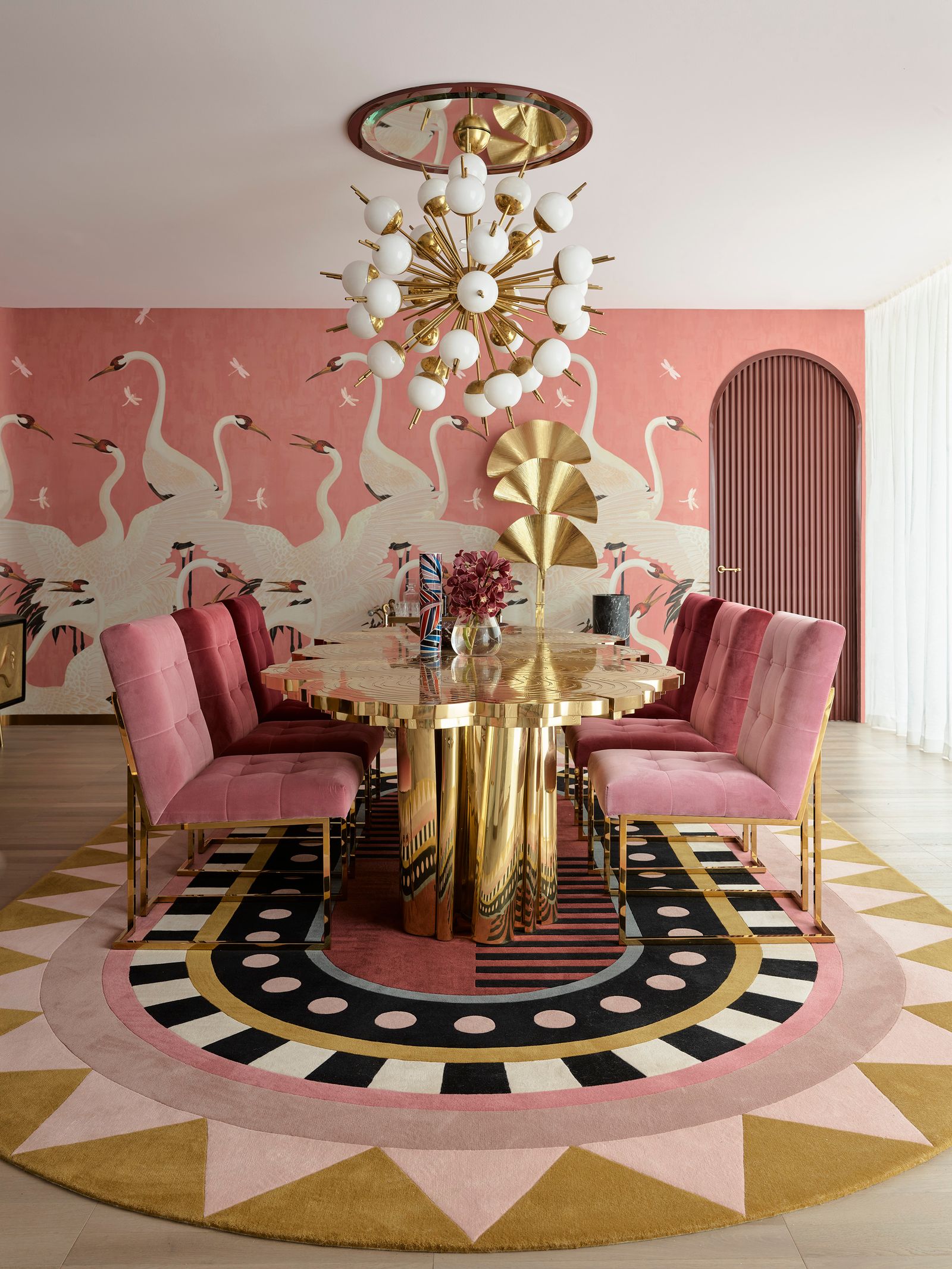
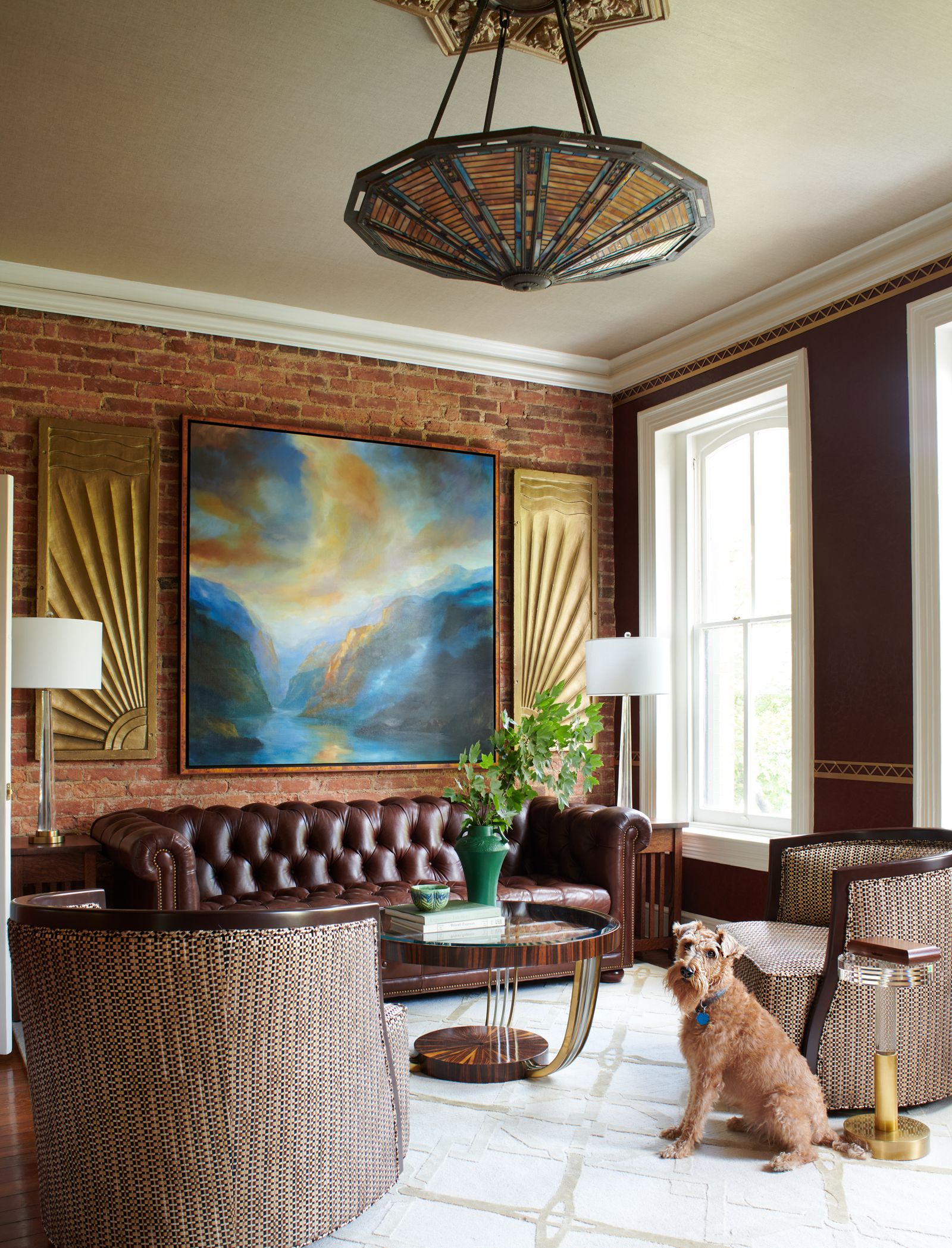
The Art Deco movement, prominent in the 1920s and 1930s, is often associated with glamour, luxury, and modernity, epitomized by architectural marvels like the Chrysler Building and cultural depictions such as F. Scott Fitzgerald's *The Great Gatsby*. However, this pervasive style, while visually striking, was not a singular, unified aesthetic. Instead, it was an eclectic art movement that drew extensively from a diverse array of global influences, reinterpreting ancient motifs through a Western lens. This borrowing of imagery, particularly from ancient Egyptian, Mesopotamian, Greek, Roman, Mayan, and Aztec cultures, resulted in a 'patchwork of exoticized antiquity' that characterized its bold and geometric forms.
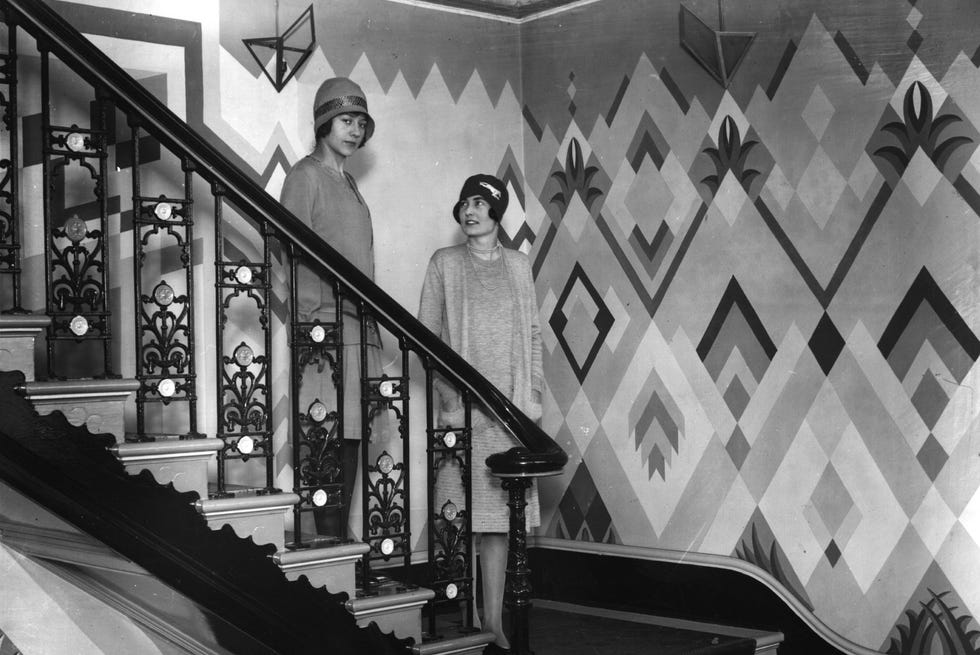
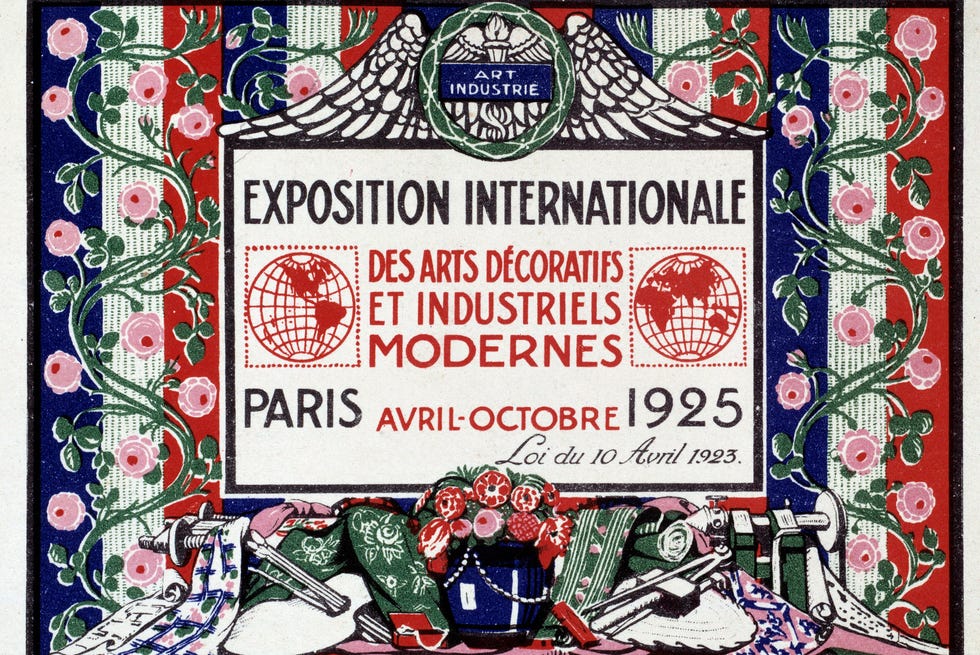
The origins of Art Deco can be traced to the period before the First World War, but its full emergence and sophistication occurred in the interwar years, offering a stark contrast to the ornate styles of the Victorian and Edwardian eras. The devastation of World War I prompted a societal desire for newness and progress, leading to a movement that embraced sleek, geometric designs, strong motifs, and bold colors, often utilizing man-made materials to create a luxurious appearance. A key distinguishing factor of Art Deco was its embrace of commerce, business, and industrialization, aiming to make art accessible to the masses rather than confining it to elite circles. This philosophy allowed public spaces like department stores, cinemas, railway stations, and factories to become prominent canvases for Deco designs.
Despite its forward-looking posture, Art Deco drew heavily from the past, particularly from archaeological discoveries. The 1922 excavation of Tutankhamun’s tomb by Howard Carter had a profound impact, sparking a global 'Egyptomania.' The glittering treasures and hieroglyphic-style geometric motifs found in the tomb became fashionable, influencing jewelry, cinema architecture, and textile designs. Similarly, classical Greek and Roman influences provided mathematical, linear, and symmetrical elements, with mythological figures reinterpreted into angular reliefs and streamlined bronzes.
In the United States, there was a desire for a distinct national antiquity, leading American architects and designers to incorporate Mesoamerican, particularly Aztec and Inca, motifs. The stepped pyramids of Mayan and Aztec civilizations translated seamlessly into the tapering skyscrapers mandated by New York's 1916 zoning law. Movie palaces and civic buildings featured jagged triangles, ziggurat steps, and stylized serpent imagery, contributing to a uniquely American Deco aesthetic rooted in pre-Columbian cultures.
However, this eclecticism was often superficial and lacked a deep understanding of the cultures from which it borrowed. Designers of the era frequently possessed only a rudimentary grasp of the ancient societies they referenced, leading to a 'hodgepodge' of visually appealing but culturally disconnected elements. Egyptian motifs were reduced to decorative symbols, and African designs were flattened into geometric patterns devoid of their original context. This practice was particularly evident in cinemas and department stores, where a mix of Egyptian facades, Inca zigzags, and Greek meanders could coexist purely for aesthetic impact. This approach, while creating a fantastical and glamorous style, reflected the colonial attitudes of the interwar period, where cultural accuracy was secondary to atmospheric effect. Today, this selective borrowing of global cultures for aesthetic purposes, without regard for meaning or origin, presents a complicated and potentially problematic legacy of the Art Deco movement.
#ArtDeco #InterwarPeriod #ArchitecturalStyle #CulturalInfluence #AncientEgypt #MesoamericanArt #HowardCarter #ColonialAttitudes #TheGreatGatsby #ArtDeco #InterwarPeriod #ArchitecturalStyle #CulturalInfluence #AncientEgypt #MesoamericanArt #HowardCarter #ColonialAttitudes #TheGreatGatsby
0 comment in total
 No comments yet
You may also like
Art Deco Interior Design: Everything You Need to Know About This Opulent Style

What is Art Deco design? Expert advice on this luxurious look that's returning for 2024

Is Art Deco back on trend? Experts share how they make the iconic design style fresh for 2024
This Art Deco Color Palette Gives Your Home a Pop of Miami Beach Style

8 Art Deco living room ideas to add classic and glamorous style
From Bed Frames to Mirrors, These Art Deco Touches Will Elevate Your Home
23 Art Deco-Inspired Bathrooms to Glam Up Your Life

An interior designer reveals the 5 mistakes to avoid when painting with dark colours

9 Stunning Art Deco Interior Design Styles

An Art Deco treasure is diminished

These 12 Art Deco Living Rooms Make a Bold Case for Unapologetic Glamour

How to Thrift The 1920s Design Trend Gen Z is Making Cool Again
Art Deco Interior Design in 6 Ways—Including Bold Patterns and Jewel Tones

This 1920s-Inspired Design Trend Is Taking Over Homes in Fall 2025
Step Inside 7 Opulent Art Deco–Inspired Homes
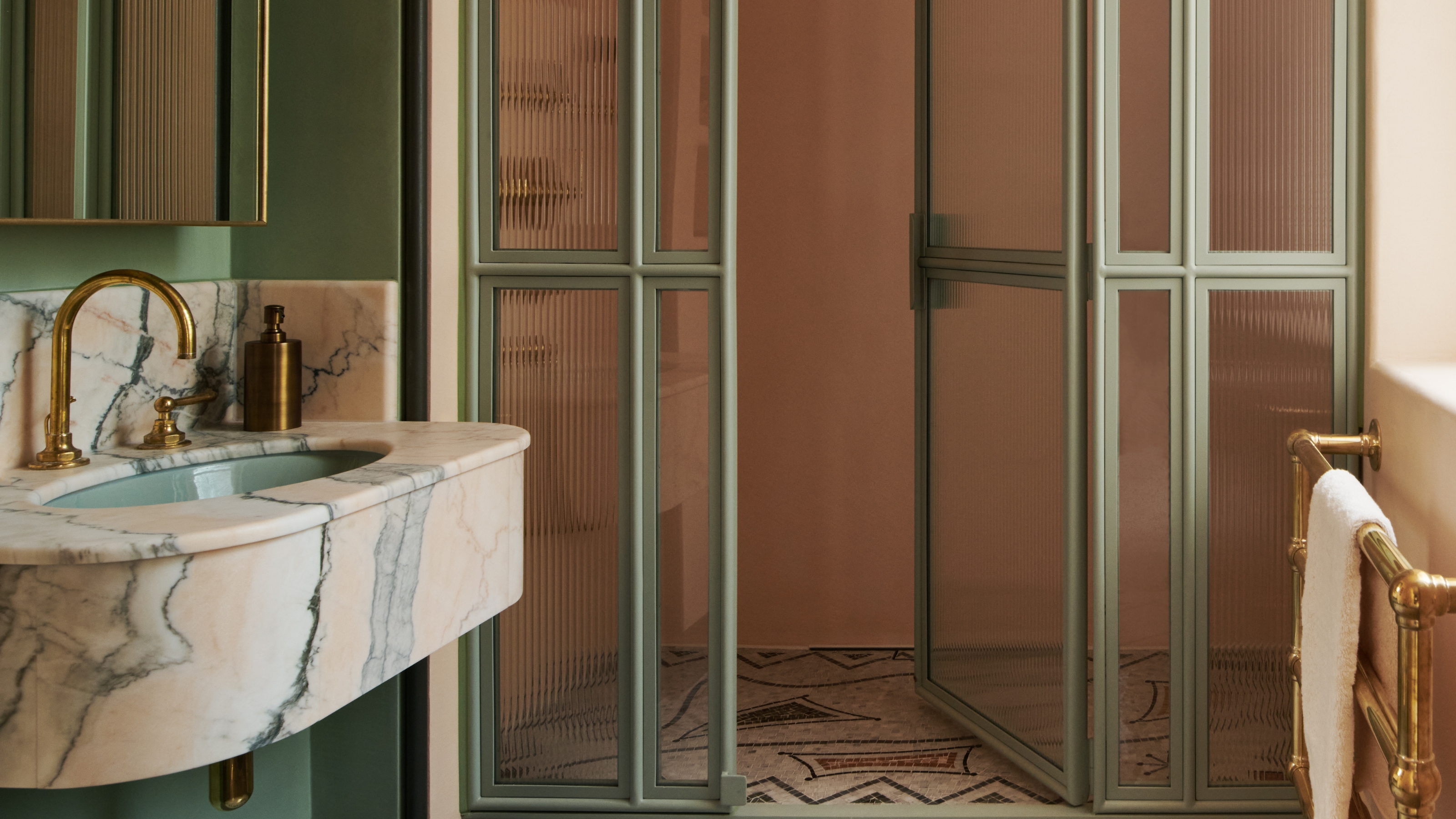
8 Art Deco-Inspired Bathrooms — And the Lessons to Learn From Them to Make This Style Work for Now

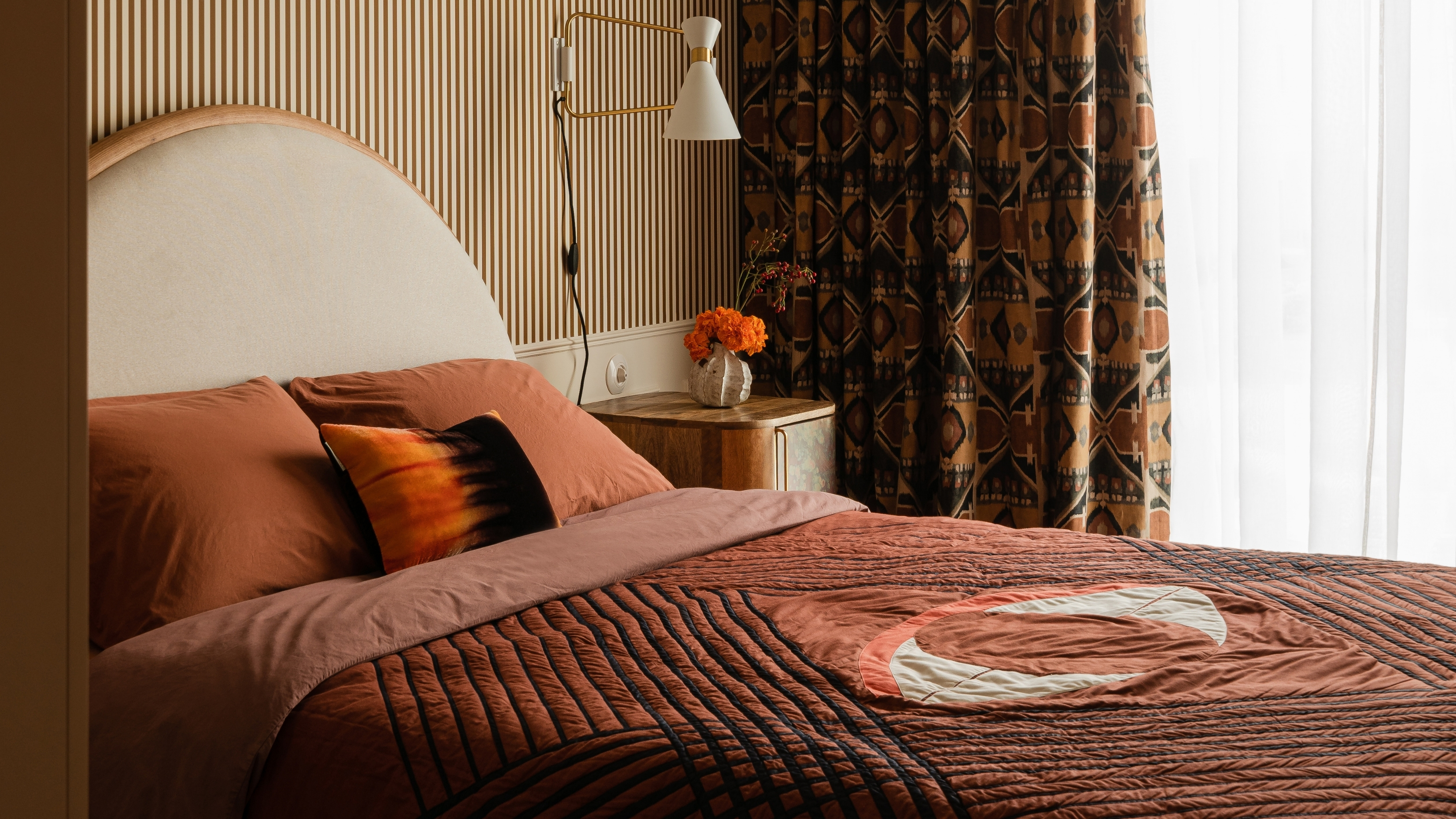
8 Art Deco Bedrooms That Bring a Modern Take on This Style's Glamorous Luxury
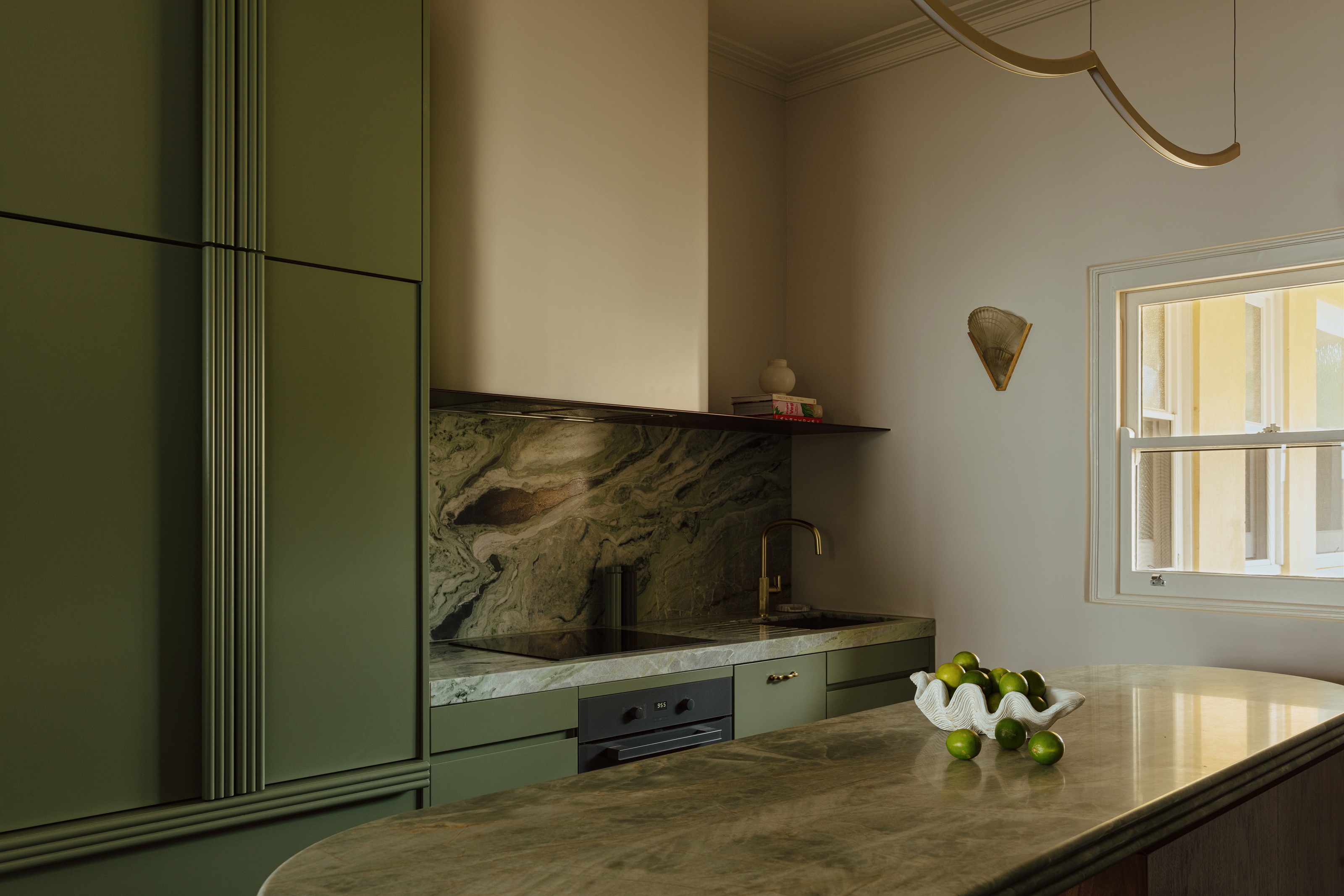
10 Modern Ways to Bring Art Deco Into a Kitchen That Will Add a Glamorous Edge to Your Design
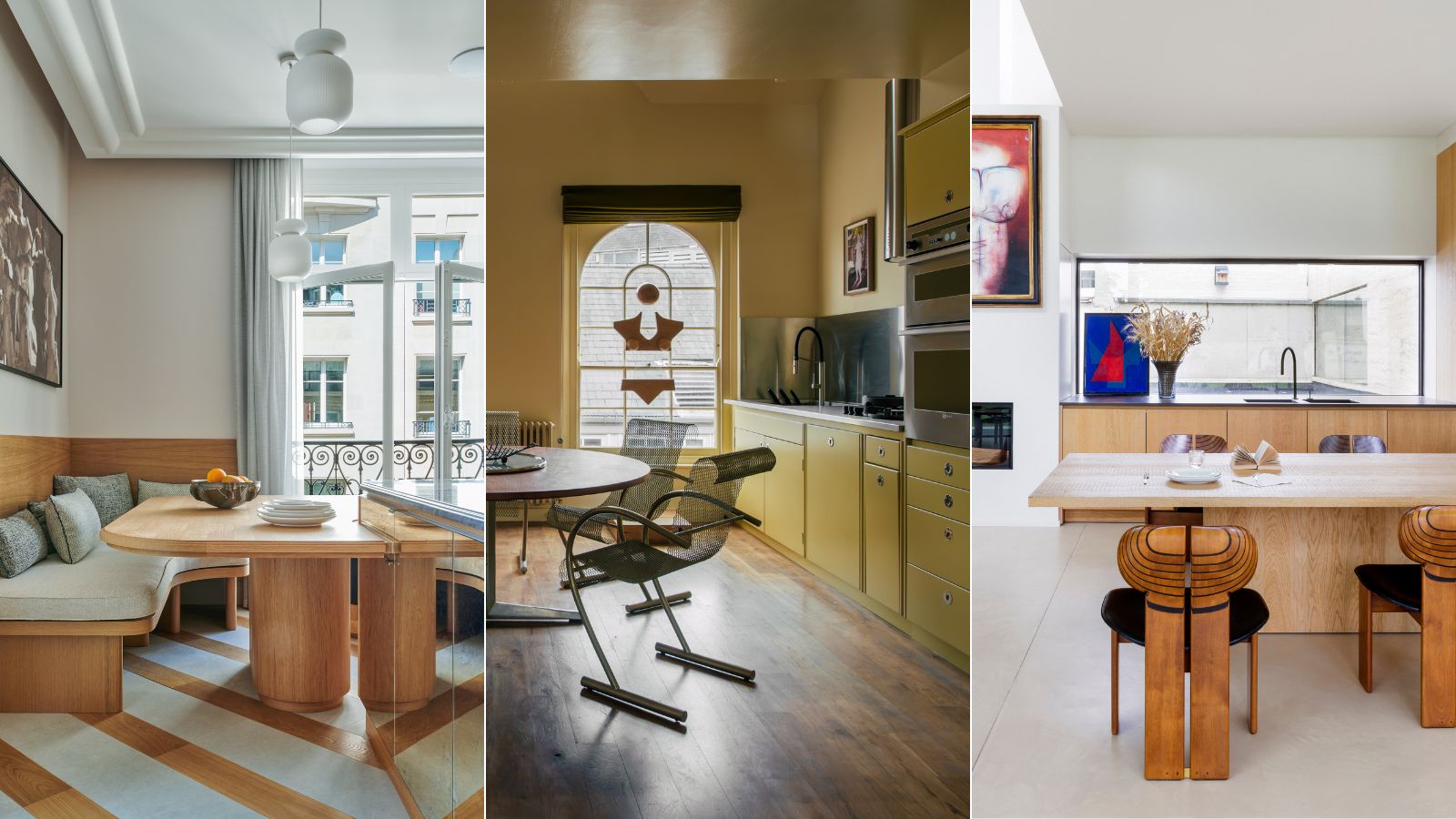
5 Art Deco kitchen ideas: for a nostalgic, glamorous look

7 Dark Paint Colors That Will Convince You to Swap Your Neutrals