1/15
Art Deco Interior Design: Everything You Need to Know About This Opulent Style
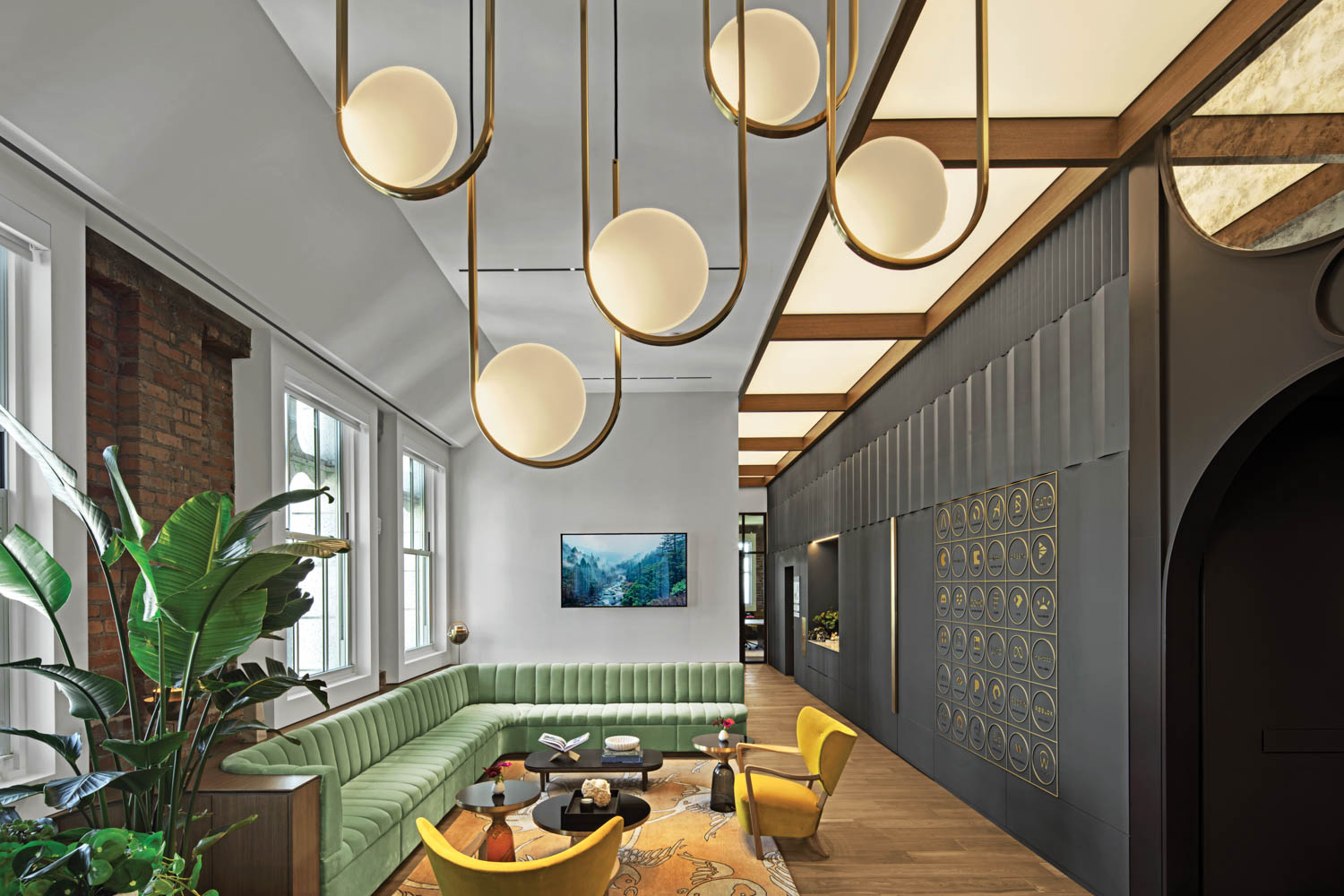
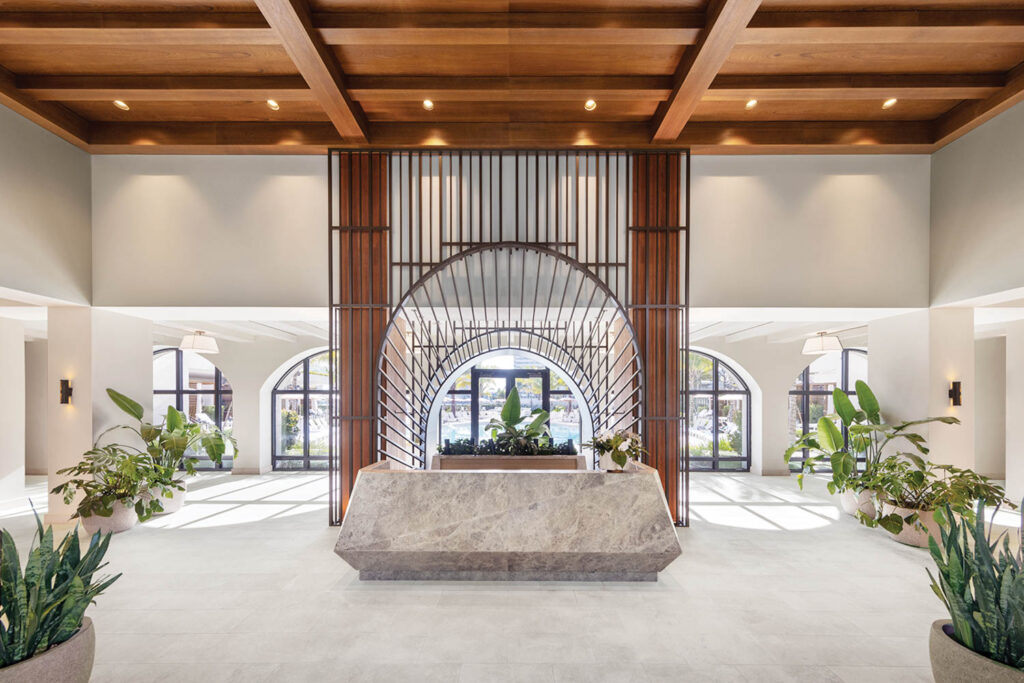
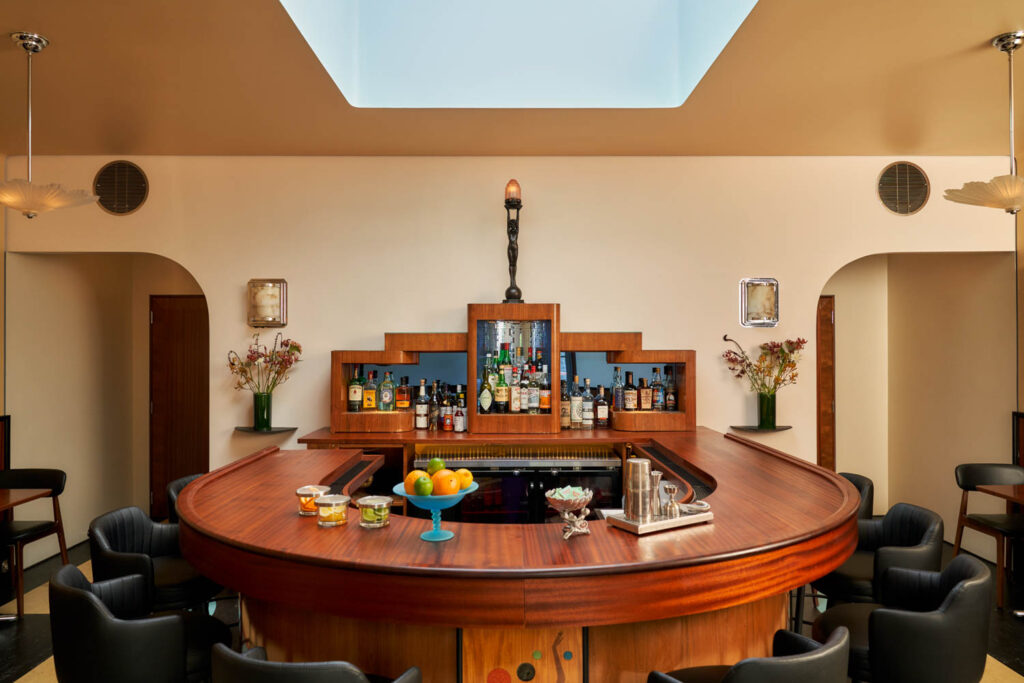
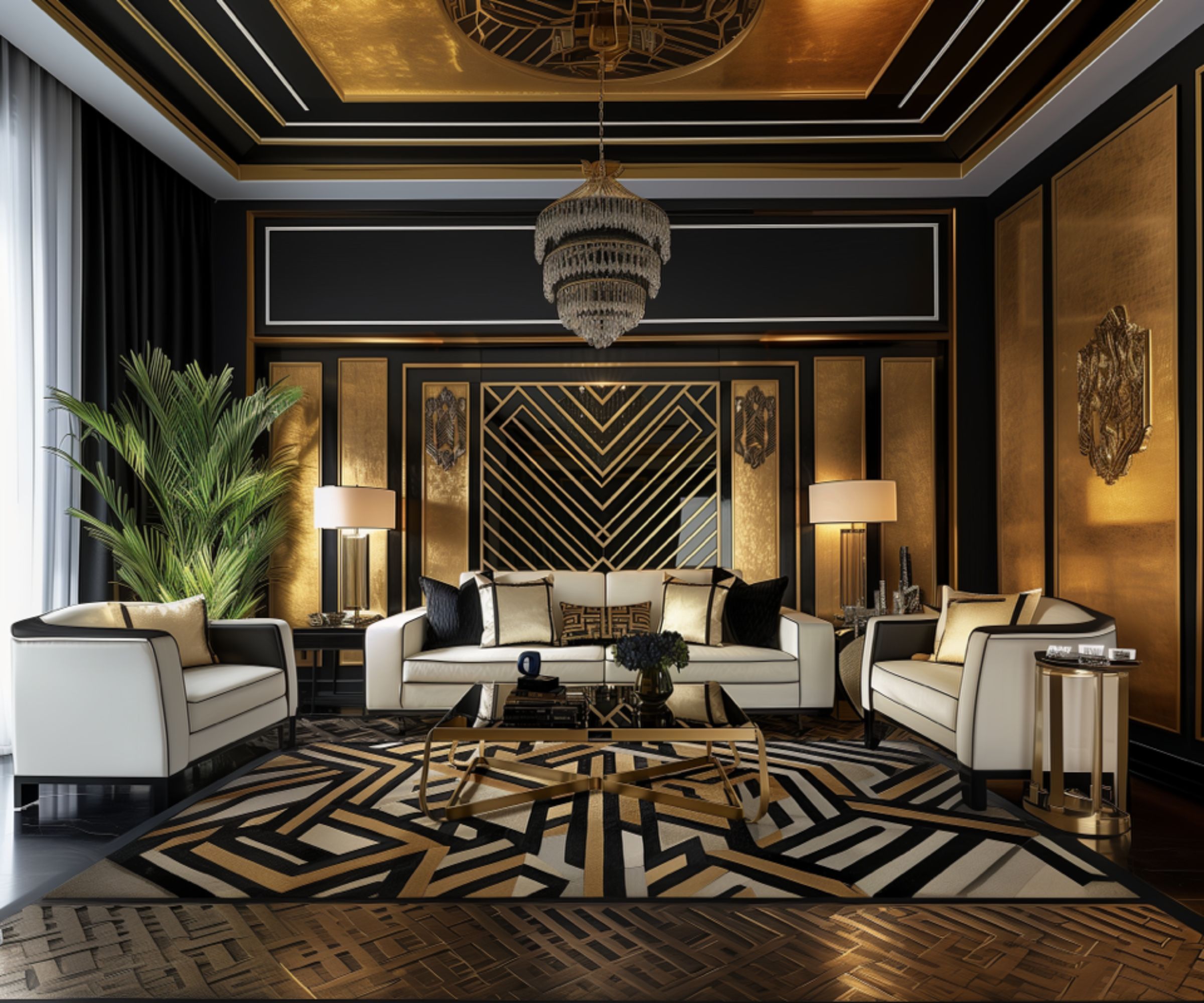
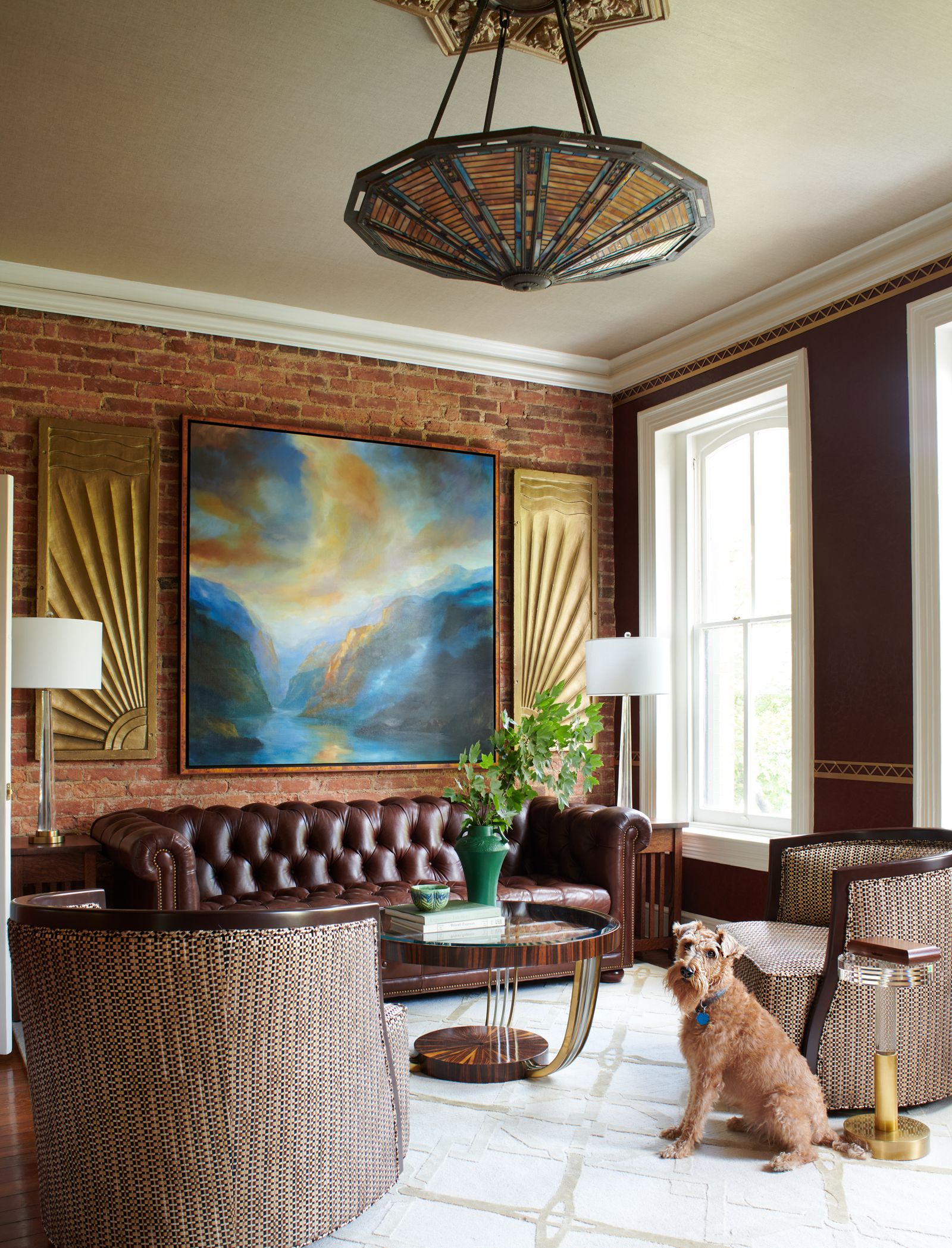
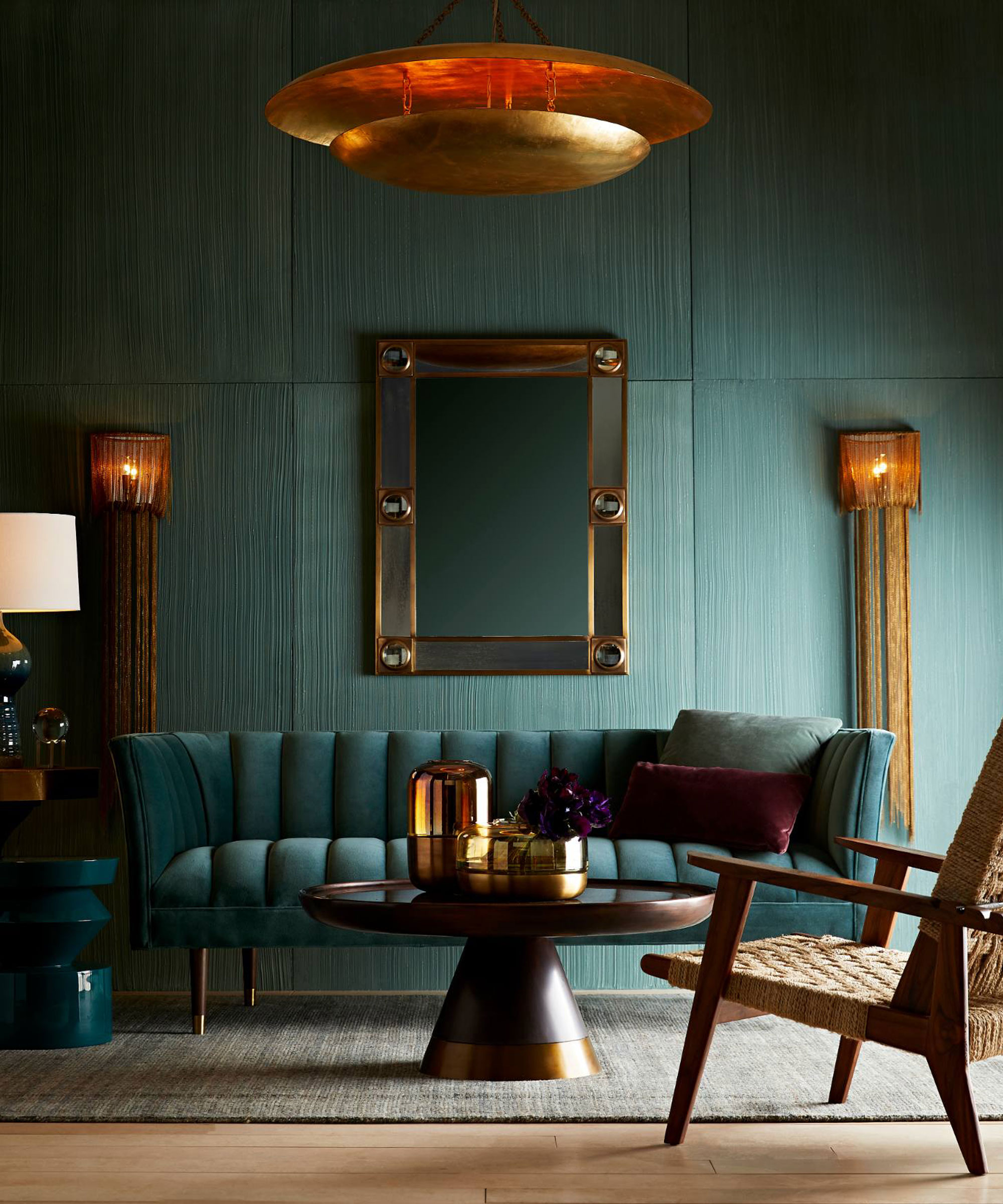
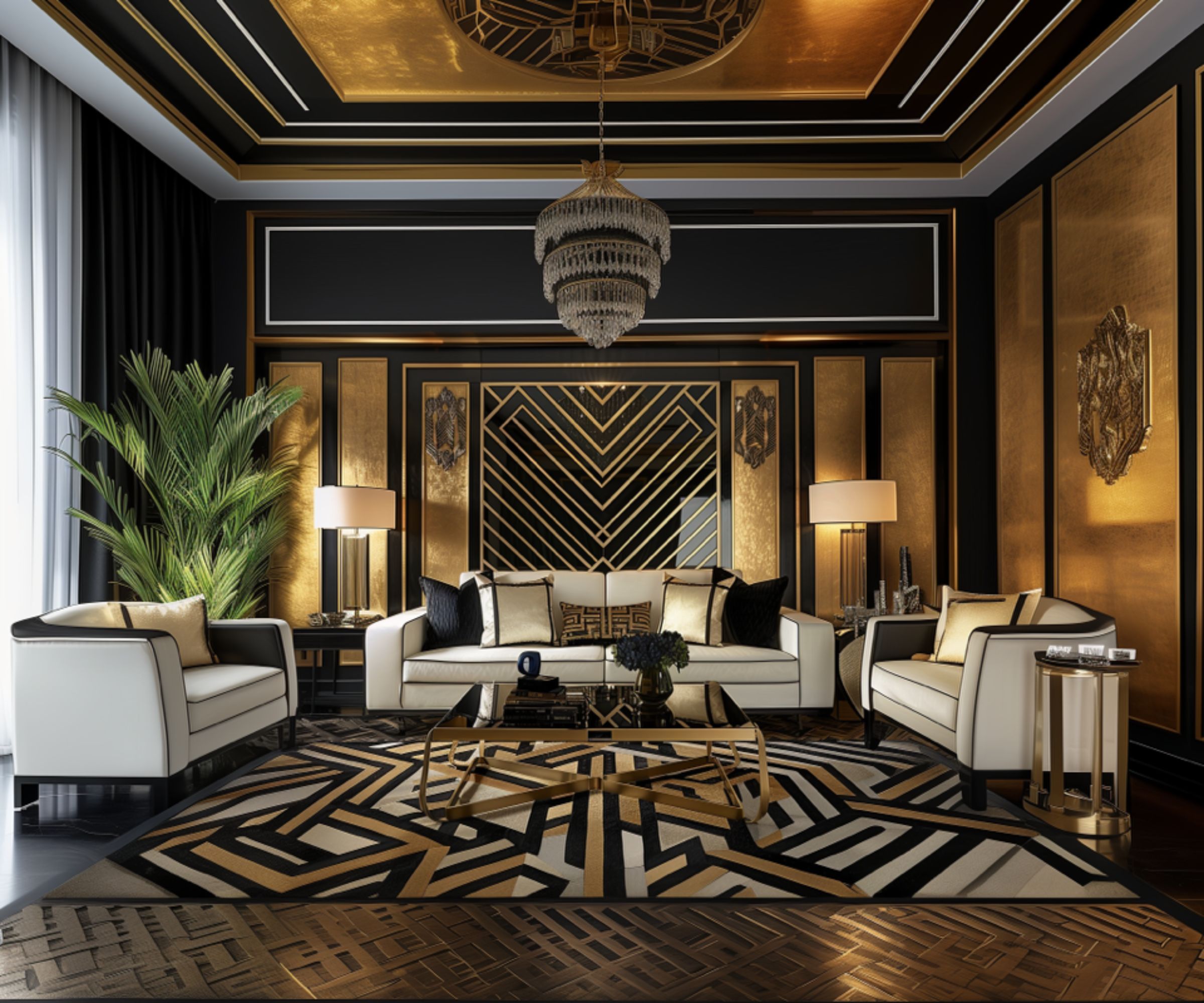
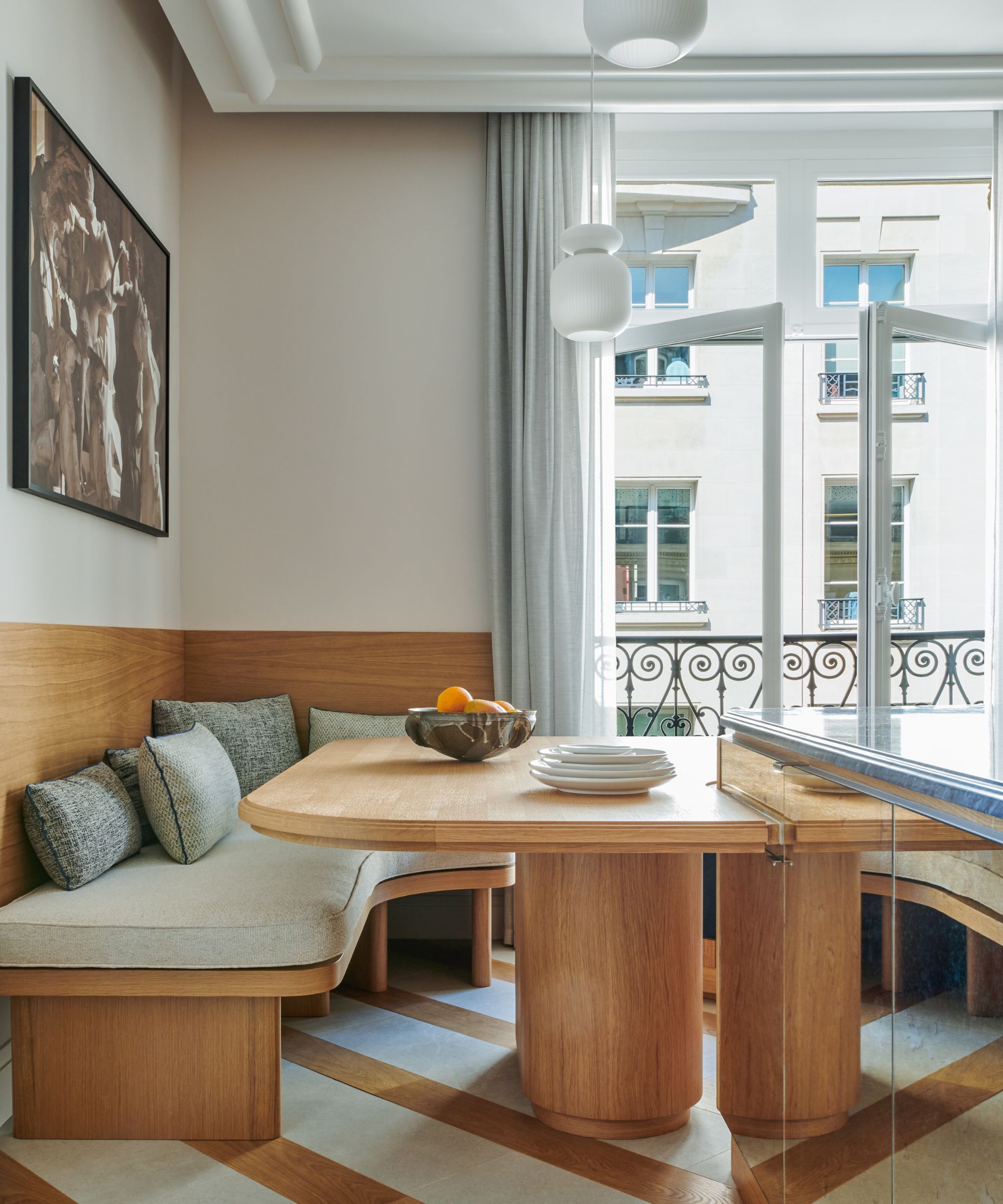
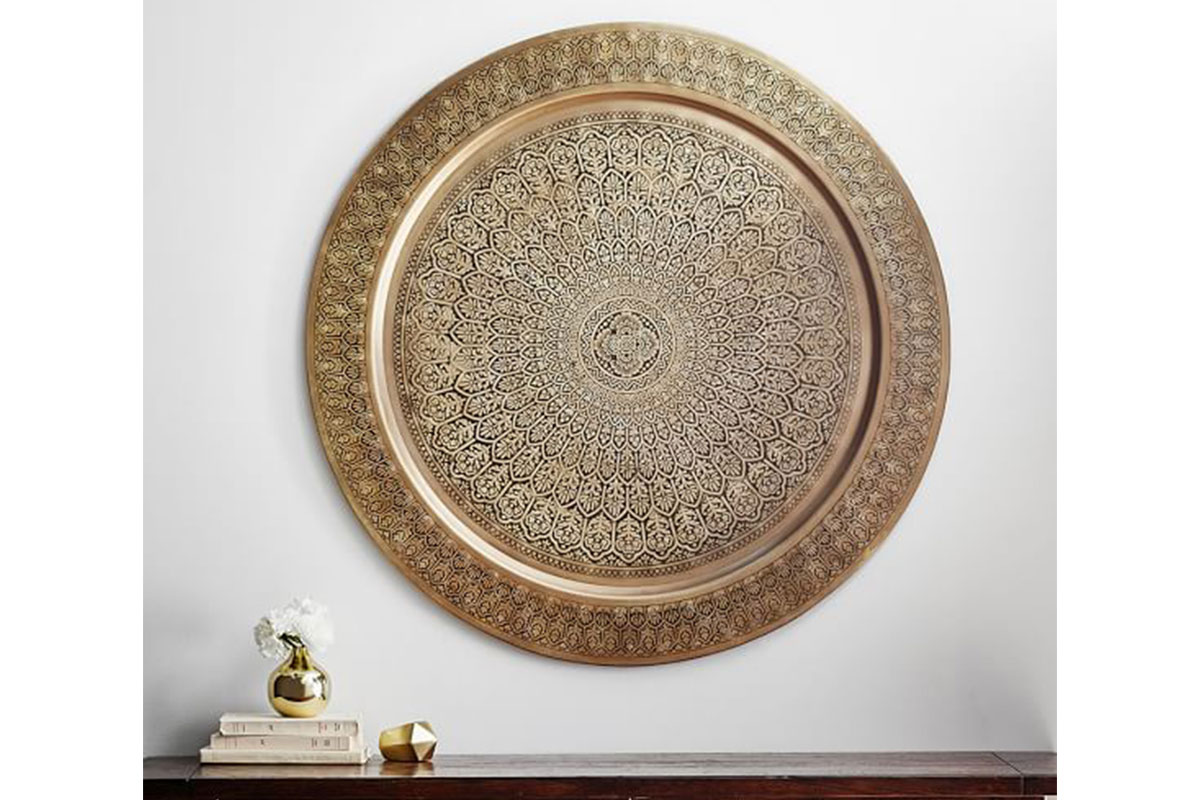
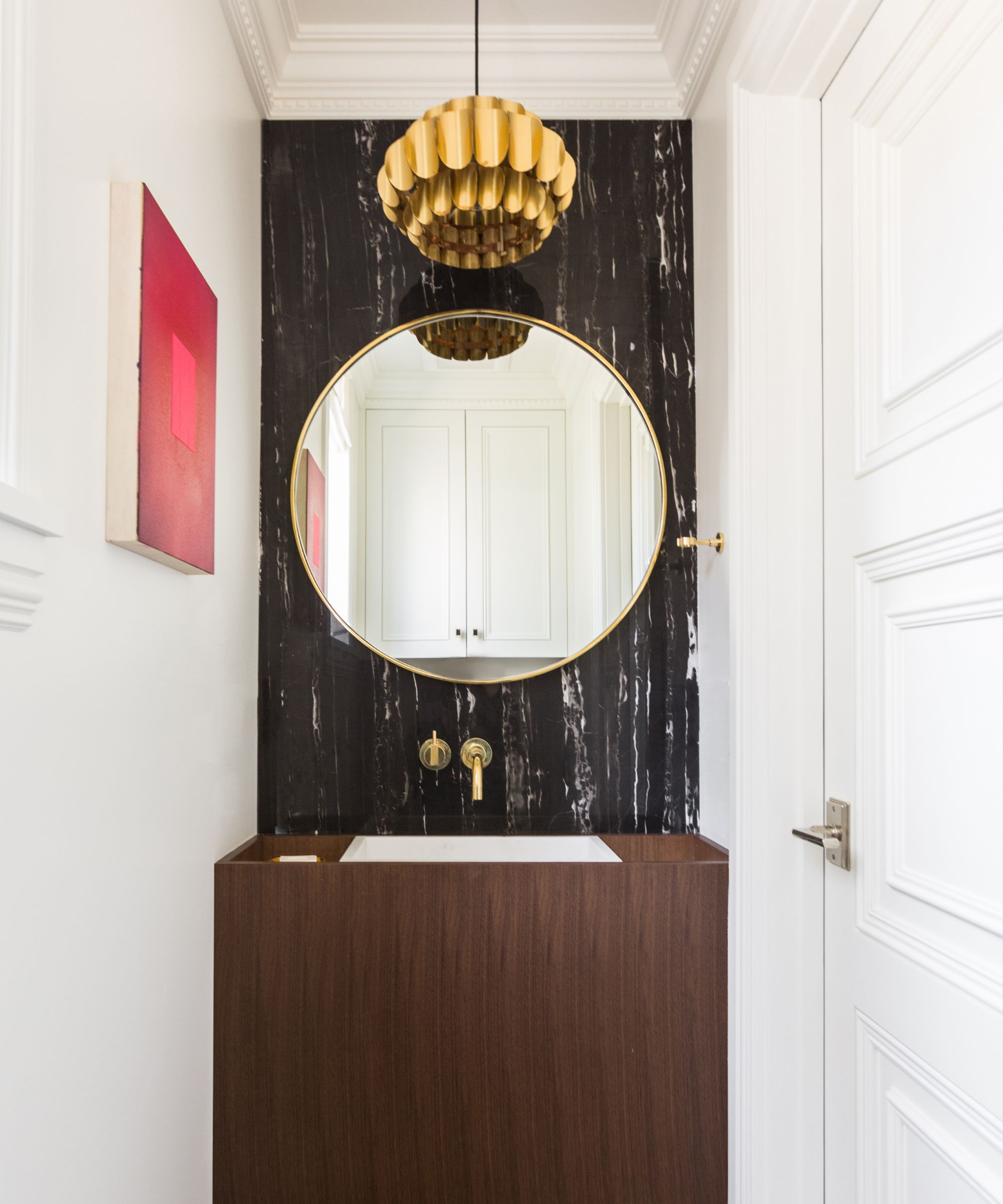
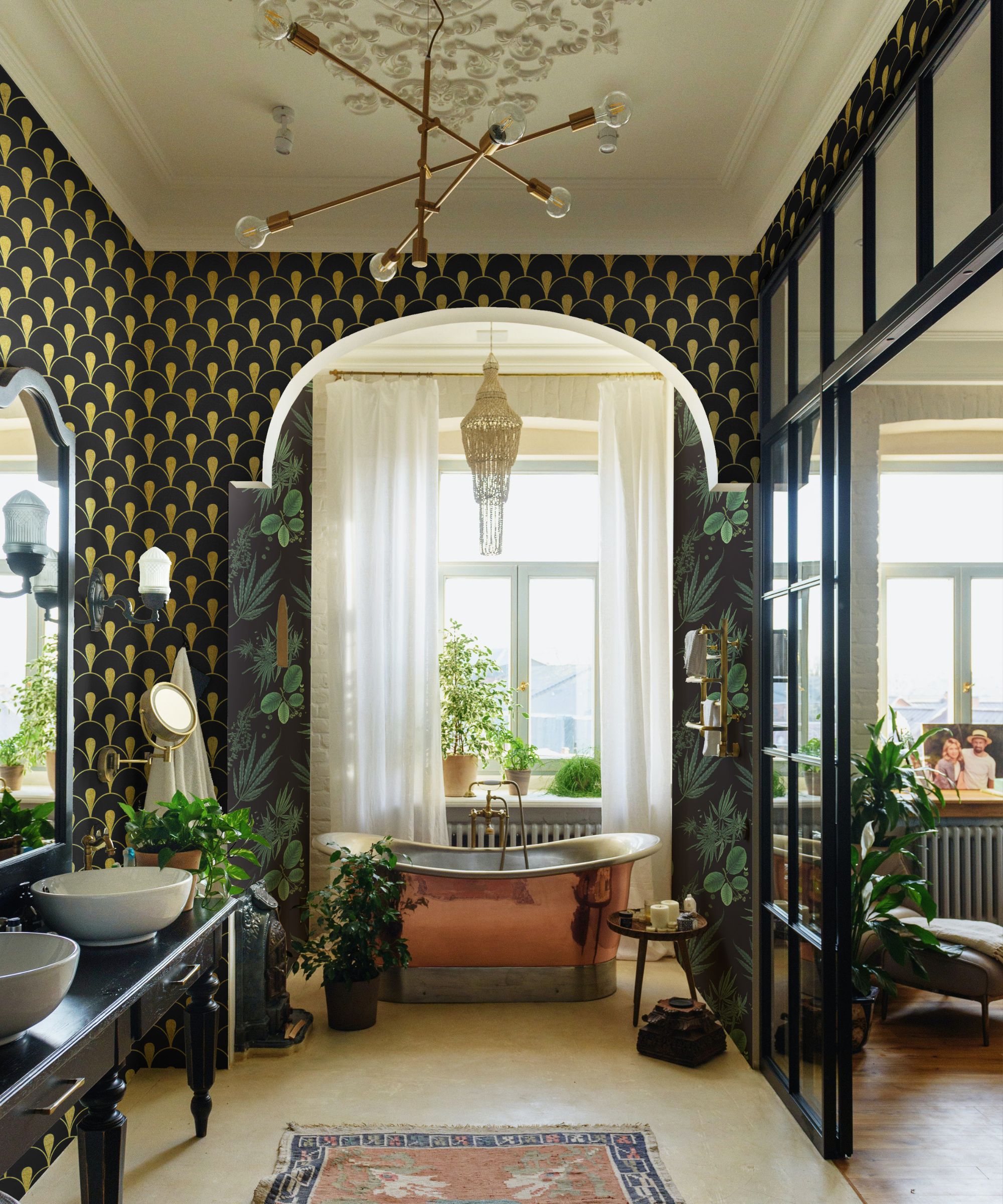
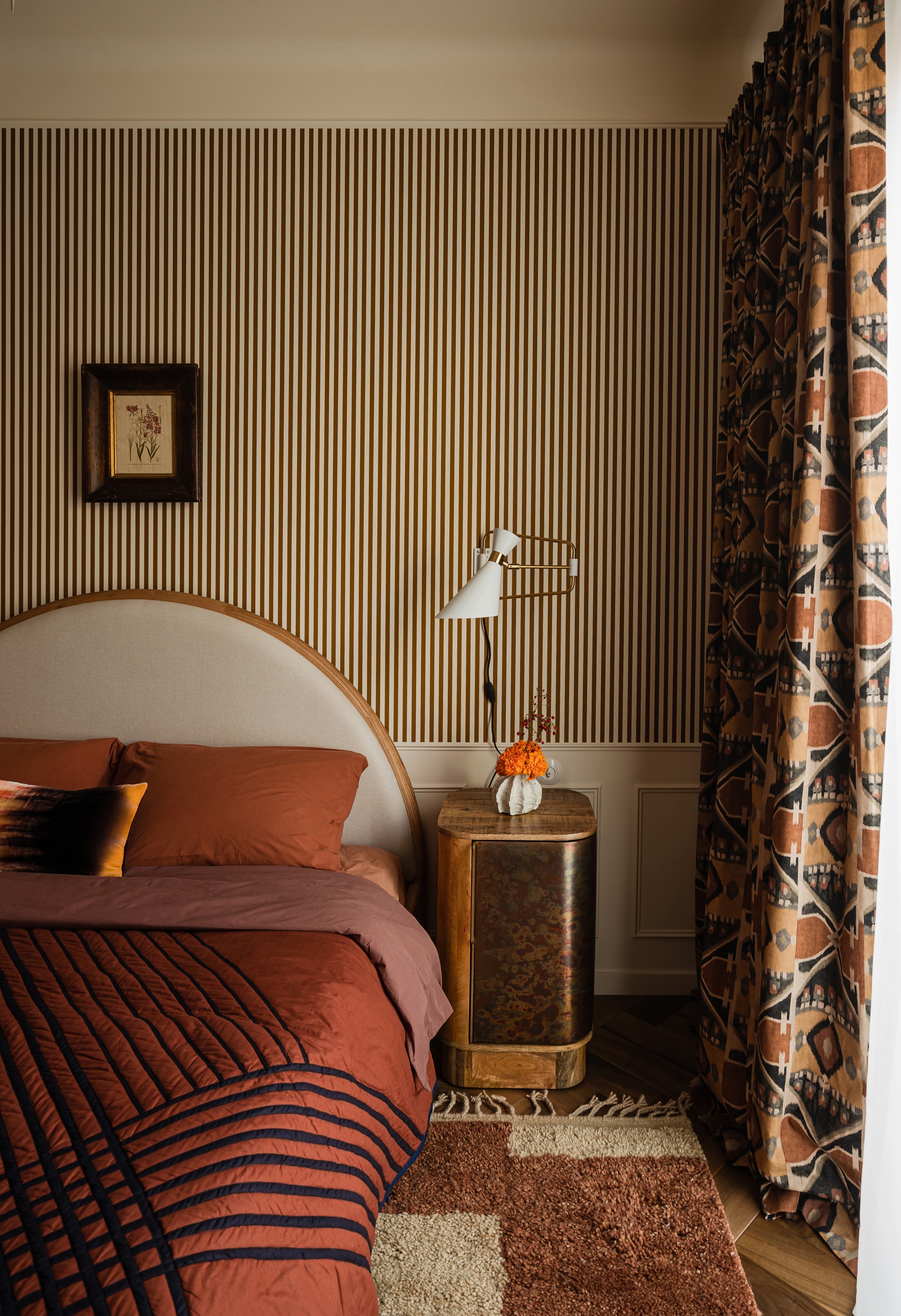
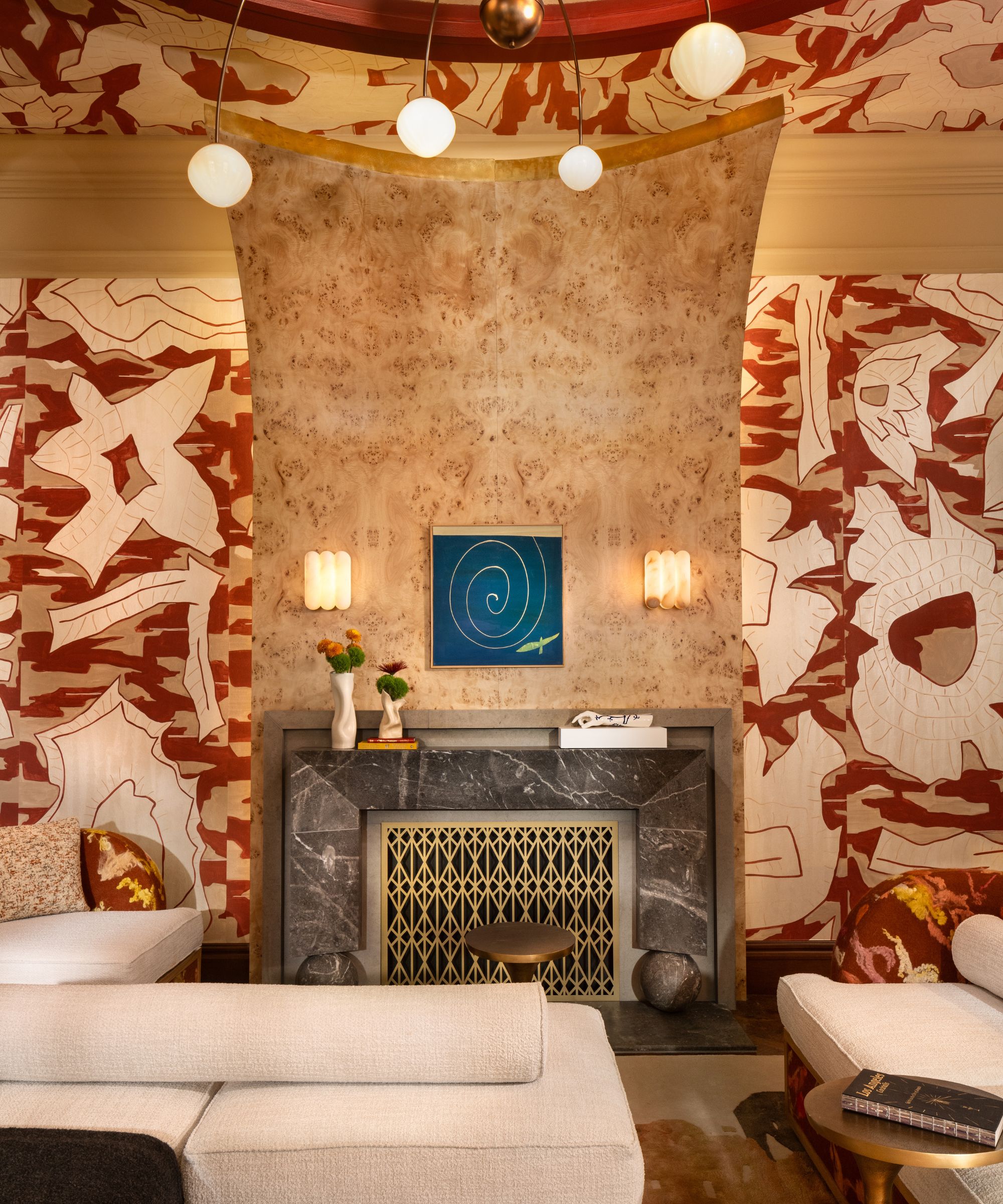
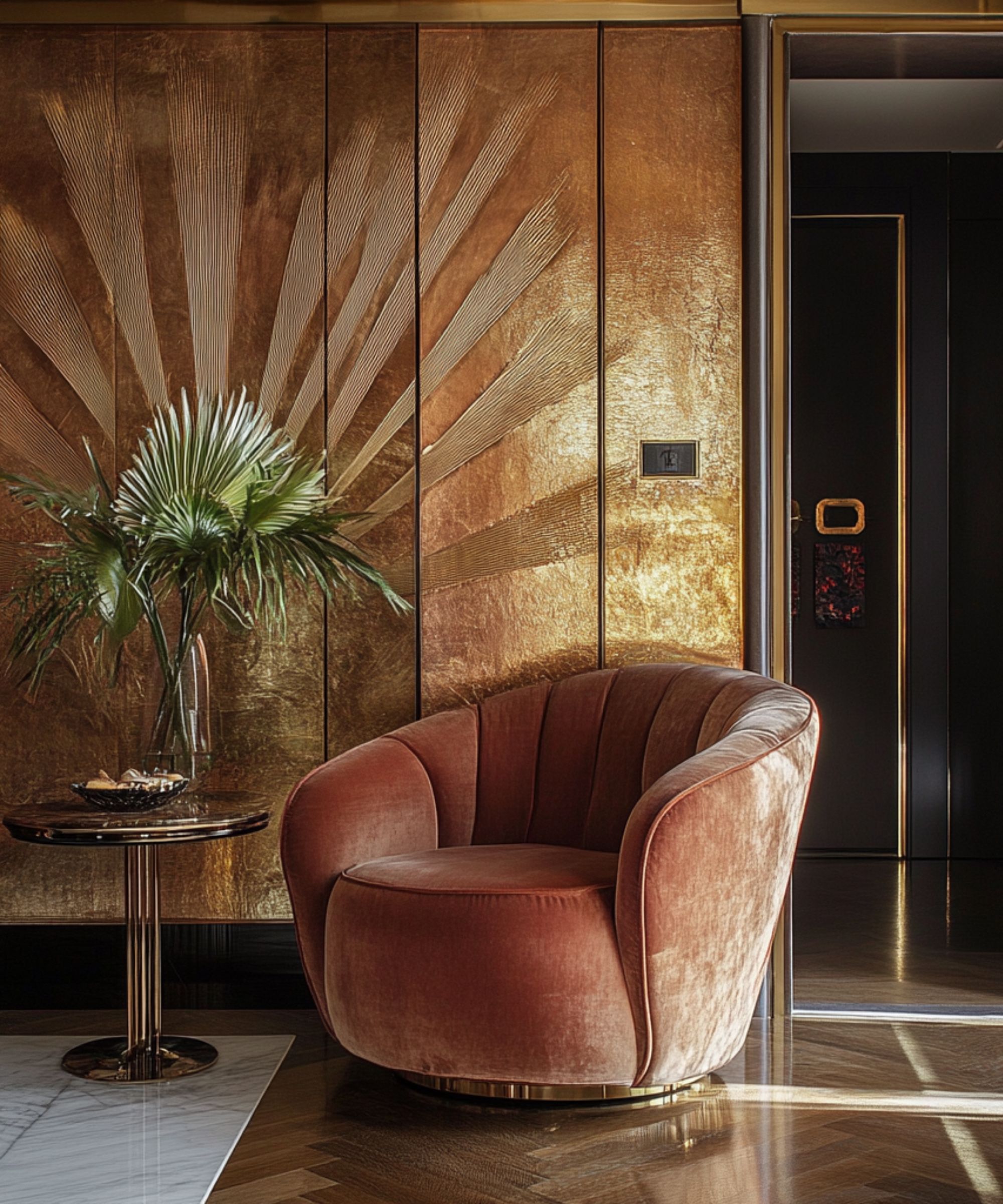
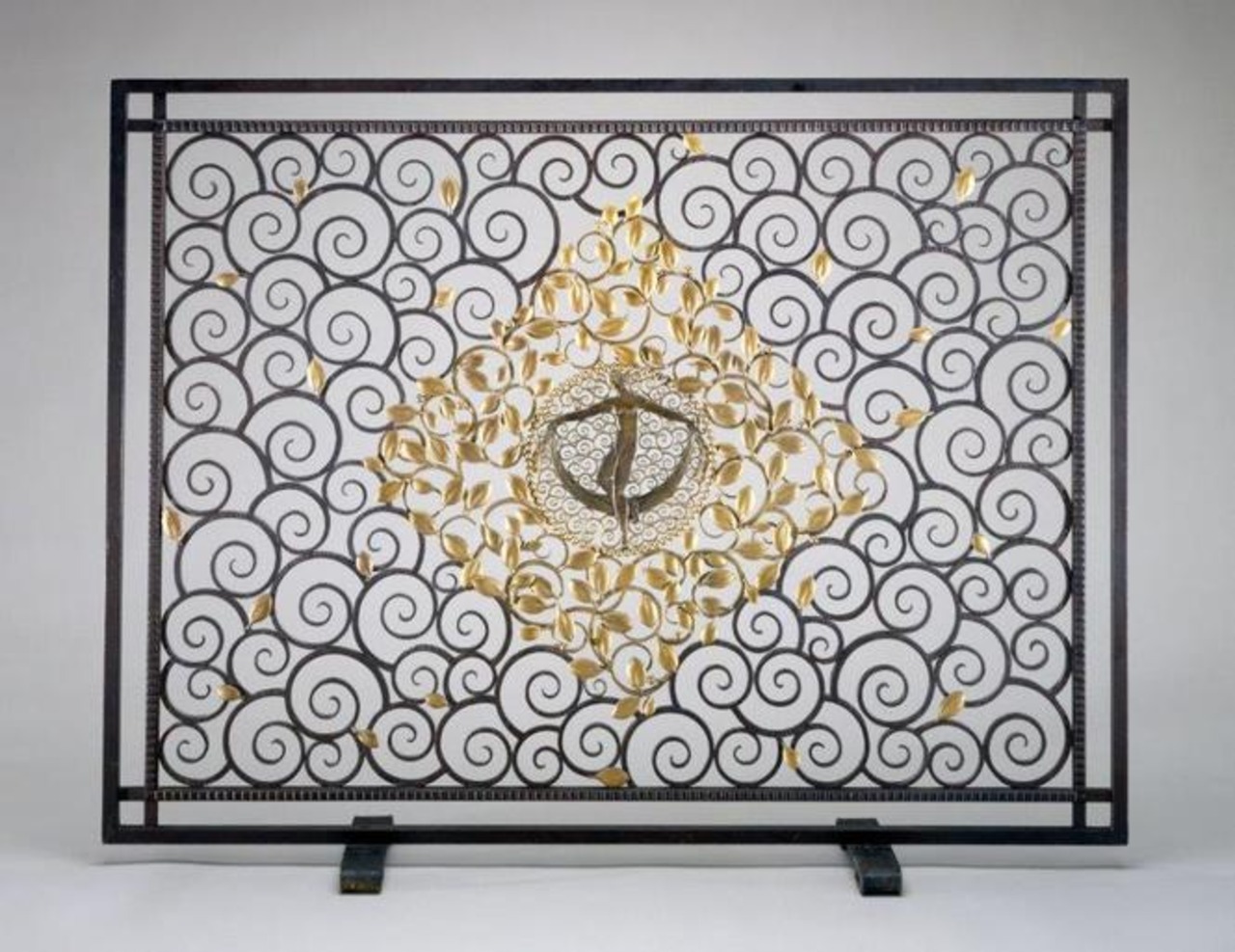
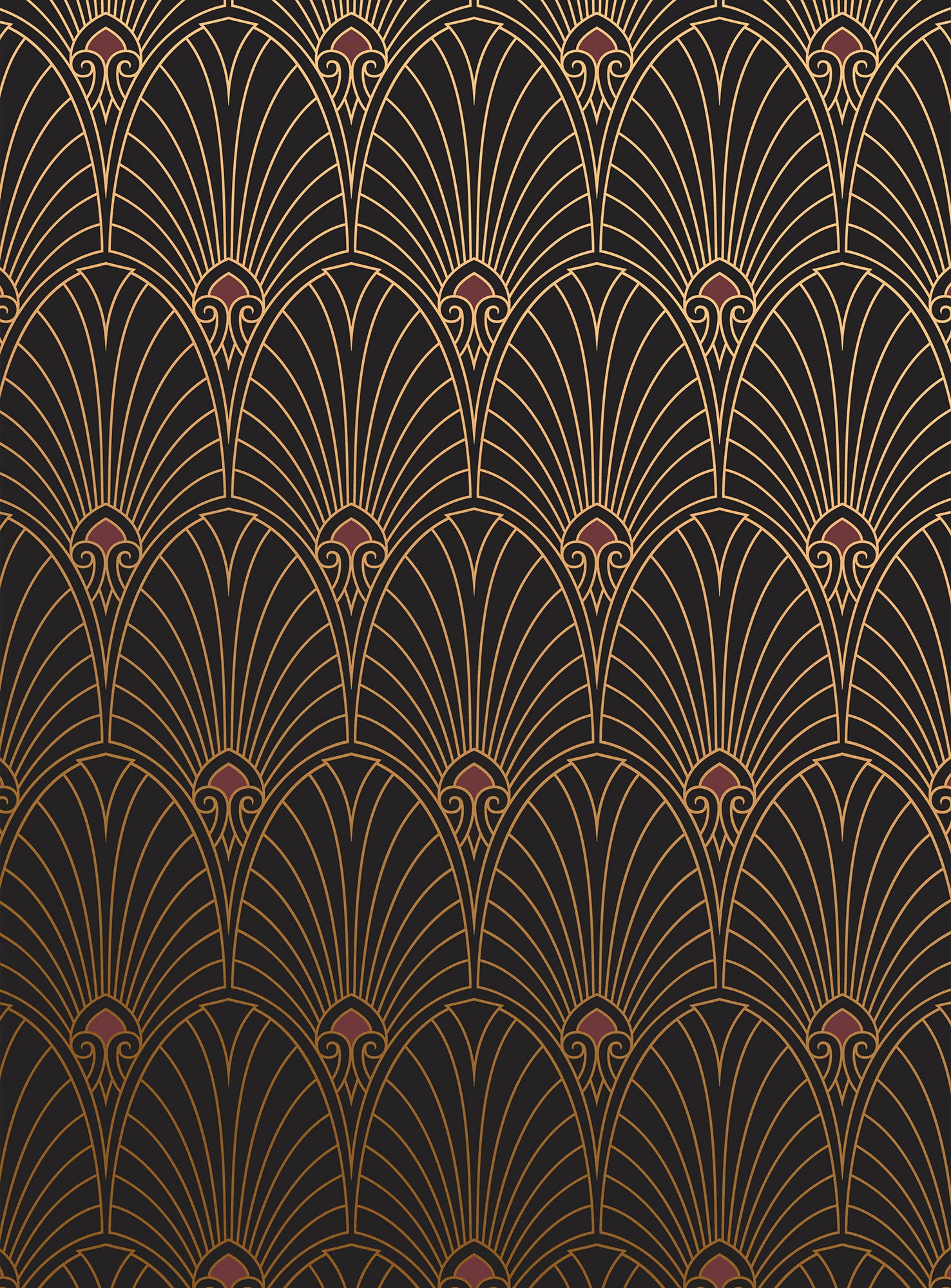
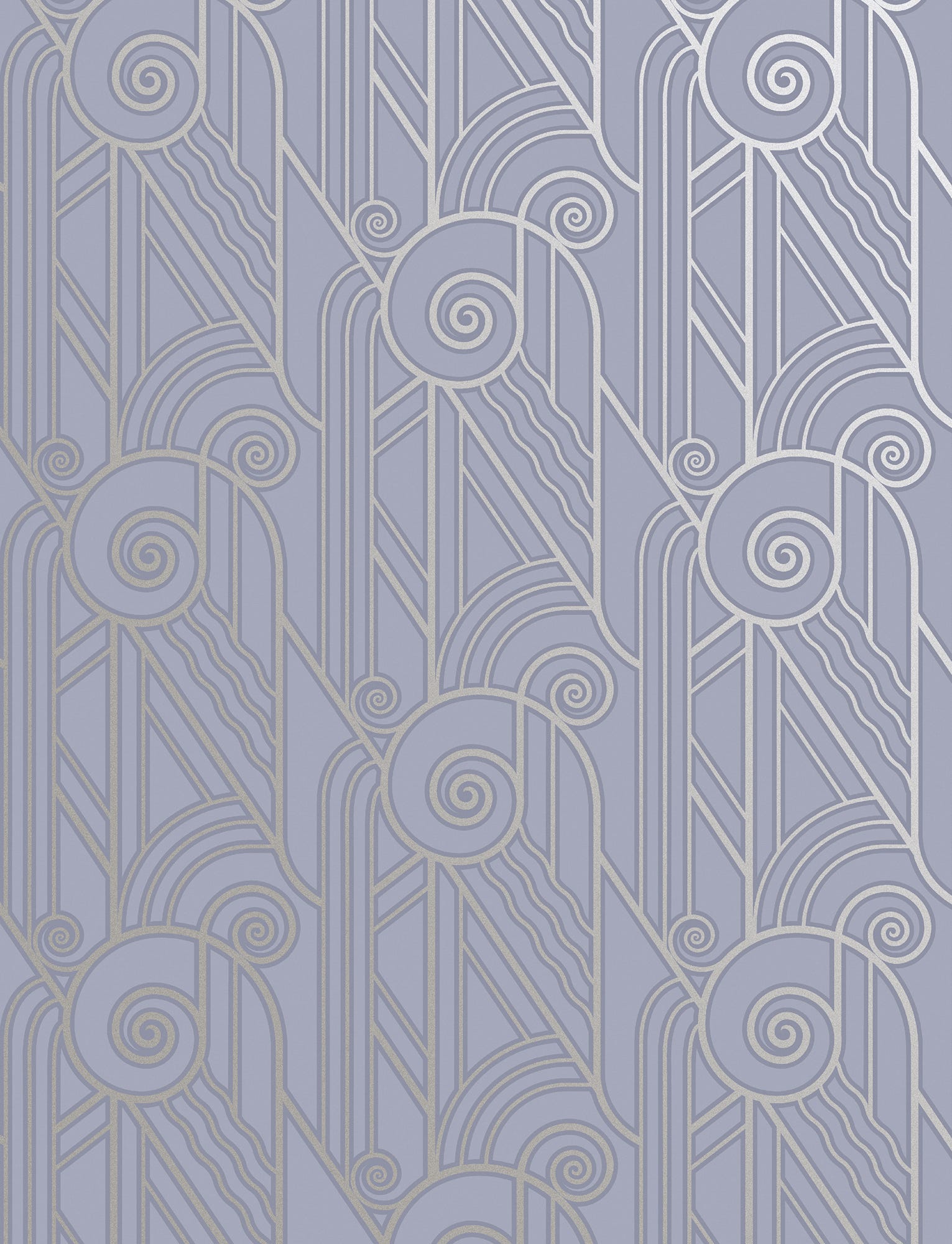
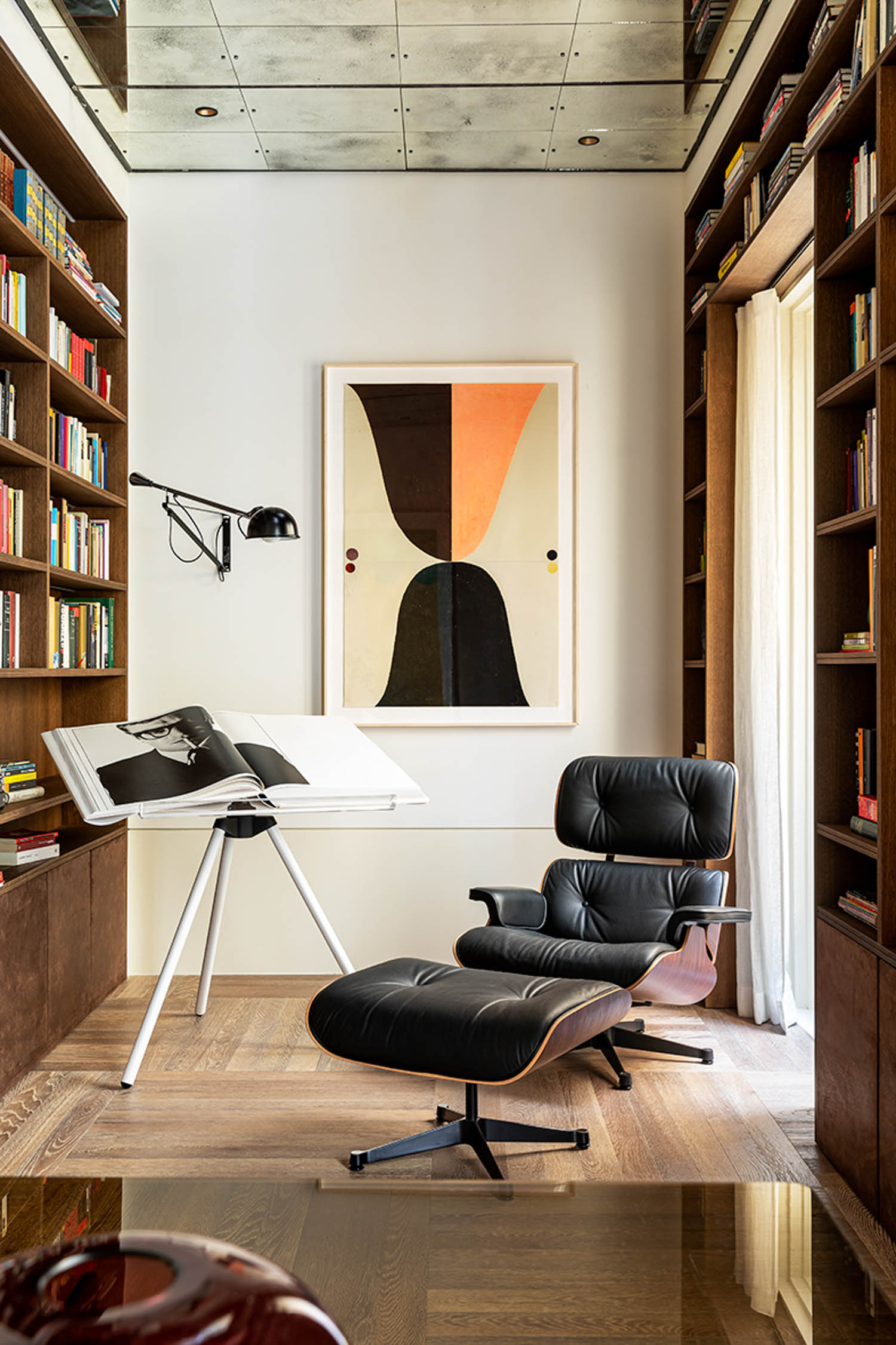
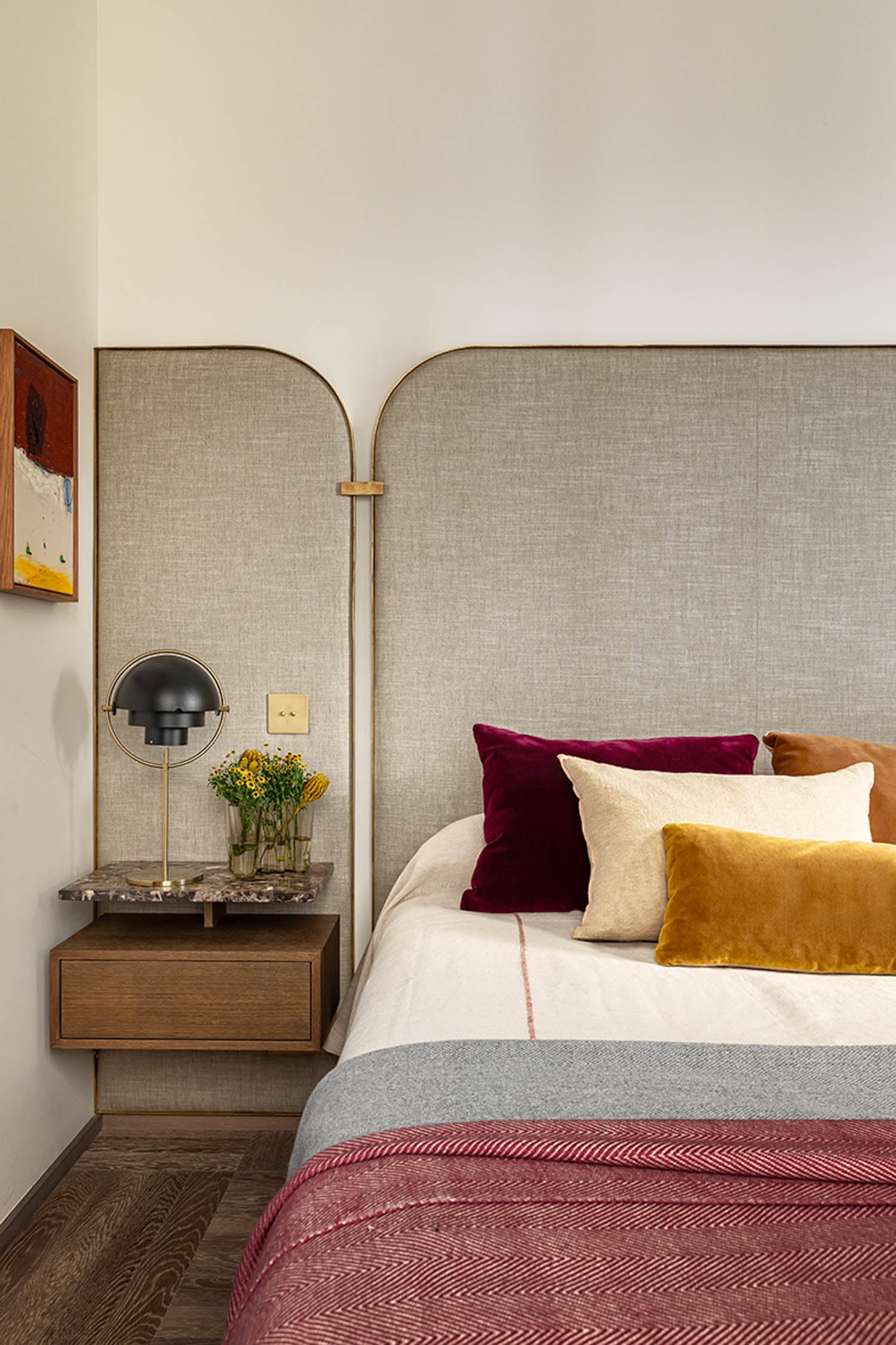
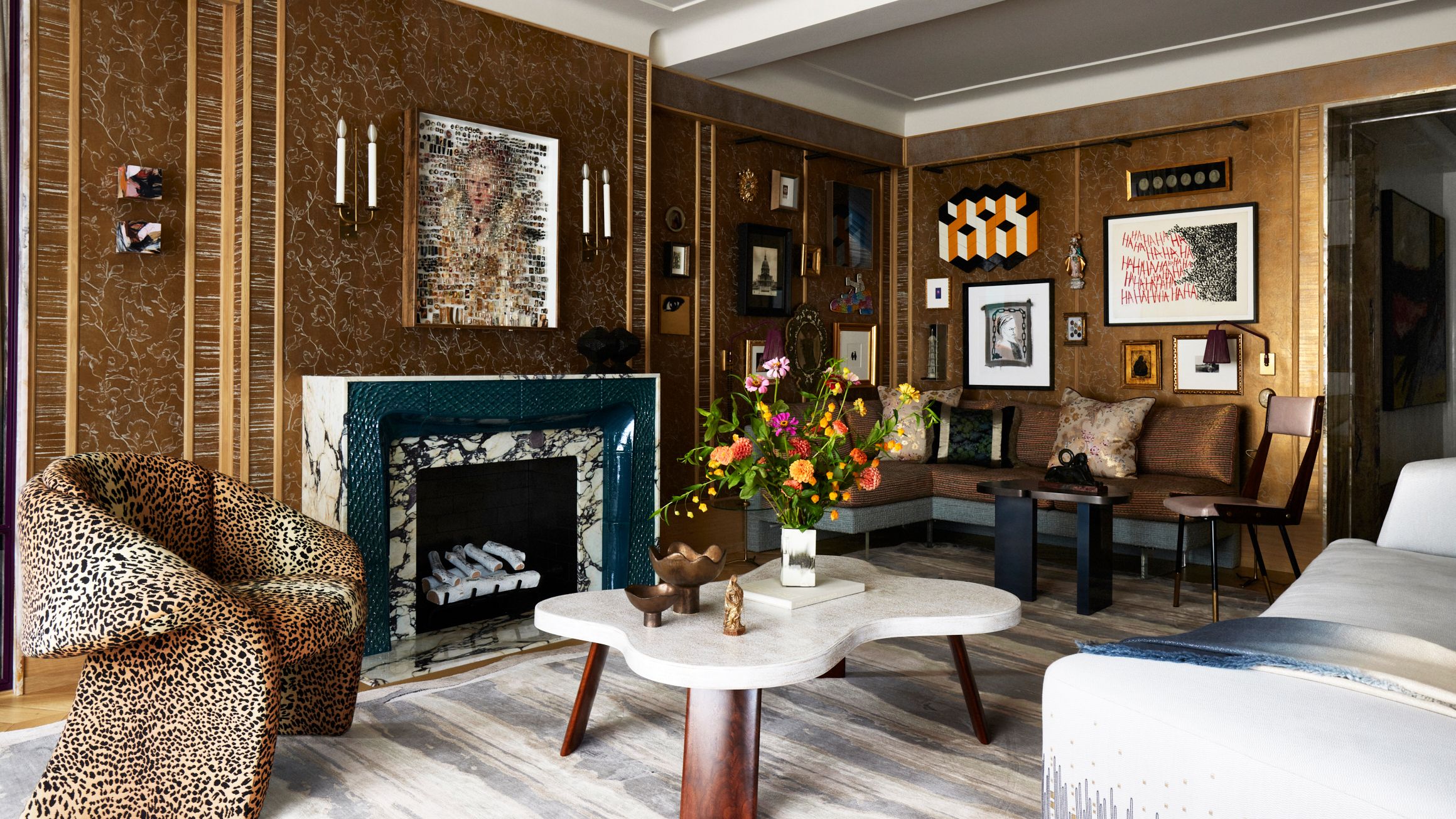
Art Deco interior design, a style that reached its peak popularity in the 1920s and 1930s, continues to influence contemporary aesthetics with its distinctive opulence and decadence. Although a full, authentic Art Deco interior is less common today, elements of the style are frequently incorporated into modern designs, providing a timeless appeal. This design movement is characterized by geometric patterns, bold jewel tones, and a rich material palette, including lacquered surfaces, brass, stainless steel, gilt, and high-end upholstery fabrics. Ornamental light fixtures such as chandeliers and sconces are also key components.
Historically, Art Deco originated in France in the early 1900s, gaining significant traction in America between World War I and World War II. The style received its official name in 1925 at the Exposition Internationale des Arts Décoratifs et Industriels Modernes in Paris. Early Art Deco designs featured streamlined looks with simple lines and geometric shapes, often crafted from innovative and expensive materials. Notable figures from this era include artists like René Lalique and Jean Dunand, designers such as Jacques Ruhlmann and Maurice Dufrène, and architects like William Van Alen. Art Deco drew inspiration from movements like Art Nouveau, the Bauhaus school, and Cubism. Iconic Art Deco buildings, such as the Chrysler Building and the Empire State Building, are predominantly found in New York City, with significant collections also in Tulsa, Oklahoma, and Detroit, Michigan.
A key distinction between Art Deco and Art Nouveau lies in their use of form. Art Nouveau, popular in the 1880s, is characterized by organic, fluid, and curved lines, often inspired by natural elements like vines and flowers. In contrast, Art Deco favors straighter, geometric, and more streamlined shapes. The Art Deco period is generally considered to have ended with World War II, as new aesthetic values emerged, emphasizing utilitarian and unornamented designs, and economic constraints made the opulent materials less accessible.
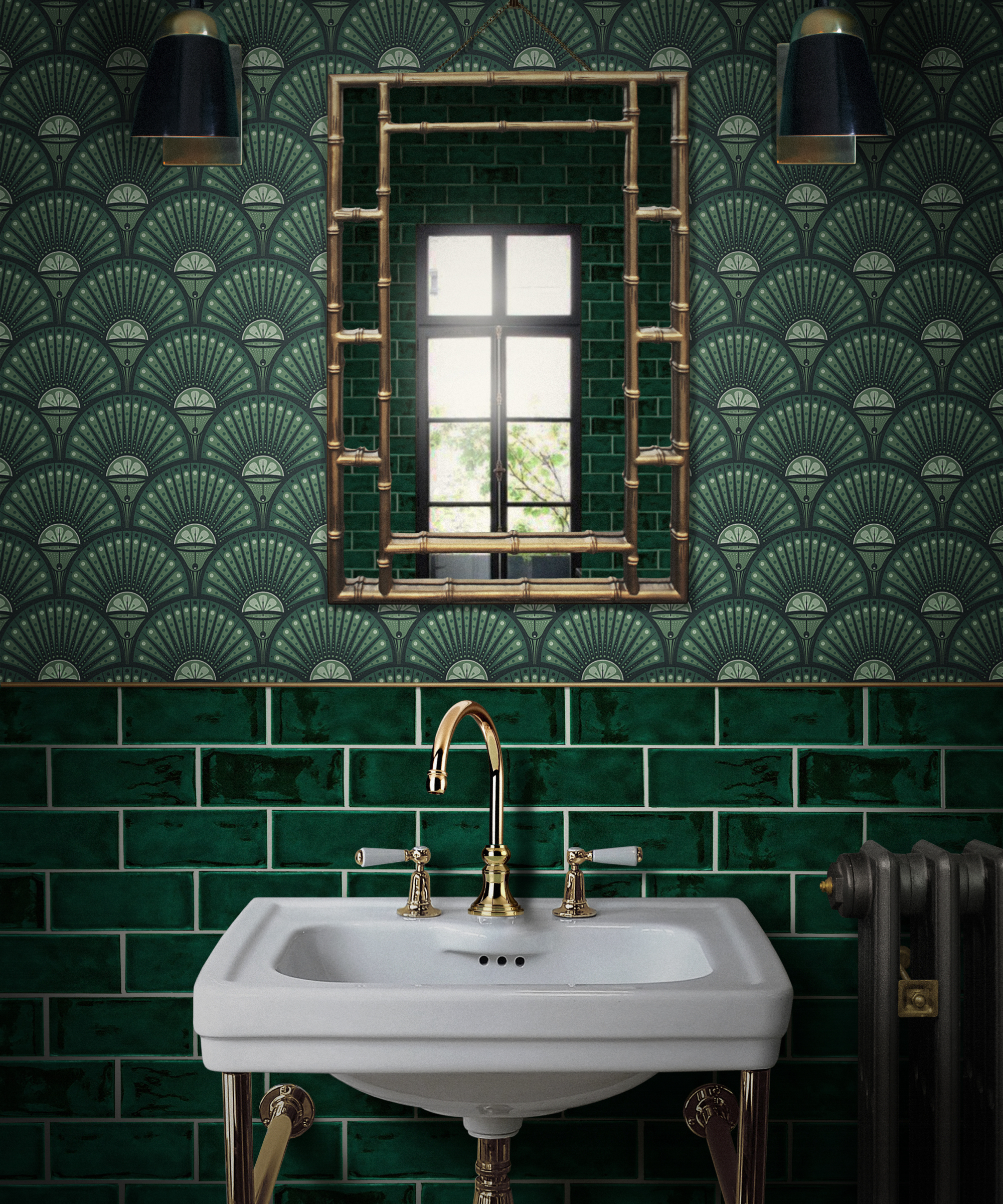
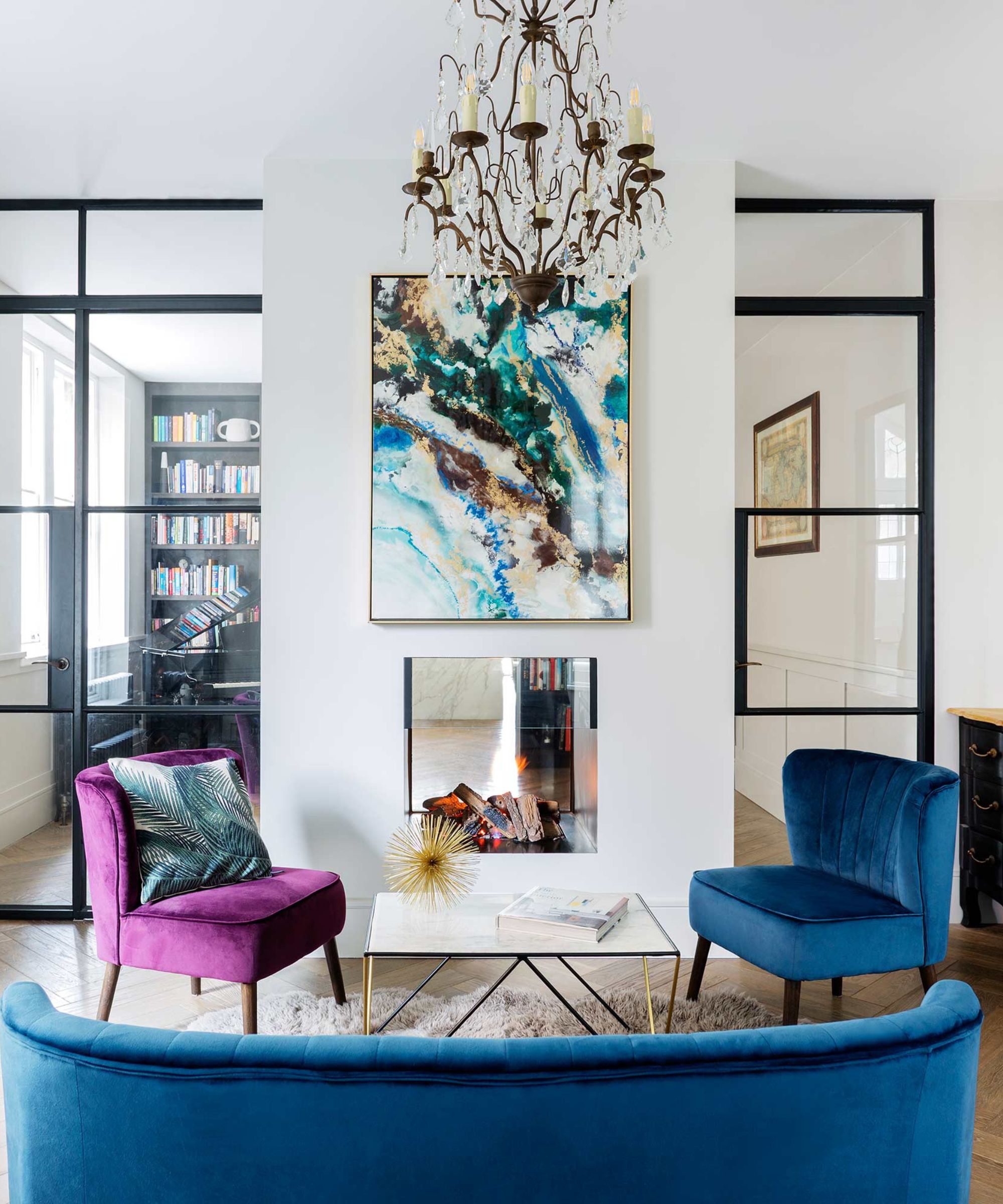
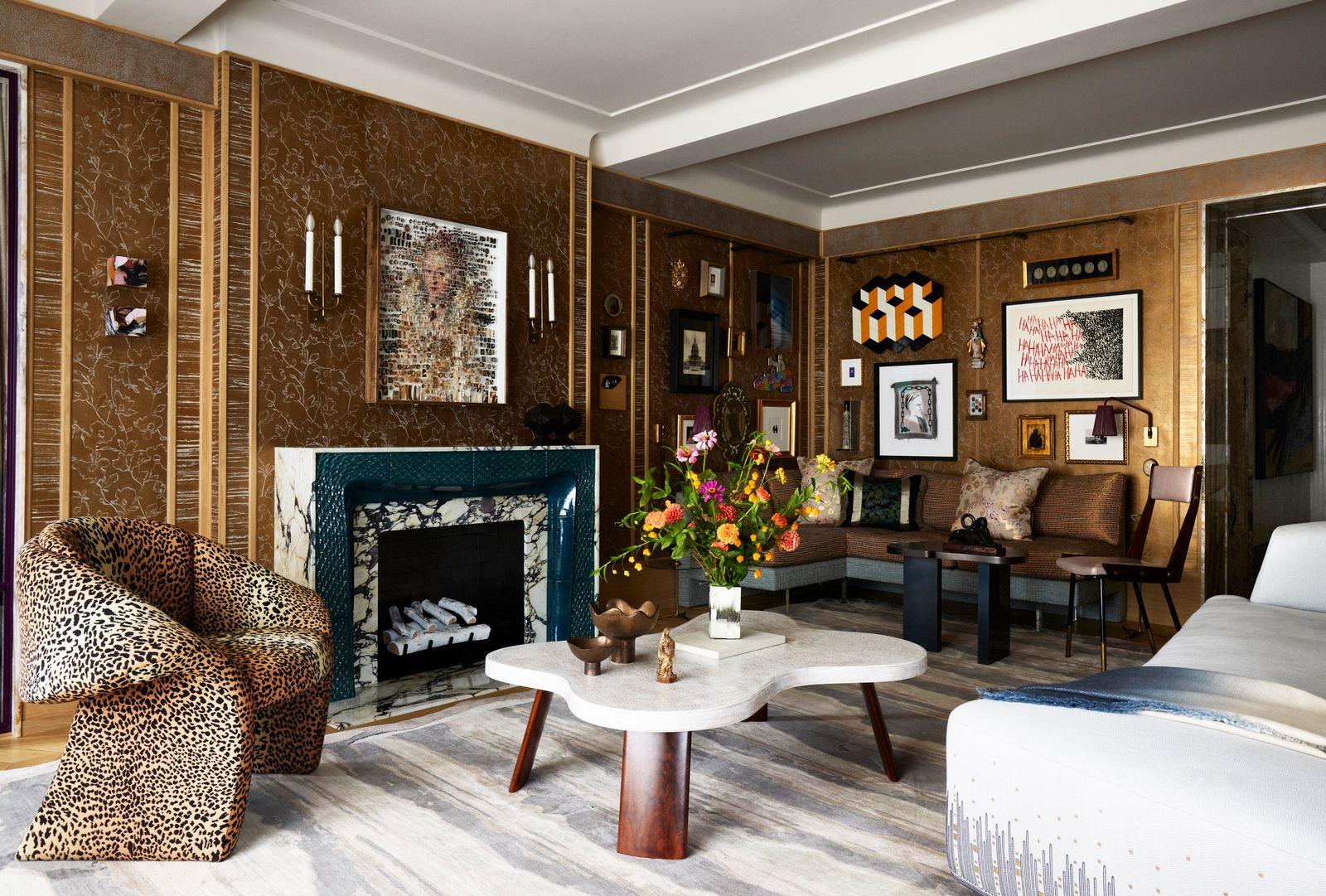
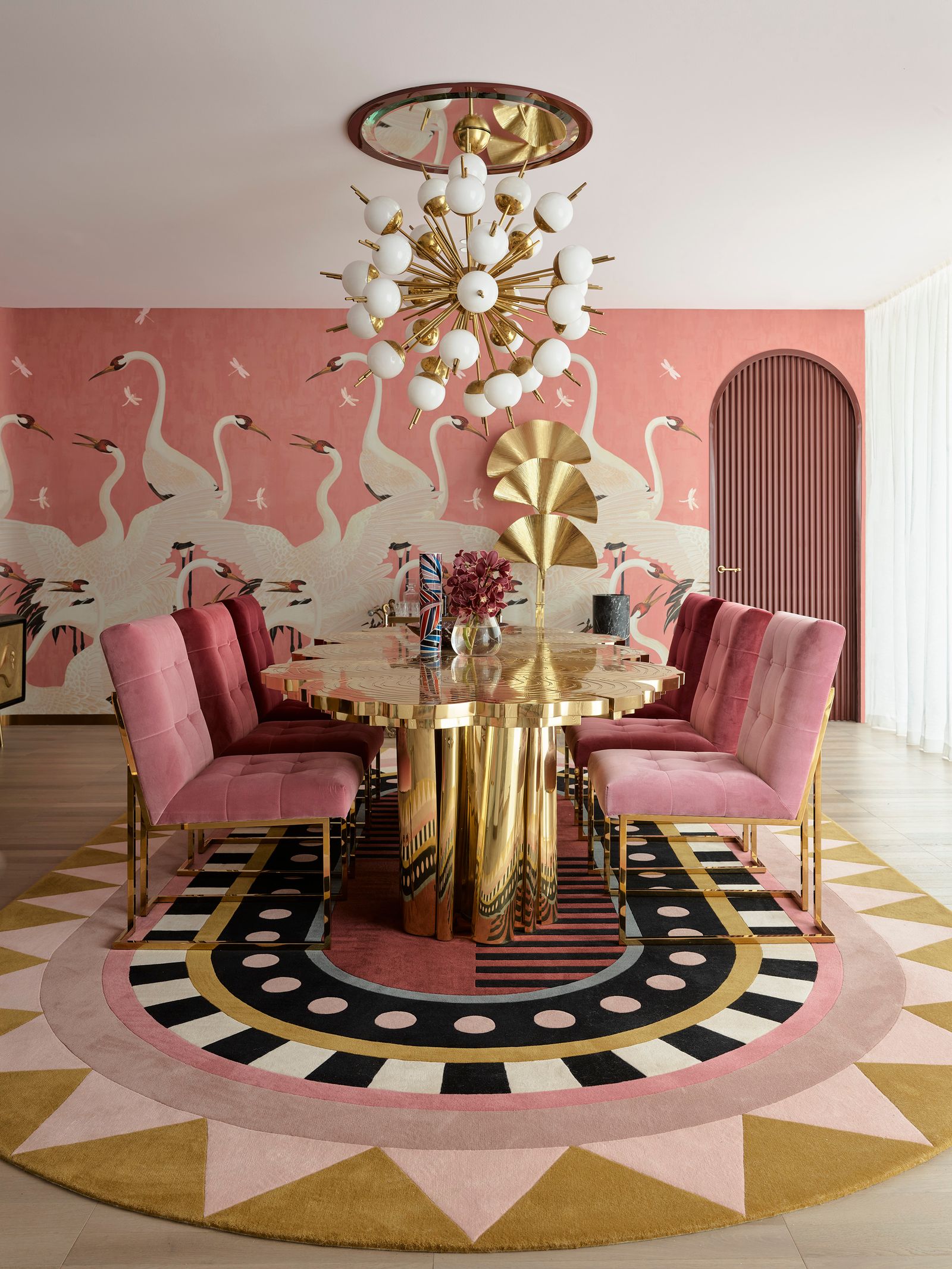
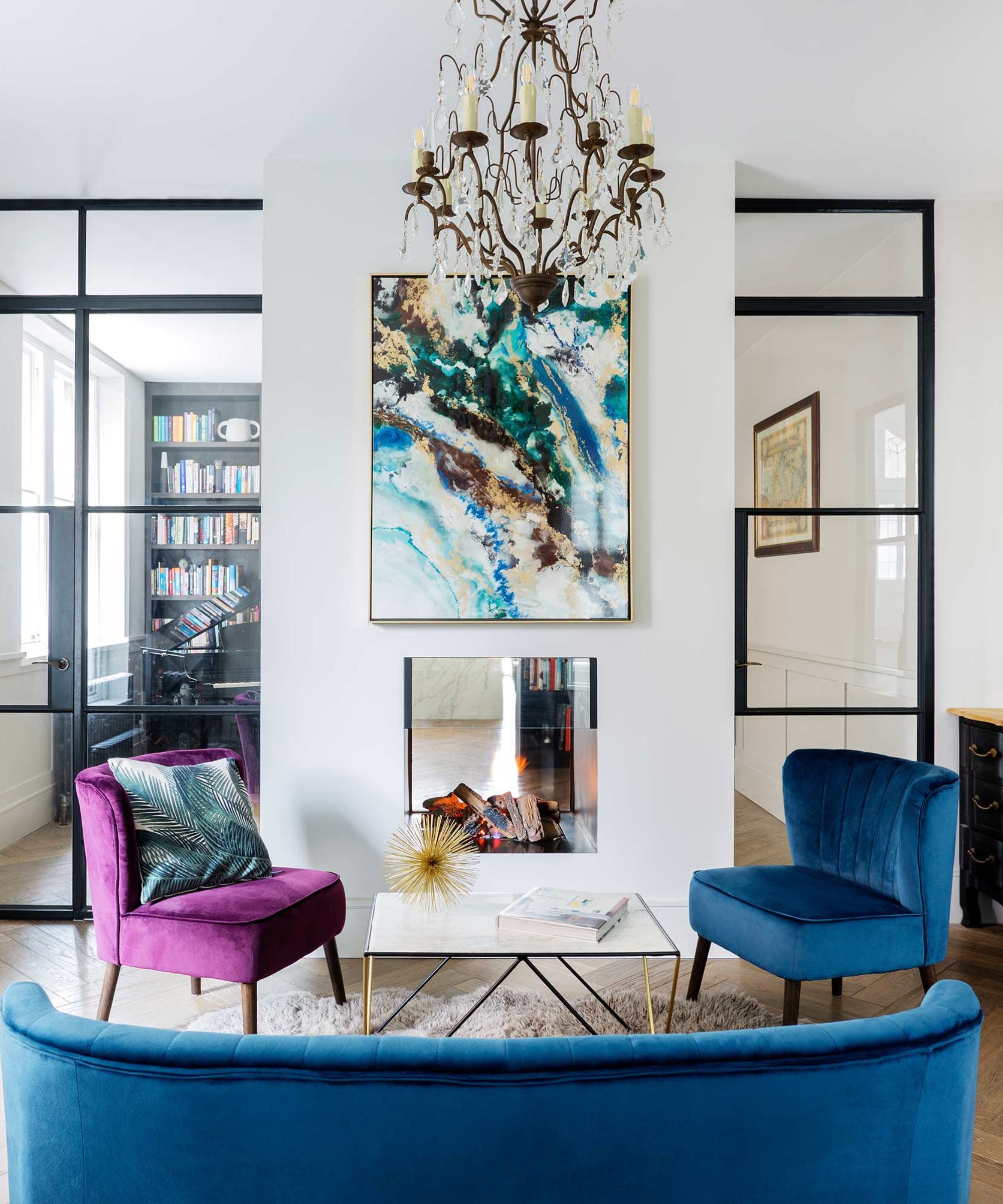
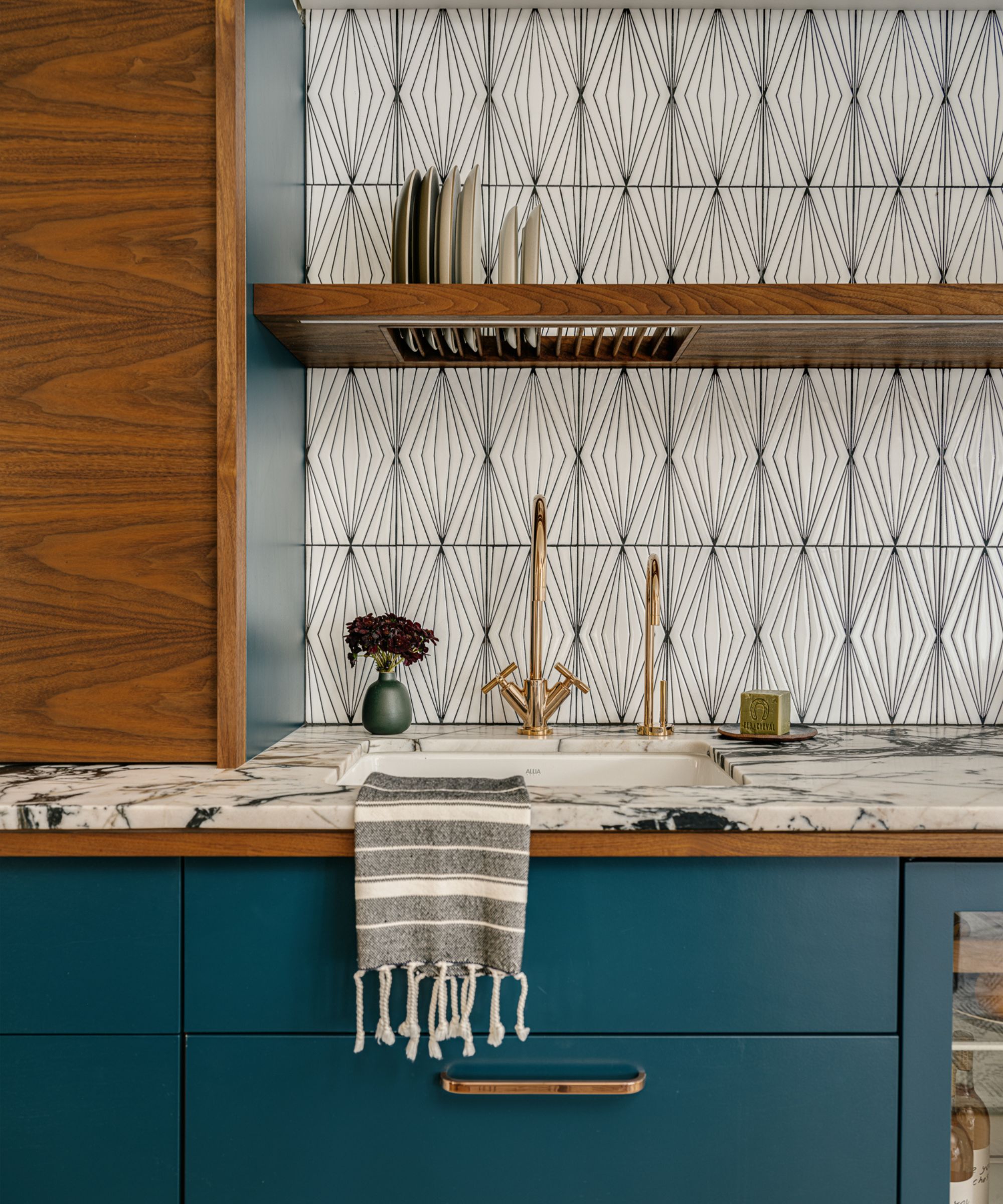
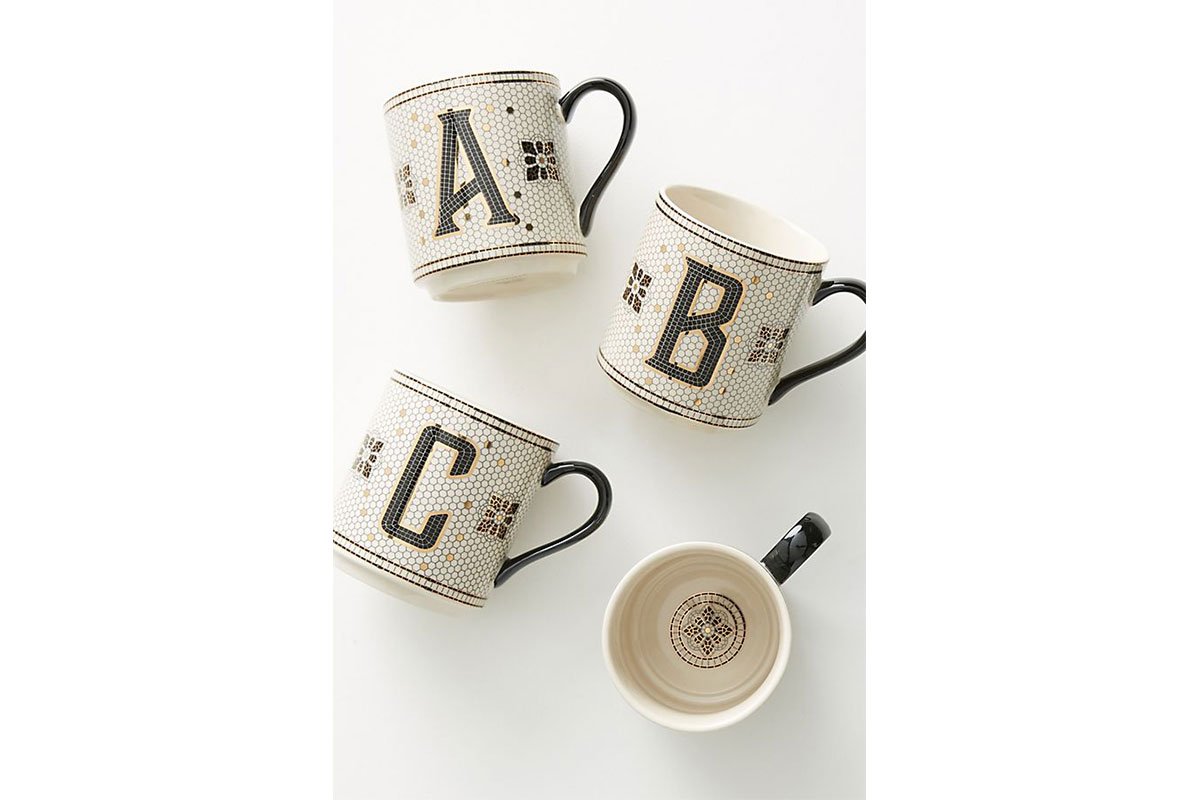
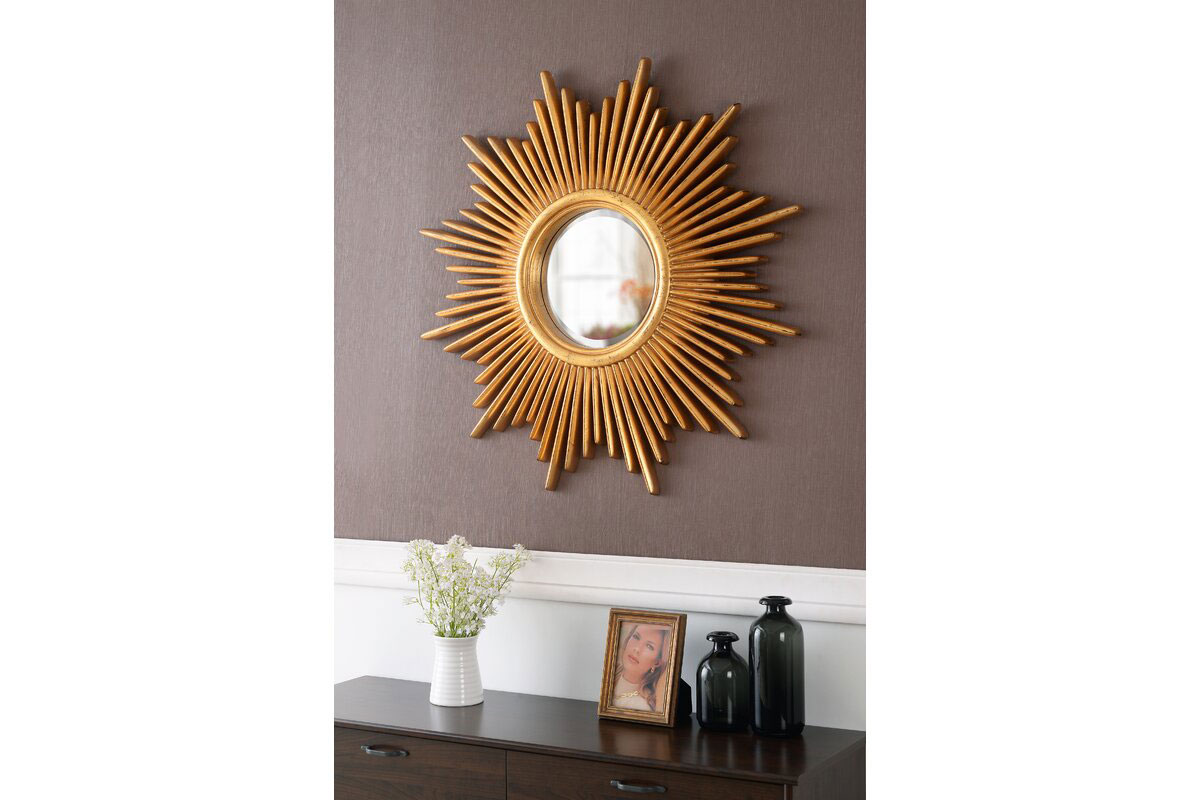
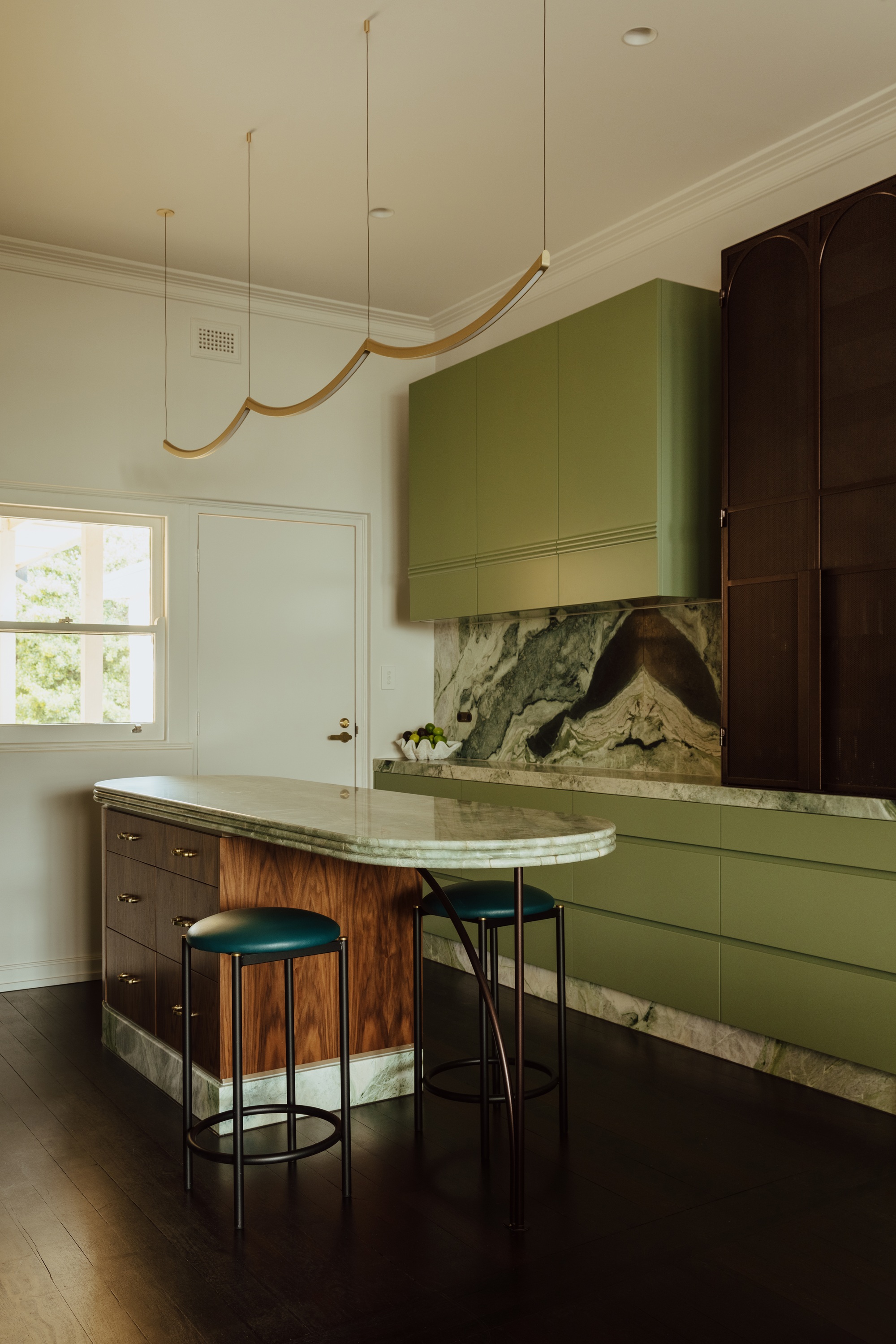
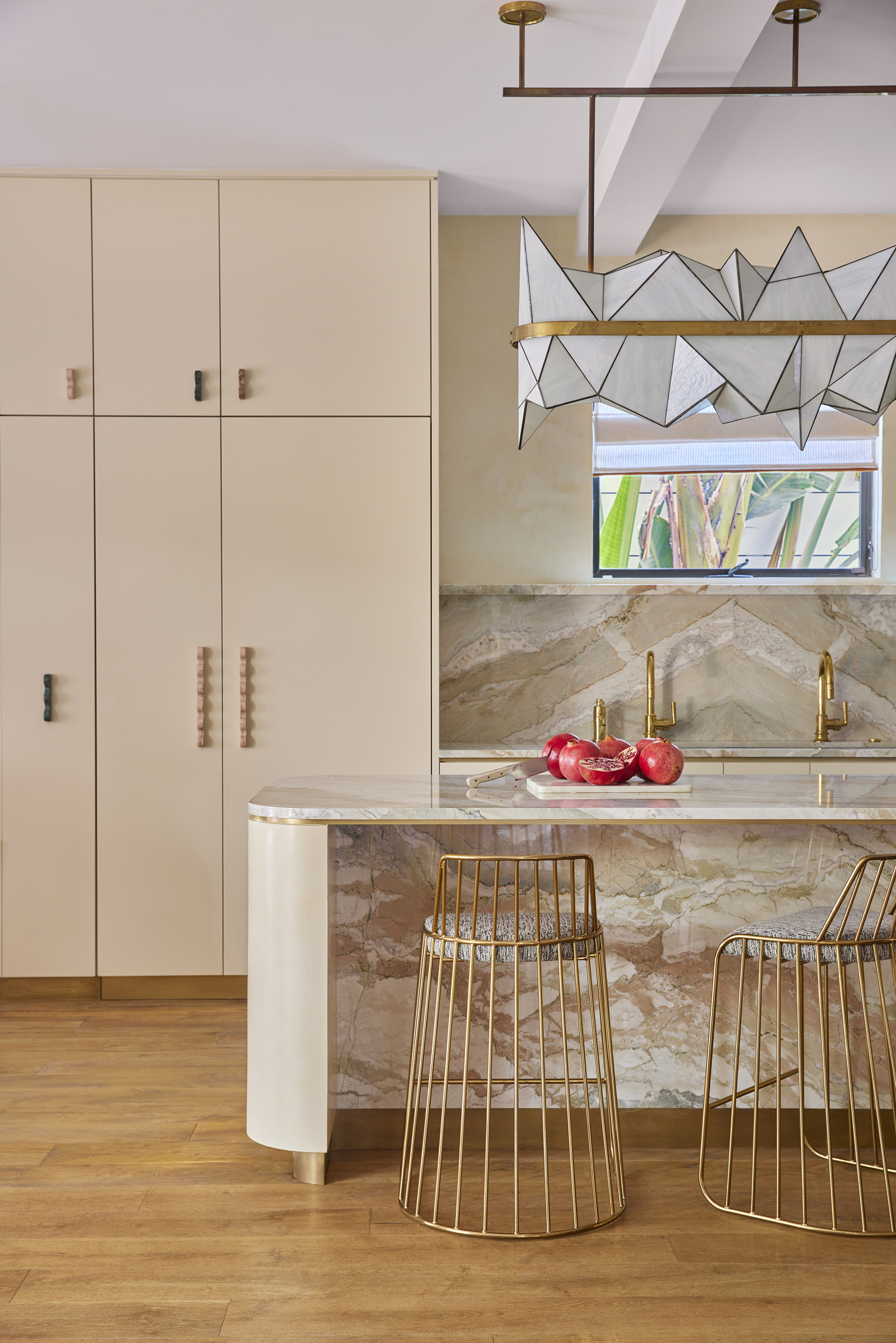
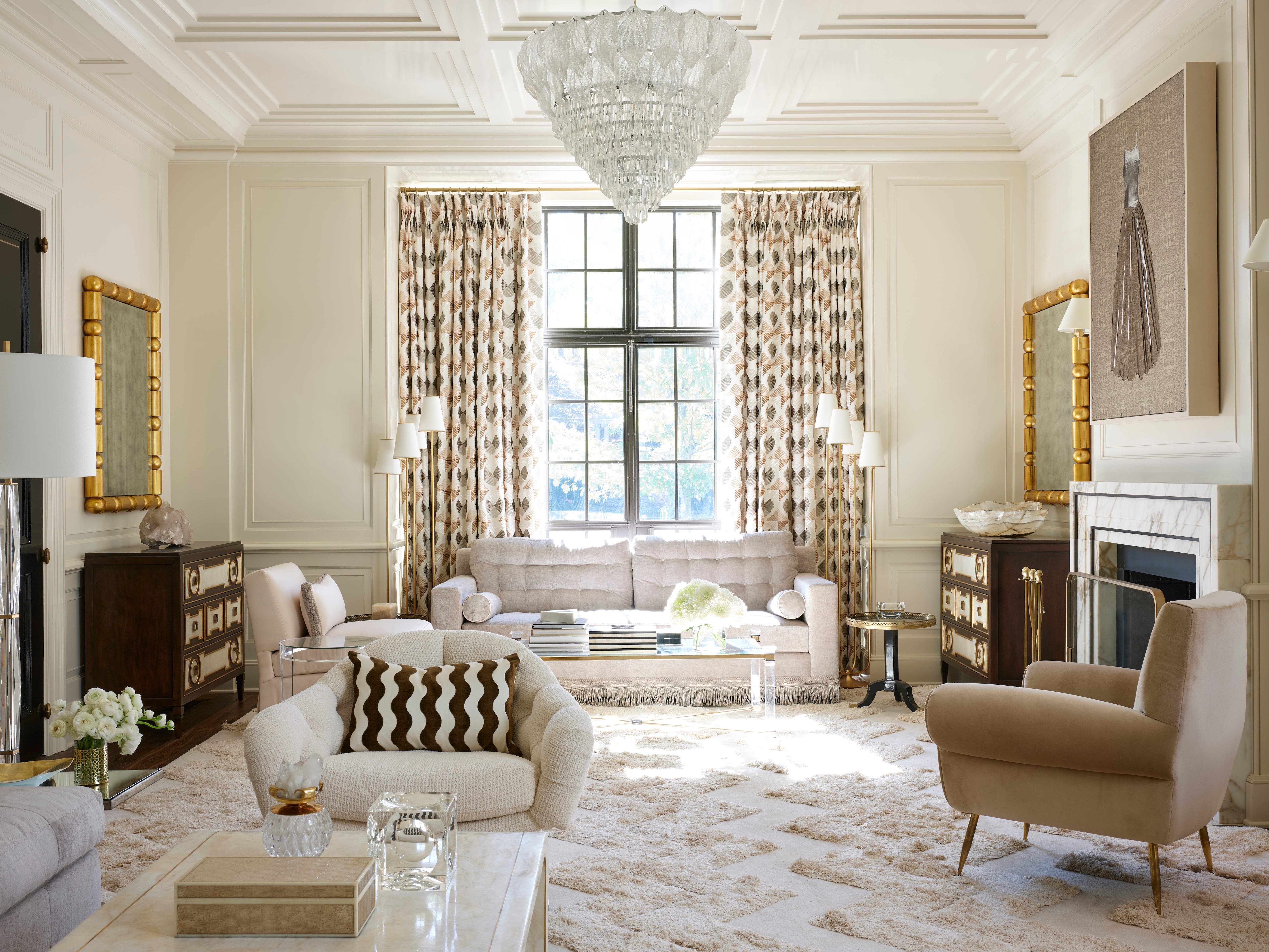
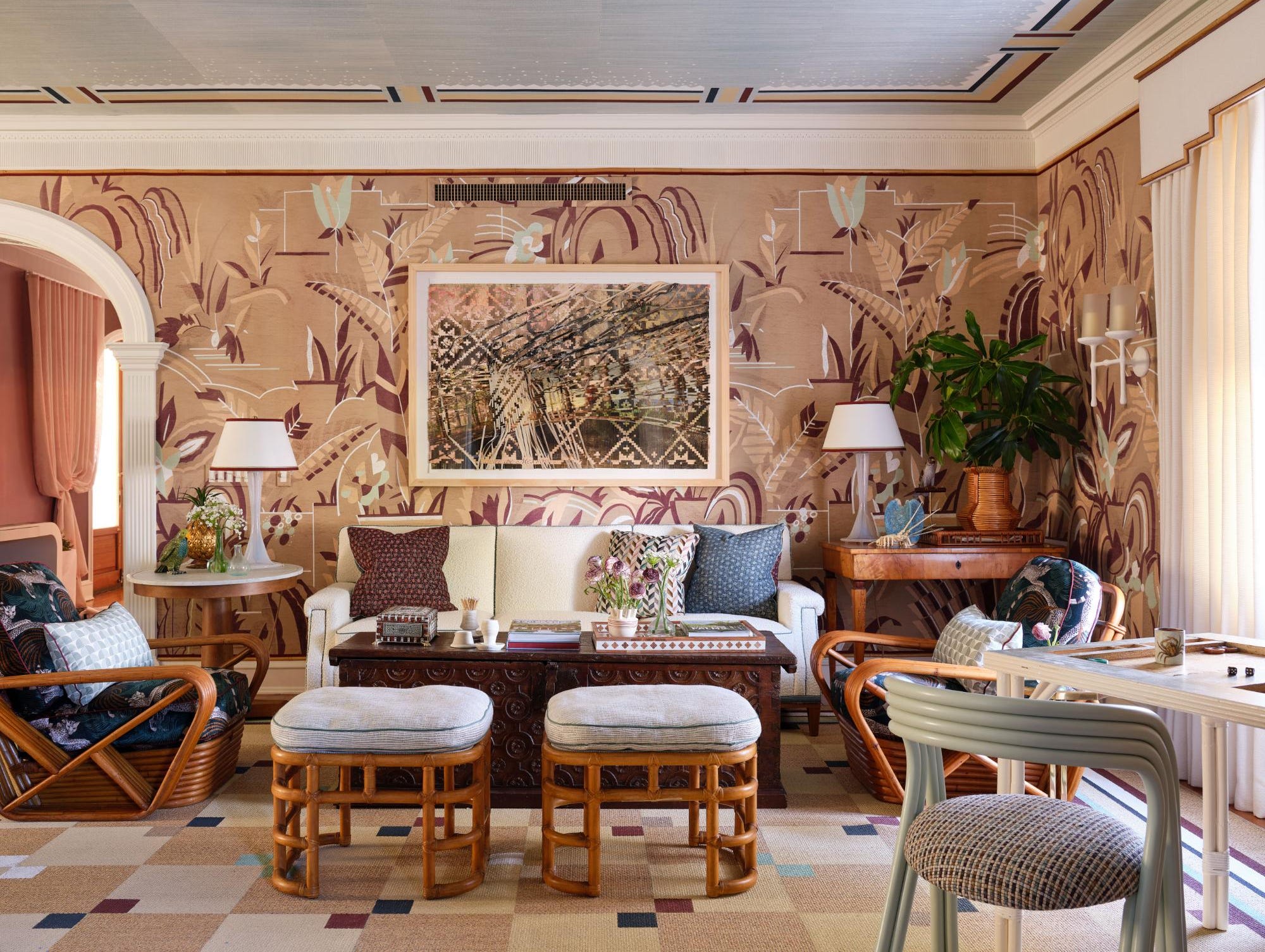
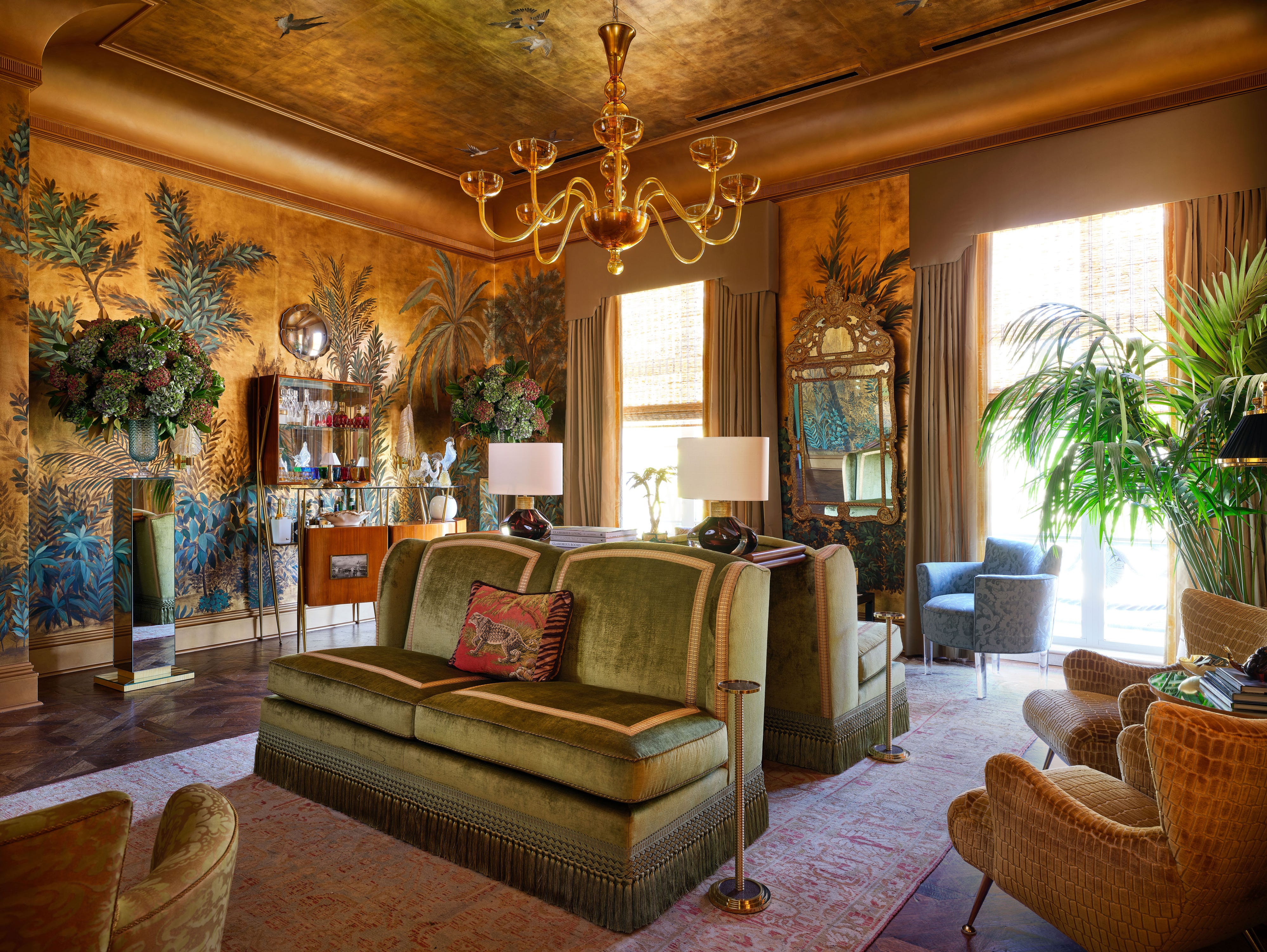
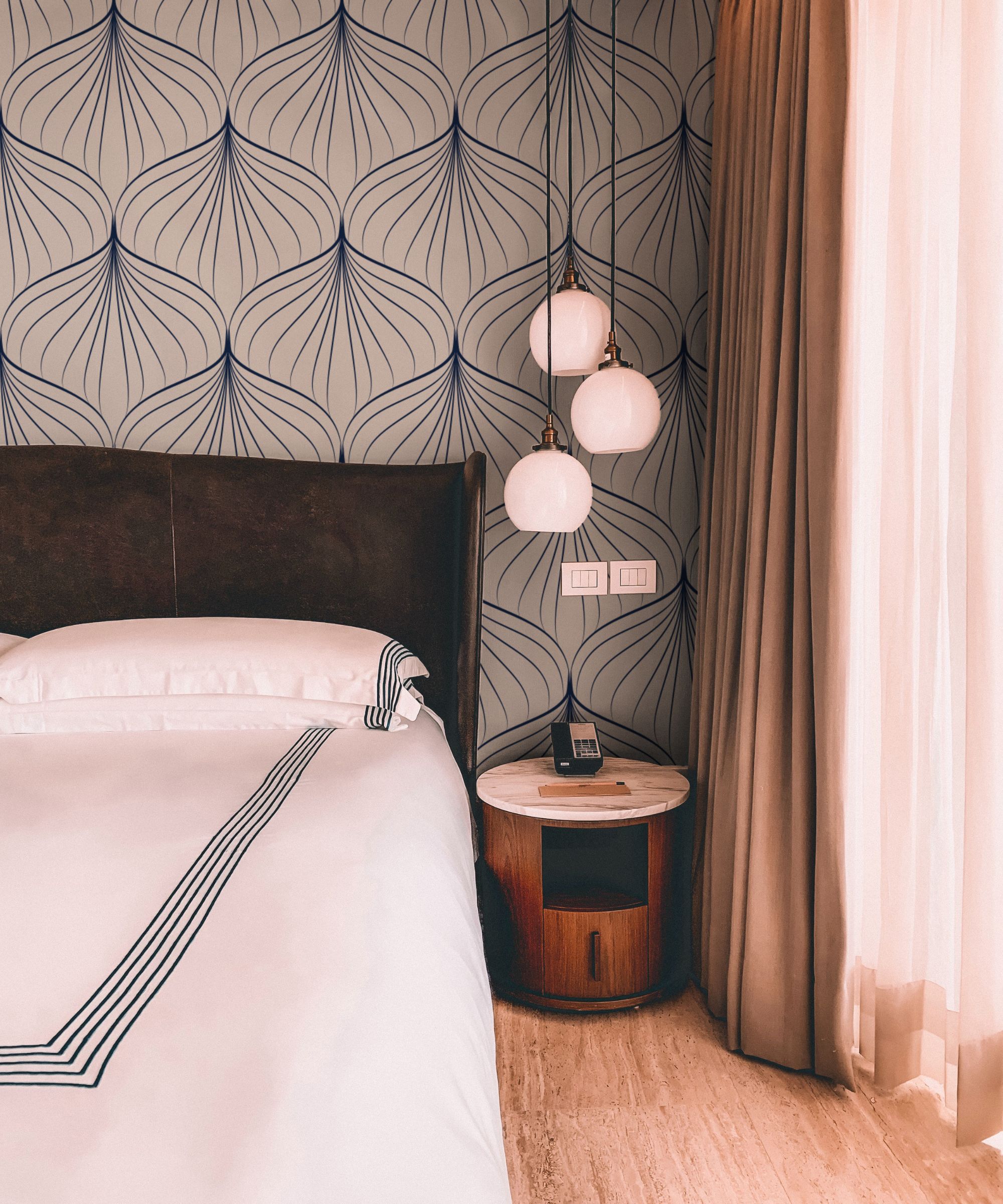
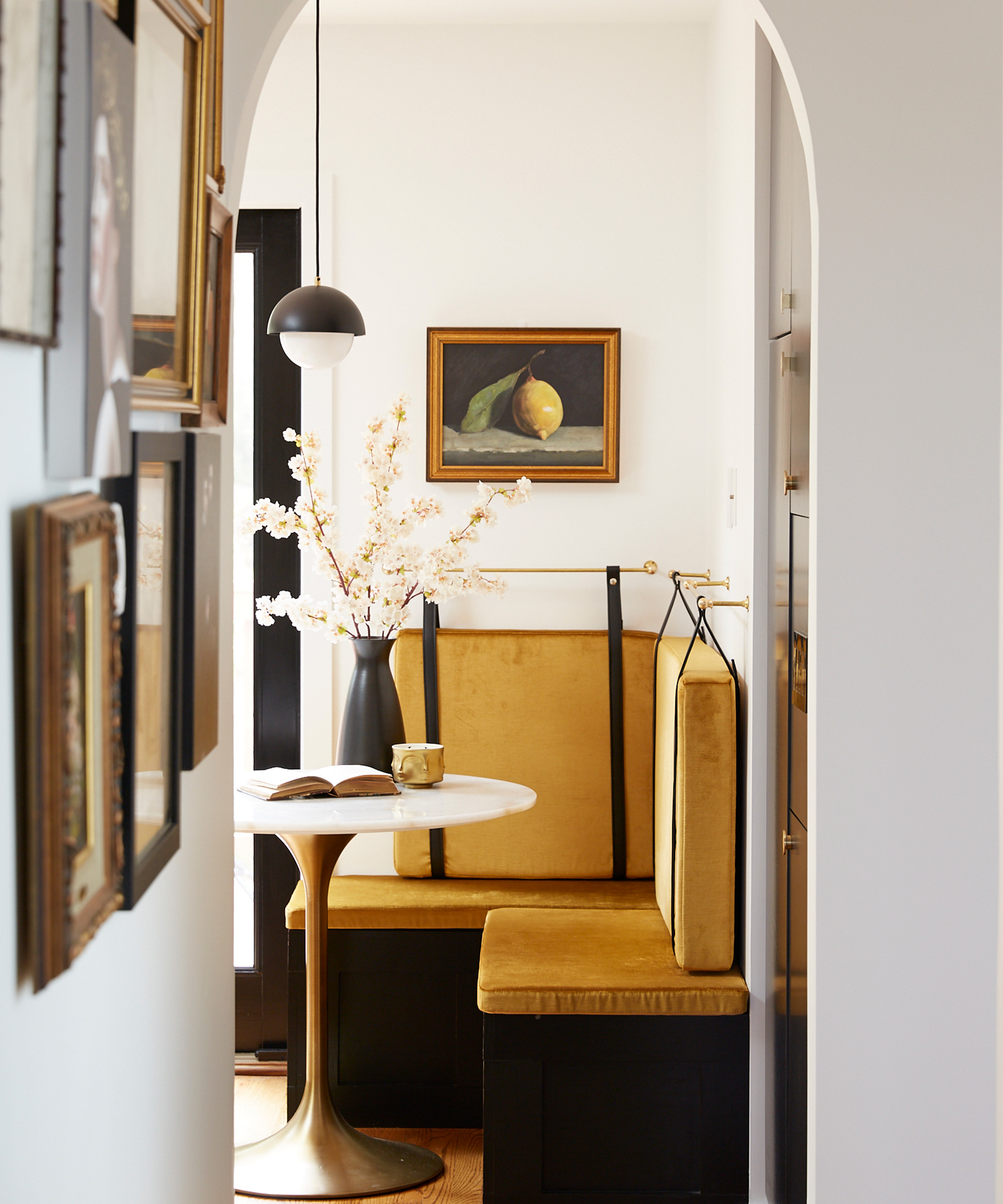
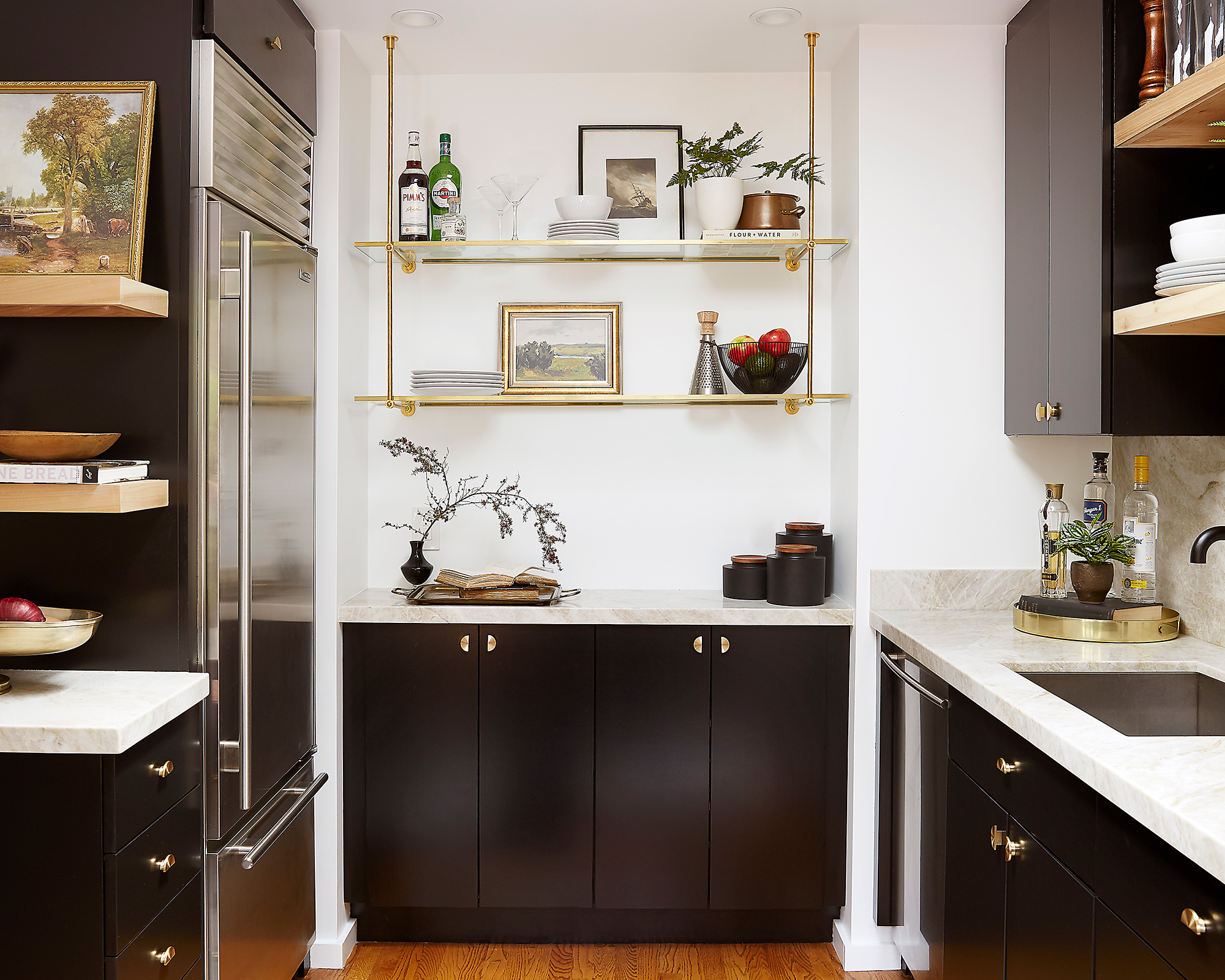
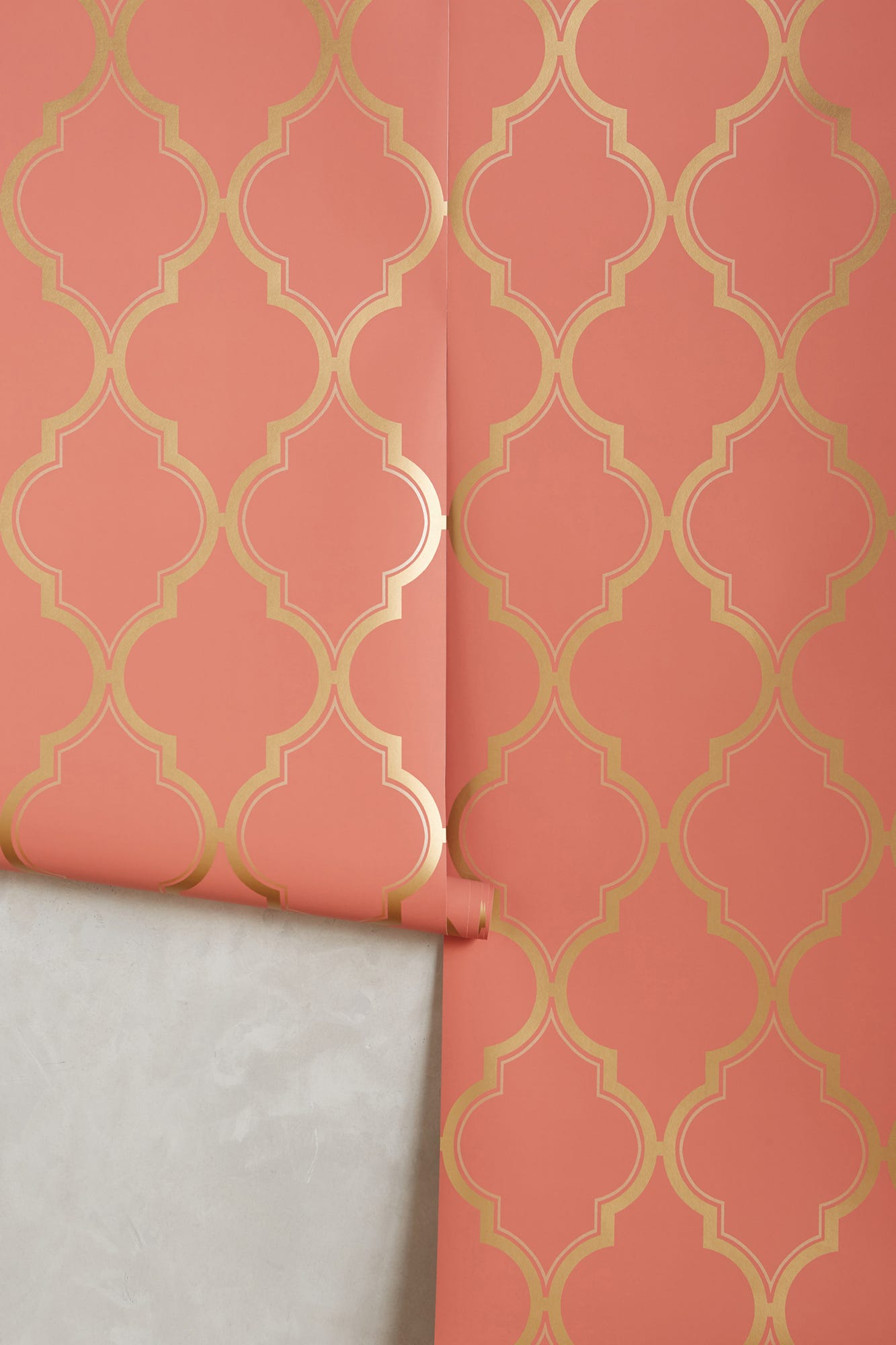
Despite its historical conclusion, Art Deco's influence endures, with contemporary designers borrowing its principles and elements to create modern interpretations. Rather than replicating an entire historical interior, designers now integrate key characteristics to evoke the style's spirit. Defining elements include streamlined, symmetrical forms, geometric ornamentation like trapezoids, triangles, zigzags, chevrons, and sunbursts, and a rich material and textile palette. Color schemes typically feature rich jewel tones such as emerald, gold, and sapphire, often complemented by neutral shades like beige, cream, or muted yellows.
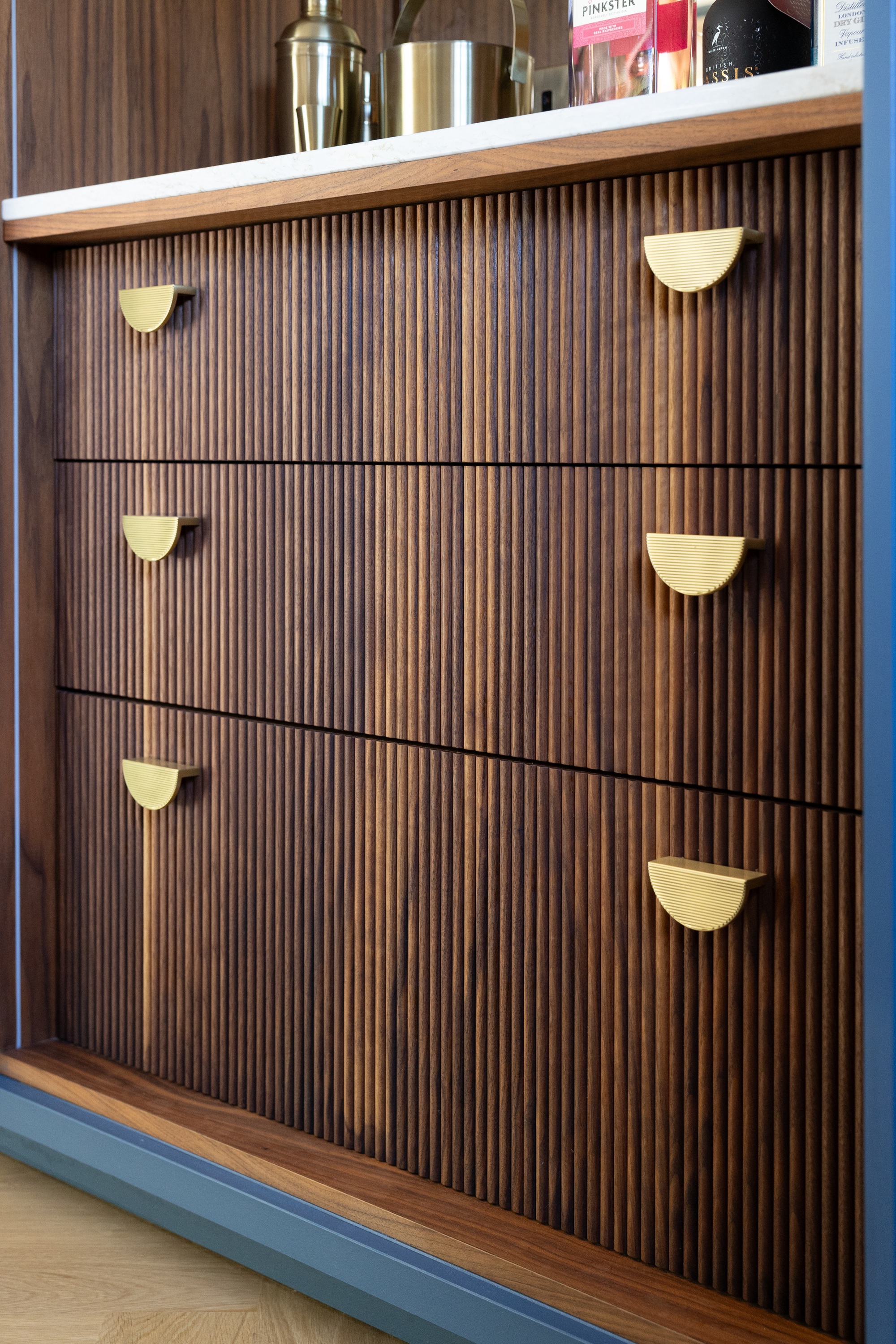
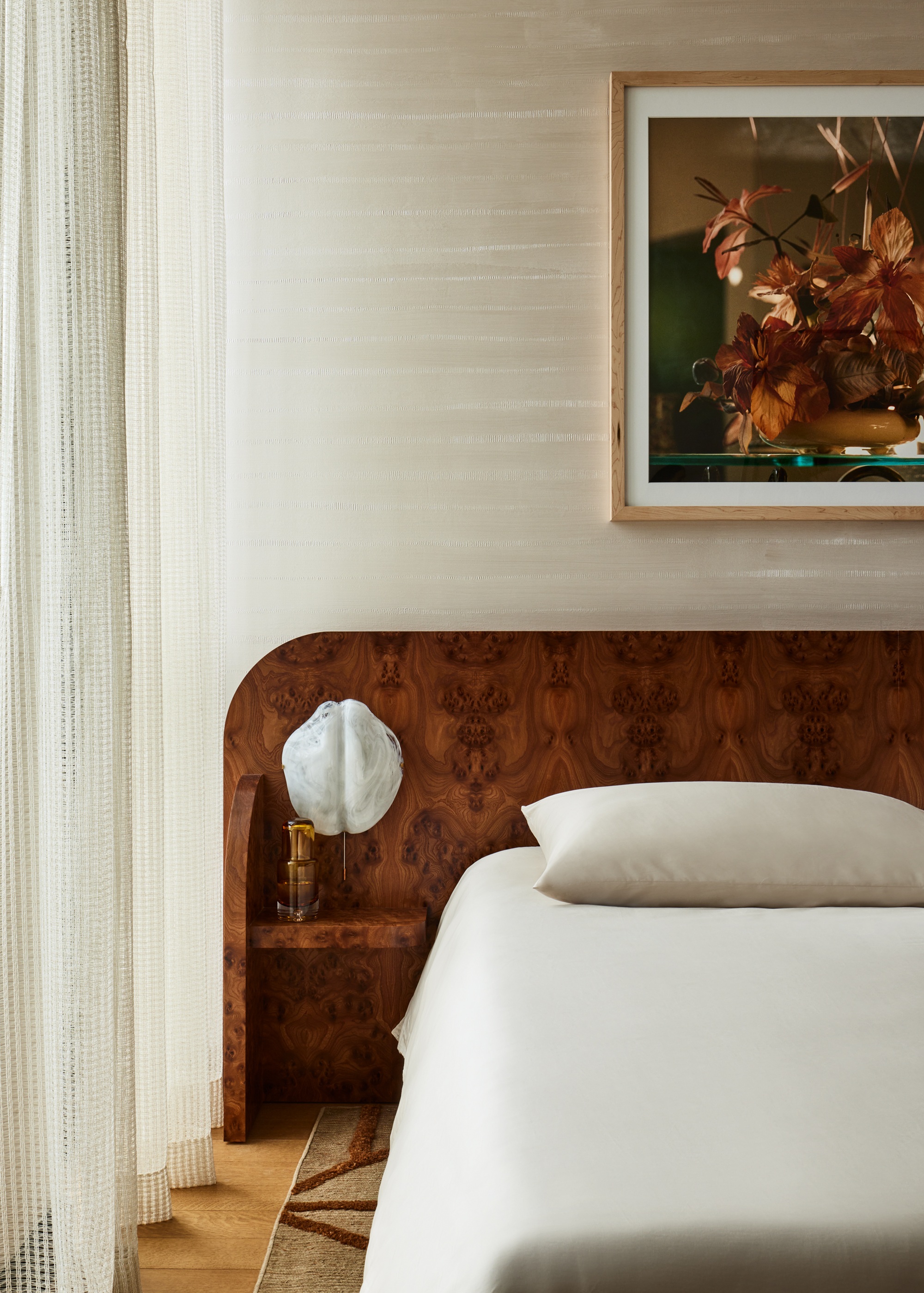
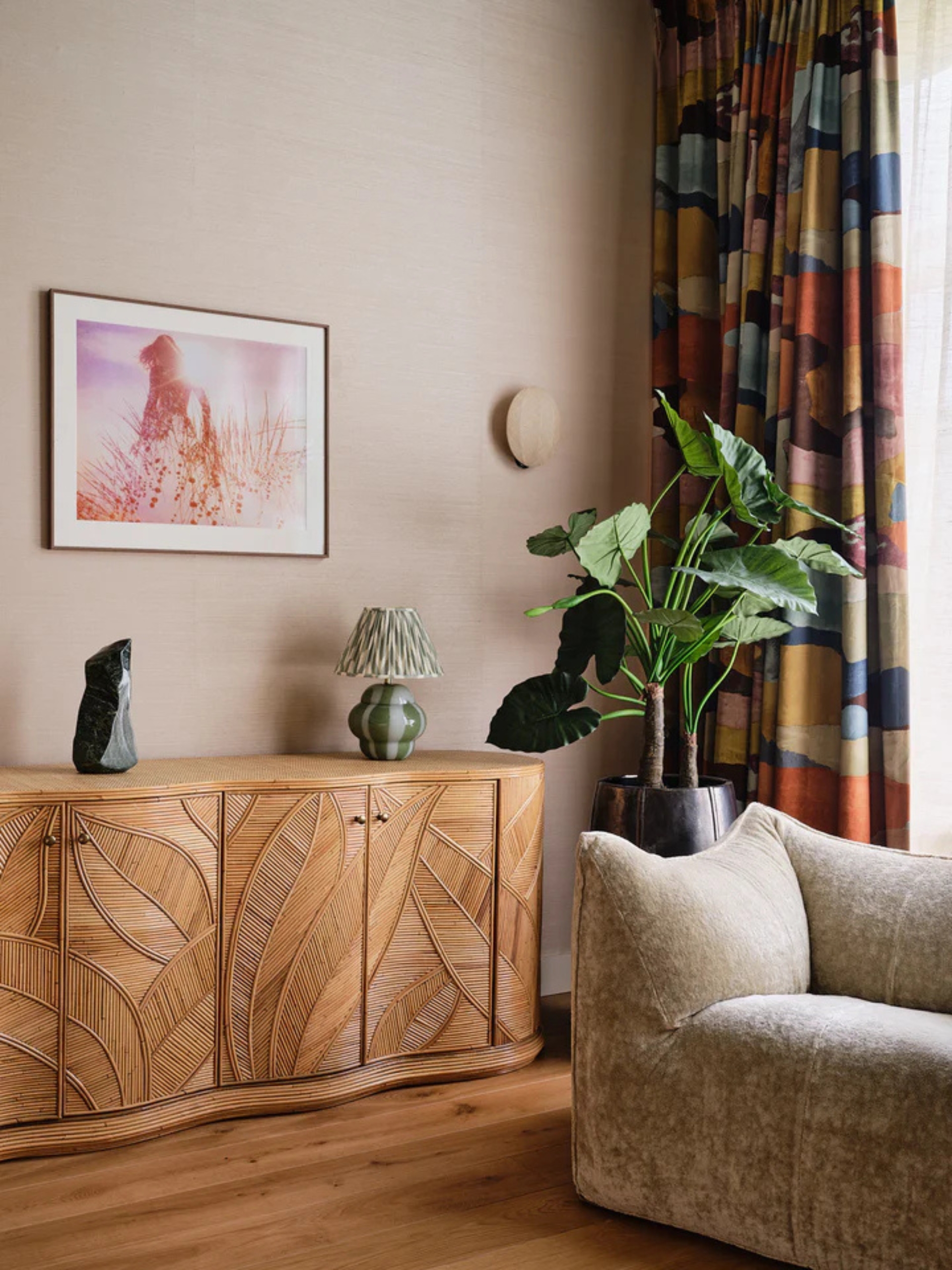
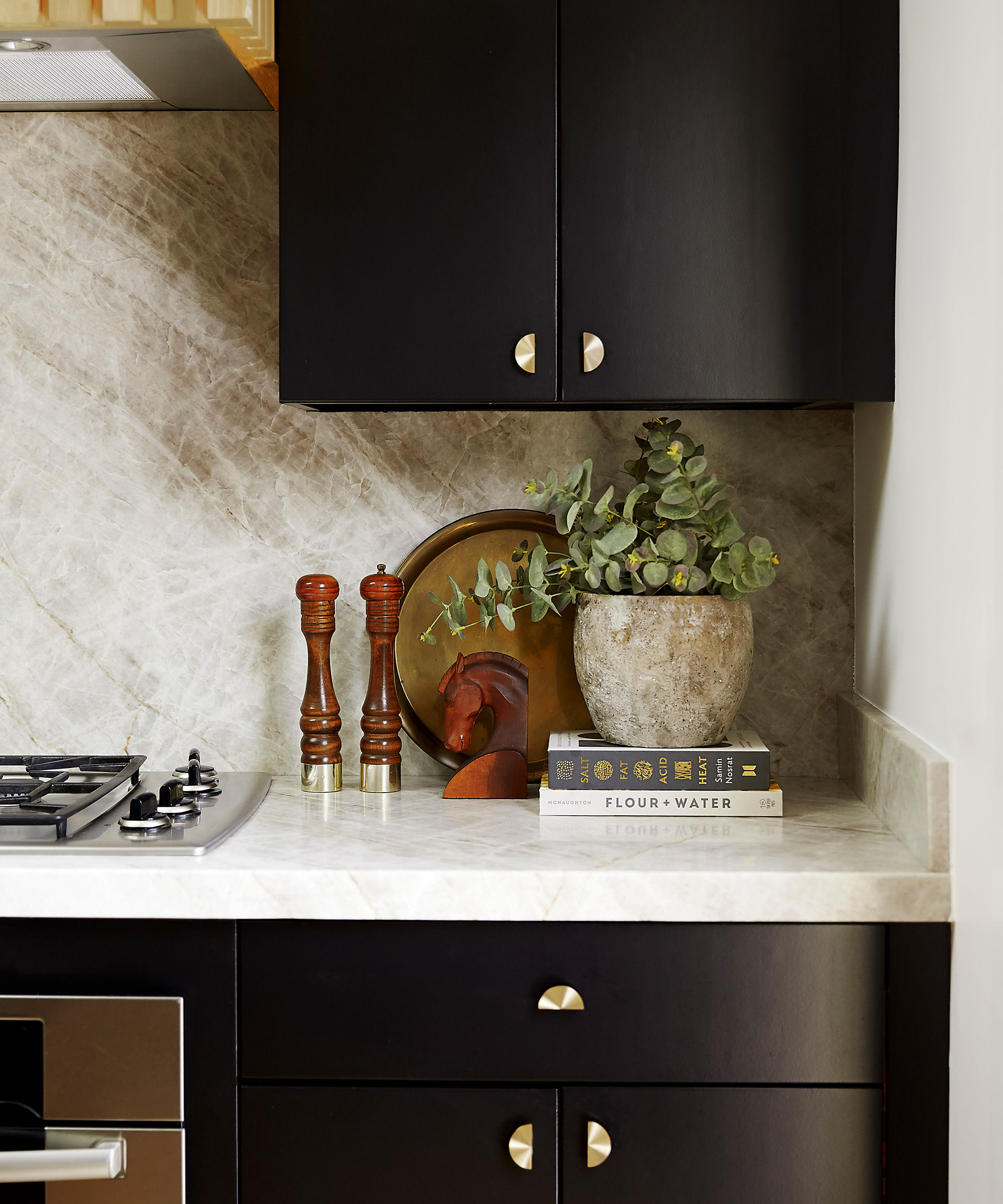
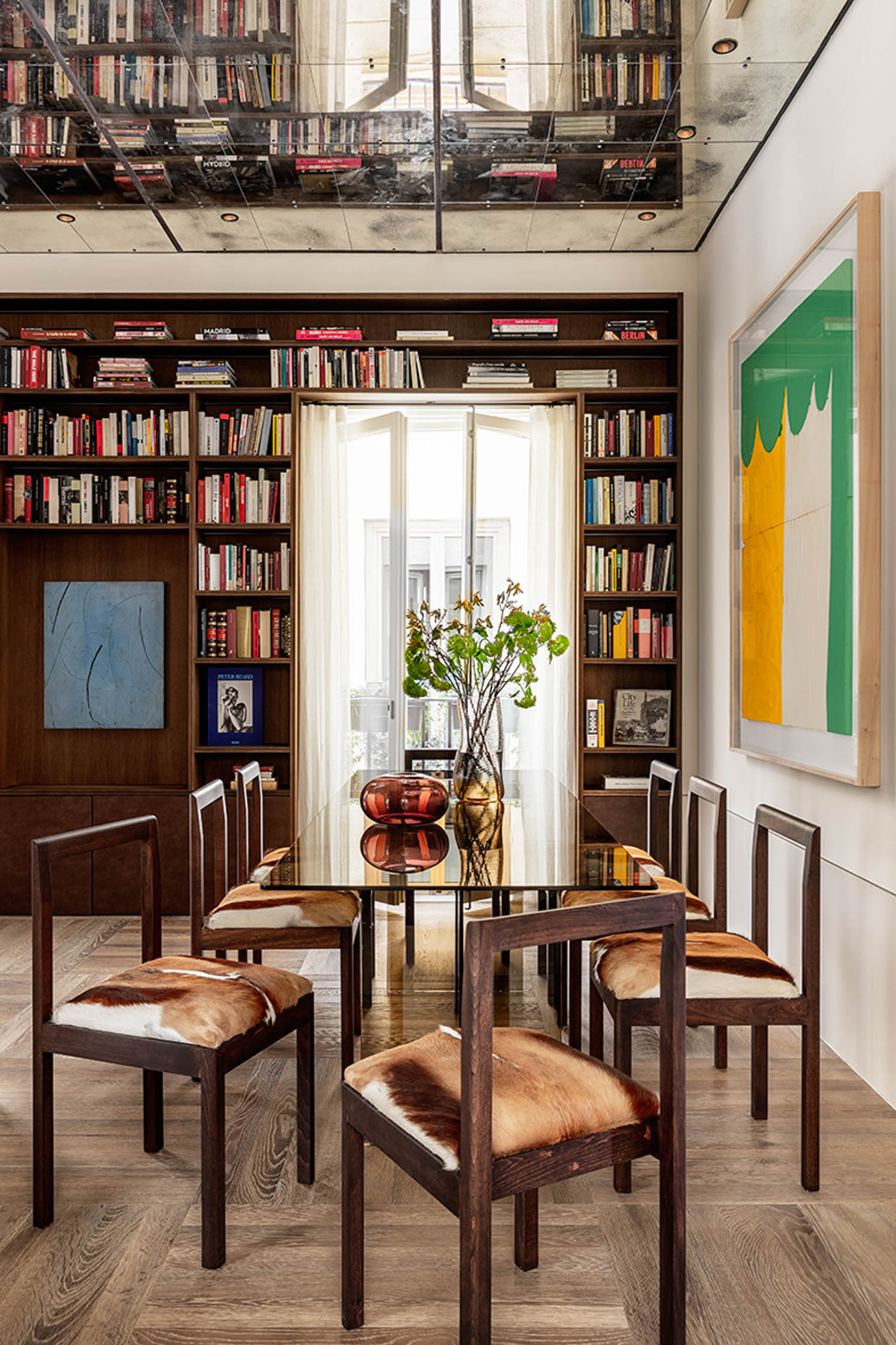
Examples of Art Deco's enduring legacy can be seen in historic landmarks like Radio City Music Hall, known for its terrazzo floors, marble walls, and brass accents, and the Chrysler Building's lobby, with its Siena travertine floor, red-granite walls, and Belgian blue marble-covered lights. Modern designers integrate these elements into various spaces, from living rooms and dining rooms to bedrooms and bathrooms, utilizing black lacquer, updated hardware, geometric tiles, and rich textiles to achieve a contemporary Art Deco feel. Eclecticism and the incorporation of vertical space are additional strategies to infuse a home with the luxurious and worldly essence of Art Deco.
#ArtDeco #InteriorDesign #DesignHistory #ArchitecturalStyle #HomeDecor #LuxuryDesign #GeometricPatterns #JewelTones #ModernInterpretation #ArtDeco #InteriorDesign #DesignHistory #ArchitecturalStyle #HomeDecor #LuxuryDesign #GeometricPatterns #JewelTones #ModernInterpretation
0 comment in total
 No comments yet
You may also like
9 Stunning Art Deco Interior Design Styles

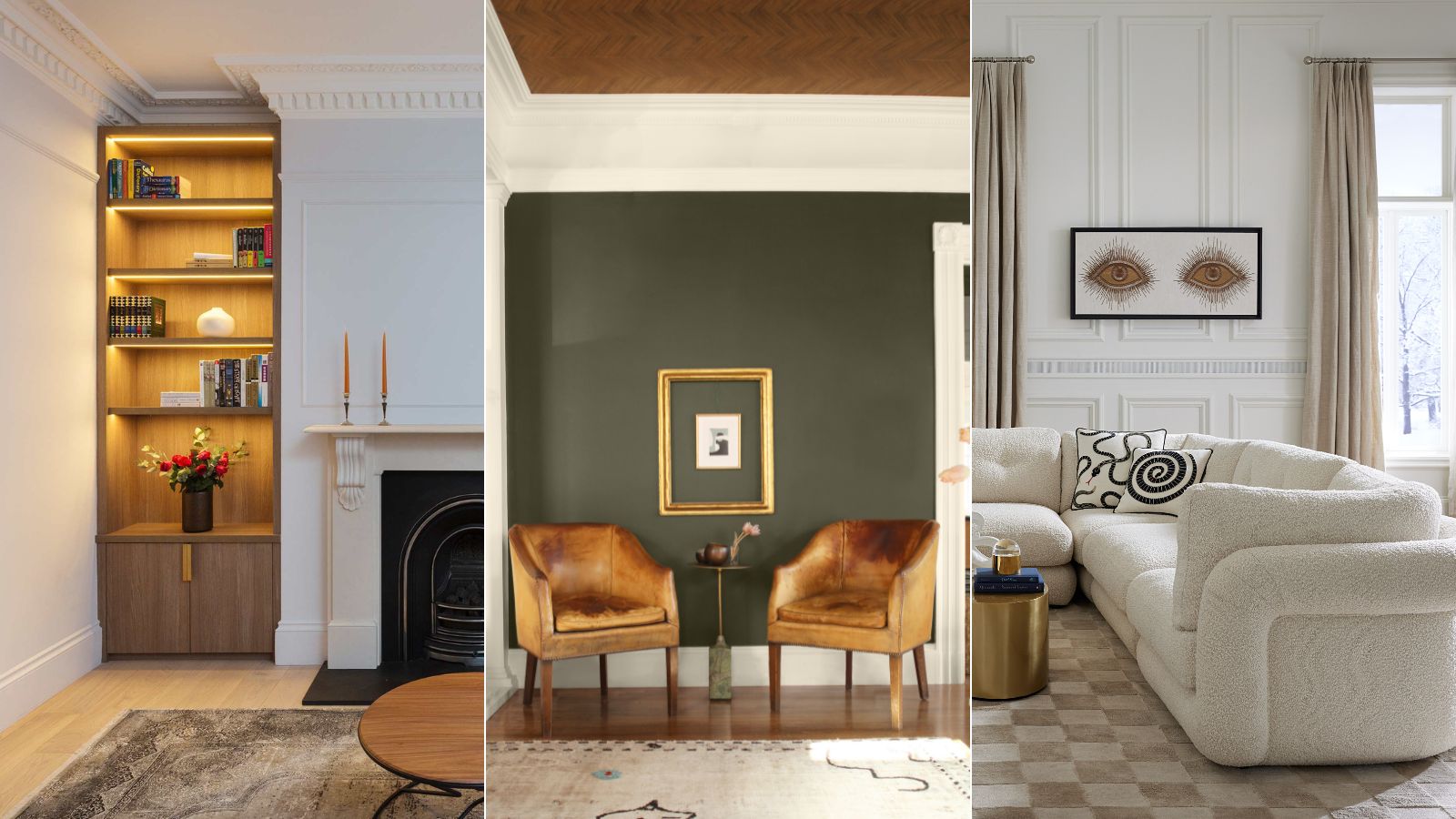
8 Art Deco living room ideas to add classic and glamorous style
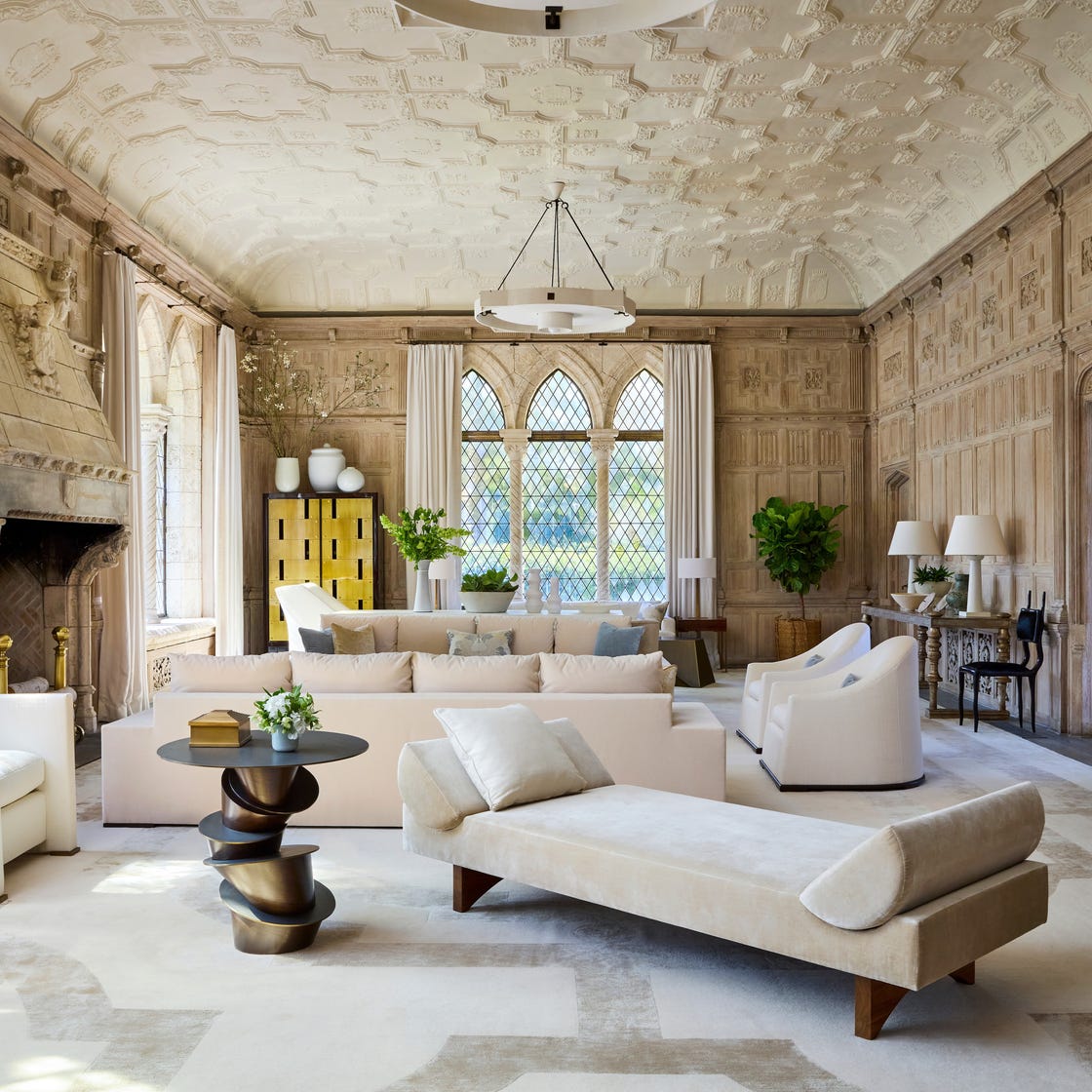
These 12 Art Deco Living Rooms Make a Bold Case for Unapologetic Glamour

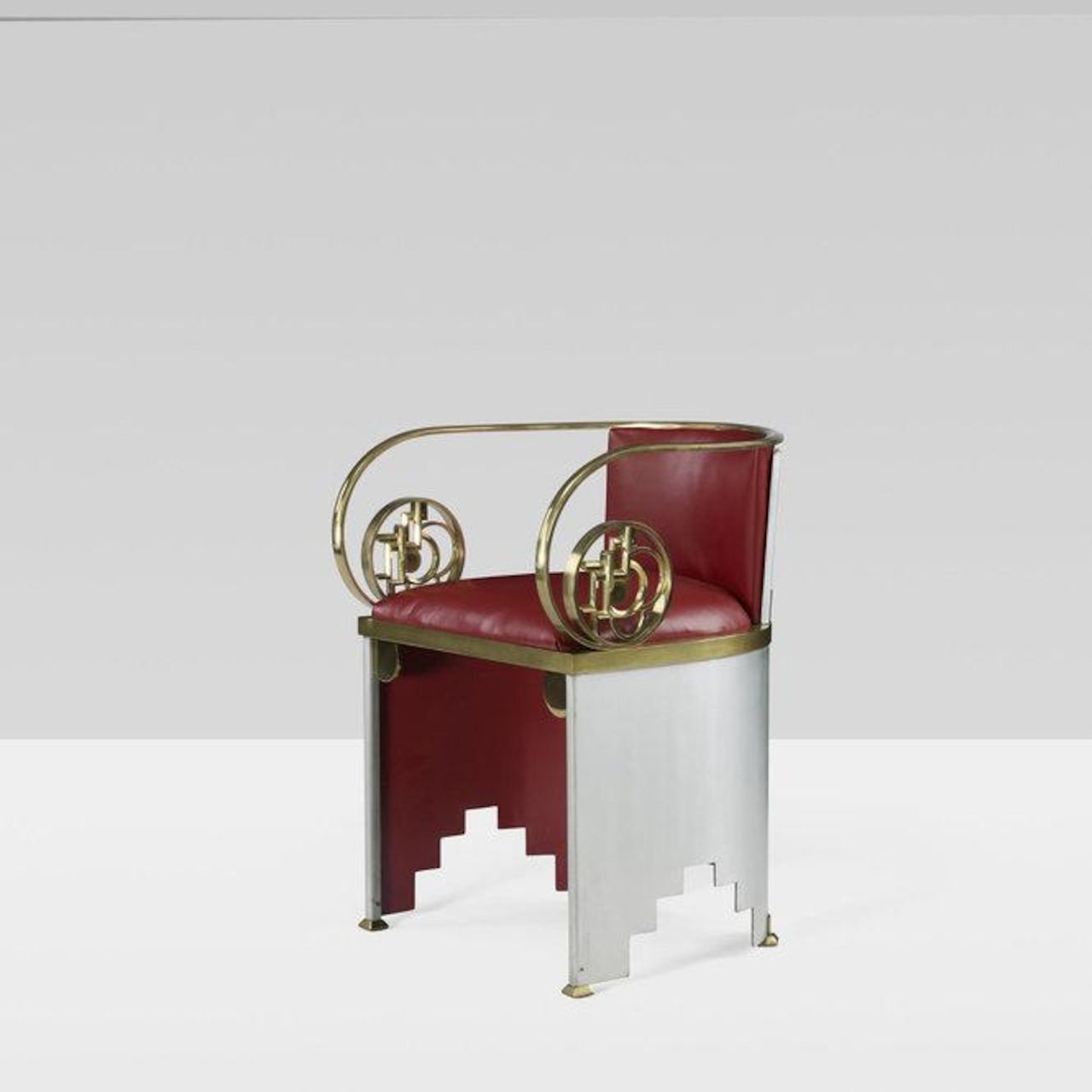
The Jazz Age: American Style in the 1920s can inspire a bit of the Roaring 20s in our own homes
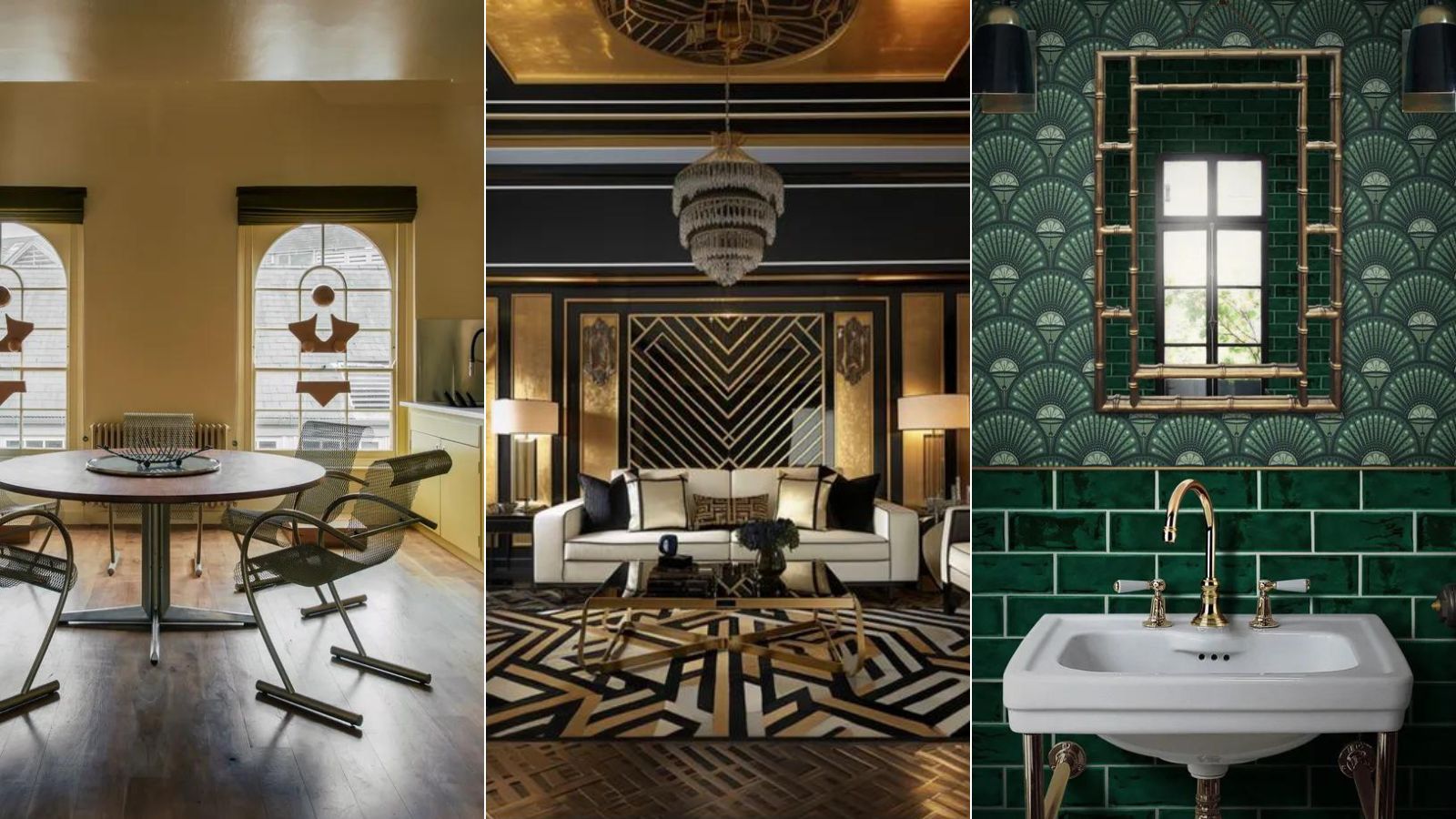
What is Art Deco design? Expert advice on this luxurious look that's returning for 2024

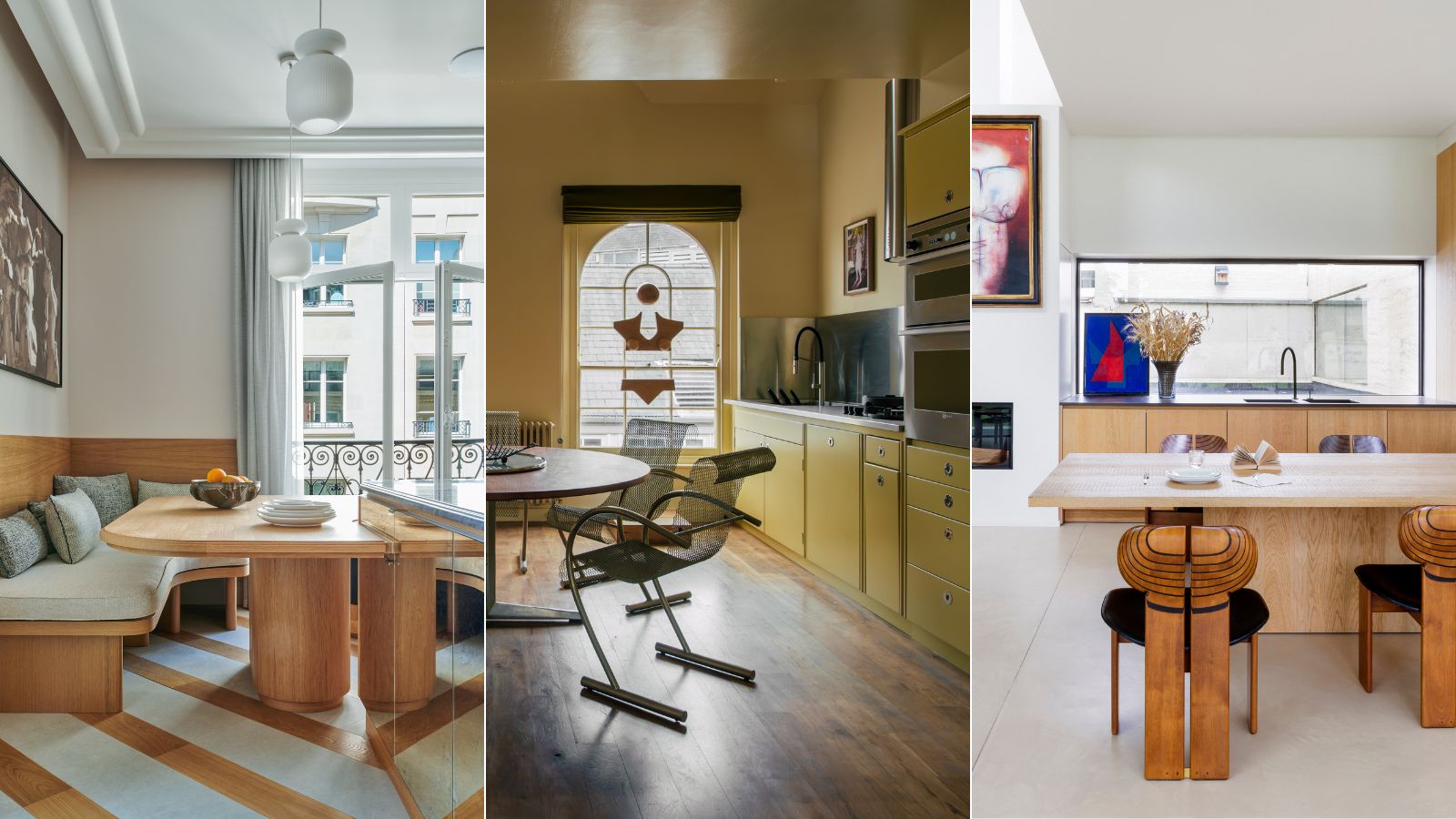
5 Art Deco kitchen ideas: for a nostalgic, glamorous look
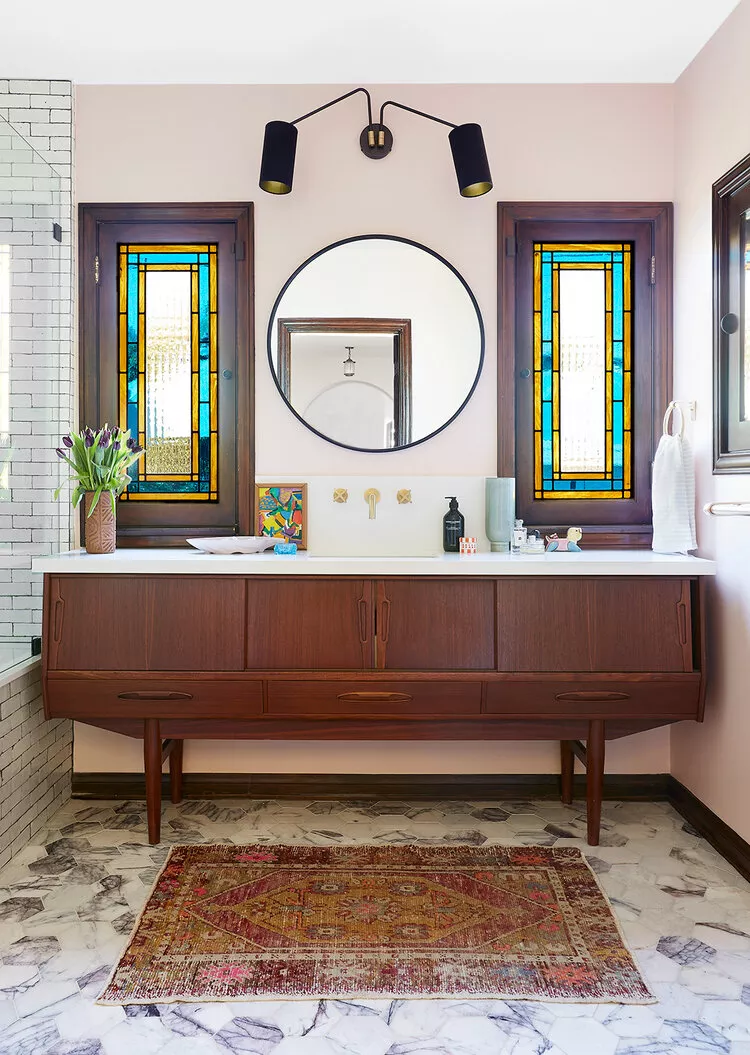
23 Art Deco-Inspired Bathrooms to Glam Up Your Life

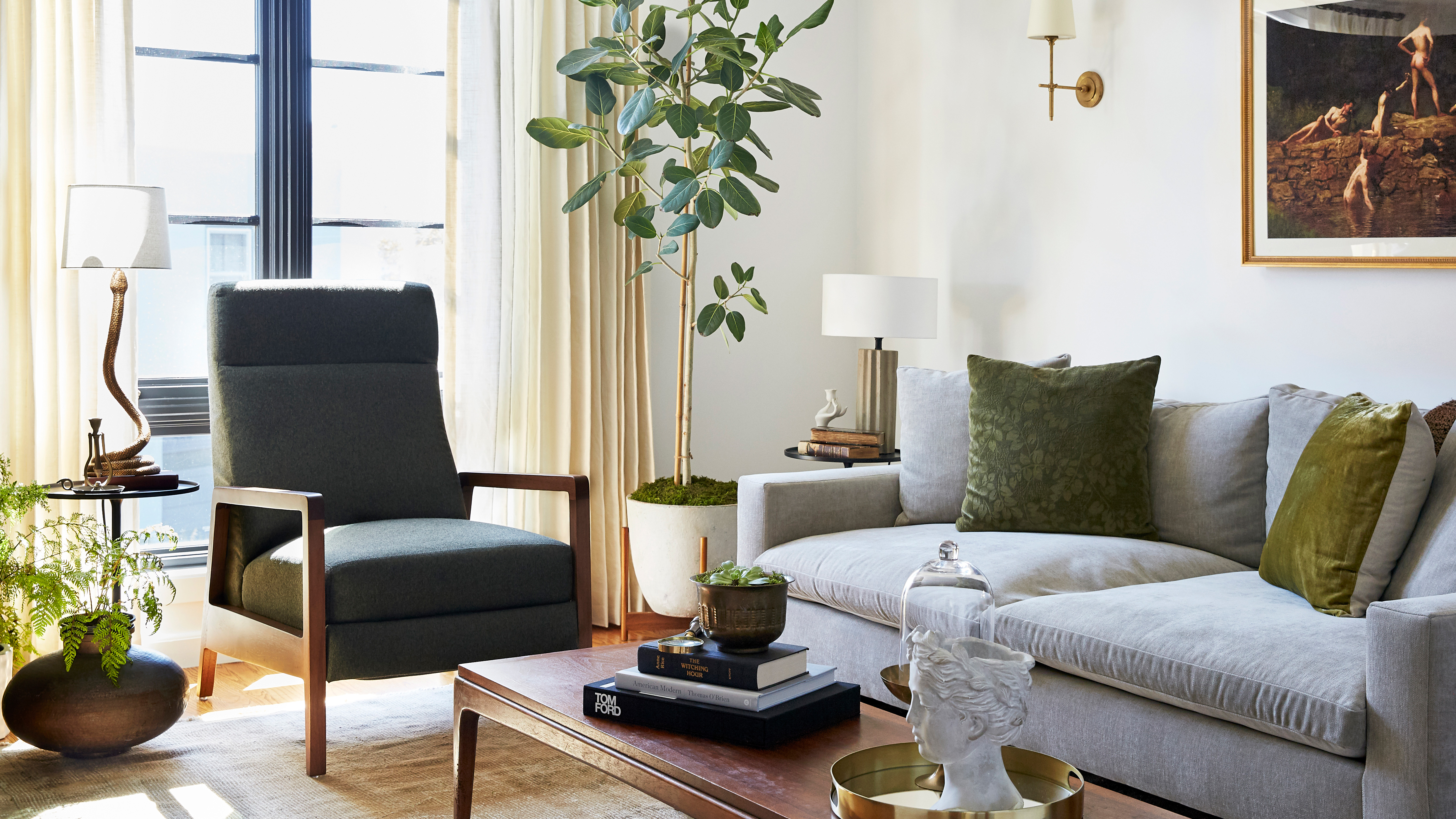
Design house: A quaint Art Deco home has been given a contemporary lift with color, texture and luxe materials
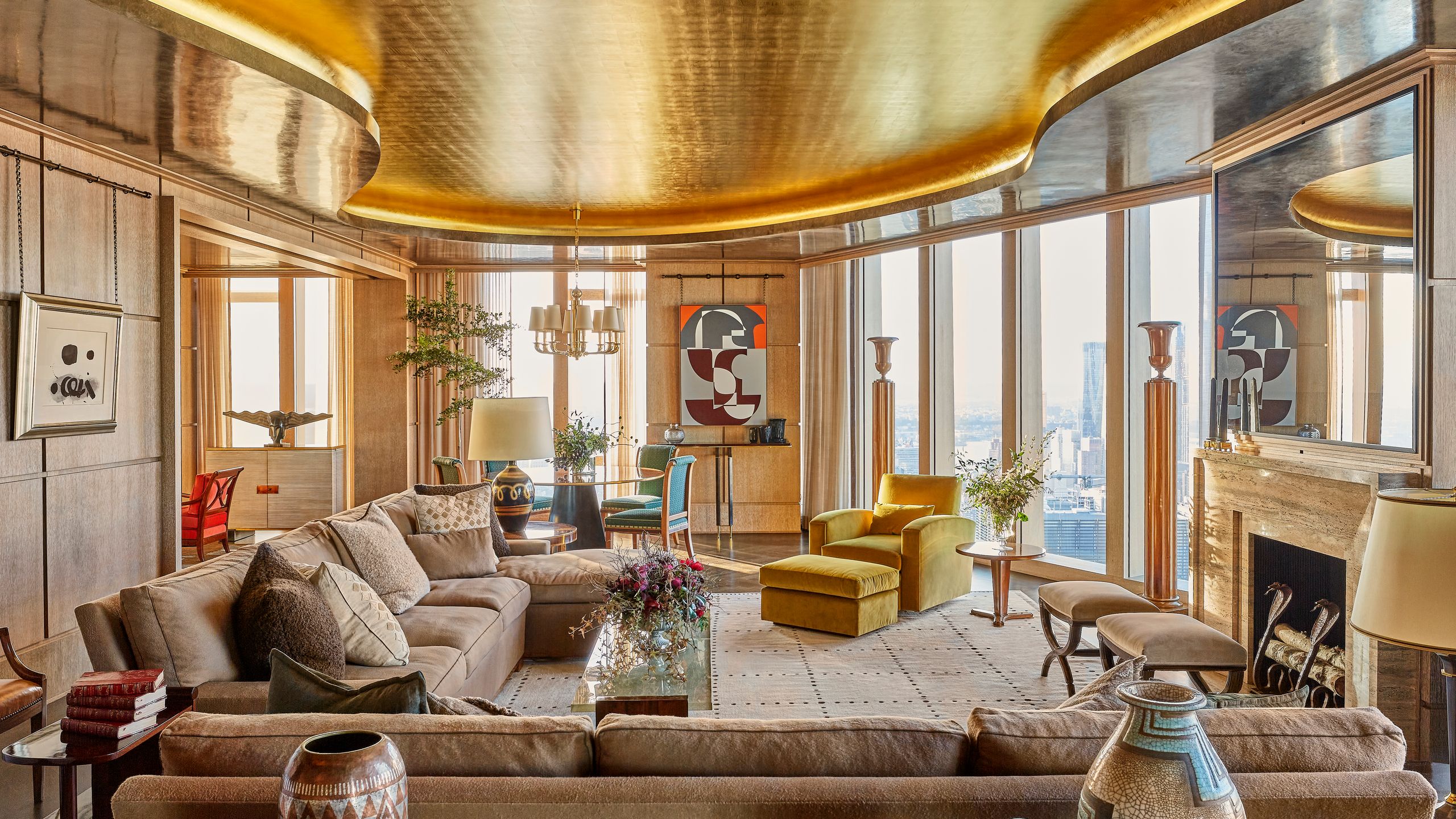
Step Inside 7 Opulent Art Deco–Inspired Homes
Editor's Letter: One hundred years of art deco

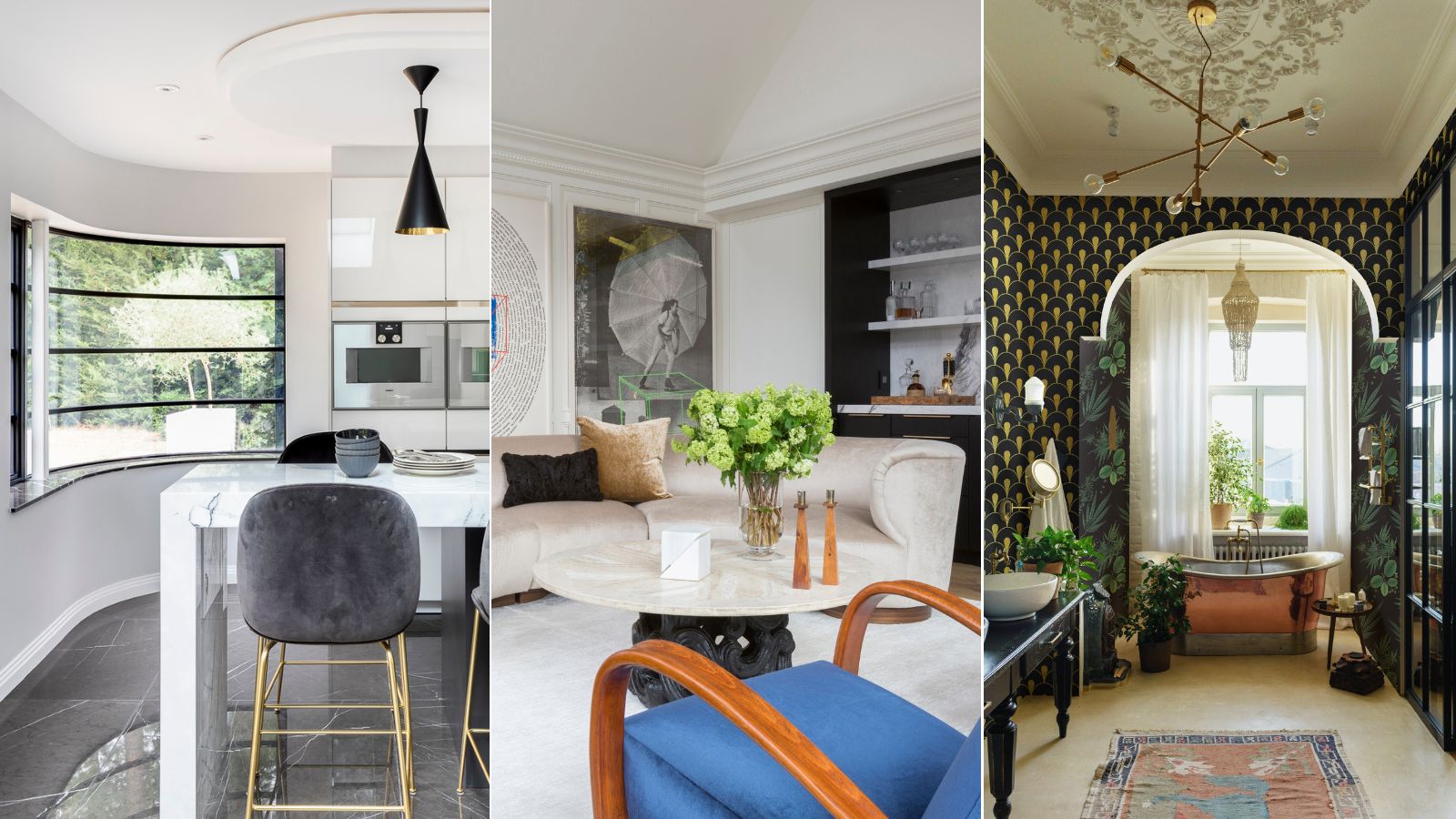
Is Art Deco back on trend? Experts share how they make the iconic design style fresh for 2024
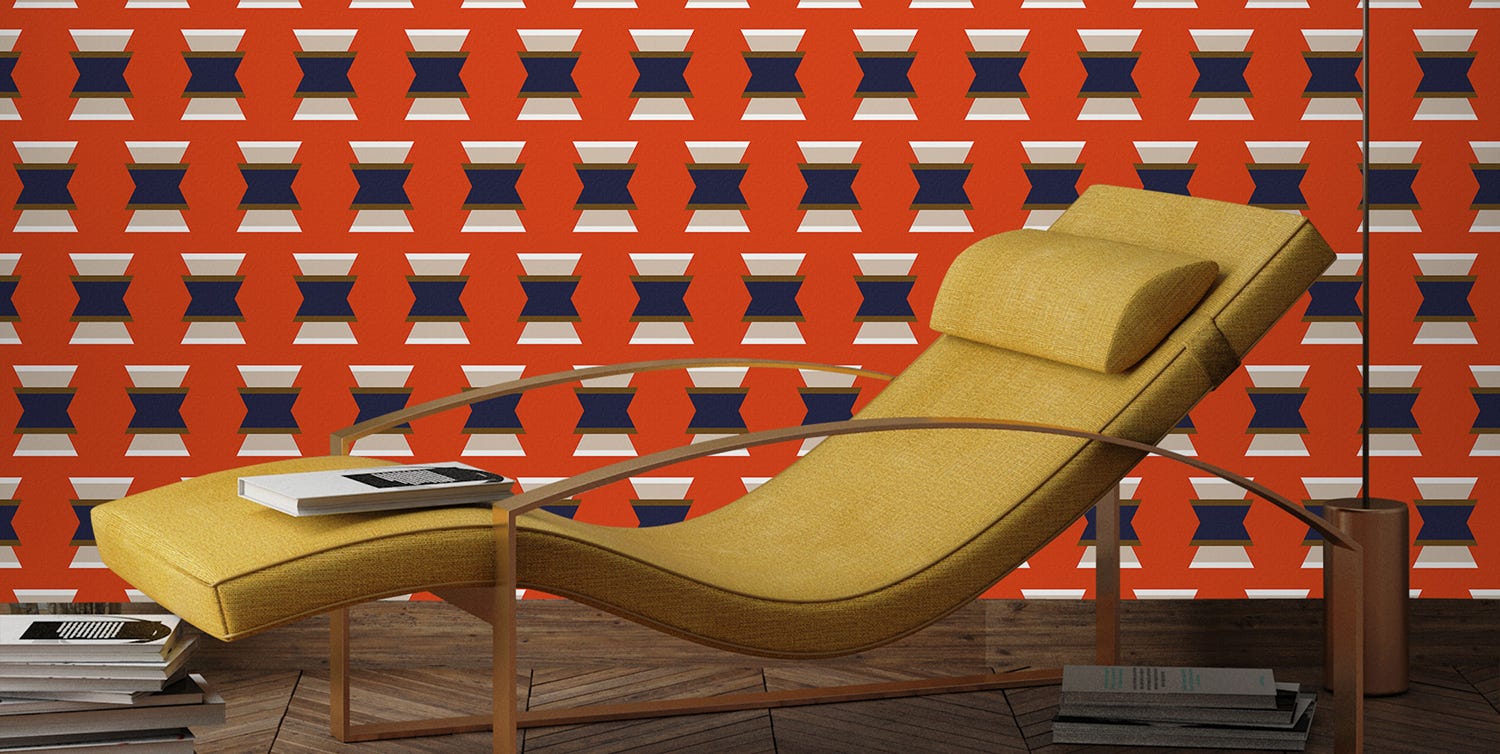
Give 1920s-Inspired Decor A Spin With These 18 Vivacious Art Deco Wallpapers
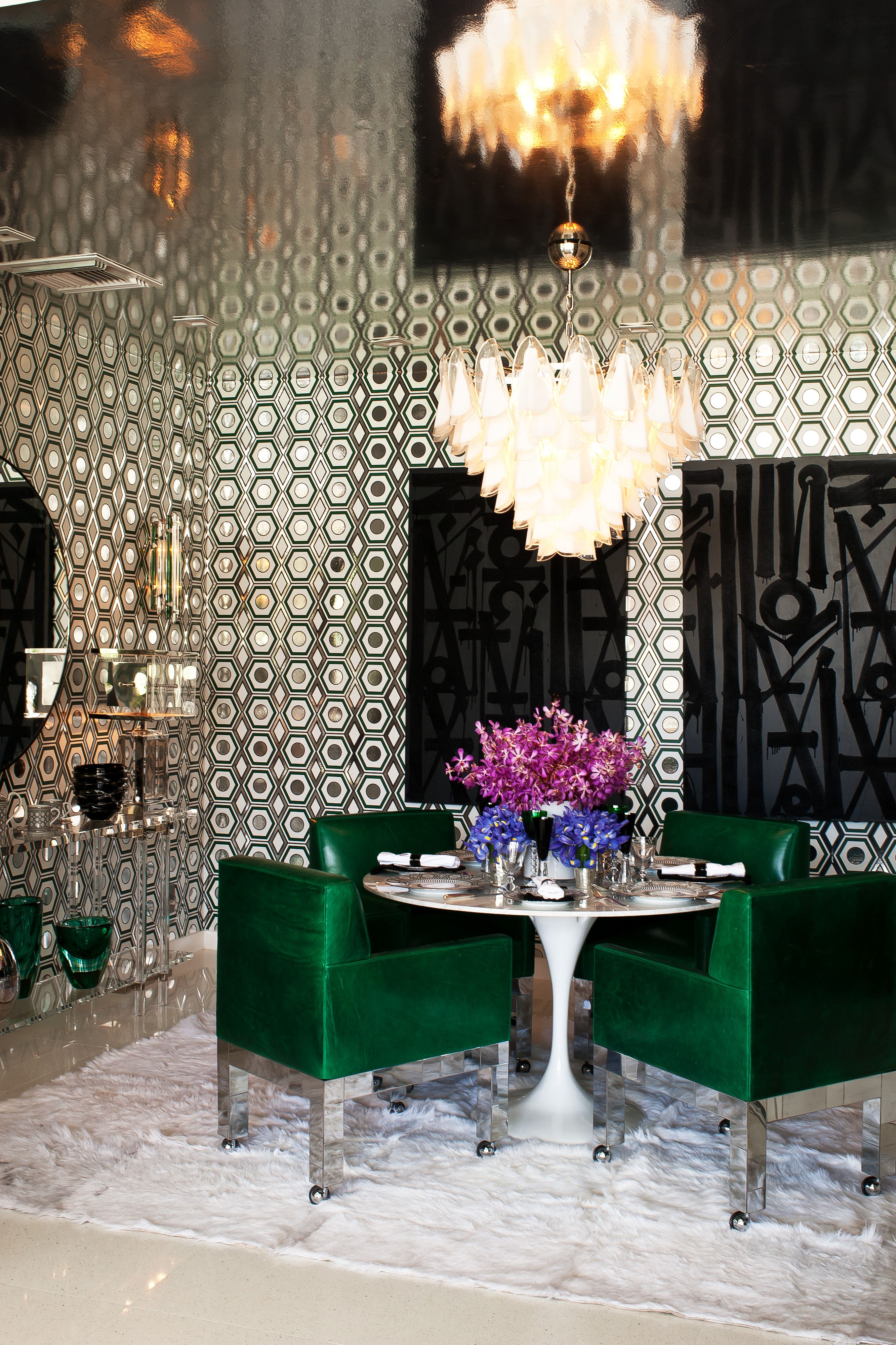
Art Deco Interior Design in 6 Ways—Including Bold Patterns and Jewel Tones

10 items to bring 1920s art deco style into your home
8 Art Deco Bedrooms That Bring a Modern Take on This Style's Glamorous Luxury

A Stylish Madrid Residence Brimming With Art Deco Charm
From Bed Frames to Mirrors, These Art Deco Touches Will Elevate Your Home
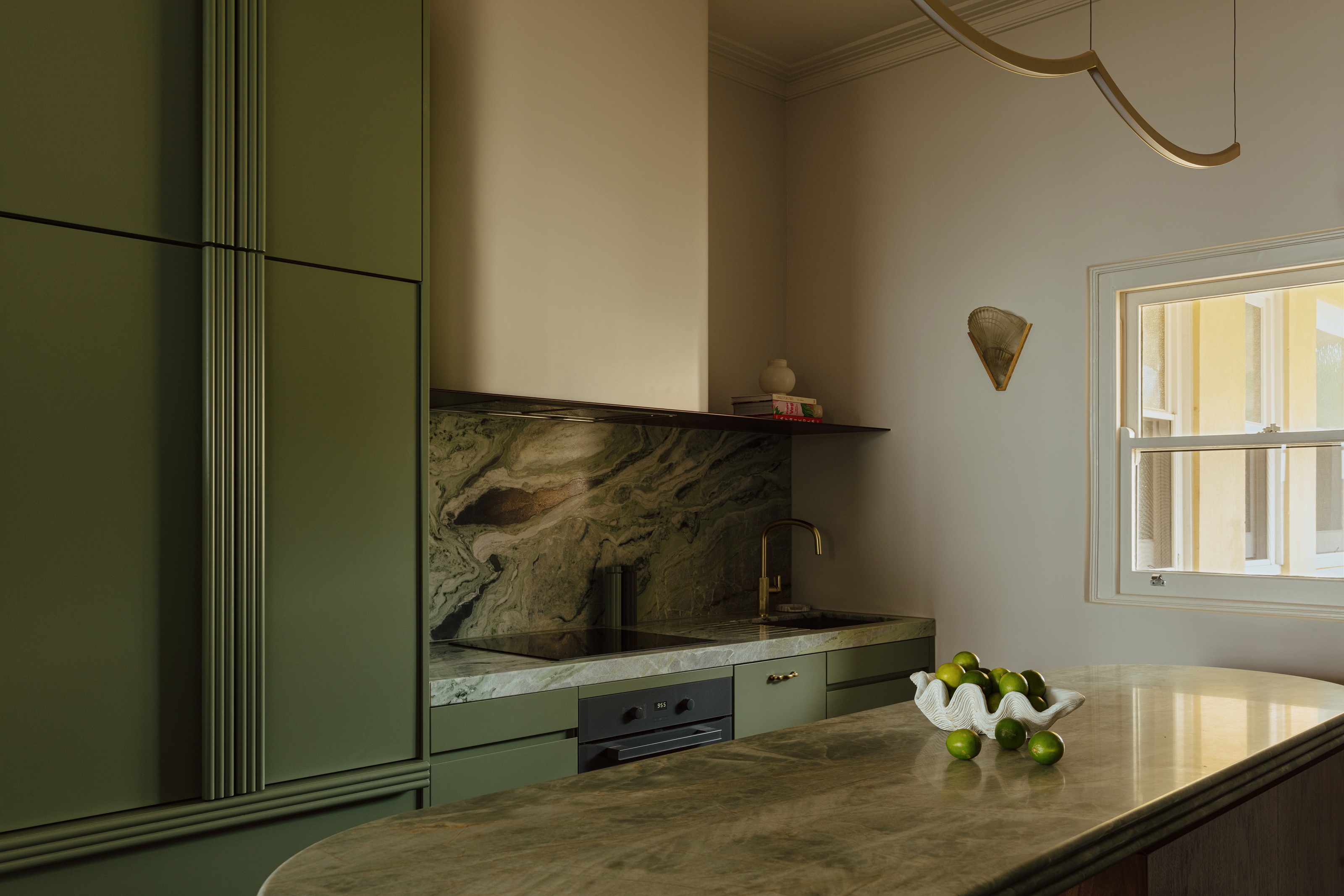
10 Modern Ways to Bring Art Deco Into a Kitchen That Will Add a Glamorous Edge to Your Design
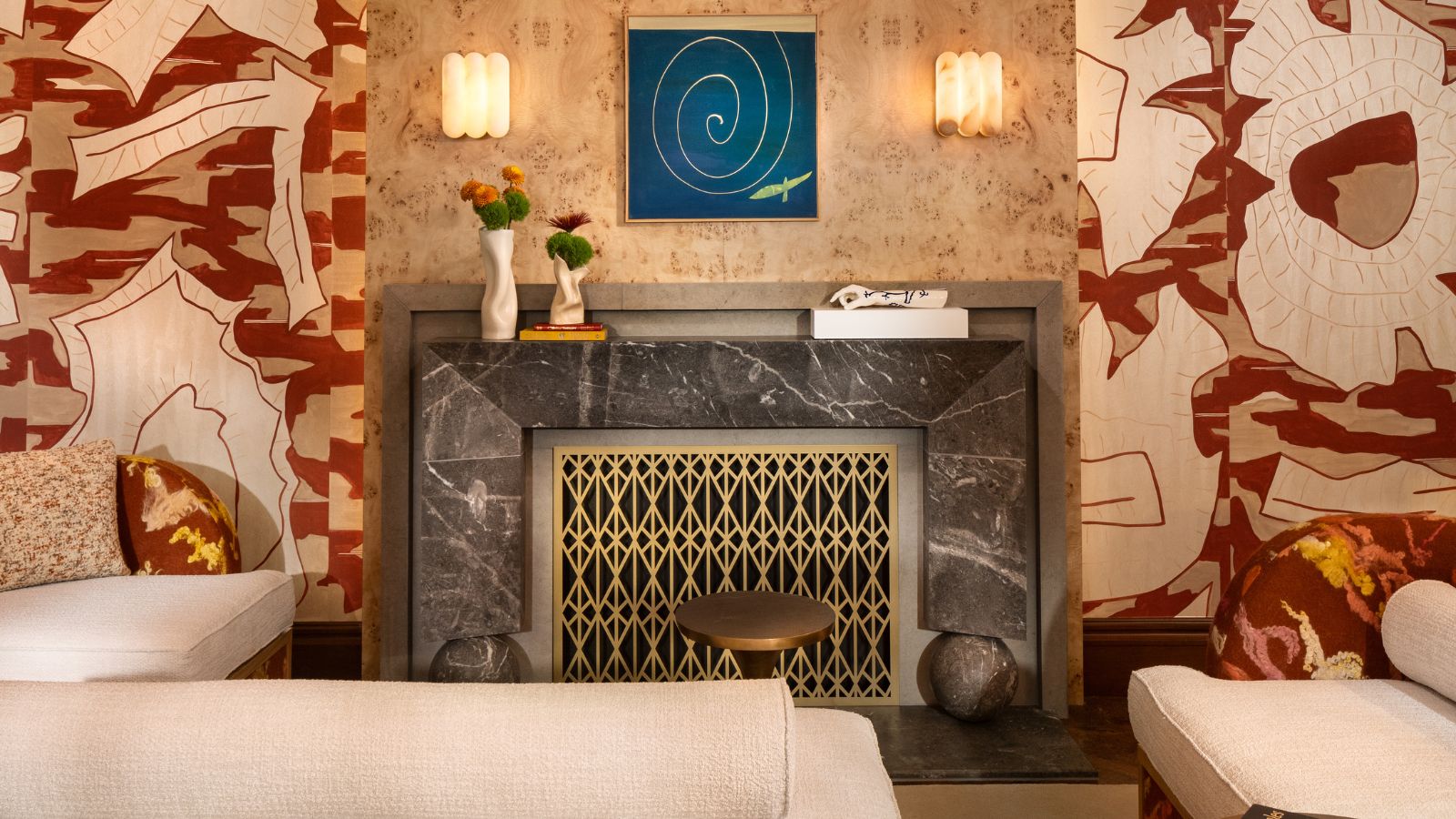
This is how designers are doing Art Deco in 2025, 100 years on from when this iconic style began

Yoselin Alonso Open Concept