1/4
Biophilic lighting: can lamps bring the benefits of nature inside?
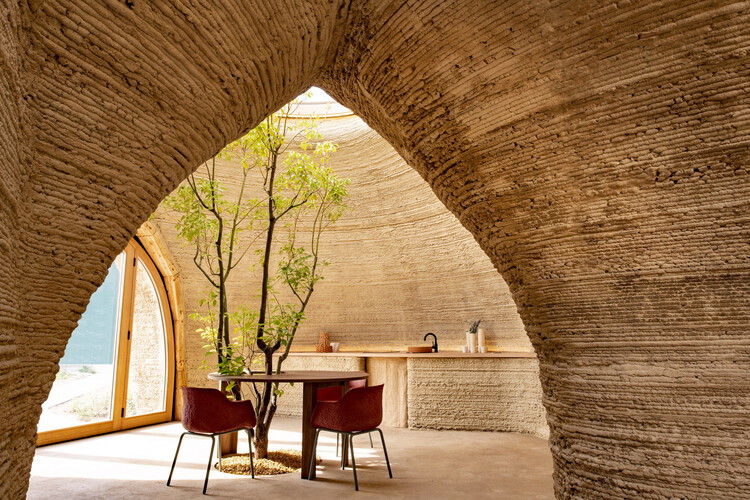
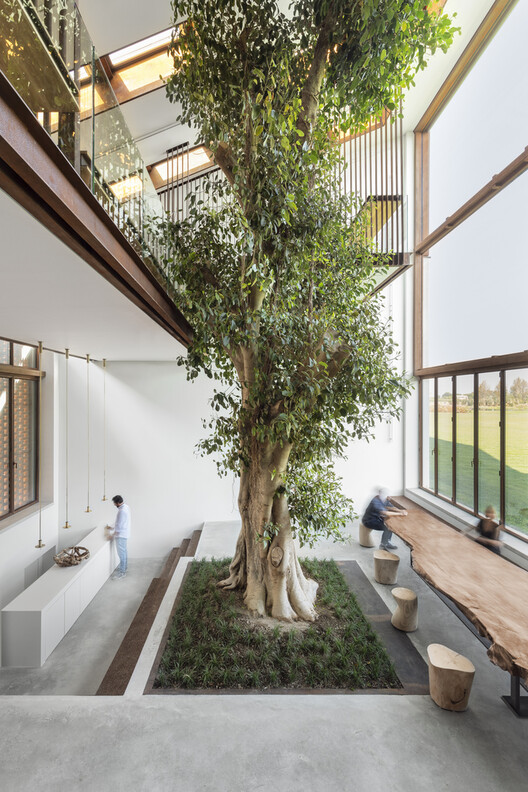
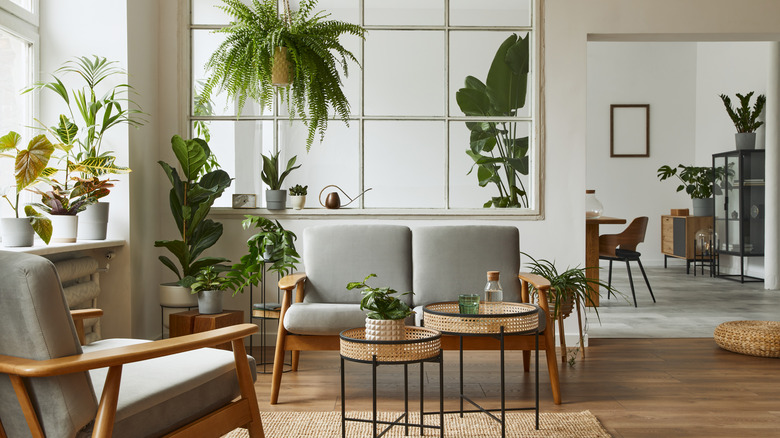
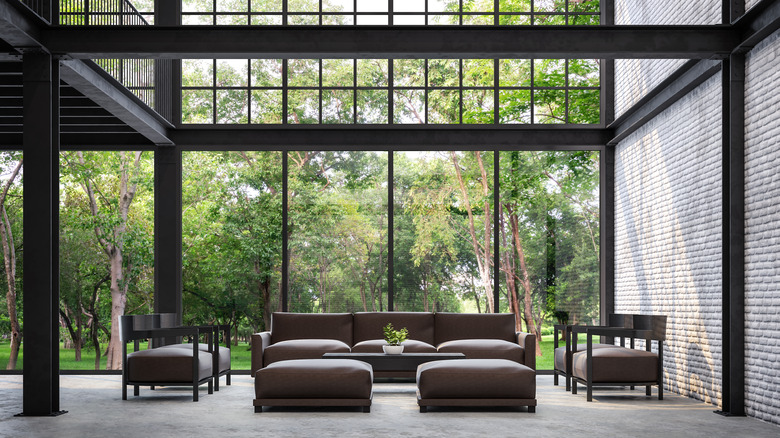
Biophilic lighting design aims to connect individuals with nature and enhance their quality of life, particularly in urbanized environments where natural elements are often scarce. The core principle involves mitigating the negative impacts of built surroundings by integrating natural features such as water, vegetation, and sunlight. When direct natural elements are unavailable, biophilic design can be implemented through the use of colors and shapes that evoke nature, like green hues, undulating lines, and organic forms, which are known to reduce stress, boost creativity, and improve well-being. Lighting offers a particularly effective medium for this, as artificial light sources can be designed with an organic twist to introduce these natural qualities into interiors.
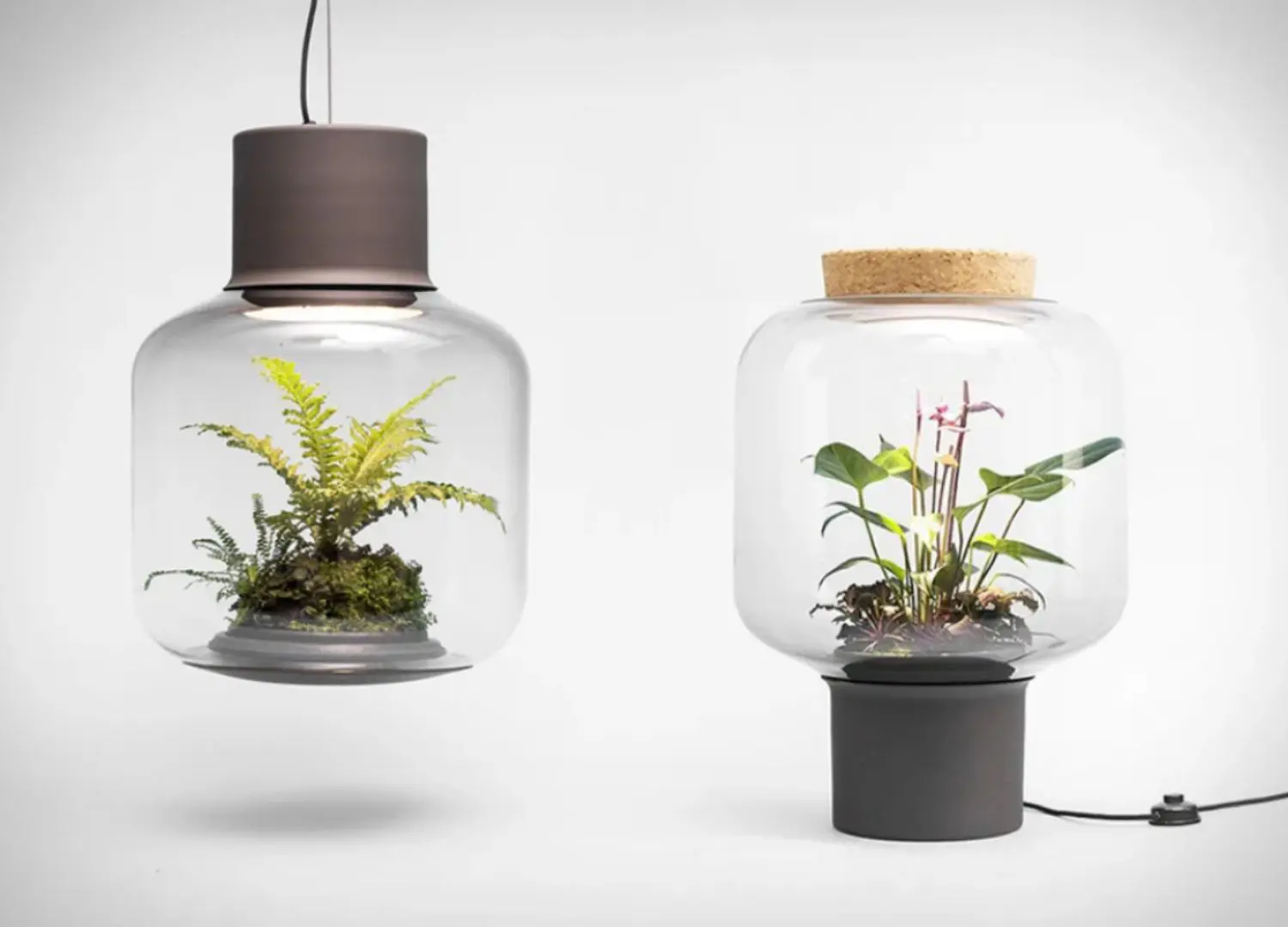
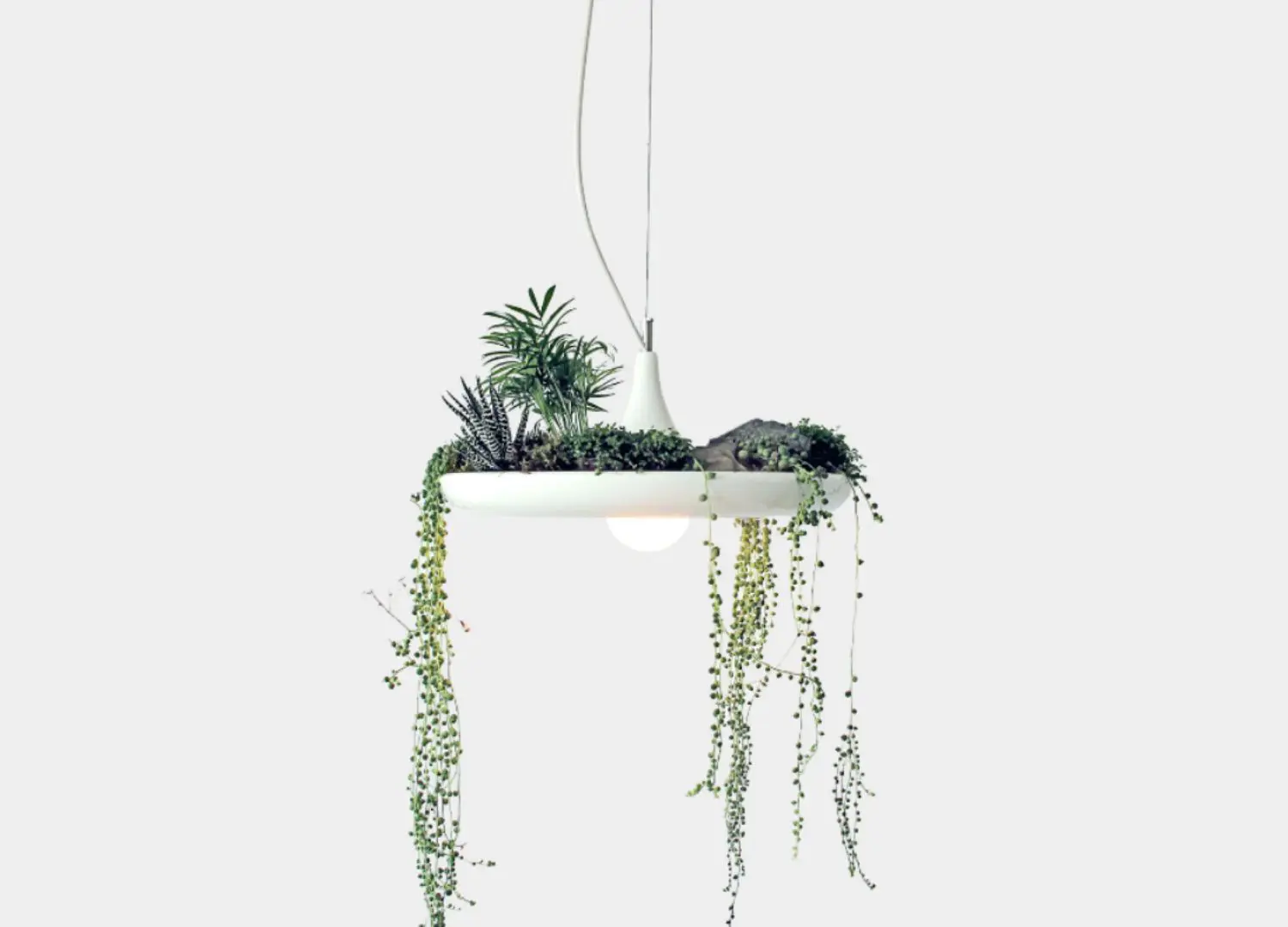
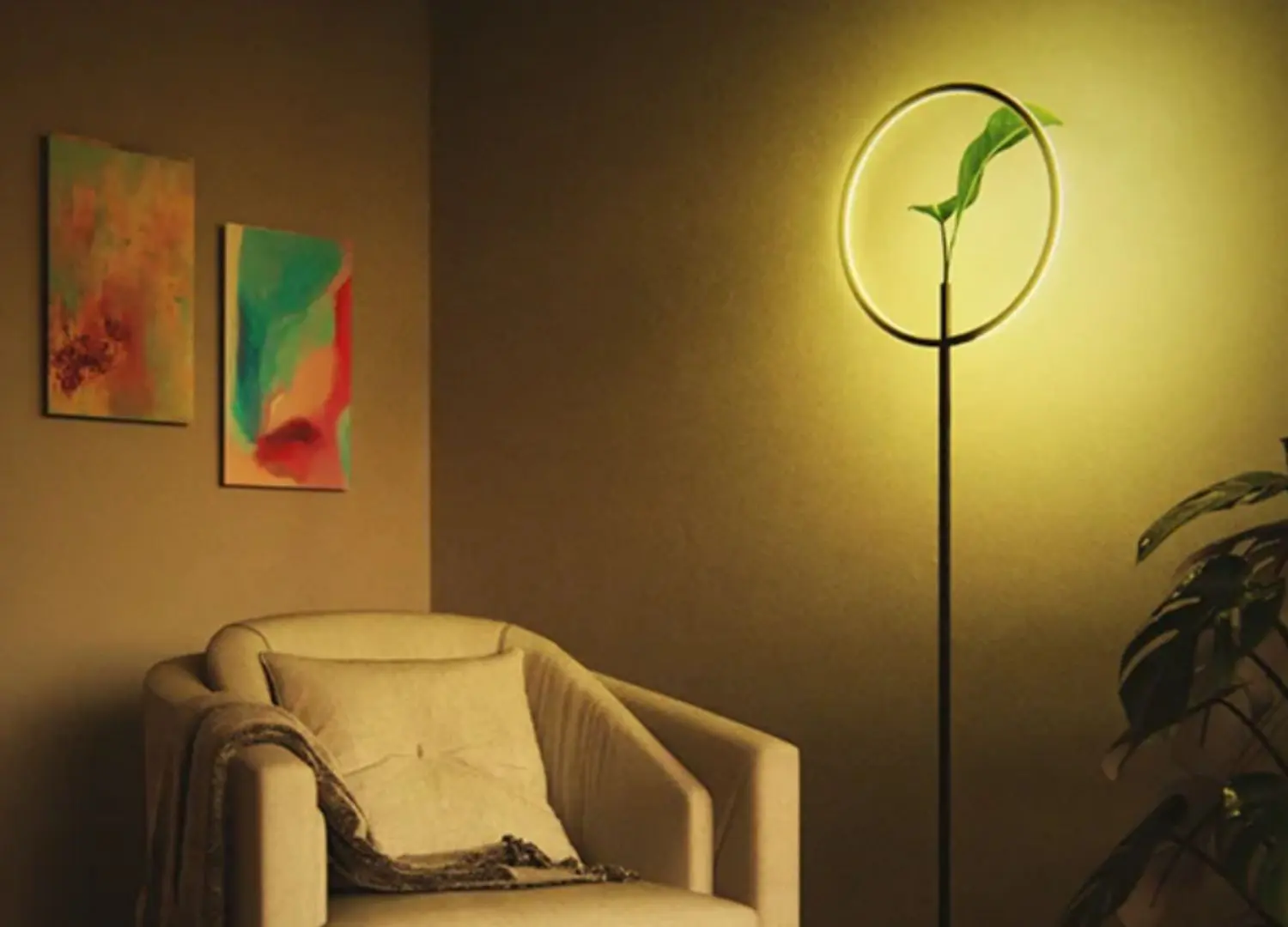
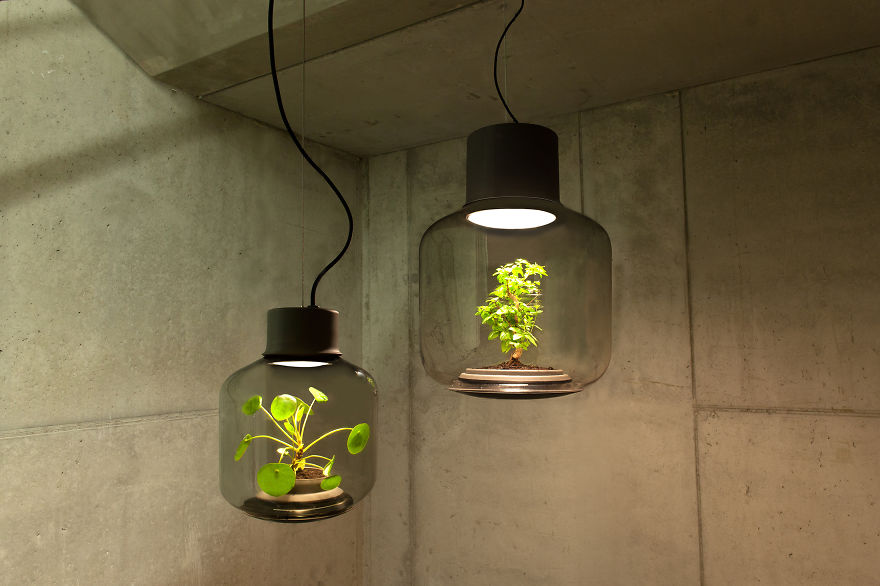
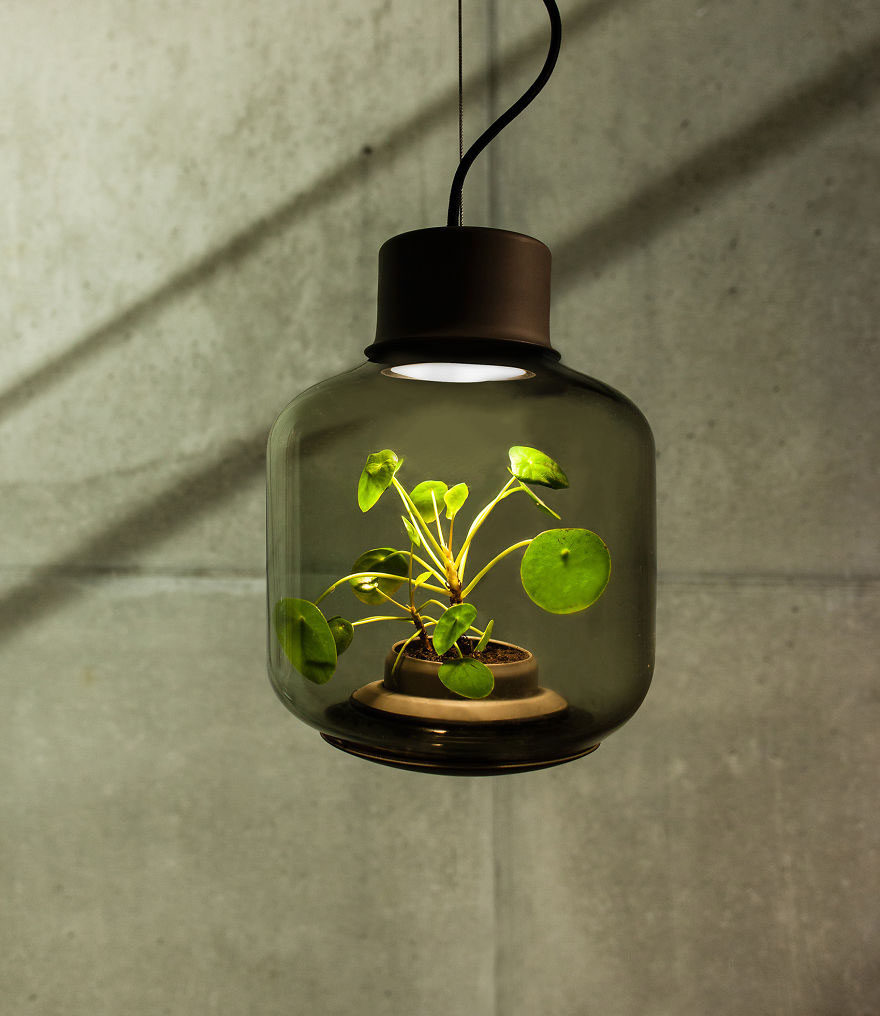
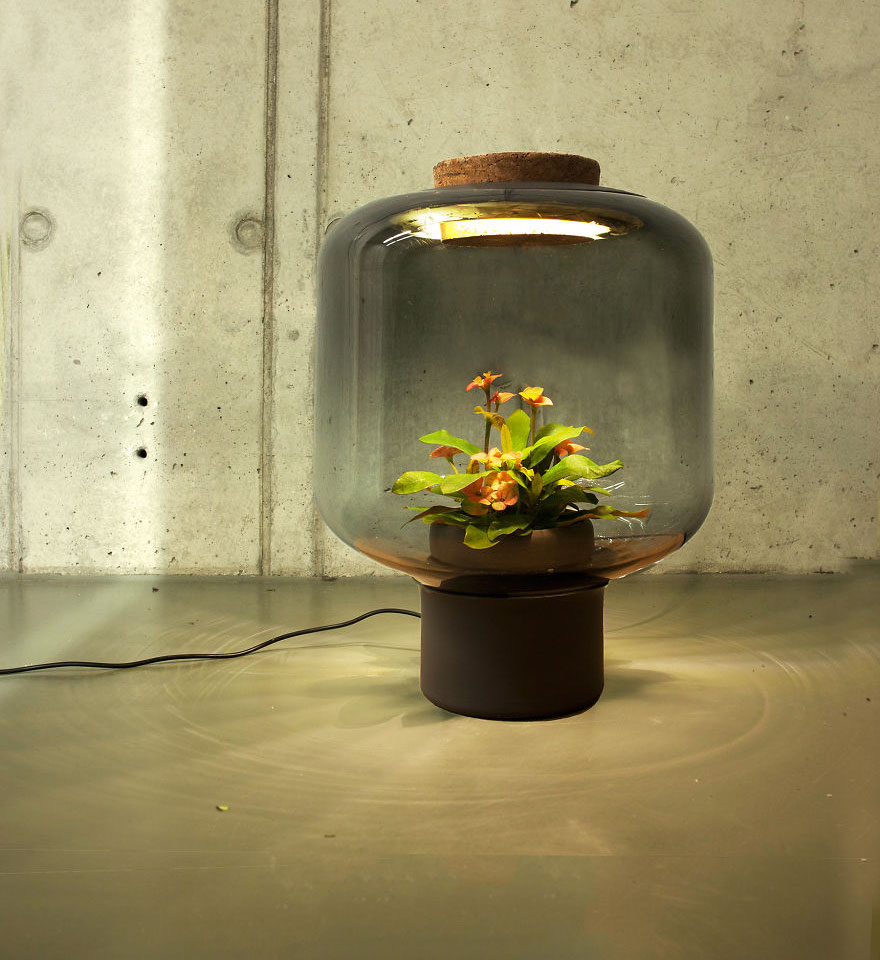
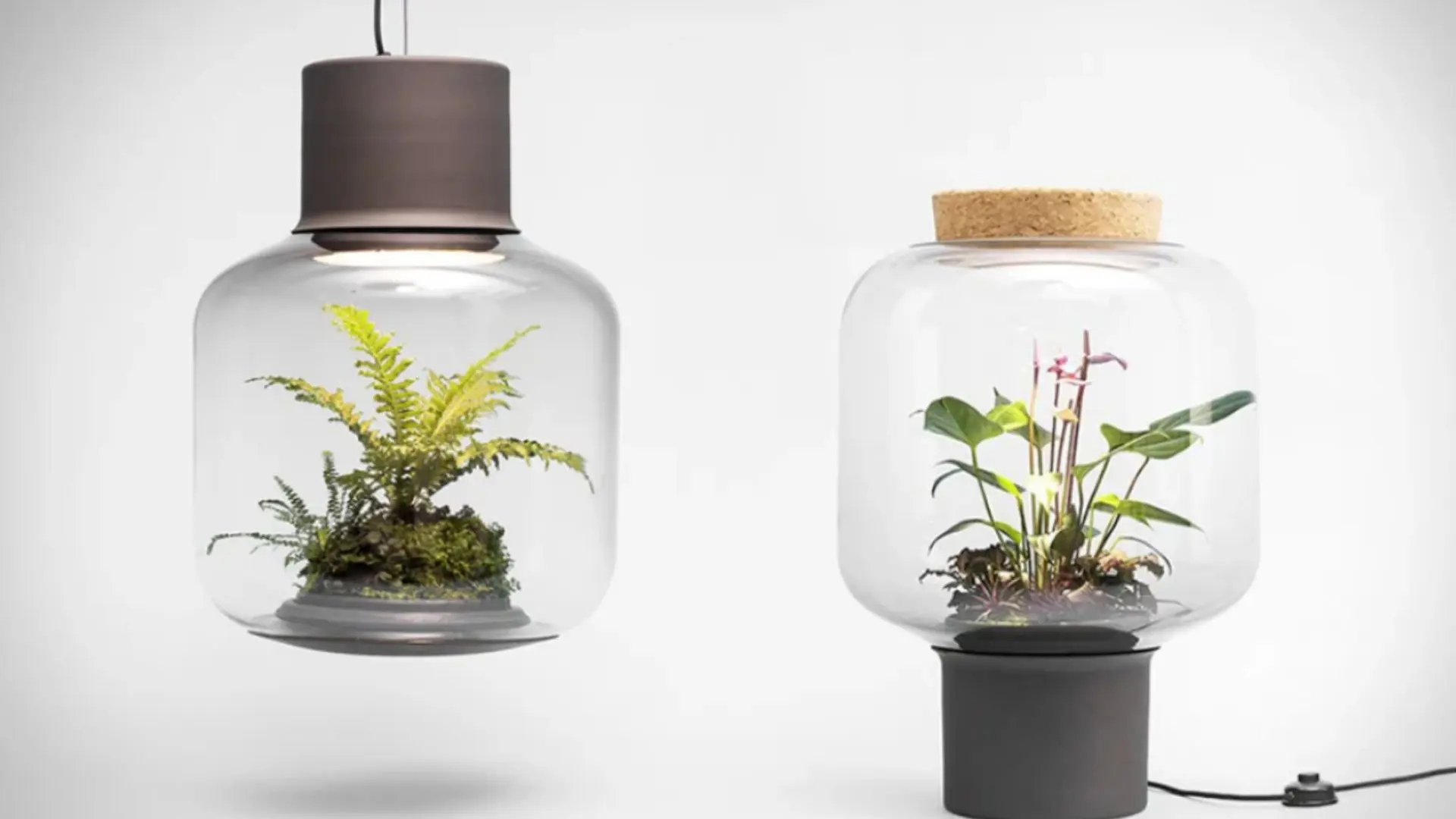
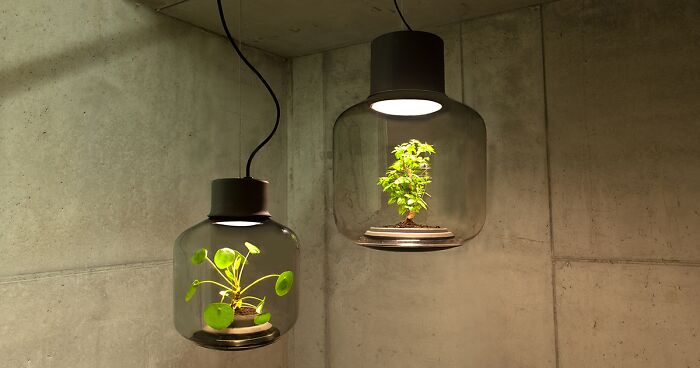
The article explores several approaches to biophilic lighting design. One direct method involves incorporating actual vegetation into lighting products. Examples include the Mygdal Plant Lamp by Nui Studio, a self-sustaining ecosystem within a light fixture, and the Babylon Pendant Light by object/interface, which functions as a multifunctional pendant and a planter, eliminating the need for separate flowerpots. Another minimalist concept is Luxie by Qvarta, a vase-lamp featuring a narrow stem for flowers or decorative leaves, illuminated by a modern wall-facing ring light.
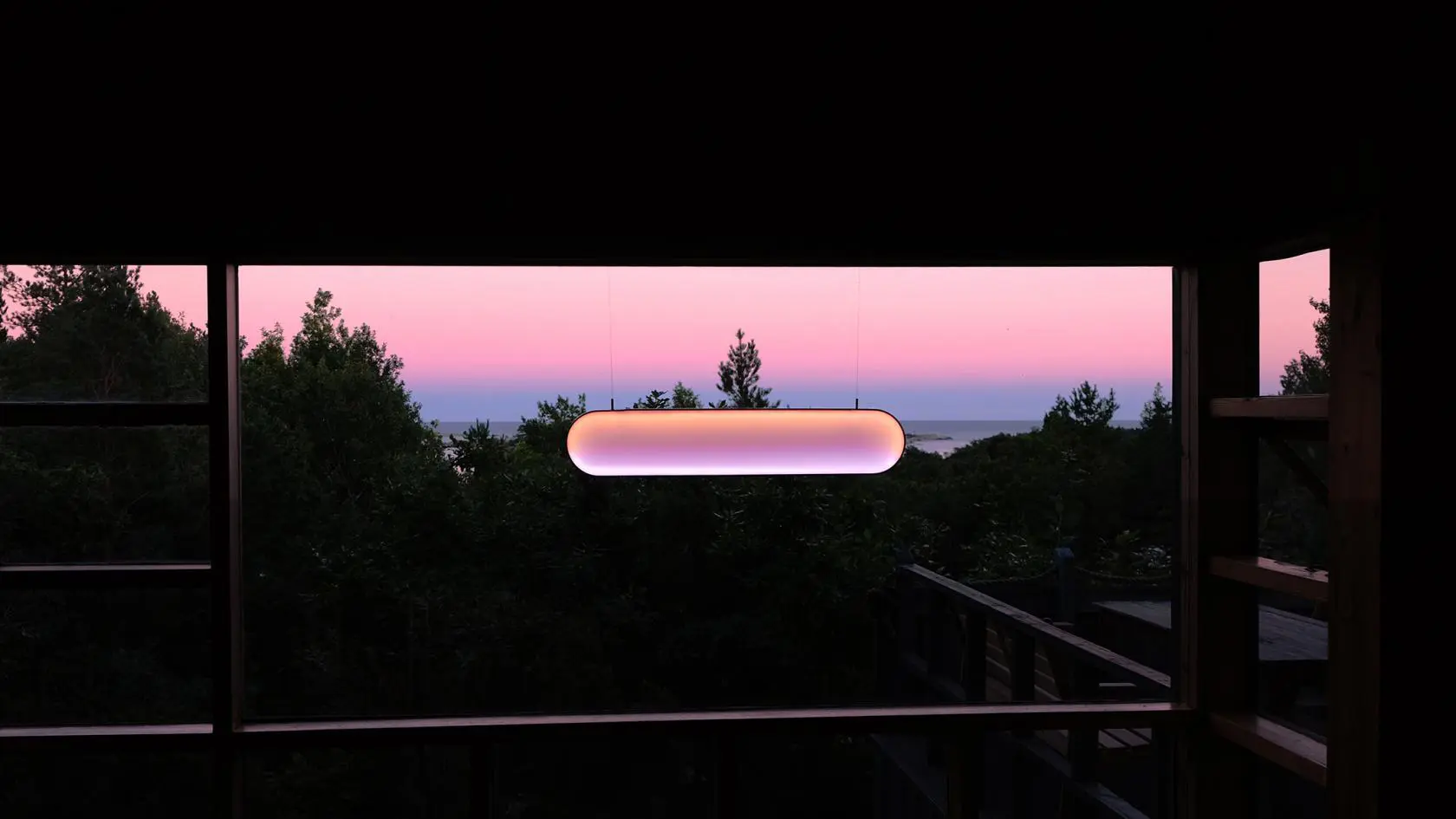
Another significant approach focuses on circadian lighting design, which mimics the natural patterns of the sun to synchronize with human biological clocks. These systems adjust light intensity and spectrum to enhance comfort and productivity. The Sunne solar light, for instance, is an app-controlled device that captures solar energy during the day and emits sunlight indoors at night, designed as a curved aluminum strip resembling the horizon for maximum solar cell exposure. Dyson’s LightCycle Morph Desk lamp uses daylight tracking algorithms to continuously adjust color temperature and brightness according to local daylight hours, offering personalized features based on user age, location, and usage patterns, along with 360-degree maneuverability. Similarly, Sunlight Inside’s mySun desk lamp utilizes a mix of six colors to replicate daily and seasonal natural light cycles, providing 'mySun Therapy' to support mood, energy, and sleep, with no setup required as it is preprogrammed to the user's time zone.
A third approach involves designing lighting solutions that visually emulate natural forms and textures. The Nana Lure 48 by Pelle is part of a collection inspired by nature, transforming a hand-sculpted, giant cast-cotton banana frond into an illuminated shade, blurring the lines between realism and abstract botanical art. The Biophilia hanging lamp by Lanzavecchia + Wai features a 3D-printed lampshade whose design mimics organic growth patterns, with a web of veins appearing to sprout from the light source. This product is described as an industrial item designed to resemble a living organism, reflecting its growth-like manufacturing process. These examples collectively demonstrate how biophilic lighting can integrate the therapeutic benefits and aesthetic appeal of nature into indoor spaces through innovative design and technology.
#BiophilicLighting #LightingDesign #SustainableDesign #InteriorDesign #CircadianRhythms #SmartLighting #NatureInspiredDesign #ProductDesign #Wellbeing #BiophilicLighting #LightingDesign #SustainableDesign #InteriorDesign #CircadianRhythms #SmartLighting #NatureInspiredDesign #ProductDesign #Wellbeing
0 comment in total
 No comments yet
You may also like
10 biophilic lighting designs that leverage the power of light
We Designed These Lamps To Grow Plants In Windowless Spaces
Biophilic Interiors: 21 Projects that Blend Architecture with Nature

Top 5 Biophilic Design Trends for Indoors: Illuminated Greenery and Functional Plant Solutions

Biophilic design ideas - clever ways to bring nature into your home for a calming space
Light up your home with these top lighting trends for 2024

What Is Biophilic Design? 5 Ways to Incorporate This Style

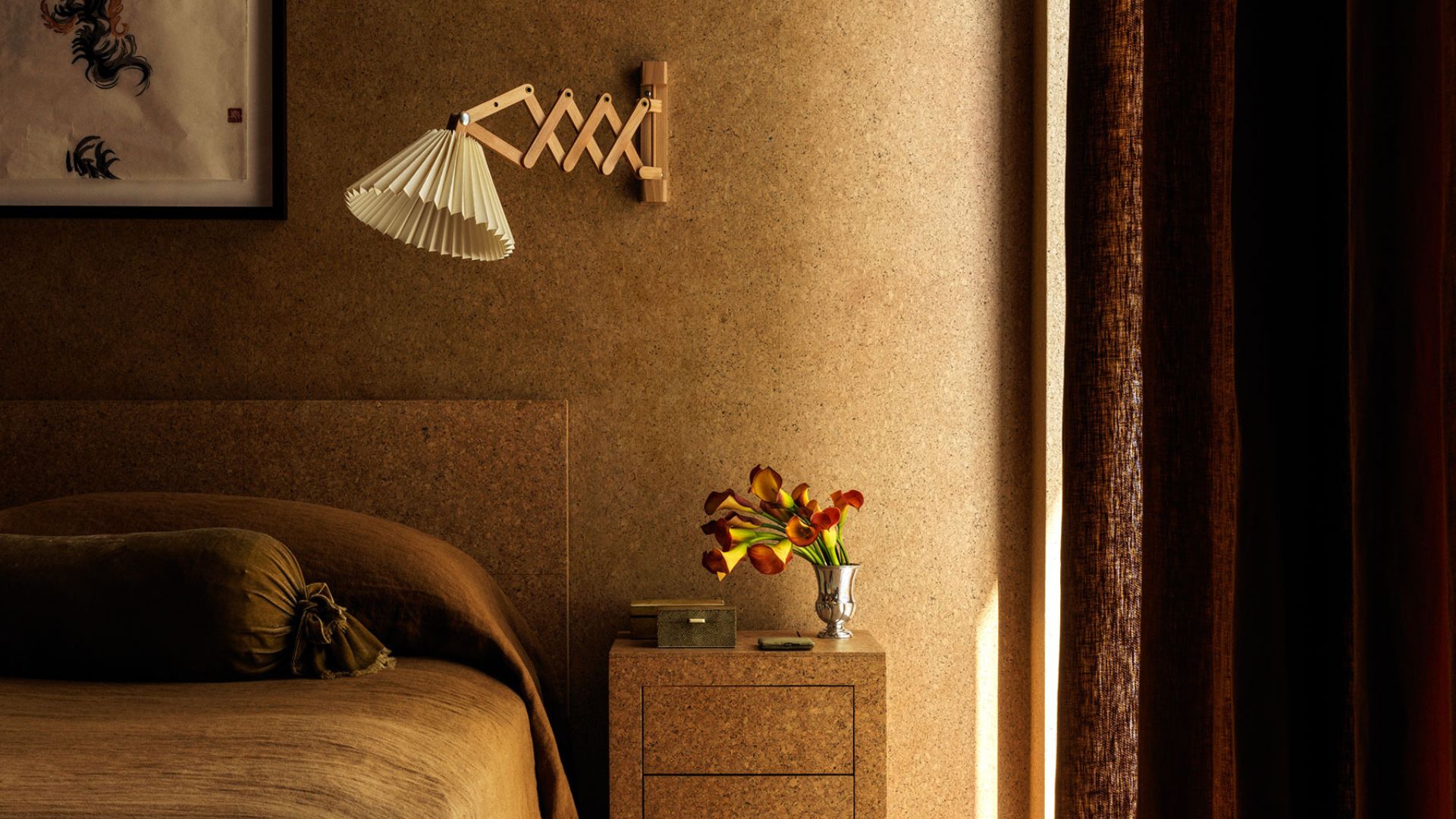
5 Tricks to Maximize Your Home's Natural Light on Darker Autumnal Days Using Artificial Lighting

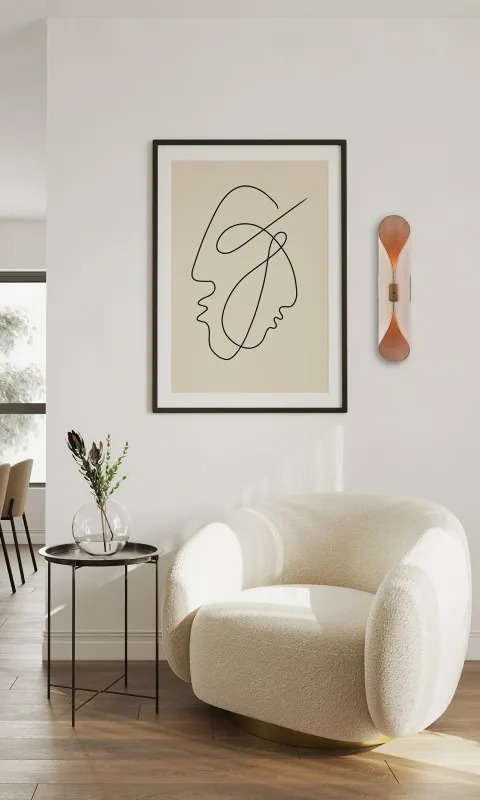
12 Light Fixtures Inspired by Nature


Try these outdoor lighting trends to up your hosting game
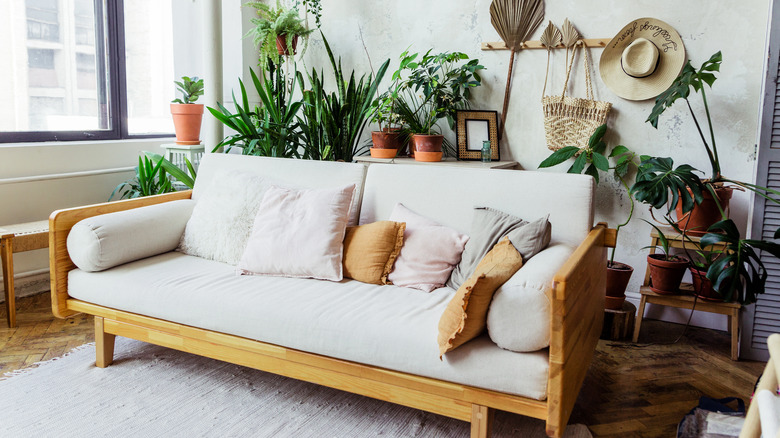
26 Biophilic Living Rooms That Flawlessly Bring Nature Indoors
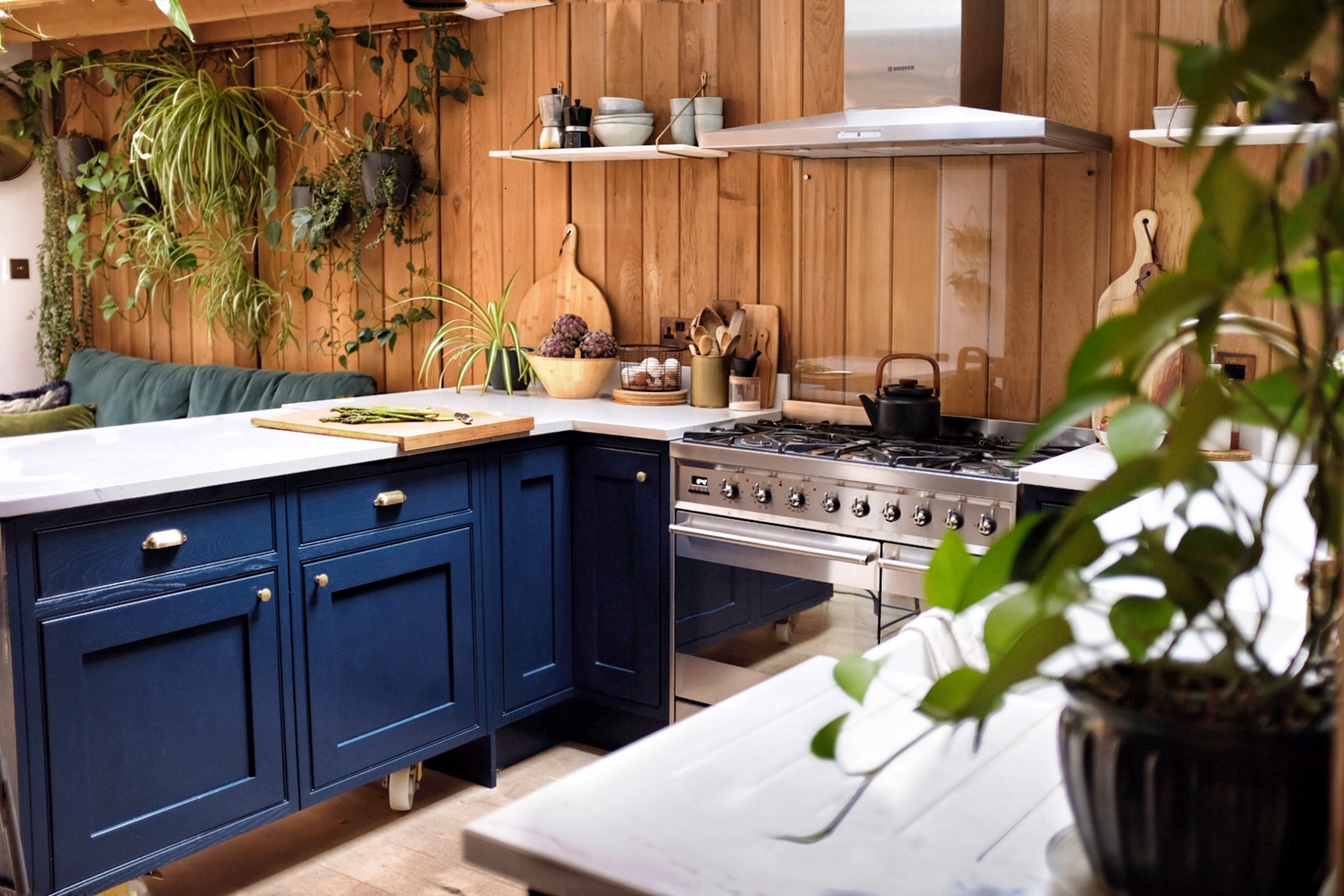
I'm a Biophilic Designer, and These Are the 10 Ways I Bring Its Ideas Into a Kitchen Design
These 10 Biophilic Design Ideas Will Transform Your Home Into a Natural Oasis
Lighting the way: Danielle Trofe’s fungus-fueled fixtures
Stunning biophilic design ideas to help you bring the great outdoors into your home

These 10 natural living room ideas will bring the warmth of nature into your home
What Is Biophilic Interior Design? I'm an Actual Biophilic Designer, and This Is How to Apply It to Your Home
How to brighten any room in your home — 5 tips from a lighting expert

Want Your Home to Feel Happier and Calmer? It's Time to Consider Biophilic Design

Turn Natural Light into Your Home's Best Feature: 8 Tips from an Interior Designer