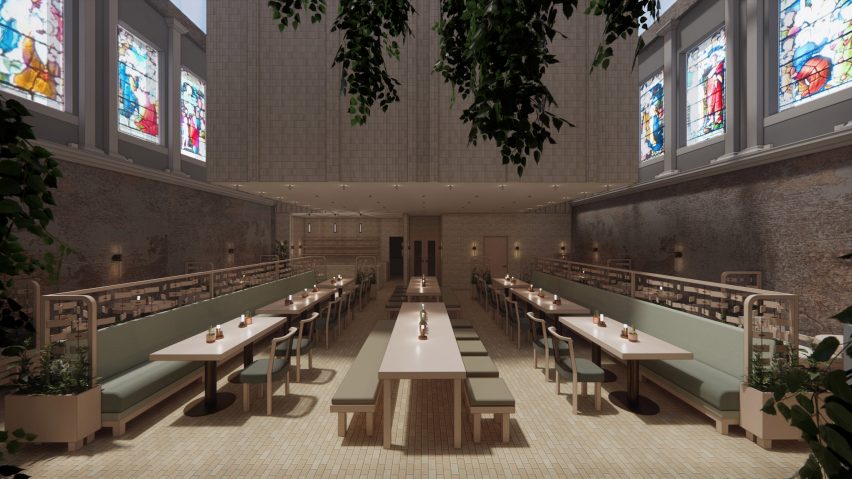
1/10
West Dean College spotlights ten interior design student projects
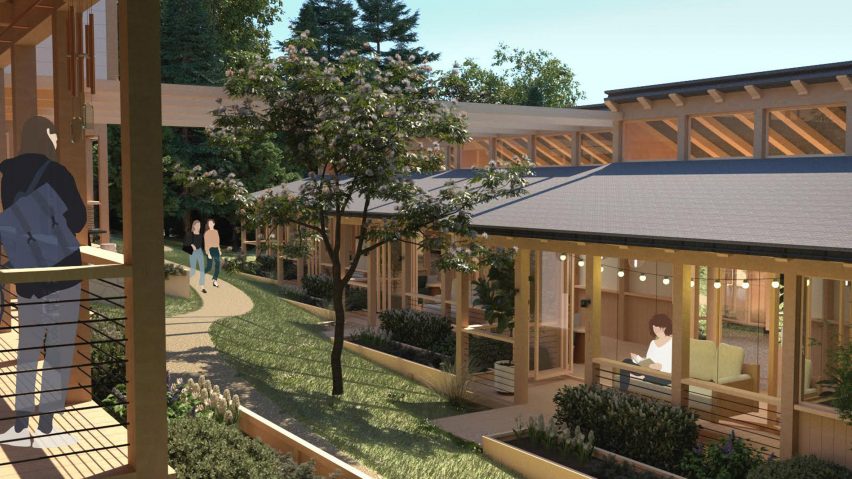
West Dean College, specifically its KLC School of Design, showcases ten interior design student projects covering various real-world issues and creative concepts. The institution emphasizes developing industry-focused knowledge and skills, working closely with employers and design professionals, and integrating design development, technical knowledge, and visual communication. The KLC School of Design operates from a London campus in Bloomsbury, part of the Knowledge Quarter, and a rural Grade II listed campus in the South Downs, offering a diverse educational experience.
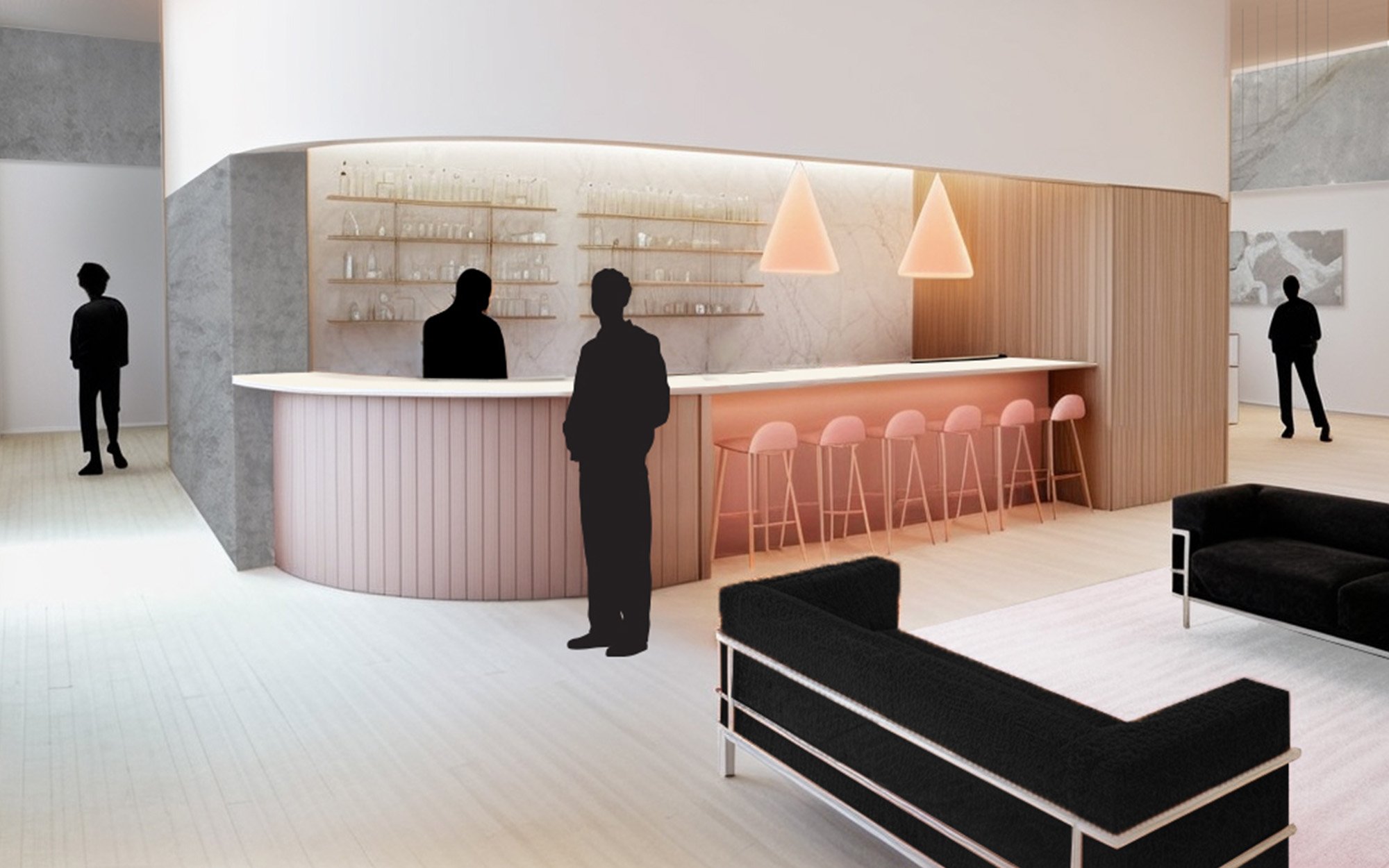
One featured project is "Offbeat" by Iszi Kelly, a bar designed for youth culture. This multi-functional space reimagines traditional bar features, providing an environment for young adults to exchange ideas. Its design allows for dynamic transformation, with tables and seating that can be rearranged for dancing, and a spherical DJ booth contrasting with the rectilinear layout. A relaxed basement area with conversation pits is included for intimate gatherings.
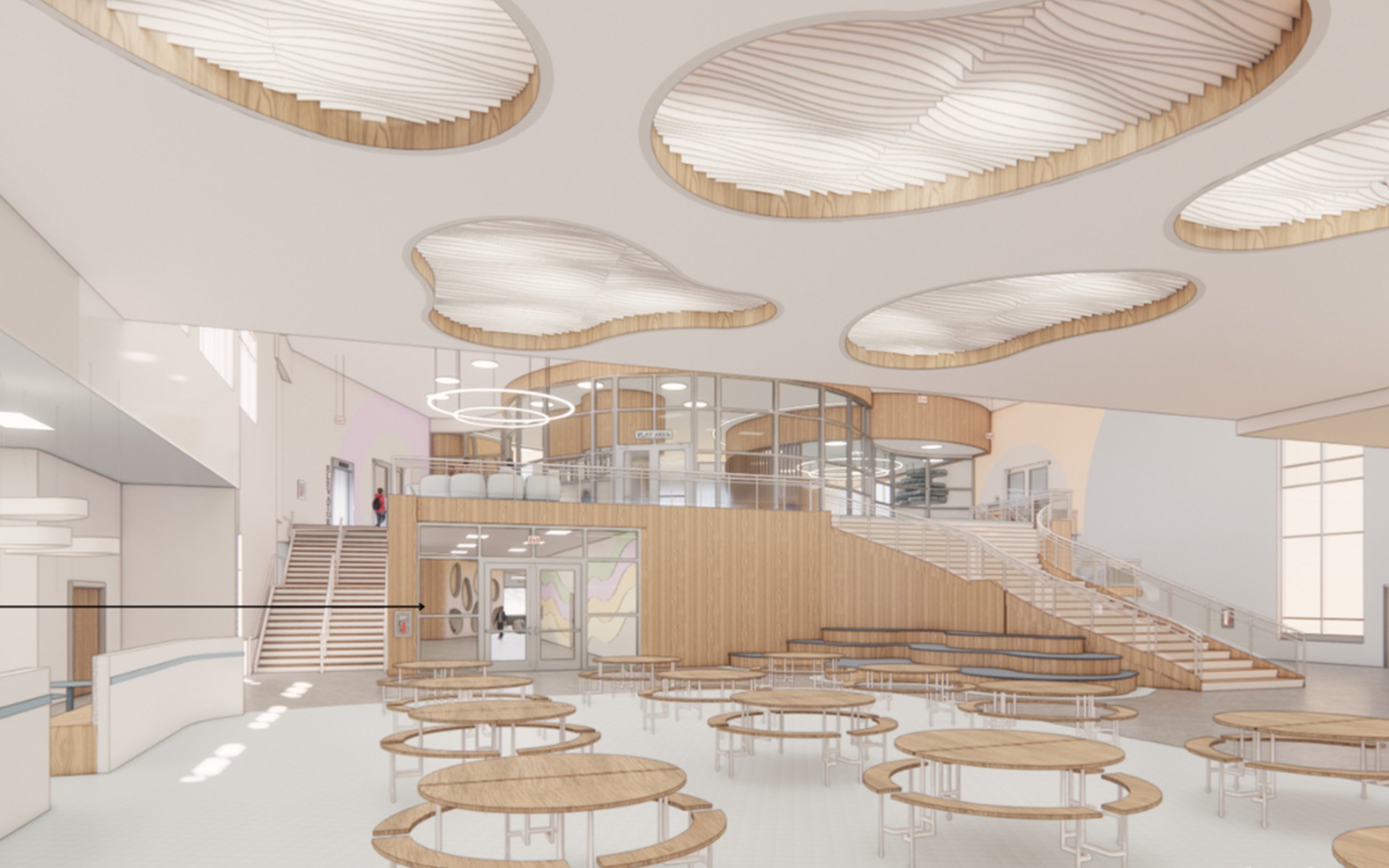
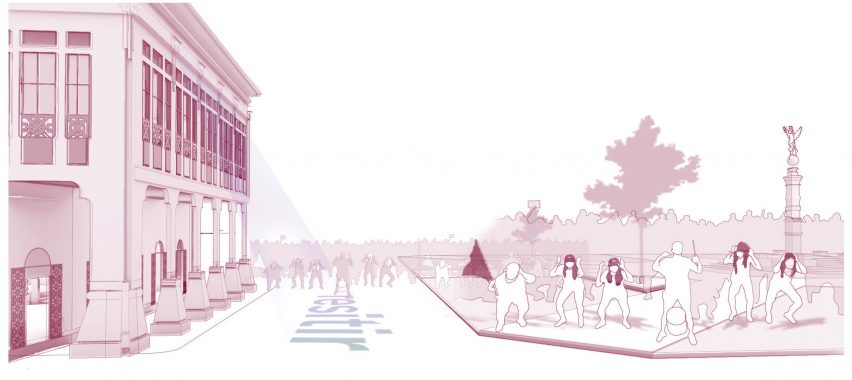
Alexandra Hunt-Dallison's "Radiate Liminally From Department Store to Women's Shelter" addresses social challenges through adaptive reuse. This project transforms a historic department store into a shelter for women and children escaping domestic violence. It incorporates trauma-informed design principles to create a transitional space that supports residents' therapeutic needs, aiming to empower them and break the cycle of violence by offering a safe urban environment without outdoor space to prioritize safety.
Mary-Jane Vaughan's "The Courtauld Social Club" is a cultural hub inspired by similar arts projects that revitalized post-industrial areas. Located in Coventry, the design reflects the city's heritage and resilience, drawing on its urban setting through material choices, textures, and a color palette that represents its evolving fortunes. The space includes public gathering areas, exhibition rooms, an open archive, a private members' bar, a library, and workshops, along with essential facilities to meet world-class standards.
Natalya Traill's "Vivienne Westwood Bar" pays homage to the designer's legacy, creating a space for connection, creativity, and community. The adaptive reuse strategy ensures the design honors the historic site while incorporating contrasting colors, vivid patterns, and dynamic elements like a moving stained-glass installation and an extruding mezzanine cut-out to create an invigorating environment that encapsulates Vivienne Westwood's essence.
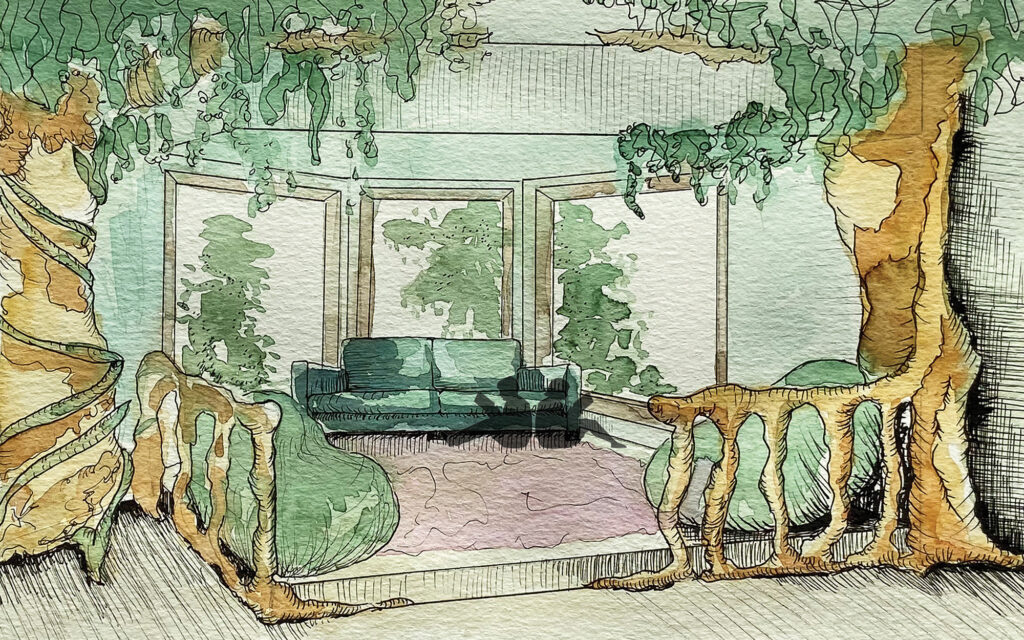
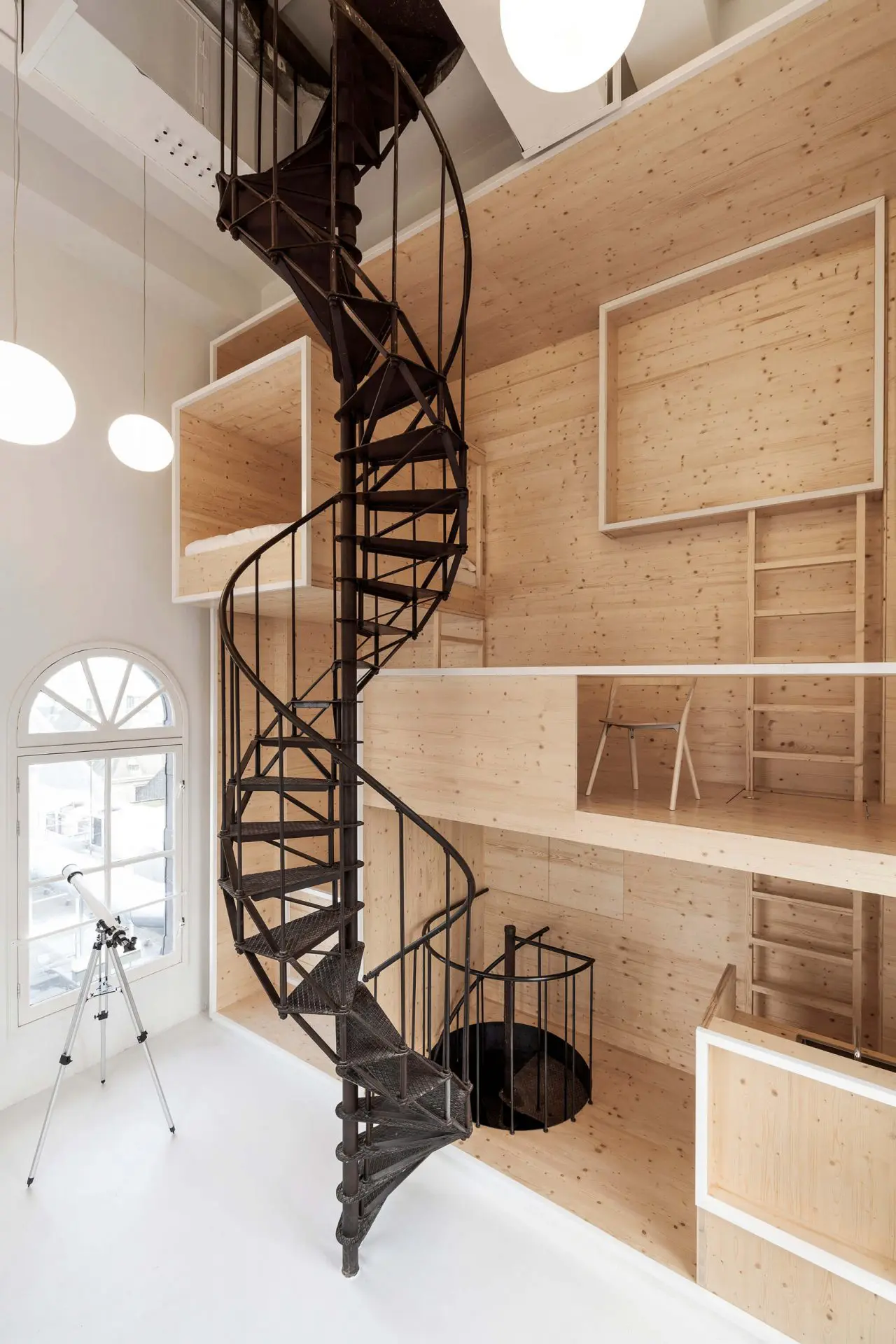
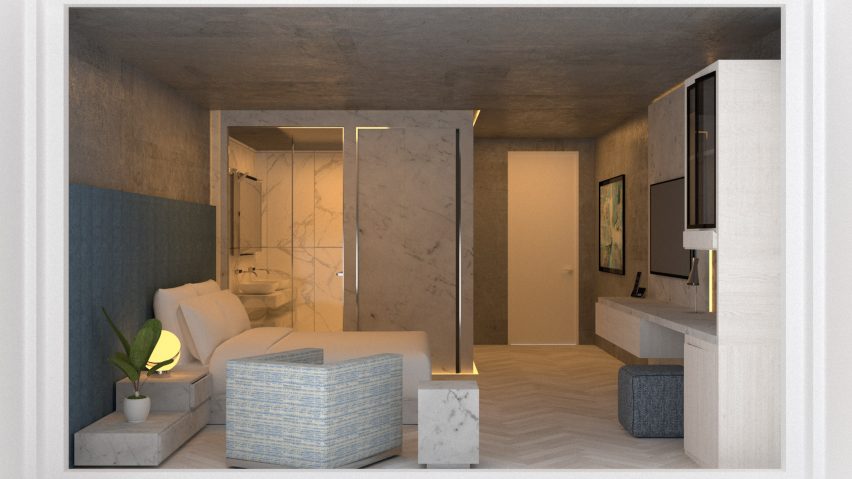
"Flux" by Alexandra Buckley explores residential design for "ageing in place" through a modular approach. The design uses 900x900mm modules linked to swiveling base units anchored to the floor structure, offering flexibility and easy reconfiguration of open-plan spaces. This allows for various configurations depending on occasion or season, maintaining structure while enabling continuous evolution and adding interest to daily life.
Andrée Cooke's "Chemistry" is a cocktail bar for over 21s, inspired by chemical processes. The theatrical and immersive space features unique areas like the "LAB," an amphitheater-style communal space, and a floating glass bar where staff prepare cocktails. The styling combines solid and fluid-looking sustainable materials, with a focus on locally sourced and recycled elements such as oak, steel, glass, perspex, and sustainable flooring.
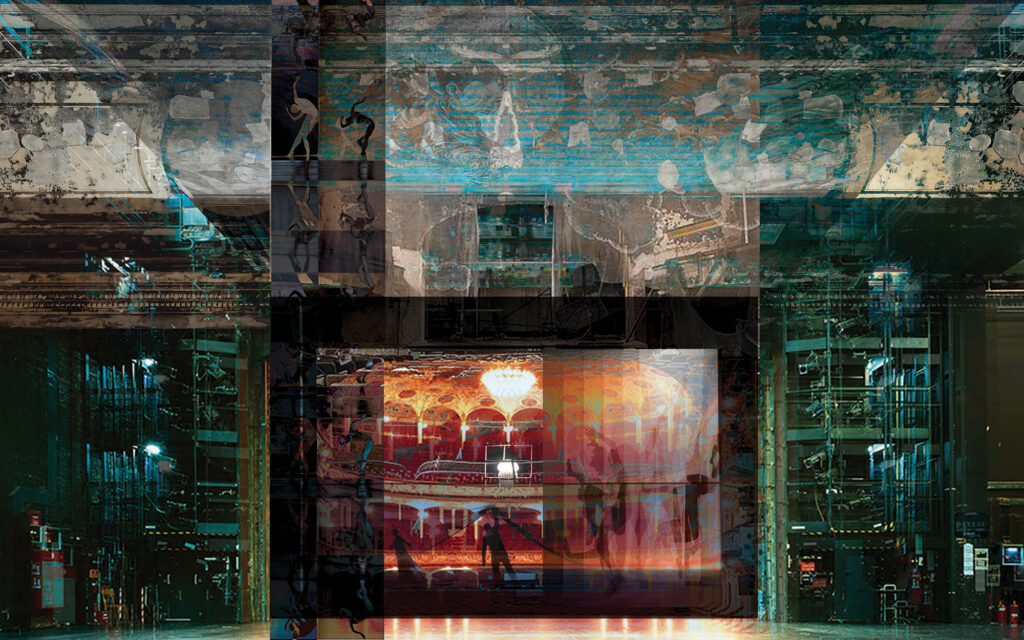
Camilla Phillips's "The Metropole" is a two-story bar and speakeasy in an English seaside town, designed to evoke the theatrical escapism of the golden age of cinema. The bar positions the bartender as a performer, with the bar as their stage. An illuminated sign and tiled façade greet guests, capturing attention and paying homage to historic theater signs.
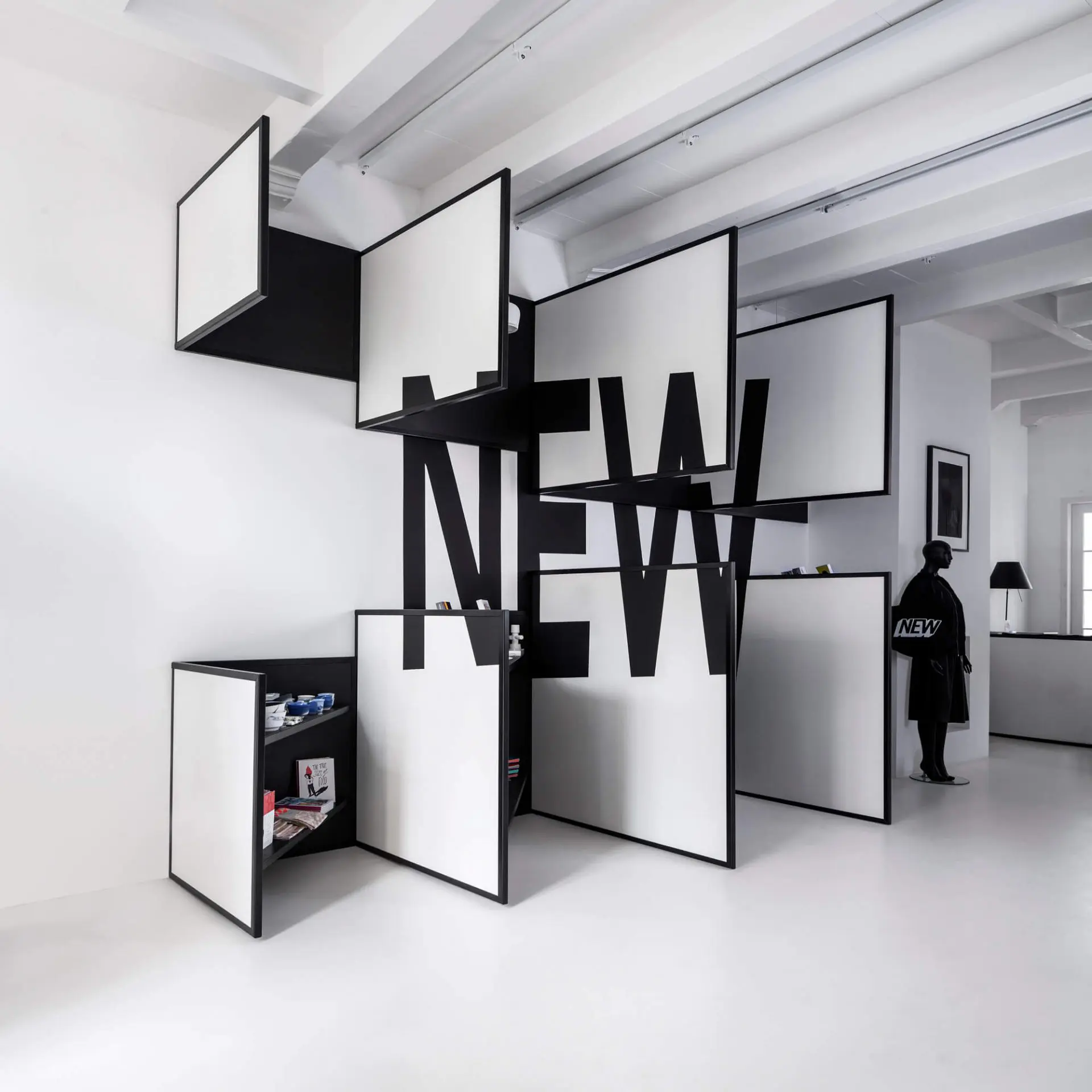
Kim Kirchner's "M+I+X" cocktail bar blends innovative design with practicality for a Gen Z target market. The striking centerpiece features overlapping M, I, and X forms made of ribbed dichroic acrylic sheets that glow and guide guests through the space, which incorporates mixed secondary colors and textures for a visually impactful experience.
Emily Garth's "Kudu Community Restaurant" transforms the historic Asylum Chapel into a restaurant and community kitchen. This adaptive reuse project aims to mitigate food insecurity in Southwark by providing nutritious meals, fostering social inclusion, and combating loneliness. The design balances inclusivity and exclusivity, demonstrating that community kitchens and traditional restaurants can coexist and thrive, shifting away from traditional charitable food access models.
Aleksandra Cummings's "Kip Hideaways Asylum Chapel" preserves the Grade II listed Asylum Chapel in Peckham, creating a boutique hotel with a café and bar. The project blends the existing distressed aesthetic with the client's signature style. It engages local artists and makers to create a collaborative interior, promoting local talent and community support, and balancing historical preservation with modern use to create new memories within the space.
#InteriorDesign #StudentProjects #WestDeanCollege #AdaptiveReuse #SustainableDesign #HospitalityDesign #ResidentialDesign #CommunitySpace #TraumaInformedDesign #InteriorDesign #StudentProjects #WestDeanCollege #AdaptiveReuse #SustainableDesign #HospitalityDesign #ResidentialDesign #CommunitySpace #TraumaInformedDesign
0 comment in total
 No comments yet
You may also like

Interior Design Students Win Top Honors at Design for Impact Challenge

Read This If You Want To Be an Interior Designer
Design Masters

Kaylin LaFleche Innovates in Interior Design


Future100 Interior Design Undergraduate Winners

What are your tips for getting published?

Luca Reich Begins Career as Interior Designer
If You Have These 10 Traits, You'd Probably Be a Great Interior Designer


Future100 Interior Design Graduate Winners


13 of the Best Interior Design Schools That Are Actually Worth Applying To

Meet Brittany Lyons, whose interior-design career started as a side hustle

Associate Interior Designer
Interiors Washington Design 9 Celebrates Local Talent
Interior Designer
Nine design projects from The New School's Parsons School of Design students

The 2020 A-List: 125 of the Best Interior Designers in the World
A wide variety of award-winning projects ranging from residential to exhibitions

Local interior designers seek inspiration at industry events, shows, and markets away from St. Louis

No slumping at Clerkenwell Design Week – 11 things to see and savour


Class of 2021 Outcomes: Cynthia Battaglia Cements a Career in Interior Design