1/5
How to create a private outdoor paradise right at home this summer
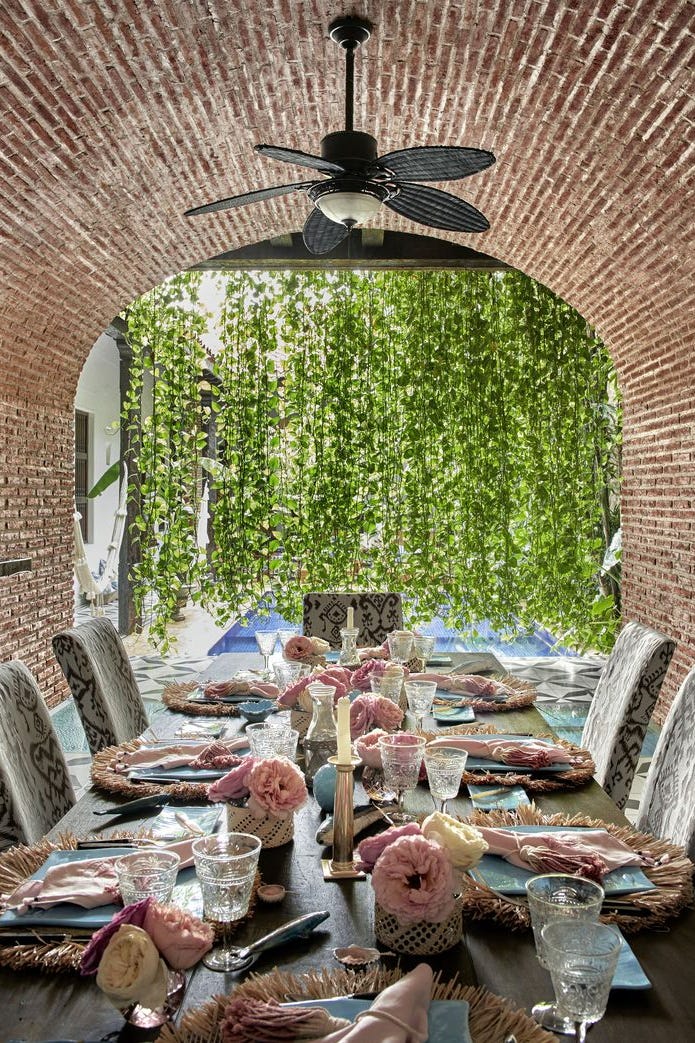
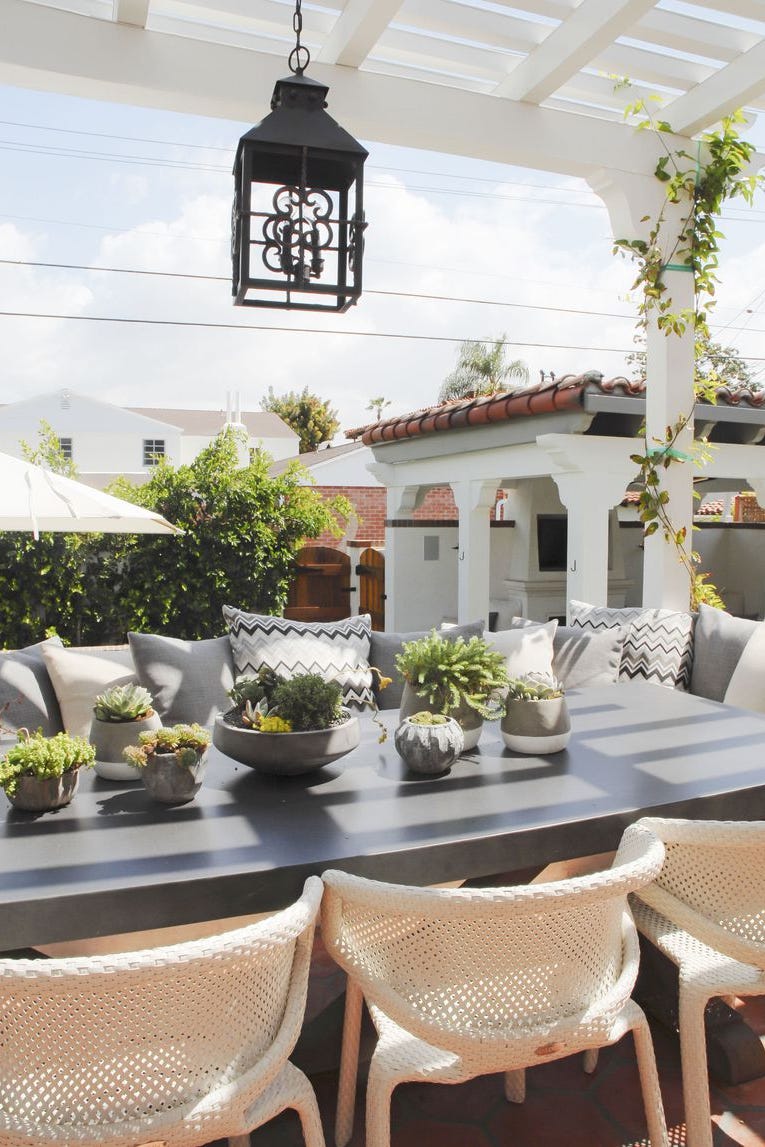
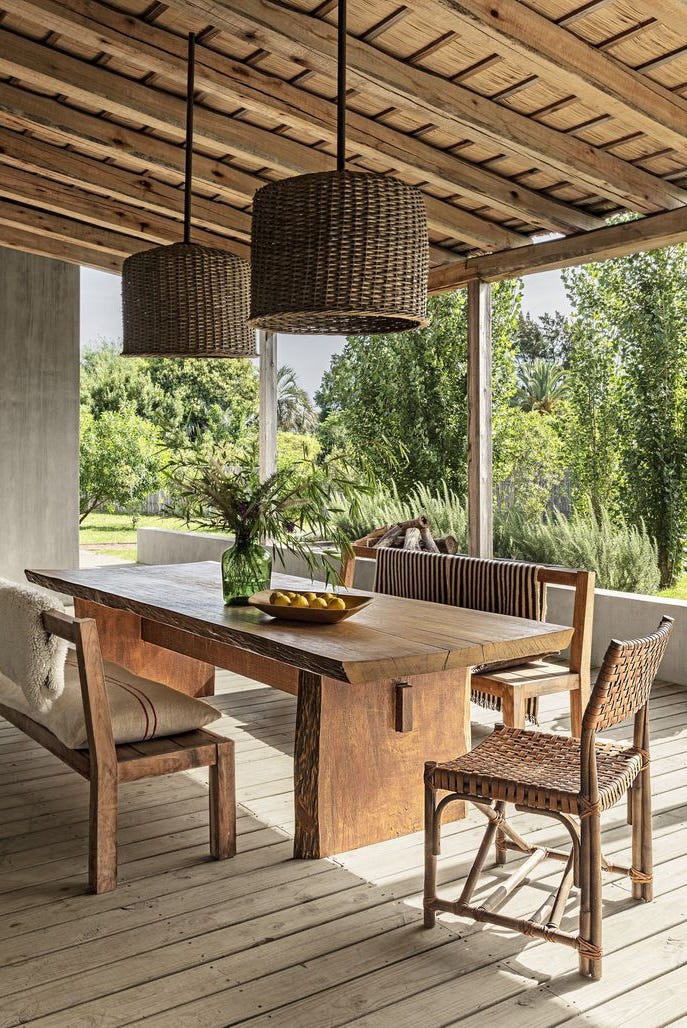
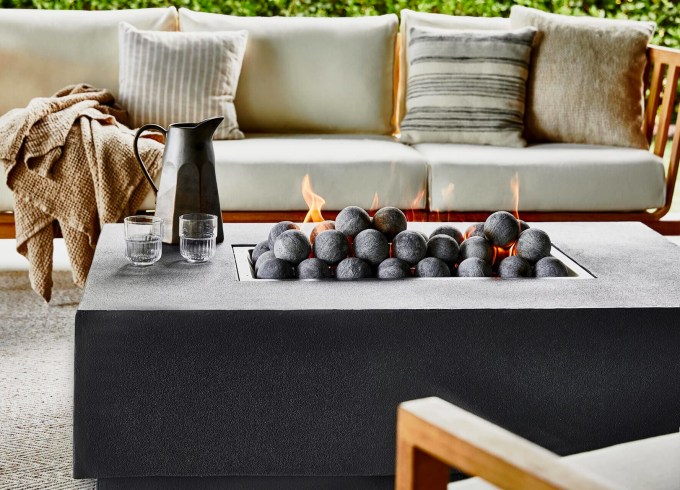
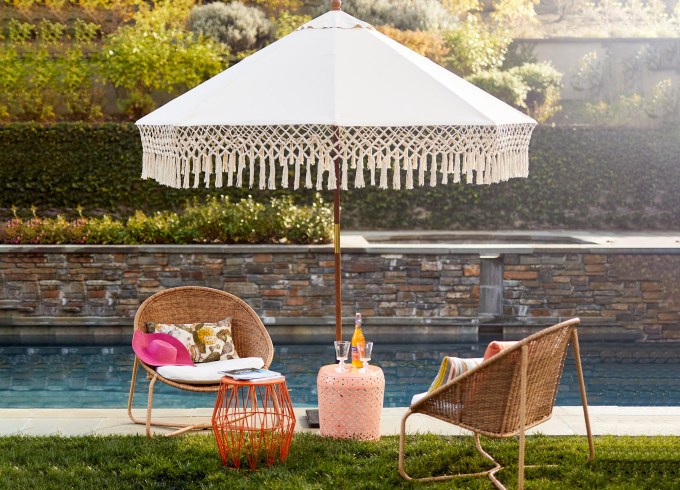
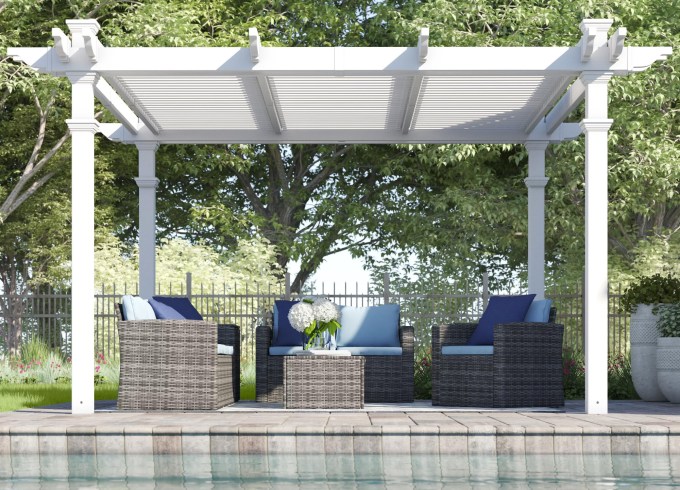
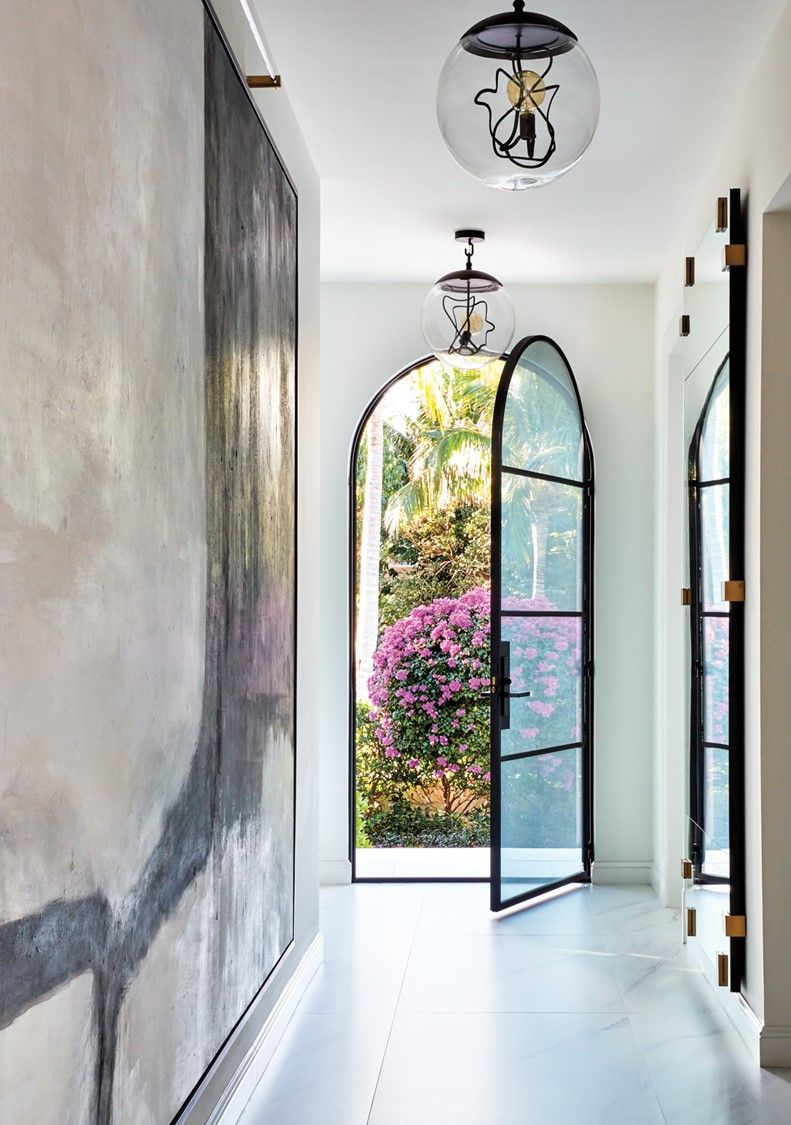
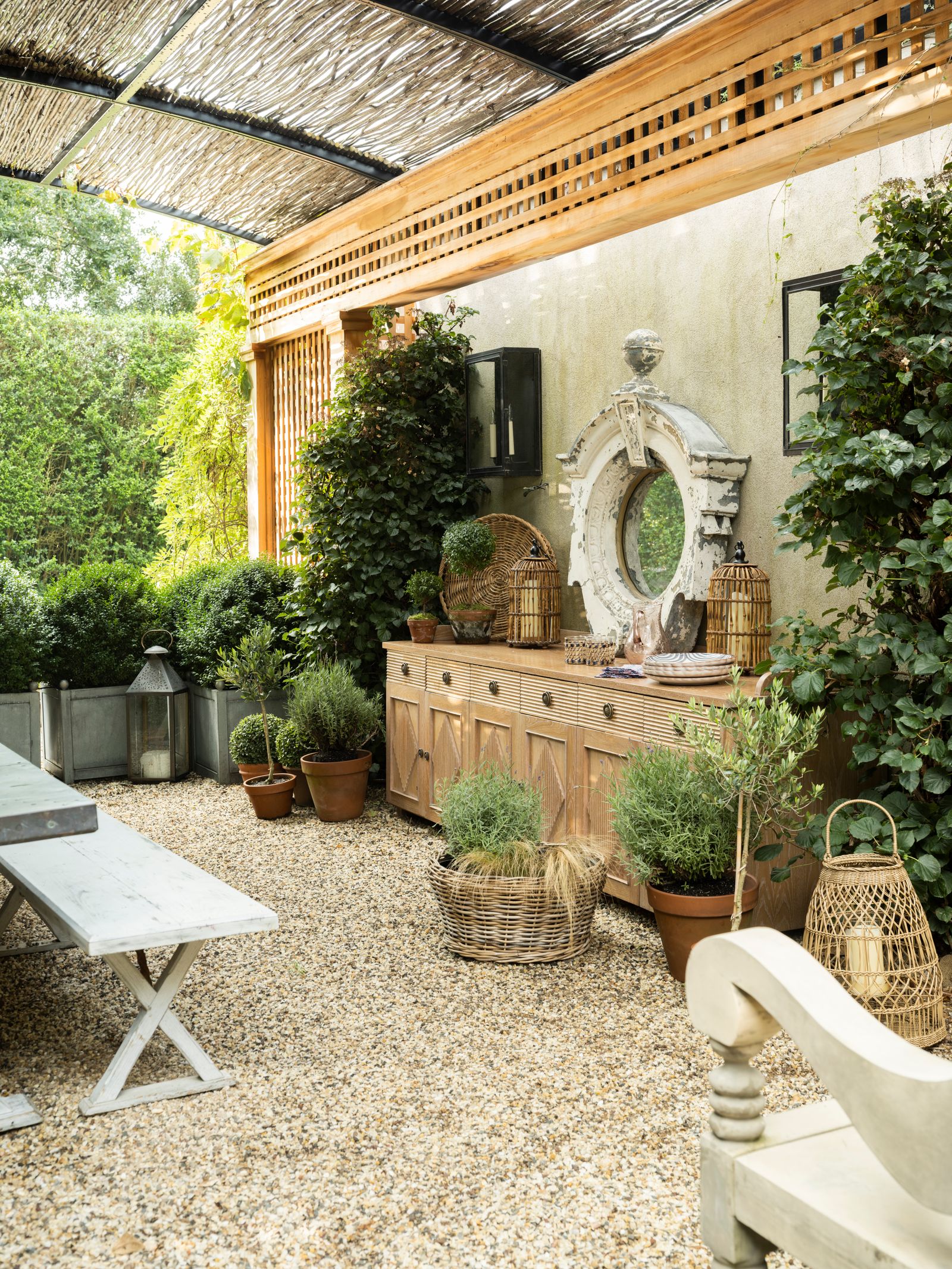
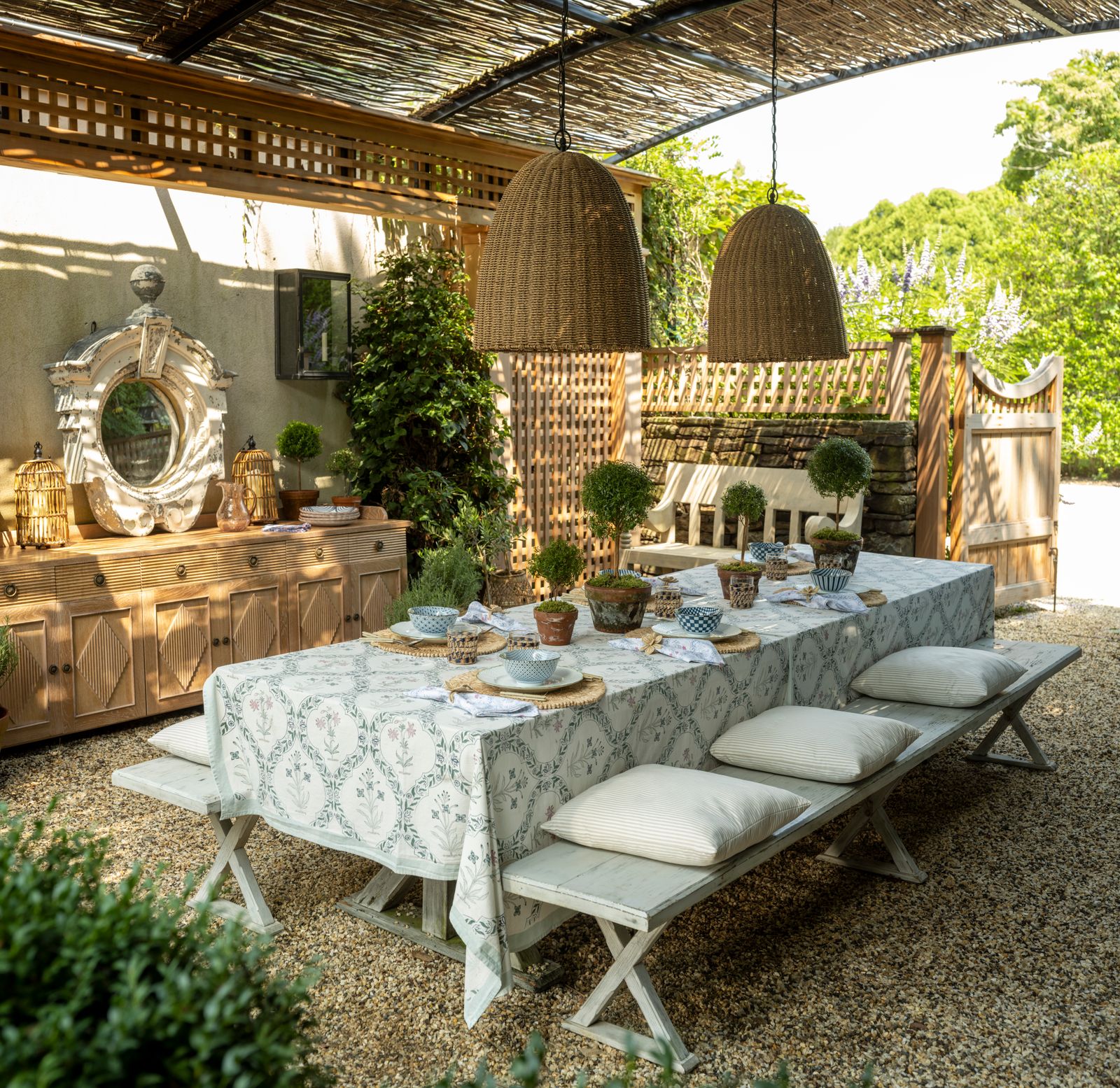
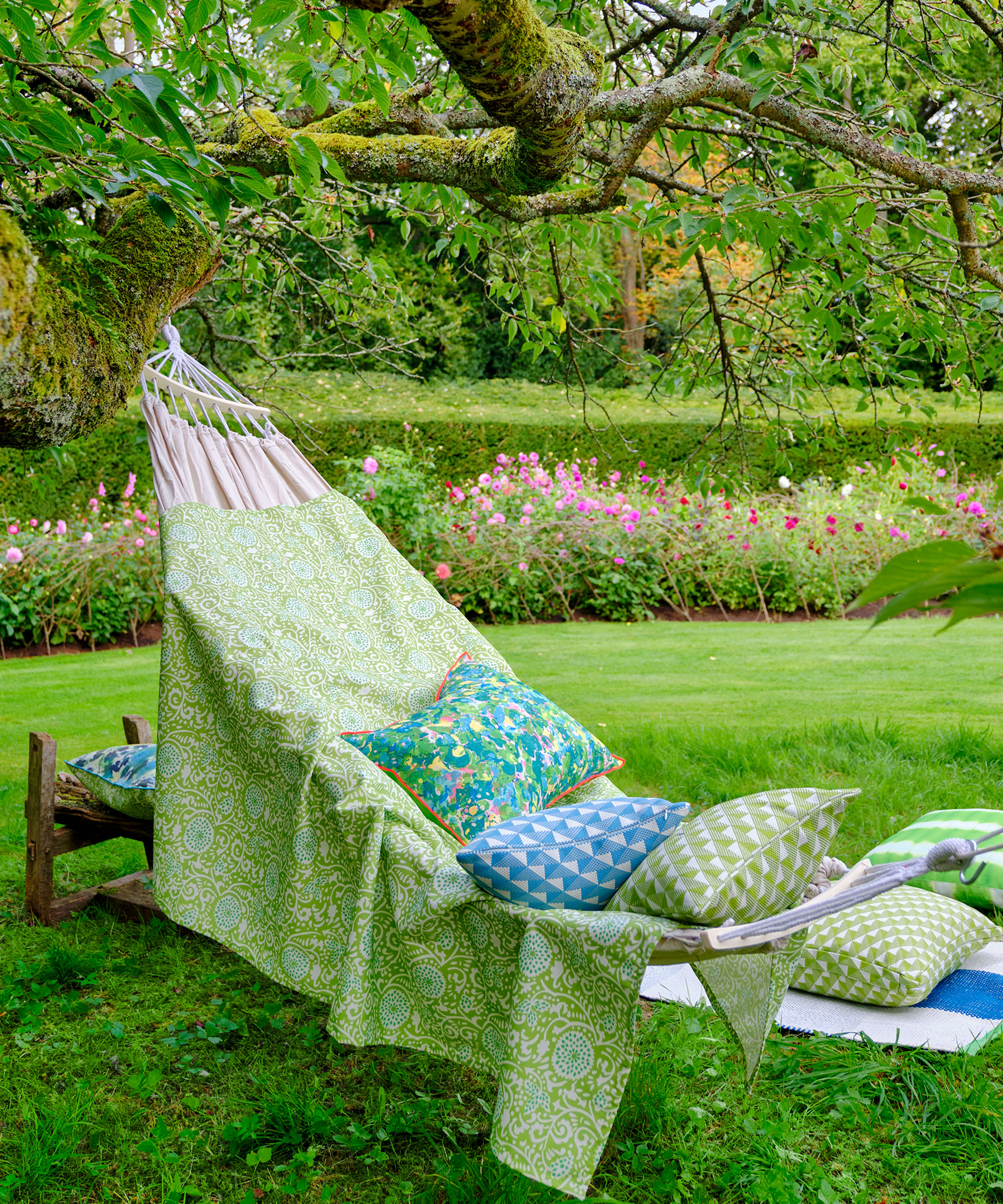
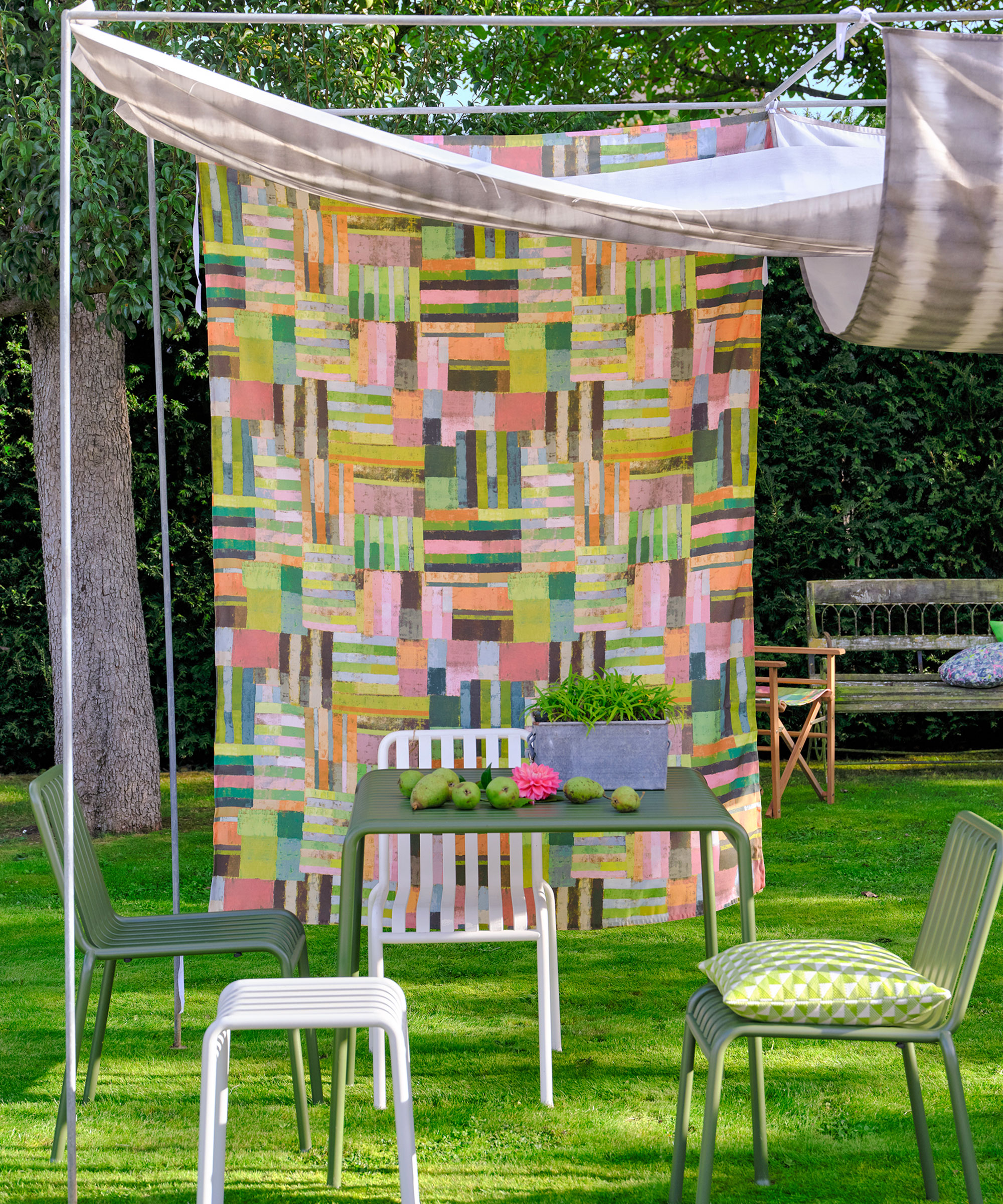
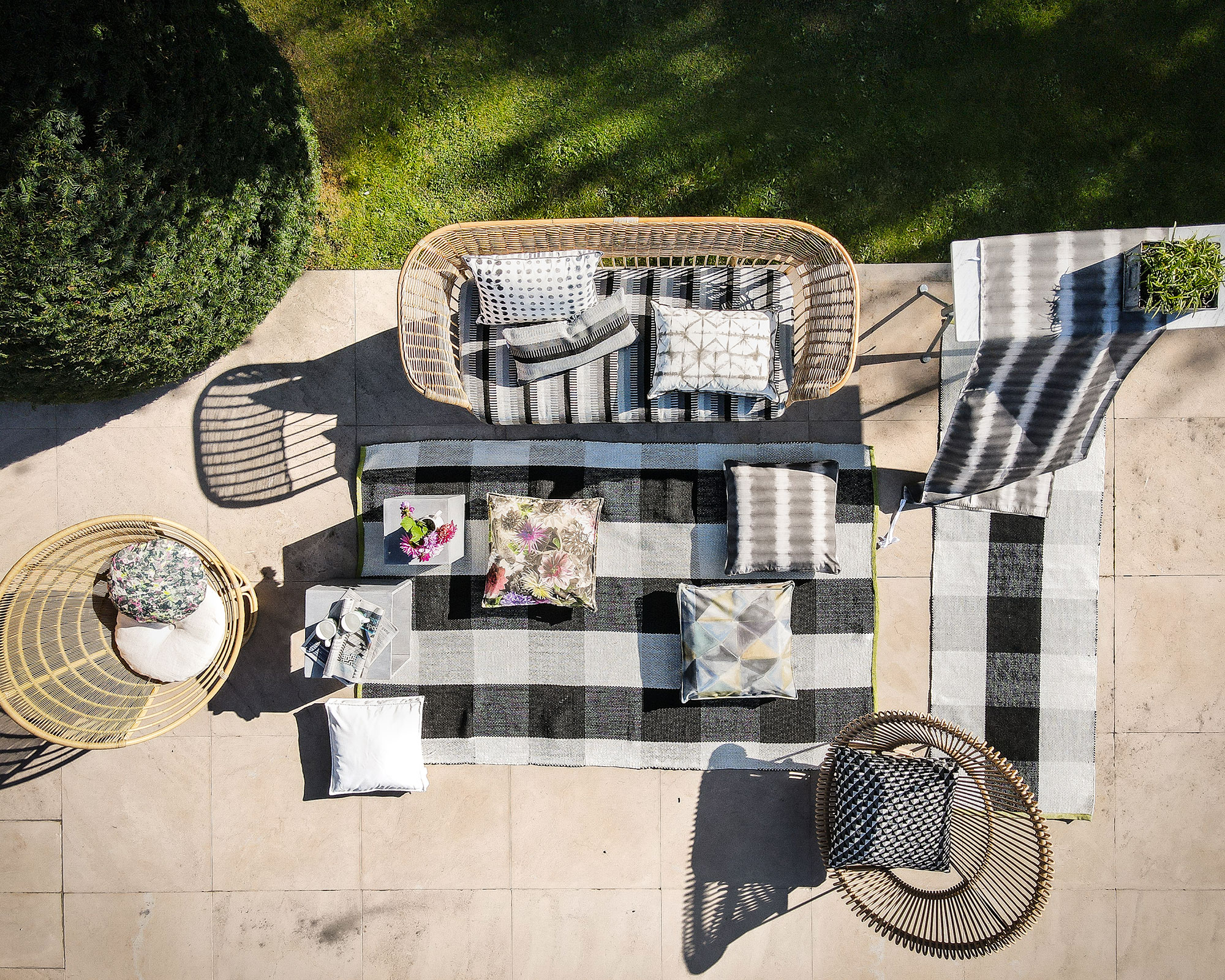
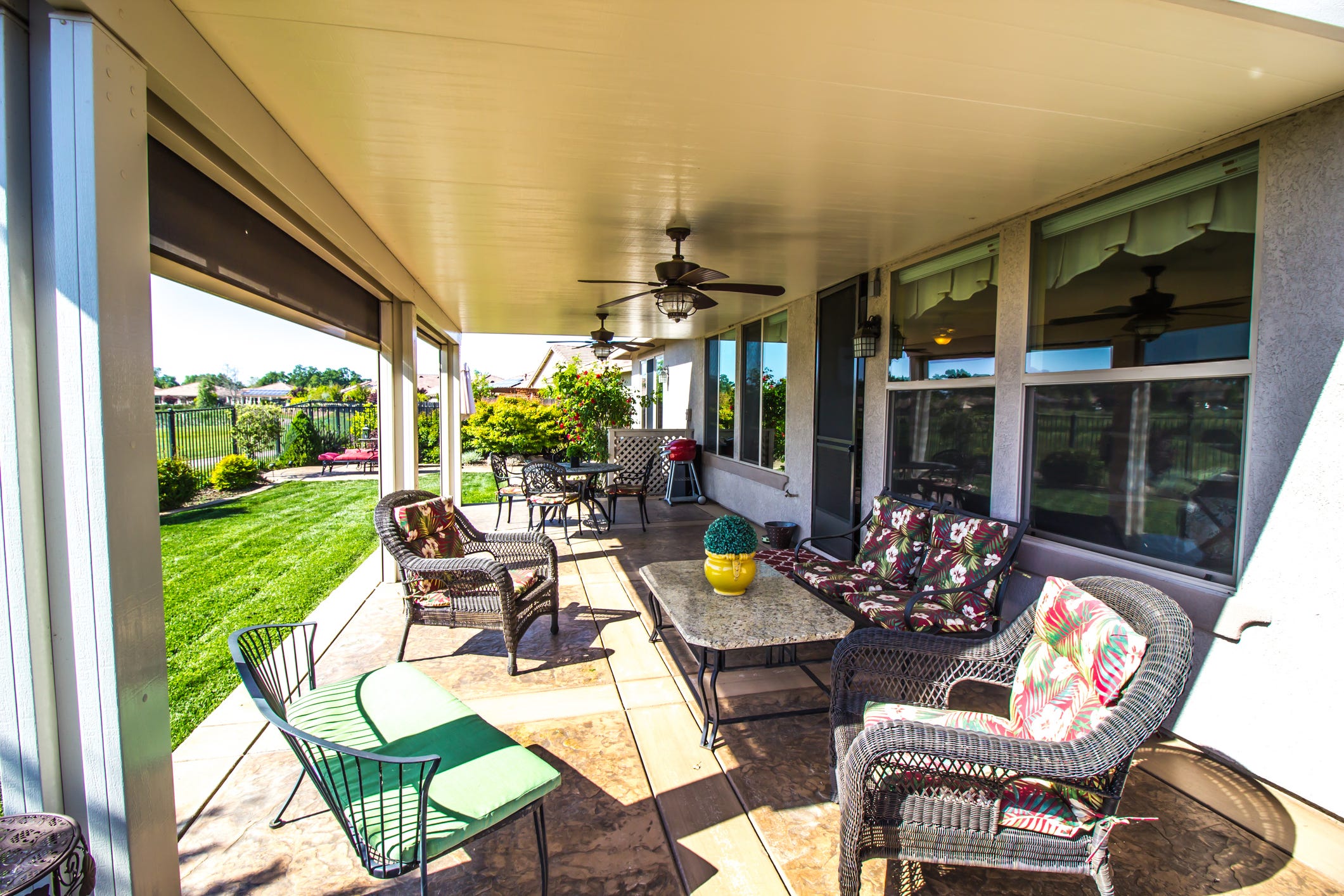
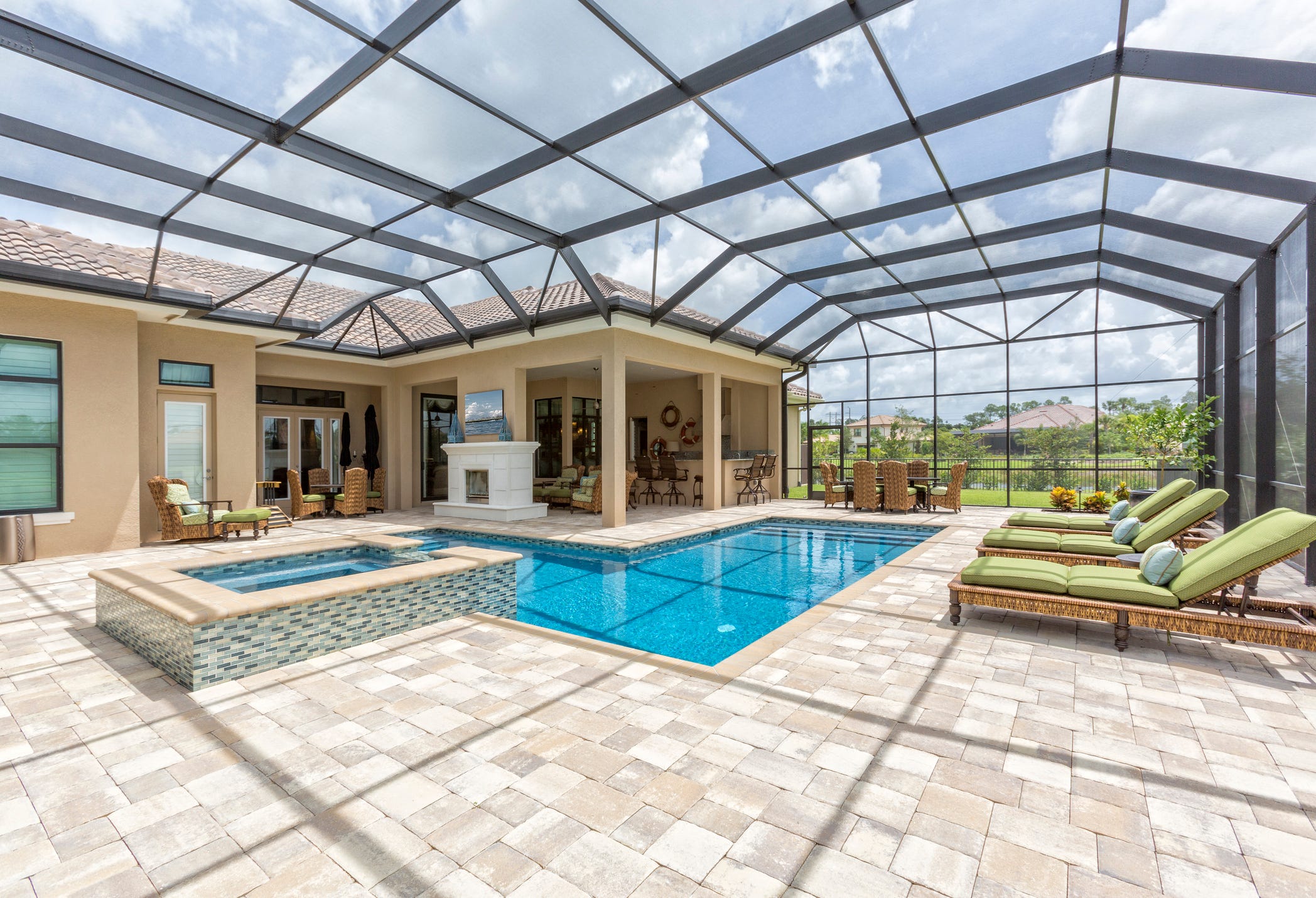
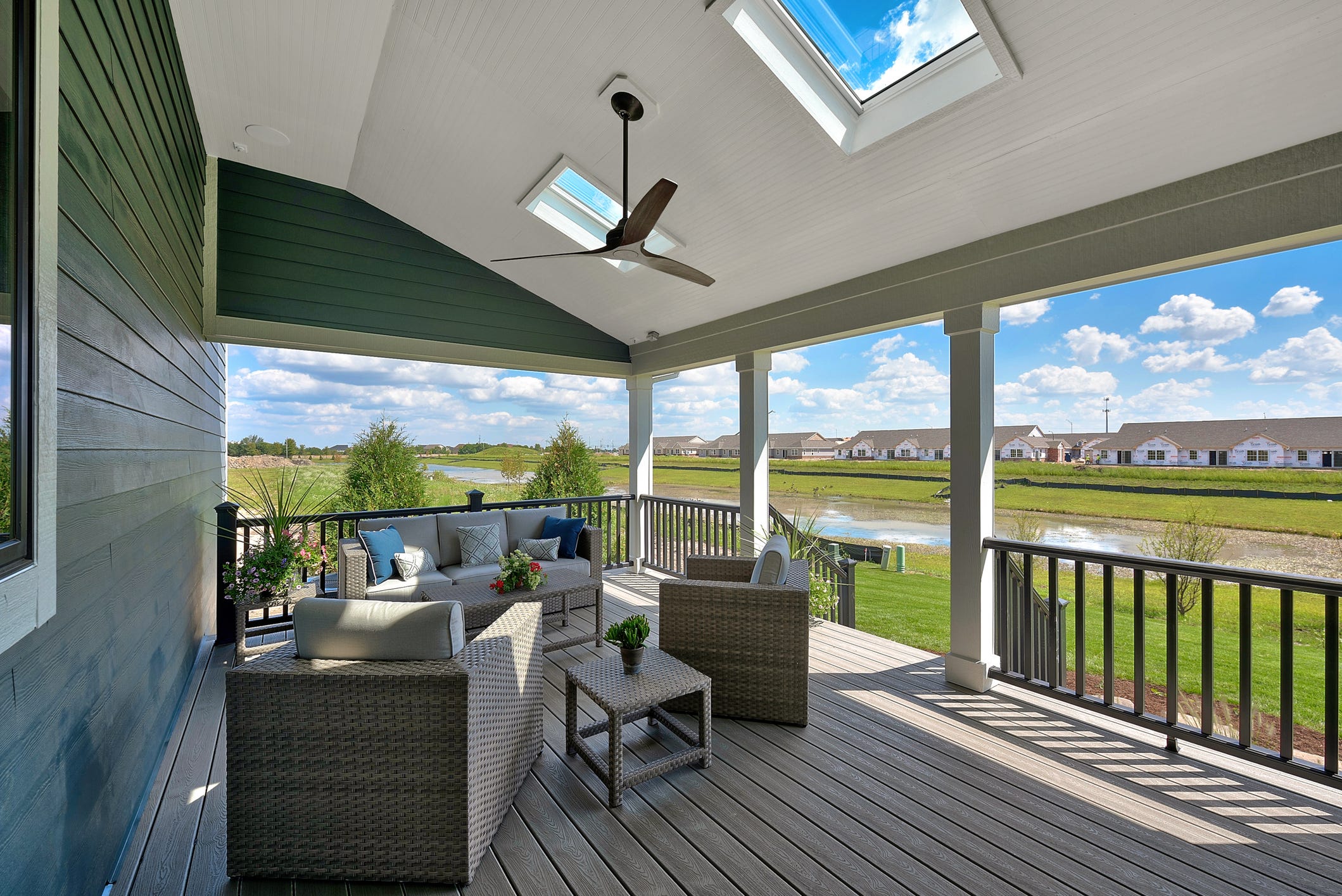
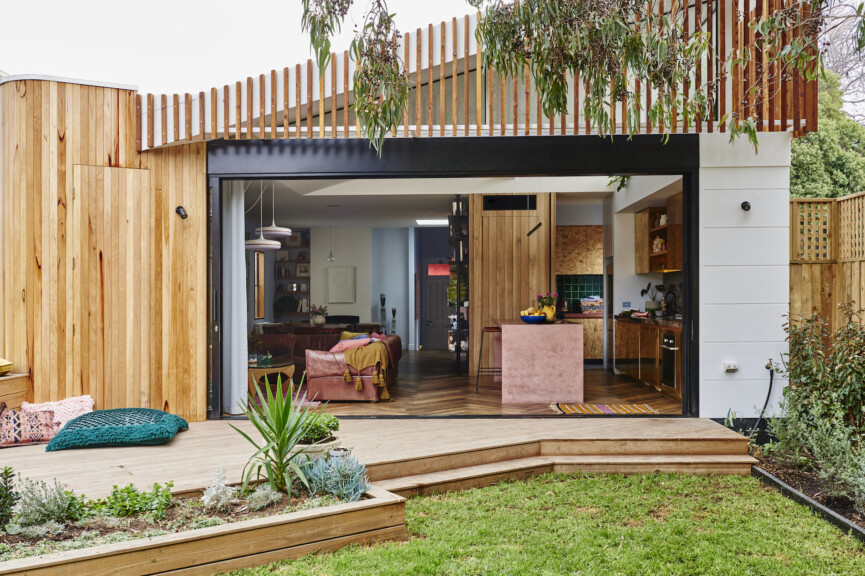
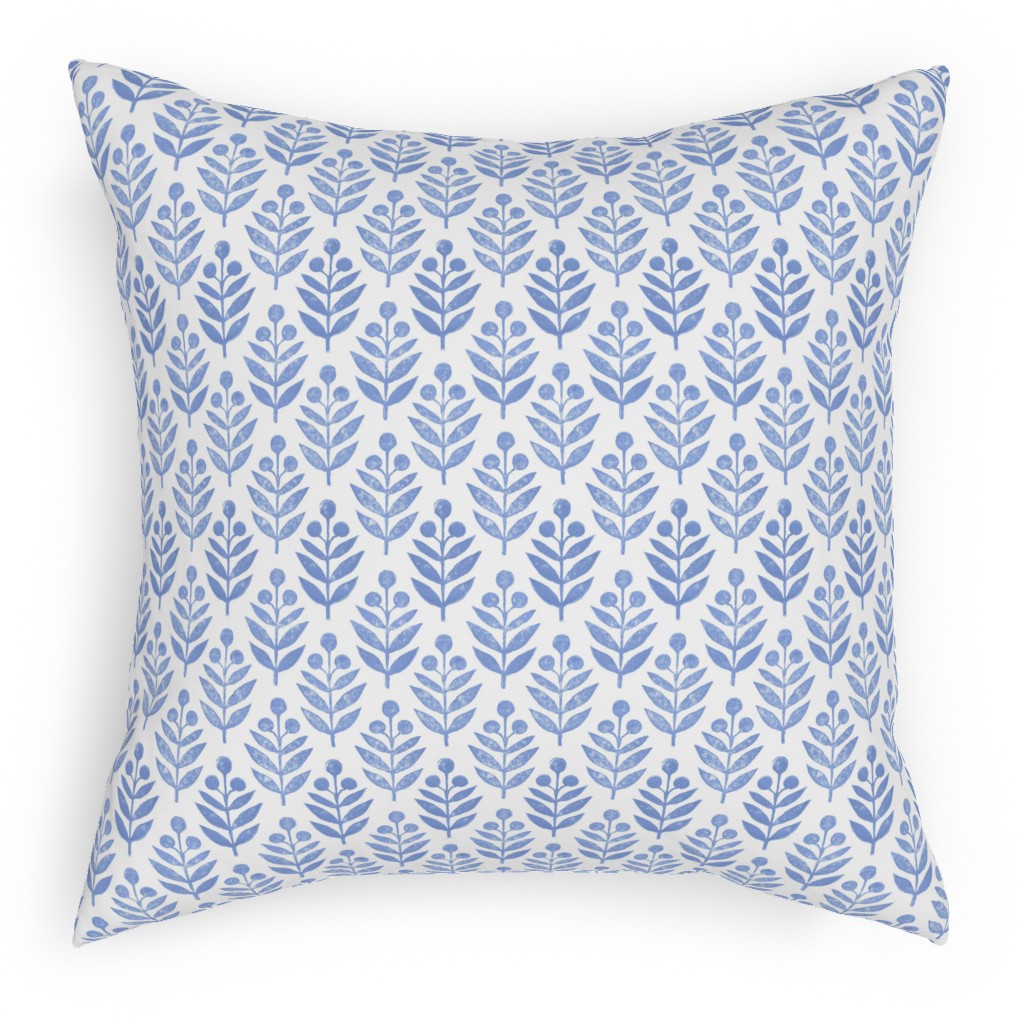
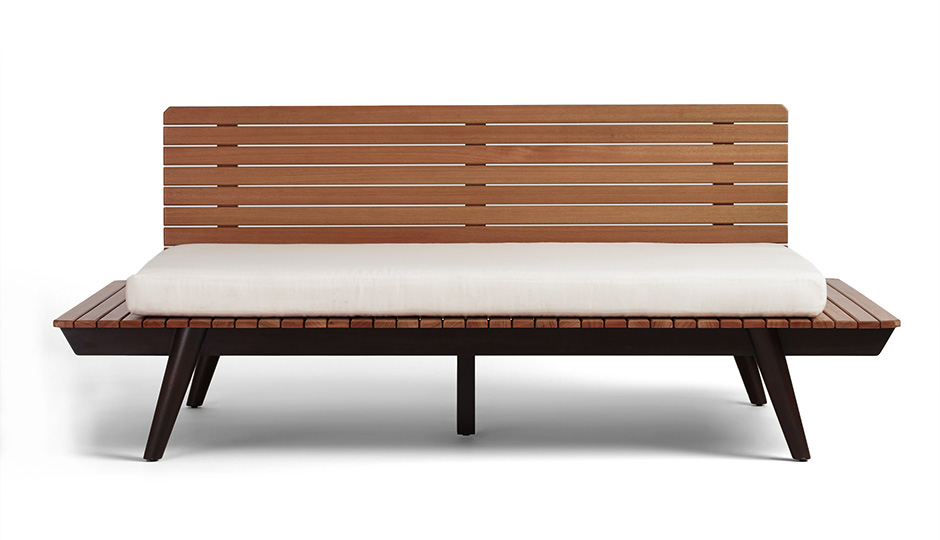
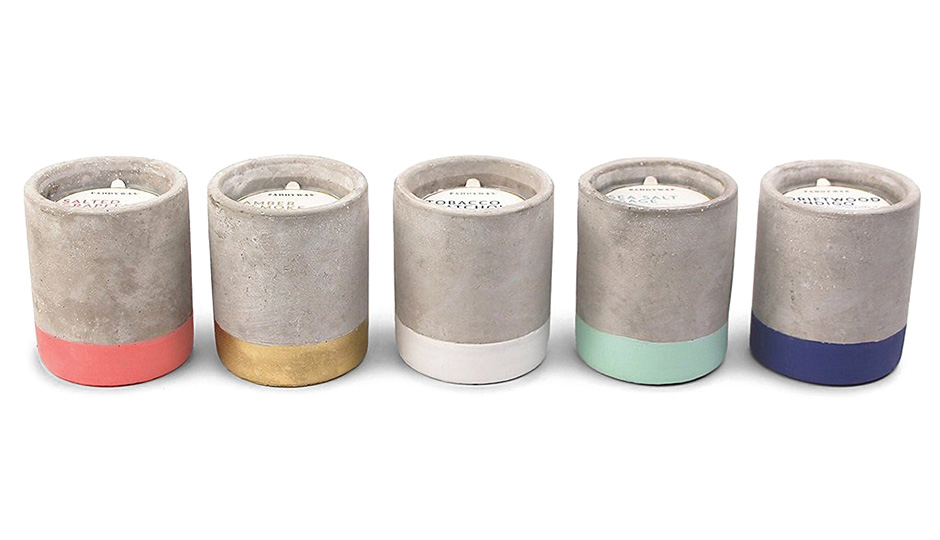
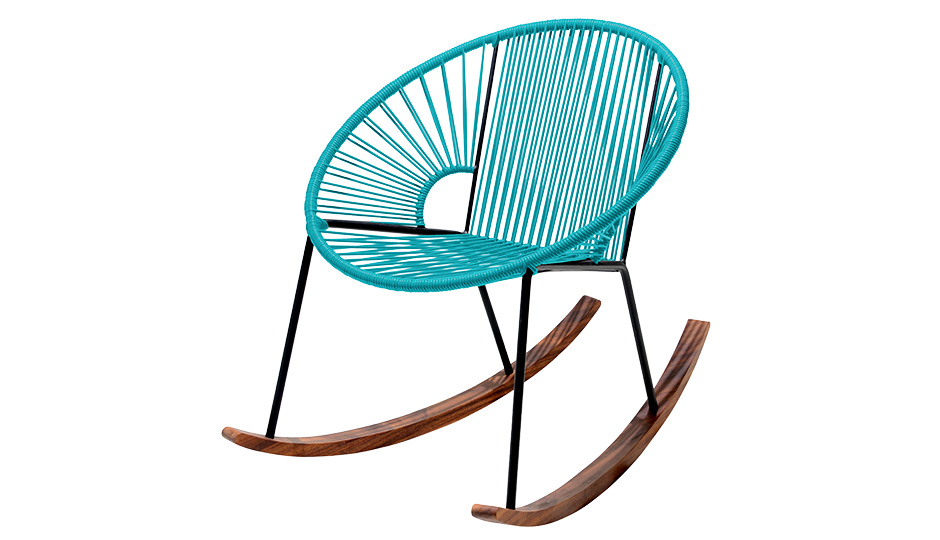
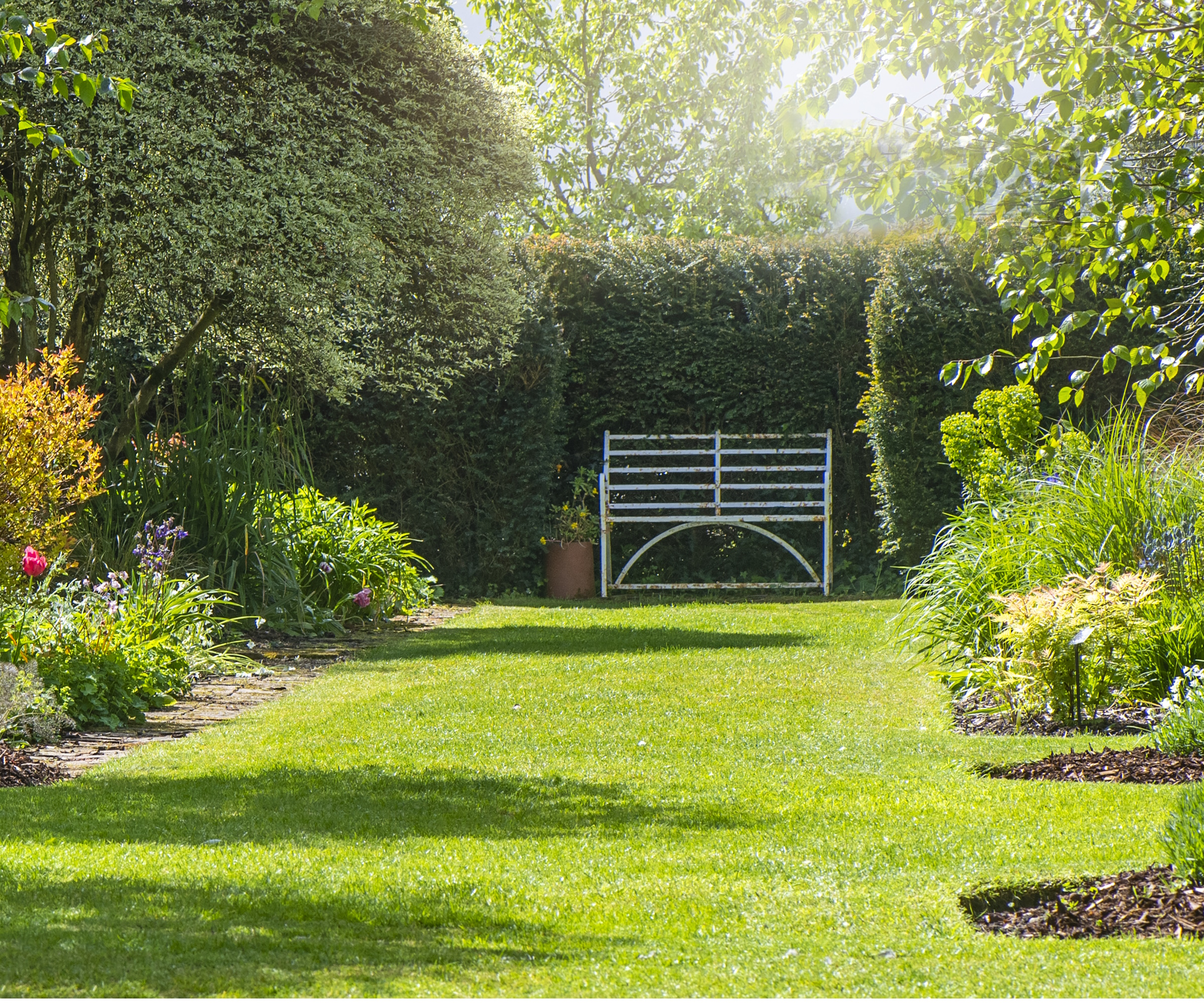
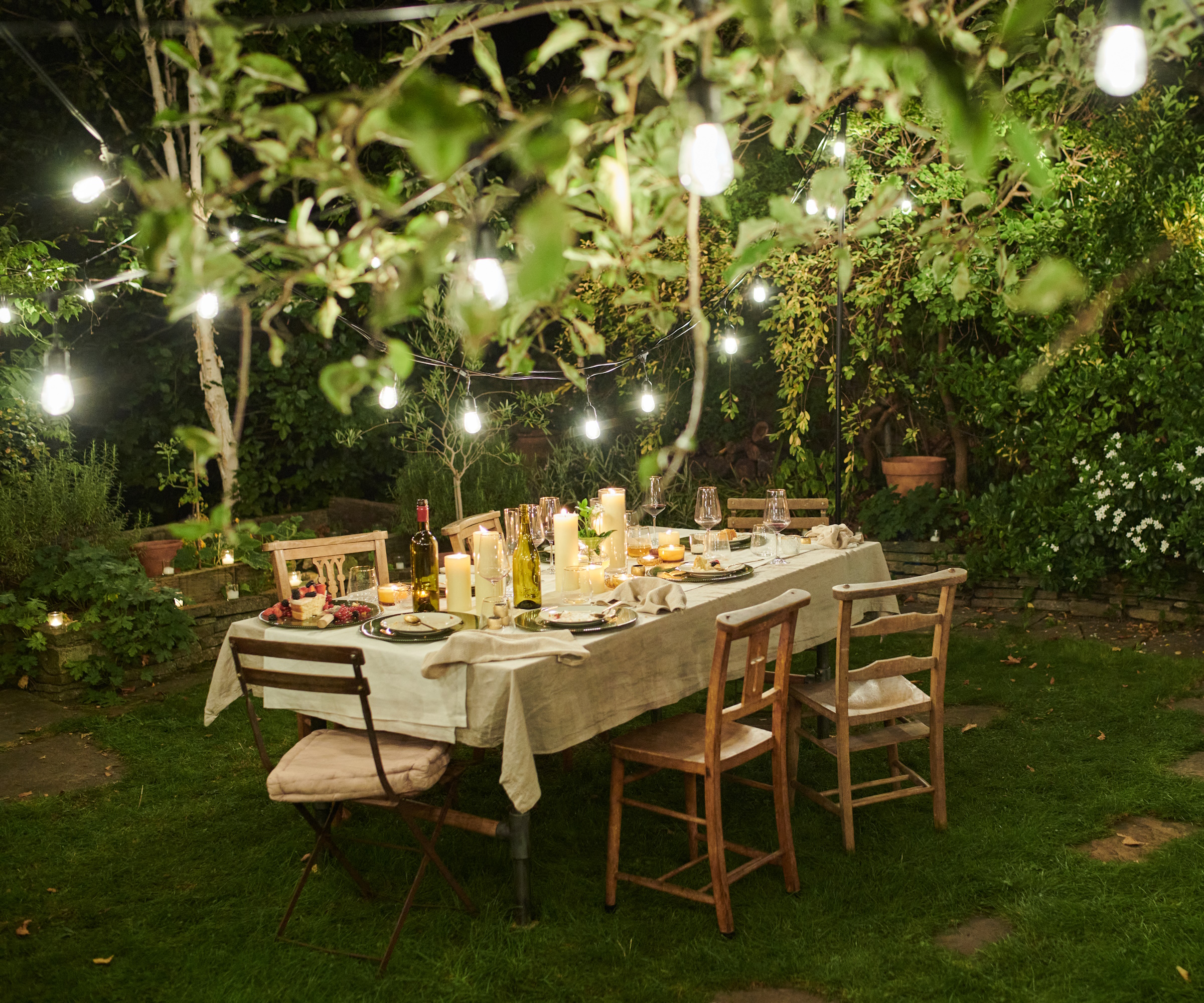
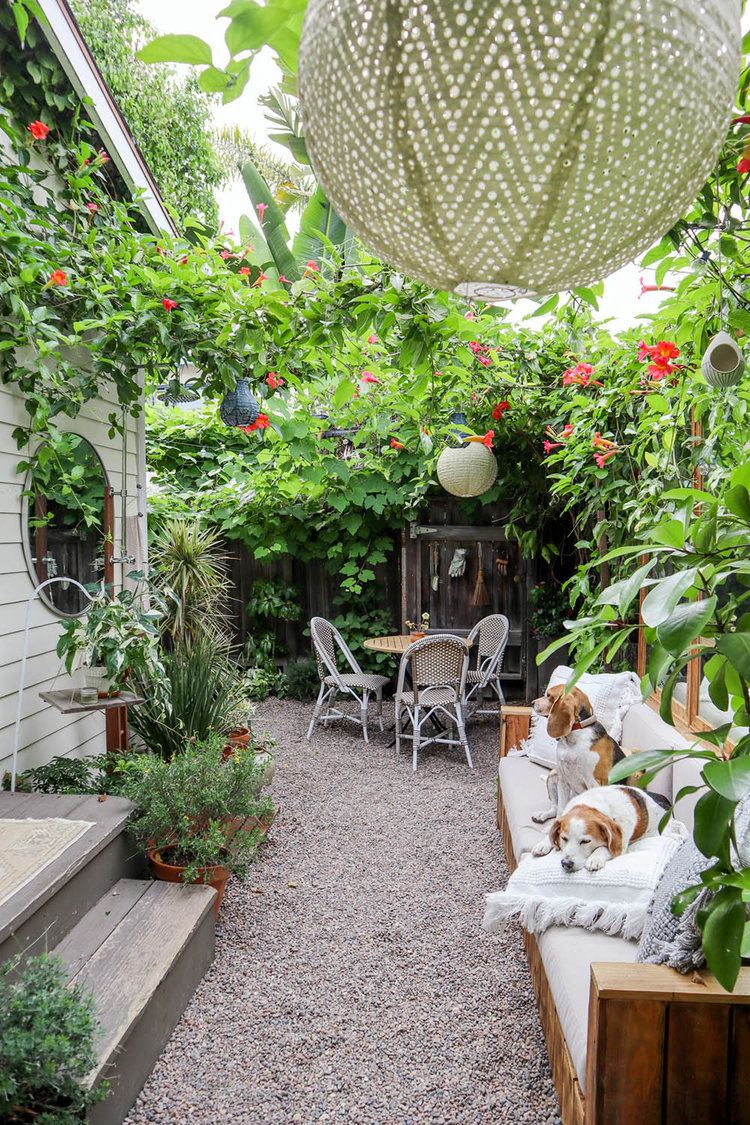
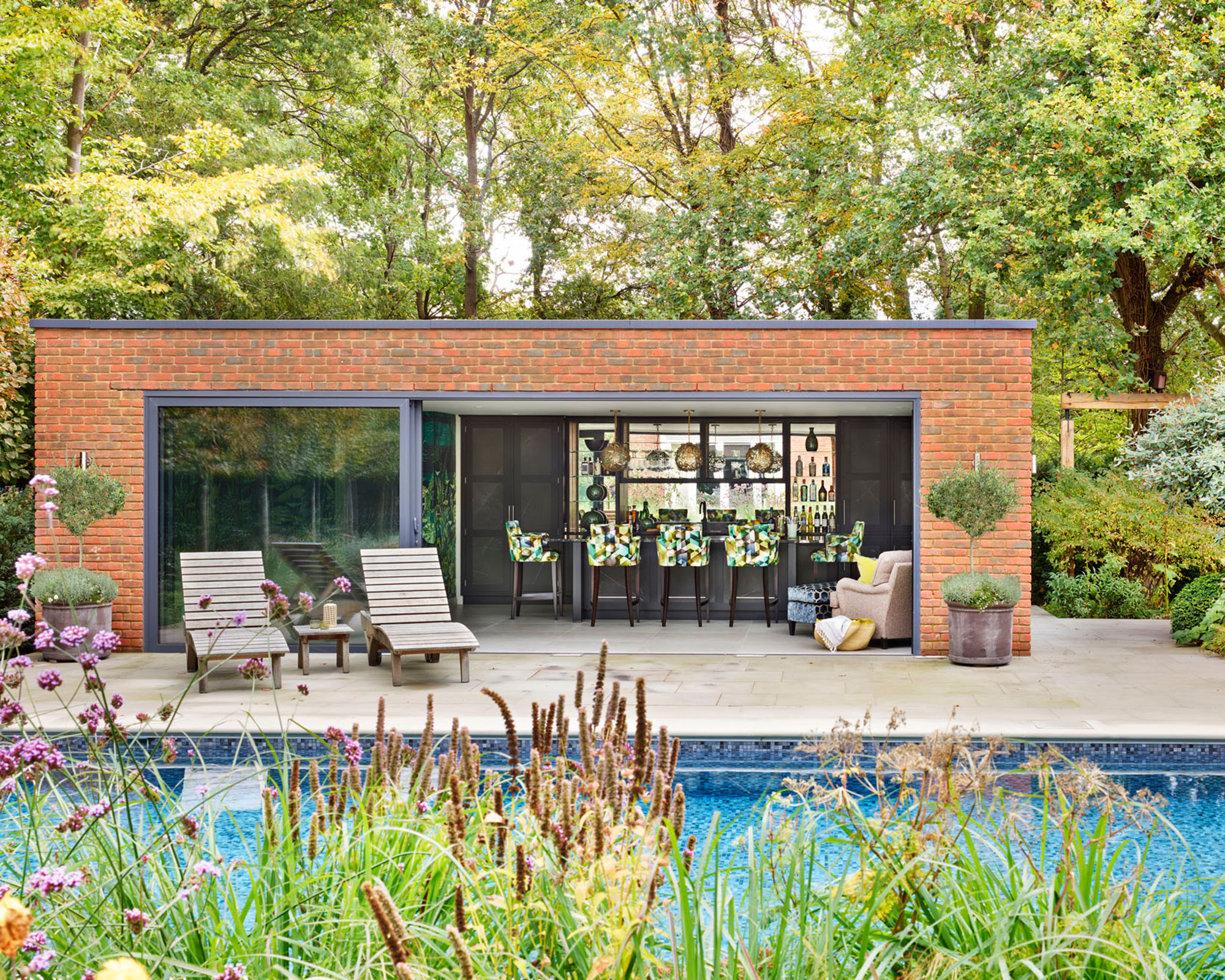
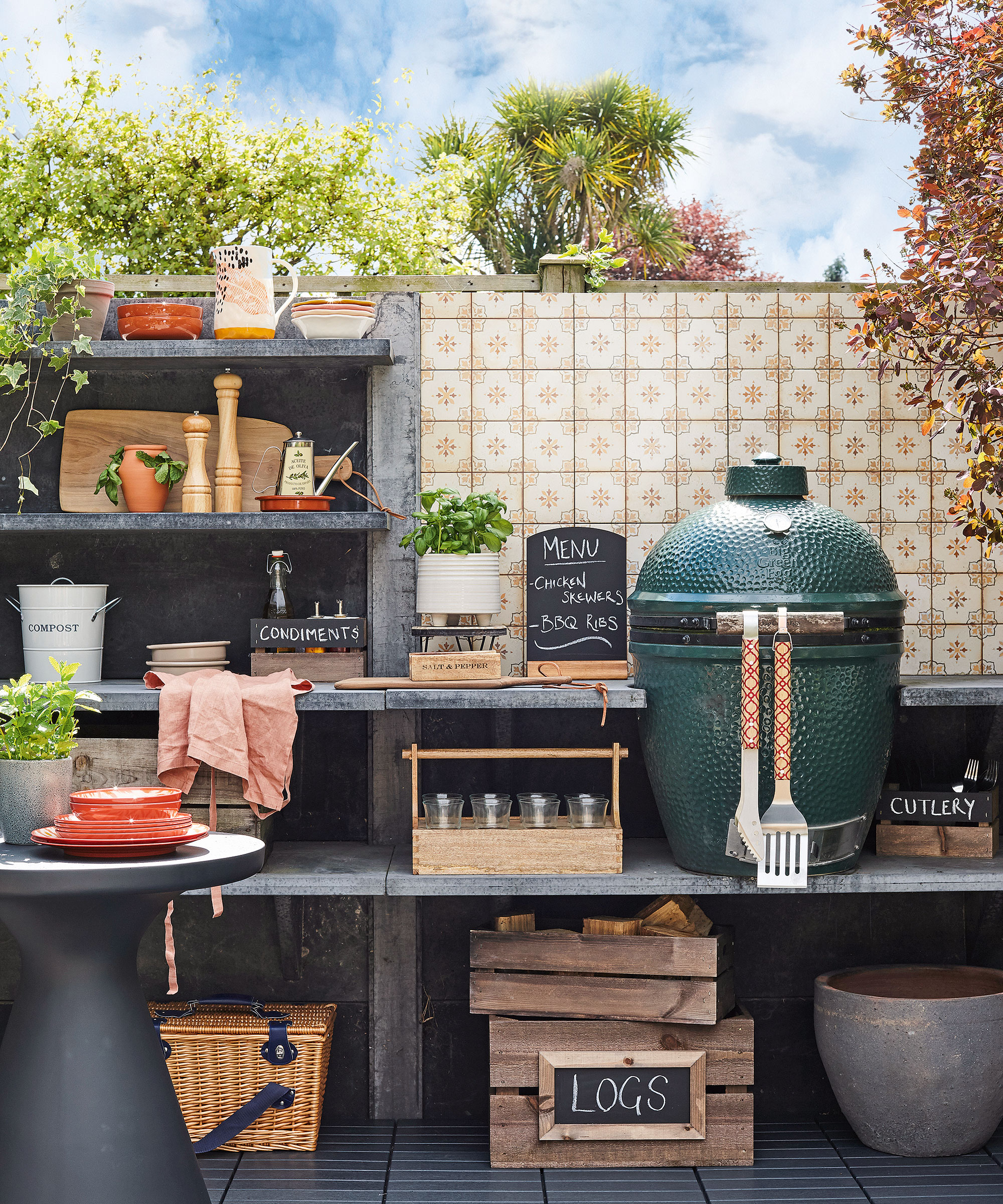
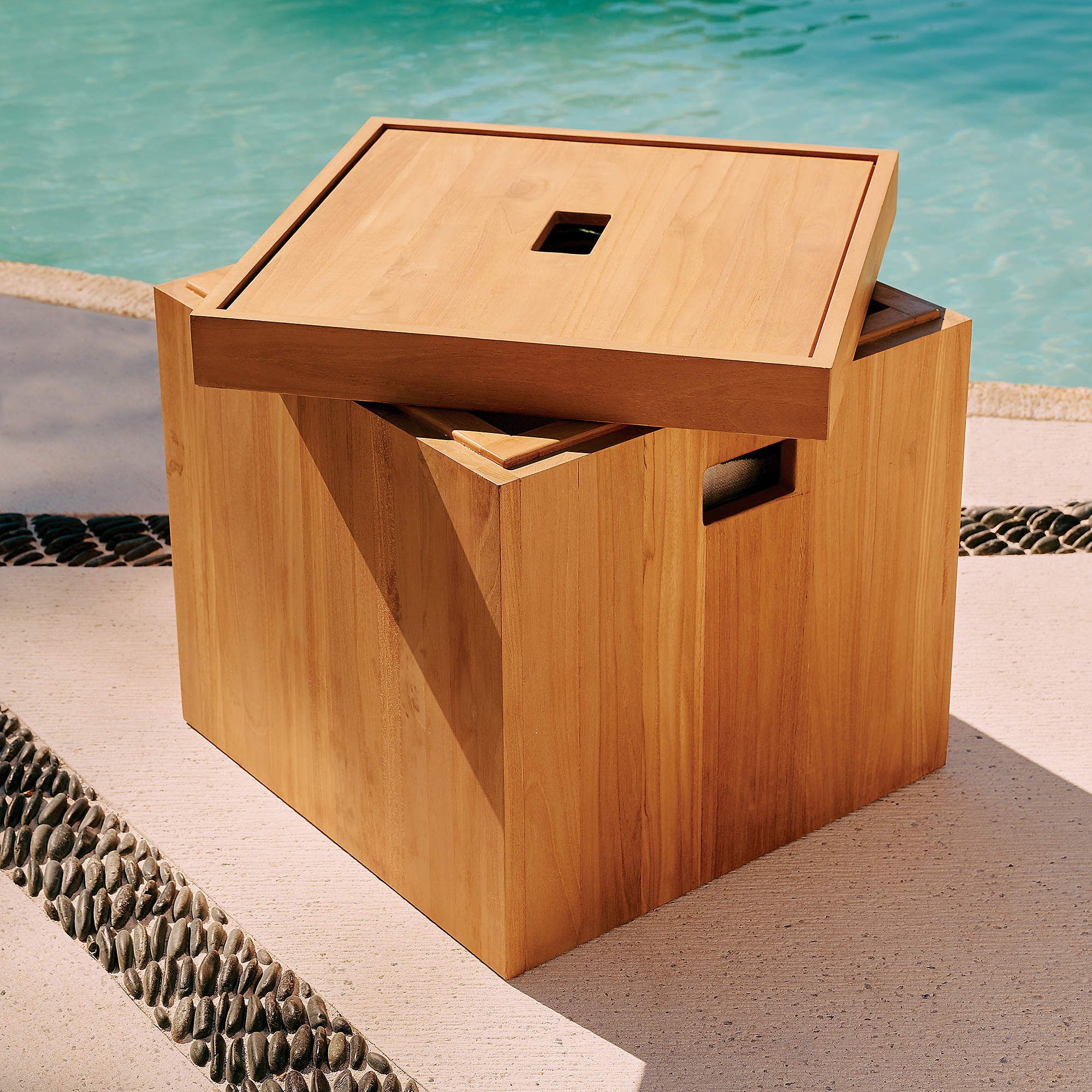
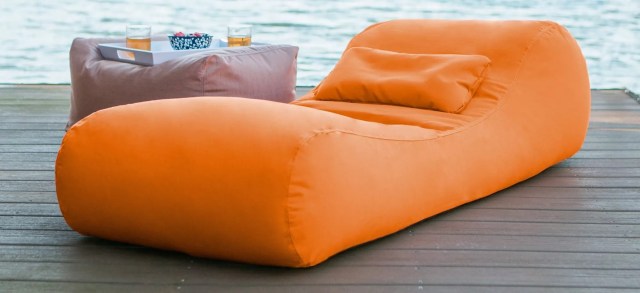
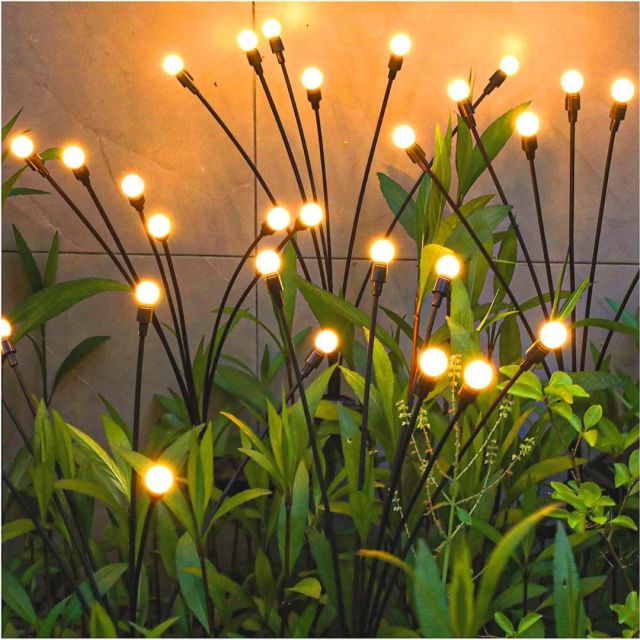
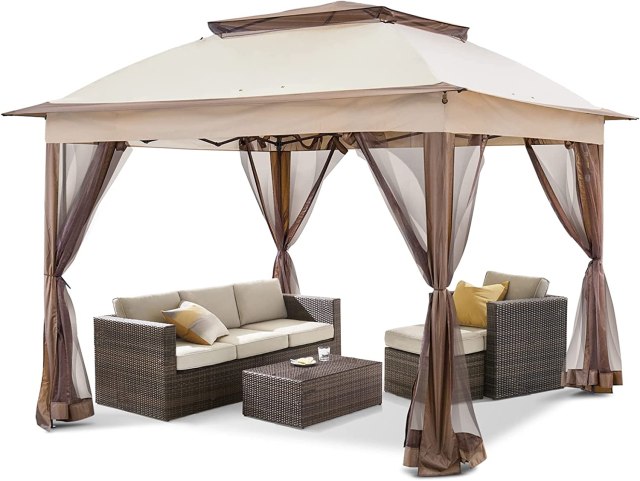
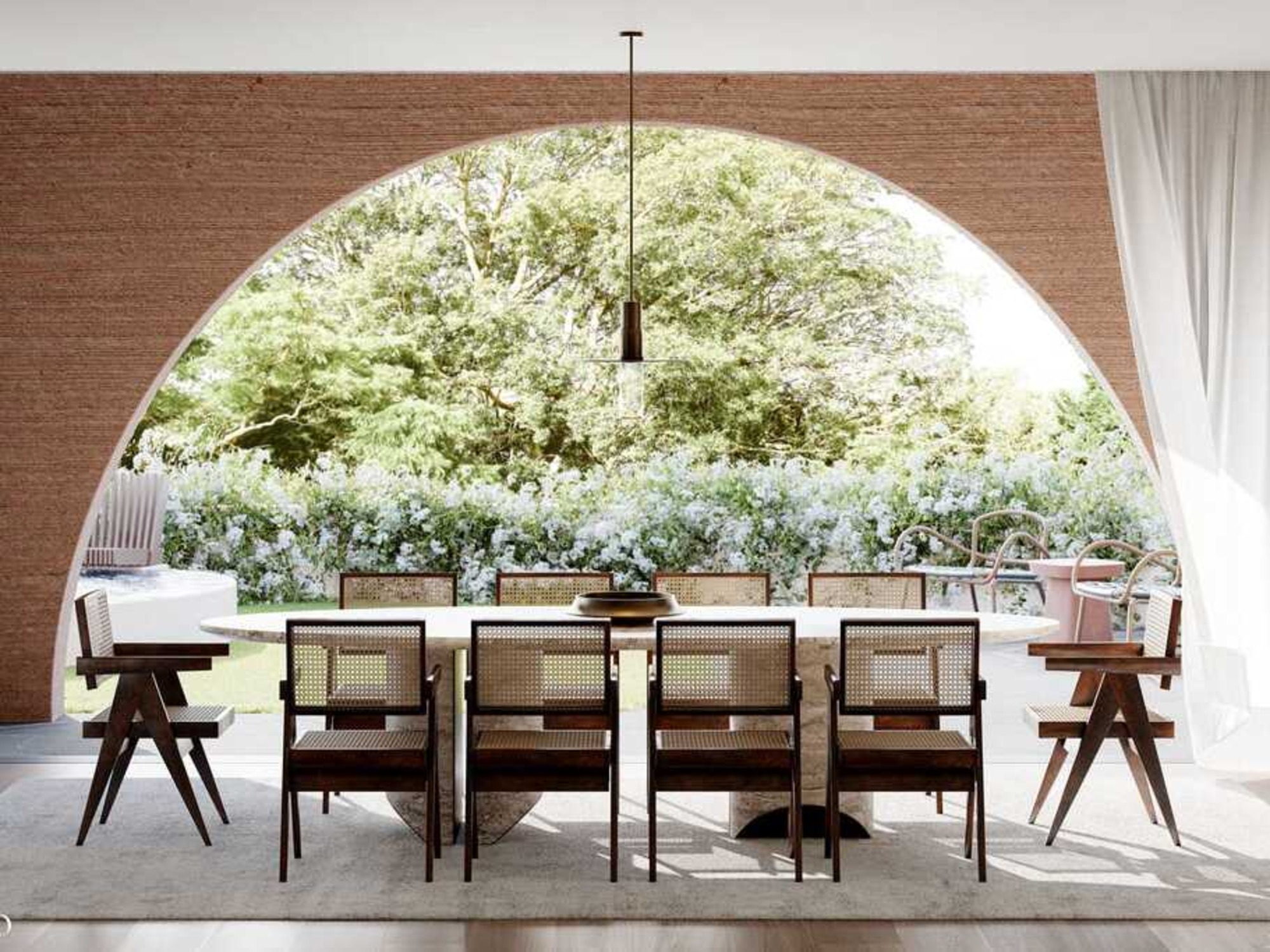
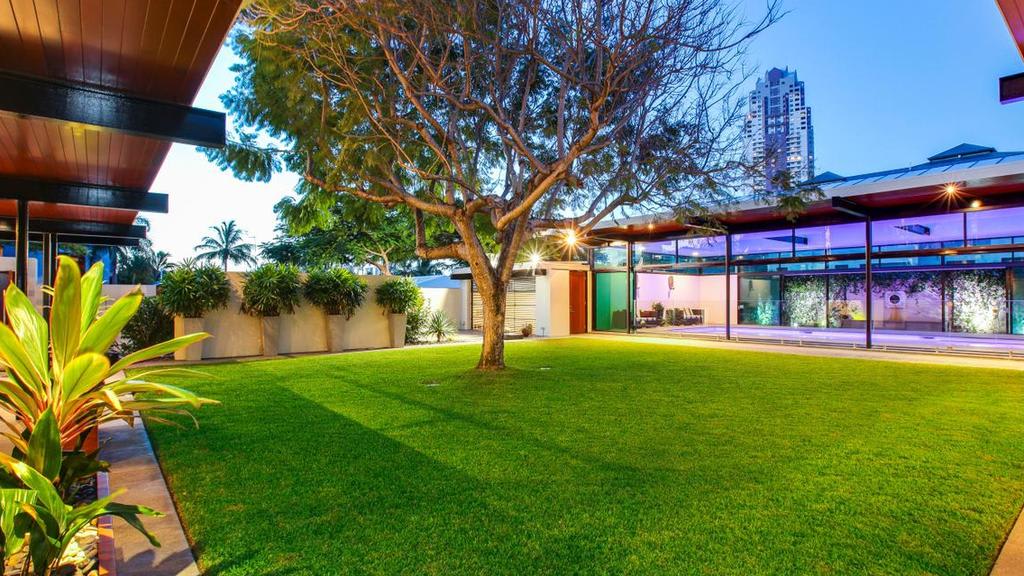
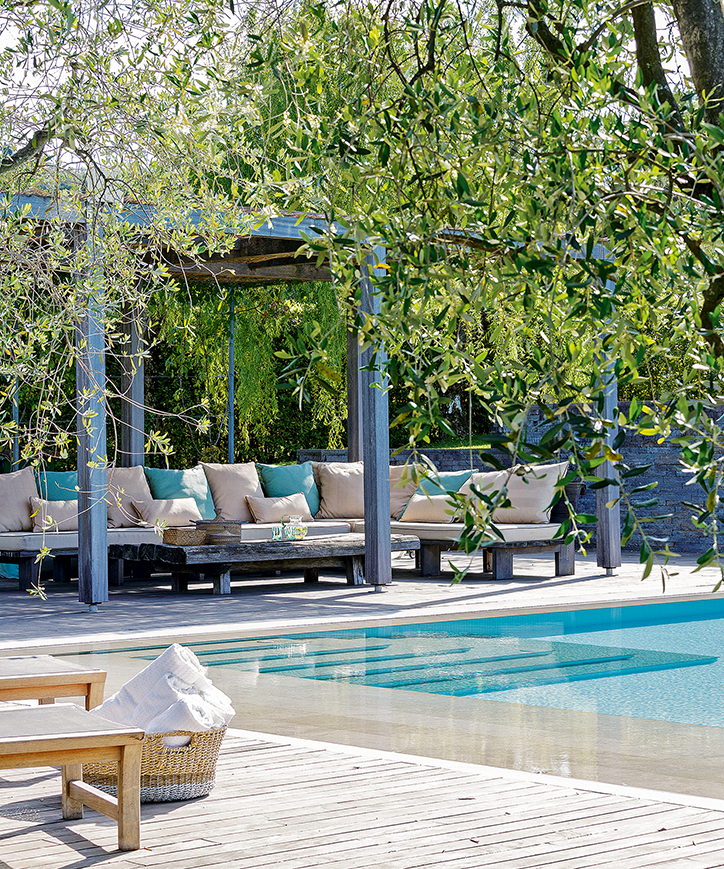
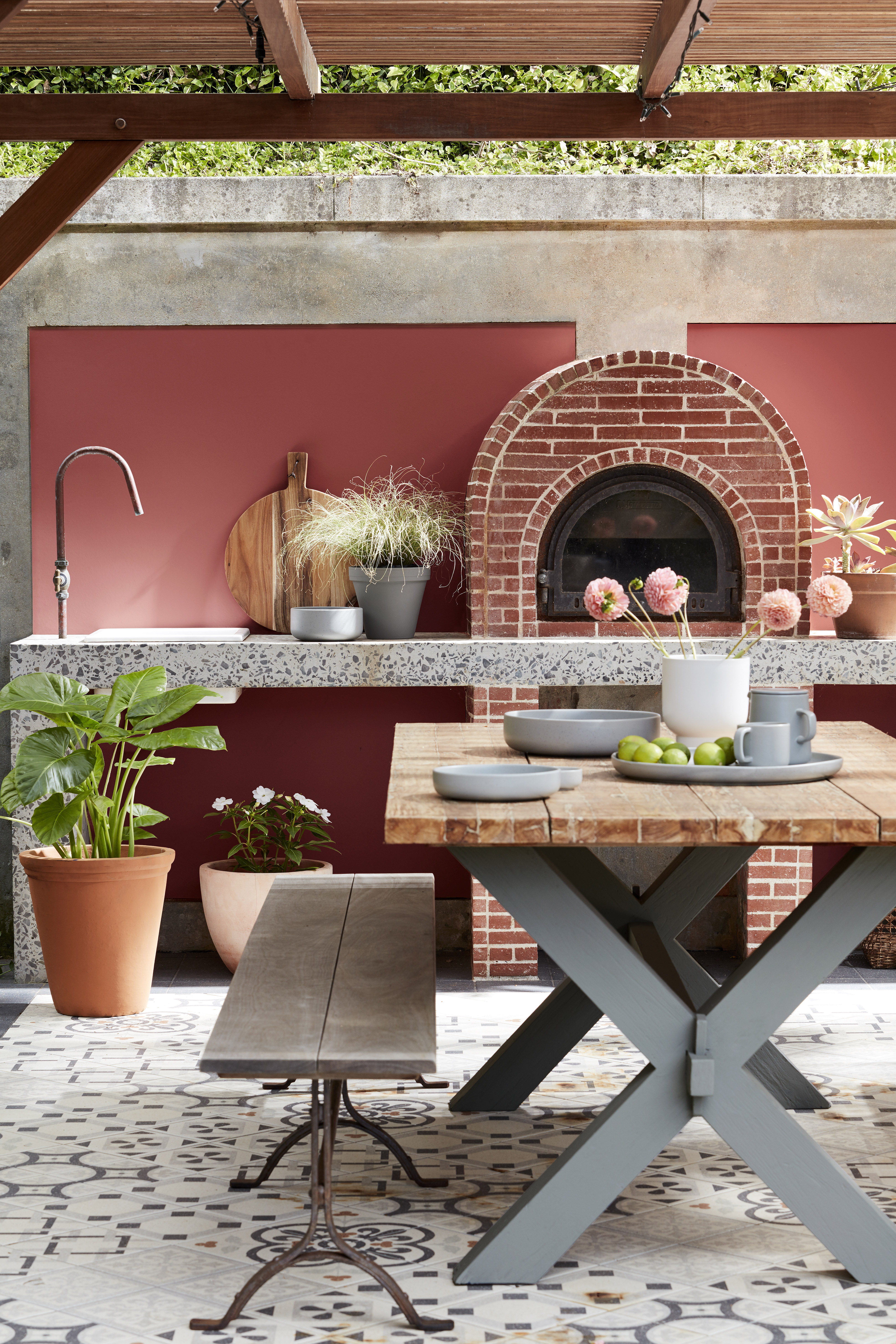
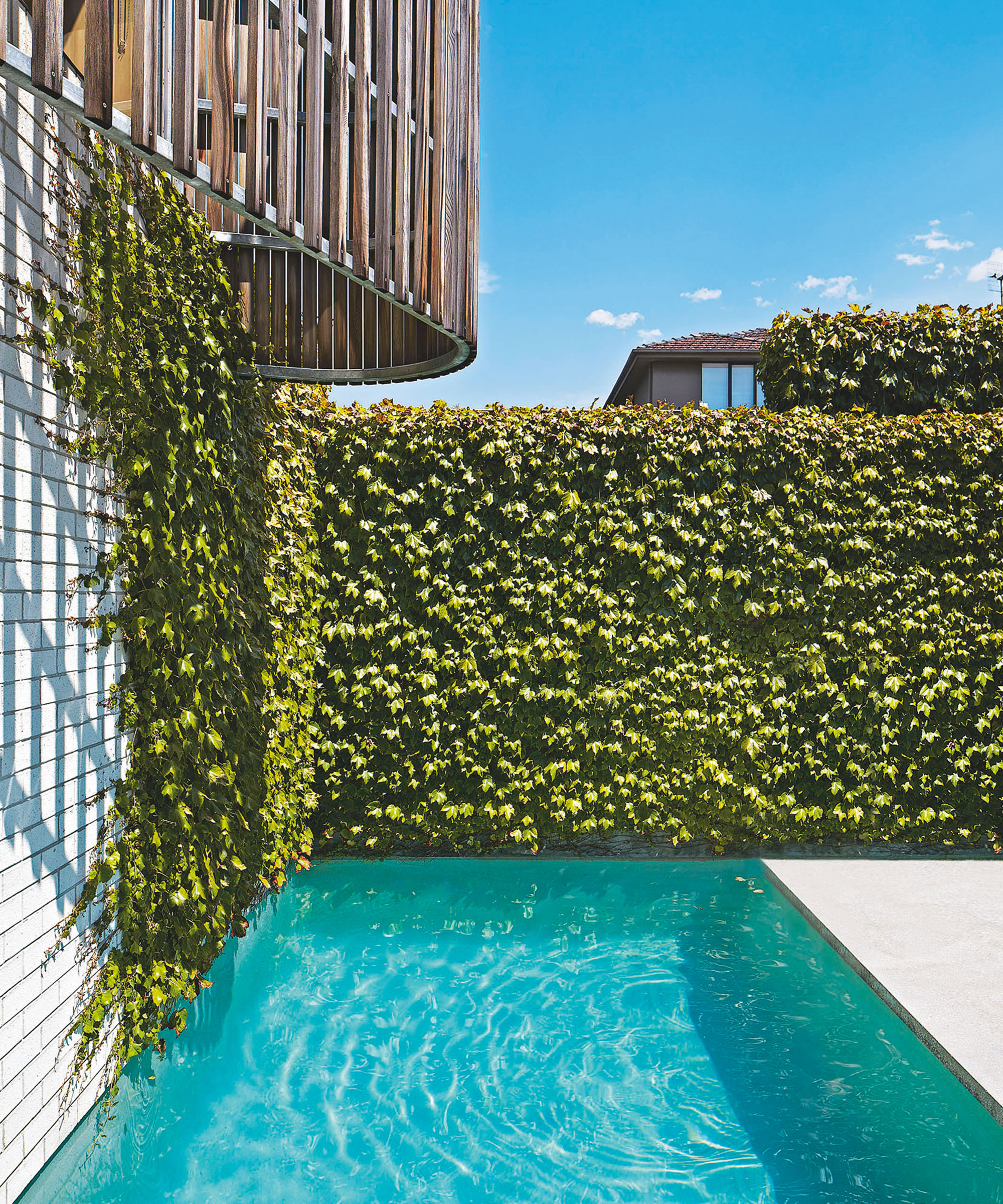
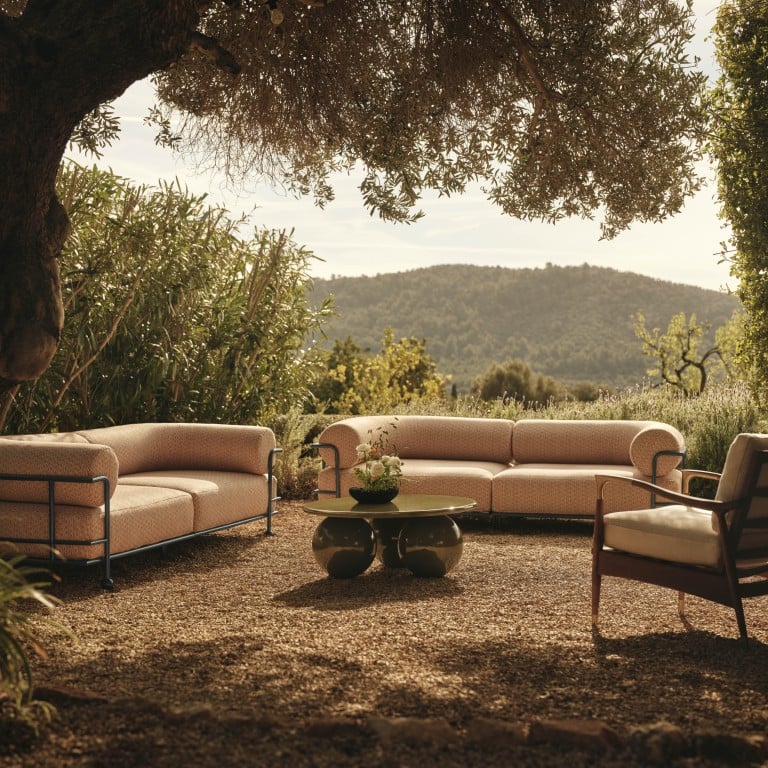
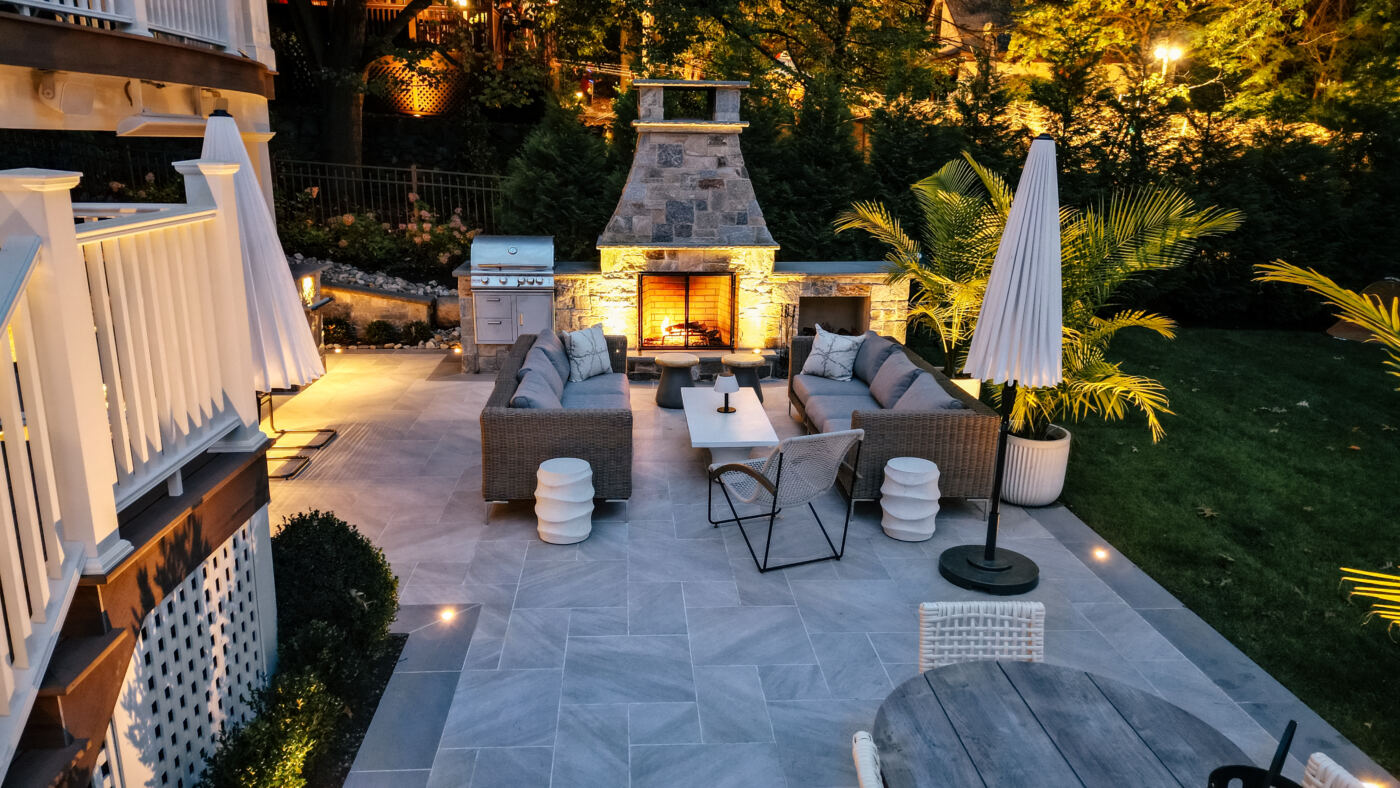
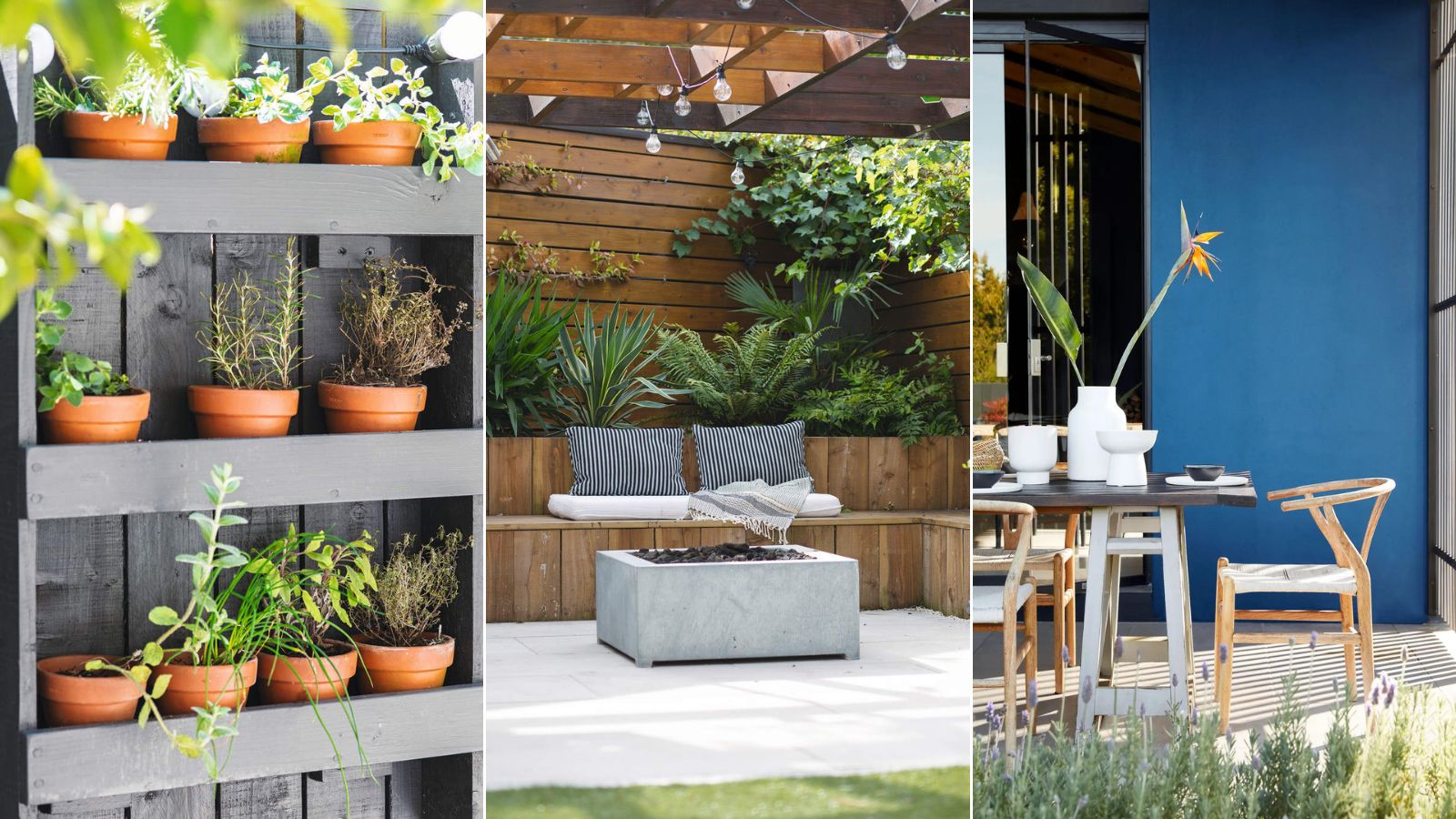
The article provides guidance on transforming outdoor spaces into private paradises, emphasizing the current trend of treating outdoor areas as extensions of indoor living spaces. Interior designers Melissa Bowers and Guillaume Coutheillas highlight the importance of intentional design to create a seamless flow between indoor and outdoor environments, particularly in urban settings where outdoor space is a premium. The initial step in crafting an ideal outdoor area involves identifying its primary function, which then informs furniture selection. For a relaxed atmosphere, modular lounge seating, low-profile dining tables, and loungers are recommended. Conversely, communal tables and benches are suitable for entertaining larger groups, while vintage-inspired pieces can inject personality. The selection of durable materials, such as solid teak and treated performance fabrics, is crucial for longevity and aesthetic appeal in outdoor conditions. Brands like RH (formerly Restoration Hardware) are noted for their robust yet stylish outdoor collections, featuring items made from weather-resistant composite concrete and all-weather aluminum that combine futuristic and contemporary design. Candy Murray of Soho Home observes a growing demand for sculptural forms in outdoor furniture. Soft furnishings, including outdoor rugs, throw pillows, and cushions, are essential for introducing comfort, color, and texture, making the space more inviting. Bowers suggests natural, breathable textiles that age gracefully and quick-drying fabrics for humid climates. Maintaining material, tone, and texture consistency between indoor and outdoor areas can achieve a luxurious and cohesive look. Biophilic design, which integrates natural elements, is also a prominent trend. Incorporating landscaping, fire elements like portable fireplaces, and water features such as sculptural fountains, helps create a tranquil ambiance. The use of natural materials like wood and stone fosters a grounding energy and a deeper connection to nature. Decorative elements like bar carts and side tables add both utility and charm, while thoughtful lighting, including lanterns, sconces, and uplighting, can transform the atmosphere in the evening. Outdoor mirrors are suggested for adding depth, especially in smaller areas. Bowers points out that even compact spaces like balconies can become sanctuaries with a few well-chosen elements, demonstrating that luxury stems from presence, not just size. Coutheillas advises zoning even small terraces to delineate areas for different activities, such as coffee or plants, making them feel more spacious and purposeful. Modular furniture is also key for adaptability. The article concludes with five tips for outdoor space transformation: embracing natural elements, adding personality with soft furnishings, utilizing vertical space, choosing durable yet stylish materials, and defining distinct functional areas with built-in structures like gazebos or umbrellas.
#OutdoorLiving #HomeDesign #InteriorDesign #BiophilicDesign #OutdoorFurniture #LuxuryLiving #SpacePlanning #DurableMaterials #AlfrescoDining #OutdoorLiving #HomeDesign #InteriorDesign #BiophilicDesign #OutdoorFurniture #LuxuryLiving #SpacePlanning #DurableMaterials #AlfrescoDining
0 comment in total
 No comments yet
You may also like
Summer Home Spaces Built for Entertaining

5 simple ways to decorate your outdoor space for summer entertaining

43 Seriously Useful Things For Anyone Who Basically Lives In Their Backyard All Summer

17 Magical Backyard Ideas for Yummy Summer Outdoor Living

These Gorgeous Outdoor Rooms Will Inspire Your Summer Entertaining Prep

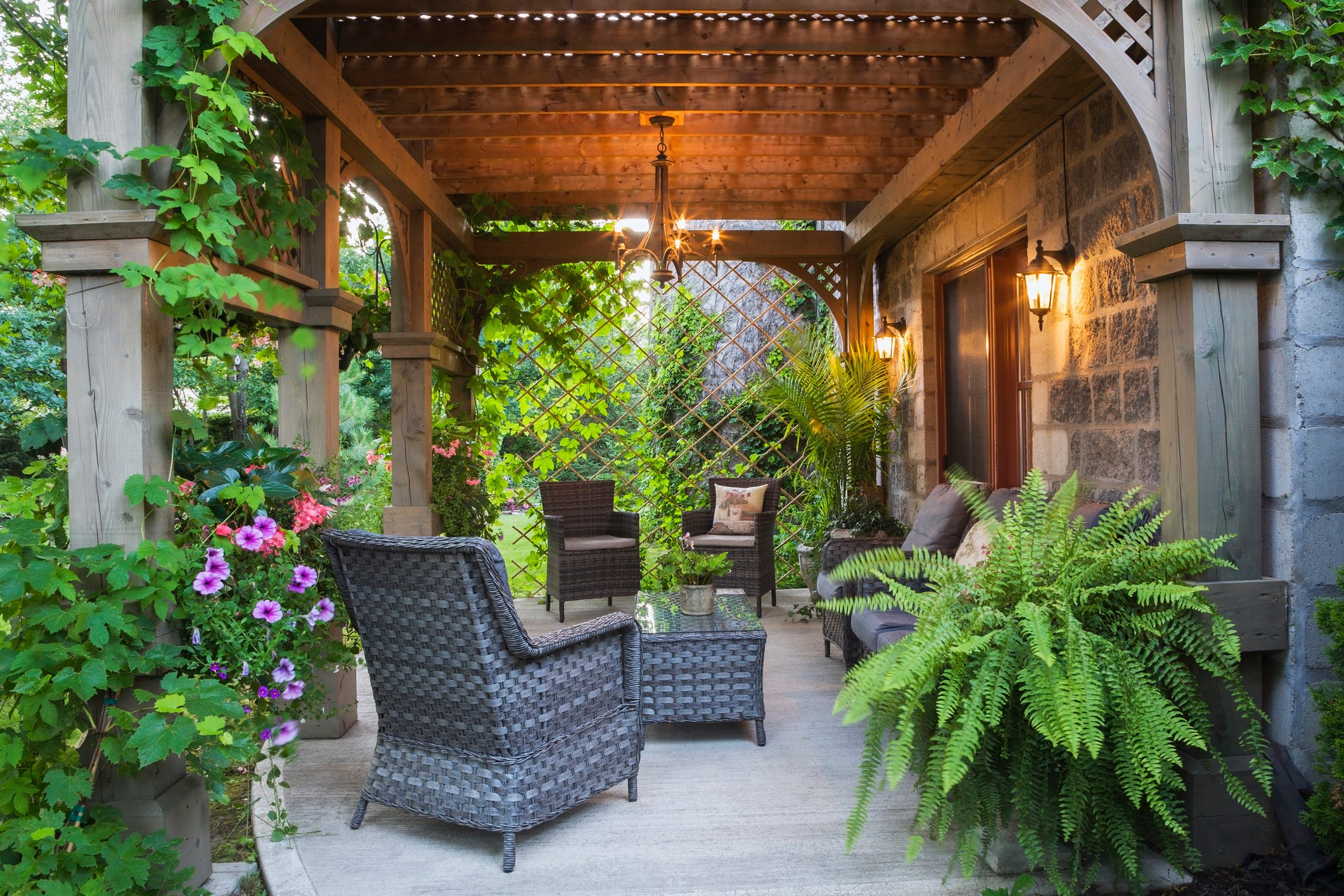
Try These DIY Patio Cover Ideas to Create Your Dream Outdoor Retreat

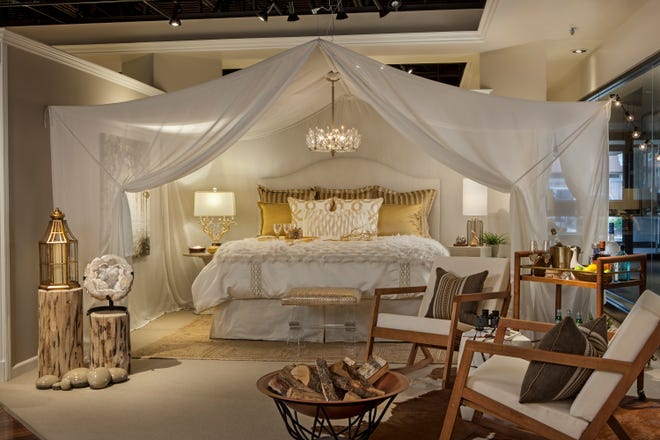
Smart Solutions: Try a bit of glamping at home this summer
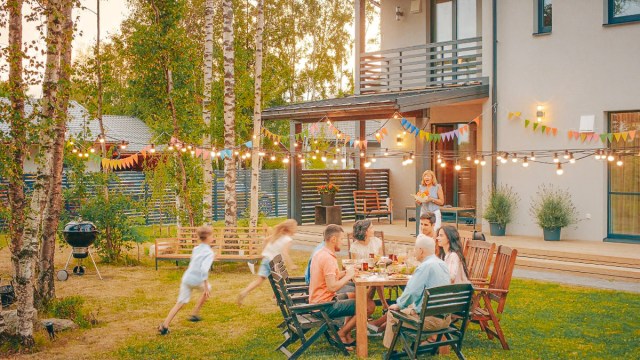
27 Ways to Make Your Backyard the Coolest in the Neighborhood
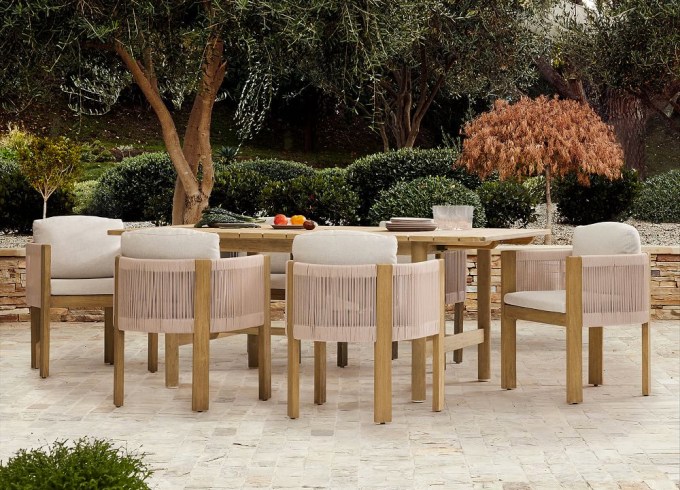
25 Chic Backyard Ideas to Prep Your Space for Summer
Backyard bliss: Tips for designing a dream outdoor oasis
How to spruce up your backyard for summer hosting – Experts share 5 inspiring ideas to get rid of 'yard shame'
Outdoor Living - Landscaping, Garden & Backyard Design Ideas

Turn Your Backyard (or Patio) Into A Poolside Oasis — Summer Goals 2020

8 Designer-Approved Tips for Turning a Small Backyard Into an Outdoor Oasis

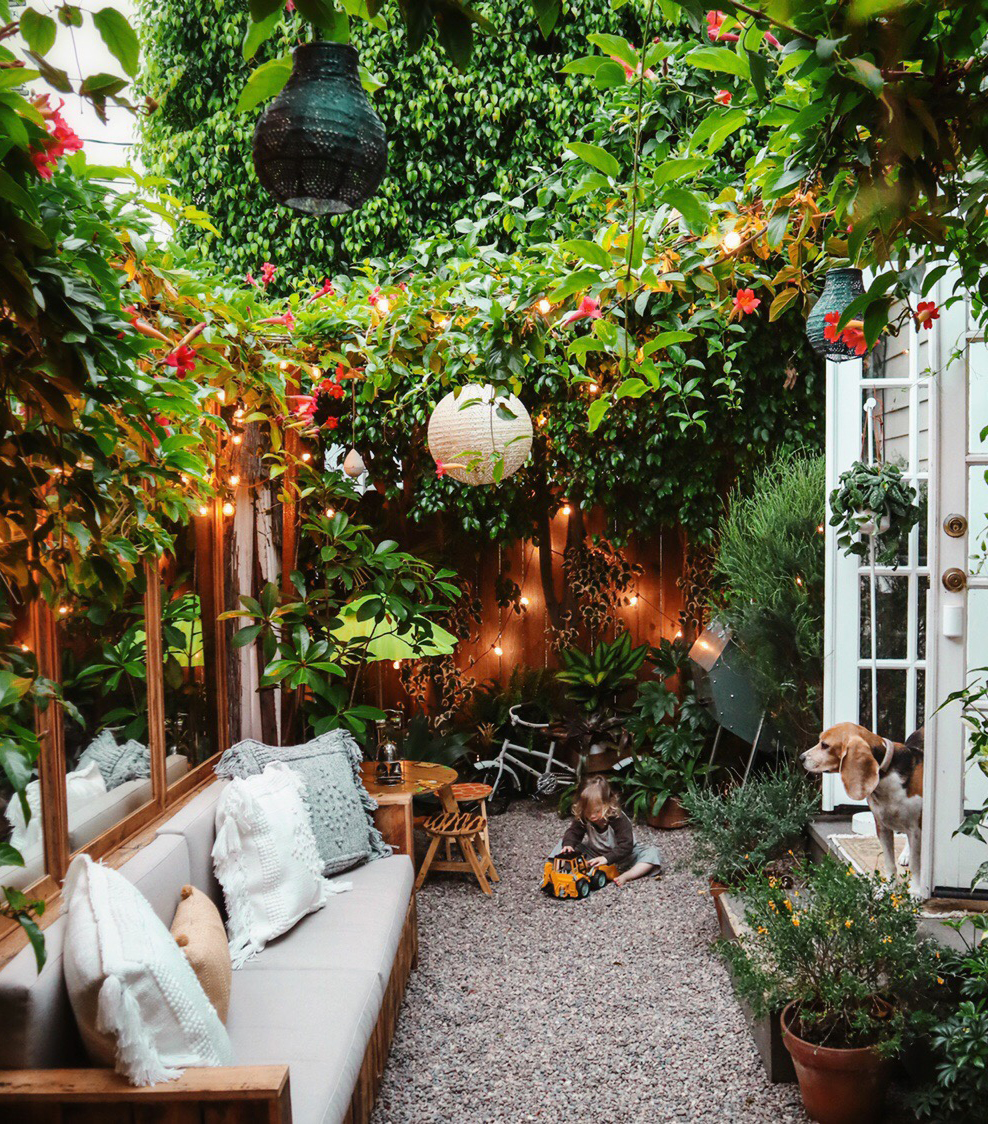
How I Turned My Tiny Backyard Into an Outdoor Oasis
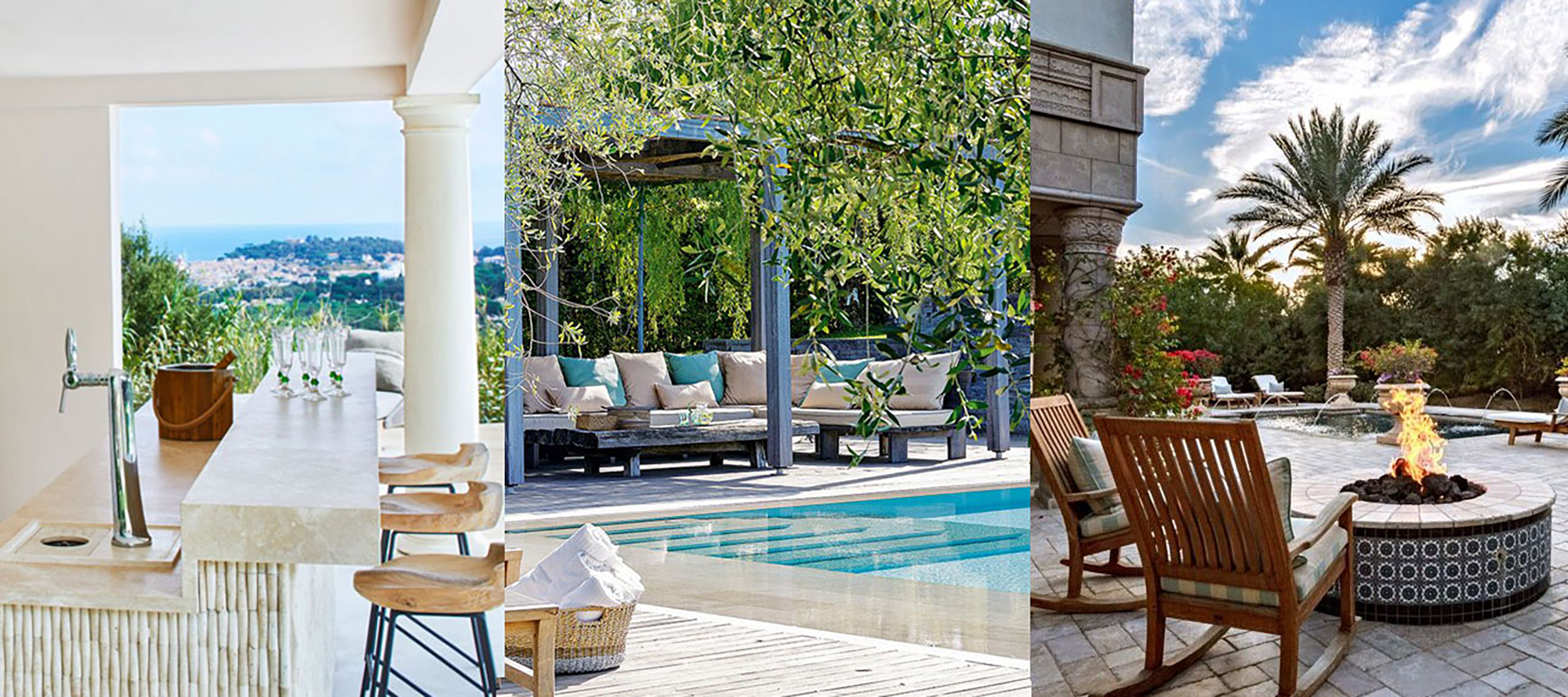
Backyard staycation ideas – 12 ways to holiday at home
How to Get Your Outdoor Space Styled for Summer, No Matter the Size
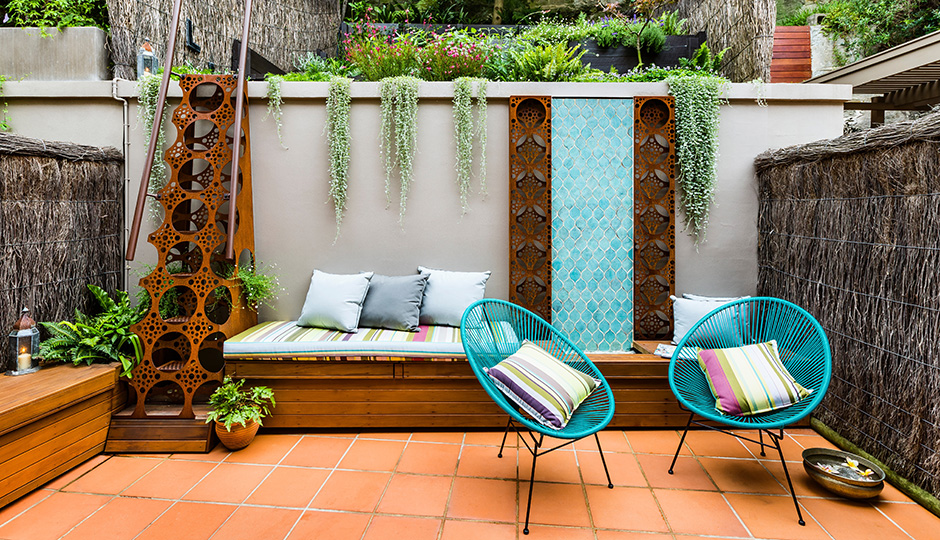
8 Ways to Turn Your Tiny Back Patio Into a Gorgeous Oasis

I organize outdoor spaces for a living – this is how I tidy my yard for summer
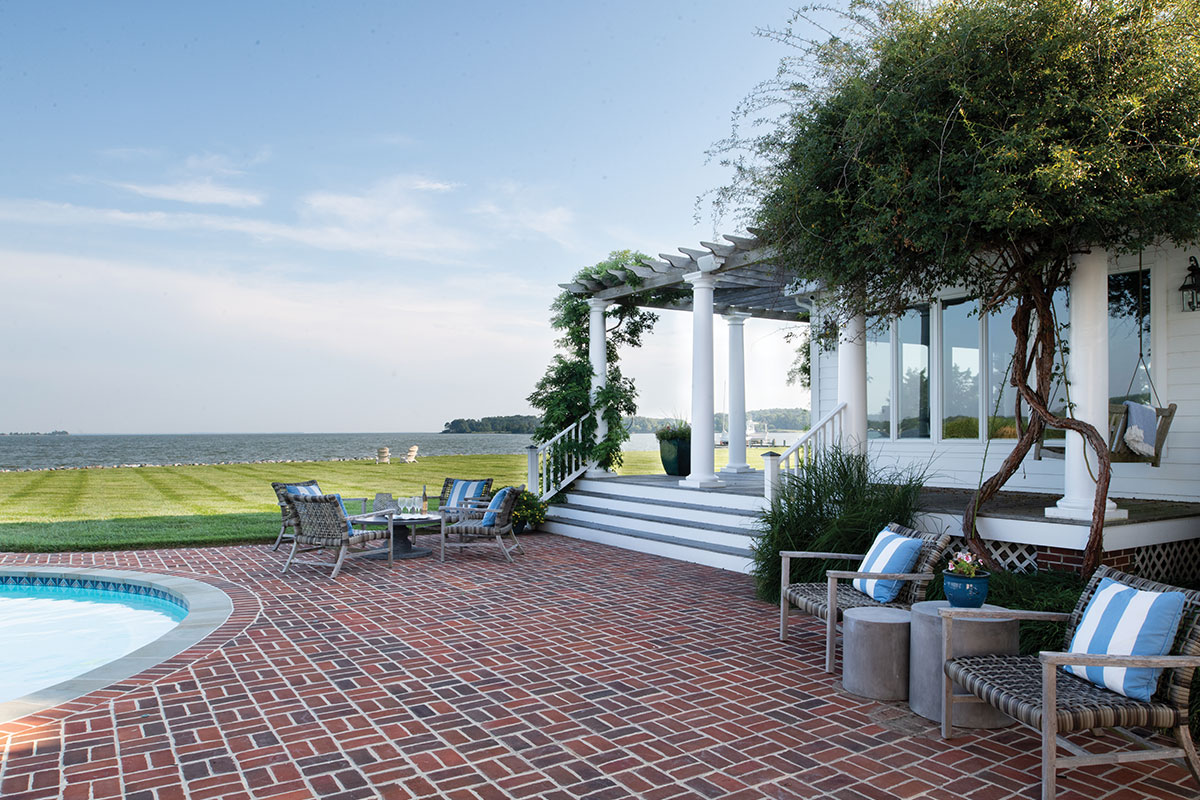
Indoor-Outdoor Spaces for Summertime Living