1/14
'Neutral Maximalism' Will Teach You How to Decorate Boldly Without Relying on Color
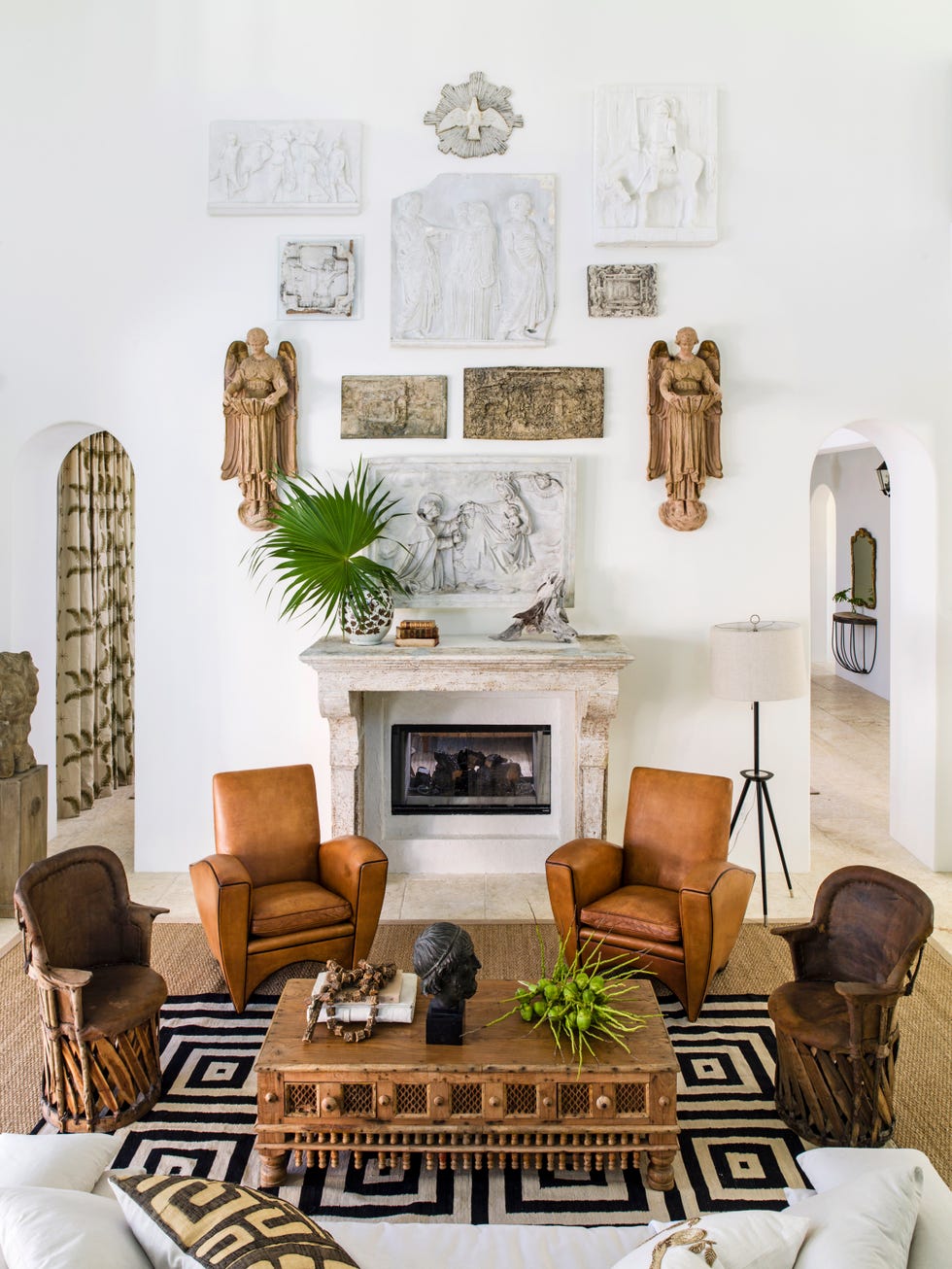
The article introduces 'neutral maximalism' as a decorating style that combines elements of both maximalism and minimalism, focusing on creating rich, layered spaces using a neutral color palette. This approach emphasizes texture, shape, and form rather than bold colors to achieve a sophisticated and personality-filled interior. It is presented as a middle ground for those who find traditional maximalism too overwhelming and minimalism too stark.
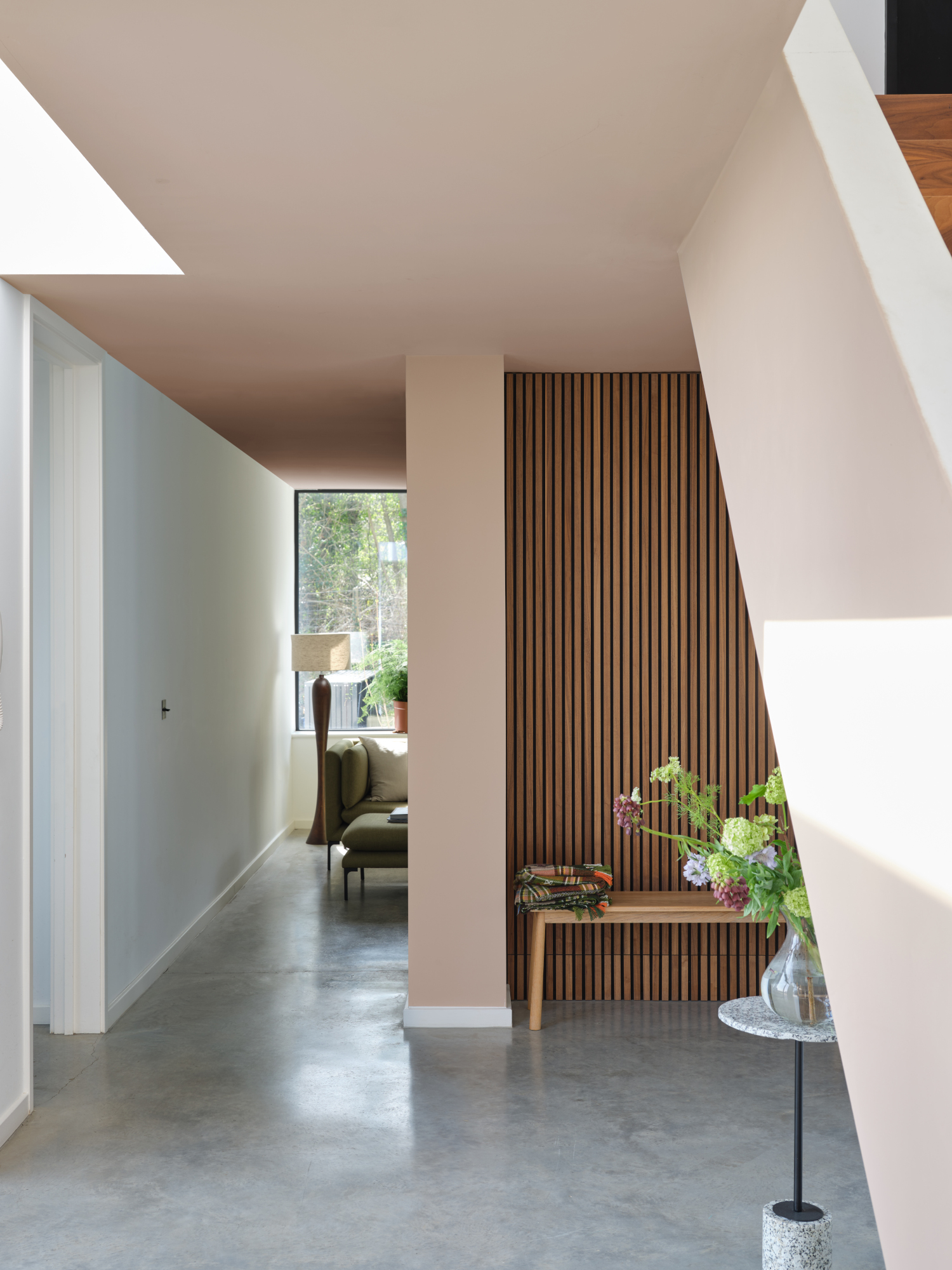
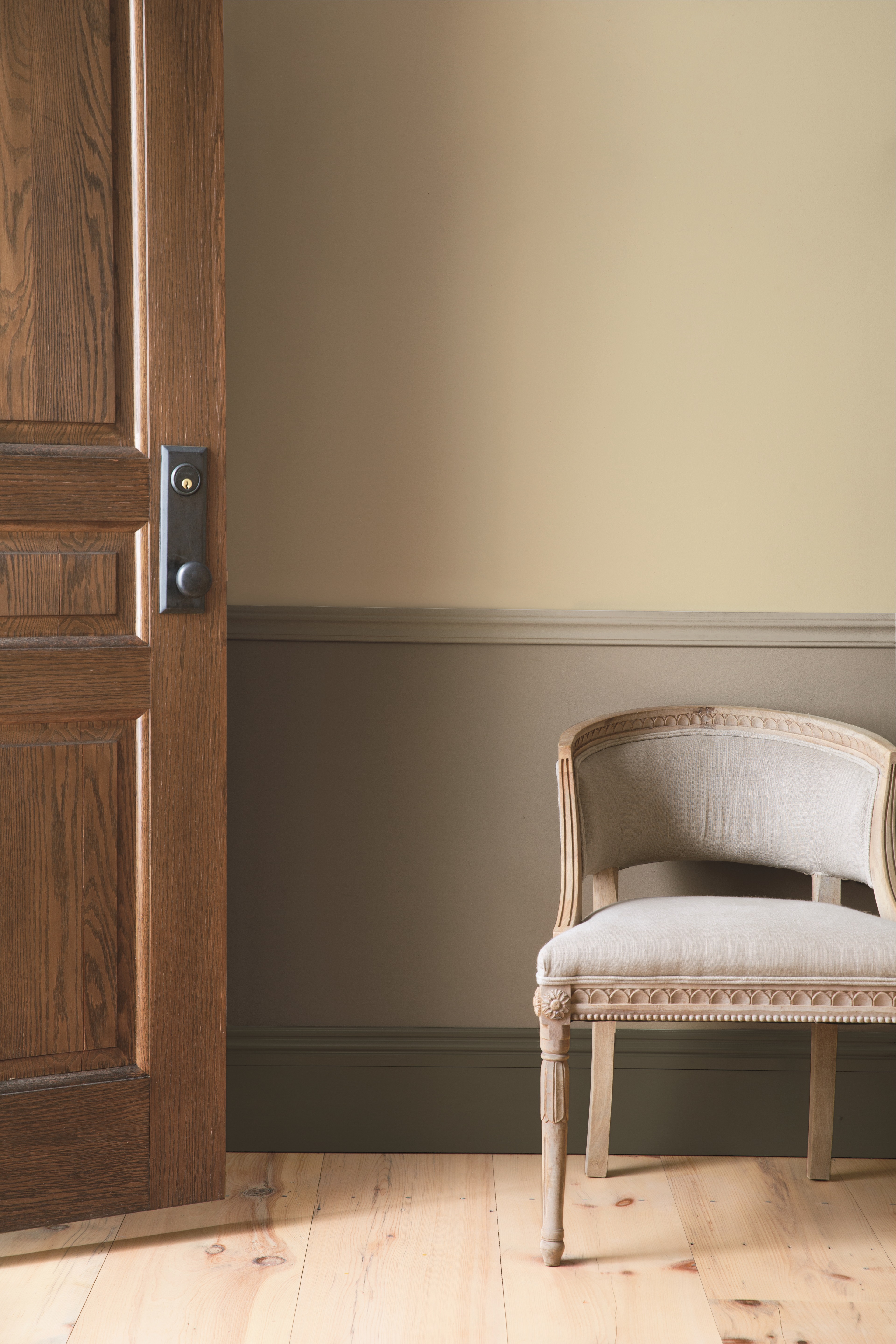
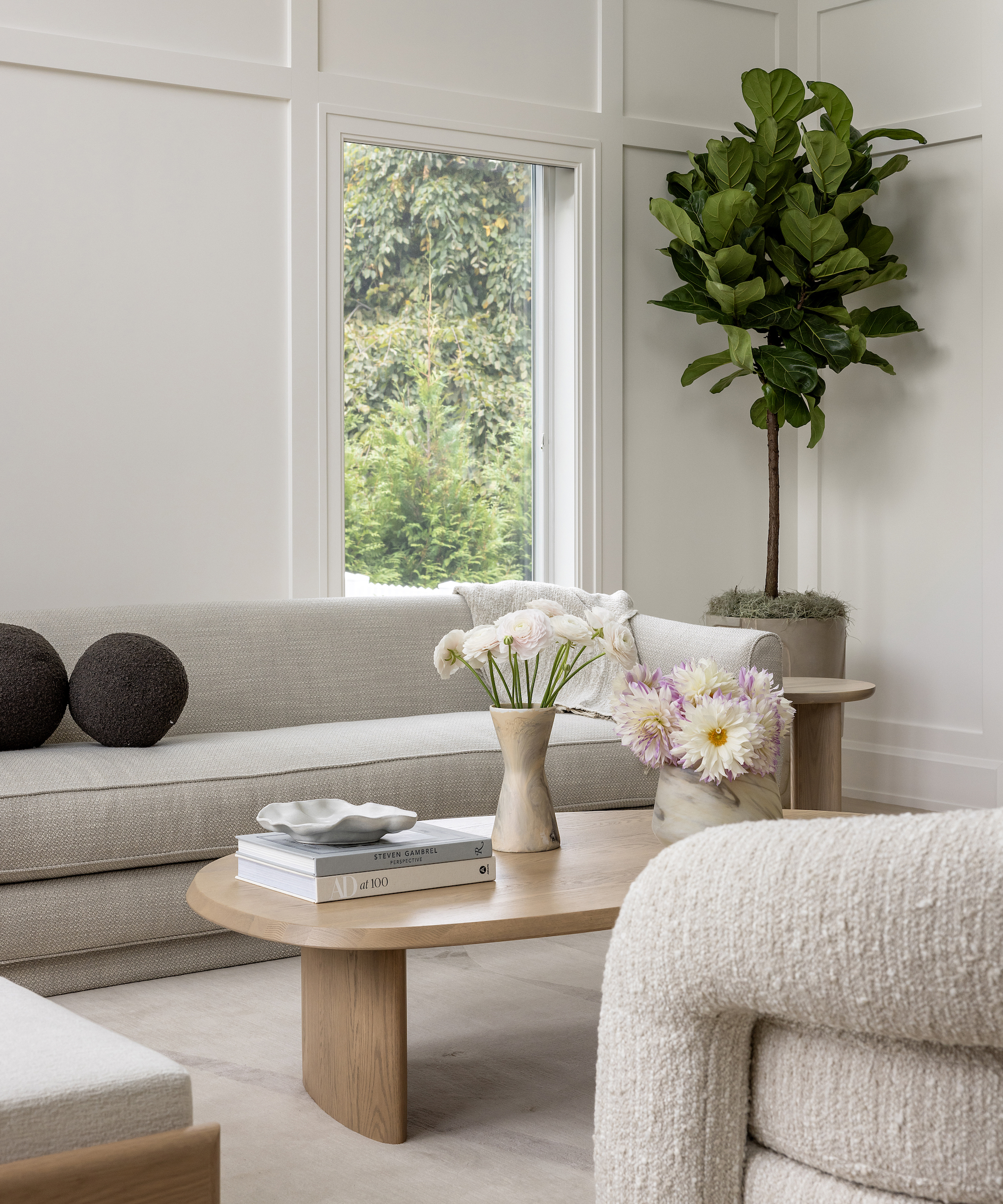
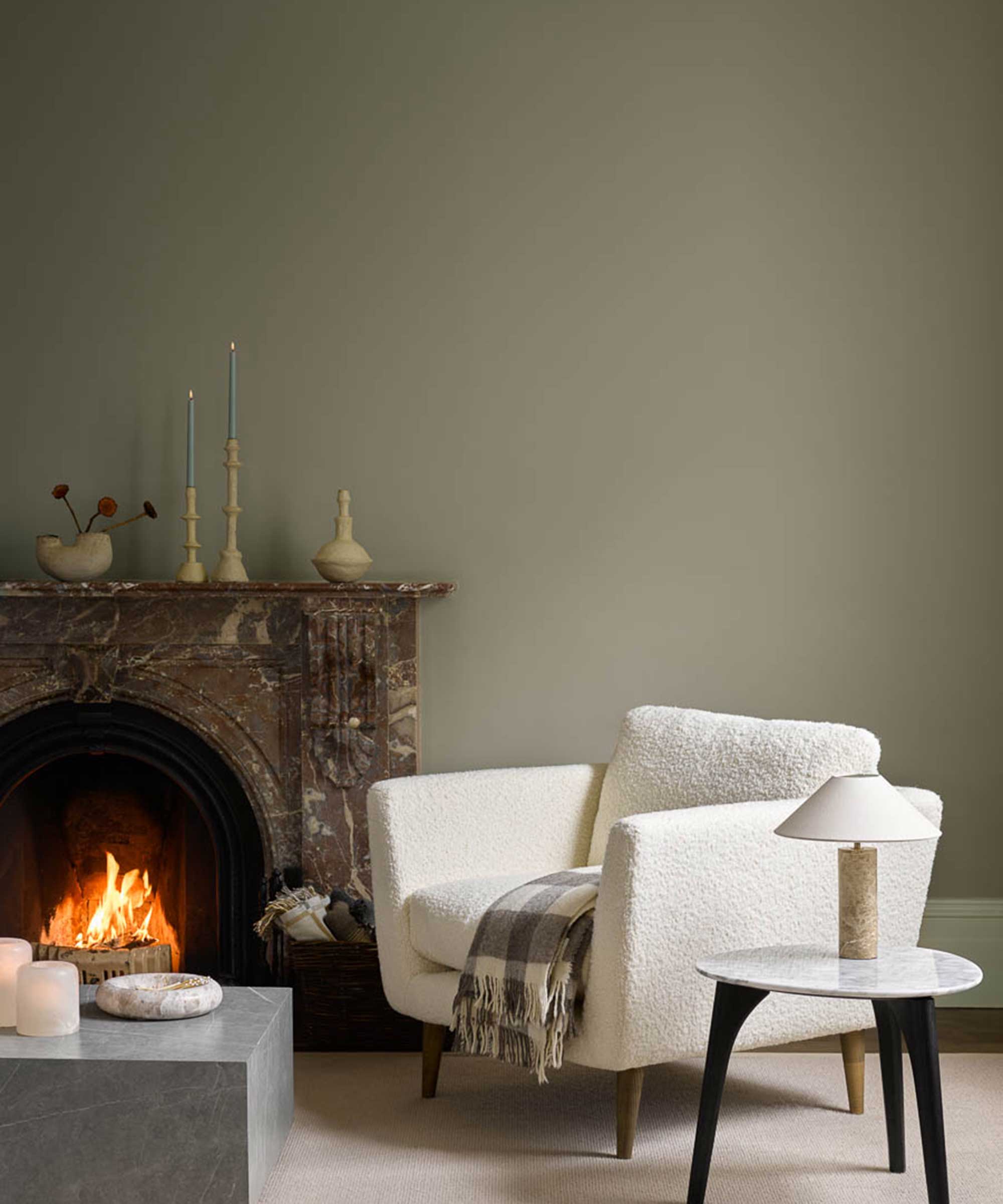
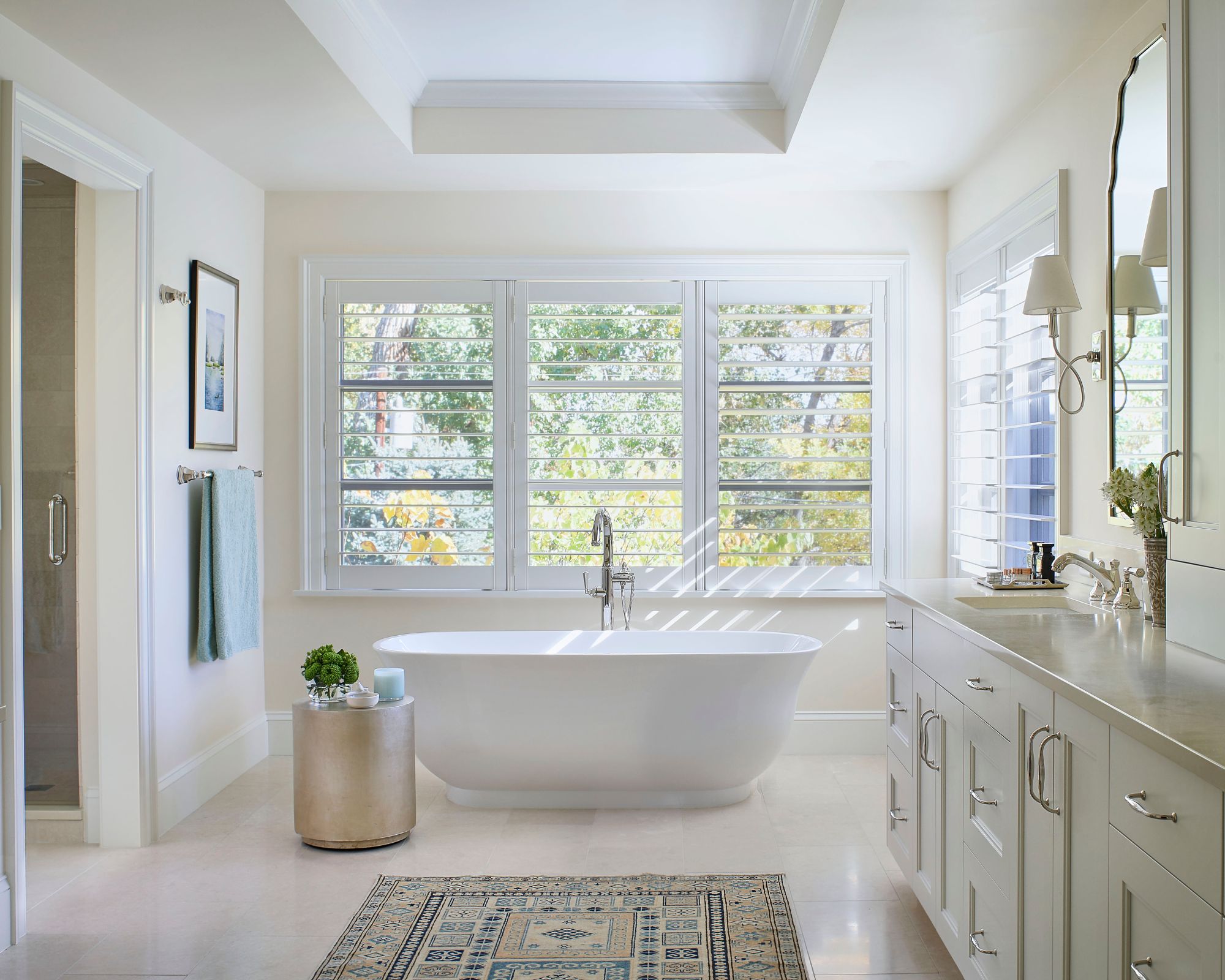
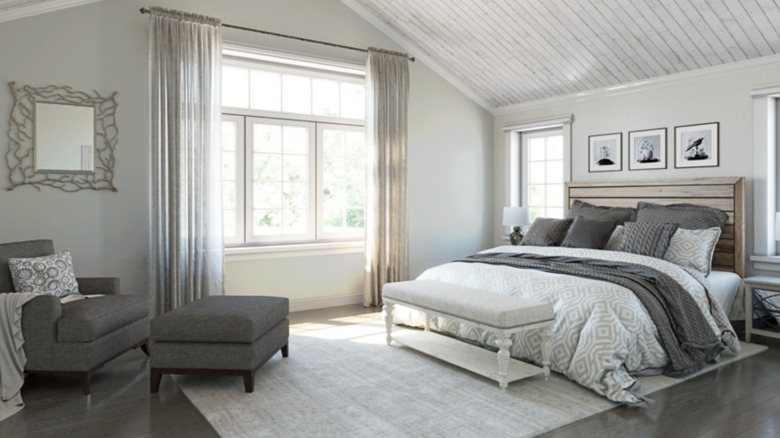
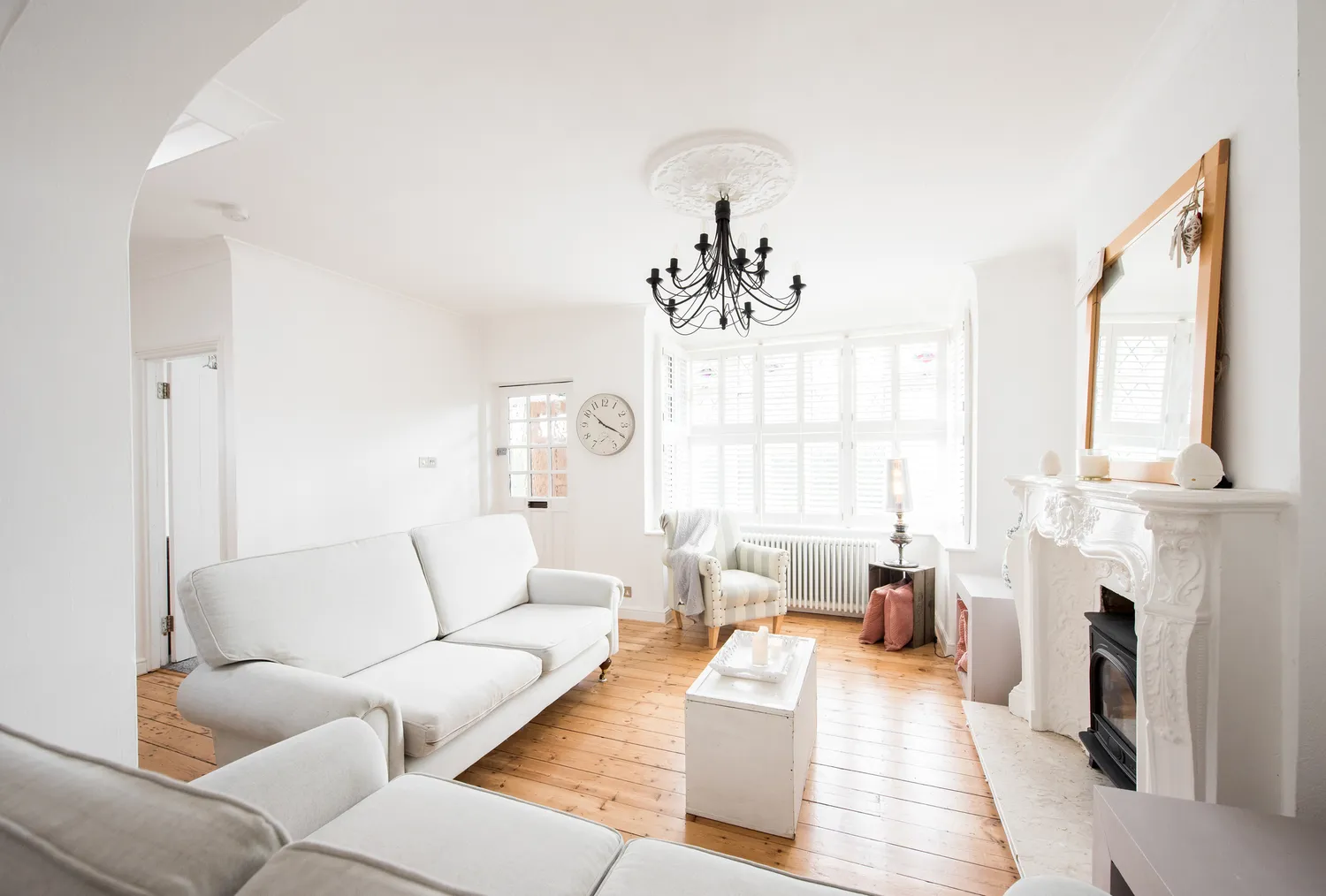
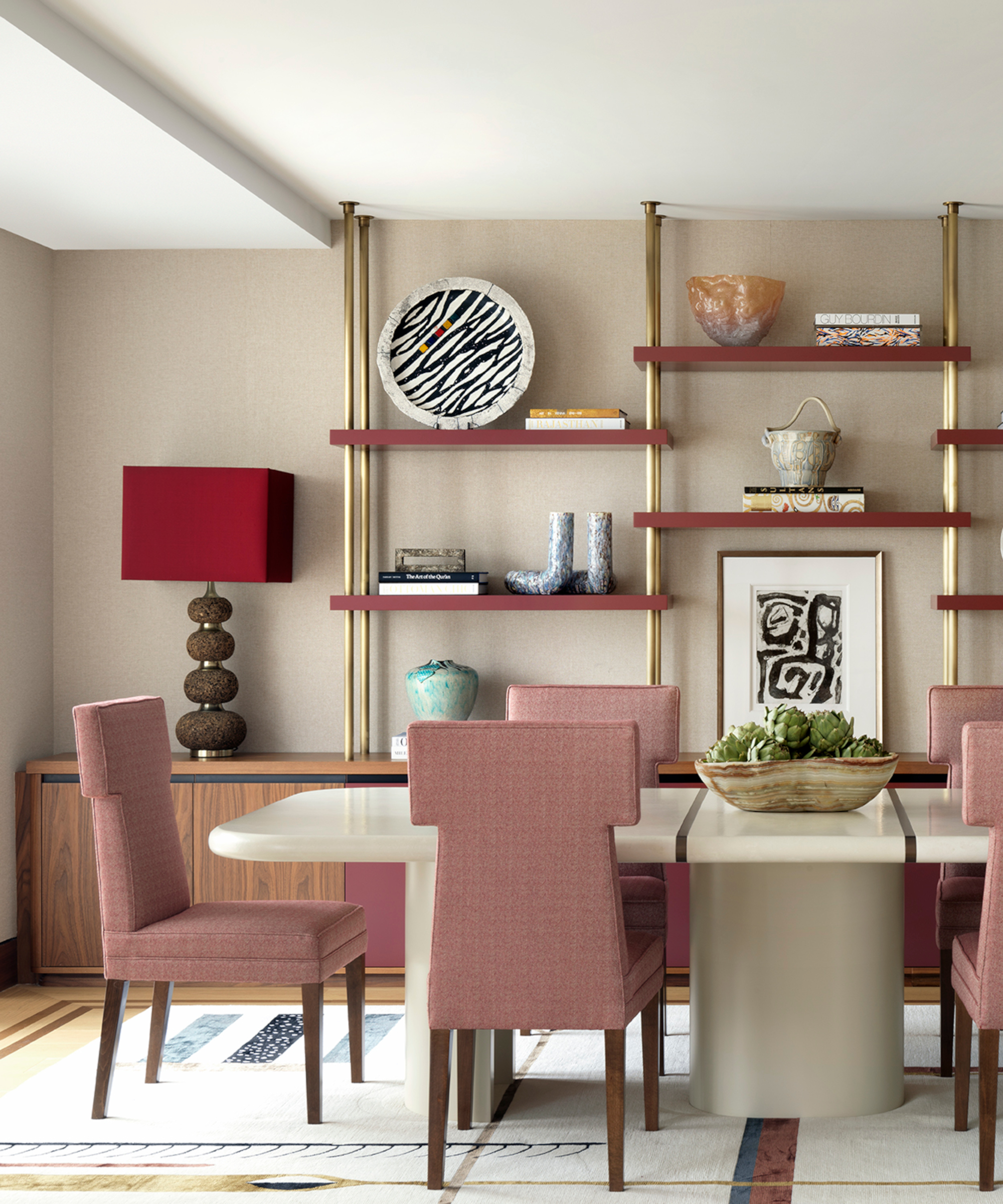
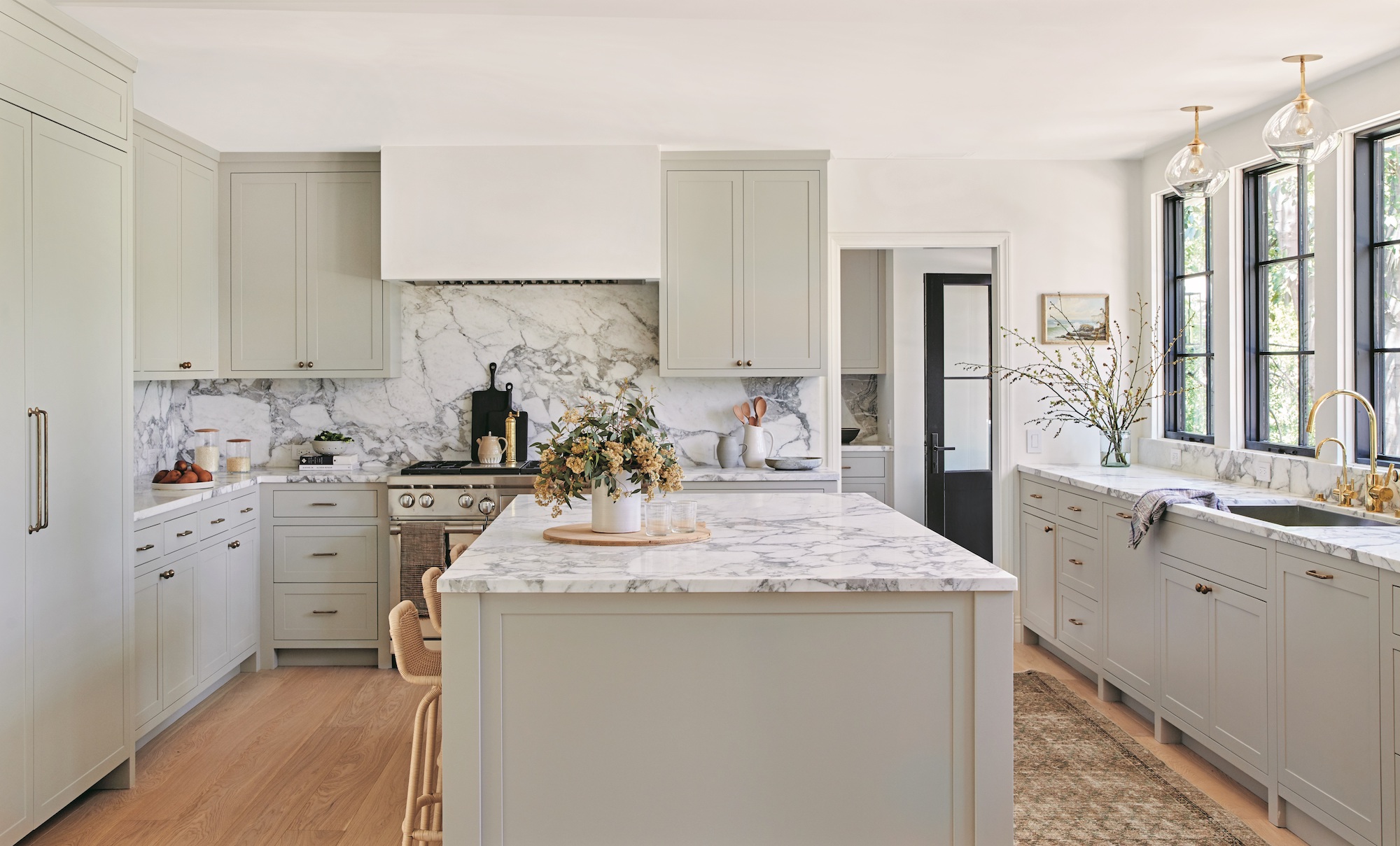
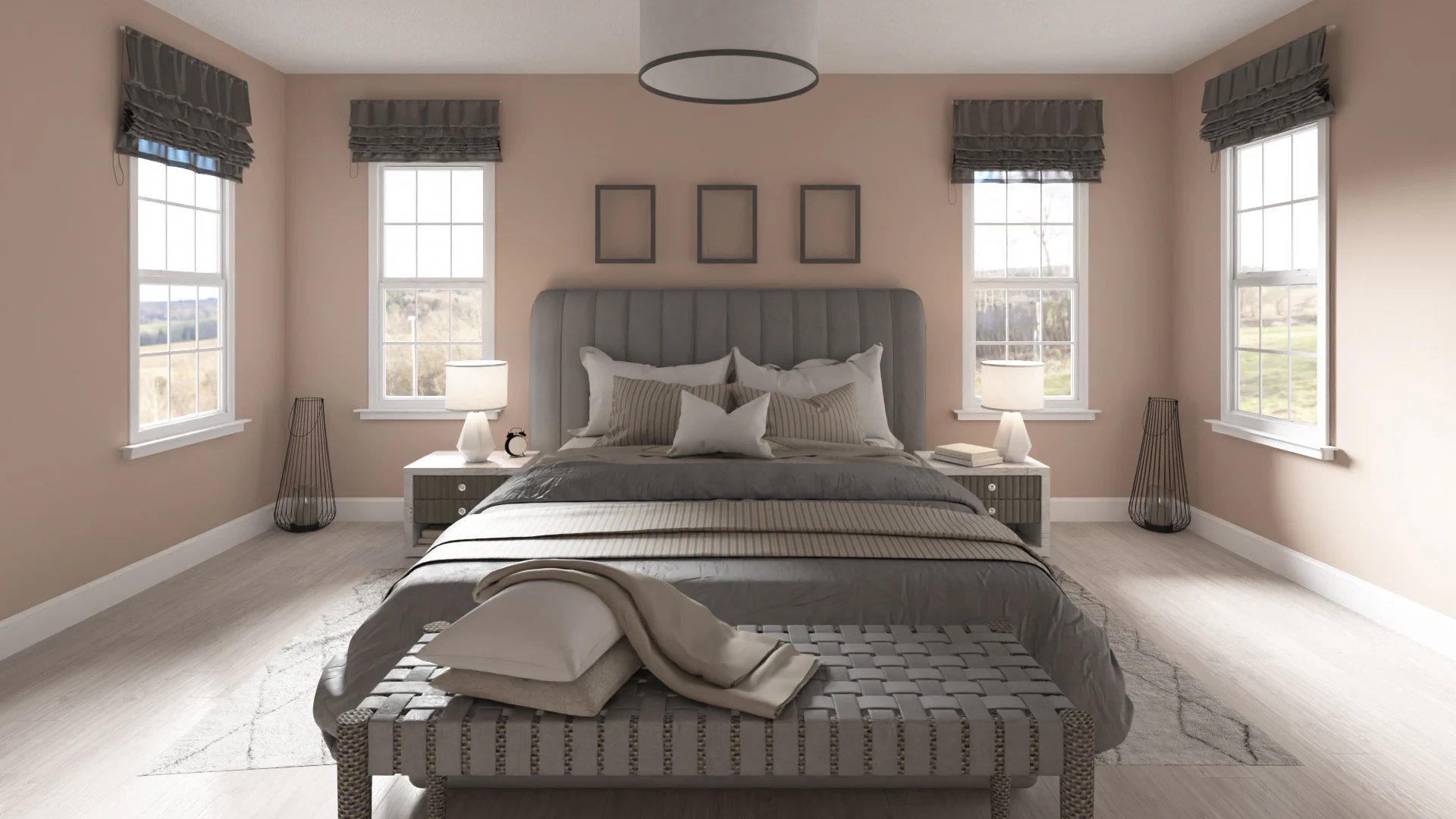
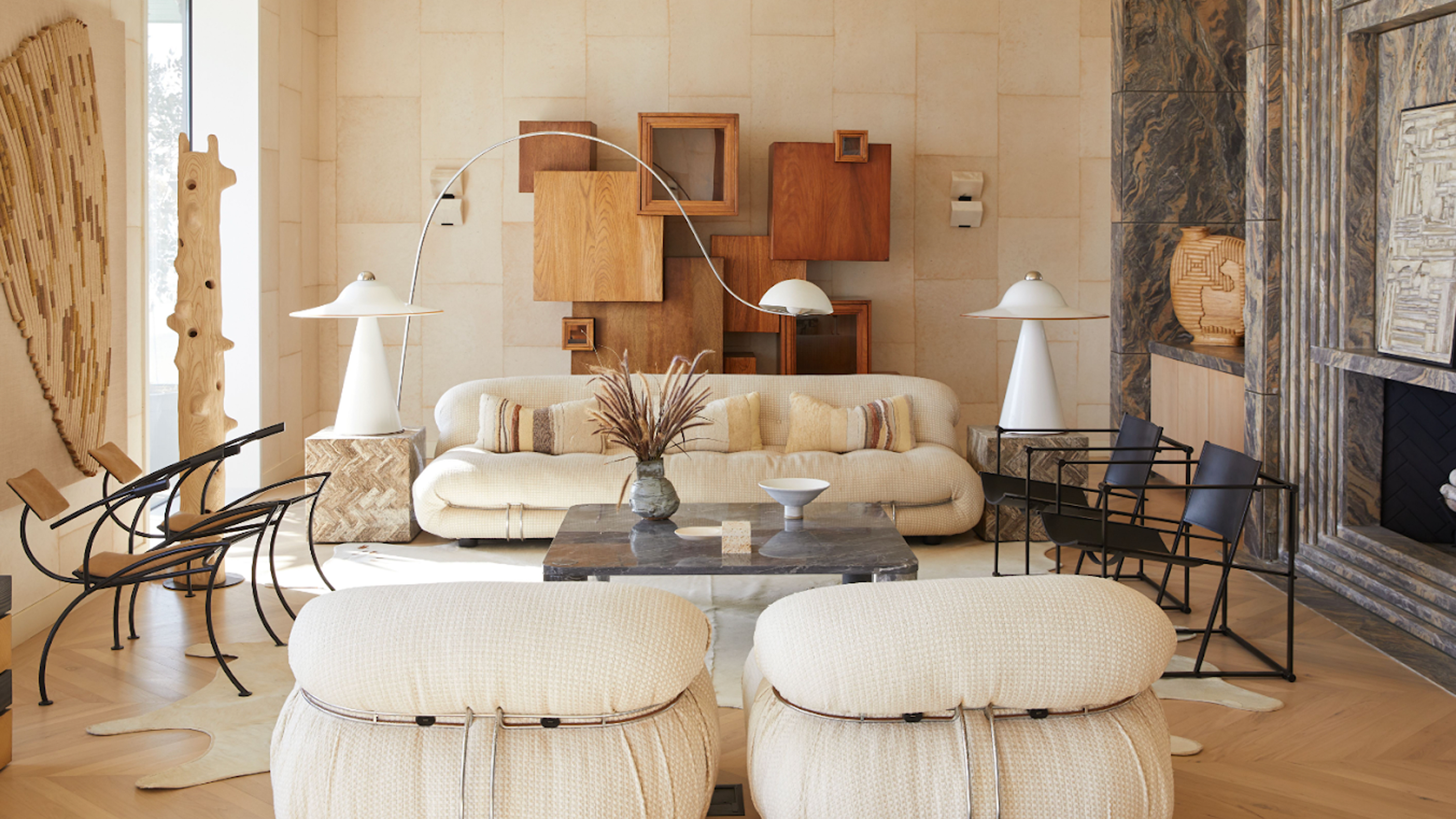
Neutral maximalism involves embracing bold, layered design while maintaining a grounded and cohesive neutral palette. Designers like Laura Brophy describe it as the art of creating spaces that feel collected and full of character without overwhelming the senses. This style utilizes neutral tones such as creamy whites, taupes, and soft grays, allowing materials, shapes, and textures to take center stage and shine harmoniously. The concept is gaining traction among interior design experts as it offers a way to inject personality and depth into a space without resorting to a vibrant color scheme.
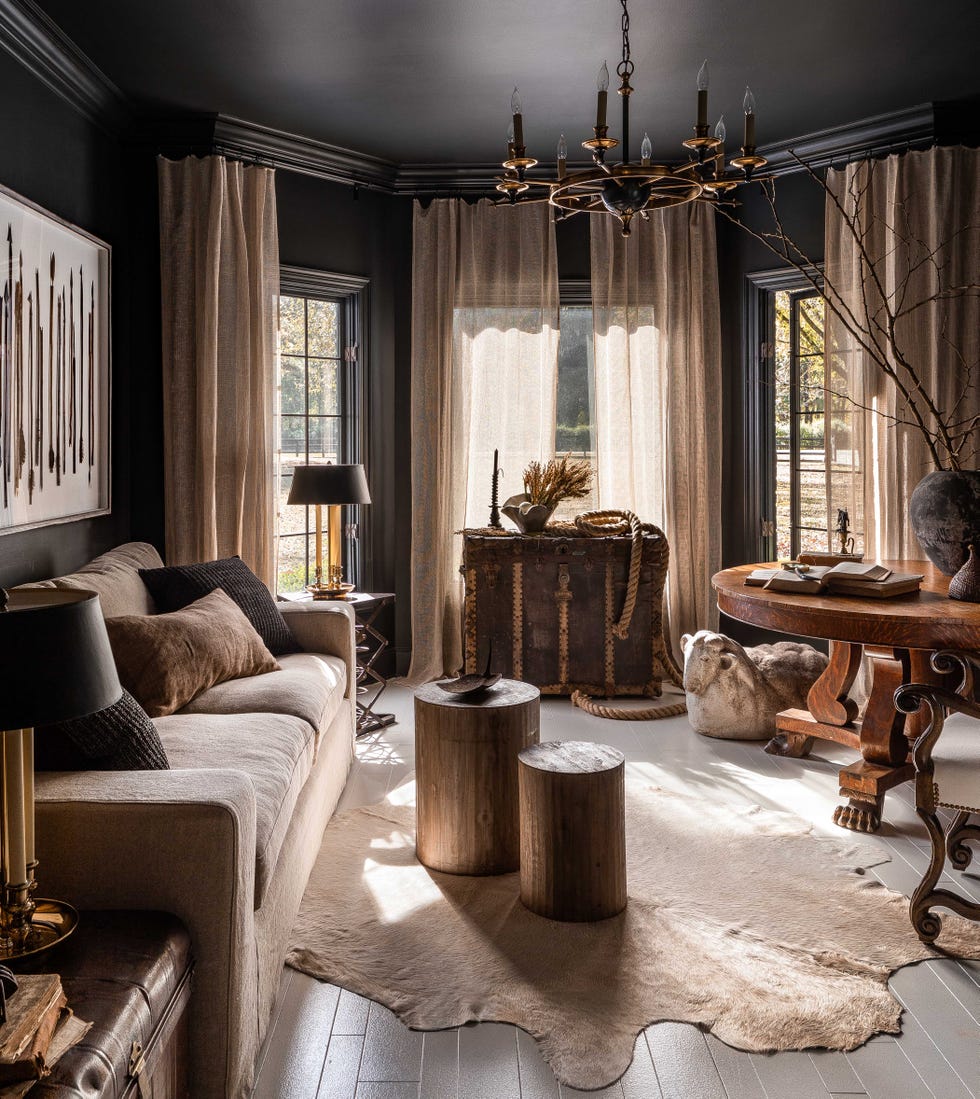
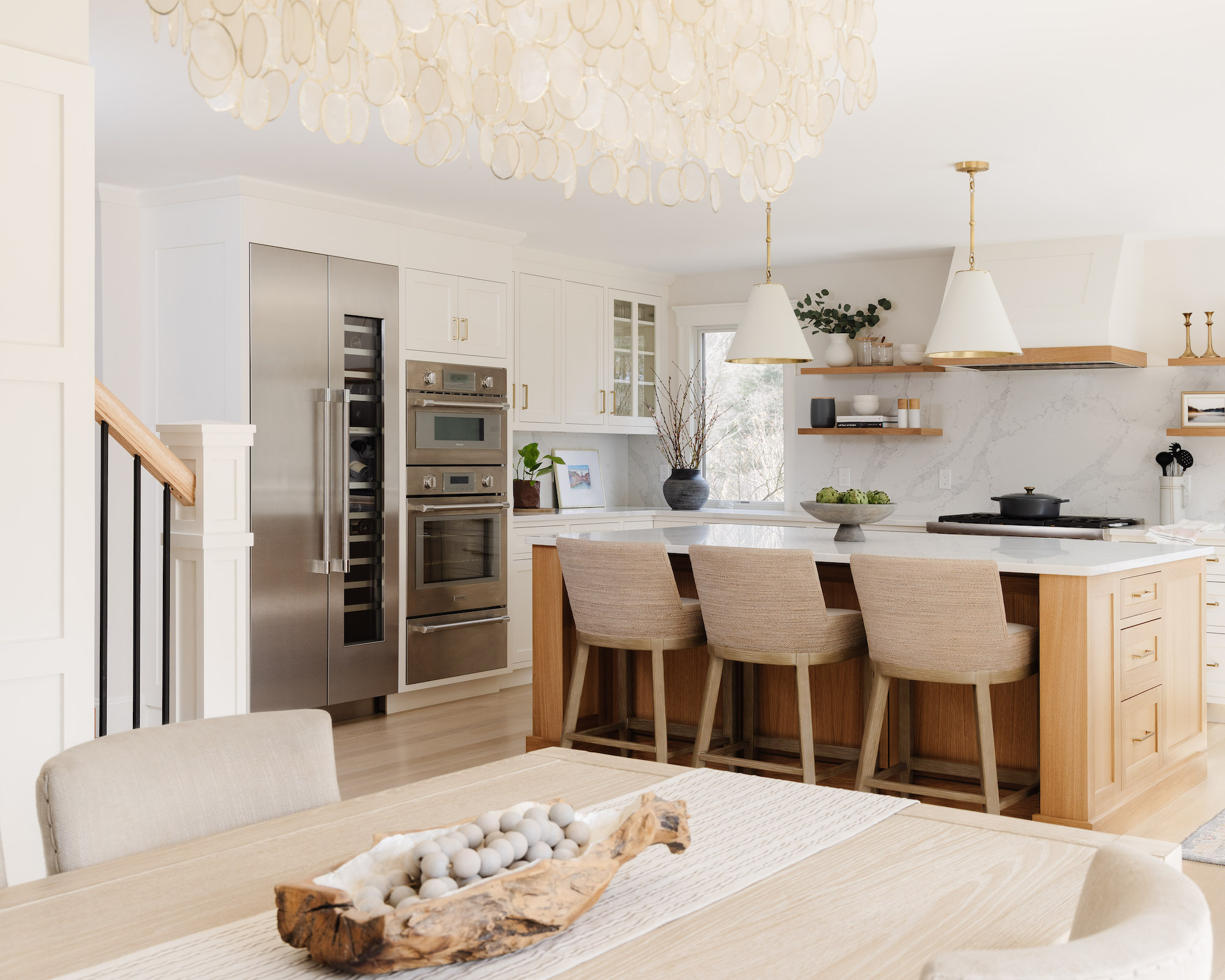
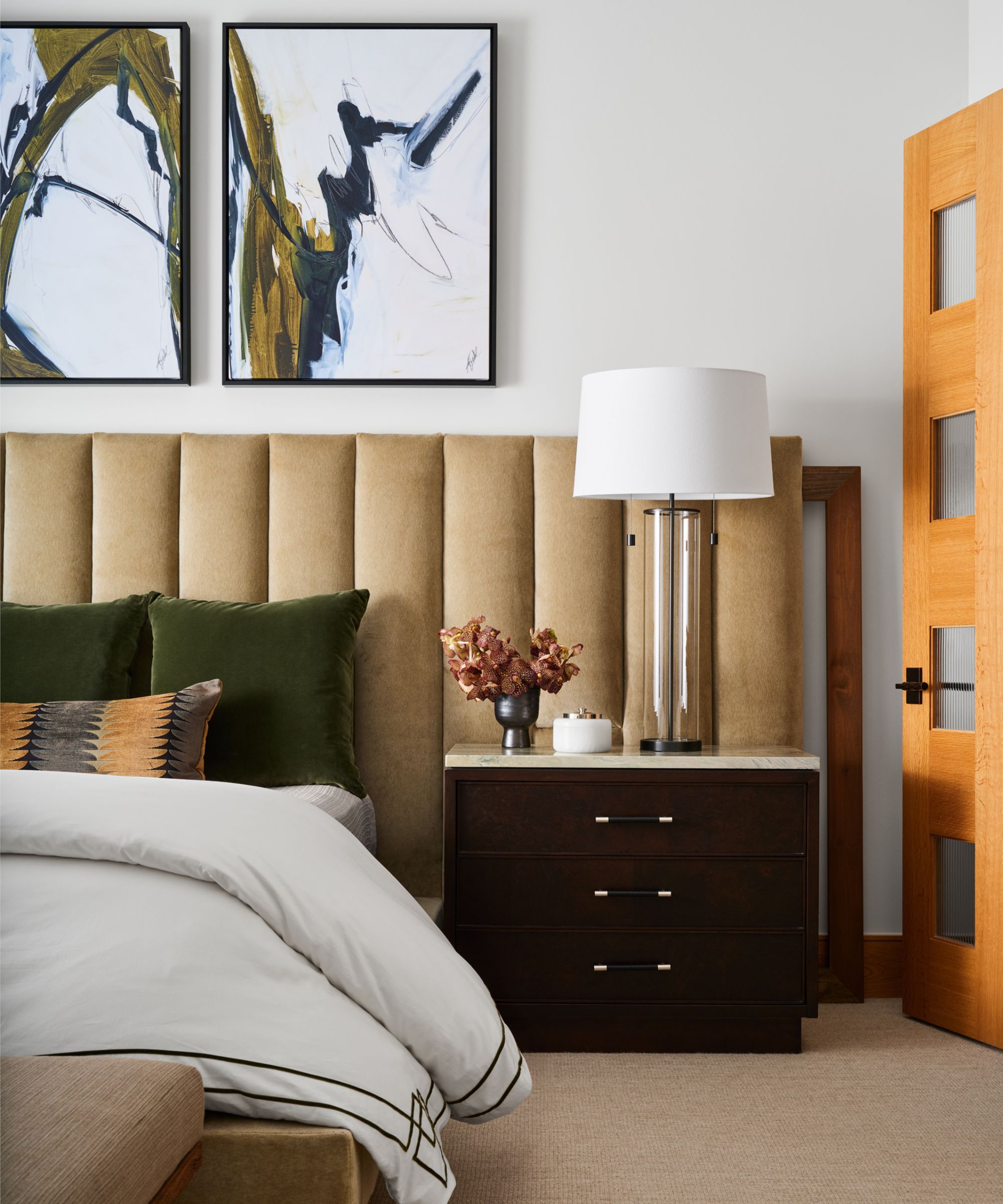
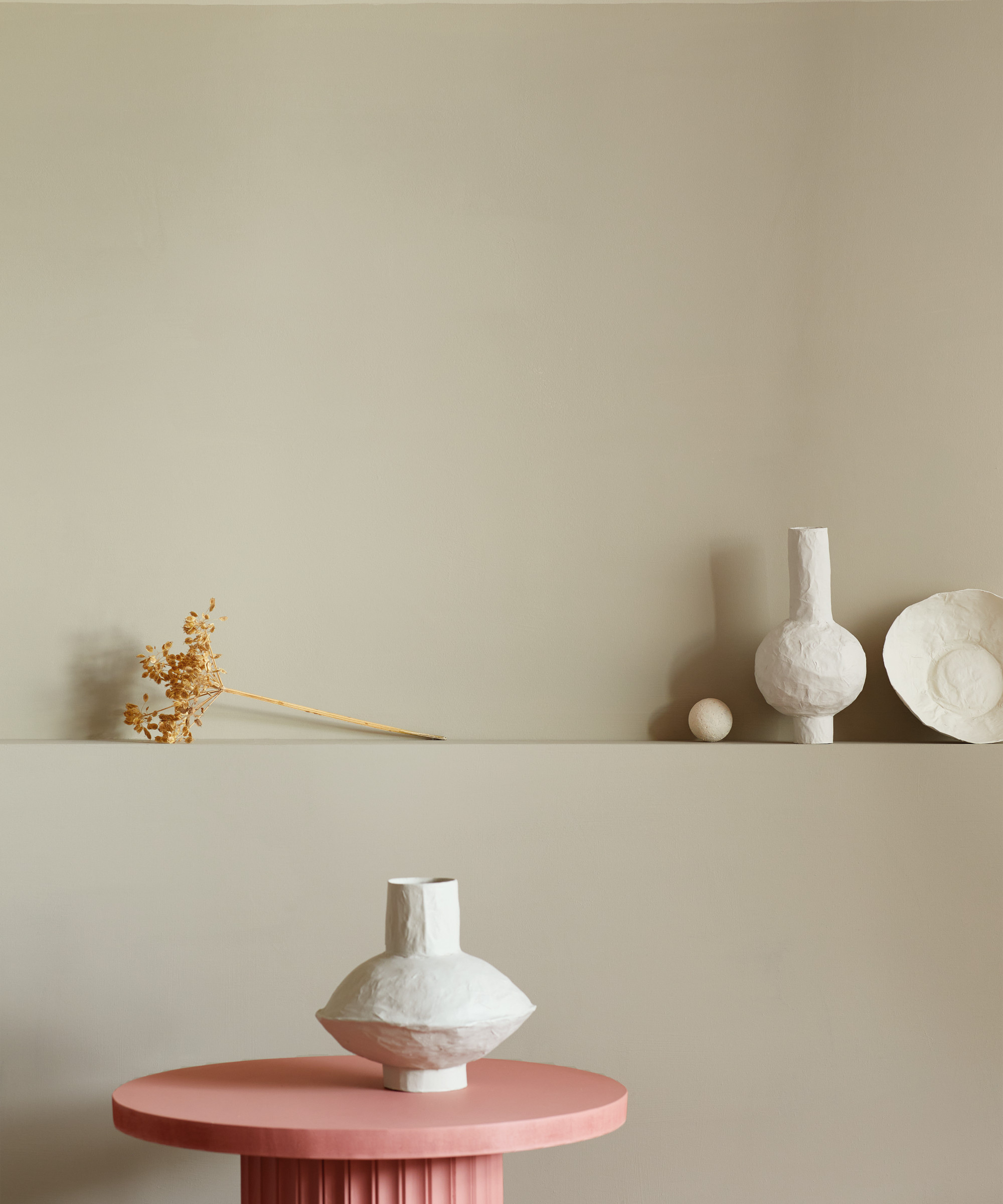
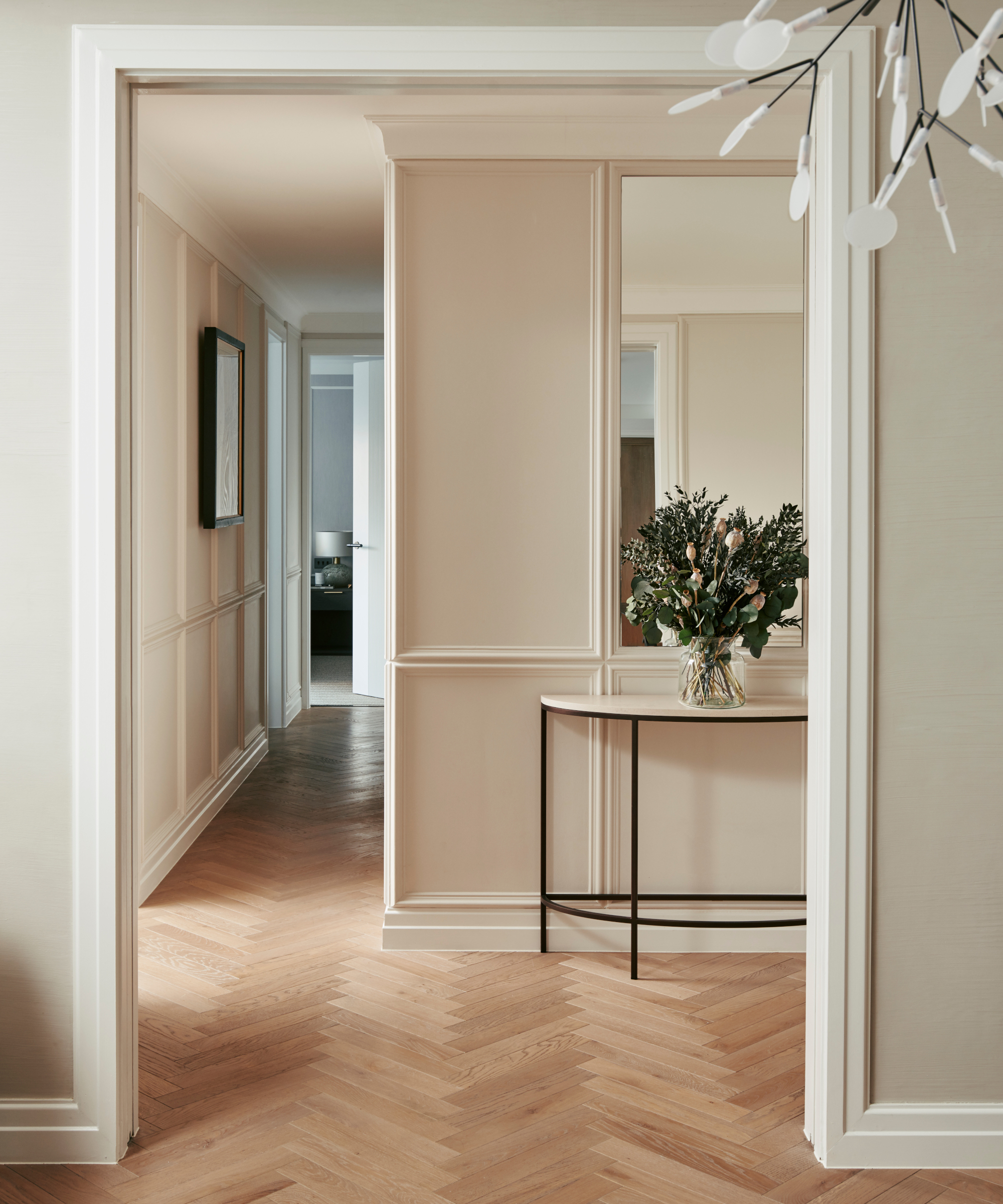
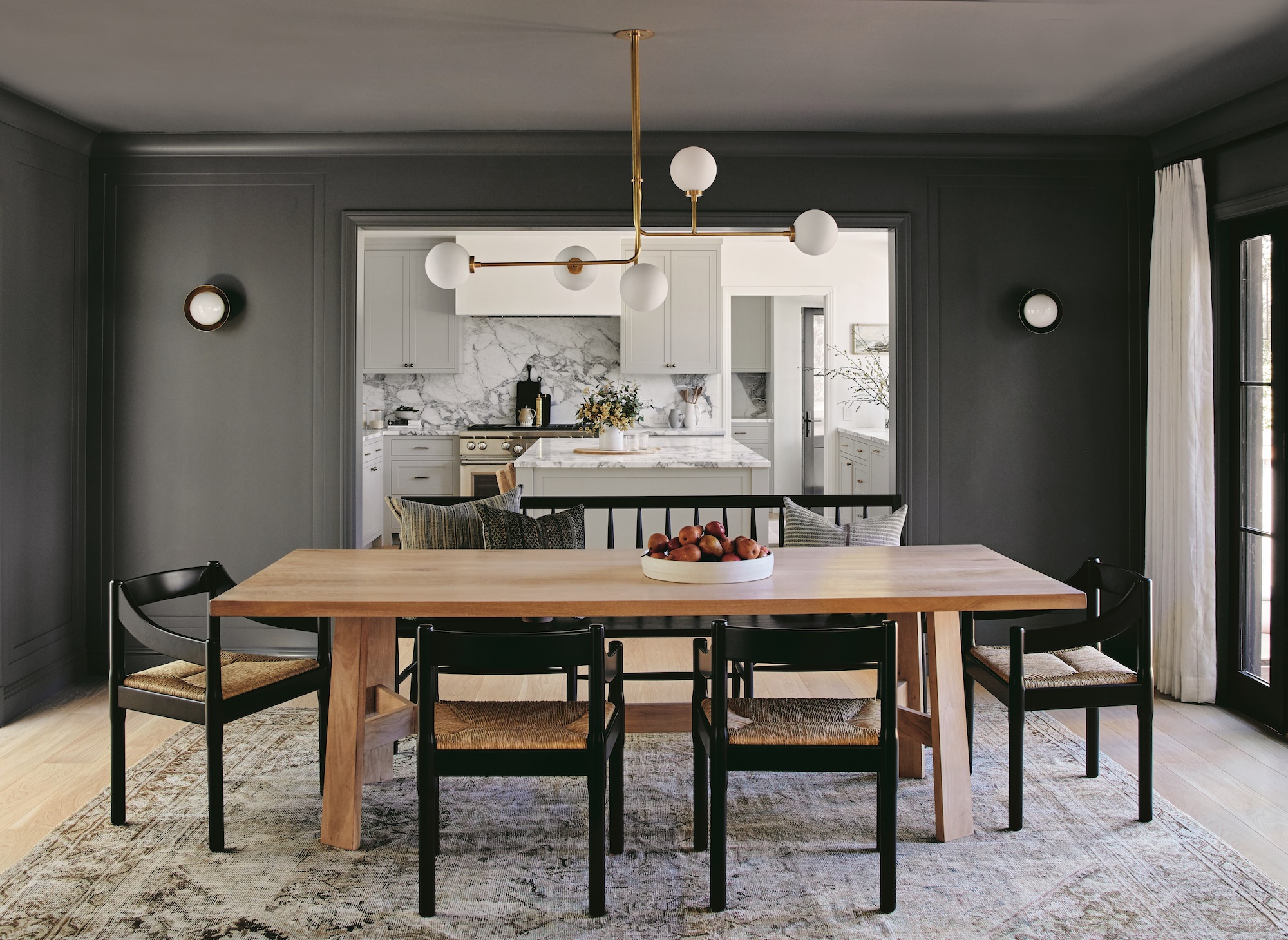
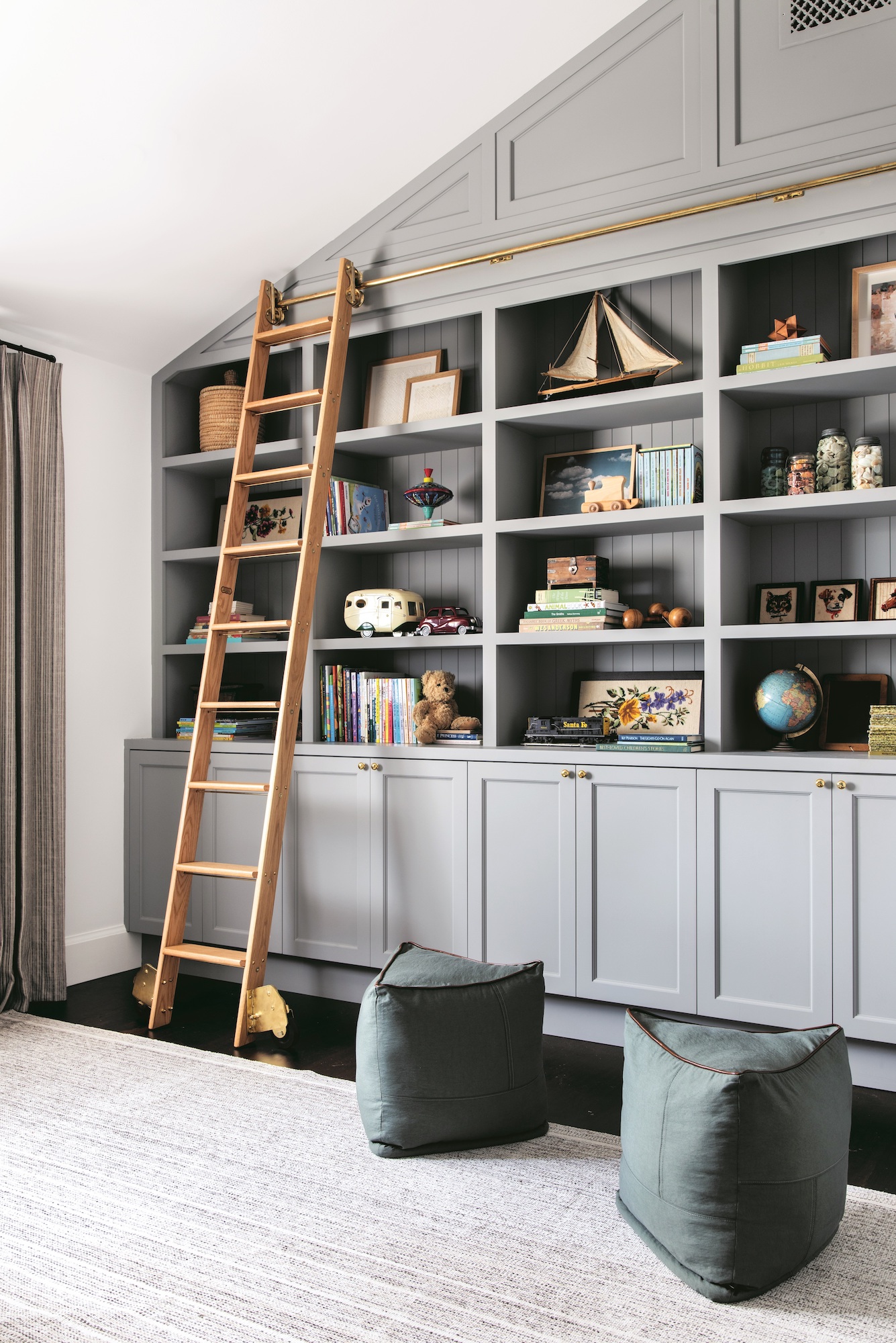
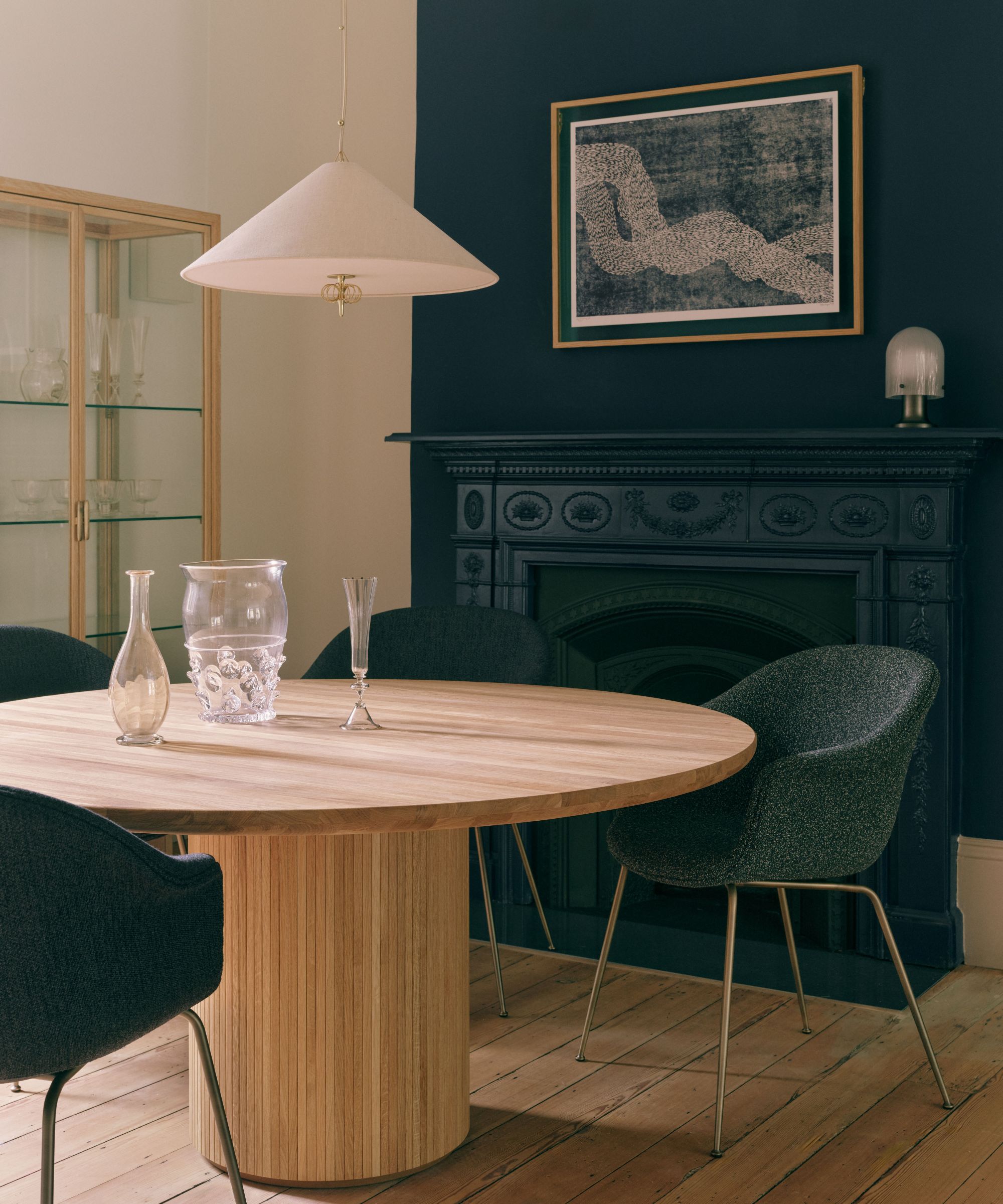
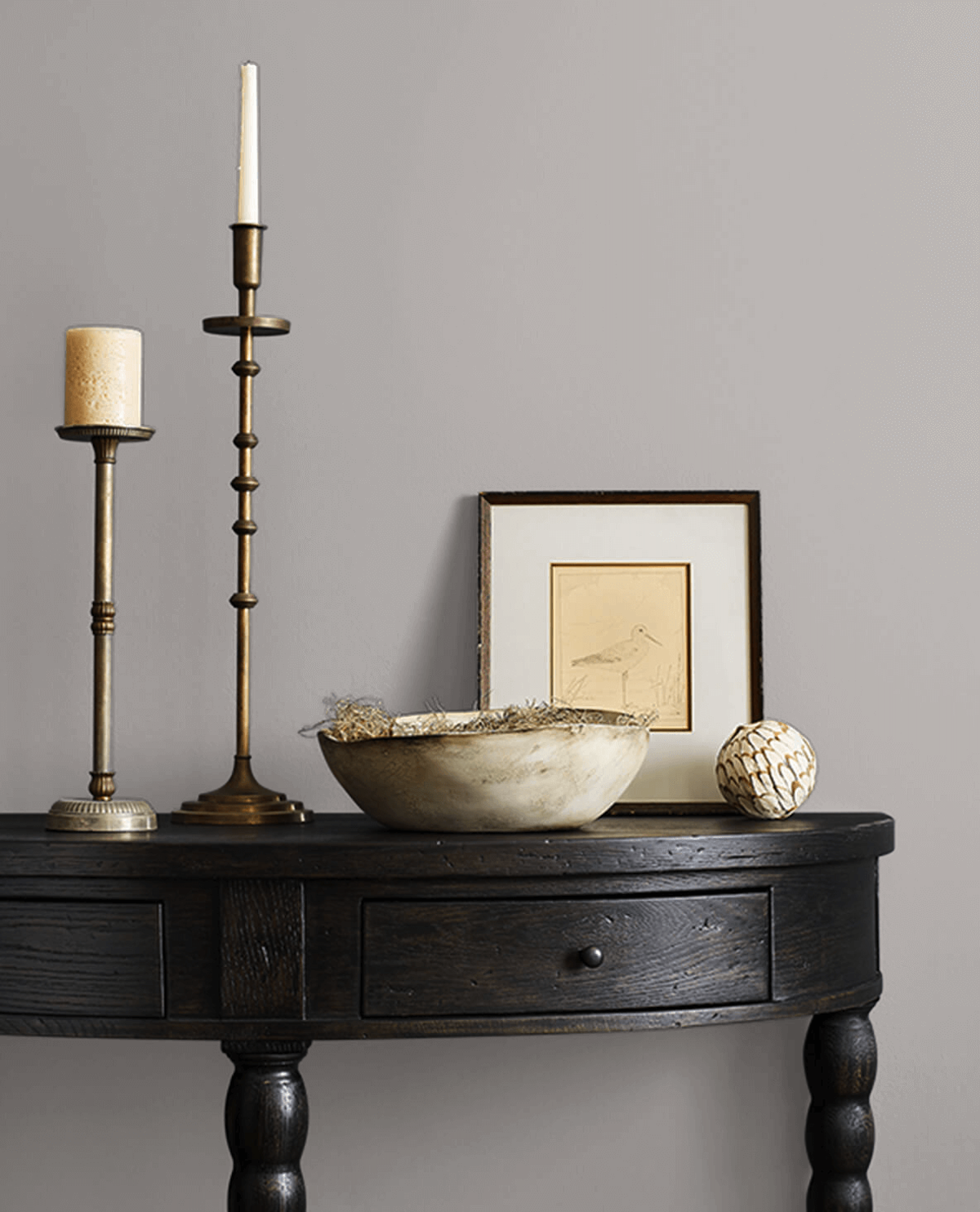
Key strategies for implementing neutral maximalism include being deliberate rather than cluttered. This means carefully selecting items and focusing on thoughtful layering. Experts suggest working with odd numbers when arranging items, varying patterns while maintaining a consistent color, or pairing items with different textures in similar shades. The foundation of this style is a neutral base, such as soft paint colors, natural wood tones, or textured plastered walls, which then serves as a backdrop for statement pieces like vintage furniture, oversized art, or unique light fixtures. The mixing of textures and scales, such as chunky knits with sleek marble or linen upholstery with woven baskets, is crucial for adding visual interest.
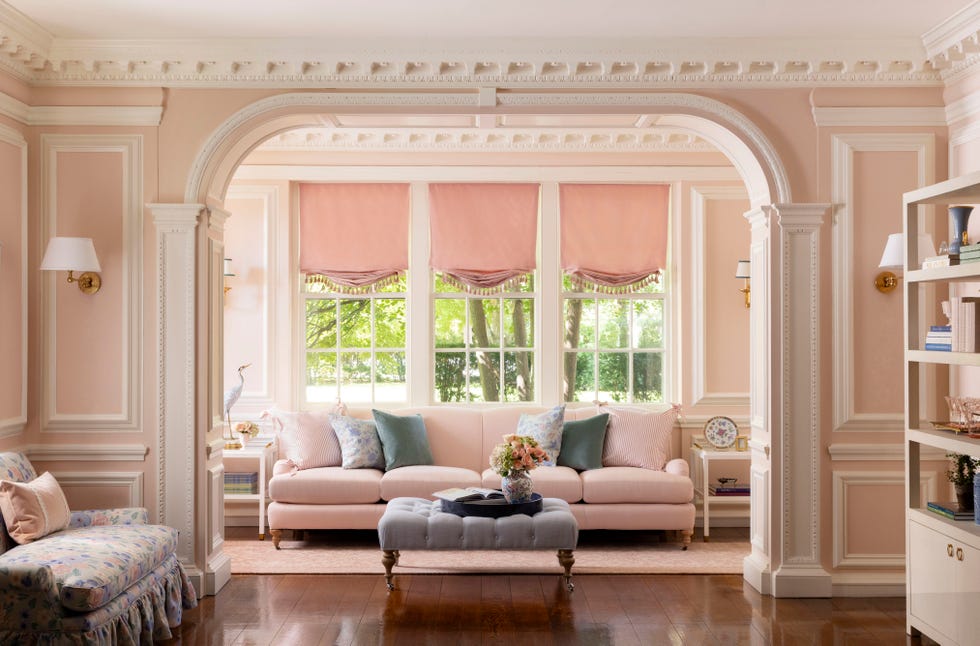
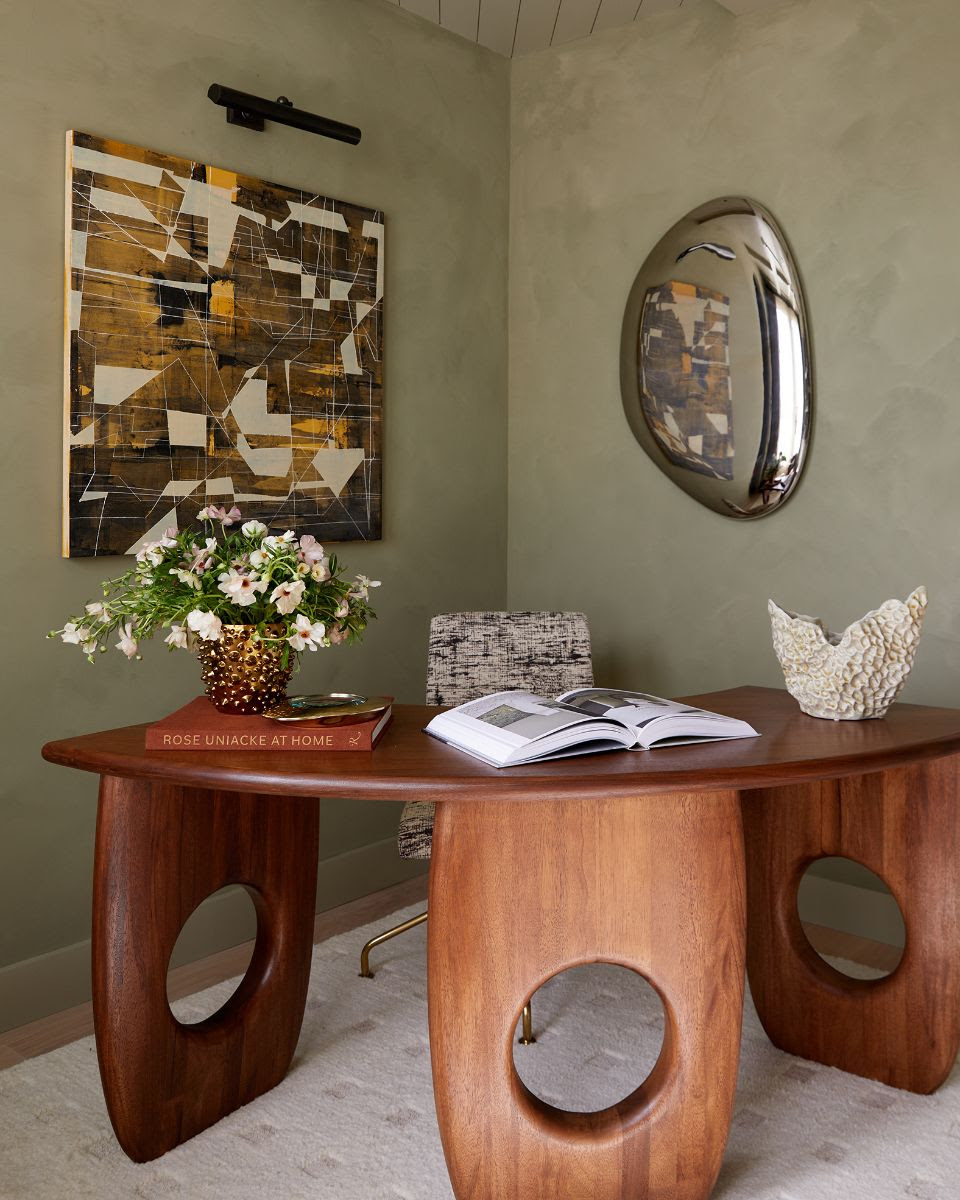
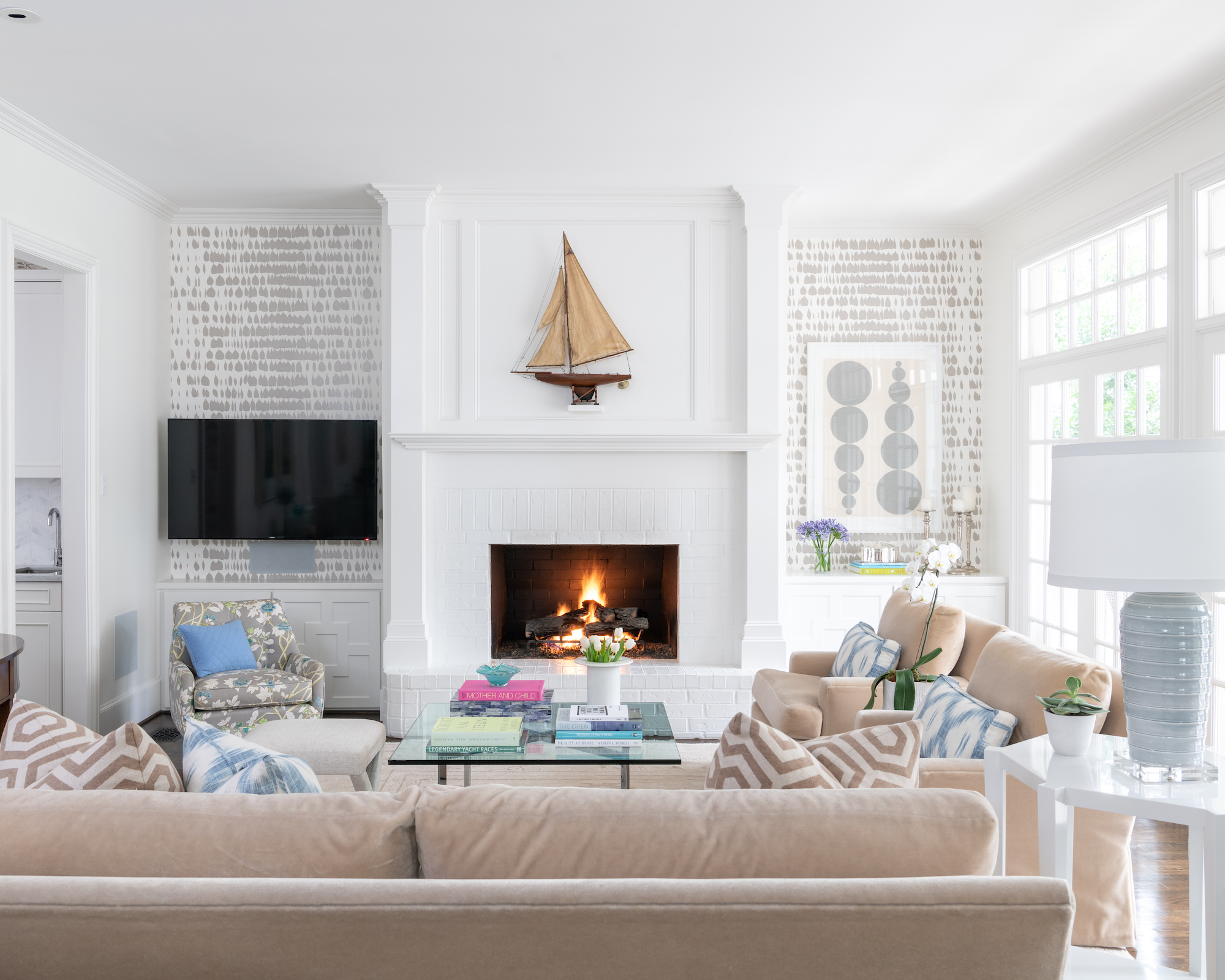
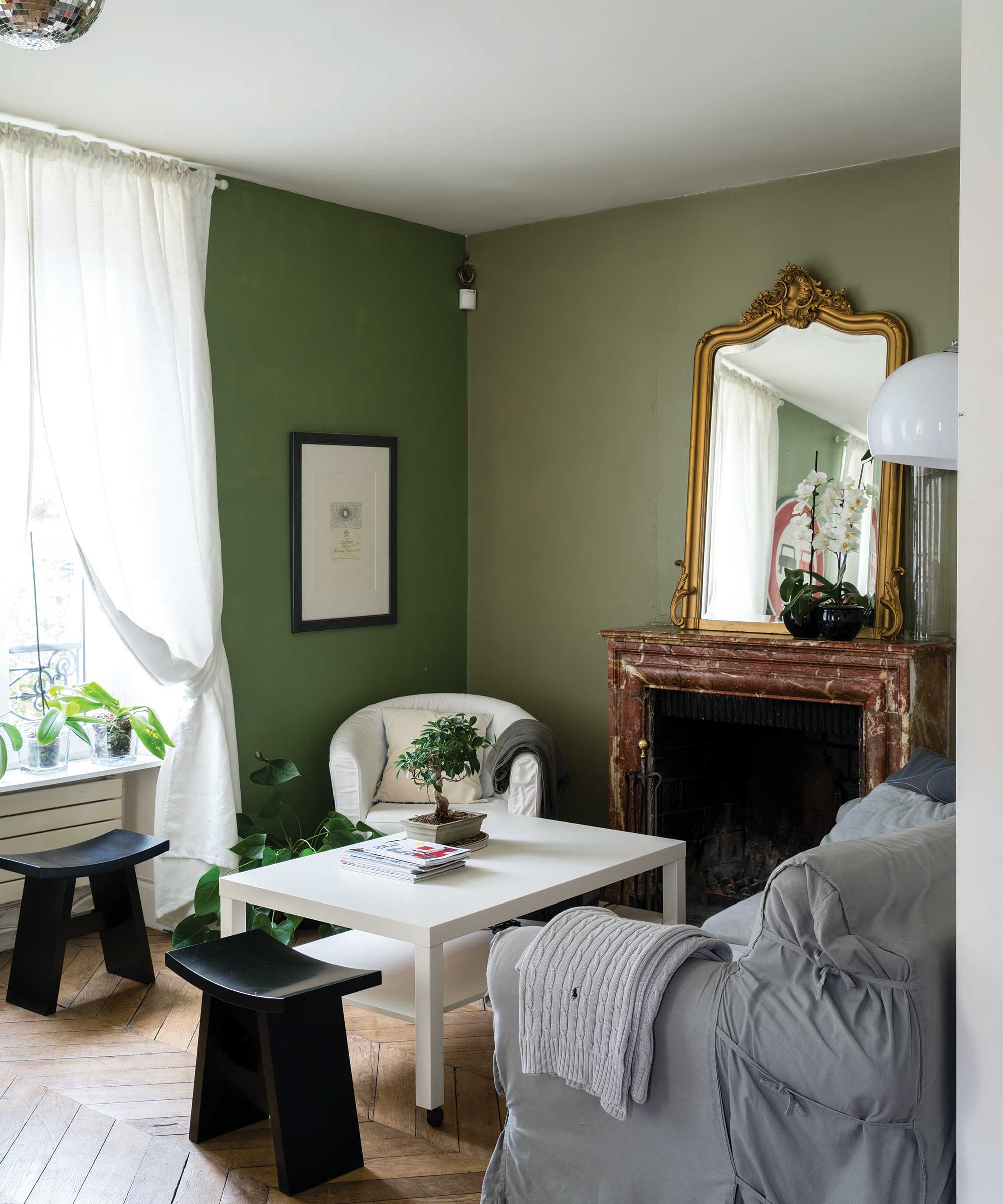
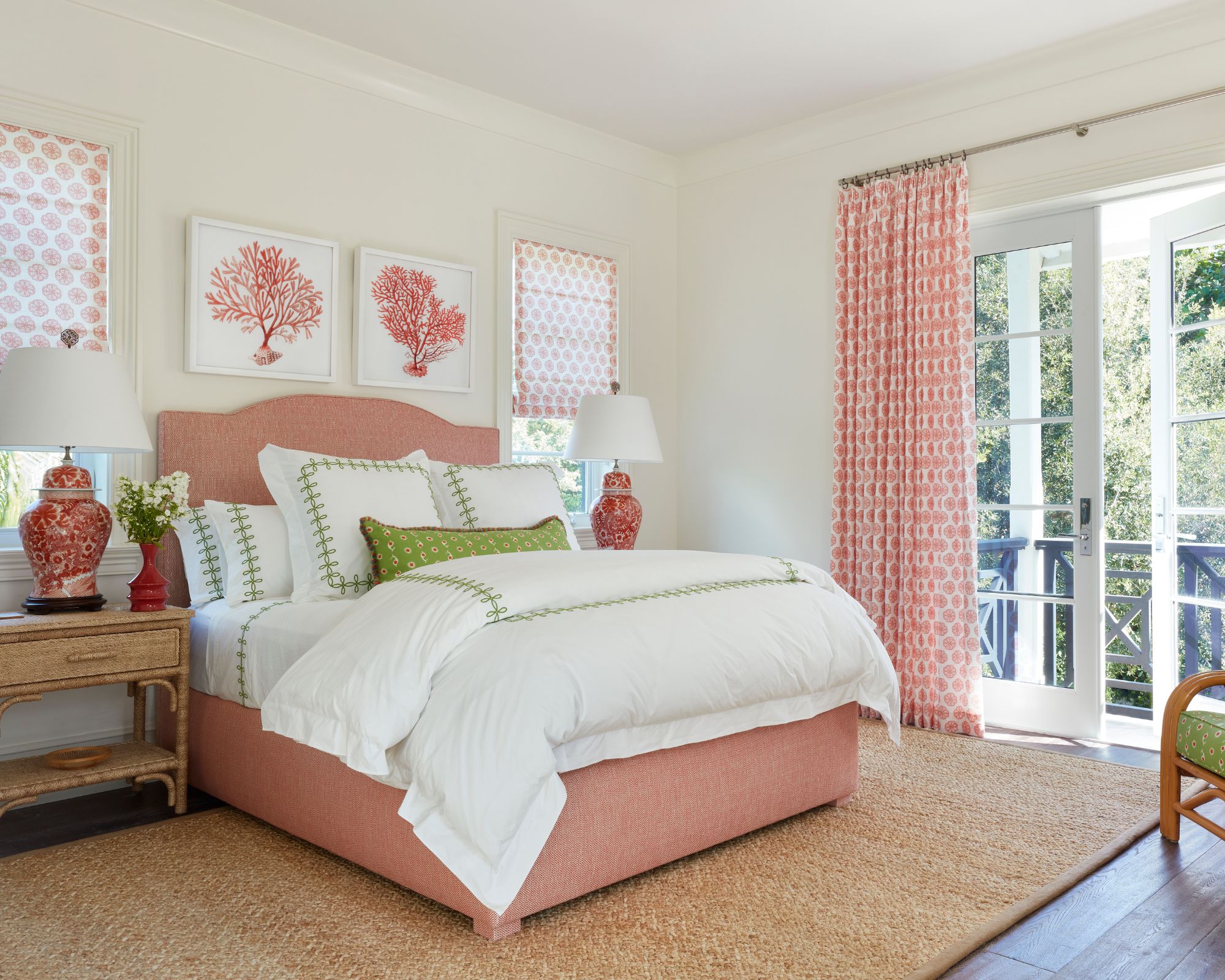
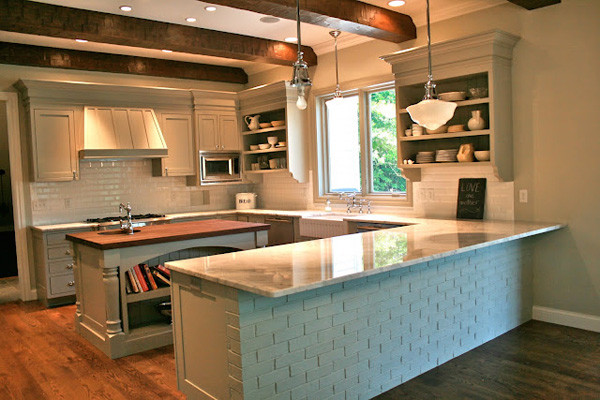
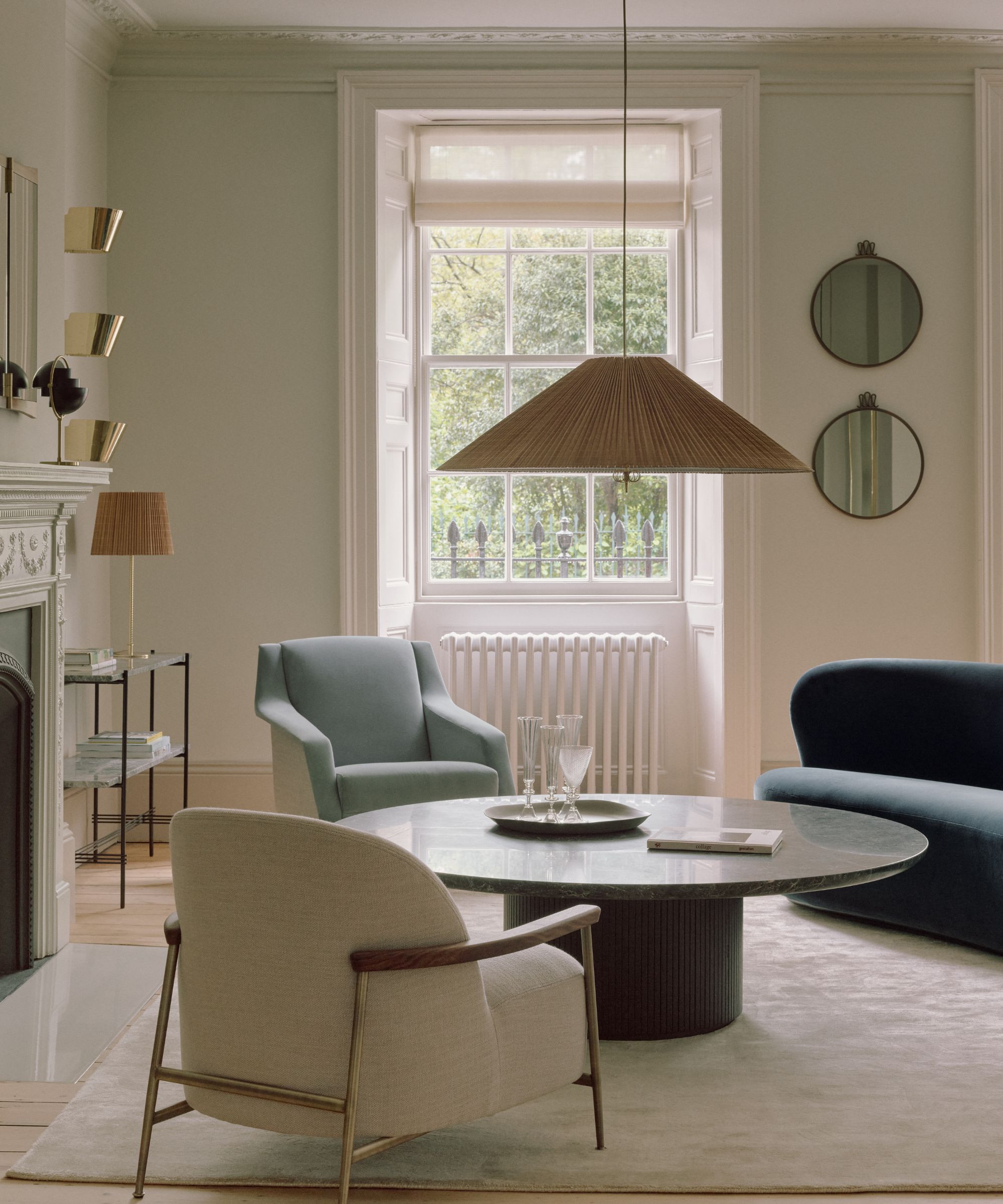
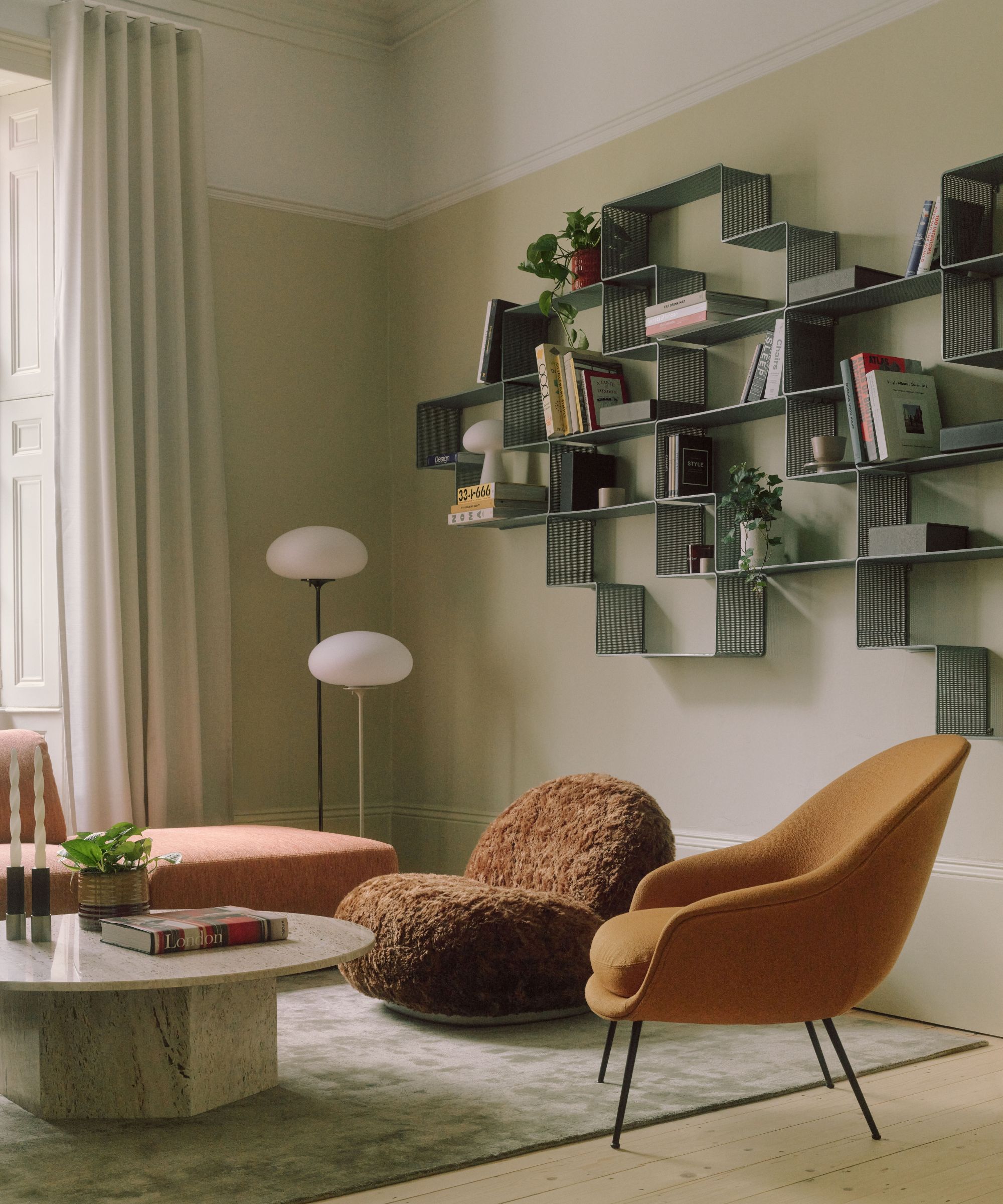
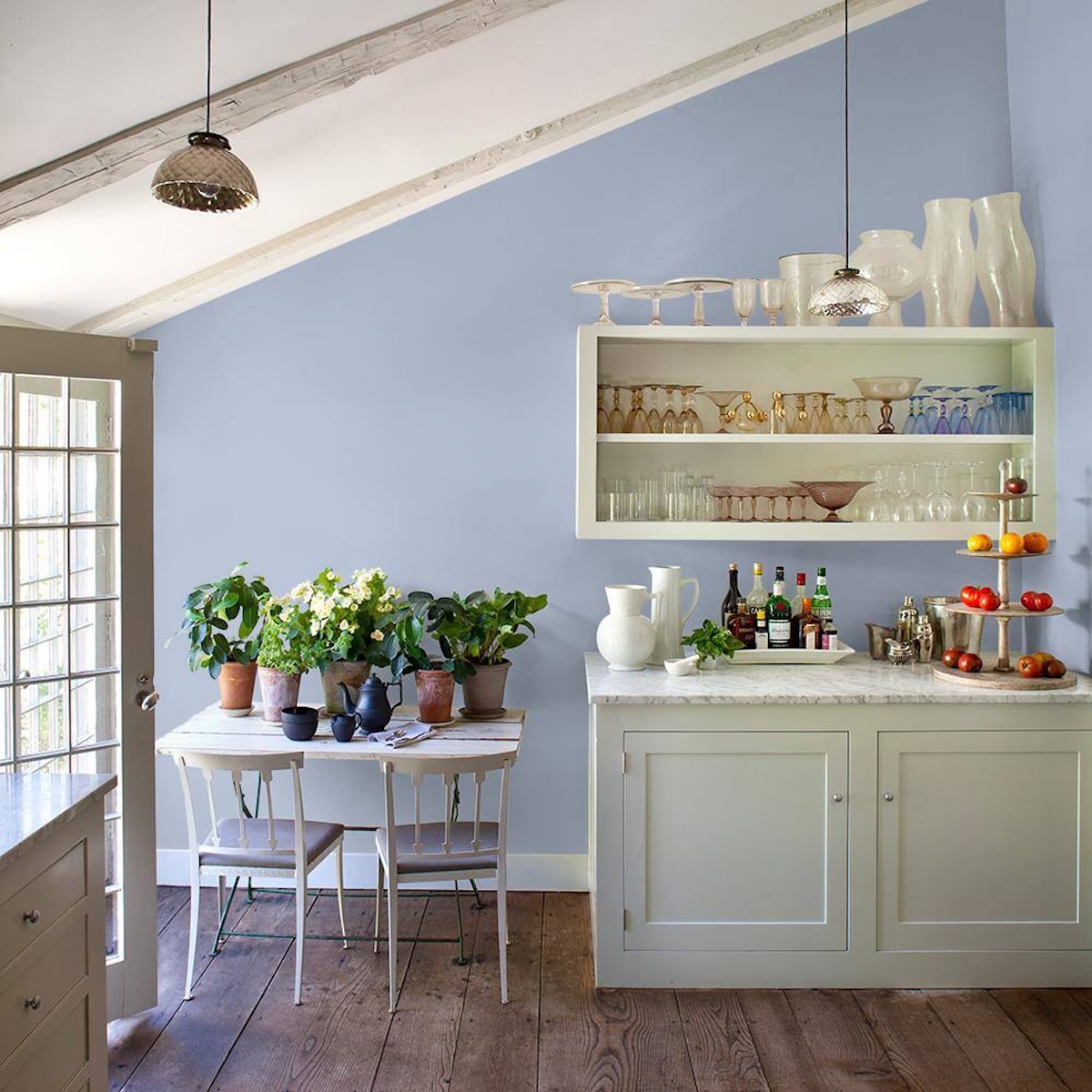
While the style is called 'neutral maximalism,' it does not entirely exclude color. Instead, it advocates for the use of muted or understated colors like sage green, terracotta, or beige, especially for accents like bold artwork and rugs. Patterned wallpapers and fabrics are acceptable as long as they are in subtle, non-overpowering hues. Natural colors found in materials like brick, wood, and stone are also encouraged, as they can act as neutrals within a specific space. The emphasis remains on texture and shape to add complexity rather than relying on bright colors.
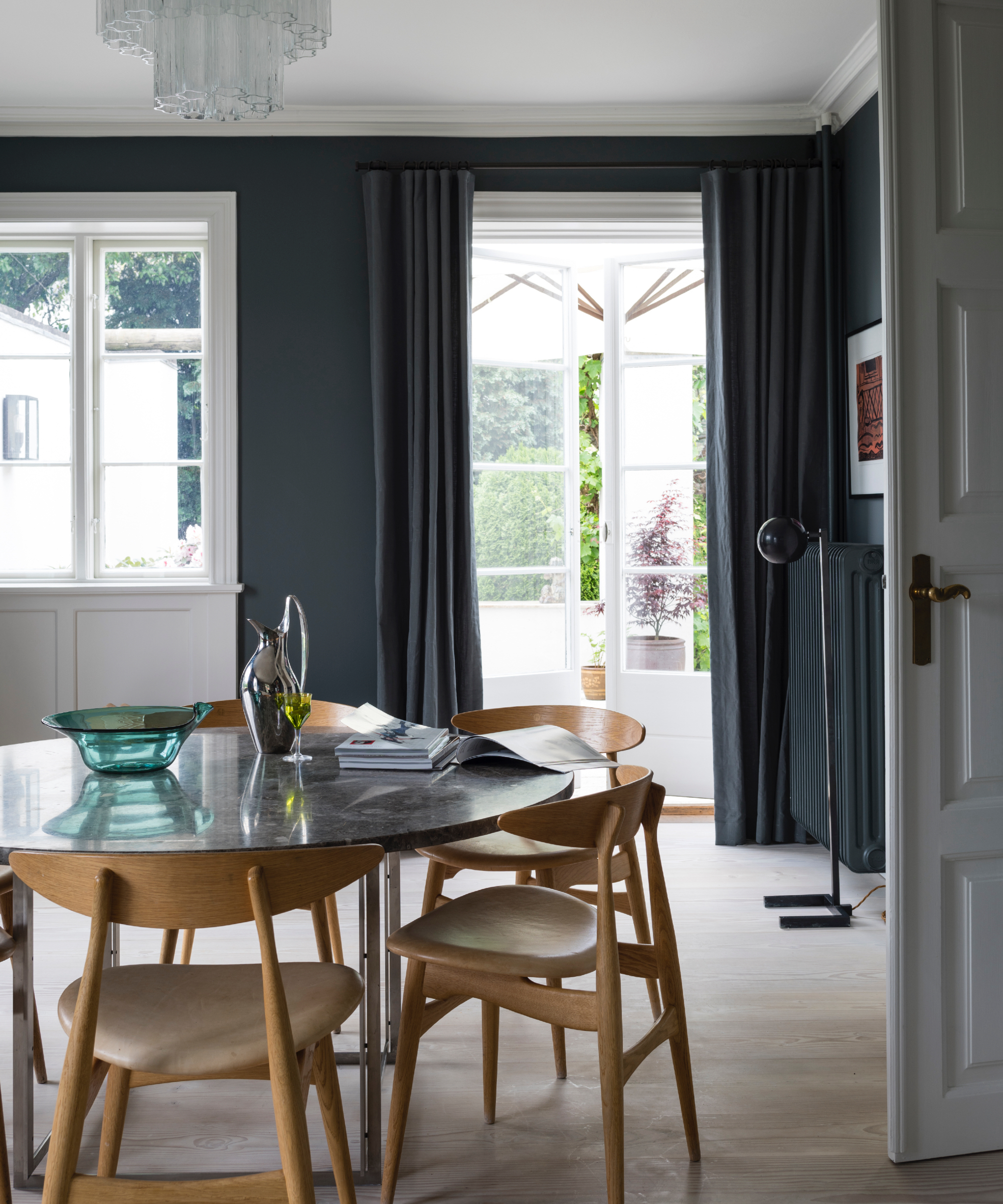
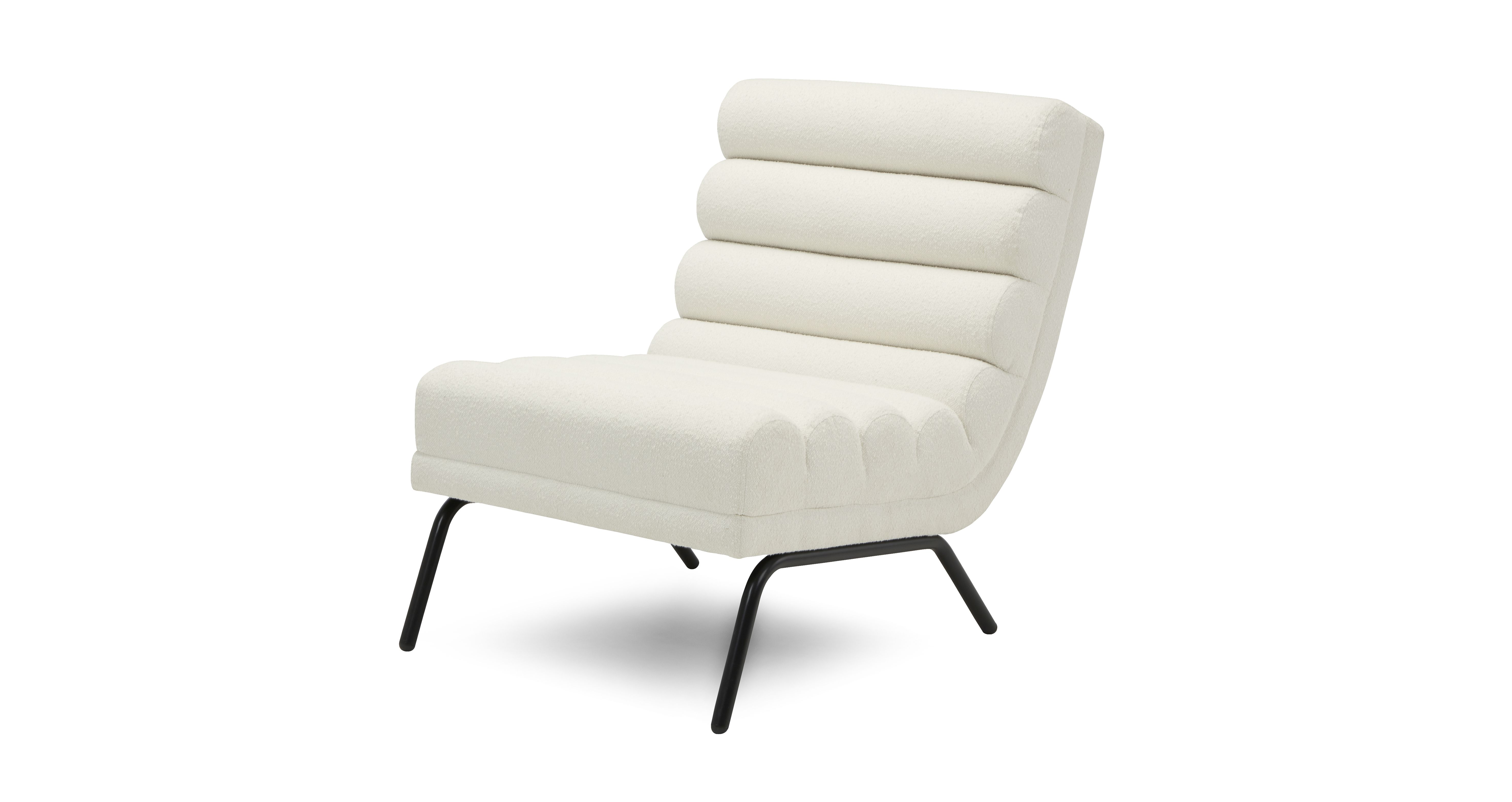
Texture is a primary tool for achieving depth and character in neutral maximalism. Combining materials like veined marble with woven fabrics, or sculptural chairs with organic wood grains, creates a tactile and visually engaging environment. Incorporating natural stones such as granite, tumbled limestone, and travertine is also recommended. When selecting furniture, the focus is on sculptural and eye-catching pieces that can act as focal points against a muted backdrop. The article highlights that these pieces should feel tactile and contribute to the space's narrative. Accessories are vital for personalization and adding texture, with examples including chunky woven rugs, beaten metal vases, and washed linen curtains in muted patterns. The goal is a curated abundance of decor, where subtle differences in material and form create a rich, layered aesthetic that is both calm and livable.
#NeutralMaximalism #InteriorDesign #HomeDecor #DecoratingStyle #NeutralColors #TextureInDesign #Maximalism #Minimalism #HomeStyling #NeutralMaximalism #InteriorDesign #HomeDecor #DecoratingStyle #NeutralColors #TextureInDesign #Maximalism #Minimalism #HomeStyling
0 comment in total
 No comments yet
You may also like
"Neutral Maximalism" Is Trending—Here's How to Make It Work, According to Designers

7 of the most versatile and easy to use paint colors according to designers

The All-Time Favorite Light Neutral Paints Of HGTV Stars
Bored With White Walls? Try One of These Designer-Recommended Neutral Paints Instead

Which Neutral Is Replacing White in 2025? Experts Reveal
35 Neutral Paint Colors Interior Designers Can't Get Enough Of

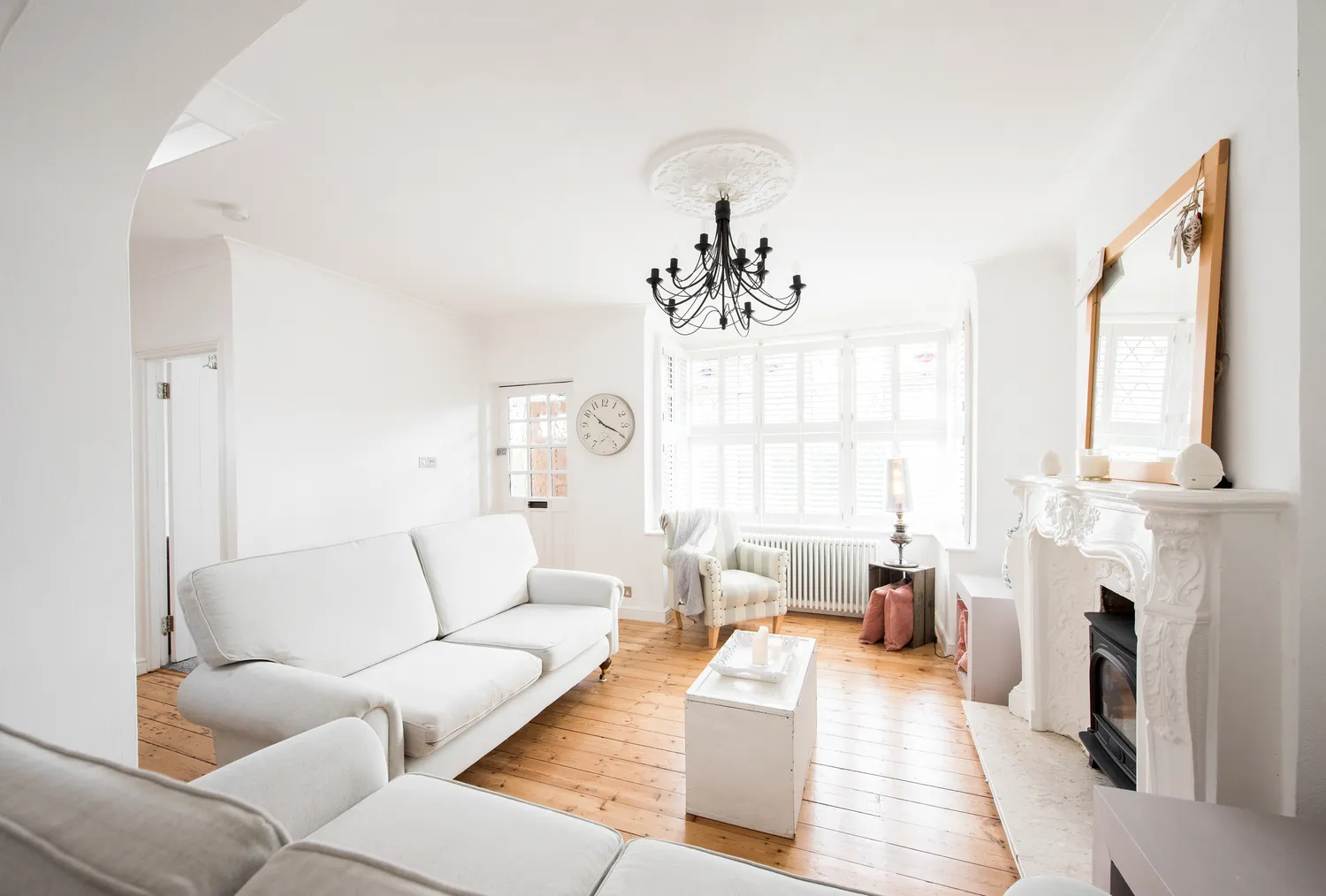
We Asked Designers Which Living Room Paint Colors People Regret Most—And We're All Guilty

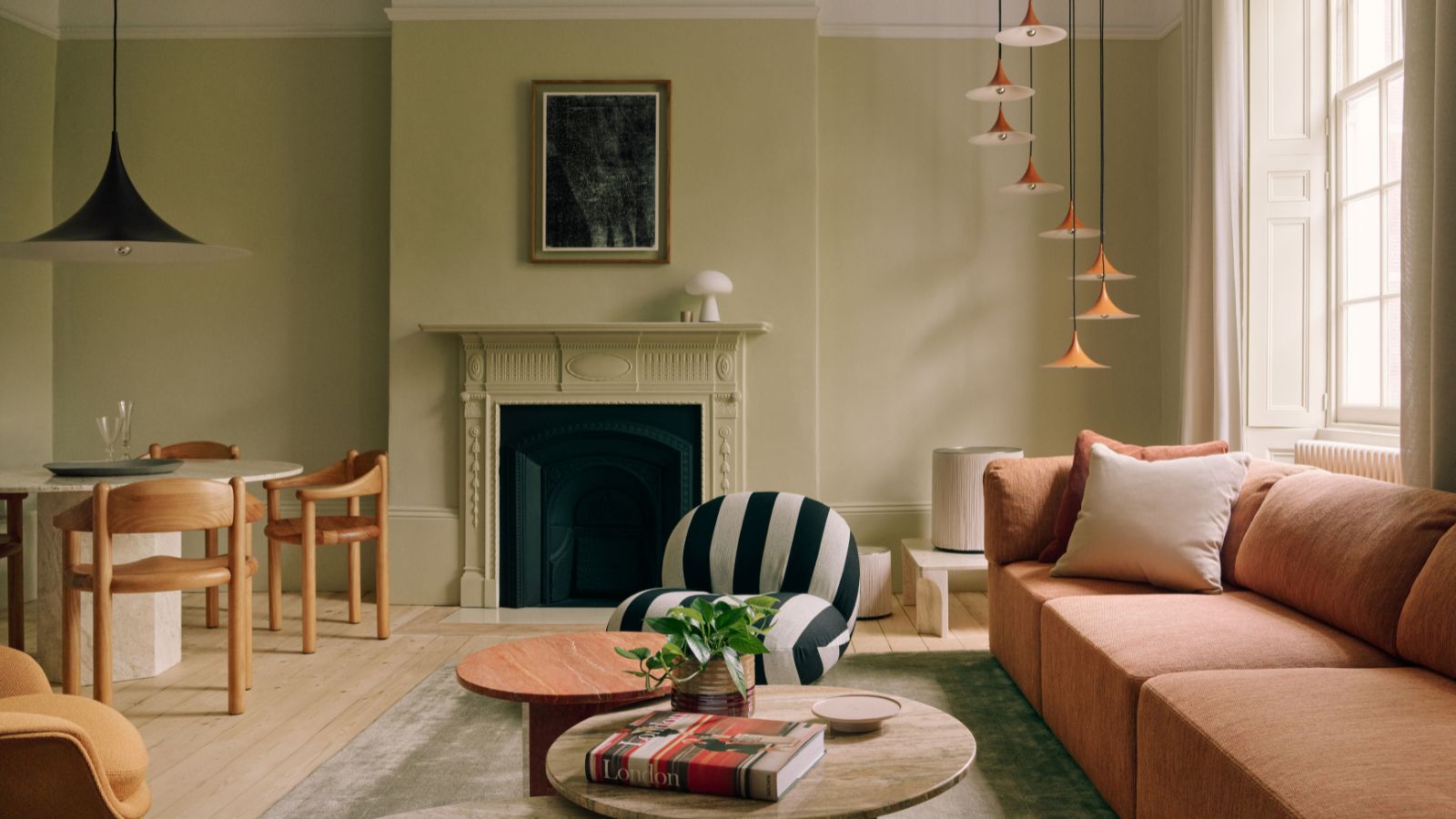
How to use bold color in a neutral design scheme, according to global homeware brand GUBI
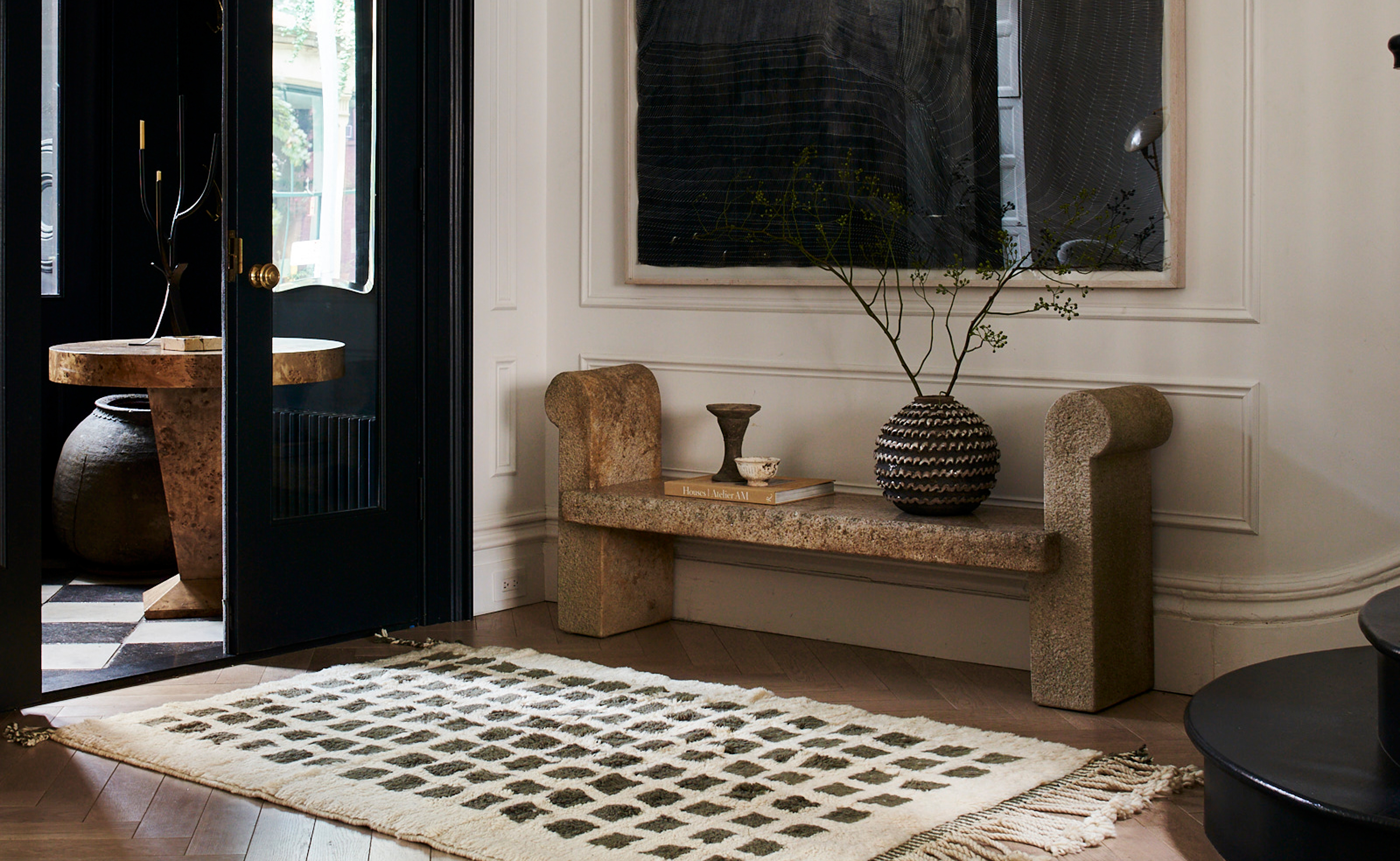
The 3 Best Neutral Entryway Paint Colors to Set the Right Tone for a Sophisticated Home
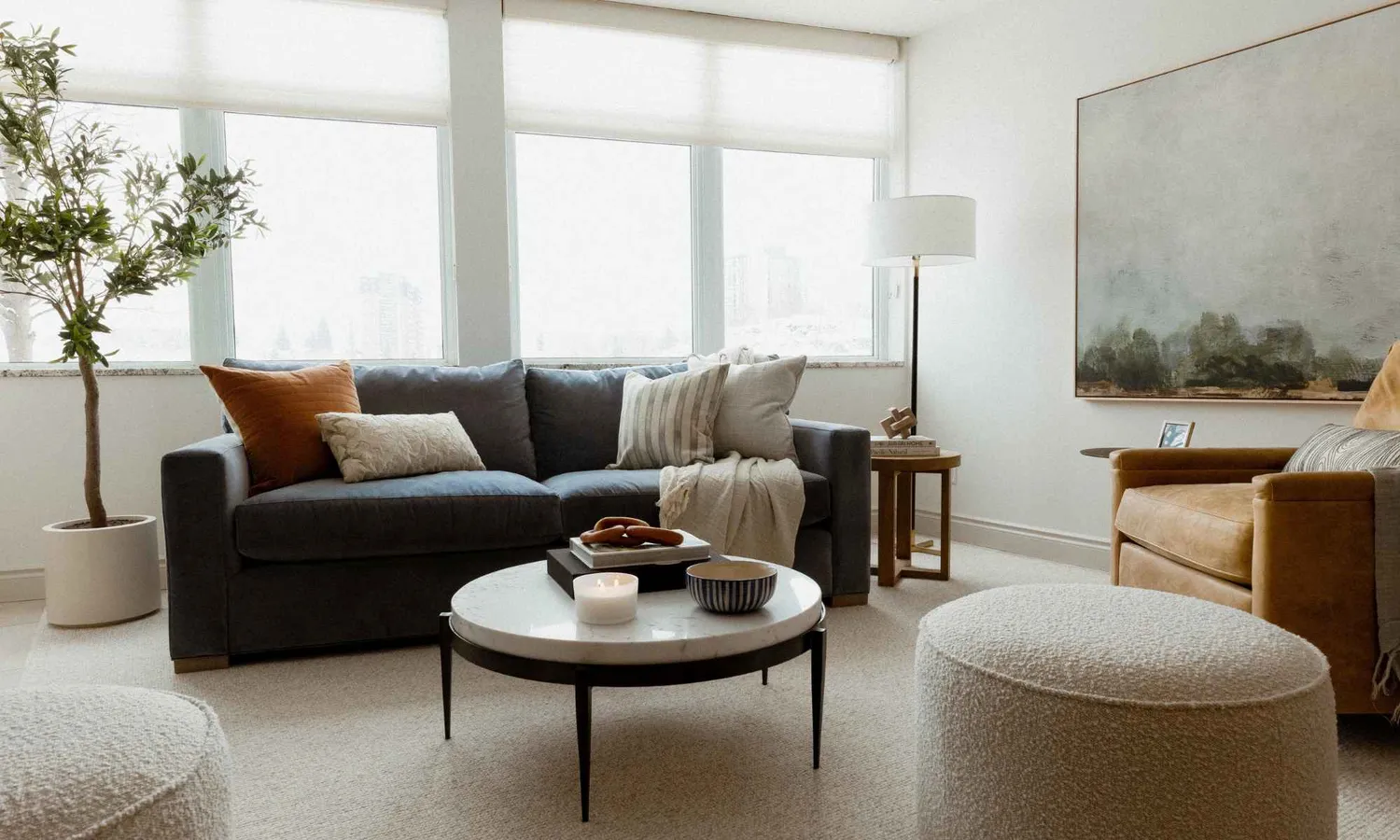
Are Neutral Paint Colors Finally Out of Style? We Asked Designers and They All Agreed

Decorating with this year’s neutral
The 20 Best Neutral Paint Colors for Your Home in 2025

Why I'll Never Give Up My Neutral Color Scheme
Is Green the New Neutral? Interior Designers Argue We Should All Be Using This Soothing Shade as Our Base Color
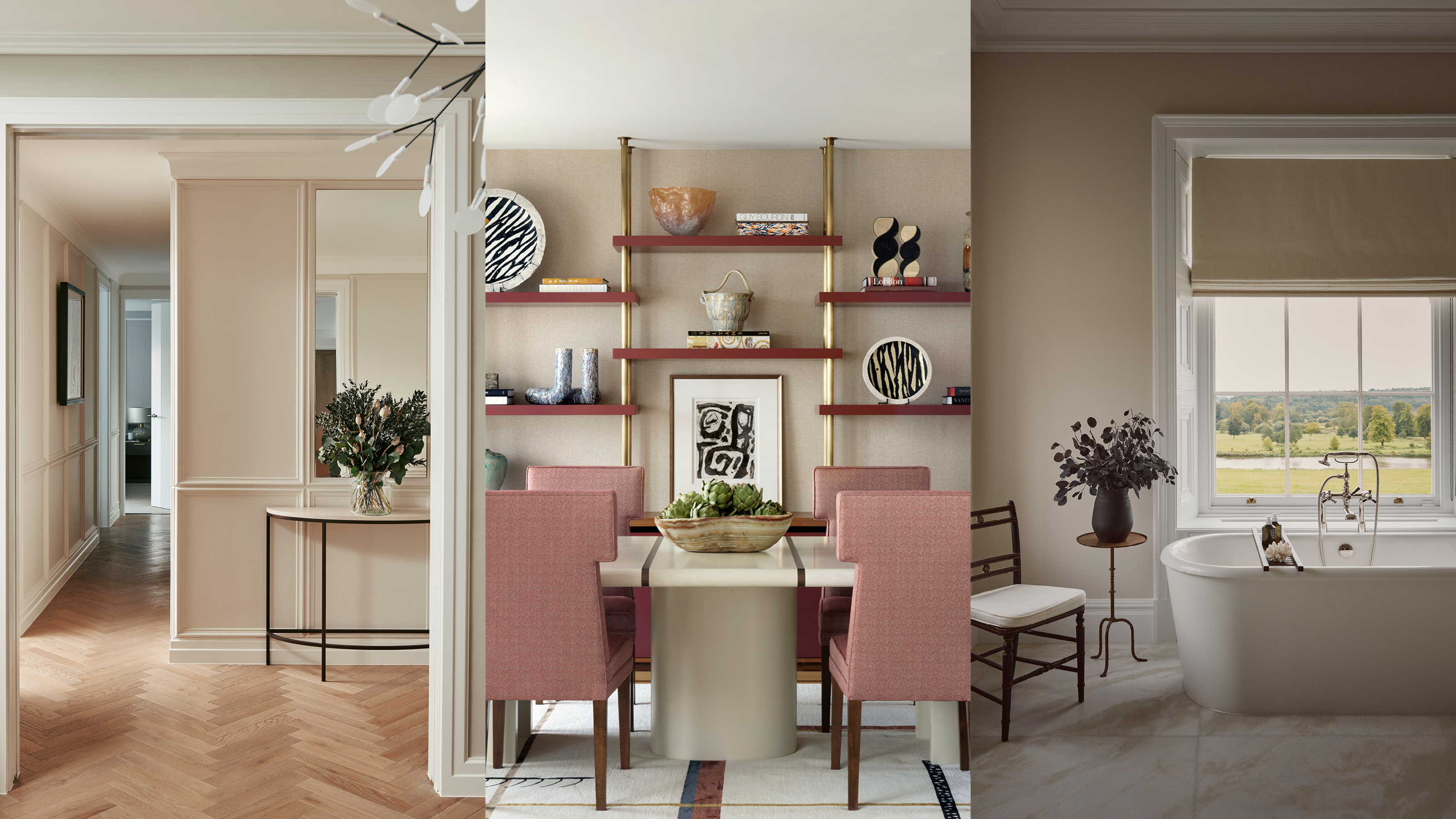
Beige-grey – the timeless paint color perfect for a barely-there backdrop
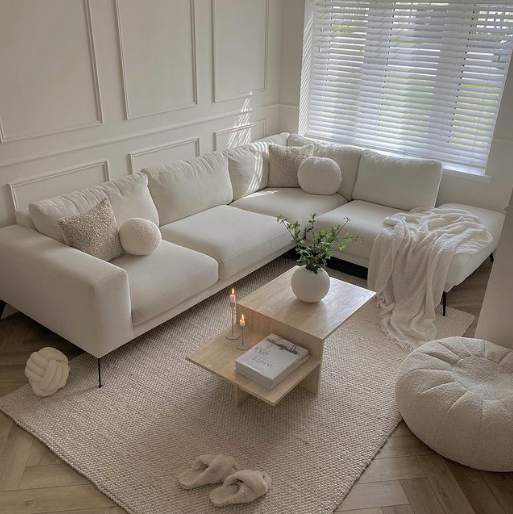
5 reasons to embrace a neutral palette
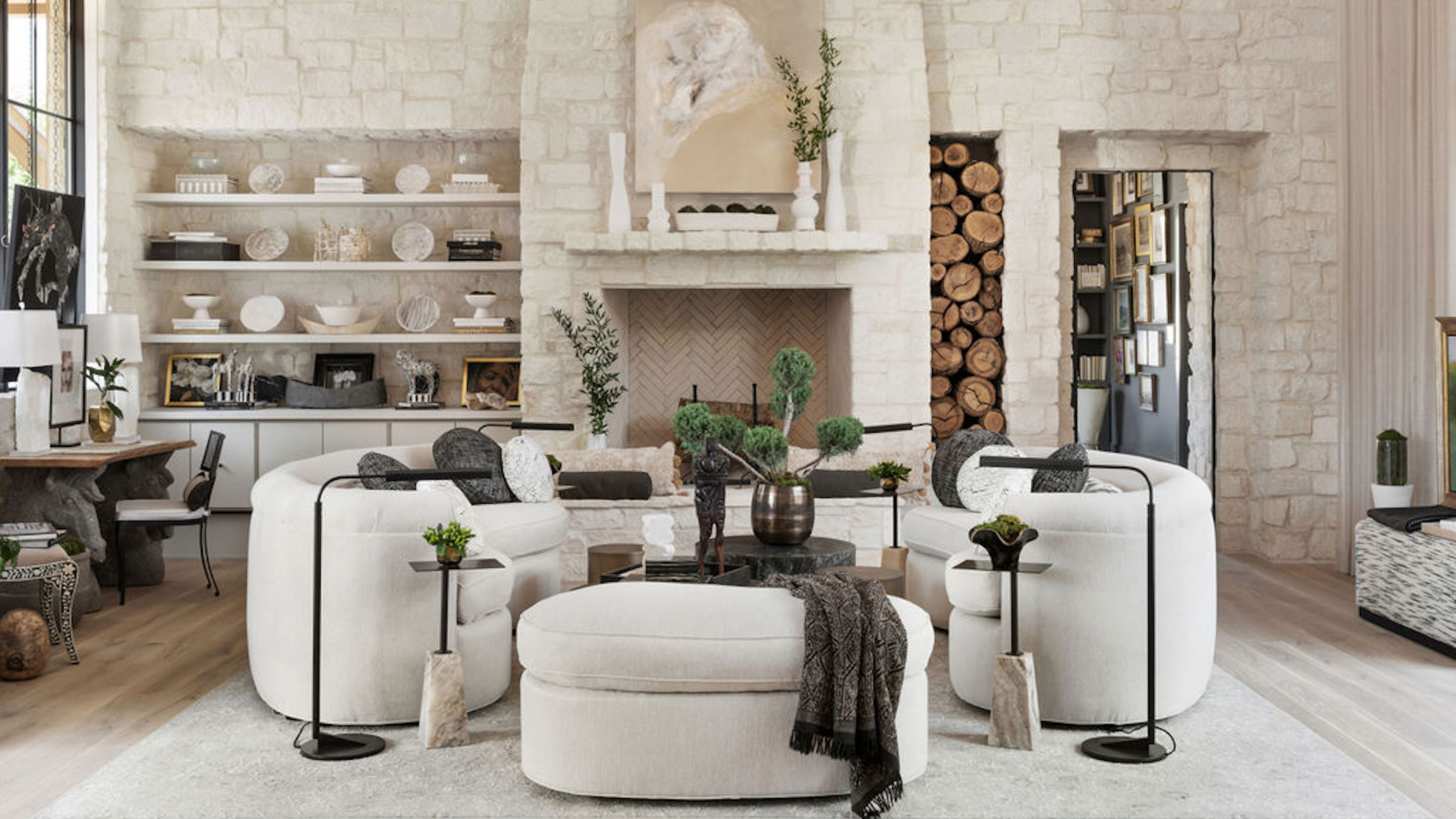
10 Neutral Room Ideas That Are Calming, Sophisticated — And Full of Decorative Interest
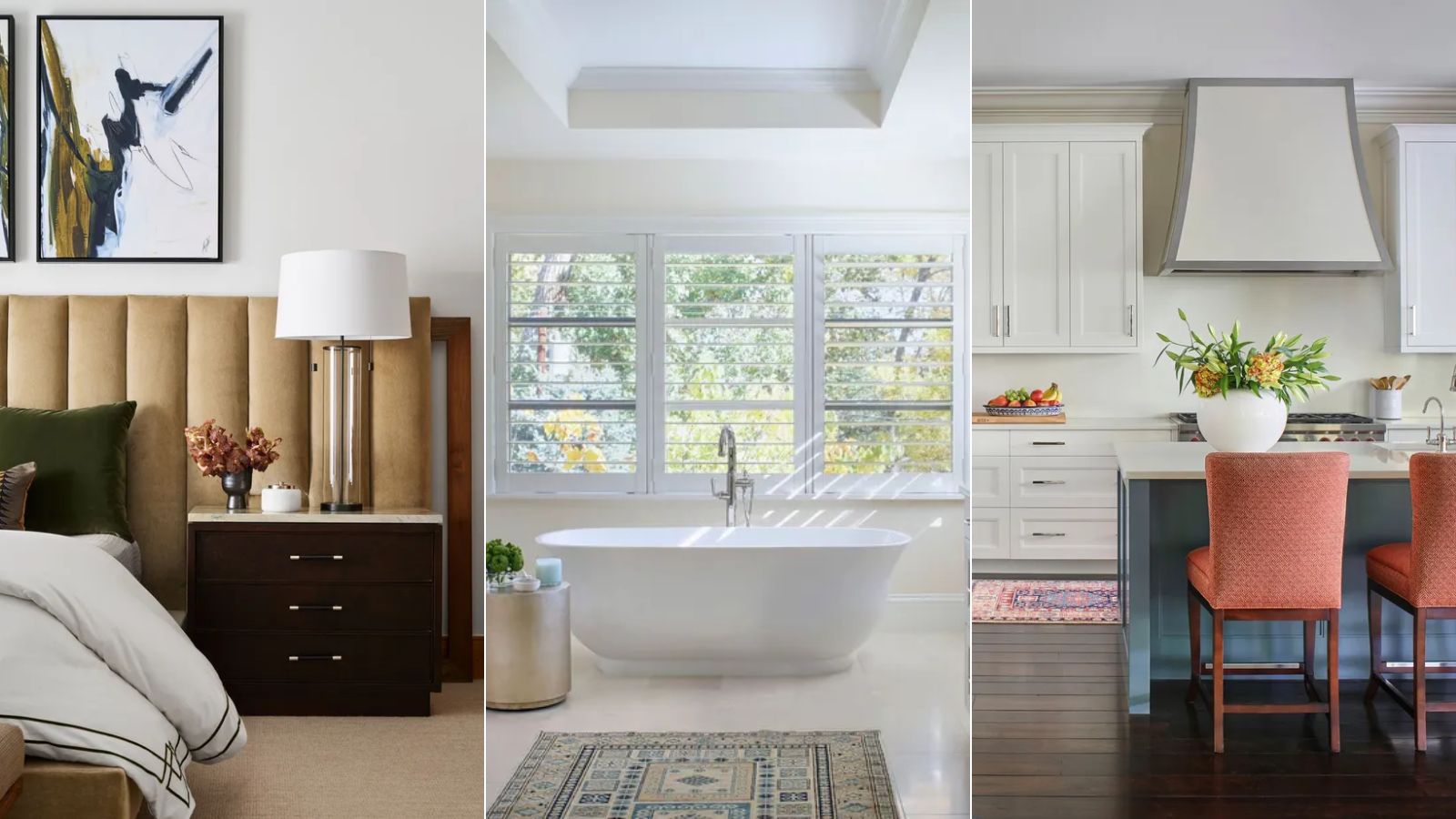
White vs Cream: designers weigh in on these enduring neutrals
Amber Lewis Shares the Best Neutral Paint Colors for Every Room
12 Neutral Paint Colors That Will Look Beautiful in Every Room