How To Coordinate Engineered Hardwood And Vinyl Flooring In The Same Space
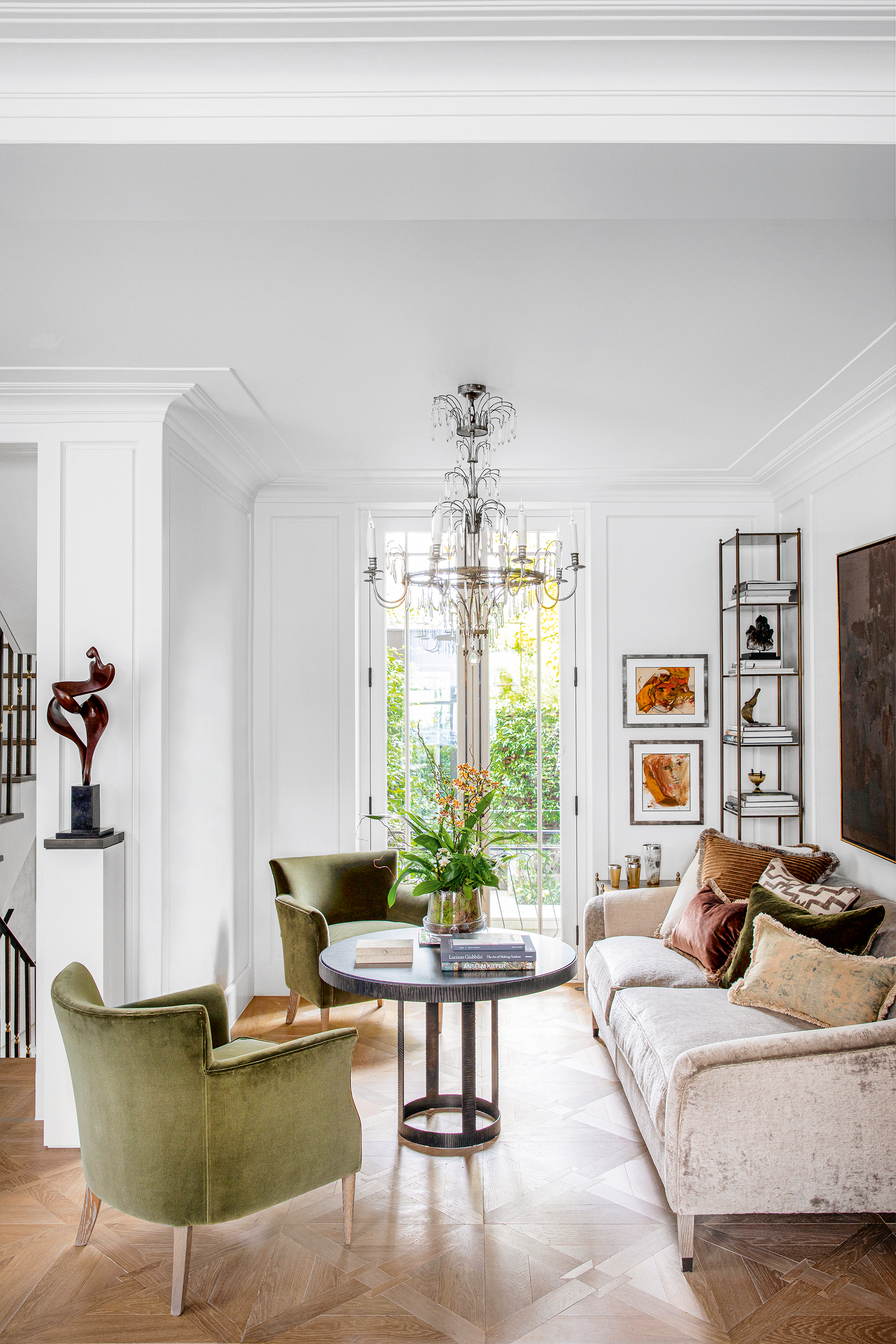
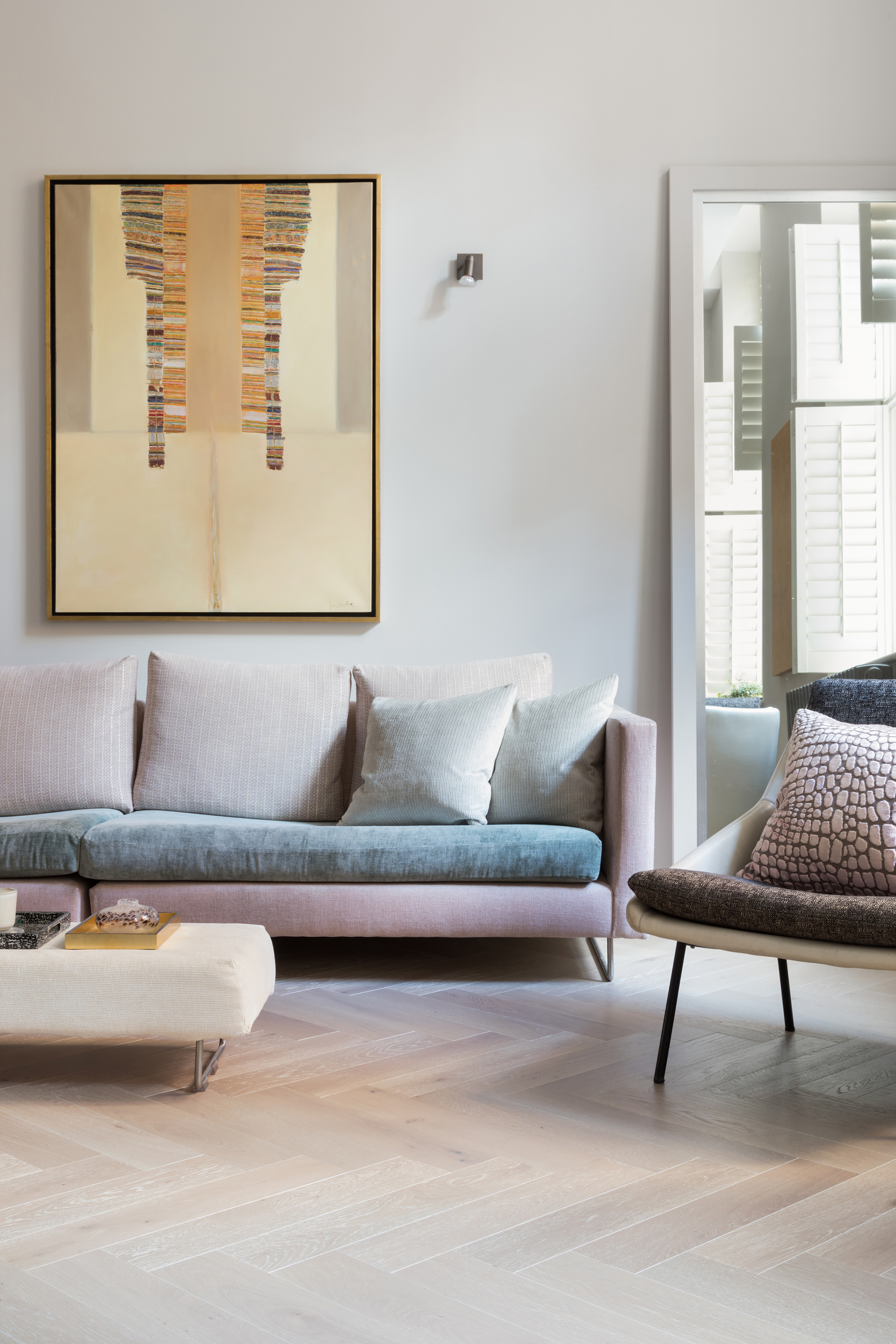
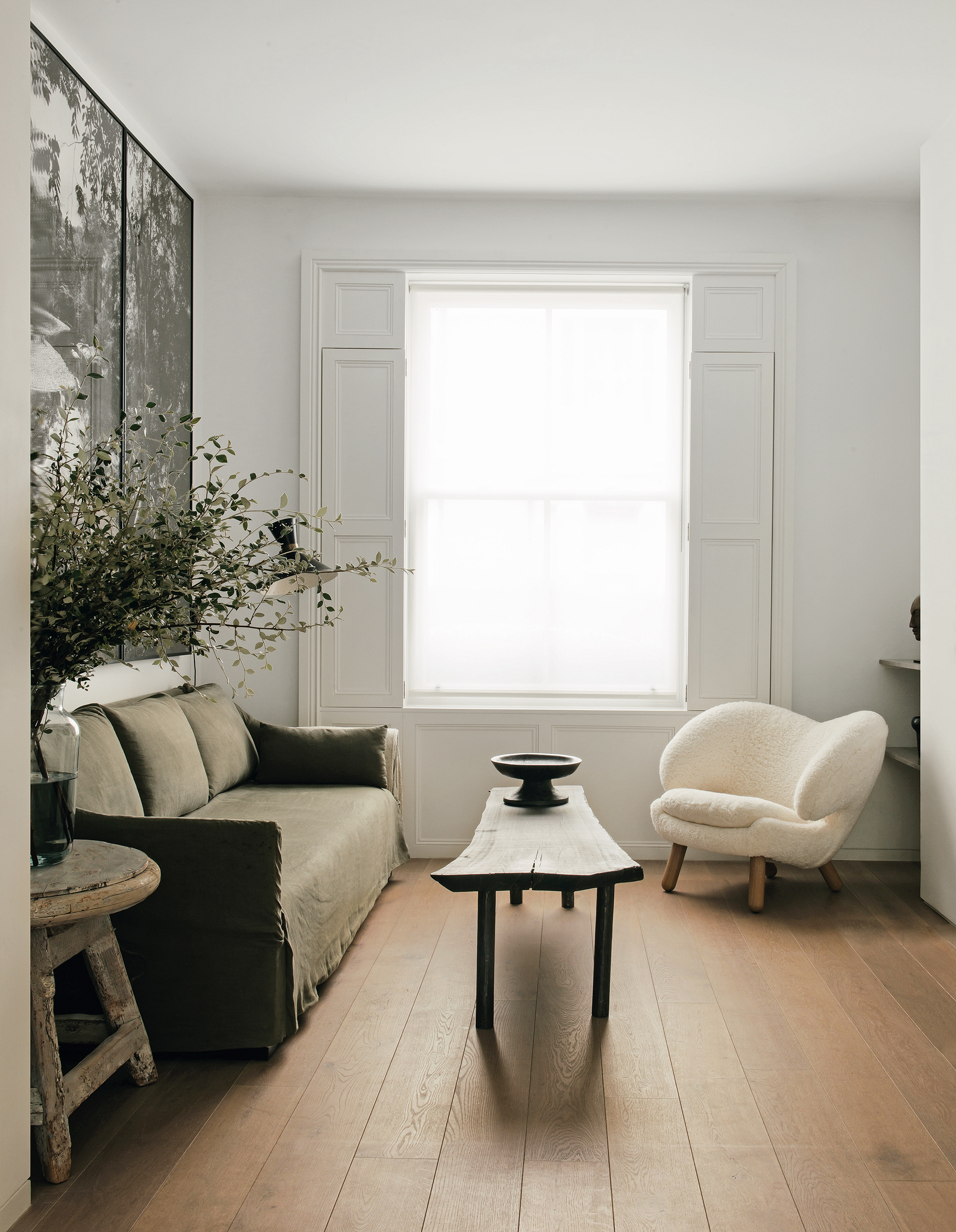
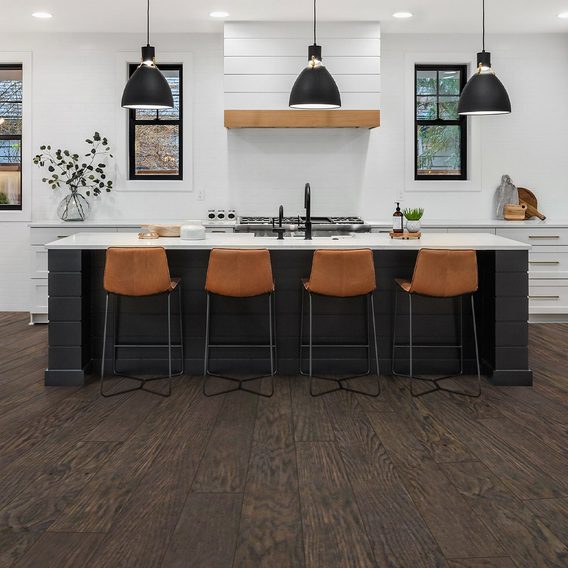
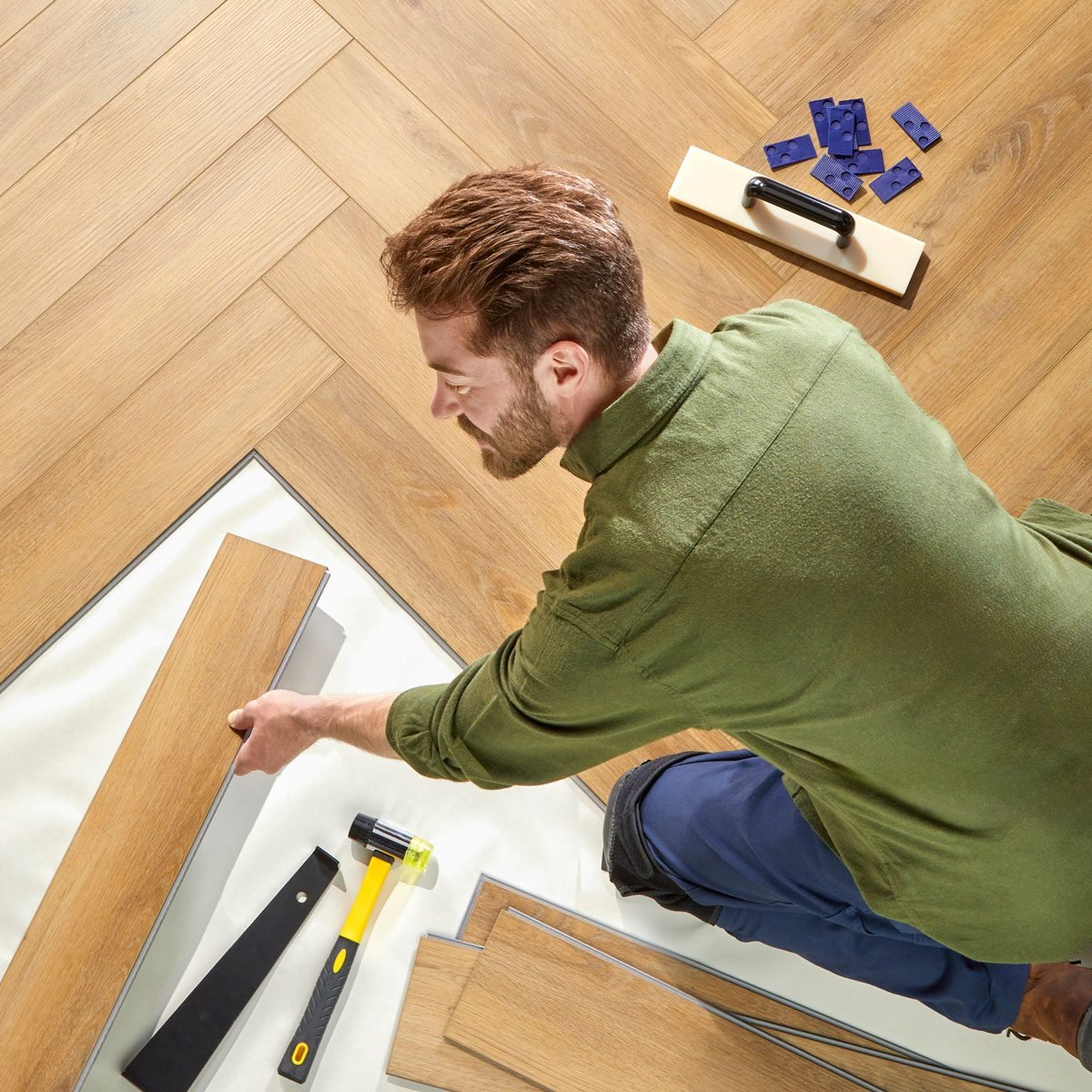
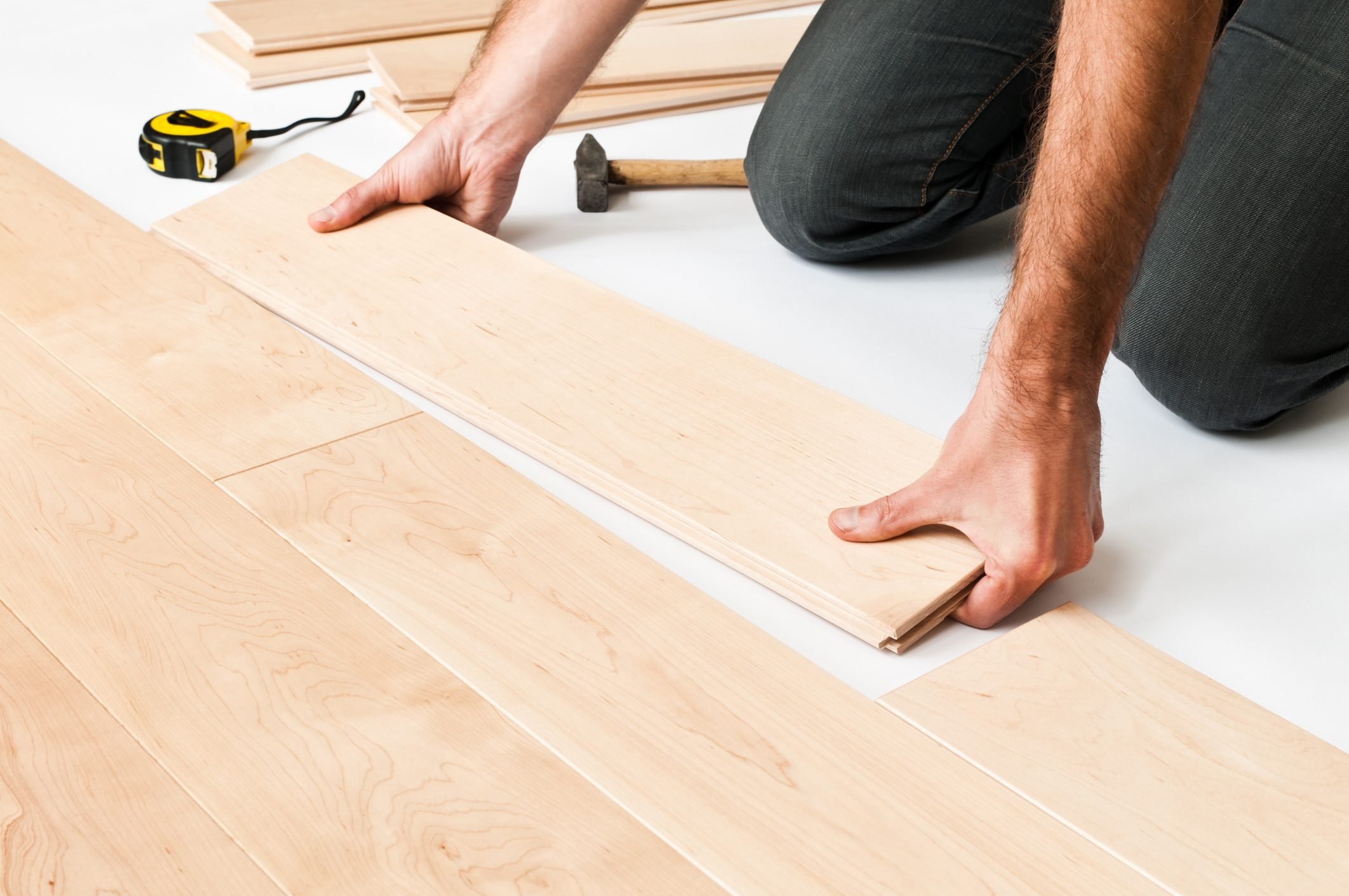
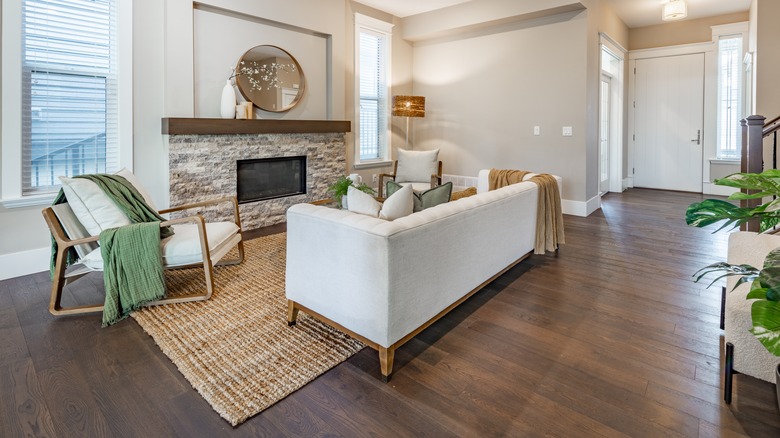
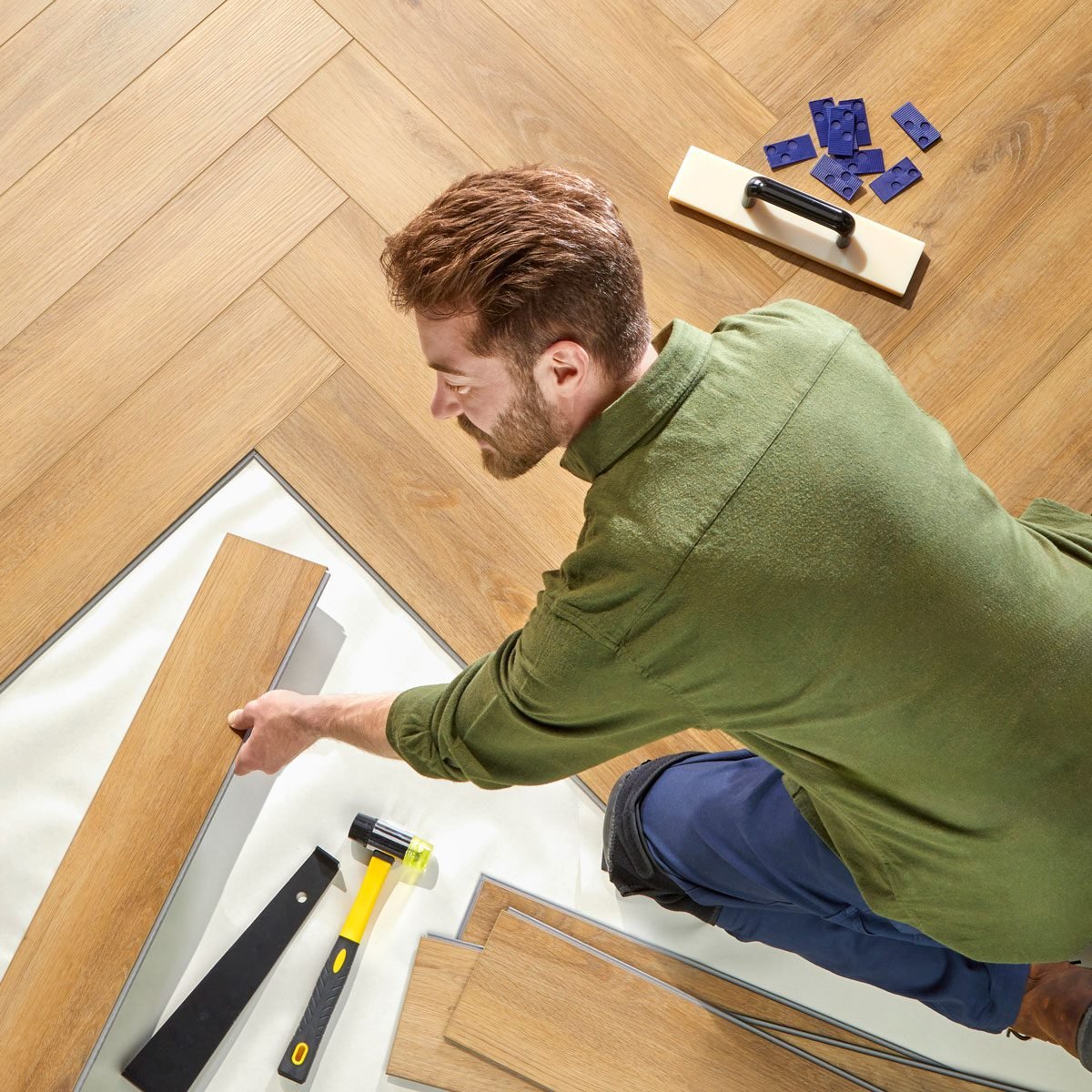
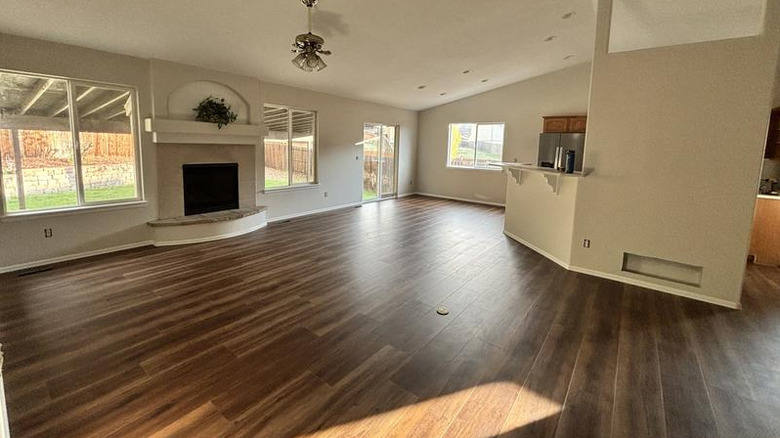
Renovating floors often involves combining different materials, and coordinating engineered hardwood with vinyl flooring requires careful consideration to achieve a cohesive look and ensure a smooth transition. Engineered hardwood, which features a real wood veneer over a plywood backing, is a durable and aesthetically pleasing option that offers a higher return on investment compared to many other flooring types like vinyl or laminate. While it provides a high-end appearance, it remains more affordable than solid hardwood. However, engineered wood flooring is still significantly more expensive than other alternatives. For those looking to manage costs without compromising on visual appeal, integrating vinyl plank flooring can be a practical solution, allowing for the luxurious feel of engineered hardwood in key areas and cost savings elsewhere.
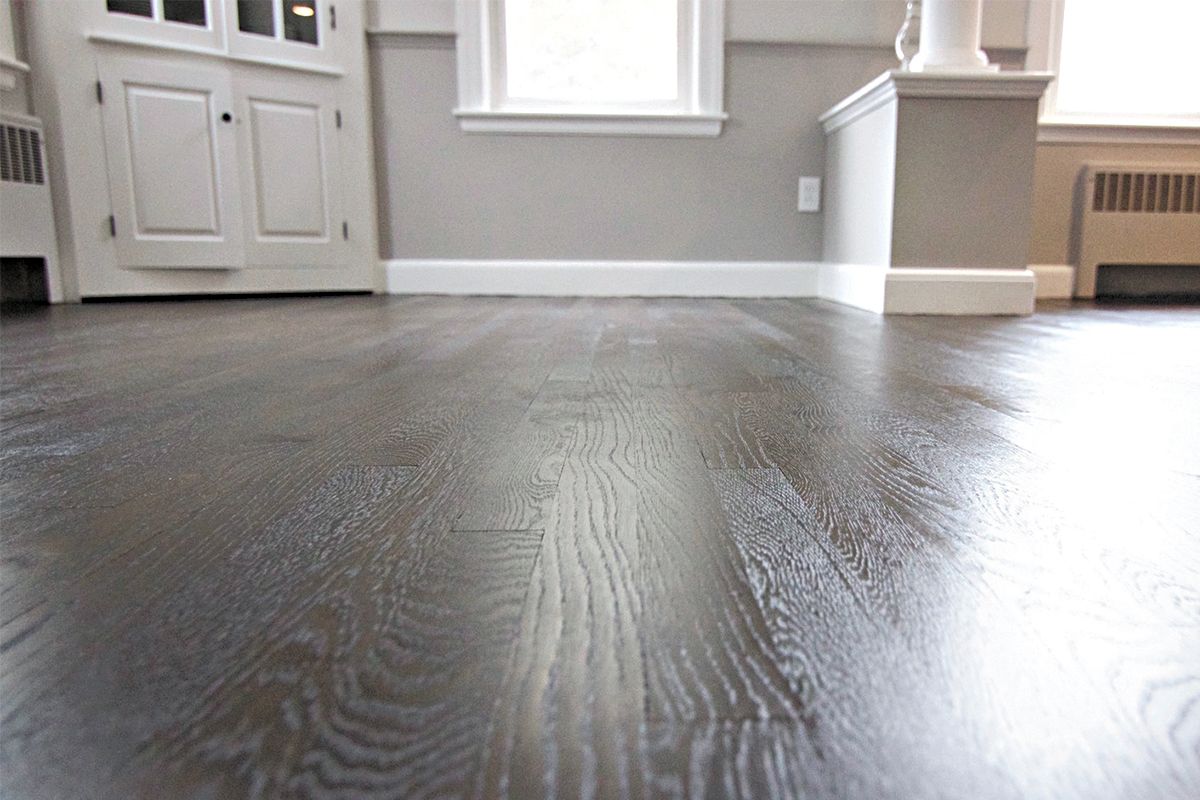
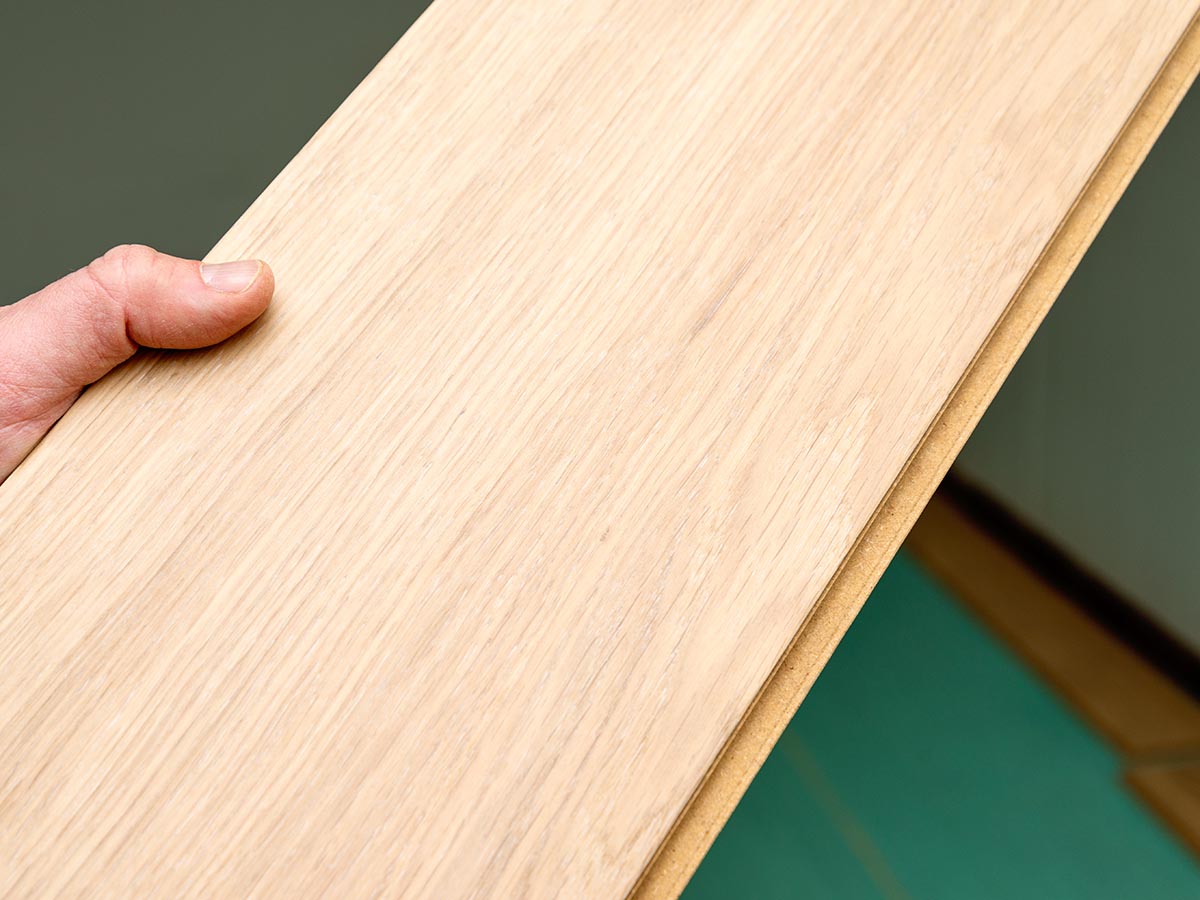
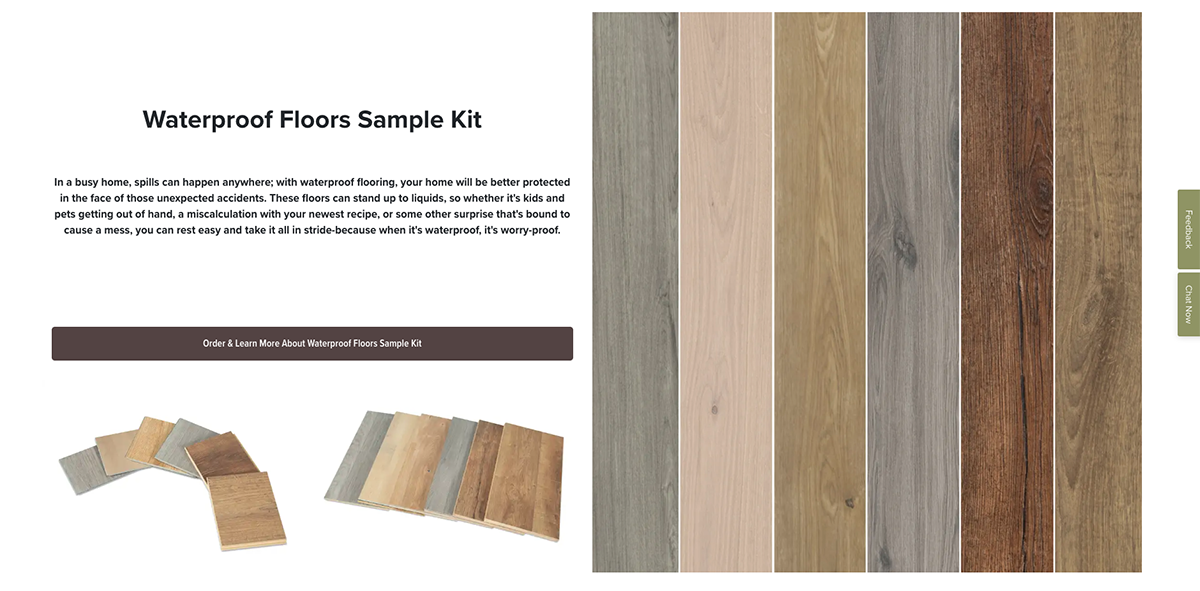
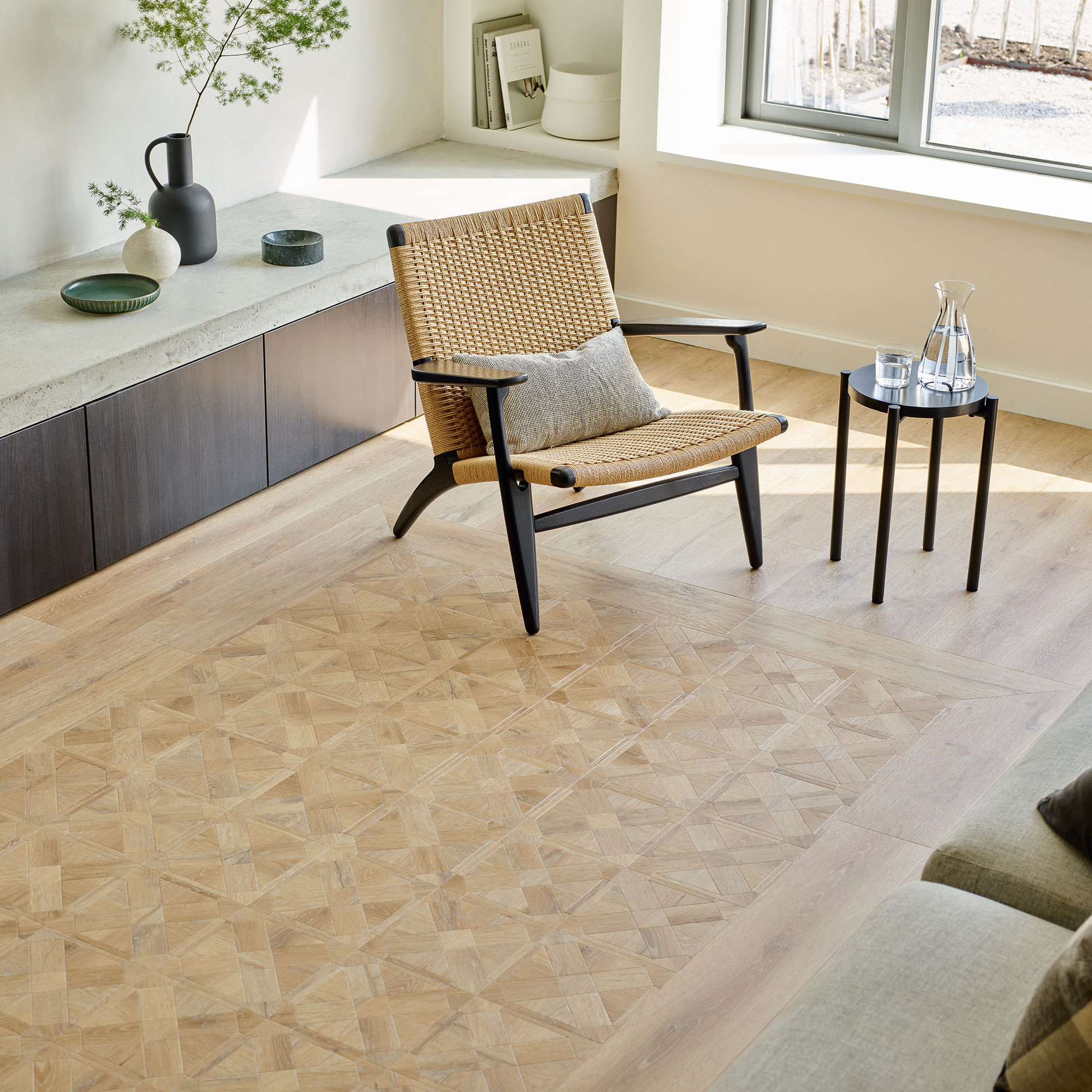
The initial step in successfully blending these two flooring types involves thoroughly evaluating the existing engineered hardwood. This assessment should focus on physical characteristics such as wood species, grain pattern, color, and finish, as well as structural aspects like plank width and height. Understanding these attributes is crucial for selecting a complementary vinyl product that will create a harmonious transition. The goal is not necessarily to find an exact match, but rather to identify a vinyl option that blends seamlessly in terms of visual cues, creating an intentional and integrated design.
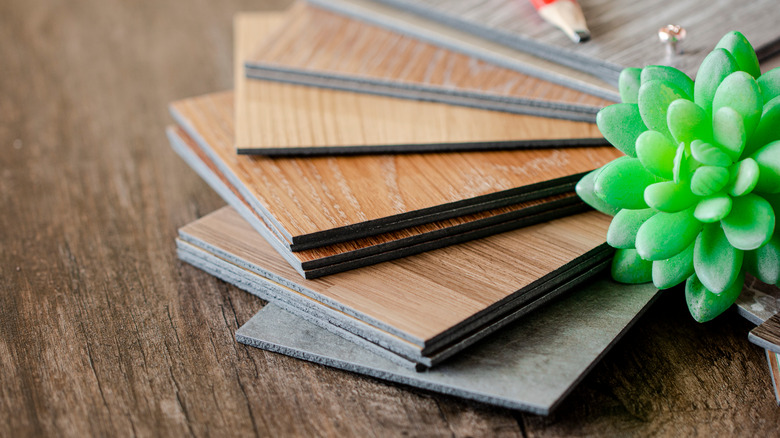
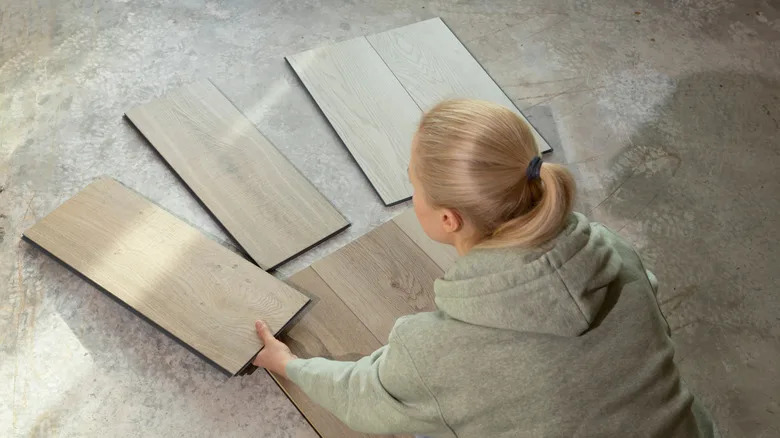
Once the attributes of the existing engineered hardwood are identified, consulting with a local contractor is recommended. Contractors often have samples of popular vinyl products that can be used to compare with the existing hardwood, aiding in the selection process. If physical samples do not yield a suitable match, utilizing online visualizer tools can be highly beneficial. These tools allow users to filter options by wood species, color, width, and other specifications, streamlining the search for a closer match. If a perfect match remains elusive, placing the transition between rooms instead of within a single room can minimize the visual discrepancy.
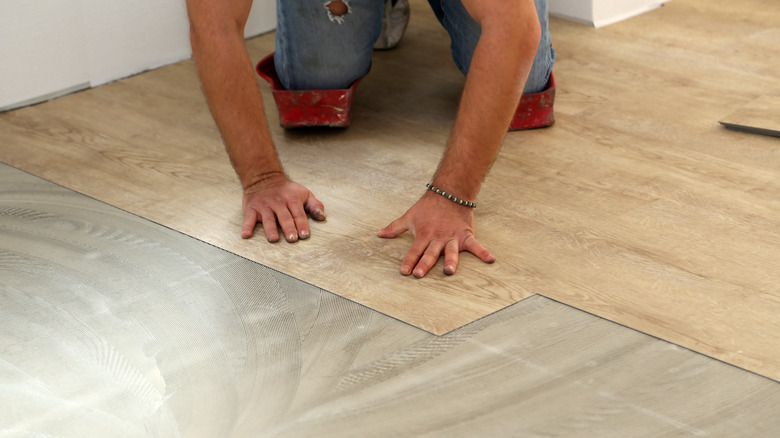
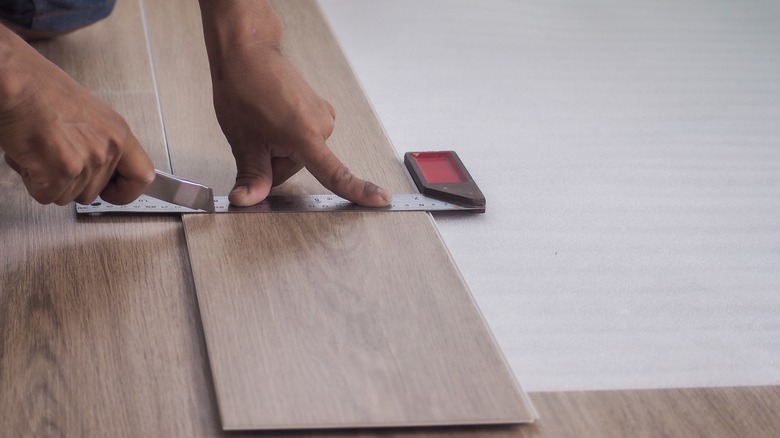
Another important consideration when combining engineered hardwood and vinyl is the difference in thickness between the two materials. Luxury Vinyl Plank (LVP) is typically thinner than most engineered hardwoods, resulting in a height disparity. To address this, floor transition strips are essential. These strips, available in vinyl or solid wood, can be custom-made from the existing flooring materials. They feature a slight ramp designed to bridge the height difference, eliminating potential tripping hazards and creating a smooth, safe transition. Additionally, transition strips help visually separate the two flooring types, making any subtle color variations less noticeable. Alternatively, some laminate products may offer a similar thickness to engineered hardwoods, presenting another viable option for achieving a more uniform floor height.
#EngineeredHardwood #VinylFlooring #HomeRenovation #FlooringMaterials #InteriorDesign #FloorTransitionStrips #EngineeredHardwood #VinylFlooring #HomeRenovation #FlooringMaterials #InteriorDesign #FloorTransitionStrips
0 comment in total
 No comments yet
You may also like
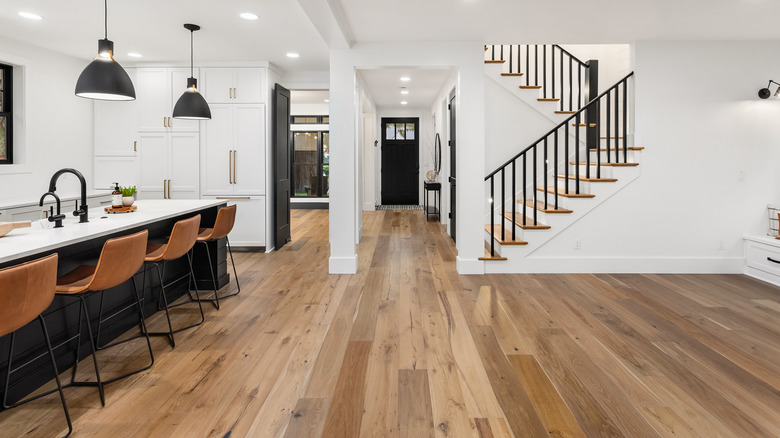
Our Flooring Expert On The Better Investment: Luxury Vinyl Plank Or Engineered Hardwood?
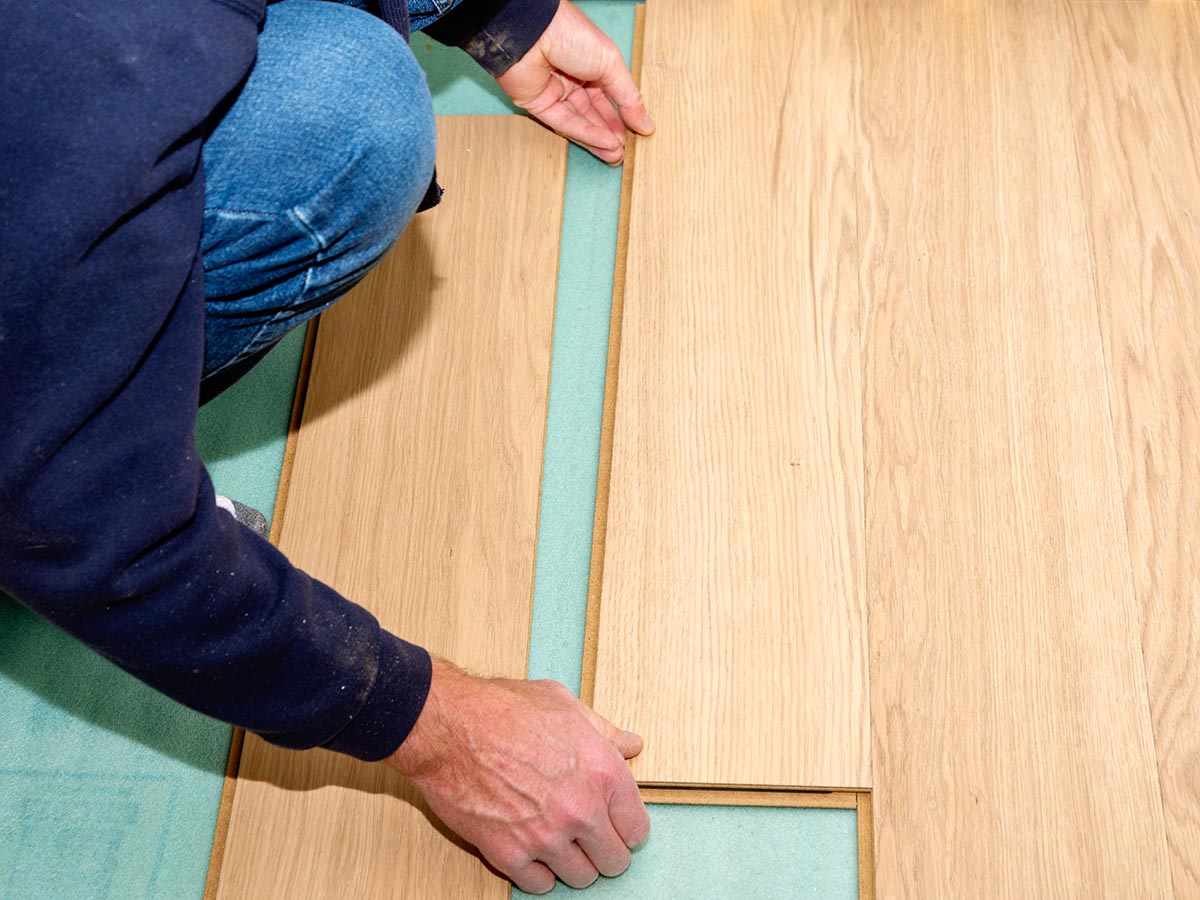
Flooret Flooring Review: Direct-to-Consumer Floors That Are Worth the Hype

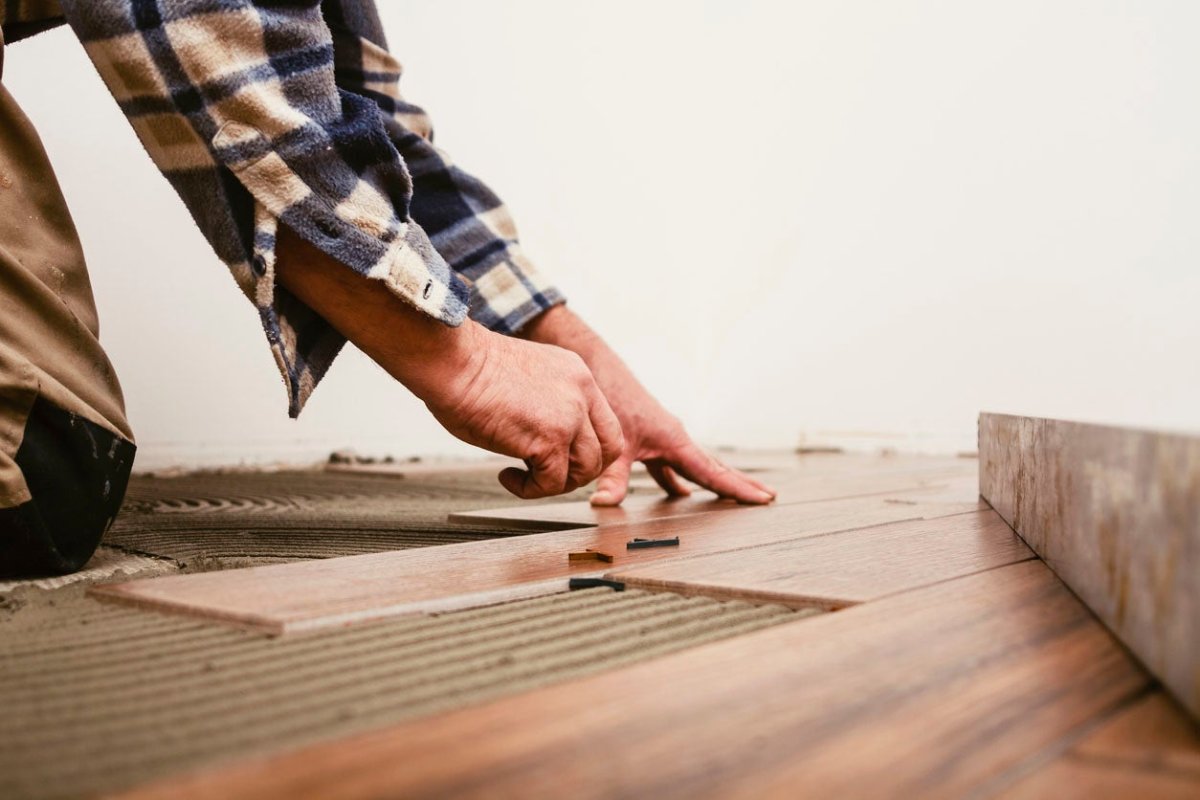
LL Flooring Boasts Hundreds of Flooring Choices—But Is It a Good Option for Homeowners?

Your Guide to Wood Flooring

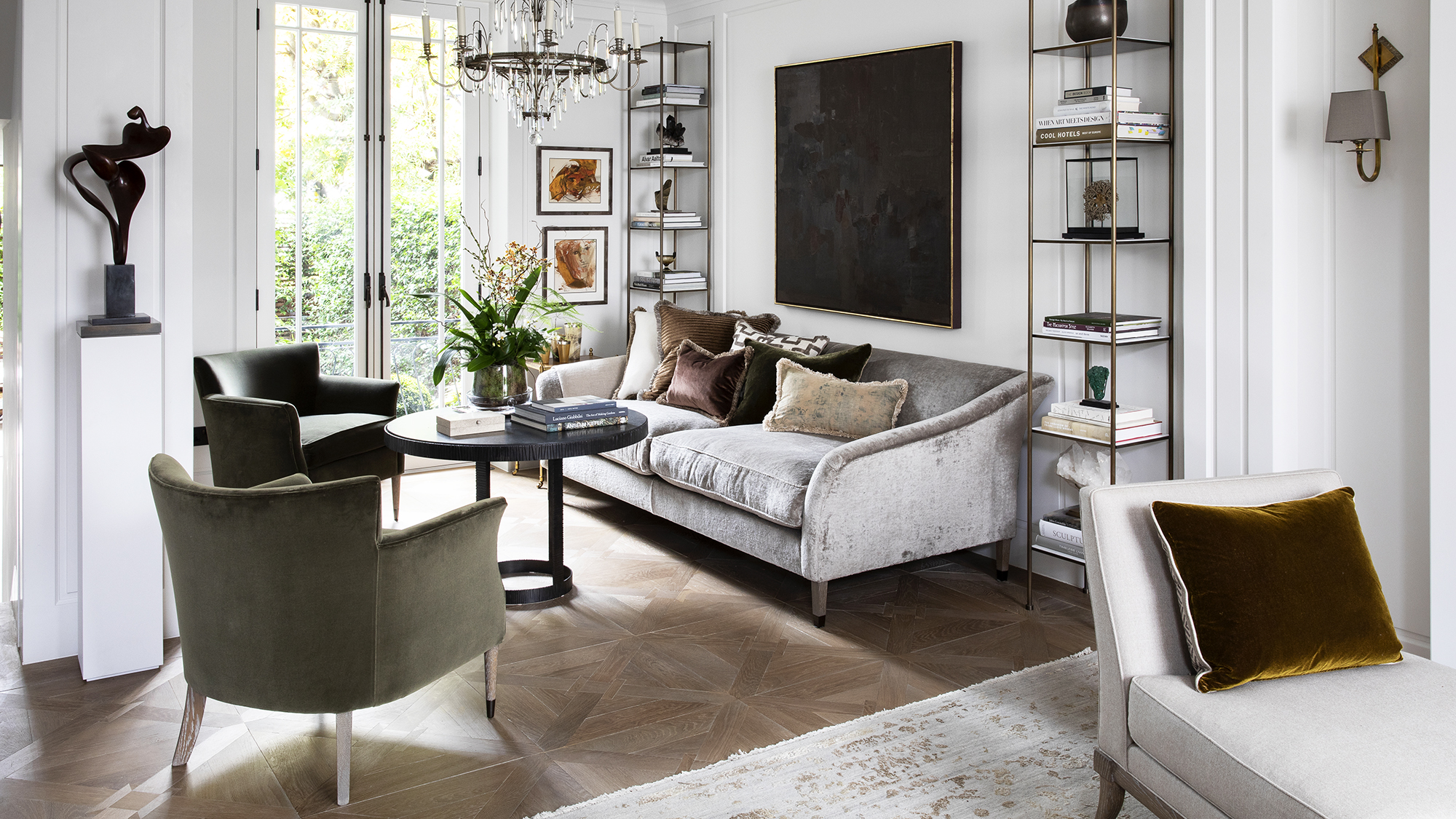
Wood floor ideas for a living room – 10 practical and stylish looks for flooring

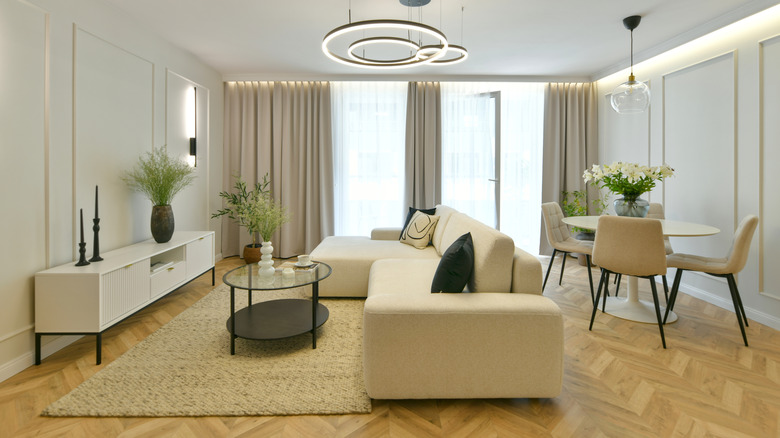
6 Flooring Upgrades That Are Worth The Extra Cost (And 3 To Skip)
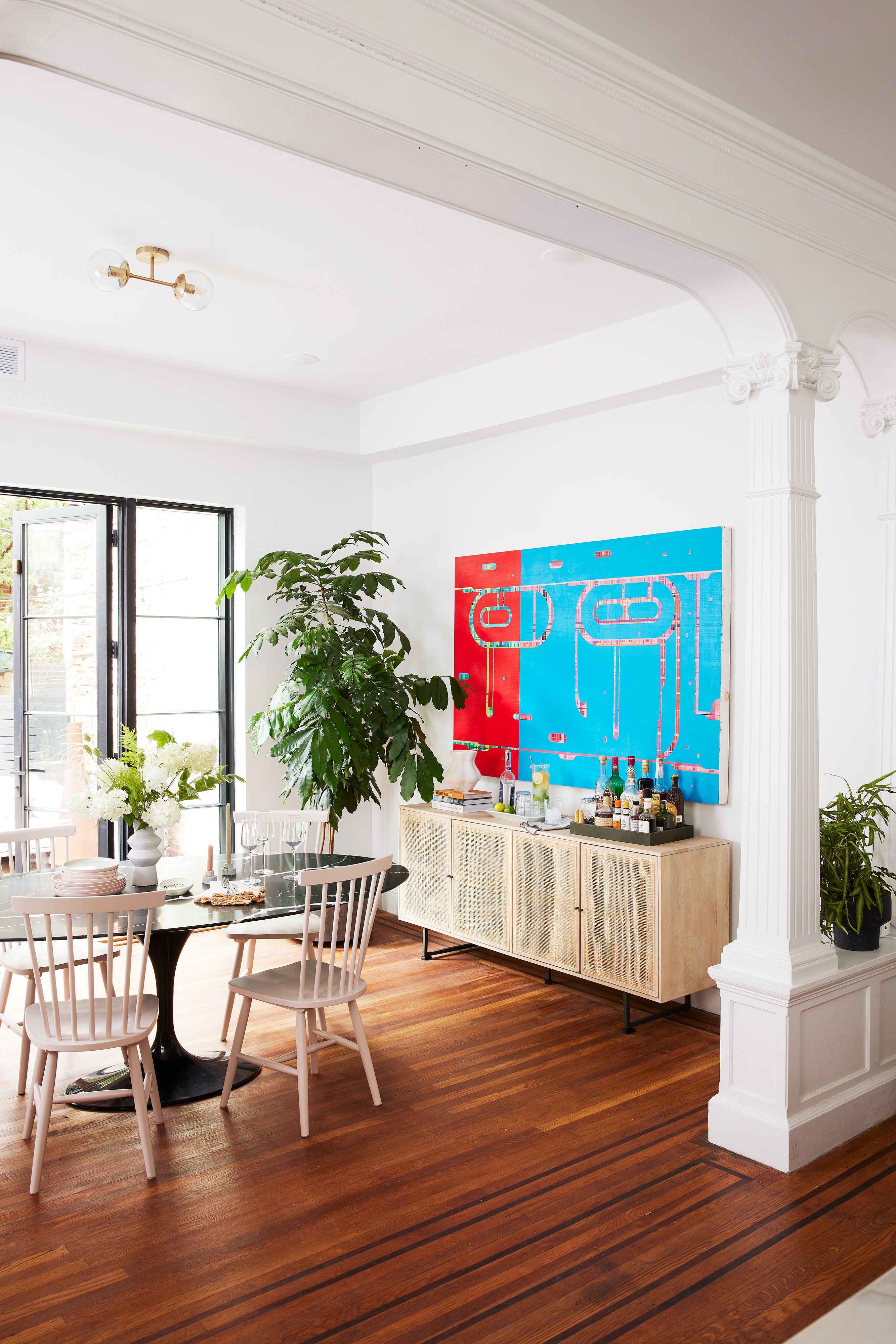
Different Types of Wood Flooring and What to Consider Before Installing

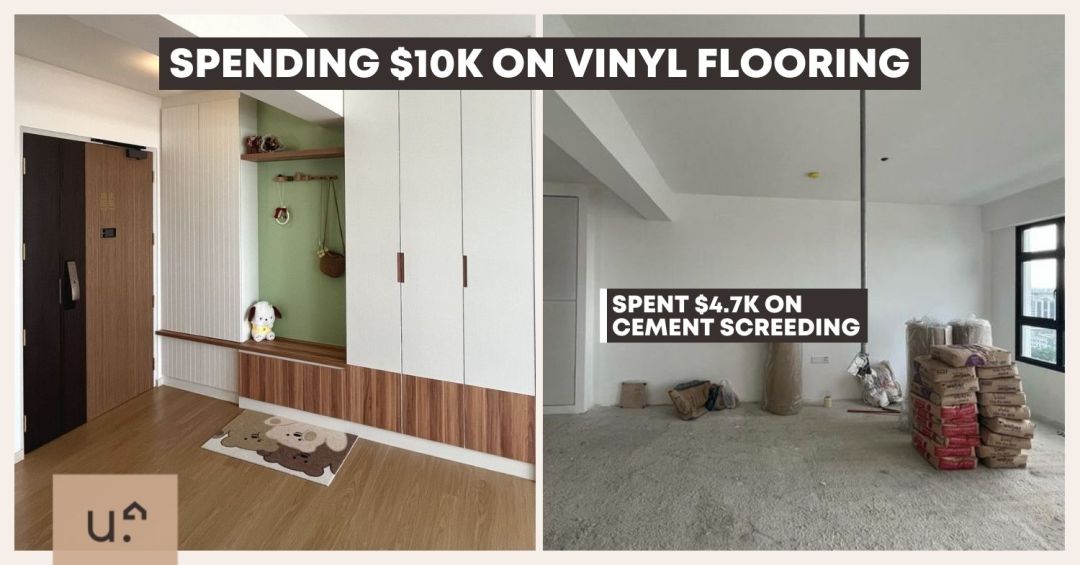
We Spent $10K On Our 4-Room HDB Flat’s Vinyl Flooring
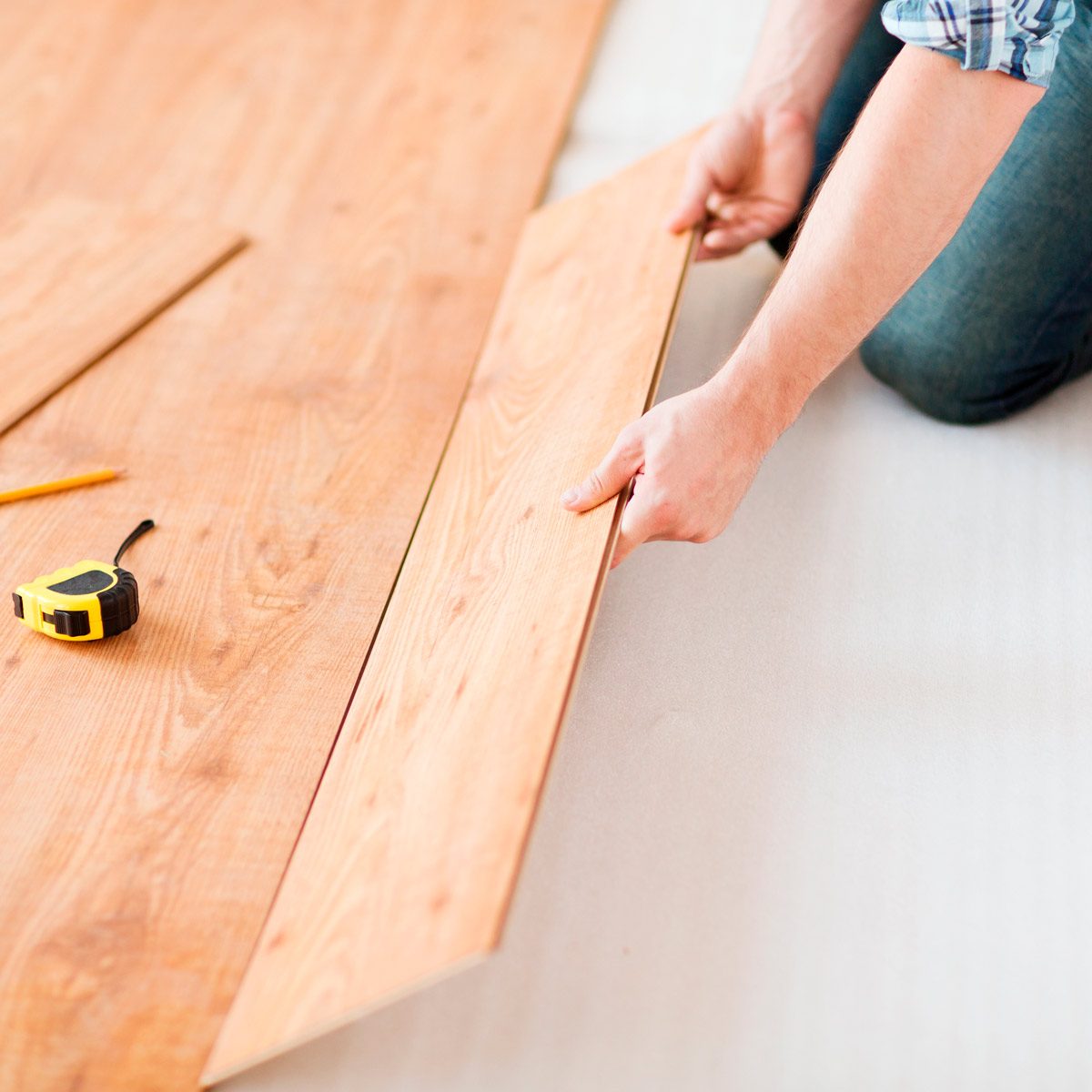
Home Flooring Installation and Repair

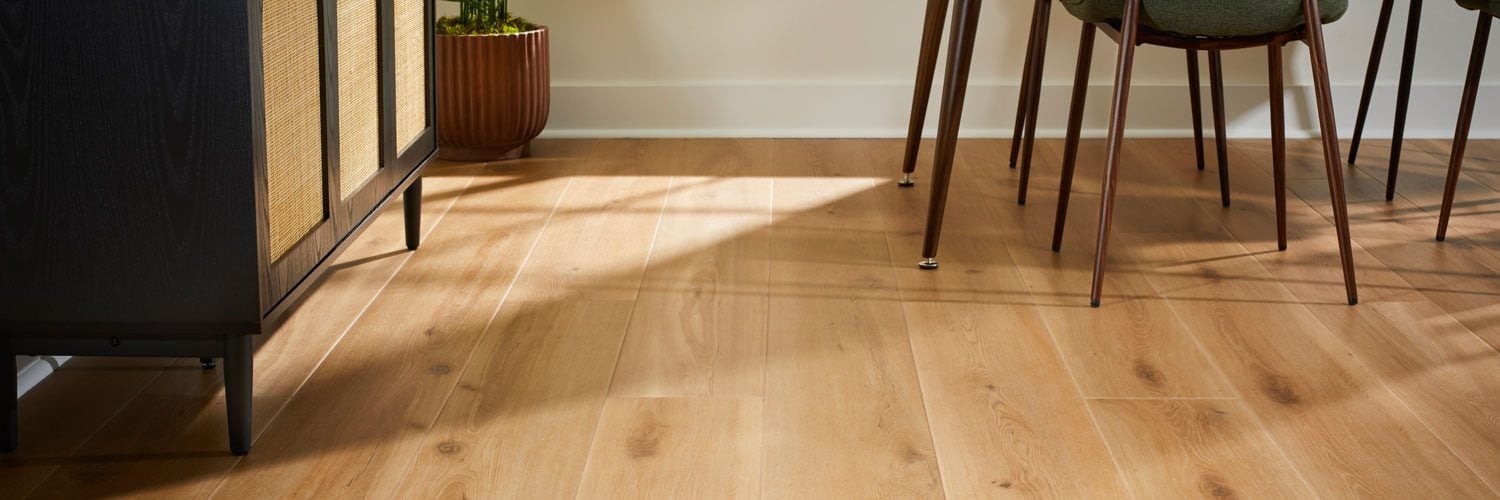
A Guide to Gorgeous Floors

Atrafloor Debuts Patterned Vinyl Flooring

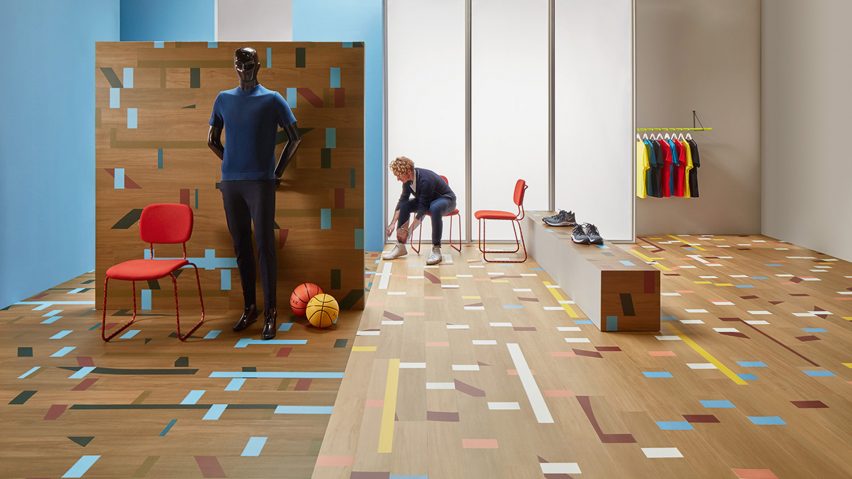
Vinyl Allura tiles mimic the look of a reclaimed gym floor
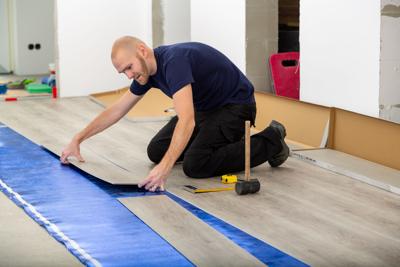
New options in flooring

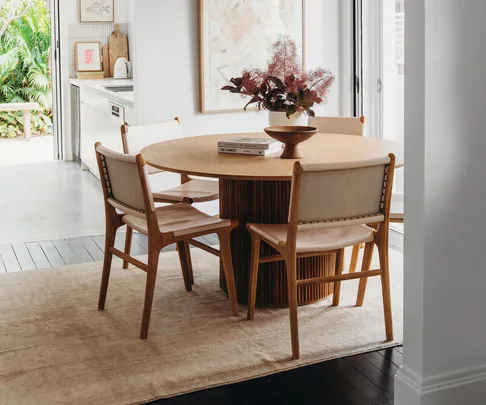
5 tips for mixing timber floors with timber furniture

How to plan the perfect wood flooring - what you need to know about wood versus wood-style

Types of wood flooring
Add comfort and beauty to your home with new floors


All Flooring | Wood, Vinyl & Laminate Flooring

Vinyl Plank Floor Brands That Look The Most Like Real Wood
Handyman Hints: Installation method is key to avoiding creaks and squeaks in your vinyl flooring