
1/2
How to Hang Curtains From the Ceiling And Why It’s Better Than Using a Rod
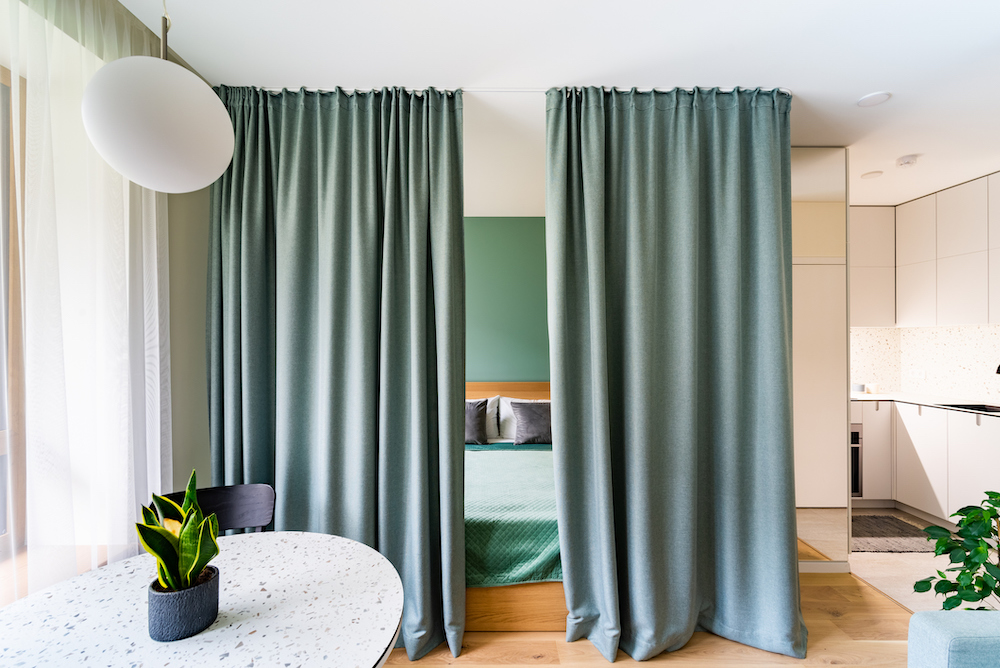
Hanging curtains from the ceiling offers a versatile and aesthetically pleasing alternative to traditional curtain rods, providing more creative control over a space. This method allows for unique curtain shapes and greater flexibility in panel placement, unlike rods which restrict curtains to a straight line above or flush against a window. Ceiling tracks are particularly advantageous for spaces with irregular ceiling lines or for those looking to create dynamic room divisions. For instance, curtains hung from the ceiling can serve as makeshift screens to separate a workspace from a living area, define a reading nook, or conceal electrical components and storage without making them permanently invisible. This technique is especially useful in retail settings, as demonstrated by Hannah Richtman's New York retail-event space, The Break, where ethereal ceiling-hung curtains transform into private changing areas or blend seamlessly into the all-white decor when not needed.
When considering this approach, the desired function of the curtains is paramount. Homeowners and designers should determine whether the curtains are intended for a unique display, a backdrop, an aesthetically pleasing storage compartment, or for controlling light exposure and altering the perceived size of a room. Richtman's experience at The Break highlighted the importance of aligning curtain function with existing space, ensuring the fitting rooms could be easily opened and closed and the curtains could blend with the surroundings. The configuration of the tracks should also complement the room's overall flow and furniture arrangement. Additionally, the ceiling's material and structure, such as uneven surfaces or exposed piping, must be taken into account to ensure compatibility and proper installation.
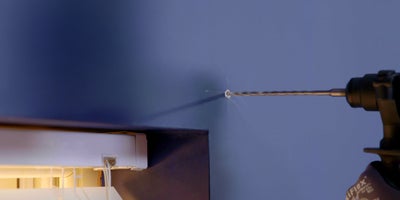
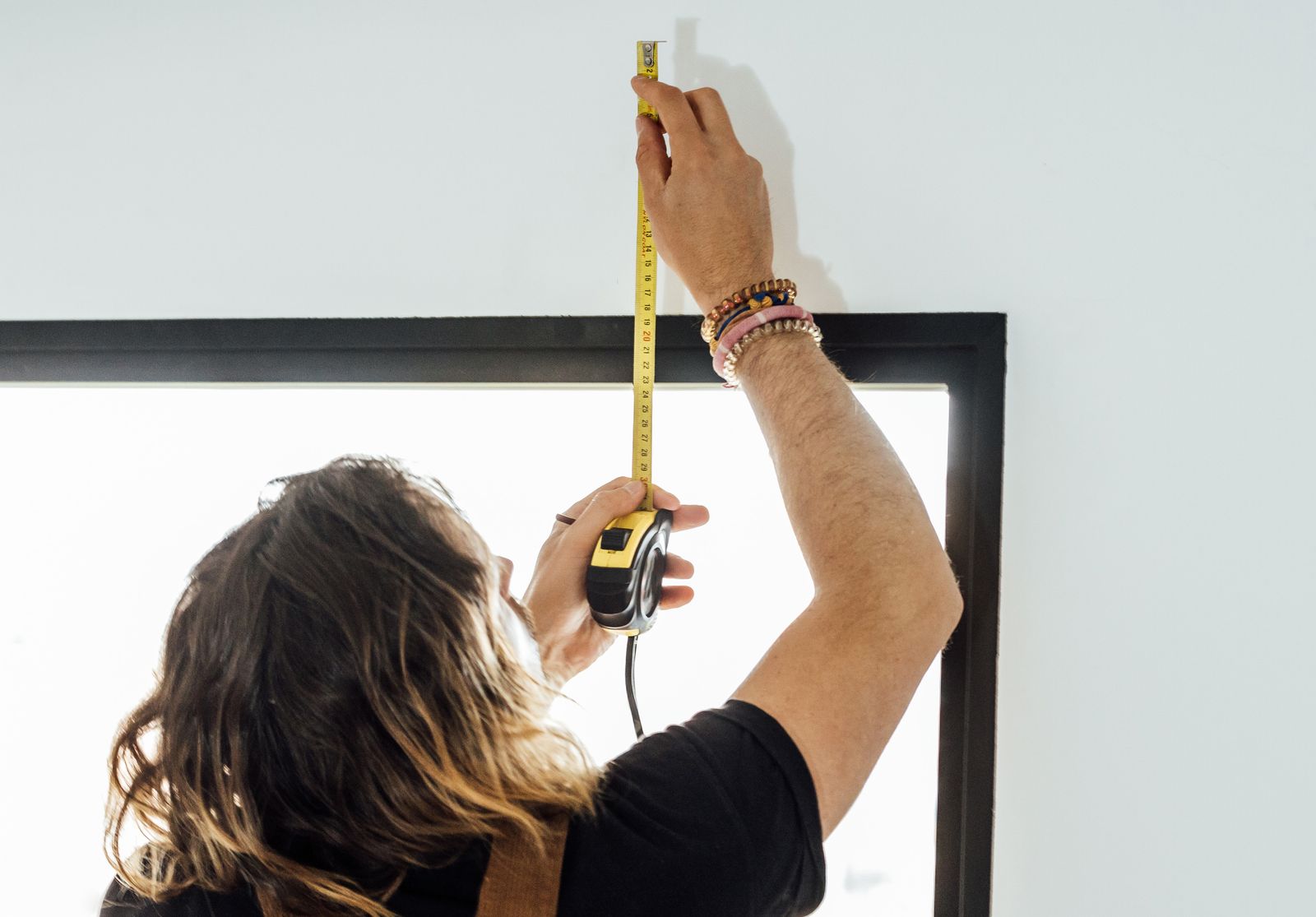
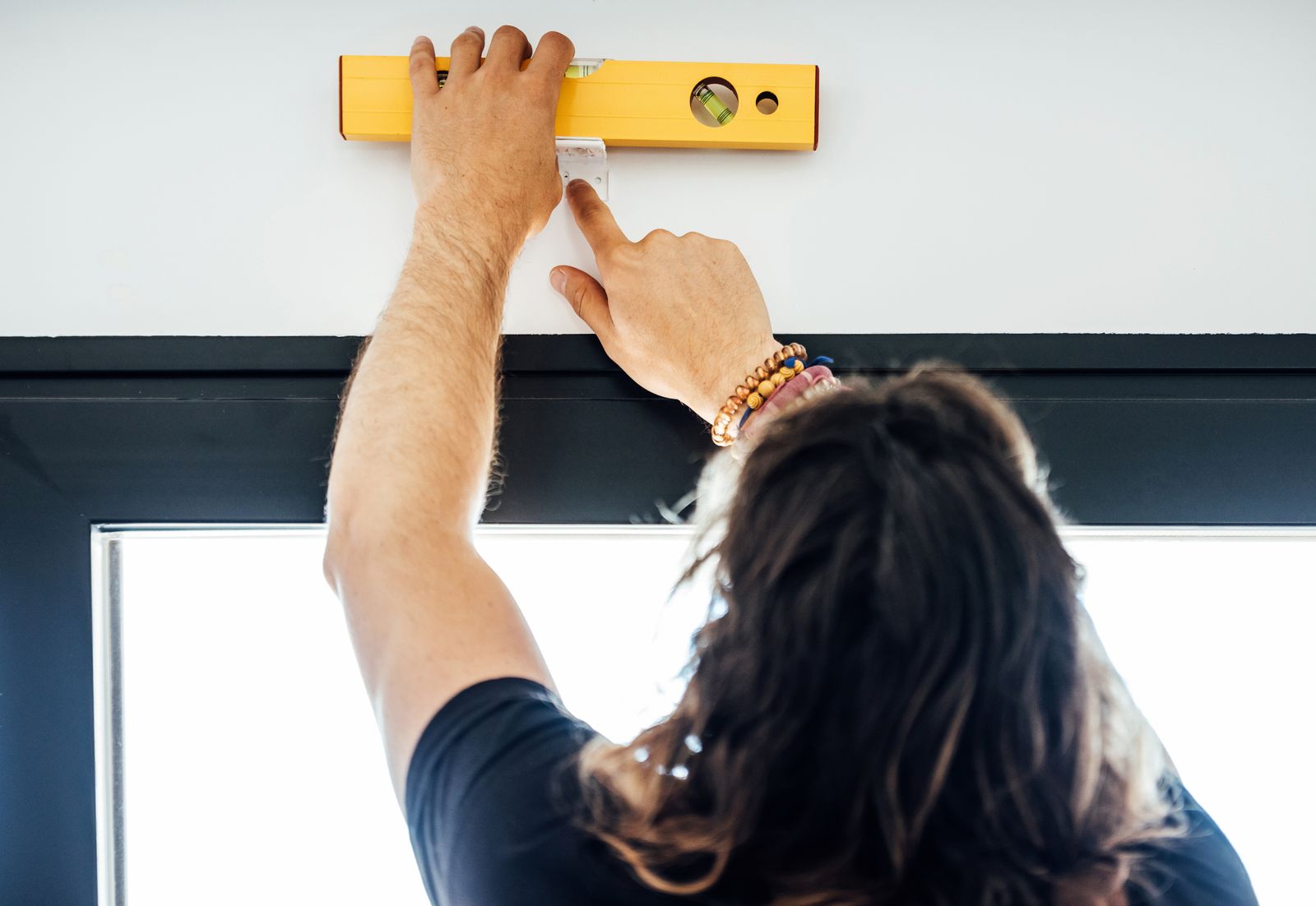
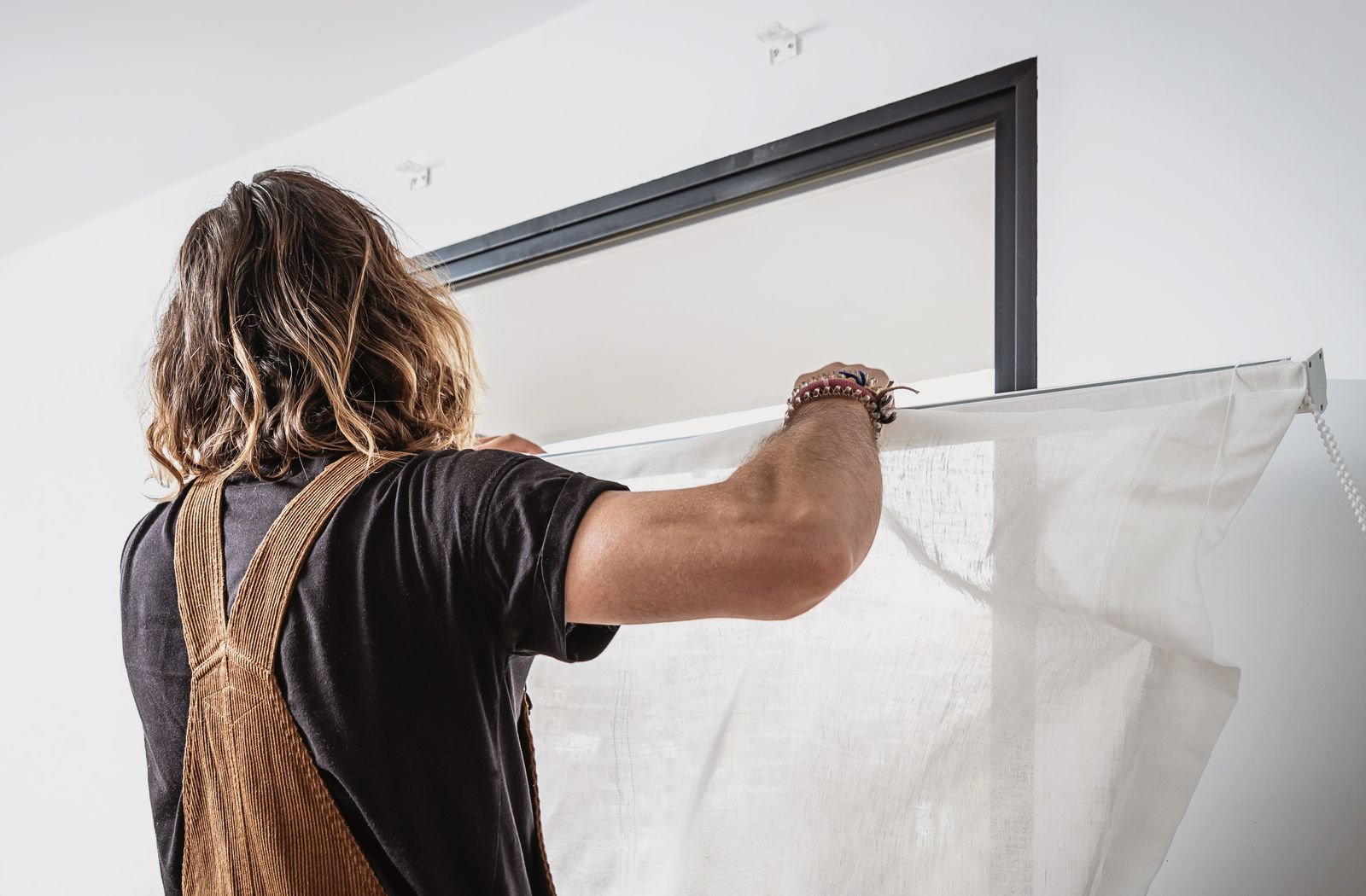
The process of installing ceiling-hung curtains involves several steps, starting with shaping the flexible track. The track, often pliable enough to be bent by hand, can be further softened with hot water if necessary. Next, the brackets are marked and mounted to the ceiling using a drill, drywall anchors, and screws. Following this, curtain hooks and rollers are assembled and slid onto the track. The track is then gently snapped into the mounted brackets, ensuring the roller/hook attachments face the floor. Finally, tab-top curtains are looped onto the hooks. Richtman emphasizes the importance of evenly distributing the curtain's weight, particularly for heavier fabrics, to prevent strain on the track and ceiling. For configurations that are not a full circle, duct tape can be used to secure the track ends, preventing curtains from sliding off. This method provides a sleek, modern look while offering practical solutions for space division and concealment, proving that the absence of walls does not mean a lack of defined spaces.
#CeilingCurtains #DIYHomeDecor #FlexibleCurtainTracks #RoomDividers #InteriorDesign #HomeRenovation #SpaceMaximization #CurtainInstallation #CreativeDecor #CeilingCurtains #DIYHomeDecor #FlexibleCurtainTracks #RoomDividers #InteriorDesign #HomeRenovation #SpaceMaximization #CurtainInstallation #CreativeDecor
0 comment in total
 No comments yet
You may also like
How to hang a curtain pole

The Best Curtain Rods


How to Hang Curtains the Way an Interior Designer Would — To Balance, Blur Lines, and Bring Impact to a Room


19 Ways to Use a Tension Rod That Goes Beyond Hanging Curtains


How to Hang Curtains: A Hassle-Free 5-Step Guide


These 8 designer-approved tricks will hide your curtain rod brackets – and help you create a more minimalist vibe

How To Hang Curtains Like A Professional
How to use a tension rod to make cute storage space anywhere in your home

Why aren't we all hanging our shower curtains from the ceiling? I'm convinced this is the cheapest, easiest switch to make your bathroom look more chic


How high to hang a curtain rod – experts explain how to make your room feel bigger with this simple trick
20 Best Curtain Rod Designs With Pictures In 2023


5 finishing touches that will elevate your curtains and make them look a hundred times better

The Easiest, Foolproof Way to Hang Curtains, According to Design Pro


How to hang plants from the ceiling - expert tips to add greenery overhead safely
The Best Shower Curtain Rods of 2026, Tested by Experts
11 Decorative Places to Hang Curtains Other Than Your Windows


4 renter-friendly ways to hang curtains without drilling, according to both DIY and interior experts

How high should I hang my curtains? The rules designers follow

Here's Proof the Viral Christmas Garland Hack Taking Over TikTok Actually Works

Hanging curtains: You’re probably doing it wrong