1/10
Window Treatments For Small Rooms That Will Add Privacy and Filter Light, But That Won't Overwhelm Your Space
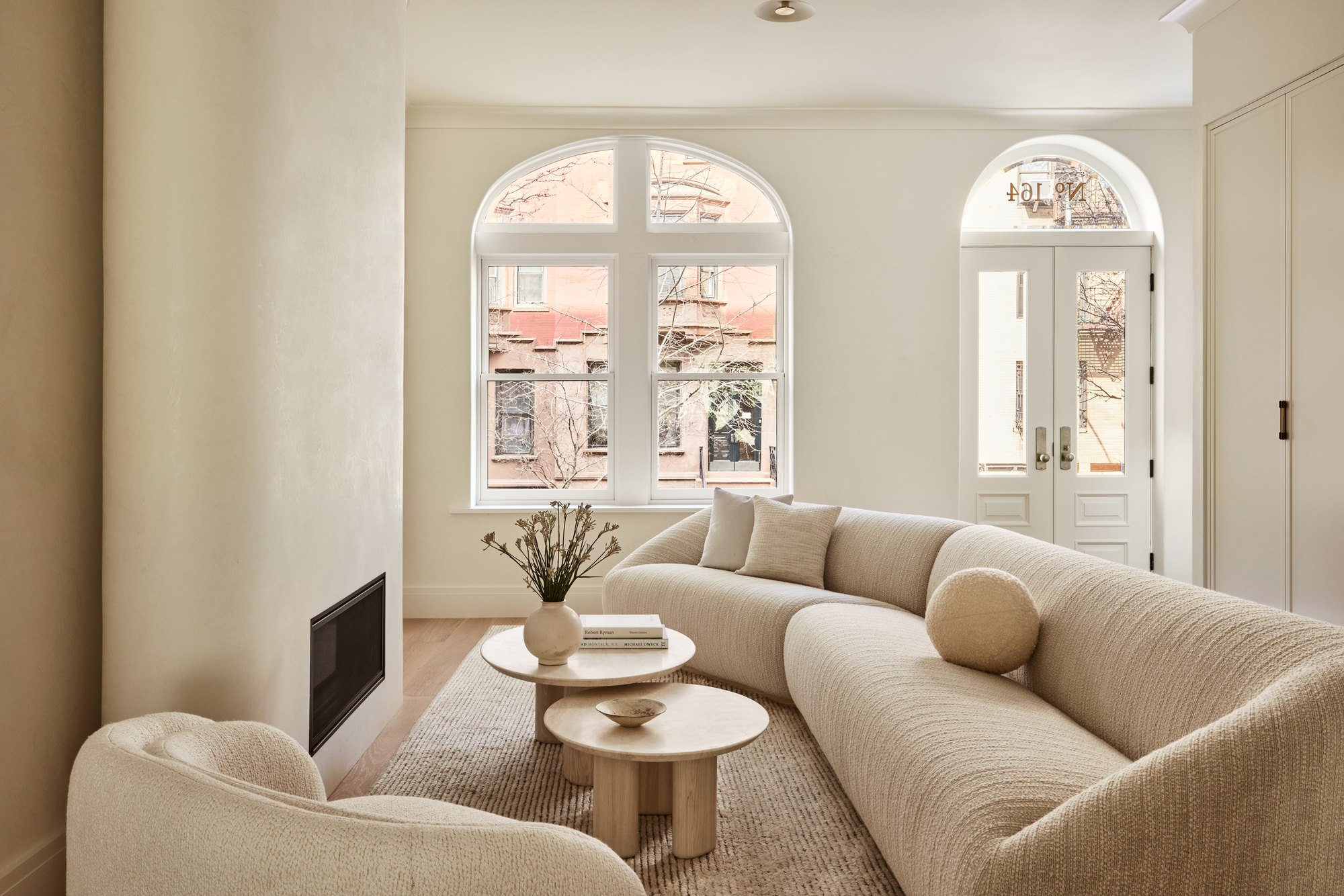
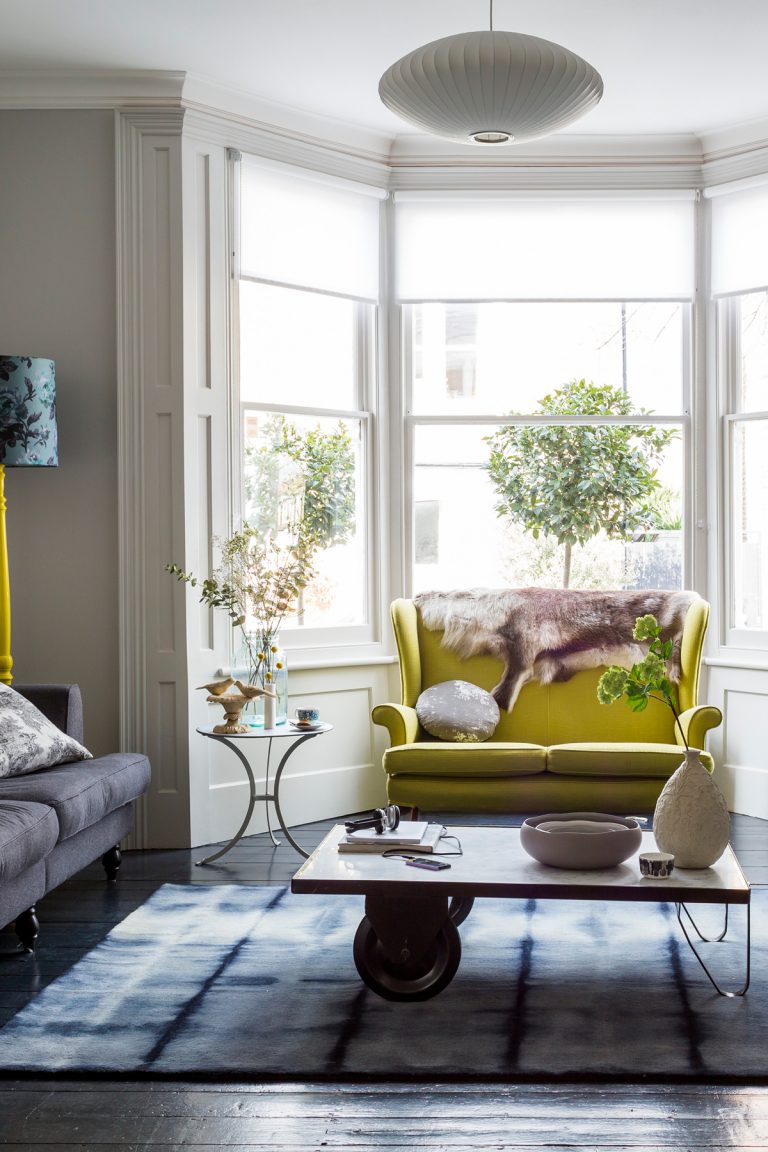
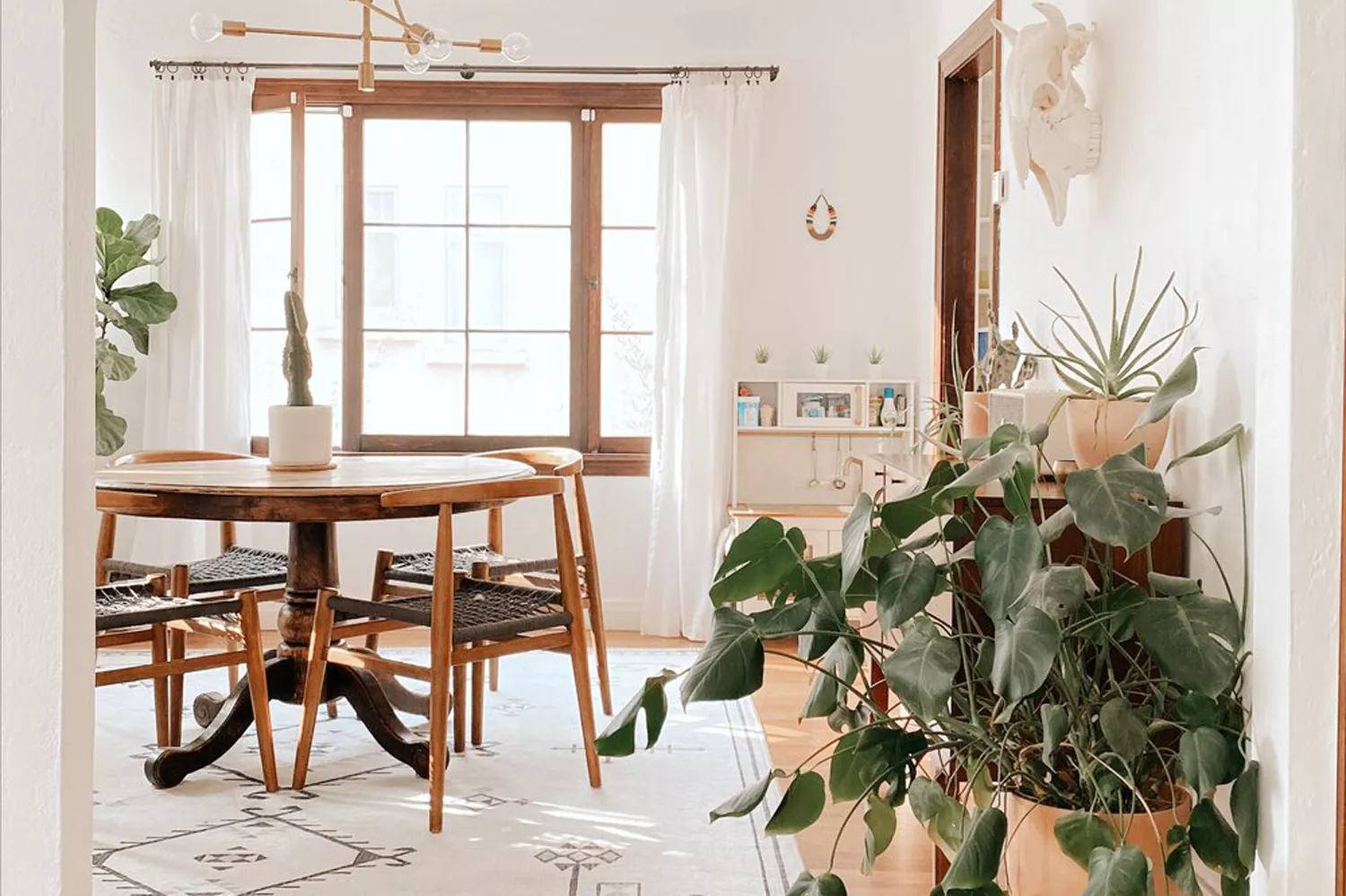
Selecting appropriate window treatments for small rooms involves balancing aesthetic appeal with practical functionality, focusing on privacy, light filtration, and an overall sense of openness. Interior designers emphasize that even in limited spaces, well-chosen window dressings can elevate the room's design and prevent it from feeling confined. Natural light is a crucial element in making small spaces feel expansive and airy, so the window treatments should facilitate ample sunlight while still providing necessary privacy.
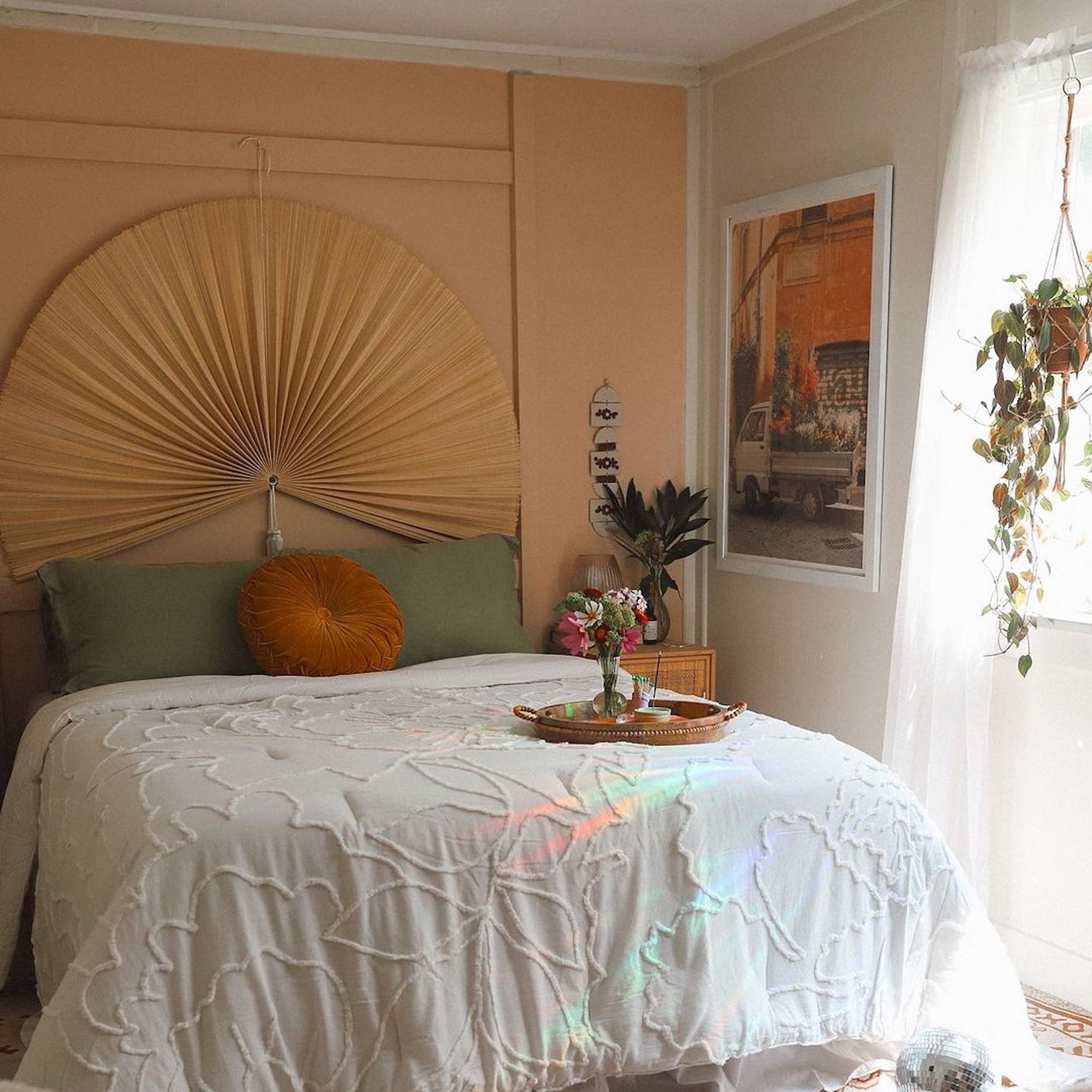
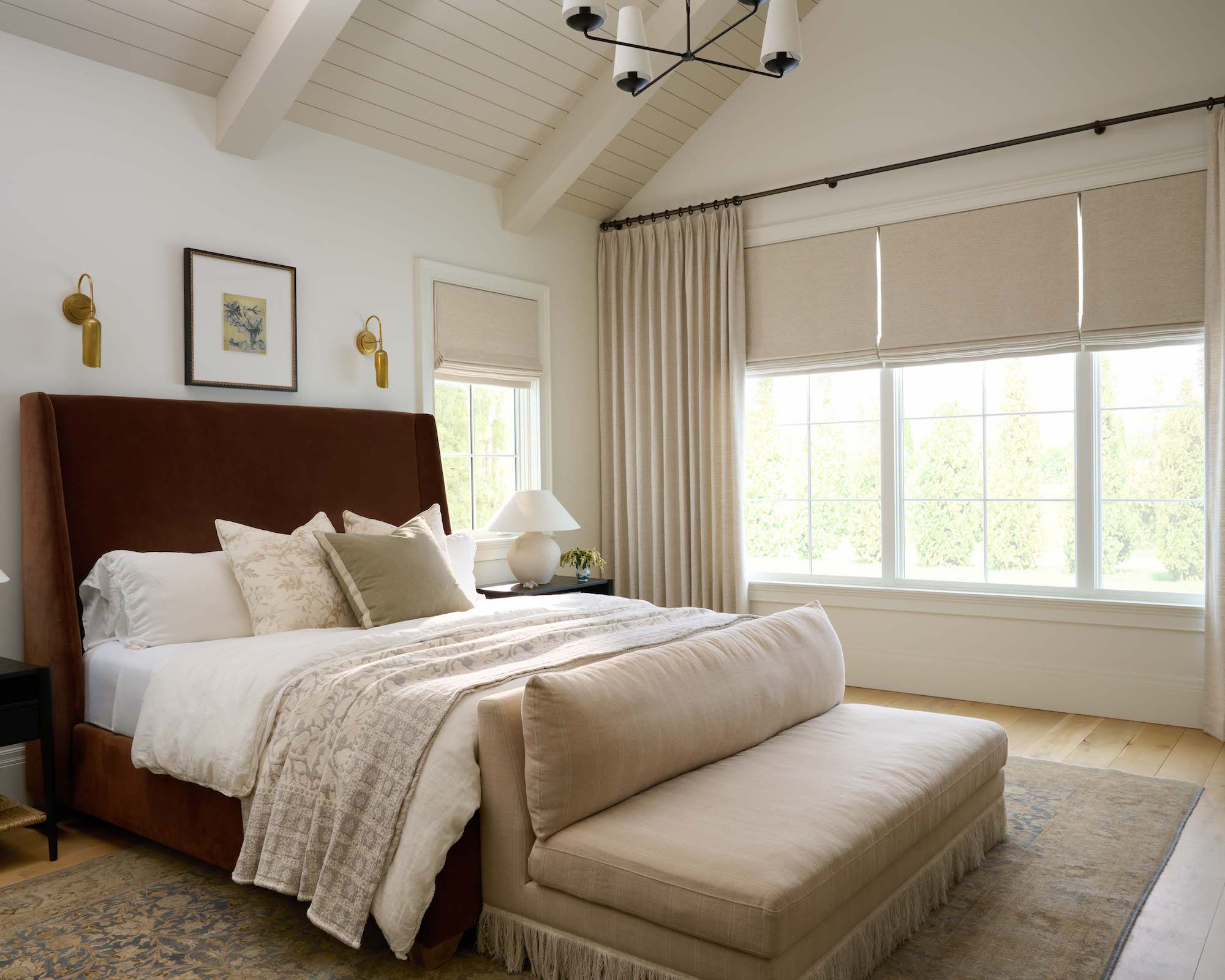
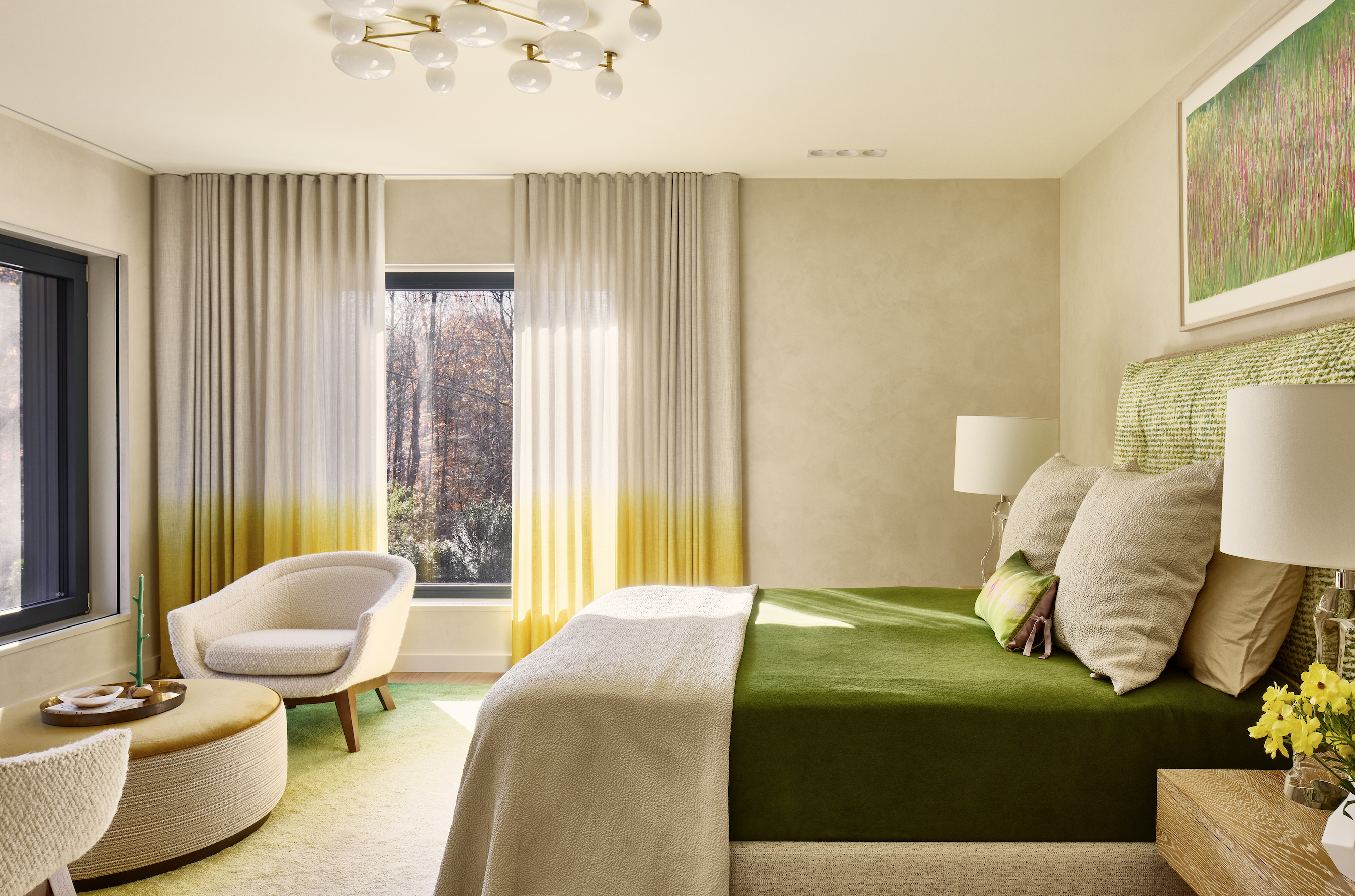
The level of privacy required varies significantly between rooms. For instance, a small bedroom might benefit from blackout lining in Roman shades or drapery, or a layered approach combining light, sheer curtains with shades to achieve both softness and high functionality. When it comes to fabric selection, organic textures like linens and cotton are highly recommended. The choice of fabric also depends on the room's style and the desired amount of light. For small rooms, maintaining a light atmosphere is generally preferred to create a fresh and airy feel.
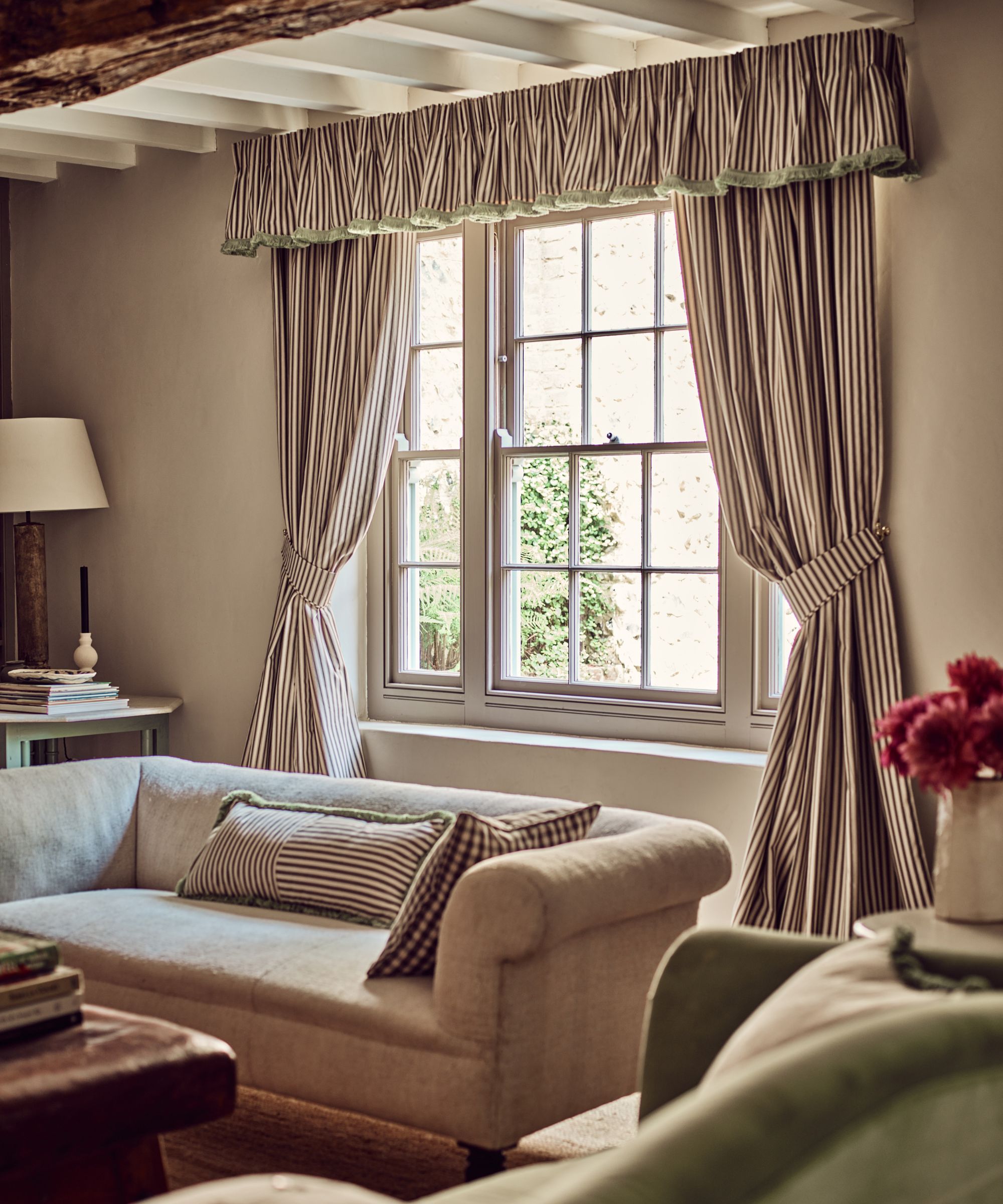
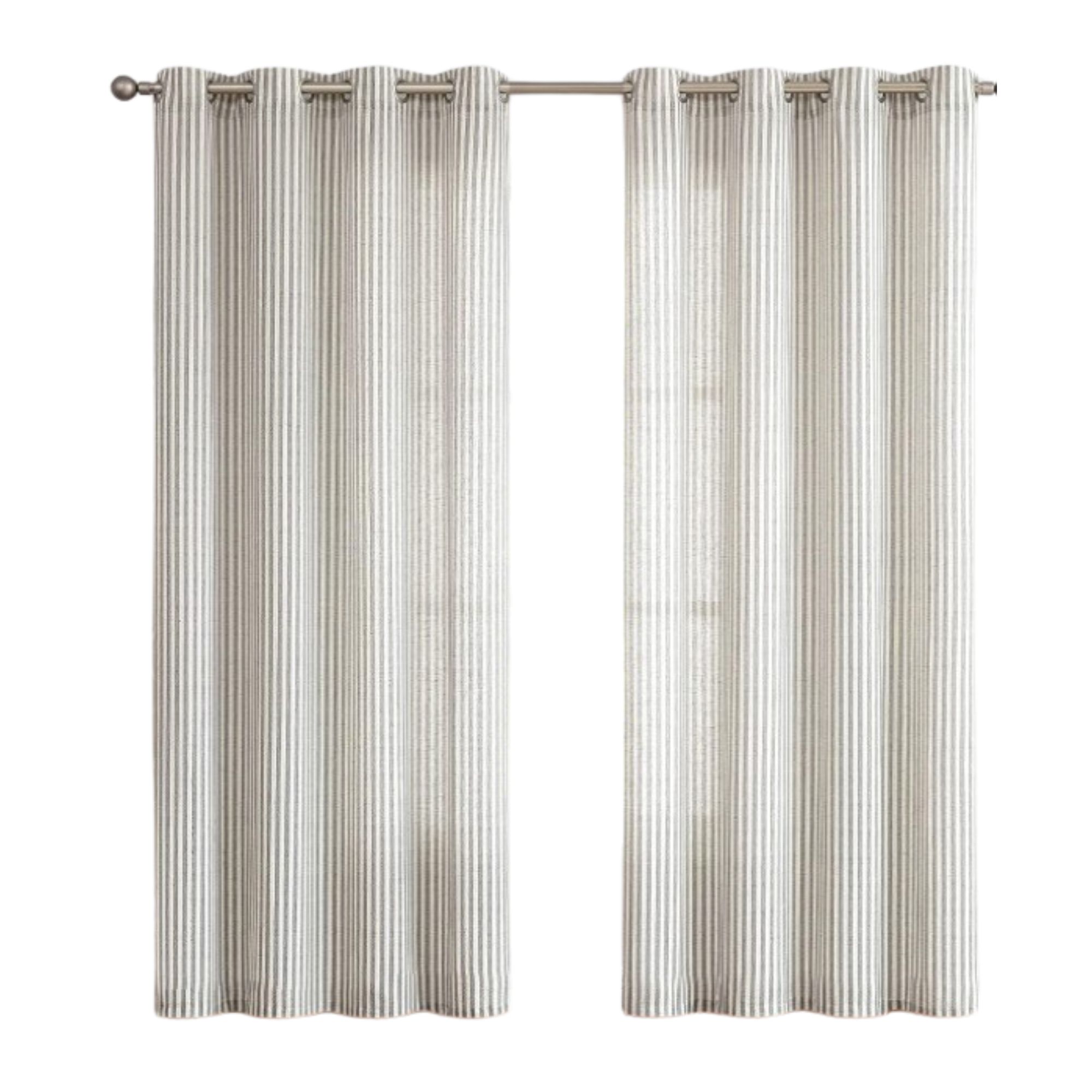
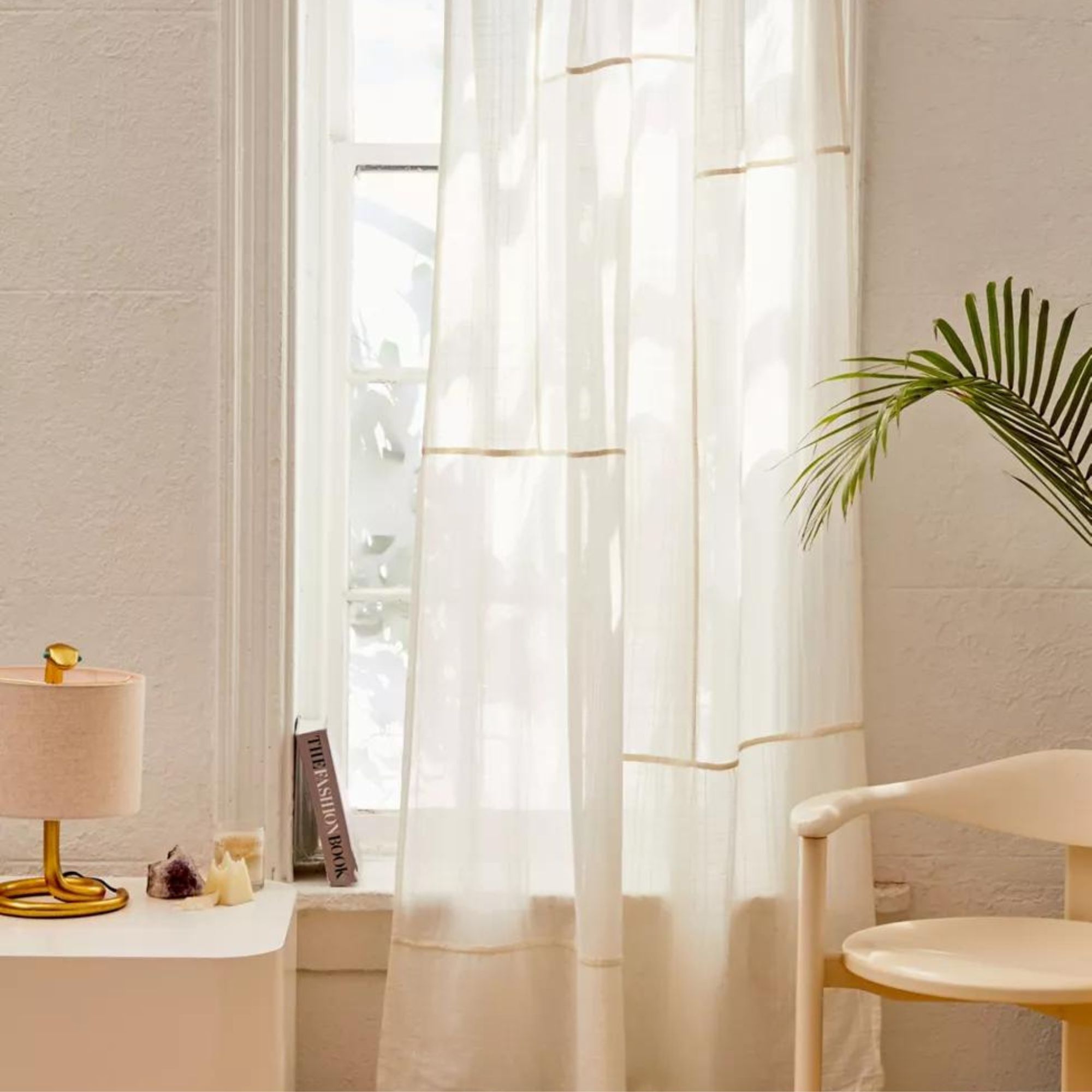
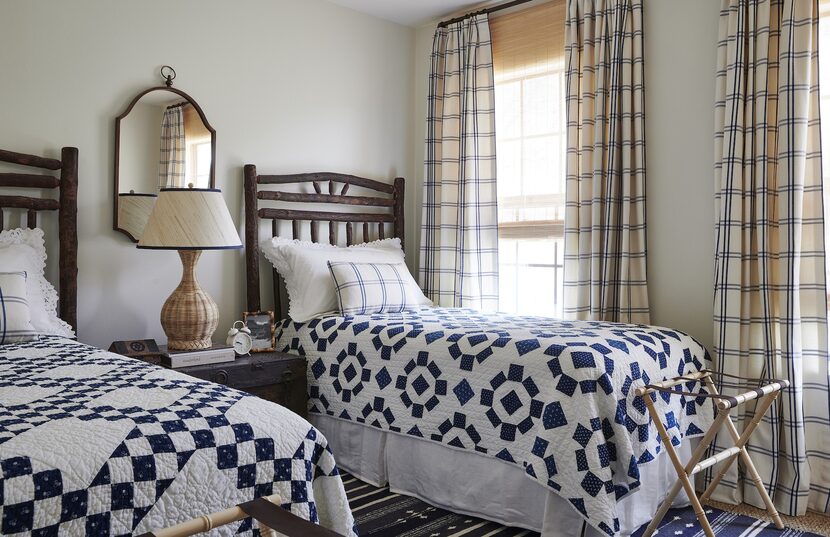
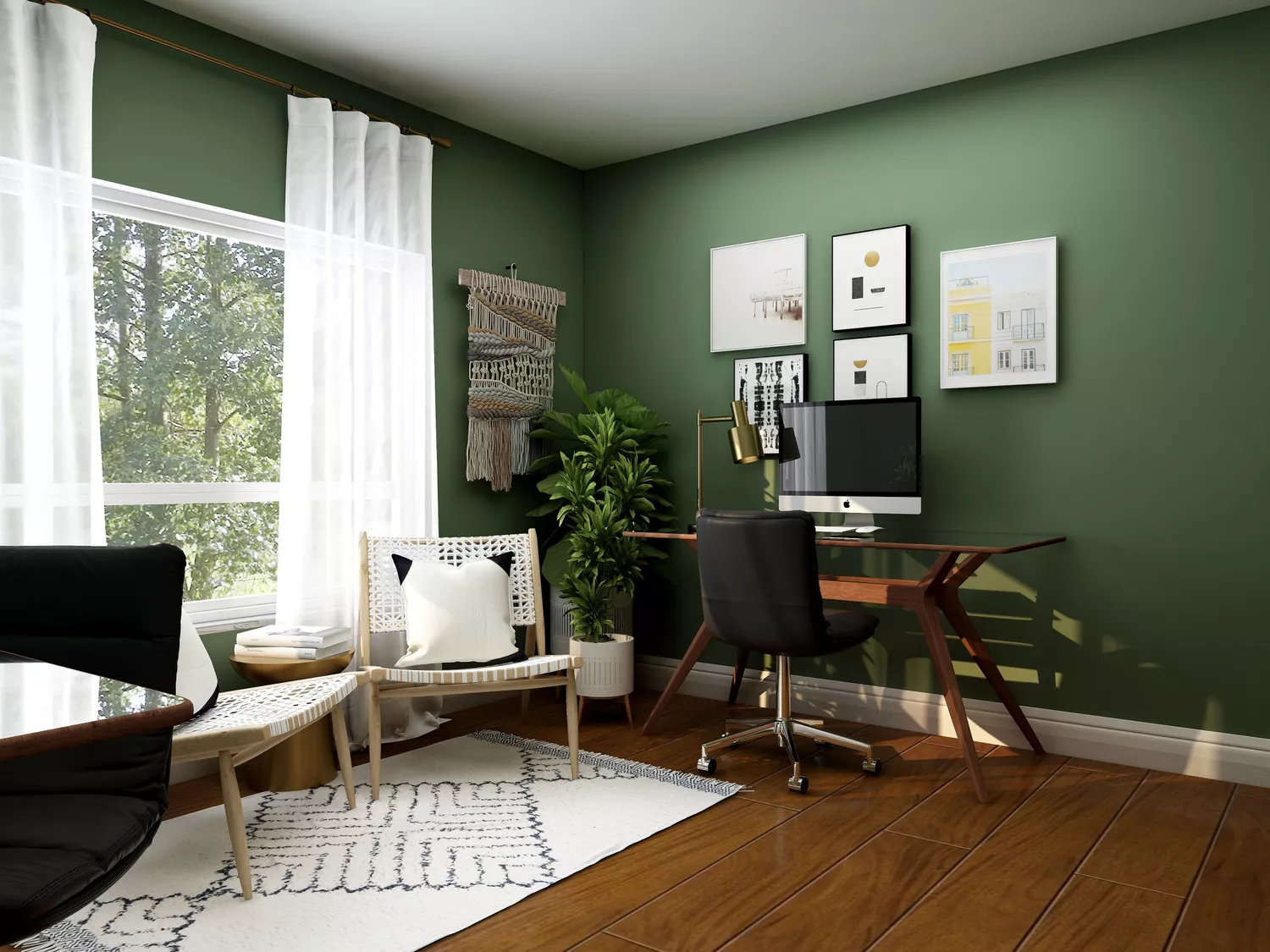
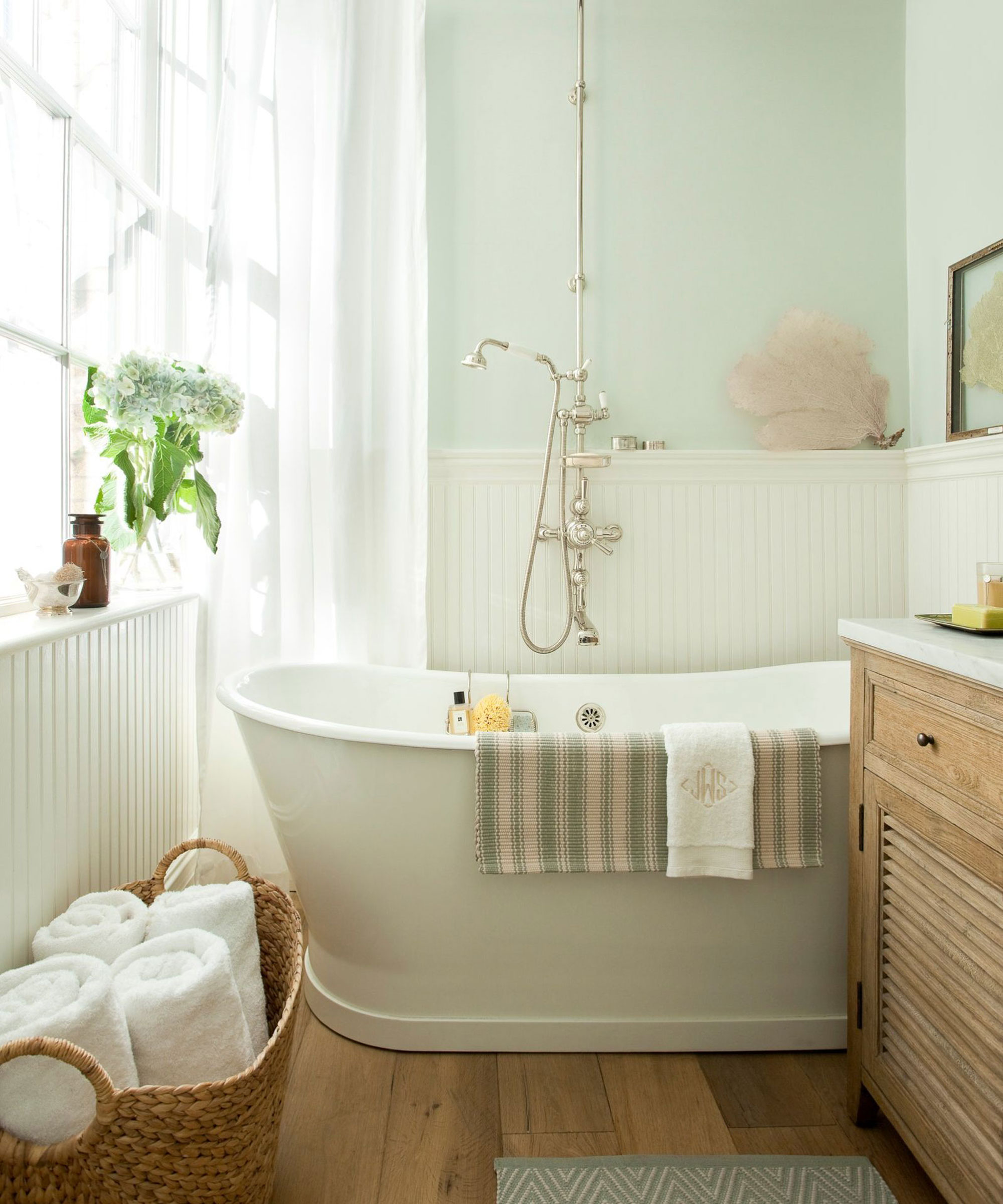
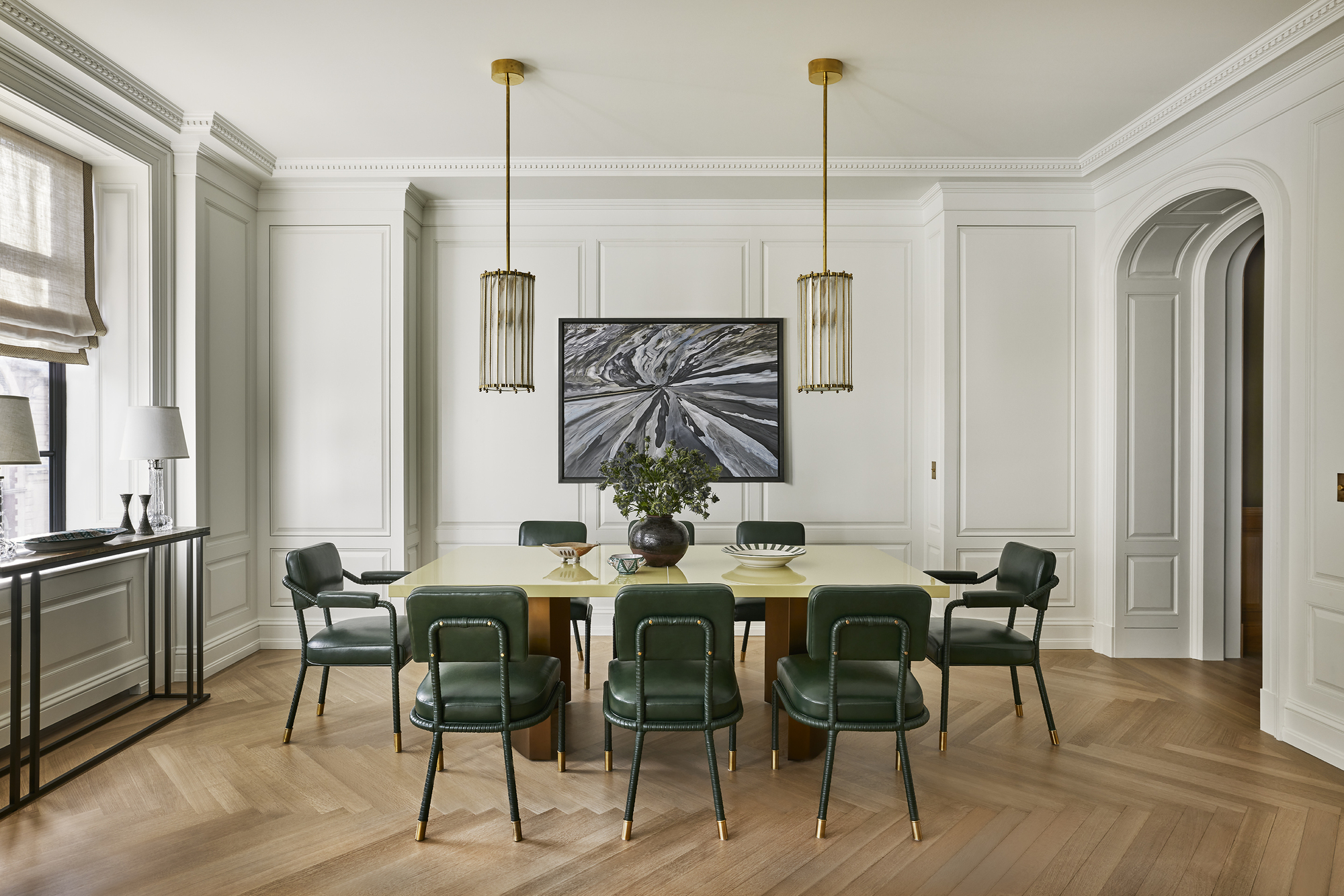
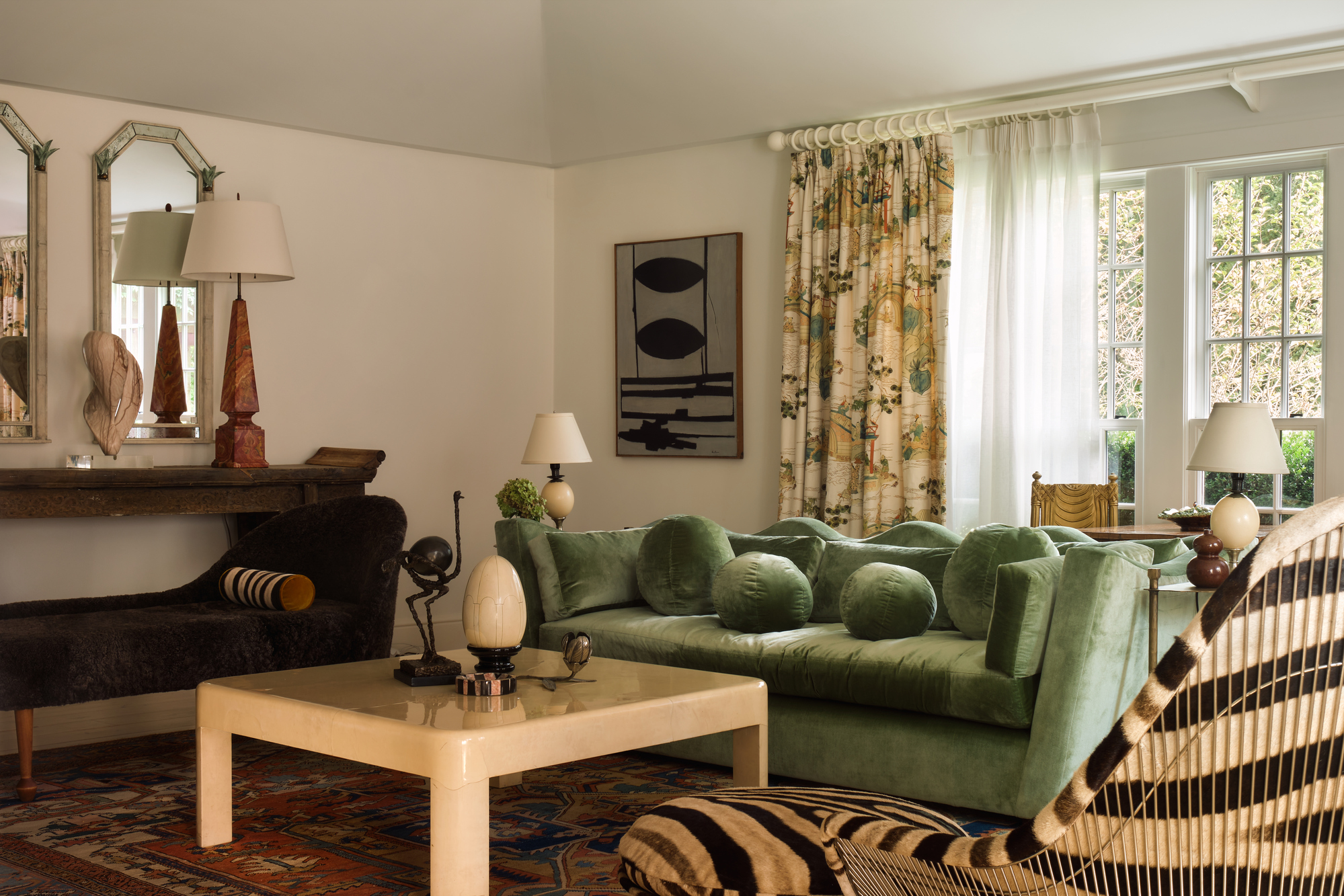
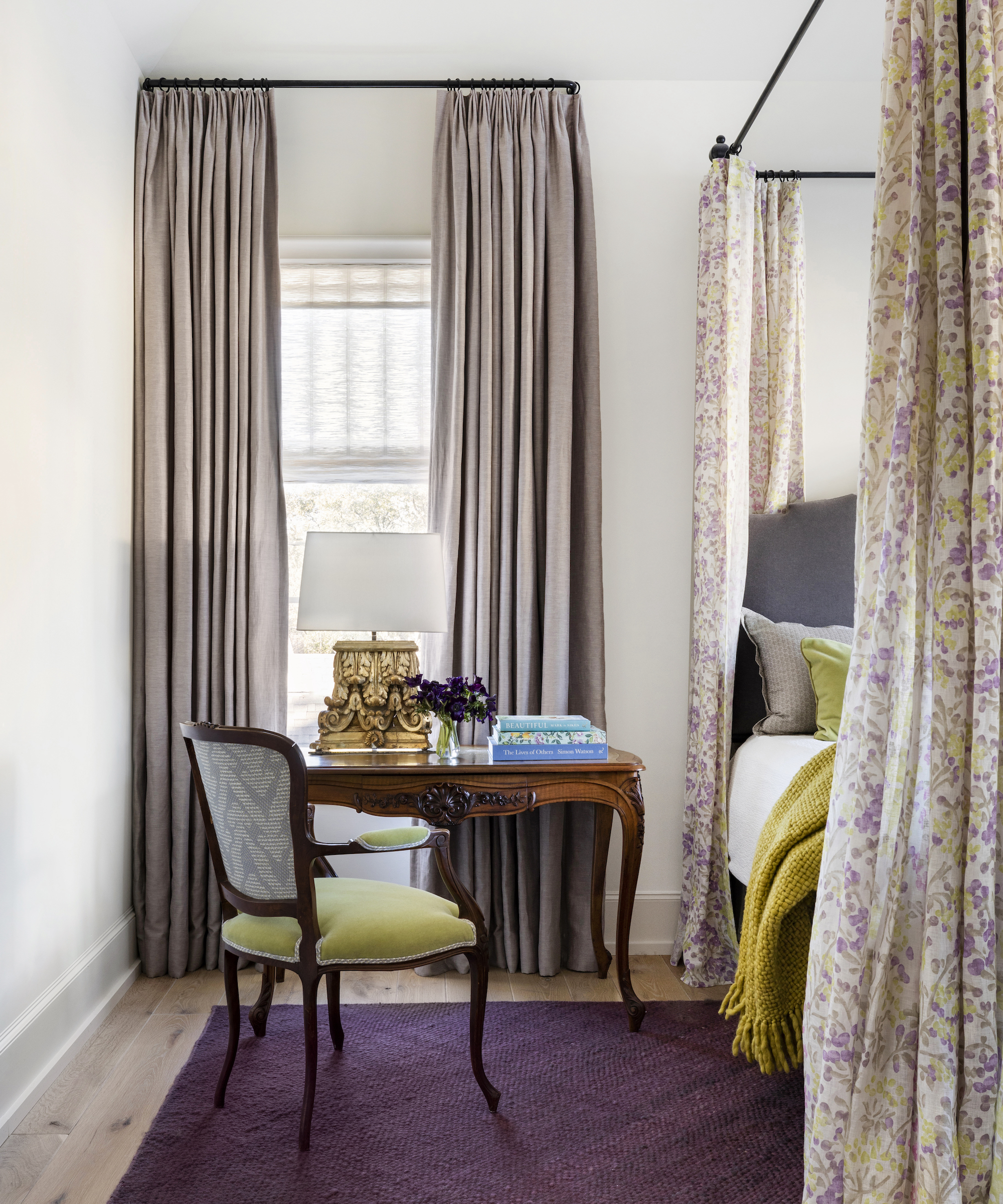
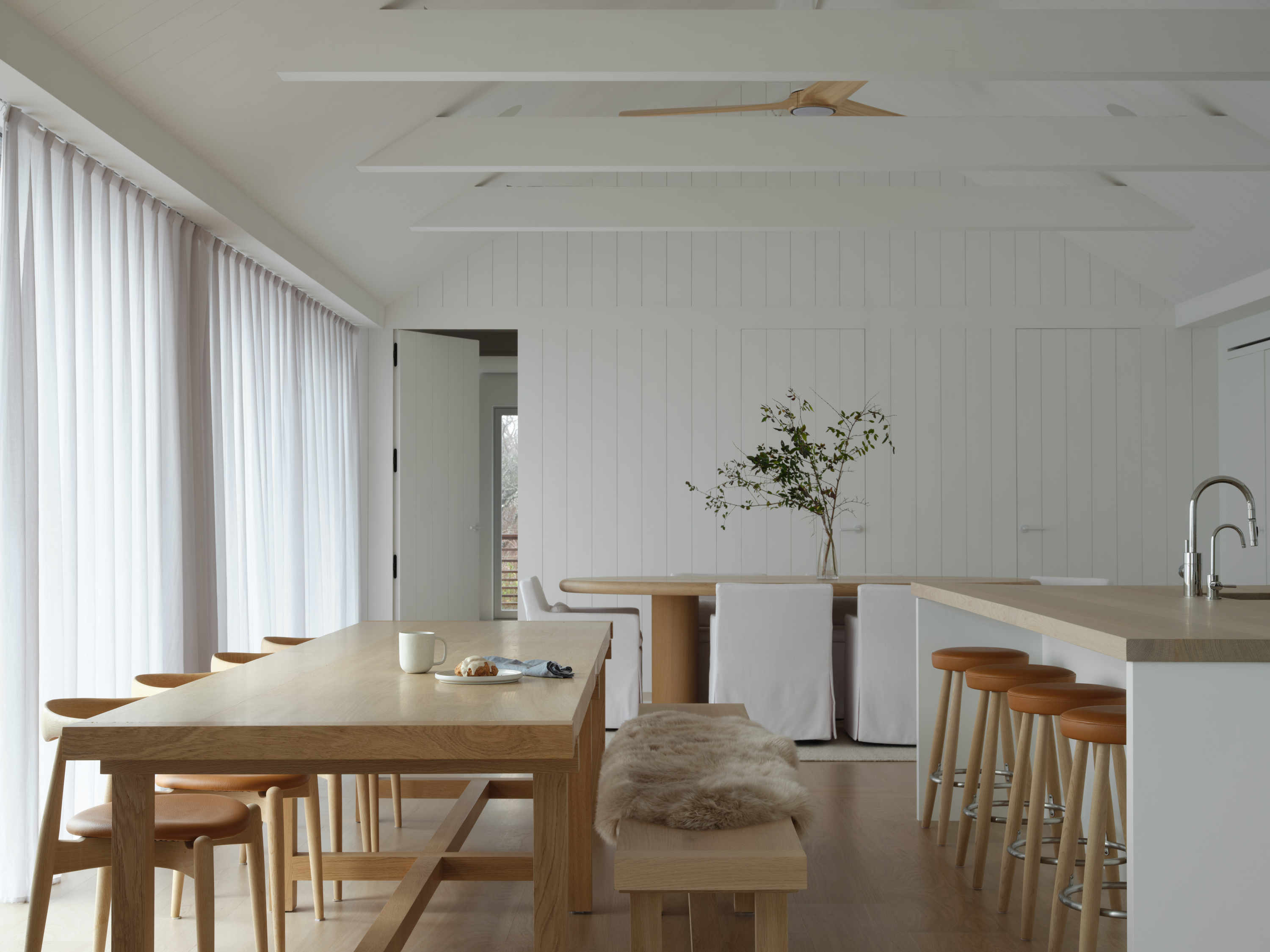
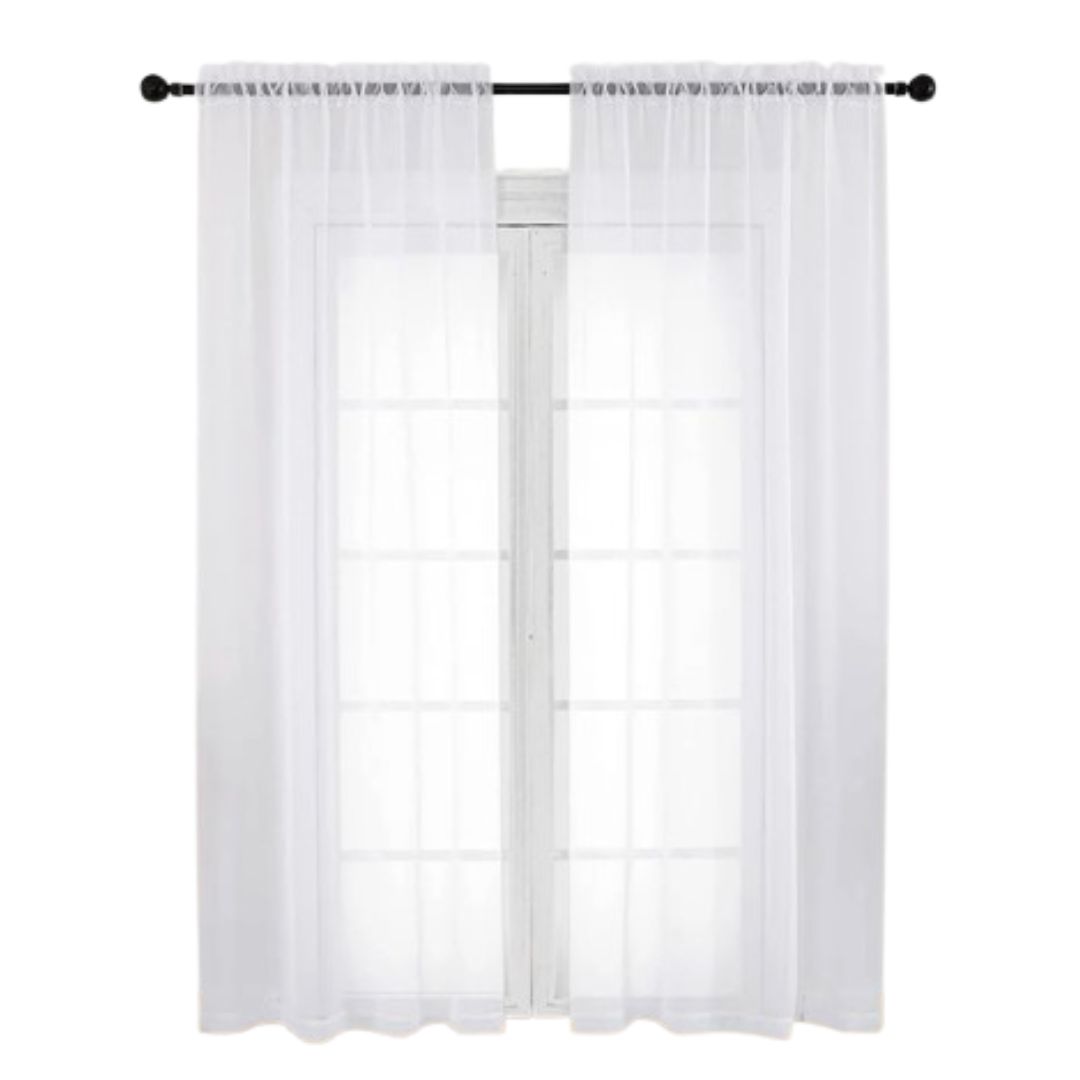
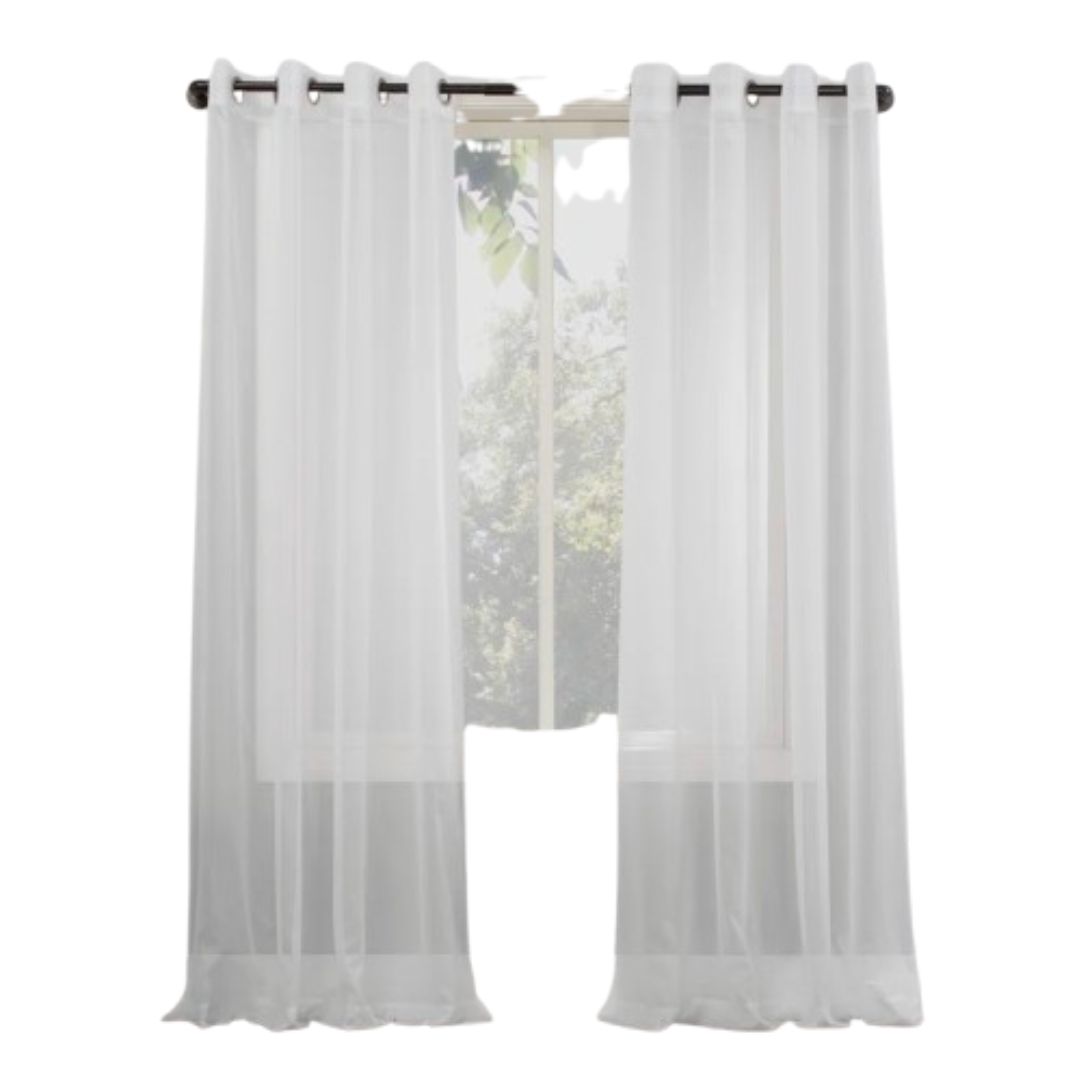
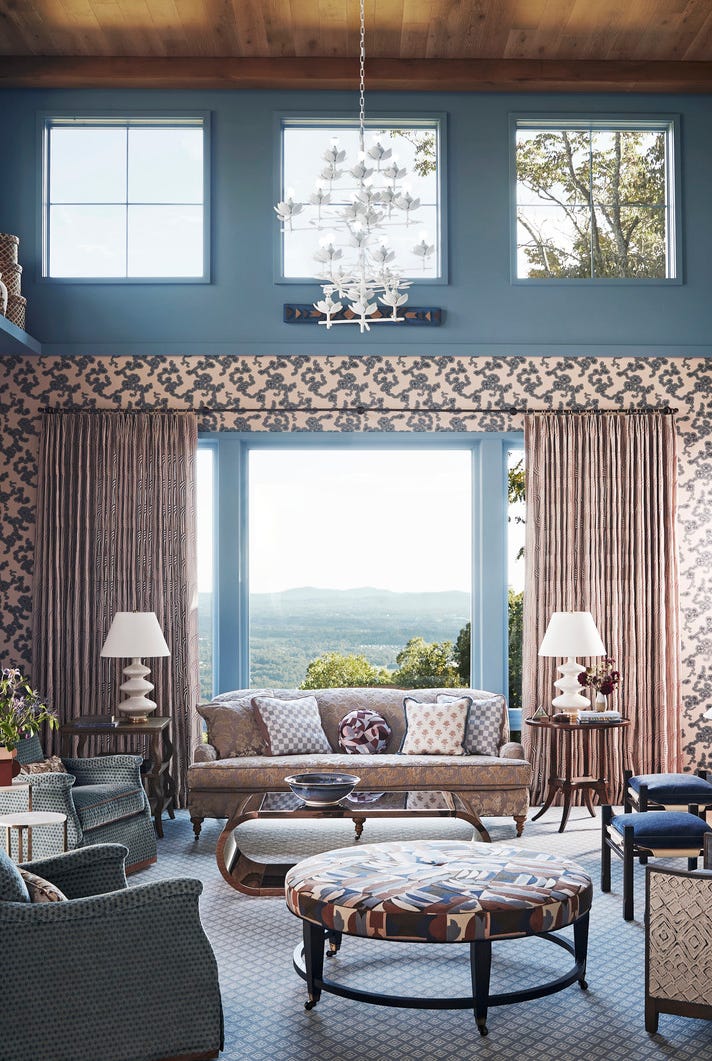
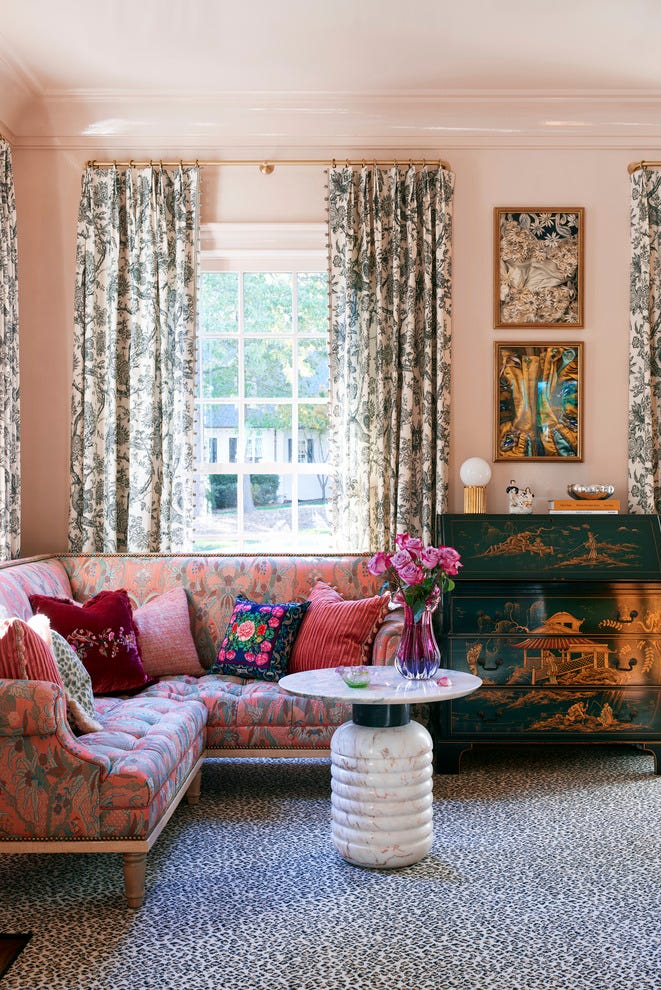
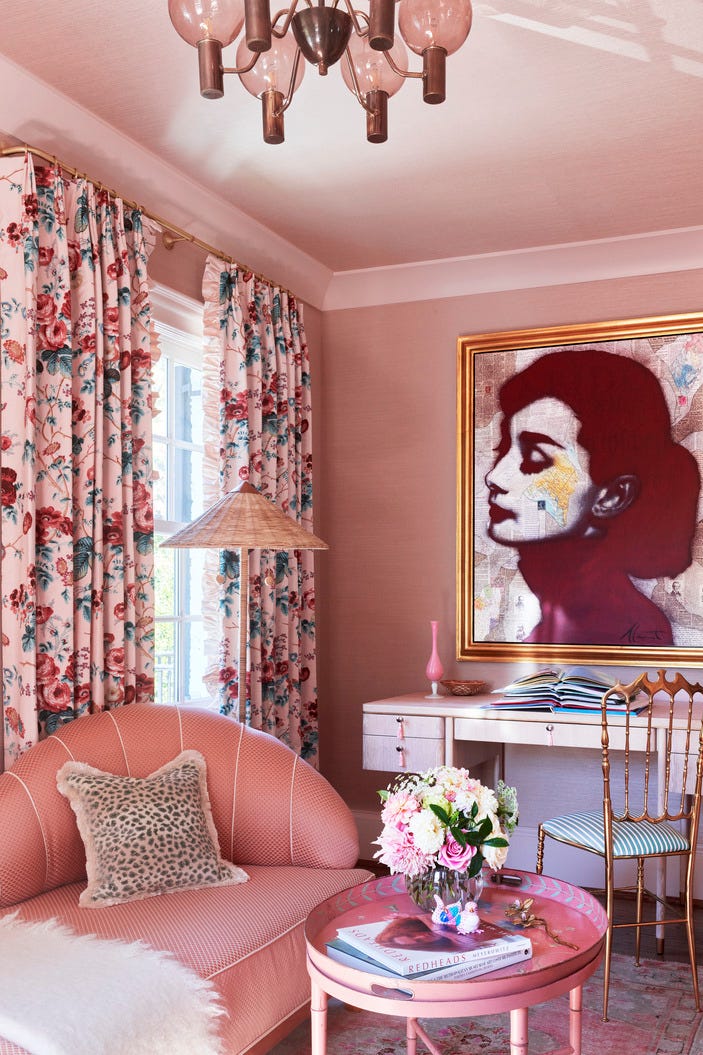
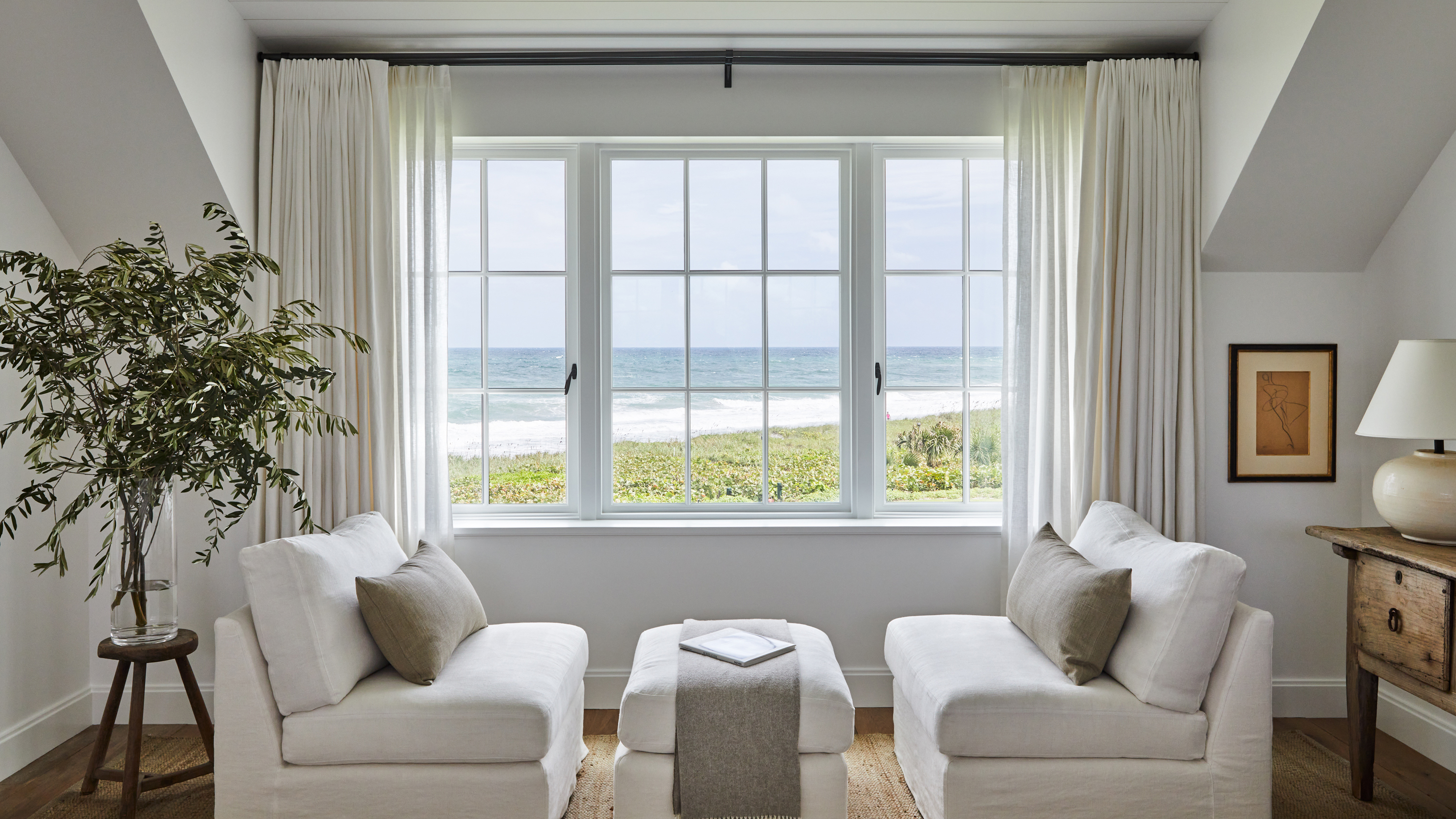
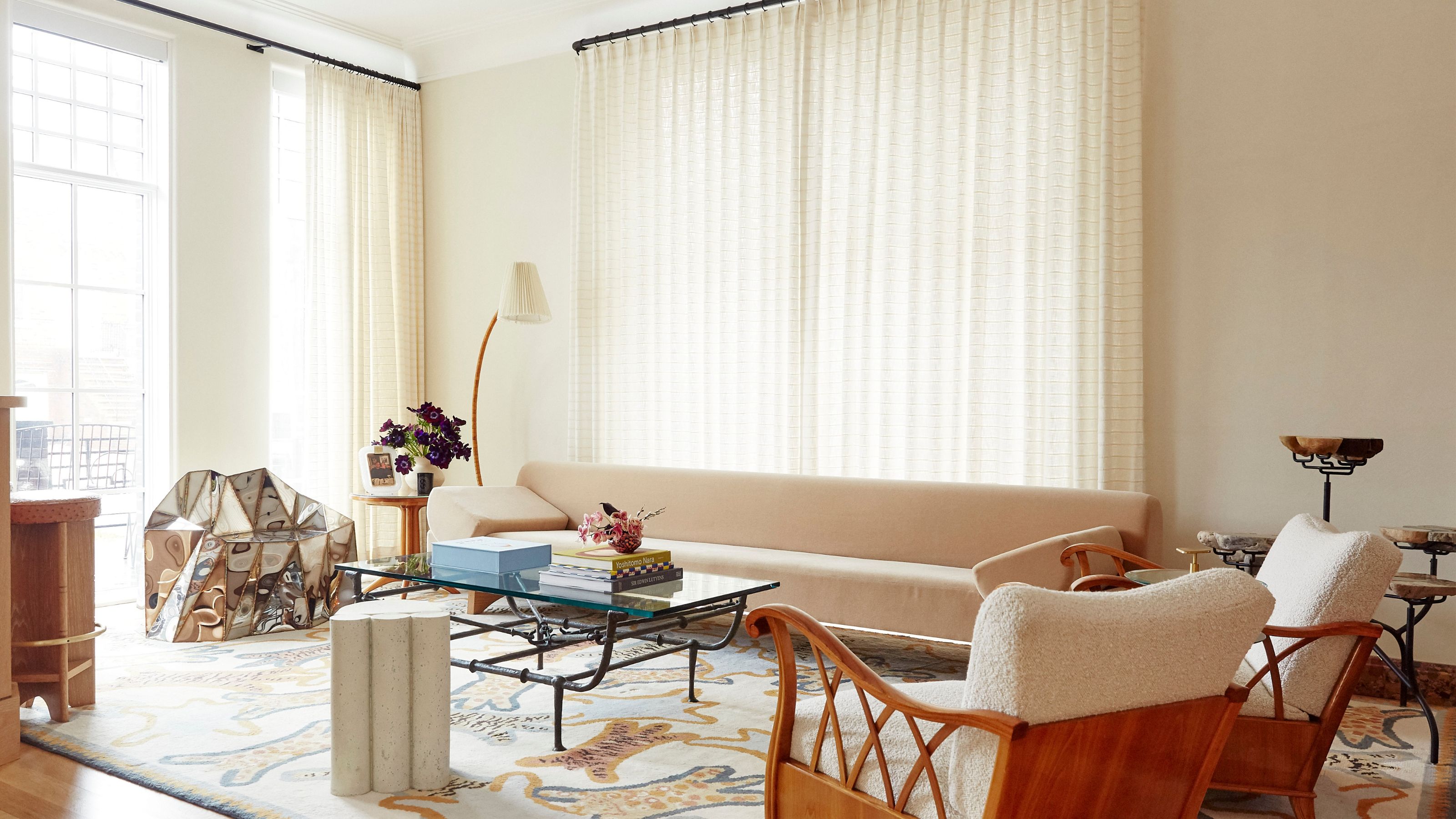
Joshua Smith, principal of Joshua Smith Inc., highlights the versatility of sheers, explaining that they introduce verticality and drapery without making a space feel heavy. Sheers soften the architectural lines of a room and allow light to filter through while still offering privacy, which is particularly beneficial during summer months when maximizing natural light is desired. Brad Ramsey, Principal and Founder of Nashville-based Brad Ramsey Interiors, notes that drapery is a popular and effective choice for both aesthetics and function, bringing softness and individuality to small spaces. He advises hanging curtain rods just below the ceiling line, rather than directly above the window, to create an illusion of height and make the room appear larger.
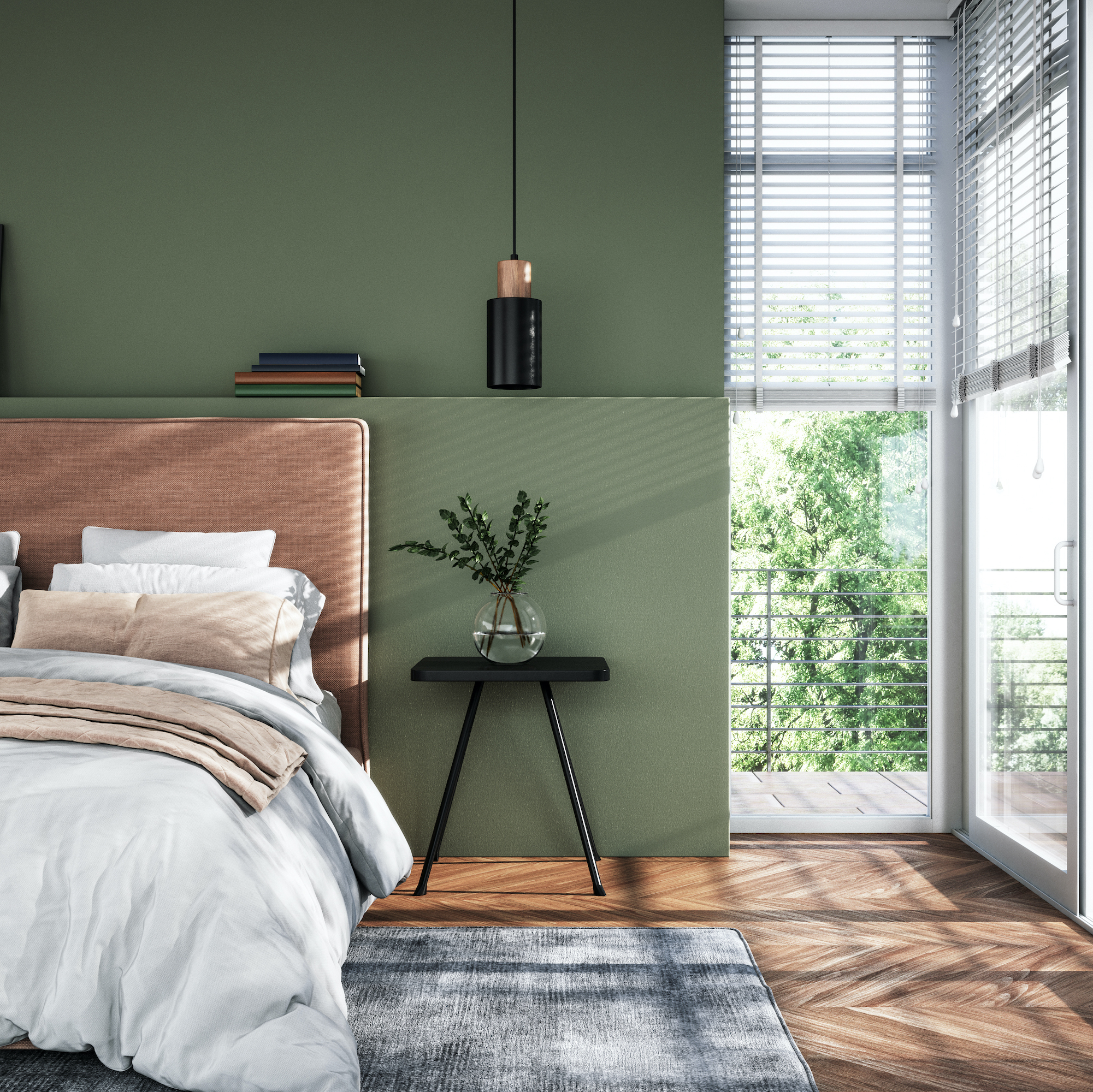
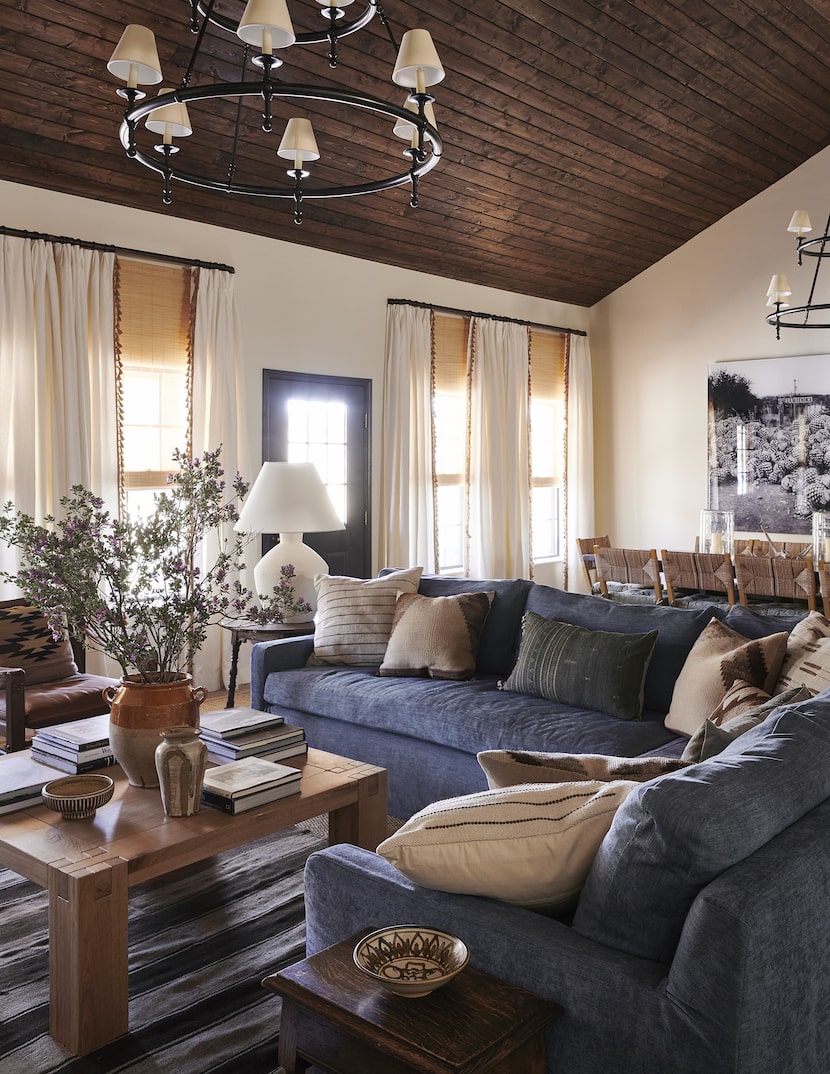
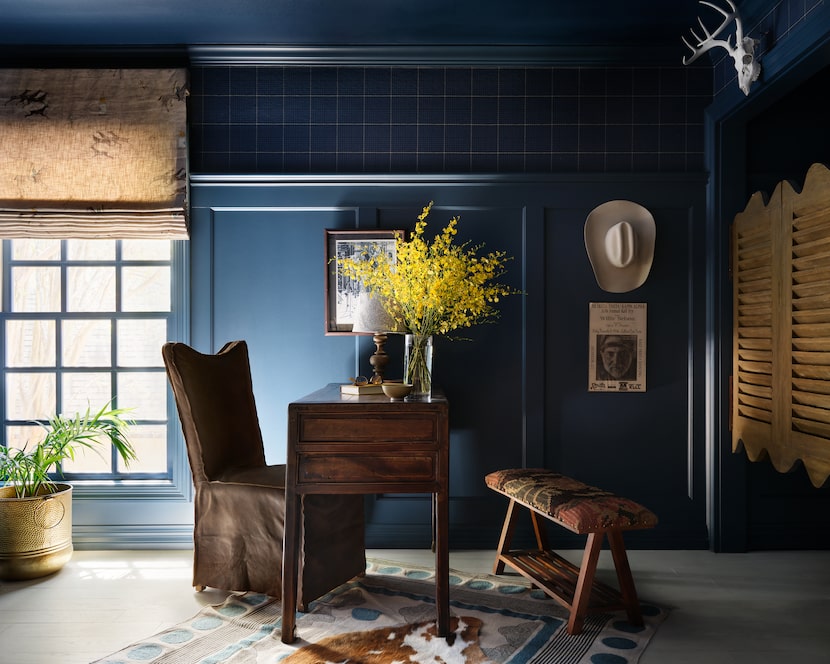
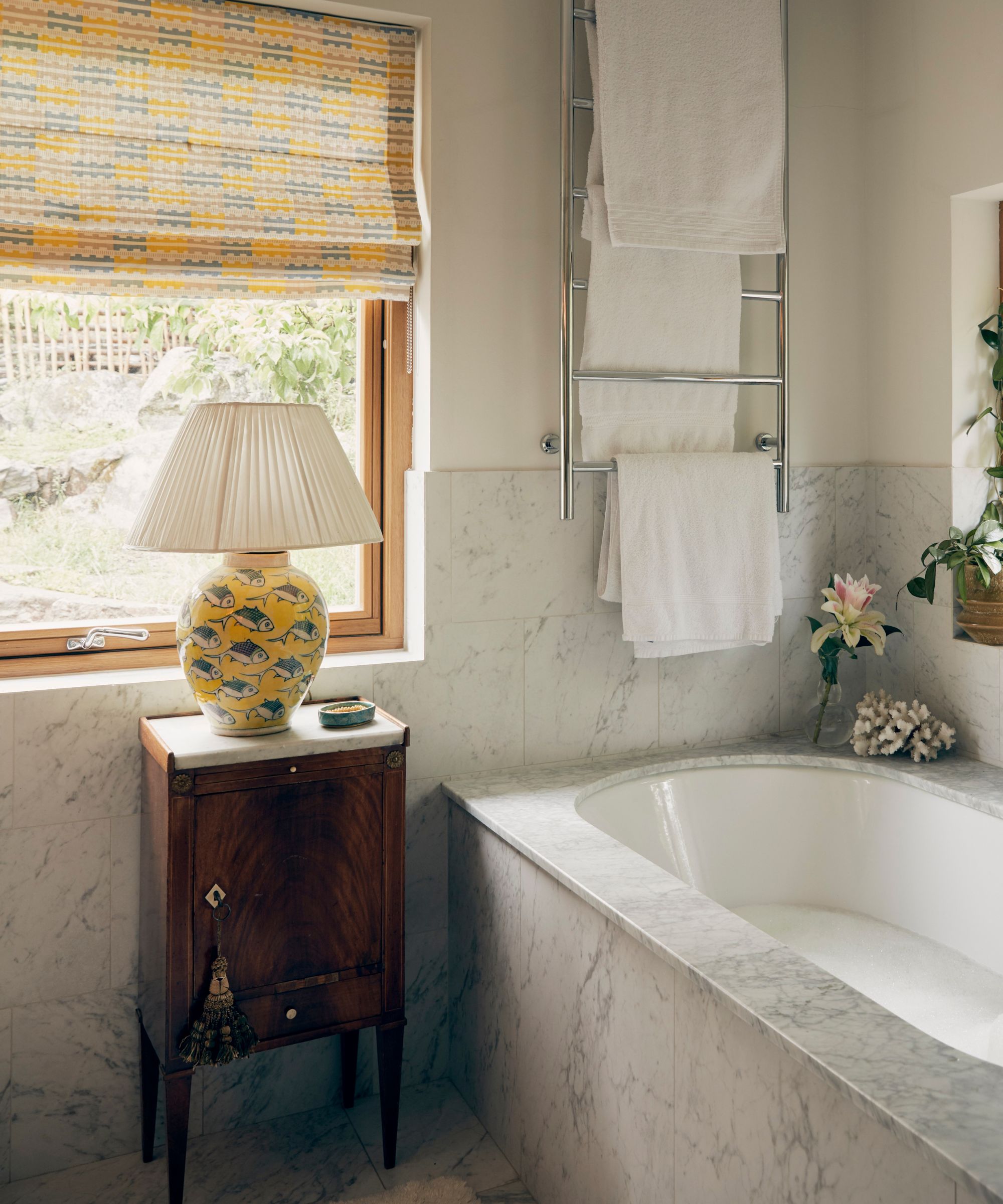
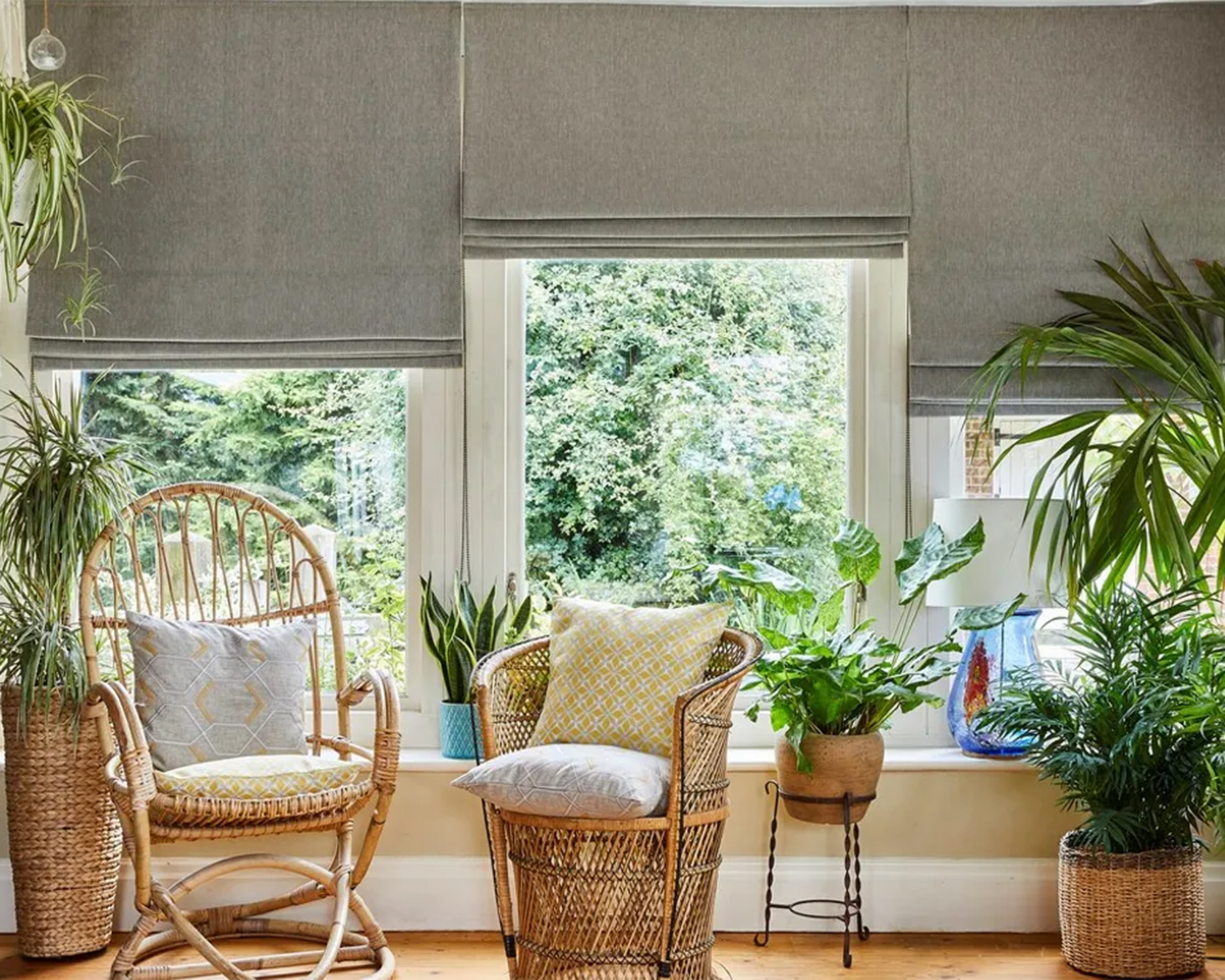
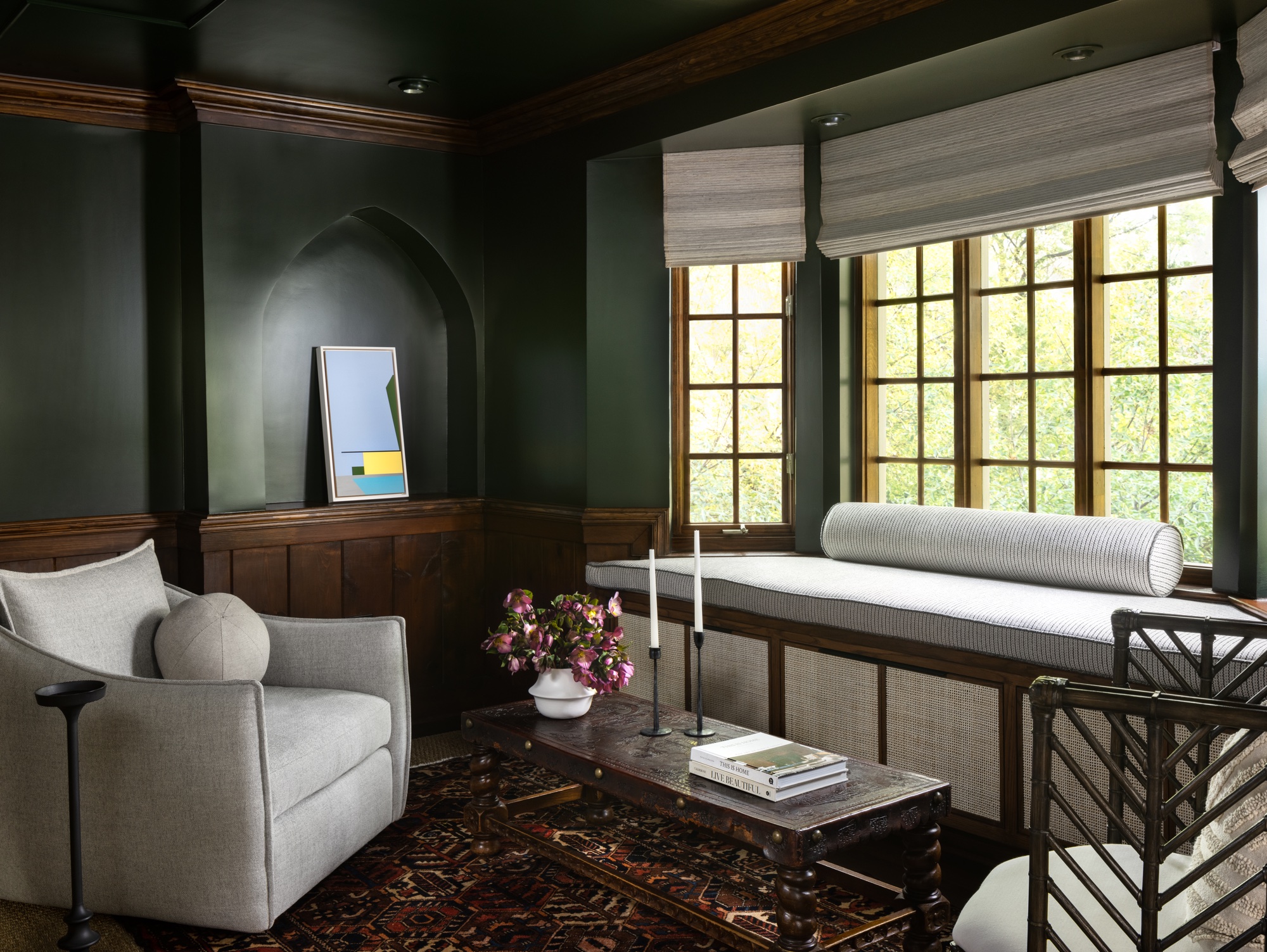
Ramsey advocates for ripplefold drapes, which offer a clean, architectural look without traditional pinches or pleats. For those who prefer blinds, woven shades are a stylish and timeless option, adding texture and warmth while ensuring privacy. These are particularly suitable for small kitchens and bathrooms, where texture can compensate for a lack of color or pattern. Woven shades can be used independently or layered with other treatments, such as sheer drapery, to enhance both function and aesthetic appeal. Marie Flanigan, principal of Marie Flanigan Interiors, frequently combines woven wood shades with sheer drapery for a balanced effect, noting that woven woods can be customized with privacy or blackout linings.
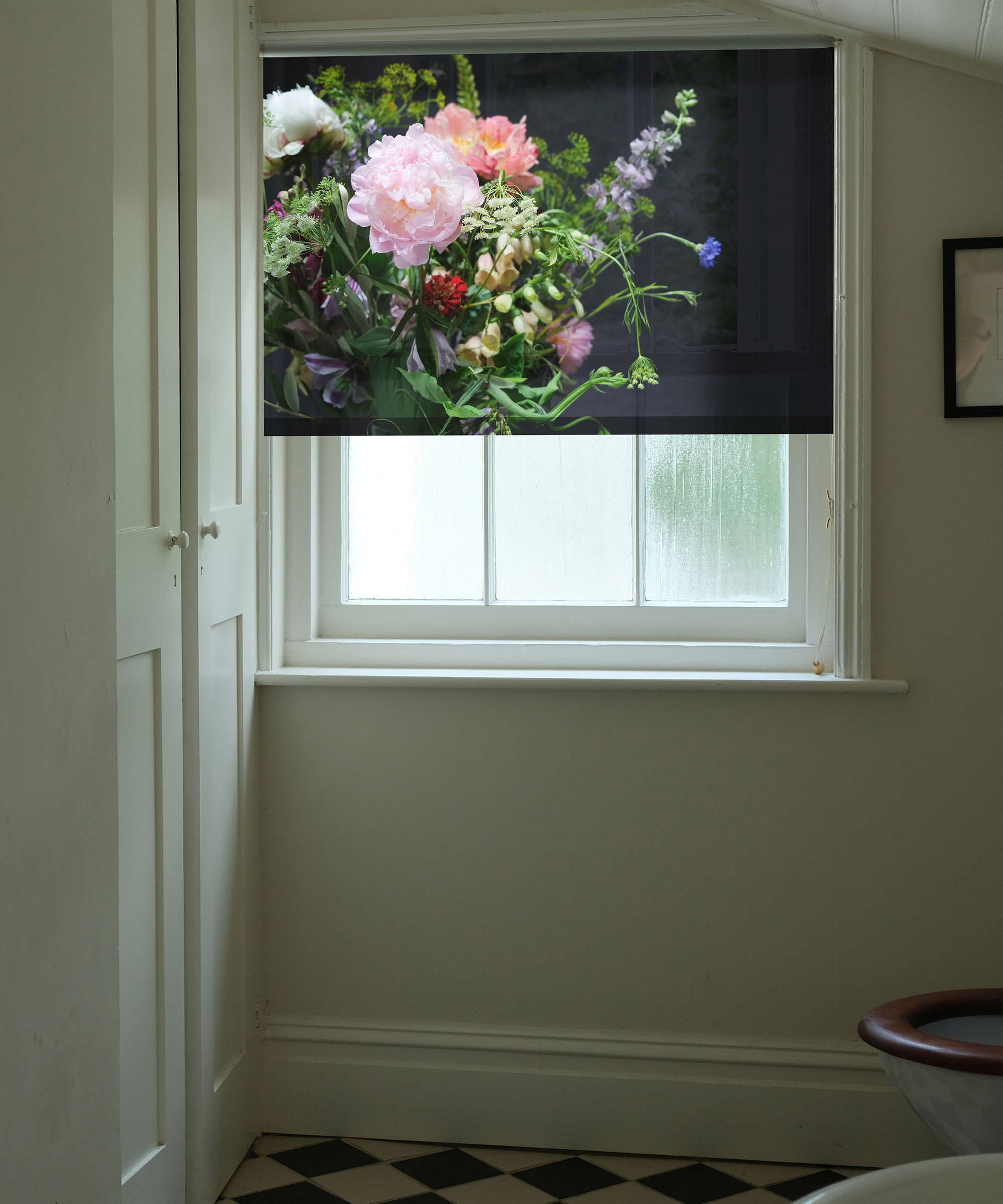
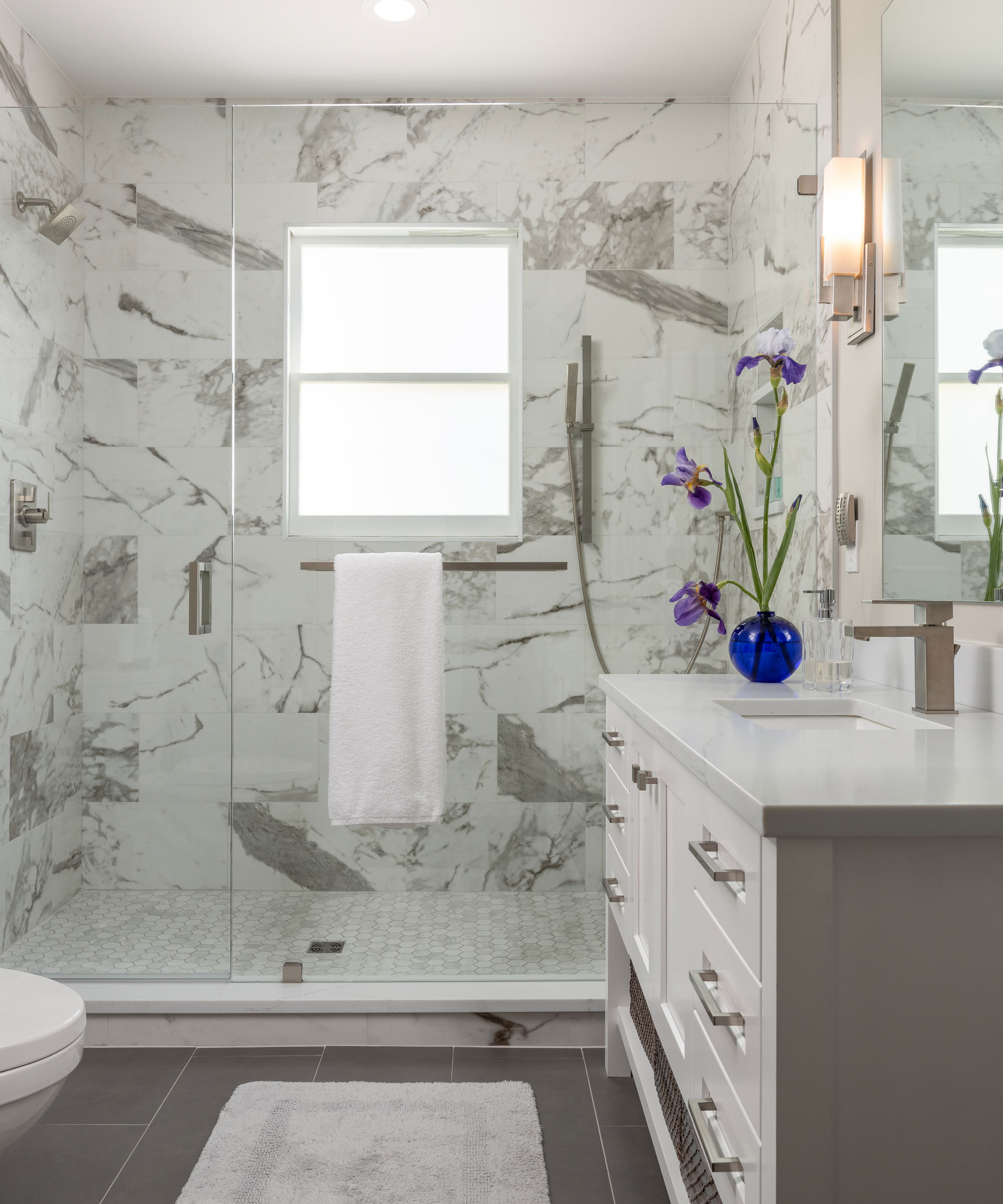
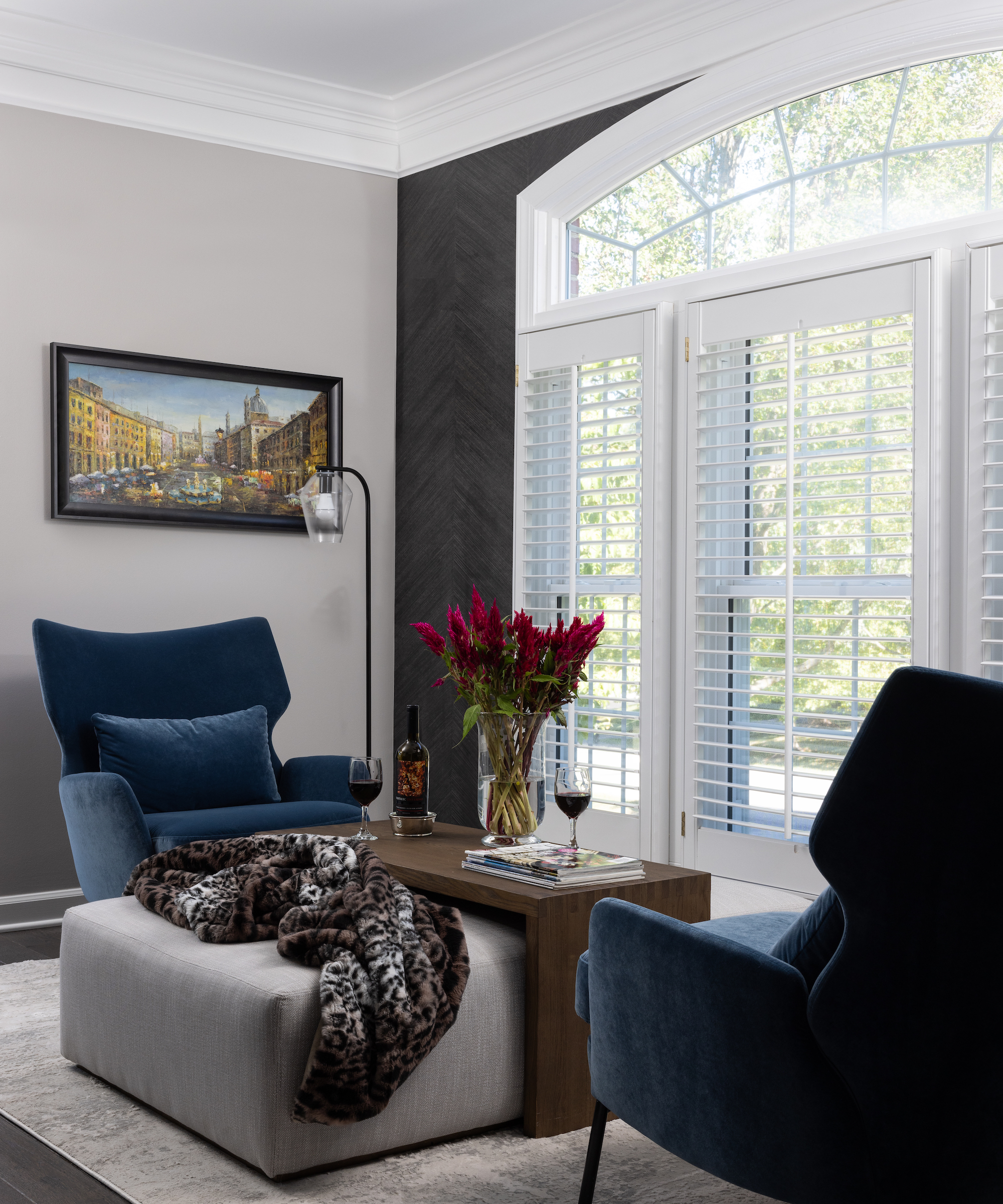
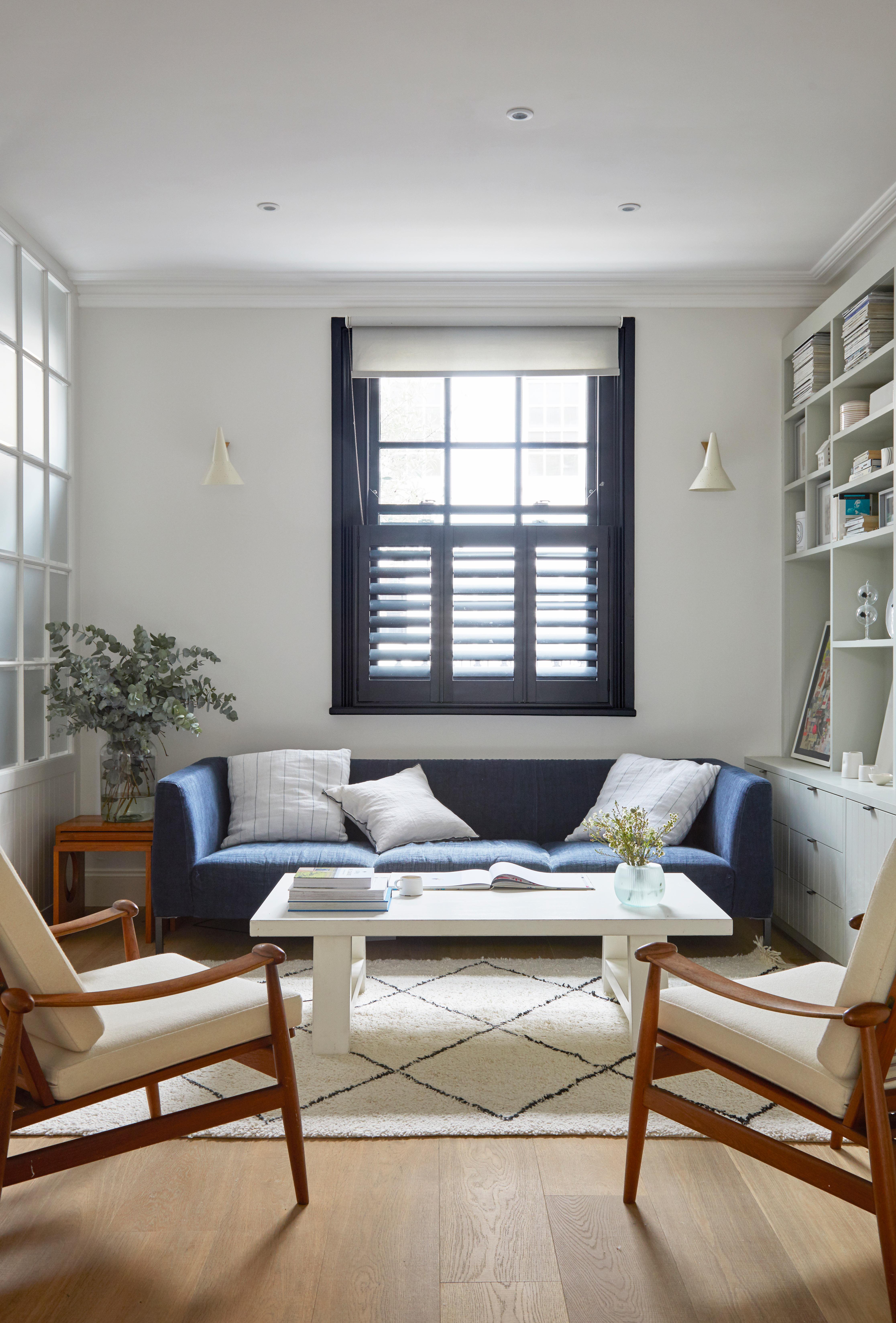
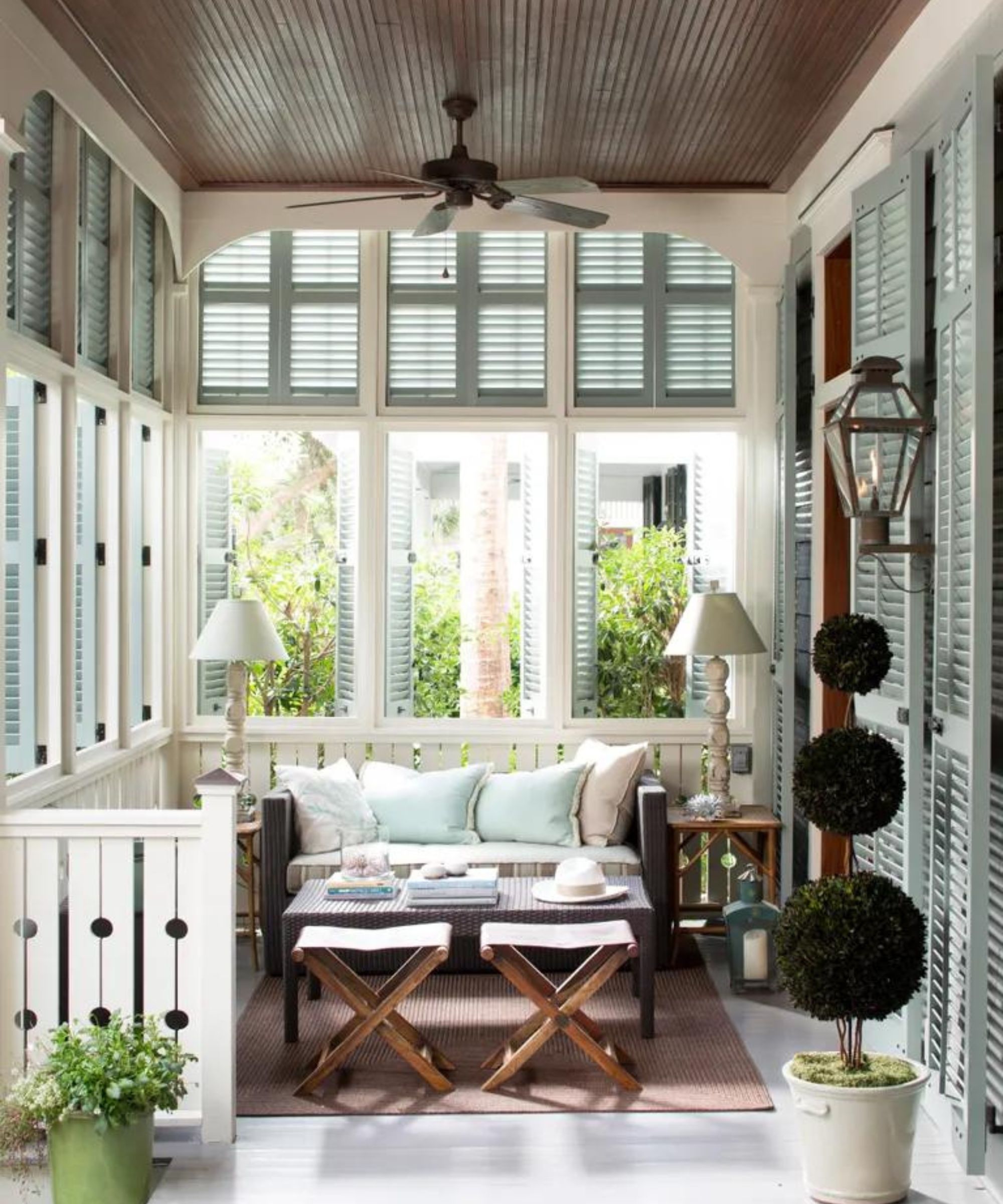
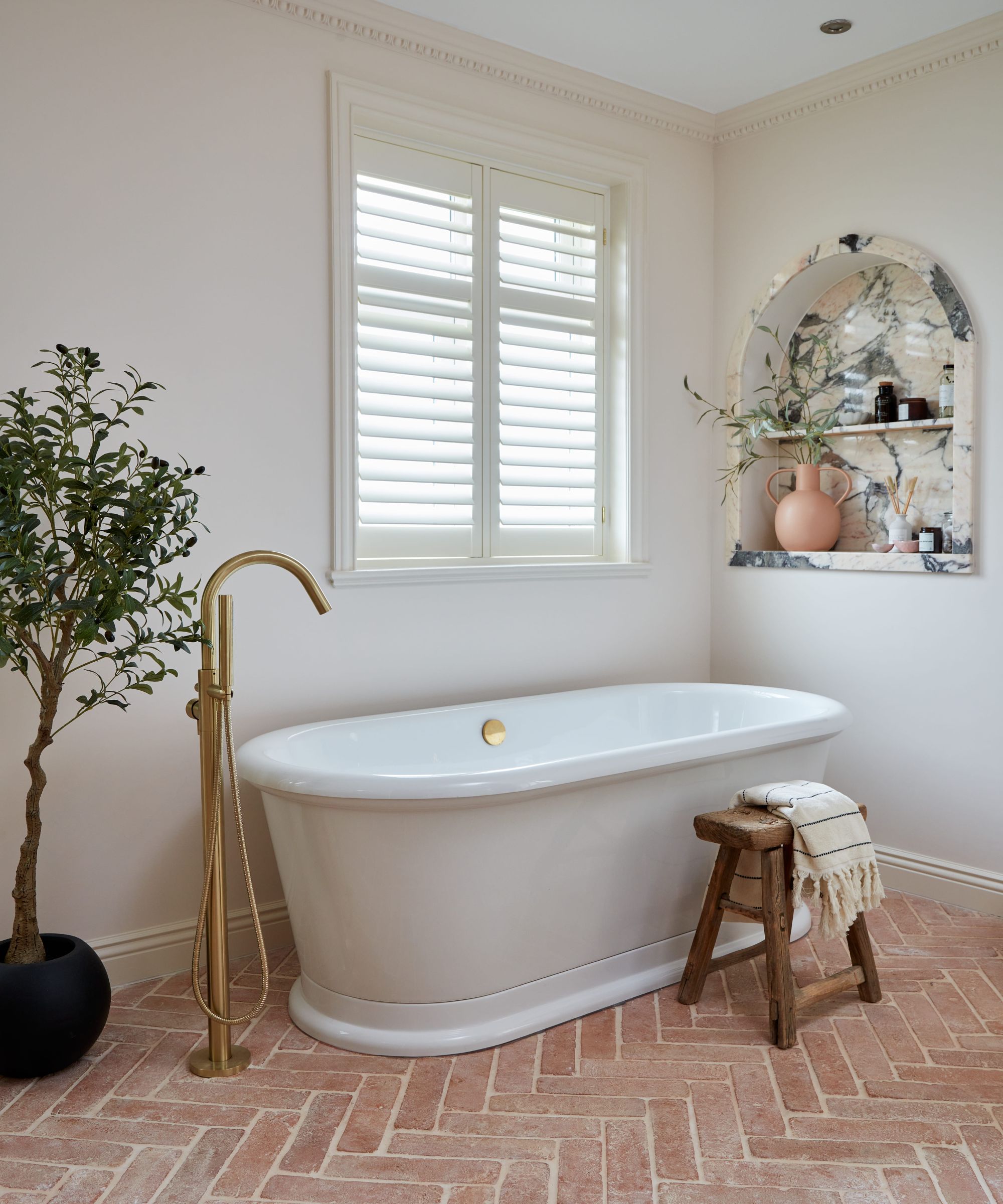
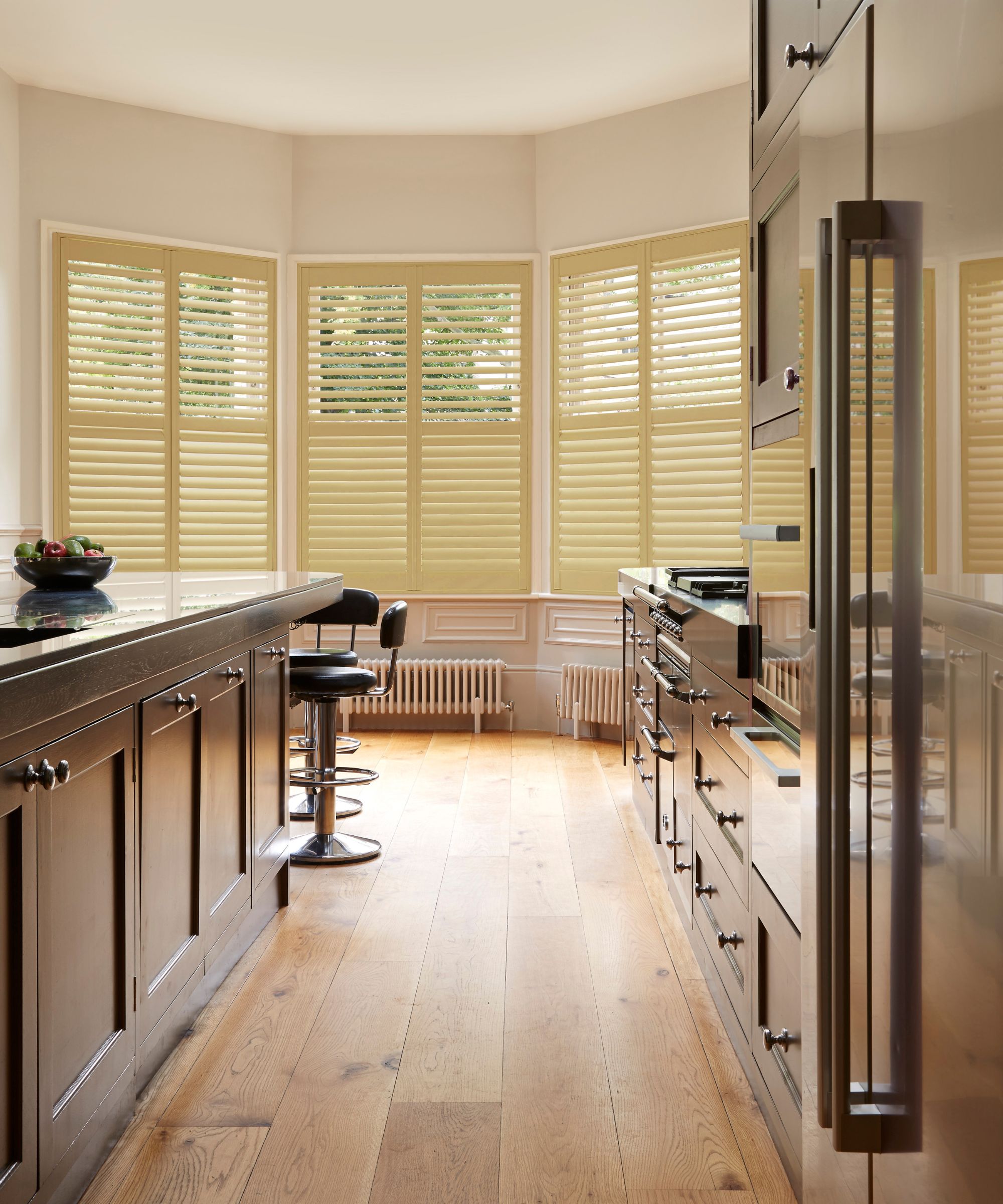
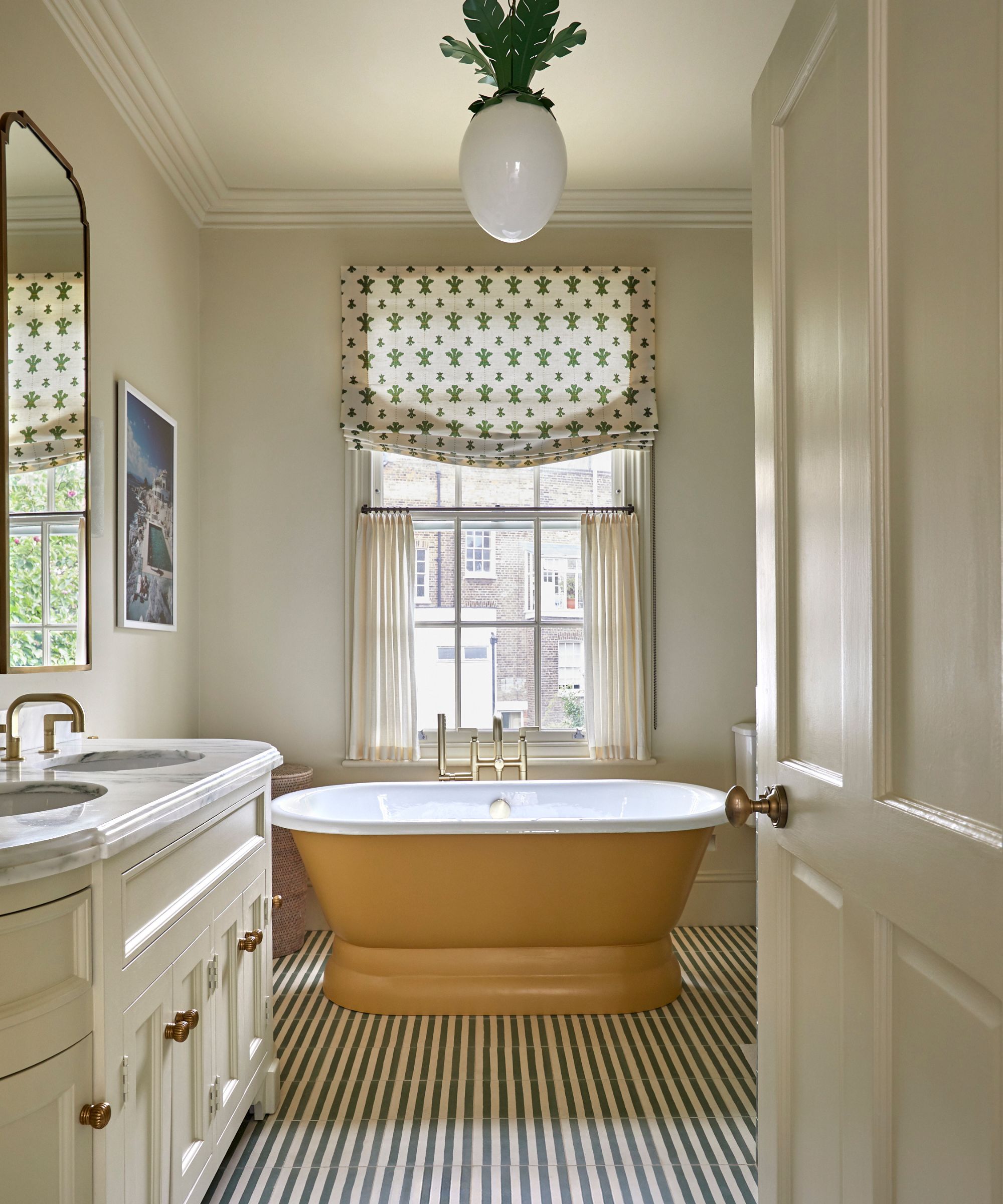
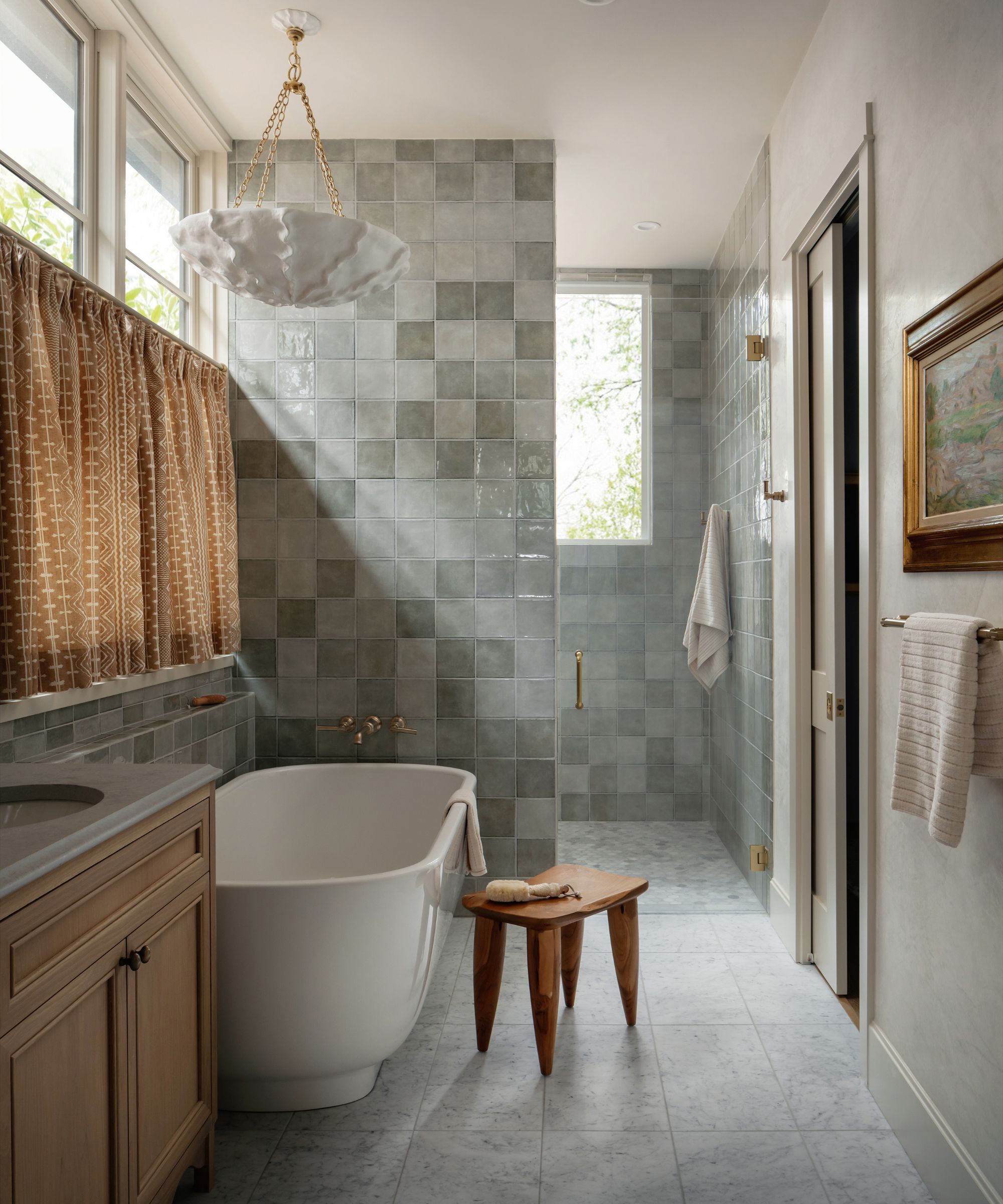
Layering different styles of window treatments in the same fabric and color can create a cohesive yet visually interesting design, adding depth and dimension. For situations where privacy is paramount but natural light is still desired, non-fabric solutions can be considered. Hanging drapery to cover only the lower portion of a window, leaving the top uncovered, is an effective strategy, especially in utilitarian spaces like laundry rooms or bathrooms, offering a softer alternative to frosted glass. Wooden window shutters provide another flexible option, offering control over light and privacy. They can be fully opened for maximum light, closed for privacy, or adjusted to allow dappled light. Shutters also contribute warmth and character, making a design statement. Café-style shutters, covering only the lower half of a window, are highlighted for their ability to provide privacy while allowing ample natural light to flow in, contributing to an elegant and cozy French-inspired aesthetic.
#WindowTreatments #SmallRooms #InteriorDesign #SheerCurtains #Drapery #WovenShades #Privacy #LightFiltration #HomeDecor #DesignTips #WindowTreatments #SmallRooms #InteriorDesign #SheerCurtains #Drapery #WovenShades #Privacy #LightFiltration #HomeDecor #DesignTips
0 comment in total
 No comments yet
You may also like
Awkwardly Placed Windows Are No Match for These Designer Tricks

This Controversial Window Treatment Trick Might Just Make Your Room Feel Bigger and Brighter
Shutters vs blinds – what you need to know to dress windows beautifully and practically


11 Blinds To Make Your Windows The Coolest On The Block
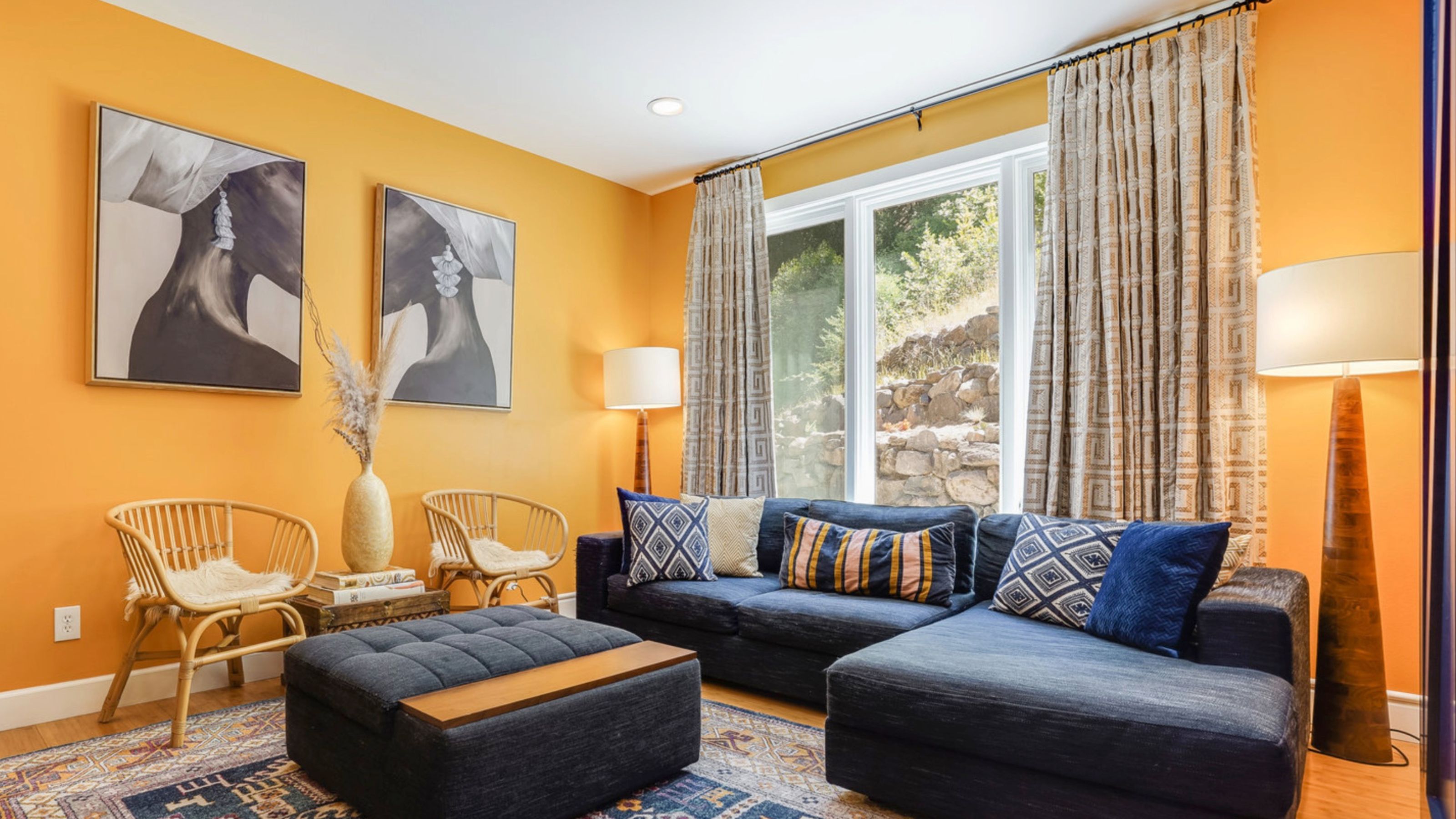
Small living room curtain ideas — 5 designer-approved ways to add flair


The Best Window Treatments for Sliding Doors

There Are No Knotted Strings to Battle Against With the Best Blinds and Shades
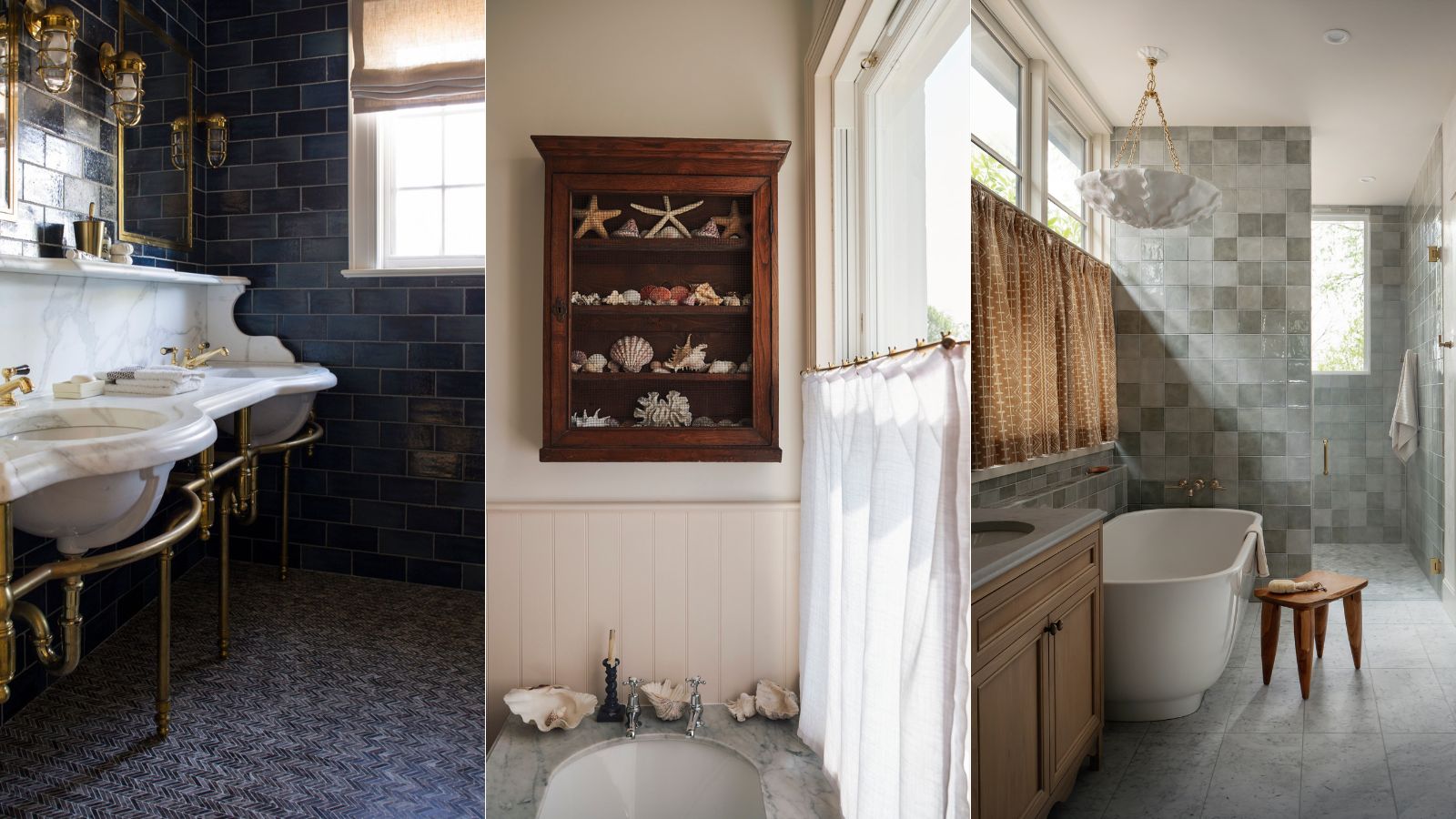
This popular window treatment actually made my bathroom dark and gloomy so here’s what I’m swapping it to in 2025
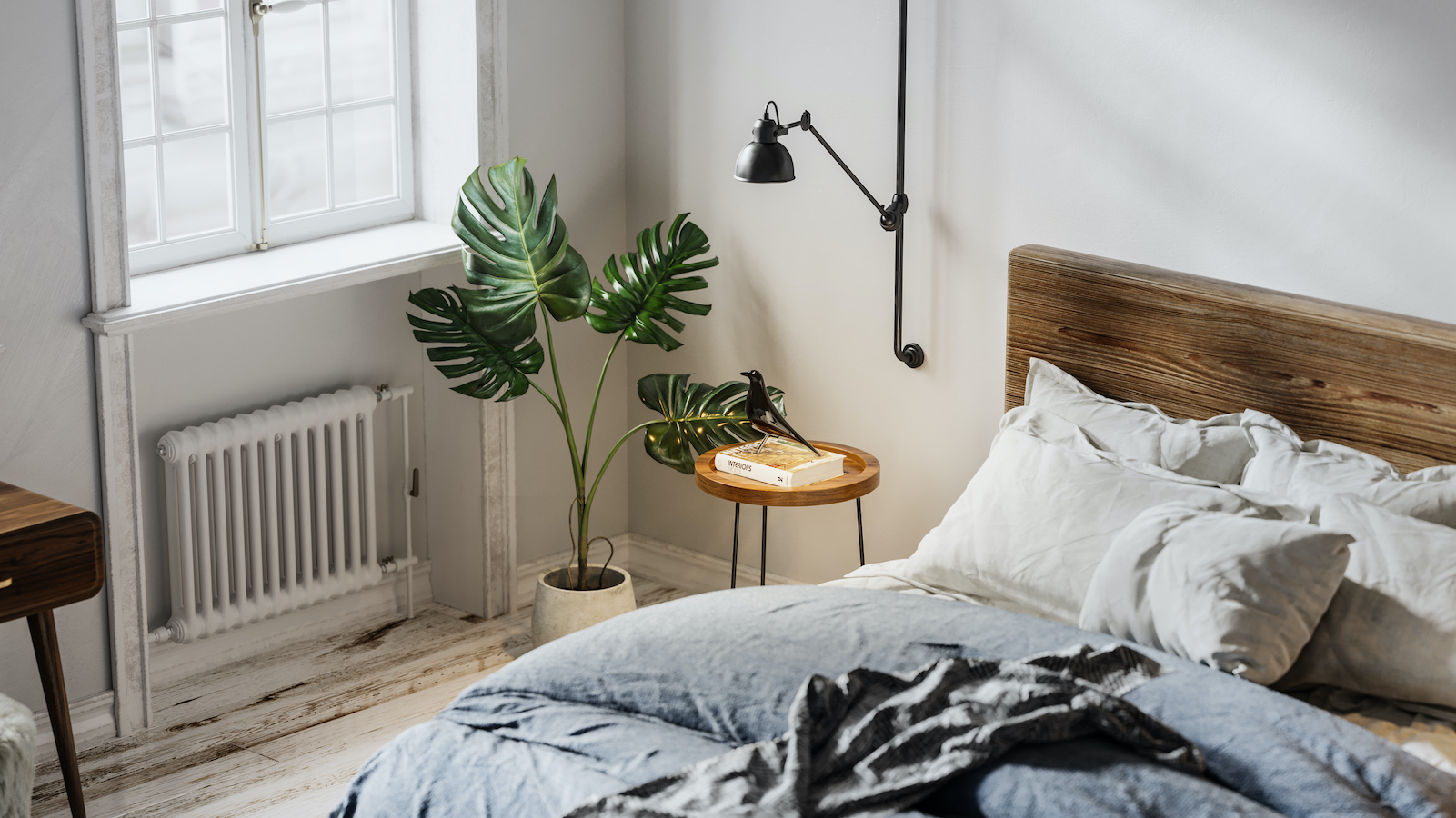
Small bedroom window ideas that will completely change the feel of your space, according to designers

20 Window Treatment Ideas to Suit Every Room

15 living room window treatments – stylish curtains, blinds and shutters to update your space
39 Versatile Living Room Curtain Ideas That Instantly Complete the Space

Skip the Window Treatments, This Designer Says — Here's Why
Small bathroom window ideas – 10 ways to transform this key area
Are window shutters out of style? Interior designers weigh in
Conservatory blind ideas: 16 designs to shade and bring privacy to windows
D-FW designers reveal the do’s and don’ts of window treatments

"Should All My Window Treatments Match?" Here's How Designers Decide, and Make It Work Either Way
Curtain Ideas for Large Windows — 7 Ways to Balance Privacy, Light, and Style in Your Home
Top 10 Elegant Window Treatment Ideas: Infuse Luxe Styling Into Your Home