1/14
Sorry Bifolds — French Doors Are the Coolest Choice for Your Extension Right Now, and They're Anything but Basic
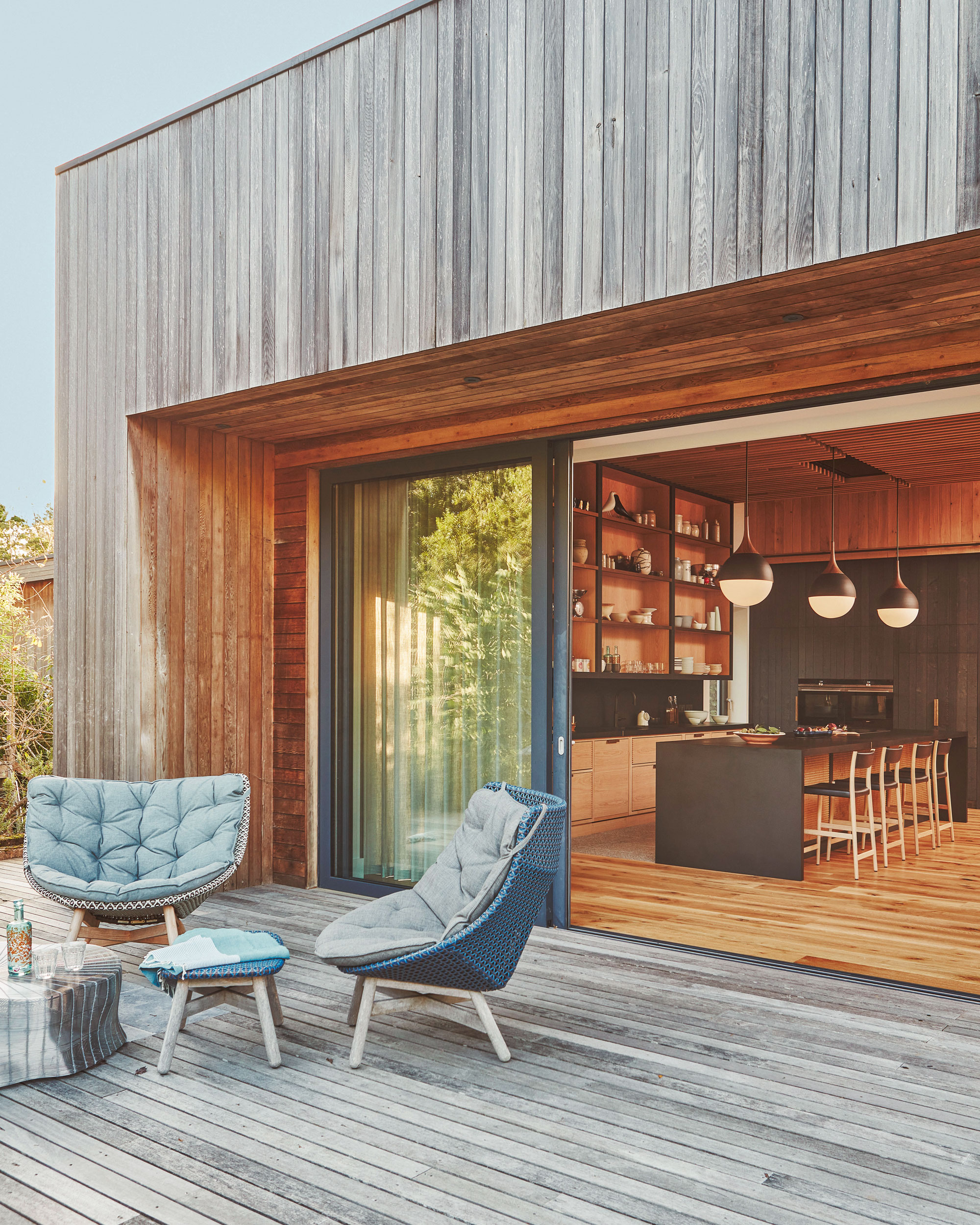
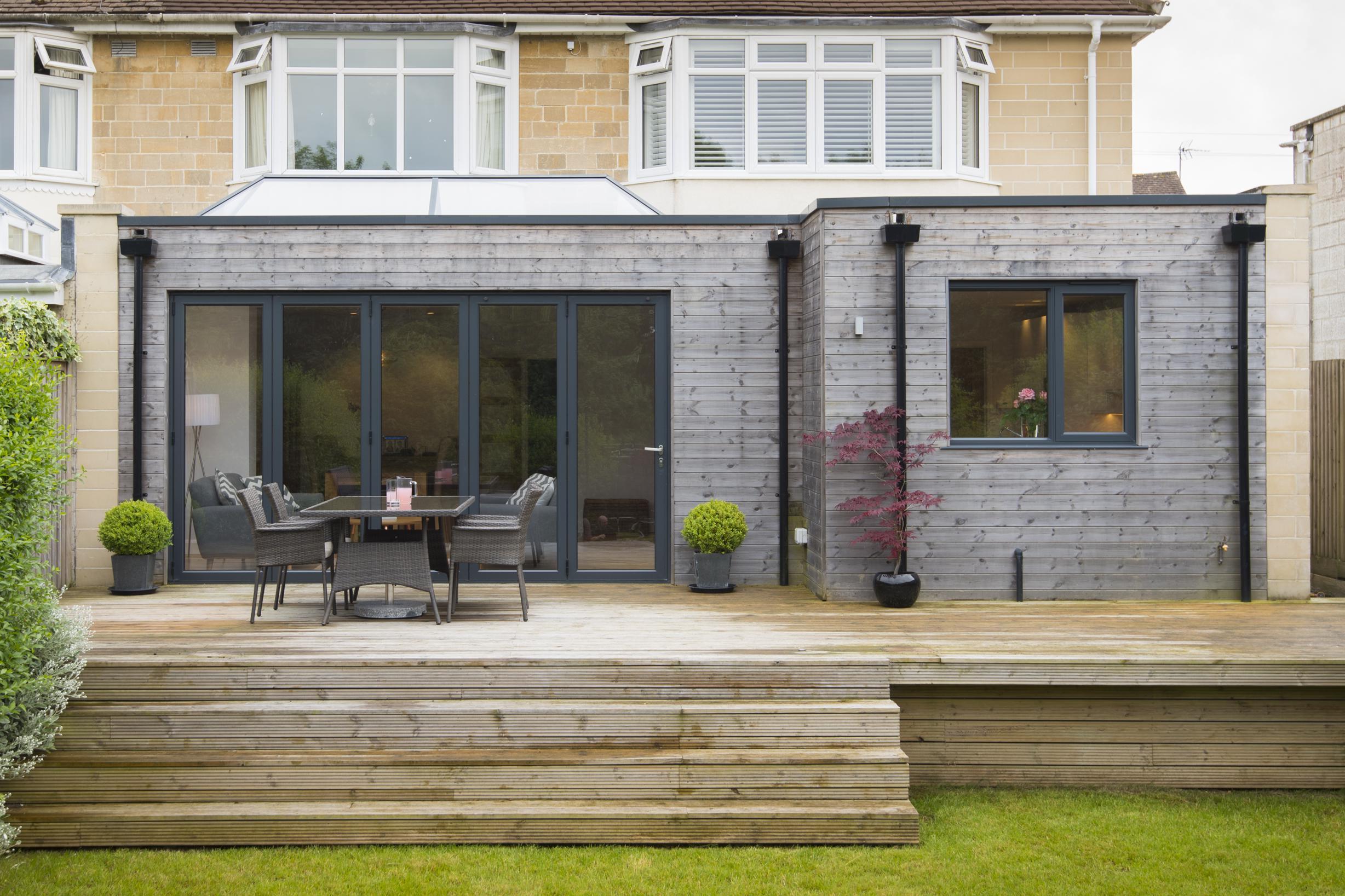
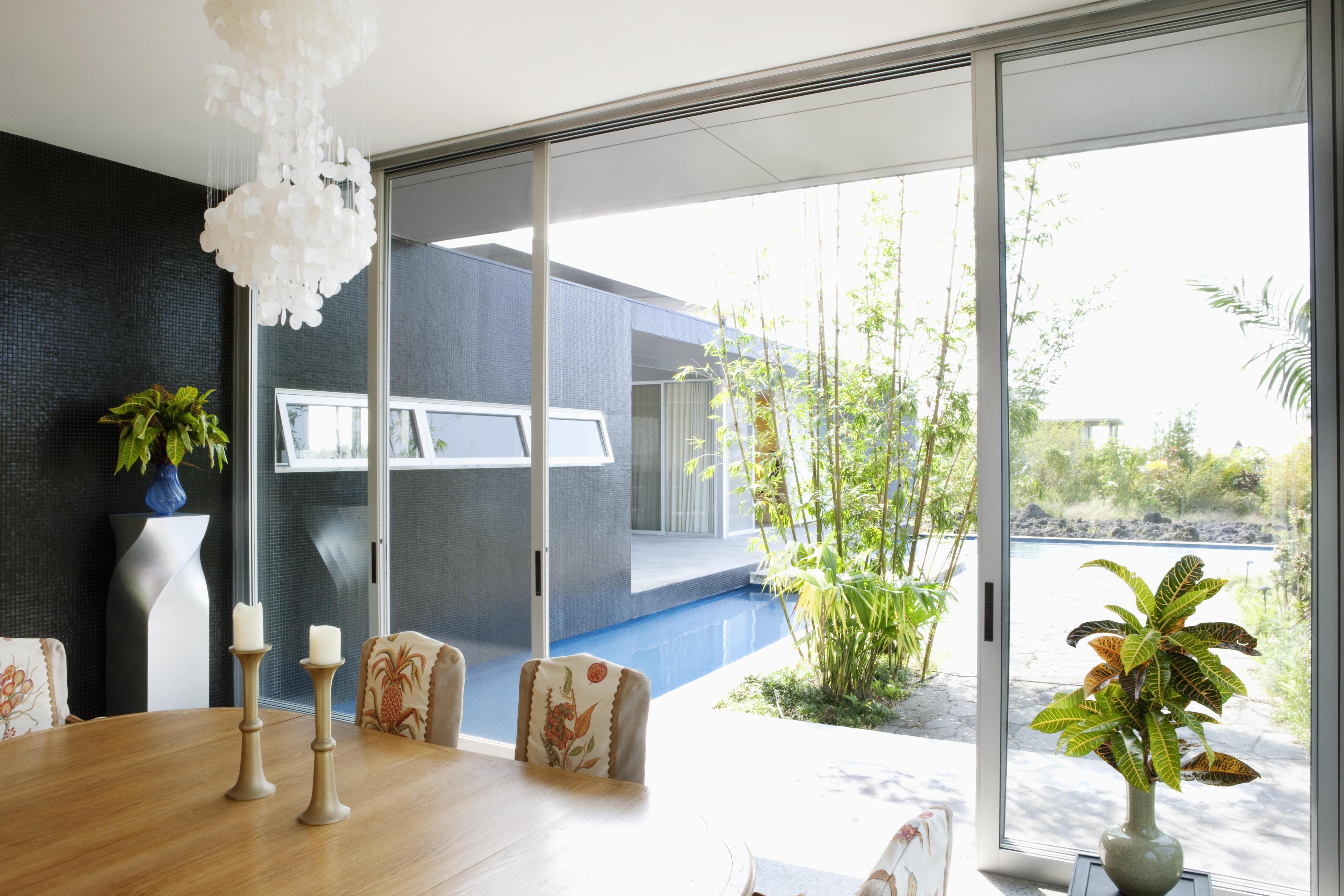
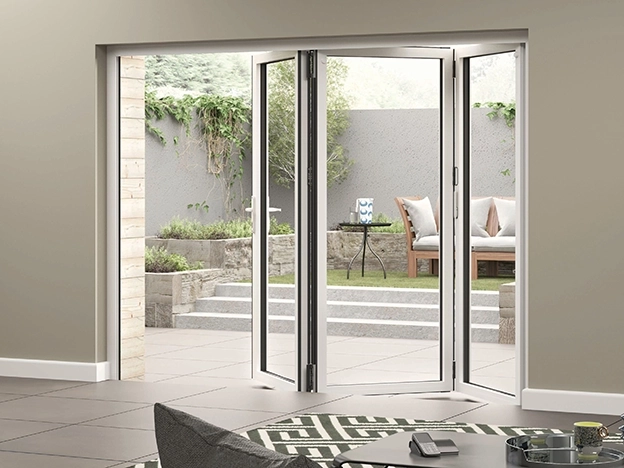
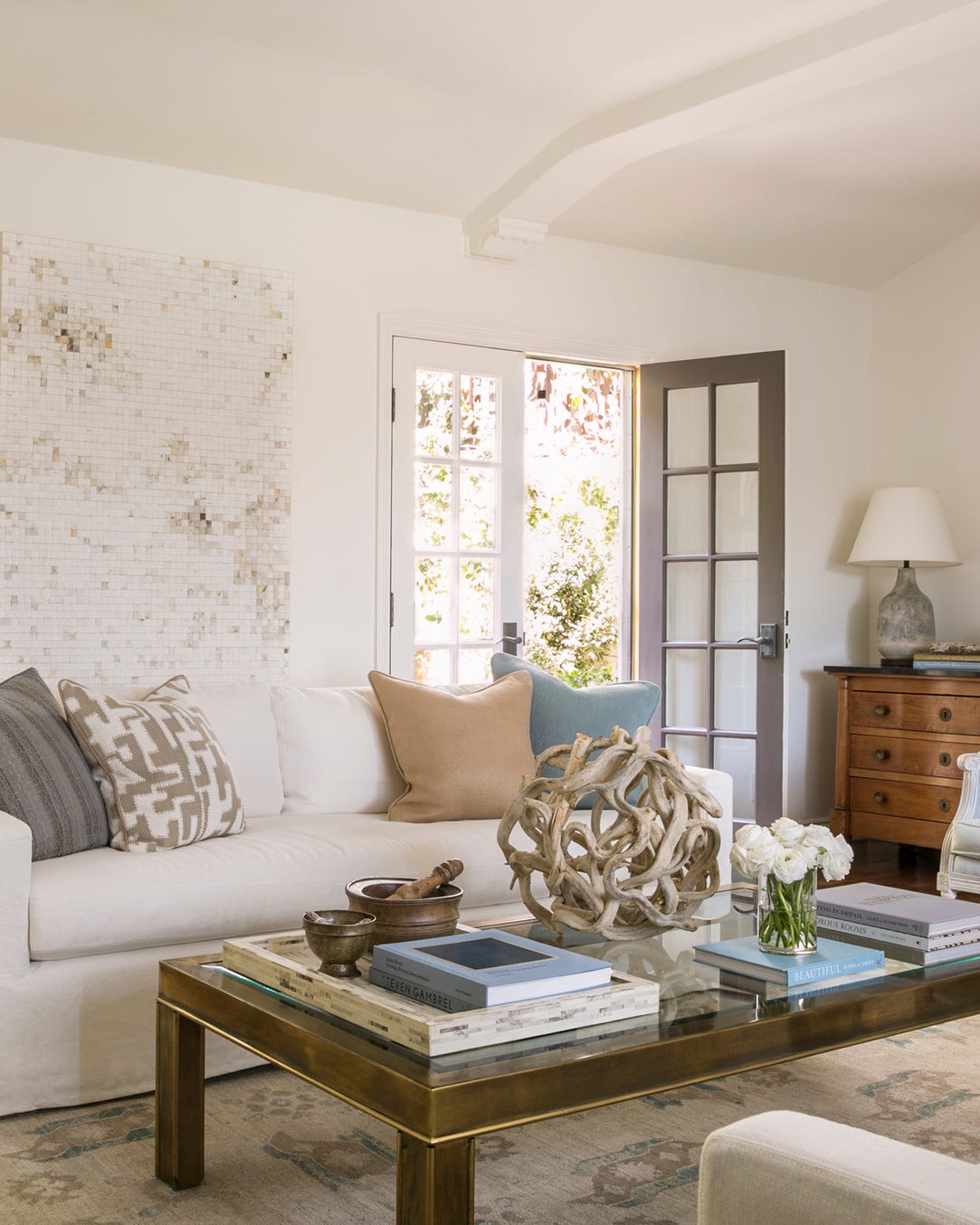
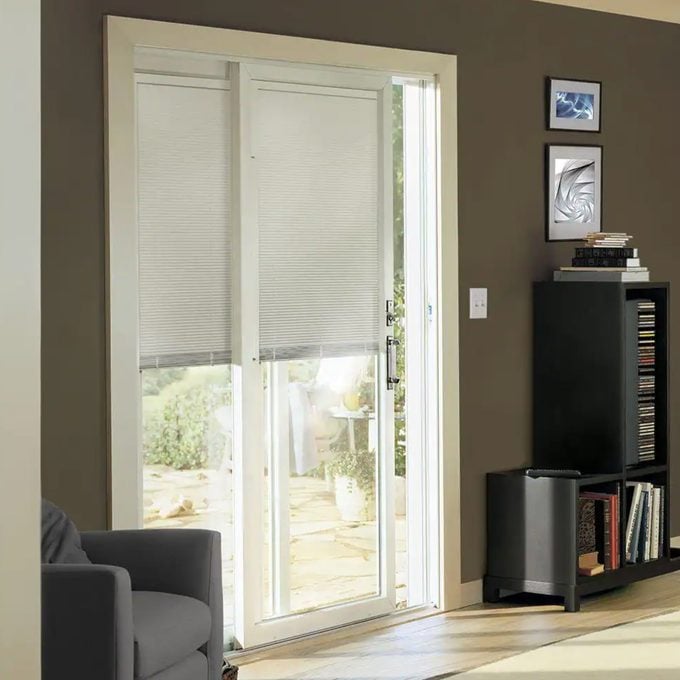
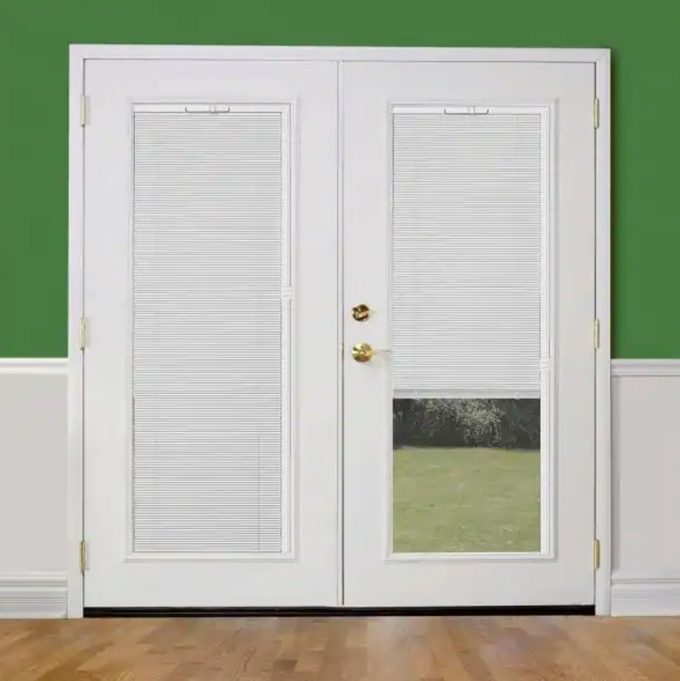
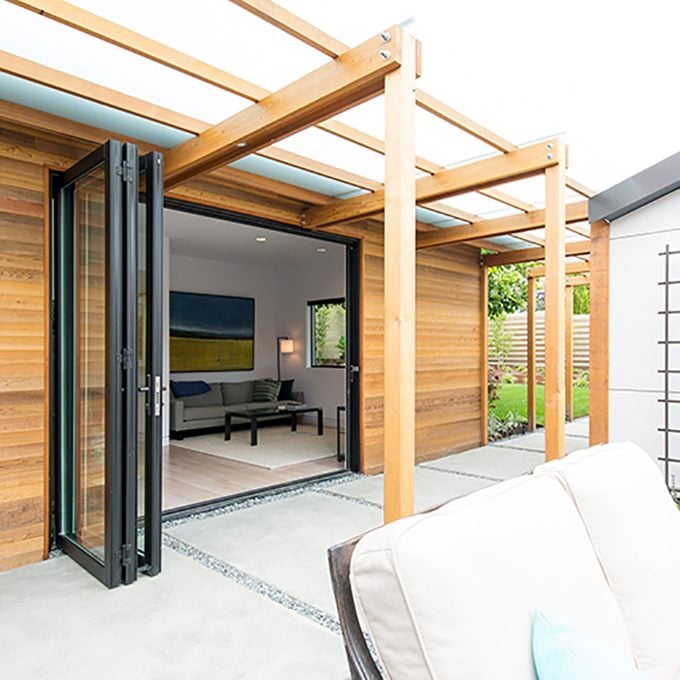
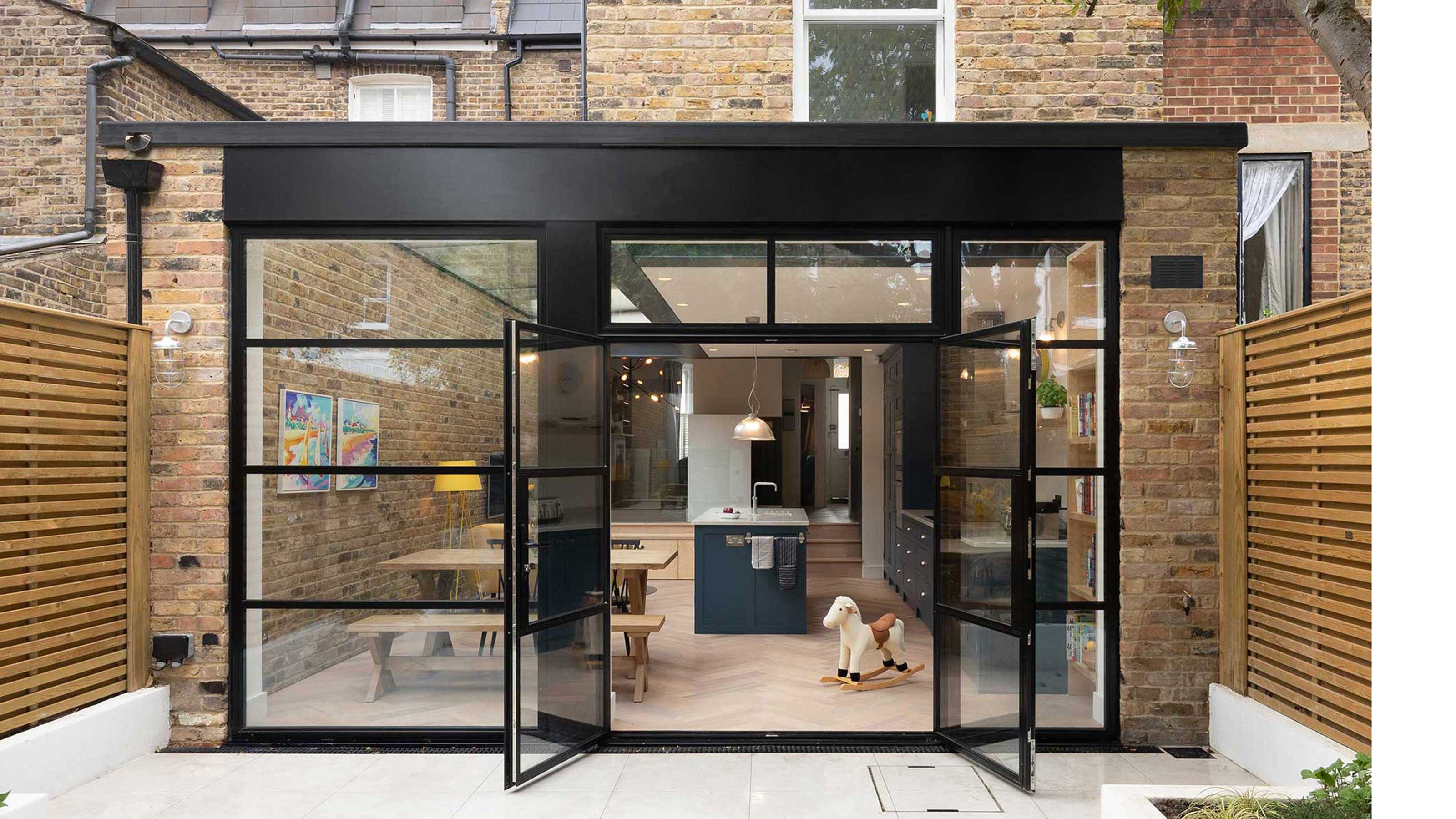
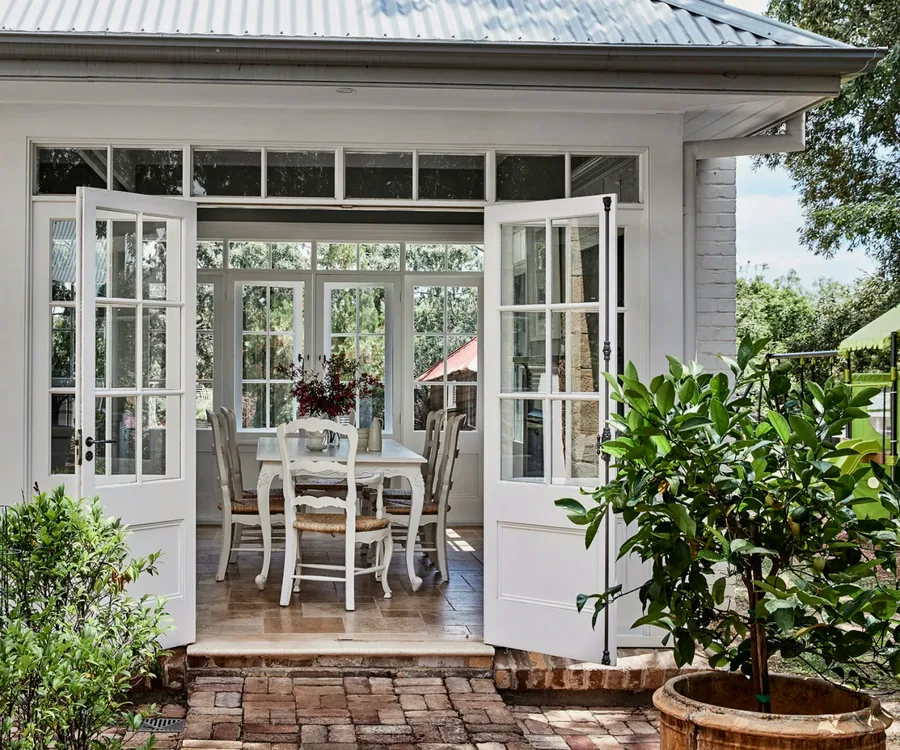
French doors, with a history spanning back to the 16th century in Italy and France, are experiencing a resurgence in popularity for modern extensions and renovations, offering a timeless aesthetic that can integrate seamlessly into both old and new properties. While contemporary patio door options often lean towards large sliding or bifold doors, French doors present a compelling alternative, particularly when space is at a premium. Their simple hinge system allows for smooth operation without requiring extensive room for folded panels, a common necessity for bifold systems. This makes them a practical and stylish solution for tighter spaces, while also preventing encroachment on patio areas.
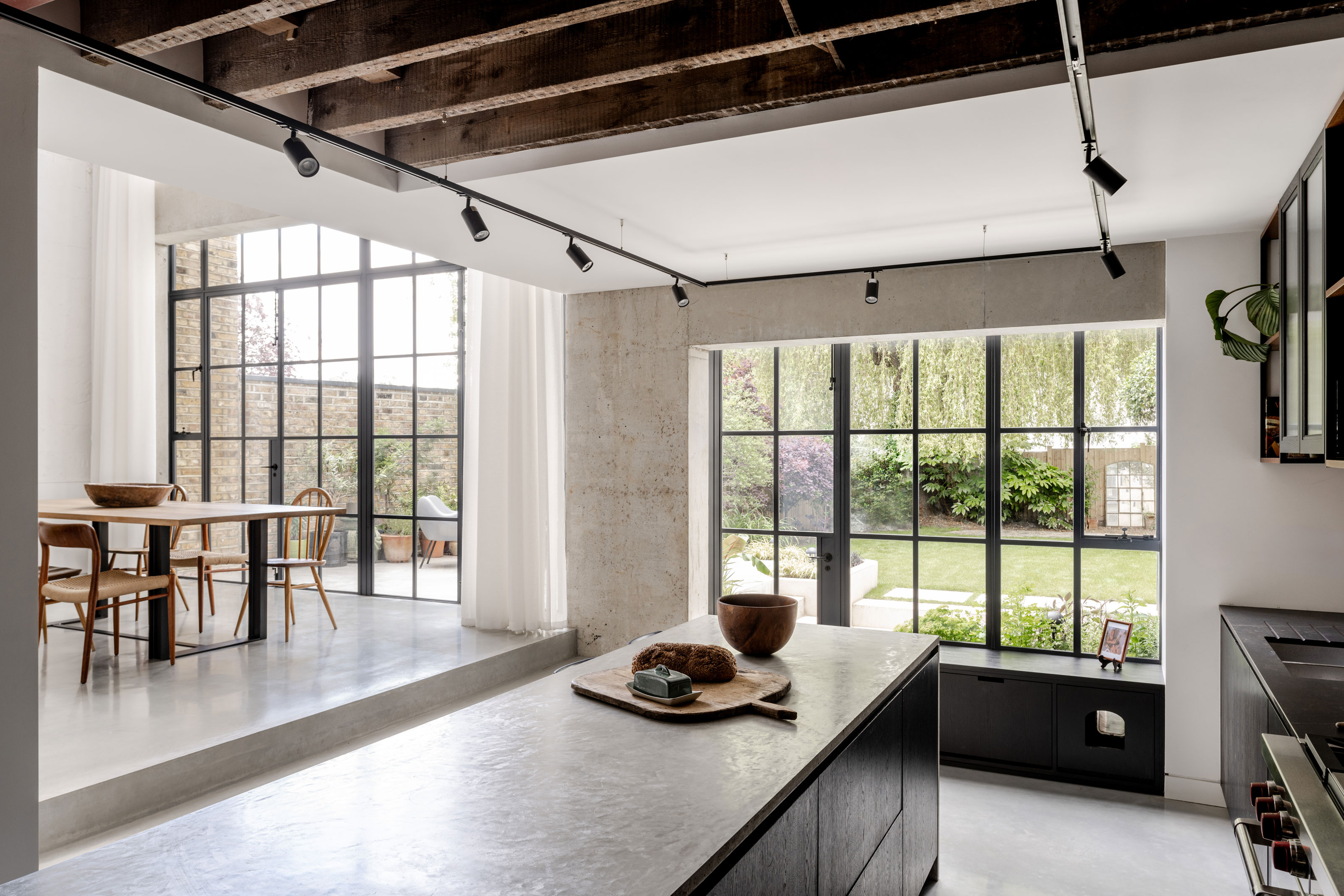
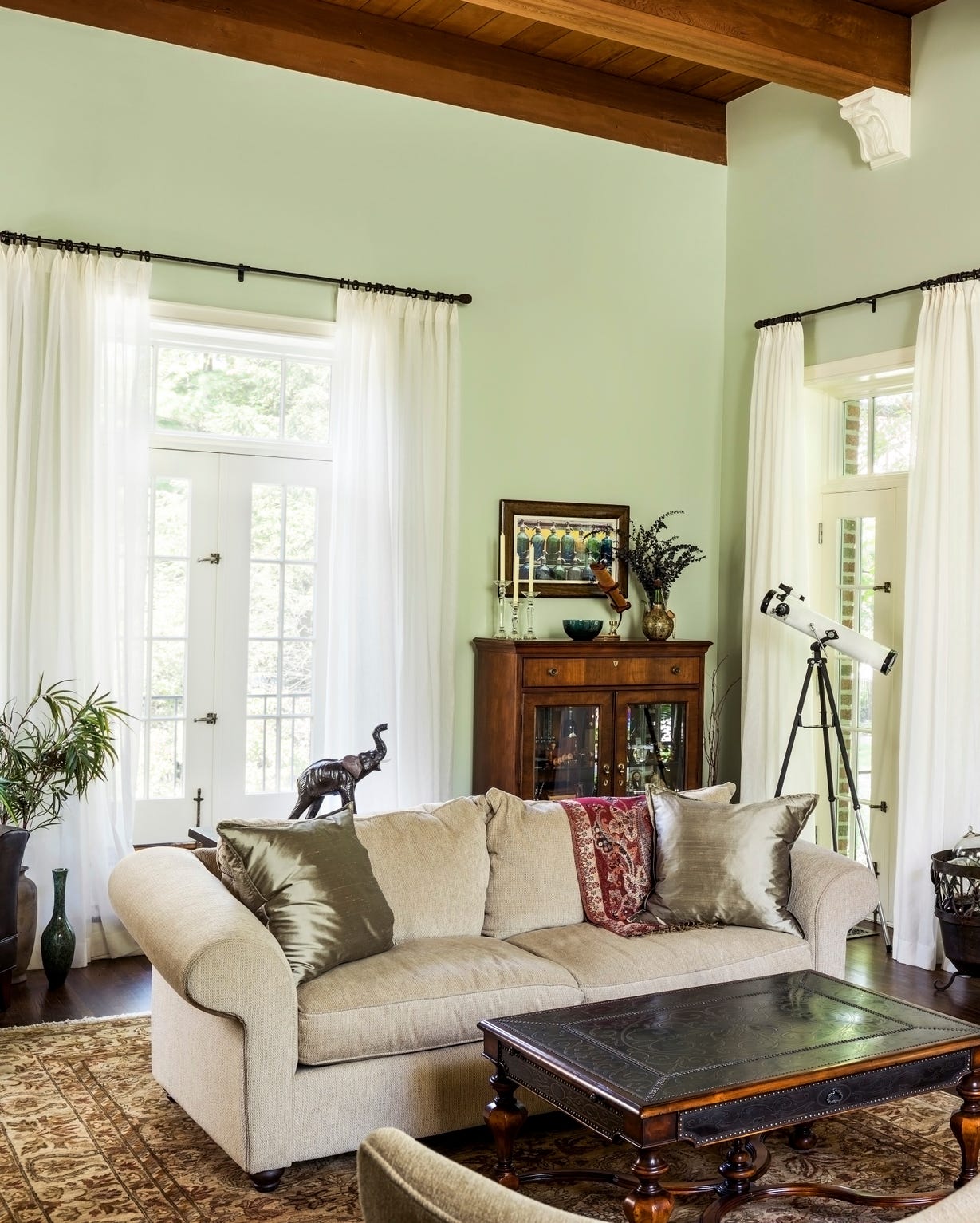
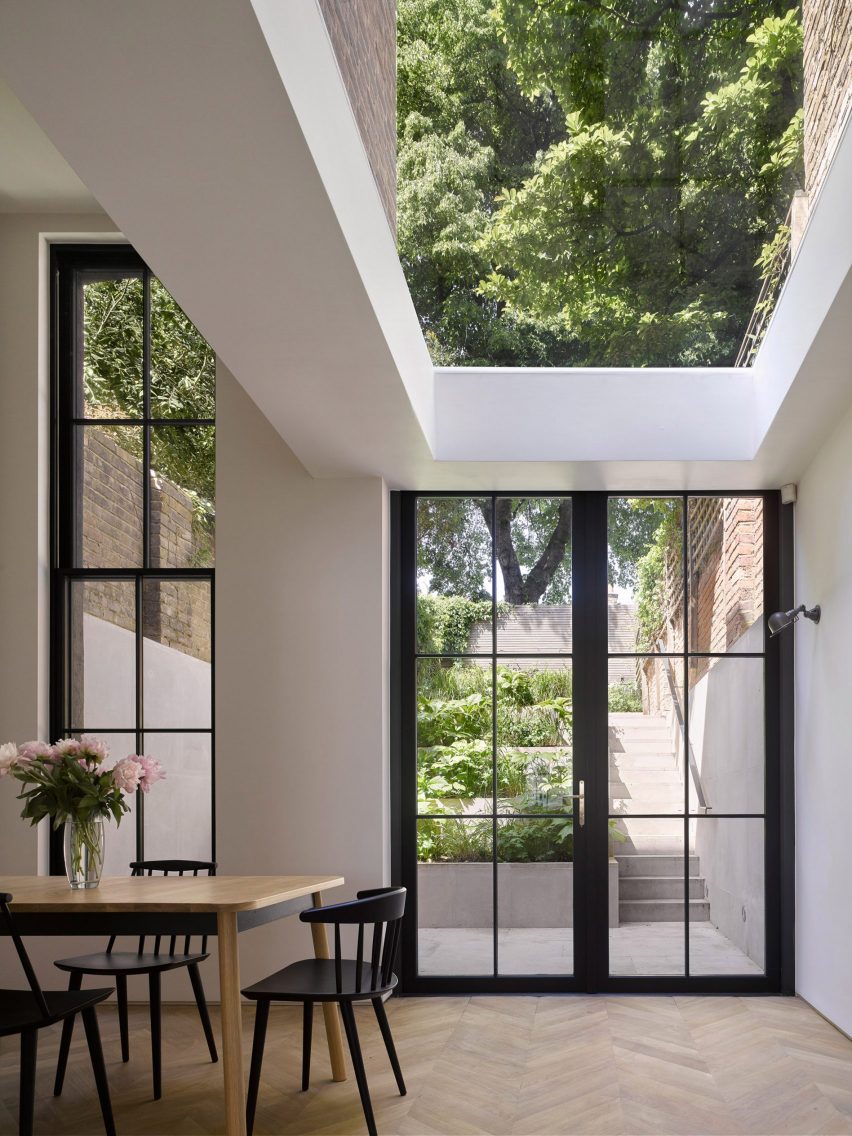
Architects and designers emphasize several advantages of French doors. One key benefit is their ability to significantly enhance natural light and external visibility, especially when complemented by sidelights or fanlights. Full-height fanlights, for instance, can visually double the amount of light drawn into a space, a feature particularly beneficial for rooms with high ceilings or those at semi-basement levels, as demonstrated in a kitchen extension designed by Studio Bark. Another design approach involves strategic placement, such as positioning matching sets of French doors opposite one another across an internal courtyard or within a garden room. This creates pleasing symmetry and helps to visually connect disparate elements of a building, forming dramatic glazed features that amplify the sense of space.
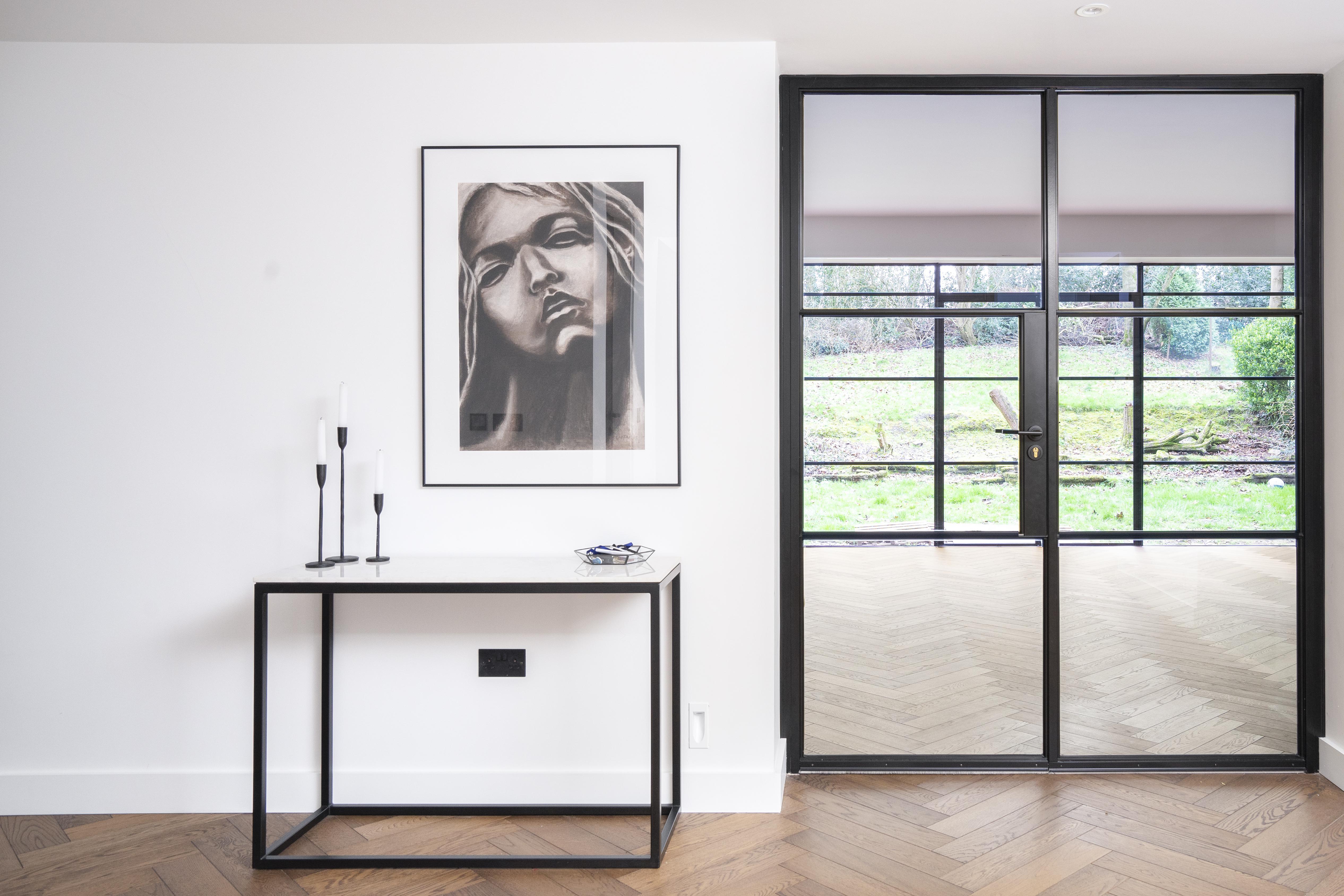
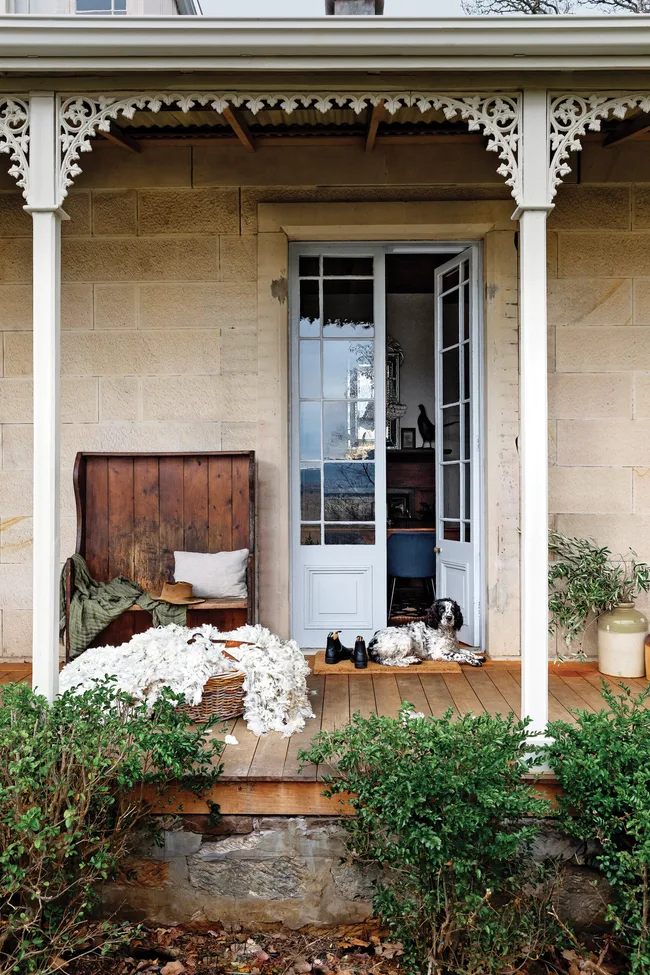
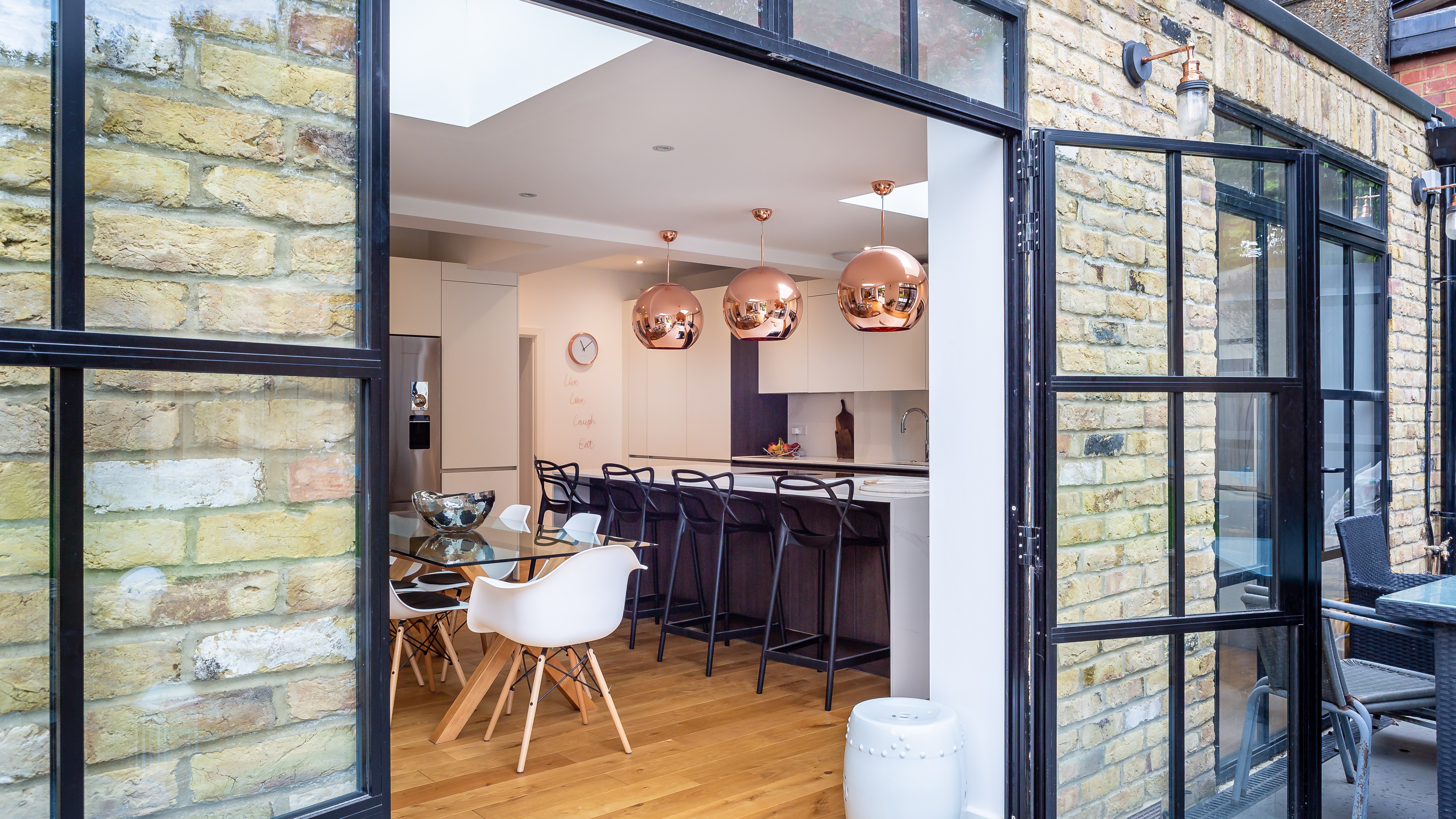
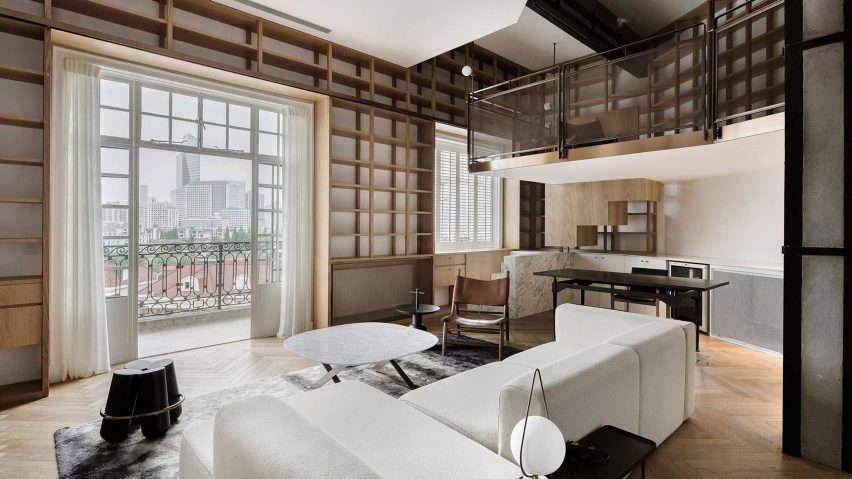
The versatility of French doors extends to material choices and design adaptations. While timber remains a classic choice, offering elegance and better handling of timber movement compared to sliding or bifold mechanisms, modern advancements have also popularized aluminium frames. Aluminium frames can mimic the aesthetic of Art Deco-style steel systems, like Crittall doors, with slim sightlines and excellent thermal properties, while requiring less maintenance. Steel French doors also maintain their appeal for their elegant design and thin sightlines, effectively maximizing light and views in striking spaces like double-height dining areas.
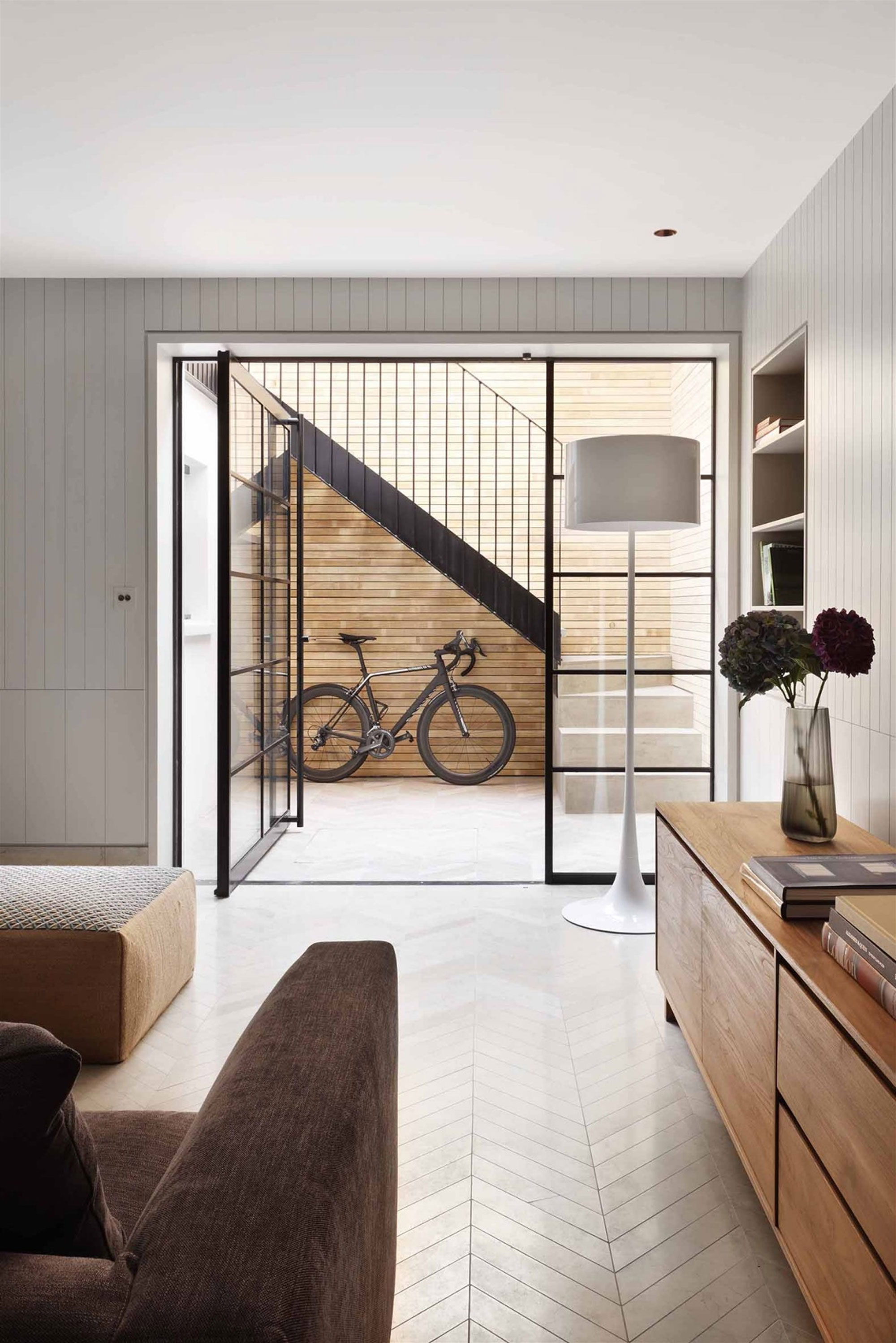
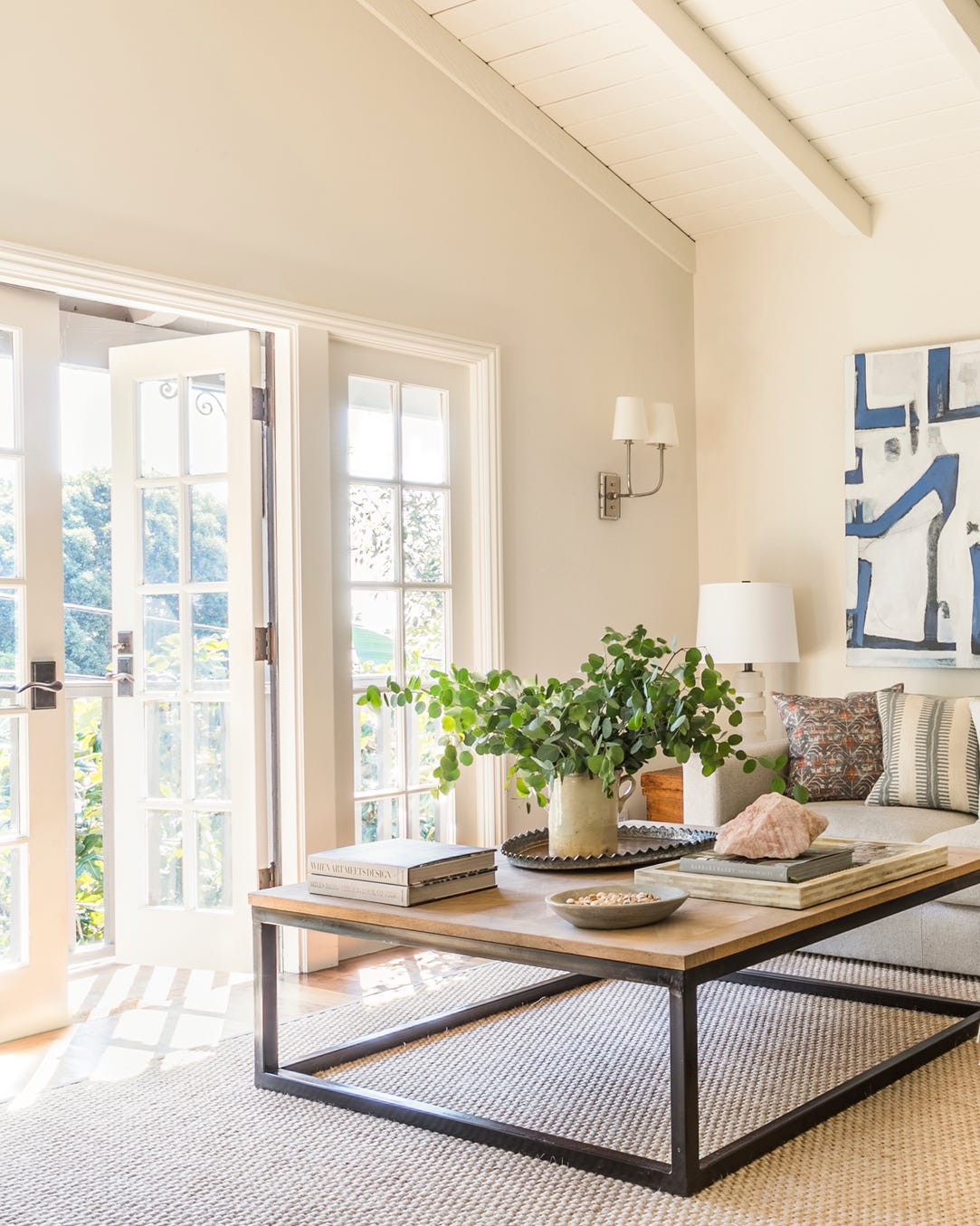
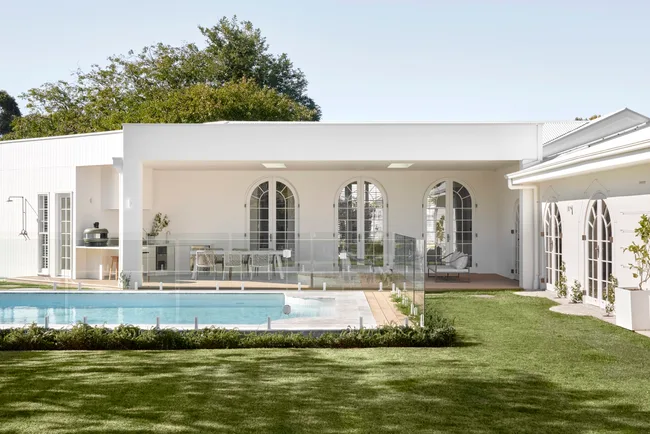
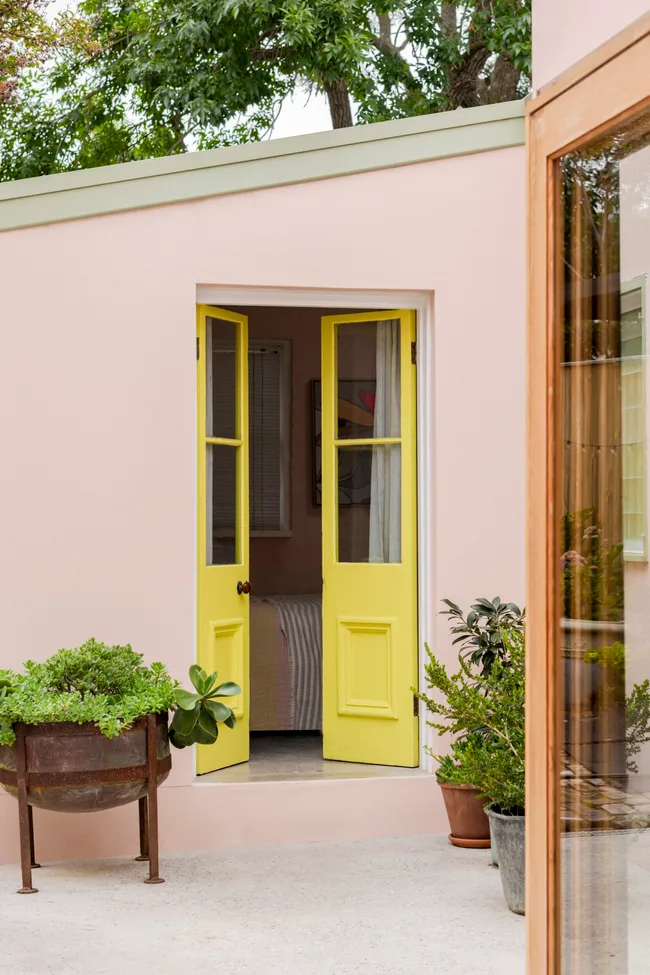
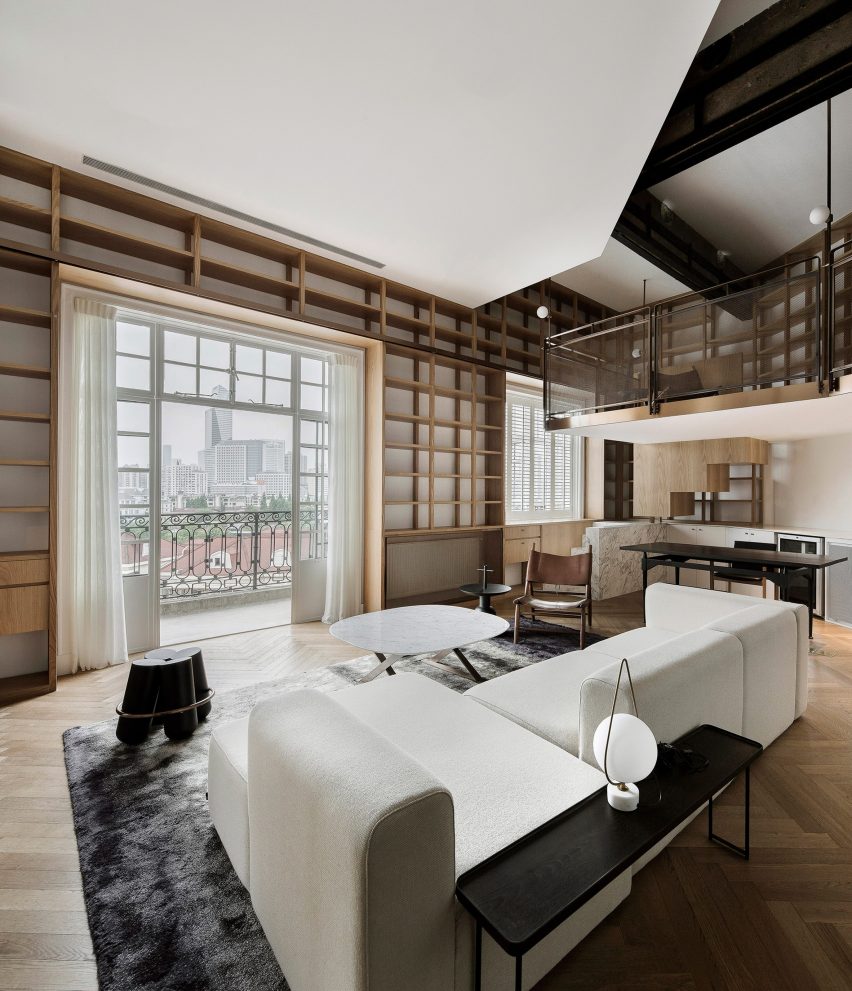
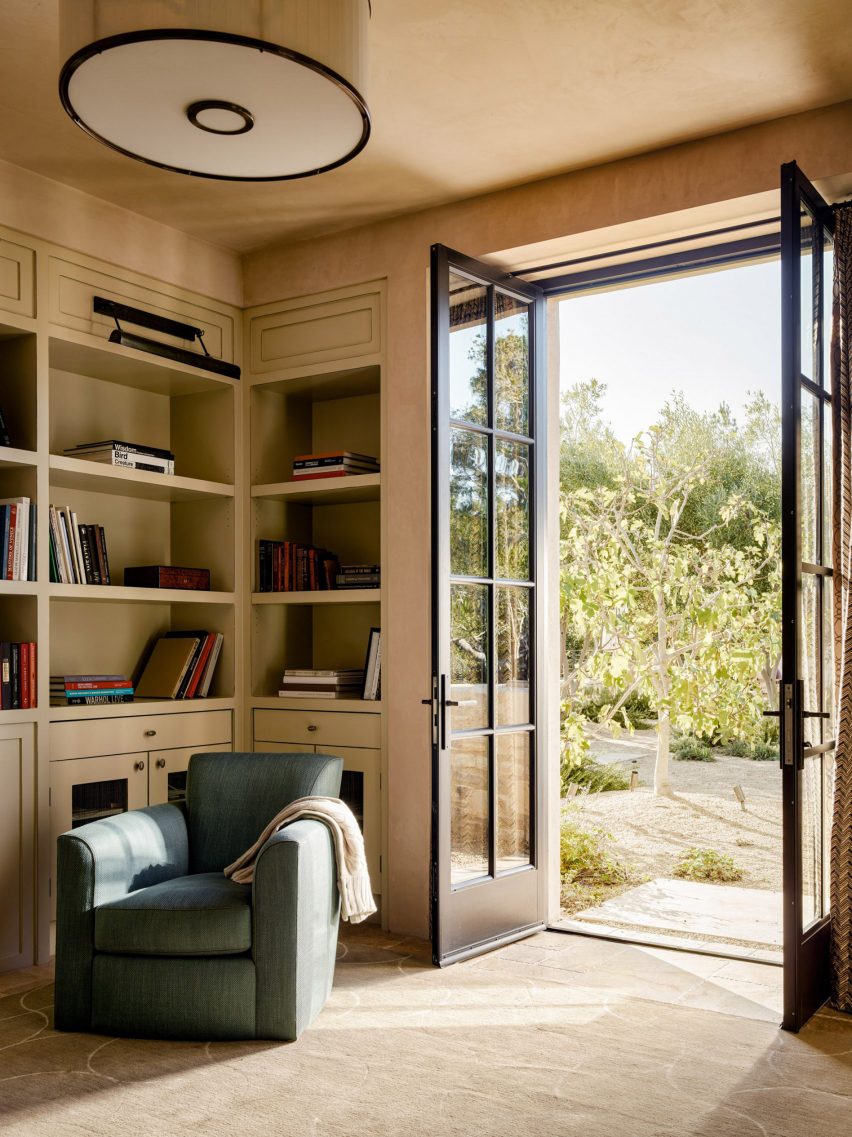
French doors can also be customized in shape and size, moving beyond standard designs. Arched French doors, for example, can be fitted into period homes with tall arched openings, adding an elegant touch. For period properties, timber French doors can be designed to perfectly match existing windows, often a requirement in Conservation Areas. Furthermore, French doors are being increasingly utilized as internal door systems, allowing light to flow between rooms and creating better connections in open-plan living spaces. They can also transform bedrooms, providing access to balconies and a sense of connection to the outdoors, while still allowing for internal dressing with curtains.
From a cost perspective, French doors are generally the most affordable option compared to bifold and sliding doors, making them an attractive choice for those managing renovation budgets. The cost varies depending on size and material, with uPVC being the least expensive and hardwood at the higher end. Despite the rise of other patio door systems, French doors continue to offer a timeless, stylish, and often more practical and cost-effective solution for various architectural contexts, proving their enduring relevance in modern home design.
#FrenchDoors #HomeDesign #InteriorDesign #ExtensionIdeas #ArchitecturalDesign #PatioDoors #NaturalLight #GlazingSolutions #Renovation #FrenchDoors #HomeDesign #InteriorDesign #ExtensionIdeas #ArchitecturalDesign #PatioDoors #NaturalLight #GlazingSolutions #Renovation
0 comment in total
 No comments yet
You may also like
5 Bifold Door Alternatives You Should Consider for Your Extension Project (and Which Is Most on Trend for 2025)
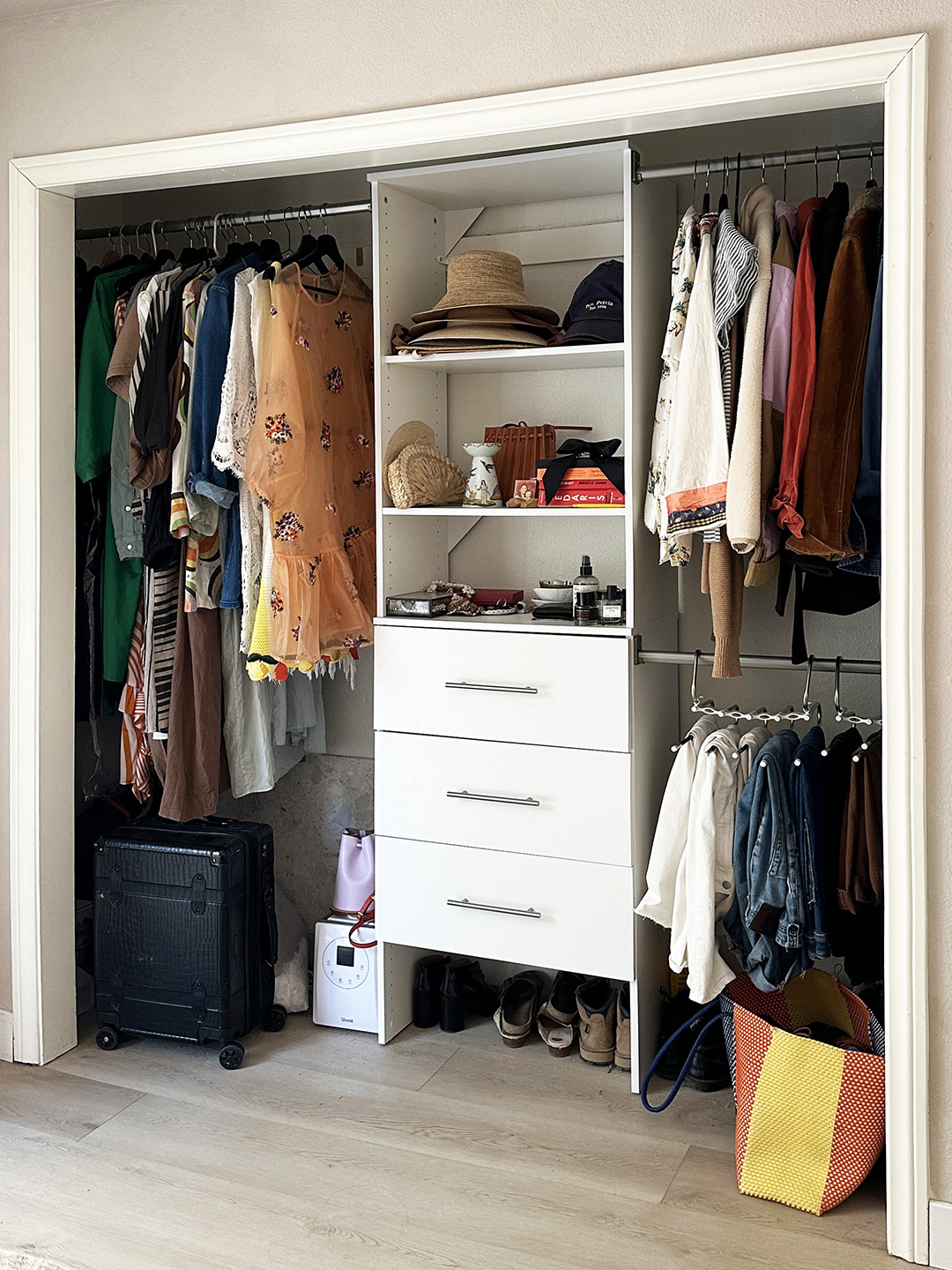
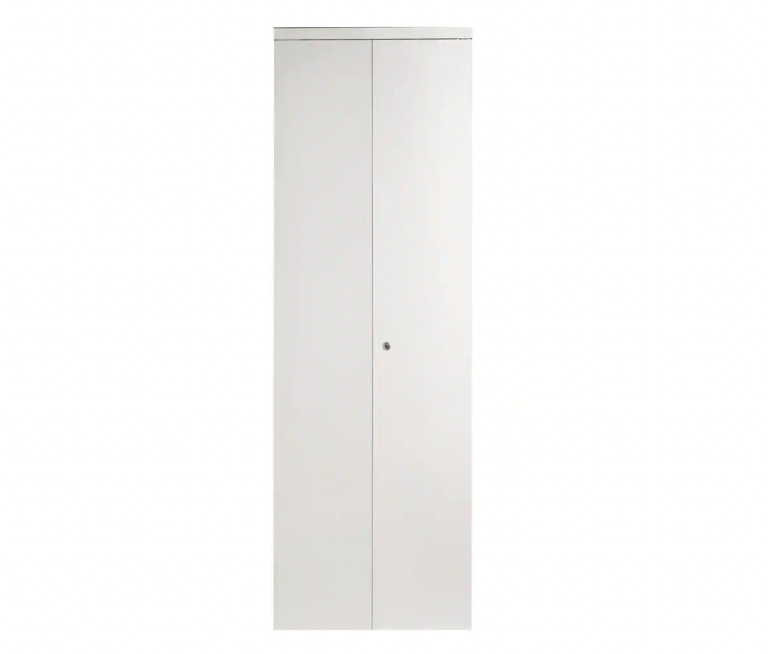
All Your Basic Bifold Closet Doors Need Is a Little Squiggly Molding

Tired of the Barn Door Trend? These Alternatives Are on the Rise
Designers Agree: Homeowners Want This Design Feature in 2026 (For Every Room!)

The death of the bifold door and what you should replace them with
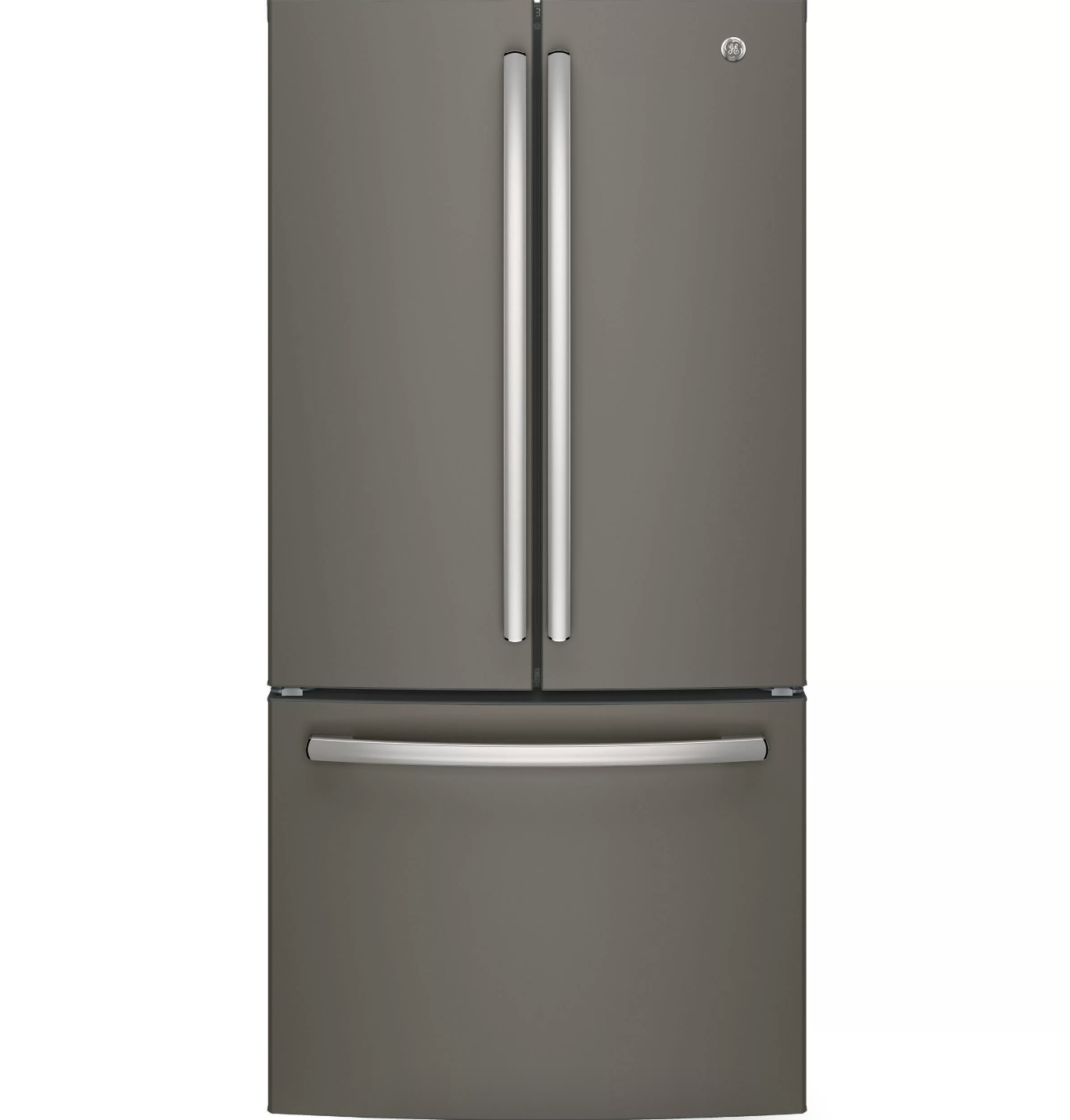
These French Door Refrigerators Are Just the Upgrade Your Kitchen Needs
Our Design Expert Names The Best Type Of Door For Your Laundry Room

Achieving Maximum Flexibility (and Style) with Frameless Pocket Doors

4 Ways to Reimagine Old-School Bifold Closet Doors
Colour Trends For French Door Designs
22 homes that perfect the art of the French door

Ten homes with French doors that bring an airiness to the interior
Bi-Fold Patio Doors

The Next Big Molding Trend Instantly Elevates Basic Doors
Door closer hinges: A new approach
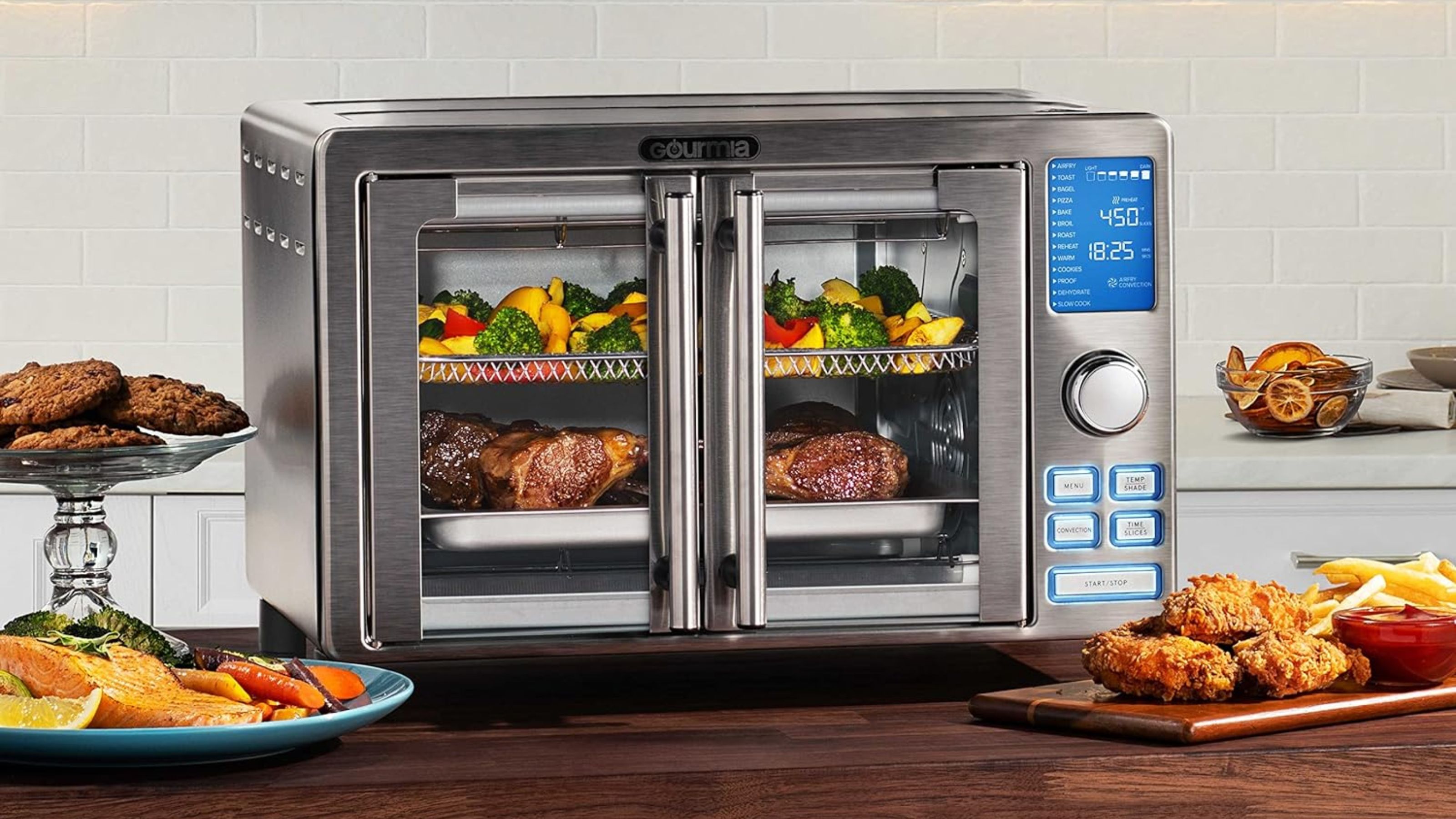
Experts are calling French door air fryers a 'revolution' in the world of kitchen appliances
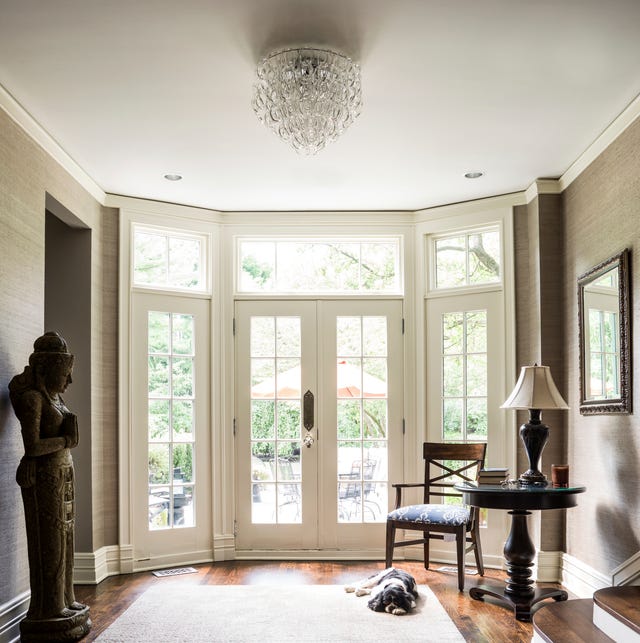
French Doors Are the Upgrade Your Patio Is Missing

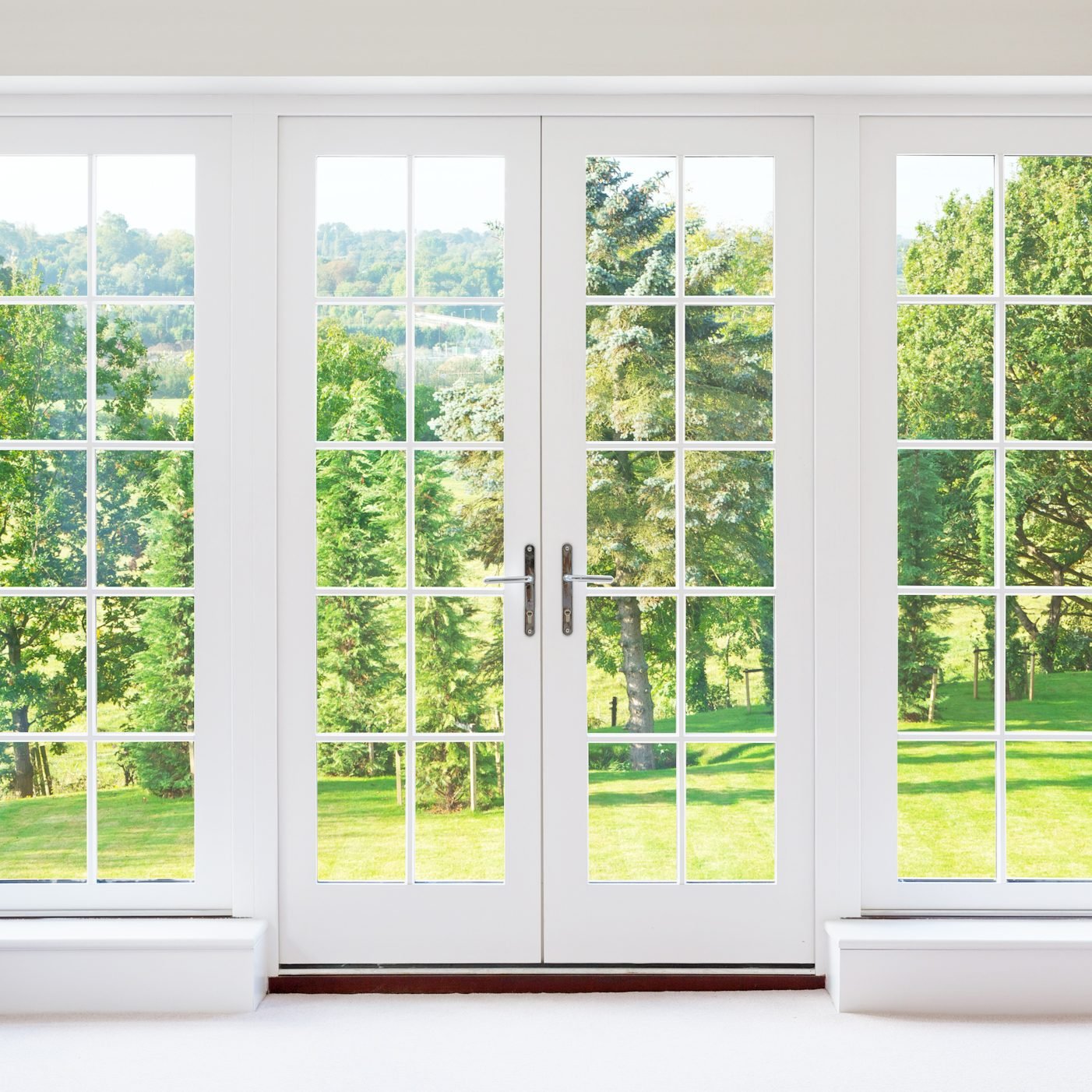
Types of Patio Doors: the Pros and Cons of 3 Popular Go-To's

Consider These 11 Trendy Alternatives To Traditional Barn Doors To Refresh Your Space
Doors: A forgotten design element