1/2
TV wall mounting tips: what you need to know before you get the drill out
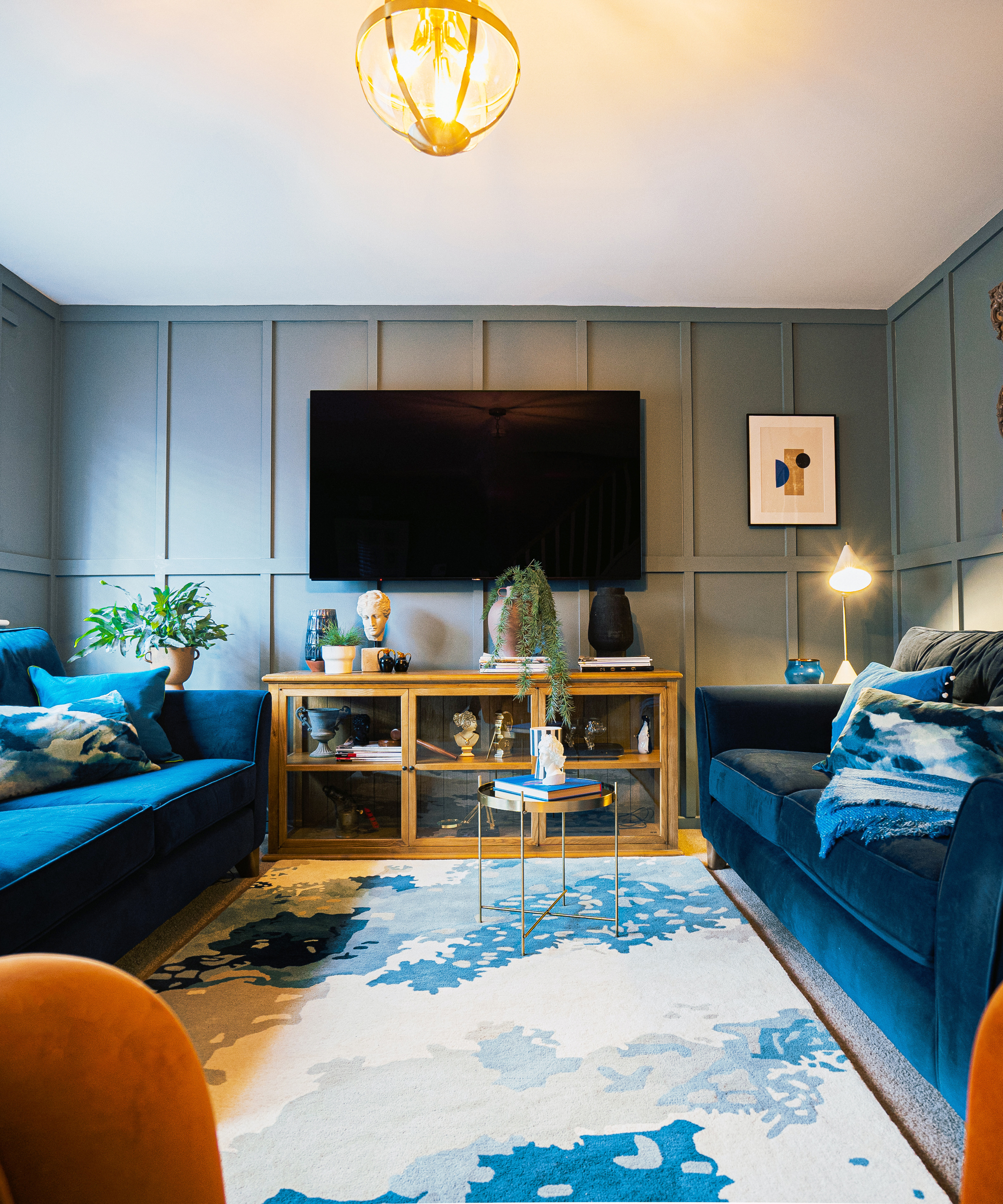
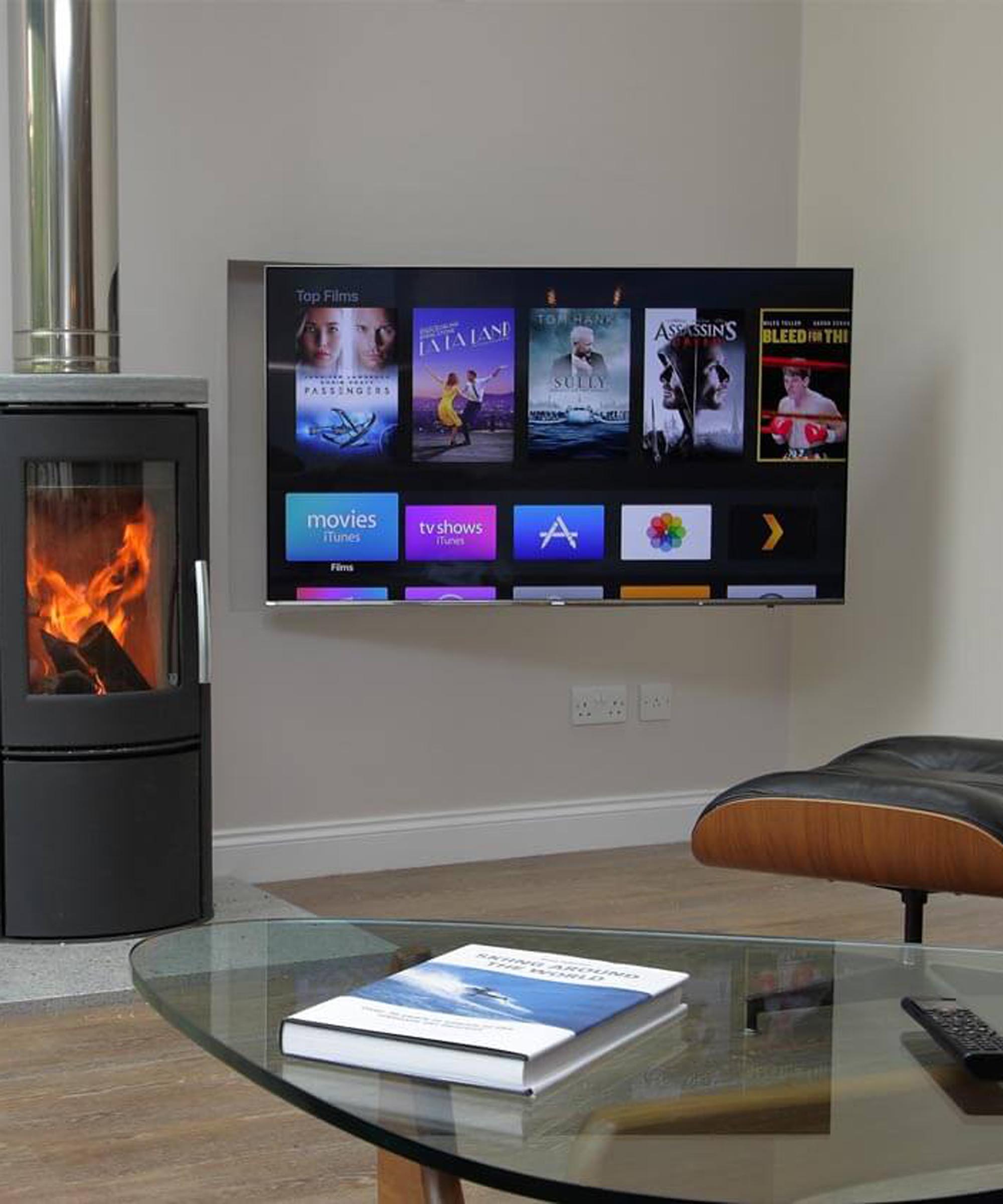
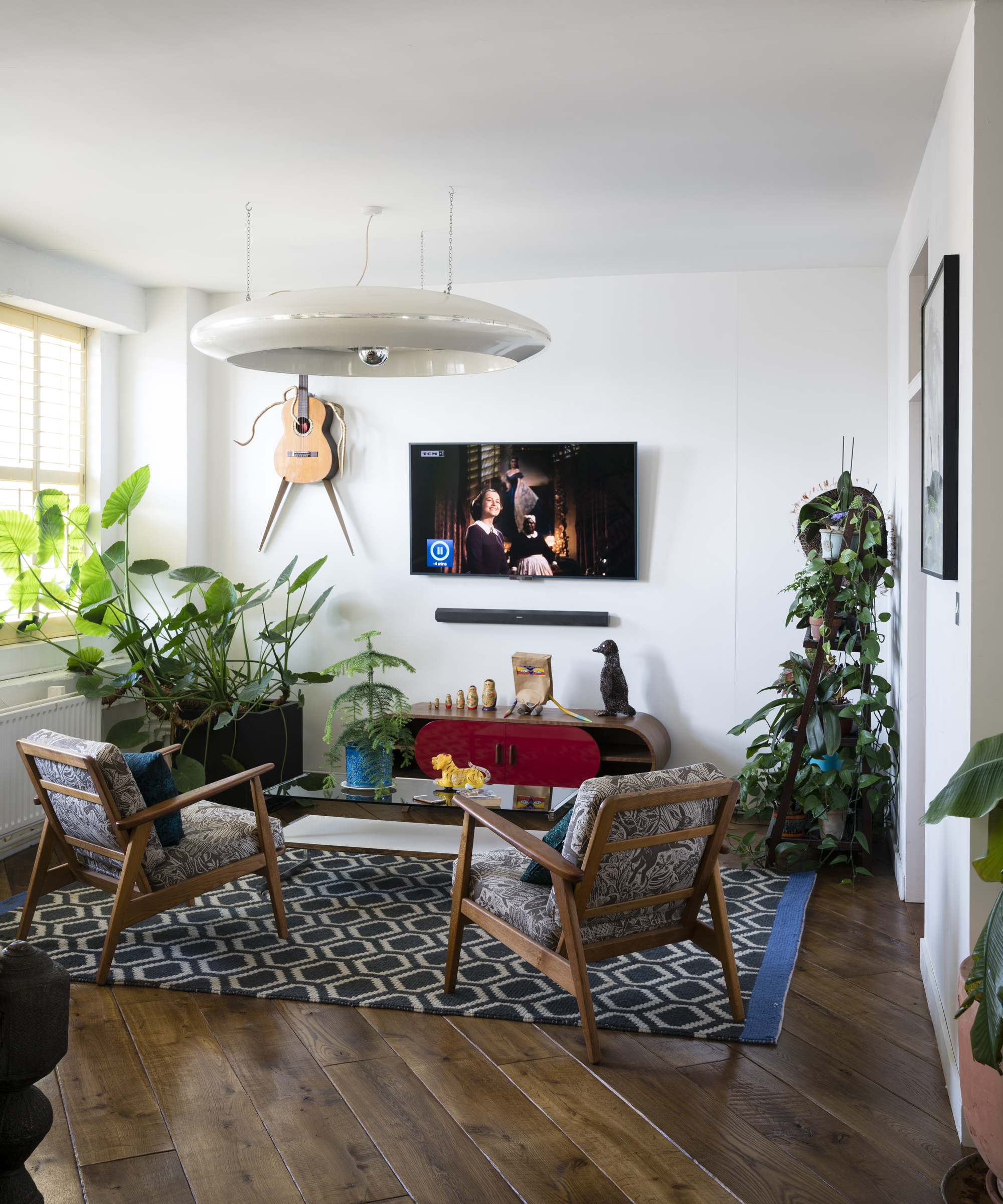
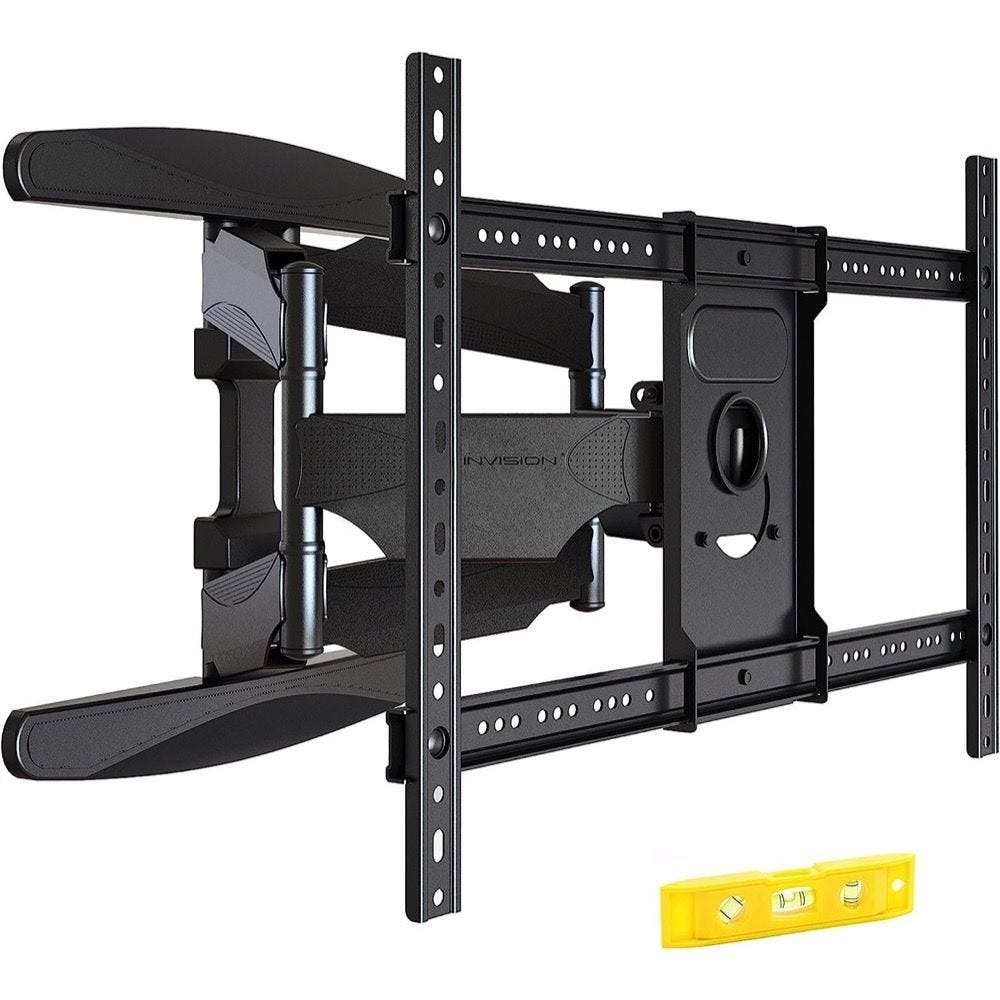
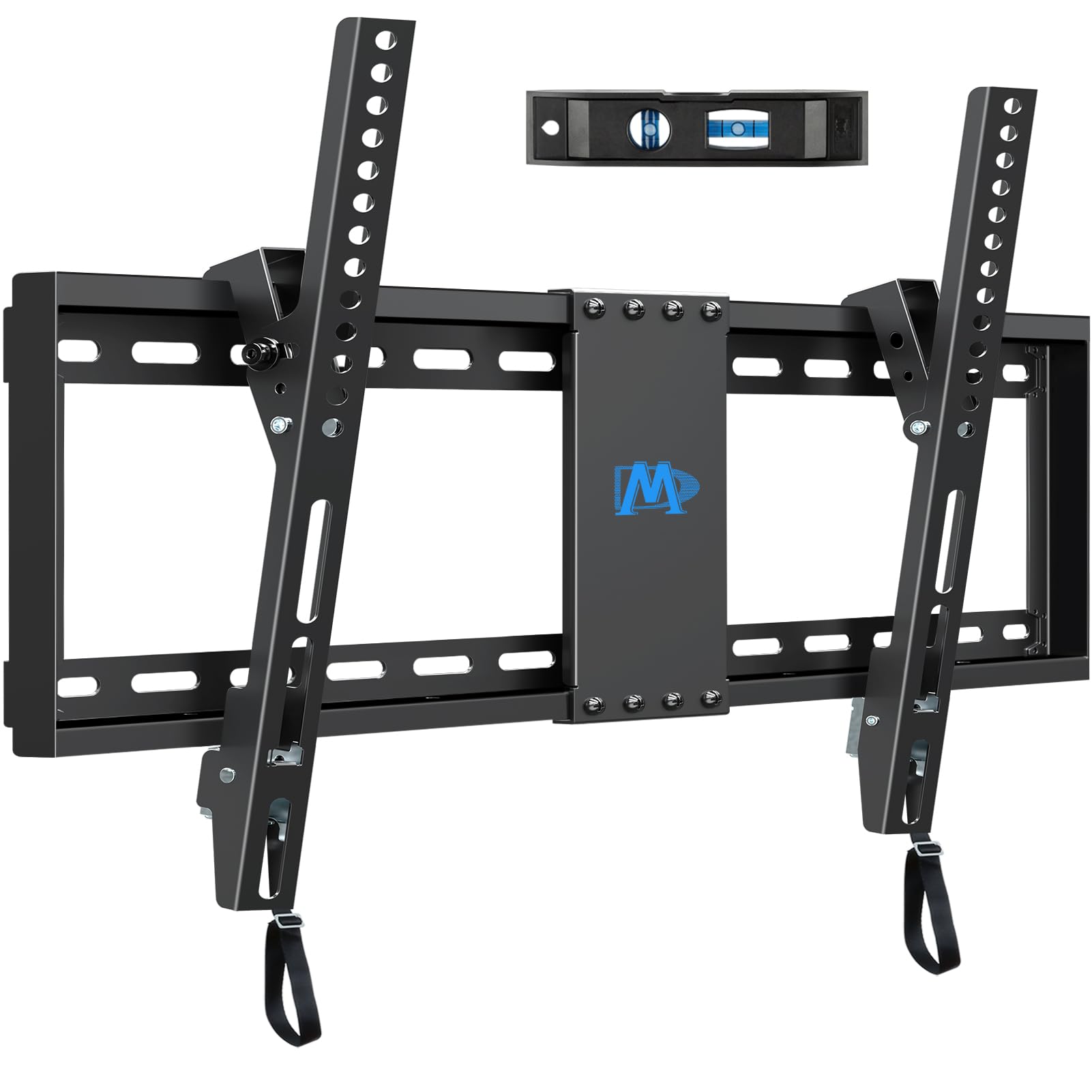
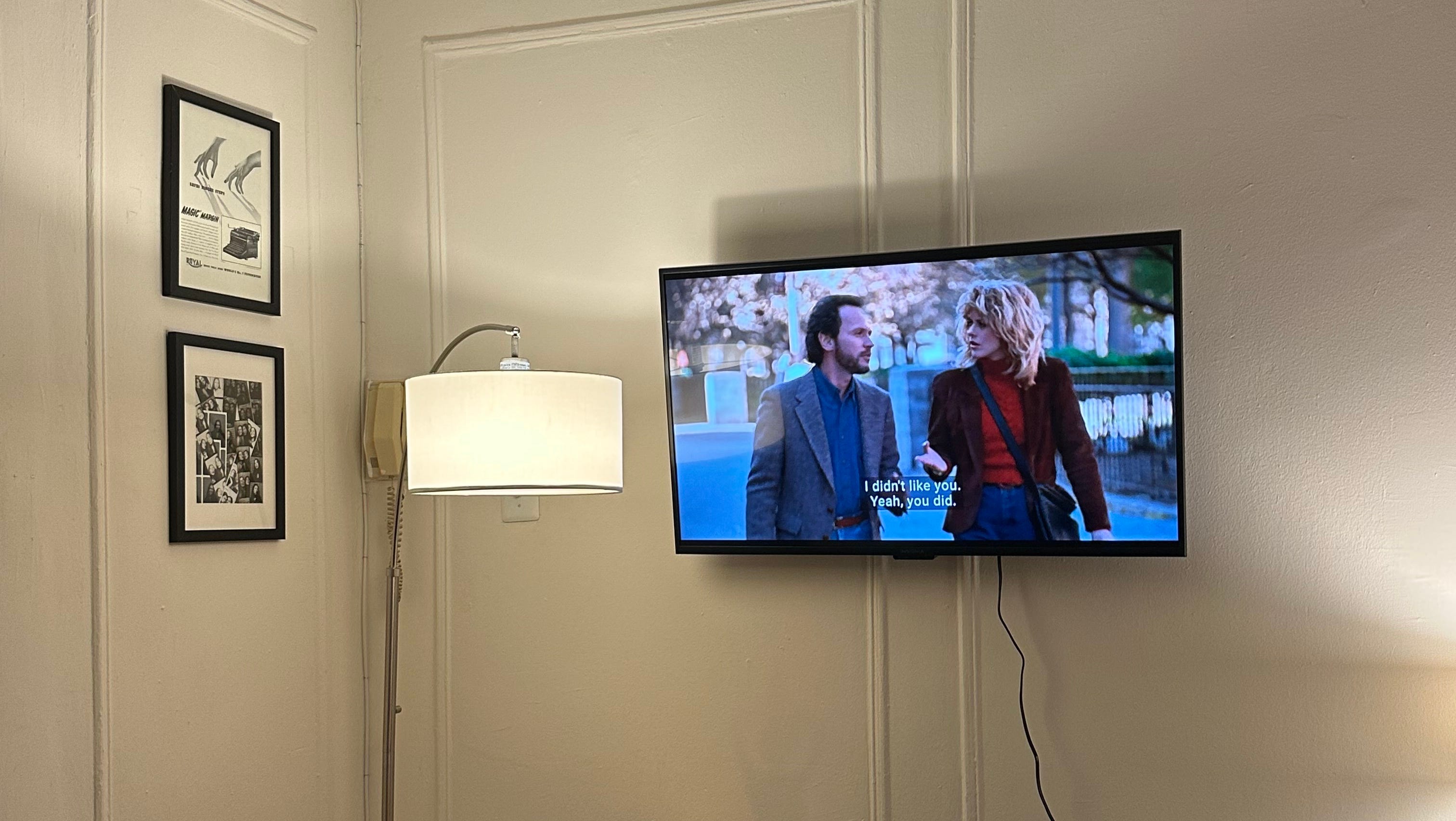
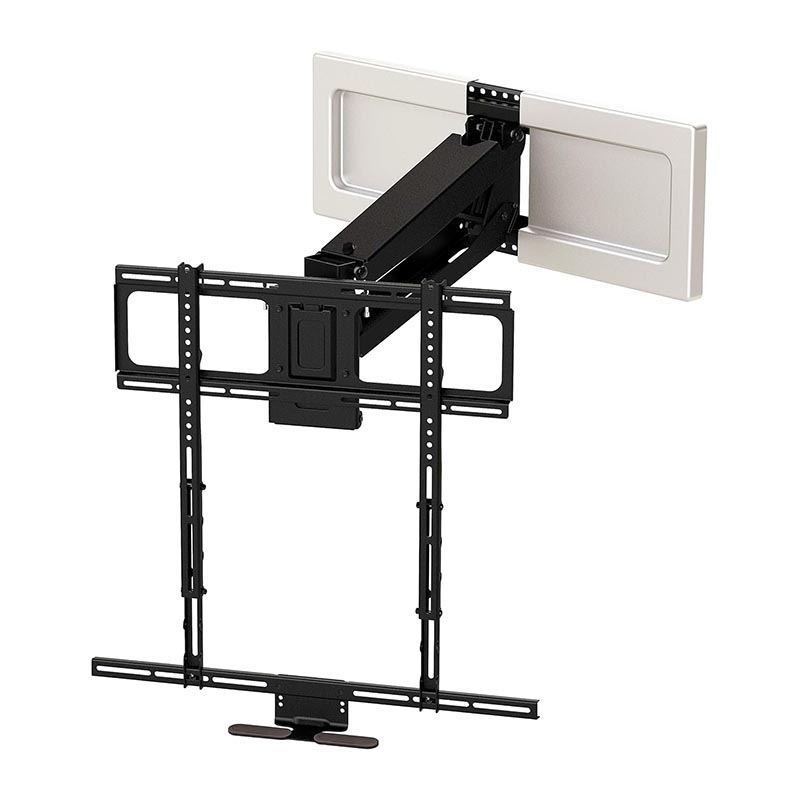
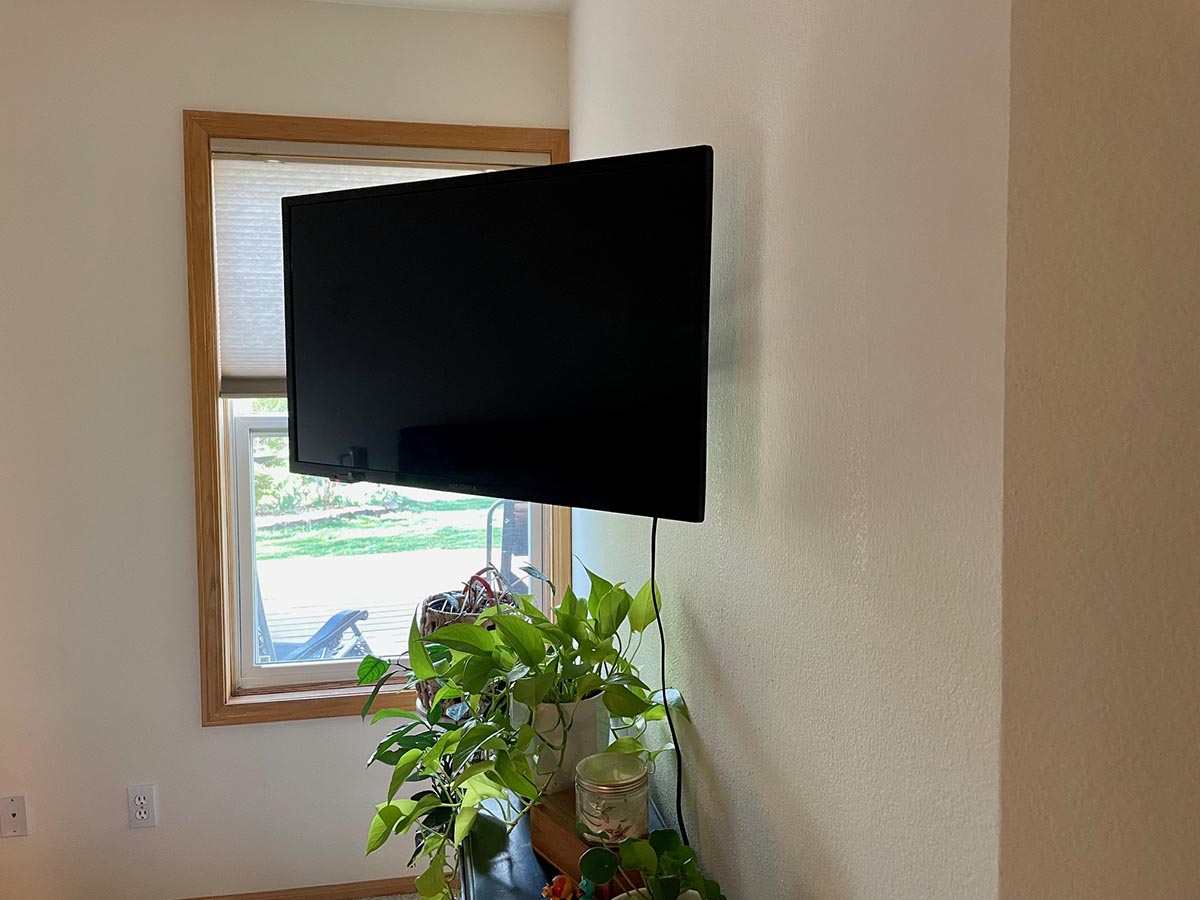
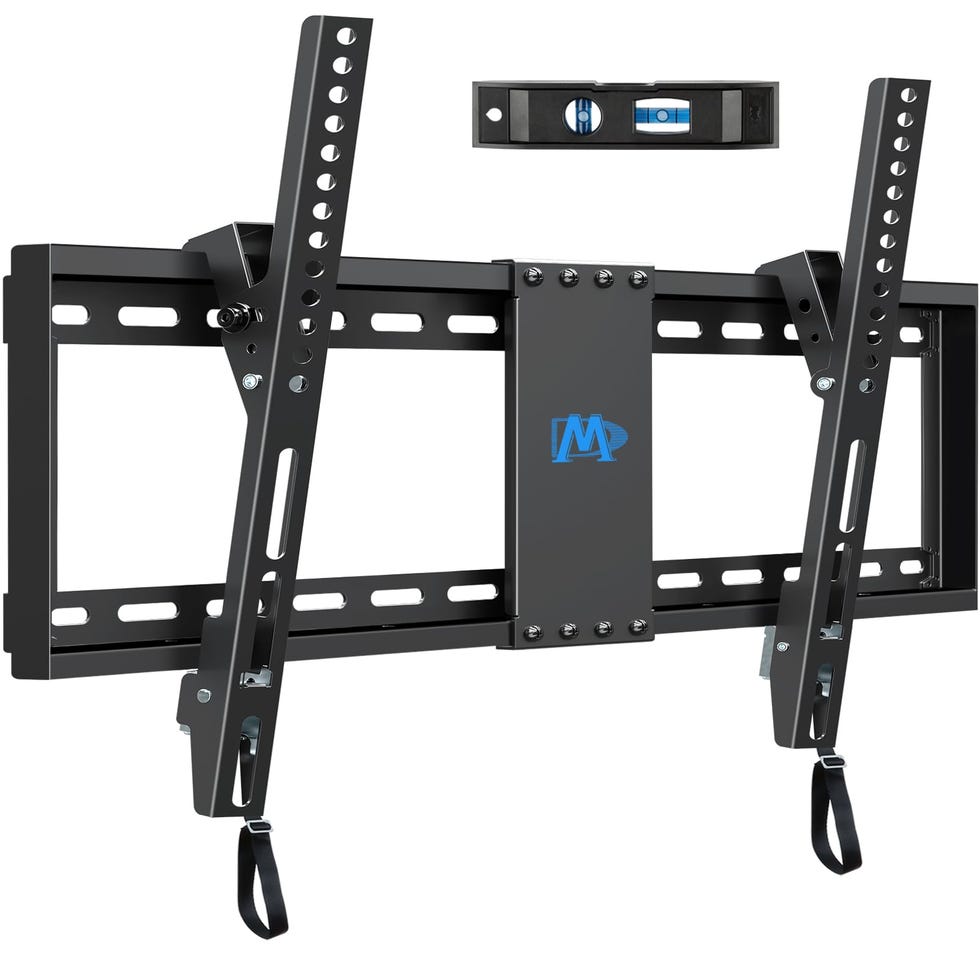
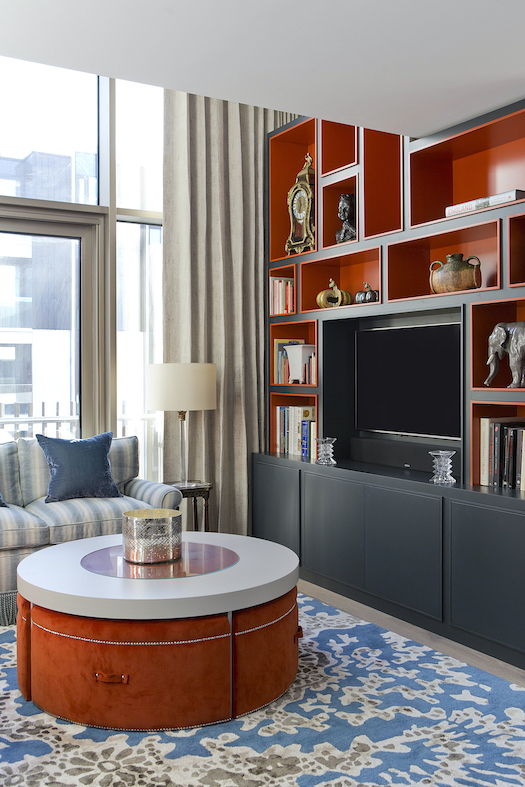
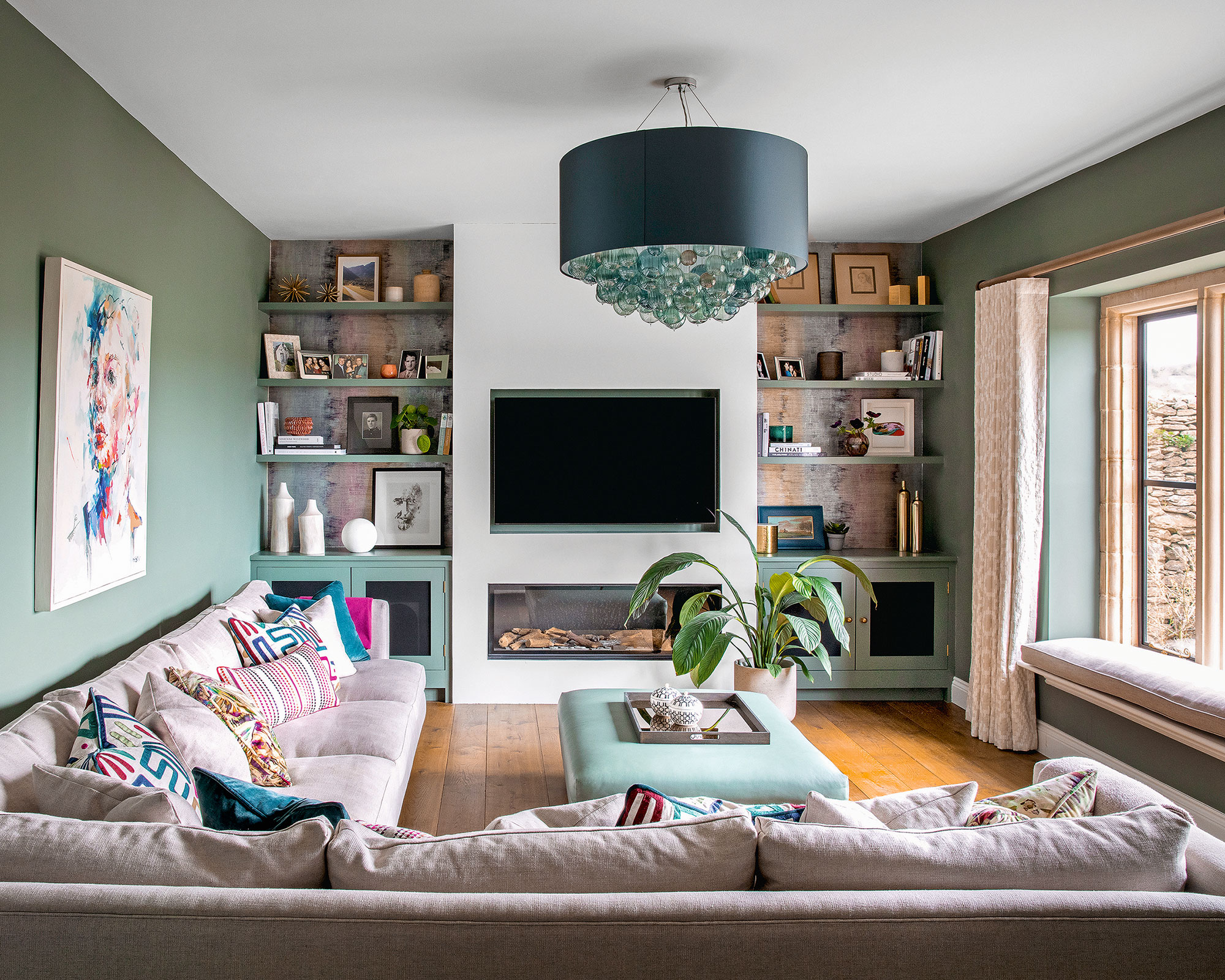
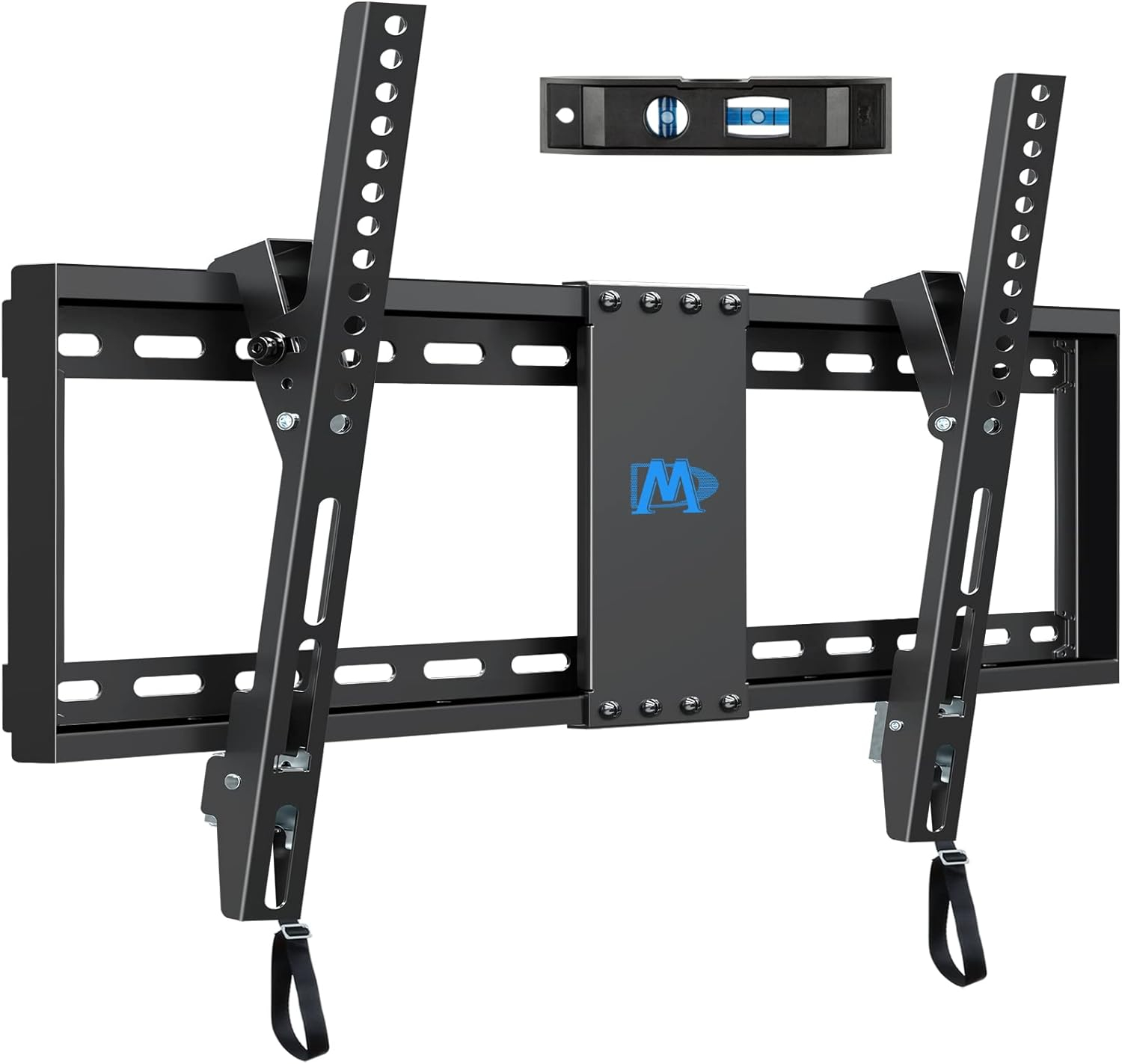
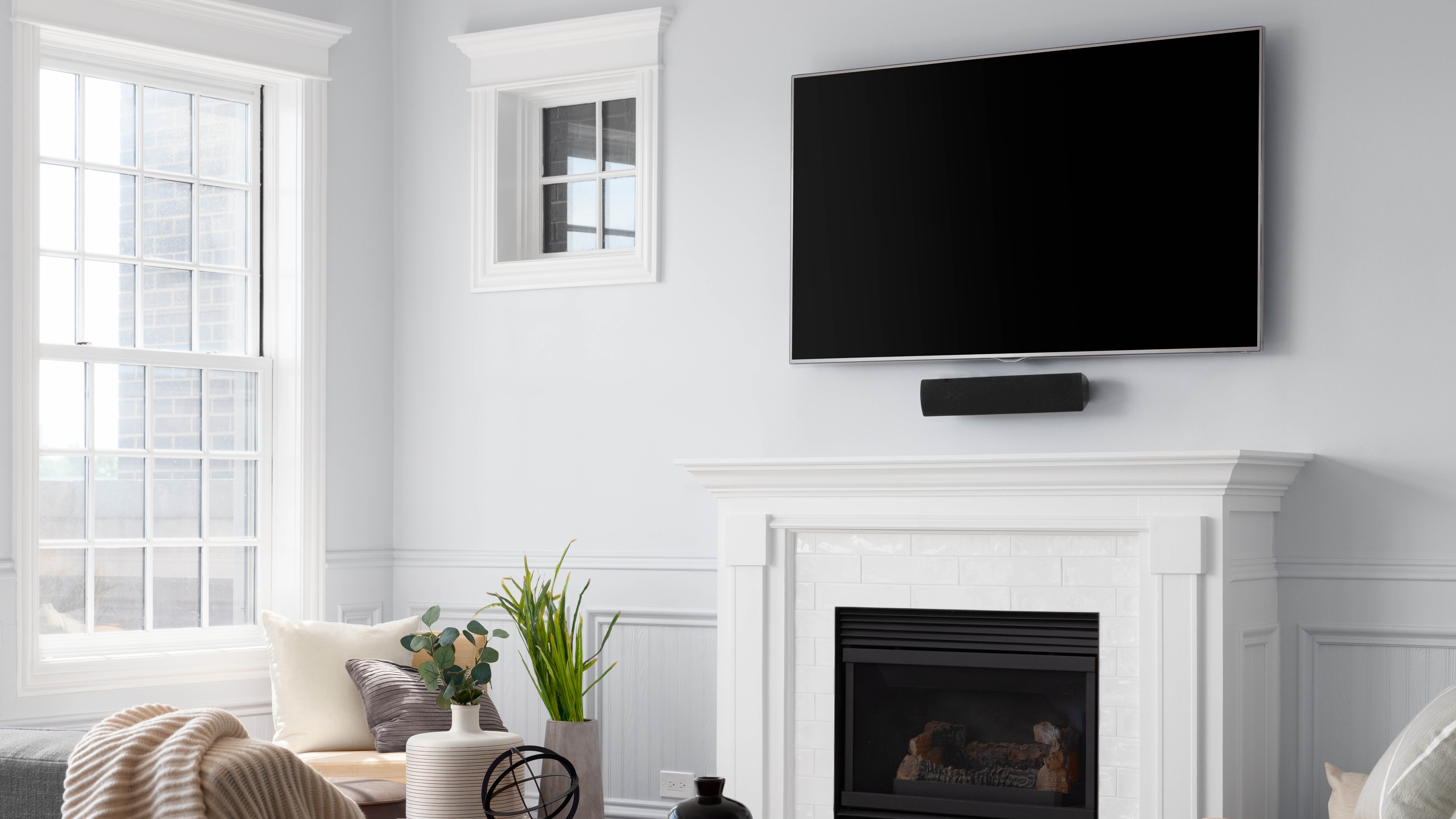
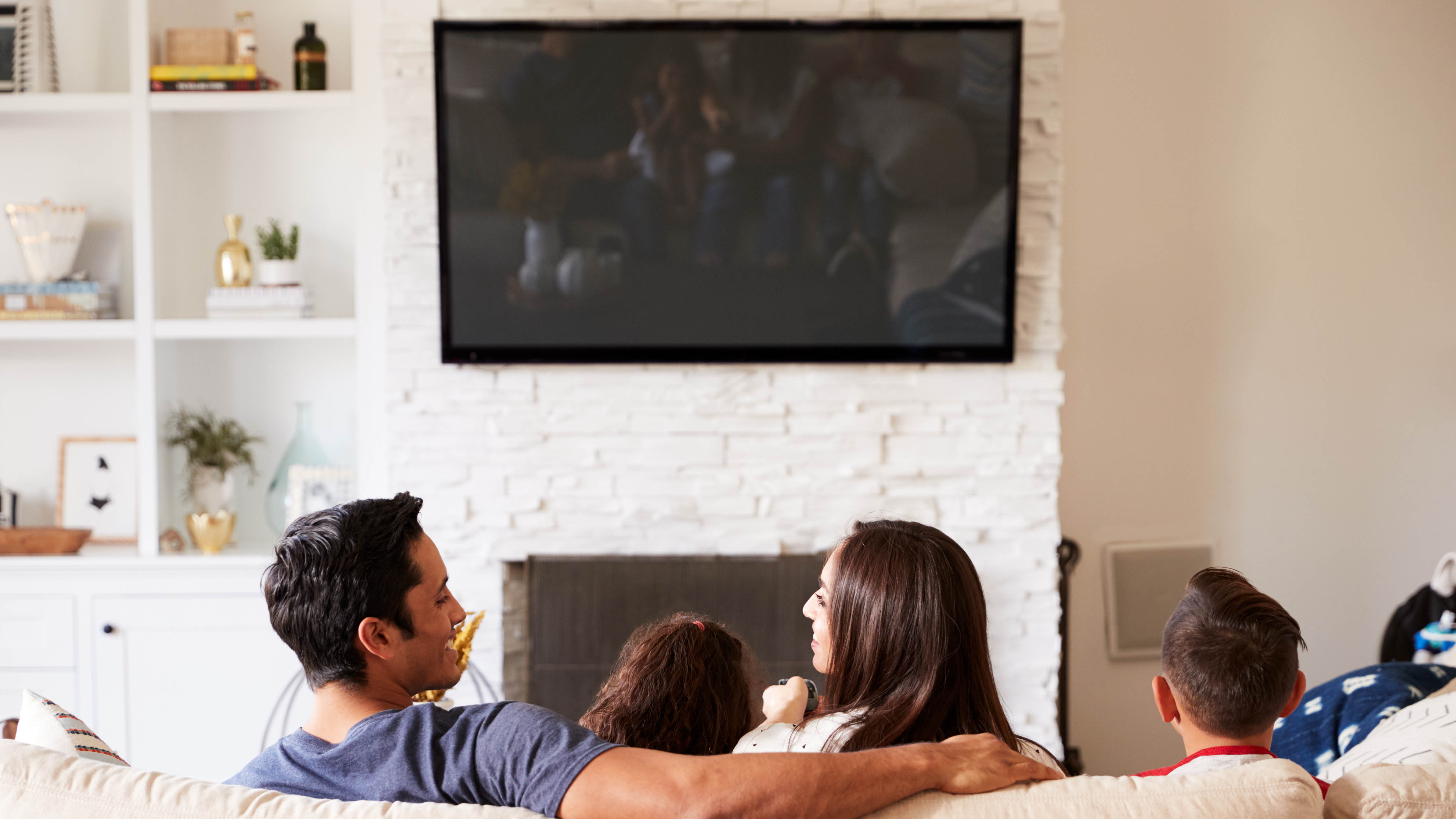
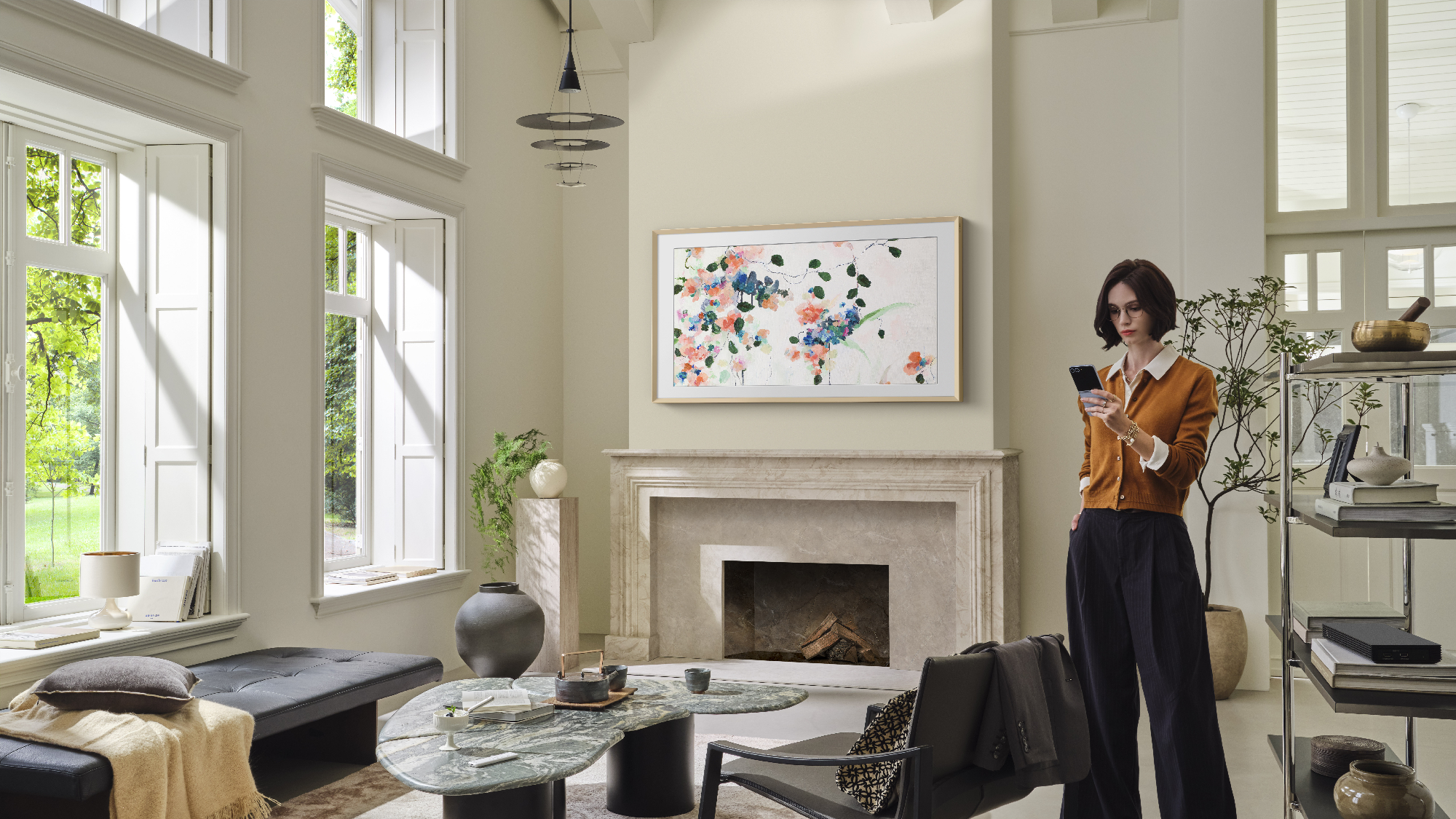
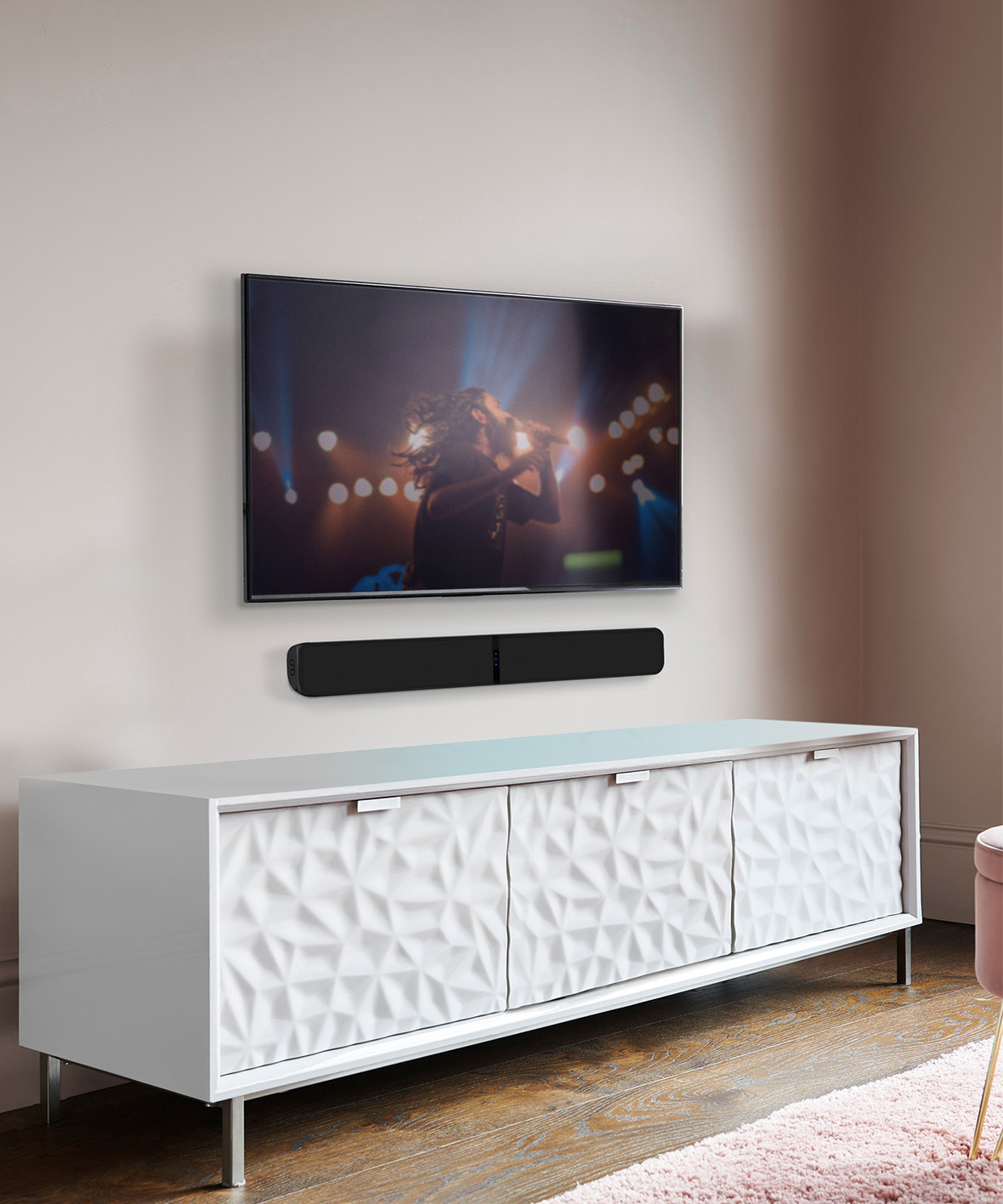
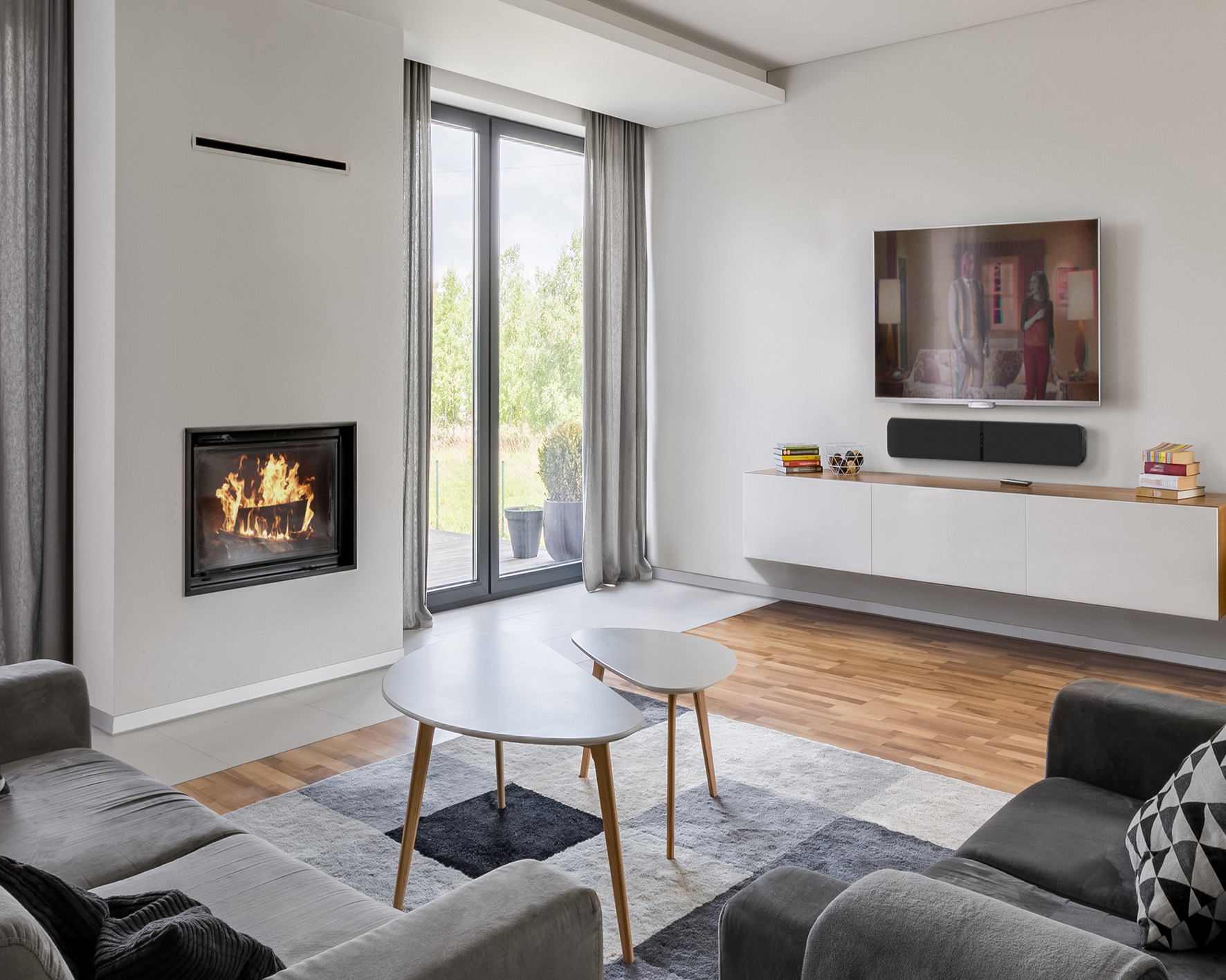
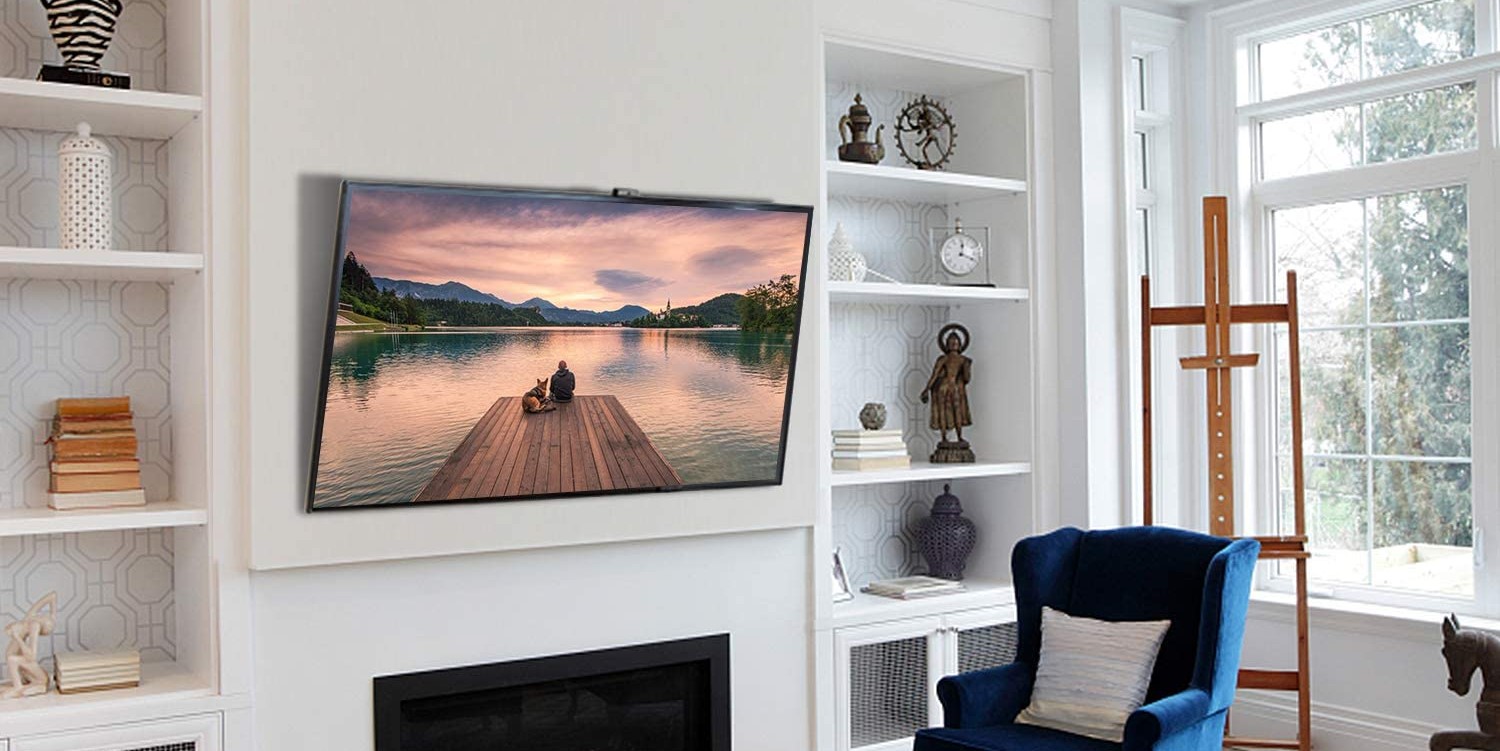
The article offers comprehensive tips for safely and effectively wall mounting a TV, capitalizing on the space-saving and aesthetic benefits of flatscreen televisions. It emphasizes the importance of proper TV placement, advising against positioning a TV opposite a window due to sunlight washout, which can render dark scenes unwatchable. While mounting above a fireplace is a popular option, the article cautions against potential neck strain from looking up too much and suggests using a tilted bracket to optimize viewing angles. It also warns against heat exposure from active fireplaces, recommending this setup only for non-working ones. Ideal placement involves a wall free from direct light, allowing the TV to be mounted at approximately head height for comfortable viewing.
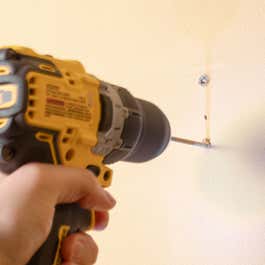
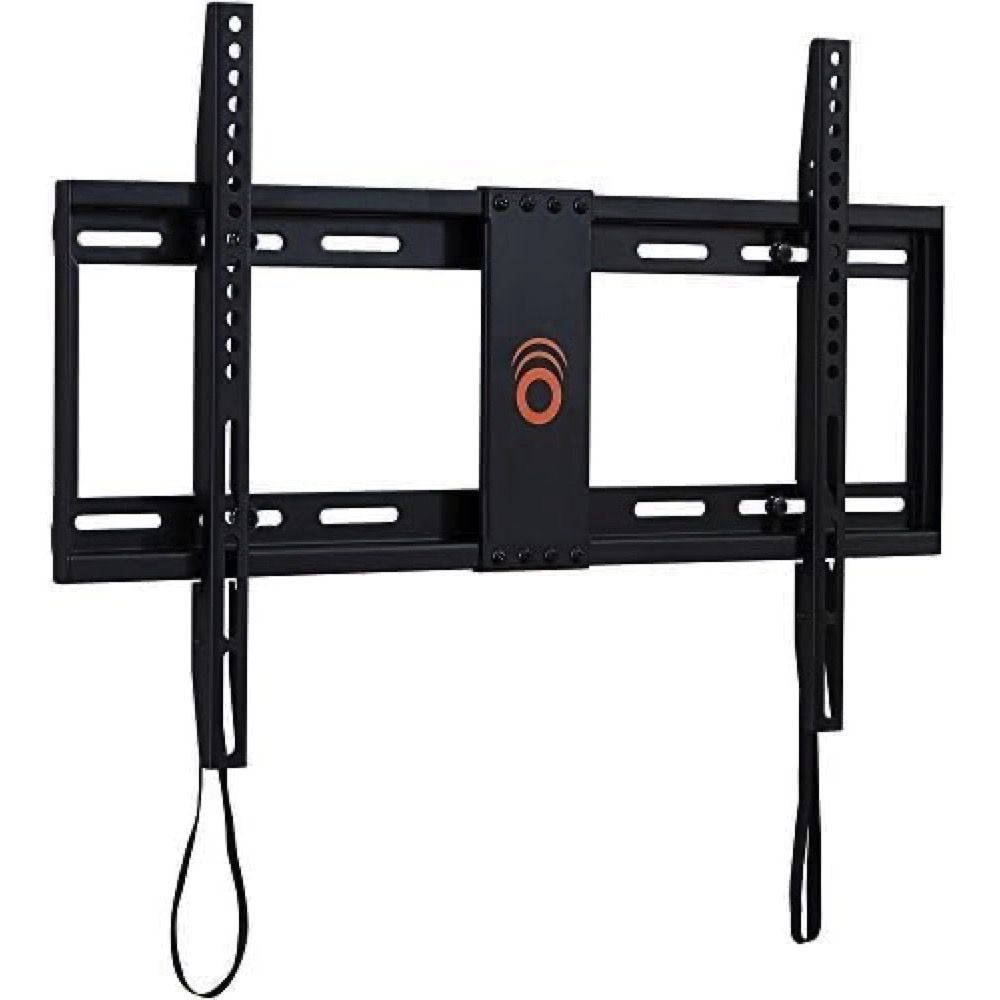
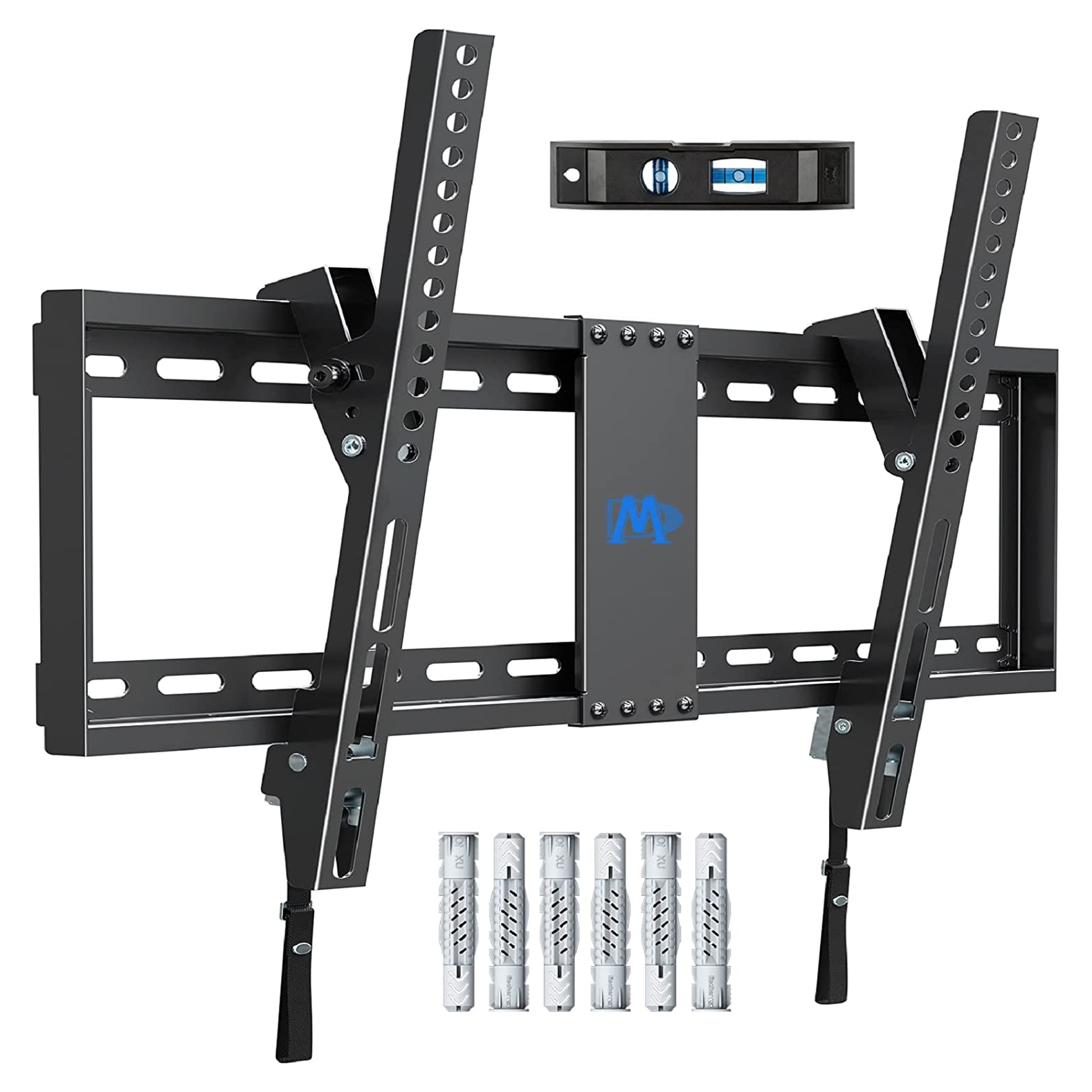
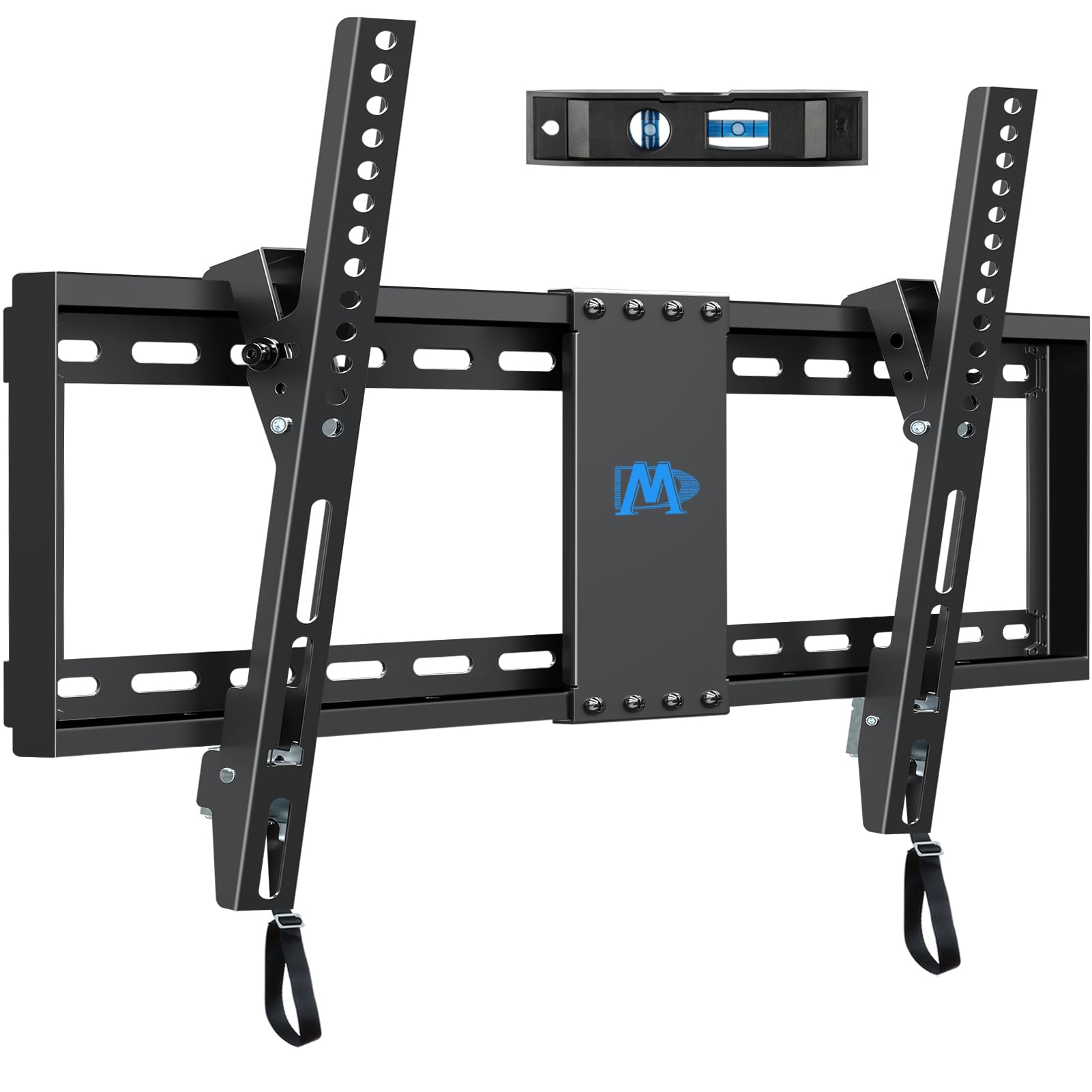
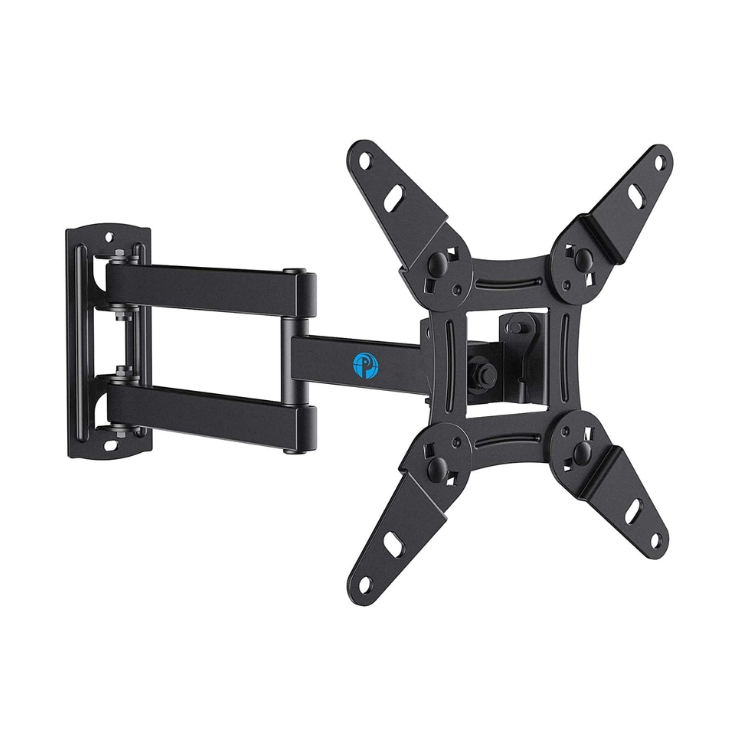
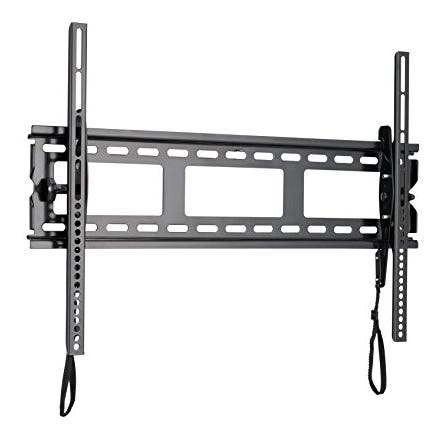
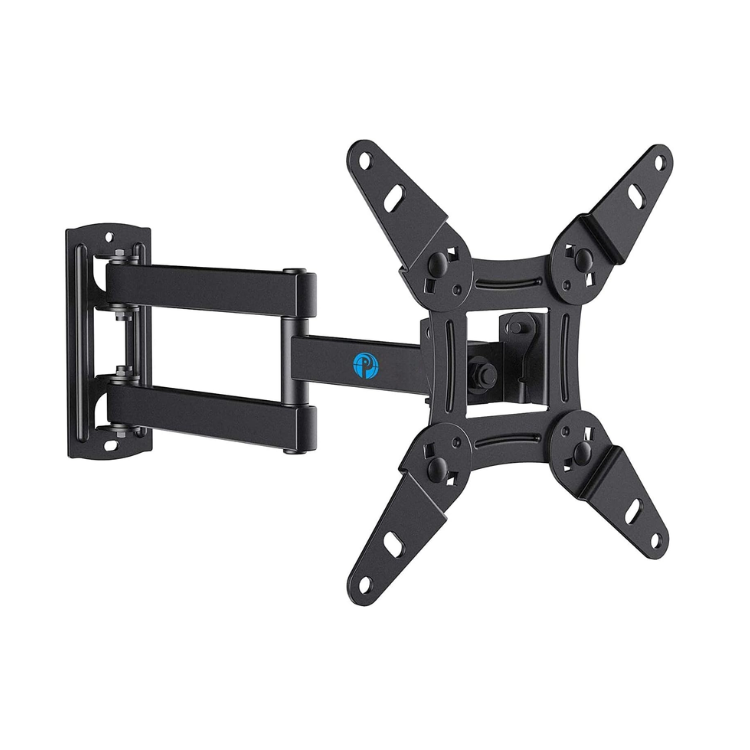
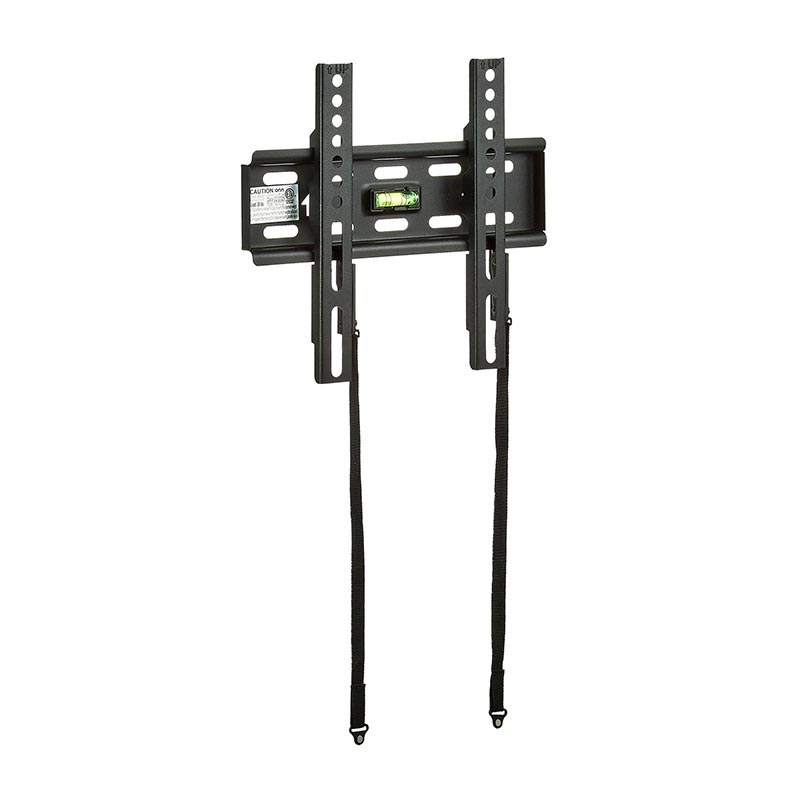
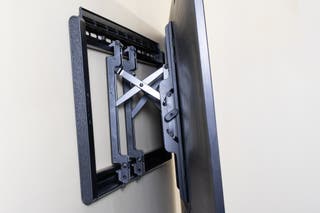
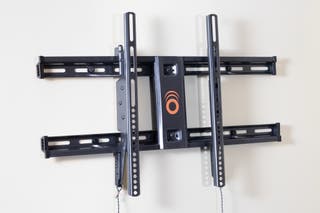
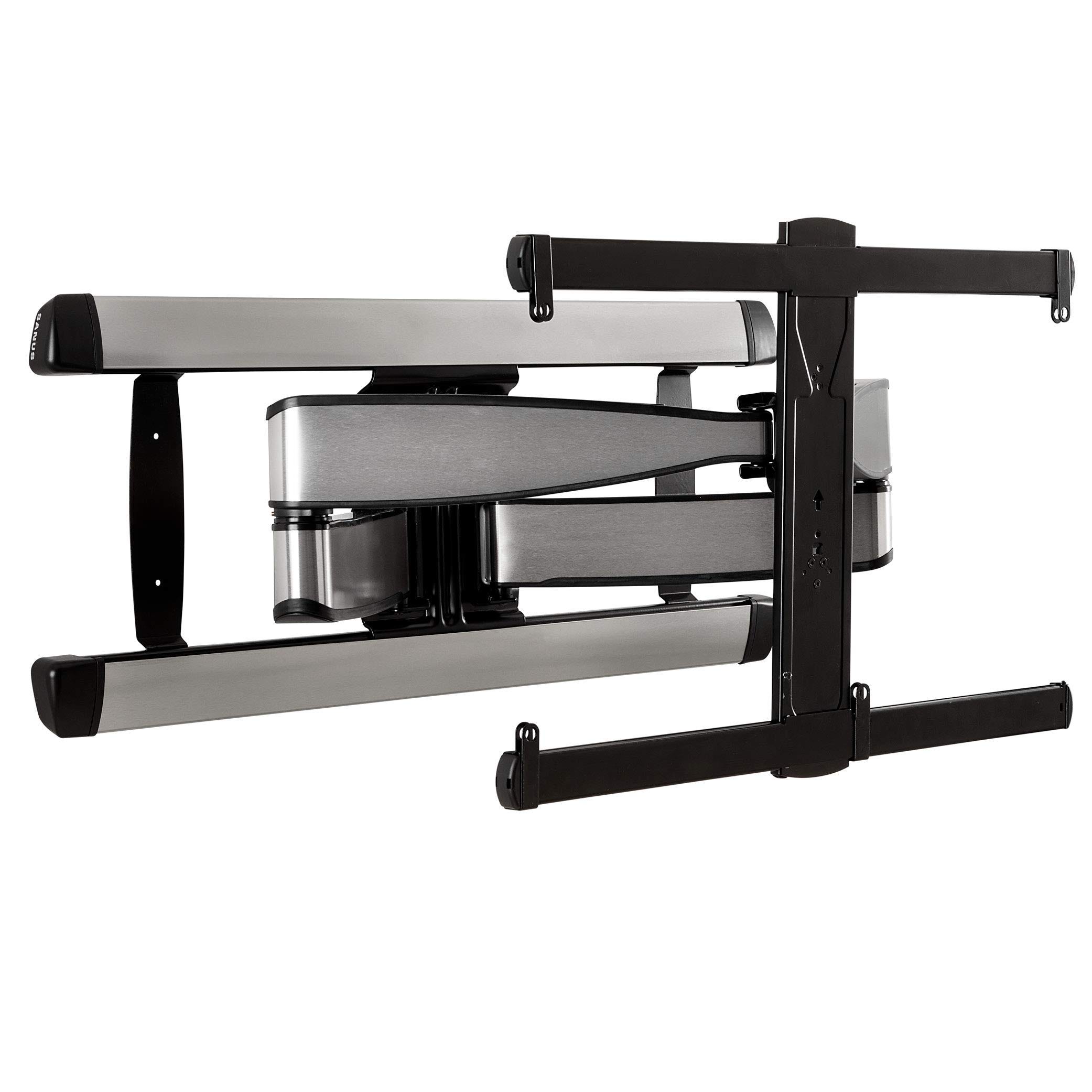
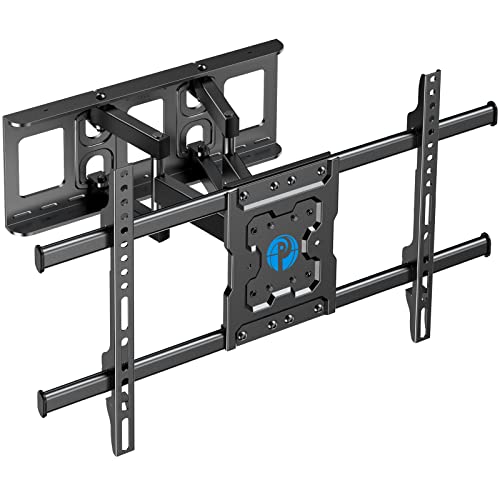
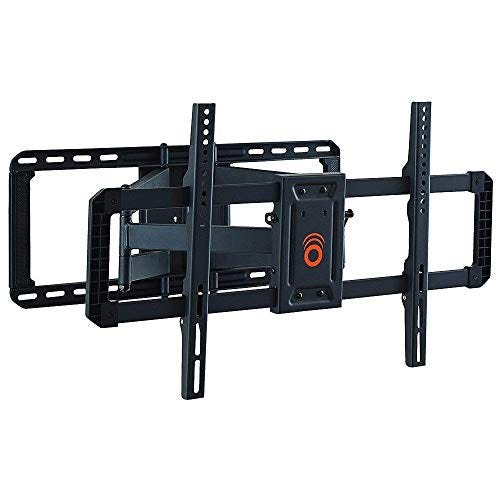
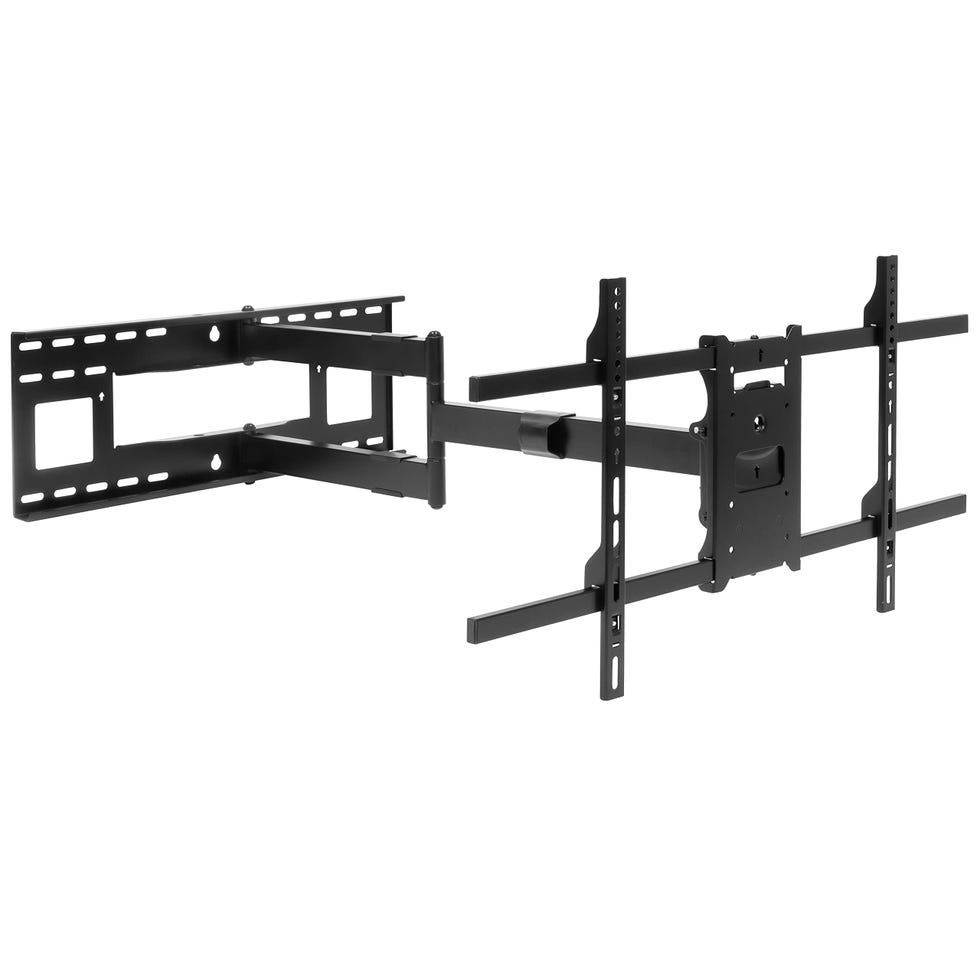
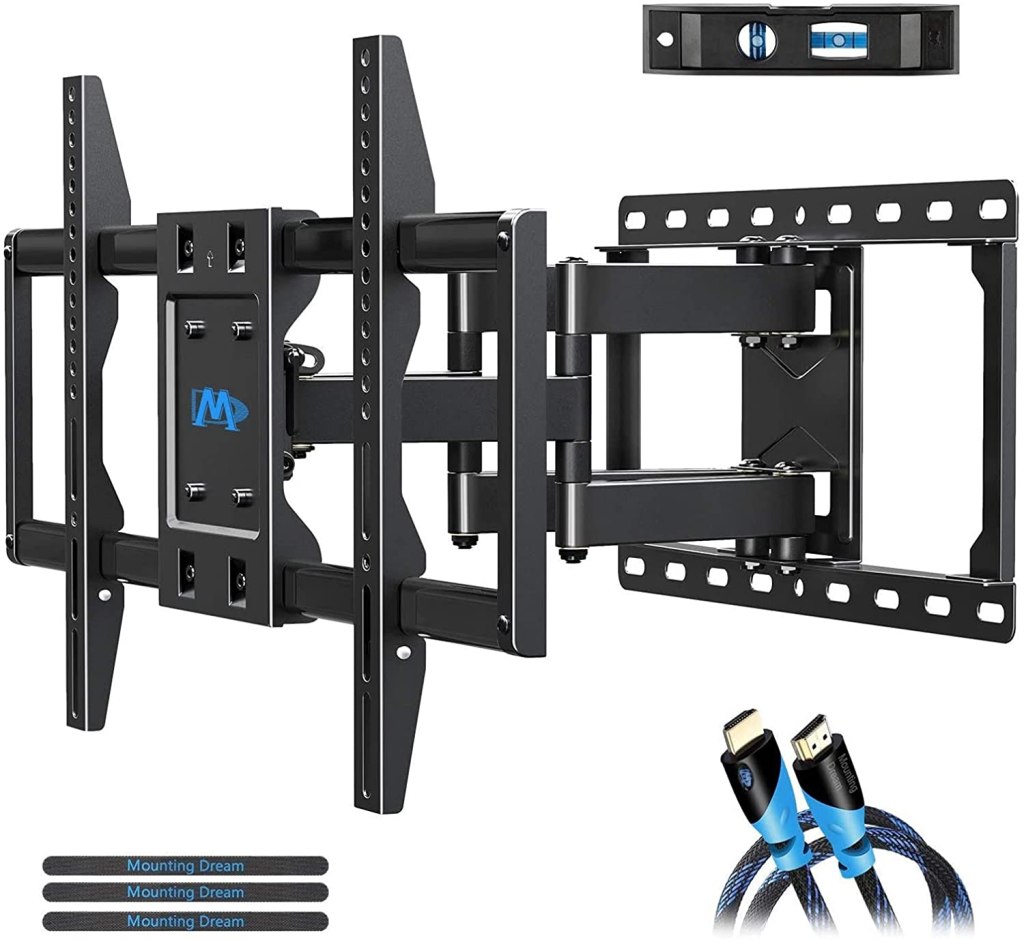
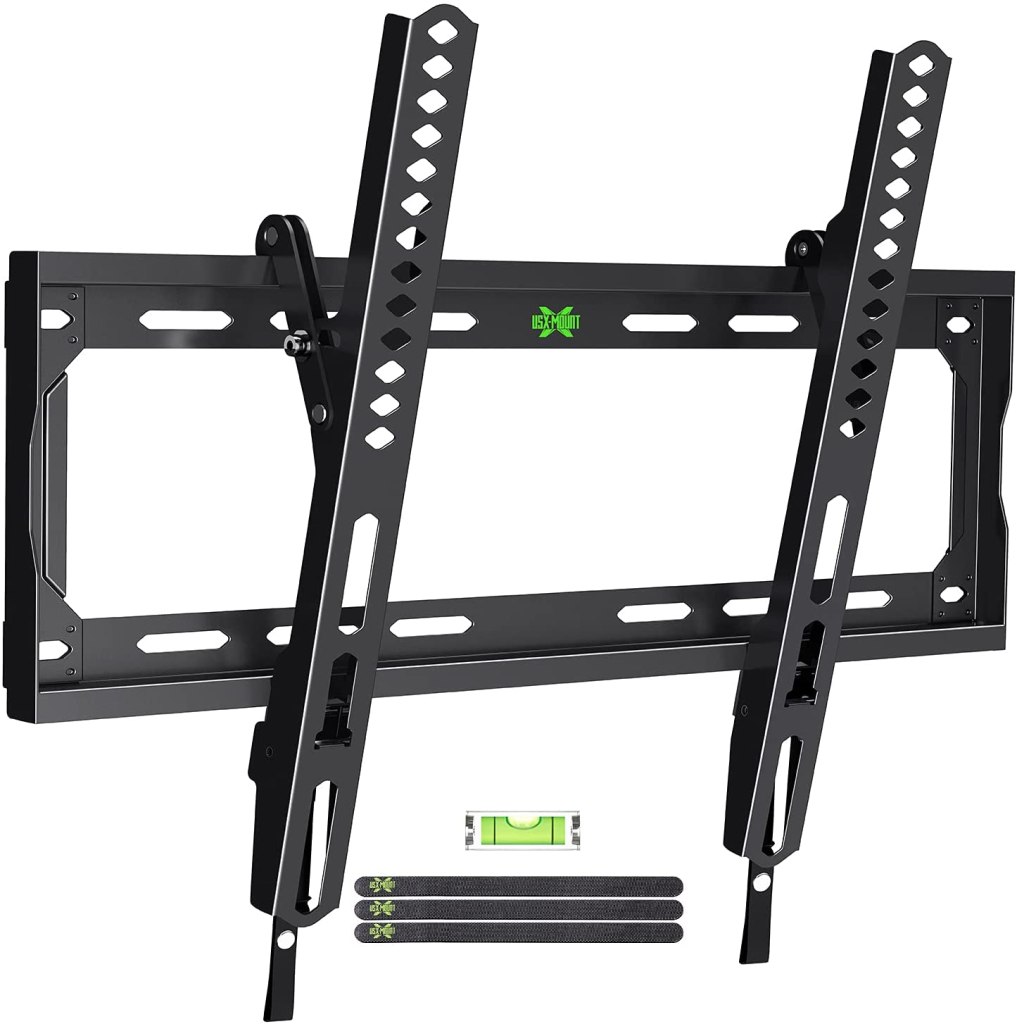
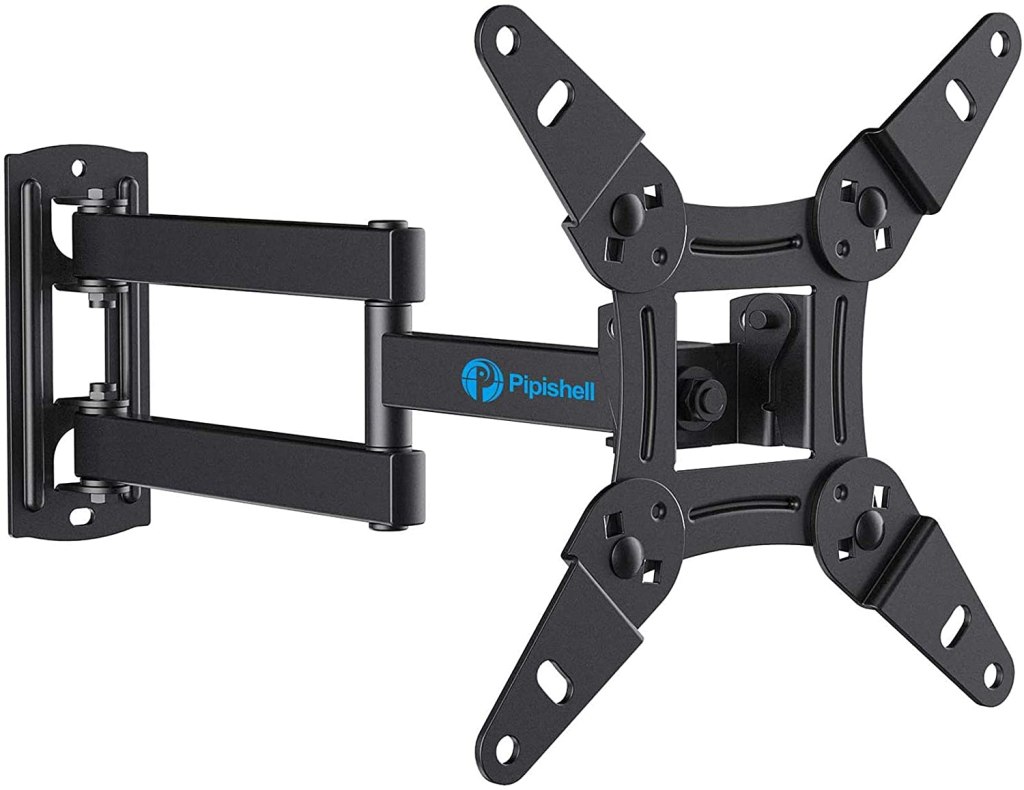
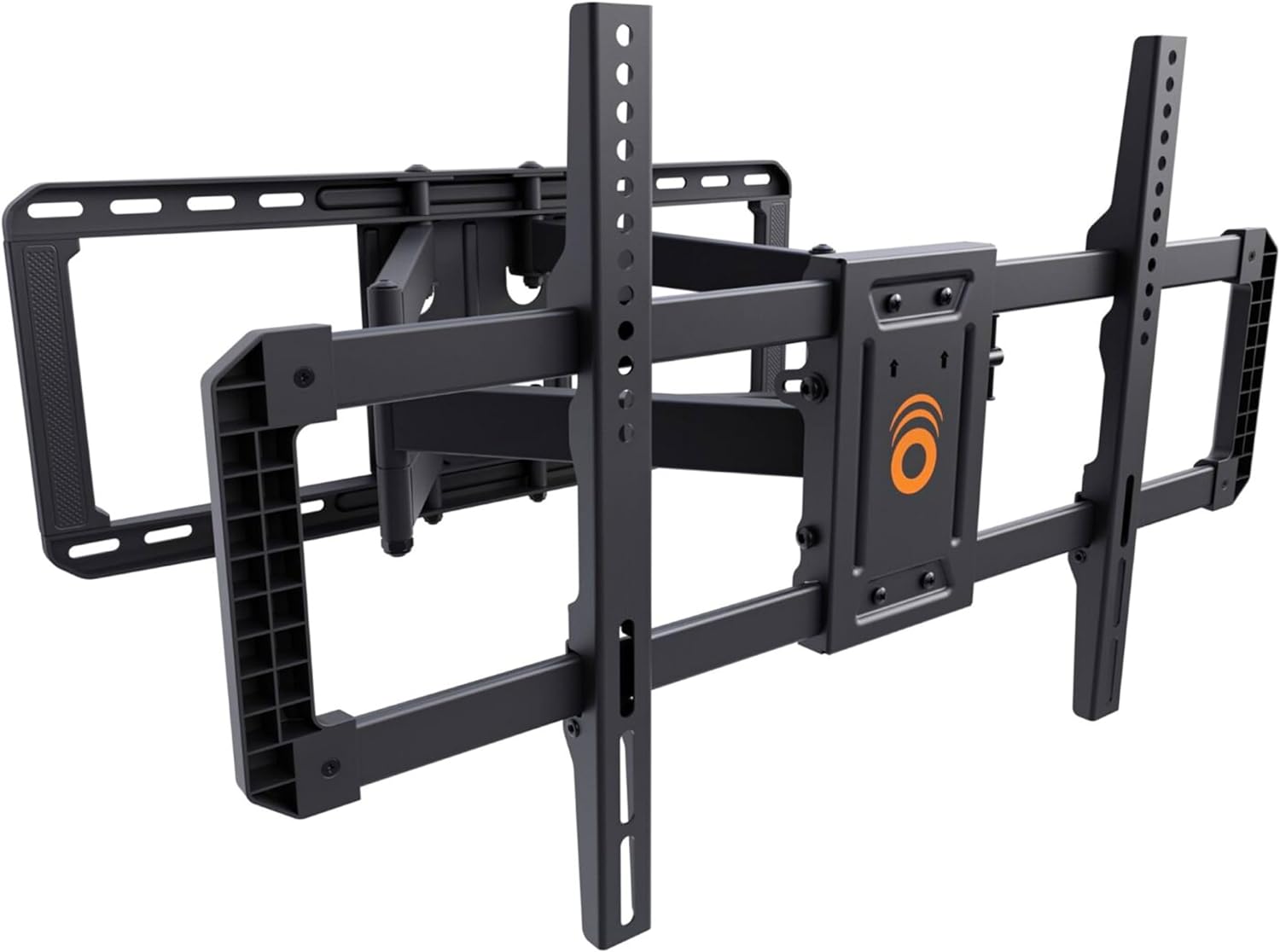
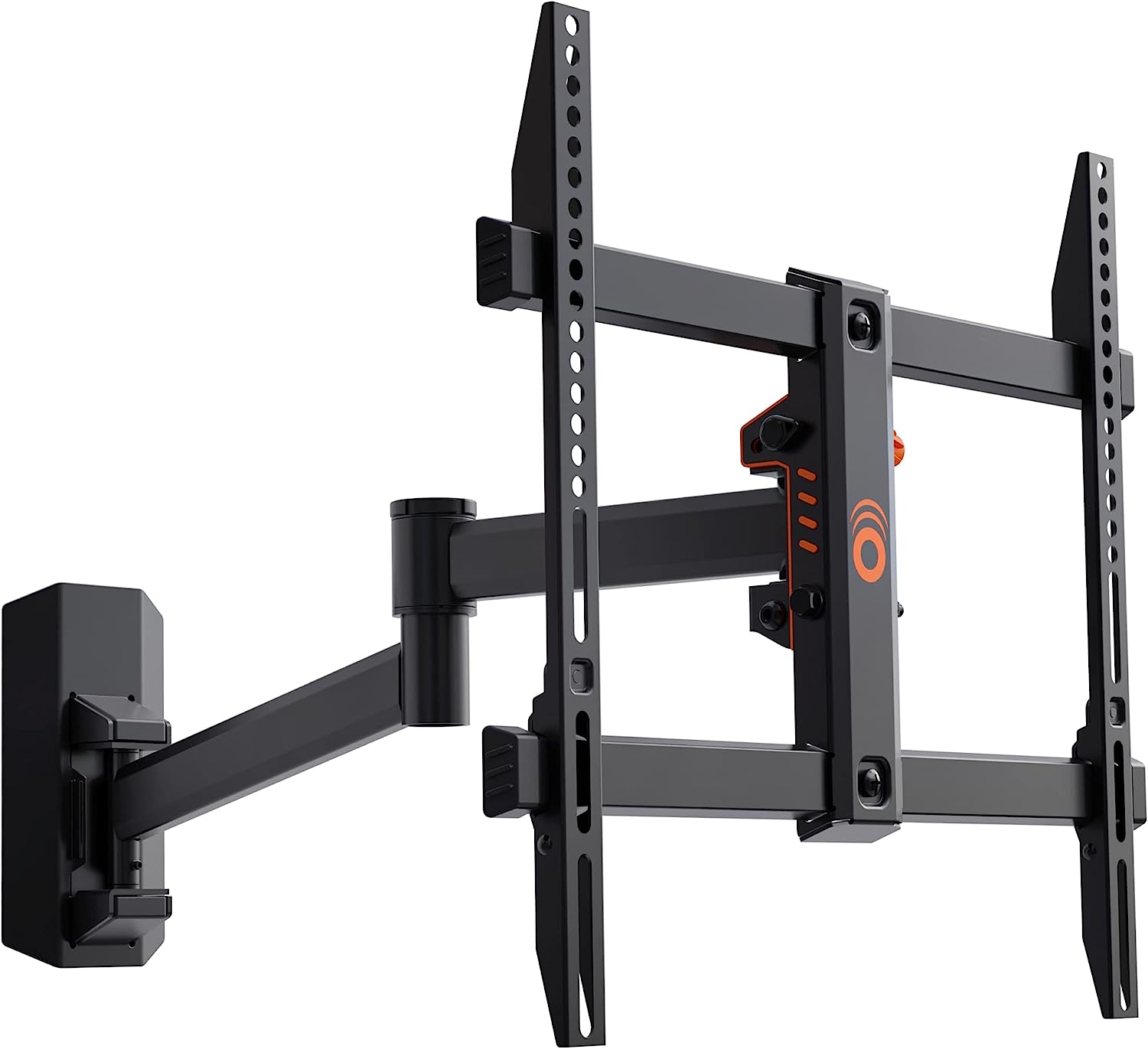
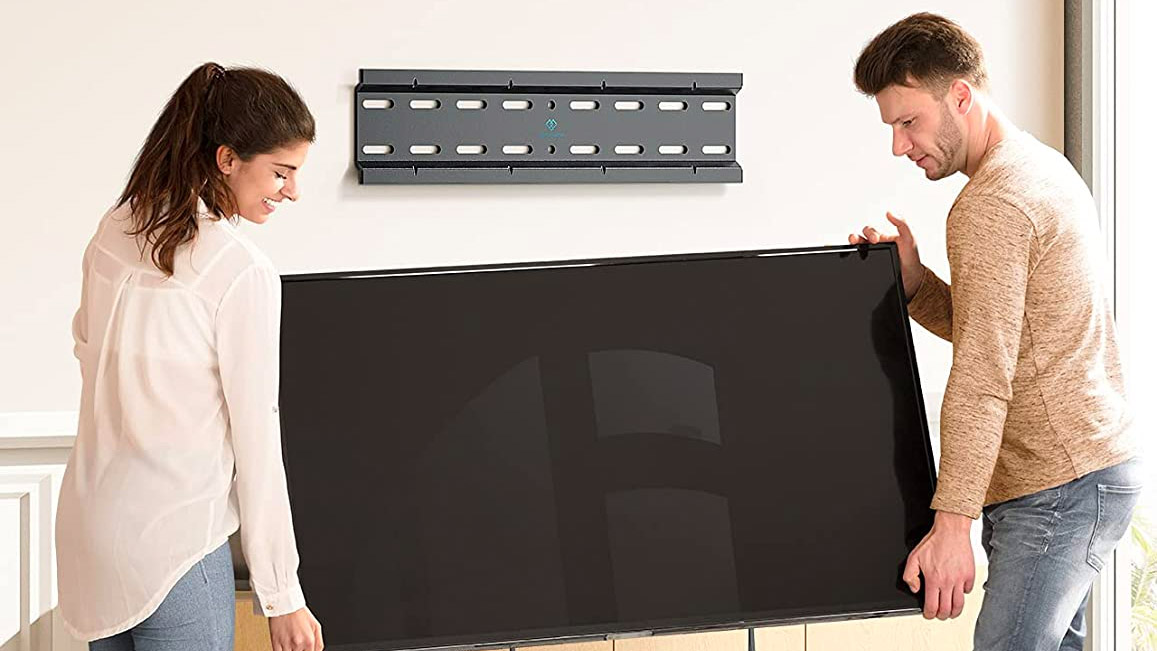
The discussion then shifts to the practical aspects of installation, particularly concerning wall types. For brick, concrete, or block walls, standard tools like a pencil, spirit level, plugs, screws, and a drill bit suffice. For plasterboard, care must be taken not to overtighten screws to prevent cracking. Stud walls present a greater challenge, especially for large, heavy TVs. In such cases, specialist fixings are recommended, and it is crucial to use a flat bracket to avoid the TV's weight acting as a fulcrum, which could damage the wall and the TV. The article strongly advises against cutting costs on wall mounts, advocating for high-quality brands and fixings to protect expensive televisions.
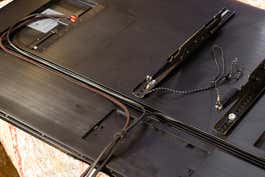
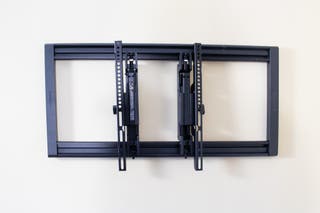
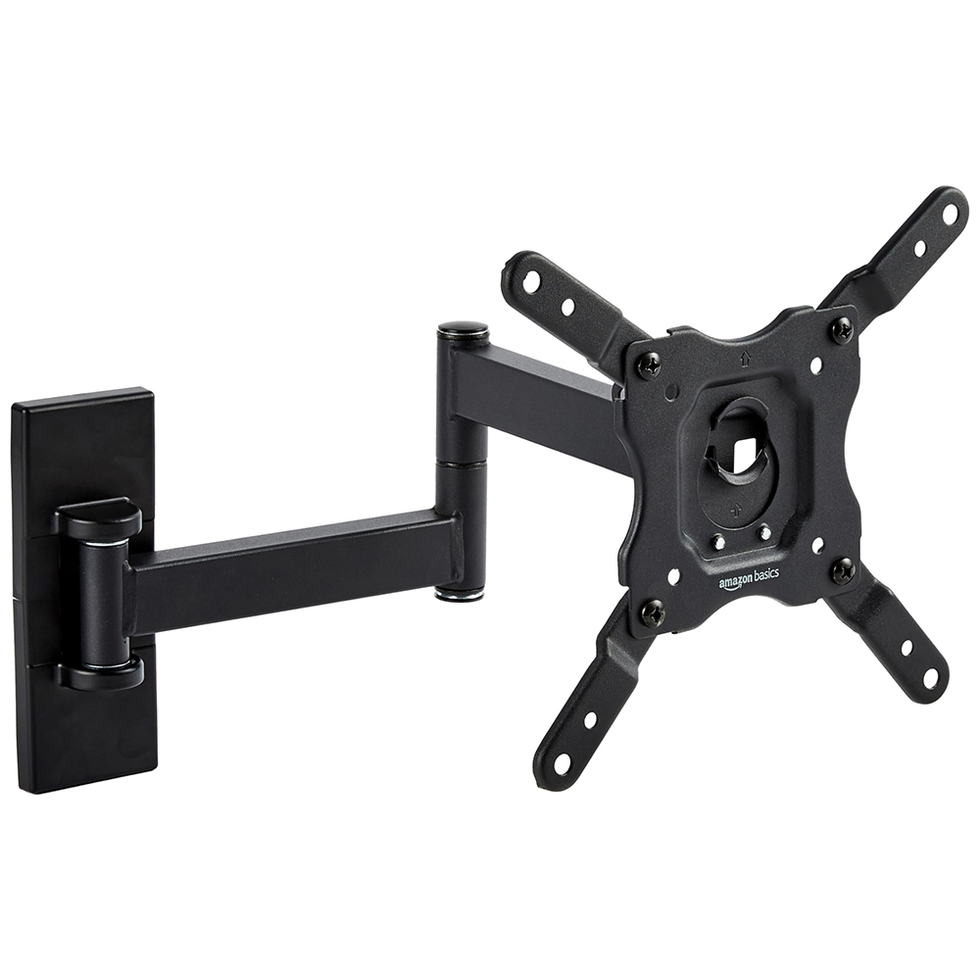
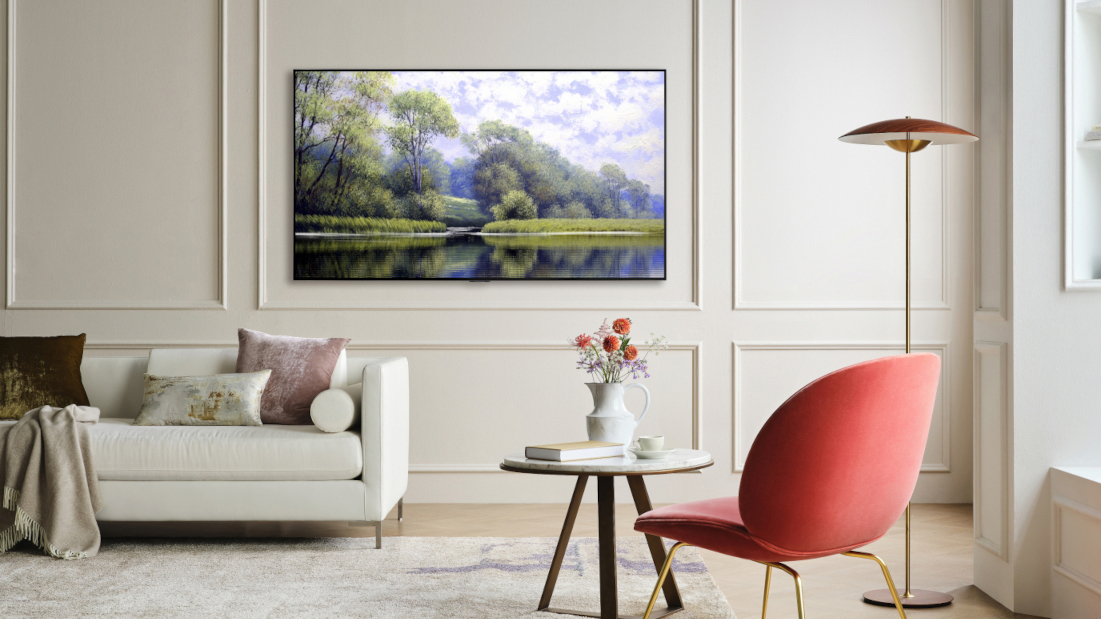
Selecting the correct bracket involves understanding VESA mounting standards. Users can check their TV's specifications or measure the distance between the four tapped holes on the back of the TV to determine the appropriate VESA mount size. For OLED TVs, a key consideration is that VESA holes are often located lower on the panel, requiring adjustments in planning the bracket height to achieve the desired screen position. Some brands, like Samsung and LG, offer specialized brackets for flush wall mounting, with LG's G Series OLED TVs even including a dedicated flush-to-wall bracket.
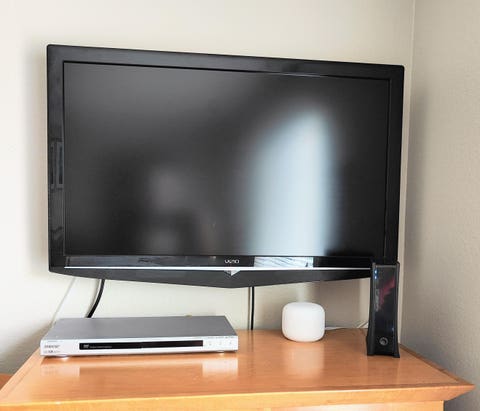
Cable management is another critical aspect. For Samsung TVs with a One Connect box, cable clutter is minimal as all sources connect to the box, which then uses a single cable to the TV. Otherwise, at least power and HDMI cables will need concealment. For stud walls, running cables inside the wall cavity through cut holes (which can be finished with face plates) is a viable option. For solid walls, chasing (burying) cables into the wall is possible but can be messy; a simpler alternative is using adhesive D-Line trunking to hide cables neatly. The article concludes by acknowledging the availability of professional installation services but also empowers DIY enthusiasts with the necessary guidance to achieve a satisfactory and long-lasting TV mounting setup.
#TVWallMounting #HomeTheater #HomeImprovement #DIYInstallation #VESAMount #CableManagement #TVPlacement #InteriorDesign #SmartHome #TVWallMounting #HomeTheater #HomeImprovement #DIYInstallation #VESAMount #CableManagement #TVPlacement #InteriorDesign #SmartHome
0 comment in total
 No comments yet
You may also like
How to mount your TV to a wall in a way that's smart and safe

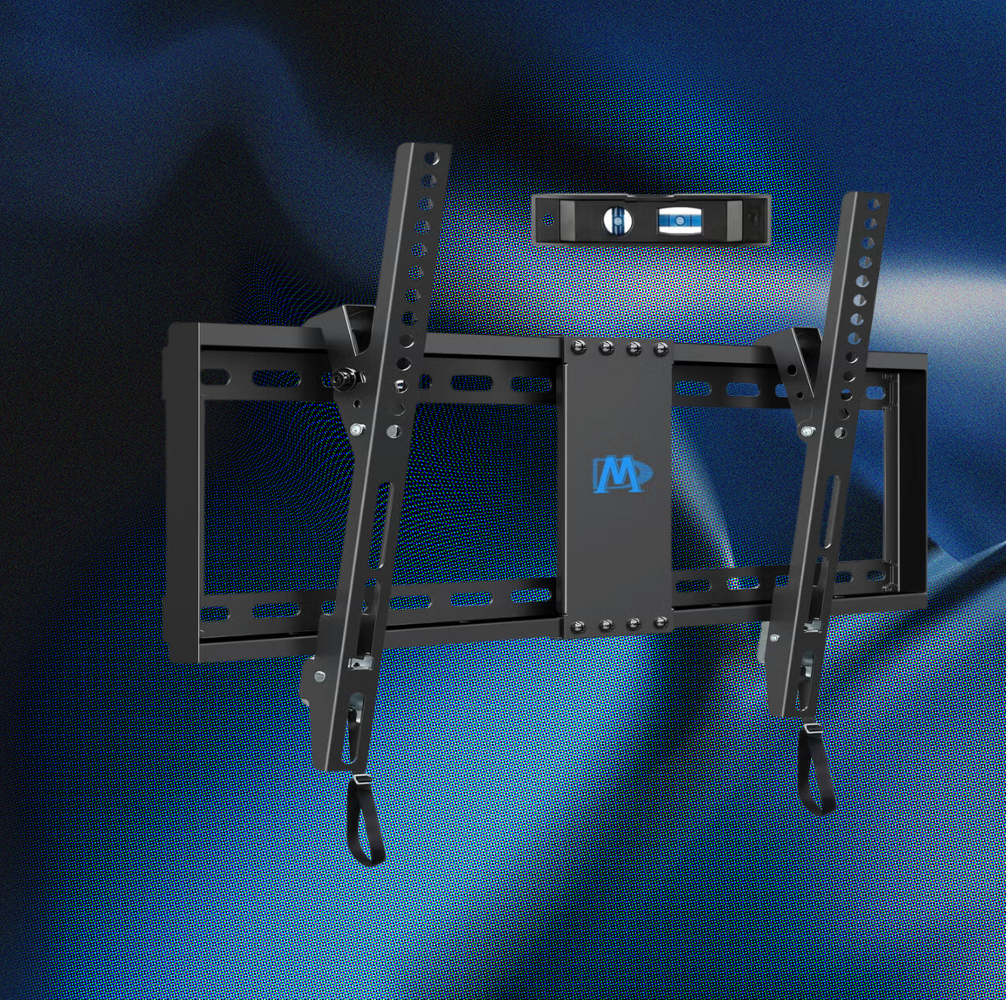
3 Best TV Wall Mounts of 2025, Tested and Reviewed

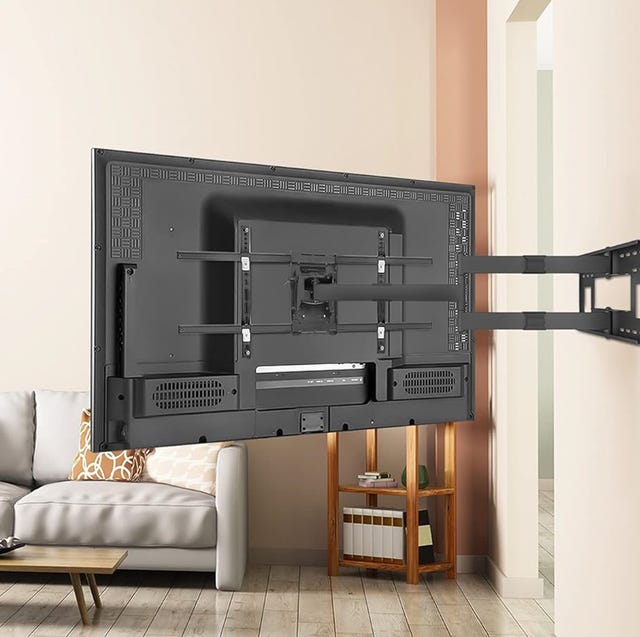
The Best TV Mounts to Level Up Your Space
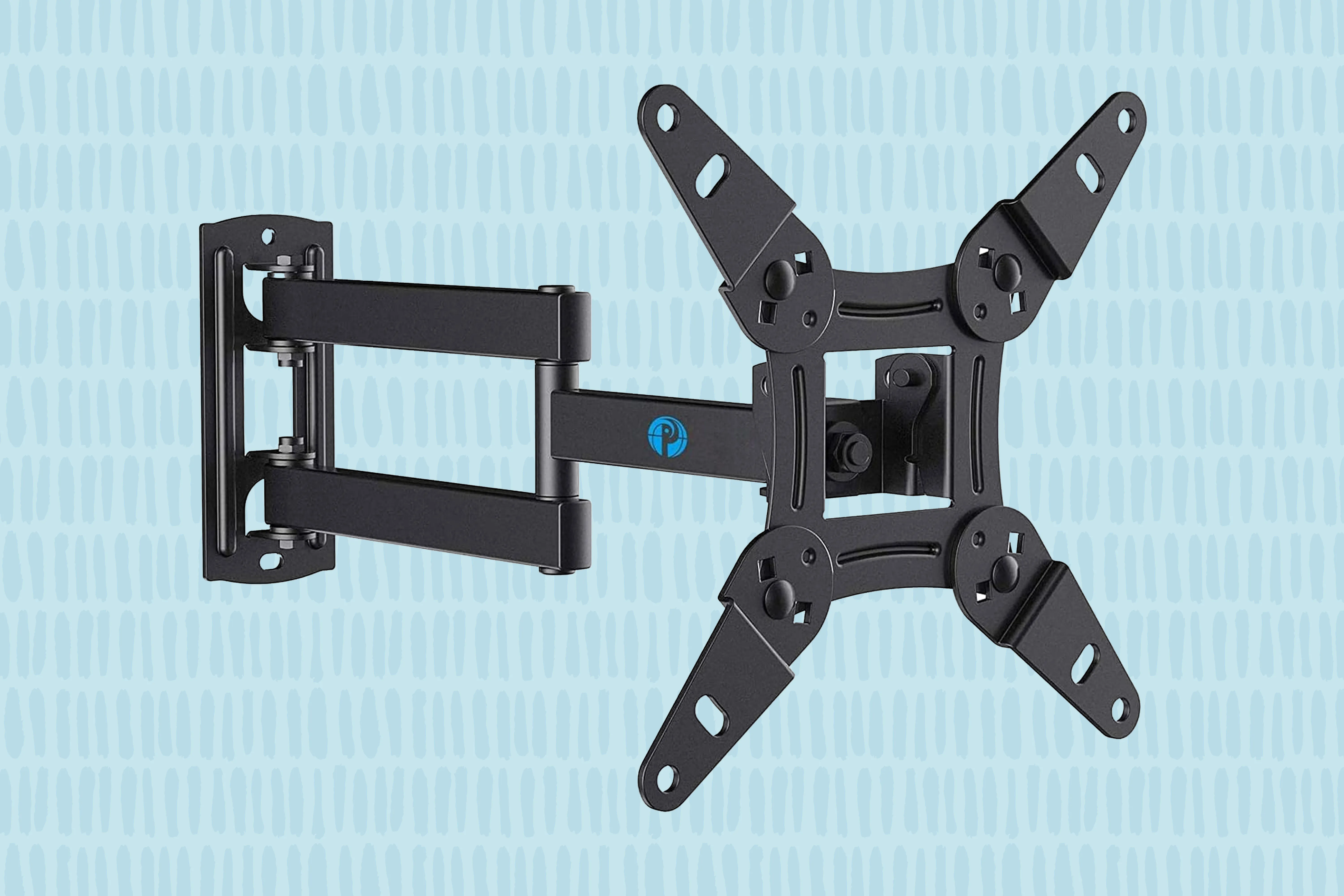
The 6 Best TV Wall Mounts, Reviewed by BHG


Here’s How to Not Mess Up Mounting Your TV on the Wall | Reviews by Wirecutter
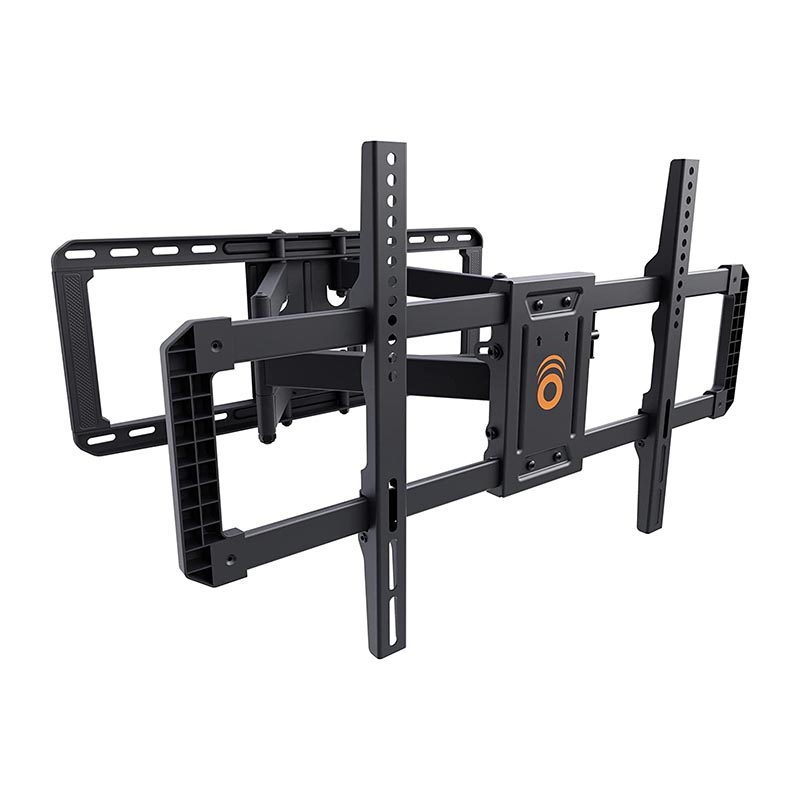
The Best TV Wall Mounts for Flat Screens

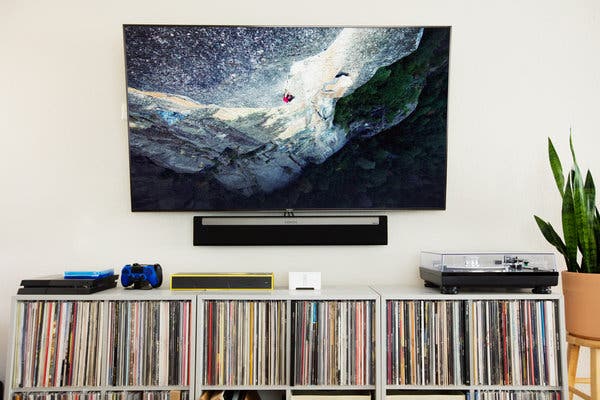
How to Mount a TV Without Making a Mess (Published 2019)
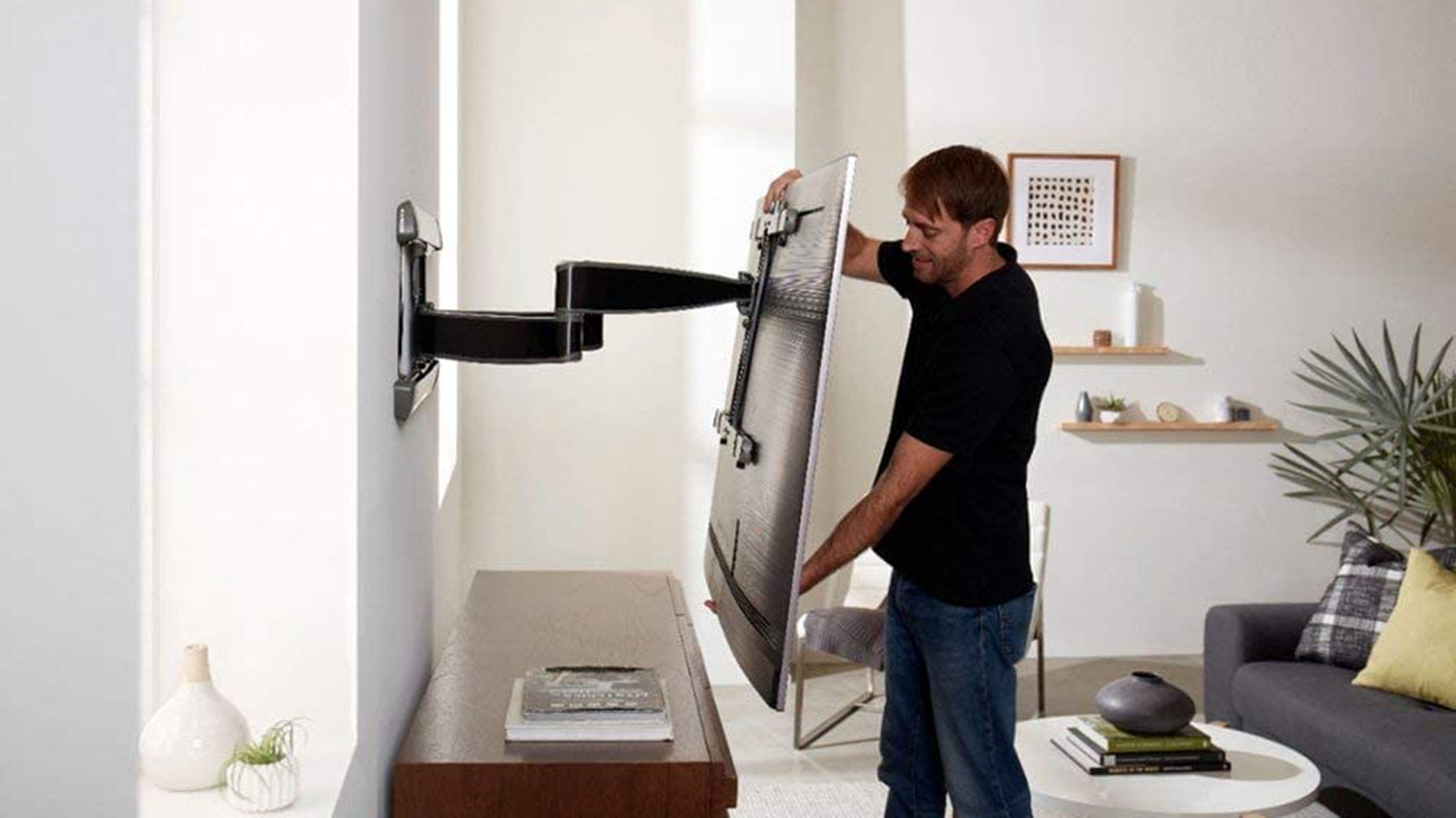
Best TV Wall Mounts in 2025 for small to large TVs

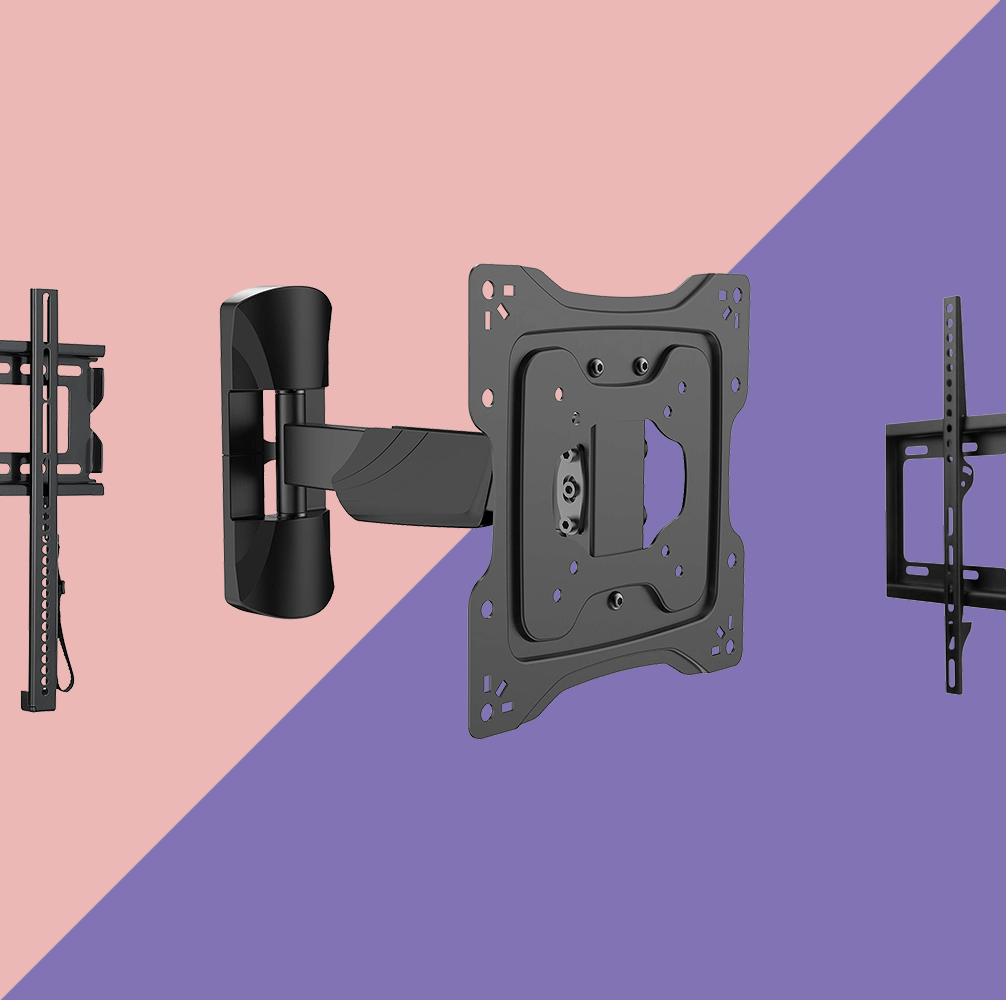
The best wall mounts and brackets for your TV
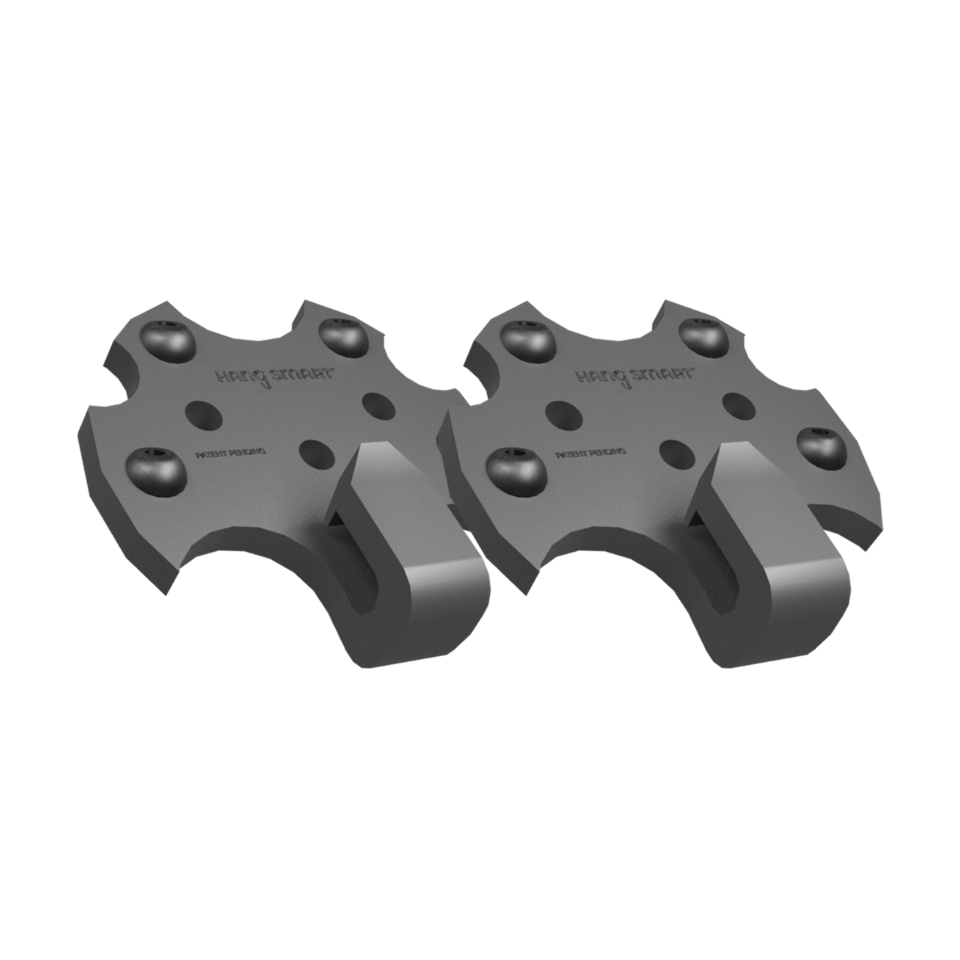
A Clever And Easy Way To Hang Your TV On A Wall — By Yourself

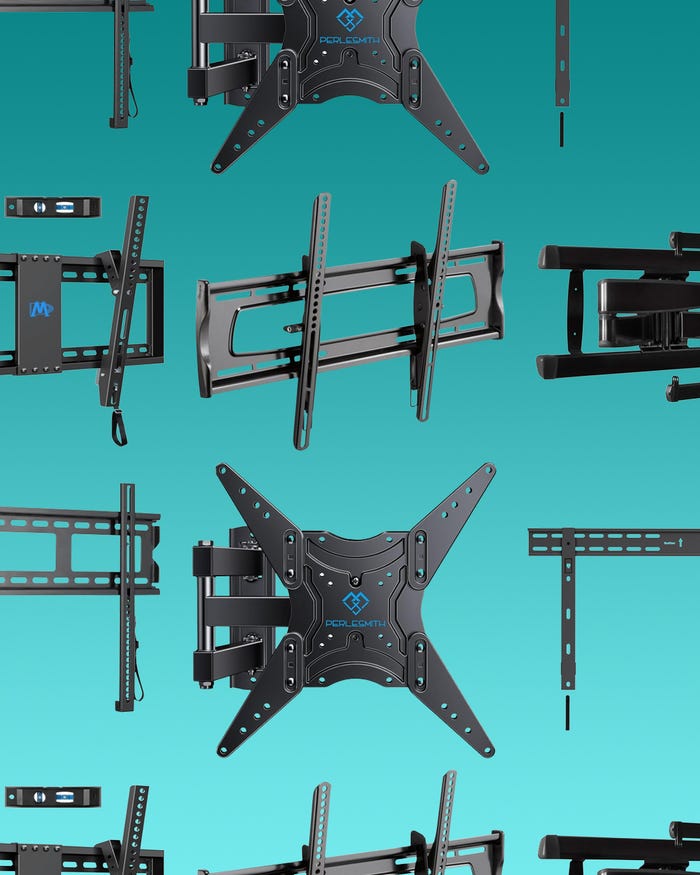
The best TV wall mounts, including full-motion, tilting, and swiveling options for all sizes
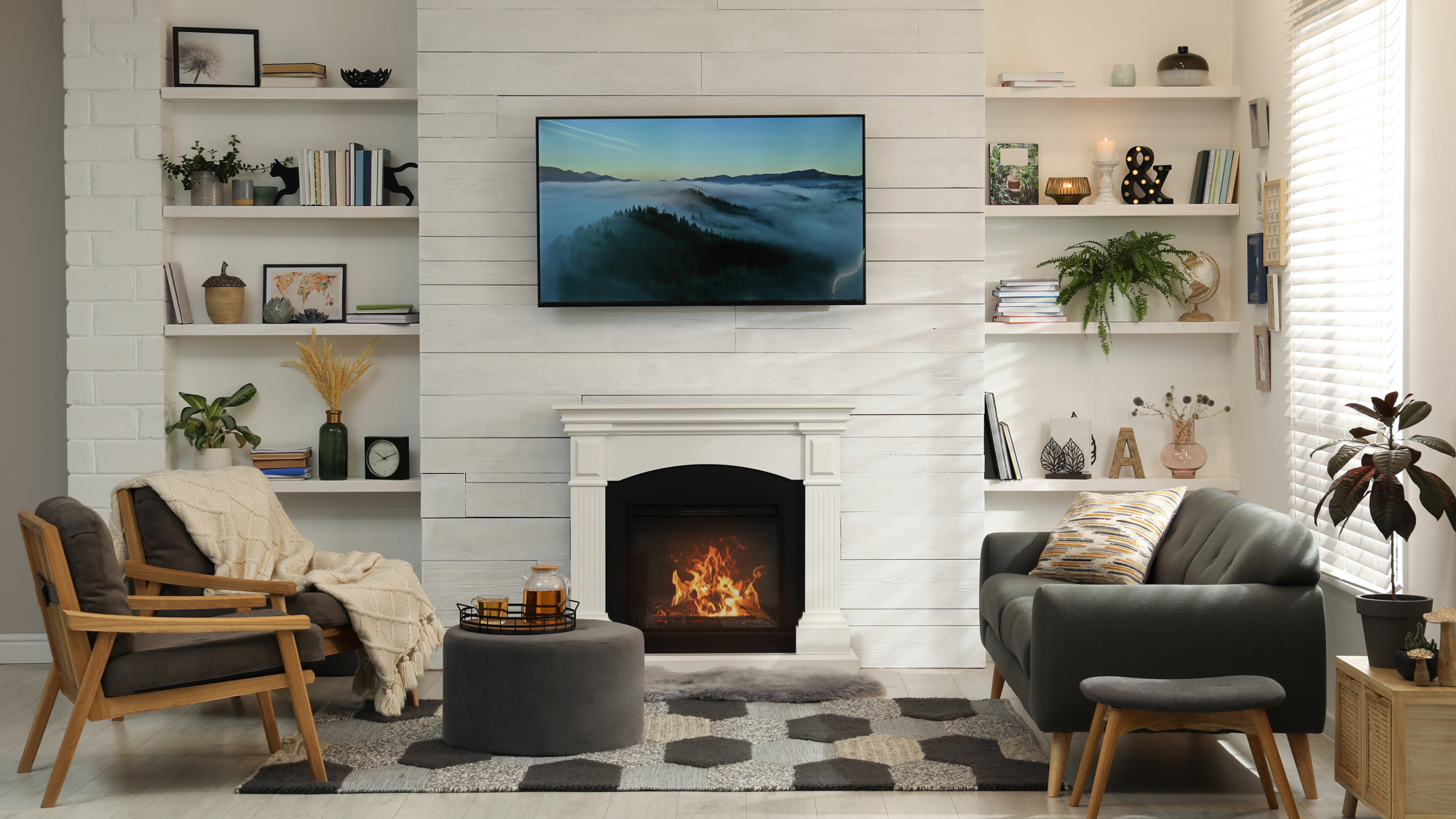
I test TVs for a living, and this is the one spot in my living room I would never put my TV
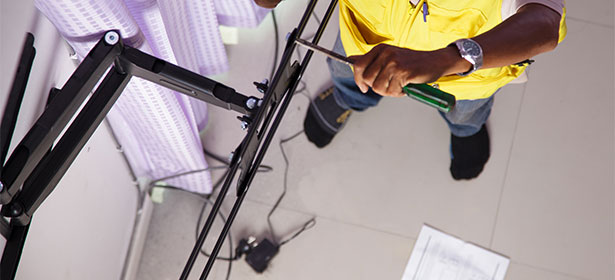
How to wall mount your TV: step-by-step installation guide
The Best TV Wall Mounts for Every Budget
The Best TV Wall Mounts for Every Screen Size and Home Theater Setup

How to mount a soundbar on a wall for a fabulous music and TV experience
Our Favorite TV Wall Mount is Just $30 on Amazon

As a Parent of an Energetic Toddler, These Are the TV Wall Mounts That I Trust


TV wall ideas – 10 ways to incorporate this essential item into your design scheme

Got $6? Then you can score this 55-inch tilting TV wall mount at a new all-time low