How to Mount a TV Without Making a Mess (Published 2019)
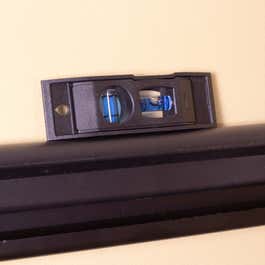
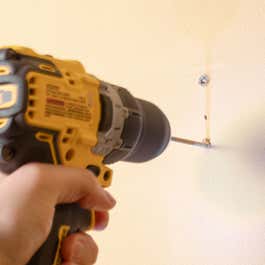
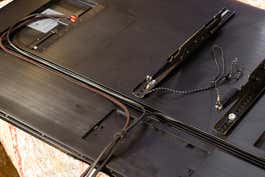
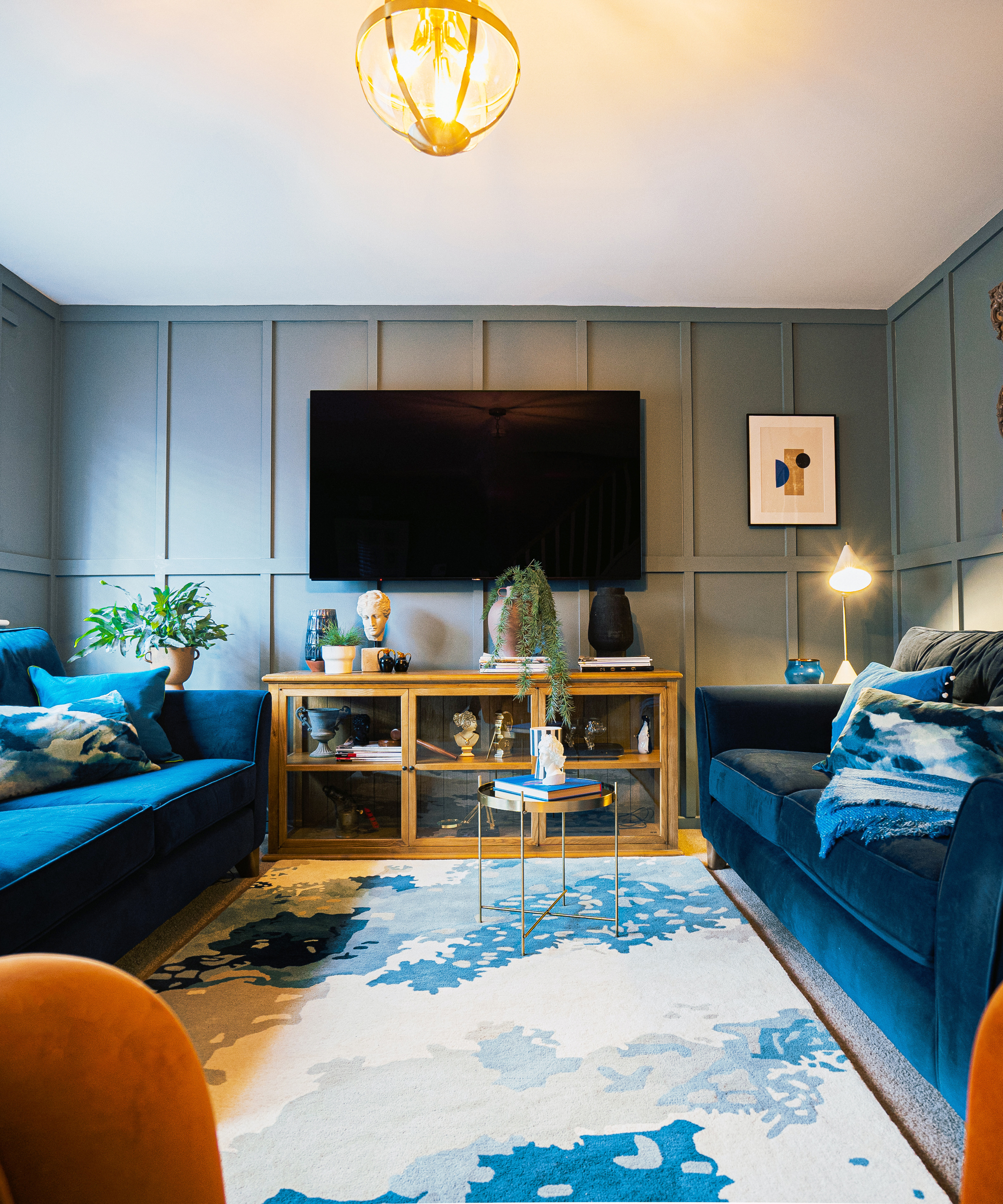
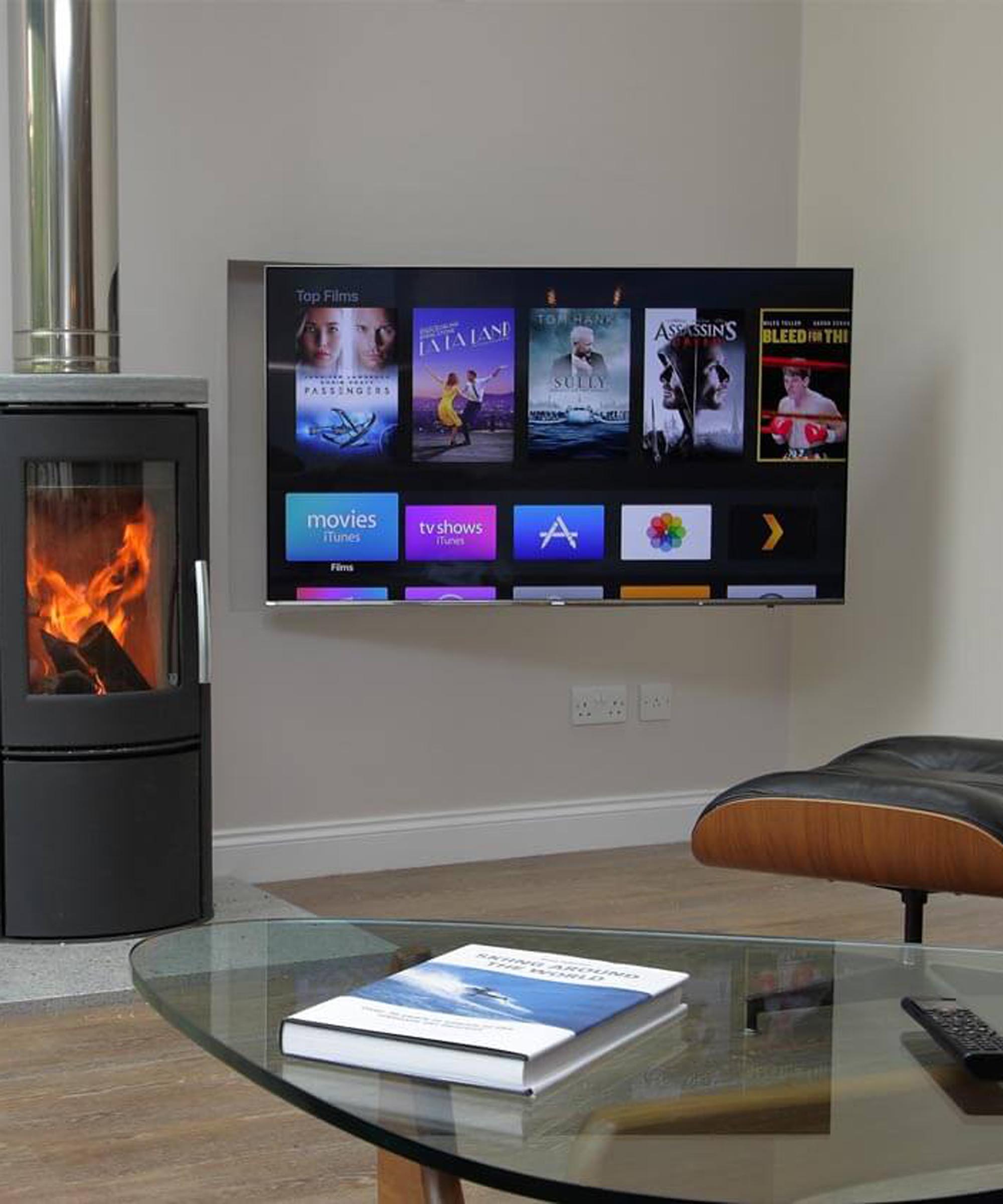
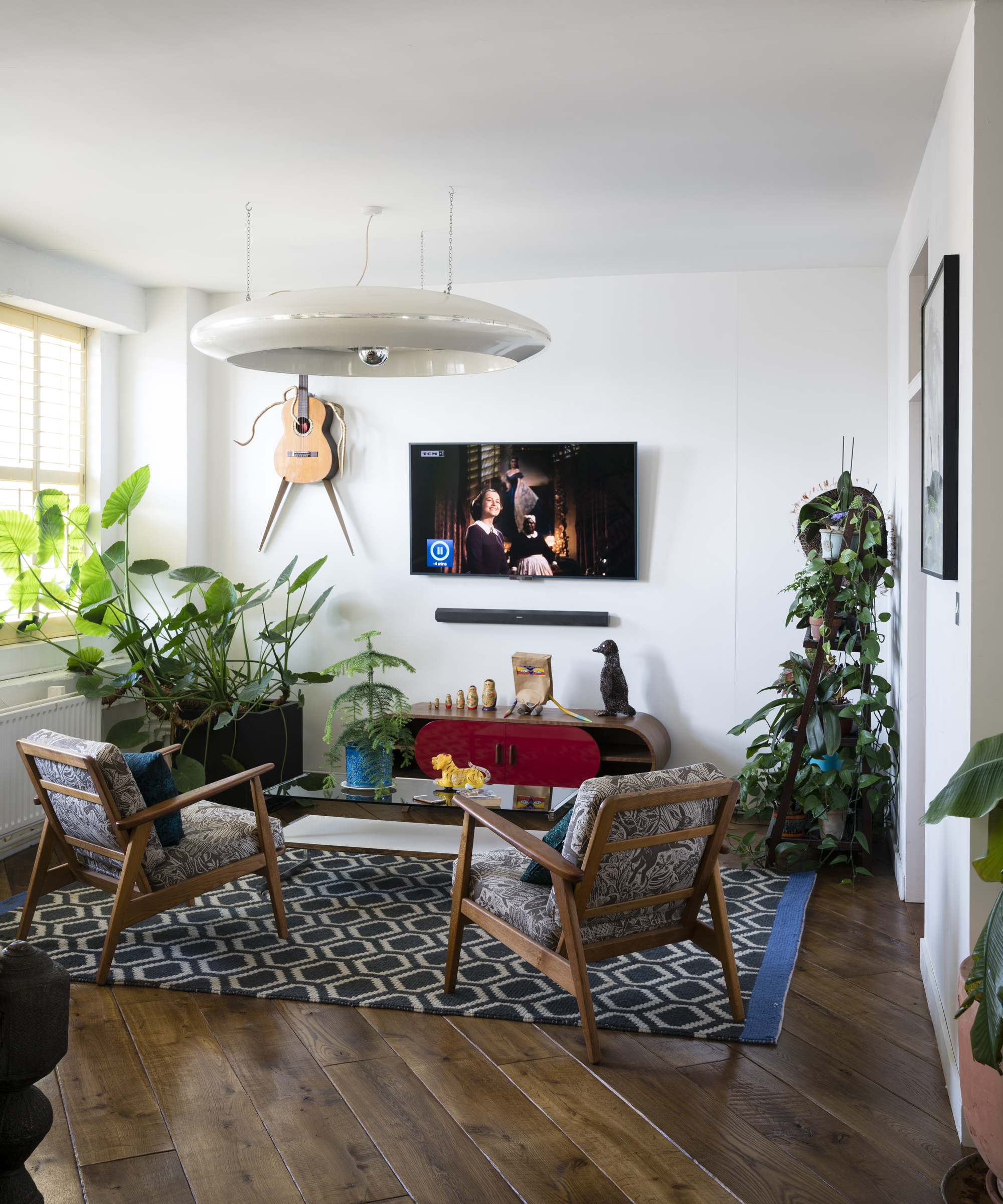
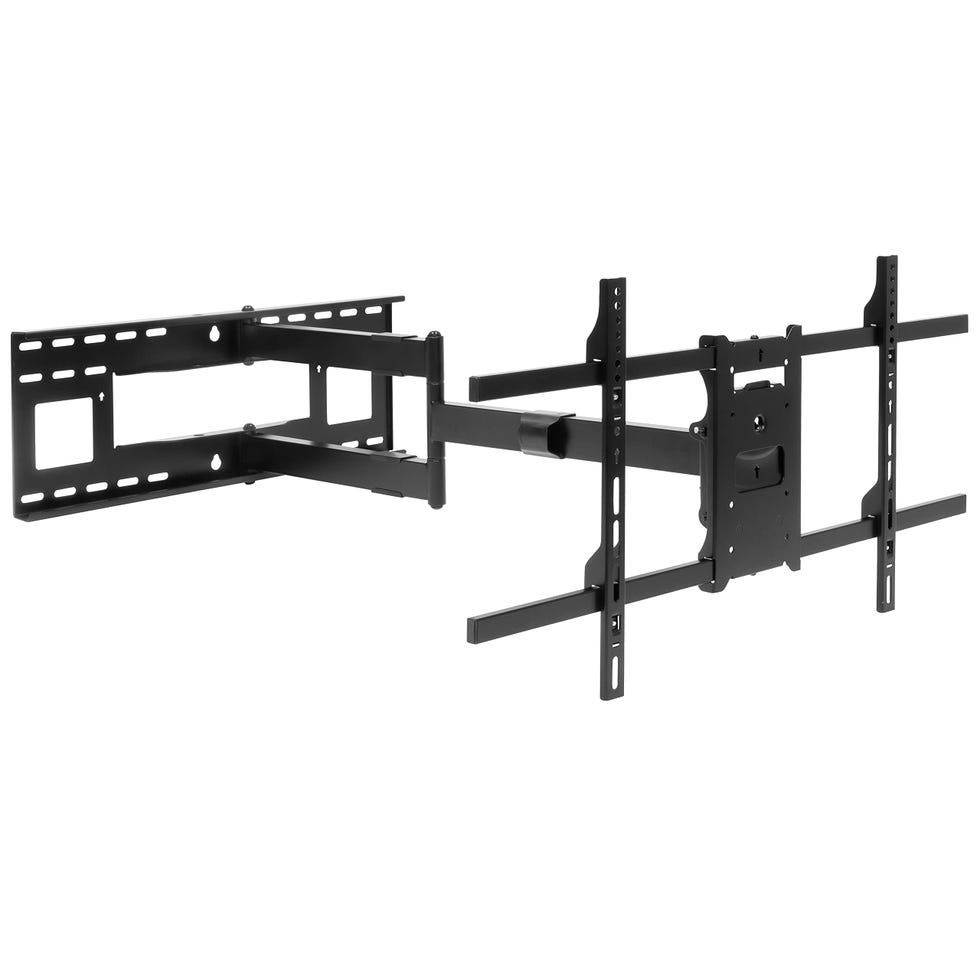
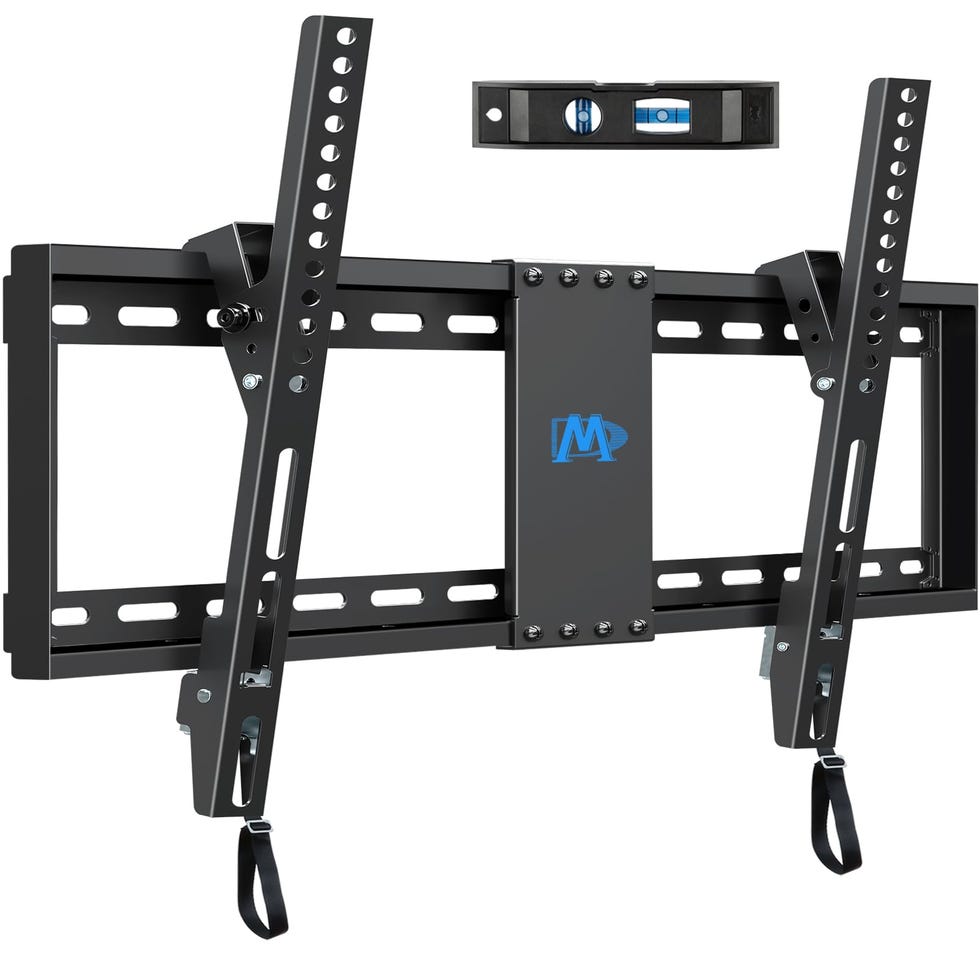
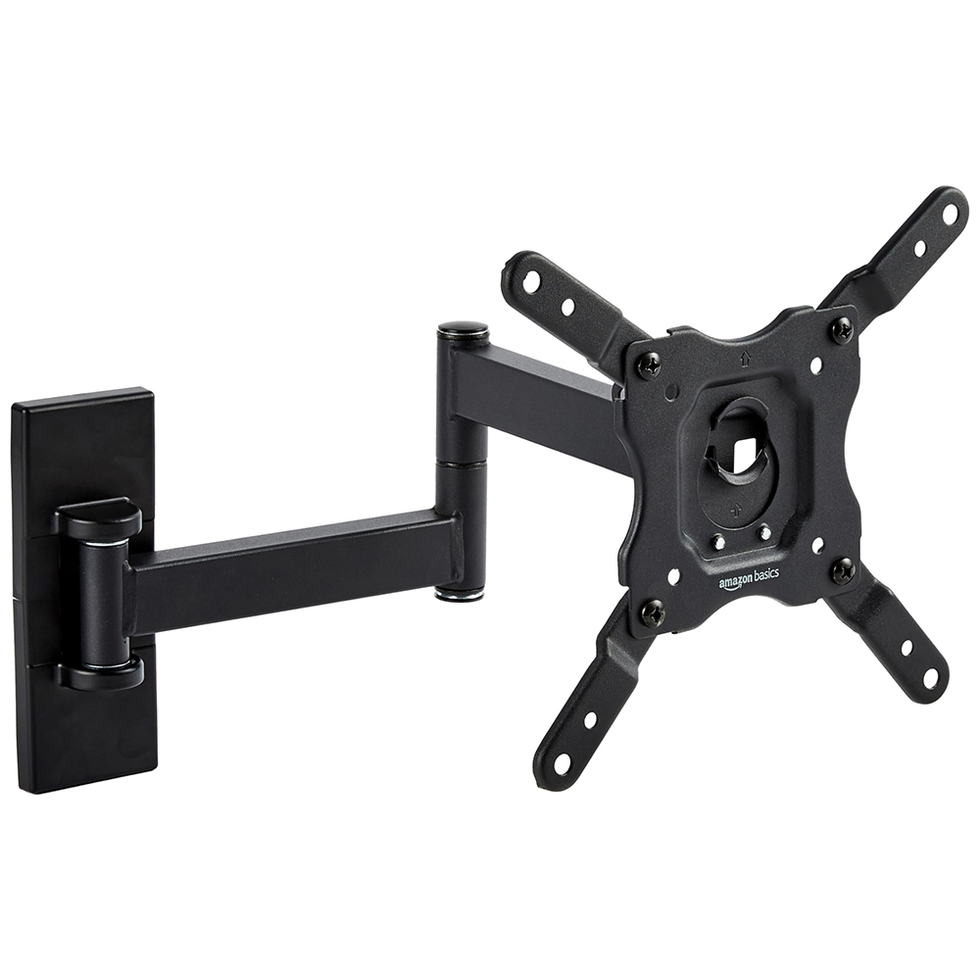
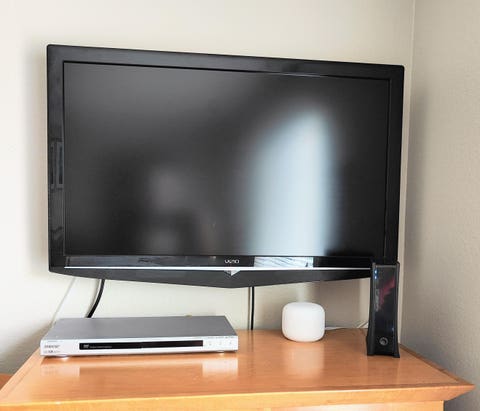
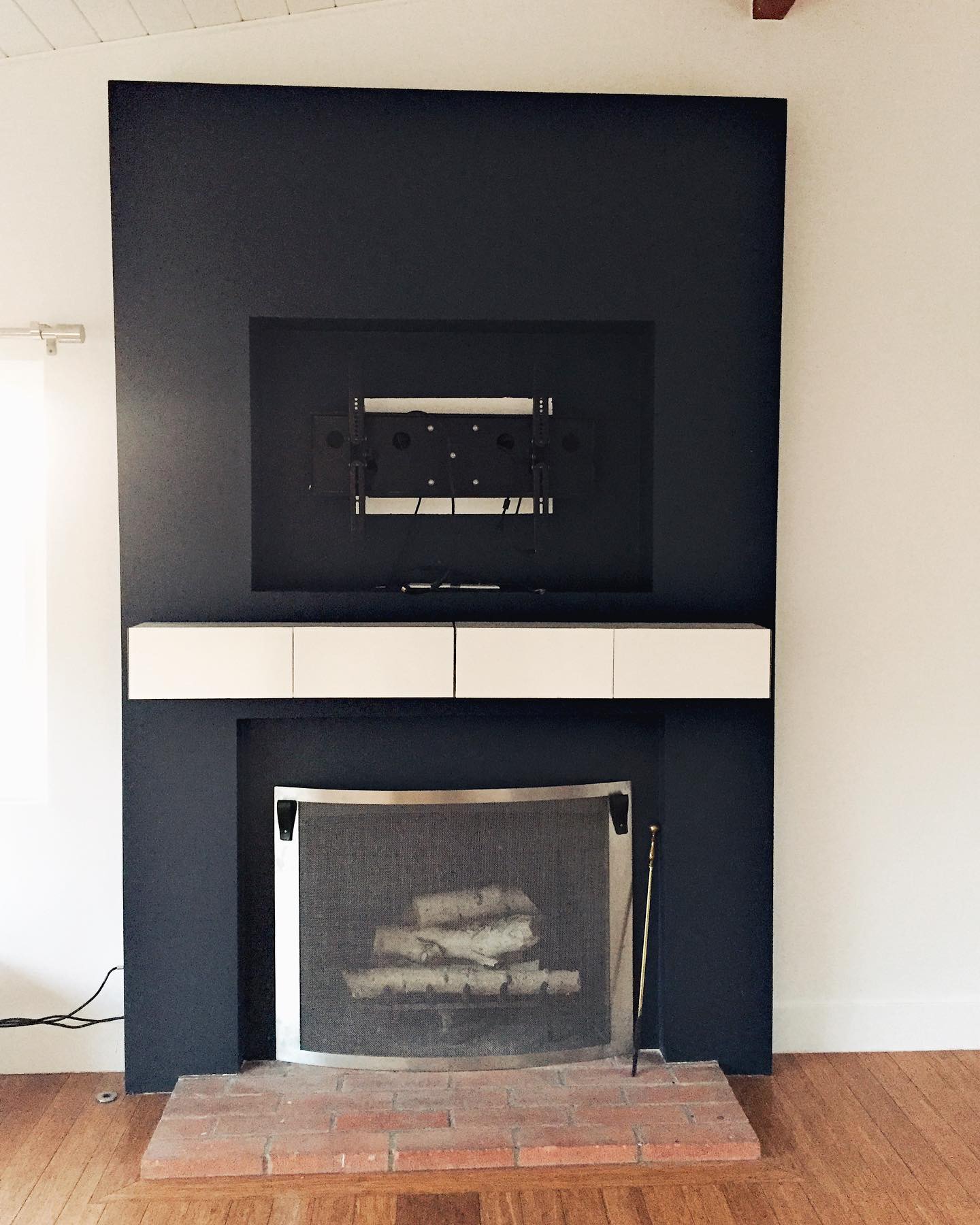
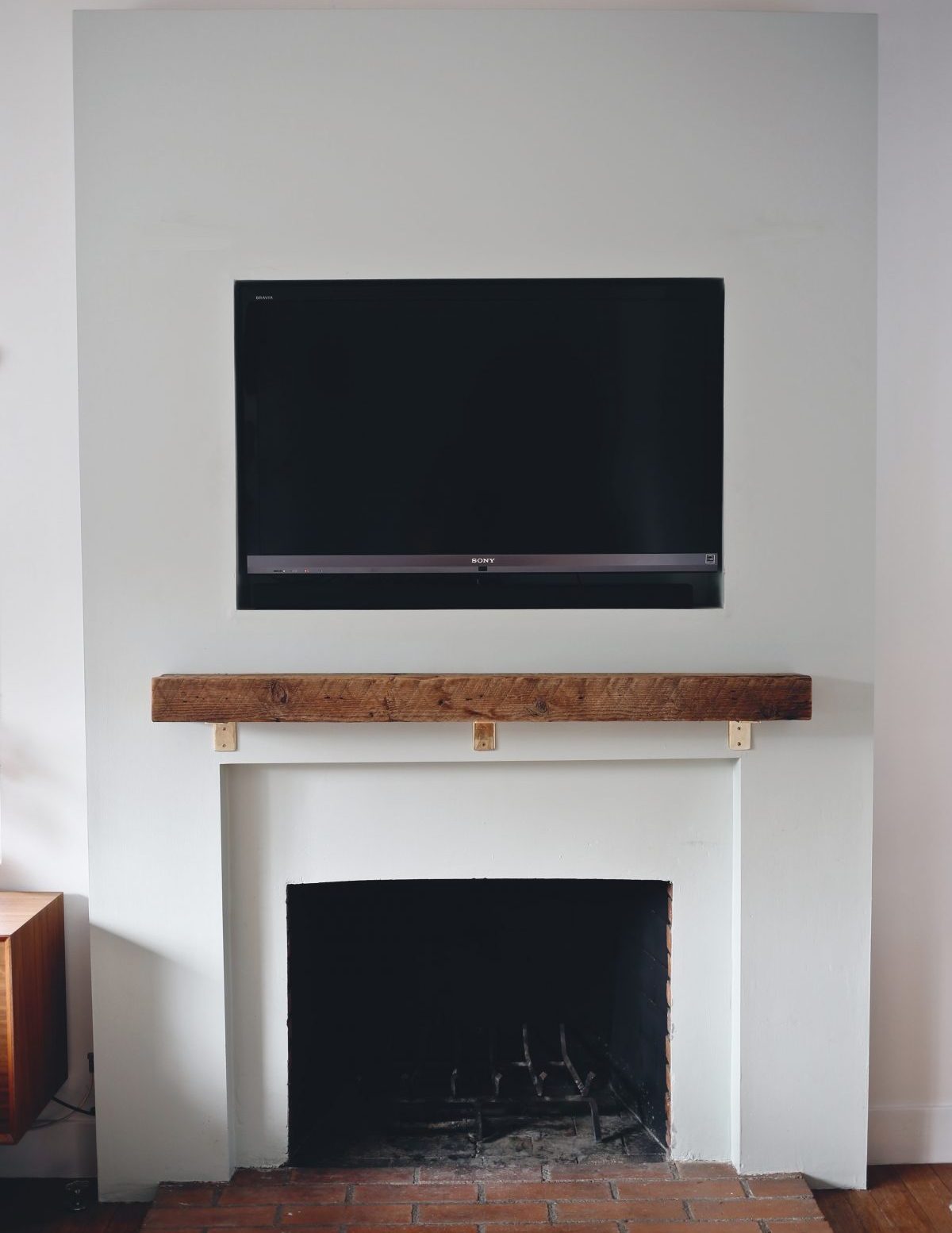
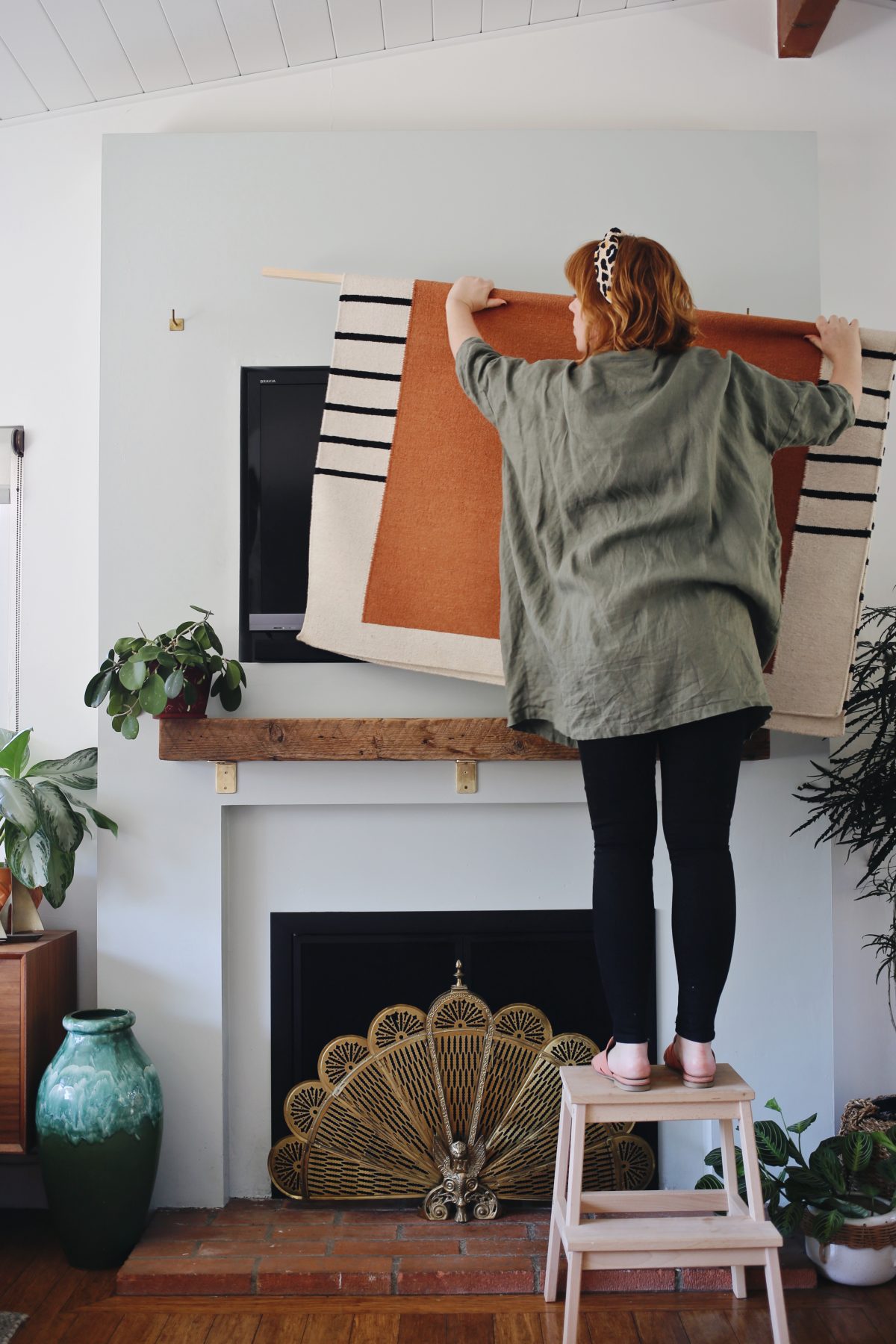
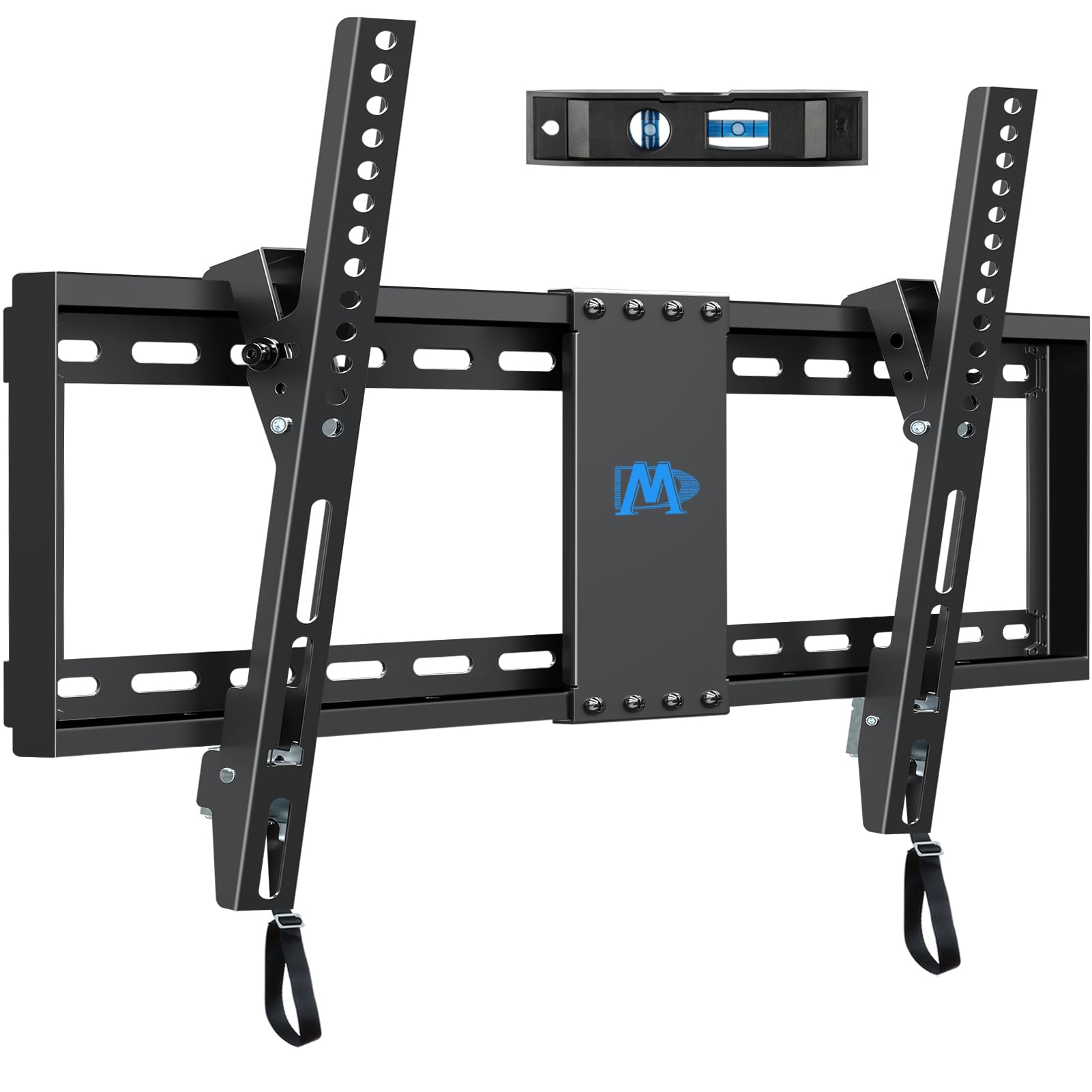
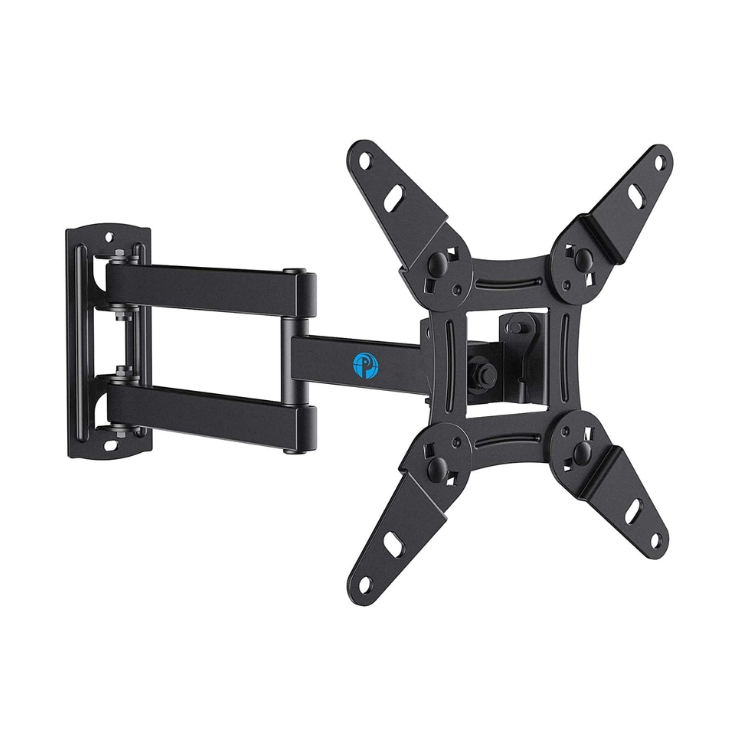
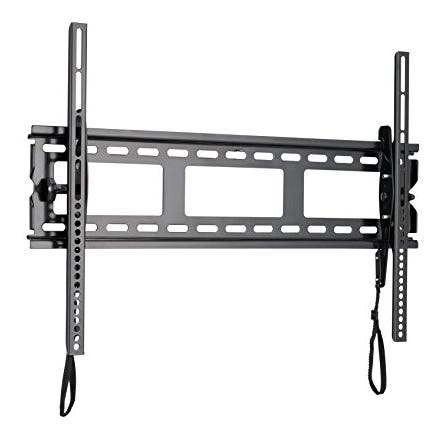
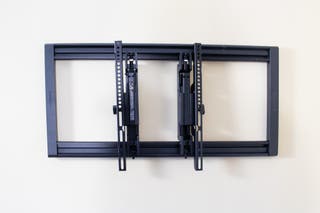
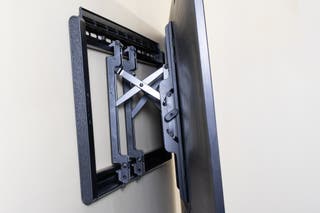
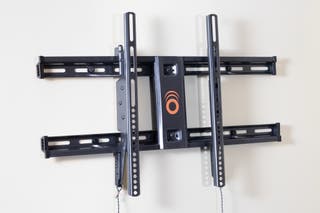
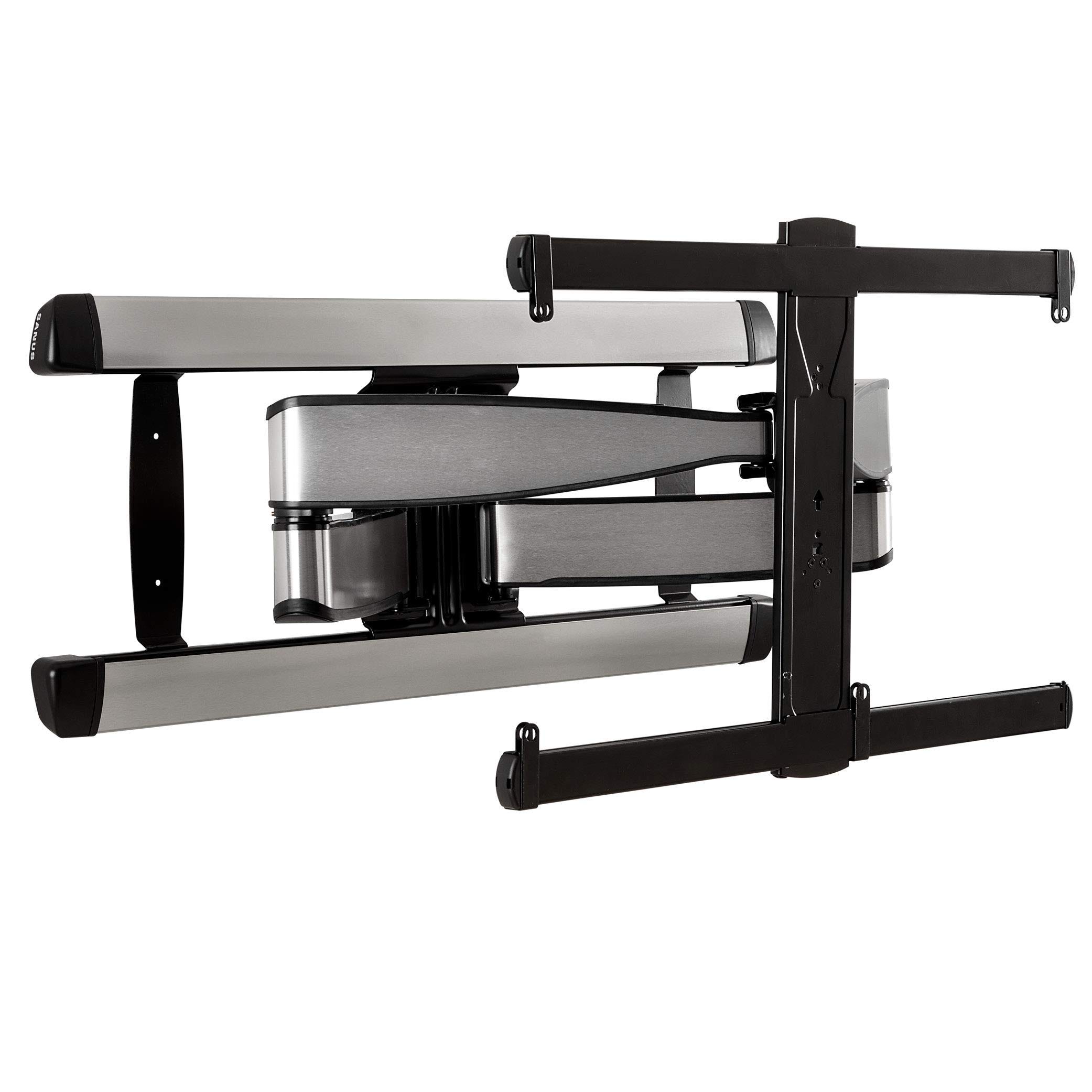
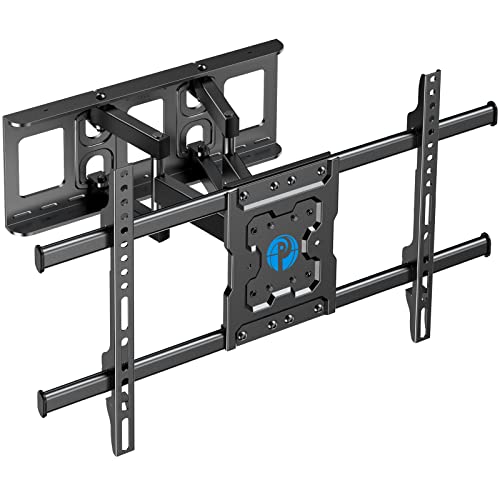
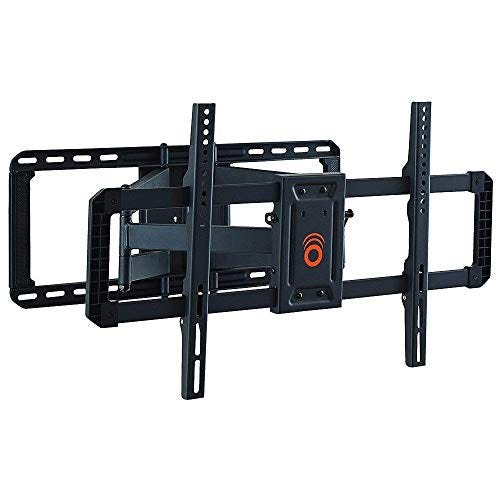
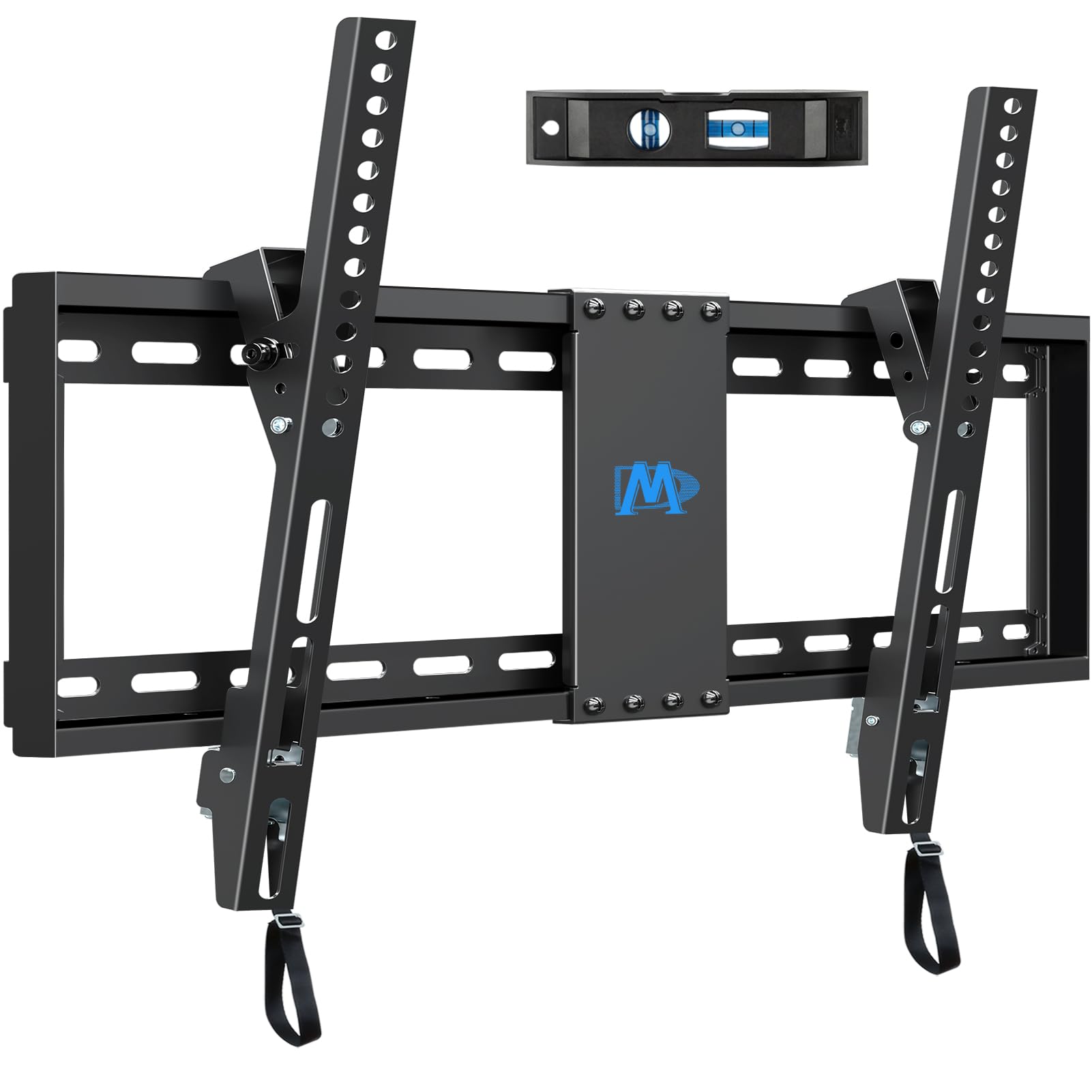
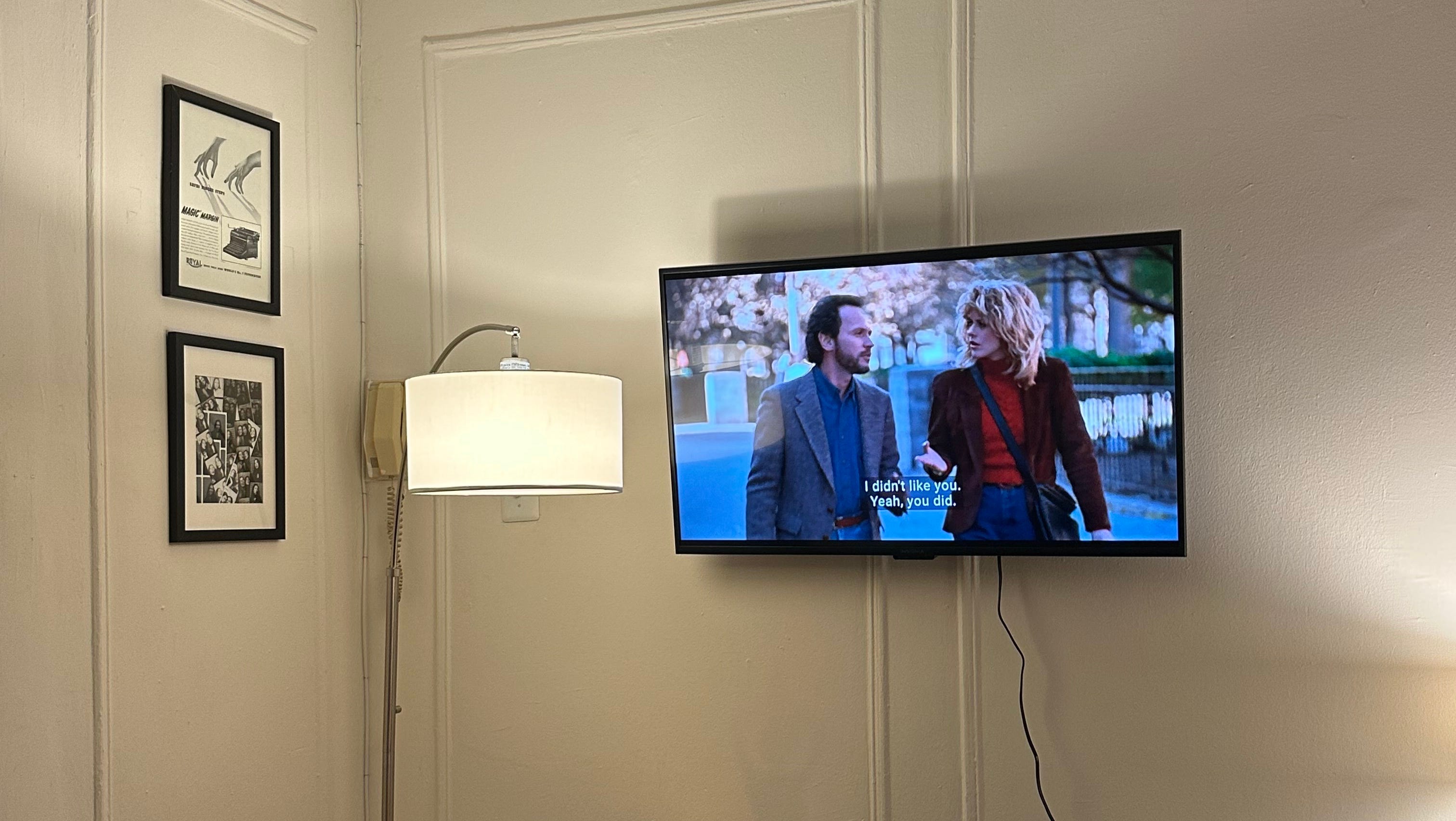
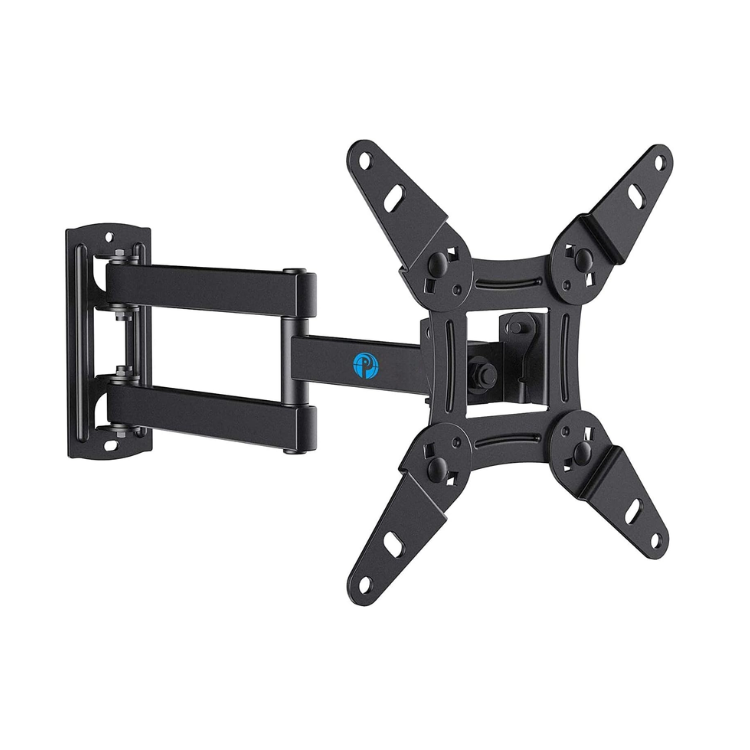
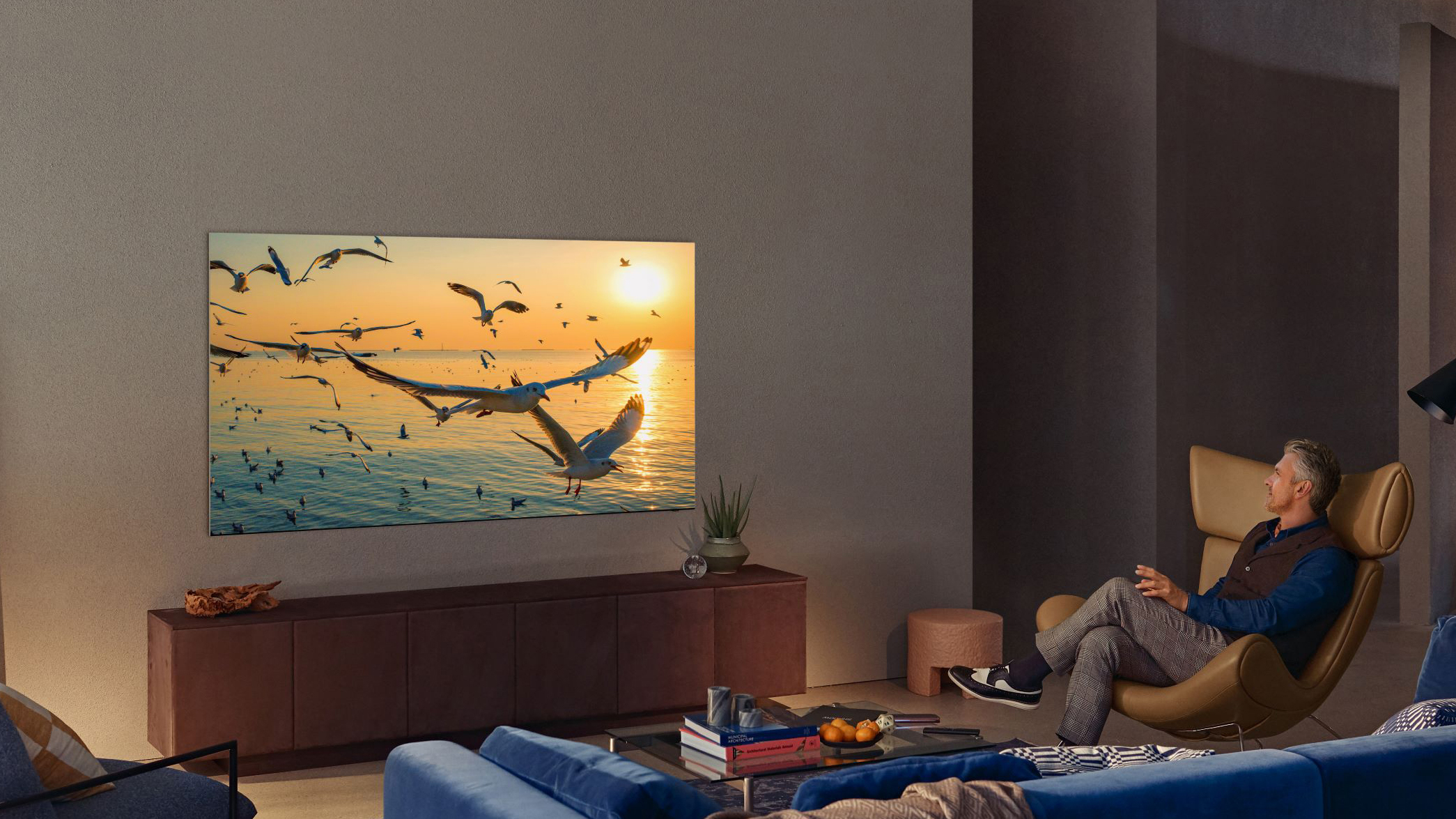
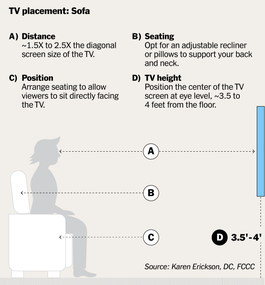
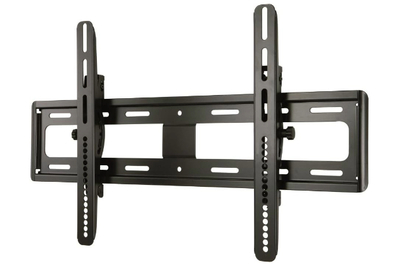
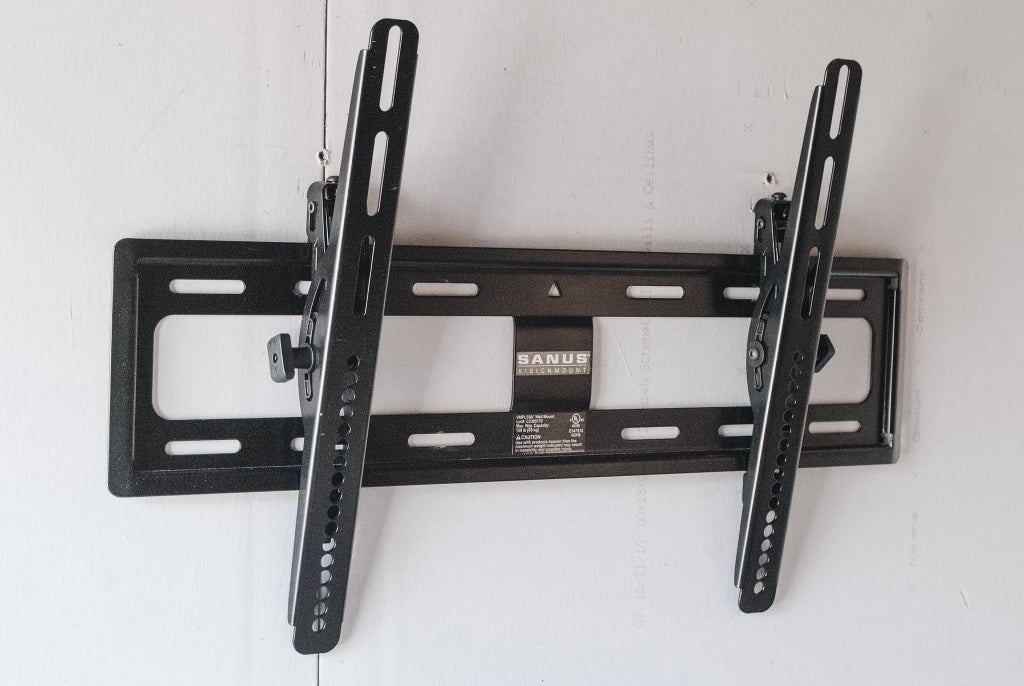
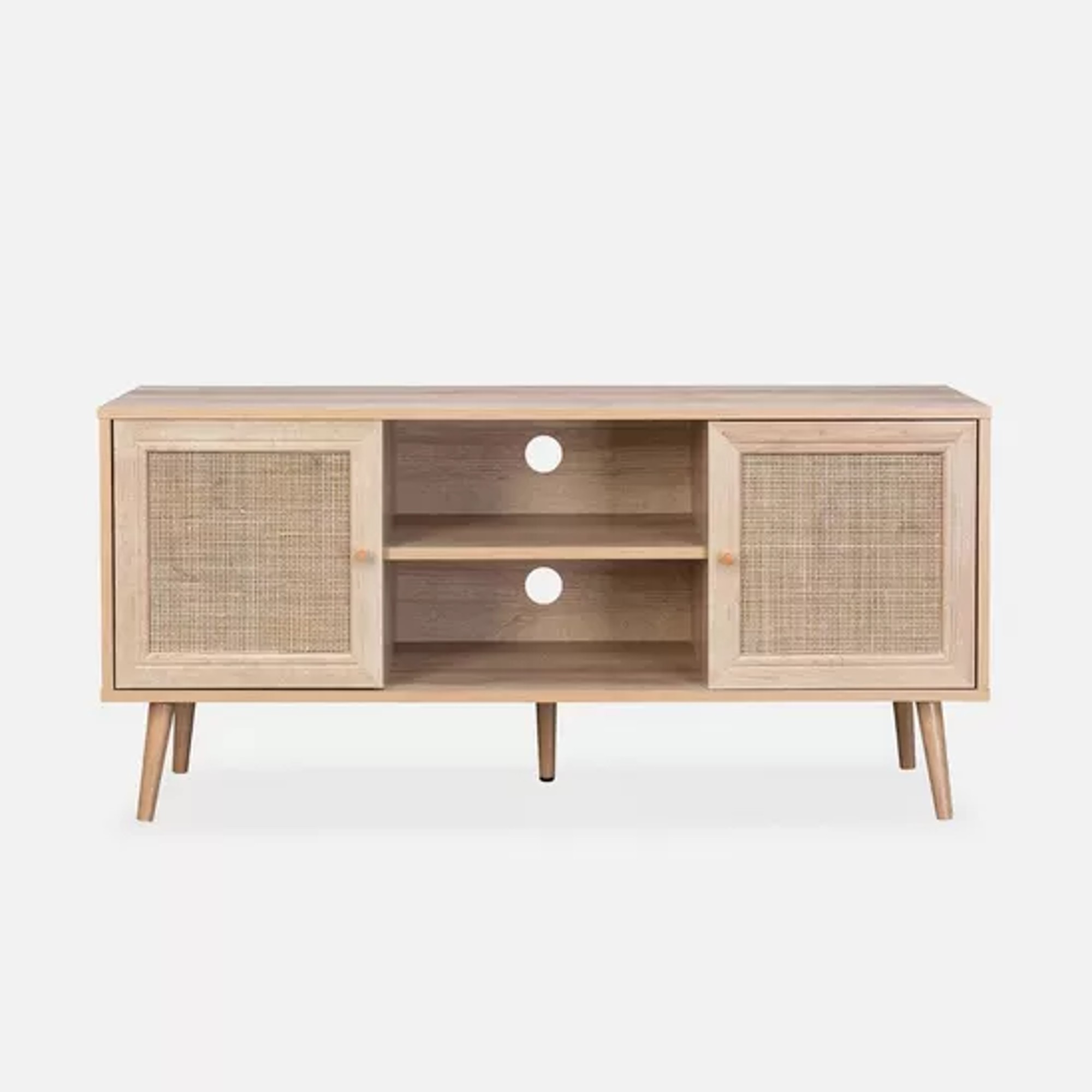
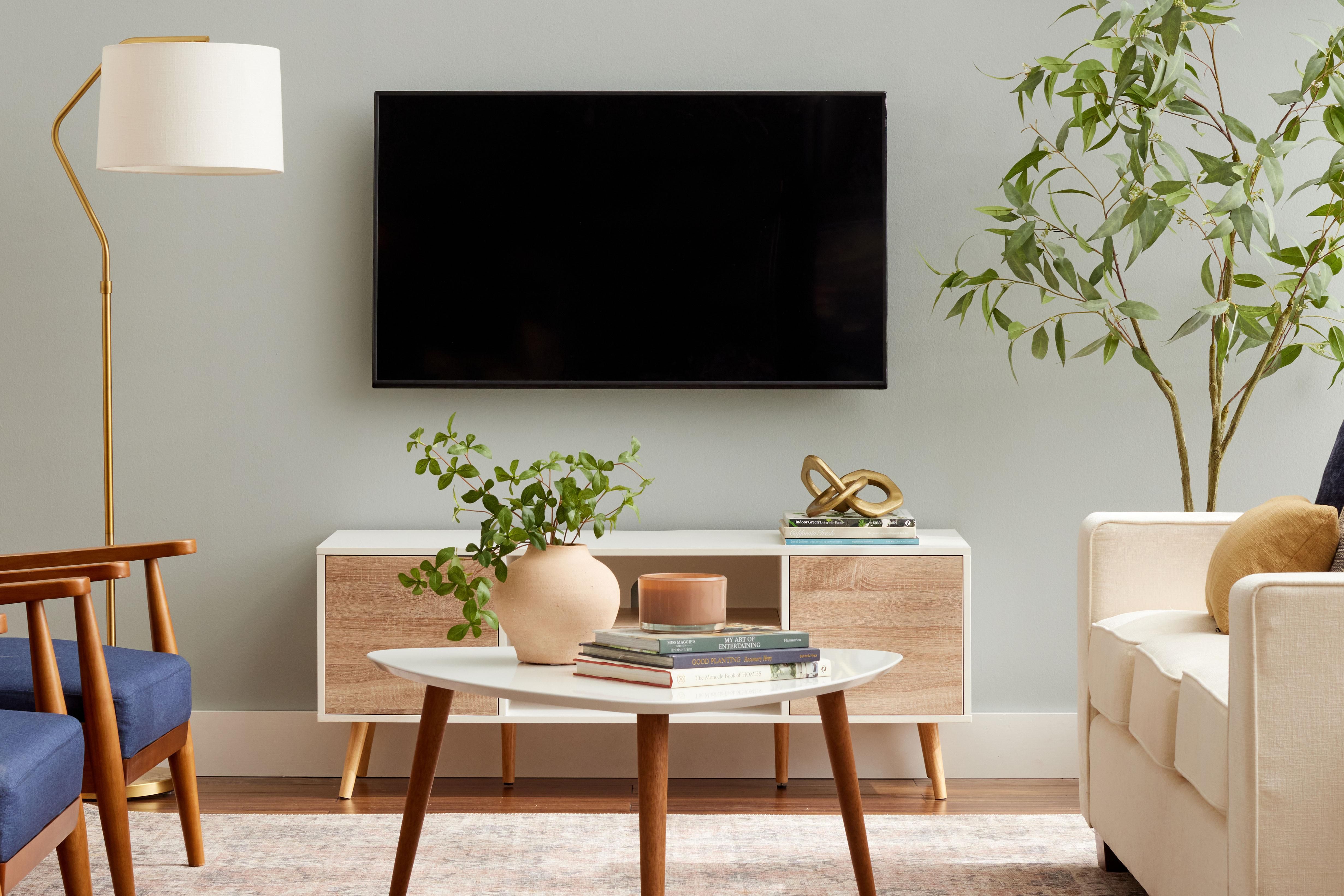
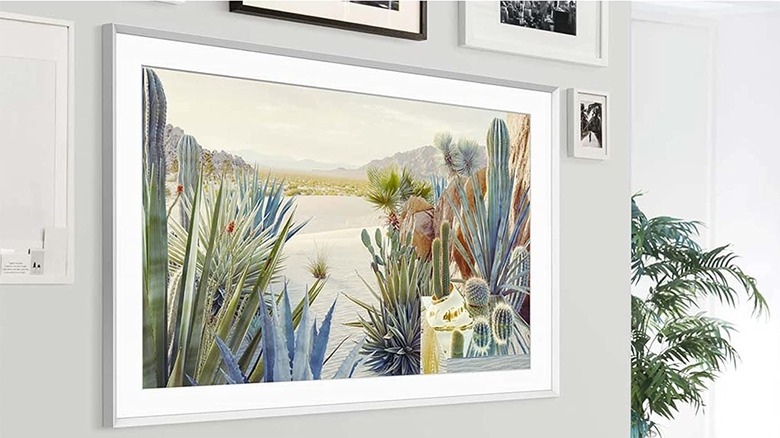
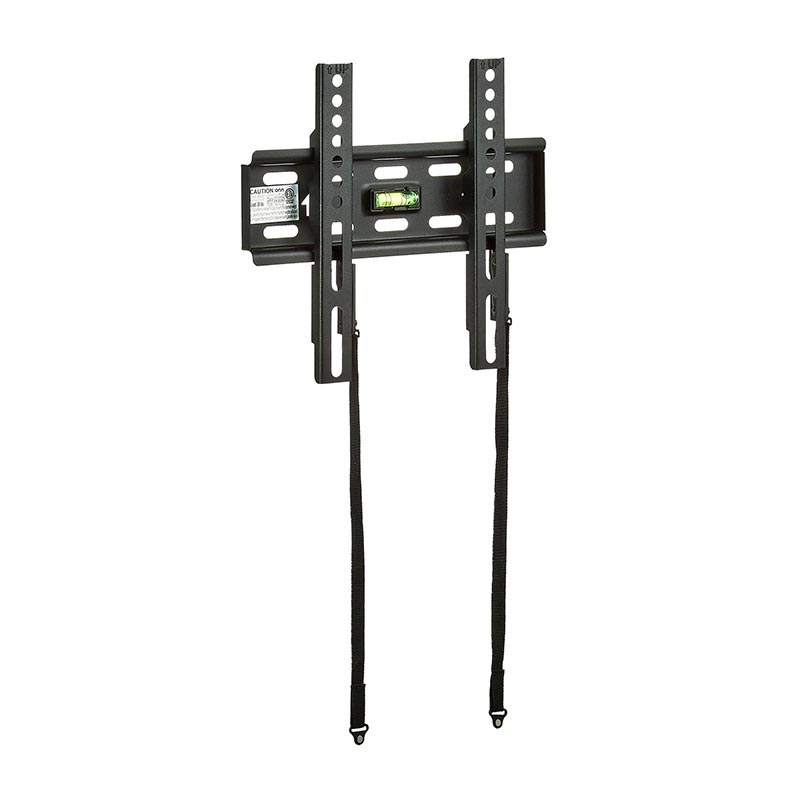
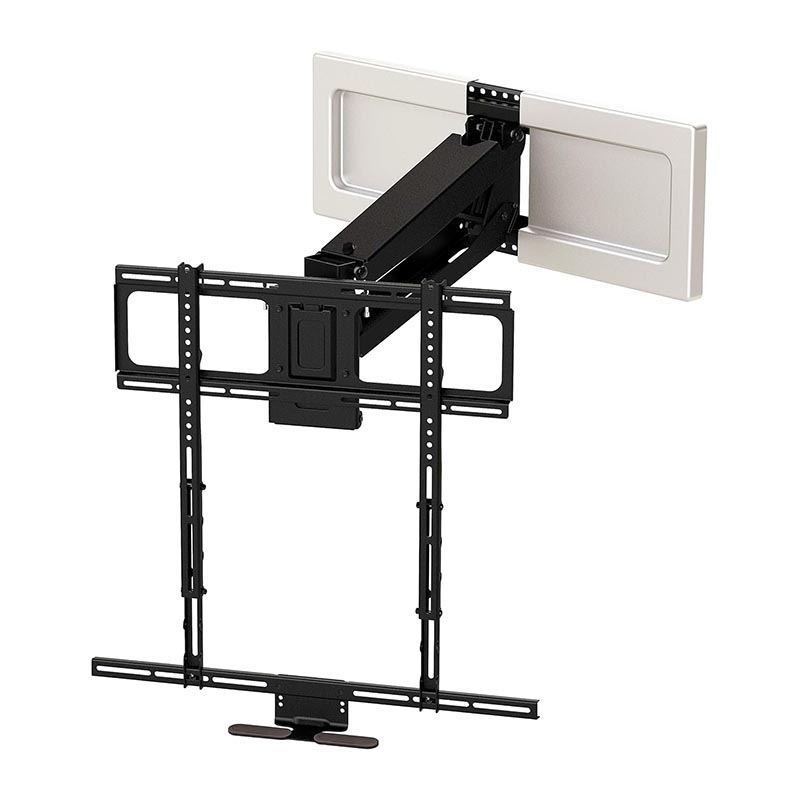
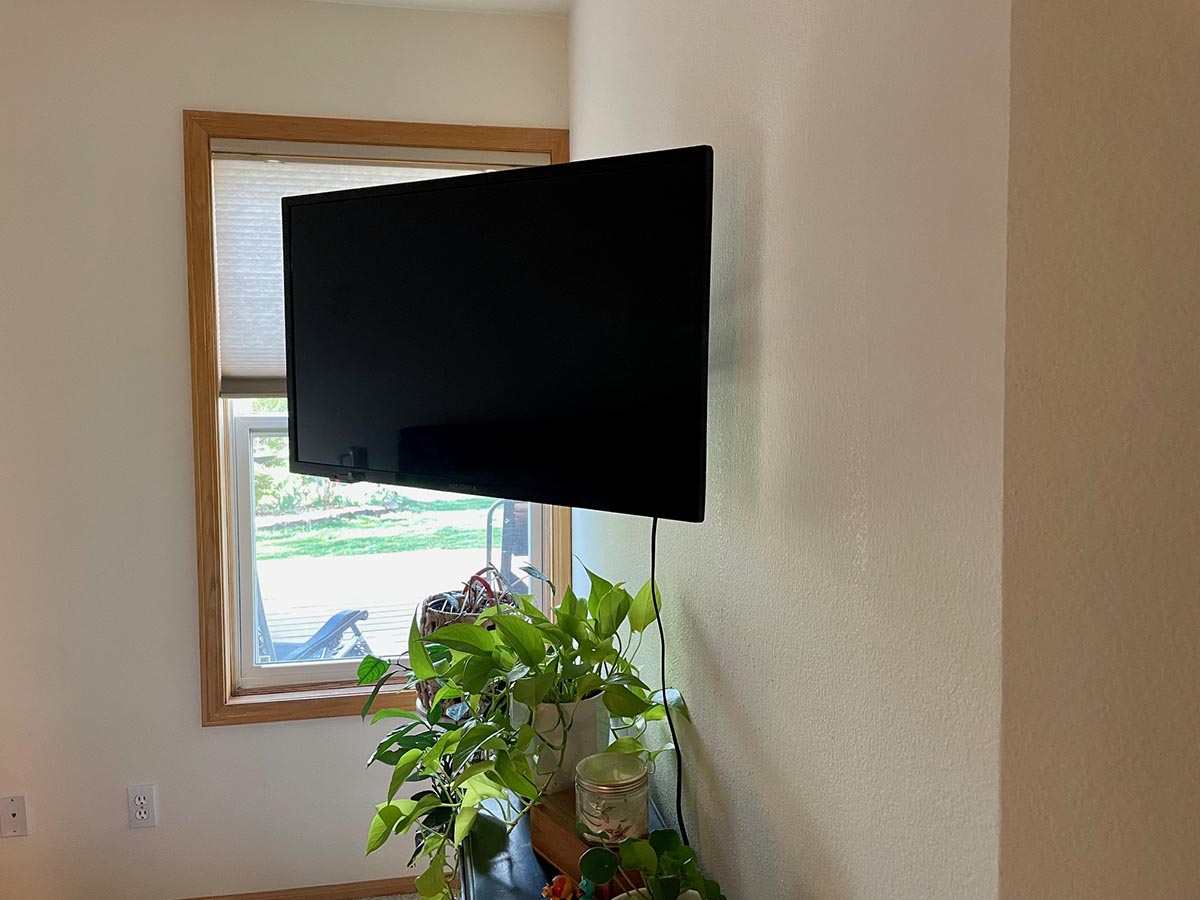
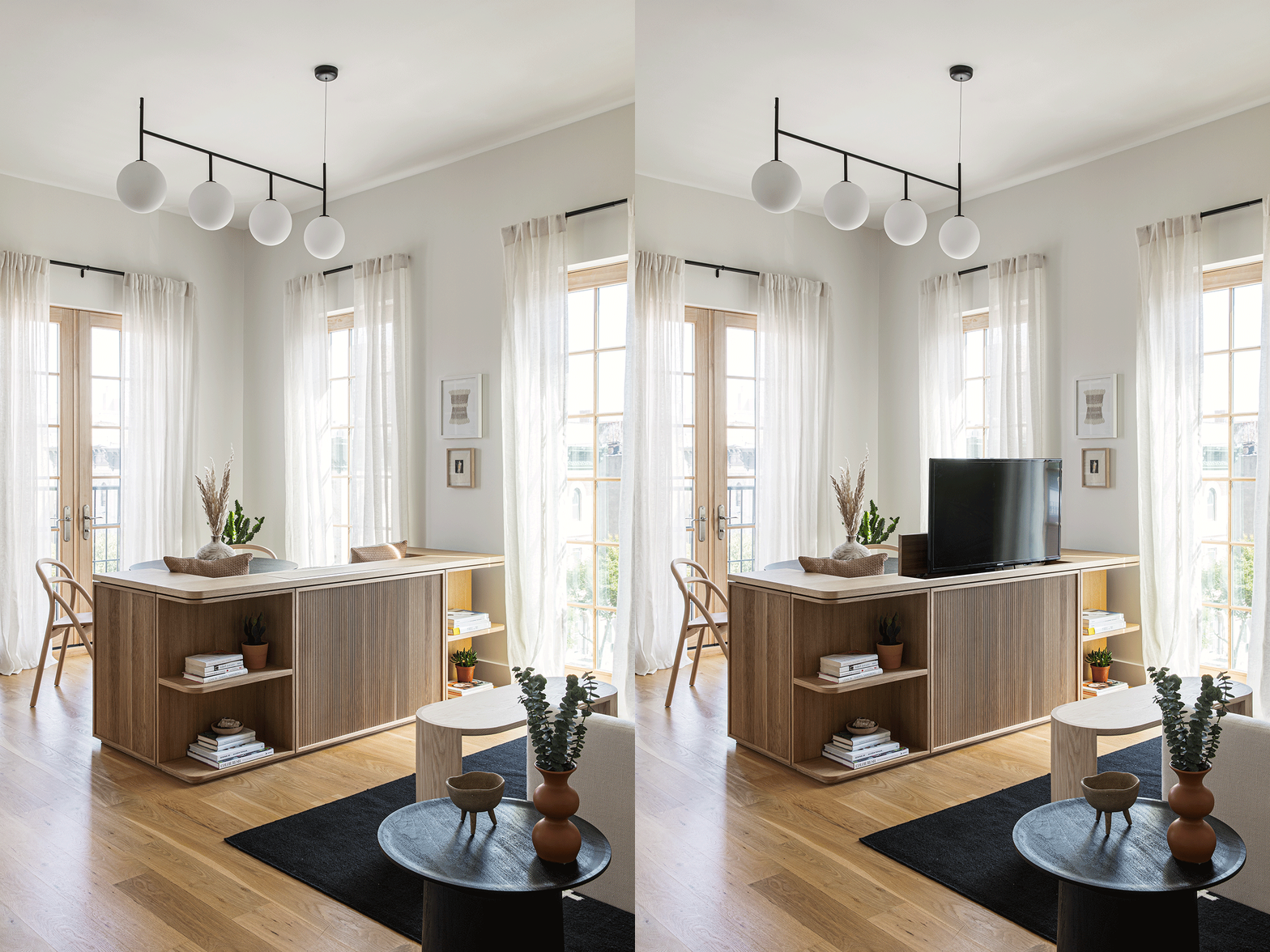
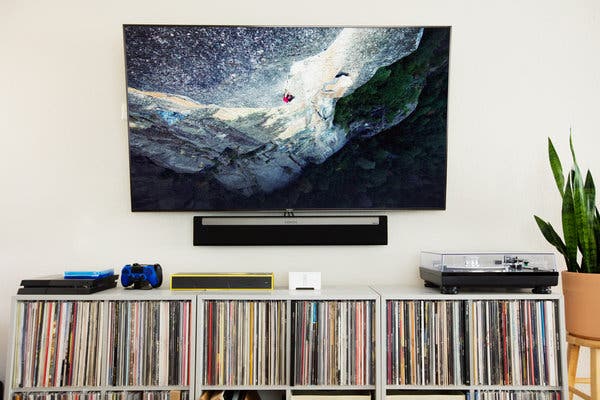
Mounting a television on the wall requires careful planning and execution to ensure security, aesthetics, and safety. Before starting, it is crucial to plan for all devices that will connect to the TV, including gaming consoles, cable boxes, audio receivers, speakers, or soundbars. Adequate space for these devices in a shelving unit or cabinet is necessary, along with sufficient cable length for all connections. It is recommended to include one extra HDMI cord for future device additions. Ethernet cables should be considered for gaming or high internet usage households to ensure optimal speed. When selecting a location for the TV, factors such as light, wall support, and height are important. The TV should be mounted to wall studs or solid masonry using a mount rated for the TV's weight. The Sanus VMPL50A-B1 Tilting Wall Mount is suggested for its versatility, accommodating TVs from 32 to 70 inches. For TVs in cabinets or nooks, a full-motion mount allows for adjustable viewing. Avoiding placement opposite a window helps prevent glare. The center of the TV should be at eye level when seated to prevent neck strain. Some AV sources, like stick-style streaming media players (e.g., Roku Streaming Stick, Chromecast) and flat indoor antennas (e.g., Antennas Direct ClearStream Eclipse), are compact and can draw power from the TV's USB ports, making them easier to conceal.
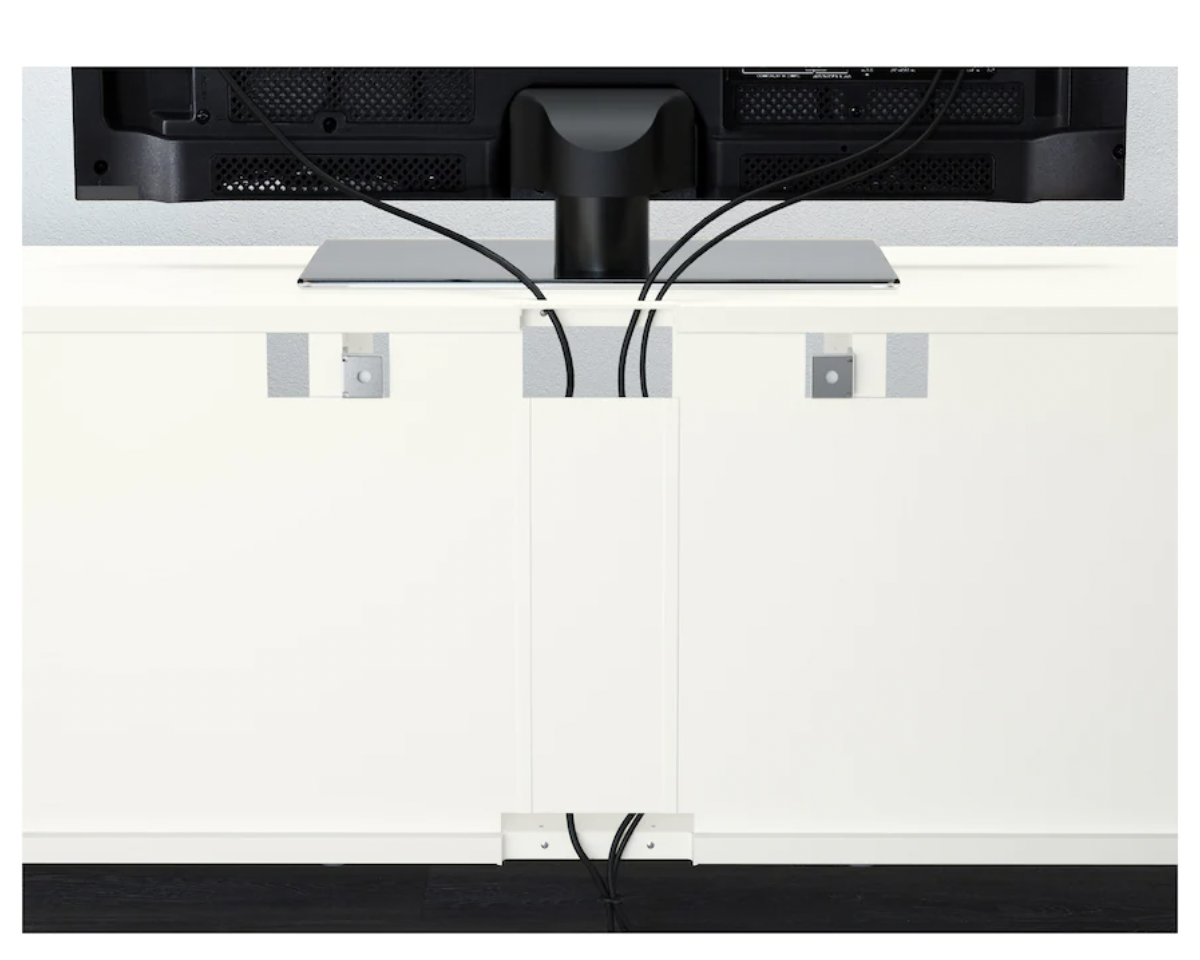
Regarding electrical cords, regular TV power cords should not be hidden behind walls due to fire hazards and violations of the National Electrical Code. Overheating or damage to uninsulated cords can occur unseen. However, a code-compliant method for running cables behind drywall involves using specific cable management kits, such as the PowerBridge TWO-CK Dual Outlet Recessed In-Wall Cable Management System, which is fire-code compliant and allows for in-wall cable routing. Local building codes should be checked, especially in areas like Chicago, Cook County, Illinois, or New York City, where metal junction boxes and metal-clad wire versions may be required. Cables used behind walls must be CL-rated, indicated on their packaging. For brick walls or situations where in-wall routing is not feasible, paintable cord covers like the Legrand CMK10 Cable Management System can bundle and conceal wires.
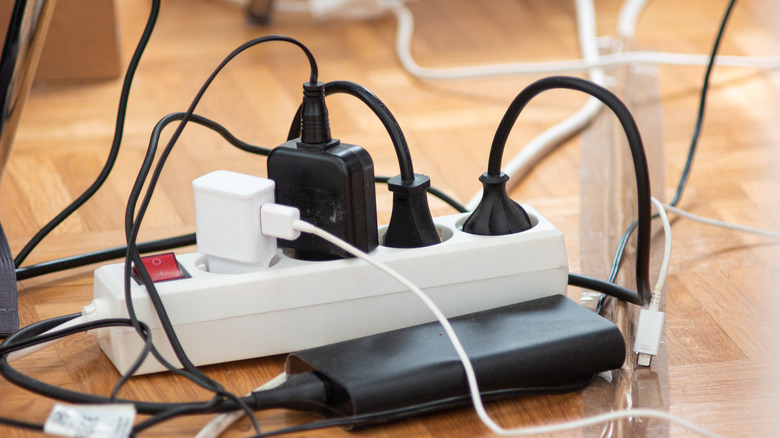
Proper ventilation for all connected entertainment system devices is essential to prevent heat buildup, which can shorten device lifespan or damage electronics. Adequate clearance around the TV and other components is necessary, and cabinetry should feature ventilation holes. Installing a cabinet cooling fan can further aid air circulation. Professional assistance is advised in several scenarios. If a power outlet is not conveniently located, an electrician should be hired to install a new one, as using extension cords is a significant fire risk. Electrical distribution and lighting equipment, particularly extension cords, are leading causes of fires in living rooms and bedrooms. Furthermore, professionals should be consulted for mounting TVs on challenging wall materials like inconsistent brick or walls with hidden plumbing. If walls feature extra elements like tile, a professional is recommended for drilling unless the individual is highly skilled in such tasks.
#TVMounting #HomeTheater #CableManagement #ElectricalSafety #HomeImprovement #InteriorDesign #DIYHome #ProductRecommendations #Ventilation #TVMounting #HomeTheater #CableManagement #ElectricalSafety #HomeImprovement #InteriorDesign #DIYHome #ProductRecommendations #Ventilation
0 comment in total
 No comments yet
You may also like

Here’s How to Not Mess Up Mounting Your TV on the Wall | Reviews by Wirecutter
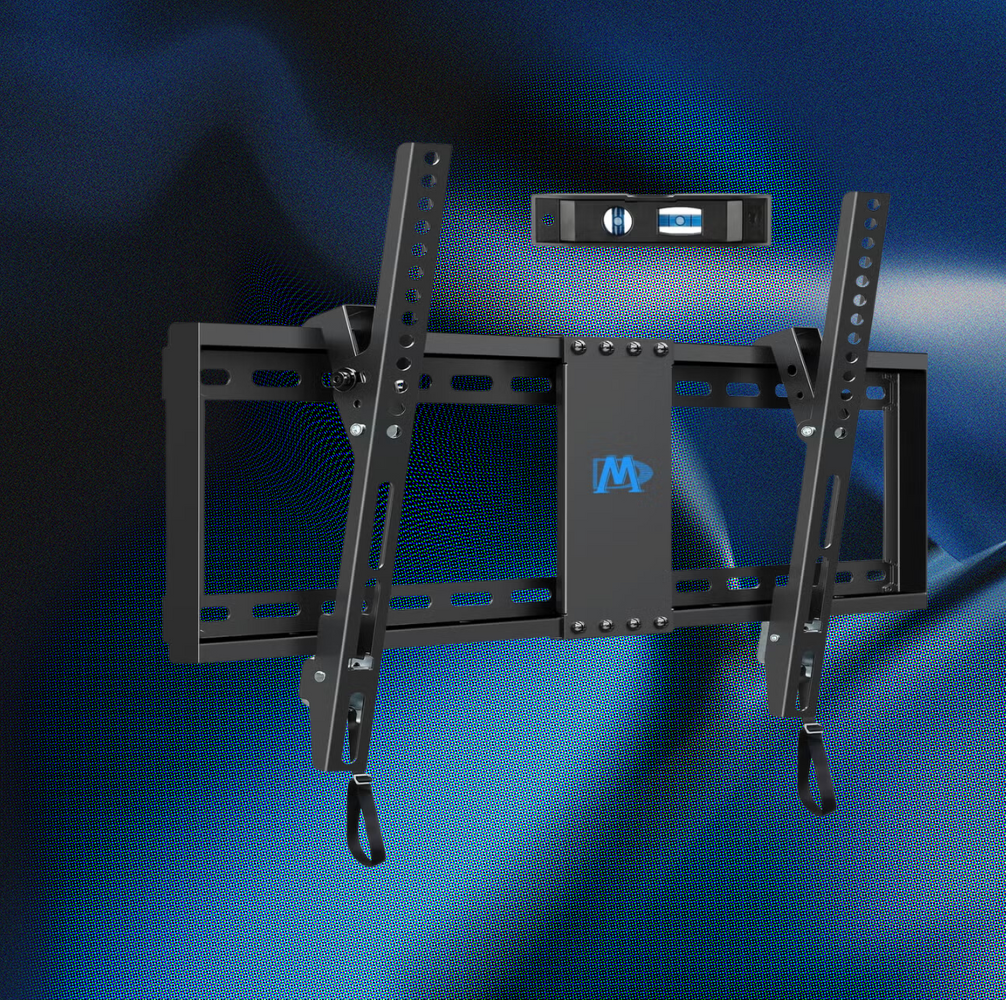
Our Favorite TV Wall Mount is Just $30 on Amazon

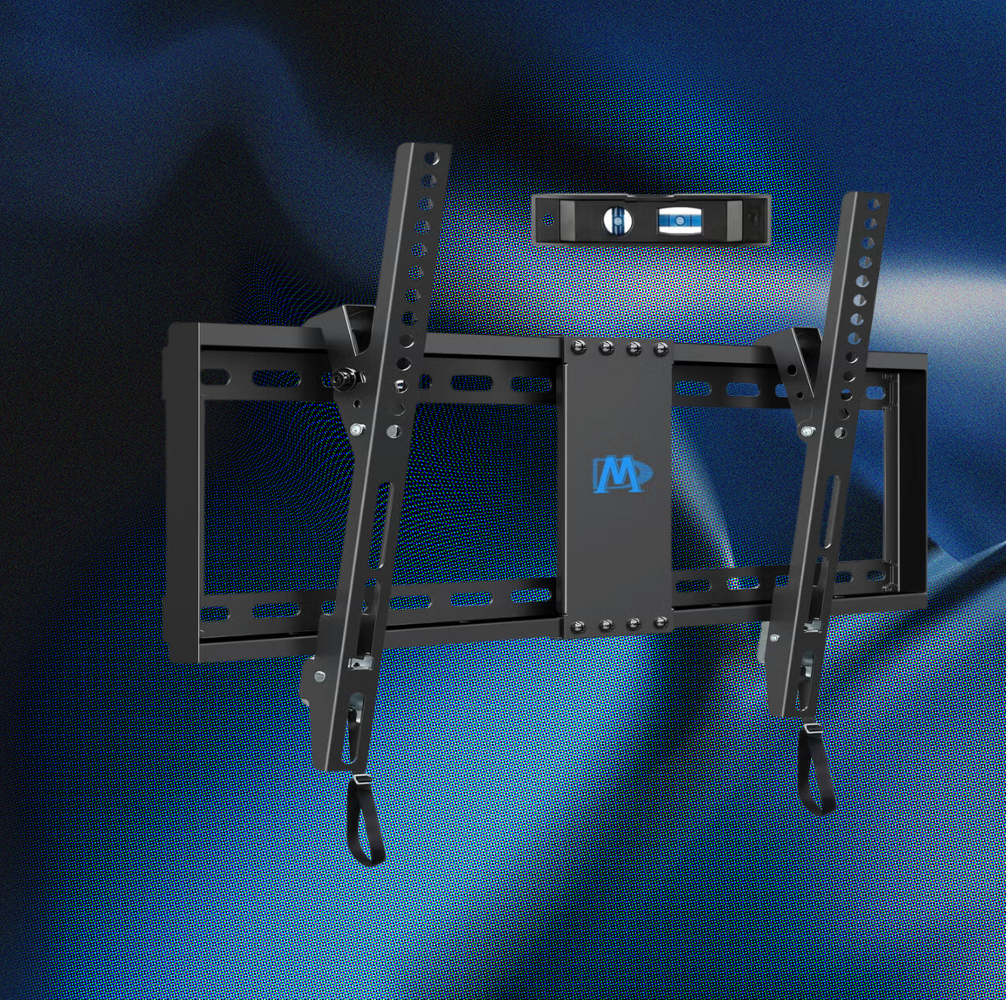
3 Best TV Wall Mounts of 2025, Tested and Reviewed

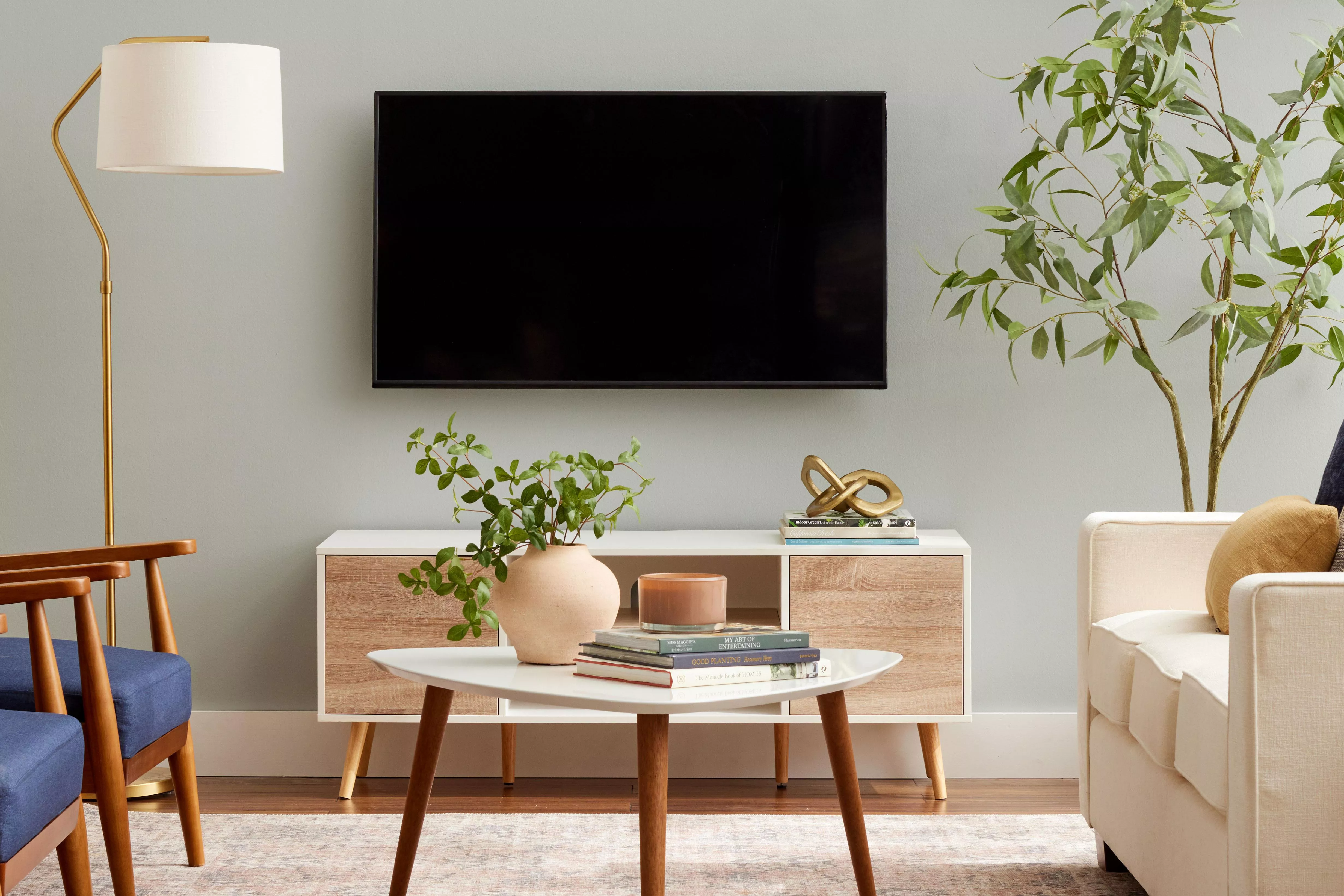
7 Clever Ways to Hide TV Cords

How to mount your TV to a wall in a way that's smart and safe


The Best TV Wall Mounts for Every Budget
TV wall mounting tips: what you need to know before you get the drill out

How To Flawlessly Integrate A TV In Your Living Room, According To A Design Expert

The Best TV Mounts to Level Up Your Space
How to wall mount your TV: step-by-step installation guide

Your TV’s Probably Too High (And Other TV-Mounting Mistakes You May Be Making)
The Best TV Wall Mounts for Flat Screens


A Clever And Easy Way To Hang Your TV On A Wall — By Yourself

As a Parent of an Energetic Toddler, These Are the TV Wall Mounts That I Trust

Step-by-step: The ultimate DIY guide for hiding your TV


This Is the Ultimate Way to Hide Your TV

Try This 5-Minute Hack to Disguise Your TV

Creative ways to hide TV cords on walls
How to hide TV wires – 5 ways to eliminate messy cords from your living room for a clean and seamless look
I test TVs for a living, and this is the one spot in my living room I would never put my TV