1/9
As a Parent of an Energetic Toddler, These Are the TV Wall Mounts That I Trust
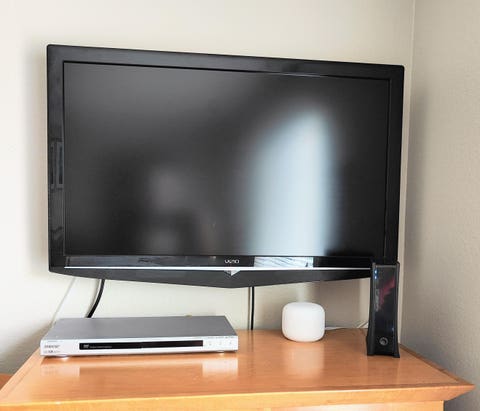
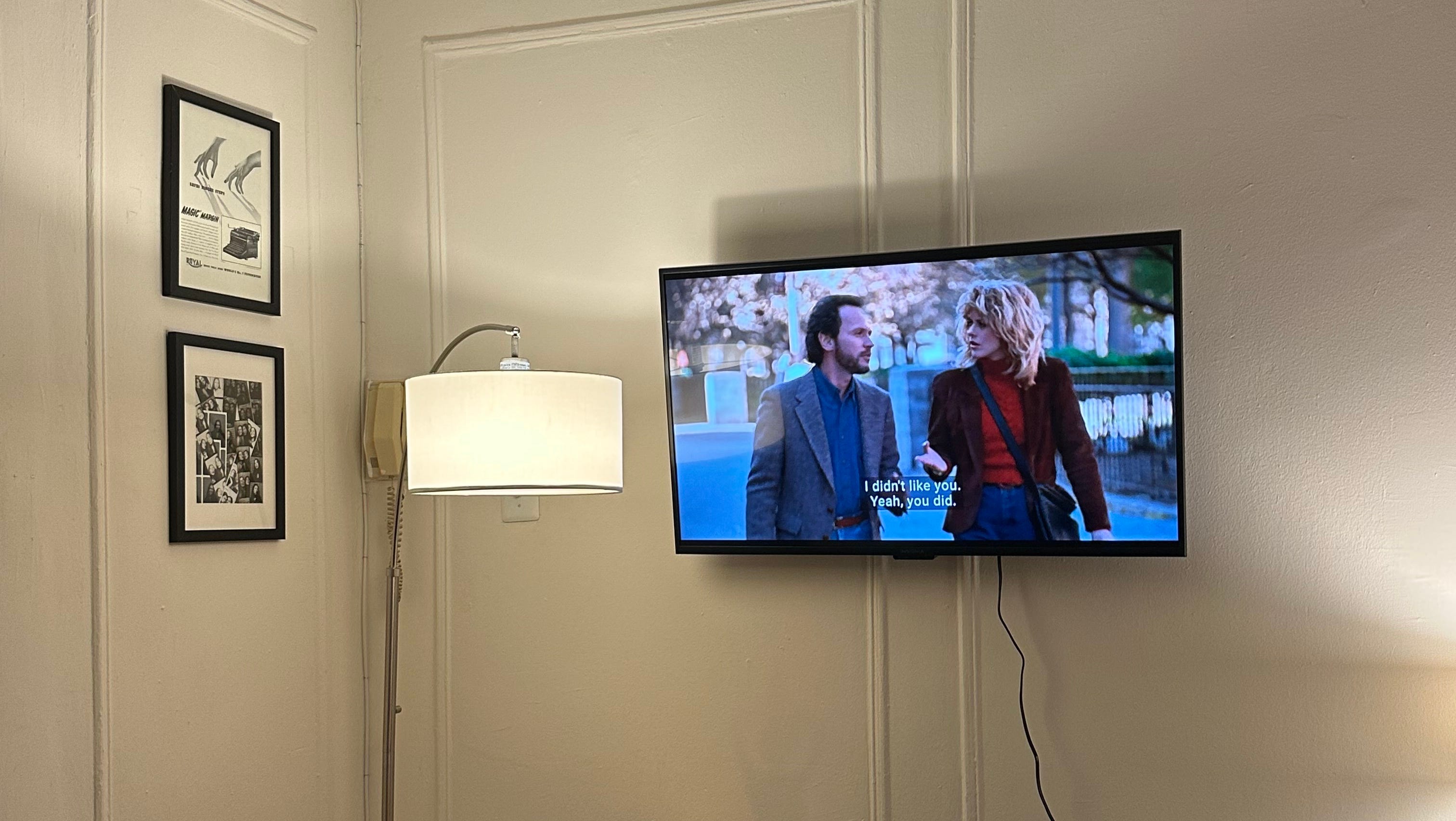
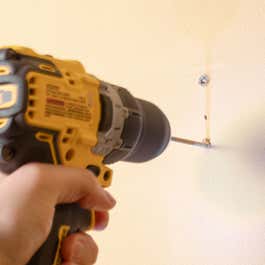
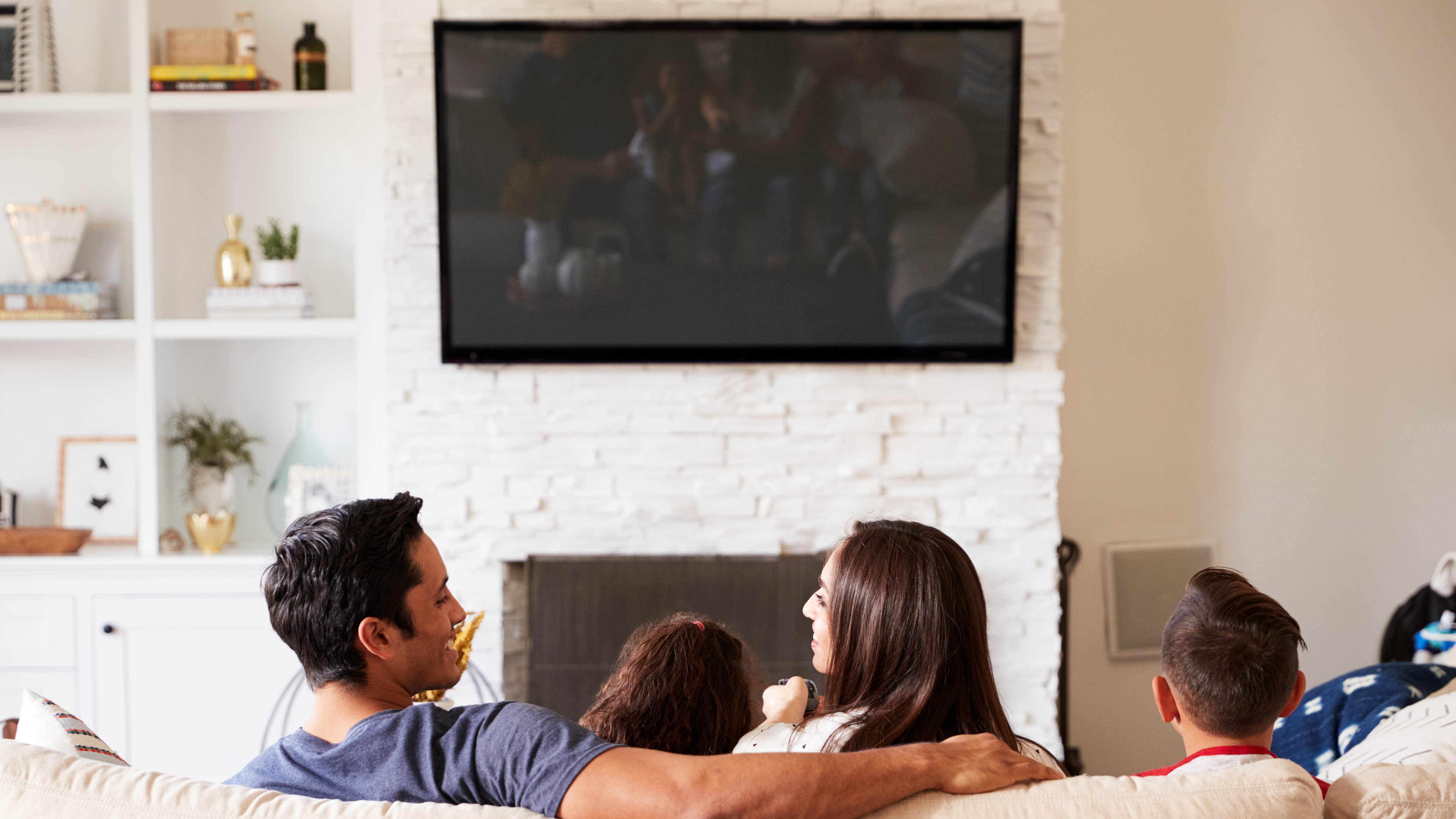
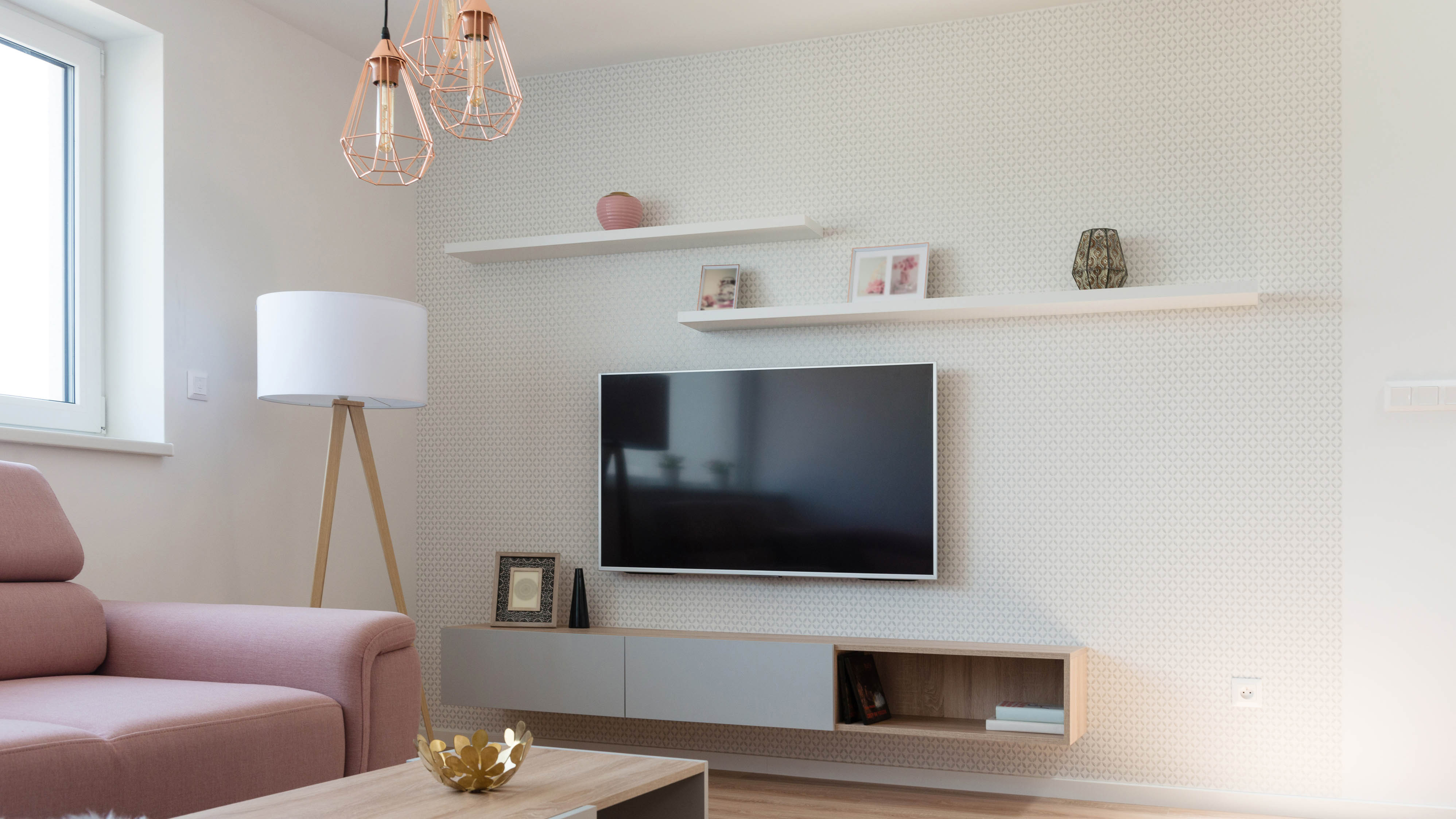
This article explores the critical aspects of selecting and installing a TV wall mount, emphasizing both the aesthetic and safety benefits. Mounting a television not only optimizes living space and creates a modern, sleek appearance but also significantly reduces the risk of tip-over accidents, a concern highlighted by the Consumer Product Safety Commission's reports on thousands of annual injuries. While seemingly complex, TV mounting is a manageable DIY project requiring basic tools and a quality stud finder.
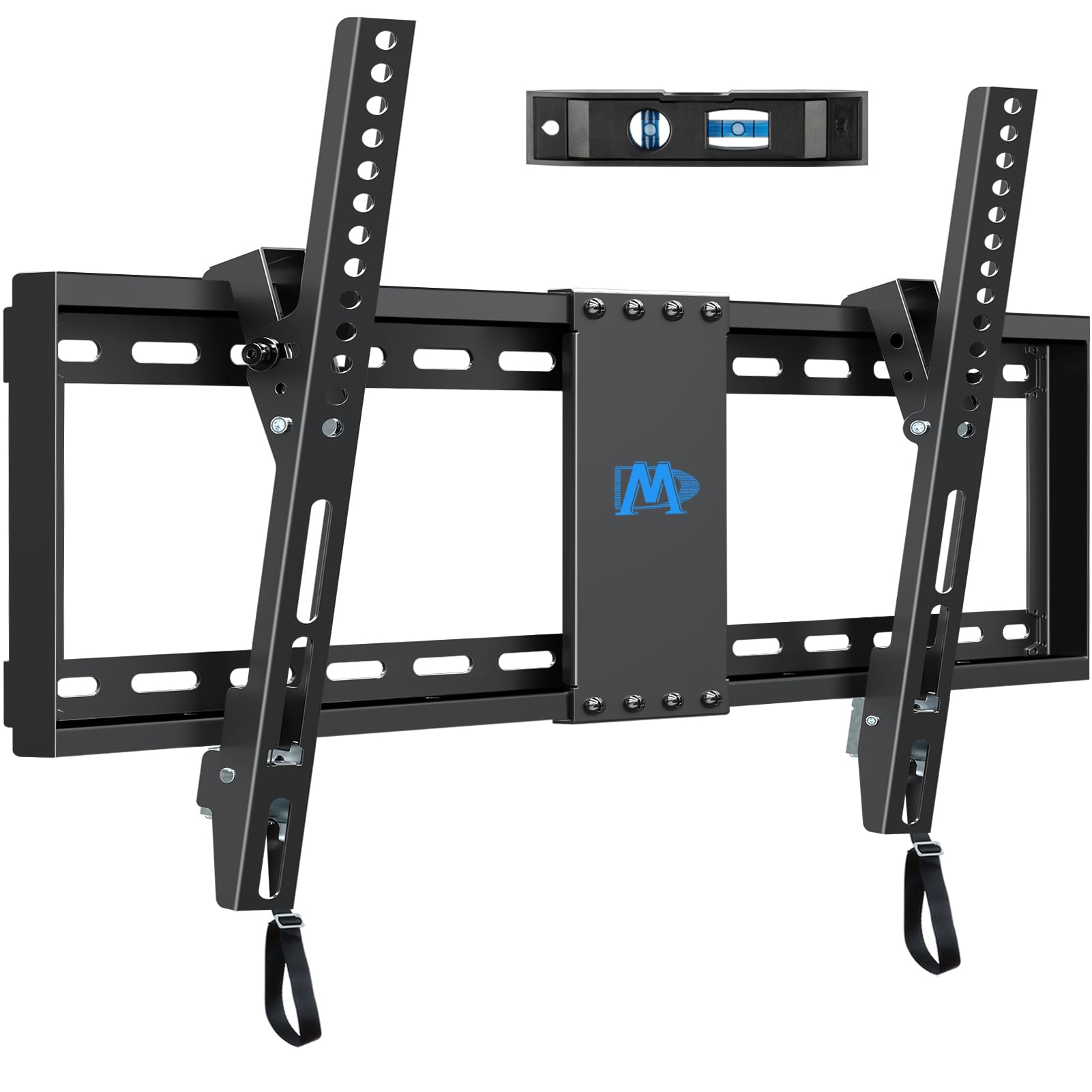
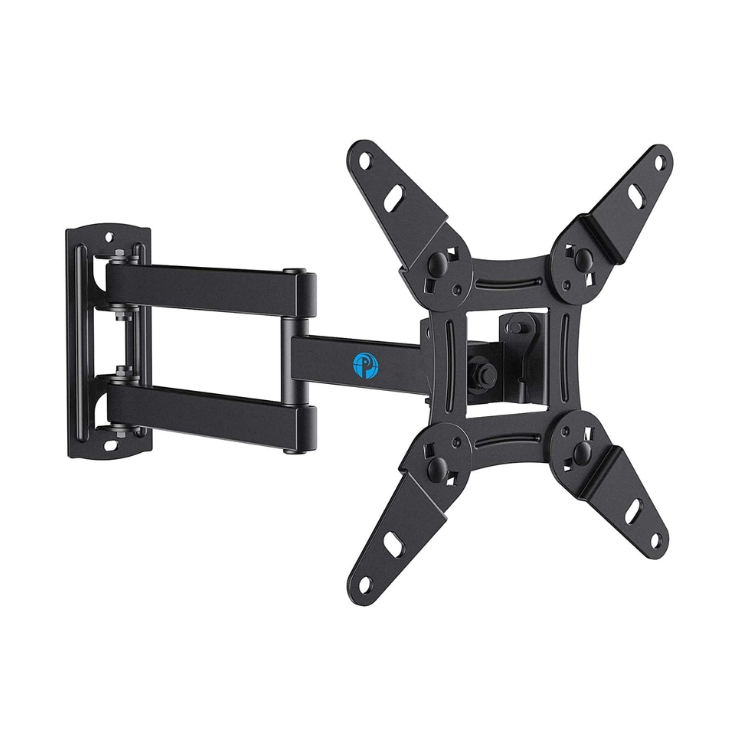
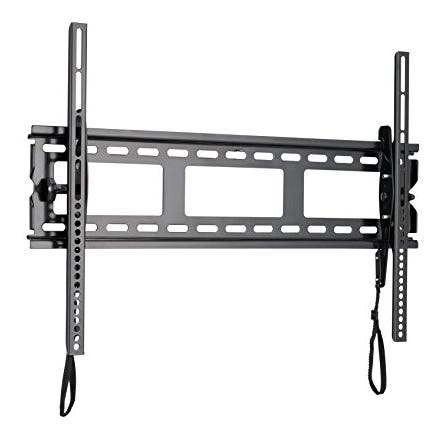
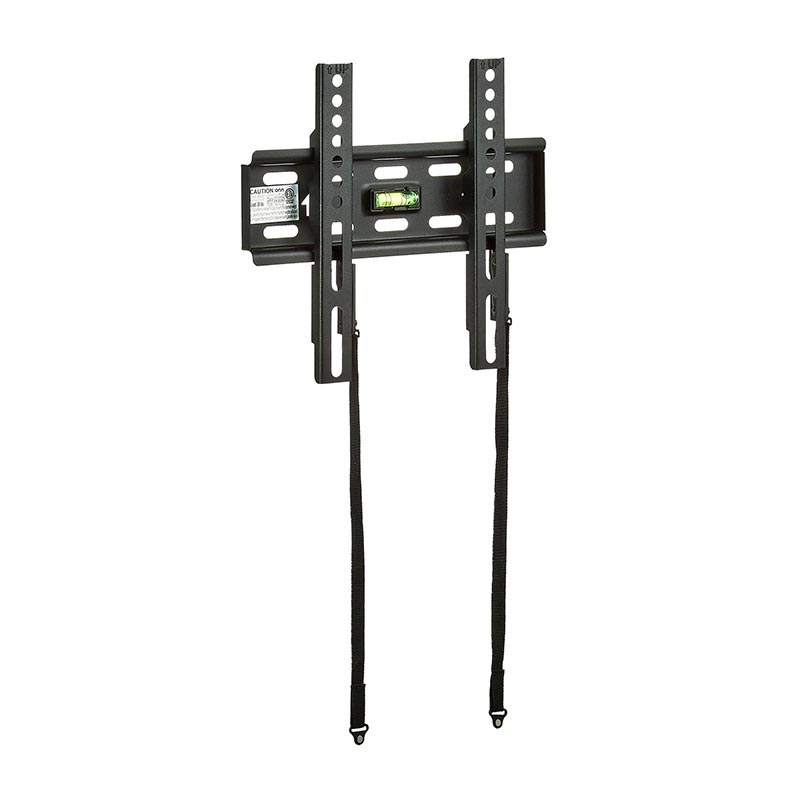
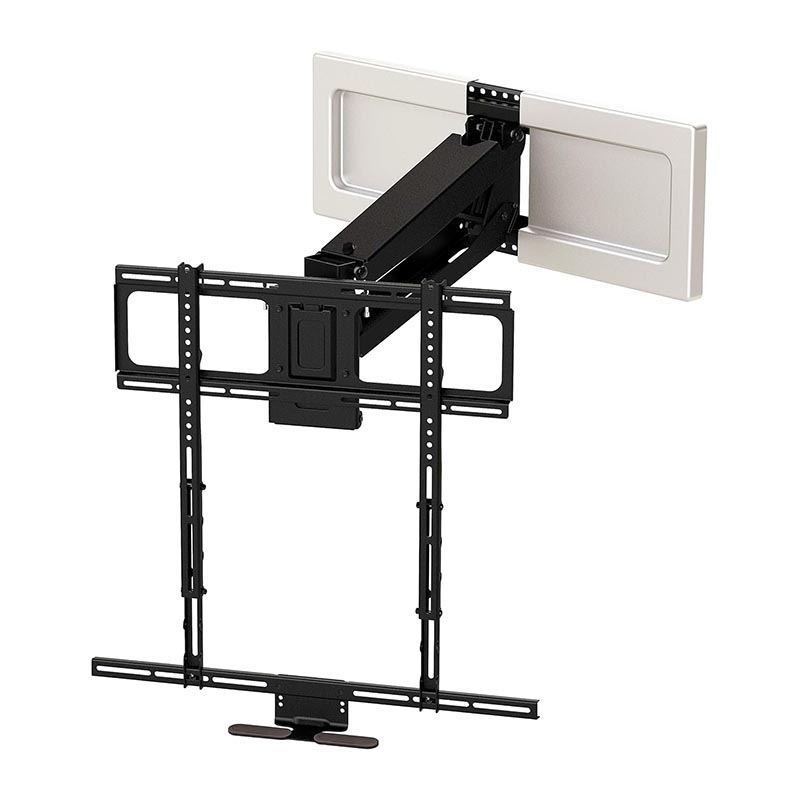
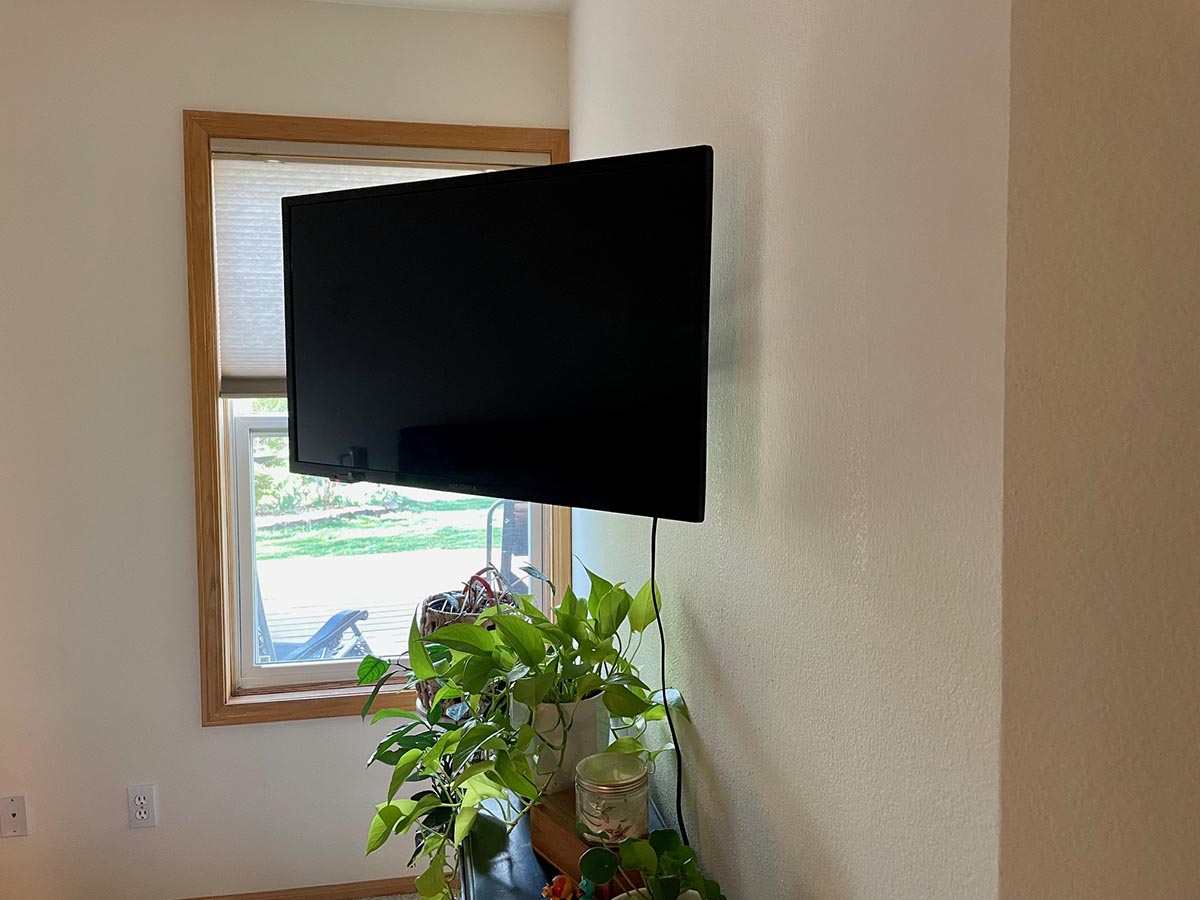
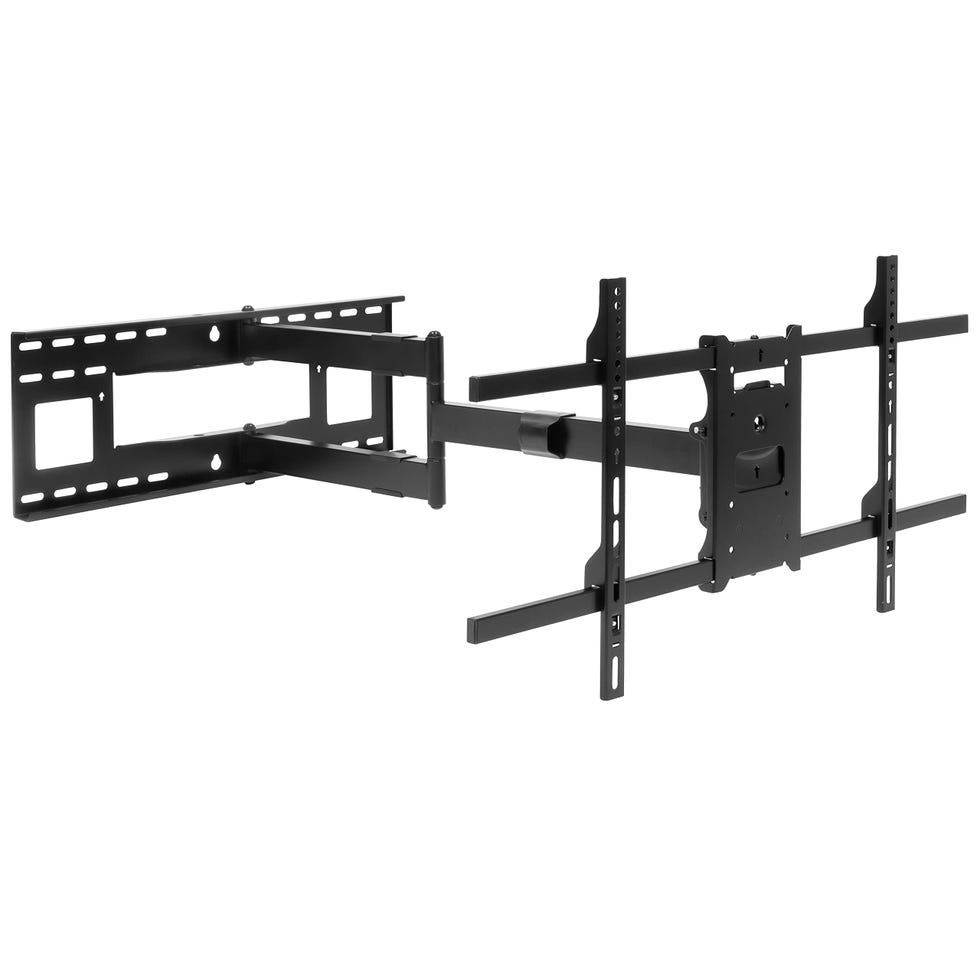
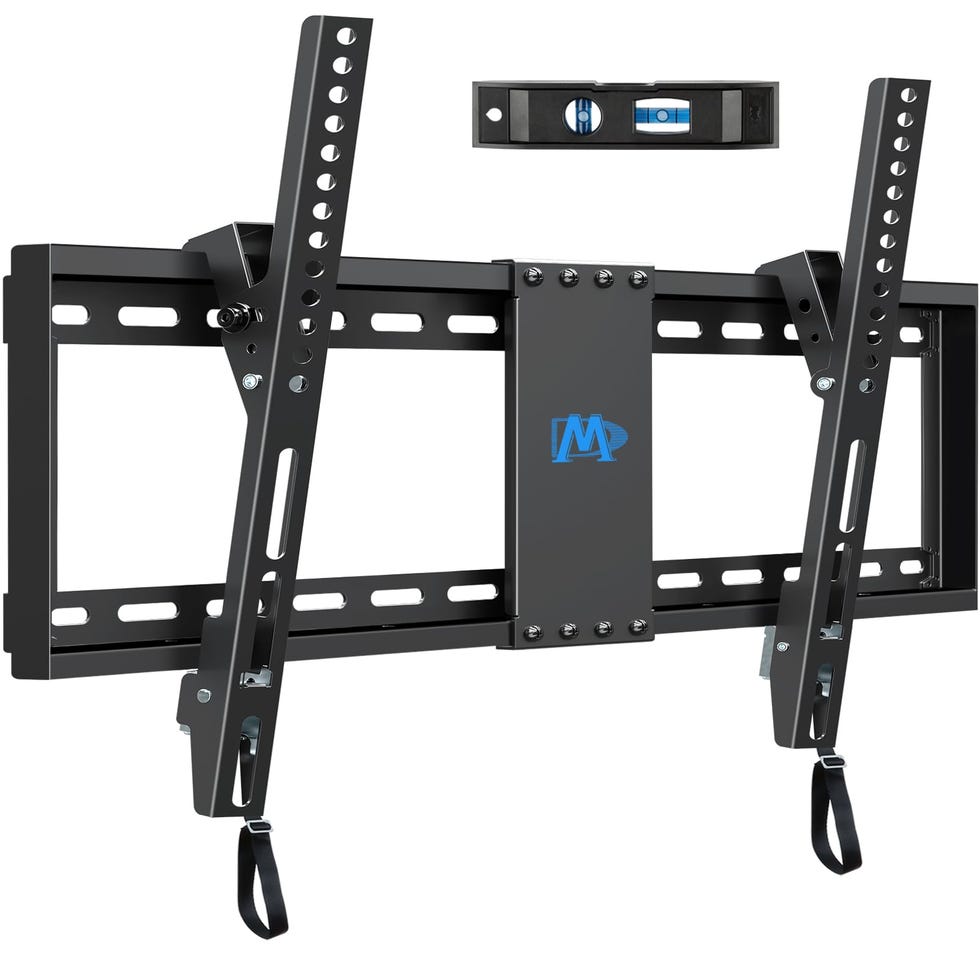
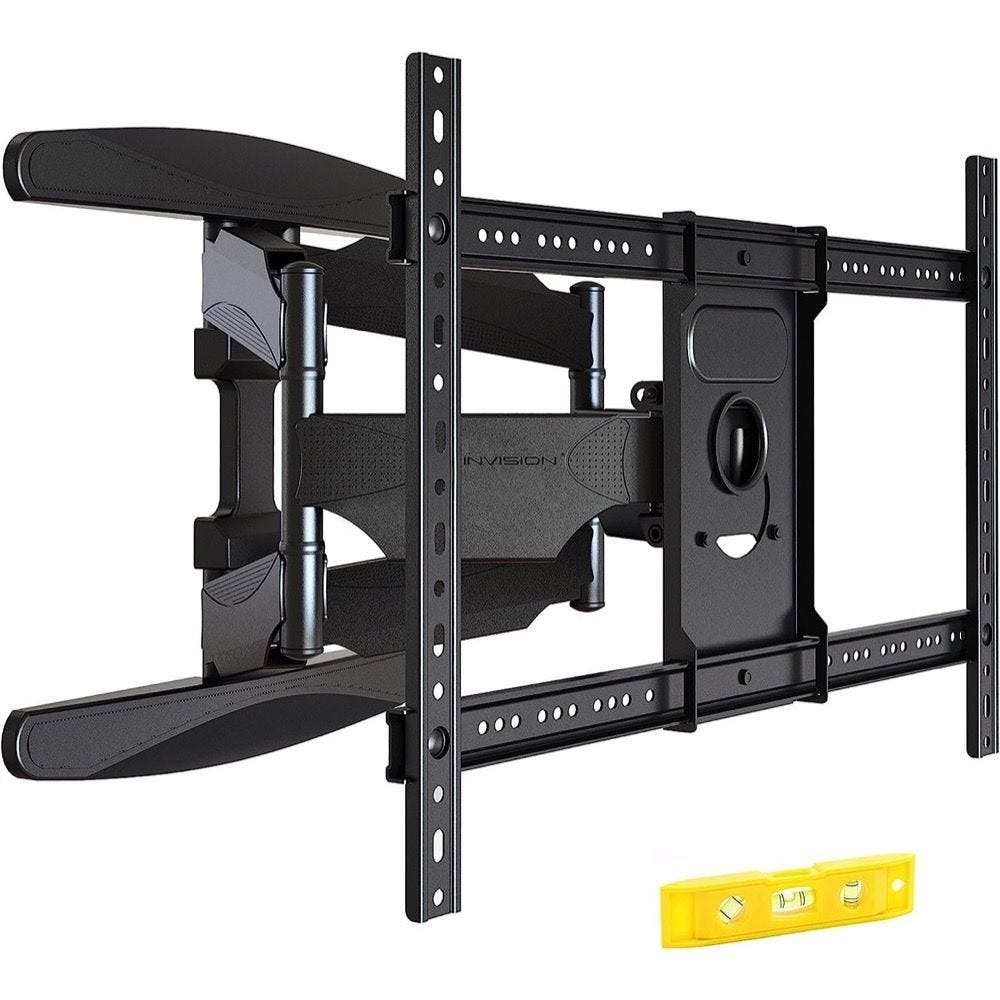
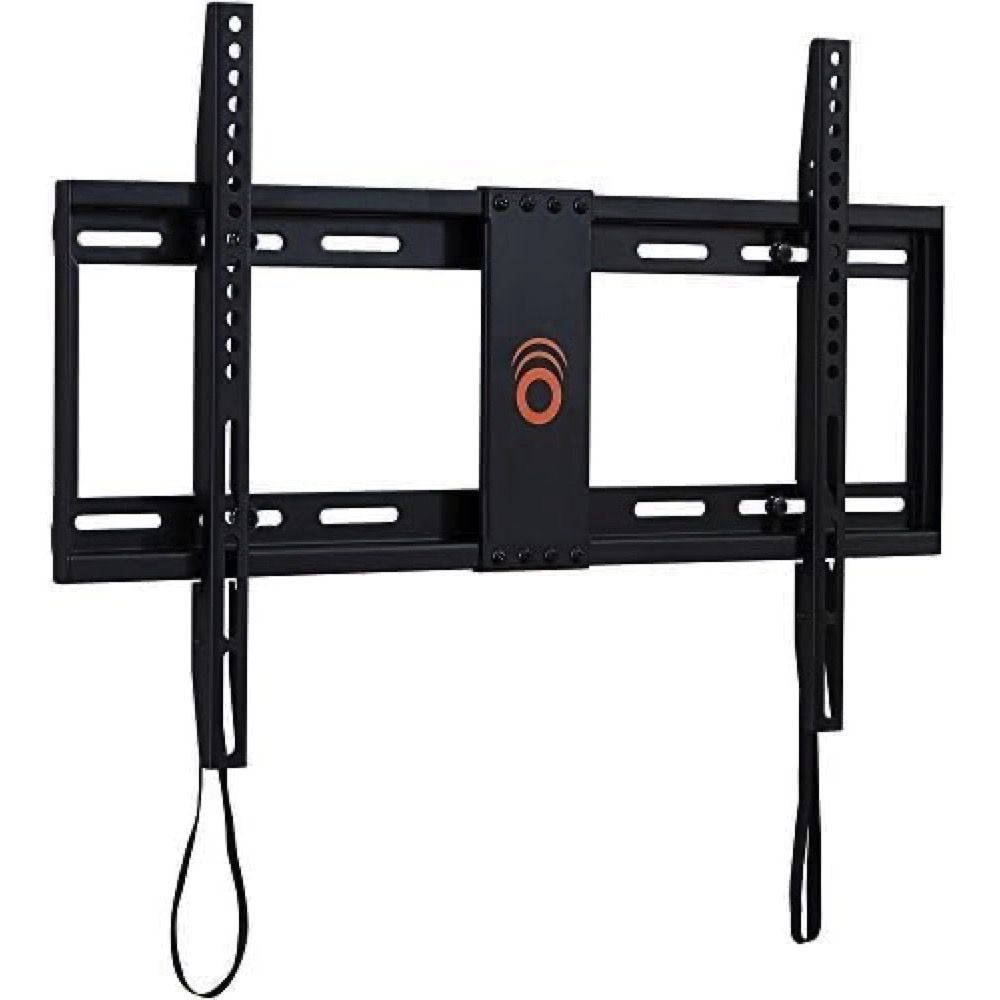
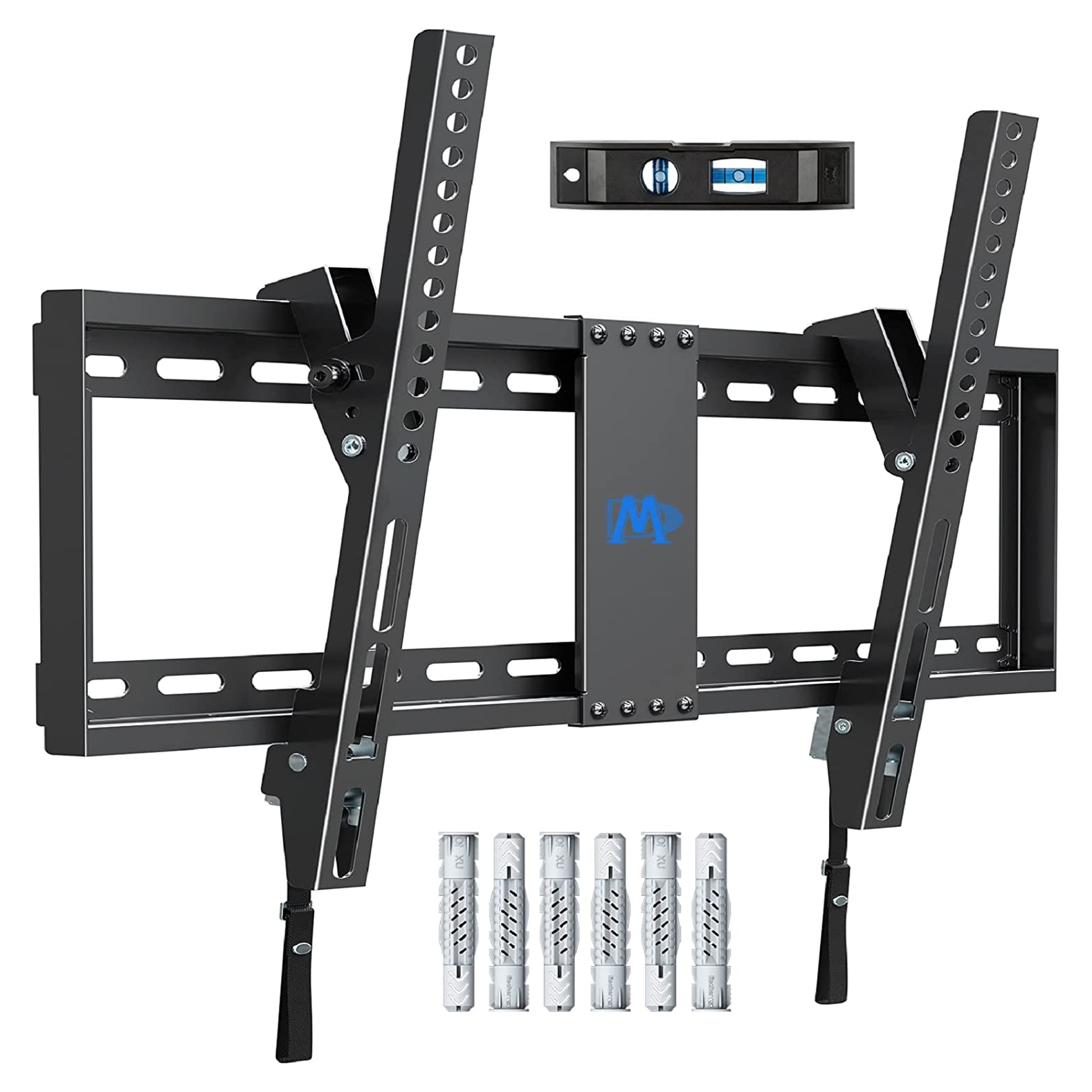
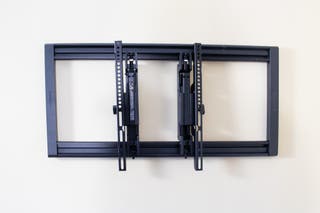
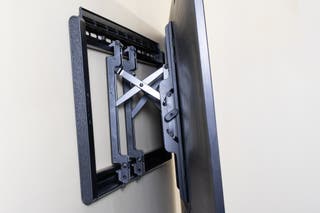
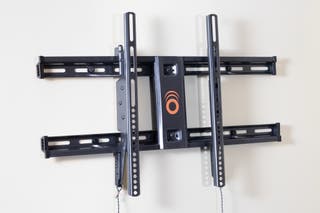
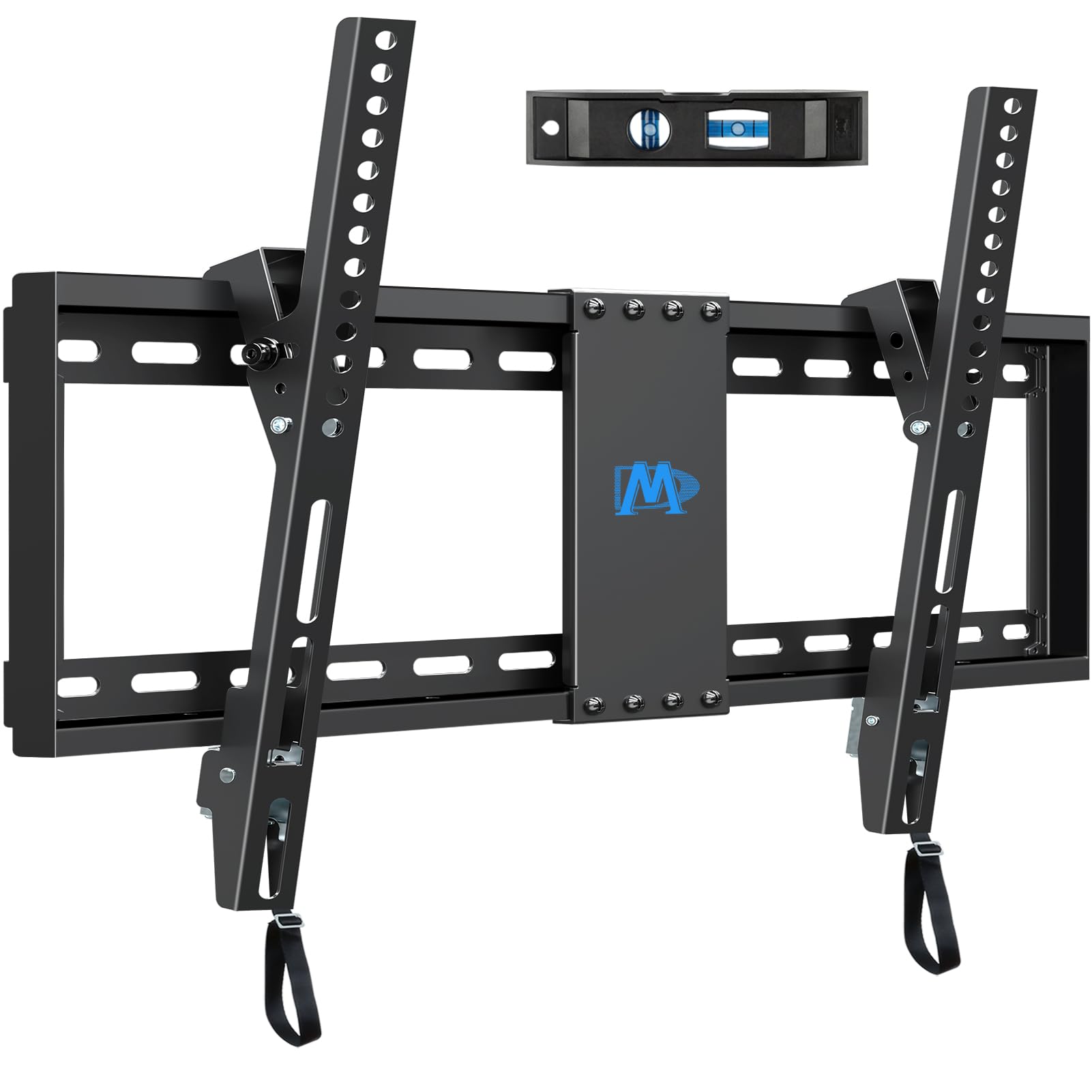
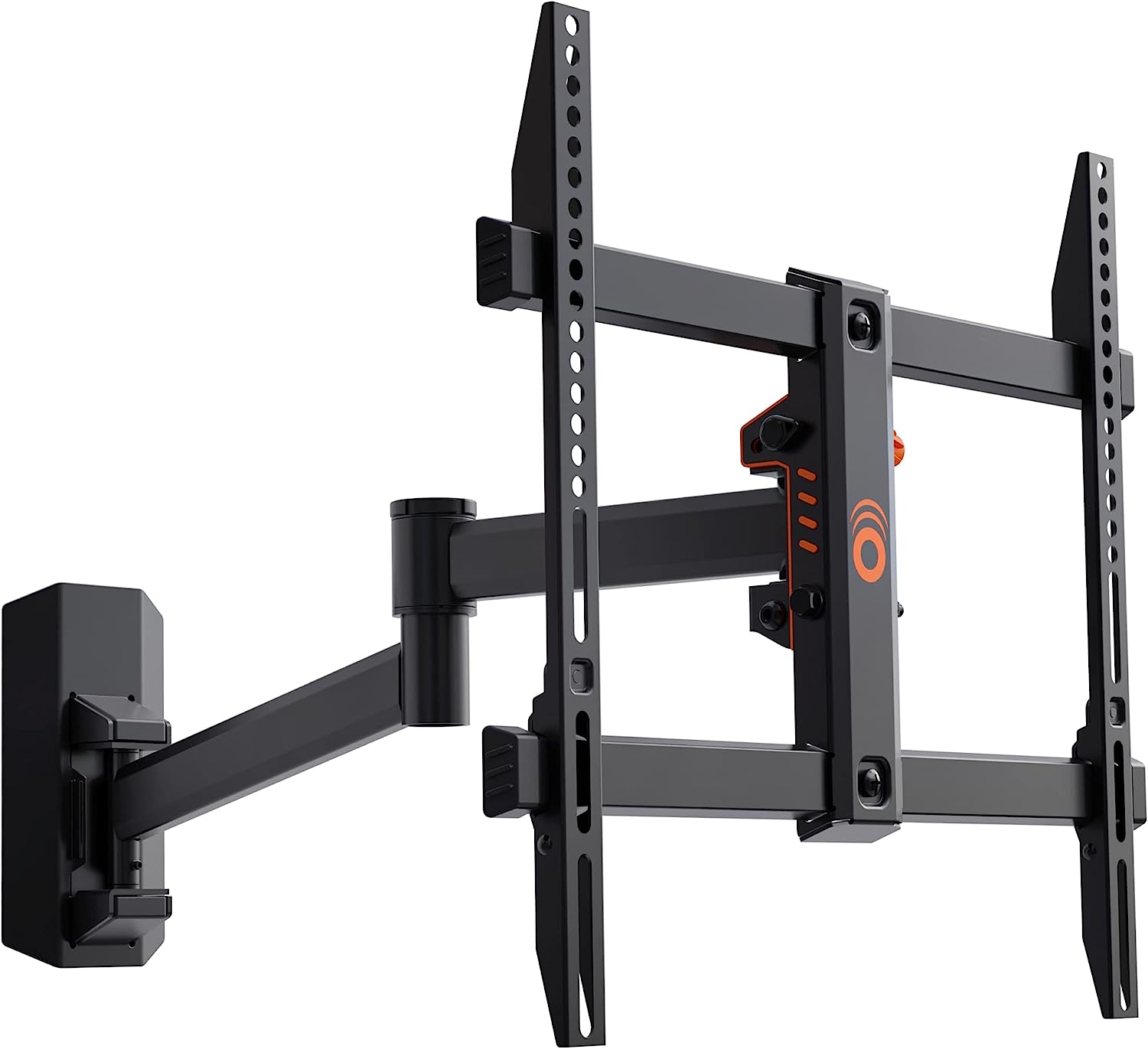
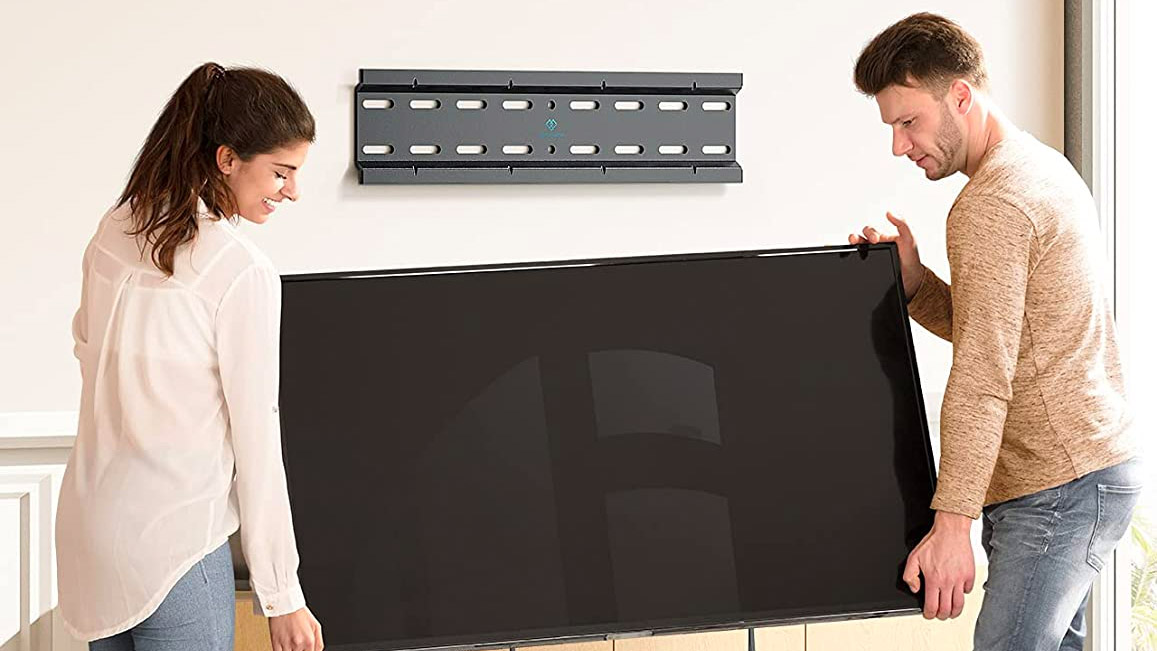
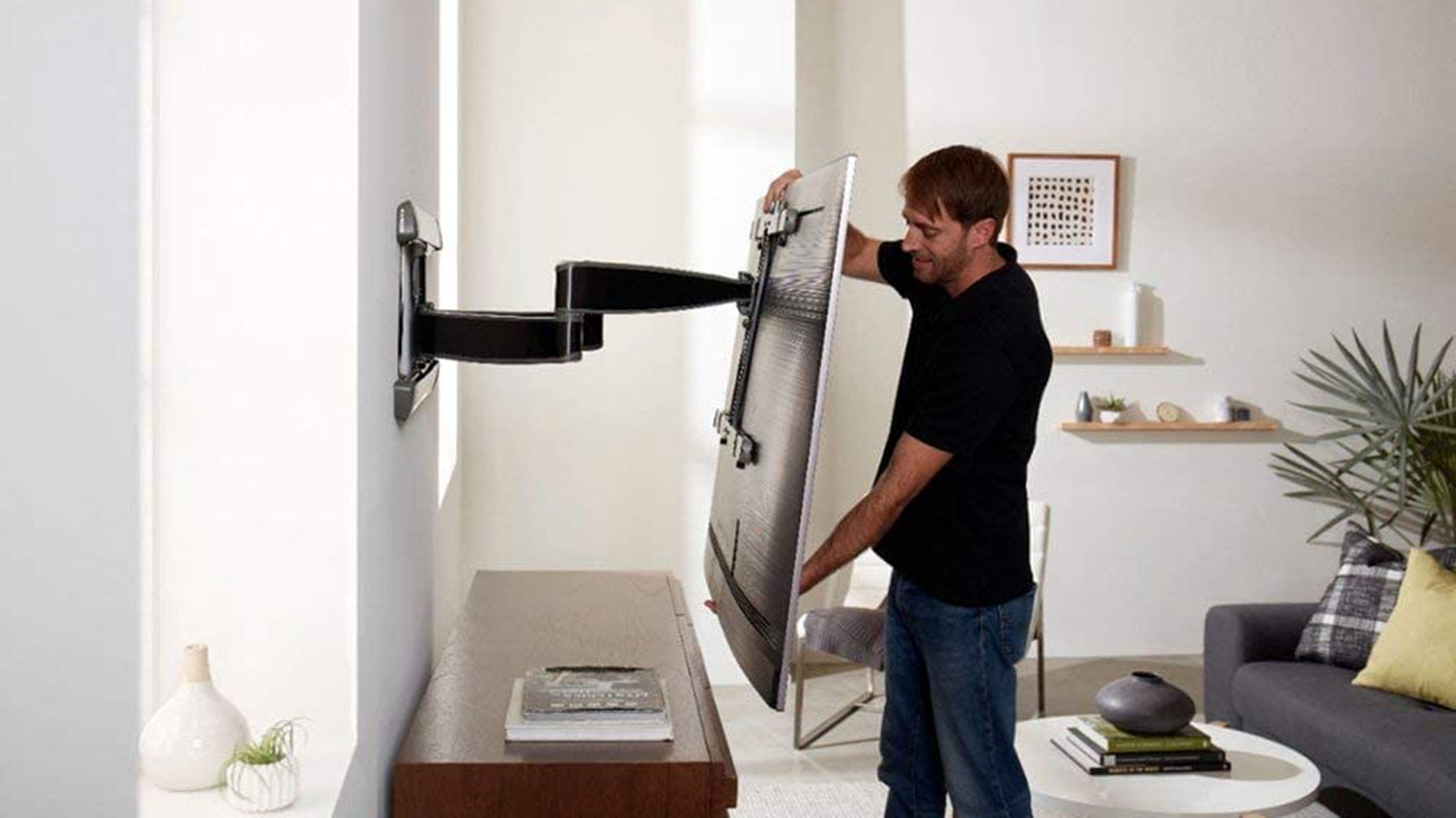
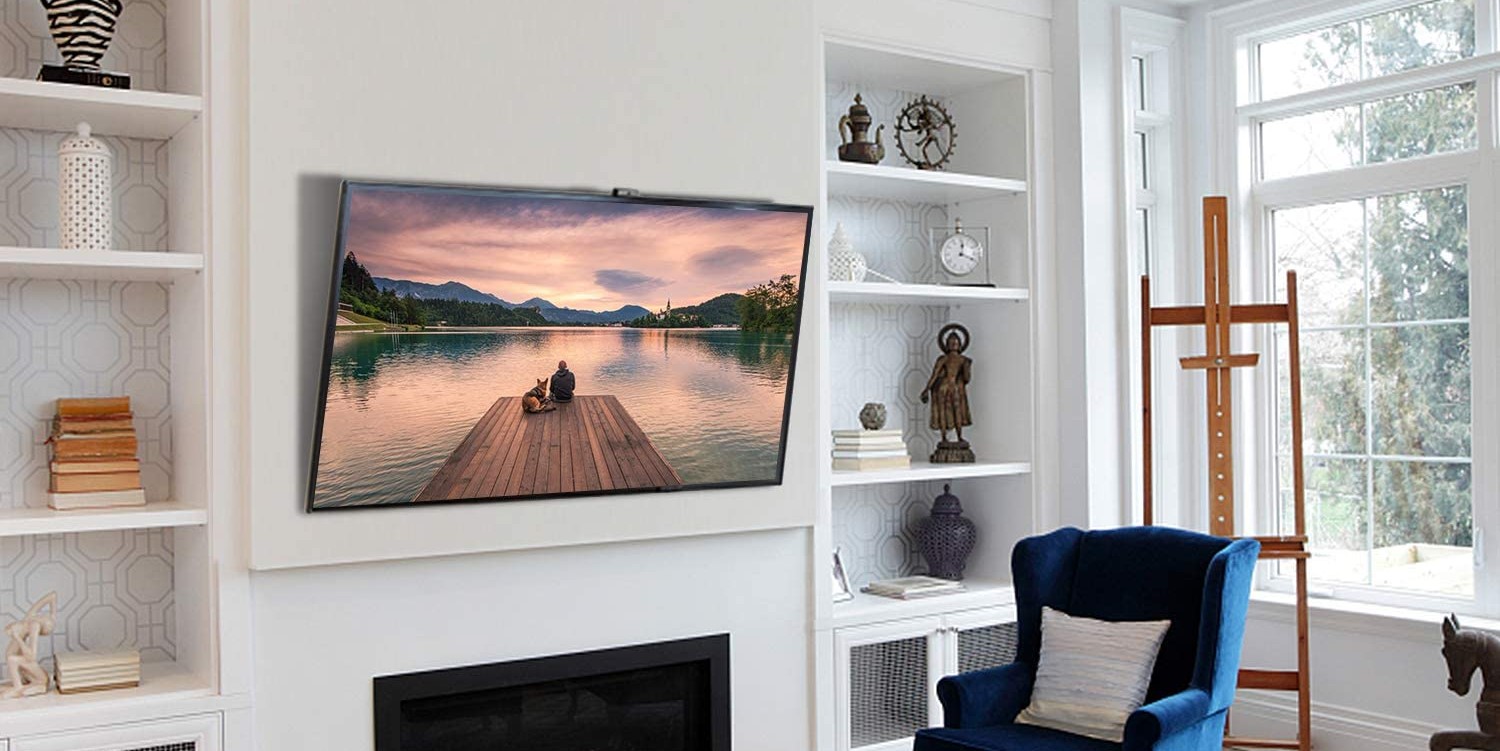
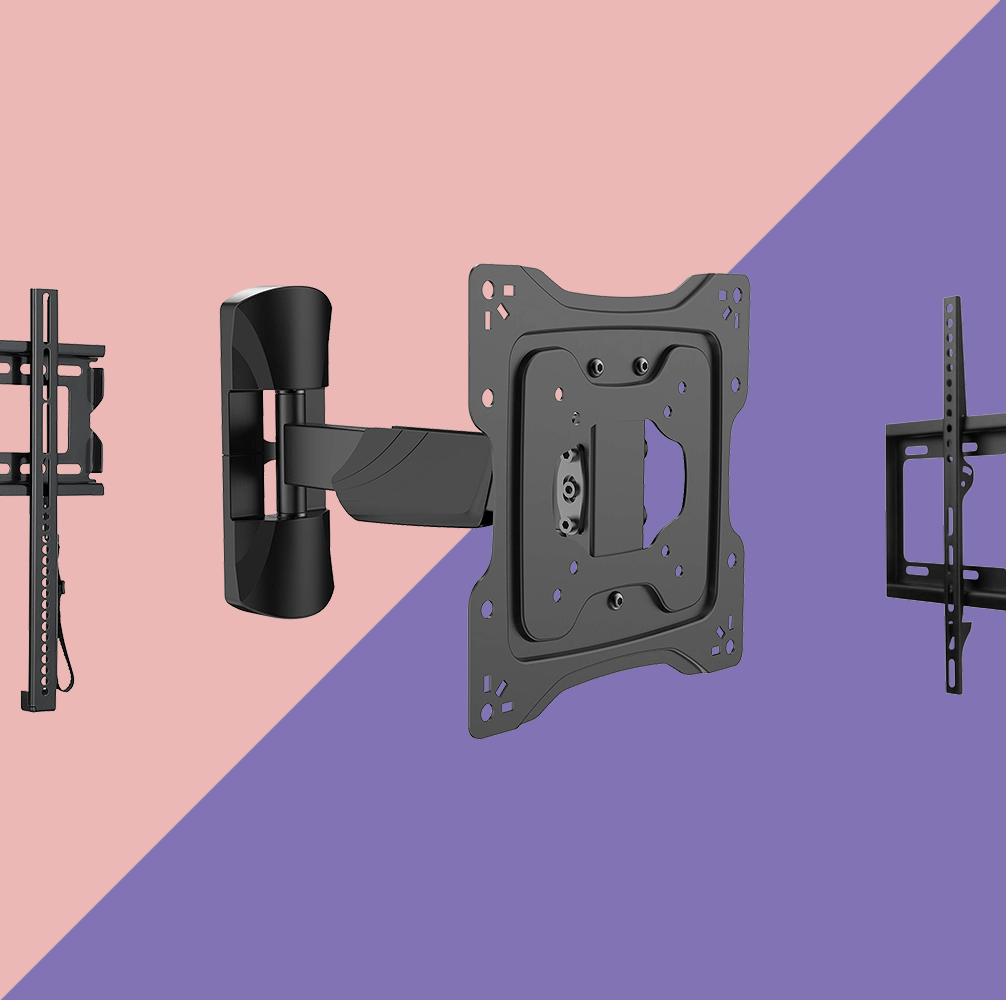
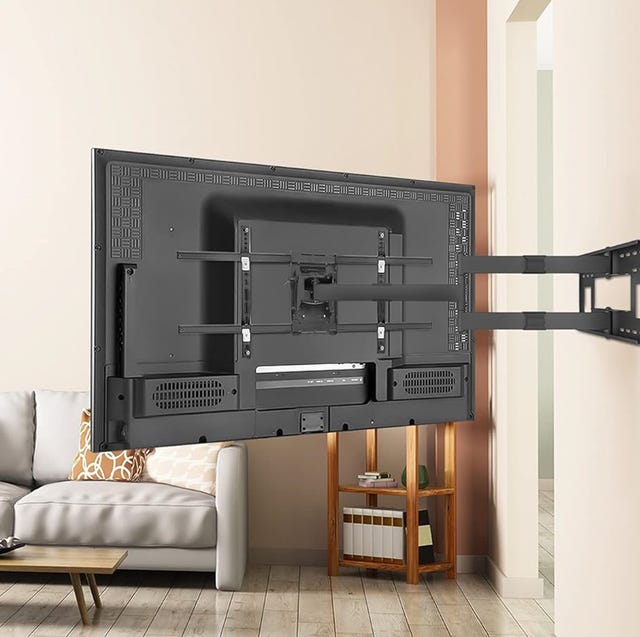
The guide outlines three primary types of TV wall mounts: fixed, tilting, and full-motion. Fixed mounts offer a minimalist, gallery-like look, holding the TV flush against the wall with no adjustability, making precise initial placement crucial. Tilting mounts allow for vertical angle adjustments, ideal for reducing glare or enhancing viewing comfort when the TV is mounted high. Full-motion (articulating) mounts provide the most versatility, enabling users to tilt, swivel, and extend the TV from the wall, catering to various seating arrangements.
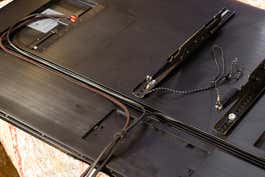
Key considerations for choosing a mount include robust construction, compatibility with the TV's size and weight, and desired features. It is paramount to select a mount rated for the TV's weight, preferably with a significant safety margin to accommodate potential accessories like soundbars. Crucially, installations into drywall must always be secured into wall studs to prevent collapse. The article also stresses the importance of verifying the TV's VESA (Video Electronics Standards Association) pattern, which defines the standard distances between mounting holes, ensuring proper fit with the chosen mount.
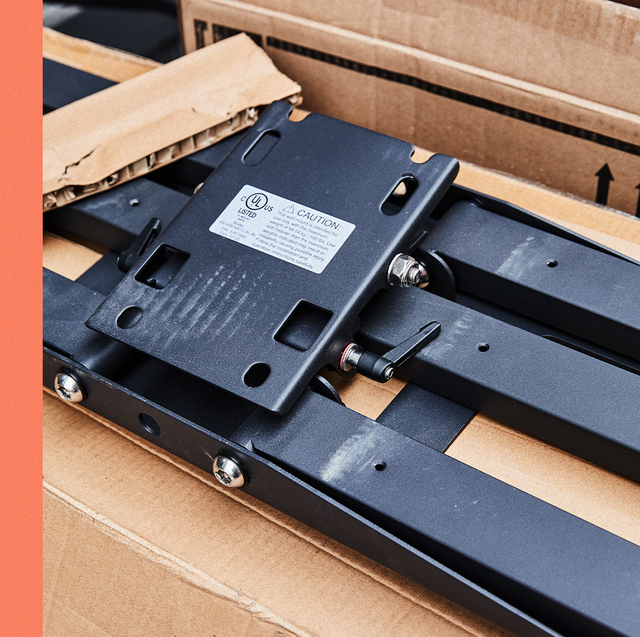
Another practical feature to look for is post-installation leveling, which allows for minor adjustments after the mount is installed, correcting any slight misalignments without complete reinstallation. Furthermore, UL (Underwriters Laboratories) certification provides an added layer of assurance, indicating that the mount has undergone stringent safety testing for construction, weight capacity, and durability.
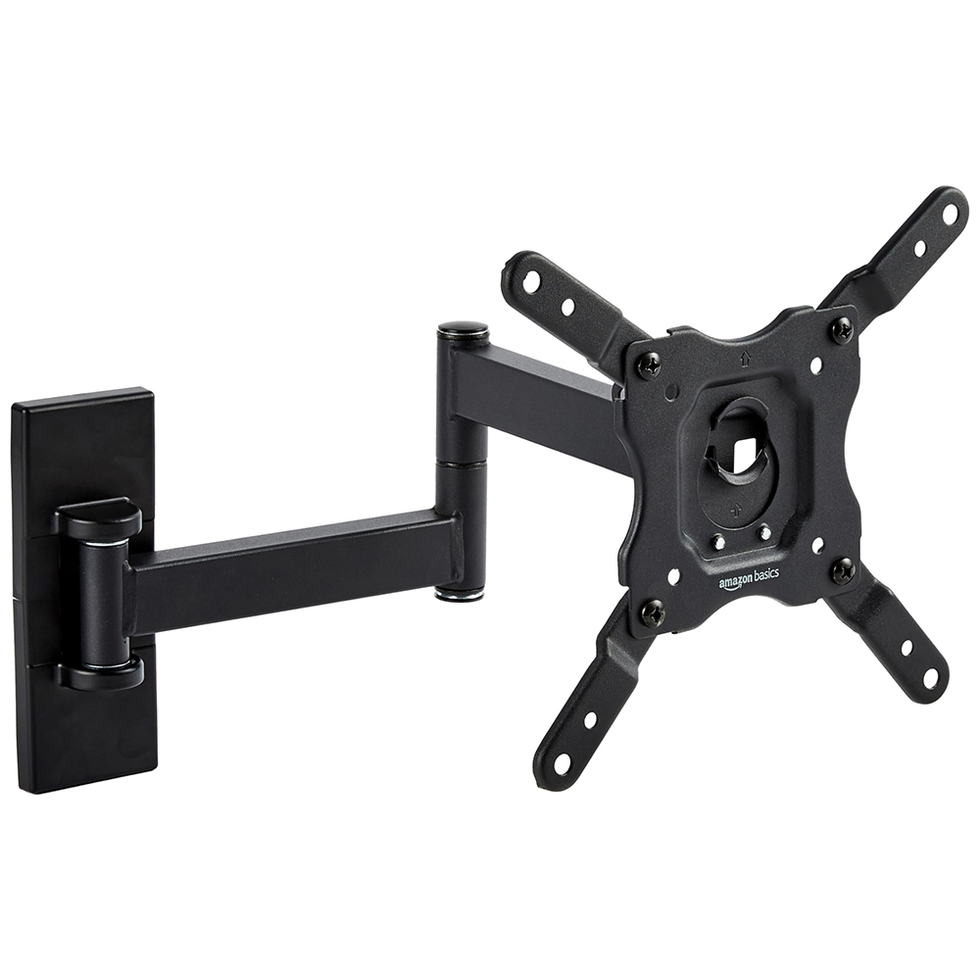
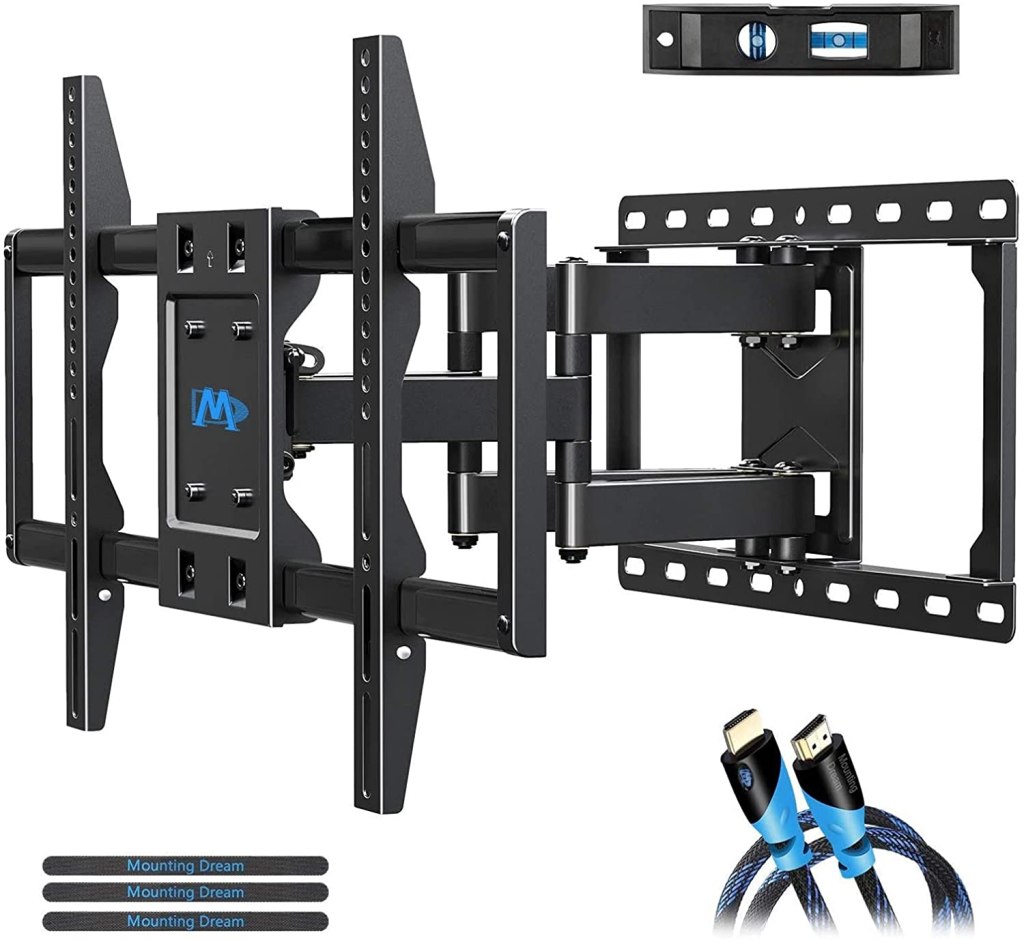
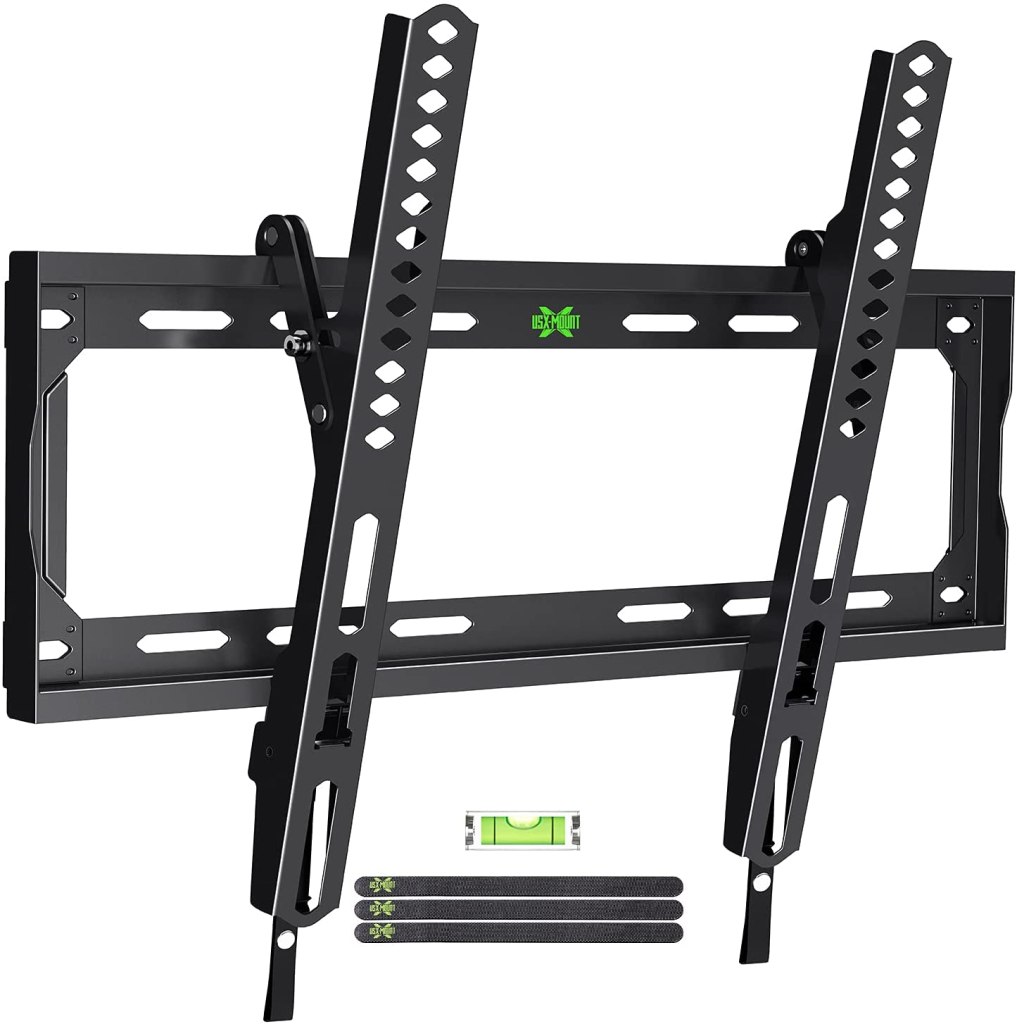
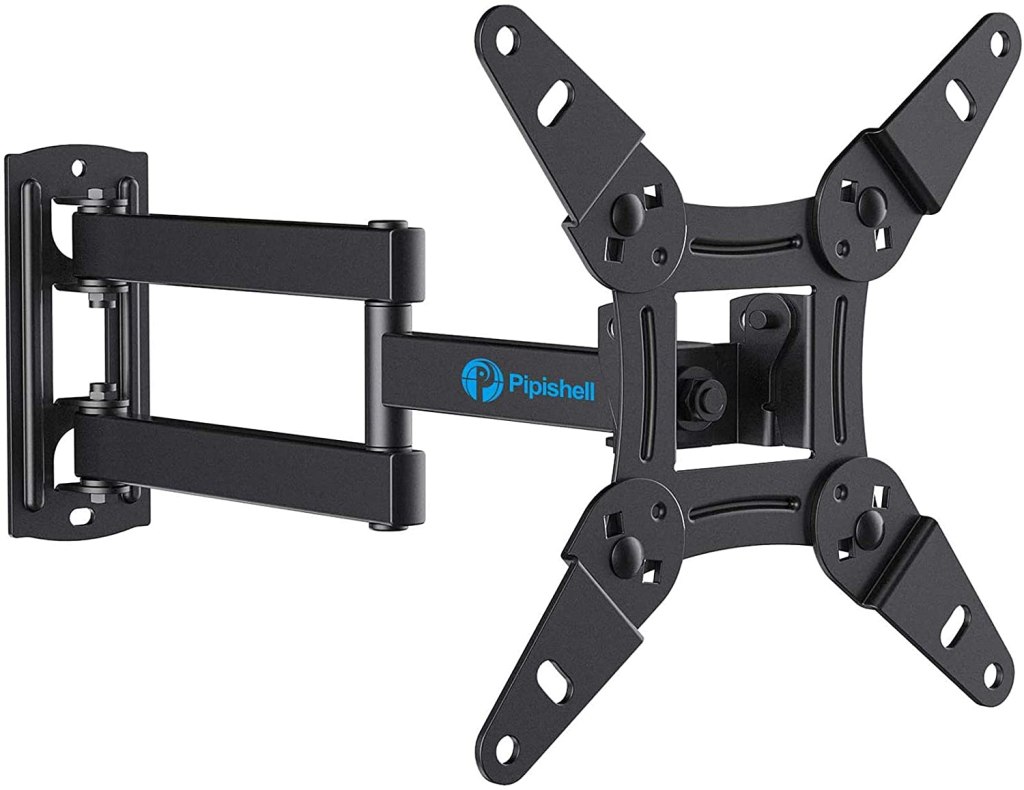
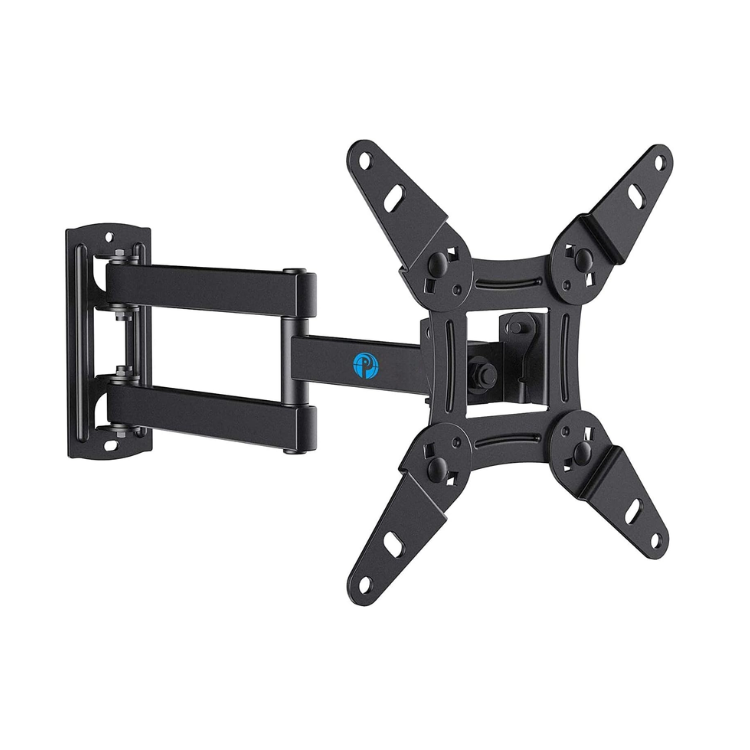
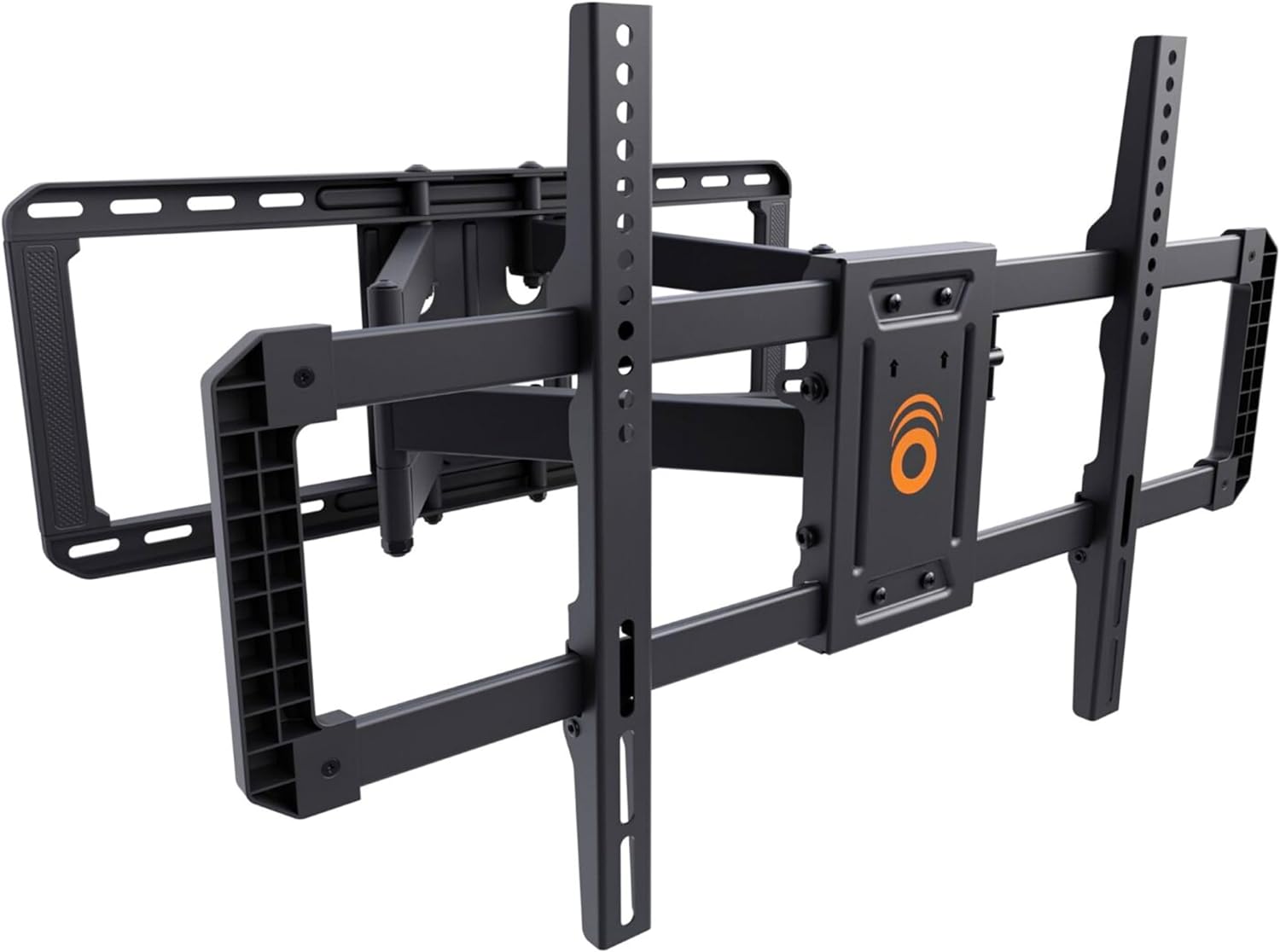
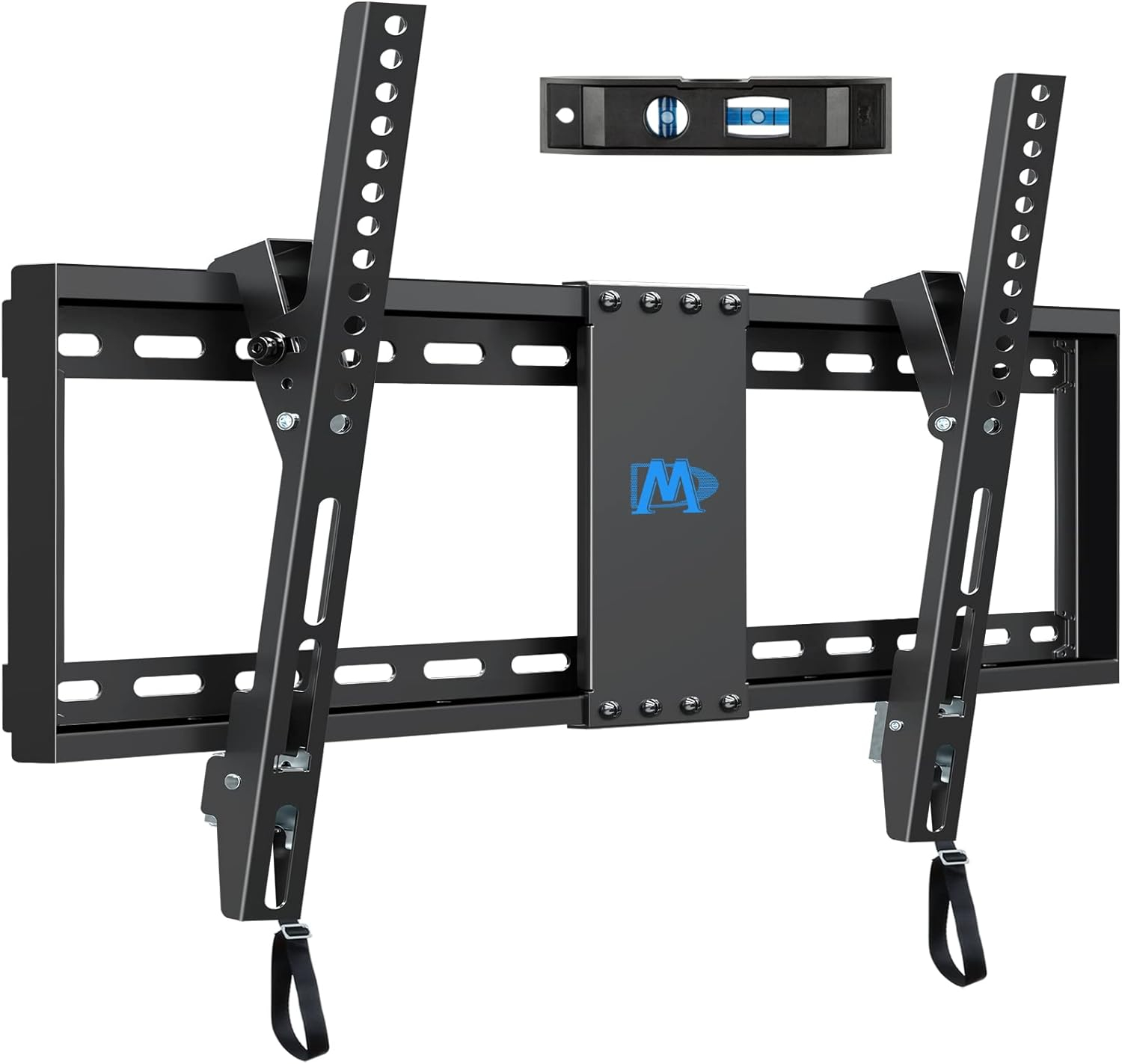
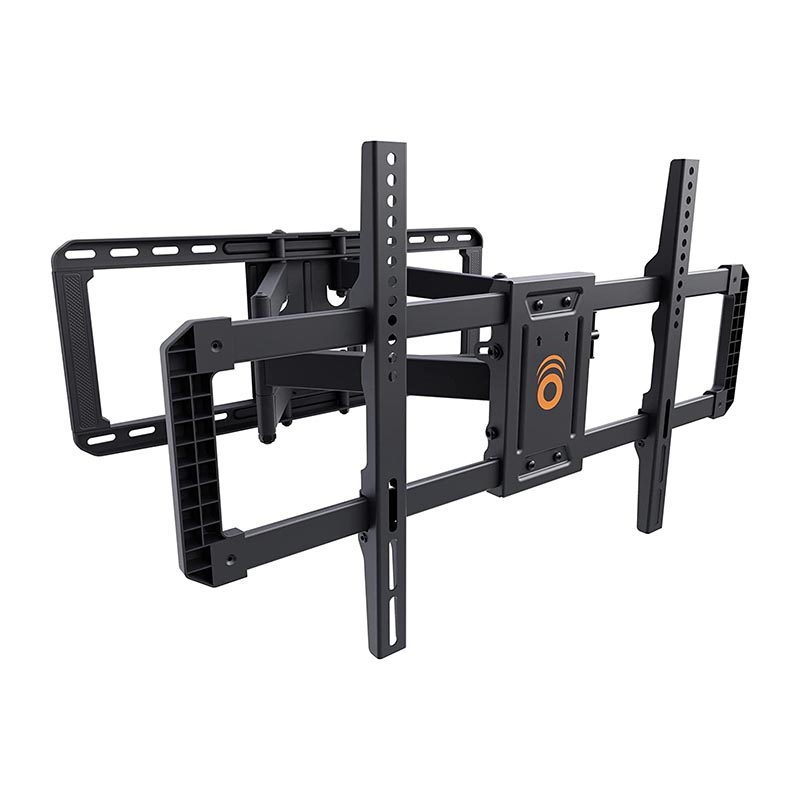
The article then presents a curated list of seven top-recommended TV wall mounts, each catering to specific needs and preferences. These include the Pipishell Full-Motion TV Wall Mount as the best overall choice for its adjustability and wide VESA compatibility, the EchoGear Full-Motion TV Wall Mount for large televisions (up to 90 inches), and the Sanus Premium Full-Motion TV Wall Mount, a high-end option known for its sleek design, extended reach, and UL certification. For budget-conscious consumers, the Mounting Dream Tilt TV Wall Mount offers quality and UL certification at an affordable price, while the Sanus Tilt TV Wall Mount is highlighted as the best tilt-only option with easy cable access. The Amazon Basics Full-Motion TV Wall Mount is recommended for smaller TVs (12 to 40 inches), ideal for compact spaces, and the Mounting Dream Fixed TV Wall Mount is presented for those desiring a flush, minimalist installation without adjustability. Each product review details pros, cons, mount type, TV size compatibility, weight limit, movement range, extension range, UL certification status, and supported VESA patterns, providing a comprehensive guide for consumers.
#TVWallMounts #HomeEntertainment #DIYInstallation #SafetyTips #VESACompatibility #FullMotionMount #TiltingMount #FixedMount #HomeImprovement #TVWallMounts #HomeEntertainment #DIYInstallation #SafetyTips #VESACompatibility #FullMotionMount #TiltingMount #FixedMount #HomeImprovement
0 comment in total
 No comments yet
You may also like
Our Favorite TV Wall Mount is Just $30 on Amazon

The Best TV Wall Mounts for Every Screen Size and Home Theater Setup

Best TV Wall Mounts in 2025 for small to large TVs

Got $6? Then you can score this 55-inch tilting TV wall mount at a new all-time low

The Best TV Wall Mounts for Flat Screens

The best wall mounts and brackets for your TV

I test TVs for a living, and this is the one spot in my living room I would never put my TV


Here’s How to Not Mess Up Mounting Your TV on the Wall | Reviews by Wirecutter
The Best TV Mounts to Level Up Your Space
A Clever And Easy Way To Hang Your TV On A Wall — By Yourself

I test TVs for a living, and this is the one spot in my living room I would never put my TV

Your Kids Will Stop Using Your Walls as a Canvas Thanks to These Adorable Wall Decals

The 6 Best TV Wall Mounts, Reviewed by BHG

The Best TV Wall Mounts for Every Budget
Atumtek TV Wall Mount review – With full motion swivel, tilt, extension and rotation

Interior expert reveals the common TV placement mistakes you're probably making
The best TV wall mounts, including full-motion, tilting, and swiveling options for all sizes
3 Best TV Wall Mounts of 2025, Tested and Reviewed
How to mount your TV to a wall in a way that's smart and safe

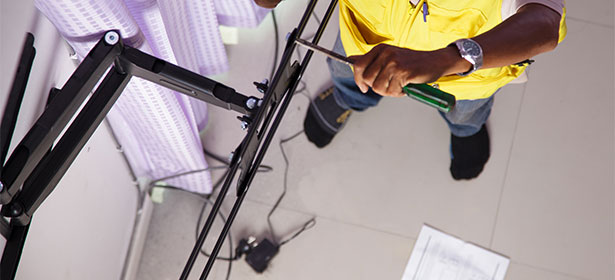
How to wall mount your TV: step-by-step installation guide