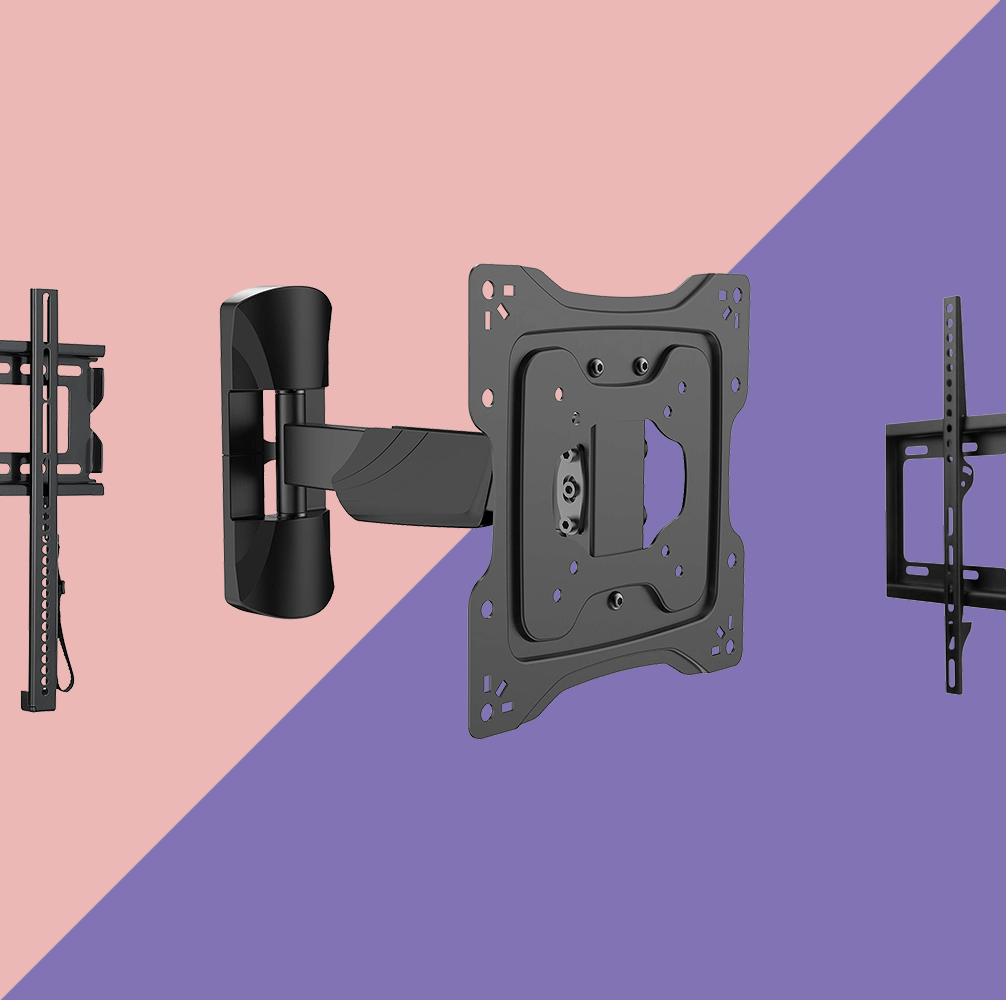
1/8
The best wall mounts and brackets for your TV
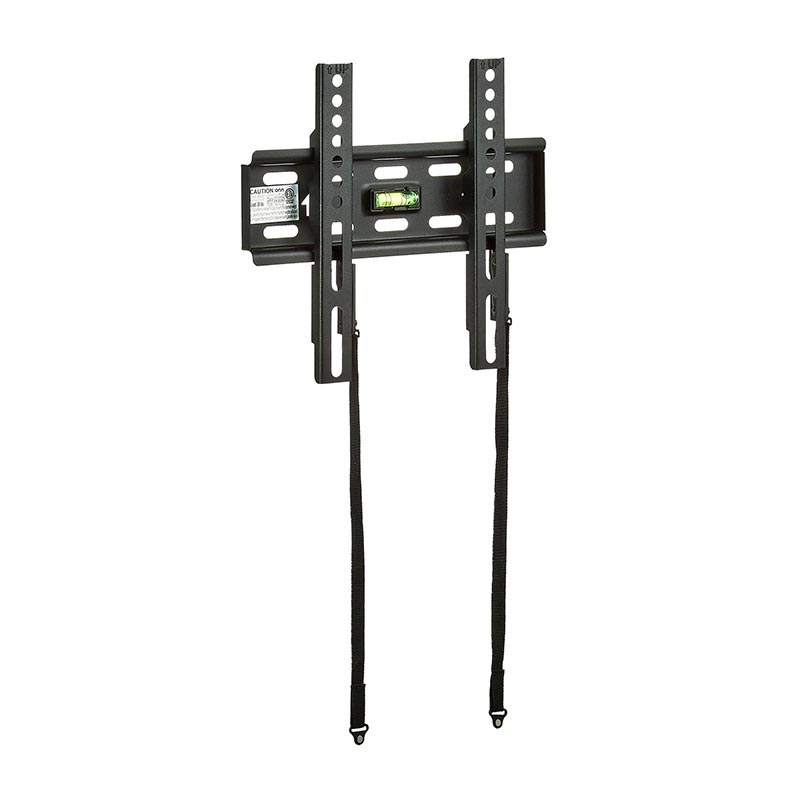
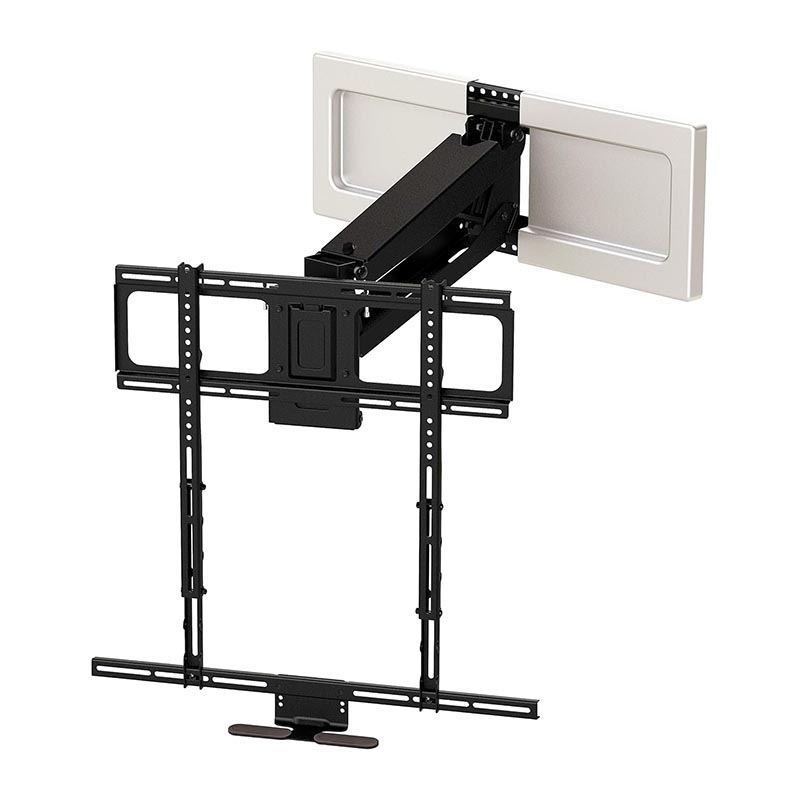
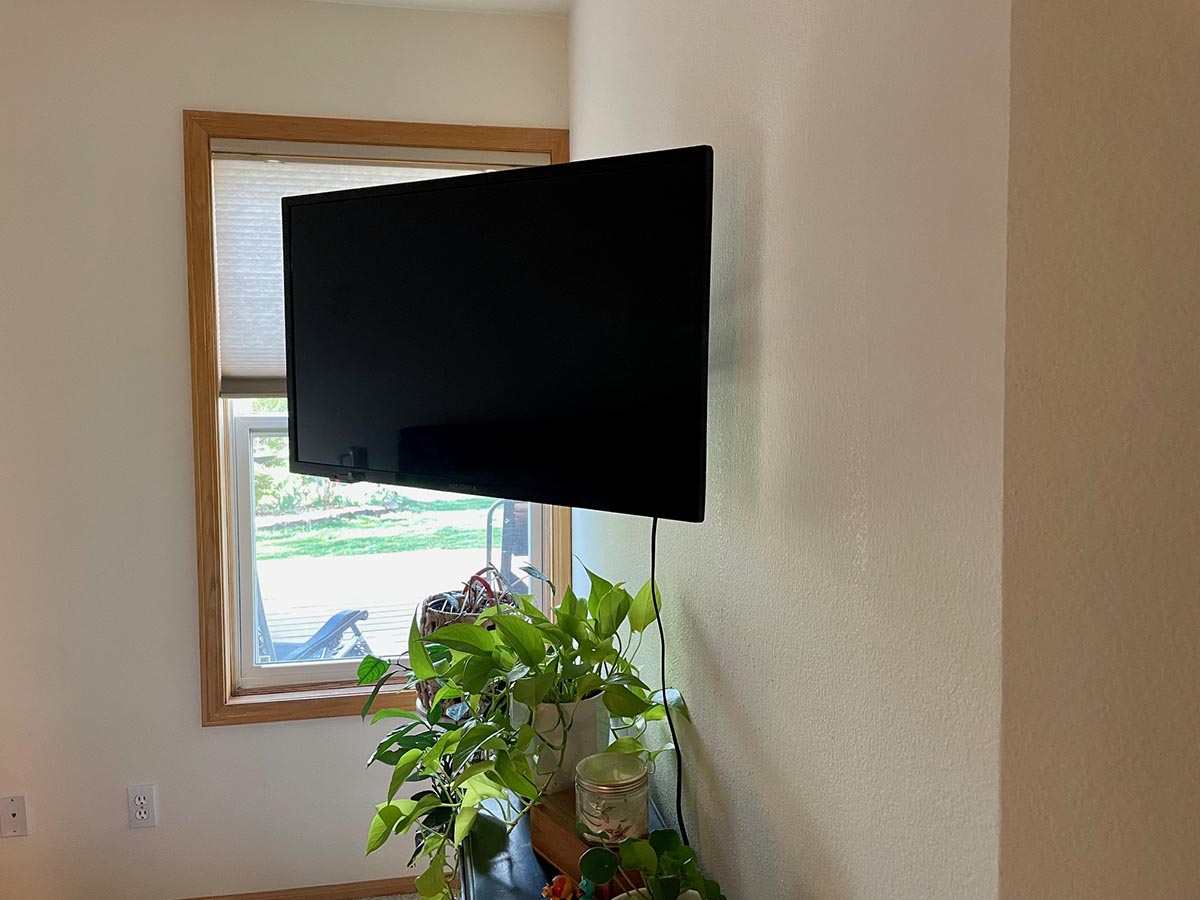
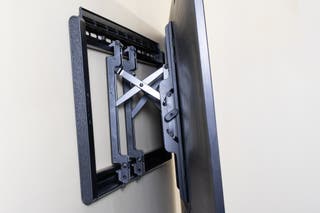
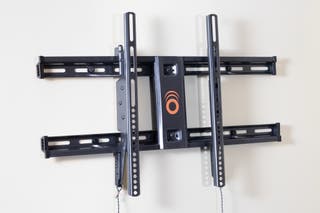
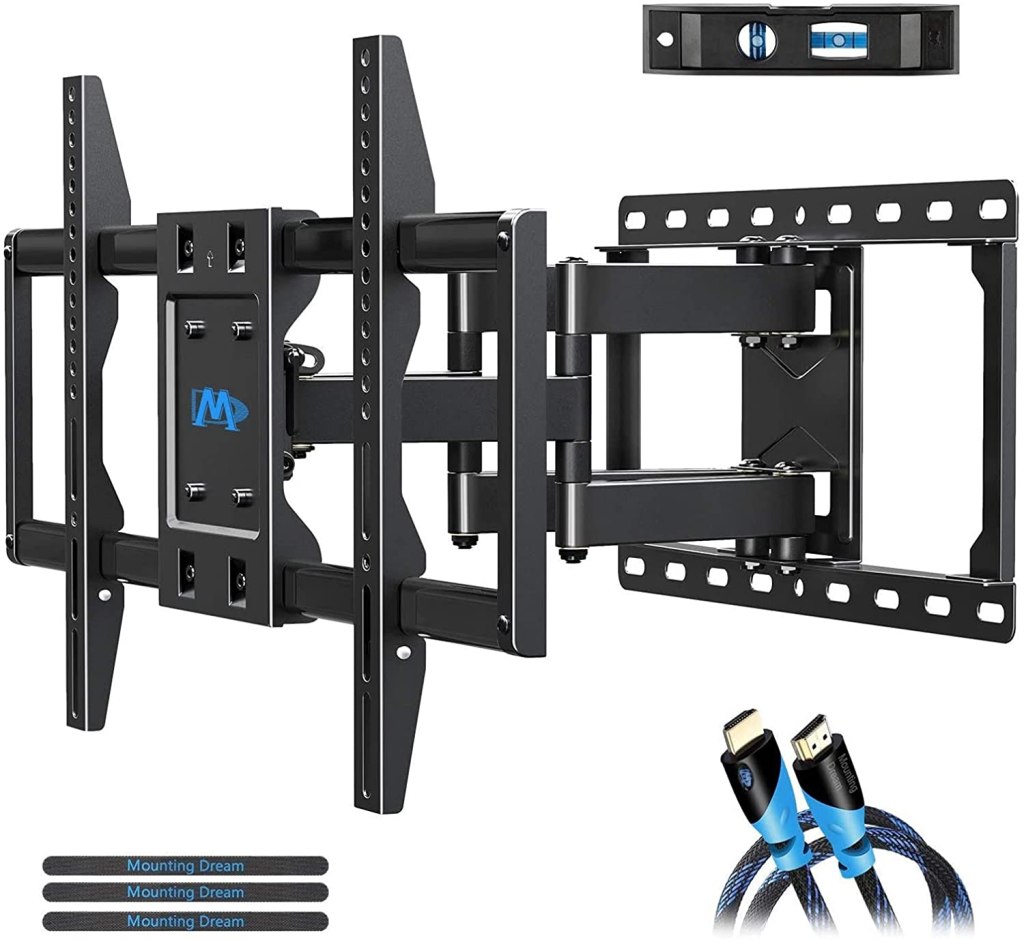
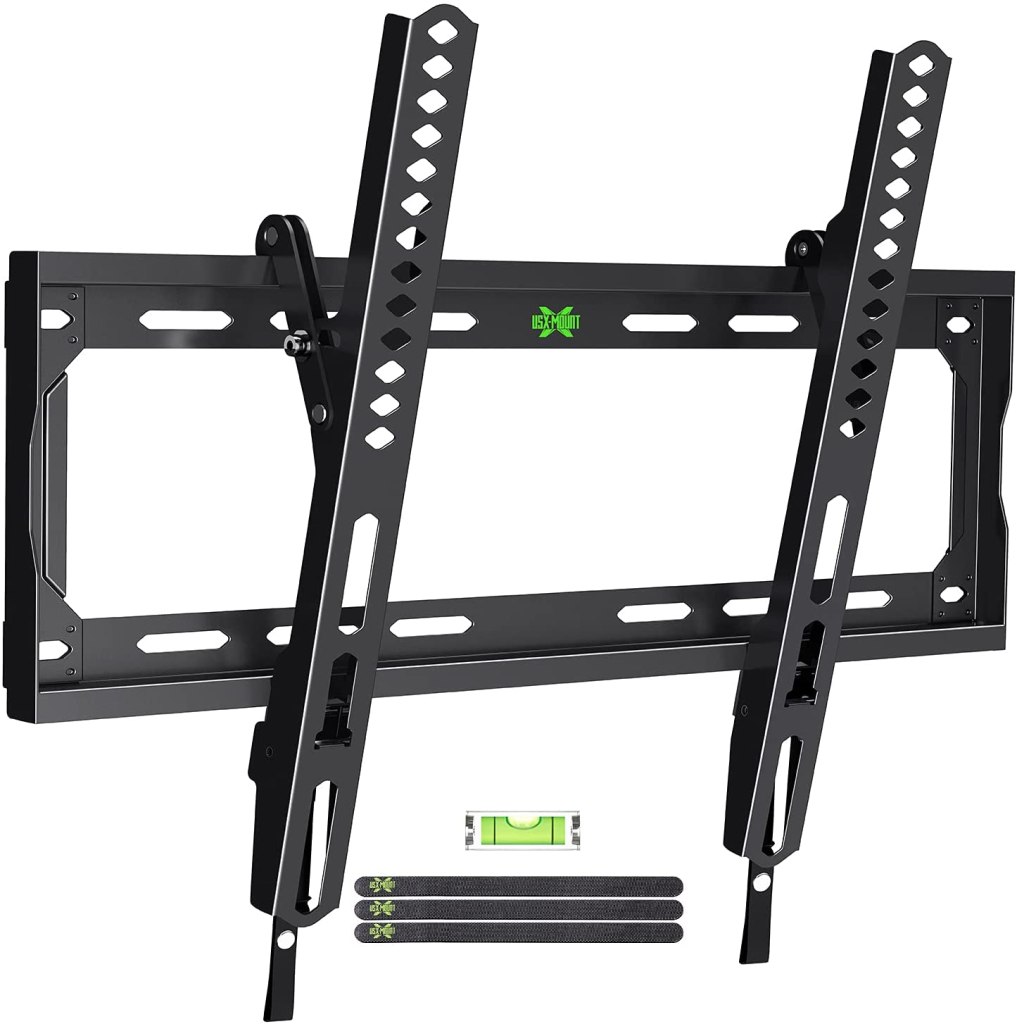
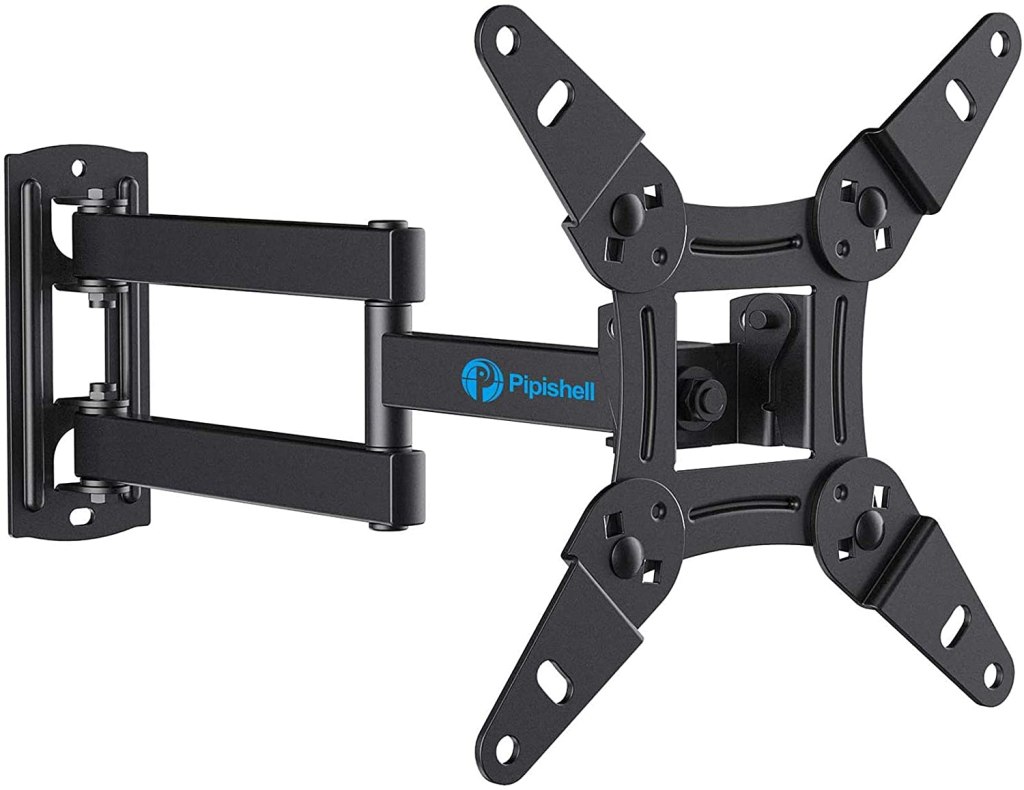
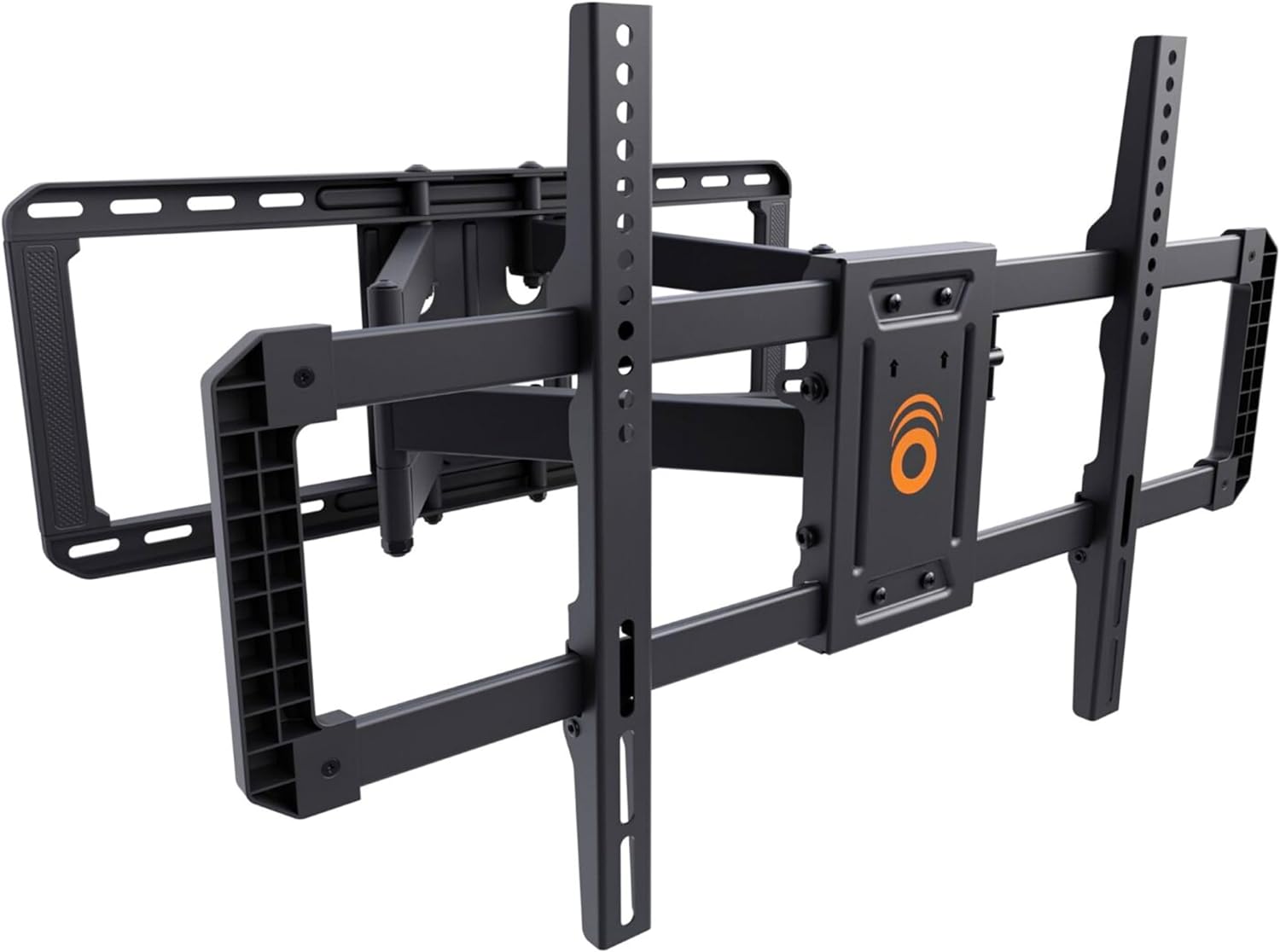
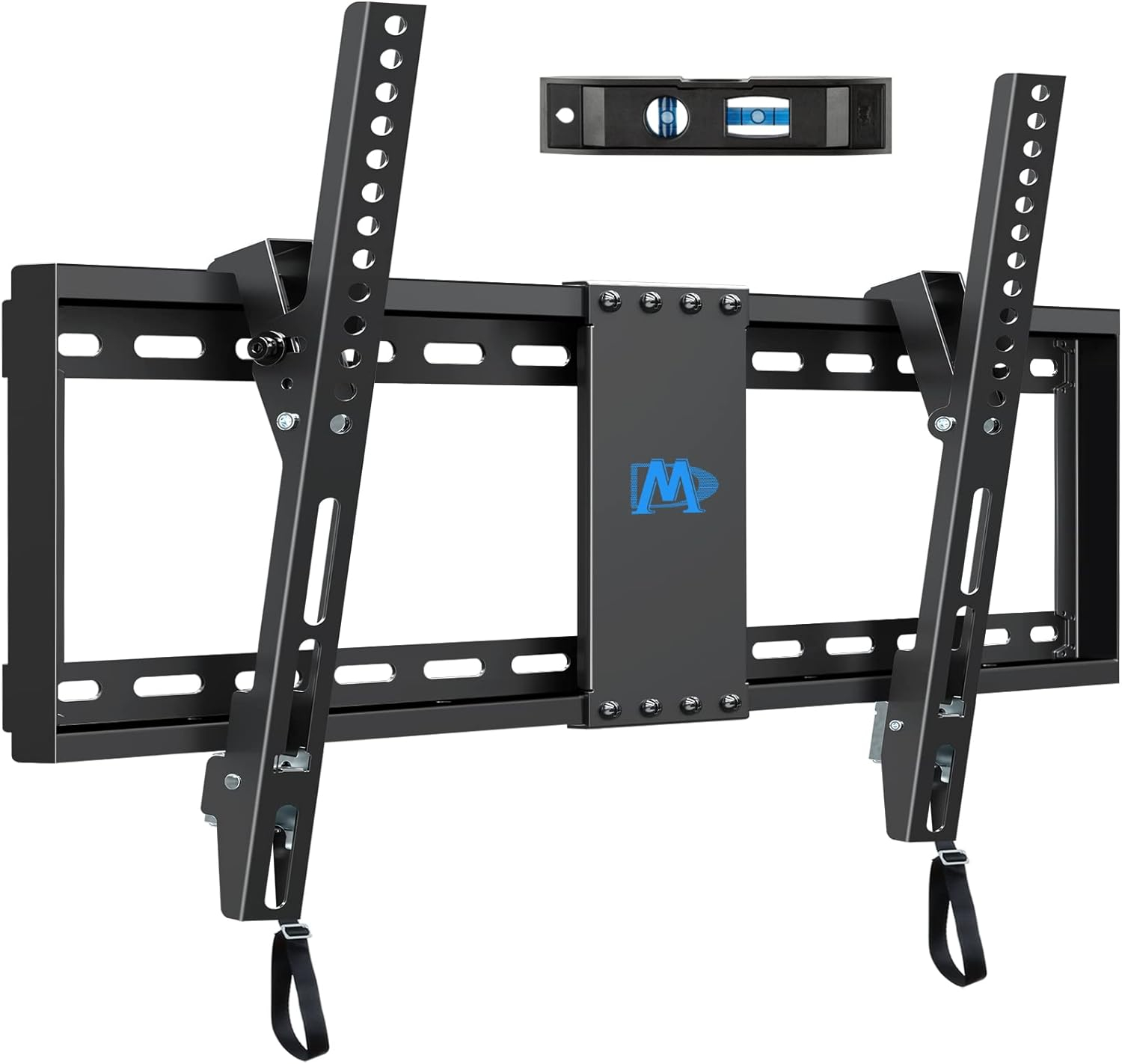
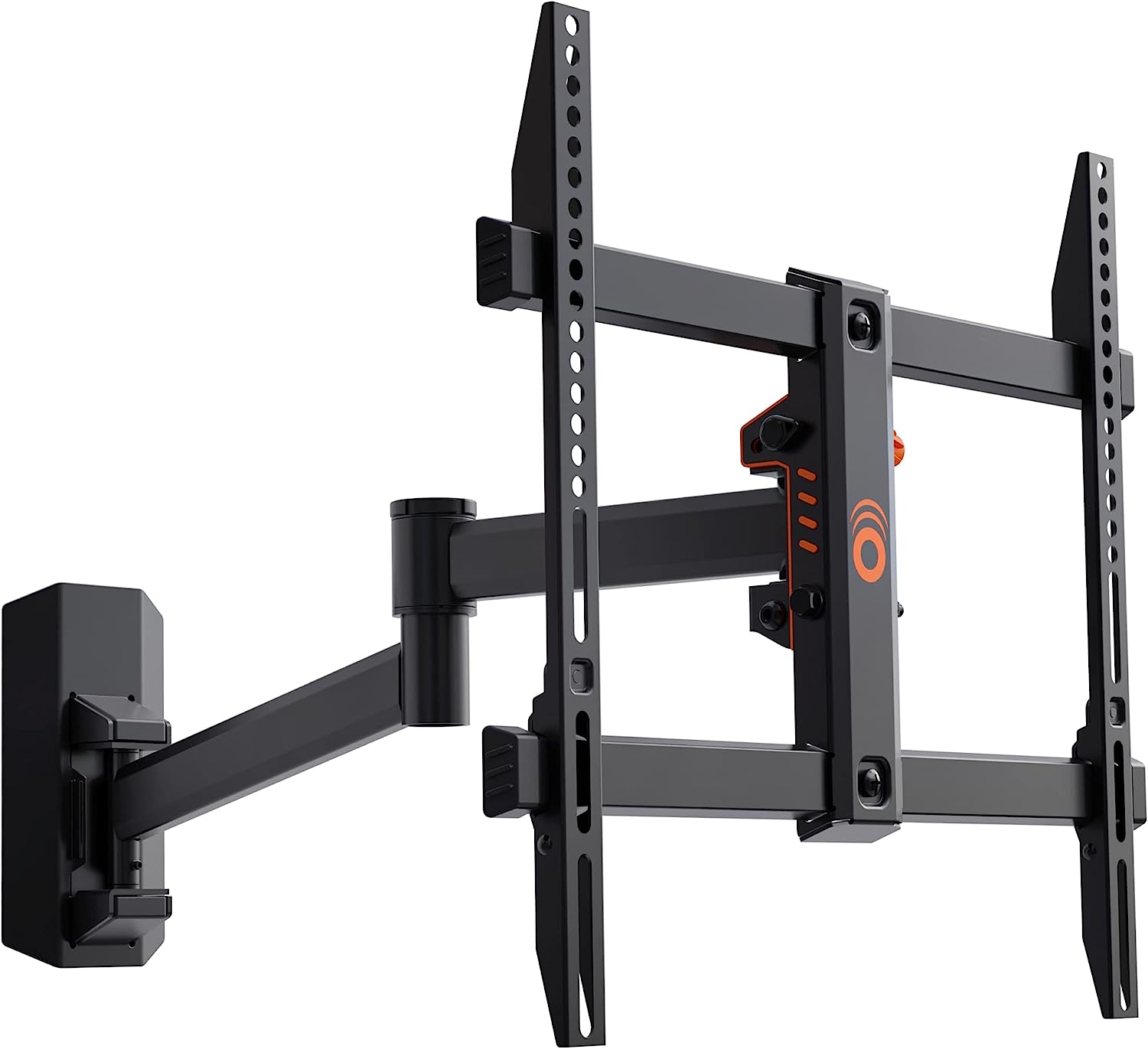
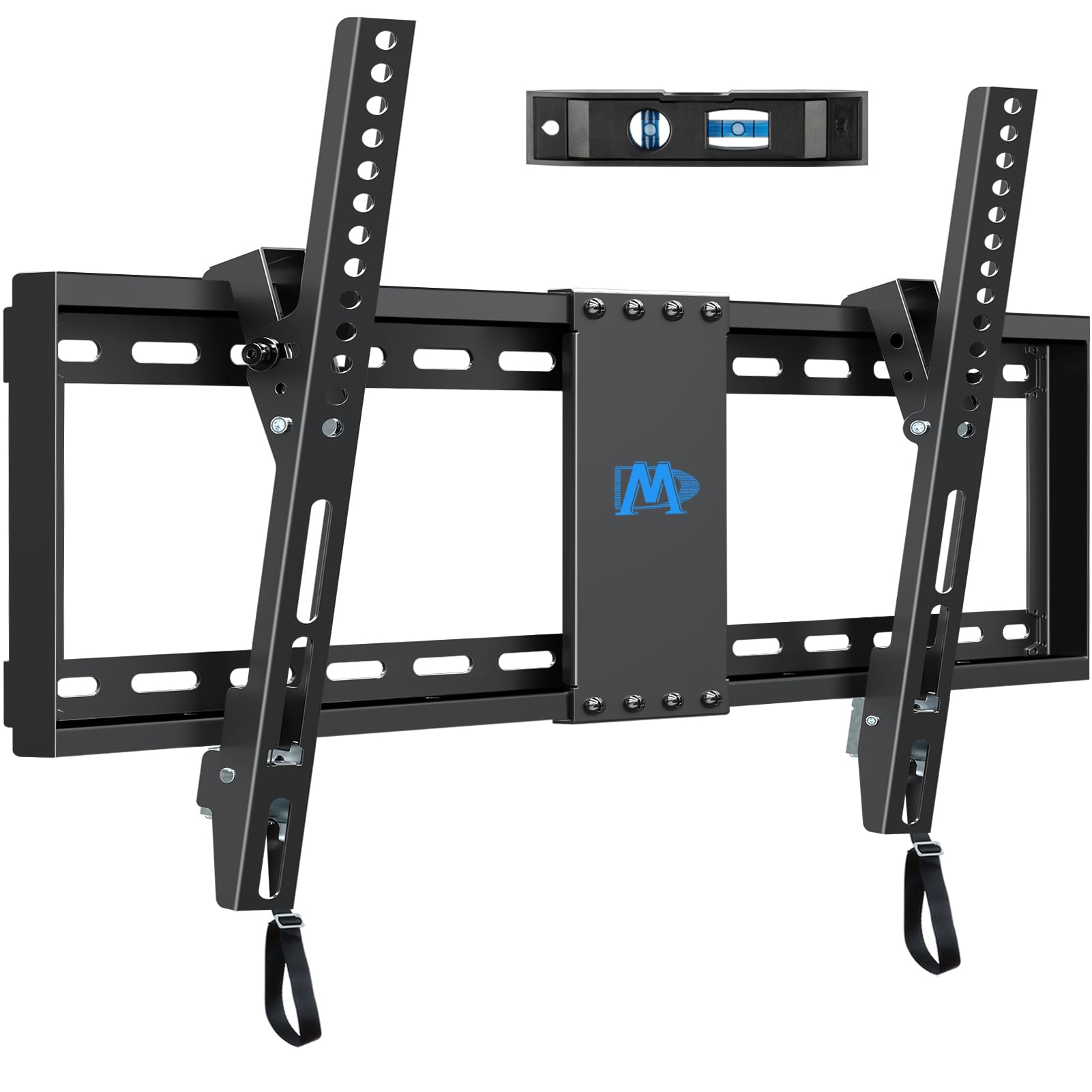
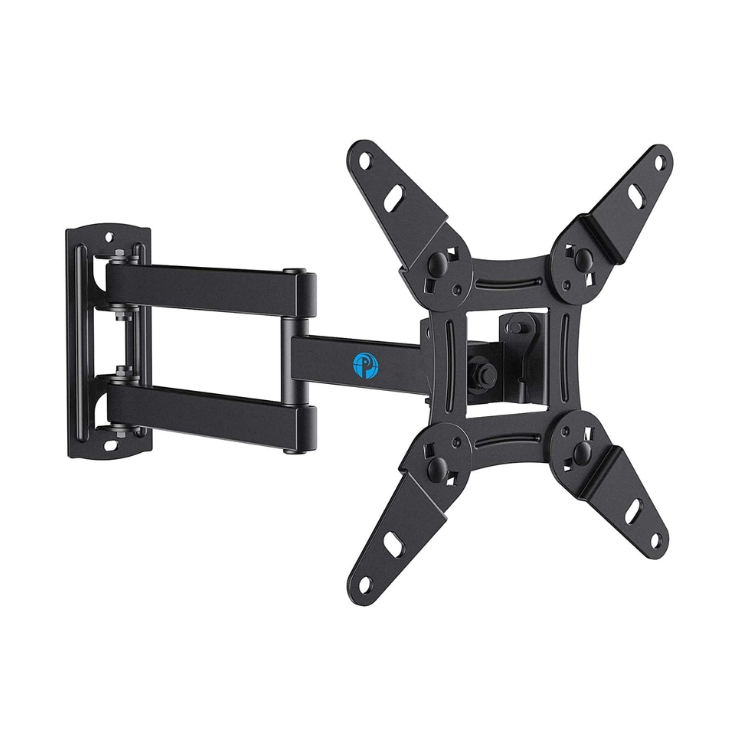
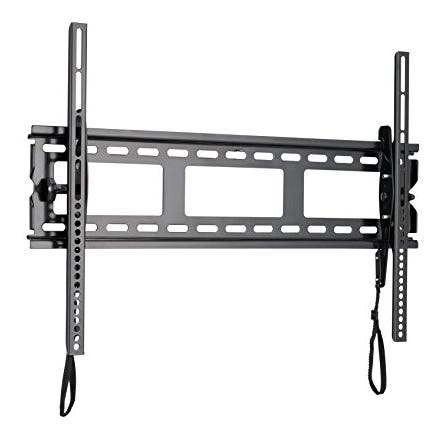
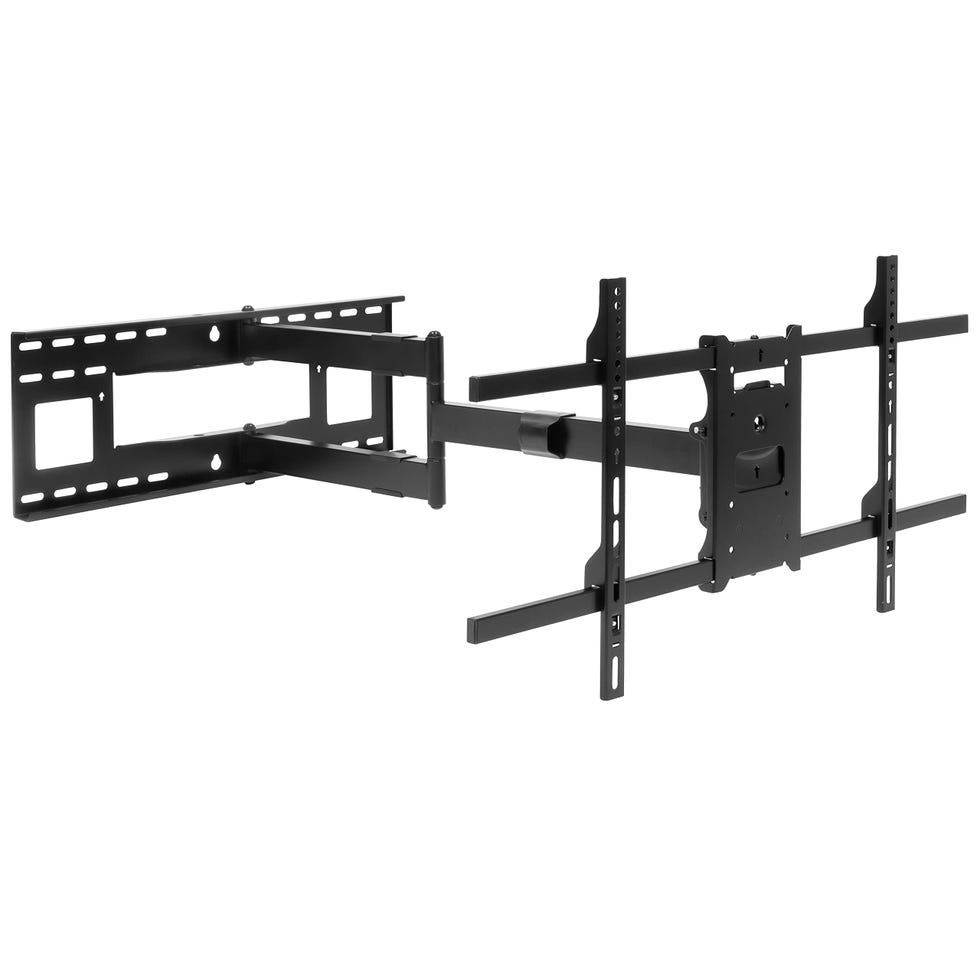
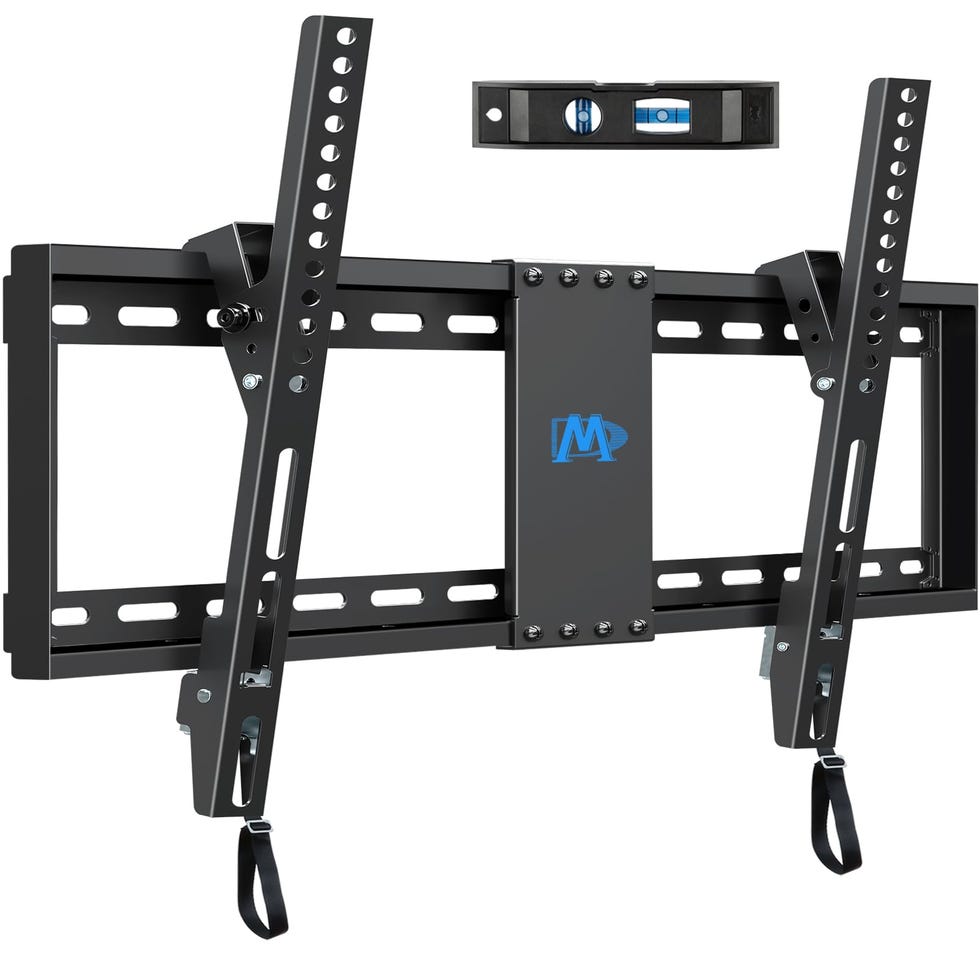
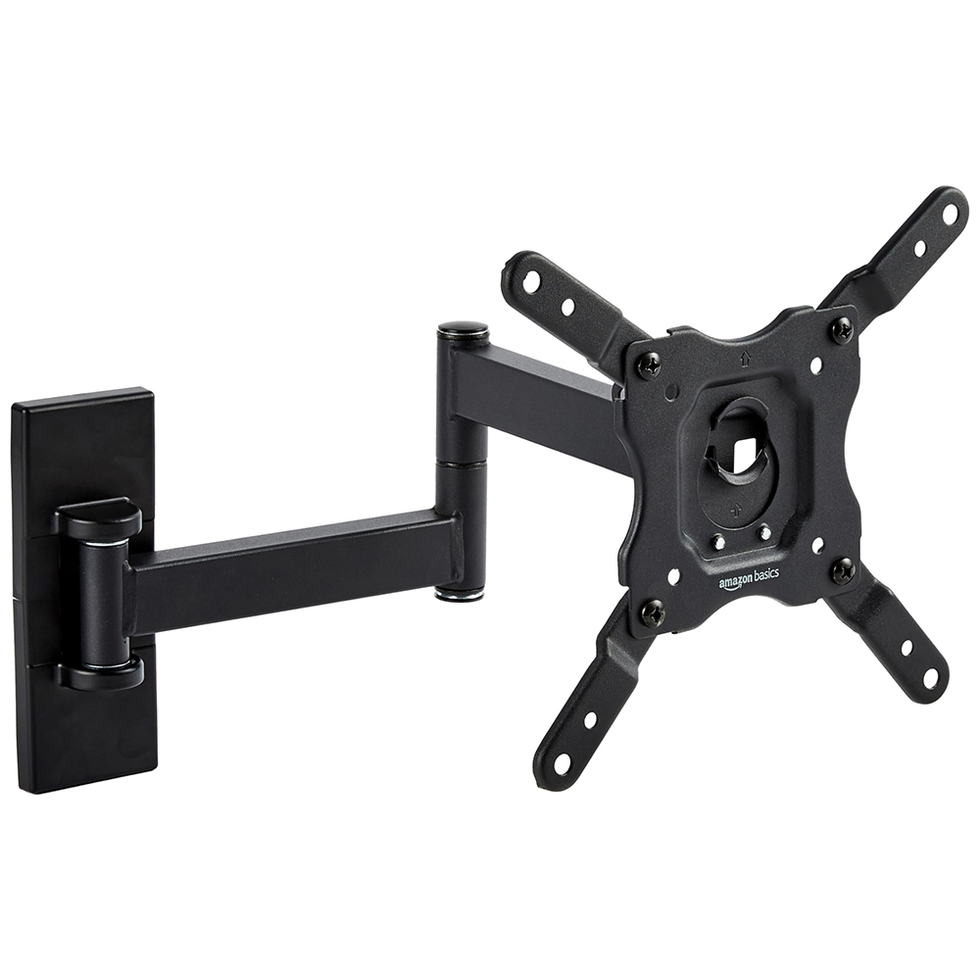
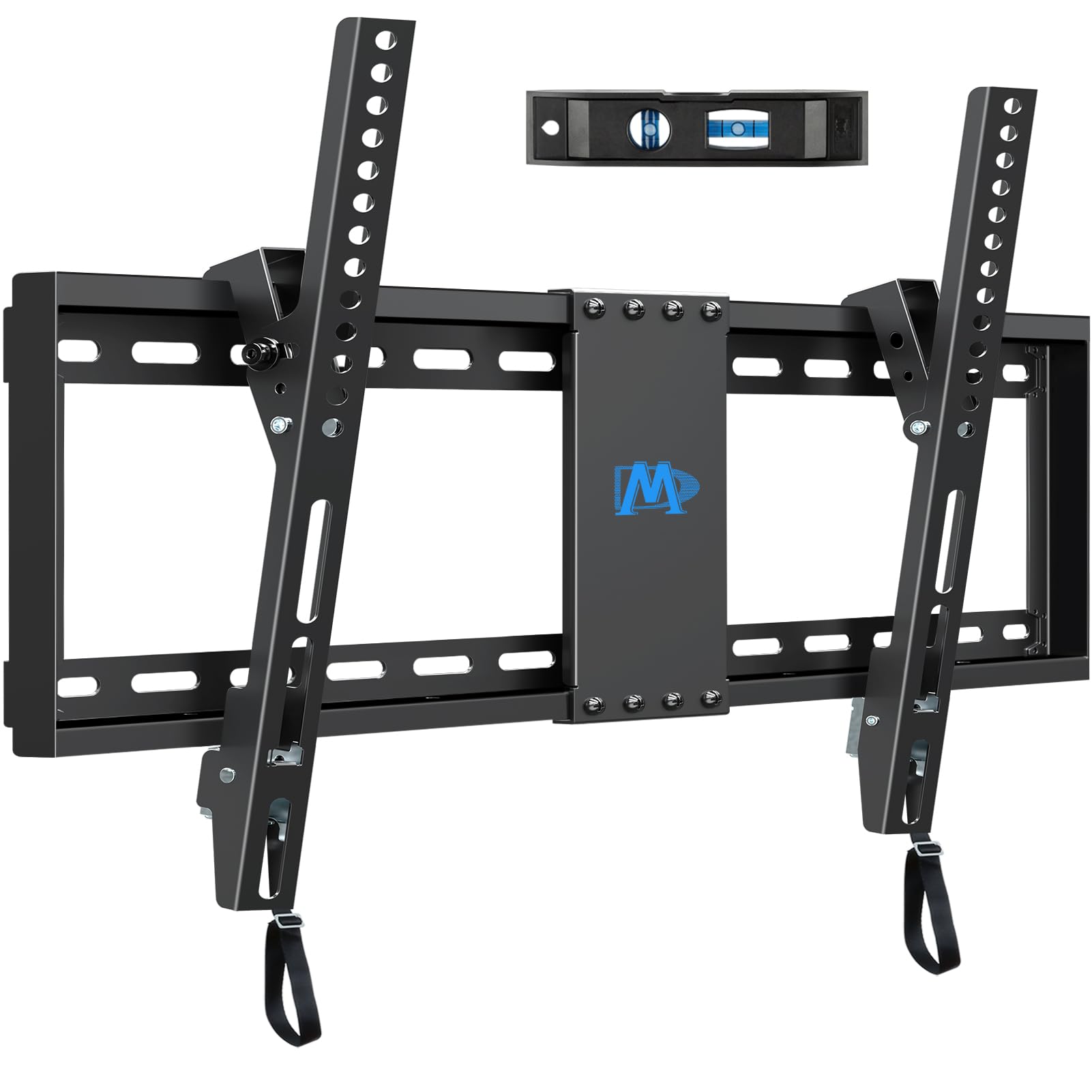
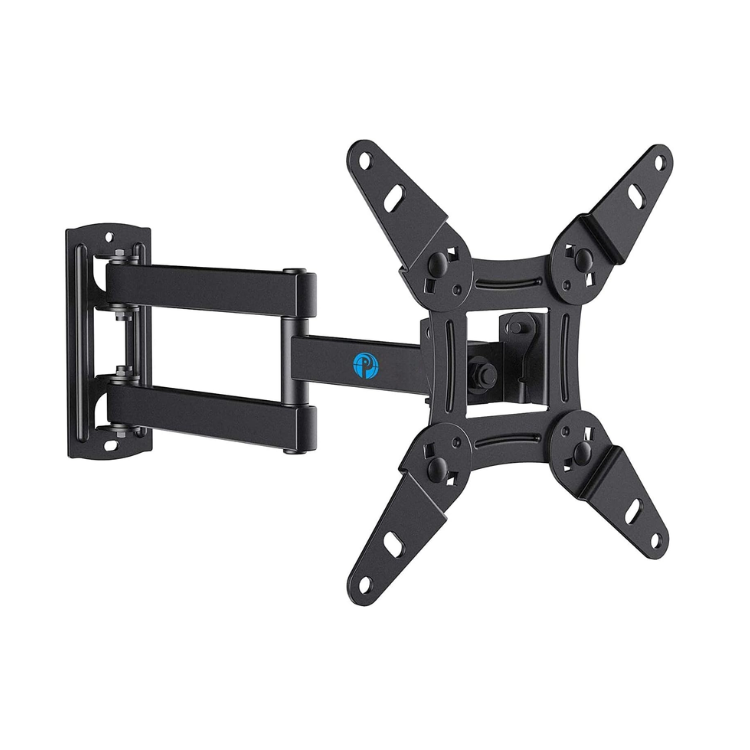
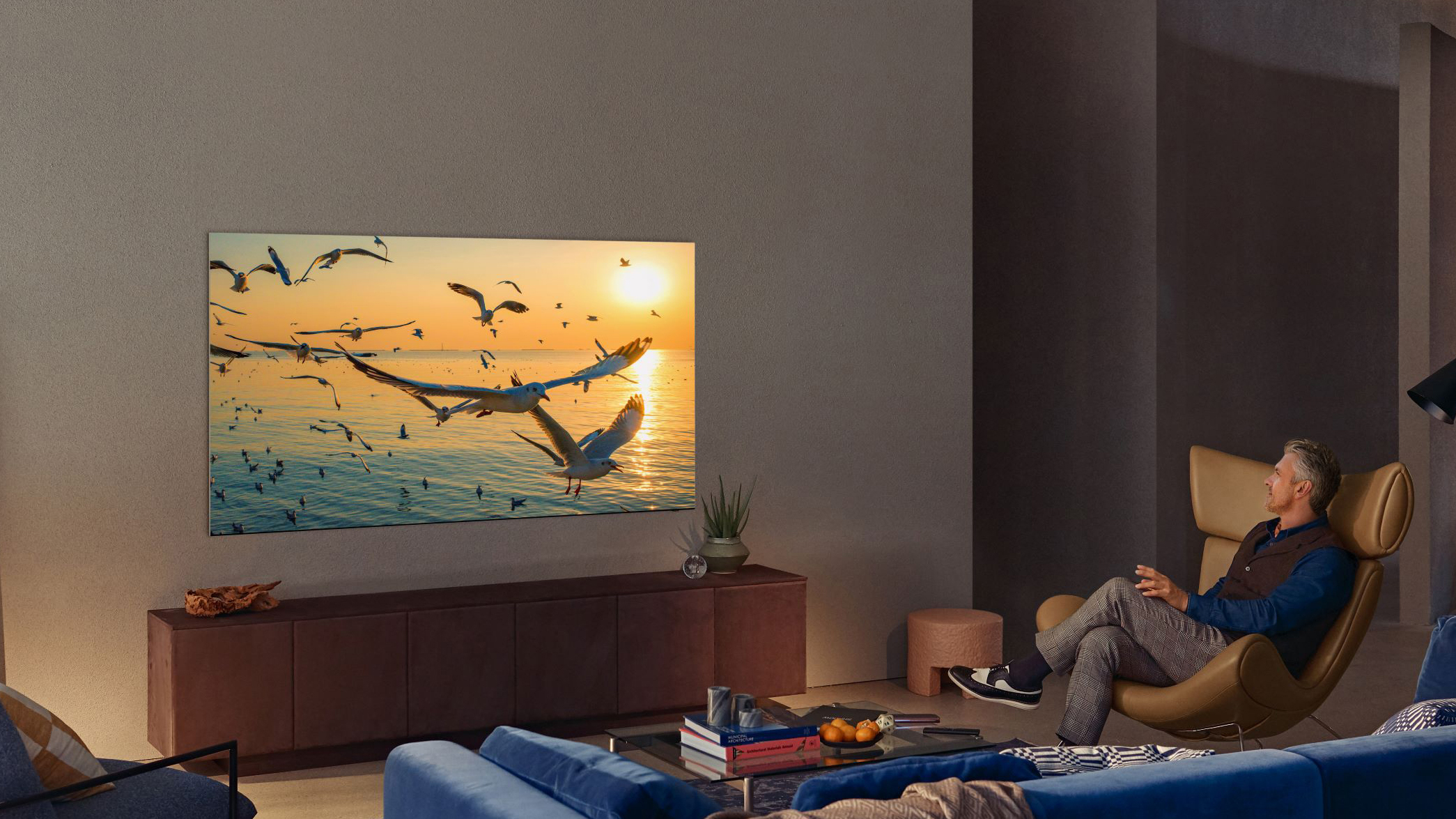
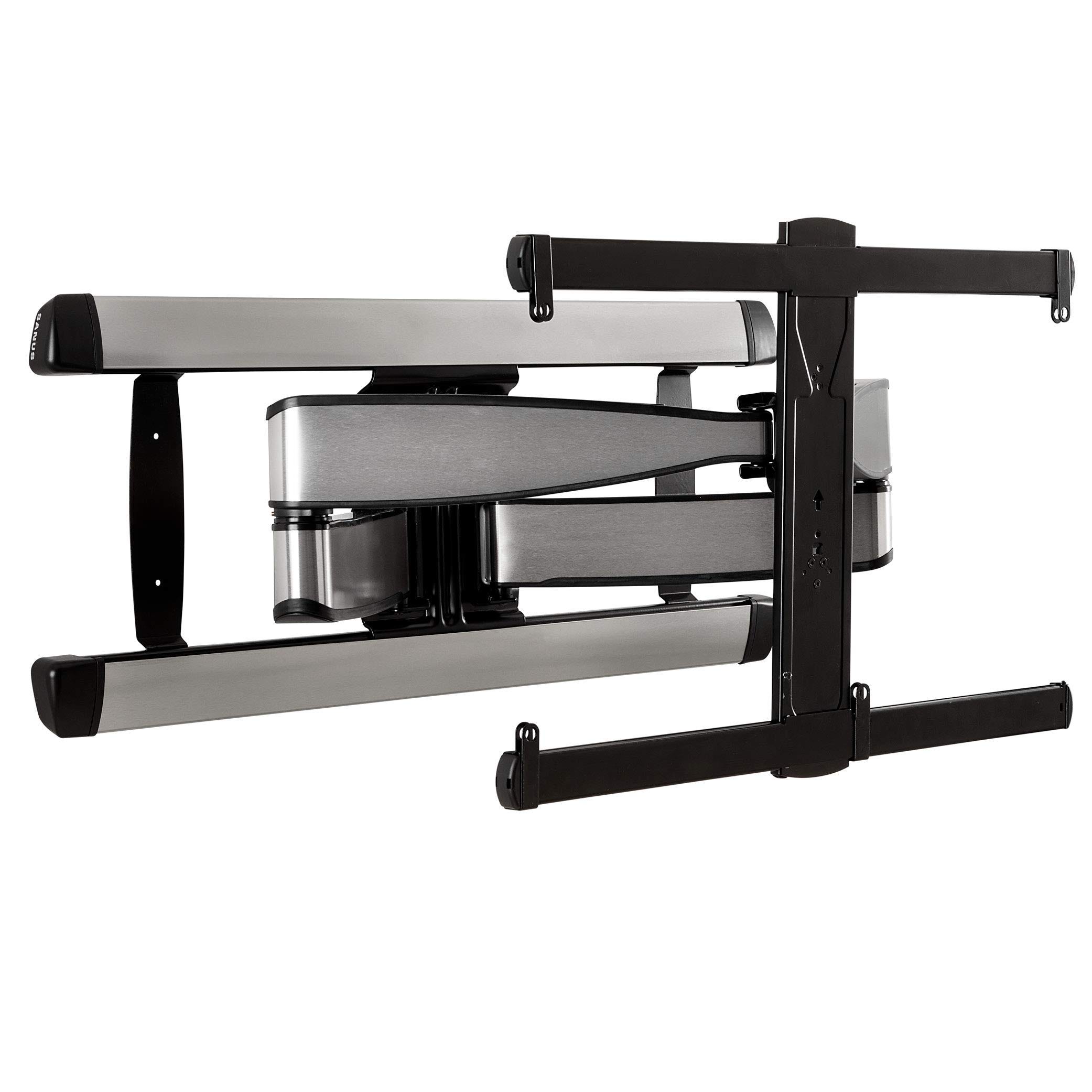
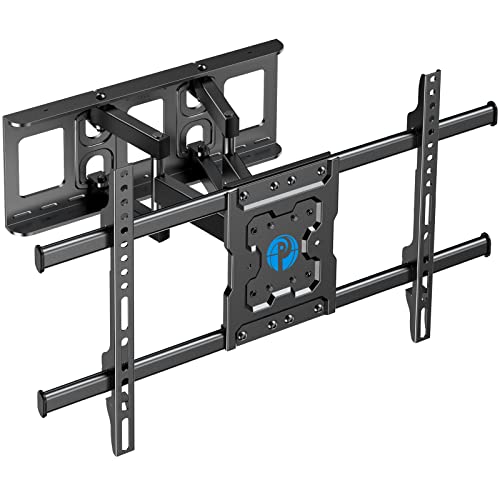
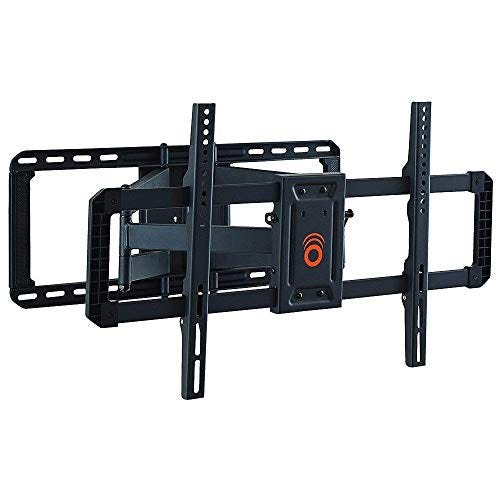
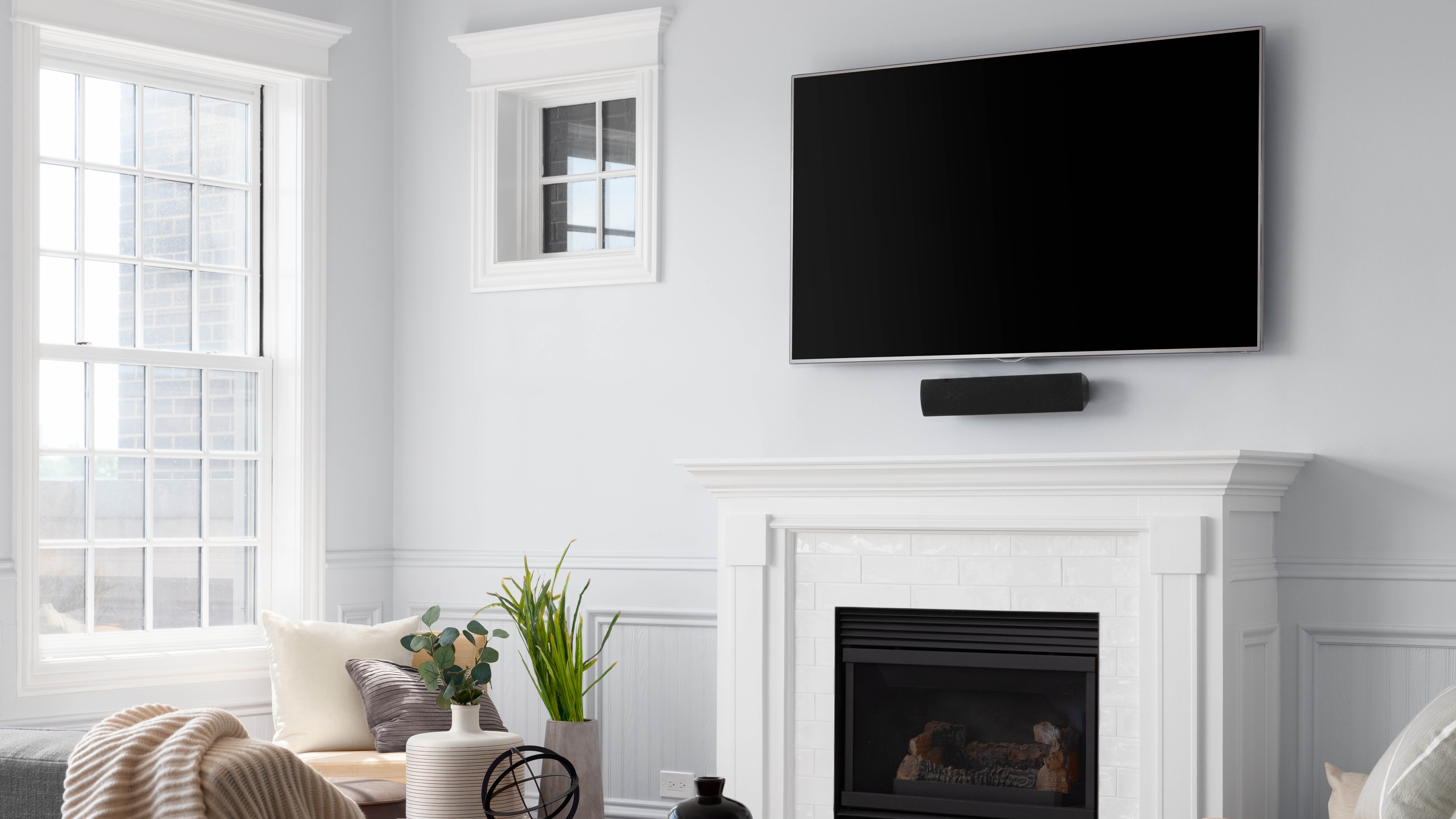
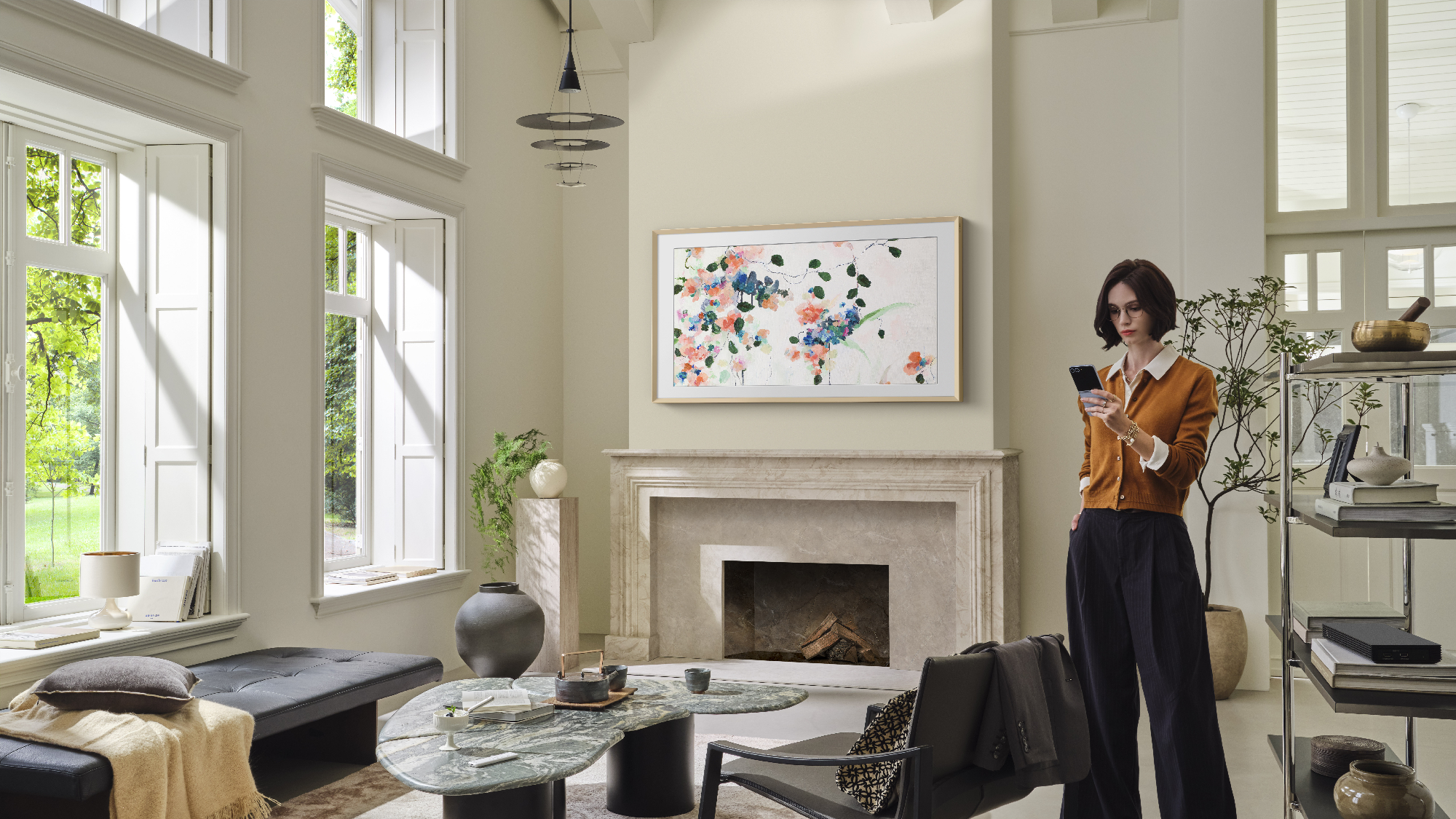
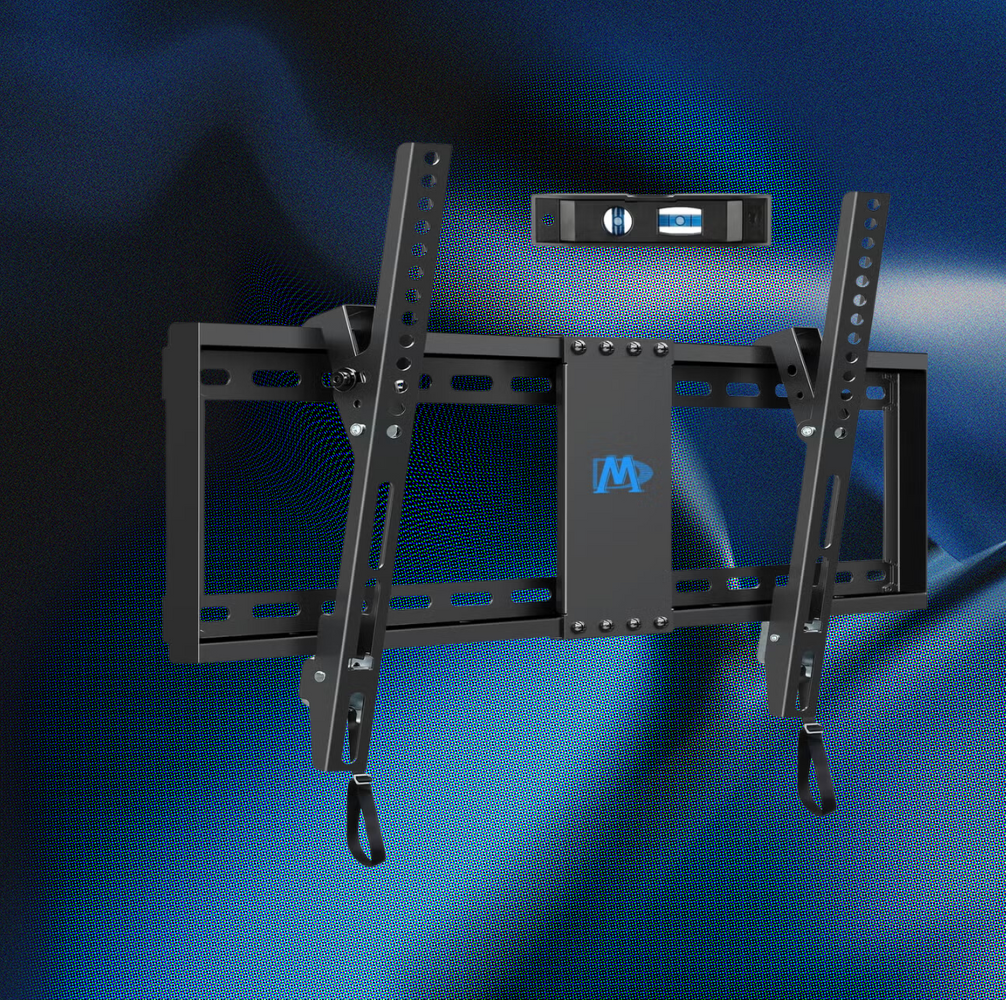
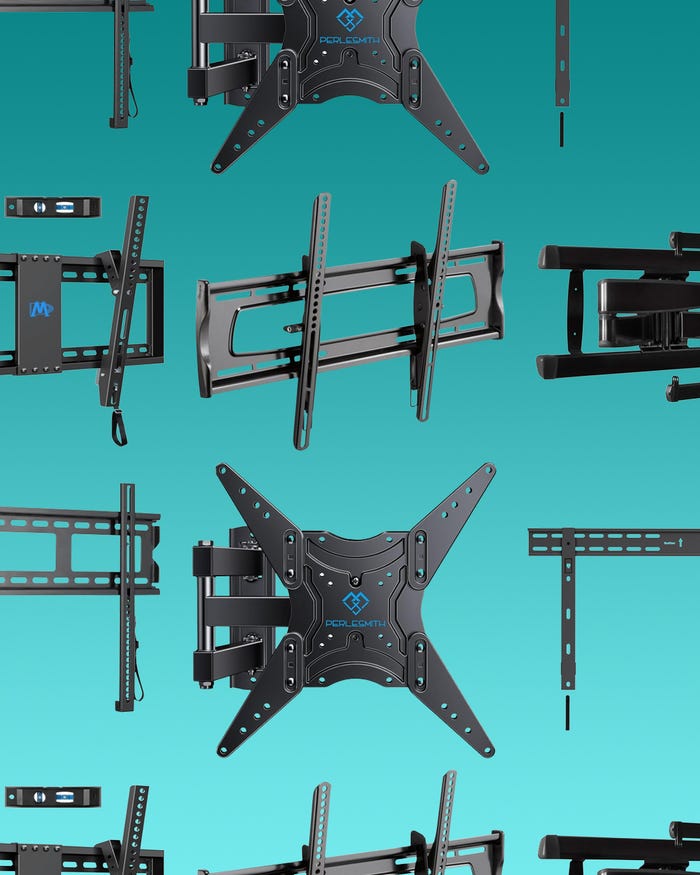
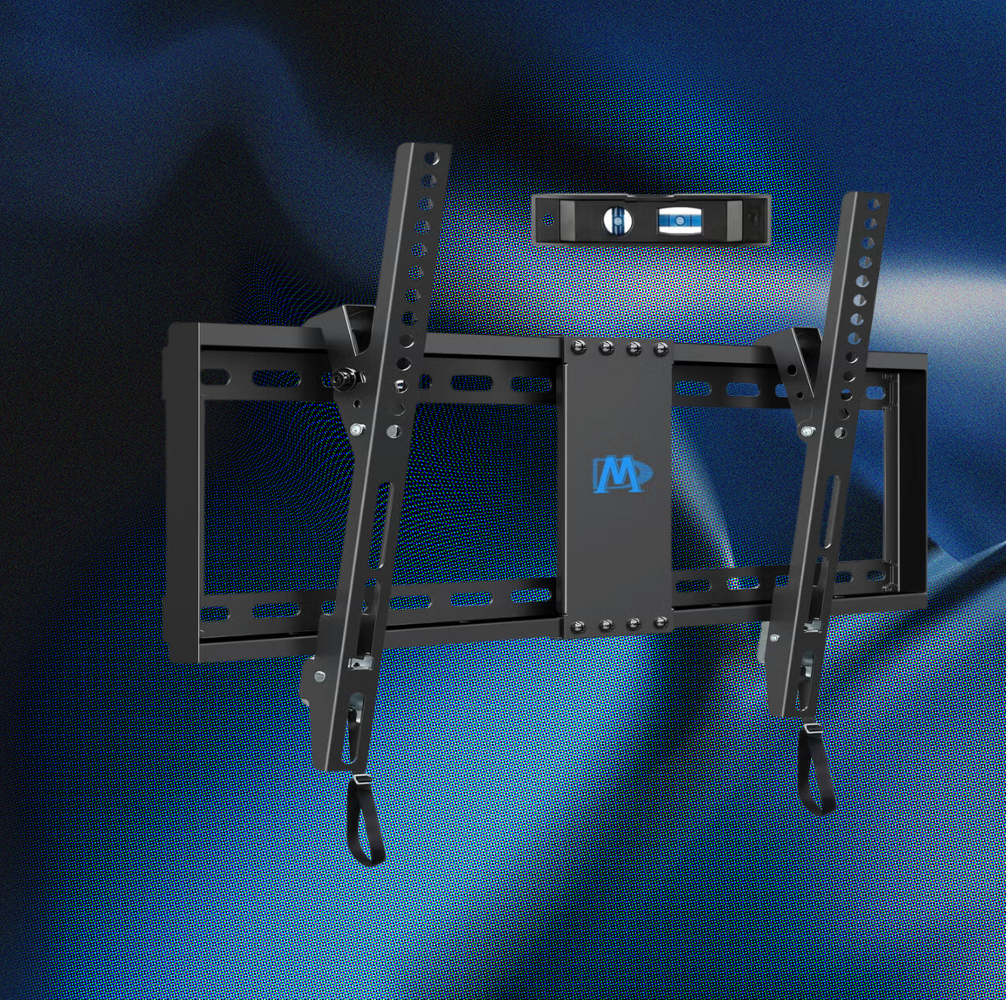
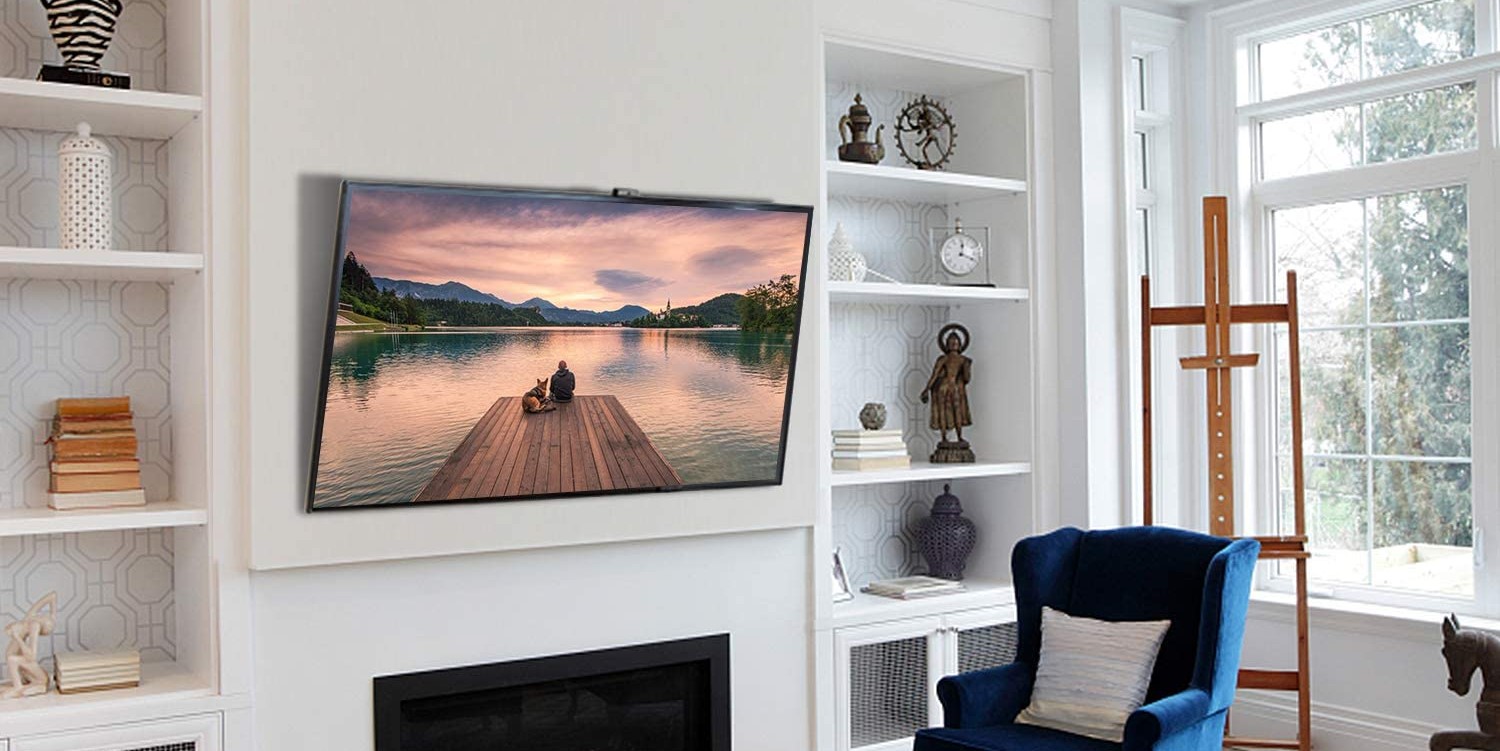
Mounting a television to a wall can enhance the viewing experience while also creating more room in a living space. This guide explores various types of TV wall mounts, offering recommendations and a buyer's guide to aid in selecting the most suitable bracket. There are primarily three types of TV wall mounts: fixed, tilting, and full motion. Fixed mounts keep the TV in a static position and are ideal when the screen is at eye level. Tilting mounts allow the screen to move slightly forward and are best for TVs positioned above eye level, as they help reduce glare and improve viewing comfort. Full-motion brackets offer the most flexibility, enabling users to extend the TV outwards, tilt it, or swivel it up to 180 degrees. These are versatile for rooms requiring multiple viewing angles but are generally more challenging to install.
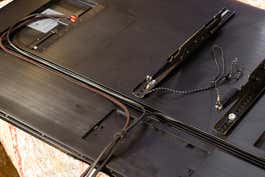
Key factors to consider when choosing a wall mount include the television's screen size (in inches), its weight (in kilograms), and the VESA mount size (in millimeters). The VESA standard refers to the pre-drilled screw holes on the back of a TV, used to attach the mount. If the VESA specifications are not available in the TV's manual, they can be determined by measuring the distance between the horizontal and vertical screw holes. Common VESA sizes include 200x200mm, 400x400mm, and 600x400mm, though these can vary by model. Furthermore, the wall's structural integrity is crucial; brick or concrete walls are preferred, while drywall or stud walls may require professional installation and additional support.
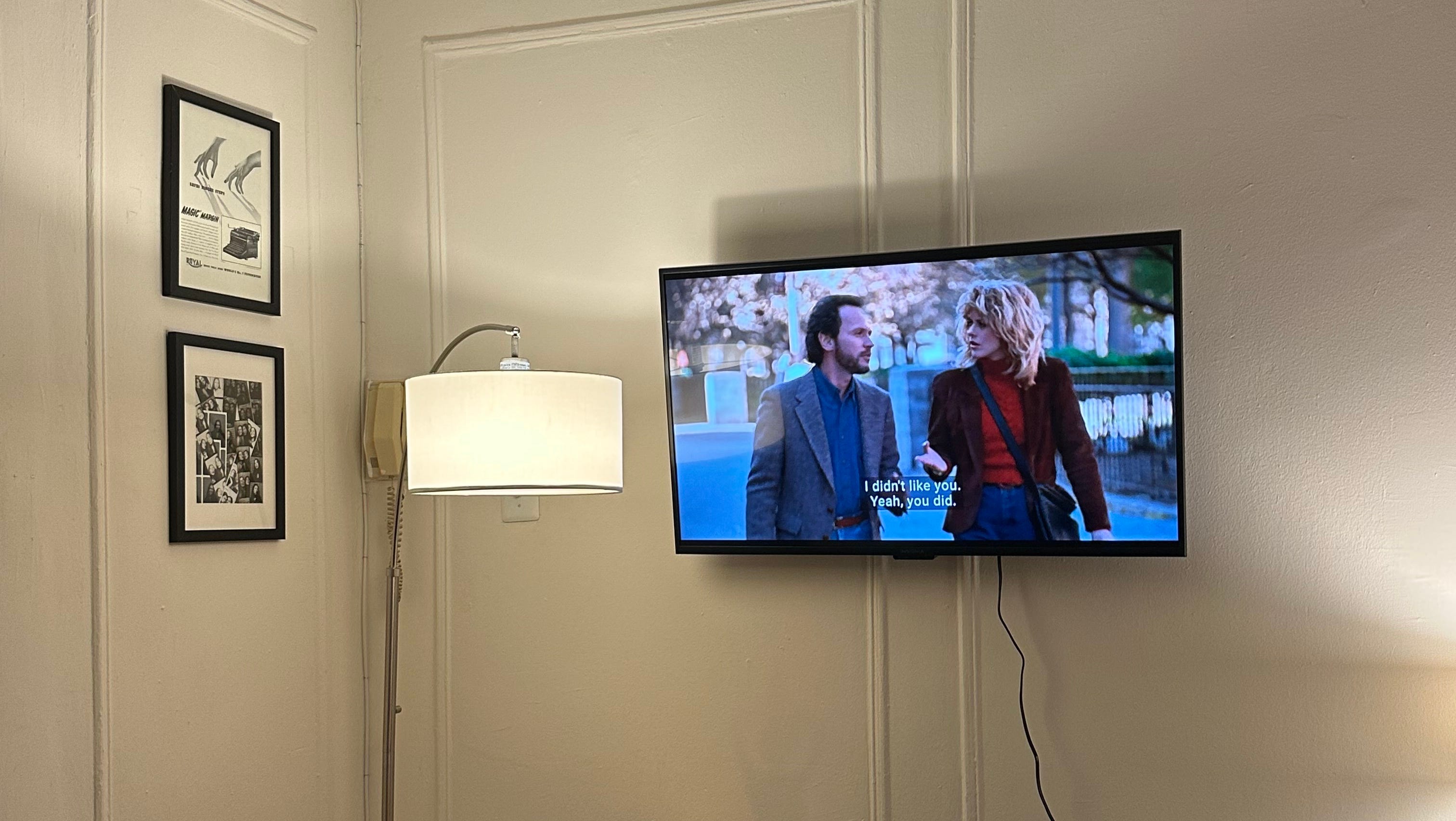
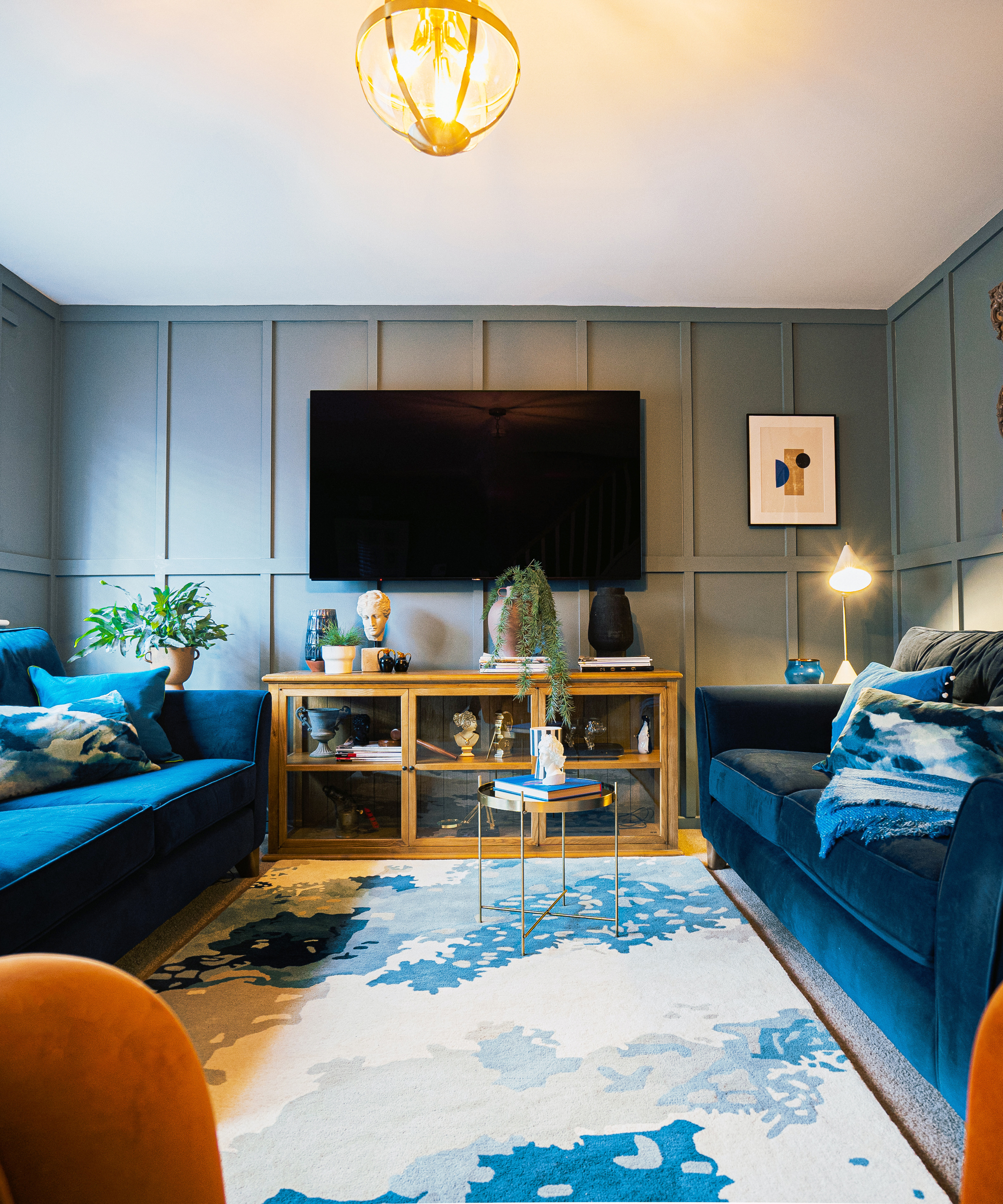
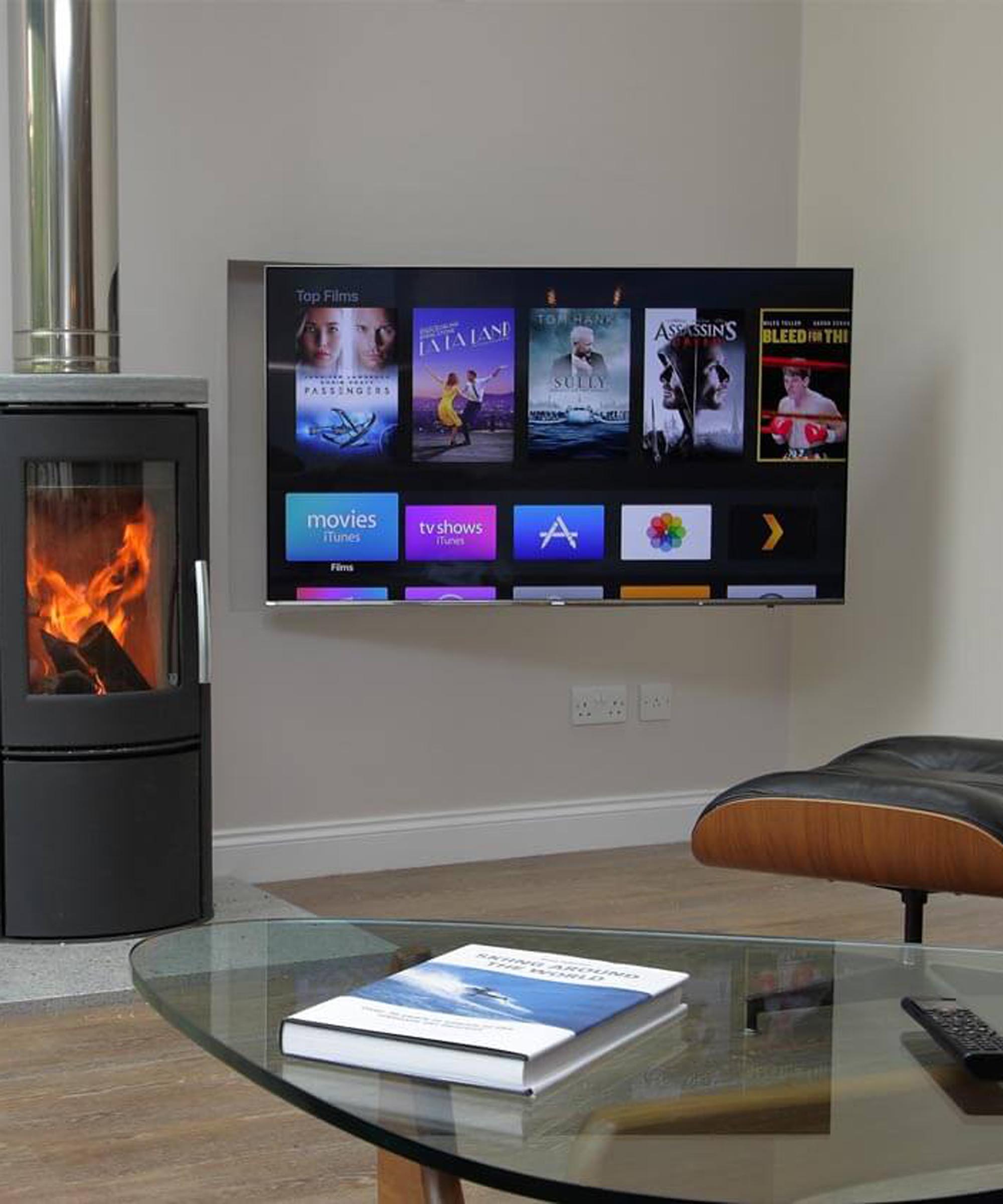
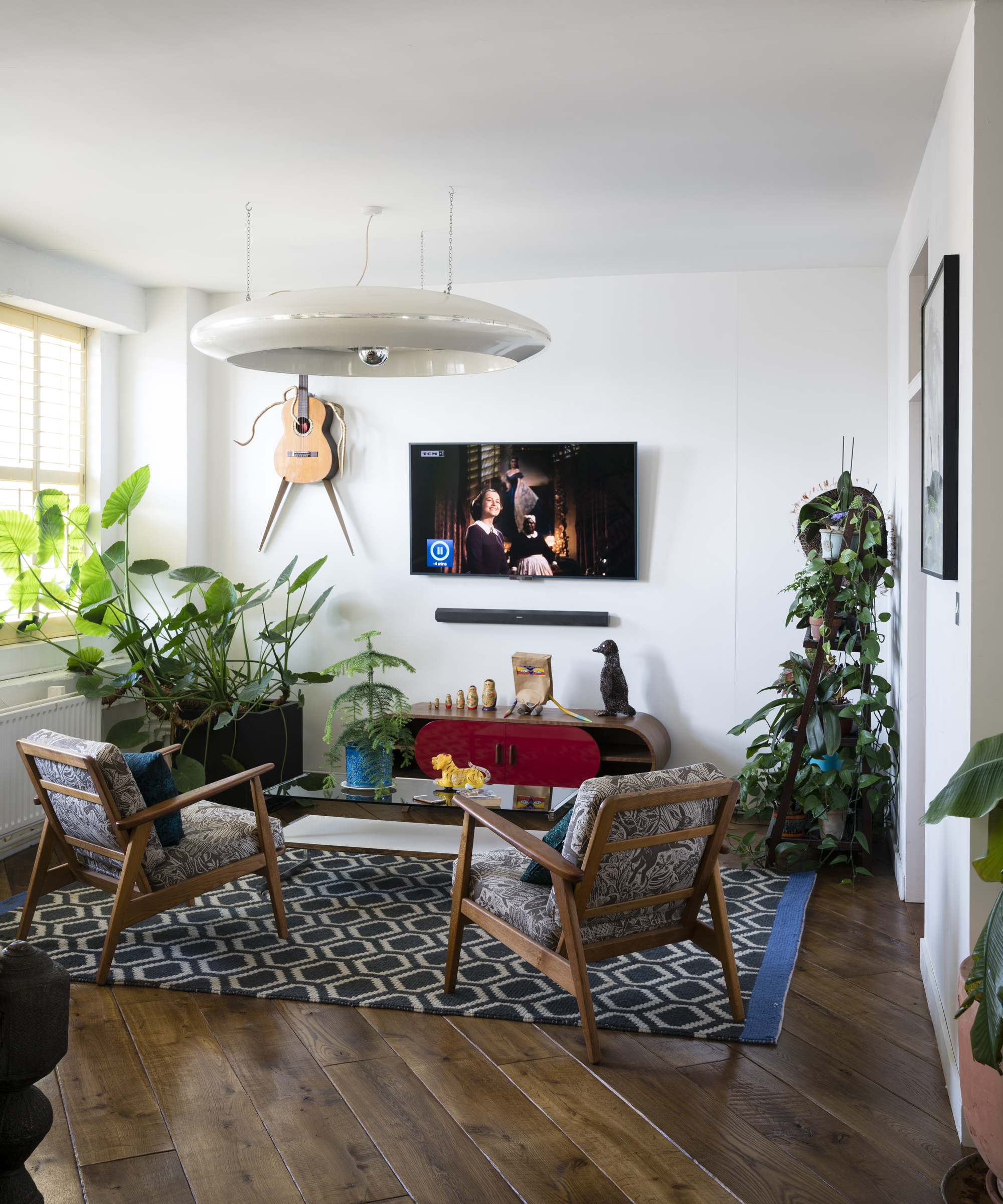
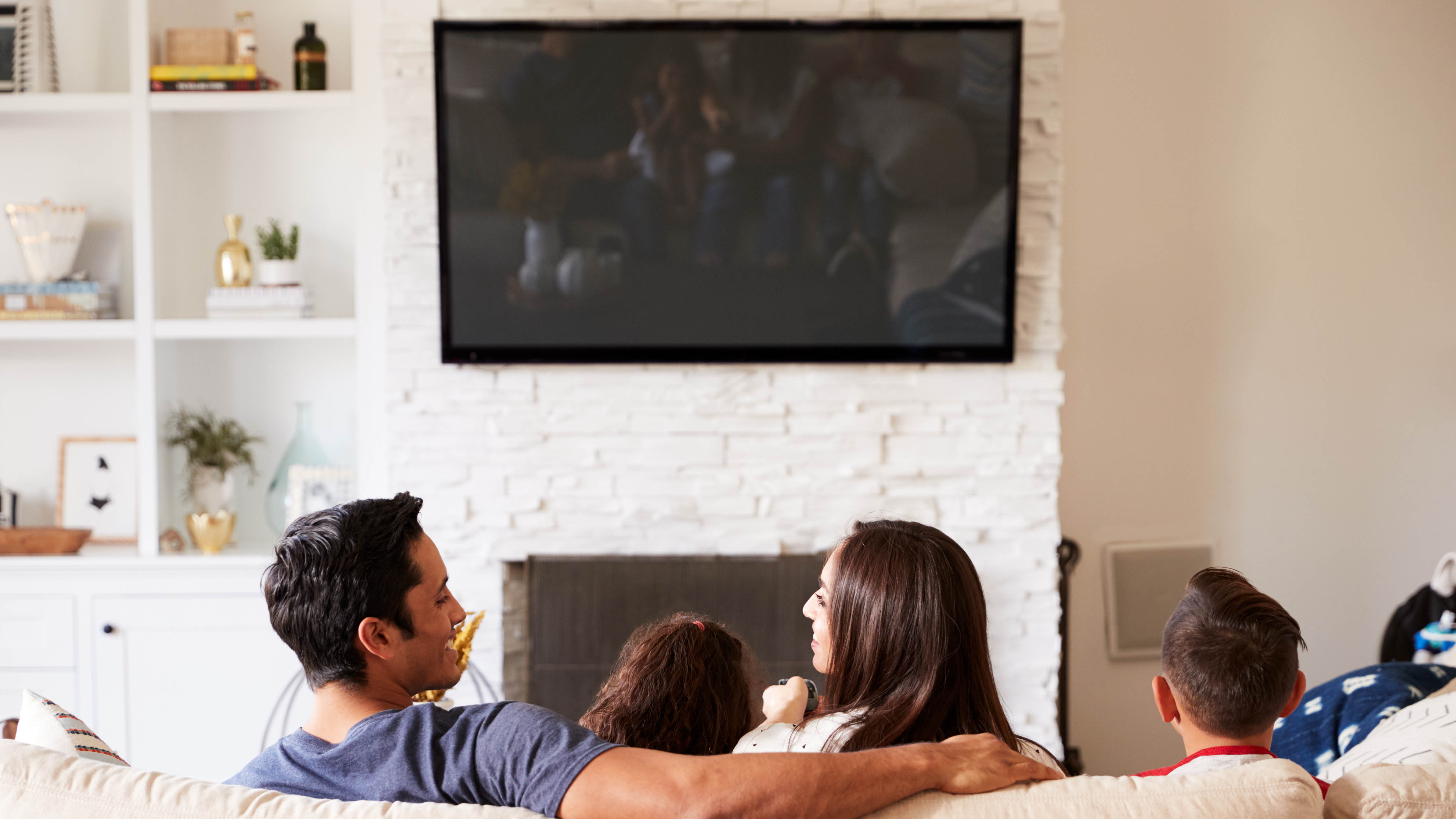
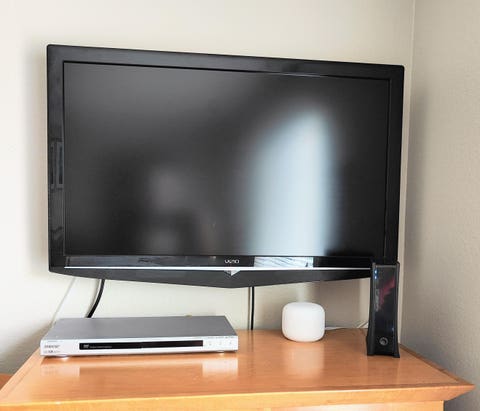
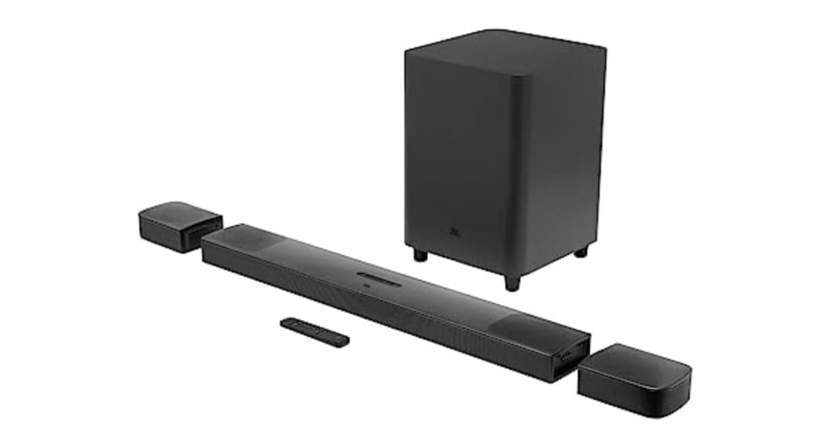
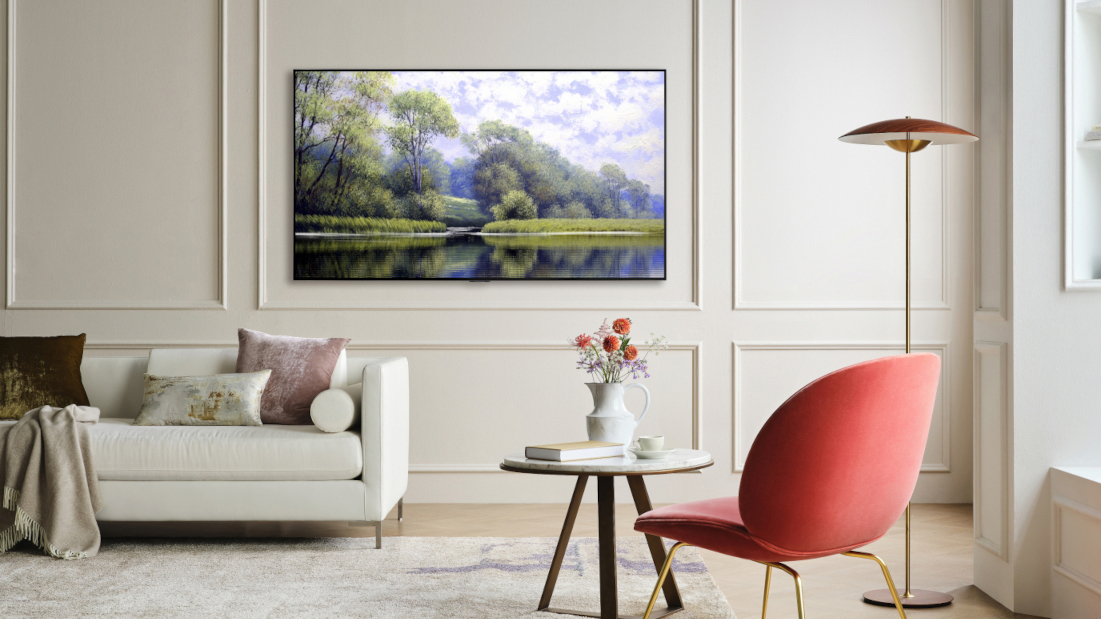
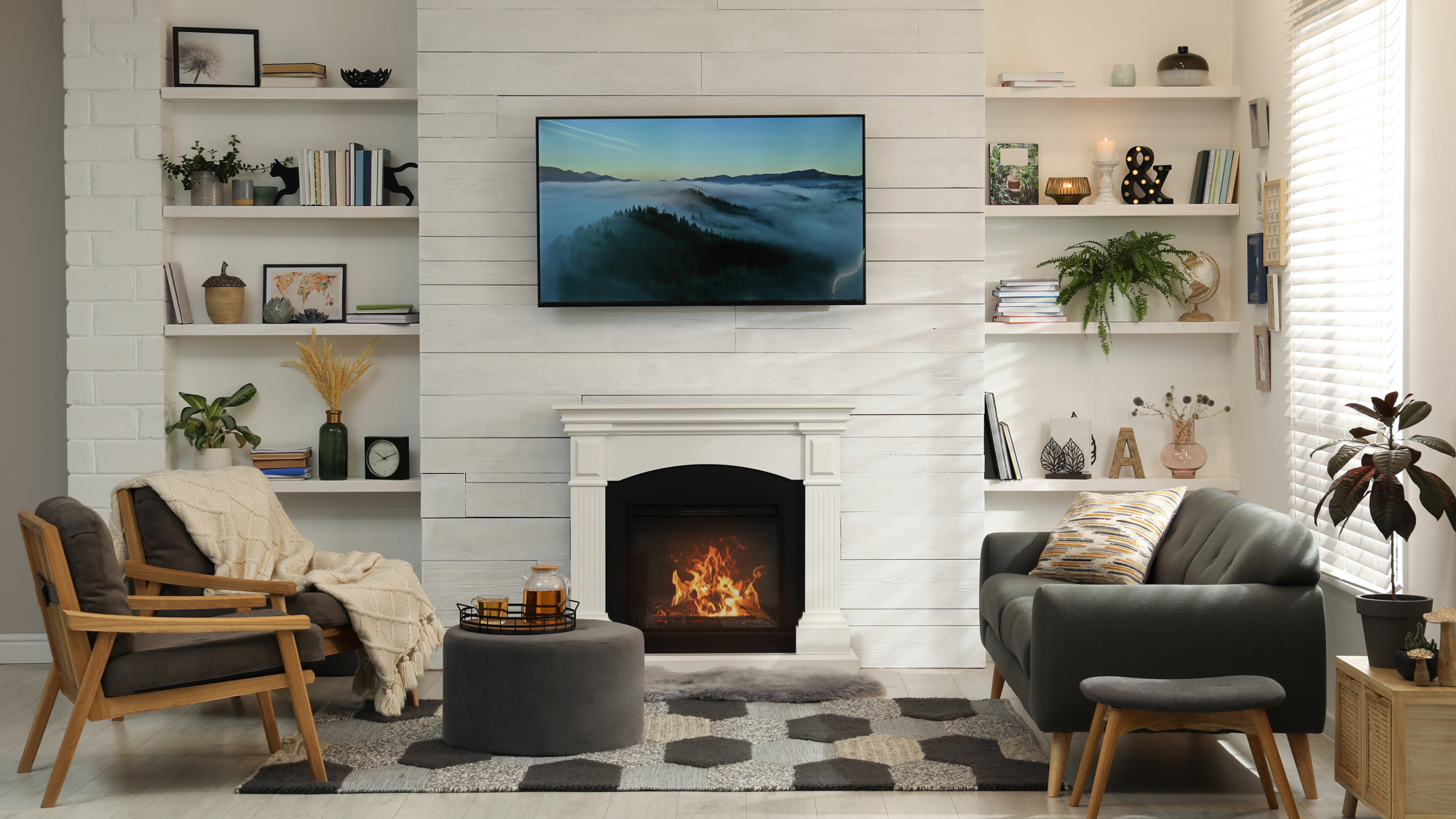
Wall-mounting offers several advantages. It saves space by eliminating the need for a TV stand or cabinet, thereby freeing up floor area for other furniture or activities. This also allows for larger screen sizes in smaller rooms. For households with children, wall-mounting improves safety by reducing the risk of the TV toppling over. Adjustable mounts also provide flexibility in positioning the screen to avoid glare. However, there are also drawbacks. Installation is more involved than simply using a TV stand, often requiring tools like a drill and potentially assistance. Improper installation can lead to damage to both the TV and the wall. Additionally, wall-mounting can limit easy access to the TV's ports, making it more difficult to connect external devices such as set-top boxes, streaming devices, or soundbars. Cable management also becomes a consideration, as exposed wires can detract from the aesthetic. Lastly, wall-mounting eliminates the storage space that a traditional TV cabinet would provide.
#TVWallMounts #HomeTheater #Electronics #SpaceSaving #VESAMount #HomeImprovement #TechAccessories #TVInstallation #TVWallMounts #HomeTheater #Electronics #SpaceSaving #VESAMount #HomeImprovement #TechAccessories #TVInstallation
0 comment in total
 No comments yet
You may also like
The Best TV Wall Mounts for Flat Screens

Best TV Wall Mounts in 2025 for small to large TVs

How to mount your TV to a wall in a way that's smart and safe

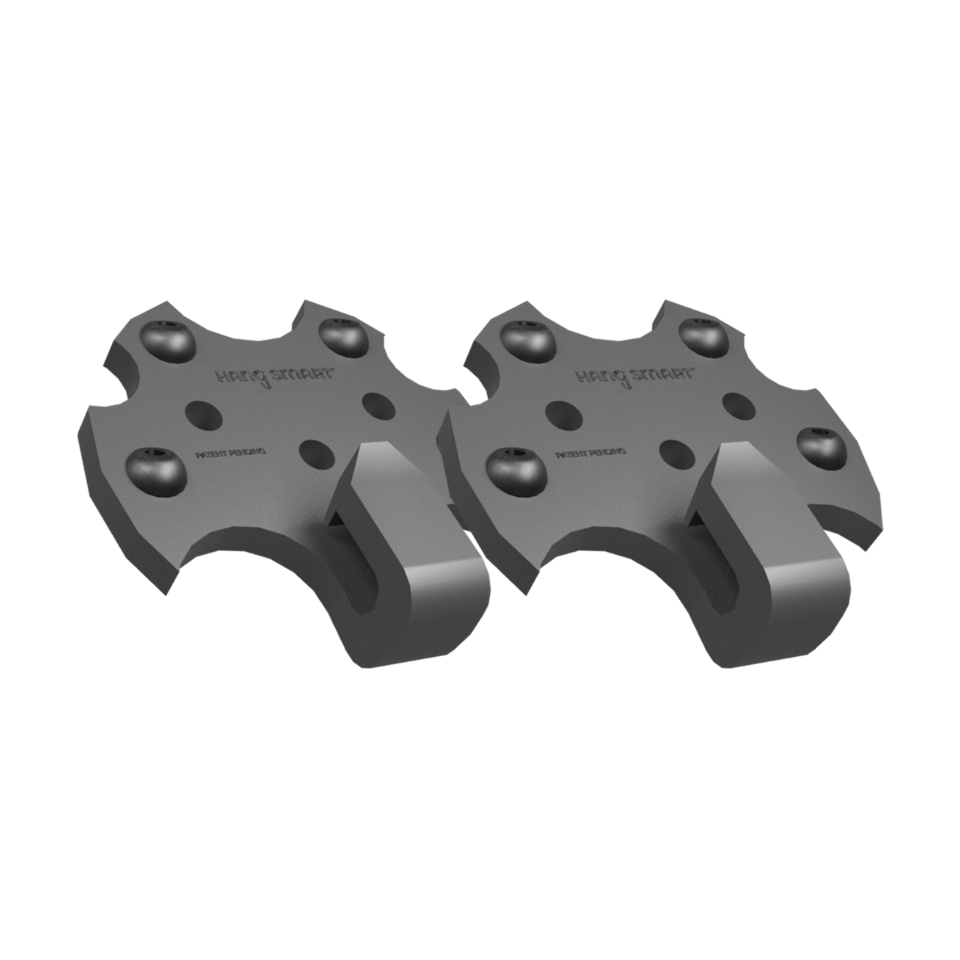
A Clever And Easy Way To Hang Your TV On A Wall — By Yourself

The Best TV Wall Mounts for Every Budget
Our Favorite TV Wall Mount is Just $30 on Amazon

TV wall mounting tips: what you need to know before you get the drill out

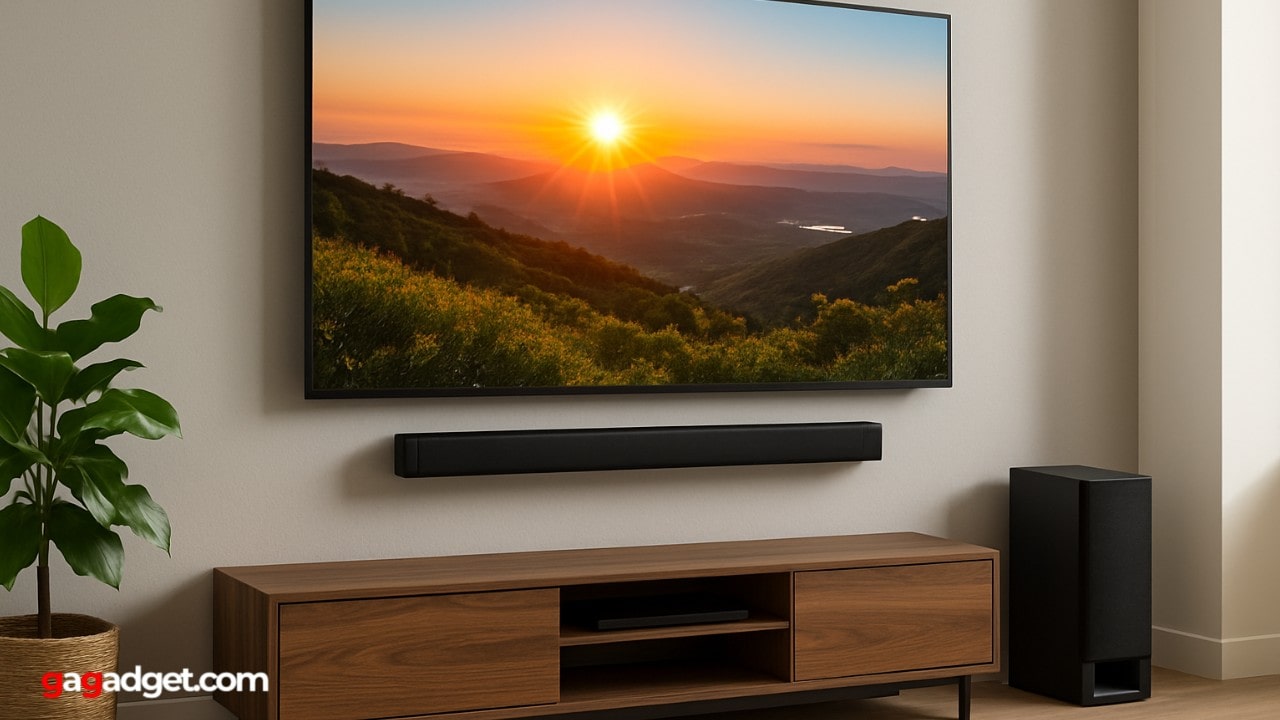
Best Wall Mounted Soundbar

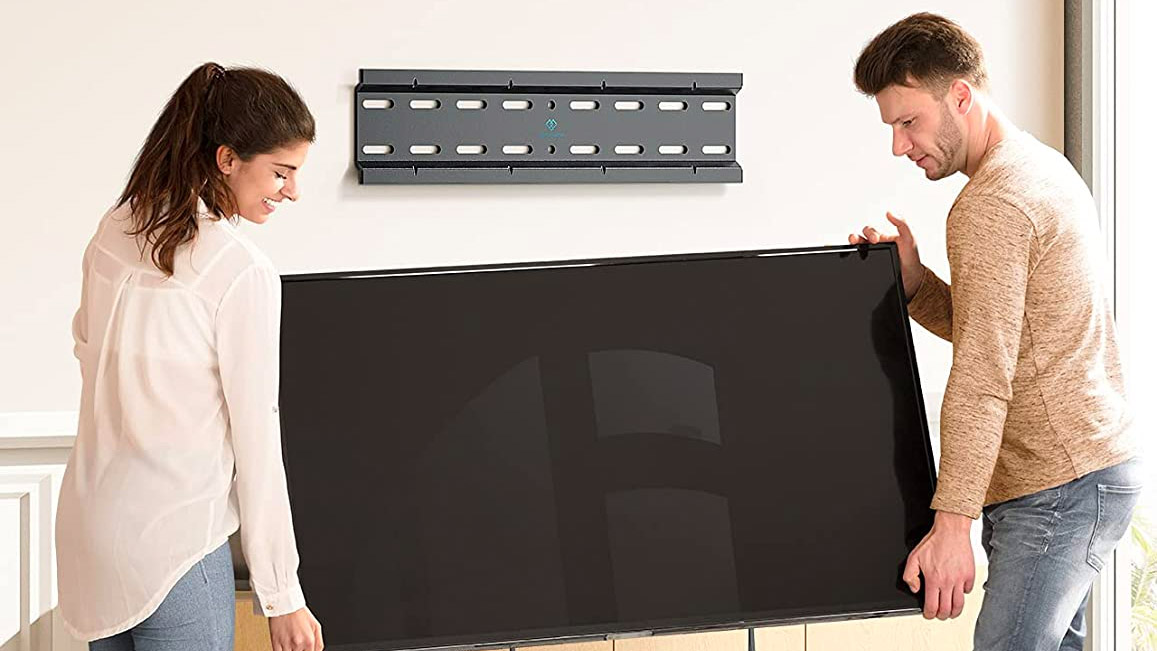
The Best TV Wall Mounts for Every Screen Size and Home Theater Setup

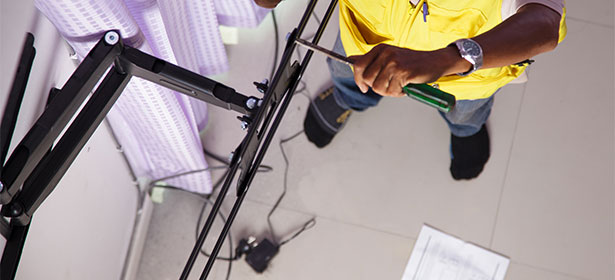
How to wall mount your TV: step-by-step installation guide
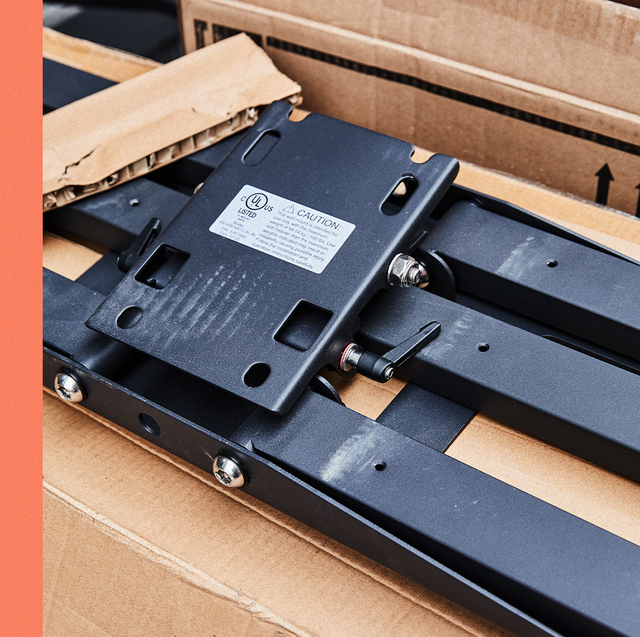
As a Parent of an Energetic Toddler, These Are the TV Wall Mounts That I Trust

Best Wall Mount Speakers
The 6 Best TV Wall Mounts, Reviewed by BHG

The Best TV Mounts to Level Up Your Space

Here’s How to Not Mess Up Mounting Your TV on the Wall | Reviews by Wirecutter
5 Best TV Stands That’ll Stand the Test of Time, Tested and Reviewed

The best TV wall mounts, including full-motion, tilting, and swiveling options for all sizes
3 Best TV Wall Mounts of 2025, Tested and Reviewed
I test TVs for a living, and this is the one spot in my living room I would never put my TV
Got $6? Then you can score this 55-inch tilting TV wall mount at a new all-time low