1/5
This Is the Correct Way to Mix Design Eras and Styles
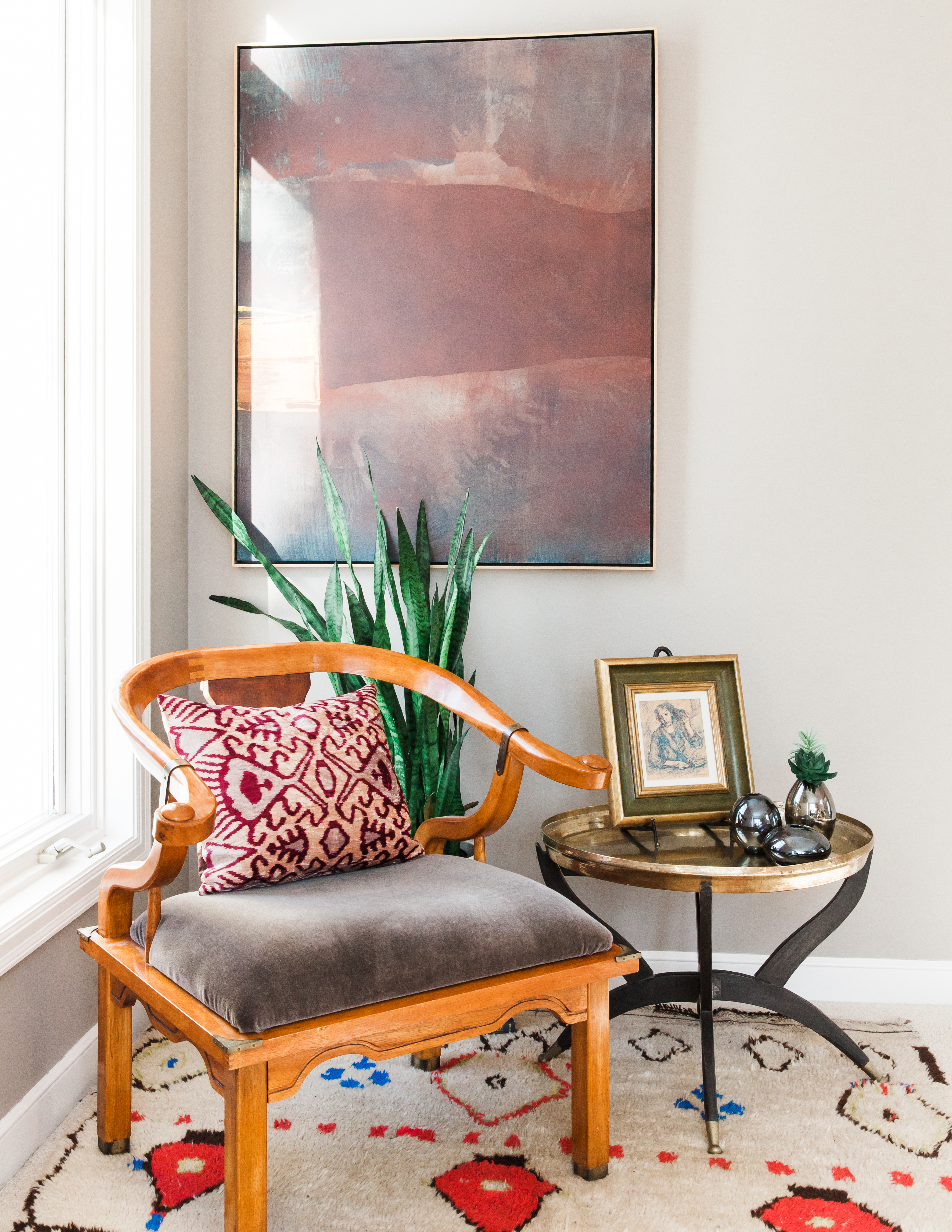
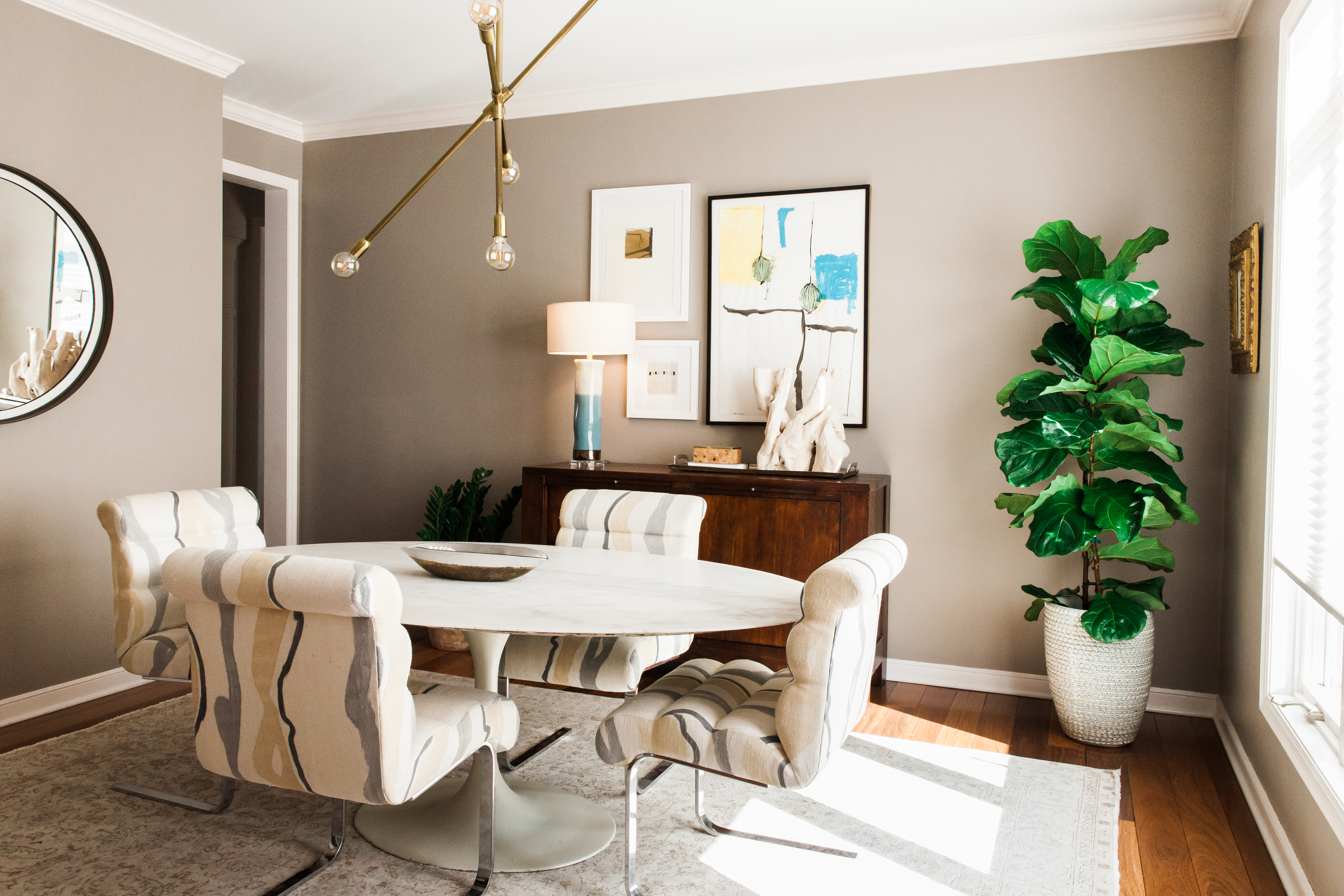
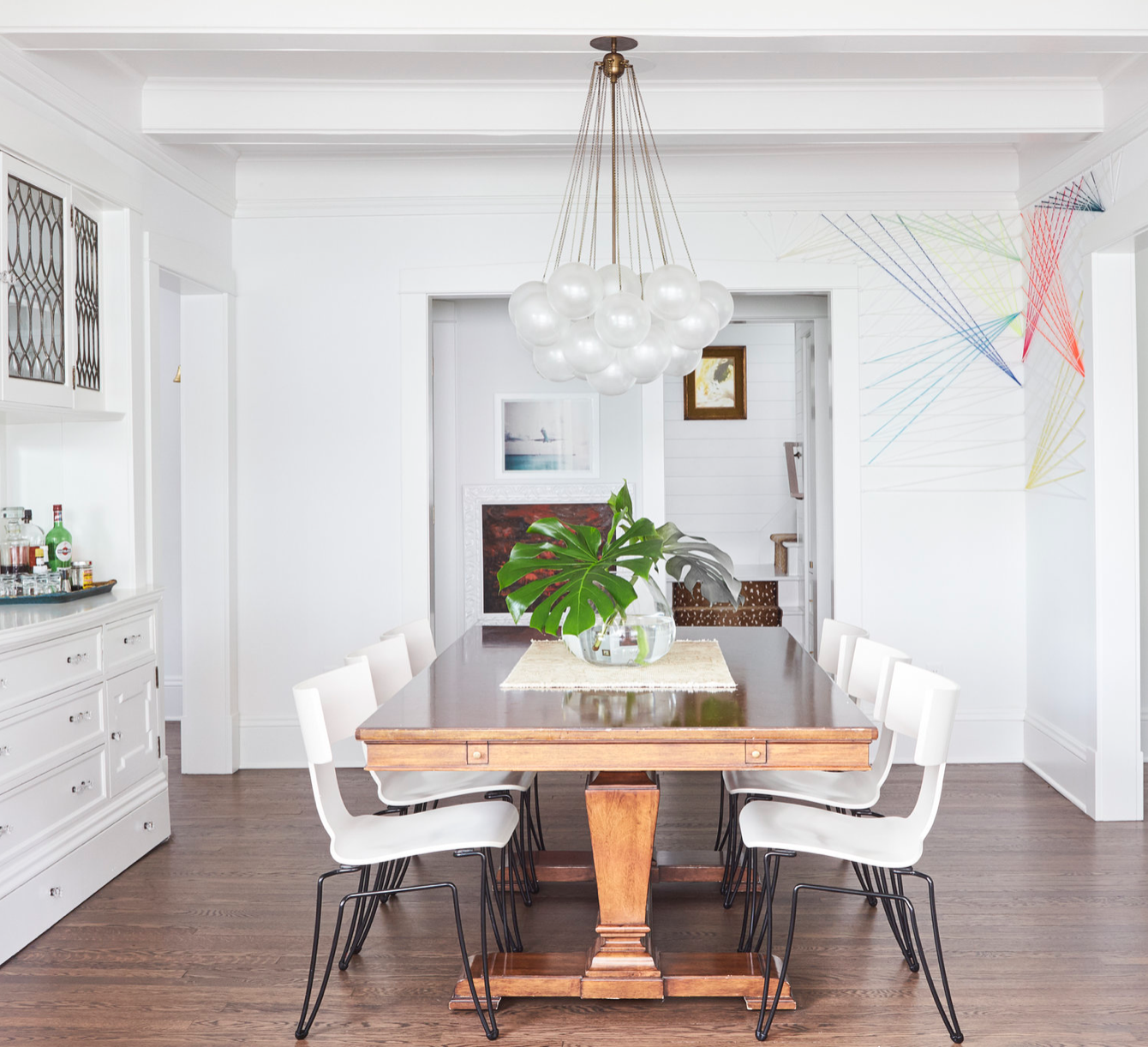
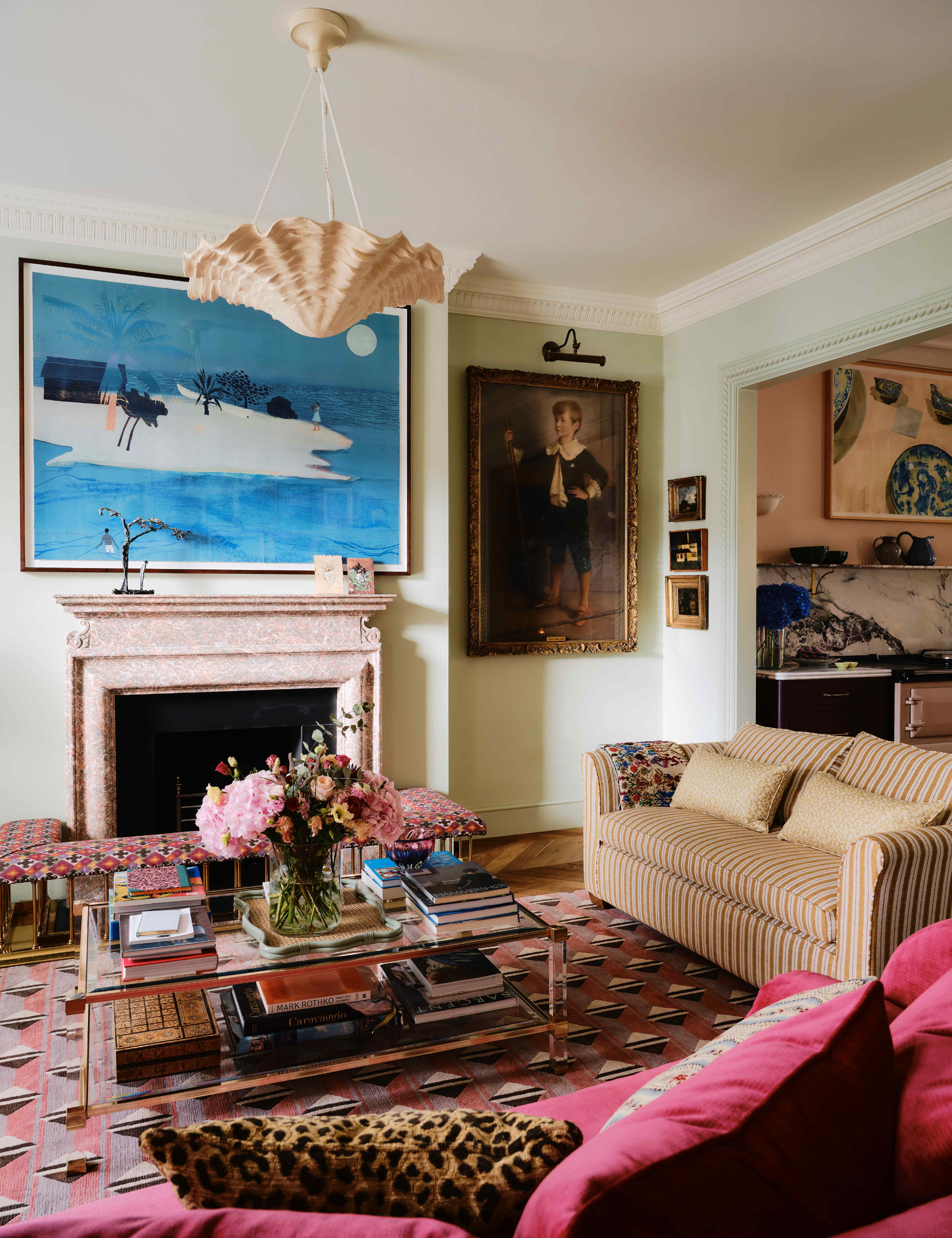
The article explores the art of blending different design eras and styles within a home to create a cohesive and unique aesthetic. It addresses the common challenge faced by homeowners who wish to integrate varied design elements, such as modern-minimalist preferences with vintage finds. Three design experts, Rachel Brown of RB Interiors, Anita Lang of IMI Design, and Katie Labourdette-Martinez from Hearth Homes Interiors, provide insights and practical tips for successfully achieving this mix.
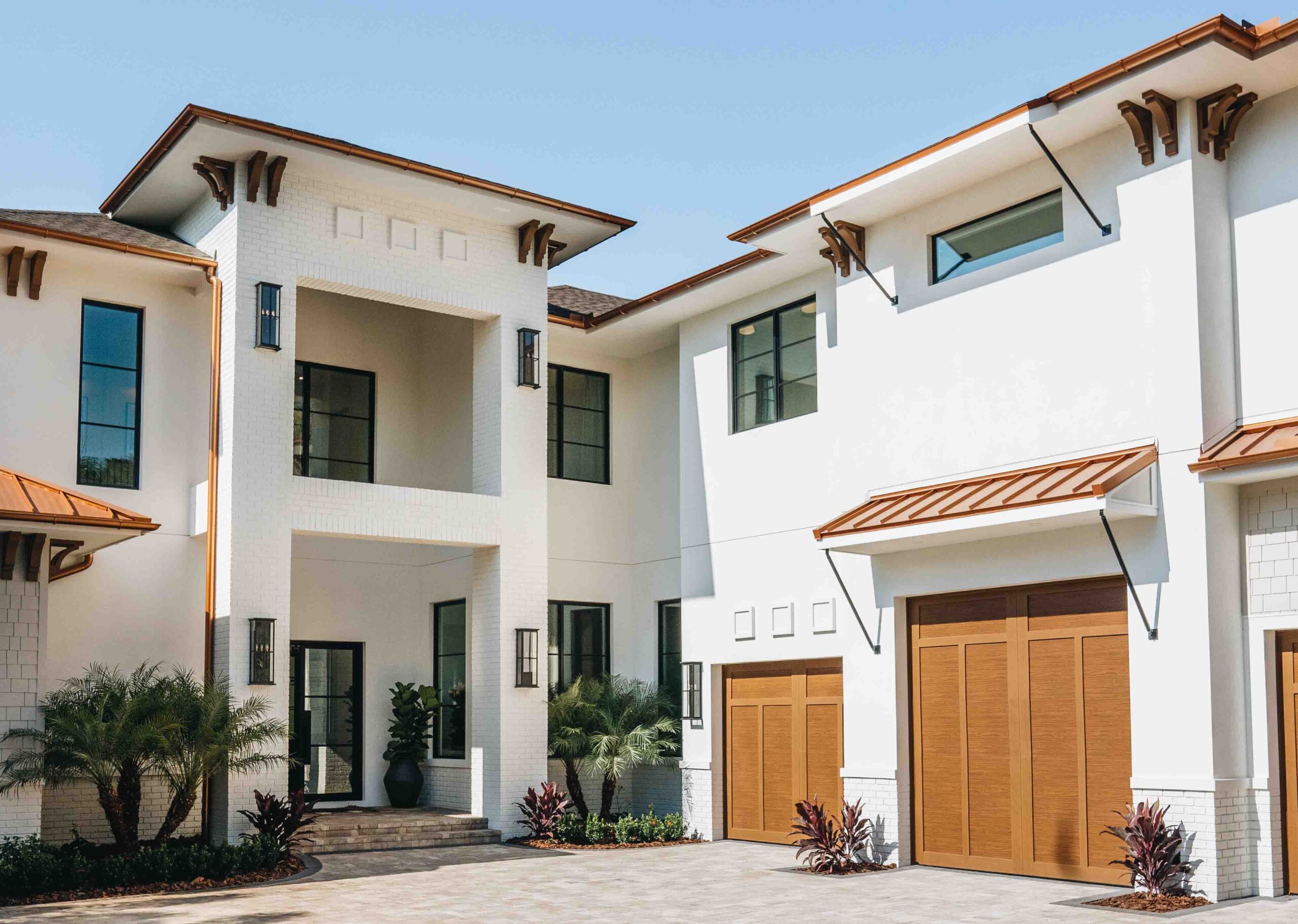


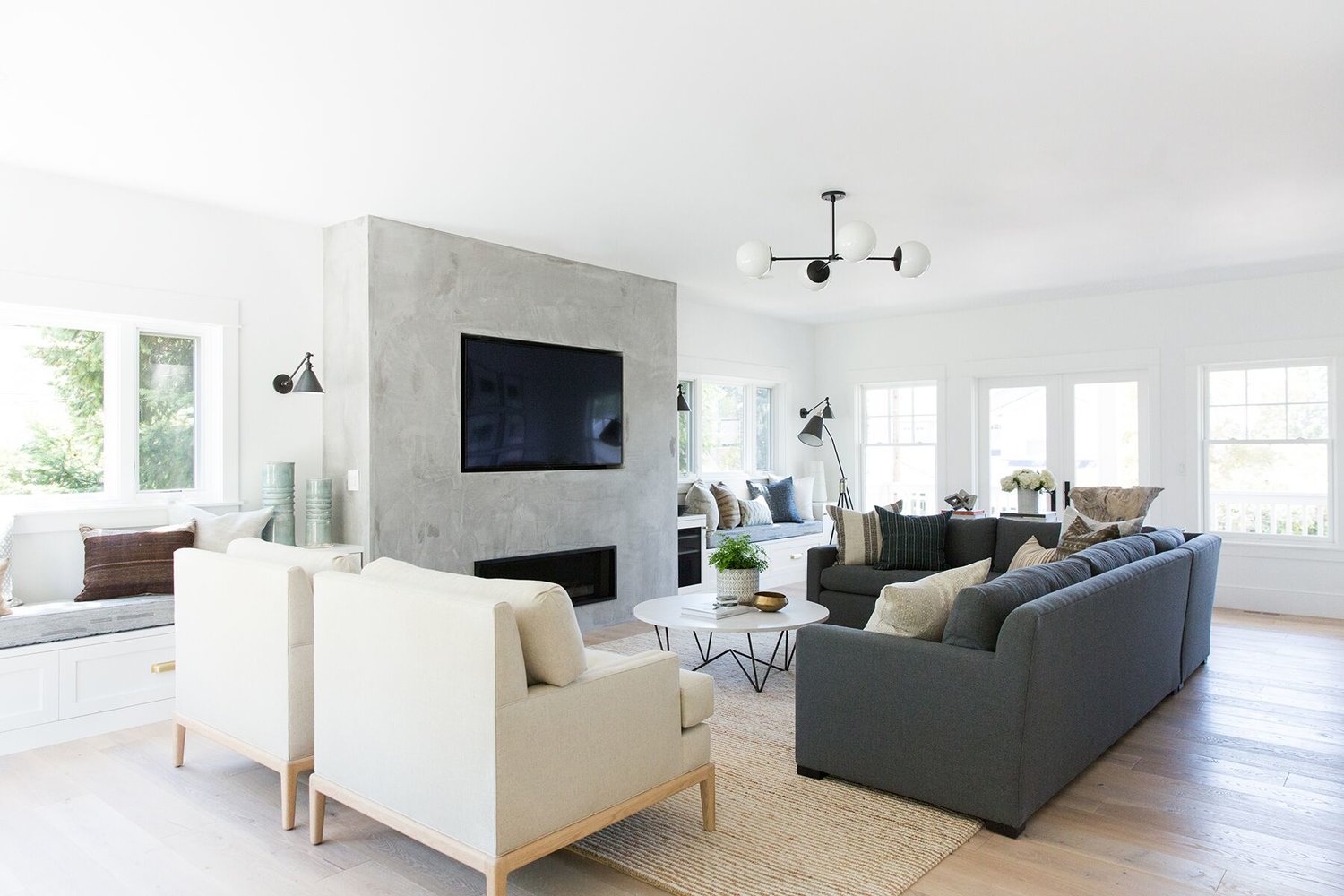
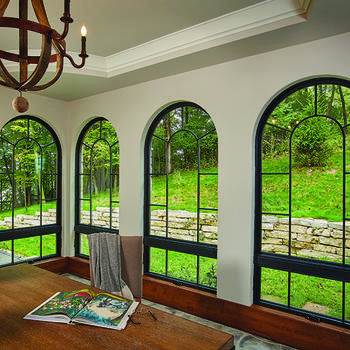
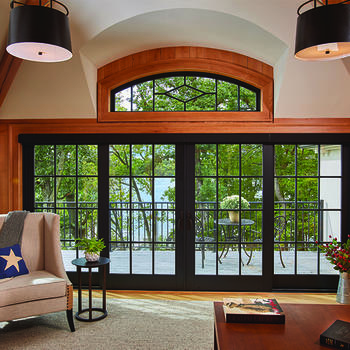
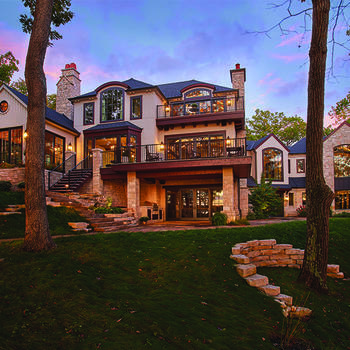
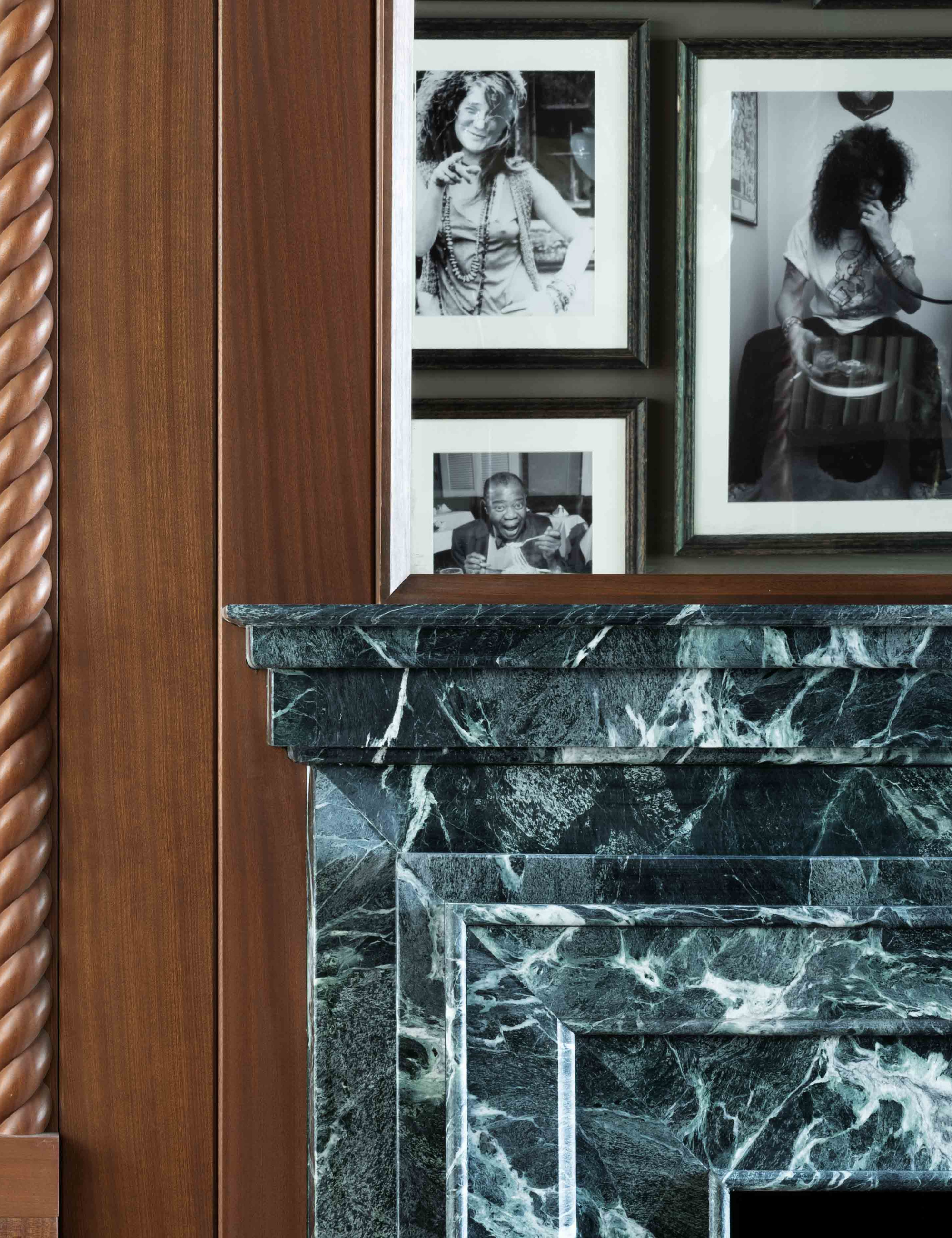
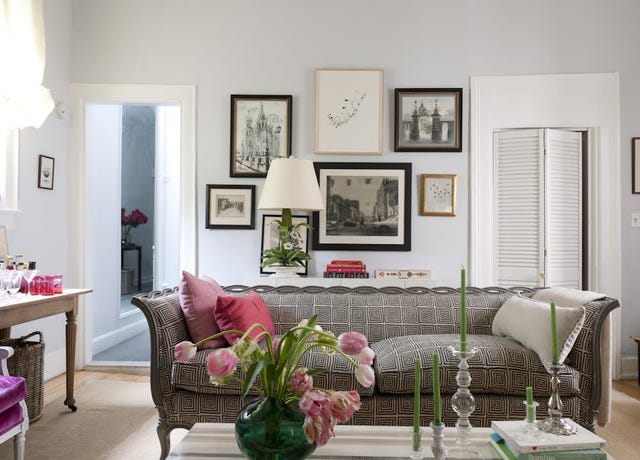
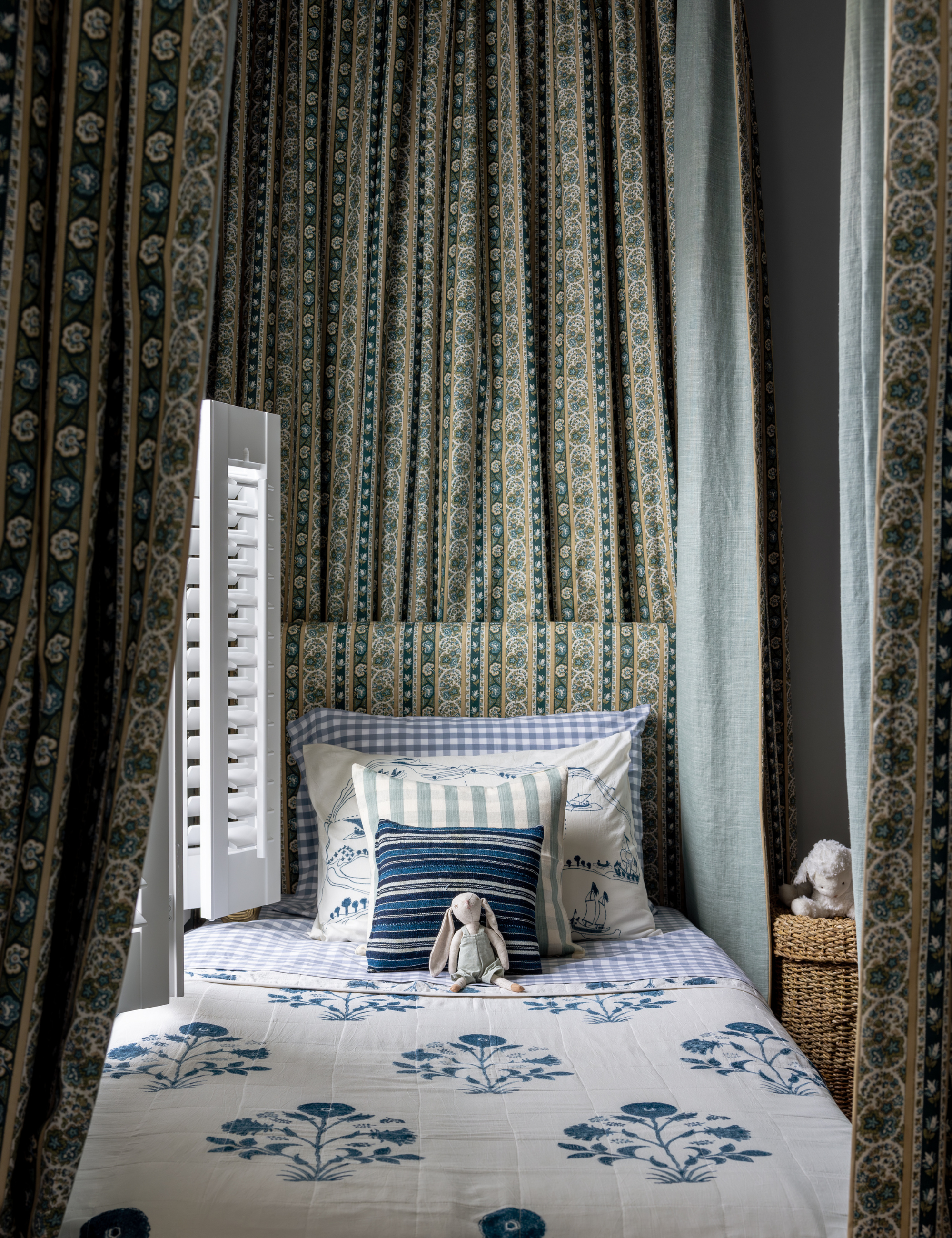
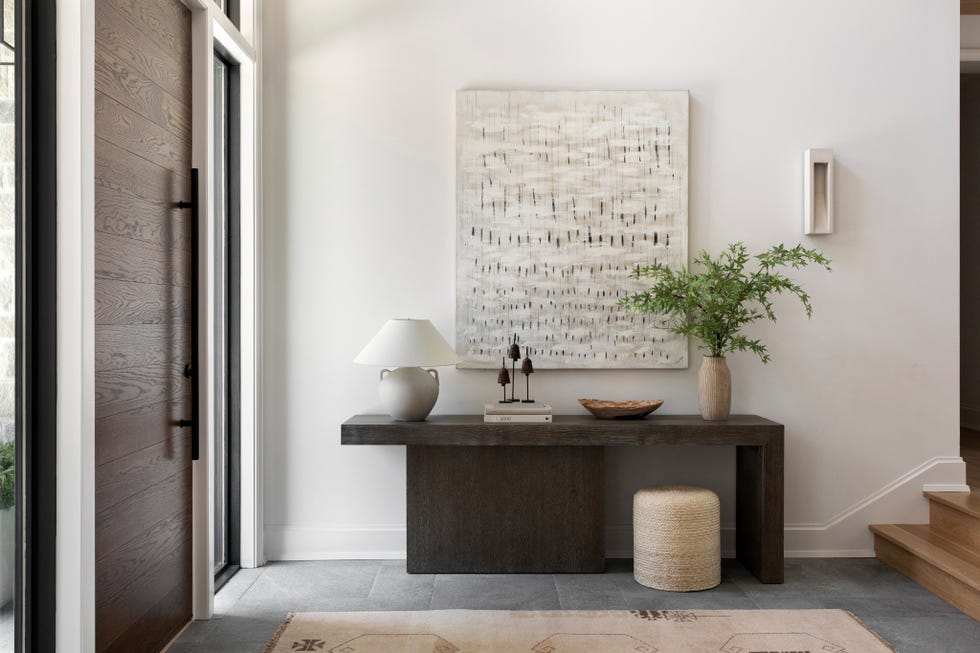
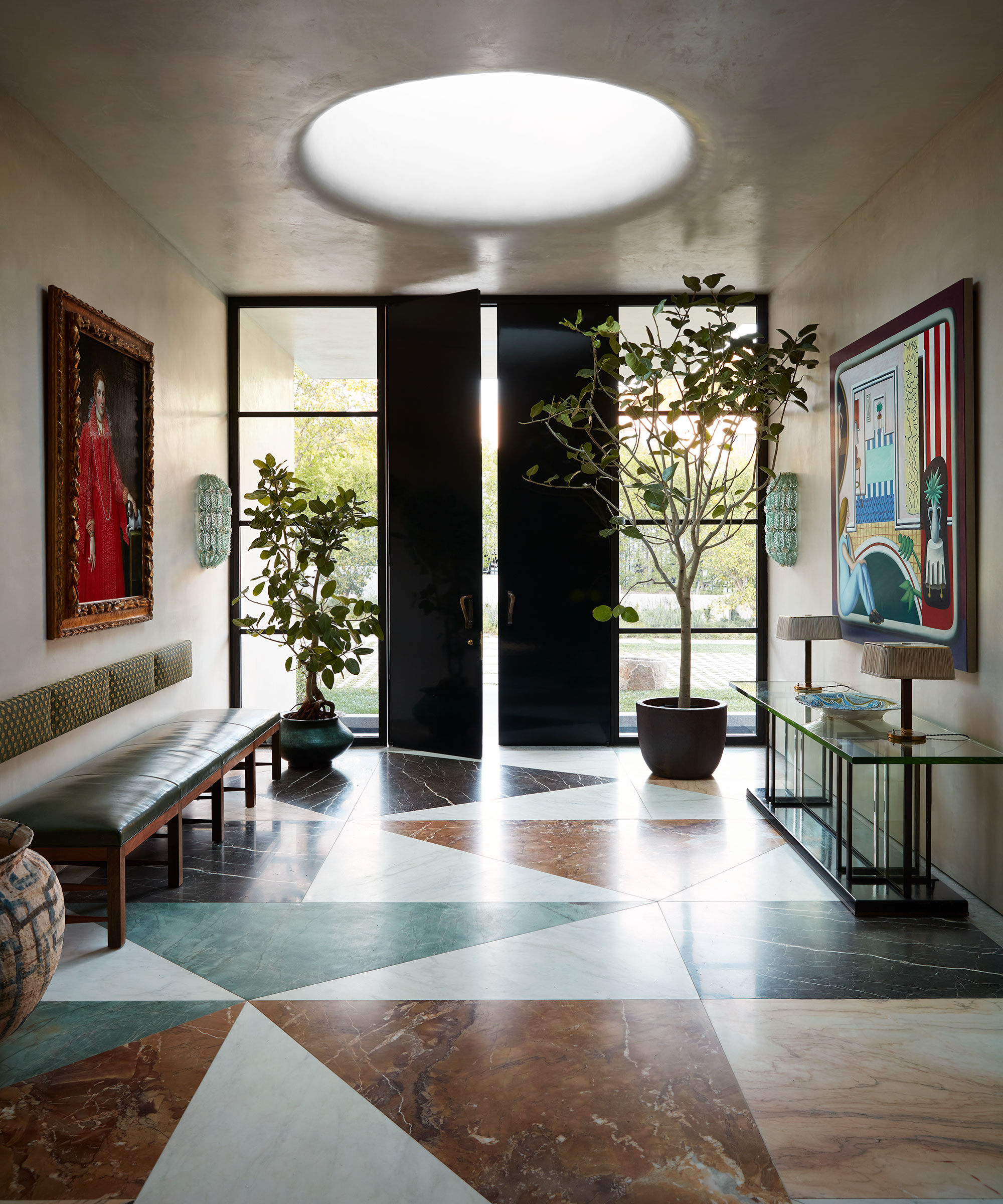
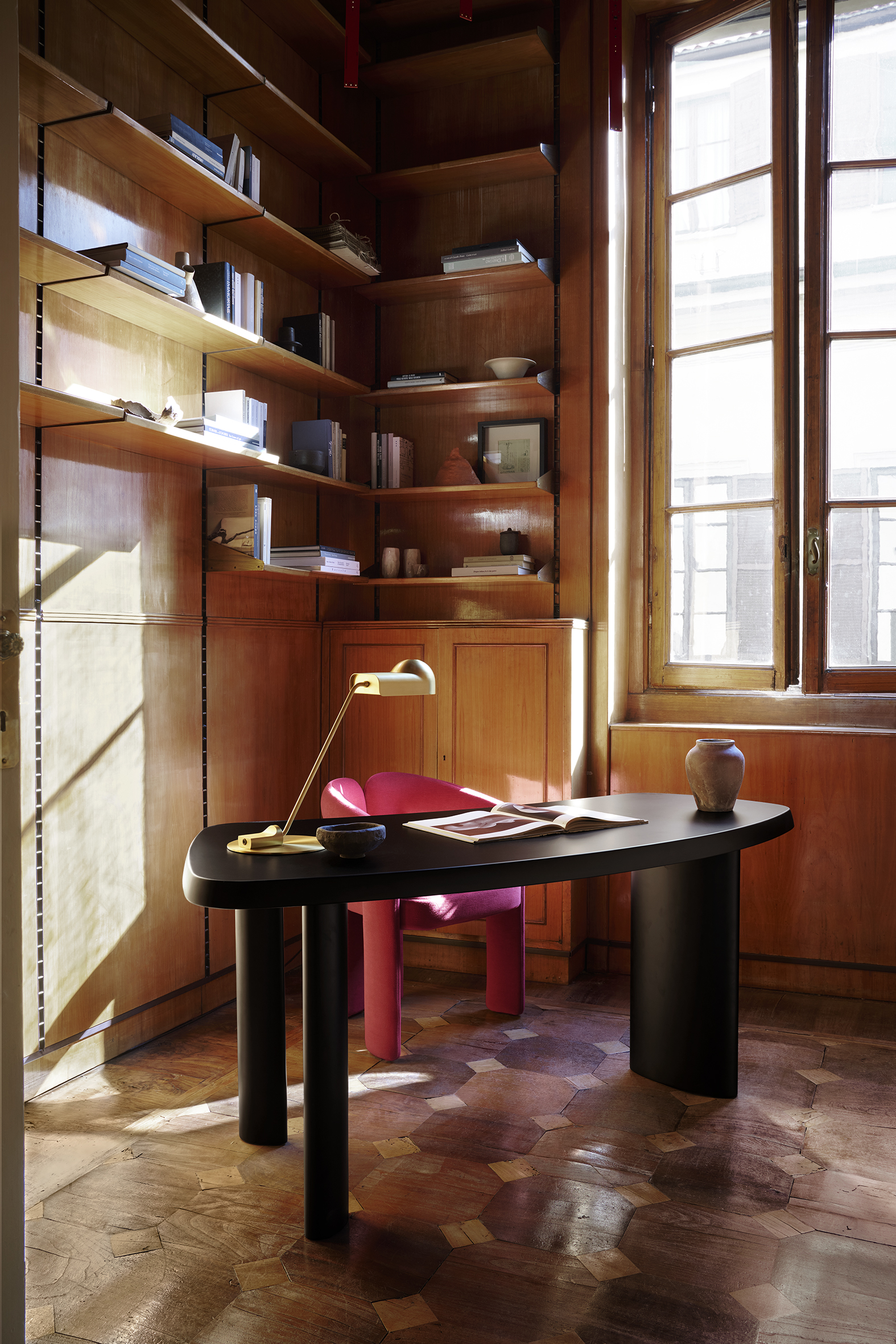
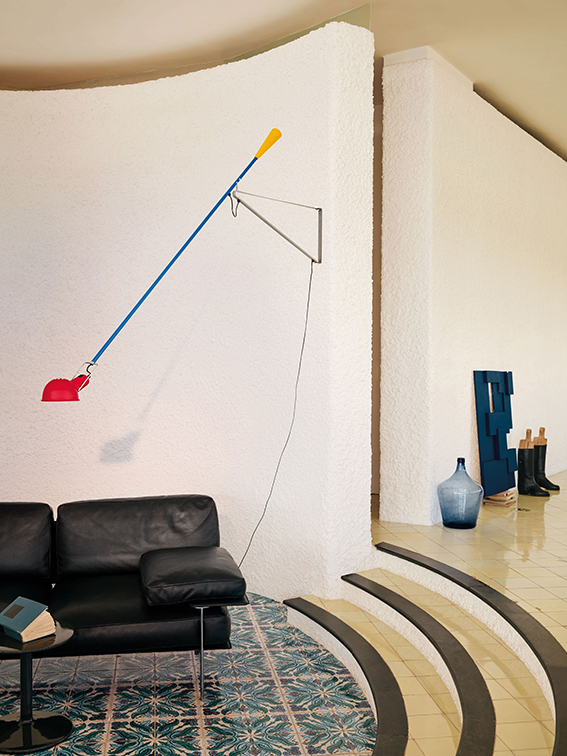
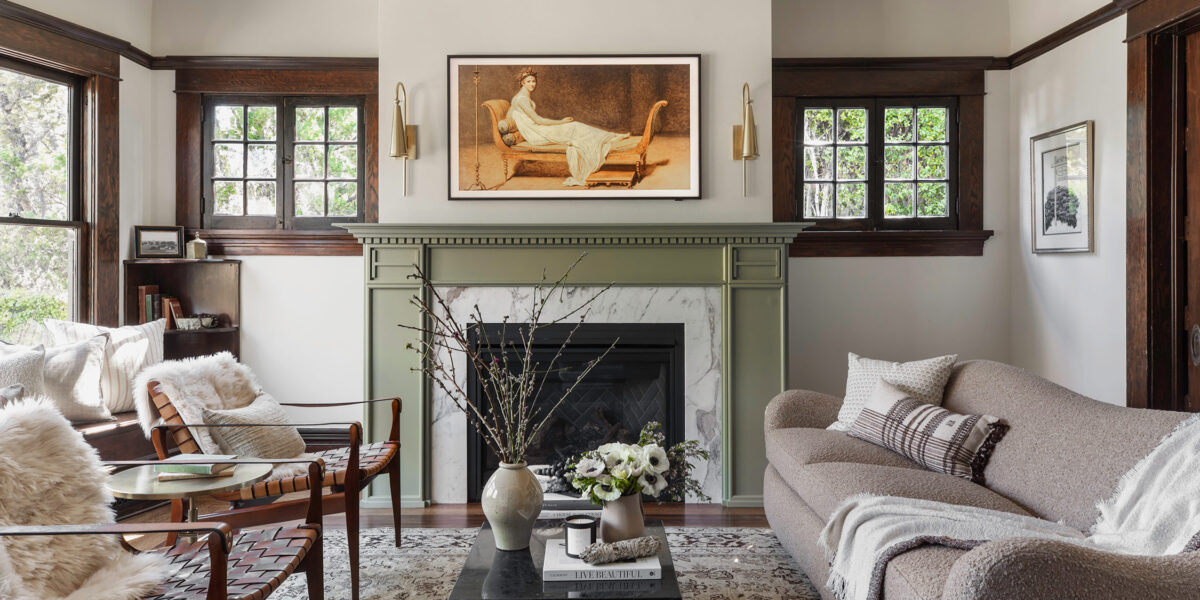
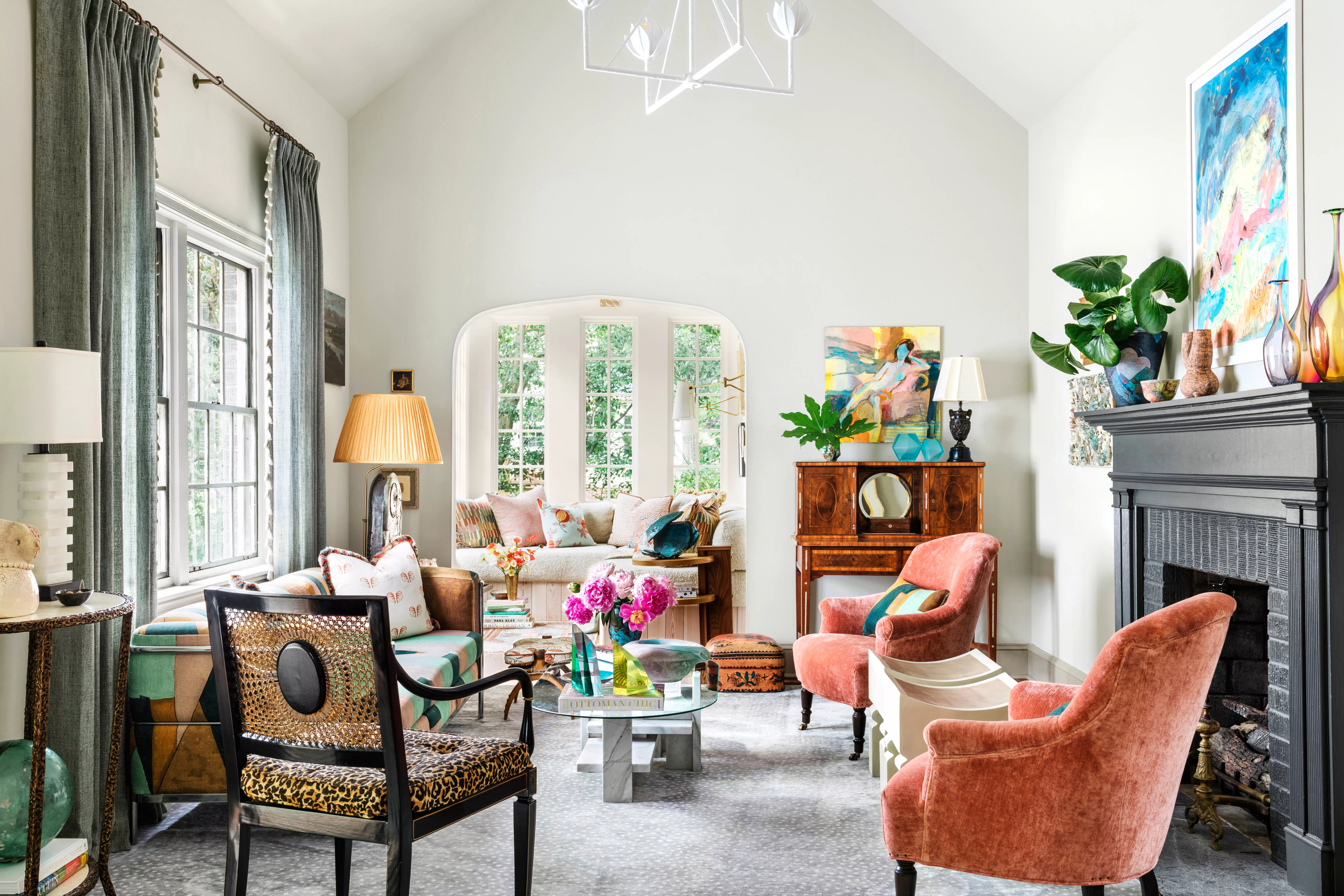
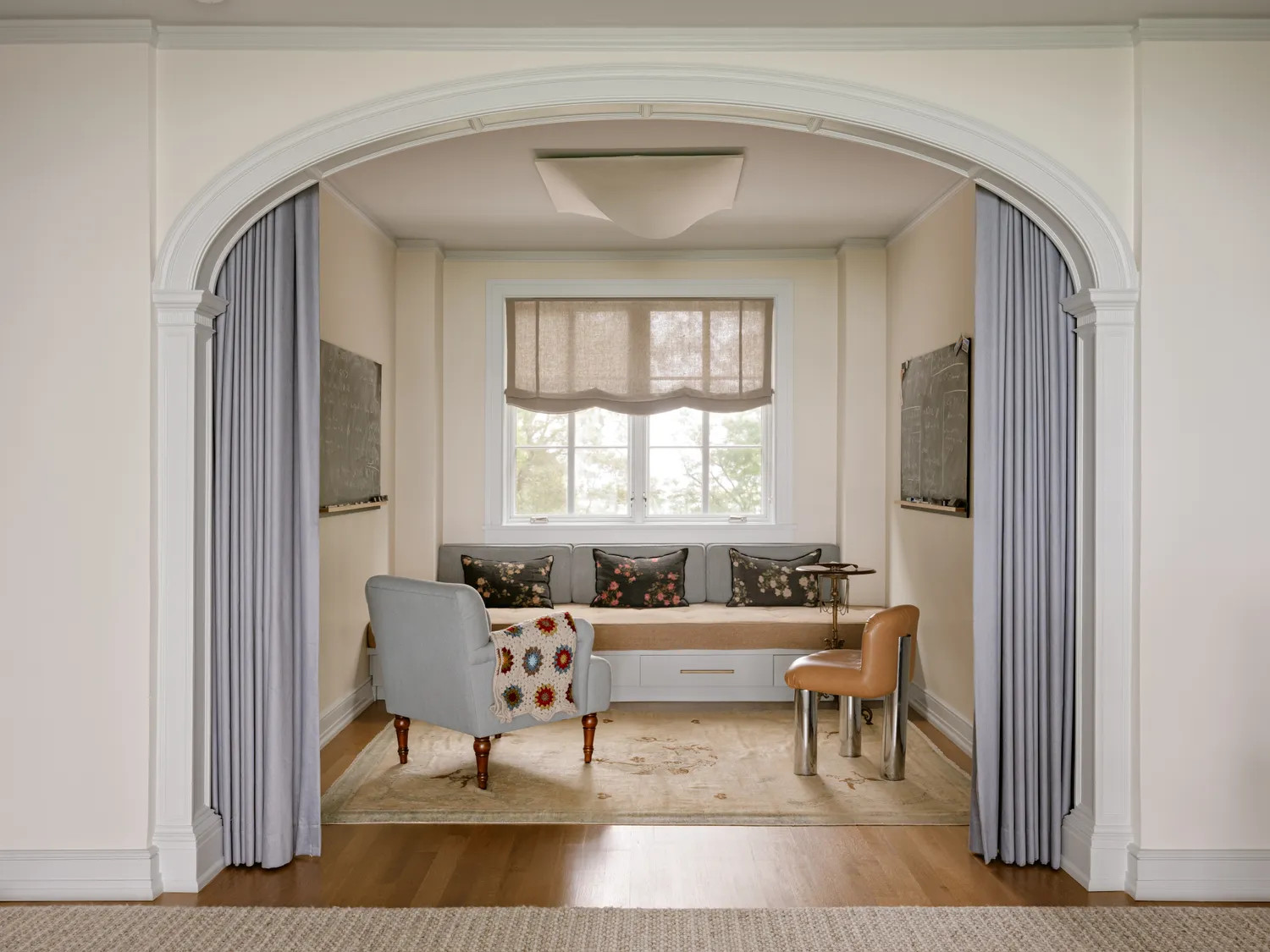
The first key piece of advice emphasizes starting with the home's architectural style as the foundational framework. If the architecture is traditional, with features like paneled walls or crown molding, contemporary elements with sleek silhouettes can be introduced. Conversely, for modern, clean-lined spaces, vintage or traditional pieces with a sense of patina and weight can add grounding and depth. The goal is to create tension and depth through intentional layering, while maintaining consistency in materiality, proportion, or color palette.
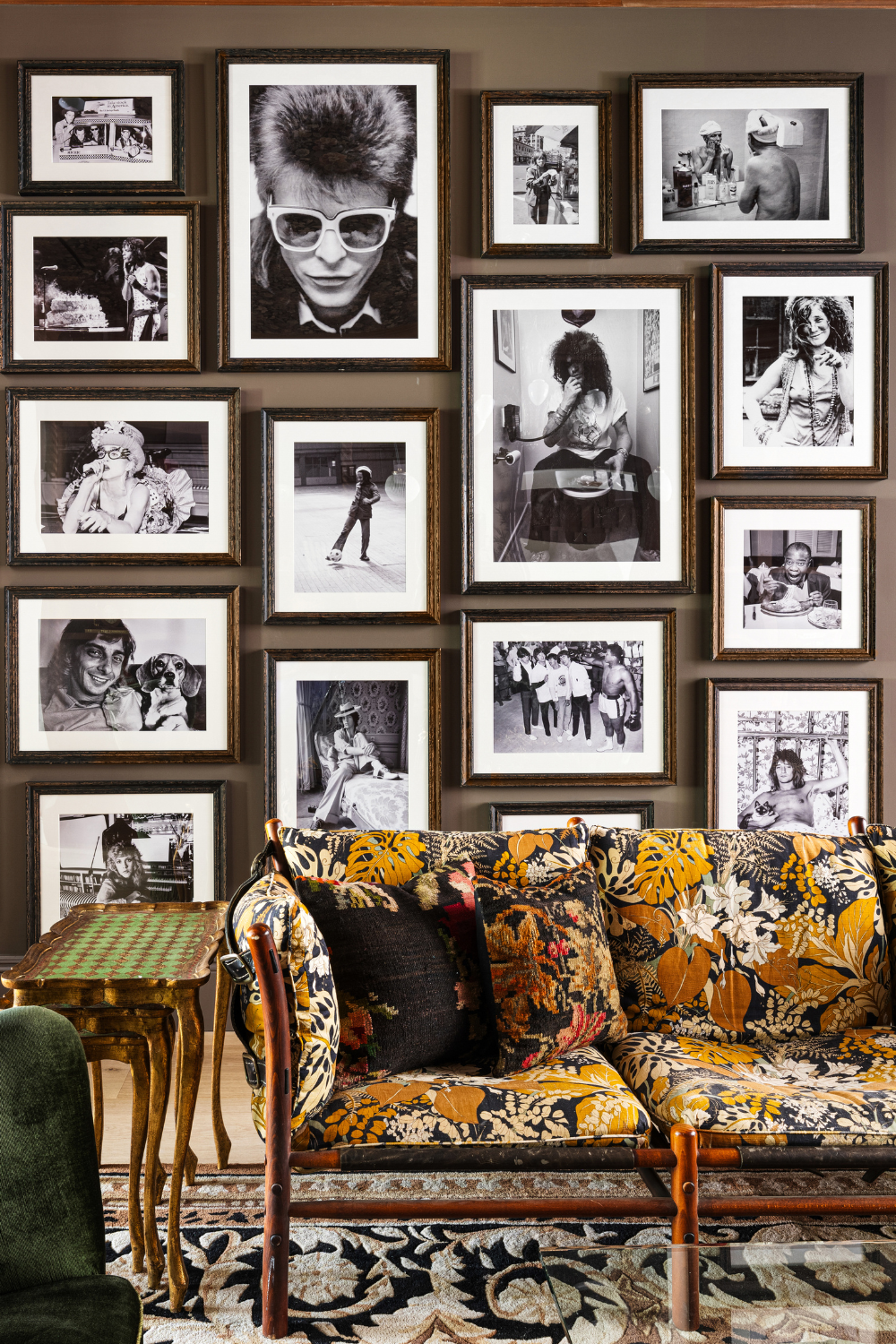
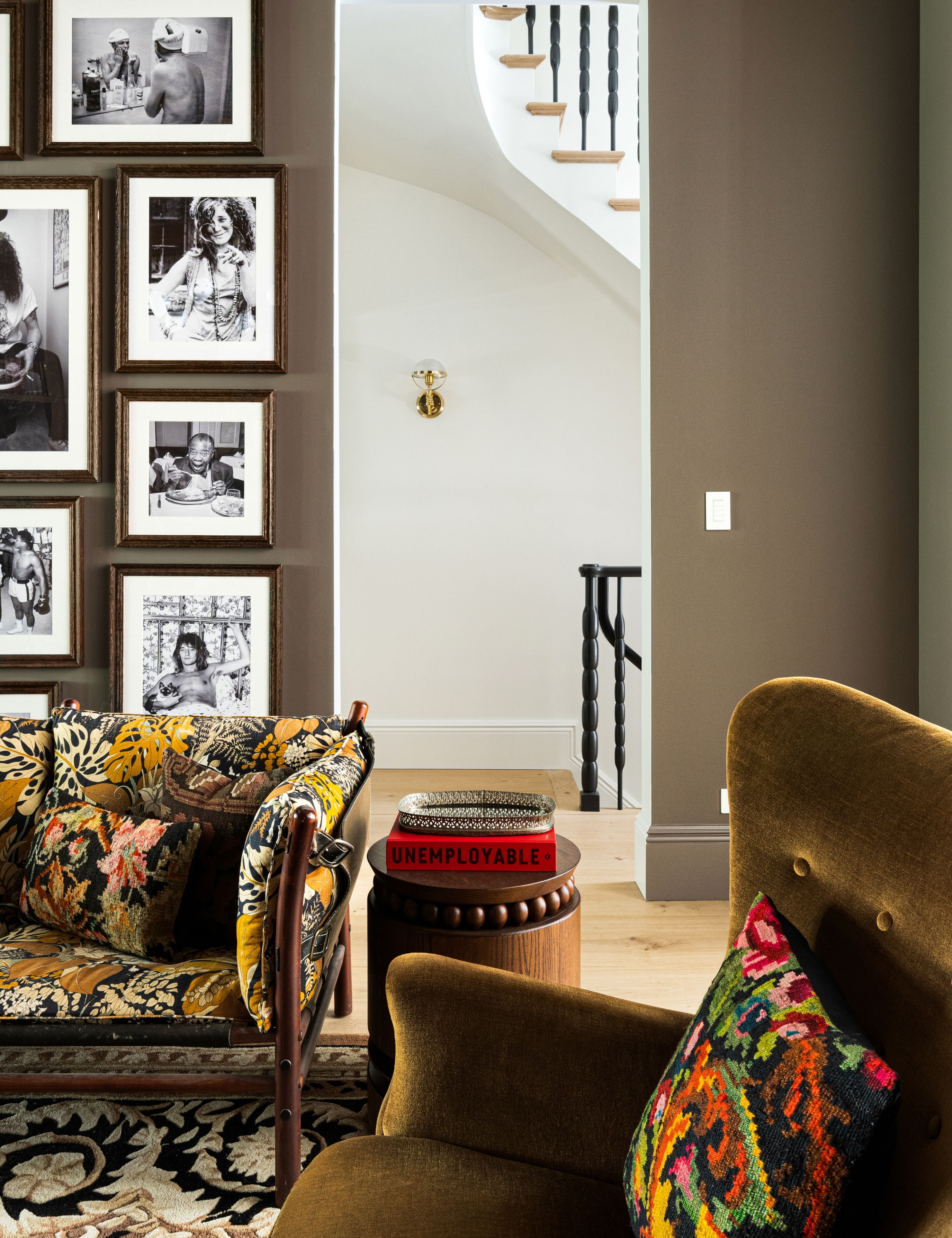
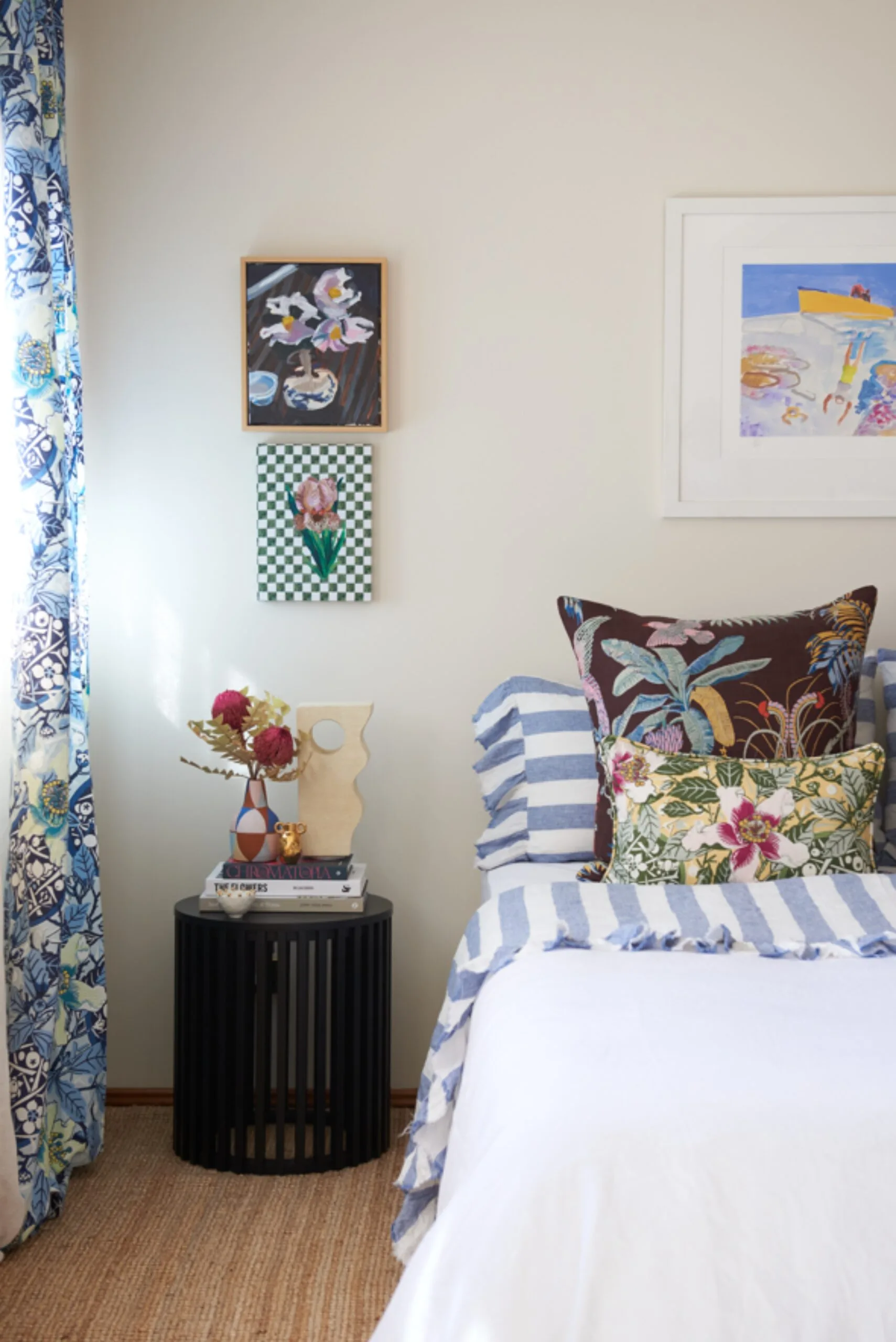
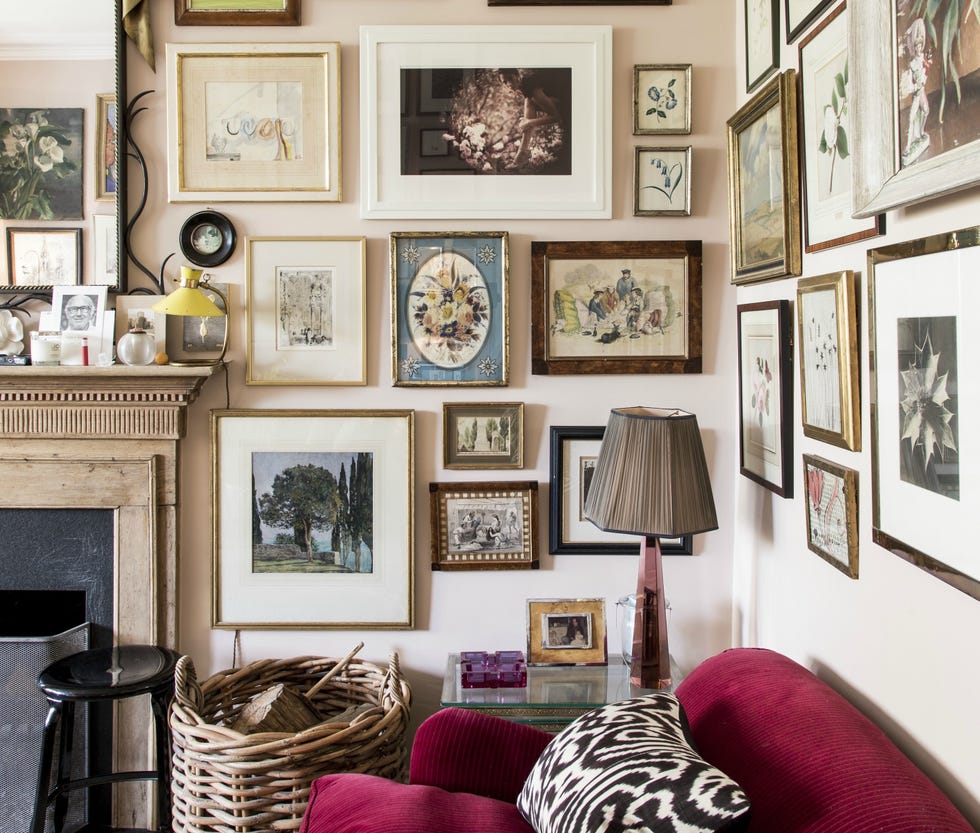
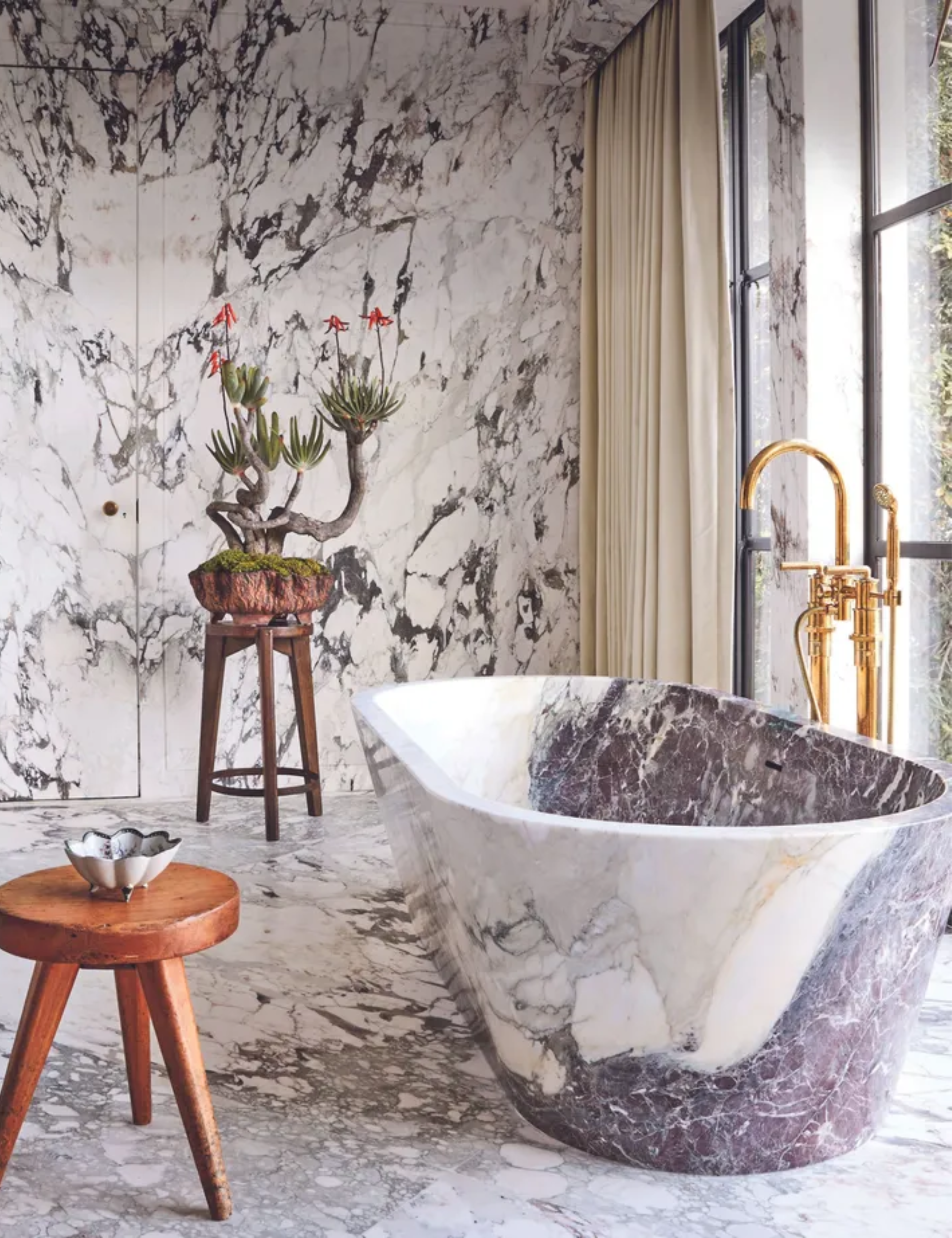
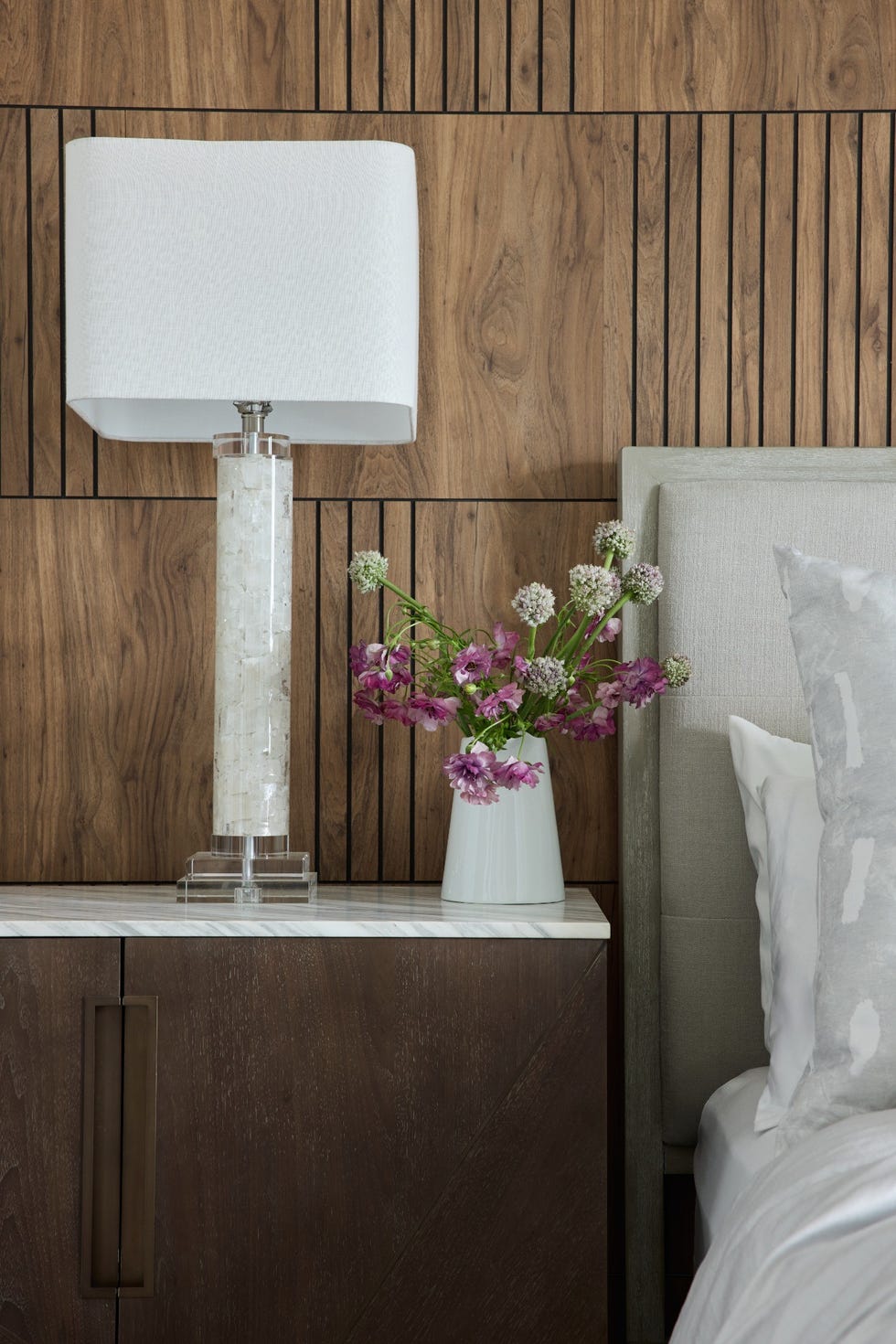
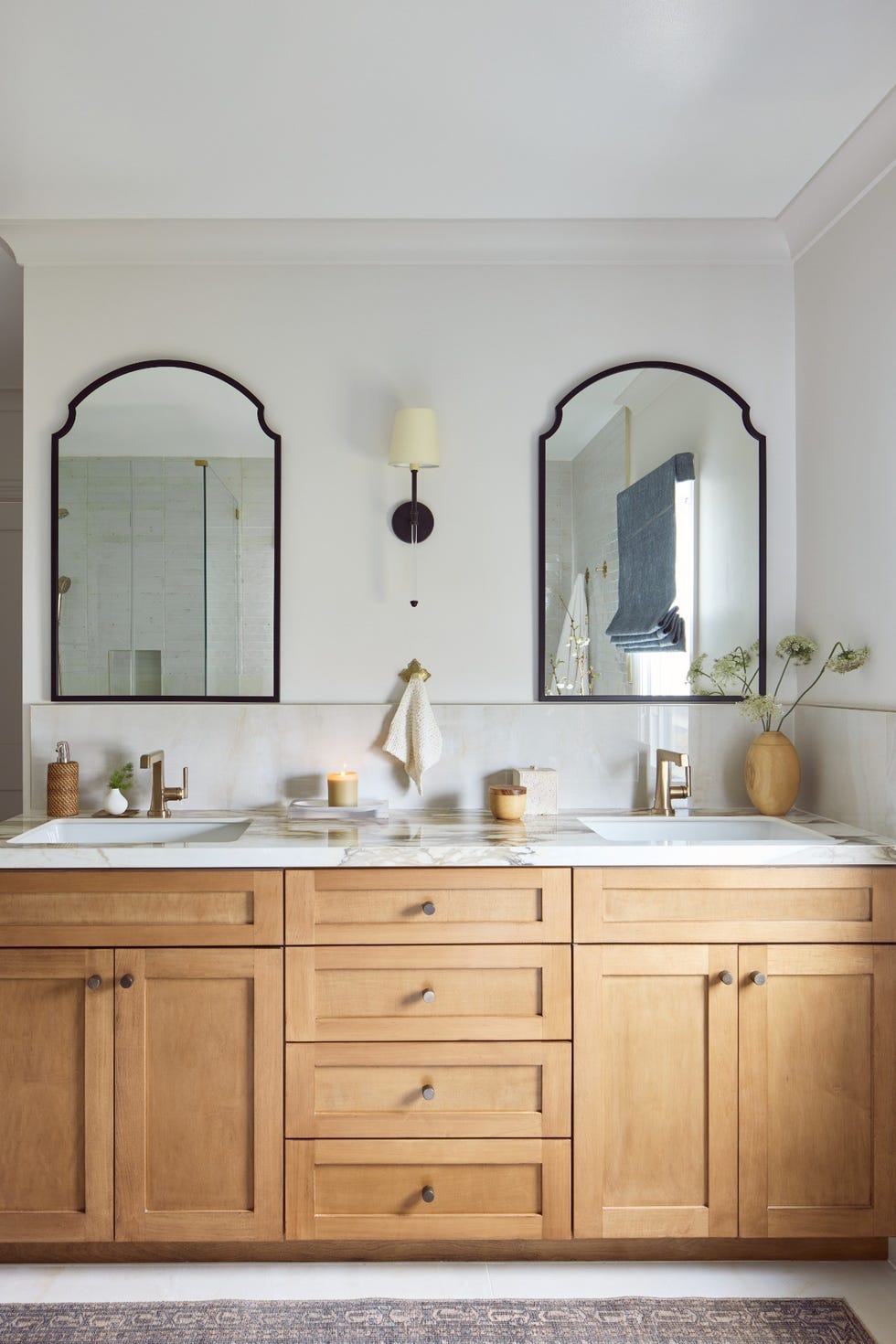
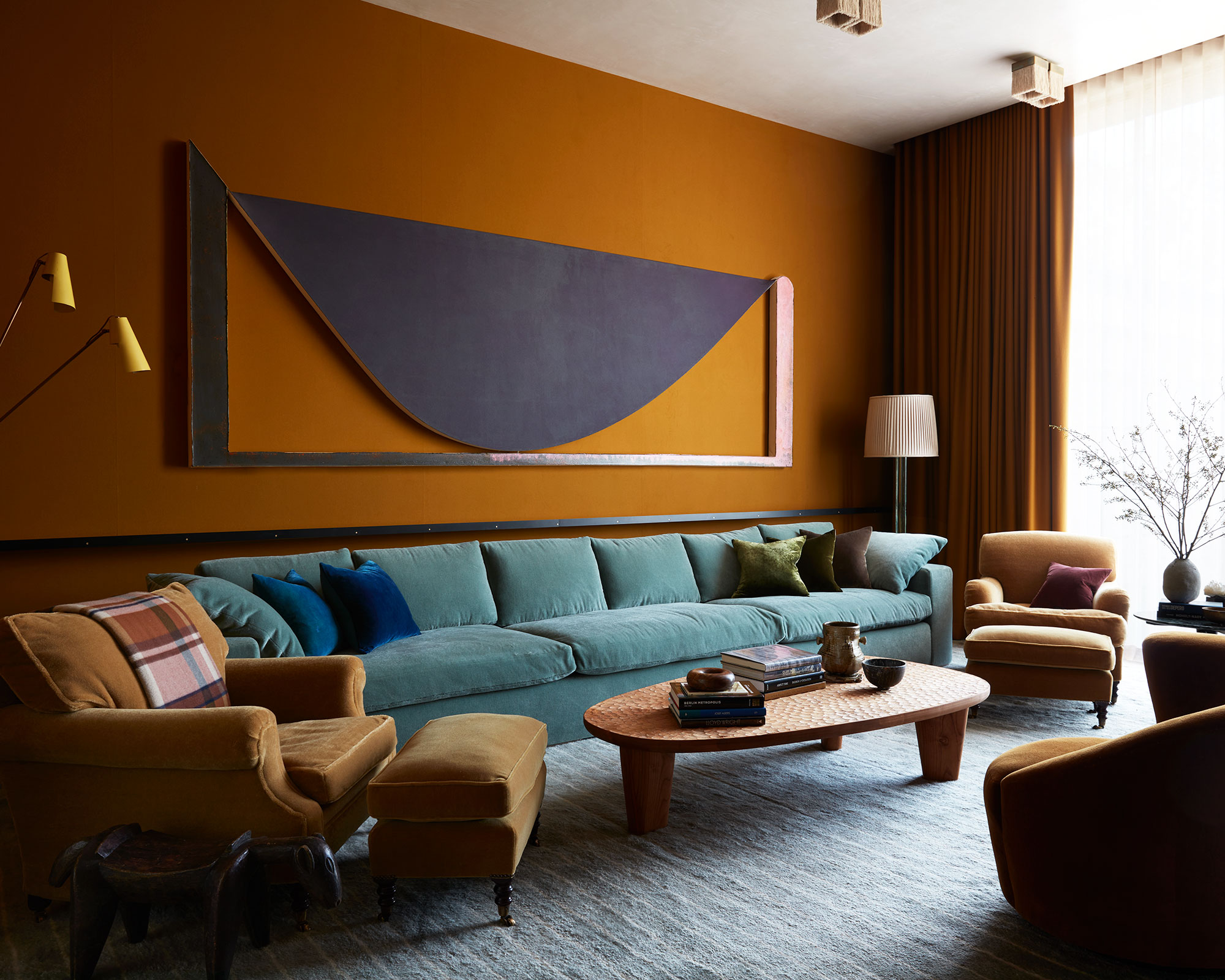
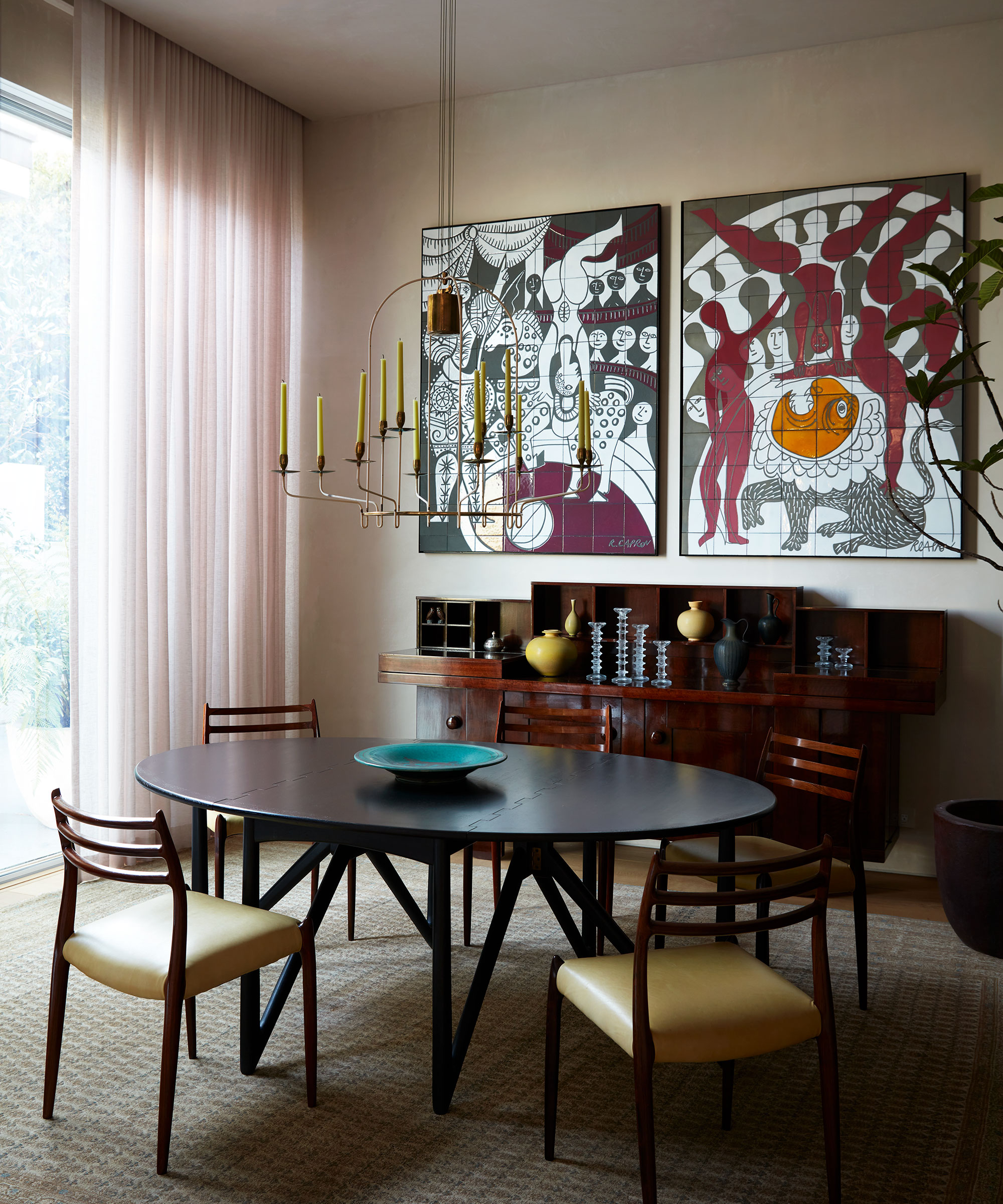
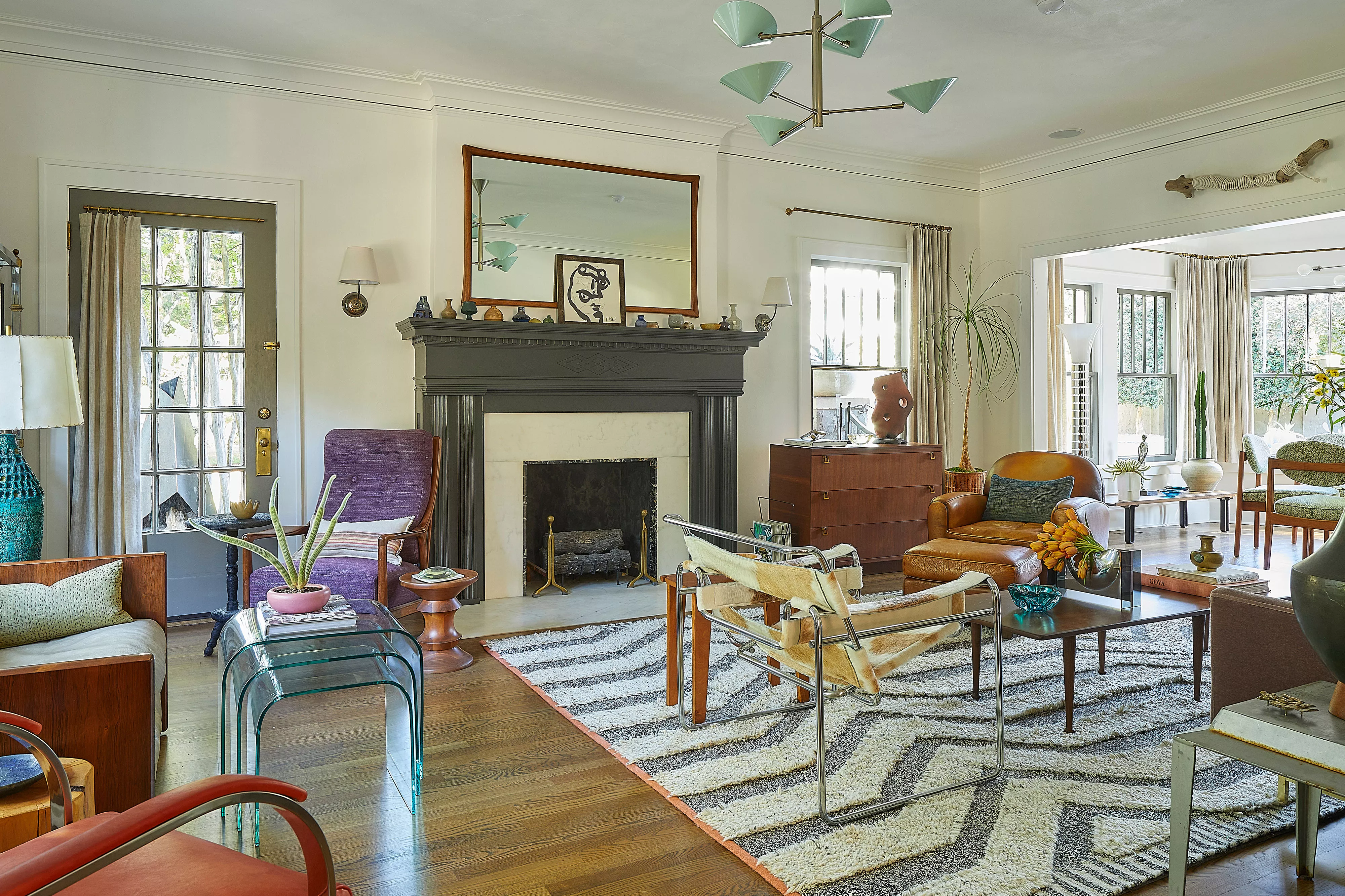
Secondly, the article highlights the importance of connecting the design through "three anchors": wood tone, metal family, and a balanced color palette, with at least 50 percent neutrals. The experts suggest that every item in a room should share at least one commonality, whether it's a color, finish, or shape, to ensure a harmonious blend. To make the mix feel intentional rather than accidental, it is recommended to repeat materials or colors at least three times throughout the space, for example, by echoing honed marble or unlacquered brass in hardware, lighting, mirrors, or accent decor.
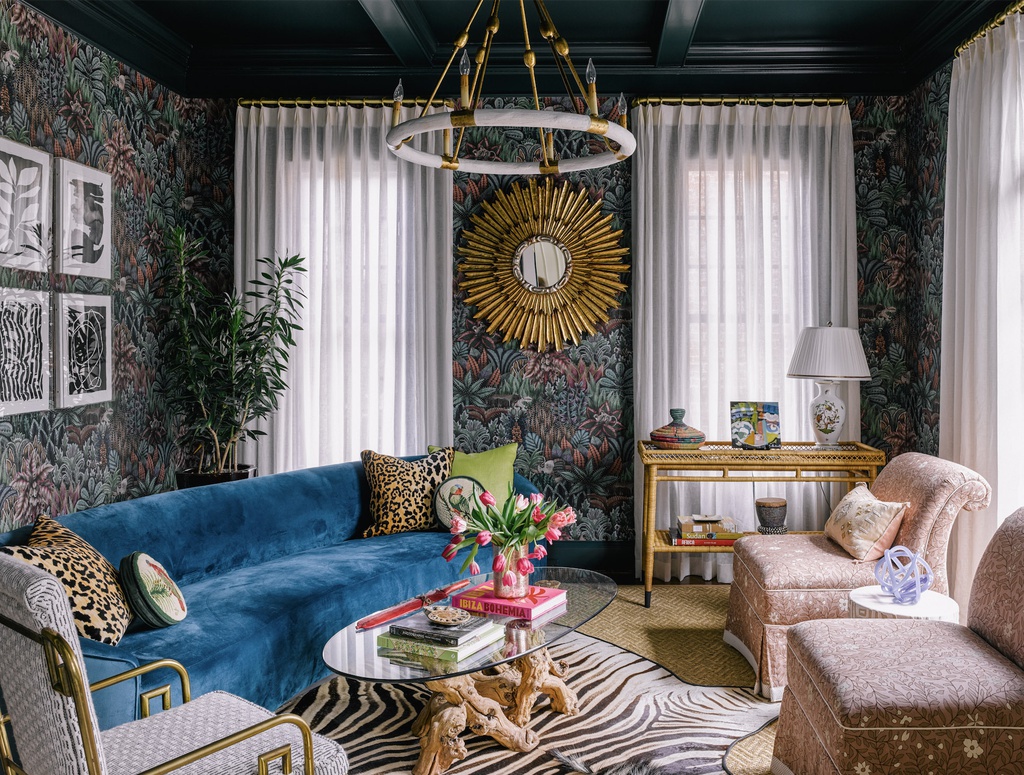
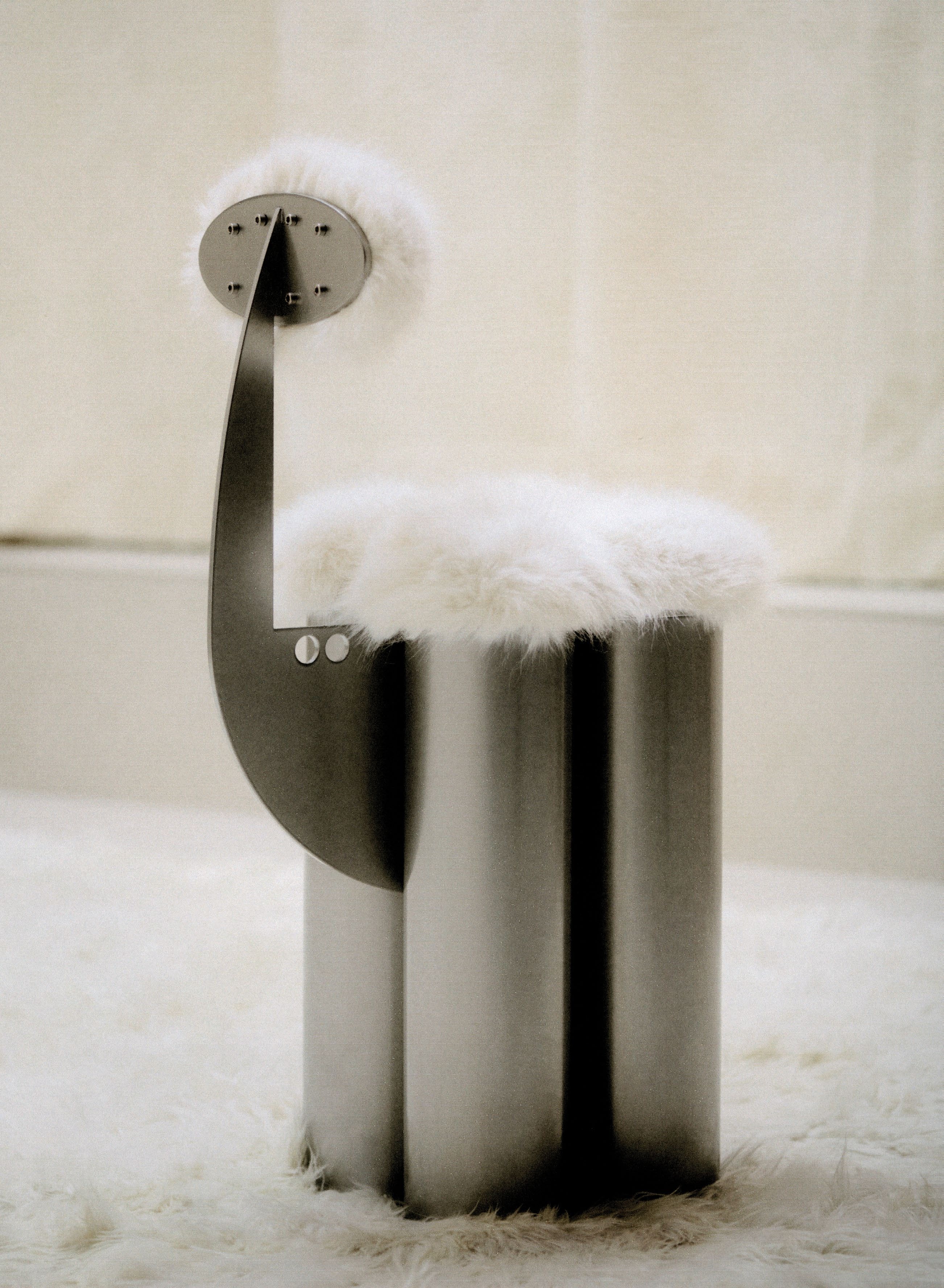
Thirdly, consideration of proportions is crucial for creating balance and preventing overcrowding. Properly edited spaces allow individual pieces to stand out. Balancing curves with angles and softness with structure helps achieve this. Older, more ornate items, such as a dramatic gilt mirror, benefit from ample breathing room, accompanied by neutral walls and unfussy companions, allowing them to be focal points.
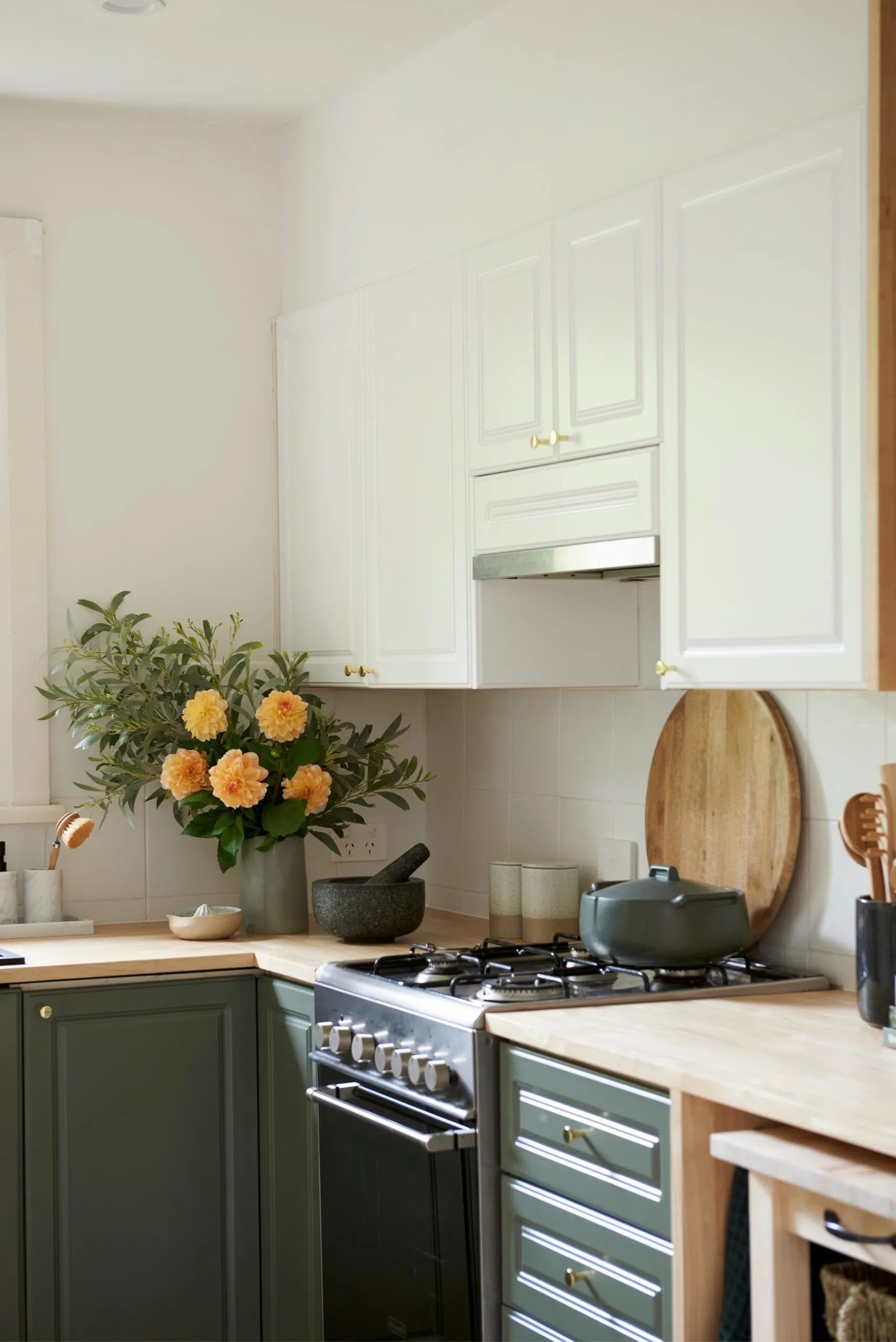
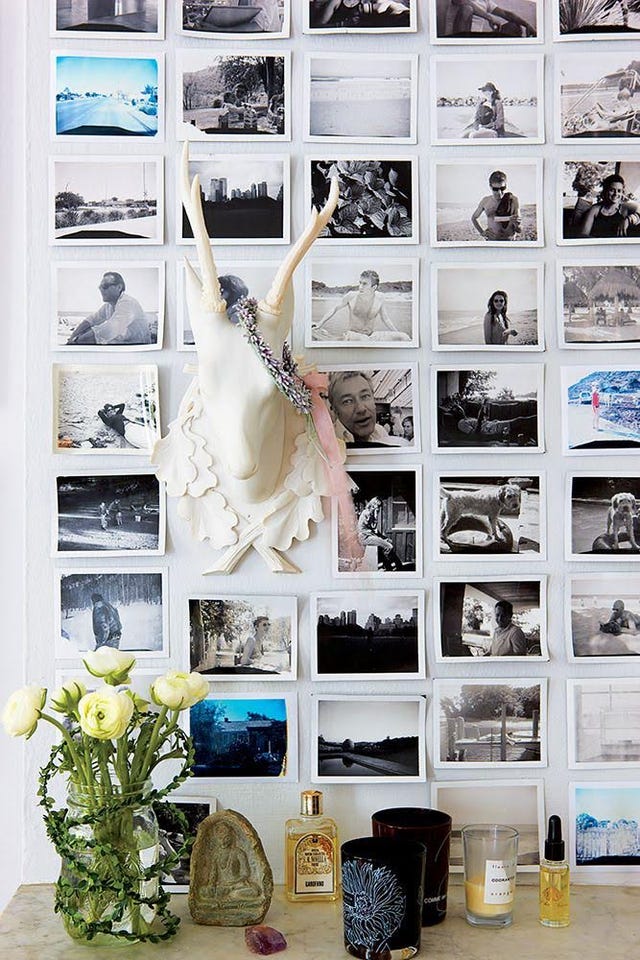
Finally, the article underscores that less decor is often more. Continuous editing of chosen pieces ensures that the space retains a sense of openness and refinement. Lang emphasizes that what is removed is as significant as what is kept, advocating for fewer, carefully selected items that allow each design era to breathe and contribute to a curated, evolved interior rather than a chaotic assembly.
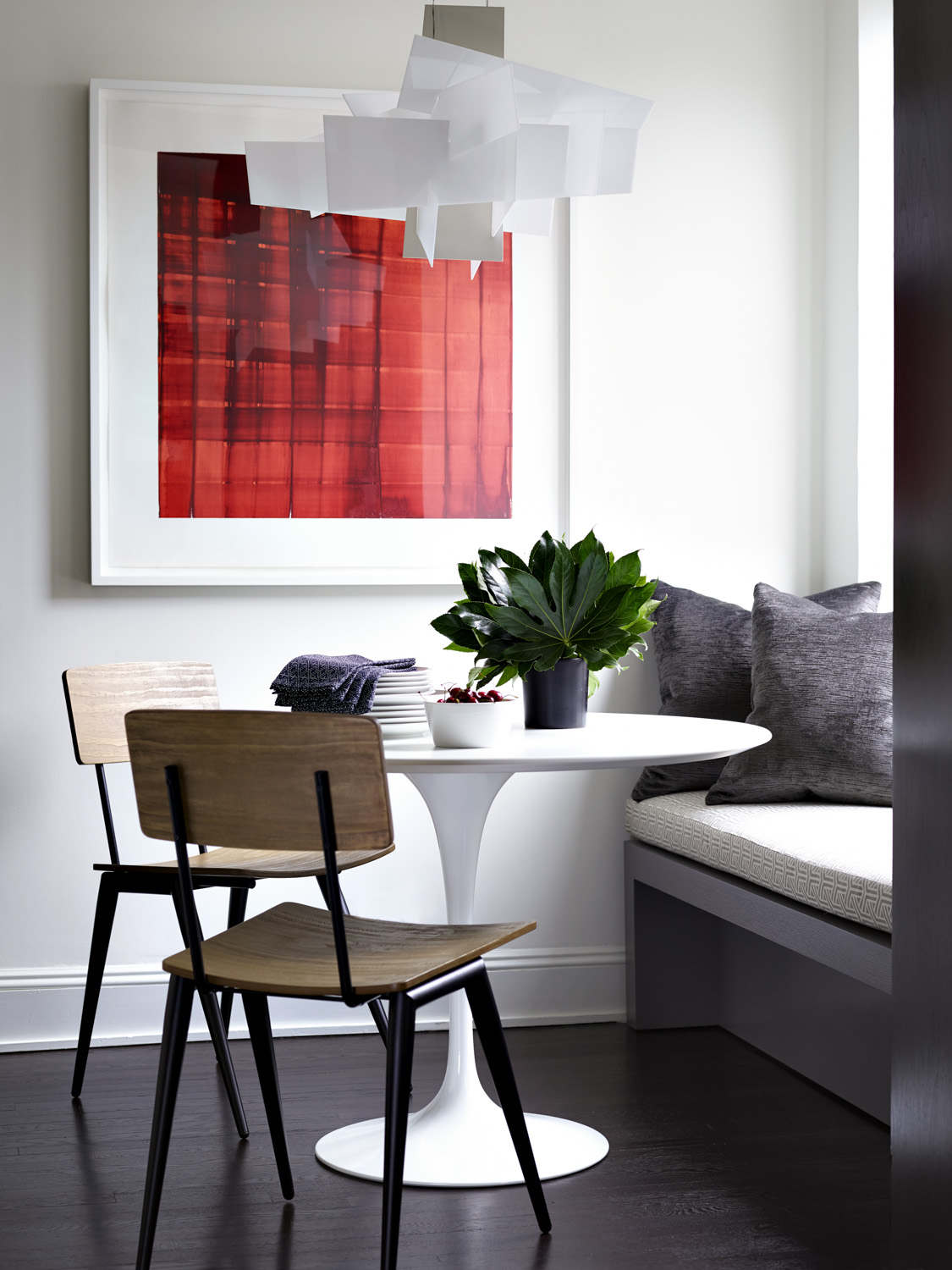
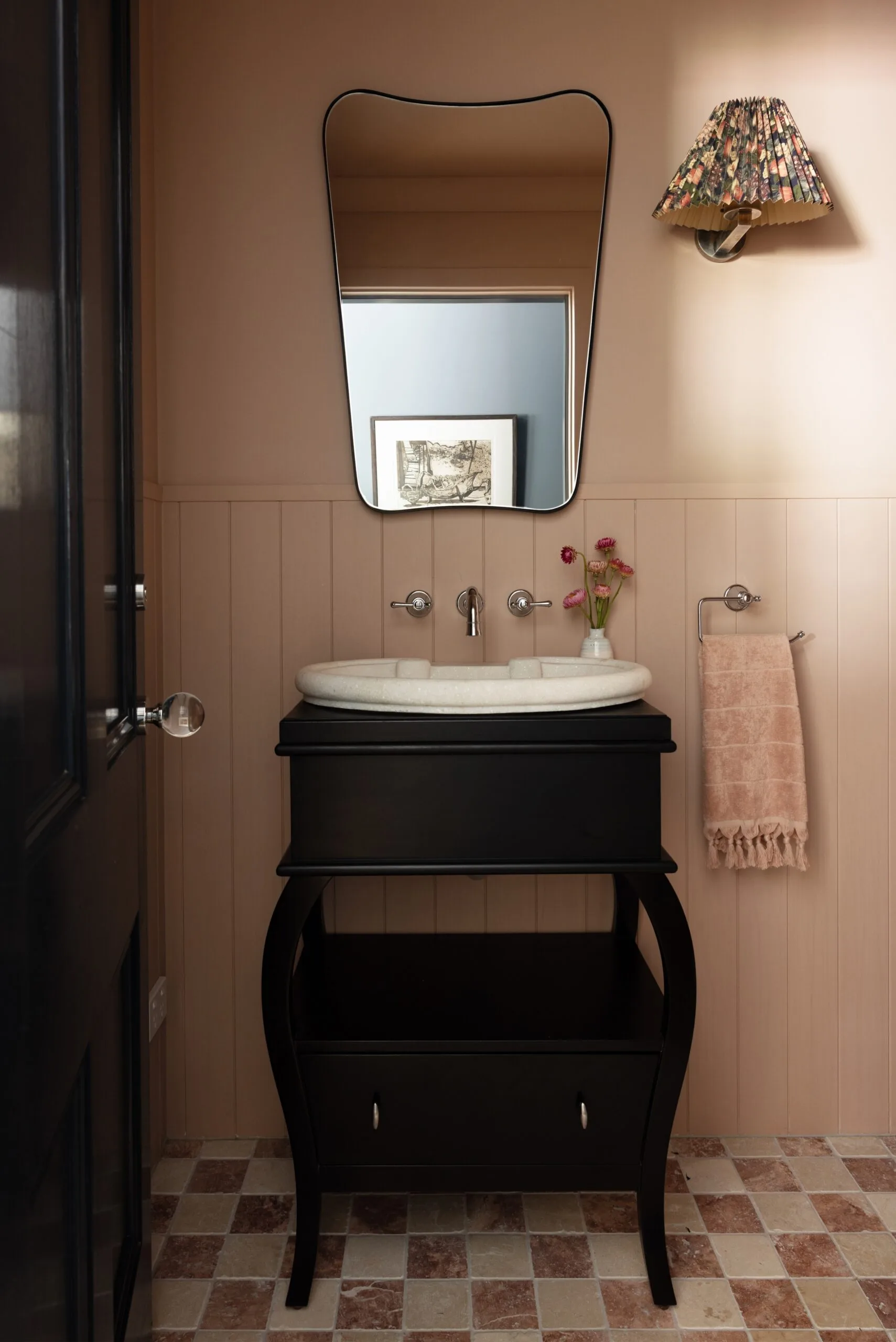
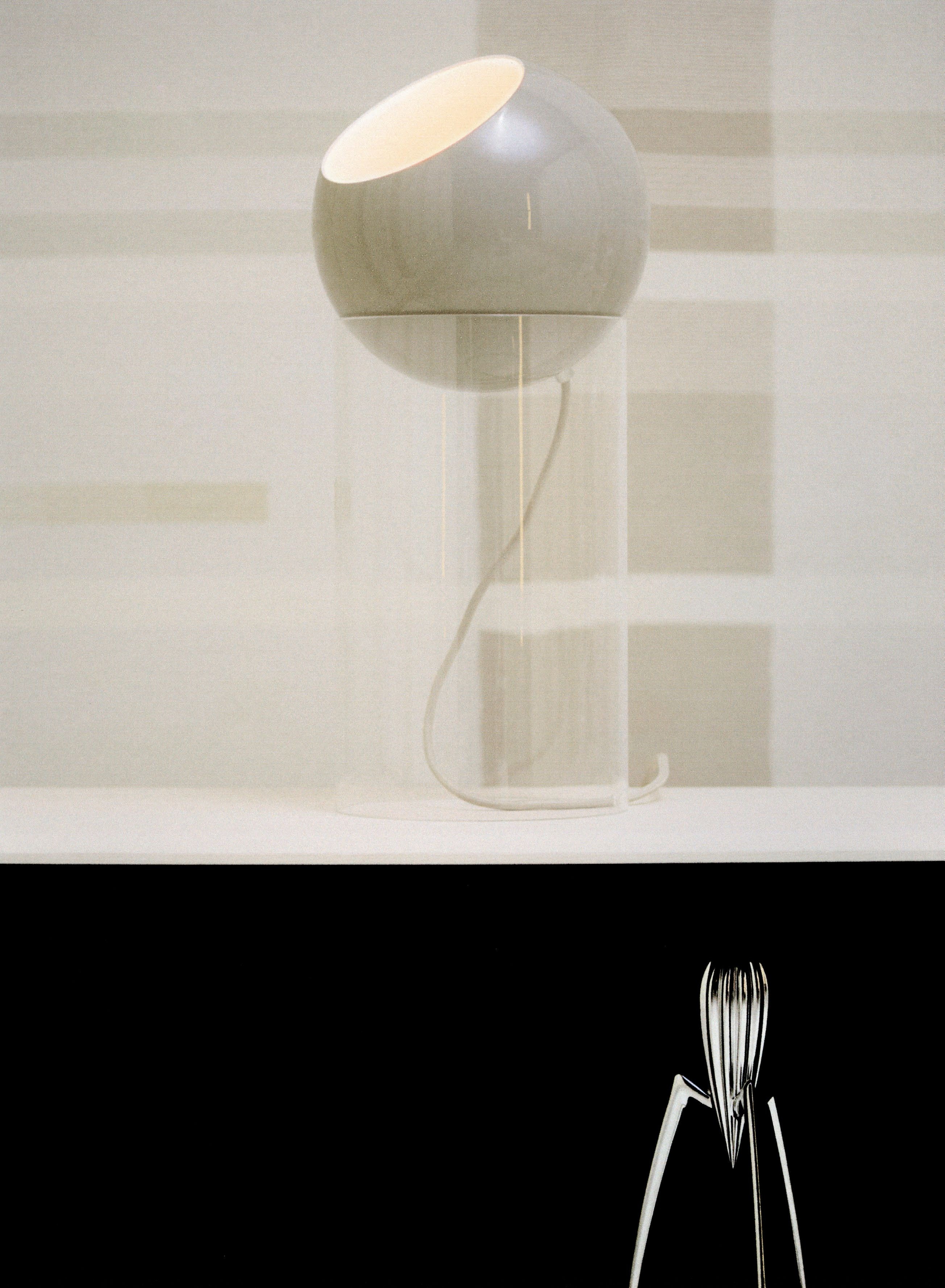
The experts also share specific successful design era combinations. Mid-Century Modern pairs well with Art Deco due to shared geometric principles and clean lines, with Deco adding glamour and Mid-Century introducing restraint. Lang suggests combining a curved 1930s mirror above a walnut credenza with tapered legs for this blend. Mid-Century Modern also complements Tudor styles, with warm walnut and woven textures balancing Tudor's formality. Vintage elements blend seamlessly with modern or traditional with contemporary, using contrast as a design tool, such as a crisp modern light fixture over an antique dining table. Spanish Revival architecture is effectively mixed with organic modern elements, integrating arches and ironwork with limewash walls and natural stone. Victorian styles benefit from contemporary minimalism, where high ceilings and ornamentation are offset by modern furniture's negative space, allowing both to coexist harmoniously. Ultimately, a home that reflects a blend of eras tells a rich, layered, and unique story, evolving with the homeowner's experiences and personality.
#DesignEras #InteriorDesign #HomeDecor #MixingStyles #DesignTips #ModernMinimalist #VintageDecor #ArchitecturalStyle #ColorPalette #DesignEras #InteriorDesign #HomeDecor #MixingStyles #DesignTips #ModernMinimalist #VintageDecor #ArchitecturalStyle #ColorPalette
0 comment in total
 No comments yet
You may also like
Home Design: Timeless Meets Modern

A combo of modern elements

Design Trends: Retro Revival

Vintage Eclectic Style Mixes Old and New for a Unique Yet Timeless Home

Don’t Know Your Design Style? These Are the 5 Most Popular Ones
This Designer’s Take on a Once-Dated Trend Proves…
How To Mix Antique And Modern Furniture Without Making It Look Mismatched
This 400-Year-Old Pattern Is the Emerging Trend That Designers Are Using to Bring 'Rhythm' to Their Projects

Symmetry Meets Style
2024 Home Design Will Be All About Mixing Decades—Here's How to Nail the Look
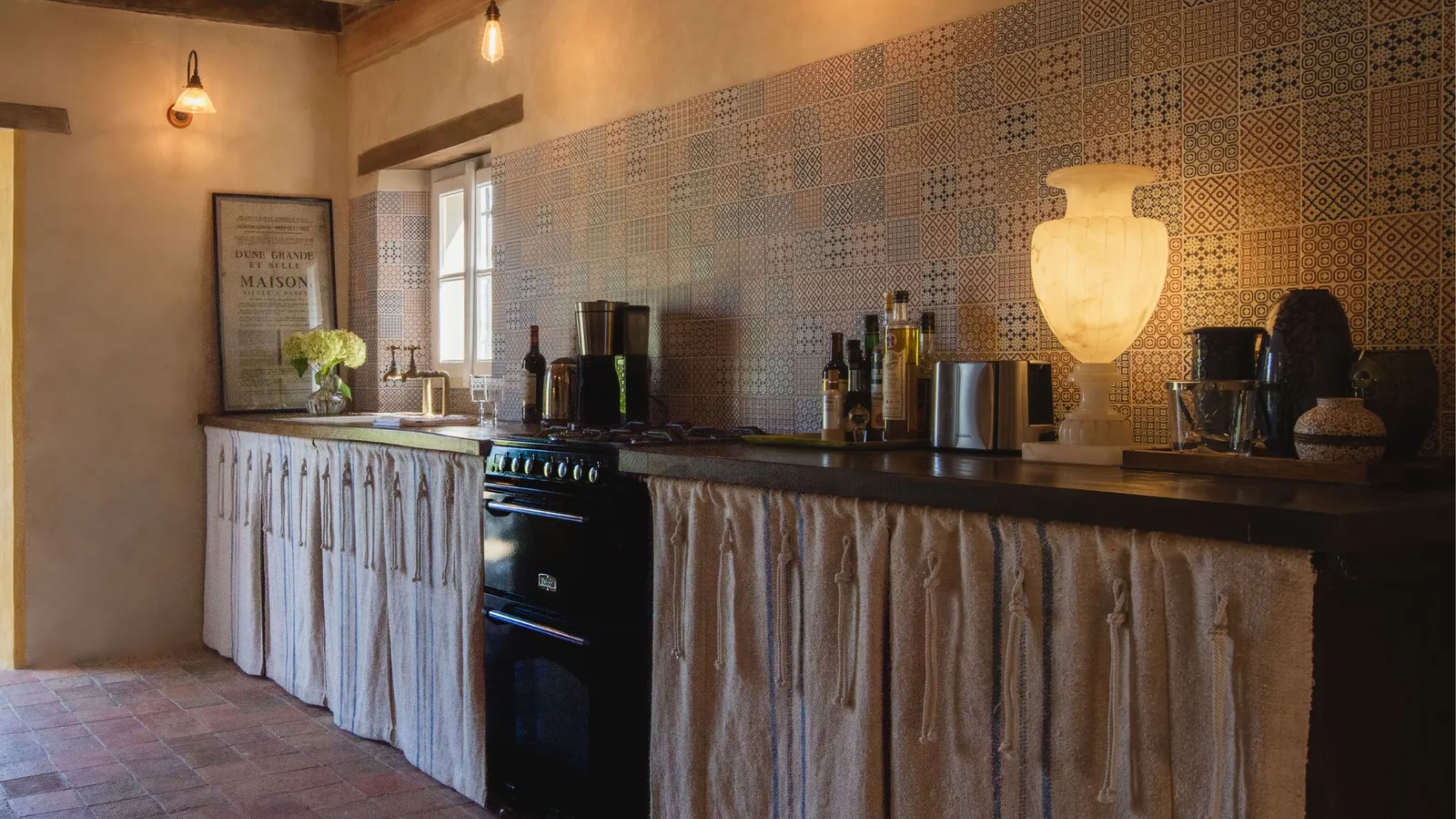
Why Designers Always Start, But Never End, With Layering – 10 Ways They Build Depth Into Every Room

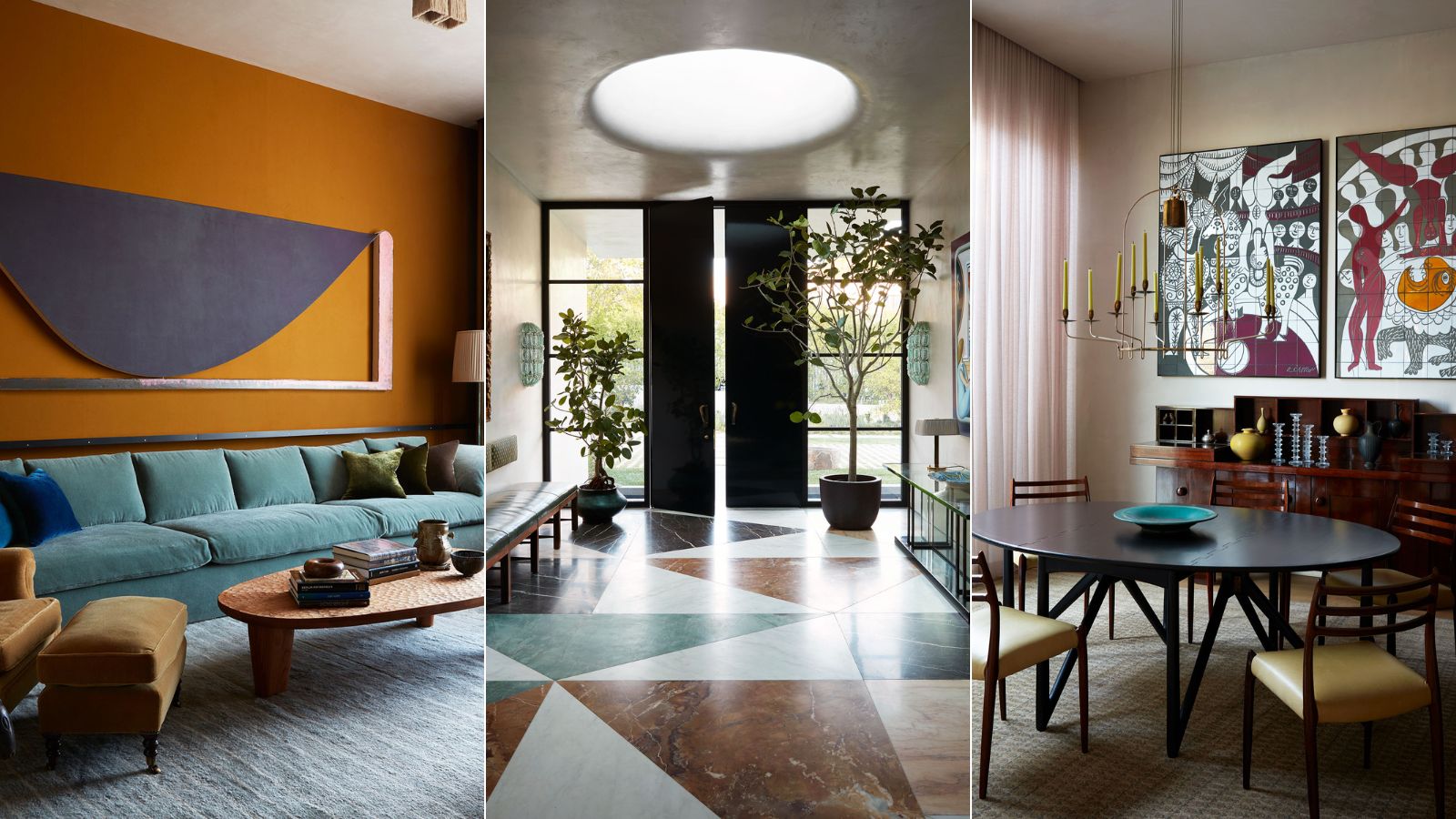
4 ways to master the art of mixing traditional and modern decor, as told by the experts at Studio Shamshiri
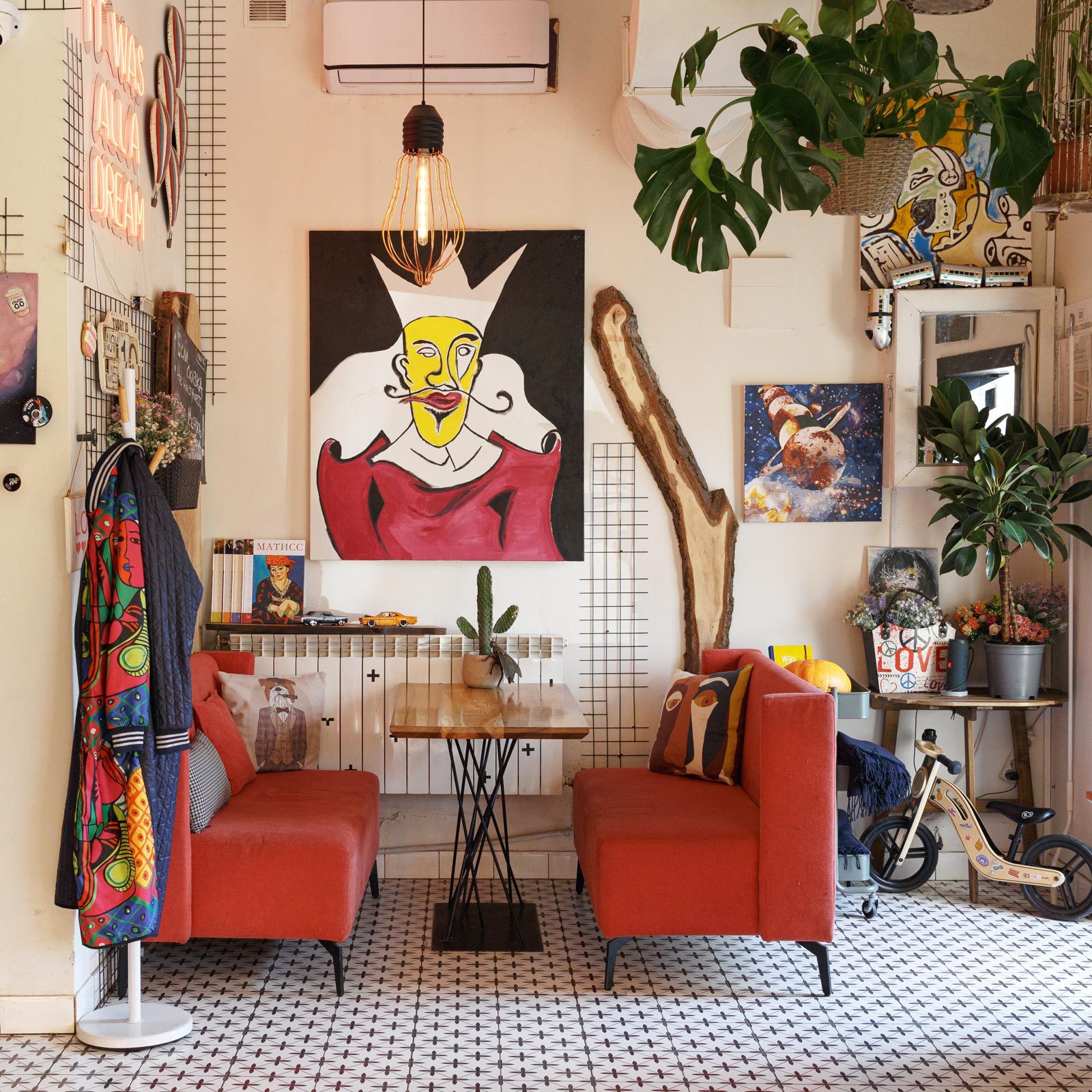
Eclectic Interior Design: Understanding the Key Elements

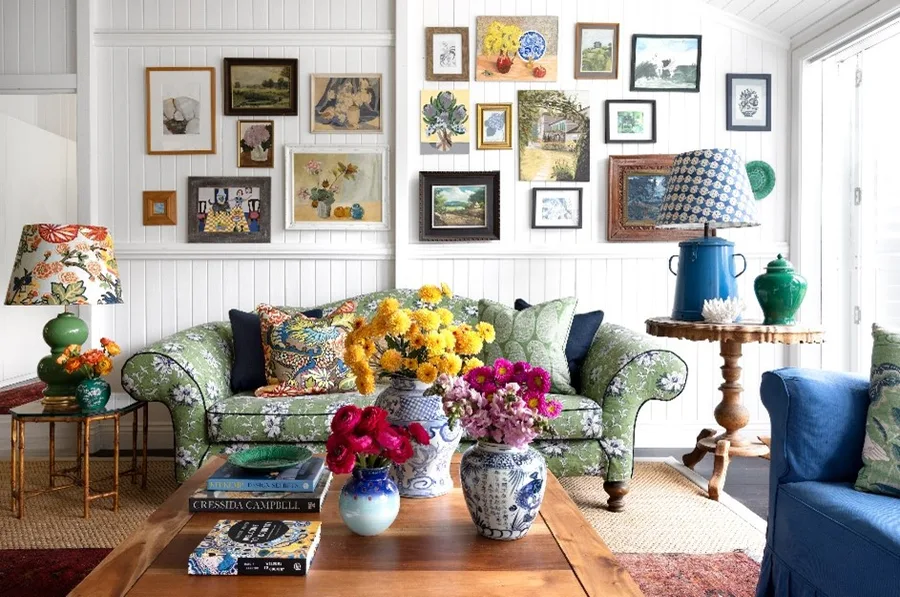
Why eclectic style is the design trend we’re embracing in 2025

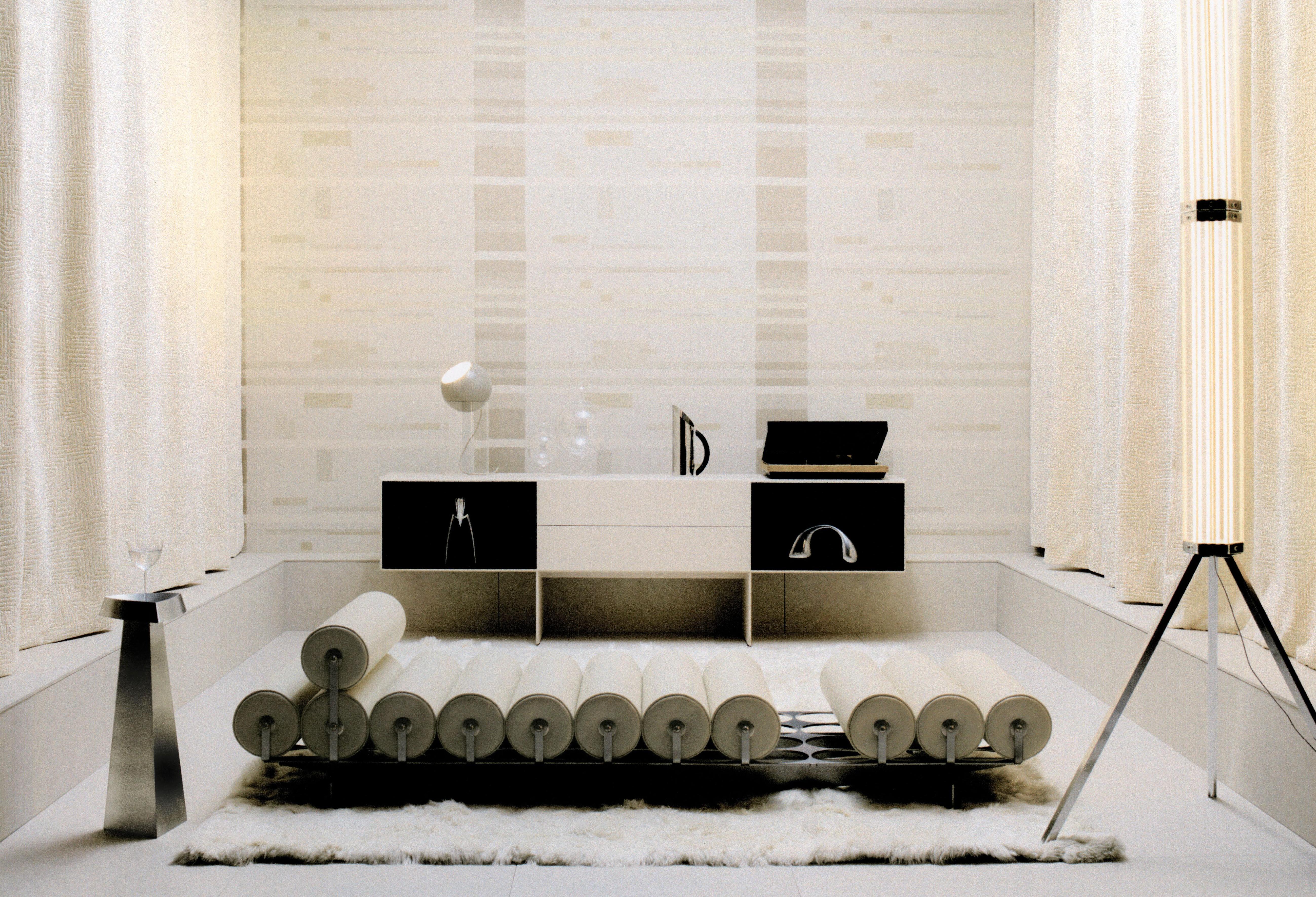
Explore our visual compendium of timeless design, from classic to contemporary furniture, objects and lighting

Best reissues: vintage design classics revitalised with brio
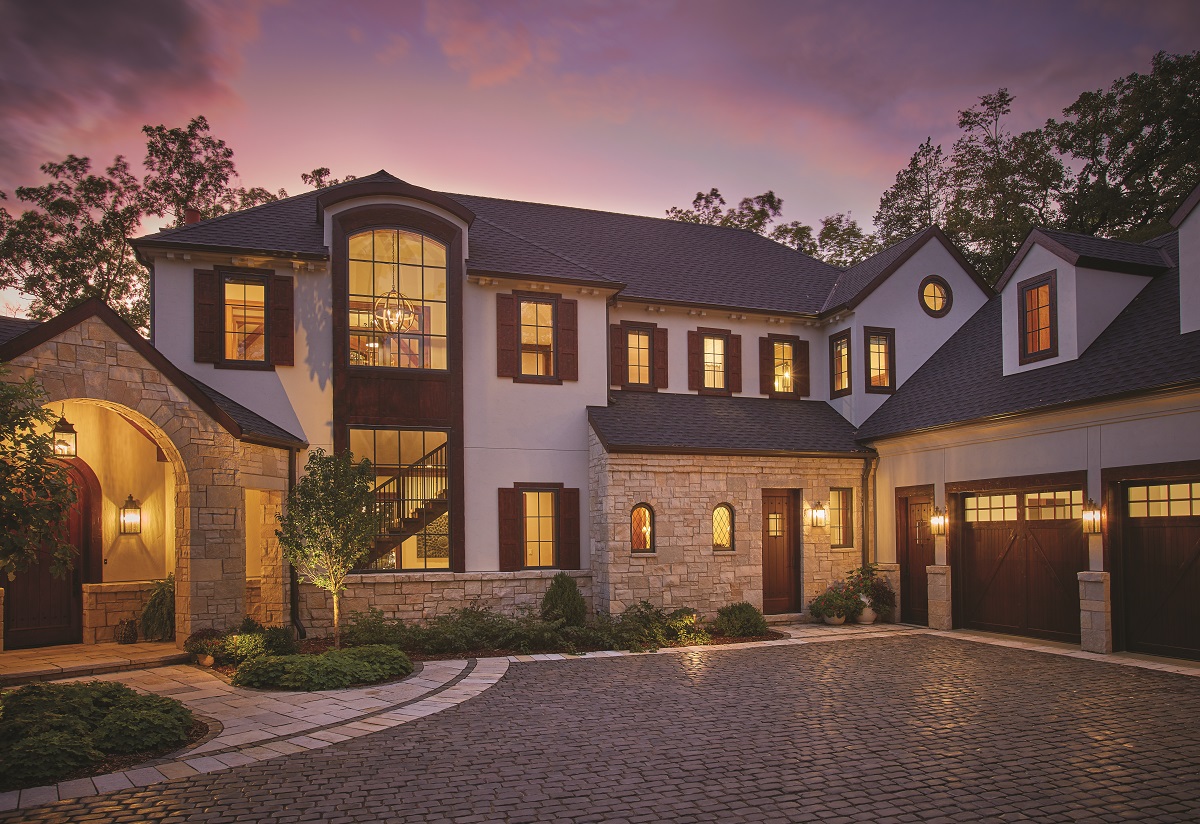
Symmetry Meets Style
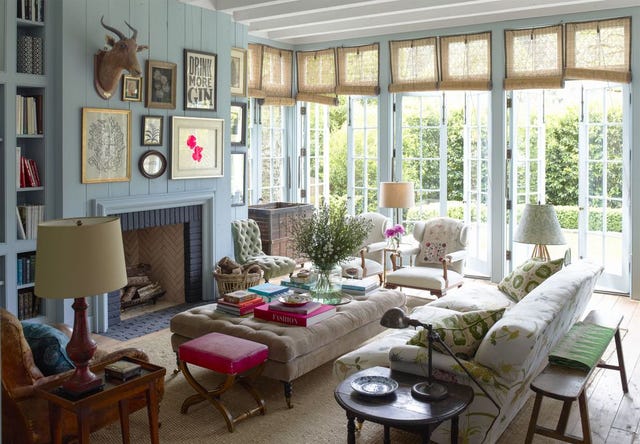
Here's How to Pull Off an Eclectic Decorating Style

Designers Are Ditching the "Rule of Threes" for THESE Genius Styling Alternatives

How to Mix Modern and Antique Furniture