1/5
Statement Fireplace Mantels Are Suddenly Everywhere. Here’s How to Get the Look.
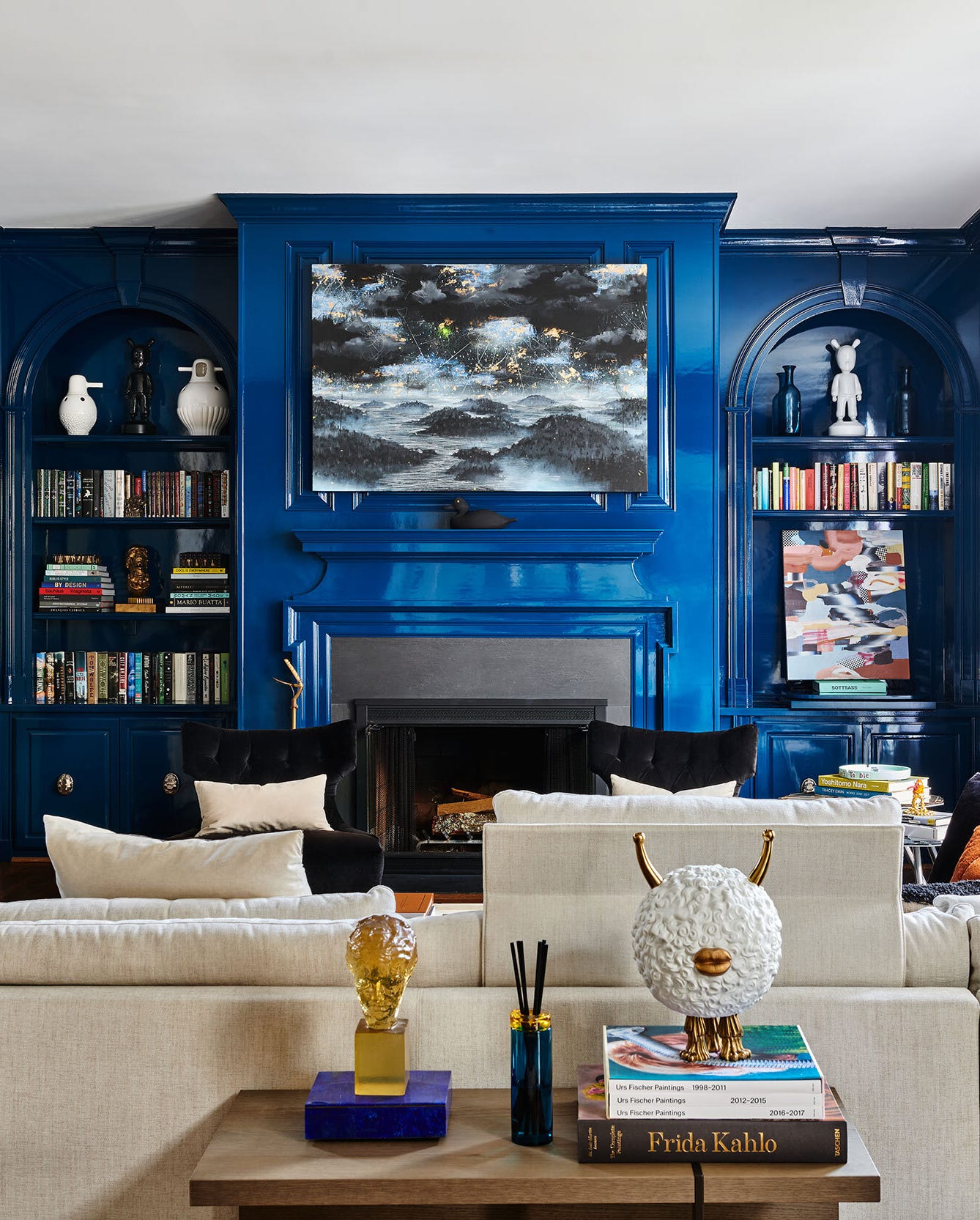
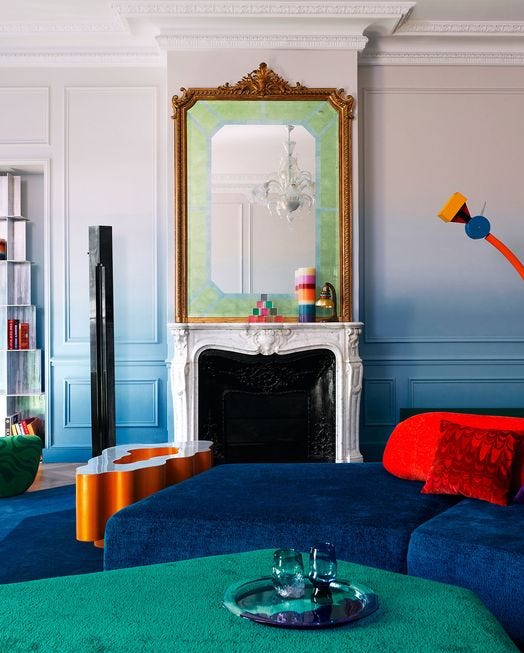
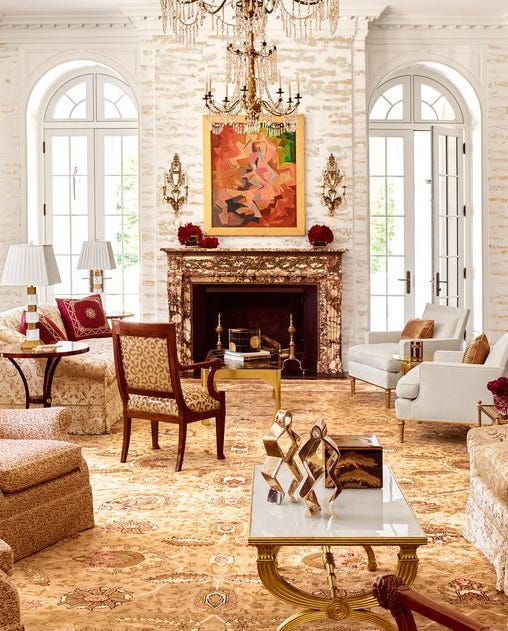
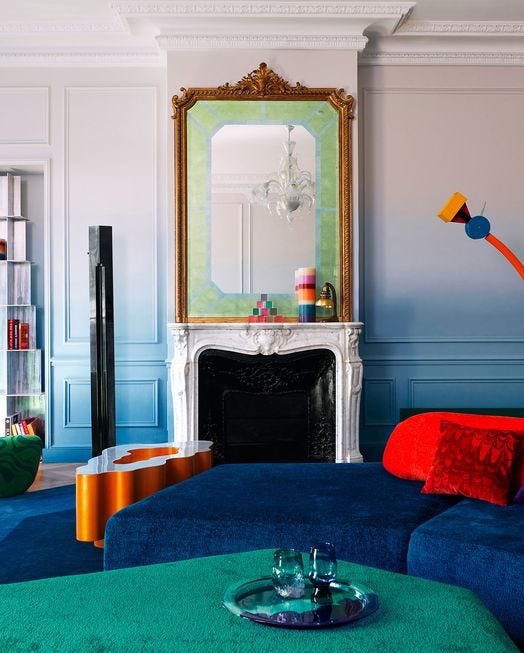
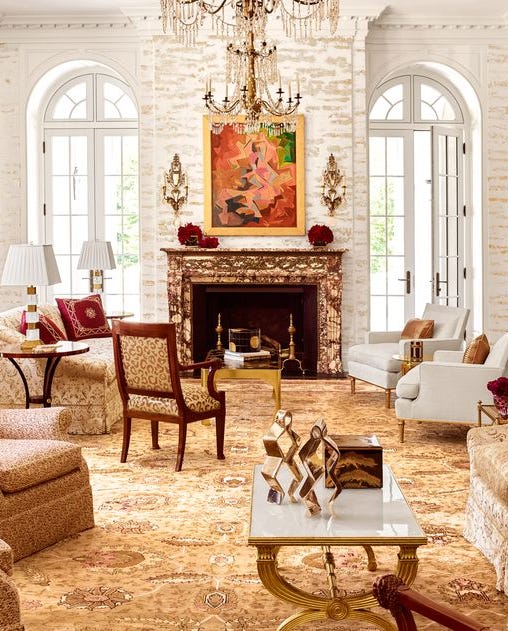
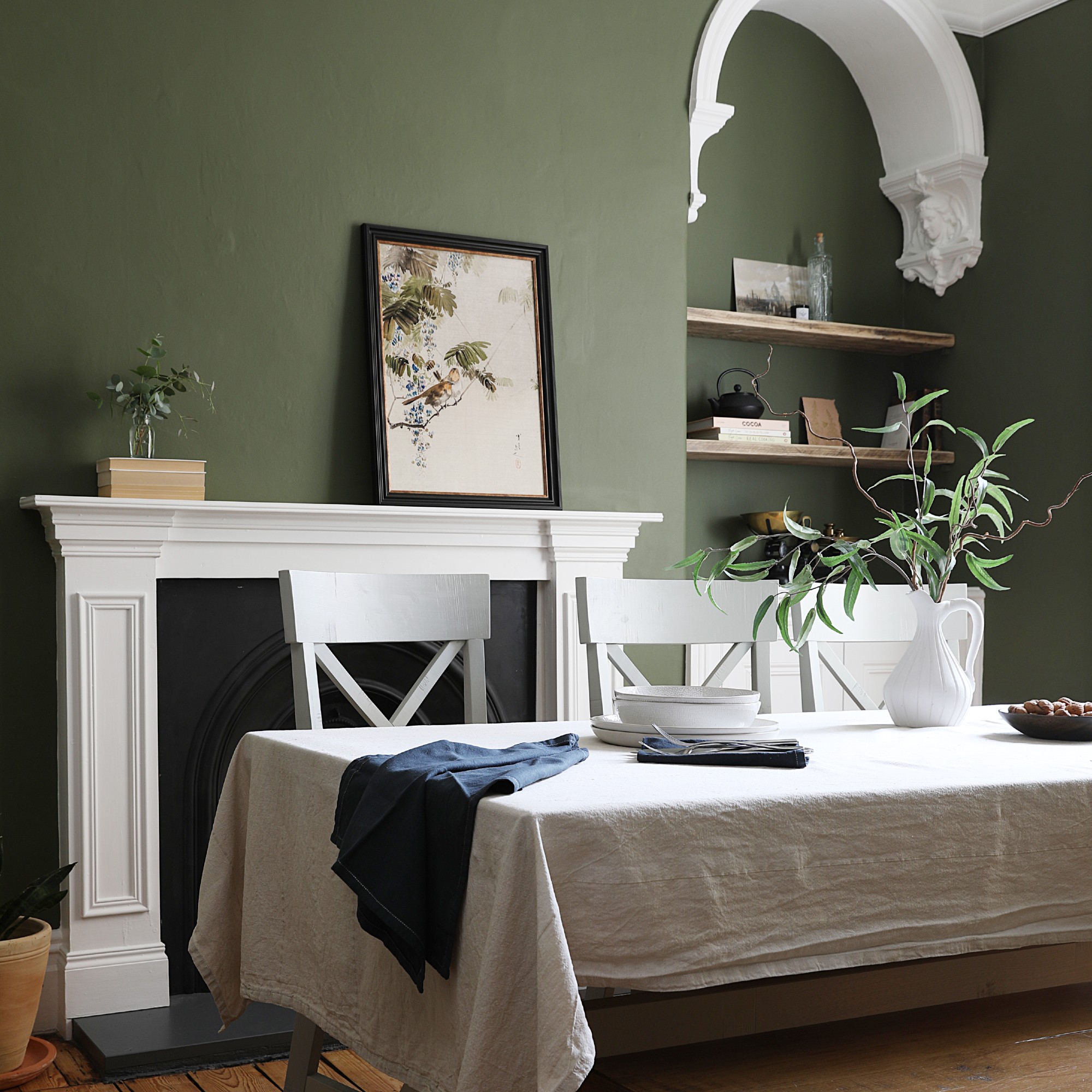
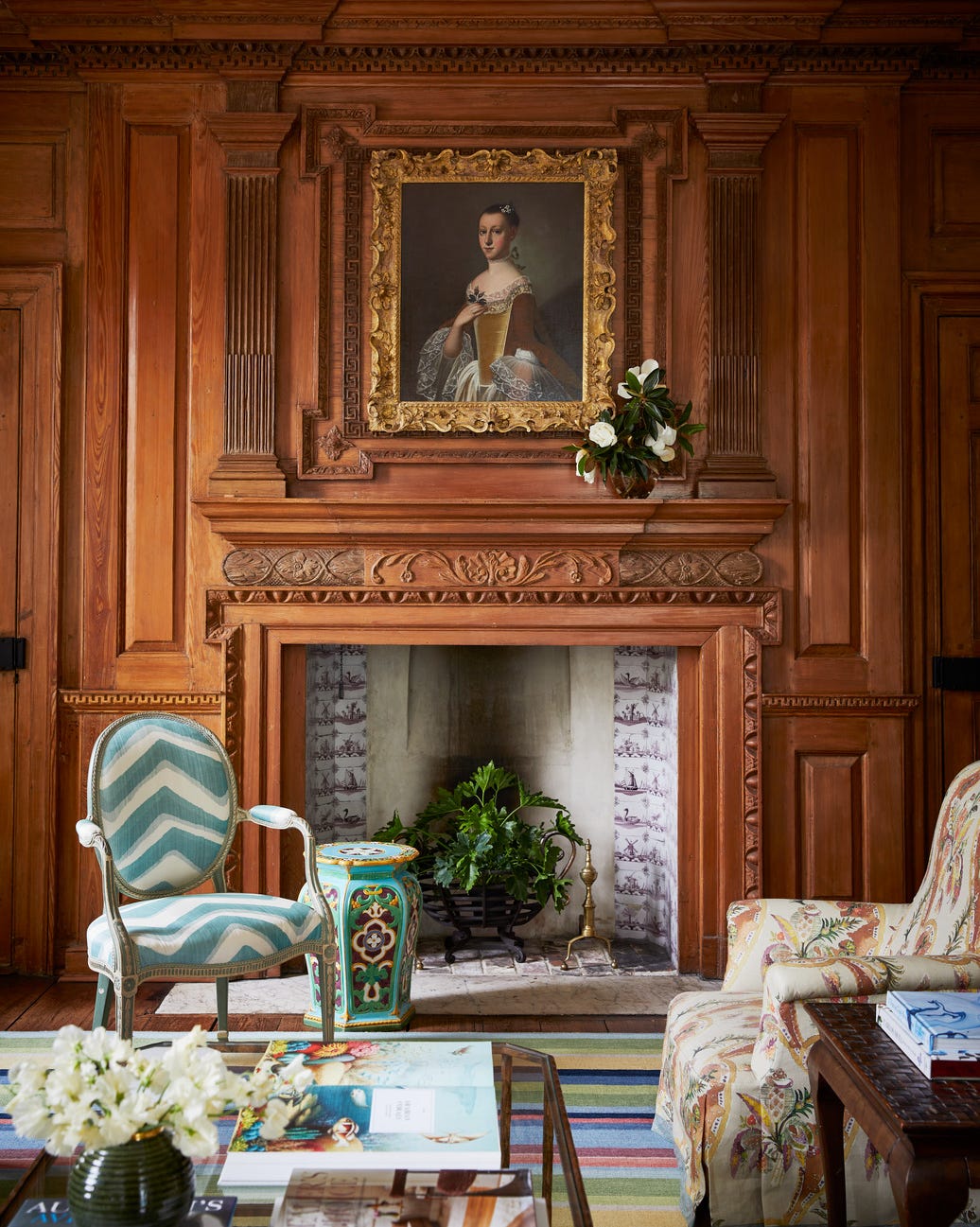
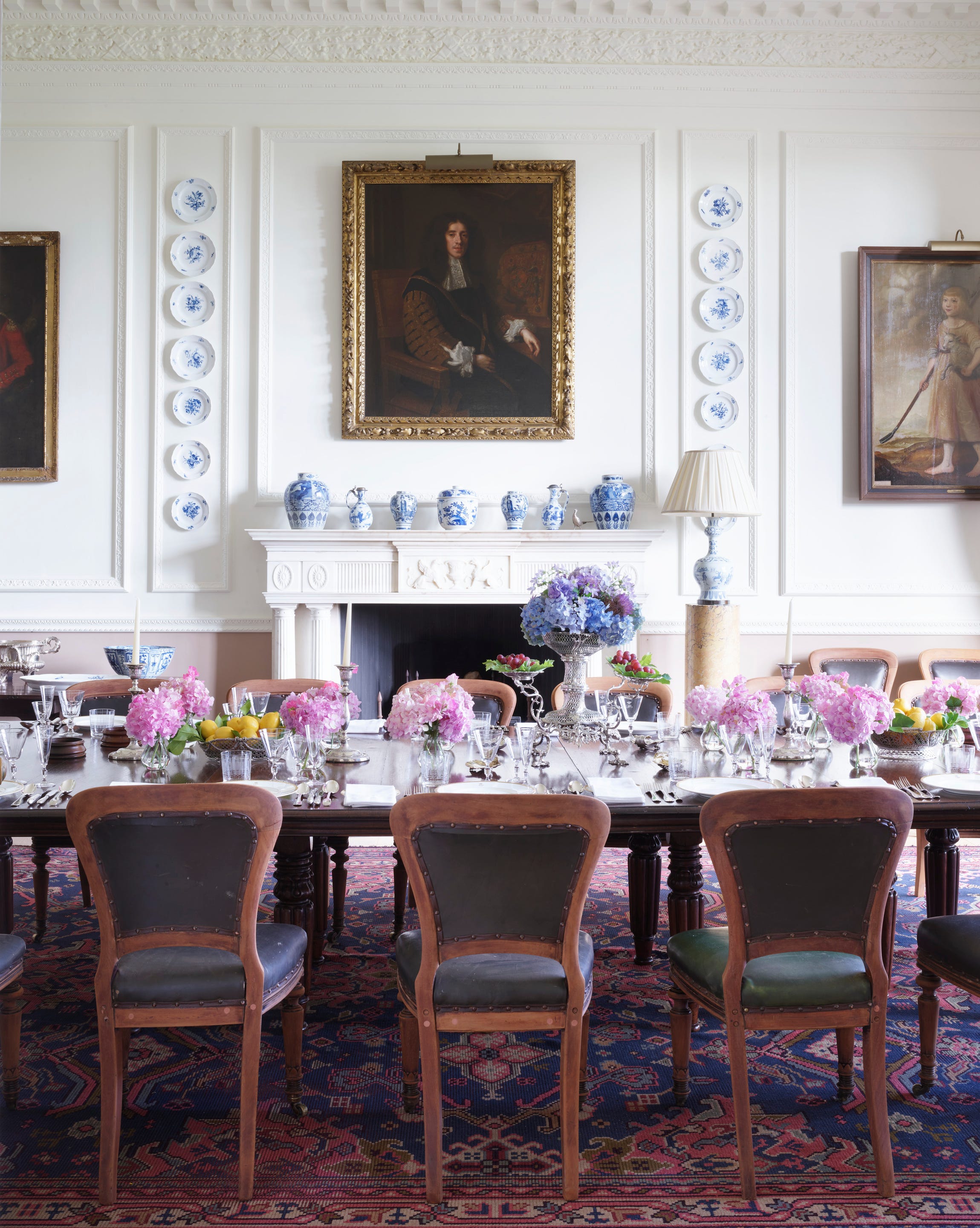
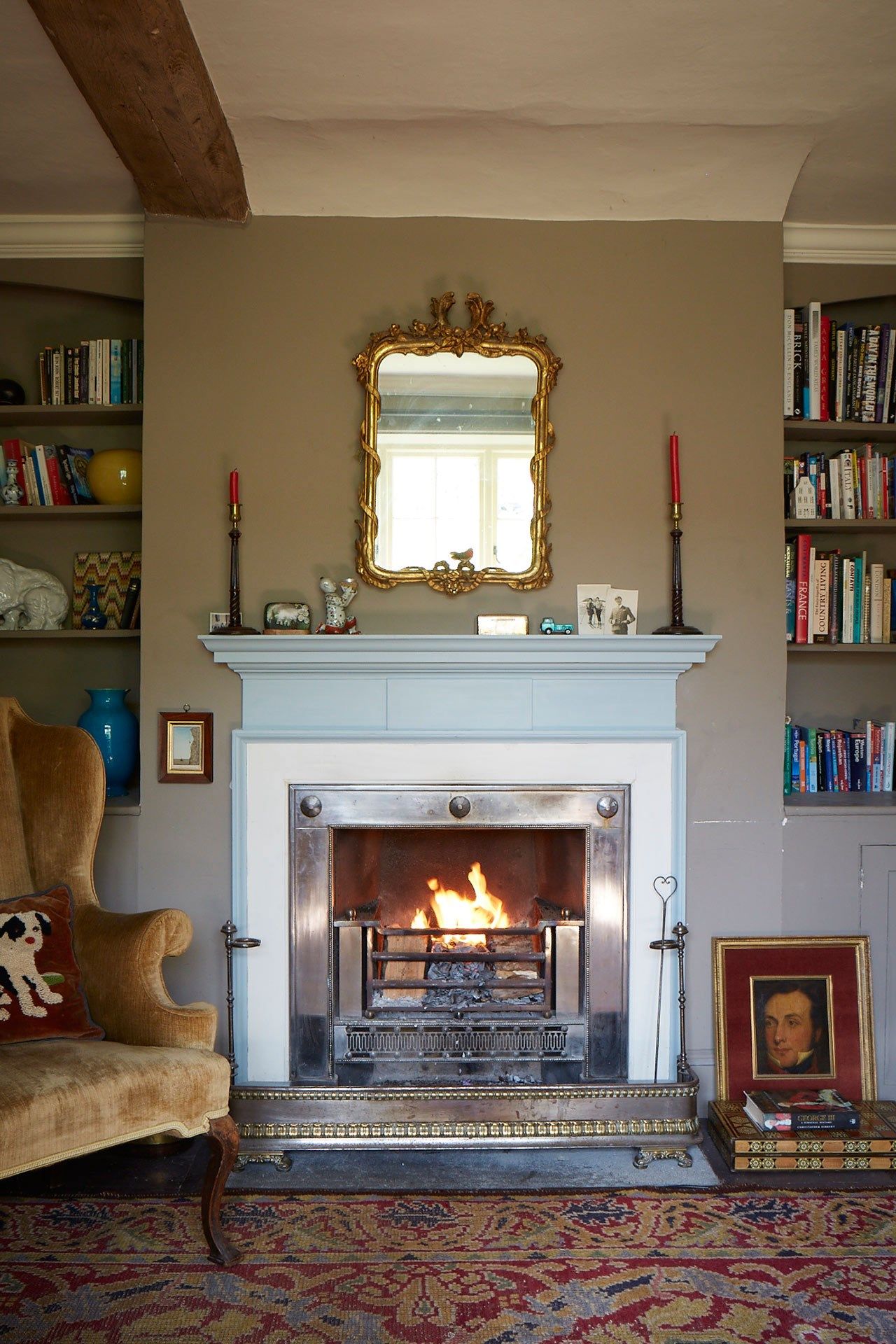
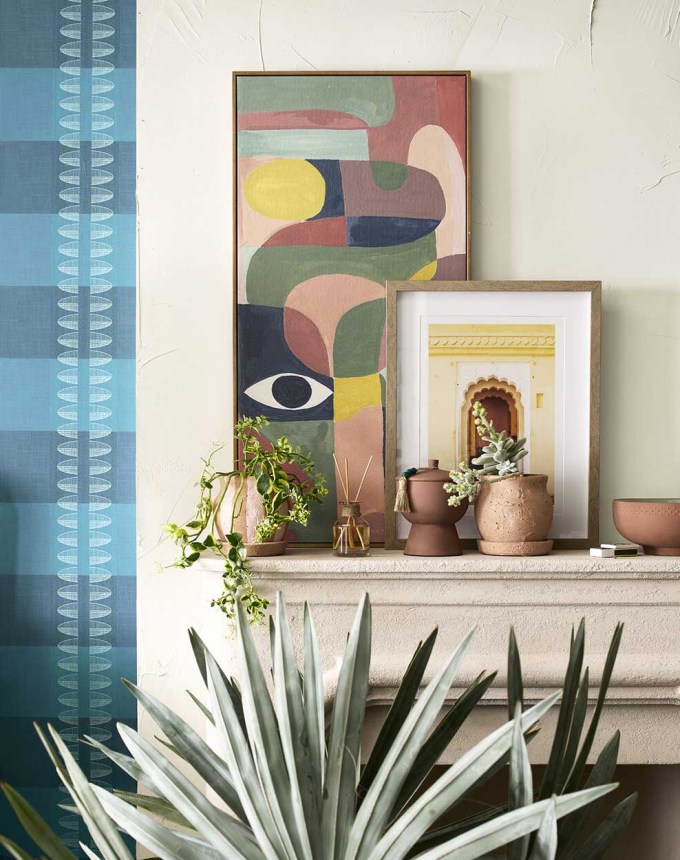
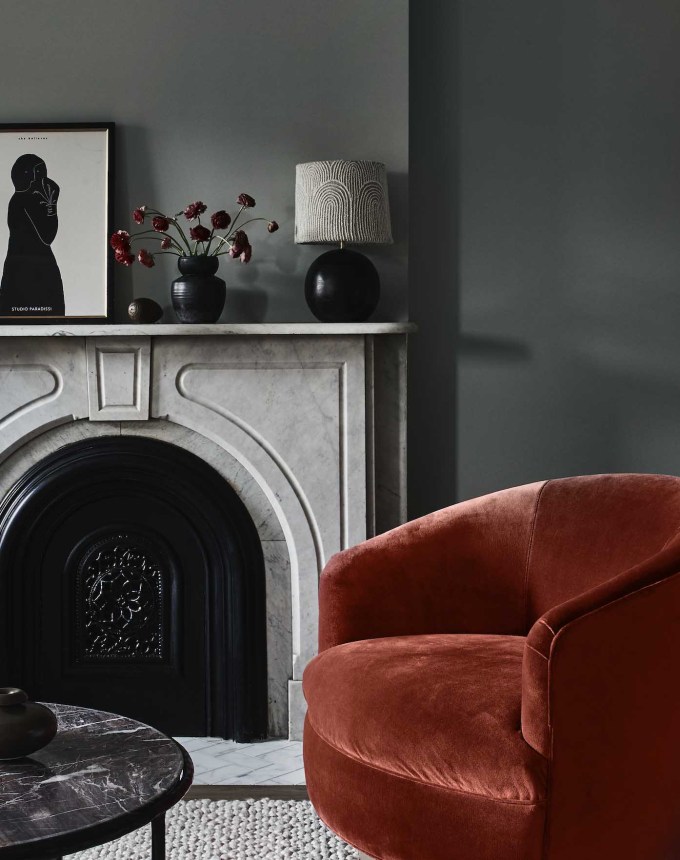
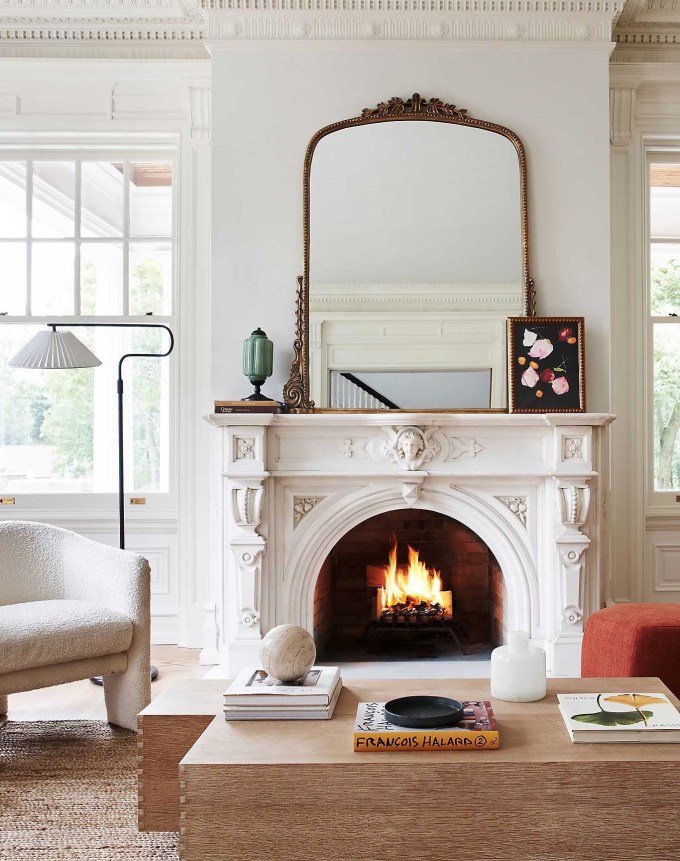
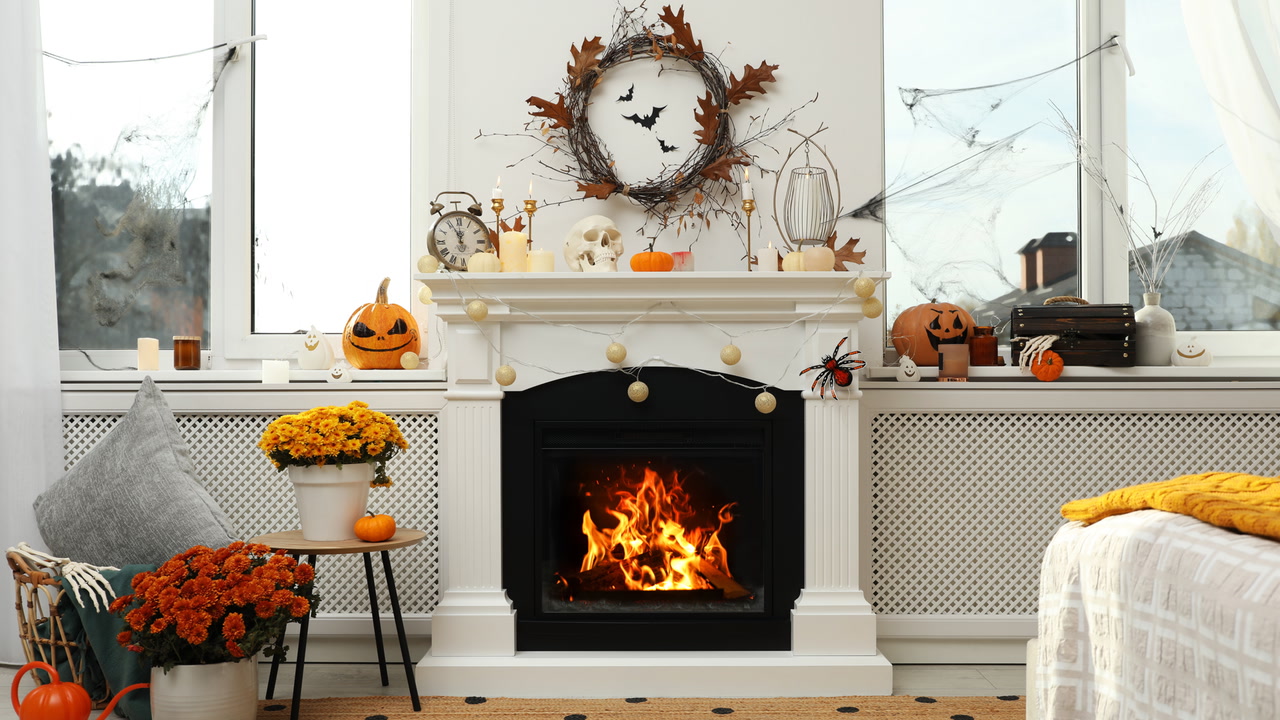
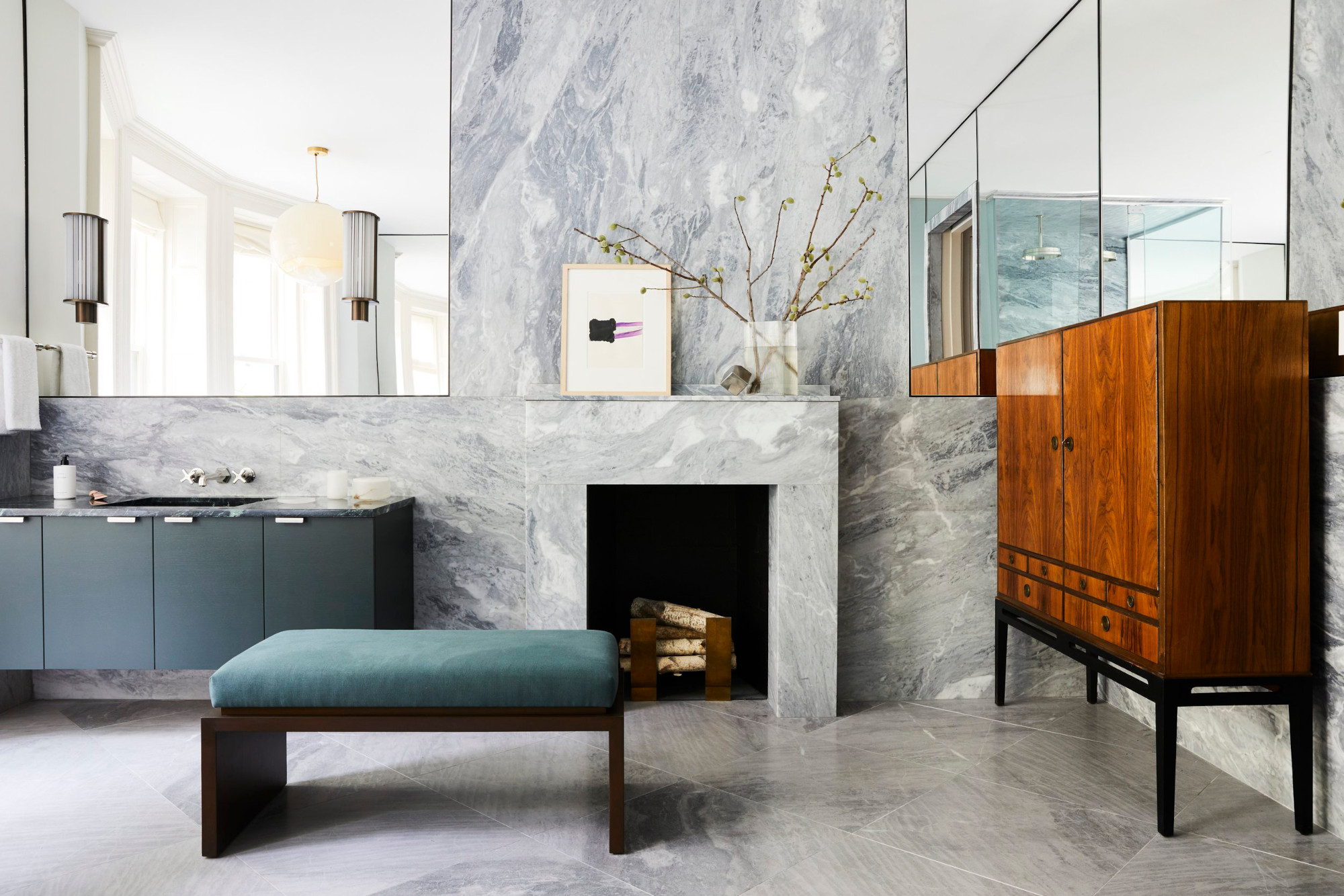
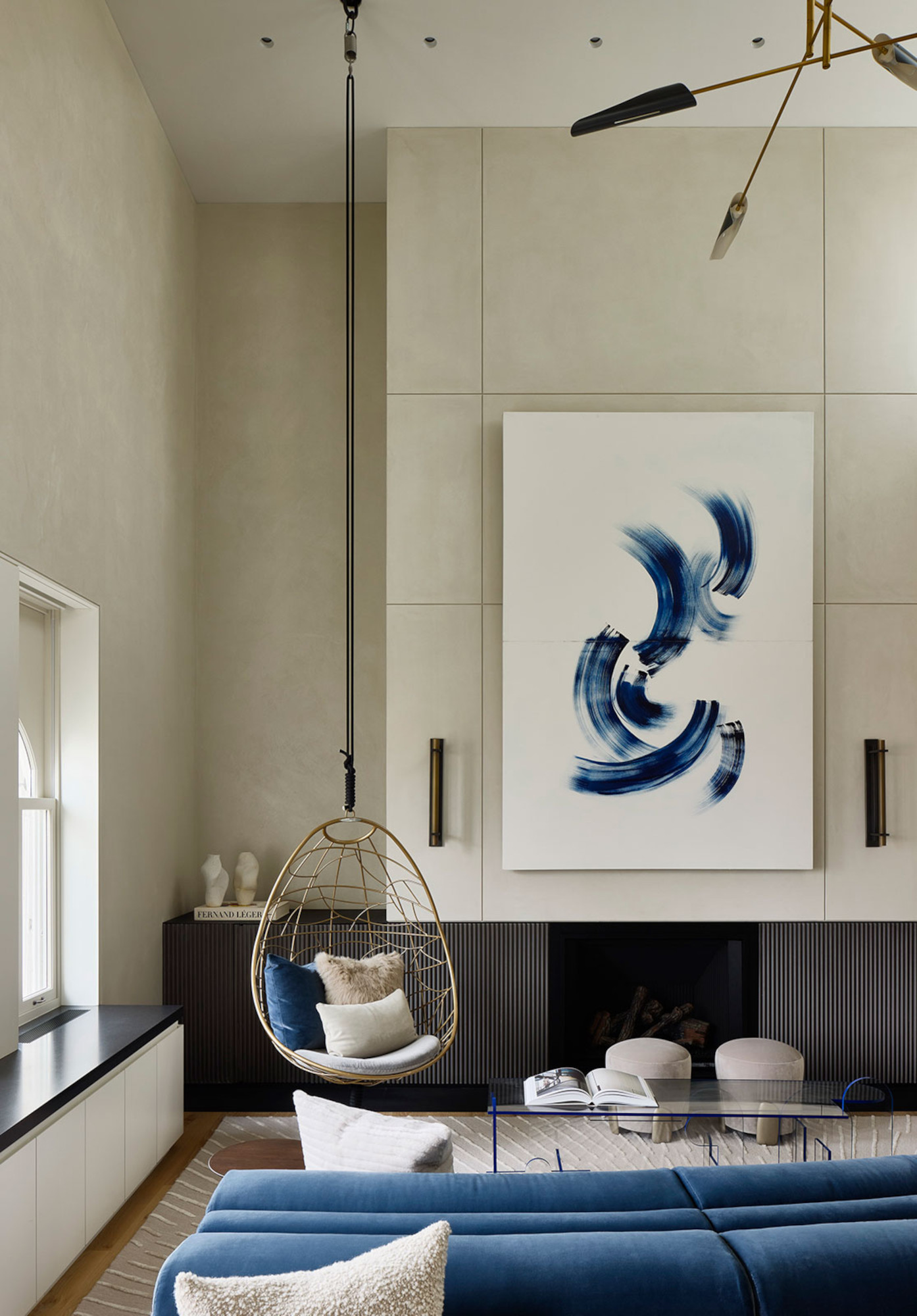
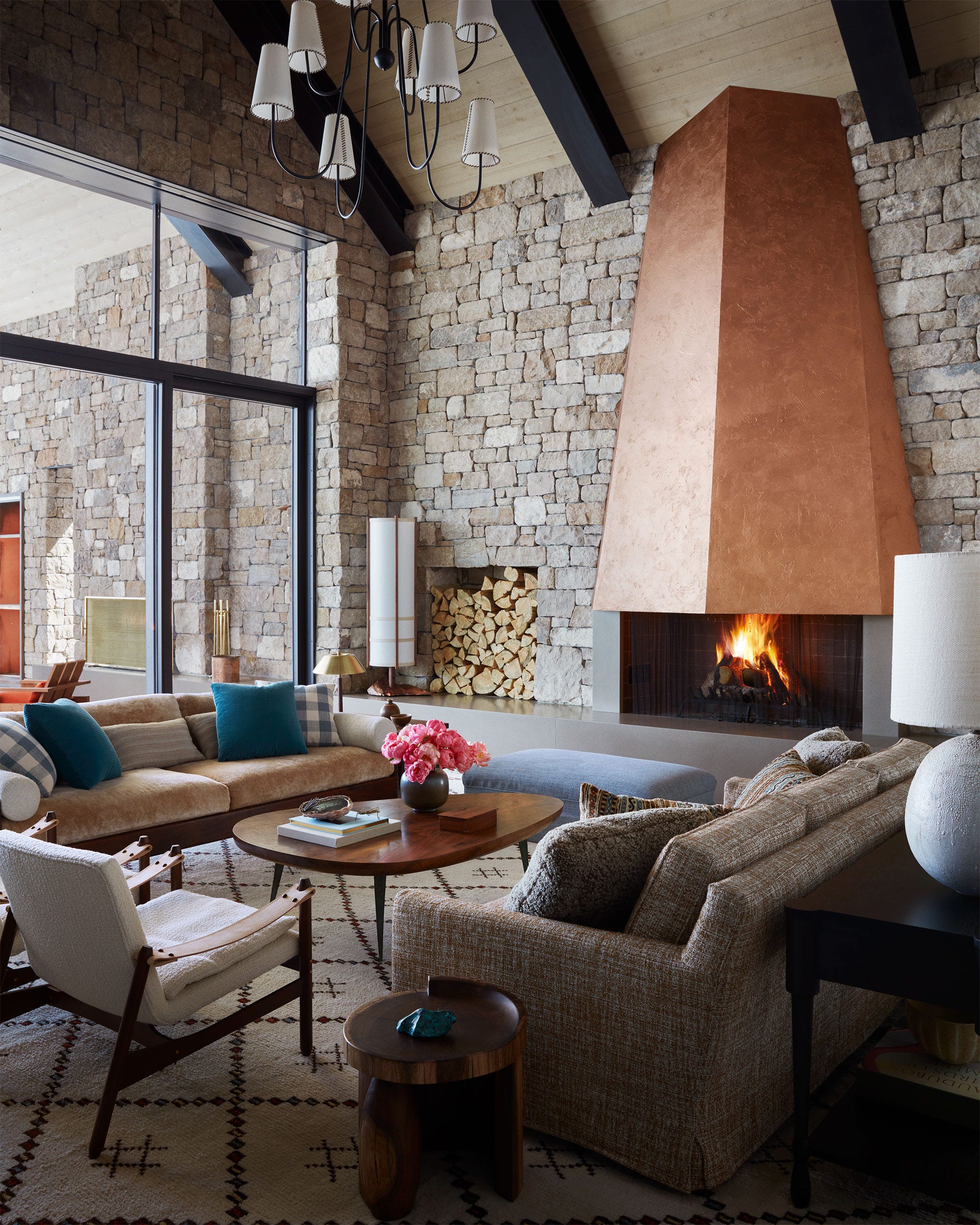
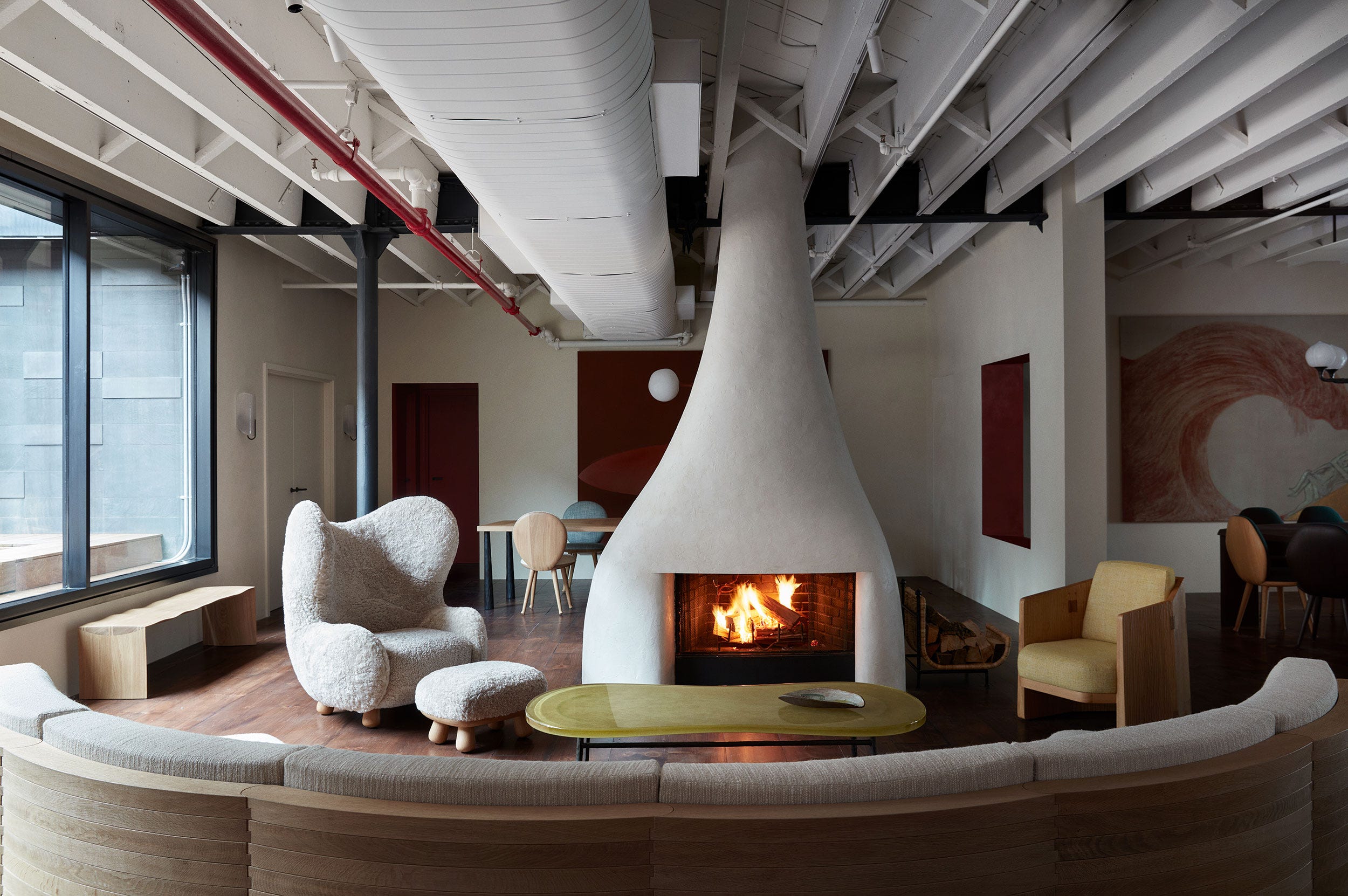
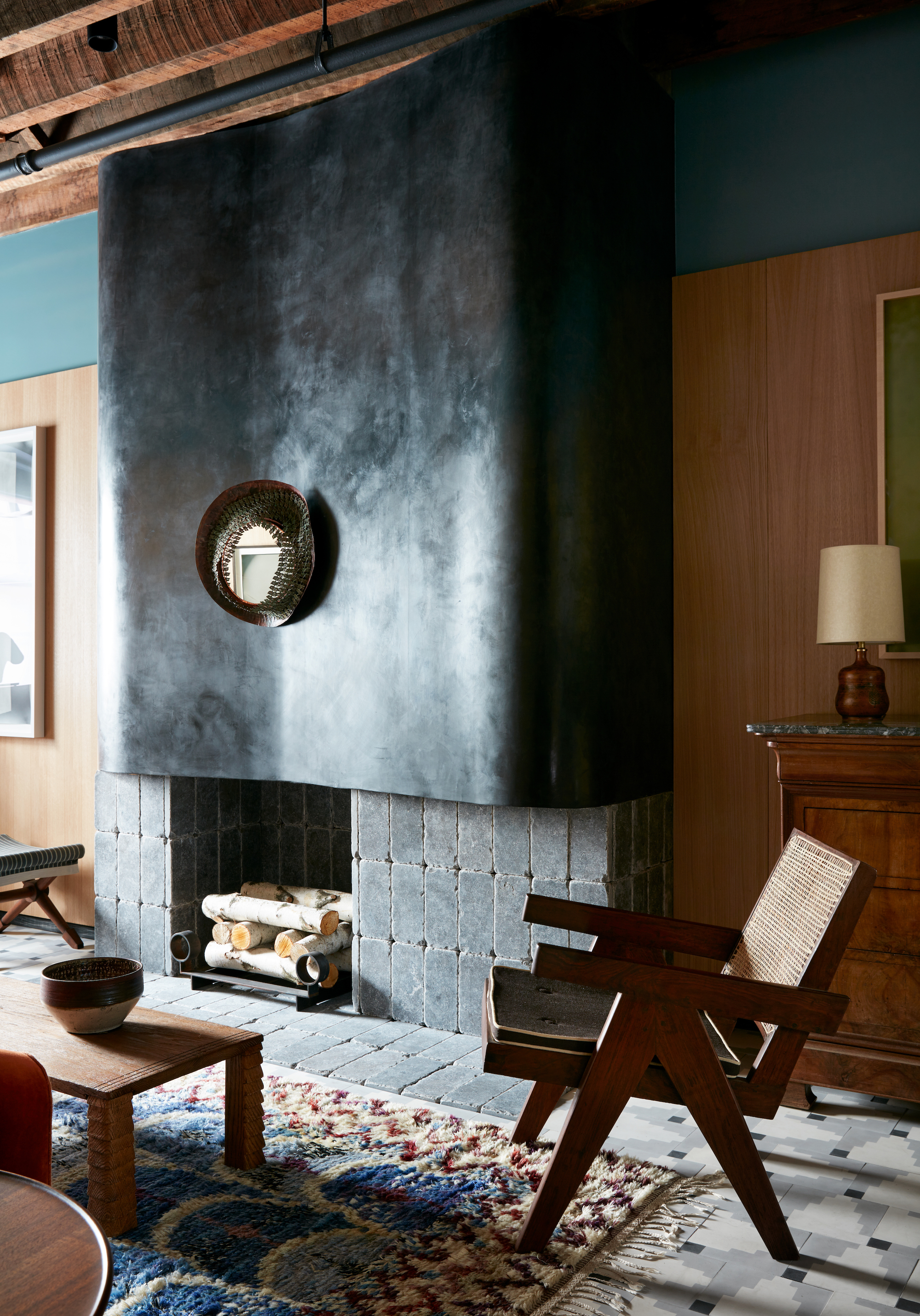
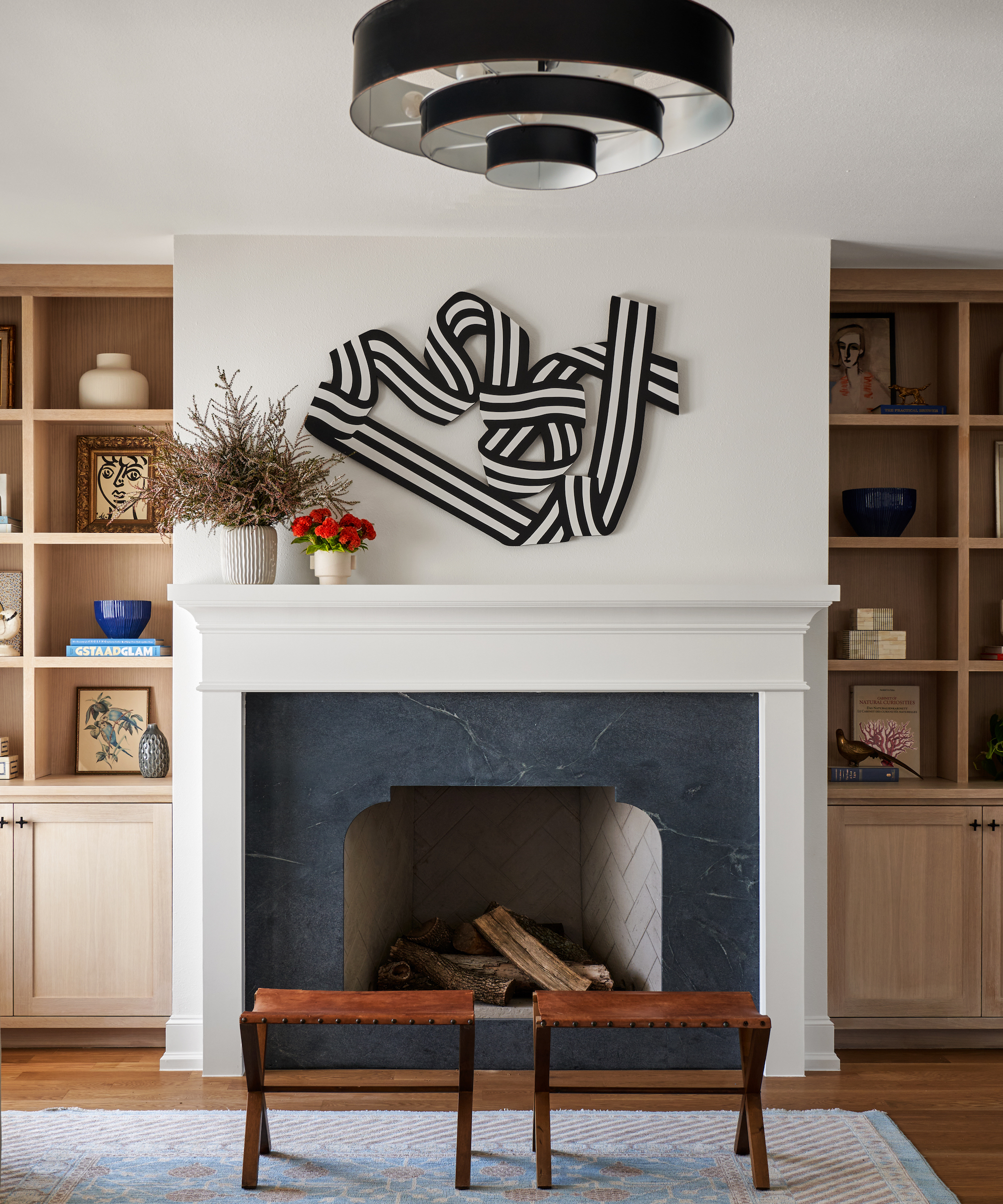
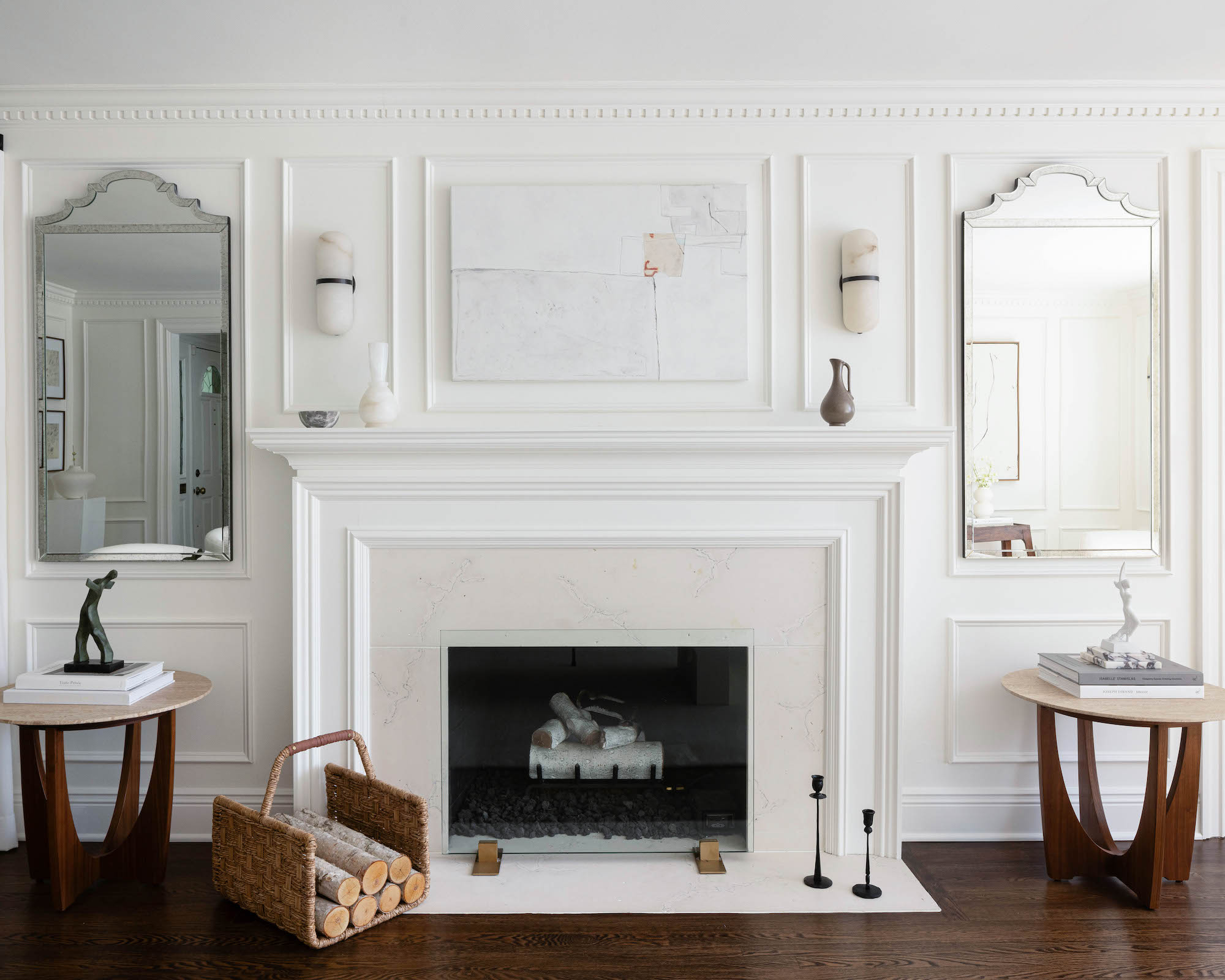
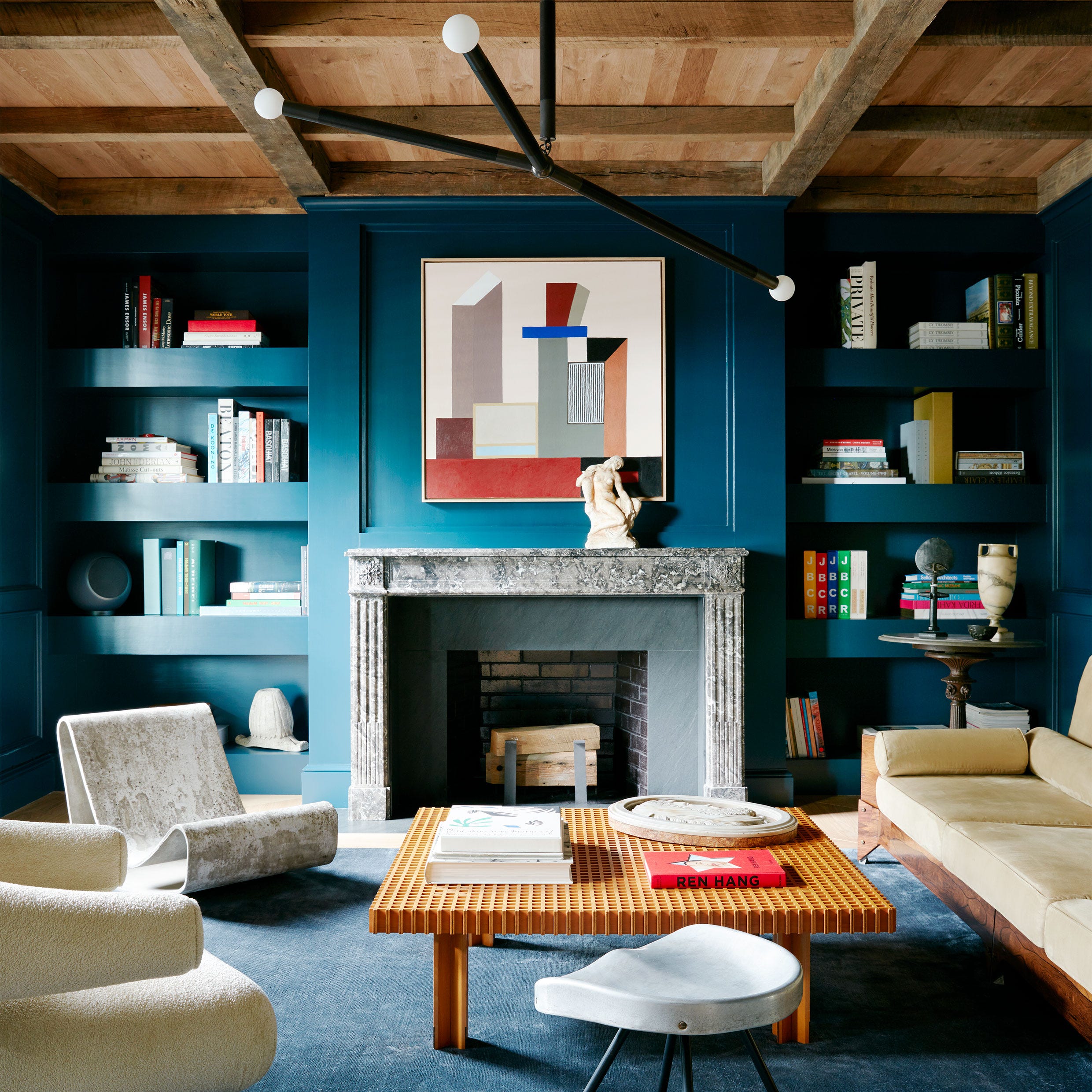
Fireplaces have consistently been a favored element in residential interiors, with Victorian architects and modernists like Frank Lloyd Wright embracing their architectural significance. The enduring appeal stems from their ability to serve as a focal point and a symbol of warmth within a home. Contemporary designers are continuing this tradition by focusing on the mantelpiece, recognizing its prominence and versatility in interior design. The article highlights how designers are incorporating mantelpieces into diverse projects, ranging from grand villas to compact mobile homes, demonstrating their adaptability and aesthetic impact.
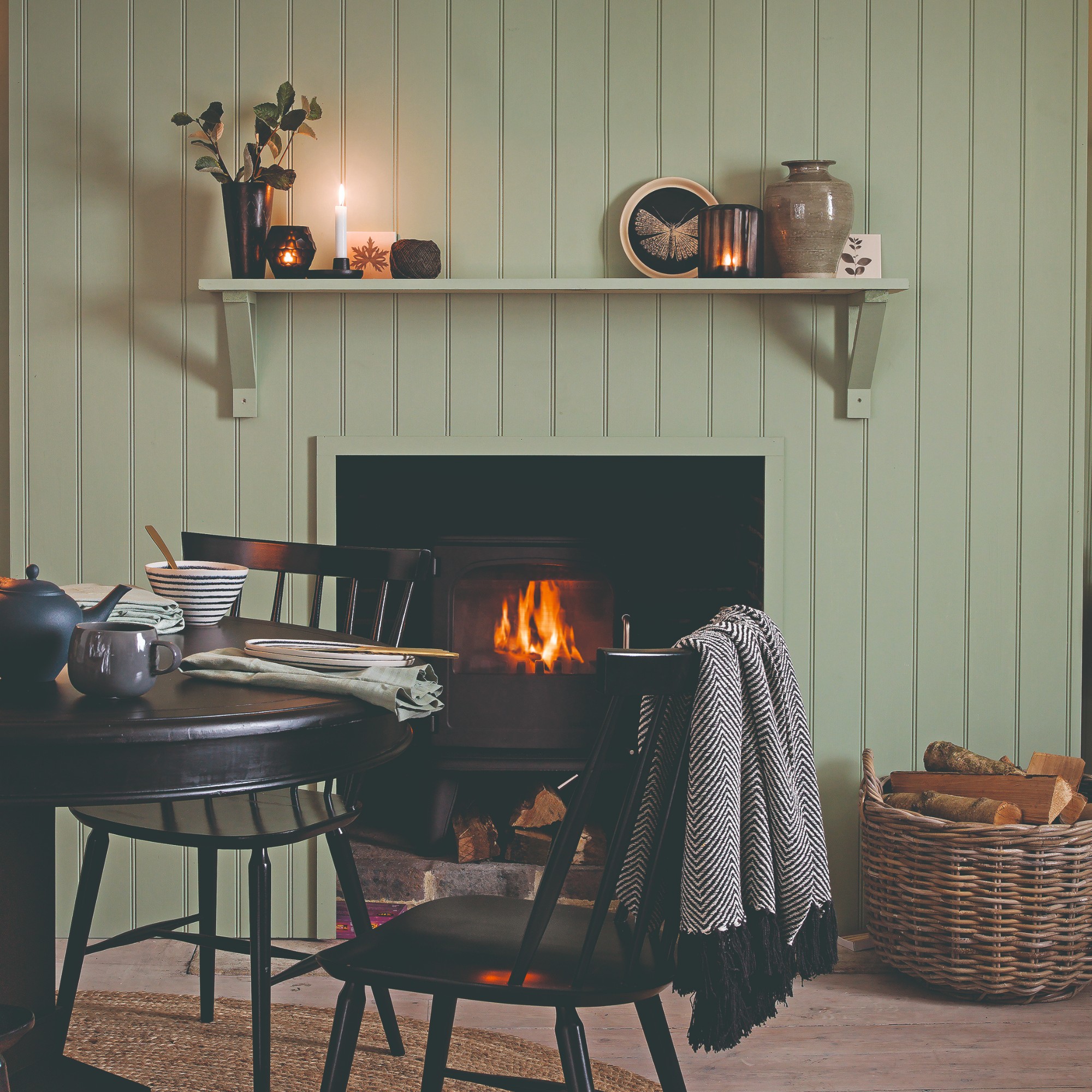
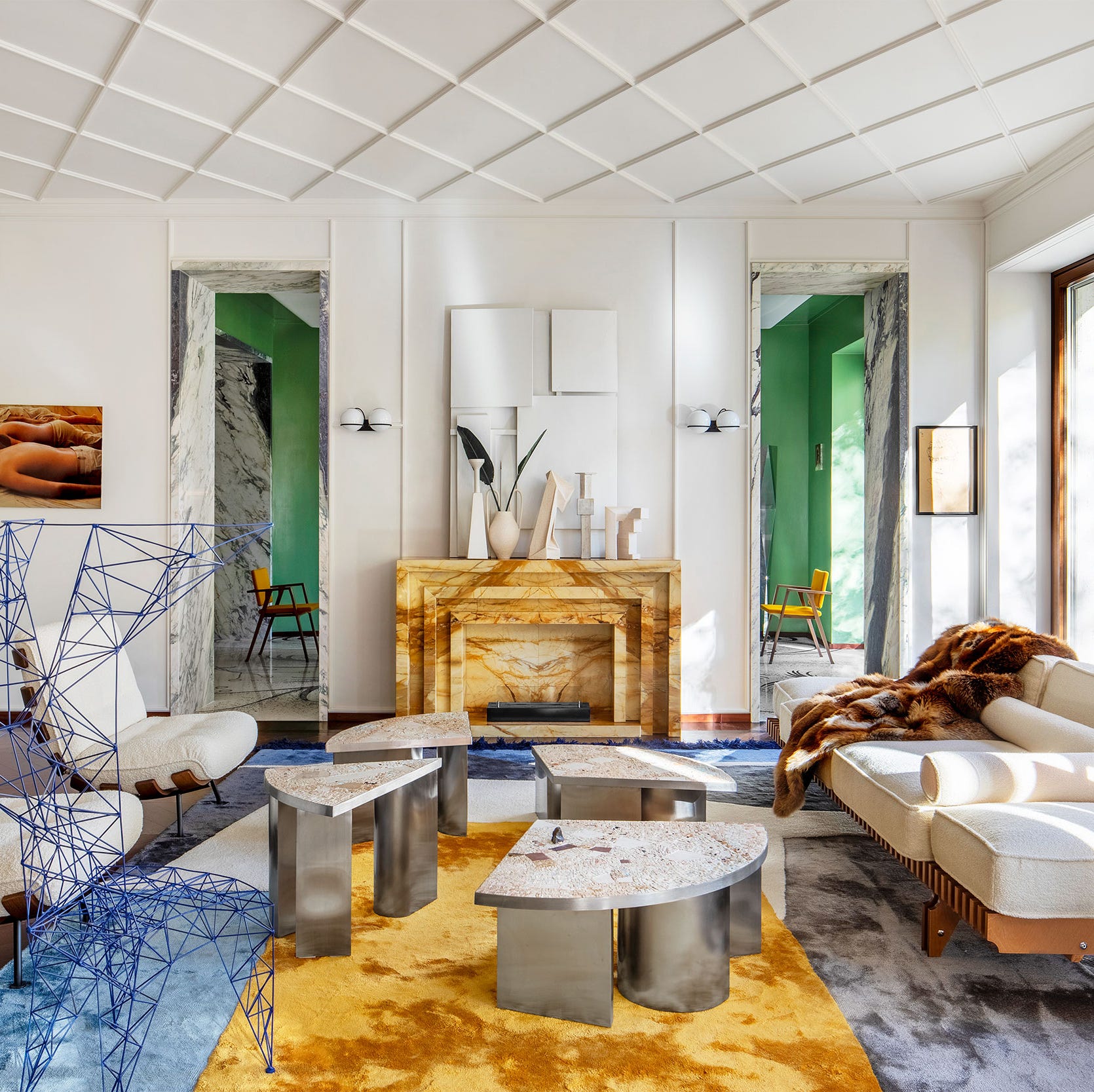
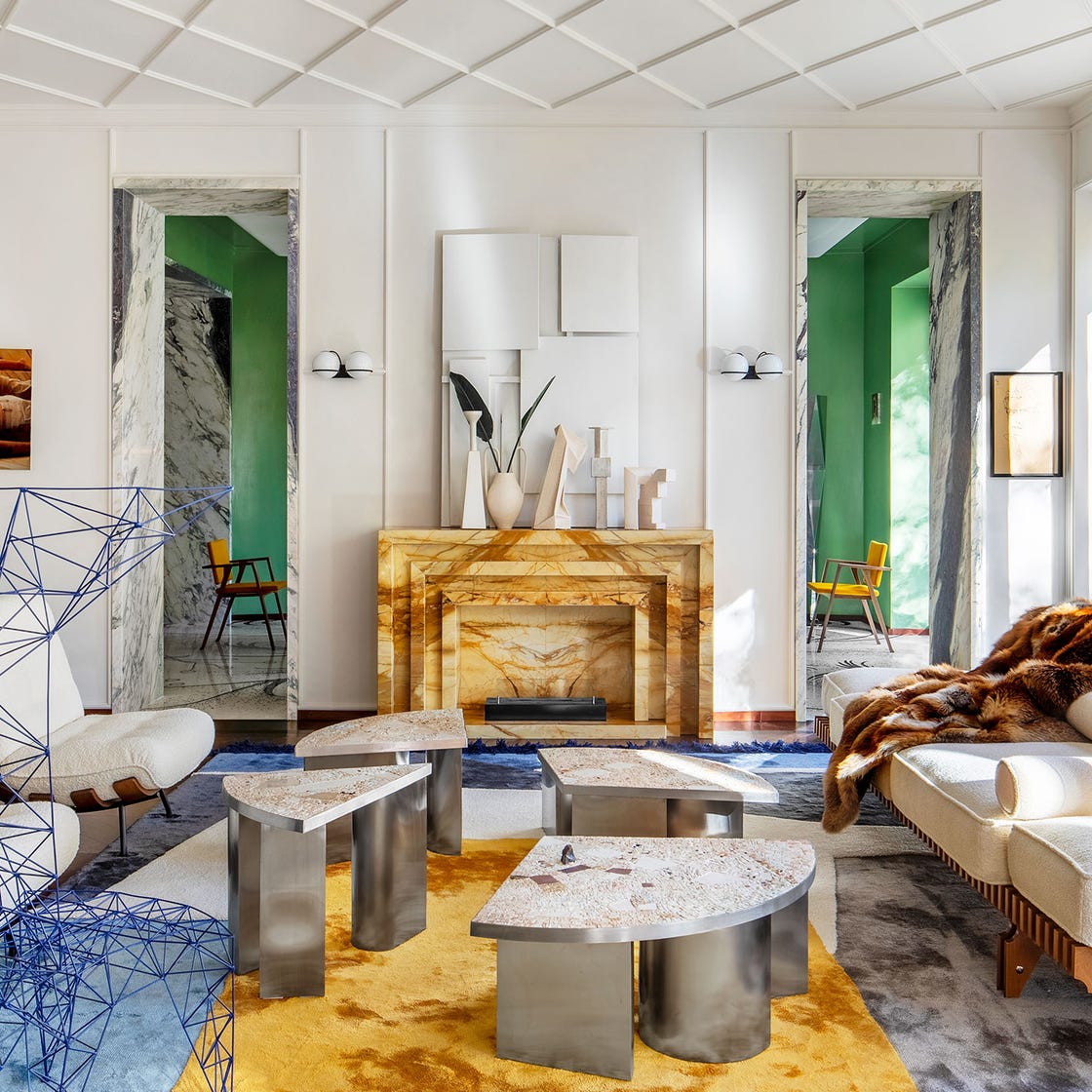
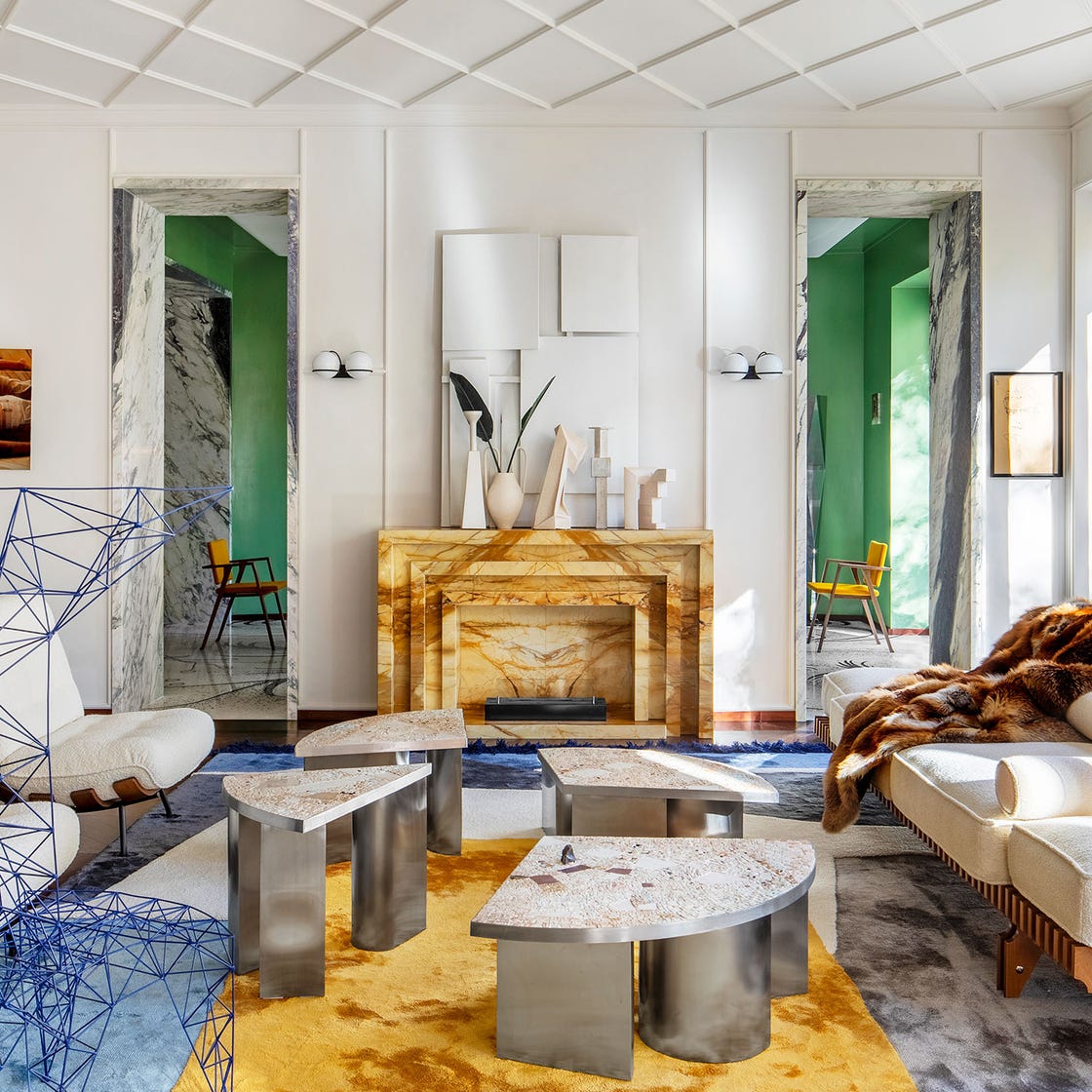
Designer India Mahdavi, for instance, integrated a large yellow glazed mantelpiece by Italian artist Giuseppe Ducrot into her French Riviera villa, transforming the living room into a dramatic space. Similarly, Pritzker Prize–winning architect Alejandro Aravena conceptualized an entire vacation home in Chile, Ocho Quebradas, around an exposed fire pit, making the house itself a massive mantelpiece. Even in smaller, more unconventional settings, such as Wheelhaus's 250-square-foot Road-Haus mobile home, a gas or electric fireplace with a rustic wooden shelf is included to provide a cozy touch, showcasing the widespread application of mantelpieces in various home designs.
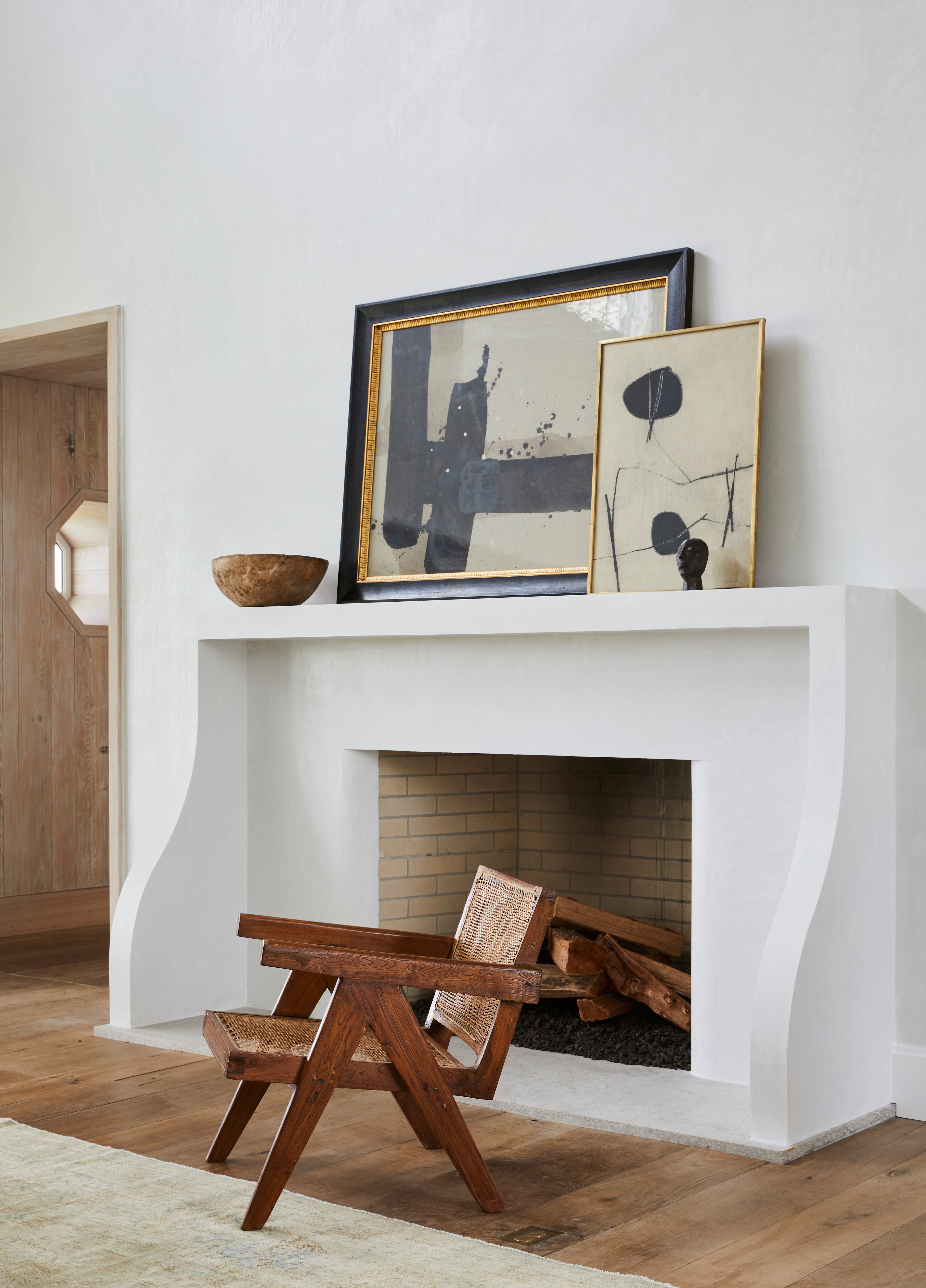
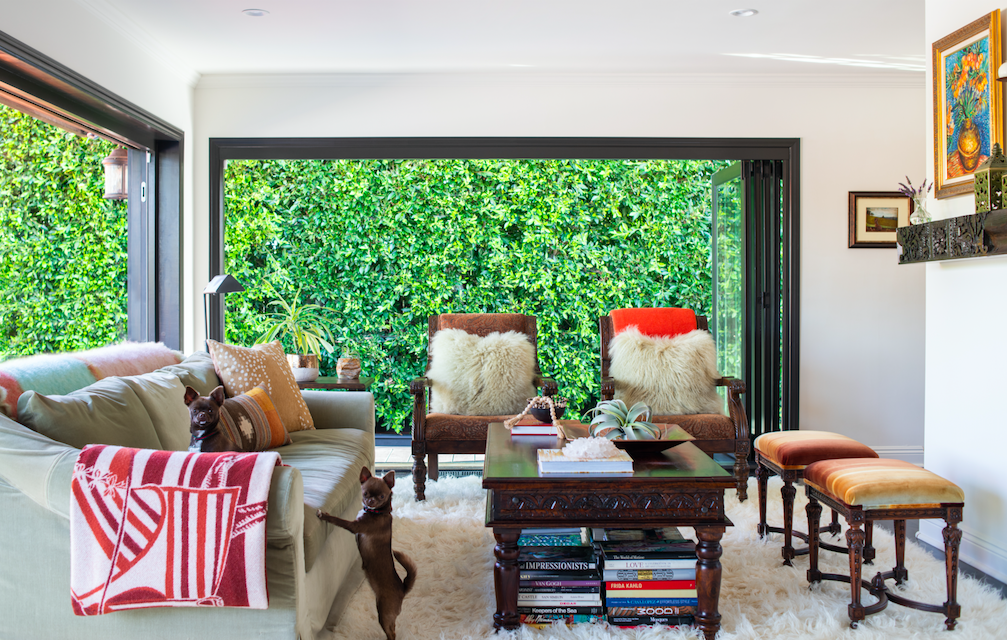
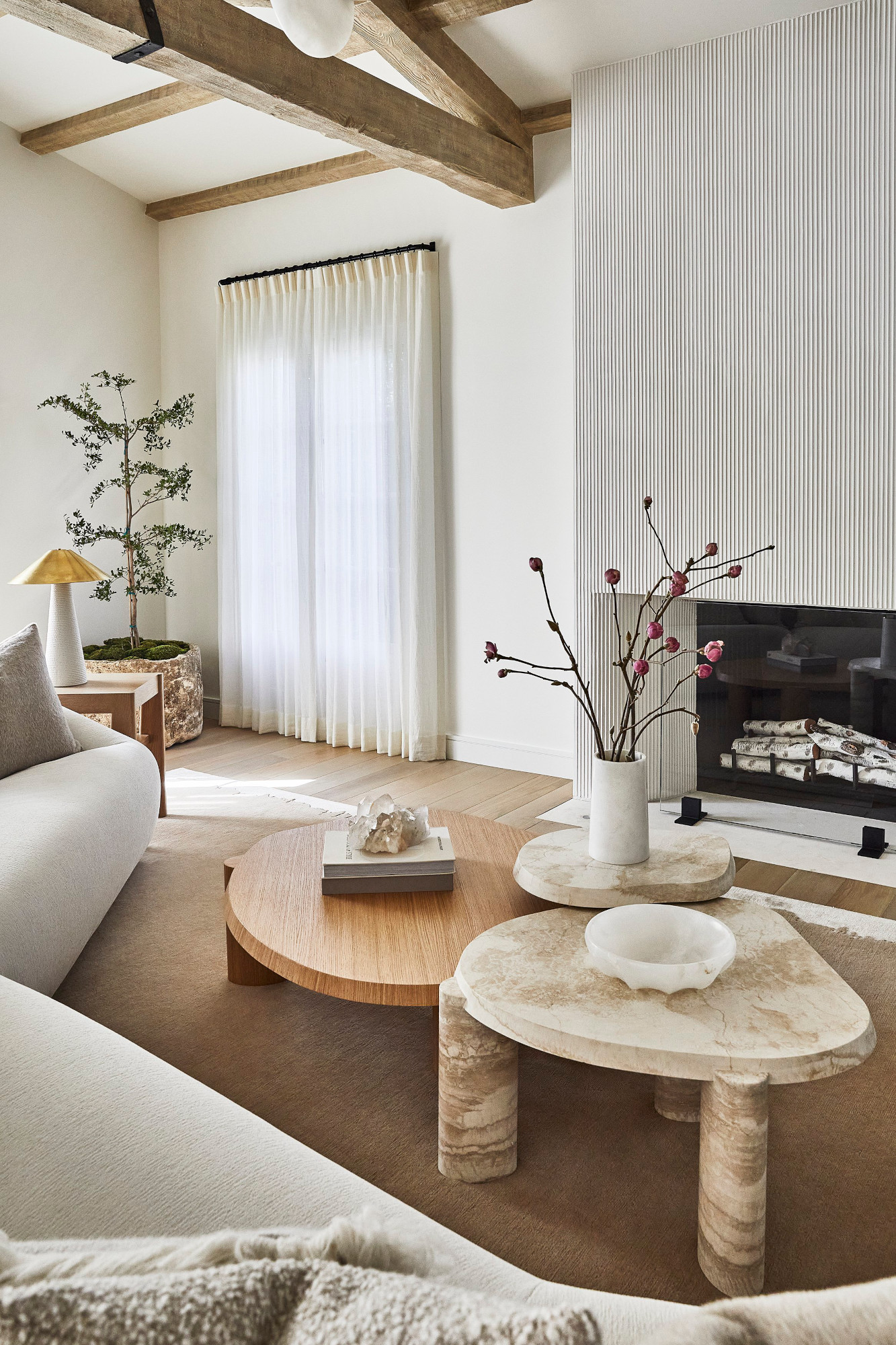
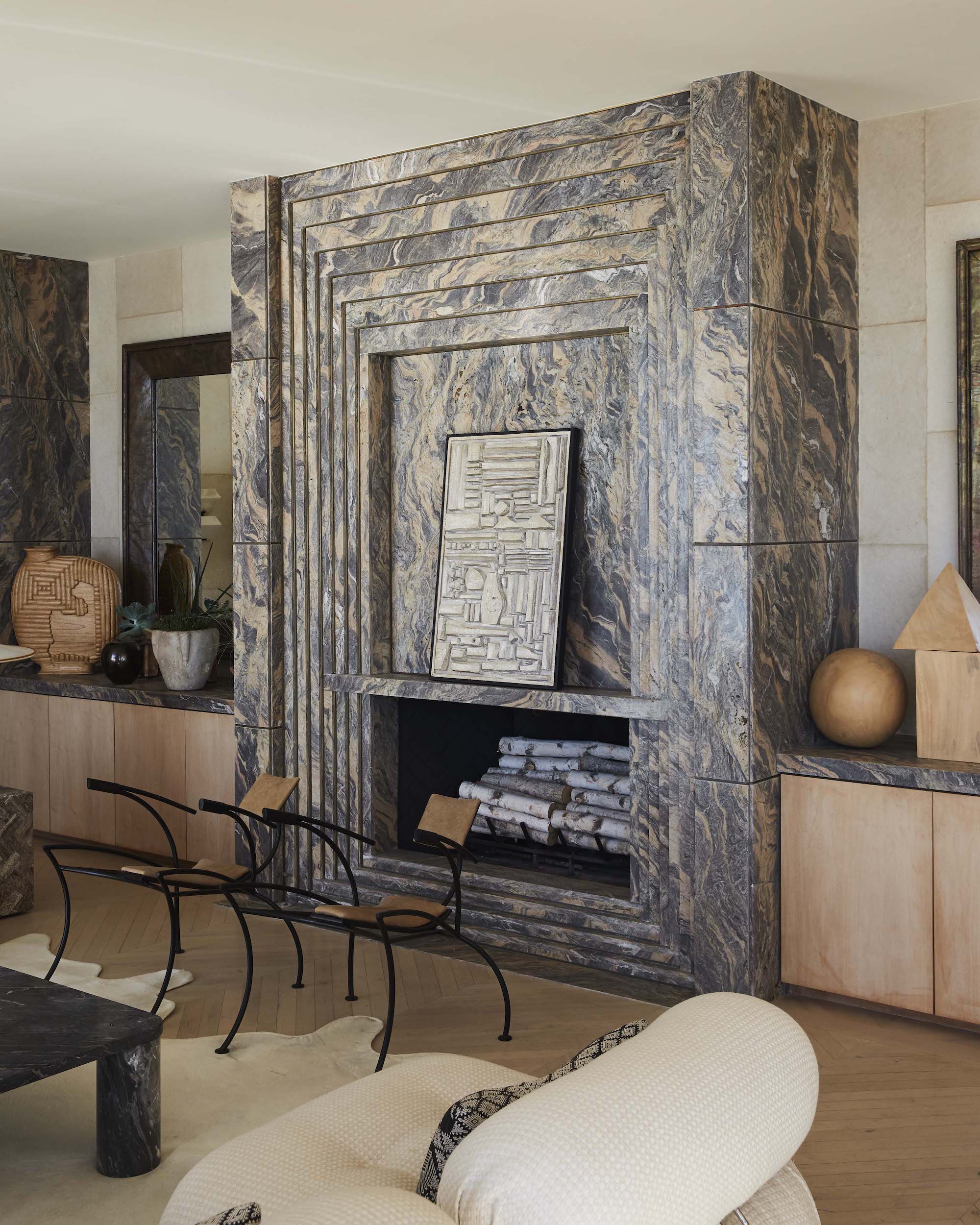
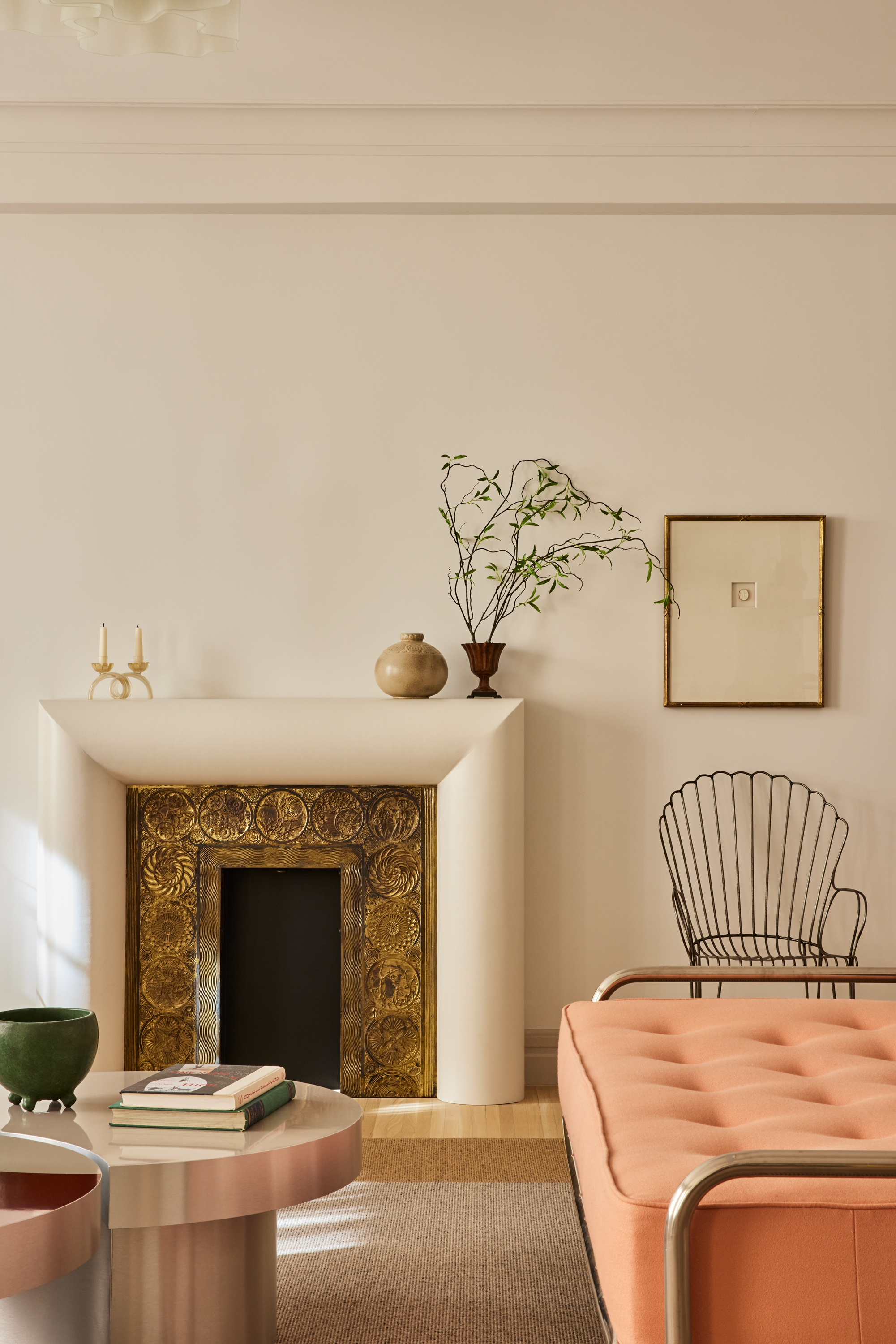
Adam Charlap Hyman, cofounder of Charlap Hyman & Herrero (CH&H), emphasizes the role of mantelpieces in establishing order within a space. He suggests that these elements can either create symmetry and hierarchy or introduce an offbeat accent, making them powerful tools for artistic expression. CH&H recently utilized an Art Nouveau mantelpiece in a California project to add an ornamental detail to an otherwise minimalist composition. In another instance, for a vacation home on Long Island, they designed a light and airy living and dining room to complement a robust fluted fireplace, illustrating how mantels can dictate the surrounding interior style.
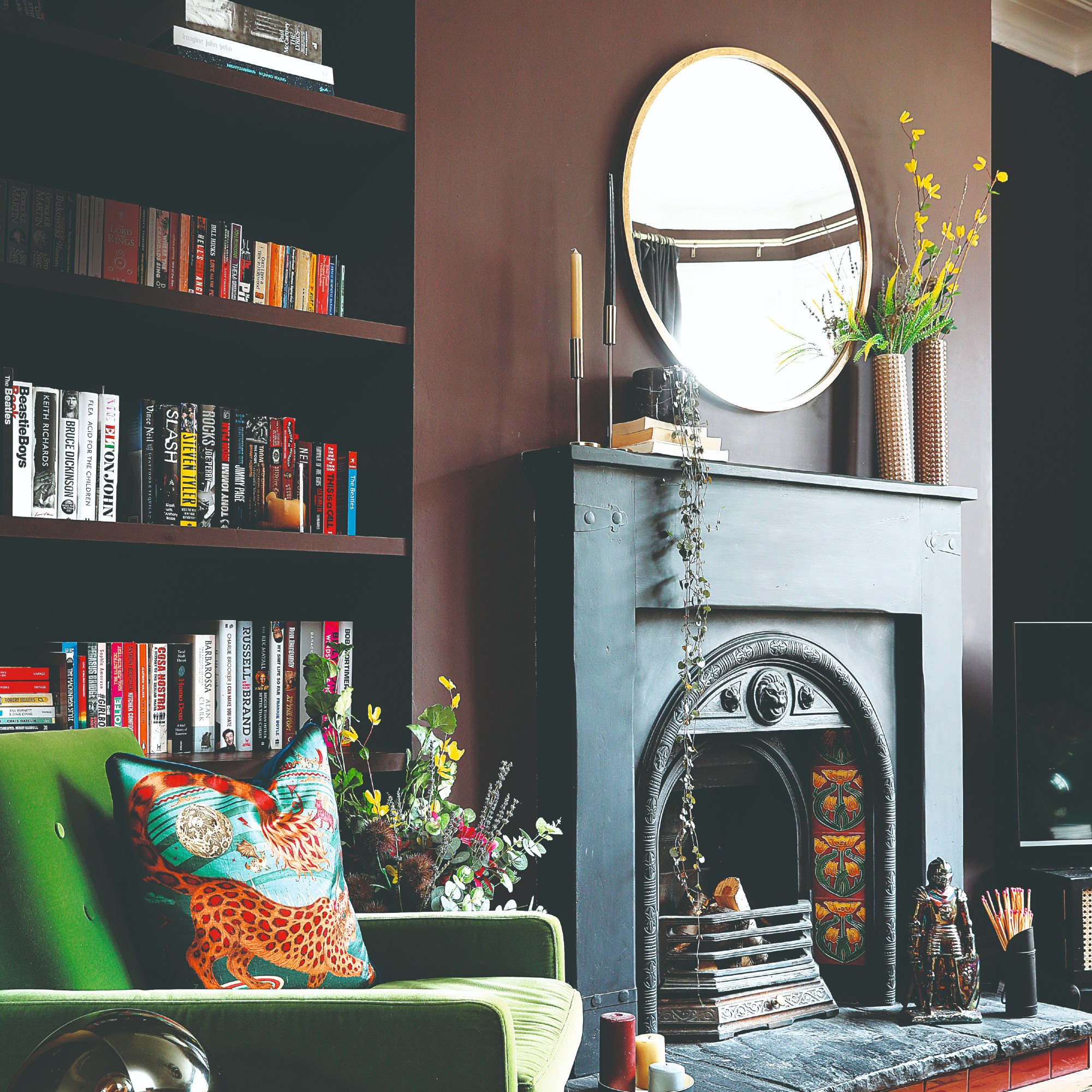
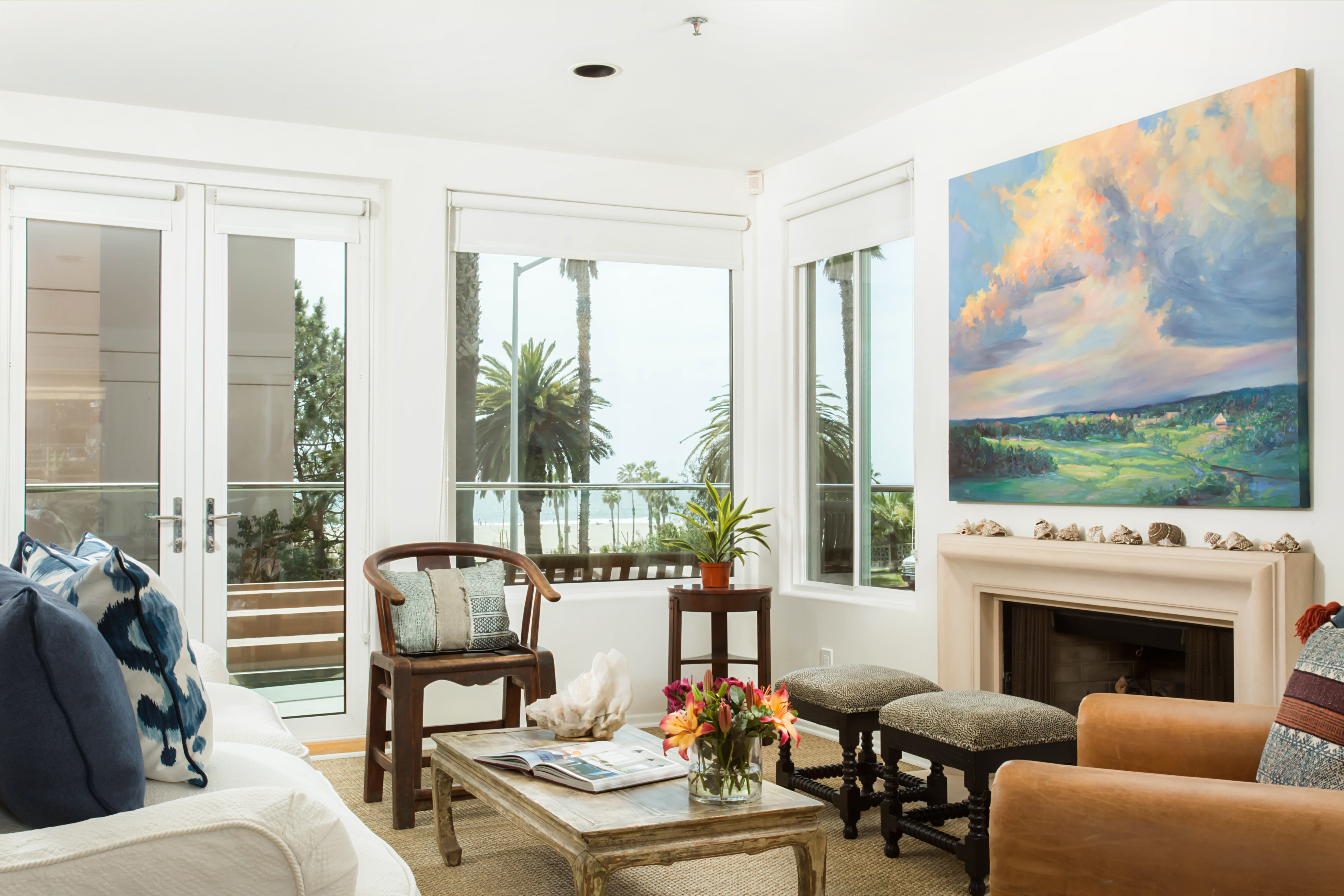
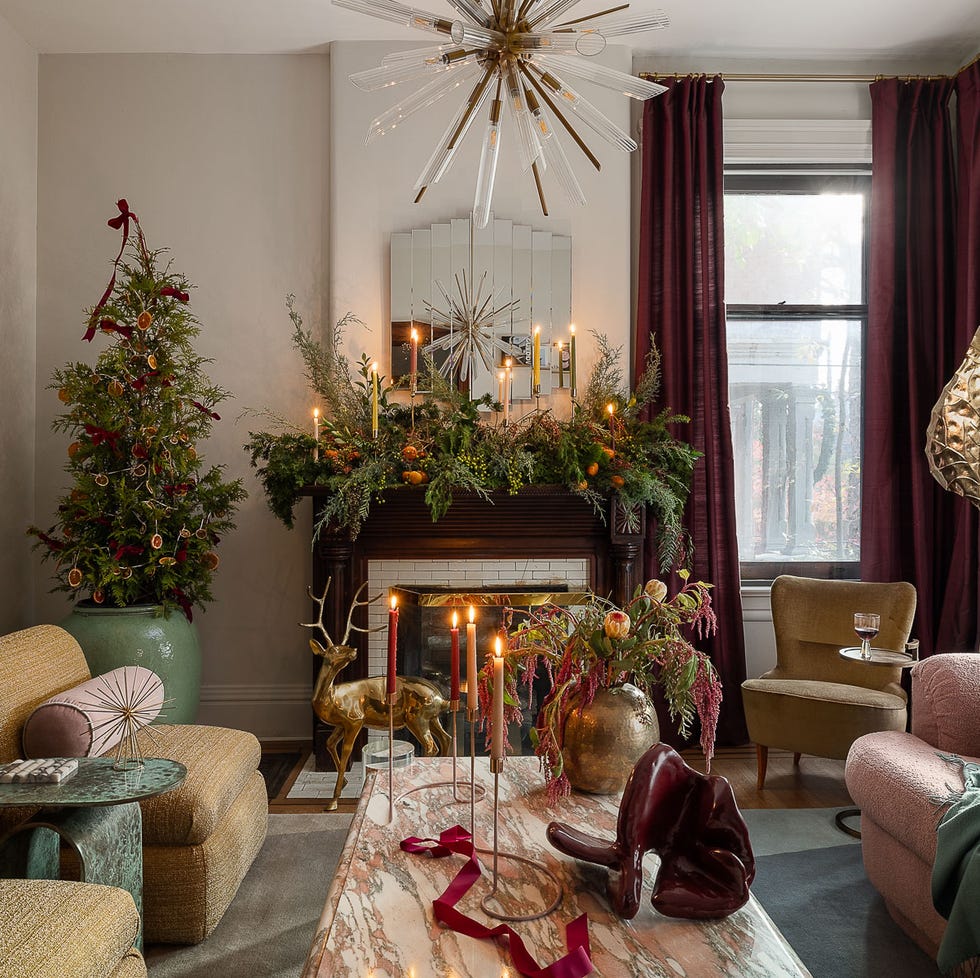
Katie Maine of Maine Design shares a similar passion for mantelpieces, viewing them as essential elements that provide gravity and strength to a house. She draws inspiration from renowned designers like Jean Royère, known for his minimalist brick and wood mantels, and David Wiseman, celebrated for his sculptural contemporary designs. Maine often faces the challenge of encouraging clients to see mantelpieces as more than just functional frames, pushing them to recognize their potential as artistic focal points. In one project in Los Angeles, she removed oversized, poorly harmonized developer-built mantels to better suit the elegant coastal environment.
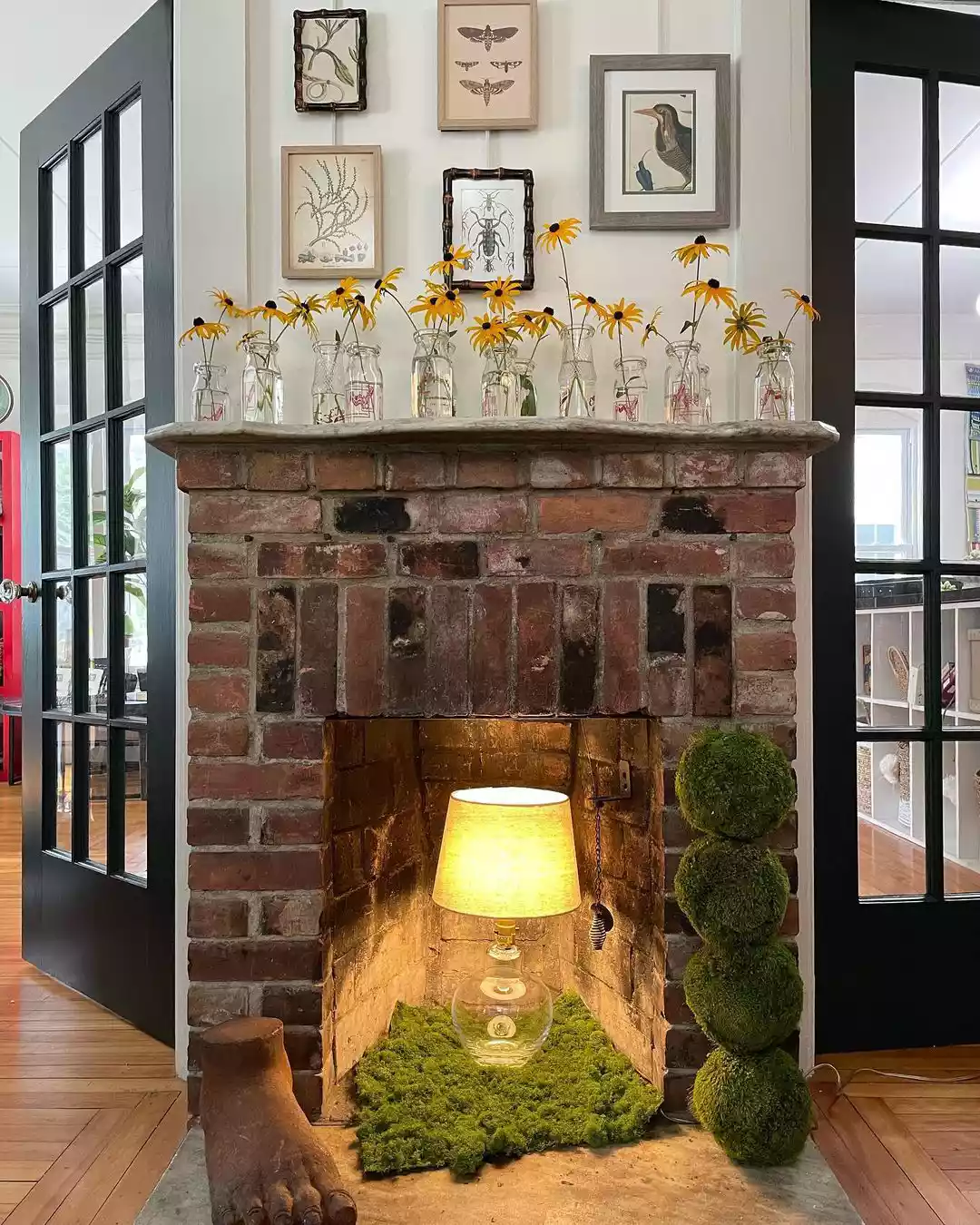
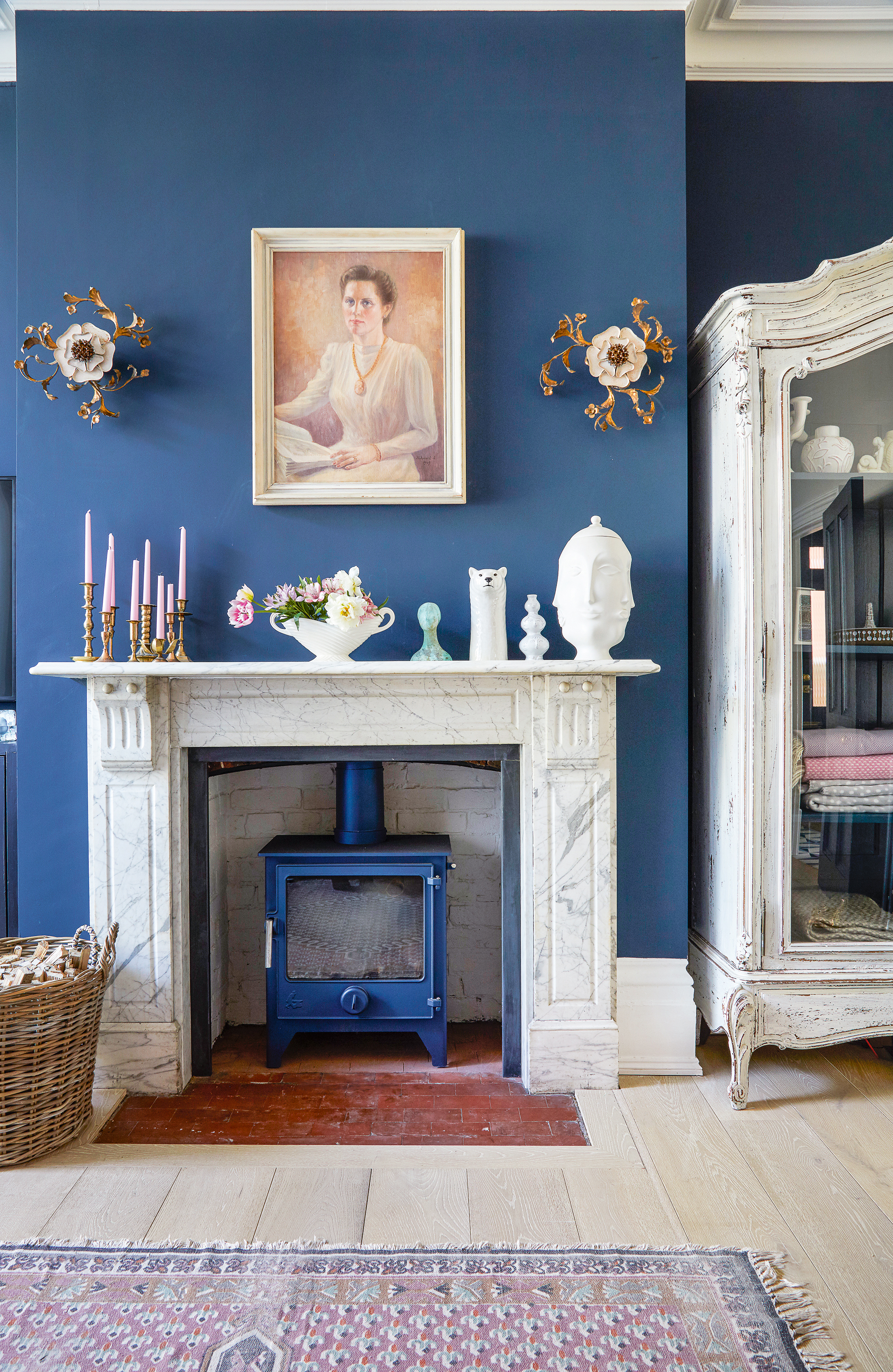

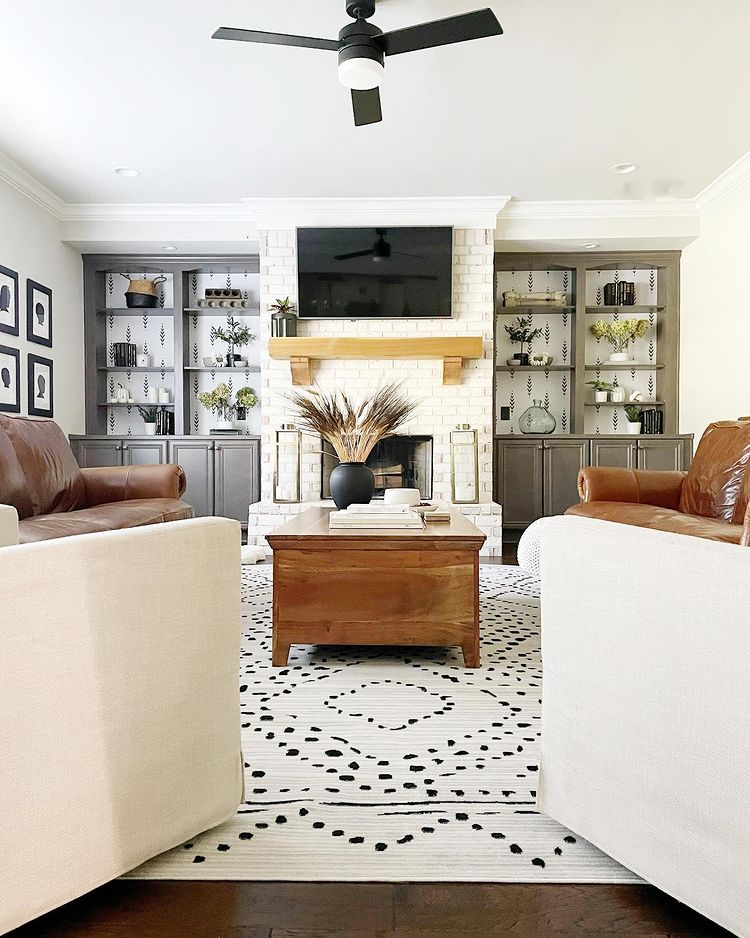
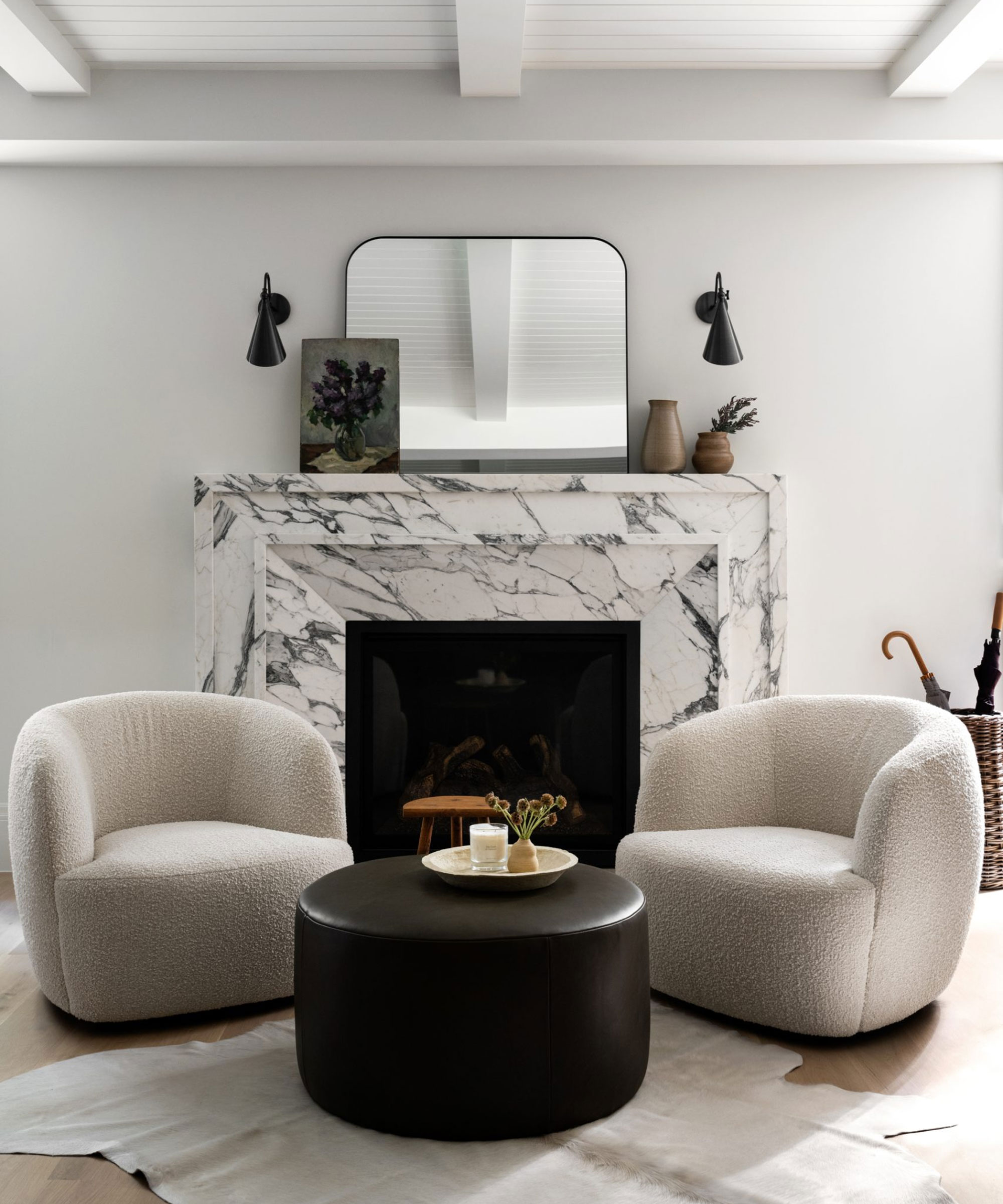
Designer Aamir Khandwala observes a recent surge in the popularity of mantelpieces, integrating them into various projects from summer residences to Manhattan apartments. He believes that mantels symbolize warmth and coziness, offering a communal space for loved ones. This sentiment became particularly significant during the COVID-19 pandemic, when people sought comfort and connection at home. The article concludes by predicting a continued trend toward high-design mantels, as people seek to gather around the hearth, reinforcing its role as the domestic heartland. For those with faux fireplaces, expert tips are provided to create a realistic and appealing look, such as using vintage marble mantels, cast-iron summer fronts, painting the firebox black, and incorporating ventless systems for an authentic flame effect.
#FireplaceDesign #MantelpieceDecor #InteriorDesignTrends #HomeDecorIdeas #DesignerAdvice #ArchitecturalElements #LuxuryInteriors #HomeRenovation #FireplaceDesign #MantelpieceDecor #InteriorDesignTrends #HomeDecorIdeas #DesignerAdvice #ArchitecturalElements #LuxuryInteriors #HomeRenovation
0 comment in total
 No comments yet
You may also like
These 20 Fireplace Mantel Ideas Will Warm Your Heart and Your Home
How to choose the right fireplace for your home
Stop Scrolling Pinterest—These 30 Fireplace Mantel Ideas Are All the Inspo You Need
These 20 Fireplace Mantel Ideas Will Warm Your Heart and Your Home

These 26 Fireplace Mantel Ideas Will Warm Your Heart and Your Home
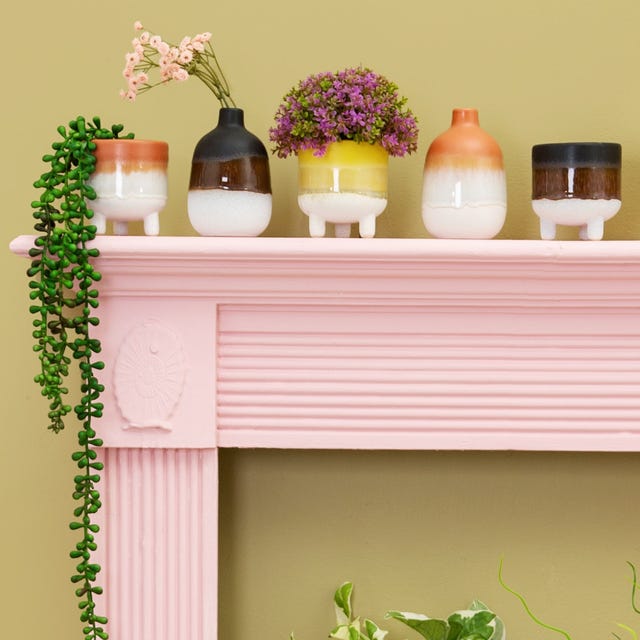
How to nail the mantelscaping trend – and it's not just for summer
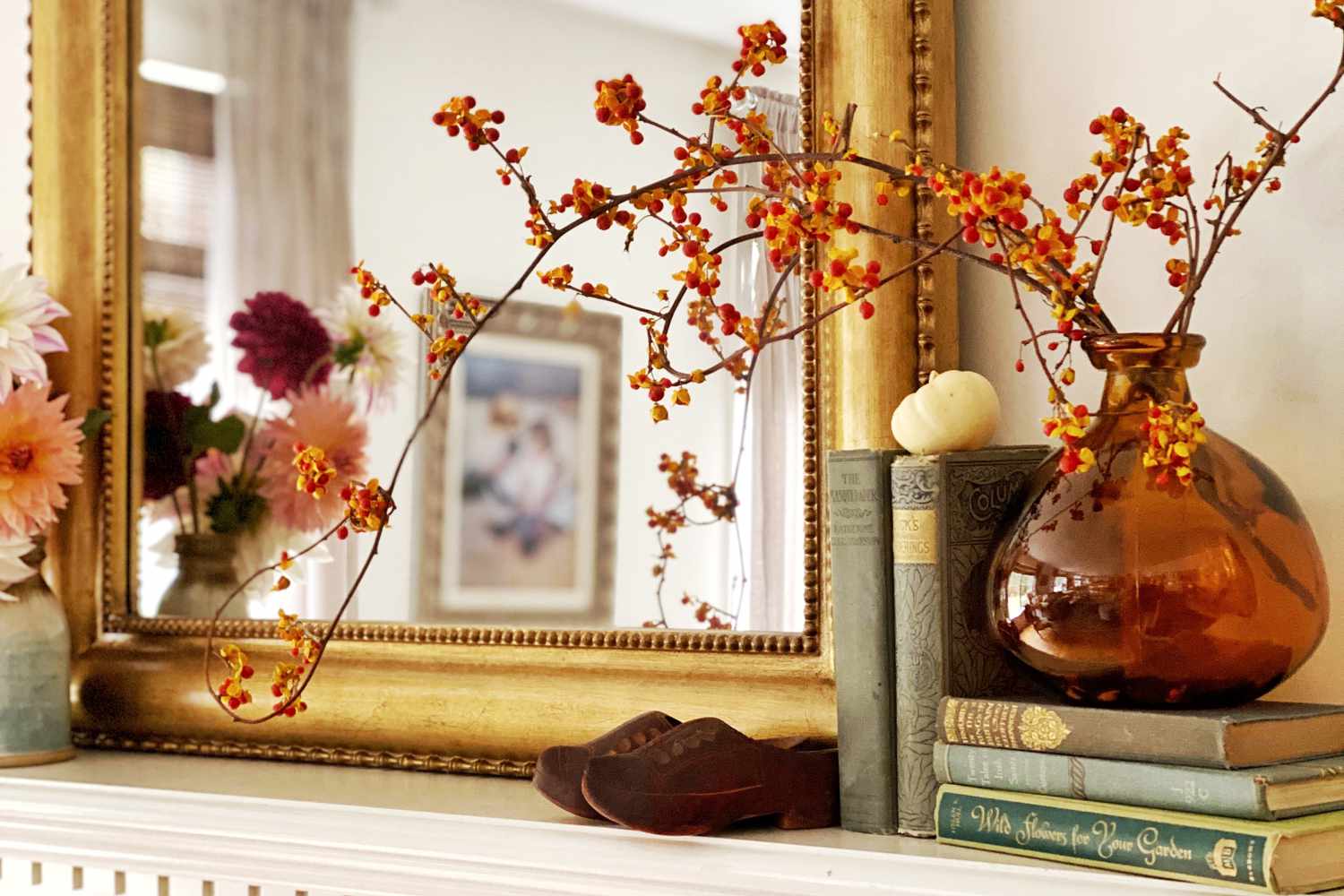
24 Ways to Dress Up Your Fireplace Mantel for Fall

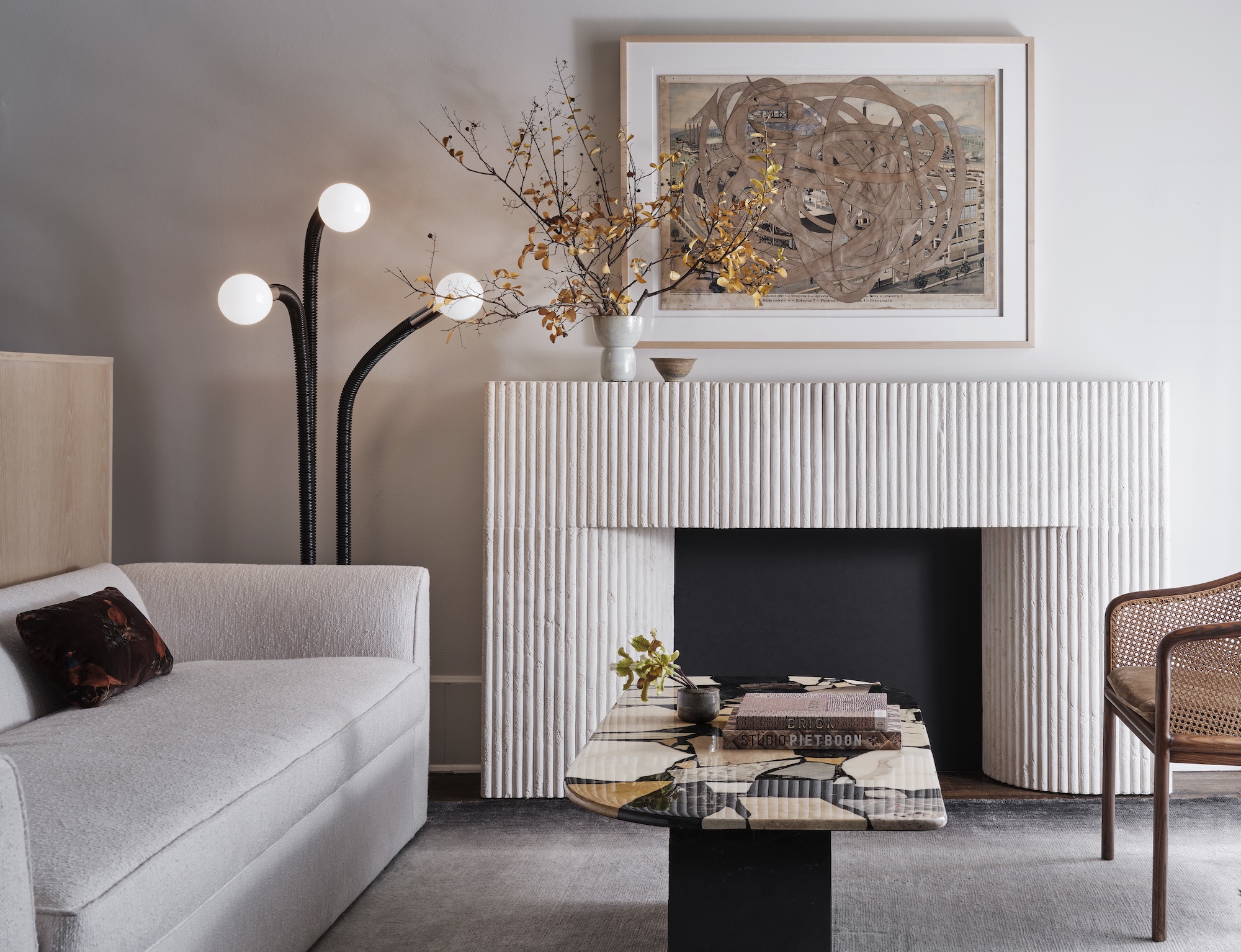
Designers are loving a new living room trend which makes even small spaces seem smart

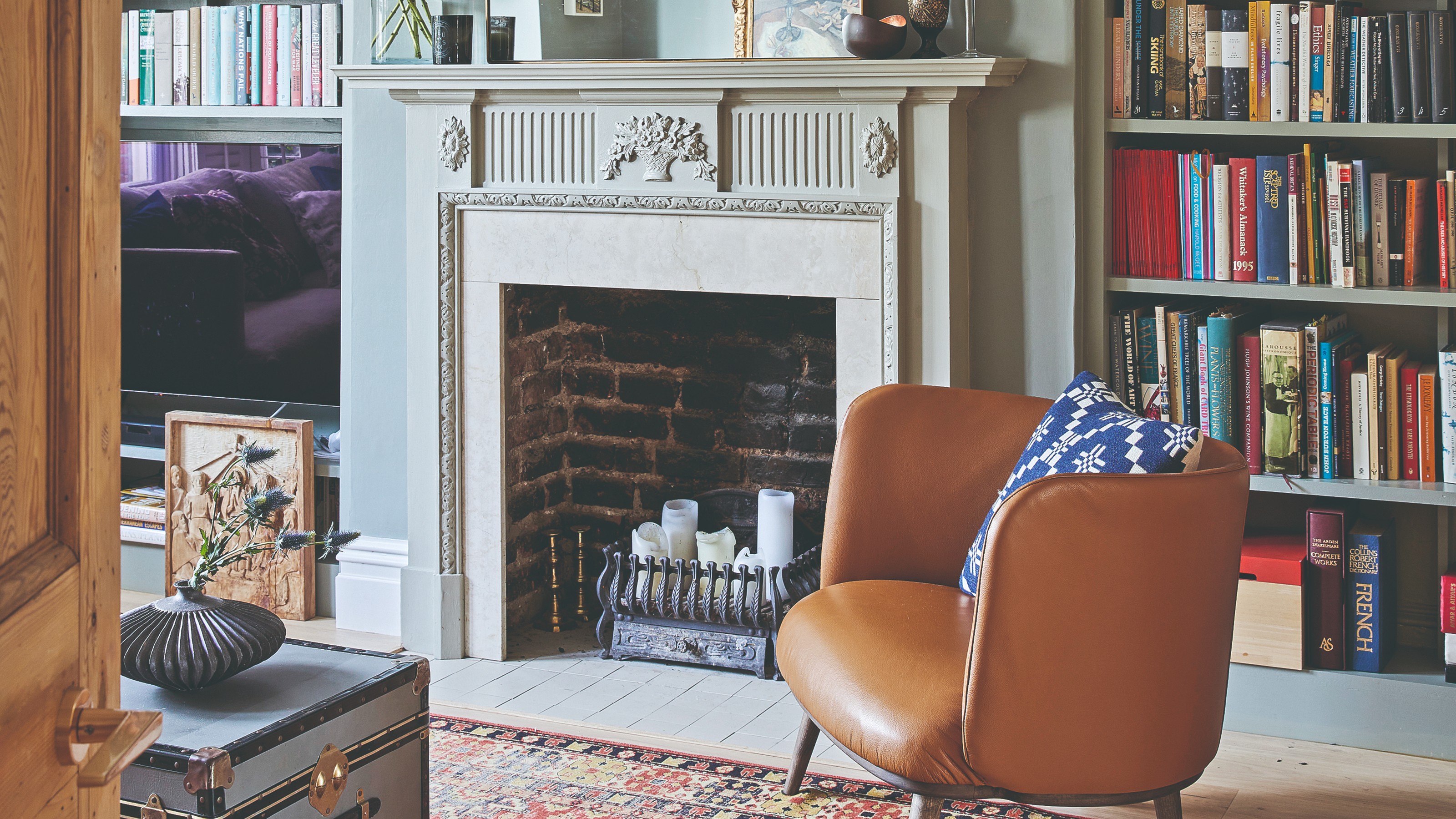
Fireplace ideas – 43 ways to turn your mantel and hearth into a showstopping feature
32 Mantel Décor Ideas That Bring Style and Warmth to Your Home

How to decorate a mantel according to experts – 11 pro tips for your fireplace

5 Ways to Style Your Holiday Mantelscape Like a Designer

51 Fireplace Mantel Decor Ideas To Warm Up Your Home All Season Long

10 mantel decor ideas to make your fireplace a focal point all year round
'Breathtakingly beautiful' - 6 fireplace trends designers are loving for 2024
5 things designers say you should never put on a mantel

30 Mantel Decor Ideas to Style Your Fireplace

7 ways to style a perfectly imperfect mantlepiece
70 Fireplace Ideas to Bring the Coziest Vibes to Your Space
44 Stunning Fireplace Mantel Decor Ideas for Every Season