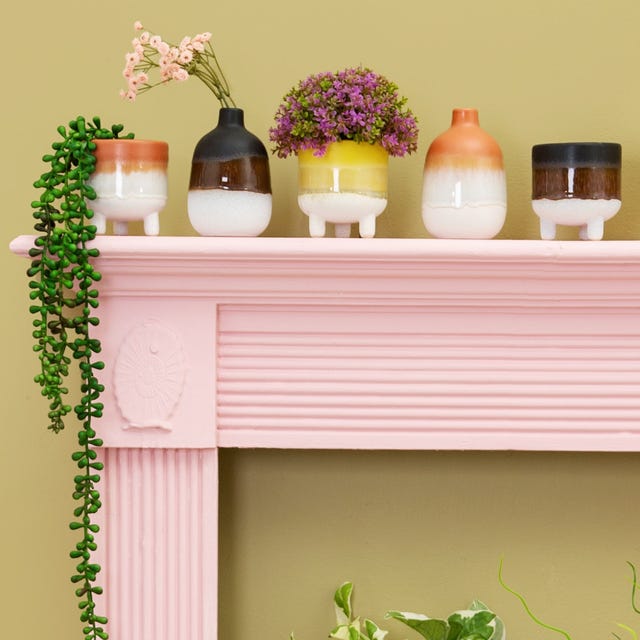
1/7
How to nail the mantelscaping trend – and it's not just for summer
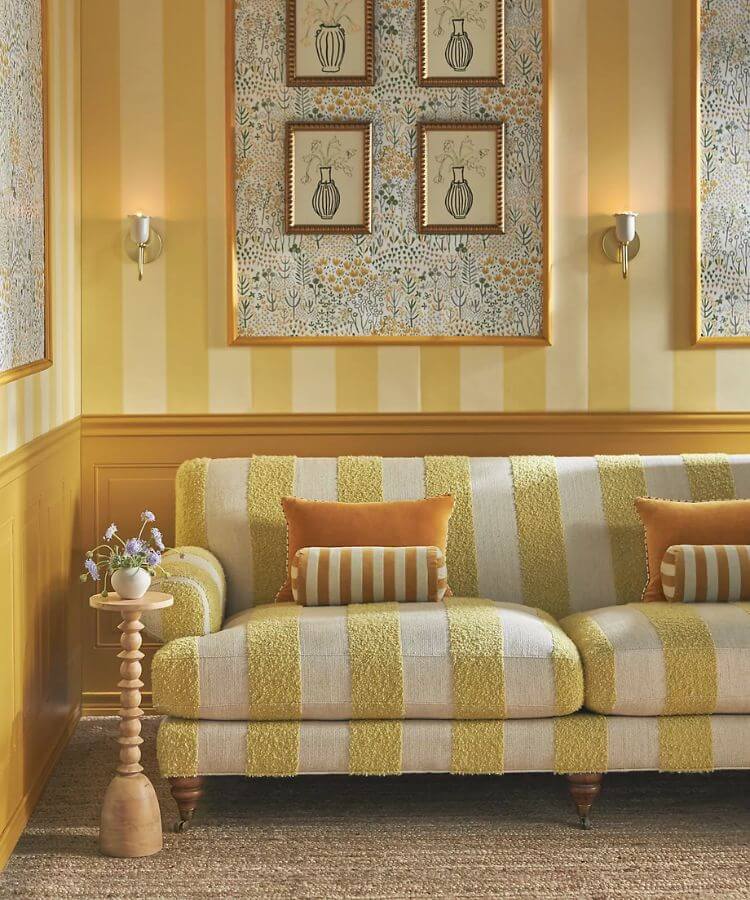
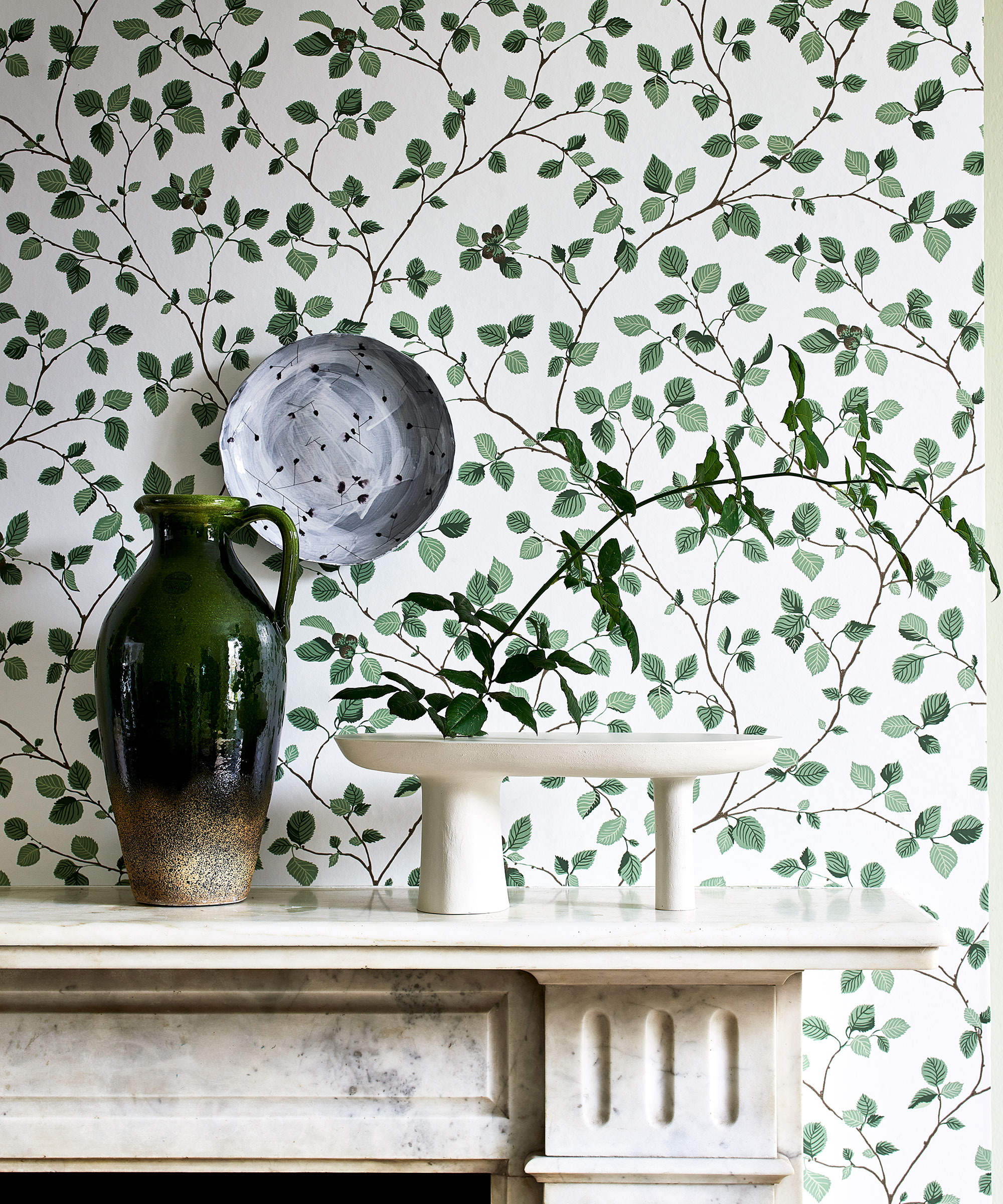
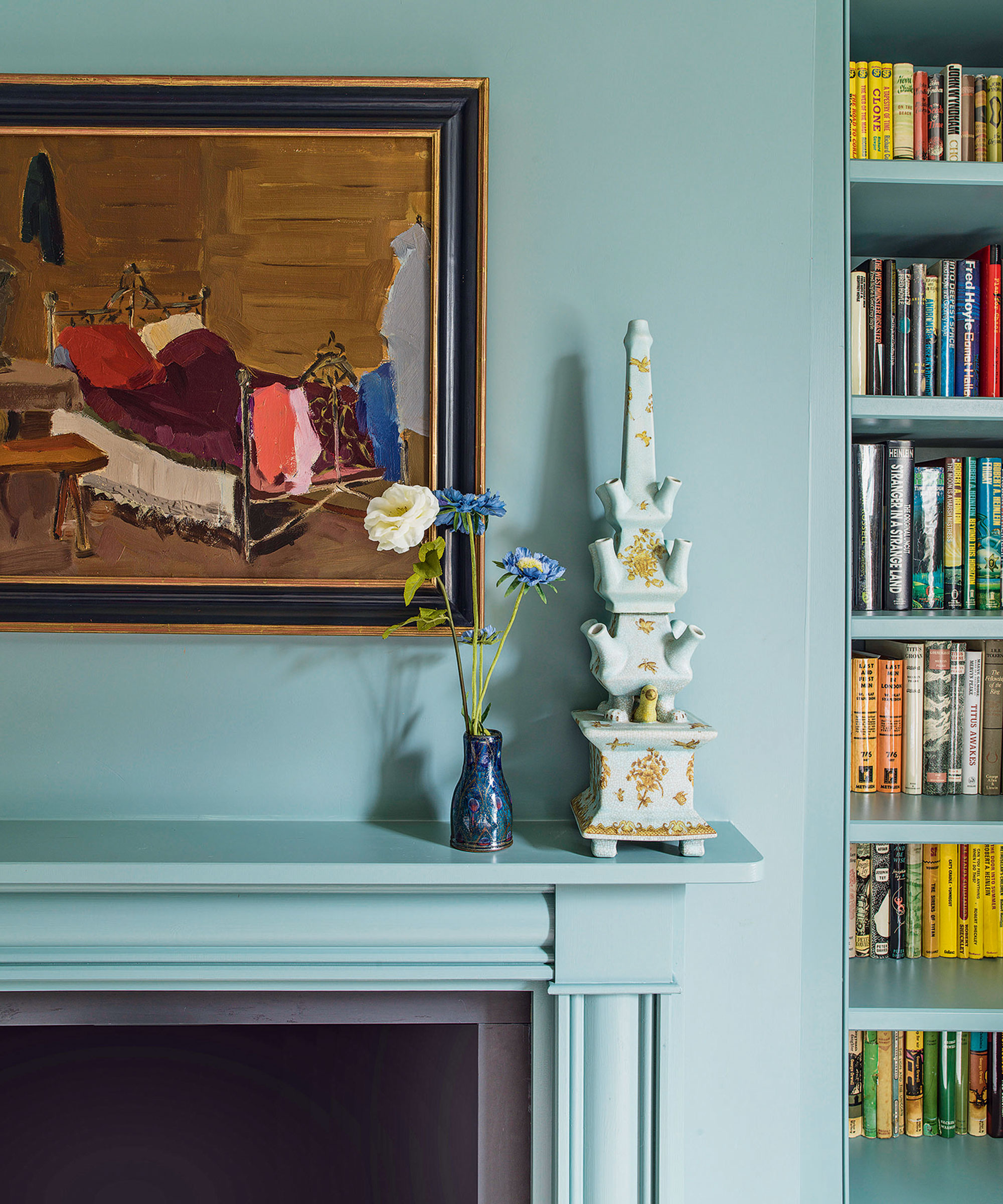
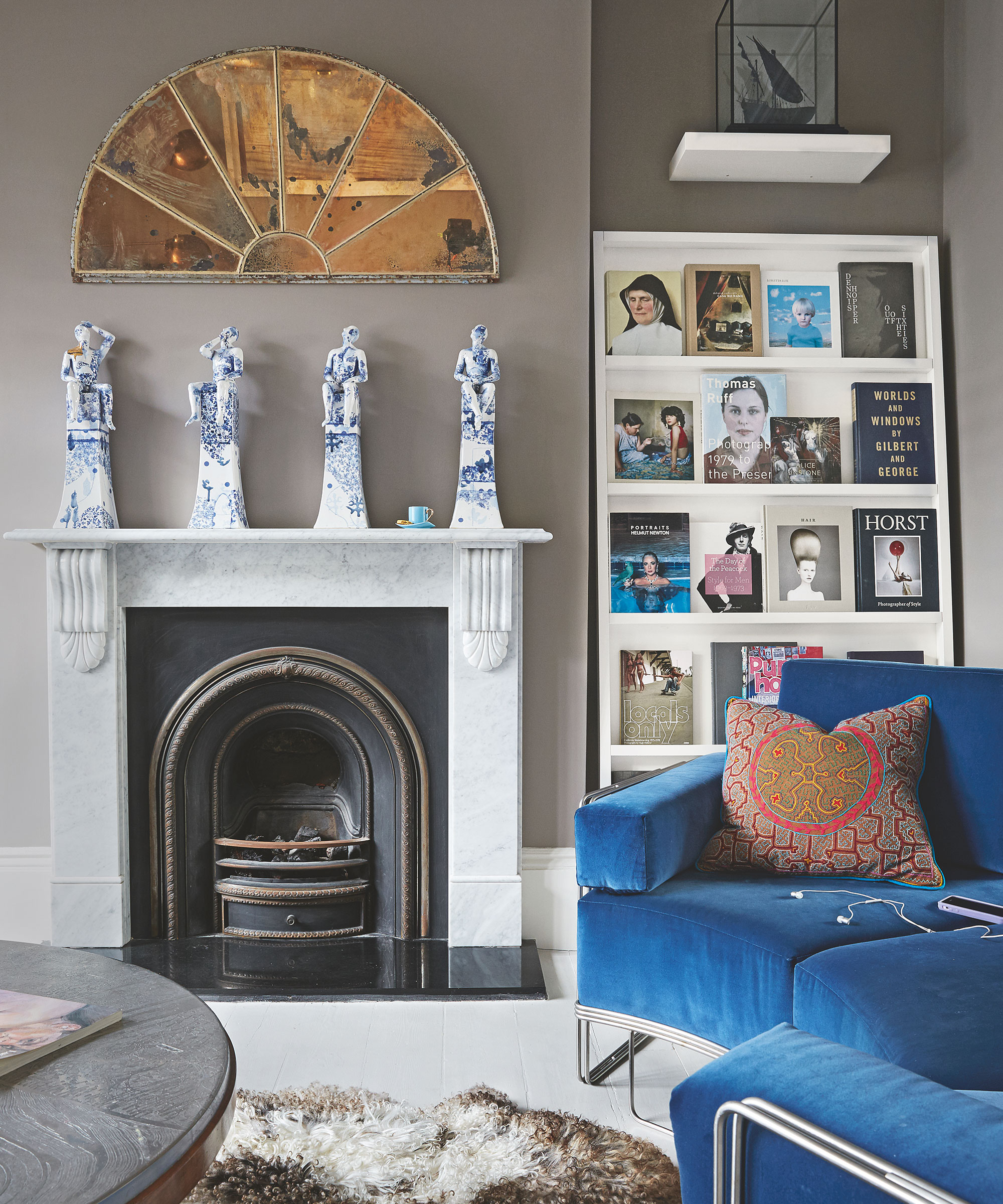
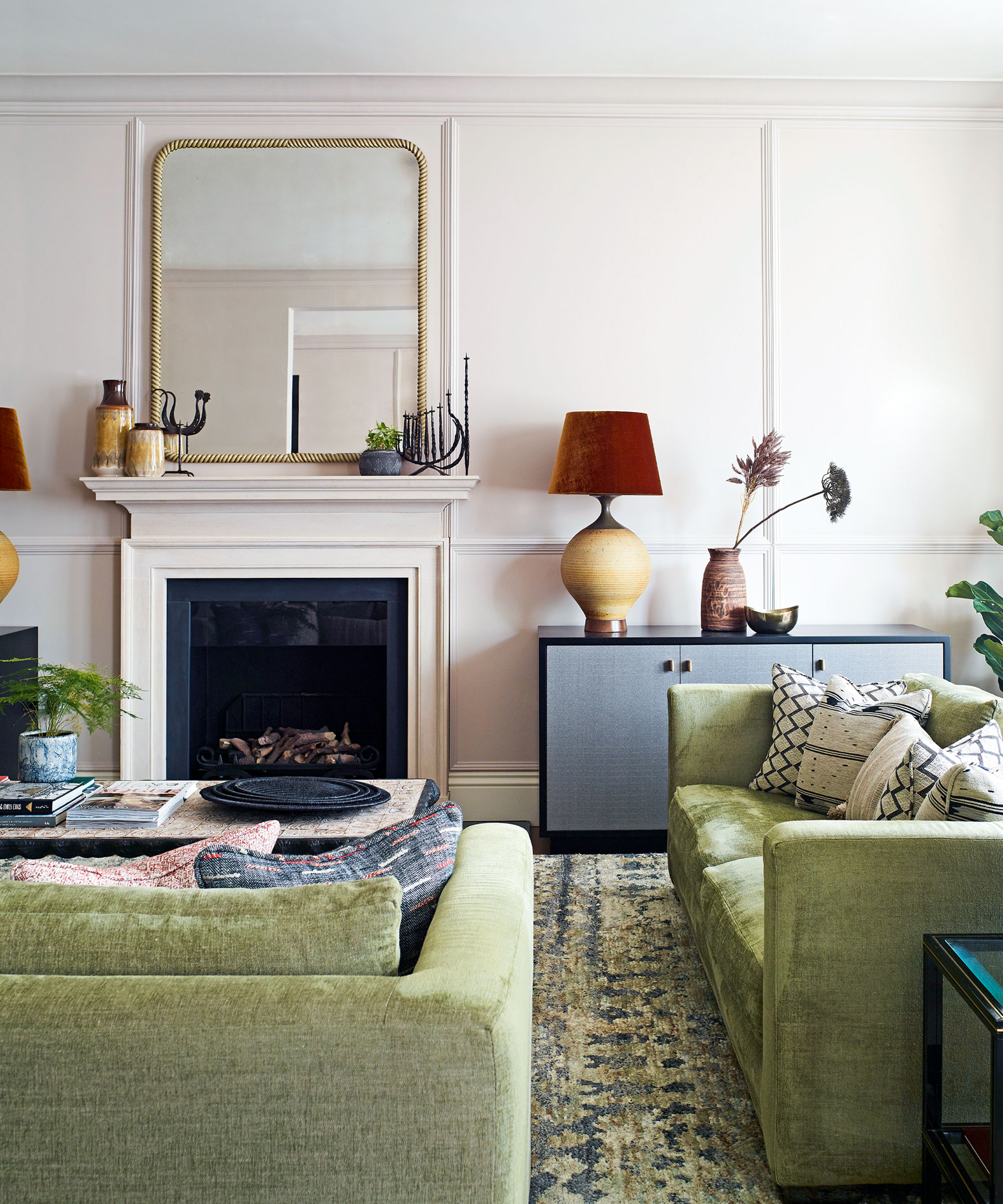
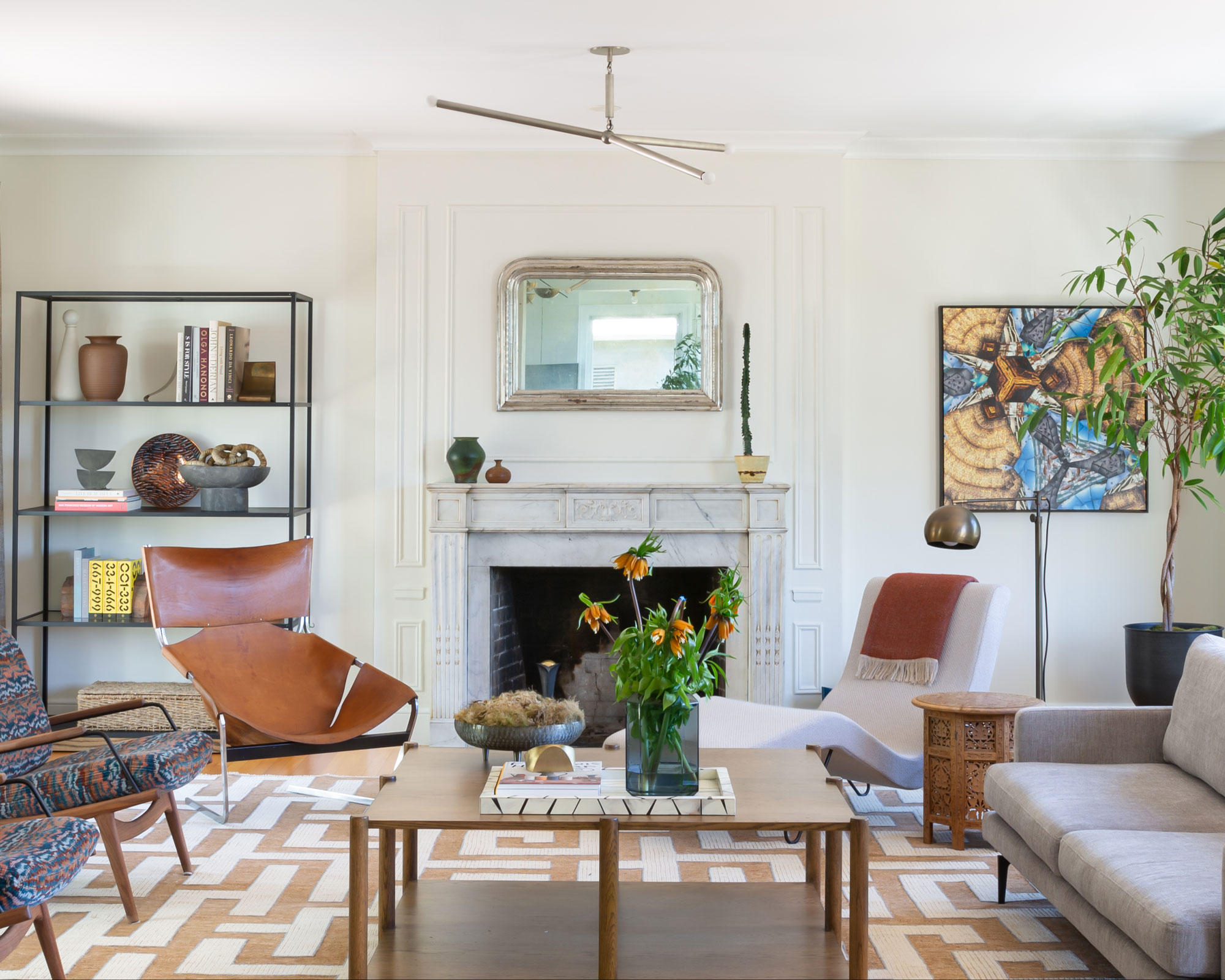
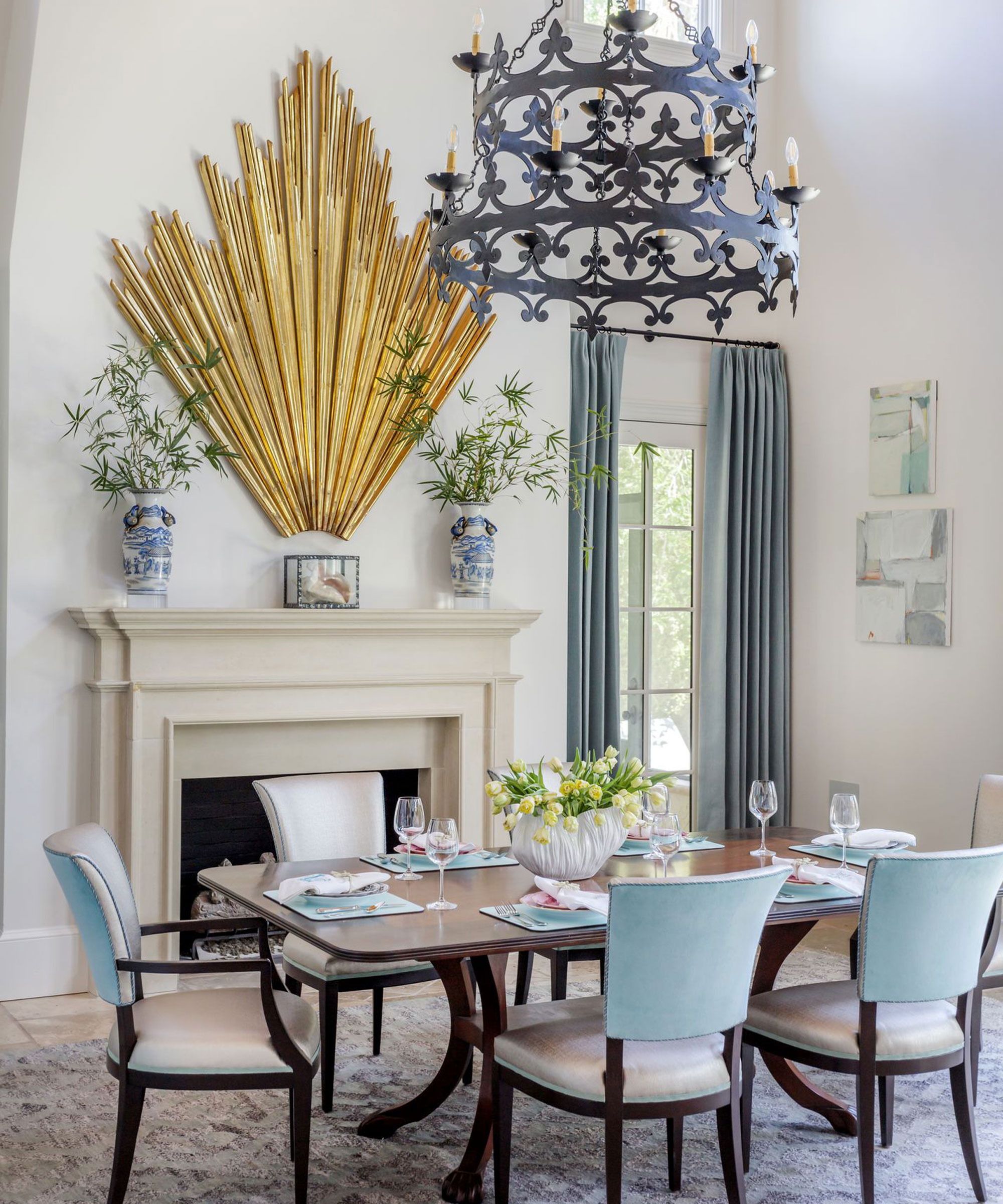
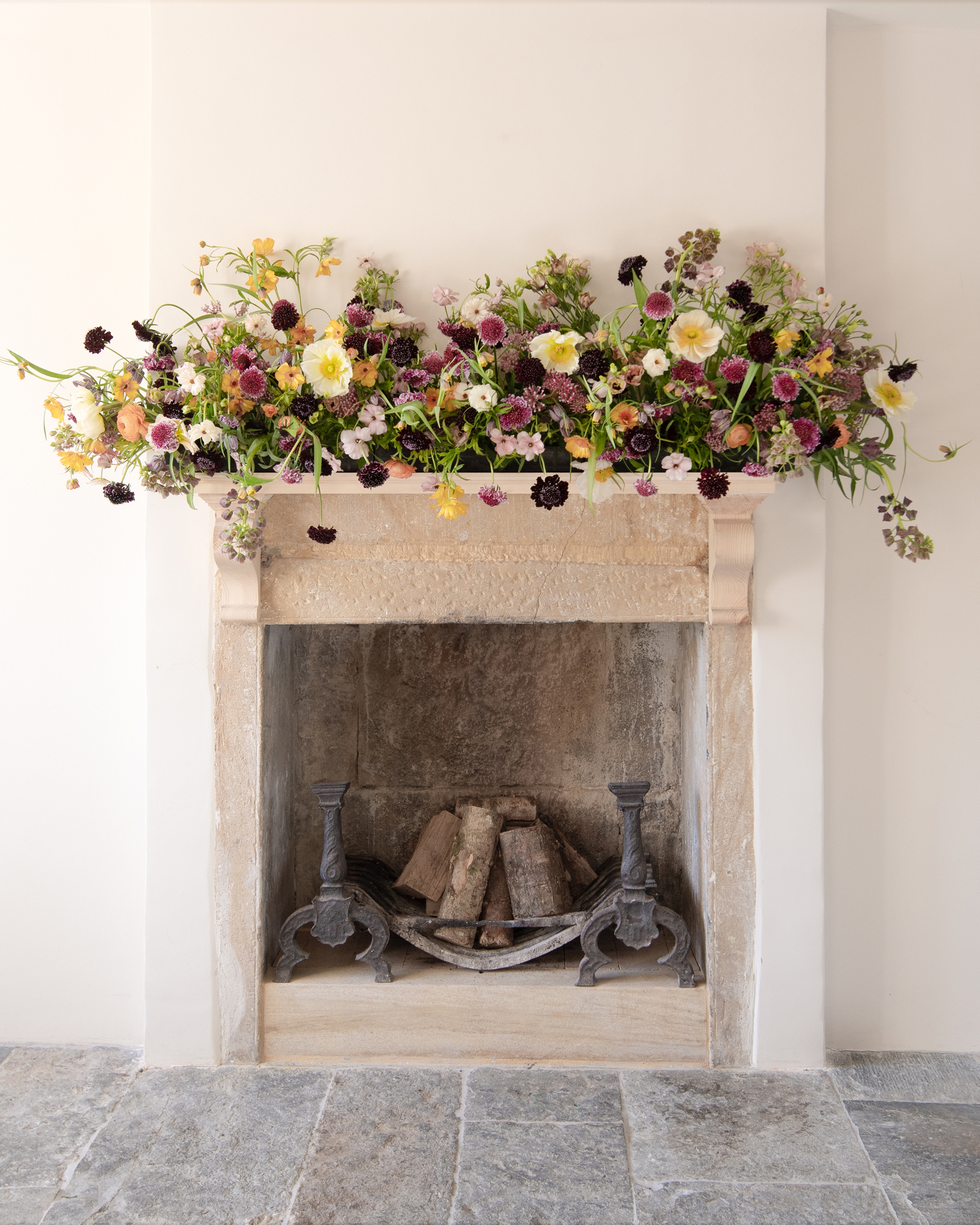
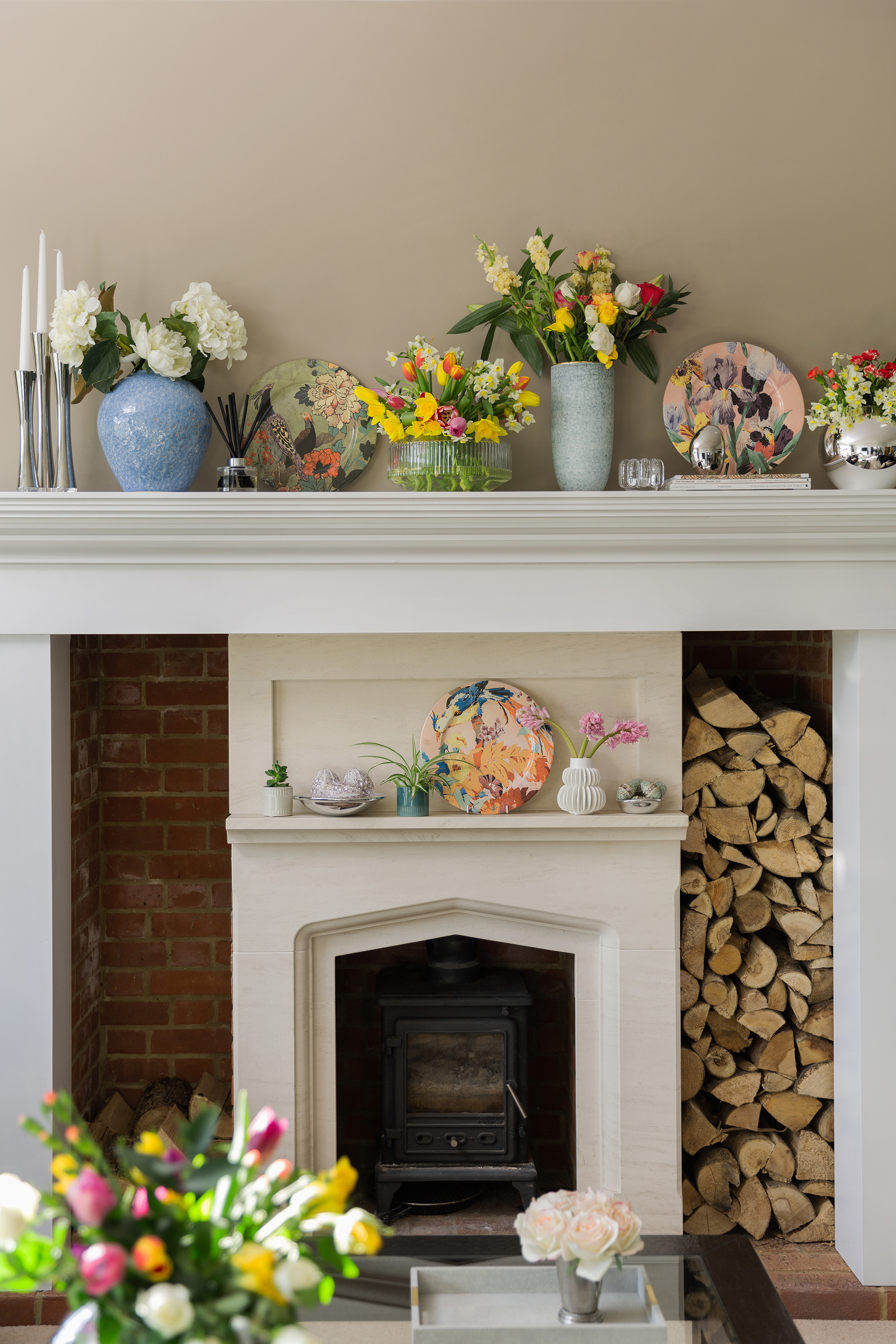
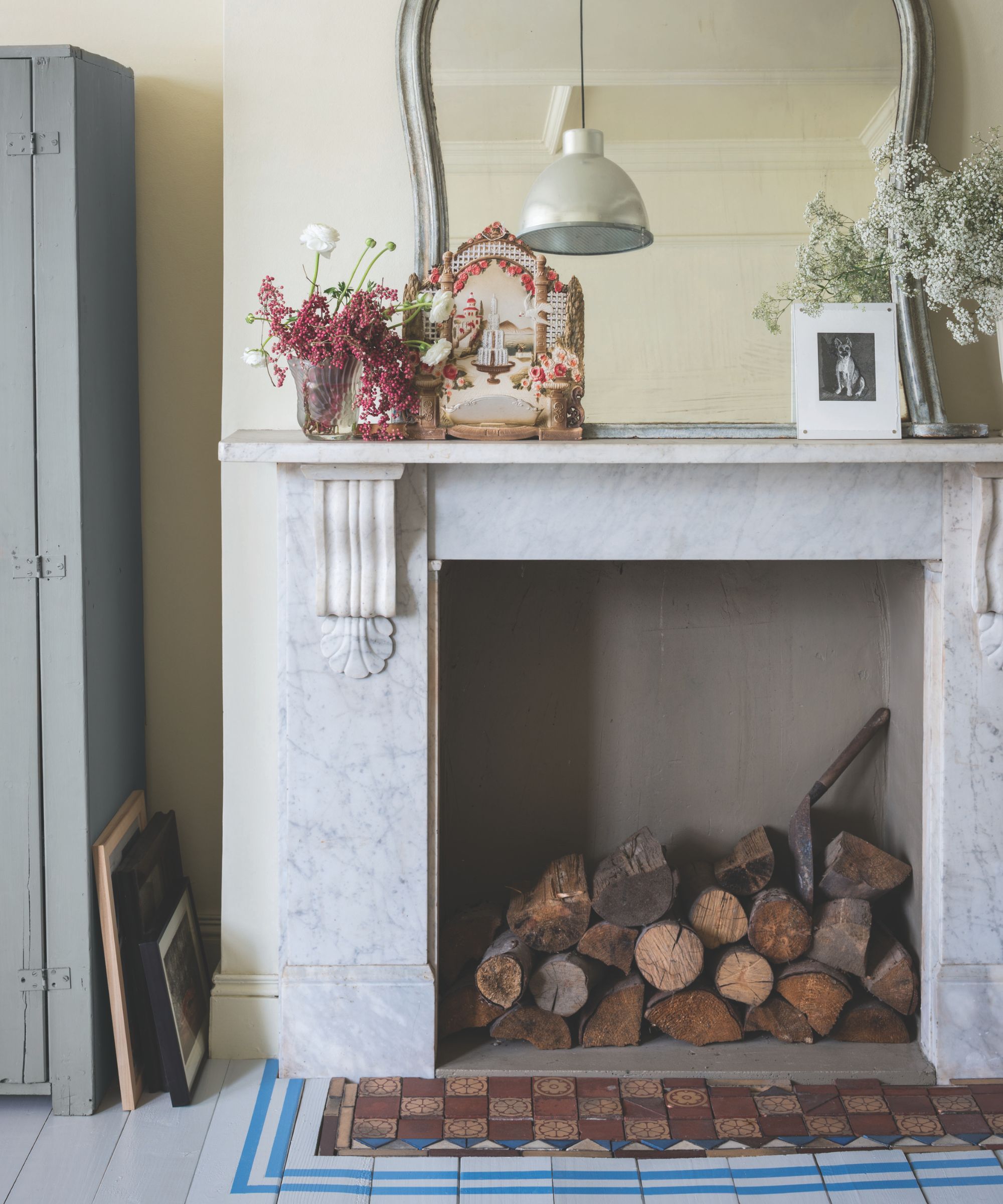
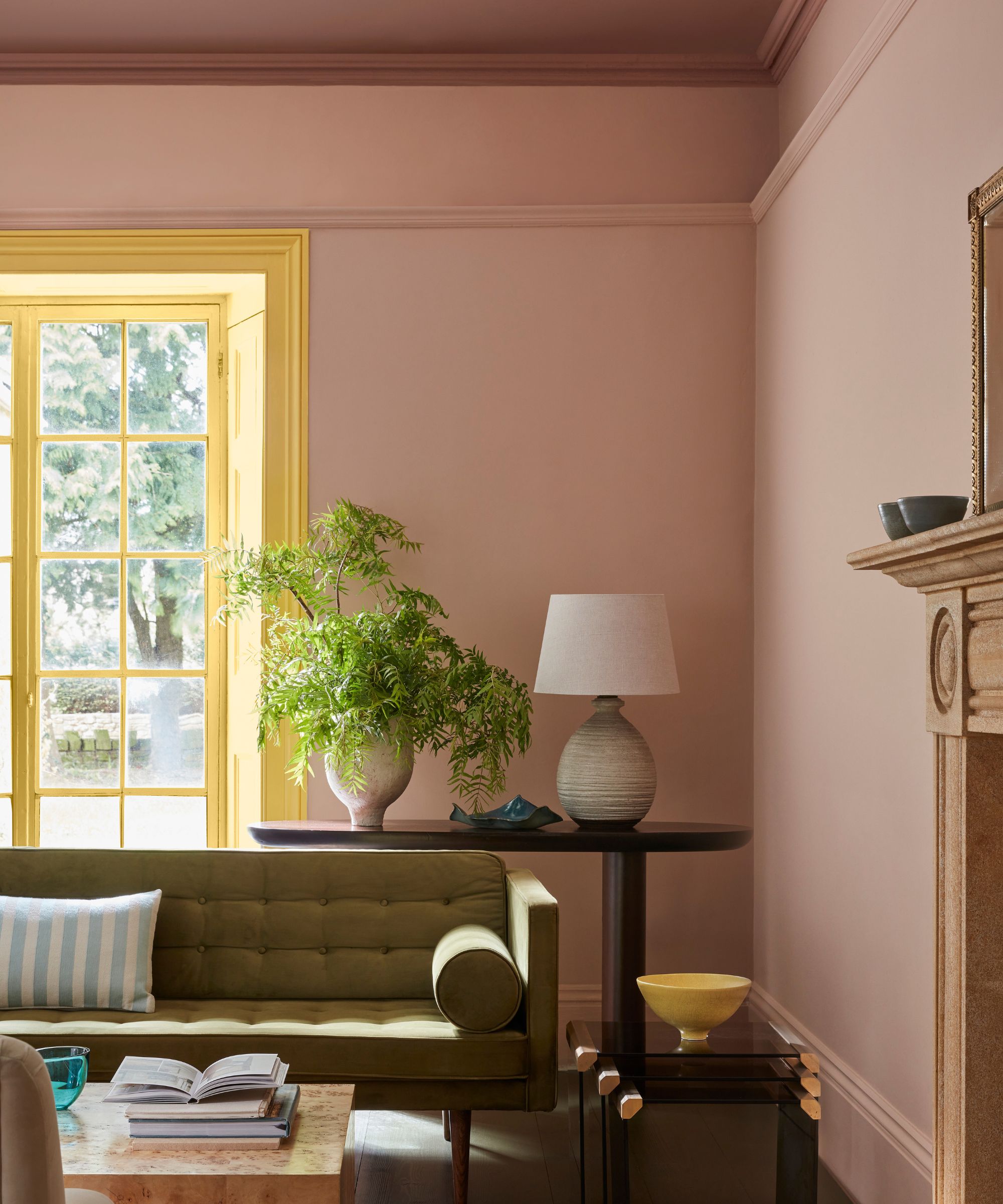
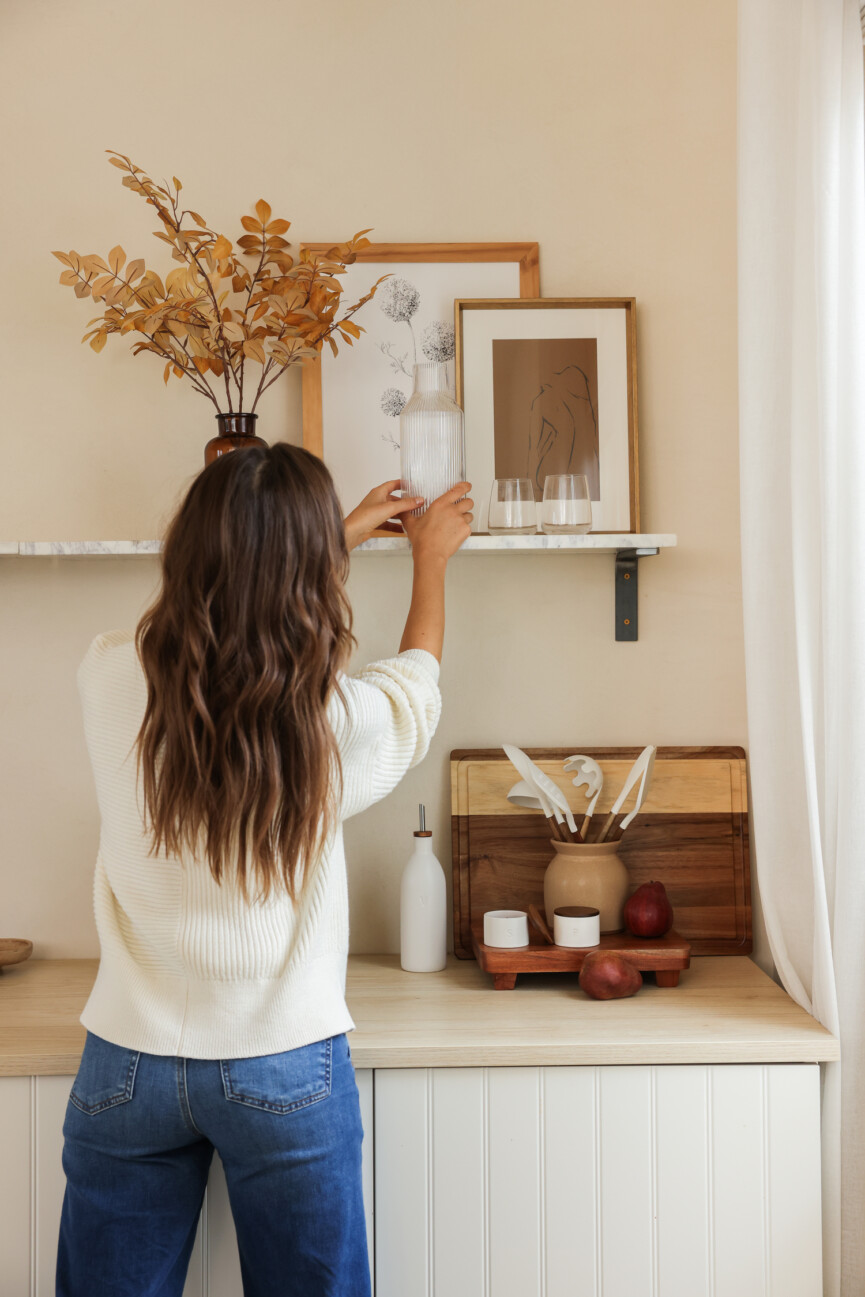
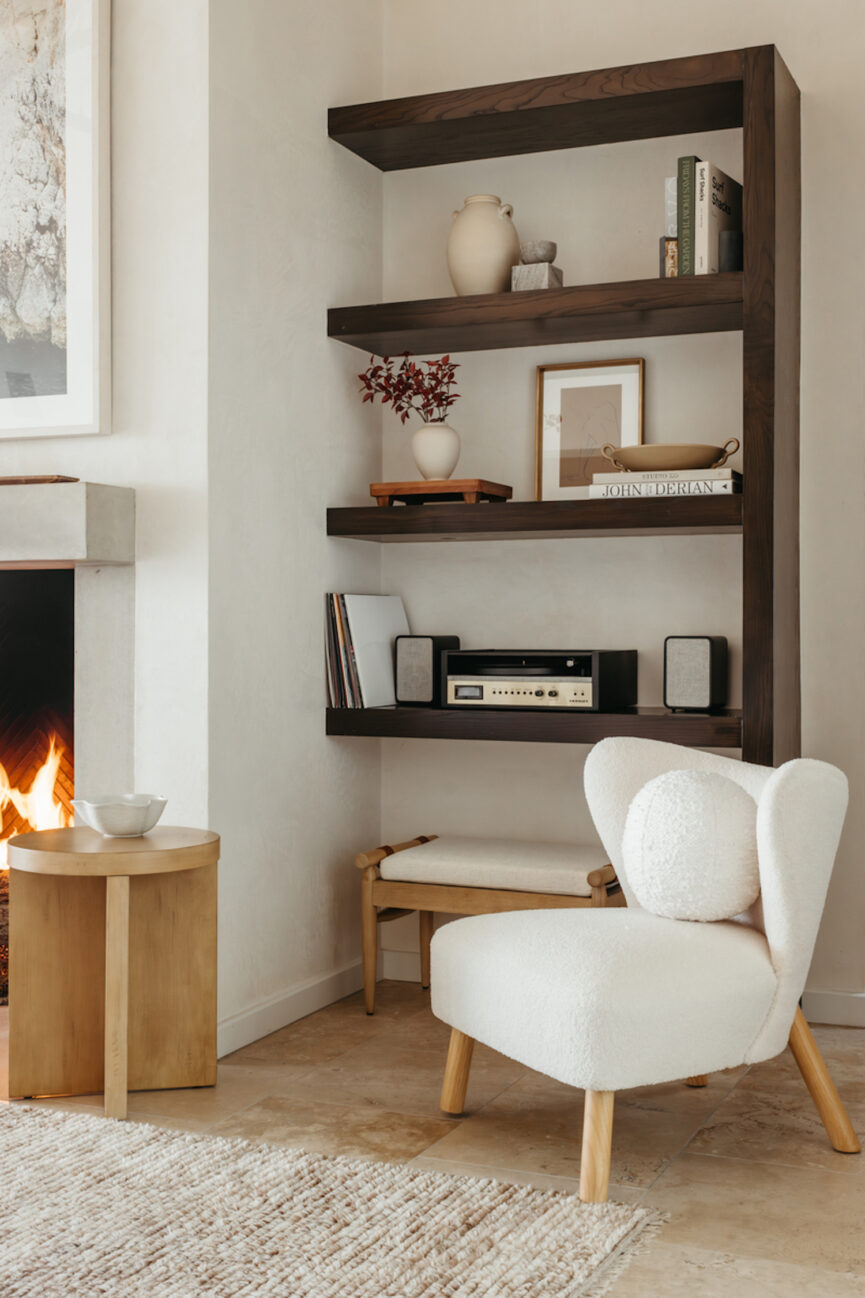
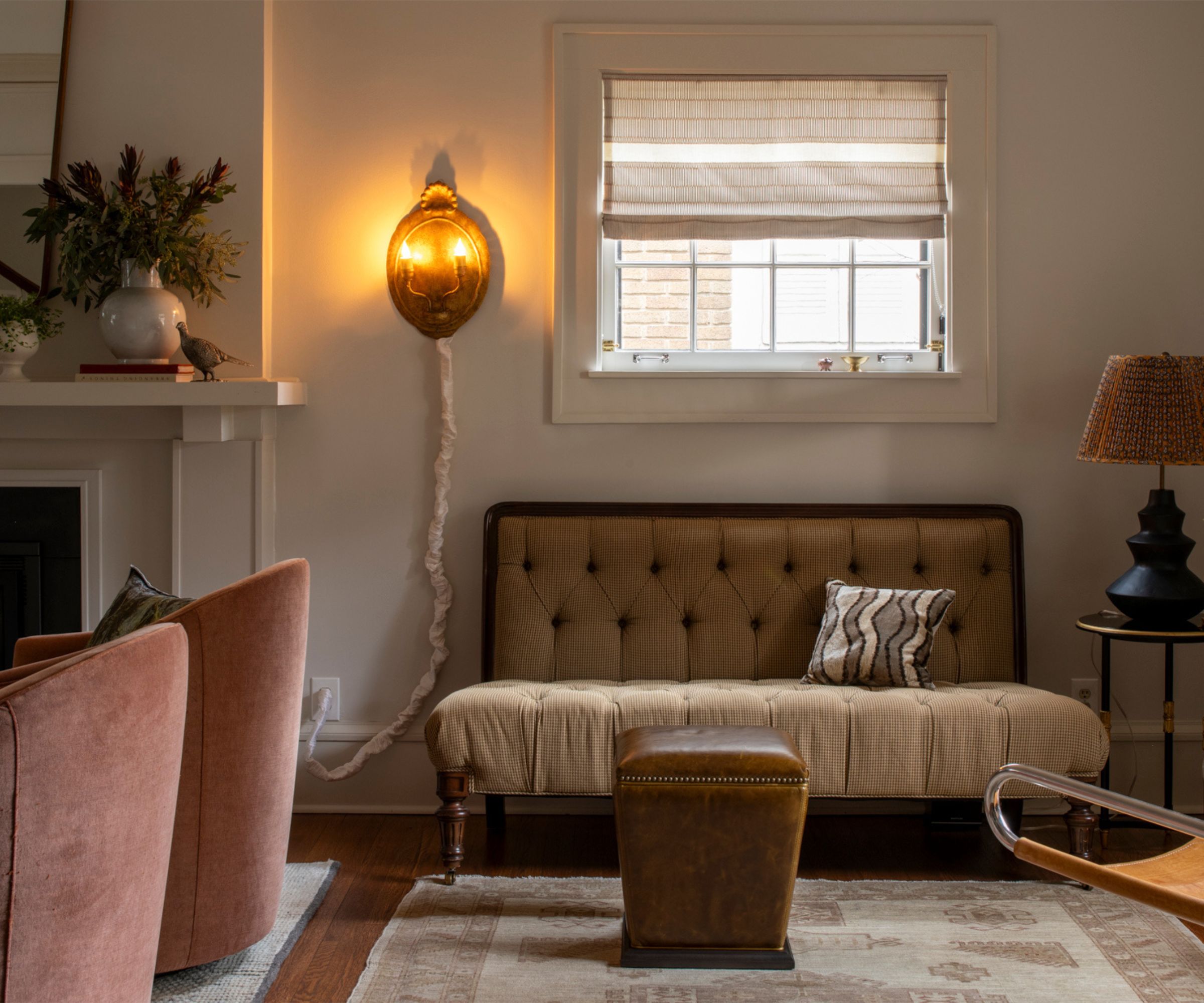
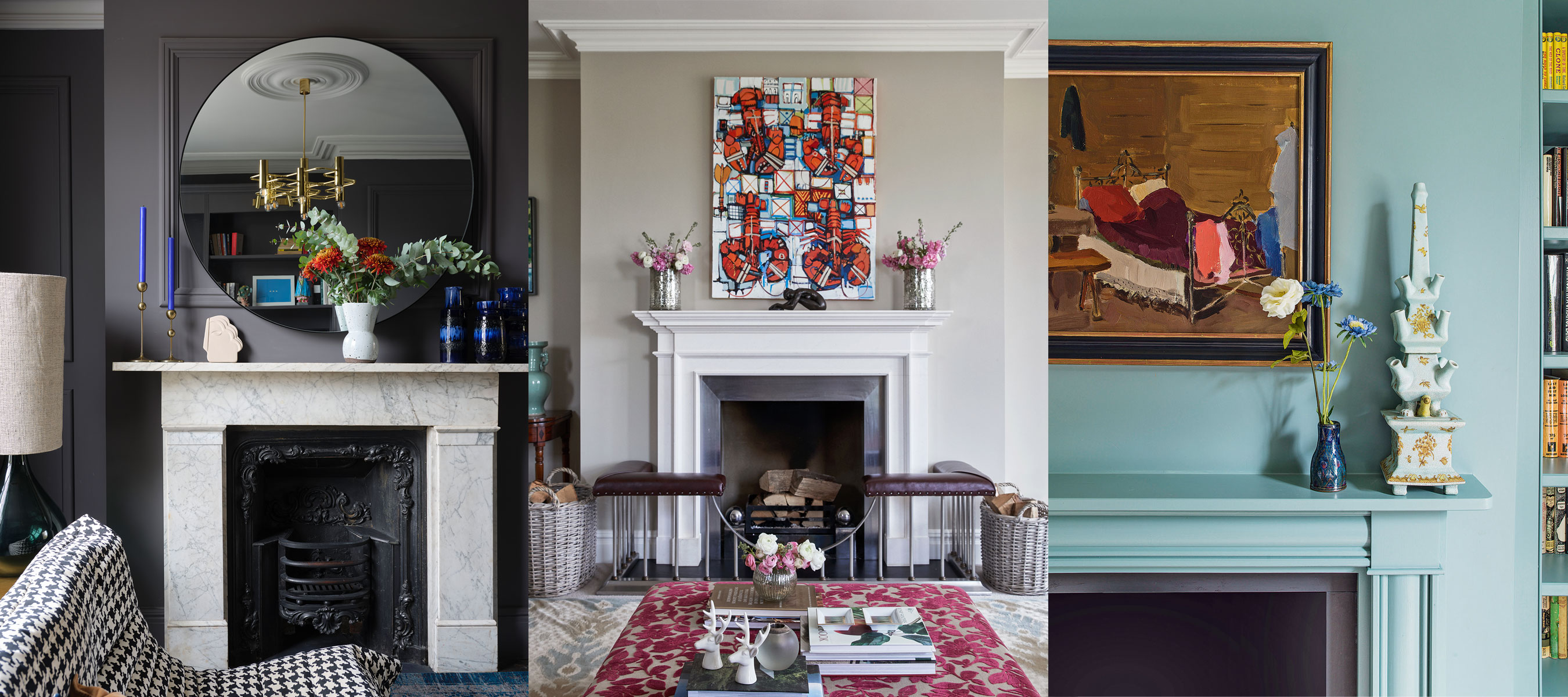
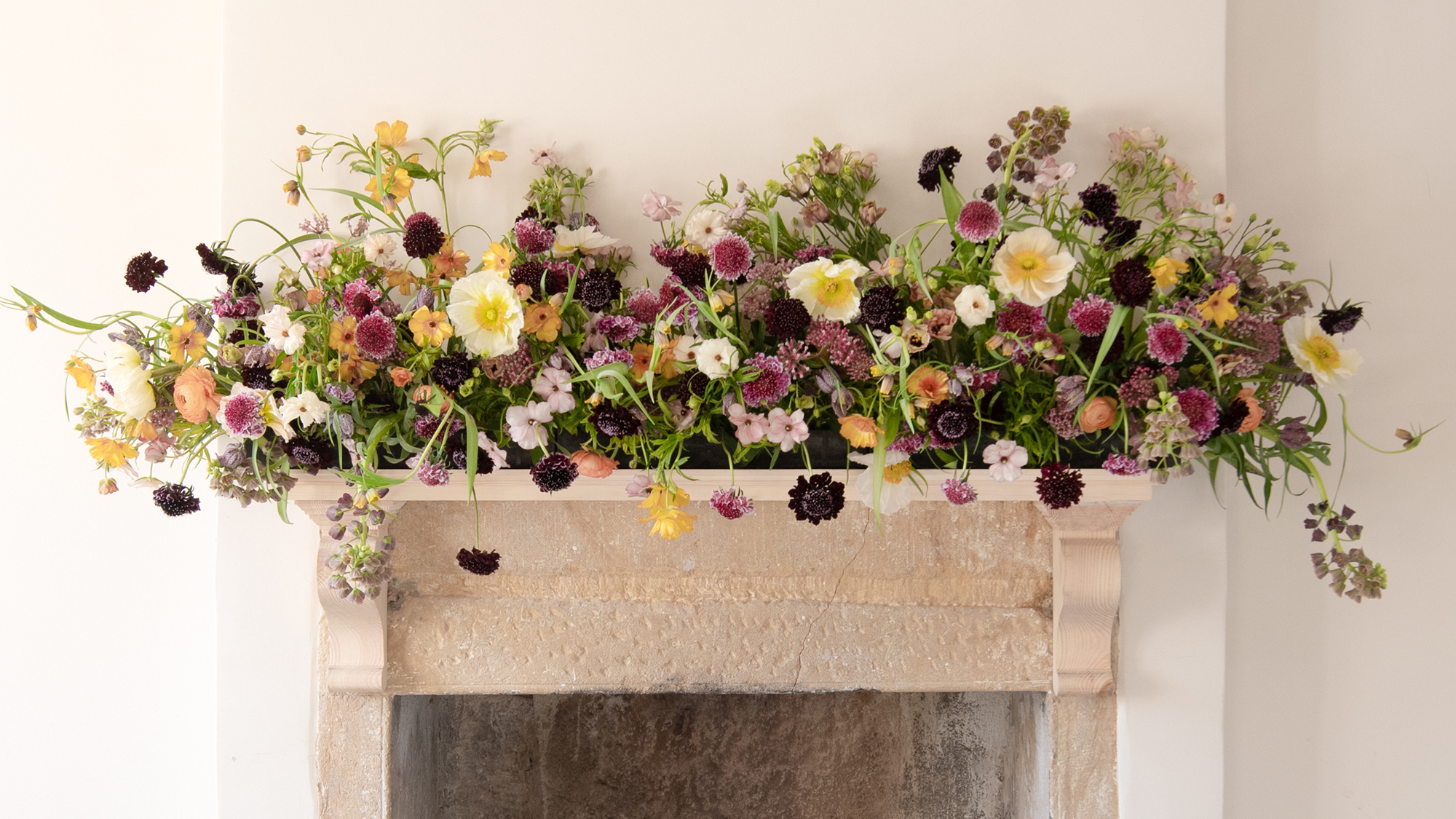
Mantelscaping, the art of decorating a mantelpiece, has gained significant attention as a home decor trend. This practice involves artfully arranging decorations above a fireplace, though it can be applied to sideboards, shelves, or any wall-adjacent surface if a fireplace is absent. The goal is to curate a collection of items that introduce color, texture, and personal flair into a living space. Key elements often include books, artwork, vases, planters, candles, and various trinkets, allowing for seasonal or even weekly updates to the aesthetic.
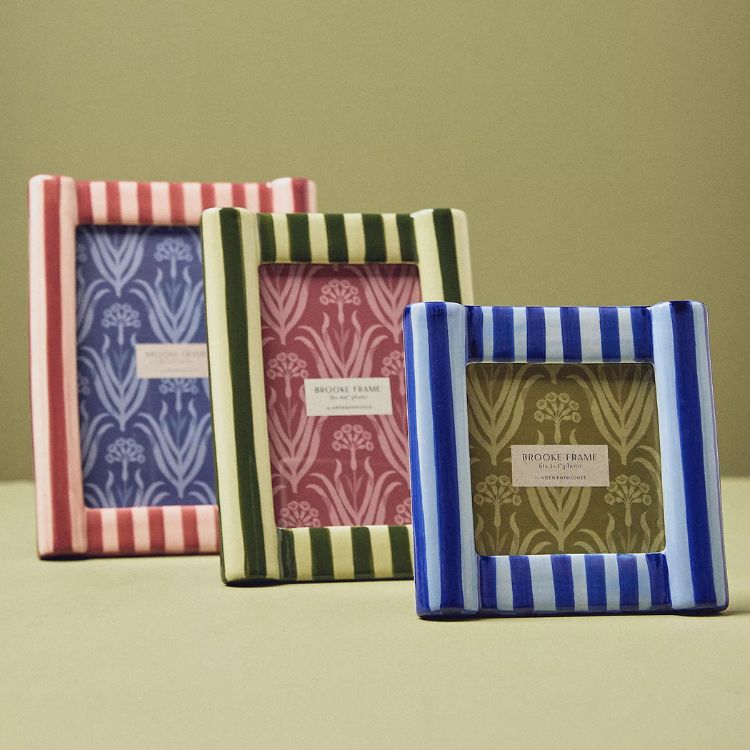
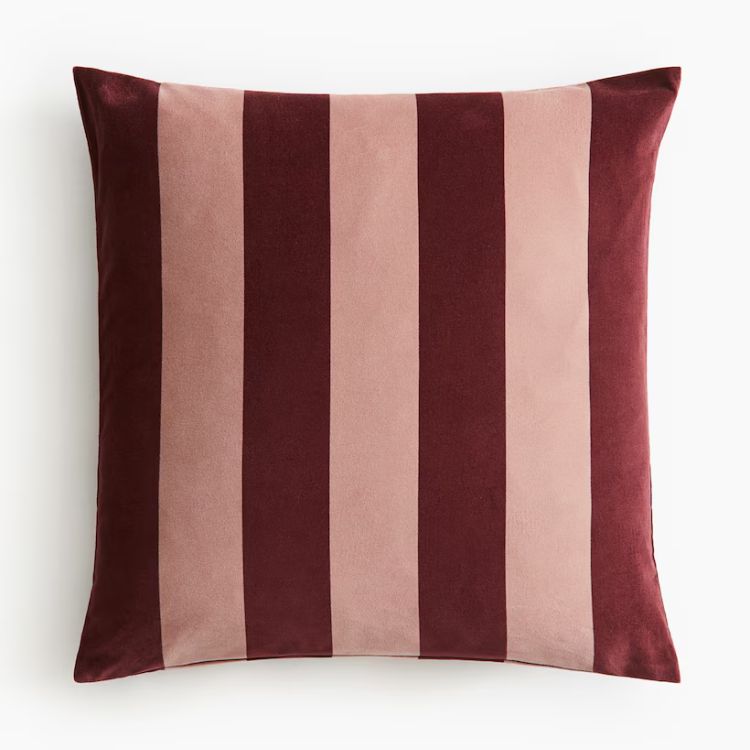
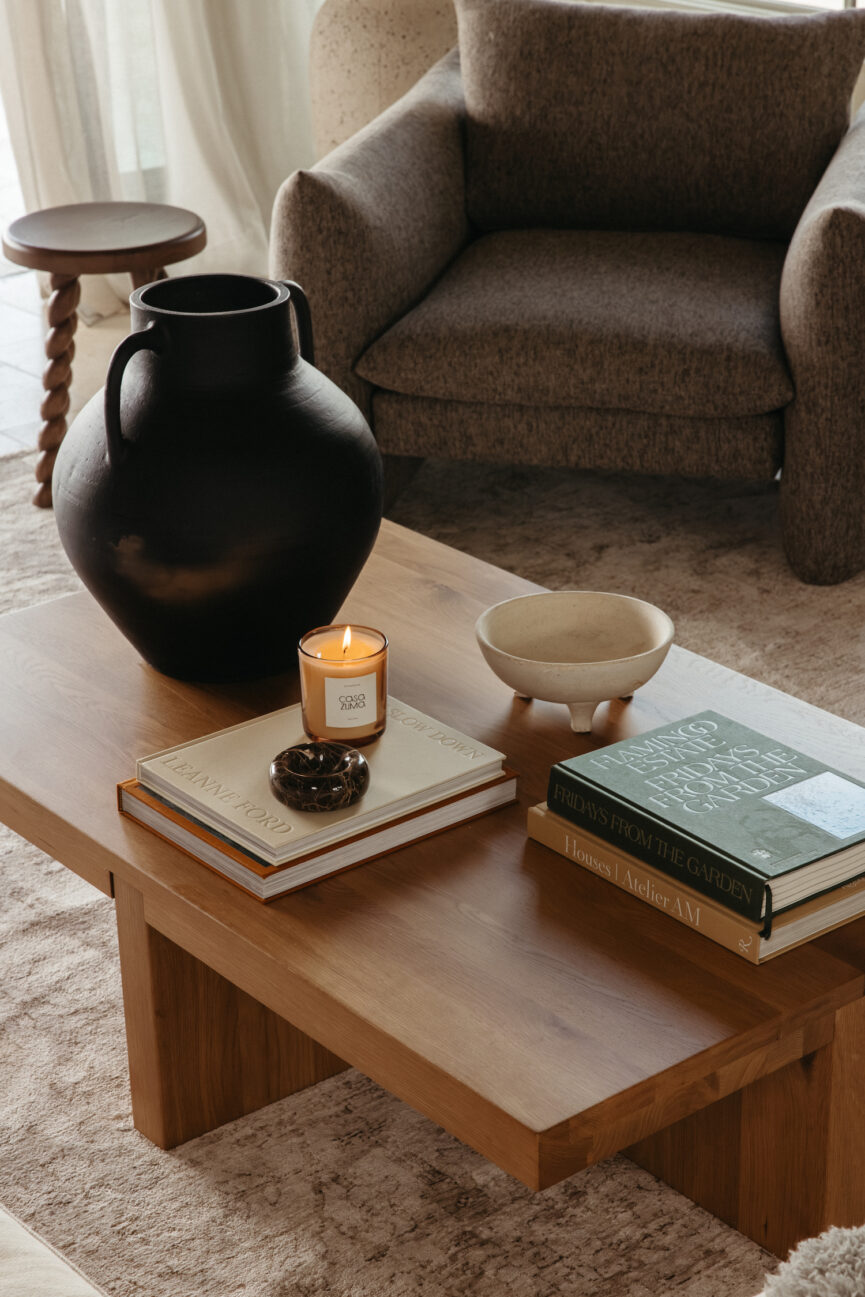
To create a cohesive and visually appealing mantelscape, several styling principles are recommended. A common color theme or pattern should be chosen for the accessories to ensure a unified look, whether it's a monochromatic scheme or a single dominant color. It is crucial to vary the height, shape, and texture of the items to add visual interest and prevent the display from appearing flat or monotonous. The 'rule of three' is a popular styling trick, suggesting that items should be grouped in odd numbers, such as three, five, or seven, as this arrangement is generally perceived as more aesthetically pleasing and balanced.
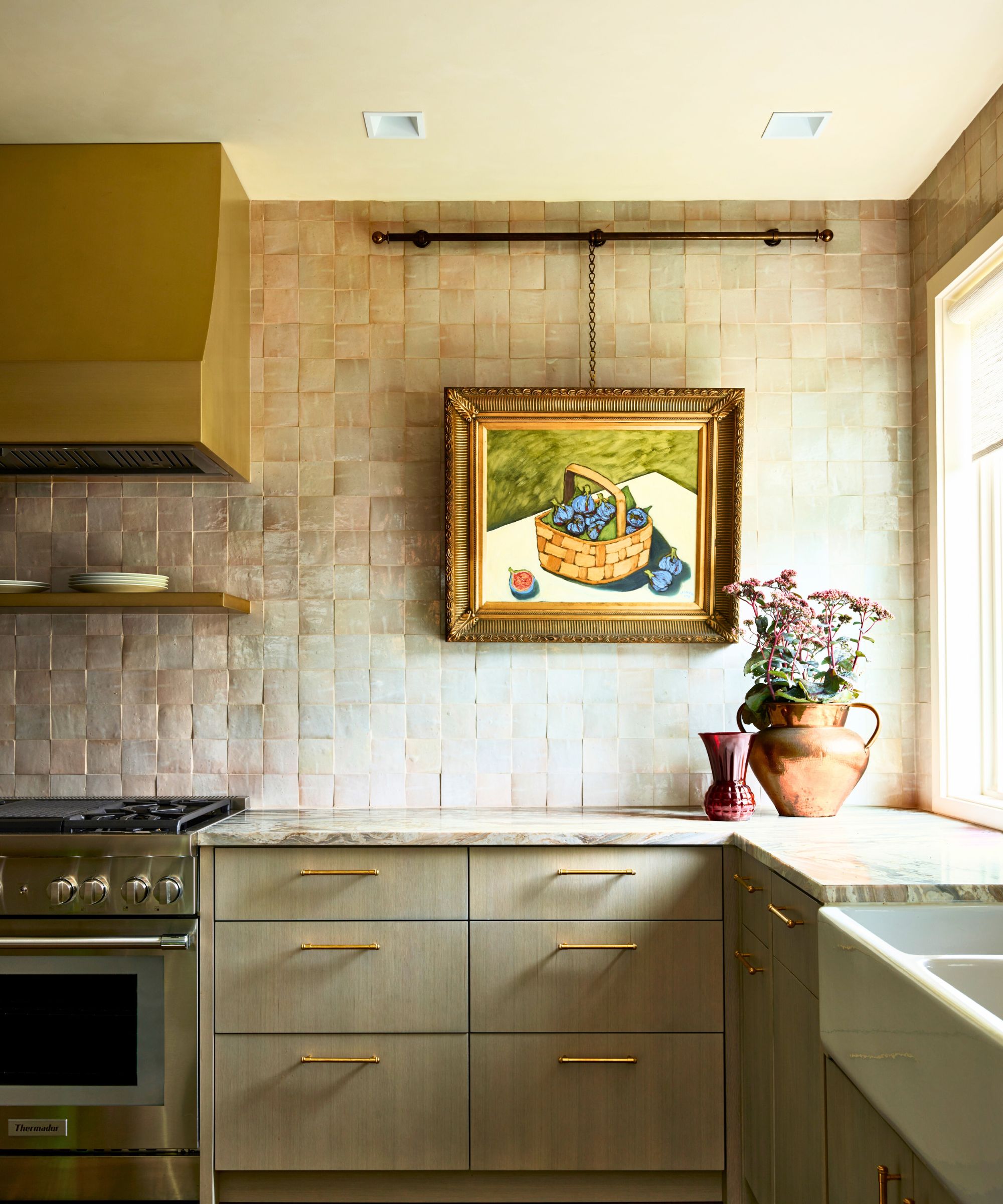
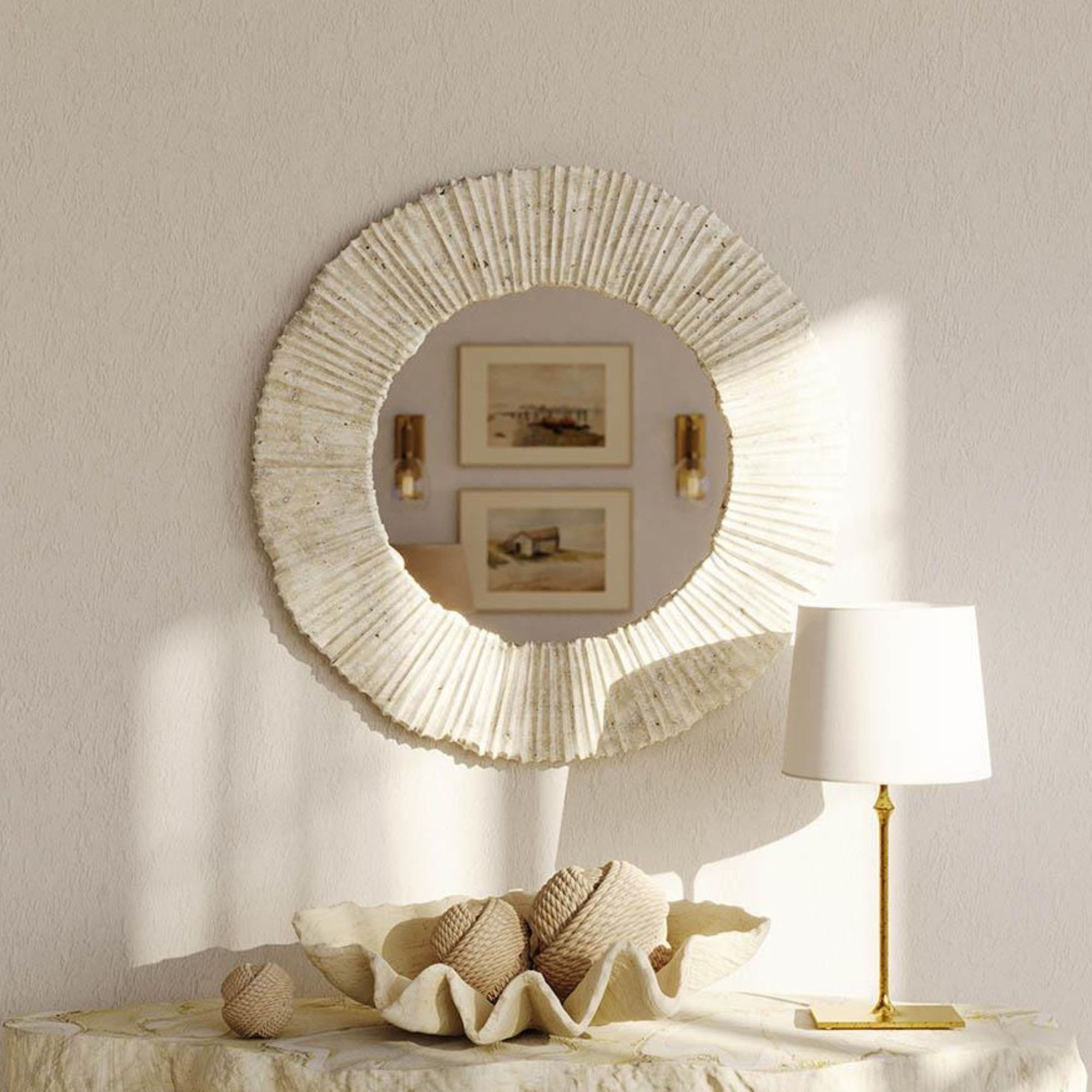
Attention to height is paramount in mantelscaping. Books can be stacked to elevate smaller decorative pieces, ensuring they are not overshadowed by taller items. Incorporating varying sizes of posey vases filled with dried flowers is another effective way to introduce both color and verticality. Additionally, propping mirrors or prints behind trinkets and plants can add depth to the arrangement, creating a more layered and intricate display. The overall mantelscape should reflect the homeowner's personal taste, whether they prefer a minimalist, pared-back look or a more maximalist and quirky style.
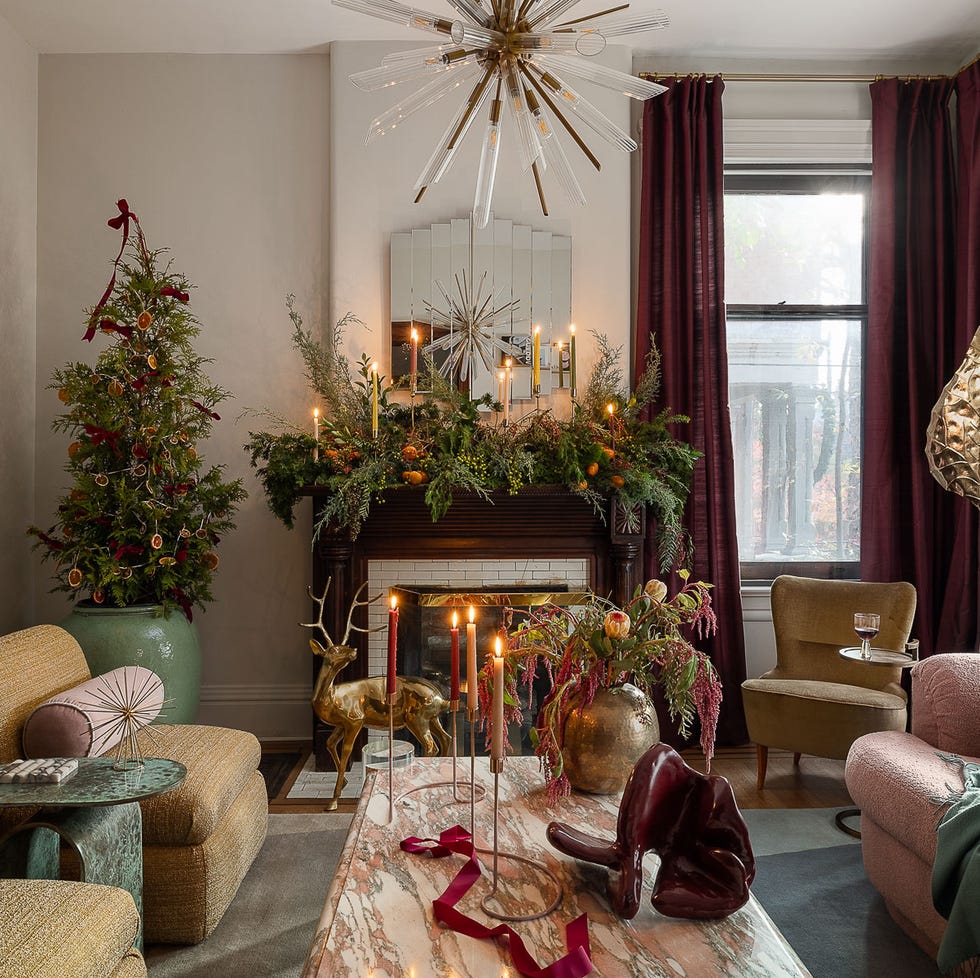
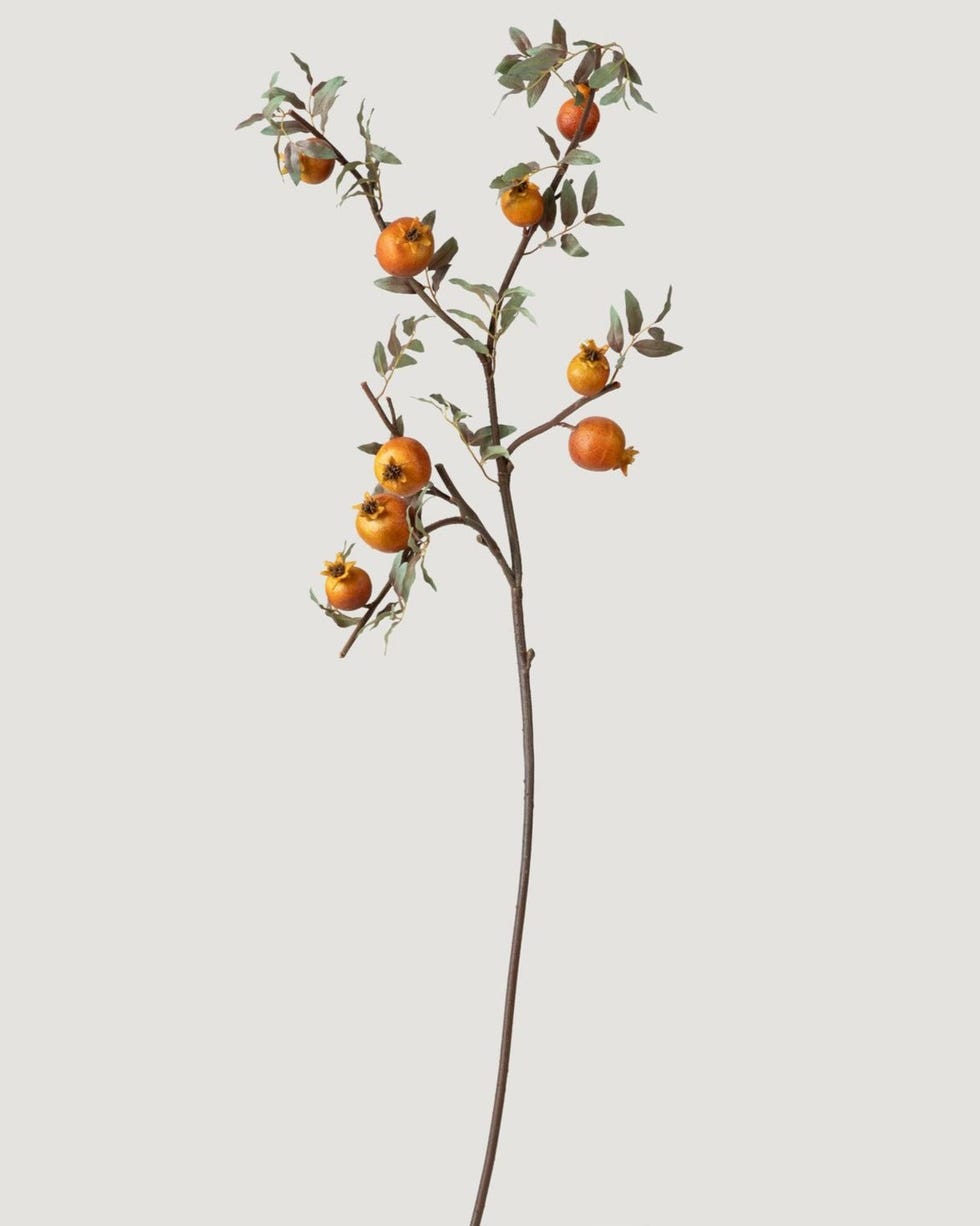
Once the mantel is styled, stepping back to assess the balance and overall appearance is important. Mantelscaping is not a static endeavor; it allows for frequent adjustments and changes, such as swapping out flowers or accessories, to refresh the look as desired. This trend is adaptable across all seasons, making it a versatile decorative practice throughout the year. For spring and summer, vibrant fresh flowers or trailing plants can be used. In autumn, accents like berries and burnt orange hues can be incorporated. For the festive winter season, especially Christmas, decorative garlands entwined with twinkling LED lights and seasonal elements like pinecones, dried orange slices, or eucalyptus can transform the mantelpiece into a striking focal point. Larry Walshe, founder of Bloom, emphasizes the use of fresh foliage like fragrant spruce or conifer branches for winter, though faux foliage can also be effective when combined with fairy lights and berries.
In essence, mantelscaping offers a flexible and creative way to personalize and enhance a living space, ensuring that the mantelpiece or similar display area remains a dynamic and engaging element of home decor.
#Mantelscaping #HomeDecor #InteriorStyling #FireplaceDecor #SeasonalDecor #HomeAccessories #DesignTips #VisualBalance #PersonalExpression #Mantelscaping #HomeDecor #InteriorStyling #FireplaceDecor #SeasonalDecor #HomeAccessories #DesignTips #VisualBalance #PersonalExpression
0 comment in total
 No comments yet
You may also like
This Summer’s Hottest Decor Trend Will Never Go Out of Style
How to style a mantelpiece – 6 expert tips from interior designers

Houzz Reveals 8 Emerging Summer Home Design Trends


Fearless fall fashion forecast
Still holding onto summer? These are the 3 summer trends I am taking into fall – and how I am restyling them for the cozy season
This Designer's Style Is Pinterest-Board Worthy—Here's How to Nail the Look This Summer
The Most-Searched Spring Decor Trends Prove This Popular Style Is Here to Stay

Designer tricks for a cozy, layered look this fall
Mantel decor ideas – 10 tips for year-round fireplace and mantelpiece decoration
Smart Solutions: Try a bit of glamping at home this summer
Move over color drenching, ‘color capping’ is the chic new tonal technique you’ll be seeing everywhere this fall
An Ode to Khakis, the Perfect Summer Pants
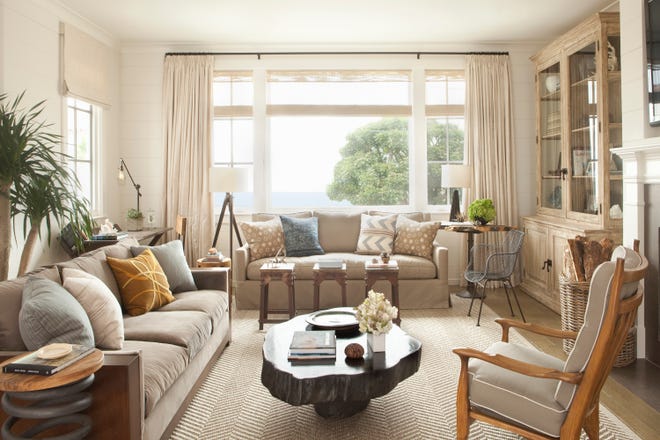
Summer can inspire decor all year
Spring mantel decor ideas – 10 ways to elevate your architecture and welcome the new season
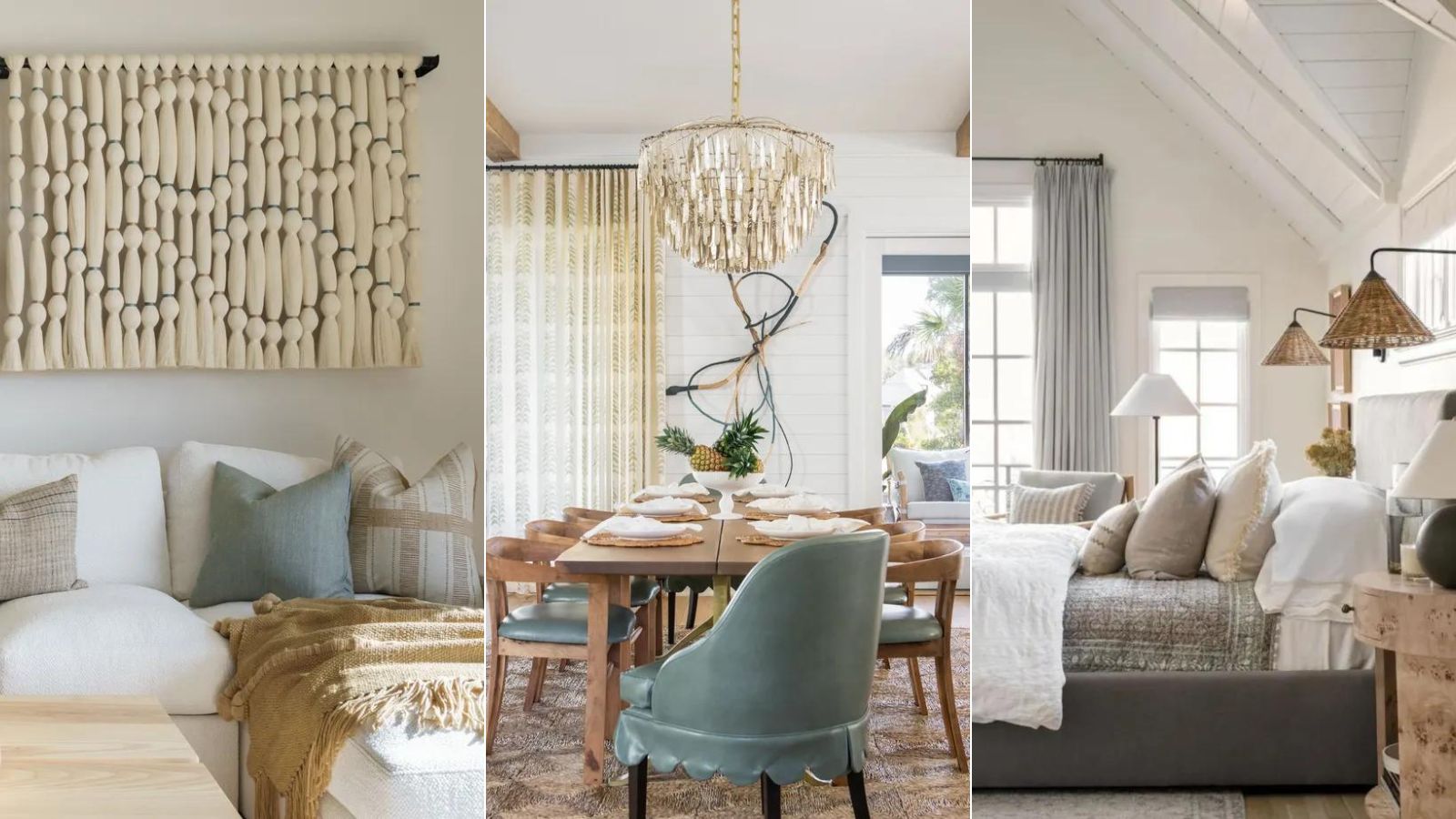
'Coastal elegance' is the end-of-summer trend to know about – designer Kathy Kuo shares how she creates the effortless look
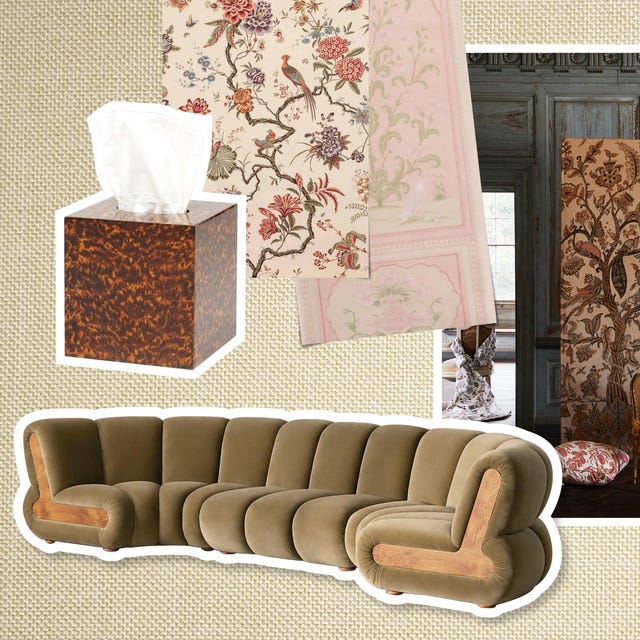
We Combed Design Markets and Shows Around the World to Find the 11 Biggest Interior Trends Right Now

This Timeless Trend Is Making a Comeback, and It’s Ridiculously Easy to Style

Decorating This Feature Will INSTANTLY Give Your Home an "Expensive" Look for the Holidays
8 Simple Styling Swaps to Take Your Home from Summer to Fall
Color Drenching Is the Bold Paint Trend Taking Over—Here’s How to Nail It