1/8
Beach Patio Design Tips
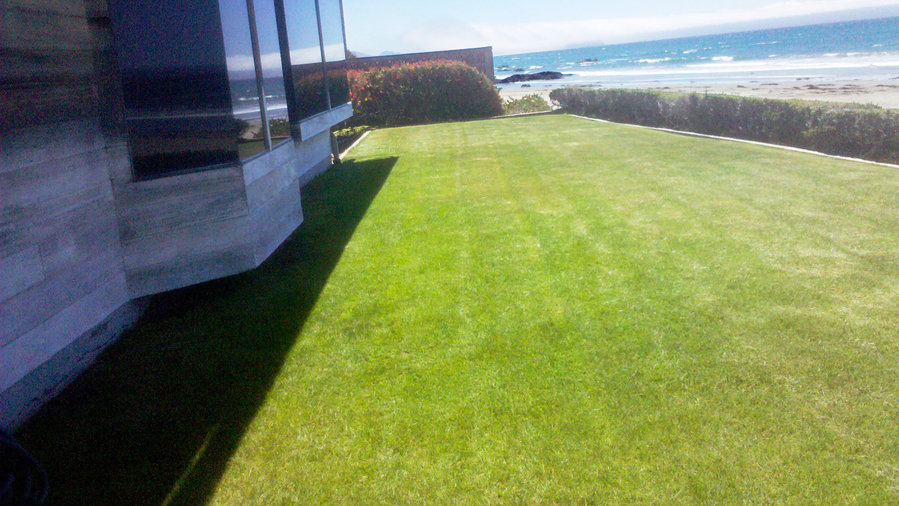
Gordon and Julia Held, residents of a beachfront home in Cayucos, California, transformed their 20- by 60-foot lawn into a water-wise and easy-care patio. The original lawn, characterized by its high water consumption, appeared incongruous with the surrounding sandy and oceanic environment. To address these issues, they enlisted landscape architect Jeffrey Gordon Smith, who conceived a "soft hardscape" design. This approach blended pavers with a "wind-whipped plant palette," emphasizing native and adapted plants that harmonized with the coastal landscape and required significantly less maintenance than a traditional lawn.
Before the renovation, the Helds spent considerable time on lawn maintenance, which detracted from their enjoyment of the ocean views. Following the implementation of Smith's design, their focus shifted to appreciating the natural beauty around them. The new garden design resulted in a substantial reduction in water usage, decreasing it to just 10 percent of its previous consumption, leading to a monthly savings of approximately $50. This demonstrates the economic and environmental benefits of the water-wise landscaping.
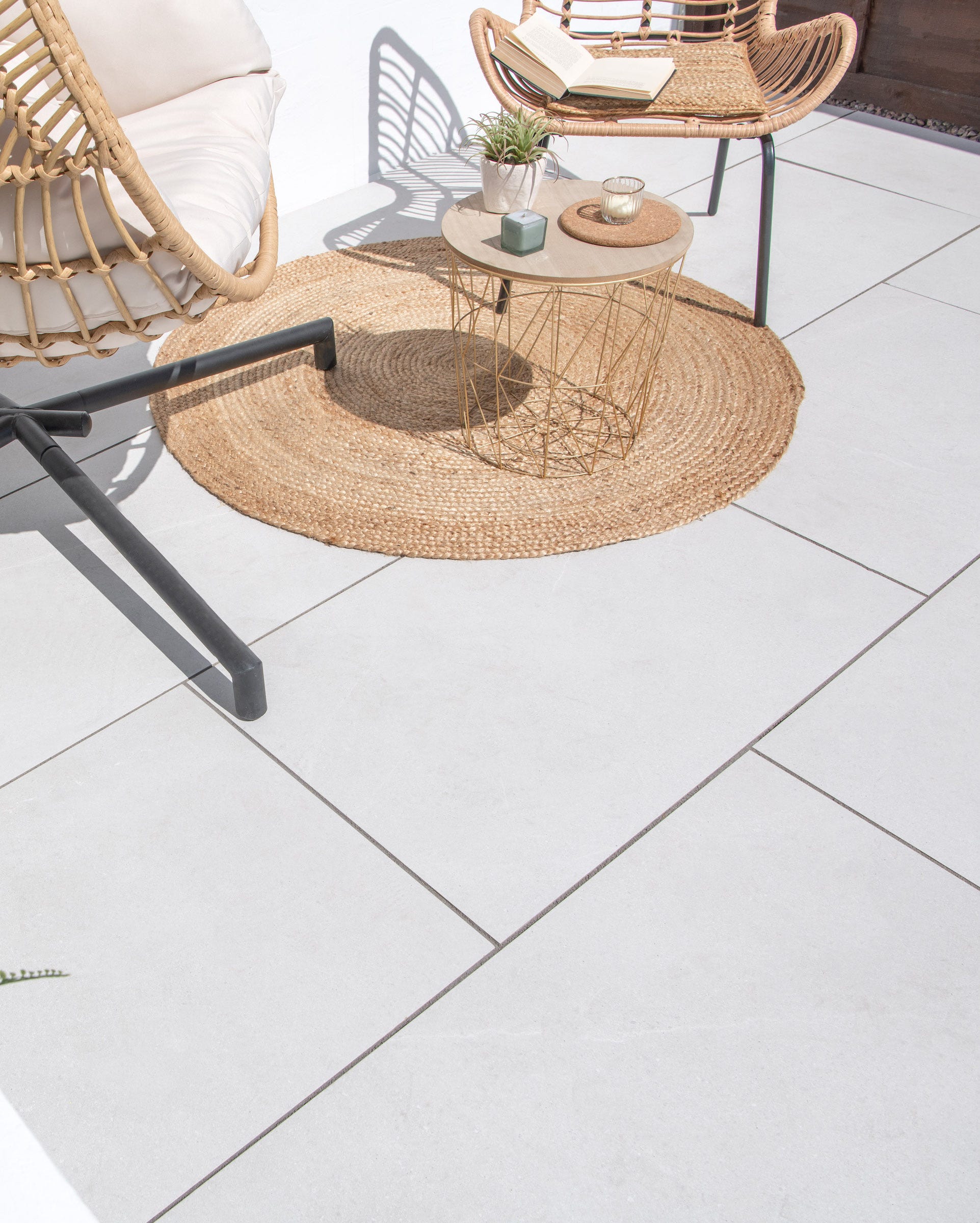
Smith's design incorporated several key elements. The patio features acid-washed concrete pavers that emulate the texture of sand, providing a comfortable surface for activities like tai chi. These pavers are laid on a 6-inch sand base, with gaps between them to facilitate water absorption and prevent runoff. The patio's edge is defined by 'Canyon Prince' Leymus condensatus, a grass native to Southern California, which develops golden seed heads in summer. This plant was chosen for its ability to sway gracefully in the wind, complementing the coastal setting.
A dedicated "secret garden" area includes a driftwood bench, creating an intimate space for viewing succulents such as spiral aloe (A. polyphylla) and 'Afterglow' Echeveria. Tufts of blue moor grass (Sesleria caerulea) border this section, resembling sea anemones. Dymondia margaretae, a groundcover, was planted between the pavers, leading to Mexican pebbles, and took six months to fully establish. Juniperus rigida conferta 'Blue Pacific' was used near the house to further integrate the landscape.
Another prominent feature is the inclusion of large, mounding Pride of Madeira shrubs (Echium candicans). These shrubs, known for their vibrant purple blooms, are highly attractive to honeybees and thrive in poor soil conditions, making them suitable for both front and backyard gardens despite their size.
The article highlights that these low-water landscaping principles are applicable beyond beachfront properties. West Coast cities advocate for "ocean-friendly gardens" that utilize porous soil, climate-appropriate plants, and permeable paving to manage rainfall. Unlike heavily irrigated and hard-paved landscapes that contribute to pollutant runoff into storm drains and oceans, sponge-like gardens effectively prevent such runoff, promoting environmental sustainability. Organizations like surfrider.org offer further guidelines for creating environmentally friendly and aesthetically pleasing yards.
#BeachPatio #LandscapeDesign #WaterWiseGardening #DroughtTolerantPlants #OutdoorLiving #SustainableLandscaping #CoastalGardens #PatioDesign #CaliforniaNativePlants #BeachPatio #LandscapeDesign #WaterWiseGardening #DroughtTolerantPlants #OutdoorLiving #SustainableLandscaping #CoastalGardens #PatioDesign #CaliforniaNativePlants
0 comment in total
 No comments yet
You may also like
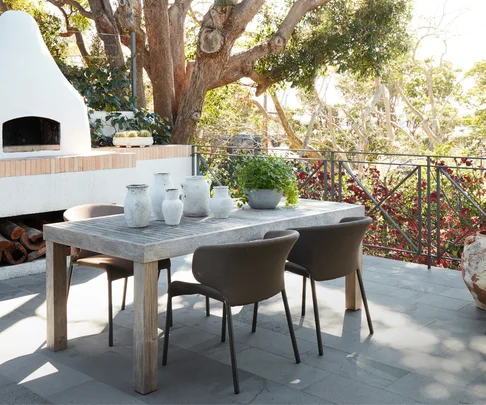
Outdoor patio furniture and styling tips

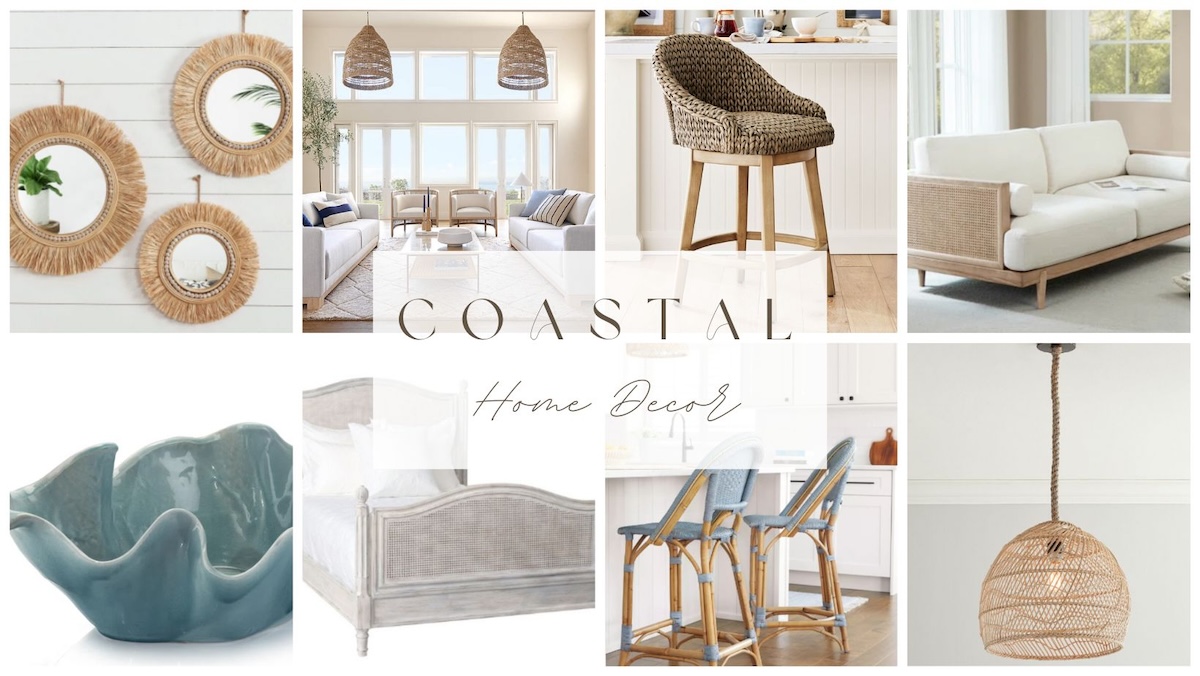
Coastal Decor: Pro Decorating Tips | How to Do Coastal Design Right

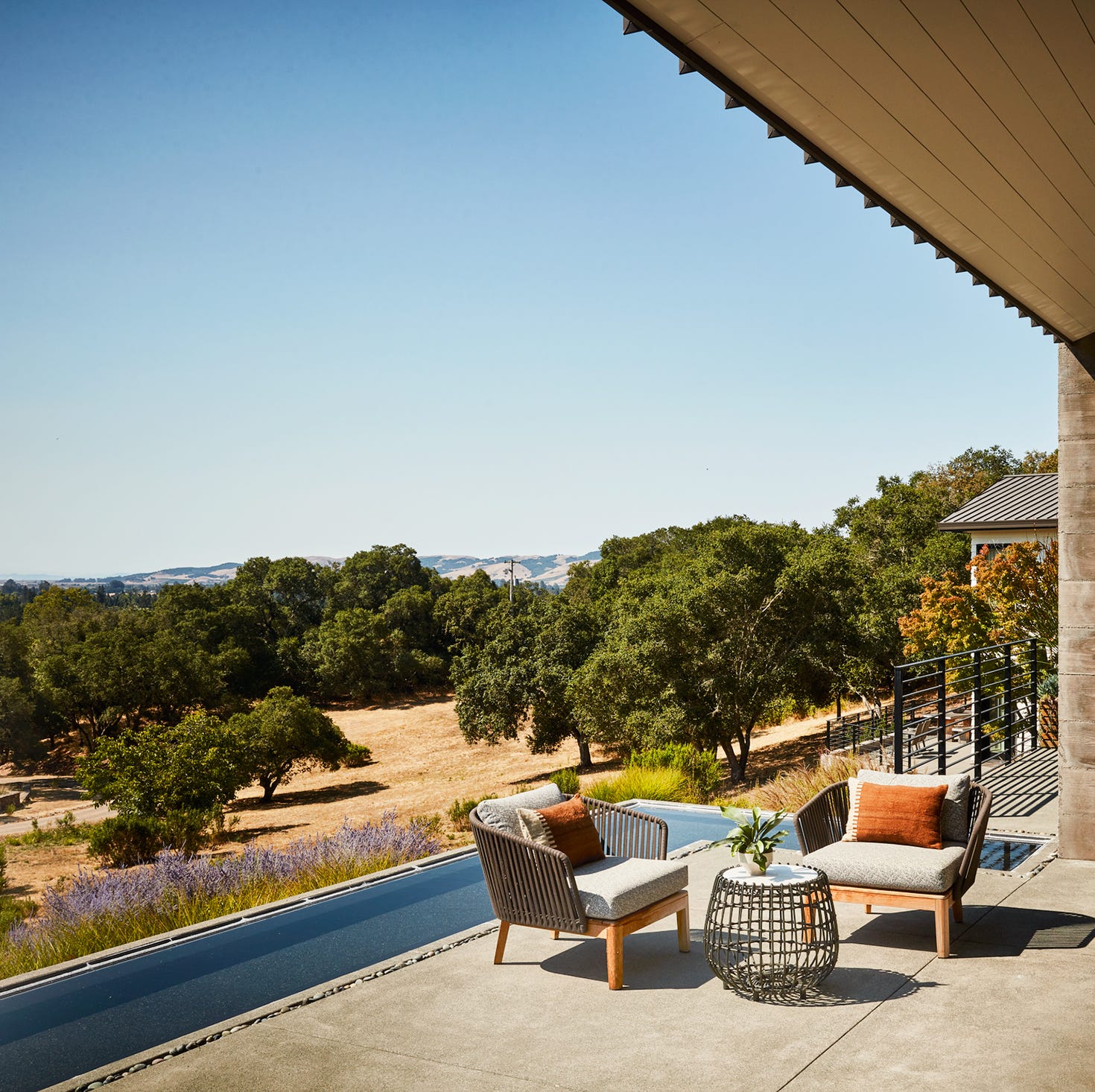
31 Ways to Give Your Pool Deck a Makeover

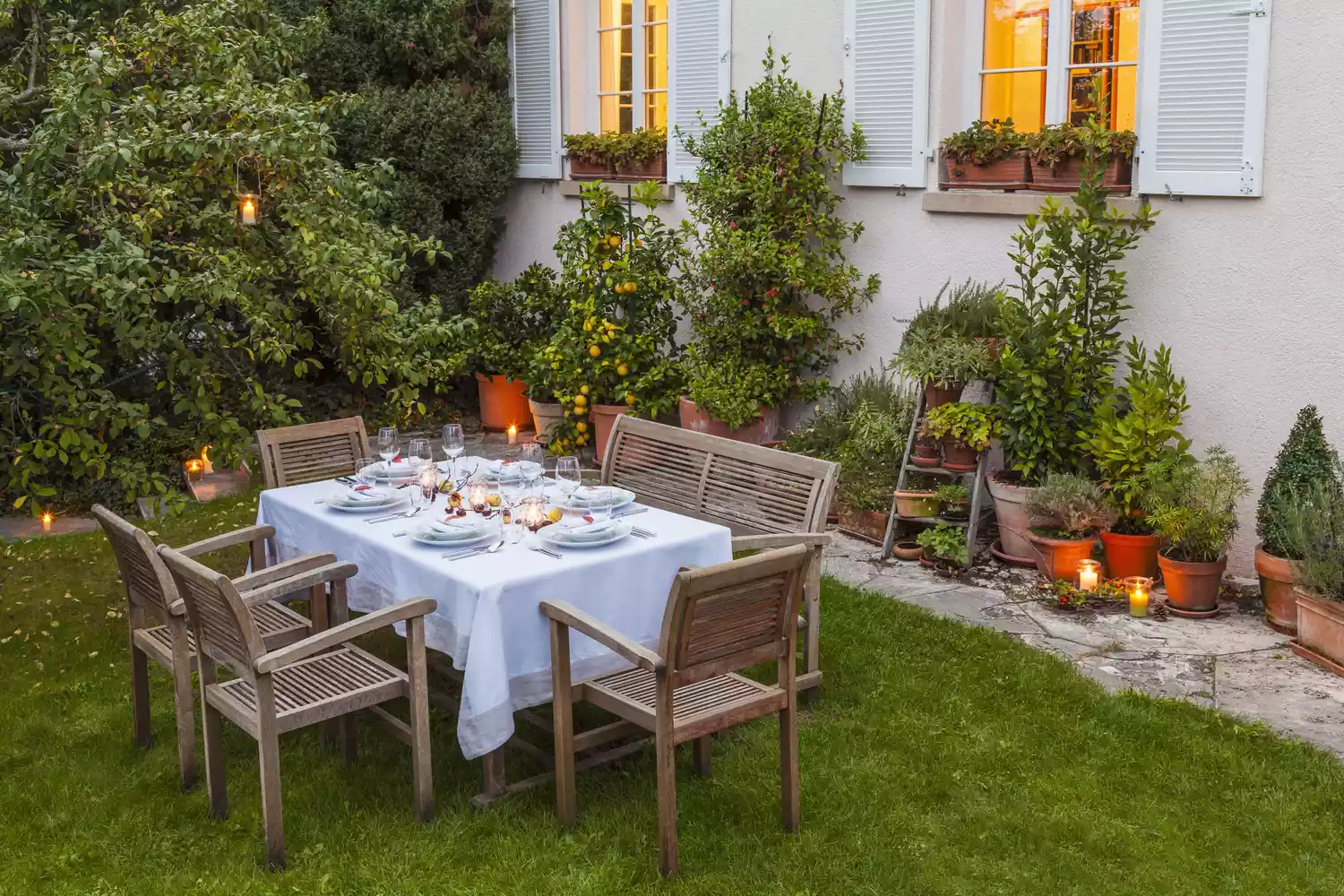
5 Outdoor Decorating Themes That Always Make Designers Cringe

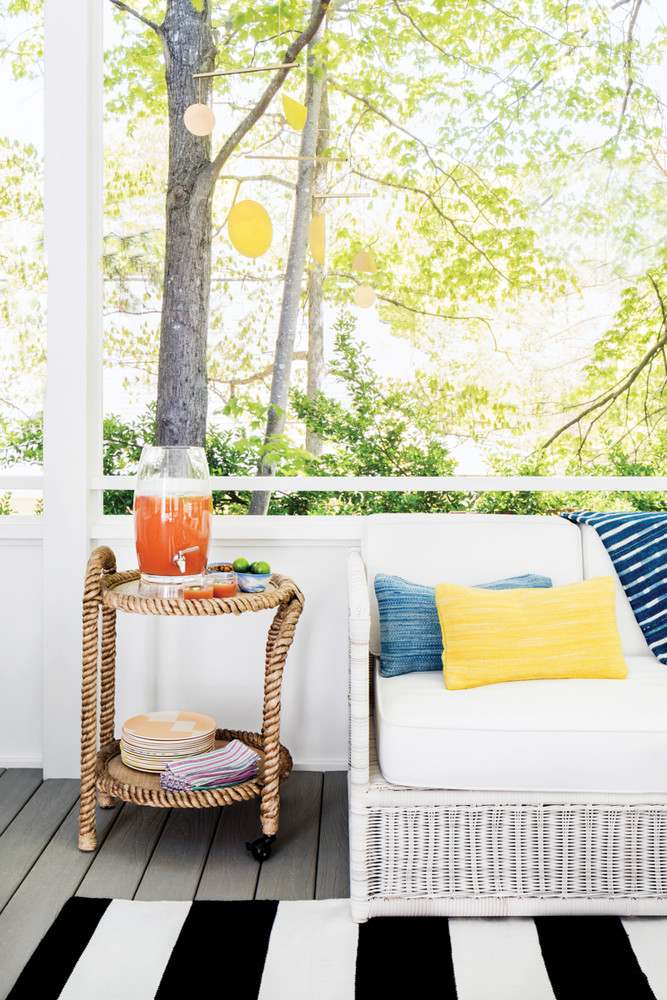
11 Picture-Perfect Outdoor Spaces You Need to See
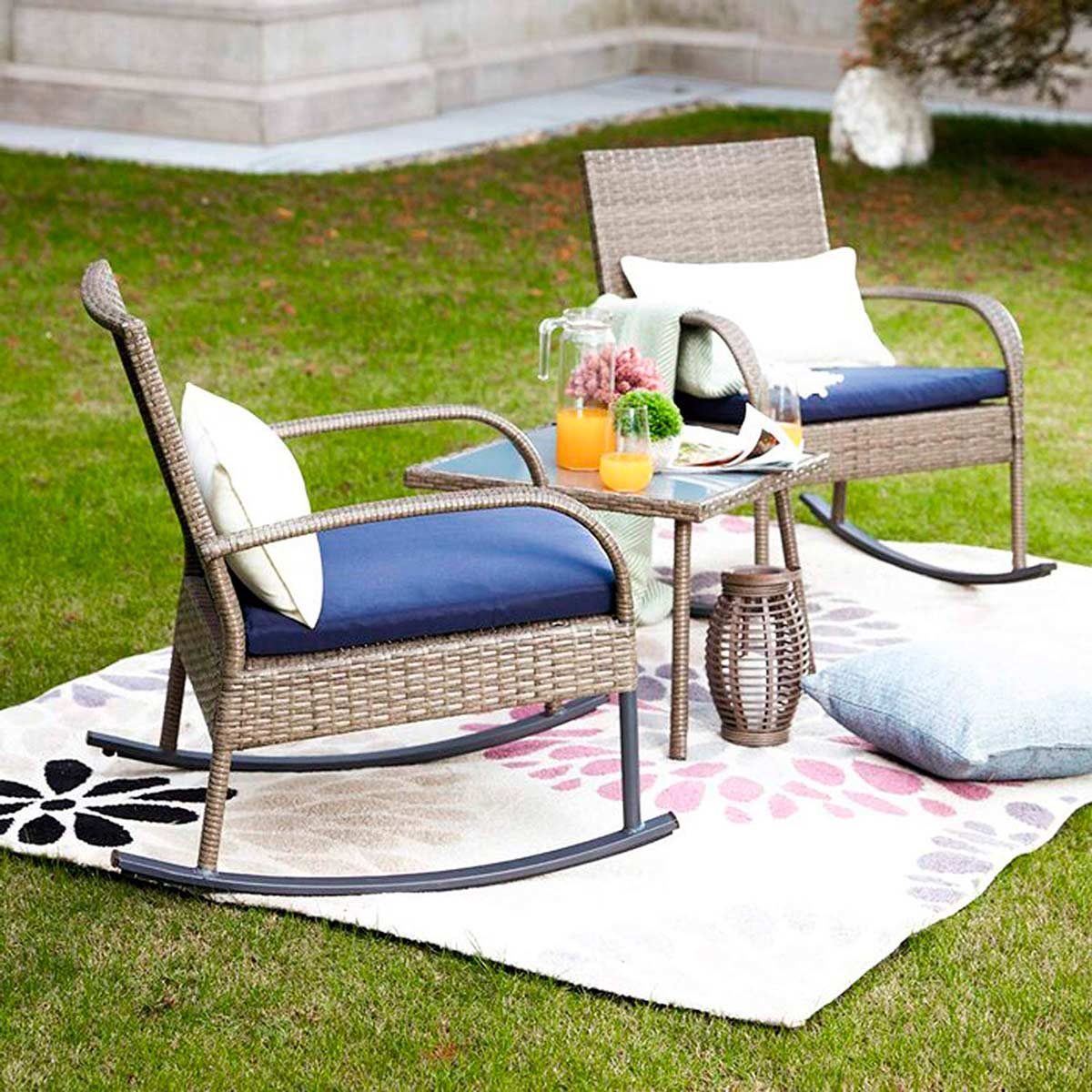
Deck and Patio Designs, Ideas and Projects

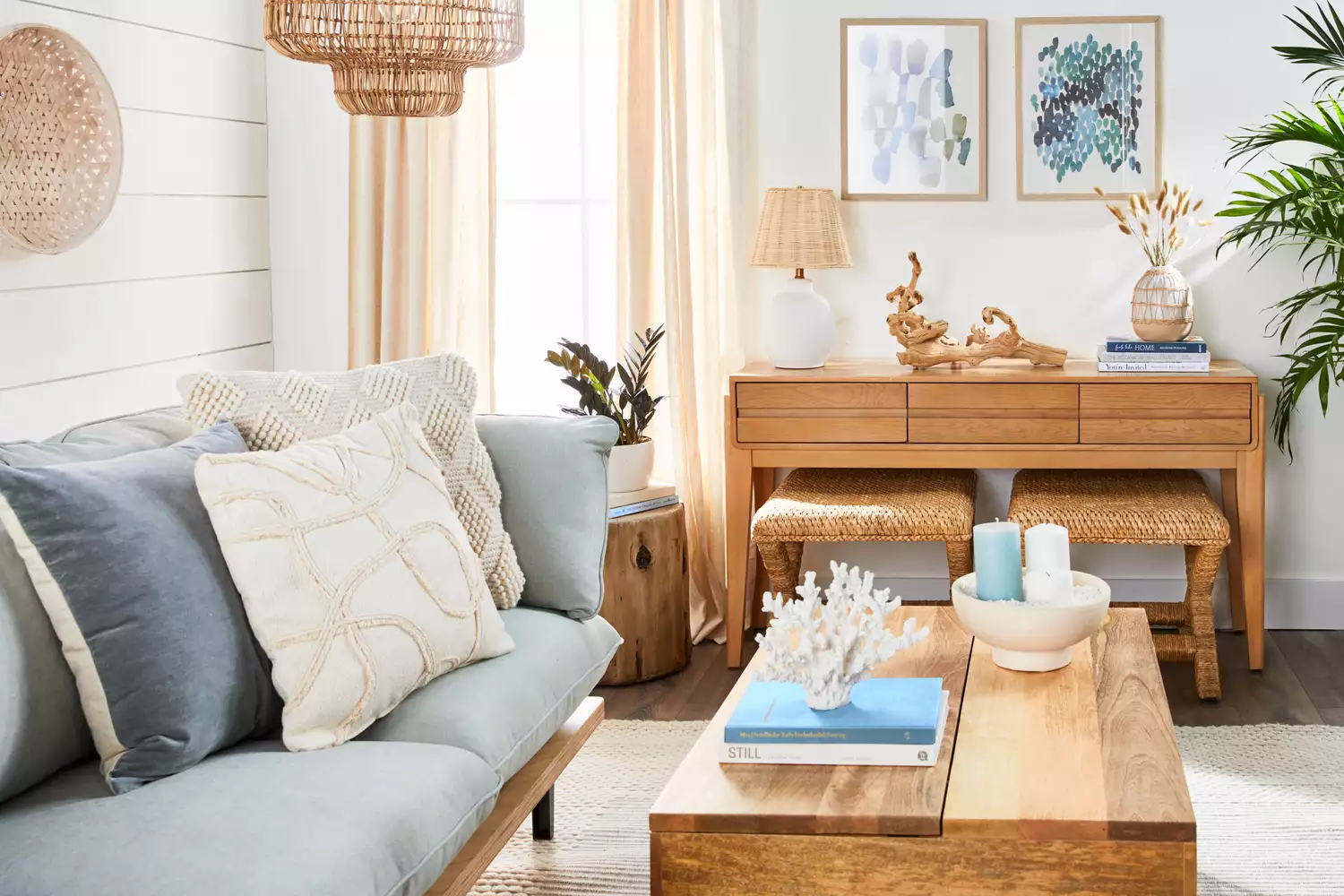
7 Expert Tips for Styling Beach and Coastal Decor on a Budget

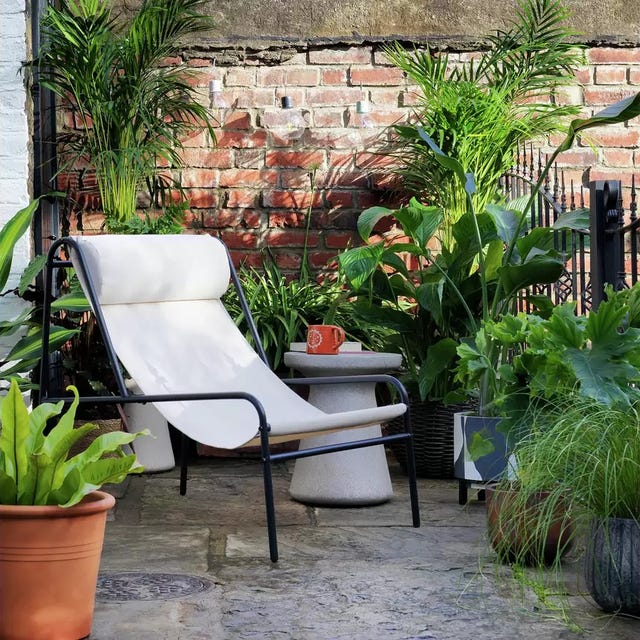
19 ways to give your patio a makeover
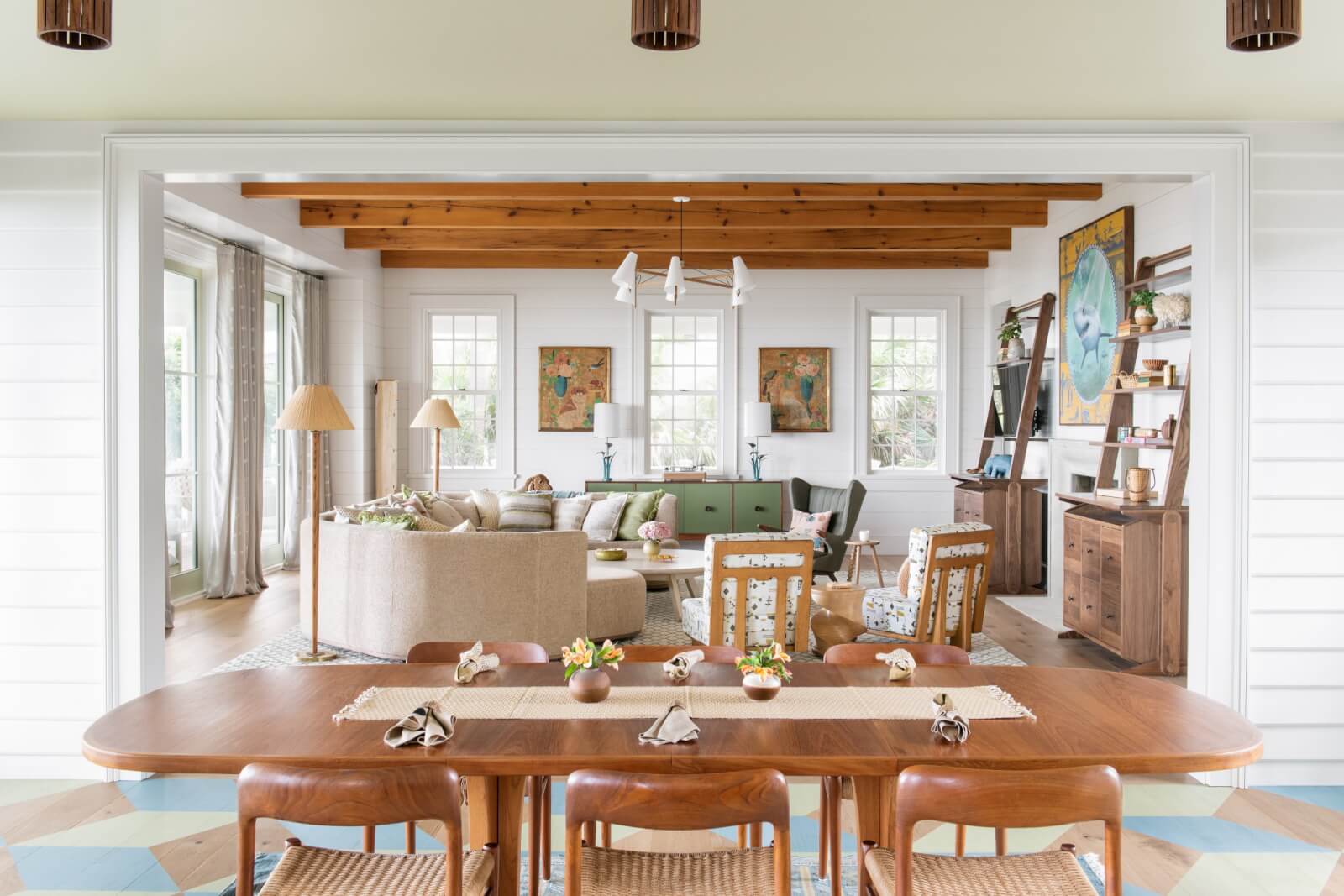
6 Beach House Decor Trends to Swoon Over

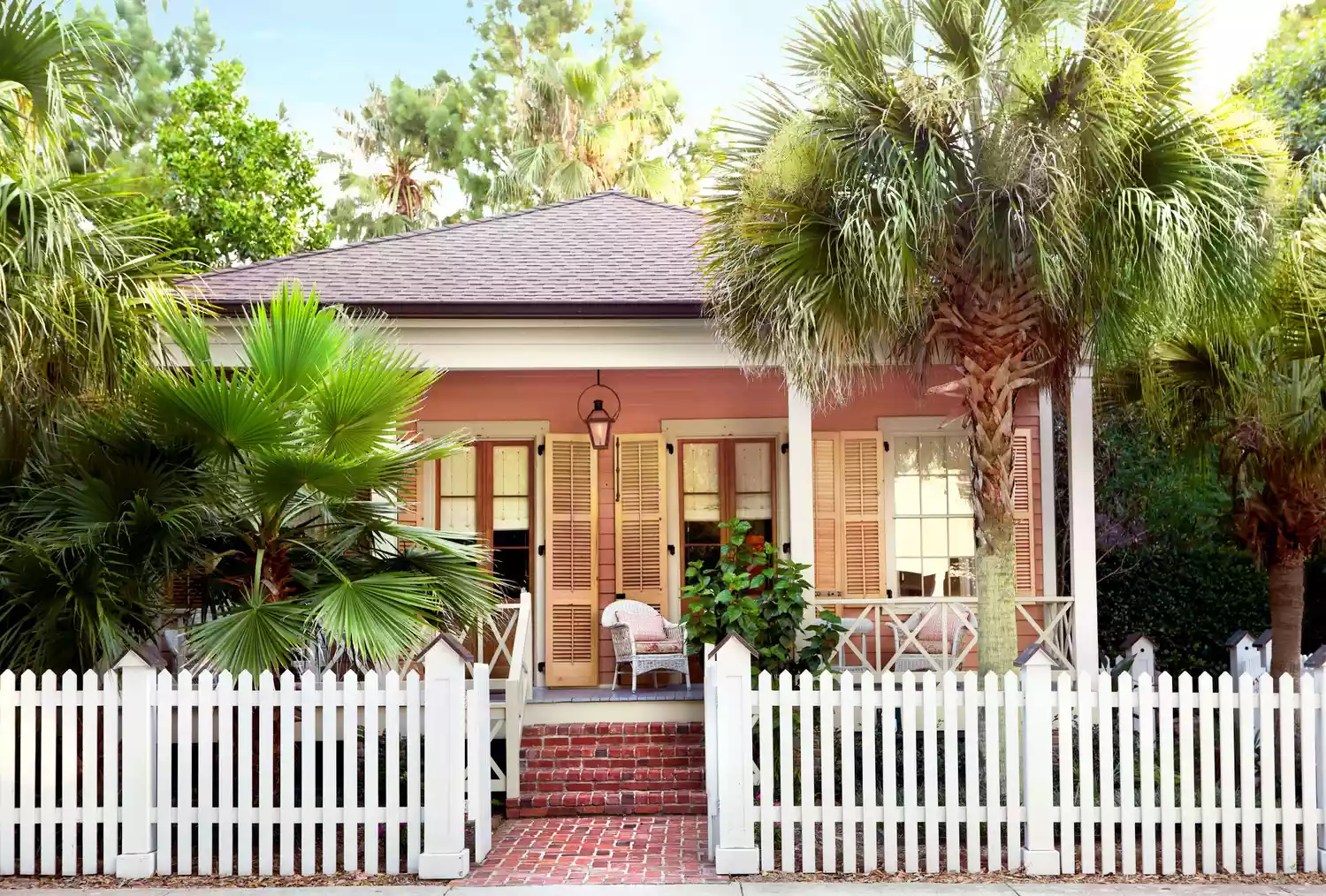
These Beautiful Beach Cottage Ideas Will Help Inspire Your Dream Retreat
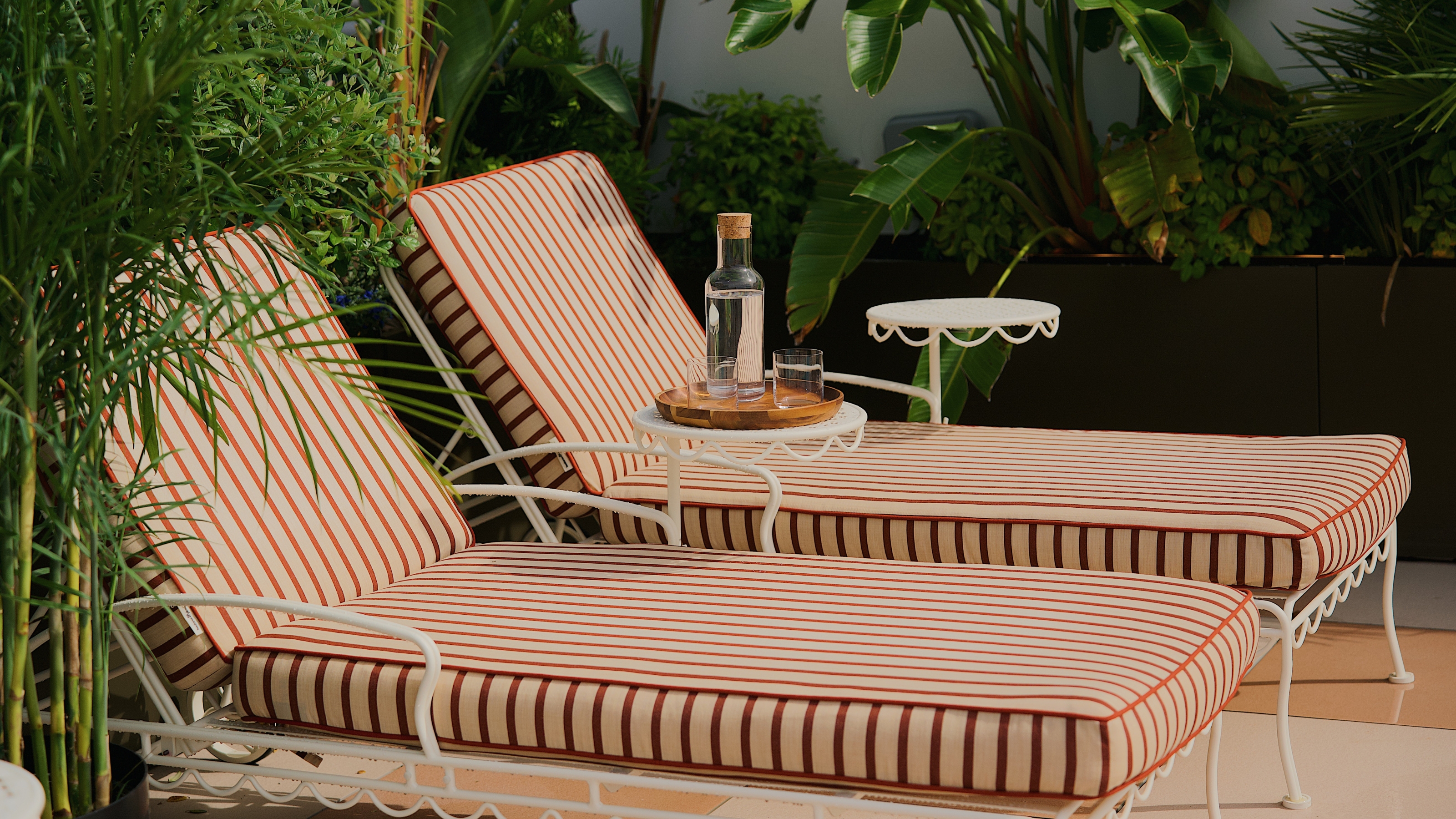
Furniture That'll Turn Your Backyard Into a Beach Club |

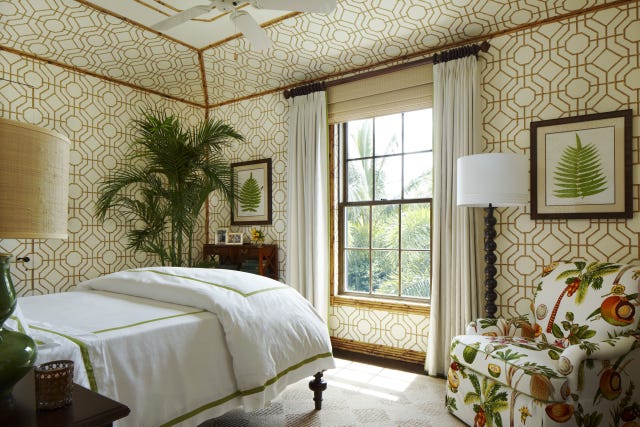
This Is What "Beach Decor" Looks Like In Five Different Coastal Cities
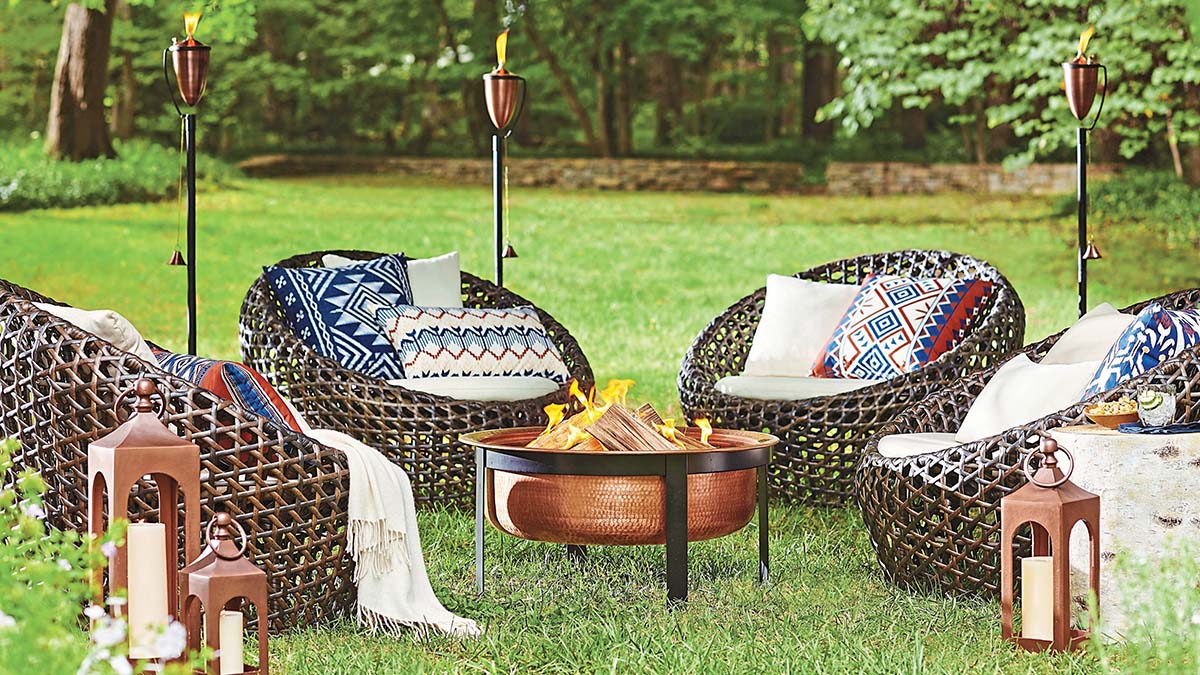
Design Expert Shares 4 Simple Tips for Turning Any Space Into an Outdoor Retreat

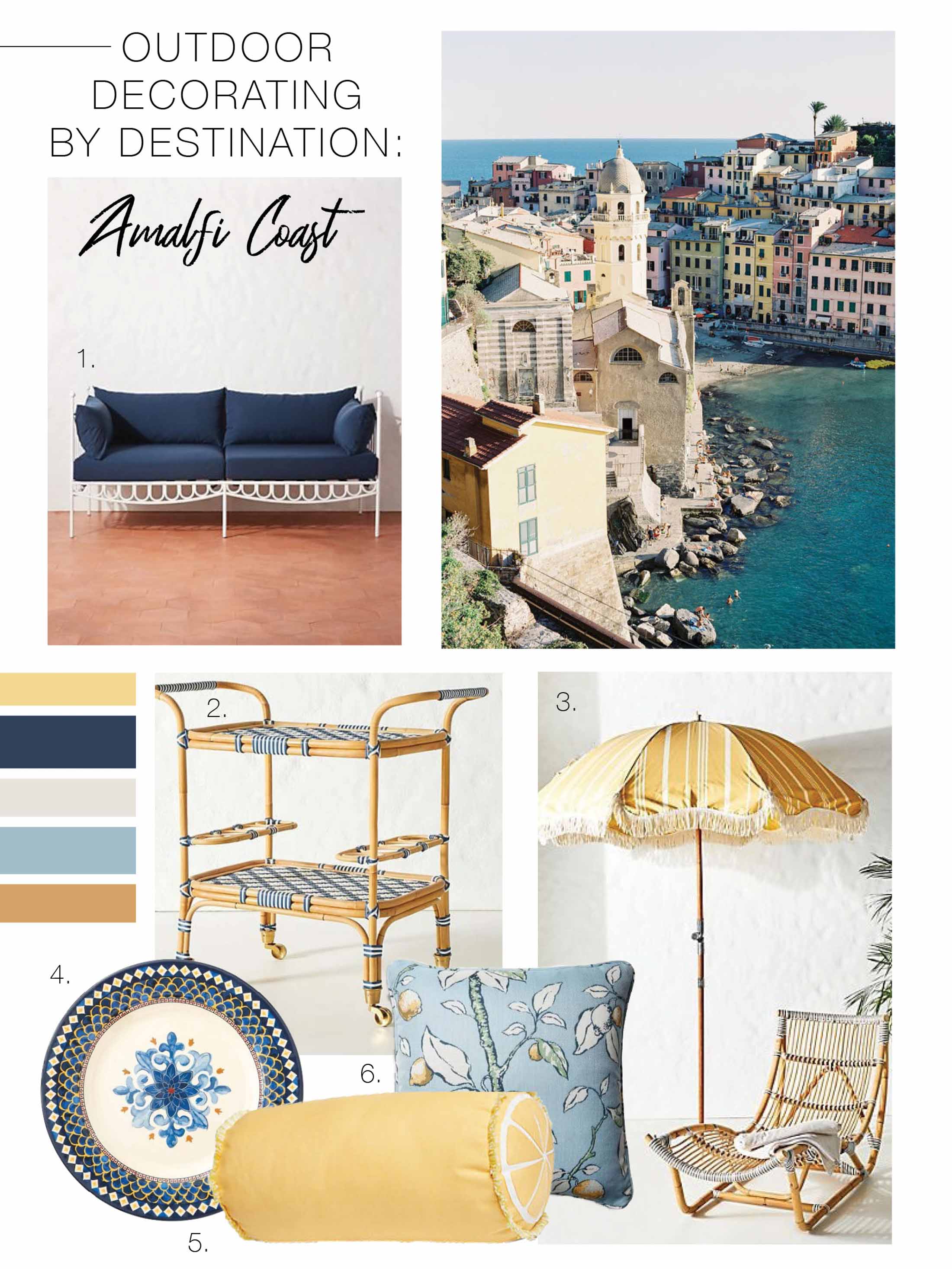
Outdoor Decorating by Destination

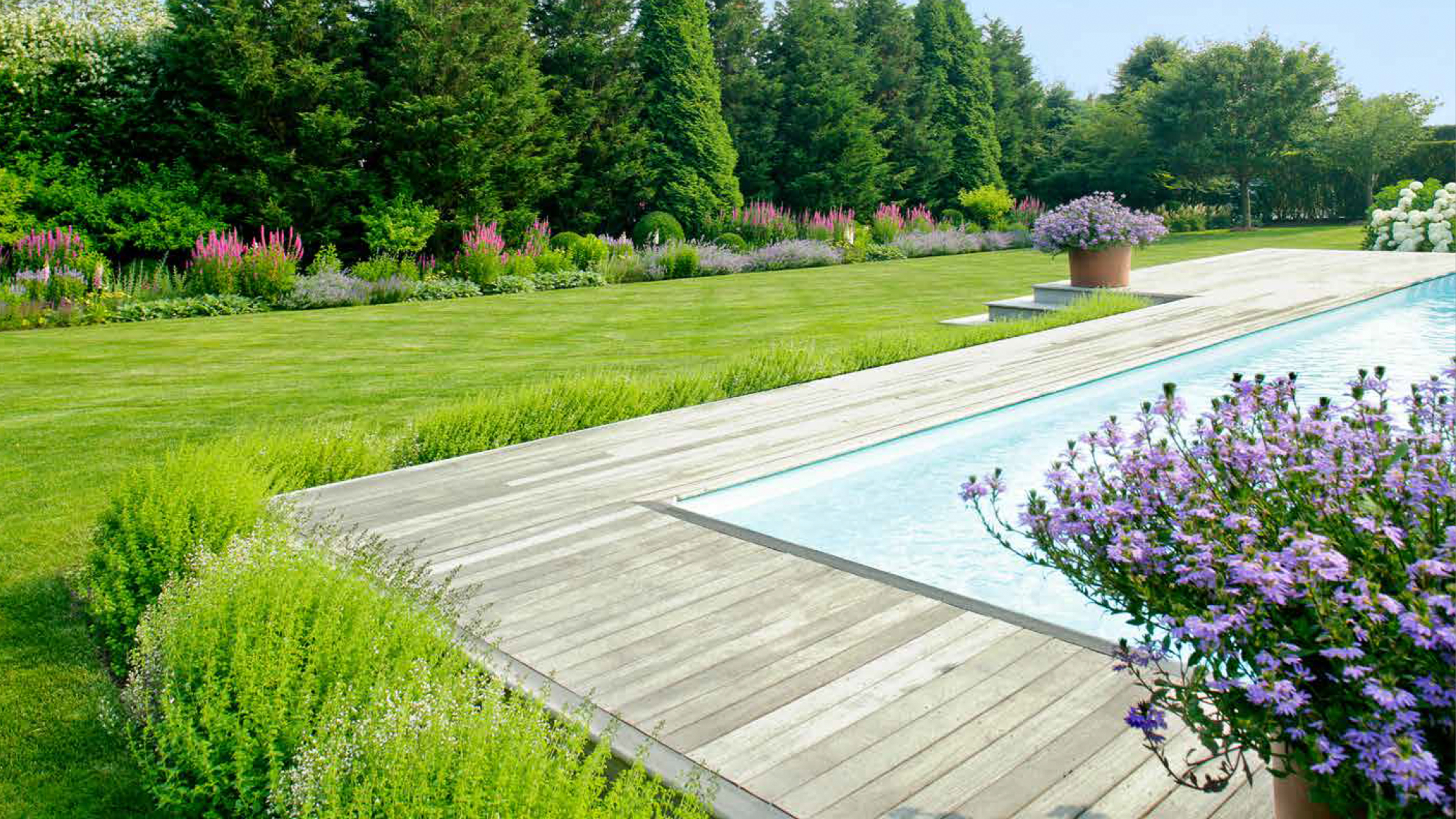
10 pool landscaping ideas to splash-proof your outdoor space

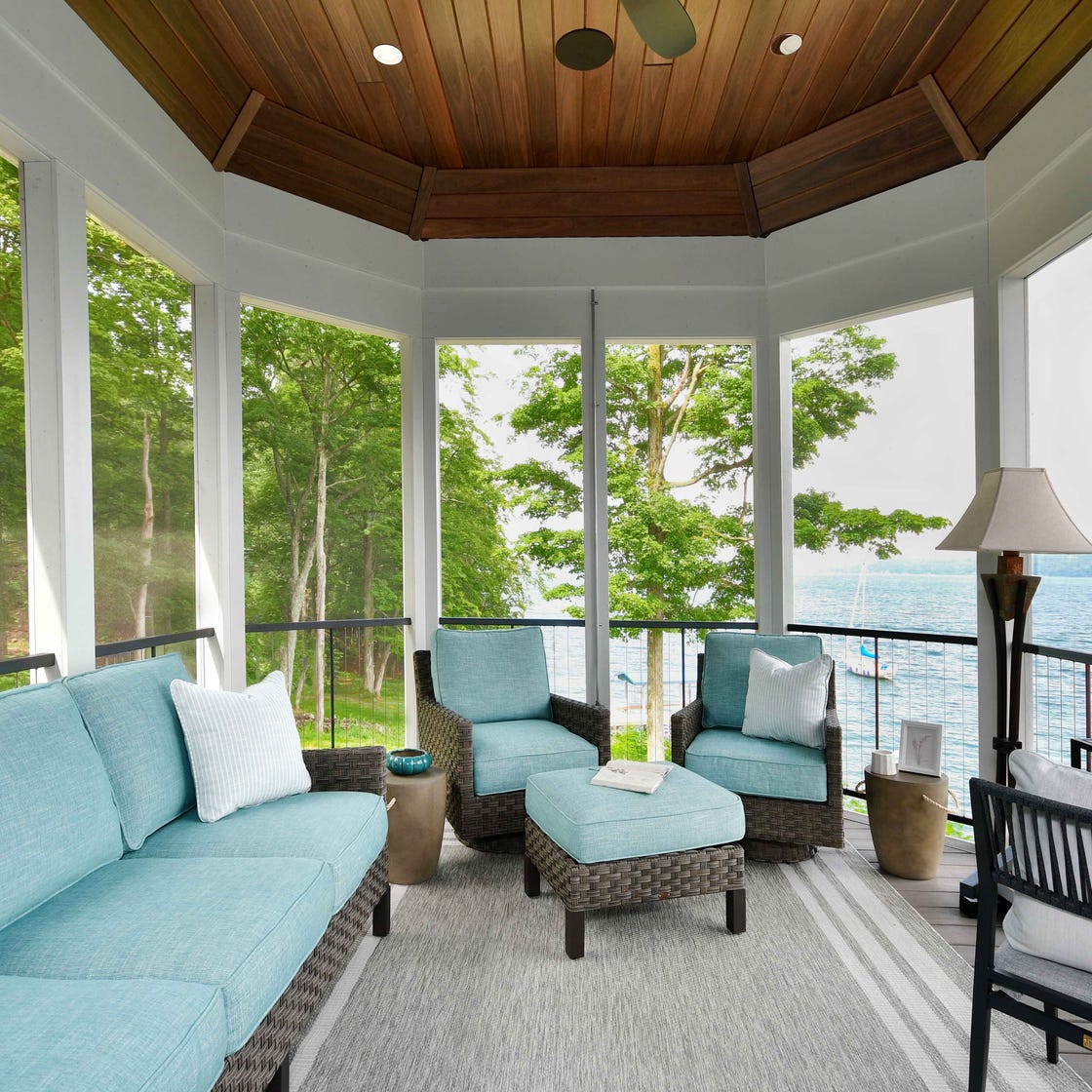
Your Deck Is About to Be the Best Room in the House

My No-Fail Formula for Beach House Decor That Feels Fresh, NOT Kitschy
Beach house decor – 10 ways to give your home seaside style

26 Outdoor Patio Bar Ideas That Turn Your Patio Into the Perfect Spot for Weekend Hangouts

20 Best Coastal Design Tips From The Pros