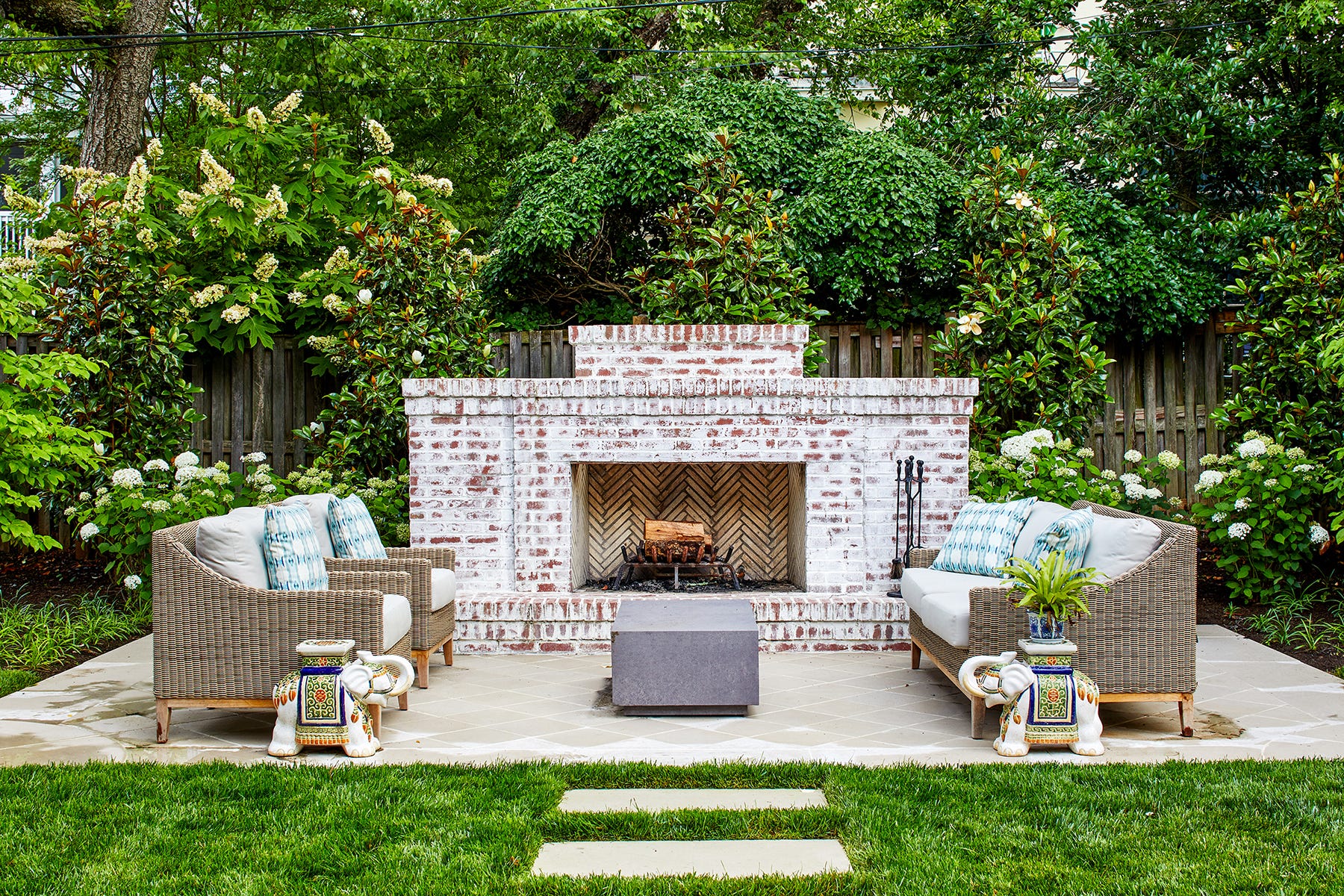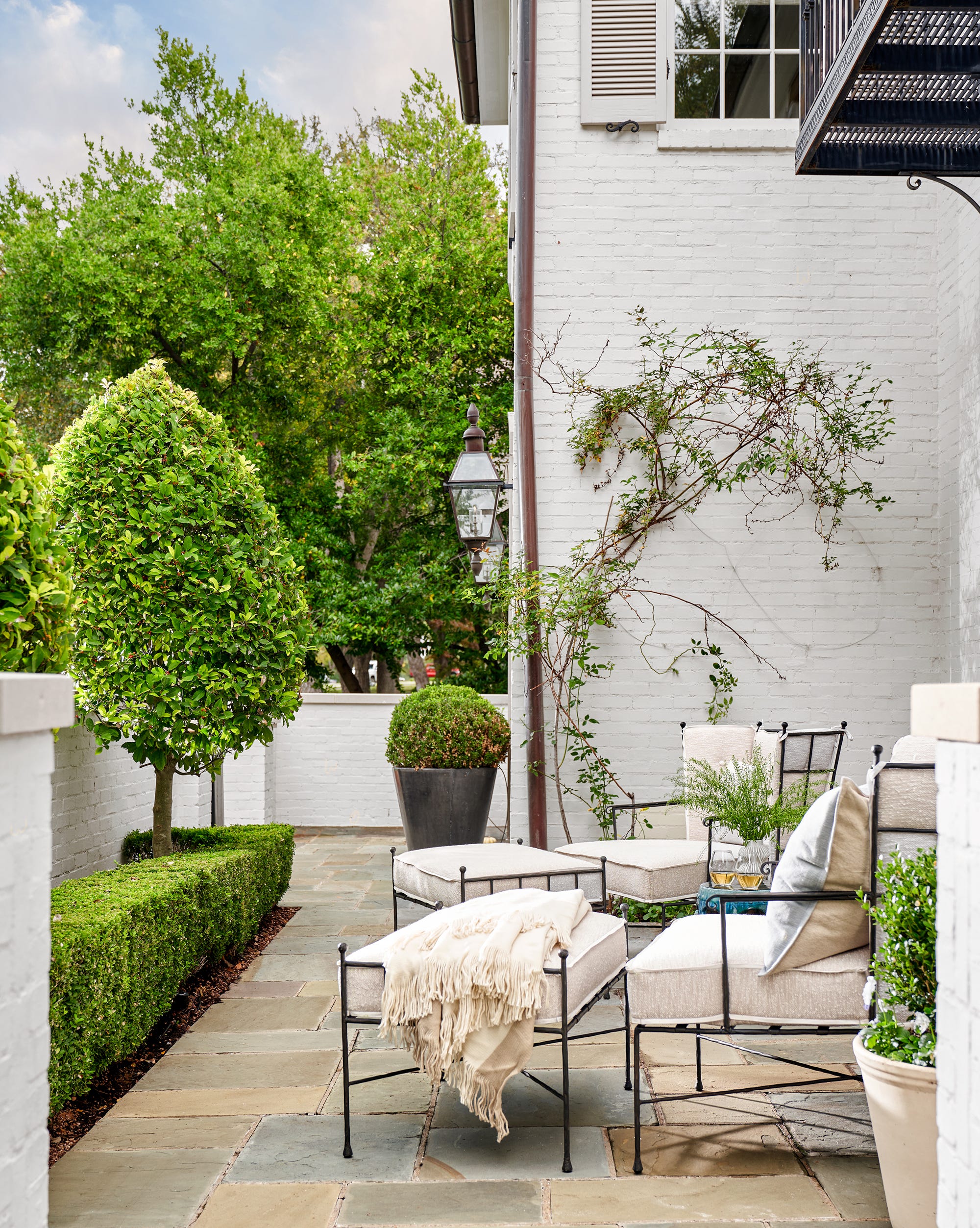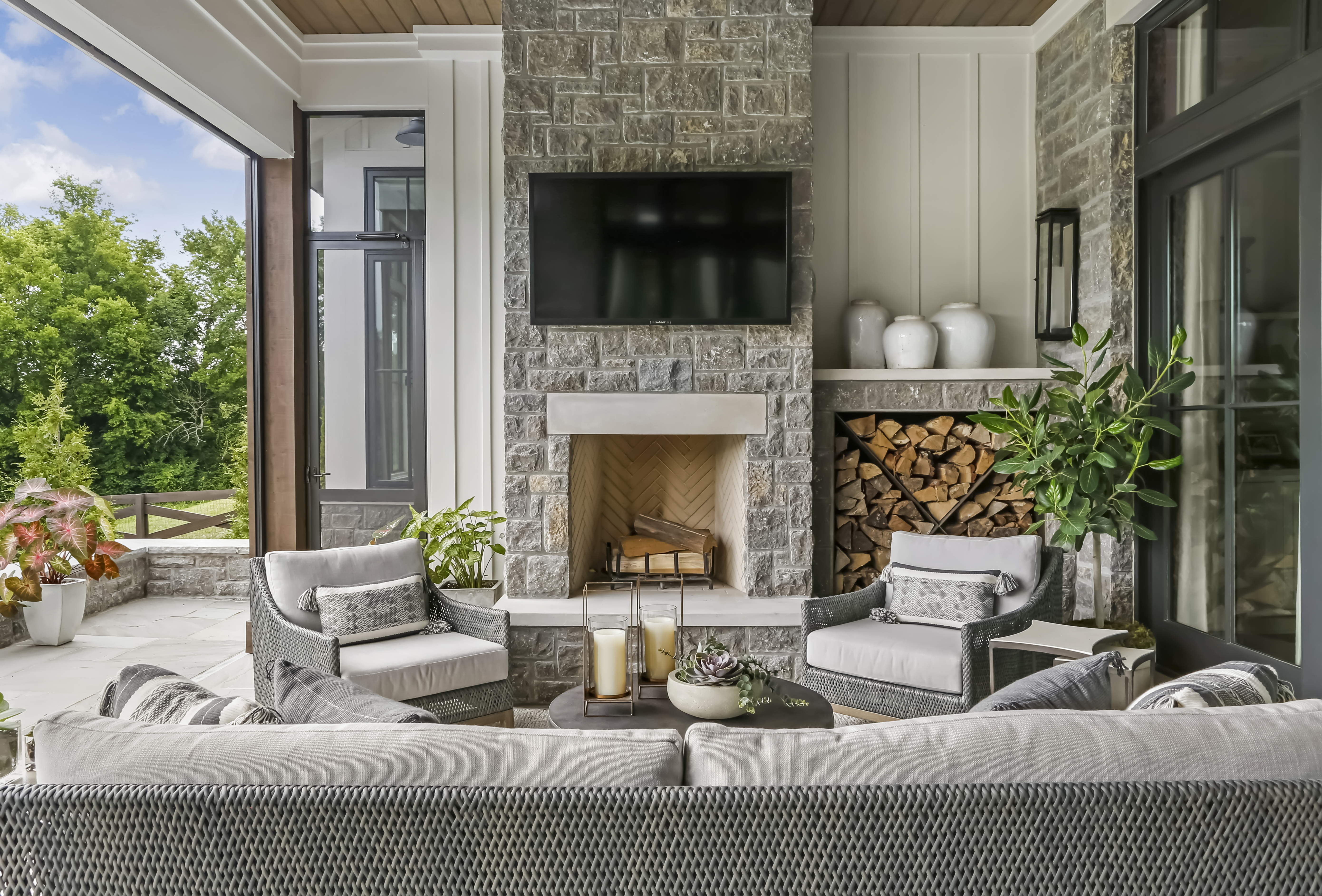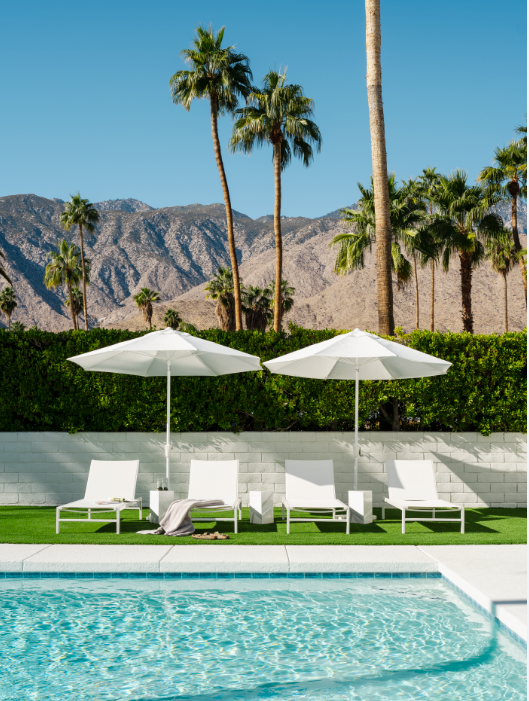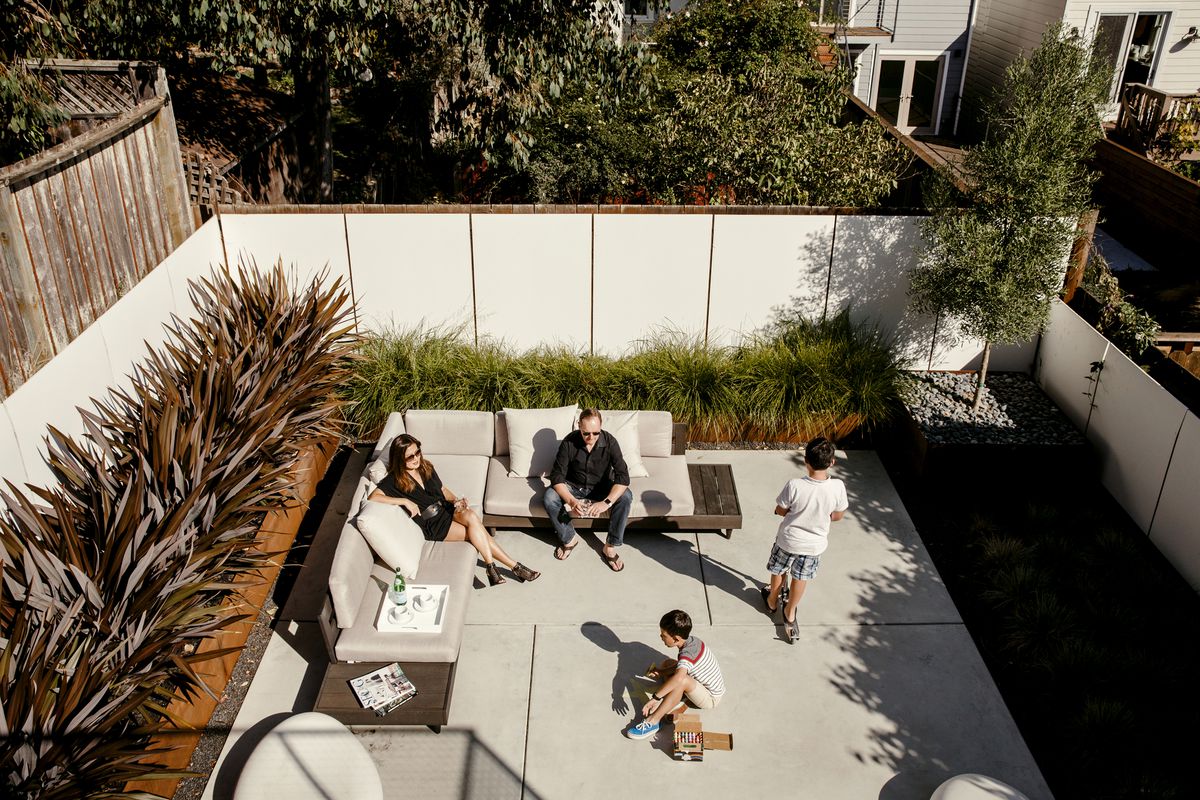
How to design an outdoor room
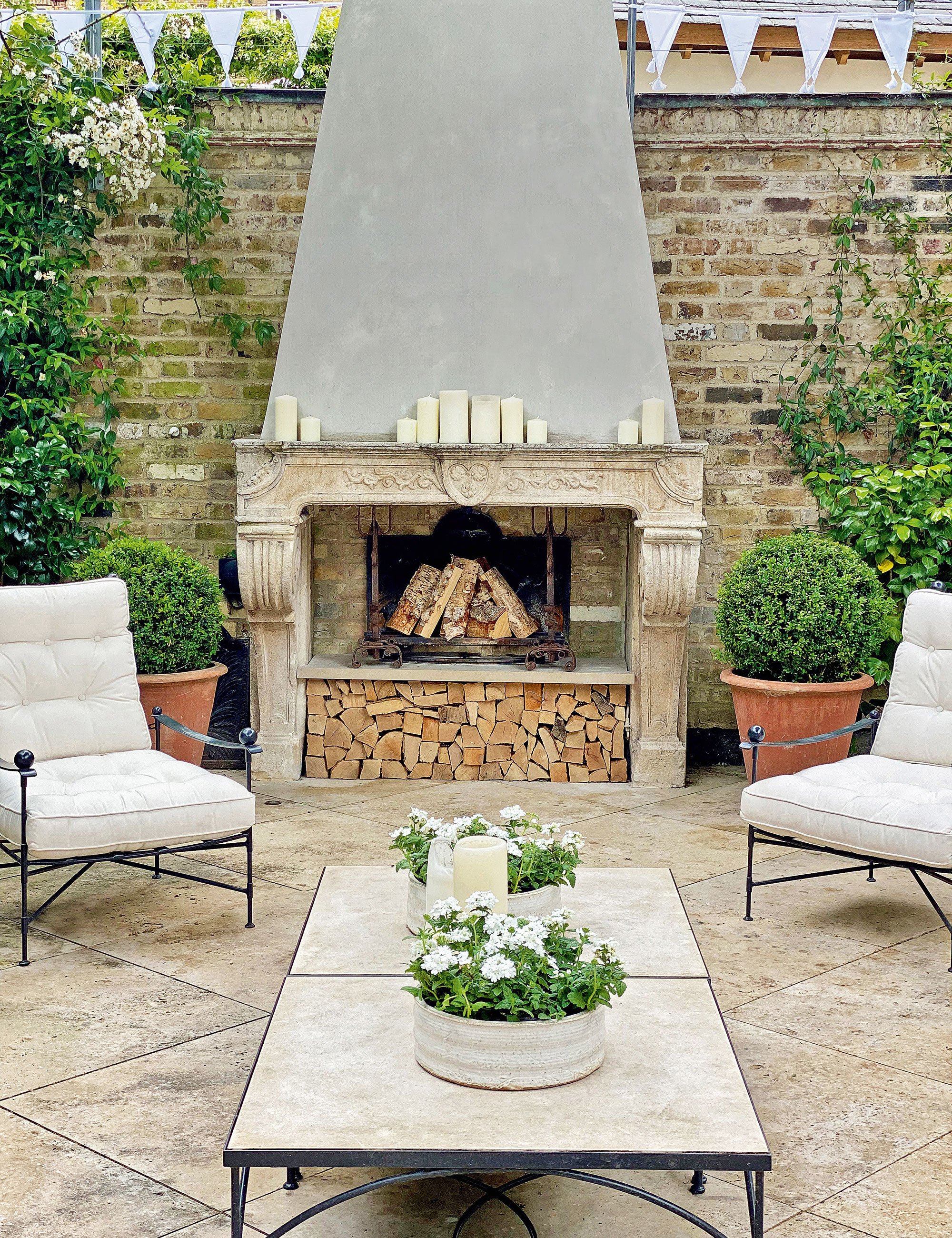
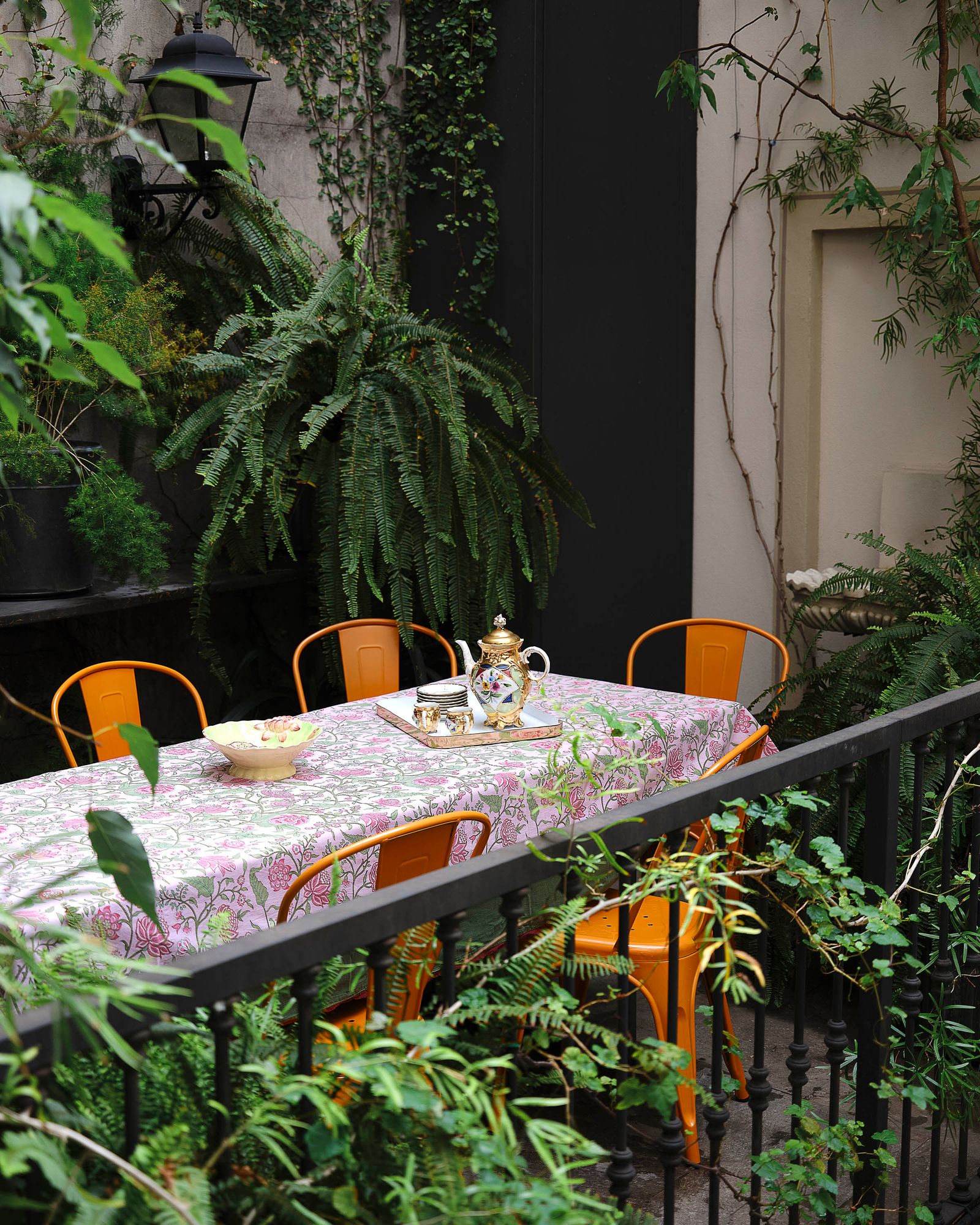
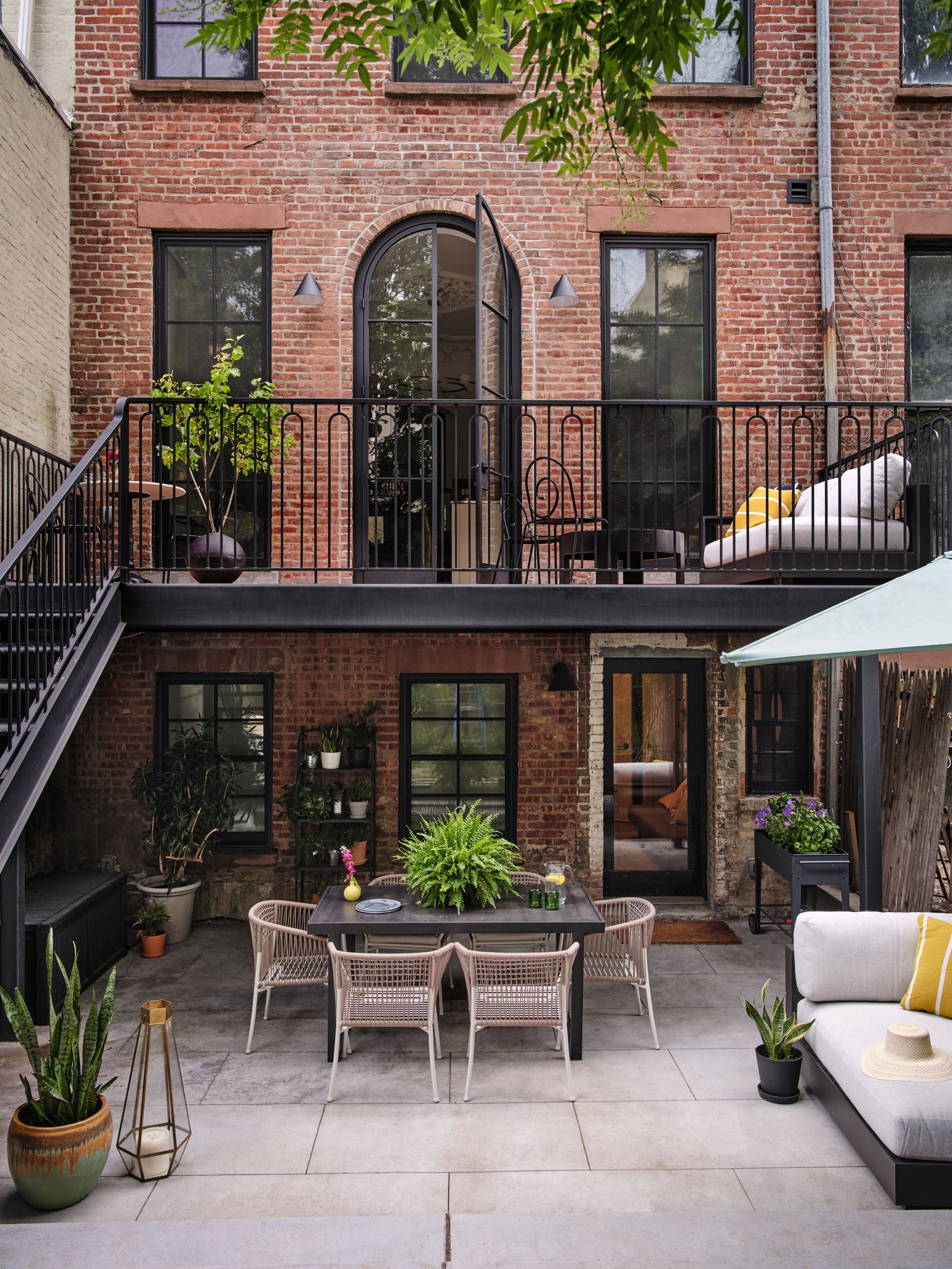
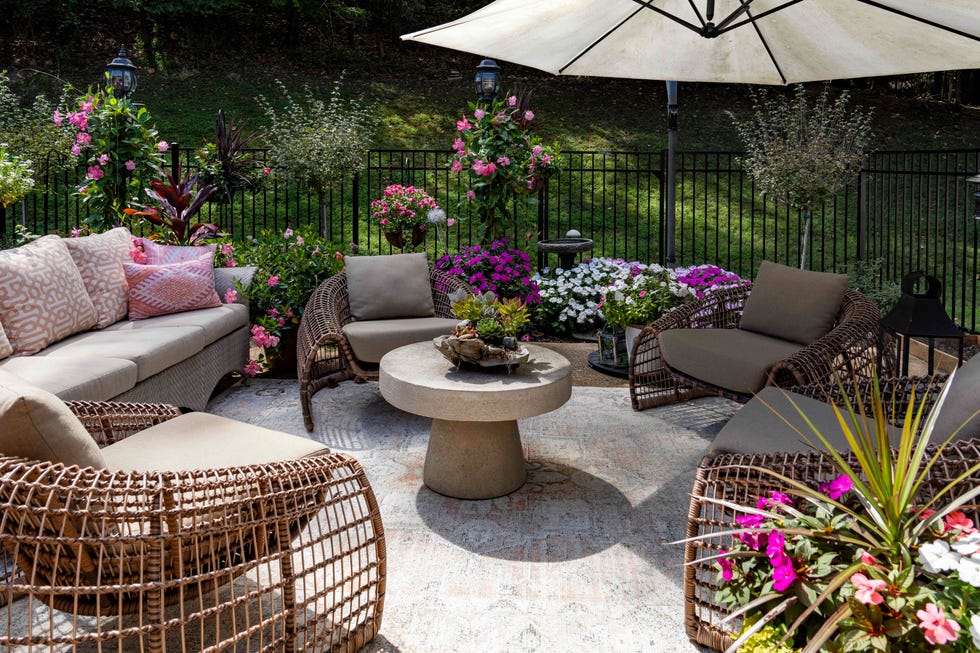
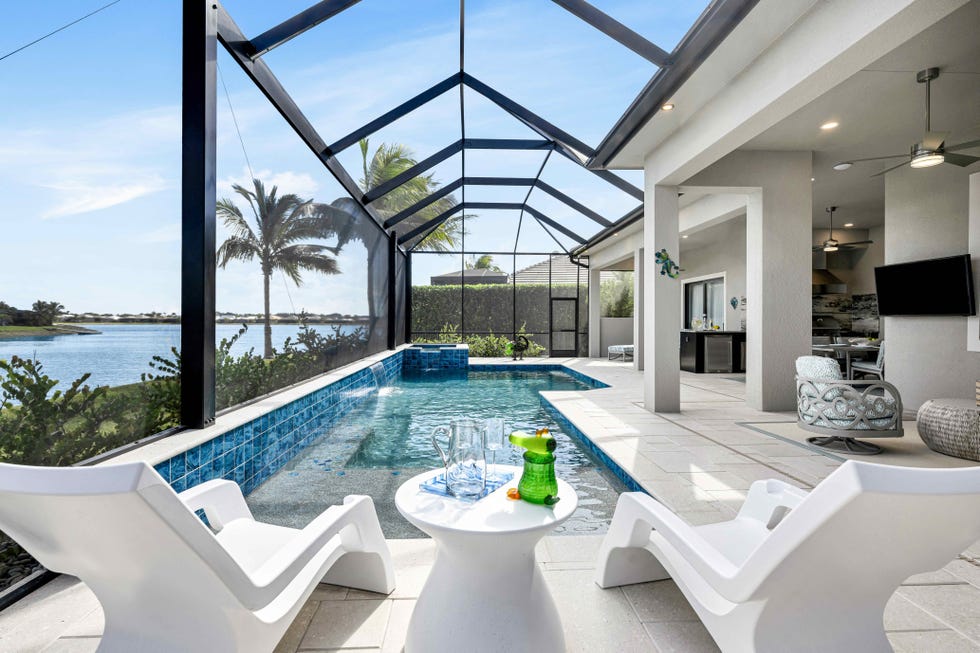
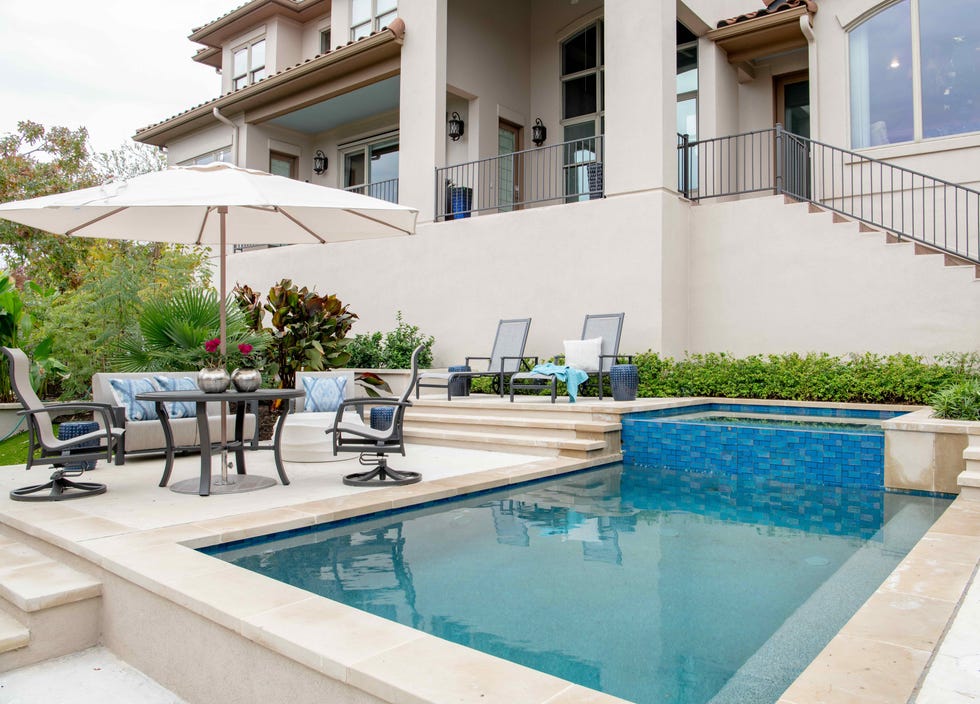
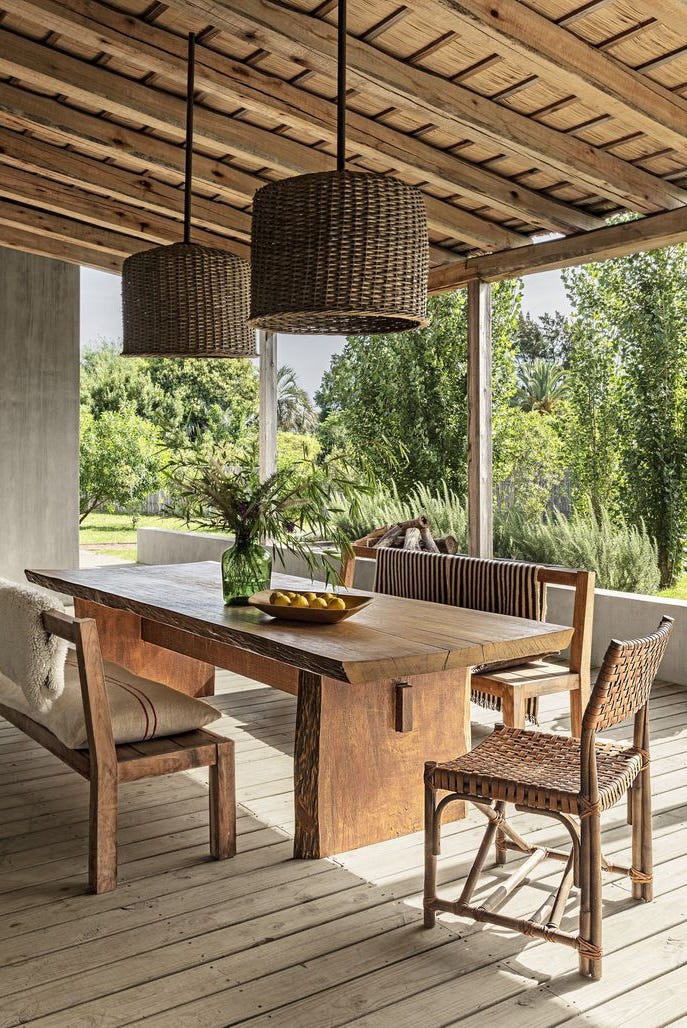
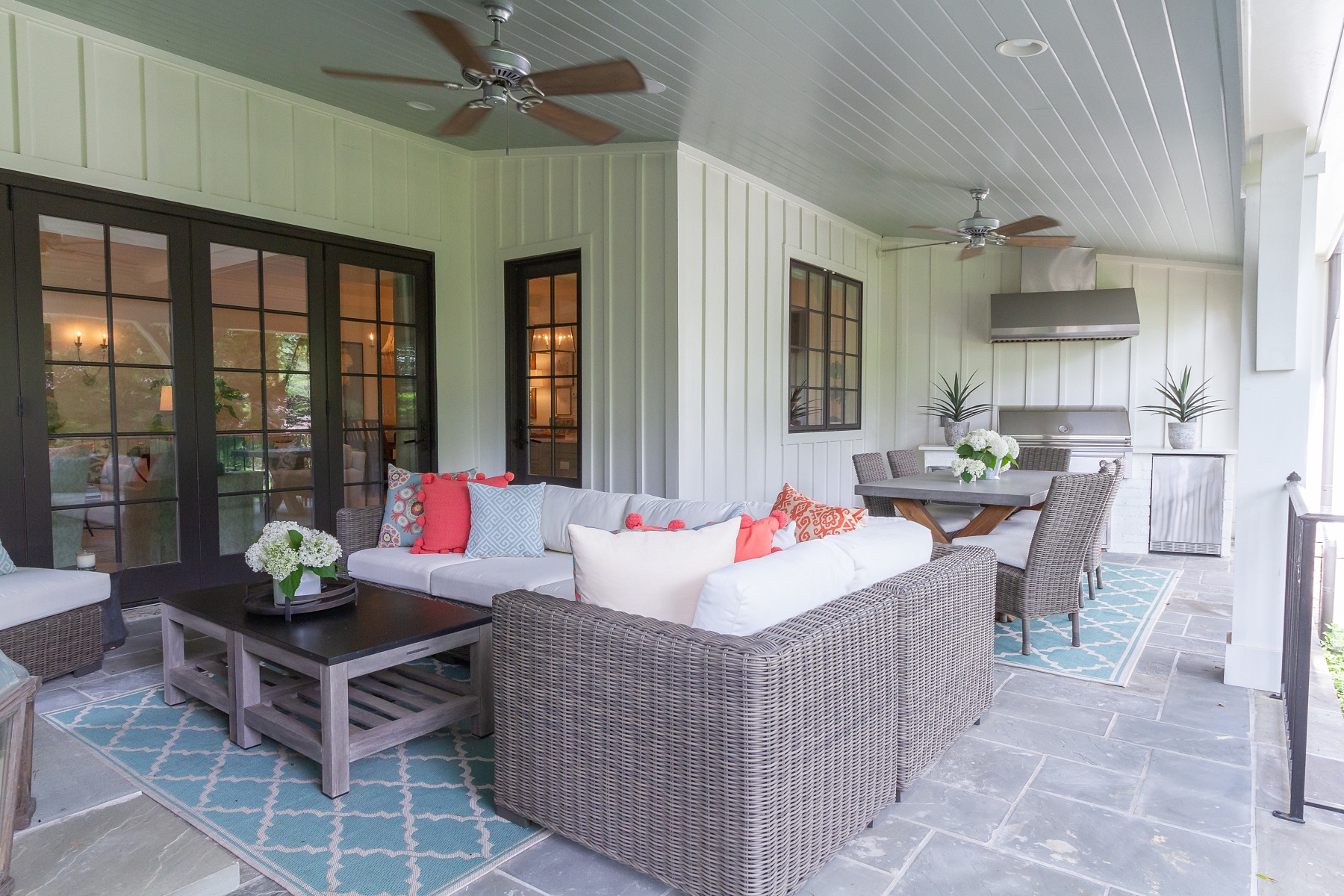
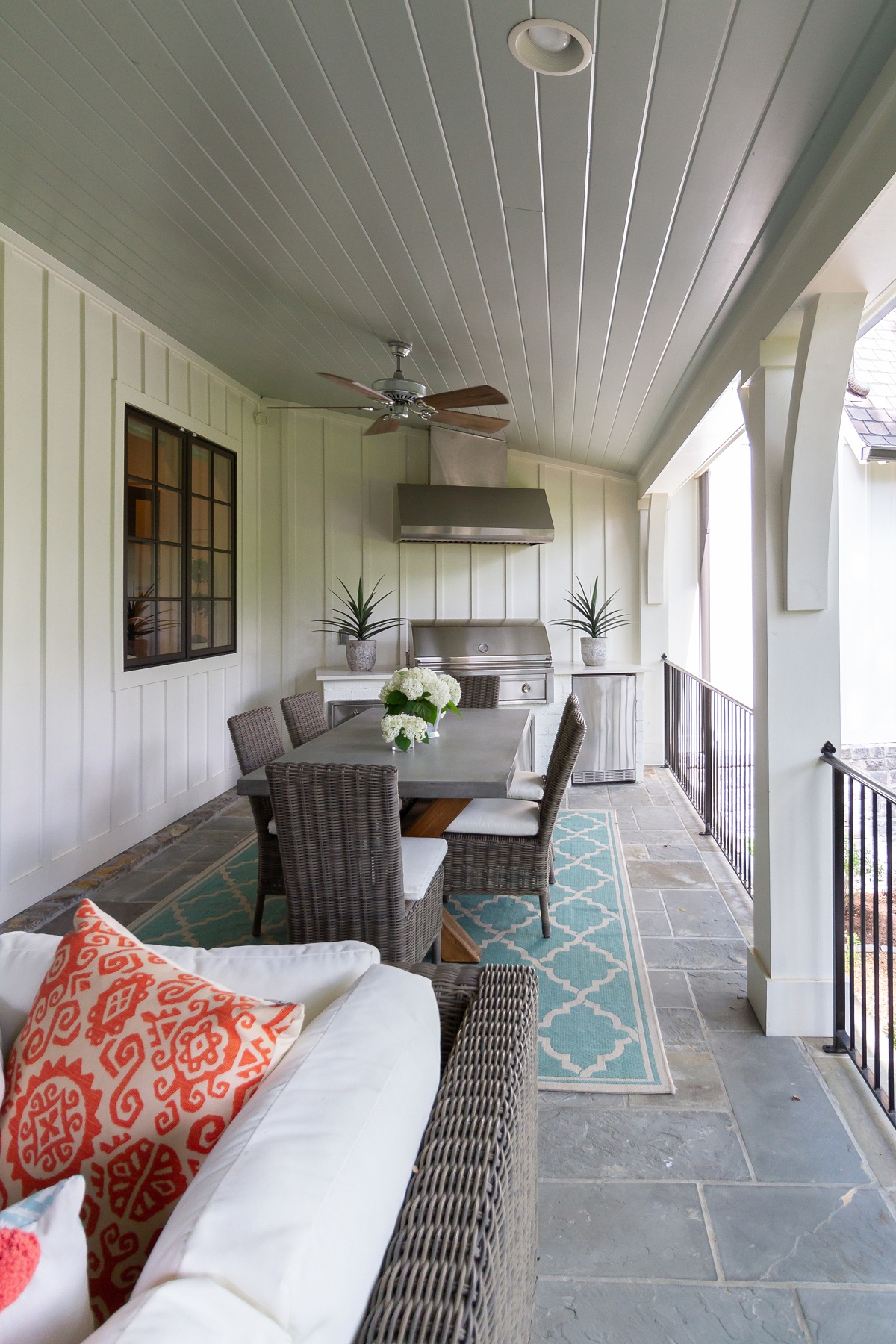
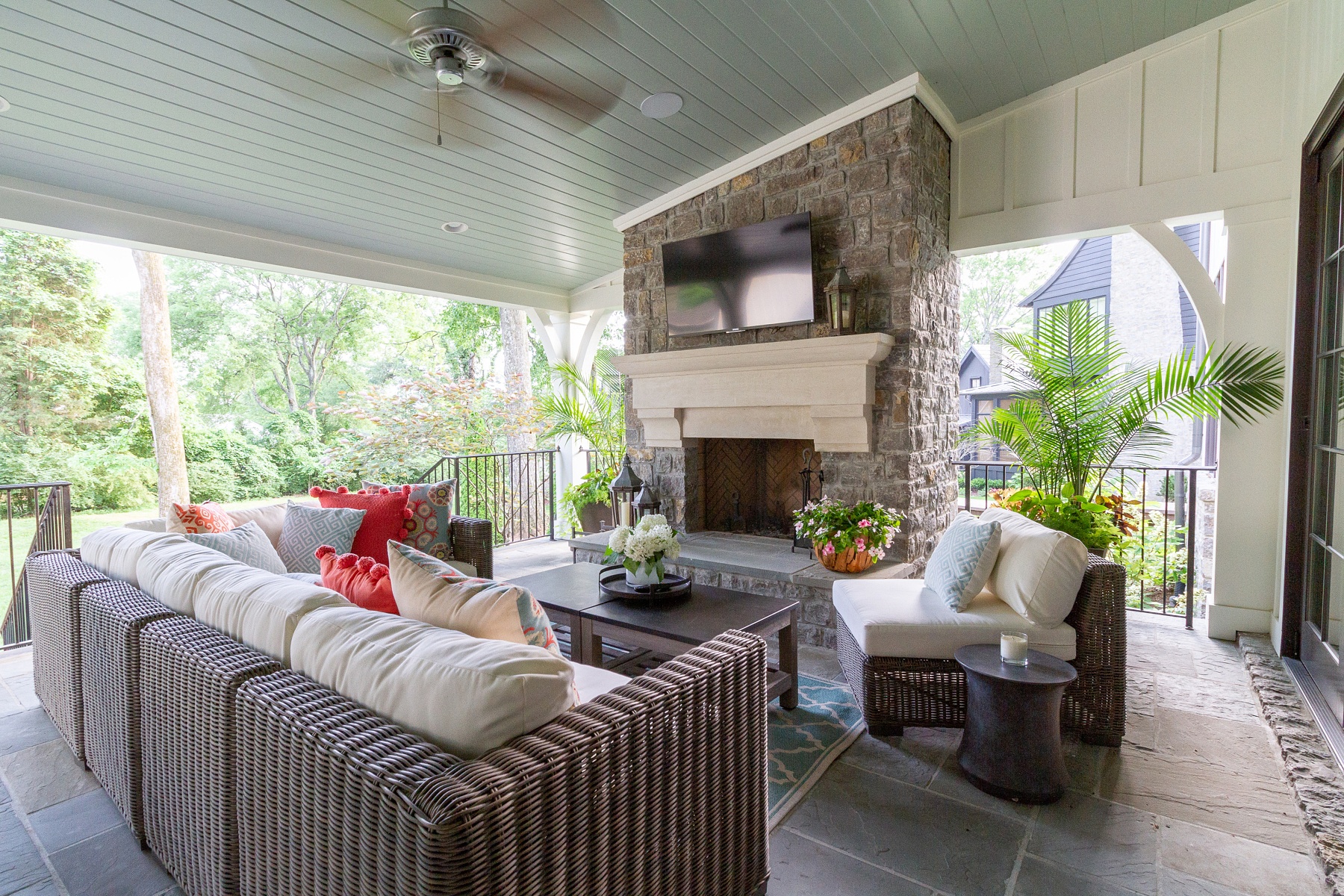
Creating an inviting and functional outdoor room from a bare yard or patio involves a systematic approach, as detailed by Alec Dakers and Lytton Reid, landscape designers from Rainbow Valley Design and Construction. Their process begins with a comprehensive assessment of the existing conditions of the property. This initial step includes evaluating the topography, sun exposure, wind patterns, and drainage, as well as considering views into and out of the property, including neighboring yards. The designers emphasize a sustainable approach, aiming to incorporate existing elements rather than completely demolishing and rebuilding. For instance, old cedar fencing might be repurposed into planter boxes, and concrete patios salvaged for stepping stones, showcasing a commitment to environmental responsibility and cost-effectiveness.
The second crucial step involves understanding the homeowner's desired activities and feelings within the new outdoor space. Dakers encourages clients to list intended uses, such as reading or napping, and specify the desired ambiance, whether an open, sun-drenched area or a cozy, sheltered nook. This client-centric approach ensures the design aligns with personal preferences and emotional needs, making the space truly a retreat. Following this, designers focus on effectively zoning activities, carefully considering the interaction and connection between different areas. This meticulous planning prevents disjointed spaces and fosters a layered, inviting atmosphere. The connection points, referred to as "thresholds," are designed with their own hardscaping and plantings, enhancing the overall experience. Proximity to indoor amenities is also a key consideration, ensuring practical and convenient access, for example, situating an outdoor dining area close to the kitchen.
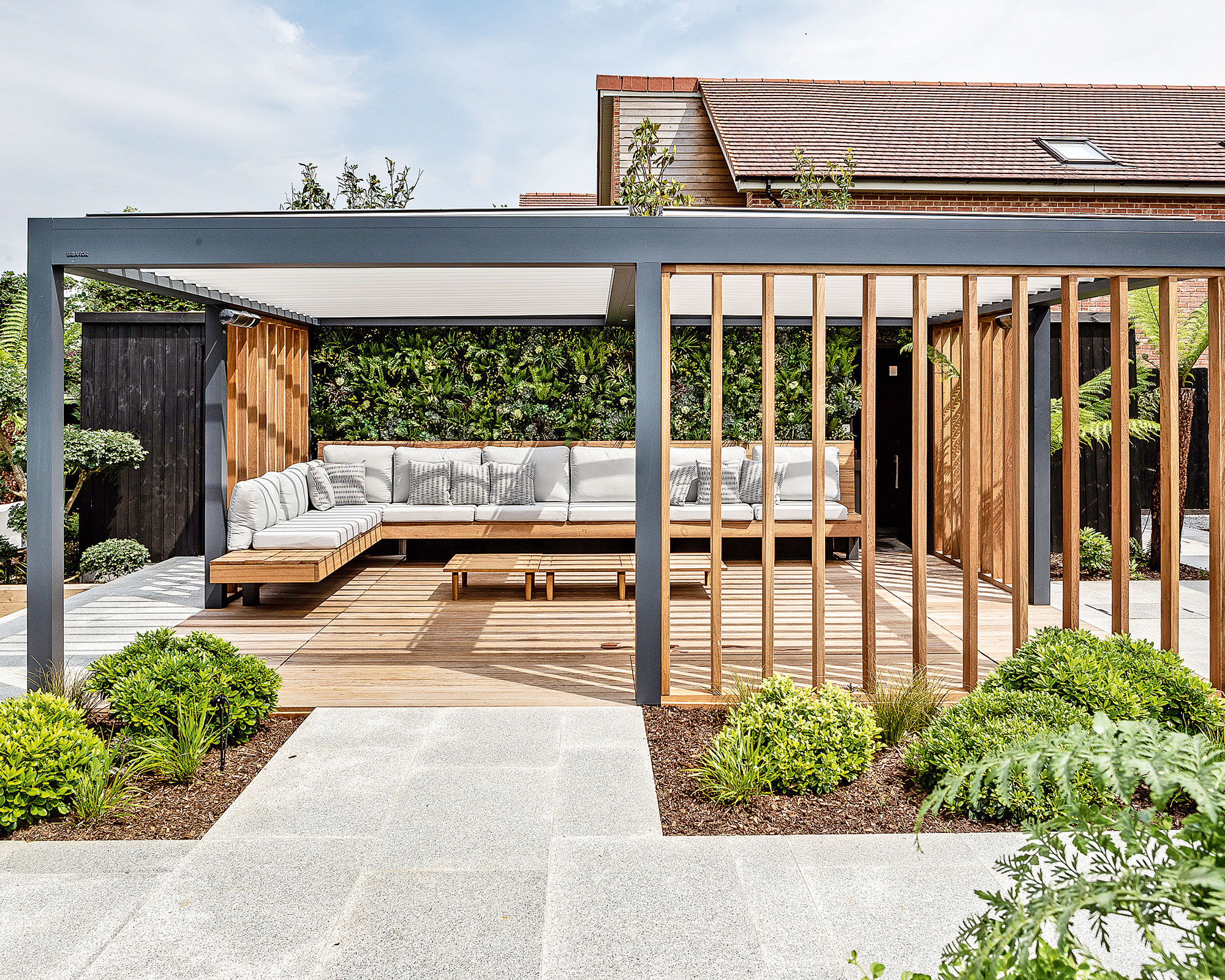
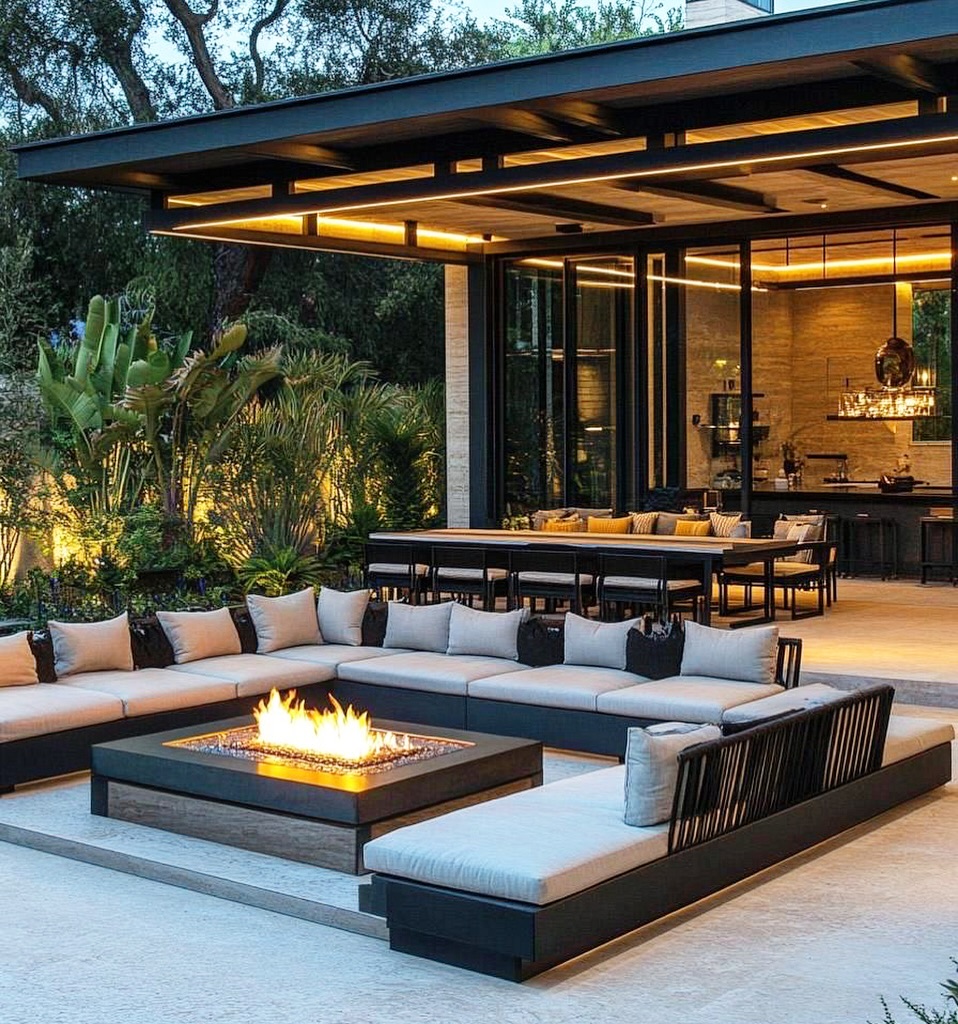
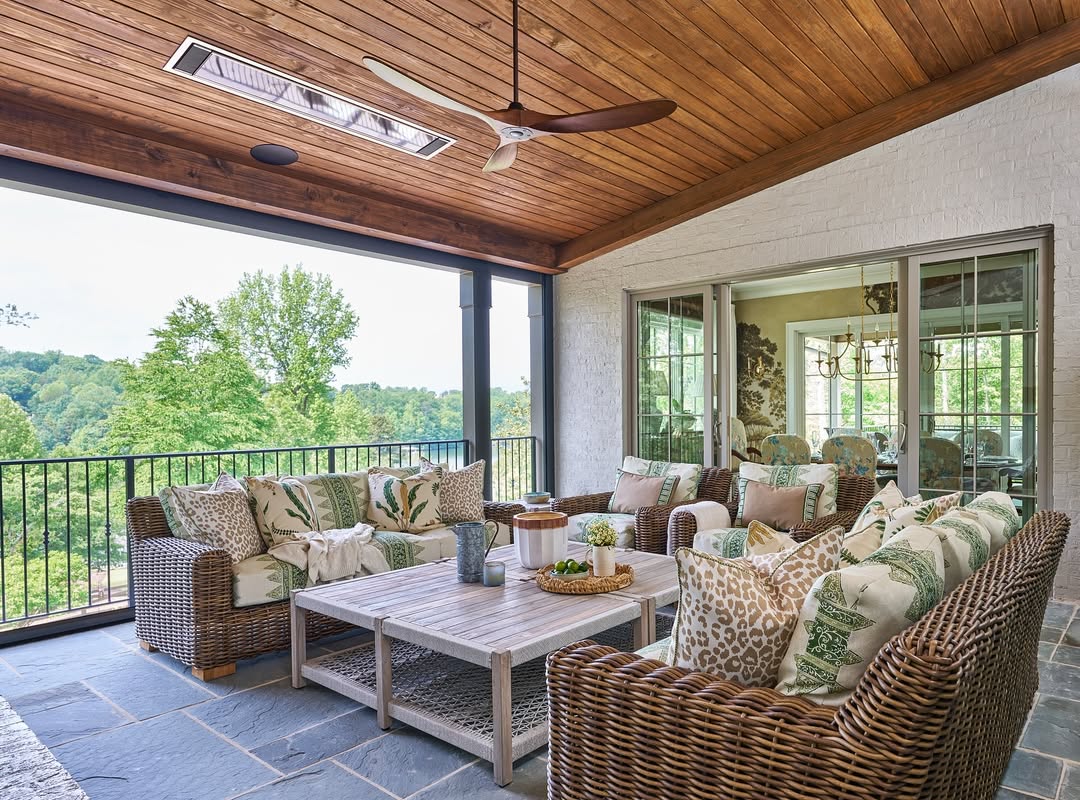
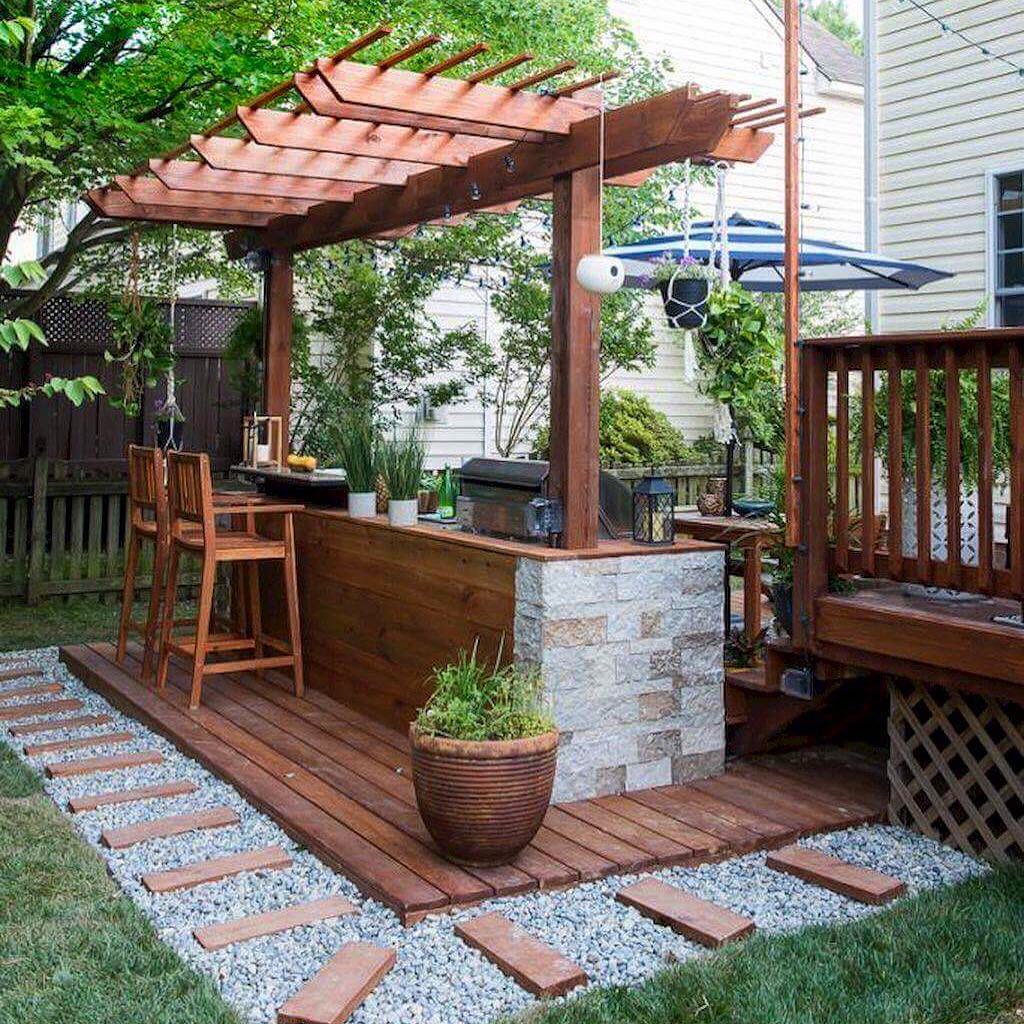
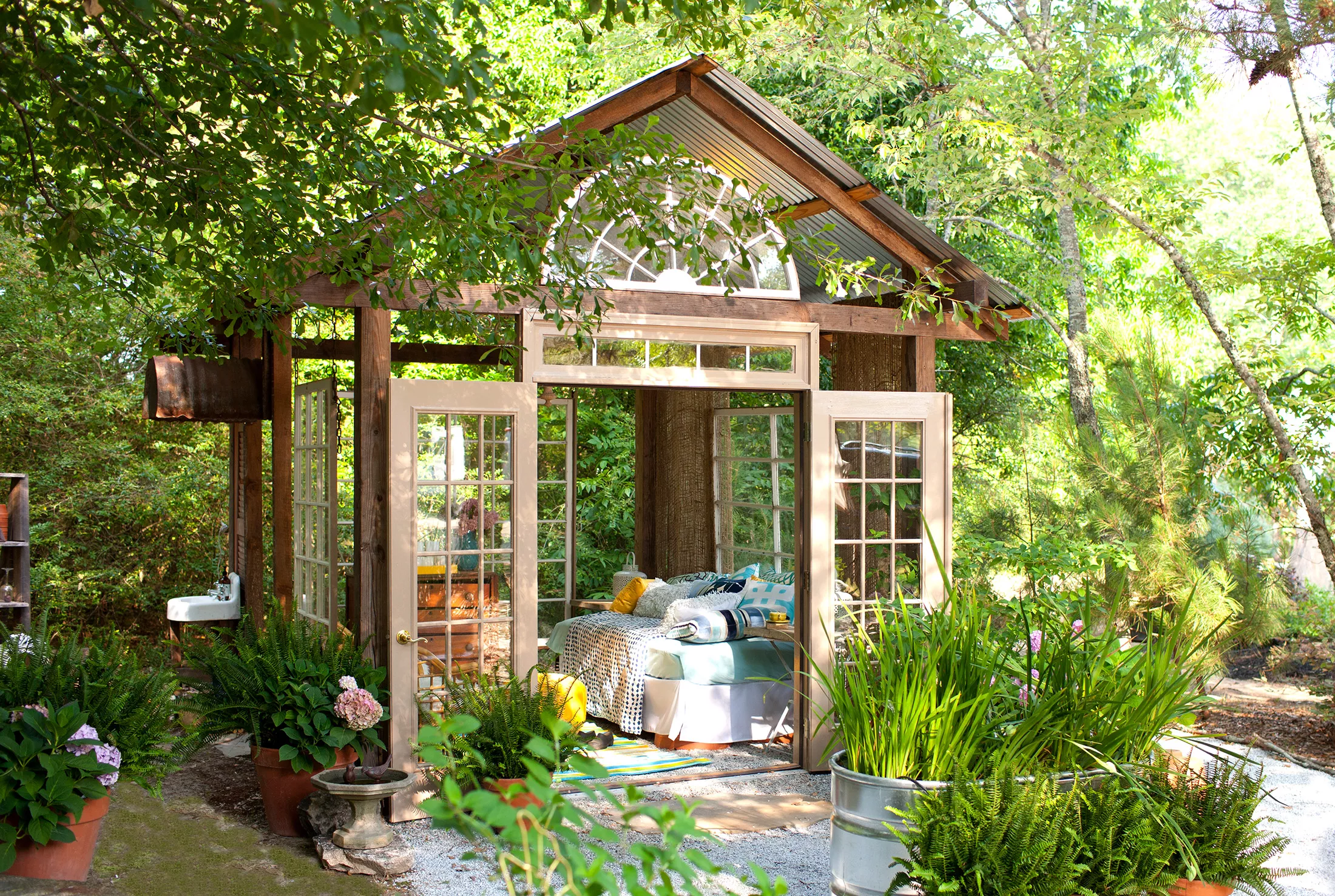
Furthermore, the design process includes creating a balance of public, semi-private, and private spaces. Reid highlights the importance of incorporating all three types, with public areas for gathering, and semi-private or private nooks offering seclusion and shelter. Outdoor structures like pergolas and roof overhangs are instrumental in defining these spaces. The concept of "prospect and refuge," a traditional garden design principle, guides the creation of protected areas from which occupants can observe their surroundings. Addressing drainage and utility placement early in the design is paramount. Dakers stresses the importance of proper drainage to prevent water damage to the house and foundation, recommending professional consultation to avoid costly mistakes. Similarly, planning for utilities such as plumbing, gas lines for fireplaces, and electrical outlets for lighting early on prevents disruption to newly installed features.
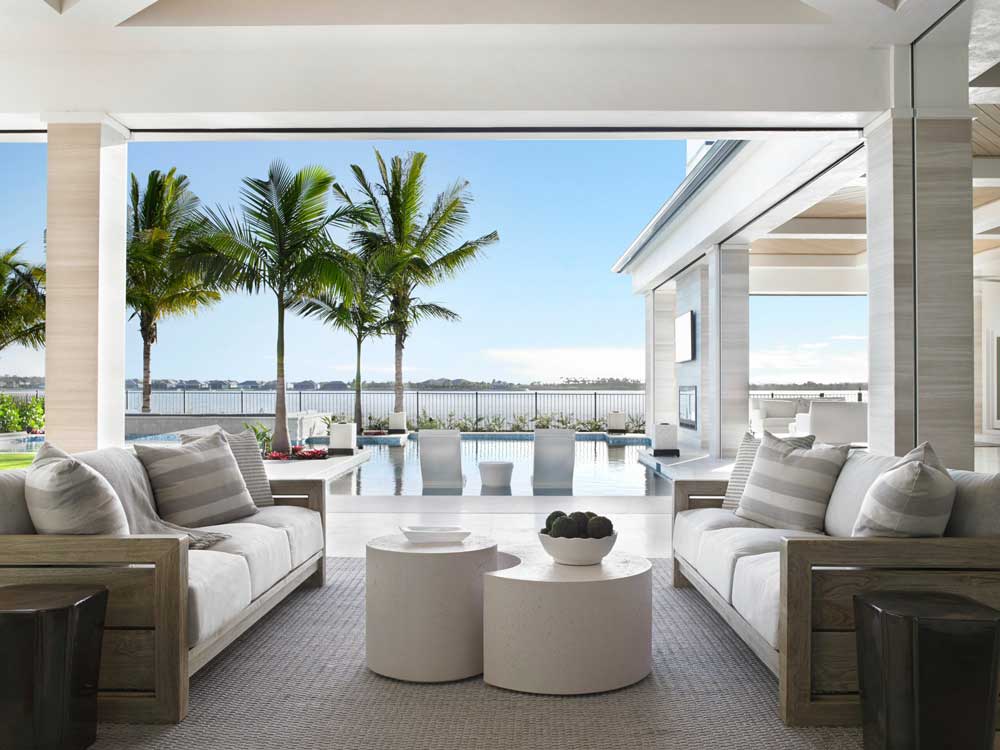
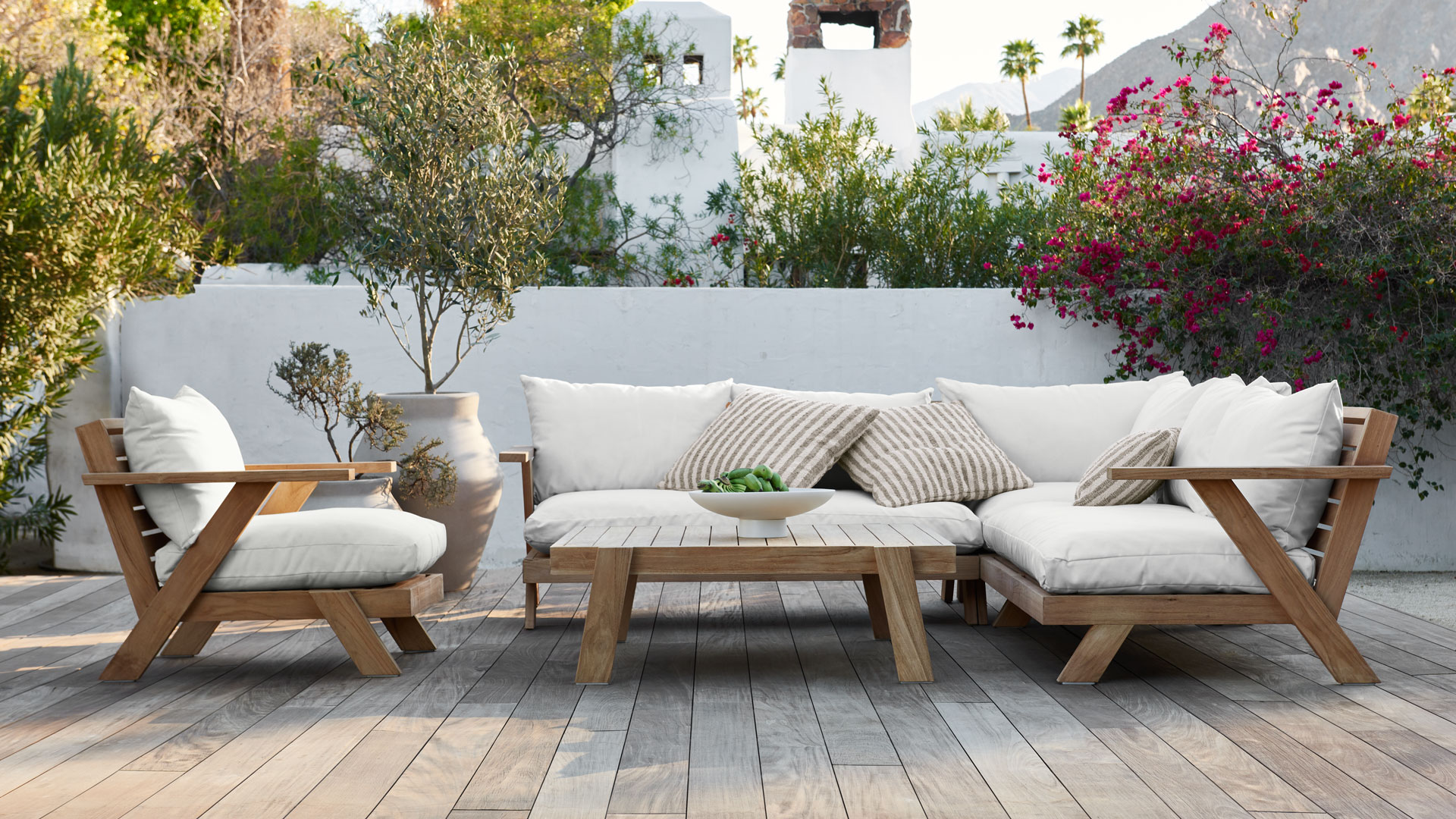
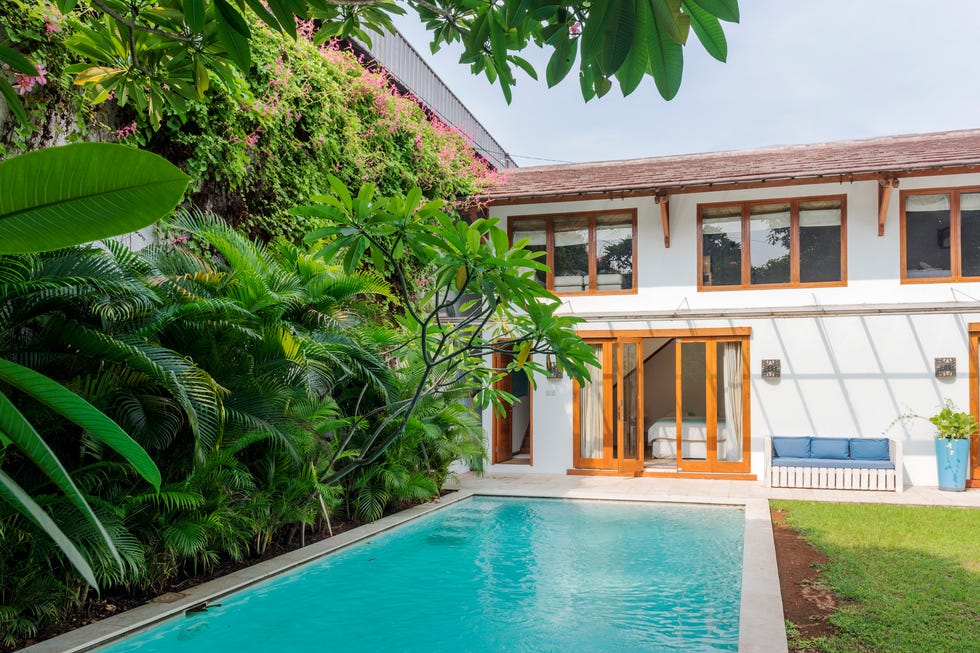
Designing for all five senses is another significant aspect of creating an outdoor room. Reid considers existing sensory elements from neighboring spaces, such as views, sounds, and smells, to either work with them or mitigate undesirable ones. This might involve planting fragrant shrubs to mask unpleasant odors or incorporating water features to dampen road noise. Finally, the overall style of the outdoor space is carefully integrated with the home's existing architectural features. The designers advocate for viewing the backyard as an extension of the house, ensuring a cohesive aesthetic rather than a detached, mismatched addition. This holistic approach ensures the outdoor room complements the home's design, creating a seamless and harmonious living environment.
#OutdoorRoomDesign #BackyardRetreat #LandscapeDesign #SustainableDesign #OutdoorLiving #GardenPlanning #DrainageSolutions #SensoryGarden #HomeExtension #OutdoorRoomDesign #BackyardRetreat #LandscapeDesign #SustainableDesign #OutdoorLiving #GardenPlanning #DrainageSolutions #SensoryGarden #HomeExtension
0 comment in total
 No comments yet
You may also like
Outdoor living room mistakes – 5 errors to avoid, and the tips garden designers use to get it right

Experts explain how to create extra living space outdoors

Outdoor living room ideas: 15 ways to maximise any outdoor space

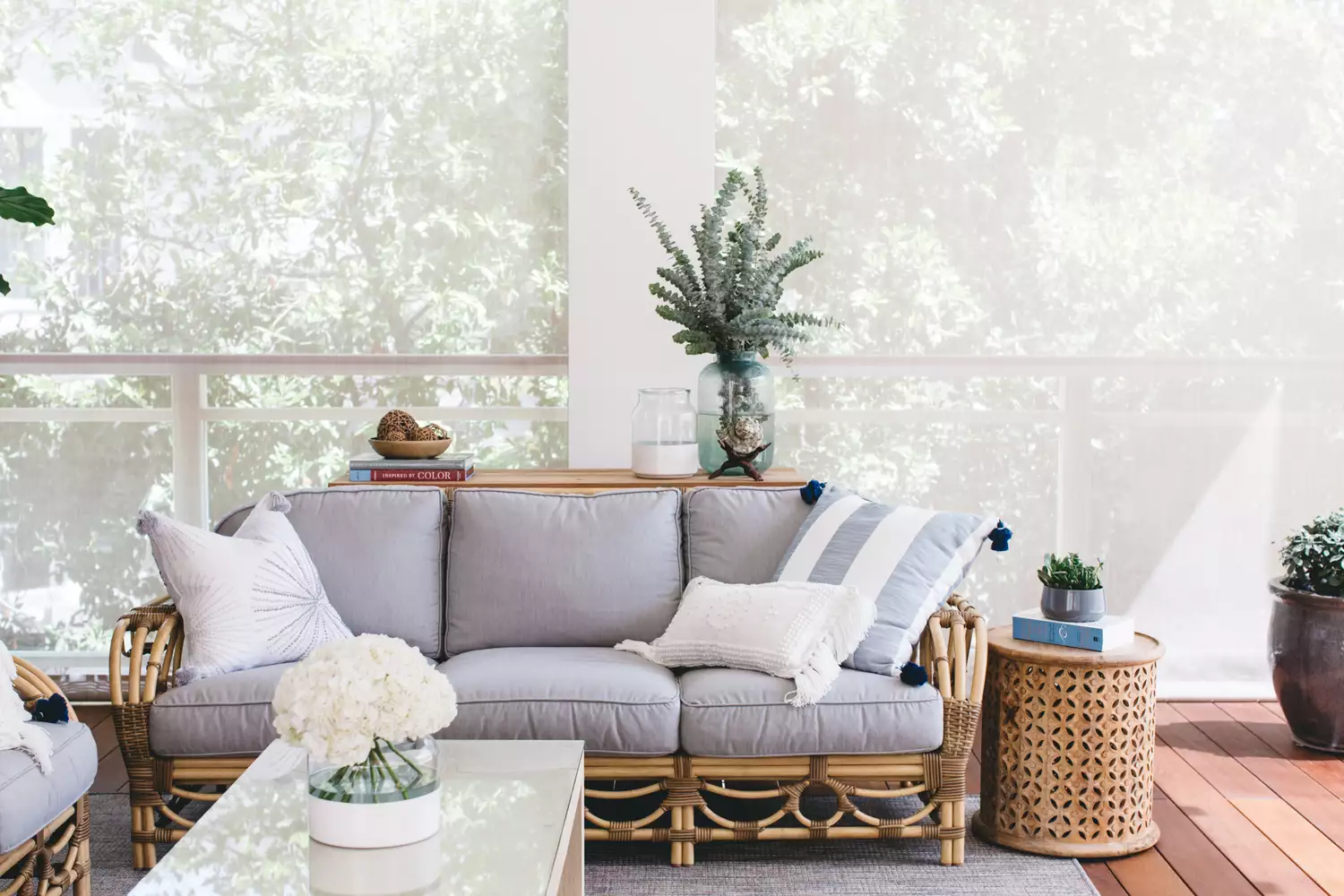
45 Outdoor Living Rooms That Will Make Your Indoor Living Room Jealous

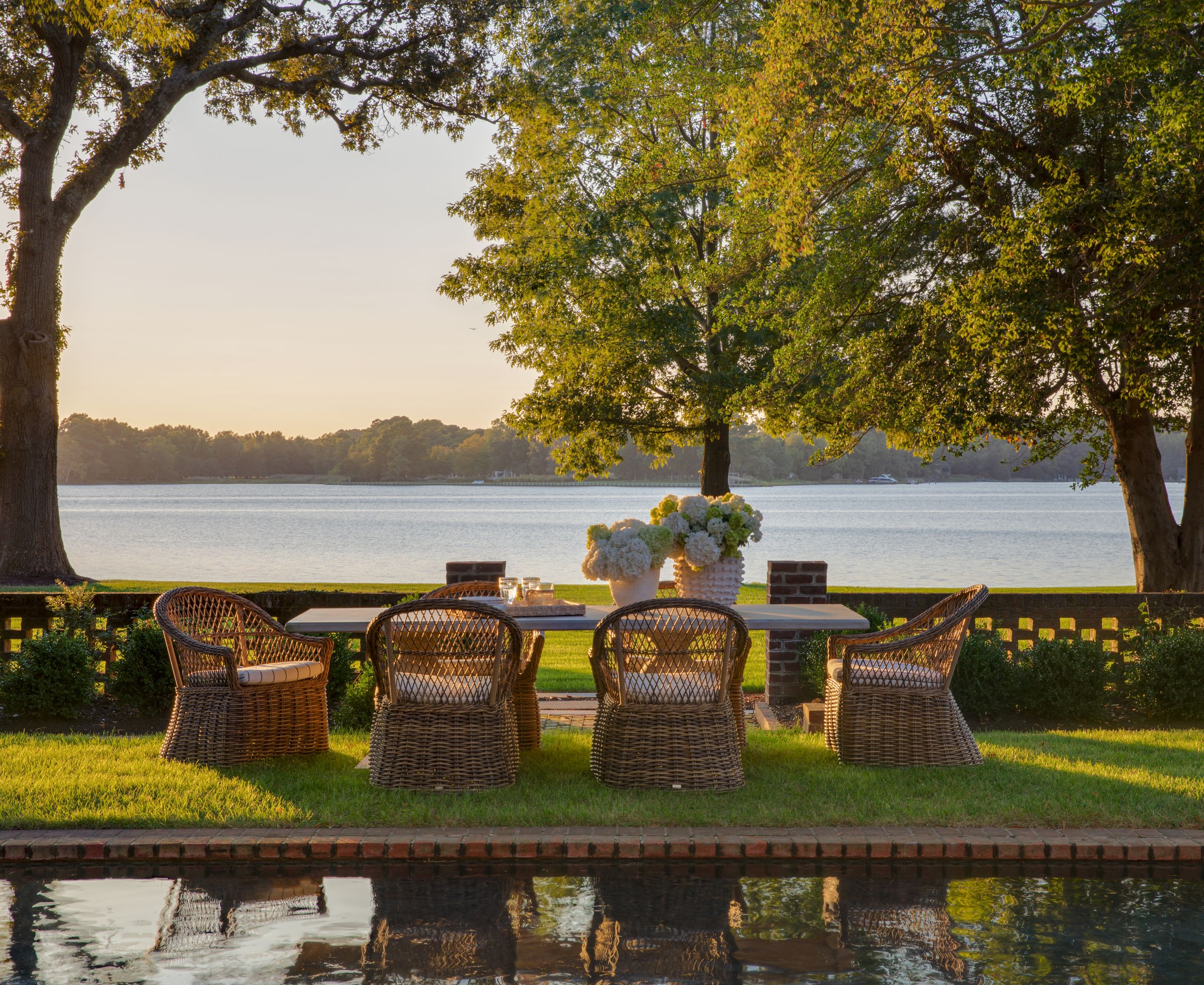
How to Style Your Outdoor Space in 5 Easy Steps, According to Interior Designers
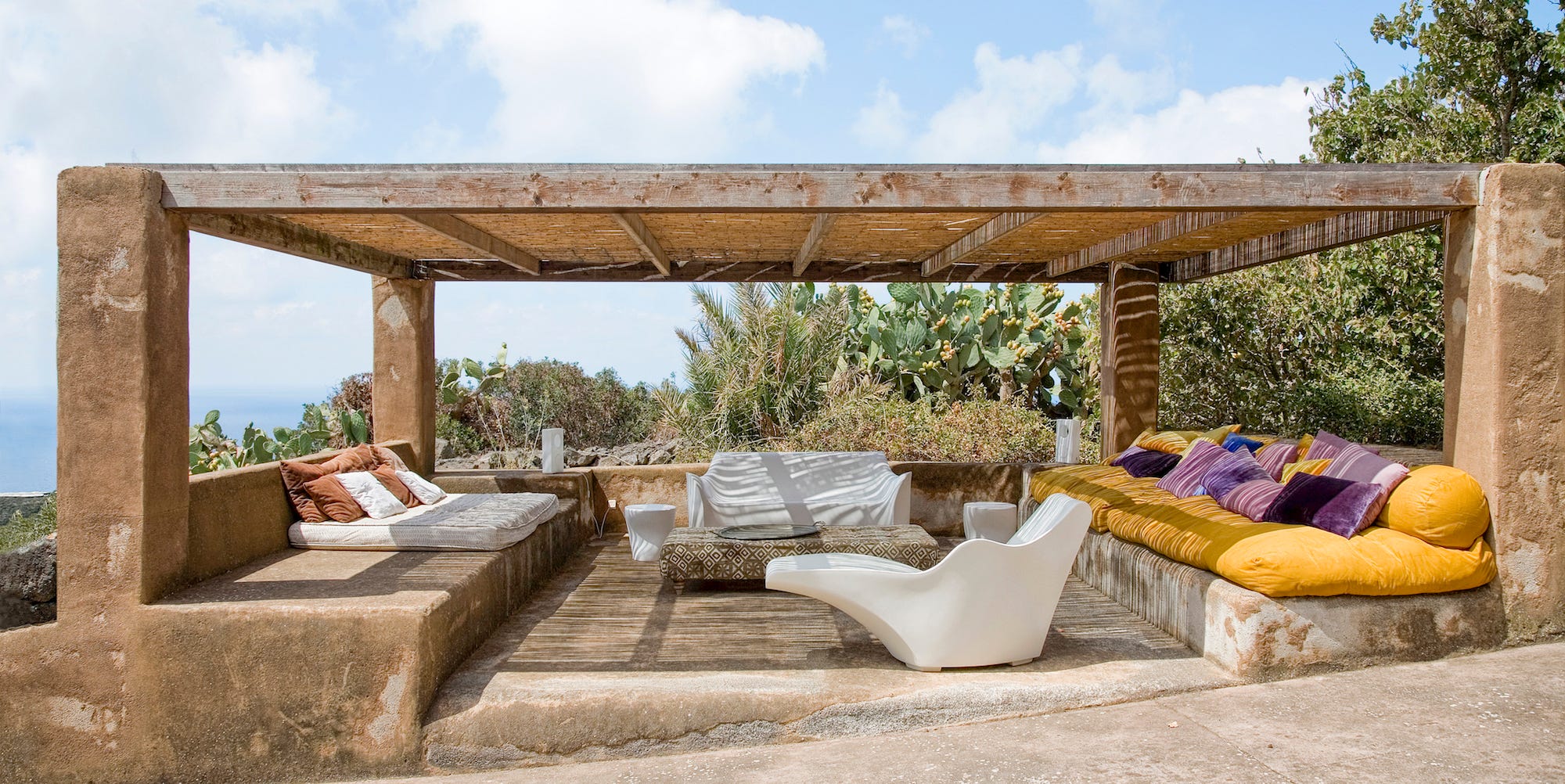
These Gorgeous Outdoor Rooms Will Inspire Your Summer Entertaining Prep

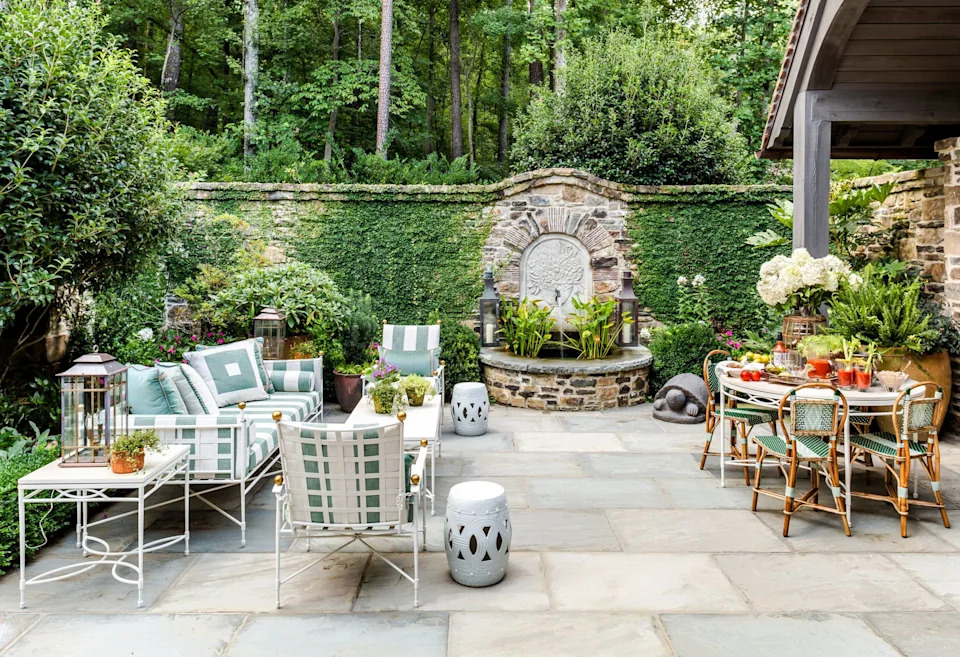
Outdoor living room ideas

It's Called a "Spa Porch" And It's Coming To a House Near You

Your Deck Is About to Be the Best Room in the House
Outdoor living room ideas

26 Outdoor Patio Bar Ideas That Turn Your Patio Into the Perfect Spot for Weekend Hangouts

Backyard Ideas — 15 Brilliant Ways to Make the Outdoors Fun and Functional

6 Outdoor Room Design Tips for an Entertaining and Relaxing Space

16 Examples of Outdoor Living Design Done Right

How to Create a Living Wall to Maximize Your Outdoor Space

8 Designer-Approved Tips for Turning a Small Backyard Into an Outdoor Oasis

Outdoor Living - Landscaping, Garden & Backyard Design Ideas
44 Absolutely Gorgeous Outdoor Living Room Ideas That Fix Boring Backyards Fast
Design experts dish on how to create a mid-century outdoor oasis

Why Have a Garden Room and How to Design It