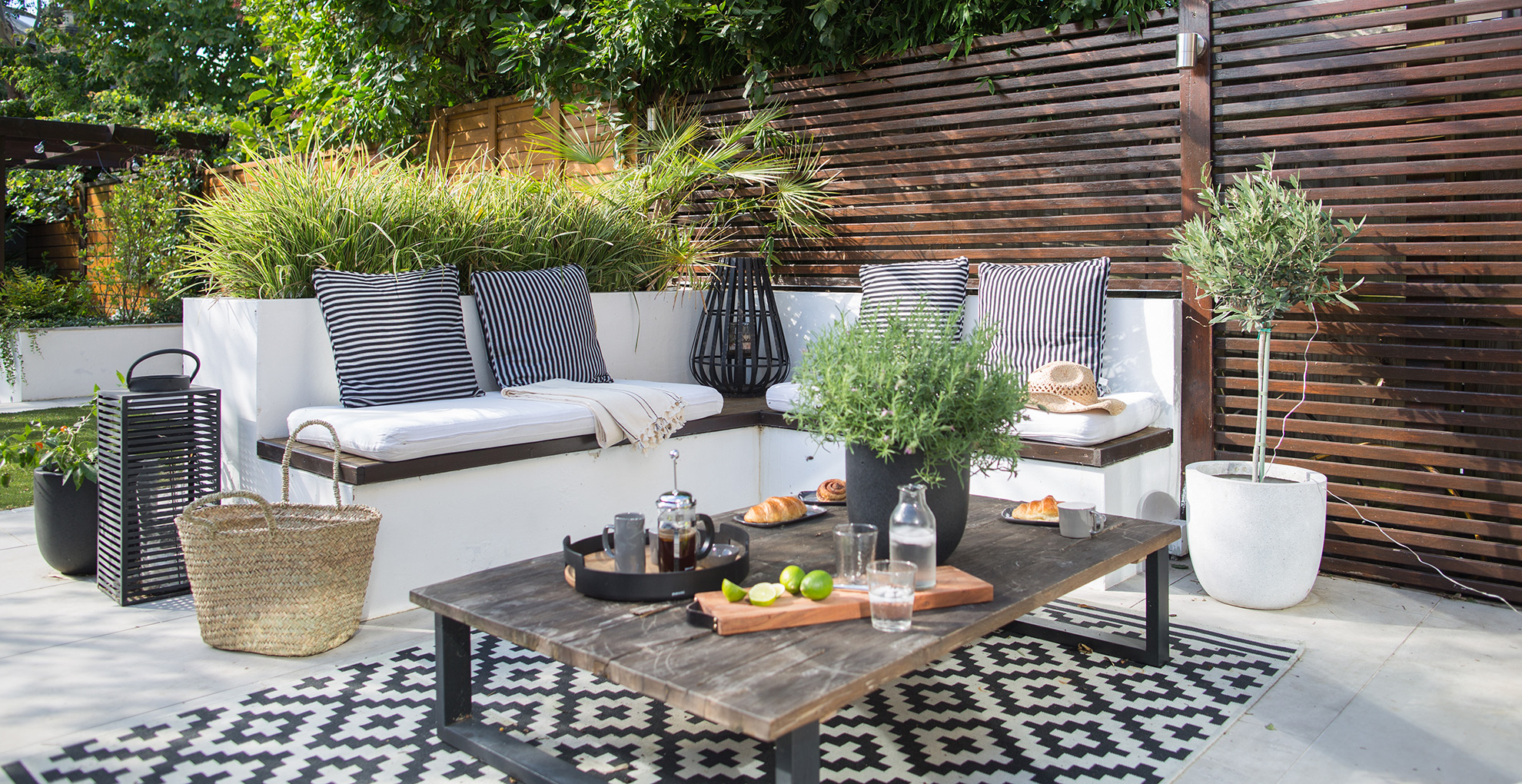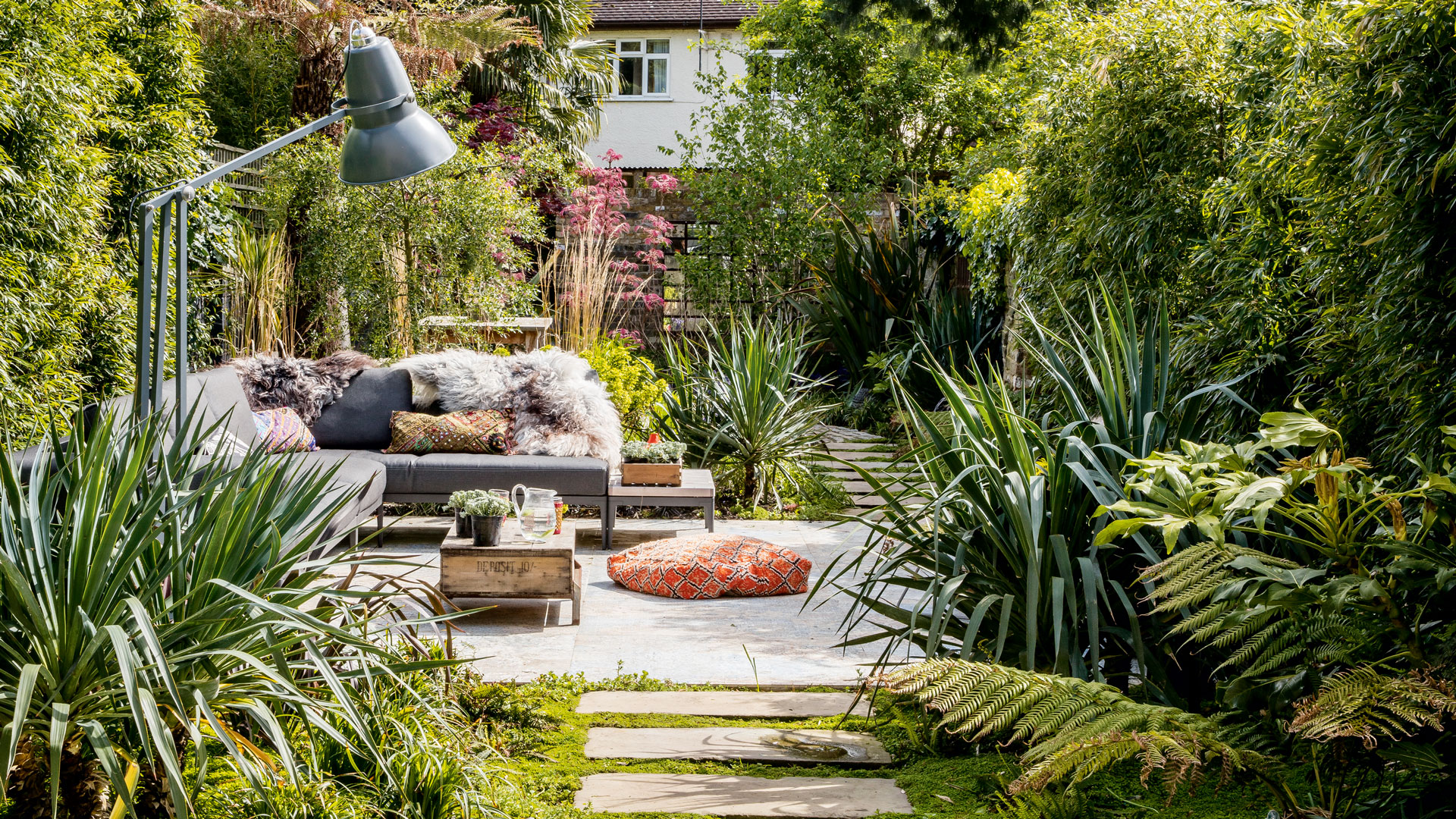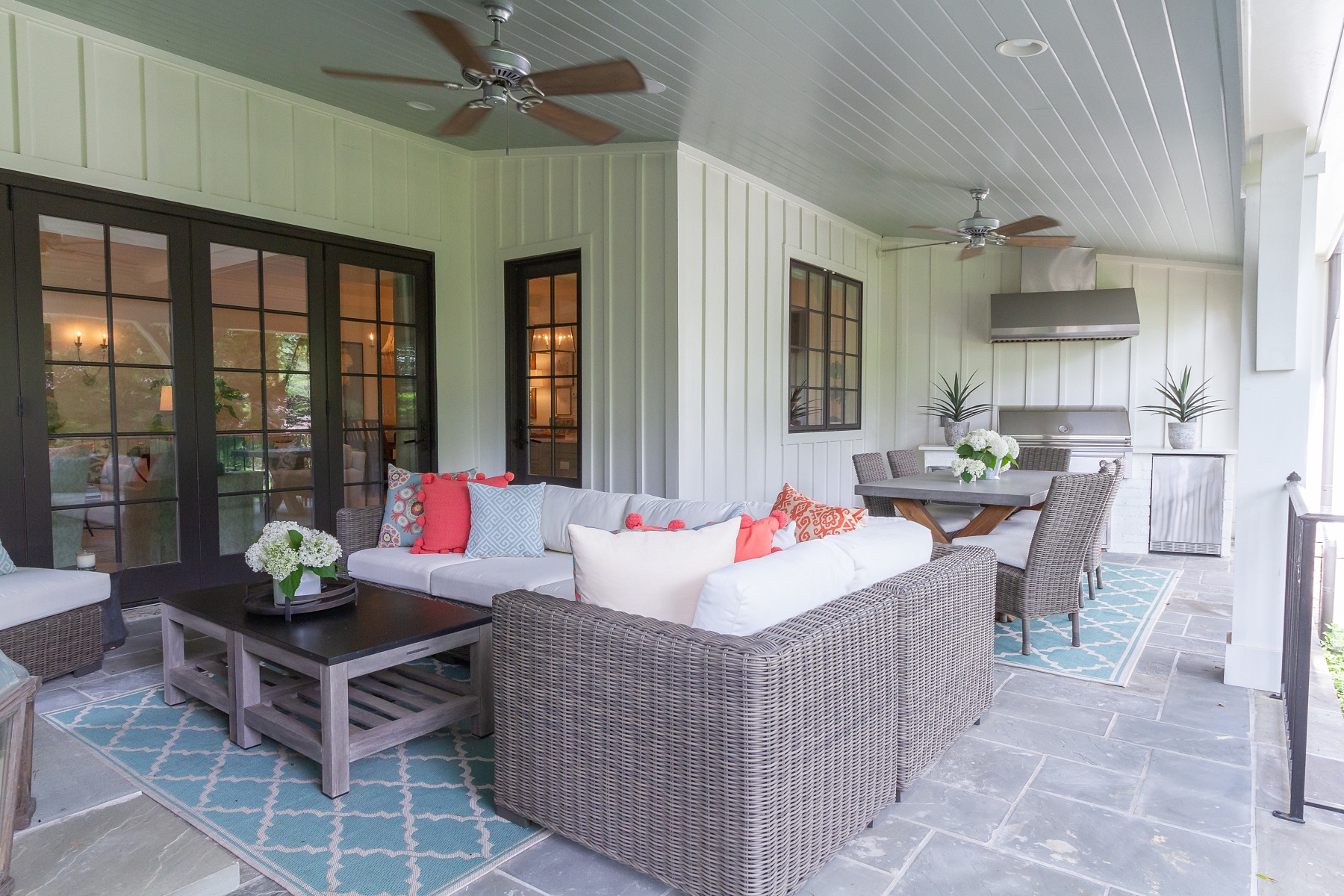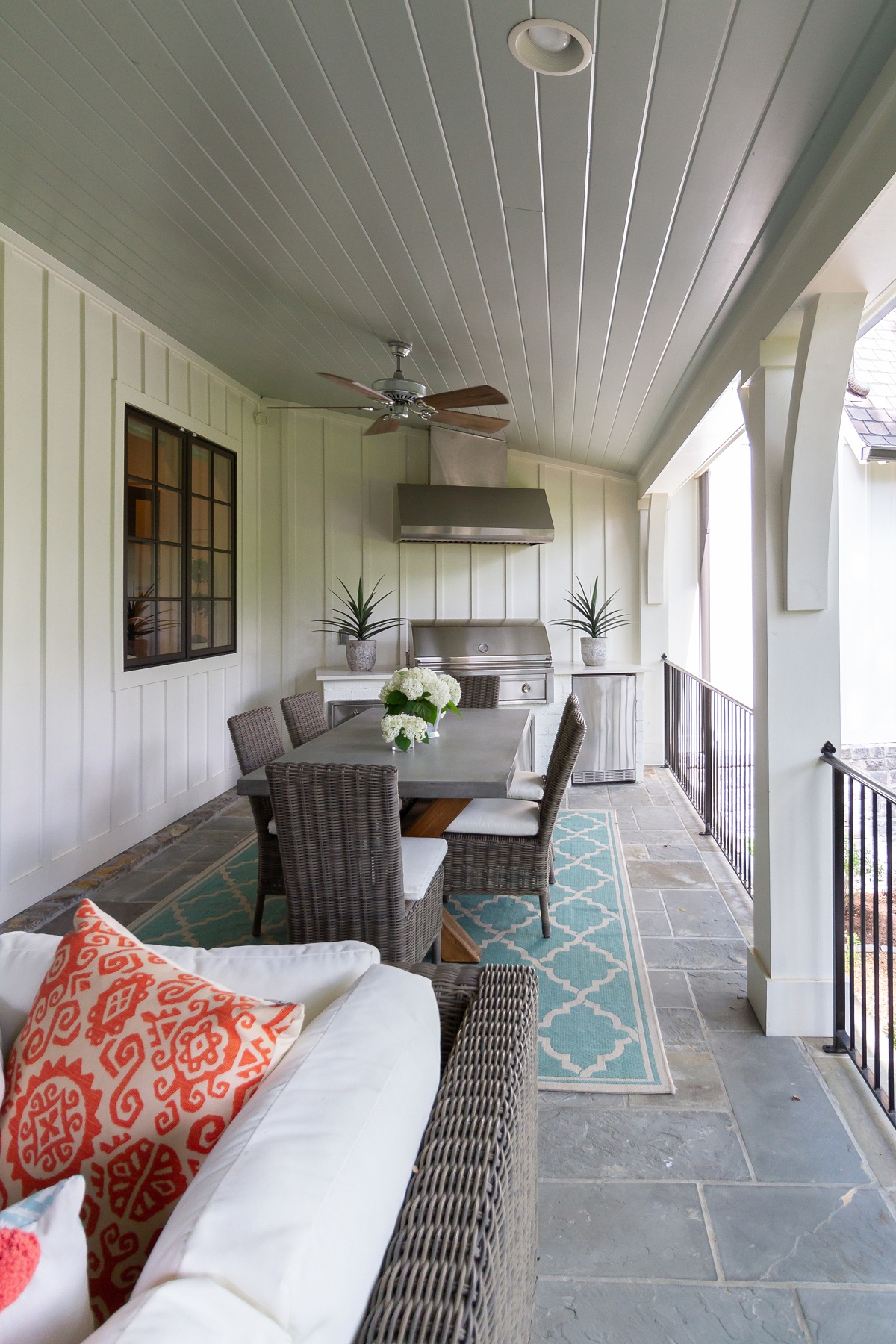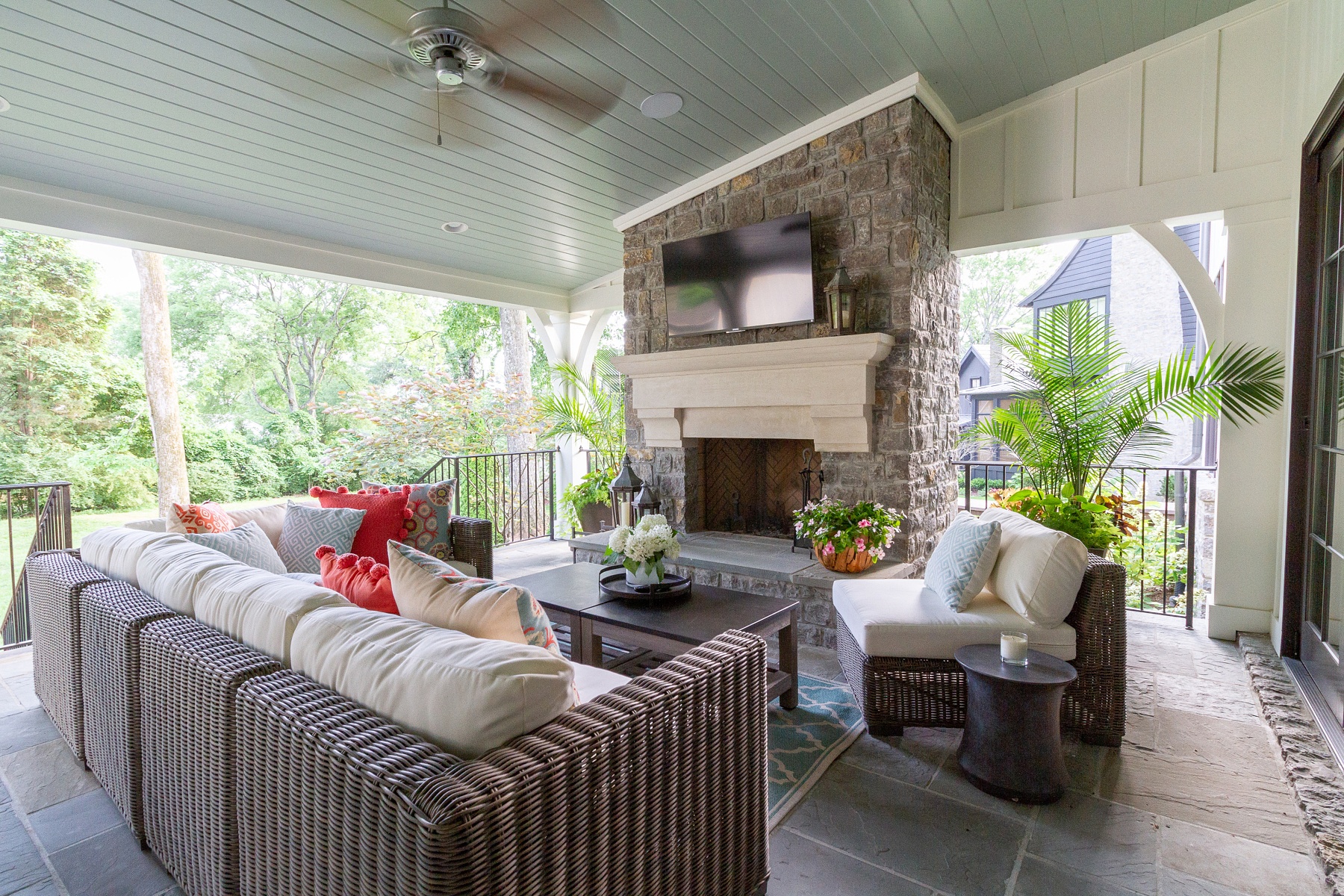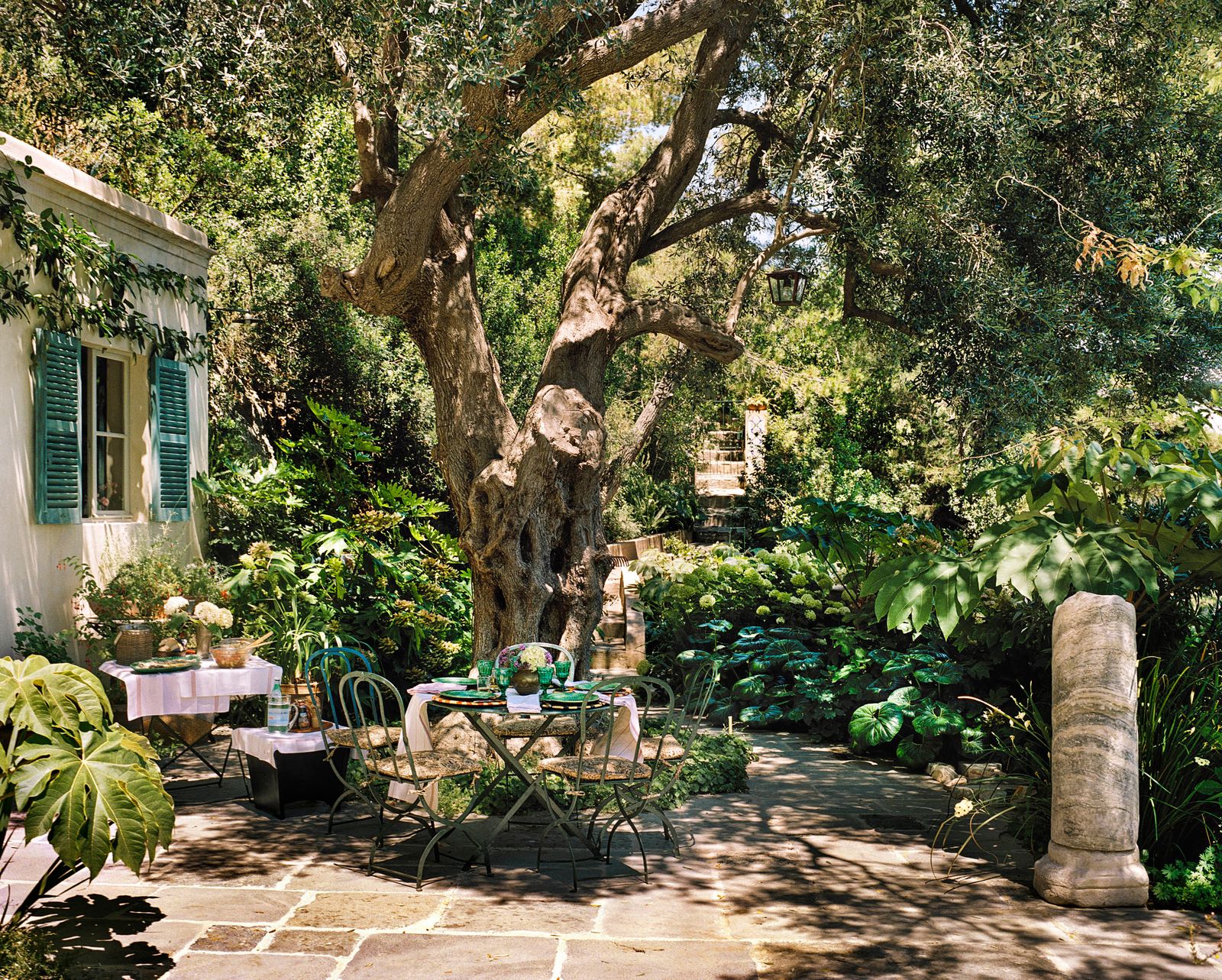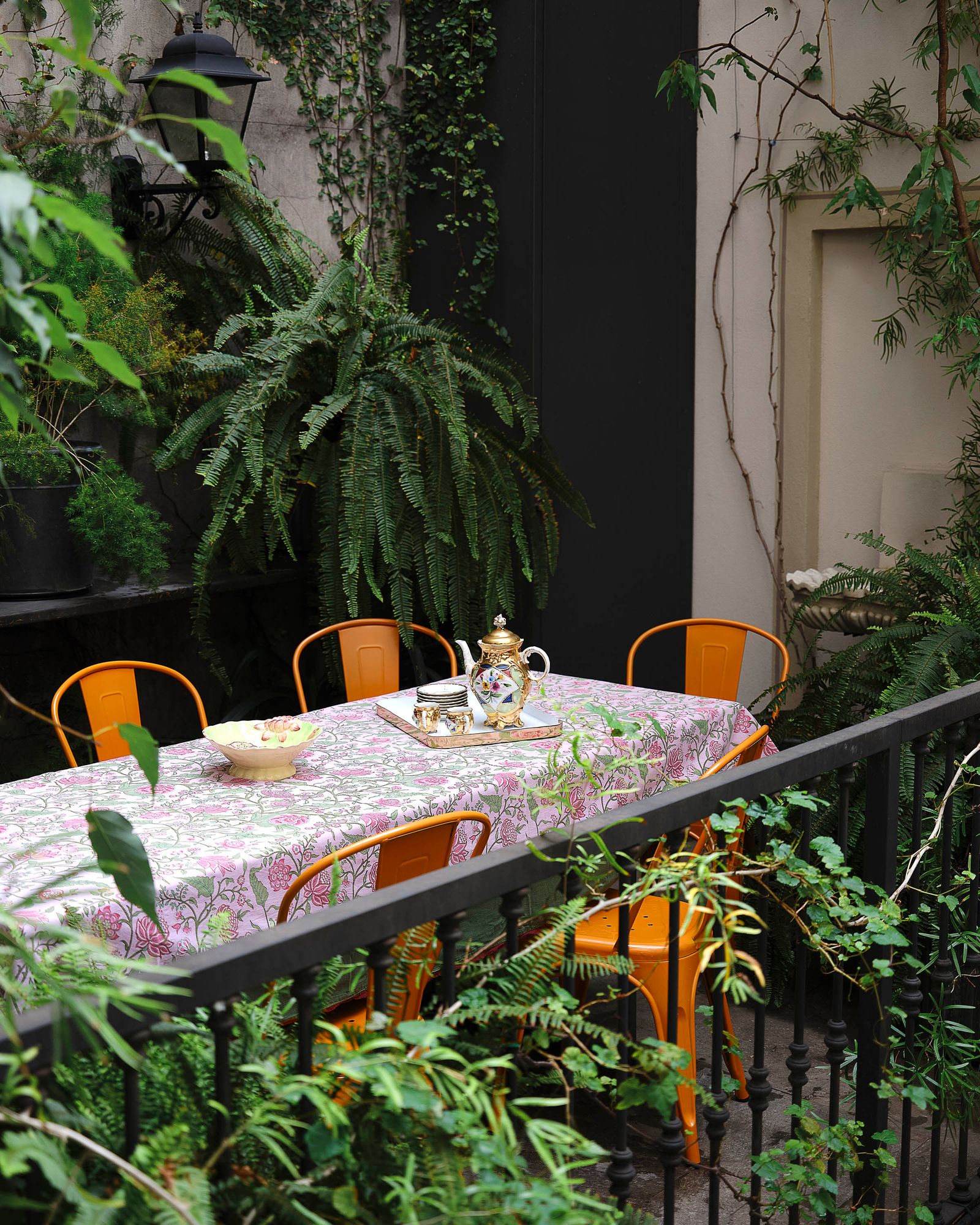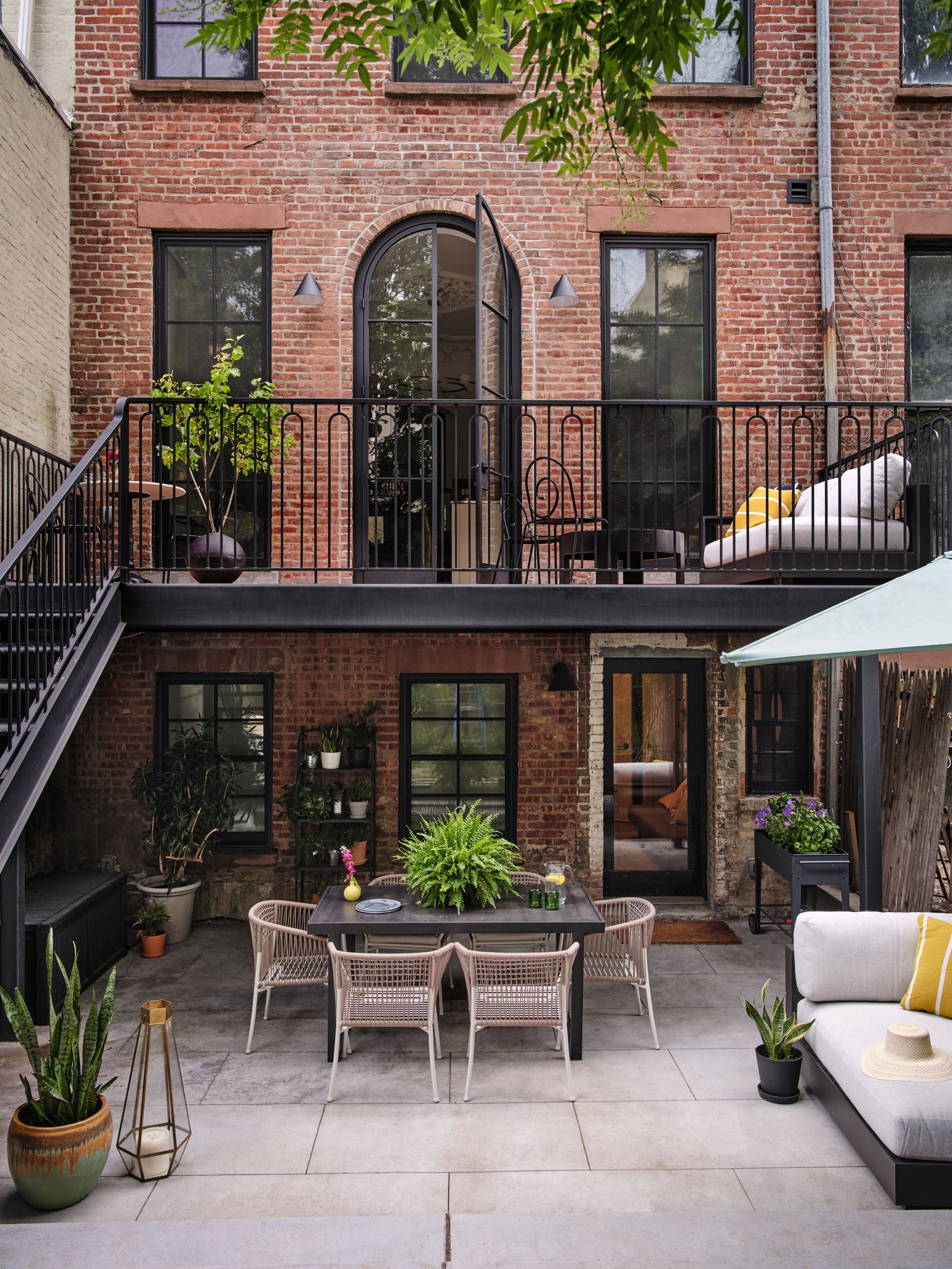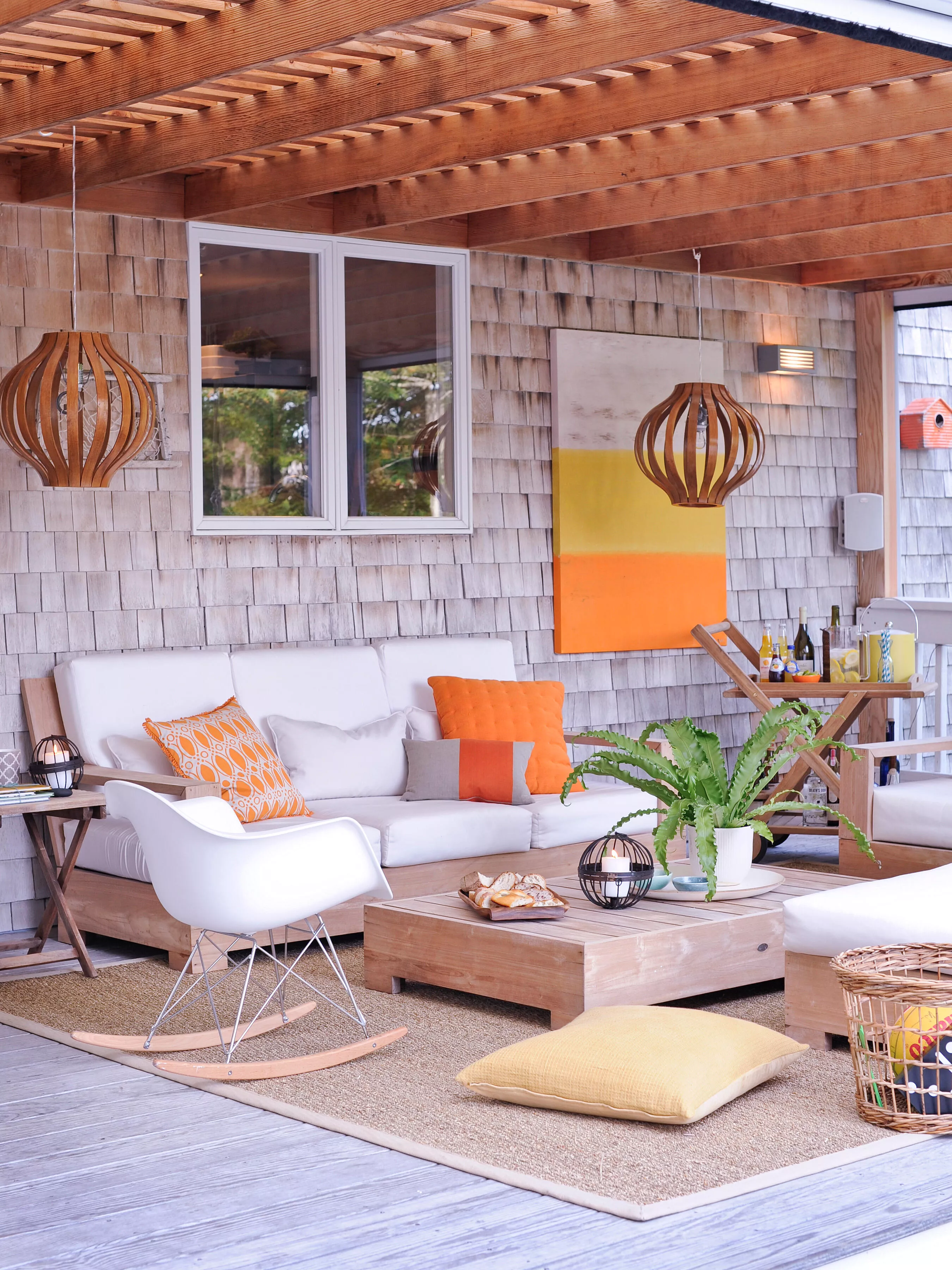
6 Outdoor Room Design Tips for an Entertaining and Relaxing Space
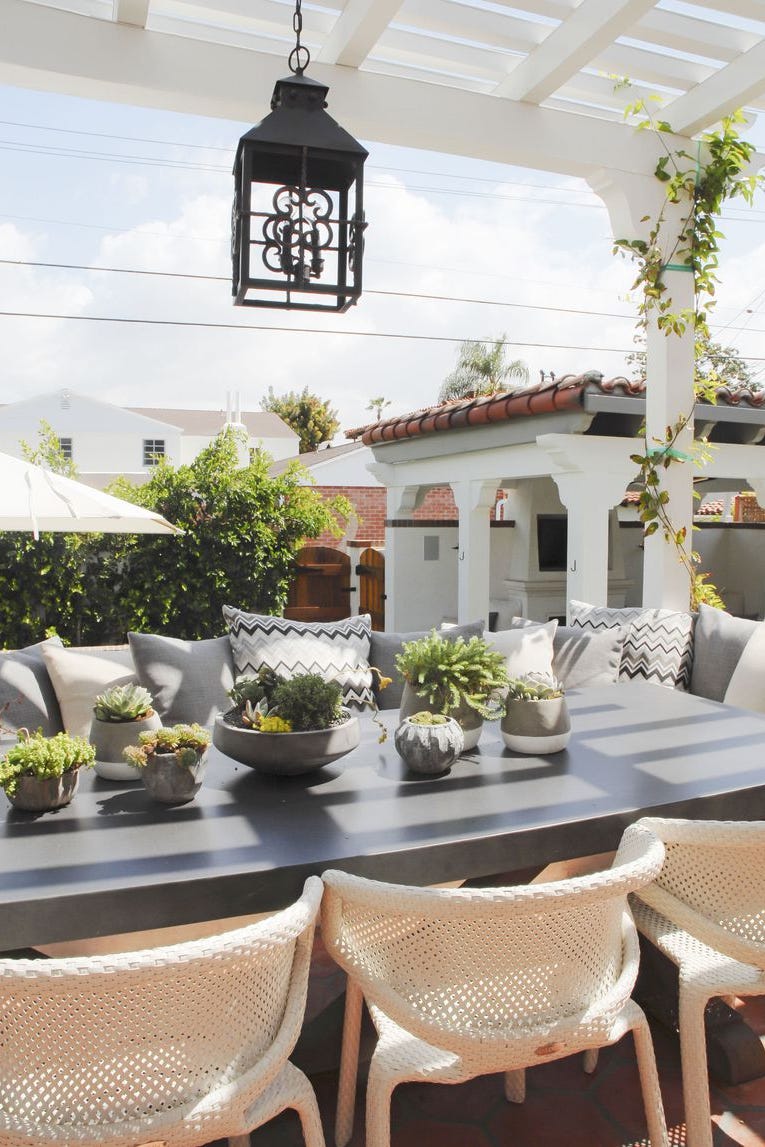
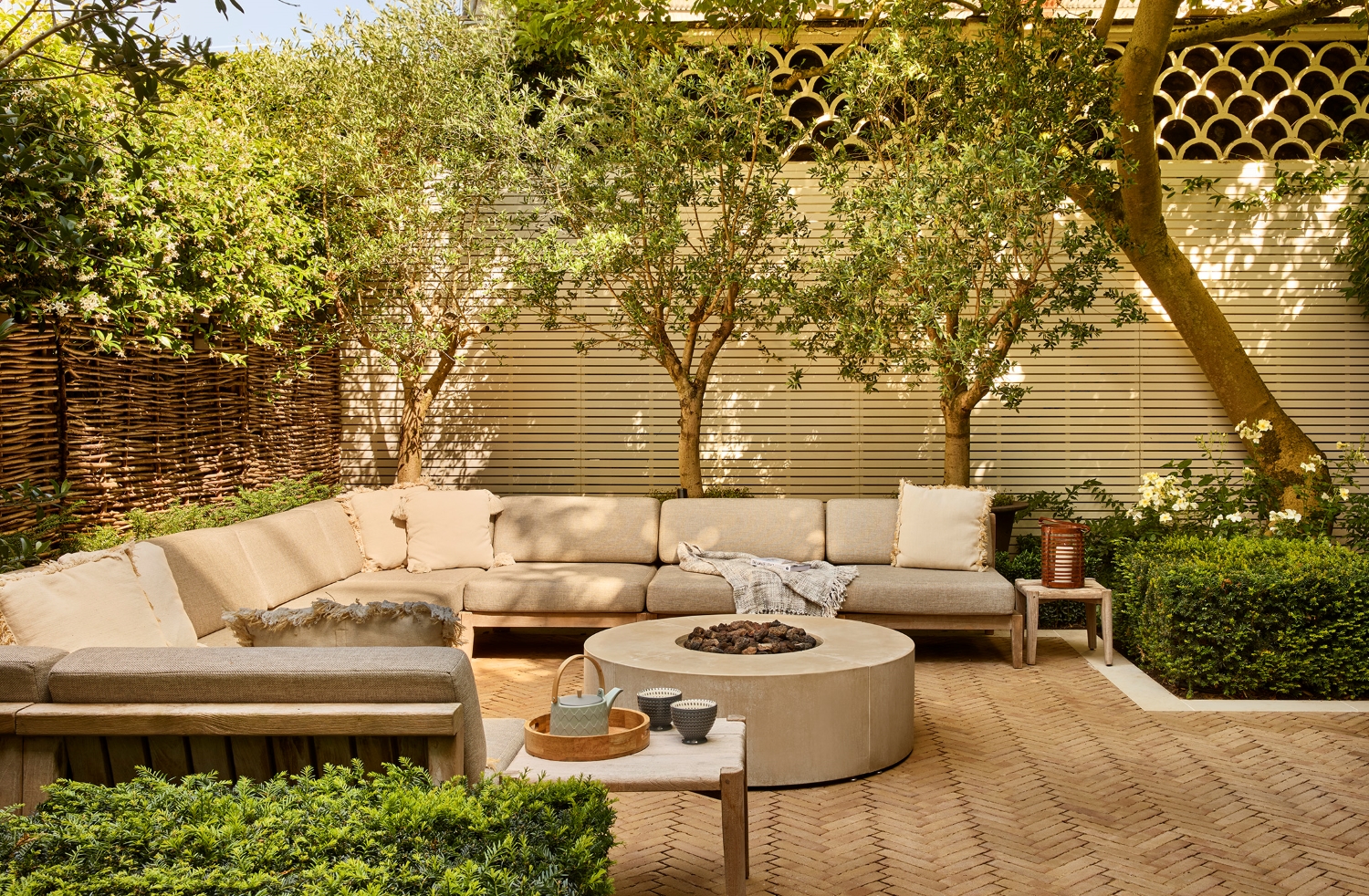
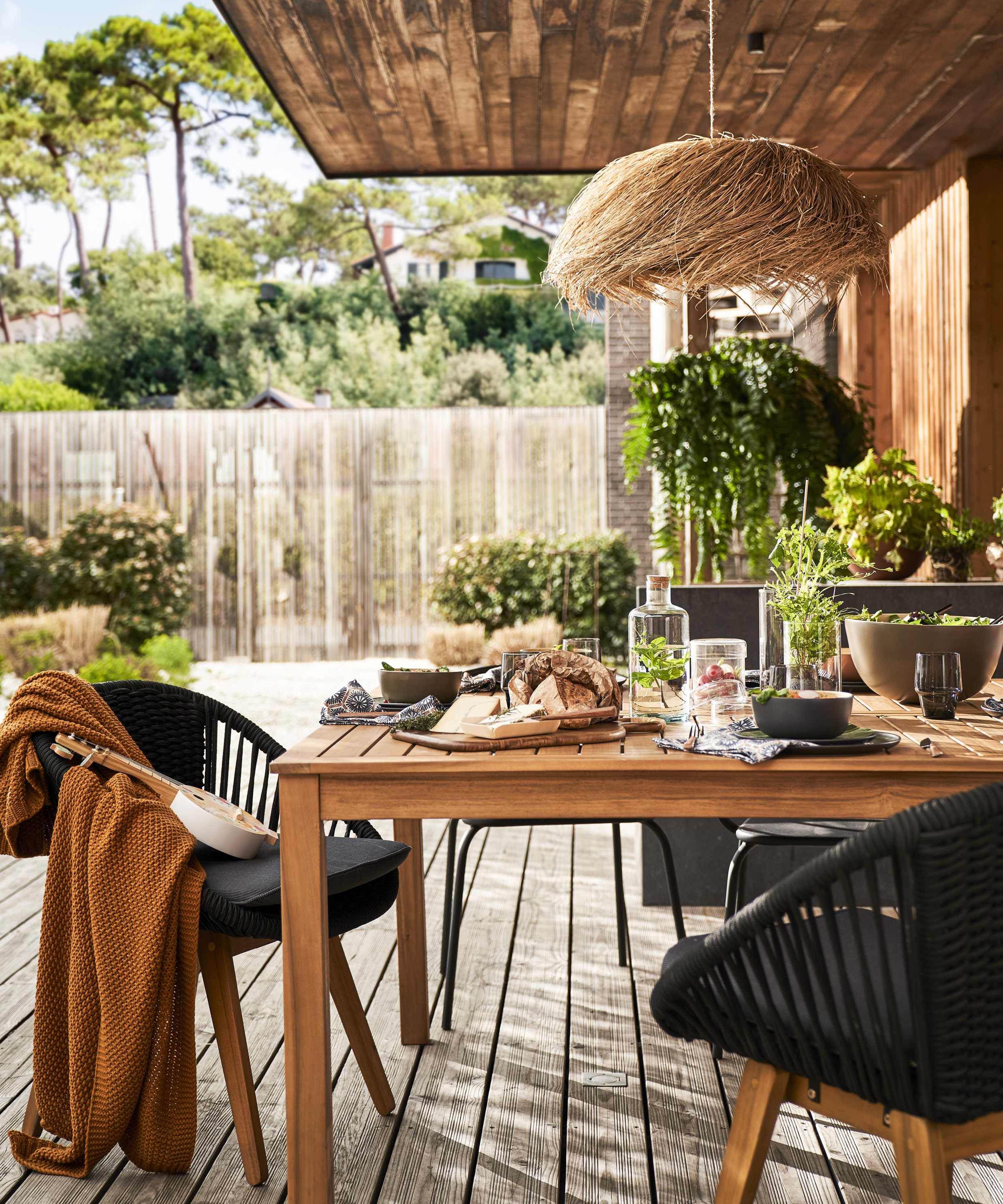
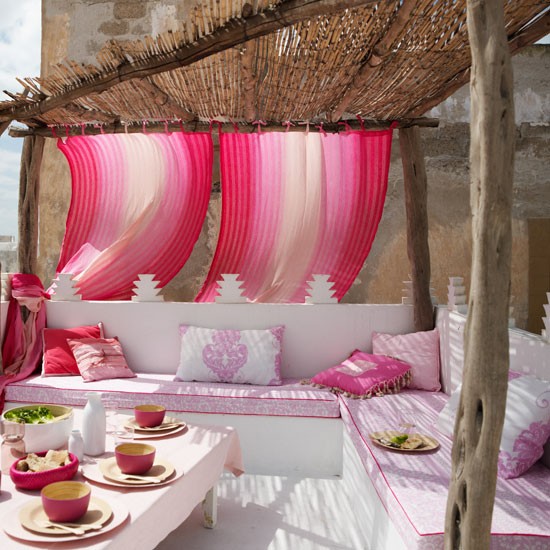
The increasing popularity of outdoor rooms in home design reflects a growing desire among homeowners to maximize every available inch of their property. These spaces serve as intentional outdoor areas for various activities such as lounging, cooking, or entertaining, effectively extending the habitable living area beyond the traditional confines of the house. Unlike conventional outdoor areas, outdoor rooms incorporate elements that create a sense of enclosure, such as walls, potted plants, glass panels, or screens, and often include overhead protection. Michelle Hendricks, a category marketing manager for Deckorators, highlights that these transitional spaces, commonly built on decks or patios, offer a blend of indoor comfort and outdoor fresh air, playing into a trend of homeowners adopting a maximalist approach to fill their spaces with integrated features like storage, kitchens, entertainment zones, and water features.
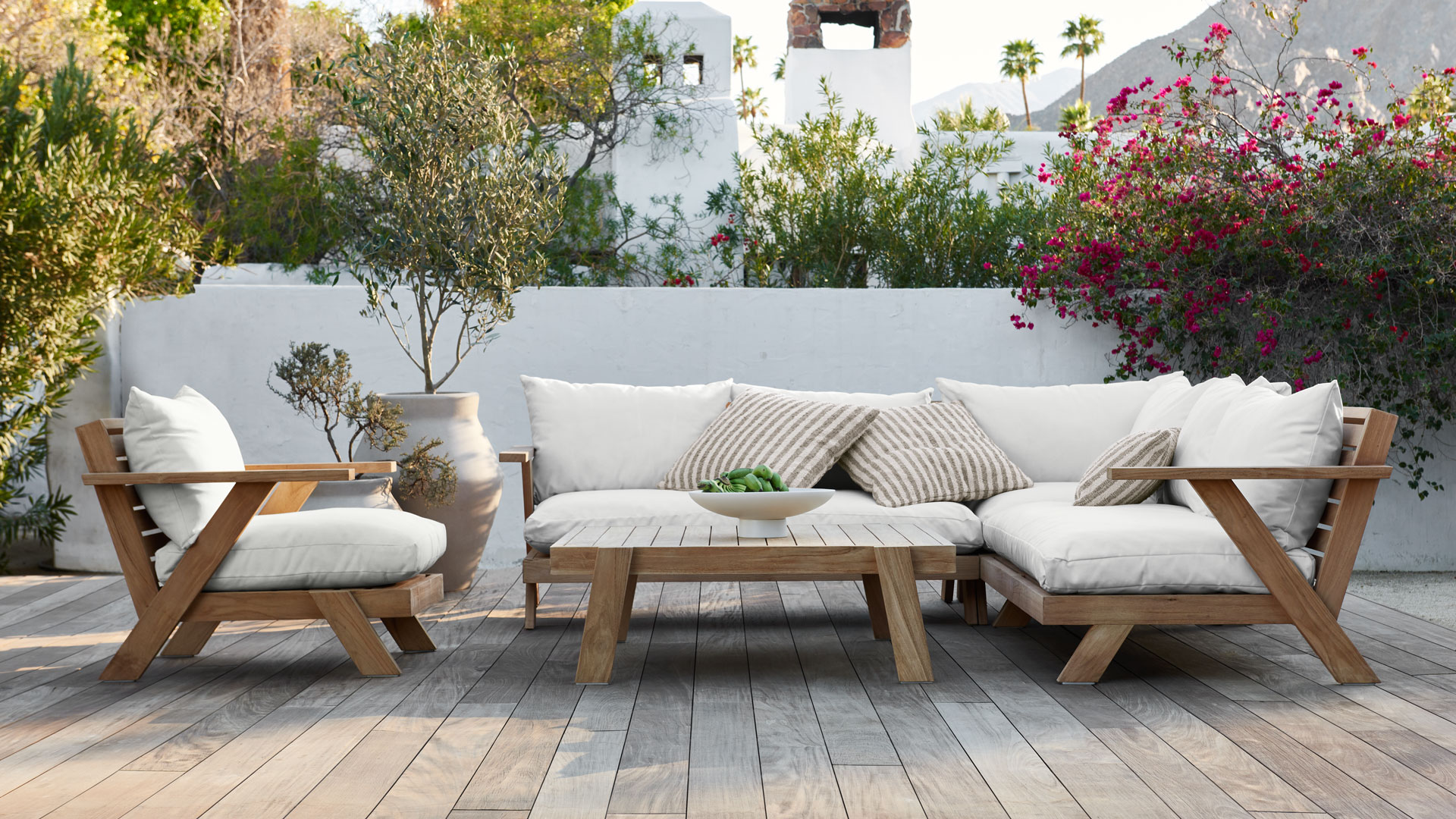
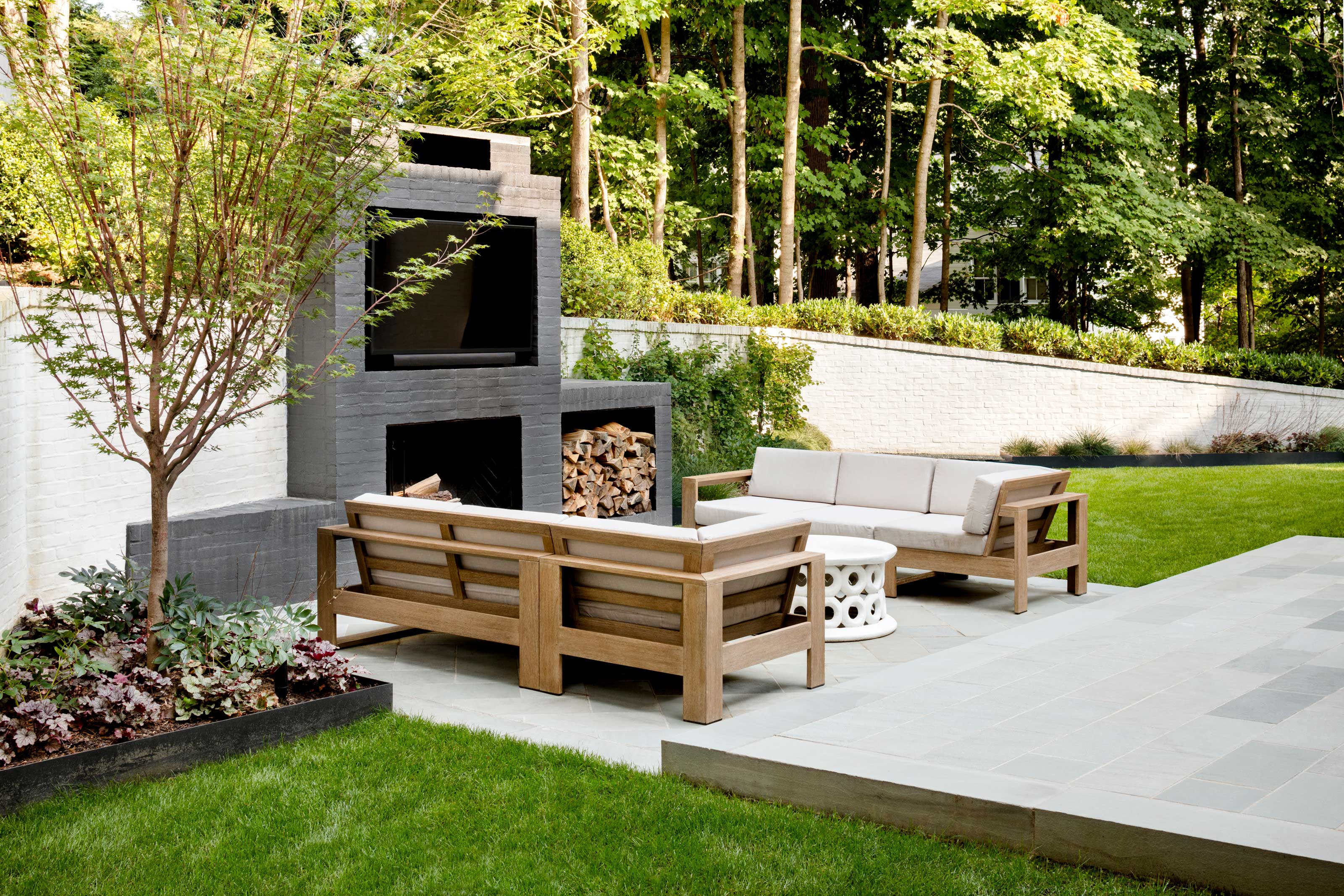
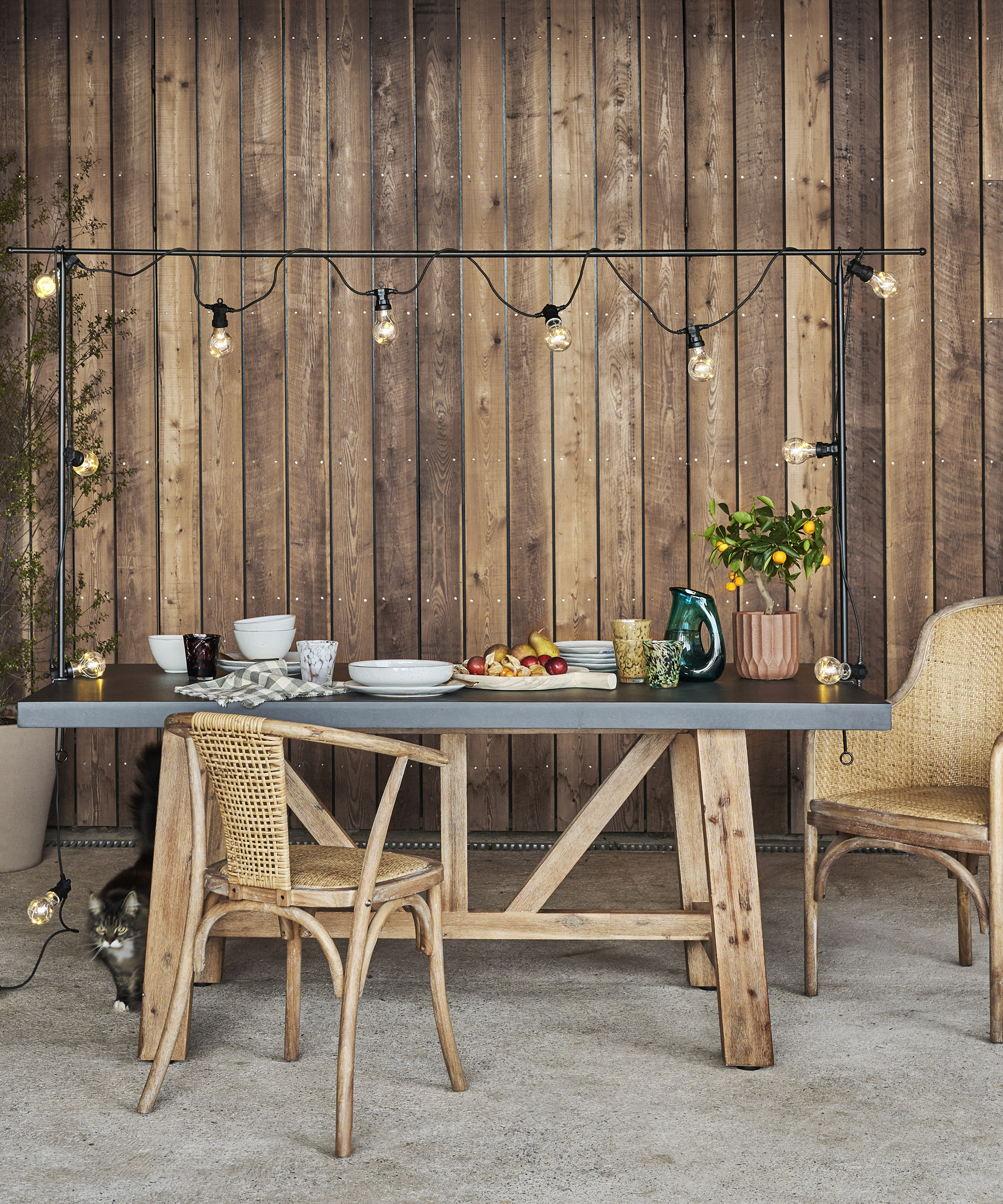
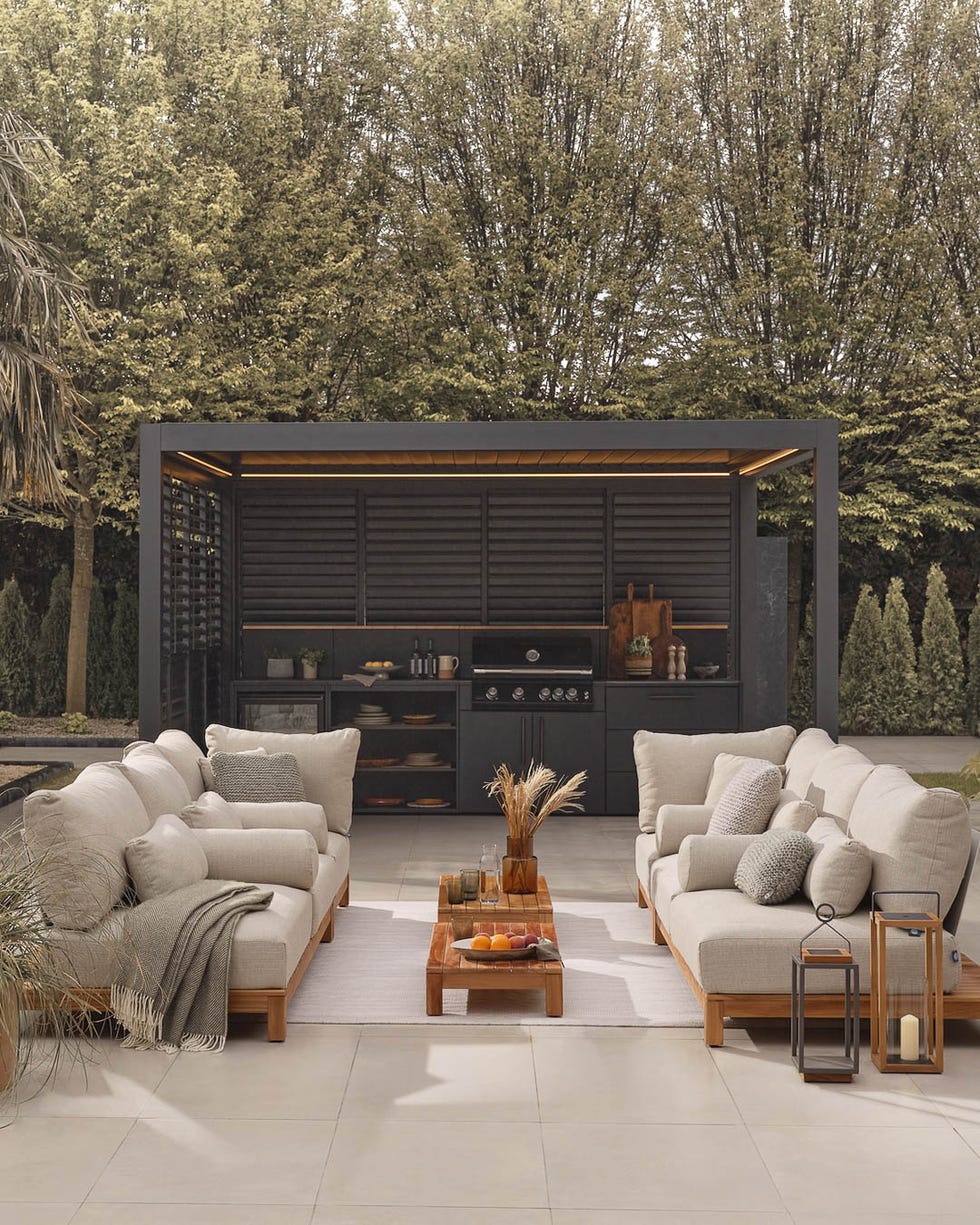
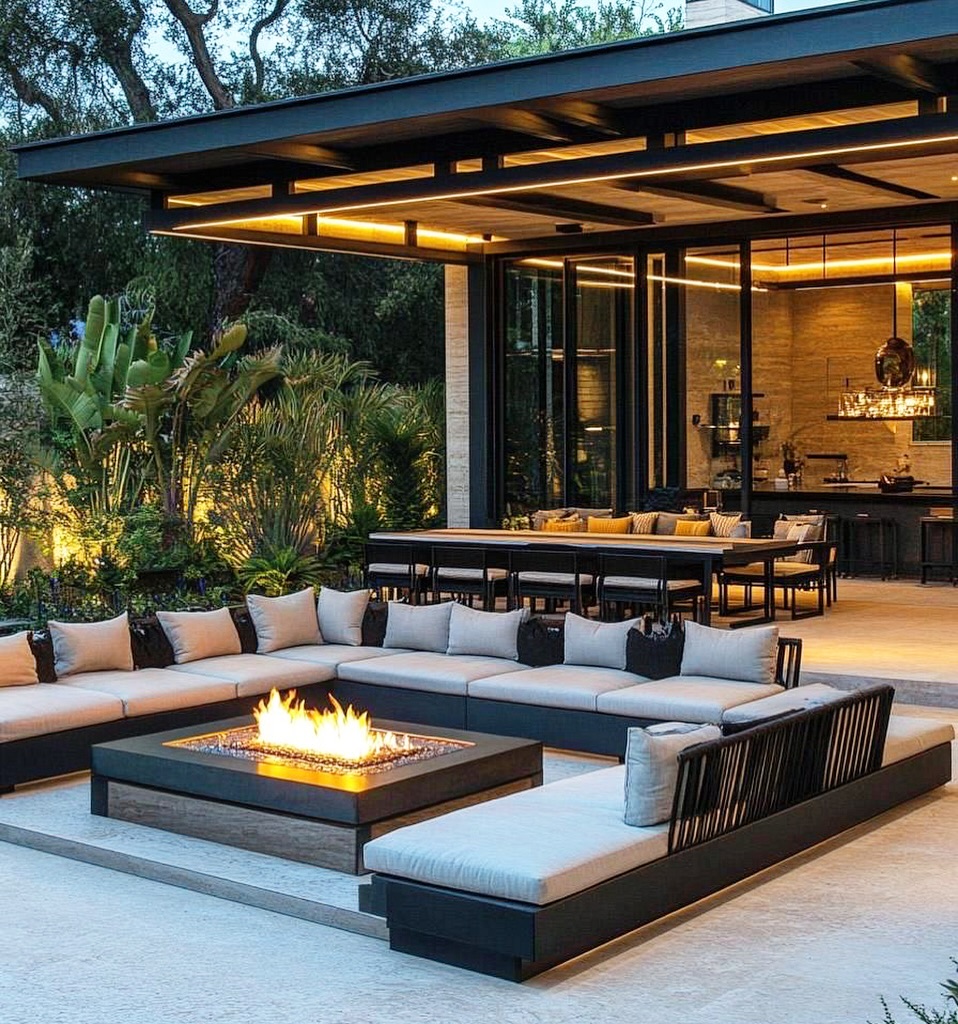
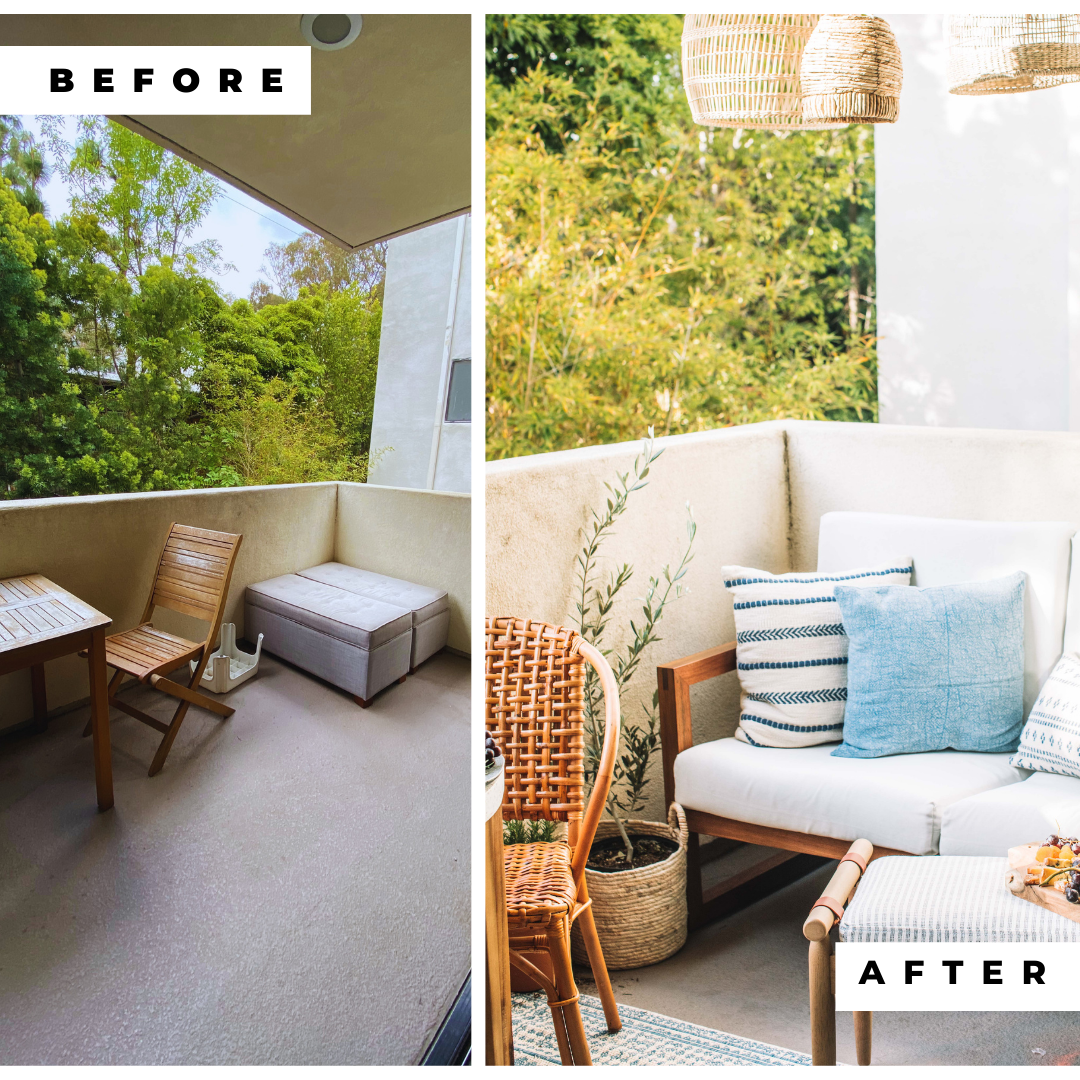
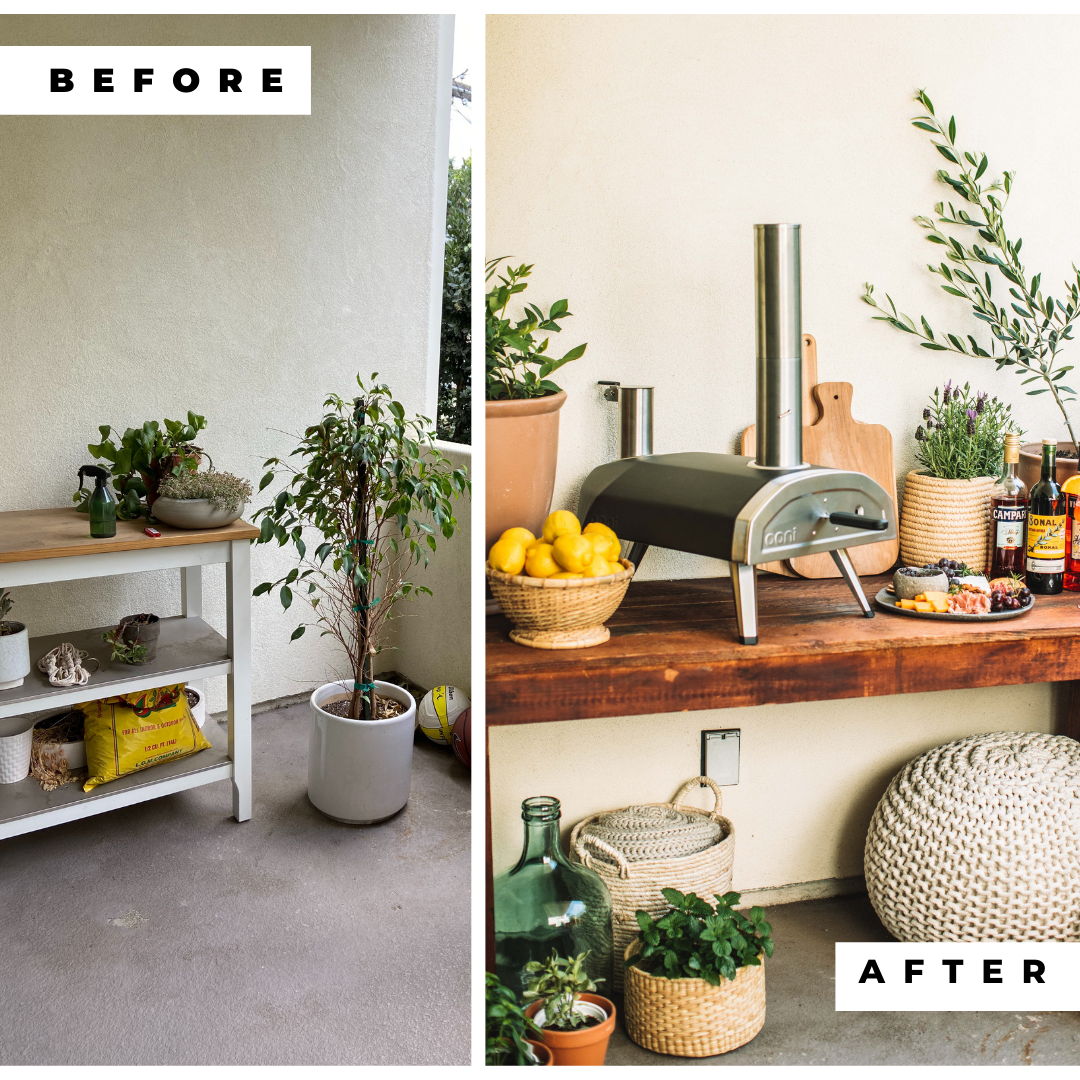
Building an effective outdoor room requires careful consideration of its integration with the existing home and its intended functionality. A key aspect is ensuring a seamless flow from the interior to the exterior, creating an “in-between zone” that harmonizes both areas. This involves individualized functionality and complementary features that bridge the gap between indoor and outdoor living. One of the primary steps in designing an outdoor room is to prioritize function. Homeowners should assess how they plan to use the space, who will be using it, and during what times. The concept of single-use spaces is outdated, with a focus now on maximizing versatility. This can be achieved by creating distinct zones, similar to an interior open-concept layout. For instance, separate areas can be designated for lounging, cooking, and entertaining or playing games. This zoning approach guides the selection of furniture and accessories, such as outdoor rugs, sectional sofas, dining tables, and even water features like cold plunges or hot tubs.
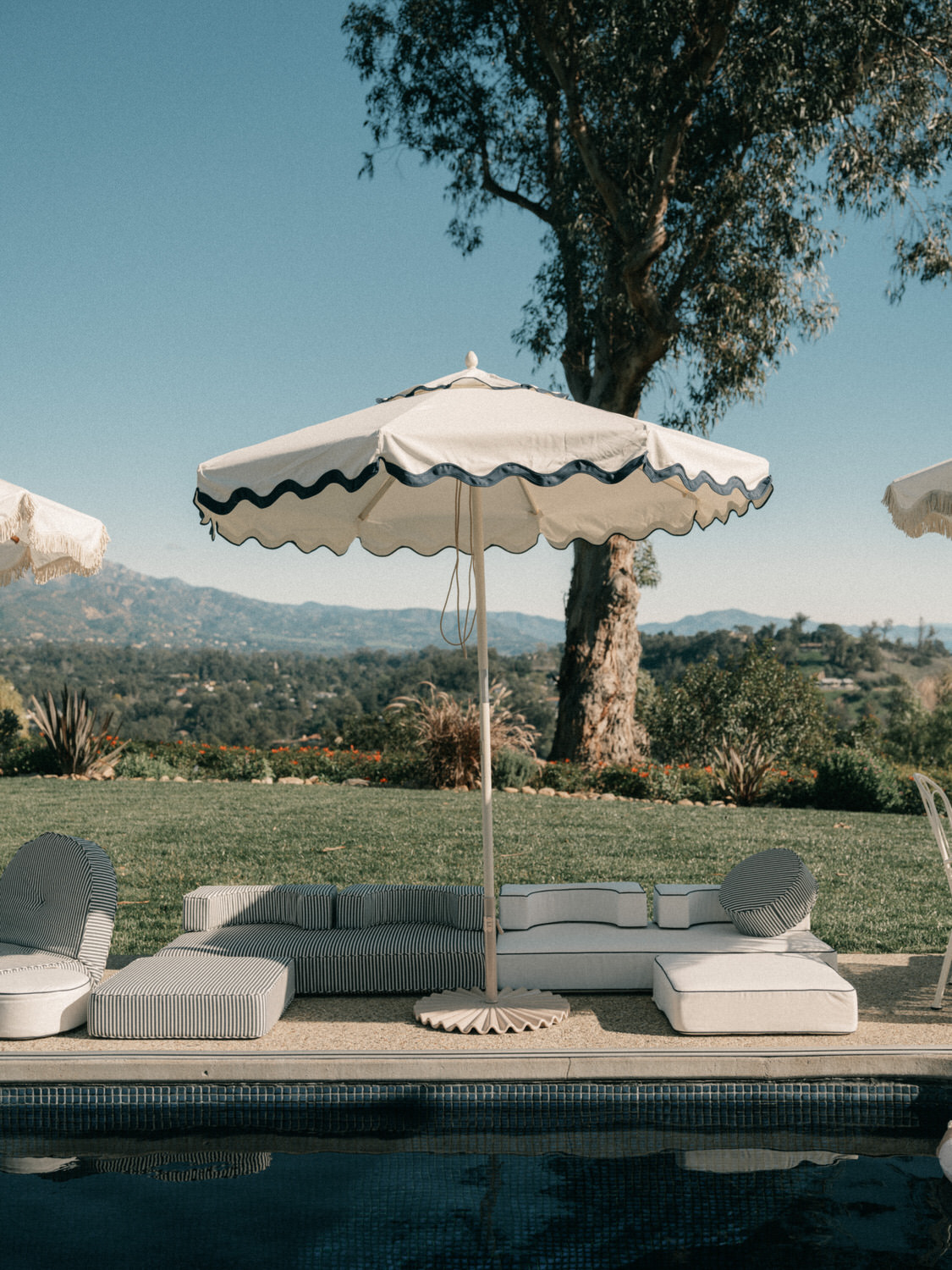
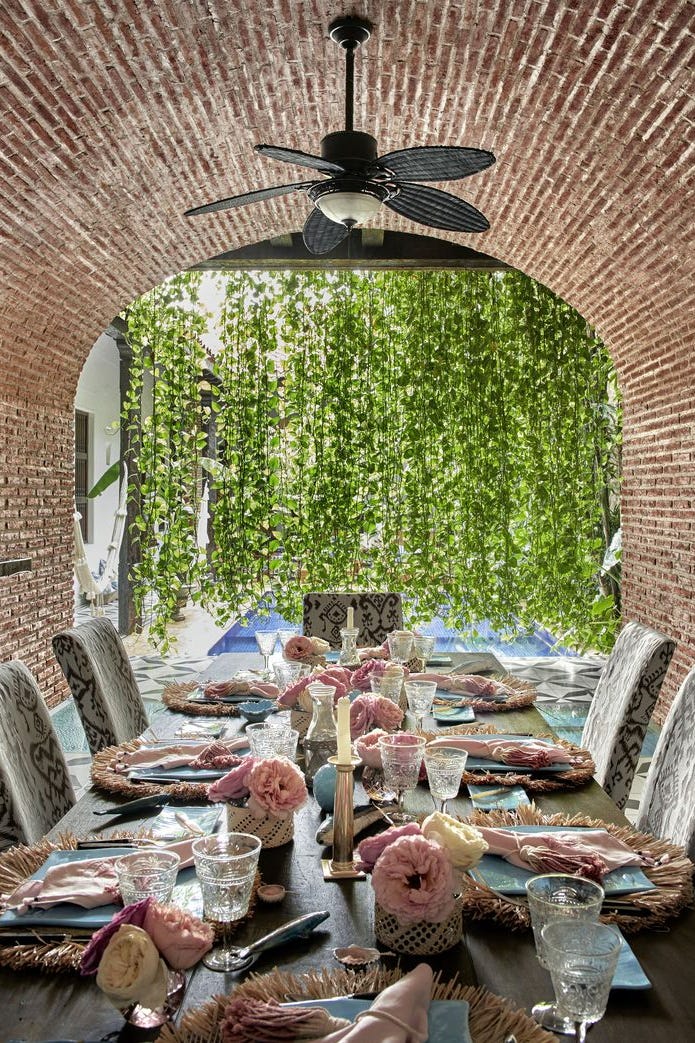
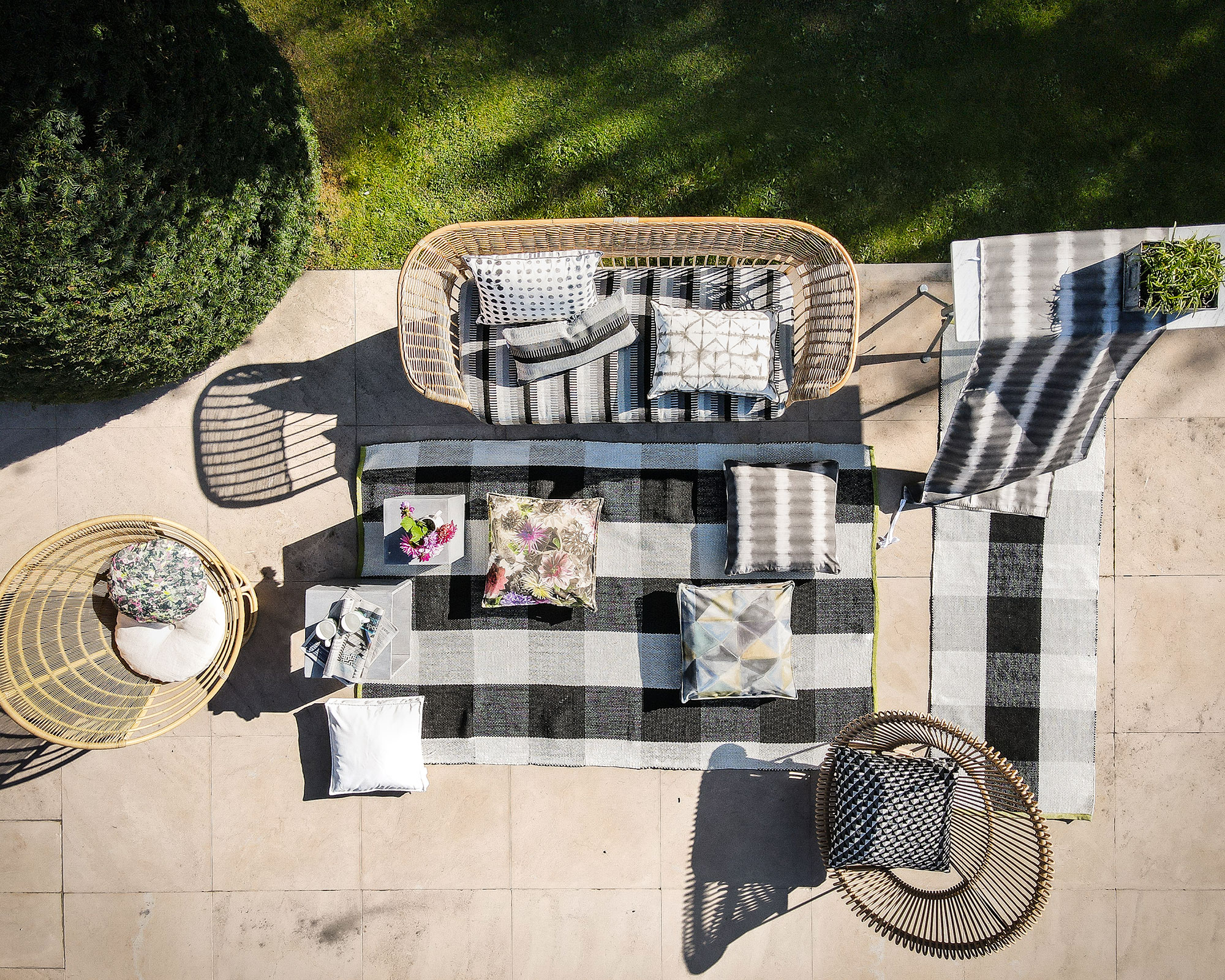
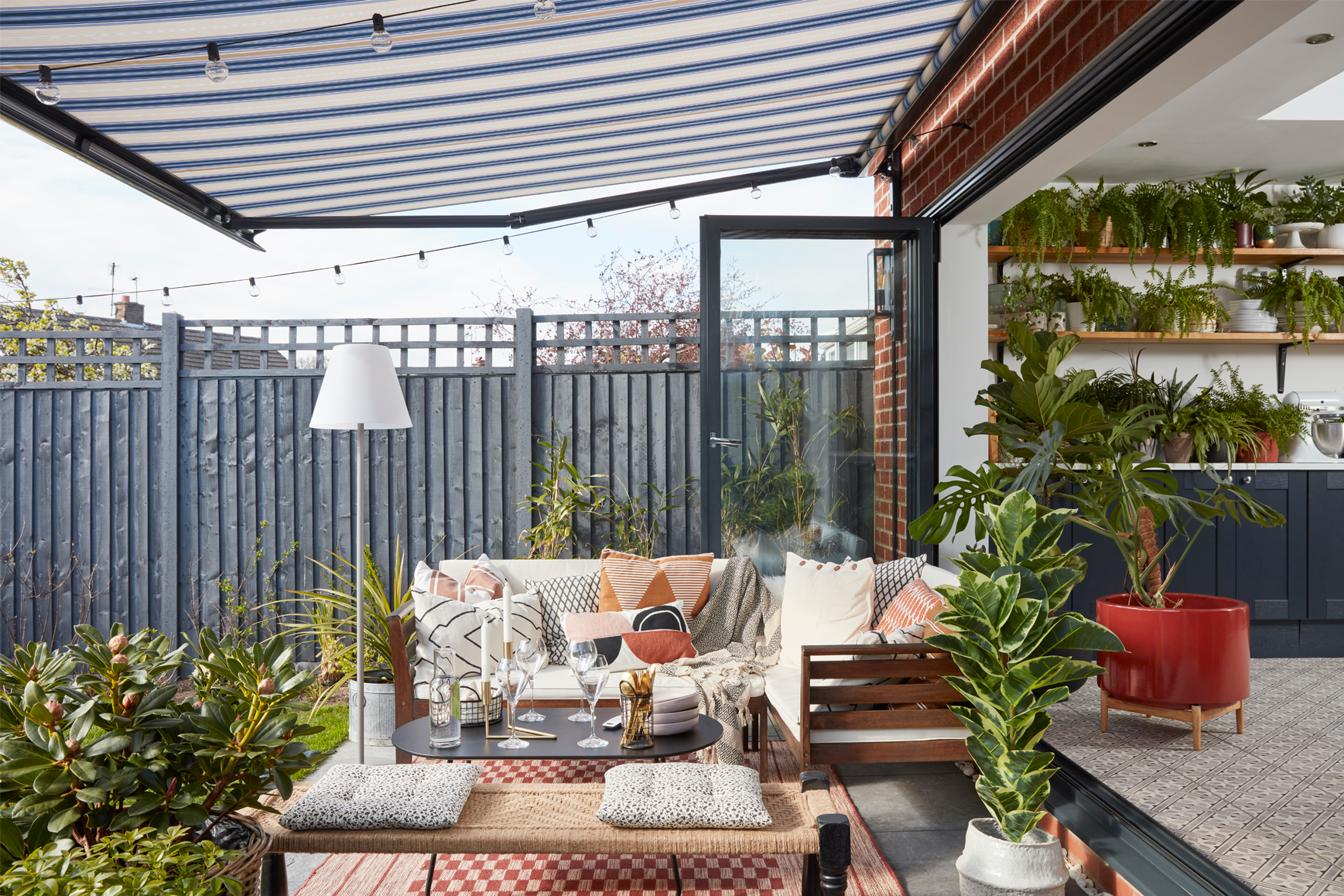
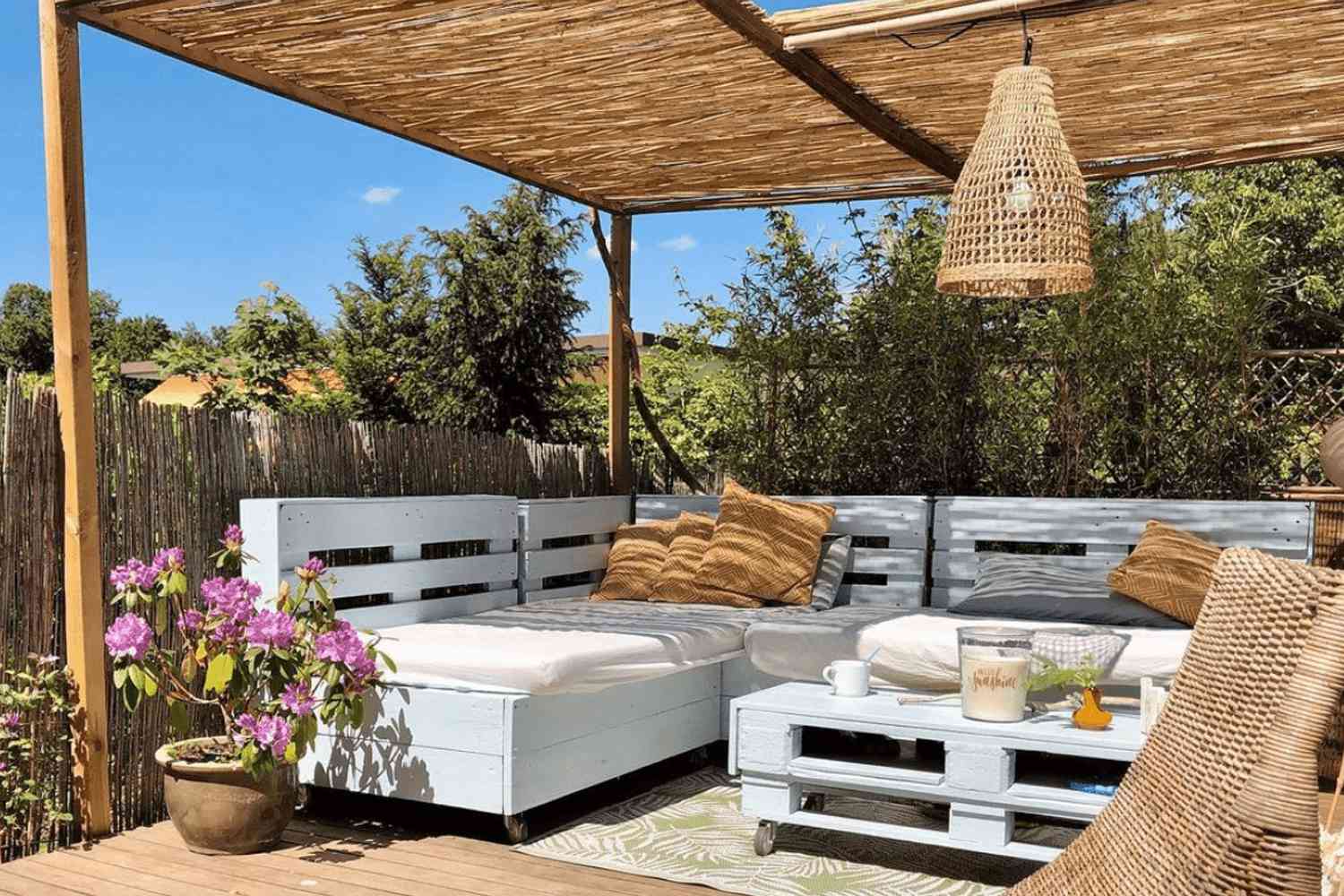
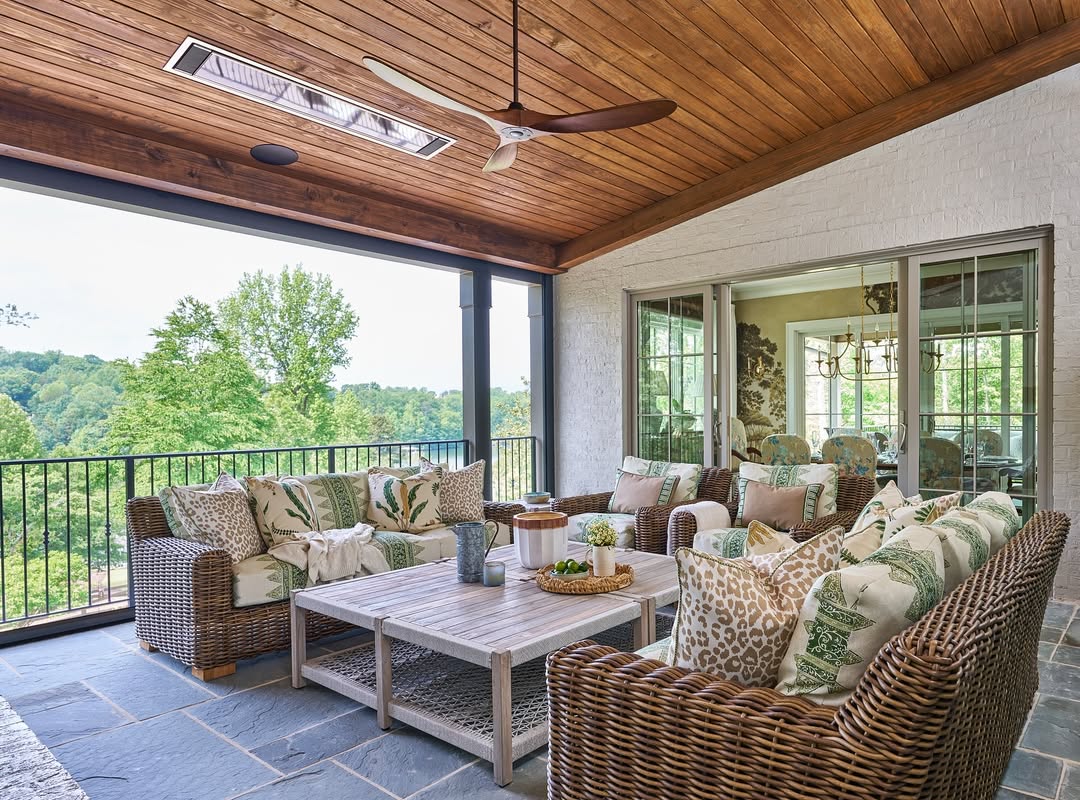
To further define these functional zones within an outdoor space, decorative features and material variations can be employed. If a deck is being built, different materials or decking patterns can be used to create subtle borders between areas. Contrasting deck board colors, for example, can add richness and dimensionality, clearly delineating specific activity zones. For existing decks or patios, outdoor rugs offer a versatile way to achieve the same effect. Protecting the outdoor room from the elements is crucial for year-round usability. This involves installing protective elements like covered decks and retractable screens, which not only shield against weather but also deter insects and wildlife, and enhance privacy. Depending on the climate, incorporating heating and cooling solutions, such as outdoor heaters or ceiling fans, ensures comfort during varying seasons.
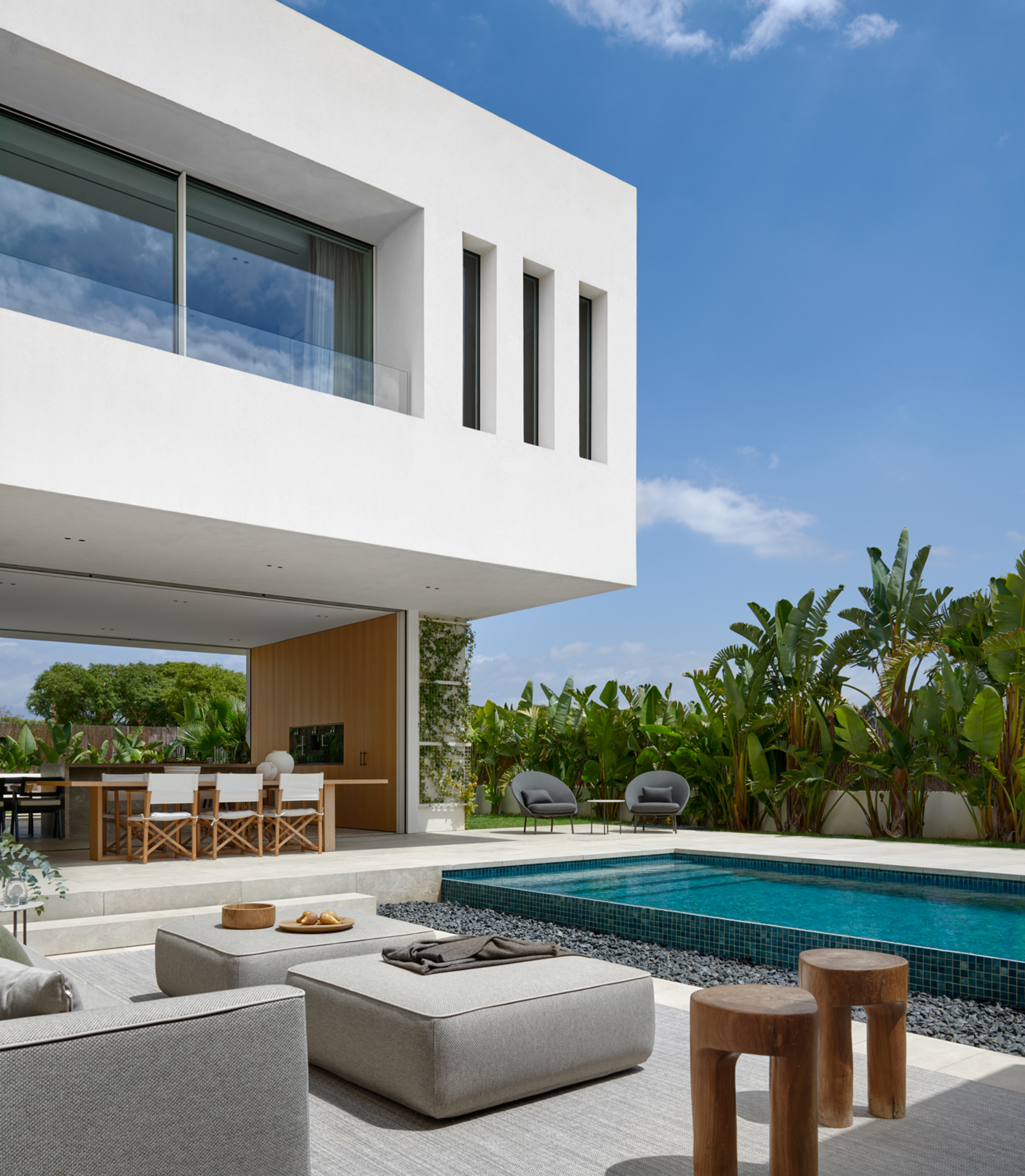
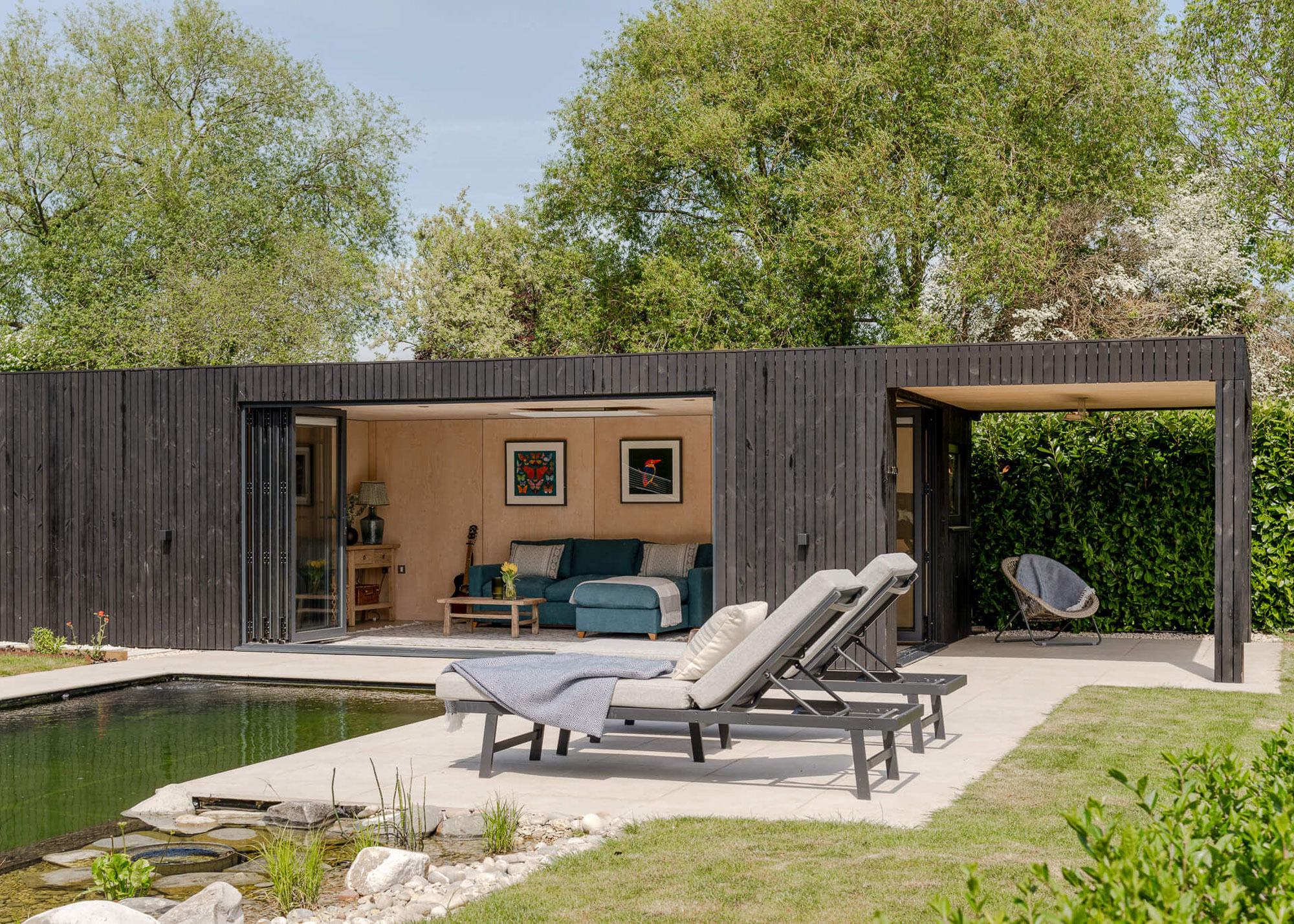
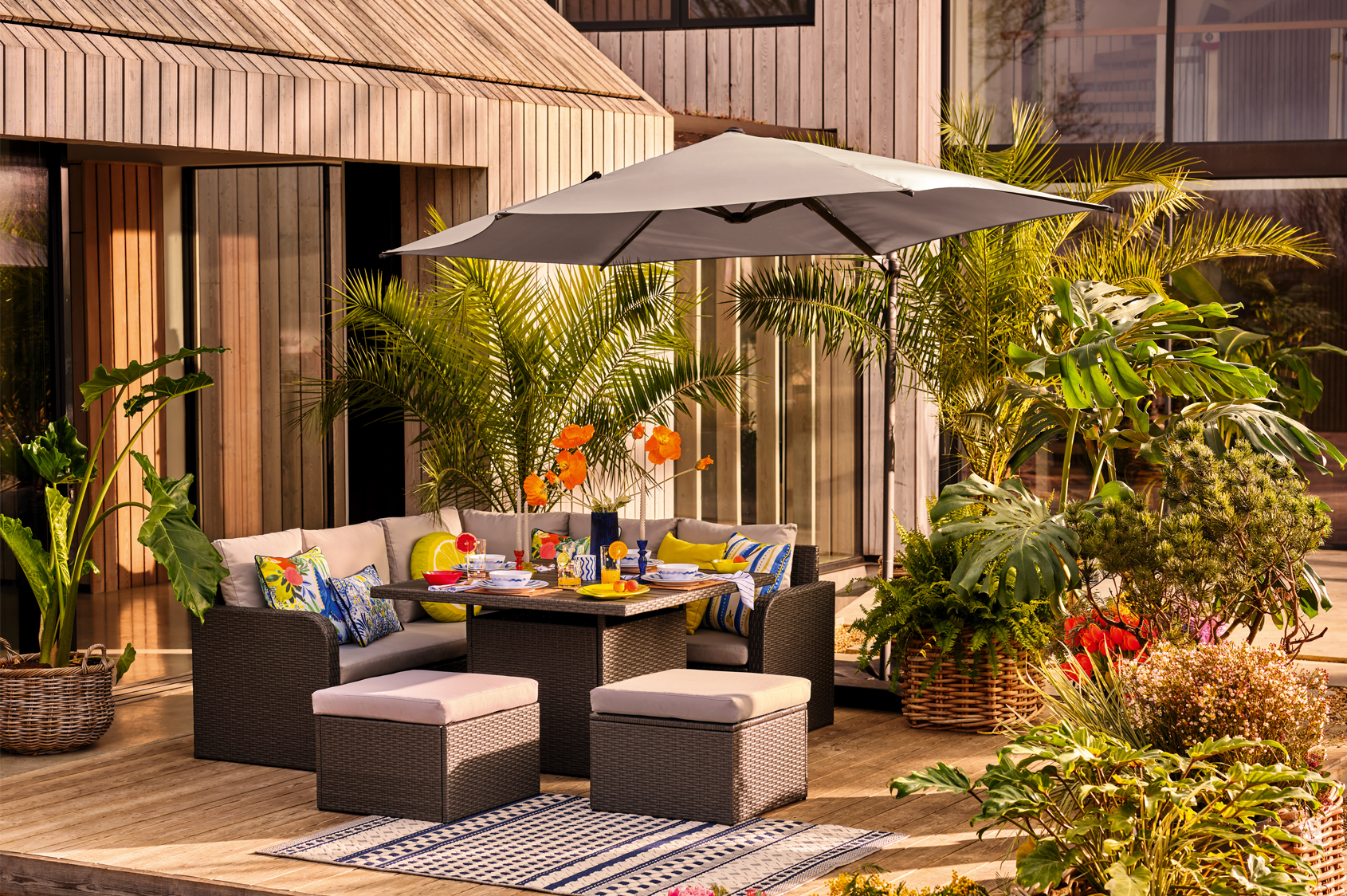
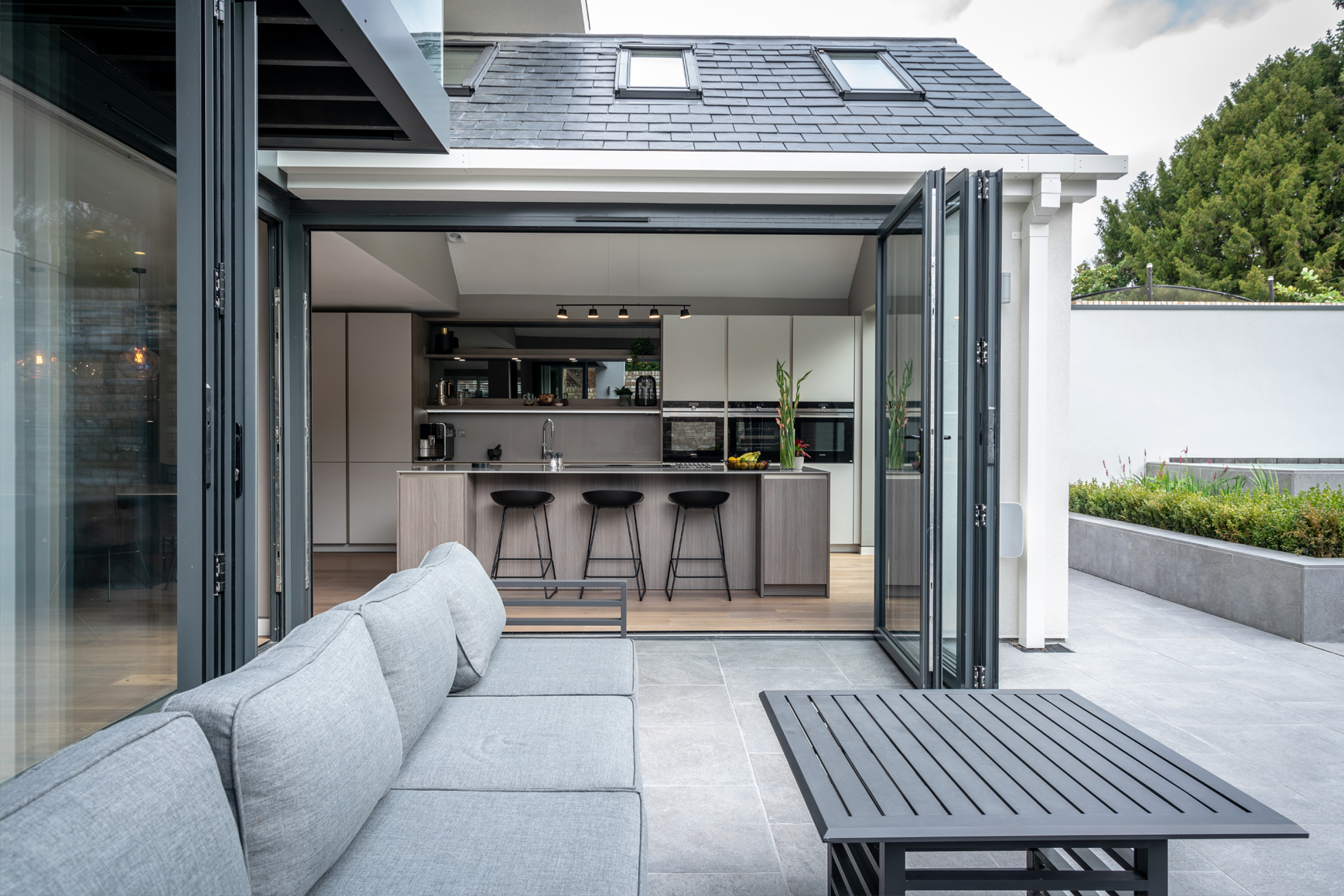
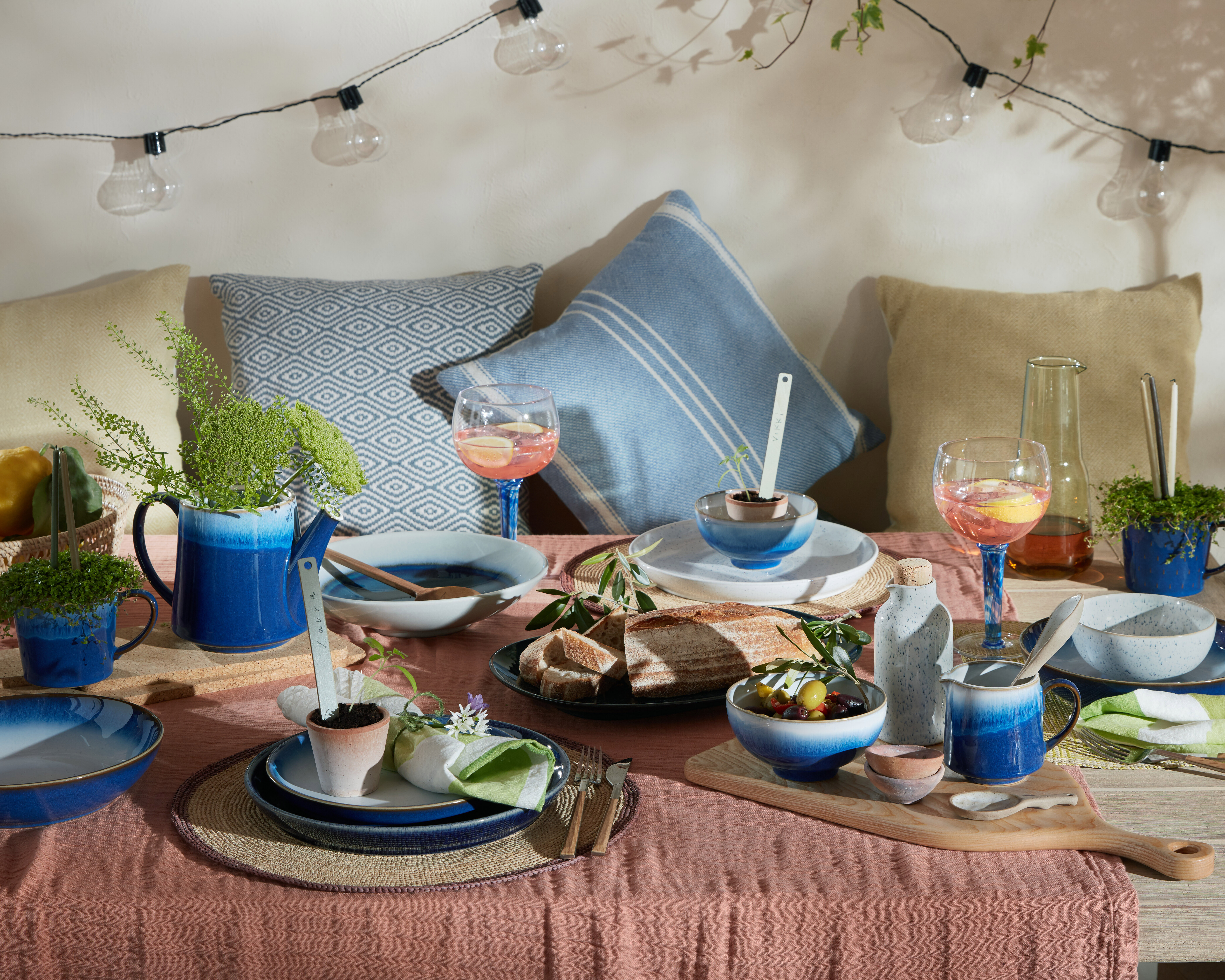
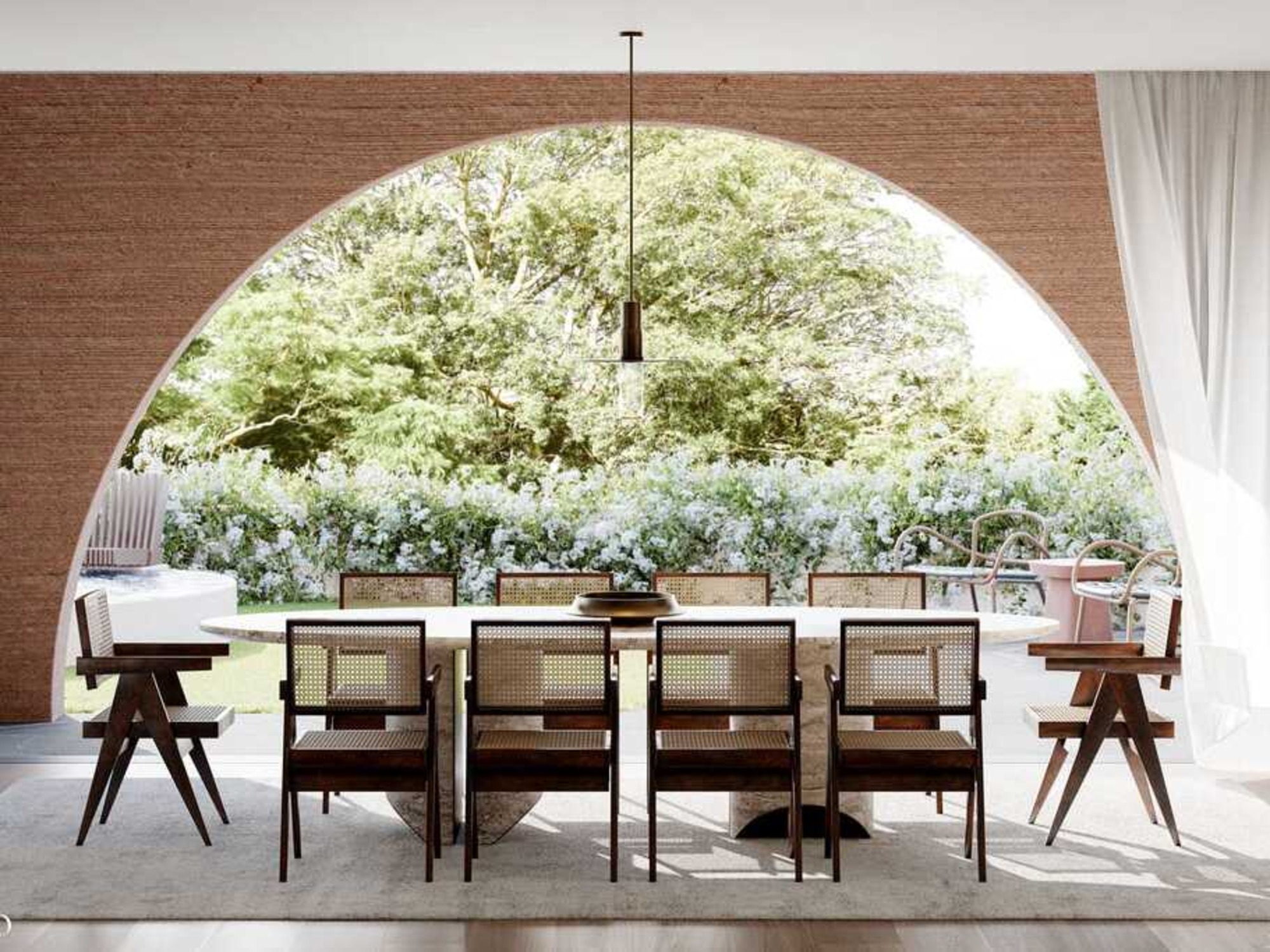
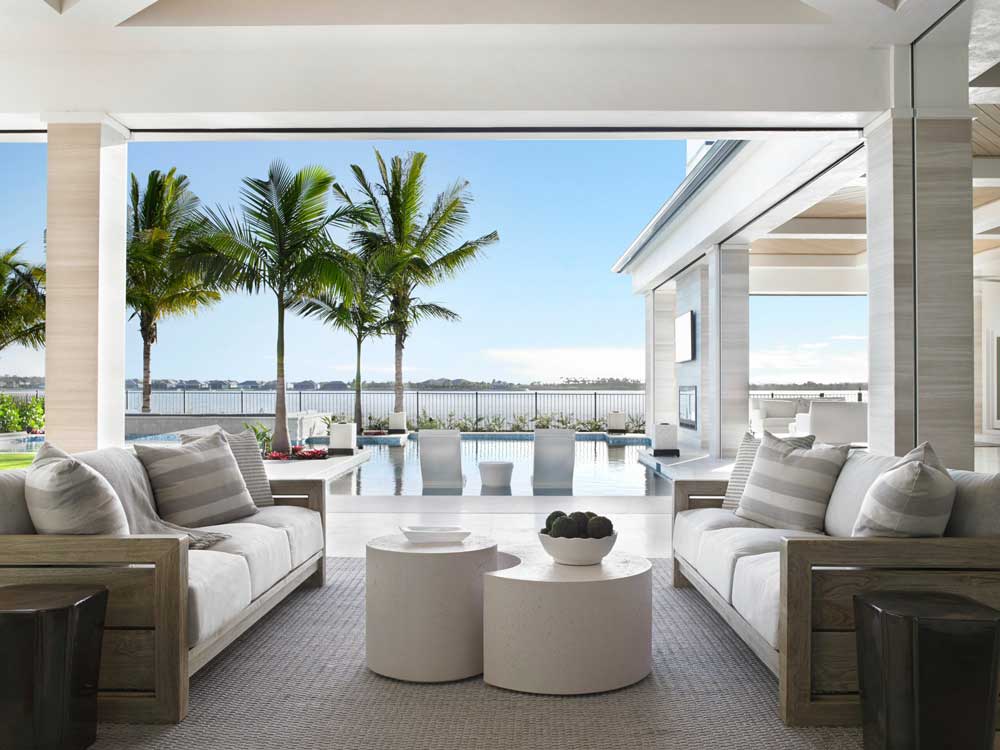
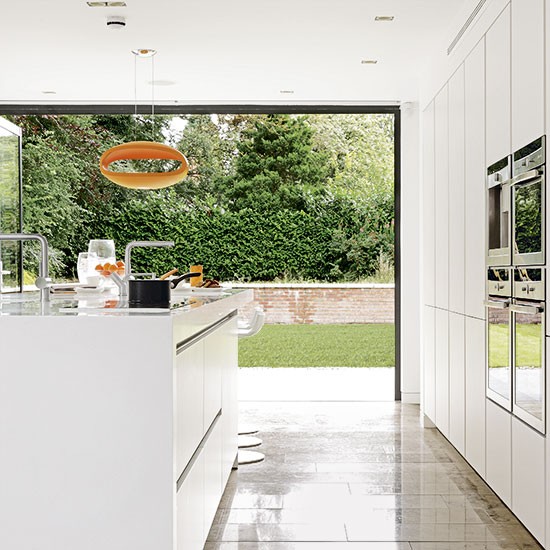
Streamlining the design ensures a cohesive connection between the outdoor room and the rest of the house. Large accordion or bifold doors that can be fully opened are effective in blurring the boundaries, making the spaces feel integrated. Another method is to use the same flooring materials, such as weatherproof and slip-resistant stone or porcelain tiles, both indoors and outdoors. This creates a visually continuous flow. When conceptualizing the outdoor room, maintaining a cohesive design that aligns with the home’s overall style and aesthetic is essential. The outdoor space should feel like a natural extension of the home. This involves consistent choices in color palettes, finishes, and materials. For example, if the interior features neutrals and blues, these colors can be echoed in outdoor furniture, cushions, and tableware. Similarly, if chrome finishes are prevalent indoors, matching outdoor kitchen fixtures can maintain continuity.
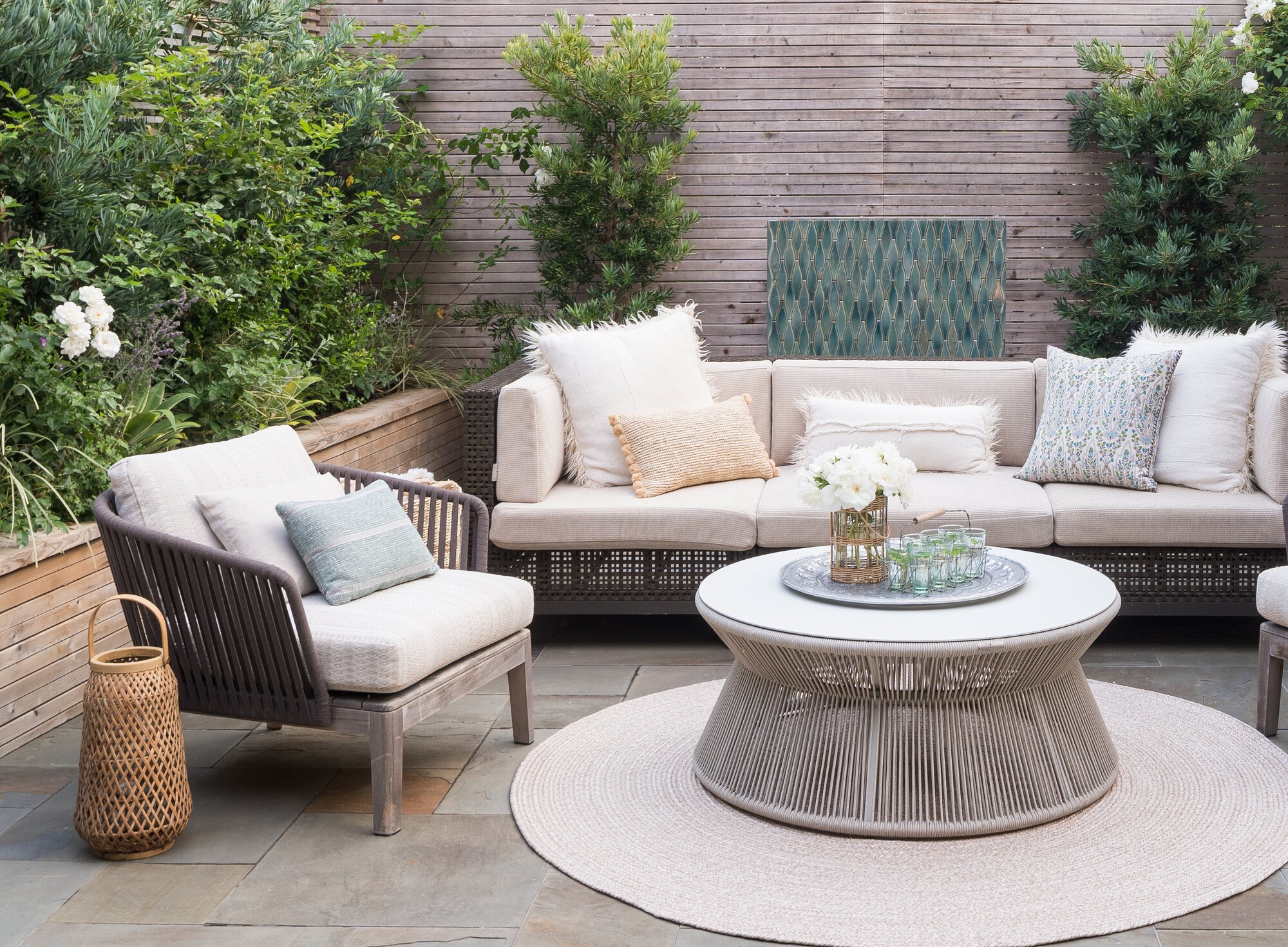
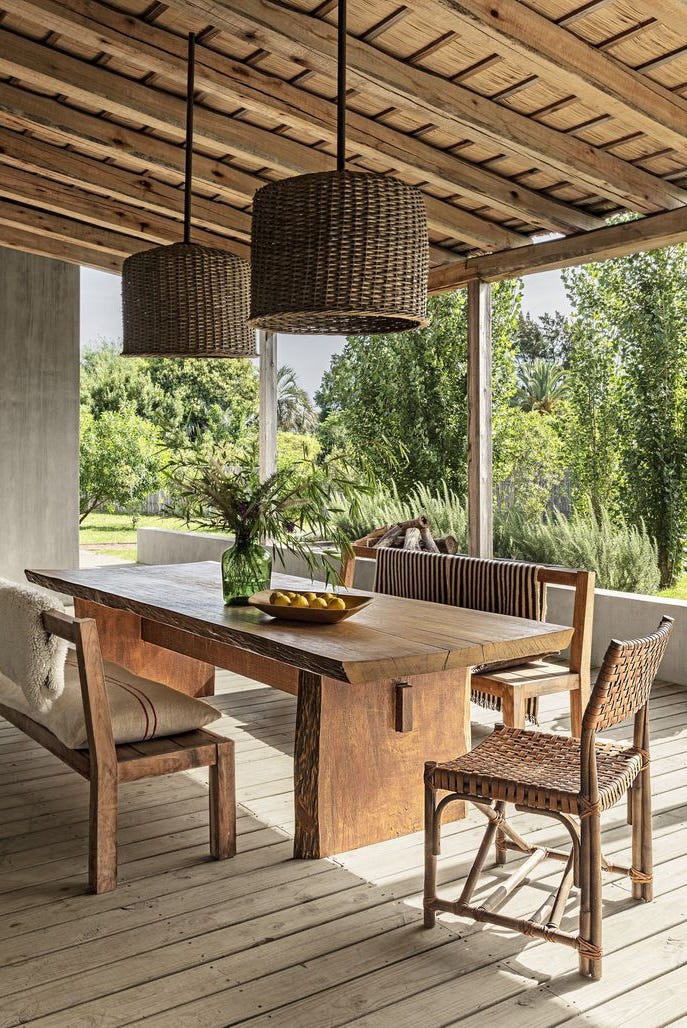
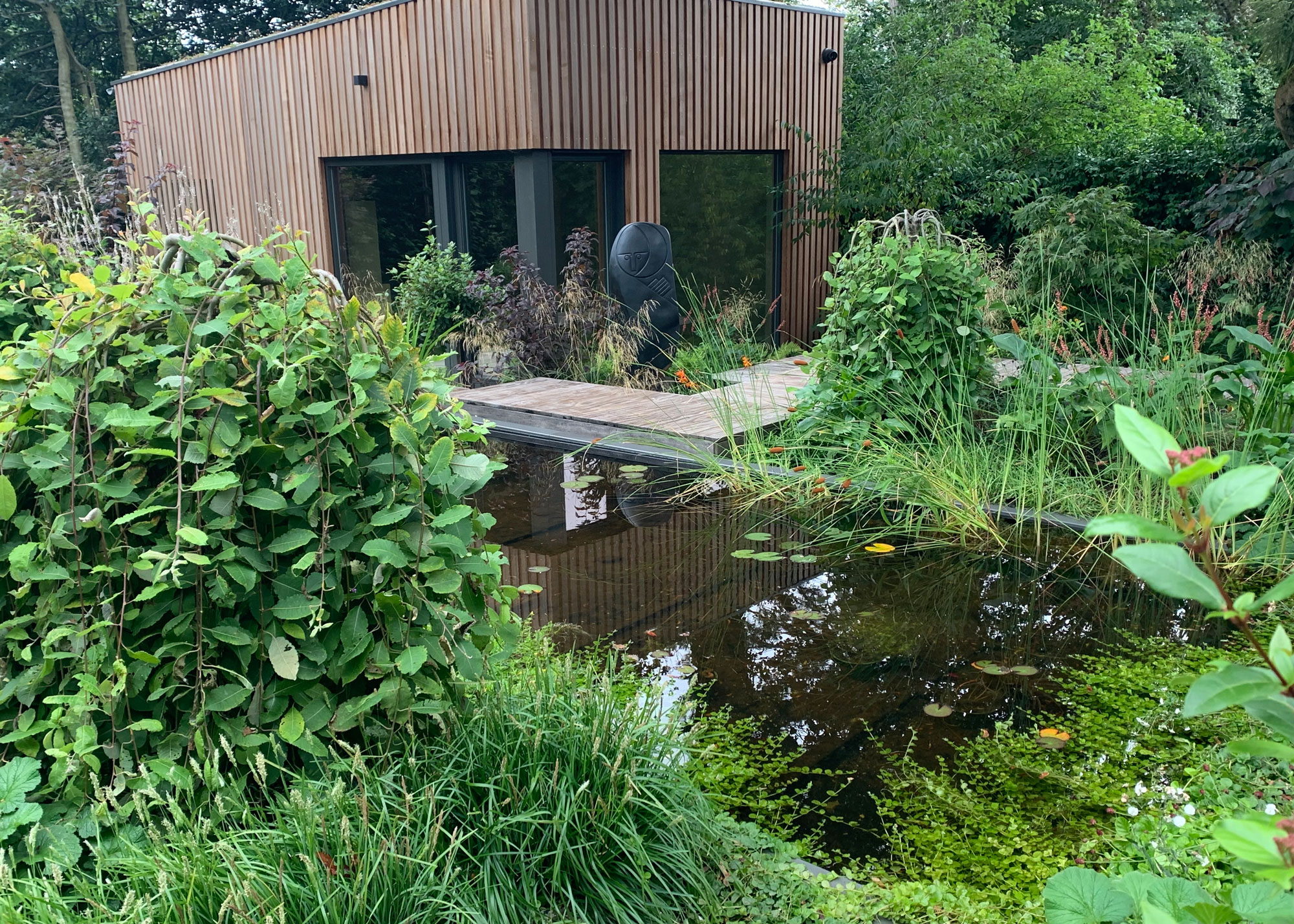
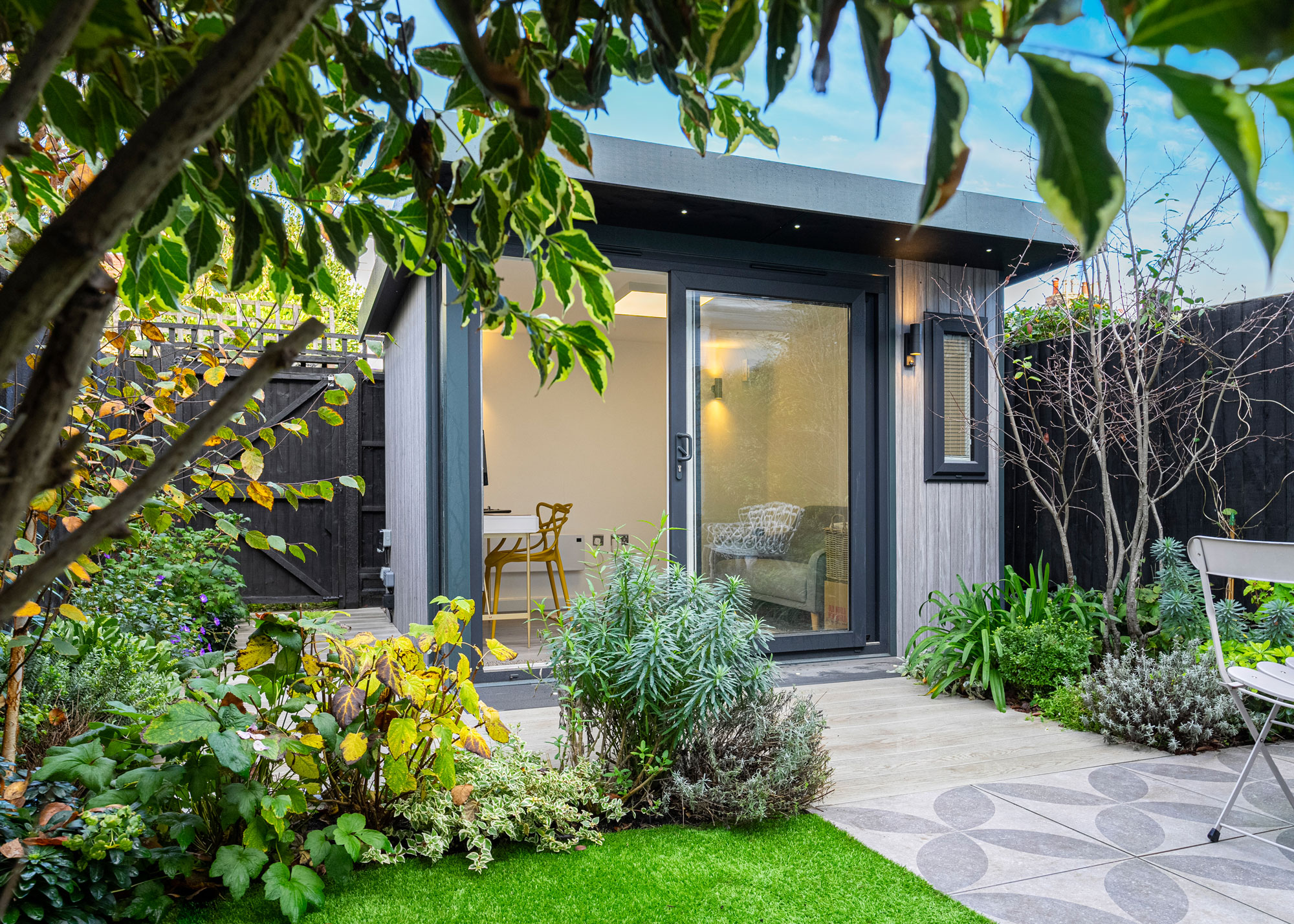
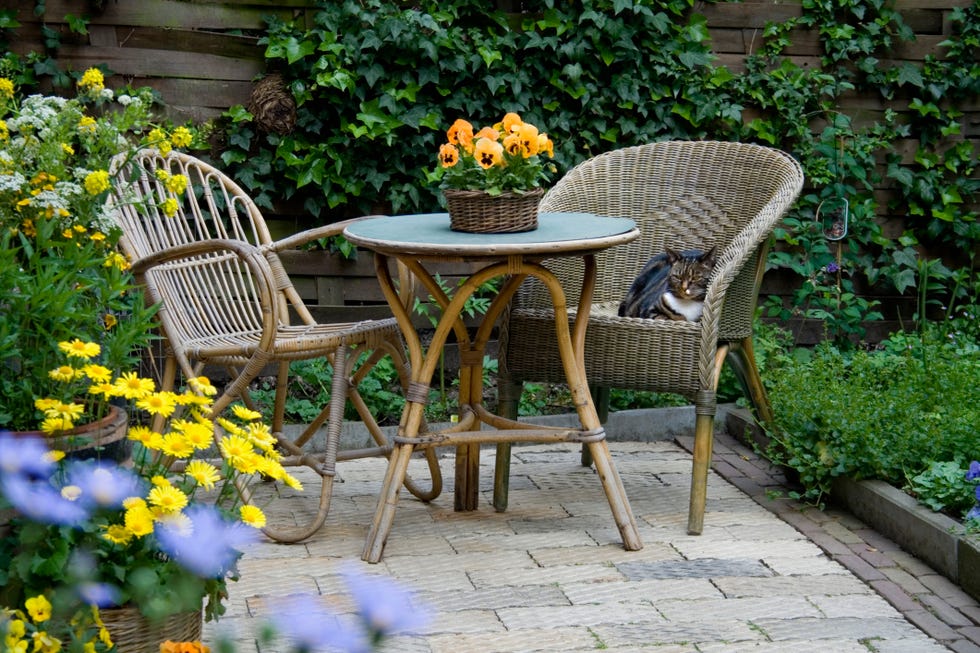
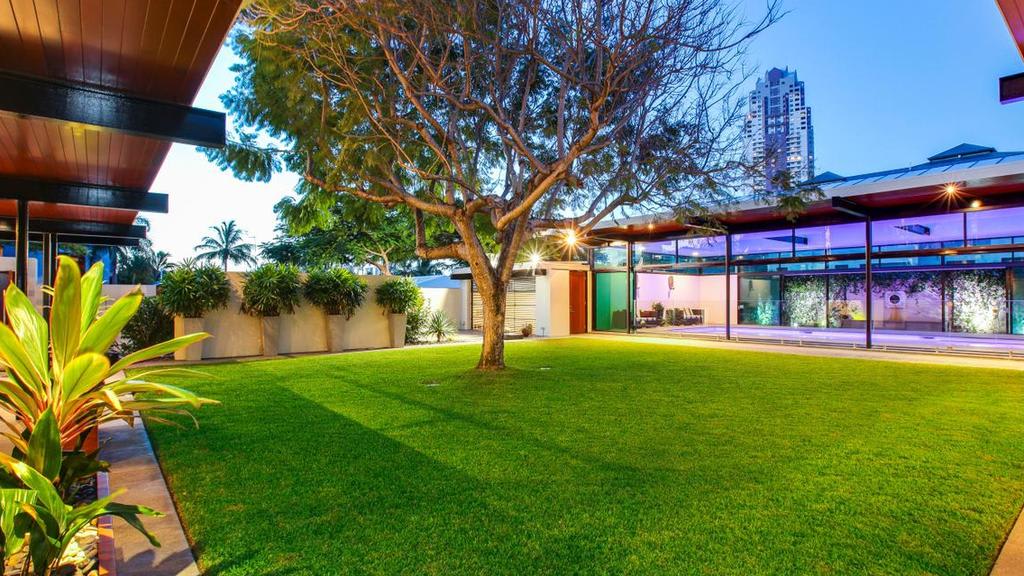
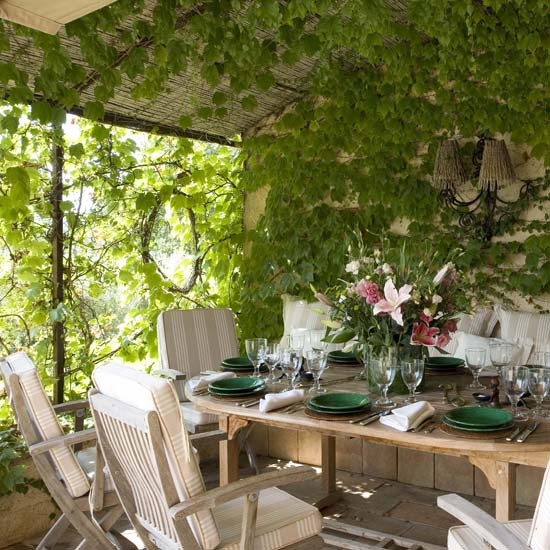
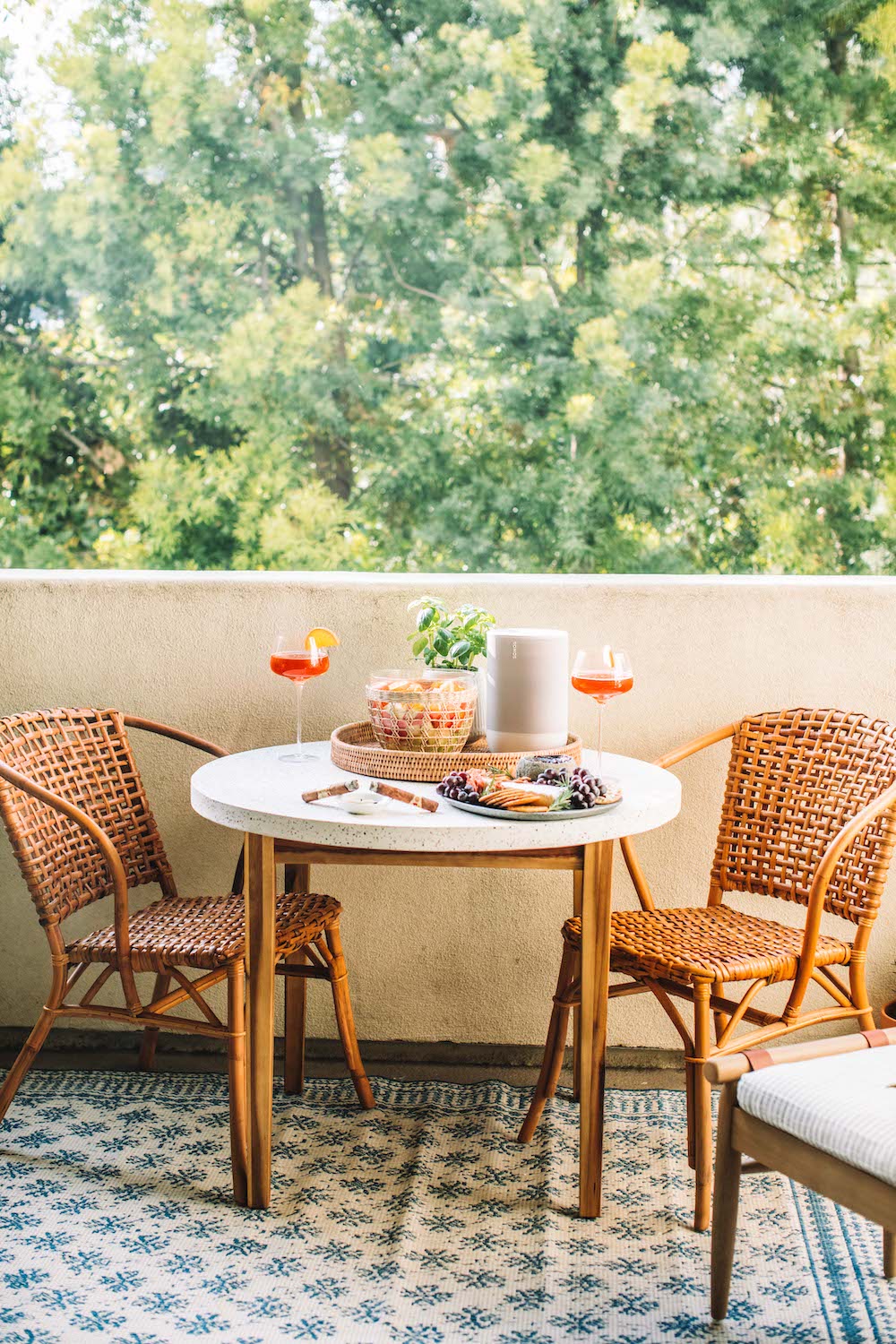
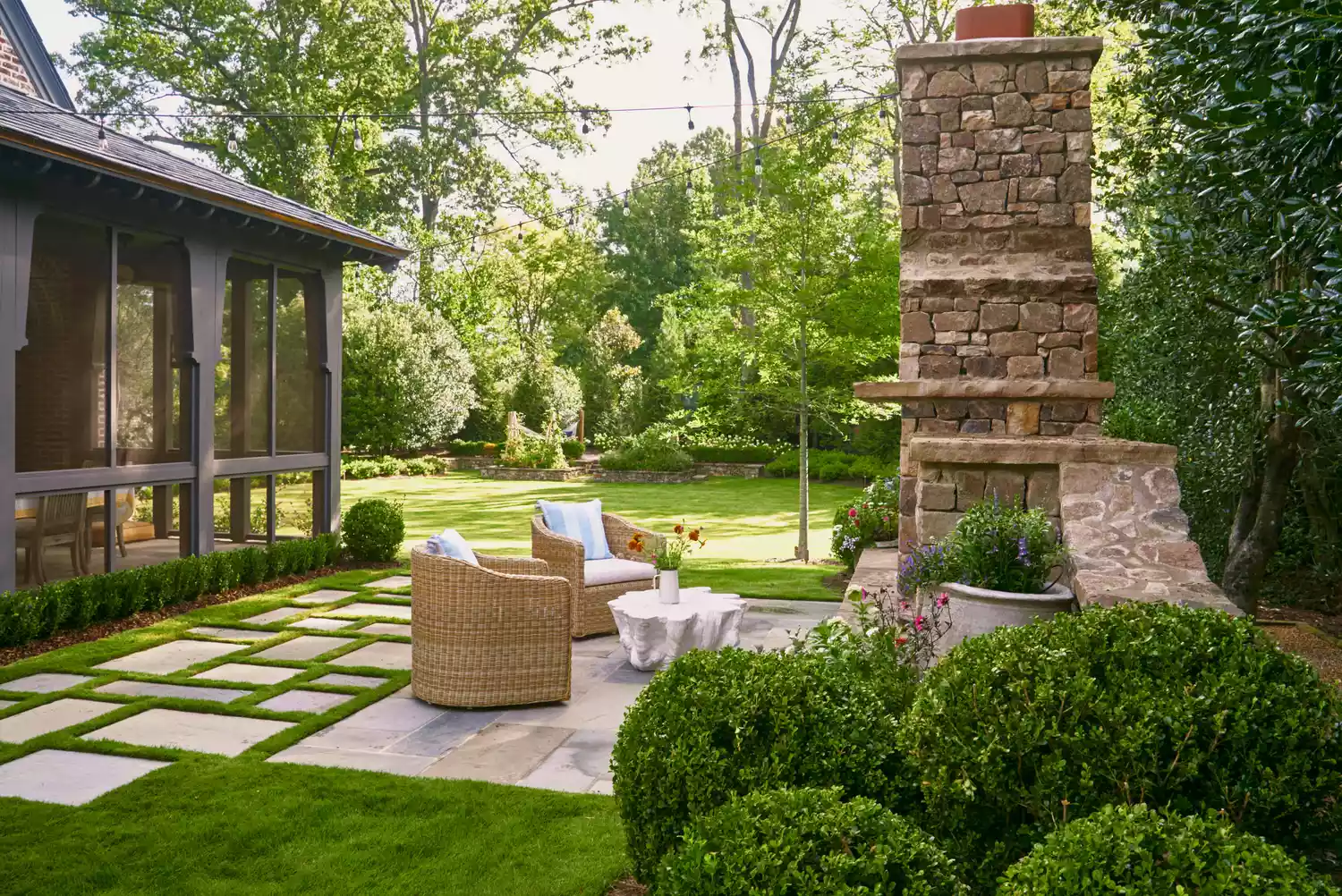
For additions that involve structural changes, consulting an architect early in the process is advisable to ensure that the new space integrates seamlessly with the original structure, creating a holistic and intentional design. Finally, integrating abundant greenery is vital to connecting the outdoor room with its natural surroundings. Plants in pots or contemporary garden beds, along with natural materials like woven rattan, stone, and wood tones, help to blur the lines between interior and exterior spaces. Using evergreen plants or shrubs for boundaries instead of traditional fencing can enhance privacy and provide year-round beauty. The goal is to create a gradual transition and natural connection that makes the outdoor room a truly integrated part of the home experience.
#OutdoorLiving #HomeDesign #BackyardIdeas #DeckDesign #PatioIdeas #OutdoorFurniture #HomeImprovement #OutdoorKitchen #LandscapeDesign #OutdoorLiving #HomeDesign #BackyardIdeas #DeckDesign #PatioIdeas #OutdoorFurniture #HomeImprovement #OutdoorKitchen #LandscapeDesign
0 comment in total
 No comments yet
You may also like
How to make outdoor furniture better for lounging on – 6 secrets to a more relaxing backyard

Experts explain how to create extra living space outdoors

11 Ways to Ensure Your Outdoor Entertaining Area Is Perfect for Hosting Guests — And Is Used Well Into the Evening
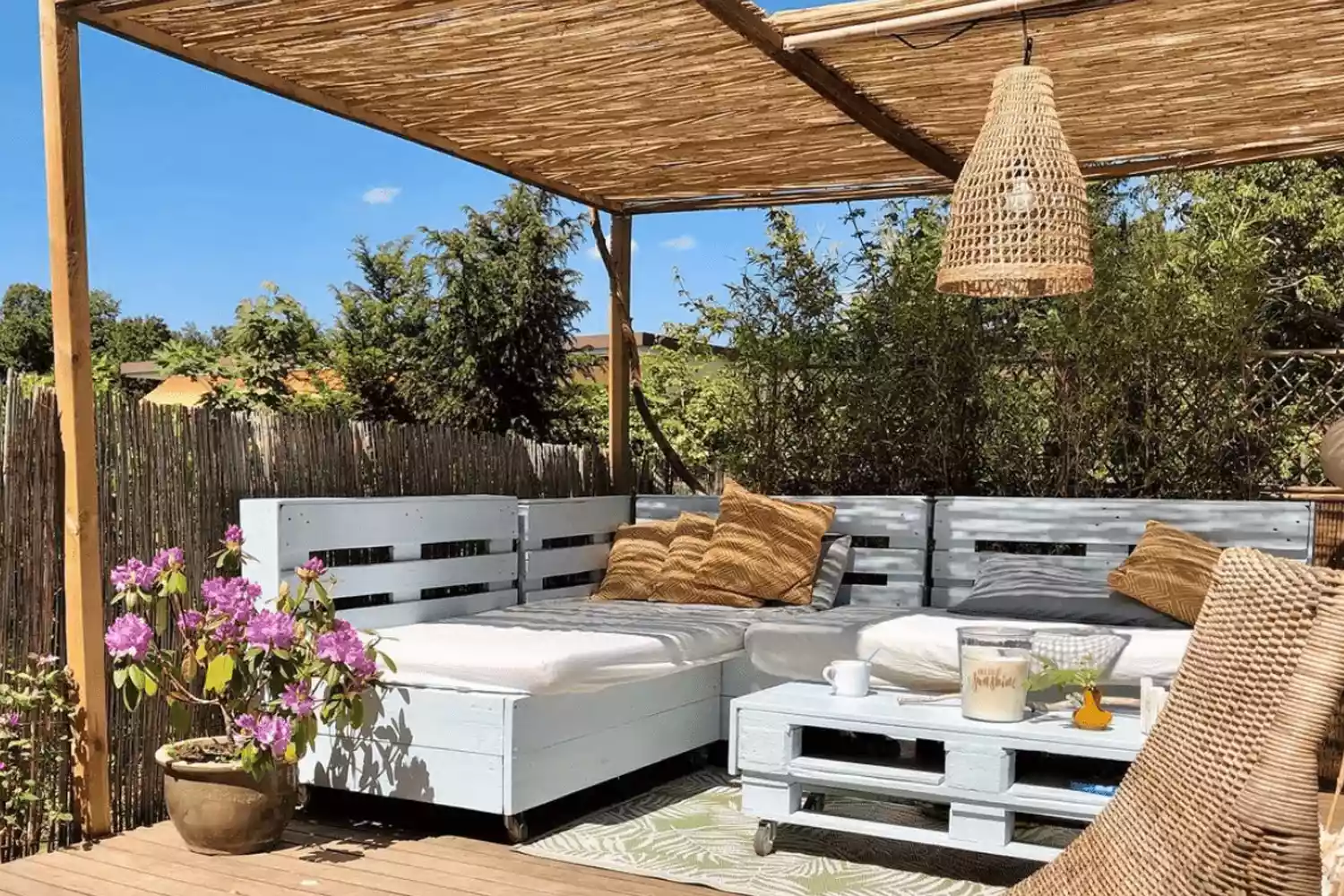
5 Easy Ways to Make Your Outdoor Space More Inviting, According to Pros

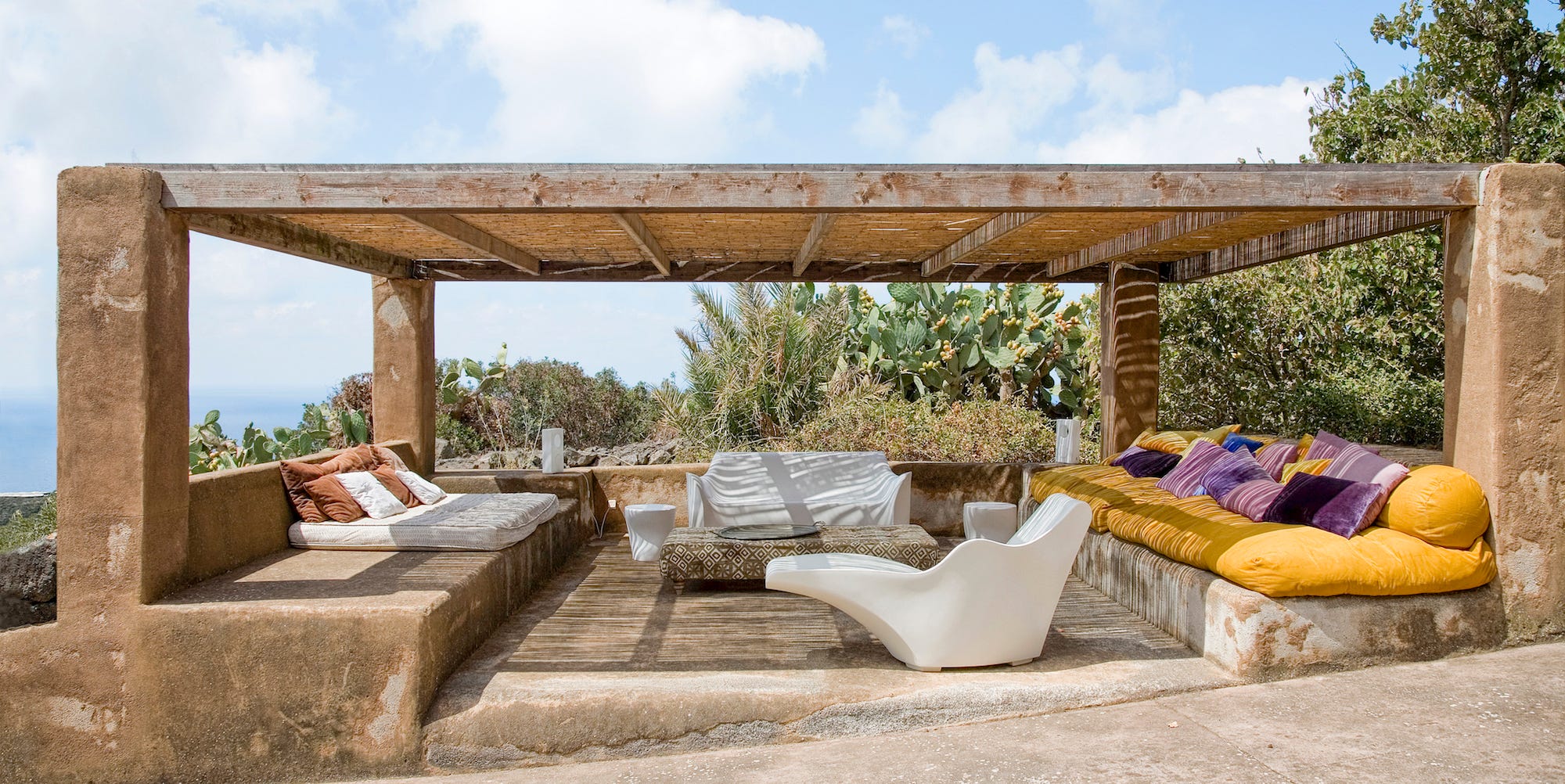
These Gorgeous Outdoor Rooms Will Inspire Your Summer Entertaining Prep

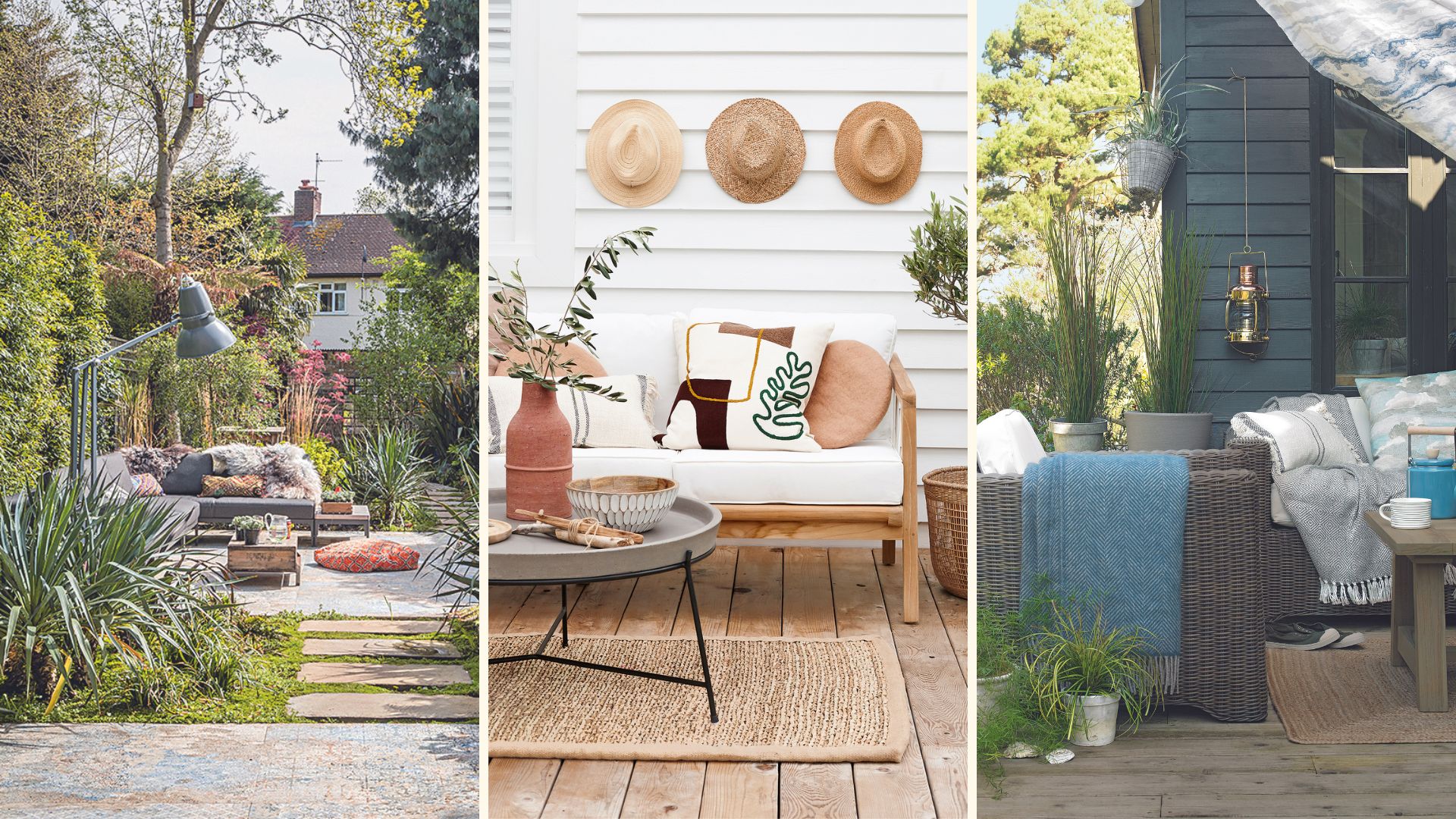
Outdoor living room ideas: 15 ways to maximise any outdoor space

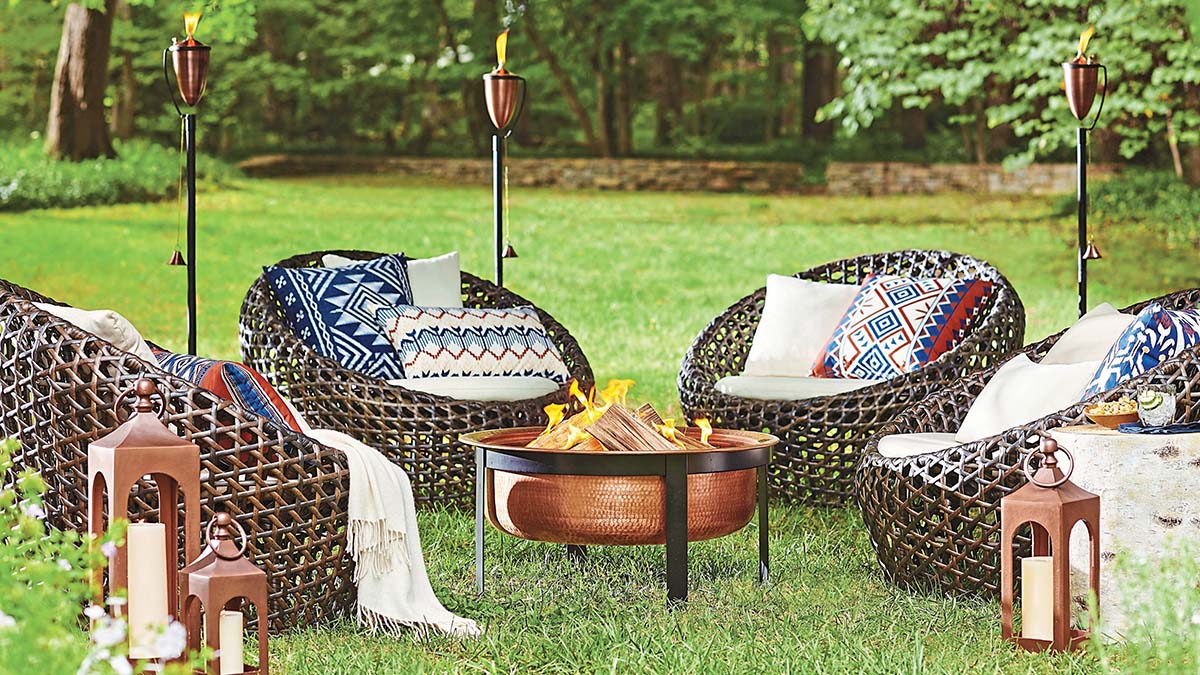
Design Expert Shares 4 Simple Tips for Turning Any Space Into an Outdoor Retreat

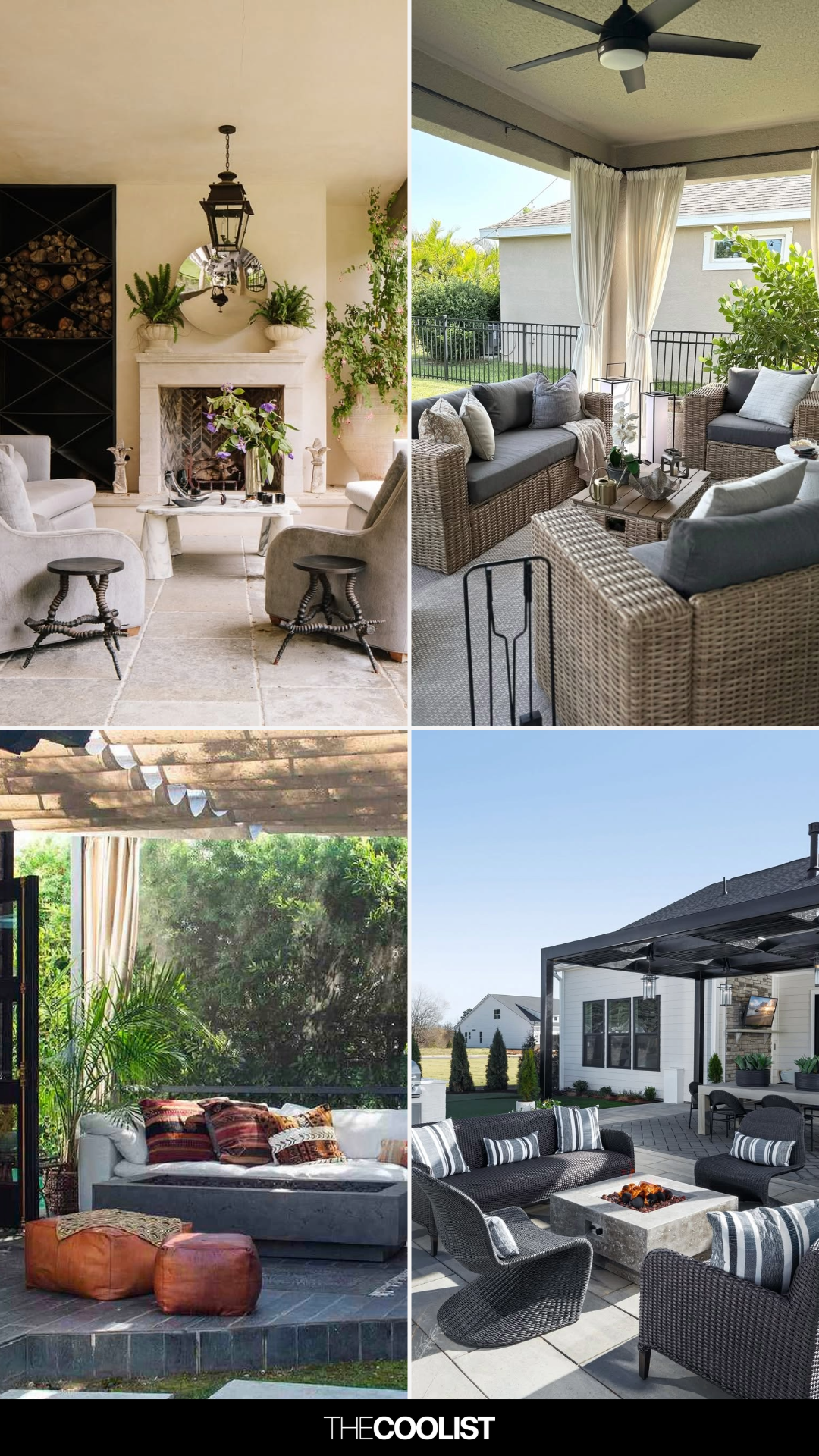
44 Absolutely Gorgeous Outdoor Living Room Ideas That Fix Boring Backyards Fast
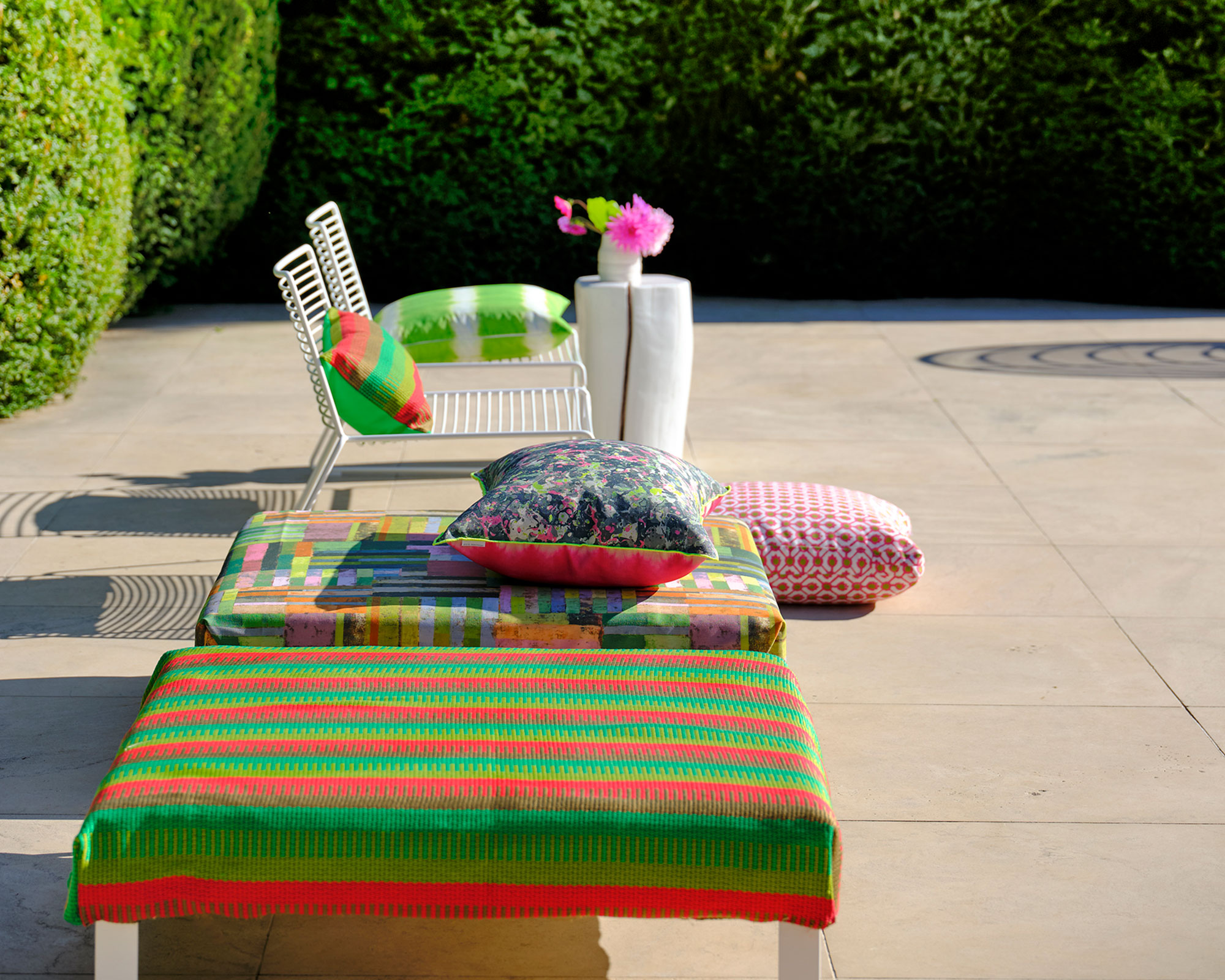
5 simple ways to decorate your outdoor space for summer entertaining

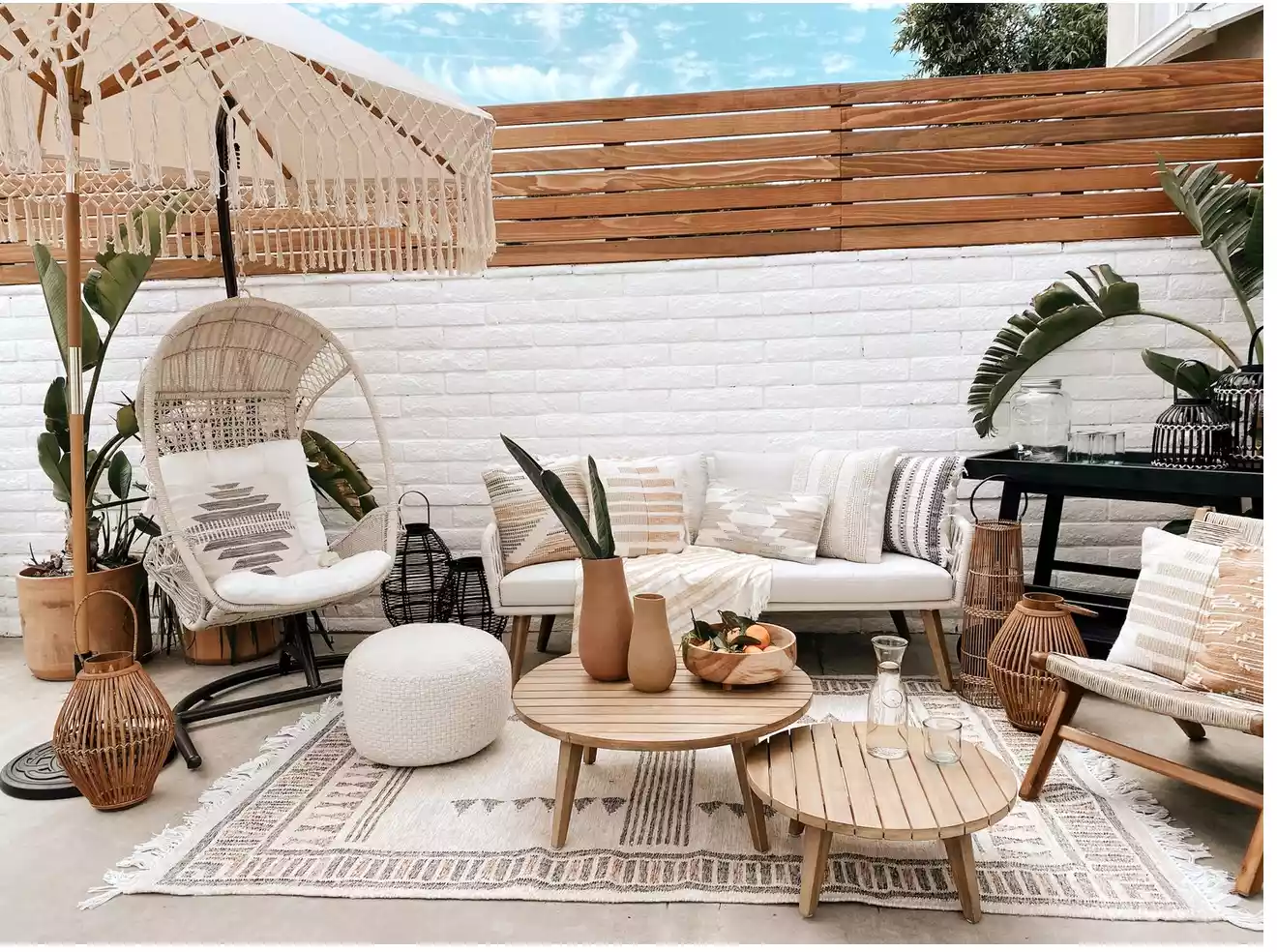
6 Easy Tips for a Stunning Outdoor Space That Designers Always Follow
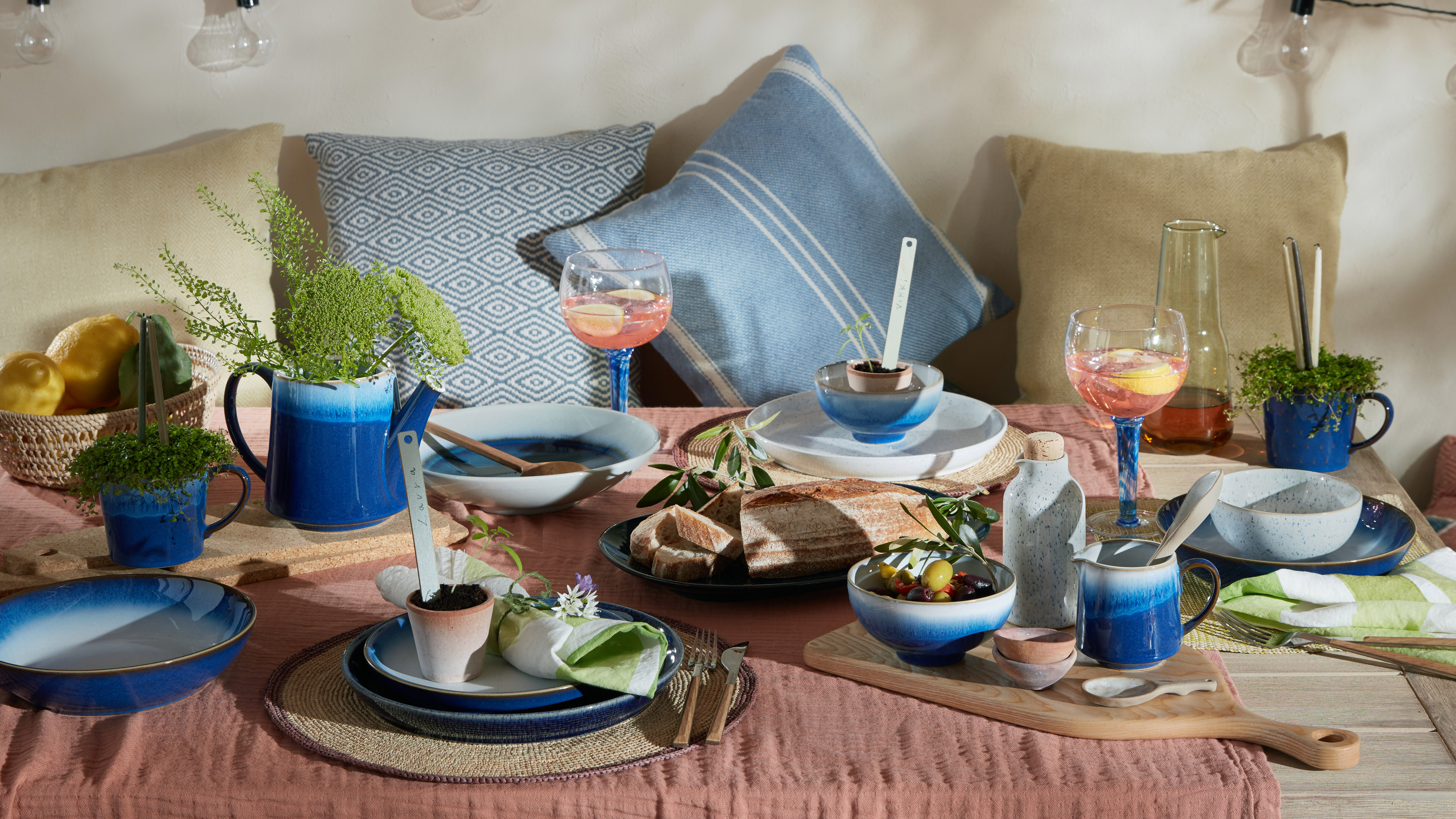
Outdoor dining ideas: 16 ways to create the perfect al fresco entertaining space

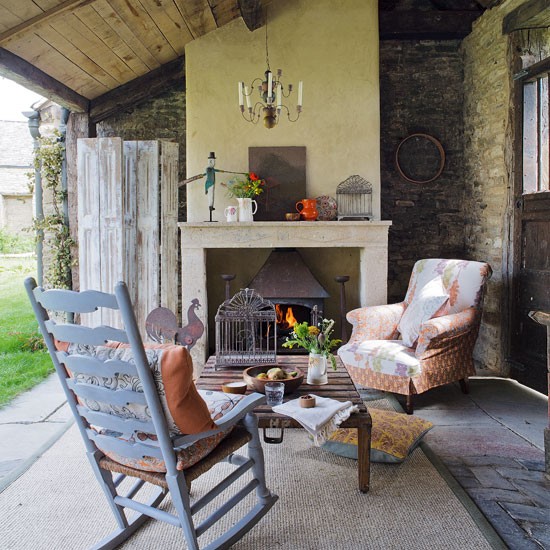
11 indoor-outdoor rooms to fall in love with
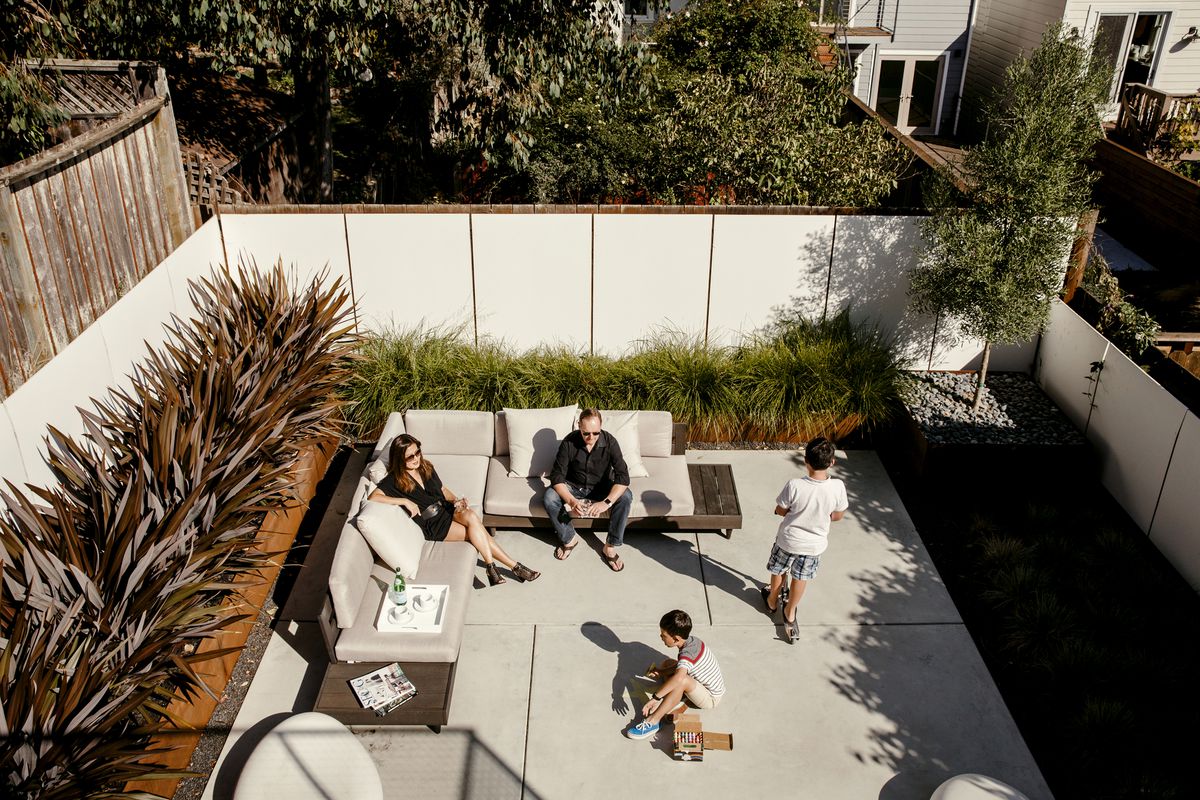
How to design an outdoor room
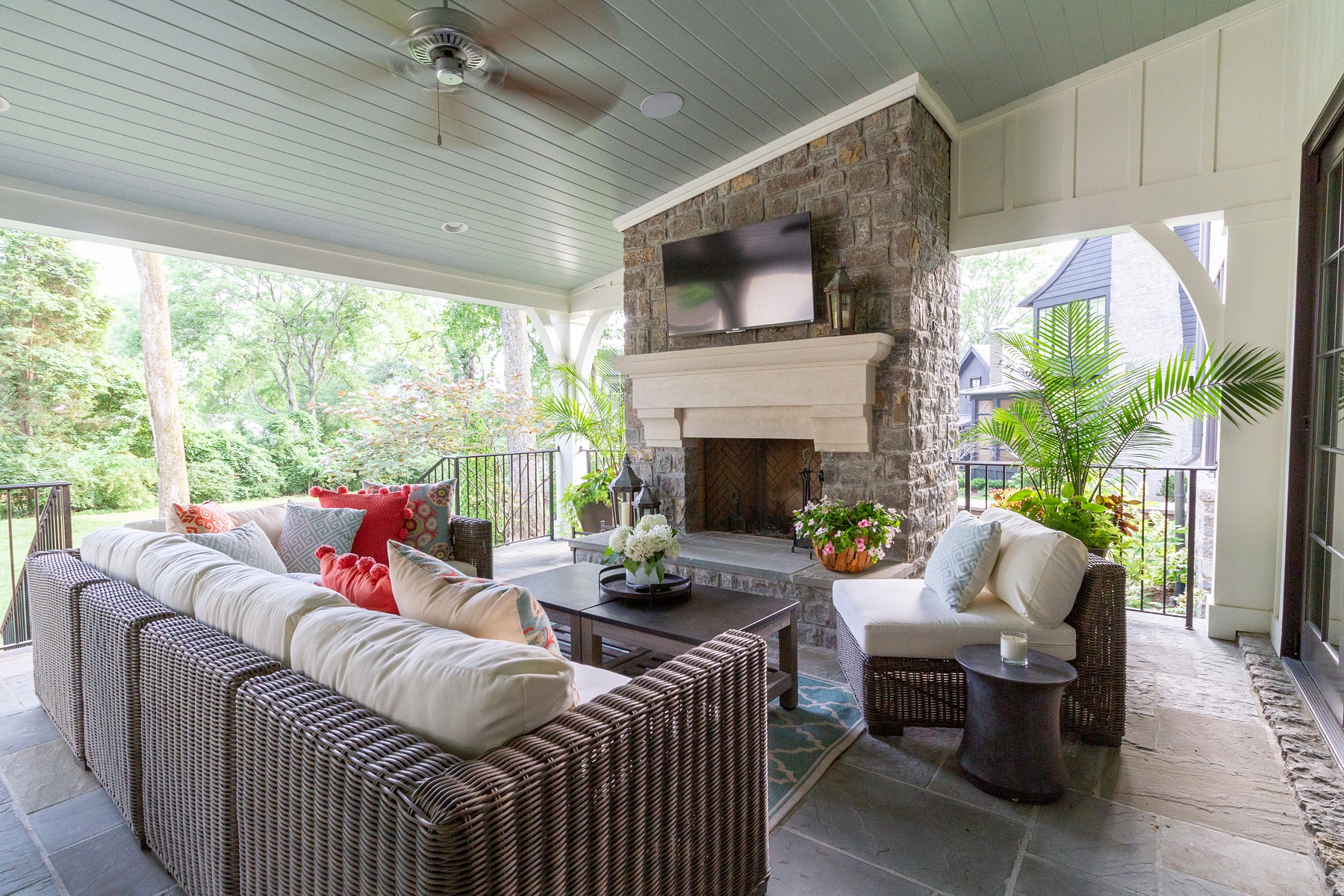
16 Examples of Outdoor Living Design Done Right

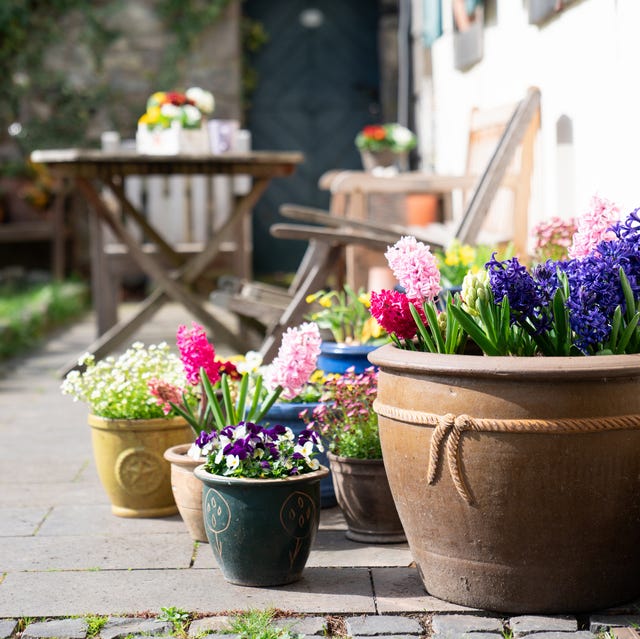
9 patio decorating ideas to transform your space into an outdoor oasis
6 Small Patio Design Ideas to Make the Most of Your Space

12 Garden Room Ideas That Will Elevate Your Outdoor Space and Bring You Extra Room to Unwind
How to Style Your Outdoor Space in 5 Easy Steps, According to Interior Designers
Outdoor Living - Landscaping, Garden & Backyard Design Ideas
7 Secrets For Maximizing Your Outdoor Space, According To Designers