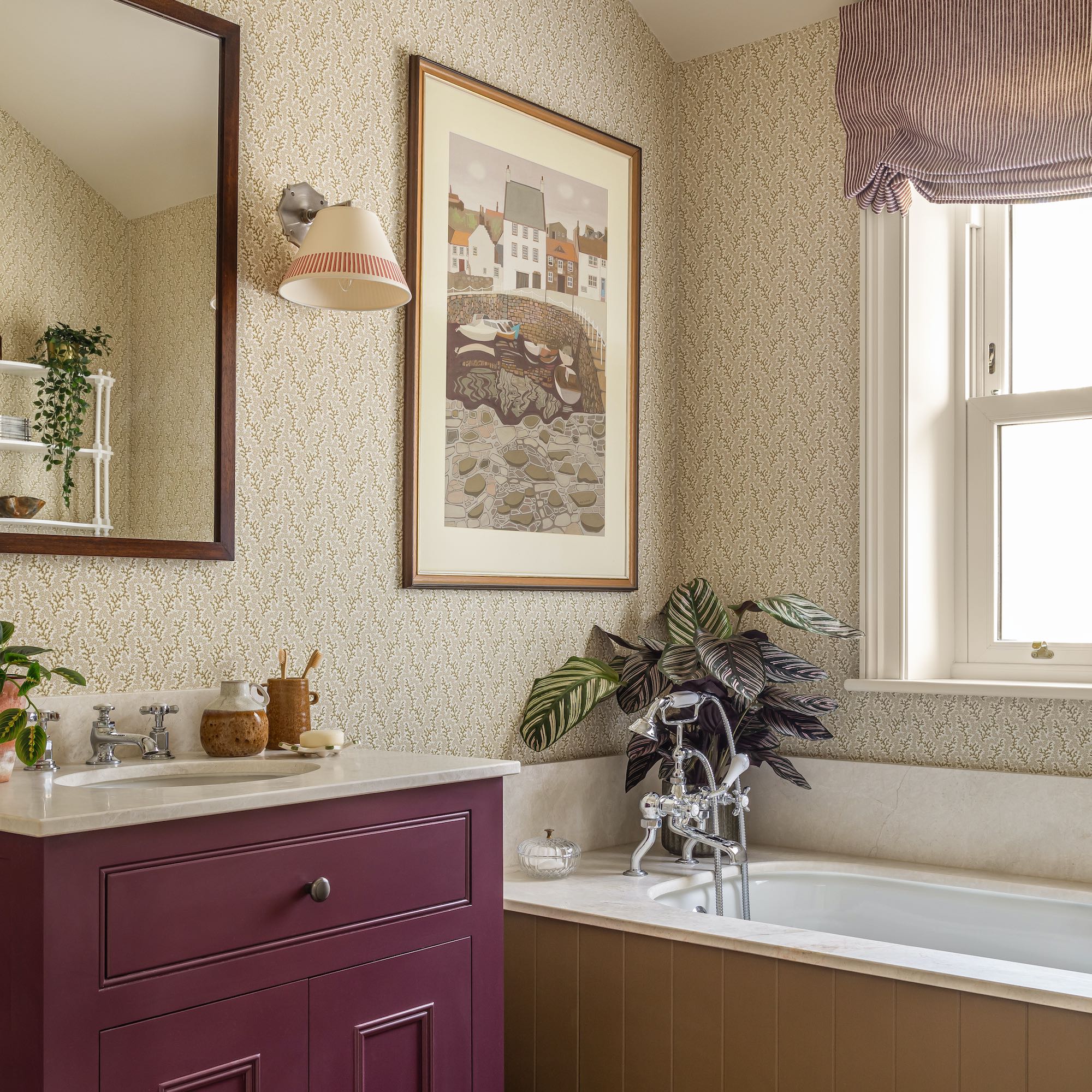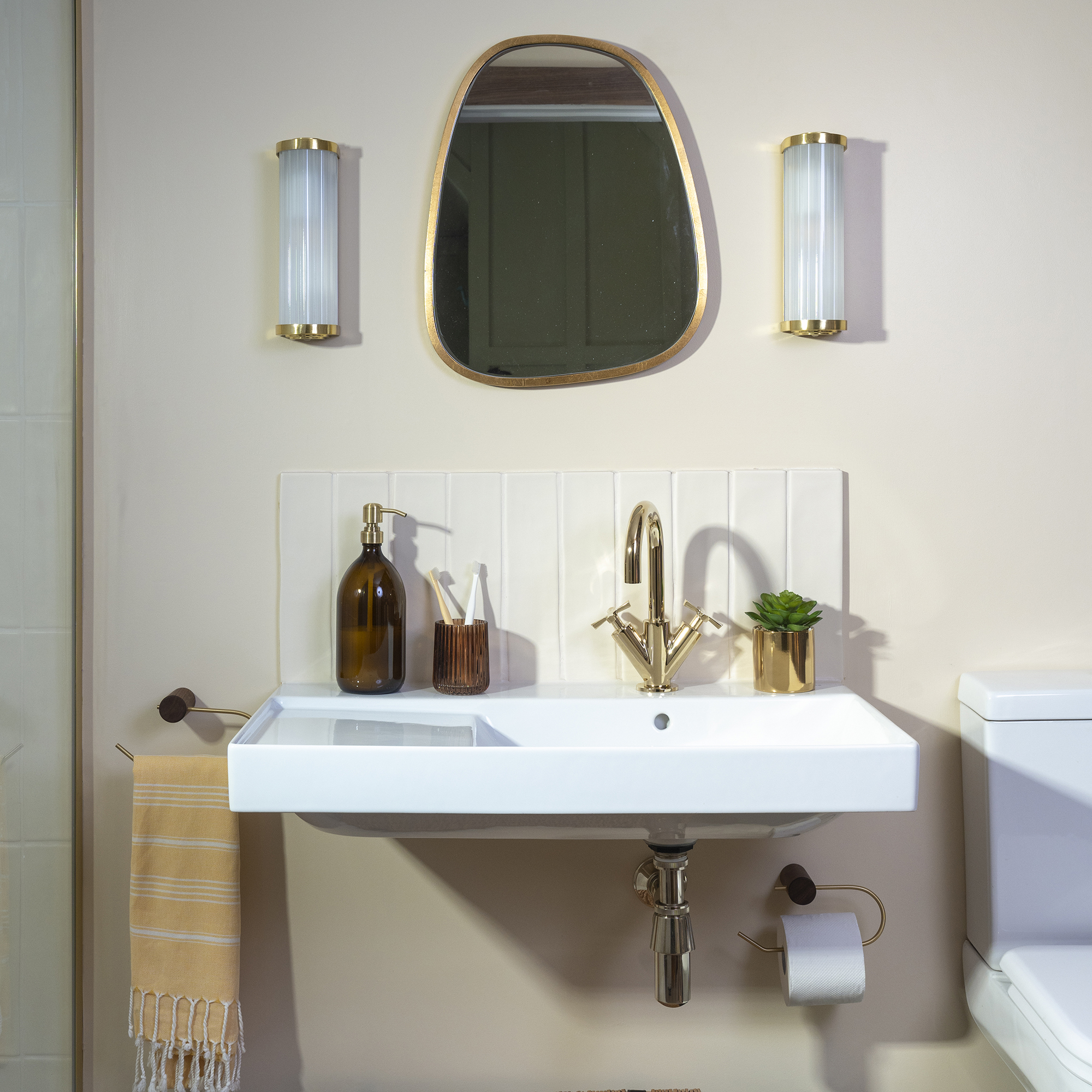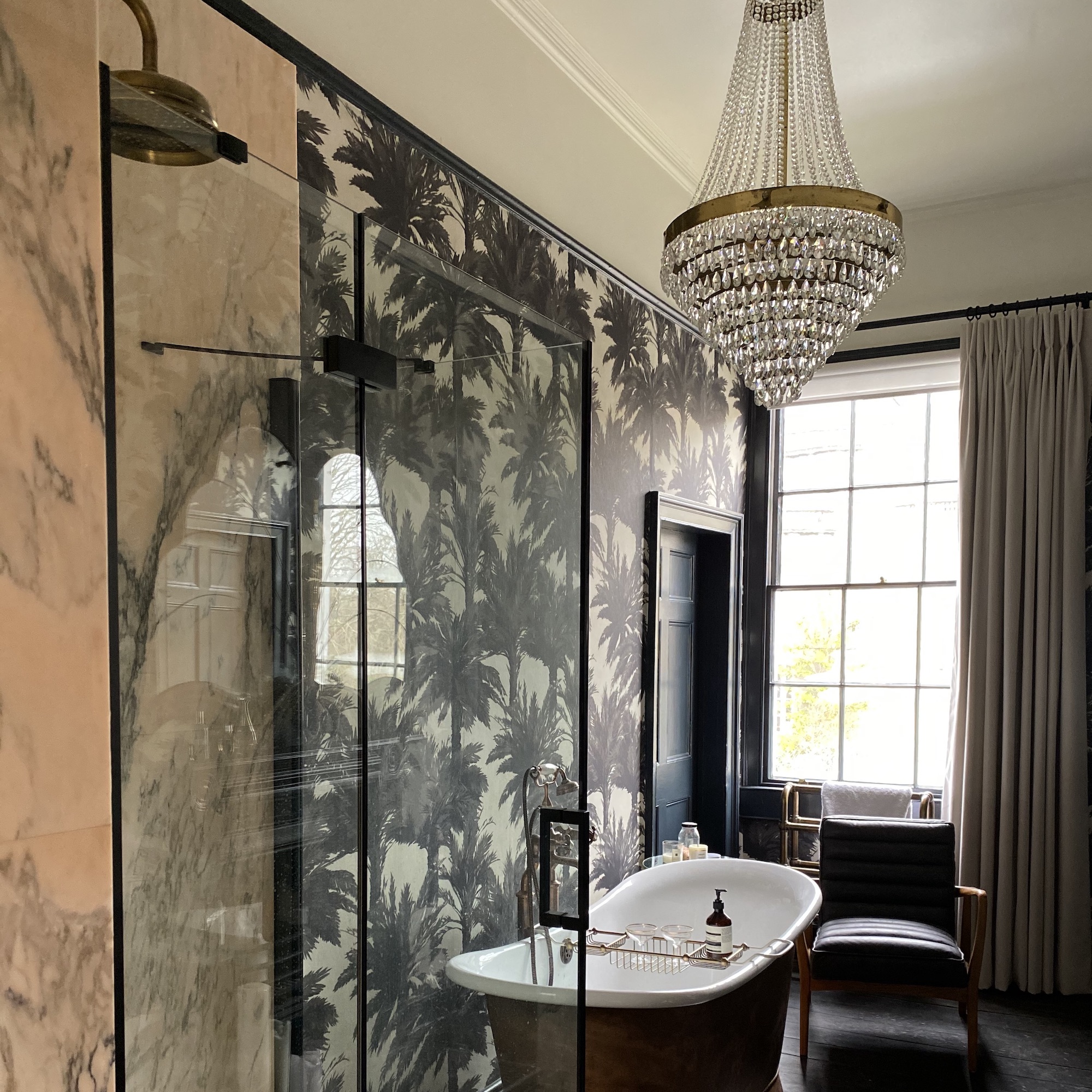
1/4
The 3 bathroom lighting rules you must follow for a safe home – according to an electrician
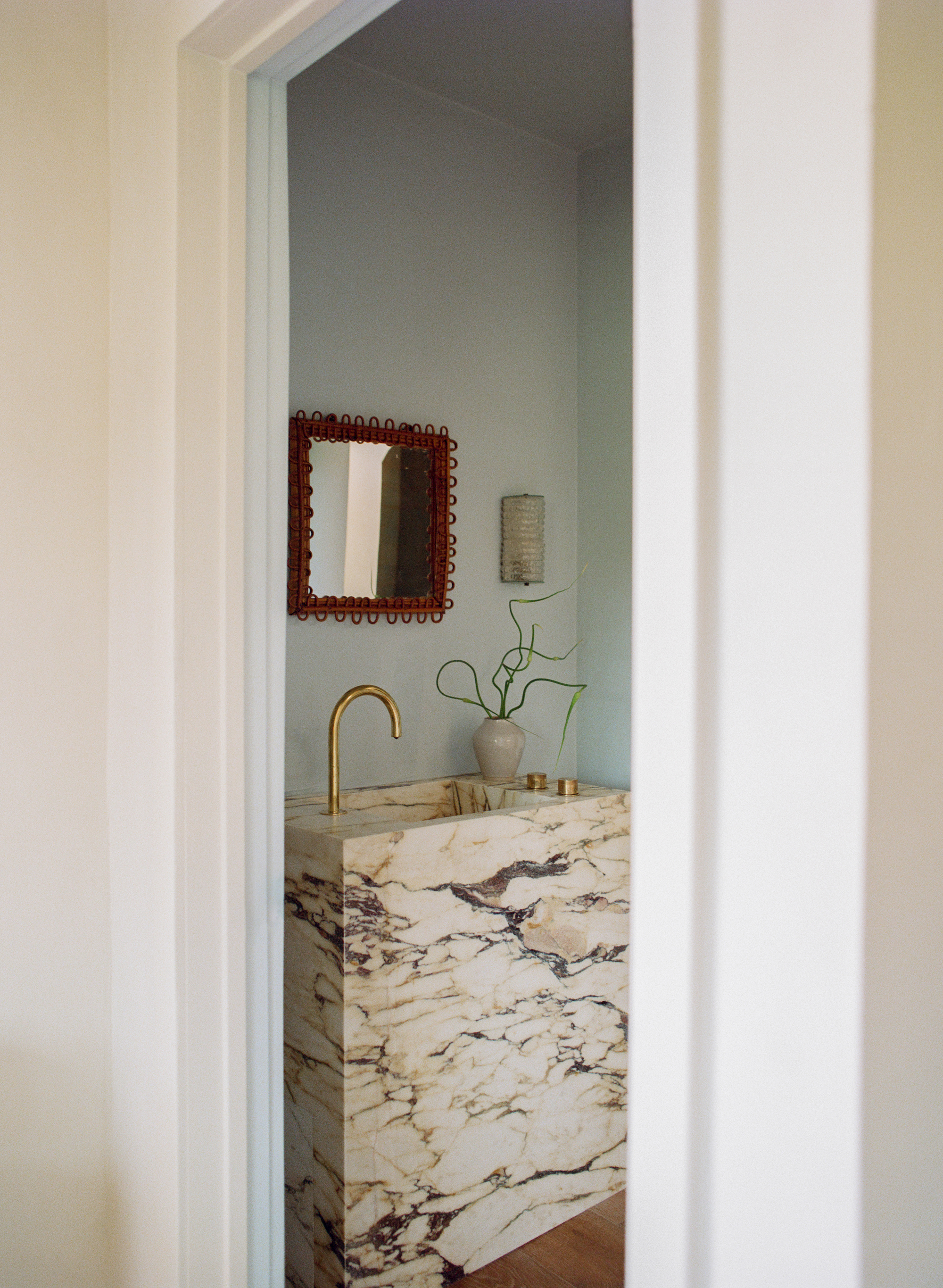
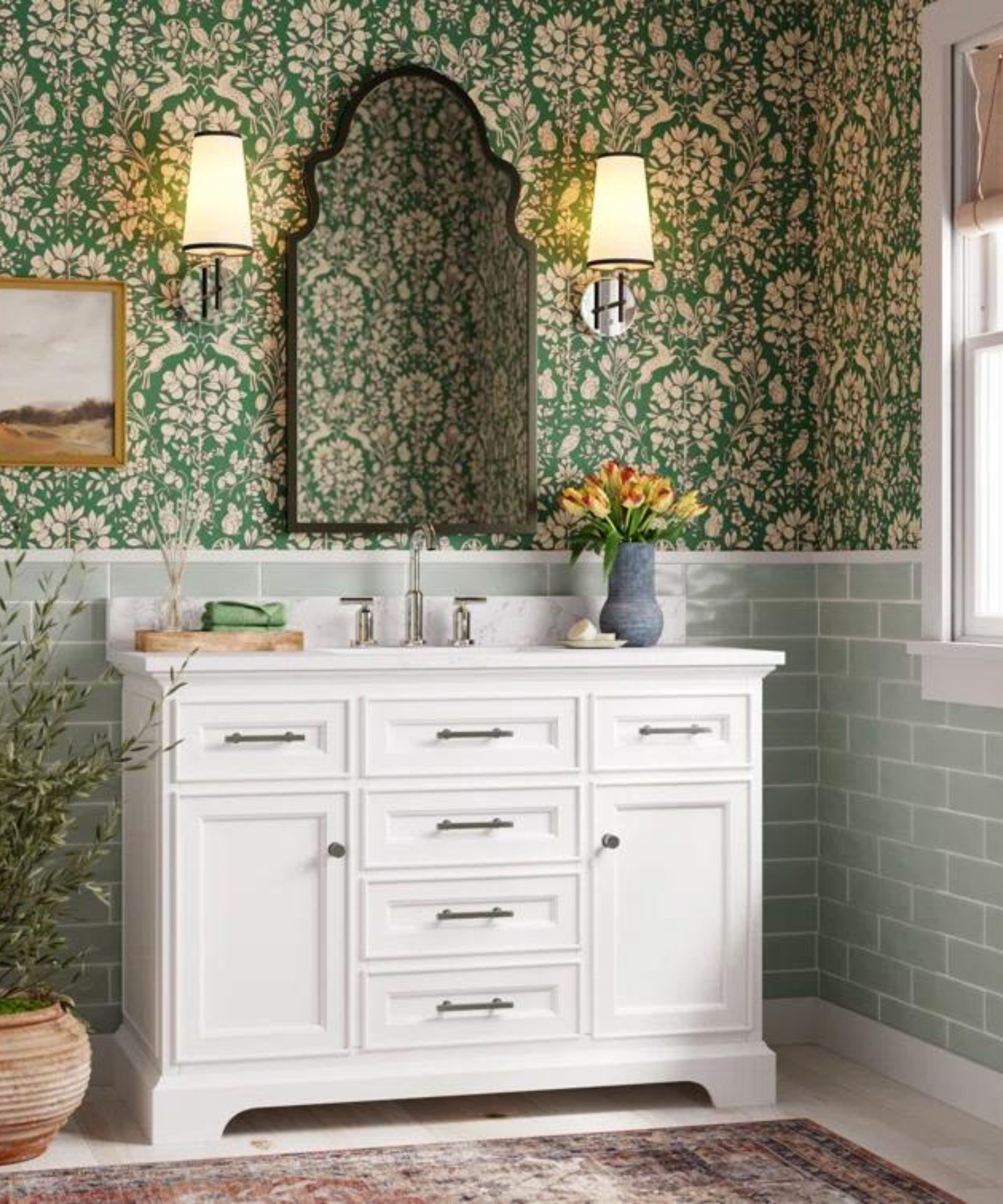
The article emphasizes the critical importance of safety when installing bathroom lighting, underscoring that while aesthetics are important, adherence to electrical safety rules is paramount. It highlights three key rules for ensuring safe bathroom lighting, drawing on expert advice from Peter Legg, brand and product manager at Dar Lighting, and Jonathan Steed, an electrician and electrical expert at MyBuilder.com.
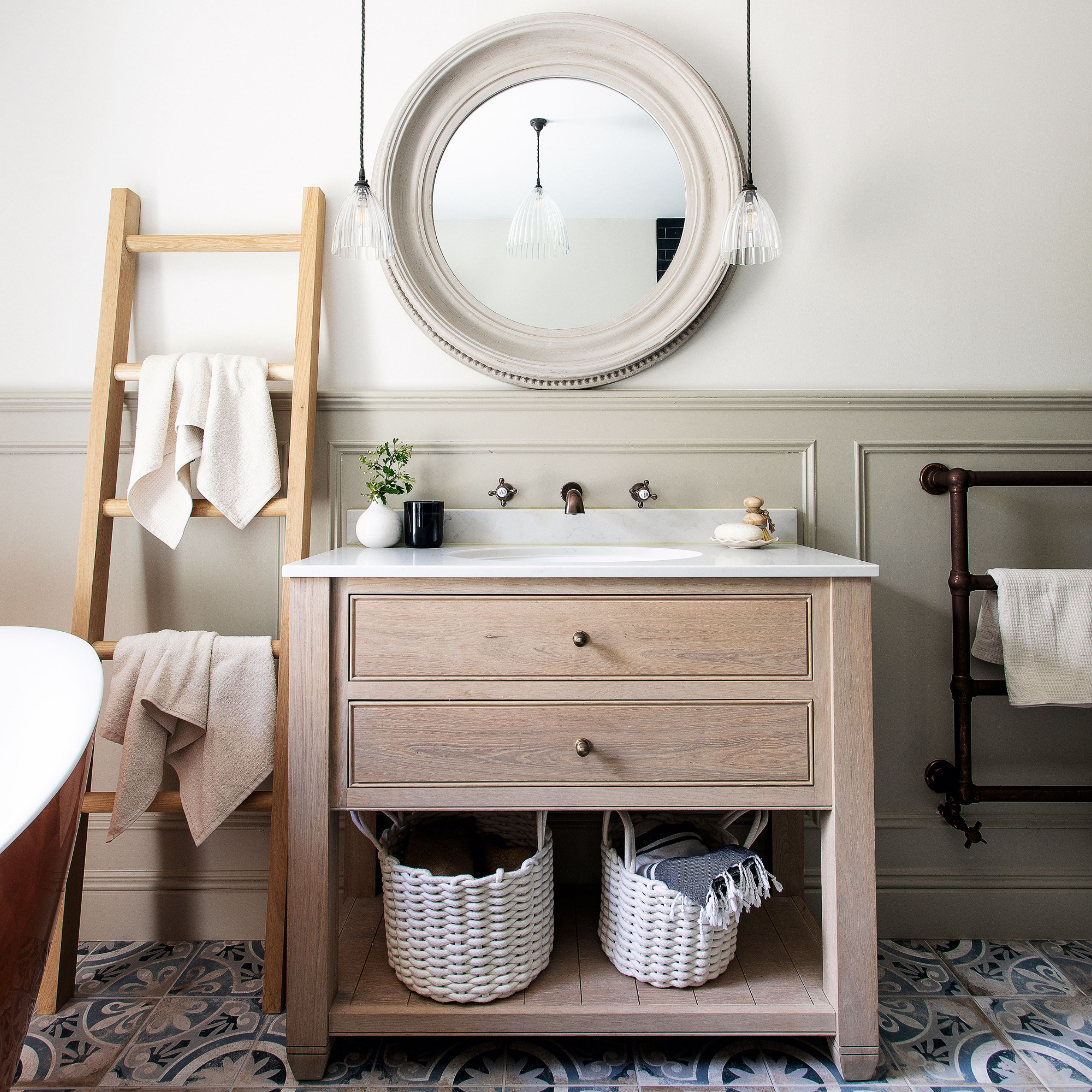
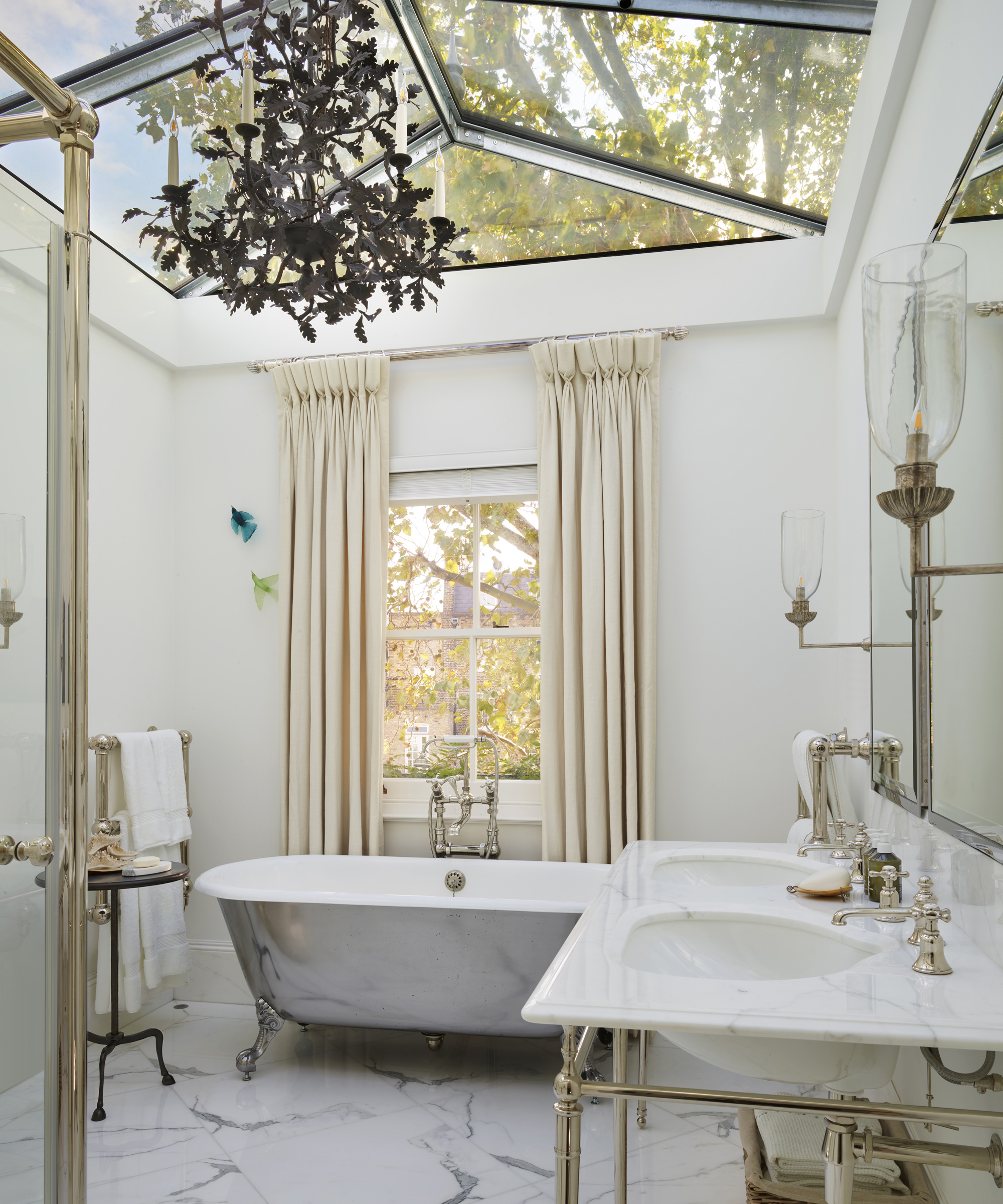
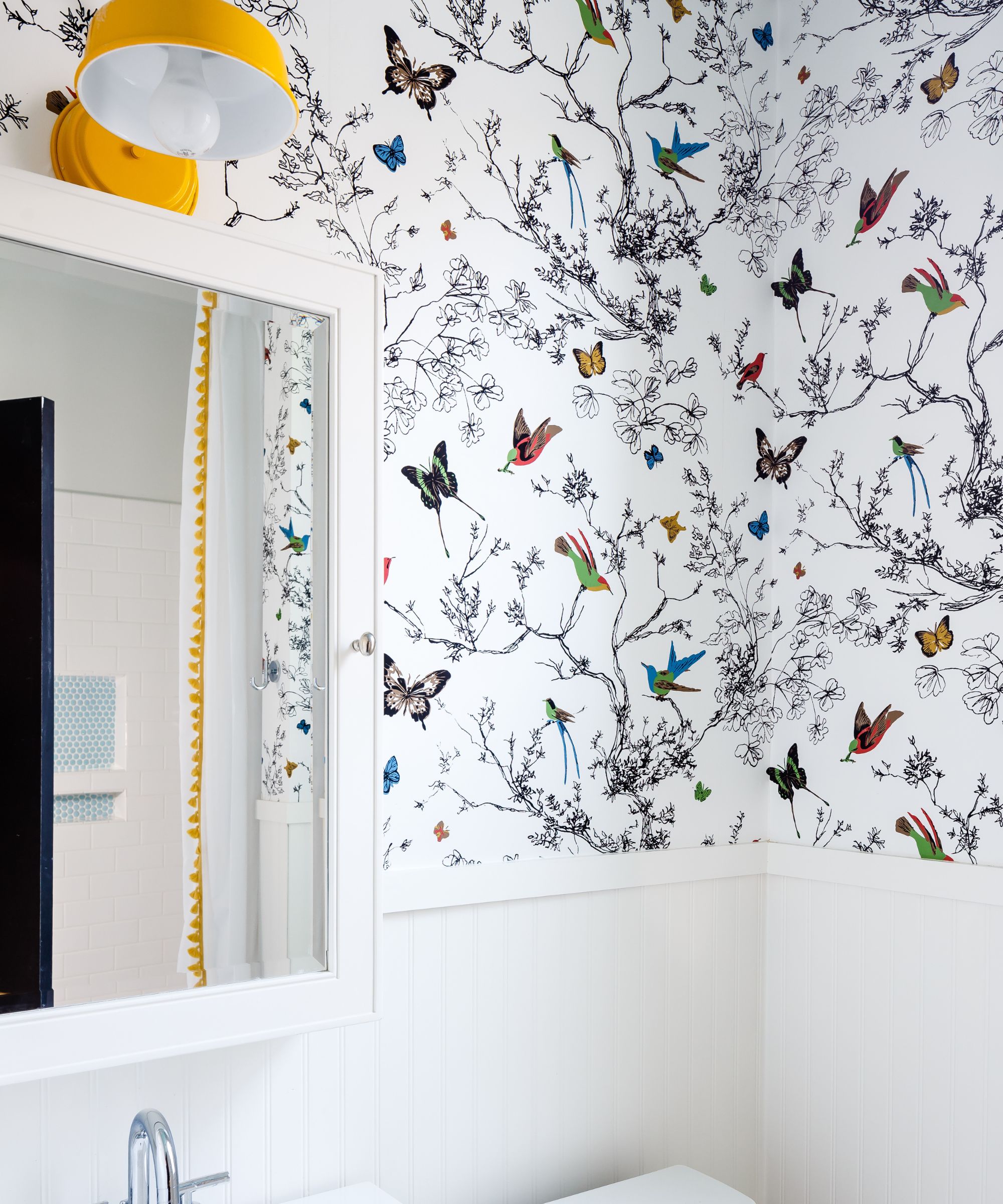
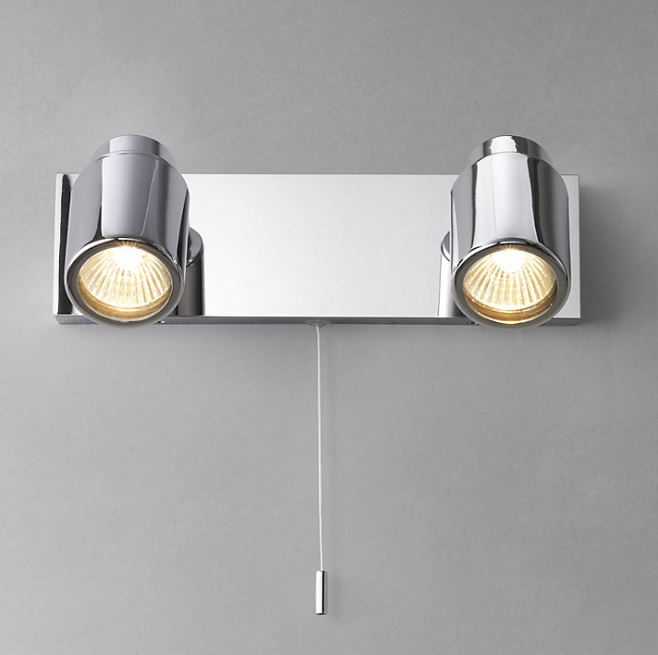
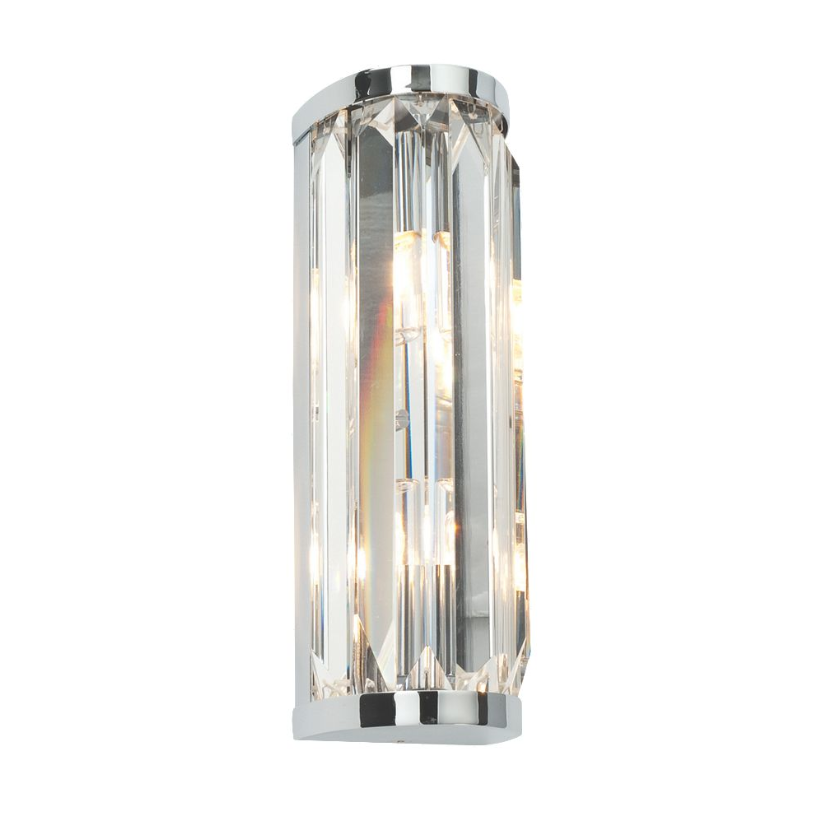
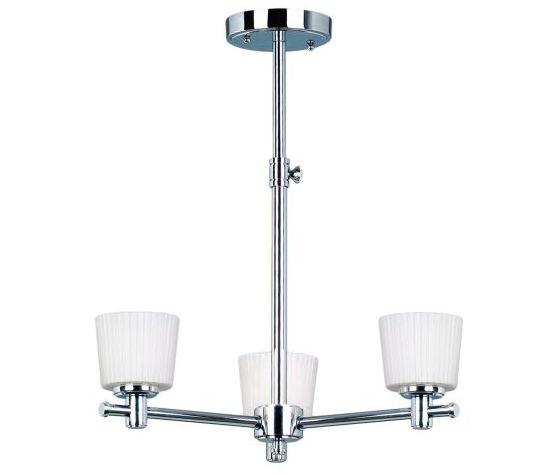
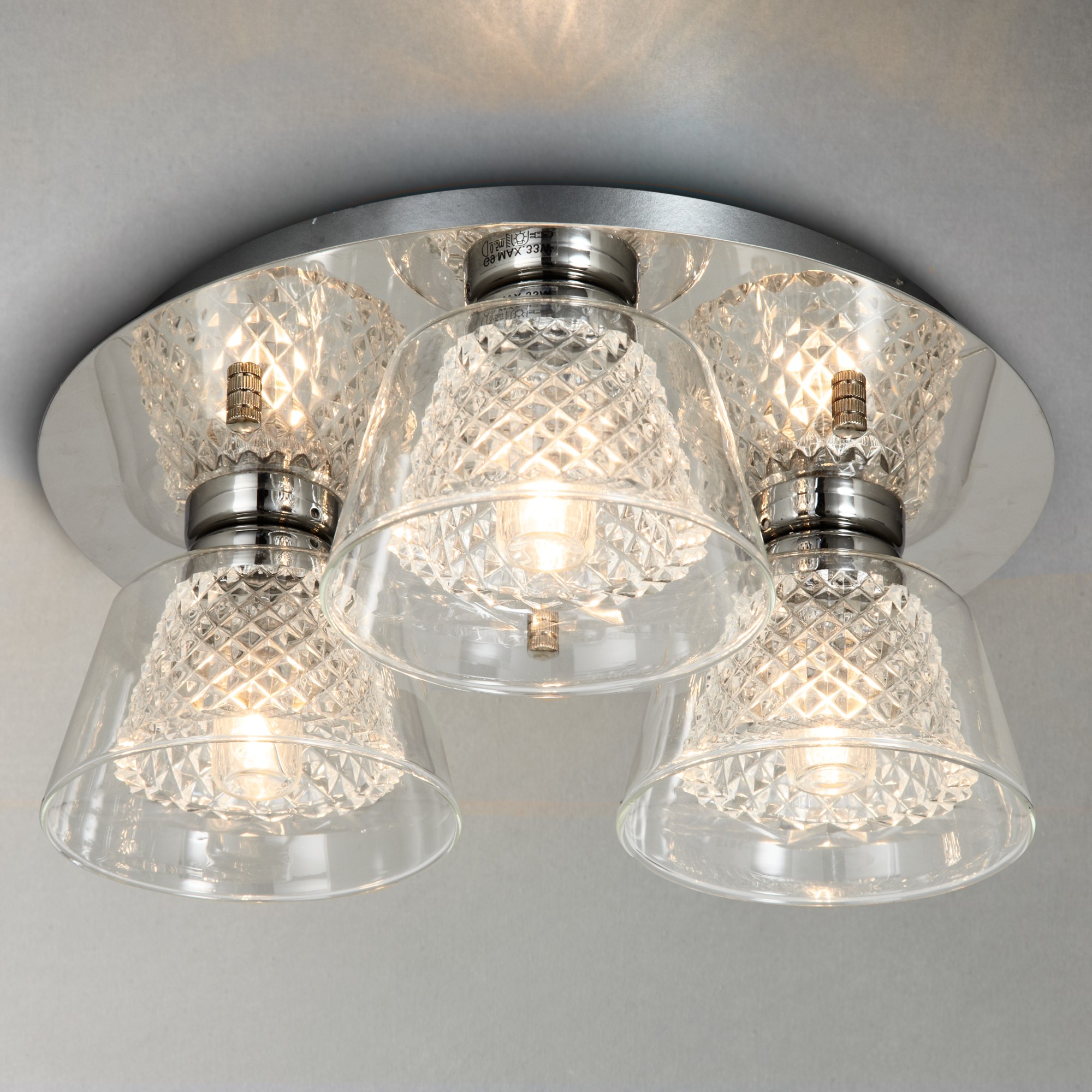
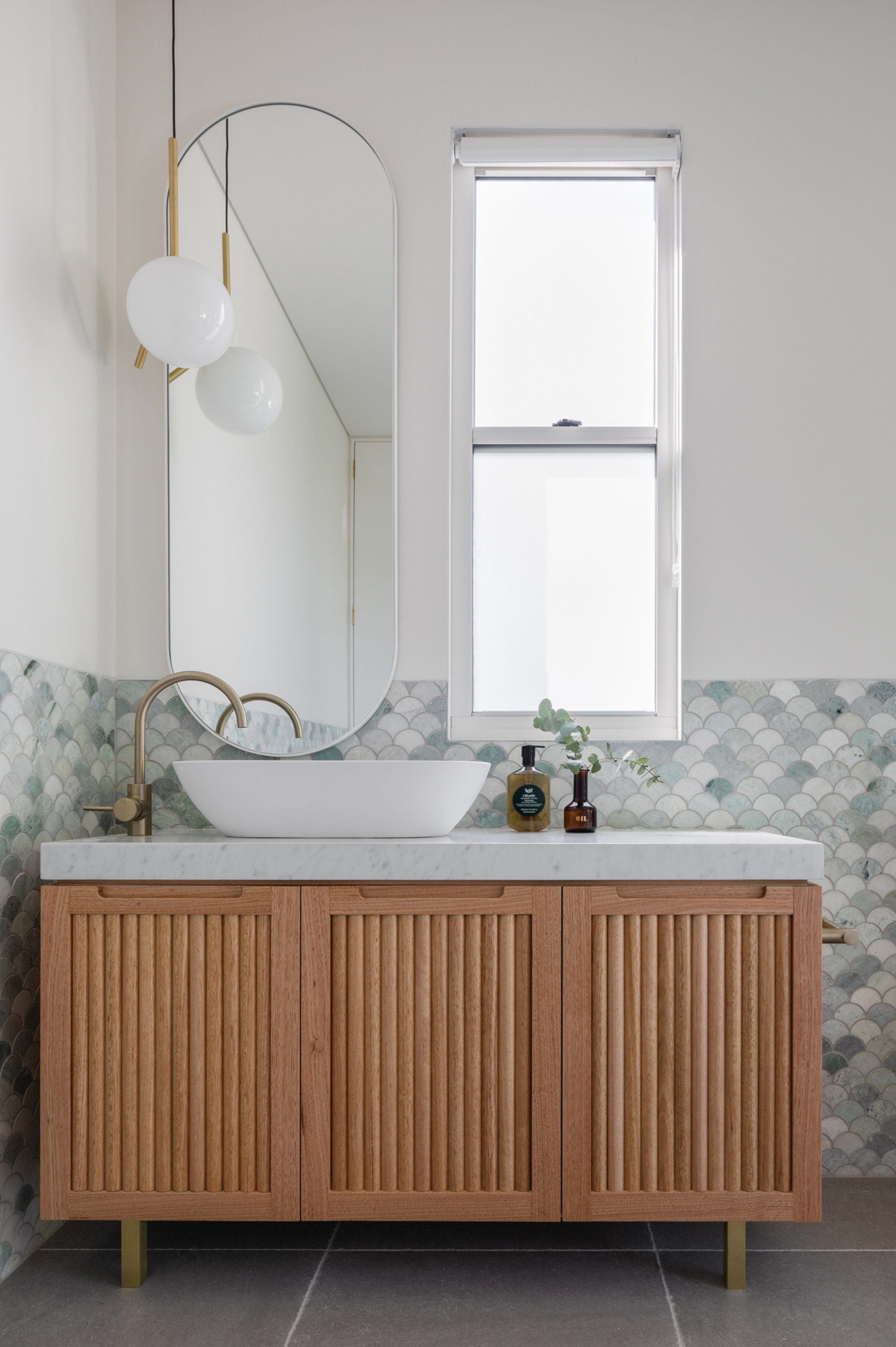
The first rule centers on checking Ingress Protection (IP) ratings. Bathrooms are divided into zones based on proximity to water sources. Zone 0, the area inside a bath, sink, or shower, rarely has lighting due to cabling difficulties. Zone 1 encompasses the immediate vicinity of these fixtures (60cm around a sink, 60cm either side of a bath/shower, and 2.25m above a bath). For Zone 1, IP44 rated lighting is generally recommended, although IP65 is advised if there's a risk of direct spray. Jonathan Steed reinforces this, stating that a minimum IP44 rating is crucial for bathroom lights, especially where splashing is likely, and specifies that light switches should be at least 0.6m away from the edge of a bath or shower.
The second rule recommends placing light switches on an external wall, particularly for smaller bathrooms, to minimize electrical safety hazards. Jonathan Steed explains that positioning the switch as high as possible further reduces the risk of water exposure and electrical hazards from splashes and condensation. Locating switches on exterior walls serves as an additional safety measure.
Finally, the article stresses the necessity of choosing a trustworthy and certified electrician. Electrical work in bathrooms is subject to strict regulations, and improper installation can lead to safety risks, financial penalties, and difficulties when selling the property. Luke Osborne, deputy technical director of Electrical Safety First, advises that all electrical work in a bathroom must comply with regulations and be reported to the local council. He strongly recommends using an electrician registered under a Competent Person Scheme to guarantee the installation's safety and compliance.
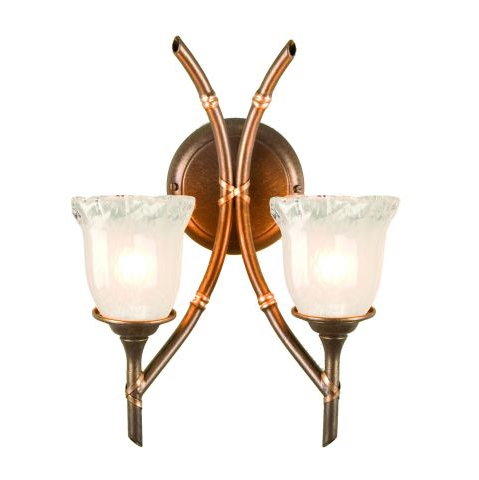
The article also addresses the common question of using non-IP rated light fittings in a bathroom. While generally discouraged by electricians, it clarifies that such fittings can be used in areas outside designated zones. For instance, Zone 2 extends 60cm beyond the perimeter of a bath and up to 2.25m from the floor, and a 60cm radius around a tap for a sink. Lights placed beyond these measurements might not require an IP rating, but professional consultation is always recommended to ensure safety and compliance before undertaking any bathroom lighting projects.
#BathroomLighting #ElectricalSafety #IPRatings #HomeRenovation #ElectricianTips #HomeSafety #HomeImprovement #InteriorDesign #BathroomDecor #BathroomLighting #ElectricalSafety #IPRatings #HomeRenovation #ElectricianTips #HomeSafety #HomeImprovement #InteriorDesign #BathroomDecor
0 comment in total
 No comments yet
You may also like
The 5 bathroom lighting rules design experts always follow for a bright and beautiful space

How to Plan Bathroom Lighting That Can Switch Between Bright and Busy, and Spa-Like in Seconds

7 Lighting Tricks That Can Make Even a Small Bathroom Seem Bigger — Now Isn't That a Bright Idea
The Secret Reason Some Bathrooms Have Light Switches Outside the Door

Types of bathroom lighting – the 3 layers every space needs

11 interior designers share their go-to places to buy bathroom lighting
5 Bathroom Lighting Mistakes That Instantly Dim the Space, According to Designers

7 Bathroom lighting trends to illuminate a stylish space in 2025
5 Bathroom Lighting Mistakes to Avoid — Designers Advise How to Dodge The Most Common Problems
Brighten Up Your Day With the Best Bathroom Bulbs for Every Fixture
Bathroom Lighting - Our Pick of the Best
The best bathroom lights to buy, according to interior designers
3 Steps to Perfect Kitchen Lighting, According to an Expert

Bathroom Wall Lights – Our Pick of the Best
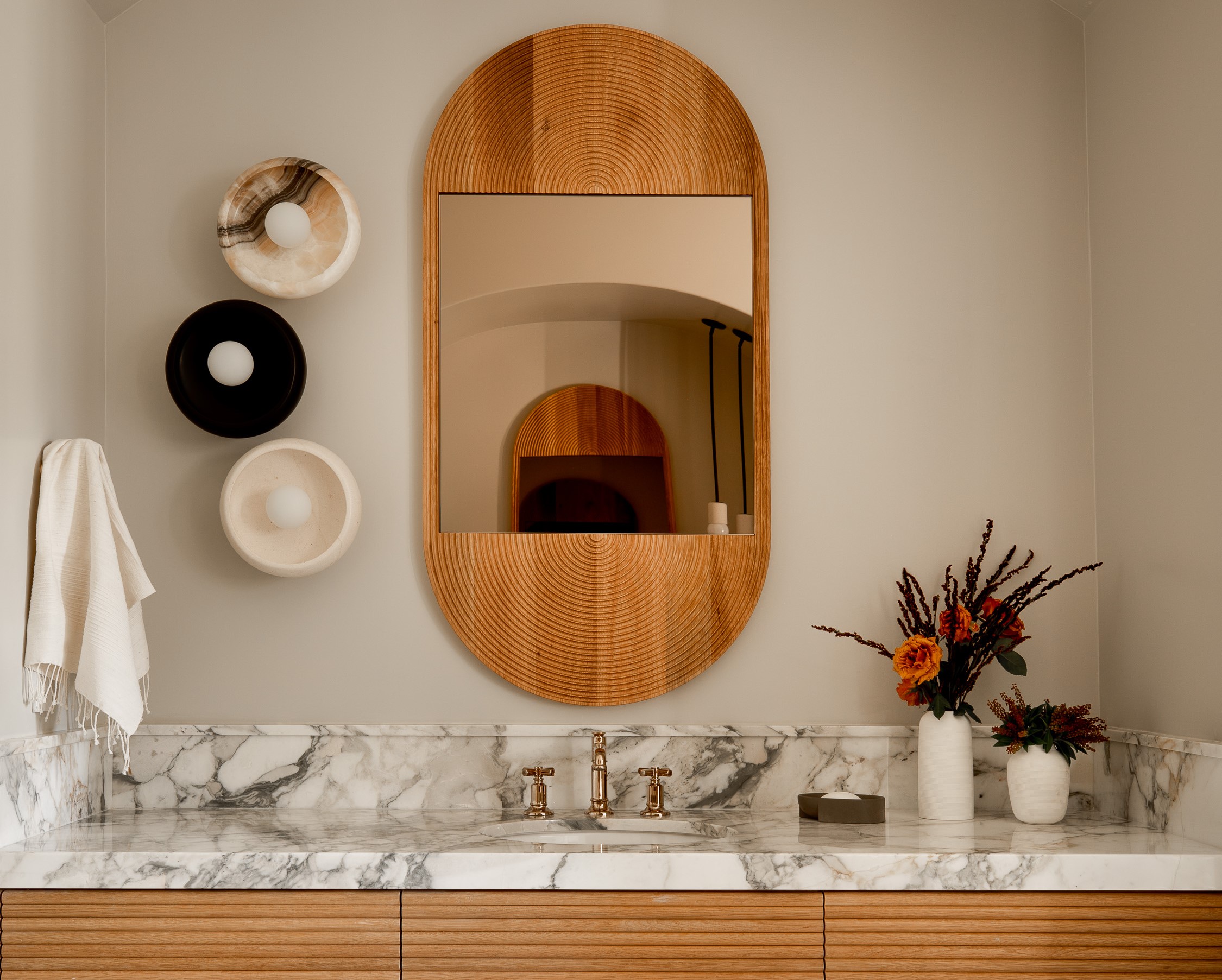
What's the Most Flattering Light For a Bathroom? 7 Designer Tricks to Give Your Space a Glow-Up
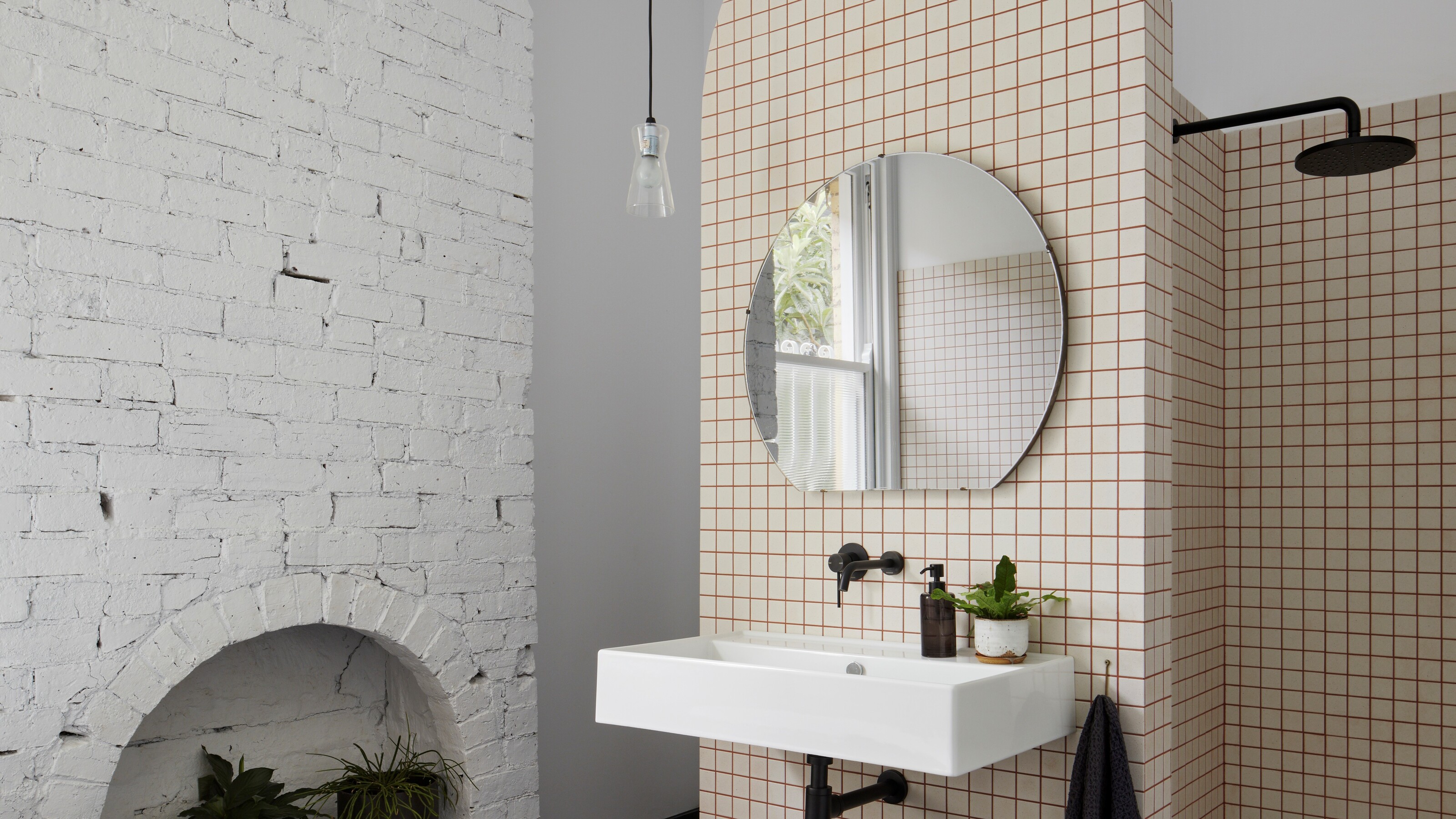
Designers are ditching overhead lighting in the bathroom – and using this flattering source to illuminate spaces instead

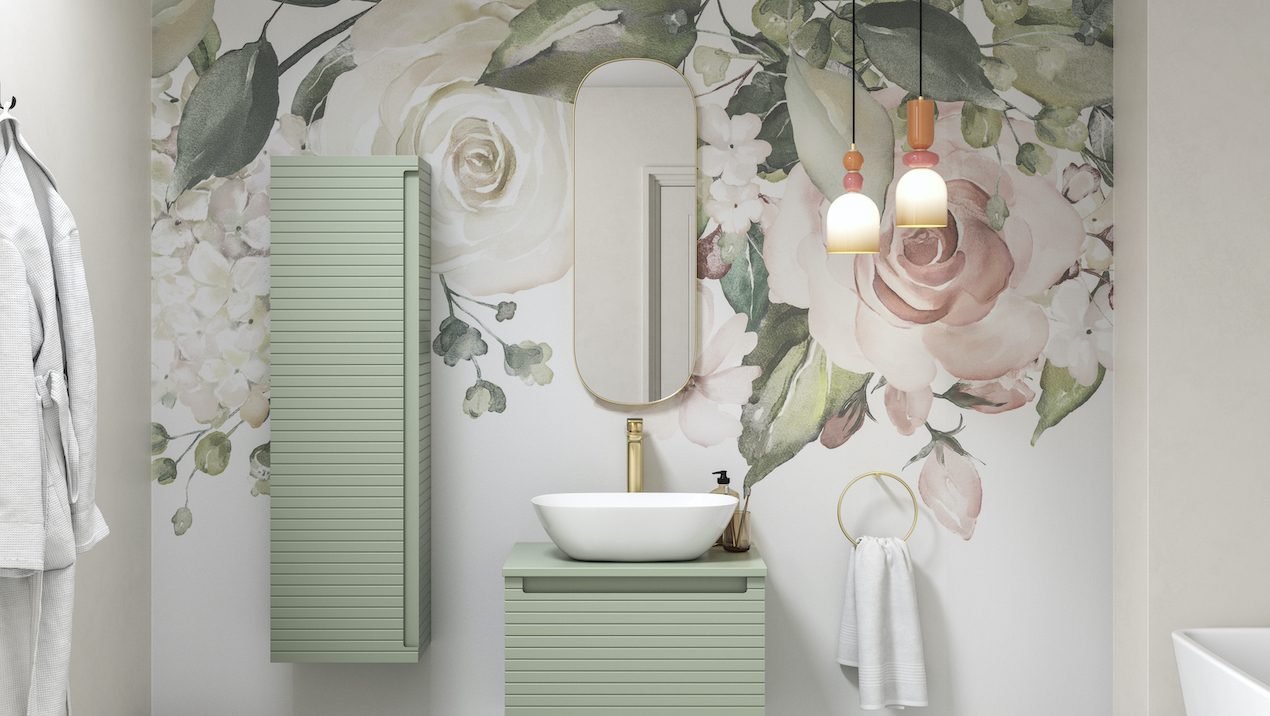
7 common bathroom lighting mistakes, and how you can avoid them
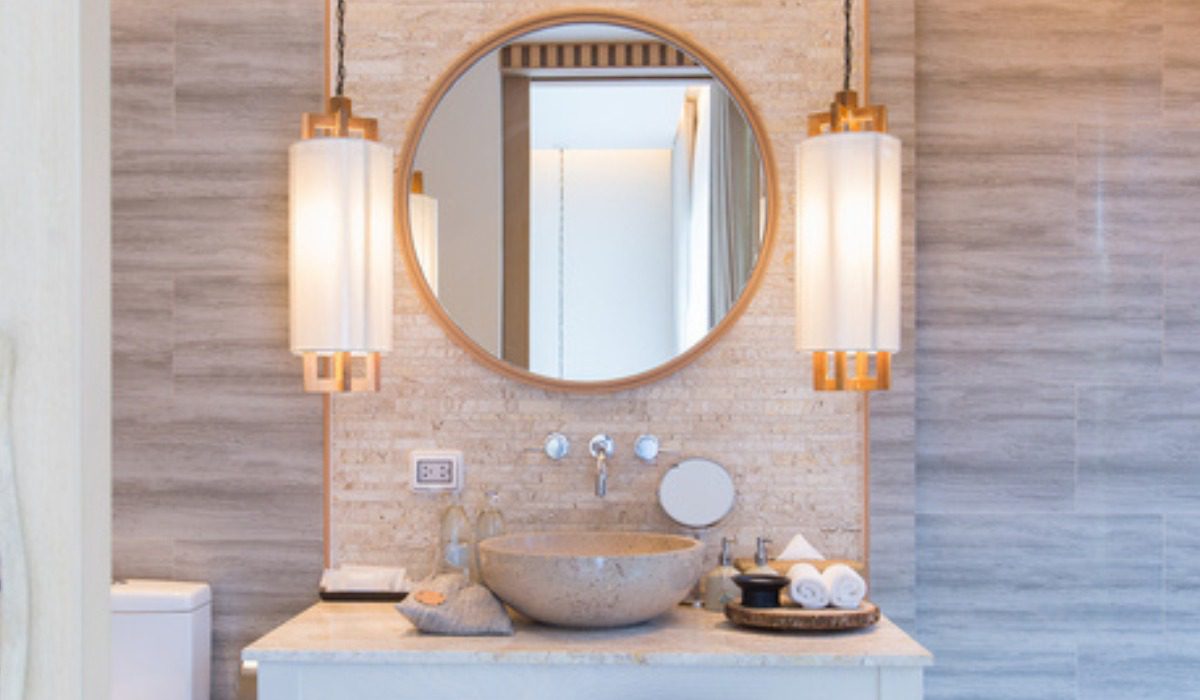
Bathroom light ideas for your home
Looking for stylish bathroom lighting? These are the brands to shop for the most beautiful designs
40 Bathroom Lighting Ideas To Brighten Your Space