1/12
How to Plan Bathroom Lighting That Can Switch Between Bright and Busy, and Spa-Like in Seconds
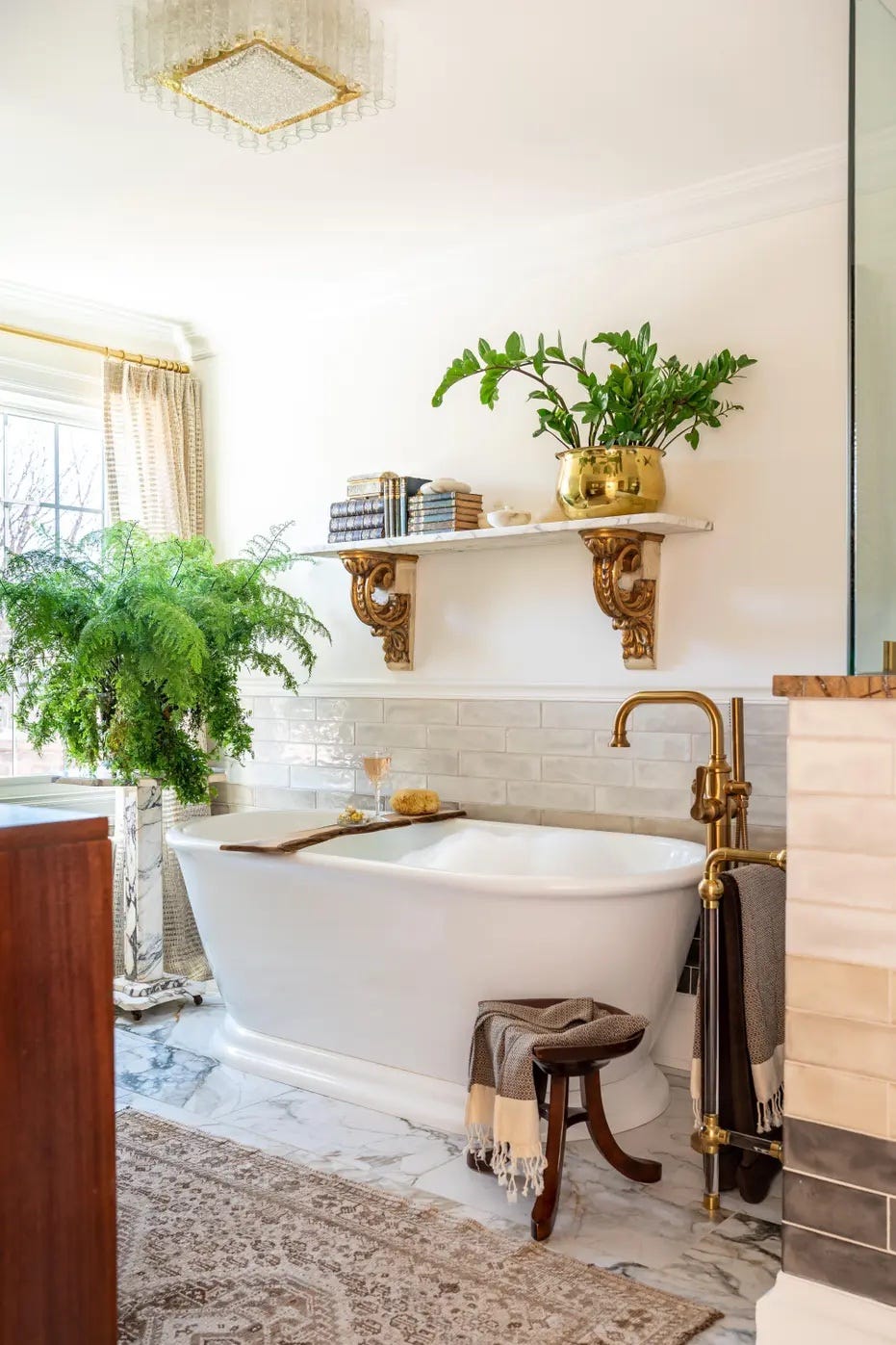
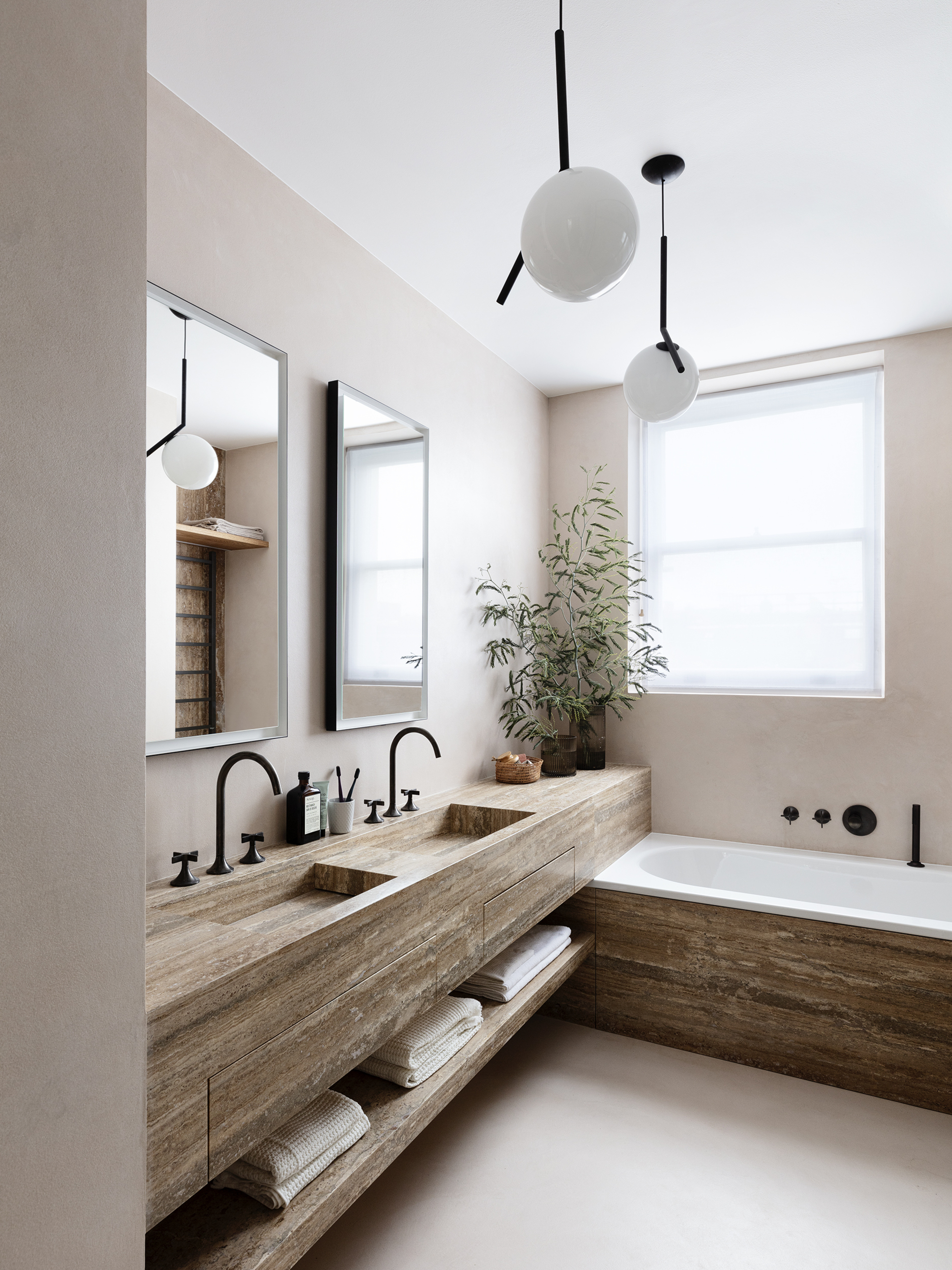
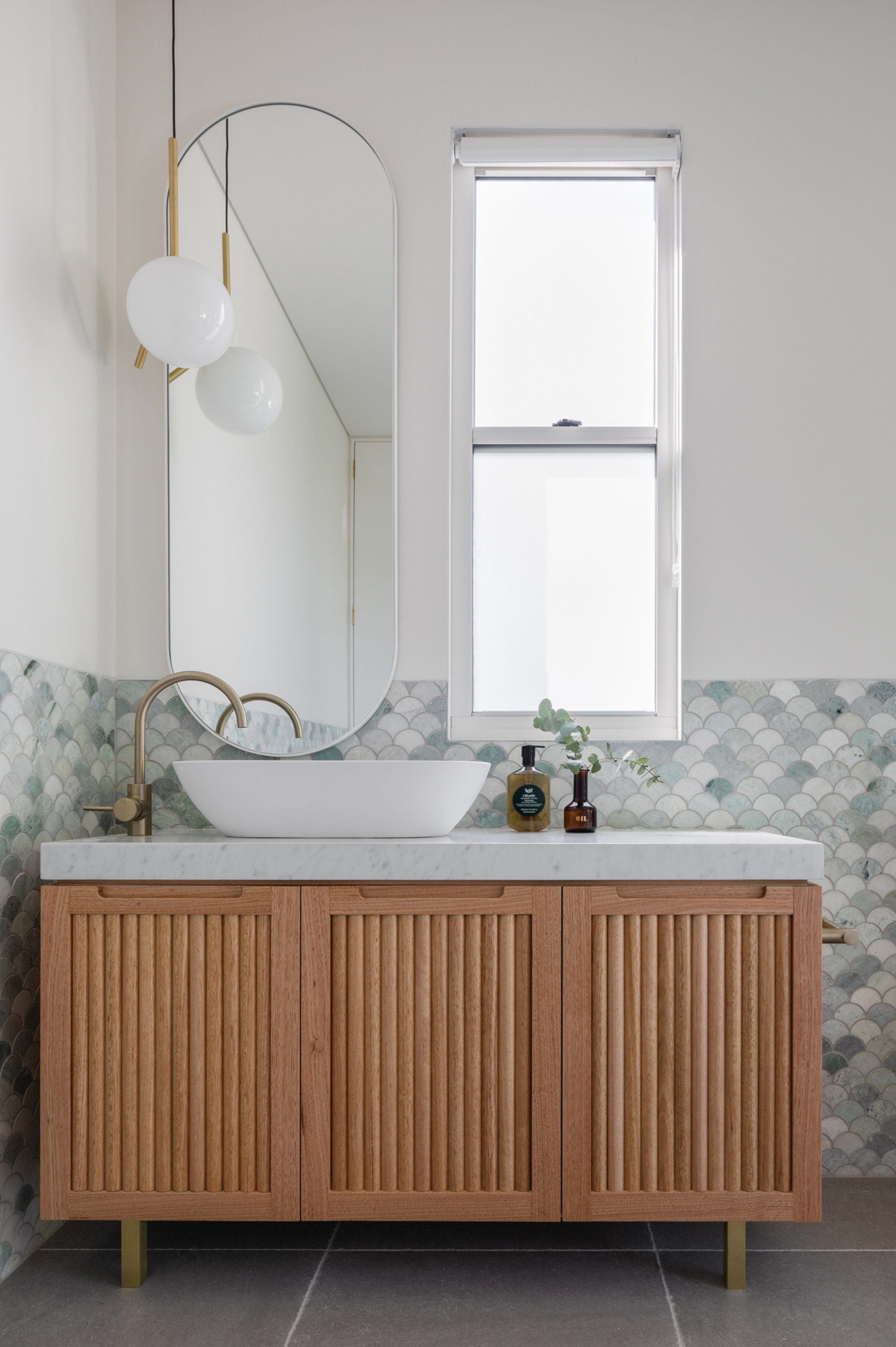
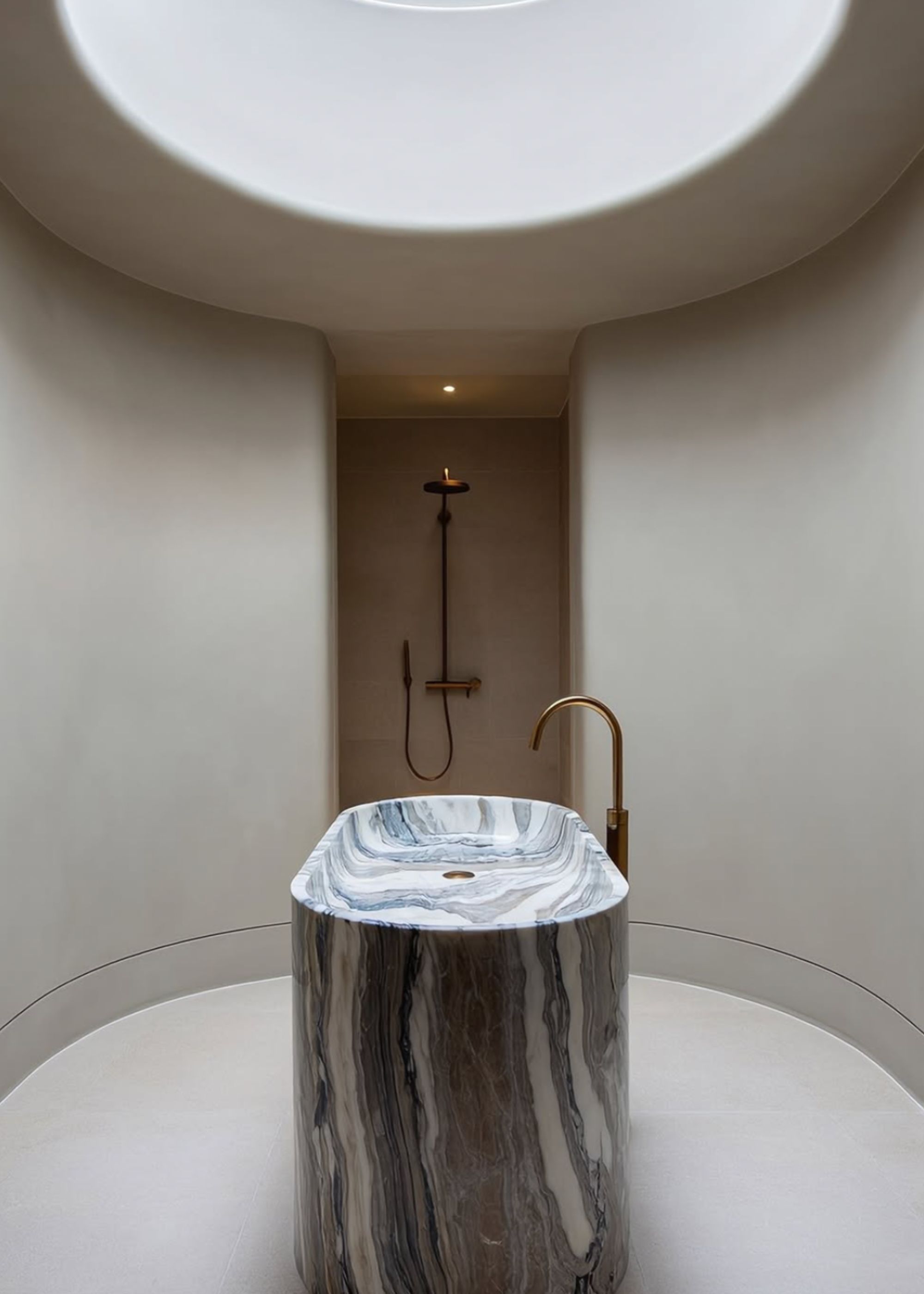
Effective bathroom lighting design is crucial for both functionality and creating a desired atmosphere, yet it is frequently an afterthought. Proper lighting can transform a bathroom from a purely practical space into a relaxing sanctuary, while poor lighting can result in a sterile, overly bright, or inadequately lit environment. The key to successful bathroom lighting lies in a layered approach, considering the various needs and activities that take place within the space, whether it's a bustling family bathroom or a serene adult retreat.
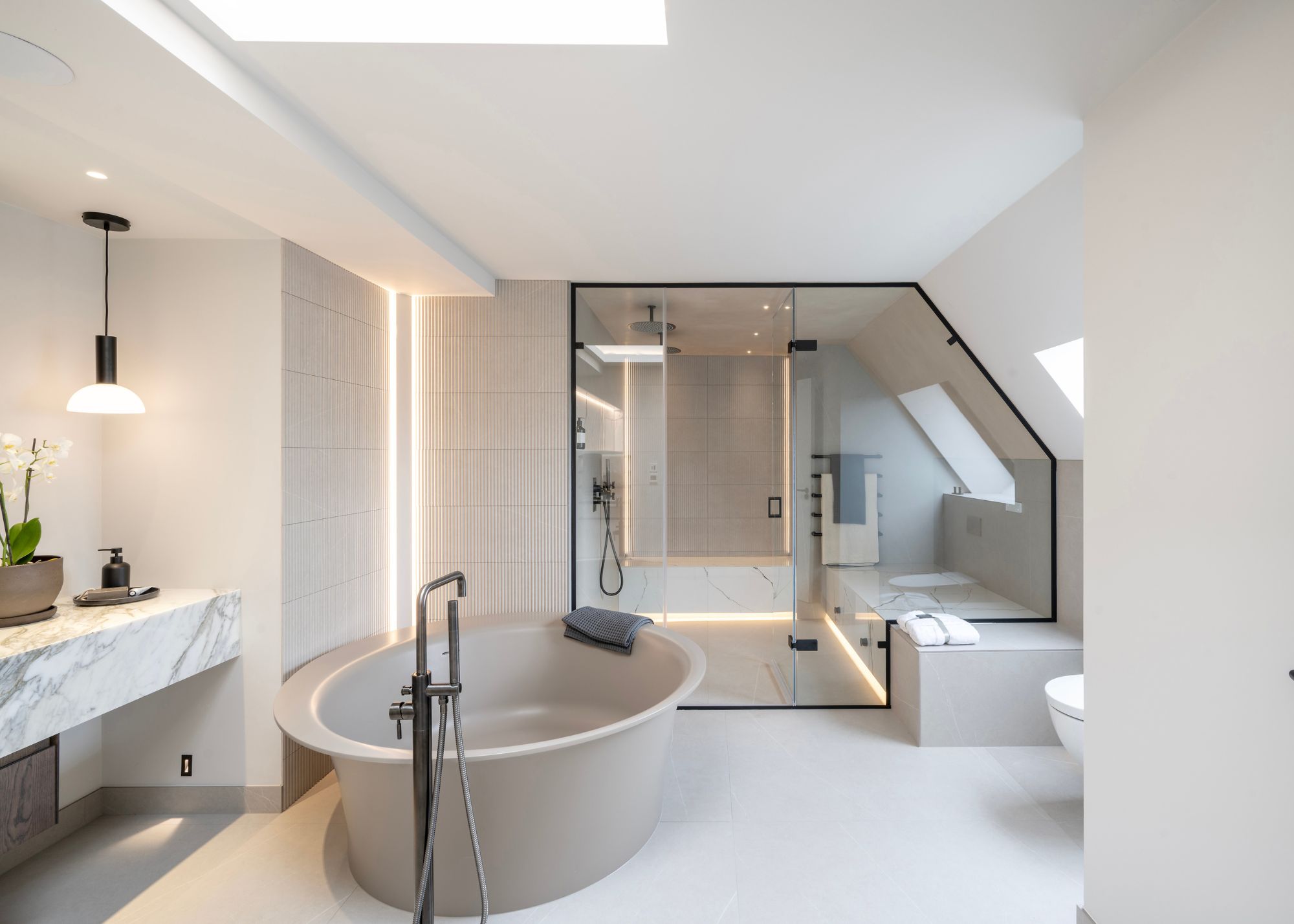
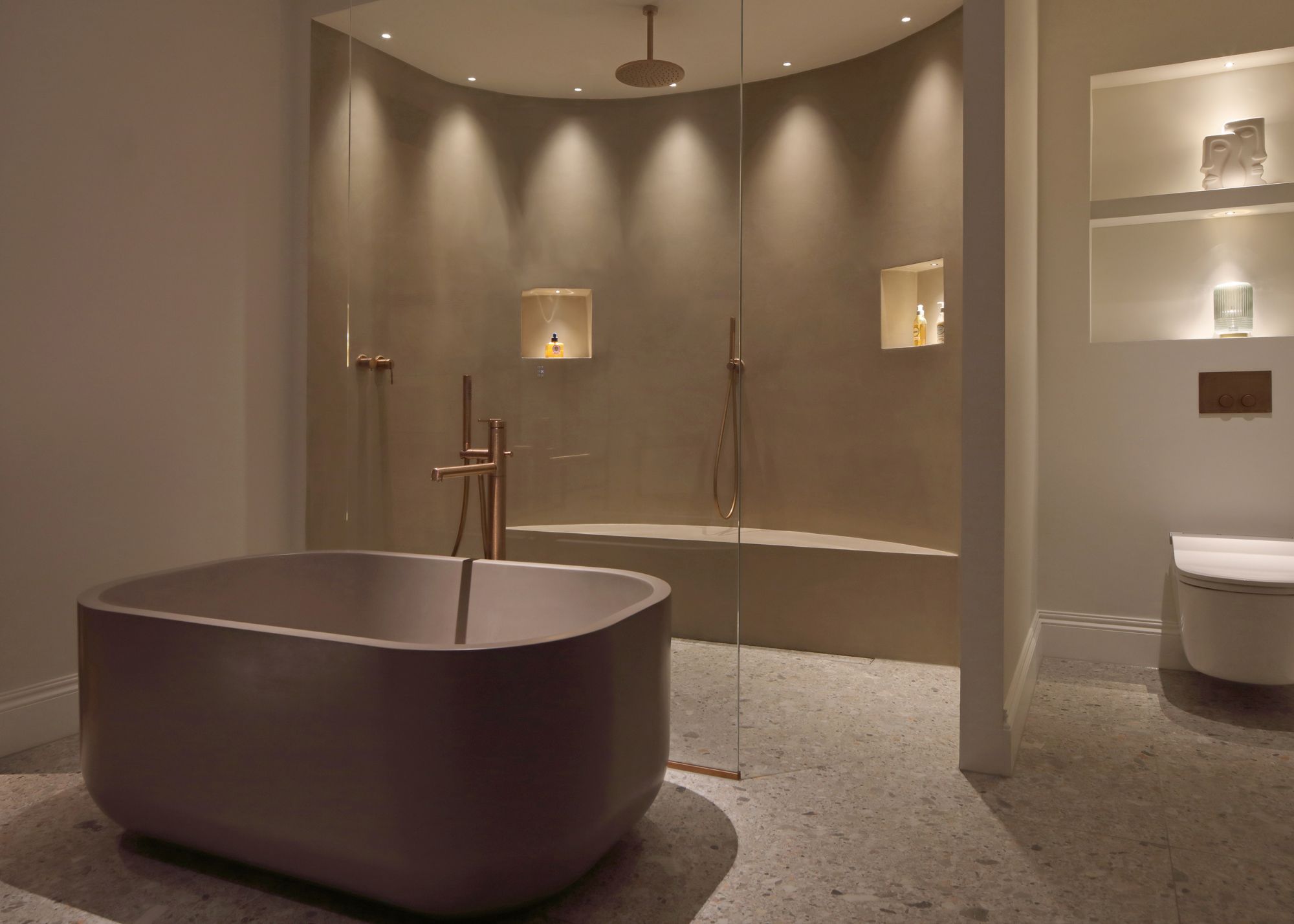
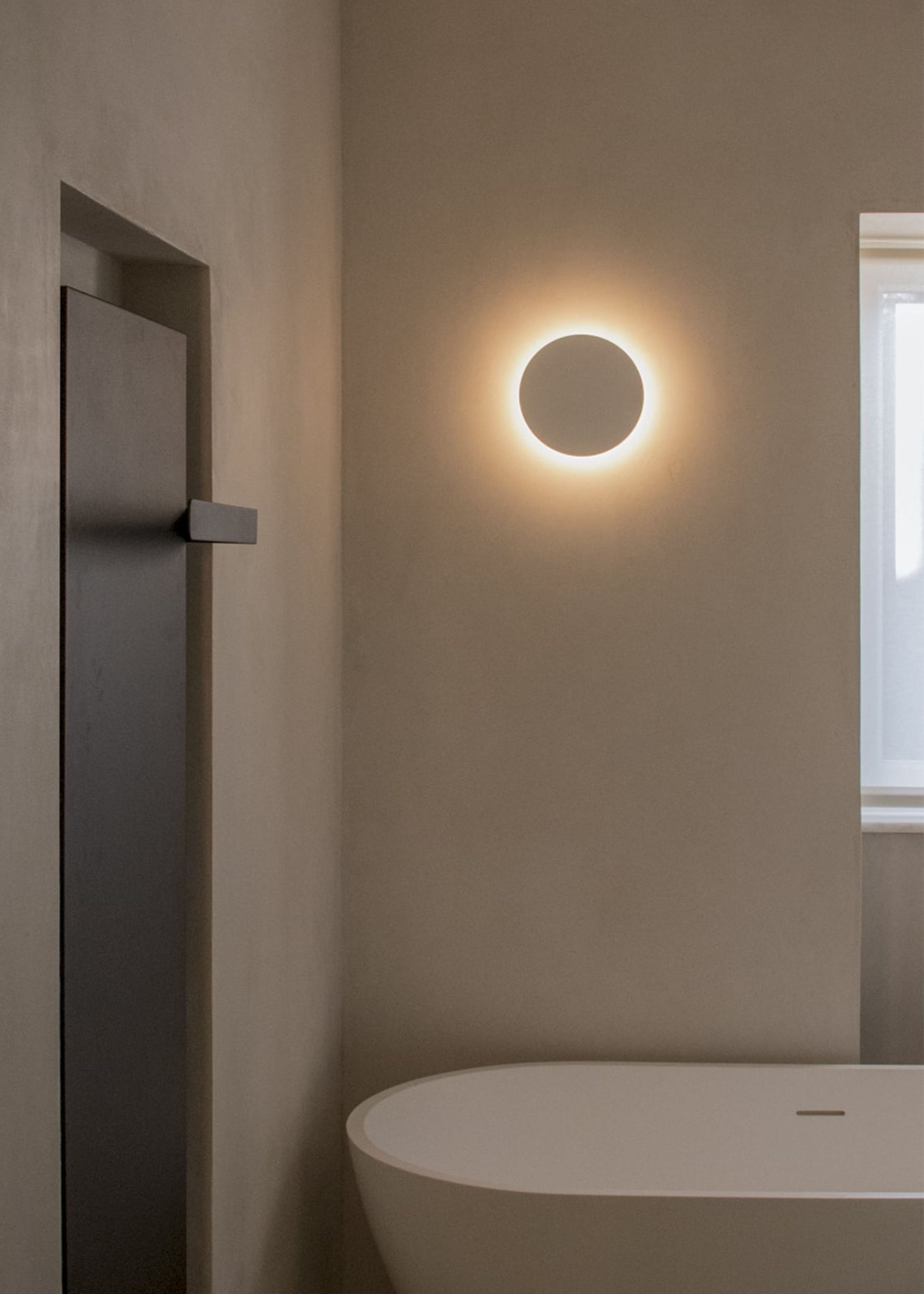
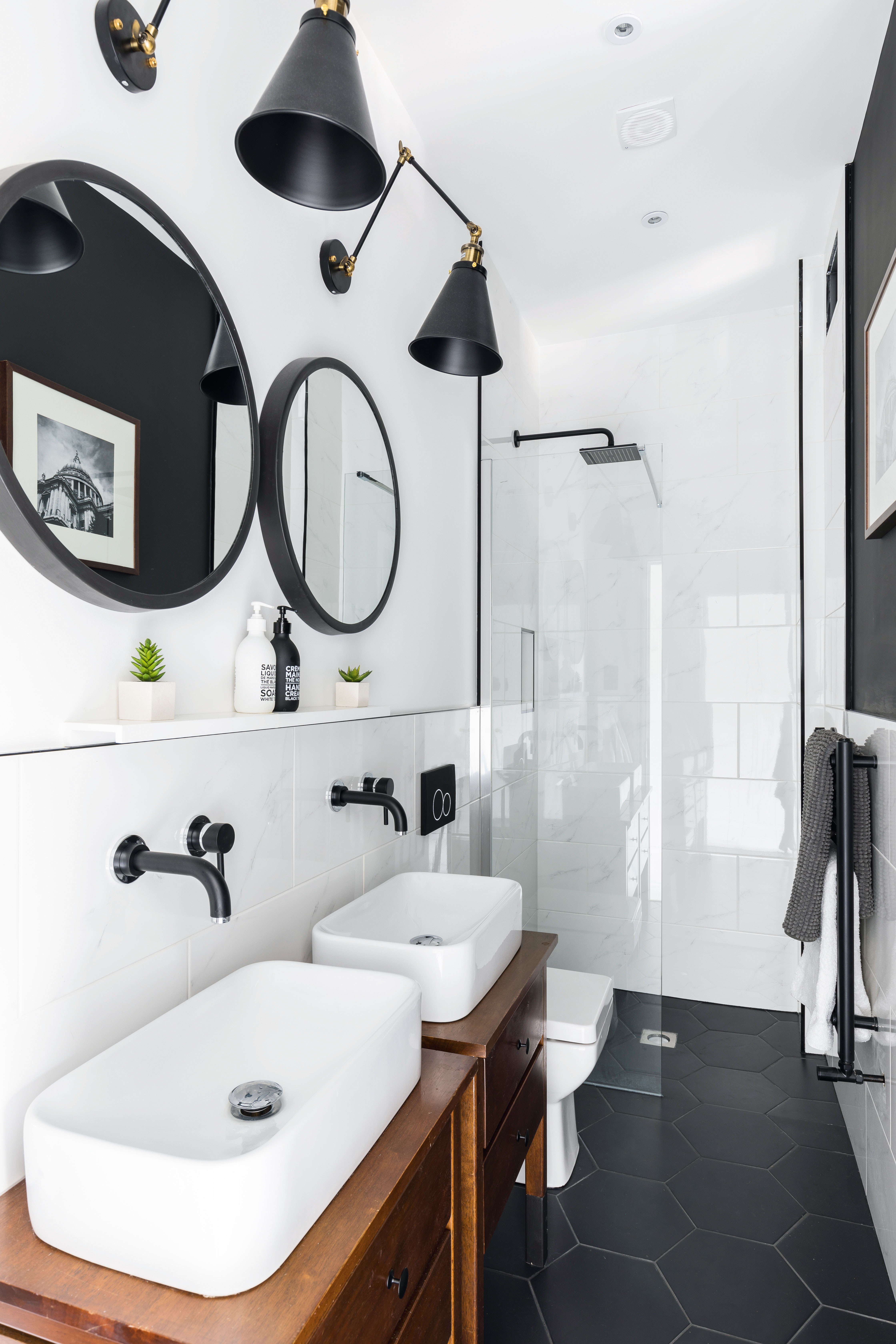
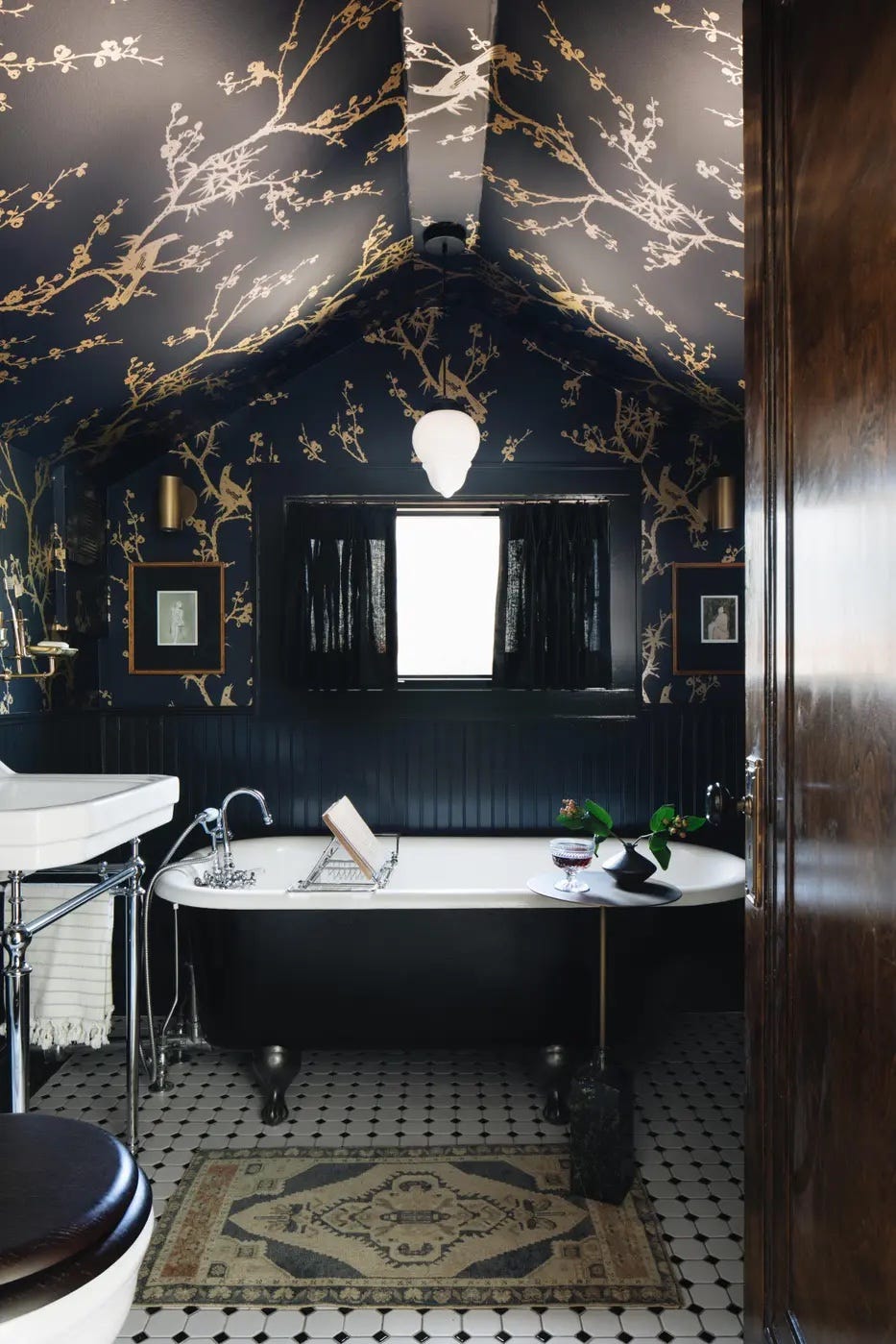
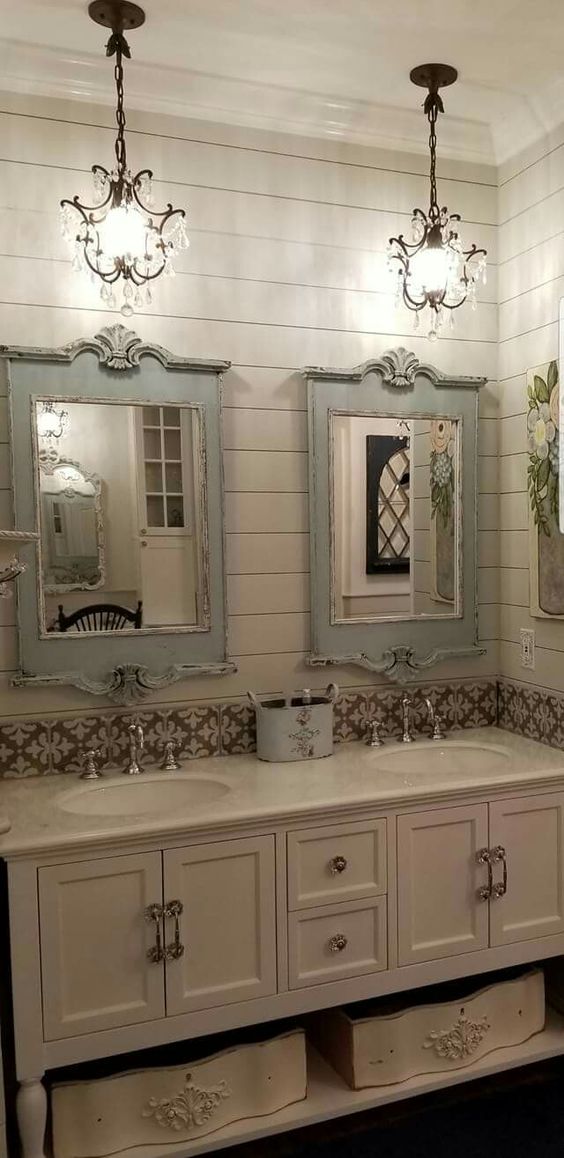
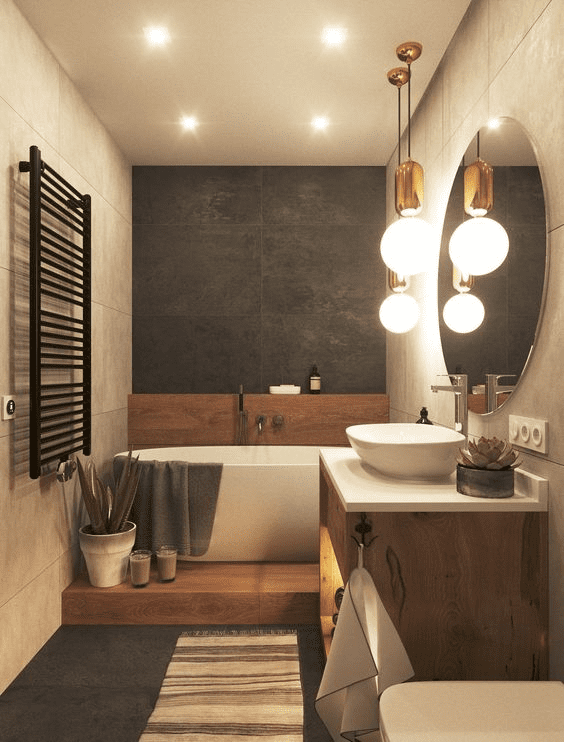
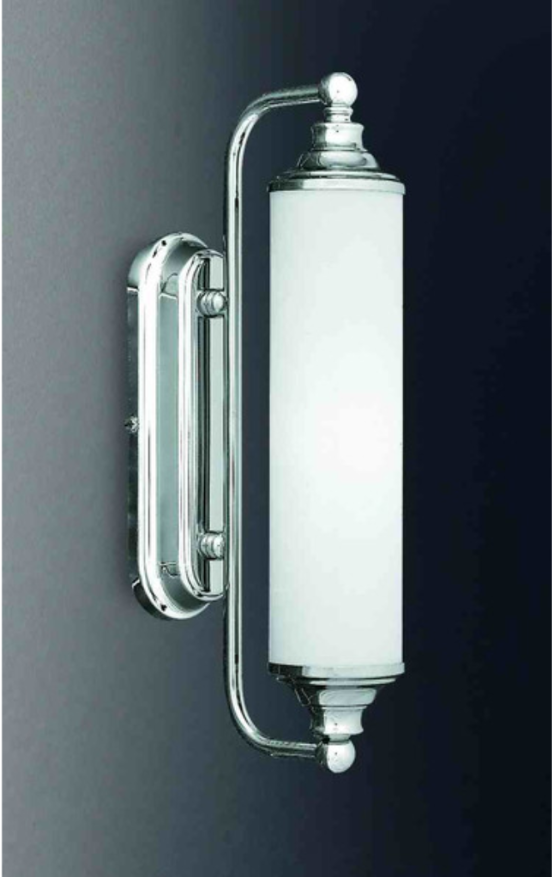
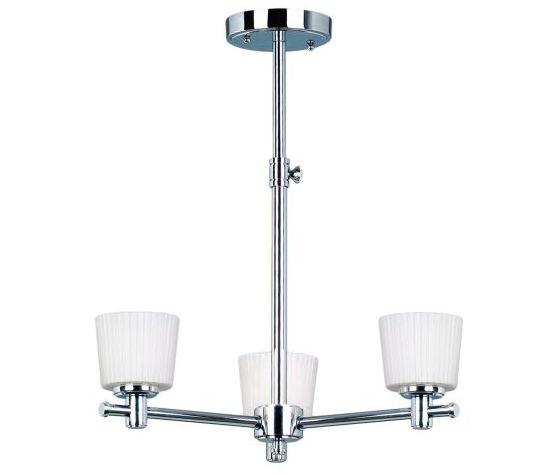
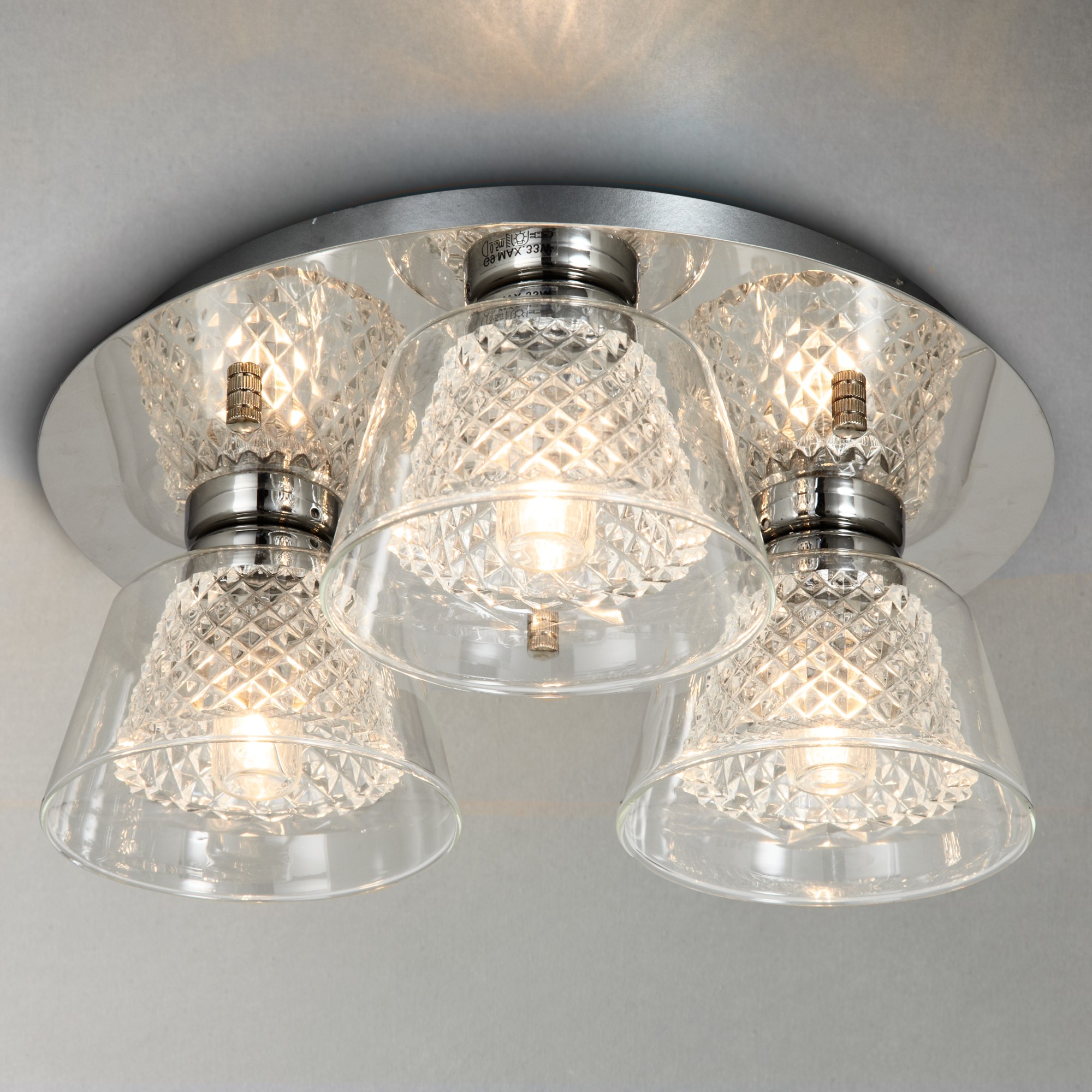
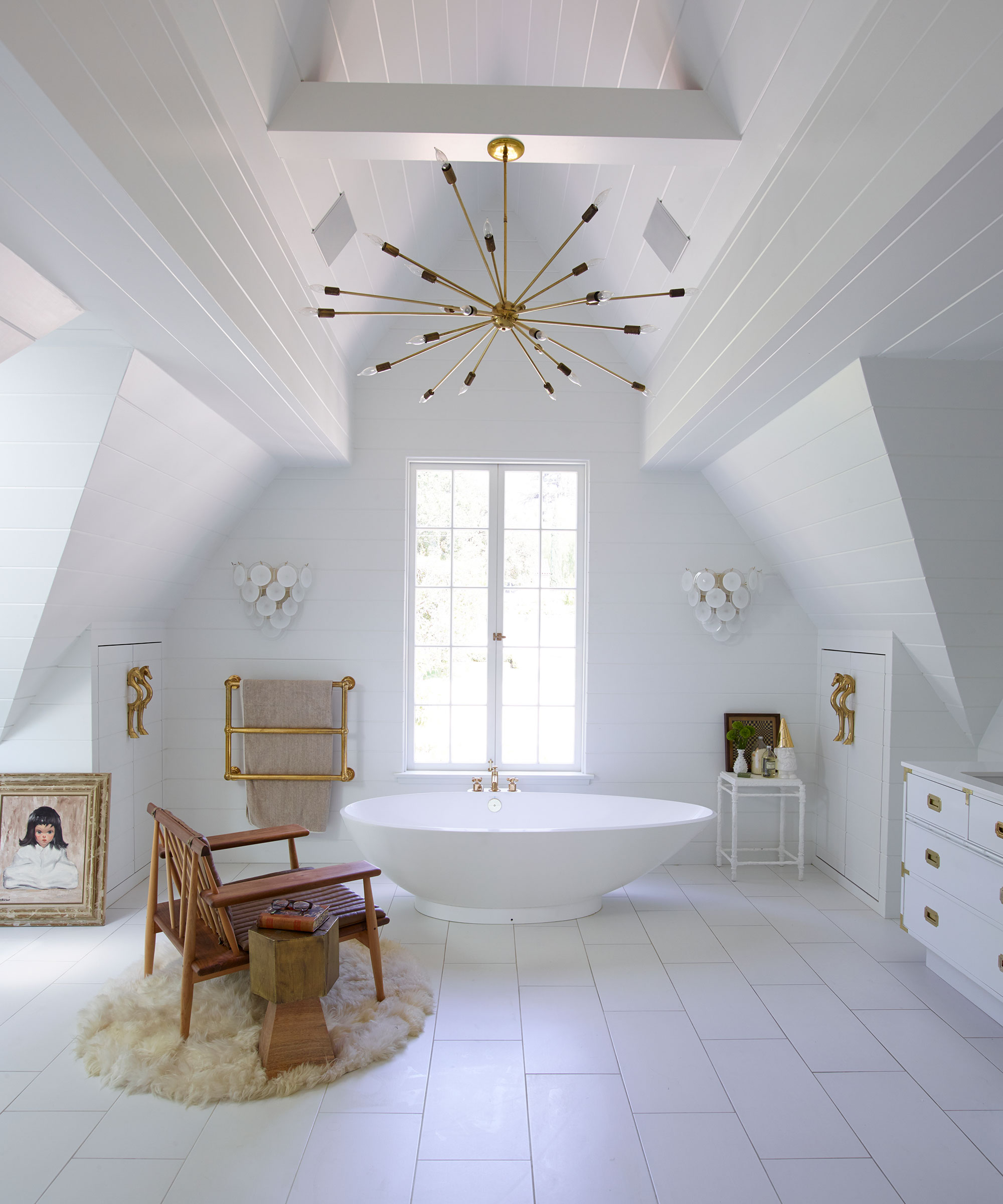
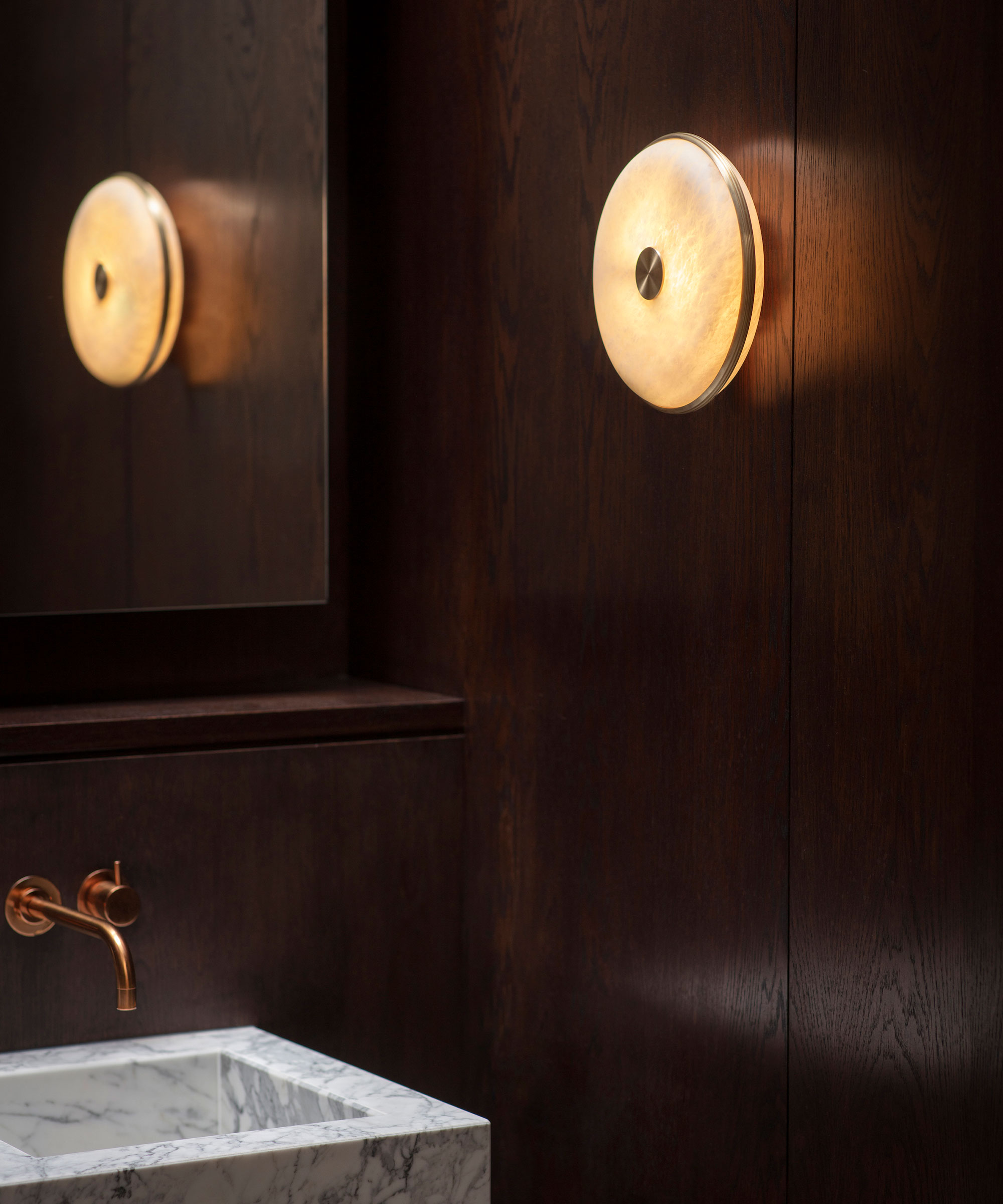
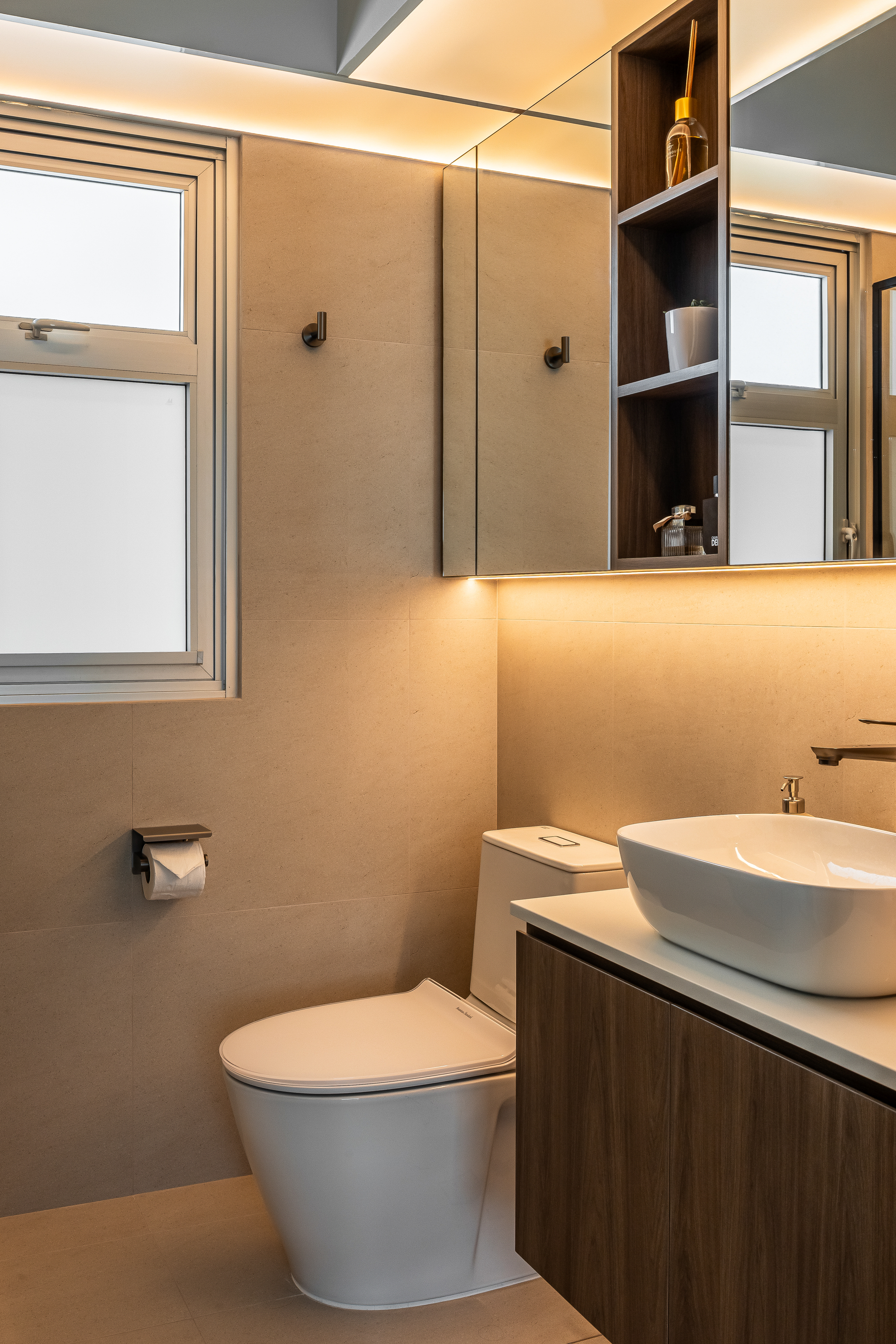
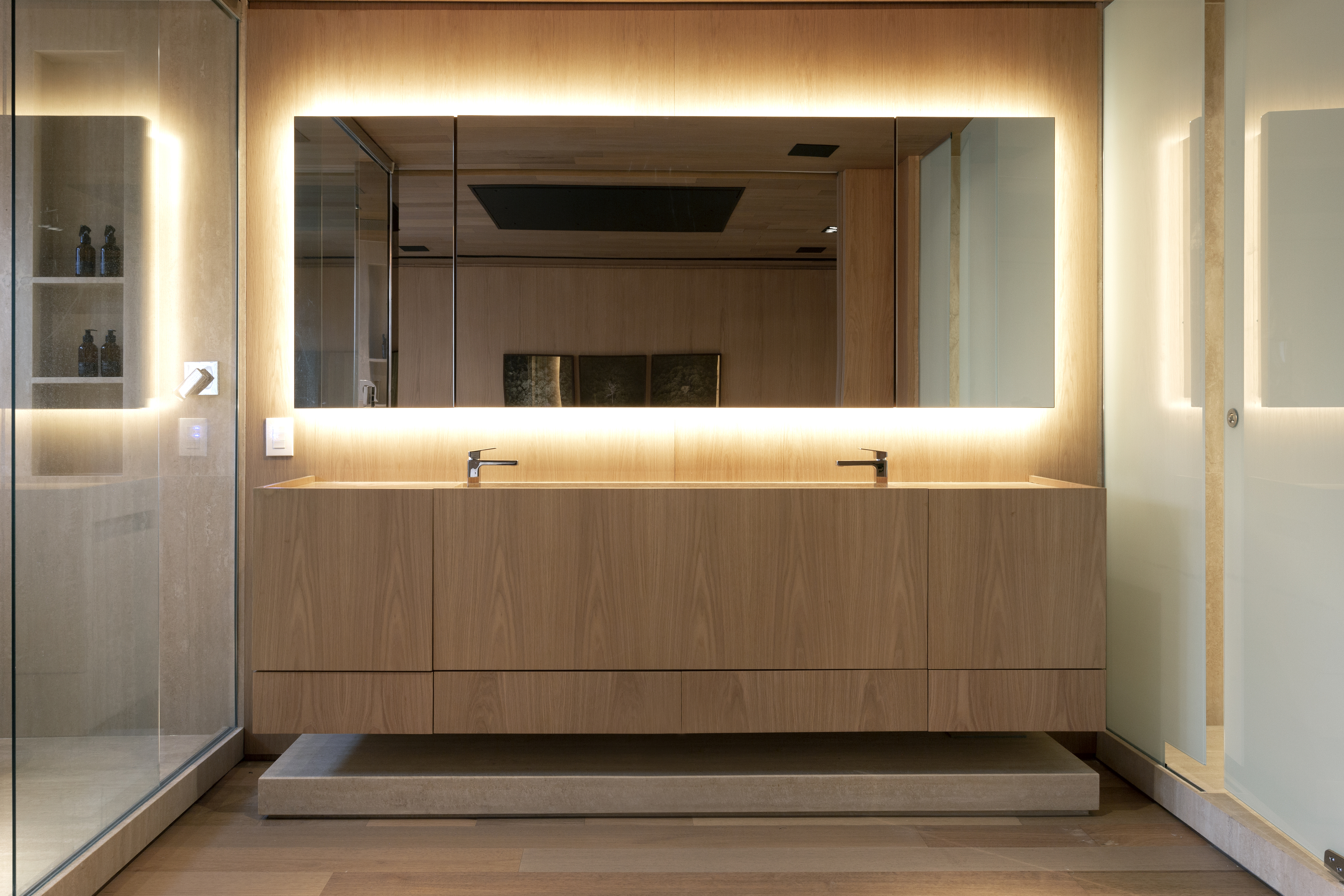
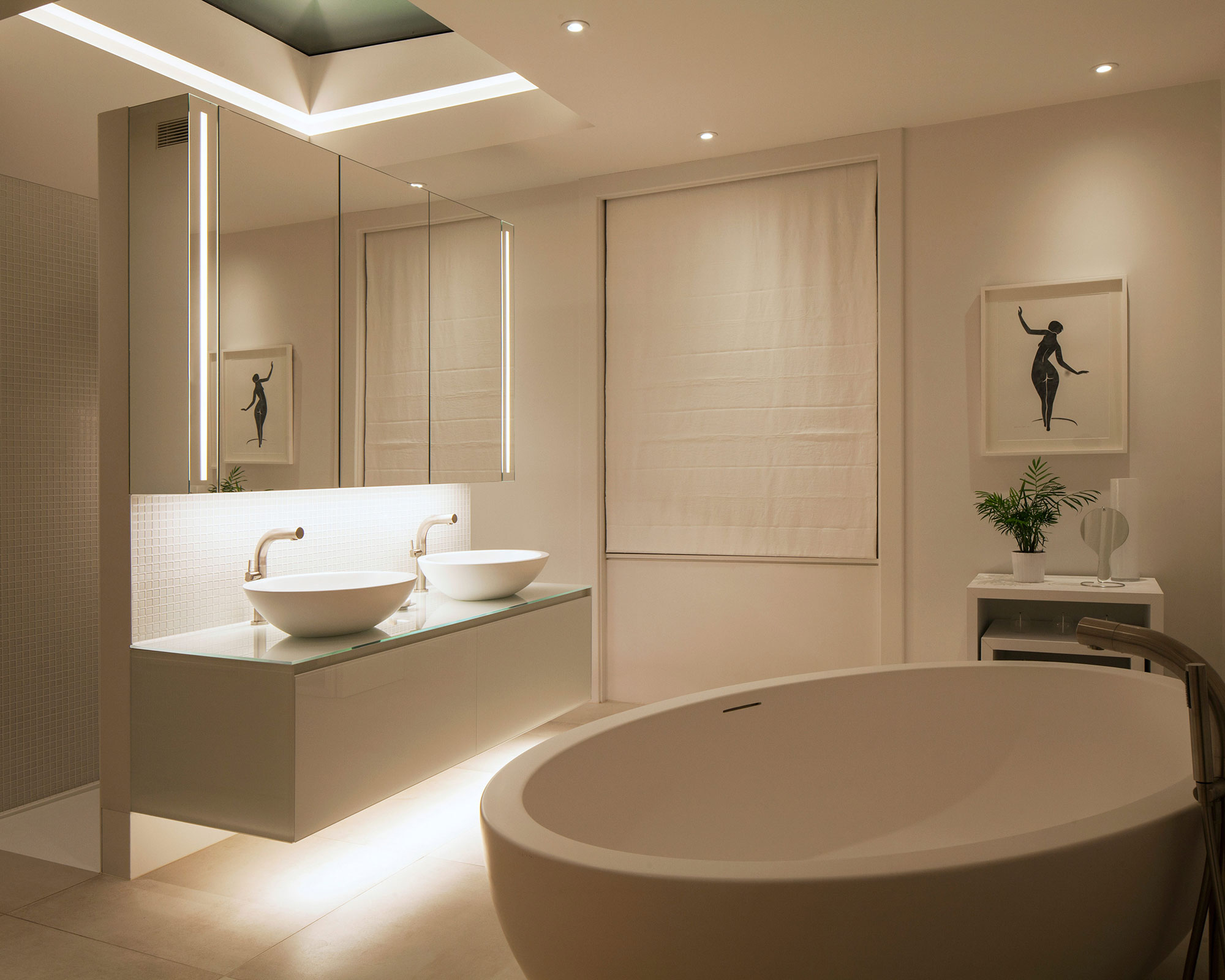
The initial step in planning bathroom lighting involves understanding the intended use of the space. This dictates the types and intensity of lighting required. A comprehensive lighting scheme should incorporate a minimum of three distinct lighting types: general (ambient), task, and accent lighting. General lighting, often provided by ceiling-mounted or recessed fixtures, establishes the overall illumination of the room. Task lighting, such as vanity lights or mirror lighting, is essential for specific activities like shaving or applying makeup, requiring precise placement to avoid shadows. Accent lighting introduces visual interest and depth, highlighting architectural features or creating specific moods through elements like LED strips in niches or under cabinets.
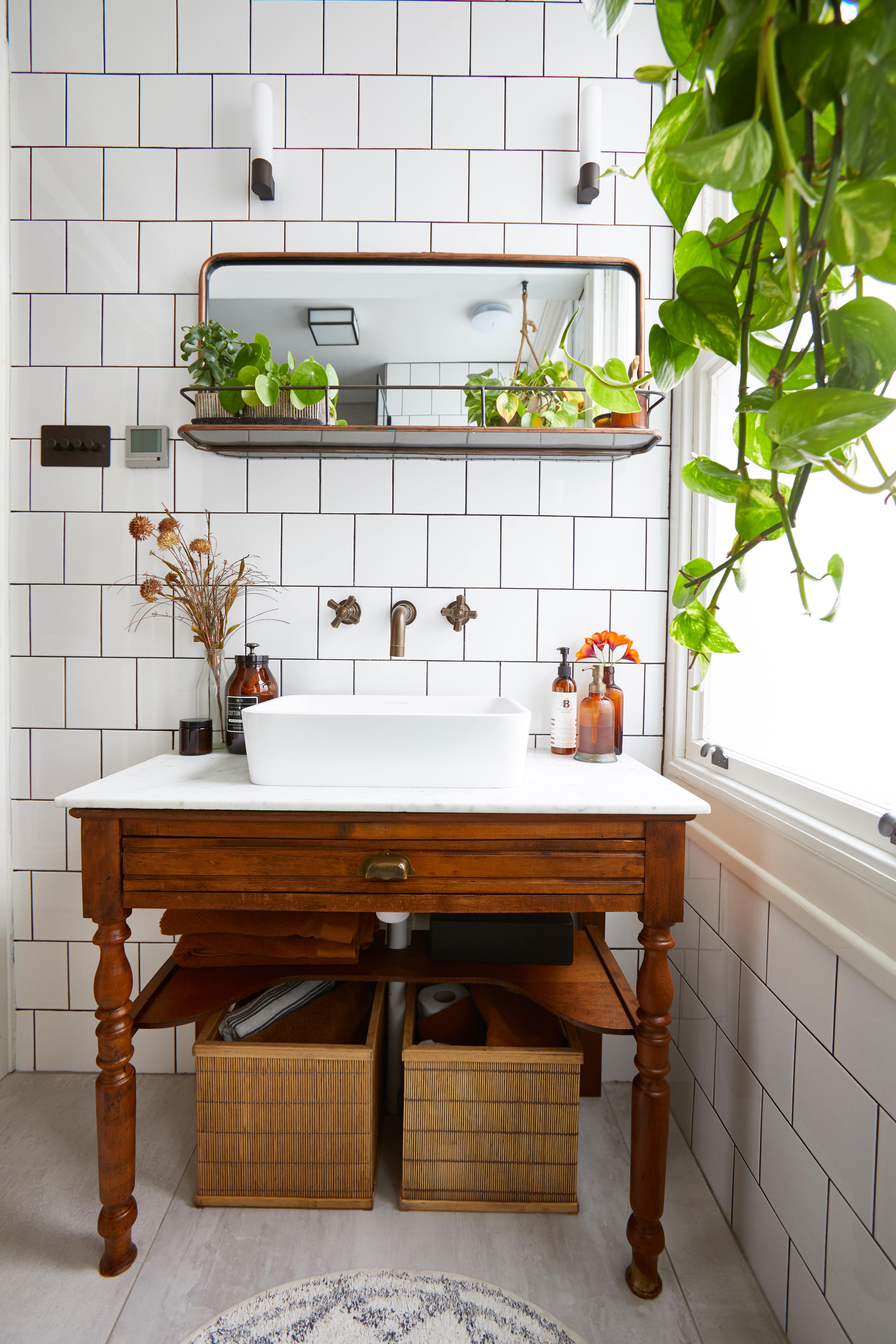
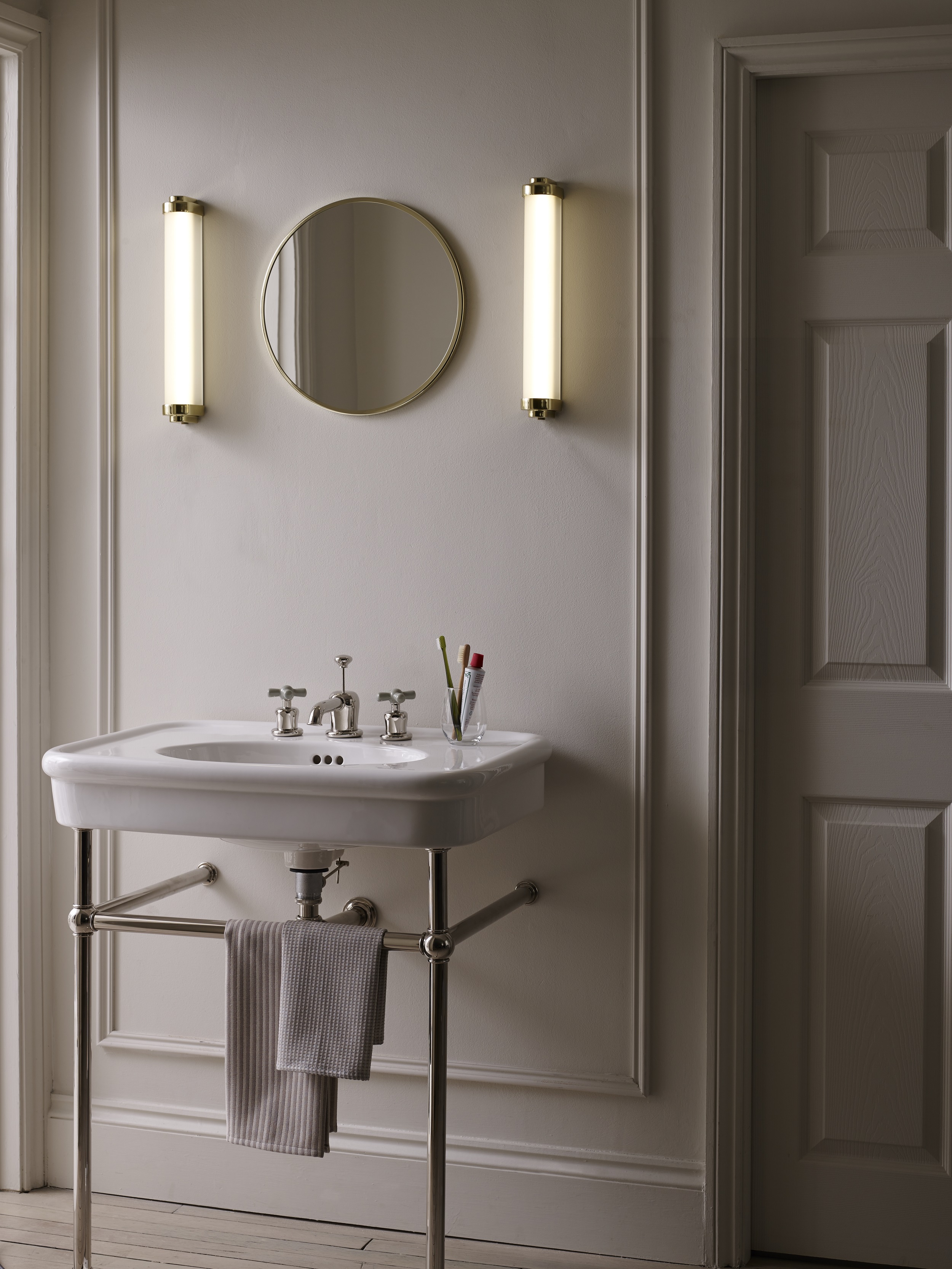
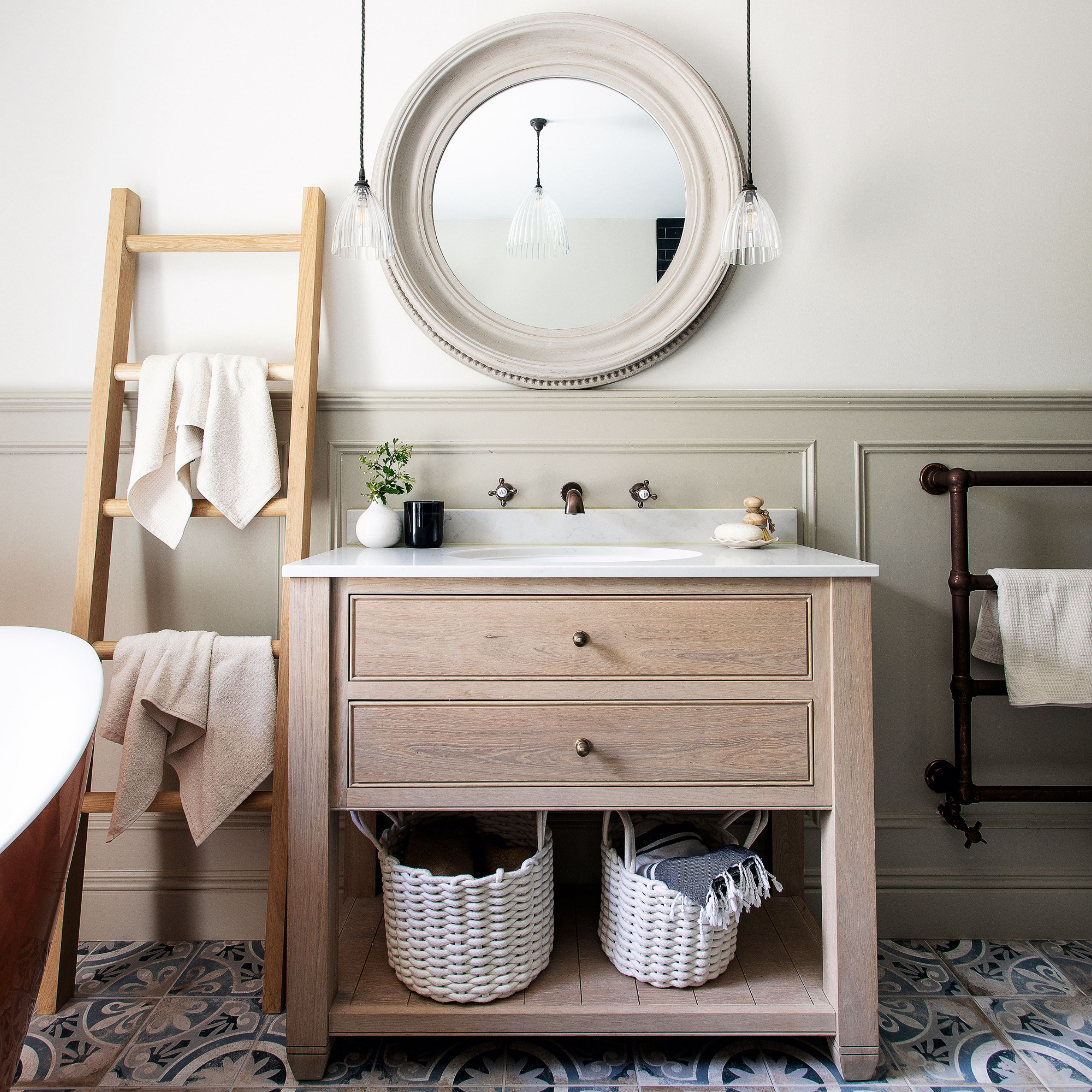
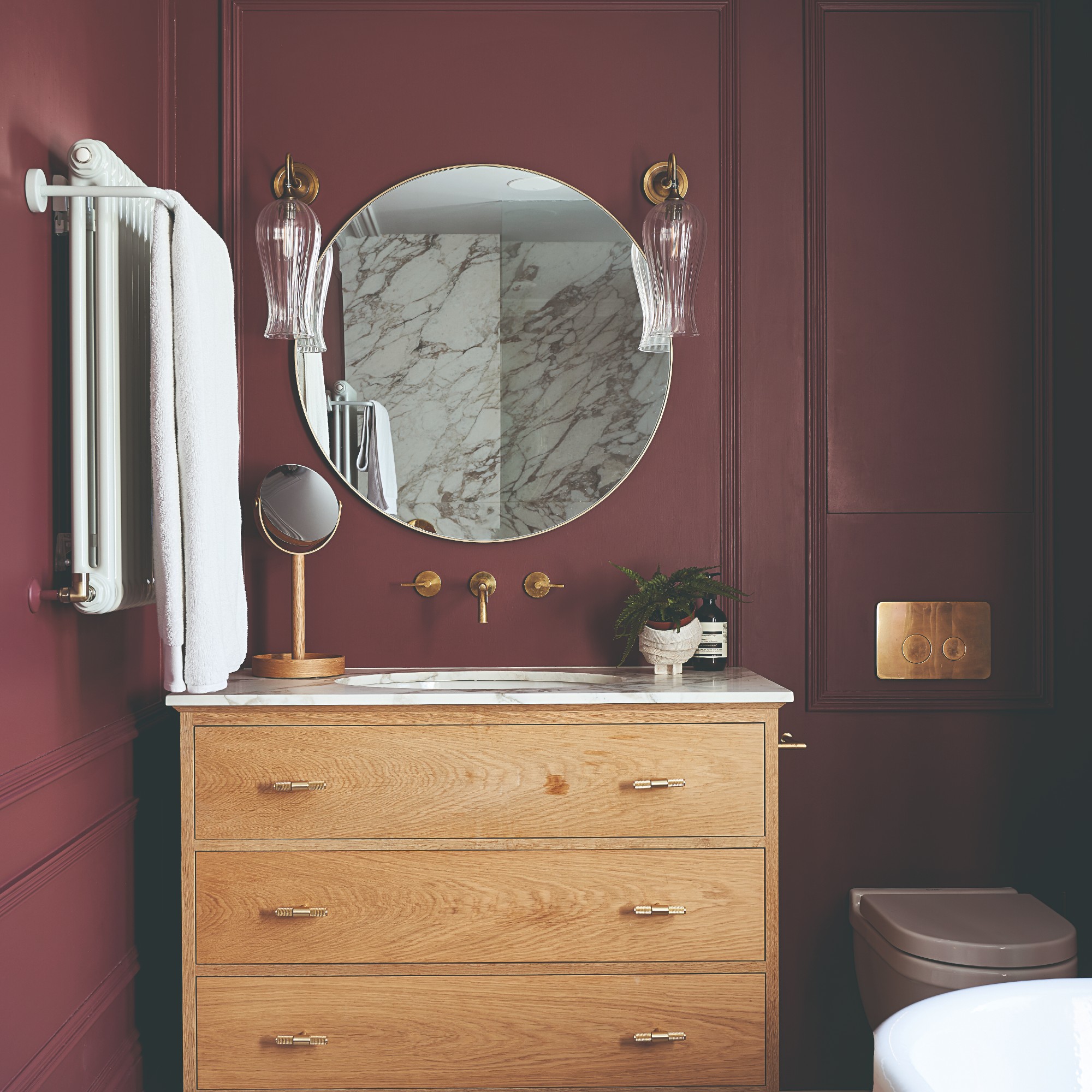
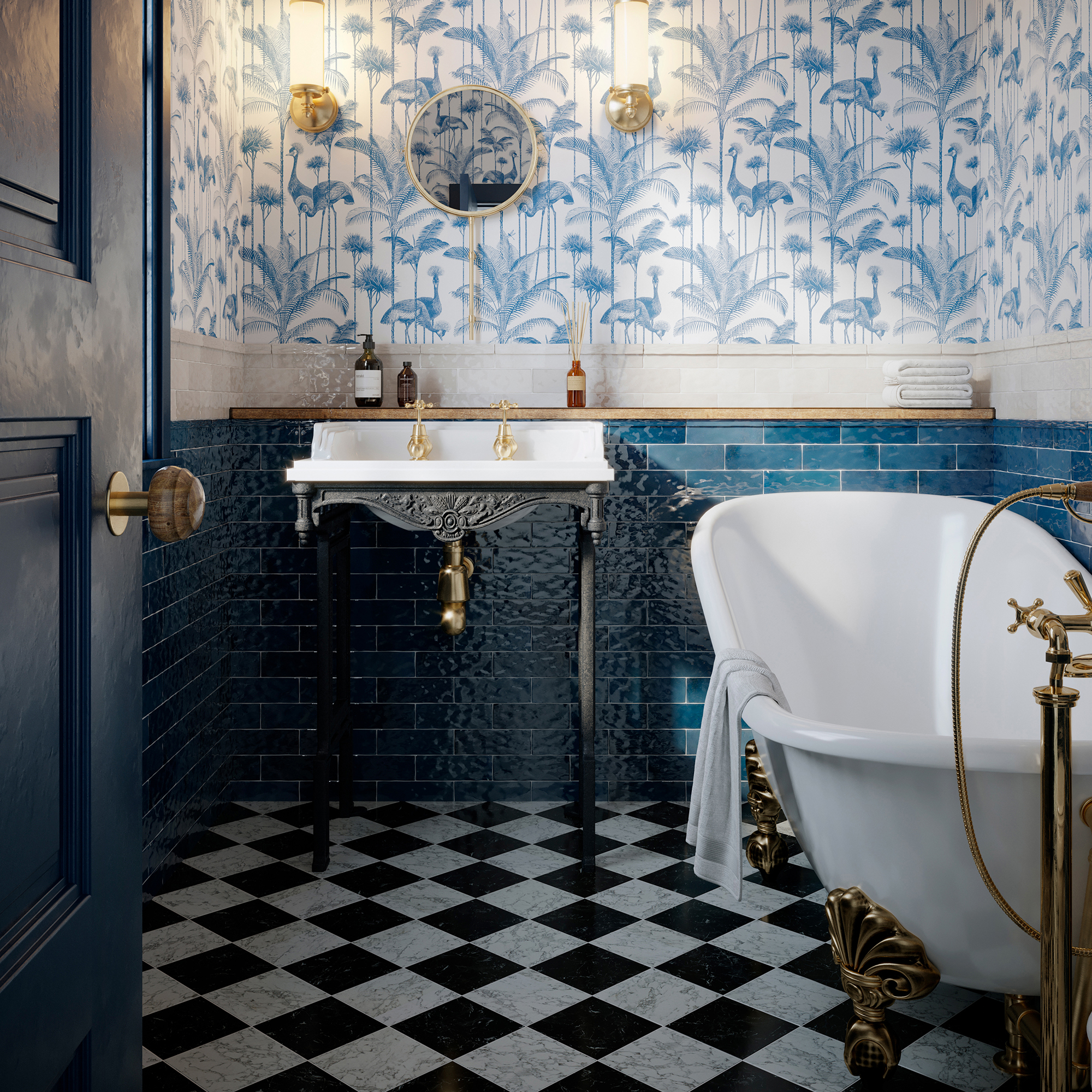
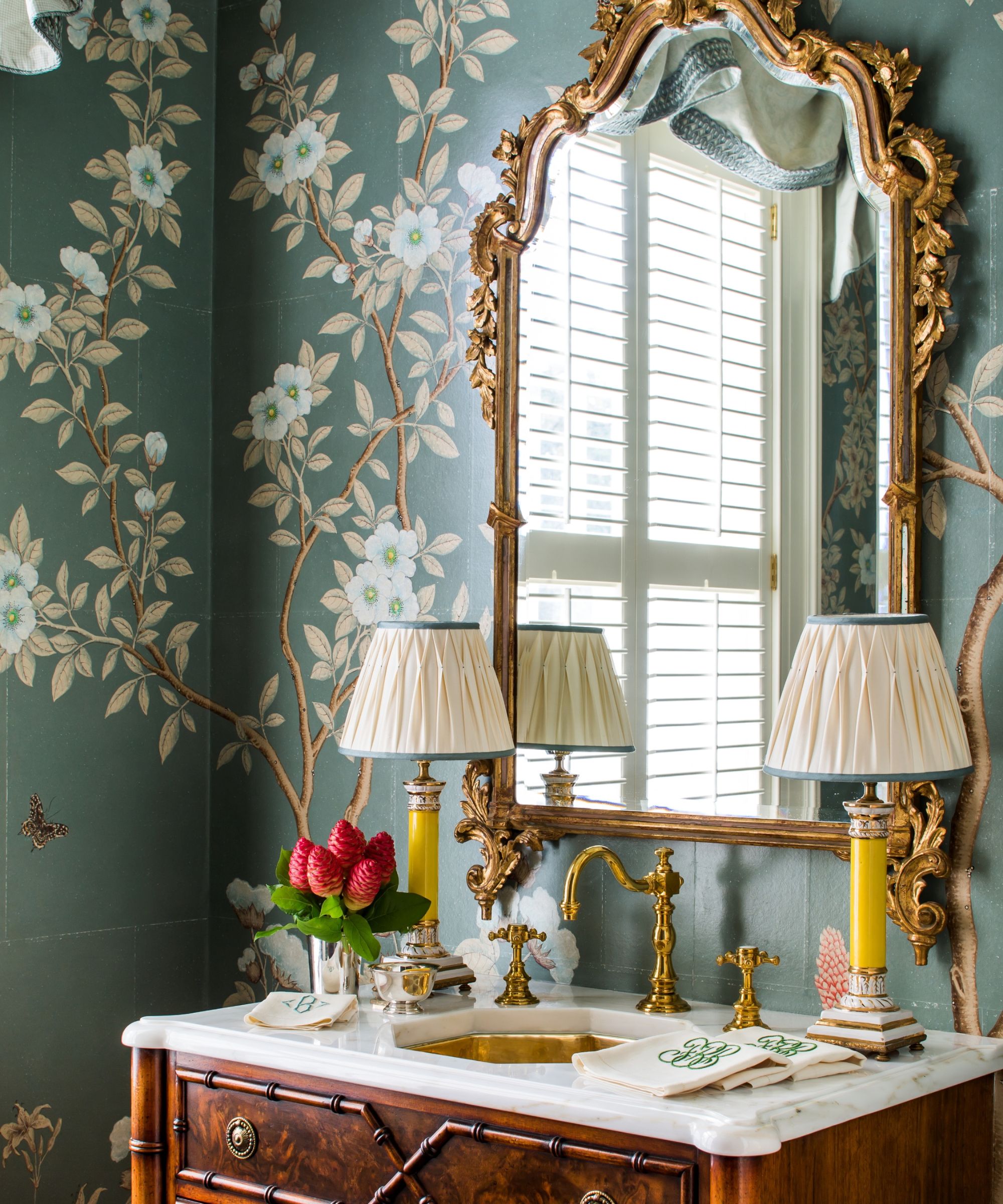
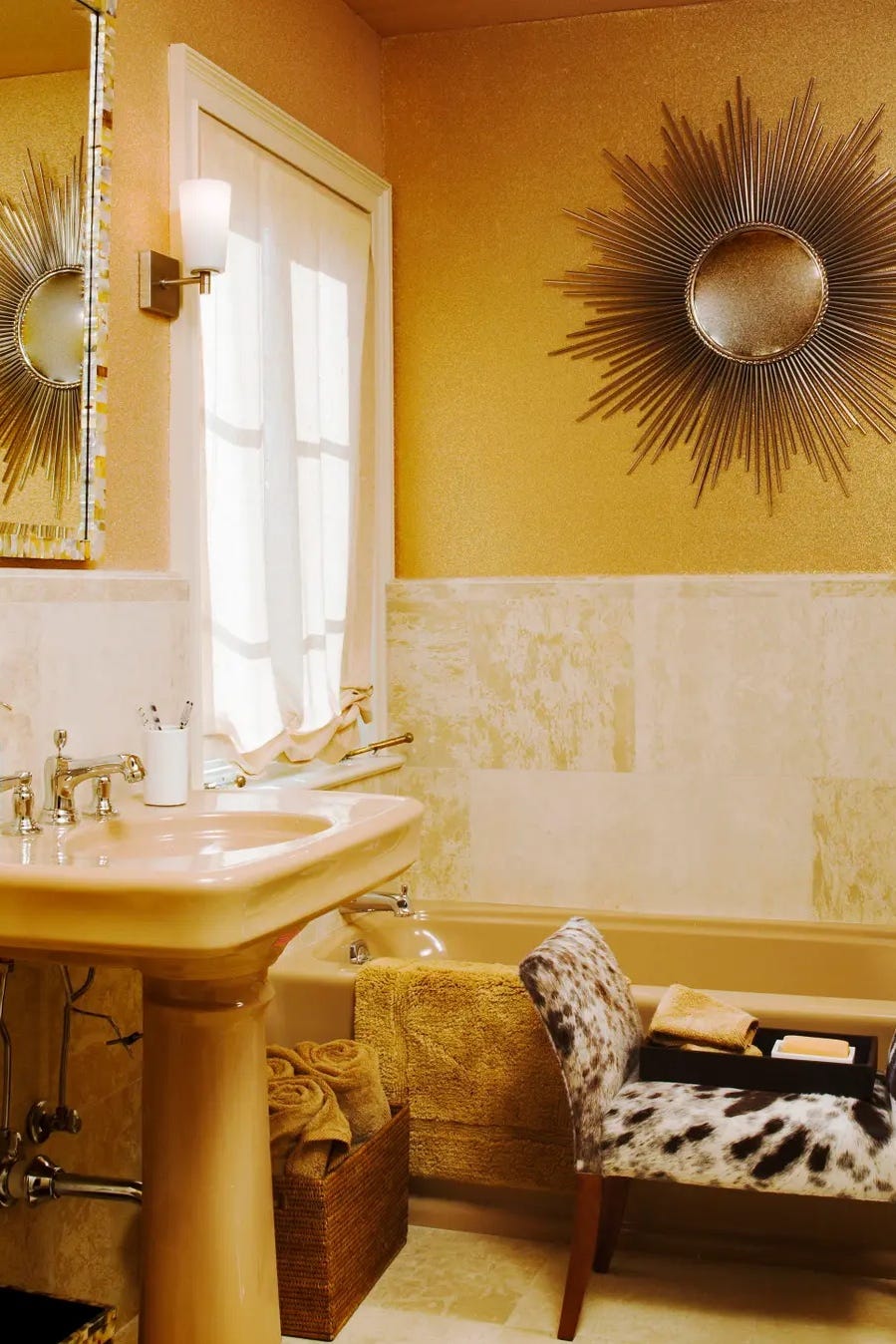
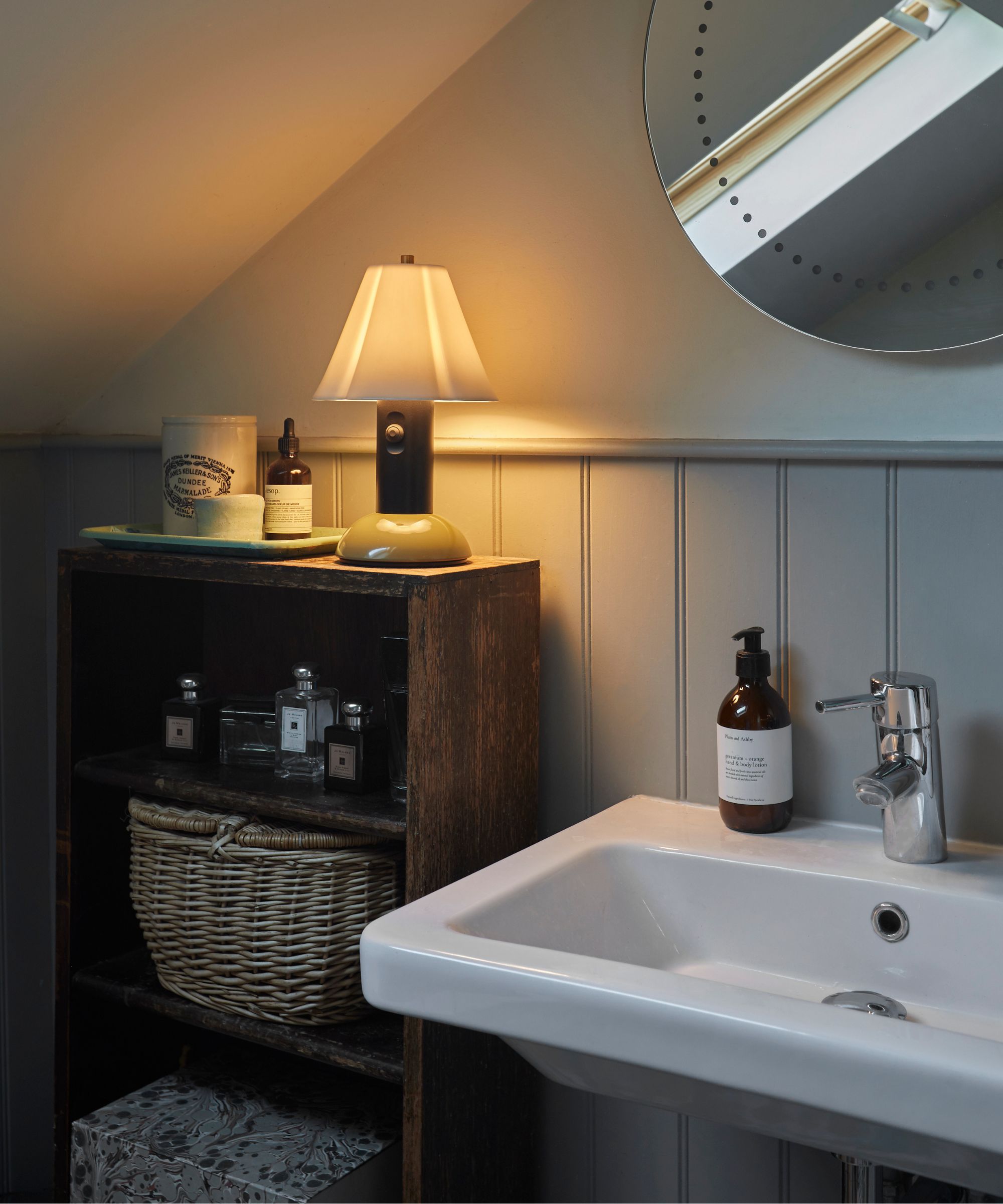
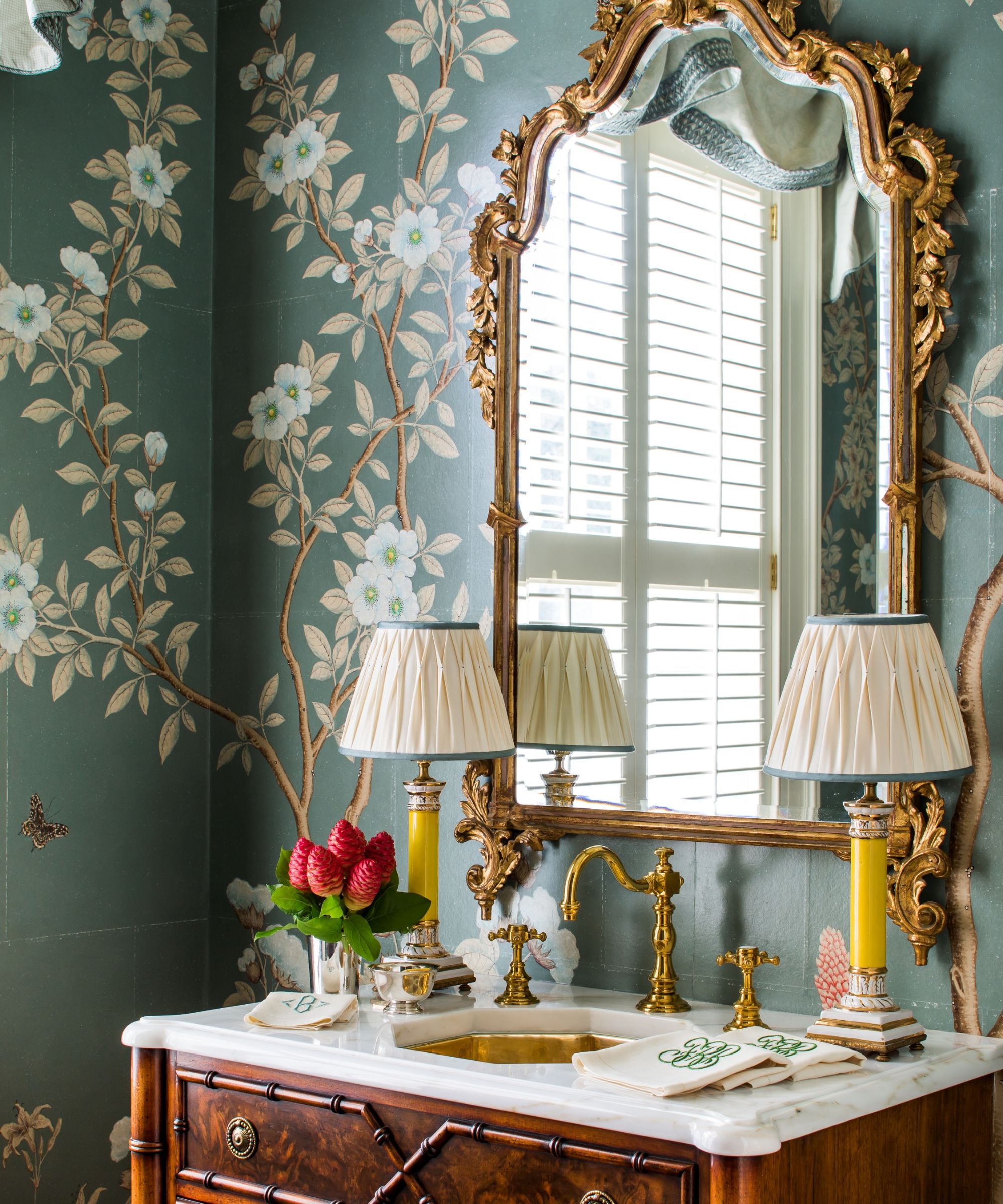
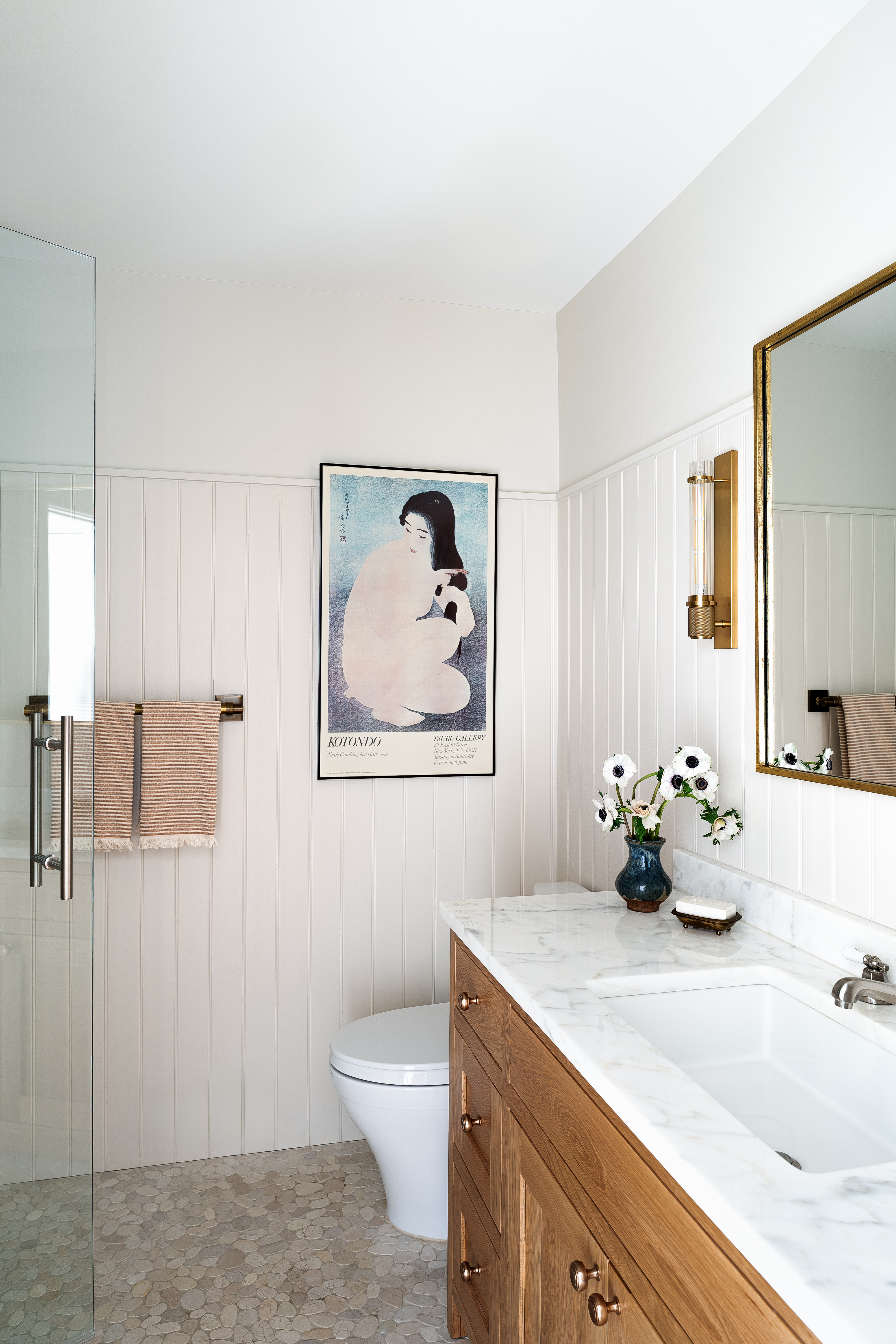
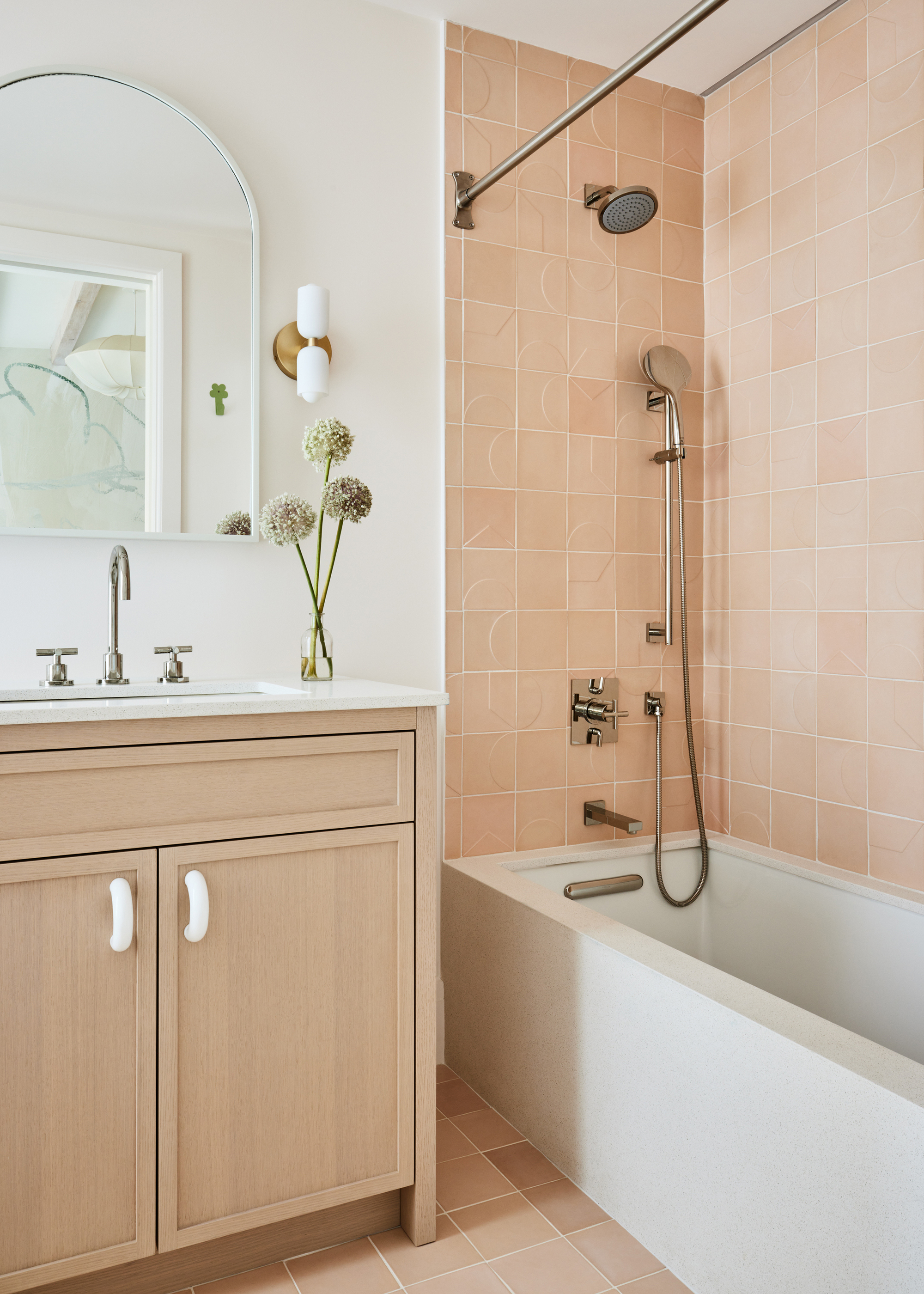
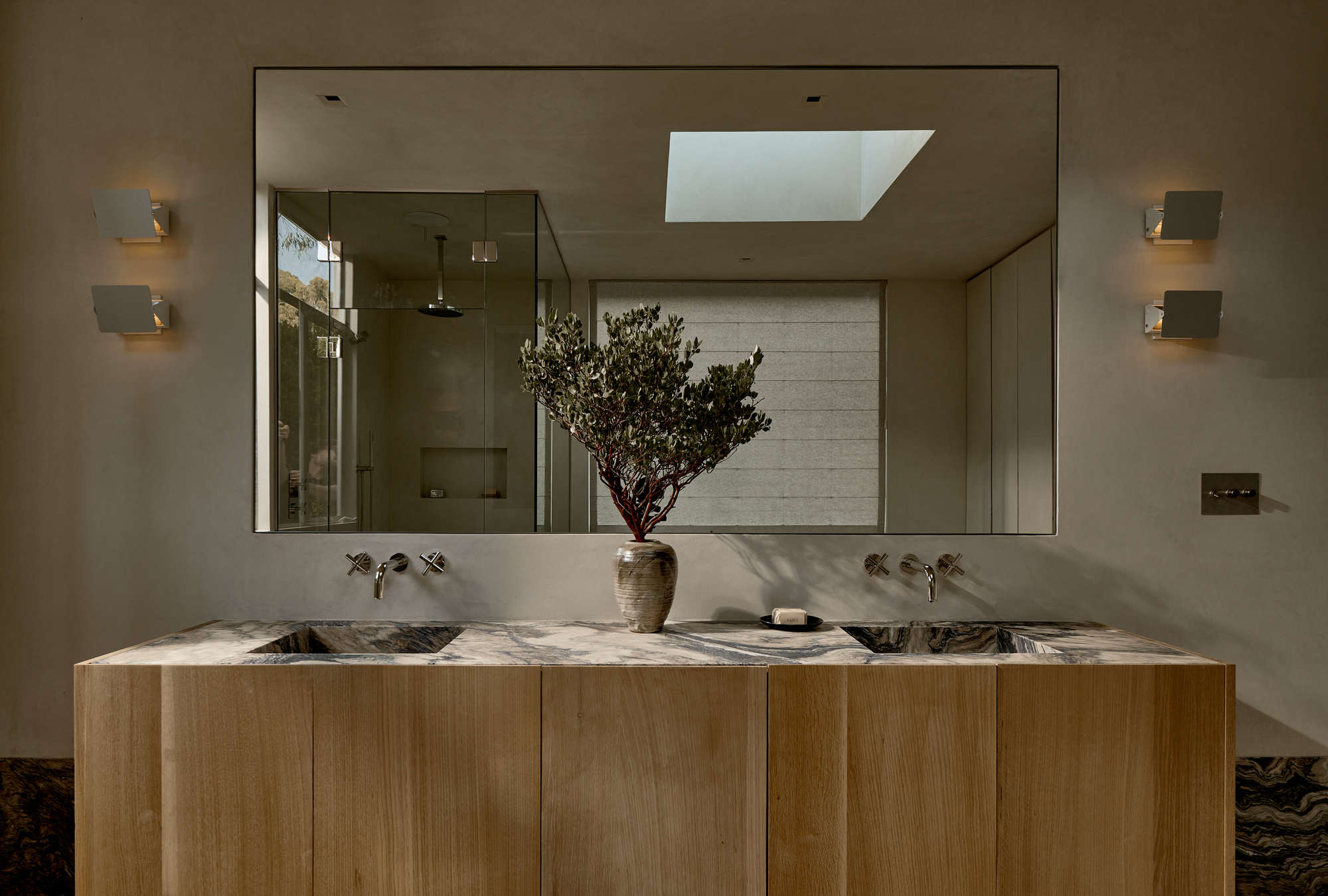
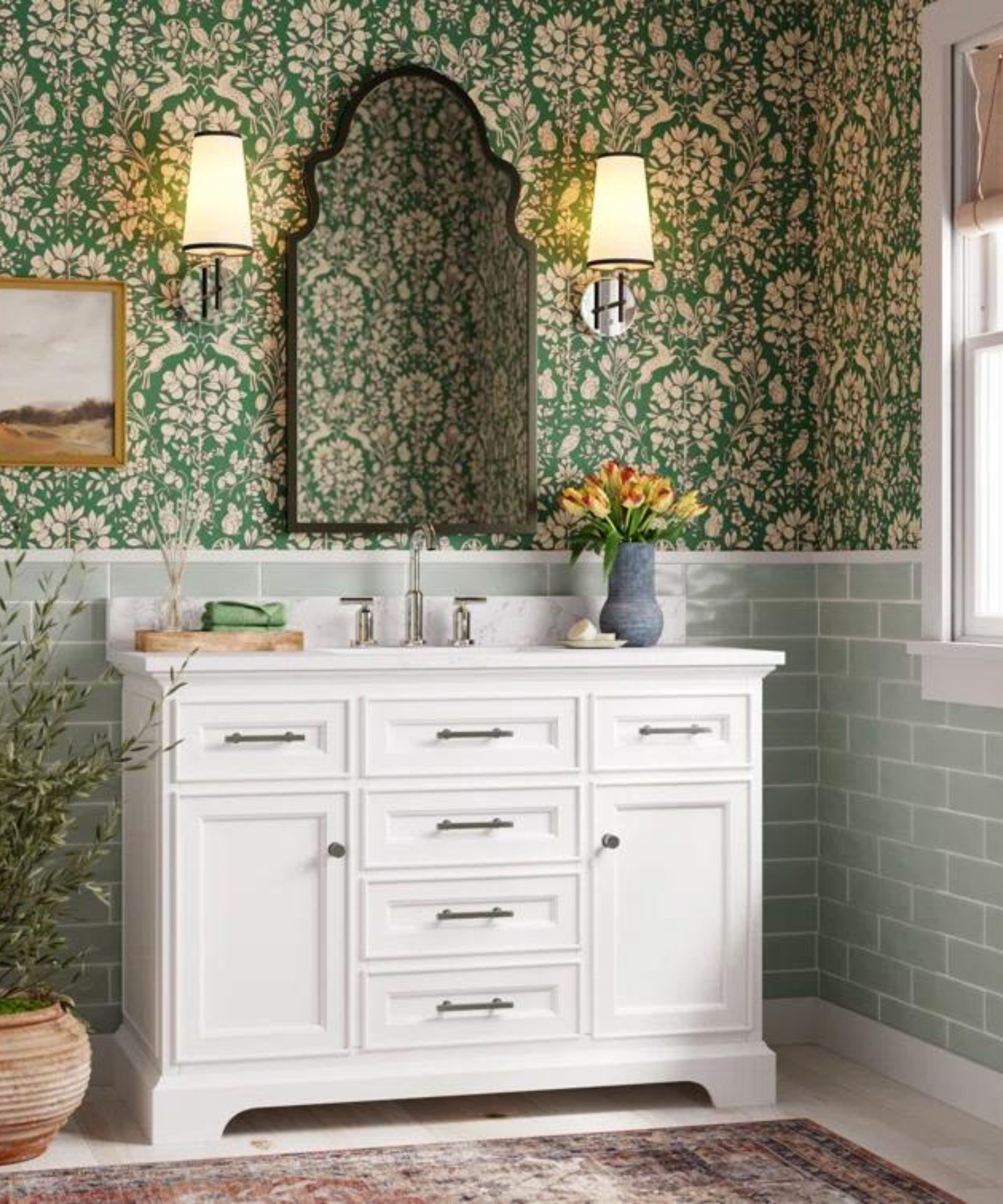
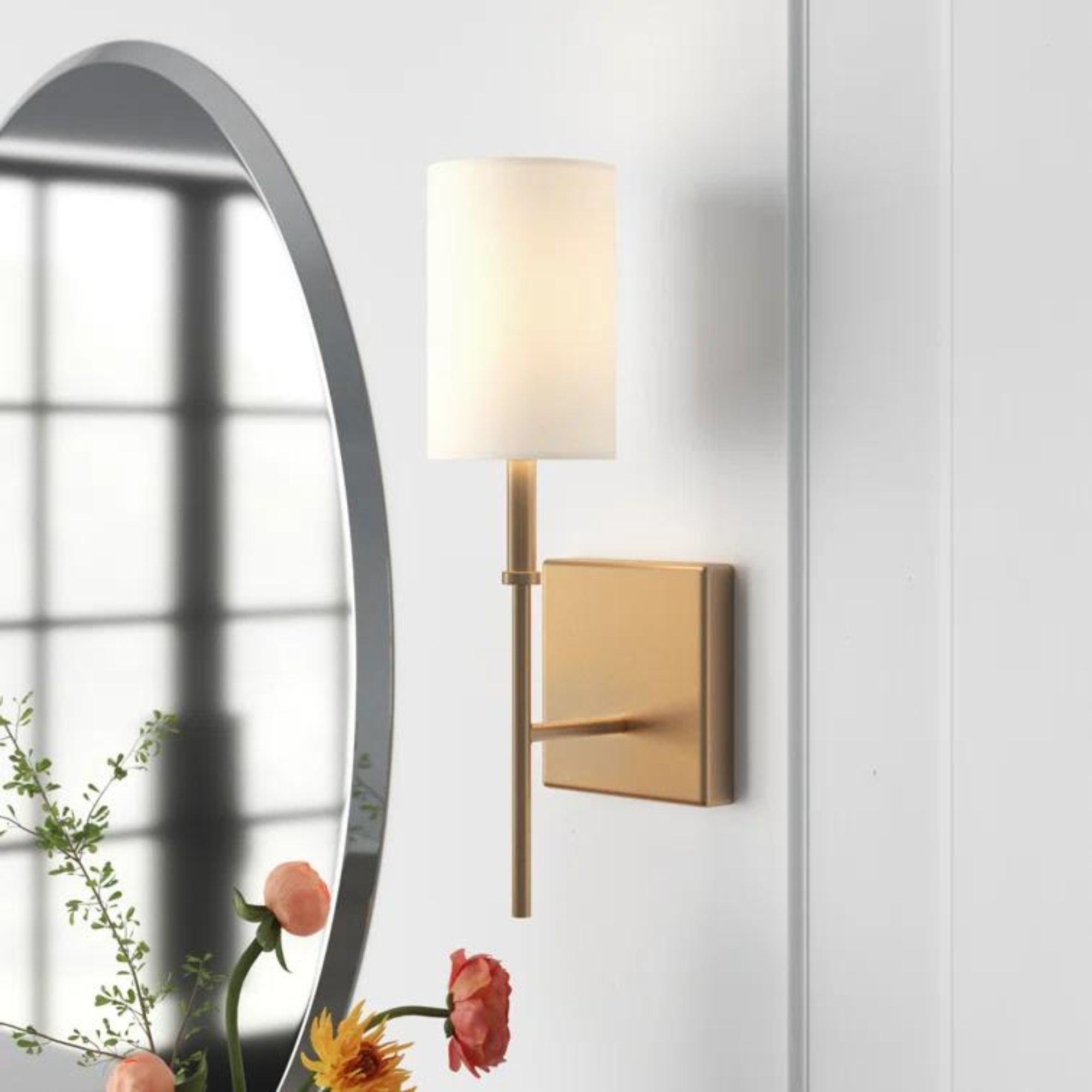
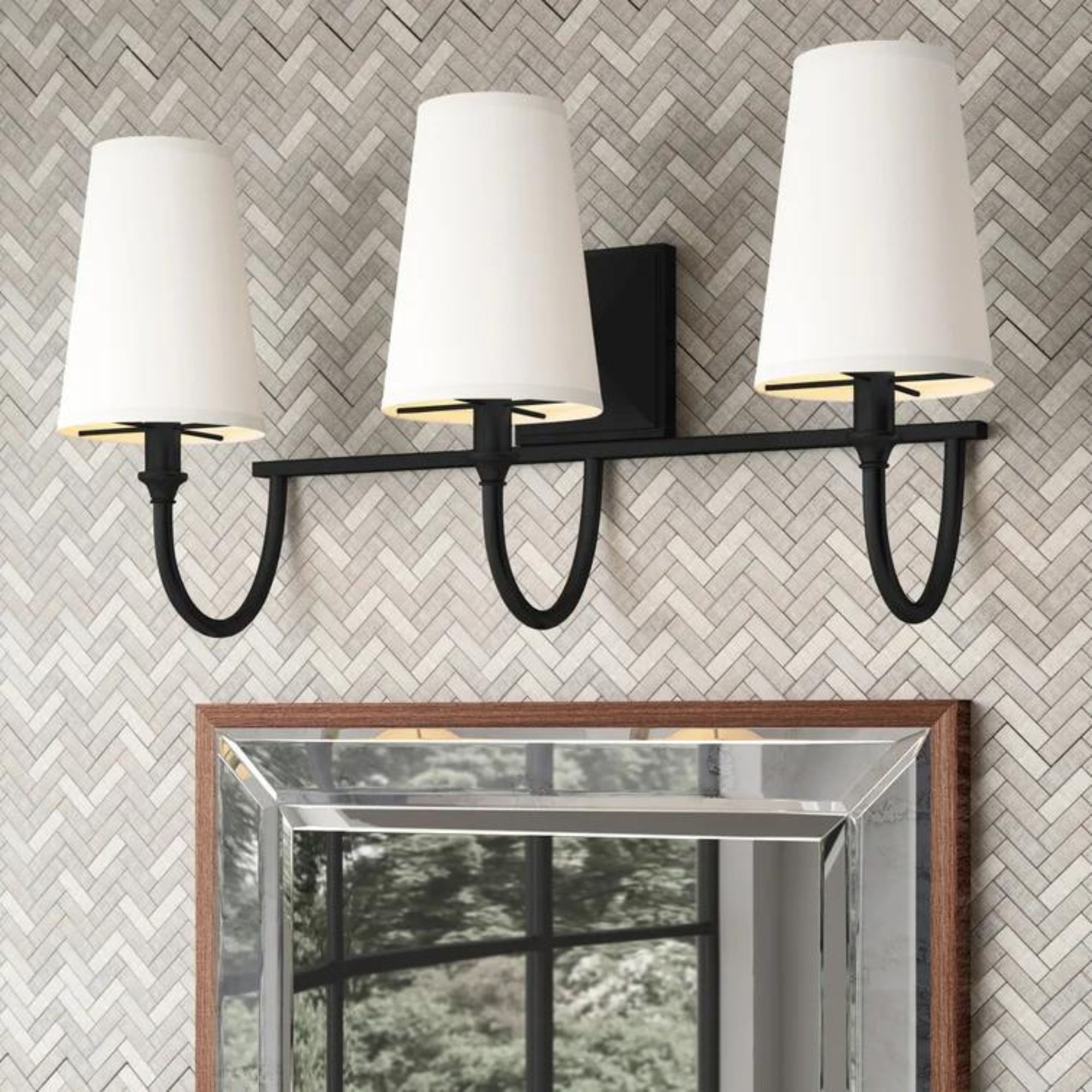
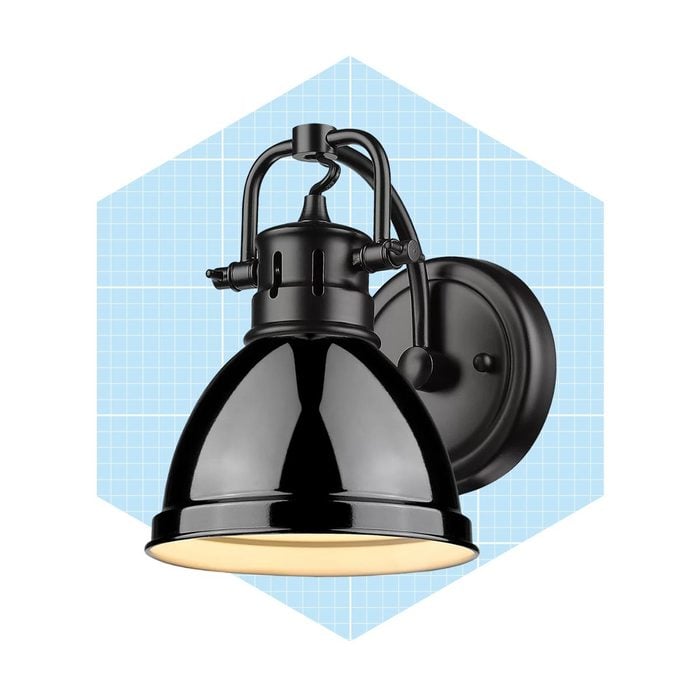
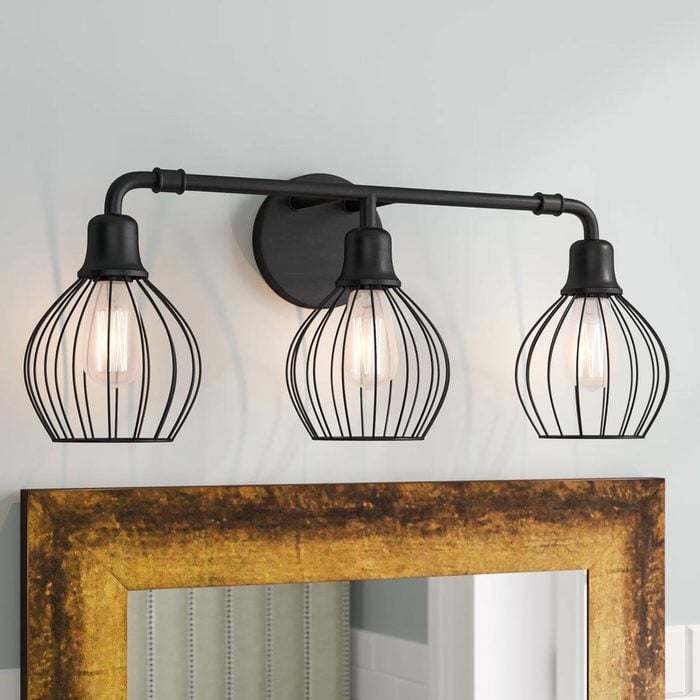
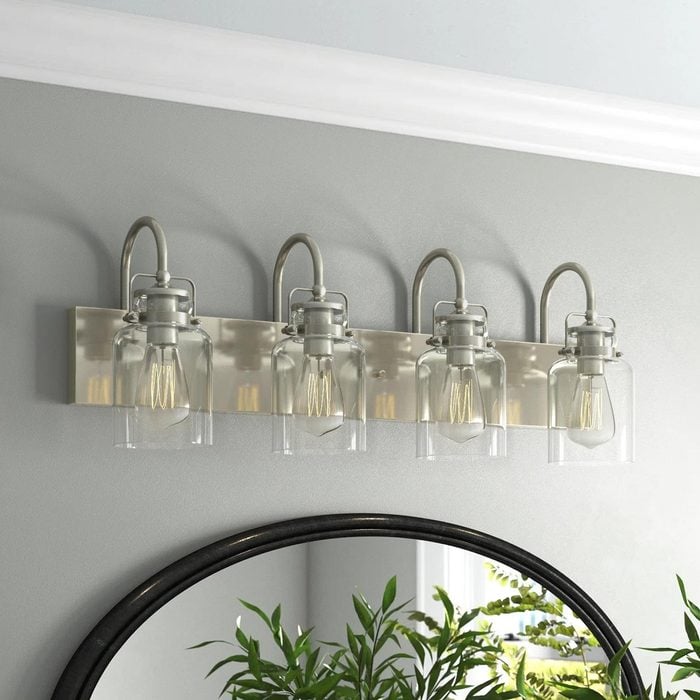
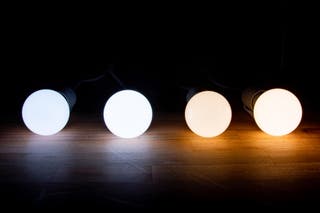
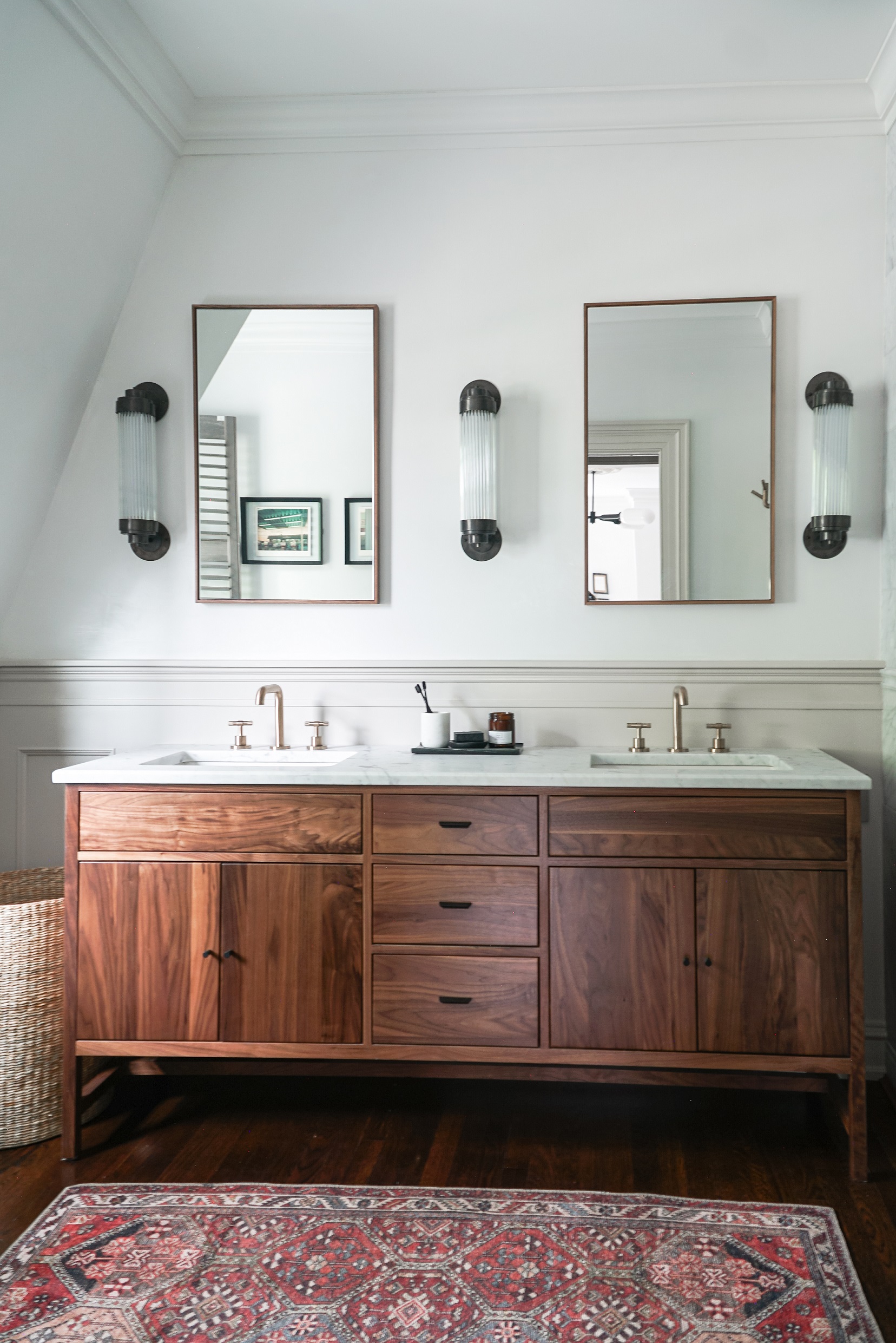
Task lighting, particularly around the mirror, demands significant attention. Thoughtfully positioned fixtures on either side of the mirror, approximately 66 inches from the floor, provide even illumination and prevent harsh shadows that can distort reflections. When placing lights above the vanity mirror, it is crucial to ensure they are about 80 inches from the floor and not directly overhead or behind the user to maintain flattering light quality. Color temperature is another critical factor, influencing how colors appear. A neutral white light, ranging from 3000K to 4000K, with a Color Rendering Index (CRI) of around 90, is recommended for accurate color rendition, especially for activities like makeup application. While a neutral temperature is ideal for accuracy, incorporating some warmer lights (2700K-3000K) can contribute to a cozier, more inviting ambiance.
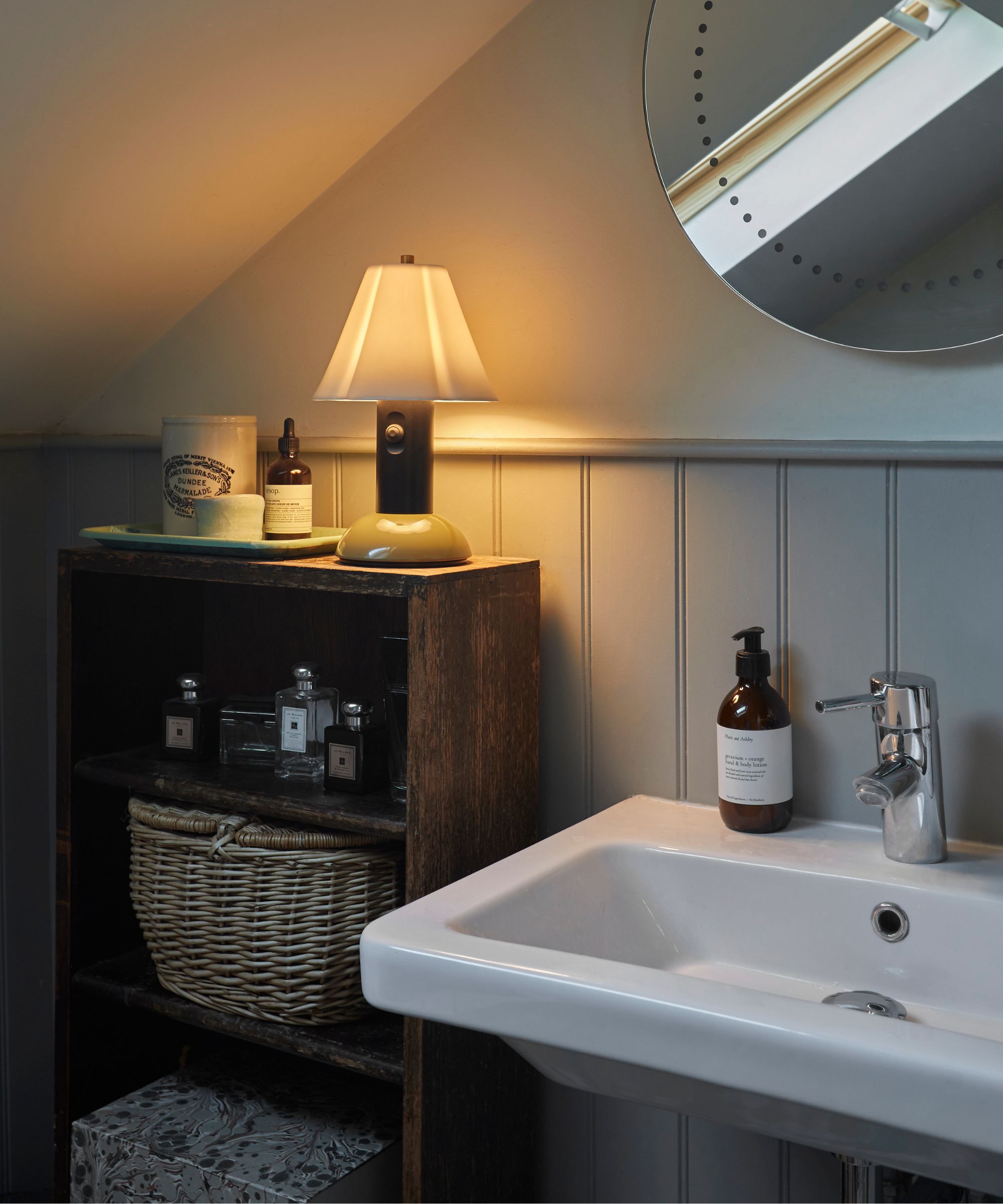
Flexibility in lighting is achieved through dimmable fixtures, allowing users to adjust brightness levels to suit different times of day and activities, transitioning from a bright morning routine to a relaxing evening soak. Smart lighting systems can further enhance this flexibility by adjusting color temperature throughout the day to align with natural light cycles, which is particularly beneficial for bathrooms without windows. Adaptive lighting zones, controlled by separate switches for ambient and task lighting, also contribute to a versatile and user-friendly space.
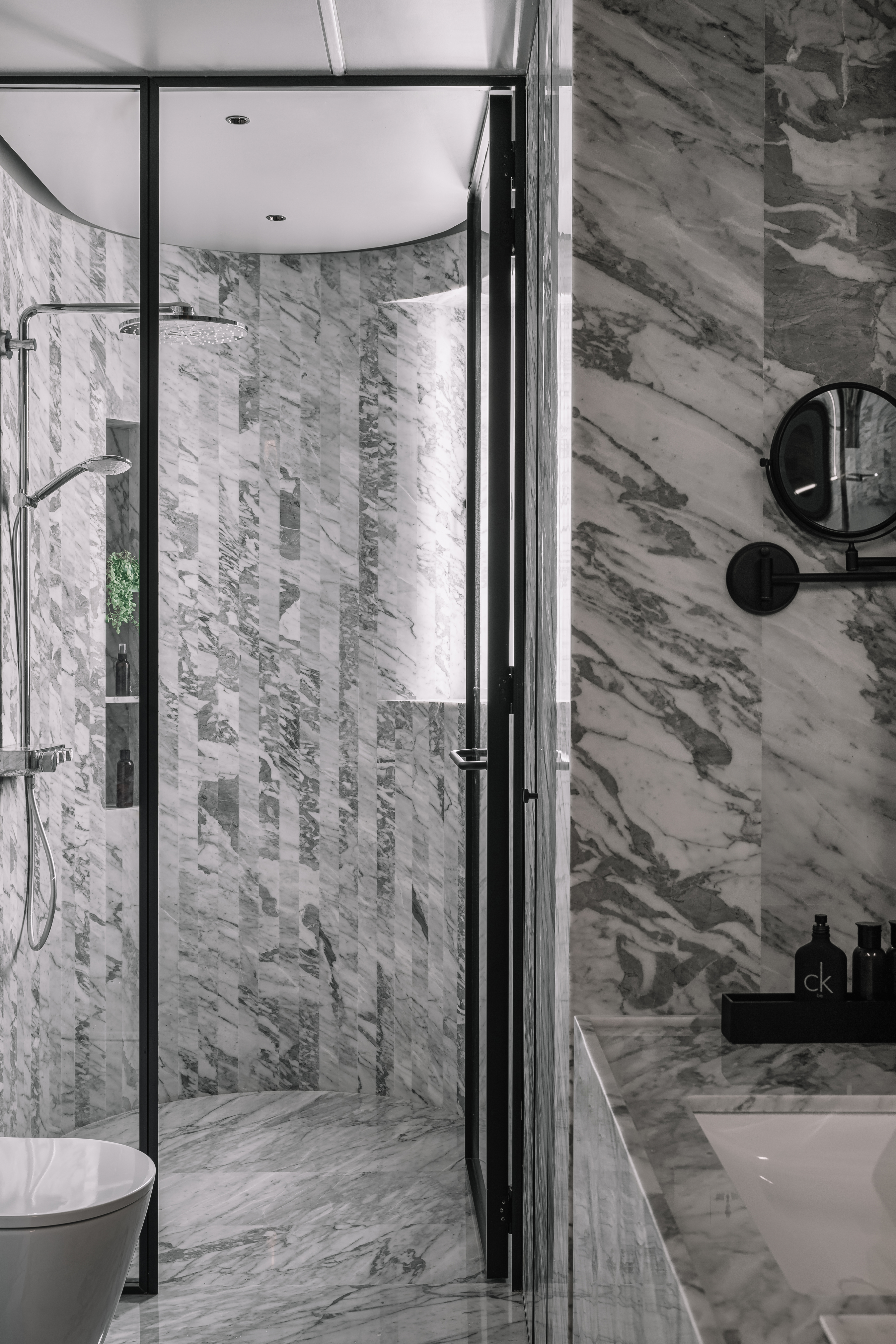
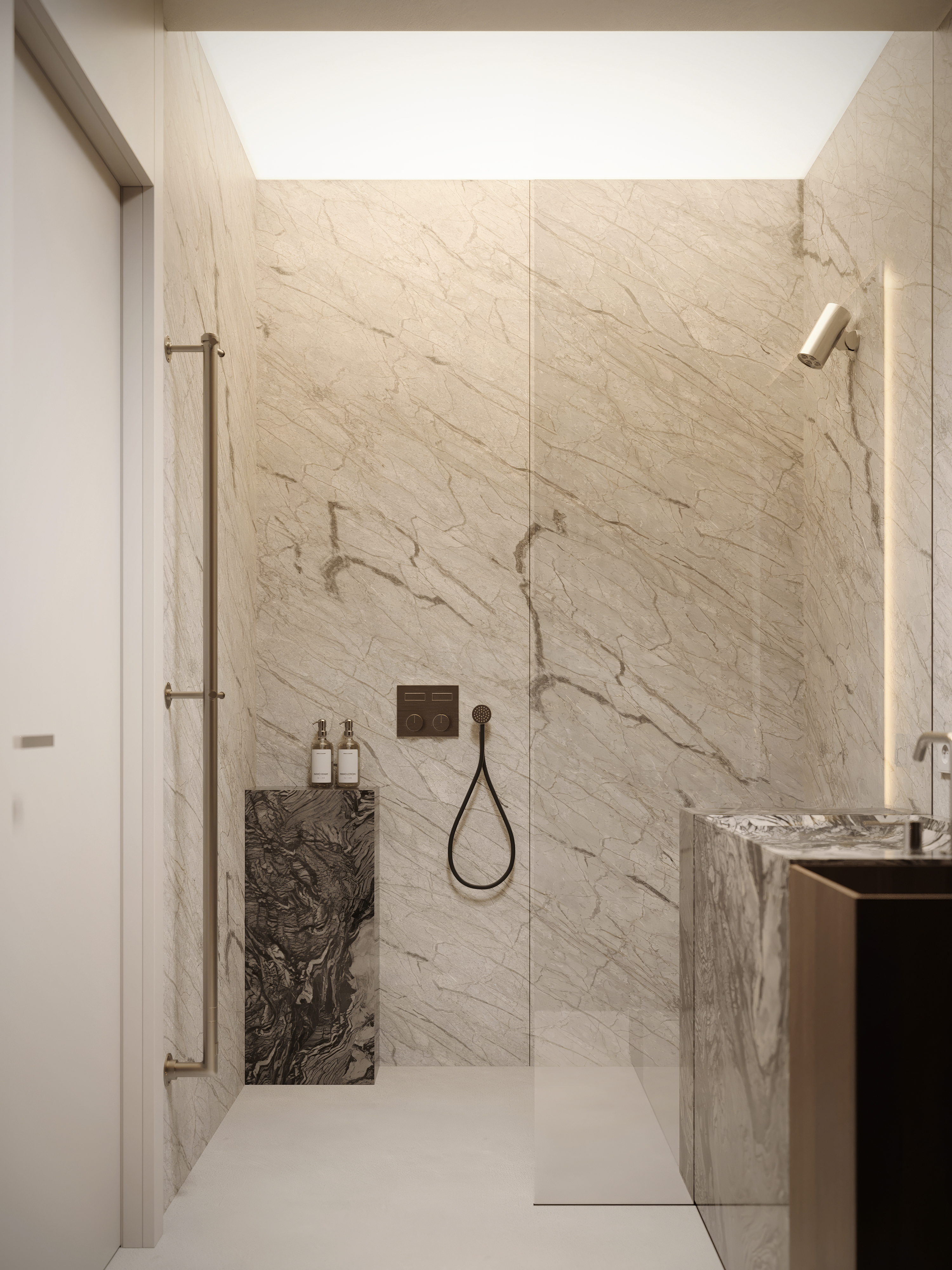
The shower area, often overlooked, requires dedicated illumination to ensure both comfort and safety. Recessed overhead lights with wet-rated trims are commonly used, and innovative solutions like shower lamps can add a touch of coziness. Safety is paramount in bathroom lighting due to the presence of moisture. Lighting fixtures must have appropriate Ingress Protection (IP) ratings, indicating their resistance to water. For areas with direct water exposure, such as inside shower enclosures, an IP67 rating or higher is necessary. An IP44 rating is suitable for areas within reach of splashes, while IP20+ is recommended for general damp areas. Fiber optic lighting offers a safe and luxurious option for showers or bathtubs, eliminating electrical safety risks.
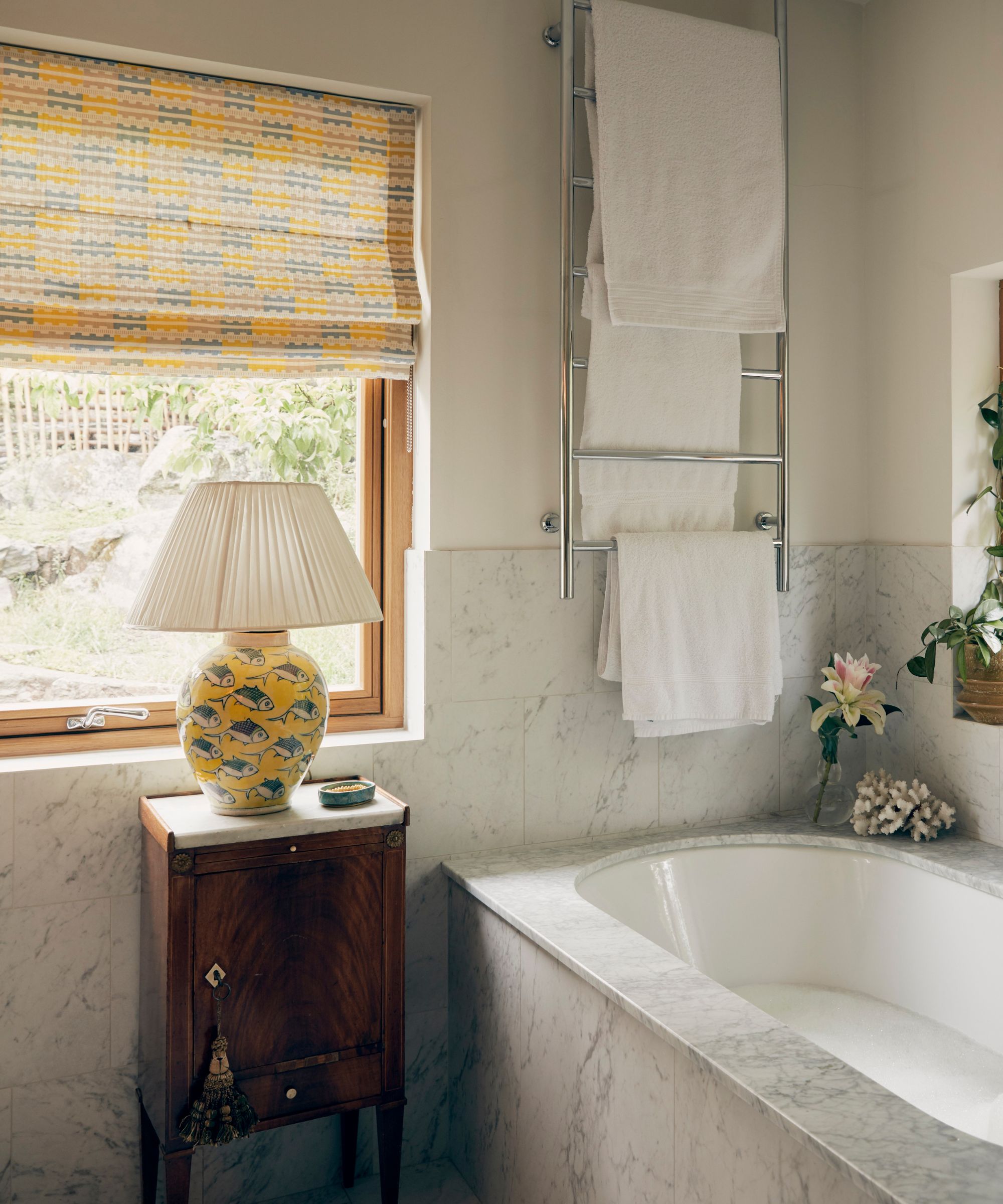
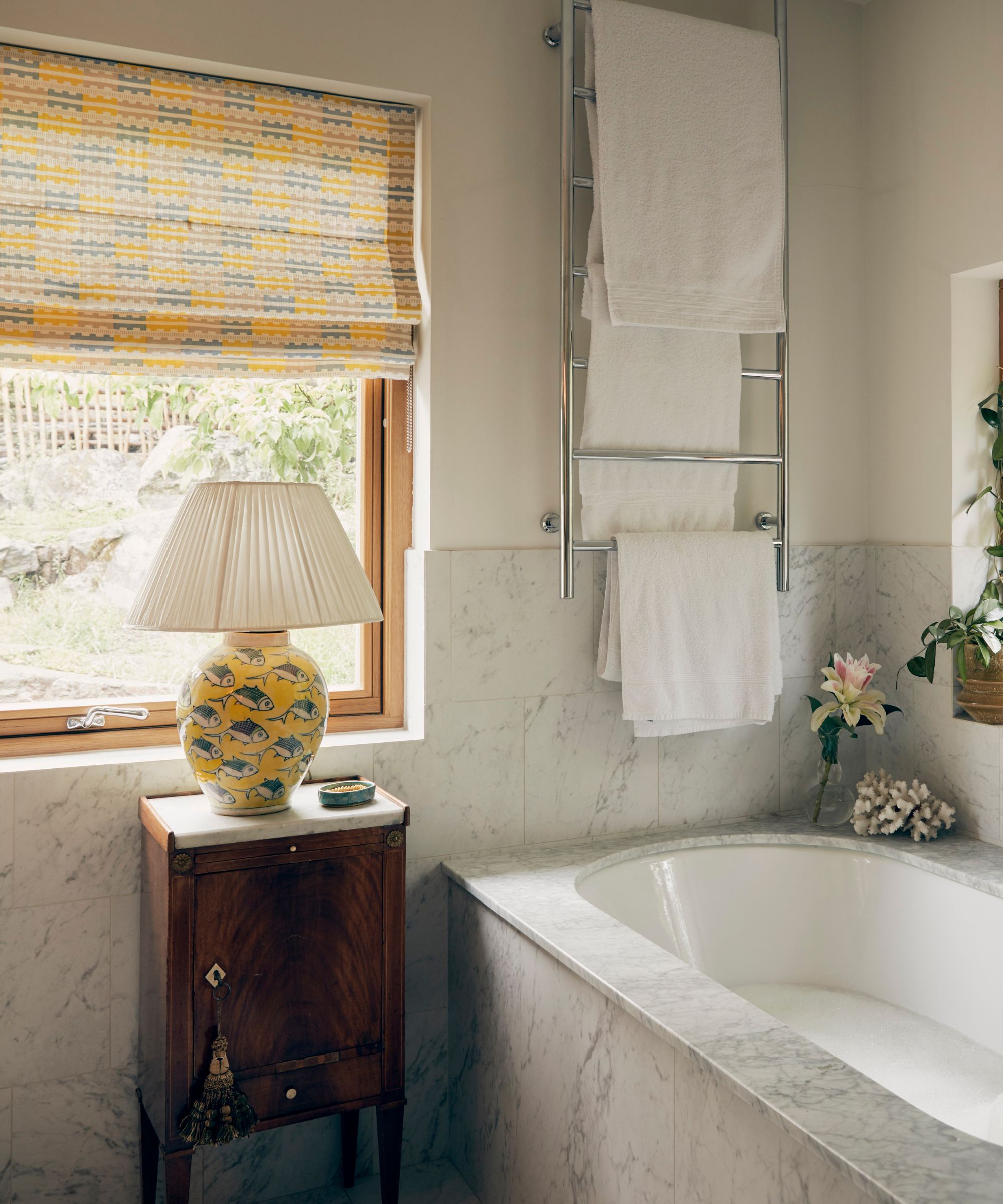
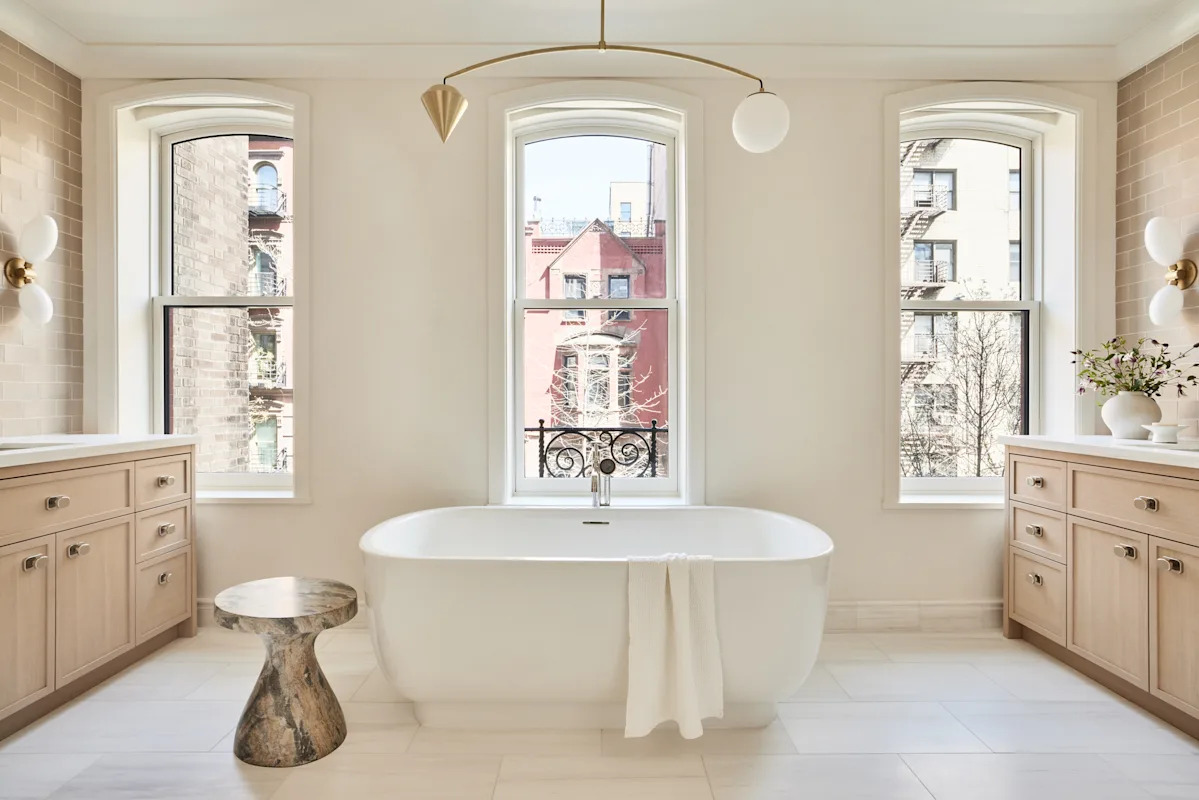
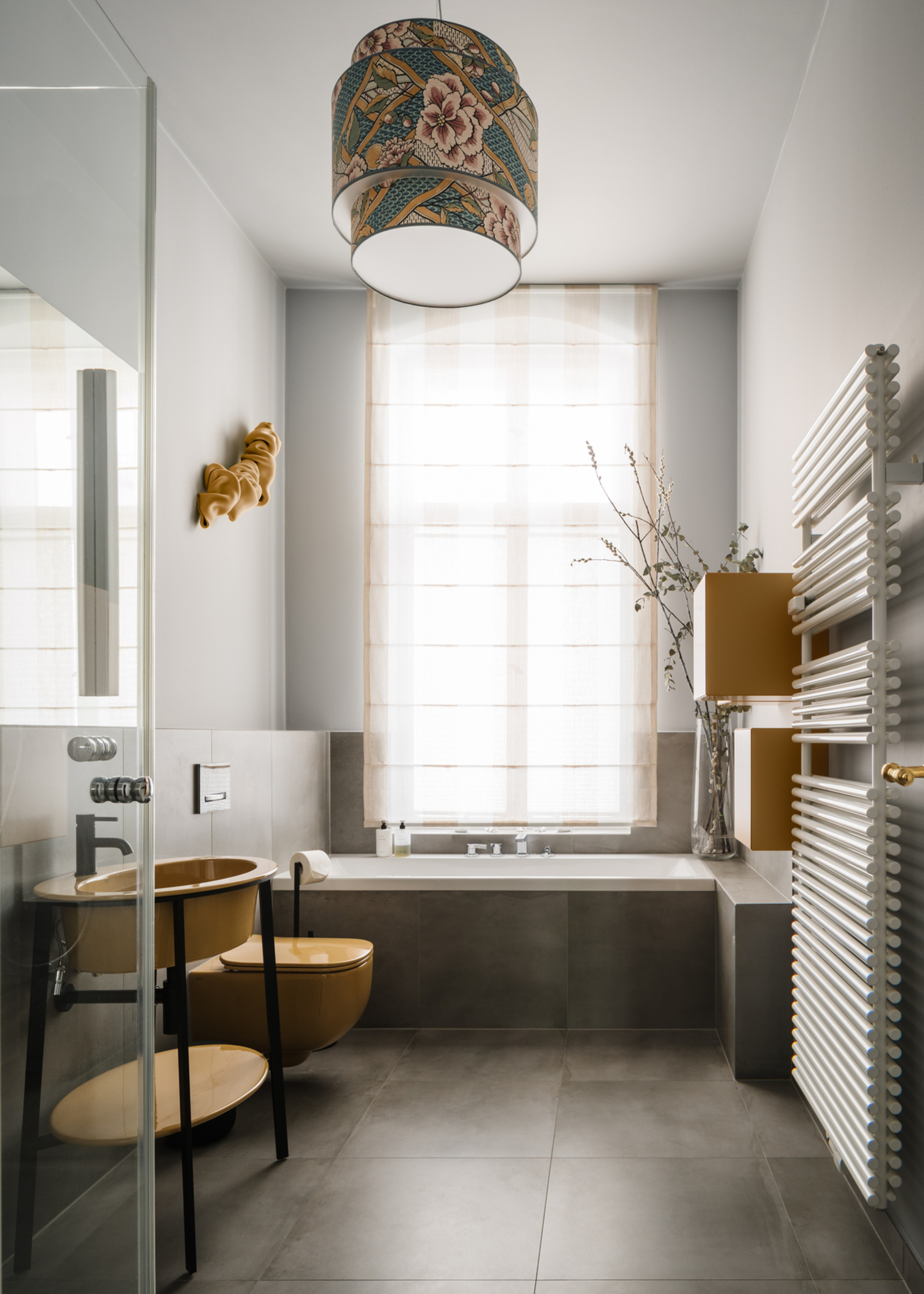
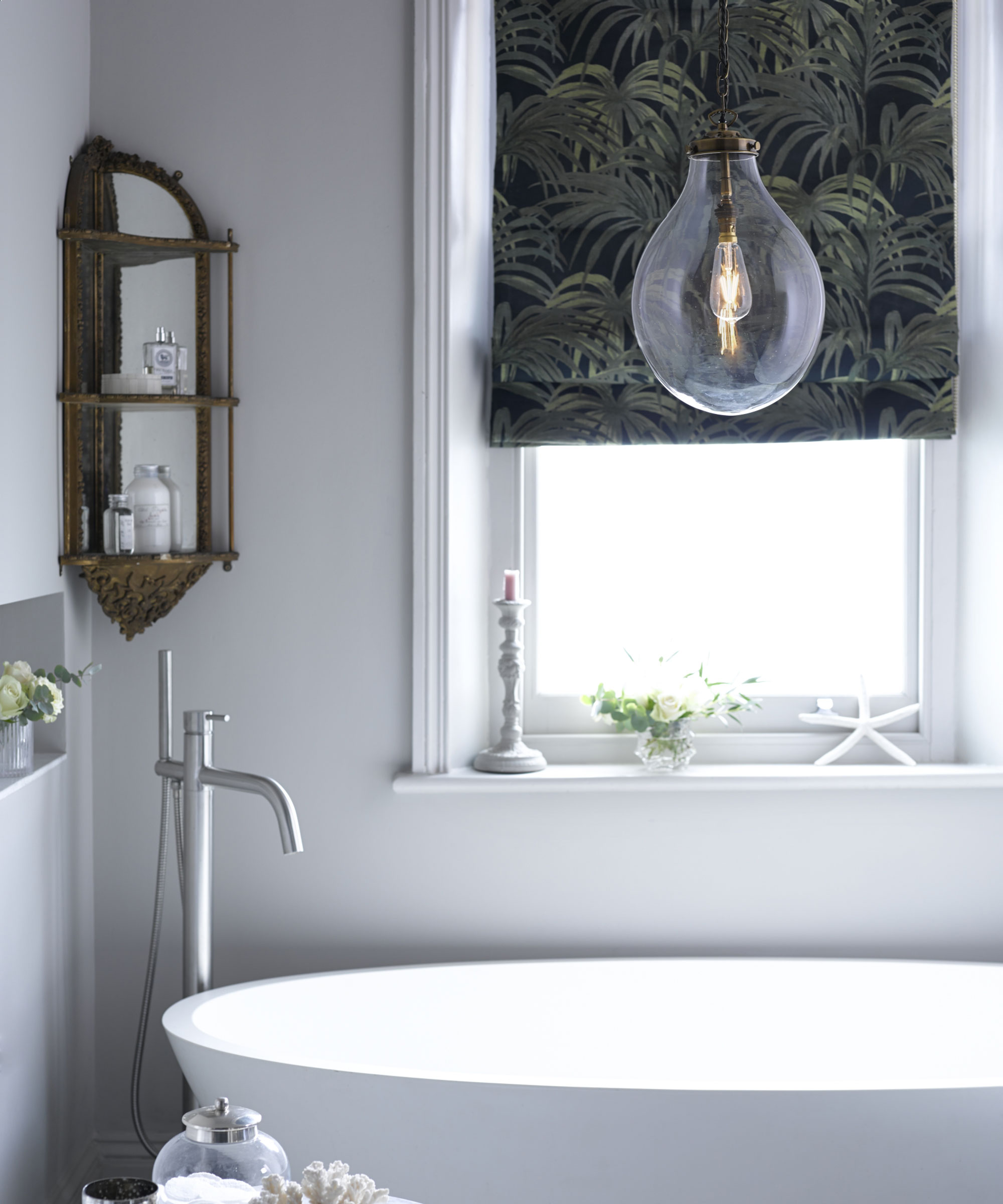
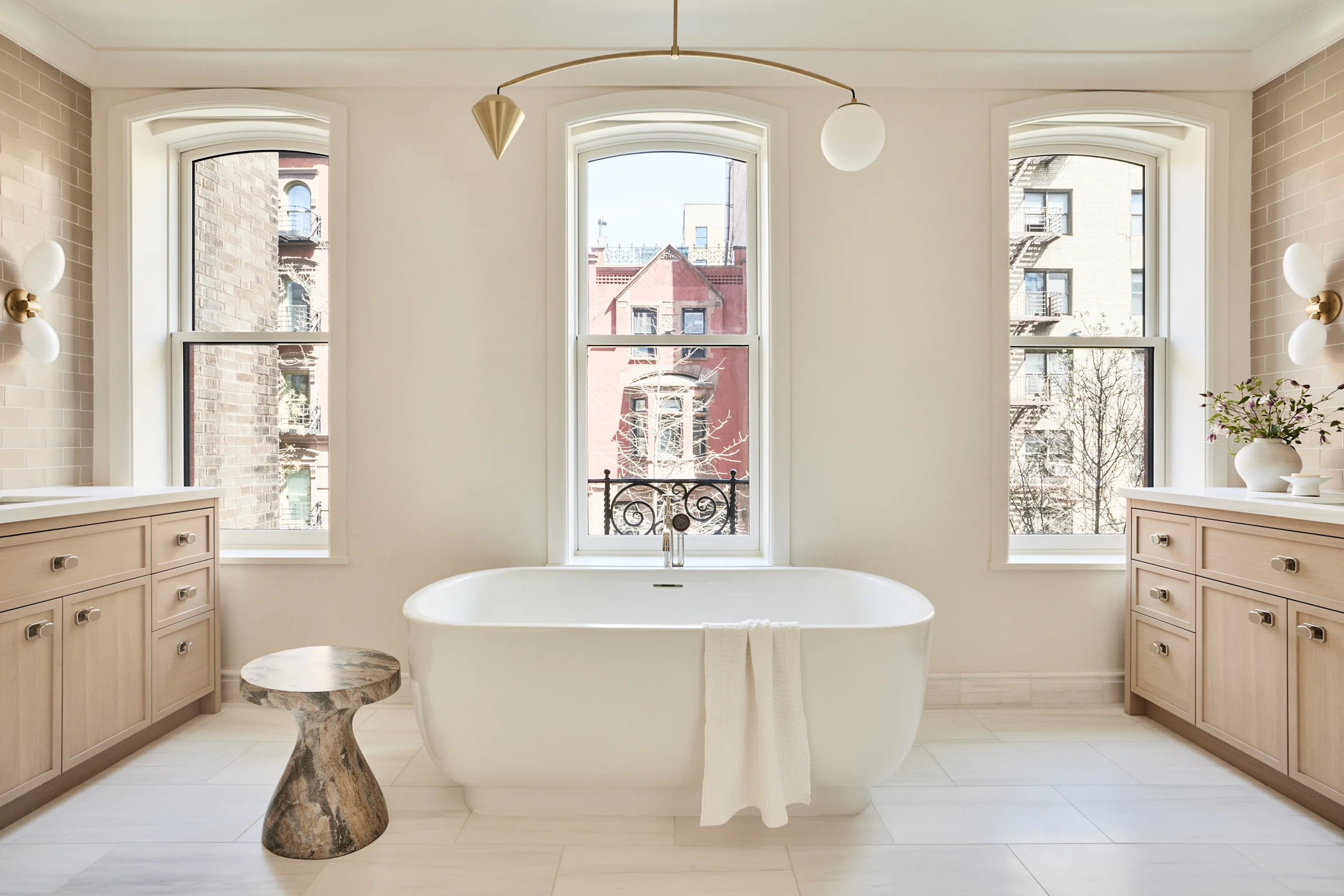
Finally, maximizing natural light is a vital component of an effective bathroom lighting plan. Strategically placed mirrors can amplify natural light, creating a sense of spaciousness and openness. For bathrooms with windows, utilizing frosted or textured glass, or adjustable blinds, can provide privacy while still allowing natural light to filter in. Window films offer an alternative solution for privacy without sacrificing light. By integrating these considerations, a well-planned bathroom lighting scheme can enhance both the aesthetic appeal and functionality of the space.
#BathroomLighting #InteriorDesign #HomeRenovation #LayeredLighting #TaskLighting #AccentLighting #ColorTemperature #DimmableLighting #SmartLighting #NaturalLight #BathroomLighting #InteriorDesign #HomeRenovation #LayeredLighting #TaskLighting #AccentLighting #ColorTemperature #DimmableLighting #SmartLighting #NaturalLight
0 comment in total
 No comments yet
You may also like
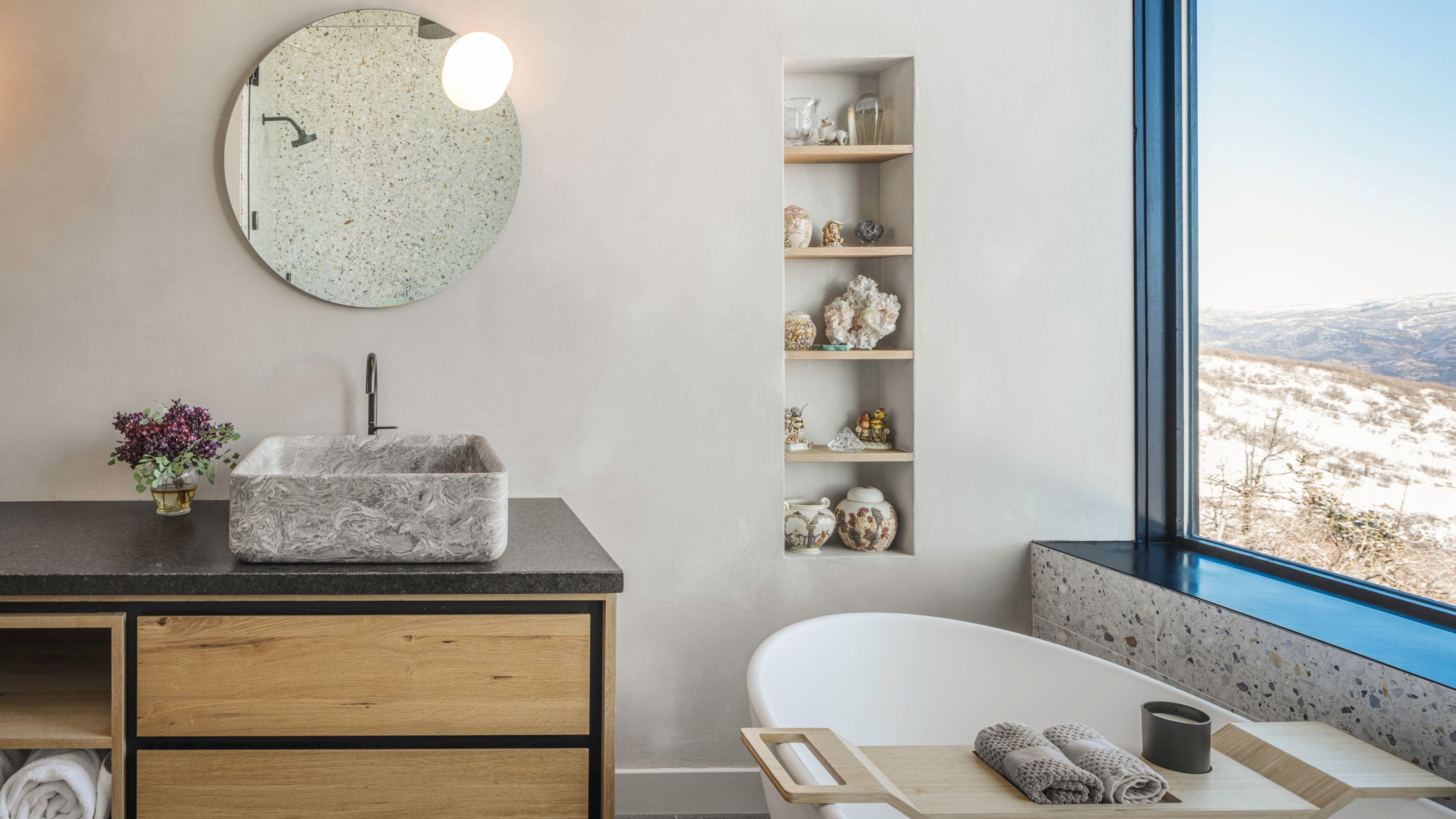
How to Light Your Bathroom Like a Spa — 11 Ideas That Will Take Your Space From Everyday to Luxurious Retreat
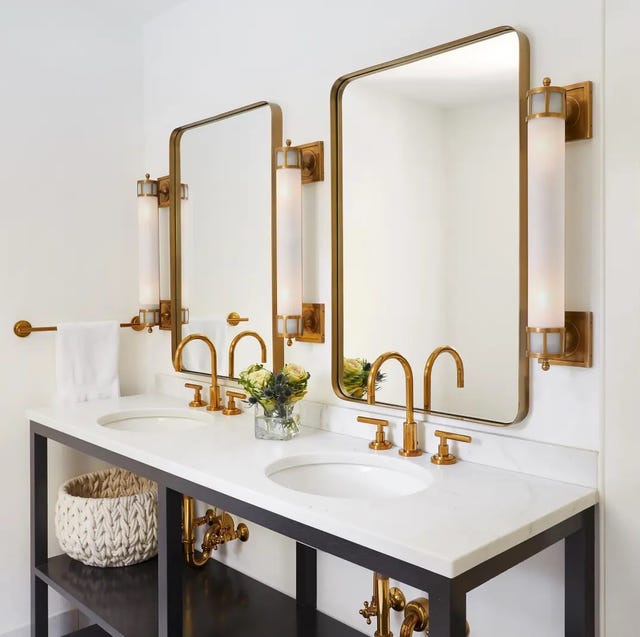
20 Interiors That Display Brilliant Bathroom Lighting Ideas for Every Style

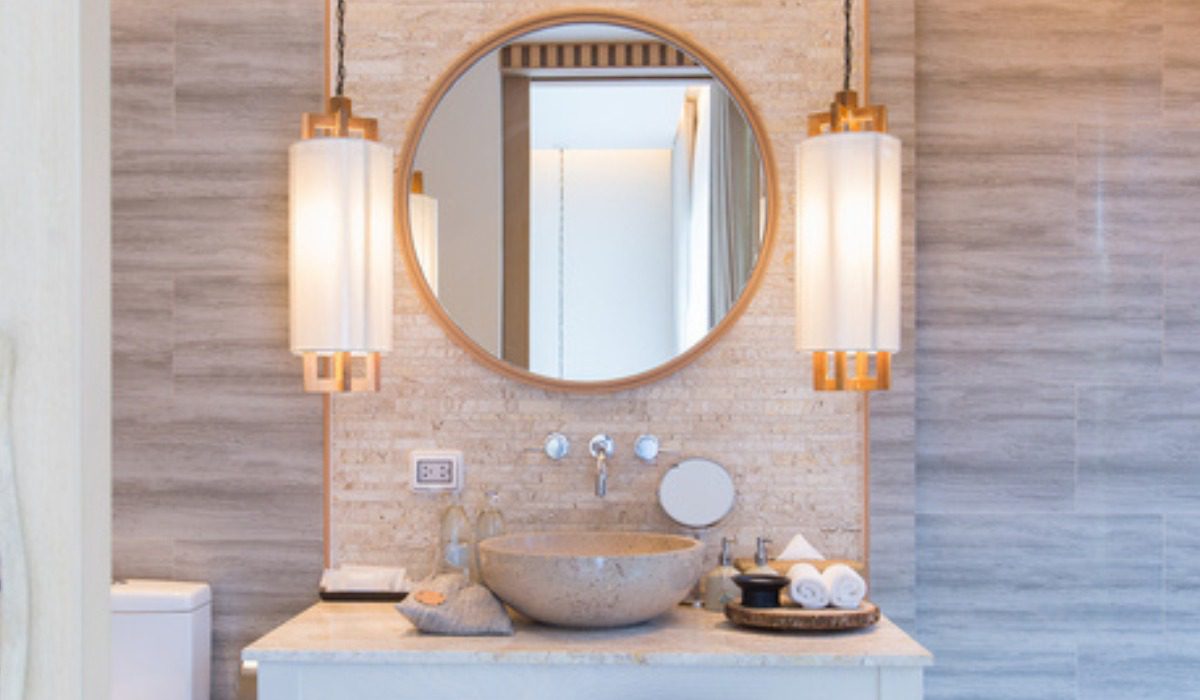
Bathroom light ideas for your home
Star-Worthy Bathroom Lighting: 5 Luminous Looks Taking Over Unflattering Fixtures
20 bathroom lighting ideas – beautiful ways to brighten up your space

Designers Say Your Bathroom is Missing This 1 Thing

5 Bathroom Lighting Trends for 2024 — "These Transform The Room Into A Sanctuary of Style and Comfort"

Bathroom lighting trends — from statement pendants to pretty sconces
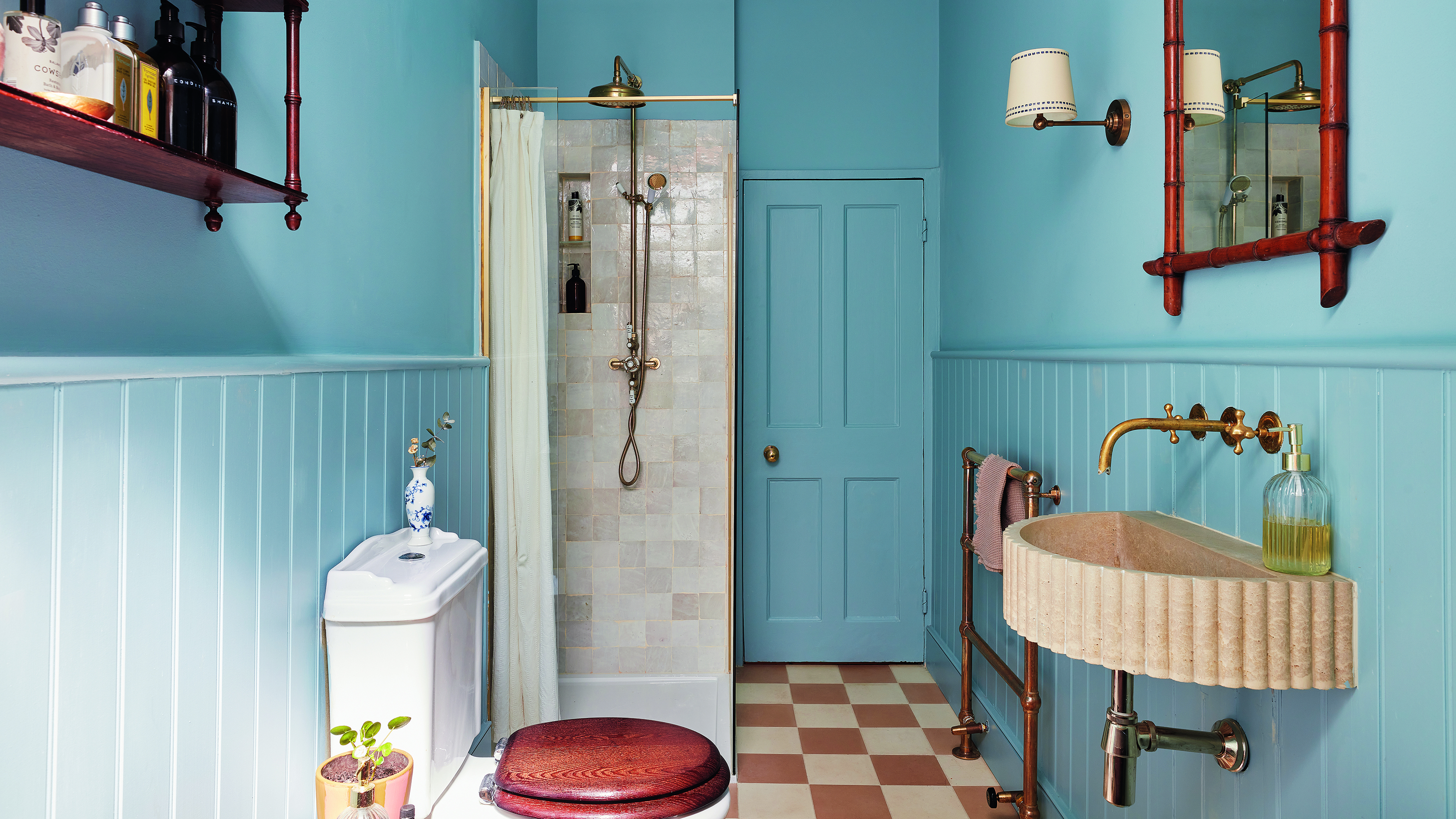
The 5 bathroom lighting rules design experts always follow for a bright and beautiful space

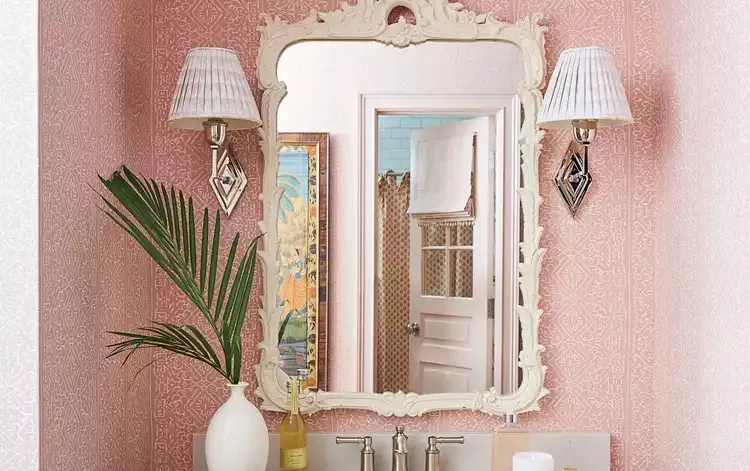
40 Bathroom Lighting Ideas To Brighten Your Space
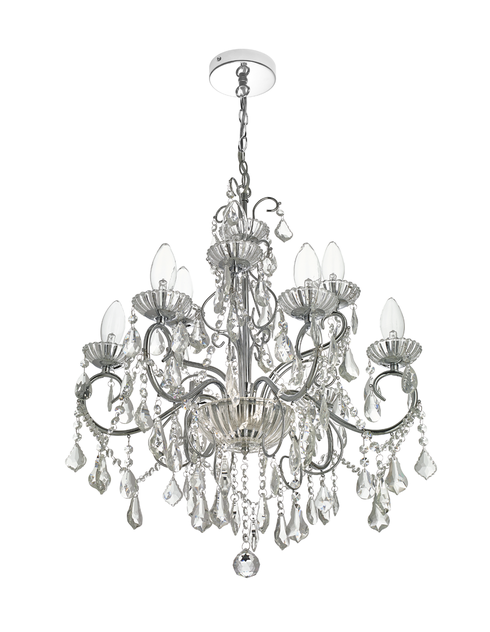
Bathroom Lighting - Our Pick of the Best
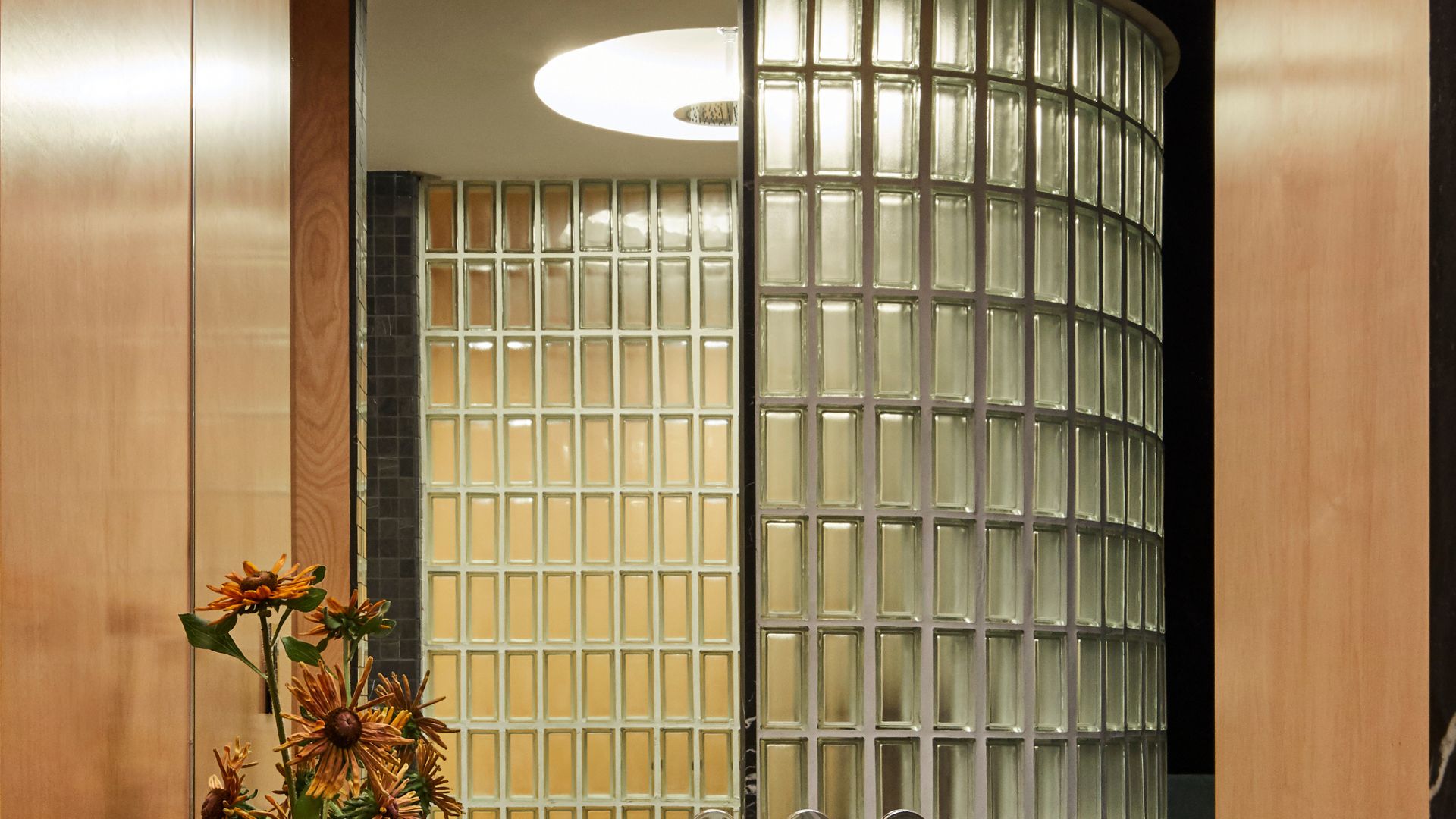
'Light Wells' Are the Trick to Make Your Bathroom Feel Bright
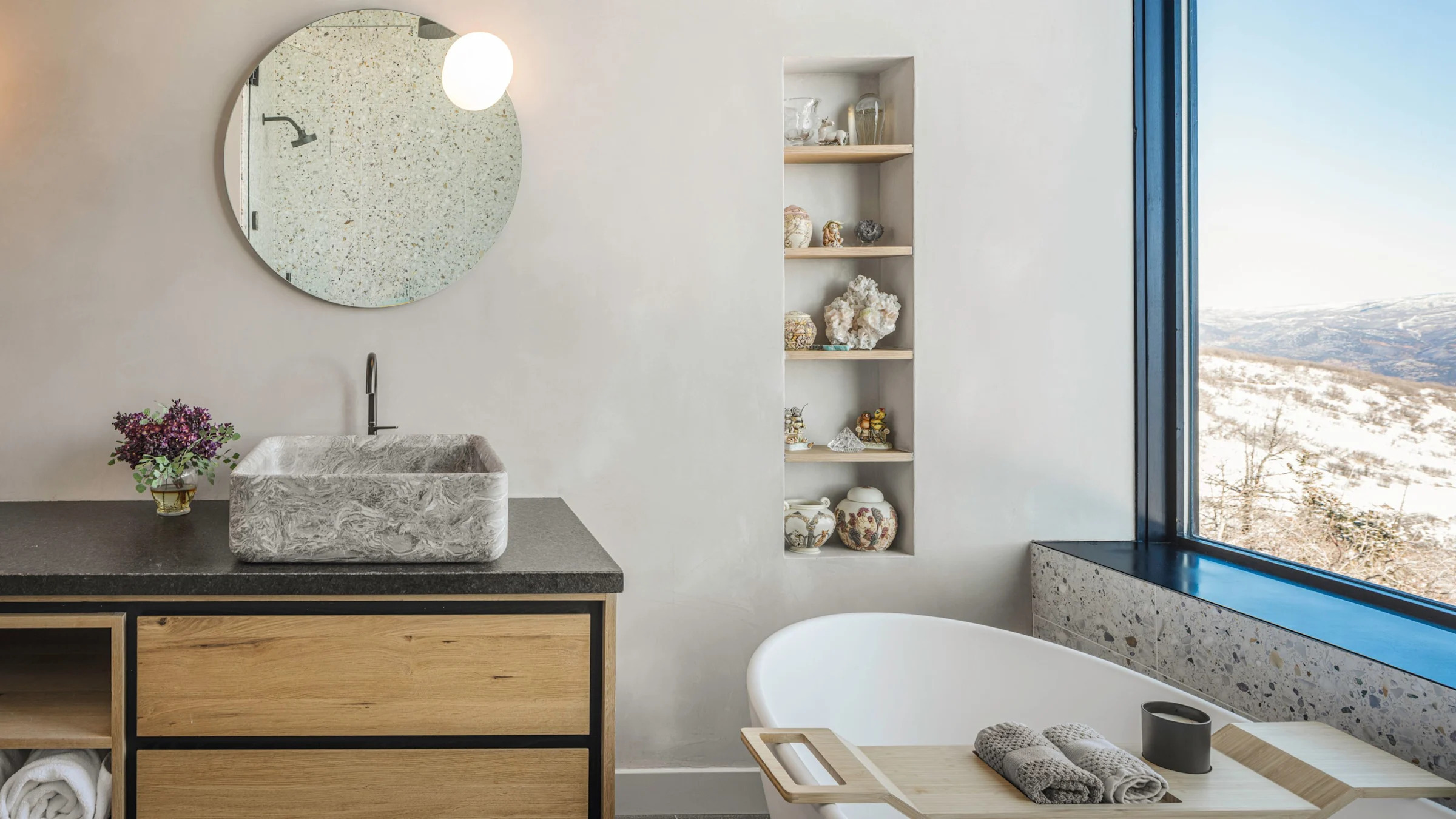
How to Light Your Bathroom Like a Spa — 11 Ideas That Will Take Your Space From Everyday to Luxurious Retreat
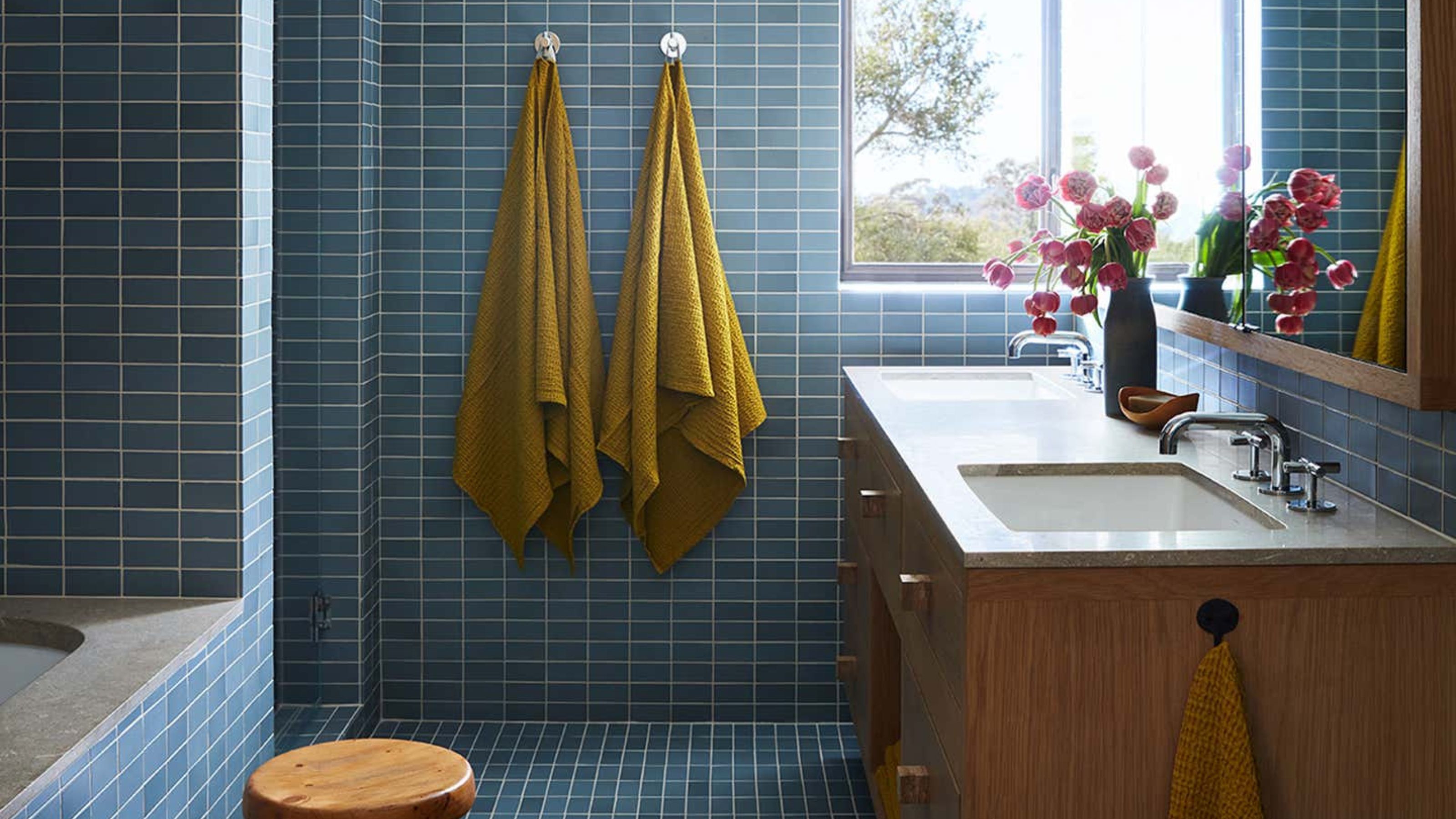
7 Lighting Tricks That Can Make Even a Small Bathroom Seem Bigger — Now Isn't That a Bright Idea
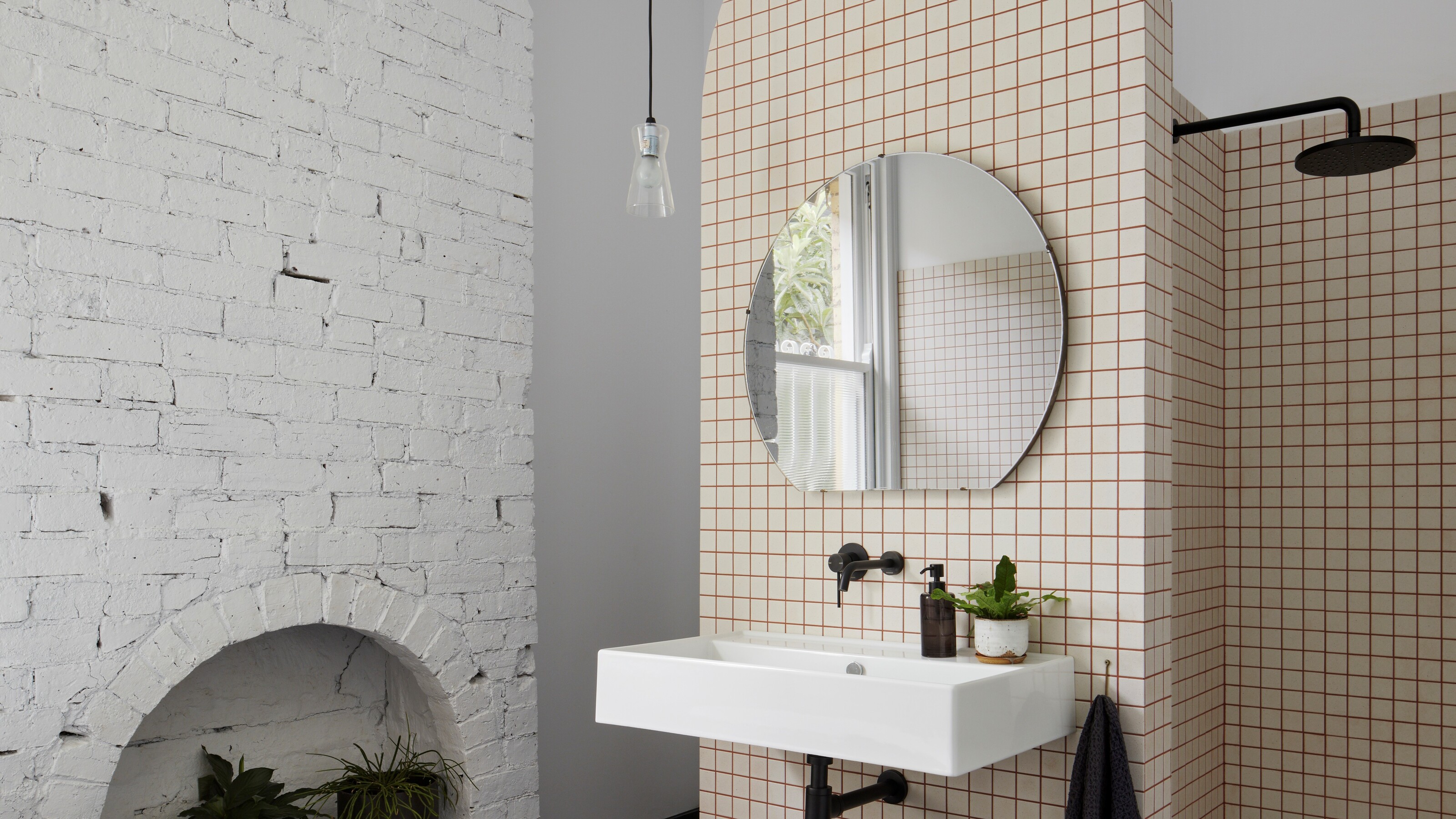
Designers are ditching overhead lighting in the bathroom – and using this flattering source to illuminate spaces instead

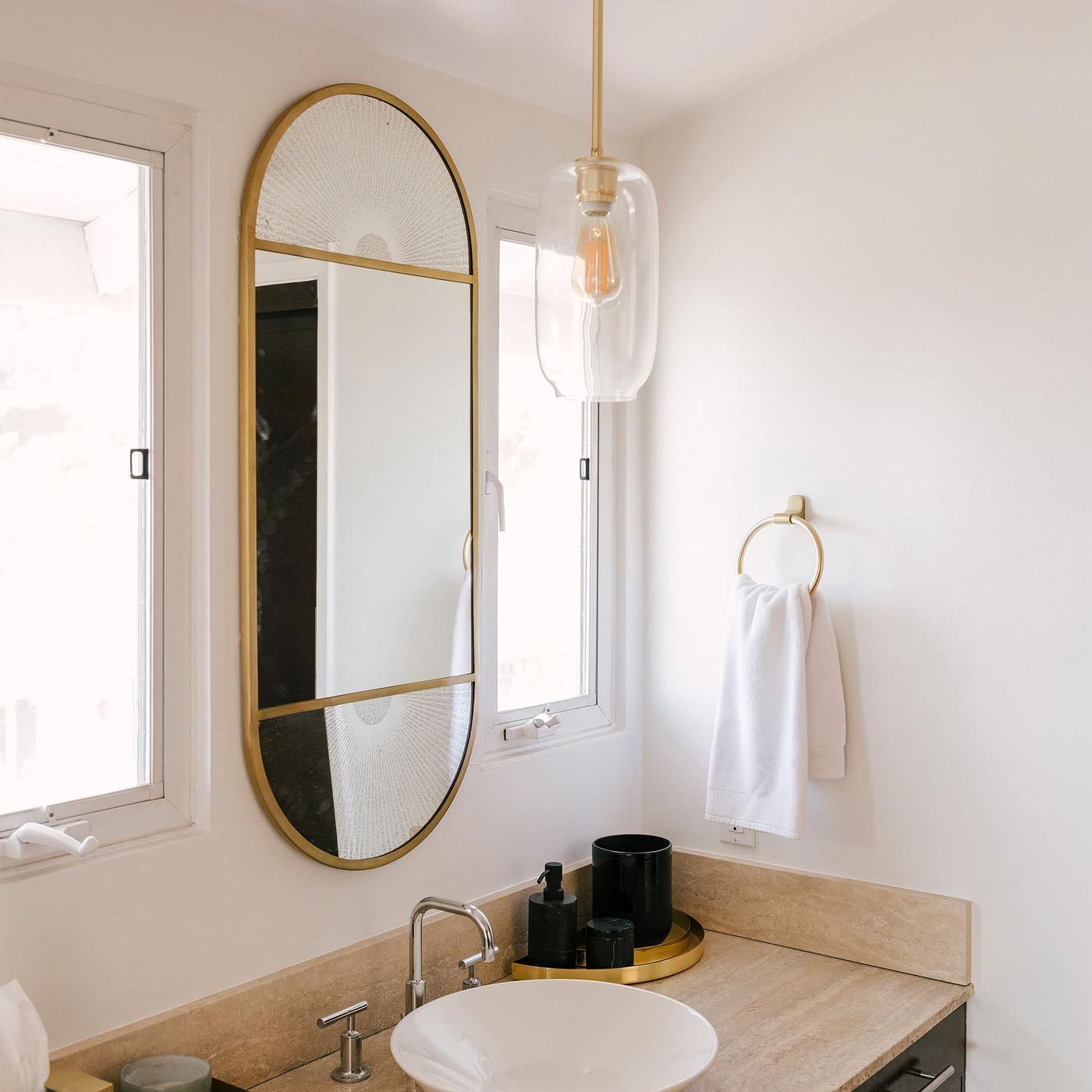
12 Best Bathroom Lighting Design Ideas

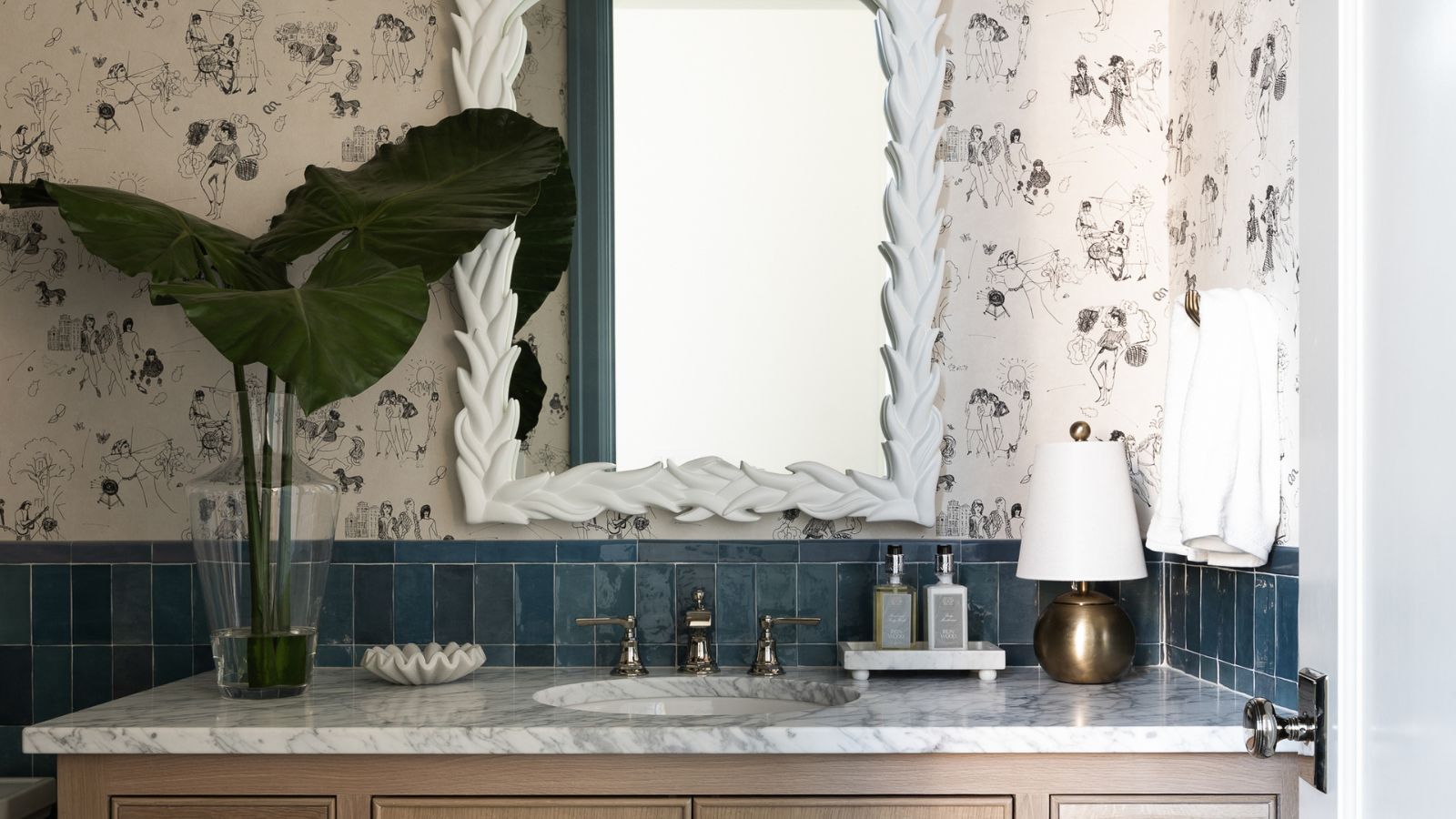
The One Thing Your Bathroom Is Missing This Winter – Designers Say It's the Simple Answer to a Cozier, Warmer, More Welcoming Space
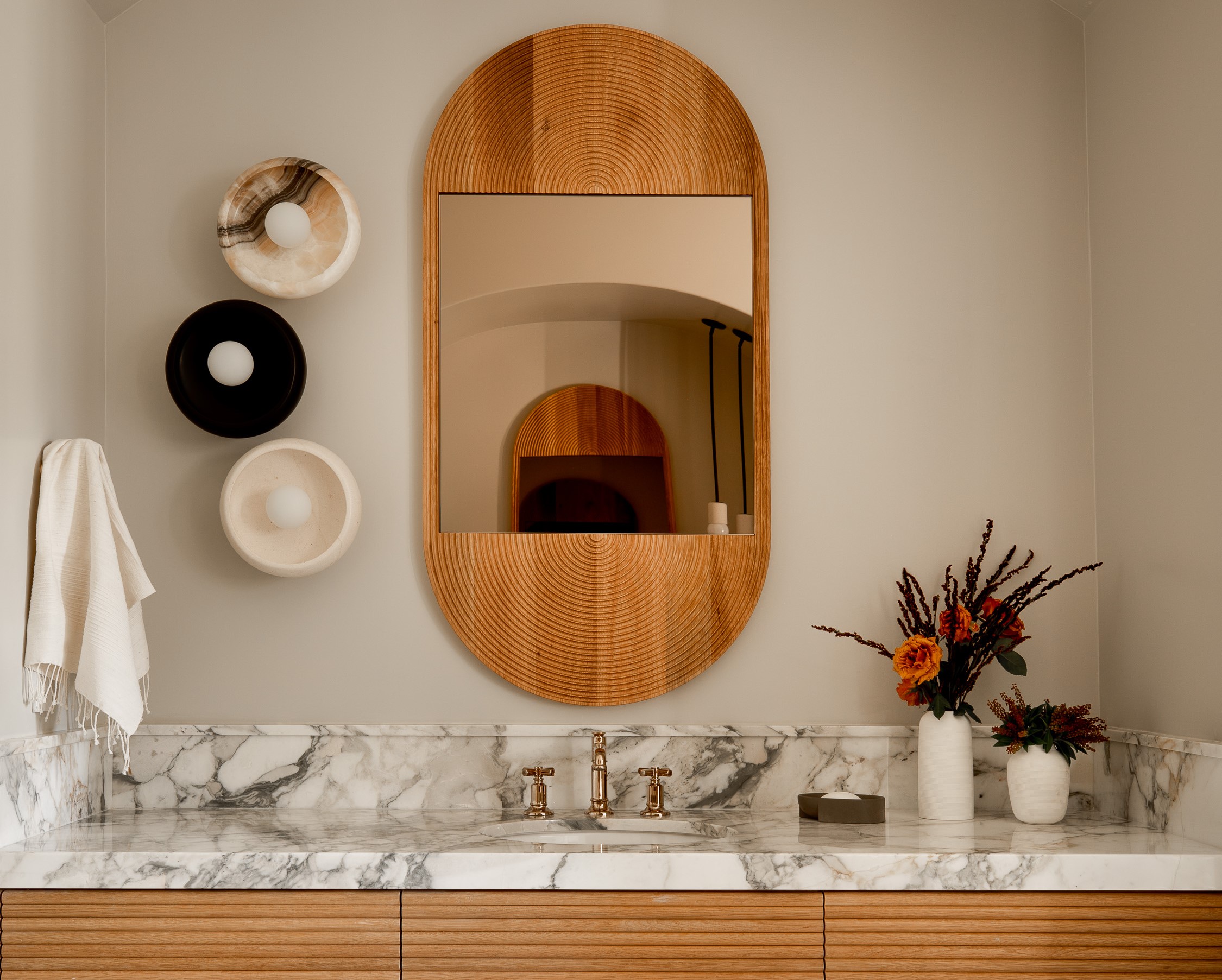
What's the Most Flattering Light For a Bathroom? 7 Designer Tricks to Give Your Space a Glow-Up
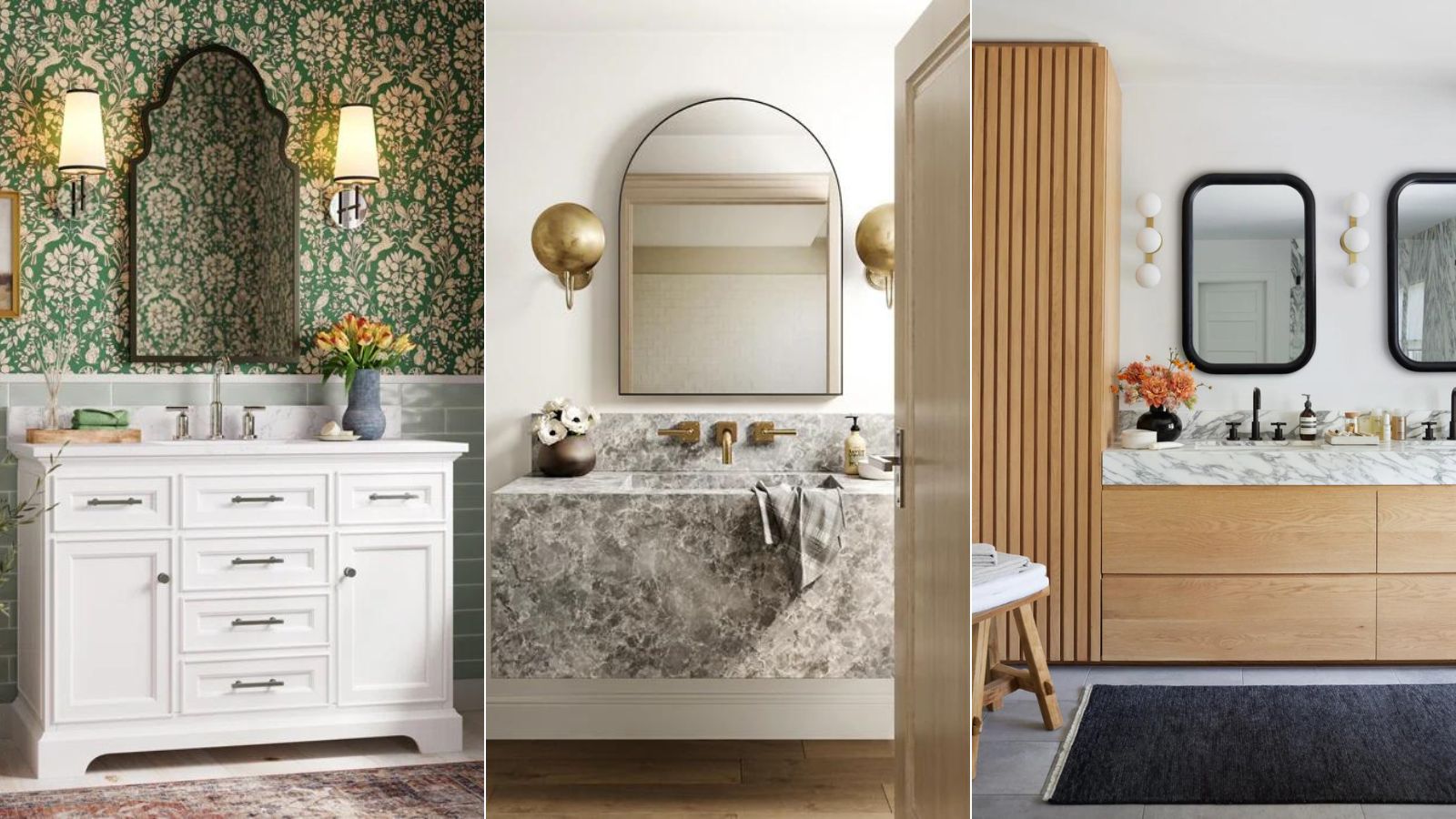
Looking for stylish bathroom lighting? These are the brands to shop for the most beautiful designs

Ask Wirecutter: How Do I Improve the Lighting in My Dingy Bathroom?