1/11
10 shower tile ideas - designers explain how to play with color, pattern, texture and scale
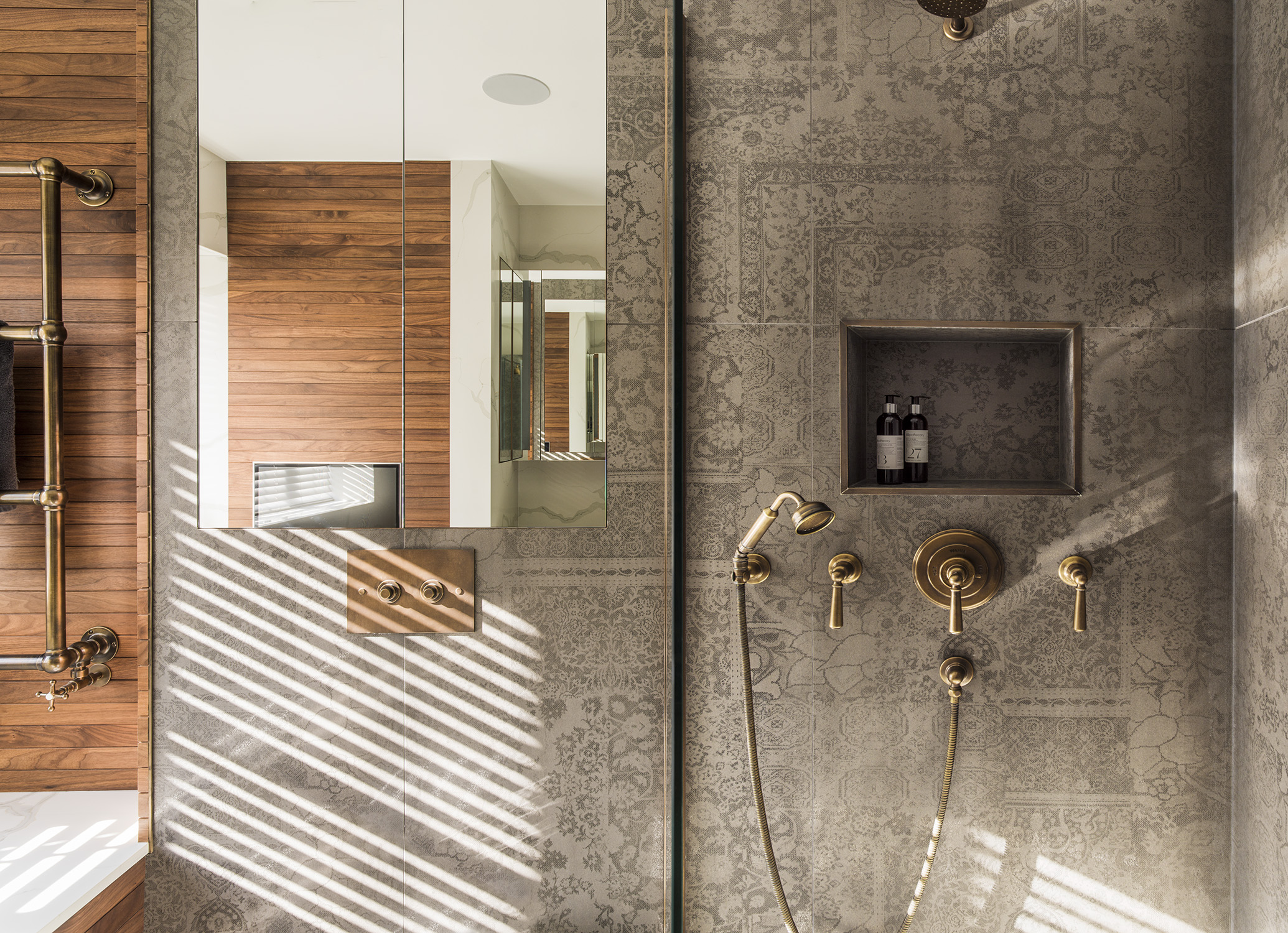
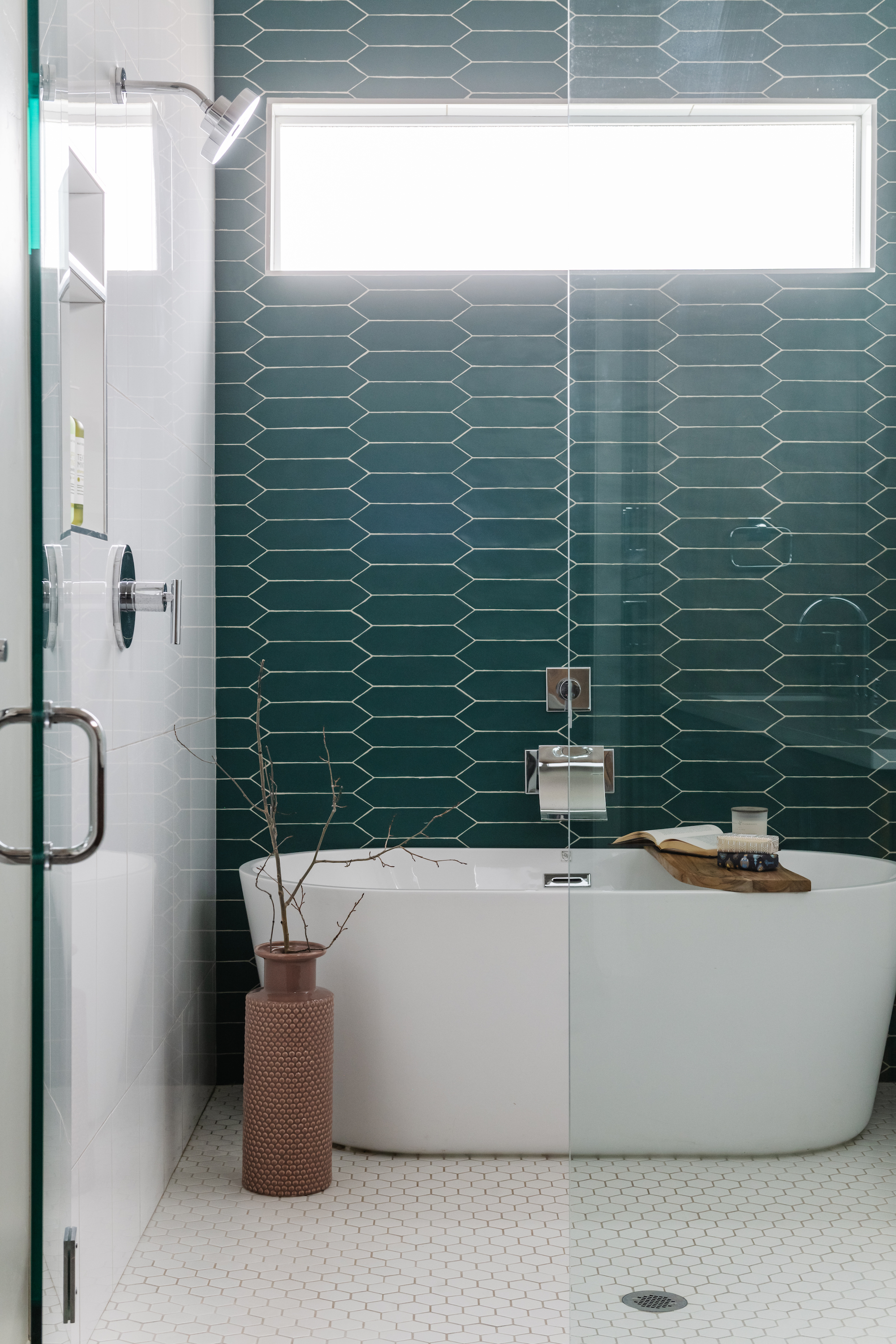
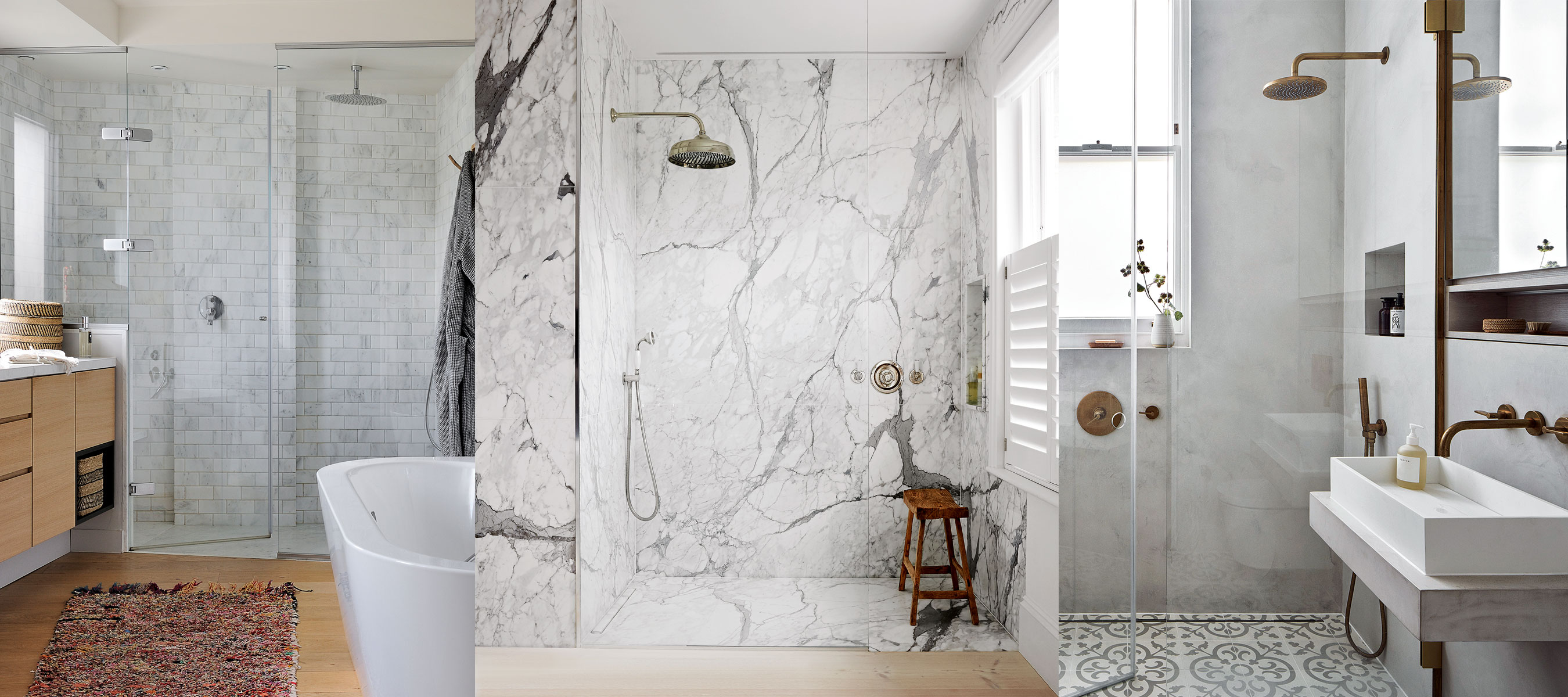
The choice of shower tiles has significantly expanded, encompassing a wide array of shapes, materials, patterns, and textures. Current trends move beyond traditional squares and rectangles to include hexagonal, fish scale, and elongated forms. Materials range from encaustic, porcelain, marble, and stone-look surfaces to unique options like terrazzo, wood-effect, and fluted textures. Additionally, the manner in which tiles are laid, from large-scale to intricate mosaics, contributes to the overall aesthetic.

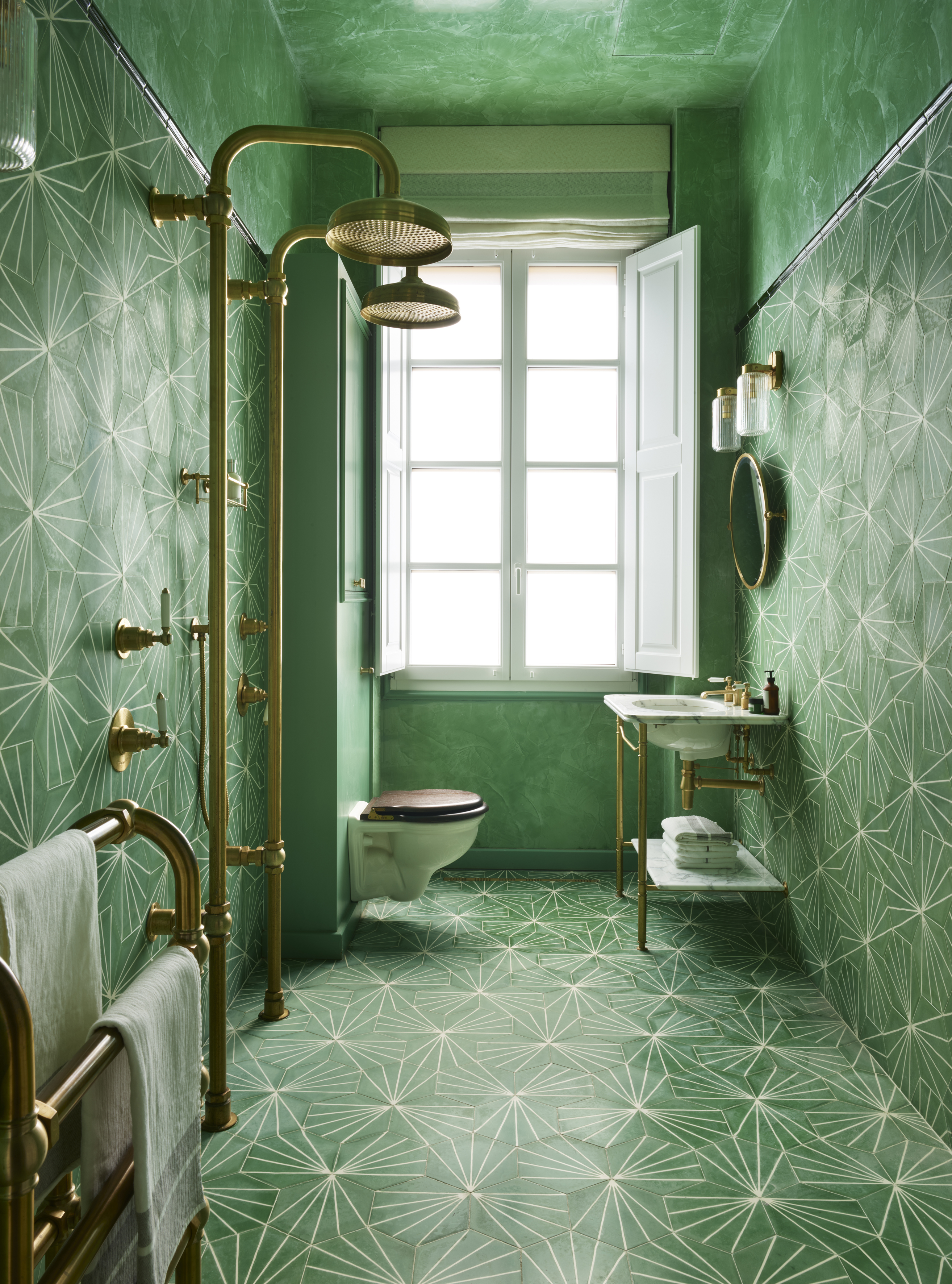
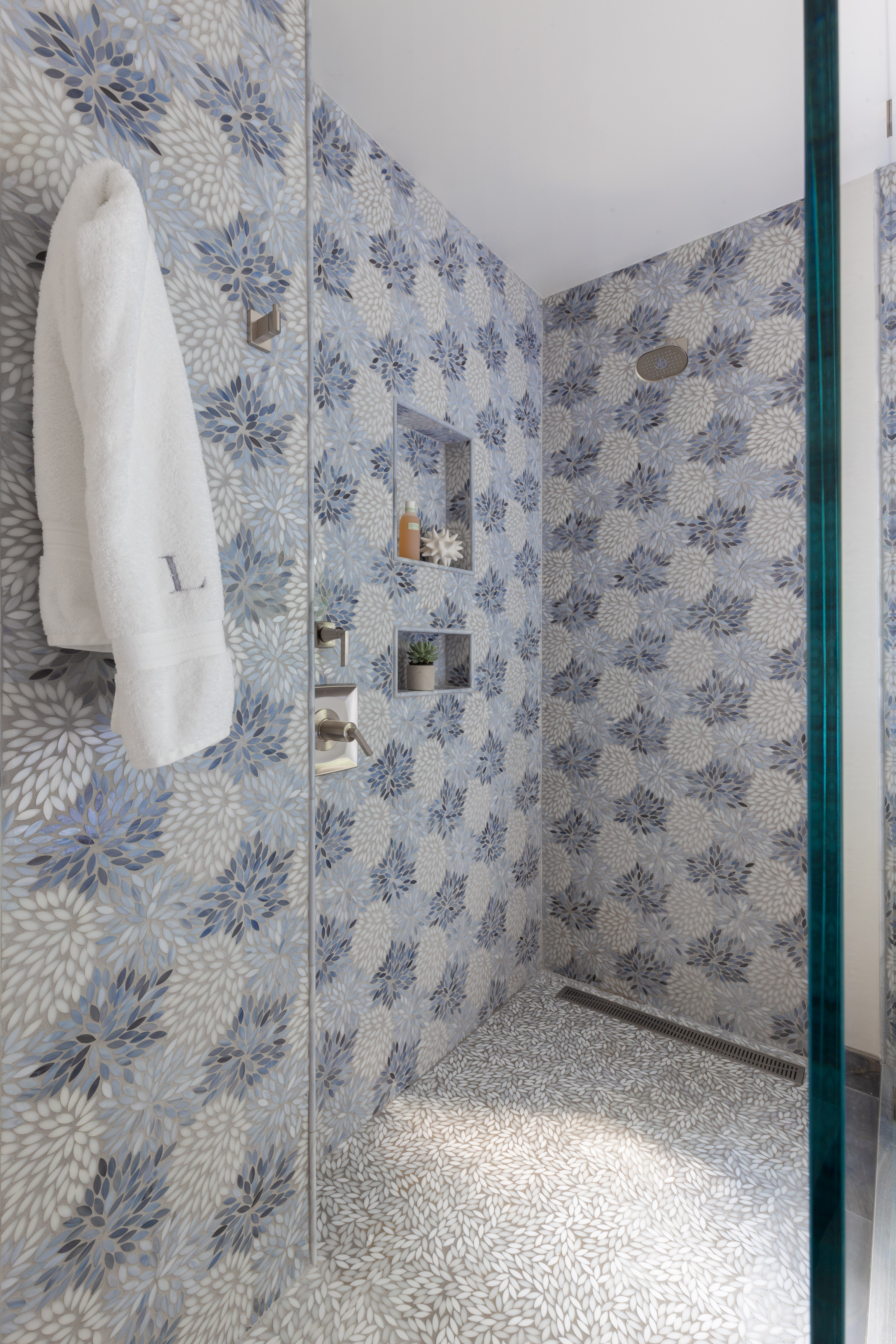
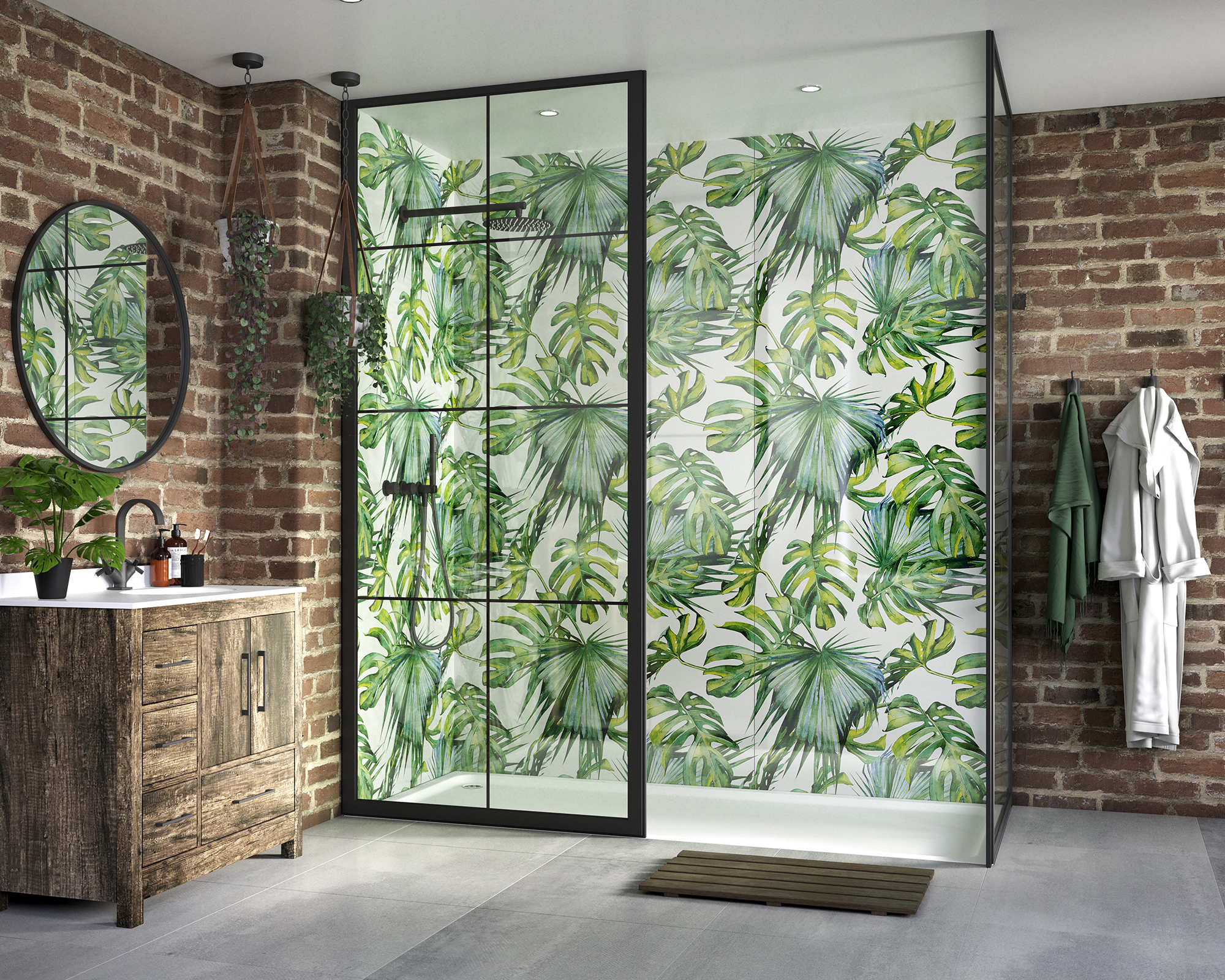
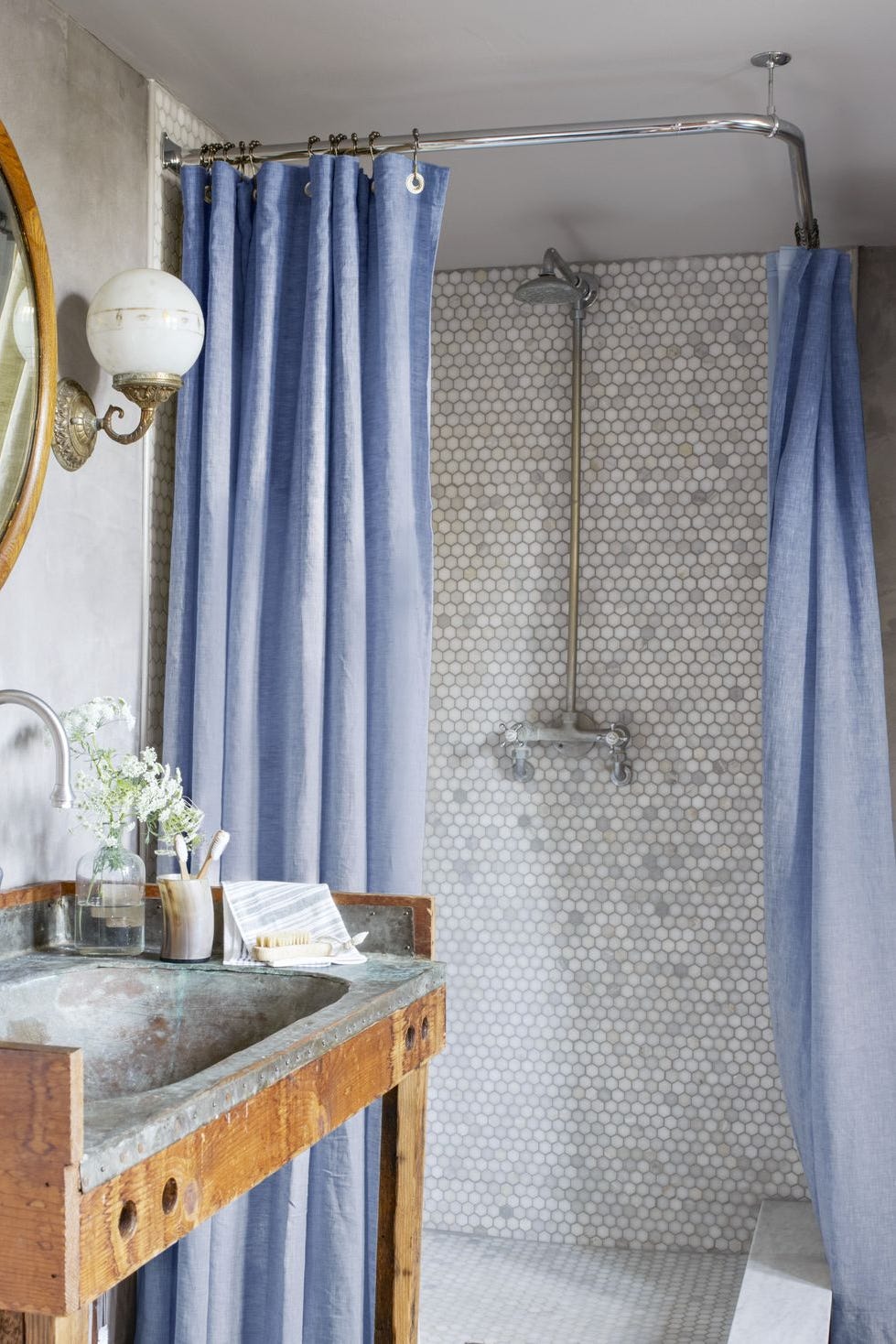
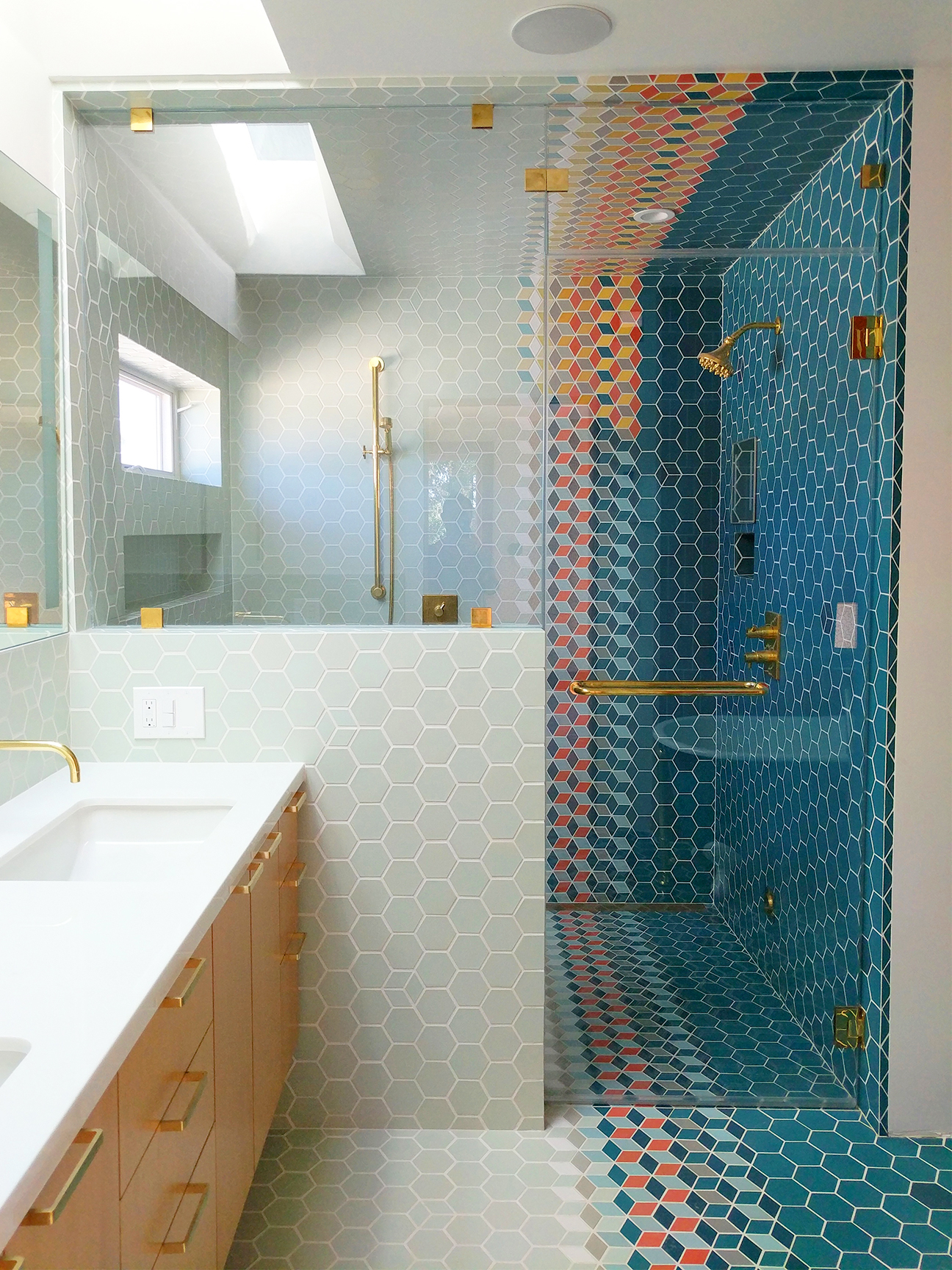
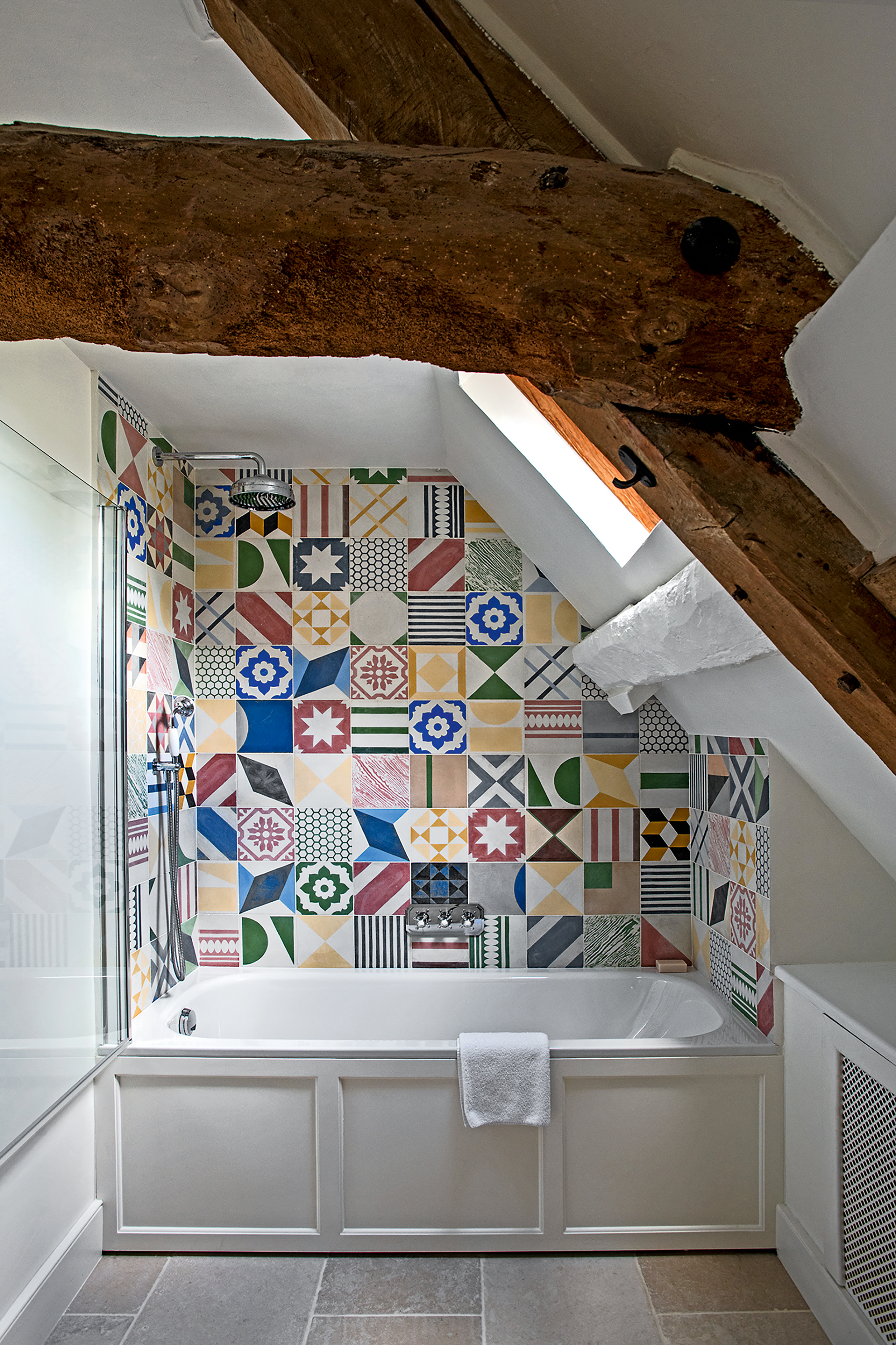
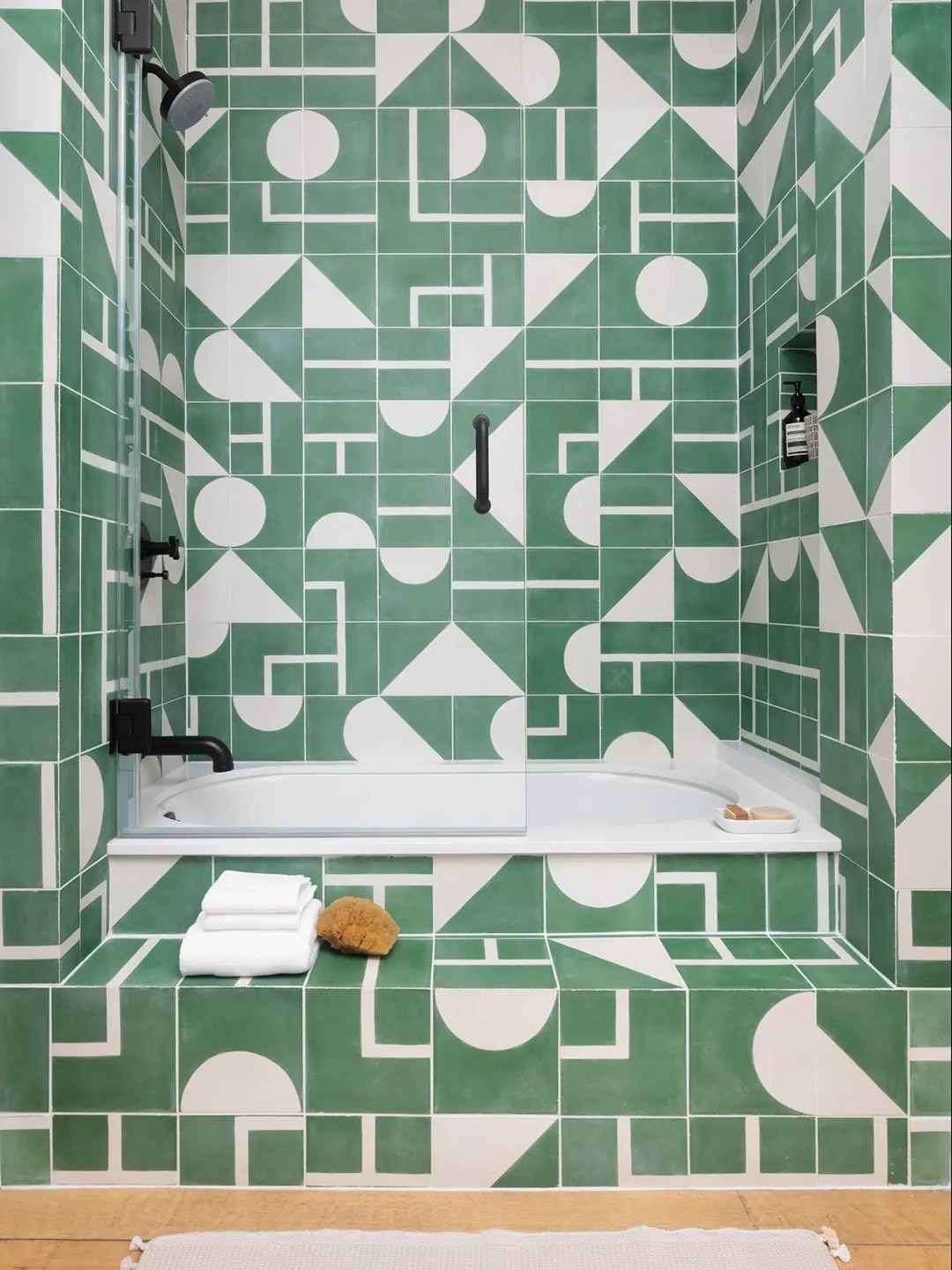
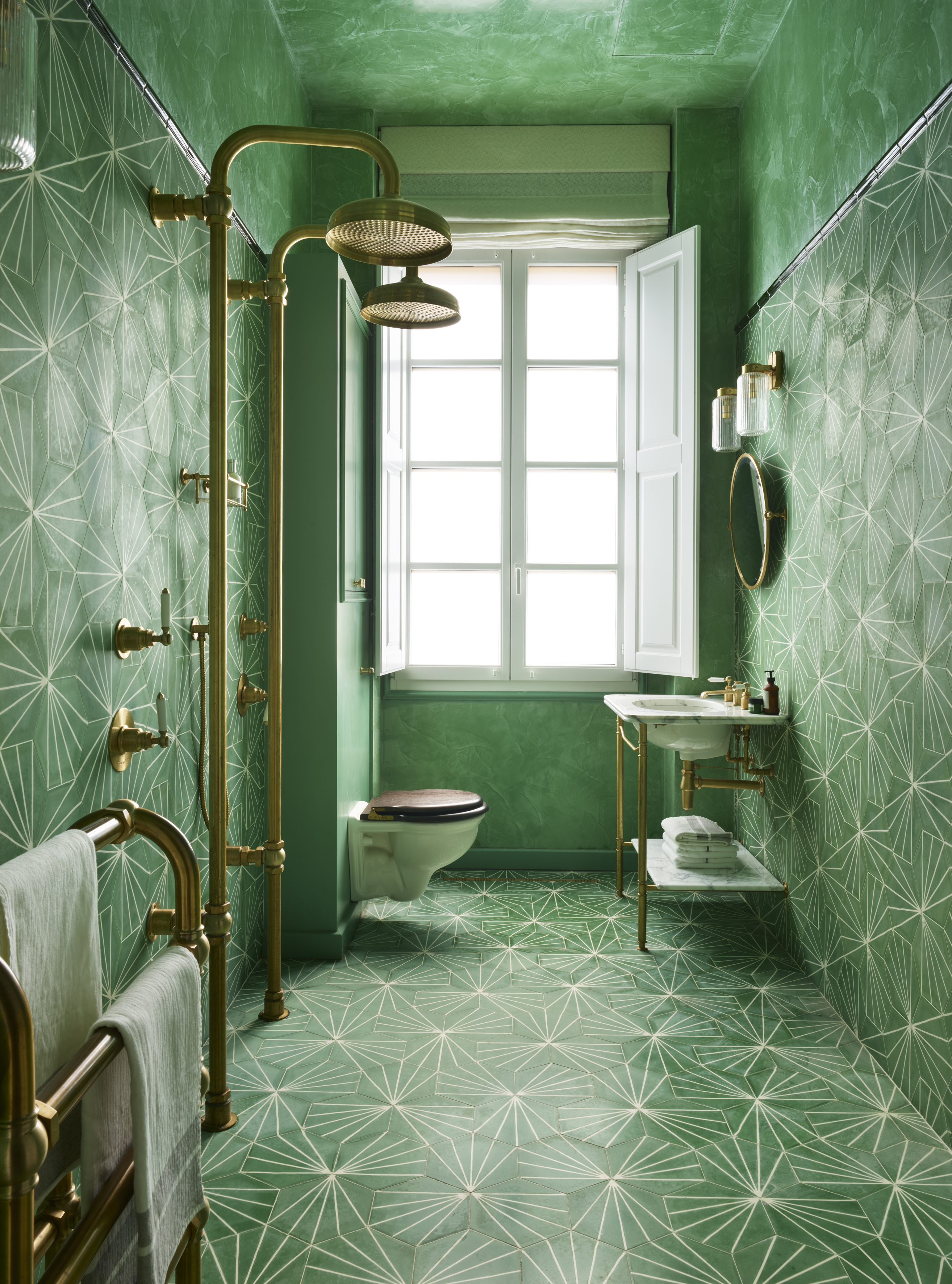
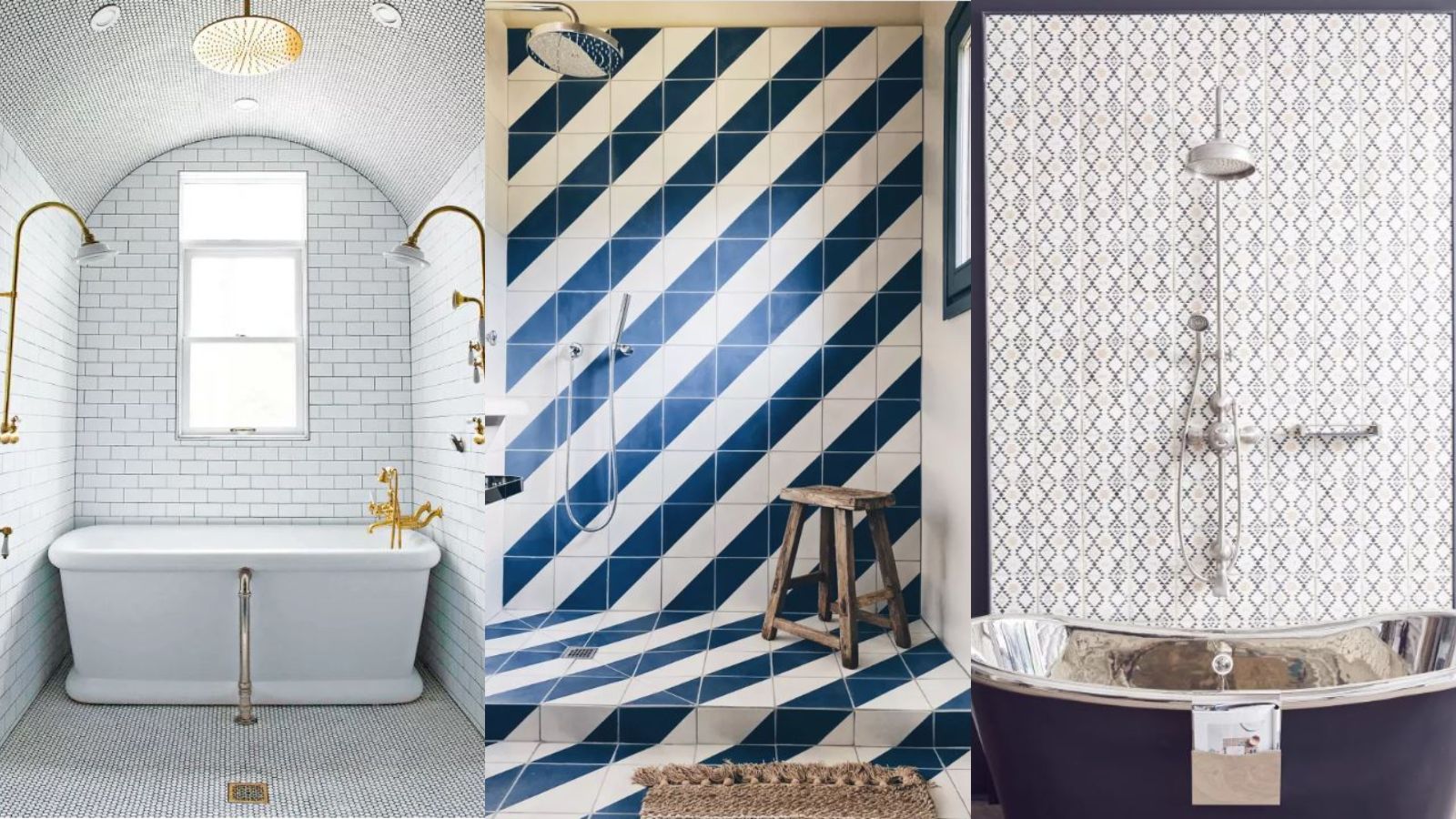
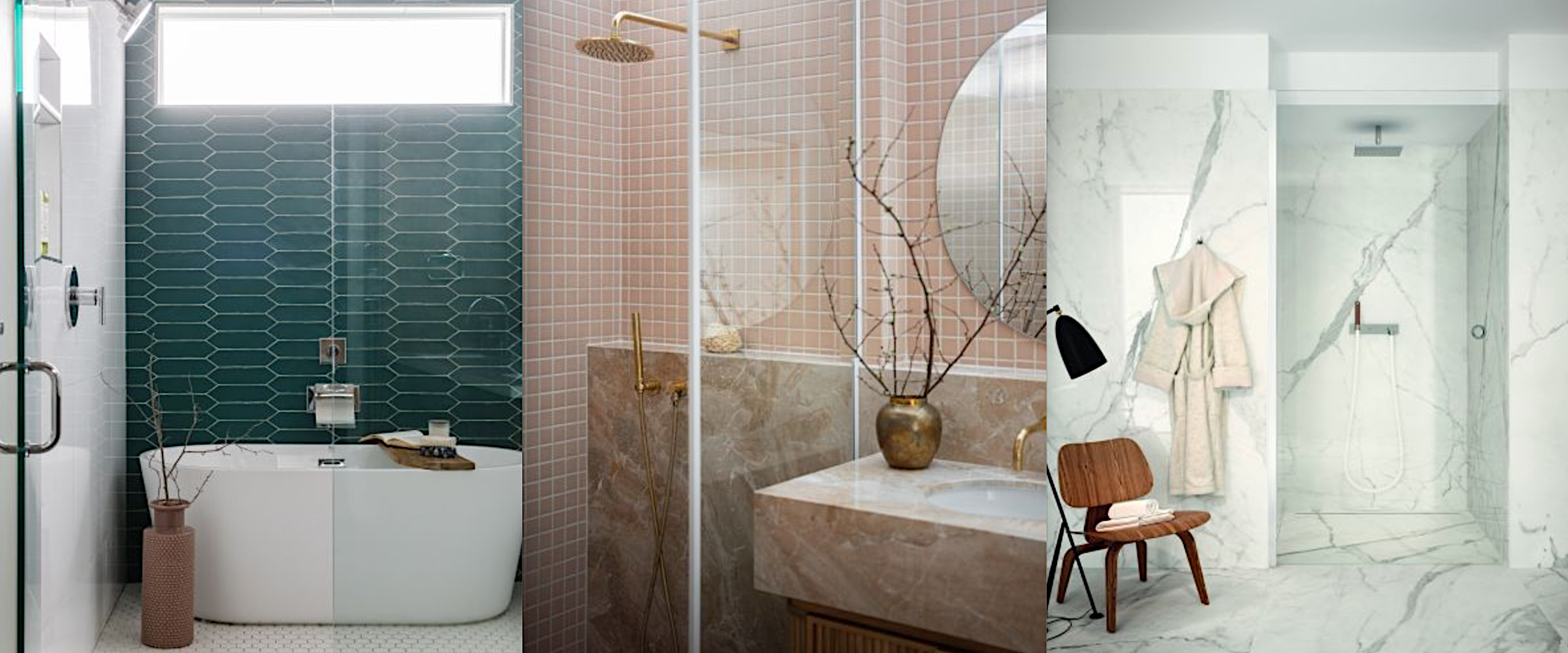
Bathrooms are increasingly being designed to reflect the character and individuality found in other rooms of a home. This shift encourages the use of decorative, colorful, and eye-catching shower tiling. Designers are embracing bold geometrics, vibrant colors, and unconventional layouts. Shapes such as hexagons, chevrons, and penny round mosaics are becoming popular for adding visual appeal and transforming a shower from a purely functional space into a focal point.
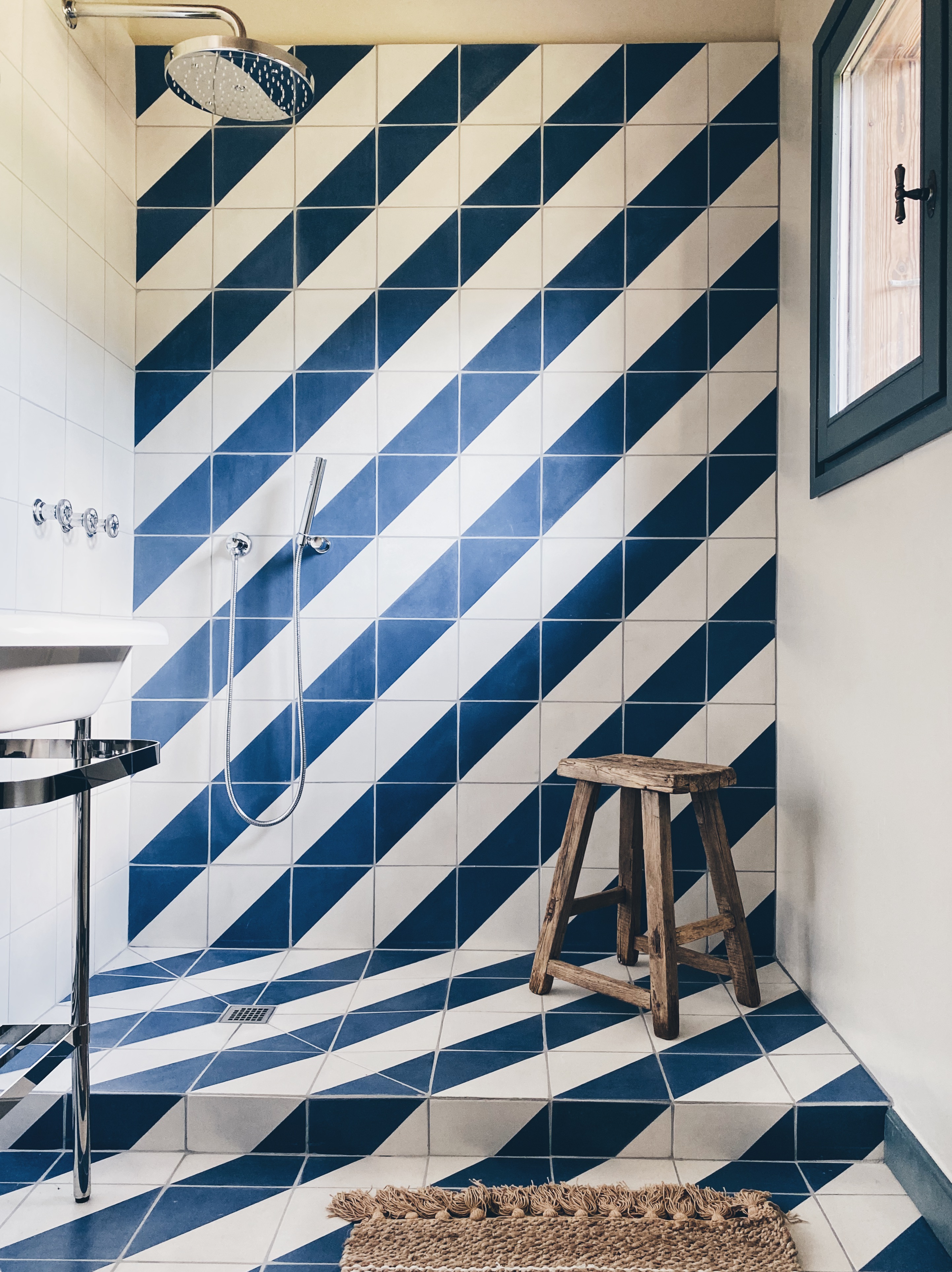
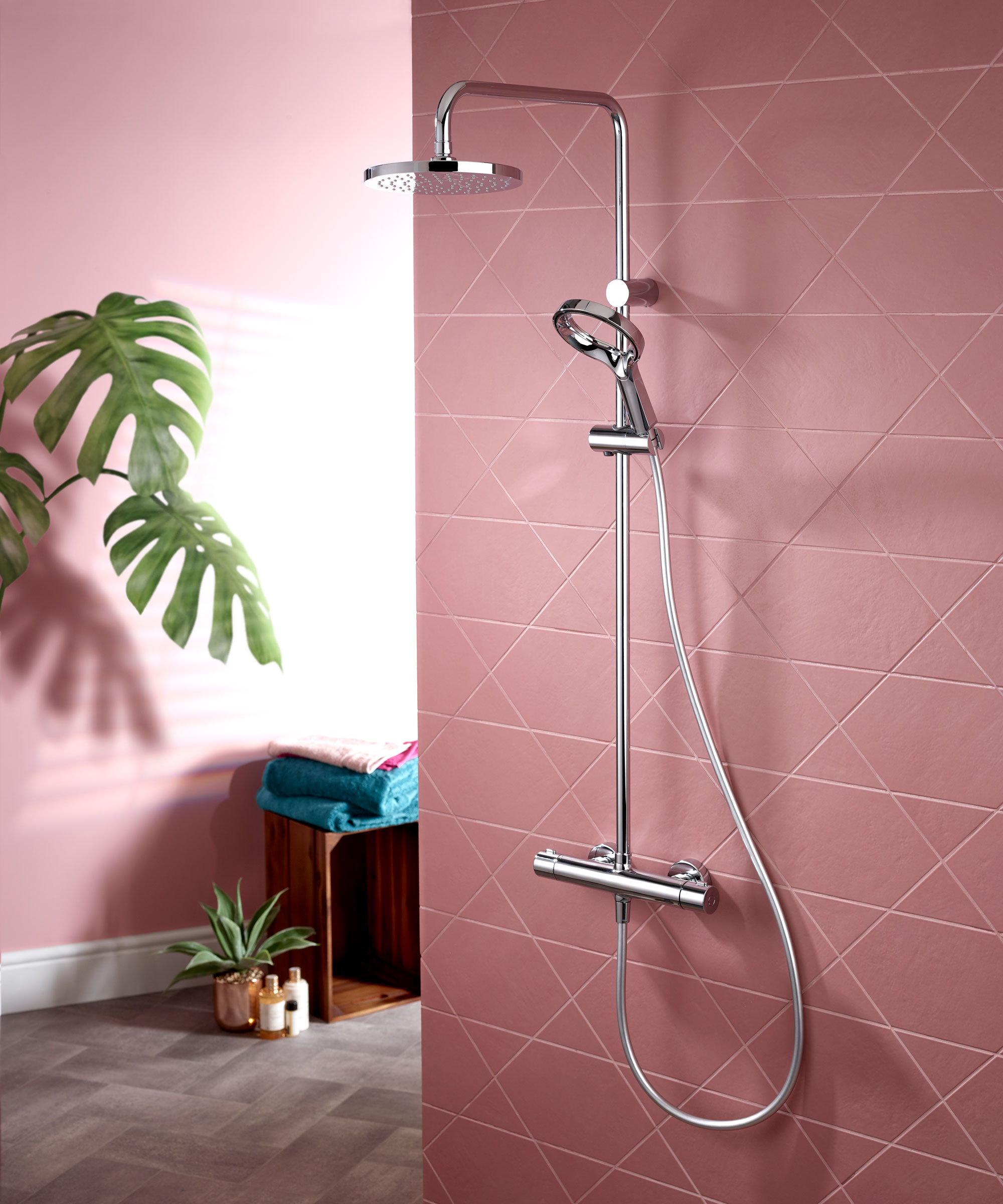
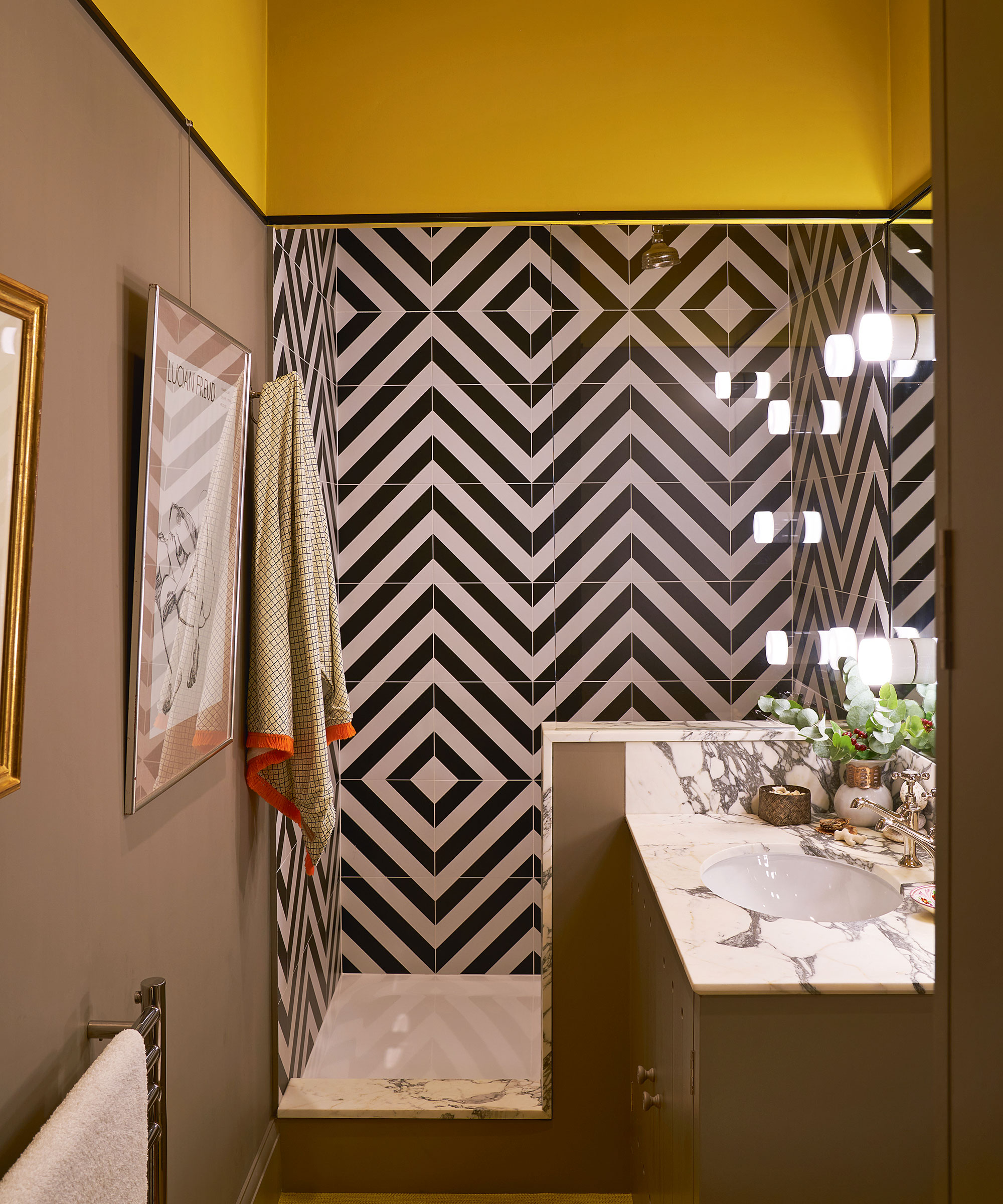
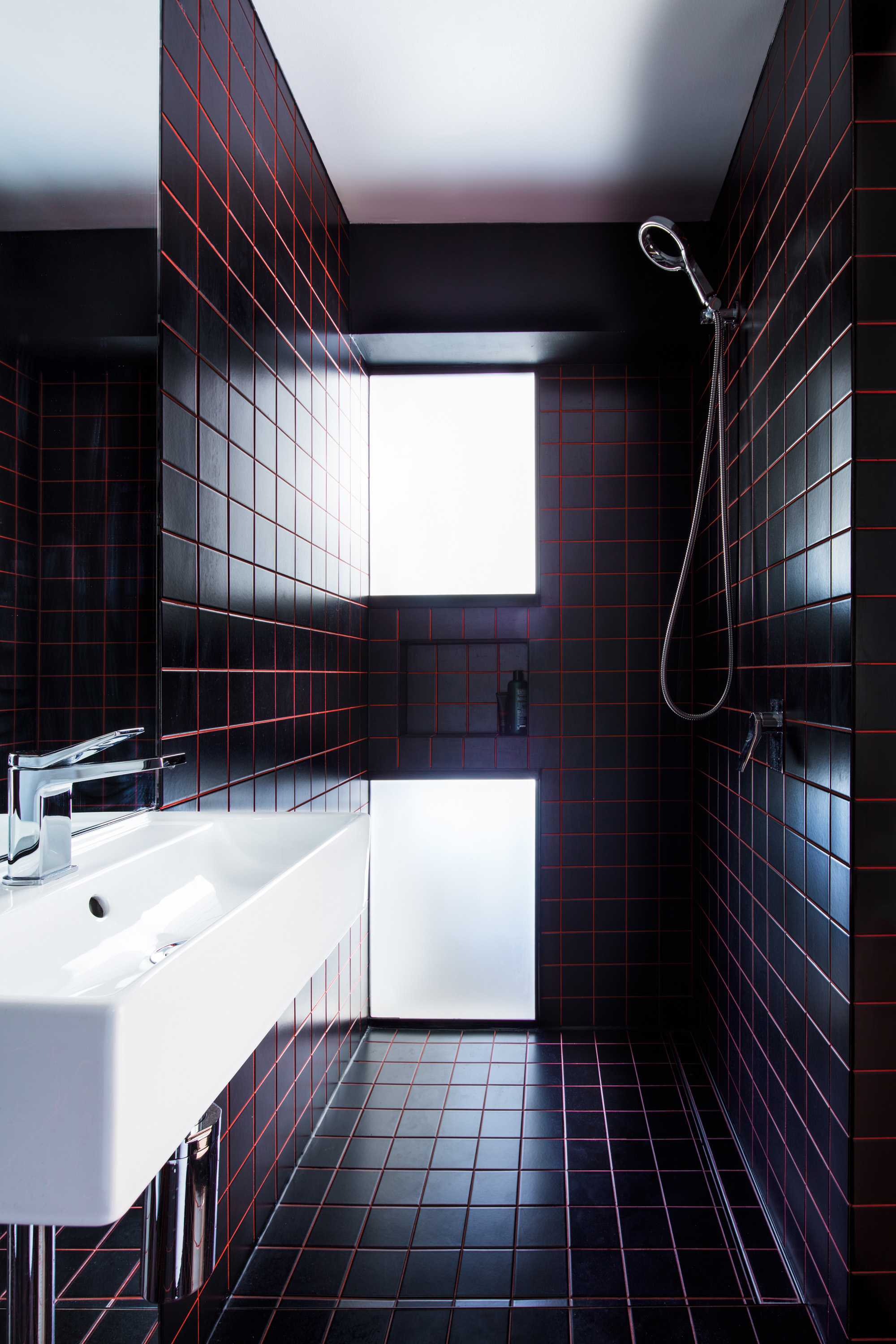
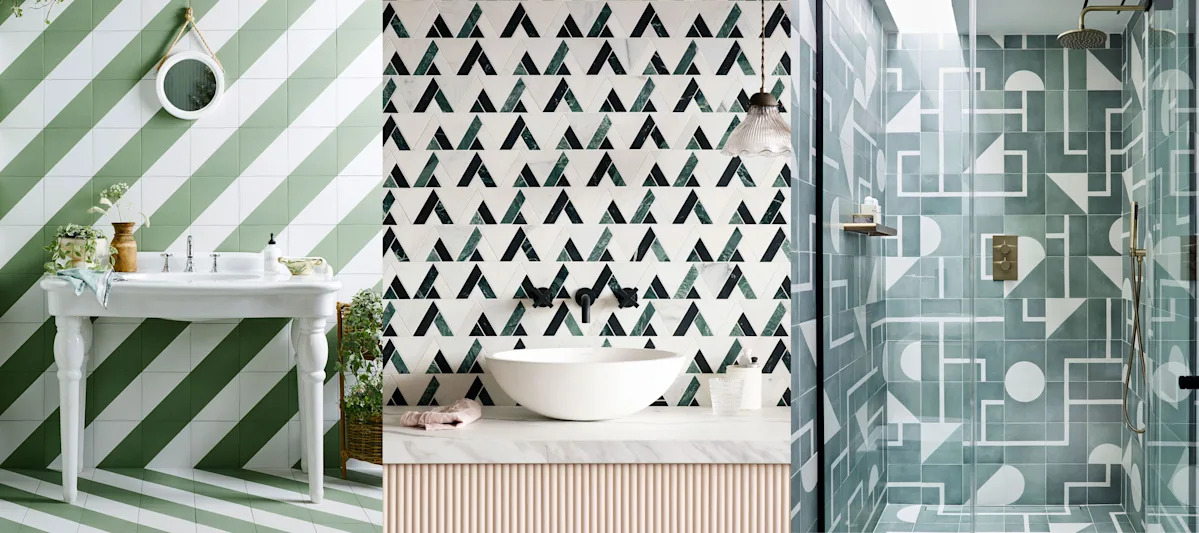
One impactful approach involves using bold diagonal stripes, which can inject energy and freshness into a bathroom. This is particularly effective in small shower rooms, where graphic lines and invigorating colors can create a sense of confidence and vibrancy. Extending the same tiling across both walls and floors can create a seamless, wet-room effect, which can make smaller spaces appear larger and more cohesive. Contrasting grout colors can further enhance the design, turning grout lines into an integral part of the visual scheme.
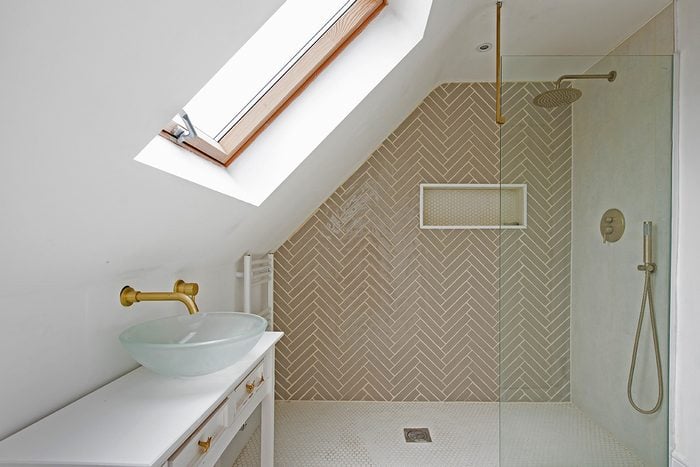
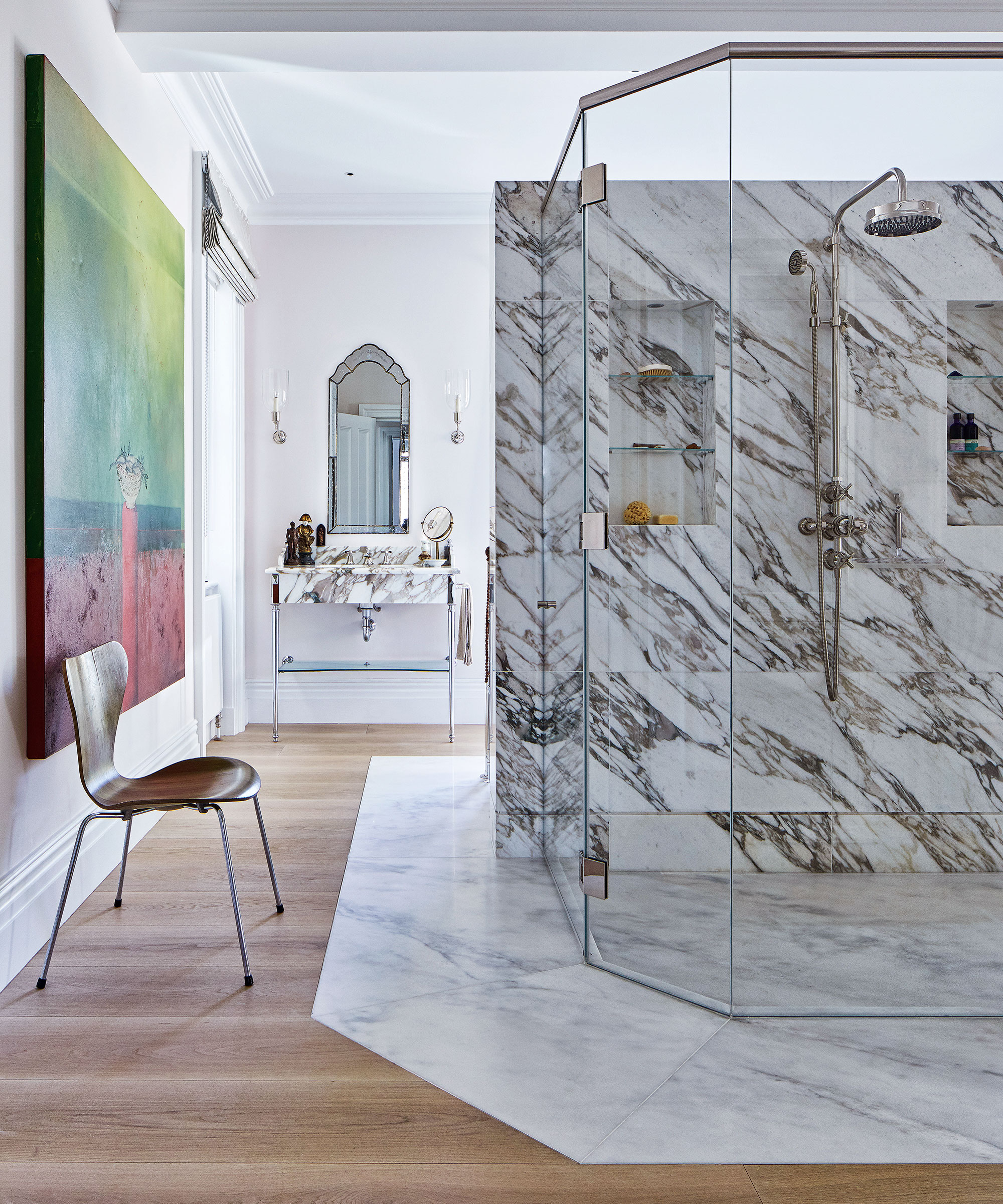
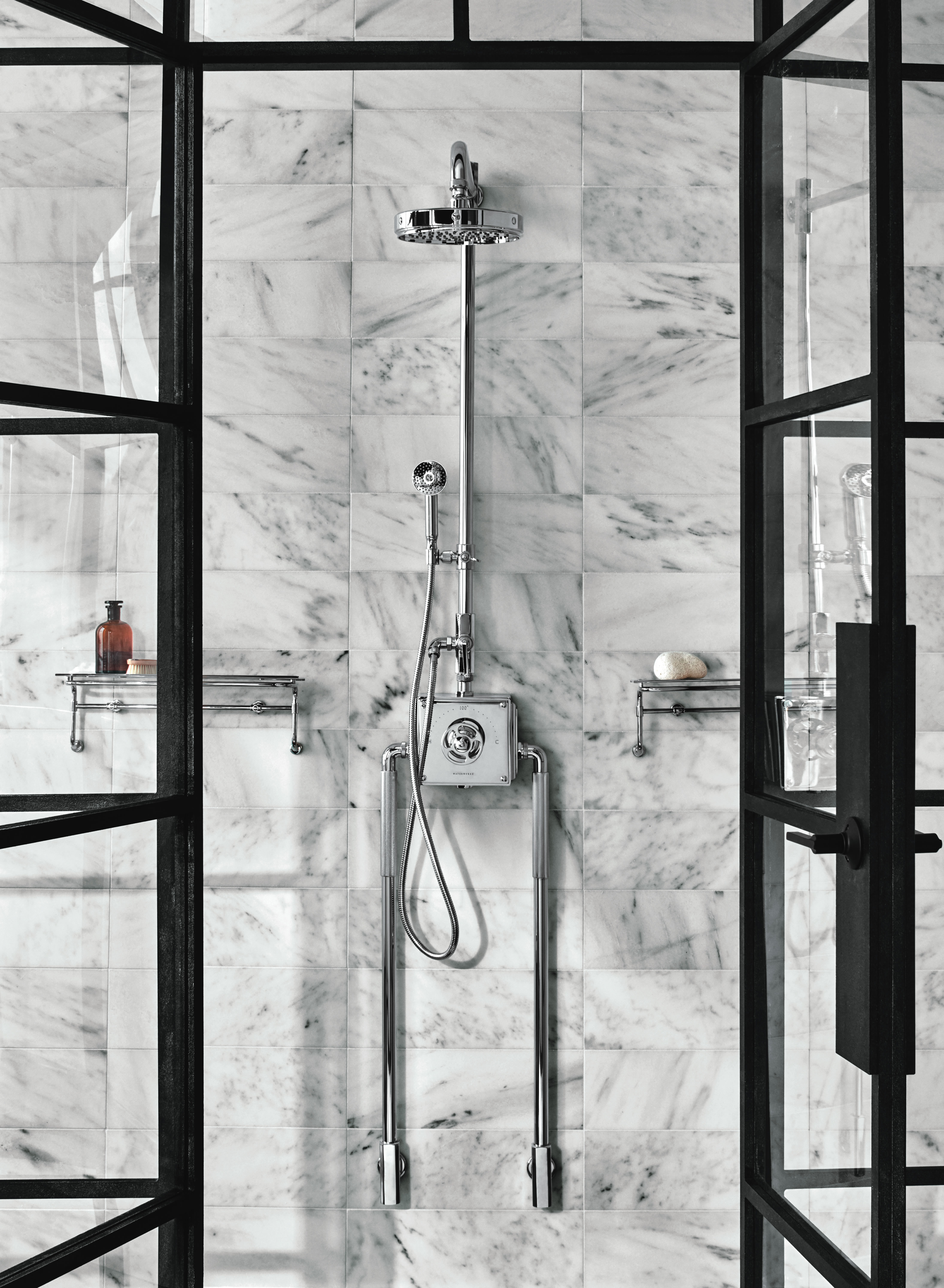
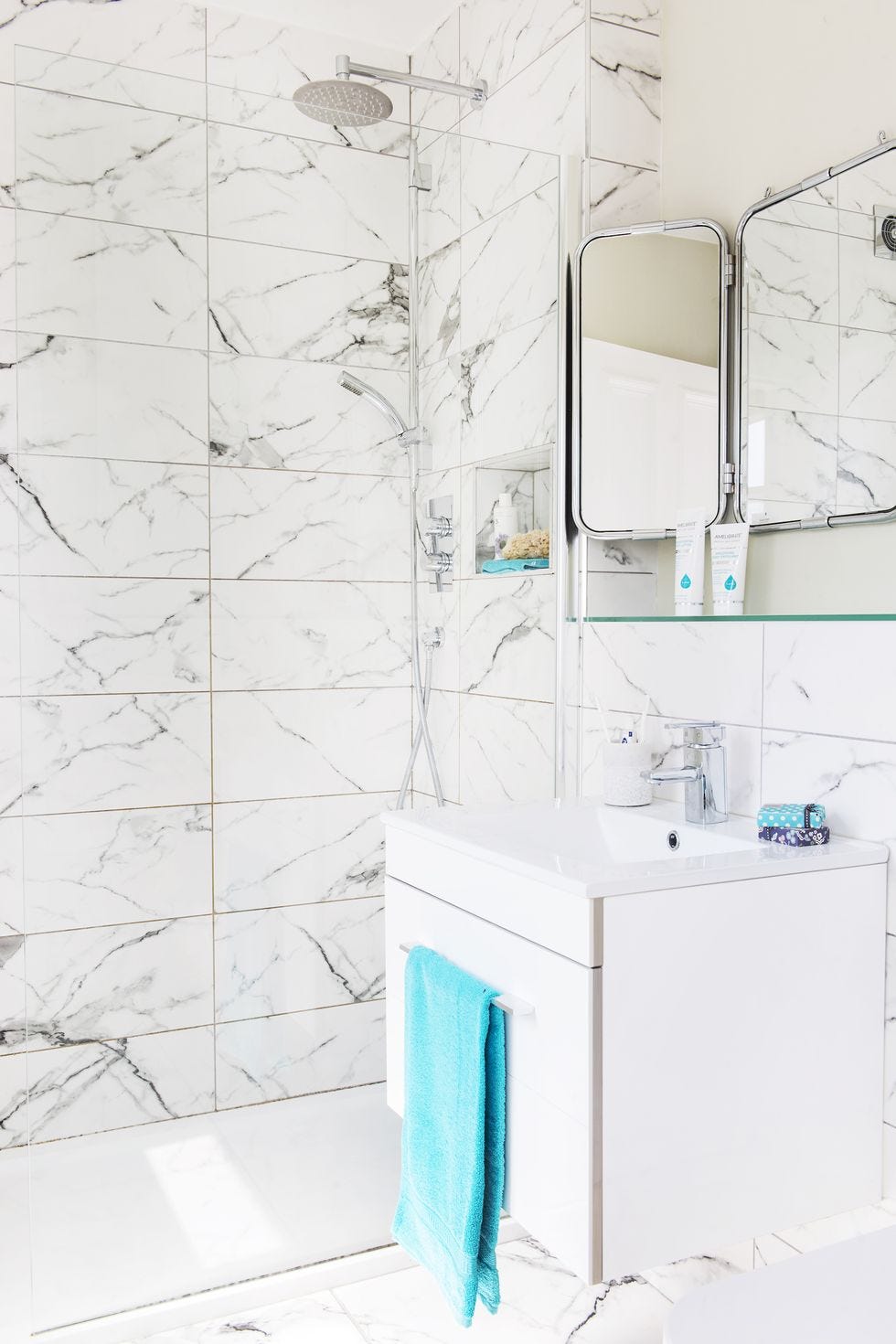
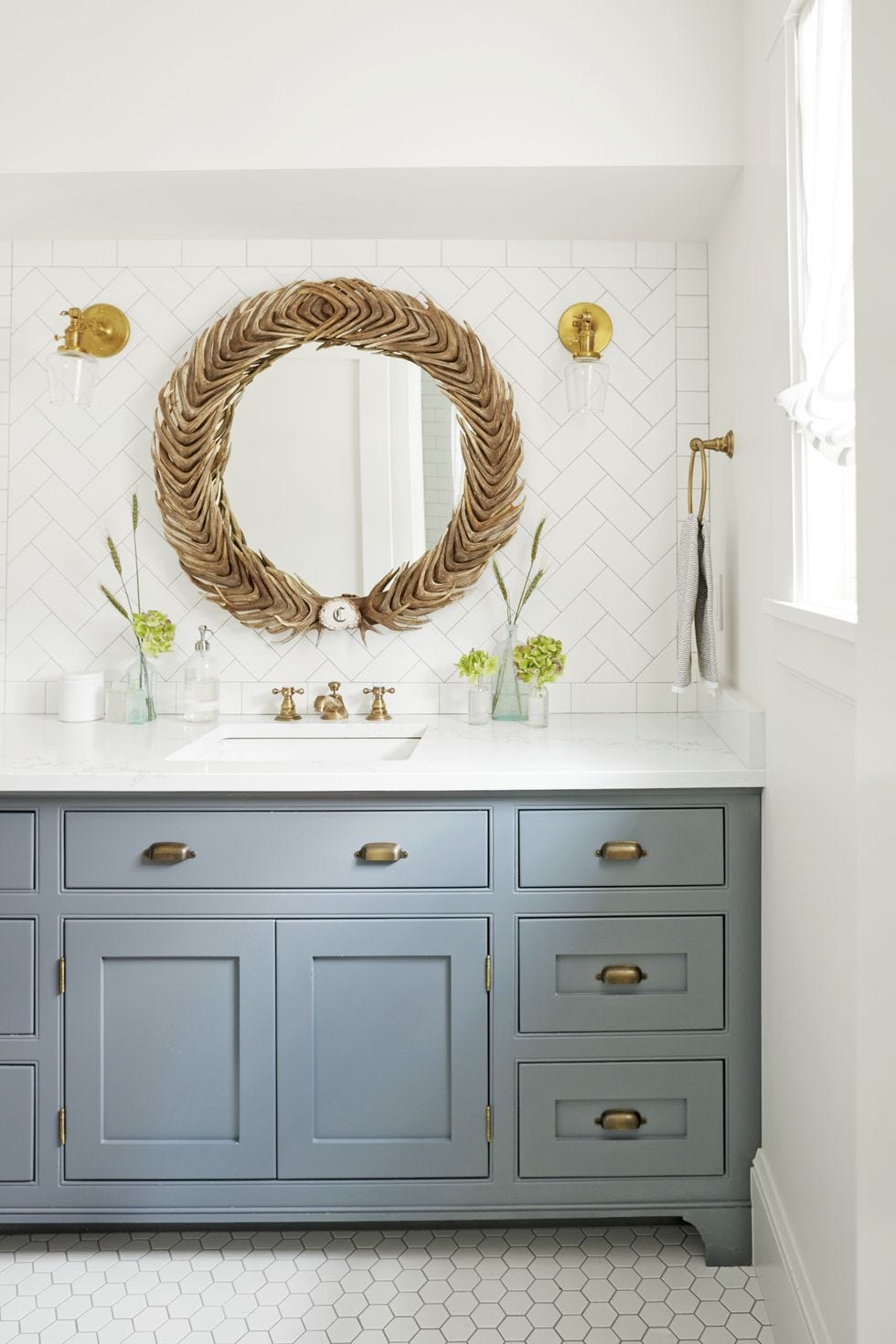
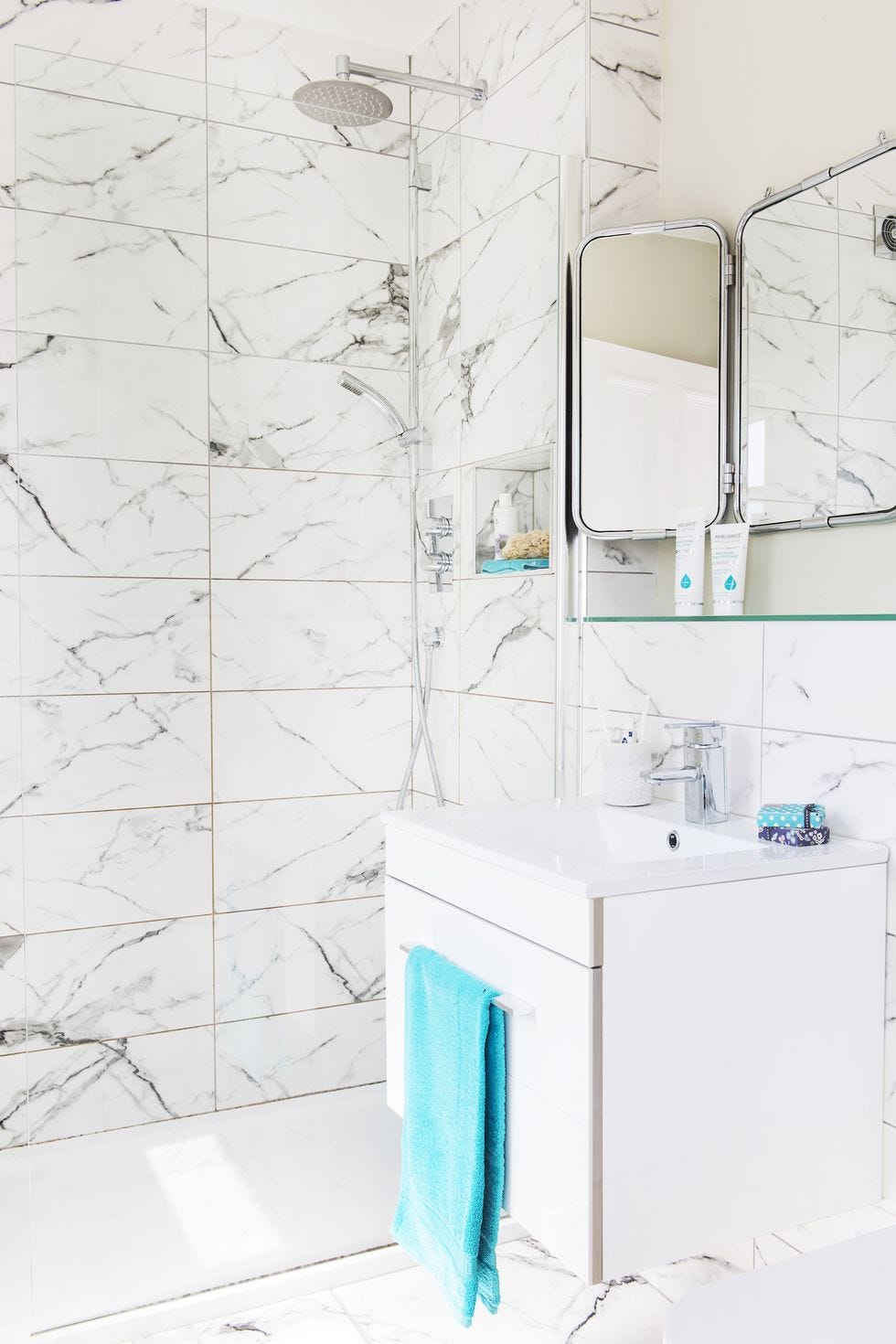
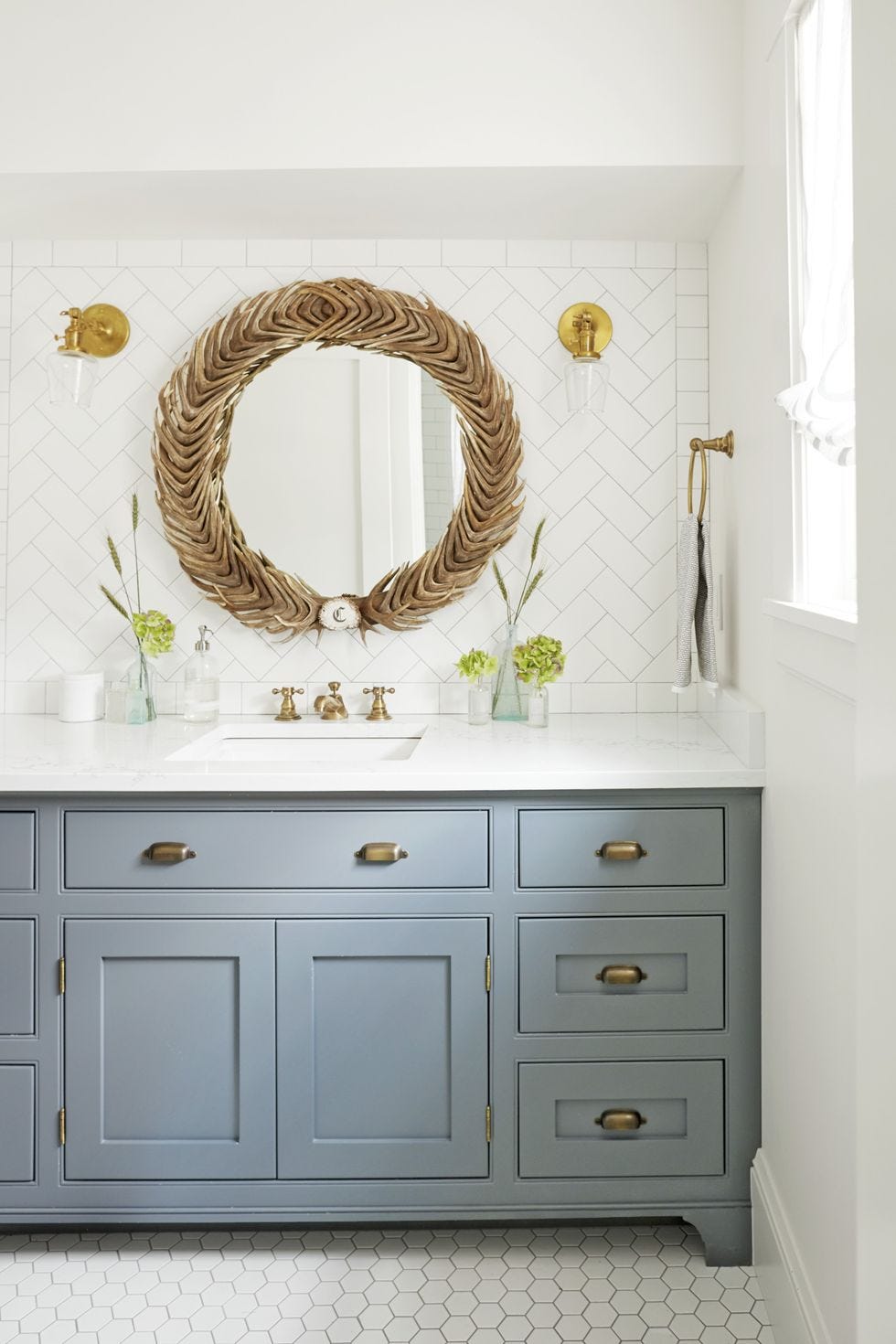
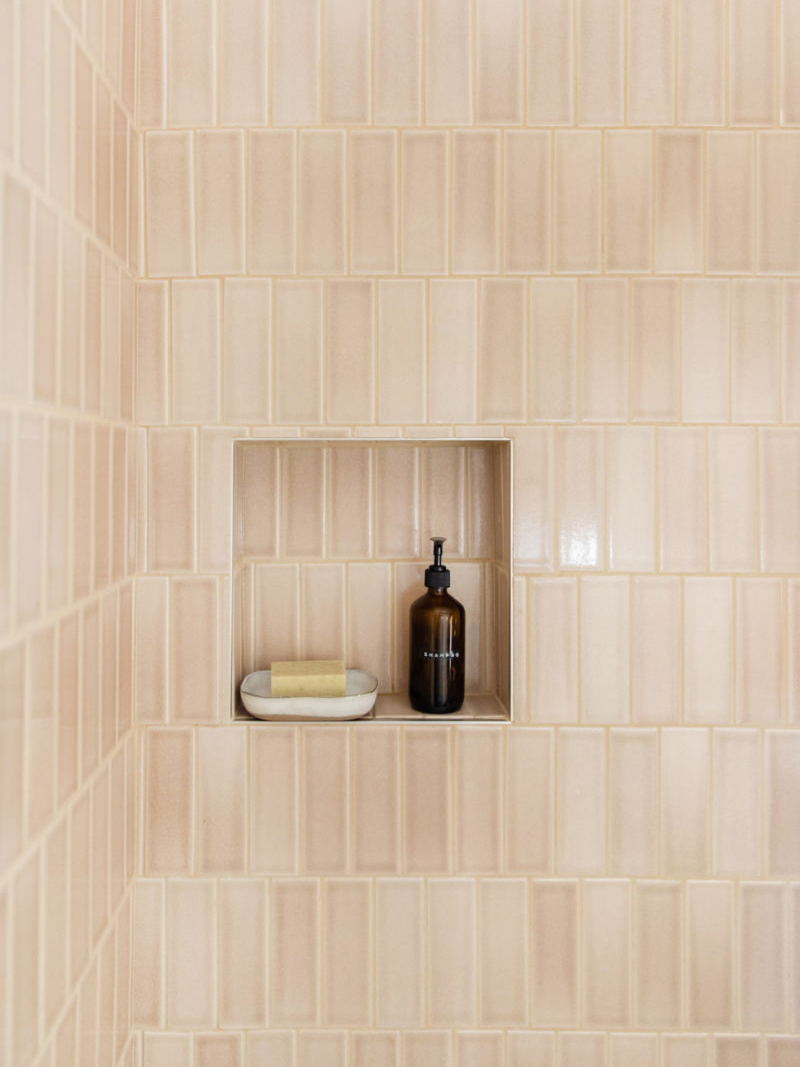
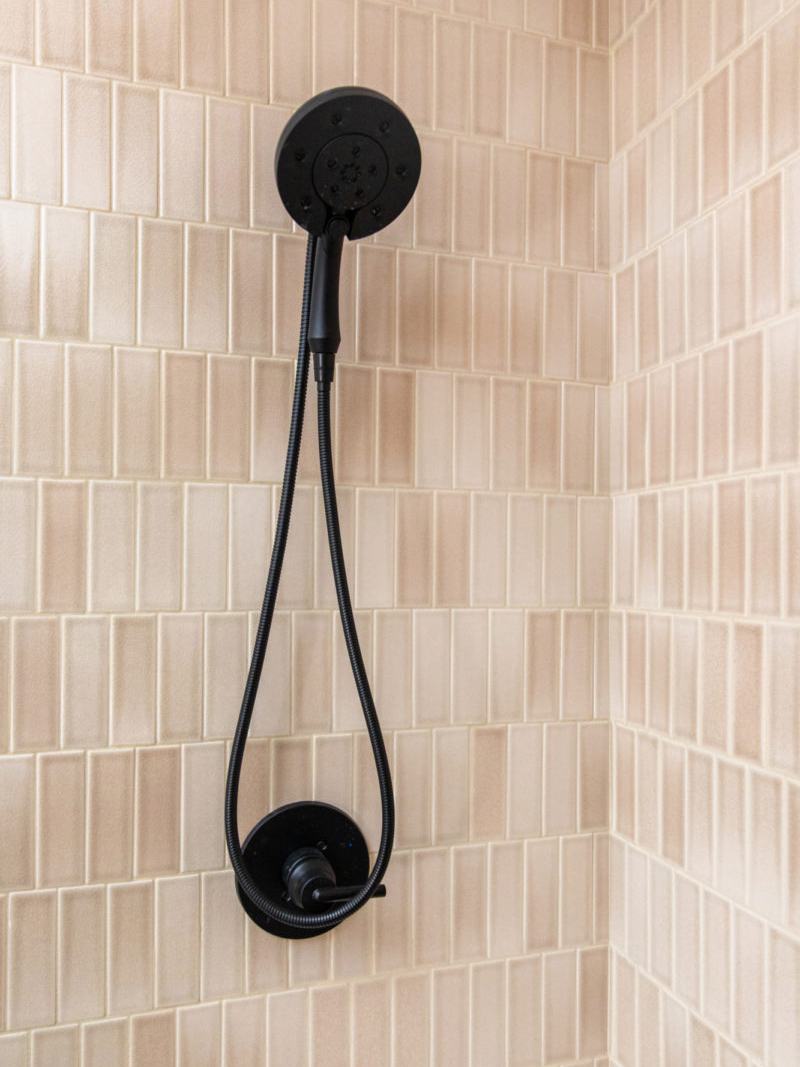
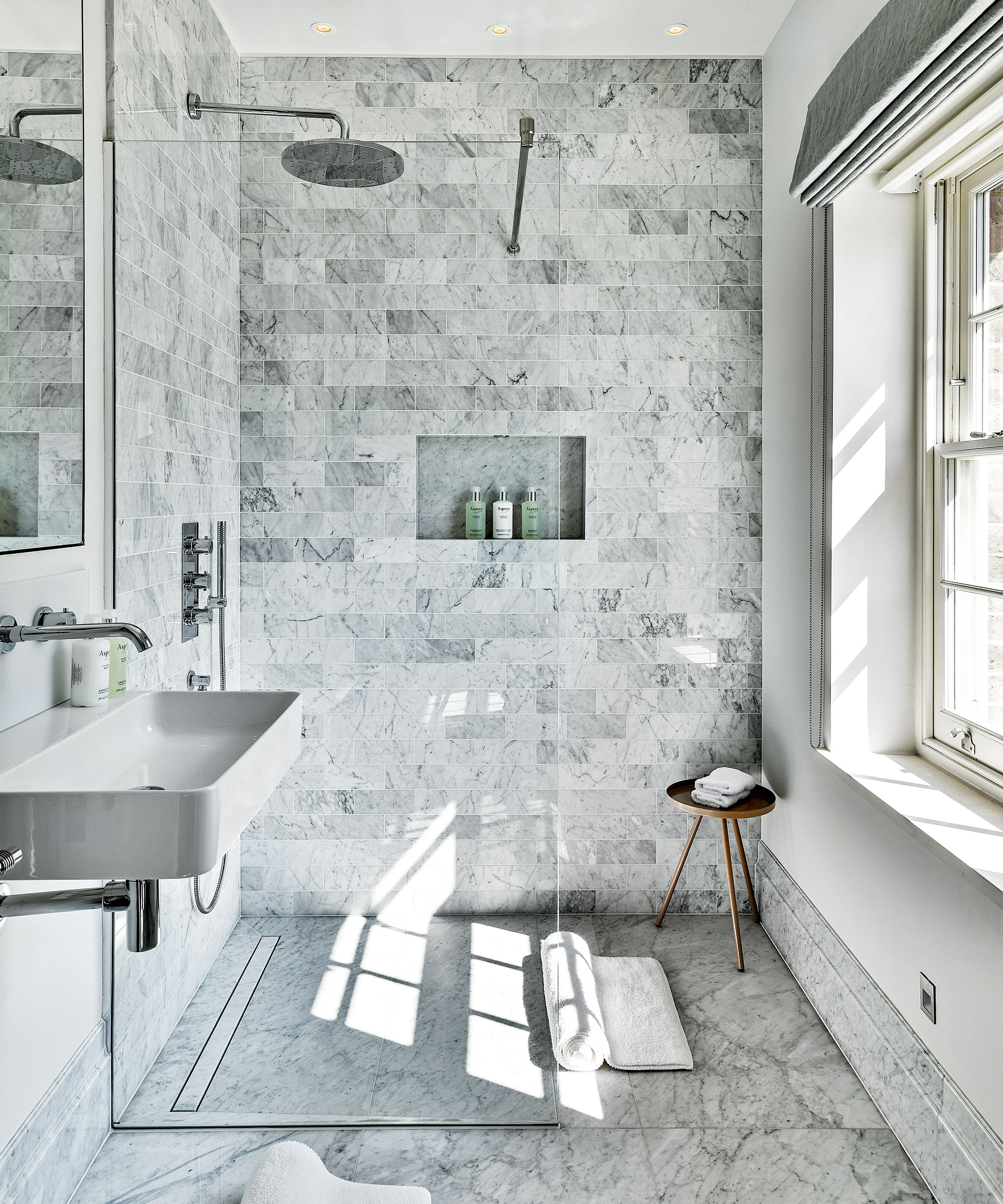
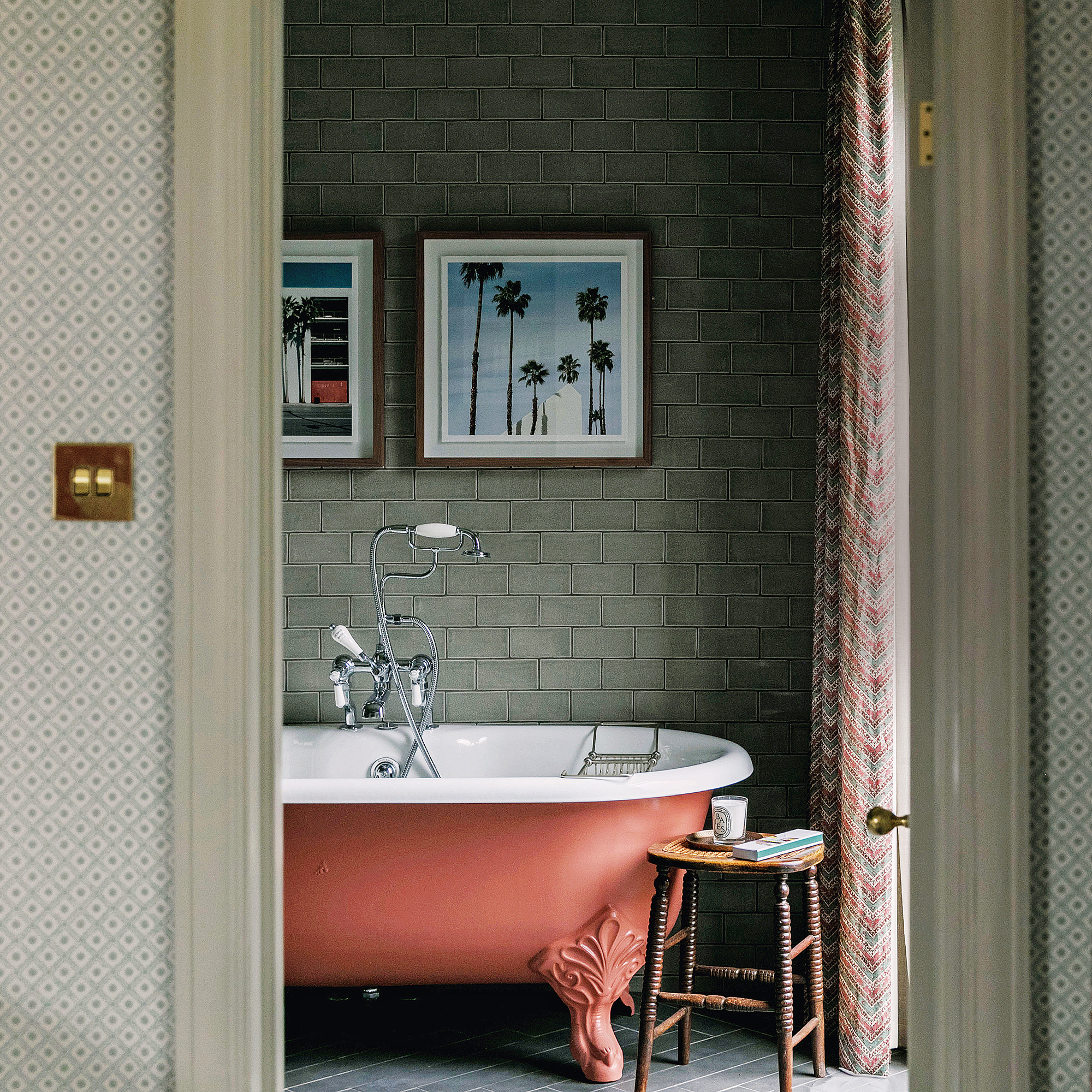
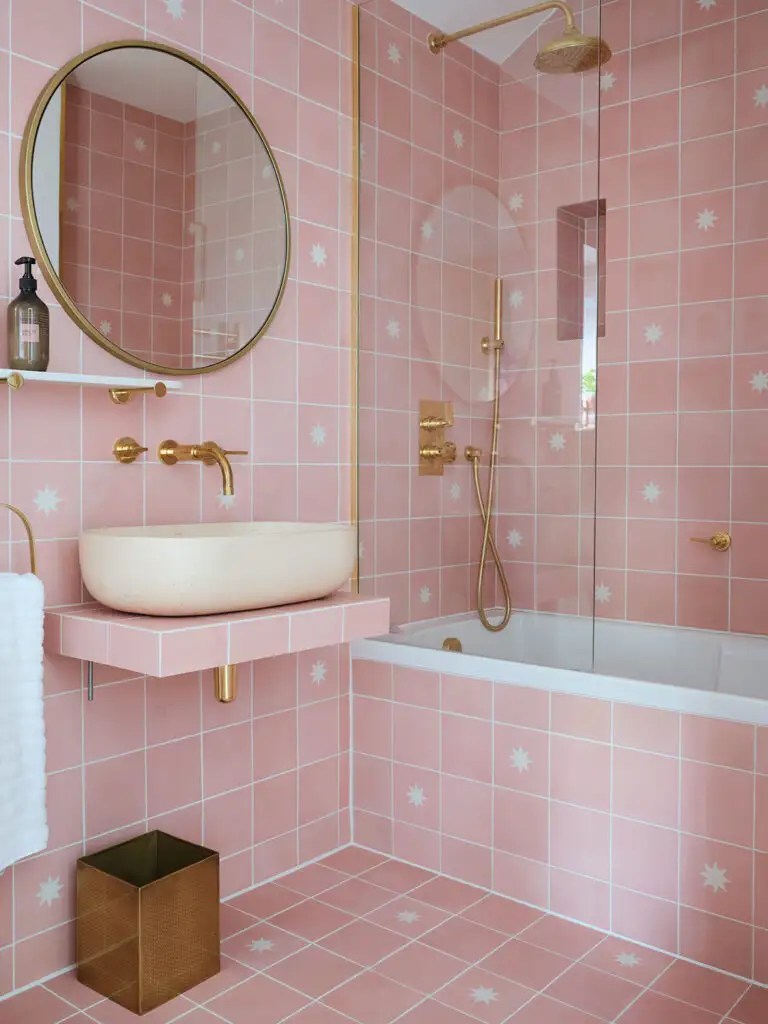
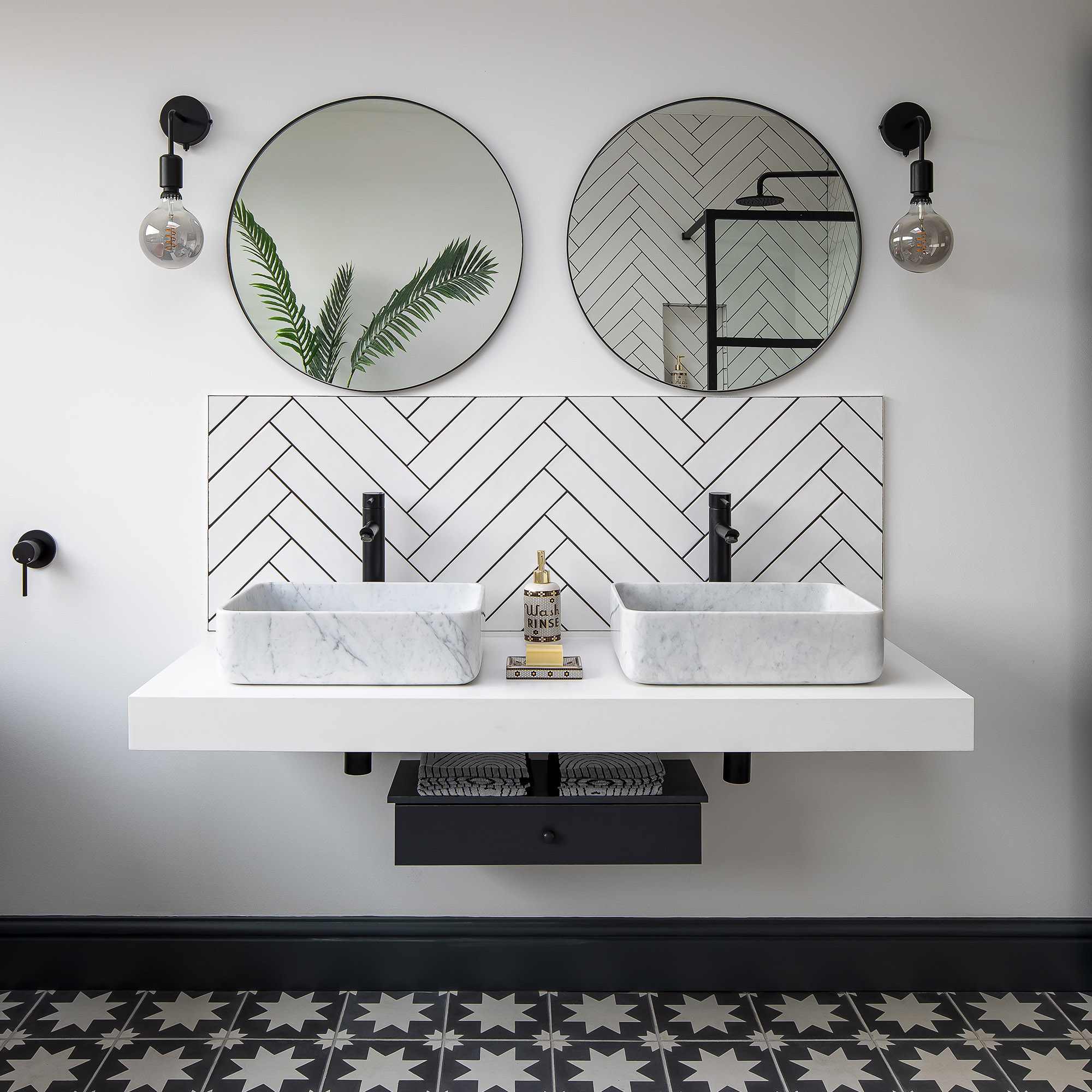
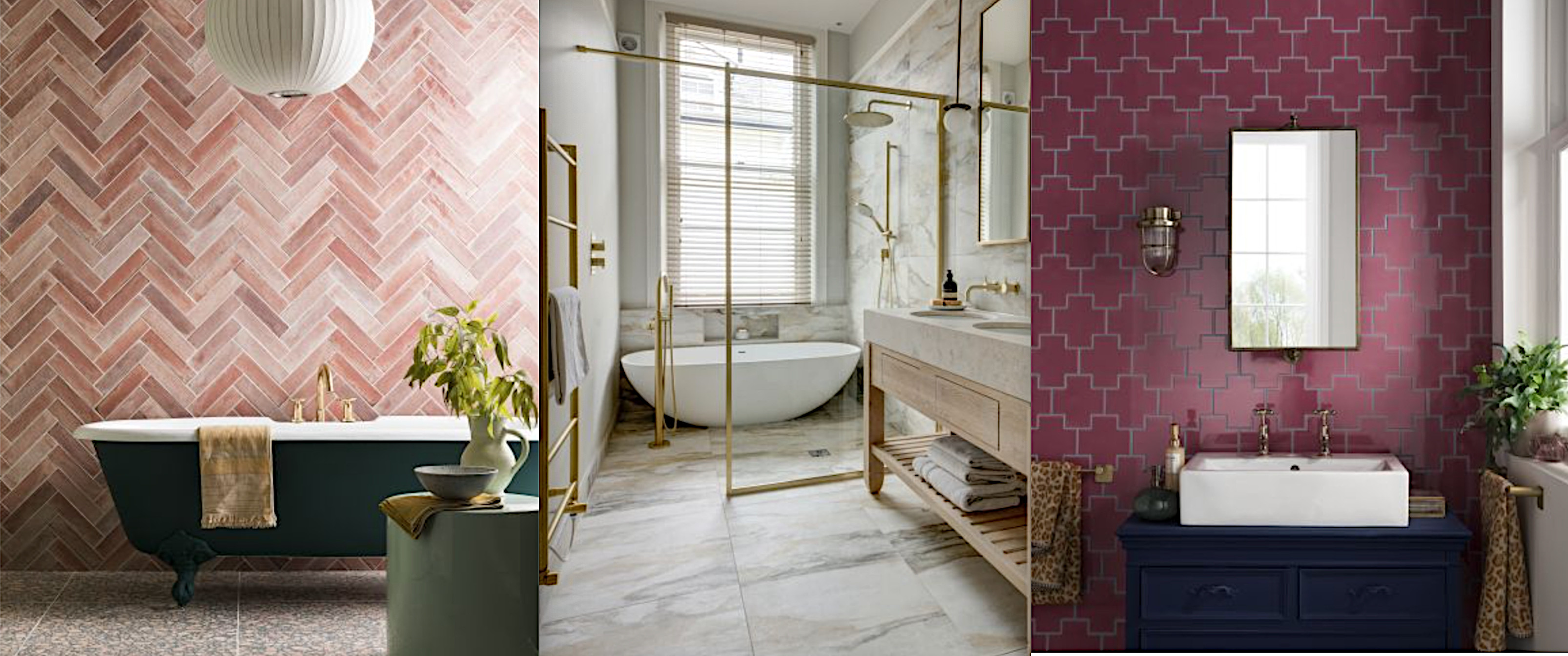
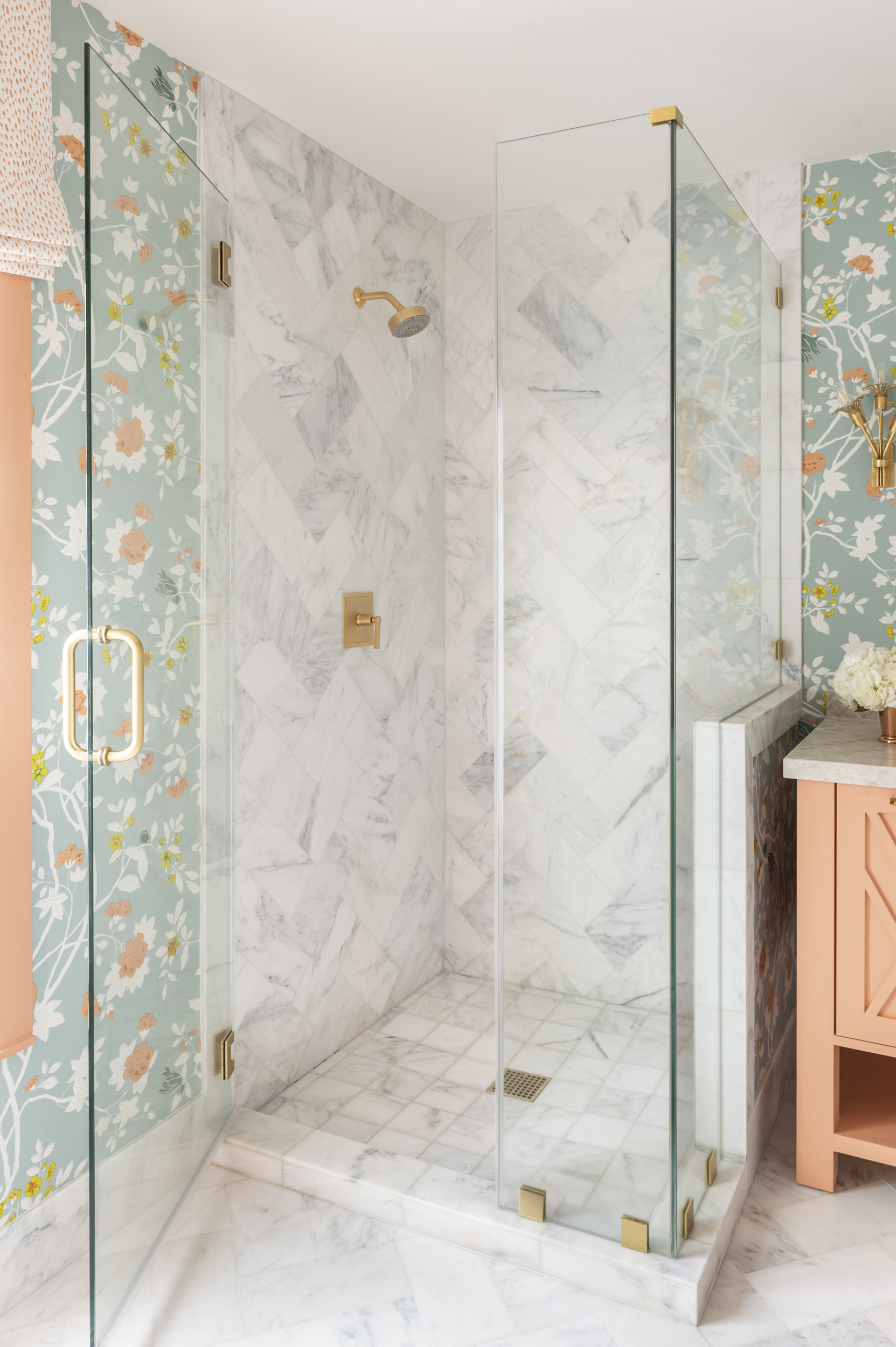
Another trending method is the herringbone pattern, especially with rose pink shades balanced by black brassware and grey geometric tiles. While traditional brick-bond or off-set subway tiles have been popular, there's a growing preference for longer, slimmer vertical brick shapes. Marble tiles, with their natural variations in tone and veining, are also favored in herringbone and chevron designs.
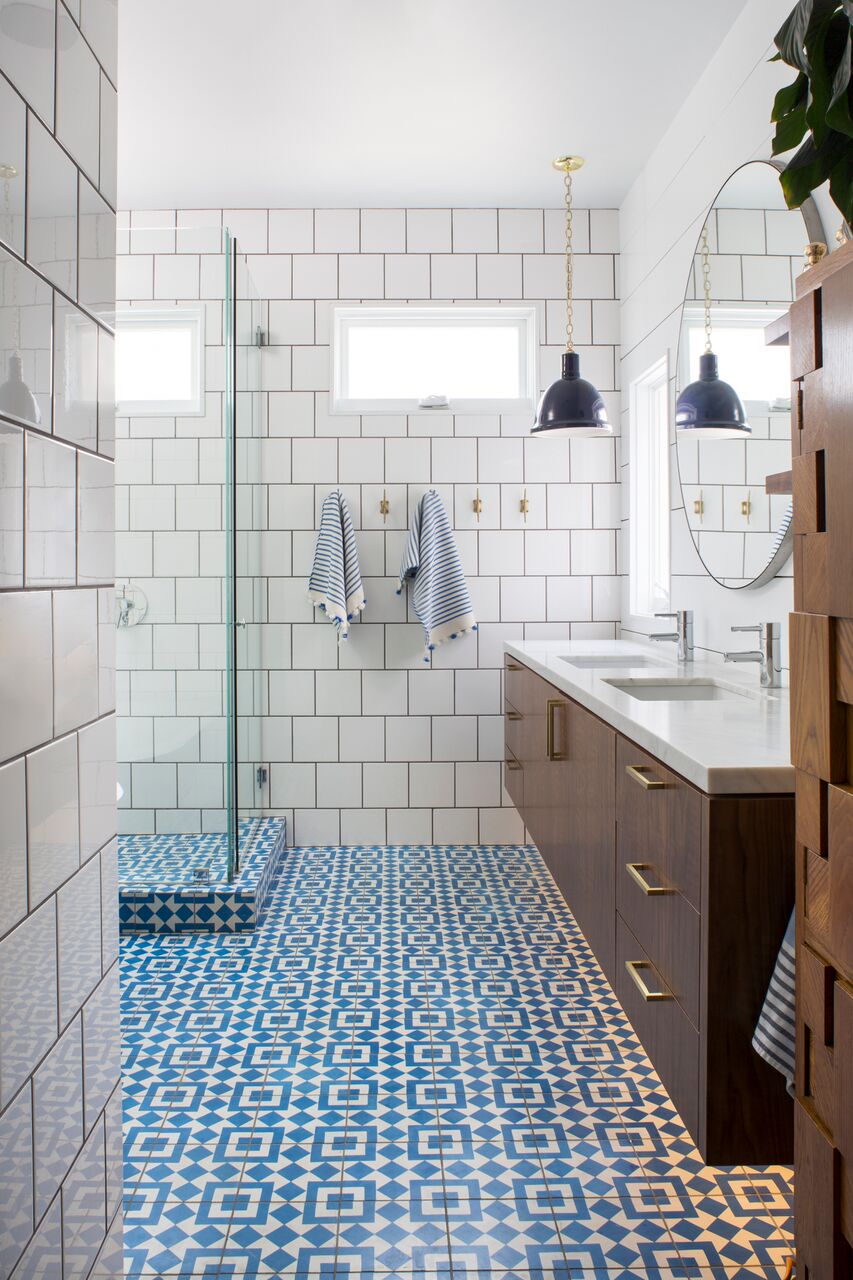
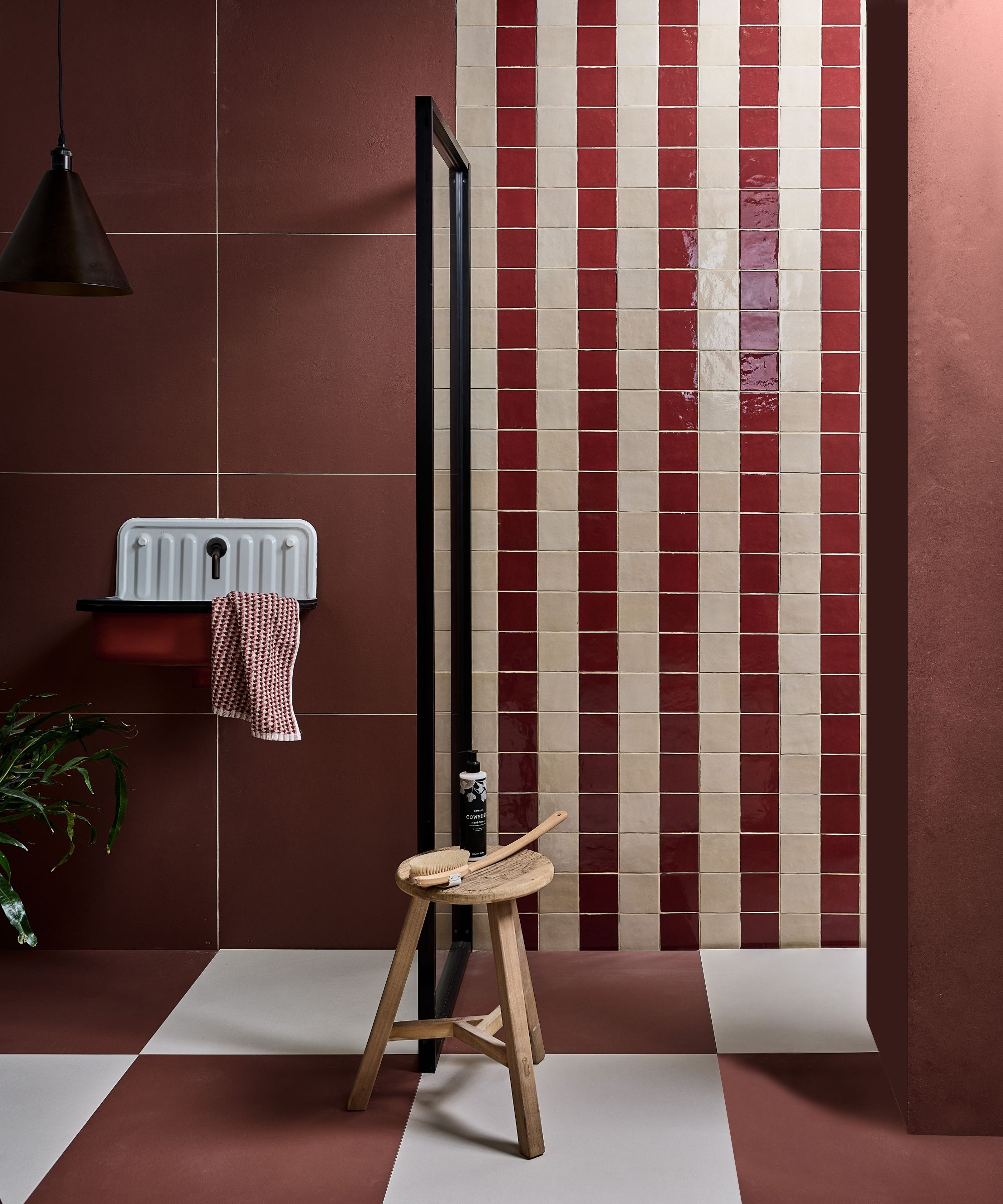
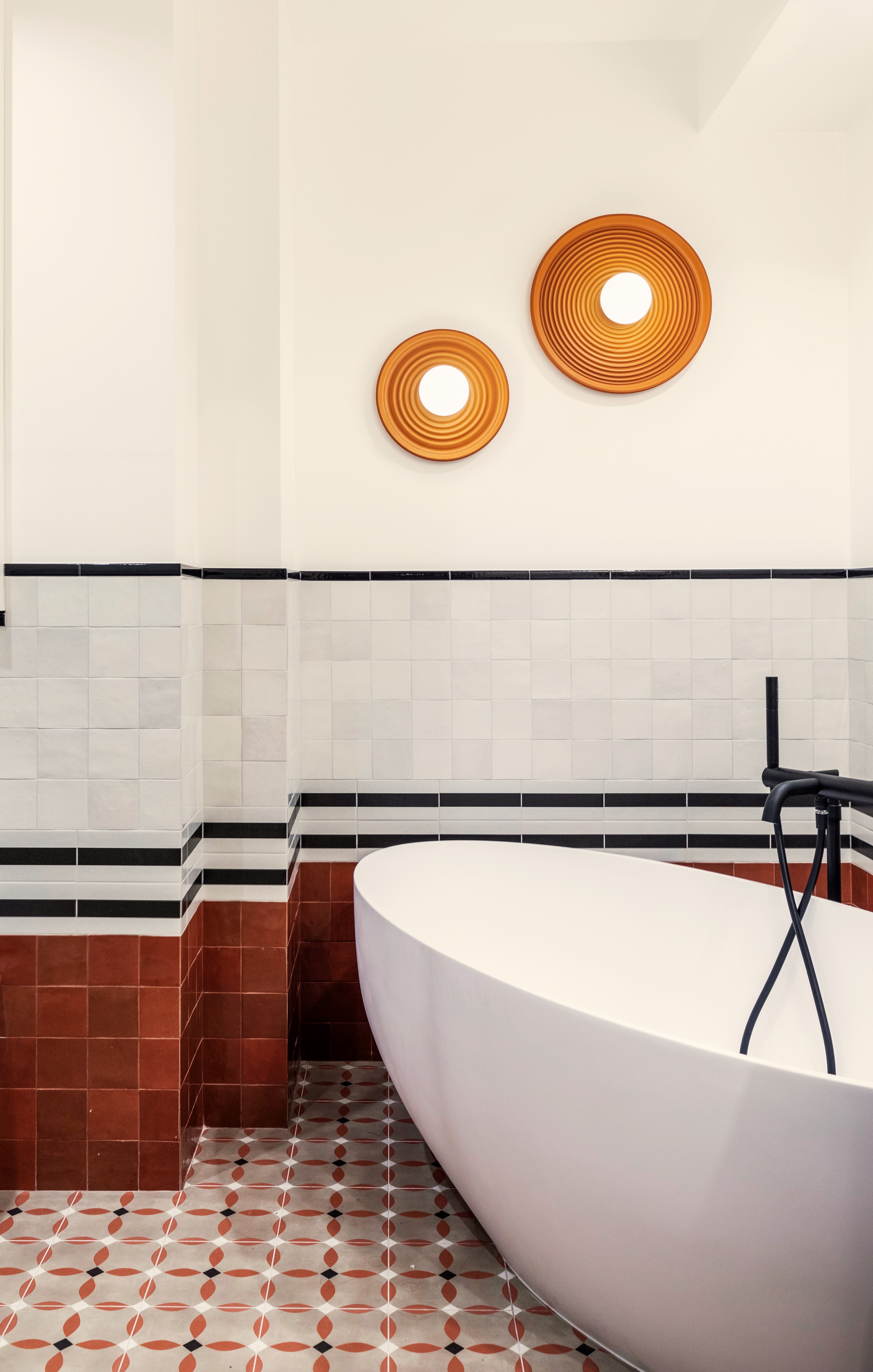
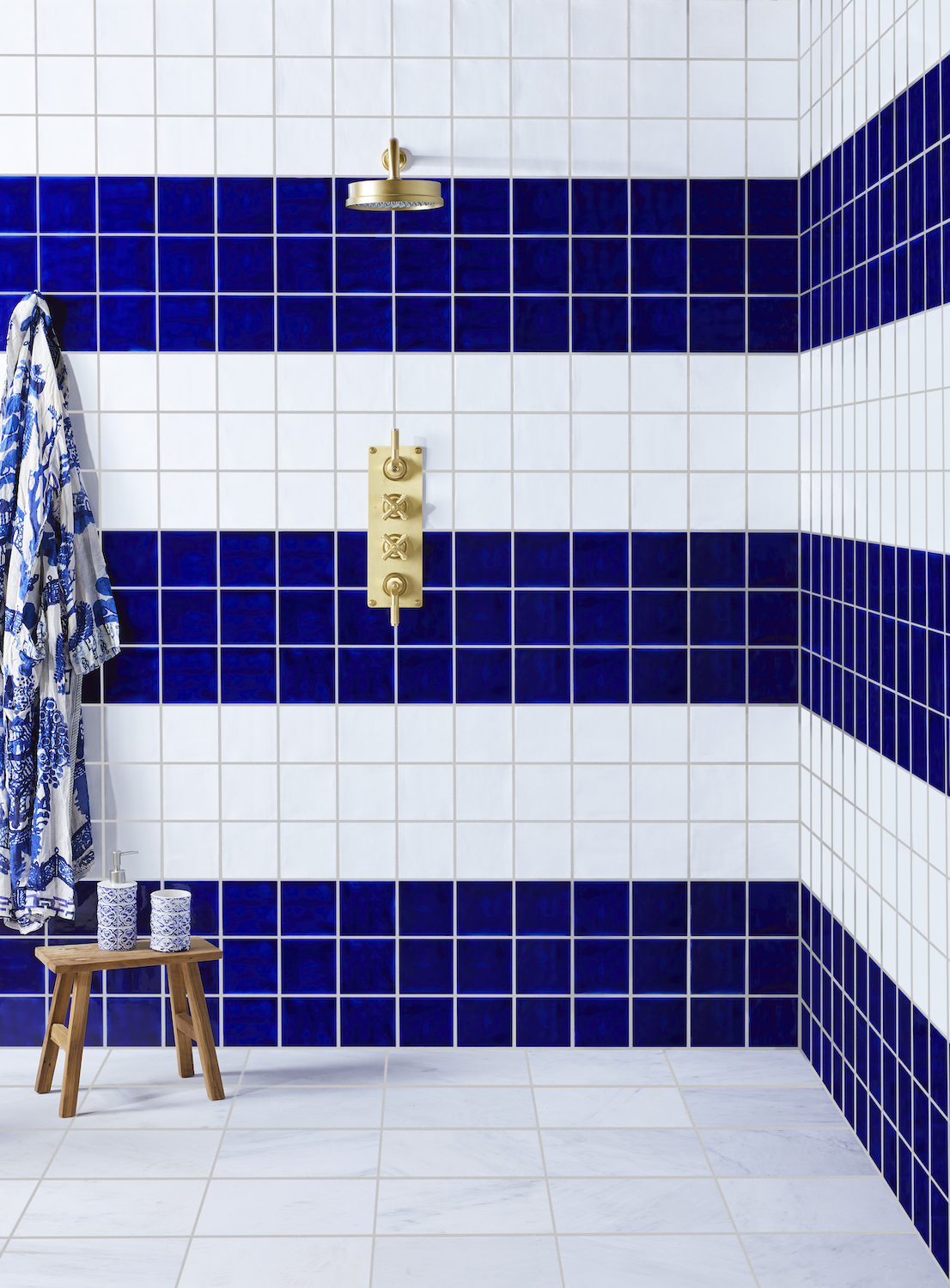
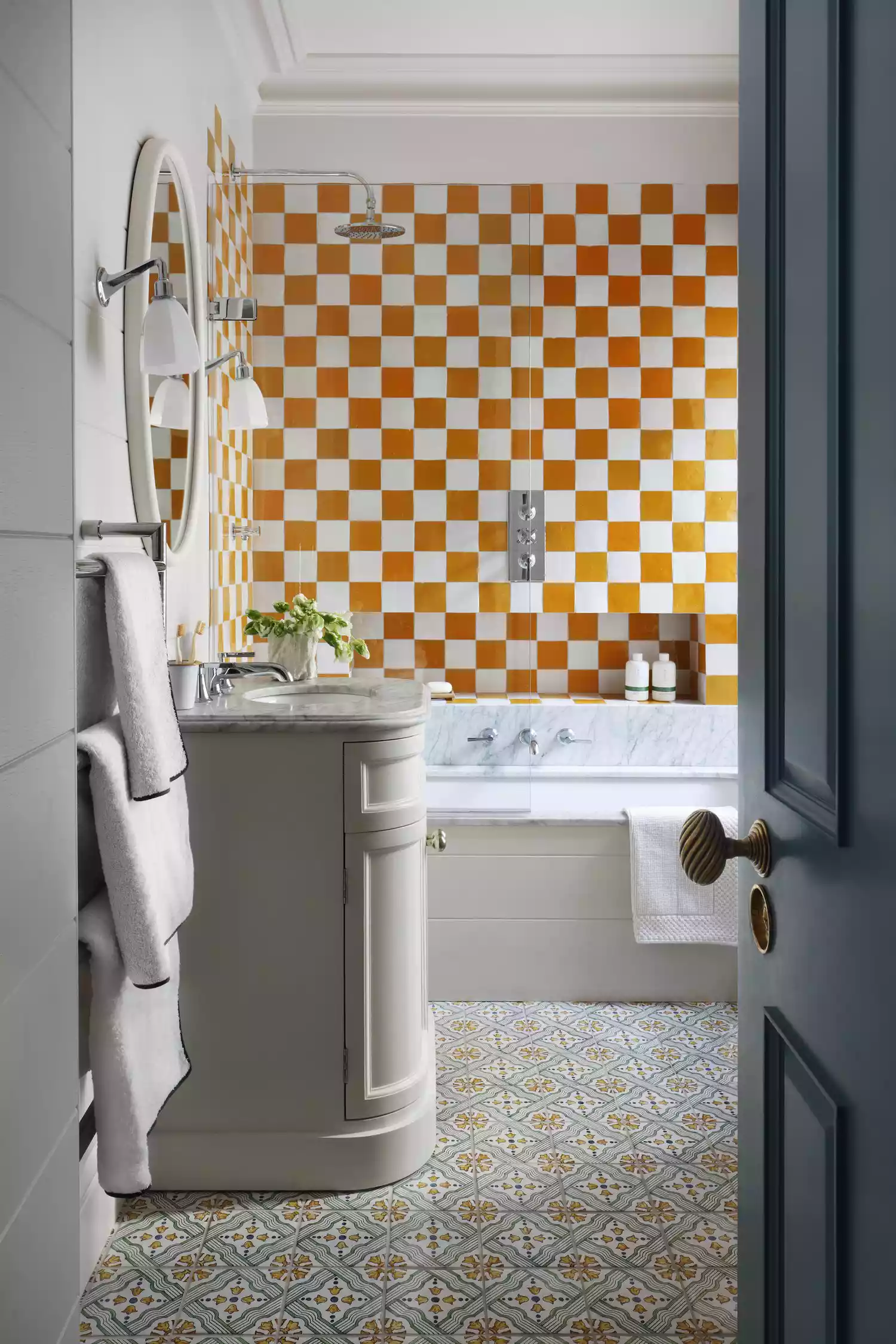
When selecting tiles, it is crucial to consider longevity, as tiling is an investment that outlasts transient trends. Personal style should guide choices over fleeting fads to avoid costly mistakes and ensure a unique, lasting aesthetic. Simple tiles can be made spectacular through imaginative layouts, such as combining white and cobalt blue squares in wide striped blocks, creating a striking visual interest. Mixing matte and gloss finishes also offers a subtle yet impactful design element.
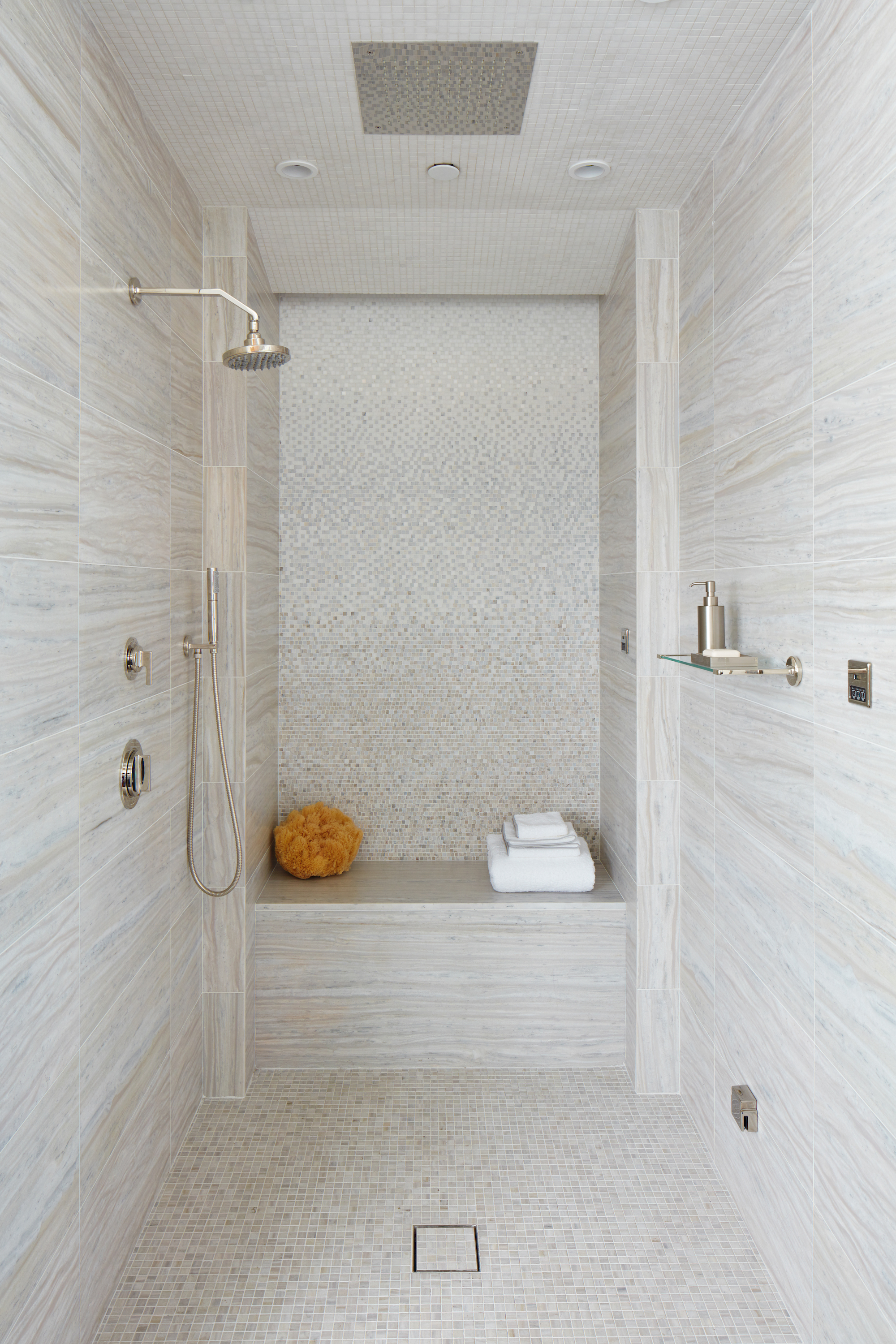
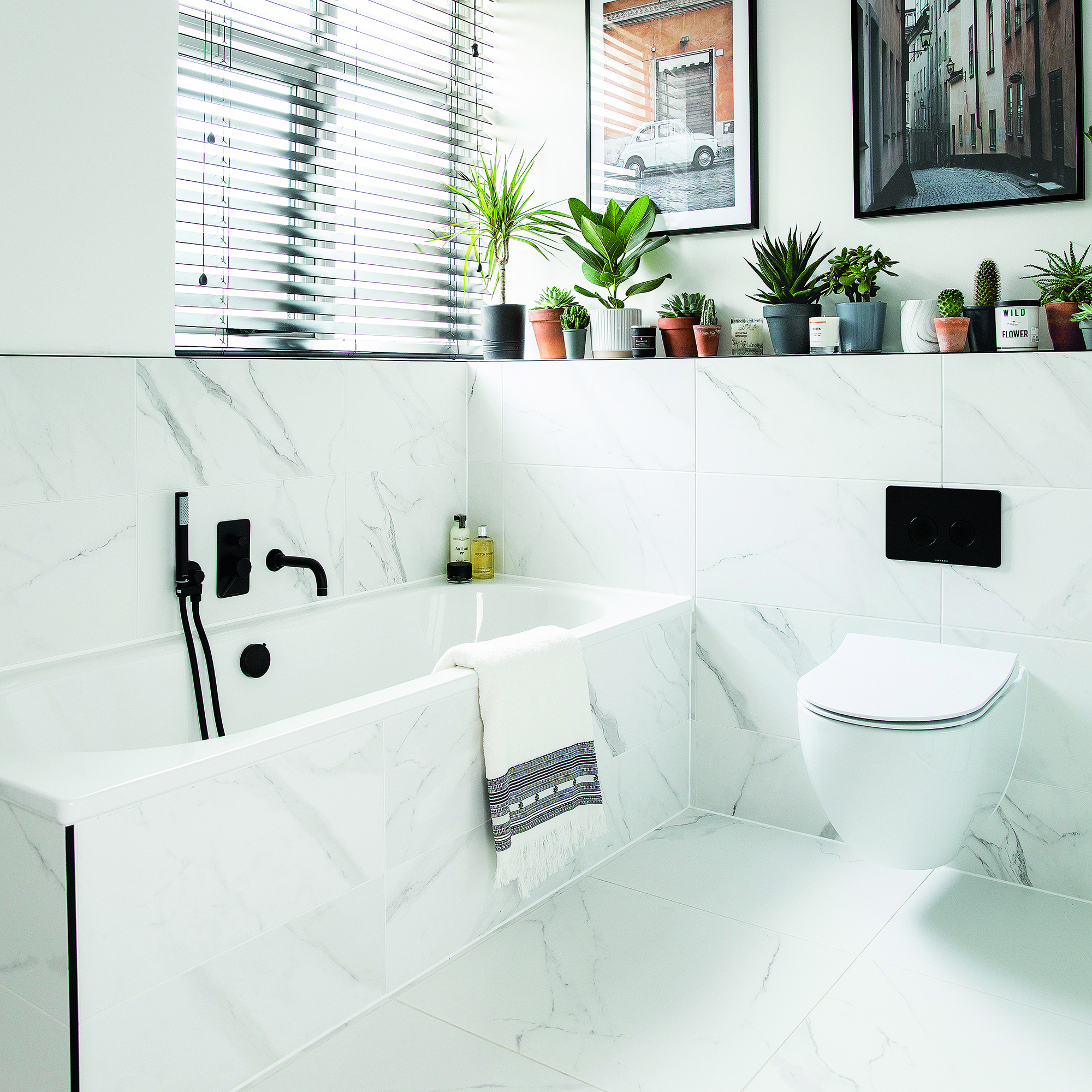
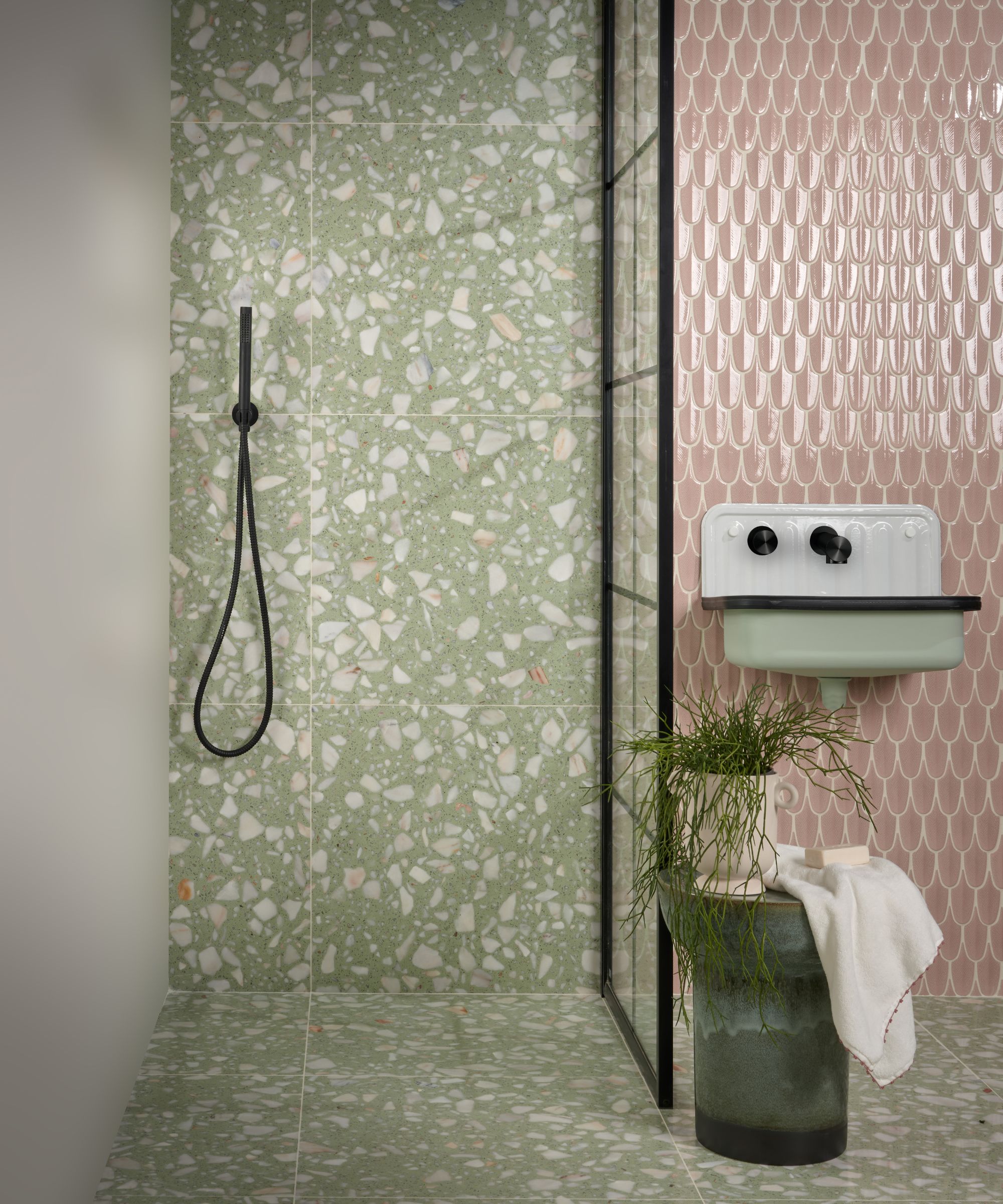
For a touch of opulence, precious-stone effects are gaining traction. While marble remains a staple, porcelain tiles replicating the look of onyx, like those in the California Dreaming collection, offer a sophisticated alternative. These large-format tiles mimic semi-precious stones without the high cost of natural slabs. Color palettes are generally soft, ranging from gentle greens and pinks to soft oranges, inspired by rose quartz or honey onyx.
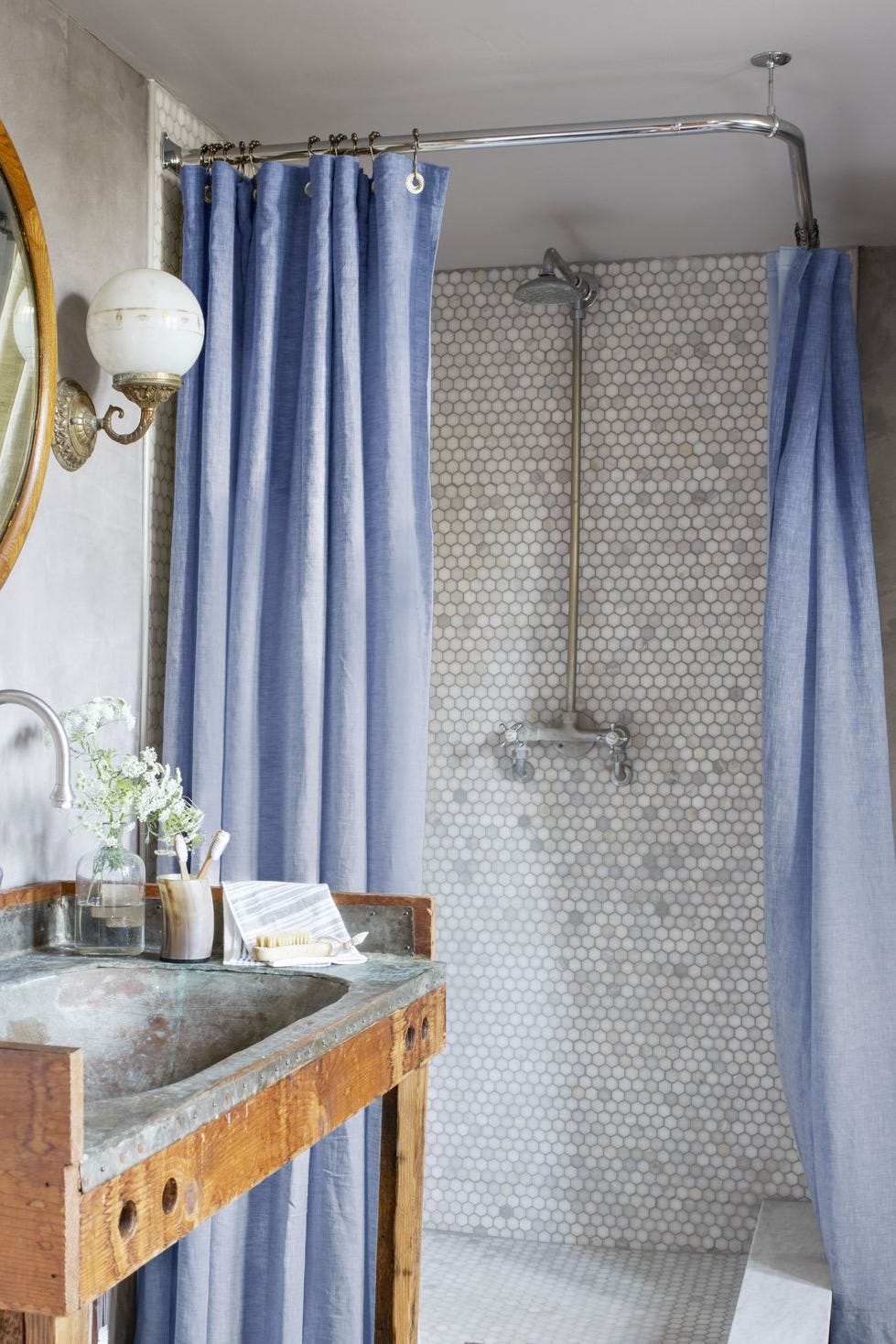
Irregular patterns, often achieved with hexagonal tiles, allow for modern and unique wall designs. A staggered effect, reminiscent of worn ancient buildings, can create an interesting feature, particularly suitable for small bathrooms. This laid-back look requires precise planning, often by laying out tiles on the floor first to ensure the desired pattern before installation.
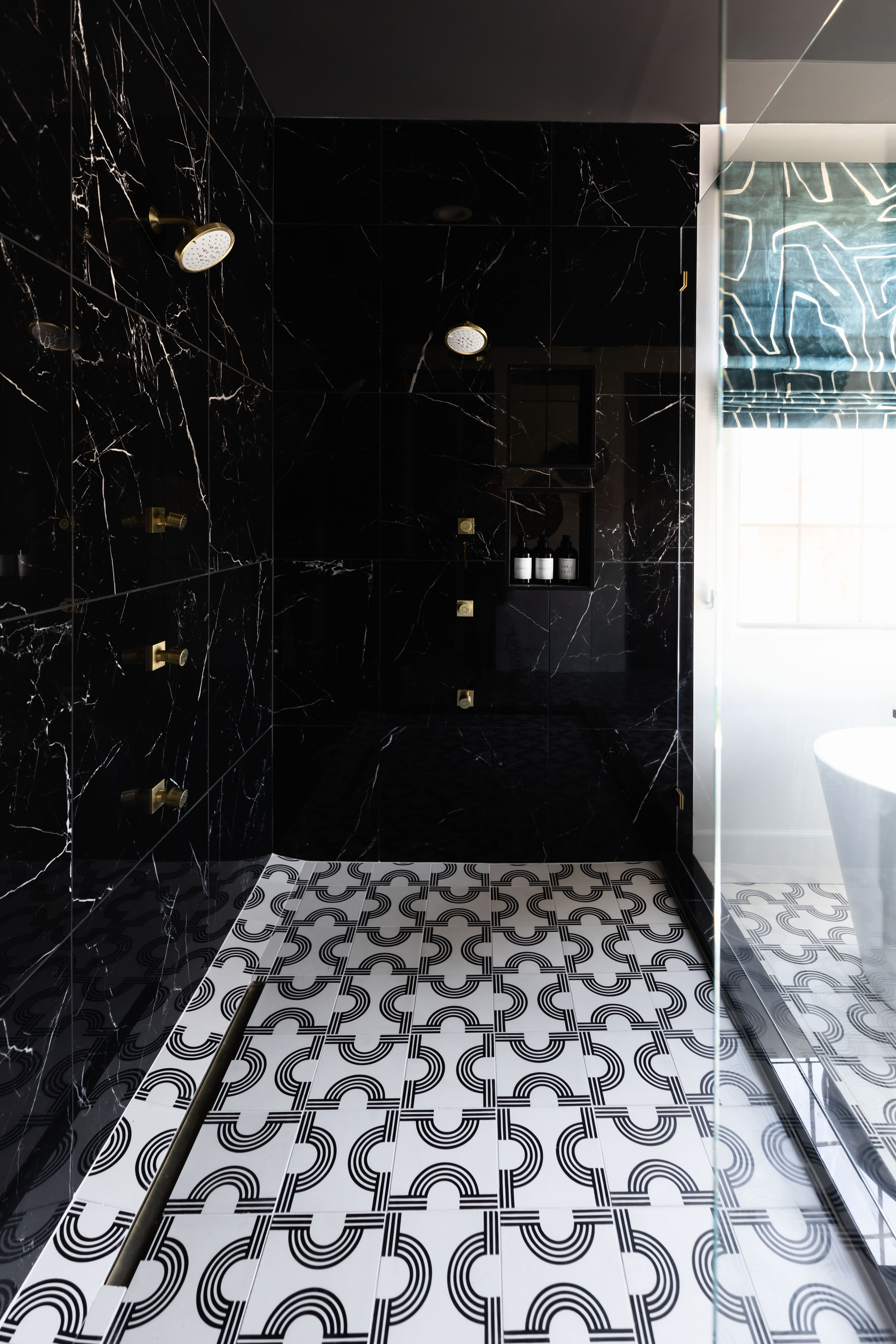
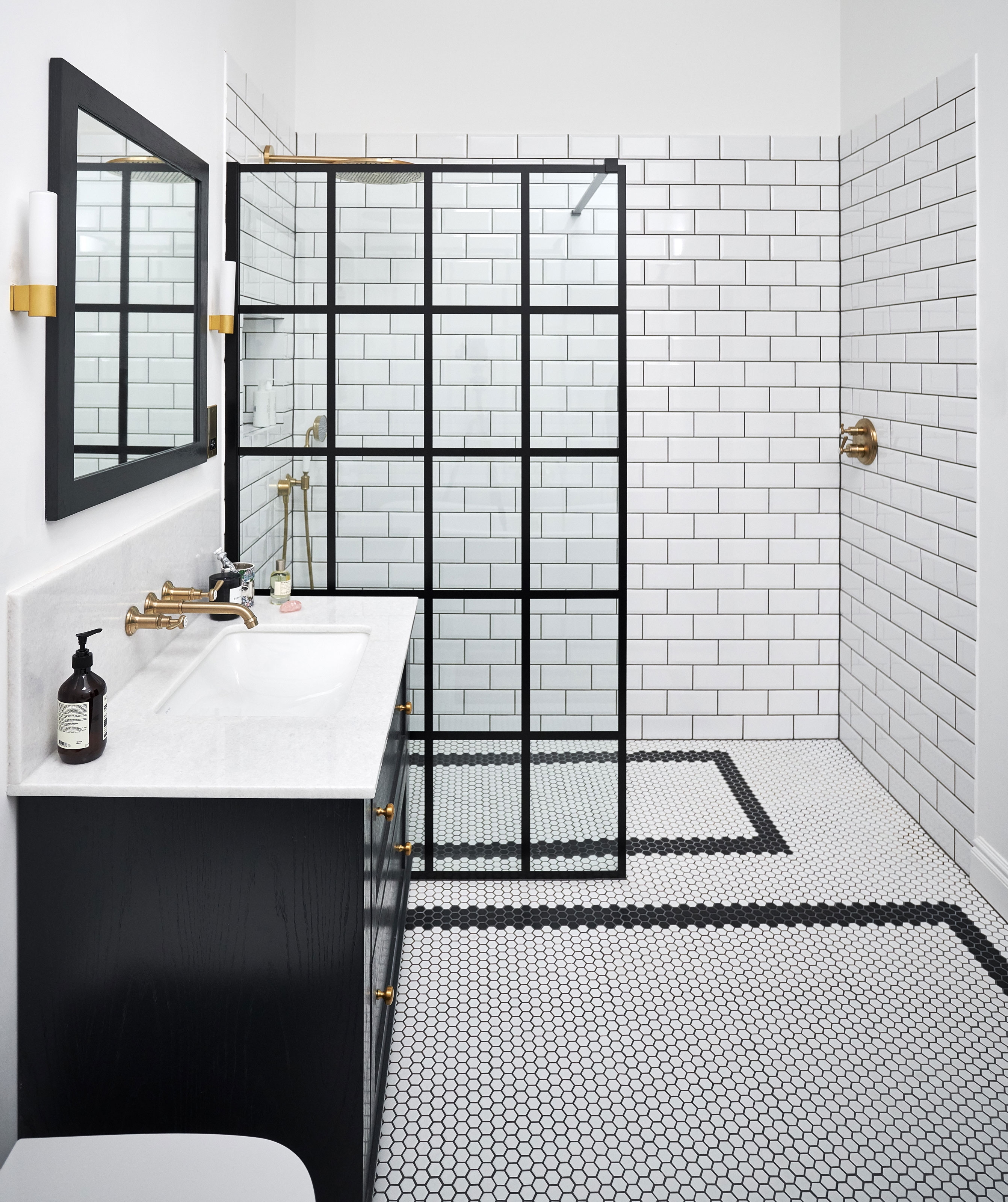
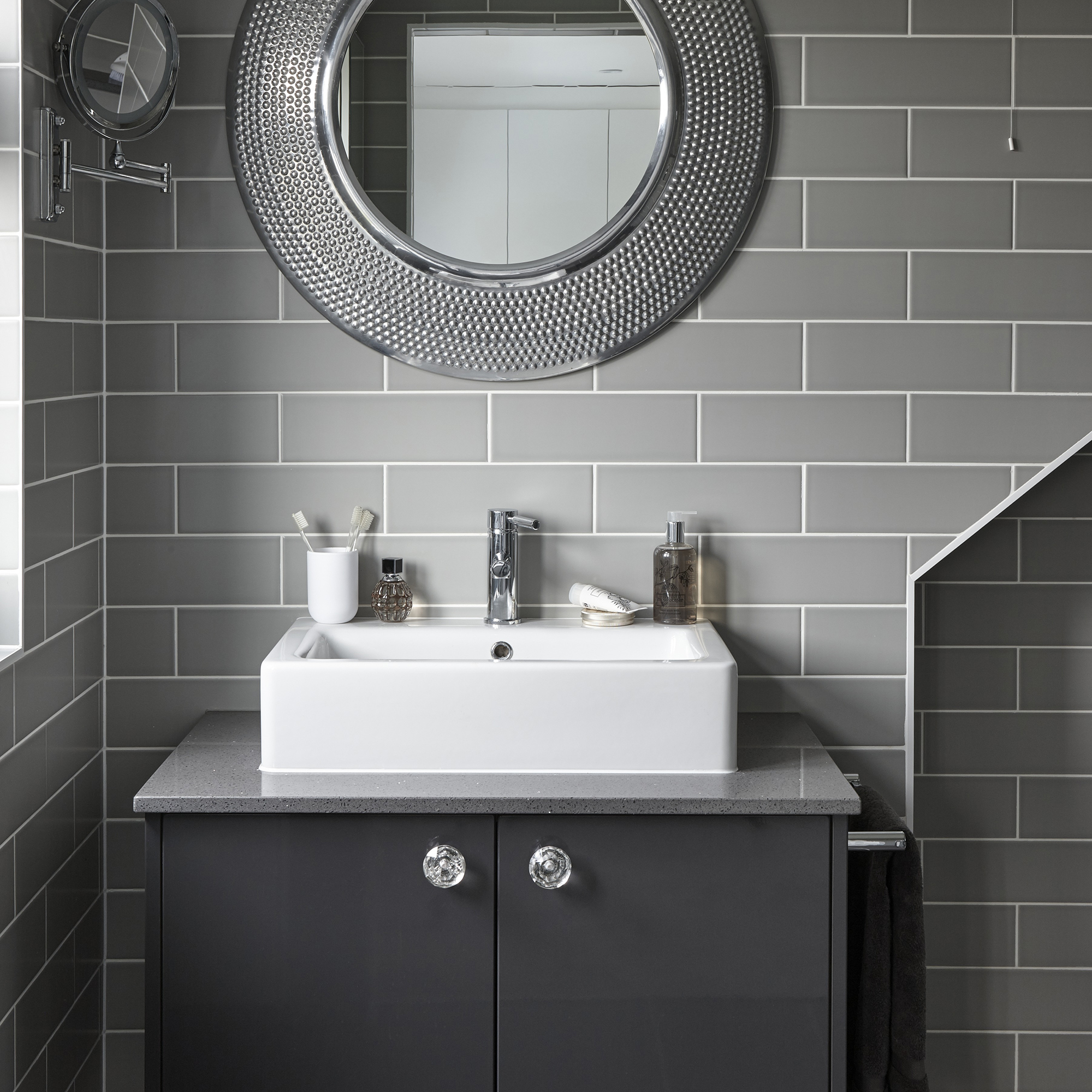
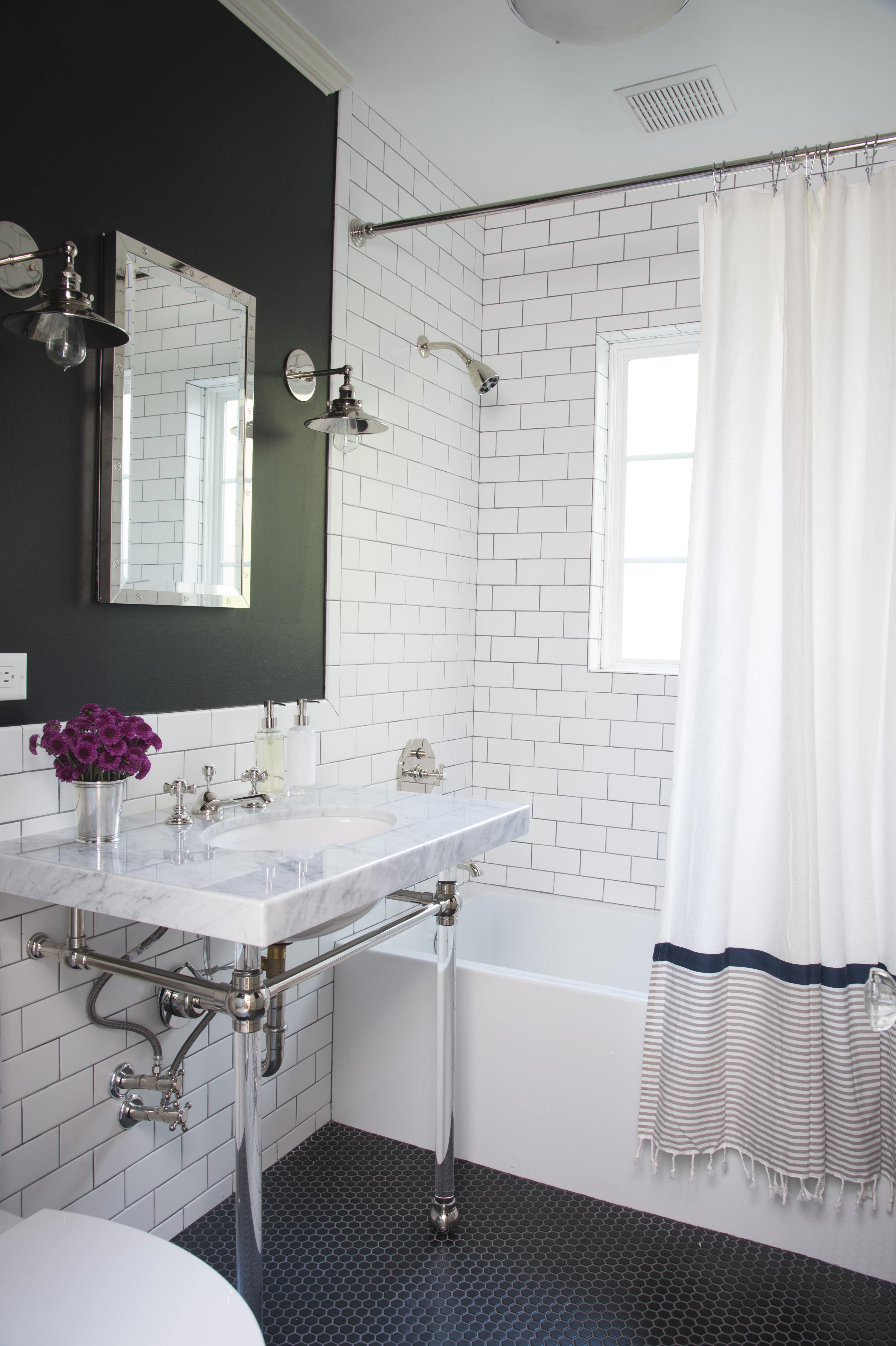
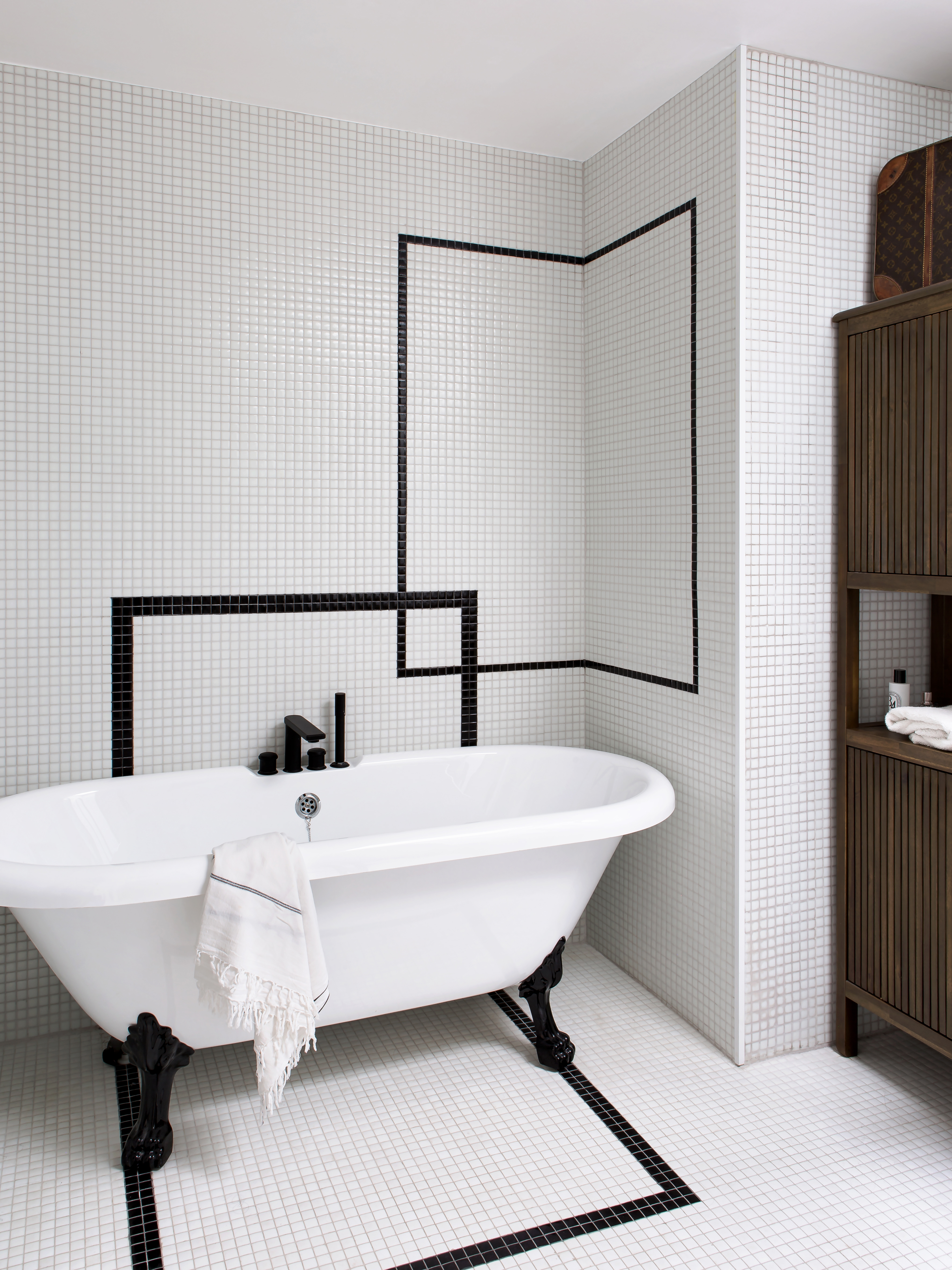
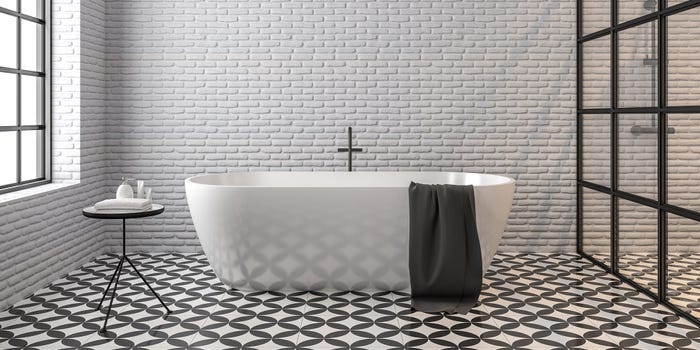
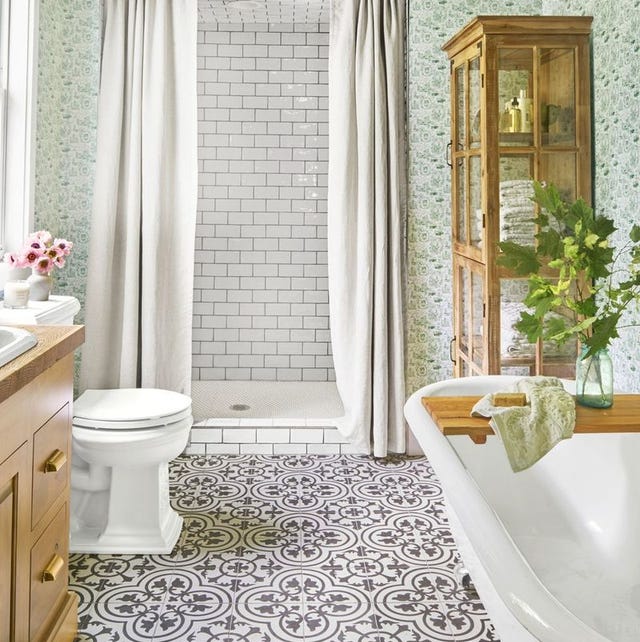
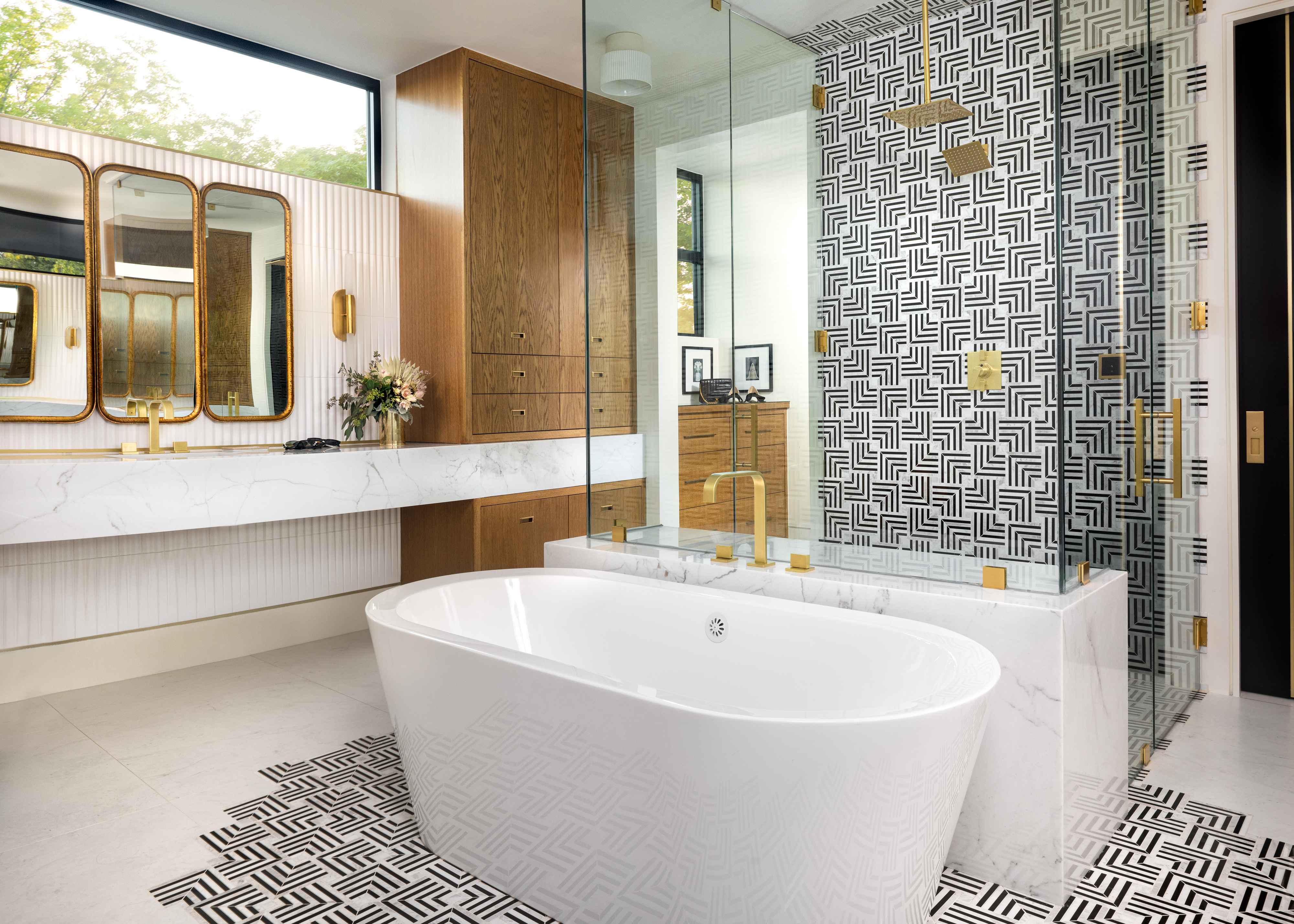
Mixing different tile shapes and sizes, while maintaining a consistent surface color and texture, can also be highly effective. This technique is especially impactful in designs like black and white bathrooms. Smaller tiles create more grout lines, offering greater visual impact, while larger format tiles on the floor can reduce grout, making maintenance easier. For wet areas, tiles with a resistance rating of R13 are recommended for shower floors.
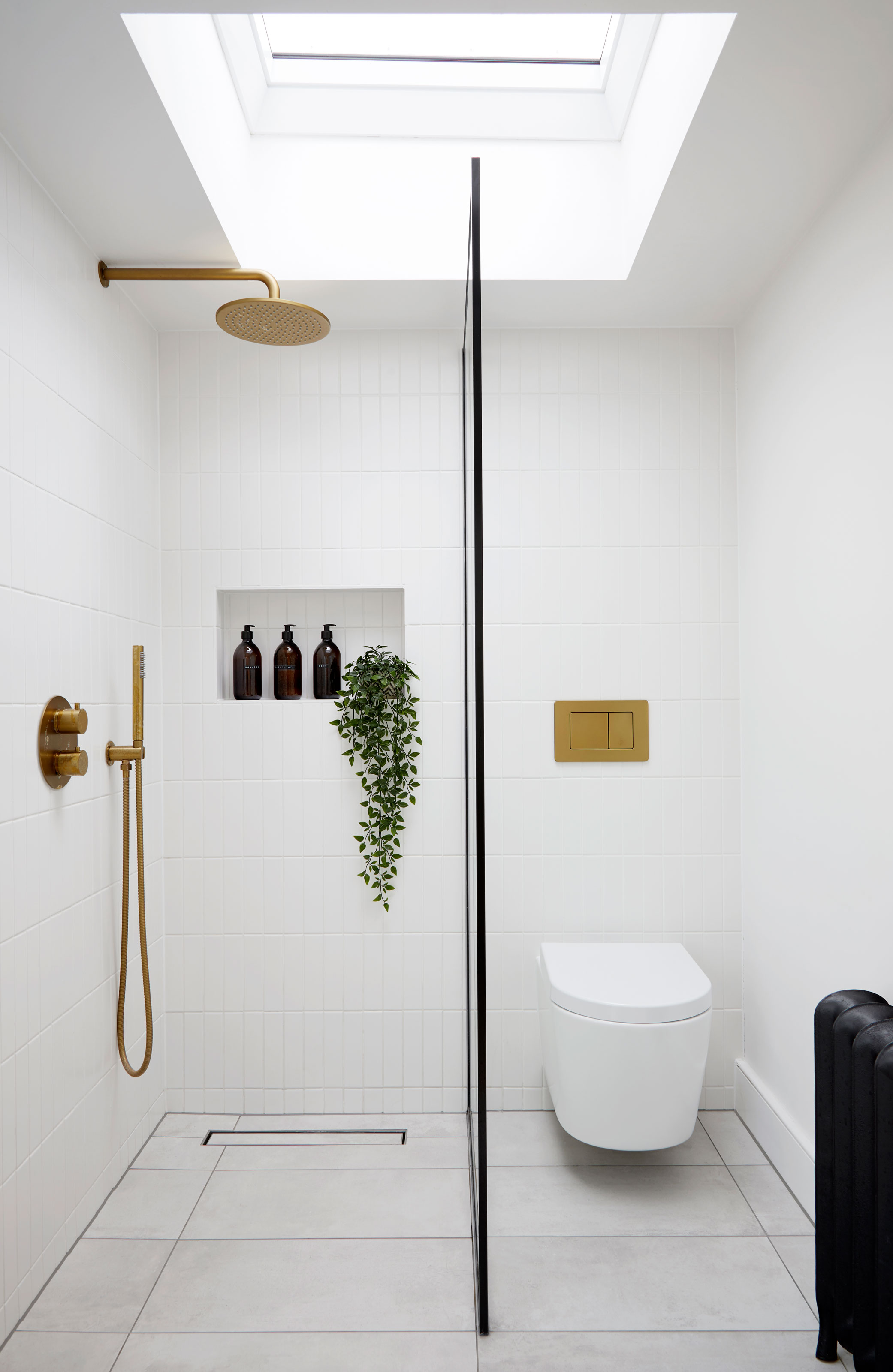
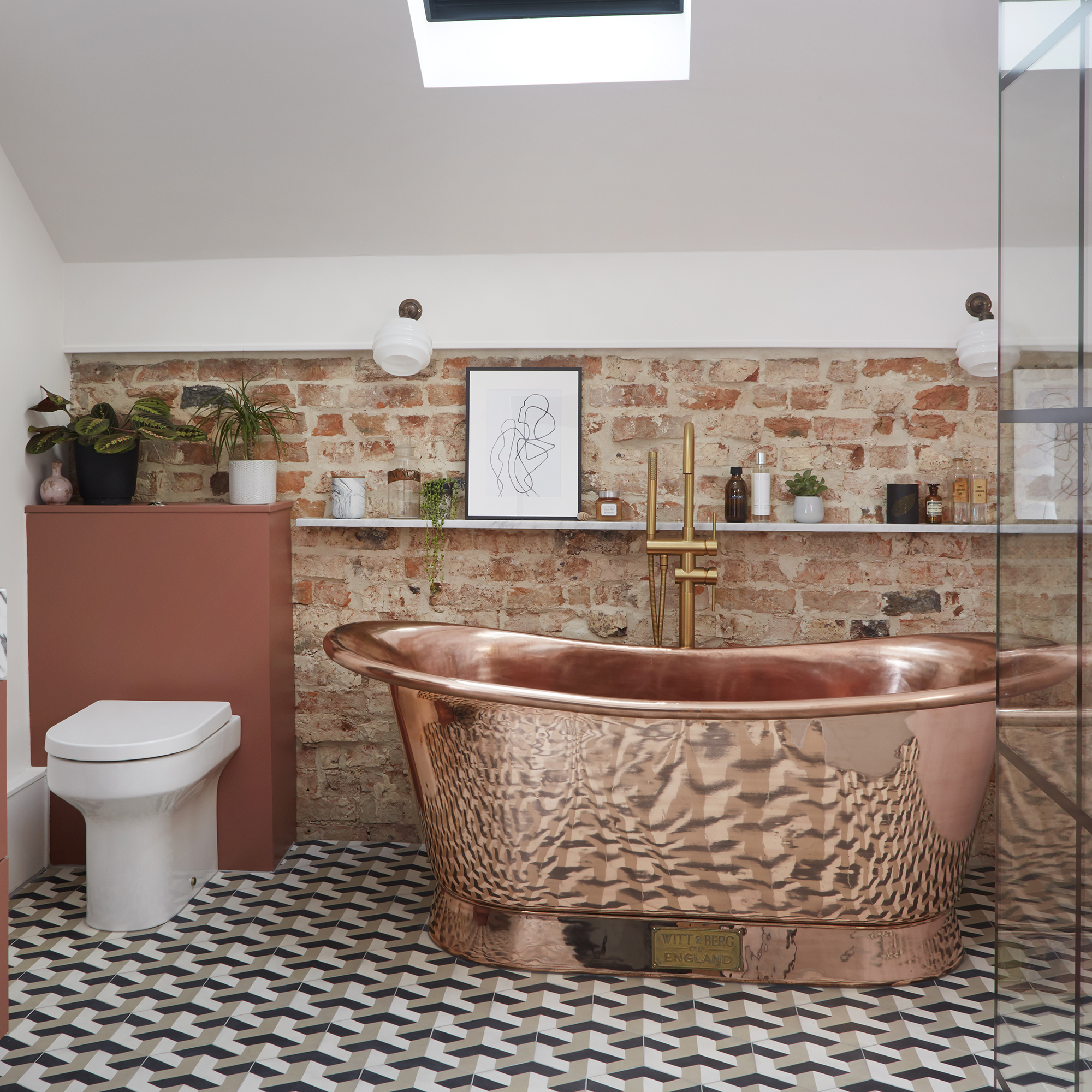
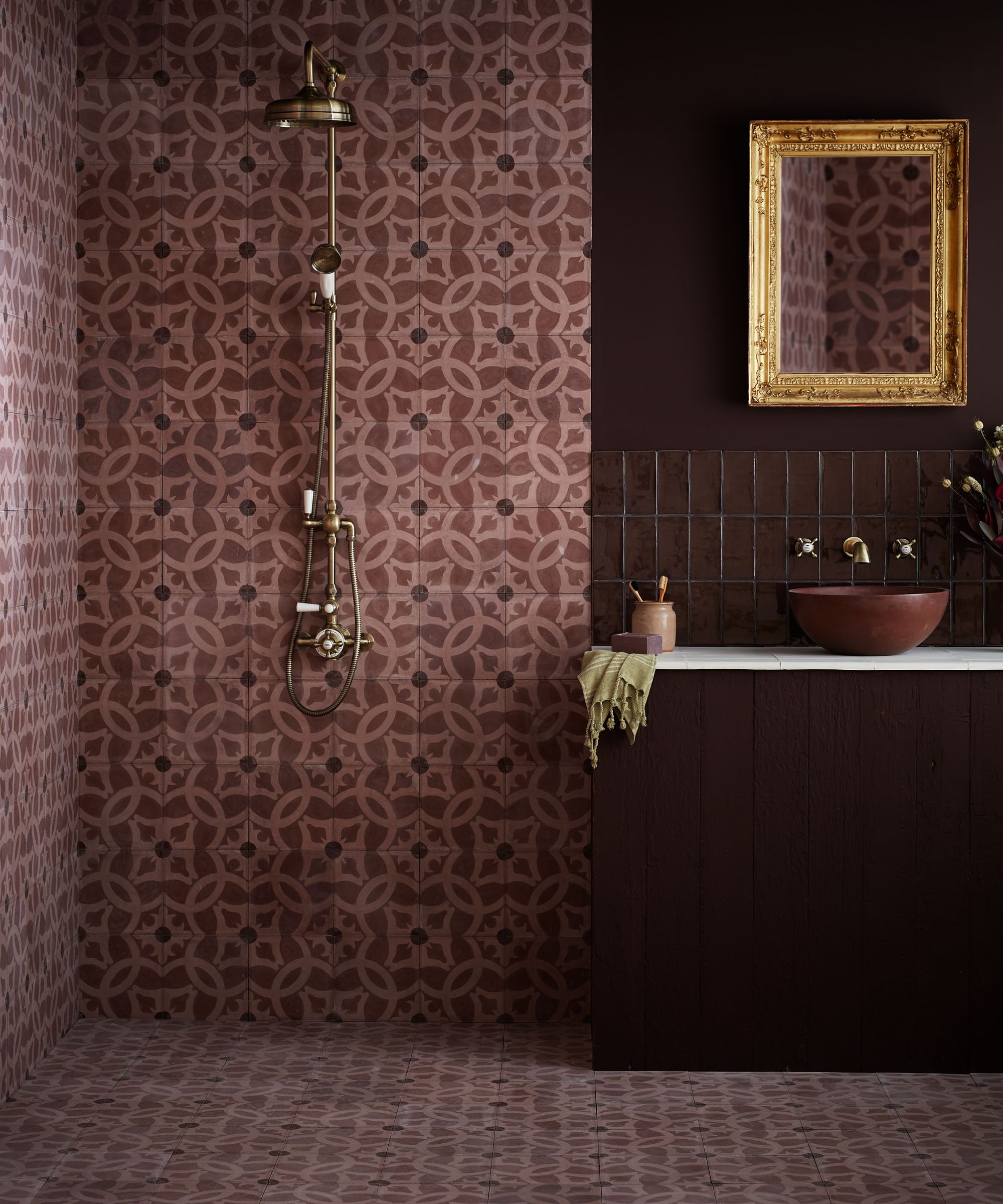

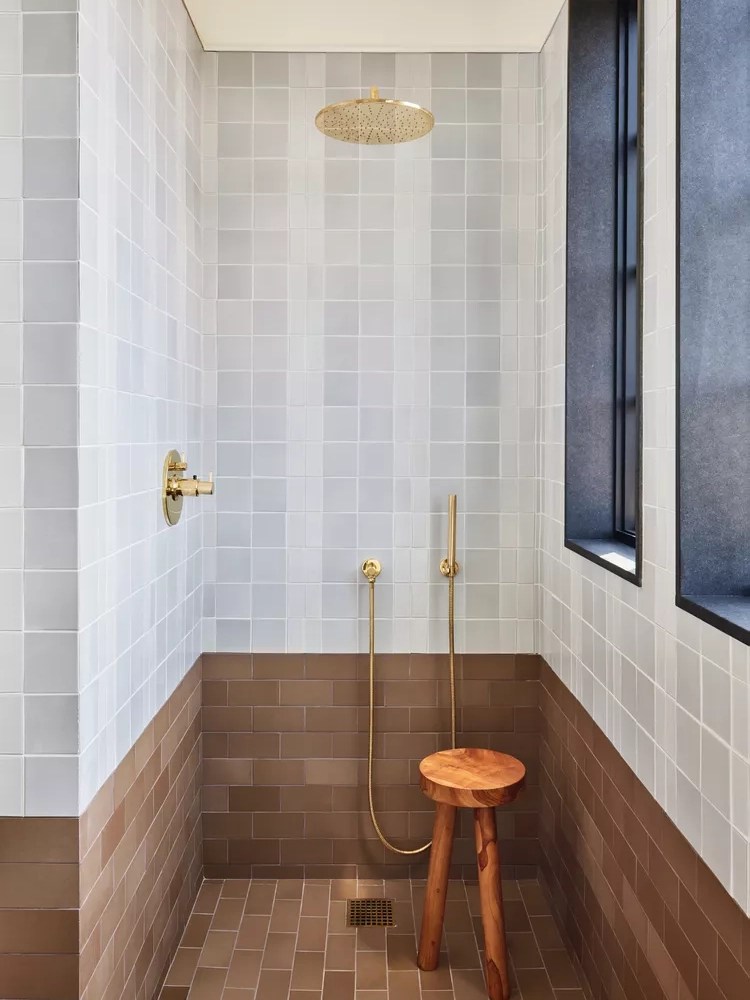
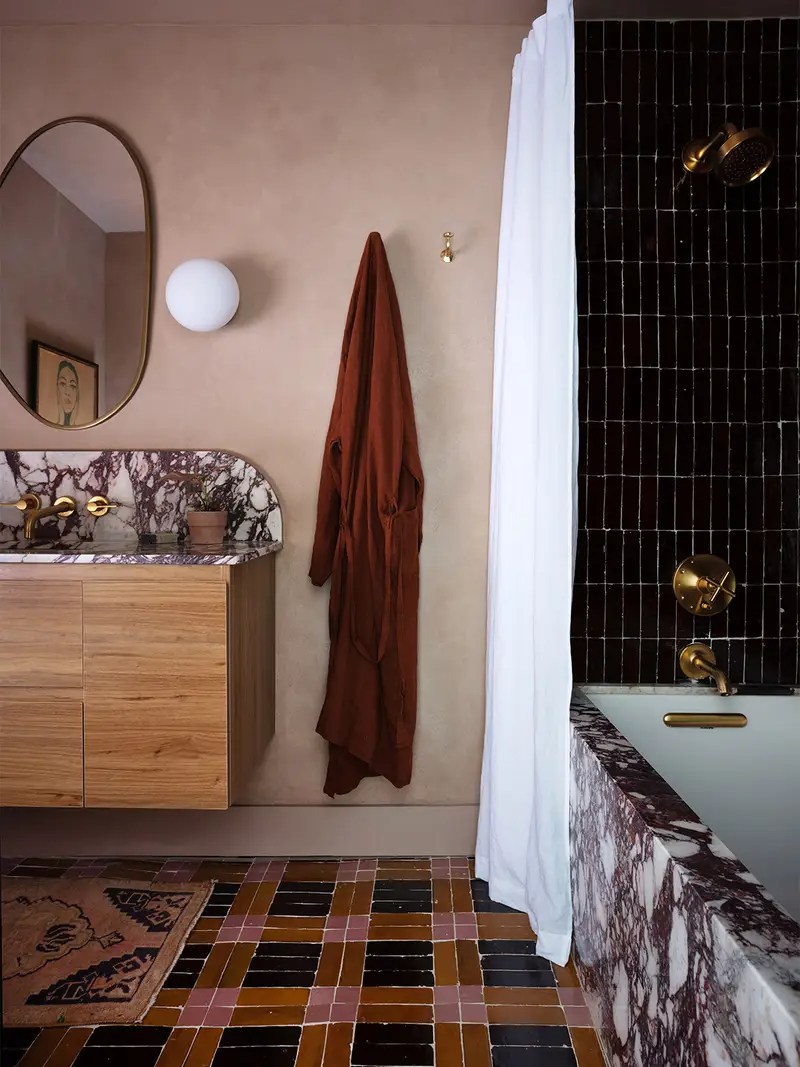
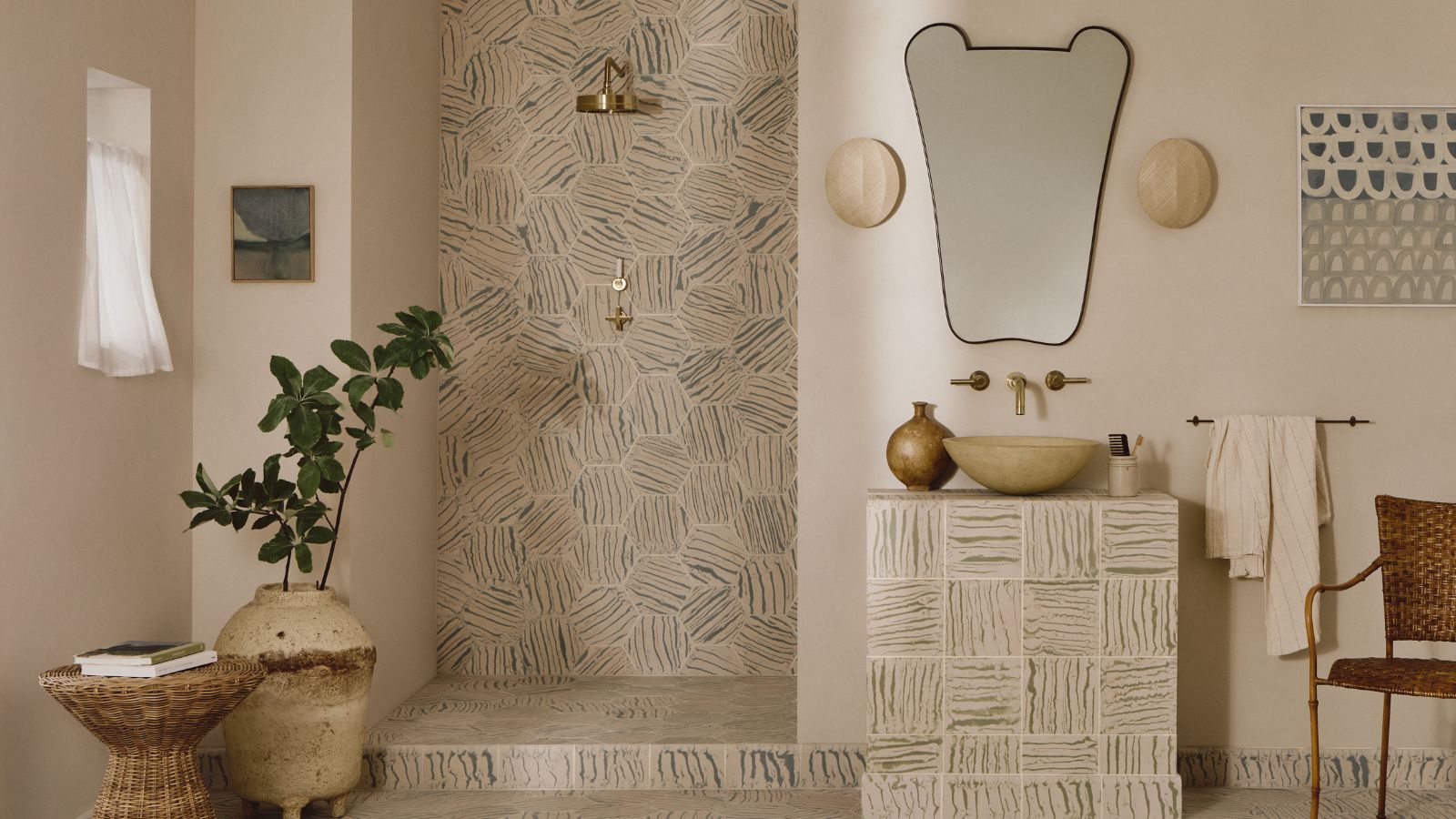
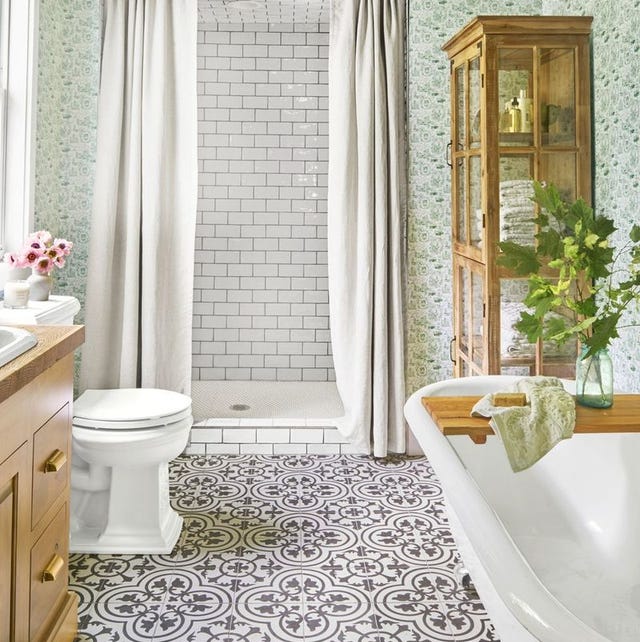
Artisanal, handcrafted tiles introduce individuality and a unique aesthetic, moving away from minimalist lines. Uneven surfaces and interesting shapes, such as hexagons, give a handmade quality. Wood-effect tiles bring warmth to bathrooms, which typically feature hard surfaces, balancing the overall feel. When choosing tiles, the size of the bathroom is a key consideration; larger tiles can create an illusion of space, especially in smaller rooms.
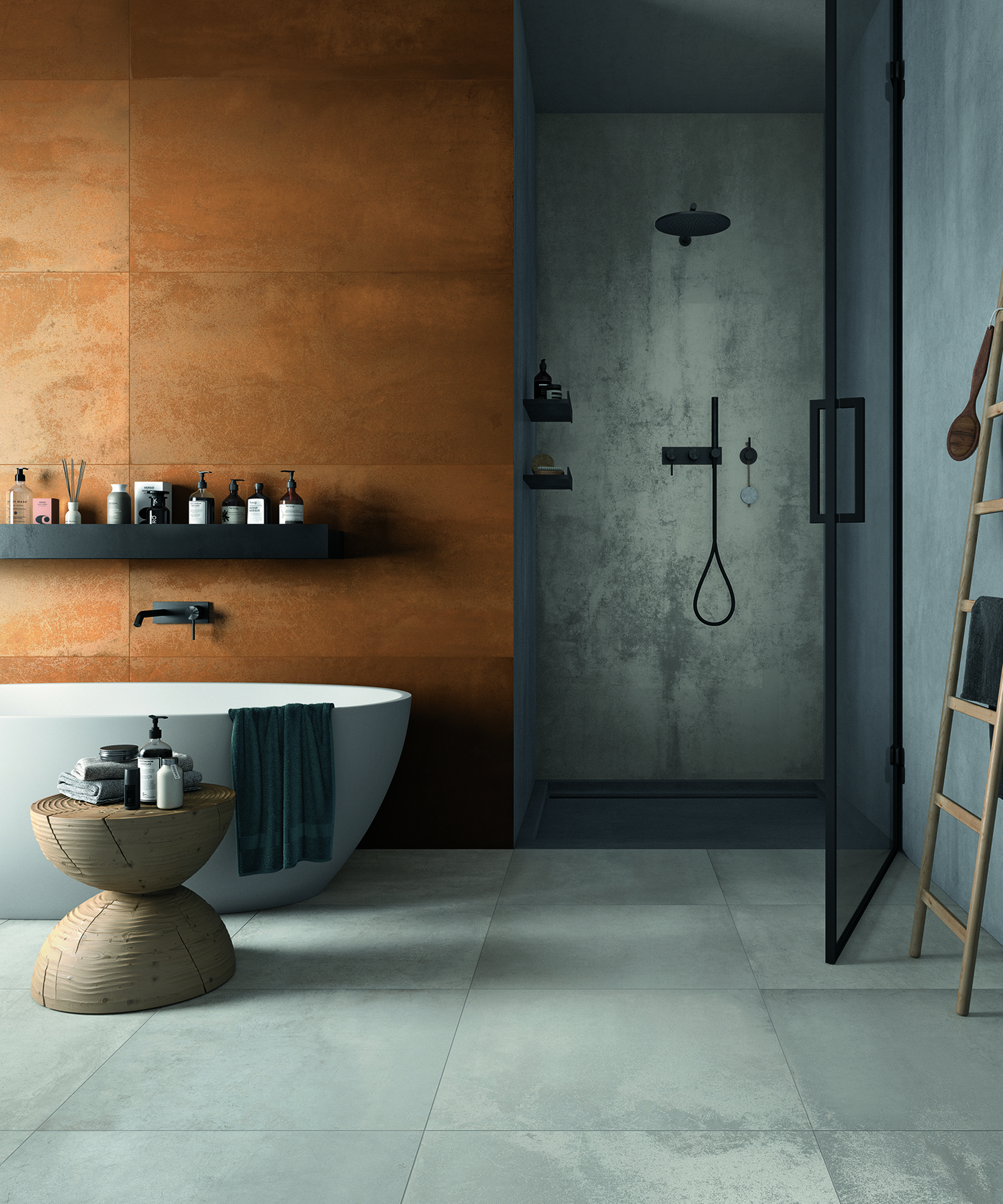
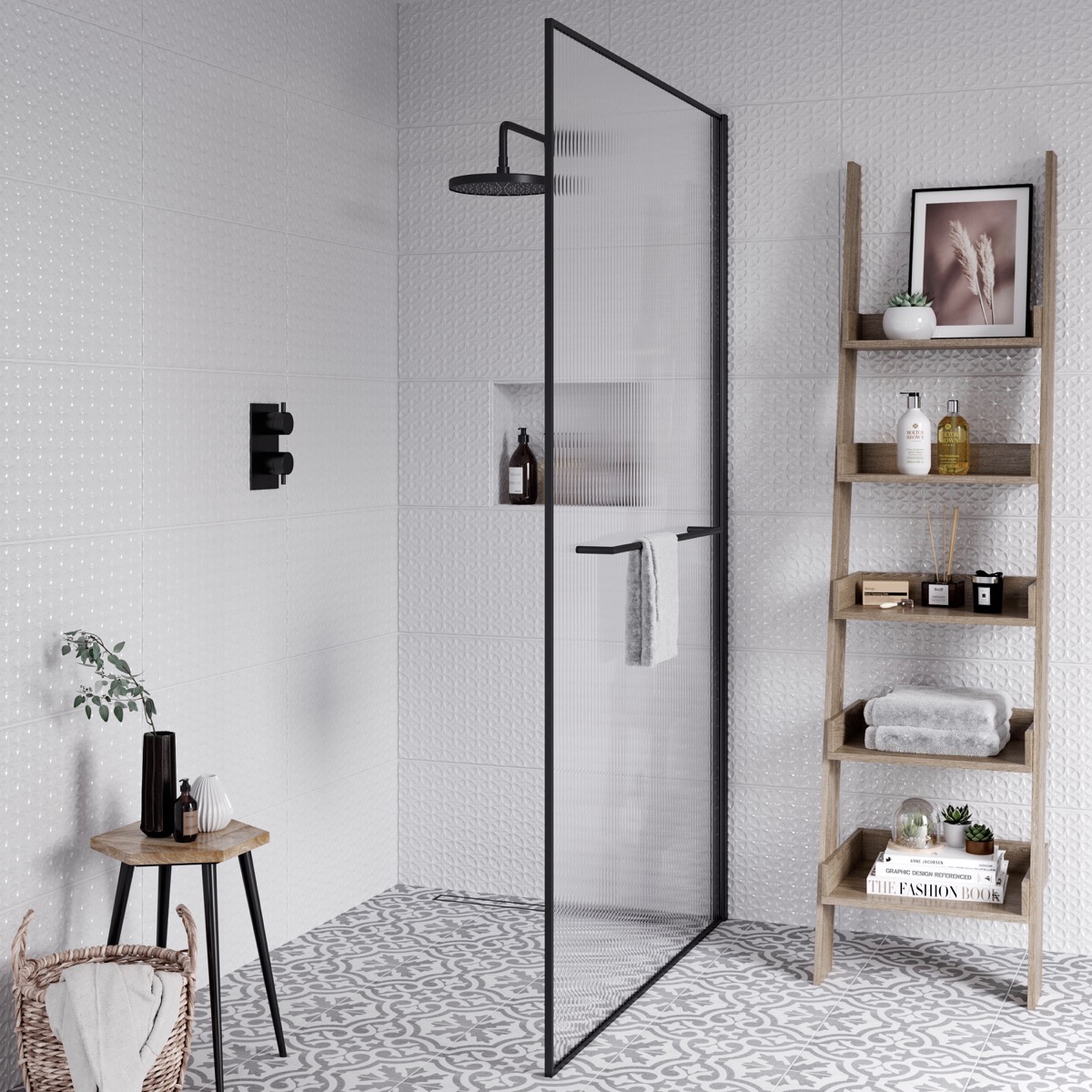
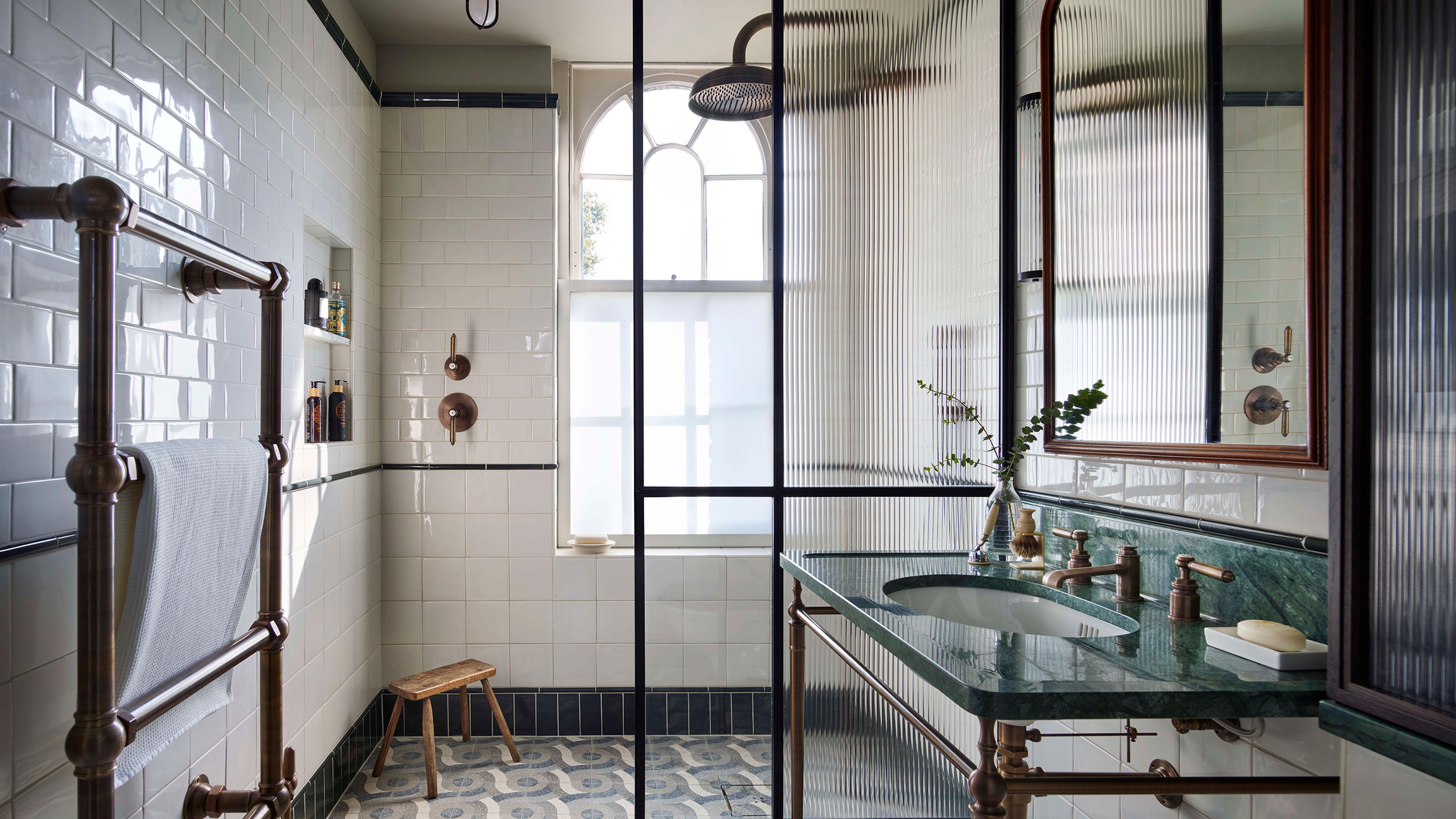
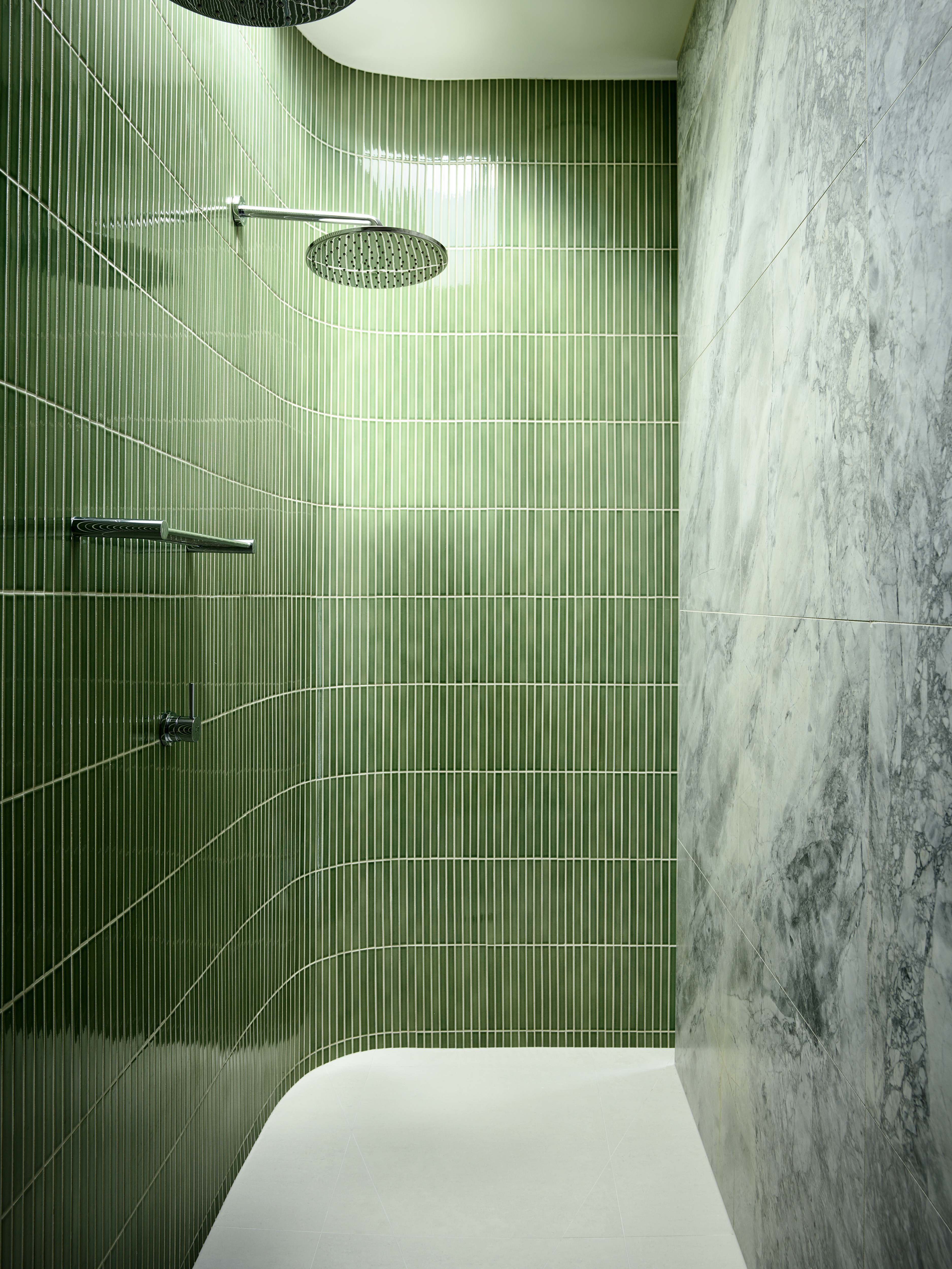
Textural elements, such as fluted or ribbed surfaces, add a 3D dimension and interest, especially when enhanced with lighting. Glazed tiles are ideal for shower walls due to their water-repellent and easy-to-clean properties, with popular shades including blues, creams, and whites. For shower floors, matt (non-slip) tiles made from porcelain or natural stone, such as cement and terrazzo, are preferred for their durability, anti-slip resistance, and ability to conceal dirt and dust.
#ShowerTileIdeas #BathroomDesign #InteriorDesignTrends #TilePatterns #ColorSchemes #MaterialSelection #ModernBathroom #HomeRenovation #DecorativeTiles #ShowerTileIdeas #BathroomDesign #InteriorDesignTrends #TilePatterns #ColorSchemes #MaterialSelection #ModernBathroom #HomeRenovation #DecorativeTiles
0 comment in total
 No comments yet
You may also like
Shower floor tile ideas – 10 looks, layouts and colors for an inspiring space

Shower wall ideas – 11 striking finishes for the walls in your bathroom
10 modern bathroom tile ideas to inspire your next project
21 bathroom tile design ideas, from trendy to timeless
Shower tile ideas – 20 ways to create impact and interest
These Bathroom Tile Ideas Make a Major Design Statement

71 Bathroom Tile Ideas to Upgrade Your Space

Treat Your Shower Wall as a Mural, and 14 More Bathroom Tile Ideas That Make a Splash
13 shower floor tile ideas – from color and layout to picking the right size
20 Shower Tile Ideas to Inspire Your Bathroom Remodel
Should your shower tiles match the rest of your bathroom?
Bathroom tile ideas – 23 creative ways with color, pattern and installations
Upgrade Your Shower With These 8 Gorgeous Tile Design Ideas

20 Bathroom Tile Ideas That Make a Major Design Statement
Bathroom wall tile ideas – 10 inspiring looks for your space
Small bathroom shower tile ideas – 10 looks that enhance a compact space
Shower tile ideas: 19 designs for cubicles and walk-ins with wow-factor

5 Experts Share Their Favorite Tile for a Knockout Shower
White shower tile ideas – 10 takes on this clean, classic choice
Beautiful bathroom tile ideas