1/3
The Original Home Bar
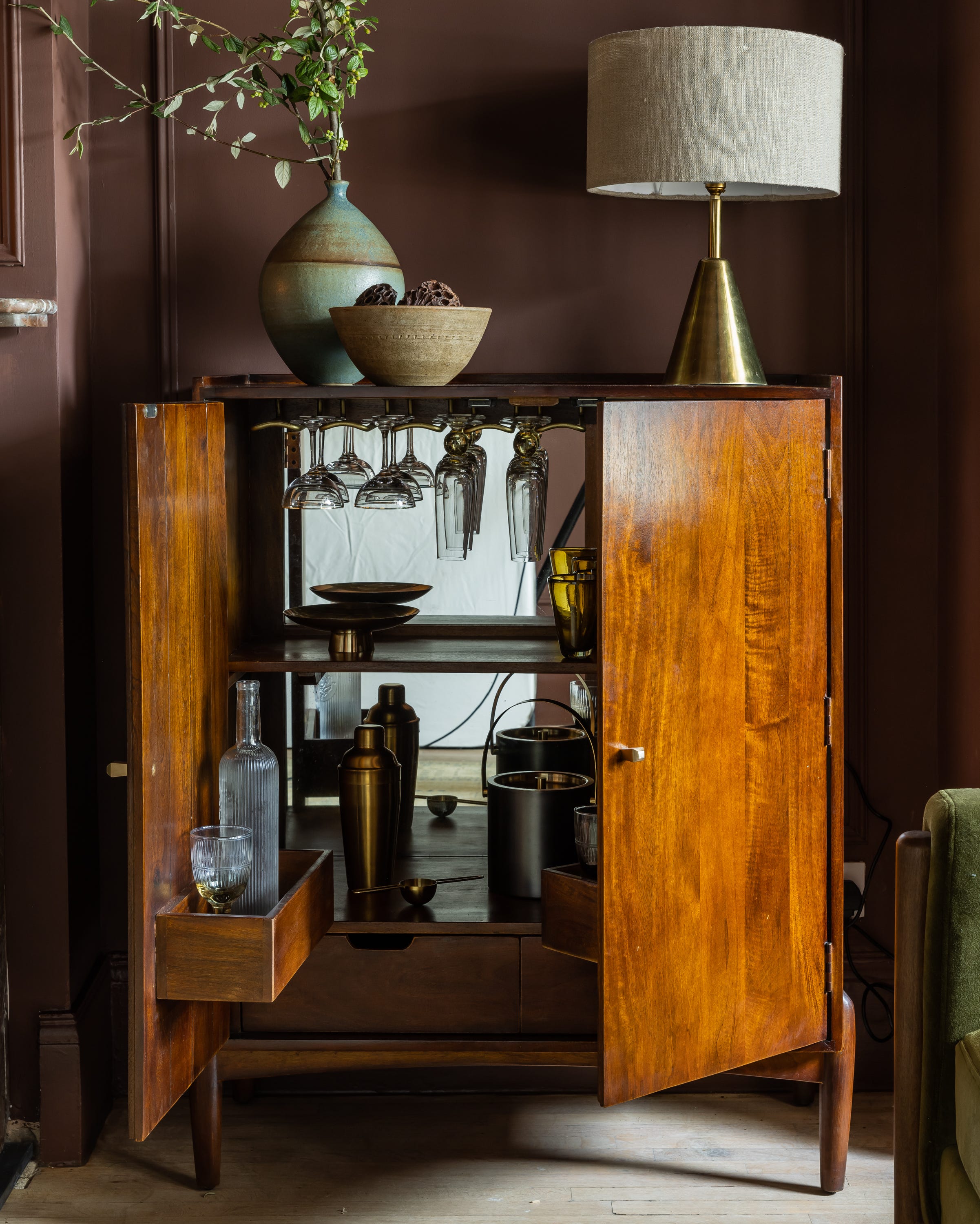
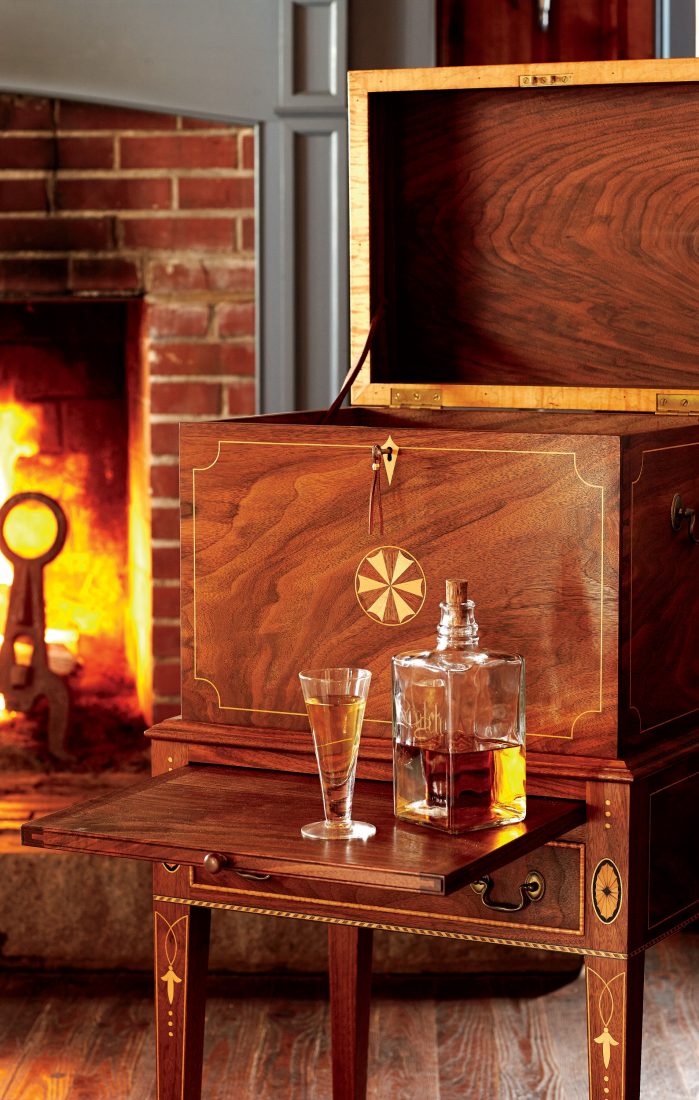
In a South Carolina workshop, a father-and-son team, John and Jay Leake of Leake Furniture Makers, are reviving the art of crafting cellarets. These lidded wooden liquor cases, featuring slide-out mixing boards and partitioned interiors for bottles, are mounted on tall-legged stands, serving as a homage to early Southern hospitality and an elegant addition to cocktail hour. John Leake, the sixty-year-old proprietor, notes that despite their historical significance, many people, even Southerners, are unfamiliar with cellarets, which he considers a quintessential Southern furniture piece. His son Jay, thirty-three, adds that a well-stocked cellaret was once a hallmark of a true Southern gentleman.
The history of cellarets, also known as bottle, brandy, or gin cases, dates back to the 1700s in the Southern colonies, particularly coastal Maryland, the Roanoke River basin of Virginia and eastern North Carolina, and the Piedmont regions of both Carolinas. Their popularity extended into the early nineteenth century. These pieces emerged from the intersection of planter wealth and the abundant availability of alcohol, including Caribbean and Carolina rum, homemade cider and ale, and European wines, which were central to social gatherings. Daniel Kurt Ackermann, a curator at the Museum of Early Southern Decorative Arts, highlights that cellarets were integral to a range of domestic objects that transformed drinking into a performance rather than mere hydration.
The Leakes are committed to recreating these historical pieces with meticulous attention to detail. Working individually on each piece, they dedicate approximately three labor-intensive weeks to complete a single cellaret. Their process begins with a detailed discussion with the client, followed by the careful selection of precise walnut boards, staying true to traditional materials. They may spend an entire day scrutinizing lumber to find a plank with the ideal grain and reddish-brown hue. The Leakes eschew modern manufacturing shortcuts such as plywood, veneers, CAD drawings, or preprinted plans.
Their construction techniques involve hand-cutting dovetails for the fifteen-inch-cube case and fortifying the bases with pinned double-mortise-and-tenon joints. The lid, nearly an inch thick, is fitted in a floating, tongue-and-groove style, designed to accommodate the wood’s natural expansion and contraction with seasonal changes, preventing cracking. Ornamental details may include inlay work on the case or tiger maple cock beading on the drawer. The wood is finished with boiled linseed oil to enhance its color over time and shellac. They use solid-brass hardware from Connecticut, museum-quality locks from England, and bridle leather straps from Montana for the lid, all chosen for their durability and graceful aging. John Leake humorously notes that "The worst the piece ever looks is the day we complete it," implying their continuous improvement with age.
Each cellaret is custom-built for a specific customer, never made on speculation. The Leakes work with a limited number of clients, typically twelve to fifteen annually, handling every stage of the process themselves, from unloading the raw lumber to delivering the finished product. This personalized approach emphasizes old-fashioned craftsmanship and person-to-person interaction, centered around a timeless pleasure. As a final touch during the ceremonial unveiling, the Leakes often include a bottle of the client's preferred spirit as a starter kit, further personalizing the experience.
#MadeInTheSouth #SouthCarolina #HomeBar #Cellaret #SouthernHospitality #Craftsmanship #FurnitureMaking #Woodworking #HeirloomFurniture #MadeInTheSouth #SouthCarolina #HomeBar #Cellaret #SouthernHospitality #Craftsmanship #FurnitureMaking #Woodworking #HeirloomFurniture
0 comment in total
 No comments yet
You may also like
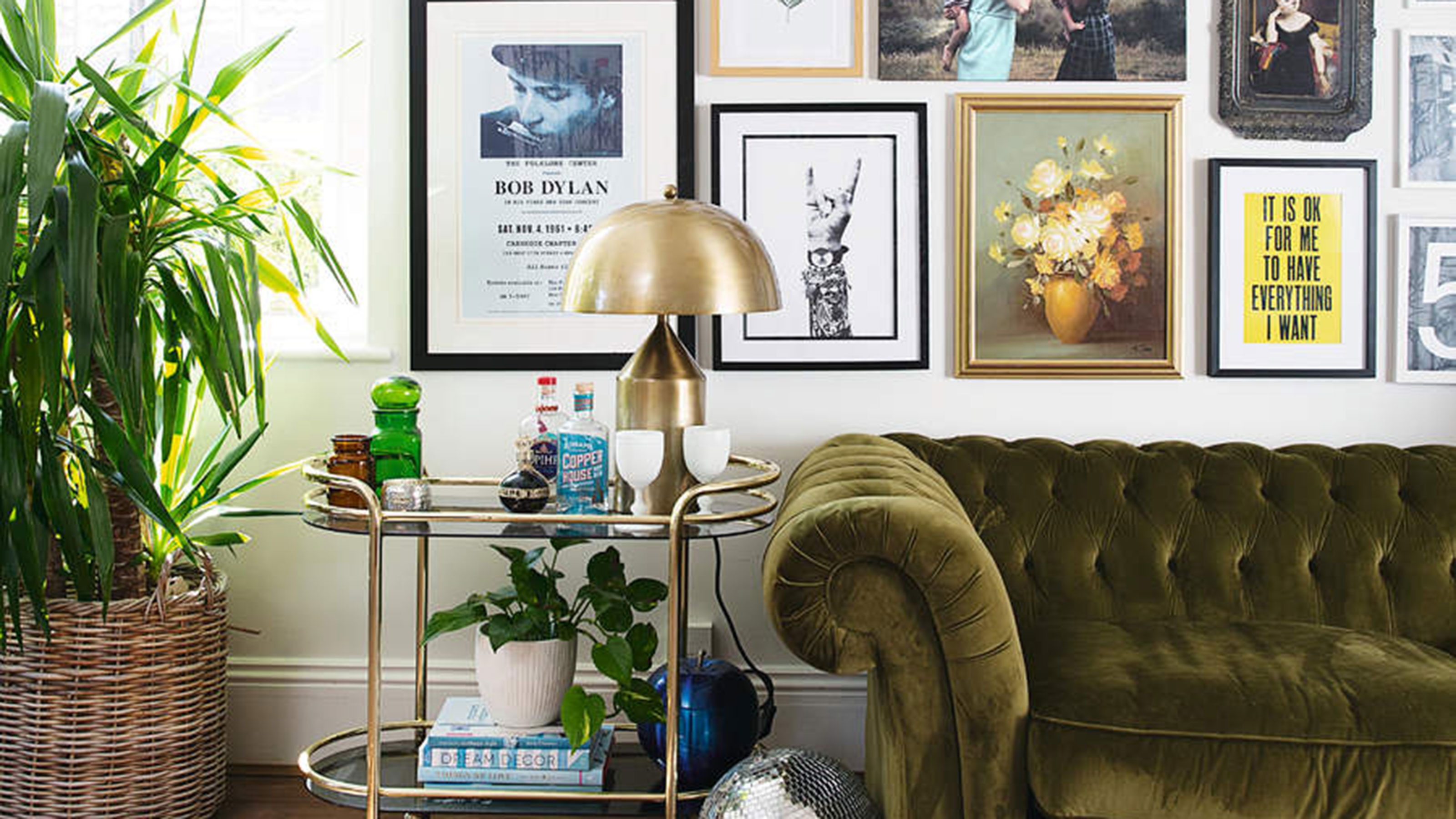
10 (indoor) home bar ideas so brilliant you won't even miss the pub

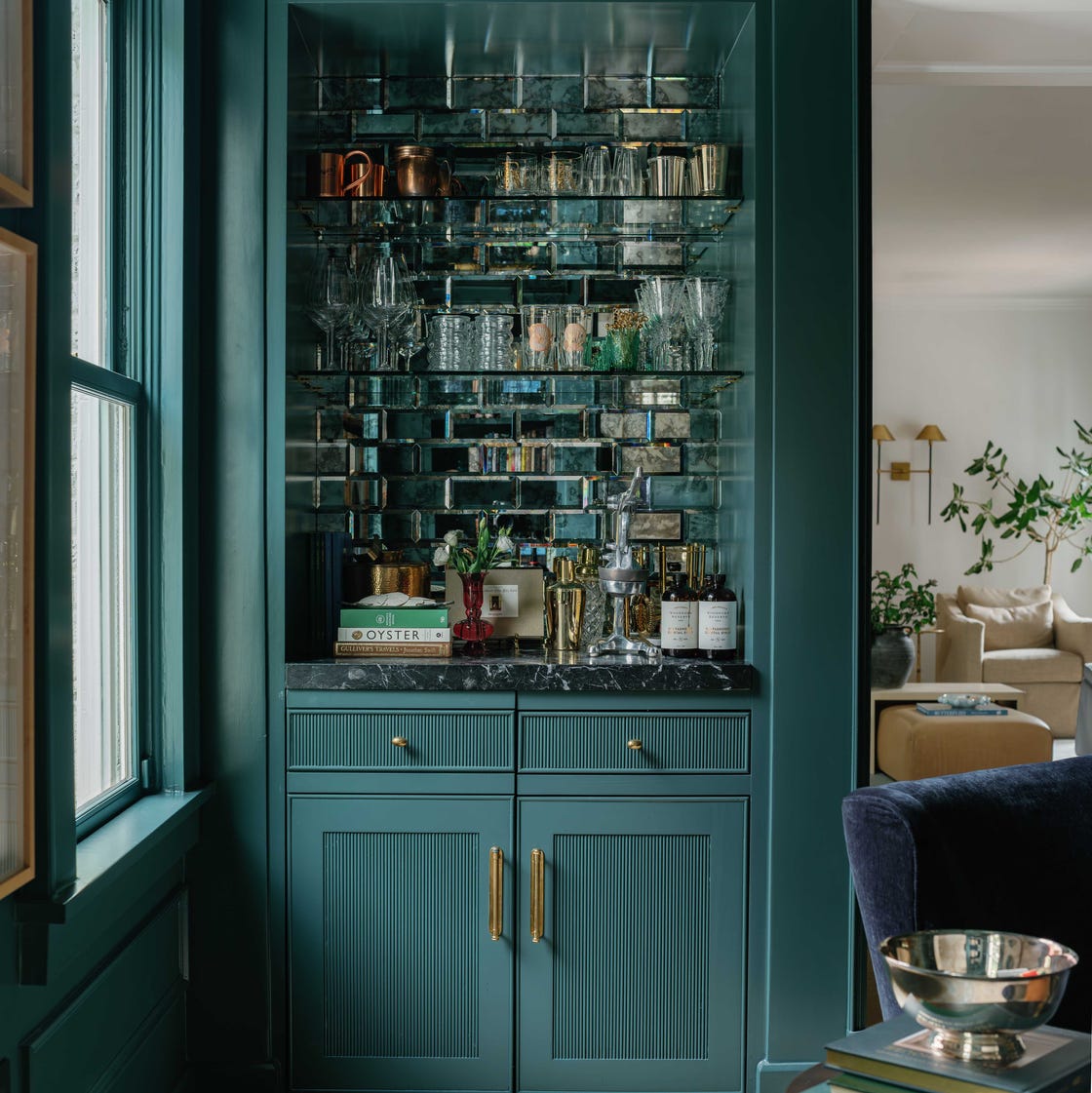
The Ultimate Designer-Approved Guide to Building the Best At-Home Bar

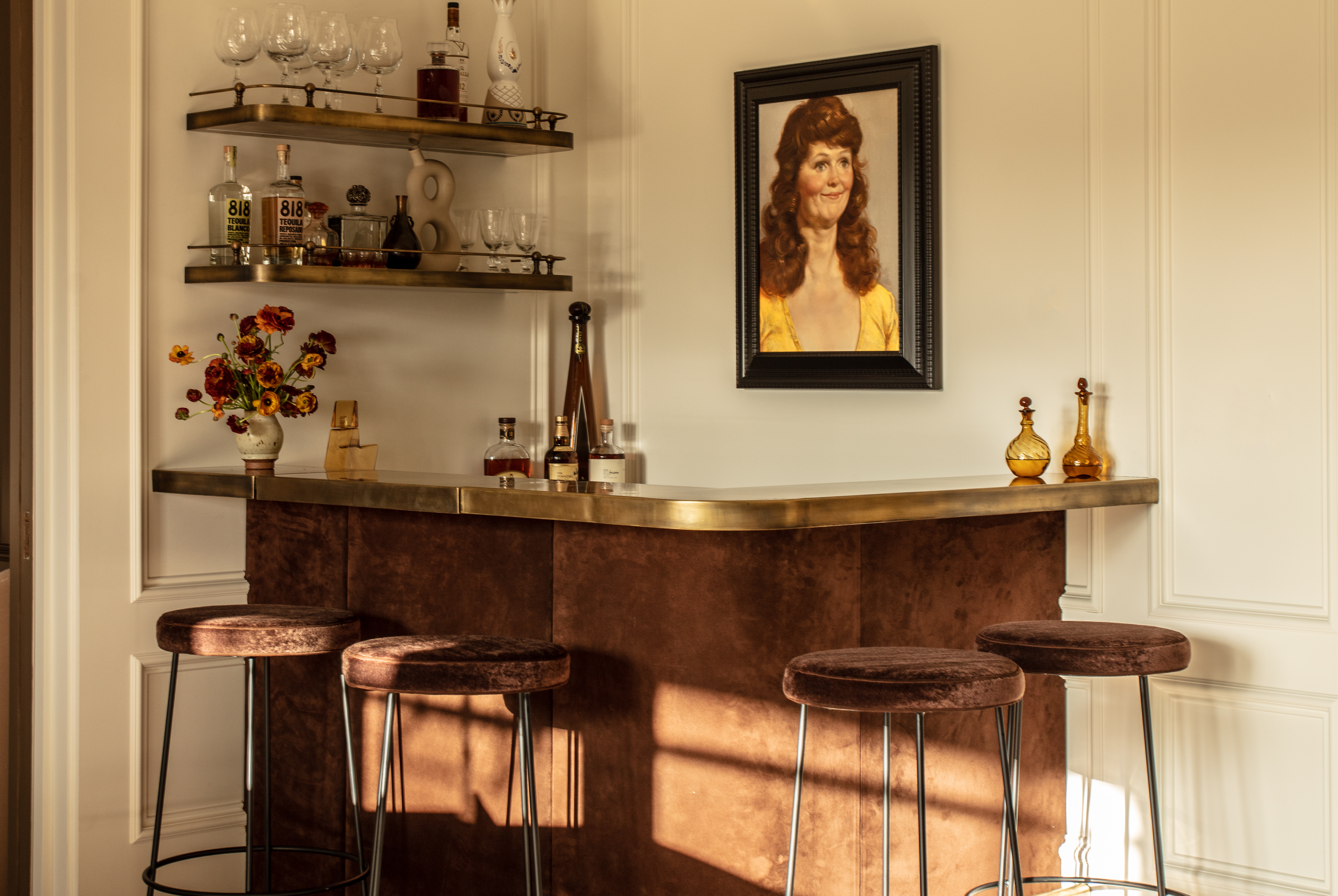
Home Bars Are Becoming a Must-Have For Hosts — Here's All You Need to Know to Set up Your Own

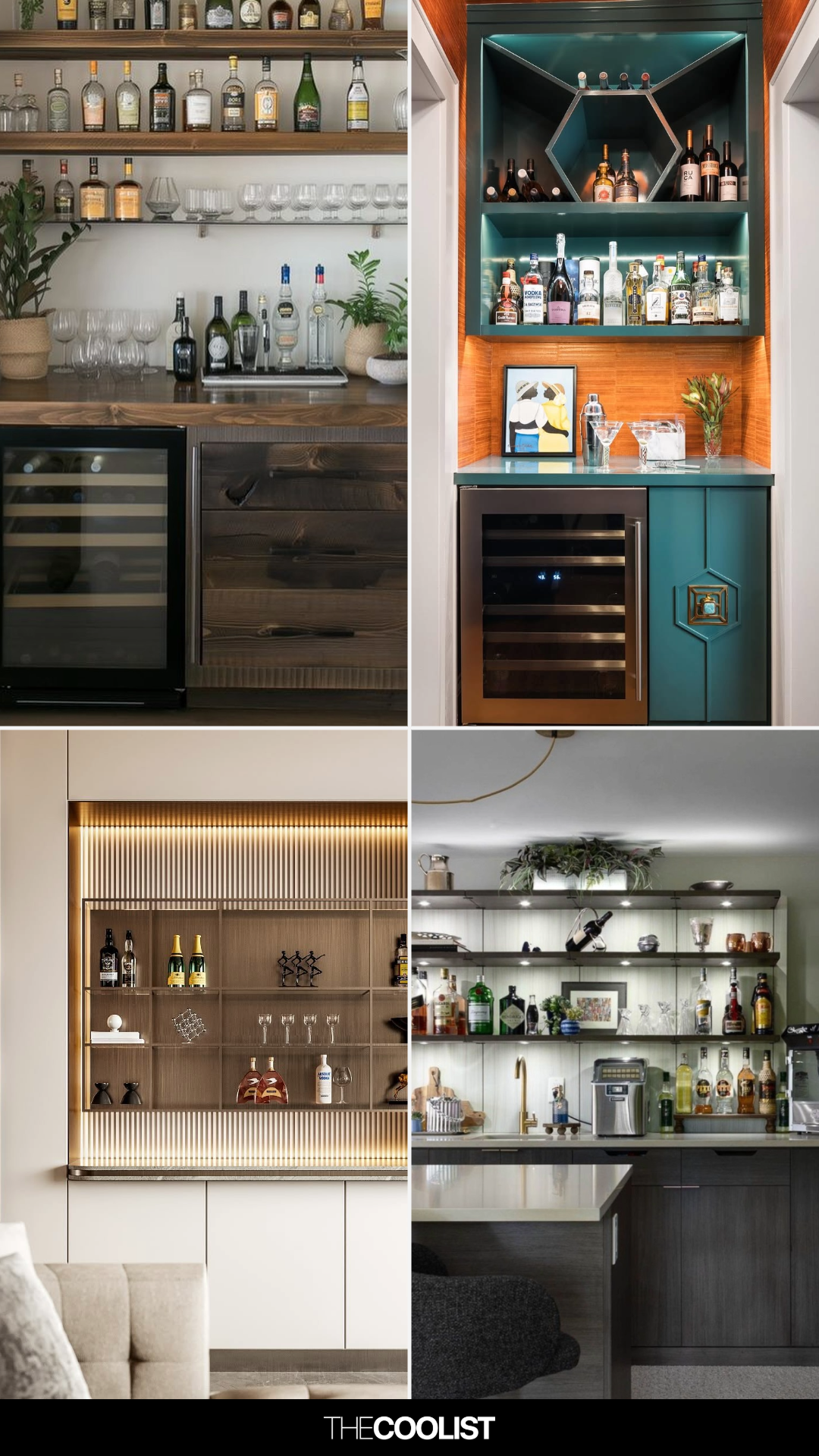
26 Wildly Gorgeous Bar Ideas for Home That Might Get You on a Reality Show

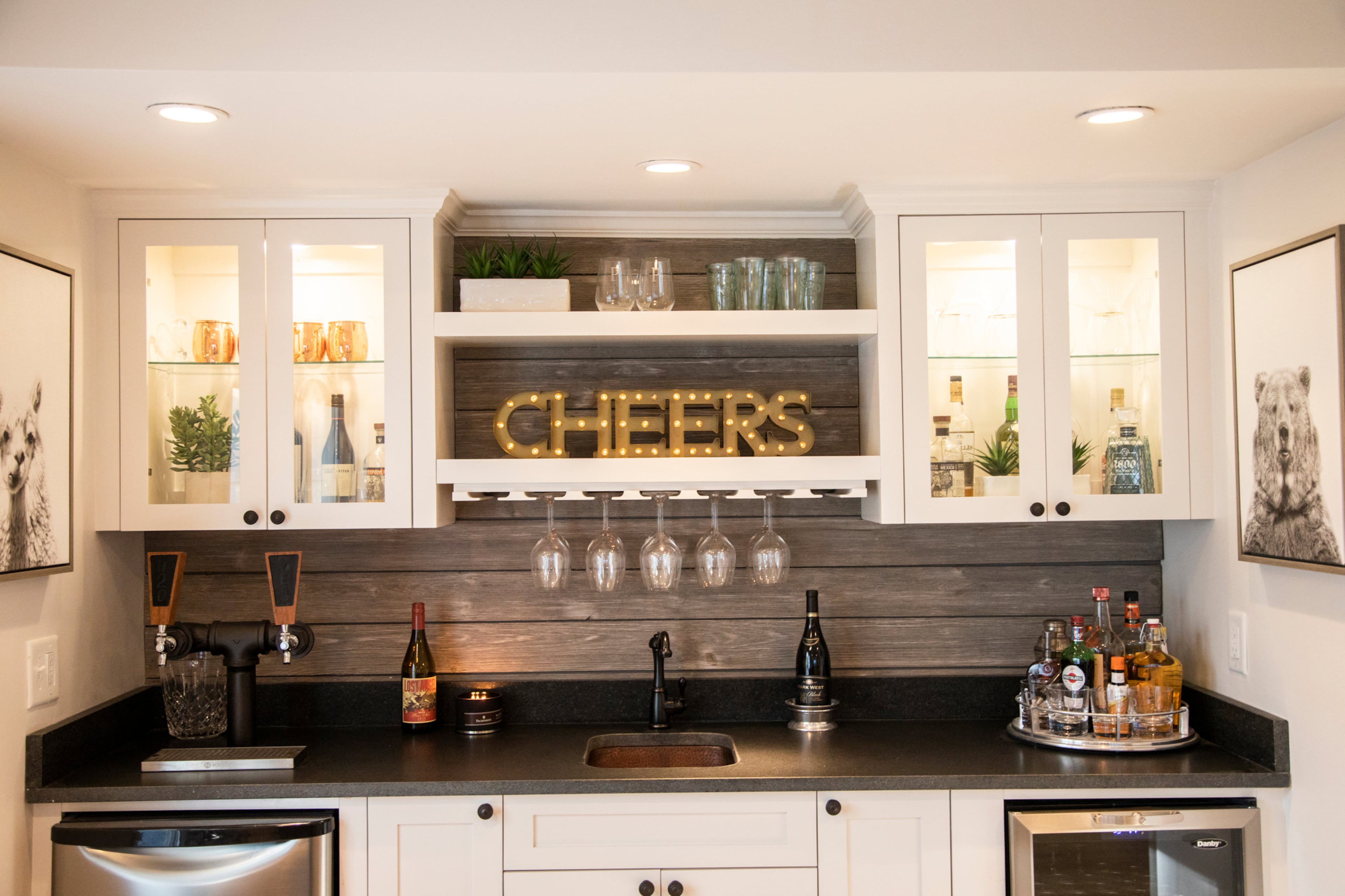
Bar inspiration: Start happy hour with these home bars
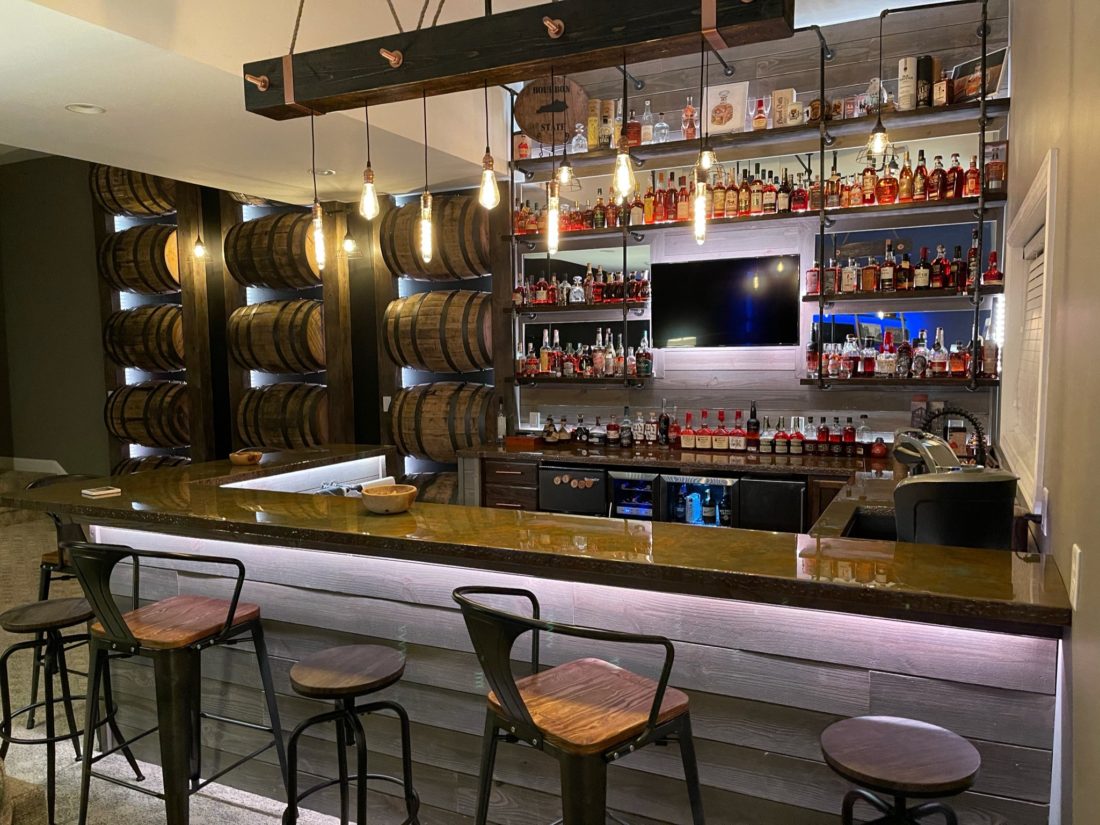
Raising the Basement Bourbon Bar
Up your entertaining game with a home bar, wine cellar installation
Iconic Liquors Every Home Bar Needs

How This Designer Created a Home Bar That Rivals Any Speakeasy

NoVA Home Pros on Everything You Need to Build a Perfect Home Bar
10 Tasteful Home Bar Designs Worthy of a Bottle of Bubbly

Coolest home bar ideas that'll make you the life of every party


Home bars - 7 Nov 2024 - Livingetc Magazine

Cheers To Home Bars: Why They're Making A Glamorous Return To Our Hearts And Homes
These Chic Home Bar Ideas Will Get You Ready for Your Next Cocktail Party

Inside A Cosy Home Cafe Designed With A Unique Coffee Bar
7 Home Bar Ideas

These 30 Home Bar Ideas Are the Epitome of Class
Here's Why You Should Skip the Bar Cart and Invest in a Wet Bar
I Took Our Home Editor’s Advice and Ditched My Bar Cart