Wine Cellars Are Hot Additions to Delaware Homes
The demand for wine cellars in Delaware homes has significantly increased, surpassing levels seen during the COVID-19 pandemic when homeowners initially sought to enhance their living spaces. This trend is supported by companies specializing in wine storage solutions, who report booming business.
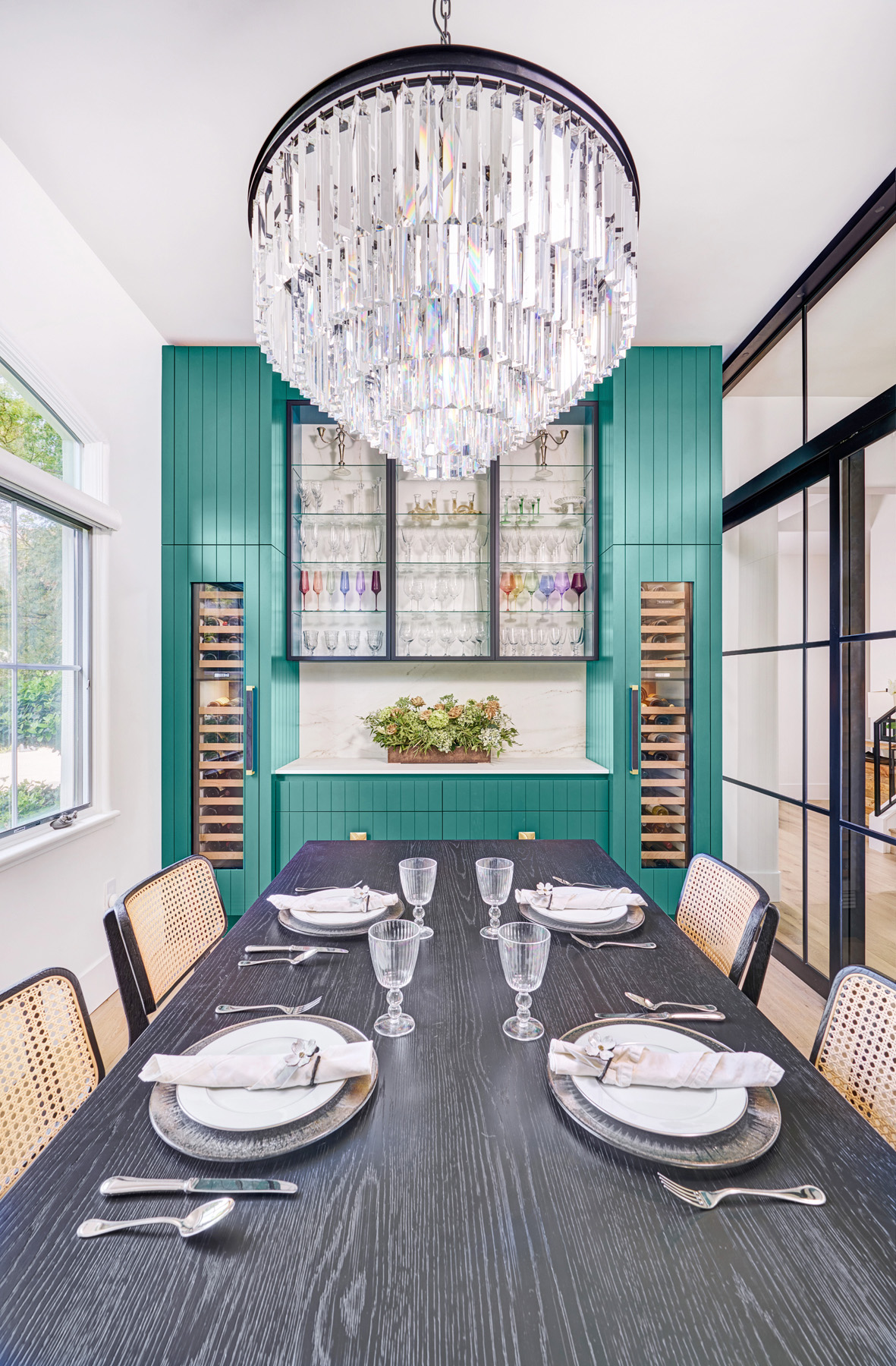
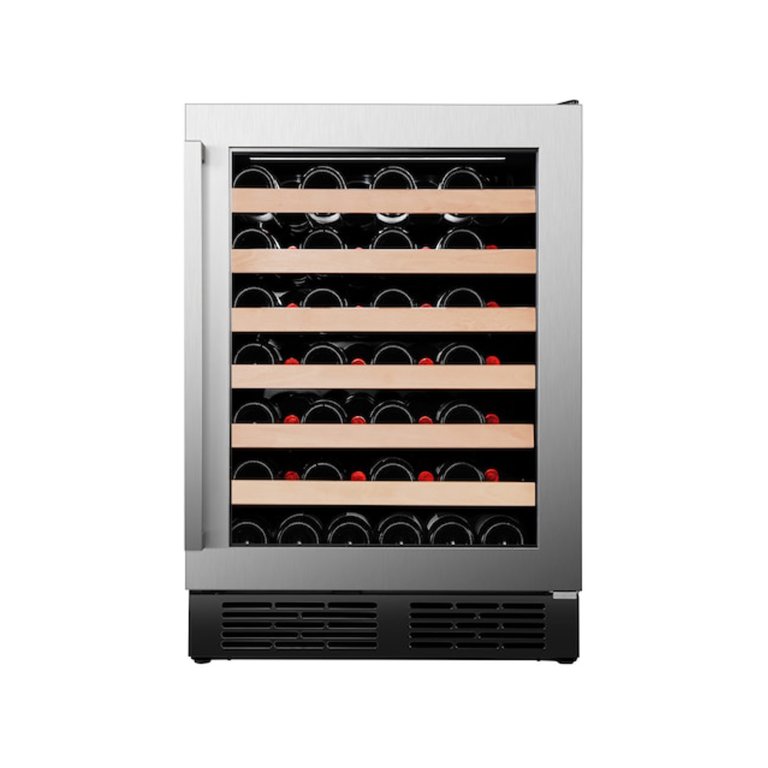
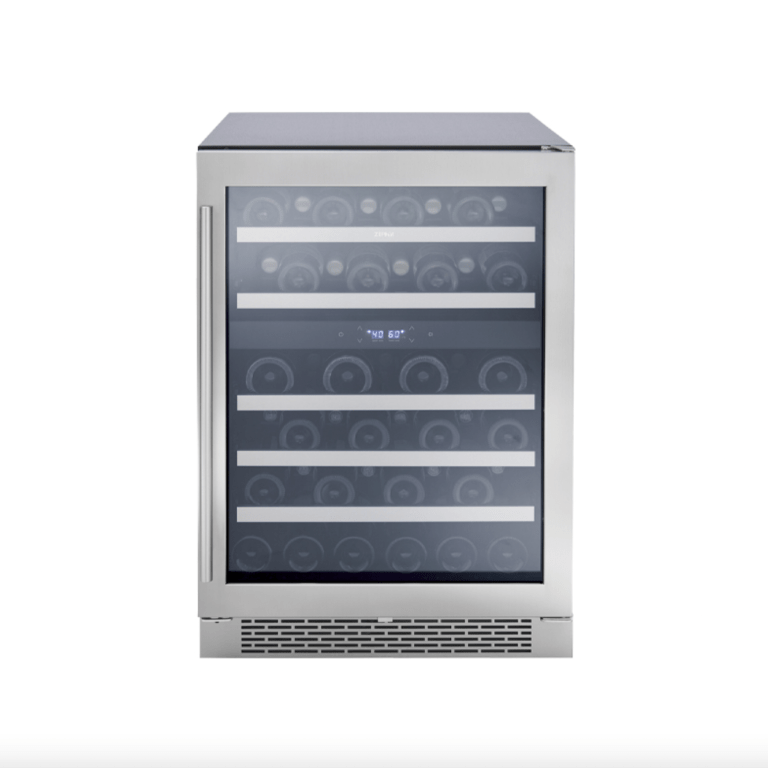
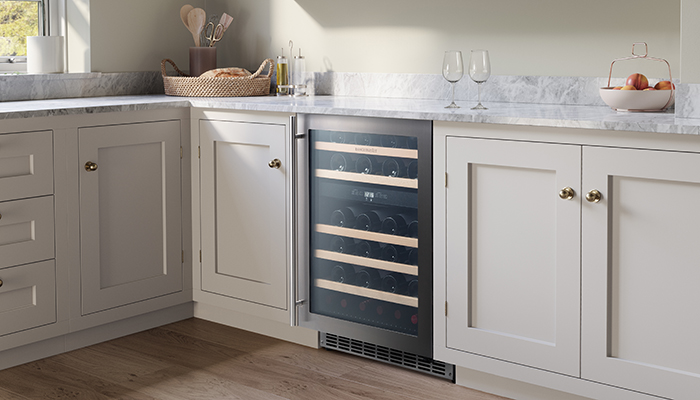
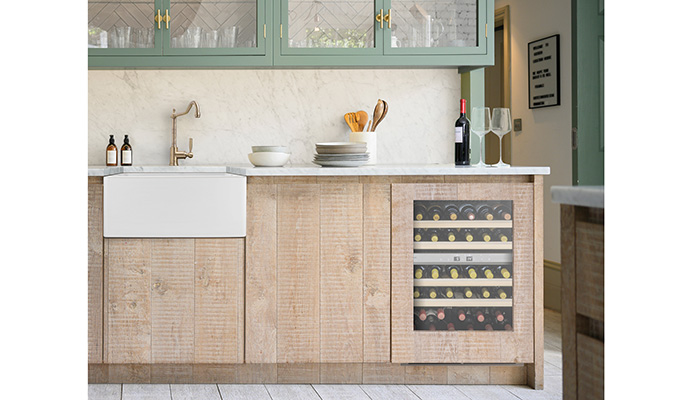
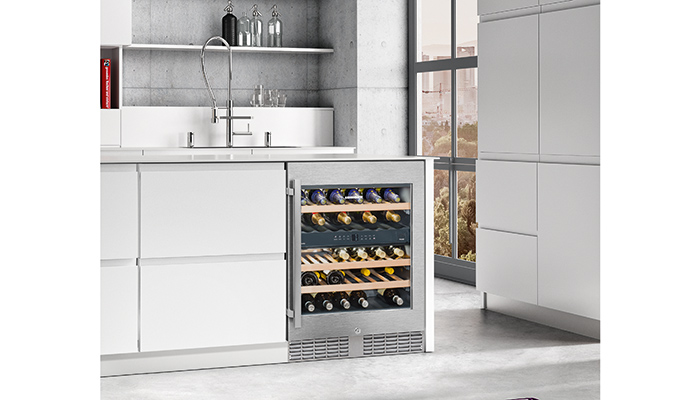
Hawkins & Sons, a long-established appliance sales and service company in Wilmington, has observed a surge in interest. Following a showroom remodel last year, they expanded their offerings to include Thermador alongside brands like Miele, Monogram, Summit, and Sub-Zero, with the latter being particularly popular for high-end installations. The company, managed by Ed and Karen Hawkins and their son Matt, serves clients across Wilmington and Delaware’s coastal communities. While they offer a range of impressive standard units, Hawkins & Sons also undertakes custom projects, frequently collaborating with local kitchen design firms such as Allura Bath & Kitchen in Newark. Requests for custom panels and multi-column setups are common, indicating a desire for personalized and integrated wine storage solutions.
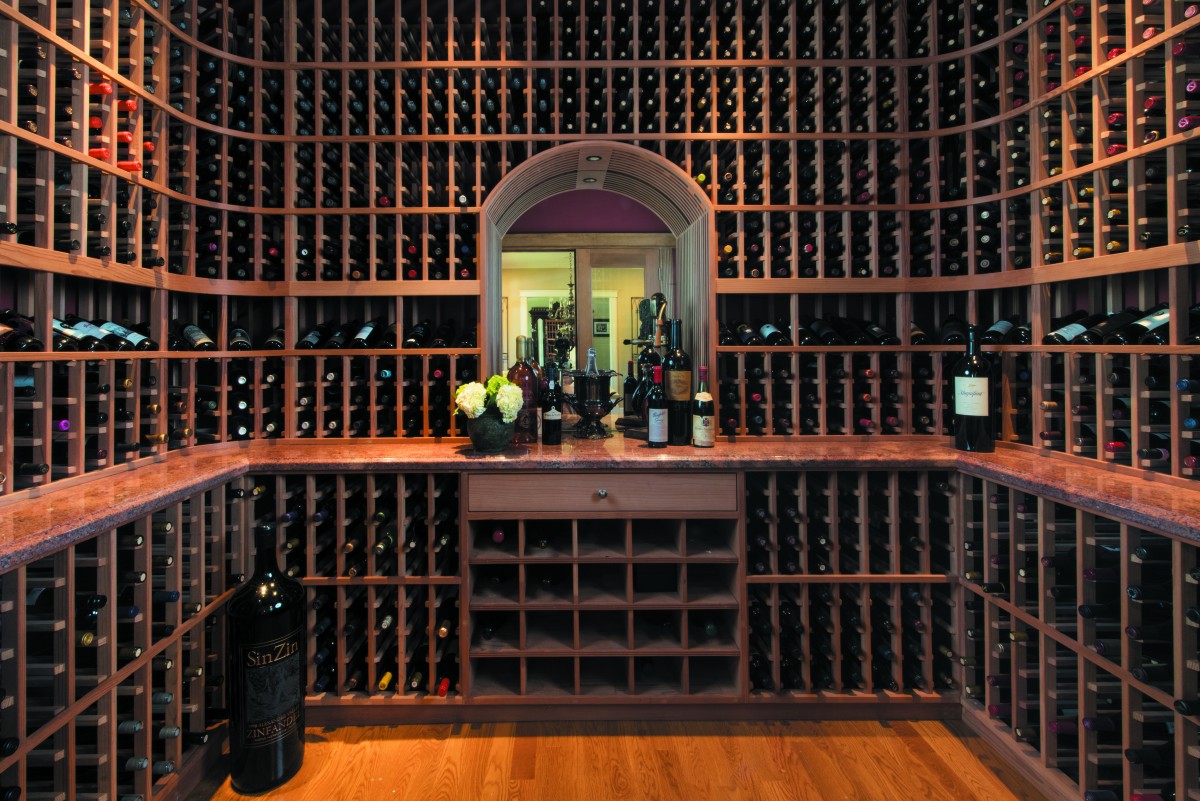
Pennsylvania-based Baltic Leisure, another key player in the market, corroborates the sustained and growing interest in sophisticated wine rooms in Delaware. Tom Smithson, the owner, notes that these installations are far from purely functional; they often involve considerable investment, with some projects costing hundreds of thousands of dollars, depending on the size and the homeowner's design aspirations. Clients exhibit diverse aesthetic preferences. Islands in the center of wine rooms are a popular feature, primarily chosen for their visual appeal rather than their practical utility for socializing. Smithson points out that while a bistro area might be incorporated, the low temperature required for wine storage (around 55 degrees Fahrenheit) typically discourages extended social gatherings within the cellar itself.
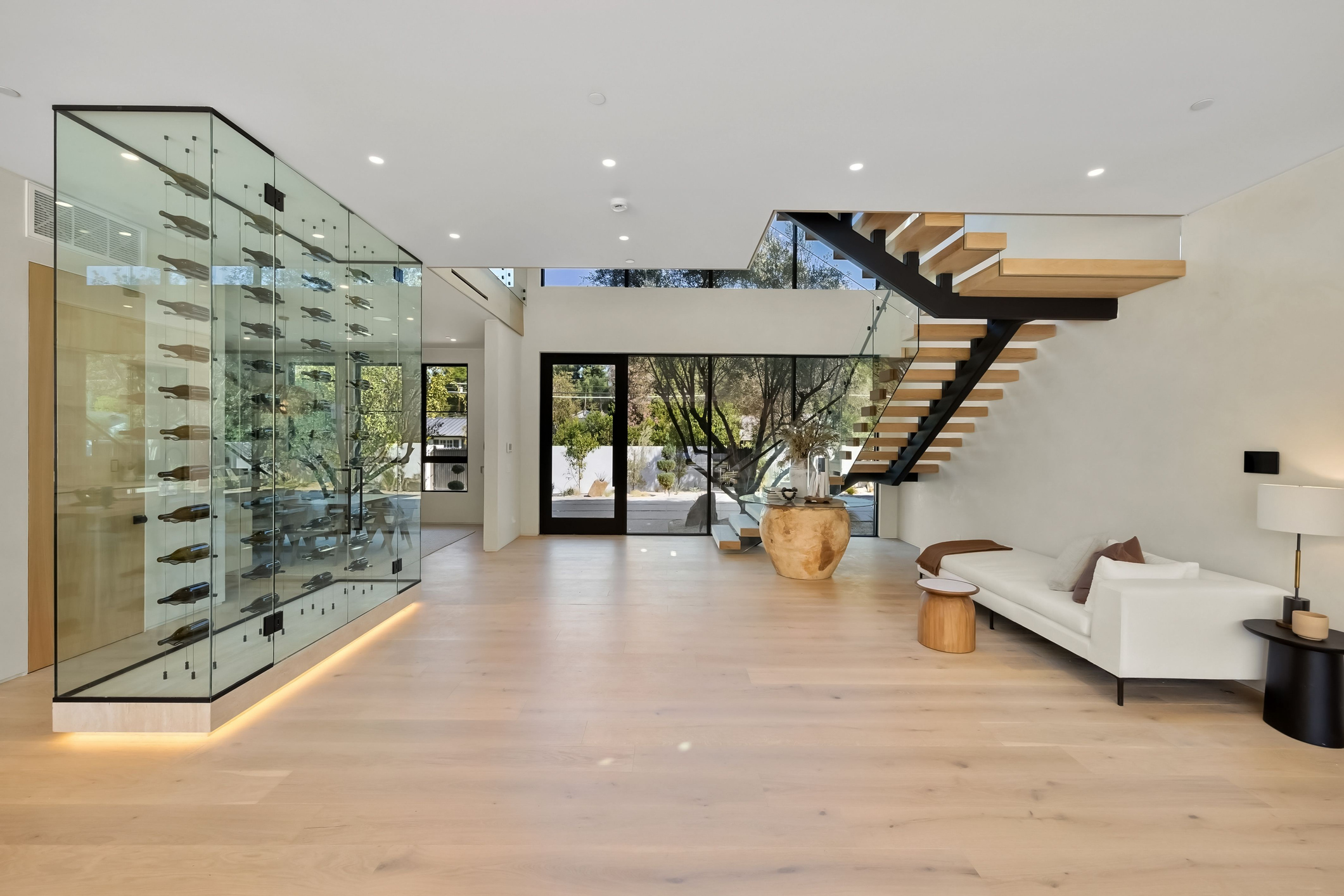
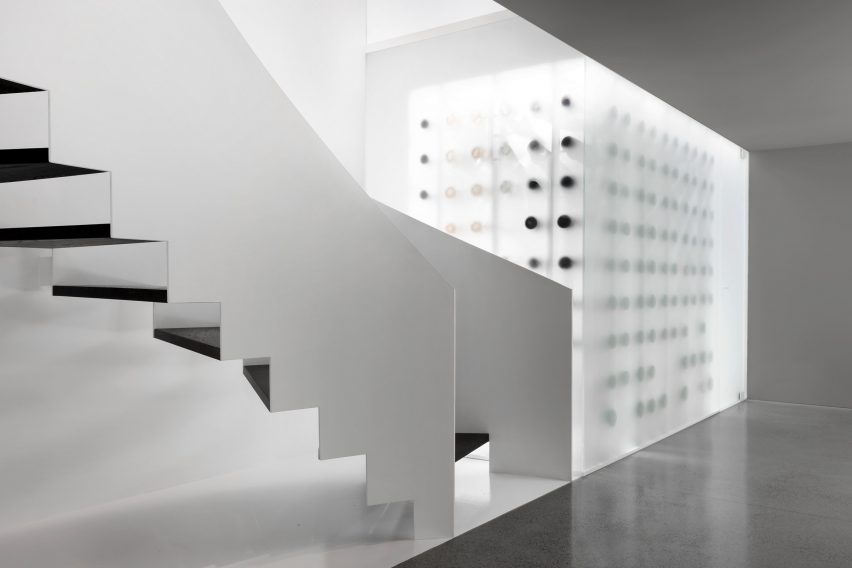
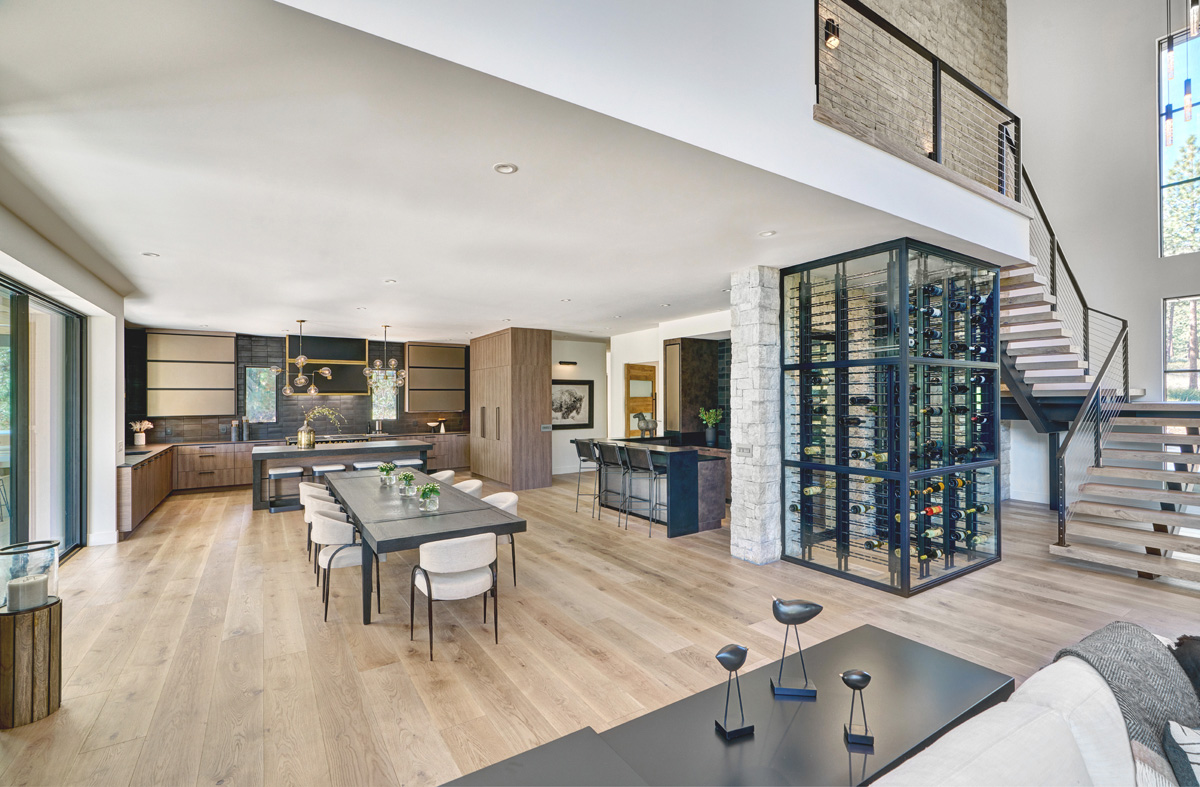
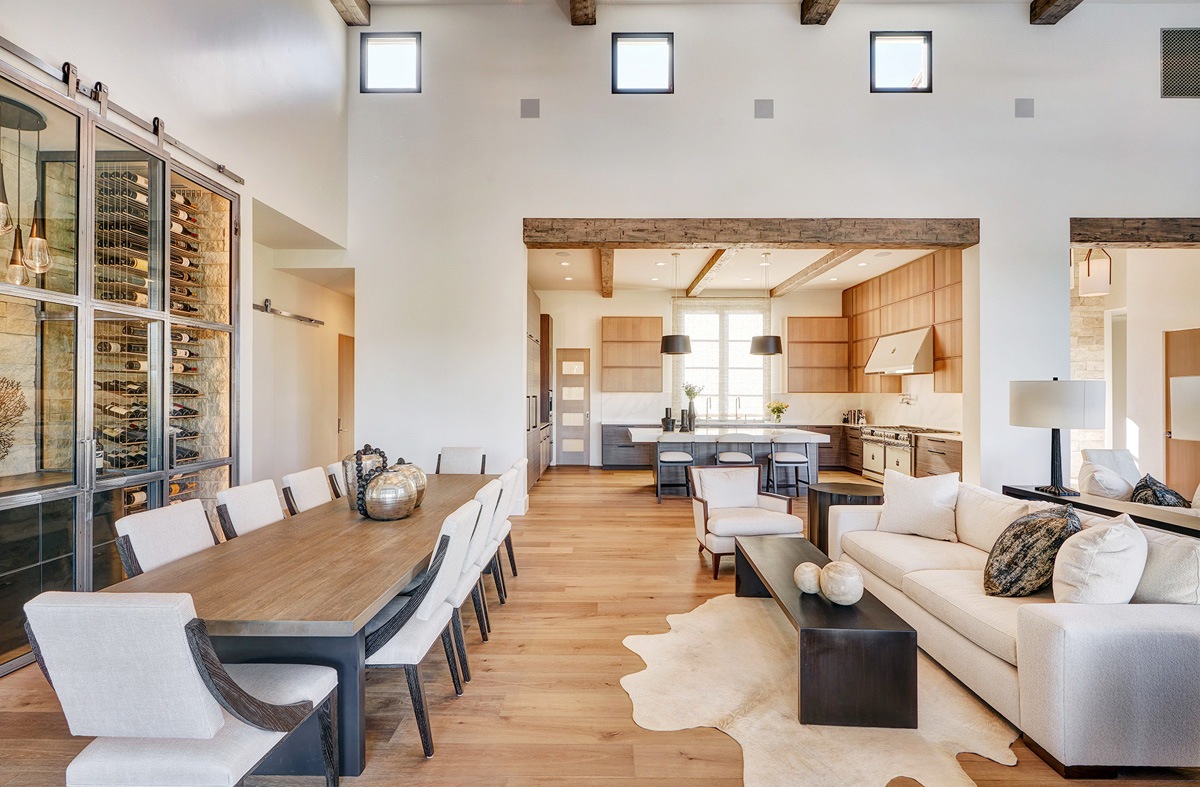
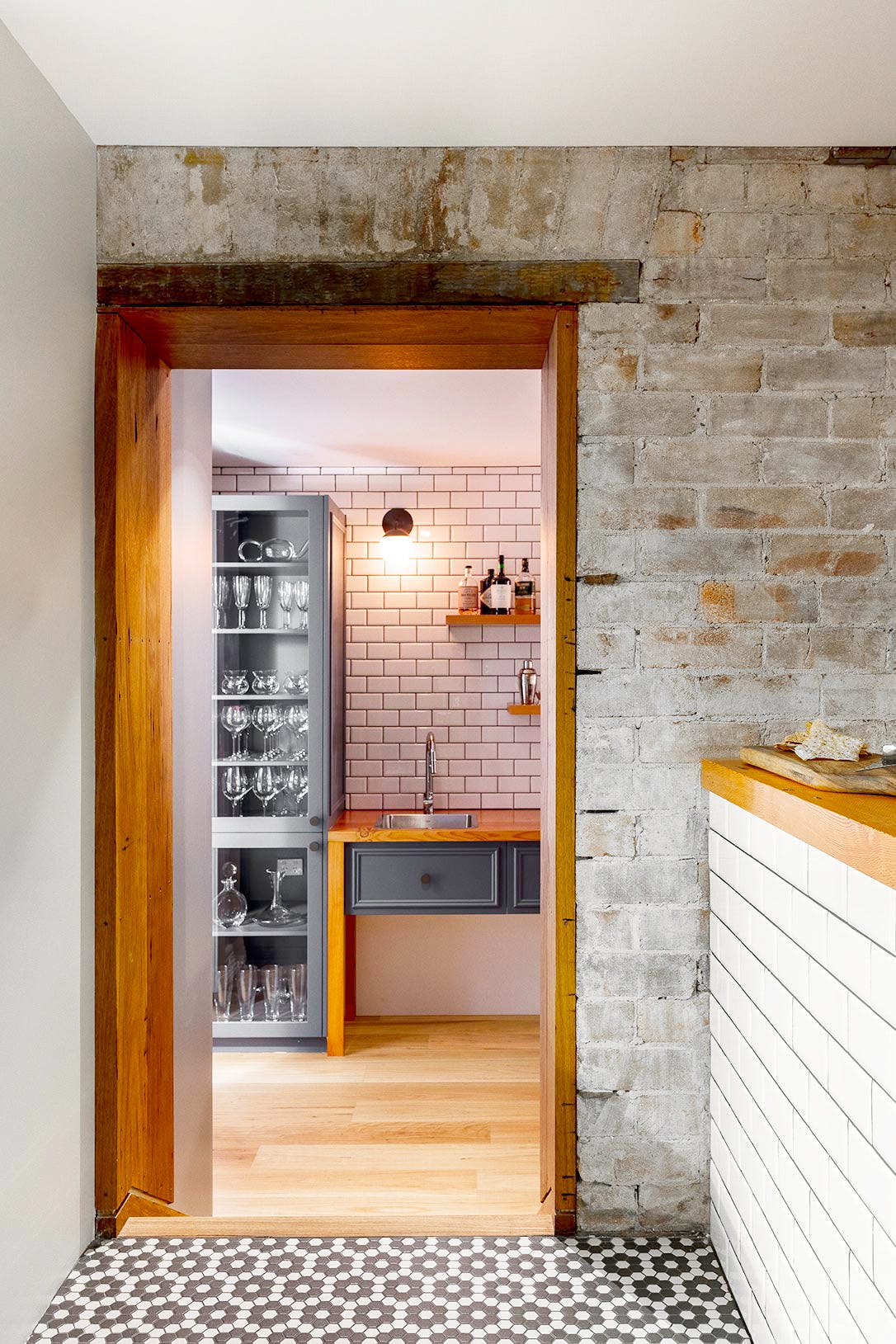
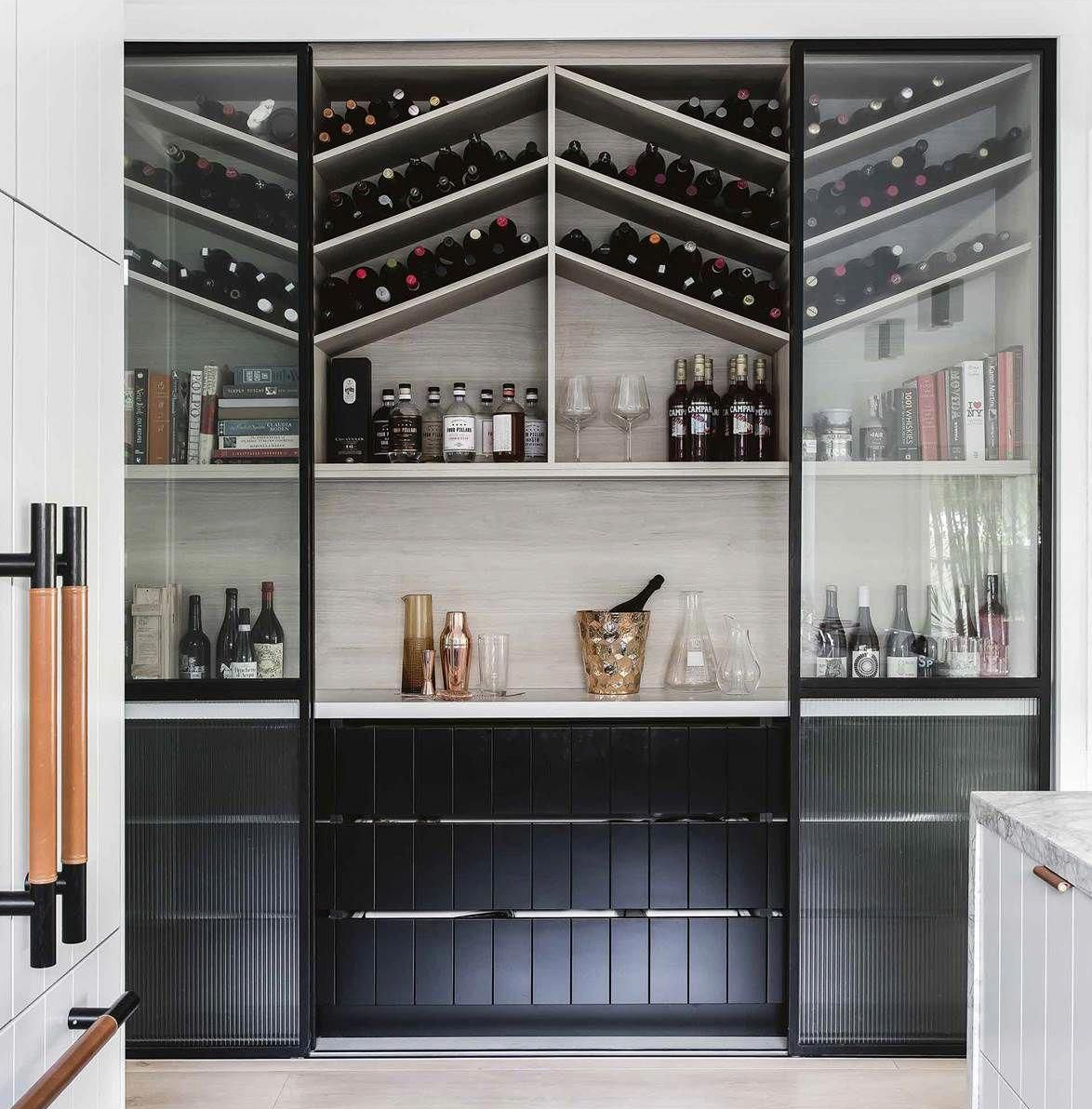
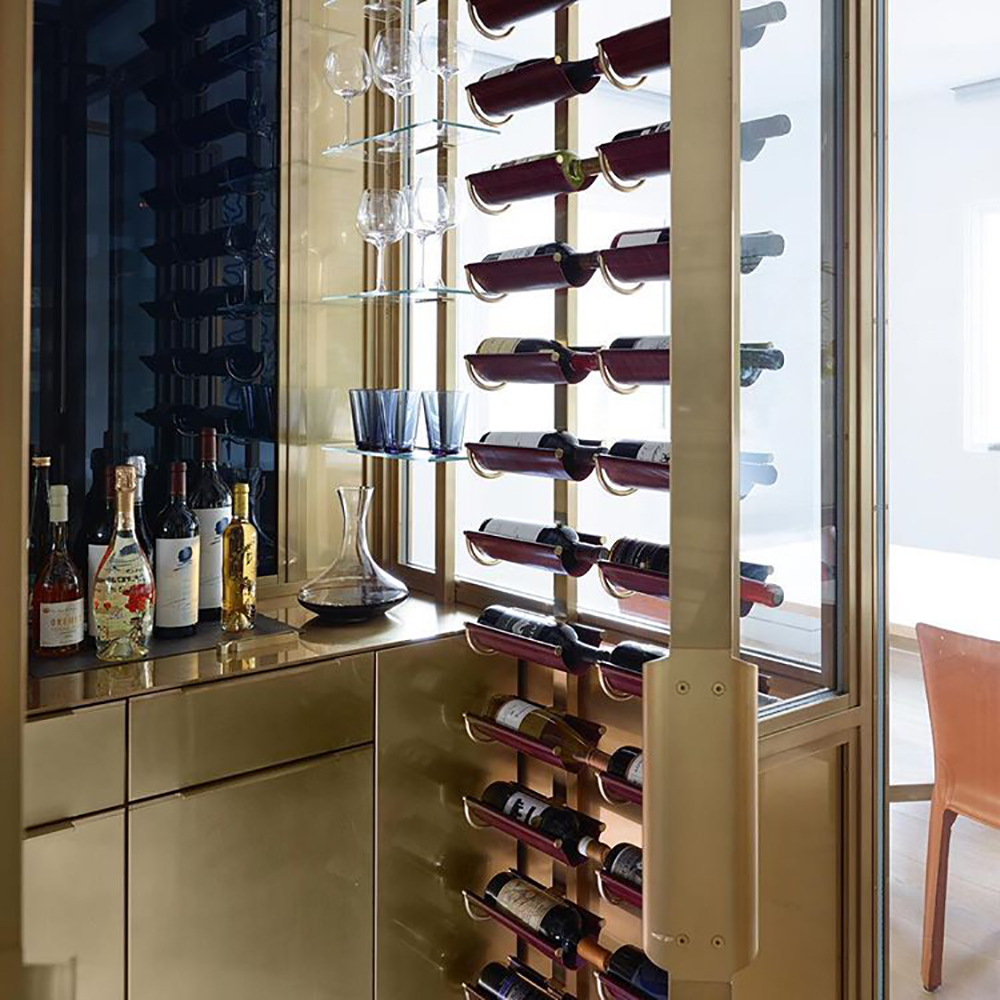
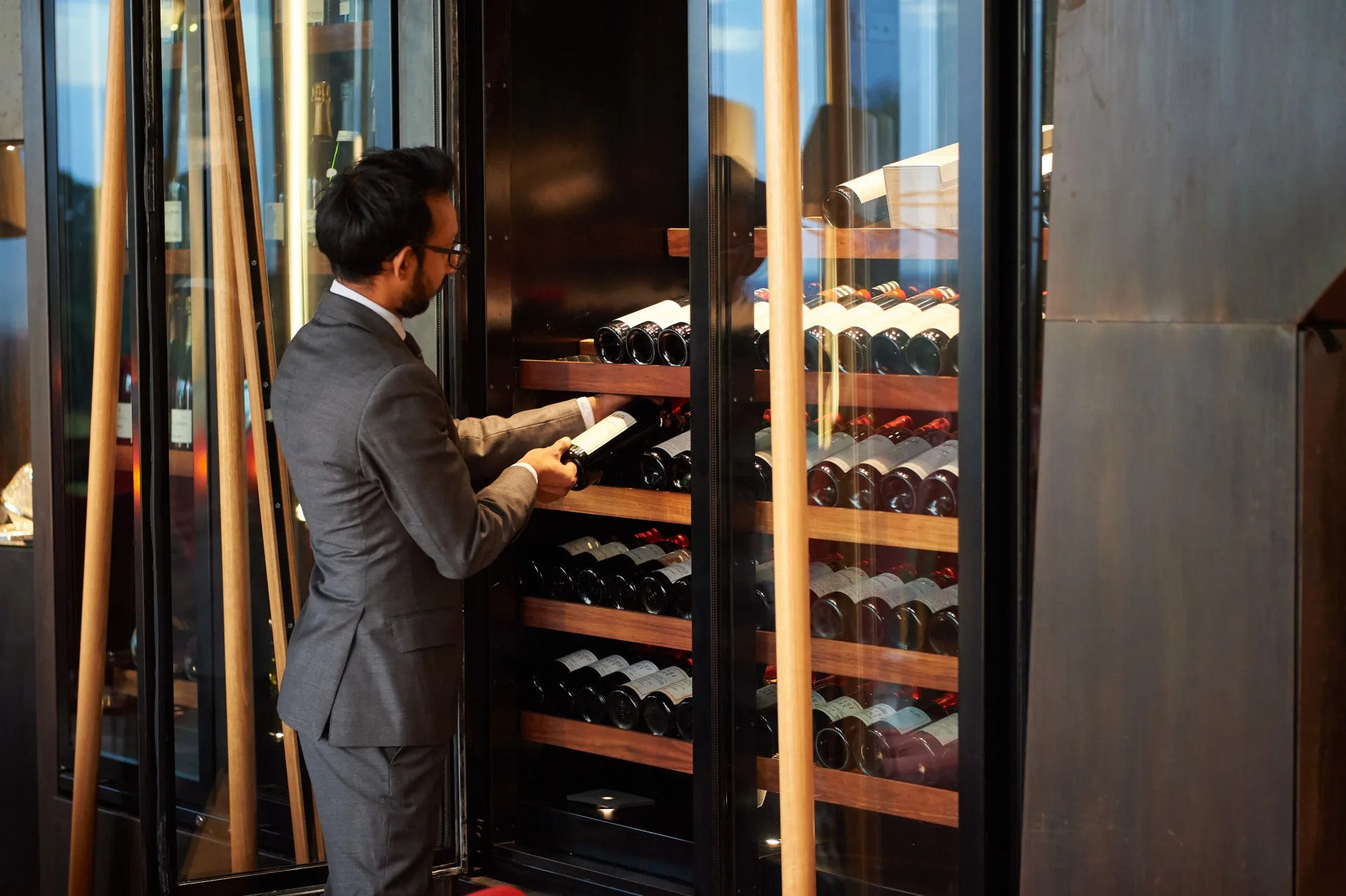
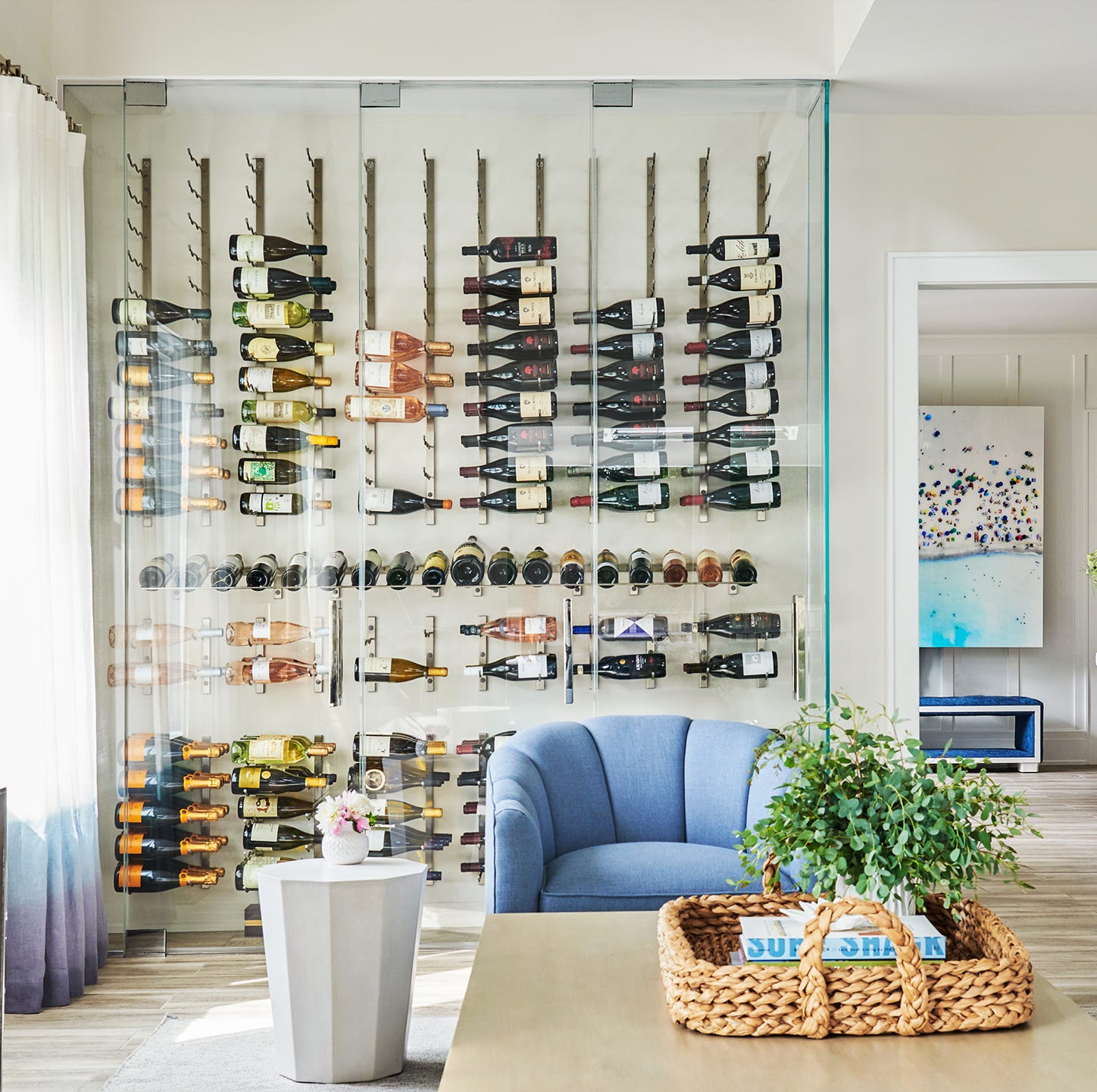
For those seeking a contemporary look, frameless glass enclosures are a favored option, designed to make the wine collection a prominent visual element within a living space. This allows homeowners to admire their wines while entertaining in a more comfortable ambient temperature. However, glass is less efficient at insulation, necessitating a larger cooling system to maintain the optimal temperature for the wine.
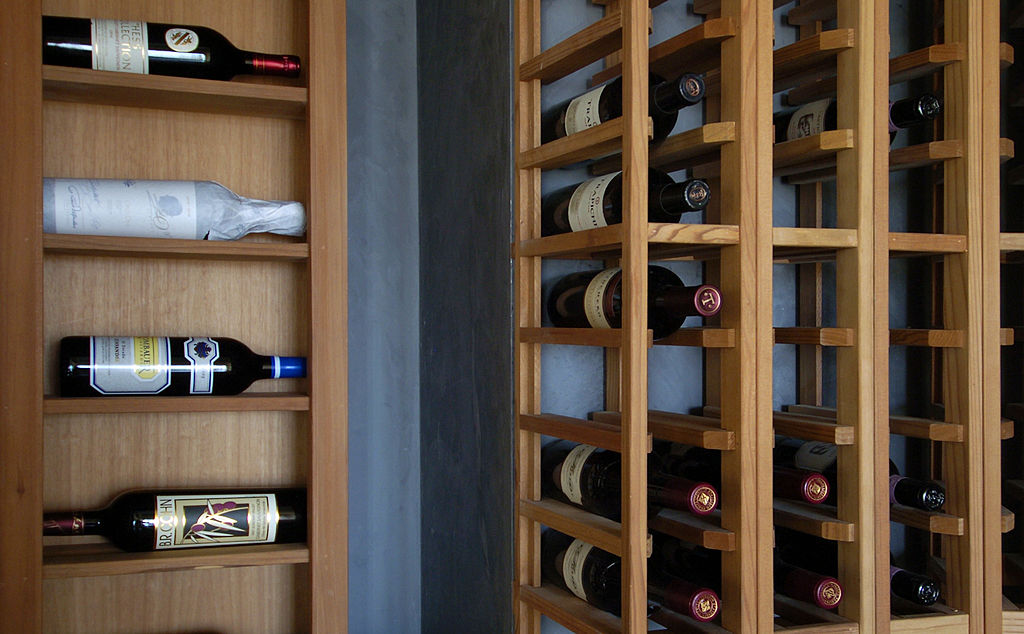
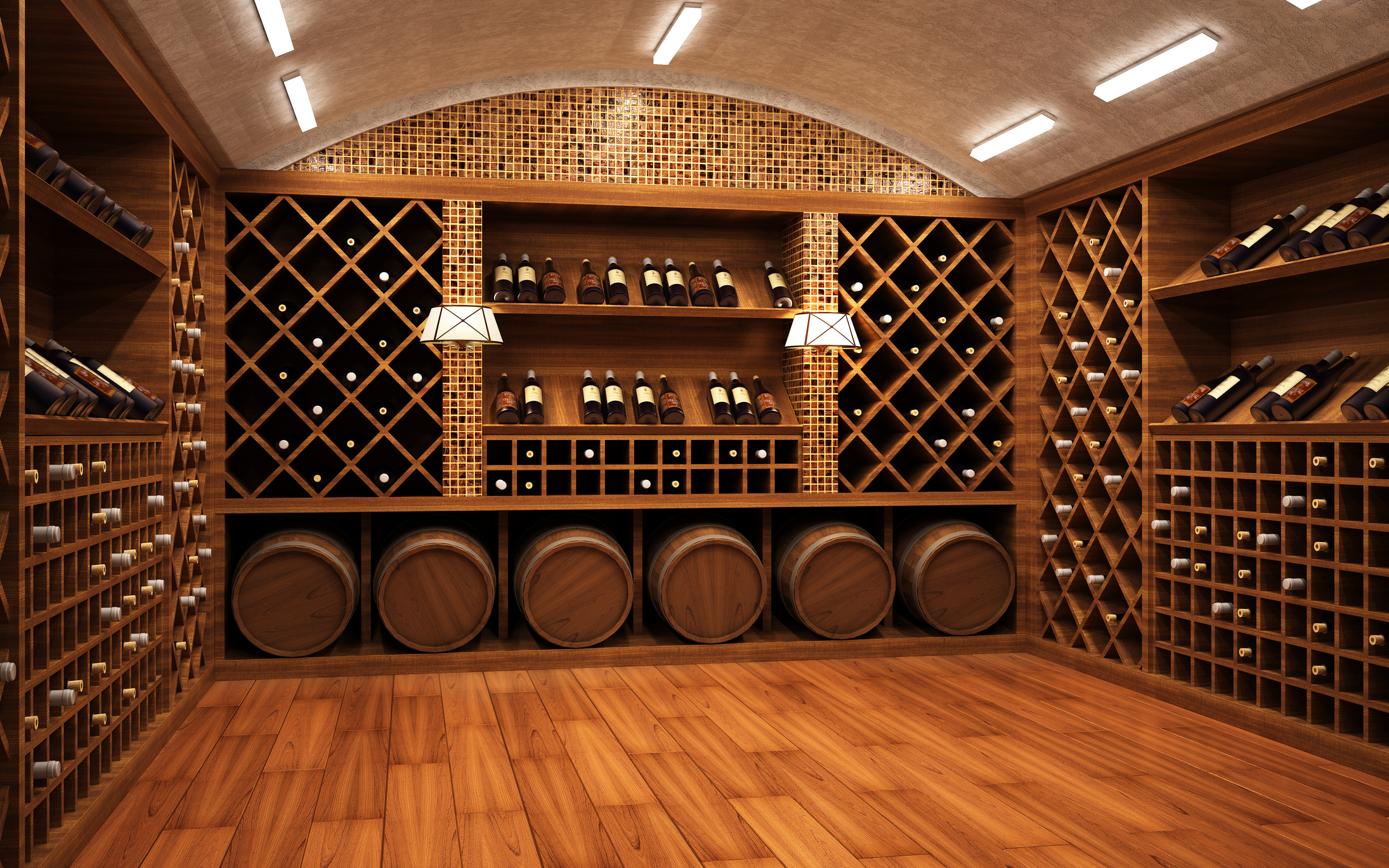
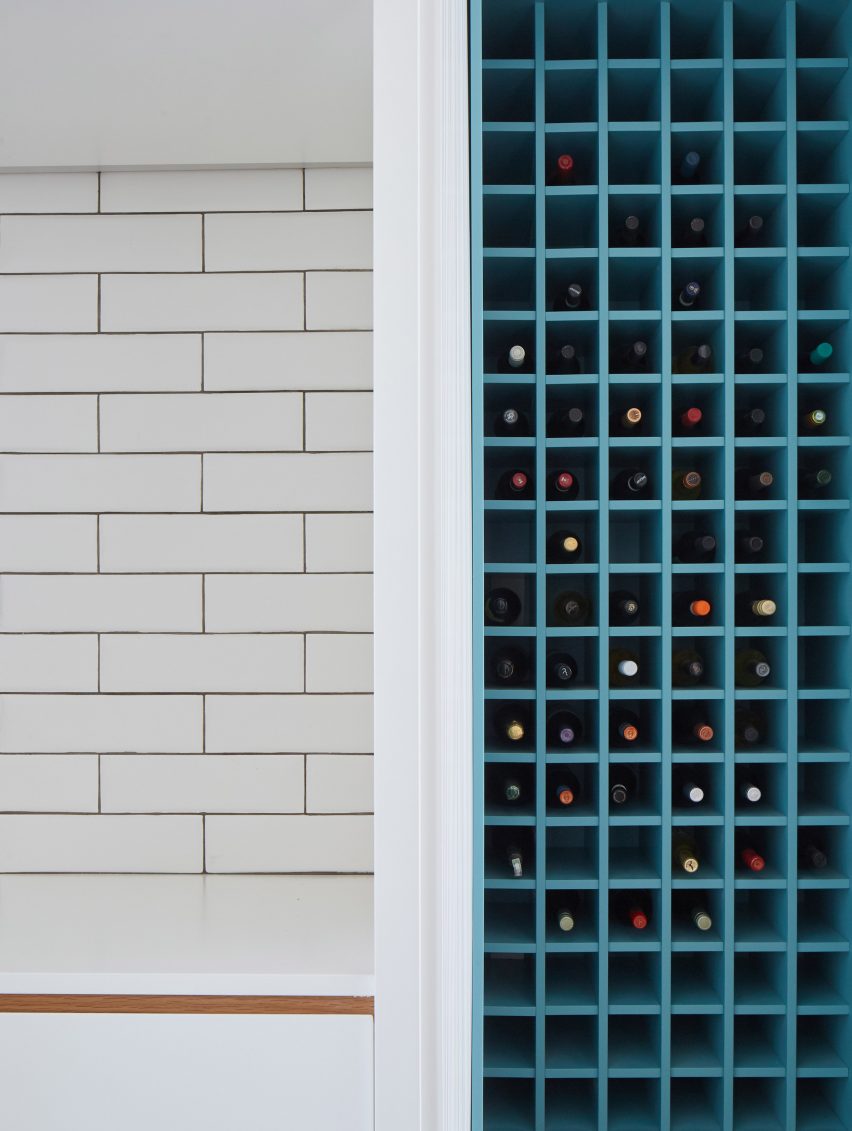
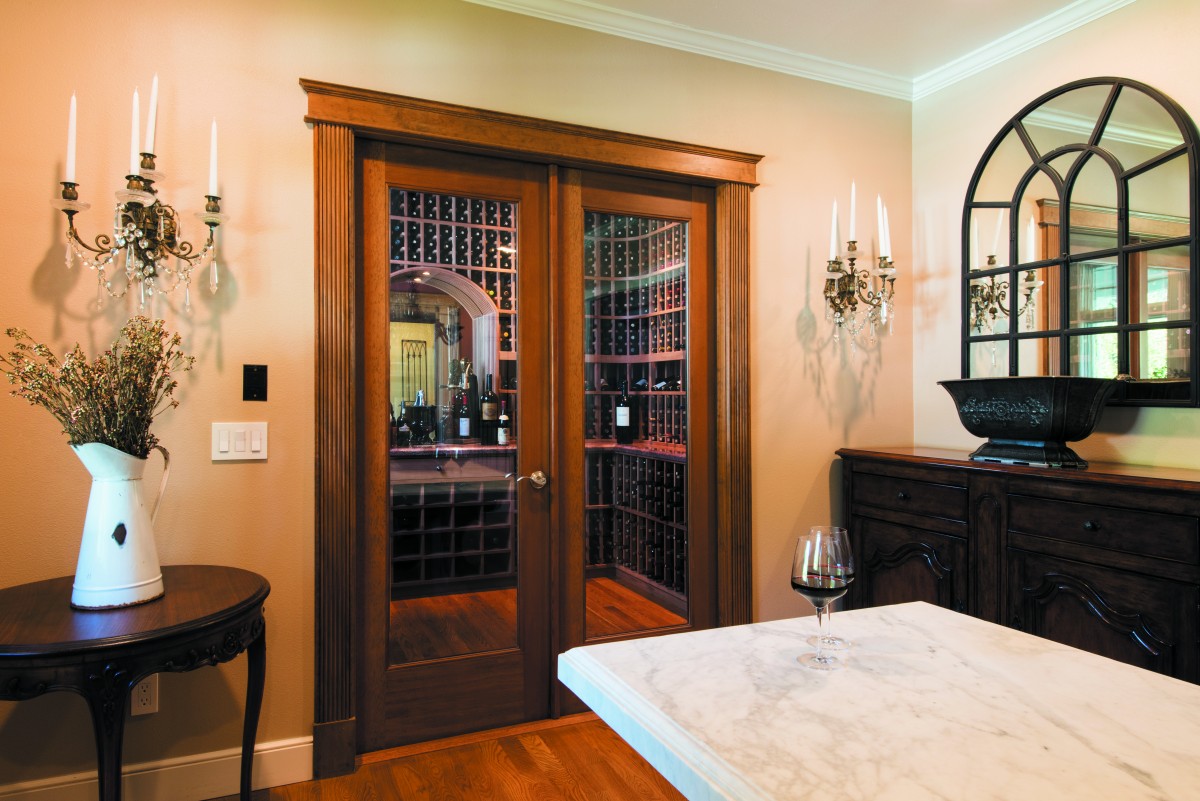
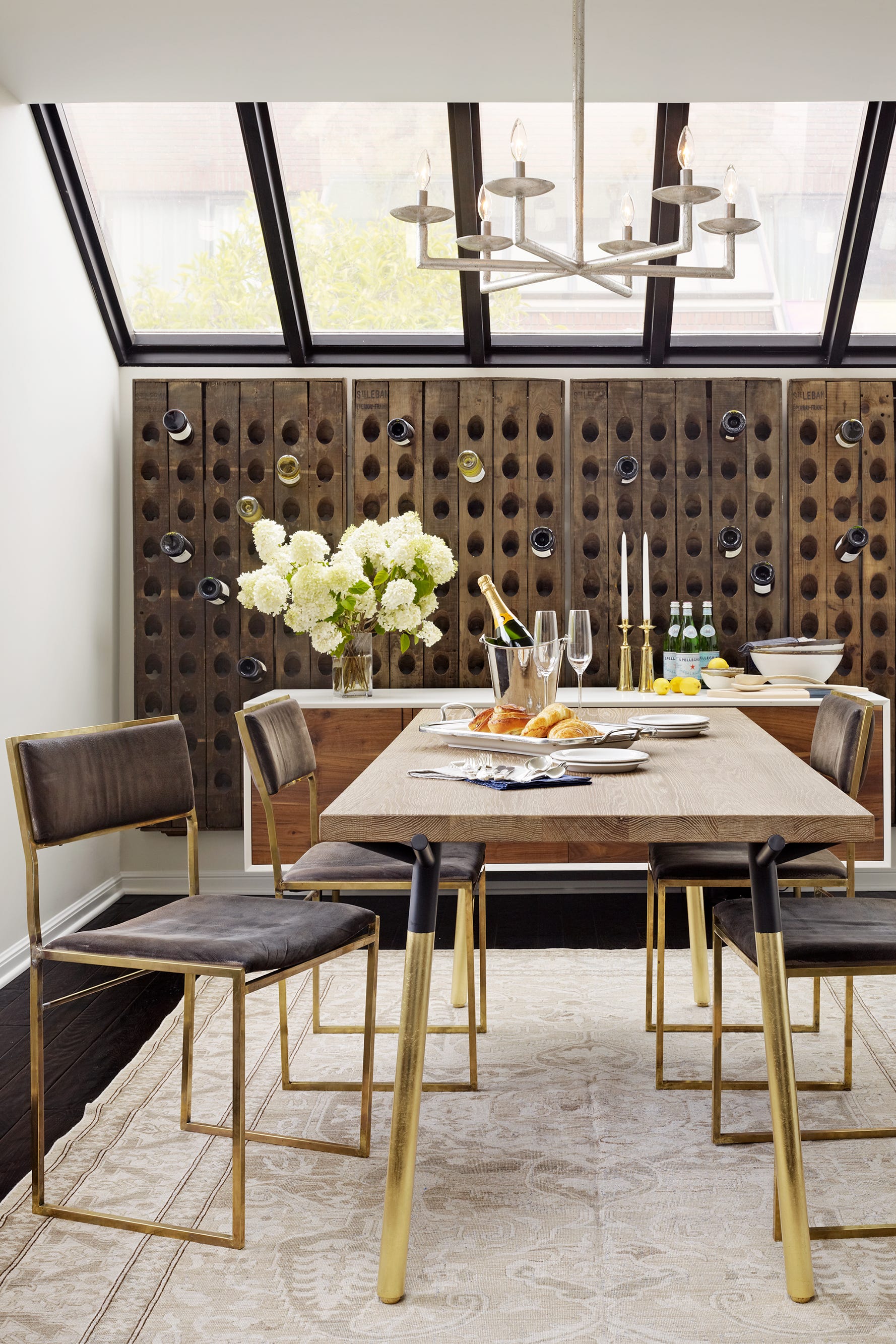
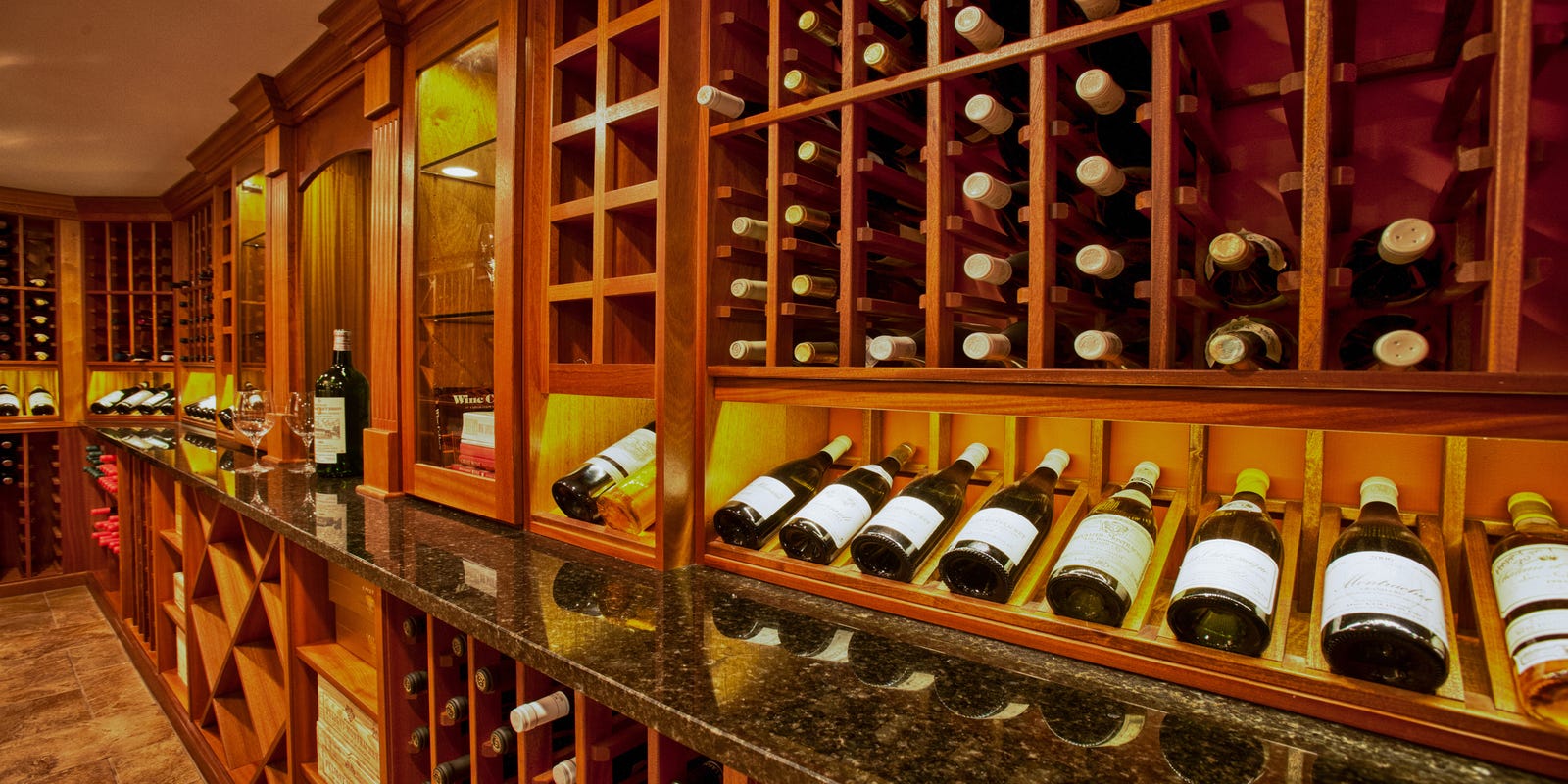
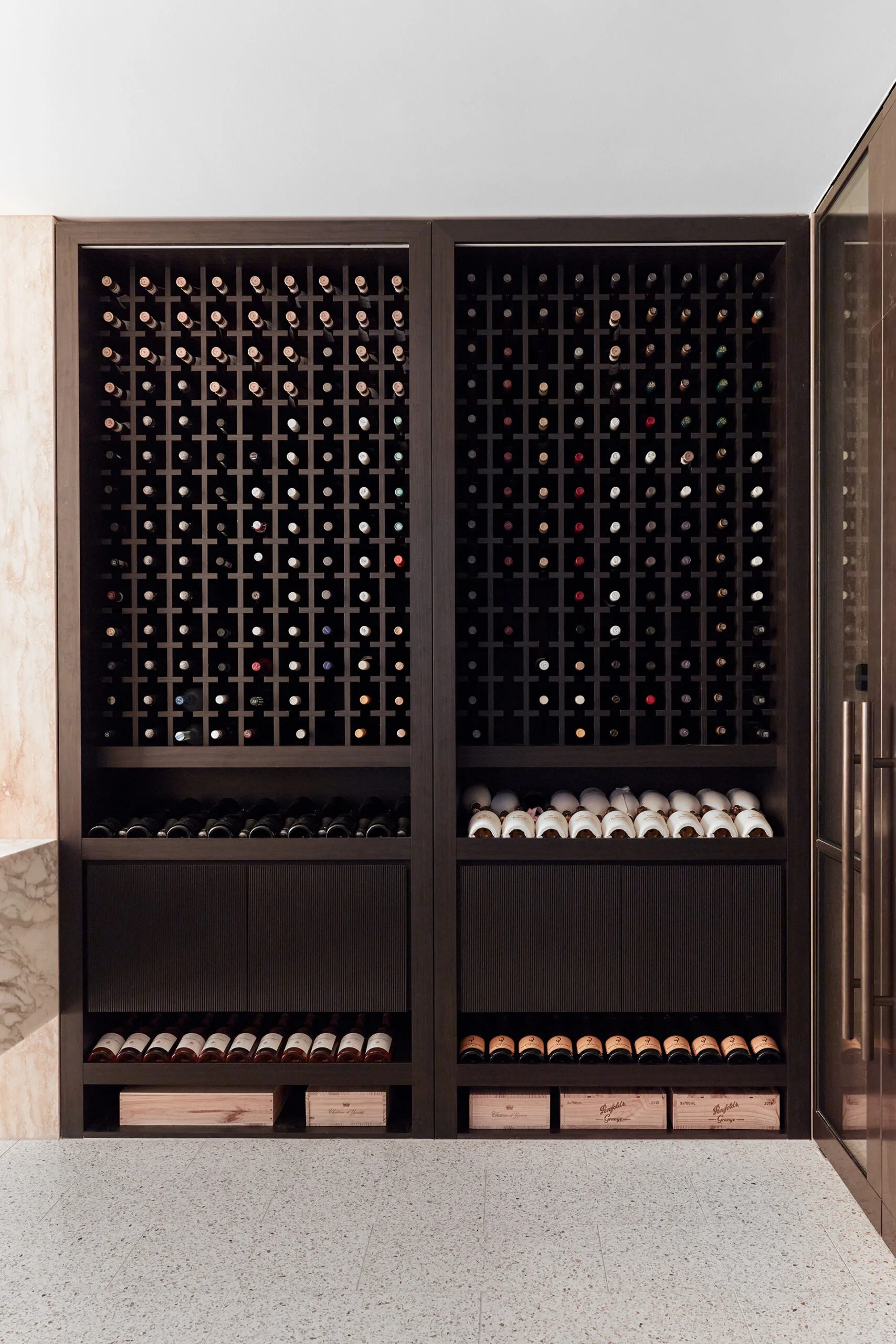
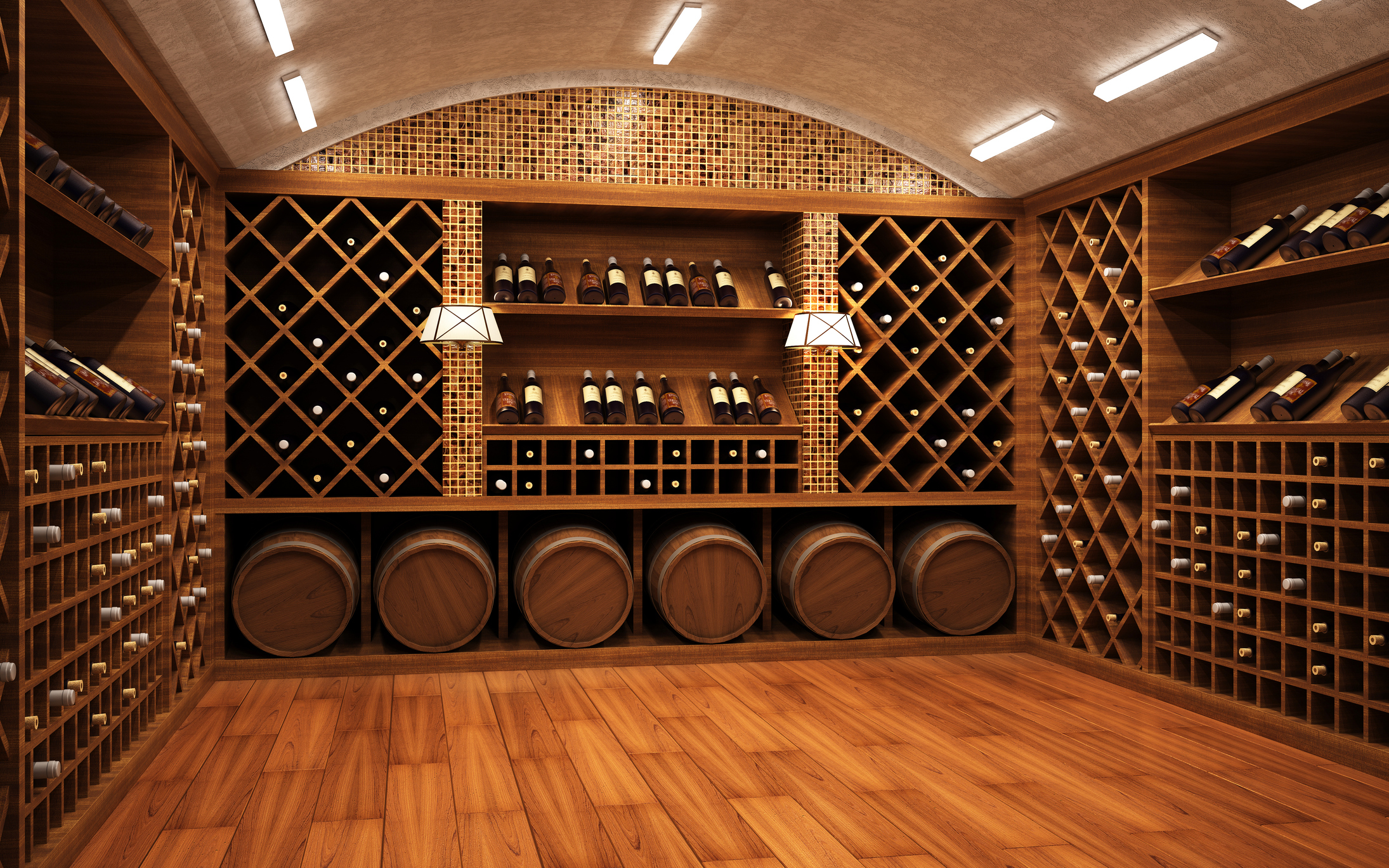
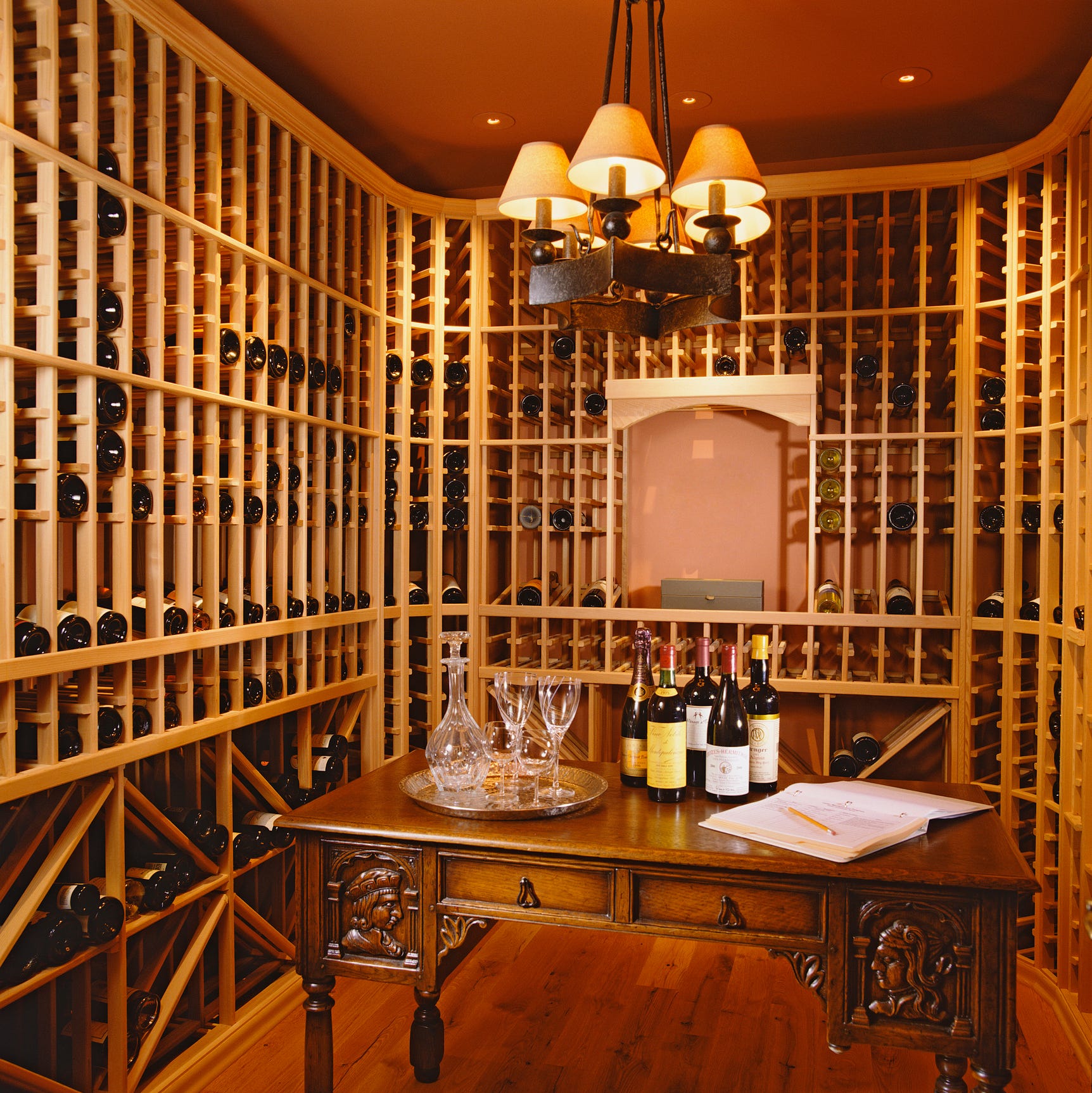
Traditional wine cellars still see demand, with some clients preferring rounded, natural stone. A modern interpretation involves ledger stone designs, where rectangular panels are arranged in a stacked pattern, offering an earthy feel within a traditional cellar. Diamond-shaped cabinets are a prevalent choice due to their versatility; they can accommodate various bottle sizes, from splits and standard 750-milliliter bottles to magnums and even 3-liter bottles. This contrasts with standard rows and columns, which are typically sized for 750-milliliter bottles and would require different widths for champagne or other larger formats.
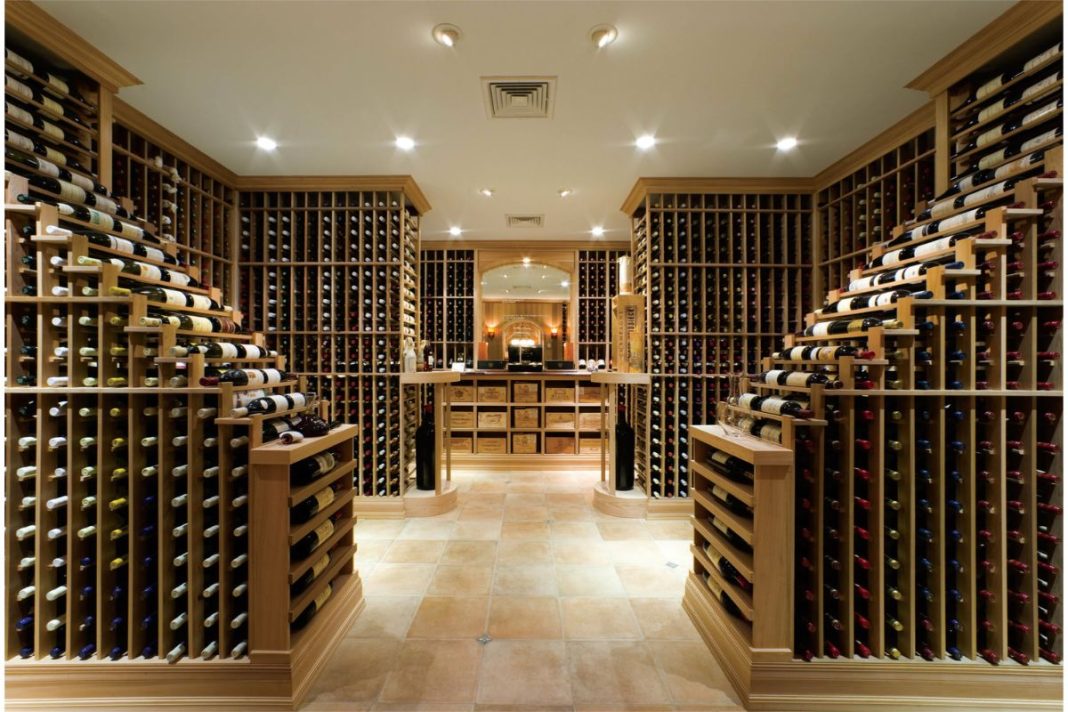
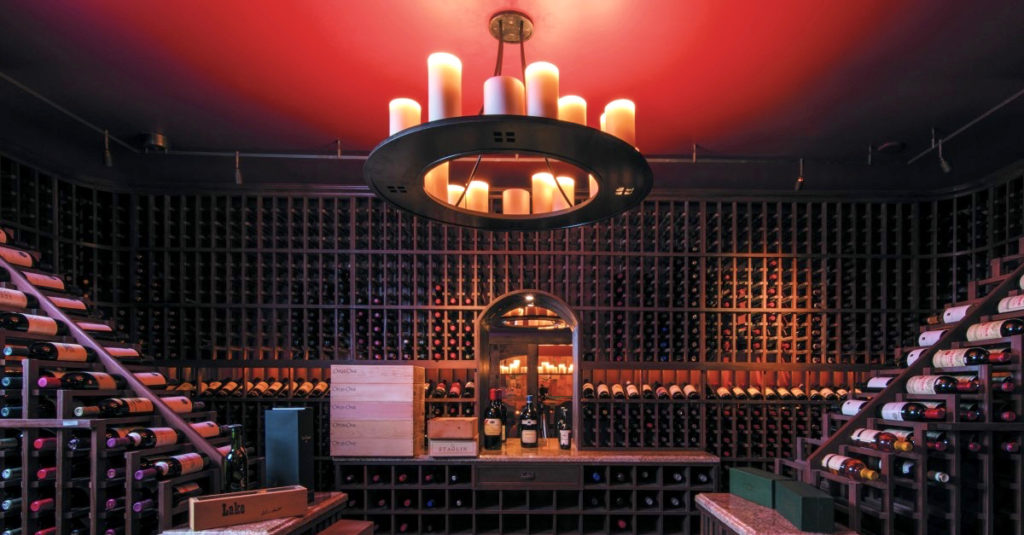
Baltic Leisure is known for an architectural feature called a “waterfall” design, where cabinet units descend into the center of the room in a stairway-like fashion. This design is particularly effective in wider rooms, providing additional storage capacity while creating a visually engaging focal point. Smithson emphasizes that these unique designs are intended to break up monotony and prevent the cellar from resembling a “post office” with uniform slots. One notable custom request involved a labyrinth wall design, which, despite being challenging to construct, resulted in a distinctive and captivating feature.
#WineCellars #HomeDesign #DelawareHomes #LuxuryHomeFeatures #CustomWineStorage #InteriorDesignTrends #HomeRenovation #BalticLeisure #HawkinsAndSons #WineCellars #HomeDesign #DelawareHomes #LuxuryHomeFeatures #CustomWineStorage #InteriorDesignTrends #HomeRenovation #BalticLeisure #HawkinsAndSons
0 comment in total
 No comments yet
You may also like
Is it Worth Having a Wine Cellar? What it Adds to Your Home Value — and Happiness

Visit Centreville to Discover Quaint Charm and Unique Shops
These Stunning Wineries Are a Must-Visit for Design Lovers


PHOTOS: Check out this wine lover's dream home
Ten homes featuring clever wine storage solutions
15 Designer-Approved Wine Cellar Ideas
How to install a wine cellar worth toasting

DeLonghi Wine Cabinets | Model Reviews & Guide
3 Sonoma County Wine Rooms in a Class of Their Own
At Home: Homeowners’ wine storage rooms have become just as important as the wine itself
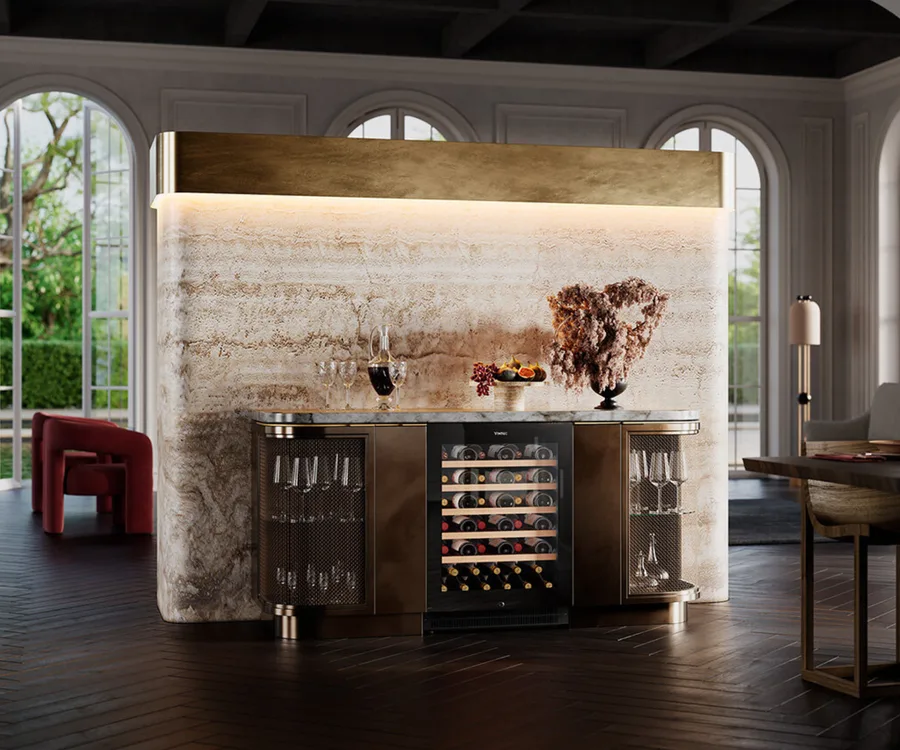
Premium wine fridges to hold your finest drops

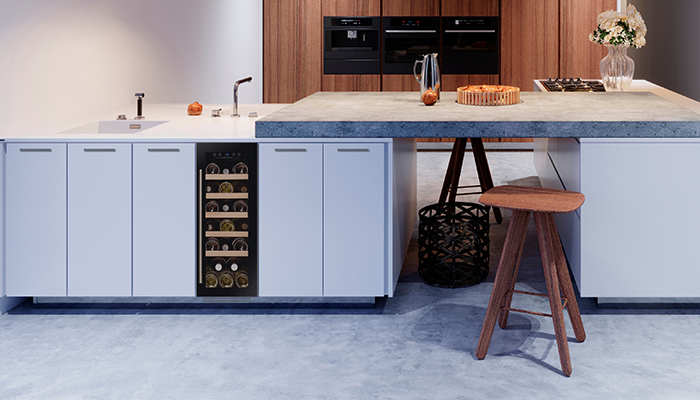
How design-savvy homeowners are after cool ways to chill wine
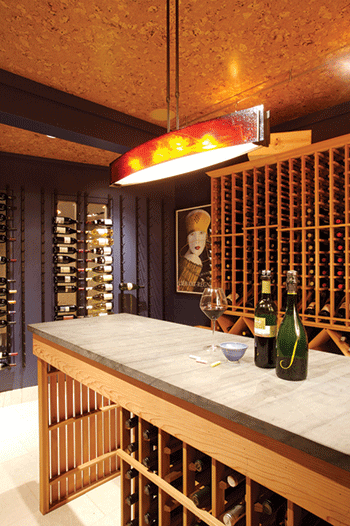
Vintage Points
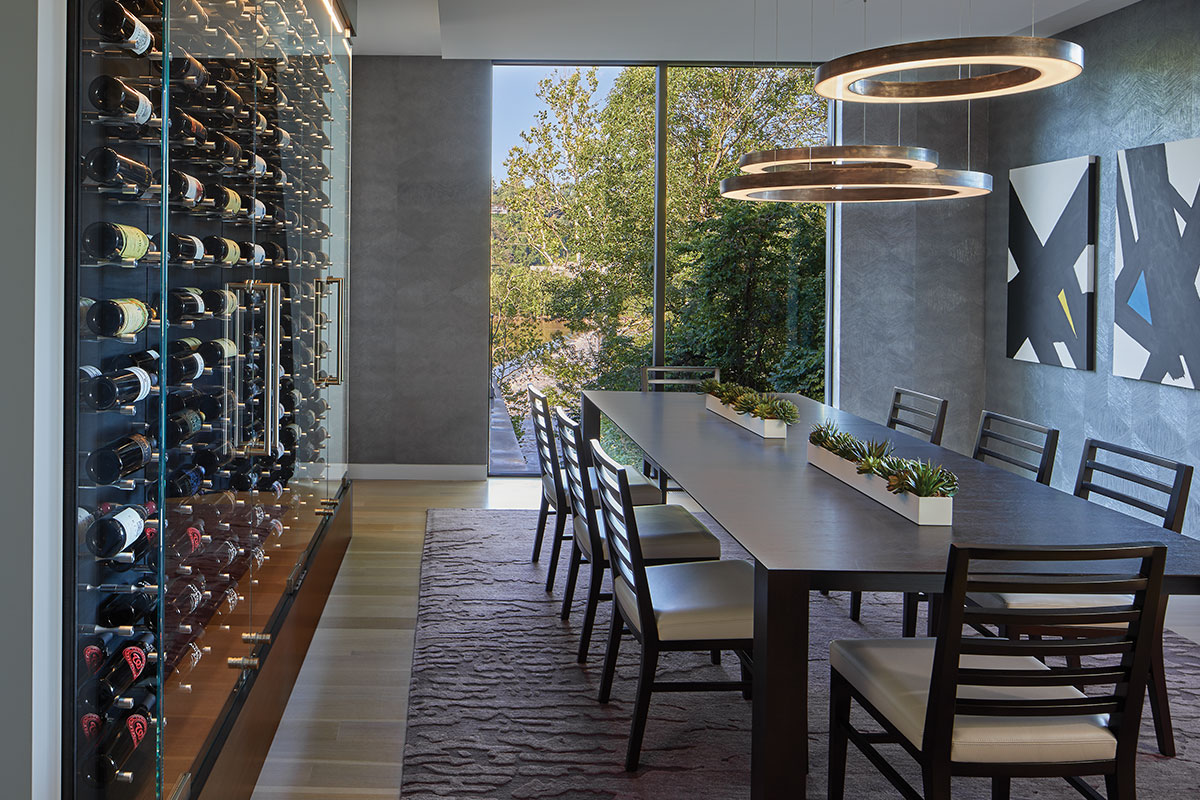
Love wine? Here's how to incorporate wine racks, refrigeration walls and taps into your home
$1.15M home in Dauphin County is a contemporary masterpiece: Cool Spaces
A Sommelier's Guide to Starting the Most Fabulous Wine Collection
Wine Storage: Tasteful Choices

9 of the coolest built-in wine racks

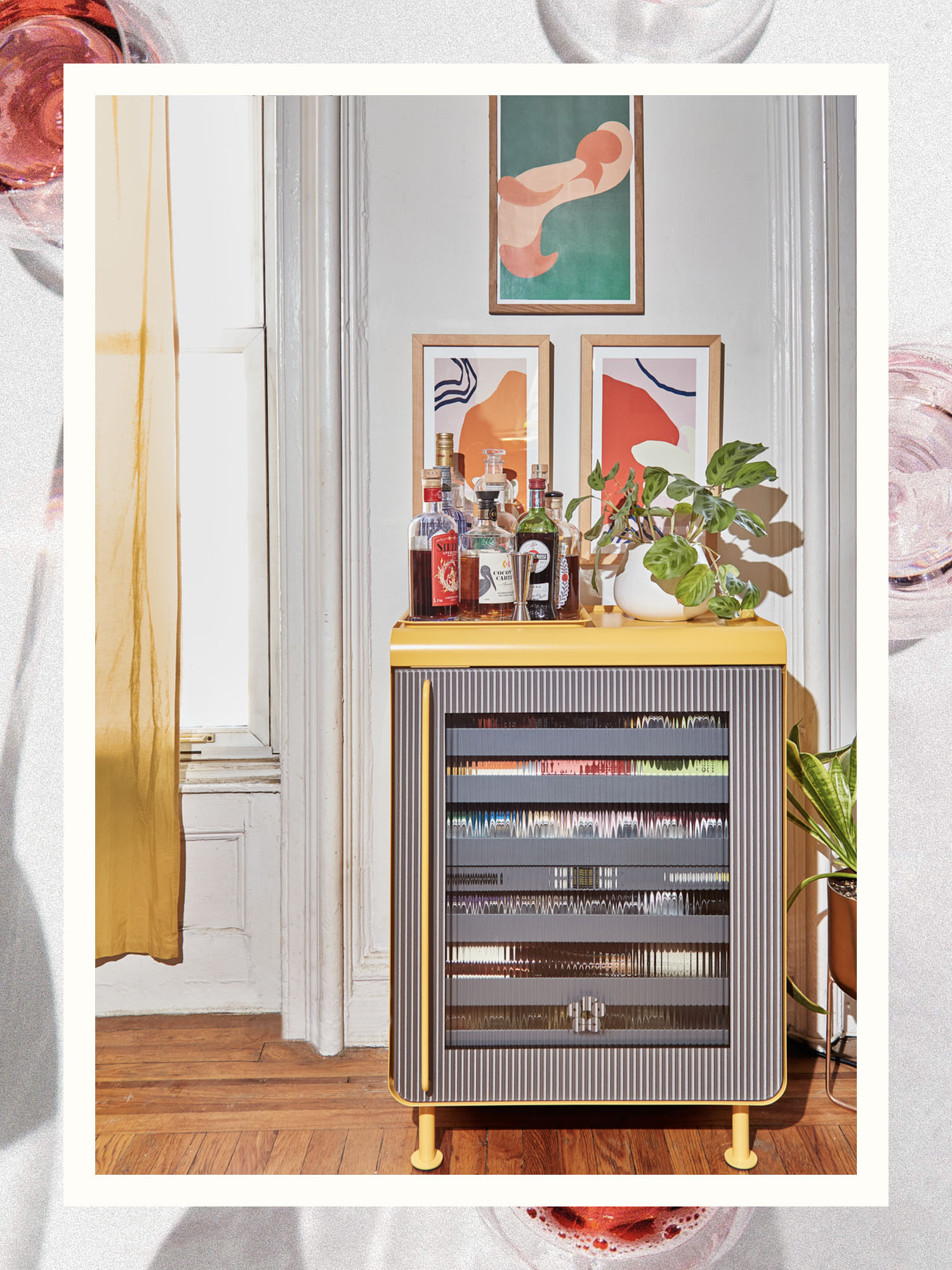
The Best Wine Refrigerators Are Sleek and Keep Your Precious Bottles Safe From Spoilage

Tailored Home Tempts Home Design Lovers in Greenville