1/2
At Home: Homeowners’ wine storage rooms have become just as important as the wine itself
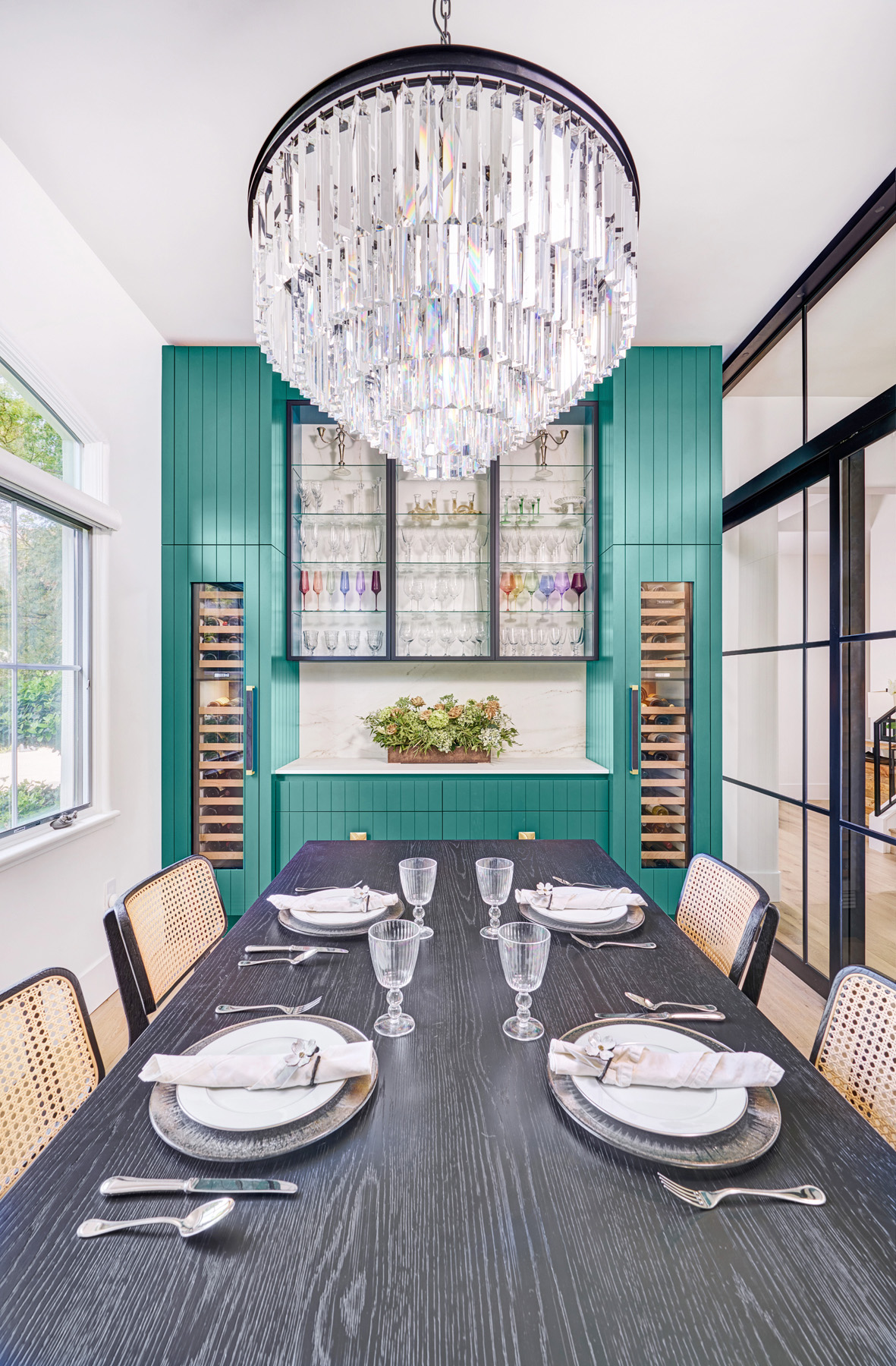
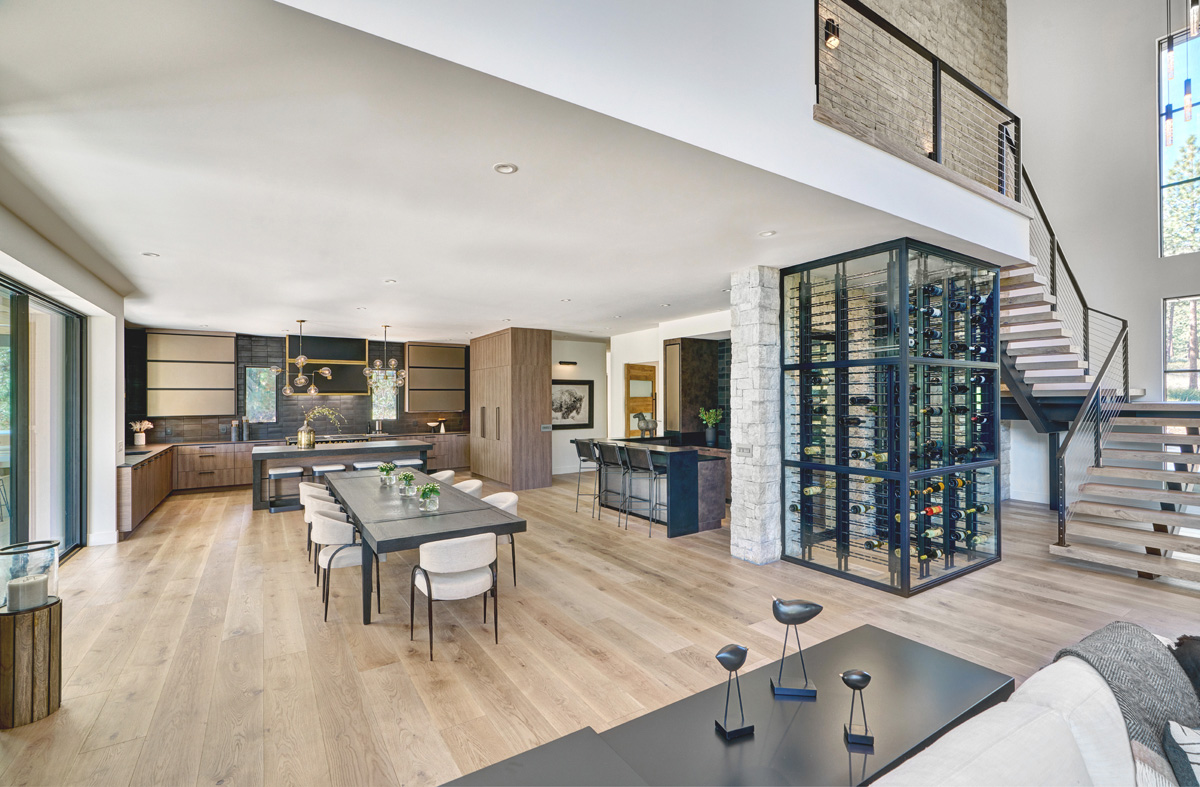
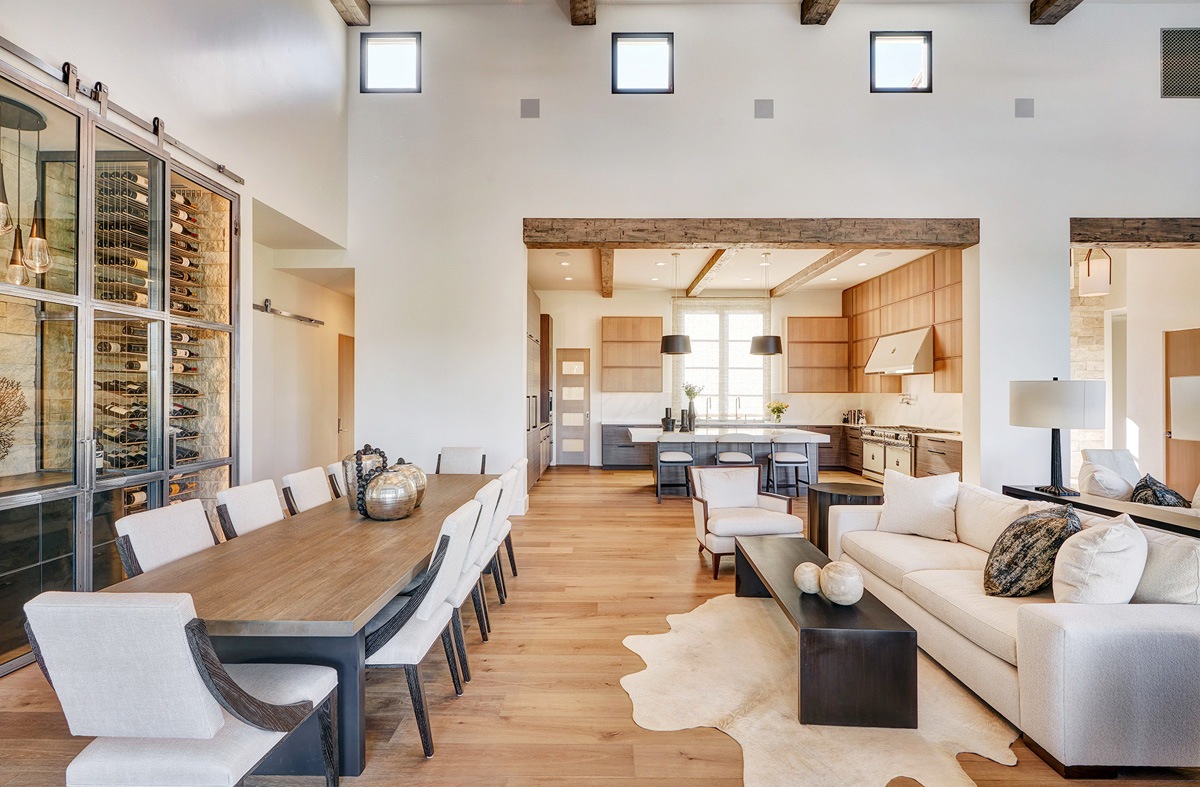
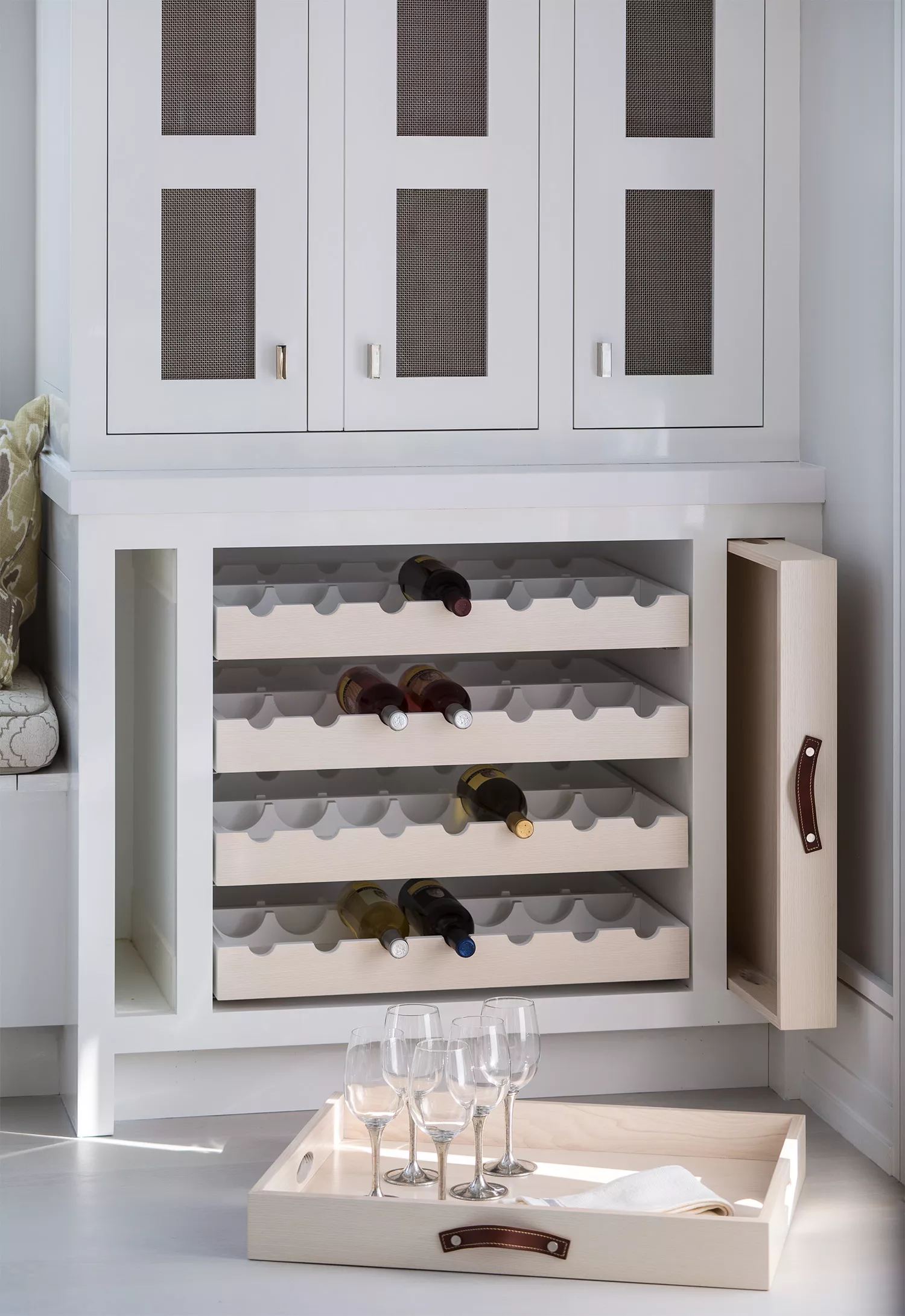
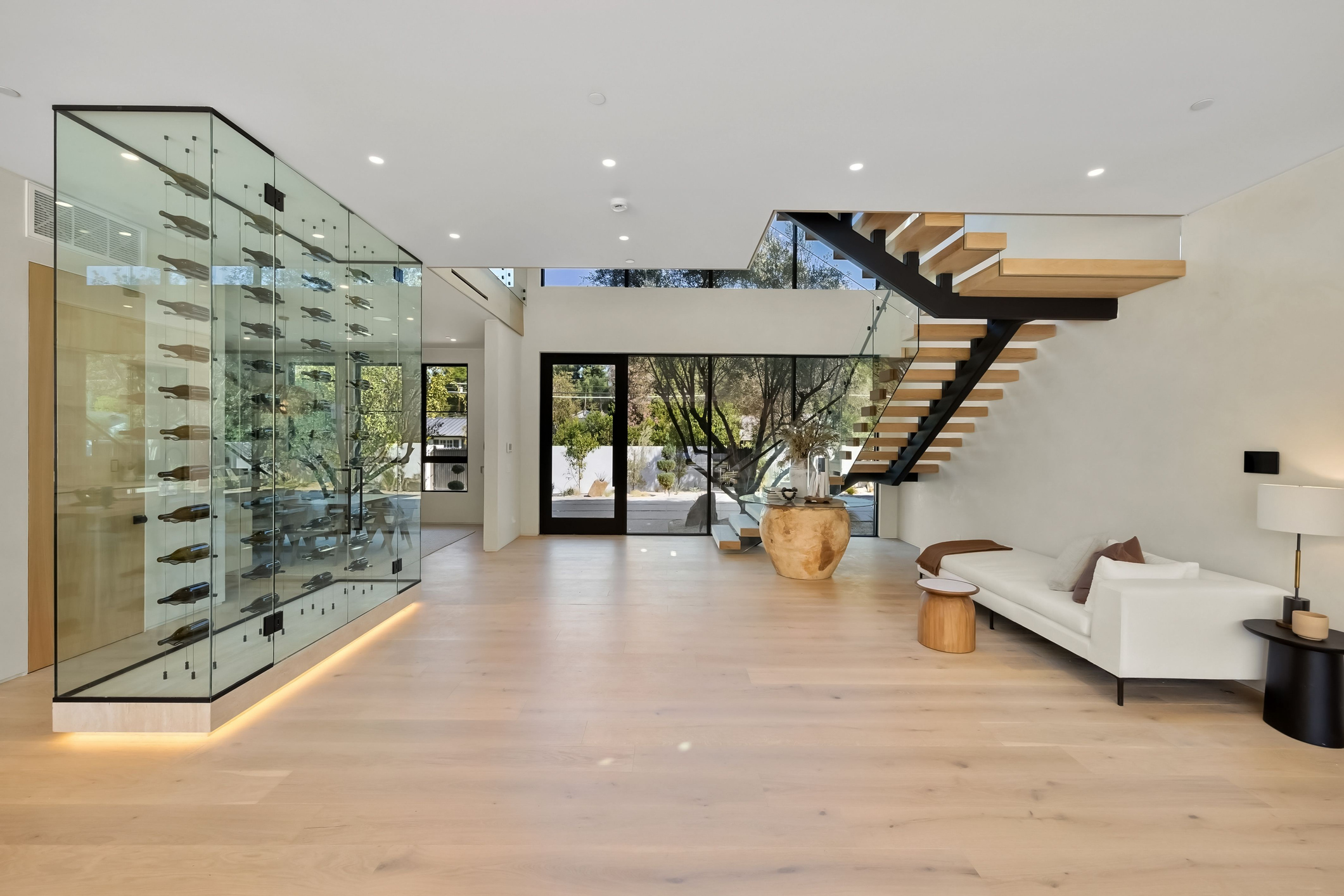
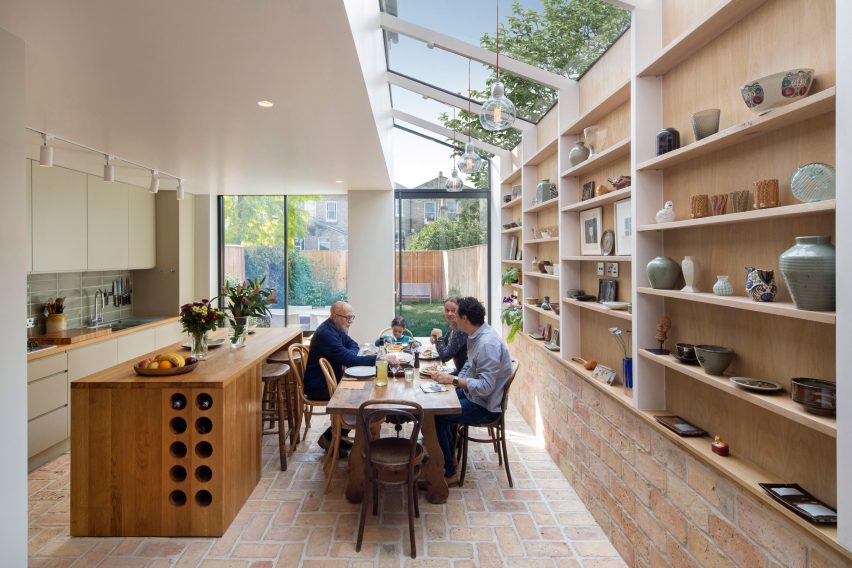
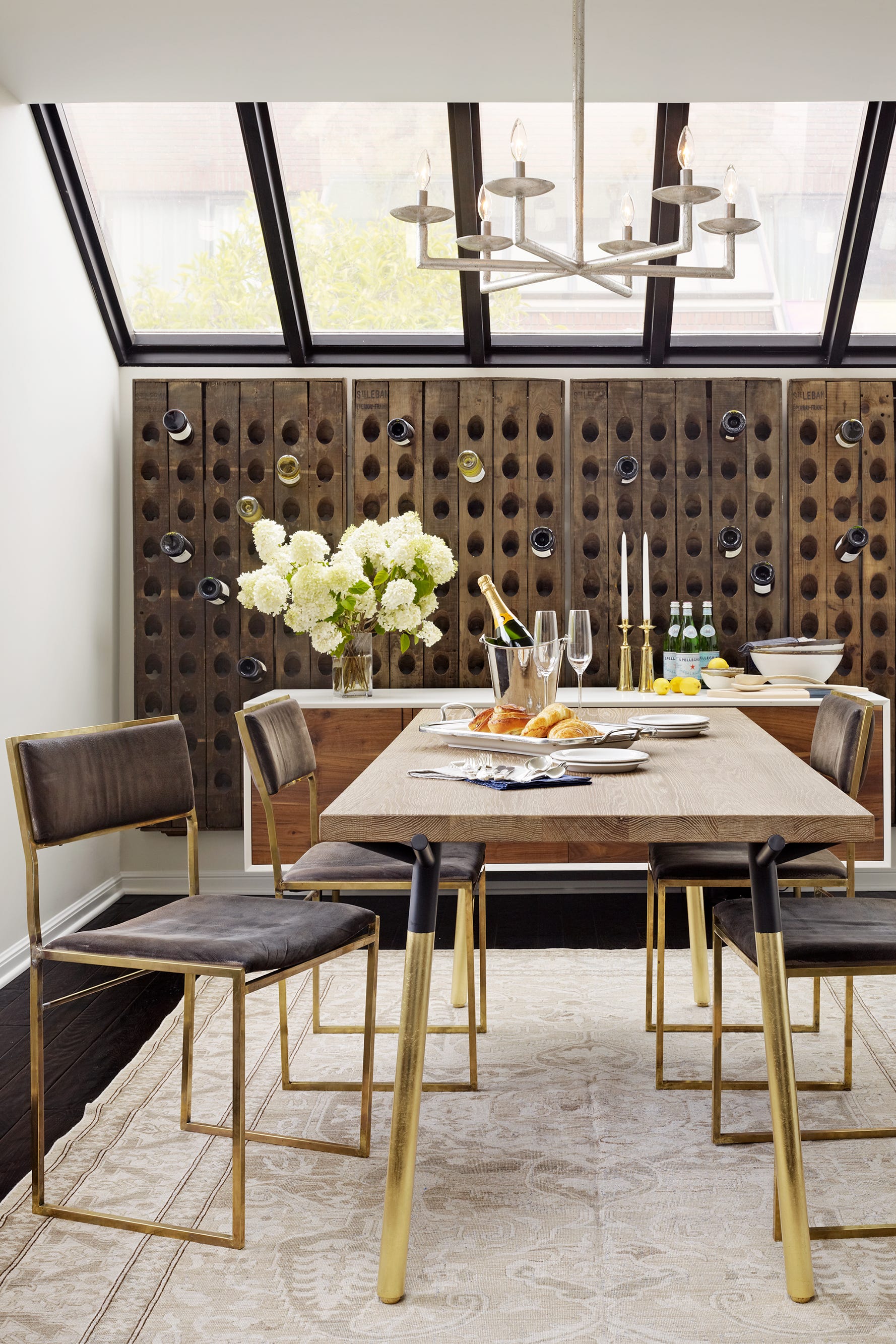
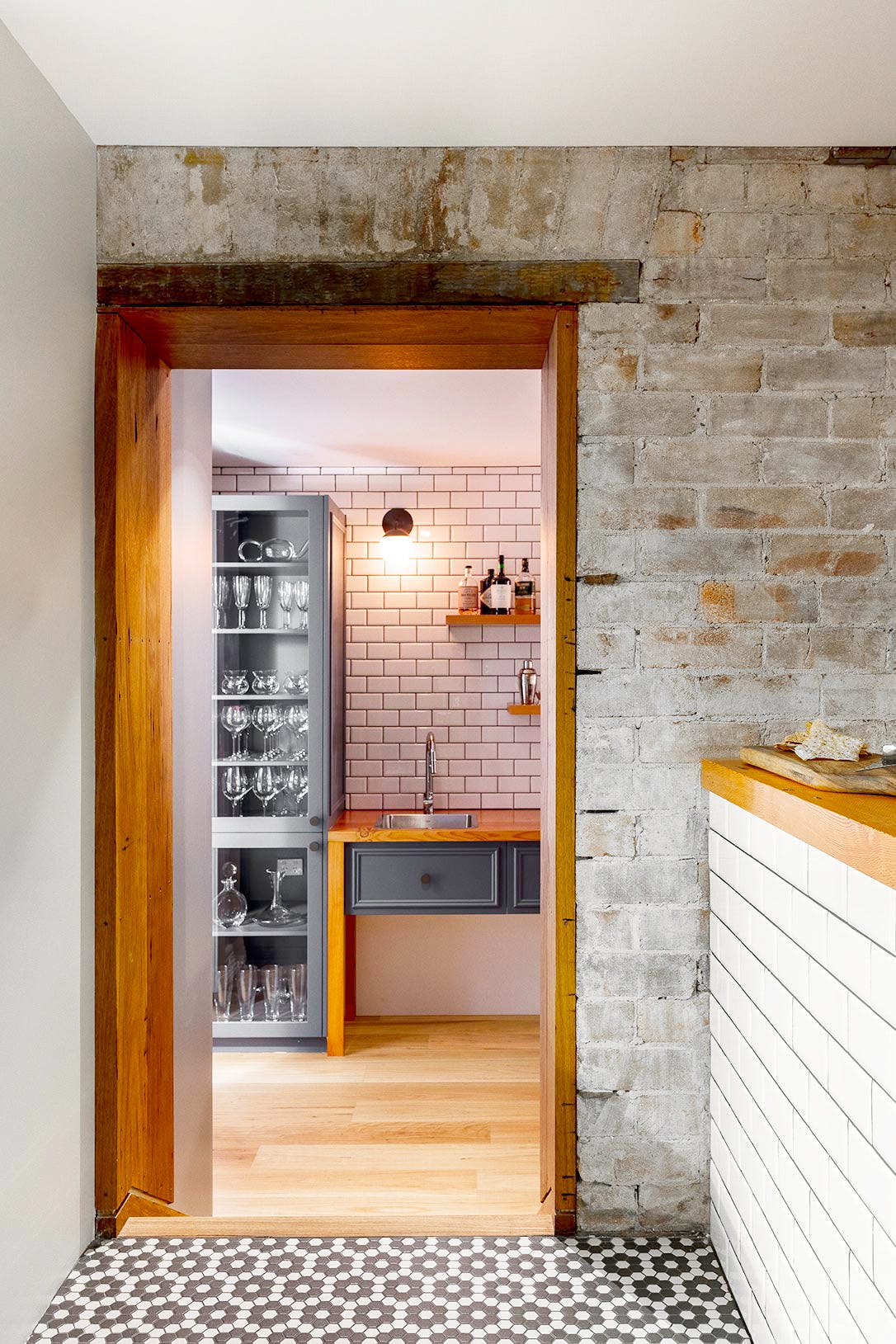
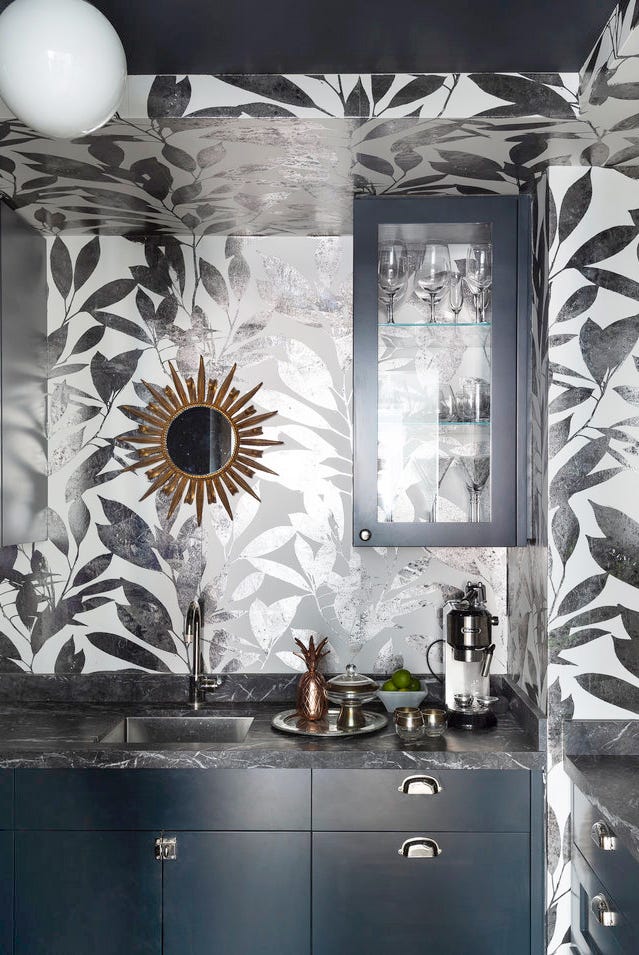
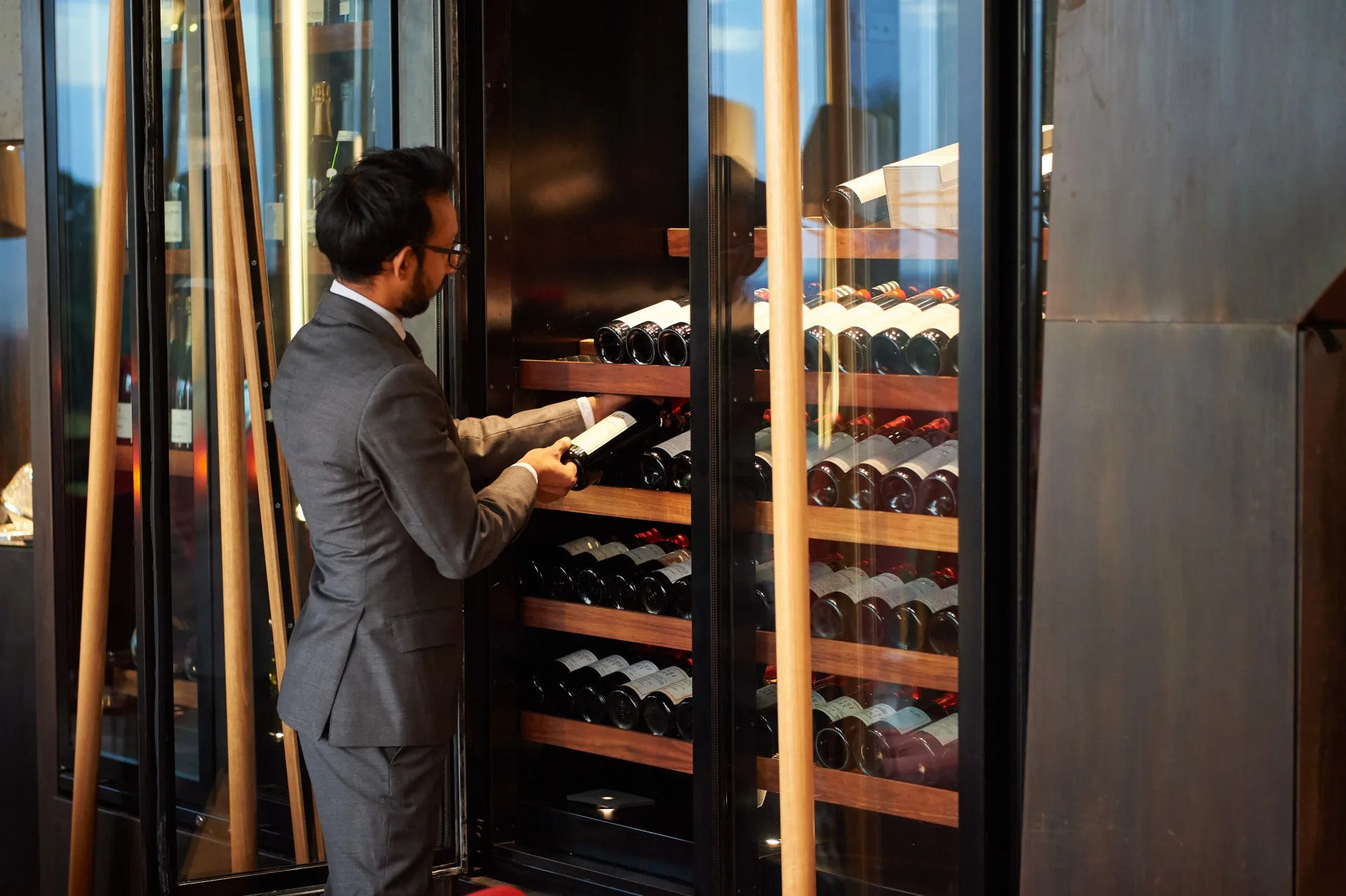
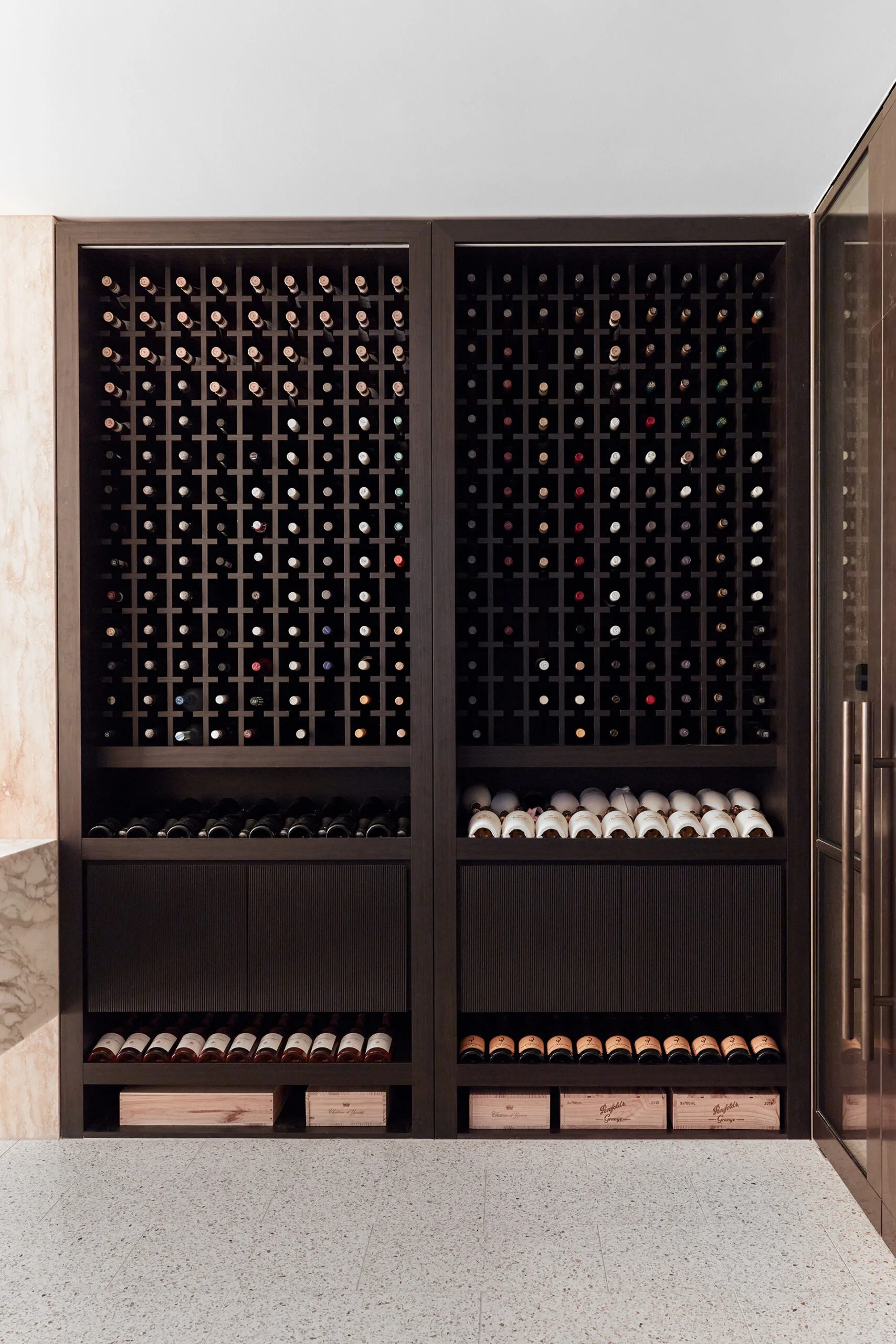
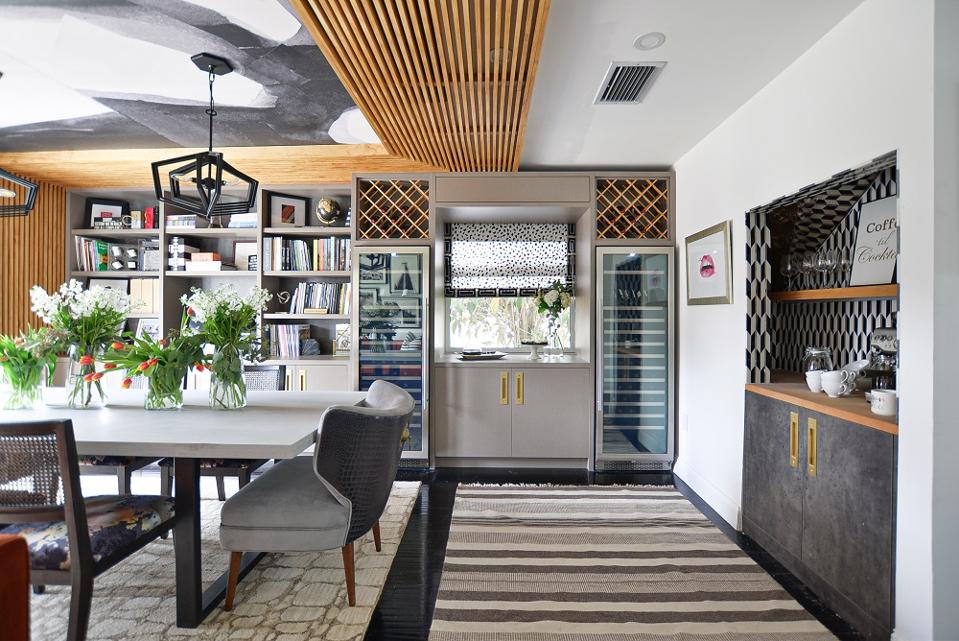
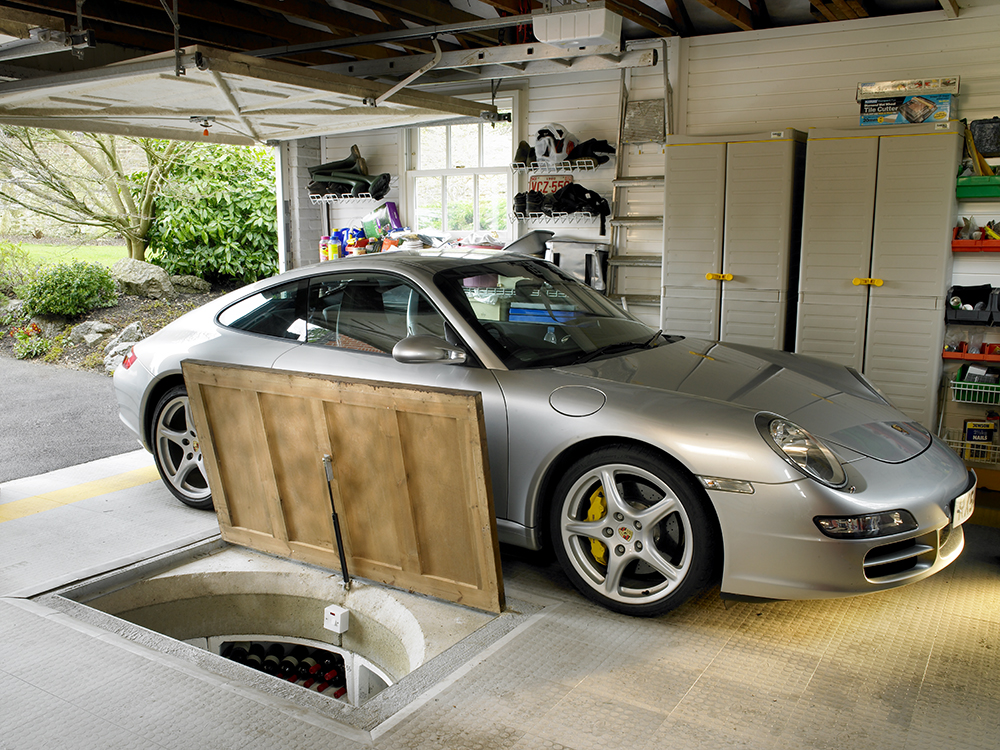
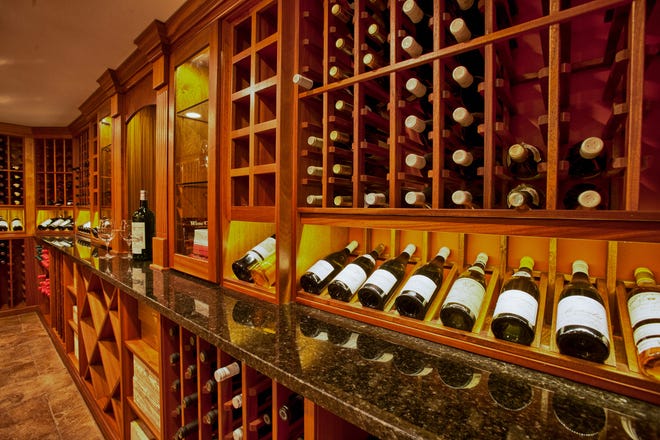
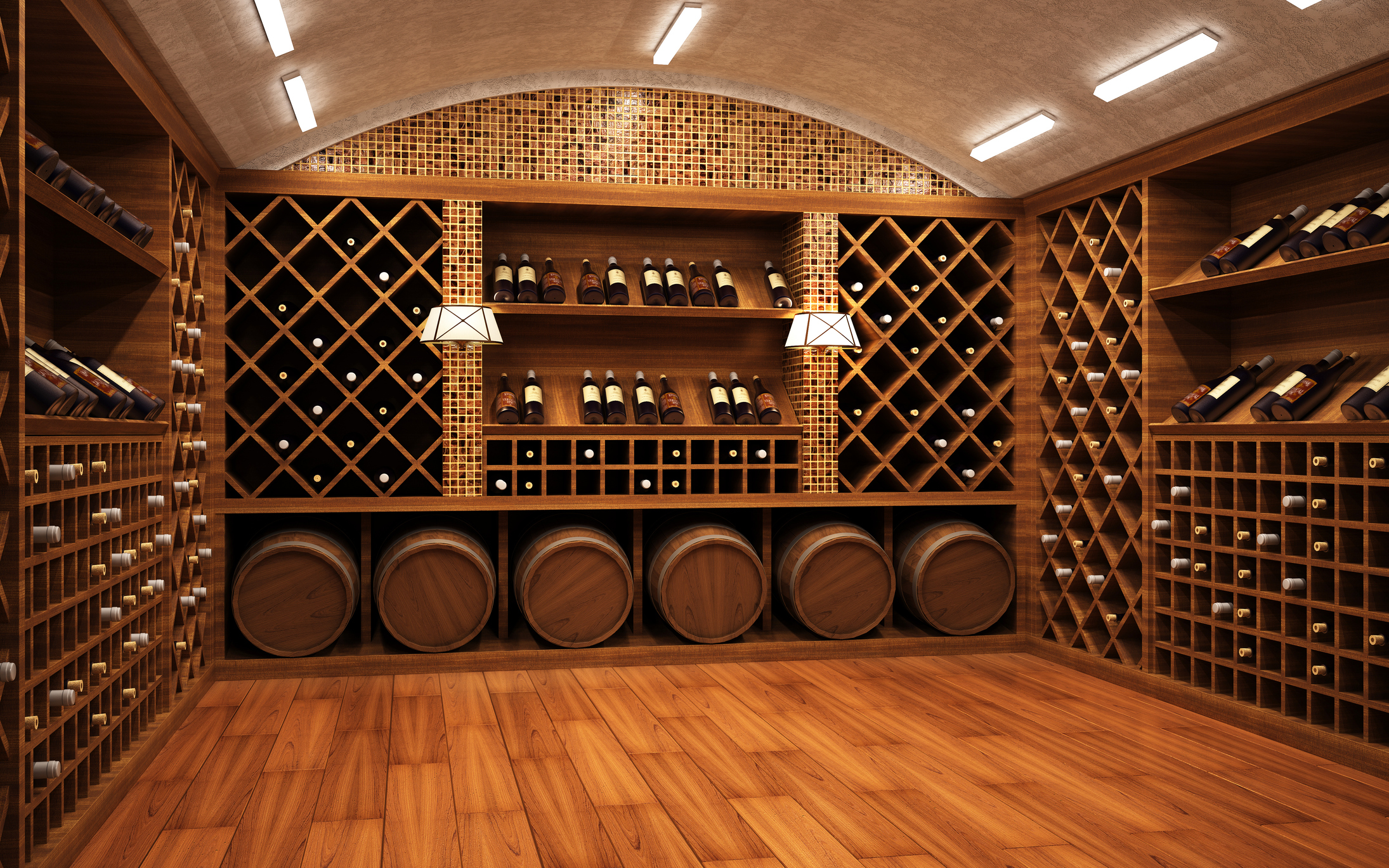
The article highlights the increasing popularity of personal wine cellars among homeowners, emphasizing that these storage spaces are now as significant as the wine they house. Robert Bass, co-owner of Kessick Wine Cellars, notes the growing interest in wine and home entertaining, which drives the demand for proper wine storage. Traditionally, wine cellars were seen as a luxury, but advancements in climate-control technology have made them more accessible and adaptable to various home environments. Wine storage no longer necessitates an underground rock cave; modern solutions allow for wine to be stored effectively even without a basement, as long as specific conditions are met. These conditions include maintaining a cool, dark, and relatively humid environment to ensure the wine matures correctly and prevents it from turning to vinegar.
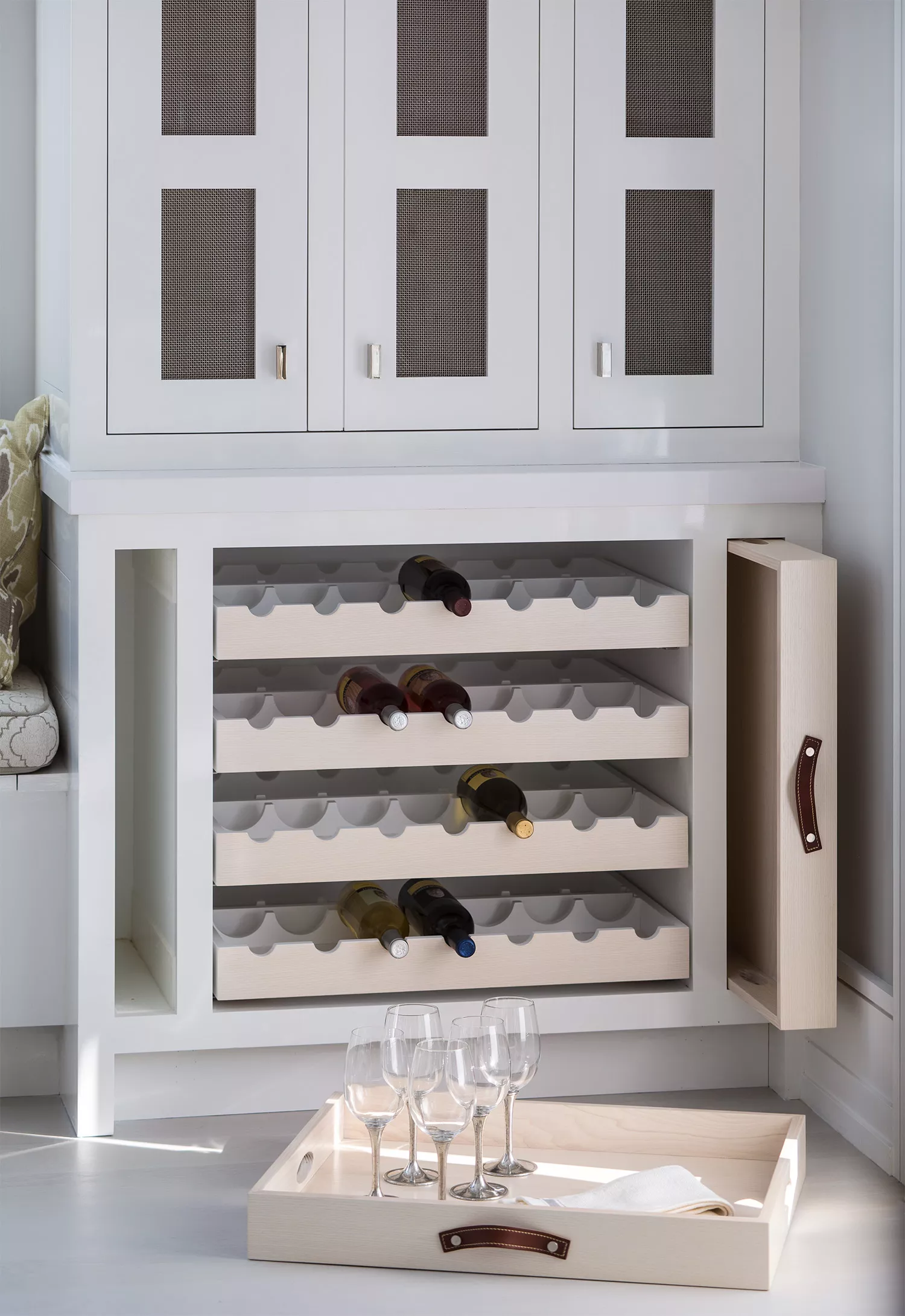
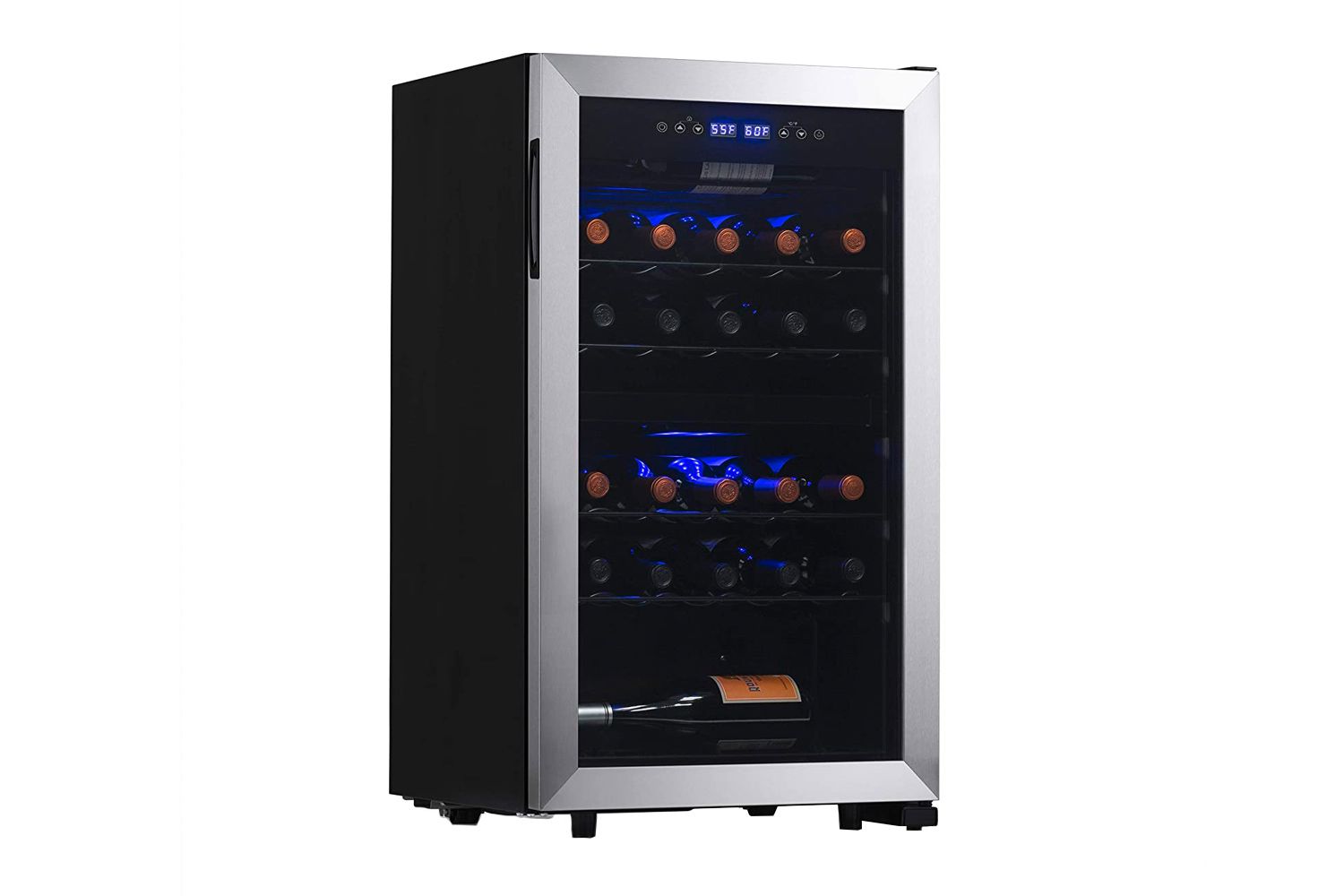
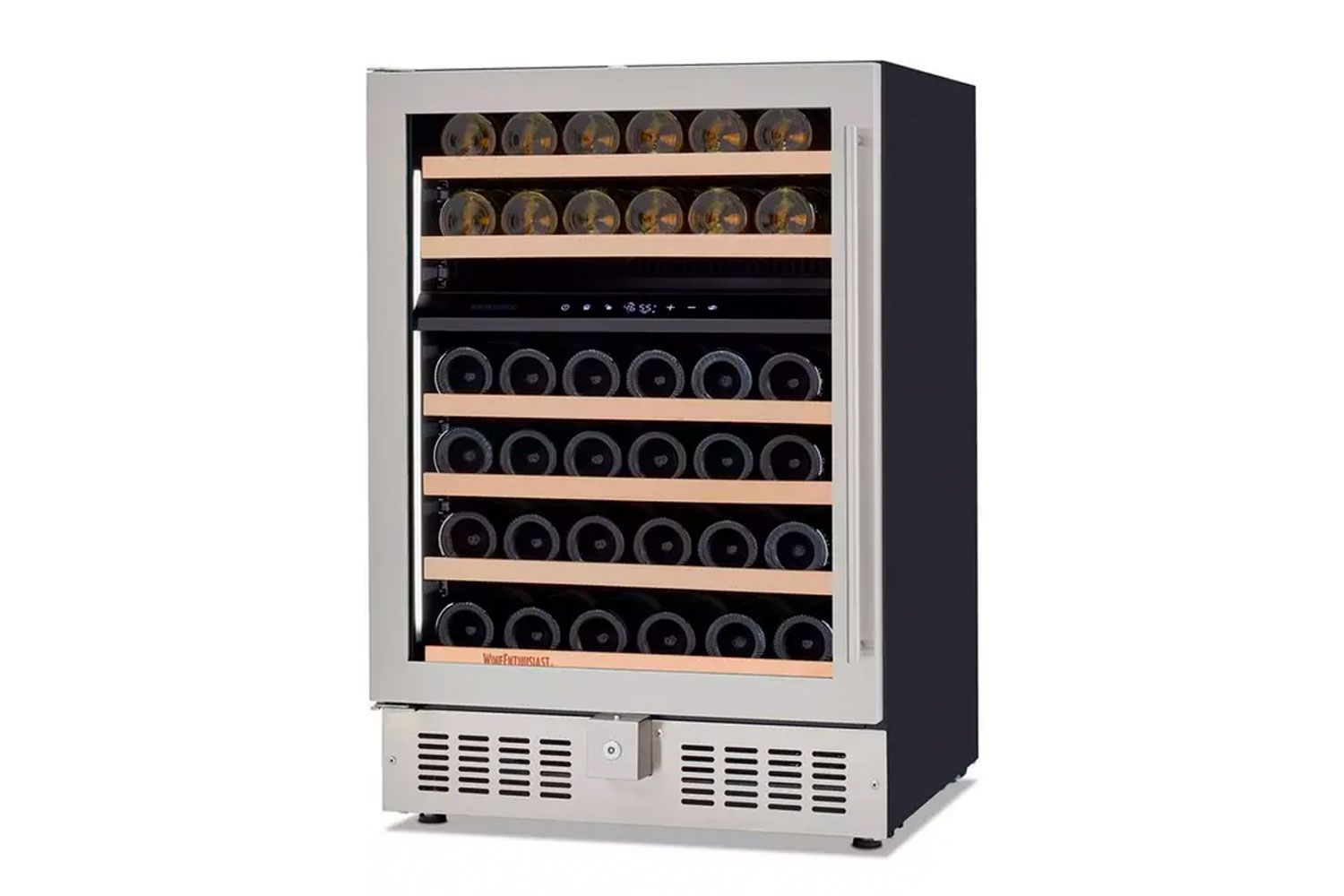
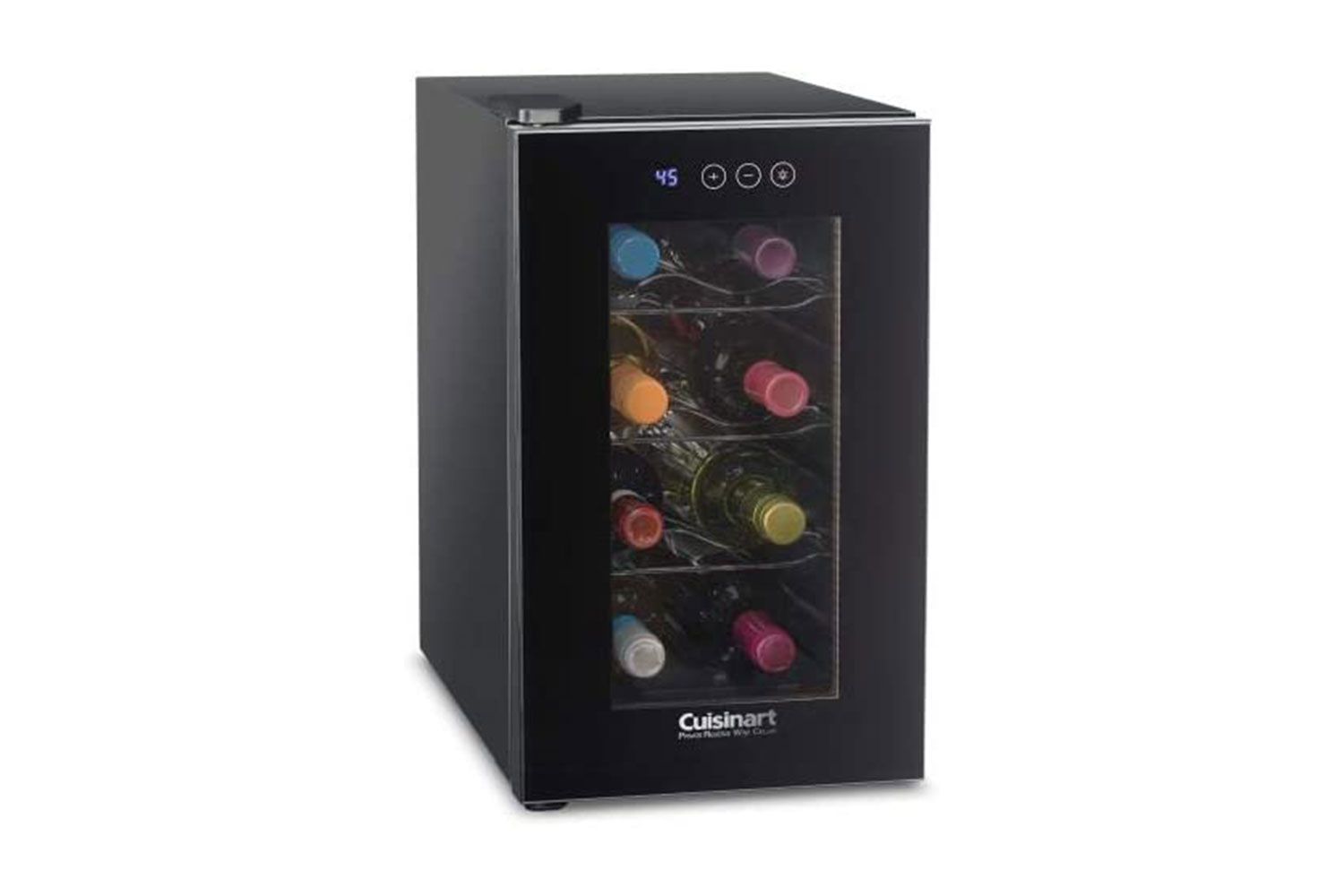
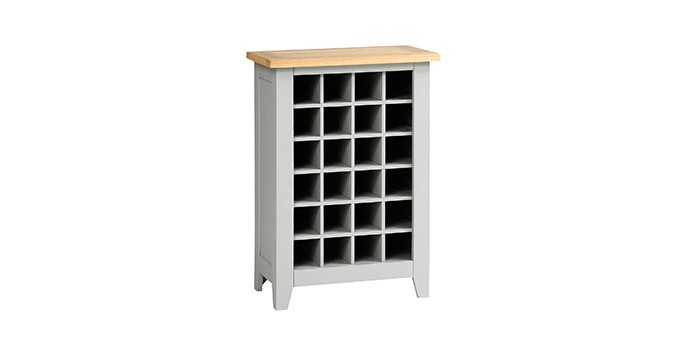
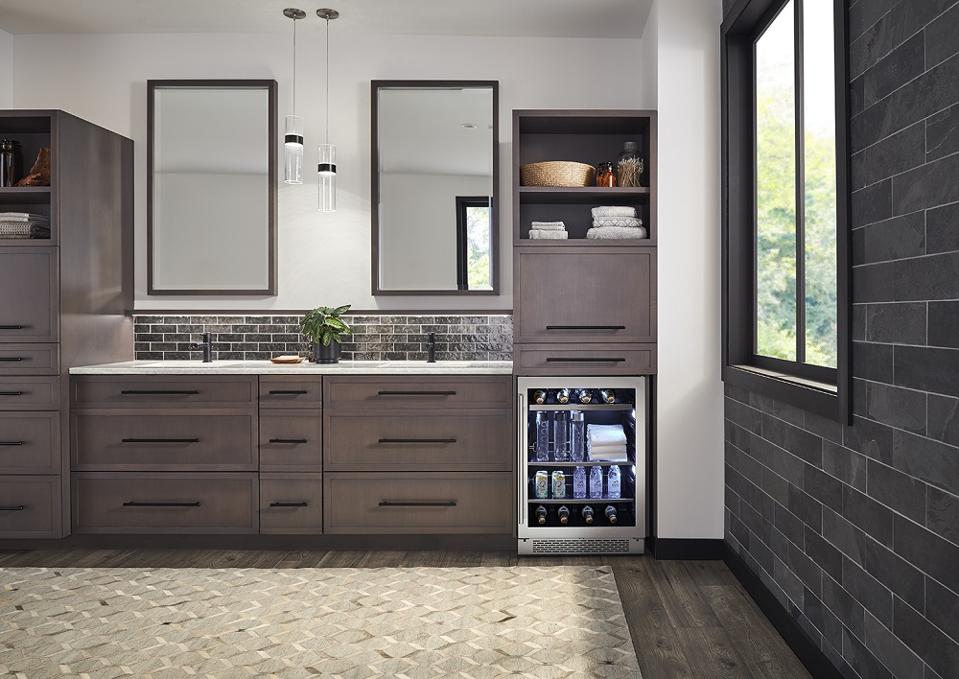
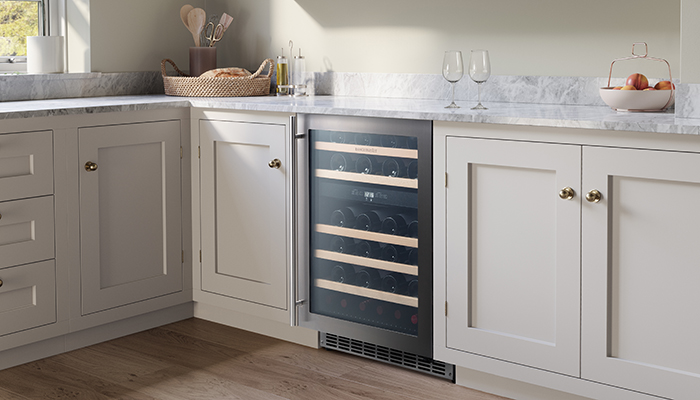
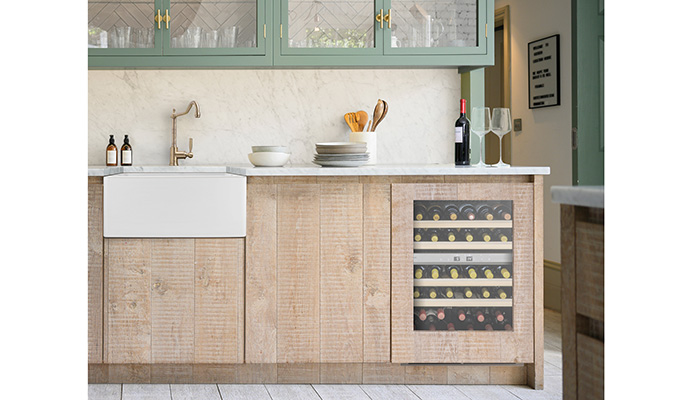
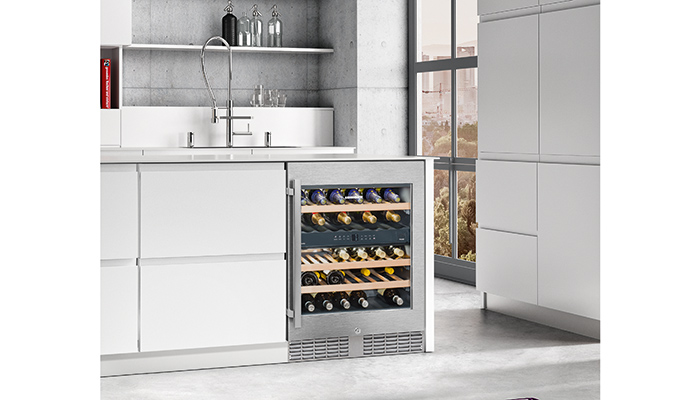
Optimal wine storage hinges on consistent temperature control. Bass specifies that 55 degrees Fahrenheit is the ideal temperature, mimicking natural cave conditions. Temperatures colder than this can induce dormancy in wine, while those above 75 degrees accelerate the aging process. Crucially, minimizing temperature fluctuations is paramount, as rapid shifts can cause wine to expand and contract, drawing air through the cork and leading to oxidation, rendering the wine undrinkable. To achieve this consistency, an insulated room or closet fitted with a built-in air conditioner set to 55 degrees is recommended. For smaller collections, self-standing, temperature-controlled cabinets or credenzas are available, starting around $1,000, depending on their design and capacity.
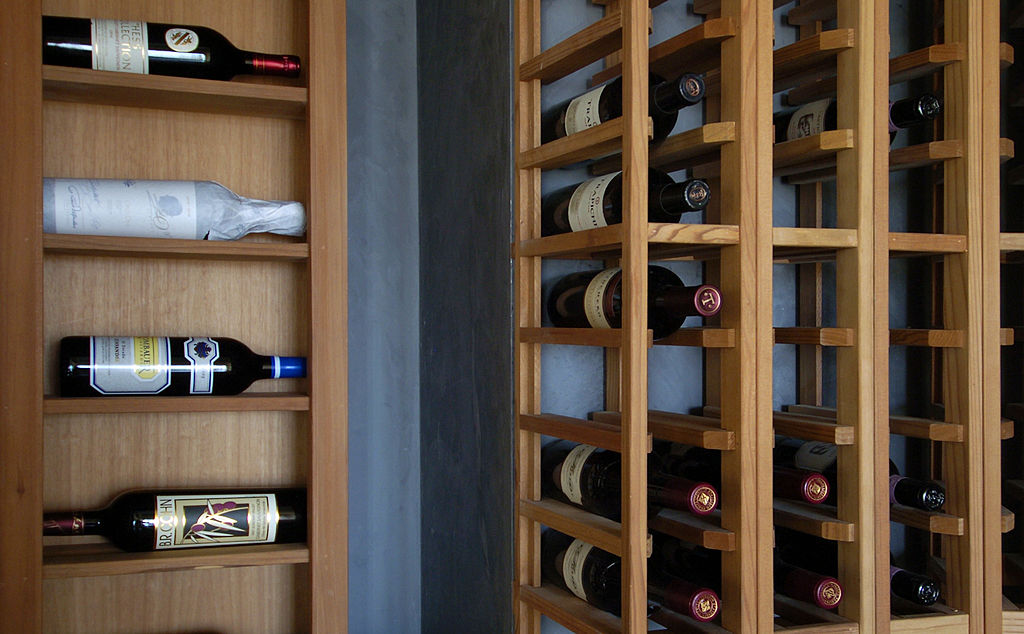
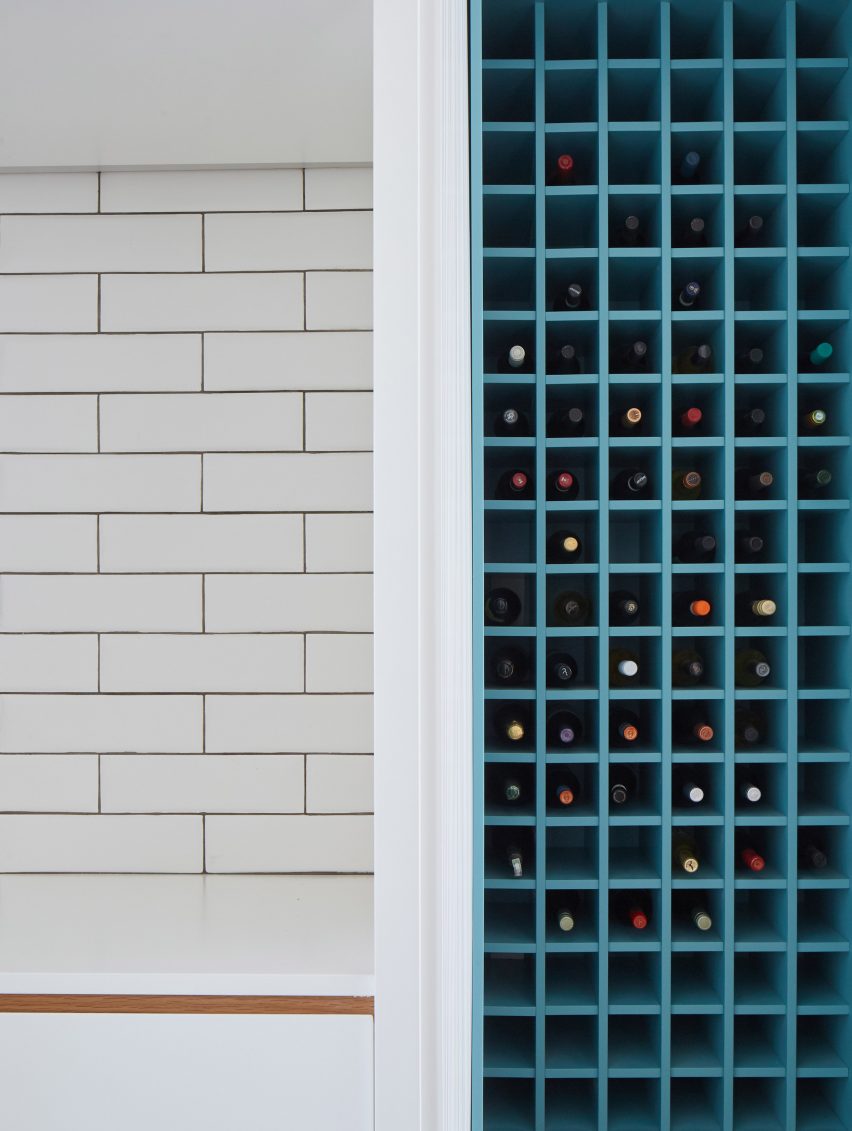
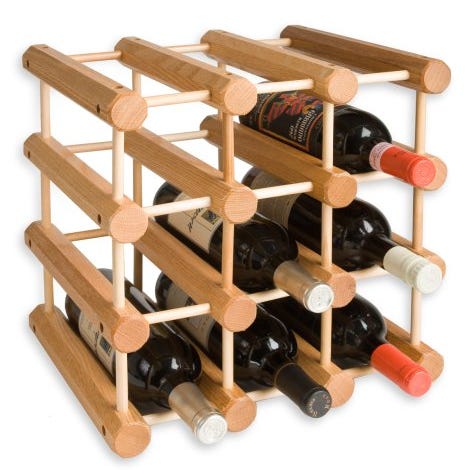
Humidity management is another vital aspect, with levels between 60 percent and 70 percent being ideal. This range prevents corks from drying out, which could compromise the bottle's seal. Storing wine bottles horizontally also contributes to keeping the cork moist from the wine itself. A hygrometer is a useful tool for monitoring humidity, and a humidifier can be employed to add moisture when needed. However, Bass advises against humidity levels exceeding 90 percent, as this can foster mold growth on the corks, potentially damaging the wine. Furthermore, wine is sensitive to light; direct, hot lights can accelerate aging. Kessick Wine Cellars addresses this by designing storage systems that often feature Sapele mahogany wood racks, chosen for their durability and mold resistance in humid conditions, illuminated by low-heat LEDs.
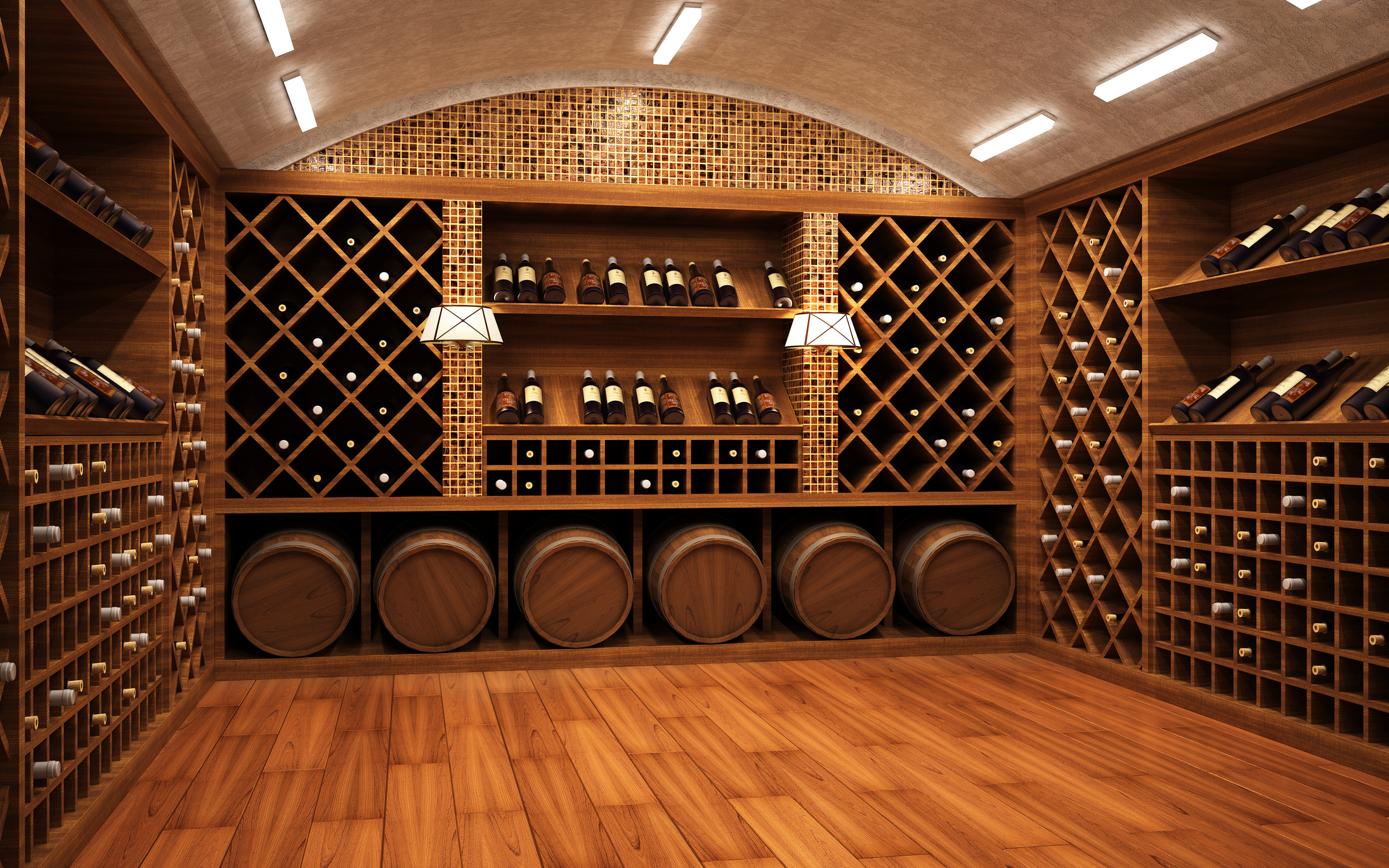
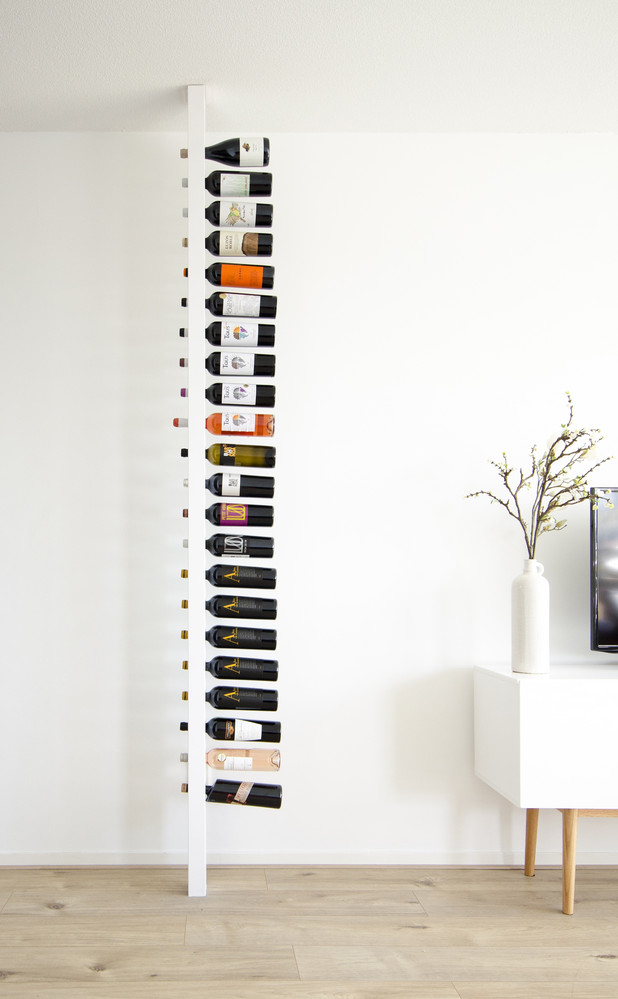
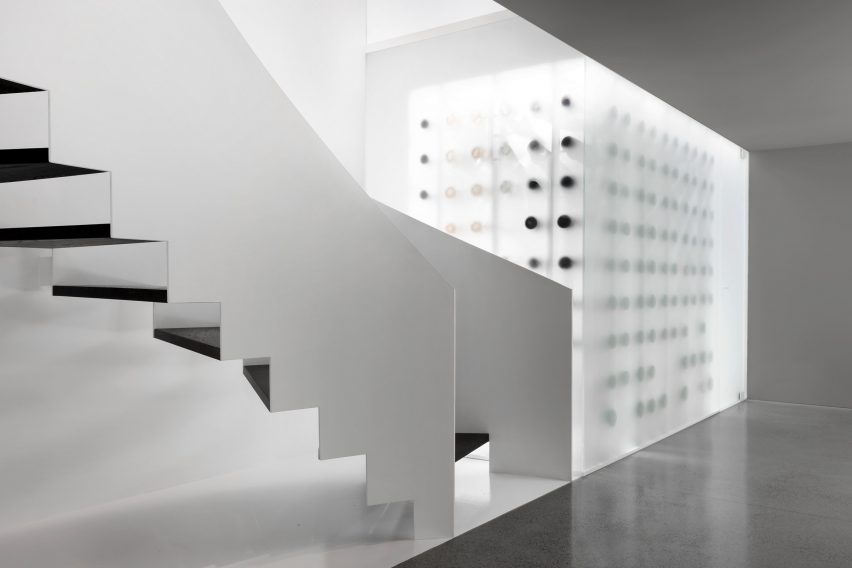
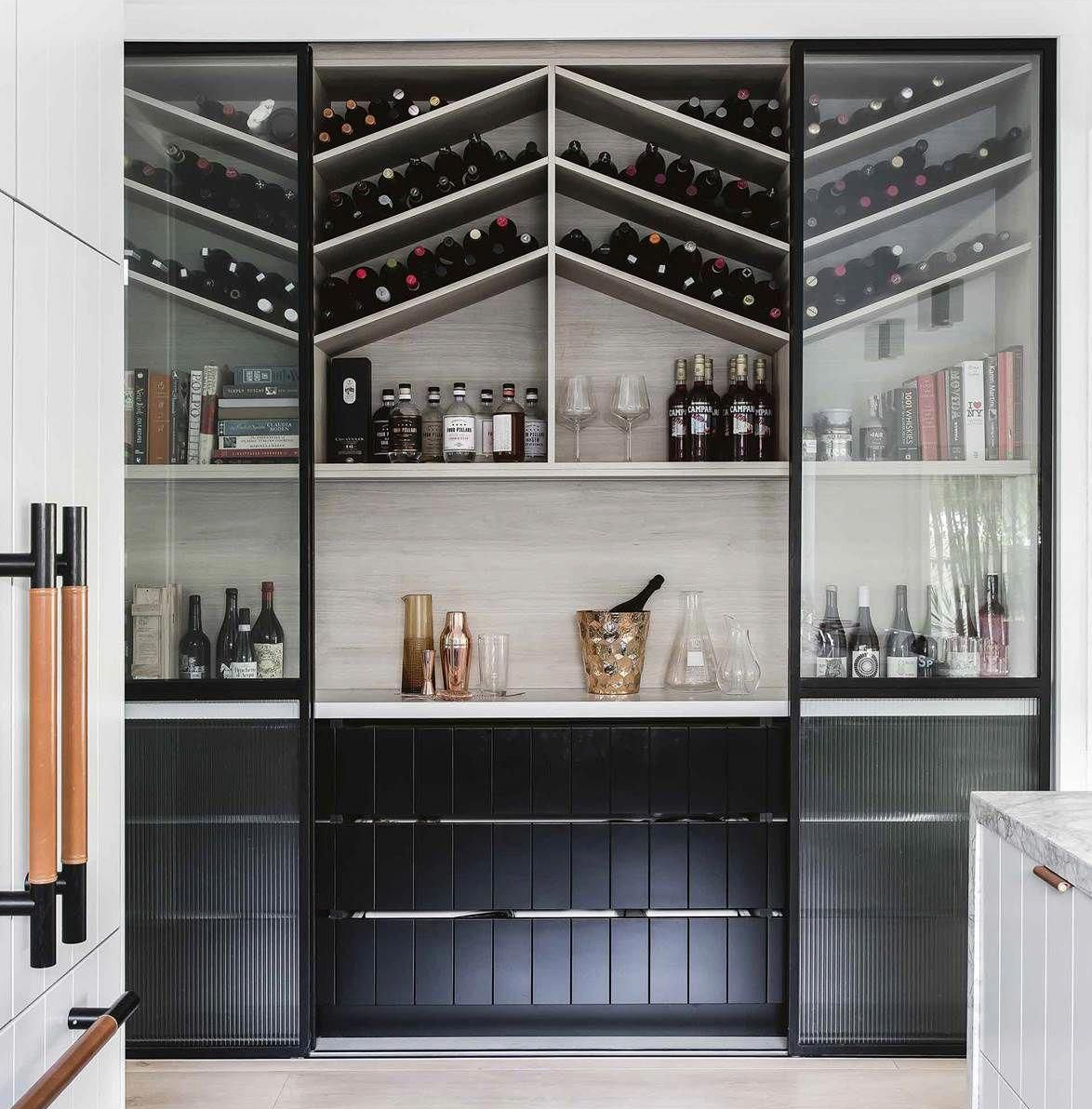
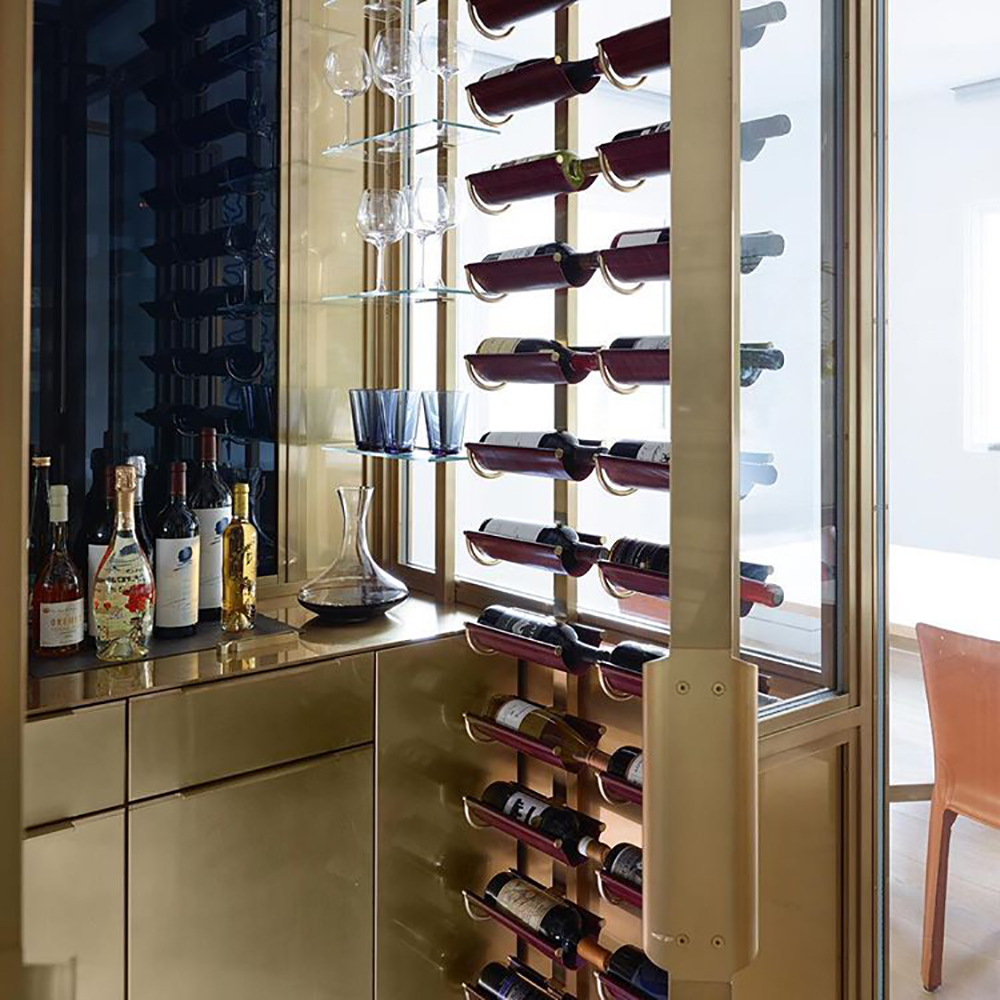
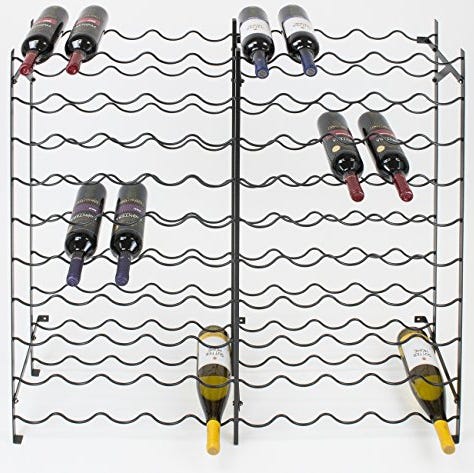
The aesthetic and social dimensions of wine cellars are also explored. Bass observes a shift towards more modern designs, with stainless steel rod systems gaining favor over traditional old-world arches. Homeowners increasingly view wine cellars as spaces for entertainment and social interaction, often incorporating tasting rooms adjacent to the storage area. While red and white wines are stored at the same optimal temperature, their serving temperatures differ: whites are chilled to 45 degrees, while reds are allowed to warm to 65 degrees after uncorking. Some cellars include a smaller wine cooler for ready-to-serve champagnes and white wines. Bass emphasizes that the wine bottles themselves, with their unique labels, add artistic interest to the cellar, transforming it from a mere appliance into an experience meant to be shared with friends and family.
#WineCellar #HomeDesign #WineStorage #ClimateControl #HomeDecor #LuxuryLiving #InteriorDesign #WineCollection #EntertainingAtHome #WineCellar #HomeDesign #WineStorage #ClimateControl #HomeDecor #LuxuryLiving #InteriorDesign #WineCollection #EntertainingAtHome
0 comment in total
 No comments yet
You may also like
Wine Storage: Tasteful Choices

Ten homes featuring clever wine storage solutions

The Best Wine Racks of 2025

Now This Is How to Upgrade Your Wine Storage at Home
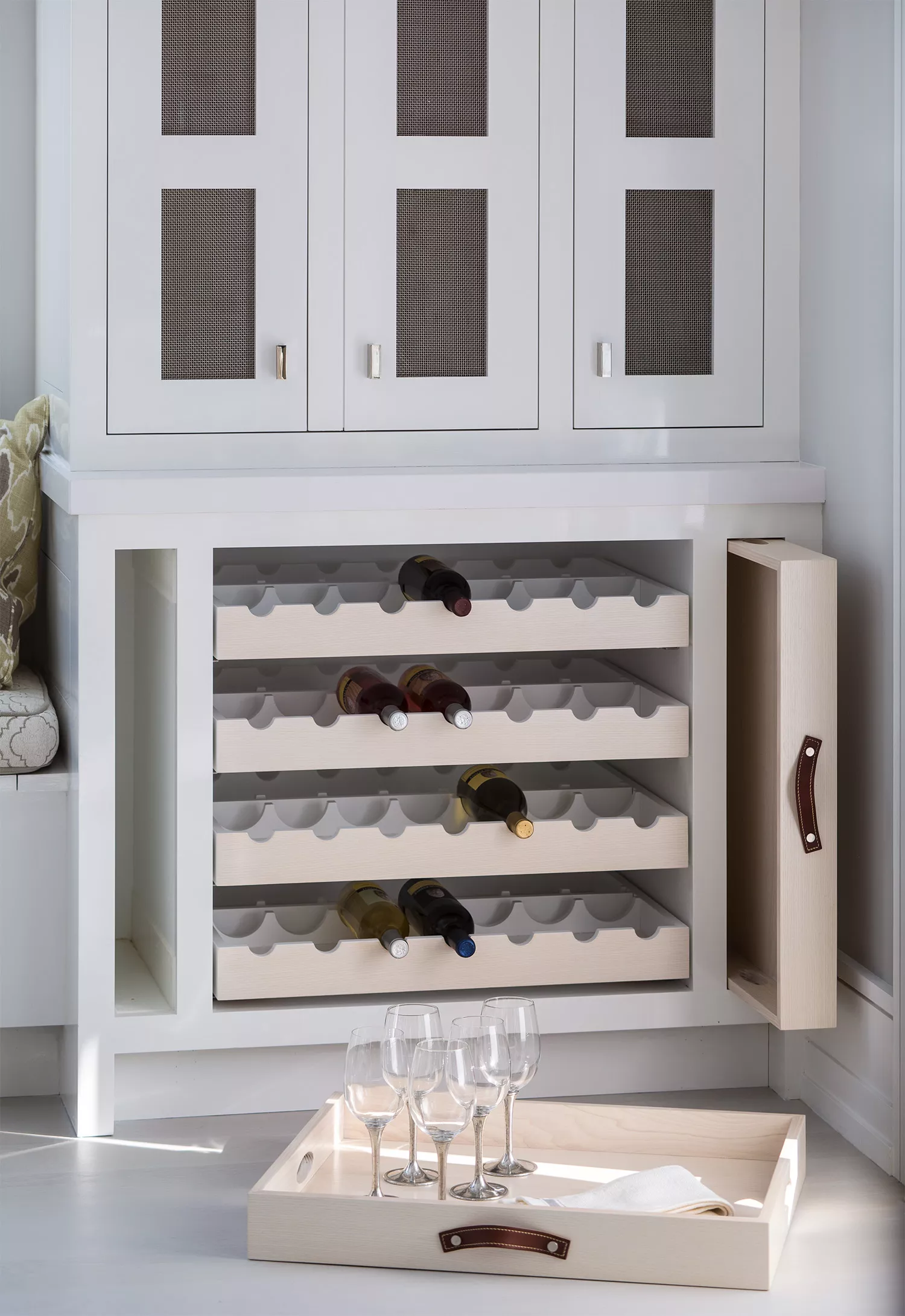
13 Wine Storage Ideas for Any Size Collection

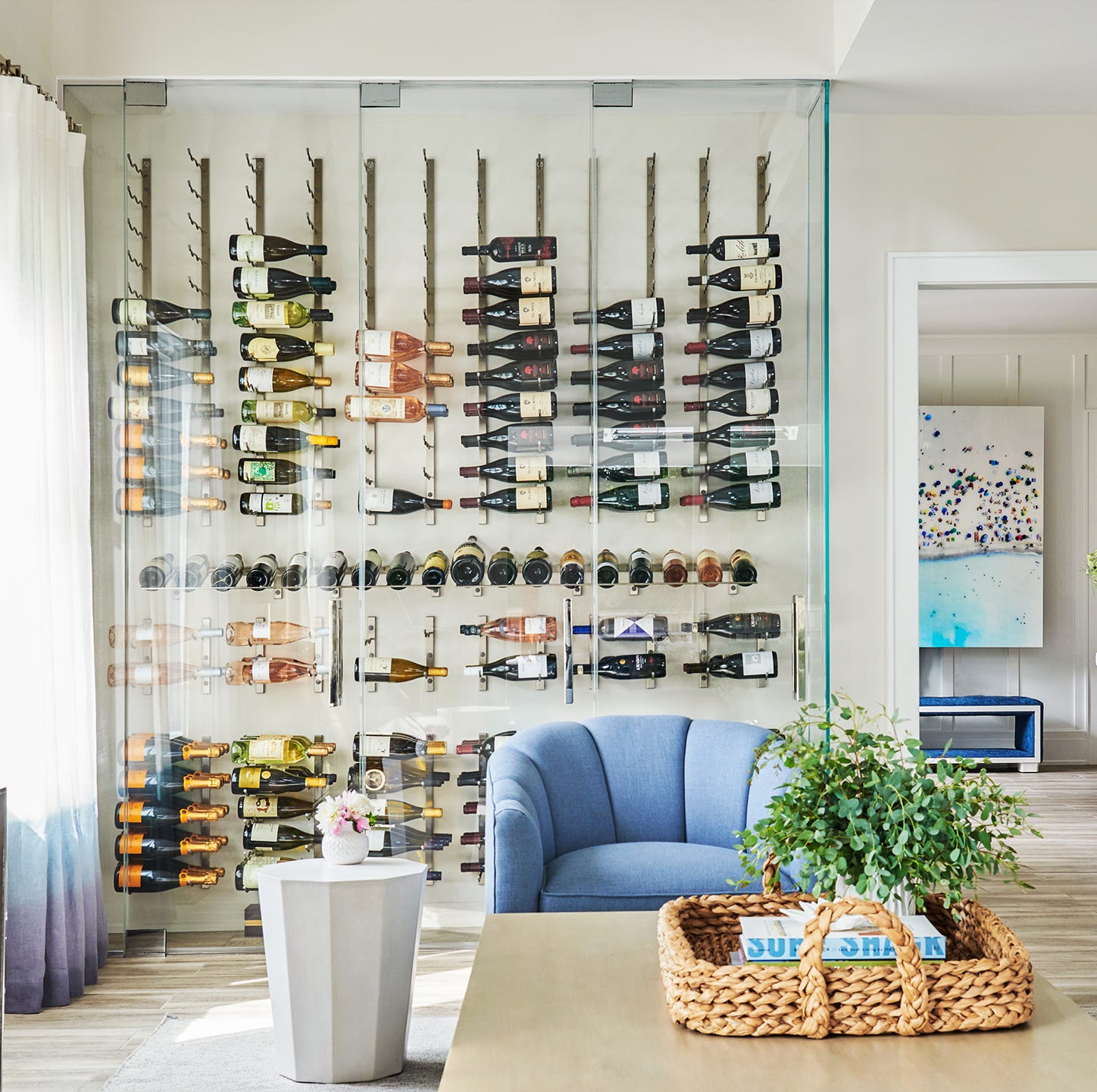
15 Designer-Approved Wine Cellar Ideas
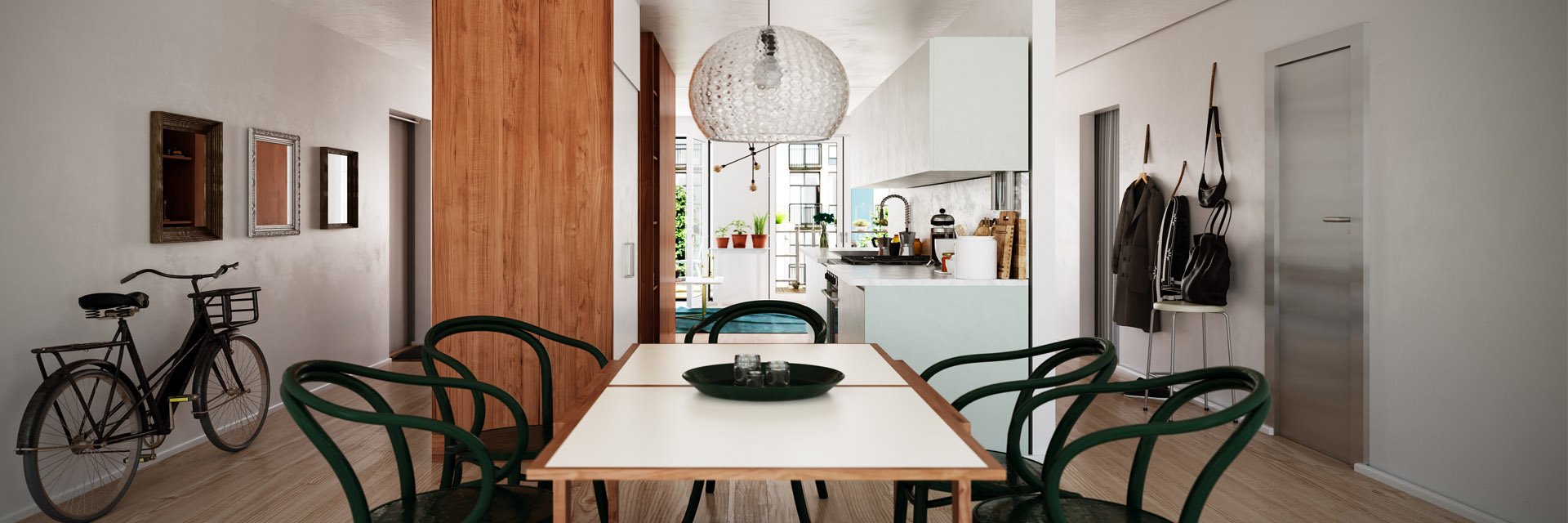
5 Tips From Patrick Cournot On How to Store Wine In a Small Apartment

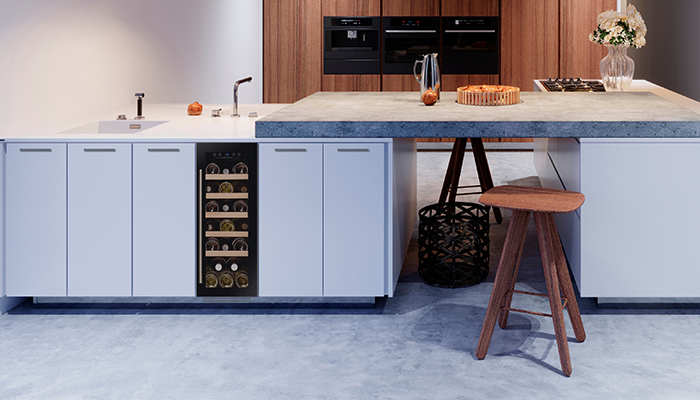
How design-savvy homeowners are after cool ways to chill wine
Is it Worth Having a Wine Cellar? What it Adds to Your Home Value — and Happiness
Wine storage and furniture
The best wine racks for your bottle collection, reviewed

The 10 Best Wine Racks to Store Your Bottles in Style
11 Non-Traditional Ways to Store Your Wine
The 3 Best Wine Fridges for Storing All Your Favorite Reds and Whites
Wine Gets Pandemic Surge—Here’s The Best Way To Store Your Stockpile

When Bar Carts Won’t Fit, Try This Elevated Storage Hack

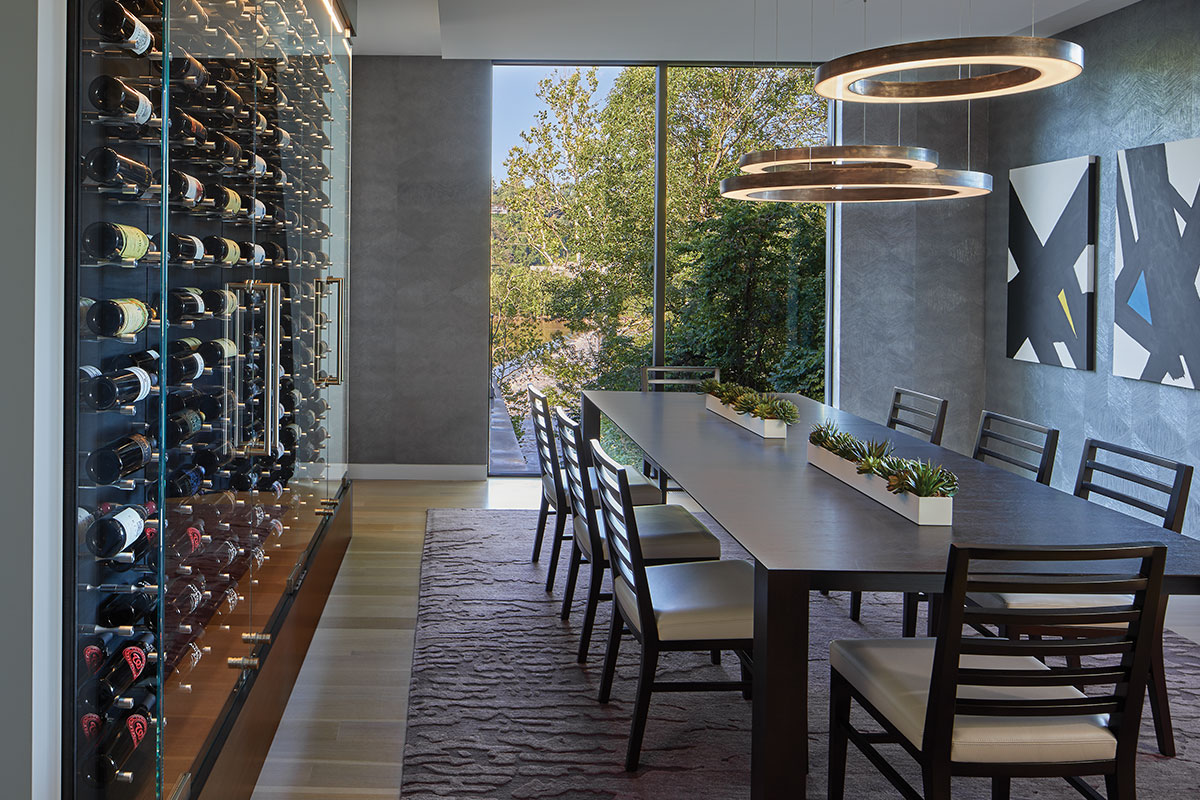
Love wine? Here's how to incorporate wine racks, refrigeration walls and taps into your home
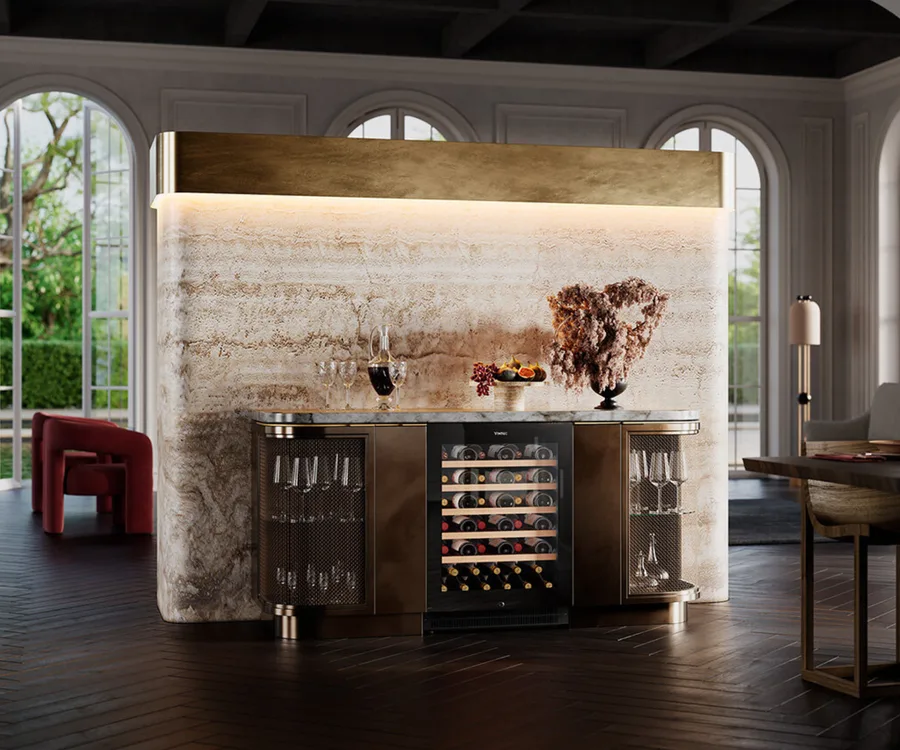
Premium wine fridges to hold your finest drops

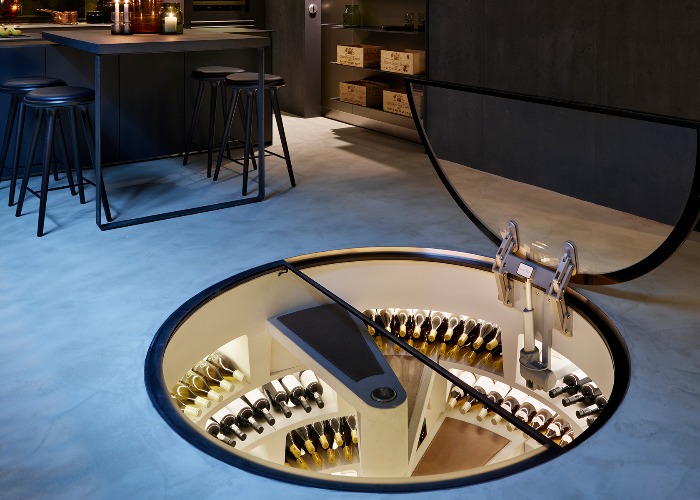
9 of the coolest built-in wine racks

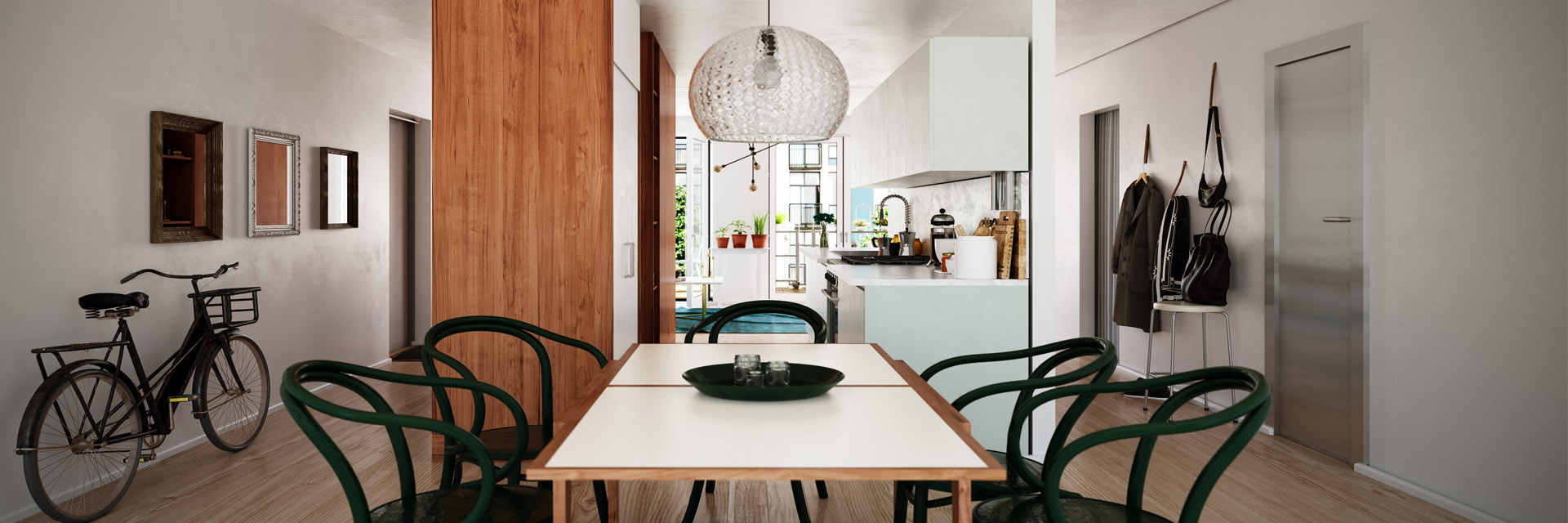
How To Store Wine In A Tiny Apartment