1/5
Adding Windows Isn’t the Only Way to Brighten Up a Gloomy Kitchen
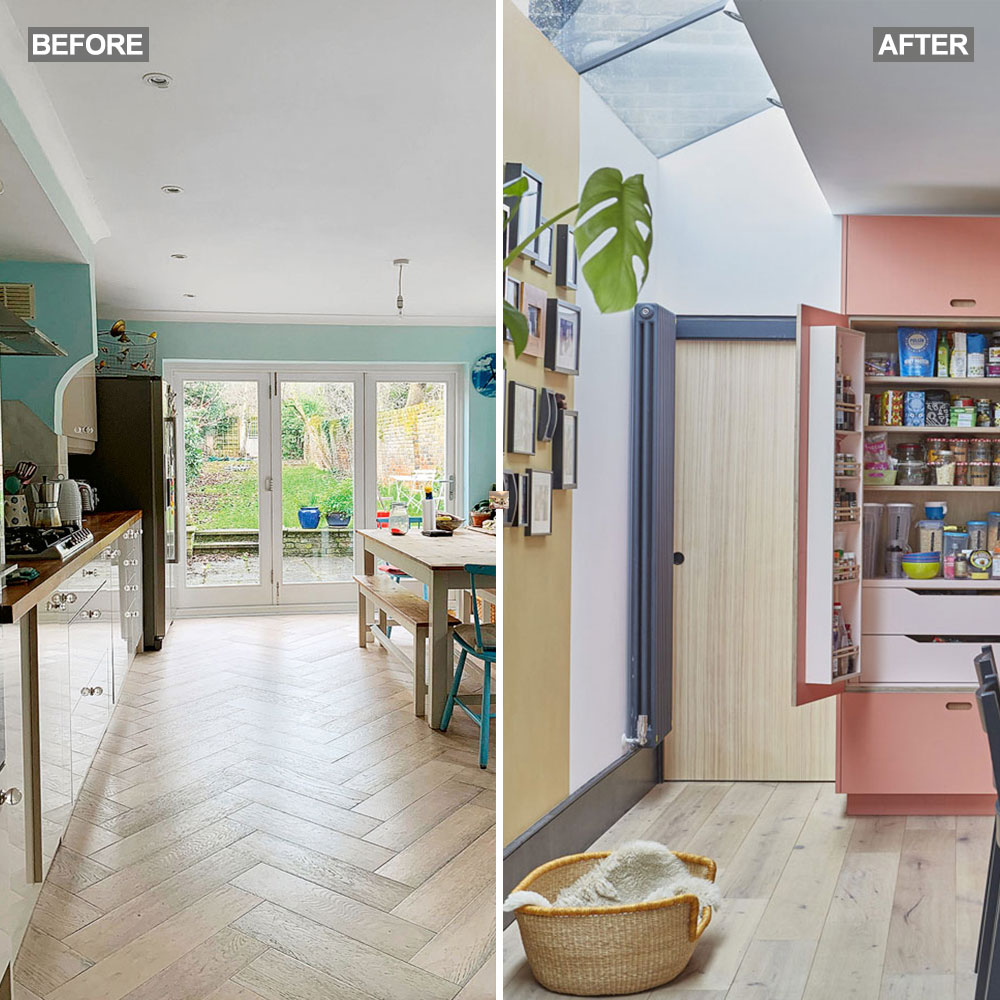
This article details a kitchen renovation project in a Brooklyn townhouse, focusing on how designers transformed a dark, 'cave-like' ground-floor kitchen into a bright, inviting space without making significant structural changes like adding windows or expanding the footprint. The homeowners, Amy D’Addario and Marcus Hinchey, approached the Brooklyn Home Company’s creative director, Lyndsay Caleo Karol, with the goal of flooding the room with natural light while preserving the landmarked property's integrity and their preference for vintage and upcycled items. Karol's strategy centered on intelligent material choices and optimizing existing light sources.
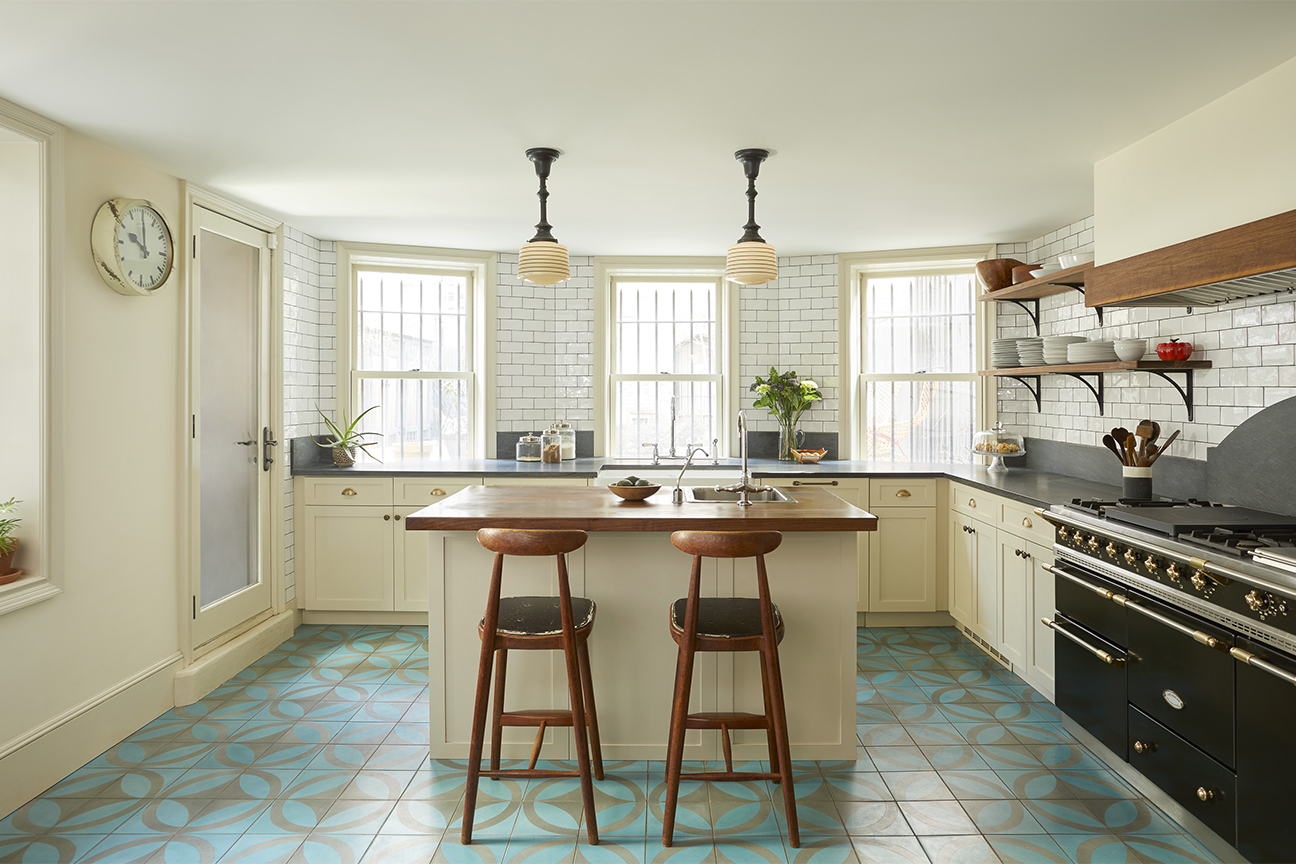
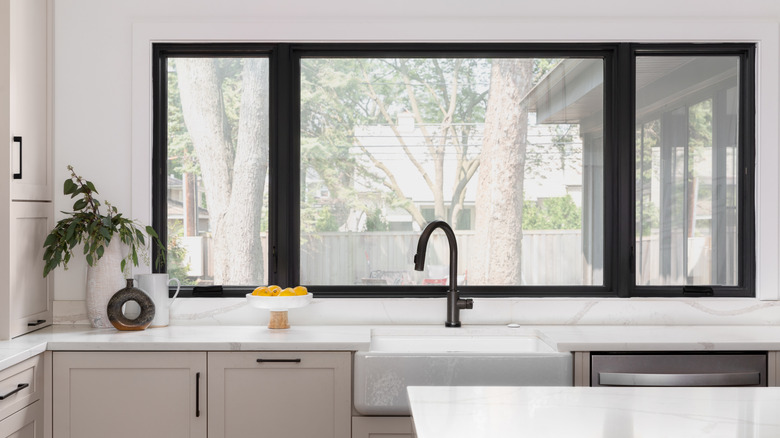
One key design decision involved reconfiguring the kitchen's layout. An L-shaped design was implemented, and the main sink was strategically placed in front of the windows. This allows the homeowners to enjoy views of their backyard while performing daily kitchen tasks, effectively drawing the outdoors in. The windows were also designed to extend slightly below the countertop, creating a small niche for displaying plants, further enhancing the connection to the garden.
To create a seamless indoor-outdoor transition, weatherproof concrete floor tiles from Granada Tile were extended from the kitchen interior directly onto the patio. The bold blue pattern of these tiles was chosen to add a vibrant touch and contribute to the space's brightness. Additionally, the old kitchen door was replaced with a glass-paneled one, allowing more light to penetrate the room while maintaining privacy due to a tall fence just outside.
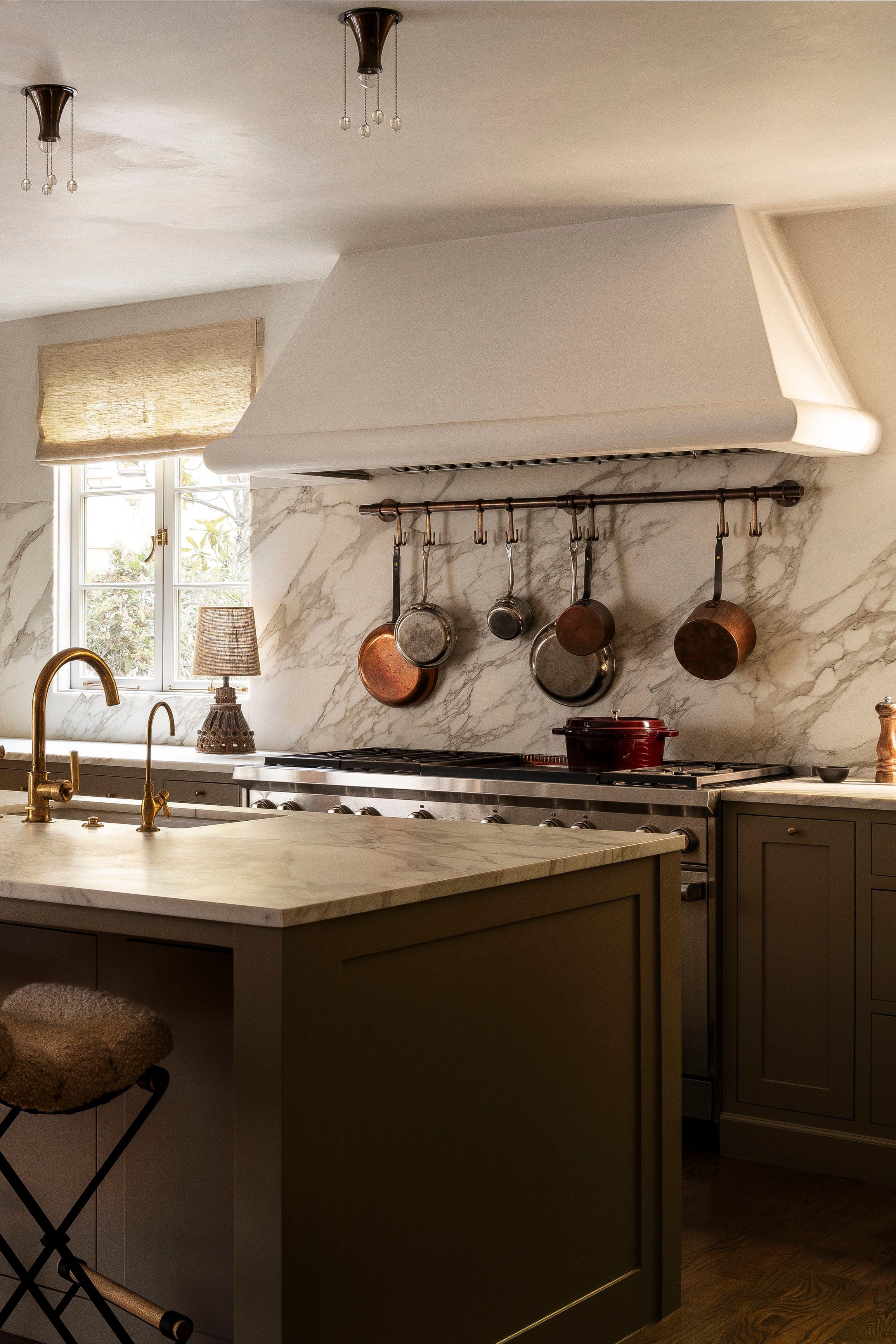
Choosing the right shade of white paint was crucial for brightening the space without creating a stark feel. After exploring various earthy tones, Karol selected Farrow & Ball’s Pointing for the cabinetry. This particular shade was chosen to complement the house's inherent softness. Sleek subway tiles were used to balance the cabinetry's patina, preventing the overall aesthetic from appearing dated. For the countertops, Pietra Cardosa stone was utilized, extending to form a curved backsplash for the Lacanche range. This smooth material is easy to clean, addressing practical concerns. To introduce warmth and soften the overall look, Karol's artist husband, Fitzhugh, crafted the kitchen island from sapele wood, a species similar to mahogany.
Finally, a built-in banquette was incorporated into the sunniest corner of the kitchen, near the hallway. This design choice aimed to create an inviting and cozy breakfast nook, offering a more anchored feel than a freestanding dining set and providing practical seating for children. The mid-century table's top was replaced with wood to match the kitchen island, and retro Tulip chairs, upholstered in recycled linen cushions, were added. These thoughtful details collectively demonstrate how strategic material selection and layout adjustments can dramatically transform a dark kitchen into a bright and functional space without extensive structural modifications.
#KitchenRenovation #HomeDesign #InteriorDesign #SmallSpaces #NaturalLight #MaterialChoices #BrooklynHomeCompany #BeforeAndAfter #KitchenRenovation #HomeDesign #InteriorDesign #SmallSpaces #NaturalLight #MaterialChoices #BrooklynHomeCompany #BeforeAndAfter
0 comment in total
 No comments yet
You may also like
We Asked 6 Designers Their Favorite Way to Dress Up a Kitchen Window, and They Did Not Disappoint
A reconfiguration and fresh colour scheme have brought new life to this once dark and dreary kitchen
This Sun-Filled Galley Kitchen Transformation Proves There's Hope for a Dark, Small Space

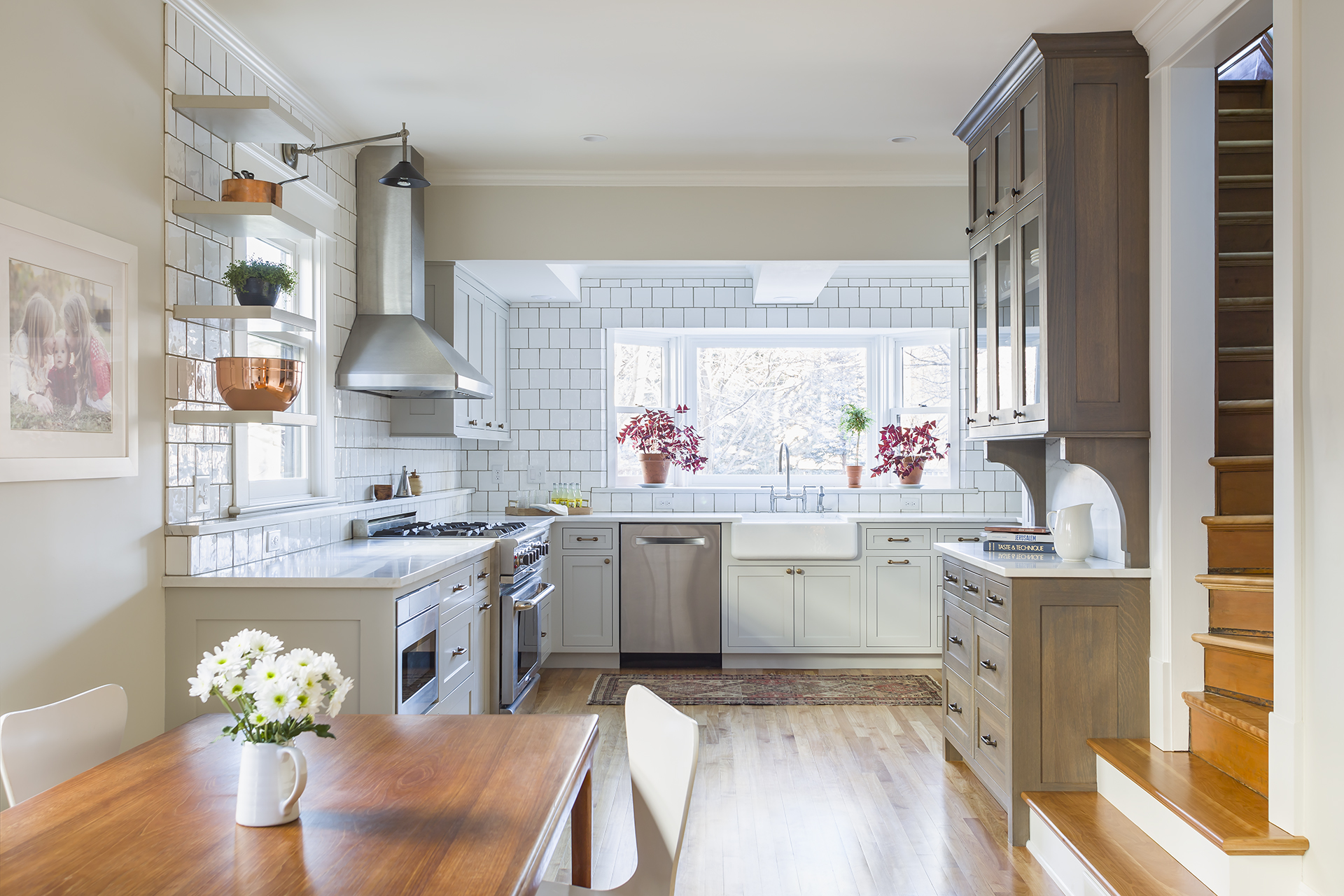
Dark, Disconnected Kitchen Transformed into Spacious, Light and Open Room

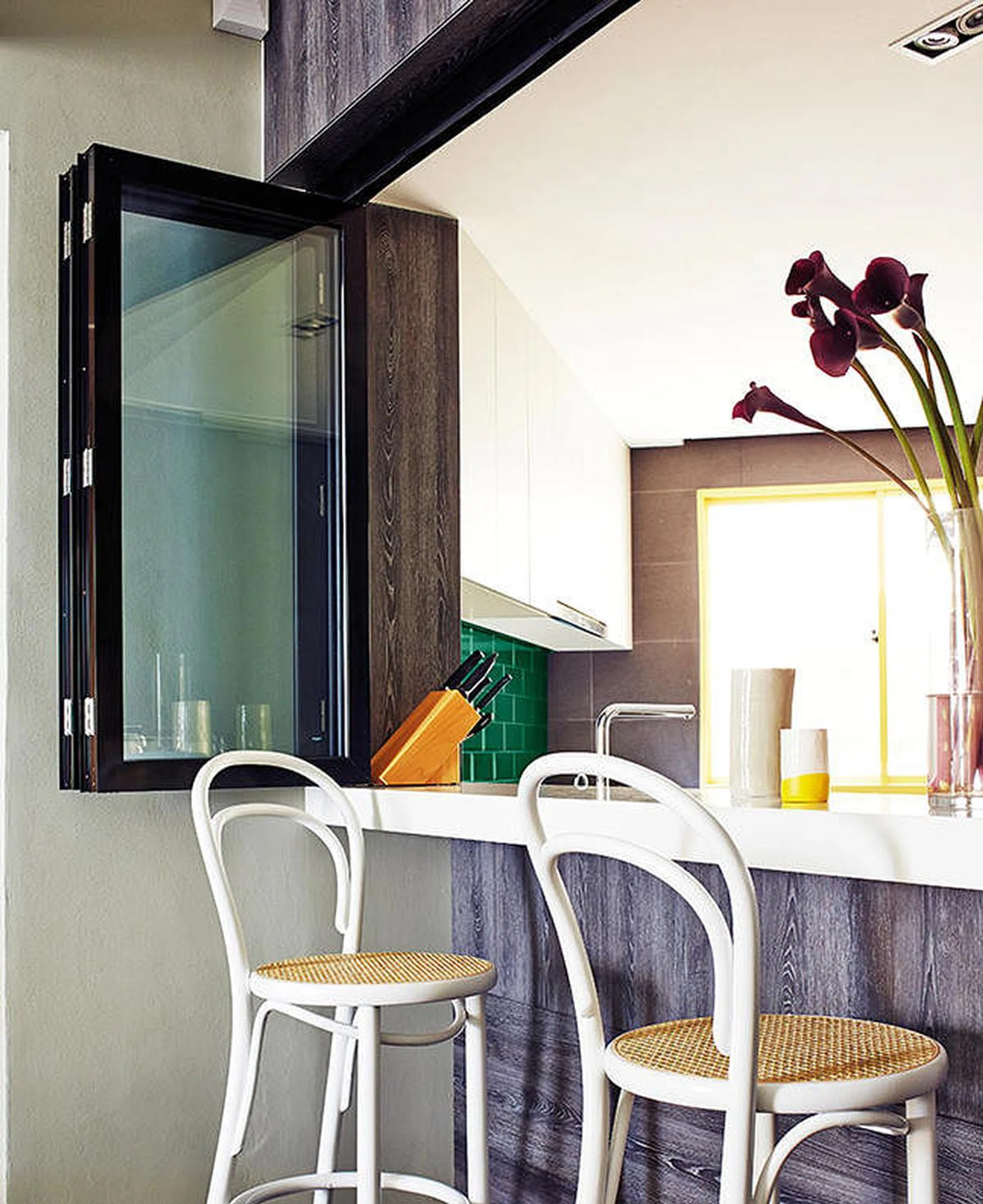
Kitchen design ideas: A kitchen window bar
How to Brighten Up Your Sad Kitchen Lighting, According to Interior Designers
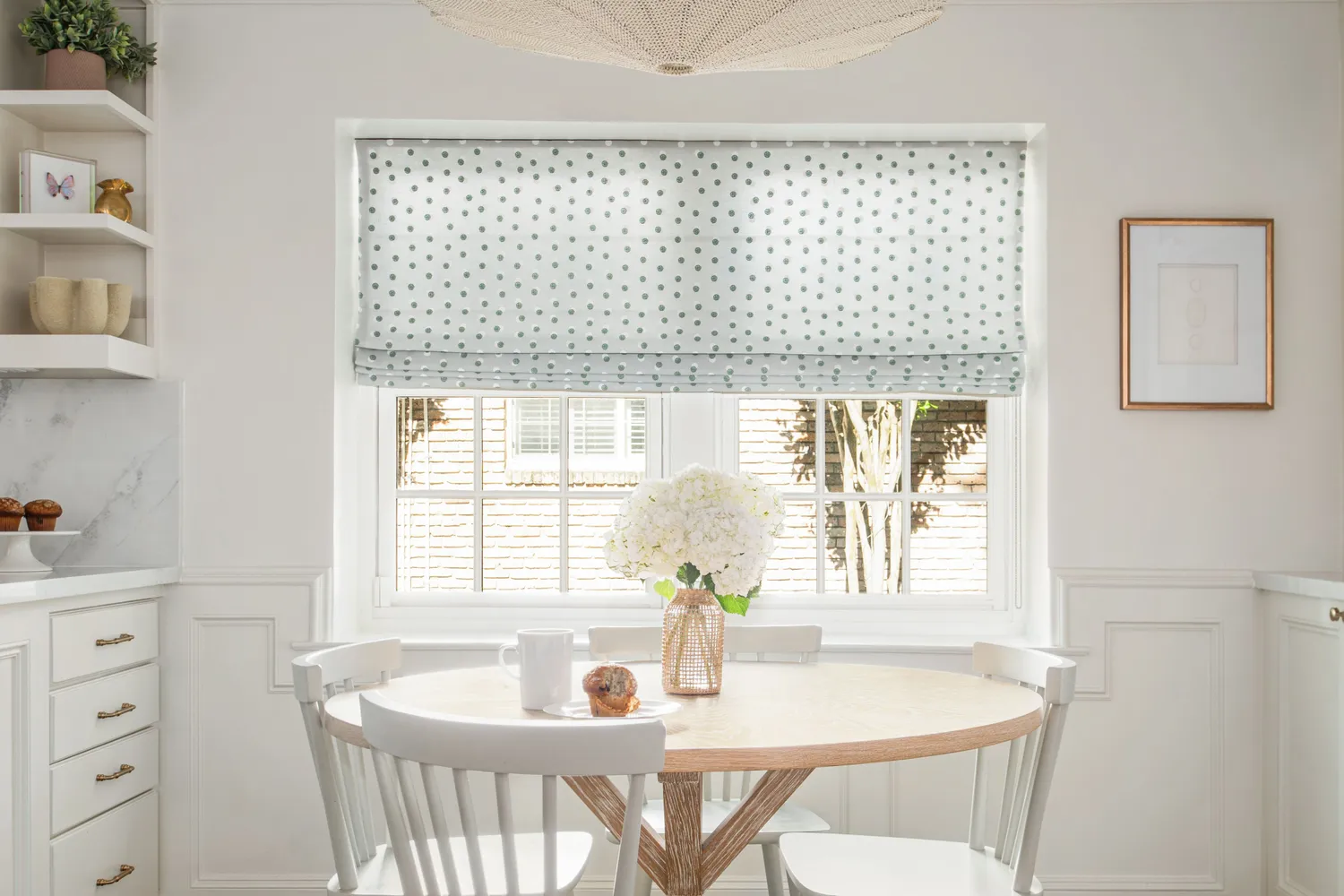
8 Kitchen Curtain Ideas for a Charming, Light-Filled Space
These Colors Will Make Your Kitchen Look Bigger, According to Designers

Designers say that lighting is the easiest way to elevate your kitchen
4 Easy Kitchen Upgrades That Instantly Make Your Home Look Good, According to Designers

This Easy Upgrade Will Transform Your Kitchen
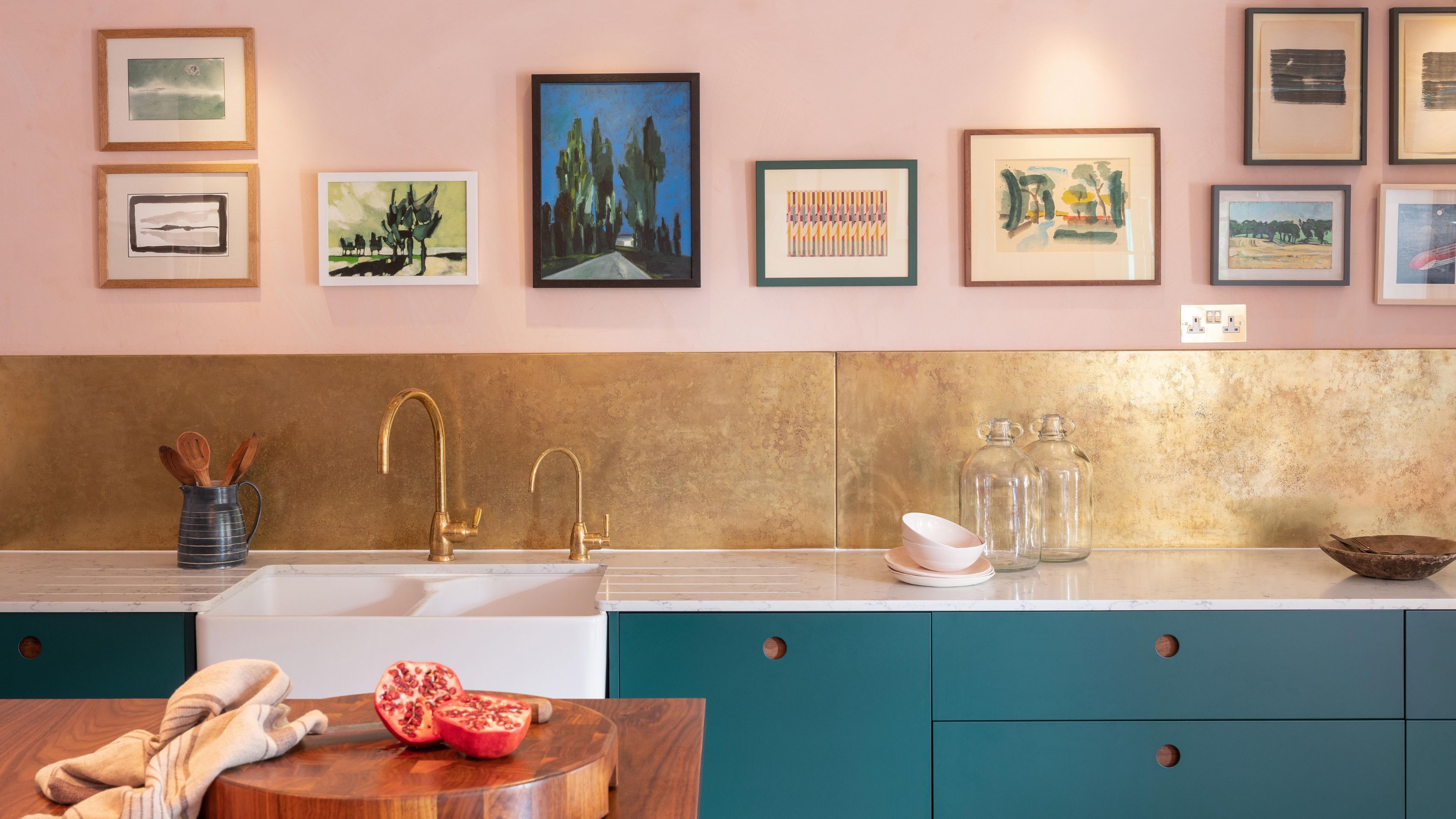
The 5 kitchen trends designers say will be huge in 2025

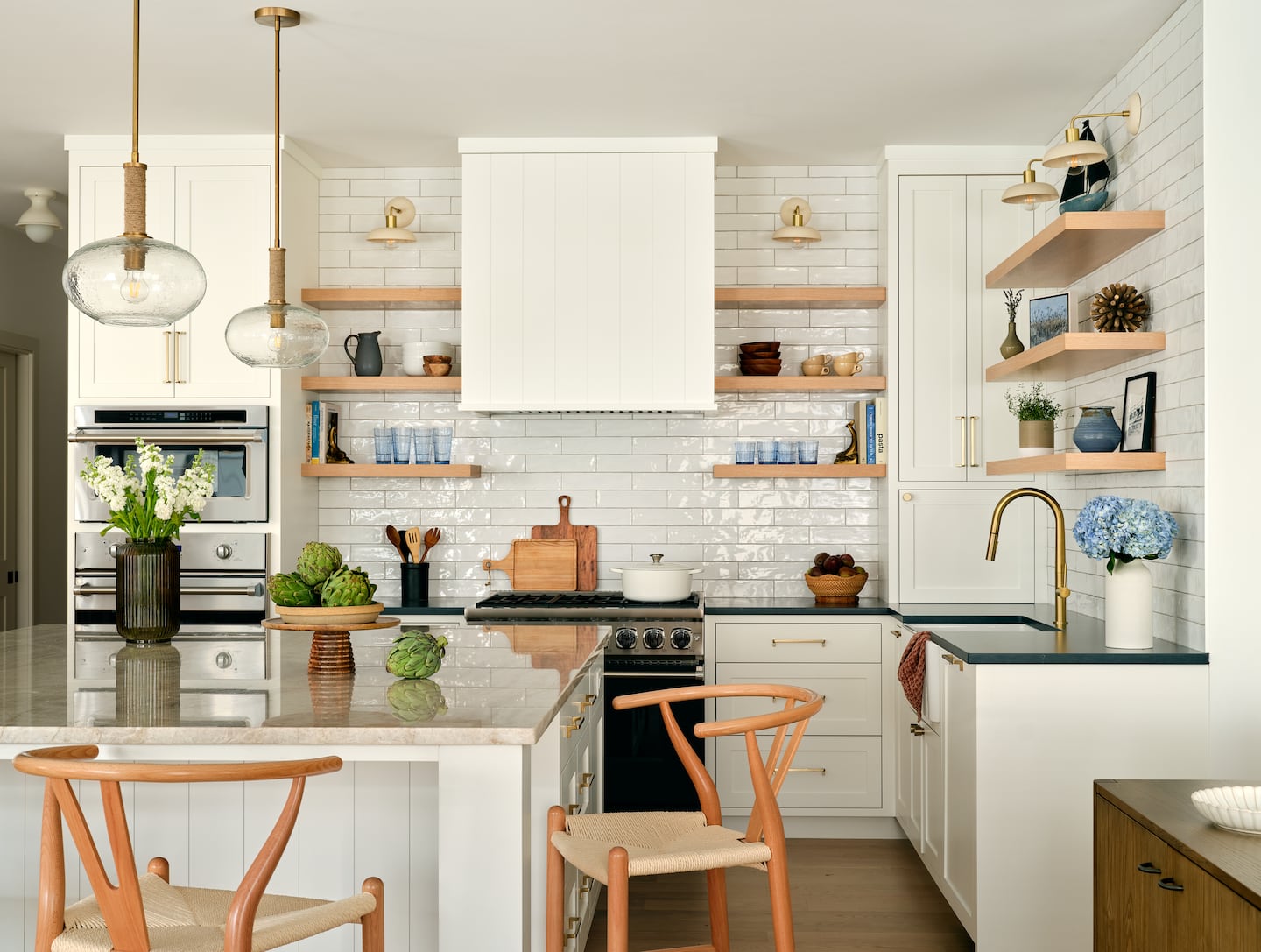
Tips for making a kitchen with no direct sunlight seem bright and airy

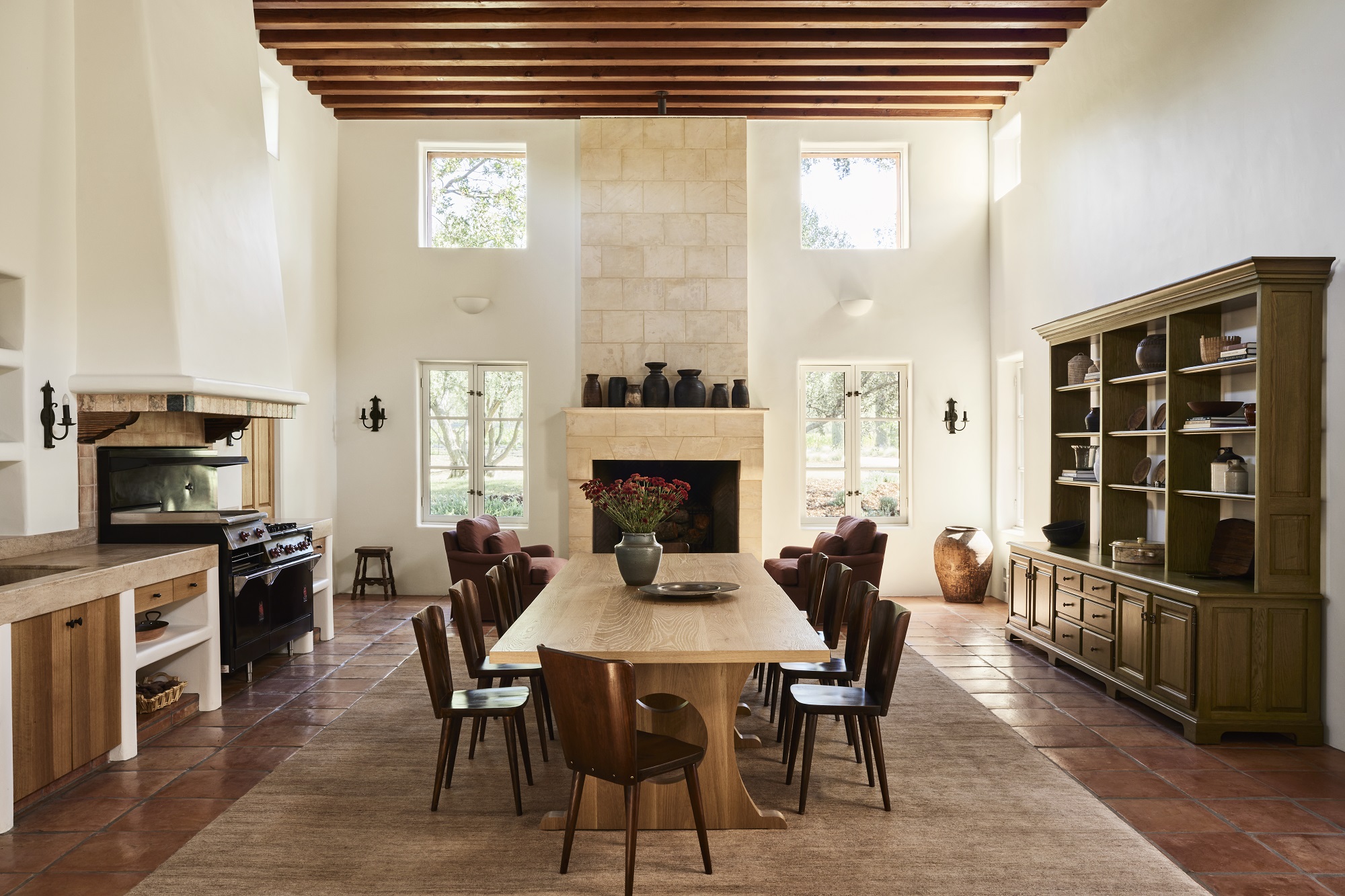
This Controversial Window Treatment Trick Might Just Make Your Room Feel Bigger and Brighter

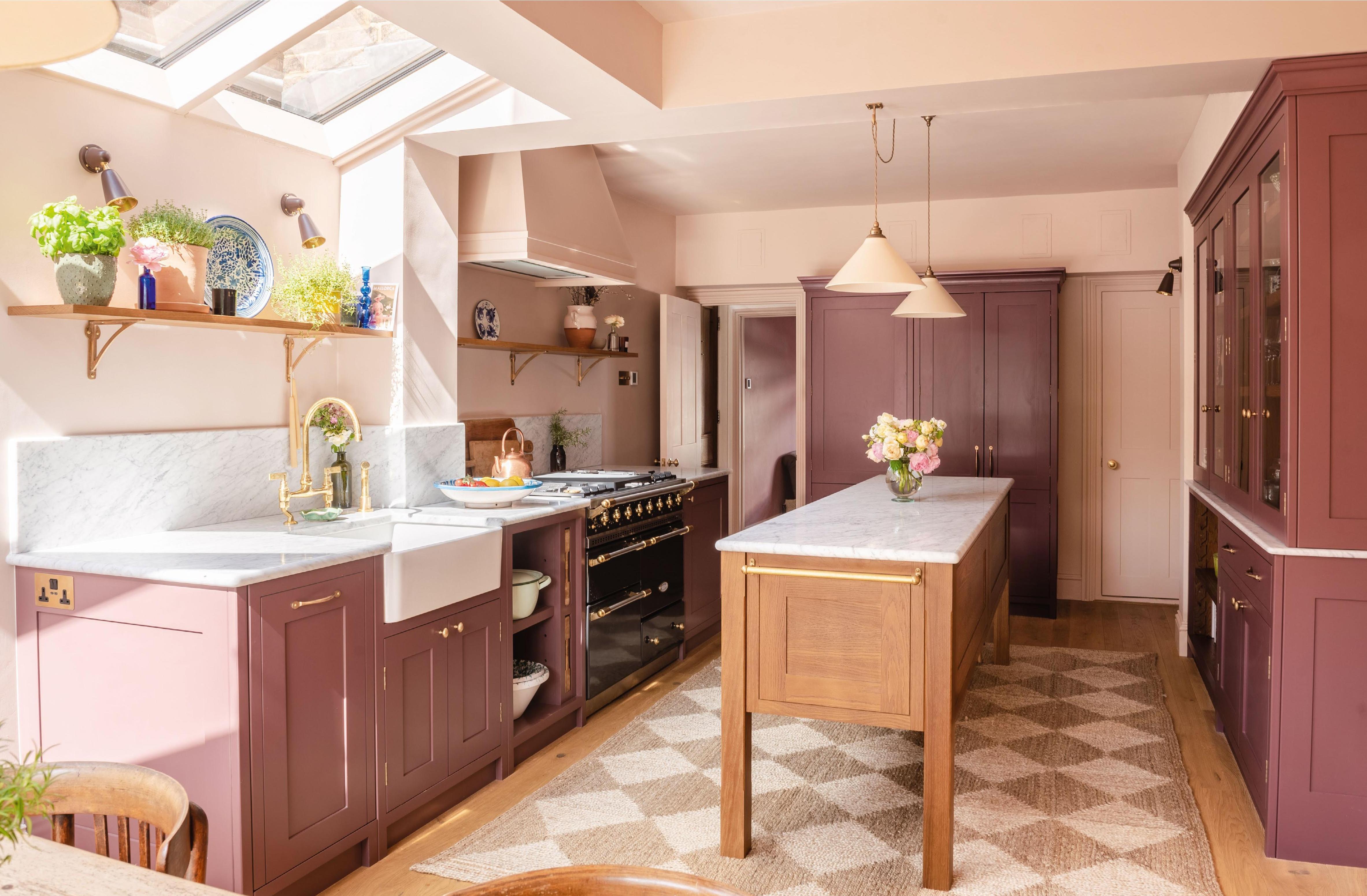
This dark galley kitchen was transformed into a warm and bright space
10 kitchen wall decor ideas – how to create something unique with paint, paper, prints, and more
5 Kitchen Window Mistakes to Avoid, According to an Architect — Some May Seriously Surprise You
Rainbow colours have transformed a tired kitchen into a vibrant space
9 ways this bright kitchen remodel gives original features a new chance to shine
The Affordable Shade Swap That Can Instantly Transform A Kitchen Window