1/4
Where should your dishwasher really go? Expert top tips on this appliance's placement in the kitchen
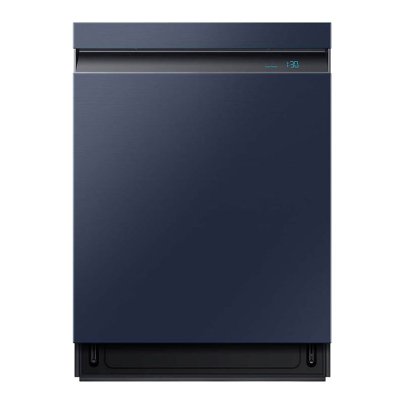
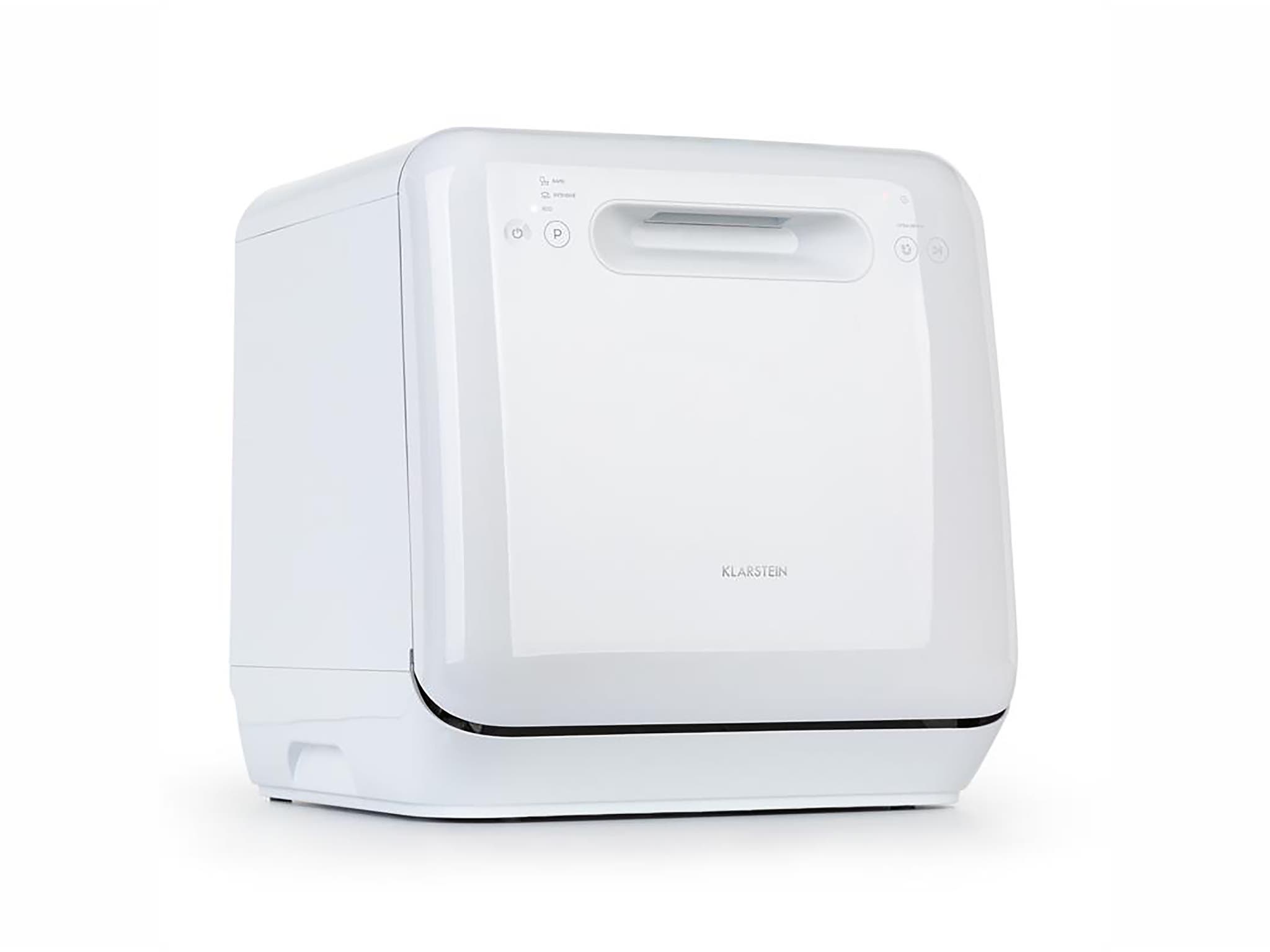
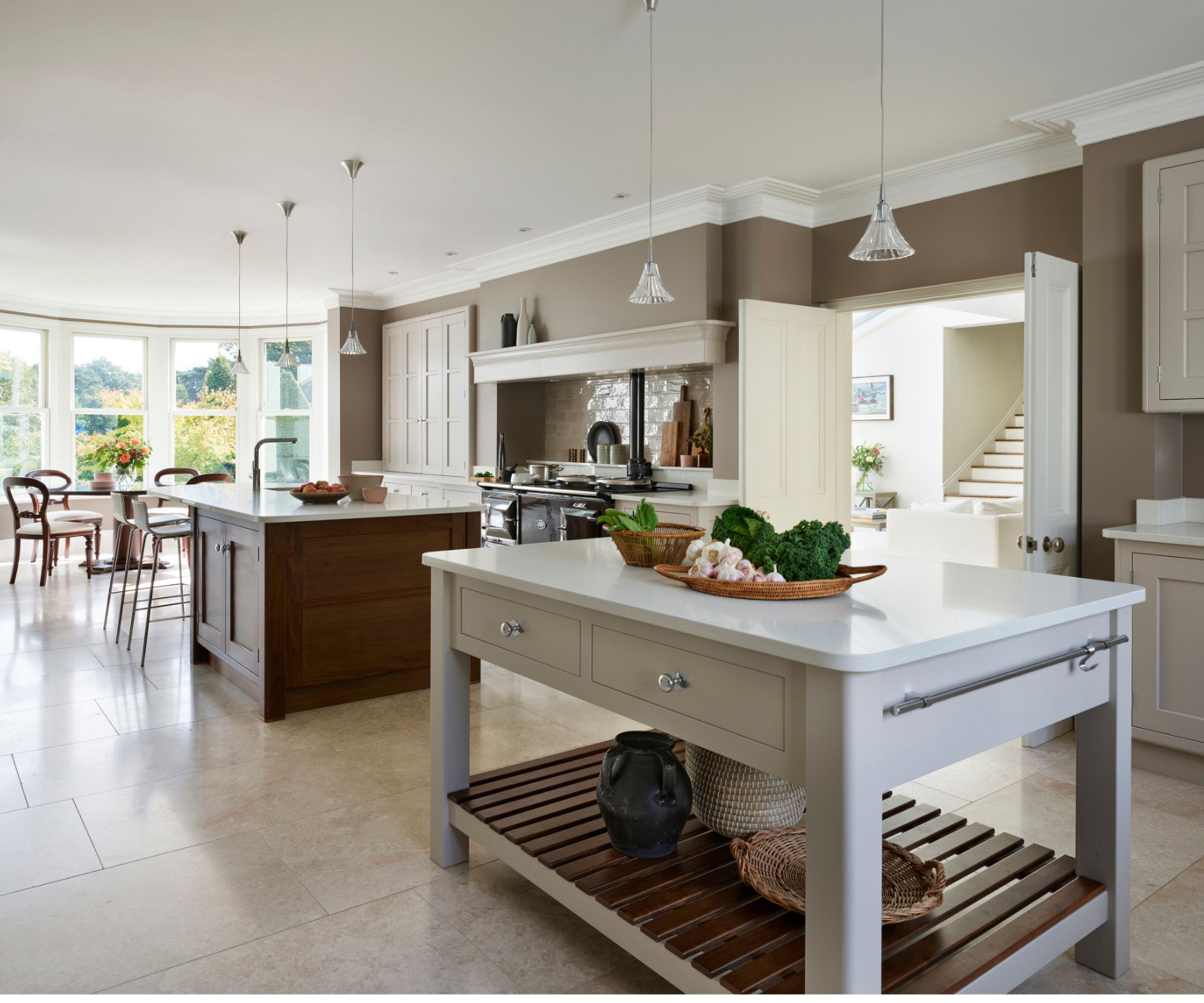
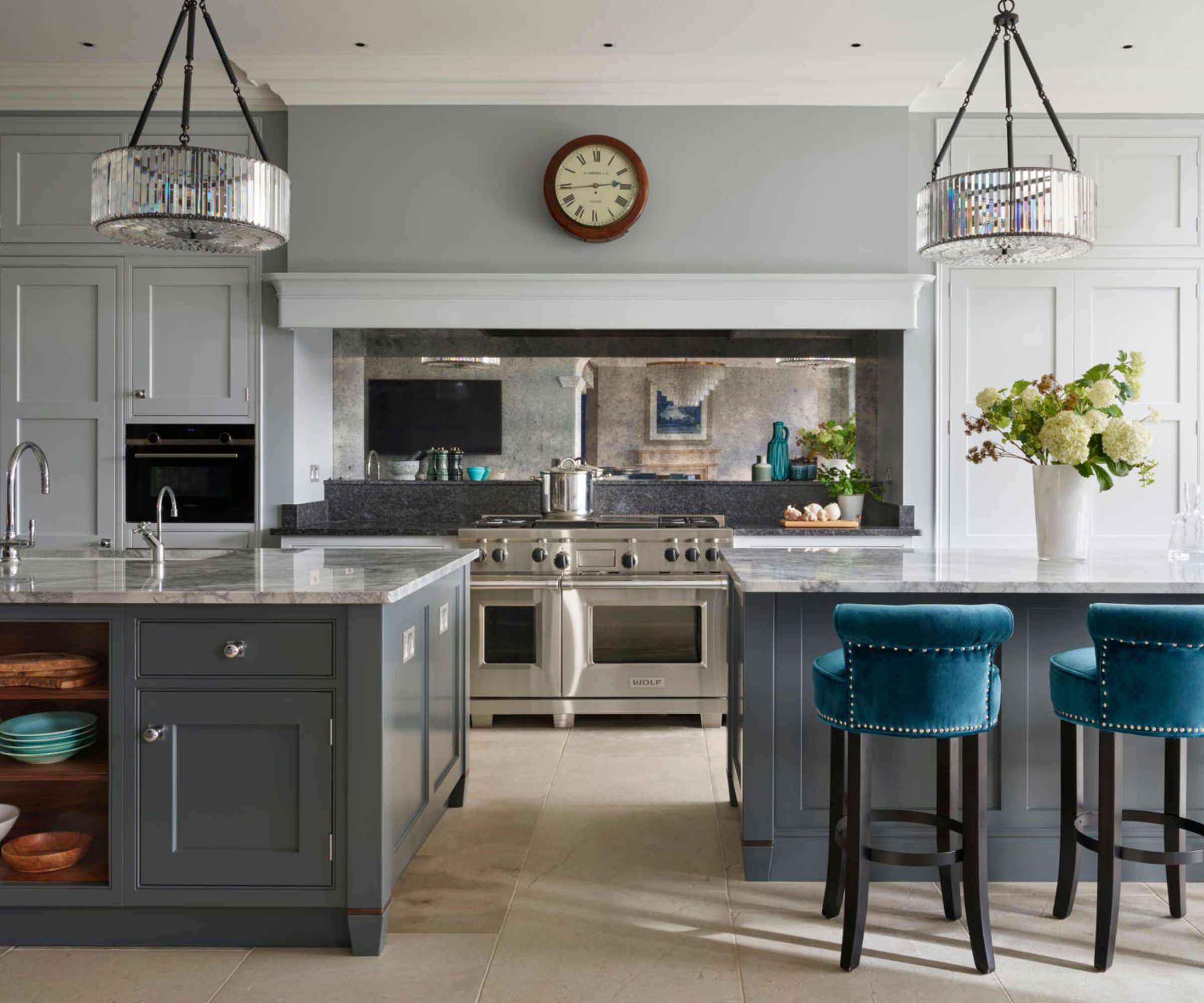
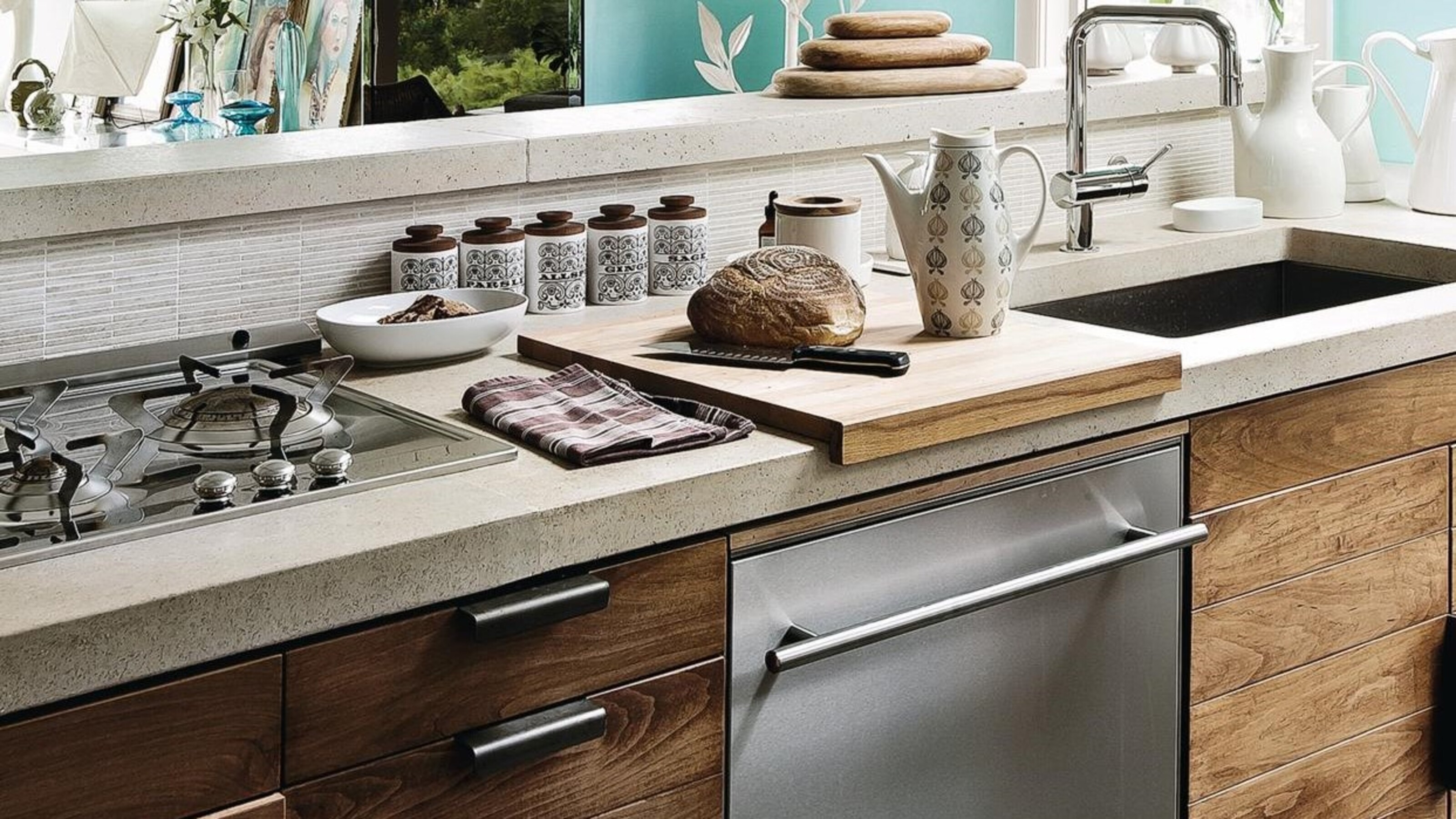
The placement of a dishwasher in a kitchen is a critical aspect of kitchen design that significantly impacts functionality and user comfort. While it might seem like a minor detail, careful consideration of its location can streamline daily routines and enhance the overall efficiency of the kitchen space. Key factors influencing optimal dishwasher placement include its proximity to the kitchen sink, how its door opening affects movement, and its relationship to dish storage areas.
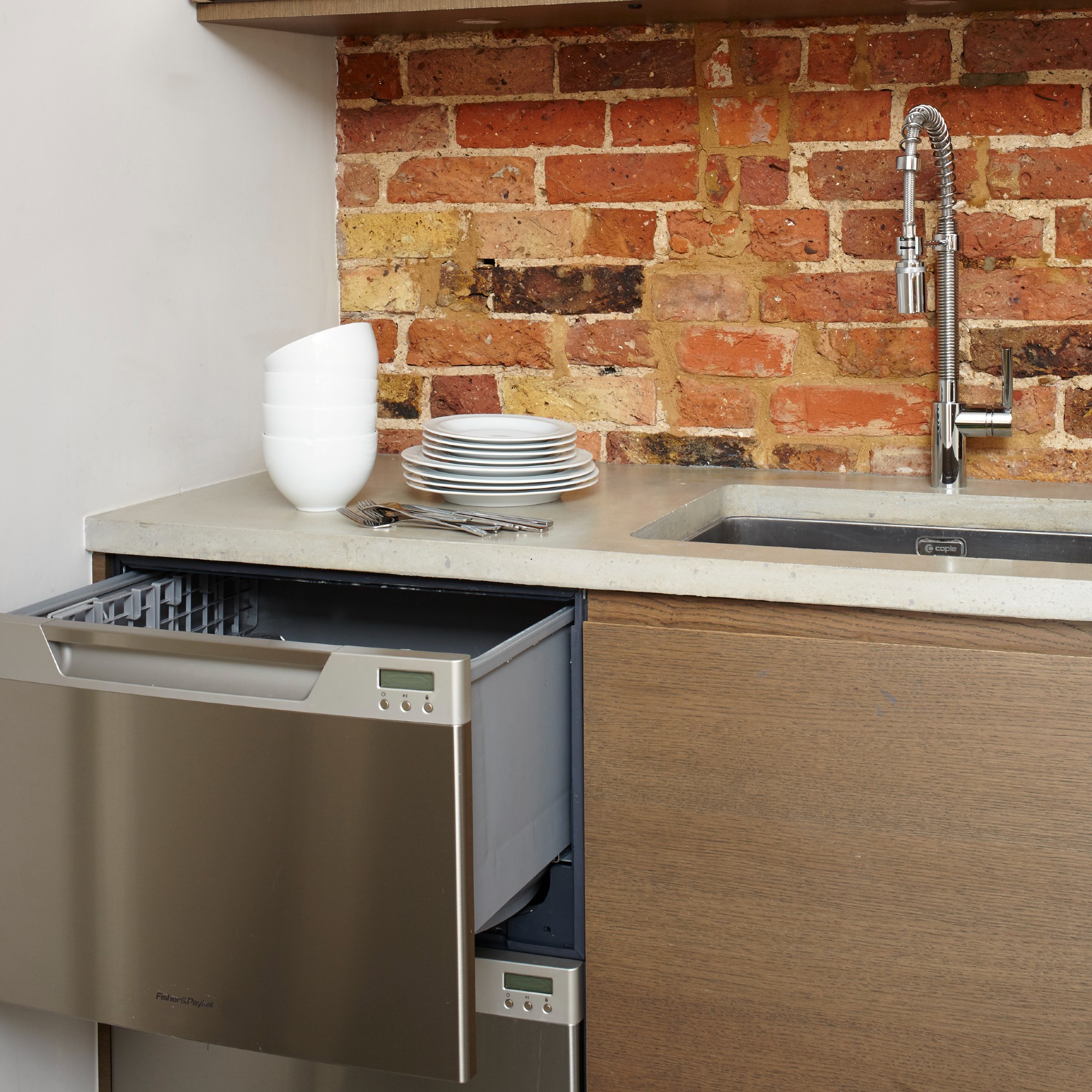
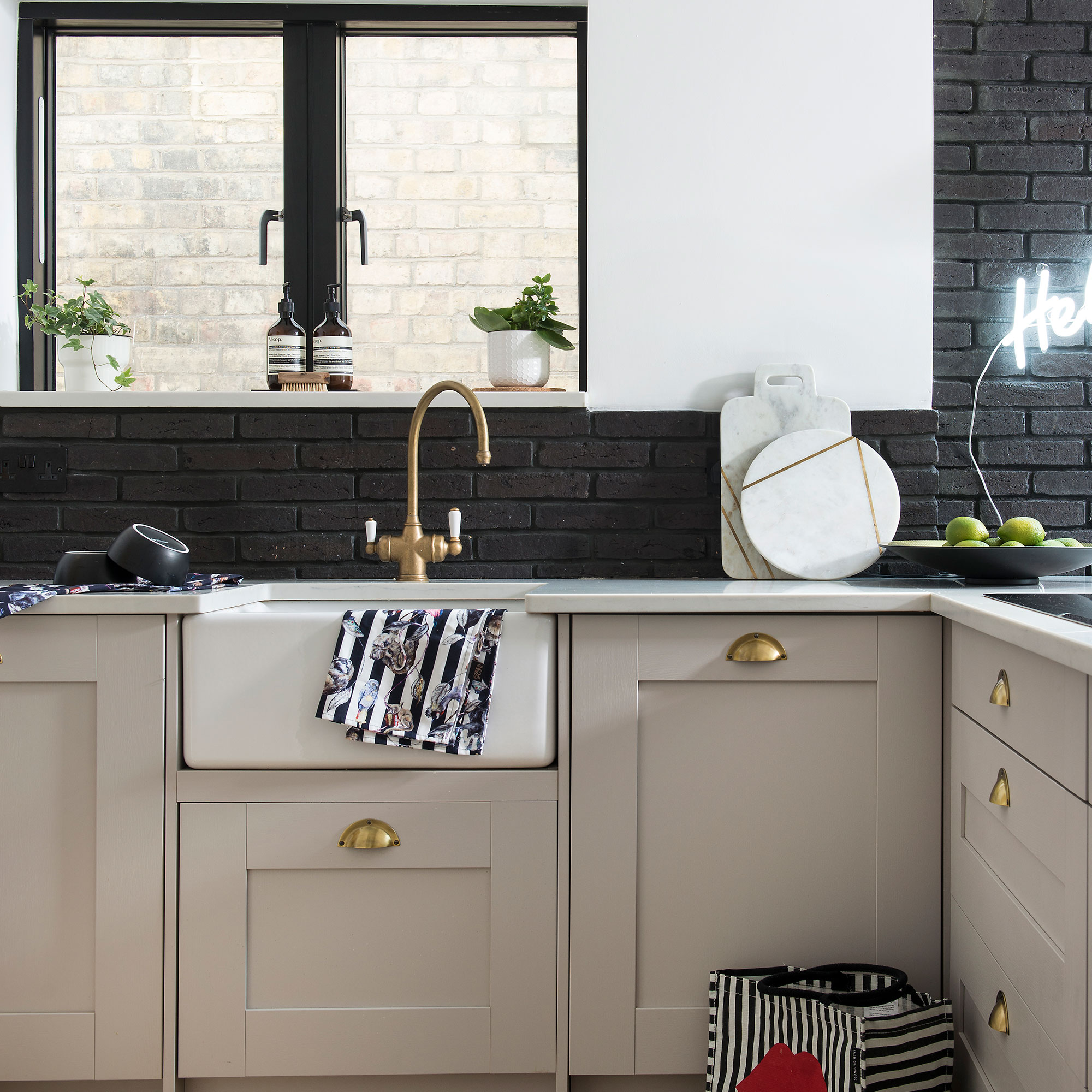
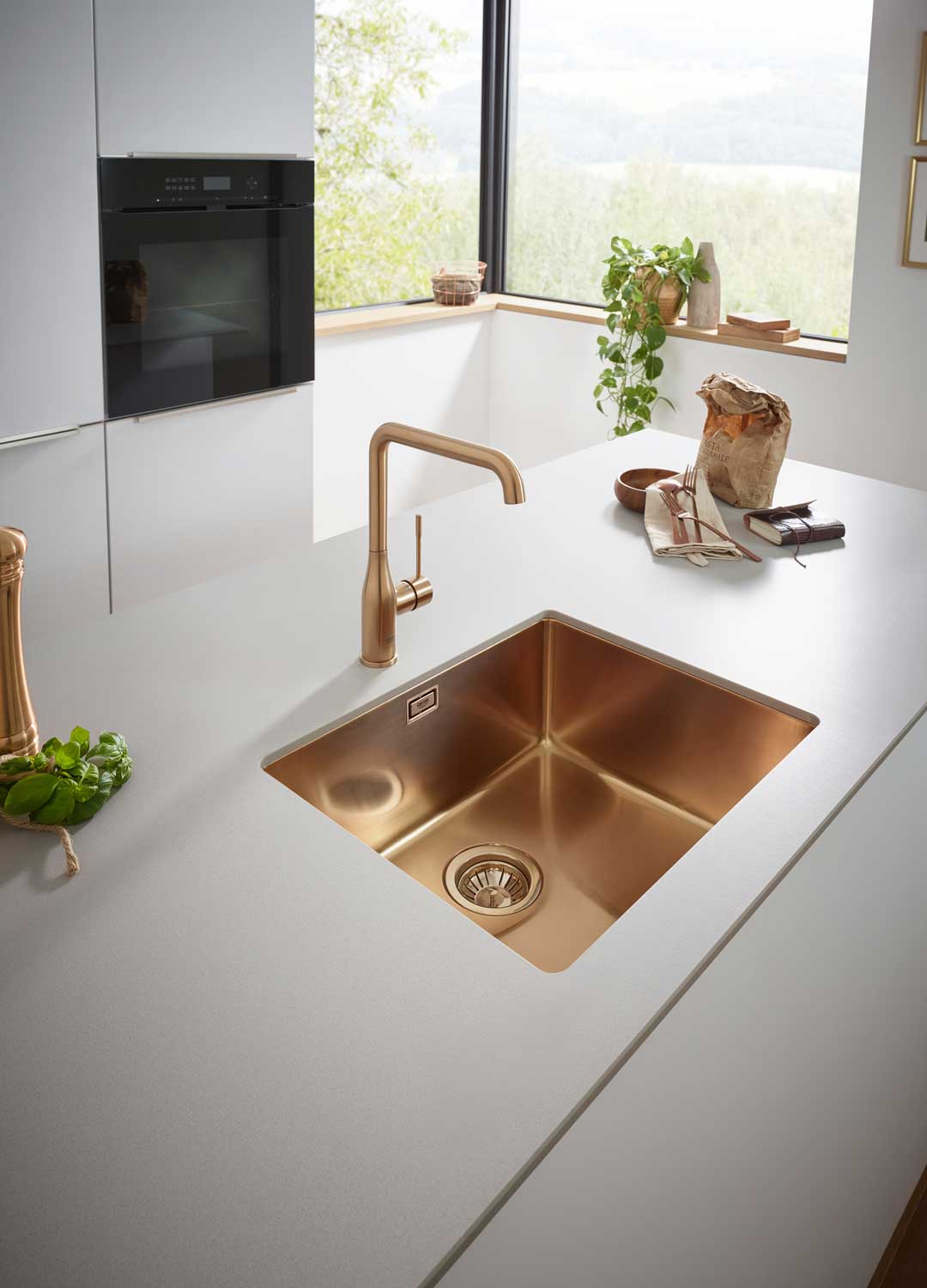
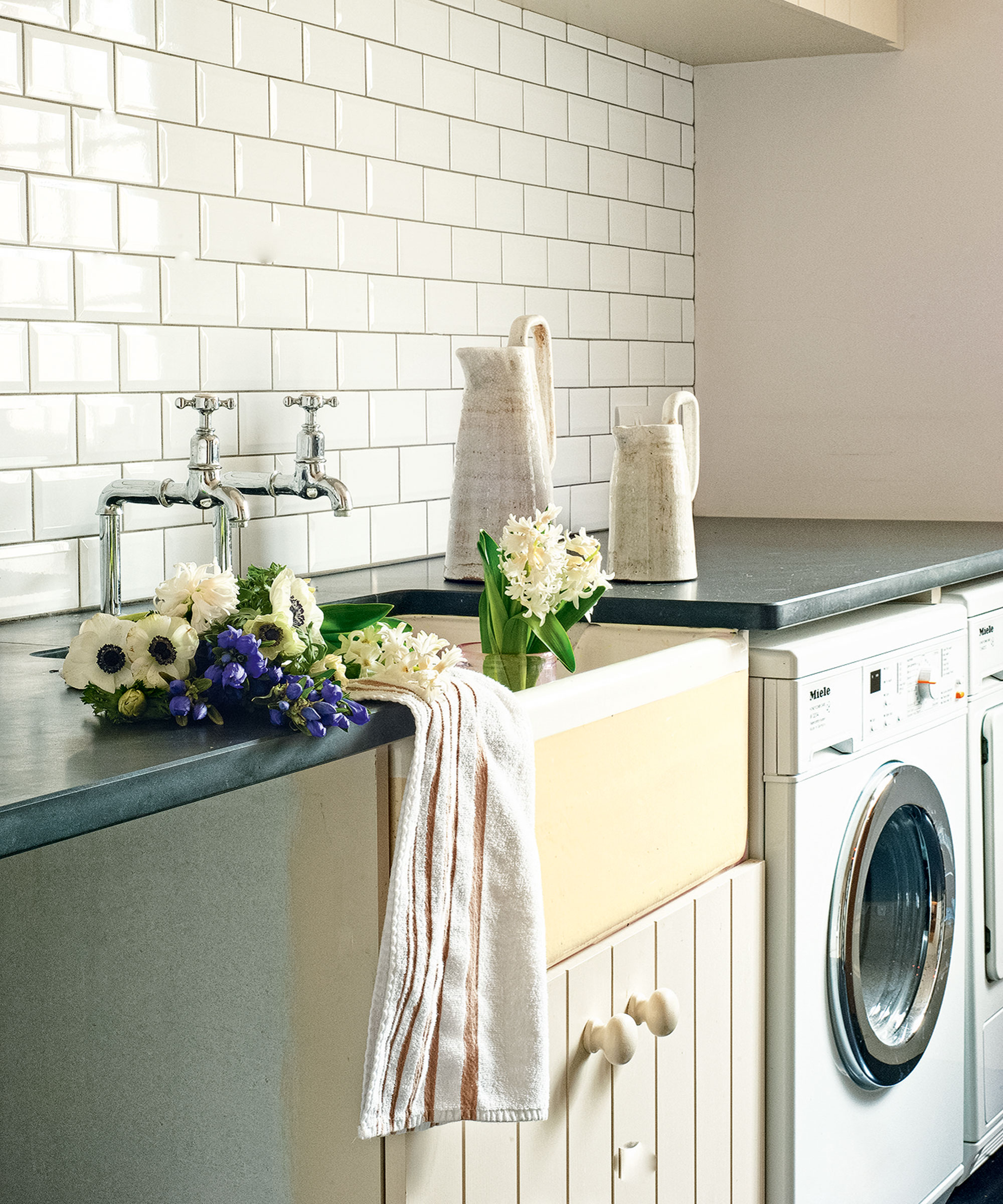
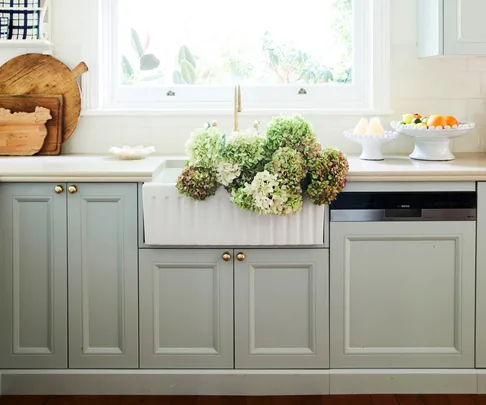
Experts emphasize that the dishwasher should ideally be placed next to the kitchen sink. This positioning offers several practical benefits. Firstly, it simplifies plumbing installation, potentially reducing costs and complexity. Secondly, and more importantly for daily use, it facilitates the pre-rinsing and scraping of dishes before loading them into the dishwasher. Interior designer Gideon Mendelson highlights the importance of having the dishwasher close to the sink for a thorough pre-clean, while Hugh Williams, lead designer at Blakes, underscores that this proximity is essential for scraping plates into a waste disposal system and rinsing before loading. This arrangement minimizes drips and mess, contributing to a cleaner and more hygienic kitchen environment.
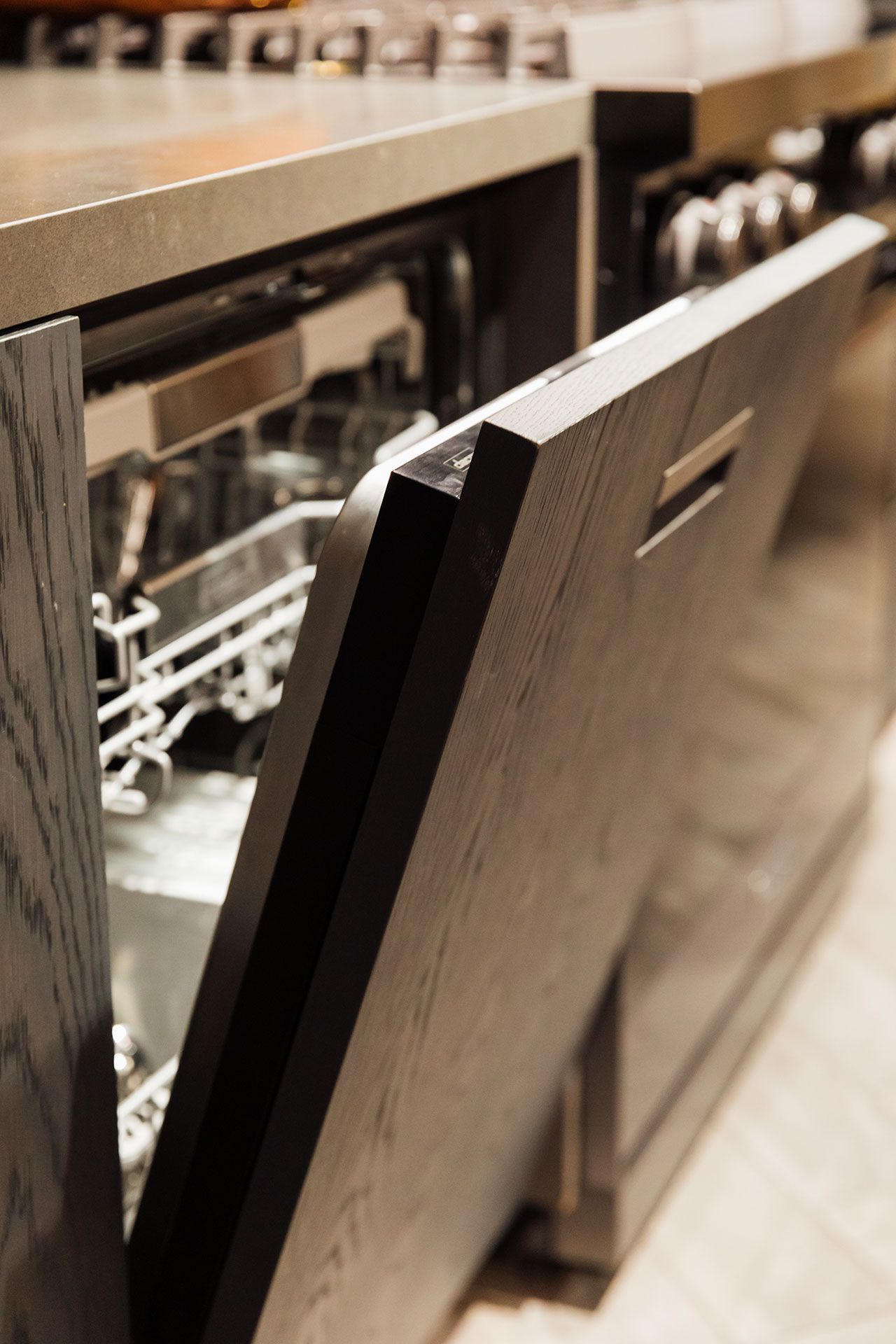
Another crucial consideration is the impact of the dishwasher door on kitchen traffic flow. When opened, the dishwasher door can become an obstruction if not planned correctly. Designers advise against placing the dishwasher directly opposite pull-out bins or frequently used cabinet doors, as the drop-down door could block access. Visualizing movement within the kitchen during the planning stages is essential to ensure that the dishwasher's location does not impede main walkways. Hugh Williams suggests avoiding placement opposite the fridge and hob, areas with high foot traffic, as an open dishwasher could restrict access to these frequently used zones. For L-shaped or U-shaped kitchens, maintaining about a meter of distance between the dishwasher and opposite storage areas is recommended to allow for comfortable movement and access.
The decision of whether to place the dishwasher to the left or right of the sink is often a matter of personal preference and user ergonomics. There is no universally correct side; instead, it depends on whether the primary user is left-handed or right-handed. Matthew Miller of Studio LAB explains that a right-handed person might find it more natural to hold a dish with their left hand and scrape with their right, making a dishwasher positioned to the left of the sink more convenient. For households with high dishwashing volumes, such as families, the trend is moving towards incorporating two standard-sized dishwashers. For smaller households, dishwasher drawers offer flexibility and energy efficiency, as they can be run more frequently without waiting to fill a full-sized unit.
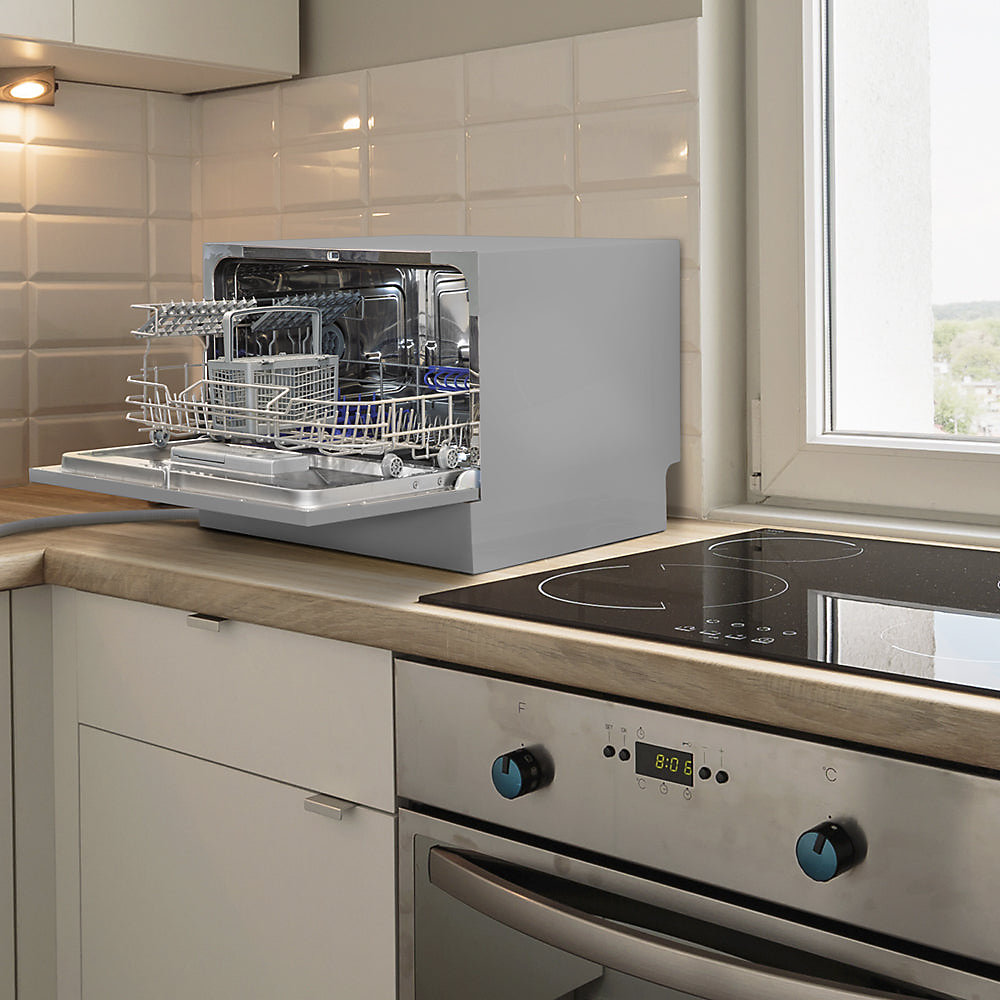
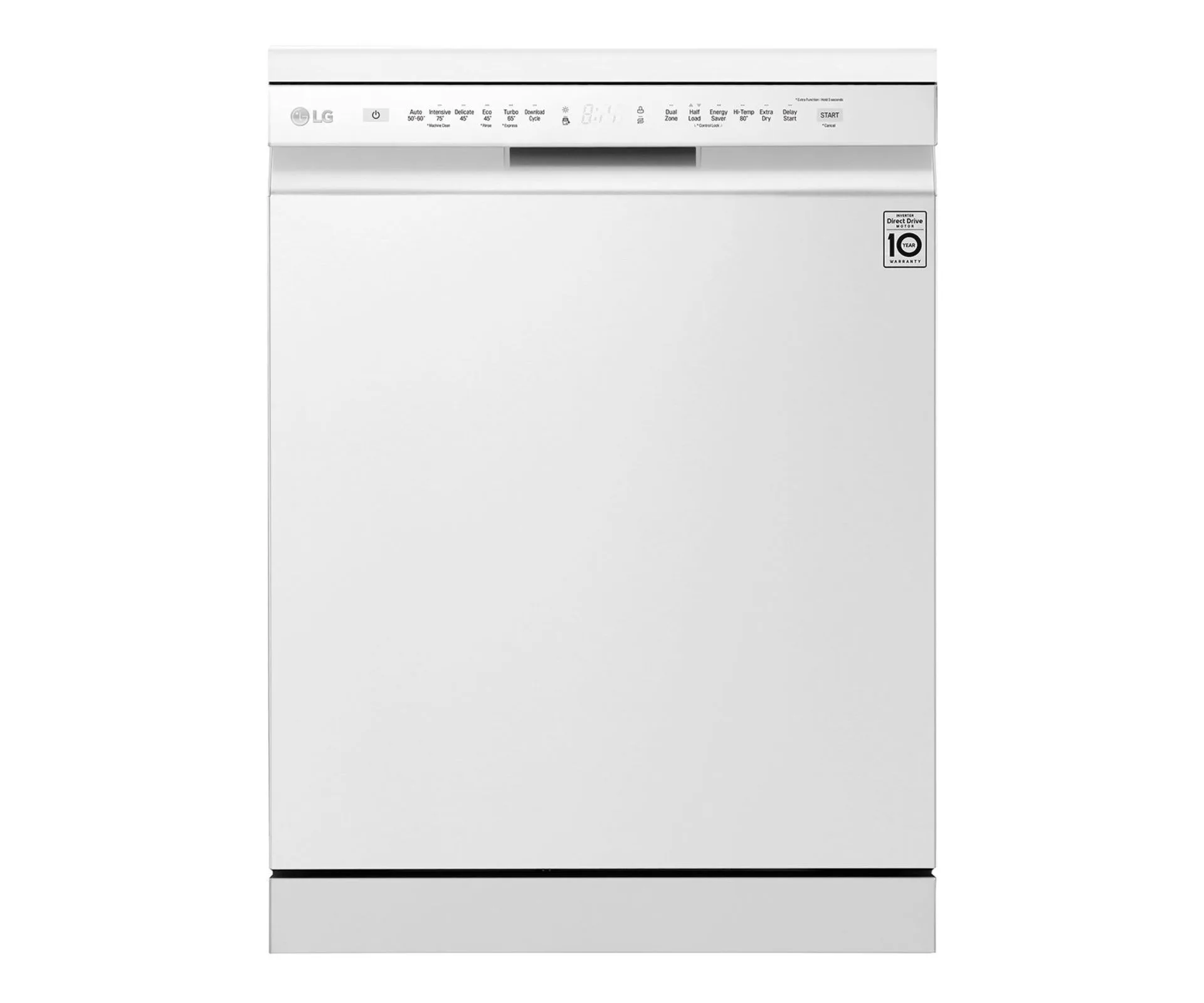
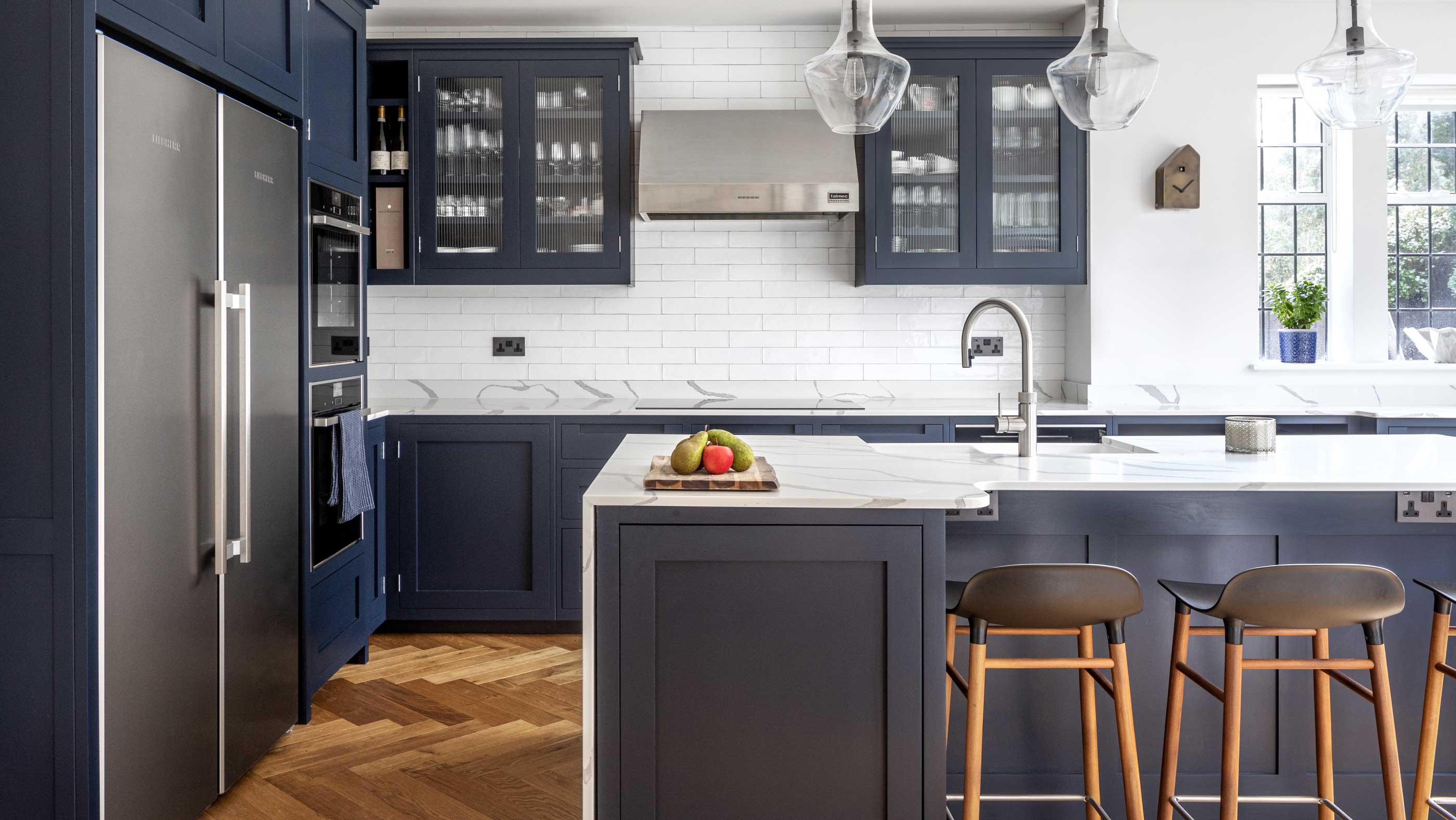
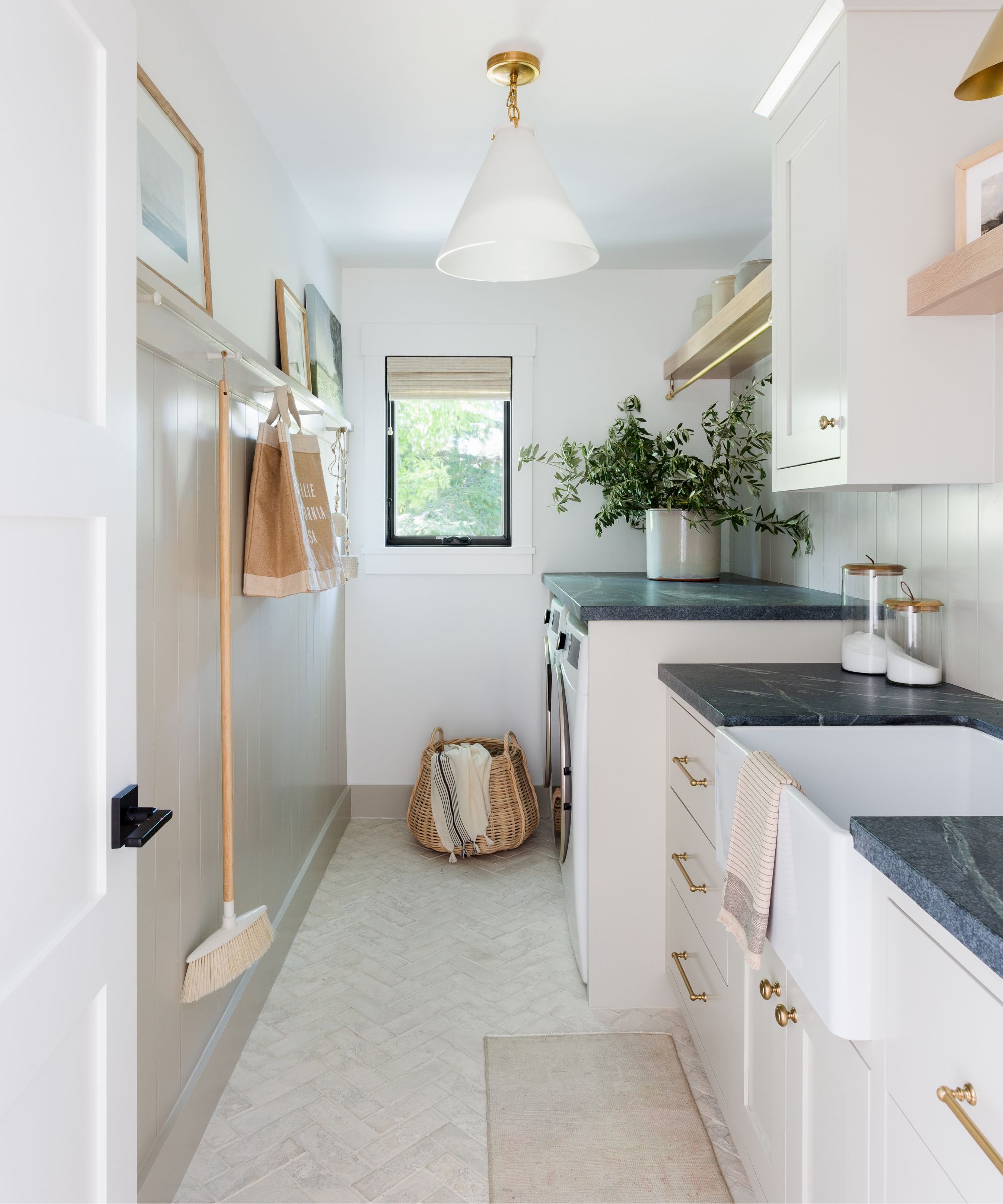
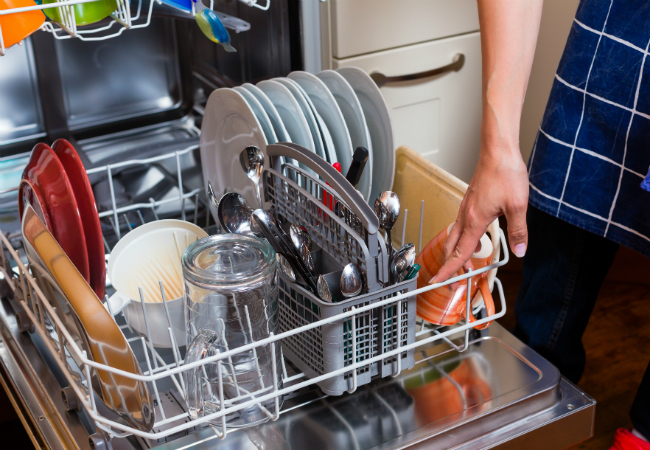
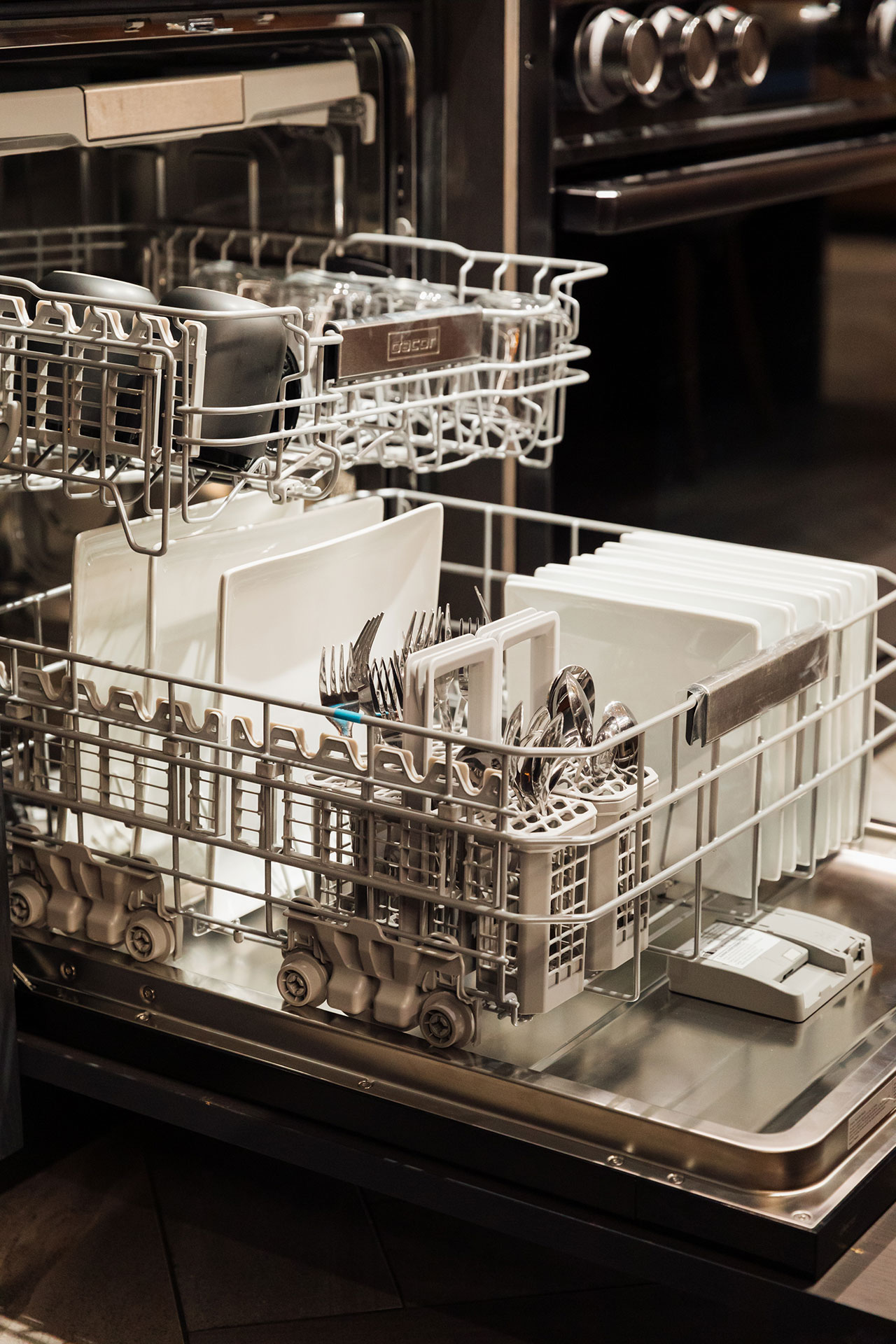
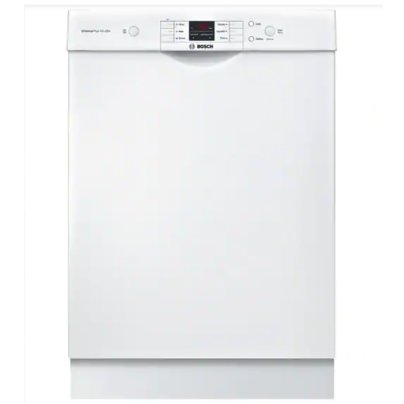
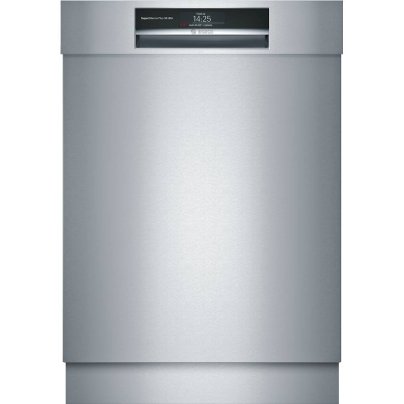
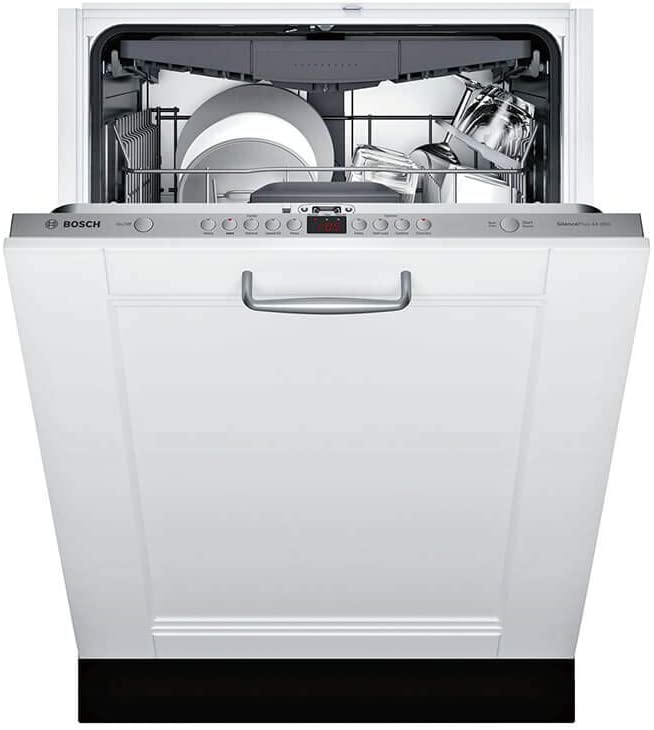
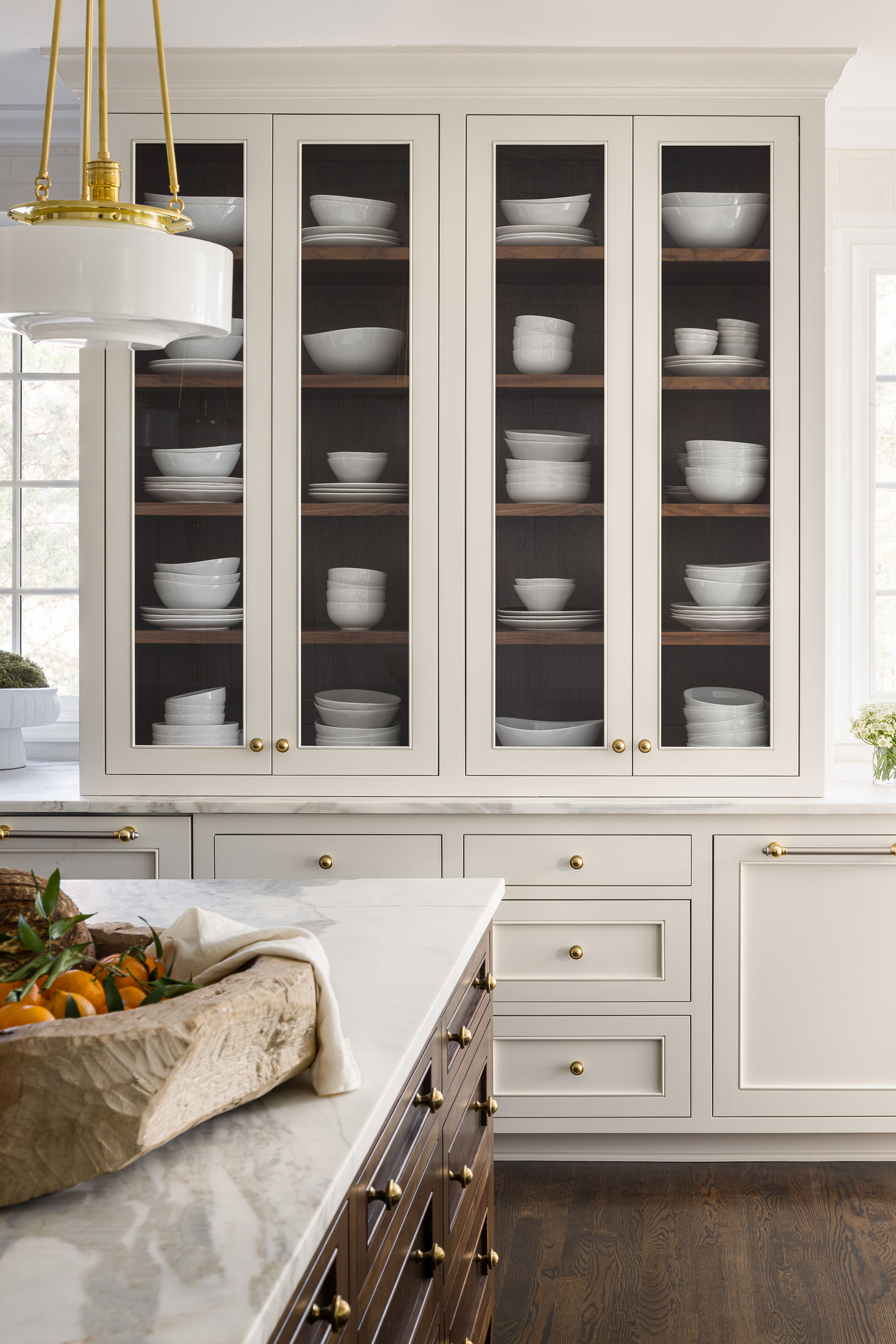
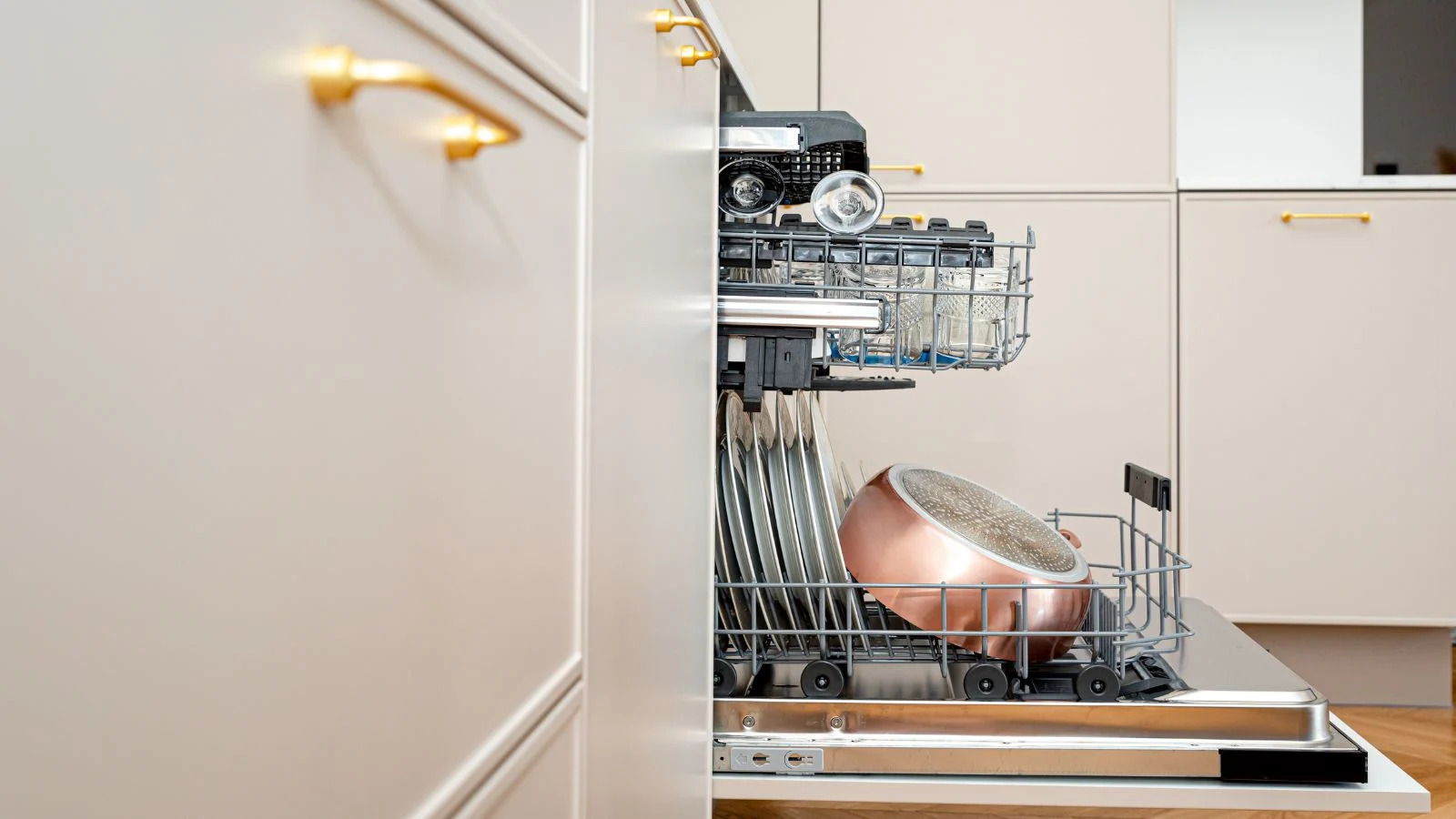
Furthermore, the dishwasher's placement should facilitate efficient loading and unloading. It is impractical to have the dishwasher near the sink if cleaned dishes must be carried across the kitchen to be stored. Ideally, dish and glassware storage should be located above or adjacent to the sink and dishwasher, allowing for a seamless transition from washing to storing. This thoughtful organization of kitchen cupboards can significantly improve the post-meal cleanup process. The integration of a dishwasher into a kitchen island is also an option, particularly in kitchens where the island serves as a central hub for meal preparation, dining, and socializing. Plumbing considerations are key here, and consulting with a plumber is necessary to ensure both a faucet and dishwasher can be accommodated. Finally, the aesthetic integration of the dishwasher is important. Integrated models, which hide behind panels matching the kitchen cabinetry, offer a seamless look. Whether semi-integrated (top panel visible) or fully integrated (entirely concealed), these options prevent the appliance from detracting from the overall kitchen design. A small clearance of 1/2 to 3/4 inch between the dishwasher and the countertop is also crucial for airflow and to prevent overheating, contributing to the appliance's longevity and safe operation.
#DishwasherPlacement #KitchenDesign #KitchenAppliances #HomeDesign #InteriorDesign #KitchenLayout #KitchenEfficiency #ApplianceIntegration #DishwasherPlacement #KitchenDesign #KitchenAppliances #HomeDesign #InteriorDesign #KitchenLayout #KitchenEfficiency #ApplianceIntegration
0 comment in total
 No comments yet
You may also like
Where to put a dishwasher in a small kitchen - 5 tricks for a practical and ergonomic space
We Researched Dozens of Dishwashers. Our Top Pick Washes More Dishes in Less Time Than Competitors


The Best Dish Racks to Keep Your Plates Organized and Countertop Dry


My Mom Is an Organizing Genius — These Are Her Favorite Storage Solutions at Amazon

The best dishwashers to buy and how to pick the right one

5 best tabletop dishwashers for squeaky clean plates in small spaces

5 Kitchen Design Choices That Actually Make Cooking Harder, According to Designers

8 tricks for organizing your dishes that professional declutterers always implement in kitchen storage
Where should a sink be in a kitchen? Designers share advice on placement for maximum efficiency


Did Trump Really Make Dishwashers Great Again?
Dacor Debuts Innovative Dishwasher Door Design
9 expert tips from a top kitchen designer on getting storage spot on

Where to put a dishwasher in a small kitchen – 5 places picked by professionals

Where should you place a coffee machine in your kitchen? Experts share advice to avoid potential hazards
Where do you put sockets on a kitchen island? Experts share the best options, and regulations to keep in mind
Before You Splurge on a Panel-Ready Dishwasher, Try This 5-Minute Hack

This washing machine placement mistake could be damaging your appliance – here's where to put it instead
7 unexpected things you can clean in the dishwasher to easily refresh the hardest-working micro-elements of your home
The Best Bosch Dishwashers You Can Get

Turn ‘Where Did I Put That?’ Into ‘Right Where It Lives’ With On-Sale Organizers for Every Corner of the Kitchen